EP4564633A1 - Power system and frequency modulation control method therefor - Google Patents
Power system and frequency modulation control method therefor Download PDFInfo
- Publication number
- EP4564633A1 EP4564633A1 EP23844750.2A EP23844750A EP4564633A1 EP 4564633 A1 EP4564633 A1 EP 4564633A1 EP 23844750 A EP23844750 A EP 23844750A EP 4564633 A1 EP4564633 A1 EP 4564633A1
- Authority
- EP
- European Patent Office
- Prior art keywords
- input current
- frequency
- change value
- power system
- hydrogen generator
- Prior art date
- Legal status (The legal status is an assumption and is not a legal conclusion. Google has not performed a legal analysis and makes no representation as to the accuracy of the status listed.)
- Pending
Links
Images



Classifications
-
- H—ELECTRICITY
- H02—GENERATION; CONVERSION OR DISTRIBUTION OF ELECTRIC POWER
- H02J—ELECTRIC POWER NETWORKS; CIRCUIT ARRANGEMENTS OR SYSTEMS FOR SUPPLYING OR DISTRIBUTING ELECTRIC POWER; SYSTEMS FOR STORING ELECTRIC ENERGY
- H02J3/00—Circuit arrangements for AC mains or AC distribution networks
- H02J3/001—Arrangements for handling faults or abnormalities, e.g. emergencies or contingencies
- H02J3/0014—Arrangements for handling faults or abnormalities, e.g. emergencies or contingencies for preventing or reducing power oscillations in networks
- H02J3/00142—Oscillations concerning frequency
-
- H—ELECTRICITY
- H02—GENERATION; CONVERSION OR DISTRIBUTION OF ELECTRIC POWER
- H02J—ELECTRIC POWER NETWORKS; CIRCUIT ARRANGEMENTS OR SYSTEMS FOR SUPPLYING OR DISTRIBUTING ELECTRIC POWER; SYSTEMS FOR STORING ELECTRIC ENERGY
- H02J15/00—Systems for storing electric energy specially adapted for power networks
- H02J15/50—Systems for storing electric energy specially adapted for power networks using stored hydrogen
-
- H—ELECTRICITY
- H02—GENERATION; CONVERSION OR DISTRIBUTION OF ELECTRIC POWER
- H02J—ELECTRIC POWER NETWORKS; CIRCUIT ARRANGEMENTS OR SYSTEMS FOR SUPPLYING OR DISTRIBUTING ELECTRIC POWER; SYSTEMS FOR STORING ELECTRIC ENERGY
- H02J3/00—Circuit arrangements for AC mains or AC distribution networks
- H02J3/001—Arrangements for handling faults or abnormalities, e.g. emergencies or contingencies
- H02J3/0012—Arrangements for handling faults or abnormalities, e.g. emergencies or contingencies characterised by the contingency detection means in AC networks, e.g. using phasor measurement units [PMU], synchrophasors or contingency analysis
-
- H—ELECTRICITY
- H02—GENERATION; CONVERSION OR DISTRIBUTION OF ELECTRIC POWER
- H02J—ELECTRIC POWER NETWORKS; CIRCUIT ARRANGEMENTS OR SYSTEMS FOR SUPPLYING OR DISTRIBUTING ELECTRIC POWER; SYSTEMS FOR STORING ELECTRIC ENERGY
- H02J3/00—Circuit arrangements for AC mains or AC distribution networks
- H02J3/28—Arrangements for balancing of the load in networks by storage of energy
-
- H—ELECTRICITY
- H02—GENERATION; CONVERSION OR DISTRIBUTION OF ELECTRIC POWER
- H02J—ELECTRIC POWER NETWORKS; CIRCUIT ARRANGEMENTS OR SYSTEMS FOR SUPPLYING OR DISTRIBUTING ELECTRIC POWER; SYSTEMS FOR STORING ELECTRIC ENERGY
- H02J3/00—Circuit arrangements for AC mains or AC distribution networks
- H02J3/38—Arrangements for feeding a single network from two or more generators or sources in parallel; Arrangements for feeding already energised networks from additional generators or sources in parallel
-
- H—ELECTRICITY
- H02—GENERATION; CONVERSION OR DISTRIBUTION OF ELECTRIC POWER
- H02J—ELECTRIC POWER NETWORKS; CIRCUIT ARRANGEMENTS OR SYSTEMS FOR SUPPLYING OR DISTRIBUTING ELECTRIC POWER; SYSTEMS FOR STORING ELECTRIC ENERGY
- H02J2101/00—Supply or distribution of decentralised, dispersed or local electric power generation
- H02J2101/20—Dispersed power generation using renewable energy sources
- H02J2101/22—Solar energy
-
- Y—GENERAL TAGGING OF NEW TECHNOLOGICAL DEVELOPMENTS; GENERAL TAGGING OF CROSS-SECTIONAL TECHNOLOGIES SPANNING OVER SEVERAL SECTIONS OF THE IPC; TECHNICAL SUBJECTS COVERED BY FORMER USPC CROSS-REFERENCE ART COLLECTIONS [XRACs] AND DIGESTS
- Y02—TECHNOLOGIES OR APPLICATIONS FOR MITIGATION OR ADAPTATION AGAINST CLIMATE CHANGE
- Y02E—REDUCTION OF GREENHOUSE GAS [GHG] EMISSIONS, RELATED TO ENERGY GENERATION, TRANSMISSION OR DISTRIBUTION
- Y02E60/00—Enabling technologies; Technologies with a potential or indirect contribution to GHG emissions mitigation
- Y02E60/30—Hydrogen technology
- Y02E60/36—Hydrogen production from non-carbon containing sources, e.g. by water electrolysis
Definitions
- the present disclosure relates to the technical field of frequency regulation of power system, and in particular to a power system and a frequency regulation control method therefor.
- renewable energy power generation can reduce pollution and has a certain positive effect, it will lead to problems such as node frequency fluctuations in the power grid, due to the randomness and fluctuation of renewable energy power generation.
- the input current from the hydrogen generator unit is configured based on the detected system frequency through a relationship between system power consumption and frequency fluctuation, to achieve the frequency regulation control of the power system, which solves the problem of frequency fluctuations in the power system caused by the randomness and fluctuation of renewable energy power generation.
- a frequency regulation control method for a power system including:
- an upper limit of the preset frequency deviation range is f 0 + ⁇ 1
- a lower limit of the preset frequency deviation range is f 0 - ⁇ 2 ; where f 0 represents the rated grid frequency, ⁇ 1 represents a maximum increment, and ⁇ 2 represents a maximum decrement.
- the calculating a change value of an input current from a hydrogen generator unit in the power system, based on the present grid frequency and a rated grid frequency includes:
- the determining a target input current from the hydrogen generator unit, based on a relationship between the change value of the input current from the hydrogen generator unit and a threshold of the change value of the input current and a relationship between a changed input current and a threshold of the changed input current includes:
- the first preset condition is: ⁇ I min ⁇ ⁇ I i ⁇ ⁇ I m a x and I min ⁇ I i + ⁇ I i ⁇ I m a x ;
- the adjusting an input current from the hydrogen generator unit based on the target input current includes:
- the method further includes: returning to the step of determining whether the present grid frequency of the power system is within the preset frequency deviation range.
- the frequency regulation control method for the power system if it is determined that the present grid frequency is within the preset frequency deviation range, returning to the step of determining whether the present grid frequency in the power system is within the preset frequency deviation range, until it is determined that the present grid frequency is not within the preset frequency deviation range.
- a power system in the present disclosure.
- the power system includes: a renewable energy power generation unit, an energy storage unit, and a controller; where the energy storage unit at least includes a hydrogen generator unit; and the controller is communicatively connected to the energy storage unit, to perform the frequency regulation control method for the power system according to any one of embodiments in the first aspect by sampling the present grid frequency in the power system in real time.
- a frequency regulation control method for a power system includes: determining whether a present grid frequency of a power system is within a preset frequency deviation range; calculating a change value of an input current from a hydrogen generator unit in the power system, based on the present grid frequency and a rated grid frequency, in response to determining that the present grid frequency is not within the preset frequency deviation range; determining a target input current from the hydrogen generator unit, based on a relationship between the change value of the input current from the hydrogen generator unit and a threshold of the change value of the input current and a relationship between a changed input current and a threshold of the changed input current; and adjusting an input current from the hydrogen generator unit based on the target input current, to adjust a grid frequency of the power system to the preset frequency deviation range.
- the frequency regulation control of the power system is achieved by configuring input current from the hydrogen generator unit based on the detected system frequency through the relationship between system power consumption and frequency fluctuation.
- the hydrogen generator unit greatly plays the role of frequency regulation for the power system in the production hydrogen process, which solves the problem of frequency fluctuations in the power system caused by the randomness and fluctuation of renewable energy power generation.
- a frequency regulation control method for a power system is provided in the present disclosure.
- the frequency regulation control of the power system is achieved by configuring input current from the hydrogen generator unit based on the detected system frequency through the relationship between system power consumption and frequency fluctuation.
- the hydrogen generator unit greatly plays the role of frequency regulation for the power system in the production process, which solves the problem of frequency fluctuations in the power system caused by the randomness and fluctuation of renewable energy power generation.
- a frequency regulation control method for a power system includes following steps S100 to S106.
- step S100 it is determined whether a present grid frequency of the power system is within a preset frequency deviation range.
- the present grid frequency of the power system can be obtained by monitoring the grid frequency of the power system.
- the preset frequency deviation range is generally a frequency deviation range at the grid side.
- the upper limit of the preset frequency deviation range may be f 0 + ⁇ 1
- the lower limit of the preset frequency deviation range may be f 0 - ⁇ 2 .
- f 0 represents the rated grid frequency
- ⁇ 1 represents a maximum increment
- ⁇ 2 represents a maximum decrement.
- the maximum increment ⁇ 1 and the maximum decrement ⁇ 2 may be preset, may be determined based on the specific application environment and user requirement or based on the installed capacity of the power grid.
- the values of ⁇ 1 and ⁇ 2 may be equal or different, which are not specifically limited in the present disclosure, and all fall within the protection scope of the present disclosure.
- step S102 If it is determined that the present grid frequency is within the preset frequency deviation range, it means that the present grid frequency of the power system is within a reasonable range and no frequency regulation is required. If it is determined that the present grid frequency is not within the preset frequency deviation range, it means that the present grid frequency of the power system is not within the reasonable range, and step S102 needs to be performed.
- step S102 a change value of an input current from a hydrogen generator unit in the power system is calculated based on the present grid frequency and a rated grid frequency.
- the rated grid frequency is the rated frequency of the power grid in the power system, which is generally 50Hz or 60Hz.
- the step S102 of calculating a change value of an input current from a hydrogen generator unit in the power system based on the present grid frequency and a rated grid frequency mainly includes the following steps S200 and S202, as shown in FIG. 2 .
- step S200 a grid frequency difference between the present grid frequency and the rated grid frequency is determined.
- ⁇ f i the grid frequency difference
- f i the present grid frequency
- f 0 the rated grid frequency.
- the grid frequency difference between the present grid frequency and the rated grid frequency can also be determined through other existing methods, which are not specifically limited in the present disclosure and all fall within the protection scope of the present disclosure.
- step S202 the change value of the input current from the hydrogen generator unit is calculated based on the grid frequency difference and a current adjustment proportion function.
- the grid frequency difference can be substituted into the current adjustment proportion function to calculate the change value of the input current from the hydrogen generator unit.
- an optimal proportional gain K p can be obtained through offline trials.
- the optimal proportional gain K p can be determined through other existing methods or based on the specific application environment and user requirement, which are not specifically limited in the present disclosure and all fall within the protection scope of the present disclosure.
- step S104 a target input current from the hydrogen generator unit is determined, based on a relationship between the change value of the input current from the hydrogen generator unit and a threshold of the change value of the input current and a relationship between a changed input current and a threshold of the changed input current.
- the target input current is determined as a sum of a present input current and the change value of the input current, in a case that the relationship between the change value of the input current from the hydrogen generator unit and the threshold of the change value of the input current and the relationship between the changed input current and the threshold of the changed input current meet a first preset condition.
- the target input current is determined as a sum of the present input current and an upper limit of the change value of the input current, in a case that the relationship between the change value of the input current from the hydrogen generator unit and the threshold of the change value of the input current and the relationship between the changed input current and the threshold of the changed input current meet a second preset condition.
- the target input current is determined as a sum of the present input current and a lower limit of the change value of the input current, in a case that the relationship between the change value of the input current from the hydrogen generator unit and the threshold of the change value of the input current and the relationship between the changed input current and the threshold of the changed input current meet a third preset condition.
- the target input current is determined as an upper limit of the changed input current, in a case that the relationship between the change value of the input current from the hydrogen generator unit and the threshold of the change value of the input current and the relationship between the changed input current and the threshold of the changed input current meet a fourth preset condition.
- the target input current is determined as a lower limit of the changed input current, in a case that the relationship between the change value of the input current from the hydrogen generator unit and the threshold of the change value of the input current and the relationship between the changed input current and the threshold of the changed input current meet a fifth preset condition.
- the first preset condition may be: ⁇ I min ⁇ ⁇ I i ⁇ ⁇ I m ax and I min ⁇ I i + ⁇ I i ⁇ I m ax ;
- the second preset condition may be: ⁇ I i > ⁇ I m ax and I mln ⁇ I i + ⁇ I i ⁇ I m ax ;
- the third preset condition may be: ⁇ I i ⁇ ⁇ I min and I min ⁇ I i + ⁇ I i ⁇ I max ;
- the fourth preset condition may be: I i + ⁇ I i > I m a x ;
- the fifth preset condition may be: I i + ⁇ I i ⁇ I min .
- ⁇ I i represents the change value of the input current
- ⁇ I min represents the lower limit of the change value of the input current
- ⁇ I max represents the upper limit of the change value of the input current
- I i + ⁇ I i represents the changed input current
- I min represents the lower limit of the changed input current
- I m a x represents the upper limit of the changed input current
- I i represents the present input current.
- the target input current from the hydrogen generator unit is I i +1 .
- step S106 an input current from the hydrogen generator unit is adjusted based on the target input current to adjust a grid frequency of the power system to the preset frequency deviation range.
- the step S106 of adjusting an input current from the hydrogen generator unit based on the target input current includes the following steps S300 to S304.
- step S300 the present input current from the hydrogen generator unit is compared with the target input current.
- step S302 If the present input current from the hydrogen generator unit is less than the target input current, step S302 is performed; and if the present input current from the hydrogen generator unit is greater than the target input current, step S304 is performed.
- step S302 direct-current power consumption of an electrolyzer in the hydrogen generator unit is increased until the input current from the hydrogen generator unit is equal to the target input current.
- the direct-current power consumption of the electrolyzer in the hydrogen generator unit may be increased until the input current from the hydrogen generator unit is equal to the target input current, in the case that the present input current through the hydrogen generator unit is less than the target input current. In this way, the grid frequency of the power system is reduced such that the grid frequency of the power system falls within the preset frequency deviation range.
- the direct-current power consumption of the electrolyzer in the hydrogen generator unit can be increased by increasing the voltage, power and hydrogen yield of the electrolyzer in the hydrogen generator unit.
- other existing methods can also be used to increase the direct-current power consumption of the electrolyzer in the hydrogen generator unit, which are not limited in the present disclosure and all fall within the protection scope of the present disclosure.
- step S304 direct-current power consumption of the electrolyzer in the hydrogen generator unit is decreased until the input current from the hydrogen generator unit is equal to the target input current.
- the direct-current power consumption of the electrolyzer in the hydrogen generator unit may be decreased until the input current from the hydrogen generator unit is equal to the target input current, in the case that the present input current from the hydrogen generator unit is greater than the target input current. In this way, the grid frequency of the power system is increased, such that the grid frequency of the power system falls within the preset frequency deviation range.
- the direct-current power consumption of the electrolyzer in the hydrogen generator unit can be decreased by decreasing the voltage, power and hydrogen production of the electrolyzer in the hydrogen generator unit.
- other existing methods can also be used to decrease the direct-current power consumption of the electrolyzer in the hydrogen generator unit, which are not limited in the present disclosure and all fall within the protection scope of the present disclosure.
- the present grid frequency of the power system may an average grid frequency at a certain period, which is determined based on the specific application environment and user requirement and all fall within the protection scope of the present disclosure.
- the input current from the hydrogen generator unit can be continuously adjusted based on the monitored frequency value outside the preset frequency deviation range to change the direct-current power consumption of the hydrogen generator unit, thereby achieving frequency regulation control of the power system.
- a frequency regulation control method for a power system includes: determining whether a present grid frequency of a power system is within a preset frequency deviation range; calculating a change value of an input current from a hydrogen generator unit of the power system, based on the present grid frequency and a rated grid frequency, in response to determining that the present grid frequency is not within the preset frequency deviation range; determining a target input current from the hydrogen generator unit, based on a relationship between the change value of the input current from the hydrogen generator unit and a threshold of the change value of the input current and a relationship between a changed input current and a threshold of the changed input current; and adjusting an input current from the hydrogen generator unit based on the target input current, to adjust a grid frequency of the power system to the preset frequency deviation range.
- the frequency regulation control of the power system is achieved by configuring input current from the hydrogen generator unit based on the detected system frequency through the relationship between system power consumption and frequency fluctuation.
- the hydrogen generator unit greatly plays the role of frequency regulation for the power system in the production hydrogen process, which solves the problem of frequency fluctuation in the power system caused by the randomness and fluctuation of renewable energy power generation, and fills the research gap in the field of frequency regulation in the power system with the assistance of hydrogen production by electrolyzing water.
- the frequency regulation control method for the power system further includes: returning to the step of determining whether the present grid frequency of the power system is within the preset frequency deviation range. That is, the method returns to perform step S100.
- the method after adjusting the input current from the hydrogen generator unit based on the target input current, the method returns to perform step S100 to ensure that the adjusted grid frequency of the power system accurately falls within the preset frequency deviation range. It can be determined that whether the present grid frequency of the power system falls within the preset frequency deviation range. If the present grid frequency of the power system is not within the preset frequency deviation range after adjusting the input current from the hydrogen generator unit based on the target input current, the adjustment is performed again based on the adjusted grid frequency to further ensure that the adjusted grid frequency falls within the preset frequency deviation range.
- a frequency regulation period can be set.
- the above frequency regulation control method for the power system is executed in the set frequency regulation period.
- the frequency regulation period may be determined based on the specific application environment and user requirement, which are not limited in the present disclosure and all fall within the protection scope of the present disclosure.
- the frequency regulation control method for the power system further includes: in response to determining that the present grid frequency of the power system is within the preset frequency deviation range, returning to the step of determining whether the present grid frequency of the power system is within the preset frequency deviation range. That is, step S100 is returned to be performed.
- the subsequent steps of the frequency regulation control method for the power system can be executed when it is determined that the present grid frequency is not within the preset frequency deviation range, thereby realizing frequency regulation of the power system.
- the frequency regulation control method for the power system may include the following steps S1 to S6.
- step S1 an actual frequency f i of the power grid at time i is monitored, for a network containing the process of hydrogen production by electrolyzing water.
- Whether the actual frequency f i of the power grid in the i-th period is within the allowable frequency range is determined by the mathematical expression f 0 - ⁇ 2 ⁇ f i ⁇ f 0 + ⁇ 1 , where f 0 is the rated frequency, ⁇ 1 is a maximum increment, and ⁇ 2 is a maximum decrement.
- step S3 a difference between the actual frequency and a rated frequency in the i-th period is calculated.
- step S4 the change value ⁇ I i of the input current by the process for producing hydrogen by electrolyzing water in the i-th period is calculated based on the proportional process.
- K p is a proportional gain.
- the optimal solution of the proportional gain can be obtained based on offline trials.
- step S5 a new input current I i +1 by process for producing hydrogen by electrolyzing water in an i+1-th period is set, based on the relationship between the change value ⁇ I i and a threshold ⁇ I max and ⁇ I min of the change value of the input current, and the relationship between the changed value I i + ⁇ I i and the threshold I max and I min of the changed value.
- the actual frequency of the power grid in the above example is equivalent to the present grid frequency of the power system in the above embodiment.
- the frequency allowable range is equivalent to the preset frequency deviation range in the above embodiment.
- the rated frequency is equivalent to the rated grid frequency in the above embodiment.
- the proportional process is equivalent to the current adjustment proportion function.
- the change value of the input current by the process for producing hydrogen by electrolyzing water is equivalent to the change value of the input current from the hydrogen generator unit in the above embodiment.
- the changed value is equivalent to changed input current in the above embodiment.
- a power system is further provided in an embodiment of the present disclosure.
- the power system includes: a renewable energy power generation unit, an energy storage unit and a controller; where the energy storage unit at least includes a hydrogen generator unit.
- the controller is communicatively connected to the energy storage unit, to perform the frequency regulation control method for the power system according to any one of the above embodiments by sampling the present grid frequency in the power system in real time.
- the energy storage unit may further include other existing energy storage equipment, which may be determined based on the specific application environment and user requirement and fall within the protection scope of the present disclosure.
- the controller may be an upper computer in the power system, or may be other equipment with control functions.
- the specific type of the controller is not limited in the present disclosure, and all types of controllers fall within the protection scope of the present disclosure.
Landscapes
- Engineering & Computer Science (AREA)
- Power Engineering (AREA)
- Control Of Eletrric Generators (AREA)
- Electrolytic Production Of Non-Metals, Compounds, Apparatuses Therefor (AREA)
Abstract
Disclosed in the present application are a power system and a frequency modulation control method therefor. The method comprises: first, determining whether the current power grid frequency of a power system falls within a preset allowable frequency deviation range; if not, performing calculation according to the current power grid frequency and a power grid rated frequency to obtain an input current change value of a hydrogen production power generation unit in the power system; on the basis of the size relationship between the input current change value and limit values thereof and the size relationship between the changed input current value and limit values thereof, determining a target input current of the hydrogen production power generation unit; and finally, adjusting an input current of the hydrogen production power generation unit according to the target input current, so as to allow the power grid frequency of the power system to fall within the preset allowable frequency deviation range. Therefore, by means of the relationship between system power consumption and frequency fluctuation, the present application can guide input current setting for the hydrogen production power generation unit on the basis of a measured system frequency to achieve frequency modulation control of the power system, thus solving the problem of frequency fluctuation of power grid systems caused by randomness and fluctuation of renewable energy power generation.
Description
- The present application claims the priority to
Chinese Patent Application No. 202210877108.3 titled "POWER SYSTEM AND FREQUENCY MODULATION CONTROL METHOD THEREFOR", filed on July 25, 2022 - The present disclosure relates to the technical field of frequency regulation of power system, and in particular to a power system and a frequency regulation control method therefor.
- In technology for producing hydrogen by electrolyzing water, water is decomposed into hydrogen and oxygen under the action of direct current. As an energy carrier, hydrogen can realize the recycling of carbon-free energy, and efficiently utilize fluctuating renewable energy power through the "electricity-hydrogen-electricity" method. Technology for producing hydrogen by electrolyzing water is both green and efficient, and provides a new solution for energy conversion and utilization in the future of human society.
- Although renewable energy power generation can reduce pollution and has a certain positive effect, it will lead to problems such as node frequency fluctuations in the power grid, due to the randomness and fluctuation of renewable energy power generation.
- Based on the shortcomings of the above existing technology, a power system and a frequency regulation control method therefor are provided in the present disclosure. The input current from the hydrogen generator unit is configured based on the detected system frequency through a relationship between system power consumption and frequency fluctuation, to achieve the frequency regulation control of the power system, which solves the problem of frequency fluctuations in the power system caused by the randomness and fluctuation of renewable energy power generation.
- To achieve the above objectives, the following technical solutions are provided according to the present disclosure.
- In a first aspect, a frequency regulation control method for a power system is provided in the present disclosure, including:
- determining whether a present grid frequency of the power system is within a preset frequency deviation range;
- calculating a change value of an input current from a hydrogen generator unit in the power system, based on the present grid frequency and a rated grid frequency, in response to determining that the present grid frequency is not within the preset frequency deviation range;
- determining a target input current from the hydrogen generator unit, based on a relationship between the change value of the input current from the hydrogen generator unit and a threshold of the change value of the input current and a relationship between a changed input current and a threshold of the changed input current; and
- adjusting the input current from the hydrogen generator unit based on the target input current, to adjust a grid frequency of the power system to the preset frequency deviation range.
- In an embodiment, in the frequency regulation control method for the power system, an upper limit of the preset frequency deviation range is f 0 + ε 1, and a lower limit of the preset frequency deviation range is f 0 - ε 2 ;
where f 0 represents the rated grid frequency, ε 1 represents a maximum increment, and ε 2 represents a maximum decrement. - In an embodiment, in the frequency regulation control method for the power system, the calculating a change value of an input current from a hydrogen generator unit in the power system, based on the present grid frequency and a rated grid frequency includes:
- determining a grid frequency difference between the present grid frequency and the rated grid frequency; and
- calculating the change value of the input current from the hydrogen generator unit, based on the grid frequency difference and a current adjustment proportion function.
- In an embodiment, in the frequency regulation control method for the power system, the current adjustment proportion function is: ΔIi = Kp Δfi ; where ΔIi represents the change value of the input current, Kp represents a proportional gain, and Δfi represents the grid frequency difference.
- In an embodiment, in the frequency regulation control method for the power system, the determining a target input current from the hydrogen generator unit, based on a relationship between the change value of the input current from the hydrogen generator unit and a threshold of the change value of the input current and a relationship between a changed input current and a threshold of the changed input current includes:
- determining the target input current as a sum of a present input current and the change value of the input current, in a case that the relationship between the change value of the input current and the threshold of the change value of the input current and the relationship between the changed input current and the threshold of the changed input current meet a first preset condition;
- determining the target input current as a sum of the present input current and an upper limit of the change value of the input current, in a case that the relationship between the change value of the input current and the threshold of the change value of the input current and the relationship between the changed input current and the threshold of the changed input current meet a second preset condition;
- determining the target input current as a sum of the present input current and a lower limit of the change value of the input current, in a case that the relationship between the change value of the input current and the threshold of the change value of the input current and the relationship between the changed input current and the threshold of the changed input current meet a third preset condition;
- determining the target input current as an upper limit of the changed input current, in a case that the relationship between the change value of the input current and the threshold of the change value of the input current and the relationship between the changed input current and the threshold of the changed input current meet a fourth preset condition; and
- determining the target input current as a lower limit of the changed input current, in a case that the relationship between the change value of the input current and the threshold of the change value of the input current and the relationship between the changed input current and the threshold of the changed input current meet a fifth preset condition.
- In an embodiment, in the frequency regulation control method for the power system, the first preset condition is:

- the second preset condition is:

- the third preset condition is:

- the fourth preset condition is:

- the fifth preset condition is:

- where ΔIi represents the change value of the input current, ΔI min represents the lower limit of the change value of the input current, ΔImax represents the upper limit of the change value of the input current, Ii + ΔIi represents the changed input current, I min represents the lower limit of the changed input current, Imax represents the upper limit of the changed input current, and Ii represents the present input current.
- In an embodiment, in the frequency regulation control method for the power system, the adjusting an input current from the hydrogen generator unit based on the target input current includes:
- comparing the present input current from the hydrogen generator unit with the target input current;
- increasing direct-current power consumption of an electrolyzer in the hydrogen generator unit until the input current from the hydrogen generator unit is equal to the target input current, in a case that the present input current from the hydrogen generator unit is less than the target input current; and
- decreasing direct-current power consumption of the electrolyzer in the hydrogen generator unit until the input current from the hydrogen generator unit is equal to the target input current, in a case that the present input current from the hydrogen generator unit is greater than the target input current.
- In an embodiment, in the frequency regulation control method for the power system, after the adjusting an input current from the hydrogen generator unit based on the target input current, the method further includes:
returning to the step of determining whether the present grid frequency of the power system is within the preset frequency deviation range. - In an embodiment, in the frequency regulation control method for the power system, if it is determined that the present grid frequency is within the preset frequency deviation range, returning to the step of determining whether the present grid frequency in the power system is within the preset frequency deviation range, until it is determined that the present grid frequency is not within the preset frequency deviation range.
- In a second aspect, a power system is provided in the present disclosure. The power system includes: a renewable energy power generation unit, an energy storage unit, and a controller; where the energy storage unit at least includes a hydrogen generator unit; and
the controller is communicatively connected to the energy storage unit, to perform the frequency regulation control method for the power system according to any one of embodiments in the first aspect by sampling the present grid frequency in the power system in real time. - A frequency regulation control method for a power system is provided in the present disclosure. The method includes: determining whether a present grid frequency of a power system is within a preset frequency deviation range; calculating a change value of an input current from a hydrogen generator unit in the power system, based on the present grid frequency and a rated grid frequency, in response to determining that the present grid frequency is not within the preset frequency deviation range; determining a target input current from the hydrogen generator unit, based on a relationship between the change value of the input current from the hydrogen generator unit and a threshold of the change value of the input current and a relationship between a changed input current and a threshold of the changed input current; and adjusting an input current from the hydrogen generator unit based on the target input current, to adjust a grid frequency of the power system to the preset frequency deviation range. Therefore, in the present disclosure, the frequency regulation control of the power system is achieved by configuring input current from the hydrogen generator unit based on the detected system frequency through the relationship between system power consumption and frequency fluctuation. The hydrogen generator unit greatly plays the role of frequency regulation for the power system in the production hydrogen process, which solves the problem of frequency fluctuations in the power system caused by the randomness and fluctuation of renewable energy power generation.
- In order to describe the technical solutions in the embodiments of the present disclosure or in the conventional technology more clearly, the drawings for describing the embodiments or the conventional technology are briefly introduced hereinafter. Apparently, the drawings in the following description show merely the embodiments of the present disclosure, and those skilled in the art can obtain other drawings based on these drawings without creative efforts.
-
FIG. 1 is a flowchart showing a frequency regulation control method for a power system according to an embodiment of the present disclosure; -
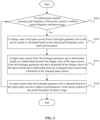
FIG. 2 is a flowchart showing a process for calculating a change value of an input current from a hydrogen generator unit; -
FIG. 3 is a flowchart showing an process for adjusting an input current from a hydrogen generator unit; -
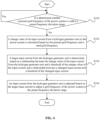
FIG. 4 andFIG. 5 are flowcharts showing two frequency regulation control methods for a power system according to embodiments of the present disclosure. - The solutions in the embodiments of the present disclosure will be described clearly and completely hereinafter in conjunction with the accompanying drawings in the embodiments of the present disclosure. It is apparent that the described embodiments are only a part of the embodiments of the present disclosure and not all of the embodiments. Based on the embodiments of the present disclosure, all other embodiments obtained by those skilled in the art without any creative work fall into the protection scope of the present disclosure.
- A frequency regulation control method for a power system is provided in the present disclosure. In the present disclosure, the frequency regulation control of the power system is achieved by configuring input current from the hydrogen generator unit based on the detected system frequency through the relationship between system power consumption and frequency fluctuation. The hydrogen generator unit greatly plays the role of frequency regulation for the power system in the production process, which solves the problem of frequency fluctuations in the power system caused by the randomness and fluctuation of renewable energy power generation.
- As shown in
FIG. 1 , a frequency regulation control method for a power system includes following steps S100 to S106. - In step S100, it is determined whether a present grid frequency of the power system is within a preset frequency deviation range.
- The present grid frequency of the power system can be obtained by monitoring the grid frequency of the power system.
- In practical applications, the preset frequency deviation range is generally a frequency deviation range at the grid side. The upper limit of the preset frequency deviation range may be f 0 + ε 1, and the lower limit of the preset frequency deviation range may be f 0 - ε 2. f 0 represents the rated grid frequency, ε 1 represents a maximum increment, and ε 2 represents a maximum decrement.
- It should be noted that the maximum increment ε 1 and the maximum decrement ε 2 may be preset, may be determined based on the specific application environment and user requirement or based on the installed capacity of the power grid. The values of ε 1 and ε 2 may be equal or different, which are not specifically limited in the present disclosure, and all fall within the protection scope of the present disclosure.
- If it is determined that the present grid frequency is within the preset frequency deviation range, it means that the present grid frequency of the power system is within a reasonable range and no frequency regulation is required. If it is determined that the present grid frequency is not within the preset frequency deviation range, it means that the present grid frequency of the power system is not within the reasonable range, and step S102 needs to be performed.
- In step S102, a change value of an input current from a hydrogen generator unit in the power system is calculated based on the present grid frequency and a rated grid frequency.
- The rated grid frequency is the rated frequency of the power grid in the power system, which is generally 50Hz or 60Hz.
- In practical applications, the step S102 of calculating a change value of an input current from a hydrogen generator unit in the power system based on the present grid frequency and a rated grid frequency mainly includes the following steps S200 and S202, as shown in
FIG. 2 . - In step S200, a grid frequency difference between the present grid frequency and the rated grid frequency is determined.
- In some embodiments, calculation can be performed through the formula Δfi = fi - f 0 , to determine the grid frequency difference between the present grid frequency and the rated grid frequency. In formula, Δfi represents the grid frequency difference, fi represents the present grid frequency and f 0 represents the rated grid frequency.
- In practical applications, the grid frequency difference between the present grid frequency and the rated grid frequency can also be determined through other existing methods, which are not specifically limited in the present disclosure and all fall within the protection scope of the present disclosure.
- In step S202, the change value of the input current from the hydrogen generator unit is calculated based on the grid frequency difference and a current adjustment proportion function.
- In some embodiments, the grid frequency difference can be substituted into the current adjustment proportion function to calculate the change value of the input current from the hydrogen generator unit. The current adjustment proportion function may be ΔIi = Kp Δfi, ΔIi represents the change value of the input current, Kp represents a proportional gain, and Δfi represents the grid frequency difference.
- Specifically, an optimal proportional gain Kp can be obtained through offline trials. Alternatively, the optimal proportional gain Kp can be determined through other existing methods or based on the specific application environment and user requirement, which are not specifically limited in the present disclosure and all fall within the protection scope of the present disclosure.
- In step S104, a target input current from the hydrogen generator unit is determined, based on a relationship between the change value of the input current from the hydrogen generator unit and a threshold of the change value of the input current and a relationship between a changed input current and a threshold of the changed input current.
- In practical applications, five cases exist generally in a process of determining the target input current from the hydrogen generator unit based on the relationship between the change value of the input current from the hydrogen generator unit and the threshold of the change value of the input current and the relationship between the changed input current and the threshold of the changed input current.
- In the case 1, the target input current is determined as a sum of a present input current and the change value of the input current, in a case that the relationship between the change value of the input current from the hydrogen generator unit and the threshold of the change value of the input current and the relationship between the changed input current and the threshold of the changed input current meet a first preset condition.
- In the
case 2, the target input current is determined as a sum of the present input current and an upper limit of the change value of the input current, in a case that the relationship between the change value of the input current from the hydrogen generator unit and the threshold of the change value of the input current and the relationship between the changed input current and the threshold of the changed input current meet a second preset condition. - In the
case 3, the target input current is determined as a sum of the present input current and a lower limit of the change value of the input current, in a case that the relationship between the change value of the input current from the hydrogen generator unit and the threshold of the change value of the input current and the relationship between the changed input current and the threshold of the changed input current meet a third preset condition. - In the
case 4, the target input current is determined as an upper limit of the changed input current, in a case that the relationship between the change value of the input current from the hydrogen generator unit and the threshold of the change value of the input current and the relationship between the changed input current and the threshold of the changed input current meet a fourth preset condition. - In the
case 5, the target input current is determined as a lower limit of the changed input current, in a case that the relationship between the change value of the input current from the hydrogen generator unit and the threshold of the change value of the input current and the relationship between the changed input current and the threshold of the changed input current meet a fifth preset condition. - In some embodiments, the first preset condition may be: ΔI min ≤ ΔIi ≤ ΔI max and I min ≤ Ii + ΔIi ≤ I max; the second preset condition may be: ΔIi > ΔI max and I mln ≤ Ii + ΔIi ≤ I max; the third preset condition may be: ΔIi < ΔI min and I min ≤ Ii + ΔIi ≤ I max; the fourth preset condition may be: Ii + ΔIi > I max ; and the fifth preset condition may be: Ii + ΔIi < I min.
- In the above formula, ΔIi represents the change value of the input current, ΔI min represents the lower limit of the change value of the input current, ΔImax represents the upper limit of the change value of the input current, Ii + ΔIi represents the changed input current, I min represents the lower limit of the changed input current, I max represents the upper limit of the changed input current, and Ii represents the present input current.
- Based on the above embodiment, it is assumed that the target input current from the hydrogen generator unit is I i+1. The target input current from the hydrogen generator unit based on the relationship between the change value of the input current from the hydrogen generator unit and the threshold of the change value of the input current and the relationship between the changed input current and the threshold of the changed input current may be determined by the following expression:

- In step S106, an input current from the hydrogen generator unit is adjusted based on the target input current to adjust a grid frequency of the power system to the preset frequency deviation range.
- In practical applications, the step S106 of adjusting an input current from the hydrogen generator unit based on the target input current includes the following steps S300 to S304.
- In step S300, the present input current from the hydrogen generator unit is compared with the target input current.
- If the present input current from the hydrogen generator unit is less than the target input current, step S302 is performed; and if the present input current from the hydrogen generator unit is greater than the target input current, step S304 is performed.
- In step S302, direct-current power consumption of an electrolyzer in the hydrogen generator unit is increased until the input current from the hydrogen generator unit is equal to the target input current.
- In practical applications, since the electric energy consumption affects the fluctuation of the system frequency and the frequency will decrease due to the large electric energy consumption, the direct-current power consumption of the electrolyzer in the hydrogen generator unit may be increased until the input current from the hydrogen generator unit is equal to the target input current, in the case that the present input current through the hydrogen generator unit is less than the target input current. In this way, the grid frequency of the power system is reduced such that the grid frequency of the power system falls within the preset frequency deviation range.
- In other words, when the grid frequency is greater than the rated frequency, the input current from the hydrogen generator unit is increased and the direct-current power consumption is increased.
- It should be noted that the direct-current power consumption of the electrolyzer in the hydrogen generator unit can be increased by increasing the voltage, power and hydrogen yield of the electrolyzer in the hydrogen generator unit. However, other existing methods can also be used to increase the direct-current power consumption of the electrolyzer in the hydrogen generator unit, which are not limited in the present disclosure and all fall within the protection scope of the present disclosure.
- In step S304, direct-current power consumption of the electrolyzer in the hydrogen generator unit is decreased until the input current from the hydrogen generator unit is equal to the target input current.
- In practical applications, since the electric energy consumption affects the fluctuation of the system frequency and the frequency will increase due to the low electric energy consumption, the direct-current power consumption of the electrolyzer in the hydrogen generator unit may be decreased until the input current from the hydrogen generator unit is equal to the target input current, in the case that the present input current from the hydrogen generator unit is greater than the target input current. In this way, the grid frequency of the power system is increased, such that the grid frequency of the power system falls within the preset frequency deviation range.
- In other words, when the grid frequency is less than the rated frequency, the input current from the hydrogen generator unit is decreased and the direct-current power consumption is decreased.
- It should be noted that the direct-current power consumption of the electrolyzer in the hydrogen generator unit can be decreased by decreasing the voltage, power and hydrogen production of the electrolyzer in the hydrogen generator unit. However, other existing methods can also be used to decrease the direct-current power consumption of the electrolyzer in the hydrogen generator unit, which are not limited in the present disclosure and all fall within the protection scope of the present disclosure.
- It should be noted that in some embodiments, besides the frequency at a certain time, the present grid frequency of the power system may an average grid frequency at a certain period, which is determined based on the specific application environment and user requirement and all fall within the protection scope of the present disclosure.
- Based on the above principles, in the present disclosure, the input current from the hydrogen generator unit can be continuously adjusted based on the monitored frequency value outside the preset frequency deviation range to change the direct-current power consumption of the hydrogen generator unit, thereby achieving frequency regulation control of the power system.
- A frequency regulation control method for a power system is provided in the present disclosure. The method includes: determining whether a present grid frequency of a power system is within a preset frequency deviation range; calculating a change value of an input current from a hydrogen generator unit of the power system, based on the present grid frequency and a rated grid frequency, in response to determining that the present grid frequency is not within the preset frequency deviation range; determining a target input current from the hydrogen generator unit, based on a relationship between the change value of the input current from the hydrogen generator unit and a threshold of the change value of the input current and a relationship between a changed input current and a threshold of the changed input current; and adjusting an input current from the hydrogen generator unit based on the target input current, to adjust a grid frequency of the power system to the preset frequency deviation range. Therefore, in the present disclosure, the frequency regulation control of the power system is achieved by configuring input current from the hydrogen generator unit based on the detected system frequency through the relationship between system power consumption and frequency fluctuation. The hydrogen generator unit greatly plays the role of frequency regulation for the power system in the production hydrogen process, which solves the problem of frequency fluctuation in the power system caused by the randomness and fluctuation of renewable energy power generation, and fills the research gap in the field of frequency regulation in the power system with the assistance of hydrogen production by electrolyzing water.
- In another embodiment provided by the present disclosure, as shown in
FIG. 3 , after step S106 of adjusting an input current from the hydrogen generator unit based on the target input current, the frequency regulation control method for the power system further includes: returning to the step of determining whether the present grid frequency of the power system is within the preset frequency deviation range. That is, the method returns to perform step S100. - In practical applications, after adjusting the input current from the hydrogen generator unit based on the target input current, the method returns to perform step S100 to ensure that the adjusted grid frequency of the power system accurately falls within the preset frequency deviation range. It can be determined that whether the present grid frequency of the power system falls within the preset frequency deviation range. If the present grid frequency of the power system is not within the preset frequency deviation range after adjusting the input current from the hydrogen generator unit based on the target input current, the adjustment is performed again based on the adjusted grid frequency to further ensure that the adjusted grid frequency falls within the preset frequency deviation range.
- In some embodiments, a frequency regulation period can be set. The above frequency regulation control method for the power system is executed in the set frequency regulation period. The frequency regulation period may be determined based on the specific application environment and user requirement, which are not limited in the present disclosure and all fall within the protection scope of the present disclosure.
- In another embodiment, as shown in
FIG. 4 , after step S100 of determining whether the present grid frequency of the power system is within the preset frequency deviation range, the frequency regulation control method for the power system further includes: in response to determining that the present grid frequency of the power system is within the preset frequency deviation range, returning to the step of determining whether the present grid frequency of the power system is within the preset frequency deviation range. That is, step S100 is returned to be performed. - In practical applications, if it is determined that the present grid frequency is within the preset frequency deviation range, it means that the present grid frequency of the power system is within a reasonable range, no adjustment is needed, and the next judgment can be executed. Thus, the subsequent steps of the frequency regulation control method for the power system can be executed when it is determined that the present grid frequency is not within the preset frequency deviation range, thereby realizing frequency regulation of the power system.
- Based on the frequency regulation control method for the power system shown in the above embodiment, as shown in
FIG. 5 , it is assumed that the hydrogen generator unit is the apparatus for producing hydrogen by electrolyzing water in the power system. The frequency regulation control method for the power system may include the following steps S1 to S6. - In step S1, an actual frequency fi of the power grid at time i is monitored, for a network containing the process of hydrogen production by electrolyzing water.
- In step S2, it is determined whether the actual frequency fi of the power grid is within the frequency range. If the actual frequency fi of the power grid is not within the allowable frequency range,
step 3 is performed; and if the actual frequency fi of the power grid is within the frequency range, i = i + 1 and step S1 is performed. - Whether the actual frequency fi of the power grid in the i-th period is within the allowable frequency range is determined by the mathematical expression f 0 - ε 2 ≤ fi ≤ f 0 + ε 1 , where f 0 is the rated frequency, ε 1 is a maximum increment, and ε 2 is a maximum decrement.
- In step S3, a difference between the actual frequency and a rated frequency in the i-th period is calculated.
- The difference between the actual frequency and the rated frequency is calculated by the mathematical expression Δfi = fi - f 0 , where Δfi represents the difference between the actual frequency and the rated frequency f 0 in the i-th period.
- In step S4, the change value ΔIi of the input current by the process for producing hydrogen by electrolyzing water in the i-th period is calculated based on the proportional process.
- The change value ΔIi of the input current by the process for producing hydrogen by electrolyzing water in the i-th period based on the proportional process is calculated by the mathematical expression ΔIi = Kp Δfi , where Kp is a proportional gain. The optimal solution of the proportional gain can be obtained based on offline trials.
- In step S5, a new input current I i+1 by process for producing hydrogen by electrolyzing water in an i+1-th period is set, based on the relationship between the change value ΔIi and a threshold ΔI max and ΔI min of the change value of the input current, and the relationship between the changed value Ii + ΔIi and the threshold I max and I min of the changed value.
- The new input current I i+1 by the process for producing hydrogen by electrolyzing water in an ith+1 period is set by the mathematical expression:

- In step S6, the direct-current power consumption of the electrolyzer is changed by changing the voltage, power, and hydrogen yield of the electrolyzer to change the system frequency, and i=i+1 and the method performs step S1.
- It should be noted that the actual frequency of the power grid in the above example is equivalent to the present grid frequency of the power system in the above embodiment. The frequency allowable range is equivalent to the preset frequency deviation range in the above embodiment. The rated frequency is equivalent to the rated grid frequency in the above embodiment. The proportional process is equivalent to the current adjustment proportion function. The change value of the input current by the process for producing hydrogen by electrolyzing water is equivalent to the change value of the input current from the hydrogen generator unit in the above embodiment. The changed value is equivalent to changed input current in the above embodiment.
- It should also be noted that the above example is only a specific application example provided by the present disclosure, but the application examples in actual applications are not limited to the above, and can also be modified based on the application environment and user needs, as long as the implementation method is consistent with the principles and ideas provided by the present disclosure, and all of them fall within the protection scope of the present disclosure.
- Based on the frequency regulation control method for the power system provided in the above embodiments, a power system is further provided in an embodiment of the present disclosure. The power system includes: a renewable energy power generation unit, an energy storage unit and a controller; where the energy storage unit at least includes a hydrogen generator unit.
- The controller is communicatively connected to the energy storage unit, to perform the frequency regulation control method for the power system according to any one of the above embodiments by sampling the present grid frequency in the power system in real time.
- In practical applications, in addition to the hydrogen generator unit, the energy storage unit may further include other existing energy storage equipment, which may be determined based on the specific application environment and user requirement and fall within the protection scope of the present disclosure.
- In some embodiments, the controller may be an upper computer in the power system, or may be other equipment with control functions. The specific type of the controller is not limited in the present disclosure, and all types of controllers fall within the protection scope of the present disclosure.
- It should be noted that relevant details of the power system can refer to the existing technology, which will not be described in detail herein.
- It should also be noted that relevant descriptions of the frequency regulation control method for the power system may refer to the corresponding embodiments in
FIGs. 1 to 5 , which will not be described again here. - Those skilled in the art may further realize that the units and algorithm steps of each example described in conjunction with the embodiments disclosed herein can be implemented by electronic hardware, computer software, or a combination of both. In order to clearly illustrate the interchangeability of hardware and software, the modules and steps of each example have been described in general terms of functionality in the above description. Whether these functions are performed in hardware or software depends on the specific application and design constraints of the technical solution. Those skilled in the art may use different methods to implement the described functions for each specific application, but such implementation should not be regarded as exceeding the scope of the present disclosure.
- The relationship terminologies such as "first" and "second" herein are only used to distinguish one entity or operation from another, rather than to necessitate or imply that the actual relationship or order exists between the entities or operations. Moreover, the terms "comprises", "includes", or any other variation are intended to cover a non-exclusive inclusion such that a process, method, article, or apparatus comprising a set of elements includes not only those elements but also other elements not expressly listed, and may also include elements inherent to such a process, method, article, or apparatus. Unless expressively limited, the statement "including a..." does not exclude the case that other similar elements may exist in the process, method, article or device including the series of elements.
- According to the embodiments disclosed described above, those skilled in the art can implement or use the present disclosure. It is obvious for those skilled in the art to make many modifications to these embodiments. The general principle defined herein may be applied to other embodiments without departing from the spirit or scope of the present disclosure. Therefore, the present disclosure is not limited to the embodiments illustrated herein, but should be defined by the widest scope consistent with the principle and novel features disclosed herein.
Claims (10)
- A frequency regulation control method for a power system, comprising:determining whether a present grid frequency of the power system is within a preset frequency deviation range;calculating a change value of an input current from a hydrogen generator unit in the power system based on the present grid frequency and a rated grid frequency, in response to determining that the present grid frequency is not within the preset frequency deviation range;determining a target input current from the hydrogen generator unit, based on a relationship between the change value of the input current from the hydrogen generator unit and a threshold of the change value of the input current and a relationship between a changed input current and a threshold of the changed input current; andadjusting the input current from the hydrogen generator unit based on the target input current, to adjust a grid frequency of the power system to the preset frequency deviation range.
- The frequency regulation control method for the power system according to claim 1, wherein an upper limit of the preset frequency deviation range is f 0 + ε 1 , and a lower limit of the preset frequency deviation range is f 0 -ε 2 ,
wherein, f 0 represents the rated grid frequency, ε 1 represents a maximum increment, and ε 2 represents a maximum decrement. - The frequency regulation control method for the power system according to claim 1, wherein the calculating the change value of the input current from the hydrogen generator unit in the power system based on the present grid frequency and the rated grid frequency comprises:determining a grid frequency difference between the present grid frequency and the rated grid frequency; andcalculating the change value of the input current from the hydrogen generator unit, based on the grid frequency difference and a current adjustment proportion function.
- The frequency regulation control method for the power system according to claim 3, wherein the current adjustment proportion function is: ΔIi = Kp Δfi ; wherein ΔIi represents the change value of the input current, Kp represents a proportional gain, and Δfi represents the grid frequency difference.
- The frequency regulation control method for the power system according to claim 1, wherein the determining the target input current from the hydrogen generator unit, based on the relationship between the change value of the input current from the hydrogen generator unit and the threshold of the change value of the input current and the relationship between the changed input current and the threshold of the changed input current comprises:determining the target input current as a sum of a present input current and the change value of the input current, in a case that the relationship between the change value of the input current and the threshold of the change value of the input current and the relationship between the changed input current and the threshold of the changed input current meet a first preset condition;determining the target input current as a sum of the present input current and an upper limit of the change value of the input current, in a case that the relationship between the change value of the input current and the threshold of the change value of the input current and the relationship between the changed input current and the threshold of the changed input current meet a second preset condition;determining the target input current as a sum of the present input current and a lower limit of the change value of the input current, in a case that the relationship between the change value of the input current and the threshold of the change value of the input current and the relationship between the changed input current and the threshold of the changed input current meet a third preset condition;determining the target input current as an upper limit of the changed input current, in a case that the relationship between the change value of the input current and the threshold of the change value of the input current and the relationship between the changed input current and the threshold of the changed input current meet a fourth preset condition; anddetermining the target input current as a lower limit of the changed input current, in a case that the relationship between the change value of the input current and the threshold of the change value of the input current and the relationship between the changed input current and the threshold of the changed input current meet a fifth preset condition;
- The frequency regulation control method for the power system according to claim 5, whereinthe first preset condition is:
 the second preset condition is:
 the third preset condition is:
 the fourth preset condition is:
 the fifth preset condition is:
 wherein ΔIi represents the change value of the input current, ΔI min represents the lower limit of the change value of the input current, ΔImax represents the upper limit of the change value of the input current, Ii + ΔIi represents the changed input current, I min represents the lower limit of the changed input current, I max represents the upper limit of the changed input current, and Ii represents the present input current.
 - The frequency regulation control method for the power system according to claim 1, wherein the adjusting the input current from the hydrogen generator unit based on the target input current comprises:comparing the present input current from the hydrogen generator unit with the target input current;increasing direct-current power consumption of an electrolyzer in the hydrogen generator unit until the input current from the hydrogen generator unit is equal to the target input current, in a case that the present input current from the hydrogen generator unit is less than the target input current; anddecreasing the direct-current power consumption of the electrolyzer in the hydrogen generator unit until the input current from the hydrogen generator unit is equal to the target input current, in a case that the present input current from the hydrogen generator unit is greater than the target input current.
- The frequency regulation control method for the power system according to any one of claims 1 to 7, wherein after the adjusting the input current from the hydrogen generator unit based on the target input current, the method further comprises:
returning to the step of determining whether the present grid frequency of the power system is within the preset frequency deviation range. - The frequency regulation control method for the power system according to any one of claims 1 to 7, further comprising:
returning to the step of determining whether the present grid frequency of the power system is within the preset frequency deviation range in response to determining that the present grid frequency is within the preset frequency deviation range, until it is determined that the present grid frequency is not within the preset frequency deviation range. - A power system, comprising: a renewable energy power generation unit, an energy storage unit and a controller; wherein the energy storage unit at least comprises a hydrogen generator unit; and
the controller is communicatively connected to the energy storage unit to perform the frequency regulation control method for the power system according to any one of claims 1 to 9 by sampling the present grid frequency of the power system in real time.
Applications Claiming Priority (2)
| Application Number | Priority Date | Filing Date | Title |
|---|---|---|---|
| CN202210877108.3A CN115224703A (en) | 2022-07-25 | 2022-07-25 | Electric power system and its frequency modulation control method |
| PCT/CN2023/070601 WO2024021531A1 (en) | 2022-07-25 | 2023-01-05 | Power system and frequency modulation control method therefor |
Publications (1)
| Publication Number | Publication Date |
|---|---|
| EP4564633A1 true EP4564633A1 (en) | 2025-06-04 |
Family
ID=83614750
Family Applications (1)
| Application Number | Title | Priority Date | Filing Date |
|---|---|---|---|
| EP23844750.2A Pending EP4564633A1 (en) | 2022-07-25 | 2023-01-05 | Power system and frequency modulation control method therefor |
Country Status (4)
| Country | Link |
|---|---|
| US (1) | US20250337244A1 (en) |
| EP (1) | EP4564633A1 (en) |
| CN (1) | CN115224703A (en) |
| WO (1) | WO2024021531A1 (en) |
Families Citing this family (3)
| Publication number | Priority date | Publication date | Assignee | Title |
|---|---|---|---|---|
| CN115224703A (en) * | 2022-07-25 | 2022-10-21 | 阳光电源(南京)有限公司 | Electric power system and its frequency modulation control method |
| JP2025031393A (en) * | 2023-08-25 | 2025-03-07 | 株式会社日立製作所 | Water electrolysis cell system and method for controlling the water electrolysis cell system |
| CN119246947B (en) * | 2024-12-03 | 2025-03-14 | 国能日新科技股份有限公司 | New energy primary frequency modulation acquisition method and device based on autocorrelation frequency fitting |
Family Cites Families (8)
| Publication number | Priority date | Publication date | Assignee | Title |
|---|---|---|---|---|
| CN206517328U (en) * | 2016-11-23 | 2017-09-22 | 台达电子工业股份有限公司 | wind power system |
| CN108023358A (en) * | 2017-12-25 | 2018-05-11 | 赫普科技发展(北京)有限公司 | A kind of power grid frequency modulation system and method based on electrolytic hydrogen production |
| CN108599190A (en) * | 2017-12-25 | 2018-09-28 | 赫普科技发展(北京)有限公司 | A kind of methods, devices and systems carrying out frequency modulation to power grid |
| CN109524974B (en) * | 2019-01-29 | 2020-09-22 | 湖南大学 | Power grid primary frequency modulation control method and system based on battery energy storage power supply |
| CN112003297A (en) * | 2020-07-10 | 2020-11-27 | 沈阳微控新能源技术有限公司 | Frequency regulation method for power grid system |
| CN112366731B (en) * | 2020-11-05 | 2023-08-11 | 国能日新科技股份有限公司 | A grid frequency regulation method, system, server and storage medium |
| CN113644665B (en) * | 2021-08-17 | 2024-10-18 | 阳光新能源开发股份有限公司 | A primary frequency modulation control method and related device |
| CN115224703A (en) * | 2022-07-25 | 2022-10-21 | 阳光电源(南京)有限公司 | Electric power system and its frequency modulation control method |
-
2022
- 2022-07-25 CN CN202210877108.3A patent/CN115224703A/en active Pending
-
2023
- 2023-01-05 WO PCT/CN2023/070601 patent/WO2024021531A1/en not_active Ceased
- 2023-01-05 US US18/998,068 patent/US20250337244A1/en active Pending
- 2023-01-05 EP EP23844750.2A patent/EP4564633A1/en active Pending
Also Published As
| Publication number | Publication date |
|---|---|
| CN115224703A (en) | 2022-10-21 |
| WO2024021531A1 (en) | 2024-02-01 |
| US20250337244A1 (en) | 2025-10-30 |
Similar Documents
| Publication | Publication Date | Title |
|---|---|---|
| EP4564633A1 (en) | Power system and frequency modulation control method therefor | |
| KR101926010B1 (en) | A power converter system using new-renewable energy | |
| US12261433B2 (en) | Method and system for collaborative regulation of multi-component power distribution network with high proportion of distributed power sources | |
| EP4712288A1 (en) | Grid-forming energy storage system and control method therefor | |
| CN105914753B (en) | Active power distribution network voltage real-time fuzzy control method | |
| Harrabi et al. | Modeling and control of photovoltaic and fuel cell based alternative power systems | |
| EP3157156A1 (en) | Method and apparatus for improved burst mode during power conversion | |
| KR101926008B1 (en) | A control and operating method of power converter for power supply of hydrogen electrolytic device using solar energy | |
| EP4239825B1 (en) | Electrolyzer power control system | |
| JPWO2020144841A1 (en) | Power conversion system and power conversion device | |
| EP4131700A2 (en) | Inverter parallel system and zero feed-in control method therefor | |
| EP4207532A1 (en) | Grid-tied power generation system and grid-tied power fluctuation suppression device and method thereof | |
| Cheng et al. | Modeling and control for alkaline water electrolyzers operating in wide range | |
| CN116316552B (en) | Photovoltaic control method, device, equipment and storage medium based on electrolytic aluminum | |
| Feng et al. | A multi-timescale renewable energy consumption method by electrolytic hydrogen production converter based on improved grid-forming control | |
| CN117937506A (en) | Frequency adjustment control method for active participation of PEM (PEM) electrolytic tank in power system | |
| CN112417792A (en) | Electrolytic aluminum external characteristic modeling method based on controllable boundary of saturable reactor | |
| CN116540830A (en) | Flexible control method, system and equipment for output power of photovoltaic power generation system | |
| CN109038666B (en) | Solar cell panel output power regulating system | |
| Bhuyan et al. | Fuel cell connected to grid through inverter | |
| CN112583040B (en) | Active management and control method for distributed energy and user alternating current-direct current power distribution system | |
| EP3179594B1 (en) | Dynamic control method of power injected into the power grid by distributed generators | |
| Li et al. | Design of a photovoltaic-to-hydrogen system for efficiency and safety under varying conditions | |
| CN115912515A (en) | A Real-time Control Method of Load Power Considering Voltage Overlimit | |
| CN107425546B (en) | Method for accurately adjusting bus voltage of inverter so as to improve grid-connected efficiency |
Legal Events
| Date | Code | Title | Description |
|---|---|---|---|
| STAA | Information on the status of an ep patent application or granted ep patent |
Free format text: STATUS: THE INTERNATIONAL PUBLICATION HAS BEEN MADE |
|
| PUAI | Public reference made under article 153(3) epc to a published international application that has entered the european phase |
Free format text: ORIGINAL CODE: 0009012 |
|
| STAA | Information on the status of an ep patent application or granted ep patent |
Free format text: STATUS: REQUEST FOR EXAMINATION WAS MADE |
|
| 17P | Request for examination filed |
Effective date: 20250123 |
|
| AK | Designated contracting states |
Kind code of ref document: A1 Designated state(s): AL AT BE BG CH CY CZ DE DK EE ES FI FR GB GR HR HU IE IS IT LI LT LU LV MC ME MK MT NL NO PL PT RO RS SE SI SK SM TR |
|
| DAV | Request for validation of the european patent (deleted) | ||
| DAX | Request for extension of the european patent (deleted) |