EP4556805A1 - Air conditioner control system, information processing device, and air conditioner control method - Google Patents
Air conditioner control system, information processing device, and air conditioner control method Download PDFInfo
- Publication number
- EP4556805A1 EP4556805A1 EP23871304.4A EP23871304A EP4556805A1 EP 4556805 A1 EP4556805 A1 EP 4556805A1 EP 23871304 A EP23871304 A EP 23871304A EP 4556805 A1 EP4556805 A1 EP 4556805A1
- Authority
- EP
- European Patent Office
- Prior art keywords
- refrigerant
- air conditioner
- control
- conditioner
- air
- Prior art date
- Legal status (The legal status is an assumption and is not a legal conclusion. Google has not performed a legal analysis and makes no representation as to the accuracy of the status listed.)
- Pending
Links
Images




Classifications
-
- F—MECHANICAL ENGINEERING; LIGHTING; HEATING; WEAPONS; BLASTING
- F25—REFRIGERATION OR COOLING; COMBINED HEATING AND REFRIGERATION SYSTEMS; HEAT PUMP SYSTEMS; MANUFACTURE OR STORAGE OF ICE; LIQUEFACTION SOLIDIFICATION OF GASES
- F25B—REFRIGERATION MACHINES, PLANTS OR SYSTEMS; COMBINED HEATING AND REFRIGERATION SYSTEMS; HEAT PUMP SYSTEMS
- F25B49/00—Arrangement or mounting of control or safety devices
- F25B49/02—Arrangement or mounting of control or safety devices for compression type machines, plants or systems
-
- F—MECHANICAL ENGINEERING; LIGHTING; HEATING; WEAPONS; BLASTING
- F24—HEATING; RANGES; VENTILATING
- F24F—AIR-CONDITIONING; AIR-HUMIDIFICATION; VENTILATION; USE OF AIR CURRENTS FOR SCREENING
- F24F11/00—Control or safety arrangements
- F24F11/30—Control or safety arrangements for purposes related to the operation of the system, e.g. for safety or monitoring
- F24F11/32—Responding to malfunctions or emergencies
- F24F11/36—Responding to malfunctions or emergencies to leakage of heat-exchange fluid
-
- F—MECHANICAL ENGINEERING; LIGHTING; HEATING; WEAPONS; BLASTING
- F24—HEATING; RANGES; VENTILATING
- F24F—AIR-CONDITIONING; AIR-HUMIDIFICATION; VENTILATION; USE OF AIR CURRENTS FOR SCREENING
- F24F11/00—Control or safety arrangements
- F24F11/62—Control or safety arrangements characterised by the type of control or by internal processing, e.g. using fuzzy logic, adaptive control or estimation of values
- F24F11/63—Electronic processing
-
- F—MECHANICAL ENGINEERING; LIGHTING; HEATING; WEAPONS; BLASTING
- F25—REFRIGERATION OR COOLING; COMBINED HEATING AND REFRIGERATION SYSTEMS; HEAT PUMP SYSTEMS; MANUFACTURE OR STORAGE OF ICE; LIQUEFACTION SOLIDIFICATION OF GASES
- F25B—REFRIGERATION MACHINES, PLANTS OR SYSTEMS; COMBINED HEATING AND REFRIGERATION SYSTEMS; HEAT PUMP SYSTEMS
- F25B49/00—Arrangement or mounting of control or safety devices
- F25B49/005—Arrangement or mounting of control or safety devices of safety devices
-
- F—MECHANICAL ENGINEERING; LIGHTING; HEATING; WEAPONS; BLASTING
- F25—REFRIGERATION OR COOLING; COMBINED HEATING AND REFRIGERATION SYSTEMS; HEAT PUMP SYSTEMS; MANUFACTURE OR STORAGE OF ICE; LIQUEFACTION SOLIDIFICATION OF GASES
- F25B—REFRIGERATION MACHINES, PLANTS OR SYSTEMS; COMBINED HEATING AND REFRIGERATION SYSTEMS; HEAT PUMP SYSTEMS
- F25B2500/00—Problems to be solved
- F25B2500/22—Preventing, detecting or repairing leaks of refrigeration fluids
- F25B2500/222—Detecting refrigerant leaks
Definitions
- the present disclosure relates to an air-conditioner control system, an information processing apparatus, and an air-conditioner control method.
- This system allows an operation mode of a refrigeration cycle device to be switched automatically or manually from a normal operation mode to a refrigerant amount detection operation mode when the refrigeration cycle device's cooling or heating operation lasts for a certain time period, so that whether the refrigerant is leaking from the refrigeration circuit to the outside can be monitored remotely (see, for example, patent document 1).
- Patent Document 1 Unexamined Japanese Patent Application No. 2009-079842
- Patent document 1 detects a refrigerant leakage by switching the operation mode of a refrigeration cycle device from a normal operation mode to a refrigerant amount detection operation mode during times when air-conditioning is not needed, such as holidays, late night hours, and so forth.
- patent document 1 fails to teach convenient refrigerant leakage detection.
- the present disclosure therefore aims to provide an air-conditioner control system, an information processing apparatus, and an air-conditioner control method that enable convenient and reliable refrigerant leakage detection.
- a first example of the present disclosure provides an air-conditioner control system including a control unit configured to control an air conditioner.
- the control unit is configured to perform a refrigerant leakage prediction based on first refrigerant detection control for the air conditioner every predetermined period.
- the control unit is configured to execute second refrigerant detection control when a result of the refrigerant leakage prediction based on the first refrigerant detection control indicates a possibility of a refrigerant leakage, the second refrigerant detection control including performing a refrigerant leakage detection for the air conditioner while running the air conditioner in a refrigerant leakage detection mode.
- a second example of the present disclosure is based on the air-conditioner control system of the first example, and the first refrigerant detection control includes predicting the refrigerant leakage based on a pressure of a refrigerant while the air conditioner is not running.
- a third example of the present disclosure is based on the air-conditioner control system of the first example or the second example, and the second refrigerant detection control includes performing the refrigerant leakage detection for the air conditioner based on a state of a refrigerant for the air conditioner while the air conditioner is running under a load that is greater than or equal to a predetermined load.
- a fourth example of the present disclosure is based on the air-conditioner control system of the first example or the second example, the second refrigerant detection control includes performing the refrigerant leakage detection for the air conditioner based on a state of a refrigerant for the air conditioner while the air conditioner is running under a load that is 70% or more of a capacity of the air conditioner.
- a fifth example of the present disclosure is based on the air-conditioner control system of the third example or the fourth example, and the second refrigerant detection control includes performing the refrigerant leakage detection for the air conditioner based on the state of the refrigerant for the air conditioner after the refrigerant for the air conditioner becomes stable upon running the air conditioner under the load for a predetermined time period or longer.
- a sixth example of the present disclosure is based on the air-conditioner control system of any one of the third to fifth examples, and the second refrigerant detection control includes performing the refrigerant leakage detection for the air conditioner by using a number of items greater than a number of items used in the refrigerant leakage prediction that is performed based on the first refrigerant detection control.
- a seventh example of the present disclosure is based on the air-conditioner control system of the first example, and the first refrigerant detection control is performed such that the refrigerant leakage prediction is performed by running an outer unit of the air conditioner and not running an inner unit of the air conditioner.
- An eighth example of the present disclosure is based on the air-conditioner control system of the first example, and the first refrigerant detection control is executed such that the refrigerant leakage prediction is performed based on a state of a refrigerant for the air conditioner observed after running the air conditioner under a load for a predetermined number of minutes.
- a ninth example of the present disclosure is based on the air-conditioner control system of the seventh example or the eighth example, and the second refrigerant detection control is executed such that the refrigerant leakage detection for the air conditioner is performed based on a state of a refrigerant for the air conditioner while running the air-conditioner under a load of 70% or more.
- An eleventh example of the present disclosure is based on the air-conditioner control system of the ninth example or the tenth example, and the second refrigerant detection control includes performing the refrigerant leakage detection for the air conditioner by using a number of items greater than a number of items used in the refrigerant leakage prediction that is performed based on the first refrigerant detection control.
- a twelfth example of the present disclosure is based on the air-conditioner control system of any one of the seventh to eleventh examples, and the first refrigerant detection control includes performing the refrigerant leakage detection by running an outer unit of the air conditioner in a middle of night.
- a thirteenth example of the present disclosure is based on the air-conditioner control system of any one of the first to twelfth examples, and the control unit is configured to determine whether or not the second refrigerant detection control for the air conditioner needs to be executed, and to execute control for asking a user about execution of the second refrigerant detection control when the control unit determines that the second refrigerant detection control needs to be executed.
- a fourteenth example of the present disclosure is based on the air-conditioner control system of any one of the first to thirteenth examples, and the control unit is configured to execute control such that the air conditioner performs the first refrigerant detection control, and such that the result of the refrigerant leakage prediction based on the first refrigerant detection control is transmitted to a server device.
- a fifteenth example of the present disclosure is based on the air-conditioner control system of any one of the first to fourteenth examples, the predetermined period is one day.
- a sixteenth example of the present disclosure is based on the air-conditioner control system of any one of the first to fifteenth examples, and the control unit is configured to execute control such that, when a result of the second refrigerant detection control indicates that the refrigerant is leaking, an indication of the refrigerant leakage or a suggestion for an inspection of the air conditioner is sent to a predetermined destination.
- a seventeenth example of the present disclosure is based on the air-conditioner control system of any one of the first to sixteenth examples, and the control unit is configured to execute control such that, when an event consecutively occurs in which the result of the refrigerant leakage prediction based on the first refrigerant detection control indicates that the refrigerant is leaking and a result of the refrigerant leakage prediction based on the second refrigerant detection control indicates that the refrigerant is not leaking, a suggestion for an inspection of the air conditioner is sent to a predetermined destination.
- An eighteenth example of the present disclosure provides an information processing apparatus with a control unit that is configured to controls an air conditioner.
- the control unit is configured to perform a refrigerant leakage prediction based on first refrigerant detection control for the air conditioner every predetermined period.
- the control unit is configured to execute second refrigerant detection control when a result of the refrigerant leakage prediction based on the first refrigerant detection control indicates that there is a possibility of a refrigerant leakage, the second refrigerant detection control including performing a refrigerant leakage detection for the air conditioner while running the air conditioner in a refrigerant leakage detection mode.
- a nineteenth example of the present disclosure provides an air-conditioner control method to be executed by a control unit of an air-conditioner control system.
- the control unit is configured to control an air conditioner, and the method includes:
- FIG. 1 is a diagram that shows an example structure of an air-conditioner control system according to one embodiment of the present disclosure.
- An air-conditioner control system 1 has an air conditioner 10, an edge device 20, a server device 30, and an administrator terminal 40.
- the air conditioner 10 and the edge device 20 are communicatively connected via a dedicated communication line or the like.
- the edge device 20, the server device 30, and the administrator terminal 40 are communicatively connected via a network 50 such as, for example, the Internet.
- the air conditioner 10 has one or more inner units 12 and one or more outer units 14.
- the number of inner units 12 and outer units 14 that the air conditioner 10 of FIG. 1 has is one example.
- the inner units 12 and outer units 14 of the air conditioner 10 are connected so that they can communicate with each other.
- the air conditioner 10 is an example of a device that runs a refrigeration cycle by circulating a refrigerant such as freon.
- the administrator terminal 40 is an information processing terminal that is operated by a user who manages the air conditioner 10 (for example, an administrator who manages the building in which the air conditioner 10 is installed, a serviceperson in charge of the air conditioner 10, etc.).
- the administrator terminal 40 displays the data received from the air conditioner 10, the edge device 20, or the server device 30, and shows their indications to the user.
- the administrator terminal 40 displays an indication of a refrigerant leakage or a suggestion of an inspection of the air conditioner 10, which will be described later.
- the administrator terminal 40 is an information processing terminal such as a personal computer (PC), a smartphone, a tablet terminal, or the like.
- the structure of the air-conditioner control system 1 shown in FIG. 1 is one example, and, for example, the server device 30 may be implemented by one or more information processing apparatuses.
- the server device 30 may also be implemented as cloud computing services.
- there are various example structures for the structure of the air-conditioner control system 1 of FIG. 1 depending on the application and purpose of use.
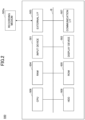
- the edge device 20, server device 30, and administrator terminal 40 in FIG. 1 are implemented, for example, by a computer 500 having the hardware structure shown in FIG. 2 .
- the air conditioner 10 has a controller that is similar to the computer 500 that can execute control programs.
- FIG. 2 is a diagram that shows an example hardware structure of a computer according to one embodiment of the present disclosure.
- the computer 500 of FIG. 2 includes an input device 501, a display device 502, an external I/F 503, a RAM 504, a ROM 505, a CPU 506, a communication I/F 507, and an HDD 508, all of which are connected to each other via a bus B.
- the input device 501 and the display device 502 may be connected and used on an as-needed basis.
- the input device 501 may be a touch panel, operation keys, buttons, a keyboard, a mouse, and the like that the user uses to input various signals.
- the display device 502 is composed of a display such as an LCD or OLED that displays a screen, a speaker that outputs sound data such as voice and music, and so forth.
- the communication I/F 507 is an interface through which the computer 500 performs data communication over a network.
- the HDD 508 is an example of a non-volatile storage device that stores programs and data.
- the programs and data to be stored in the HDD 508 include an OS, which is basic software that controls the entire computer 500, and applications that provide various functions on the OS.
- the computer 500 may use a drive device that uses a flash memory as a recording medium (for example, a solid-state drive (SSD)).
- SSD solid-state drive
- the external I/F 503 is an interface with external devices.
- External devices include a recording medium 503a. This allows the computer 500 to read from and write to the recording medium 503a via the external I/F 503.
- Examples of the recording medium 503a include a flexible disk, a CD, a DVD, an SD memory card, and a USB memory.
- the ROM 505 is an example of a non-volatile semiconductor memory (storage device) that can hold programs and data even when the power is turned off.
- the ROM 505 stores programs and data such as the BIOS, OS configurations, and network configurations that are executed when the computer 500 is powered on.
- the RAM 504 is an example of a volatile semiconductor memory (storage device) that holds programs and data on a temporary basis.
- the CPU 506 is a computing device that reads programs and data from storage devices such as the ROM 505 and HDD 508 onto the RAM 504, and executes processes to implement the control and functions of the entire computer 500.
- the CPU 506 is an example of the control unit 16, 22, or 32.
- FIG. 3 is a flowchart that shows examples of air-conditioner control processes performed by the air-conditioner control system according to one embodiment of the present disclosure.
- the control unit 32 of the server device 30 controls the air conditioner 10 remotely via the network 50.
- step S10 the control unit 32 determines whether a predetermined time period (for example, one day) has elapsed. The control unit 32 repeats the process of step S10 until the predetermined period elapses. When it is determined that the predetermined period has elapsed, the control unit 32 proceeds to the process of step S12, and performs a refrigerant leakage prediction process for the air conditioner 10 based on first refrigerant detection control, which is performed every predetermined period.
- a predetermined time period for example, one day
- the first refrigerant detection control is an example of control for performing convenient refrigerant leakage detection. There are cases in which the air conditioner 10 need not run in a refrigerant leakage detection mode and cases in which the air conditioner 10 needs to run in a convenient refrigerant leakage detection mode.
- a refrigerant leakage is predicted by detecting the refrigerant's pressure as of when the air conditioner 10 is not running, using a pressure sensor. Also, in the first refrigerant detection control in which the air conditioner 10 needs to run in the convenient refrigerant leakage detection mode, a refrigerant leakage may be predicted by not running the inner units 12 of the air conditioner 10 and running the outer units 14 (compressors) instead.
- a refrigerant leakage may be predicted from the state of the refrigerant for the air conditioner 10 after the air conditioner 10 has run in the refrigerant leakage detection mode for a predetermined number of minutes (for example, approximately 3 minutes). Note that it is desirable to perform the first refrigerant detection control of step S12 during the night. The night is an example of a time period in which the air conditioner 10 is often not in use.
- step S14 if the result of refrigerant leakage prediction based on the first refrigerant detection control in step S12 does not indicate that the refrigerant may be leaking, the control unit 32 returns to the process of step S10. If the result of refrigerant leakage prediction based on the first refrigerant detection control in step S12 indicates that the refrigerant may be leaking, the control unit 32 proceeds to the process of step S16.
- step S16 the control unit 32 performs a refrigerant leakage detection process for the air conditioner 10 based on second refrigerant detection control.
- a refrigerant leakage may be detected for the air conditioner 10 while the air conditioner 10 runs in the refrigerant leakage detection mode.
- refrigerant leakage detection process for the air conditioner 10 based on the second refrigerant detection control refrigerant leakage may be detected based on the state of the refrigerant for the air conditioner 10 while the air conditioner 10 runs with a predetermined level of load or more (for example, 70% or more).
- the air conditioner 10 may be run such that a load is placed on a predetermined number of inner units 12 (for example, 70% or more of all the inner units 12) for a predetermined time period (for example, approximately one hour) or more, and a refrigerant leakage may be detected for the air conditioner 10 based on the state of the refrigerant for the air conditioner 10 after the refrigerant for the air conditioner 10 becomes stable.
- a predetermined number of inner units 12 for example, 70% or more of all the inner units 12
- a predetermined time period for example, approximately one hour
- the air conditioner 10 when the air conditioner 10 is run such that a load of 70% or more is placed on the inner units 12, this means that a load that is 70% or more of the rated capacity of the outer units 14 is placed on the inner units 12 (the capacity of the working inner units 12 becomes 70% or more of the rated capacity of the outer units 14).
- the operation in which a load of 70% or more is placed may refer to an operation in which 70% or more of the connecting inner units 12 are run, or refer to an operation in which a load that is 70% or more of the total capacity of all the inner units 12 connected to the same system is placed.
- the number of items that are needed to make determinations in the refrigerant leakage detection process based on the second refrigerant detection control is greater than the number of items that are needed to make determinations in the refrigerant leakage prediction process based on the first refrigerant detection control.
- the refrigerant leakage detection process based on the second refrigerant detection control uses a larger number of items, imposes a greater load, and takes a longer processing time than the simpler refrigerant leakage prediction process based on the first refrigerant detection control, but enables more reliable refrigerant leakage detection.
- the refrigerant leakage prediction process based on the first refrigerant detection control uses a smaller number of items, imposes a smaller load, and requires a shorter processing time than the refrigerant leakage detection process based on the second refrigerant detection control, making it easier to predict a refrigerant leakage.
- the items used in the refrigerant leakage prediction process based on the first refrigerant detection control include intake pressure, discharge pressure, outdoor temperature, intake pipe temperature, and so forth.
- the items used in the refrigerant leakage detection process based on the second refrigerant detection control include intake pressure, discharge pressure, outdoor temperature, intake pipe temperature, discharge pipe temperature, liquid pipe temperature, expansion valve opening, and so forth.
- step S18 if the result of the second refrigerant detection control in step S16 indicates that the refrigerant is leaking, the control unit 32 proceeds to the process of step S22.
- step S22 the control unit 32 displays an indication of a refrigerant leakage or a suggestion of an inspection of the air conditioner 10 on the administrator terminal 40, which is an example of a destination to which such an indication is sent. After the process of step S22, the control unit 32 returns to the process of step S10.
- step S18 if the result of the second refrigerant detection control in step S16 does not indicate that the refrigerant is leaking, the control unit 32 proceeds to the process of step S20.
- step S20 if a case in which the result of refrigerant leakage prediction based on the first refrigerant detection control in step S12 indicates that the refrigerant may be leaking and the result of the second refrigerant detection control in step S16 does not indicate that the refrigerant is leaking several times in a row (for example, three times), the control unit 32 determines that it is necessary to suggest an inspection of the air conditioner 10. When it is determined that an inspection of the air conditioner 10 needs to be suggested, the control unit 32 proceeds to the process of step S24 and displays the suggestion of an inspection of the air conditioner 10 on the administrator terminal 40, which is an example of a destination to which such an indication is sent. The control unit 32 returns to the process of step S10 after the process of step S24. If it is not determined that an inspection of the air conditioner 10 needs to be suggested, the control unit 32 returns to the process of step S10.
- the air-conditioner control system 1 performs a simple refrigerant leakage prediction process based on first refrigerant detection control for each predetermined period, so that, if the possibility that the refrigerant is leaking is high, the air-conditioner control system 1 can perform refrigerant leakage detection based on the second refrigerant detection control, which is more reliable than the refrigerant leakage prediction process based on first refrigerant detection control.
- FIG. 4 is a sequence diagram that shows examples of air-conditioner control processes performed by the air-conditioner control system according to one embodiment of the present disclosure.
- the control unit 32 of the server device 30 controls the air conditioner 10 remotely via the network 50.
- step S30 the control unit 32 of the server device 30 makes a request to the edge device 20 to perform the refrigerant leakage prediction process based on the first refrigerant detection control for the air conditioner 10 every predetermined period.
- step S32 the edge device 20 makes a request to the air conditioner 10 to perform the refrigerant leakage prediction process based on the first refrigerant detection control.
- step S34 the air conditioner 10 performs the refrigerant leakage prediction process based on the first refrigerant detection control in accordance with the request from the edge device 20.
- the result of refrigerant leakage prediction based on the first refrigerant detection control in step S34 does not indicate that the refrigerant may be leaking.
- step S36 the air conditioner 10 answers to the edge device 20 that there is no possibility that the refrigerant is leaking.
- the edge device 20 answers to the control unit 32 of the server device 30 that there is no possibility that the refrigerant is leaking.
- the control unit 32 waits until the next predetermined period elapses because the result of refrigerant leakage prediction based on the first refrigerant detection control did not indicate that there was a possibility that the refrigerant was leaking.
- step S40 after the next predetermined period elapses, the control unit 32 makes a request to the edge device 20 to perform the refrigerant leakage prediction process based on the first refrigerant detection control for the air conditioner 10.
- step S42 the edge device 20 makes a request to the air conditioner 10 to perform the refrigerant leakage prediction process based on the first refrigerant detection control.
- step S44 the air conditioner 10 performs the refrigerant leakage prediction process based on the first refrigerant detection control in accordance with the request from the edge device 20.
- the result of refrigerant leakage prediction based on the first refrigerant detection control in step S44 indicates that the refrigerant may be leaking.
- step S46 the air conditioner 10 answers to the edge device 20 that the refrigerant may be leaking.
- step S48 the edge device 20 answers to the control unit 32 of the server device 30 that the refrigerant may be leaking.
- step S50 the control unit 32 makes a request to the edge device 20 to perform the refrigerant leakage detection process based on the second refrigerant detection control for the air conditioner 10.
- step S52 the edge device 20 makes a request to the air conditioner 10 to perform the refrigerant leakage detection process based on the second refrigerant detection control.
- step S54 the air conditioner 10 performs the refrigerant leakage detection process based on the second refrigerant detection control in accordance with the request from the edge device 20.
- the result of the second refrigerant detection control in step S54 indicates that the refrigerant is leaking.
- step S56 the air conditioner 10 reports to the edge device 20 that the refrigerant is leaking.
- step S58 the edge device 20 notifies the control unit 32 of the server device 30 of the refrigerant leak.
- step S60 the control unit 32 performs a process of indicating to the administrator terminal 40, which is an example of a destination to which such an indication is sent, that the refrigerant is leaking.
- the indication in step S60 may be a process of suggesting an inspection of the air conditioner 10.
- step S62 the administrator terminal 40 displays an indication of a refrigerant leakage or a suggestion of an inspection of the air conditioner 10.
- the control unit 32 may ask the user of the administrator terminal 40 whether the second control of the air conditioner 10 can be executed. For example, the control unit 32 may cause the administrator terminal 40 to display a screen for asking the user whether the refrigerant leakage detection process based on the second refrigerant detection control for the air conditioner 10 can be executed, and allow the user to choose whether or not the refrigerant leakage detection process based on the second refrigerant detection control can be executed.
- the sequence diagram of FIG. 4 is an example in which the control unit 32 of the server device 30 determines whether or not it is necessary to execute the refrigerant leakage prediction process based on the first refrigerant detection control and the refrigerant leakage detection process based on the second refrigerant detection control for the air conditioner 10. Whether or not it is necessary to execute the refrigerant leakage prediction process based on the first refrigerant detection control and the refrigerant leakage detection process based on the second refrigerant detection control for the air conditioner 10 may be determined, for example, by the air conditioner 10 as shown in the sequence diagram of FIG. 5 .
- FIG. 5 is a sequence diagram that shows examples of air-conditioner control processes performed by an air-conditioner control system according to one embodiment of the present disclosure.
- the control unit 16 of the air conditioner 10 determines whether or not the refrigerant leakage prediction process based on the first refrigerant detection control and the refrigerant leakage detection process based on the second refrigerant detection control can be executed.
- step S70 the control unit 16 of the air conditioner 10 starts the refrigerant leakage prediction process based on the first refrigerant detection control that is performed every predetermined period.
- the control unit 16 of the air conditioner 10 starts the refrigerant leakage prediction process based on the first refrigerant detection control that is performed every predetermined period.
- step S72 the air conditioner 10 answers to the edge device 20 that there is no possibility that the refrigerant is leaking.
- the edge device 20 answers to the control unit 32 of the server device 30 that there is no possibility that the refrigerant is leaking.
- the control unit 32 manages the result of refrigerant leakage prediction based on the first refrigerant detection control. Note that the processes of steps S72 and S74 may be omitted if the result of refrigerant leakage prediction based on the first refrigerant detection control is sent to the server device 30 as a daily report.
- step S76 the control unit 16 of the air conditioner 10 starts the refrigerant leakage prediction process based on the first refrigerant detection control after the next predetermined period elapses.
- the result of refrigerant leakage prediction based on the first refrigerant detection control in step S76 indicates that the refrigerant may be leaking.
- step S78 Because the result of the second refrigerant detection control in step S78 indicates that the refrigerant may be leaking, the control unit 16 of the air conditioner 10 starts the refrigerant leakage detection process based on the second refrigerant detection control for the air conditioner 10.
- step S78 the result of the second refrigerant detection control in step S78 indicates that the refrigerant is leaking.
- the air conditioner 10 reports to the edge device 20 that the refrigerant is leaking.
- step S82 the edge device 20 answers to the server device 30 that the refrigerant is leaking.
- step S84 the server device 30 performs a process of indicating to the administrator terminal 40, which is an example of a destination to which such an indication is sent, that the refrigerant is leaking.
- the indication in step S84 may be a process of suggesting an inspection of the air conditioner 10.
- step S86 the administrator terminal 40 displays an indication of a refrigerant leakage or a suggestion of an inspection of the air conditioner 10.
- the control unit 16 may ask the user of the administrator terminal 40 whether or not the refrigerant leakage detection process based on the second refrigerant detection control for the air conditioner 10 can be executed.
- the control unit 16 may cause the administrator terminal 40 to display a screen for asking the user whether or not the refrigerant leakage detection process based on the second refrigerant detection control for the air conditioner 10 can be executed, and allow the user to choose whether or not the refrigerant leakage detection process based on the second refrigerant detection control can be executed.
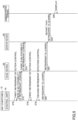
- FIG. 6 is a sequence diagram that shows examples of air-conditioner control processes performed by an air-conditioner control system according to one embodiment of the present disclosure.
- the control unit 32 of the server device 30 determines whether or not the refrigerant leakage prediction process based on the first refrigerant detection control and the refrigerant leakage detection process based on the second refrigerant detection control can be executed.
- step S100 the control unit 32 of the server device 30 makes a request to the edge device 20 to perform the refrigerant leakage prediction process based on the first refrigerant detection control for the air conditioner 10 every predetermined period.
- step S102 the edge device 20 makes a request to the air conditioner 10 to perform the refrigerant leakage prediction process based on the first refrigerant detection control.
- step S104 the air conditioner 10 performs the refrigerant leakage prediction process based on the first refrigerant detection control in accordance with the request from the edge device 20.
- the result of refrigerant leakage prediction based on the first refrigerant detection control in step S104 indicates that the refrigerant may be leaking.
- step S106 the air conditioner 10 answers to the edge device 20 that the refrigerant may be leaking.
- step S108 the edge device 20 answers to the control unit 32 of the server device 30 that the refrigerant may be leaking. Because the result of refrigerant leakage prediction based on the first refrigerant detection control indicated that the refrigerant might be leaking, in step S110, the control unit 32 makes a request to the edge device 20 to perform the refrigerant leakage detection process based on the second refrigerant detection control for the air conditioner 10. In step S112, the edge device 20 makes a request to the air conditioner 10 to perform the refrigerant leakage detection process based on the second refrigerant detection control.
- step S114 the air conditioner 10 performs the refrigerant leakage detection process based on the second refrigerant detection control in accordance with the request from the edge device 20.
- the air conditioner 10 answers to the edge device 20 that the refrigerant is not leaking.
- step S118 the edge device 20 answers to the control unit 32 of the server device 30 that the refrigerant is not leaking.
- the control unit 32 determines whether the result of the second refrigerant detection control has shown "no refrigerant leakage" several times in a row. The control unit 32 determines that the result of the second refrigerant detection control has not shown "no refrigerant leakage" several times in a row, and waits until the next predetermined period elapses.
- step S120 after the next predetermined period elapses, the control unit 32 makes a request to the edge device 20 to perform the refrigerant leakage prediction process based on the first refrigerant detection control for the air conditioner 10.
- step S122 the edge device 20 makes a request to the air conditioner 10 to perform the refrigerant leakage prediction process based on the first refrigerant detection control.
- step S124 the air conditioner 10 performs the refrigerant leakage prediction process based on the first refrigerant detection control in accordance with the request from the edge device 20.
- the result of refrigerant leakage prediction based on the first refrigerant detection control in step S124 indicated that the refrigerant might be leaking.
- step S126 the air conditioner 10 answers to the edge device 20 that the refrigerant may be leaking.
- step S134 the air conditioner 10 performs the refrigerant leakage detection process based on the second refrigerant detection control in accordance with the request from the edge device 20.
- the air conditioner 10 answers to the edge device 20 that the refrigerant is not leaking.
- step S138 the edge device 20 answers to the control unit 32 of the server device 30 that the refrigerant is not leaking.
- the control unit 32 determines whether the result of the second refrigerant detection control has shown "no refrigerant leakage" several times in a row. The control unit 32 determines that the result of the second refrigerant detection control has shown "no refrigerant leakage" several times in a row.
- the control unit 32 determines that an inspection of the air conditioner 10 needs to be suggested.
- step S140 the control unit 32 performs a process of sending a suggestion to the administrator terminal 40, which is an example of a destination to which such an indication is sent, that the air conditioner 10 be inspected.
- step S142 the administrator terminal 40 displays the suggestion of an inspection of the air conditioner 10.
- sequence diagrams of FIG. 4 to FIG. 6 illustrate cases in which the control unit 32 of the server device 30 or the control unit 16 of the air conditioner 10 determines whether or not the refrigerant leakage prediction process based on the first refrigerant detection control and the refrigerant leakage detection process based on the second refrigerant detection control for the air conditioner 10 need to be performed, but the control unit 22 of the edge device 20 may determine this instead.
- the air-conditioner control system 1 thus performs convenient refrigerant leakage prediction based on first refrigerant detection control every predetermined period, and, when the result of this convenient refrigerant leakage prediction based on first refrigerant detection control indicates that the refrigerant may be leaking, the air-conditioner control system 1 can perform refrigerant leakage detection based on the second refrigerant detection control, which is more reliable than the refrigerant leakage prediction based on first refrigerant detection control.
Landscapes
- Engineering & Computer Science (AREA)
- Mechanical Engineering (AREA)
- General Engineering & Computer Science (AREA)
- Chemical & Material Sciences (AREA)
- Combustion & Propulsion (AREA)
- Physics & Mathematics (AREA)
- Signal Processing (AREA)
- Thermal Sciences (AREA)
- Fuzzy Systems (AREA)
- Mathematical Physics (AREA)
- Air Conditioning Control Device (AREA)
Abstract
Description
- The present disclosure relates to an air-conditioner control system, an information processing apparatus, and an air-conditioner control method.
- There is a system for detecting an amount of refrigerant. This system allows an operation mode of a refrigeration cycle device to be switched automatically or manually from a normal operation mode to a refrigerant amount detection operation mode when the refrigeration cycle device's cooling or heating operation lasts for a certain time period, so that whether the refrigerant is leaking from the refrigeration circuit to the outside can be monitored remotely (see, for example, patent document 1).
- Patent Document 1: Unexamined
Japanese Patent Application No. 2009-079842 -
Patent document 1 detects a refrigerant leakage by switching the operation mode of a refrigeration cycle device from a normal operation mode to a refrigerant amount detection operation mode during times when air-conditioning is not needed, such as holidays, late night hours, and so forth. However,patent document 1 fails to teach convenient refrigerant leakage detection. - The present disclosure therefore aims to provide an air-conditioner control system, an information processing apparatus, and an air-conditioner control method that enable convenient and reliable refrigerant leakage detection.
- A first example of the present disclosure provides an air-conditioner control system including a control unit configured to control an air conditioner. The control unit is configured to perform a refrigerant leakage prediction based on first refrigerant detection control for the air conditioner every predetermined period. Furthermore, the control unit is configured to execute second refrigerant detection control when a result of the refrigerant leakage prediction based on the first refrigerant detection control indicates a possibility of a refrigerant leakage, the second refrigerant detection control including performing a refrigerant leakage detection for the air conditioner while running the air conditioner in a refrigerant leakage detection mode.
- According to the first example of the present disclosure, it is possible to provide an air-conditioner control system that enables convenient and reliable refrigerant leakage detection.
- A second example of the present disclosure is based on the air-conditioner control system of the first example, and the first refrigerant detection control includes predicting the refrigerant leakage based on a pressure of a refrigerant while the air conditioner is not running.
- A third example of the present disclosure is based on the air-conditioner control system of the first example or the second example, and the second refrigerant detection control includes performing the refrigerant leakage detection for the air conditioner based on a state of a refrigerant for the air conditioner while the air conditioner is running under a load that is greater than or equal to a predetermined load.
- A fourth example of the present disclosure is based on the air-conditioner control system of the first example or the second example, the second refrigerant detection control includes performing the refrigerant leakage detection for the air conditioner based on a state of a refrigerant for the air conditioner while the air conditioner is running under a load that is 70% or more of a capacity of the air conditioner.
- A fifth example of the present disclosure is based on the air-conditioner control system of the third example or the fourth example, and the second refrigerant detection control includes performing the refrigerant leakage detection for the air conditioner based on the state of the refrigerant for the air conditioner after the refrigerant for the air conditioner becomes stable upon running the air conditioner under the load for a predetermined time period or longer.
- A sixth example of the present disclosure is based on the air-conditioner control system of any one of the third to fifth examples, and the second refrigerant detection control includes performing the refrigerant leakage detection for the air conditioner by using a number of items greater than a number of items used in the refrigerant leakage prediction that is performed based on the first refrigerant detection control.
- A seventh example of the present disclosure is based on the air-conditioner control system of the first example, and the first refrigerant detection control is performed such that the refrigerant leakage prediction is performed by running an outer unit of the air conditioner and not running an inner unit of the air conditioner.
- An eighth example of the present disclosure is based on the air-conditioner control system of the first example, and the first refrigerant detection control is executed such that the refrigerant leakage prediction is performed based on a state of a refrigerant for the air conditioner observed after running the air conditioner under a load for a predetermined number of minutes.
- A ninth example of the present disclosure is based on the air-conditioner control system of the seventh example or the eighth example, and the second refrigerant detection control is executed such that the refrigerant leakage detection for the air conditioner is performed based on a state of a refrigerant for the air conditioner while running the air-conditioner under a load of 70% or more.
- A tenth example of the present disclosure is based on the air-conditioner control system of the ninth example, and the second refrigerant detection control is executed such that the refrigerant leakage detection for the air conditioner is performed based on the state of the refrigerant for the air conditioner observed after the refrigerant for the air conditioner becomes stable upon running the air conditioner under the load for a predetermined time period or longer.
- An eleventh example of the present disclosure is based on the air-conditioner control system of the ninth example or the tenth example, and the second refrigerant detection control includes performing the refrigerant leakage detection for the air conditioner by using a number of items greater than a number of items used in the refrigerant leakage prediction that is performed based on the first refrigerant detection control.
- A twelfth example of the present disclosure is based on the air-conditioner control system of any one of the seventh to eleventh examples, and the first refrigerant detection control includes performing the refrigerant leakage detection by running an outer unit of the air conditioner in a middle of night.
- A thirteenth example of the present disclosure is based on the air-conditioner control system of any one of the first to twelfth examples, and the control unit is configured to determine whether or not the second refrigerant detection control for the air conditioner needs to be executed, and to execute control for asking a user about execution of the second refrigerant detection control when the control unit determines that the second refrigerant detection control needs to be executed.
- A fourteenth example of the present disclosure is based on the air-conditioner control system of any one of the first to thirteenth examples, and the control unit is configured to execute control such that the air conditioner performs the first refrigerant detection control, and such that the result of the refrigerant leakage prediction based on the first refrigerant detection control is transmitted to a server device.
- A fifteenth example of the present disclosure is based on the air-conditioner control system of any one of the first to fourteenth examples, the predetermined period is one day.
- A sixteenth example of the present disclosure is based on the air-conditioner control system of any one of the first to fifteenth examples, and the control unit is configured to execute control such that, when a result of the second refrigerant detection control indicates that the refrigerant is leaking, an indication of the refrigerant leakage or a suggestion for an inspection of the air conditioner is sent to a predetermined destination.
- A seventeenth example of the present disclosure is based on the air-conditioner control system of any one of the first to sixteenth examples, and the control unit is configured to execute control such that, when an event consecutively occurs in which the result of the refrigerant leakage prediction based on the first refrigerant detection control indicates that the refrigerant is leaking and a result of the refrigerant leakage prediction based on the second refrigerant detection control indicates that the refrigerant is not leaking, a suggestion for an inspection of the air conditioner is sent to a predetermined destination.
- An eighteenth example of the present disclosure provides an information processing apparatus with a control unit that is configured to controls an air conditioner. The control unit is configured to perform a refrigerant leakage prediction based on first refrigerant detection control for the air conditioner every predetermined period. Furthermore, the control unit is configured to execute second refrigerant detection control when a result of the refrigerant leakage prediction based on the first refrigerant detection control indicates that there is a possibility of a refrigerant leakage, the second refrigerant detection control including performing a refrigerant leakage detection for the air conditioner while running the air conditioner in a refrigerant leakage detection mode.
- According to the eighteenth example of the present disclosure, it is possible to provide an information processing apparatus that enables convenient and reliable refrigerant leakage detection.
- A nineteenth example of the present disclosure provides an air-conditioner control method to be executed by a control unit of an air-conditioner control system. The control unit is configured to control an air conditioner, and the method includes:
- performing a refrigerant leakage prediction based on first refrigerant detection control for the air conditioner every predetermined period, and
- executing second refrigerant detection control when a result of the refrigerant leakage prediction based on the first refrigerant detection control indicates that there is a possibility of a refrigerant leakage, the second refrigerant detection control including performing a refrigerant leakage detection for the air conditioner while running the air conditioner in a refrigerant leakage detection mode.
- According to the nineteenth example of the present disclosure, it is possible to provide an air-conditioner control method that enables convenient and reliable refrigerant leakage detection.
-
- [
FIG. 1] FIG. 1 is a diagram that shows an example structure of an air-conditioner control system according to one embodiment of the present disclosure; - [
FIG. 2] FIG. 2 is a diagram that shows an example hardware structure of a computer according to one embodiment of the present disclosure; - [
FIG. 3] FIG. 3 is a flowchart that shows examples of air-conditioner control processes performed by an air-conditioner control system according to one embodiment of the present disclosure; - [
FIG. 4] FIG. 4 is a sequence diagram that shows examples of air-conditioner control processes performed by an air-conditioner control system according to one embodiment of the present disclosure; - [
FIG. 5] FIG. 5 is a sequence diagram that shows examples of air-conditioner control processes performed by an air-conditioner control system according to one embodiment of the present disclosure; and - [
FIG. 6] FIG. 6 is a sequence diagram that shows examples of air-conditioner control processes performed by an air-conditioner control system according to one embodiment of the present disclosure. - Next, embodiments of the present disclosure will be described in detail.
-
FIG. 1 is a diagram that shows an example structure of an air-conditioner control system according to one embodiment of the present disclosure. An air-conditioner control system 1 has anair conditioner 10, anedge device 20, aserver device 30, and anadministrator terminal 40. Theair conditioner 10 and theedge device 20 are communicatively connected via a dedicated communication line or the like. Theedge device 20, theserver device 30, and theadministrator terminal 40 are communicatively connected via anetwork 50 such as, for example, the Internet. - The
air conditioner 10 has one or moreinner units 12 and one or moreouter units 14. The number ofinner units 12 andouter units 14 that theair conditioner 10 ofFIG. 1 has is one example. Theinner units 12 andouter units 14 of theair conditioner 10 are connected so that they can communicate with each other. Theair conditioner 10 is an example of a device that runs a refrigeration cycle by circulating a refrigerant such as freon. - To allow early detection of a refrigerant leakage, the Fluorocarbon Emissions Control Act requires regular, simple inspections of equipment that uses fluorocarbons as a refrigerant. The use of Internet-of-Things (IoT) systems is permitted as a method for convenient inspections. When using an IoT system, the following requirement is stated. "The pressure, temperature, and other status values necessary to detect leakage be measured per refrigerant system according to the type of class I specified product. Note that measurements should be taken at least once a day."
- The
edge device 20 transmits the data output by theair conditioner 10 to theserver device 30 via thenetwork 50. Theedge device 20 also transmits the data output by theserver device 30 to theair conditioner 10 via thenetwork 50. - The
server device 30 receives the data output by theair conditioner 10 from theedge device 20 via thenetwork 50. Theserver device 30 also transmits the data to be output to theair conditioner 10, to theedge device 20. - The
administrator terminal 40 is an information processing terminal that is operated by a user who manages the air conditioner 10 (for example, an administrator who manages the building in which theair conditioner 10 is installed, a serviceperson in charge of theair conditioner 10, etc.). Theadministrator terminal 40 displays the data received from theair conditioner 10, theedge device 20, or theserver device 30, and shows their indications to the user. For example, theadministrator terminal 40 displays an indication of a refrigerant leakage or a suggestion of an inspection of theair conditioner 10, which will be described later. Theadministrator terminal 40 is an information processing terminal such as a personal computer (PC), a smartphone, a tablet terminal, or the like. - In the air-
conditioner control system 1, control programs are installed in at least one of theair conditioner 10, theedge device 20, and theserver device 30. Theair conditioner 10 can function as acontrol unit 16 by executing the control programs. Theedge device 20 can function as acontrol unit 22 by executing the control programs. Also, theserver device 30 can function as acontrol unit 32 by executing the control programs. - Note that, although
FIG. 1 shows an example in which theair conditioner 10, theedge device 20, and theserver device 30 each have acontrol unit FIG. 1 . The air-conditioner control system 1 may have any structure that has at least one of thecontrol units - The
control units air conditioner 10. As will be described later, thecontrol units air conditioner 10, and perform the second refrigerant detection control for performing refrigerant leakage detection for theair conditioner 10. For example, thecontrol unit 32 of theserver device 30 can control theair conditioner 10 remotely via thenetwork 50. - The structure of the air-
conditioner control system 1 shown inFIG. 1 is one example, and, for example, theserver device 30 may be implemented by one or more information processing apparatuses. Theserver device 30 may also be implemented as cloud computing services. Obviously, there are various example structures for the structure of the air-conditioner control system 1 ofFIG. 1 , depending on the application and purpose of use. - The
edge device 20,server device 30, andadministrator terminal 40 inFIG. 1 are implemented, for example, by acomputer 500 having the hardware structure shown inFIG. 2 . Also, theair conditioner 10 has a controller that is similar to thecomputer 500 that can execute control programs. -
FIG. 2 is a diagram that shows an example hardware structure of a computer according to one embodiment of the present disclosure. Thecomputer 500 ofFIG. 2 includes aninput device 501, adisplay device 502, an external I/F 503, aRAM 504, aROM 505, aCPU 506, a communication I/F 507, and anHDD 508, all of which are connected to each other via a bus B. Note that theinput device 501 and thedisplay device 502 may be connected and used on an as-needed basis. - The
input device 501 may be a touch panel, operation keys, buttons, a keyboard, a mouse, and the like that the user uses to input various signals. Thedisplay device 502 is composed of a display such as an LCD or OLED that displays a screen, a speaker that outputs sound data such as voice and music, and so forth. The communication I/F 507 is an interface through which thecomputer 500 performs data communication over a network. - Also, the
HDD 508 is an example of a non-volatile storage device that stores programs and data. The programs and data to be stored in theHDD 508 include an OS, which is basic software that controls theentire computer 500, and applications that provide various functions on the OS. Note that, instead of theHDD 508, thecomputer 500 may use a drive device that uses a flash memory as a recording medium (for example, a solid-state drive (SSD)). - The external I/
F 503 is an interface with external devices. External devices include arecording medium 503a. This allows thecomputer 500 to read from and write to therecording medium 503a via the external I/F 503. Examples of therecording medium 503a include a flexible disk, a CD, a DVD, an SD memory card, and a USB memory. - The
ROM 505 is an example of a non-volatile semiconductor memory (storage device) that can hold programs and data even when the power is turned off. TheROM 505 stores programs and data such as the BIOS, OS configurations, and network configurations that are executed when thecomputer 500 is powered on. TheRAM 504 is an example of a volatile semiconductor memory (storage device) that holds programs and data on a temporary basis. - The
CPU 506 is a computing device that reads programs and data from storage devices such as theROM 505 andHDD 508 onto theRAM 504, and executes processes to implement the control and functions of theentire computer 500. TheCPU 506 is an example of thecontrol unit - The air-
conditioner control system 1 ofFIG. 1 performs air-conditioner control processes as shown inFIG. 3 , for example.FIG. 3 is a flowchart that shows examples of air-conditioner control processes performed by the air-conditioner control system according to one embodiment of the present disclosure. Here, an example will be described below in which thecontrol unit 32 of theserver device 30 controls theair conditioner 10 remotely via thenetwork 50. - In step S10, the
control unit 32 determines whether a predetermined time period (for example, one day) has elapsed. Thecontrol unit 32 repeats the process of step S10 until the predetermined period elapses. When it is determined that the predetermined period has elapsed, thecontrol unit 32 proceeds to the process of step S12, and performs a refrigerant leakage prediction process for theair conditioner 10 based on first refrigerant detection control, which is performed every predetermined period. - The first refrigerant detection control is an example of control for performing convenient refrigerant leakage detection. There are cases in which the
air conditioner 10 need not run in a refrigerant leakage detection mode and cases in which theair conditioner 10 needs to run in a convenient refrigerant leakage detection mode. - In the first refrigerant detection control in which the
air conditioner 10 need not run in the refrigerant leakage detection mode, a refrigerant leakage is predicted by detecting the refrigerant's pressure as of when theair conditioner 10 is not running, using a pressure sensor. Also, in the first refrigerant detection control in which theair conditioner 10 needs to run in the convenient refrigerant leakage detection mode, a refrigerant leakage may be predicted by not running theinner units 12 of theair conditioner 10 and running the outer units 14 (compressors) instead. Also, in the first refrigerant detection control, in which theair conditioner 10 needs to run in the convenient refrigerant leakage detection mode, a refrigerant leakage may be predicted from the state of the refrigerant for theair conditioner 10 after theair conditioner 10 has run in the refrigerant leakage detection mode for a predetermined number of minutes (for example, approximately 3 minutes). Note that it is desirable to perform the first refrigerant detection control of step S12 during the night. The night is an example of a time period in which theair conditioner 10 is often not in use. - In step S14, if the result of refrigerant leakage prediction based on the first refrigerant detection control in step S12 does not indicate that the refrigerant may be leaking, the
control unit 32 returns to the process of step S10. If the result of refrigerant leakage prediction based on the first refrigerant detection control in step S12 indicates that the refrigerant may be leaking, thecontrol unit 32 proceeds to the process of step S16. - In step S16, the
control unit 32 performs a refrigerant leakage detection process for theair conditioner 10 based on second refrigerant detection control. In the refrigerant leakage detection process for theair conditioner 10 based on second refrigerant detection control, a refrigerant leakage may be detected for theair conditioner 10 while theair conditioner 10 runs in the refrigerant leakage detection mode. In the refrigerant leakage detection process for theair conditioner 10 based on the second refrigerant detection control, refrigerant leakage may be detected based on the state of the refrigerant for theair conditioner 10 while theair conditioner 10 runs with a predetermined level of load or more (for example, 70% or more). For example, in the refrigerant leakage detection process based on the second refrigerant detection control for theair conditioner 10, theair conditioner 10 may be run such that a load is placed on a predetermined number of inner units 12 (for example, 70% or more of all the inner units 12) for a predetermined time period (for example, approximately one hour) or more, and a refrigerant leakage may be detected for theair conditioner 10 based on the state of the refrigerant for theair conditioner 10 after the refrigerant for theair conditioner 10 becomes stable. For example, when theair conditioner 10 is run such that a load of 70% or more is placed on theinner units 12, this means that a load that is 70% or more of the rated capacity of theouter units 14 is placed on the inner units 12 (the capacity of the workinginner units 12 becomes 70% or more of the rated capacity of the outer units 14). In other examples, the operation in which a load of 70% or more is placed may refer to an operation in which 70% or more of the connectinginner units 12 are run, or refer to an operation in which a load that is 70% or more of the total capacity of all theinner units 12 connected to the same system is placed. - Note that the number of items that are needed to make determinations in the refrigerant leakage detection process based on the second refrigerant detection control is greater than the number of items that are needed to make determinations in the refrigerant leakage prediction process based on the first refrigerant detection control. In this way, the refrigerant leakage detection process based on the second refrigerant detection control uses a larger number of items, imposes a greater load, and takes a longer processing time than the simpler refrigerant leakage prediction process based on the first refrigerant detection control, but enables more reliable refrigerant leakage detection. On the other hand, the refrigerant leakage prediction process based on the first refrigerant detection control uses a smaller number of items, imposes a smaller load, and requires a shorter processing time than the refrigerant leakage detection process based on the second refrigerant detection control, making it easier to predict a refrigerant leakage. For example, the items used in the refrigerant leakage prediction process based on the first refrigerant detection control include intake pressure, discharge pressure, outdoor temperature, intake pipe temperature, and so forth. The items used in the refrigerant leakage detection process based on the second refrigerant detection control include intake pressure, discharge pressure, outdoor temperature, intake pipe temperature, discharge pipe temperature, liquid pipe temperature, expansion valve opening, and so forth.
- In step S18, if the result of the second refrigerant detection control in step S16 indicates that the refrigerant is leaking, the
control unit 32 proceeds to the process of step S22. In step S22, thecontrol unit 32 displays an indication of a refrigerant leakage or a suggestion of an inspection of theair conditioner 10 on theadministrator terminal 40, which is an example of a destination to which such an indication is sent. After the process of step S22, thecontrol unit 32 returns to the process of step S10. - On the other hand, in step S18, if the result of the second refrigerant detection control in step S16 does not indicate that the refrigerant is leaking, the
control unit 32 proceeds to the process of step S20. - In step S20, if a case in which the result of refrigerant leakage prediction based on the first refrigerant detection control in step S12 indicates that the refrigerant may be leaking and the result of the second refrigerant detection control in step S16 does not indicate that the refrigerant is leaking several times in a row (for example, three times), the
control unit 32 determines that it is necessary to suggest an inspection of theair conditioner 10. When it is determined that an inspection of theair conditioner 10 needs to be suggested, thecontrol unit 32 proceeds to the process of step S24 and displays the suggestion of an inspection of theair conditioner 10 on theadministrator terminal 40, which is an example of a destination to which such an indication is sent. Thecontrol unit 32 returns to the process of step S10 after the process of step S24. If it is not determined that an inspection of theair conditioner 10 needs to be suggested, thecontrol unit 32 returns to the process of step S10. - In this way, the air-
conditioner control system 1 according to one embodiment of the present disclosure performs a simple refrigerant leakage prediction process based on first refrigerant detection control for each predetermined period, so that, if the possibility that the refrigerant is leaking is high, the air-conditioner control system 1 can perform refrigerant leakage detection based on the second refrigerant detection control, which is more reliable than the refrigerant leakage prediction process based on first refrigerant detection control. -
FIG. 4 is a sequence diagram that shows examples of air-conditioner control processes performed by the air-conditioner control system according to one embodiment of the present disclosure. Here, an example will be described in which thecontrol unit 32 of theserver device 30 controls theair conditioner 10 remotely via thenetwork 50. - In step S30, the
control unit 32 of theserver device 30 makes a request to theedge device 20 to perform the refrigerant leakage prediction process based on the first refrigerant detection control for theair conditioner 10 every predetermined period. In step S32, theedge device 20 makes a request to theair conditioner 10 to perform the refrigerant leakage prediction process based on the first refrigerant detection control. - In step S34, the
air conditioner 10 performs the refrigerant leakage prediction process based on the first refrigerant detection control in accordance with the request from theedge device 20. Below, the explanation will continue assuming that the result of refrigerant leakage prediction based on the first refrigerant detection control in step S34 does not indicate that the refrigerant may be leaking. - In step S36, the
air conditioner 10 answers to theedge device 20 that there is no possibility that the refrigerant is leaking. In step S38, theedge device 20 answers to thecontrol unit 32 of theserver device 30 that there is no possibility that the refrigerant is leaking. Thecontrol unit 32 waits until the next predetermined period elapses because the result of refrigerant leakage prediction based on the first refrigerant detection control did not indicate that there was a possibility that the refrigerant was leaking. - In step S40, after the next predetermined period elapses, the
control unit 32 makes a request to theedge device 20 to perform the refrigerant leakage prediction process based on the first refrigerant detection control for theair conditioner 10. In step S42, theedge device 20 makes a request to theair conditioner 10 to perform the refrigerant leakage prediction process based on the first refrigerant detection control. - In step S44, the
air conditioner 10 performs the refrigerant leakage prediction process based on the first refrigerant detection control in accordance with the request from theedge device 20. Below, the explanation will continue assuming that the result of refrigerant leakage prediction based on the first refrigerant detection control in step S44 indicates that the refrigerant may be leaking. - In step S46, the
air conditioner 10 answers to theedge device 20 that the refrigerant may be leaking. In step S48, theedge device 20 answers to thecontrol unit 32 of theserver device 30 that the refrigerant may be leaking. - Because the result of refrigerant leakage prediction based on the first refrigerant detection control indicated that the refrigerant might be leaking, in step S50, the
control unit 32 makes a request to theedge device 20 to perform the refrigerant leakage detection process based on the second refrigerant detection control for theair conditioner 10. In step S52, theedge device 20 makes a request to theair conditioner 10 to perform the refrigerant leakage detection process based on the second refrigerant detection control. - In step S54, the
air conditioner 10 performs the refrigerant leakage detection process based on the second refrigerant detection control in accordance with the request from theedge device 20. Below, the explanation will continue assuming that the result of the second refrigerant detection control in step S54 indicates that the refrigerant is leaking. - In step S56, the
air conditioner 10 reports to theedge device 20 that the refrigerant is leaking. In step S58, theedge device 20 notifies thecontrol unit 32 of theserver device 30 of the refrigerant leak. - Because the result of the second refrigerant detection control in step S54 indicated that the refrigerant was leaking, in step S60, the
control unit 32 performs a process of indicating to theadministrator terminal 40, which is an example of a destination to which such an indication is sent, that the refrigerant is leaking. Note that the indication in step S60 may be a process of suggesting an inspection of theair conditioner 10. In step S62, theadministrator terminal 40 displays an indication of a refrigerant leakage or a suggestion of an inspection of theair conditioner 10. - Note that, before requesting the
edge device 20 to execute the refrigerant leakage detection process based on the second refrigerant detection control for theair conditioner 10 in step S50, thecontrol unit 32 may ask the user of theadministrator terminal 40 whether the second control of theair conditioner 10 can be executed. For example, thecontrol unit 32 may cause theadministrator terminal 40 to display a screen for asking the user whether the refrigerant leakage detection process based on the second refrigerant detection control for theair conditioner 10 can be executed, and allow the user to choose whether or not the refrigerant leakage detection process based on the second refrigerant detection control can be executed. - The sequence diagram of
FIG. 4 is an example in which thecontrol unit 32 of theserver device 30 determines whether or not it is necessary to execute the refrigerant leakage prediction process based on the first refrigerant detection control and the refrigerant leakage detection process based on the second refrigerant detection control for theair conditioner 10. Whether or not it is necessary to execute the refrigerant leakage prediction process based on the first refrigerant detection control and the refrigerant leakage detection process based on the second refrigerant detection control for theair conditioner 10 may be determined, for example, by theair conditioner 10 as shown in the sequence diagram ofFIG. 5 . -
FIG. 5 is a sequence diagram that shows examples of air-conditioner control processes performed by an air-conditioner control system according to one embodiment of the present disclosure. Here, an example will be described below in which thecontrol unit 16 of theair conditioner 10 determines whether or not the refrigerant leakage prediction process based on the first refrigerant detection control and the refrigerant leakage detection process based on the second refrigerant detection control can be executed. - In step S70, the
control unit 16 of theair conditioner 10 starts the refrigerant leakage prediction process based on the first refrigerant detection control that is performed every predetermined period. Below, the explanation will continue assuming that the result of refrigerant leakage prediction based on the first refrigerant detection control in step S70 does not indicate that the refrigerant may be leaking. - In step S72, the
air conditioner 10 answers to theedge device 20 that there is no possibility that the refrigerant is leaking. In step S74, theedge device 20 answers to thecontrol unit 32 of theserver device 30 that there is no possibility that the refrigerant is leaking. Thecontrol unit 32 manages the result of refrigerant leakage prediction based on the first refrigerant detection control. Note that the processes of steps S72 and S74 may be omitted if the result of refrigerant leakage prediction based on the first refrigerant detection control is sent to theserver device 30 as a daily report. - In step S76, the
control unit 16 of theair conditioner 10 starts the refrigerant leakage prediction process based on the first refrigerant detection control after the next predetermined period elapses. Below, the explanation will continue assuming that the result of refrigerant leakage prediction based on the first refrigerant detection control in step S76 indicates that the refrigerant may be leaking. - Because the result of the second refrigerant detection control in step S78 indicates that the refrigerant may be leaking, the
control unit 16 of theair conditioner 10 starts the refrigerant leakage detection process based on the second refrigerant detection control for theair conditioner 10. - Below, the explanation will continue assuming that the result of the second refrigerant detection control in step S78 indicates that the refrigerant is leaking. In step S80, the
air conditioner 10 reports to theedge device 20 that the refrigerant is leaking. In step S82, theedge device 20 answers to theserver device 30 that the refrigerant is leaking. - Because the result of the second refrigerant detection control for the
air conditioner 10 indicates that the refrigerant is leaking, in step S84, theserver device 30 performs a process of indicating to theadministrator terminal 40, which is an example of a destination to which such an indication is sent, that the refrigerant is leaking. Note that the indication in step S84 may be a process of suggesting an inspection of theair conditioner 10. In step S86, theadministrator terminal 40 displays an indication of a refrigerant leakage or a suggestion of an inspection of theair conditioner 10. - Note that, before starting the refrigerant leakage detection process based on the second refrigerant detection control for the
air conditioner 10, in step S78, thecontrol unit 16 may ask the user of theadministrator terminal 40 whether or not the refrigerant leakage detection process based on the second refrigerant detection control for theair conditioner 10 can be executed. For example, thecontrol unit 16 may cause theadministrator terminal 40 to display a screen for asking the user whether or not the refrigerant leakage detection process based on the second refrigerant detection control for theair conditioner 10 can be executed, and allow the user to choose whether or not the refrigerant leakage detection process based on the second refrigerant detection control can be executed. - For example, if the result of the second refrigerant detection control in the sequence diagram of
FIG. 4 indicates that the refrigerant is not leaking several times in a row, an inspection of theair conditioner 10 may be suggested, as shown in the sequence diagram ofFIG. 6 . -
FIG. 6 is a sequence diagram that shows examples of air-conditioner control processes performed by an air-conditioner control system according to one embodiment of the present disclosure. Here, an example will be described below in which thecontrol unit 32 of theserver device 30 determines whether or not the refrigerant leakage prediction process based on the first refrigerant detection control and the refrigerant leakage detection process based on the second refrigerant detection control can be executed. - In step S100, the
control unit 32 of theserver device 30 makes a request to theedge device 20 to perform the refrigerant leakage prediction process based on the first refrigerant detection control for theair conditioner 10 every predetermined period. In step S102, theedge device 20 makes a request to theair conditioner 10 to perform the refrigerant leakage prediction process based on the first refrigerant detection control. - In step S104, the
air conditioner 10 performs the refrigerant leakage prediction process based on the first refrigerant detection control in accordance with the request from theedge device 20. Below, the explanation will continue assuming that the result of refrigerant leakage prediction based on the first refrigerant detection control in step S104 indicates that the refrigerant may be leaking. - In step S106, the
air conditioner 10 answers to theedge device 20 that the refrigerant may be leaking. In step S108, theedge device 20 answers to thecontrol unit 32 of theserver device 30 that the refrigerant may be leaking. Because the result of refrigerant leakage prediction based on the first refrigerant detection control indicated that the refrigerant might be leaking, in step S110, thecontrol unit 32 makes a request to theedge device 20 to perform the refrigerant leakage detection process based on the second refrigerant detection control for theair conditioner 10. In step S112, theedge device 20 makes a request to theair conditioner 10 to perform the refrigerant leakage detection process based on the second refrigerant detection control. - In step S114, the
air conditioner 10 performs the refrigerant leakage detection process based on the second refrigerant detection control in accordance with the request from theedge device 20. Here, the explanation will continue assuming that the result of the second refrigerant detection control in step S114 does not indicate that the refrigerant is leaking. In step S116, theair conditioner 10 answers to theedge device 20 that the refrigerant is not leaking. In step S118, theedge device 20 answers to thecontrol unit 32 of theserver device 30 that the refrigerant is not leaking. - Because the result of the second refrigerant detection control in step S114 indicated that the refrigerant was not leaking, the
control unit 32 determines whether the result of the second refrigerant detection control has shown "no refrigerant leakage" several times in a row. Thecontrol unit 32 determines that the result of the second refrigerant detection control has not shown "no refrigerant leakage" several times in a row, and waits until the next predetermined period elapses. - In step S120, after the next predetermined period elapses, the
control unit 32 makes a request to theedge device 20 to perform the refrigerant leakage prediction process based on the first refrigerant detection control for theair conditioner 10. In step S122, theedge device 20 makes a request to theair conditioner 10 to perform the refrigerant leakage prediction process based on the first refrigerant detection control. - In step S124, the
air conditioner 10 performs the refrigerant leakage prediction process based on the first refrigerant detection control in accordance with the request from theedge device 20. Below, the explanation will continue assuming that the result of refrigerant leakage prediction based on the first refrigerant detection control in step S124 indicated that the refrigerant might be leaking. - In step S126, the
air conditioner 10 answers to theedge device 20 that the refrigerant may be leaking. In step S128, theedge device 20 answers to thecontrol unit 32 of theserver device 30 that the refrigerant may be leaking. Because the result of refrigerant leakage prediction based on the first refrigerant detection control indicates that the refrigerant may be leaking, in step S130, thecontrol unit 32 makes a request to theedge device 20 to perform the refrigerant leakage detection process based on the second refrigerant detection control for theair conditioner 10. In step S132, theedge device 20 makes a request to theair conditioner 10 to perform the refrigerant leakage detection process based on the second refrigerant detection control. - In step S134, the
air conditioner 10 performs the refrigerant leakage detection process based on the second refrigerant detection control in accordance with the request from theedge device 20. Here, the explanation will continue assuming that the result of the second refrigerant detection control in step S134 does not indicate that the refrigerant is leaking. In step S136, theair conditioner 10 answers to theedge device 20 that the refrigerant is not leaking. In step S138, theedge device 20 answers to thecontrol unit 32 of theserver device 30 that the refrigerant is not leaking. - Because the result of the second refrigerant detection control in step S134 indicates that the refrigerant is not leaking, the
control unit 32 determines whether the result of the second refrigerant detection control has shown "no refrigerant leakage" several times in a row. Thecontrol unit 32 determines that the result of the second refrigerant detection control has shown "no refrigerant leakage" several times in a row. - When thus a case in which the result of refrigerant leakage prediction based on the first refrigerant detection control indicates that refrigerant may be leaking and the result of the second refrigerant detection control in step S16 indicates that the refrigerant is not leaking several times in a row, the
control unit 32 determines that an inspection of theair conditioner 10 needs to be suggested. - In step S140, the
control unit 32 performs a process of sending a suggestion to theadministrator terminal 40, which is an example of a destination to which such an indication is sent, that theair conditioner 10 be inspected. In step S142, theadministrator terminal 40 displays the suggestion of an inspection of theair conditioner 10. - Although the sequence diagrams of
FIG. 4 to FIG. 6 illustrate cases in which thecontrol unit 32 of theserver device 30 or thecontrol unit 16 of theair conditioner 10 determines whether or not the refrigerant leakage prediction process based on the first refrigerant detection control and the refrigerant leakage detection process based on the second refrigerant detection control for theair conditioner 10 need to be performed, but thecontrol unit 22 of theedge device 20 may determine this instead. - The air-
conditioner control system 1 according to one embodiment of the present disclosure thus performs convenient refrigerant leakage prediction based on first refrigerant detection control every predetermined period, and, when the result of this convenient refrigerant leakage prediction based on first refrigerant detection control indicates that the refrigerant may be leaking, the air-conditioner control system 1 can perform refrigerant leakage detection based on the second refrigerant detection control, which is more reliable than the refrigerant leakage prediction based on first refrigerant detection control. - While an embodiment of the present disclosure has been described above, it should be understood that various changes in form and details are possible without departing from the spirit and scope of the accompanying claims. Although the present invention has been described above based on an embodiment, the present invention is by no means limited to the above embodiment, and various modifications may be made within the scope of the accompanying claims. This application claims priority to
Japanese Patent Application No. 2022-158319, filed with the Japan Patent Office on September 30, 2022 -
- 1
- air-conditioner control system
- 10
- air conditioner
- 12
- inner unit
- 14
- outer unit
- 16, 22, 32
- control unit
- 20
- edge device
- 30
- server device
- 40
- administrator terminal
- 50
- network
Claims (19)
- An air-conditioner control system comprising a control unit configured to control an air conditioner,wherein the control unit is configured to perform a refrigerant leakage prediction based on first refrigerant detection control for the air conditioner every predetermined period, andwherein the control unit is configured to execute second refrigerant detection control when a result of the refrigerant leakage prediction based on the first refrigerant detection control indicates a possibility of a refrigerant leakage, the second refrigerant detection control including performing a refrigerant leakage detection for the air conditioner while running the air conditioner in a refrigerant leakage detection mode.
- The air-conditioner control system according to claim 1, wherein the first refrigerant detection control includes predicting the refrigerant leakage based on a pressure of a refrigerant while the air conditioner is not running.
- The air-conditioner control system according to claim 1 or 2, wherein the second refrigerant detection control includes performing the refrigerant leakage detection for the air conditioner based on a state of a refrigerant for the air conditioner while the air conditioner is running under a load that is greater than or equal to a predetermined load.
- The air-conditioner control system according to claim 1 or 2, wherein the second refrigerant detection control includes performing the refrigerant leakage detection for the air conditioner based on a state of a refrigerant for the air conditioner while the air conditioner is running under a load that is 70% or more of a capacity of the air conditioner.
- The air-conditioner control system according to claim 3 or 4, wherein the second refrigerant detection control includes performing the refrigerant leakage detection for the air conditioner based on the state of the refrigerant for the air conditioner after the refrigerant for the air conditioner becomes stable upon running the air conditioner under the load for a predetermined time period or longer.
- The air-conditioner control system according to any one of claims 3 to 5, wherein the second refrigerant detection control includes performing the refrigerant leakage detection for the air conditioner by using a number of items greater than a number of items used in the refrigerant leakage prediction that is performed based on the first refrigerant detection control.
- The air-conditioner control system according to claim 1, wherein the first refrigerant detection control is performed such that the refrigerant leakage prediction is performed by running an outer unit of the air conditioner and not running an inner unit of the air conditioner.
- The air-conditioner control system according to claim 1, wherein the first refrigerant detection control is executed such that the refrigerant leakage prediction is performed based on a state of a refrigerant for the air conditioner observed after running the air conditioner under a load for a predetermined number of minutes.
- The air-conditioner control system according to claim 7 or 8, wherein the second refrigerant detection control is executed such that the refrigerant leakage detection for the air conditioner is performed based on a state of a refrigerant for the air conditioner while running the air-conditioner under a load of 70% or more.
- The air-conditioner control system according to claim 9, wherein the second refrigerant detection control is executed such that the refrigerant leakage detection for the air conditioner is performed based on the state of the refrigerant for the air conditioner observed after the refrigerant for the air conditioner becomes stable upon running the air conditioner under the load for a predetermined time period or longer.
- The air-conditioner control system according to claim 9 or 10, wherein the second refrigerant detection control includes performing the refrigerant leakage detection for the air conditioner by using a number of items greater than a number of items used in the refrigerant leakage prediction that is performed based on the first refrigerant detection control.
- The air-conditioner control system according to any one of claims 7 to 11, wherein the first refrigerant detection control includes performing the refrigerant leakage detection by running an outer unit of the air conditioner in a middle of night.
- The air-conditioner control system according to any one of claims 1 to 12, wherein the control unit is configured to determine whether or not the second refrigerant detection control for the air conditioner needs to be executed, and to execute control for asking a user about execution of the second refrigerant detection control when the control unit determines that the second refrigerant detection control needs to be executed.
- The air-conditioner control system according to any one of claims 1 to 13, wherein the control unit is configured to execute control such that the air conditioner performs the first refrigerant detection control, and such that the result of the refrigerant leakage prediction based on the first refrigerant detection control is transmitted to a server device.
- The air-conditioner control system according to any one of claims 1 to 14, wherein the predetermined period is one day.
- The air-conditioner control system according to any one of claims 1 to 15, wherein the control unit is configured to execute control such that, when a result of the second refrigerant detection control indicates that the refrigerant is leaking, an indication of the refrigerant leakage or a suggestion for an inspection of the air conditioner is sent to a predetermined destination.
- The air-conditioner control system according to any one of claims 1 to 16, wherein the control unit is configured to execute control such that, when an event consecutively occurs in which the result of the refrigerant leakage prediction based on the first refrigerant detection control indicates that the refrigerant is leaking and a result of the refrigerant leakage prediction based on the second refrigerant detection control indicates that the refrigerant is not leaking, a suggestion for an inspection of the air conditioner is sent to a predetermined destination.
- An information processing apparatus comprising a control unit configured to control an air conditioner,wherein the control unit is configured to perform a refrigerant leakage prediction based on first refrigerant detection control for the air conditioner every predetermined period, andwherein the control unit is configured to execute second refrigerant detection control when a result of the refrigerant leakage prediction based on the first refrigerant detection control indicates that there is a possibility of a refrigerant leakage, the second refrigerant detection control including performing a refrigerant leakage detection for the air conditioner while running the air conditioner in a refrigerant leakage detection mode.
- An air-conditioner control method to be executed by a control unit included in an air-conditioner control system, the control unit being configured to control an air conditioner, the method comprising:performing a refrigerant leakage prediction based on first refrigerant detection control for the air conditioner every predetermined period, andexecuting second refrigerant detection control when a result of the refrigerant leakage prediction based on the first refrigerant detection control indicates that there is a possibility of a refrigerant leakage, the second refrigerant detection control including performing a refrigerant leakage detection for the air conditioner while running the air conditioner in a refrigerant leakage detection mode.
Applications Claiming Priority (2)
| Application Number | Priority Date | Filing Date | Title |
|---|---|---|---|
| JP2022158319A JP7711345B2 (en) | 2022-09-30 | 2022-09-30 | Air conditioner control system, information processing device, and air conditioner control method |
| PCT/JP2023/020944 WO2024070059A1 (en) | 2022-09-30 | 2023-06-06 | Air conditioner control system, information processing device, and air conditioner control method |
Publications (2)
| Publication Number | Publication Date |
|---|---|
| EP4556805A1 true EP4556805A1 (en) | 2025-05-21 |
| EP4556805A4 EP4556805A4 (en) | 2026-02-11 |
Family
ID=90476776
Family Applications (1)
| Application Number | Title | Priority Date | Filing Date |
|---|---|---|---|
| EP23871304.4A Pending EP4556805A4 (en) | 2022-09-30 | 2023-06-06 | AIR CONDITIONING CONTROL SYSTEM, INFORMATION PROCESSING DEVICE AND AIR CONDITIONING CONTROL METHOD |
Country Status (5)
| Country | Link |
|---|---|
| US (1) | US20260043568A1 (en) |
| EP (1) | EP4556805A4 (en) |
| JP (2) | JP7711345B2 (en) |
| CN (1) | CN119836550A (en) |
| WO (1) | WO2024070059A1 (en) |
Family Cites Families (11)
| Publication number | Priority date | Publication date | Assignee | Title |
|---|---|---|---|---|
| JP3963190B2 (en) * | 2005-04-07 | 2007-08-22 | ダイキン工業株式会社 | Refrigerant amount determination system for air conditioner |
| JP4665748B2 (en) | 2005-12-16 | 2011-04-06 | ダイキン工業株式会社 | Air conditioner |
| JP2009079842A (en) * | 2007-09-26 | 2009-04-16 | Mitsubishi Electric Corp | Refrigeration cycle apparatus and control method thereof |
| JP5761306B2 (en) * | 2013-11-06 | 2015-08-12 | ダイキン工業株式会社 | Refrigeration unit heat source unit |
| JP6785974B2 (en) | 2017-08-18 | 2020-11-18 | 三菱電機株式会社 | Air conditioner |
| JP6733704B2 (en) | 2018-05-31 | 2020-08-05 | ダイキン工業株式会社 | Air conditioning management system and communication control device |
| JP6773078B2 (en) | 2018-05-31 | 2020-10-21 | ダイキン工業株式会社 | Air conditioning management system and communication control device |
| JP7187335B2 (en) | 2019-01-25 | 2022-12-12 | 三菱重工サーマルシステムズ株式会社 | Air conditioner and method of operating the air conditioner |
| CN114364925B (en) * | 2019-09-09 | 2023-10-20 | 大金工业株式会社 | Refrigerant leakage determination system |
| JP7691262B2 (en) | 2021-04-01 | 2025-06-11 | 日鉄鋼板株式会社 | Liquid mixing device and liquid mixing device unit |
| JP7112008B1 (en) * | 2021-05-21 | 2022-08-03 | ダイキン工業株式会社 | refrigeration cycle equipment |
-
2022
- 2022-09-30 JP JP2022158319A patent/JP7711345B2/en active Active
-
2023
- 2023-06-06 WO PCT/JP2023/020944 patent/WO2024070059A1/en not_active Ceased
- 2023-06-06 US US19/102,012 patent/US20260043568A1/en active Pending
- 2023-06-06 EP EP23871304.4A patent/EP4556805A4/en active Pending
- 2023-06-06 CN CN202380064069.8A patent/CN119836550A/en active Pending
-
2024
- 2024-03-15 JP JP2024040925A patent/JP2024070281A/en active Pending
Also Published As
| Publication number | Publication date |
|---|---|
| EP4556805A4 (en) | 2026-02-11 |
| JP2024070281A (en) | 2024-05-22 |
| JP2024051923A (en) | 2024-04-11 |
| WO2024070059A1 (en) | 2024-04-04 |
| JP7711345B2 (en) | 2025-07-23 |
| US20260043568A1 (en) | 2026-02-12 |
| CN119836550A (en) | 2025-04-15 |
Similar Documents
| Publication | Publication Date | Title |
|---|---|---|
| US6545448B1 (en) | Detection of the end-of-life for a rechargeable battery | |
| US8032334B2 (en) | Sensor subset selection for reduced bandwidth and computation requirements | |
| US8055887B2 (en) | Dynamically updating barcode data | |
| CN106294065A (en) | Hard disk failure monitoring method, Apparatus and system | |
| US9715267B2 (en) | Method for switching operating systems and electronic apparatus | |
| WO2014168647A1 (en) | Block storage using a hybrid memory device | |
| CN102541704B (en) | Testing method for RAID (redundant array of independent disk) cards | |
| US10997046B2 (en) | Integrity check staging | |
| US20230418710A1 (en) | Information processing apparatus, and control method | |
| WO2020052472A1 (en) | Method and device for detecting and controlling abnormal application, terminal, and storage medium | |
| KR102100458B1 (en) | Method for managing memory and an electronic device thereof | |
| CN103975310A (en) | Method and apparatus for saving processor information prior to a reset for post reset evaluation | |
| EP4596989A1 (en) | Air conditioner control system, information processing device, and air conditioner control method | |
| US12498133B2 (en) | Air-conditioning system, management device, air conditioner, sensor data acquisition method, and recording medium | |
| US20260043568A1 (en) | Air-conditioner control system, information processing apparatus and air-conditioner control method | |
| CN115576737B (en) | Abnormality detection method, abnormality detection device, electronic device, and storage medium | |
| CN201285545Y (en) | Starting-up monitoring apparatus for host board | |
| CN117519762A (en) | A hot update method and related devices | |
| JP7805454B2 (en) | air conditioning system | |
| JP7553844B2 (en) | SERVER, SYSTEM, AND METHOD | |
| US11455924B1 (en) | System and method for LCD display panel failure diagnostics | |
| TWI391825B (en) | Processing module, operation system and processing method utilizing the same | |
| JPWO2019163035A1 (en) | Energy saving management device, energy saving management system, energy saving management method and program | |
| JP2024146268A (en) | DEVICE, PRIVATE RESPONSE METHOD, AND COMMUNICATION SYSTEM | |
| US20220247621A1 (en) | Method, apparatus, and system for distributed sensor monitoring and management in a system-on-chip |
Legal Events
| Date | Code | Title | Description |
|---|---|---|---|
| STAA | Information on the status of an ep patent application or granted ep patent |
Free format text: STATUS: THE INTERNATIONAL PUBLICATION HAS BEEN MADE |
|
| PUAI | Public reference made under article 153(3) epc to a published international application that has entered the european phase |
Free format text: ORIGINAL CODE: 0009012 |
|
| STAA | Information on the status of an ep patent application or granted ep patent |
Free format text: STATUS: REQUEST FOR EXAMINATION WAS MADE |
|
| 17P | Request for examination filed |
Effective date: 20250212 |
|
| AK | Designated contracting states |
Kind code of ref document: A1 Designated state(s): AL AT BE BG CH CY CZ DE DK EE ES FI FR GB GR HR HU IE IS IT LI LT LU LV MC ME MK MT NL NO PL PT RO RS SE SI SK SM TR |
|
| P01 | Opt-out of the competence of the unified patent court (upc) registered |
Free format text: CASE NUMBER: UPC_APP_3795_4556805/2025 Effective date: 20250820 |
|
| RIC1 | Information provided on ipc code assigned before grant |
Ipc: F24F 11/36 20180101AFI20251014BHEP Ipc: F24F 11/58 20180101ALI20251014BHEP Ipc: F25B 49/02 20060101ALI20251014BHEP |
|
| DAV | Request for validation of the european patent (deleted) | ||
| DAX | Request for extension of the european patent (deleted) | ||
| A4 | Supplementary search report drawn up and despatched |
Effective date: 20260112 |
|
| RIC1 | Information provided on ipc code assigned before grant |
Ipc: F24F 11/36 20180101AFI20260106BHEP Ipc: F24F 11/58 20180101ALI20260106BHEP Ipc: F25B 49/02 20060101ALI20260106BHEP |