EP4553084A2 - Utilisation d'arnm d'ifn-lambda pour le traitement d'infections virales - Google Patents
Utilisation d'arnm d'ifn-lambda pour le traitement d'infections virales Download PDFInfo
- Publication number
- EP4553084A2 EP4553084A2 EP24221858.4A EP24221858A EP4553084A2 EP 4553084 A2 EP4553084 A2 EP 4553084A2 EP 24221858 A EP24221858 A EP 24221858A EP 4553084 A2 EP4553084 A2 EP 4553084A2
- Authority
- EP
- European Patent Office
- Prior art keywords
- mrna
- virus
- composition
- ifn
- ifnλ1
- Prior art date
- Legal status (The legal status is an assumption and is not a legal conclusion. Google has not performed a legal analysis and makes no representation as to the accuracy of the status listed.)
- Pending
Links
Images























Classifications
-
- A—HUMAN NECESSITIES
- A61—MEDICAL OR VETERINARY SCIENCE; HYGIENE
- A61K—PREPARATIONS FOR MEDICAL, DENTAL OR TOILETRY PURPOSES
- A61K38/00—Medicinal preparations containing peptides
- A61K38/16—Peptides having more than 20 amino acids; Gastrins; Somatostatins; Melanotropins; Derivatives thereof
- A61K38/17—Peptides having more than 20 amino acids; Gastrins; Somatostatins; Melanotropins; Derivatives thereof from animals; from humans
- A61K38/177—Receptors; Cell surface antigens; Cell surface determinants
- A61K38/1793—Receptors; Cell surface antigens; Cell surface determinants for cytokines; for lymphokines; for interferons
-
- A—HUMAN NECESSITIES
- A61—MEDICAL OR VETERINARY SCIENCE; HYGIENE
- A61K—PREPARATIONS FOR MEDICAL, DENTAL OR TOILETRY PURPOSES
- A61K31/00—Medicinal preparations containing organic active ingredients
- A61K31/70—Carbohydrates; Sugars; Derivatives thereof
- A61K31/7088—Compounds having three or more nucleosides or nucleotides
- A61K31/7105—Natural ribonucleic acids, i.e. containing only riboses attached to adenine, guanine, cytosine or uracil and having 3'-5' phosphodiester links
-
- A—HUMAN NECESSITIES
- A61—MEDICAL OR VETERINARY SCIENCE; HYGIENE
- A61K—PREPARATIONS FOR MEDICAL, DENTAL OR TOILETRY PURPOSES
- A61K38/00—Medicinal preparations containing peptides
- A61K38/16—Peptides having more than 20 amino acids; Gastrins; Somatostatins; Melanotropins; Derivatives thereof
- A61K38/17—Peptides having more than 20 amino acids; Gastrins; Somatostatins; Melanotropins; Derivatives thereof from animals; from humans
- A61K38/19—Cytokines; Lymphokines; Interferons
- A61K38/21—Interferons [IFN]
-
- A—HUMAN NECESSITIES
- A61—MEDICAL OR VETERINARY SCIENCE; HYGIENE
- A61K—PREPARATIONS FOR MEDICAL, DENTAL OR TOILETRY PURPOSES
- A61K38/00—Medicinal preparations containing peptides
- A61K38/16—Peptides having more than 20 amino acids; Gastrins; Somatostatins; Melanotropins; Derivatives thereof
- A61K38/17—Peptides having more than 20 amino acids; Gastrins; Somatostatins; Melanotropins; Derivatives thereof from animals; from humans
- A61K38/19—Cytokines; Lymphokines; Interferons
- A61K38/21—Interferons [IFN]
- A61K38/212—IFN-alpha
-
- A—HUMAN NECESSITIES
- A61—MEDICAL OR VETERINARY SCIENCE; HYGIENE
- A61K—PREPARATIONS FOR MEDICAL, DENTAL OR TOILETRY PURPOSES
- A61K38/00—Medicinal preparations containing peptides
- A61K38/16—Peptides having more than 20 amino acids; Gastrins; Somatostatins; Melanotropins; Derivatives thereof
- A61K38/17—Peptides having more than 20 amino acids; Gastrins; Somatostatins; Melanotropins; Derivatives thereof from animals; from humans
- A61K38/19—Cytokines; Lymphokines; Interferons
- A61K38/21—Interferons [IFN]
- A61K38/215—IFN-beta
-
- A—HUMAN NECESSITIES
- A61—MEDICAL OR VETERINARY SCIENCE; HYGIENE
- A61K—PREPARATIONS FOR MEDICAL, DENTAL OR TOILETRY PURPOSES
- A61K38/00—Medicinal preparations containing peptides
- A61K38/16—Peptides having more than 20 amino acids; Gastrins; Somatostatins; Melanotropins; Derivatives thereof
- A61K38/17—Peptides having more than 20 amino acids; Gastrins; Somatostatins; Melanotropins; Derivatives thereof from animals; from humans
- A61K38/19—Cytokines; Lymphokines; Interferons
- A61K38/21—Interferons [IFN]
- A61K38/217—IFN-gamma
-
- A—HUMAN NECESSITIES
- A61—MEDICAL OR VETERINARY SCIENCE; HYGIENE
- A61K—PREPARATIONS FOR MEDICAL, DENTAL OR TOILETRY PURPOSES
- A61K48/00—Medicinal preparations containing genetic material which is inserted into cells of the living body to treat genetic diseases; Gene therapy
- A61K48/005—Medicinal preparations containing genetic material which is inserted into cells of the living body to treat genetic diseases; Gene therapy characterised by an aspect of the 'active' part of the composition delivered, i.e. the nucleic acid delivered
-
- A—HUMAN NECESSITIES
- A61—MEDICAL OR VETERINARY SCIENCE; HYGIENE
- A61K—PREPARATIONS FOR MEDICAL, DENTAL OR TOILETRY PURPOSES
- A61K48/00—Medicinal preparations containing genetic material which is inserted into cells of the living body to treat genetic diseases; Gene therapy
- A61K48/0075—Medicinal preparations containing genetic material which is inserted into cells of the living body to treat genetic diseases; Gene therapy characterised by an aspect of the delivery route, e.g. oral, subcutaneous
-
- A—HUMAN NECESSITIES
- A61—MEDICAL OR VETERINARY SCIENCE; HYGIENE
- A61K—PREPARATIONS FOR MEDICAL, DENTAL OR TOILETRY PURPOSES
- A61K9/00—Medicinal preparations characterised by special physical form
- A61K9/0012—Galenical forms characterised by the site of application
- A61K9/007—Pulmonary tract; Aromatherapy
- A61K9/0073—Sprays or powders for inhalation; Aerolised or nebulised preparations generated by other means than thermal energy
-
- A—HUMAN NECESSITIES
- A61—MEDICAL OR VETERINARY SCIENCE; HYGIENE
- A61P—SPECIFIC THERAPEUTIC ACTIVITY OF CHEMICAL COMPOUNDS OR MEDICINAL PREPARATIONS
- A61P11/00—Drugs for disorders of the respiratory system
-
- A—HUMAN NECESSITIES
- A61—MEDICAL OR VETERINARY SCIENCE; HYGIENE
- A61P—SPECIFIC THERAPEUTIC ACTIVITY OF CHEMICAL COMPOUNDS OR MEDICINAL PREPARATIONS
- A61P31/00—Antiinfectives, i.e. antibiotics, antiseptics, chemotherapeutics
- A61P31/12—Antivirals
-
- A—HUMAN NECESSITIES
- A61—MEDICAL OR VETERINARY SCIENCE; HYGIENE
- A61P—SPECIFIC THERAPEUTIC ACTIVITY OF CHEMICAL COMPOUNDS OR MEDICINAL PREPARATIONS
- A61P31/00—Antiinfectives, i.e. antibiotics, antiseptics, chemotherapeutics
- A61P31/12—Antivirals
- A61P31/14—Antivirals for RNA viruses
-
- A—HUMAN NECESSITIES
- A61—MEDICAL OR VETERINARY SCIENCE; HYGIENE
- A61P—SPECIFIC THERAPEUTIC ACTIVITY OF CHEMICAL COMPOUNDS OR MEDICINAL PREPARATIONS
- A61P31/00—Antiinfectives, i.e. antibiotics, antiseptics, chemotherapeutics
- A61P31/12—Antivirals
- A61P31/14—Antivirals for RNA viruses
- A61P31/16—Antivirals for RNA viruses for influenza or rhinoviruses
-
- A—HUMAN NECESSITIES
- A61—MEDICAL OR VETERINARY SCIENCE; HYGIENE
- A61P—SPECIFIC THERAPEUTIC ACTIVITY OF CHEMICAL COMPOUNDS OR MEDICINAL PREPARATIONS
- A61P31/00—Antiinfectives, i.e. antibiotics, antiseptics, chemotherapeutics
- A61P31/12—Antivirals
- A61P31/20—Antivirals for DNA viruses
-
- A—HUMAN NECESSITIES
- A61—MEDICAL OR VETERINARY SCIENCE; HYGIENE
- A61P—SPECIFIC THERAPEUTIC ACTIVITY OF CHEMICAL COMPOUNDS OR MEDICINAL PREPARATIONS
- A61P31/00—Antiinfectives, i.e. antibiotics, antiseptics, chemotherapeutics
- A61P31/12—Antivirals
- A61P31/20—Antivirals for DNA viruses
- A61P31/22—Antivirals for DNA viruses for herpes viruses
-
- C—CHEMISTRY; METALLURGY
- C07—ORGANIC CHEMISTRY
- C07K—PEPTIDES
- C07K14/00—Peptides having more than 20 amino acids; Gastrins; Somatostatins; Melanotropins; Derivatives thereof
- C07K14/435—Peptides having more than 20 amino acids; Gastrins; Somatostatins; Melanotropins; Derivatives thereof from animals; from humans
- C07K14/52—Cytokines; Lymphokines; Interferons
- C07K14/555—Interferons [IFN]
-
- C—CHEMISTRY; METALLURGY
- C07—ORGANIC CHEMISTRY
- C07K—PEPTIDES
- C07K14/00—Peptides having more than 20 amino acids; Gastrins; Somatostatins; Melanotropins; Derivatives thereof
- C07K14/435—Peptides having more than 20 amino acids; Gastrins; Somatostatins; Melanotropins; Derivatives thereof from animals; from humans
- C07K14/52—Cytokines; Lymphokines; Interferons
- C07K14/555—Interferons [IFN]
- C07K14/57—IFN-gamma
-
- A—HUMAN NECESSITIES
- A61—MEDICAL OR VETERINARY SCIENCE; HYGIENE
- A61K—PREPARATIONS FOR MEDICAL, DENTAL OR TOILETRY PURPOSES
- A61K2300/00—Mixtures or combinations of active ingredients, wherein at least one active ingredient is fully defined in groups A61K31/00 - A61K41/00
Definitions
- the present invention relates to pharmaceutical compositions comprising an mRNA encoding an IFN- ⁇ polypeptide for use in treating a viral-induced disorder, preferably a viral-induced respiratory disorder, such as influenza or COVID-19.
- a viral-induced disorder preferably a viral-induced respiratory disorder, such as influenza or COVID-19.
- Interferons are a group of proteins which presently are classified into three different families, type I interferons, type II interferons and type III interferons.
- Type I interferons are a family of closely related glycoproteins comprised of thirteen IFN- ⁇ subtypes as well as IFN- ⁇ , IFN- ⁇ , IFN- ⁇ and IFN- ⁇ .
- the IFN ⁇ gene family is composed of 12 different subtypes encoded by 14 genes, including one pseudogene and two genes that encode identical proteins ( Diaz et al., Genomics 22 (1994), 540-552 ), i.e.
- IFN- ⁇ subtypes it has been found that they reveal a spectrum of anti-viral, anti-proliferative and immunomodulatory responses.
- Type I interferons play an important role in the innate immune response to respiratory virus infection. The mechanism involves initial release of interferon- ⁇ which in turn stimulates the further release of interferon- ⁇ and of the interferon- ⁇ s in a cascade mediated via the type-1 interferon receptor.
- IFN-gamma type II interferon
- Type III interferons are thee most recently discovered family of interferons. They are also referred to as interferon lambdas (IFN ⁇ s). The IFN ⁇ s are three closely related proteins which have been discovered in 2003. Interferon ⁇ -1 is also known as IL-29, while Interferon ⁇ -2 and ⁇ -3 are also known as IL-28A and IL-28B, respectively. These interferons bind to a third receptor distinct from those of type I and type II interferons. These interferons have been shown to have anti-viral activity.
- IFN ⁇ s interferon lambdas
- interferon ⁇ is important in a wide variety of viral infections including HCV, HBV, influenza virus, rhinovirus, respiratory syncytial virus (RSV), lymphocytic choriomeningitis virus (LCMV), rotavirus, reovirus, norovirus and West Nile virus (WNV).
- IAV influenza A virus
- SARS coronavirus SARS coronavirus
- RSV respiratory syncytial virus
- LCMV lymphocytic choriomeningitis virus
- WNV West Nile virus
- IFN ⁇ receptor knockout mice have highlighted the importance of IFN ⁇ signaling in control of influenza A virus (IAV), SARS coronavirus, RSV and human metapneumovirus levels in the lung as well as norovirus, reovirus and rotavirus levels in the gastrointestinal tract.
- IFN ⁇ shows, in comparison to IFN ⁇ / ⁇ , a reduced ISG response while it is much less inflammatory in vivo than IFN ⁇ / ⁇ .
- IFN ⁇ retains many antiviral properties despite the less inflammatory response compared with type I IFNs.
- IFN ⁇ treatment could also be utilized to control respiratory viral infections.
- IFN ⁇ 2 and 3 was shown to control IAV pulmonary titers similarly to IFN ⁇ or IFN ⁇ treatment ( Davidson et al., EMBO Mol. Med.
- IFN ⁇ treatment avoided excessive pulmonary inflammation associated with IFN ⁇ treatment ( Kim et al., Am. J. Respir. Cell. Mol. Biol. 56 (2017), 202-212 ).
- Therapeutic applications of IFN ⁇ so far concentrate on the administration of the recombinantly produced protein.
- the use of recombinantly produced protein requires the repeated administration of relatively high doses of protein since the protein is relatively quickly cleared from the system and can, thus, only act for a brief period of time. For example in Dinnon III et al.
- mice 2 ⁇ g of peg-IFN ⁇ 1 is administered subcutaneously to mice.
- Davidson et al. (EMBO Mol. Med. 8 (2016), 1099-1112 ) describe the administration of 2.6 ⁇ g/50 ⁇ l of IFN ⁇ 3 to B6.A2G-Mx mice for treating or preventing influenza infection.
- Galani et al. (Immunity 46 (2017), 875-890 ), it was reported that mice were treated with 5 or 10 ⁇ g of recombinant mouse pegylated IFN ⁇ 2.
- the present invention relates to a pharmaceutical composition
- a pharmaceutical composition comprising an mRNA encoding an IFN- ⁇ polypeptide for use in treating and/or preventing a viral-induced disorder.
- the present invention is based on the finding that mRNA which codes for IFN ⁇ allows for an extremely efficient and long-lasting activating effect on down-stream targets important for antiviral activity of IFN- ⁇ when transfected into cells which serve as a model for alveolar epithelial cells.
- mRNA which codes for IFN ⁇ allows for an extremely efficient and long-lasting activating effect on down-stream targets important for antiviral activity of IFN- ⁇ when transfected into cells which serve as a model for alveolar epithelial cells.
- the downstream-targets IFIT3, ISG15, IFIT1 and OAS3 which are indicative of the antiviral activity of IFN ⁇
- mice could be confirmed in in vivo experiments in mice.
- the administration of the recombinant IFN ⁇ polypeptide does not lead to an efficient activation of downstream targets in cells which express the ACE2 receptor while the administration of mRNA encoding IFN ⁇ allows for an efficient activation. Accordingly, the use of mRNA encoding IFN ⁇ is particularly advantageous in cases where viral infections target ACE2 expressing cells, i.e. where the virus enters the cells via the ACE2 receptor.
- mRNA encoding an IFN ⁇ polypeptide can be used for treating and/or preventing any possible viral-induced disorder. It has been shown that IFN ⁇ exhibits antiviral activity against many viruses in vitro. In vivo the antiviral activity of IFN ⁇ has in particular been observed for viruses that infect epithelial cells of the respiratory, gastrointestinal and urogenital tracts as well as the liver (see, e.g., Lazear et al., Immunity 43 (2015), 15-28 ; Table 1).
- Viral-induced diseases which can be treated or prevented according to the present invention include diseases caused by a virus belonging to the family of Pneumoviridae, Orthomyxoviridae, Adenoviridae, Arenaviridae, Paramyxoviridae, Flaviviridae, Retroviridae, Caliciviridae, Picornaviridae, Coronaviridae, Parvoviridae, Reoviridae, Herpesviridae or Hepadnaviridae.
- Viruses belonging to the family of Pneumoviridae include Human Metapneumo virus.
- Viruses belonging to the family of Orthomyxoviridae include Influenza virus.
- Viruses belonging to the group of Adenoviridae include Adenovirus.
- Viruses belonging to the family of Arenaviridae include Lymphocytic choriomeningitis virus.
- Viruses belonging to the family of Paramyxoviridae include Respiratory syncytial virus.
- Viruses belonging to the family of Flaviviridae include Dengue virus, Hepatitis C virus, Zika virus and West Nile virus.
- Viruses belonging to the family of Retroviridae include Human immunodeficiency virus.
- Viruses belonging to the family of Caliciviridae include norovirus.
- Viruses belonging to the family of Picornaviridae include rhinovirus.
- Viruses belonging to the family of Coronaviridae include SARS-CoV, SARS-CoV2, MERS and HCoV-NL63, -OC43, -229E and HKU1.
- Viruses belonging to the family of Parvoviridae include bocavirus.
- Viruses belonging to the family of Reoviridae include Reovirus and Rotavirus.
- Viruses belonging to the family of Herpesviridae include Cytomegalovirus and Herpes simplex virus, such as Herpes simplex virus 1 and 2.
- Viruses belonging to the family of Hepadnaviridae include Hepatitis B virus.
- the viral-induced disorder is a viral-induced respiratory disorder.
- the virus which induces the respiratory disorder is selected from the group consisting of rhinovirus, influenza virus, parainfluenza virus, metapneumo virus, respiratory syncytial virus, adenovirus and corona virus.
- the virus is a virus which enters cells via the ACE2 receptor.
- ACE2 Angiotensin-Converting-Enzyme 2
- SARS-CoV SARS-CoV-2
- HCoV-NL63 SARS-CoV-2
- the virus is a coronavirus and most preferably a virus selected from the group consisting of SARS-CoV, SARS-CoV-2 and HCoV-NL63.
- the viral-induced disease is SARS (caused by SARS-CoV), COVID-19 (caused by SARS-CoV-2) and mild to moderate upper respiratory tract infections, severe lower respiratory tract infection, croup and bronchiolitis (caused by HCoV-NL63).
- the IFN ⁇ protein encoded by the mRNA comprised in the pharmaceutical composition can be any possible IFN ⁇ protein, in particular Interferon ⁇ -1 (is also known as IL-29), Interferon ⁇ -2 (also known as IL-28A) or Interferon ⁇ -3 (IL-28B) or any combination thereof.
- the IFN ⁇ protein is a human protein.
- the IFN ⁇ protein encoded by the mRNA comprised in the pharmaceutical composition is IFN ⁇ -1, preferably IFN ⁇ -1 comprising the amino acid sequence as shown in SEQ ID NO:2.
- the mRNA encoding IFN ⁇ -1 comprises a coding region as shown in SEQ ID NO:1.
- the IFN ⁇ protein encoded by the mRNA comprised in the pharmaceutical composition is IFN ⁇ -2, preferably IFN ⁇ -2 comprising the amino acid sequence as shown in SEQ ID NO:4.
- the mRNA encoding IFN ⁇ -2 comprises a coding region as shown in SEQ ID NO:3.
- the IFN ⁇ protein encoded by the mRNA comprised in the pharmaceutical composition is IFN ⁇ -3, preferably IFN ⁇ -3 comprising the amino acid sequence as shown in SEQ ID NO:6.
- the mRNA encoding IFN ⁇ -3 comprises a coding region as shown in SEQ ID NO:5.
- the polyribonucleotide employed according to the present invention may contain unmodified and modified nucleotides.
- the term "unmodified nucleotide” used herein refers to A, C, G and U nucleotides.
- the term “modified nucleotide” used herein refers to any naturally occurring or non-naturally occurring isomers of A, C, G and U nucleotides as well as to any naturally occurring or naturally occurring analogs, alternative or modified nucleotide or isomer thereof having for example chemical modifications or substituted residues.
- Modified nucleotides can have a base modification and/or a sugar modification.
- Modified nucleotides can also have phosphate group modifications, e.g., with respect to the 5'- prime cap of an mRNA molecule.
- Modified nucleotides also include nucleotides that are synthesized post-
- modified nucleotides transcriptionally by covalent modification of the nucleotides.
- any suitable mixture of non-modified and modified nucleotides is possible.
- a non-limiting number of examples of modified nucleotides can be found in the literature (e.g. Cantara et al., Nucleic Acids Res, 2011, 39(Issue suppl_1):D195-D201 ; Helm and Alfonzo, Chem Biol, 2014, 21(2):174-185 ; Carell et al., Angew Chem Int Ed Engl, 2012, 51(29):7110-31 ) and some preferable modified nucleotides are mentioned exemplarily in the following based on their respective nucleoside residue: 1-methyladenosine, 2-methylthio-N6-hydroxynorvalyl carbamoyladenosine, 2-methyladenosine, 2'-O-ribosylphosphate adenosine, N6-methyl-N6-thre
- modified nucleotide comprises nucleotides containing isotopes such as deuterium.
- isotope refers to an element having the same number of protons but different number of neutrons resulting in different mass numbers.
- isotopes of hydrogen for example are not limited to deuterium, but include also tritium.
- the polyribonucleotide can also contain isotopes of other elements including for example carbon, oxygen, nitrogen and phosphor. It is also possible that modified nucleotides are deuterated or contain another isotope of hydrogen or of oxygen, carbon, nitrogen or phosphor.
- the total number of modified nucleotide types in the polyribonucleotide can be 0, 1, 2, 3, or 4.
- at least one nucleotide of one nucleotide type e.g. at least one U nucleotide
- at least one nucleotide of in total two nucleotide types e.g. at least one U nucleotide and at least one C nucleotide
- at least one nucleotide of in total three nucleotide types e.g.
- At least one G nucleotide, at least one U nucleotide and at least one C nucleotide can be a modified nucleotide.
- at least one nucleotide of all four nucleotide types can be a modified nucleotide.
- one or more nucleotides per nucleotide type can be modified, the percentage of said modified nucleotides of per nucleotide type being 0%, 2.5%, 5%, 7.5%, 10%, 15%, 20%, 25%, 30%, 35%, 40%, 45%, 50%, 55%, 60%, 65%, 70%, 75%, 80%, 85%, 90% or 100%.
- the total percentage of modified nucleotides comprised in the mRNA molecules to be purified is 0%, 2.5%, 5 %, 7.5%, 10%, 15%, 20%, 25%, 30%, 35%, 40%, 45%, 50%, 55%, 60%, 65%, 70%, 75%, 80%, 85%, 90% or 100%.
- the mRNA is an mRNA which contains a combination of modified and unmodified nucleotides.
- it is an mRNA containing a combination of modified and unmodified nucleotides as described in WO2011/012316 .
- the mRNA described therein is reported to show an increased stability and diminished immunogenicity.
- 5 to 50% of the cytidine nucleotides and 5 to 50% of the uridine nucleotides are modified.
- the adenosine- and guanosine-containing nucleotides can be unmodified.
- the adenosine and guanosine nucleotides can be unmodified or partially modified, and they are preferably present in unmodified form.
- Preferably 10 to 35% of the cytidine and uridine nucleotides are modified and particularly preferably the content of the modified cytidine nucleotides lies in a range from 7.5 to 25% and the content of the modified uridine nucleotides in a range from 7.5 to 25%. It has been found that in fact a relatively low content, e.g. only 10% each, of modified cytidine and uridine nucleotides can achieve the desired properties.
- the modified cytidine nucleotides are 5-methylcytidin residues and the modified uridine nucleotides are 2-thiouridin residues.
- the content of modified cytidine nucleotides and the content of the modified uridine nucleotides is 25%, respectively.
- the percentage of analogs of a given nucleotide refers to input percentage (e.g., the percentage of analogs in a starting reaction, such as a starting in vitro transcription reaction). In certain embodiments of any of the foregoing, the percentage of analogs of a given nucleotide refers to output (e.g., the percentage in a synthesized or transcribed compound). Both options are equally contemplated.
- the mRNA may be produced recombinantly in in vivo systems by methods known to a person skilled in the art.
- the modified RNA preferably the mRNA molecules of the present invention may be produced in an in vitro system using, for example, an in vitro transcription system which is known to the person skilled in the art.
- An in vitro transcription system capable of producing RNA, preferably mRNA requires an input mixture of modified and unmodified nucleoside triphosphates to produce modified mRNA molecules.
- modified RNA preferably mRNA molecules may be chemically synthesized, e.g., by conventional chemical synthesis on an automated nucleotide sequence synthesizer using a solid-phase support and standard techniques or by chemical synthesis of the respective DNA sequences and subsequent in vitro or in vivo transcription of the same.
- the coding region comprised in the mRNA and which encodes an IFN ⁇ protein can be a partly or fully codon optimized sequence.
- Codon optimization refers to a technique which is applied to maximize protein expression by increasing the translational efficiency of the respective polyribonucleotide as in some cases codons exist that are preferentially used by some species for a given amino acid. Examples of codon optimized coding regions are the coding regions depicted in SEQ ID NO: 1, 3 and 5.
- said polyribonucleotide might comprise further modifications to adjust and/or extend the duration of action.
- Said polyribonucleotide might also contain an m7GpppG cap, an internal ribosome entry site (IRES) and/or a polyA tail at the 3' end and/or additional sequences for promoting translation.
- IRS internal ribosome entry site
- polyribonucleotide employed according to the present invention may also comprise further functional regions and/or 3' or 5' non-coding regions.
- the 3' and/or 5' non-coding regions can be sequences which naturally flank the encoded protein or artificial sequences which contribute to the stabilization and/or regulation of said polyribonucleotide. Suitable sequences may be identified and investigated by routine experiments.
- said polyribonucleotide can also have further functional regions and may be combined with regulatory elements and target sequences of micro-RNAs for example for spatial and temporal control the activity of the desired polyribonucleotide comprising a sequence which encodes a protein, i.e. for example with respect to specific cells or cell types and/or developmental stages or specific time frames.
- the mRNA also contains a 5'- and/or 3'-UTR.
- the UTR sequence is a 5'-UTR sequence as described in WO 2017/167910 .
- the mRNA contains a 5'-UTR sequence directly upstream of the start codon of the coding region which shows the following sequence: GGGAGACGCCACC (SEQ ID NO:7)
- the mRNA also contains a 3'-UTR, preferably a 3'-UTR of the sequence 5'-TTCG-3'.
- the mRNA is transcribed from a DNA molecule as described in WO 2017/167910 . More preferably, such a DNA molecule comprises one strand with the following elements:
- sequence upstream of the start codon of the coding region is TAATACGACTCACTATA GGGAGACGCCACC (SEQ ID NO:9)
- the mRNA is transcribed from a DNA molecule as shown in any one of SEQ ID NOs: 10 to 12.
- SEQ ID NO: 10 shows a DNA molecule for the transcription of an mRNA molecule which encodes IFN ⁇ -1.
- SEQ ID NO: 11 shows a DNA molecule for the transcription of an mRNA molecule which encodes IFN ⁇ -2.
- SEQ ID NO: 12 shows a DNA molecule for the transcription of an mRNA molecule which encodes IFN ⁇ -3.
- the mRNA which codes for IFN ⁇ can be combined with an mRNA which encodes another type of interferon, preferably with a type I interferon or a type II interferon.
- the type I interferon is selected from the group consisting IFN- ⁇ , IFN- ⁇ 1, IFN- ⁇ 2, IFN- ⁇ 8, IFN- ⁇ 14, IFN- ⁇ 17, IFN- ⁇ 4, IFN- ⁇ 5, IFN- ⁇ 6, IFN- ⁇ 7, IFN- ⁇ 10, IFN- ⁇ 16 and IFN- ⁇ 21 or any combination thereof.
- the type I interferon is IFN- ⁇ 16 or IFN- ⁇ .
- the other type of interferon is a type II interferon, in particular IFN ⁇ .
- the preferred embodiments e.g. possible modifications, promoter sequences, UTRs etc.
- RNA sequence encoding IFN- ⁇ 16 is shown in SEQ ID NO: 16.
- the encoded protein is shown in SEQ ID NO: 17.
- RNA sequence encoding IFN- ⁇ is shown in SEQ ID NO: 18.
- the encoded protein is shown in SEQ ID NO: 19.
- RNA sequence encoding IFN ⁇ is shown in SEQ ID NO: 20.
- the encoded protein is shown in SEQ ID NO: 21.
- SEQ ID NO: 22 An exemplary DNA sequence which can be transcribed into an mRNA encoding IFN- ⁇ 16 is shown in SEQ ID NO: 22.
- SEQ ID NO: 23 An exemplary DNA sequence which can be transcribed into an mRNA encoding IFN- ⁇ is shown in SEQ ID NO: 23.
- SEQ ID NO: 24 An exemplary DNA sequence which can be transcribed into an mRNA encoding IFN ⁇ is shown in SEQ ID NO: 24.
- An exemplary mRNA sequence encoding IFN- ⁇ 16 is shown in SEQ ID NO: 25.
- An exemplary mRNA sequence encoding IFN- ⁇ is shown in SEQ ID NO: 26.
- An exemplary mRNA sequence encoding IFN ⁇ is shown in SEQ ID NO: 27.
- the mRNA which is to be administered in accordance with the present invention is in the form of a pharmaceutical composition.
- the term "pharmaceutical composition” relates to a composition in for administration to a subject.
- exemplary subjects include a mammal such as a dog, cat, pig, cow, sheep, horse, rodent, e.g., rat, mouse, and guinea pig, or a primate, e.g., gorilla, chimpanzee, and human.
- the subject is a human.
- the RNA is included in an effective amount in the pharmaceutical composition.
- effective amount refers to an amount sufficient to induce a detectable therapeutic response in the subject to which the pharmaceutical composition is to be administered.
- the pharmaceutical composition can comprise a pharmaceutically acceptable carrier, i.e. chemical compounds, materials, ingredients, and/or compositions, which are, within the scope of sound medical judgment, suitable for use in contact with the tissues of human beings and animals without excessive toxicity, irritation, allergic response, or other problem or complication, commensurate with a reasonable benefit/risk ratio.
- a pharmaceutically acceptable carrier is an inactive substance formulated alongside the pharmaceutically active substance for facilitating its handling in view of dosage, adsorption, solubility or pharmacokinetic considerations.
- Suitable pharmaceutical acceptable carriers include phosphate buffered saline solutions, buffer, water, emulsions, such as oil/water emulsions, various types of wetting agents, and sterile solutions.
- aqueous carriers include water, alcoholic/aqueous solutions, emulsions or suspensions, including saline and buffered media.
- non-aqueous solvents are propylene glycol, polyethylene glycol, vegetable oils such as olive oil, and organic esters such as ethyl oleate.
- compositions include but are not limited to saline, Ringer's solution and dextrose solution, citrate, phosphate, and other organic acids; salt-forming counter-ions, e.g. sodium and potassium; low molecular weight (> 10 amino acid residues) polypeptides; proteins, e.g. serum albumin, or gelatine; hydrophilic polymers, e.g. polyvinylpyrrolidone; amino acids such as histidine, glutamine, lysine, asparagine, arginine, or glycine; carbohydrates including glucose, mannose, or dextrins; monosaccharides; disaccharides; other sugars, e.g.
- sucrose, mannitol, trehalose or sorbitol chelating agents, e.g. EDTA; non-ionic surfactants, e.g., polyoxyethylene sorbitan monolaurate, available on the market with the commercial name Tween, propylene glycol, Pluronics or polyethylene glycol; antioxidants including methionine, ascorbic acid and tocopherol; and/or preservatives, e.g.
- octadecyldimethylbenzyl ammonium chloride hexamethonium chloride; benzalkonium chloride, benzethonium chloride; phenol, butyl or benzyl alcohol; alkyl parabens, e.g. methyl or propyl paraben; catechol; resorcinol; cyclohexanol; 3-pentanol; and m-cresol).
- Suitable pharmaceutically acceptable carriers and their formulations are described in greater detail in Remington's Pharmaceutical Sciences, 17th ed., 1985, Mack Publishing Co .
- preservatives, stabilizers and other additives may also be present such as, for example, antimicrobials, anti-oxidants, chelating agents, and inert gases, nanosystems or liposomes, and the like.
- the administration of the mRNA encoding an IFN ⁇ protein for the treatment and/or prevention of a viral-induced disorder can be achieved by means and methods known to the person skilled in the art, in particular for ensuring that the mRNA reaches the intended target tissue/target cells.
- Possible routes are, e.g., intravenous, intramuscular, intradermal, subcutaneous and delivery into the respiratory system.
- the administration into the respiratory system is preferred. Possibilities for delivery into the respiratory system include instillation and inhalation. Alternatively, for delivery of the mRNA into the lung, also an i.v. administration with formulations that have a tropism for the lung is possible.
- the pharmaceutical composition comprising the mRNA encoding an IFN- ⁇ polypeptide is administered to a patient via inhalation.
- the mRNA can be inhaled in any form which is suitable for inhalation.
- the mRNA is present in the pharmaceutical composition in a form suitable for inhalation in the form of an aerosol.
- a particularly suitable way of administering the mRNA to the respiratory system of a patient is by nebulization.
- the inhalation is bolus inhalation. This means that during inhalation only for a short amount of time the aerosol containing the active agent is mixed to the inhaled air. If the aerosol containing the active agent is mixed with the air at the beginning of the inhalation, the active agent reaches with the first part of the inhaled air the deeper parts of the lung. If at the end of inhalation the addition of the active agent is stopped, no active agent is deposited in the central region of the lung, i.e. the airways, at the end of the inhalation.
- bolus inhalation it is possible to better target the different regions of the lung, e.g. the periphery of the lung or the central region, as regards the deposition of the active agent, depending on the requirements of the underlying disease state.
- the mRNA can advantageously be combined in the pharmaceutical composition with compounds which ease delivery of the mRNA to the target cells or the target tissue and/or which increase its stability.
- One possibility in this regard is the formation of the RNA into nanoparticles with suitable substances such as those described, e.g. in PCT/EP2020/053774 .
- LTR'S liposomal transfection reagents
- mRNA to be employed can be envisaged to be transfected (into (target) cells or tissue), to be delivered/administered via transfection and/or to be prepared for transfection.
- Means and methods for transfecting mRNA are well known in the art and are, for example, described in Tavernier (loc. cit.), Yamamoto (Eur J Pharm Biopharm.
- the mRNA to be employed may be prepared for lipofection, prepared to be transfected by lipofection, delivered/introduced via lipofection and/or administered via lipofection.
- the pharmaceutical composition may (further) comprise at least one lipid or liposomal transfection reagent or enhancer (LTR; liposomal transfection reagent).
- LTR liposomal transfection reagent
- the mRNA to be employed may be comprised in, complexed with and/or delivered by the LTR.
- the mRNA to be employed may be comprised in and/or delivered by (respective) lipofection complexes comprising the mRNA and the LTR.
- the pharmaceutical composition may (further) comprise the lipofection complexes.
- LTRs are known in the art and are, for example, distributed by OzBiosciences, Marseille, France.
- LTRs may be lipids or lipidoids, preferably cationic lipids or cationic lipidoids, like the lipidoids as disclosed in PCT/EP2014/063756 (e.g. C12-(2-3-2), the lipids as disclosed in EP2285772 (e.g. Dogtor) and the lipopolyamines as disclosed in EP1003711 (e. g. DreamFect TM and DreamFect Gold TM ).
- a particular LTR may be selected from the group consisting of
- Dogtor is a preferred
- DreamFect TM is a more preferred
- DF-Gold TM and C12-(2-3-2) are even more preferred LTR(s).
- LTRs like Dogtor are, for example, described in EP2285772 .
- LTRs like DF TM or DF-Gold TM are, for example, described in EP1003711 .
- the oligomers, polymers or lipidoids as disclosed in PCT/EP2014/063756 are preferred LTRs.
- LTRs like C12-(2-3-2) and DF-Gold TM are most preferred.
- Non-limiting examples of lipofection complexes are DF-Gold TM /RNA lipoplexes and C12-(2-3-2)/RNA lipoplexes.
- C12-(2-3-2) is a particularly preferred LTR having the structure shown in formula (V) (cf. Jarz bi ⁇ ska et al., Angew Chem Int Ed Engl., 2016; 55(33):9591-5):
- C12-(2-3-2) is preferably prepared as described e.g. in WO 2016/075154 A1 , EP 3013964 , and Jarz bi ⁇ ska et al. (Angew Chem Int Ed Engl., 2016;55(33):9591-5).
- the cationic lipidoid can be prepared by mixing N1-(2-aminoethyl)-N3-(2-((3,4-dimethoxybenzyl)amino)ethyl)propane-1,3-diamine (8.9 g, 1 eq., 28.67 mmol) with 1,2-Epoxydodecane (42.27, 8 eq., 229.4 mmol) and mixed for 24 h at 80 °C under constant shaking followed by purification and removal of the 3,4-dimethoxybenzyl protection group.
- C12-(2-3-2) can be used such as a racemate, an S-isomer, and/or an R-isomer.
- C12-(2-3-2) is used as pure R-isomer and has the structure shown in formula (VI).
- R-isomer of 1,2-Epxoydodecane for synthesis.
- the pharmaceutical composition comprises an mRNA encoding IFN ⁇ and further comprises a lipidoid having the structure shown in formula (V), preferably as shown in formula (VI).
- a further particularly preferred LTR is a cationic lipidoid having formula (VII), herein also referred to as "dL_P" which can be synthesized via reaction of N,N'-Bis(2-aminoethyl)-1,3-propanediamine with N-Dodecylacrylamide using boric acid as catalyst. For the reaction, the mixture can be stirred at 100 °C under microwave irradiations.
- the pharmaceutical composition comprises an mRNA encoding IFN ⁇ and further comprises a lipidoid having the structure shown in formula (VII).
- the pharmaceutical composition comprises a cationic lipidoid having formula (V), (VI) and/or (VII), preferably dL_P and/or C12-(2-3-2), more preferably dL_P and/or the R-isomer of C12-(2-3-2), comprised in a formulation as described in the following.
- the herein described agents and reagents for delivering and/or introducing the RNA into a target cell or a target tissue and the herein described LTRs may be combined with one or more (e.g. two, three or four) further lipid(s) (like, for example, cholesterol, DPPC, DOPE and/or PEG-lipids (e.g.
- DMPE-PEG, DMG-PEG2000 further lipids
- helper lipids may support the desired function of the agents/reagents and LTRs (support and/or increase the delivering and/or introducing of RNA into the cell or tissue and improve transfection efficiency, respectively) and function as respective "helper lipids".
- Such "helper lipids” are cholesterol, DPPC, DOPE and/or PEG-lipids (e.g. DMPE-PEG, DMG-PEG (e.g. DMG-PEG2000).
- the further lipids e.g. "helper lipids” may also be part(s) of the herein disclosed complexes/particles.
- helper lipids examples include further lipids (e.g. "helper lipids”) and ratios of the agents/reagents/LTRs and the further lipids (e.g. "helper lipids”).
- suitable further lipids e.g. "helper lipids”
- ratios may be molar ratios of 1-4 : 1-5, 3-4 : 4-6, about 4 : about 5, about 4 : about 5.3 of agents/reagents/ LTRs : further lipid(s) (the more narrow ranges are preferred).
- the agents/reagents/LTRs may be combined with three further lipids, like DPPC, cholesterol, and DMG-PEG2000, at a molar ratio of 8 : 5.3 : 4.4 : 0.9, respectively, or, more particular, 8 : 5.29 : 4.41 : 0.88, respectively.
- dL_P and/or C12-(2-3-2), more preferably dL_P and/or the R-isomer of C12-(2-3-2), is generated as described above and used with helper lipids DPPC and cholesterol and PEG-lipid DMG-PEG2000 at the molar ratios 8:5.29:4.41:0.88 for formulating lipoid particles.
- a composition in which the R-isomer of C12-(2-3-2) (formula VI) is formulated with the lipids DPPC and cholesterol and PEG-lipid DMG-PEG2000 at the molar ratios 8:5.29:4.41:0.88 is also referred herein as "LF92".
- a composition in which the dL_P (formula VII) is formulated with the lipids DPPC and cholesterol and PEG-lipid DMG-PEG2000 at the molar ratios 8:5.29:4.41:0.88 is also referred herein as "LF111".
- dL_P and/or C12-(2-3-2) can be used as a non-viral vector, to make a stable lipoplex with mRNA molecules, based on electrostatic interaction between the positive amino groups of lipidoid and negative phosphate groups of mRNA molecules ( Anderson, Human Gene Therapy 14, 2003, 191-202 ).
- dL_P and/or C12-(2-3-2), more preferably dL_P and/or the R-isomer of C12-(2-3-2), can be supplied with two helper lipids entitled 1,2-dipalmitoyl-sn-glycero-3-phosphocholine (DPPC) and cholesterol ( Anderson, Drug Delivery 11, 2004, 33-39 ; Liang, Journal of Colliod and Interface Science 278, 2004, 53-62 ).
- DPPC 1,2-dipalmitoyl-sn-glycero-3-phosphocholine
- 1,2-Dimyristoyl- sn -glycerol, methoxypolyethylene Glycol (DMG-PEG) 2kD (DMG-PEG2000) is to be added to the lipid mix to provide a PEGylated liposome.
- DMG-PEG methoxypolyethylene Glycol
- DMG-PEG2000 methoxypolyethylene Glycol
- PEGylation improves the physico-chemical characteristic of liposome formulation by increasing water solubility, protecting from enzymatic degradation, and limiting immunogenic and antigenic reactions ( Milla, Current Drug Metabolism 13, 2012, 105-119 ).
- Final N/P ratios for entire ethanoic lipid mixture are to be 8 : 5.29 : 4.41 : 0.88 standing for molar ratios of amino group of dL_P and/or C12-(2-3-2) / DPPC / cholesterol / DMG-PEG2000, respectively, to one phosphate group of mRNA molecule.
- the pharmaceutical composition comprises an mRNA encoding IFN ⁇ and further comprises dL_P and/or C12-(2-3-2), preferably dL_P and/or the R-isomer of C12-(2-3-2), formulated with DPPC, cholesterol, and DMG-PEG2000.
- the pharmaceutical composition comprises an mRNA encoding IFN ⁇ and further comprises dL_P and/or C12-(2-3-2), preferably dL_P and/or the R-isomer of C12-(2-3-2), formulated with DPPC, cholesterol, and DMG-PEG2000 with final N/P ratios for entire ethanoic lipid mixture of 8 : 5.29 : 4.41 : 0.88 for molar ratios of amino group of dL_P and/or C12-(2-3-2) / DPPC / cholesterol / DMG-PEG2000, respectively, to one phosphate group of mRNA molecule.
- said pharmaceutical composition comprising an mRNA encoding IFN ⁇
- said pharmaceutical composition further comprises an LF92 formulation.
- dL_P formulated with DPPC, cholesterol, and DMG-PEG2000 as stated above are also referred to as LF111 formulation.
- said pharmaceutical composition comprising an mRNA encoding IFN ⁇
- said pharmaceutical composition further comprises an LF111 formulation.
- one dose to be inhaled by a patient contains preferably between 200 ⁇ g and 15 mg of mRNA encoding an IFN- ⁇ polypeptide.
- experiments in mice show that an induction of downstream targets of IFN ⁇ (which is indicative of antiviral activity) can already be achieved with extremely low levels of IFN ⁇ mRNA when administered via instillation into the lung.
- IFN ⁇ mRNA When extrapolated to human patients based on the weight of the lung, it can be expected that effective amounts of IFN ⁇ mRNA will lie in the range of 200 ⁇ g to 15 mg per dose, preferably between 250 ⁇ g and 5 mg per dose, even more preferably 250 ⁇ g and 1 mg per dose, even more preferably between 250 ⁇ g and 750 ⁇ g per dose.
- the number of doses to be administered to a subject depend on the actual purpose.
- the administration is preferably effected:
- the present invention also relates to an mRNA molecule comprising a sequence as shown in any one of SEQ ID Nos: 13 to 15, 25, 26 or 27.
- SEQ ID Nos: 13 to 15, 25, 26 and 27 contain a codon optimized coding region for IFN ⁇ -1, -2 and -3, of IFN ⁇ 16, IFN ⁇ and IFN ⁇ , respectively. Moreover, each of these mRNAs contains directly upstream of the start codon the sequence GGGAGACGCCACC (SEQ ID NO:7) and as a 3'-UTR the sequence 5'-TTCG-3'.
- such an mRNA further comprises a poly-A tail, e.g. of about 200 nucleotides.
- the present invention also relates to a DNA molecule comprising a sequence as shown in any one of SEQ ID NOs: 10 to 12 or 22 to 24.
- SEQ ID NO: 10 shows a DNA molecule for the transcription of an mRNA molecule which encodes IFN ⁇ -1.
- SEQ ID NO: 11 shows a DNA molecule for the transcription of an mRNA molecule which encodes IFN ⁇ -2.
- SEQ ID NO: 12 shows a DNA molecule for the transcription of an mRNA molecule which encodes IFN ⁇ -3.
- SEQ ID NO: 22 shows a DNA molecule for the transcription of an mRNA molecule which encodes IFN ⁇ 16.
- SEQ ID NO: 23 shows a DNA molecule for the transcription of an mRNA molecule which encodes IFN ⁇ .
- SEQ ID NO: 24 shows a DNA molecule for the transcription of an mRNA molecule which encodes IFN ⁇ .
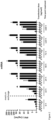
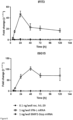
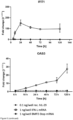
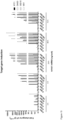
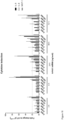
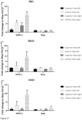
- A549 cells were incubated for 6 h with recombinant IFN ⁇ 1 or transfected with IFN ⁇ 1 coding mRNA and downstream activation was analyzed 6, 10, 24, 48, 72, 120 and 168 h post treatment via qPCR for IFIT1, IFIT3, OAS3 and ISG15.
- IFN ⁇ 1 levels were measured by hIL-29 ELISA in cell supernatant at all sampling time points.
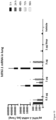
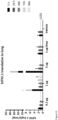
- IFN ⁇ 1-ELISA revealed that about 30 % of added protein was recovered in the supernatant at 6 h post treatment.
- IFN ⁇ 1 was detectable in supernatants of these cells up to 168 h with a peak at 48 h.
- Downstream targets were highly induced also with low doses of transfected mRNA and remained upregulated up to 120 h post mRNA transfection
- A-549 cells were cultivated in MEM supplemented with 10 % heat inactivated FBS and 1 % P/S at 37 °C, in a humidified atmosphere with 5 % CO 2 . 24 h prior transfection 20.000 cells per well were seeded in 96-well plates in a total volume of 100 ⁇ L.
- circular plasmids were linearized by restriction digestion with Bsp119I and further purified by chloroform ethanol precipitation.
- mRNA was produced using a standard in vitro transcription mix (including indicated modified triphosphate nucleotides) containing T7 RNA polymerase, inorganic pyrophosphatase, and RNase inhibitor. Co-transcriptional capping was achieved by addition of an ARCA cap analogue.
- ARCA cap analogue For in vitro transcription of chemically modified RNA, 25 % of Cytidine-5'-Triphosphate were replaced by 5-Methylcytidine-5'-Triphosphate and 25 % Uridine-5'-Triphosphate were replaced by 2-Thiouridine-5'-Triphosphate (Jena Biosciences), respectively (cf. e.g. SEQ ID NO: 1). Residual template DNA was digested using DNasel. Subsequently mRNA was purified by a proprietary tangential flow filtration process (Verweis auf unser Patent).
- Dephosphorylation of residual uncapped mRNA was carried out using a phosphatase (Quick cip) followed by purification via a proprietary tangential flow filtration process (Verweis auf unser Patent).
- mRNA was further polyadenylated by using a poly(A) polymerase and purified again by a proprietary tangential flow filtration process (Verweis auf unser Patent). Finally, mRNA was filtrated using a 0.22 ⁇ m membrane.
- Critical quality attributes including poly(A) tail length, integrity, proportion of cap, incorporation of modified nucleotides were measured in a subsequent quality control of the mRNA.
- mRNA coding for IFN ⁇ 1 (SEQ ID NO:13) (which was produced as described in section 2.2., above) was transfected using Lipofectamine ® MessengerMAX TM in a RNA to Lipofectamine ratio of 1:1.5 (w/v).
- mRNA was diluted in dH 2 O.
- Lipofectamine ® MessengerMAX TM was diluted in serum free medium and was mixed by pipetting. After incubation of 10 min at RT, the RNA solution was added to the Lipofectamine ® MessengerMAX TM solution, mixed and incubated for another 5 min at RT. A dose titration ranging from 500 to 0.98 ng mRNA/well was performed. Afterwards, 25 ⁇ L of the Lipoplex solution for 15.6, 3.9, 1.95 and 0.98 ng mRNA/well was added to the respective wells.
- Protocol for IFN ⁇ ELISA was performed as established according to Kit protocol with the exception, that TMB incubation is shortened to 15 minutes.
- Presence of IFN ⁇ 1 in supernatants of cells transfected with mRNA or treated with rec. hIL-29 were measured via hIL-29 ELISA. Treatment with recombinant hIL-29 was done in doses of 2.9, 0.6, 0.3 and 0.1 ng/well. The doses corresponded to 23, 5, 2.5 and 1 ng/mL in the supernatant. 6 h post treatment, concentrations between 0.3 and 8 ng/mL were quantified in supernatants by ELISA. 70 % of the added protein was consumed by the cells or degraded (see Figure 1 ).
- Downstream target activation post treatment with recombinant IFN ⁇ 1 or mRNA coding for IFN ⁇ 1 was assessed via qPCR for IFIT1, IFIT3, OAS3 and ISG15.
- IFN ⁇ 1 Upon transfection of A-549 cells with mRNA coding for IFN ⁇ 1 and medium exchange 6 h post transfection, IFN ⁇ 1 was detectable in supernatants of these cells up to 168 h with a peak at 48 h. Downstream targets were highly induced also with low doses of mRNA transfection and remained upregulated up to 120 h post mRNA transfection.
- downstream target activation was observed at 6 h post treatment and declined rapidly after medium exchange.
- HEK293, A-549 and 16HBE14o- cells were cultivated in MEM supplemented with 10 % heat inactivated FBS and 1 % P/S at 37 °C, in a humidified atmosphere with 5 % CO 2 .
- coated flasks were used for 16HBE14o- cells.
- FreeStyle 293-F cells were cultivated in suspension in a 125 mL vented Erlenmeyer flask using FreeStyle F17 Expression Medium.
- 16HBE14o- and A-549 ALI cultures 6x10 4 submersed cells (at 80-90 % confluency) were seeded in coated 24-well inserts.
- inserts were coated with 50 ⁇ g/mL collagen type I diluted in 20 mM acetic acid.
- Cells were seeded in 250 ⁇ L 16HBE14o- or A-549 medium apical.
- For 16HBE14o- 500 ⁇ L medium and for A-549 700 ⁇ L medium was added to the basolateral side.
- Cells were incubated for 72 h to attach to the membrane with medium on the apical and basolateral side. 24 h prior transfection, basal medium was replaced by fresh medium and the seeding medium on the apical side was carefully aspirated (air-lift). The cells were maintained as ALI cultures without liquid on the apical side.
- MucilAir TM inserts were purchased at Epithelix and cultivated in 700 ⁇ L MucilAir TM culture medium at 37 °C, in a humidified atmosphere with 5 % CO 2 as ALI (Air-Liquid-Interface) cultures. Prior transfection the cells were let rest for 2-3 days upon arrival. To maintain culture, medium was exchanged every 2-3 days.
- ALI Air-Liquid-Interface
- mRNA was diluted in dH 2 O and Lipofectamine ® MessengerMAX TM was diluted in serum free medium and mixed by pipetting. After Lipofectamine/MMax incubation of 10 min at RT, the RNA solution was added to the Lipofectamine ® MessengerMAX TM solution, mixed and incubated for another 5 min at RT. Afterwards, 25 ⁇ L of the Lipoplex solution for desired concentrations is added to the respective wells.
- IFN ⁇ ELISA was performed according to Kit instructions (IL-29 Human ELISA Kit, Abcam, ab100568) except that TMB was incubated for 10 instead of 30 min.
- RNA isolation was performed using SingleShot TM Cell Lysis Kit (BioRad, Art.Nr.: 1725080).
- the cell lysate can be stored for up to 4 h on ice, for up to 2 months at -20 °C, or for up to 12 months at -80 °C.
- iScript TM Select cDNA Synthesis Kit BioRad, Art.Nr.: 1708897 was used. The plates with cell lysates were thawed on ice. All kit components, except iScript TM reverse transcriptase, were thawed on ice and mixed thoroughly and centrifuged briefly. cDNA synthesis was done using OligodT primers. Following components were added to a 2 mL tube, where the iScript reverse transcriptase was added after the other components (see Table 4).
- cDNA can be stored at -20 °C until qPCR is performed.
- Oligo(dT) Primers in a total volume of 13 ⁇ L were necessary to prepare the first step.
- Table 6 Template-Primer-Mix Name Nucleic Acid Conc. [ng/ ⁇ L] Volume RNA [ ⁇ L] Oligo(dT) Primer [ ⁇ L] Water (RNAse free) [ ⁇ L] Sample No. 1 147.7 6.8 1.0 5.2 Total volume 13
- cDNA can be stored at -20 °C until qPCR is performed.
- TaqMan assay was performed using following parameters: Mode Cycle Step 2 Step Amplification 40 95°C for 5 s 60°C for 30 s TaqMan Probes Supplier Cat no. IFIT3 Thermo Fisher Scientific Hs01922752_s1 IFIT1 Thermo Fisher Scientific Hs03027069_s1 OAS3 Thermo Fisher Scientific Hs00196324_m1 ISG15 Thermo Fisher Scientific Hs01921425_s1
- mice were housed under specific pathogen free conditions (facility tested negative for any FELASA listed pathogens according to the annual health and hygiene survey 2017) in individually ventilated cages under a circadian light cycle (lights on from 7 a.m. to 7 p.m.). Food and drinking water were provided ad libitum. After arrival, animals were given at least 7 days for acclimatization until they enter the study.
- Clinical examination consisted of 4 different categories which were scored separately. The scorings of each of the 4 categories were summarized to a total clinical score. A summarized score of more than 4 points or a score of more than 1 point in a single category are considered as moderate suffering and thereby as a humane endpoint.
- mice were set under full anesthesia by intraperitoneal injection of Fentanyl/Midazolam/Medetomidin (0.05/5.0/0.5 mg/kg bw). Subsequently, mice were killed by cervical dislocation.
- the thoracal and abdominal cavity were opened and a 18G catheter was placed into the trachea.
- 0.5 mL PBS was injected and retrieved from the lungs and centrifuged at 300 x g for 10 min at 4 °C. Supernatant was taken and stored at -80°C until further processing.
- the cell pellet was biobanked at -80°C.
- the lungs were explanted and as well stored at -80°C until further processing.
- Samples were homogenized using liquid nitrogen. Therefore, the organ was put in a mortar which is placed in an ice box. Liquid nitrogen was added in a volume, which covers the lung completely. The lung was pulverized in the mortar using a pistle. A stapula was immersed in nitrogen and used to devide the organ powder in two halfs. Both halfs were weighed in an empty tared tube each. Mortar, pistle and stapula were cleaned using Ethanol after every sample.
- lysis was done in 250 ⁇ L Triton X-100 lysis buffer (0.25 M Triethanolamine, 0.1 % Triton X-100, pH7.7), complemented with protease inhibitor.
- qPCR lysis was done in 350 ⁇ L lysis buffer per 30 mg organ. Lysis buffer RLT was provided by the kit and complemented with 40 ⁇ L/mL DTT.
- additional homogenizing in lysing tubes was performed. Therefore, volumes were applied as described above and procedure was performed for 3 x 20 sec in a Tissue homogenizer (MP FastPrep-24 Tissue and Cell Homogenizer).
- RNA isolation was done using the NucleoSpin ® RNA Kit (Macherey & Nagel, 740984.50) according to manufacturer's protocol.
- cDNA synthesis was done using Transcriptor First Strand cDNA Synthesis Kit (Roche, 4896866001). In accordance to manufacturer's protocol RNA was transcribed to cDNA. For a two-step cDNA synthesis 1 ⁇ g of total RNA and 1 ⁇ L OligoDT Primers in a total volume of 13 ⁇ L were necessary to prepare the first step.
- Table 11 Template primer mixture Name Nucleic Acid Conc. [ng/ ⁇ L] Volume mRNA [ ⁇ L] OligoDT Primer [ ⁇ L] Water (RNase free) [ ⁇ L] Sample No.1 147.7 6.8 1 5.2 Total volume 13
- cDNA can be stored at -20 °C until qPCR is performed.
- cDNA of IFN ⁇ 1 mRNA was diluted in RNAse-free water in the following dilutions: 1:10 1 , 1:10 2 , 1:10 3 , 1:10 4 , 1:10 5 , 1:10 6 resulting in a standard curve. It is important that the cDNA dilution series is prepared in a larger volume (e.g. 20 ⁇ L), to avoid inaccuracies during pipetting.
- the master mix was added to 4 ⁇ L of diluted cDNA sample or standard in each well to LightCycler ® 480 Multiwell Plate 96 using a multi-pipette.
- the plate was covered with LightCycler ® 480 Sealing Foil and spun down briefly. qPCR was done using program for UniversalProbes on LightCyler ® 96 system.
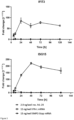
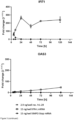
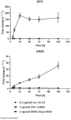
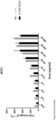
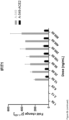
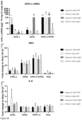
- Downstream target activation 48 hours post treatment of A549 or A549-ACE2 cells with recombinant IFN ⁇ 1 ( Figure 8 a) or mRNA coding for IFN ⁇ 1 ( Figure 8 b) was assessed via qPCR for IFIT1, IFIT3, OAS3 and ISG15. Whereas transfection with mRNA coding for IFN ⁇ 1 resulted in similar induction of IFIT1, IFIT3, OAS3 and ISG15, induction of the same downstream targets was reduced on A549-ACE2 cells compared with A459 cells after treatment with recombinant IFN ⁇ 1.Transfection of A549-ACE2 cells with mRNA coding for IFN ⁇ 1 resulted in dose-dependent production of IFN ⁇ 1 ( Figure 8 c) .
- Example 4 IFN ⁇ 1 encoding mRNA is translated in various cells types
- Example 5 Time- and dose-dependent induction of downstream targets in A549 and 16HBE14o- cells in submerse culture after transfection with IFN ⁇ 1 encoding mRNA
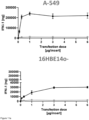
- Transfection of mRNA coding for IFN ⁇ 1 leads to a time- and dose-dependent induction of IFIT1, IFIT3, OAS3 and ISG15 as assessed via qPCR ( Figure 10 a and b).
- Example 6 Dose-dependent production of IFN ⁇ 1 and induction of downstream targets in airway liquid interface (ALI) cultures derived from A549, 16HBE14o- or primary human lung cells (Epithelix)
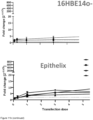
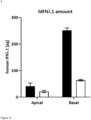
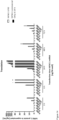
- Transfection of mRNA coding for IFN ⁇ 1 formulated in LF92 leads to dose-dependent production of IFN ⁇ 1 ( Figure 11 a) and induction of IFIT1, IFIT3, OAS3 and ISG15 as assessed via qPCR 24 hours after treatment ( Figure 11 b) .
- Endogenous levels of IFIT1, IFIT3, OAS3 and ISG15 are elevated in ALI cultures derived from 16HBE14o- or primary human lung cells compared with A459-derived ALI cultures ( Figure 11 c) .
- Example 7 Dose-dependent production of IFN ⁇ 1 and induction of downstream targets in the lungs of mice instilled with mRNA coding for IFN ⁇ 1
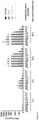
- mRNA coding for IFN ⁇ 1 formulated in LF92 leads to dose- and time-dependent IFN ⁇ 1 mRNA lung deposition ( Figure 12 a) , production of IFN ⁇ 1 in lung tissue and broncheoalveolar lavage fluid (BALF) ( Figure 12 b) and induction of IFIT1, IFIT3, OAS3 and ISG15 as assessed via qPCR 5 and 24 hours after treatment ( Figure 12 c) .
- Example 8 Comparison of hIFN ⁇ 1 mRNA transfection with recombinant protein
- ALI primary bronchial epithelial airway liquid interface
- Example 9 hIFN ⁇ ELISA from supernatants of transfected A-549 cells: LF92 vs. commercially available transfection reagent
- Example 10 Target gene induction by LF92 formulated mRNA
- Example 11 In vitro tolerability of LF92 formulated mRNA encoding hIFN ⁇ 1
- Example 12 Correlation of mRNA translation and target gene induction
- Example 13 Virus inhibition in vitro assessed by qPCR
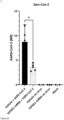
- Prophylactic treatment with hIFN ⁇ 1 mRNA reduced SARS-CoV-2 and IAV virus load while Stop mRNA did not ( Figure 18 ).
- Dose dependent reduction of virus load by recombinant hIFN ⁇ 1 was observed, but was lower with recombinant protein compared to mRNA treatment ( Figure 18 ).
- Treatment was done 24 h prior infection. Samples were taken 48 h post infection.
- Example 14 Detection of hIFN ⁇ 1 mRNA in lung homogenate
- Example 15 Detection of hIFN ⁇ 1 protein in lung homogenate
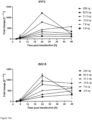
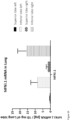
- Human IFN ⁇ 1 quantification in lung homogenate revealed dose and time dependent protein translation upon single intranasal treatment with mRNA encoding human IFN ⁇ 1 protein ( Figure 20 ). Three animals per group were assessed.
- Example 16 Target gene activation in lung tissue after hIFN ⁇ 1 m RNA application
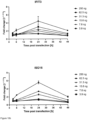
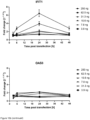
- hIFN ⁇ 1 mRNA application was well tolerated and potently induced pulmonary target gene expression at low doses following single nasal administration in mice ( Figure 21 ).
- the analyzed target genes OAS3, ISG15, IFIT1 and IFIT3 displayed a dose dependent activation for all dose levels at the 5 hours' time point ( Figure 21 ). Only OAS3 showed a dose dependent activation up to 24 h after application ( Figure 21d ). Three animals per group were assessed.
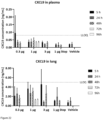
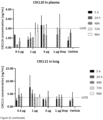
- Example 17 Detection of chemokines in plasma after single nasal application of hIFN ⁇ 1 mRNA
- Example 18 Target gene activation in lung tissue upon treatment with hIFN ⁇ 1 mRNA
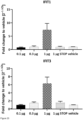
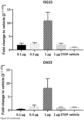
- LF92 formulated hIFN ⁇ mRNA was well tolerated and potently induced pulmonary target gene expression at low dose following multiple nasal administrations in mice ( Figure 23 ). Three doses in 48 h intervals were administered and samples collected 24 h after the last application. Expression of hIFN ⁇ target genes in lung homogenates increased in a dose-dependent manner ( Figure 23 ). An up to 15-fold activation of all target genes analysed was seen at a dose level 1 ⁇ g hIFN ⁇ mRNA ( Figure 23 ). Lack of target gene activation in STOP and vehicle groups suggest that the observed effect is target-induced ( Figure 23 ). Six animals per group were assessed.
- Example 19 Detection of hIFN ⁇ 1 mRNA deposited in the lung after nasal application in mice
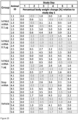
- Example 20 Body weight during repeated administration of hIFN ⁇ 1 mRNA
- Example 21 Quantification of hIFN ⁇ 1 mRNA in ferret lung homogenate
- hIFN ⁇ 1 mRNA was deposited in all lung lobes after single nasal administration in ferret ( Figure 26 ). Three animals per group were assessed.
- hIFN ⁇ 1 treatment lead to induction of ISG15, MX1 and OAS3 after single nasal administration in ferret ( Figure 27 ). Three animals per group were assessed.
- Example 23 Quantification of IFN mRNA, target gene activation, and cytokine induction in ferret lung homogenate
- Example 24 Reduction of IAV replication by mRNAs encoding IFNs
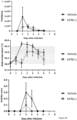
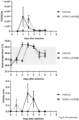
- Intra-nasal administration of mRNA encoding hIFN ⁇ 1 ( Figure 29a ), hIFN ⁇ ( Figure 29b ) or both ( Figure 29c ) was well tolerated and reduced early virus replication and clinical symptoms in a ferret influenza model ( Figure 29 ). Treatment was performed on study days -1, 1 and 3 while infection was done on day 0. Ten animals per group were assessed.
- Example 25 Reduction of SARS-CoV2 replication by mRNA encoding hIFN ⁇ 1
- Intra-nasal administration of mRNA encoding hIFN ⁇ 1 was well tolerated and reduced virus replication and body weight reduction in a hACE2-TG mouse model challenged with SARS-CoV-2 alpha compared to vehicle treated animals ( Figure 30 ).
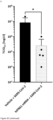
- Viral replication was assessed by measurement of genomic viral RNA via RT-qPCR (60 % reduction compared to vehicle) ( Figure 30a ) and by determination of infectious virus particles using the TCID 50 method (97 % reduction compared to vehicle) ( Figure 30b ).
- Body weight is shown as percentual weight change of day 3 after virus inoculation ( Figure 30c ). Two to five animals per group were assessed. Following controls were employed: Mock treated, hIFN ⁇ 1 mRNA but not virus treated and vehicle but not virus treated mice.
- MucilAir TM inserts were purchased at Epithelix and cultivated in 700 ⁇ L MucilAir TM culture medium at 37 °C, in a humidified atmosphere with 5 % CO 2 as Air-Liquid-Interface (ALI) cultures. Prior transfection the cells were let rest for 2-3 days upon arrival. To maintain culture, medium was exchanged every 2-3 days.
- ALI Air-Liquid-Interface
- A-549 cells were cultured as described in 2.1, supra.
- A549-ACE2 cells were cultivated in DMEM with 10 % FBS and 100 ⁇ g/mL Streptomycin and 100 IU/mL Penicillin. 10,000 cells were seeded in 96-well plates in a total volume of 100 ⁇ L 24 h before treatment.
- the cells were transfected/treated with desired dose.
- Formulations were thawed at RT and kept on ice until further use.
- Recombinant protein was diluted in medium.
- mRNA and recombinant protein was removed from the apical side 6 h post transfection.
- basal medium was renewed.
- apical side of the inserts was washed using 200 ⁇ L PBS, which was pipetted up and down three times. Wash solution was collected in a 96-well storage plate for ELISA analysis. Also 200 ⁇ L of basal medium was collected in a storage plate. Samples were stored at -80 °C until ELISA.
- proteins were pre-diluted in medium and added to the cells in 25 ⁇ L with desired concentrations.
- LF92 formulated mRNA was diluted in Vehicle (10 % (w/v) sucrose, 50 mM NaCl and a proprietary excipient) to desired concentrations. 25 ⁇ L of each dilution was added to the respective wells, in which medium was exchanged by 100 ⁇ L fresh complete medium.
- RNA isolation was performed as described in 1.1.5.2, supra.
- qPCR using TaqMan probes was performed as described in 1.1.7, supra. Analysis of qPCR results was done with the ⁇ Ct method. To do so, first the ⁇ Ct value of each sample was calculated. This was done by subtracting the average Ct value of the housekeeper (RPLP0) from the target Ct value. Then the ⁇ Ct was calculated by subtracting the average ⁇ Ct of the reference samples (vehicle control) from the target ⁇ Ct. Finally, the fold change was calculated with the formula: 2 - ⁇ Ct ,
- ELISA For ELISA, supernatant of the cells was collected in a 96-well storage plate and frozen at -80 °C. As two different ELISAs were performed, the supernatants were splitted on two plates to enable separate thawing. For qPCR, cells are washed using 150 ⁇ L PBS -/- and cells are frozen without liquid at -80 °C.
- RNA Isolation using the SingleShot TM Cell Lysis Kit was performed as described in 2.2.5.
- SARS-CoV-2-MUC-IMB-1, SARS-CoV-2-GFP strains, wild type Influenza A virus (IAV-WT) (SC35M) and IAV (SC35M) NS1-GFP were produced by infecting Vero E6 cells cultured in DMEM medium (10 % FCS, 100 ⁇ g/ml Streptomycin, 100 IU/ml Penicillin) for 2 days (MOI 0.01). Viral stock was harvested and spun twice (1000 g/10 min) before storage at -80 °C.
- Titer of viral stock was determined by plaque assay. For this, confluent monolayers of Vero E6 cells were infected with serial five-fold dilutions of virus supernatants for 1 hour at 37 °C. The inoculum was removed and replaced with serum-free MEM containing 0.5% carboxymethylcellulose. Two days post-infection, cells were fixed for 20 minutes at room temperature with formaldehyde directly added to the medium to a final concentration of 5 %.
- SARS-CoV-2 (MOI 3) or IAV (MOI 0.5).
- Virus was added in 25 ⁇ L medium directly to the cell culture.
- SARS-CoV-2-GFP and IAVGFP were used for the analysis of infection kinetics under live imaging system.
- hIFN ⁇ 1 mRNA was applied in two 25 ⁇ L boluses, by using a laboratory pipette, on both nose holes so that the liquid was actively inhaled through the nose by the animal during a physiological inspiratory movement. The animal was held in perpendicular position during this procedure and was subsequently placed in supine position until recovery from anesthesia.
- the thoracical and abdominal cavity were opened, and the lung was explanted unflushed in toto, and snap frozen on dry ice and stored at -80°C until further processing.
- lysis was done in Triton X-100 lysis buffer (0.25 M Triethanolamine, 0.1 % Triton X-100, pH7.7). Lysis was done on ice for at least 10 min. After every 6 th sample, lysates were centrifuged at 14000 rpm for 10 min. Supernatant was collected in a fresh tube and stored at -80 °C until further processing.
- lysis buffer 600 ⁇ L lysis buffer was added to the tube containing the organ powder.
- Lysis buffer RLT was provided by the kit and complemented with 40 ⁇ L/mL DTT.
- the solution was then transferred to a Lysing Matrix D tube and homogenization was done for 3 x 20 sec in a Tissue homogenizer.
- the lysate was transferred to a fresh Eppendorf tube.
- the volume of homogenate which refers to 10 mg lung was calculated, transferred into a fresh Eppendorf tube and mixed using lysis buffer to a final volume of 350 ⁇ L. These samples were used directly for isolation of RNA without freezing.
- the left-over lung homogenates were stored at -80°C.
- RNA isolation and cDNA synthesis for qPCR in Examples 14 to 17 and 18 to 20 RNA isolation from the lung lysates was done using 10 mg of lysed lung homogenate and the RNeasy mini kit from Qiagen according to manufacturer's protocol.
- cDNA synthesis was performed as described in 1.1.6.1, supra.
- 1 ⁇ g of total RNA and 1 ⁇ L OligoDT Primers in a total volume of 13 ⁇ L were used to prepare the first step, here called the template primer mixture.
- the amount of mRNA encoding human IFN ⁇ 1 in the sample can be determined with the standard curve.
- Plasma samples of this study were measured according to the manufacturer's instructions. Changes to the protocol can be found in Table 16. Table 16: Parameters of the CXCL9+10 ELISA protocols in plasma not included in the manufacturer's instructions.
- Sample Type Cytokine Blocking solution Diluent for antibodies and samples Time for TMB Sample dilution LLOQ Plasma CXCL9 Casein 0.05% Tween-20 in 1x PBS 16 min 1:2 40 pg/mL CXCL10 1% BSA in 1x PBS 1% BSA in 1x PBS 25 min 1:20 100 pg/mL
- mice were anesthetized by inhalation of pure oxygen at a flow rate of 2 L/min supplemented with approximately 3% of the anesthetic gas Isoflurane in an inhalation chamber.
- hlFN ⁇ 1 mRNA was applied at a volume of 50 ⁇ L on the nosetip as one droplet and was subsequently actively inhaled through both nostrils during the next following physiological inspiratory movement. The animal was held in the perpendicular position during this procedure and was subsequently placed in the supine position until recovery from anesthesia. Treatment was performed every other day for a total of 3 drug administrations. Necropsy was performed 24 hours after the last application.
- Clinical examination was performed as described in 1.2.3, supra, with the exception that animals were examined clinically before and 3 hours after the first treatment and subsequently daily until the day of necropsy. Furthermore, body weight was measured before application and daily until the final day of the experiment.
- the right main bronchus was ligated, the right lung explanted and snap frozen on dry ice and stored at -80°C until further processing.
- the left lung was insufflated with 0.4 mL fixative (4% paraformaldehyde-solution) via the trachea. Subsequently, the left bronchus was ligated and the insufflated left lung including the trachea transferred to 4% paraformaldehyde solution for diffusion fixation for about 24 h. After completion of fixation time, the lung samples were transferred to 70% ethanol.
- EDTA-blood samples were centrifuged at 2.000 x g for 5 min at 4 °C. Supernatant was frozen on dry ice and subsequently stored at -80°C until further processing.
- Ferrets were between 20 and 24 weeks old at the time of LF92 formulated hlFN mRNA dosing. In Example 24, ferrets were five months old at the time of LF92 formulated hlFN mRNA dosing. Animals ranged from 0.7 kg to 1.1 kg in weight on the day before dosing (Day -1). Each animal was permanently identified by unique ear tag at NLS following animal receipt.
- Animals were acclimated for 10 to 12 days prior to study initiation. During the acclimation period, the health status of animals was evaluated daily by technical staff for clinical presentation and behavioral signs indicating normality or illness. Animals were housed in groups of three in stainless steel cages with wire bottoms during acclimation and throughout the in-life phase of the study.
- LF92 formulated human IFN ⁇ 1 or Stop mRNAs were applied at a mRNA concentration of 0.07 mg/mL.
- a mRNA concentration of 1.25 mg/mL was applied leading to a total mRNA concentration of 2.5 mg/mL in case of the combination of human IFN ⁇ 1 and human IFN ⁇ .
- LF92 formulated hlFN mRNA On study Day -1, 1 and 3, animals were administered LF92 formulated hlFN mRNA by nasal instillation with a pipet (0.5 mL/nostril of 0.125 or 0.25 mg/mL solution). LF92 formulated mRNA encoding human IFN ⁇ 1, human IFN ⁇ or a combination of both was applied at a mRNA concentration of 1.25 mg/mL, leading to a total mRNA concentration of 2.5 mg/mL in case of the combination. Vehicle was applied as control.
- RNAlater solution was removed from the tubes and the tissues were snap frozen and stored at -80°C until shipped to ethris.
- 600 ⁇ L lysis buffer was added to Lysing D tubes and stored at ice.
- Lysis buffer RLT was provided by the kit and complemented with 40 ⁇ L/mL DTT.
- the frozen organ was weighed and depending on weight transferred to one lysing tube or cut into pieces and transferred to several lysing tubes.
- 300-350 mg in 600 ⁇ L lysis buffer was determined to be the maximum amount of tissue and volume of lysis buffer for one lysing tube.
- organs in lysis buffer were stored on ice. Homogenization was done for 3 x 20 sec in a tissue homogenizer. Lysates were then centrifuged for 3 min at maximum speed (14000 rpm). The supernatant was transferred to a fresh Eppendorf tube.
- lysis buffer was added to a final volume of 600 ⁇ L. These samples as well as residual lysates were frozen at -80 °C before isolation of RNA.
- Body weights were measured at the time of receipt, prior to first administration of the LF92 formulated hlFN mRNA and on each following day of the study.
- Body temperatures were measured daily using transponders implanted subdermally into the ferrets on Day -1.
- Nasal washes were collected on Days 1, 2, 3, 4, 5, and 6 post-viral challenge by flushing the nasal cavities with 2 mL of sterile PBS containing 0.5% bovine serum albumin (BSA), penicillin, streptomycin, and amphotericin B. Washes on Days 1 and 3 were collected prior to LF92 formulated hlFN mRNA administration. Nasal washes were collected and aliquoted into sterile 1.5-ml Eppendorf tubes and immediately frozen on dry ice then stored at -80°C until used for determination of viral titer by TCID 50 .
- BSA bovine serum albumin
- Serial 1 ⁇ 2-log 10 dilutions of nasal washes from 10 -1 to 10 -10 were prepared in viral growth medium (DMEM supplemented with 0.3% BSA) without TPCK-trypsin. Twenty-five microliters (25 ⁇ l) of 1 ⁇ 2-log 10 dilutions of each nasal wash were added (four (4) replicates for each dilution) to MDCK cells in a 96-well microplate and incubated at 37°C, 5% CO 2 for 60 min. One hundred seventy-five microliter (175 ⁇ l) of viral growth medium (DMEM supplemented with 0.3% BSA with 1 ⁇ g/ml TPCK-trypsin) was added to each well following the 60-minute incubation.
- the cells were then incubated 48h at 37°C, 5% CO 2 .
- the content of each well was tested for hemagglutination by incubating 50 ⁇ l of tissue culture supernatant with 50 ⁇ l of 0.5% turkey red blood cells in 1xPBS for 30 min at room temperature.
- the TCID 50 was calculated by the Reed and Muench method. Briefly, the presence of influenza virus will agglutinate red blood cells.
- the number of positives (wells with hemagglutination) and negatives wells at each dilution was determined.
- the 'cumulative positive', 'cumulative negative", ratio and % of positives were calculated.
- Proportional distance ((% positive value above 50%) 50)/(%positive value above 50%- % positive value below 50%)x0.5 (correction factor for 1 ⁇ 2 log dilution).
- the viral TCID 50 for each specimen was calculated by adding the proportional distance to the dilution showing >50% positive.
- M+24 F 5'-AGA TGA GTC TTC TAA CCG AGG TCG-3'
- Rev-mod 5'-TGC AAA GAC ACT TTC CAG TCT CTG-3'
- TaqMan probe M+64 5'6-FAM/TC AGG CCC C/ZEN/C TCA AAG CCG A
- Amplification was performed in a 96-well plate with a single cycle of 50°C for 10 minutes for reverse transcription followed by 3 minutes at 95°C and 45 cycles of 95°C for 10 seconds, 60°C for 30 seconds for DNA amplification.
- the quantity of viral RNA in each sample was interpolated from a standard curve generated by amplification of serial dilutions of viral RNA extracted from cell culture stock (8 ⁇ 10 6 pfu/mL) of Influenza A/California/04/2009 pdmH1N1.
- the total viral RNA in each sample was normalized to the relative quantity of ferret GAPDH RNA in one milligram of total RNA.
- RNA Three microliters (3 ⁇ L) of extracted RNA was used to program 20 ⁇ L one-step RT-qPCR reactions containing qScript XLT One-Step RT-qPCR ToughMix plus Rox (QuantBio) and 0.2 ⁇ M of primers Fer_GAPDH FWD (5'-CAA CGG ATT TGG CCG TAT TG-3') and Fer_GAPDH REV (5'-CTG GAA CAT GTA GAC CAT GTA GT -3') and TaqMan probe Fer_GAPDH PRB (5Cy5/AGGGTCATT/TAO/GATGGCGACAATATCCAC/3IAbRQSp/) for amplification of GAPDH sequences.
- Fer_GAPDH FWD 5'-CAA CGG ATT TGG CCG TAT TG-3'
- Fer_GAPDH REV 5'-CTG GAA CAT GTA GAC CAT GTA GT -3'
- TaqMan probe Fer_GAPDH PRB 5Cy
- Amplification was performed with a single cycle of 50°C for 10 minutes for reverse transcription followed by 3 minutes at 95°C and 45 cycles of 95°C for 10 seconds, 60°C for 30 seconds for DNA amplification.
- the quantity of GAPDH in the samples was interpolated from a standard curve generated by amplification of serial dilutions of pooled extracted ferret lung RNA (250 ng/ ⁇ L). Results were processed by 21 CFR Part 11 Software Module for QuantStudio TM 6 and 7 Systems and data from RT-qPCR analysis were imported into GraphPad Prism for analysis.
- B.1.1.7 SARS-CoV2 (Kent, UK, isolate) was provided under MTA by Professor Arvind Patel, University of Glasgow. The viruses used are clinical isolates. The B.1.1.7 variant is in the database as MZ314997. The viruses were propagated in VeroE6 cells expressing human TMPRSS2 (VeroE6-hTMPRSS2) (kindly provided by Professor Stefan Pöhlmann, University of Göttingen) (Hoffmann et al., 2020).
- VeroE6-hTMPRSS2 cells were infected with a multiplicity of infection (MOI) of 0.05, in DMEM (Gibco) + 2% FCS (Sigma-aldrich) + 1% Pen/Strep (Gibco) + L-Glutamine (Sigma-Aldrich) (From here, complete medium).
- 72h post infection supernatant, containing new virus progeny was harvested, and concentrated on 100 kDa Amicon ultrafiltration columns (Merck) by centrifugation at 4000xg for 30 minutes.
- Virus titer was determined by TCID50% assay and calculated by Reed-Muench method. To convert to the mean number of plaque forming units (pfu)/mL, the TCID50/mL was multiplied by factor 0.7 (ATCC - Converting TCID[50] to plaque forming units (PFU)).
- K18-hACE c57BL/6J mice (strain: 2B6.Cg-Tg(K18-ACE2)2Prlmn/J) were obtained from The Jackson Laboratory. Hemizygote offspring were used for experiment. Age matched male and female mice and fed standard chow diets groups and fed standard chow diets and were housed in in pathogen free facility. Mice were weighed every day at the same time of the day until day 3 of post infection (post infection, and the animals were killed at 20 % weight loss or when they reached humane endpoint.
- mice were treated intranasally under Isoflurane anesthesia with an 15 ⁇ L inoculum of formulated human IFN ⁇ 1 mRNA (7.5 ⁇ g mRNA, corresponds to 3 ⁇ g deposited in the lung) one day before and one day following infection.
- 15 ⁇ L inoculum of formulated human IFN ⁇ 1 mRNA 7.5 ⁇ g mRNA, corresponds to 3 ⁇ g deposited in the lung
- Inoculation of SARS-CoV-2 was performed in the same way as the application of mRNA (intranasal application of a 15 ⁇ L aliquot under Isoflurane inhalation anaesthesia).
- SARS-CoV-2 N gene qPCR primers AAATTTTGGGGACCAGGAAC and TGGCACCTGTGTAGGTCAAC and probe FAM-ATGTCGCGCATTGGCATGGA-BHQ were used.
- IFN- ⁇ Mx1 and ⁇ -Actin the Taqman Gene Expression Assays were used (Applied Biosystems).
- RNA levels of SARS-CoV-2 N gene, IFN ⁇ , or Mx1 were normalized to the mouse housekeeping gene ⁇ -Actin using the formula 2 ⁇ (Ct(18S-rRNA)-Ct(Sars-CoV-2 RNA)).
- a limiting dilution assay was performed. 2 ⁇ 10 4 VeroE6-TMPRRS2 cells were seeded in 90 ⁇ L DMEM5 in a 96 well plate. The next day, samples were thawed and 10x diluted, followed by 10-fold serial dilution using DMEM, and 10 ⁇ L of each dilution was added to the cells in eight replicates. The cells were incubated 72 h in a humidified CO 2 incubator at 37 °C, 5% CO 2 .
- Cytopathic effect was scored after fixing with 5 % formalin (Sigma-Aldrich) and crystal violet stain (Sigma-Aldrich), using a light microscope (Leica DMi1), and the tissue culture infectious dose 50 (TCID50/mL) was calculated using the Reed and Muench method.
- the present invention relates to the following items:
Landscapes
- Health & Medical Sciences (AREA)
- Life Sciences & Earth Sciences (AREA)
- Chemical & Material Sciences (AREA)
- Medicinal Chemistry (AREA)
- General Health & Medical Sciences (AREA)
- Pharmacology & Pharmacy (AREA)
- Veterinary Medicine (AREA)
- Public Health (AREA)
- Animal Behavior & Ethology (AREA)
- Virology (AREA)
- Organic Chemistry (AREA)
- Engineering & Computer Science (AREA)
- Molecular Biology (AREA)
- Chemical Kinetics & Catalysis (AREA)
- Nuclear Medicine, Radiotherapy & Molecular Imaging (AREA)
- General Chemical & Material Sciences (AREA)
- Epidemiology (AREA)
- Bioinformatics & Cheminformatics (AREA)
- Oncology (AREA)
- Communicable Diseases (AREA)
- Zoology (AREA)
- Gastroenterology & Hepatology (AREA)
- Proteomics, Peptides & Aminoacids (AREA)
- Immunology (AREA)
- Biotechnology (AREA)
- Pulmonology (AREA)
- Genetics & Genomics (AREA)
- Biochemistry (AREA)
- Toxicology (AREA)
- Biophysics (AREA)
- Cell Biology (AREA)
- Otolaryngology (AREA)
- Medicines That Contain Protein Lipid Enzymes And Other Medicines (AREA)
- Pharmaceuticals Containing Other Organic And Inorganic Compounds (AREA)
- Saccharide Compounds (AREA)
- Medicines Containing Material From Animals Or Micro-Organisms (AREA)
- Medicinal Preparation (AREA)
Applications Claiming Priority (3)
| Application Number | Priority Date | Filing Date | Title |
|---|---|---|---|
| EP20205674 | 2020-11-04 | ||
| PCT/EP2021/080658 WO2022096582A1 (fr) | 2020-11-04 | 2021-11-04 | Utilisation d'arnm de l'ifn-lambda pour le traitement d'infections virales |
| EP21805509.3A EP4240396B1 (fr) | 2020-11-04 | 2021-11-04 | L'arnm ifn-lambda pour le traitement des infections virales |
Related Parent Applications (1)
| Application Number | Title | Priority Date | Filing Date |
|---|---|---|---|
| EP21805509.3A Division EP4240396B1 (fr) | 2020-11-04 | 2021-11-04 | L'arnm ifn-lambda pour le traitement des infections virales |
Publications (2)
| Publication Number | Publication Date |
|---|---|
| EP4553084A2 true EP4553084A2 (fr) | 2025-05-14 |
| EP4553084A3 EP4553084A3 (fr) | 2025-11-26 |
Family
ID=73059724
Family Applications (2)
| Application Number | Title | Priority Date | Filing Date |
|---|---|---|---|
| EP21805509.3A Active EP4240396B1 (fr) | 2020-11-04 | 2021-11-04 | L'arnm ifn-lambda pour le traitement des infections virales |
| EP24221858.4A Pending EP4553084A3 (fr) | 2020-11-04 | 2021-11-04 | Utilisation d'arnm d'ifn-lambda pour le traitement d'infections virales |
Family Applications Before (1)
| Application Number | Title | Priority Date | Filing Date |
|---|---|---|---|
| EP21805509.3A Active EP4240396B1 (fr) | 2020-11-04 | 2021-11-04 | L'arnm ifn-lambda pour le traitement des infections virales |
Country Status (15)
| Country | Link |
|---|---|
| US (2) | US20240181011A1 (fr) |
| EP (2) | EP4240396B1 (fr) |
| JP (1) | JP2023548498A (fr) |
| KR (1) | KR20230104140A (fr) |
| CN (2) | CN117729930A (fr) |
| AU (1) | AU2021375281A1 (fr) |
| CA (1) | CA3196195A1 (fr) |
| DK (1) | DK4240396T5 (fr) |
| ES (1) | ES3018013T3 (fr) |
| FI (1) | FI4240396T3 (fr) |
| IL (1) | IL302689A (fr) |
| MX (1) | MX2023005302A (fr) |
| PL (1) | PL4240396T3 (fr) |
| PT (1) | PT4240396T (fr) |
| WO (1) | WO2022096582A1 (fr) |
Citations (6)
| Publication number | Priority date | Publication date | Assignee | Title |
|---|---|---|---|---|
| EP1003711A1 (fr) | 1997-08-13 | 2000-05-31 | Biontex Laboratories GmbH | Nouvelles lipopolyamines, leur representation et leur utilisation |
| WO2011012316A2 (fr) | 2009-07-31 | 2011-02-03 | Ludwig-Maximilians-Universität | Arn ayant une combinaison de nucléotides non modifiés et modifiés pour l'expression protéique |
| EP2285772A2 (fr) | 2007-12-19 | 2011-02-23 | Oz Biosciences Sas | Nouvelle classe de lipides cationiques pour le transport d'agents actifs dans les cellules |
| EP3013964A1 (fr) | 2013-06-28 | 2016-05-04 | ethris GmbH | Compositions pour l'introduction d'arn à l'intérieur de cellules |
| WO2016075154A1 (fr) | 2014-11-10 | 2016-05-19 | Ethris Gmbh | Induction de l'ostéogenèse par administration d'arn codant pour bmp |
| WO2017167910A1 (fr) | 2016-03-31 | 2017-10-05 | Ethris Gmbh | Nouvelles séquences utr minimales |
Family Cites Families (4)
| Publication number | Priority date | Publication date | Assignee | Title |
|---|---|---|---|---|
| GB0405634D0 (en) * | 2004-03-12 | 2004-04-21 | Univ Southampton | Anti-virus therapy for respiratory diseases |
| JP5172679B2 (ja) * | 2005-09-09 | 2013-03-27 | インペリアル イノベーションズ リミテッド | 呼吸器疾患の治療のためのインターフェロン−λ療法 |
| AU2016251687C1 (en) * | 2015-04-22 | 2023-07-27 | CureVac SE | RNA containing composition for treatment of tumor diseases |
| TW201842921A (zh) * | 2017-02-28 | 2018-12-16 | 法商賽諾菲公司 | 治療性rna |
-
2021
- 2021-11-04 PL PL21805509.3T patent/PL4240396T3/pl unknown
- 2021-11-04 AU AU2021375281A patent/AU2021375281A1/en active Pending
- 2021-11-04 DK DK21805509.3T patent/DK4240396T5/da active
- 2021-11-04 CN CN202180074507.XA patent/CN117729930A/zh active Pending
- 2021-11-04 PT PT218055093T patent/PT4240396T/pt unknown
- 2021-11-04 ES ES21805509T patent/ES3018013T3/es active Active
- 2021-11-04 JP JP2023526600A patent/JP2023548498A/ja active Pending
- 2021-11-04 MX MX2023005302A patent/MX2023005302A/es unknown
- 2021-11-04 US US18/035,249 patent/US20240181011A1/en active Pending
- 2021-11-04 IL IL302689A patent/IL302689A/en unknown
- 2021-11-04 FI FIEP21805509.3T patent/FI4240396T3/fi active
- 2021-11-04 EP EP21805509.3A patent/EP4240396B1/fr active Active
- 2021-11-04 EP EP24221858.4A patent/EP4553084A3/fr active Pending
- 2021-11-04 KR KR1020237014249A patent/KR20230104140A/ko not_active Ceased
- 2021-11-04 CA CA3196195A patent/CA3196195A1/fr active Pending
- 2021-11-04 CN CN202510472800.1A patent/CN120285155A/zh active Pending
- 2021-11-04 WO PCT/EP2021/080658 patent/WO2022096582A1/fr not_active Ceased
-
2025
- 2025-06-24 US US19/248,327 patent/US20250319160A1/en active Pending
Patent Citations (6)
| Publication number | Priority date | Publication date | Assignee | Title |
|---|---|---|---|---|
| EP1003711A1 (fr) | 1997-08-13 | 2000-05-31 | Biontex Laboratories GmbH | Nouvelles lipopolyamines, leur representation et leur utilisation |
| EP2285772A2 (fr) | 2007-12-19 | 2011-02-23 | Oz Biosciences Sas | Nouvelle classe de lipides cationiques pour le transport d'agents actifs dans les cellules |
| WO2011012316A2 (fr) | 2009-07-31 | 2011-02-03 | Ludwig-Maximilians-Universität | Arn ayant une combinaison de nucléotides non modifiés et modifiés pour l'expression protéique |
| EP3013964A1 (fr) | 2013-06-28 | 2016-05-04 | ethris GmbH | Compositions pour l'introduction d'arn à l'intérieur de cellules |
| WO2016075154A1 (fr) | 2014-11-10 | 2016-05-19 | Ethris Gmbh | Induction de l'ostéogenèse par administration d'arn codant pour bmp |
| WO2017167910A1 (fr) | 2016-03-31 | 2017-10-05 | Ethris Gmbh | Nouvelles séquences utr minimales |
Non-Patent Citations (21)
| Title |
|---|
| "Remington's Pharmaceutical Sciences", 1985, MACK PUBLISHING CO. FURTHERMORE |
| ANDERSON, DRUG DELIVERY, vol. 11, 2004, pages 33 - 39 |
| ANDERSON, HUMAN GENE THERAPY, vol. 14, 2003, pages 191 - 202 |
| CANTARA ET AL., NUCLEIC ACIDS RES, vol. 39, 2011, pages 195 - 201 |
| CARELL ET AL., ANGEW CHEM INT ED ENGL, vol. 51, no. 29, 2012, pages 7110 - 31 |
| DIAZ ET AL., GENOMICS, vol. 22, 1994, pages 540 - 552 |
| DINNON III ET AL., NATURE, 2020, Retrieved from the Internet <URL:https://doi.org/10.1038/s41586-020-2708-8> |
| GALANI, IMMUNITY, vol. 46, 2017, pages 875 - 890 |
| HELMALFONZO, CHEM BIOL, vol. 21, no. 2, 2014, pages 174 - 185 |
| HUMLICEK ET AL., J. IMMUNOL., vol. 178, 2007, pages 6395 - 6403 |
| JARZEBINSKA ET AL., ANGEW CHEM INT ED ENGL., vol. 55, no. 33, 2016, pages 9591 - 5 |
| KIM ET AL., AM. J. RESPIR. CELL. MOL. BIOL., vol. 56, 2017, pages 202 - 212 |
| KORMANN, NAT BIOTECHNOL., vol. 29, no. 2, 2011, pages 154 - 7 |
| LAZEAR ET AL., IMMUNITY, vol. 43, 2015, pages 15 - 28 |
| LIANG, JOURNAL OF COLLIOD AND INTERFACE SCIENCE, vol. 278, 2004, pages 53 - 62 |
| MILLA, CURRENT DRUG METABOLISM, vol. 13, 2012, pages 105 - 119 |
| MUIR ET AL., J. HEPATOL., vol. 61, 2014, pages 1238 - 1246 |
| ROCHA MATOS ET AL., EMERG MICROBES INFECT., vol. 8, 2019, pages 1763 - 1776 |
| SIMILARLYDAVIDSON ET AL., EMBO MOL. MED., vol. 8, 2016, pages 1099 - 1112 |
| TERMIS, TISSUE ENGINEERING: PART A, vol. 25, 2019 |
| YAMAMOTO, EUR J PHARM BIOPHARM., vol. 71, no. 3, 2009, pages 484 - 9 |
Also Published As
| Publication number | Publication date |
|---|---|
| IL302689A (en) | 2023-07-01 |
| PT4240396T (pt) | 2025-03-26 |
| DK4240396T5 (da) | 2025-04-07 |
| CN117729930A (zh) | 2024-03-19 |
| EP4240396B1 (fr) | 2025-01-01 |
| FI4240396T3 (fi) | 2025-03-31 |
| MX2023005302A (es) | 2023-05-25 |
| AU2021375281A1 (en) | 2023-06-01 |
| JP2023548498A (ja) | 2023-11-17 |
| US20240181011A1 (en) | 2024-06-06 |
| EP4240396A1 (fr) | 2023-09-13 |
| DK4240396T3 (da) | 2025-03-17 |
| US20250319160A1 (en) | 2025-10-16 |
| PL4240396T3 (pl) | 2025-04-22 |
| KR20230104140A (ko) | 2023-07-07 |
| ES3018013T3 (en) | 2025-05-14 |
| CN120285155A (zh) | 2025-07-11 |
| EP4553084A3 (fr) | 2025-11-26 |
| WO2022096582A1 (fr) | 2022-05-12 |
| CA3196195A1 (fr) | 2022-05-12 |
Similar Documents
| Publication | Publication Date | Title |
|---|---|---|
| Ichikawa et al. | CXCL10-CXCR3 enhances the development of neutrophil-mediated fulminant lung injury of viral and nonviral origin | |
| Baños-Lara et al. | Impact and regulation of lambda interferon response in human metapneumovirus infection | |
| US9616076B2 (en) | Methods for treating viral infections using hydrogen sulfide donors | |
| US9504701B2 (en) | Methods for treating viral infections using hydrogen sulfide donors | |
| WO2010142017A1 (fr) | Administration d'interféron pour une prophylaxie contre une infection pathogène ou un traitement d'une infection pathogène | |
| Kim et al. | The induction of pattern-recognition receptor expression against influenza a virus through Duox2-derived reactive oxygen species in nasal mucosa | |
| ES2989664T3 (es) | Composiciones farmacéuticas para su uso en la prevención o tratamiento de una infección por rinovirus | |
| CN116710118A (zh) | 病毒性呼吸道感染的治疗方法 | |
| EP4240396B1 (fr) | L'arnm ifn-lambda pour le traitement des infections virales | |
| Xu et al. | Limiting viral replication in hepatocytes alters Rift Valley fever virus disease manifestations | |
| WO2023023597A1 (fr) | Particule de type virus | |
| US9393286B2 (en) | Pan-antiviral peptides and uses thereof | |
| US20240026362A1 (en) | Interfering rnas targeting severe acute respiratory syndrome-associated coronavirus and uses thereof for treating covid-19 | |
| WO2024094050A1 (fr) | Vaccins universels contre les sarbécovirus produisant de l'interféron et leurs utilisations | |
| US12186388B2 (en) | Interferon-producing universal sarbecovirus vaccines, and uses thereof | |
| BR122025002828A2 (pt) | Composição, molécula de dna, molécula de mrna, métodos para produzir uma composição e um mrna, e, usos de uma composição e de uma molécula de mrna | |
| US20230116082A1 (en) | Methods and compositions for treating tissue damage resulting from viral infections | |
| US20250161433A1 (en) | Interferon-producing universal sarbecovirus vaccines, and uses thereof | |
| CN118743667A (zh) | 一种预防呼吸道病毒感染的鼻用制剂 | |
| CN118743666A (zh) | 一种方便携带、快速起效的鼻用制剂及其制备方法和应用 | |
| JP4951177B2 (ja) | 抗パラミクソウイルス剤 | |
| WO2025151803A1 (fr) | Arn chiffrés alphaviraux et leurs méthodes d'utilisation | |
| CN120939193A (zh) | 一种酸性三肽在制备抗水生动物病毒、病毒病药物的用途 | |
| Ali | D evelopment of N ovel Recombinant DNA Vaccine Candidates to H uman Respiratory Syncytial Viruses |
Legal Events
| Date | Code | Title | Description |
|---|---|---|---|
| PUAI | Public reference made under article 153(3) epc to a published international application that has entered the european phase |
Free format text: ORIGINAL CODE: 0009012 |
|
| STAA | Information on the status of an ep patent application or granted ep patent |
Free format text: STATUS: THE APPLICATION HAS BEEN PUBLISHED |
|
| AC | Divisional application: reference to earlier application |
Ref document number: 4240396 Country of ref document: EP Kind code of ref document: P |
|
| AK | Designated contracting states |
Kind code of ref document: A2 Designated state(s): AL AT BE BG CH CY CZ DE DK EE ES FI FR GB GR HR HU IE IS IT LI LT LU LV MC MK MT NL NO PL PT RO RS SE SI SK SM TR |
|
| REG | Reference to a national code |
Ref country code: DE Ref legal event code: R079 Free format text: PREVIOUS MAIN CLASS: C07K0014570000 Ipc: A61K0038170000 |
|
| RIC1 | Information provided on ipc code assigned before grant |
Ipc: A61K 38/17 20060101AFI20250729BHEP Ipc: A61K 31/7105 20060101ALI20250729BHEP Ipc: A61P 11/00 20060101ALI20250729BHEP Ipc: A61P 31/12 20060101ALI20250729BHEP Ipc: A61P 31/16 20060101ALI20250729BHEP Ipc: A61P 31/14 20060101ALI20250729BHEP Ipc: A61P 31/20 20060101ALI20250729BHEP Ipc: A61P 31/22 20060101ALI20250729BHEP Ipc: C07K 14/57 20060101ALI20250729BHEP Ipc: A61K 38/21 20060101ALI20250729BHEP |
|
| PUAL | Search report despatched |
Free format text: ORIGINAL CODE: 0009013 |
|
| AK | Designated contracting states |
Kind code of ref document: A3 Designated state(s): AL AT BE BG CH CY CZ DE DK EE ES FI FR GB GR HR HU IE IS IT LI LT LU LV MC MK MT NL NO PL PT RO RS SE SI SK SM TR |
|
| RIC1 | Information provided on ipc code assigned before grant |
Ipc: A61K 38/17 20060101AFI20251021BHEP Ipc: A61K 31/7105 20060101ALI20251021BHEP Ipc: A61P 11/00 20060101ALI20251021BHEP Ipc: A61P 31/12 20060101ALI20251021BHEP Ipc: A61P 31/16 20060101ALI20251021BHEP Ipc: A61P 31/14 20060101ALI20251021BHEP Ipc: A61P 31/20 20060101ALI20251021BHEP Ipc: A61P 31/22 20060101ALI20251021BHEP Ipc: C07K 14/57 20060101ALI20251021BHEP Ipc: A61K 38/21 20060101ALI20251021BHEP |