EP4549572A1 - Fusionsprotein - Google Patents
Fusionsprotein Download PDFInfo
- Publication number
- EP4549572A1 EP4549572A1 EP23831643.4A EP23831643A EP4549572A1 EP 4549572 A1 EP4549572 A1 EP 4549572A1 EP 23831643 A EP23831643 A EP 23831643A EP 4549572 A1 EP4549572 A1 EP 4549572A1
- Authority
- EP
- European Patent Office
- Prior art keywords
- amino acid
- human
- acid sequence
- seq
- cancer
- Prior art date
- Legal status (The legal status is an assumption and is not a legal conclusion. Google has not performed a legal analysis and makes no representation as to the accuracy of the status listed.)
- Pending
Links
Images










Classifications
-
- C—CHEMISTRY; METALLURGY
- C07—ORGANIC CHEMISTRY
- C07K—PEPTIDES
- C07K16/00—Immunoglobulins [IGs], e.g. monoclonal or polyclonal antibodies
- C07K16/18—Immunoglobulins [IGs], e.g. monoclonal or polyclonal antibodies against material from animals or humans
- C07K16/28—Immunoglobulins [IGs], e.g. monoclonal or polyclonal antibodies against material from animals or humans against receptors, cell surface antigens or cell surface determinants
- C07K16/2803—Immunoglobulins [IGs], e.g. monoclonal or polyclonal antibodies against material from animals or humans against receptors, cell surface antigens or cell surface determinants against the immunoglobulin superfamily
- C07K16/2809—Immunoglobulins [IGs], e.g. monoclonal or polyclonal antibodies against material from animals or humans against receptors, cell surface antigens or cell surface determinants against the immunoglobulin superfamily against the T-cell receptor (TcR)-CD3 complex
-
- A—HUMAN NECESSITIES
- A61—MEDICAL OR VETERINARY SCIENCE; HYGIENE
- A61K—PREPARATIONS FOR MEDICAL, DENTAL OR TOILETRY PURPOSES
- A61K39/00—Medicinal preparations containing antigens or antibodies
- A61K39/395—Antibodies; Immunoglobulins; Immune serum, e.g. antilymphocytic serum
-
- A—HUMAN NECESSITIES
- A61—MEDICAL OR VETERINARY SCIENCE; HYGIENE
- A61P—SPECIFIC THERAPEUTIC ACTIVITY OF CHEMICAL COMPOUNDS OR MEDICINAL PREPARATIONS
- A61P35/00—Antineoplastic agents
-
- C—CHEMISTRY; METALLURGY
- C07—ORGANIC CHEMISTRY
- C07K—PEPTIDES
- C07K16/00—Immunoglobulins [IGs], e.g. monoclonal or polyclonal antibodies
-
- C—CHEMISTRY; METALLURGY
- C07—ORGANIC CHEMISTRY
- C07K—PEPTIDES
- C07K16/00—Immunoglobulins [IGs], e.g. monoclonal or polyclonal antibodies
- C07K16/18—Immunoglobulins [IGs], e.g. monoclonal or polyclonal antibodies against material from animals or humans
- C07K16/28—Immunoglobulins [IGs], e.g. monoclonal or polyclonal antibodies against material from animals or humans against receptors, cell surface antigens or cell surface determinants
-
- C—CHEMISTRY; METALLURGY
- C07—ORGANIC CHEMISTRY
- C07K—PEPTIDES
- C07K16/00—Immunoglobulins [IGs], e.g. monoclonal or polyclonal antibodies
- C07K16/18—Immunoglobulins [IGs], e.g. monoclonal or polyclonal antibodies against material from animals or humans
- C07K16/28—Immunoglobulins [IGs], e.g. monoclonal or polyclonal antibodies against material from animals or humans against receptors, cell surface antigens or cell surface determinants
- C07K16/2803—Immunoglobulins [IGs], e.g. monoclonal or polyclonal antibodies against material from animals or humans against receptors, cell surface antigens or cell surface determinants against the immunoglobulin superfamily
-
- C—CHEMISTRY; METALLURGY
- C07—ORGANIC CHEMISTRY
- C07K—PEPTIDES
- C07K16/00—Immunoglobulins [IGs], e.g. monoclonal or polyclonal antibodies
- C07K16/18—Immunoglobulins [IGs], e.g. monoclonal or polyclonal antibodies against material from animals or humans
- C07K16/28—Immunoglobulins [IGs], e.g. monoclonal or polyclonal antibodies against material from animals or humans against receptors, cell surface antigens or cell surface determinants
- C07K16/2803—Immunoglobulins [IGs], e.g. monoclonal or polyclonal antibodies against material from animals or humans against receptors, cell surface antigens or cell surface determinants against the immunoglobulin superfamily
- C07K16/2818—Immunoglobulins [IGs], e.g. monoclonal or polyclonal antibodies against material from animals or humans against receptors, cell surface antigens or cell surface determinants against the immunoglobulin superfamily against CD28 or CD152
-
- C—CHEMISTRY; METALLURGY
- C07—ORGANIC CHEMISTRY
- C07K—PEPTIDES
- C07K16/00—Immunoglobulins [IGs], e.g. monoclonal or polyclonal antibodies
- C07K16/18—Immunoglobulins [IGs], e.g. monoclonal or polyclonal antibodies against material from animals or humans
- C07K16/28—Immunoglobulins [IGs], e.g. monoclonal or polyclonal antibodies against material from animals or humans against receptors, cell surface antigens or cell surface determinants
- C07K16/2803—Immunoglobulins [IGs], e.g. monoclonal or polyclonal antibodies against material from animals or humans against receptors, cell surface antigens or cell surface determinants against the immunoglobulin superfamily
- C07K16/2827—Immunoglobulins [IGs], e.g. monoclonal or polyclonal antibodies against material from animals or humans against receptors, cell surface antigens or cell surface determinants against the immunoglobulin superfamily against B7 molecules, e.g. CD80, CD86
-
- C—CHEMISTRY; METALLURGY
- C07—ORGANIC CHEMISTRY
- C07K—PEPTIDES
- C07K16/00—Immunoglobulins [IGs], e.g. monoclonal or polyclonal antibodies
- C07K16/18—Immunoglobulins [IGs], e.g. monoclonal or polyclonal antibodies against material from animals or humans
- C07K16/28—Immunoglobulins [IGs], e.g. monoclonal or polyclonal antibodies against material from animals or humans against receptors, cell surface antigens or cell surface determinants
- C07K16/30—Immunoglobulins [IGs], e.g. monoclonal or polyclonal antibodies against material from animals or humans against receptors, cell surface antigens or cell surface determinants from tumour cells
-
- C—CHEMISTRY; METALLURGY
- C07—ORGANIC CHEMISTRY
- C07K—PEPTIDES
- C07K16/00—Immunoglobulins [IGs], e.g. monoclonal or polyclonal antibodies
- C07K16/46—Hybrid immunoglobulins
-
- C—CHEMISTRY; METALLURGY
- C12—BIOCHEMISTRY; BEER; SPIRITS; WINE; VINEGAR; MICROBIOLOGY; ENZYMOLOGY; MUTATION OR GENETIC ENGINEERING
- C12N—MICROORGANISMS OR ENZYMES; COMPOSITIONS THEREOF; PROPAGATING, PRESERVING, OR MAINTAINING MICROORGANISMS; MUTATION OR GENETIC ENGINEERING; CULTURE MEDIA
- C12N15/00—Mutation or genetic engineering; DNA or RNA concerning genetic engineering, vectors, e.g. plasmids, or their isolation, preparation or purification; Use of hosts therefor
- C12N15/09—Recombinant DNA-technology
- C12N15/11—DNA or RNA fragments; Modified forms thereof; Non-coding nucleic acids having a biological activity
- C12N15/62—DNA sequences coding for fusion proteins
-
- C—CHEMISTRY; METALLURGY
- C12—BIOCHEMISTRY; BEER; SPIRITS; WINE; VINEGAR; MICROBIOLOGY; ENZYMOLOGY; MUTATION OR GENETIC ENGINEERING
- C12N—MICROORGANISMS OR ENZYMES; COMPOSITIONS THEREOF; PROPAGATING, PRESERVING, OR MAINTAINING MICROORGANISMS; MUTATION OR GENETIC ENGINEERING; CULTURE MEDIA
- C12N15/00—Mutation or genetic engineering; DNA or RNA concerning genetic engineering, vectors, e.g. plasmids, or their isolation, preparation or purification; Use of hosts therefor
- C12N15/09—Recombinant DNA-technology
- C12N15/63—Introduction of foreign genetic material using vectors; Vectors; Use of hosts therefor; Regulation of expression
-
- C—CHEMISTRY; METALLURGY
- C12—BIOCHEMISTRY; BEER; SPIRITS; WINE; VINEGAR; MICROBIOLOGY; ENZYMOLOGY; MUTATION OR GENETIC ENGINEERING
- C12N—MICROORGANISMS OR ENZYMES; COMPOSITIONS THEREOF; PROPAGATING, PRESERVING, OR MAINTAINING MICROORGANISMS; MUTATION OR GENETIC ENGINEERING; CULTURE MEDIA
- C12N15/00—Mutation or genetic engineering; DNA or RNA concerning genetic engineering, vectors, e.g. plasmids, or their isolation, preparation or purification; Use of hosts therefor
- C12N15/09—Recombinant DNA-technology
- C12N15/63—Introduction of foreign genetic material using vectors; Vectors; Use of hosts therefor; Regulation of expression
- C12N15/74—Vectors or expression systems specially adapted for prokaryotic hosts other than E. coli, e.g. Lactobacillus, Micromonospora
-
- C—CHEMISTRY; METALLURGY
- C12—BIOCHEMISTRY; BEER; SPIRITS; WINE; VINEGAR; MICROBIOLOGY; ENZYMOLOGY; MUTATION OR GENETIC ENGINEERING
- C12N—MICROORGANISMS OR ENZYMES; COMPOSITIONS THEREOF; PROPAGATING, PRESERVING, OR MAINTAINING MICROORGANISMS; MUTATION OR GENETIC ENGINEERING; CULTURE MEDIA
- C12N15/00—Mutation or genetic engineering; DNA or RNA concerning genetic engineering, vectors, e.g. plasmids, or their isolation, preparation or purification; Use of hosts therefor
- C12N15/09—Recombinant DNA-technology
- C12N15/63—Introduction of foreign genetic material using vectors; Vectors; Use of hosts therefor; Regulation of expression
- C12N15/79—Vectors or expression systems specially adapted for eukaryotic hosts
- C12N15/80—Vectors or expression systems specially adapted for eukaryotic hosts for fungi
-
- C—CHEMISTRY; METALLURGY
- C12—BIOCHEMISTRY; BEER; SPIRITS; WINE; VINEGAR; MICROBIOLOGY; ENZYMOLOGY; MUTATION OR GENETIC ENGINEERING
- C12N—MICROORGANISMS OR ENZYMES; COMPOSITIONS THEREOF; PROPAGATING, PRESERVING, OR MAINTAINING MICROORGANISMS; MUTATION OR GENETIC ENGINEERING; CULTURE MEDIA
- C12N15/00—Mutation or genetic engineering; DNA or RNA concerning genetic engineering, vectors, e.g. plasmids, or their isolation, preparation or purification; Use of hosts therefor
- C12N15/09—Recombinant DNA-technology
- C12N15/63—Introduction of foreign genetic material using vectors; Vectors; Use of hosts therefor; Regulation of expression
- C12N15/79—Vectors or expression systems specially adapted for eukaryotic hosts
- C12N15/80—Vectors or expression systems specially adapted for eukaryotic hosts for fungi
- C12N15/81—Vectors or expression systems specially adapted for eukaryotic hosts for fungi for yeasts
-
- C—CHEMISTRY; METALLURGY
- C12—BIOCHEMISTRY; BEER; SPIRITS; WINE; VINEGAR; MICROBIOLOGY; ENZYMOLOGY; MUTATION OR GENETIC ENGINEERING
- C12N—MICROORGANISMS OR ENZYMES; COMPOSITIONS THEREOF; PROPAGATING, PRESERVING, OR MAINTAINING MICROORGANISMS; MUTATION OR GENETIC ENGINEERING; CULTURE MEDIA
- C12N5/00—Undifferentiated human, animal or plant cells, e.g. cell lines; Tissues; Cultivation or maintenance thereof; Culture media therefor
- C12N5/10—Cells modified by introduction of foreign genetic material
-
- G—PHYSICS
- G01—MEASURING; TESTING
- G01N—INVESTIGATING OR ANALYSING MATERIALS BY DETERMINING THEIR CHEMICAL OR PHYSICAL PROPERTIES
- G01N33/00—Investigating or analysing materials by specific methods not covered by groups G01N1/00 - G01N31/00
- G01N33/48—Biological material, e.g. blood, urine; Haemocytometers
- G01N33/50—Chemical analysis of biological material, e.g. blood, urine; Testing involving biospecific ligand binding methods; Immunological testing
- G01N33/53—Immunoassay; Biospecific binding assay; Materials therefor
- G01N33/574—Immunoassay; Biospecific binding assay; Materials therefor for cancer
-
- A—HUMAN NECESSITIES
- A61—MEDICAL OR VETERINARY SCIENCE; HYGIENE
- A61K—PREPARATIONS FOR MEDICAL, DENTAL OR TOILETRY PURPOSES
- A61K39/00—Medicinal preparations containing antigens or antibodies
- A61K2039/505—Medicinal preparations containing antigens or antibodies comprising antibodies
-
- A—HUMAN NECESSITIES
- A61—MEDICAL OR VETERINARY SCIENCE; HYGIENE
- A61K—PREPARATIONS FOR MEDICAL, DENTAL OR TOILETRY PURPOSES
- A61K39/00—Medicinal preparations containing antigens or antibodies
- A61K2039/505—Medicinal preparations containing antigens or antibodies comprising antibodies
- A61K2039/507—Comprising a combination of two or more separate antibodies
-
- A—HUMAN NECESSITIES
- A61—MEDICAL OR VETERINARY SCIENCE; HYGIENE
- A61K—PREPARATIONS FOR MEDICAL, DENTAL OR TOILETRY PURPOSES
- A61K39/00—Medicinal preparations containing antigens or antibodies
- A61K2039/54—Medicinal preparations containing antigens or antibodies characterised by the route of administration
-
- A—HUMAN NECESSITIES
- A61—MEDICAL OR VETERINARY SCIENCE; HYGIENE
- A61K—PREPARATIONS FOR MEDICAL, DENTAL OR TOILETRY PURPOSES
- A61K39/00—Medicinal preparations containing antigens or antibodies
- A61K2039/545—Medicinal preparations containing antigens or antibodies characterised by the dose, timing or administration schedule
-
- C—CHEMISTRY; METALLURGY
- C07—ORGANIC CHEMISTRY
- C07K—PEPTIDES
- C07K2317/00—Immunoglobulins specific features
- C07K2317/30—Immunoglobulins specific features characterized by aspects of specificity or valency
- C07K2317/31—Immunoglobulins specific features characterized by aspects of specificity or valency multispecific
-
- C—CHEMISTRY; METALLURGY
- C07—ORGANIC CHEMISTRY
- C07K—PEPTIDES
- C07K2317/00—Immunoglobulins specific features
- C07K2317/50—Immunoglobulins specific features characterized by immunoglobulin fragments
- C07K2317/55—Fab or Fab'
-
- C—CHEMISTRY; METALLURGY
- C07—ORGANIC CHEMISTRY
- C07K—PEPTIDES
- C07K2317/00—Immunoglobulins specific features
- C07K2317/60—Immunoglobulins specific features characterized by non-natural combinations of immunoglobulin fragments
- C07K2317/62—Immunoglobulins specific features characterized by non-natural combinations of immunoglobulin fragments comprising only variable region components
- C07K2317/622—Single chain antibody (scFv)
-
- C—CHEMISTRY; METALLURGY
- C07—ORGANIC CHEMISTRY
- C07K—PEPTIDES
- C07K2317/00—Immunoglobulins specific features
- C07K2317/60—Immunoglobulins specific features characterized by non-natural combinations of immunoglobulin fragments
- C07K2317/64—Immunoglobulins specific features characterized by non-natural combinations of immunoglobulin fragments comprising a combination of variable region and constant region components
-
- C—CHEMISTRY; METALLURGY
- C07—ORGANIC CHEMISTRY
- C07K—PEPTIDES
- C07K2317/00—Immunoglobulins specific features
- C07K2317/70—Immunoglobulins specific features characterized by effect upon binding to a cell or to an antigen
- C07K2317/73—Inducing cell death, e.g. apoptosis, necrosis or inhibition of cell proliferation
-
- C—CHEMISTRY; METALLURGY
- C07—ORGANIC CHEMISTRY
- C07K—PEPTIDES
- C07K2317/00—Immunoglobulins specific features
- C07K2317/70—Immunoglobulins specific features characterized by effect upon binding to a cell or to an antigen
- C07K2317/76—Antagonist effect on antigen, e.g. neutralization or inhibition of binding
-
- C—CHEMISTRY; METALLURGY
- C07—ORGANIC CHEMISTRY
- C07K—PEPTIDES
- C07K2317/00—Immunoglobulins specific features
- C07K2317/90—Immunoglobulins specific features characterized by (pharmaco)kinetic aspects or by stability of the immunoglobulin
- C07K2317/92—Affinity (KD), association rate (Ka), dissociation rate (Kd) or EC50 value
-
- C—CHEMISTRY; METALLURGY
- C07—ORGANIC CHEMISTRY
- C07K—PEPTIDES
- C07K2319/00—Fusion polypeptide
-
- G—PHYSICS
- G01—MEASURING; TESTING
- G01N—INVESTIGATING OR ANALYSING MATERIALS BY DETERMINING THEIR CHEMICAL OR PHYSICAL PROPERTIES
- G01N33/00—Investigating or analysing materials by specific methods not covered by groups G01N1/00 - G01N31/00
- G01N33/48—Biological material, e.g. blood, urine; Haemocytometers
- G01N33/50—Chemical analysis of biological material, e.g. blood, urine; Testing involving biospecific ligand binding methods; Immunological testing
- G01N33/53—Immunoassay; Biospecific binding assay; Materials therefor
- G01N33/574—Immunoassay; Biospecific binding assay; Materials therefor for cancer
- G01N33/57469—Immunoassay; Biospecific binding assay; Materials therefor for cancer involving tumor associated glycolinkage, i.e. TAG
Definitions
- the present invention relates to a fusion protein and a use application or the like thereof. Specifically, the present invention relates to a fusion protein having ability to bind to (i) 5T4, (ii) a CD3 receptor complex, and (iii) PD-1, PD-L1 or LAG3, and a use application or the like thereof.
- Cd3-based T-cell engager is an antibody or antibody-like protein that simultaneously binds with one arm to a tumor-associated antigen (TAA) on cancer cells and with the other arm to CD3 complex on a T-cell to form a TCR-independent artificial immune synapse and circumvent HLA restriction in T cell-dependent immune response.
- TCE is one of the most attractive modalities to treat cancers resistant to conventional therapies.
- Blinatumomab is a Bi-specific T cell engager (TCE) (BiTE) that simultaneously targets CD19 antigen on the acute lymphoblastic leukemia (ALL) and CD3 on T- cells to induce efficient killing of leukemia cells (FDA approval in 2014).
- TME immunosuppressive tumor microenvironment
- TCEs in solid tumors
- agents such as immune checkpoint inhibitors that help to overcome the immunosuppressive TME and render an immune excluded or immune desert "cold" tumor into an inflamed "hot” one (see, for example, Non Patent Literature 1).
- a single molecule could be designed that is able to have both the functions of TCE and of immune check point inhibitor, so that this novel construct will allow to overcome the immunosuppressive TME in solid tumors and to lower the cost of production with respect to that of two separate drugs to be combined.
- the oncofetal tumor-associated antigen 5T4 also known as TPBG or WAIF1
- TPBG TPBG
- WAIF1 The oncofetal tumor-associated antigen 5T4 is a 72-kDa cell surface glycoprotein containing eight leucine-rich repeats. 5T4 is expressed in fetal trophoblasts as early as 9 weeks of gestation. The expression of 5T4 in normal adults is restricted to a few specialized epithelial cell types but not detected in the liver, lung, bronchus, heart, testis, ovary, brain or muscles.
- 5T4 is expressed in a wide variety of cancer types including ovarian, colon, cervical, gastric and lung cancers (see, for example, Non Patent Literature 2 to 6).
- its expression has been observed also on bladder, endometrium, oesophagus, pancreas, stomach and testicular non-seminomatous germ cell tumours. Choriocarcinomas and placental site trophoblastic tumours were also positive for 5T4 (see, for example, Non Patent Literature 7). Therefore, 5T4 has been suggested as a suitable target antigen for targeted cancer therapy (see, for example, Non Patent Literature 8 and 9)
- Bi-specific antibodies that engage 5T4 on tumor cells and CD3 expressed on T cells may represent an interesting strategy to redirect cytotoxic T cells against cancer cells for inducing efficient killing of cancer cells.
- no anti-5T4 immunotherapy has been approved for treating cancer.
- the tribody format is a multi-specific antibody including a Fab domain as a scaffold, in which Fab fragment of H-chain (V H +CH) and L-chain (V L +C L ) can naturally heterodimerize in vivo, and additional functions such as scFvs that can be incorporated onto the scaffold.
- Tb535H is a bi-specific tribody, made up of a Fab and a scFv domain both targeting 5T4 (bivalent binding) and another scFv targeting CD3 (monovalent binding). It is known that it can exert certain anti-tumor efficacy (see, for example, Patent Literature 1).
- the present invention has been made in consideration of the above situation, and provides a fusion protein and an application thereof (such as a pharmaceutical composition) described below.
- a fusion protein or the like as a multispecific tribody whose anti-tumor efficacy is significantly increased as compared with the fusion protein Tb535H which is a conventional bispecific tribody.
- the fusion protein according to the present invention is a trispecific tribody that not only has ability to bind to 5T4 and a CD3 receptor complex, but also has ability to bind to PD-1, PD-L1 or LAG3 (that is, it also has an immune checkpoint inhibitory activity), and can exert excellent anti-tumor efficacy.
- a novel trispecific multifunctional tribody (also referred to as a trispecific antibody; 53X tribody) was constructed.
- novel tri-specific and multi-functional tribodies (53X tribodies).
- Novel tri-specific tribodies in this invention are composed of 5T4 binding Fab arm and CD3 binding scFv, but differently from the parental Tb535H the remaining scFv is derived from an antibody specific for immune check points, such as PD-1, PD-L1 or LAG-3 (see, for example, Patent Literature 2 and Non Patent Literature 10 above).
- the novel 53X tribodies Compared with parental Tb535H, which is a bi-specific T cell engager targeting 5T4, the novel 53X tribodies retained similar binding properties of the parental Tb535H tribody, but showed enhanced anti-tumor potency by incorporating checkpoint inhibition in a single molecule in addition to 5T4-mediated TCR/CD3 activation.
- the novel tribody called 53L10, a tri-specific T cell engager targeting 5T4, CD3 and PD-L1 immune checkpoint showed the most promising anti-tumor efficacy in vitro and in vivo.
- the fusion protein according to the present invention is a fusion protein comprising two different first and second chains,
- the "antibody variable region” is a motif of a polypeptide constituting an antibody molecule capable of specifically binding or interacting with a given antigen (e.g., a protein) and especially an epitope in the antigen.
- a given antigen e.g., a protein
- Each of the above VH1 to VH3 can be said to be a polypeptide consisting of a heavy chain variable region in an antibody molecule or a polypeptide containing the variable region
- each of the above VL1 to VL3 can be said to be a polypeptide consisting of a light chain variable region in an antibody molecule or a polypeptide containing the variable region.
- VH1 and VL1, VH2 and VL2, and VH3 and VL3 are combined with each other to form a binding domain to a given antigen.
- these are referred to as “combinatorial VH/VL binding domains”, and the combinations are referred to as "VH1/VL1 binding domain,” “VH2/VL2 binding domain,” and “VH3/VL3 binding domain.”
- the "antibody constant region” is a polypeptide motif that constitutes an antibody molecule that is not directly involved in antigen binding but exhibits various effector functions such as antibody dependence, cell-mediated cellular cytotoxicity, and complement activation.
- the first and second chains contain a heterodimeric interaction therebetween.
- the heterodimer interaction may be contained between CH1 of one chain and the CL domain of the other chain, or between VH1 and VL1, but of one chain is preferably contained between CH1 of one chain and the CL domain of the other chain. Due to such an interaction, the fusion protein according to the present invention is preferably a heterodimer protein of the first chain and the second chain.
- the heterodimer interaction is not limited, but in general, the interaction for heterodimerization conventionally known in Fab is preferable.
- Fab is a heterodimer between an Fd chain containing VH and CH1 antibody domains and an L chain containing VL and CL antibody domains, and for this heterodimerization, an interaction between VH1 and VL1 and/or between CH1 and CL (e.g., a disulfide bond) is formed.
- VH1 and VL1 and/or between CH1 and CL e.g., a disulfide bond
- the fusion protein according to the present invention forms the above-described three different combinatorial VH/VL binding domains, that is, a VH1/VL1 binding domain, a VH2/VL2 binding domain, and a VH3/VL3 binding domain in the protein.
- These three binding domains have the abilities to bind to different substances (antigen proteins). Specifically, they are characterized by having any of the binding abilities selected from the following (i) to (iii):
- a combinatorial VH/VL binding domain (or VH and VL themselves) habing the ability to bind to 5T4 (tumor-related antigen (TAA)) can be appropriately constructed or acquired by, for example, obtaining or preparing 5T4 as an antigen and preparing a polyclonal or monoclonal antibody against the antigen, and then preparing a desired fragment (VH, VL) derived from the antibody.
- Various combinatorial VH/VL binding domains (or VH and VL themselves) having the ability to bind to a CD3 receptor complex, ability to bind to PD-1, ability to bind to PD-L1, and ability to bind to LAG3 can be appropriately constructed and acquired by the same method.
- the information on the amino acid sequence (SEQ ID NO: 97) of the CD3 ⁇ subunit of the human CD3 receptor complex is disclosed as, for example, "Primary (citable) accession number:P07766"on the Uniprot website
- the information on the amino acid sequence (SEQ ID NO: 98) of the CD3 ⁇ subunit (Isoform 1) is disclosed as, for example, "Primary (citable) accession number:P04234-1" on the Uniprot website
- the information on the amino acid sequence (SEQ ID NO: 99) of the CD3 ⁇ subunit (Isoform 2) is disclosed as, for example, "Primary (citable) accession number:P04234-2" on the Uniprot website.
- the information on the amino acid sequence (SEQ ID NO: 101) of human PD-L1 (Isoform 1) is disclosed as, for example, "Primary (citable) accession number:Q9NZQ7-1" on the Uniprot website
- the information on the amino acid sequence (SEQ ID NO: 102) of human PD-L1 (Isoform 2) is disclosed as, for example, “Primary (citable) accession number:Q9NZQ7-2" on the Uniprot website
- the information on the amino acid sequence (SEQ ID NO: 103) of human PD-L1 (Isoform 3) is disclosed as, for example, "Primary (citable) accession number:Q9NZQ7-3" on the Uniprot website.
- the information on the amino acid sequence (SEQ ID NO: 104) of human LAG3 (Isoform 1) is discloses as, for example, "Primary (citable) accession number:P18627-1" on the Uniprot website
- the information on the amino acid sequence (SEQ ID NO: 105) of human LAG3 (Isoform 2) is disclosed as, for example, "Primary (citable) accession number:P18627-2" on the Uniprot website.
- VH1, VH2, and VH3 have different complementarity determining regions (CDRs), which are CDR 1, CDR2, and CDR3, respectively.
- CDRs complementarity determining regions
- the amino acid sequences of CDRs 1, 2 and 3 that can be adopted in VH1, VH2, and VH3 are not limited, but consist respectively of:
- VL1, VL2, and VL3 have different complementarity determining regions (CDRs), which are CDR 1, CDR2, and CDR3, respectively.
- CDRs 1, 2 and 3 that can be adopted in VL1, VL2, and VL3 are not limited, but consist respectively of:
- amino acid sequences of VH1, VH2, and VH3 in the fusion protein according to the present invention are different from each other.
- Preferred examples thereof include those consisting of the amino acid sequence set forth in SEQ ID NO: 88, 90, 8, 92, 23, 78, 46, 81, 57, 109, 82, 83, 84, or 36, those comprising the amino acid sequence, and those having at least 90% (which may be 95% or more, 96% or more, 97% or more, 98% or more, or 99% or more) identity with the amino acid sequence.
- amino acid of SEQ ID NO: 78 can be preferably adopted in place of the amino acid of SEQ ID NO: 23
- the amino acid of SEQ ID NO: 81 can be preferably adopted in place of the amino acid of SEQ ID NO: 46
- amino acids of SEQ ID NOS: 82 to 84 and 109 can be preferably adopted in place of the amino acids of SEQ ID NO: 57.
- amino acid sequences of VL1, VL2, and VL3 in the fusion protein according to the present invention are different from each other.
- Preferred examples thereof include those consisting of the amino acid sequence set forth in SEQ ID NO: 89, 91, 13, 93, 28, 79, 80, 51, 61, 85, 86, 87, or 40, those comprising the amino acid sequence, and those having at least 90% (which may be 95% or more, 96% or more, 97% or more, 98% or more, or 99% or more) identity with the amino acid sequence.
- amino acids of SEQ ID NO: 79 and 80 can be preferably adopted in place of the amino acid of SEQ ID NO: 28, and the amino acids of SEQ ID NOS: 85 to 87 can be preferably adopted in place of the amino acids of SEQ ID NO: 61.
- the first chain in the fusion protein according to the present invention is, for example, one consisting of the amino acid sequence set forth in SEQ ID NO: 1, one comprising the amino acid sequence, or one having at least 90% (which may be 95% or more, 96% or more, 97% or more, 98% or more, or 99% or more) identity with the amino acid sequence.
- the second chain in the fusion protein according to the present invention is, for example, one consisting of the amino acid sequence set forth in SEQ ID NO: 17, 34, 44, 55, or 107, one comprising the amino acid sequence, or one having at least 90% (which may be 95% or more, 96% or more, 97% or more, 98% or more, or 99% or more) identity with the amino acid sequence.
- the combination of the two different first and second chains is one of the combinations shown in a) to l) below.
- amino acid sequences of complementarity determining regions (CDRs) 1, 2, and 3 in VH (5T4) consist respectively of amino acid sequences set forth in SEQ ID NOS: 3, 4, and 5
- amino acid sequences of CDRs 1, 2, and 3 in VL(5T4) consist respectively of: amino acid sequences set forth in SEQ ID NOS: 19, 20, and 21.
- the amino acid sequence of VH (5T4) is one consisting of the amino acid sequence set forth in SEQ ID NO: 88, or 90, one comprising the amino acid sequence, or one having at least 90% (which may be 95% or more, 96% or more, 97% or more, 98% or more, or 99% or more) identity with the amino acid sequence
- the amino acid sequence of VL (5T4) is one consisting of the amino acid sequence set forth in SEQ ID NO: 89 or 91, one comprising the amino acid sequence, or one having at least 90% (which may be 95% or more, 96% or more, 97% or more, 98% or more, or 99% or more) identity with the amino acid sequence.
- the amino acid sequences of complementarity determining regions (CDRs) 1, 2, and 9 in VH (CD3) consist respectively of amino acid sequences set forth in SEQ ID NOS: 3, 10, and 11, and the amino acid sequences of CDRs 1, 2, and 3 in VL(CD3) consist respectively of: amino acid sequences set forth in SEQ ID NOS: 14, 15, and 16.
- the amino acid sequence of VH (CD3) is one consisting of the amino acid sequence set forth in SEQ ID NO: 8, or 92, one comprising the amino acid sequence, or one having at least 90% (which may be 95% or more, 96% or more, 97% or more, 98% or more, or 99% or more) identity with the amino acid sequence
- the amino acid sequence of VL (CD3) is one consisting of the amino acid sequence set forth in SEQ ID NO: 13 or 93, one comprising the amino acid sequence, or one having at least 90% (which may be 95% or more, 96% or more, 97% or more, 98% or more, or 99% or more) identity with the amino acid sequence.
- the amino acid sequences of complementarity determining regions (CDRs) 1, 2, and 3 in VH (X) (where X is PD-1) consist respectively of amino acid sequences set forth in SEQ ID NOS: 24, 25, and 26 or 27, and the amino acid sequences of CDRs 1, 2, and 3 in VL (X) (where X is PD-1) consist respectively of amino acid sequences set forth in SEQ ID NOS: 29, 30, and 31, 32, or 33.
- the amino acid sequence of VH (X) (where X is PD-1) is one consisting of the amino acid sequence set forth in SEQ ID NO: 23 or 78, one comprising the amino acid sequence, or one having at least 90% (which may be 95% or more, 96% or more, 97% or more, 98% or more, or 99% or more) identity with the amino acid sequence
- the amino acid sequence of VL (X) (where X is PD-1) is one consisting of the amino acid sequence set forth in SEQ ID NO: 28, 79, or 80, one comprising the amino acid sequence, or one having at least 90% (which may be 95% or more, 96% or more, 97% or more, 98% or more, or 99% or more) identity with the amino acid sequence.
- the amino acid sequences of complementarity determining regions (CDRs) 1, 2, and 3 in VH (X) consist respectively of amino acid sequences set forth in SEQ ID NOS: 47, 48 or 49, and 50
- the amino acid sequences of CDRs 1, 2, and 3 in VL (X) consist respectively of amino acid sequences set forth in SEQ ID NOS: 52, 53, and 54.
- the amino acid sequence of VH (X) (where X is PD-L1 (more specifically PD-L11)) is one consisting of the amino acid sequence set forth in SEQ ID NO: 46 or 81, one comprising the amino acid sequence, or one having at least 90% (which may be 95% or more, 96% or more, 97% or more, 98% or more, or 99% or more) identity with the amino acid sequence
- the amino acid sequence of VL (X) (where X is PD-L1 (more specifically PD-L11)) is one consisting of the amino acid sequence set forth in SEQ ID NO: 51, one comprising the amino acid sequence, or one having at least 90% (which may be 95% or more, 96% or more, 97% or more, 98% or more, or 99% or more) identity with the amino acid sequence.
- the amino acid sequences of complementarity determining regions (CDRs) 10.12, 2, and 3 in VH (X) consist respectively of amino acid sequences set forth in SEQ ID NOS: 58, 59 or 49, and 60
- the amino acid sequences of CDRs 10.12, 2, and 3 in VL (X) consist respectively of amino acid sequences set forth in SEQ ID NOS: 62, 63, and 64.
- the amino acid sequence of VH (X) (where X is PD-L1 (more specifically 10.12)) is one consisting of the amino acid sequence set forth in SEQ ID NO: 57, 109, 82, 83, or 84, one comprising the amino acid sequence, or one having at least 90% (which may be 95% or more, 96% or more, 97% or more, 98% or more, or 99% or more) identity with the amino acid sequence
- the amino acid sequence of VL (X) (where X is PD-L1 (more specifically 10.12)) is one consisting of the amino acid sequence set forth in SEQ ID NO: 61, 85, 86, or 87, one comprising the amino acid sequence, or one having at least 90% (which may be 95% or more, 96% or more, 97% or more, 98% or more, or 99% or more) identity with the amino acid sequence.
- the amino acid sequences of complementarity determining regions (CDRs) 1, 2, and 3 in VH (X) (where X is LAG3) consist respectively of amino acid sequences set forth in SEQ ID NOS: 37, 38, and 39, and the amino acid sequences of CDRs 1, 2, and 3 in VL (X) (where X is LAG3) consist respectively of amino acid sequences set forth in SEQ ID NOS: 41, 42, and 43.
- the amino acid sequence of VH (X) (where X is LAG3) is one consisting of the amino acid sequence set forth in SEQ ID NO: 36, one comprising the amino acid sequence, or one having at least 90% (which may be 95% or more, 96% or more, 97% or more, 98% or more, or 99% or more) identity with the amino acid sequence
- the amino acid sequence of VL (X) (where X is LAG3) is one consisting of the amino acid sequence set forth in SEQ ID NO: 40, one comprising the amino acid sequence, or one having at least 90% (which may be 95% or more, 96% or more, 97% or more, 98% or more, or 99% or more) identity with the amino acid.
- the amino acid sequence of CH1 that is an antibody constant region is one consisting of the amino acid sequence set forth in SEQ ID NO: 94, one comprising the amino acid sequence, or one having at least 90% (which may be 95% or more, 96% or more, 97% or more, 98% or more, or 99% or more) identity with the amino acid sequence.
- amino acid sequence of CL that is an antibody constant region is one consisting of the amino acid sequence set forth in SEQ ID NO: 95, one comprising the amino acid sequence, or one having at least 90% (which may be 95% or more, 96% or more, 97% or more, 98% or more, or 99% or more) identity with the amino acid sequence.
- L1 that is a linker is one consisting of the amino acid sequence set forth in SEQ ID NO: 6, one comprising the amino acid sequence, or one having at least 90% (which may be 95% or more, 96% or more, 97% or more, 98% or more, or 99% or more) identity with the amino acid sequence.
- L2 that is a linker is one consisting of the amino acid sequence set forth in SEQ ID NO: 12 or 106, one comprising the amino acid sequence, or one having at least 90% (which may be 95% or more, 96% or more, 97% or more, 98% or more, or 99% or more) identity with the amino acid sequence.
- the first chain (VH (5T4) -CH1-L1-VH (CD3) -L2-VL (CD3)) is one consisting of the amino acid sequence set forth in SEQ ID NO: 1, one comprising the amino acid sequence, or one having at least 90% (which may be 95% or more, 96% or more, 97% or more, 98% or more, or 99% or more) identity with the amino acid sequence
- the second chain (VL(5T4)CL-L1-VH(X)-L2-VL(X)) is one consisting of the amino acid sequence set forth in SEQ ID NO: 17, 34, 44, 55, or 107 one comprising the amino acid sequence, or one having at least 90% (which may be 95% or more, 96% or more, 97% or more, 98% or more, or 99% or more) identity with the amino acid sequence.
- fusion protein of the present invention included in the preferred embodiments, a table listing the full lengths of the H chain derivatives and various L chain derivatives, and the SEQ ID NOS of the amino acid sequences of the individual domains, regions, and linkers is shown below.
- the fusion protein according to the present invention is preferably: (a) 5T4, (b) a CD3 receptor complex on T cells, and (c) a trispecific antibody (tribody) against PD-1, PD-L1, or LAG3. Accordingly, the antibody has anti-tumor activity, and furthermore, the anti-tumor efficacy of the antibody is significantly increased as compared with the conventional Tb535H tribody and the combination therapy with the anti-PD-1 antibody and the anti-PD-L1 antibody.
- a trispecific antibody against (a) 5T4, (b) a CD3 receptor complex on T cells, and (c) PD-L1 is preferable in that it has excellent anti-tumor efficacy. Accordingly, the present invention also provides a fusion protein as a trispecific antibody that can be used in the treatment, prevention, or diagnosis of a tumor or a cancer.
- the tumor is not limited, and one expressing 5T4 in tumor cells or cancer cells is preferable.
- Specific examples thereof include at least one selected from the group consisting of human mesothelioma (e.g., pleural mesothelioma), human lung cancer, human gastric cancer, human colorectal cancer, human esophageal cancer, human endometrial cancer, human ovarian cancer, human cervical cancer, human choriocarcinoma, human placental site trophoblastic tumor, human bladder cancer, human breast cancer, human pancreatic cancer, human prostate cancer, human kidney cancer, human head and neck cancer, and human nonseminoma germ cell tumor.
- human mesothelioma e.g., pleural mesothelioma
- human lung cancer e.g., human gastric cancer, human colorectal cancer, human esophageal cancer, human endometrial cancer, human ovarian cancer, human cervical cancer, human choriocar
- the polynucleotide (gene, DNA) encoding the fusion protein (53X tribody) according to the present invention described above can also be provided.
- the polynucleotide is preferably a polynucleotide comprising a base sequence encoding each amino acid sequence shown as an example of the fusion protein according to the present invention described above.
- the polynucleotide of the present invention is not limited and it may consist of a polynucleotide encoding the fusion protein according to the present invention or may be a polynucleotide containing the polynucleotide in part and also known nucleotide sequences required for gene expression (e.g., a transcription promoter, an SD sequence, a Kozak sequence, and a terminator) and/or an additional sequence (or a tag sequence, for example, a 6 ⁇ His sequence) that facilitates protein purification.
- nucleotide sequences required for gene expression e.g., a transcription promoter, an SD sequence, a Kozak sequence, and a terminator
- an additional sequence or a tag sequence, for example, a 6 ⁇ His sequence
- the polynucleotide encoding the fusion protein according to the present invention is not particularly limited in terms of codons corresponding to individual amino acids after translation and it may be a polynucleotide comprising nucleotide DNA indicating a codon (preferably a frequently used codon) commonly used in mammals such as humans after transcription or a polynucleotide comprising nucleotide DNA indicating a codon (preferably a frequently used codon) commonly used in microorganisms such as Escherichia coli and yeast, plants, and the like.
- a recombinant vector containing the above-described polynucleotide of the present invention and a transformant containing the recombinant vector can also be provided.
- the polynucleotide (gene, DNA) to be incorporated into the expression vector used as the recombinant vector may be ligated upstream to a transcription promoter, an SD sequence (when the host is a prokaryotic cell), and a Kozak sequence (when the host is a eukaryotic cell), may be ligated downstream to a terminator, and additionally, may be ligated to an enhancer, a splicing signal, a poly A addition signal, a selectable marker, and the like.
- Each element necessary for gene expression such as the transcription promoter may be contained in the polynucleotide from the beginning. In a case in which such elements are originally contained in the expression vector, they may be used. The form of each element when used is not particularly limited.
- the expression vector is not limited as long as it can contain a polynucleotide (gene, DNA) encoding the fusion protein according to the present invention, such as plasmid DNA, bacteriophage DNA, retrotransposon DNA, retrovirus vector, artificial chromosomal DNA, or the like.
- a vector suitable for the host cell to be used can be appropriately selected and used.
- the fusion protein according to the present invention can be expressed by introducing the constructed recombinant vector into a host to obtain a transformant and culturing the transformant.
- the "transformant" referred to in the present invention means a host into which a foreign gene has been introduced. Examples thereof include a host into which a foreign gene has been introduced by introducing plasmid DNA or the like (transformation) and a host into which a foreign gene has been introduced via infection with various viruses and phages (transduction).
- the host is not limited and can be appropriately selected as long as it can express the fusion protein according to the present invention after the recombinant vector is introduced.
- Examples thereof include known hosts such as various animal cells of humans, mice, and the like, various plant cells, bacteria, yeasts, and plant cells.
- an animal cell for example, human fibroblasts, human fetal kidney cells, HEK293 cells, 293F cells, CHO cells, monkey cells COS-7, Vero cells, mouse L cells, rat GH3 cells, human FL cells, and the like are used. Insect cells such as Sf9 cells and Sf21 cells can also be used.
- a bacterium for example, Escherichia coli, Bacillus subtilis, and the like are used.
- Saccharomyces cerevisiae Saccharomyces cerevisiae, Schizosaccharomyces pombe, and the like are used.
- tobacco BY-2 cells and the like are used.
- the method for obtaining the transformant is not limited, and can be appropriately selected in consideration of the combination of types of the host and the expression vector.
- Preferred examples thereof include the electric perforation method, the lipofection method, the heat shock method, the PEG method, the calcium phosphate method, the DEAE dextran method, and methods of infection with various viruses such as DNA virus and RNA virus.
- the codon type of the polynucleotide contained in the recombinant vector may be the same as or different from the codon type of the host used, and is not limited.
- the method for producing a fusion protein (53X tribody) comprising culturing the above-described transformant and collecting (and purifying) the fusion protein (53X tribody) according to the present invention from the obtained culture can also be provided. Furthermore, the fusion protein (53X tribody) obtained by the production method is also included in the present invention.
- the methods and conditions for culturing, collection, purification, and the like can be appropriately selected and adopted based on the common general technical knowledge and known findings of those skilled in the art.
- the fusion protein (53X tribody) according to the present invention is useful as an active ingredient contained in a pharmaceutical composition.
- the fusion protein according to the present invention can have anti-tumor activity as described above, the fusion protein according to the present invention is preferably used for the treatment, prevention, and/or diagnosis of tumors. Therefore, the pharmaceutical composition is useful as a pharmaceutical composition for treating and/or preventing tumors, as well as for diagnosis. In other words, the fusion protein according to the present invention is useful as an active ingredient contained in a tumor therapeutic agent and a tumor diagnostic agent.
- the treatment of the tumor also includes the meaning of inhibition and suppression of tumor growth, and specifically, for example, in the case of a tumor therapeutic agent, the form of a tumor growth inhibitor and a tumor growth suppressor is also included.
- the pharmaceutical composition of the present invention is preferably provided in the form of a pharmaceutical composition containing the fusion protein according to the present invention as an active ingredient and further containing a pharmaceutically acceptable carrier.
- the above-described exemplary description of tumor or cancer can be similarly applied to the tumor to which the pharmaceutical composition of the present invention is applied.
- the tumor to which the pharmaceutical composition of the present invention is applied may be a relapsed cancer or a metastatic cancer, and the pharmaceutical composition (and also the fusion protein according to the present invention) can also be used effectively as a therapeutic agent, a preventive agent, and a diagnostic agent for the relapsed cancer or the metastatic cancer.
- Examples of the "pharmaceutically acceptable carrier” include excipients, diluents, bulking agents, disintegrants, stabilizers, preservatives, buffers, emulsifiers, fragrances, colorants, sweeteners, thickeners, flavors. Solubilizers, and other additives.
- pharmaceutical compositions in the form of injections, liquids, capsules, suspensions, emulsionss, syrups, or the like can be prepared. These pharmaceutical compositions can be administered orally or parenterally. Other forms for parenteral administration include injections containing one or more active substances and prescribed by conventional methods. Injections can be produced by dissolving or suspending in a pharmaceutically acceptable carrier such as physiological saline or commercially available distilled water for injection.
- the dose of the pharmaceutical composition of the present invention varies depending on the age, sex, body weight, and symptoms of the patient, therapeutic effects, administration method, treating time, type of the fusion protein according to the present invention contained in the pharmaceutical composition, and the like. In general, it can be administered in a range of 600 ⁇ g to 6000 mg per adult at a time, but is not limited to this range.
- a dose of 0.1 ⁇ g to 100 mg/kg body weight may be administered to a human patient once to several times per day on average, and preferably can be administered once per 3 days, one week, ten days, or two weeks, or the injection can be administered as a single dose (total number of administrations is once).
- Examples of the form of administration include intravenous injection, subcutaneous injection, intradermal injection, intramuscular injection, and intraperitoneal injection, but intravenous injection is preferable.
- the injection may be prepared as a non-aqueous diluent (e.g., vegetable oil such as polyethylene glycol or olive oil, an alcohol such as ethanol, or the like), a suspending agent, or an emulsion. Sterilization of such an injection can be performed by filtration sterilization with a filter, blending of a bactericidal agent, or the like.
- the injection can be produced in the form of an injection prepared immediately before use. Specifically, the injection can be prepared as a sterile solid composition by a freeze-drying method or the like, and dissolved in sterile distilled water for injection or another vehicle before use.
- the present invention also provides the use of the fusion protein according to the present invention for producing a medicament (drug) for treating, preventing, and/or diagnosing a tumor.
- the present invention also provides the fusion protein according to the present invention for treating, preventing, and/or diagnosing a tumor.
- the present invention provides a method for treating, preventing, and/or diagnosing a tumor, which comprises using (i.e., administering to a subject (patient)) the fusion protein according to the present invention. It also provides the use of the fusion protein according to the invention for treating, preventing, and/or diagnosing a tumor.
- the fusion protein according to the present invention can be provided in the form of a kit for treating and/ or preventing a tumor, as well as akit for diagnosing or detecting a tumor.
- a kit for treating and/ or preventing a tumor as well as akit for diagnosing or detecting a tumor.
- the above description can be similarly applied to specific examples of tumors to be diagnosed or detected.
- the diagnosis and detection can be performed, for example, by reacting the fusion protein according to the present invention with a sample collected from a living body (hereinafter, a biological sample) and detecting a signal of the reacted antibody or the like.
- the detected signal of the antibody or the like serves as an index of the amount of antigen in the biological sample.
- a biological sample collected from a subject as a sample for example, a tissue piece, blood, or the like to be tested, and the fusion protein (trispecific antibody) according to the present invention are bound by an antigen-antibody reaction. Then, based on the measurement result of the amount of antibody bound, the target antigen amount in the biological sample is measured.
- the measurement may be carried out according to a known immunological measurement method, and for example, an immunoprecipitation method, an immunoagglutination method, a labeled immunoassay method, an immunoturbidimetric method, a Western blotting method, a flow cytometry method, or the like can be used.
- the labeled immunoassay method the antibody signal is represented by the labeled amount directly detected using the labeled antibody, or an antibody having a known concentration, or a known antibody titer may be relatively represented as a standard solution.
- the standard solution and the sample can be measured with a measuring meter, and the signal of the antibody or the like in the biological sample can be relatively expressed with reference to the value of the standard solution.
- the labeled immunoassay method examples include the ELISA method, the EI method, the RIA method, the fluorescence immunoassay (FIA) method, and the chemical luminescence immunoassay.
- the ELISA method is particularly preferable in terms of simplicity and high sensitivity.
- the state of the tumor can be evaluated or diagnosed using the detection result obtained as described above as an index. For example, when the detection result exceeds a predetermined reference value, it is determined to be positive, and when it is below a predetermined reference value, it is determined to be negative. In the case of the positive result, it is judged that some kind of tumore may have developed, and thus, the state of tumor can be evaluated.
- the state of a tumor means the presence or absence of the affecting tumor or the degree of progression thereof, and includes the development or non-development of tumor, the degree of progression, malignancy, the presence or absence of recurrence, and the like.
- the presence or absence of metastasis of tumor also can be be be be
- one state of tumor may be selected, or a plurality of states of tumor may be selected in combination.
- the presence or absence of tumor can be evaluated based on the obtained detection result by determining whether or not the patient has a tumor with a predetermined reference value as a boundary.
- Tumor malignancy is an indicator of how advanced the tumor's symptoms are.
- a tumor metastasis can be evaluated by using the detection result as an index and determining whether or not a neoplasm appears at a site distant from the location of the primary lesion.
- Tumor recurrence can be assessed by whether the detection result again exceeds a predetermined reference value after an intermittent period or remission.
- diagnosis and detection include, for example, reacting the fusion protein according to the present invention with a sample collected from a living body (e.g., tumor cells and PBMCs derived from a patient), and measuring the signal of the reacted antibody and the like and the cell-killing activity, thereby using the measurement result as an index for determining the efficacy of an antibody and a pharmaceutical product containing the antibody or deciding whether or not to administer the pharmaceutical produc
- a sample collected from a living body e.g., tumor cells and PBMCs derived from a patient
- the kit of the present invention may include a labeling substance, a different antibody, or an immobilization reagent on which the labeling substance is immobilized.
- the antibody labeled with a substance means an antibody labeled with an enzyme, a radioisotope, a fluorescent compound, a chemiluminescent compound, or the like.
- the kit of the present invention may include other reagents for carrying out the detection of the present invention, for example, when the labeling substance is an enzyme-labeling substance, an enzyme substrate (e.g., a color-developing substrate), an enzyme substrate lysate, an enzyme reaction terminator, a diluent for a sample, or the like.
- an enzyme substrate e.g., a color-developing substrate
- an enzyme substrate lysate e.g., an enzyme reaction terminator
- a diluent for a sample e.g., sterile water
- various cell culture vessels e.g., an Eppendorf tube
- blocking agents e.g., bovine serum albumin (BSA), skim milk, and goat serum
- washing agents e.g., surfactants, various plates, preservatives such as sodium azide, and experimental operation manuals (instructions)
- surfactants e.g., bovine serum albumin (BSA), skim milk, and
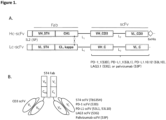
- Novel trispecific multifunctional tribodies were constructed as shown in Figures 1A and 1B and also listed in Table 1 below.
- Table 1 Name of product Structure Fab scFV Tb535H (Fab)5T4 - (scFV) CD3 - (scFV) 5T4 H-chain derivative hu5T4 huOKT3 L-chain derivative hu5T4 hu5T4 53L1 (Fab)5T4 - (scFV) CD3 - (scFV) PD-L1 H-chain derivative hu5T4 huOKT3 L-chain derivative hu5T4 PD-L1_1 53L10 (Fab)5T4 - (scFV) CD3 - (scFV) PD-L1 H-chain derivative hu5T4 huOKT3 L-chain derivative hu5T4 10.12 53D (Fab)5T4 - (scFV) CD3 - (s
- the tribody format is a multi-specific antibody including a Fab domain as a scaffold, in which Fd fragment of H-chain (V H +CH 1 ) and L-chain (V L +C L ) can naturally heterodimerize in vivo, and additional functions such as scFvs that can be incorporated onto the scaffold.
- Tb535H is a bi-specific tribody, made up of bivalent 5T4 binding via a Fab domain and a scFv domain and another monovalent CD3 binding via scFv (Patent Literature 1: WO 2016/097408 (A1 )).
- novel 53X tribodies generated in this Example have binding specificity for three different molecules in a single molecule, 5T4, CD3, and PD-L1 (or PD-1 or LAG3).
- 5T4-bound scFv arm of an L chain-scFV derivative of Tb535H was replaced with:
- the 53P tribody was constructed for use as a negative control over the other 53X tribodies.
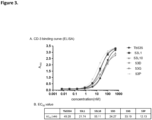
- Tb535H has two 5T4 binding arms derived from Fab and scFv, and the novel 53X tribody constructed has a monovalent 5T4 binding arm derived from a single Fab. Nevertheless, the results show that a single arm (Fab) is sufficient to retain the binding of TB535H to 5T4 in all new 53X tribodies in the same manner.
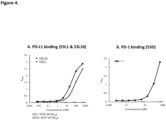
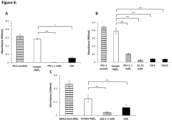
- Tribodies 53L1 and 53L10 which have a binding arm to PD-L1 showed binding abilities to recombinant PD-L1 protein in a concentration dependent manner with Kd values of 79.85 nM and 29.87 nM, respectively ( Figure 4A).
- the tribody 53D which has a binding arm to PD-1 also showed the binding ability to recombinant PD-L1 protein in a concentration dependent manner ( Figure 4B).
- T cell activation bioassays in the presence of 5T4-expressing target cells.
- TCR T cell receptor
- CD3 T cell receptor
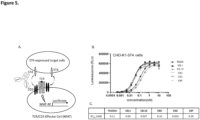
- FIG. 5A shows the schematic representation of the assay.
- Tb535H induced luciferase activity in a concentration dependent manner and EC 50 was 0.11 nM.
- the novel tribodies also induced a concentration-dependent luciferase activity with EC 50 values in the range of 0.03 nM - 0.29 nM ( Figure 5C).
- novel tribodies 53 D, 53L1 and 53L10 derived from PD-1.1 and PD-L1.1 binding domains, respectively, retain the ability of the parental mAbs to interfere in PD-1/PD-L1 interaction
- we performed competitive ELISA assays by measuring the binding of biotinylated PD-L1 ligand to immobilized PD-1 receptor in the absence or in the presence of a molar excess (5:1 M/M) of the tribodies 53 D, 53L1, 53L10 or their parental mAbs PD-L1_1, 10.12, and PD-1_1 as positive controls in parallel assays.
- Human IgG4 isotype was used as a control.
- LAG-3-His-GST recombinant protein was coated on plates at the concentration of 50 nM, the tribody 53 G or its parental mAb LAG-3_1 were added at a saturating concentration of 2 ⁇ M and the binding between the biotinylated-MHCII protein (700 nM) and the LAG3-His-GST recombinant protein was measured.
- the binding beetween biotinylated MHCII and the LAG3-His-GST recombinant protein was strongly reduced in the presence of the tribody 53G or the parental LAG-3_1 (mAb), used as control, with respect to the binding signal in the case of treatment with the biotinylated MHC II alone.
- the tribodies (53P) derived from the same concentrations of parental tribodies TB535H and TB535H but lacking immunomodulatory antibody fragments, the above parental mAbs PD-L1.1, 10.12, PD-1.1, and LAG-3.1, and the effect of combined use of Tb535H and parental mAb were also examined
- cytolysis was measured by LDH released into the cell supernatant using lactate dehydrogenase (LDH) assay.
- LDH lactate dehydrogenase
- all tribodies at least doubled LDH release levels in combination with the corresponding parental mAbs and TB535H tribodies, and in the cases of 53L1 and 53L10, about 80% to 90% cytolysis was achieved at a concentration of 1 nM.
- the concentration of IFN- ⁇ (functional marker for hPBMC activation) released in the culture supernatants of those co-cultures was measured, and the effect of the novel tribody was compared with the effect of TB535H in combination with the parental mAb.
- IFN- ⁇ levels were much higher in the supernatants of the co-cultures of MDA-MB-231 and hPBMCs treated with the novel tribodies (TRBs) with respect to those observed in the treatments with their parental tribody TB535H, their parental mAbs PD-L1.1, 10.12, PD-1.1, and LAG-3.1, or their combinations.
- A549 human alveolar basal epithelial adenocarcinoma cell line
- PD-L1 flow cytometric analysis
- Human PBMCs were activated by Dynabeads Human T-activator CD3/CD28 for 4 days prior to transplantation (activated PBMCs).
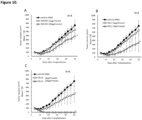
- A549 lung cancer cells were subcutaneously transplanted into immunodeficient NOD-SCID mice with the same number of activated human PBMCs (Day 0).
- Intravenous administration of the tribodies shown in the figure was performed every other day from Day 0 to Day 10 (total of 6 administrations) ( Figure 10 ).
- significant tumor growth inhibition was observed at a dose of 20 ⁇ g/mouse compared to vehicle treatment (p ⁇ 0.05), but no significant tumor growth inhibition was observed at a dose of 2 ⁇ g/mouse ( Figure 10A ).
- the anti-tumor activity of 53L1 (20 ⁇ g/mouse) was clearly stronger than that of Tb535H used at the same dose ( Figure 10B ).
- TGI Tumor growth inhibition
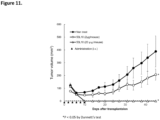
- 53D tumor growth inhibition was enhanced in the 20 ⁇ g/mouse treatment group compared with 53P ( Figure 12 ).
- Tumor growth inhibition by 53G treatment was enhanced at both 2 ⁇ g/mouse and 20 ⁇ g/mouse doses compared to 53P treatment.
- Significant tumor regression was observed during the study period in the 53G (20 ⁇ g/mouse) treatment group.
- DMEM Dulbecco's Modified Eagle's Medium
- F-12K Kaign's Modification of Ham's F-12 Medium
- FBS inactivated fetal bovine serum
- Tb535H tribody was prepared as described in Patent Literature 1 above.
- Recombinant human PD-L1/Fc, PD-1/Fc and human LAG3/Fc proteins were purchased from R & D Systems.
- Human LAG-3/His-GST and Human HLA class II histocompatibitily antigen-DRA was purchased from Cusabio.
- Human 5T4/His was purchased from ACROBiosystems and Human CD3 ⁇ / ⁇ heterodimer protein was purchased from AMSBIO.
- Expression plasmid encoding H-chain derivatives in combination with the expression plasmid encoding L-chain derivatives for each tribody were transiently transfected and expressed, thereby producing a heterodimer in Expi293 cells. After 5 days post-transfection, each tribody was purified from cell culture supernatants by His-tag affinity chromatography followed by gel filtration chromatography. This process recovers the tribody heterodimer while limiting impurities such as a product variant. The purity of the tribodies were analyzed by SDS-PAGE, and size-exclusion chromatography (SEC) analysis was performed to evaluate the tribody heterodimer purity and freeze-thaw stability. It was confirmed > 95% L/Fd chain tribody heterodimer, and low levels of endotoxins by a LAL based method. Tribodies were sterilized by 0.2 ⁇ m filtration, aliquoted and stored at -80°C.
- ELISA assays were performed on human chimeric recombinant target proteins (5T4/His, CD3 ⁇ / ⁇ , PD-L1/Fc, PD-1/Fc, or LAG-3/Fc coated at 1-5 ⁇ g/mL on 96-well plates).
- the ELISA assays on coated recombinant target protein were performed by blocking the coated plates with 5% skim milk in PBS for 1 hour at 37°C, the purified tribodies were added at different concentrations to the plates in 3% BSA (bovine serum albumin) in PBS and incubated for about 90 minutes hours at room temperature by gently shaking.
- BSA bovine serum albumin
- the coated plates were pre-incubated with the unlabelled anti-PD-L1 antibodies, anti-PD-1 antibodies or anti-LAG-3 antibodies at saturating concentrations for 2 hours at room temperature (5:1 for anti-PD-L1 antibody or anti-PD-1 antibody and 3:1 for anti-LAG-3), and then further treated with the biotinylated PD-L1 or MHCII chimeric proteins, which were added to the plate at the same concentrations of the competitive antibodies for 2 hours at room temperature.
- HRP-conjugated Streptavidin Biorad
- hPBMCs Human Peripheral Blood Mononuclear Cells
- target tumor cells were co-cultured with hPBMCs (effector: target ratio 5:1) and treated with the tribodies used at increasing concentrations, or with the parental mAbs and their corresponding combinations used in parallel assays at the same concentrations.
- tumor cells were plated in 96-well flat-bottom plates at the density of 1 ⁇ 10 4 cells/well, for 16 hours.
- hPBMCs isolated from healthy donors were added in the absence or in the presence of the tribodies or antibodies and incubated at 37 °C for 48 hours. Untreated cells or cells treated with a human IgG4 isotype control were used as negative controls.
- the lysis of the target cells was measured by detecting the levels of the lactate dehydrogenase (LDH) released in the supernatant of the co-cultures, by using the LDH detection kit (Thermofisher Scientific), following the manufacturer's recommendations.
- LDH lactate dehydrogenase
- Cell lysis was analyzed by measuring the increase rate of LDH in the presence of each treatment, with respect to the amount present in the supernatant of co-cultures untreated or treated with the human IgG4 isotype control antibodies and expressed as percentage.
- TCR/CD3 activation in the presence of 5T4-expressing cells was performed by T cell activation bioassay (NFAT) (Promega, Cat#. J1621) in accordance with manufacture's instruction. Briefly, genetically engineered Jurkat T cell line which expresses a luciferase reporter driven by an NFAT-response element (included in the kit) were co-cultured with 5T4 expressing CHO-K1 cells in the presence of various concentration of Tb535H and novel 53X tribodies. After 4 hr incubation at 37°C, Bio-GloTM reagent (included in the kit) was added, and luminescence was measured by luminometer.
- NFAT T cell activation bioassay
- NOD-SCID NOD/ShiJic-scidJcl mice
- A549 human alveolar lung adenocarcinoma cell lines were harvested from cell culture dishes by trypsinization and washed with PBS and prepared cell suspension.
- Human PBMCs (Cellular Technology Limited) were cultured in vitro in the presence of Dynabeads human T-activator (CD3/CD28) (Veritas) for 4 days before inoculation of A549 cells into mice.
- CD3/CD28 Dynabeads human T-activator
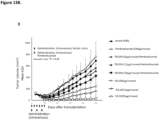
- Tb535H (6, 12, and 20 ⁇ g/mouse), or 53L10 (6, 12, and 20 ⁇ g /mouse) into the tail vein was performed every other day for a total of 6 times (Days 0, 2, 4, 6, 8, and 10).
- Tb535H was combined with pembrolizumab at each dose. Tumor volume was measured 3 days after transplantation and thereafter twice a week until 50 days after transplantation.
- Figure 13A shows the results of comparing the in vivo anti-tumor efficacy of Tb535H and 53L10
- Figure 13B shows the results of comparing the in vivo anti-tumor efficacy of 53L10 and the administration of Tb535H in combination with pembrolizumab.
- Tb535H treatment group significant tumor growth inhibition was observed in the 20 ⁇ g/mouse treatment group compared with the vehicle (PBS) treatment group.
- the TGI on the final day of the test (Day 50) was 36.5% (*P ⁇ 0.05) ( Figure 13A ).
- Tb535H + pembrolizumab treatment group Tb535H: 6 ⁇ g/mouse, 12 ⁇ g/mouse, and 20 ⁇ g/mouse.
- the TGI on the final day of the test (50 days) for the 53L10 treatment group was 64.8% for the 6 ⁇ g/mouse treatment group, 76.0% for the 12 ⁇ g/mouse treatment group, and 95.7% for the 20 ⁇ g/mouse treatment group.
- complete tumor regression was observed in 5 out of 8 individuals on the final day of the test (Day 50)
- motifs containing asparagine residues and aspartic acid residues are known (e.g., Sydow et al., (2014). Structure-based prediction of asparagine and aspartate degradation sites in antibody variable regions. PLoS ONE, 9(6)). Showing that it is possible to modify the amino acid motifs of antibodies while preserving their activity will further enhance the usefulness of antibodies.
- the 62nd aspartic acid residue (D) of scFv (10.12) (SEQ ID NO: 56) was mutated to a serine residue (S), thereby creating scFv (10.12)-M13 (SEQ ID NO: 108). This is obtained by replacing the heavy chain CDR-H2 (SEQ ID NO: 59) contained in scFv (10.12) (SEQ ID NO: 56) with CDR-H2#2 (SEQ ID NO: 49).
- the 53L10_L chain derivative (SEQ ID NO: 107) containing scFv (10.12)-M13 (SEQ ID NO: 108) was co-expressed with the H chain derivative of SEQ ID NO: 1 in Expi293 cells by the method described above, and the 53L10 mutant (53L10-M13) was purified from the culture supernatant.
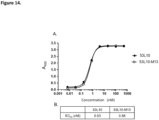
- the binding affinity of purified 53L10-M13 to 5T4 antigen was examined by ELISA ( Figure 14 ).
- a recombinant human 5T4 protein ACRO Biosystems
- the binding affinities of 53L10-M13 and 53L10 to human 5T4 were determined at increasing concentrations (0-500 nM).
- 53L10-M13 ( ⁇ ) showed binding to 5T4 in a concentration-dependent manner.
- the curve showing the binding affinity of 53L10-M13 to 5T4 overlapped with the curve showing the binding affinity of 53L10 ( ⁇ ) to 5T4.
- the EC 50 values were 0.58 nM for 53L10-M13 and 0.53 nM for 53L10 ( Figure 14B ).
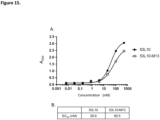
- both 53L10-M13 ( ⁇ ) and 53L10 ( ⁇ ) showed binding activity to CD3 protein in a concentration-dependent manner, with EC 50 of 53L10 being 39.9 nM and EC 50 of 53L10-M13 being 65.5 nM ( Figure 15B ).
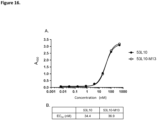
- the EC 50 values were 36.9 nM for 53L10-M13 and 34.4 nM for 53L10 ( Figure 16B ).
- NFAT T cell activation bioassay
- TCR/CD3 effector cells expressing a luciferase reporter driven by an NFAT response element (NFAT-RE) was co-cultured with CHO-5T4 cells ("target cells") in the presence of 53L10-M13 and 53L10 at increasing concentrations as shown ( Figure 17A ).
- Both 53L10-M13 ( ⁇ ) and 53L10 ( ⁇ ) induce luciferase activity in a concentration-dependent manner, and the curves showing the concentration-dependent increase in luciferase activity overlap ( Figure 17A ), with EC 50 of 53L10-M13 being 0.016 nM and EC 50 of 53L10 being 0.010 nM ( Figure 17B ).
- A549 cells 5T4-positive PD-L1-positive human cancer cell line
- hPBMCs human peripheral blood mononuclear cells
- PBMC1 and PBMC2 and PBMC3
- effector : target ratio 10:1
- 24 hours after addition of 0.001 pM to 10 nM (10-fold common ratio) of 53L10-M13 or Tb535H the expression of CD3 and CD69 was measured, and 48 hours later, the expression of CD3 and CD25 was measured by flow cytometry.
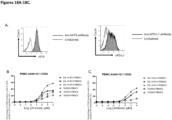
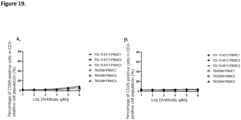
- the percentage of CD69-positive cells in the CD3-positive cell population ( Figure 18B ) and the percentage of CD25-positive cells in the CD3-positive cell population ( Figure 18C ) were calculated.
- the CD69 expression level was 34.9 to 99.1 pM for 53L10-M13 and 100.2 to 1548.0 pM for Tb535H, which was low for 53L10-M13 in all hPBMC lots. Meanwhile, also regarding the maximum response (E max ), the CD69 expression level was 34.9% to 57.1% for 53L10-M13 and 22.9% to 42.5% for Tb535H, which was higher for 53L10-M13 than for Tb535H in all hPBMC lots. These results showed that T cell activation was enhanced in 53L10-M13 compared with Tb535H.
- T cell activation by 53L10-M13 and Tb535H was also examined in the absence of target tumor cells.
- 0.01 to 1,000 nM (10-fold common ratio) of 53L10-M13 or Tb535H was added to hPBMCs.
- the marker expression was slightly higher in 53L10-M13 ( ⁇ , ⁇ , ⁇ ) than in Tb535H ( ⁇ , ⁇ , ⁇ ) in a high concentration range of 10 nM or more, in both cases, the expression of T cell activation markers (CD25, CD69) on CD3-positive cells in the absence of target tumor cells remains lower than in the presence of target tumor cells, indicating that T cells are hardly activated.
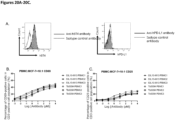
- MCF-7 cells were used as 5T4-positive PD-L1-negative target tumor cells ( Figure 20A ).
- both 53L10-M13 ( ⁇ , ⁇ , ⁇ ) and Tb535H ( ⁇ , ⁇ , ⁇ ) induced the expression of CD25 and CD69 on effector cells in a concentration-dependent manner; however, unlike the case of using A549 cells expressing both 5T4 and PD-L1 as target tumor cells, the curves showing the concentration-dependent increase in the expression of T cell activation markers overlapped for both CD69 ( Figure 20B ) and CD25 ( Figure 20C ) in 53L10-M13 and Tb535H.
- EC 50 in CD69 expression was 0.10 to 2.85 pM for 53L10-M13 and 2.63 to 5.49 pM for Tb535H.
- EC 50 in CD25 expression was 0.49 to 6.78 pM for 53L10-M13 and 12.57 to 50.79 pM for Tb535H. In both cases, 53L10-M13 showed slightly lower values. Meanwhile, E max in CD69 expression was 41.85% to 50.68% for 53L10-M13 and 42.56% to 50.41% for Tb535H. E max in CD25 expression was 19.99% to 24.21% for 53L10-M13 and 27.30% to 29.49% for Tb535H. Both were at the same level.
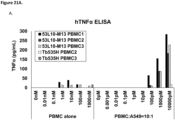
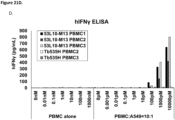
- cytokine production from hPBMCs by 53L10-M13 and Tb535H was measured in the presence and absence of A549 cells (hPBMCs alone). After 48 hours, the culture supernatant obtained in the above T cell activation test was collected. According to the procedure described in "Materials and Methods" later, the concentrations of four cytokines secreted from T cells, human TNF ⁇ , human IL-2, human IL-6, and human interferon ⁇ , in the culture supernatant were measured. As a result, in the absence of A549 cells (hPBMCs alone), neither 53L10-M13 nor Tb535H caused concentration-dependent cytokine production.
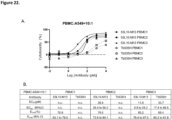
- EC 50 was 11.5 pM for 53L10-M13 and 33.7 pM for Tb535H, which was low for 53L10-M13, and E max was 85.2% for 53L10-M13 and 69.4% for Tb535H, which was higher in 53L10-M13, showing that 53L10-M13 enhanced cytotoxicity than Tb535H.
- "n.c.” stands for "not calculated.”
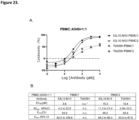
- E max was 90.0% for 53L10-M13 and 65.4% for Tb535H, which was significantly higher in 53L10-M13, showing that 53L10-M13 enhanced cytotoxicity than Tb535H also in activated PBMCs ( Figure 23B ).
- "n.c.” stands for "not calculated.”
- 53L10-M13 not only enhanced T cell activation more than Tb535H in the presence of target tumor cells, but also significantly enhanced the cytotoxicity of activated T cells. This positively supports the validity of the strategy of 53L10 and 53L10-M13 to enhance tumor immunity against target tumor cells by adding an anti-PD-L1 binding arm to Tb535H.
- A549 human lung cancer cells were cultured in Kaign's Modification of Ham's F-12 medium (F-12K, FUJIFILM Wako Pure Chemical Corporation).
- Cell lines were purchased from the American Type Culture Collection (ATCC) and cultured in a humidified atmosphere containing 5% CO 2 at 37°C. The media were supplemented with 10% (vol/vol) inactivated fetal bovine serum (FBS, Sigma) and were used after addition of 50 U/mL penicillin and 50 ⁇ g/mL streptomycin.
- FBS inactivated fetal bovine serum
- MCF-7 human breast cancer cells were cultured in Minimum Essential Medium Eagle medium (EMEM, Sigma-Aldrich).
- EMEM Minimum Essential Medium Eagle medium
- hPBMCs were purchased from Cellular Technology Limited and cultured in a humidified atmosphere containing 5% CO 2 at 37°C for overnight resting after thawing using a CTL-Test medium (Cellular Technology Limited). The medium was used after addition of 2 mM L-glutamine (Thermo Fisher Scientific).
- ImmunoCult-XF T Cell Expansion Medium (STEM CELL Technologies) was used and cultured in a humidified atmosphere containing 5% CO 2 at 37°C The medium was used after addition of 3 ng/mL human IL-2 (PeproTech).
- hPBMCs Human Peripheral Blood Mononuclear Cells from healthy donors were thawed out according to the vendor's (Cellular Technology Limited) instructions, collected for resting overnight, and counted before use.
- Target tumor cells were plated in a 24-well flat bottom plate at a density of 8 ⁇ 10 4 cells/well for 4 hours.
- hPBMCs were added in the presence and absence of target tumor cells (effector : target ratio 10:1).
- 53L10-M13 and Tb535H were added at varying concentrations in a range of 0.001 pM to 10 nM in the presence of target tumor cells and a range of 0.01 nM to 1,000 nM in the absence of target tumor cells and incubated at 37°C for 24 or 48 hours.
- T cell activation markers floating cells were collected from the plate after 24 and 48 hours, respectively. Cells collected 24 hours later were stained with the FITC anti-human CD3 antibody (Biolegend) and APC anti-human CD69 antibody (Biolegend). Cells collected 48 hours later were stained with the FITC anti-human CD3 antibody (Biolegend) and APC anti-human CD25 antibody (Biolegend).
- the secretion of human TNF ⁇ , human IL-2, human IL-6, and human interferon ⁇ in the supernatant of the co-culture of tumor cells and hPBMCs in the presence of 53L10-M13 and Tb535H was evaluated by ELISA.
- the culture supernatant 48 hours after the T cell activation test was centrifuged.
- Cytokines were quantified according to the producer's recommendations using the BD OptEIA TM Human TNF ELISA Set (BD bioscience) for human TNF ⁇ , BD OptEIA TM Human IL-2 ELISA Set (BD bioscience) for human IL-2, and the Human IL-6 ELISA Kit (R&D Systems) for human IL-6, and Human IFN-gamma ELISA Kit (R&D Systems) for human IFN- ⁇ . Concentration values were converted to pg/mL.
- hPBMCs Human Peripheral Blood Mononuclear Cells
- CTL vendor's
- Activated PBMCs were further cultured with Dynabeads Human T-activator CD3/CD28 (Thermo fisher scientific) for 3 days, collected for resting overnight without magnetic beads, and counted before use.
- Target tumor cells were labeled using the PKH67 Green Fluorescent Cell Linker Kit (Sigma-Aldrich) according to the producer's recommendations (25°C, 3 min for labeling reaction) and then plated in a 48-well flat bottom plate at a density of 4 ⁇ 10 4 cells/well for 4 hours.
- hPBMCs were added thereto so that the effector : target ratio was 10:1 for hPBMCs without activation treatment, and the effector : target ratio was 1:1 for activated hPBMCs.
- 53L10-M13 and Tb535H were added at varying concentrations and incubated at 37°C for 48 hours. After 48 hours, cells were collected, dead cells were stained with PI (Thermo Fisher Scientific), and the number of PKH67-positive PI-negative cells was counted using FACSLyric (BD Biosciences).
- Cytotoxicity (%) (1-(Percentage of PKH67-positive PI-negative cell population when activated PBMCs and each construct were added at each concentration) / (Percentage of PKH67-positive PI-negative cell population when only activated PBMCs were added to A549)).
- Graph creation and calculation of EC 50 , E max , and 95% confidence interval (CI) were performed using the statistical software Prism (GraphPad Software).
- a fusion protein or the like as a multispecific tribody whose anti-tumor efficacy is significantly increased as compared with the fusion protein Tb535H which is a conventional bispecific tribody.
- the fusion protein according to the present invention is a trispecific tribody that not only has ability to bind to 5T4 and a CD3 receptor complex, but also has ability to bind to PD-1, PD-L1 or LAG3 (that is, it also has an immune checkpoint inhibitory activity), and can exert excellent anti-tumor efficacy.
Landscapes
- Health & Medical Sciences (AREA)
- Chemical & Material Sciences (AREA)
- Life Sciences & Earth Sciences (AREA)
- Organic Chemistry (AREA)
- Immunology (AREA)
- Genetics & Genomics (AREA)
- General Health & Medical Sciences (AREA)
- Engineering & Computer Science (AREA)
- Molecular Biology (AREA)
- Biochemistry (AREA)
- Medicinal Chemistry (AREA)
- Biophysics (AREA)
- Biomedical Technology (AREA)
- Biotechnology (AREA)
- Bioinformatics & Cheminformatics (AREA)
- Proteomics, Peptides & Aminoacids (AREA)
- Wood Science & Technology (AREA)
- Zoology (AREA)
- General Engineering & Computer Science (AREA)
- Microbiology (AREA)
- Physics & Mathematics (AREA)
- Plant Pathology (AREA)
- Cell Biology (AREA)
- Animal Behavior & Ethology (AREA)
- Public Health (AREA)
- Veterinary Medicine (AREA)
- Pharmacology & Pharmacy (AREA)
- Mycology (AREA)
- Chemical Kinetics & Catalysis (AREA)
- Nuclear Medicine, Radiotherapy & Molecular Imaging (AREA)
- General Chemical & Material Sciences (AREA)
- Hematology (AREA)
- Urology & Nephrology (AREA)
- Hospice & Palliative Care (AREA)
- Pathology (AREA)
- General Physics & Mathematics (AREA)
- Analytical Chemistry (AREA)
- Food Science & Technology (AREA)
- Oncology (AREA)
- Epidemiology (AREA)
Applications Claiming Priority (2)
| Application Number | Priority Date | Filing Date | Title |
|---|---|---|---|
| JP2022106054 | 2022-06-30 | ||
| PCT/JP2023/024487 WO2024005204A1 (ja) | 2022-06-30 | 2023-06-30 | 融合タンパク質 |
Publications (1)
| Publication Number | Publication Date |
|---|---|
| EP4549572A1 true EP4549572A1 (de) | 2025-05-07 |
Family
ID=89380721
Family Applications (1)
| Application Number | Title | Priority Date | Filing Date |
|---|---|---|---|
| EP23831643.4A Pending EP4549572A1 (de) | 2022-06-30 | 2023-06-30 | Fusionsprotein |
Country Status (8)
| Country | Link |
|---|---|
| EP (1) | EP4549572A1 (de) |
| JP (1) | JPWO2024005204A1 (de) |
| KR (1) | KR20250029872A (de) |
| CN (1) | CN119487194A (de) |
| AU (1) | AU2023300945A1 (de) |
| IL (1) | IL317820A (de) |
| TW (1) | TW202405024A (de) |
| WO (1) | WO2024005204A1 (de) |
Family Cites Families (6)
| Publication number | Priority date | Publication date | Assignee | Title |
|---|---|---|---|---|
| ATE283364T1 (de) | 1998-01-23 | 2004-12-15 | Vlaams Interuniv Inst Biotech | Mehrzweck-antikörperderivate |
| US9427464B2 (en) | 2011-11-22 | 2016-08-30 | Chiome Bioscience Inc. | Anti-human TROP-2 antibody having an antitumor activity in vivo |
| EP2905335B1 (de) | 2012-10-03 | 2018-01-31 | Chiome Bioscience Inc. | Antikörper gegen menschliches dlk-1 mit in-vivo-antitumorwirkung |
| US10941207B2 (en) | 2014-12-19 | 2021-03-09 | Chiome Bioscience, Inc | Fusion protein comprising three binding domains to 5T4 and CD3 |
| JP7430924B2 (ja) | 2018-03-22 | 2024-02-14 | ケイレス アーゲー | 拮抗的抗原結合タンパク質 |
| JP7333799B2 (ja) | 2021-01-06 | 2023-08-25 | ヤンマーホールディングス株式会社 | 自律走行作業車両の制御方法および自律走行システム |
-
2023
- 2023-06-30 AU AU2023300945A patent/AU2023300945A1/en active Pending
- 2023-06-30 IL IL317820A patent/IL317820A/en unknown
- 2023-06-30 JP JP2024531002A patent/JPWO2024005204A1/ja active Pending
- 2023-06-30 WO PCT/JP2023/024487 patent/WO2024005204A1/ja not_active Ceased
- 2023-06-30 EP EP23831643.4A patent/EP4549572A1/de active Pending
- 2023-06-30 CN CN202380048991.8A patent/CN119487194A/zh active Pending
- 2023-06-30 KR KR1020257000873A patent/KR20250029872A/ko active Pending
- 2023-06-30 TW TW112124564A patent/TW202405024A/zh unknown
Also Published As
| Publication number | Publication date |
|---|---|
| IL317820A (en) | 2025-02-01 |
| AU2023300945A1 (en) | 2025-01-09 |
| JPWO2024005204A1 (de) | 2024-01-04 |
| TW202405024A (zh) | 2024-02-01 |
| WO2024005204A1 (ja) | 2024-01-04 |
| CN119487194A (zh) | 2025-02-18 |
| KR20250029872A (ko) | 2025-03-05 |
Similar Documents
| Publication | Publication Date | Title |
|---|---|---|
| JP7545438B2 (ja) | Vista抗原結合性分子 | |
| US10633456B1 (en) | Vista antigen-binding molecules | |
| CN108124445B (zh) | Ctla4抗体、其药物组合物及其用途 | |
| CN114560941B (zh) | Cldn18.2的抗体及其应用 | |
| EP4582449A1 (de) | Rekombinanter humanisierter monoklonaler antikörper gegen humanes gprc5d und anwendung davon | |
| EP3502142B1 (de) | Bispezifischer antikörper und antikörperkonjugat für tumortherapie und verwendung davon | |
| CN112703206A (zh) | 靶向肿瘤的重组双功能融合蛋白及其应用 | |
| US11351251B2 (en) | Anti-PD-L1-anti-TIM-3 bispecific antibodies | |
| EP4130039A1 (de) | Entwicklung und anwendung eines immunzellenaktivators | |
| KR20250067121A (ko) | Cnx 항원-결합 분자 | |
| KR20240058149A (ko) | Vista 항원-결합 분자를 사용한 암의 치료 및 예방 | |
| CN119409833A (zh) | 一种抗ceacam5和ceacam6双靶向抗体及其应用 | |
| EP4549572A1 (de) | Fusionsprotein | |
| JP2025526677A (ja) | B7-h3抗原結合性分子 | |
| CN114456267B (zh) | 一种抗cd73人源化单克隆抗体及其应用 | |
| HK40026638A (en) | Vista antigen-binding molecules | |
| HK40026638B (en) | Vista antigen-binding molecules | |
| HK40013463A (en) | Anti-pd-l1-anti-tim-3 bispecific antibodies | |
| HK40013463B (en) | Anti-pd-l1-anti-tim-3 bispecific antibodies |
Legal Events
| Date | Code | Title | Description |
|---|---|---|---|
| STAA | Information on the status of an ep patent application or granted ep patent |
Free format text: STATUS: THE INTERNATIONAL PUBLICATION HAS BEEN MADE |
|
| PUAI | Public reference made under article 153(3) epc to a published international application that has entered the european phase |
Free format text: ORIGINAL CODE: 0009012 |
|
| STAA | Information on the status of an ep patent application or granted ep patent |
Free format text: STATUS: REQUEST FOR EXAMINATION WAS MADE |
|
| 17P | Request for examination filed |
Effective date: 20250130 |
|
| AK | Designated contracting states |
Kind code of ref document: A1 Designated state(s): AL AT BE BG CH CY CZ DE DK EE ES FI FR GB GR HR HU IE IS IT LI LT LU LV MC ME MK MT NL NO PL PT RO RS SE SI SK SM TR |
|
| DAV | Request for validation of the european patent (deleted) | ||
| DAX | Request for extension of the european patent (deleted) |