EP4548973A2 - Zusammensetzungen und verfahren zur behandlung von retinopathie - Google Patents
Zusammensetzungen und verfahren zur behandlung von retinopathie Download PDFInfo
- Publication number
- EP4548973A2 EP4548973A2 EP25163026.5A EP25163026A EP4548973A2 EP 4548973 A2 EP4548973 A2 EP 4548973A2 EP 25163026 A EP25163026 A EP 25163026A EP 4548973 A2 EP4548973 A2 EP 4548973A2
- Authority
- EP
- European Patent Office
- Prior art keywords
- insulin
- dha
- pharmaceutical composition
- coenzyme
- retinal
- Prior art date
- Legal status (The legal status is an assumption and is not a legal conclusion. Google has not performed a legal analysis and makes no representation as to the accuracy of the status listed.)
- Pending
Links
Images



Classifications
-
- A—HUMAN NECESSITIES
- A61—MEDICAL OR VETERINARY SCIENCE; HYGIENE
- A61K—PREPARATIONS FOR MEDICAL, DENTAL OR TOILETRY PURPOSES
- A61K31/00—Medicinal preparations containing organic active ingredients
- A61K31/12—Ketones
- A61K31/122—Ketones having the oxygen directly attached to a ring, e.g. quinones, vitamin K1, anthralin
-
- A—HUMAN NECESSITIES
- A61—MEDICAL OR VETERINARY SCIENCE; HYGIENE
- A61K—PREPARATIONS FOR MEDICAL, DENTAL OR TOILETRY PURPOSES
- A61K31/00—Medicinal preparations containing organic active ingredients
- A61K31/185—Acids; Anhydrides, halides or salts thereof, e.g. sulfur acids, imidic, hydrazonic or hydroximic acids
- A61K31/19—Carboxylic acids, e.g. valproic acid
- A61K31/20—Carboxylic acids, e.g. valproic acid having a carboxyl group bound to a chain of seven or more carbon atoms, e.g. stearic, palmitic, arachidic acids
- A61K31/202—Carboxylic acids, e.g. valproic acid having a carboxyl group bound to a chain of seven or more carbon atoms, e.g. stearic, palmitic, arachidic acids having three or more double bonds, e.g. linolenic
-
- A—HUMAN NECESSITIES
- A61—MEDICAL OR VETERINARY SCIENCE; HYGIENE
- A61K—PREPARATIONS FOR MEDICAL, DENTAL OR TOILETRY PURPOSES
- A61K38/00—Medicinal preparations containing peptides
- A61K38/16—Peptides having more than 20 amino acids; Gastrins; Somatostatins; Melanotropins; Derivatives thereof
- A61K38/17—Peptides having more than 20 amino acids; Gastrins; Somatostatins; Melanotropins; Derivatives thereof from animals; from humans
- A61K38/1703—Peptides having more than 20 amino acids; Gastrins; Somatostatins; Melanotropins; Derivatives thereof from animals; from humans from vertebrates
- A61K38/1709—Peptides having more than 20 amino acids; Gastrins; Somatostatins; Melanotropins; Derivatives thereof from animals; from humans from vertebrates from mammals
- A61K38/1754—Insulin-like growth factor binding proteins
-
- A—HUMAN NECESSITIES
- A61—MEDICAL OR VETERINARY SCIENCE; HYGIENE
- A61K—PREPARATIONS FOR MEDICAL, DENTAL OR TOILETRY PURPOSES
- A61K38/00—Medicinal preparations containing peptides
- A61K38/16—Peptides having more than 20 amino acids; Gastrins; Somatostatins; Melanotropins; Derivatives thereof
- A61K38/17—Peptides having more than 20 amino acids; Gastrins; Somatostatins; Melanotropins; Derivatives thereof from animals; from humans
- A61K38/22—Hormones
- A61K38/28—Insulins
-
- A—HUMAN NECESSITIES
- A61—MEDICAL OR VETERINARY SCIENCE; HYGIENE
- A61K—PREPARATIONS FOR MEDICAL, DENTAL OR TOILETRY PURPOSES
- A61K38/00—Medicinal preparations containing peptides
- A61K38/16—Peptides having more than 20 amino acids; Gastrins; Somatostatins; Melanotropins; Derivatives thereof
- A61K38/17—Peptides having more than 20 amino acids; Gastrins; Somatostatins; Melanotropins; Derivatives thereof from animals; from humans
- A61K38/22—Hormones
- A61K38/30—Insulin-like growth factors, i.e. somatomedins, e.g. IGF-1, IGF-2
-
- A—HUMAN NECESSITIES
- A61—MEDICAL OR VETERINARY SCIENCE; HYGIENE
- A61K—PREPARATIONS FOR MEDICAL, DENTAL OR TOILETRY PURPOSES
- A61K47/00—Medicinal preparations characterised by the non-active ingredients used, e.g. carriers or inert additives; Targeting or modifying agents chemically bound to the active ingredient
- A61K47/30—Macromolecular organic or inorganic compounds, e.g. inorganic polyphosphates
- A61K47/36—Polysaccharides; Derivatives thereof, e.g. gums, starch, alginate, dextrin, hyaluronic acid, chitosan, inulin, agar or pectin
- A61K47/40—Cyclodextrins; Derivatives thereof
-
- A—HUMAN NECESSITIES
- A61—MEDICAL OR VETERINARY SCIENCE; HYGIENE
- A61K—PREPARATIONS FOR MEDICAL, DENTAL OR TOILETRY PURPOSES
- A61K47/00—Medicinal preparations characterised by the non-active ingredients used, e.g. carriers or inert additives; Targeting or modifying agents chemically bound to the active ingredient
- A61K47/50—Medicinal preparations characterised by the non-active ingredients used, e.g. carriers or inert additives; Targeting or modifying agents chemically bound to the active ingredient the non-active ingredient being chemically bound to the active ingredient, e.g. polymer-drug conjugates
- A61K47/51—Medicinal preparations characterised by the non-active ingredients used, e.g. carriers or inert additives; Targeting or modifying agents chemically bound to the active ingredient the non-active ingredient being chemically bound to the active ingredient, e.g. polymer-drug conjugates the non-active ingredient being a modifying agent
- A61K47/54—Medicinal preparations characterised by the non-active ingredients used, e.g. carriers or inert additives; Targeting or modifying agents chemically bound to the active ingredient the non-active ingredient being chemically bound to the active ingredient, e.g. polymer-drug conjugates the non-active ingredient being a modifying agent the modifying agent being an organic compound
- A61K47/542—Carboxylic acids, e.g. a fatty acid or an amino acid
-
- A—HUMAN NECESSITIES
- A61—MEDICAL OR VETERINARY SCIENCE; HYGIENE
- A61K—PREPARATIONS FOR MEDICAL, DENTAL OR TOILETRY PURPOSES
- A61K47/00—Medicinal preparations characterised by the non-active ingredients used, e.g. carriers or inert additives; Targeting or modifying agents chemically bound to the active ingredient
- A61K47/50—Medicinal preparations characterised by the non-active ingredients used, e.g. carriers or inert additives; Targeting or modifying agents chemically bound to the active ingredient the non-active ingredient being chemically bound to the active ingredient, e.g. polymer-drug conjugates
- A61K47/51—Medicinal preparations characterised by the non-active ingredients used, e.g. carriers or inert additives; Targeting or modifying agents chemically bound to the active ingredient the non-active ingredient being chemically bound to the active ingredient, e.g. polymer-drug conjugates the non-active ingredient being a modifying agent
- A61K47/54—Medicinal preparations characterised by the non-active ingredients used, e.g. carriers or inert additives; Targeting or modifying agents chemically bound to the active ingredient the non-active ingredient being chemically bound to the active ingredient, e.g. polymer-drug conjugates the non-active ingredient being a modifying agent the modifying agent being an organic compound
- A61K47/55—Medicinal preparations characterised by the non-active ingredients used, e.g. carriers or inert additives; Targeting or modifying agents chemically bound to the active ingredient the non-active ingredient being chemically bound to the active ingredient, e.g. polymer-drug conjugates the non-active ingredient being a modifying agent the modifying agent being an organic compound the modifying agent being also a pharmacologically or therapeutically active agent, i.e. the entire conjugate being a codrug
-
- A—HUMAN NECESSITIES
- A61—MEDICAL OR VETERINARY SCIENCE; HYGIENE
- A61K—PREPARATIONS FOR MEDICAL, DENTAL OR TOILETRY PURPOSES
- A61K47/00—Medicinal preparations characterised by the non-active ingredients used, e.g. carriers or inert additives; Targeting or modifying agents chemically bound to the active ingredient
- A61K47/50—Medicinal preparations characterised by the non-active ingredients used, e.g. carriers or inert additives; Targeting or modifying agents chemically bound to the active ingredient the non-active ingredient being chemically bound to the active ingredient, e.g. polymer-drug conjugates
- A61K47/69—Medicinal preparations characterised by the non-active ingredients used, e.g. carriers or inert additives; Targeting or modifying agents chemically bound to the active ingredient the non-active ingredient being chemically bound to the active ingredient, e.g. polymer-drug conjugates the conjugate being characterised by physical or galenical forms, e.g. emulsion, particle, inclusion complex, stent or kit
- A61K47/6905—Medicinal preparations characterised by the non-active ingredients used, e.g. carriers or inert additives; Targeting or modifying agents chemically bound to the active ingredient the non-active ingredient being chemically bound to the active ingredient, e.g. polymer-drug conjugates the conjugate being characterised by physical or galenical forms, e.g. emulsion, particle, inclusion complex, stent or kit the form being a colloid or an emulsion
-
- A—HUMAN NECESSITIES
- A61—MEDICAL OR VETERINARY SCIENCE; HYGIENE
- A61K—PREPARATIONS FOR MEDICAL, DENTAL OR TOILETRY PURPOSES
- A61K47/00—Medicinal preparations characterised by the non-active ingredients used, e.g. carriers or inert additives; Targeting or modifying agents chemically bound to the active ingredient
- A61K47/50—Medicinal preparations characterised by the non-active ingredients used, e.g. carriers or inert additives; Targeting or modifying agents chemically bound to the active ingredient the non-active ingredient being chemically bound to the active ingredient, e.g. polymer-drug conjugates
- A61K47/69—Medicinal preparations characterised by the non-active ingredients used, e.g. carriers or inert additives; Targeting or modifying agents chemically bound to the active ingredient the non-active ingredient being chemically bound to the active ingredient, e.g. polymer-drug conjugates the conjugate being characterised by physical or galenical forms, e.g. emulsion, particle, inclusion complex, stent or kit
- A61K47/6921—Medicinal preparations characterised by the non-active ingredients used, e.g. carriers or inert additives; Targeting or modifying agents chemically bound to the active ingredient the non-active ingredient being chemically bound to the active ingredient, e.g. polymer-drug conjugates the conjugate being characterised by physical or galenical forms, e.g. emulsion, particle, inclusion complex, stent or kit the form being a particulate, a powder, an adsorbate, a bead or a sphere
- A61K47/6925—Medicinal preparations characterised by the non-active ingredients used, e.g. carriers or inert additives; Targeting or modifying agents chemically bound to the active ingredient the non-active ingredient being chemically bound to the active ingredient, e.g. polymer-drug conjugates the conjugate being characterised by physical or galenical forms, e.g. emulsion, particle, inclusion complex, stent or kit the form being a particulate, a powder, an adsorbate, a bead or a sphere the form being a microcapsule, nanocapsule, microbubble or nanobubble
-
- A—HUMAN NECESSITIES
- A61—MEDICAL OR VETERINARY SCIENCE; HYGIENE
- A61K—PREPARATIONS FOR MEDICAL, DENTAL OR TOILETRY PURPOSES
- A61K47/00—Medicinal preparations characterised by the non-active ingredients used, e.g. carriers or inert additives; Targeting or modifying agents chemically bound to the active ingredient
- A61K47/50—Medicinal preparations characterised by the non-active ingredients used, e.g. carriers or inert additives; Targeting or modifying agents chemically bound to the active ingredient the non-active ingredient being chemically bound to the active ingredient, e.g. polymer-drug conjugates
- A61K47/69—Medicinal preparations characterised by the non-active ingredients used, e.g. carriers or inert additives; Targeting or modifying agents chemically bound to the active ingredient the non-active ingredient being chemically bound to the active ingredient, e.g. polymer-drug conjugates the conjugate being characterised by physical or galenical forms, e.g. emulsion, particle, inclusion complex, stent or kit
- A61K47/6921—Medicinal preparations characterised by the non-active ingredients used, e.g. carriers or inert additives; Targeting or modifying agents chemically bound to the active ingredient the non-active ingredient being chemically bound to the active ingredient, e.g. polymer-drug conjugates the conjugate being characterised by physical or galenical forms, e.g. emulsion, particle, inclusion complex, stent or kit the form being a particulate, a powder, an adsorbate, a bead or a sphere
- A61K47/6927—Medicinal preparations characterised by the non-active ingredients used, e.g. carriers or inert additives; Targeting or modifying agents chemically bound to the active ingredient the non-active ingredient being chemically bound to the active ingredient, e.g. polymer-drug conjugates the conjugate being characterised by physical or galenical forms, e.g. emulsion, particle, inclusion complex, stent or kit the form being a particulate, a powder, an adsorbate, a bead or a sphere the form being a solid microparticle having no hollow or gas-filled cores
- A61K47/6929—Medicinal preparations characterised by the non-active ingredients used, e.g. carriers or inert additives; Targeting or modifying agents chemically bound to the active ingredient the non-active ingredient being chemically bound to the active ingredient, e.g. polymer-drug conjugates the conjugate being characterised by physical or galenical forms, e.g. emulsion, particle, inclusion complex, stent or kit the form being a particulate, a powder, an adsorbate, a bead or a sphere the form being a solid microparticle having no hollow or gas-filled cores the form being a nanoparticle, e.g. an immuno-nanoparticle
-
- A—HUMAN NECESSITIES
- A61—MEDICAL OR VETERINARY SCIENCE; HYGIENE
- A61K—PREPARATIONS FOR MEDICAL, DENTAL OR TOILETRY PURPOSES
- A61K9/00—Medicinal preparations characterised by special physical form
- A61K9/0012—Galenical forms characterised by the site of application
- A61K9/0019—Injectable compositions; Intramuscular, intravenous, arterial, subcutaneous administration; Compositions to be administered through the skin in an invasive manner
-
- A—HUMAN NECESSITIES
- A61—MEDICAL OR VETERINARY SCIENCE; HYGIENE
- A61K—PREPARATIONS FOR MEDICAL, DENTAL OR TOILETRY PURPOSES
- A61K9/00—Medicinal preparations characterised by special physical form
- A61K9/0012—Galenical forms characterised by the site of application
- A61K9/0048—Eye, e.g. artificial tears
-
- A—HUMAN NECESSITIES
- A61—MEDICAL OR VETERINARY SCIENCE; HYGIENE
- A61K—PREPARATIONS FOR MEDICAL, DENTAL OR TOILETRY PURPOSES
- A61K9/00—Medicinal preparations characterised by special physical form
- A61K9/10—Dispersions; Emulsions
- A61K9/107—Emulsions ; Emulsion preconcentrates; Micelles
- A61K9/1075—Microemulsions or submicron emulsions; Preconcentrates or solids thereof; Micelles, e.g. made of phospholipids or block copolymers
-
- A—HUMAN NECESSITIES
- A61—MEDICAL OR VETERINARY SCIENCE; HYGIENE
- A61K—PREPARATIONS FOR MEDICAL, DENTAL OR TOILETRY PURPOSES
- A61K9/00—Medicinal preparations characterised by special physical form
- A61K9/14—Particulate form, e.g. powders, Processes for size reducing of pure drugs or the resulting products, Pure drug nanoparticles
- A61K9/19—Particulate form, e.g. powders, Processes for size reducing of pure drugs or the resulting products, Pure drug nanoparticles lyophilised, i.e. freeze-dried, solutions or dispersions
-
- A—HUMAN NECESSITIES
- A61—MEDICAL OR VETERINARY SCIENCE; HYGIENE
- A61P—SPECIFIC THERAPEUTIC ACTIVITY OF CHEMICAL COMPOUNDS OR MEDICINAL PREPARATIONS
- A61P27/00—Drugs for disorders of the senses
- A61P27/02—Ophthalmic agents
-
- A—HUMAN NECESSITIES
- A61—MEDICAL OR VETERINARY SCIENCE; HYGIENE
- A61P—SPECIFIC THERAPEUTIC ACTIVITY OF CHEMICAL COMPOUNDS OR MEDICINAL PREPARATIONS
- A61P7/00—Drugs for disorders of the blood or the extracellular fluid
- A61P7/04—Antihaemorrhagics; Procoagulants; Haemostatic agents; Antifibrinolytic agents
-
- A—HUMAN NECESSITIES
- A61—MEDICAL OR VETERINARY SCIENCE; HYGIENE
- A61P—SPECIFIC THERAPEUTIC ACTIVITY OF CHEMICAL COMPOUNDS OR MEDICINAL PREPARATIONS
- A61P9/00—Drugs for disorders of the cardiovascular system
- A61P9/10—Drugs for disorders of the cardiovascular system for treating ischaemic or atherosclerotic diseases, e.g. antianginal drugs, coronary vasodilators, drugs for myocardial infarction, retinopathy, cerebrovascula insufficiency, renal arteriosclerosis
-
- A—HUMAN NECESSITIES
- A61—MEDICAL OR VETERINARY SCIENCE; HYGIENE
- A61K—PREPARATIONS FOR MEDICAL, DENTAL OR TOILETRY PURPOSES
- A61K2300/00—Mixtures or combinations of active ingredients, wherein at least one active ingredient is fully defined in groups A61K31/00 - A61K41/00
Definitions
- the present invention relates to a composition-of-matter for treating retinopathy.
- Embodiments of the present invention relate to a nanoemulsion including Insulin and/or IGF for treating retinopathy of prematurity (ROP).
- ROP retinopathy of prematurity
- the retina develops in-utero where tissue oxygen is low.
- Vascular precursor cells are laid from 12 to 21 weeks gestational age creating a scaffold for future vessel development.
- Retinal angiogenesis begins at approximately 16 weeks gestational age, with new vessels budding from existing vessels.
- the metabolic demands of the developing retina exceed the oxygen supplied by the choroidal circulation resulting in "physiologic hypoxia,” that stimulates angiogenesis.
- Retinopathy of prematurity is a developmental vascular disorder characterized by abnormal growth of retinal blood vessels in the incompletely vascularized retina.
- ROP mostly occurs in extremely low gestational age neonates (ELGANs) who are 1250 g, or under 28 weeks gestation at birth and is the most common cause of visual impairment and blindness in children.
- vascular endothelial growth factor (VEGF) antibodies have proven to be useful in severe late ROP.
- laser photocoagulation destroys major parts of the retina and is a difficult and complicated procedure to perform in young infants while intravitreal injection of VEGF antibodies may cause a systemic suppression of vascular growth affecting other organs.
- a pharmaceutical composition comprising insulin, Docosahexaenoic acid (DHA) and coenzyme Q10.
- a method of treating retinopathy in preterm infants comprising administering a pharmaceutical composition including insulin, Docosahexaenoic acid (DHA) and coenzyme Q10 to an eye of a preterm infant thereby treating retinopathy in preterm infants.
- a pharmaceutical composition including insulin, Docosahexaenoic acid (DHA) and coenzyme Q10
- a method of preventing or reducing severity of retinopathy in preterm infants comprising administering a pharmaceutical composition including insulin, Docosahexaenoic acid (DHA) and coenzyme Q10 to an eye of a preterm infant thereby preventing or reducing severity of retinopathy in preterm infants.
- a pharmaceutical composition including insulin, Docosahexaenoic acid (DHA) and coenzyme Q10
- a method of reducing retinal hemorrhages in preterm infants comprising administering a pharmaceutical composition including insulin, Docosahexaenoic acid (DHA) and coenzyme Q10 to an eye of a preterm infant thereby reducing retinal hemorrhages in preterm infants.
- a pharmaceutical composition including insulin, Docosahexaenoic acid (DHA) and coenzyme Q10
- a method of reducing retinal hemorrhages in subjects experiencing retinopathy comprising administering a pharmaceutical composition including insulin, Docosahexaenoic acid (DHA) and coenzyme Q10 to an eye of a subject thereby reducing retinal hemorrhages in subject eye.
- a pharmaceutical composition including insulin, Docosahexaenoic acid (DHA) and coenzyme Q10
- a method of reducing retinal neovascularization in subjects experiencing retinopathy comprising administering a pharmaceutical composition including insulin, Docosahexaenoic acid (DHA) and coenzyme Q10 to an eye of a subject thereby reducing retinal neovascularization in subject eye
- a pharmaceutical composition including insulin, Docosahexaenoic acid (DHA) and coenzyme Q10
- a method of increasing retinal vascular coverage in preterm infants comprising administering a pharmaceutical composition including insulin, Docosahexaenoic acid (DHA) and coenzyme Q10 to an eye of a preterm infant thereby increasing retinal vascular coverage in preterm infants (reducing avascular retinal areas).
- a pharmaceutical composition including insulin, Docosahexaenoic acid (DHA) and coenzyme Q10
- a method of reducing retinal inflammation in preterm infants comprising administering a pharmaceutical composition including insulin, Docosahexaenoic acid (DHA) and coenzyme Q10 to an eye of a preterm infant thereby reducing retinal inflammation in preterm infants.
- a pharmaceutical composition including insulin, Docosahexaenoic acid (DHA) and coenzyme Q10
- a method of reducing retinal oxidative stress in preterm infants comprising administering a pharmaceutical composition including insulin, Docosahexaenoic acid (DHA) and coenzyme Q10 to an eye of a preterm infant thereby reducing retinal oxidative stress in preterm infants.
- a pharmaceutical composition including insulin, Docosahexaenoic acid (DHA) and coenzyme Q10
- a method of improving retinal layer development in preterm infants comprising administering a pharmaceutical composition including insulin, Docosahexaenoic acid (DHA) and coenzyme Q10 to an eye of a preterm infant thereby improving retinal layer development in preterm infants.
- a pharmaceutical composition including insulin, Docosahexaenoic acid (DHA) and coenzyme Q10
- a method of reducing vision impairment (incidence or severity) in preterm infants comprising administering a pharmaceutical composition including insulin, Docosahexaenoic acid (DHA) and coenzyme Q10 to an eye of a preterm infant thereby reducing vision impairment in preterm infants.
- a pharmaceutical composition including insulin, Docosahexaenoic acid (DHA) and coenzyme Q10
- a method of increasing visual field in preterm infants comprising administering a pharmaceutical composition including insulin, Docosahexaenoic acid (DHA) and coenzyme Q10 to an eye of a preterm infant thereby increasing visual field in preterm infants.
- a pharmaceutical composition including insulin, Docosahexaenoic acid (DHA) and coenzyme Q10
- a method of formulating a pharmaceutical composition for topical treatment of retinopathy comprising: (a) generating an oil-in-water nanoemulsion including Docosahexaenoic acid (DHA) and Coenzyme Q10 in the oil phase; and (b) conjugating Insulin or IGF-1 to nanodroplets of the nanoemulsion using an amine coupling reaction.
- DHA Docosahexaenoic acid
- Coenzyme Q10 in the oil phase
- the present invention is of a composition-of-matter which can be used to treat retinopathy. Specifically, the present invention can be used to treat ROP via local administration of nanoemulsion including Insulin or IGF.
- the present inventor postulated that effective treatment of ROP should prevent the toxic post-birth influences (e.g., oxygen excess) and provide missing intrauterine factors (insulin and insulin growth factor 1) that can promote physiological vasculature development while minimizing systemic exposure to these factors.
- toxic post-birth influences e.g., oxygen excess
- intrauterine factors insulin and insulin growth factor 1
- compositions that can promote physiological eye vasculature development and reduce intraocular toxicity thereby enabling treatment of retinal disorders such as retinopathy.
- the present compositions were effective in stimulating healthy vessel growth and preventing and reducing retinal hemorrhages and pathological blood vessel growth (neovascularization) caused by the Oxygen-Induced model in a rat.
- promoting physiological vascular development refers to increasing the flow or passage of oxygen from the optic nerve to the periphery of the eye.
- retinopathy refers to any damage to the retina which may cause vision impairment. This can include, for example, a pathology that slows or stops the growth of physiological vasculature (vaso-obliterative or constrictive stage, e.g., phase I of ROP) and the abnormal (aberrant) pathological blood vessels that are formed in response to tissue hypoxia and ischemia.
- Retinopathy can be a result of external factors such as radiation or head trauma or a manifestation of a systemic disease such as diabetes or hypertension. Retinopathy can also be caused by vascular inflammation and medications (e.g., diabetes medications such as Exenatide, Liraglutide, and Pramlintide).
- composition-of-matter including a therapeutically effective amount of insulin and/or IGF-1, Docosahexaenoic acid (DHA) and coenzyme Q10 as active ingredients.
- DHA Docosahexaenoic acid
- coenzyme Q10 as active ingredients.
- the insulin and/or IGF-1 promote promoting physiological vascular development while the DHA reduces the inflammatory response and coenzyme Q10 reduces the oxidative stress signaling.
- terapéuticaally effective amount or “pharmaceutically effective amount” denotes that dose of an active ingredient or a composition comprising the active ingredient that will provide the therapeutic effect for which the active ingredient is indicated.
- each active ingredient in the present pharmaceutical composition can depend on many factors including the subject being treated, the stage of retinopathy (e.g., ROP) and the route of administration (topical or intraocular).
- stage of retinopathy e.g., ROP
- route of administration topical or intraocular
- progression can be determined via somatic effects (e.g., vessel density and coverage), extent and/or progression of vascularization or quality of retinal layers development.
- composition-of-matter can be formulated as a water-in-oil nanoemulsion having nanodroplets that include the Docosahexaenoic acid (DHA) and coenzyme Q10 and are conjugated to insulin and/or IGF (via, for example, an amide bond).
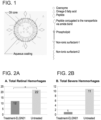
- Figure 1 is a schematic illustration of the present composition-of-matter showing nanodroplets conjugated to Insulin or IGF 12 and containing DHA 12 and coenzyme Q10 14.
- composition-of-matter can be stored in a lyophilized state and reconstituted with water or saline for example for use or stored as a ready for use pharmaceutical composition.
- composition-of-matter can be a part of a pharmaceutical composition that includes a carrier formulated for topical or intra-ocular delivery.
- Topical formulations of the present pharmaceutical composition can include a carrier such as Medium-chain triglycerides (MCT), long-chain triglycerides oils such as castor oil, synthetic and semi-synthetic oils such as Mineral Oil and unsaturated fatty acids such as oleic acid.
- MCT Medium-chain triglycerides
- oils such as castor oil
- synthetic and semi-synthetic oils such as Mineral Oil
- unsaturated fatty acids such as oleic acid.
- Intra-ocular formulations of the present pharmaceutical composition can formulated as a microemulsion and/or include a carrier such as liposomes, nanospheres, micelles and nanocapsules.
- Intraocular formulation can be formulated for slow or delayed release of the active ingredients using excipients which form inclusion complexes with active ingredients such as chelating agents, surfactants, and cyclodextrins.
- the pharmaceutical composition can also include:
- the concentration of insulin in the pharmaceutical composition can be 0.001U to 20U per ml while the concentration of IGF can be 0.001U to 20U per ml.
- the concentration of DHA in the pharmaceutical composition can be 1-4 mg/ml.
- the concentration of coenzyme Q10 in the pharmaceutical composition can be 1-3 mg/ml.
- Table 1 describes a topical formulation of the present composition.
- Table 1 Topical Formulation Ingredient Quantity per vial ELGN01 ELGN02 Recombinant Human Insulin (rh-Insulin) 0.067 IU - Insulin-Like Growth Factor 1 (IGF-1) - 2 IU Cis-4,7,10,13,16,19- Docosahexaenoic acid (DHA) 2mg 2mg Coenzyme Q10 (CoQ10) 1mg 1mg Medium-chain triglycerides (MCT) 1mg 1mg Tyloxapol 0.5mg 0.5mg Lipoid E 80 0.5mg 0.5mg Polyvinyl alcohol (PVA) 1mg 1mg Hydroxypropyl-beta-cyclodextrin (HPbCD) 2mg 2mg 2mg
- the present formulation can be modified to be free of MCT and include DHA in two forms - as free acid and as ethyl ester. These two forms of DHA replaces MCT in the droplet core.
- Two separate emulsions are produced and combined at the last production step.
- One emulsion contains the droplets that include the DHA free acid to which Insulin is conjugated.
- the second emulsion contains droplets in which Q10 is incorporated to the DHA ethyl ester core.
- Table 2 lists the ingredients of this embodiment of the present formulation in an injectable form.
- Table 3 Intraocular formulation Ingredient Quantity per vial ELGN03 Recombinant Human Insulin (rh-Insulin) 0.005-0.1 IU Cis-4,7,10,13,16,19- Docosahexaenoic acid (DHA) 0.2-0.5mg Coenzyme Q10 (CoQ10) 0.1mg Medium-chain triglycerides (MCT) 0.11mg Tyloxapol 0.05mg Lipoid E 80 0.05mg Polyvinyl alcohol (PVA) 0.1mg Hydroxypropyl-beta-cyclodextrin (HPbCD) 0.2mg
- a method of formulating a pharmaceutical composition for topical treatment of retinopathy is provided.
- the pharmaceutical composition is manufactured by generating an oil-in-water nanoemulsion including Docosahexaenoic acid (DHA) and Coenzyme Q10 in the oil phase and conjugating Insulin or IGF-1 to nanodroplets of the nanoemulsion using an amine coupling reaction.
- DHA Docosahexaenoic acid
- Coenzyme Q10 in the oil phase
- Insulin or IGF-1 conjugating Insulin or IGF-1 to nanodroplets of the nanoemulsion using an amine coupling reaction.
- the nanodroplets can be purified or concentrated using, but not limited to, column chromatography, tangential flow filtration (TFF), dialysis.
- Stabilizing agent such as, but not limited to, cyclodextrin, dextrin, mono-or disaccharide can be added.
- the formulation can then be lyophilized for storage and subsequent reconstitution with saline or water prior to use.
- the present composition can be used to treat retinopathy and in particular retinopathy of prematurity (ROP).
- ROP retinopathy of prematurity
- a method of treating retinopathy in a subject in need such as a preterm infant.
- the method is effected by administering the pharmaceutical composition of the present invention to an eye of the subject in need.
- Such administration can be topical or intraocular.
- the phrase "subject in need thereof” refers to a human or non-human mammal.
- the human or non-human mammal cats, dogs, cattle, sheep, pigs, goats and equines
- infant such as term or preterm infant, adult or old
- sex any age (e.g., infant such as term or preterm infant, adult or old) or sex.
- a human subject can be a preterm infant born at a gestational age of 24 to 33 weeks.
- the human subject can also be a low birth weight infant weighing 500 to 1650 gm at birth.
- a topical formulation (eyedrops) of the present composition can be administered to a preterm infant anytime between birth and 6 months of age once or several times daily over a period of 180 days at a dose of 10 micro liter to 100 microliter.
- An intraocular formulation of the present composition can be administered to a preterm infant anytime between birth and 6 months of age once every several weeks over a period of 180 days, as clinically needed at a dose of five to 30 micro liters per injection.
- composition-of-matter formulated as a lyophilized powder suitable for reconstitution as an oil-in-water nanoemulsion.
- Table 4 below lists the ingredients used in the manufacturing process of the composition-of-matter formulation.
- Table 4 - formulation components Ingredient Function Recombinant Human Insulin (rh-Insulin) Active substance Or Insulin-Like Growth Factor 1 (IGF-1) 1 Cis-4,7,10,13,16,19- Docosahexaenoic acid (DHA) Active substance Coenzyme Q10 synthetic (Q10) Active substance Medium-chain triglycerides (MCT) Oil phase Tyloxapol Nonionic surfactant Lipoid E 80 Amphiphilic surfactant Polyvinyl alcohol (PVA) Nonionic surfactant 0.5N NaOH 1 Reagent, pH adjustment Water (DDW) 2 Aqueous phase Acetone 2 Solvent Ethanol 2 Solvent 1-ethyl-3-(3-dimethylaminopropyl)carbodiimide hydrochloride (EDC) 2, 3 Coupling Reagent Phosphate buffered saline (PBS), pH
- Formulation of nanodroplets was achieved using solvent displacement method.
- 100 mg of DHA, 50 mg CoQ10, 25 mg Tyloxapol and 50 mg MCT were dissolved in 9 ml of Acetone and 25mg of Lipoid E80 were dissolved in 1ml of Ethanol.
- Resulting solutions were combined, mixed at 900 rpm for 30 minutes at room temperature and drop-added to 20 ml of PVA aqueous solution, 0.1%w/v, continuously stirred at 900 rpm for additional 15 minutes.
- reaction mixture was loaded onto a gravity-flow PD-10 gel filtration column (Sephadex G-25), using water as eluent, for separation of the nano-droplets from the smaller size particles (e.g. EDC, free active substance molecules).
- eluent water
- the emulsion was mixed with 2-Hydroxypropyl- ⁇ -cyclodextrinto a final concentration 2% w/v, filtered through 0.45 ⁇ m PES (Polyethersulfone) membrane, dispensed to vials and lyophilized.
- Content of active components in 1ml of the reconstituted solution was 0.67U rh-Insulin, 2mg DHA and 1mg CoQ10.
- An ophthalmic formulation (ELGN01 consisting of Insulin DHA and Coq10) of the composition-of-matter described in Example 1 was tested on oxygen-Induced Retinopathy model in rats.
- a single rat dam, with a litter of 18 pups was divided into two groups: Group A - ELGN01 (9), Group B - untreated (9, in the oxygen chamber without treatment).
- a single dam with 3 pups placed in normoxia conditions was used as an additional control.
- Treatment was initiated at day 5-14 or 18 (according to sacrifice day), at first via administration under the eyelid with syringe (topical, not damaging the ocular surface) and then with ocular drops after eye opening.
- the oxygen regimen was as follows: day 0-14 of life, 24-hours cycles of hyperoxia (50%), then Hypoxia (12%) for 24 hours.
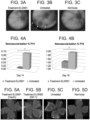
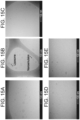
- Figures 3A-C are images of the retina of normoxia, hypoxia (treated and untreated).
- Normoxia animals present intact vessels in the retina, no hemorrhages or ablation.
- Untreated hypoxic animals present retinal bleedings (arrows). Treated animals show reduced damage.
- Neovascularization was higher at P18 and corresponded to end of phase II of human disease.
- P14 corresponded to end of phase I of disease (progression stage).
- the treatment group showed significantly less NV than untreated animals.
- Representative stainings from the untreated OIR group show disorganization of retinal layers, thickening of the ganglion cell layer as a result of the OIR damage.
- a total of 8 samples were available per group - 4 sections per eye, 2 eyes per treatment group (from different animals).
- T able 6 - Mean Thickness [px] of retinal layers GCL Layer [1] IPL Layer [2] INL Layer [3] OPL Layer [4] ONL Layer [5] IS Layer [6] Treatment ELGN01 P18 118.80 180.23 203.73 32.02 298.71 103.95 Untreated P18 121.91 128.10 157.90 21.33 270.20 90.71 Normoxia P18 137.04 192.42 203.61 28.32 298.38 97.35
- Ophthalmic formulations based on the composition-of-matter described in Example 1 (ELGN01 consisting of Insulin DHA and Coq10, and ELGN02 consisting IGF-01 and same) were tested on oxygen-Induced Retinopathy model in rats.
- Two rat dams, each including 18 pups were divided into three treatment groups: Group A ELGN01 (12), Group B ELGN02(12), Group C untreated (12). Group D Normoxia was analyzed as control.
- Treatment was initiated at day 5, animals were administered treatment until day 14 or day 18 (according to sacrifice day), at first under the eyelid with syringe (topical, not damaging the ocular surface), then with ocular drops after eye opening.
- the oxygen regimen was as follows: In the first 4 days, 8 intermittent hypoxia events of 3 reductions to 12% during 30 minutes event and rest of time 50% hyperoxia were carried out. Day 5-14 of life, 24-hours cycles of hyperoxia (50%), then Hypoxia (12%) for 24 hours.
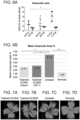
- Avascular areas were manually quantified by an independent expert using the images of Isolectin stained retinas
- Figures 6A-B are graphs representing AVA.
- both treatment groups demonstrated 50% reduction of AVA in treatment groups, compared to control (2.77% Treatment ELGN01, 3.15% Treatment ELGN02, 6.13% untreated percentage of avascular area).
- the normoxia group presented 1.4% of avascular area.
- vascular density %, calculated by dividing the number of pixels of the vessels by the total number of pixels of the region of interest), total vascular area, number of branching points (where two or more segments converge), number of segments (number of individual vessel segments), and mean segment length.
- Figures 7A-D are images of isolectin-B4 staining of P14, per treatment group. ROI (green), vessels covered area (blue), vessels skeleton (red) and branching points (white) are marked.
- PGE2 is the principle metabolite of the COX-2 isoform which is activated by cytokines and growth factors, and is highly involved in angiogenesis (Beharry 2017).
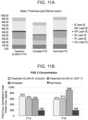
- Results showed reduced 8-isoPGF2 ⁇ levels in P14 and P18 compared to the untreated group, indicating a preventative effect on the oxidative stress damage, created by the animal model ( Figure 11C ).
- the effect is seen both in the first and second stage of the disease (P14 and P18).
- Levels of PGE2 are higher in P14 in all groups compared to Normoxia, with the treatment groups showing a decrease in P18, in which the untreated group shows a significant increase, related to the inflammatory stage of the pathology ( Figure 11B ).
- An ophthalmic formulation (ELGN01 including Insulin, DHA and Coq10 (described in Example 1) was administered to newborn rats to determine the concentration of insulin in the eye following administration.
- Table 9 Averages per time-point ( ⁇ SDV) Time Insulin concentration (Pmol/L) 30 5.52 ⁇ 2.05 60 4.66 ⁇ 0.92 120 4.80 ⁇ 1.15
- composition-of-matter of the present invention demonstrates an alternative approach for manufacturing the composition-of-matter of the present invention.
- the instant invention discloses one-pot conjugation of insulin to oily nanodroplets directly in the course of formulation process.
- the conjugation is performed by one-step coupling of insulin to DHA carboxyl groups in an aqueous medium using crosslinking reagent N -(3-Dimethylaminopropyl)- N '-ethylcarbodiimide hydrochloride (EDC).
- EDC crosslinking reagent N -(3-Dimethylaminopropyl)- N '-ethylcarbodiimide hydrochloride
- the process for making an insulin-DHA conjugate utilizes the following general steps:
- the obtained emulsion was subjected to amine coupling reaction after preliminary pH adjustment to 4.5 with 0.1N HCl. 0.27mmol of EDC dissolved in 1ml water was added to the resulting emulsion, the mixture was incubated at room temperature for 40 minutes until formation of DHA-EDC intermediate ester is completed.
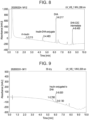
- the pH of the reaction mixture was adjusted to 6.2 and 0.045mmol of insulin dissolved in 50ml water (pH 7.2) was added. The reaction was completed during 1 hour, pH 6.3-6.4 was maintained during the coupling. The reaction was monitored by HPLC (Dionex Ultimate 3000), the method conditions and chromatogram of the reaction mixture at time point 30 min are provided in Fig.8 .
- composition-of-matter formulated as a lyophilized powder suitable for reconstitution into an oil-in-water nanoemulsion was manufactured.
- Table 11 below lists the components used in the manufacturing process.
- Table 11 Ingredient Function Recombinant Human Insulin (rh-Insulin) Active substance Cis-4,7,10,13,16,19- Docosahexaenoic acid (DHA) , as free acid and as ethyl ester Active substance Coenzyme Q10 Active substance Tyloxapol Nonionic surfactant Lipoid E 80 Amphiphilic surfactant Polyvinyl alcohol (PVA) Nonionic surfactant 0.1N NaOH Reagent, pH adjustment 0.1N HCl Reagent, pH adjustment Water (DDW) 1 Aqueous phase Ethanol 1 Solvent Acetone 1 Solvent 1-ethyl-3-(3-dimethylaminopropyl)carbodiimide hydrochloride (EDC) 1, 2 Reagent 2-Hydroxypropy
- the formulation process includes preparation of two separate emulsions: a first emulsion incorporates Coenzyme Q10 into the DHA nanodroplets and a second emulsion includes insulin conjugated to the DHA nanodroplets.
- the emulsions were prepared separately by displacement method and combined prior to the purification step.
- 125mg of DHA free acid, 25mg Tyloxapol and 25mg Lipoid E80 were dissolved in 12ml Ethanol.
- the mixture was added dropwise through 21G needle to 50ml of double deionized water continuously mixed at 350RPM at room temperature. Resulting emulsion was mixed for additional 10 minutes and afterwards the organic solvents was completely removed under reduced pressure using a laboratory rotary evaporator (40 ⁇ 2°C, 50mBar).
- the obtained emulsion was subjected to amine coupling reaction after preliminary pH adjustment to 4.5 with 0.1N HCl.
- the mixture was combined with Emulsion #1 and then diluted 1:2 with 0.1% PVA aqueous solution (osmolarity ⁇ 5mosm/kg) and transferred through 30,000 MWCO Hydrosart ultrafiltration cassette (Sartorius) using peristaltic pump, final volume of retentate was 250ml (theoretical content of conjugated insulin was 0.06 ⁇ mol/ml).
- Theoretical content of insulin conjugate per vial was 0.024 ⁇ mol/vial, observed content was 0.017 ⁇ mol/vial; yield of conjugated insulin was 72%.
- Z-Average size of the liquid bulk and dry finished product were 119.9nm (polydispersity index 0.137) and 243nm (polydispersity index 0.342), respectively.
- TEM Typical Cryo transmitting electron micrographs
- the formulation contains three active ingredients: rh-Insulin, DHA and Coenzyme Q10.
- insulin exists as free protein
- DHA and Coenzyme Q10 are incorporated to the oil droplets.
- the formulation process included the following general steps:
- the emulsion was filtered through 0.22um PES membrane, filled into the glass vials, 4ml (filling volume 0.5ml/vial) and lyophilized. Osmolarity of the finished bulk product was 358 mosm/kg. Each vial contains 0.65 IU rh-Insulin, 0.9mg DHA and 0.5mg Coenzyme Q10.
- Table 13 below lists the formulations components. Chromatograms of the lyophilized product are provided in Figures 12 and 13 .
- Table 13 Ingredient Quantity per 1ml of reconstituted product Recombinant Human Insulin (rh-Insulin) 1.3 IU (0.045mg) Cis-4,7,10,13,16,19- Docosahexaenoic acid (DHA) 1.9mg Coenzyme Q10 (CoQ10) 1.1mg Tyloxapol 0.4mg Lipoid E 80 0.4mg Polyvinyl alcohol (PVA) 0.8mg Hydroxypropyl-beta-cyclodextrin (HPbCD) 6.7mg Maltodextrin 80.0mg Sodium hydroxide* - Hydrochloric acid* - Water for injection Up to 1ml *Sodium hydroxide or hydrochloric acid are used for adjusting the pH value and not included in the sum.
- PVA Polyvinyl alcohol
- HPbCD Hydroxypropyl
Landscapes
- Health & Medical Sciences (AREA)
- Life Sciences & Earth Sciences (AREA)
- Chemical & Material Sciences (AREA)
- Veterinary Medicine (AREA)
- Pharmacology & Pharmacy (AREA)
- Public Health (AREA)
- General Health & Medical Sciences (AREA)
- Medicinal Chemistry (AREA)
- Animal Behavior & Ethology (AREA)
- Epidemiology (AREA)
- Bioinformatics & Cheminformatics (AREA)
- Engineering & Computer Science (AREA)
- Immunology (AREA)
- Diabetes (AREA)
- Zoology (AREA)
- Molecular Biology (AREA)
- Gastroenterology & Hepatology (AREA)
- Proteomics, Peptides & Aminoacids (AREA)
- Endocrinology (AREA)
- Dispersion Chemistry (AREA)
- Ophthalmology & Optometry (AREA)
- Biophysics (AREA)
- Nanotechnology (AREA)
- Organic Chemistry (AREA)
- Chemical Kinetics & Catalysis (AREA)
- Nuclear Medicine, Radiotherapy & Molecular Imaging (AREA)
- General Chemical & Material Sciences (AREA)
- Inorganic Chemistry (AREA)
- Dermatology (AREA)
- Hematology (AREA)
- Marine Sciences & Fisheries (AREA)
- Urology & Nephrology (AREA)
- Vascular Medicine (AREA)
- Cardiology (AREA)
- Heart & Thoracic Surgery (AREA)
- Acyclic And Carbocyclic Compounds In Medicinal Compositions (AREA)
- Medicines That Contain Protein Lipid Enzymes And Other Medicines (AREA)
- Medicinal Preparation (AREA)
Applications Claiming Priority (3)
| Application Number | Priority Date | Filing Date | Title |
|---|---|---|---|
| US201962853179P | 2019-05-28 | 2019-05-28 | |
| PCT/IL2020/050589 WO2020240558A1 (en) | 2019-05-28 | 2020-05-27 | Compositions and methods for treating retinopathy |
| EP20743857.3A EP3976079A1 (de) | 2019-05-28 | 2020-05-27 | Zusammensetzungen und verfahren zur behandlung von retinopathie |
Related Parent Applications (1)
| Application Number | Title | Priority Date | Filing Date |
|---|---|---|---|
| EP20743857.3A Division EP3976079A1 (de) | 2019-05-28 | 2020-05-27 | Zusammensetzungen und verfahren zur behandlung von retinopathie |
Publications (2)
| Publication Number | Publication Date |
|---|---|
| EP4548973A2 true EP4548973A2 (de) | 2025-05-07 |
| EP4548973A3 EP4548973A3 (de) | 2025-07-23 |
Family
ID=71738255
Family Applications (2)
| Application Number | Title | Priority Date | Filing Date |
|---|---|---|---|
| EP20743857.3A Pending EP3976079A1 (de) | 2019-05-28 | 2020-05-27 | Zusammensetzungen und verfahren zur behandlung von retinopathie |
| EP25163026.5A Pending EP4548973A3 (de) | 2019-05-28 | 2020-05-27 | Zusammensetzungen und verfahren zur behandlung von retinopathie |
Family Applications Before (1)
| Application Number | Title | Priority Date | Filing Date |
|---|---|---|---|
| EP20743857.3A Pending EP3976079A1 (de) | 2019-05-28 | 2020-05-27 | Zusammensetzungen und verfahren zur behandlung von retinopathie |
Country Status (10)
| Country | Link |
|---|---|
| US (1) | US20220226443A1 (de) |
| EP (2) | EP3976079A1 (de) |
| JP (2) | JP7705106B2 (de) |
| KR (1) | KR20220012940A (de) |
| CN (2) | CN114126640B (de) |
| AU (1) | AU2020284736B2 (de) |
| CA (1) | CA3141292A1 (de) |
| IL (1) | IL288440B2 (de) |
| MX (1) | MX2021014555A (de) |
| WO (1) | WO2020240558A1 (de) |
Families Citing this family (2)
| Publication number | Priority date | Publication date | Assignee | Title |
|---|---|---|---|---|
| WO2022219625A1 (en) | 2021-04-11 | 2022-10-20 | Elgan Pharma Ltd | Insulin formulations and methods of using same in preterm infants |
| CA3266849A1 (en) * | 2021-09-19 | 2023-03-23 | Elgan Pharma Ltd | Oxytocin combinations for the treatment of neonatal disorders |
Family Cites Families (14)
| Publication number | Priority date | Publication date | Assignee | Title |
|---|---|---|---|---|
| AU2003217820A1 (en) * | 2002-02-28 | 2003-09-16 | The Penn State Research Foundation | Periocular drug delivery for diabetic retinopathy |
| GB0502795D0 (en) * | 2005-02-10 | 2005-03-16 | Univ Cambridge Tech | Treatment of very low birthweight (vlbw) infants |
| US20070166354A1 (en) * | 2005-10-26 | 2007-07-19 | Bridget Barrett-Reis | Method of reducing the risk of retinopathy of prematurity in preterm infants |
| EP1800675B1 (de) * | 2005-12-23 | 2011-05-18 | N.V. Nutricia | Zusammensetzung enthaltend mehrfach ungesättigte Fettsäuren, Proteine, Mangan und/oder Molybden und Nukleotide/Nukleoside, zur Behandlung von Demenz |
| WO2008143642A2 (en) * | 2006-11-09 | 2008-11-27 | Children's Medical Center Corporation | Methods of treating and preventing ocular neovascularization with omega-3 polyunsaturated fatty acids |
| US8518877B2 (en) | 2007-04-18 | 2013-08-27 | Premacure Ab | Method and product for treatment and/or prevention of complications of prematurity |
| CA2709579A1 (en) * | 2007-12-17 | 2009-06-25 | University Of Florida Research Foundation, Inc. | Materials and methods for treatment of pathological ocular vascular proliferation |
| ES2964555T3 (es) | 2009-08-24 | 2024-04-08 | Stealth Biotherapeutics Inc | Péptido para uso en la prevención o tratamiento de la degeneración macular |
| JP5697128B2 (ja) * | 2010-03-10 | 2015-04-08 | 古川 令 | 胎児期及び乳児期等の哺乳動物へのCoQ10の新規用途 |
| JP5902673B2 (ja) * | 2010-04-27 | 2016-04-13 | エジソン ファーマシューティカルズ, インコーポレイテッド | 眼疾患の処置のためのキノンの製剤 |
| US20110319325A1 (en) * | 2010-06-28 | 2011-12-29 | Complexa, Inc. | Multi-component pharmaceuticals for treating diabetes |
| WO2012148930A2 (en) | 2011-04-26 | 2012-11-01 | Retrotope, Inc. | Oxidative retinal diseases |
| US9861605B2 (en) * | 2011-10-24 | 2018-01-09 | Stable Solutions Llc | Enriched injectable emulsion containing selected fatty acid triglycerides |
| US20140186321A1 (en) * | 2012-12-28 | 2014-07-03 | Thomas Christian Lines | Method for Treating Metabolic Syndrome and Diabetes Using Quercetin and Bauhinia fortificata Extract |
-
2020
- 2020-05-27 KR KR1020217042729A patent/KR20220012940A/ko active Pending
- 2020-05-27 EP EP20743857.3A patent/EP3976079A1/de active Pending
- 2020-05-27 CN CN202080050690.5A patent/CN114126640B/zh active Active
- 2020-05-27 WO PCT/IL2020/050589 patent/WO2020240558A1/en not_active Ceased
- 2020-05-27 US US17/614,533 patent/US20220226443A1/en active Pending
- 2020-05-27 JP JP2021570441A patent/JP7705106B2/ja active Active
- 2020-05-27 CN CN202411389357.3A patent/CN118975984A/zh active Pending
- 2020-05-27 AU AU2020284736A patent/AU2020284736B2/en active Active
- 2020-05-27 EP EP25163026.5A patent/EP4548973A3/de active Pending
- 2020-05-27 CA CA3141292A patent/CA3141292A1/en active Pending
- 2020-05-27 IL IL288440A patent/IL288440B2/en unknown
- 2020-05-27 MX MX2021014555A patent/MX2021014555A/es unknown
-
2025
- 2025-06-12 JP JP2025098333A patent/JP2025131818A/ja active Pending
Also Published As
| Publication number | Publication date |
|---|---|
| KR20220012940A (ko) | 2022-02-04 |
| IL288440B2 (en) | 2026-04-01 |
| JP2025131818A (ja) | 2025-09-09 |
| WO2020240558A1 (en) | 2020-12-03 |
| JP7705106B2 (ja) | 2025-07-09 |
| US20220226443A1 (en) | 2022-07-21 |
| CA3141292A1 (en) | 2020-12-03 |
| CN114126640A (zh) | 2022-03-01 |
| JP2022536049A (ja) | 2022-08-12 |
| EP4548973A3 (de) | 2025-07-23 |
| AU2020284736B2 (en) | 2025-09-18 |
| IL288440A (en) | 2022-01-01 |
| CN118975984A (zh) | 2024-11-19 |
| IL288440B1 (en) | 2025-12-01 |
| CN114126640B (zh) | 2024-10-29 |
| AU2020284736A1 (en) | 2022-01-27 |
| MX2021014555A (es) | 2022-07-27 |
| EP3976079A1 (de) | 2022-04-06 |
Similar Documents
| Publication | Publication Date | Title |
|---|---|---|
| Zhang et al. | Ten years of knowledge of nano-carrier based drug delivery systems in ophthalmology: current evidence, challenges, and future prospective | |
| Chibhabha et al. | Non-invasive optical imaging of retinal Aβ plaques using curcumin loaded polymeric micelles in APP swe/PS1 ΔE9 transgenic mice for the diagnosis of Alzheimer's disease | |
| US20220023213A1 (en) | Nanocrystalline eye drop, preparation method and use thereof | |
| JP2025131818A (ja) | 網膜症を治療するための組成物 | |
| CN114786480B (zh) | 使用内皮素受体拮抗剂治疗眼部疾病 | |
| KR102060210B1 (ko) | 안용 스테로이드의 합병증을 감소시키기 위한 약학 조성물 | |
| CN102764240A (zh) | 一种前列地尔冻干微乳及其制备方法和应用 | |
| CN112516084A (zh) | 含有环孢素胶束的原位凝胶作为缓释眼科药物递送系统 | |
| Chen et al. | Attenuation of epithelial-mesenchymal transition via SGLT2 inhibition and diabetic cataract suppression by dapagliflozin nanoparticles treatment | |
| CN117582396A (zh) | 局部眼用制剂的用途 | |
| Pardeshi et al. | Current perspectives in nanomedicine delivery for targeted ocular therapeutics | |
| EP4013423A1 (de) | In-situ-gelbildende ophthalmische formulierungen mit difluprednat | |
| EP2243490B1 (de) | Insulin-nasenpulverinhalation | |
| Gogoi et al. | Targeted nanotherapies for the posterior segment of the eye: an integrative review on recent advancements and challenges | |
| HK40122429A (en) | Compositions and methods for treating retinopathy | |
| US20210059969A1 (en) | Alpha-aminoadipate for treatment of vision loss and restoring sight | |
| Jansook et al. | A look to the future: cyclodextrins and cyclodextrin-based drug delivery to the retina | |
| US10780070B2 (en) | Alpha-aminoadipate for treatment of vision loss and restoring sight | |
| Gong et al. | Nanotechnology-Based Treatment for Ophthalmic Diseases | |
| US11931403B2 (en) | Compositions, systems, and methods for treating or reducing hypoxia-ischemia induced brain damage and neurobehavioral dysfunction in neonates | |
| CN103961356A (zh) | 注射用前列地尔冻干组合物及其制备方法 | |
| US12370201B2 (en) | Liposomal formulations of corticosteroids and uses thereof | |
| CN113797162A (zh) | 一种滴眼给药治疗黄斑水肿、视神经炎和非感染性眼内炎的眼用制剂 | |
| WO2023159114A2 (en) | Lymphatic delivery of nanoparticles to treat neurodegenerative, neurological, and eye conditions | |
| Ye et al. | Delivery Routes of Topical Eyedrops Reaching the Posterior Segment of the Eye‐Recent Advances |
Legal Events
| Date | Code | Title | Description |
|---|---|---|---|
| PUAI | Public reference made under article 153(3) epc to a published international application that has entered the european phase |
Free format text: ORIGINAL CODE: 0009012 |
|
| STAA | Information on the status of an ep patent application or granted ep patent |
Free format text: STATUS: REQUEST FOR EXAMINATION WAS MADE |
|
| 17P | Request for examination filed |
Effective date: 20250311 |
|
| AC | Divisional application: reference to earlier application |
Ref document number: 3976079 Country of ref document: EP Kind code of ref document: P |
|
| AK | Designated contracting states |
Kind code of ref document: A2 Designated state(s): AL AT BE BG CH CY CZ DE DK EE ES FI FR GB GR HR HU IE IS IT LI LT LU LV MC MK MT NL NO PL PT RO RS SE SI SK SM TR |
|
| REG | Reference to a national code |
Ref country code: DE Ref legal event code: R079 Free format text: PREVIOUS MAIN CLASS: A61P0027020000 Ipc: A61K0031122000 |
|
| PUAL | Search report despatched |
Free format text: ORIGINAL CODE: 0009013 |
|
| AK | Designated contracting states |
Kind code of ref document: A3 Designated state(s): AL AT BE BG CH CY CZ DE DK EE ES FI FR GB GR HR HU IE IS IT LI LT LU LV MC MK MT NL NO PL PT RO RS SE SI SK SM TR |
|
| RIC1 | Information provided on ipc code assigned before grant |
Ipc: A61K 31/122 20060101AFI20250617BHEP Ipc: A61K 38/00 20060101ALI20250617BHEP Ipc: A61K 31/185 20060101ALI20250617BHEP Ipc: A61P 27/02 20060101ALI20250617BHEP Ipc: A61K 9/00 20060101ALI20250617BHEP Ipc: A61K 9/107 20060101ALI20250617BHEP Ipc: A61K 9/19 20060101ALI20250617BHEP Ipc: A61K 31/202 20060101ALI20250617BHEP Ipc: A61K 38/28 20060101ALI20250617BHEP Ipc: A61K 38/30 20060101ALI20250617BHEP Ipc: A61K 47/54 20170101ALI20250617BHEP Ipc: A61K 47/40 20060101ALI20250617BHEP Ipc: A61K 47/69 20170101ALI20250617BHEP |
|
| REG | Reference to a national code |
Ref country code: HK Ref legal event code: DE Ref document number: 40122429 Country of ref document: HK |