EP4534697A1 - Verfahren zum nachweis von lungenkrebs - Google Patents
Verfahren zum nachweis von lungenkrebs Download PDFInfo
- Publication number
- EP4534697A1 EP4534697A1 EP23812167.7A EP23812167A EP4534697A1 EP 4534697 A1 EP4534697 A1 EP 4534697A1 EP 23812167 A EP23812167 A EP 23812167A EP 4534697 A1 EP4534697 A1 EP 4534697A1
- Authority
- EP
- European Patent Office
- Prior art keywords
- gene
- methylated
- cdo1
- pcdhga12
- methylation
- Prior art date
- Legal status (The legal status is an assumption and is not a legal conclusion. Google has not performed a legal analysis and makes no representation as to the accuracy of the status listed.)
- Pending
Links
Images


Classifications
-
- C—CHEMISTRY; METALLURGY
- C12—BIOCHEMISTRY; BEER; SPIRITS; WINE; VINEGAR; MICROBIOLOGY; ENZYMOLOGY; MUTATION OR GENETIC ENGINEERING
- C12Q—MEASURING OR TESTING PROCESSES INVOLVING ENZYMES, NUCLEIC ACIDS OR MICROORGANISMS; COMPOSITIONS OR TEST PAPERS THEREFOR; PROCESSES OF PREPARING SUCH COMPOSITIONS; CONDITION-RESPONSIVE CONTROL IN MICROBIOLOGICAL OR ENZYMOLOGICAL PROCESSES
- C12Q1/00—Measuring or testing processes involving enzymes, nucleic acids or microorganisms; Compositions therefor; Processes of preparing such compositions
- C12Q1/68—Measuring or testing processes involving enzymes, nucleic acids or microorganisms; Compositions therefor; Processes of preparing such compositions involving nucleic acids
- C12Q1/6876—Nucleic acid products used in the analysis of nucleic acids, e.g. primers or probes
- C12Q1/6883—Nucleic acid products used in the analysis of nucleic acids, e.g. primers or probes for diseases caused by alterations of genetic material
- C12Q1/6886—Nucleic acid products used in the analysis of nucleic acids, e.g. primers or probes for diseases caused by alterations of genetic material for cancer
-
- C—CHEMISTRY; METALLURGY
- C12—BIOCHEMISTRY; BEER; SPIRITS; WINE; VINEGAR; MICROBIOLOGY; ENZYMOLOGY; MUTATION OR GENETIC ENGINEERING
- C12Q—MEASURING OR TESTING PROCESSES INVOLVING ENZYMES, NUCLEIC ACIDS OR MICROORGANISMS; COMPOSITIONS OR TEST PAPERS THEREFOR; PROCESSES OF PREPARING SUCH COMPOSITIONS; CONDITION-RESPONSIVE CONTROL IN MICROBIOLOGICAL OR ENZYMOLOGICAL PROCESSES
- C12Q2531/00—Reactions of nucleic acids characterised by
- C12Q2531/10—Reactions of nucleic acids characterised by the purpose being amplify/increase the copy number of target nucleic acid
- C12Q2531/113—PCR
-
- C—CHEMISTRY; METALLURGY
- C12—BIOCHEMISTRY; BEER; SPIRITS; WINE; VINEGAR; MICROBIOLOGY; ENZYMOLOGY; MUTATION OR GENETIC ENGINEERING
- C12Q—MEASURING OR TESTING PROCESSES INVOLVING ENZYMES, NUCLEIC ACIDS OR MICROORGANISMS; COMPOSITIONS OR TEST PAPERS THEREFOR; PROCESSES OF PREPARING SUCH COMPOSITIONS; CONDITION-RESPONSIVE CONTROL IN MICROBIOLOGICAL OR ENZYMOLOGICAL PROCESSES
- C12Q2563/00—Nucleic acid detection characterized by the use of physical, structural and functional properties
- C12Q2563/107—Nucleic acid detection characterized by the use of physical, structural and functional properties fluorescence
-
- C—CHEMISTRY; METALLURGY
- C12—BIOCHEMISTRY; BEER; SPIRITS; WINE; VINEGAR; MICROBIOLOGY; ENZYMOLOGY; MUTATION OR GENETIC ENGINEERING
- C12Q—MEASURING OR TESTING PROCESSES INVOLVING ENZYMES, NUCLEIC ACIDS OR MICROORGANISMS; COMPOSITIONS OR TEST PAPERS THEREFOR; PROCESSES OF PREPARING SUCH COMPOSITIONS; CONDITION-RESPONSIVE CONTROL IN MICROBIOLOGICAL OR ENZYMOLOGICAL PROCESSES
- C12Q2600/00—Oligonucleotides characterized by their use
- C12Q2600/154—Methylation markers
Definitions
- the present invention relates to a method for providing information for lung cancer diagnosis, a composition for diagnosing lung cancer, and a kit comprising same and, more specifically, to a method for providing information for lung cancer diagnosis by using a primer for specifically amplifying a plurality of methylated lung cancer marker genes, a composition for diagnosing lung cancer, and a kit comprising same.
- 5-methylcytosine in which a methyl group is attached to the fifth carbon of the cytosine ring.
- the 5-mC is always at the C of the CG dinucleotide only (5'-mCG-3'), and this CG is often labeled CpG.
- the C of CpG is mostly methylated with a methyl group attached. Methylation of this CpG inhibits the expression of repetitive sequence in the genome, such as alu and transposon, and is the most common site of extragenomic changes in mammalian cells.
- CpG sites are defined as regions that are 0.2-3 kb in length, have C and G base distribution percentage of more than 50%, and a high concentration of CpGs with a distribution percentage of at least 3.75%.
- CpG sites There are about 45,000 CpG sites in the entire human genome, and they are particularly concentrated in promoter regions that regulate gene expression. In fact, CpG sites appear in the promoters of housekeeping genes, which account for about half of all human genes ( Cross, S. et al., Curr. Opin. Gene Develop., 5:309, 1995 ). Aberrant DNA methylation is known to occur primarily in the 5' regulatory region of a gene, resulting in reduced expression of that gene.
- the CpG islands in the promoter regions of the housekeeping genes are not methylated, but genes that are imprinted not to be expressed during development and genes on the X chromosome that are inactivated are methylated.
- promoter CpG islands are methylated and the expression of the corresponding genes is disturbed.
- methylation of CpG islands in the regulatory regions of tumor suppressing genes that regulate cell cycle and apoptosis, repair DNA, get involved in cell adhesion and interaction between cells, and inhibit invasion and metastasis blocks the expression and function of these genes, as in a mutation in the coding sequence, and accordingly promotes the development and progression of cancer.
- partial methylation of CpG islands occurs with aging.
- Methylation of regulatory region of tumor-related genes is an important marker of cancer, which can be used in a variety of ways, including diagnosis and early detection of cancer, prediction of carcinogenic risk, prognosis of cancer, post-treatment follow-up, and prediction of response to chemotherapy.
- diagnosis and early detection of cancer prediction of carcinogenic risk
- prognosis of cancer post-treatment follow-up
- prediction of response to chemotherapy there have been recent attempts to investigate the promoter methylation of tumor-related genes in blood, sputum, saliva, feces, urine, etc. and use it for various cancer therapies ( Ahlquist, D.A. et al., Gastroenterol., 119:1219, 2000 ).
- methylation of lung cancer marker genes can be detected with high detection sensitivity and accuracy by using a primer that specifically amplifies a plurality of methylated lung cancer marker genes, and have completed the present invention.
- An object of the present invention is to provide a method for providing information for lung cancer diagnosis by using a primer that specifically amplifies a plurality of methylated lung cancer marker genes.
- An object of the present invention is to provide a composition for diagnosing lung cancer by using a primer that specifically amplifies a plurality of methylated lung cancer marker genes.
- the present invention relates to a method for providing information for lung cancer diagnosis, comprising the following steps: (a) treating a sample with one or more reagents that differentially modify the methylated PCDHGA12 (Protocadherin Gamma Subfamily A, 12) gene and the CDO1 (Cysteine Dioxygenase Type 1) gene, the unmethylated PCDHGA12 gene and the CDO1 gene; and (b) treating a primer that specifically amplifies the methylated PCDHGA12 gene and the CDO1 gene.
- PCDHGA12 Protocadherin Gamma Subfamily A, 12
- CDO1 Cysteine Dioxygenase Type 1
- the present invention also provides a composition for diagnosing lung cancer, comprising (a) one or more reagents that differentially modify the methylated PCDHGA12 (Protocadherin Gamma Subfamily A, 12) gene and the CDO1 (Cysteine Dioxygenase Type 1) gene, the unmethylated PCDHGA12 gene and the CDO1 gene; and (b) a primer that specifically amplifies the methylated PCDHGA12 gene and the CDO1 gene.
- a composition for diagnosing lung cancer comprising (a) one or more reagents that differentially modify the methylated PCDHGA12 (Protocadherin Gamma Subfamily A, 12) gene and the CDO1 (Cysteine Dioxygenase Type 1) gene, the unmethylated PCDHGA12 gene and the CDO1 gene.
- the present invention also provides a kit for diagnosing lung cancer comprising the composition.
- the present invention relates to a method for detecting methylation of a lung cancer-specific methylated gene, CDO1, for detecting lung cancer, and more specifically, provides information for diagnosing lung cancer by measuring methylation of a specifically methylated gene in lung cancer cells. Furthermore, the present invention provides improved lung cancer detection capability when combined with methylation of PCDHGA12, a lung cancer-specific methylation gene.
- the inventors of the present invention have found that by using a primer that specifically amplifies a plurality of methylated lung cancer marker genes, the sensitivity and specificity of methylated DNA detection can be improved compared to methylation detection based on a single lung cancer marker gene.
- the sensitivity and specificity for lung cancer diagnosis were improved, confirming its usefulness for lung cancer diagnosis, compared to methylation detection of the SDC2 gene.
- the present invention relates to a method for providing information for lung cancer diagnosis, comprising the following steps: (a) treating a sample with one or more reagents that differentially modify the methylated PCDHGA12 (Protocadherin Gamma Subfamily A, 12) gene and the CDO1 (Cysteine Dioxygenase Type 1) gene, the unmethylated PCDHGA12 gene and the CDO1 gene; and (b) treating a primer that specifically amplifies the methylated PCDHGA12 gene and the CDO1 gene.
- PCDHGA12 Protocadherin Gamma Subfamily A, 12
- CDO1 Cysteine Dioxygenase Type 1
- the present invention relates to a method for diagnosing lung cancer, comprising the following steps: (a) treating a sample with one or more reagents that differentially modify the methylated PCDHGA12 (Protocadherin Gamma Subfamily A, 12) gene and the CDO1 (Cysteine Dioxygenase Type 1) gene, the unmethylated PCDHGA12 gene and the CDO1 gene; and (b) treating a primer that specifically amplifies the methylated PCDHGA12 gene and the CDO1 gene.
- PCDHGA12 Protocadherin Gamma Subfamily A, 12
- CDO1 Cysteine Dioxygenase Type 1
- step (a) is treating the sample with one or more reagents that differentially modify the methylated PCDHGA12 gene and the CDO1 gene, the unmethylated PCDHGA12 gene and the CDO1 gene.
- methylation refers to the attachment of a methyl group to the fifth carbon of the cytocine base ring to form 5-methylcytosine (5-mC), wherein 5-methylcytosine is always at the C of the CG dinucleotide only (5'-mCG-3'), and such CG is commonly referred to as CpG.
- CpG 5-methylcytosine
- Such methylation of CpG inhibits the expression of repetitive sequence in the genome, such as alu and transposon, and is the most common site of extragenomic changes in mammalian cells.
- Nucleic acids isolated from a specimen are obtained from a biological sample of the specimen. To diagnose lung cancer or advanced stages of lung cancer, nucleic acids must be isolated from lung tissue by scrapings or biopsies. Such samples can be obtained by various medical procedures known in the art.
- the degree of methylation of the nucleic acids of the sample obtained from the specimen is measured by comparison with the same nucleic acid portion of a specimen having no cell growth abnormalities of lung tissue.
- Hypermethylation means the presence of methylated alleles in one or more nucleic acids. Specimen having no cell growth abnormalities in lung tissue does not show methylated alleles when the same nucleic acids are tested.
- Normal cells are cells that do not exhibit abnormal cell morphology or changes in cytologic properties.
- Tumor cells are cancer cells, and “non-neoplastic” cells are cells that are part of the diseased tissue, but are determined not to be tumor sites.
- the methylation stage of one or more nucleic acids isolated from a specimen can be determined for early diagnosis of cell growth abnormalities in lung tissue of the specimen.
- the methylation stage of the one or more nucleic acids can be compared to the methylation state of one or more nucleic acids isolated from a sample that does not have cell growth abnormalities of lung tissue.
- the nucleic acid is preferably a CpG-containing nucleic acid, such as a CpG island.
- the methylation stage of one or more nucleic acids isolated from a specimen can be determined for diagnosis of cell growth abnormalities in lung tissue of the specimen.
- the methylation stage of the one or more nucleic acids can be compared to the methylation state of one or more nucleic acids isolated from a sample that does not have cell growth abnormalities of lung tissue.
- Predisposition means a predisposition to the above cell growth abnormalities.
- a predisposed specimen is a specimen that does not yet have cell growth abnormalities, but has an increased tendency to have or develop cell growth abnormalities.
- the presence of CpG methylation in the target DNA may be an indicator of disease, for example, by measuring CpG methylation at any one of a promoter, a 5' untranslated region, and an intron of the target DNA.
- the CpG-containing gene is typically DNA.
- the method of the present invention can be applied, for example, to samples containing DNA or RNA comprising DNA and mRNA, wherein the DNA or RNA can be single-stranded or double-stranded, or to samples containing DNA-RNA hybrids.
- nucleic acids may also be used.
- “multiple” includes both multiple specific nucleic acid sequence sites to be detected within a single gene and multiple target DNAs in one tube (single reactor).
- the specific nucleic acid sequence to be detected may be a fraction of a larger molecule, or it may be present as an isolated molecule in which the specific sequence constitutes the entire nucleic acid sequence from the beginning.
- the nucleic acid sequence need not be a nucleic acid present in pure form, and the nucleic acid may be a small fraction within a complex mixture, such as one containing the entire human DNA.
- the present invention is directed to detecting methylation of a plurality of target DNAs in a sample in a single reactor, wherein the sample may comprise a plurality of multiple target DNAs, wherein the target DNAs can be any gene that affects the development or progression of lung cancer without any limitation when it is aberrantly methylated and the expression thereof is inhibited.
- the sample can be derived from a human body, for example, the sample can be lung cancer tissue, cells, feces, urine, blood, serum or plasma.
- the one or more reagents that differentially modify the methylated and unmethylated DNA can be used without limitation as long as they are capable of distinguishing between unmethylated and methylated cytosine bases, such as, but not limited to, bisulfite, hydrogensulfite, disulfite, and combinations thereof. Specifically, methylated cytosine bases are not converted by the above reagents, while unmethylated cytosine bases can be converted to bases other than uracil or cytosine.
- step (b) is the step of processing a primer that specifically amplifies the methylated PCDHGA12 gene and CDO1 gene.
- the primer can be used simultaneously, for example, by pairing forward and reverse primers for PCR. Furthermore, the primers are designed so that the methylated "C" of the CpG site is necessarily located at the 3' end of the primers, which makes them highly specific for methylation detection.
- the forward primer that specifically amplifies the methylated PCDHGA12 gene may comprise, for example, the sequence of SEQ ID NO: 1.
- the reverse primer may comprise, for example, the sequence of SEQ ID NO: 2.
- the primer that specifically amplifies the methylated PCDHGA12 gene may comprise the primer pair of SEQ ID Nos: 1 and 2.
- the forward primer that specifically amplifies the methylated CDO1 gene may comprise, for example, the sequence of SEQ ID NO: 4.
- the reverse primer may comprise, for example, the sequence of SEQ ID NO: 5.
- the primer that specifically amplifies the methylated CDO1 gene may comprise the primer pair of SEQ ID Nos: 4 and 5.
- the present invention may further comprise the step of processing a probe capable of complementarily hybridizing to the methylated PCDHGA12 gene and the methylated CDO1 gene, respectively, specifically amplified by the primer in step (b) above.
- the conditions used to achieve a strict specific level vary depending on the nature of the hybridized nucleic acids. For example, the length of the nucleic acid sites being hybridized, the degree of homology, the nucleotide sequence composition (e.g., GC/AT ratio), and the type of nucleic acid (e.g., RNA, DNA) are considered in selecting hybridization conditions. An additional consideration is whether the nucleic acid is immobilized, e.g., on a filter.
- very stringent conditions examples include 2X SSC/0.1% SDS at room temperature (hybridization condition); 0.2X SSC/0.1% SDS at room temperature (low stringency condition); 0.2X SSC/0.1% SDS at 42°C (moderate stringency condition); 0.1X SSC at 68°C (high stringency condition).
- the washing process may be performed using any one of these conditions, e.g., high stringency condition, or each of the above conditions, and may be repeated in the order described above for 10 to 15 minutes each, in whole or in part.
- optimal conditions vary depending on the particular hybridization reaction involved therein and can be determined by experimentation. In general, high stringency conditions are used for hybridization of important probes.
- a probe capable of hybridizing complementarily to the amplified methylated CDO1 gene or methylated PCDHGA12 gene may comprise, for example, a sequence of SEQ ID NO: 3 or 6.
- a probe capable of hybridizing complementarily to the amplified methylated CDO1 gene may comprise, for example, a sequence of SEQ ID NO: 3.
- a probe capable of hybridizing complementarily to the amplified methylated PCDHGA12 gene may comprise, for example, a sequence of SEQ ID NO: 6.
- the probe is labeled for detection, and may be labeled, for example, with a radioisotope, a fluorescent compound, a bioluminescent compound, a chemiluminescent compound, a metal chelator, or an enzyme. Suitable labeling of such probe is well known in the art and can be accomplished by conventional methods.
- the amount of the amplification product can be detected by a fluorescent signal.
- Intercalating methods which use a reagent called an intercalator that binds to the double-stranded DNA of the amplification product to which the probe is bound and fluoresces, or oligonucleotides labeled with a fluorophore at the 5' end and a quencher at the 3' end, are used.
- Amplification according to the present invention can be performed by real-time quantitative amplification, for example by real-time polymerase chain reaction (Real-Time PCR), wherein the amount of PCR amplification product can be detected by a fluorescent signal.
- Real-Time PCR real-time polymerase chain reaction
- the intensity of the fluorescence signal increases with increasing amounts of polynucleotide, resulting in an amplification profile curve that exhibits the intensity of the fluorescence signal depending on the number of amplification cycles.
- the amplification profile curve is typically divided into a baseline region, which shows a background fluorescent signal that does not reflect the actual amount of polynucleotide, an exponential region, which shows an increase in fluorescent signal as the amount of polynucleotide product increases, and a plateau region, which shows no increase in fluorescent signal intensity as the PCR reaction reaches saturation.
- the threshold the point at which the baseline region transitions to the exponential region, i.e., the fluorescent signal intensity at which the amount of PCR amplification product reaches a fluorescently detectable amount
- the threshold cycle (Ct) value the number of amplification cycles corresponding to the threshold in the amplification profile curve.
- the concentration of the amplified gene can be determined, thereby determining the methylation-specific sensitivity and/or specificity.
- the methylation detection can be performed by a method selected from the group consisting of PCR, methylation specific PCR, real time methylation specific PCR, PCR using a methylation DNA specific binding protein, PCR using a methylation DNA specific binding antibody, quantitative PCR, gene chip, sequencing, sequencing by synthase, and sequencing by ligation.
- NGS instruments based on sequencing by synthesis include the 454 platform from Roche, the HiSeq platform from Illumina, the Ion PGM platform from Life Technology, and finally the PacBio platform from Pacific BioSciences.
- the 454 and Ion PGM use emersion PCR as a clonal amplification method, while HiSeq uses bridge amplification.
- Sequencing by synthesis method reads sequences by detecting phosphate, hydrogen ions, or pre-added fluorescence generated when DNA is synthesized by sequentially attaching one nucleotide after another.
- the 454 uses a pyroseqeuncing method that utilizes phosphate, while the Ion PGM uses hydrogen ion detection.
- HiSeq and PacBio detect fluorescence to decode sequences.
- Sequencing by ligation is a sequencing technique that utilizes DNA ligases to identify nucleotides at specific positions in a DNA sequence. Unlike most sequencing technologies that use polymerases, this technique does not use polymerases and uses the feature that DNA ligases do not ligate mismatched sequences.
- the SOLiD system is an example of this. In this technique, bases are read two at a time with a gap, and repeated five times independently with primer resets, so that each base is finally read twice in duplicate to increase accuracy.
- the dinucleotide primers corresponding to a given sequence are sequentially ligated, and the combination of these ligations is finally analyzed to complete the sequence of the DNA.
- next generation sequencing method can be conducted by sequencing by synthesis or sequencing by ligation.
- the methylation DNA specific binding protein is not limited to MBD2bt, and the antibody is not limited to a 5'-methylcytosine antibody.
- step (a) above treatment of the reagent, e.g., bisulfite, according to step (a) above causes the cytosine at the 5'-CpG'-3 site to remain cytosine if methylated and to be converted to uracil if unmethylated. Therefore, a primer corresponding to the site where the 5'-CpG-3' sequence is present can be prepared for the sequence converted after treatment with a reagent, e.g., bisulfite.
- a reagent e.g., bisulfite
- the primer can be made to be "substantially" complementary to each strand of the gene locus to be amplified. This means that the primer has sufficient complementarity to hybridize to the corresponding nucleic acid strands under the conditions of the polymerization reaction.
- the present invention also provides a composition for diagnosing lung cancer, comprising (a) one or more reagents that differentially modify the methylated PCDHGA12 gene and the CDO1 gene, the unmethylated PCDHGA12 gene and the CDO1 gene; and (b) a primer that specifically amplifies the methylated PCDHGA12 gene and the methylated CDO1 gene.
- composition according to the present invention overlap with the previously described constitutions, and therefore the description of them applies equally.
- the present invention relates to a kit for detecting methylation of target DNA comprising the composition.
- the kit may comprise a compartmentalized carrier means for holding a sample, a container containing reagents, and a container containing primers for each of the methylated PCDHGA12 gene and the methylated CDO1 gene.
- the kit may further comprise a container containing a probe for detecting each of the methylated PCDHGA12 gene and methylated CDO1 gene amplification products.
- the carrier means is suitable for containing one or more containers, such as bottles or tubes, each containing independent components used in the method of the present invention. From the specification of the present invention, a person having ordinary skill in the art can easily dispense the required formulation from the container.
- PCDHGAI 2 Forward CGGTACGTATAGGTATCGC 1 Reverse CCAAAACCAAATTCTCCGAAACGCTCGCG 2 Probes [HEX]CGTATTCGCGTGATGGTTTTGGATGC[ IABkFQ ] 3 CDO1 Forward GAGAGATTGCGCGGAGTTTAC 4 Reverse CGAAAACGAAAAAACCCTACGAACACGACTC 5 Probe 6 COL2A1 Forward TAGGAGTATTAGTAATGTTAGGAGTA 7 Reverse CTACCCCAAAAAAACCCAATCC 8 Probe 9
- qMSP quantitative methylation-specific real time polymerase chain reaction
- PCR reaction solution bisulfite-converted template human DNA, 20 ng/5 ⁇ l; Qplex Master Mix (CellSafe, Korea), 10 ⁇ l; methylation-specific PCR primers (IDT, USA), 1 ⁇ l each (1 to 10 pmole/ ⁇ l); methylation-specific TaqMan probe (IDT, USA), 1 ⁇ l each (2.5 to 5 pmole/ ⁇ l); D.W. 1 ⁇ l) were prepared and PCR reacted with template human DNA converted with bisulfite (Table 2).
- PCR conditions were conducted at 95°C for 5 minutes, followed by 5 cycles of 95°C for 15 seconds and 72°C for 45 seconds, and qMSP step was conducted at 95°C for 15 seconds and 58°C for 45 seconds for a total of 35 cycles, and the amplification of the PCR product of qMSP was checked in real time using a CFX96 (Bio-Rad) instrument ( Fig. 1 ).
- the PCDHGA12 and CDO1 genes and the control gene COL2A1 were amplified together in methylated DNA, whereas in unmethylated DNA, the PCDHGA12 and CDO1 genes were not amplified, but only the control gene COL2A1 was amplified, confirming that the methylation-specific primers for the PCDHGA12 and CDO1 genes work properly.
- PCR equipment was CFX96 (Bio-Rad), and bisulfite conversion was performed using the EZ Methylation Gold Kit (Catalog No. D5006, Zymo Research, USA).
- the methylation level of each gene was expressed by the 35-dCt (PCDHGA12 or CDO1 Ct - COL2A1 Ct) ( Chung W et al., Cancer Epidemiol Biomarkers Prev., 2011;20(7):1483-1491 ) method.
- a higher 35-dCt value indicates a higher level of methylation.
- Receiver Operating Characteristic (ROC) analysis was performed using the MedCalc program (MedCalc software, Ballgier) to establish the optimal cutoff for a positive result, and calculate sensitivity and specificity.
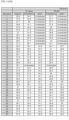
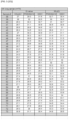
- the methylation-positive cutoff was calculated to be 27.5, and only 1 out of 38 patients with benign lung disease was methylation-positive, with a specificity of 97.4%; in lung cancer patients, 59 out of 73 patients were methylation-positive, with a sensitivity of 80.8%.
- the present invention is useful because, by detecting methylation with high detection sensitivity using a primer that specifically amplifies a plurality of methylated lung cancer marker genes, the detection of lung cancer can be improved compared to the detection method using a single marker gene, enabling accurate and rapid lung cancer diagnosis.
Landscapes
- Chemical & Material Sciences (AREA)
- Life Sciences & Earth Sciences (AREA)
- Health & Medical Sciences (AREA)
- Organic Chemistry (AREA)
- Proteomics, Peptides & Aminoacids (AREA)
- Engineering & Computer Science (AREA)
- Immunology (AREA)
- Pathology (AREA)
- Analytical Chemistry (AREA)
- Zoology (AREA)
- Genetics & Genomics (AREA)
- Wood Science & Technology (AREA)
- Physics & Mathematics (AREA)
- Biotechnology (AREA)
- Microbiology (AREA)
- Molecular Biology (AREA)
- Hospice & Palliative Care (AREA)
- Biophysics (AREA)
- Oncology (AREA)
- Biochemistry (AREA)
- Bioinformatics & Cheminformatics (AREA)
- General Engineering & Computer Science (AREA)
- General Health & Medical Sciences (AREA)
- Measuring Or Testing Involving Enzymes Or Micro-Organisms (AREA)
Applications Claiming Priority (2)
| Application Number | Priority Date | Filing Date | Title |
|---|---|---|---|
| KR1020220065224A KR20230165469A (ko) | 2022-05-27 | 2022-05-27 | 폐암 검출 방법 |
| PCT/KR2023/007168 WO2023229393A1 (ko) | 2022-05-27 | 2023-05-25 | 폐암 검출 방법 |
Publications (1)
| Publication Number | Publication Date |
|---|---|
| EP4534697A1 true EP4534697A1 (de) | 2025-04-09 |
Family
ID=88919733
Family Applications (1)
| Application Number | Title | Priority Date | Filing Date |
|---|---|---|---|
| EP23812167.7A Pending EP4534697A1 (de) | 2022-05-27 | 2023-05-25 | Verfahren zum nachweis von lungenkrebs |
Country Status (5)
| Country | Link |
|---|---|
| EP (1) | EP4534697A1 (de) |
| JP (1) | JP2025518141A (de) |
| KR (1) | KR20230165469A (de) |
| CN (1) | CN119278278A (de) |
| WO (1) | WO2023229393A1 (de) |
Family Cites Families (5)
| Publication number | Priority date | Publication date | Assignee | Title |
|---|---|---|---|---|
| KR100944037B1 (ko) * | 2007-12-17 | 2010-02-24 | (주)지노믹트리 | 시스테인 디옥시게나제, 타입 ⅰ의 유전자를 함유하는재조합벡터를 포함하는 폐암 치료제 |
| EP2253714B1 (de) * | 2008-03-14 | 2013-01-02 | Genomictree, Inc. | Verfahren zur erkennung von lungenkrebs mit hilfe eines lungenkrebsspezifischen methylierungsmarkergens |
| KR100924822B1 (ko) * | 2008-12-18 | 2009-11-03 | (주)지노믹트리 | 폐암 특이적 메틸화 마커 유전자를 이용한 폐암 진단용 칩 |
| EP3190191A1 (de) * | 2016-01-11 | 2017-07-12 | Institut d'Investigació Biomèdica de Bellvitge (IDIBELL) | Verfahren und kit zur diagnose von lungenkrebs |
| CN112195245B (zh) * | 2020-10-16 | 2024-06-11 | 山东康华生物医疗科技股份有限公司 | 血浆中肺癌相关甲基化基因组合及其应用 |
-
2022
- 2022-05-27 KR KR1020220065224A patent/KR20230165469A/ko active Pending
-
2023
- 2023-05-25 CN CN202380042980.9A patent/CN119278278A/zh active Pending
- 2023-05-25 EP EP23812167.7A patent/EP4534697A1/de active Pending
- 2023-05-25 WO PCT/KR2023/007168 patent/WO2023229393A1/ko not_active Ceased
- 2023-05-25 JP JP2024570325A patent/JP2025518141A/ja active Pending
Also Published As
| Publication number | Publication date |
|---|---|
| WO2023229393A1 (ko) | 2023-11-30 |
| CN119278278A (zh) | 2025-01-07 |
| KR20230165469A (ko) | 2023-12-05 |
| JP2025518141A (ja) | 2025-06-12 |
Similar Documents
| Publication | Publication Date | Title |
|---|---|---|
| US11186866B2 (en) | Method for multiplex detection of methylated DNA | |
| KR102223014B1 (ko) | 전암병변의 검출방법 | |
| EP2918679B1 (de) | Verfahren zur erkennung von magenpolypen und magenkarzinomen mit einem markergen für magenpolypen- und magenkarzinomspezifische methylierung | |
| EP2885427B1 (de) | Kolorektalkrebsmethylierungsmarker | |
| EP2699695A2 (de) | Marker für prostatakrebs | |
| JP7522190B2 (ja) | 大腸癌検出方法 | |
| JP7447155B2 (ja) | Sdc2遺伝子のメチル化検出方法 | |
| EP4534697A1 (de) | Verfahren zum nachweis von lungenkrebs | |
| KR20240104310A (ko) | 폐암 특이적 메틸화 마커 유전자를 이용한 폐암 검출 방법 | |
| KR20240104309A (ko) | 폐암 특이적 메틸화 마커 유전자를 이용한 폐암 검출 방법 | |
| HK40061047A (en) | Method for detecting methylation of sdc2 gene | |
| HK40004890B (en) | Multiple detection method of methylated dna | |
| HK40004890A (en) | Multiple detection method of methylated dna |
Legal Events
| Date | Code | Title | Description |
|---|---|---|---|
| STAA | Information on the status of an ep patent application or granted ep patent |
Free format text: STATUS: THE INTERNATIONAL PUBLICATION HAS BEEN MADE |
|
| PUAI | Public reference made under article 153(3) epc to a published international application that has entered the european phase |
Free format text: ORIGINAL CODE: 0009012 |
|
| STAA | Information on the status of an ep patent application or granted ep patent |
Free format text: STATUS: REQUEST FOR EXAMINATION WAS MADE |
|
| 17P | Request for examination filed |
Effective date: 20241223 |
|
| AK | Designated contracting states |
Kind code of ref document: A1 Designated state(s): AL AT BE BG CH CY CZ DE DK EE ES FI FR GB GR HR HU IE IS IT LI LT LU LV MC ME MK MT NL NO PL PT RO RS SE SI SK SM TR |
|
| DAV | Request for validation of the european patent (deleted) | ||
| DAX | Request for extension of the european patent (deleted) |