EP4534646A1 - Hefestämme mit optimierten weinherstellungseigenschaften und herstellungsverfahren dafür - Google Patents
Hefestämme mit optimierten weinherstellungseigenschaften und herstellungsverfahren dafür Download PDFInfo
- Publication number
- EP4534646A1 EP4534646A1 EP23811230.4A EP23811230A EP4534646A1 EP 4534646 A1 EP4534646 A1 EP 4534646A1 EP 23811230 A EP23811230 A EP 23811230A EP 4534646 A1 EP4534646 A1 EP 4534646A1
- Authority
- EP
- European Patent Office
- Prior art keywords
- strain
- wine
- making properties
- grape
- mutants
- Prior art date
- Legal status (The legal status is an assumption and is not a legal conclusion. Google has not performed a legal analysis and makes no representation as to the accuracy of the status listed.)
- Pending
Links
Images





Classifications
-
- C—CHEMISTRY; METALLURGY
- C12—BIOCHEMISTRY; BEER; SPIRITS; WINE; VINEGAR; MICROBIOLOGY; ENZYMOLOGY; MUTATION OR GENETIC ENGINEERING
- C12N—MICROORGANISMS OR ENZYMES; COMPOSITIONS THEREOF; PROPAGATING, PRESERVING, OR MAINTAINING MICROORGANISMS; MUTATION OR GENETIC ENGINEERING; CULTURE MEDIA
- C12N1/00—Microorganisms; Compositions thereof; Processes of propagating, maintaining or preserving microorganisms or compositions thereof; Processes of preparing or isolating a composition containing a microorganism; Culture media therefor
- C12N1/14—Fungi; Culture media therefor
- C12N1/16—Yeasts; Culture media therefor
- C12N1/18—Baker's yeast; Brewer's yeast
- C12N1/185—Saccharomyces isolates
-
- C—CHEMISTRY; METALLURGY
- C07—ORGANIC CHEMISTRY
- C07K—PEPTIDES
- C07K14/00—Peptides having more than 20 amino acids; Gastrins; Somatostatins; Melanotropins; Derivatives thereof
- C07K14/37—Peptides having more than 20 amino acids; Gastrins; Somatostatins; Melanotropins; Derivatives thereof from fungi
- C07K14/39—Peptides having more than 20 amino acids; Gastrins; Somatostatins; Melanotropins; Derivatives thereof from fungi from yeasts
- C07K14/395—Peptides having more than 20 amino acids; Gastrins; Somatostatins; Melanotropins; Derivatives thereof from fungi from yeasts from Saccharomyces
-
- C—CHEMISTRY; METALLURGY
- C12—BIOCHEMISTRY; BEER; SPIRITS; WINE; VINEGAR; MICROBIOLOGY; ENZYMOLOGY; MUTATION OR GENETIC ENGINEERING
- C12G—WINE; PREPARATION THEREOF; ALCOHOLIC BEVERAGES; PREPARATION OF ALCOHOLIC BEVERAGES NOT PROVIDED FOR IN SUBCLASSES C12C OR C12H
- C12G1/00—Preparation of wine or sparkling wine
- C12G1/02—Preparation of must from grapes; Must treatment and fermentation
-
- C—CHEMISTRY; METALLURGY
- C12—BIOCHEMISTRY; BEER; SPIRITS; WINE; VINEGAR; MICROBIOLOGY; ENZYMOLOGY; MUTATION OR GENETIC ENGINEERING
- C12G—WINE; PREPARATION THEREOF; ALCOHOLIC BEVERAGES; PREPARATION OF ALCOHOLIC BEVERAGES NOT PROVIDED FOR IN SUBCLASSES C12C OR C12H
- C12G1/00—Preparation of wine or sparkling wine
- C12G1/02—Preparation of must from grapes; Must treatment and fermentation
- C12G1/0203—Preparation of must from grapes; Must treatment and fermentation by microbiological or enzymatic treatment
-
- C—CHEMISTRY; METALLURGY
- C12—BIOCHEMISTRY; BEER; SPIRITS; WINE; VINEGAR; MICROBIOLOGY; ENZYMOLOGY; MUTATION OR GENETIC ENGINEERING
- C12G—WINE; PREPARATION THEREOF; ALCOHOLIC BEVERAGES; PREPARATION OF ALCOHOLIC BEVERAGES NOT PROVIDED FOR IN SUBCLASSES C12C OR C12H
- C12G3/00—Preparation of other alcoholic beverages
- C12G3/02—Preparation of other alcoholic beverages by fermentation
-
- C—CHEMISTRY; METALLURGY
- C12—BIOCHEMISTRY; BEER; SPIRITS; WINE; VINEGAR; MICROBIOLOGY; ENZYMOLOGY; MUTATION OR GENETIC ENGINEERING
- C12N—MICROORGANISMS OR ENZYMES; COMPOSITIONS THEREOF; PROPAGATING, PRESERVING, OR MAINTAINING MICROORGANISMS; MUTATION OR GENETIC ENGINEERING; CULTURE MEDIA
- C12N1/00—Microorganisms; Compositions thereof; Processes of propagating, maintaining or preserving microorganisms or compositions thereof; Processes of preparing or isolating a composition containing a microorganism; Culture media therefor
- C12N1/14—Fungi; Culture media therefor
- C12N1/16—Yeasts; Culture media therefor
- C12N1/165—Yeast isolates
-
- C—CHEMISTRY; METALLURGY
- C12—BIOCHEMISTRY; BEER; SPIRITS; WINE; VINEGAR; MICROBIOLOGY; ENZYMOLOGY; MUTATION OR GENETIC ENGINEERING
- C12N—MICROORGANISMS OR ENZYMES; COMPOSITIONS THEREOF; PROPAGATING, PRESERVING, OR MAINTAINING MICROORGANISMS; MUTATION OR GENETIC ENGINEERING; CULTURE MEDIA
- C12N1/00—Microorganisms; Compositions thereof; Processes of propagating, maintaining or preserving microorganisms or compositions thereof; Processes of preparing or isolating a composition containing a microorganism; Culture media therefor
- C12N1/38—Chemical stimulation of growth or activity by addition of chemical compounds which are not essential growth factors; Stimulation of growth by removal of a chemical compound
-
- C—CHEMISTRY; METALLURGY
- C12—BIOCHEMISTRY; BEER; SPIRITS; WINE; VINEGAR; MICROBIOLOGY; ENZYMOLOGY; MUTATION OR GENETIC ENGINEERING
- C12N—MICROORGANISMS OR ENZYMES; COMPOSITIONS THEREOF; PROPAGATING, PRESERVING, OR MAINTAINING MICROORGANISMS; MUTATION OR GENETIC ENGINEERING; CULTURE MEDIA
- C12N15/00—Mutation or genetic engineering; DNA or RNA concerning genetic engineering, vectors, e.g. plasmids, or their isolation, preparation or purification; Use of hosts therefor
- C12N15/01—Preparation of mutants without inserting foreign genetic material therein; Screening processes therefor
-
- C—CHEMISTRY; METALLURGY
- C12—BIOCHEMISTRY; BEER; SPIRITS; WINE; VINEGAR; MICROBIOLOGY; ENZYMOLOGY; MUTATION OR GENETIC ENGINEERING
- C12N—MICROORGANISMS OR ENZYMES; COMPOSITIONS THEREOF; PROPAGATING, PRESERVING, OR MAINTAINING MICROORGANISMS; MUTATION OR GENETIC ENGINEERING; CULTURE MEDIA
- C12N9/00—Enzymes; Proenzymes; Compositions thereof; Processes for preparing, activating, inhibiting, separating or purifying enzymes
- C12N9/10—Transferases (2.)
- C12N9/1025—Acyltransferases (2.3)
-
- C—CHEMISTRY; METALLURGY
- C12—BIOCHEMISTRY; BEER; SPIRITS; WINE; VINEGAR; MICROBIOLOGY; ENZYMOLOGY; MUTATION OR GENETIC ENGINEERING
- C12G—WINE; PREPARATION THEREOF; ALCOHOLIC BEVERAGES; PREPARATION OF ALCOHOLIC BEVERAGES NOT PROVIDED FOR IN SUBCLASSES C12C OR C12H
- C12G2200/00—Special features
- C12G2200/05—Use of particular microorganisms in the preparation of wine
-
- C—CHEMISTRY; METALLURGY
- C12—BIOCHEMISTRY; BEER; SPIRITS; WINE; VINEGAR; MICROBIOLOGY; ENZYMOLOGY; MUTATION OR GENETIC ENGINEERING
- C12G—WINE; PREPARATION THEREOF; ALCOHOLIC BEVERAGES; PREPARATION OF ALCOHOLIC BEVERAGES NOT PROVIDED FOR IN SUBCLASSES C12C OR C12H
- C12G2200/00—Special features
- C12G2200/11—Use of genetically modified microorganisms in the preparation of wine
-
- C—CHEMISTRY; METALLURGY
- C12—BIOCHEMISTRY; BEER; SPIRITS; WINE; VINEGAR; MICROBIOLOGY; ENZYMOLOGY; MUTATION OR GENETIC ENGINEERING
- C12N—MICROORGANISMS OR ENZYMES; COMPOSITIONS THEREOF; PROPAGATING, PRESERVING, OR MAINTAINING MICROORGANISMS; MUTATION OR GENETIC ENGINEERING; CULTURE MEDIA
- C12N2320/00—Applications; Uses
- C12N2320/10—Applications; Uses in screening processes
- C12N2320/13—Applications; Uses in screening processes in a process of directed evolution, e.g. SELEX, acquiring a new function
-
- C—CHEMISTRY; METALLURGY
- C12—BIOCHEMISTRY; BEER; SPIRITS; WINE; VINEGAR; MICROBIOLOGY; ENZYMOLOGY; MUTATION OR GENETIC ENGINEERING
- C12N—MICROORGANISMS OR ENZYMES; COMPOSITIONS THEREOF; PROPAGATING, PRESERVING, OR MAINTAINING MICROORGANISMS; MUTATION OR GENETIC ENGINEERING; CULTURE MEDIA
- C12N2500/00—Specific components of cell culture medium
- C12N2500/30—Organic components
- C12N2500/32—Amino acids
- C12N2500/33—Amino acids other than alpha-amino carboxylic acids, e.g. beta-amino acids, taurine
-
- C—CHEMISTRY; METALLURGY
- C12—BIOCHEMISTRY; BEER; SPIRITS; WINE; VINEGAR; MICROBIOLOGY; ENZYMOLOGY; MUTATION OR GENETIC ENGINEERING
- C12R—INDEXING SCHEME ASSOCIATED WITH SUBCLASSES C12C - C12Q, RELATING TO MICROORGANISMS
- C12R2001/00—Microorganisms ; Processes using microorganisms
- C12R2001/645—Fungi ; Processes using fungi
- C12R2001/85—Saccharomyces
- C12R2001/865—Saccharomyces cerevisiae
-
- Y—GENERAL TAGGING OF NEW TECHNOLOGICAL DEVELOPMENTS; GENERAL TAGGING OF CROSS-SECTIONAL TECHNOLOGIES SPANNING OVER SEVERAL SECTIONS OF THE IPC; TECHNICAL SUBJECTS COVERED BY FORMER USPC CROSS-REFERENCE ART COLLECTIONS [XRACs] AND DIGESTS
- Y02—TECHNOLOGIES OR APPLICATIONS FOR MITIGATION OR ADAPTATION AGAINST CLIMATE CHANGE
- Y02E—REDUCTION OF GREENHOUSE GAS [GHG] EMISSIONS, RELATED TO ENERGY GENERATION, TRANSMISSION OR DISTRIBUTION
- Y02E50/00—Technologies for the production of fuel of non-fossil origin
- Y02E50/10—Biofuels, e.g. bio-diesel
Definitions
- the present invention relates to a method for obtaining non-genetically modified yeast strains with optimized wine-making properties, as well as to said strains.
- the bulk of the metabolism of the sugars present in the must is dedicated to the production of ethanol through fermentation, so that the pyruvate produced by glycolysis is not respired via mitochondria, but is decarboxylated to CO 2 and acetaldehyde, which is used to reoxidize the reduced equivalents, producing ethanol, and with a low production of yeast biomass. Only when sugar levels are very low is respiration activated, producing much more biomass and energy in the form of ATP per mole of glucose consumed. Part of the NADH in fermentation is diverted for the production of glycerol, a polyalcohol essential for tolerance to hyperosmotic stress, and which gives the wine characteristic body and sweetness, constituting the third component by weight of the wine, after water and ethanol.
- Part of the acetaldehyde can be diverted in the production of acetic acid, which on the contrary is an undesirable product since it contributes to volatile acidity, and gives a vinegary character to the wine as soon as a threshold is crossed.
- carbohydrate metabolism and the balance between fermentation and respiration are essential for the production of wine with a correct organoleptic balance.
- Global warming results in an increase in the sugar content of the grape must, with a consequent increase in ethanol levels. Therefore, any way to stop the increase in alcohol content is important in oenology, and diverting the metabolic flow from ethanol to glycerol is a very attractive possibility. Reducing the alcohol level results in healthier products that are appreciated by the younger and female consumers.
- the stress response is conditioned by the physiological state of the cell and the food availability ( Orozco, Matallana and Aranda Stress Response in Yeasts Used for Food Production. Food Molecular Microbiology. Taylor & Francis 2019 ).
- the connection between stress response and metabolism is controlled by Nutrient Signaling Pathways, so that with abundant nutrients, yeast promotes growth and proliferation and mitigates the stress response.
- the stresses and their response during winemaking are of metabolic nature, so that the high amount of glucose and fructose in the must produces a hyperosmotic stress that is compensated with the production of the compatible osmolyte glycerol.
- the two-carbon metabolites, ethanol, acetic acid and acetaldehyde are toxic molecules that promote cellular aging. Manipulation of these pathways can be used to modulate fermentative behavior, altering the production of key metabolites.
- RR Retrograde Response
- This pathway responds to the metabolic state of the mitochondria and communicates it to the cell nucleus, regulating the expression of enzymes that act in the mitochondria (such as several involved in the tricarboxylic acid cycle) and the peroxisome in order to provide the carbon skeletons necessary for the biosynthesis of certain amino acids, such as lysine and glutamic acid. Therefore, activation of the pathway grants tolerance to a toxic analogue of lysine, 2-aminoethyl-L-cysteine, Ramos,. F., Wiame. JM. Mutation affecting the specific regulatory control of lysine biosynthetic enzymes in Saccharomamyces cerevisiae. Molec Gen.
- the document Fit-for-purpose yeast and bacteria via directed evolution discloses the method of improving strains of yeast for wine production. However, it does not disclose the use of the toxic lysine analogue 2-aminoethyl-L-cysteine (2-AEC), in a directed evolution procedure. Specifically, conditions of low pH and high ethanol concentration are used to direct the procedure.
- Patent US10829827B2 describes a method of obtaining yeast strains with lower ethanol production through a directed evolution process in culture medium with increasing concentrations of salt causing hyperosmotic stress. This document does not disclose the use of 2-AEC and, furthermore, the method of the present invention is faster since the improved strains are obtained with a smaller number of generations.
- the present specification discloses a method to obtain mutant strains by adaptive evolution, not genetically modified, that are able, when compared with the strain of origin, of altering the production of compounds of oenological interest derived from fermentative metabolism, such as glycerol, acetic acid and/or ethanol during wine fermentation.
- the process is based on the use of the chemical compound 2-aminoethyl-L-cysteine, since the mutants that tolerate this compound have the Retrograde Response activated, giving rise to the desired phenotype.
- the object of the present invention refers to a method of obtaining an improved strain of Saccharomyces cerevisiae with optimized wine-making properties that comprises the following steps:
- the period of time required is at least 6 weeks, more preferably at least 7 weeks, still more preferably at least 8 weeks, still more preferably at least 9 weeks, still more preferably at least 10 weeks.
- the period of time required is between 6 and 40 weeks, preferably between 7 and 35 weeks, more preferably between 8 and 30 weeks, still more preferably between 9 and 25 weeks and still more preferably between 10 and 20 weeks.
- the amount of 2-aminoethyl-L-cysteine is between 10 mg/l and 90 mg/l of culture medium, preferably between 13 mg/l and 85 mg/l, more preferably between 15 mg/l and 80 mg/l, still more preferably between 20 mg/l and 65 mg/l, still more preferably between 30 mg/l and 40 mg/l.
- the 2-aminoethyl-L-cysteine concentrations indicated in the previous paragraph are equivalent to between 50 ⁇ M and 449 ⁇ M, preferably between 65 ⁇ M and 424 ⁇ M, more preferably between 75 ⁇ M and 399 ⁇ M, still more preferably between 100 ⁇ M and 324 ⁇ M, still more preferably between 150 ⁇ M and 200 ⁇ M.
- the required period of time is between 8 and 12 weeks and the amount of 2-aminoethyl-L-cysteine is between 30 mg/l and 40 mg/l of culture medium.
- a colony of the initial strain can be grown in a pre-culture without 2-AEC.
- the method of the invention can be carried out in both continuous and discontinuous culture ( batch ) .
- the culture when the culture is discontinuous and when the OD(600nm) of the previous culture has reached the stationary phase, this is, an optical density OD(600nm) higher than 4, a fraction of said culture is inoculated into a new culture with culture medium and fresh 2-aminoethyl-L-cysteine.
- the optical density (OD(600nm)
- OD(600nm) optical density
- a fraction of said culture is (re)inoculated with a new culture so that the initial density OD(600nm) of the new culture is between 0.05 and 0.2, preferably, 0.08 and 0.15, to start a new cycle. This happens approximately every 2 or 3 days. In a period of 5 weeks, between 14 and 15 re-inoculations or passes will have to be carried out.
- the same or different concentration of 2AEC that was being used will also have to be added to the new culture, for example, between 10 mg/l and 90 mg/l.
- the concentration of 2-aminoethyl-L-cysteine is kept constant throughout the entire time period, this means that the amount of 2AEC does not increase or decrease in each new culture.
- RATIO final OD 600 / initial OD 600
- Generations log 2 RATIO
- Accumulated generations sum of generations in each pass
- a period of 5 weeks is the period of time necessary to complete approximately 75 generations of said initial strain.
- the required period of time is at least 80 generations, more preferably at least 90 generations, still more preferably at least 100 generations, still more preferably at least 120 generations, still more preferably at least 130 generations, still more preferably at least 140 generations, still more preferably at least 150 generations.
- the maximum required period of time is at least 300 generations, more preferably at least 250 generations, still more preferably at least 220 generations, still more preferably at least 200 generations, still more preferably at least 180 generations, still more preferably at least 170 generations, still more preferably at least 160 generations.
- the required period of time is between at least 120 generations and 180 generations, i.e. between 8 weeks and 12 weeks.
- the environmental conditions of the method of the invention are the same as those used for growth cultures of S. cerevisiae strains which are common in the state of the art and a person skilled in the art would know how to find the ideal conditions.
- the growth temperature can be between 10°C and 60°C, preferably between 15°C and 50°C, more preferably between 20°C and 40°C and even more preferably between 25°C and 35°C.
- the agitation of the batch culture may be between 10 and 400 revolutions per minute (rpm), preferably between 50 and 300 rpm, more preferably between 100 and 250 rpm, more preferably between 150 and 220 rpm, and still more preferably between 160 and 200 rpm.
- rpm revolutions per minute
- this agitation In a continuous culture the agitation is different as it occurs by means of propellers located inside the bioreactor, this agitation can be between 100 and 700 rpm, preferably between 200 and 600 rpm, more preferably between 300 and 500 rpm.
- the culture of the S . cerevisiae strain in contact with 2-AEC can be grown in batch, at a temperature between 15°C and 45°C, preferably 20°C and 40°C, more preferably between 25°C and 35°C.
- the culture medium is selected between SD (Synthetic defined), SC (Synthetic Complete) minimal medium without lysine and MS300 synthetic must without lysine, or any minimal medium without amino acids.
- SD Synthetic defined
- SC Synthetic Complete
- MS300 MS300 synthetic must without lysine, or any minimal medium without amino acids.
- the S. cerevisiae strain is contacted with 2-AEC in a batch culture with SD medium at a temperature between 25°C and 35°C with agitation between 160 rpm and 200 rpm.
- a fraction of this culture is (re)inoculated into a new culture so that the density in fresh SD medium at an initial OD(600nm) is 0.1, continuing for at least 150 generations to 180 generations, i.e. 8 to 12 weeks and the amount of 2-aminoethyl-L-cysteine is between 30 mg/L and 40 mg/L.
- step b) of the method of the invention at the end of the selection process individual colonies can be isolated on non-selective rich medium, e.g. YPD/YEPD (Yeast Extract, Peptone, Dextrose) and their tolerance to 2-AEC was tested by serial dilution droplets on plates of SD selective medium with 2-AEC at a concentration of between 30 mg/L and 40 mg/L.
- non-selective rich medium e.g. YPD/YEPD (Yeast Extract, Peptone, Dextrose)
- isolation of mutants of the improved S. cerevisiae strain can be performed by serial dilutions and seeding them directly on SD selective medium plates with 2-AEC at a concentration between 30 mg/L and 40 mg/L.
- Serial dilutions can be performed in water, saline or SD medium.
- One of the advantages of the method of the invention is reproducibility as improved S. cerevisiae strains with optimised winemaking properties have been obtained from 3 commercial yeast strains with a different genetic background.
- Optimised winemaking properties refers to 2 or more of the following:
- the grape must can be natural, synthetic and combinations of both.
- Controlling the amount of acetic acid is important for the organoleptic characteristics of the wine, since very high levels of this compound make it vinegary, thus reducing its quality.
- Glycerol on the other hand, has a positive effect on the quality of wine. It is not aromatic, due to its non-volatile nature, but contributes to the density, body, softness, and texture of wines.
- optimized wine-making properties refers to improved strains with higher glycerol production and lower acetic acid production compared to the initial strain.
- optimized wine-making properties refers to improved strains with higher glycerol production, lower acetic acid production and lower ethanol production compared to the initial strain.
- the glycerol production of the strain with optimized wine-making properties compared to the initial strain from which it comes is at least 10% (w/v) more, preferably at least 20% (w/v). ) more, more preferably at least 30% (w/v) more, even more preferably at least 40% more, even more preferably at least 50% (w/v) more, even more preferably at least 60% (w/v) more, even more preferably at least 70% (w/v) more, even more preferably at least 80% (w/v) more, even more preferably at least 90% (w/v) more and even more preferably at least 100 (w/v) more when a grape must vinification process is carried out.
- the product obtained from a grape must vinification process with a strain with optimized wine-making properties has at least 10% (w/v) more glycerol than the product obtained from a vinification process of grape must with the initial strain from which it comes, preferably at least 20% (w/v) more, more preferably at least 30% (w/v) more, even more preferably at least 40% (w/v) more, even more preferably at least 50% (w/v) more, even more preferably at least 60% (w/v) more, even more preferably at least 70% (w/v) more, even more preferably at least 80% (w/v) more, even more preferably at least 90% (w/v) more and even more preferably at least 100% (w/v) more glycerol, compared to the glycerol content (w/v) of the product of a grape must vinification process carried out under the same conditions but with the initial strain from which the strain with optimized wine-making properties has been obtained.
- the ethanol production of the strain with optimized wine-making properties compared to the initial strain from which it comes is at least 0.5% (v/v) less, preferably at least 2% (v/v) less, more preferably at least 5% (v/v) less, even more preferably at least 8% (v/v) less, even more preferably at least 10% (v/v) less, even more preferably at least 15% (v/v) less, even more preferably at least one 20% (v/v) less, even more preferably at least 30% (v/v) less, and even more preferably at least 50% (v/v) less when a grape must vinification process is carried out.
- the product obtained from a grape must vinification process with a strain with optimized wine-making properties has at least 0.5% (v/v) less ethanol than the product obtained from a vinification process of the grape must with the initial strain from which it comes, preferably at least 2% (v/v) less, more preferably at least 5% (v/v) less, even more preferably at least 8% (v/v) less, even more preferably at least 10% (v/v) less, even more preferably at least 15% (v/v) less, even more preferably at least 20% (v/v) less, even more preferably at least 30% (v/v) less, and even more preferably at least 50% (v/v) less when a grape must vinification process is carried out, compared to the ethanol content (v/v) of the product of a grape must vinification process carried out under the same conditions but with the initial strain from which the strain with optimized wine-making properties has been obtained.
- the acetic acid production of the strain with optimized wine-making properties compared to the initial strain from which it comes is at least 0.5% (w/v) less, preferably at least 2% ( w/v) less, more preferably at least 5% (w/v) less, even more preferably at least 10% (w/v) less, even more preferably at least 20% (w/v) less, even more preferably at least 40% (w/v) less, even more preferably at least 50% (w/v) less, even more preferably at least 60% (w/v) less, even more preferably at least one 70% (w/v) less, and even more preferably at least 80% (w/v) less when a grape must vinification process is carried out.
- the product obtained from a grape must vinification process with a strain with optimized wine-making properties has at least 0.5% (w/v) less acetic acid than the product obtained from a grape must vinification process with the initial strain from which it comes, preferably at least 2% (w/v) less, more preferably at least 5% (w/v) less, even more preferably at least 10% (w/v) less, even more preferably at least 20% (w/v) less, even more preferably at least 40% (w/v) less, even more preferably at least 50% (w/v) less, even more preferably at least 60% (w/v) less, even more preferably at least 70% (w/v) less, and even more preferably at least 80% (w/v) less when a grape must vinification process is carried out compared to the acetic acid content (w/v) of the product of a grape must vinification process carried out under the same conditions but with the initial strain from which the strain with optimized wine-making properties has been obtained.
- the strain with optimized wine-making properties has a reduction of at least 20% (w/v) in the production of acetic acid and an increase of at least 60% (w/v) in the production of glycerol in a vinification process compared to the same strain without carrying out the method of the invention.
- Non-synonymous mutations are those that modulate the activity of the protein encoded by the RTG2 gene.
- the mutation is homozygous or heterozygous.
- the RTG2 Gene ID is 852640 in GenBank and the UniProt code of the protein is P32608.
- RTG2 is a transcriptional regulator of the nutrient signalling pathway known as the Retrograde Response. This pathway promotes the synthesis of amino acids such as lysine and glutamine from carbon skeletons derived from pyruvate produced during glycolysis.
- the technical effect of mutations in the nucleotide sequence of the RTG2 gene is that they reduce ethanol and acetic acid and increase glycerol when Saccharomyces cerevisiae strains undergo wine fermentation, i.e. they show optimised wine-making properties.
- the mutations in the nucleotide sequence of the RTG2 gene result in one or more of the following amino acid mutations of the resulting protein R30C; G248E and R560I.
- Saccharomyces cerevisiae strain with optimised wine-making properties has one or more non-synonymous mutations in the nucleotide sequence of the homocitrate synthase genes LYS20 and LYS21.
- the LYS20 Gene ID is 851346 in GenBank and the UniProt code for the protein is P48570.
- the LYS21 Gene ID is 851425 in GenBank and the UniProt code of the protein is Q12122.
- Lys20 and its paralogue Lys21 form the homocitrate synthase, which catalyses the condensation of ⁇ -ketoglutarate and acetyl-CoA to give homocitrate, the first step in lysine synthesis.
- This mutation could lead to a hyperactivated or retroinhibition-insensitive enzyme that diverts metabolic flux from pyruvate to the production of the amino acid lysine by reducing pyruvate and thus glycolytic flux, favouring glycerol production and also consuming acetyl-CoA and thus decreasing acetic acid.
- RTG2 controls LYS20 and LYS21 and more LYS genes, so the more activating mutations there are, the more active the pathway is, favouring glycerol production and decreasing acetic acid.
- Non-synonymous mutations are those that modulate the activity of the proteins encoded by the LYS20 and LYS21 genes.
- the mutation is homozygous or heterozygous.
- mutations in the nucleotide sequence of the LYS20 and LYS21 genes give rise to one or more of the following amino acid mutations of the resulting protein N379D and R390G respectively.
- the technical effect of the mutations in LYS21, RTG2 and LYS20, in addition to obtaining optimized wine-making properties, is the activation of lysine metabolism and increasing tolerance to AEC.
- the strains obtained by the method of the invention present an increase in the expression level of the CIT2 and DLD3 genes with respect to the initial strain under exponential growth conditions in complete, nutrient-rich medium, which indicates that retrograde response is activated
- the CIT2 Gene ID is 850361 in GenBank and the UniProt code of the protein is P08679.
- the DLD3 Gene ID is 856638 in GenBank and the UniProt code of the protein is P39976.
- Another additional object of the invention refers to the use of one or more of the mutant alleles in RTG2, LYS20 and LYS21 as tools for improving the wine-making properties of any yeast of the S . cerevisae species into which they are introduced.
- the RTG2 mutant alleles are selected from one or more of R30C; G248E and R560I
- mutant allele of LYS20 is N379D.
- mutant allele of LYS21 is R390G.
- a further object of the present invention relates to a strain of Saccharomyces cerevisiae with optimized wine-making properties obtained by the method described above.
- Optimized wine-making properties refers to 2 or more of the following: higher glycerol production, lower acetic acid production, and lower ethanol production compared to the initial strain from which it comes, when a subsequent grape must vinification process is carried out
- optimized wine-making properties refers to improved strains with higher glycerol production and lower acetic acid production compared to the initial strain.
- optimized wine-making properties refers to improved strains with higher glycerol production, lower acetic acid production and lower ethanol production compared to the initial strain.
- Saccharomyces cerevisiae strain with optimized wine-making properties has one or more mutations in the nucleotide sequence of the RTG2 gene.
- mutations in the nucleotide sequence of the RTG2 gene give rise to one or more of the following amino acid mutations of the resulting R30C protein; G248E and R560I.
- Saccharomyces cerevisiae strain with optimized wine-making properties has one or more mutations in the nucleotide sequence of the homocitrate synthase genes LYS20 and LYS21.
- the mutation is homozygous or heterozygous.
- mutations in the nucleotide sequence of the LYS20 and LYS21 genes give rise to one or more of the following amino acid mutations of the resulting protein N379D and R390G respectively.
- the present invention also refers to a strain of Saccharomyces cerevisiae deposited in the Spanish Type Culture Collection with number 13204 or mutants derived from it, where said mutants have the same or better wine-making properties than the CECT13204 strain.
- Mutants derived from this strain refer to strains that are derived from CECT13204, or obtained from CECT13204, and may have mutations compared to Saccharomyces cerevisiae, preferably, the mutant strain has the same or better wine-making properties than the initial strain CECT13204.
- the mutant derived from CECT13204 has at least 80% or more, preferably at least 90% or more, more preferably at least 95% or more or even up to 100% or more than 100% of the optimized wine-making properties compared to the CECT13204 strain under equal conditions.
- the present invention also refers to a strain of Saccharomyces cerevisiae deposited in the Spanish Type Culture Collection with number 13205 or mutants derived from it, where said mutants have the same or better wine-making properties than the CECT13205 strain.
- strain "CECT13205” and “eT73I” are interchangeable terms and are used indistinctly.
- Mutants derived from this strain refer to strains that are derived from CECT13205, or obtained from CECT13205, and may have mutations compared to Saccharomyces cerevisiae, preferably, the mutant strain has the same or better wine-making properties than the initial strain CECT13205.
- the mutant derived from CECT13205 has at least 80% or more, preferably at least 90% or more, more preferably at least 95% or more or even up to 100% or more than 100% of the optimized wine-making properties compared to strain CECT13205 under equal conditions.
- the present invention also refers to a strain of Saccharomyces cerevisiae deposited in the Spanish Type Culture Collection with number 13206 or mutants derived from it, where said mutants have the same or better wine-making properties than the CECT13206 strain.
- strain "CECT13206” and “eEC1118o” are interchangeable terms and are used indistinctly.
- Mutants derived from this strain refer to strains that are derived from CECT13206, or obtained from CECT13206, and may have mutations compared to Saccharomyces cerevisiae, preferably, the mutant strain has the same or better wine-making properties than the initial strain CECT13206.
- the mutant derived from CECT13206 has at least 80% or more, preferably at least 90% or more, more preferably at least 95% or more or even up to 100% or more than 100% of the optimized wine-making properties compared to the CECT13206 strain under equal conditions.
- strains CECT13204, CECT13205 and CECT13206 refer to 2 or more of the following:
- optimized wine-making properties refer to improved strains with higher glycerol production and lower acetic acid production compared to the initial strain.
- optimized wine-making properties refer to improved strains with higher glycerol production, lower acetic acid production and lower ethanol production compared to the initial strain.
- An additional object of the invention refers to a strain of Saccharomyces cerevisiae obtained by the previously described method deposited in the Spanish Type Culture Collection with number 13204 or mutants derived from the same where said mutants have the same or better optimized wine-making properties, than the CECT13204 strain.
- the CECT 13204 strain has one or more mutations in the nucleotide sequence of the RTG2 gene and
- a further object of the invention refers to a strain of Saccharomyces cerevisiae obtained by the previously described method deposited in the Spanish Type Culture Collection with number 13205 or mutants derived from the same where said mutants have the same or better optimized wine-making properties, than the CECT13205 strain.
- the CECT 13205 strain has one or more mutations in the nucleotide sequence of the RTG2 gene and where the glycerol production of said strain compared to the initial strain from which it comes is at least 60% (w/v) more, when a grape must vinification process is carried out and
- An additional object of the invention refers to a strain of Saccharomyces cerevisiae obtained by the previously described method deposited in the Spanish Type Culture Collection with number 13206 or mutants derived from the same where said mutants have the same or better optimized wine-making properties, than the CECT13206 strain.
- the CECT13206 strain has one or more mutations in the nucleotide sequence of the RTG2 gene and
- An additional object of the invention refers to a strain of Saccharomyces cerevisiae obtained by the previously described method deposited in the Spanish Type Culture Collection with number 13204, 13205, 13206 or mutants derived from the same where said mutants have optimized wine-making properties than strains 13204, 13205, 13206 respectively.
- An additional object of the invention refers to the use of one or more strains defined above and/or obtained according to the method defined above for the production of alcoholic beverages through the alcoholic fermentation of one or more vegetable substrates.
- the vinification of grape must to obtain wine, champagne, cava, vermouth, fermentation of malt to obtain beer, fermentation of apple to obtain cider, mead, fermentation of one or more vegetable substrates to give rise to spirits, for example: whiskey, rum, patxaran, brandy (cognac, armagnac, sherry brandy, pisco), tequila, vodka, pomace or sake.
- whiskey rum
- patxaran brandy (cognac, armagnac, sherry brandy, pisco), tequila, vodka, pomace or sake.
- the grape variety is selected between red grapes and/or white grapes.
- the grape variety is selected from one or more of the group of red grapes consisting of: Abouriou, Acolon, Agiorgitiko, Aglianico, Alexandrouli, Alfrocheiro preto, Alicante bouschet, Alvarelh ⁇ o, Ancellotta, Bábeascá neagrá, Barbera, Bastardo, Blauer portugieser, Blaufränkisch, Bobal, Bonarda, Bondola, Bovale, Brachetto, Bual, Cabernet franc, Cabernet sauvignon, Ca ⁇ o tinto, Canaiolo, Cari ⁇ ena, Carmmbire, Carnelian, Charbono, Cinsaut, Corvina, Croatina, Darkenusa, Dobricic, Dolcetto, Dornfelder, Durif, Feteascá neagrá, Freisa, Gamay, Garnacha, Graciano, Gropello, Grignolino, Nissanrrabi
- the grape variety is selected from one or more of the group of white grapes consisting of: Alarije, Albalonga, Albana, Albari ⁇ o, Albillo, Aledo, Aligoté, Altesse, Arinto, Arneis, Assyrtiko, Auxerrois blanc, Bogdanusa, Bacchus , Bical, Bouvier, Boal, Catarratto, Chardonnay, Centennia, Chasselas, Chenin blanc, Clairette, Colombard, Cortese, Courbu, Crouchen, Cserszegi philszeres, Doradillo, Erbaluce, Ehrenfelser, Ezerjó, Faber, Falanghina, Feteascá alba, Feteascá regala, Fiano , Flora, Folie blanche, Freisamer, Fromenteau, Furmint, Garganega, Garnacha blanca, Garnacha gris, Geologieztraminer, Glera, Gloria,
- the grape is of the bobal variety
- the invention comprises the following clauses
- the different industrial strains of S. cerevisiae M2, T73 and EC1118 were used as initial strains for three independent directed evolution experiments. From an individual colony of each strain, a pre-culture of 5 mL of SD minimal medium (Yeast Nitrogen Base 0.17%, 0.5% ammonium sulfate, 2% glucose) was inoculated and grown for 24 hours at 30°C.
- SD minimal medium Yeast Nitrogen Base 0.17%, 0.5% ammonium sulfate, 2% glucose
- DMDC dimethyl dicarbonate
- the sugar concentration was determined by interpolation with a standard line prepared from a 2 g/L glucose stock solution. At the end of the vinification the rest of the metabolites were measured. Ethanol was determined by enzymatic quantification using alcohol dehydrogenase. For this, 1 mL of Gly/Tris buffer containing the oxidised coenzyme of the reaction (0.2 M Glycine, Tris-HCl pH 9.7, 50 mM NAD+) is added to 200 ⁇ L of a 1:5000 dilution of the supernatant from the end of the vinification. The initial absorbance is measured at 340 nm. Next, 20 ⁇ L of alcohol dehydrogenase (20 U/mL, approx.
- ethanol concentration is determined by interpolation of the standard line prepared from 1.2 mM ethanol.
- Acetic acid and glycerol were determined using Megazyme kits according to the manufacturer's instructions and were measured in a Variouskan multiwell plate reader.
- the amount of total yeast RNA was obtained by mechanical disruption with glass beads and selective precipitation with LiCl, using common protocols followed the field.
- the RNA was retrotranscribed according to the instructions of the NZY First-Strand cDNA Synthesis Kit and PCR was performed with DLD3 and CIT2 oligos, using the ACT1 gene as a control in a Quantstudio 3 with the NZYSpeedy qPCR Green Master Mix kit.
- the oligonucleotides used in the PCR for the ACT1, CIT2 and DLD3 genes are described in the document Anna N. Starovoytova, Maxim I. Sorokin, Svyatoslav S. Sokolov, Fedor F. Severin, Dmitry A. Knorre.
- the genome sequencing of the selected mutants was carried out by the Novogene company using common methods in the field.
- the Yea Star Genomic DNA kit (Zymo Research) was used to extract genomic DNA from a 5 mL culture of yeast in YPD medium grown overnight following the manufacturer's recommended protocol. The quality and concentration of the extracted DNA were evaluated with the NanoDrop One spectrophotometer (Thermo Scientific). Sequencing, library preparation and subsequent bioinformatic analysis were performed by the company Novogene. Illumina-based pairwise sequencing with 150-bp reads was performed on libraries with 300-bp inserts with a resulting minimum coverage of 50X. The data were compared to the S288c genome (GenBank: GCF_000146045.2). Non-synonymous polymorphisms were identified in the CDS regions of selected genes (RTG2, LYS20 and LYS21 ) . Mutations existing in both the initial and evolved strains were excluded from further analyses.
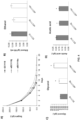
- Strains M2, EC1118 and T73 were grown in a continuous series of batch cultures in 25 ml of SD culture medium with 35 mg/l AEC. Reinoculations were carried out every 2/3 days from the previous culture in stationary phase to obtain a high number of generations, isolating individual colonies after 150 generations. Individual colonies were selected and tested for tolerance to AEC by drop plating ( Figure 1 , showing a representative mutant from each genetic background).
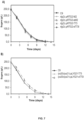
- Figure 2 shows the mutants from strain M2. All mutants had a reduced rate of sugar consumption (glucose + fructose in the case of grape must) ( Fig. 2A ), but all finish vinification. This reduced speed can be associated with the alteration of carbon metabolism and the improvement of the rest of the qualities of the final product, an increase in the amount of glycerol and a decrease in ethanol and acetic acid, among others.
- the method of the invention was carried out with the T73 strain in an identical manner as it was carried out with the M2 strain, ( Figure 3 ). Very similar results were obtained: mutants that complete the fermentation or vinification of grape must with a slight delay compared to the initial strain ( Figure 3A ). All mutants obtained from T73 produce more glycerol and less acetic acid and reduce ethanol at the end of fermentation. For example, the mutant eT73I reduces it by 16%.
- the genotype of the improved strain eT73I is RTG2 G248E/RTG2 G248E, LYS21 R390G/LYS21 R390G.
- the method of the invention was carried out with the EC1118 strain in an identical manner as it was carried out with the M2 and T73 strains ( Figure 4 ).
- the mutant eEC1118o was isolated with high glycerol production, lower acetic acid production, eEC1118j has a similar behavior, but to a lesser extent. Both mutants show a decreasing trend in ethanol production. Both mutants show a slowing down in the fermentation rate, but they complete it.
- the genotype of strain eEC1118o is RTG2 / RTG2 R560I, LYS20 / LYS20 N379D, that is, heterozygous for both genes.
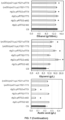
- Table 1 shows the specific increase/decrease values of glycerol and acetic acid respectively obtained with the evolved strains of interest eM2c, eT73I and eEC1118o in comparison with their respective initial strains, the specific values have been obtained from panels C) and D) of Figures 2 -4 Table 1 Glycerol (g/L) ratio Acetic acid (g/L) ratio Ethanol (g/100mL) ratio Average ⁇ Std. Dev Average ⁇ Std. Dev Average ⁇ Std.
- the method of the invention provides a reproducible process for obtaining AEC-tolerant mutants with improved wine-making properties that behave with a phenotype compatible with the activation of the retrograde response and improve the organoleptic characteristics of the wine.
- the LYS21 and LYS20 genes are paralogous genes that encode homocitrate synthase, the first step of lysine biosynthesis.
- LYS21 was amplified from the eT73I mutant and its initial strain T73 and introduced into the single-copy centromeric plasmid pCUP1 pNuiHA kanMX CEN and transformed into a haploid C9 lys20 ⁇ lys2l ⁇ wine strain.
- Droplet assays on plates with AEC demonstrate that the LYS21 R390G mutant allele increases tolerance to said compound, therefore demonstrating that said mutation is the cause of the phenotype ( Figure 6B ).
- the allele eEC1118o LYS20 N379 D SEQ ID NO 8 and its control SEQ ID NO 8 were also cloned with the same result.
- the effect of the mutations described in Figure 6 on the production of metabolites of oenological interest was then determined.
- the haploid strain C9rtg2 ⁇ with the wild-type and mutant alleles of RTG2 described in Figure 6A together with the wild-type strain C9 were grown in red grape must and vinification was followed by measuring sugar consumption ( Figure 7A ).
- the haploid strain C9 lys20 ⁇ lys21 ⁇ with the wild-type and mutant alleles of LYS21 described in Figure 6B together with the wild-type C9 strain were grown in red grape must and vinification was followed by measuring sugar consumption ( Figure 7B ). All strains were able to finish the fermentation, so these mutations do not have a deleterious effect.
- Ethanol, acetic acid and glycerol were measured at the end of the fermentation (Figure 7C).
- the RTG2 mutant alleles produced lower ethanol o and acetic acid production, and higher glycerol production by themselves, indicating that they are responsible for the phenotype of the eT73I and eM2c mutant strains.
- the effect of the LYS21 allele of eT73I is smaller but goes in the same direction.
- Glycerol has increased by 62% and total acidity measured as tartaric has also increased. In this way, the results observed in microvinification are confirmed on a large scale.
- the tasting of the wines by an expert panel indicated a slight improvement in the overall assessment of the wine produced by the eT73I strain compared to T73, so it does not represent a drop in the overall quality of the product.
- Table 2 shows the specific values of increase/decrease of the values of glycerol and acetic acid respectively obtained with the evolved strains eT73I in comparison with the initial strain in a comparative experiment of fermentation in the winery, the specific values have been obtained from Figure 8 .
- Table 2 Ethanol (g/100mL) Gycerol (g/L) Acetic acid (g/L) T73 14,14 9,13 0,36 eT73I 13,33 14,77 0,27 ratio 0,9427157 1,6177437 0,75
Landscapes
- Life Sciences & Earth Sciences (AREA)
- Chemical & Material Sciences (AREA)
- Health & Medical Sciences (AREA)
- Engineering & Computer Science (AREA)
- Genetics & Genomics (AREA)
- Organic Chemistry (AREA)
- Bioinformatics & Cheminformatics (AREA)
- Zoology (AREA)
- Wood Science & Technology (AREA)
- Biotechnology (AREA)
- General Engineering & Computer Science (AREA)
- Biochemistry (AREA)
- General Health & Medical Sciences (AREA)
- Microbiology (AREA)
- Biomedical Technology (AREA)
- Mycology (AREA)
- Medicinal Chemistry (AREA)
- Molecular Biology (AREA)
- Virology (AREA)
- Tropical Medicine & Parasitology (AREA)
- Biophysics (AREA)
- Botany (AREA)
- Physics & Mathematics (AREA)
- Plant Pathology (AREA)
- General Chemical & Material Sciences (AREA)
- Gastroenterology & Hepatology (AREA)
- Proteomics, Peptides & Aminoacids (AREA)
- Micro-Organisms Or Cultivation Processes Thereof (AREA)
Applications Claiming Priority (2)
| Application Number | Priority Date | Filing Date | Title |
|---|---|---|---|
| ES202230456A ES2957008A1 (es) | 2022-05-27 | 2022-05-27 | Cepas de levadura con propiedades vinicolas optimizadas y su metodo de obtencion |
| PCT/ES2023/070344 WO2023227820A1 (es) | 2022-05-27 | 2023-05-26 | Cepas de levadura con propiedades vinícolas optimizadas y su método de obtención |
Publications (1)
| Publication Number | Publication Date |
|---|---|
| EP4534646A1 true EP4534646A1 (de) | 2025-04-09 |
Family
ID=88918594
Family Applications (1)
| Application Number | Title | Priority Date | Filing Date |
|---|---|---|---|
| EP23811230.4A Pending EP4534646A1 (de) | 2022-05-27 | 2023-05-26 | Hefestämme mit optimierten weinherstellungseigenschaften und herstellungsverfahren dafür |
Country Status (3)
| Country | Link |
|---|---|
| EP (1) | EP4534646A1 (de) |
| ES (1) | ES2957008A1 (de) |
| WO (1) | WO2023227820A1 (de) |
Family Cites Families (2)
| Publication number | Priority date | Publication date | Assignee | Title |
|---|---|---|---|---|
| ES2525343T3 (es) * | 2012-02-29 | 2014-12-22 | Guserbiot S.L.U. | Cepa de Saccharomyces cerevisiae y su uso para la producción de bebidas alcohólicas |
| EP2902481A1 (de) * | 2014-01-31 | 2015-08-05 | Danstar Ferment AG | Verfahren zur Herstellung von Hefestämmen mit geringer Ethanolerzeugung, damit erhaltene Hefestämme und deren Verwendung |
-
2022
- 2022-05-27 ES ES202230456A patent/ES2957008A1/es active Pending
-
2023
- 2023-05-26 WO PCT/ES2023/070344 patent/WO2023227820A1/es not_active Ceased
- 2023-05-26 EP EP23811230.4A patent/EP4534646A1/de active Pending
Also Published As
| Publication number | Publication date |
|---|---|
| ES2957008A1 (es) | 2024-01-08 |
| WO2023227820A1 (es) | 2023-11-30 |
Similar Documents
| Publication | Publication Date | Title |
|---|---|---|
| Saerens et al. | Genetic improvement of brewer’s yeast: current state, perspectives and limits | |
| Rainieri et al. | Selection and improvement of wine yeasts | |
| Pires et al. | Yeast: The soul of beer’s aroma—A review of flavour-active esters and higher alcohols produced by the brewing yeast | |
| Aranda et al. | Correlation between acetaldehyde and ethanol resistance and expression of HSP genes in yeast strains isolated during the biological aging of sherry wines | |
| Longo et al. | Production of higher alcohols, ethyl acetate, acetaldehyde and other compounds by 14 Saccharomyces cerevisiae wine strains isolated from the same region (Salnés, NW Spain) | |
| Dequin et al. | How to adapt winemaking practices to modified grape composition under climate change conditions | |
| Alves-Jr et al. | Maltose and maltotriose active transport and fermentation by Saccharomyces Cerevisiaes | |
| EP3099780B1 (de) | Verfahren zur herstellung von hefestämmen mit geringer ethanolerzeugung, damit erhaltene hefestämme und deren verwendung | |
| Arrizon et al. | Fermentation behaviour and volatile compound production by agave and grape must yeasts in high sugar Agave tequilana and grape must fermentations | |
| Smart | Brewing yeast genomes and genome‐wide expression and proteome profiling during fermentation | |
| Martín-García et al. | Effect of the inoculation strategy of non-Saccharomyces yeasts on wine malolactic fermentation | |
| Börlin et al. | The “pied de cuve” as an alternative way to manage indigenous fermentation: Impact on the fermentative process and Saccharomyces cerevisiae diversity | |
| Meneghin et al. | Fermentative and growth performances of Dekkera bruxellensis in different batch systems and the effect of initial low cell counts in co‐cultures with Saccharomyces cerevisiae | |
| Ramírez et al. | Wine yeast fermentation vigor may be improved by elimination of recessive growth‐retarding alleles | |
| de Souza et al. | Strategies to select yeast starters cultures for production of flavor compounds in cachaça fermentations | |
| JP3822415B2 (ja) | 酒類製造用酵母変異株及び当該酵母変異株を用いた酒類の製造方法 | |
| Volschenk et al. | Genetic engineering of an industrial strain of Saccharomyces cerevisiae for L-malic acid degradation via an efficient malo-ethanolic pathway | |
| WO2023227820A1 (es) | Cepas de levadura con propiedades vinícolas optimizadas y su método de obtención | |
| Lonvaud-Funel | Lactic acid bacteria in winemaking: Influence on sensorial and hygienic quality | |
| Clark et al. | Exploring the oenological potential of South African Saccharomyces cerevisiae isolates | |
| US20100047387A1 (en) | Transformed saccharomyces yeast strains having reduced ethanol production by fermentation | |
| Lombard | Characterisation of Wickerhamomyces anomalus and Kazachstania aerobia: Investigating fermentation kinetics and aroma production | |
| US20240417654A1 (en) | Co-cultures for efficiently producing a fermented beverage | |
| AU2010270296A1 (en) | Reduced stuck alcoholic fermentations in production of alcoholic beverages | |
| JP3831400B2 (ja) | 酒類製造用酵母変異株及び当該酵母変異株を用いた酒類の製造方法 |
Legal Events
| Date | Code | Title | Description |
|---|---|---|---|
| STAA | Information on the status of an ep patent application or granted ep patent |
Free format text: STATUS: THE INTERNATIONAL PUBLICATION HAS BEEN MADE |
|
| PUAI | Public reference made under article 153(3) epc to a published international application that has entered the european phase |
Free format text: ORIGINAL CODE: 0009012 |
|
| STAA | Information on the status of an ep patent application or granted ep patent |
Free format text: STATUS: REQUEST FOR EXAMINATION WAS MADE |
|
| 17P | Request for examination filed |
Effective date: 20241213 |
|
| AK | Designated contracting states |
Kind code of ref document: A1 Designated state(s): AL AT BE BG CH CY CZ DE DK EE ES FI FR GB GR HR HU IE IS IT LI LT LU LV MC ME MK MT NL NO PL PT RO RS SE SI SK SM TR |
|
| DAV | Request for validation of the european patent (deleted) | ||
| DAX | Request for extension of the european patent (deleted) |