EP4534527A2 - Verfahren zur behandlung von cysteaminempfindlichen erkrankungen - Google Patents
Verfahren zur behandlung von cysteaminempfindlichen erkrankungen Download PDFInfo
- Publication number
- EP4534527A2 EP4534527A2 EP25157232.7A EP25157232A EP4534527A2 EP 4534527 A2 EP4534527 A2 EP 4534527A2 EP 25157232 A EP25157232 A EP 25157232A EP 4534527 A2 EP4534527 A2 EP 4534527A2
- Authority
- EP
- European Patent Office
- Prior art keywords
- cysteamine
- disulfide
- pantetheine
- disease
- precursors
- Prior art date
- Legal status (The legal status is an assumption and is not a legal conclusion. Google has not performed a legal analysis and makes no representation as to the accuracy of the status listed.)
- Pending
Links
Images













Classifications
-
- C—CHEMISTRY; METALLURGY
- C07—ORGANIC CHEMISTRY
- C07C—ACYCLIC OR CARBOCYCLIC COMPOUNDS
- C07C323/00—Thiols, sulfides, hydropolysulfides or polysulfides substituted by halogen, oxygen or nitrogen atoms, or by sulfur atoms not being part of thio groups
- C07C323/23—Thiols, sulfides, hydropolysulfides or polysulfides substituted by halogen, oxygen or nitrogen atoms, or by sulfur atoms not being part of thio groups containing thio groups and nitrogen atoms, not being part of nitro or nitroso groups, bound to the same carbon skeleton
- C07C323/24—Thiols, sulfides, hydropolysulfides or polysulfides substituted by halogen, oxygen or nitrogen atoms, or by sulfur atoms not being part of thio groups containing thio groups and nitrogen atoms, not being part of nitro or nitroso groups, bound to the same carbon skeleton having the sulfur atoms of the thio groups bound to acyclic carbon atoms of the carbon skeleton
- C07C323/25—Thiols, sulfides, hydropolysulfides or polysulfides substituted by halogen, oxygen or nitrogen atoms, or by sulfur atoms not being part of thio groups containing thio groups and nitrogen atoms, not being part of nitro or nitroso groups, bound to the same carbon skeleton having the sulfur atoms of the thio groups bound to acyclic carbon atoms of the carbon skeleton the carbon skeleton being acyclic and saturated
-
- A—HUMAN NECESSITIES
- A61—MEDICAL OR VETERINARY SCIENCE; HYGIENE
- A61K—PREPARATIONS FOR MEDICAL, DENTAL OR TOILETRY PURPOSES
- A61K31/00—Medicinal preparations containing organic active ingredients
- A61K31/13—Amines
- A61K31/145—Amines having sulfur, e.g. thiurams (>N—C(S)—S—C(S)—N< and >N—C(S)—S—S—C(S)—N<), Sulfinylamines (—N=SO), Sulfonylamines (—N=SO2)
-
- A—HUMAN NECESSITIES
- A61—MEDICAL OR VETERINARY SCIENCE; HYGIENE
- A61K—PREPARATIONS FOR MEDICAL, DENTAL OR TOILETRY PURPOSES
- A61K31/00—Medicinal preparations containing organic active ingredients
- A61K31/16—Amides, e.g. hydroxamic acids
-
- A—HUMAN NECESSITIES
- A61—MEDICAL OR VETERINARY SCIENCE; HYGIENE
- A61K—PREPARATIONS FOR MEDICAL, DENTAL OR TOILETRY PURPOSES
- A61K31/00—Medicinal preparations containing organic active ingredients
- A61K31/16—Amides, e.g. hydroxamic acids
- A61K31/164—Amides, e.g. hydroxamic acids of a carboxylic acid with an aminoalcohol, e.g. ceramides
-
- A—HUMAN NECESSITIES
- A61—MEDICAL OR VETERINARY SCIENCE; HYGIENE
- A61K—PREPARATIONS FOR MEDICAL, DENTAL OR TOILETRY PURPOSES
- A61K31/00—Medicinal preparations containing organic active ingredients
- A61K31/33—Heterocyclic compounds
- A61K31/335—Heterocyclic compounds having oxygen as the only ring hetero atom, e.g. fungichromin
- A61K31/35—Heterocyclic compounds having oxygen as the only ring hetero atom, e.g. fungichromin having six-membered rings with one oxygen as the only ring hetero atom
- A61K31/352—Heterocyclic compounds having oxygen as the only ring hetero atom, e.g. fungichromin having six-membered rings with one oxygen as the only ring hetero atom condensed with carbocyclic rings, e.g. methantheline
- A61K31/353—3,4-Dihydrobenzopyrans, e.g. chroman, catechin
- A61K31/355—Tocopherols, e.g. vitamin E
-
- A—HUMAN NECESSITIES
- A61—MEDICAL OR VETERINARY SCIENCE; HYGIENE
- A61K—PREPARATIONS FOR MEDICAL, DENTAL OR TOILETRY PURPOSES
- A61K31/00—Medicinal preparations containing organic active ingredients
- A61K31/33—Heterocyclic compounds
- A61K31/335—Heterocyclic compounds having oxygen as the only ring hetero atom, e.g. fungichromin
- A61K31/365—Lactones
- A61K31/375—Ascorbic acid, i.e. vitamin C; Salts thereof
-
- A—HUMAN NECESSITIES
- A61—MEDICAL OR VETERINARY SCIENCE; HYGIENE
- A61K—PREPARATIONS FOR MEDICAL, DENTAL OR TOILETRY PURPOSES
- A61K45/00—Medicinal preparations containing active ingredients not provided for in groups A61K31/00 - A61K41/00
- A61K45/06—Mixtures of active ingredients without chemical characterisation, e.g. antiphlogistics and cardiaca
-
- A—HUMAN NECESSITIES
- A61—MEDICAL OR VETERINARY SCIENCE; HYGIENE
- A61K—PREPARATIONS FOR MEDICAL, DENTAL OR TOILETRY PURPOSES
- A61K9/00—Medicinal preparations characterised by special physical form
- A61K9/0087—Galenical forms not covered by A61K9/02 - A61K9/7023
- A61K9/009—Sachets, pouches characterised by the material or function of the envelope
-
- A—HUMAN NECESSITIES
- A61—MEDICAL OR VETERINARY SCIENCE; HYGIENE
- A61P—SPECIFIC THERAPEUTIC ACTIVITY OF CHEMICAL COMPOUNDS OR MEDICINAL PREPARATIONS
- A61P25/00—Drugs for disorders of the nervous system
-
- A—HUMAN NECESSITIES
- A61—MEDICAL OR VETERINARY SCIENCE; HYGIENE
- A61P—SPECIFIC THERAPEUTIC ACTIVITY OF CHEMICAL COMPOUNDS OR MEDICINAL PREPARATIONS
- A61P25/00—Drugs for disorders of the nervous system
- A61P25/14—Drugs for disorders of the nervous system for treating abnormal movements, e.g. chorea, dyskinesia
-
- A—HUMAN NECESSITIES
- A61—MEDICAL OR VETERINARY SCIENCE; HYGIENE
- A61P—SPECIFIC THERAPEUTIC ACTIVITY OF CHEMICAL COMPOUNDS OR MEDICINAL PREPARATIONS
- A61P25/00—Drugs for disorders of the nervous system
- A61P25/14—Drugs for disorders of the nervous system for treating abnormal movements, e.g. chorea, dyskinesia
- A61P25/16—Anti-Parkinson drugs
-
- A—HUMAN NECESSITIES
- A61—MEDICAL OR VETERINARY SCIENCE; HYGIENE
- A61P—SPECIFIC THERAPEUTIC ACTIVITY OF CHEMICAL COMPOUNDS OR MEDICINAL PREPARATIONS
- A61P25/00—Drugs for disorders of the nervous system
- A61P25/28—Drugs for disorders of the nervous system for treating neurodegenerative disorders of the central nervous system, e.g. nootropic agents, cognition enhancers, drugs for treating Alzheimer's disease or other forms of dementia
-
- C—CHEMISTRY; METALLURGY
- C07—ORGANIC CHEMISTRY
- C07C—ACYCLIC OR CARBOCYCLIC COMPOUNDS
- C07C319/00—Preparation of thiols, sulfides, hydropolysulfides or polysulfides
- C07C319/14—Preparation of thiols, sulfides, hydropolysulfides or polysulfides of sulfides
- C07C319/18—Preparation of thiols, sulfides, hydropolysulfides or polysulfides of sulfides by addition of thiols to unsaturated compounds
Definitions
- the invention features compositions and methods for treating cysteamine sensitive symptoms, syndromes and diseases.
- Cysteamine is a naturally occurring aminothiol, generated in vivo via catabolism of pantetheine. Preclinical and early stage clinical studies suggest that cysteamine may be therapeutically active in a variety of diseases, but broad clinical development has been hampered by a lack of a convenient dosing regimen and poor toxicology.
- Cysteamine has several mechanisms of action, most of them relating to the reducing capacity of its thiol moiety. Cysteamine was first studied clinically in the 1950s as radioprotectant for cancer patients undergoing radiation therapy and as a treatment for radiation poisoning. The thiol group of cysteamine can reduce free radicals and other oxidized compounds that may be detrimental to cells, thereby contributing to redox homeostasis. Cysteamine can also indirectly neutralize harmful oxidants by increasing levels of other antioxidant thiols such as glutathione and cysteine.
- cysteamine can participate in thiol-disulfide exchange with cystine, the dimeric oxidized form of cysteine to form a cysteamine-cysteine disulfide and a free cysteine.
- Cysteamine can also form disulfides with cysteine residues of proteins, thereby affecting protein structure and function. Cysteamine can inhibit enzymes including transglutaminases, caspases, matrix metalloproteinases and glutaminyl cyclase. Cysteamine is a chelating agent, with particular affinity for copper. Cysteamine also blocks secretion of certain peptide hormones including somatostatin.
- a reducing agent is administered to the subject.
- the reducing agent is administered 3 ⁇ 1 hours, 4 ⁇ 1 hours, 5 ⁇ 1 hours, 6 ⁇ 1 hours, 7 ⁇ 1 hours, or 4 ⁇ 2 hours, after the administering of the dose of compound 1 or a pharmaceutically acceptable salt.
- the reducing agent is selected from glutathione, glutathione diethyl ester, gamma glutamylcysteine, dihydrolipoic acid, N-acetylcysteine, homocysteine, pantetheine, 4-phosphopantetheine, dephospho-coenzyme A, coenzyme A, vitamin E, and ascorbic acid.
- the compound 1, or a pharmaceutically acceptable salt thereof is formulated for immediate release.
- the compound 1, or a pharmaceutically acceptable salt thereof is formulated as a powder and the dosage form is a sachet.
- a pantetheinase inducing agent selected from the group including PPAR alpha agonists, PPAR gamma agonists, or Nrf2 inducing agents is administered to the subject.
- the pantetheinase inducing agent is an isothiocyanate present in cruciferous vegetables, a sulforaphane, S-allyl cysteine, diallyl trisulfide, oxidized fat, omega-3 fatty acids, or oleyl ethanol amide.
- within 30 minutes (e.g., 5 minutes, 10 minutes, 15 minutes, 20 minutes, 25 minutes, or 30 minutes) of administering the compound 1, or a pharmaceutically acceptable salt thereof from 10 to 50 mg/kg (e.g., 15 ⁇ 5, 20 ⁇ 5, 25 ⁇ 5, 30 ⁇ 5, 35 ⁇ 5, 40 ⁇ 5, or 45 ⁇ 5 mg/kg) of cystamine, or a pharmaceutically acceptable salt thereof, is administered to the subject.
- the cystamine, or a pharmaceutically acceptable salt thereof is formulated for immediate release.
- the cystamine, or a pharmaceutically acceptable salt thereof is administered simultaneously with the administration of compound 1, or a pharmaceutically acceptable salt thereof.
- the invention features a kit including: (i) a first pharmaceutical composition including compound 1, or a pharmaceutically acceptable salt thereof; (ii) a second pharmaceutical composition including a reducing agent; and (iii) instructions for administering the second pharmaceutical composition at least two hours after the first pharmaceutical composition is administered to a subject for the treatment of a cysteamine sensitive disorder.
- the invention features a kit including: (i) a first pharmaceutical composition including compound 1, or a pharmaceutically acceptable salt thereof; (ii) a second pharmaceutical composition including a pantetheinase inducing agent; and (iii) instructions for administering the first pharmaceutical composition and the second pharmaceutical composition to a subject for the treatment of a cysteamine sensitive disorder.
- the invention features a kit including: (i) a first pharmaceutical composition including compound 1, or a pharmaceutically acceptable salt thereof; (ii) a second pharmaceutical composition including cystamine, or a pharmaceutically acceptable salt thereof; and (iii) instructions for administering the second pharmaceutical composition within 30 minutes of administration of the first pharmaceutical composition to a subject for the treatment of a cysteamine sensitive disorder.
- the instructions can include instructions for performing the method of administering compound 1 described above.
- the invention features a method for treating a cysteamine sensitive disorder in a subject including administering to the subject a dose of from 50 to 150 milligrams per kilogram of body weight (mg/kg) (e.g., 60 ⁇ 10, 70 ⁇ 10, 80 ⁇ 10, 90 ⁇ 10, 100 ⁇ 25, 110 ⁇ 20, 120 ⁇ 10, 130 ⁇ 10, or 140 ⁇ 10 mg/kg) of compound 2: or a pharmaceutically acceptable salt thereof, one or more times daily (e.g., one, two, or three times daily). In particular embodiments, within 2 hours (e.g., within 30 minutes, 1 hour, 90 minutes, or 2 hours) of the administering of the dose no reducing agent is administered to the subject.
- a reducing agent is administered to the subject.
- the reducing agent is administered 3 ⁇ 1 hours, 4 ⁇ 1 hours, 5 ⁇ 1 hours, 6 ⁇ 1 hours, 7 ⁇ 1 hours, or 4 ⁇ 2 hours, after the administering of the dose of compound 2 or a pharmaceutically acceptable salt.
- the reducing agent is selected from glutathione, glutathione diethyl ester, gamma glutamylcysteine, dihydrolipoic acid, N-acetylcysteine, homocysteine, pantetheine, 4-phosphopantetheine, dephospho-coenzyme A, coenzyme A, vitamin E, and ascorbic acid.
- administering within 30 minutes (e.g., 5 minutes, 10 minutes, 15 minutes, 20 minutes, 20 minutes, or 25 minutes) of administering the compound 2, or a pharmaceutically acceptable salt thereof, administering to the subject a dose of from 10 to 50 mg/kg (e.g., 15 ⁇ 5, 20 ⁇ 5, 25 ⁇ 5, 30 ⁇ 5, 35 ⁇ 5, 40 ⁇ 5, or 45 ⁇ 5 mg/kg) of compound 3: or a pharmaceutically acceptable salt thereof.
- compound 3, or a pharmaceutically acceptable salt thereof is formulated for immediate release.
- compound 3, or a pharmaceutically acceptable salt thereof is administered simultaneously with the administration of compound 2, or a pharmaceutically acceptable salt thereof.
- the cysteamine sensitive disorder can be selected from cystinosis; neurodegenerative disease; neurodevelopmental disease; neuropsychiatric disease; mitochondrial disease; fibrotic diseases of the kidney, of the liver, or of the lung; parasitic infection; sickle cell anemia; cancer; ischemic disease including ischemic heart disease or stroke; chronic obstructive pulmonary disease (COPD); cystic fibrosis (CF); bacterial infection; viral infection; non-alcoholic steatohepatitis (NASH); alcoholic steatohepatitis; and non-alcoholic fatty liver disease (NAFLD), or any other cysteamine sensitive disorder described herein.
- cystinosis cystinosis
- neurodegenerative disease neurodevelopmental disease
- neuropsychiatric disease mitochondrial disease
- fibrotic diseases of the kidney, of the liver, or of the lung parasitic infection
- sickle cell anemia cancer
- COPD chronic obstructive pulmonary disease
- COPD cystic fibrosis
- bacterial infection viral infection
- the invention features a kit including: (i) a first pharmaceutical composition including compound 2, or a pharmaceutically acceptable salt thereof; (ii) a second pharmaceutical composition including a reducing agent; and (iii) instructions for administering the second pharmaceutical composition at least two hours after the first pharmaceutical composition is administered to a subject for the treatment of a cysteamine sensitive disorder.
- the invention features a kit including: (i) a first pharmaceutical composition including compound 2, or a pharmaceutically acceptable salt thereof; (ii) a second pharmaceutical composition including cystamine, or a pharmaceutically acceptable salt thereof; and (iii) instructions for administering the second pharmaceutical composition within 30 minutes of administration of the first pharmaceutical composition to a subject for the treatment of a cysteamine sensitive disorder.
- a reducing agent is administered to the subject.
- the reducing agent is administered 3 ⁇ 1 hours, 4 ⁇ 1 hours, 5 ⁇ 1 hours, 6 ⁇ 1 hours, 7 ⁇ 1 hours, or 4 ⁇ 2 hours, after the administering of the dose of compound 3 or a pharmaceutically acceptable salt.
- the reducing agent is selected from glutathione, glutathione diethyl ester, gamma glutamylcysteine, dihydrolipoic acid, N-acetylcysteine, homocysteine, pantetheine, 4-phosphopantetheine, dephospho-coenzyme A, coenzyme A, vitamin E, and ascorbic acid.
- the compound 3, or a pharmaceutically acceptable salt thereof is formulated for immediate release.
- the compound 3, or a pharmaceutically acceptable salt thereof is formulated as a powder and the dosage form is a sachet.
- a pantetheinase inducing agent selected from the group including PPAR alpha agonists, PPAR gamma agonists, or Nrf2 inducing agents is administered to the subject.
- the pantetheinase inducing agent is an isothiocyanate present in cruciferous vegetables, a sulforaphane, S-allyl cysteine, diallyl trisulfide, oxidized fat, omega-3 fatty acids, or oleylethanolamide.
- within 30 minutes (e.g., 5 minutes, 10 minutes, 15 minutes, 20 minutes, 25 minutes, or 30 minutes) of administering the compound 3, or a pharmaceutically acceptable salt thereof from 10 to 50 mg/kg (e.g., 15 ⁇ 5, 20 ⁇ 5, 25 ⁇ 5, 30 ⁇ 5, 35 ⁇ 5, 40 ⁇ 5, or 45 ⁇ 5 mg/kg) of cystamine, or a pharmaceutically acceptable salt thereof, is administered to the subject.
- the cystamine, or a pharmaceutically acceptable salt thereof is formulated for immediate release.
- the cystamine, or a pharmaceutically acceptable salt thereof is administered simultaneously with the administration of compound 3, or a pharmaceutically acceptable salt thereof.
- the invention features a kit including: (i) a first pharmaceutical composition including compound 3, or a pharmaceutically acceptable salt thereof; (ii) a second pharmaceutical composition including a pantetheinase inducing agent; and (iii) instructions for administering the first pharmaceutical composition and the second pharmaceutical composition to a subject for the treatment of a cysteamine sensitive disorder.
- the acid addition salt has the formula:
- the acid addition salt has the formula:
- the acid is tartaric acid.
- the acid addition salt has the formula:
- the acid addition salt has the formula:
- the invention features a method for treating a cysteamine sensitive disorder in a subject comprising administering to the subject an effective amount of any of the foregoing acid addition salts.
- a reducing agent is administered to the subject.
- the reducing agent is administered 3 ⁇ 1 hours, 4 ⁇ 1 hours, 5 ⁇ 1 hours, 6 ⁇ 1 hours, 7 ⁇ 1 hours, or 4 ⁇ 2 hours, after the administering of the dose of compound 1 or a pharmaceutically acceptable salt.
- the reducing agent is selected from glutathione, glutathione diethyl ester, gamma glutamylcysteine, dihydrolipoic acid, N-acetylcysteine, homocysteine, pantetheine, 4-phosphopantetheine, dephospho-coenzyme A, coenzyme A, vitamin E, and ascorbic acid.
- any of the foregoing acid addition salts is formulated for immediate release.
- any of the foregoing acid addition salts is formulated as a powder and the dosage form is a sachet, or formulated in a bottle for resuspension in an aqueous solution suitable for drinking.
- a pantetheinase inducing agent selected from the group including PPAR alpha agonists, PPAR gamma agonists, or Nrf2 inducing agents is administered to the subject.
- administering within 30 minutes (e.g., 5 minutes, 10 minutes, 15 minutes, 20 minutes, 20 minutes, or 25 minutes) of administering the compound 1, or a pharmaceutically acceptable salt thereof, administering to the subject a dose from 10 to 50 mg/kg (e.g., 15 ⁇ 5, 20 ⁇ 5, 25 ⁇ 5, 30 ⁇ 5, 35 ⁇ 5, 40 ⁇ 5, or 45 ⁇ 5 mg/kg) of compound 3: or a pharmaceutically acceptable salt thereof, is administered to the subject.
- compound 3, or a pharmaceutically acceptable salt thereof is formulated for immediate release.
- compound 3, or a pharmaceutically acceptable salt thereof is administered simultaneously with the administration of compound 1, or a pharmaceutically acceptable salt thereof.
- the cysteamine sensitive disorder can be selected from cystinosis; neurodegenerative disease; neurodevelopmental disease; neuropsychiatric disease; mitochondrial disease; fibrotic diseases of the kidney, of the liver, or of the lung; parasitic infection; sickle cell anemia; cancer; ischemic disease including ischemic heart disease or stroke; chronic obstructive pulmonary disease (COPD); cystic fibrosis (CF); bacterial infection; viral infection; non-alcoholic steatohepatitis (NASH); alcoholic steatohepatitis; and non-alcoholic fatty liver disease (NAFLD), or any other cysteamine sensitive disorder described herein.
- cystinosis cystinosis
- neurodegenerative disease neurodevelopmental disease
- neuropsychiatric disease mitochondrial disease
- fibrotic diseases of the kidney, of the liver, or of the lung parasitic infection
- sickle cell anemia cancer
- COPD chronic obstructive pulmonary disease
- COPD cystic fibrosis
- bacterial infection viral infection
- the organic carboxylic acid, or a salt thereof is selected from pantothenic acid, 4-phosphopantothenic acid, acetic acid, or salts thereof. In particular embodiments, the organic carboxylic acid, or a salt thereof is pantothenic acid or a salt thereof.
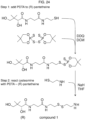
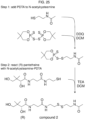
- the amide coupling reagent is hydroxybenzotriazole. In some embodiments, the amide coupling reagent is N,N'-dicyclohexylcarbodiimide. In some embodiments, the combining is in one or more solvents selected from dichloromethane, tetrahydrofuran, acetonitrile dimethylformamide, water, and combinations thereof.
- the disclosure features a method of synthesizing an asymmetric disulfide, said method comprising combining in an organic solvent:
- the disulfide is cystamine, or a salt thereof.
- the organic solvent is methanol or ethanol. In particular embodiments, the organic solvent is methanol.
- immediate release a mode of releasing the active agent (e.g. a cysteamine precursor, or a pharmaceutically acceptable salt thereof) formulated in a unit dosage form that has a dissolution release profile in a simulated gastric medium in which at least 55%, 65%, 75%, 85%, or 95% of the agent is released within the first two hours of testing using a USP compatible instrument.
- active agent e.g. a cysteamine precursor, or a pharmaceutically acceptable salt thereof
- controlled release is meant a mode of releasing the active agent (e.g. a cysteamine precursor, or a pharmaceutically acceptable salt thereof) from the formulation thereof in a manner that permits control over either the anatomical site of release or the rate of release, or both.
- the purpose of a controlled release formulation is to prolong the period of time during which therapeutic drug levels are present in the body (e.g. relative to an immediate release fomulation), and/or to optimize delivery of drug to sites of cysteamine absorption, thereby reducing the number of doses which must be administered in a 24 hour period.
- Gastroretentive, delayed release, sustained release and colon-targeted formulations are all examples of controlled release formulations.
- a controlled release formulation may also allow a reduction in the peak concentration of drug (Cmax) relative to that observed for an immediate release formulation administered at the same dose level (i.e. a reduced cysteamine Cmax in the case of a cysteamine precursor of the invention).
- a controlled release formulation of an active agent may be accomplished, for example, by embedding the active agent in a matrix substance that the body is slow to dissolve or erode, such that the active ingredient slowly and regularly leeches from the coating, either by diffusion out of the matrix or by erosion of the surface of the matrix, or both, or by formation of a gel with a semipenetrable surface, wherein the drug slowly exits the semipermeable layer.
- colon-targeted refers to a formulation, or a composition, that provides for drug release in the colon (which has a much higher density of enteric flora than the small intestine), and optionally also in the distal ileum (which tends to be the most alkaline region of the gastrointestinal tract).
- One method for targeting drug release to the distal ileum and colon is to use a pH sensitive coating that dissolves around pH 7 (e.g. pH 6.8, pH 6.9, pH 7.0), a typical pH in the ileum.
- a formulation designed for pH-dependent drug release in the ileum is very likely to also release drug in the colon (especially if the drug is embedded in a sustained release matrix), and/or some of the cysteamine precursor released in the ileum may pass into the colon still in precursor form (i.e. not yet converted to cysteamine).
- Another type of colon-targeted formulation relies on enzymes made by enteric bacteria to degrade drug-enclosing polymers that cannot be degraded by salivary, gastric or pancreatic enzymes, thereby effecting drug delivery in the colon.
- the density of intestinal flora is also high in the distal ileum, so enteric flora may start digesting the polymer, and hence releasing drug, in the distal ileum.
- Ileum- and colon targeted formulations are collectively referred to herein as colon-targeted formulations.
- unit dosage form refers to physically discrete units suitable as unitary dosages, such as a pill, tablet, caplet, hard capsule or soft capsule, each unit containing a predetermined quantity of a cysteamine precursor, or a pharmaceutically acceptable salt thereof.
- hard capsule is meant a capsule that includes a membrane that forms a two-part, capsule-shaped, container capable of carrying a solid or liquid payload of drug and excipients.
- soft capsule is meant a capsule molded into a single container carrying a liquid or semisolid or solid payload of drug and excipients.
- Granules, powders and liquids can also be provided in "unit dosage form” by using appropriate packaging. For example granules or powders can be administered in a sachet and liquids in an ampoule, vial, or plastic container.
- microparticles refers to microbeads, microspheres, micropellets, nanoparticles, nanobeads, nanospheres or other other fine particles used in drug formulations wherein each microparticle is between 0.05 - 999 micrometers in average diameter. Tens, hundreds or thousands of such microparticles may be used in a single unit dosage form, for example they may be packed inside a capsule or formulated as a powder or suspended in a liquid.
- an "effective amount" of an agent is that amount sufficient to effect beneficial or desired results in a patient, such as disease remission, and, as such, an "effective amount” depends upon the context in which it is being applied, including the age and weight of the patient, the nature of the disease, including the disease-affected organ(s), the disease status or level of activity, the sensitivity of the patient to cysteamine and other factors.
- pantetheine As used herein "pantetheine”, “4-phosphopantetheine”, “dephospho-coenzyme A” and “coenzyme A,” as well as any analog or derivative convertible to one of those compounds in the gastrointestinal tract, all refer to the D enantiomer (also occasionally referred to as the R enantiomer using more recent nomenclature). Each of these compounds contains a chiral carbon in the pantothenoyl moiety which can exist in either the D (dextro) or L (levo) form, also referred to as the (R) or (S) forms, respectively.
- D-pantetheine enantiomer is a substrate for pantetheinase, and it therefore is the only pantetheine enantiomer that is a cysteamine precursor.
- D- enantiomers of compounds that are convertible into pantetheine such as 4-phosphopantetheine, dephospho-coenzyme A and coenzyme A, are useful in the compositions and methods of the invention.
- Disulfide compounds of the present invention are biologically active sulfur-containing compounds that encompass: 1) cysteamine mixed disulfide compounds of the formula: C 2 H 6 NS-S-R1, where R1 is an organic moiety, 2) pantetheine disulfide compounds of the formula: C 11 H 21 N 2 O 4 S-S-R1, where R1 is an organic moiety, 3) 4-phosphopantetheine disulfide compounds of the formula: C 11 H 22 N 2 O 7 PS-S-R1, where R1 is an organic moiety, 4) dephospho-coenzyme A disulfide compounds of the formula: C 21 H 34 N 7 O 13 P 2 S-S-R1, where R1 is an organic moiety, 5) coenzyme A disulfide compounds of the formula: C 21 H 35 N 7 O 16 P 3 8-S-R1, where R1 is an organic moiety, or 6) N-acetylcysteamine compounds of the formula: C 4 H 8 NOS-S-R1, where R1 is an organic moiety
- Additional disulfides can be formed using dithiols, compounds which can form two disulfide bonds. At least one, and optionally both, disulfide bonds are with cysteamine or compounds that are degradable to cysteamine in the gastrointestinal tract.
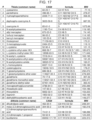
- a dithiol is disulfide bonded to only one such compound, the second thiol of the dithiol remaining in thiol form, or the second thiol can be disulfide bonded to any thiol, including, for example any thiol listed in Figure 17 .
- cysteamine mixed disulfide is meant a disulfide that connects cysteamine with another (non-cysteamine) thiol
- pantetheine mixed disulfide is meant a disulfide that connects pantetheine with another (non-pantetheine) thiol
- mixed disulfides are classified by the simpler of the two constituent thiols (e.g. cysteamine-pantetheine is referred to as a cysteamine mixed disulfide).
- Thiols useful for forming disulfide cysteamine precursors include, e.g., L-cysteine, N-acetylcysteine, glutathione, any thiol listed in Figure 17 and other thiols as described herein.
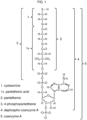
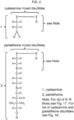
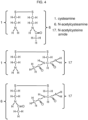
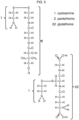
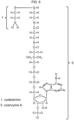
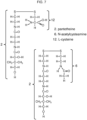
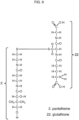
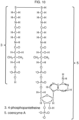
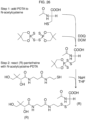
- Several exemplary mixed disulfides are illustrated in Figures 2 through 10 .
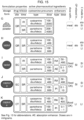
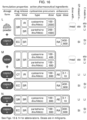
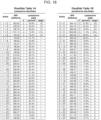
- the tables in Figures 18 - 21 show how the thiols in Figure 17 can be usefully combined to form disulfides.
- the names of the two thiols that are connected via a disulfide bond are used herein to name the disulfide, rather than the formal chemical name (e.g. using IUPAC nomenclature).
- cysteamine-pantetheine refers to a disulfide formed from those two compounds.
- the disulfide formed by reacting two pantetheines is commonly called pantethine
- the disulfide formed by reacting two cysteines is commonly called cystine
- the disulfide formed by reacting two cysteamines is commonly called cystamine.
- disulfides formed by reacting or “compound formed by reacting" refer specifically to the disulfide formed between the two named thiols.
- the disulfide formed by reacting cysteamine with pantetheine referred to as cysteamine-pantetheine
- cysteamine-pantetheine means the heterodimer formed between a cysteamine molecule and a pantetheine molecule. This definition does not reflect what may actually occur when the two named thiols are reacted. That is, when cysteamine is reacted with pantetheine under oxidizing conditions three disulfides may be formed in varying proportions, depending on the chemical conditions: cysteamine-cysteamine (i.e.
- cystamine cysteamine-pantetheine (also pantetheine-cysteamine, which is identical for the purposes of the invention) and pantetheine-pantetheine (i.e. pantethine).
- pantetheine-pantetheine i.e. pantethine
- cysteamine precursor a compound that can be converted under physiological conditions into at least one cysteamine.
- the means of conversion include reduction in the case of cysteamine containing disulfides (i.e. cysteamine mixed disulfides), enzymatic hydrolysis in the case of pantetheinase substrates (pantetheine as well as compounds that are metabolically convertible into pantetheine in the gastrointestinal tract, such as 4-phosphopantetheine, dephospho-coenzyme A and coenzyme A and suitable analogs or derivatives thereof, or both reduction and enzymatic cleavage.
- disulfides i.e. cysteamine mixed disulfides
- enzymatic hydrolysis in the case of pantetheinase substrates (pantetheine as well as compounds that are metabolically convertible into pantetheine in the gastrointestinal tract, such as 4-phosphopantetheine, dephospho-coenzyme A and coenzyme A and suitable analogs or derivatives thereof, or both reduction and enzy
- precursors include, but are not limited to, cysteamine mixed disulfides, pantetheine disulfides, 4-phosphopantetheine disulfides, dephospho-coenzyme A disulfides, coenzyme A disulfides and N-acetylcysteamine disulfides, as well as pantetheine, 4-phosphopantetheine, dephospho-coenzyme A, coenzyme A, and N-acetylcysteamine.
- cysteamine mixed disulfides pantetheine disulfides, 4-phosphopantetheine disulfides, dephospho-coenzyme A disulfides, coenzyme A disulfides and N-acetylcysteamine disulfides
- cysteamine mixed disulfides pantetheine disulfides
- 4-phosphopantetheine disulfides dephospho-coenzyme A disulfides
- a homodimer of two pantetheine molecules i.e. pantethine
- two 4-phosphopantetheine molecules or of two dephospho-coenzyme A molecules or of two coenzyme A molecules or of two N-acetylcysteamine molecules are also each disulfide cysteamine precursor compounds, as the constituent thiols are all cysteamine precursors.
- suitable analogs or derivatives in reference to the cysteamine precursors pantetheine, 4-phosphopantetheine, dephospho-coenzyme A, coenzyme A or N-acetylcysteamine, or disulfides containing any of them, is meant compounds that are convertible to pantetheine, 4-phosphopantetheine, dephospho-coenzyme A, coenzyme A or N-acetylcysteamine in the gastrointestinal tract, whether by chemical or enzymatic processes.
- thiols used in reference to a disulfide, is meant the thiol (and optionally dithiol) compounds reacted to form the disulfide.
- pharmaceutically acceptable salt represents those salts which are, within the scope of sound medical judgment, suitable for use in contact with the tissues of humans and animals without undue toxicity, irritation, allergic response and the like, and are commensurate with a reasonable benefit/risk ratio.
- Pharmaceutically acceptable salts are well known in the art. For example, pharmaceutically acceptable salts are described in: Berge et al., J. Pharmaceutical Sciences 66:1-19, 1977 and in Pharmaceutical Salts: Properties, Selection, and Use, (Eds. P.H. Stahl and C.G. Wermuth), Wiley-VCH, 2008 .
- Gastroretentive formulations are typically retained in the stomach for about 3, 4, 6, 8, 10 or at times 18 hours or longer following ingestion with a meal. It is however noted that in accordance with the invention, retention of the controlled-release gastroretentive drug delivery system is not observed after more than 48 hours after administration to non-fasting stomach, and preferably not after 24 hours.
- Gastroretentive formulations include floating or buoyant formulations, swelling or expandable formulations, bioadhesive or mucoadhesive formulations, unfolding formulations and magnetic formulations, or any combination thereof. Combinations of two or more types of gastroretentive formulation are common as it has proven difficult to maintain residence in the stomach with only one gastroretentive mechanism. Gastroretentive formulations are preferably administered with a meal.
- beneficial or desired results can include, but are not limited to resolution of inflammation, resolution of biochemical imbalances, improvement in quality of life, improvement in cognitive and behavioral status, improvement in motor function, improvement in emotional and mood status, sleep improvement, or more generally alleviation or amelioration of one or more symptoms or conditions; diminishment of extent of disease; stabilization of a state of disease; prevention of spread of disease; delay or slowing the progress of the disease; amelioration or palliation of a disease, disorder, or condition; and partial or complete remission of a significant disease manifestation.
- mammals is intended to mean both human and non-human mammals.
- compositions which contain the active ingredient(s) and (optionally) one or more carriers and/or diluents and/or adjuvants or other excipients.
- the compositions may be provided with instructions for delivery including explanation of any color coding or alphanumeric text on the surface or packaging of the composisions, as well as instructions regarding whether the compositions should be ingested at certain times of day, or with food (e.g. specific types or amounts of food), liquids, a meal (including details about the type of meal) or other medications, and whether the patient should remain upright or sitting for some period of time after drug administration.
- Disease acronyms include MELAS (Mitochondrial Encephalomyopathy, Lactic Acidosis, and Stroke-like episodes) and MERFF (Myoclonic Epilepsy with Ragged Red Fibers).
- Gene names include POLG, which encodes the catalytic subunit of DNA polymerase gamma, a mitochondrial DNA polymerase; OCT1, OCT2 and OCT3, which code for organic cation transporters 1, 2 and 3 (also known as SLC22A1, SLC22A2 and SLC22A3, respectively); PANK2, which encodes pantothenate kinase 2; VNN1 which encodes vanin 1, also known as pantetheinase; VNN2 which encodes vanin 2, also known as GPI-80 and also a pantetheinase.
- cysteamine sensitive disease means a disease for which there is evidence that cysteamine can be an effective treatment.
- the evidence may be derived from either clinical or preclinical studies of disease in mammals (e.g. humans, dogs, mice, rats, monkeys, rabbits), or from in vitro studies of disease mechanisms.
- Cysteamine sensitive diseases constitute a broad, heterogeneous group of diseases with widely varying manifestations and pathogenesis. Diseases and disorders for which there is evidence of cysteamine efficacy may be classified according to pathogenesis, with the important caveat that the mechanism of cysteamine efficacy is not always clear and there may be unknown mechanisms of action.
- cysteamine sensitive diseases include (i) disorders of cystine transport, among which cystinosis is the best known; (ii) disorders associated with oxidative damage, including neurodegenerative and liver diseases; (iii) disorders associated with pathological enzyme activity, including neurodegenerative diseases, hereditary mitochondrial diseases, diseases associated with mutant MECP2 and POLG; (iv) fibrotic disorders, including fibrosis of the kidney, liver or lung; (v) metabolic disorders, including metabolic syndrome X, diabetes and the spectrum of non-alcoholic fatty liver disease, culminating in non-alcoholic steatohepatitis (NASH); (vi) infectious diseases, including certain viral infections (e.g. influenza), bacterial infections (e.g.
- pseudomonas aeruginos and parasite infections (e.g. malaria;
- ischemic diseases including ischemis-reperfusion injury of the heart and other organs;
- diseases associated with abnormal adiponectin metabolism and
- cancer as well as amelioration of the deleterious effects of cancer therapy.
- the invention features compositions and methods that permit in vivo production of cysteamine from precursor compounds (cysteamine precursors) in controlled amounts and at controlled locations in the gastrointestinal tract, and methods of treating cysteamine sensitive symptoms, syndromes and diseases.
- the methods and compositions of the invention can include any one of compounds 1-3, shown below, or a pharmaceutically acceptable salt thereof.
- Compounds 1-3 can be administered alone, or in combination with a second active that is a cysteamine precursor, or in combination with an agent that modifies the release or uptake of cysteamine into a subject following the administration of the compound, such as a reducing agent or a pantetheinase inducing agent.
- Cysteamine is a small, highly reactive thiol molecule (NH2-CH2-CH2-SH) present in all life forms from bacteria to people.
- the IUPAC name for cysteamine is 2-aminoethanethiol.
- Other common names include mercaptamine, beta-mercaptoethylamine, 2-mercaptoethylamine, decarboxycysteine and thioethanolamine.
- cysteamine is produced by the enzyme pantetheinase, which cleaves pantetheine into cysteamine and pantothenic acid, also known as pantothenate or vitamin B5.
- VNN1 and VNN2 Human pantetheinases are encoded by the Vanin 1 and Vanin 2 genes (abbreviated VNN1 and VNN2) and are widely expressed, including in the gastrointestinal tract.
- dietary pantetheine which is present in many foods, (e.g. in nuts and dairy products), is cleaved in the gastrointestinal lumen to generate cysteamine and pantothenic acid, which are then absorbed.
- cysteamine can be transported across the gastrointestinal epithelium by organic cation transporters (OCTs), a family of transporters that includes organic cation transporter 1 (OCT1), OCT2 and OCT3, which have been shown to transport cysteamine in enterocytes.
- OCTs organic cation transporters
- N-acetylcysteamine is also a cysteamine precursor, via deacetylation either in the gut or by cellular deaceylases (e.g. the deacetylases which convert N-acetylcysteine to cysteine in vivo).
- Analogs or derivatives of the D- stereoisomer of pantetheine, 4-phosphopantetheine, dephospho-coenzyme A or coenzyme A that can be converted to the parent compound in the gastrointestinal tract can also be used to form either thiol or disulfide-type cysteamine precursors and are herein referred to as "suitable analogs or derivatives.”
- suitable analogs or derivatives there are many physiologic forms of coenzyme A (e.g. acetyl CoA, succinyl coA, malonyl coA, etc.) that are readily degraded to coenzyme A in the gut.
- Any acetylated, alkylated, phosphorylated, lipidated or other analog may be used as a cysteamine precursor.
- Analogs of pantetheine, 4-phosphopantetheine, dephospho-coenzyme A or coenzyme A have been described in the literature, as well as methods for producing them ( van Wyk et al., Chem Commun 4:398 (2007 )).
- Dithiol compounds such as dihydrolipoic acid (DHLA), meso-2,3-dimercaptosuccinic acid (DMSA), 2,3-dimercaptopropanesulfonic acid (DMPS), 2,3-dimercapto-1-propanol, bucillamine or N,N'-bis(2-mercaptoethyl)isophthalamide can also be reacted with pantetheine to form either a pantetheine mixed disulfide with one free thiol group, or a tripartite compound with two disulfide bonds connecting two pantetheine molecules to the dithiol.
- DHLA dihydrolipoic acid
- DMSA meso-2,3-dimercaptosuccinic acid
- DMPS 2,3-dimercaptopropanesulfonic acid
- DHLA dihydrolipoic acid
- DMSA meso-2,3-dimercaptosuccinic acid
- the former category of mixed pantetheine disulfides yields one cysteamine upon disulfide bond reduction and pantetheinase cleavage, while the latter category yields two cysteamines.
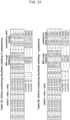
- Figure 21 for tables showing how cysteamine, pantetheine, 4-phosphopantetheine, dephospho-coenzyme A, coenzyme A or N-acetylcysteamine can be combined with various dithiols to produce useful cysteamine precursors.
- two different thiols can be bonded to a dithiol to yield a cysteamine precursor, so long as one of the thiols is cysteamine, pantetheine, 4-phosphopantetheine, dephospho-coenzyme A, coenzyme A or N-acetylcysteamine, or a suitable analog or derivative thereof; that is, a compound which can ultimately be degraded to cysteamine in the gastrointestinal tract.
- Tables 2A and 2B in Figure 21 show some of the salient properties of such cysteamine precursors, including the range of molecular weights and cysteamine yields (i.e. the percent of the cysteamine precursor convertible to cysteamine in vivo), and for selected examples, the number of in vivo degradative steps from the cysteamine precursor to cysteamine.
- any of 4-phosphopantetheine, dephospho-coenzyme A, coenzyme A or N-acetylcysteamine, or suitable analogs or derivatives can be (i) reacted with itself to form a homodimeric disulfide, or (ii) reacted with each other in various pairs to form mixed disulfides, or (iii) reacted with other thiols (not convertible into cysteamine in vivo), to form mixed disulfides. All such disulfides are cysteamine precursors. The first two categories can yield two cysteamines upon reduction and degradation in the gut while the third category can yield only one cysteamine.
- Each of the latter three categories can be further decomposed depending on the second thiol: (a) pantetheine or suitable analogs or derivatives, (b) 4-phosphopantetheine, dephospho-coenzyme A, or coenzyme A or suitable analogs or derivatives, or (c) a thiol which is not itself a cysteamine precursor (e.g.
- the prolonged elevated blood cysteamine levels provide both a more efficacious medication and a less toxic and more convenient dosing form for patients.
- Disulfides that contain a thiol requiring two or more catabolic reactions to generate cysteamine can be more efficiently degraded in the small intestine, where they are exposed to the digestive enzymes present in pancreatic juice, than in the stomach or large intestine.
- Disulfides made by reacting two such thiols with each other, or with thiols other than cysteamine will generate cysteamine starting at a later time point and extending over a longer time period than, for example, a cysteamine-L-cysteine disulfide.
- 4-phosphopantetheine, dephospho-coenzyme A or coenzyme A, or suitable analogs will generate cysteamine later than pantetheine, and the same is true of disulfides containing those compounds.
- Cysteamine precursors such as panthetheine and compounds degradable to pantetheine in the gut, as well as disulfides containing any of those compounds all yield pantothenate, along with cysteamine, upon cleavage by pantetheinase.
- Pantothenate or vitamin B5
- the methods and compositions of the invention can include mixtures of cysteamine precursors to take advantage of their differing pharmacological properties.
- individualized improvement (or personalization for a given patient's needs) of cysteamine plasma levels can be achieved by using mixtures of cysteamine precursors.
- the cysteamine-pantetheine mixed disulfide described above fixes the ratio of cysteamine to pantetheine at 1:1.
- cysteamine is absorbed and cleared from the body rapidly (elimination half life: ⁇ 25 minutes), producing a sharp peak in blood levels, while pantetheine provides cysteamine (via pantetheinase cleavage) over several hours.
- a dose of a cysteamine-pantetheine mixed disulfide that produces therapeutic cysteamine levels early may produce sub-therapeutic cysteamine levels later, because cysteamine generation from pantetheine is spread over a longer period of time.
- a 1:1 ratio of cysteamine:pantetheine may not be ideal for a specific patient or purpose. Adding more pantetheine to the dosage form would keep blood cysteamine in the therapeutic concentration range for a longer period of time.
- either the thiol pantetheine or the disulfide pantethine or another pantetheine-containing disulfide can, for example, be co-formulated or co-administered with the cysteamine-pantetheine mixed disulfide to achieve blood cysteamine levels in the therapeutic range for a longer period of time.
- the ratio of the two cysteamine precursors can be adjusted to achieve desired pharmacokinetic parameters, such as maximizing the area under the cysteamine concentration-time curve (AUC), or minimizing the peak concentration (Cmax) of cysteamine, or maximizing the trough concentration (Cmin), or maintaining cysteamine blood levels above a threshold, or any combination of such parameters.
- Cysteamine precursors such as 4-phosphopantetheine, dephospho-coenzyme A or coenzyme A, and disulfides formed from those three compounds, require more catabolic steps to yield cysteamine than does pantetheine (which only requires one step). Accordingly, the rate of cysteamine production from those cysteamine precursors is, on average, slower and more prolonged than from pantetheine or certain pantetheine disulfides.
- cysteamine-pantetheine co-administration or co-formluation of 4-phosphopantetheine, dephospho-coenzyme A or coenzyme A, or their disulfides in combination with cysteamine-pantetheine, and optionally pantetheine or pantethine, provides another way to control cysteamine pharmacokinetics by selecting appropriate cysteamine precursors.
- use of such cysteamine precursors can be used to further extend the time over which cysteamine is produced in the gastrointestinal tract.
- the canonical biosynthetic pathway for coenzyme A involves five steps catalyzed by four enzymes (CoA synthase catalyzes the final two steps).
- the initial step - phosphorylation of pantothenate by pantothenate kinase - controls flux through the pathway.
- none of the intermediate compounds in the coenzyme A synthetic (or catabolic) pathways is efficiently absorbed in the gastrointestinal tract. Rather, only the catabolic products of pantetheine (pantothenate and cysteamine) are absorbed in the gut.
- cysteamine precursors must be degraded to cysteamine in the gut, then absorbed and transported to the site of therapeutic effect (e.g. liver, central nervous system), and (ii) cellular coenzyme A synthesis necessarily starts from pantothenate (since other metabolic intermediates do not cross cell membranes).
- cysteamine precursors described herein to treat a variety of diseases and disorders.
- it permits treatment approaches involving in situ cysteamine creation in multiple tissues and organs (as opposed to just the gut), including diseased tissues.
- it enables cell delivery of a coenzyme A precursor (4-phosphopantetheine) downstream of the initial synthetic step catalyzed by pantothenate kinase, which can be used to treat pantothenate kinase deficient subjects.
- the method includes (i) dosing a patient with a cysteamine precursor that can be degraded in the gut to yield one or two molecules of 4-phosphopantetheine, some fraction of which will (ii) be absorbed by enterocytes and pass into the blood (where 4-phosphopantetheine is quite stable), and then, via the circulation, (iii) pass through the diseased organ, where (iv) it can be degraded by phosphatase and pantetheinase to yield cysteamine at the locus of disease.
- Advantages of this treatment method can include (i) higher cysteamine concentration at the site of disease than can be achieved with cysteamine absorbed from the intestine, per equivalent dose, (ii) lower plasma cysteamine concentration (because 4-phosphopantetheine is the circulating delivery vehicle) with resulting lower toxicity, (iii) longer half life in blood than cysteamine (over 3 hours for 4-phosphopantetheine vs. about 25 minutes for cysteamine), which lengthens dosing invervals and thereby increases patient convenience, and (iv) the ability to selectively target cysteamine to disease tissues in which pantetheinase overexpression is pathogenic, including, for example, metabolic diseases such as NASH ( Sato W. et al., Hepatol Res.
- kidney-specific cysteamine creation include higher tissue levels than would be achievable via cysteamine absorption by the gastrointestinal tract, and fewer side affects associated with elevated blood levels of cysteamine (e.g. malodorous breath and sweat, nausea, vomiting, anorexia and stomach pain).
- Kidney diseases responsive to cysteamine therapy include fibrotic diseases (e.g. glomerulonephritis) as well as metabolic diseases including nephropathic cystinosis (where renal failure is a major complication that can be delayed for up to a decade by cysteamine therapy).
- Cystinuria is another hereditary kidney disease, associated with recurrent kidney stones (nephrolithiasis).
- nephrolithiasis recurrent kidney stones
- cystinuria is at increased risk of kidney loss, requiring nephrectomy.
- a small but significant proportion of cases (1-3 percent) develop end-stage renal disease and must be treated with dialysis or kidney transplantation.
- Cystinuria is caused by mutations in one of the two genes (SLC3A1 and SLC7A9) encoding the low affinity cystine transporter, rBAT, a heterodimer. Disease transmission is autosomal recessive; individuals who inherit two defective copies of either gene develop cystinuria.
- Second line therapy is administration of thiol compounds that can form mixed disulfides with cysteine.
- the mixed disulfides are more soluble than cystine, and so remain dissolved in urine.
- the thiols penicillamine and tiopronin have been used in this way, however they are not well tolerated by most patients.
- Alpha-mercaptopropionylglycine has also been approved by the US FDA for cystinuria, but it is not tolerated by about one third of patients.
- cysteamine precursors degradable to 4-phosphopanthetheine in the gut then absorbed, passed into the circulation, and eventually degraded to pantetheine and then to cysteamine by pantetheinase in the kidney, are a useful class of therapeutic compounds for cystinuria.
- Cysteamine readily forms mixed disulfides with cysteine via disulfide exchange with cystine, and the cysteamine-cysteine disulfide is more soluble than cystine in aqueous solutions (e.g. urine). Because this therapeutic approach entails formation of cysteamine in the kidney, lower doses of cysteamine precursor are required than would be necessary for cysteamine formed in, and absorbed from, the gut (only a small fraction of which reaches the kidney).
- cysteamine precursors degradable to 4-phosphopantetheine are useful for providing therapeutic doses of cysteamine to all organs which express significant levels of phosphatase and pantetheinase.
- diseases of the lung associated with oxidative damage can be treated.
- cysteamine precursors for these treatment methods include coenzyme A, dephospho-coenzyme A and 4'-phosphopantetheine containing disulfides, each of which can be degraded to 4'-phosphopantetheine in the gastrointestinal tract, either by disulfide bond reduction (in the case of 4'-phosphopantetheine-containing disulfides), or by disulfide bond reduction followed by enzymatic degradation (in the case of coenzyme A and dephospho-coenzyme A-containing disulfides).
- cysteamine precursors which provide two molecules of 4'-phosphopantetheine are preferred over those that provide one.
- a 4'-phosphopantetheine - dephospho-coenzyme A mixed disulfide, or a homodimeric 4'-phosphopantetheine disulfide can deliver more in situ cysteamine generating capacity than a cysteine - 4-phosphopanthetheine mixed disulfide.
- Another useful class of cysteamine precursors comprises dithiols linked to one or two thiols degradable to 4'-phosphopantetheine. For example, dihydrolipoic acid linked via disulfide bonds to one or two molecules of 4'-phosphopantetheine.
- 4'-phosphopantetheine After transport across the gastrointestinal epithelium, and upon reaching the circulation, 4'-phosphopantetheine may either be degraded by a serum phosphatase to pantetheine (which, however, is a slow reaction) and then by pantetheinase to cysteamine and pantothenate in the blood (a fast reaction), or 4'-phosphopantetheine may be degraded upon contacting tissues that express phosphatase and pantetheinase.
- VNN3 connective tissue
- connective tissue smooth muscle, adipose tissue
- thyroid, adrenal gland, heart and reproductive organs testis, ovary, fallopian tubes, endometrium.
- the VNN3 gene has been described as a pseudogene, however several reports describe differential VNN3 expression, suggesting a functional role. VNN3 is widely expressed.
- Data on tissue and cell line expression of the vanin family genes can be found in public databases such as the protein atlas (www.proteinatlas.org) and in several publications (e.g. Jansen, P.A.M. et al. Expression of the Vanin Gene Family in Normal and Inflamed Human Skin: Induction by Proinflammatory Cytokines. J. Investigative Dermatology 129: 2167-2174, 2009 ).
- PKAN Pantothenate kinase associated neurodegeneration
- pantothenate kinase associated neurodegeneration PKAN
- PANK2 pantothenate kinase 2
- Pantothenate kinase 2 which is localized to mitochondria, phosphorylates pantothenic acid to generate 4-phosphopantothenic acid, which is converted into 4-phosphopantothenoyl-cysteine, which is subsequently decarboxylated to 4-phosphopantetheine (see Figure 11 ).
- Disulfide cysteamine precursors of the instant application are particularly suited to implement the treatment methods outlined above.
- Disulfides provide an effective way to deliver 4'-phosphopantetheine (and ultimately cysteamine) because (i) disulfides are stable in air (i.e. stable to oxygen), and therefore easier to formulate and store than thiols, and stable for longer periods, (ii) the thiol group is protected until the disulfide is reduced in the small intestine, close to the site of absorption, (iii) a second thiol, with additive or complementary therapeutic properties, can be delivered simultaneously.
- cysteamine - 4-phosphopantetheine mixed disulfide, cysteamine - dephosphocoenzyme A mixed disulfide, and cysteamine - coenzyme A mixed disulfide are useful therapeutic compounds.
- the cysteamine precursor is compound 3 or a pharmaceutically acceptable salt thereof.
- the homodimer of two N-acetylcysteamines is an efficient delivery vehicle for cysteamine which can be used in two ways: it can be administered as a single agent, or in combination with one or more other cysteamine precursors. In both cases the goal is to provide sustained blood N-acetylcysteamine and cysteamine levels in the therapeutic range (e.g. greater than 5 micromolar but less than 75 micromolar, or greater than 10 micromolar but less than 65 micromolar in blood plasma) for the longest possible time.
- compound 3 is administered as a single agent it is preferably formulated in a way that provides at least two release profiles: an early release profile and a later release profile.
- the early release formulation (aka instant release) starts to release compound 3 within ten minutes after oral administration.
- the later release formulation starts to release substantial amounts of compound 3 between about two to four hours later.
- the two formulations are admixed so they can be ingested together in a single dosage form.
- the ratio of the dose of compound 3 formulated for early release to that formulated for later release is at least 1:2, and may range up to 1:8 (e.g. 1:2, 1:3, 1:4, 1 :5, 1:6, 1:7, 1:8).
- the methods and compositions of the invention can utilize enhancers of cysteamine production. Additional flexibility in controlling cysteamine blood levels can be achieved by combining cysteamine precursors with enhancers of the steps required to chemically and enzymatically break down cysteamine precursors to cysteamine in the gut, to absorb cysteamine into blood, and to prevent cysteamine from being rapidly catabolized in the gut, the blood or in tissues. Specific enhancers exist for each of these several steps.
- any of the cysteamine precursors described herein may optionally be co-formulated or co-administered or administered in sequence with an agent that enhances cysteamine generation or intestinal uptake or slows cysteamine breakdown.
- the first step in converting disulfide cysteamine precursors to cysteamine is reduction of the disulfide to produce two thiols.
- the redox environment in the gastrointestinal tract may not contain sufficient reducing equivalents to quantitatively reduce cysteamine precursors to their respective thiols, thereby limiting cysteamine generation.
- the concentration of the reducing agents glutathione and cysteine in gastric juice is very low or undetectable (see Nalini et al., Biol Int. 32:449 (1994 )).
- much of the pantethine was excreted unchanged in the stool, apparently reflecting incomplete disulfide bond reduction (see Wittwer et al., J. Exp.
- Physiologic reducing agents such as the thiols glutathione or cysteine (both present in the small intestine as a result of bile and enterocyte secretion) may be used, as may other compounds normally present in the body and in food such as ascorbic acid (vitamin C), tocopherols (vitamin E) or the dithiol dihydrolipoic acid, a potent reducing agent.
- vitamin C ascorbic acid
- vitamin E tocopherols
- dithiol dihydrolipoic acid a potent reducing agent.
- Other widely available reducing agents including thiols such as N-acetylcysteine and non-thiols such as nicotinamide adenine dinucleotide (NADH), may also be used, as may any thiol listed in Figure 17 .
- Preferred reducing agents include those known to be safe in the doses required to bring about a change in the local gastrointestinal redox environment. Up to several grams of reducing agent may be required per dosing period, for example 0.5 - 5 grams. Disulfide cysteamine precursors that may benefit from co-administration of reducing agents are shown in Figure 13 . In particular, the compounds 1-3 can benefit from the co-administration or appropriately times subsequent administration of one or more reducings agents, as described herein. Two or more reducing agents may be combined. Preferably reducing agents have a molecular mass less than 300 Daltons.
- the total concentration of gastrointestinal thiols (both bile and enterocyte-derived) will affect the rate and extent of disulfide bond reduction and/or thiol-disulfide exchange necessary to convert cysteamine precursors to thiols, which is the necessary first step in their degradation to cysteamine.
- the amount of reducing equivalents available in the upper gastrointestinal tract following a meal can be estimated by making a few assumptions.
- Physiological inducers of VNN1 include a variety of substances that act via the transcription factors NF-E2-related factor-2 (more commonly referred to by the acronym Nrf2), peroxisome proliferator activated receptor alpha (PPAR alpha) and peroxisome proliferator activated receptor gamma (PPAR gamma).
- Nrf2 transcription factors NF-E2-related factor-2
- PPAR alpha peroxisome proliferator activated receptor alpha
- PPAR gamma peroxisome proliferator activated receptor gamma
- Nrf2 activation via translocation to the nucleus
- Factors that induce Nrf2 activation include both natural products and certain drugs.
- sulforaphane an isothiocyanate present in cruciferous vegetables, such as broccoli, Brussels sprouts, cabbage and cauliflower, induces VNN1 expression via Nrf2.
- Foods rich in sulforaphane e.g. broccoli sprouts
- sulforaphane can be administered as a pure substance in a pharmaceutical composition.
- Certain food-derived thiols, including S-allyl cysteine and diallyl trisulfide both present in onions, garlic and garlic extract
- Nfr2 both present in onions, garlic and garlic extract
- either compound may be obtained in pure form and administered in a pharmaceutical composition.
- Lipids present in certain foods including some polyunsaturated fatty acids, oxidized fat, omega-3 fatty acids and the naturally occurring lipid oleylethanolamide (OEA) also induce Nrf2 and/or PPAR alpha.
- Foods rich in oxidized fat include French fries and other deep fried foods, which can be coadministered with cysteamine precursors that require pantetheinase cleavage to generate cysteamine.
- Omega-3 fatty acids are present in fish and available in fish oil extracts and in pure form for use in pharmaceutical compositions.
- Naturally occurring PPAR alpha ligands include endogenous compounds such as arachidonic acid and arachidonic acid metabolites including leukotriene B4, 8-hydroxyeicosatetraenoic acid and certain members of the family.
- Pharmacological PPAR alpha ligands include the fibrates (e.g. benzafibrate, ciprofibrate, clinofibrate, clofibrate, fenofibrate, gemfibrozil), pirinixic acid (Wy14643) and di(2-ethylhexyl) phthalate (DEHP).
- Any natural or synthetic PPAR alpha ligand may be co-formulated or co-administered with a cysteamine precursor which requires pantetheinase cleavage to produce cysteamine.
- a cysteamine precursor which requires pantetheinase cleavage to produce cysteamine.
- Natural and synthetic PPARG agonists may also be used to stimulate Nrf2-mediated transcription of the pantetheinase genes VNN1 and/or VNN2.
- Natural product PPARG agonists include arachidonic adid and metabolites including 15-hydroxyeicosatetraenoic acid (15(S)-HETE, 15(R)-HETE, and 15(S)-HpETE), 9-hydroxyoctadecadienoic acid, 13-hydroxyoctadecadienoic acid, 15-deoxy-(delta)12,14-prostaglandin J2 and prostaglandin PGJ2, as well as honokiol, amorfrutin 1, amorfrutin B and amorphastilbol.
- PPARG neuropeptide kinase kinase kinase
- PPARA PPARA
- genistein genistein
- biochanin A sargaquinoic acid
- sargahydroquinoic acid sargahydroquinoic acid
- resveratrol amorphastilbol.
- Natural product PPARG agonists are described and reviewed in Wang et al., Biochemical Pharmacology 92:73 (2014 )).
- Pharmacological PPAR gamma agonists include thiazolidinediones (also called glitazones, e.g. pioglitazone, rosiglitazone, lobeglitazone). Heme, derived from red meat, also induces VNN1 expression.
- PPARA or PPARG agonists that stimulate pantetheinase expression may be co-administered or co-formulated with cysteamine precursors containing pantetheine or a compound degradable to pantetheine in the gut.
- Two or more inducers of pantetheinase expression may be combined to enhance expression or to reduce the dose of any single agent.
- cysteamine uptake from the intestinal lumen is mediated by transporters, natural levels of which may not be sufficiently high to transport all cysteamine in the intestinal lumen. Accordingly, compounds that induce expression of cysteamine transporters can be co-administered or co-formulated with cysteamine precursors to enhance cysteamine absorption. Cysteamine is transported across the intestinal epithelium by organic cation transporters 1, 2 and 3 (encoded by the OCT1, OCT2 and OCT3 genes, also referred to as the SLC22A1, SLC22A2 and SLC22A3 genes) and possibly by other transporter proteins.
- Inducers of organic cation transporter expression include the transcription factors PPAR alpha and PPAR gamma, the pregnane X receptor (PXR), retinoic acid receptor (RAR) and (in the case of OCT1) the RXR receptor, as well as by the glucocorticoid receptor. Accordingly, either natural or synthetic ligands of these receptors can be used to increase OCT expression and consequently enhance cysteamine uptake by intestinal epithelial cells. Agents that stimulate expression of cysteamine transporter(s) may be co-administered or co-formulated with cysteamine precursors of any type.
- cysteamine in the human body (time from Cmax to half Cmax after an intravenous bolus) is about 25 minutes.
- Some of the cysteamine dose is transformed into a variety of disulfides, including mixed disulfides with free cysteine, with cysteinyl residues of proteins and with glutathione. No pharmacological intervention can prevent that mode of elimination, and in any event that pool of cysteamine remains available for further disulfide exchanges.
- cysteamine catabolic pathway There is a cysteamine catabolic pathway, however, that irreversibly transforms cysteamine, effectively removing it from the body.
- the enzyme cysteamine dioxygenase which oxidizes cysteamine to hypotaurine, is a significant factor in cysteamine elimination.
- a cysteamine precursor is co-formulated, co-administered or administered in optimal temporal sequence with hypotaurine and/or with taurine.
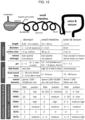
- Figure 13 shows a classification of cysteamine precursors based on their thiol constituents, the number of cysteamine molecules that can be generated, the metabolic steps required to generate cysteamine, potentially useful enhancers of in vivo cysteamine generation, and cysteamine release profiles.
- Compounds that induce higher expression of cysteamine transporter(s) are useful for all types of cysteamine precursors.
- Compounds that alkalinize the intestinal contents and thereby promote thiol-disulfide exchange and/or disulfide bond reduction are useful for disulfide cysteamine precursors.
- cysteamine blood levels can be achieved by co-formulation or co-administration of (i) one or more cysteamine precursors with selected properties, (ii) one or more enhancers of in vivo cysteamine precursor breakdown and/or cysteamine absorption (iii) one or more inhibitors of cysteamine catabolism, using (iv) one or more types of formulation (e.g. immediate, delayed, sustained, gastroretentive or colon-targeted or a combination) and (v) a dosing schedule that enables optimal co-delivery of cysteamine precursor(s) and enhancer(s) to targeted segments of the gastrointestinal tract in amounts that can be effectively degraded and absorbed.
- formulation e.g. immediate, delayed, sustained, gastroretentive or colon-targeted or a combination
- a dosing schedule that enables optimal co-delivery of cysteamine precursor(s) and enhancer(s) to targeted segments of the gastrointestinal tract in amounts that can be effectively degraded and absorbed.
- compositions formulated to achieve a therapeutically effective plasma concentration of cysteamine over an extended period of time in order to: (i) reduce the side effects associated with high peak concentrations of cysteamine, (ii) reduce undertreatment caused by sub-therapeutic trough concentrations of cysteamine and (iii) improve patient convenience and hence compliance with therapy by reducing the number of doses per day.
- the compounds and formulations of the invention are also designed to (i) provide improved organoleptic properties compared to existing cysteamine formulations, (ii) reduce contact of free cysteamine with the gastric epithelium, a known source of gastrointestinal side effects, (ii) minimize the dose of cysteamine precursor required to achieve therapeutic cysteamine blood levels by matching the dose and delivery site(s) with the relevant digestive and absorptive processes in the gastrointestinal tract, which purpose may be achieved by (iii) optimizing cysteamine precursor breakdown and absorption by co-formulation or co-administration with enhancers of those processes.
- compositions of the invention a pharmaceutical excipient is included in all formulations to prevent exposure of a cysteamine precursor, or a salt thereof, in the mouth.
- Formulation methods for masking bitter or other unpleasant tastes include coatings, which may be applied in several layers. Flavorants and dyes may also be used.
- Methods for producing pharmaceutical compositions with acceptable mouth feel and/or taste are known in the art (e.g. see textbooks on pharmaceutical formulation, cited elsewhere; the patent literature also provides methods for producing organoleptically acceptable pharmaceutical compositions (see, e.g., U.S. Patent Publication No. 20100062988 ).
- a first composition provides a cysteamine precursor, or a salt thereof, in a gastroretentive formulation.
- gastroretentive technologies are known in the art, several of which have been successfully used in marketed products.
- For reviews see, e.g., Pahwa et al., Recent Patents in Drug Delivery and Formulation, 6:278 (2012 ); and Hou et al., Gastric retentive dosage forms: a review. Critical Reviews in Therapeutic Drug Carrier Systems 20:459 (2003 ).
- a gastroretentive formulation provides sustained release of a cysteamine precursor in the stomach.
- cysteamine precursors may start in the stomach, or in the small intestine, which is the tissue from which cysteamine is most efficiently absorbed.
- Some cysteamine precursors may continue to be converted into cysteamine in the large intestine, even if release from a pharmaceutical composition in the stomach or small intestine.
- disulfide cysteamine precursors released in the stomach may remain predominately in the oxidized state in the acidic, oxidizing environment of the stomach, then start to release cysteamine after encountering reducing agents (e.g. biliary glutathione) in the small intestine.
- reducing agents e.g. biliary glutathione
- gastroretentive formulations of cysteamine precursors should be administered with food, preferably with a meal containing sufficient caloric content and nutrient density to slow gastric emptying.
- a nutrient dense meal triggers osmoreceptors and chemoreceptors in the small intestine (and to a lesser extent in the stomach) which has the effect of stimulating neural and hormonal signals which diminish gastric motility, thereby delaying emptying. Delaying gastric emptying is a mechanism for prolonging the effect of a gastroretentive composition.
- disulfide cysteamine precursors are preferred for gastroretentive formulations because the acidic, oxidizing environment of the stomach tends to maintain disulfides in their oxidized form, thereby limiting exposure of the gastric epithelium to cysteamine, which is believed to be one cause of cysteamine toxicity.
- the disulfide Upon entering the duodenum and mixing with bile, which contains a high (millimolar) concentration of glutathione, cysteine and other reducing agents, the disulfide will be reduced, thereby producing free thiols in a location where they are exposed to pantetheinases and where cysteamine transporters are expressed on enterocytes.
- Gastroretentive formulations may therefore ideally be administered with meals containing fatty foods. Protein-rich meals also slow gastric emptying but to a lesser extent, and carbohydrate rich meals still less.
- Gastroretentive compositions may also be administered with compounds that slow gastric emptying, including certain lipids, for example fatty acids with at least 12 carbon atoms stimulate cholecystokinin release from enteroendocrine cells, reducing gastric motility, while fatty acids with shorter carbon cells are not as effective.
- food or a meal may be supplemented with fatty acids or triglycerides containing fatty acids with carbon chains of 12 or longer (e.g. oleic acid, myristic acid, triethanolamine myristate, a fatty acid salt).
- CCK cholecystokinin
- GLP1 glucagon-like peptide 1
- CCK slows gastric emptying by binding the CCK1 receptor (abbreviated CCK1R, formerly called the CCK-A receptor).
- CCK1R formerly called the CCK-A receptor
- positive allosteric modulators of CCK1R, or agents that promote release of endogenous CCK, or that inhibit CCK degradation, or that otherwise prolong CCK action through some combination of those or other mechanisms are administered with gastroretentive compositions to slow gastric emptying and prolong gastric residence of the gastroretentive composition.
- CCK is a peptide that exists in several forms ranging from 8 amino acids up to 53 amino acids (e.g. CCK-8, CCK-53). Oral administration of the peptides is not effective because they are digested in the gastrointestinal tract.
- Small molecule CCK agonsts have been developed and tested by several research groups. For example SR-146,131 and related compounds were developed by scientists at Sanofi ( US patents 5,731,340 and 6,380,230 , herein incorporated by reference).
- protease inhibitors induce CCK production or release, or prolong its half life, or otherwise potentiate its effect, including both food-derived mixtures and pure compounds.
- ingestion of a protease inhibitor concentrate derived from potato is associated with elevated levels of CCK, as is ingestion of soybean peptone and soybean beta-conglycinin peptone.
- Camostate is a synthetic protease inhibitor with pleiotropic effects, including stimulation of of endogenous CCK release, and consequent slowing of gastric emptying.
- Camostat mesilate is a pharmaceutical salt that has been used extensively in man.
- FOY-251 is an active metabolite of camostat.
- an agent that stimulates CCK production or release, or prolongs CCK half life, or otherwise potentiate CCK effect is co-formulated or co-administered with a gastroretentive composition in an amount that slows gastric emptying.
- camostat, FOY-251, or a prodrug, derivative or active metabolite of camostat, or a pharmaceutically acceptable salt thereof is co-formulated or co-administered with a gastroretentive composition in an amount ranging between 50 - 300 mg/kg, or between 100 - 250 mg/kg.
- Quercetin is a flavonol present in many fruits, vegetables, leaves and grains. It is used as an ingredient in health supplements, beverages and foods.
- a GLP-1 receptor agonist or positive alllosteric modulator of GLP-1 is co-formulated or co-administered with a gastroretentive composition in an amount sufficient to delay gastric emptying.
- the GLP-1 receptor agonist or positive alllosteric modulator is quercetin or an analog, derivative or active metabolite of quercetin.
- Certain small molecule drugs are also able to slow gastric emptying time, and may be co-administered or co-formulated with gastroretentive compositions.
- the particles may vary in size, in composition (e.g the type or concentration of a sustained release polymer), or in the type or thickness of a coating agent, or in the number and composition of layers if coated with multiple layers of coating agents, such that drug is released at different rates, or at different starting times, from individual particles, thereby providing, in aggregate, drug release over an extended period of time compared to a formulation in which all particles are substantially identical.
- the sustained release formulation may optionally be coated with a pH sensitive material that prevents dissolution in the stomach (referred to as an enteric coating).
- the microparticles in a single composition may vary in the type or thickness of one or more coating agents. For example, the pH at which the coating dissolves may very.
- the two or microparticles used in such mixed compositions may be manufactured separately to tight specifications and then blended in a ratio to achieved prolonged drug release in vivo.
- a sustained release composition may provide prolonged release of the cysteamine precursor in the stomach and/or the small intestine (not the former if enteric coated) and consequently sustained in vivo cysteamine generation.
- a sustained release formulation may be designed to release drug for a period of time roughly equal to the sum of the average gastric and small intestinal transit times, e.g. 3-5 hours if administered in the fasting state or 5-8 hours if administered with food or with a meal.
- the sustained release formulation may be designed to release drug for longer than the sum of the average stomach and small intestinal transit times, so as to continue to release cysteamine precursors in the large intestine.
- such a sustained release composition may release a cysteamine precursor for between 4-8 hours when administered in the fasted state or between 6-10 hours, or longer, when administered with a meal.
- the sustained release formulation may yield elevated blood cysteamine levels during hours 1 - 4 after ingestion, preferably hours 1-6, more preferably hours 1-8, still more preferably hours 1-10 or longer.
- Sustained release formulations of cysteamine precursors may be administered with food or between meals, and optionally with enhancers of cysteamine precursor degradation or cysteamine absorption. Food tends to inhibit absorption of free cysteamine, particularly fatty foods, and it is generally recommended to ingest cysteamine salts on an empty stomach, though small amounts of applesauce or similar foods are permitted.
- compositions necessarily have elements of two types of formulation, one mainly directed at controlling the rate of drug release and the other mainly directed at controlling the anatomical site of drug release.
- gastroretentive formulations always contain drug in a sustained release formulation; otherwise there would be no point in prolonged gastric residence.
- the immediate release component may form an outer layer that is rapidly dissolved or that rapidly disintegrates in the stomach, leaving a core sustained release component that remains in the stomach by one or more of the gastroretentive mechanisms described herein.
- not all types of formulation can be productively combined.
- an enteric coated gastroretentive formulation would be counterproductive because gastroretentive formulations are designed to release drug in the stomach - and gastric release would be blocked by a coating resistant to dissolution in acidic medium.
- compositions with different temporal or anatomical drug release profiles can, when combined with suitable cysteamine precursors, and optionally with enhancers of cysteamine generation or absorption, provide blood cysteamine levels in the therapeutic range for 0.5 - 6 hours, more preferably 0.5 - 8 hours, and most preferably 0.5 - 12, 0.5 - 15 hours or longer.
- suitable cysteamine precursors can, when combined with suitable cysteamine precursors, and optionally with enhancers of cysteamine generation or absorption, provide blood cysteamine levels in the therapeutic range for 0.5 - 6 hours, more preferably 0.5 - 8 hours, and most preferably 0.5 - 12, 0.5 - 15 hours or longer.
- Examples of productive combinations of formulations follow, including mixed formulations with up to two drug release components, and separately formulated compositions that can be combined in various amounts and ratios to tailor the amount and timing of in vivo cysteamine generation and absorption to the needs of an individual patient.
- a third composition provides a mixed formulation of a first enteric coated component formulated for delayed release of a cysteamine precursor, or a salt thereof, in the small intestine; and a second component of enteric coated microparticles formulated for sustained release of a cysteamine precursor, or a salt thereof throughout the small intestine and the proximal part of the large intestine.
- the mixed formulation provides a first component to initally achieve elevated levels of cysteamine in the blood, while the second component sustains cysteamine levels in the blood over time.
- a fourth composition provides a mixed formulation that includes (i) a sustained release gastroretentive formulation of a cysteamine precursor, or a salt thereof, (ii) an immediate release formulation of a cysteamine precursor, or a salt thereof designed to release drug in the stomach.
- the second component of the mixed formulation is on the exterior surface of the composition and starts to dissolve immediately on contact with the stomach contents. It is the first to generate cysteamine, albeit not necessarily in the stomach.
- the first (gastroretentive) component provides prolonged cysteamine precursor release in the stomach, and ensuing in vivo cysteamine generation throughout the small intestine and, depending on the characteristics of the cysteamine precursor, into the large intestine.
- the combined in vivo generation and absorption of cysteamine from the two components starts within 1 hour after administration of the mixed composition and continues for at least 5 hours, preferably remaining within the therapeutic concentration range for 8, 10, 12 or more hours.
- a first component is formulated for immediate release in the stomach and includes a cysteamine precursor, preferably a cysteamine mixed disulfide or a pantetheine disulfide, or a salt thereof and a second component is formulated for sustained release of a cysteamine precursor, or a salt thereof.
- the first component is on the exterior surface of the composition, so that the second component remains intact after dissolution or disintegration of the first component.
- the mixed formulation of this fifth composition may produce an initial elevation of plasma cysteamine concentration from the immediated release component and maintain elevated levels of cysteamine from the second (sustained release) component, with continued in vivo cysteamine production for 6 hours, 8 hours, 10 hours of longer.
- cysteamine precursor or several different cysteamine precursors
- the release of a cysteamine precursor along the gastrointestinal tract, from the stomach to the large intestine allows the amount of cysteamine precursor to be matched to the levels of panthetheinase and cysteamine transporters in all segments of the gut, thereby maximizing cysteamine generation and absorption.
- Continuous intestinal generation and absorption of cysteamine avoids reliance on a high Cmax for lengthening exposure, thereby lessening cysteamine side-effects associated with high peak levels.
- mixed formulations of cysteamine precursors allow for administration of cysteamine to numerous disorders that are sensitive to the effects of cysteamine.
- a first component is formulated for immediate release in the stomach and includes a cysteamine precursor, preferably a cysteamine mixed disulfide or a pantetheine disulfide, or a salt thereof; a second component is formulated for release of a cysteamine precursor, or a salt thereof in the ileum and/or colon.
- the mixed formulation of this sixth composition may produce an initial elevation of plasma cysteamine levels from the immediated release component and a second elevation of plasma cysteamine levels from the ilium and colon-targeted component around the time the first peak is rapidly decreasing.
- the second component may start to release cysteamine precursor four to eight hours after administration, depending on whether it was administered with or without food.
- cysteamine precursor or different cysteamine precursors
- the controlled release of a cysteamine precursor along the gastrointestinal tract, from the stomach to the large intestine allows the amount of cysteamine precursor to be matched to the levels of panthetheinase and cysteamine transporters in all segments of the gut to maximize cysteamine generation and absorption.
- compositions of the invention include one or more cysteamine precursors, or pharmaceutically acceptable salt(s) thereof.
- Salts of the invention may include, without limitation, salts of alkali metals, e.g., sodium, potassium; salts of alkaline earth metals, e.g., calcium, magnesium, and barium; and salts of organic bases, e.g., amine bases and inorganic bases. Exemplary salts are found in Remington's Pharmaceutical Sciences, 17th ed., Mack Publishing Company, Easton, Pa., 1985, p. 1418 , Berge et al., J. Pharmaceutical Sciences 66:1 (1977 ), and Pharmaceutical Salts: Properties, Selection, and Use, (Eds. P.H. Stahl and C.G. Wermuth), Wiley-VCH, 2008 , each of which is incorporated herein by reference in its entirety.
- compositions of the invention may include a cysteamine precursor, or a salt thereof, in a component of a gastroretentive or mixed formulation to achieve plasma concentrations of cysteamine in the therapeutic range within the first 4 hours following administration, preferably within the first 2 hours following administration, and most preferably within the first hour.
- the cysteamine plasma concentration preferably remains in the therapeutic range for at least 5 hours, preferably 6 hours, more preferably 8 hours, 10 hours or longer.
- a disulfide cysteamine precursor, or a salt thereof may be formed by reacting cysteamine with a thiol cysteamine precursor such as pantetheine, 4-phosphopantetheine, dephospho-coenzyme A, coenzyme A or N-acetylcysteamine, or by reacting cysteamine with other thiols including N-acetylcysteine (NAC), N-acetylcysteine amide, N-acetylcysteine ethyl ester, homocysteine, glutathione (GSH), allyl mercaptan, furfuryl mercaptan, benzyl mercaptan, thioterpineol (grapefruit mercaptan), 3-mercaptopyruvate, L-cysteine, L-cysteine ethyl ester, L-cysteine methyl ester, thiocysteine, cysteinylglycine,
- the cysteamine precursor provides more than one cysteamine, as provided by, for example, the mixed cysteamine disulfides formed by joining cysteamine with either pantetheine, 4-phosphopantetheine, dephospho-coenzyme A or coenzyme A, or by the corresponding mixed pantetheine disulfides formed by oxidizing pantetheine with either 4-phosphopantetheine, dephospho-coenzyme A or coenzyme A, or a suitable prodrug or analog convertible to the parent compound in the gastrointestinal tract.
- the mixed cysteamine disulfides formed by joining cysteamine with either pantetheine, 4-phosphopantetheine, dephospho-coenzyme A or coenzyme A or by the corresponding mixed pantetheine disulfides formed by oxidizing pantetheine with either 4-phosphopantetheine, dephospho-coenzyme A or coenzyme A, or a suitable prodrug or analog convertible to the parent compound in the gastrointestinal tract.
- 4-phosphopantetheine can be disulfide bonded to dephospho-coenzyme A or coenzyme A, or dephospho-coenzyme A can be disulfide bonded to coenzyme A to make cysteamine precursors capable of yielding two cysteamines in vivo.
- Figure 13 shows the number of cysteamines that can be generated in vivo from different classes of cysteamine precursors.
- Figures 18 - 21 show specific disulfide cysteamine precursors; those that yield two cysteamines in vivo are listed at the top of the tables and the fractional yield of cysteamine (in percent) for each disulfide Is also shown, as are the number of degradative steps required to yield cysteamine.
- the reactive thiol group of pantetheine or an organosulfur compound may be modified to include a substituent such as an acetyl group, methyl ester, ethyl ester, glutamyl, succinyl, phenylalanyl, polyethylene glycol (PEG), and/or a folate.
- a substituent such as an acetyl group, methyl ester, ethyl ester, glutamyl, succinyl, phenylalanyl, polyethylene glycol (PEG), and/or a folate.
- the composition of the invention includes one or more disulfide cysteamine precursors.
- Disulfides being oxidized forms of thiols, are readily formed from constituent thiols without expensive reagents or equipment. Further, disulfides are not subject to the oxidation that can limit the long term stability of thiol compounds exposed to air. Thus with respect to manufacturing, cost, storage cost, shipping and patient convenience (i.e. long shelf life), disulfide forms of cysteamine precursors are preferable to thiol forms.
- All three compounds are useful in providing cysteamine, and in fact the dissimilar steps involved in converting each compound to cysteamine can be pharmacologically beneficial by expanding the period of time over which cysteamine is generated in vivo by disulfide bond reduction or by a combination of reduction and enzymatic degradation steps.
- the co-formulation of all three oxidaton products without purification may be pharmacologically useful. This is particularly so when the two reacted thiols are each convertible into cysteamine (e.g.
- disulfide cysteamine precursors made by reacting a thiol convertible to cysteamine with a second thiol not convertible to cysteamine.
- the three disulfides formed by reacting pantetheine with N-acetylcysteine (NAC) are: pantetheine-pantetheine (pantethine), pantetheine-NAC and NAC-NAC.
- the first two compounds are cysteamine precursors, the third (NAC-NAC) is not.
- NAC-NAC may nevertheless have beneficial pharmacological properties with respect to modulating the intestinal redox environment, or beneficial medical properties as a consequence of providing, upon chemical reduction, two NAC molecules.
- all three disulfide products formed by reacting cysteamine or a thiol convertible into cysteamine in vivo with a second thiol not convertible into cysteamine in vivo are co-formluated in a single composition.
- the expected ratio of reaction products when two different thiols are oxidized depends on the molar ratio of the two thiols, the absolute concentration of the two thiols, pH, and/or the chemical environment around the sulfhydryl group of each thiol. If the ratio of thiol A to thiol B is 1:1 the expected molar ratio of the reaction products A-A, B-B, A-B is about: 1:1:2. (Deviations from the expected ratio may occur as a result of differences in the chemical bonds adjacent to the thiol that may affect, for example, the kinetics of disulfide bond formation, which may be influenced by the electronegativity of the atom bound to the sulfhydryl.
- the ratio of reaction products can be altered by changing the molar ratio of the two thiols. For example to increase the proportion of A-A and A-B relative to B-B the molar concentration of thiol A may be increased relative to that of thiol B.
- the molar concentration of the first thiol may be increased relative to that of the second thiol so as to increase the proportion of cysteamine precursors produced.
- reacting thiols A and B in a molar ratio of 2:1 increases the proportion of A-A and A-B (both cysteamine precursors) relative to B-B (not a cysteamine precursor).
- the oxidation of two unlike thiols can be promoted, and/or the mix of reaction products altered, by inclusion of a catalyst (reviewed in Musiejuk and Witt (2015)).
- a catalyst for example an oxidant like hydrogen perioxide or dimethyl sulfoxide (DMSO) can be added, or a metal such as copper, manganese or telluride, or iodine, diethylazodicarboxylate (or related compounds), or dichlorodicyanoquinone (DDQ).
- DMSO dimethyl sulfoxide
- DDQ dichlorodicyanoquinone
- Optimal performance of the catalyst can be achieved by empirically determining the best solvent system, catalyst concentration and reaction conditions.
- an asymmetric disulfide can be produced via a thiol-disulfided exchange reaction between a thiol and a symmetrical disulfide.
- This type of reaction like the oxidation of two dissimilar thiols, provides a mixture of all possible products (symmetrical and unsymmetrical disulfides).
- formation of the unsymmetrical disulfide is favored, and may even be the major reaction product under optimized conditions.
- Example 15 and 16 describes synthesis of pantetheine-cysteamine disulfide via thio-disulfide exchange.
- the method works with cysteamine as the thiol and pantethine as the disulfide, and with pantetheine as the thiol and cystamine as the disulfide.
- the molar ratio of thiol to disulfide e.g. cysteamine:pantethine
- the solvent is methanol and the reaction time is between 1 - 20 hours, or between 1 - 12 hours, or between 1 - 6 hours.
- the product of the thiol:disulfide exchange reaction e.g. TTI-0102
- TTI-0102 is subsequently precipitated (e.g. as described in Example 17).
- the ratio of cysteamine precursors used in a pharmaceutical composition may be adjusted by combining the three reaction products of a mixed disulfide oxidation reaction with a pure disulfide.
- thiols cysteamine (C) and pantetheine (P) are oxidized in a 1:1 molar ratio they will combine to form 3 products: C-C, P-P and C-P in a ratio of approximately 1:1:2.
- Pure pantethine (P-P) can be added to the mixture in any desired amount to prolong the in vivo cysteamine-generating properties of the mixture. Doubling the starting amount of pantethine would yield a ratio of 1:2:2. Adding four times the starting amount of pantethine would yield a ratio of 1:2:5.
- cysteamine-pantetheine reaction products C-C, P-P and C-P
- cysteamine-pantetheine reaction products C-C, P-P and C-P
- an equimolar quantity of reaction products from an N-acetylcysteine (NAC) - cysteamine (C) oxidation reaction C-C, NAC-NAC and C-NAC in a ratio of 1:1:2
- the mixture will contain five compounds, one of which, NAC-NAC, can not be converted to cysteamine.
- the other four disulfides, P-P, C-C, C-P, C-NAC are present in a molar ratio of approximately 1:2:2:2.
- pantetheine may be added to make the ratio, for example, 2:2:2:2 (more simply expressed as 1:1:1:1) or added in greater quantity to make the ratio 1:1:1:5.
- the molar ratio of disulfides in a pharmaceutical composition can be controlled by a variety of methods.
- the cysteamine-pantetheine reaction products C-C, P-P and C-P
- the cysteamine-pantetheine reaction products may be combined with an equimolar quantity of reaction products from a 4-phosphopantetheine (4P) - cysteamine (C) oxidation reaction (namely C-C, 4P-4P and C-4P in a ratio of 1:1:2), to produce a mixture of five disulfides in a ratio 1:1:1:2:2.
- Mixtures of cysteamine precursors are most easily made by combining the products of these two types of reactions. Mixtures may include various molar ratios of pure disulfide or three-component disulfide mixtures.
- heterodimeric cysteamine precursors may also be used in pure form, after purification, or combined with other homo- or heterodimeric cysteamine precursors.
- sulfenyl derivatives include: sulfenyl chlorides, S-alkyl thiosulfates and S-aryl thiosulfates (Bunte salts), S-(alkylsulfanyl)isothioureas, benzothiazol-2-yl disulfides, benzotriazolyl sulfides, dithioperoxyesters, (alkylsulfanyl)dialkylsulfonium salts, 2-pyridyl disulfides and derivatives, N-alkyltetrazolyl disulfides, sulfenamides, sulfenyldimesylamines, sulfenyl thiocyanates, 4-nitroarenesulfenanilides, thiolsulfinates and thiolsulfonates, sulfanylsulfinamidines, thionitrites, sulfenyl salt
- Some of the compounds of the invention exist in more than one enantiomeric form.
- pantetheine, 4-phosphopantetheine, dephospho-coenzyme A and coenzyme A contain a chiral carbon in the pantothenoyl moiety.
- each of these compounds can exist as the D- or L- enantiomer, or as a racemic mixture of the two with respect to the pantethenoyl group.
- human pantetheinases encoded by the VNN1 and VNN2 genes are specific for D-pantetheine. ( Bellussi et al., Physiological Chemistry and Physics 6:505 (1974 )).
- D-pantetheine and not L-pantetheine is a cysteamine precursor, and accordingly the present invention concerns only D-pantetheine, and only the D-enantiomers of 4-phosphopantetheine, dephospho-coenzyme A and coenzyme A and any analogs or prodrugs convertible to those compounds in the gastrointestinal tract.
- all disulfides that contain a pantetheine, 4-phosphopantetheine, dephospho-coenzyme A and coenzyme A, or any suitable analog or prodrug only employ the D- enantiomer.
- the R enantiomer is preferred, as that is the enantiomer made in the human body. In general, for compounds that are normally present in the human body or that are present in foods the naturally occurring enantiomer is preferred.
- Crystallization is a less expensive, faster and more scalable purification method than, for example, column chromatography.
- Methods for inducing precipitation of small molecules are known in the art (e.g. see reviews by Chen et al. and others in Crystal Growth and Design, 11(4), 2011 ).
- Crystallization can be induced by cooling a saturated solution of a target compound, or by addition of an anti-solvent (a liquid in which the target compound is poorly soluble) to a solution of compound ( Mostafa et al. Chemical Engineering Science 63: 5457-5467, 2008 ), or by introducing a surface which promotes crystal formation (e.g.
- cysteamine precursors will often be administered in relatively large doses (over 1 gram per day, and possibly up to ten grams in adults) any salt needs to be safe. Therefore salts that are natural products, present at signfican levels in the diet, and with pleasant organoleptic properties are preferred. Examples of such salts include, without limitation, acetate, citrate and tartrate.
- the salt forms of cysteamine precursors that induce crystal formation may not overlap with the pharmaceutically preferred salt forms, in which case a salt form can be produced specifically to aid crystallization, then redissolved in solvent and the salt switched to a preferred pharmaceutical salt. Large salts that tend to promote crystal formation include benzoate and napthoate (napthoic acid).
- the pharmaceutical composition can contain one or more pharmaceutically acceptable carriers.
- the cysteamine precursor, pharmaceutically acceptable salt, solvate, or prodrug thereof is typically mixed with an excipient, diluted by an excipient or enclosed within such a carrier in the form of, for example, a capsule, tablet, sachet, paper, vial or other container.
- the active component of the invention can be administered alone, or in a mixture, in the presence of a pharmaceutically acceptable excipient or carrier.
- the excipient or carrier is selected on the basis of the mode and route of administration, the region of the gastrointestinal tract targeted for drug release, and the intended time profile of drug release.
- Suitable pharmaceutical carriers as well as pharmaceutical necessities for use in pharmaceutical formulations, are described in Remington: The Science and Practice of Pharmacy, 21st Ed., Gennaro, Ed., Lippencott Williams & Wilkins (2005 ), a well-known reference text in this field, and in the USP/NF (United States Pharmacopeia and the National Formulary) or corresponding European or Japanese reference documents.
- excipients examples include lactose, dextrose, sucrose, sorbitol, mannitol, starches, gum acacia, calcium carbonate, calcium phosphate, alginates, tragacanth, gelatin, calcium silicate, microcrystalline cellulose, cellulose derivatives, polyvinylpyrrolidone, poly(lactic-co-glycolic acid) (PLGA), cellulose, water, syrup, methyl cellulose, vegetable oils, polyethylene glycol, hydrophobic inert matrix, carbomer, hypromellose, gelucire 43/01, docusate sodium, and white wax.
- compositions with three or four active components all components may be cysteamine precursors or one or two components may be enhancers of in vivo cysteamine production and/or intestinal absorption.
- compositions with two or more cysteamine precursors the types of cysteamine precursors are selected to achieve in vivo cysteamine production over a sustained time period.
- compositions that contain two or more cysteamine precursors include one precursor selected for rapid in vivo cysteamine production (e.g. simply requiring disulfide bond reduction) and a second precursor selected for intermediate or slower in vivo conversion to cysteamine e.g. requiring chemical reduction and at least one enzymatic degradative step).
- a pharmaceutical composition containing two or more cysteamine precursors at least one precursor is a cysteamine mixed disulfide, which can yield cysteamine upon disulfide bond reduction.
- at least one additional component is a disulfide containing pantetheine or a compound degradable to pantetheine in the gastrointestinal tract.
- compositions can be formulated in a liquid or powdered unit dosage form, each dosage unit containing from about 250 mg to about 10,000 mg of cysteamine precursor.
- the dosages can contain from about 250 mg to about 10,000 mg, from about 250 mg to about 8,000 mg, from about 250 mg to about 6,000 mg, from about 250 mg to about 5,000 mg; from about 500 mg to about 10,000 mg, from about 500 mg to about 8,000 mg, from about 500 mg to about 6,000 mg, from about 500 mg to about 5,000 mg; from about 750 mg to about 10,000 mg, from about 750 mg to about 8,000 mg, from about 750 mg to about 6,000 mg, from about 750 mg to about 5,000 mg; from about 1,250 mg to about 10,000 mg, from about 1,250 mg to about 8,000 mg, from about 1,250 mg to about 6,000 mg, from about 1,250 mg to about 5,000 mg; from about 2,000 mg to about 10,000 mg, from about 2,000 mg to about 8,000 mg, from about 2,000 mg to about 6,000 mg; from about 2,000 mg to about 5,000 mg; from about
- the amount of the second active component in a unit dosage form can vary, e.g. from 0.1 mg - 400 mg.
- the amount of the second active component in a liquid or powdered unit dosage form can vary, e.g., from about 250 mg to about 6,000 mg.
- the dosage can contain from about 250 mg to about 6,000 mg per dose, from about 250 mg to about 5,000 mg, from about 250 mg to about 4,000 mg, from about 250 mg to about 3,000 mg, from about 250 mg to about 2,000 mg; from about 500 mg to about 6,000 mg, from about 500 mg to about 5,000 mg, from about 500 mg to about 4,000 mg, from about 500 mg to about 3,000 mg; from about 750 mg to about 6,000 mg, from about 750 mg to about 5,000 mg, from about 750 mg to about 4,000 mg, from about 750 mg to about 3,000 mg; from about 1,250 mg to about 6,000 mg, from about 1,250 mg to about 5,000 mg, from about 1,250 mg to about 4,000 mg, from about 1,250 mg to about 3,000 mg; from about 2,000 mg to about 6,000 mg, from about
- the unit dosages can contain from about 50 mg to about 400 mg of each of the third and, if present, fourth active components.
- the dosages can contain from about 50 mg to about 400 mg, from about 50 mg to about 350 mg, from about 50 mg to about 300 mg, from about 50 mg to about 250 mg; from about 75 mg to about 400 mg, from about 75 mg to about 350 mg, from about 75 mg to about 300 mg, from about 75 mg to about 250 mg; from about 100 mg to about 400 mg, from about 100 mg to about 350 mg, from about 100 mg to about 300 mg, from about 100 mg to about 250 mg; from about 250 mg to about 400 mg, from about 250 mg to about 350 mg or from about 250 mg to about 300 mg.
- the unit dosages of the third and optionally fourth active component can vary, e.g., from about 250 mg to about 4,000 mg.
- the dosage can contain from about 250 mg to about 4,000 mg per dose, from about 250 mg to about 3,000 mg, from about 250 mg to about 2,000 mg, from about 250 mg to about 1,000 mg, from about 500 mg to about 4,000 mg, from about 500 mg to about 3,000 mg, from about 500 mg to about 2,000 mg, from about 500 mg to about 1,000 mg; from about 750 mg to about 4,000 mg, from about 750 mg to about 3,000 mg, from about 750 mg to about 2,000 mg, from about 750 mg to about 1,000 mg; from about 1,000 mg to about 4,000 mg, from about 1,000 mg to about 3,000 mg, from about 1,000 mg to about 2,000 mg, from about 1,000 mg to about 1,500 mg; from about 1,500 mg to about 4,000 mg, from about 1,500 mg to about 3,000 mg,
- compositions can be formulated so as to provide immediate, delayed, gastroretentive, sustained or colonic release (collectively referred to as controlled release) of the active component after administration to the patient by employing procedures known in the art.
- the active ingredient or ingredients may be mixed with one or more pharmaceutical excipients to form a solid bulk formulation composition containing a homogeneous mixture of a compound of the present invention.
- the active ingredient is typically dispersed evenly throughout the composition so that the composition can be readily subdivided into equally effective unit dosage forms such as tablets, capsules or microparticles.
- This solid bulk formulation is then subdivided into unit dosage forms of the type described above.
- two homogeneous batches of active ingredient(s) mixed with one or more pharmaceutical excipients may be prepared, each using a different concentration of active ingredient(s).
- the first mixture may then be used to form a core and the second mixture a shell around the core to form a composition with variable drug release characteristics. If the high conentration batch is located in the core and the lower concetration batch in the shell an initial moderate rate of drug release will be followed by a greater rate of drug release once the shell has substantially dissolved or eroded.
- a pharmaceutical composition contains a higher concentration of active ingredient(s) in the core than in the shell.
- the ratio of cysteamine precursor concentrations in the core:shell may, for example, range between about 1.5:1 to 4:1.
- the excipients may also differ in type or in concentration between the two batches, so as to influence the rate of drug release.
- the polymer(s) or other matrix-forming ingredients in the core release the active ingredient(s) more slowly than from the shell.
- a higher concentration of cysteamine precursor(s) in the core is partially or completely balanced by a slower rate of drug release, to extend the duration of cysteamine precursor release, and hence the duration of in vivo cysteamine generation, intestinal absorption and elevated blood levels.
- One or more coatings may be applied to the core before the shell layer is applied, and additional coatings may be applied to the shell to enable an efficient manufacturing process and/or to help provide desired pharmacological properties, including the timing and location of drug release in the gastrointestinal tract.
- a pharmaceutical composition of the invention contains at least two cysteamine precursors, in further embodiments a pharmaceutical composition contains three cysteamine precursors.
- compositions of the invention may be formulated for mixed release, meaning that one composition contains two drug release profiles.
- an immediate release formulation may be combined with a sustained relsease formulation.
- the first active component may be formulated for immediate release starting between about 5 minutes and about 30 minutes following ingestion.
- the first active component may be released starting 5 minutes, 10 minutes, 15 minutes, 20 minutes, 25 minutes, 30 minutes, or 45 minutes after ingestion of the composition.
- the first active component is formulated such that cysteamine plasma concentrations in the therapeutic range are achieved between about 15 minutes and 3 hours following ingestion, preferably between 30 minutes and 2 hours.
- each of the second, third, and/or fourth and/or fifth active components is formulated for controlled release from the composition starting between about 1 hour and about 8 hours following ingestion.
- a controlled release composition may include a delayed release and/or a sustained release formulation.
- the second, third, and/or fourth active component may be released starting 1 hour, 1.5 hours, 2 hours, 3 hours, 4 hours, 5 hours, 6 hours, 7 hours, or 8 hours after ingestion of the composition.
- the second, third, and/or fourth active component is formulated such that the plasma concentration of cysteamine (which reflects the contributions of all active components) is maintained in the therapeutic range starting between about 30 minutes and 2 hours following ingestion and extending for between about 6 and 10 hours, more preferably extending for between 8 and 12 hours following ingestion, or for longer periods.
- the plasma cysteamine concentration may be sustained in the therapeutic range for 6 hours, 8 hours, 10 hours, 12 hours, 15 hours, 20 hours, or 24 hours following ingestion of the active components of the composition.
- two or more compositions may be needed to deliver enough cysteamine precursor to achieve therapeutic blood levels over multiple hours.
- a combination of two or more pharmaceutical compositions can maintain cysteamine blood levels in the therapeutic range for at least hours 2 - 8 after ingestion, more preferably from hours 1 - 8 following ingestion, still more preferably from hours 2 - 10 and most preferably from hours 1 - 10, hours 1 - 12, hours 1 - 14, or longer.
- Separately formulated pharmaceutical compositions containing different cysteamine precursors with different drug release profiles provide the dosing flexibility needed to individualize dosing regimens to attain therapeutically effective cysteamine blood concentrations for prolonged periods.
- cysteamine precursors, enhancers of in vivo cysteamine generation and absorption, drug formulation methods and drug administration methods of the invention provide multiple tools to achieve therapeutic blood cysteamine levels by tailoring compounds, dosage forms and dosing regimens to individual patients without incurring the unacceptable toxicity often associated with high Cmax or the inadequate therapeutic effect associated with prolonged blood levels below the therapeutic threshold.
- Figures 14 , 15 and 16 provide examples of pharmaceutical compositions of the invention, intended to illustrate aspects such as active ingredients (cysteamine precursors, enhancers of cysteamine precursor conversion to cysteamine and enhancers of cysteamine intestinal absorption), dose ranges (for all active components combined), formulation types (including mixed formulations), combinations of compositions and methods of administration (e.g. with food or with a meal).
- Active ingredients include cysteamine precursors as well as enhancers of in vivo cysteamine generation and enhancers of intestinal absorption of cysteamine.
- Excipients are selected to provide acceptable organoleptic properties, to control drug release properties, to facilitate efficient manufacturing and to ensure long term stability of pharmaceutical compositions, among other considerations known to those skilled in the arts of pharmacology, pharmaceutics and drug manufacturing.
- the excipients may be, for example, inert diluents or fillers (e.g., sucrose, sorbitol, sugar, mannitol, microcrystalline cellulose, starches including potato starch, calcium carbonate, sodium chloride, lactose, calcium phosphate, calcium sulfate, or sodium phosphate); granulating and disintegrating agents (e.g., cellulose derivatives including microcrystalline cellulose, starches including potato starch, croscarmellose sodium, alginates, or alginic acid); binding agents (e.g., sucrose, glucose, sorbitol, acacia, alginic acid, sodium alginate, gelatin, starch, pregelatinized starch, microcrystalline
- excipients can be colorants, flavoring agents, plasticizers, humectants, preservatives, buffering agents, stabilizing agents and the like. Many of these excipients are sold by multiple excipient manufacturers in a variety of chemical forms, and/or can be used at different concentrations, and/or in different combinations with other excipients, with ensuing differences in performance characteristics. Specific excipients may accomplish more than one purpose in a formulation.
- Formulations for oral administration may also be presented as chewable tablets, as hard gelatin capsules wherein the active ingredient is mixed with an inert solid diluent (e.g., potato starch, lactose, microcrystalline cellulose, calcium carbonate, calcium phosphate or kaolin), or as soft gelatin capsules wherein the active ingredient is mixed with water or an oil medium, for example, peanut oil, liquid paraffin, or olive oil.
- an inert solid diluent e.g., potato starch, lactose, microcrystalline cellulose, calcium carbonate, calcium phosphate or kaolin
- water or an oil medium for example, peanut oil, liquid paraffin, or olive oil.
- Powders, granulates, and pellets may be prepared using the ingredients mentioned above under tablets and capsules in a conventional manner using, e.g., a mixer, a fluid bed apparatus or a spray drying equipment.
- One category of useful formulations mainly controls the rate of drug release (e.g. immediate and sustained release formulations), albeit with significant implications for where drug is released.
- a second category of useful formulations mainly controls the anatomical site of drug release (e.g. gastroretentive formulations for drug release in the stomach, colon-targeted formulations for the large intestine) albeit with implications for the timing of release.
- Enteric coated formulations have iimportant elements of both: they are designed to remain intact in the acidic stomach environment, and often to dissolve in the more alkalline small intestine, which is a kind of anatomical targeting, yet they are often refererred to as delayed release formulations, highlighting the time control element.
- Mucoadhesive polymers can be used in formulating large dosage forms such as tablets or capsules and small dosage forms such as microparticles or microspheres.
- Various physiological factors such as peristalsis, mucin type, mucin turnover rate, gastrointestinal pH, fast/fed state and type of foods in the fed state affect the degree and persistence of mucoadhesion. The mechanism of mucoadhesion is thought to be through the formation of electrostatic and hydrogen bonds at the polymer-mucus boundary.
- CARBOPOL e.g. Carbopol 974P and 971P
- POLYCARBOPHIL have been used in mucoadhesive formulations.
- bioadhesive cationic polymers include acidic gelatin, polygalactosamine, poly-aminoacids such as polylysine, polyornithine, polyquaternary compounds, prolamine, polyimine, diethylaminoethyldextran (DEAE), DEAE-imine, polyvinylpyridine, polythiodiethylaminomethylethylene (PTDAE), polyhistidine, DEAE-methacrylate, DEAE-acrylamide, poly-p-aminostyrene, polyoxethane, Eudragit RL, Eudragit RS, GAFQUAT, polyamidoamines, cationic starches, DEAE-dextran, DEAE-cellulose and copolymethacrylates, including copolymers of HPMA, N-(2-hydroxypropyl)-methacrylamide (e.g. see US patent 6,207,197 ).
- poly-aminoacids such as polylysine, polyornithine,
- Mucoadhesion is most effective when applied to small particles (e.g. microparticles).
- Mucoadhesive formulations may be combined with one or more other gastroretentive formulation methods described below, including floating formulations, expanding/swelling formulations, or any type of sustained release formulation.
- Flotation as a gastric retention mechanism is effective in formulations of the active component (e.g. cysteamine precursor) having a bulk density lower than that of gastric fluid and/or chyme (partially digested food in the stomach) so as to remain buoyant in the stomach.
- the active component e.g. cysteamine precursor
- a density of less than 1 gram per cubic centimeter is desirable, more preferably a density of less than 0.9 grams per cubic centimeter.
- Buoyancy can be achieved by (i) using low density materials, including lipids, (ii) pre-forming a gas bubble or bubbles in the center of a composition, or (iii) using effervescent excipients to generate gas bubbles in vivo.
- compositions of the latter type must be designed so that gas generated by the effervescent excipients remains in the composition and thereby contributes to its buoyancy.
- the effervescent excipients can be embedded in a matrix of polymers to trap the bubbles in the composition.
- the latter type of buoyant formulations generally utilize matrices prepared with swellable polymers or polysaccharides and effervescent couples, e.g., sodium bicarbonate and citric or tartaric acid or matrices containing chambers of entrapped air or liquids that generate gas upon contact with liquid gastric contents at body temperature. Fioating gastroretentive formulations have been reviewed extensively (e.g. Kotreka, U.K. Critical Reviews in Therapeutic Drug Carrier Systems, 28:47 (2011 )).
- Floating pharmaceutical compositions designed for gastric retention have been known in the art for some time.
- U.S. Patent Nos. 4,126,672 , 4,140,755 and 4,167,558 each of which is incorporated herein by reference, describe a "hydrodynamically balanced" drug delivery system (HBS) in tablet form having a density less than that of gastric fluid (i.e. less than 1 gram per cubic centimeter). Consequently the composition floats on the stomach fluid or chyme, thereby avoiding ejection through the pylorus during muscular contractions of the stomach.
- Drug is continuously released from a cellulose-derived hydrocolloid such as methylcellulose, hydroxyalkylcelluloses (e.g.
- hydroxypropylcellulose, hydroxypropylmethylcellulose, hydroxyethylcellulose) or sodium carboxymethyl-cellulose which, upon contact with gastric fluid, forms a water-impermeable barrier on the surface of the composition that gradually erodes, slowly releasing drug.
- a two-layered floating tablet, with an outer layer formulated for immediate release and an inner layer formulated for sustained release, is also disclosed in U.S. Patent No. 4,140,755 , incorporated herein by reference.
- Hydrocolloids such as acacia, gum tragacanth, locust bean gum, guar gum, karaya gum, agar, pectin, carrageen, soluble and insoluble alginates, carboxypolymethylene, gelatin, casein, zein and bentonite can be useful in the preparation of floating formulations of the invention.
- the floating formulation can include up to about 60% of a fatty material or mixture of fatty materials selected from beeswax, cetyl alcohol, stearyl alcohol, glyceryl monosteareate, hydrogenated castor oil and hydrogenated cottonseed oil (fats and oils have a lower density than gastric fluid).
- the floating formulations can promote sustained release of the cysteamine precursor and provide elevated plasma cysteamine levels for a longer period of time. The prolonged elevated plasma cysteamine levels permit less frequent dosing.
- the floating compositions of the present invention may contain gas generating agents.
- Methods for formulating floating compositions using gas generating compounds are known in the art. For example, floating minicapsules containing sodium bicarbonate are described in U.S. patent 4,106,120 . Similar floating granules based on gas generation are described in U.S. Pat. No. 4,844,905 . Floating capsules have been described in U.S. patent 5,198,229 .
- Floating compositions may optionally contain an acid source and a gas-generating carbonate or bicarbonate agent, which together act as an effervescent couple, producing carbon dioxide gas which provides buoyancy to the formulation.
- Effervescent couples consisting of a soluble organic acid and an alkali metal carbonate salt form carbon dioxide when the mixture comes into contact with water or when the alkaline component comes into contact with an acidic liquid (e.g. gastric juice).
- acids used include citric acid, tartaric acid, malic acid, fumaric acid or adipic acid.
- gas generating alkalis examples include sodium bicarbonate, sodium carbonate, sodium glycine carbonate, sodium sesquicarbonate, potassium carbonate, potassium bicarbonate, calcium carbonate, calcium bicarbonate, ammonium bicarbonate, sodium bisulfite, sodium metabisulfite, and the like.
- the gas generating agent interacts with an acid source triggered by contact with water, or with the hydrochloric acid in gastric juice, to generate carbon dioxide or sulfur dioxide that gets entrapped in the matrix of the composition and improves its floating characteristics.
- the gas generating agent is sodium bicarbonate and the acid source is citric acid.
- compositions have a lower density than gastric fluid and chyme upon ingestion, such as compositions that contain pre-formed gas bubbles, or that contain low density materials such as lipids.
- a density lower than 1 gram per cubic centimeter is preferably reached within 30 minutes, more preferably within 15 minutes, and most preferably within ten minutes after contact with gastric fluid.
- the duration of floating is also important and should be matched to the duration of drug release. That is, if the composition is designed to release drug over 6 hours it should also be able to float for six hours.
- a floating composition maintains a density less than 1 for at least 5 hours, more preferably 7.5 hours, still more preferably 10 hours or longer.
- a large dose of cysteamine precursor may be necessary to effectively treat some cysteamine-sensitive diseases, and/or to achieve adequate blood levels in large adult subjects.
- any active agent that can be contained in standard dosage forms e.g. tablets, capsules
- standard dosage forms e.g. tablets, capsules
- alternative dosage forms that do not constrain the amount of active agent in a unit dosage form are useful.
- Powders, granules and liquids are examples of non-size limited dosage forms, which can nevertheless be delivered in unit dosage amounts by suitable packaging, e.g. in a sachet or vial.
- a floating gastroretentive composition of the invention is administered in liquid form.
- the liquid composition includes alginate.
- active pharmaceutical ingredients are delivered in the form of a powder or granules that can be sprinkled on food.
- Alginic acid is a linear block polysaccharide copolymer made of beta-D-mannuronic acid and alpha-L-guluronic acid residues connected by 1,4 glycosidic linkages. It is used for a wide variety of purposes in pharmaceutical compositions, including as a sustained release polymer (see Murata et al., Eur J Pharm Biopharm 50:221 (2000 )).
- Gaviscon is the brand name of a floating liquid alginate formulation that contains an antacid. It has been used to treat gastroesophageal reflux for decades, so the safety of chronic alginate ingestion is well established.
- Floating formulations of aglinate with small molecule drugs have been described (see Katayama et al., Biol Pharm Bull. 22:55 (1999 ); and: Itoh et al., Drug Dev Ind Pharm. 36:449 (2010 )).
- Floating formulations that form a layer on the surface of the stomach contents are sometimes referred to as raft-forming formulations.
- Raft-forming floating/gelling sustained release compositions have been described by Prajapati et al., J Control Release 168:151 (2013 ); and by Nagarwal et al., Curr Drug Deliv. 5:282 (2008 ).
- U.S. Patent Publication No. 20030104053 discloses unit dosage form tablets for the delivery of pharmaceuticals wherein the active component is dispersed in a solid unitary matrix that is formed of a combination of poly (ethylene oxide) and hydroxypropyl methylcellulose. This combination is said to offer unique benefits in terms of release rate control and reproducibility while allowing both swelling of the tablet to effect gastric retention and gradual disintegration of the tablet to clear the tablet from the gastrointestinal tract after release of the drug has occurred.
- 6,340,475 also assigned to DepoMed, herein incorporated by reference, highlights unit oral dosage forms of active components developed by incorporating them into polymeric matrices comprised of hydrophilic polymers that swell upon imbibing water to a size that is large enough to promote retention of the dosage form in the stomach during the fed mode.
- the polymeric matrix is formed of a polymer selected from the group consisting of poly (ethylene oxide), cellulose, crosslinked polyacrylic acids, xanthan gum and alkyl-substituted celluloses like hydroxymethyl- cellulose, hydroxyethyl-cellulose, hydroxypropyl-cellulose, hydroxypropylmethyl-cellulose, carboxymethyl-cellulose and microcrystalline cellulose.
- U.S. Patent No. 6,635,280 discloses controlled release oral dosage forms for highly water soluble drugs comprising one or more polymers forming a solid polymeric matrix which swells upon imbibition of water to a size that is large enough to promote retention of the dosage form in the stomach during the fed mode.
- a polymeric matrix may be formed of a polymer selected from the following: poly(ethylene oxide), cellulose, alkyl-substituted celluloses, crosslinked polyacrylic acids, and xanthan gum.
- 6,488,962 discloses optimal tablet shapes that prevent passage through the pylorus while remaining convenient to swallow.
- the tablets are made using water swellable polymers including cellulose polymers and their derivatives, polysaccharides and their derivatives, polyalkylene oxides, polyethylene glycols, chitosan, poly(vinyl alcohol), xanthan gum, maleic anhydride copolymers, poly(vinyl pyrrolidone), starch and starch-based polymers, maltodextrins, poly (2-ethyl-2-oxazoline), poly(ethyleneimine), polyurethane hydrogels, crosslinked polyacrylic acids and their derivatives, as well as copolymers of the above listed polymers, including block copolymers and graft polymers.
- water swellable polymers including cellulose polymers and their derivatives, polysaccharides and their derivatives, polyalkylene oxides, polyethylene glycols, chitosan, poly(vinyl alcohol),
- U.S. Patent No. 6,723,340 discloses optimal polymer mixtures for making swelling gastroretentive compositions.
- the mixtures provide optimal control of swelling and drug release parameters as well as control of dissolution/erosion parameters, so as to ensure passage of the composition into the small intestine upon substantially complete drug release.
- Preferred polymer mixtures include combinations of poly(ethylene oxide) and hydroxypropyl methylcellulose. Preferred molecular weight ranges and viscosity ranges are provided for the polymer mixtures.
- U.S. Patent Publication No. 20080220060 discloses gastroretentive formulations comprising an active substance granulated with a mixture of a weak gelling agent, a strong gelling agent and a gas generating agent.
- the strong gelling agent is selected from the group consisting of methyl cellulose, hydroxypropyl methyl cellulose, hydroxypropyl cellulose with the exclusion of low-substituted hydroxypropyl cellulose, hydroxyethyl cellulose, ethyl cellulose, sodium carboxymethyl cellulose, xanthan gum, guar gum, carrageenan gum, locust bean gum, sodium alginate, agar-agar, gelatin, modified starches, co-polymers of carboxyvinyl polymers, co-polymer of acrylates, co-polymers of oxyethylene and oxypropylene and mixtures thereof.
- the patent also describes manufacturing methods.
- U.S. Patent No. 6,660,300 discloses a biphasic swelling gastroretentive formulation technology, suitable for deliverying water soluble drugs, in which swelling and drug release are accomplished by separate compartments of a composition: an inner solid particulate phase contains the drug and one or more hydrophilic polymers, one or more hydrophobic polymers and/or one or more hydrophobic materials such as waxes, fatty alcohols and/or fatty acid esters. An outer solid continuous phase (in which granules of the drug-containing inner phase are embedded) is formed using one or more hydrophobic polymers and/or one or more hydrophobic materials such as waxes, fatty alcohols and/or fatty acid esters. Tablets and capsules are disclosed.
- excipients useful in a swelling or expandable matrix formulation include (i) a water-swellable polymer matrix and (ii) hydrophilic polymers selected from the following: polyalkylene oxides, particularly poly(ethylene oxide), polyethylene glycol and poly(ethylene oxide)-poly(propylene oxide) copolymers; cellulosic polymers; acrylic acid and methacrylic acid polymers, copolymers and esters thereof, preferably formed from acrylic acid, methacrylic acid, methyl acrylate, ethyl acrylate, methyl methacrylate, ethyl methacrylate, and copolymers thereof, with each other or with additional acrylate species such as aminoethyl acrylate;maleic anhydride copolymers; polymaleic acid; poly(acrylamides) such as polyacrylamide per se, poly(methacrylamide), poly(dimethylacrylamide), and poly(N-isopropylacrylamide); poly(olefinic alcohol)s such as poly(vinyl
- the pharmaceutical composition of the present invention is a gastroretentive composition which is retained in the stomach as a result of swelling to a size that inhibits passage through the pylorus.
- the gastroretentive composition is retained in the stomach by both swelling and floating mechanisms.
- compositions of the present invention may include, but are not limited to, hydrophilic polymers having swelling and/or mucoadhesive properties to further promote gastroretention.
- Hydrophilic polymers having swelling and/or mucoadhesive properties suitable for incorporation in the compositions of present invention include, but are not limited to, polyalkylene oxides; cellulosic polymers; acrylic acid and methacrylic acid polymers, and esters thereof, maleic anhydride polymers; polymaleic acid; poly(acrylamides); poly(olefinic alcohol)s; poly(N-vinyl lactams); polyols; polyoxyethylated saccharides; polyoxazolines; polyvinylamines; polyvinylacetates; polyimines; starch and starch-based polymers; polyurethane hydrogels; chitosan; polysaccharide gums; zein; shellac-based polymers; polyethylene oxide, hydroxypropyl cellulose, hydroxypropyl methyl
- Release of active ingredients from a composition may be achieved through use of suitable retardants that include excipients well known in the pharmaceutical art for their release retarding properties.
- suitable retardants include, but are not limited to, polymeric release retardants, non-polymeric release retardants or any combinations thereof.
- Polymeric release retardants employed for the purpose of the present invention include, but are not limited to, cellulose derivatives; polyhydric alcohols; saccharides, gums and derivatives thereof; vinyl derivatives, polymers, copolymers or mixtures thereof; maleic acid copolymers; polyalkylene oxides or copolymers thereof; acrylic acid polymers and acrylic acid derivatives; or any combinations thereof.
- Cellulose derivatives include, but are not limited to, ethyl cellulose, methylcellulose, hydroxypropylmethylcellulose (HPMC), hydroxypropyl cellulose (HPC), hydroxyethyl cellulose, hydroxymethyl cellulose, hydroxyethyl methyl cellulose, carboxymethyl cellulose (CMC), or combinations thereof.
- Polyhydric alcohols include, but are not limited to, polyethylene glycol (PEG) or polypropylene glycol; or any combinations thereof.
- Saccharides, gums and their derivatives include, but are not limited to, dextrin, polydextrin, dextran, pectin and pectin derivatives, alginic acid, sodium alginate, starch, hydroxypropyl starch, guar gum, locust bean gum, xanthan gum, karaya gum, tragacanth, carrageenan, acacia gum, arabic gum, fenugreek fibers or gellan gum or the like; or any combinations thereof.
- Polymethacrylates include, but are not limited to, a) copolymer formed from monomers selected from methacrylic acid, methacrylic acid esters, acrylic acid and acrylic acid esters c) copolymer formed from monomers selected from ethyl acrylate, methyl methacrylate and trimethylammonioethyl methacrylate chloride, or the like or any combinations thereof.
- Non-polymeric release retardants employed for the purpose of the present invention include, but are not limited to, fats, oils, waxes, fatty acids, fatty acid esters, long chain monohydric alcohols and their esters or combinations thereof.
- the gastroretentive compositions of the present invention may be in a form such as, but not limited to, a monolithic or multi-layered dosage form or in-lay system.
- the gastroretentive compositions are in the form of a bilayered or trilayered solid dosage form.
- a solid pharmaceutical composition in the form of an expanding bilayered system for oral administration is adapted to deliver an active pharmaceutical component from a first layer immediately upon reaching the gastrointestinal tract, and to deliver a further pharmaceutical agent which may be same or different from a second layer, in a modified manner over a specific time period.
- the second layer may be formulated to expand in the composition, thereby prolonging retention of the composition in the stomach.
- a solid pharmaceutical composition for oral administration contains two layers: one comprising an active component along with a suitable release retardant and the other layer comprising swellable agent in combination with other excipients.
- a solid pharmaceutical composition for oral administration contains an in-lay system which is a specialized dosage form comprising a first tablet containing active component(s) which is placed inside a second tablet comprising excipients that ensure gastric retention.
- the active component containing tablet is small and is covered on all sides except at least one side with a blend of excipient comprising swellable polymers or a flotation system, or both, that ensures gastric retention.
- a suitable polymeric release controlling agent may be employed in the compositions of the present invention.
- the polymeric release controlling agent is pH independent or pH dependent or any combination thereof.
- the polymeric release controlling agent employed in the compositions of the present invention may be swelling or non-swelling.
- polymeric release controlling agents that may be employed in the compositions of the present invention include, but are not limited to, cellulose derivatives, saccharides or polysaccharides, poly(oxyethylene)- poly(oxypropylene) block copolymers (poloxamers), vinyl derivatives or polymers or copolymers thereof, polyalkylene oxides and derivatives thereof, maleic copolymers, acrylic acid derivatives or the like or any combinations thereof.
- Dissolution or diffusion controlled release can be achieved by appropriate coating of a tablet, capsule, pellet, or granulate formulation of compounds, or by incorporating the compound into an appropriate matrix.
- a controlled release coating may include one or more of the coating substances mentioned above and/or, e.g., shellac, beeswax, glycowax, castor wax, carnauba wax, stearyl alcohol, glyceryl monostearate, glyceryl distearate, glycerol palmitostearate, ethylcellulose, acrylic resins, dl-polylactic acid, cellulose acetate butyrate, polyvinyl chloride, polyvinyl acetate, vinyl pyrrolidone, polyethylene, polymethacrylate, methylmethacrylate, 2-hydroxymethacrylate, methacrylate hydrogels, 1,3 butylene glycol, ethylene glycol methacrylate, and/or polyethylene glycols.
- the matrix material may also include, e.g., hydrated methylcellulose, carnauba wax and stearyl alcohol, carbopol 934, silicone, glyceryl tristearate, methyl acrylate-methyl methacrylate, polyvinyl chloride, polyethylene, and/or halogenated fluorocarbon.
- cysteamine precursors or enhancers of in vivo cysteamine generation or absorption may be formulated and administered as medical foods.
- Medical foods are regulated by the US FDA as foods, not drugs. Methods for formulating medical foods are known in the art. See, for example, U.S. Patent Publication No. 20100261791 , for descriptions of methods for preparing and administering active compounds in foods or beverages. Nutracia, a medical food company based in The Netherlands, has over 250 patent applications and patents describing methods for combining pharmacologically active agents with foods or drinks.
- compositions formulated for oral delivery can be coated or otherwise compounded to provide a dosage form affording the advantage of delayed or extended release.
- the coating may be adapted to release the active drug substance in a predetermined pattern (e.g., in order to achieve a controlled release formulation) or it may be adapted not to release the active drug substance until after passage of the stomach, e.g., by use of an enteric coating (e.g., polymers that are pH-sensitive (“pH controlled release”), polymers with a slow or pH-dependent rate of swelling, dissolution or erosion (“time-controlled release”), polymers that are degraded by enzymes (“enzyme-controlled release” or “biodegradable release”) and polymers that form firm layers that are destroyed by an increase in pressure (“pressure-controlled release”)).
- enteric coating e.g., polymers that are pH-sensitive (“pH controlled release"), polymers with a slow or pH-dependent rate of swelling, dissolution or erosion (“time-controlled release"), polymers that are degraded by enzymes (“
- Exemplary enteric coatings that can be used in the pharmaceutical compositions described herein include sugar coatings, film coatings (e.g., based on hydroxypropyl methylcellulose, methylcellulose, methyl hydroxyethylcellulose, hydroxypropylcellulose, carboxymethylcellulose, acrylate copolymers, polyethylene glycols and/or polyvinylpyrrolidone), or coatings based on methacrylic acid copolymer, cellulose acetate phthalate, hydroxypropyl methylcellulose phthalate, hydroxypropyl methylcellulose acetate succinate, polyvinyl acetate phthalate, shellac, and/or ethylcellulose.
- a time delay material such as, for example, glyceryl monostearate or glyceryl distearate, may be employed.
- the tablet or capsule can comprise an inner dosage and an outer dosage component, the latter being in the form of an envelope over the former.
- the two components can be separated by an enteric layer which serves to resist disintegration in the stomach and permit the inner component to pass intact into the duodenum or to be delayed in release.
- enteric coating When an enteric coating is used, desirably, a substantial amount of the drug is released in the lower gastrointestinal tract.
- leaky enteric coatings may be used to provide a release profile intermediate between immediate release and delayed release formulations.
- U.S. patent application 20080020041 A1 discloses pharmaceutical formulations coated with an enteric material that releases at least a portion of an active ingredient upon contacting gastric fluid, with the remainder released upon contacting intestinal fluid.
- the solid tablet compositions may include a coating adapted to protect the composition from unwanted chemical changes (e.g., chemical degradation prior to the release of the active drug substance).
- the coating may be applied on the solid dosage form in a similar manner as that described in Encyclopedia of Pharmaceutical Technology, vols. 5 and 6, Eds. Swarbrick and Boyland, 2000 .
- the active component of the composition may be targeted for release in the small intestine.
- the formulation may contain an enteric coating such that the composition is resistant to the low pH environment found in the stomach, but sensitive to the higher pH environment of the small intestine.
- a multiparticulate formulation may be employed to prevent simultaneous release of the active component.
- a multiparticulate composition may include a plurality of individual enteric coated cores that include a hydrophobic phase containing a cysteamine precursor, or a salt thereof, dispersed in a microcrystalline cellulose-based gel and a hydrophilic phase containing a hydrogel.
- the microcrystalline cellulose functions as a release controlling polymer for the cysteamine precursor, or a salt thereof, preventing dose dumping and stabilizing the cysteamine precursor, or a salt thereof, while the cores are being dissolved or eroded in the intestine.
- Two or more multiparticulate compositions that differ with respect to excipients in the core or the coating layer may be combined in one pharmaceutical composition (e.g. a capsule, powder or liquid) so as to release active ingredients (e.g. cysteamine precursors) over a longer time period.
- active ingredients e.g. cysteamine precursors
- the same effect can be achieved by using different concentrations of excipients in two or more batches of microparticles and then combining the microparticles from different baches in a chosen ratio (e.g. 1:1) so as to effect a targeted drug release profile.
- the composition may include a plurality of individual enteric coated cores containing about 15% w/w to about 70% w/w cysteamine precursor, or a salt thereof, about 25% w/w to about 75% w/w microcrystalline cellulose, and about 2% w/w to about 15% w/w methylcellulose, wherein the % w/w is the % w/w of the enteric coated cores.
- cysteamine precursors released in the small intestine may pass into the colon intact and be degraded to cysteamine in the colon.
- cysteamine precursors should be formulated for release in the colon (or ileum), where they can be degraded to cysteamine and absorbed.
- Colon-targeted compositions are not intended to be used alone as therapy for cysteamine-sensitive diseases, but rather to complement formulations directed to other areas of the gastrointestinal tract.
- the first approach involves exploitation of enzymes produced in the colon by enteric bacteria.
- Enteric bacteria can digest a variety of polymers that are indigestible by human enzymes present in saliva, gastric juice, intestinal fluid or pancreatic juice. Pharmaceutical compositions containing such polymers cannot be digested - and therefore active ingredients admixed with the polymers cannot escape - until they encounter enzymes produced by enteric bacteria in the distal ileum (where the density of bacteria starts to increase) or the colon (where there may be 1,000,000,000,000 bacteria per milliliter of colon contents).
- a cysteamine precursor and/or other active ingredient can be mixed with a polymer that retards drug release and is only digestible (in the human gastrointestinal tract) by enzymes produced by enteric bacteria.
- Polymers used for colon-targeted drug delivery based on selective degradation by enteric bacteria include dextran hydrogels ( Hovgaard, L., and H. Brondsted, J. Controlled Rel. 36:159 (1995 )), crosslinked chondroitin ( Rubinstein et al., Pharm. Res. 9:276 (1992 )), and hydrogels containing azoaromatic moieties ( Brondsted, H. and J. Kopoecek, Pharm Res. 9:1540 (1992 ); and Yeh et al., J. Controlled Rel. 36:109 (1995 )).
- the second approach involves exploitation of high pH in the ileum relative to other parts of the gastrointestinal tract.
- the pH in the gastrointestinal tract increases from the duodenum (approximately pH 5.5 to 6.6 from the proximal to the distal duodenum) to the terminal ileum (approximately pH 7 - 7.5), then decreases in the cecum (around pH 6.4), and then increases again from the right to the left side of the colon with a final value of about pH 7.
- compositions may be coated with a pH-sensitive polymer that dissolves only at neutral to mildly alkaline pH (e.g. above pH 6.5, above pH 6.8 or above pH 7). Beneath the pH sensitive coating is a sustained release formulation from which drug is slowly released by diffusion, erosion or a combination. This approach is described in U.S. Patent No. 5,900,252 , incorporated herein by reference.
- enteric bacterial and pH based colon targeting methods can be combined. See, for example: Naeem et al., Colloids Surf B Biointerfaces S0927 (2014 ). The study describes coated nanoparticles formed using bacteria-digestible polymers. Another technology that combines pH and bacterial enzyme digestion to deliver drug-containing liquid-filled capsules to the colon is described in U.S. Patent Publication No.
- 20070243253 which discloses formulations that utilize polymers including starch, amylose, amylopectin, chitosan, chondroitin sulfate, cyclodextrin, dextran, pullulan, carrageenan, scleroglucan, chitin, curdulan and levan, together with pH sensitive coatings that dissolve above about pH 5 or higher.
- the present invention relates to novel compositions and methods useful for treating cysteamine sensitive diseases and disorders.
- Treatment entails oral administration of cysteamine precursors, convertible to cysteamine in the gastrointestinal tract.
- An important class of cysteamine precursors are mixed disulfides which, upon reduction in vivo, provide two thiols. Both thiols may be convertible to cysteamine in vivo, or just one.
- Cysteamine precursors in which both thiols are convertible to cysteamine are a preferred class of therapeutic agents for diseases including cystinosis, cystic fibrosis, malaria, and viral and bacterial infections.
- Non-limiting examples of such mixed disulfides include cysteamine-pantetheine and cysteamine-4-phosphopantetheine.
- mixed disulfide cysteamine precursors for therapy of neurodegerative and neuropsychiatric diseases include a second thiol from the following group: N-acetylcysteine, cysteine methyl ester, cysteine ethyl ester, gamma glutamylcysteine, gamma glutamylcysteine ethyl ester, homocysteine, cysteine and dihydrolipoic acid.
- Combinations of mixed disulfide cysteamine precursors provide further flexibility in addressing the pathophysiology of specific diseases, or in tailoring treatment regimens to account for inter-patient variation in disease status, disease activity, drug metabolism or drug sensitivity.
- a mixed disulfide in which both thiols are convertible to cysteamine in vivo may be co-administered with a mixed disulfide in which just one thiol is convertible to cysteamine in vivo.
- the ratio of the two types of mixed disulfide may vary from about 1:1 to about 1:10.
- the reducing agent may be a physiological compound such as the thiols glutathione, cysteine, homocysteine, gamma-glutamylcysteine, or it may be an analog of one of those compounds such as N-acetylcysteine, cysteine methyl ester, cysteine ethyl ester or gamma glutamylcysteine ethyl ester, or it may be a dithiol such as dihydrolipoic acid, or a non-thiol reducing agent such as vitamin C (ascorbic acid).
- a physiological compound such as the thiols glutathione, cysteine, homocysteine, gamma-glutamylcysteine, or it may be an analog of one of those compounds such as N-acetylcysteine, cysteine methyl ester, cysteine ethyl ester or gamma glutamylcysteine ethy
- Cysteamine and other thiols released from the mixed disulfides of the invention may provide therapeutic effects via any of several mechanisms.
- cysteamine may act via one of the above mechanisms of action, via multiple mechanisms, or via one or more mechanisms that have not yet been identified.
- non-alcoholic steatohepatitis NASH and alcoholic steatohepatitis (ASH)
- lung pulmonary fibrosis, chronic obstructive pulmonary disease (COPD), cystic fibrosis (CF)
- parasitic infection e.g., malaria and cerebral malaria
- sickle cell anemia cancer; stroke; bacterial infection, including biofilm-forming bacteria such as pseudomonas aeruginosa; viral infection, including influenza virus and human immunodeficiency virus infection (AIDS); metabolic diseases including metabolic syndrome X and non-alcoholic fatty liver disease (NAFLD); metal poisoning, including copper and poisoning; and protection against radiation toxicity.
- Cysteamine crosses the blood brain barrier, can promote formation of cysteine in vivo (e.g. by thiol-disulfide exchange with cystine), and can provide a source of sulfur for cysteine biosynthesis.
- Cysteamine has exhibited beneficial effects in three different mouse models of HD. Four studies have shown beneficial effects in the R6/2 mouse model. The R6/2 HD mouse model contains a transgene expressing exon 1 of a mutant human HTT allele with a very long CAG triplet repeat. Beneficial affects of cysteamine include amelioration of weight loss and motor abnormalities, and prolongation of survival.
- One study has shown benefit in the R6/1 mouse model, which also contains an exon-1 transgene with a smaller expanded CAG repeat and a milder phenotype.
- Cysteamine has also been shown to be beneficial in the YAC128 mouse model of HD, which contains a full-length HTT gene with an expanded CAG repeat. The mechanism of action of cysteamine is uncertain.
- Non-alcoholic fatty liver disease is the most common chronic liver disease in the United States and Europe and its incidence is increasing rapidly in the Asia-Pacific region.
- NAFLD prevalence in the United States range from 23% to 33.6%. It has been estimated that up to 80% of patients with metabolic syndrome (approximately 47 million people in the United States) may also have NAFLD.
- NAFLD non-alcoholic steatohepatitis
- NASH non-alcoholic steatohepatitis
- a potentially lethal disease a potentially lethal disease
- an increasing cause of liver failure with an estimated prevalence of 2% to 5.7% in the U.S.
- ALT enteric-coated cysteamine twice daily for six months, followed by a six-month post-treatment monitoring period.
- Serum transaminases were measured following drug withdrawal and the reductions in ALT and AST persisted during the 6 month post-treatment phase.
- CyNCh is a multicenter, double-masked, randomized, placebo-controlled, phase IIb clinical trial of treatment with either delayed-release cysteamine (RP103) capsules (300 mg orally twice daily for patients ⁇ 65 kg, 375 mg orally twice daily for patients >65-80 kg or 450 mg orally twice daily for patients >80 kg) or placebo for children with histologically-confirmed NAFLD.
- Cysteamine doses almost 3 times lower than those used to treat cystinosis were possible because first-pass metabolism of cysteamine in the liver removes about 40% of the cysteamine absorbed by the intestine, which is a hurdle for systemic therapy of cysteamine-sensitive diseases but an advantage in the treatment of liver diseases.
- the cysteamine precursor is desirably selected from the following group of mixed disulfides: cysteamine + pantetheine, cysteamine + cysteine, cysteamine + N-acetylcysteine, cysteamine + N-acetylcysteine ethyl ester, cysteamine + glutathione, cysteamine + glutathione-monoethyl ester, cysteamine + glutathione-diethyl ester, cysteamine + gamma-glutamyl-cysteine, cysteamine + ⁇ -glutamylcysteine ethyl ester, cysteamine + cysteinylglycine, cysteamine + dihydrolipoic acid, pantetheine + cysteine, pantetheine + N-acetylcysteine, pantetheine + N-acetylcysteine ethyl ester, pantetheine + gluta
- the cysteamine precursor is desirably selected from the following group of mixed disulfides: cysteamine + pantetheine, cysteamine + N-acetylcysteamine, cysteamine + allyl mercaptan, cysteamine + cysteine, cysteamine + 3-mercaptopyruvate, N-acetylcysteamine + pantetheine, N-acetylcysteamine + N-acetylcysteamine, N-acetylcysteamine + allyl mercaptan, N-acetylcysteamine + cysteine, and N-acetylcysteamine + 3-mercaptopyruvate.
- the treatment regimen optionally includes an enhancer described herein, such as a reducing agent, a pantetheinase inducer, or a PPAR agonist.
- Cysteamine directly scavenges ROS including superoxide free radicles, aldehydes (toxic products of lipid peroxidation) and hydrogen peroxide. Cysteamine also contributes to the formation of other reducing thiols by disulfide bond reduction and by participating in thiol-disulfide exchange reactions, including reactions with cystine that yield cysteine and cysteine-cysteamine mixed disulfide. This reaction increases of the cellular cysteine pool. Cysteine is the rate limiting substrate in glutathione (GSH) biosynthesis. Glutathione is a tripeptide composed of the amino acids cysteine, glutamate and glycine.
- Raptor Pharmaceuticals inititiated an open label, dose-escalating phase 2 trial with its delayed-release cysteamine, RP103, administered up to 1.3 g/m2/day in two divided doses, every 12 hours, for up to 6 months in patients with in Leigh syndrome and other inherited mitochondrial diseases.
- Exemplary inherited mitochondrial diseases include, but are not limited to, Friedreich's Ataxia, Leber's hereditary optic neuropathy, myoclonic epilepsy and ragged-red fibers, Mitochondrial encephalomyopathy, lactic acidosis, and stroke-like syndrome (MELAS), Kearn-Sayre syndrome, subacute necrotizing encephalopathy (Leigh's Syndrome), and mitochondrial cardiomyopathies and other syndromes due to multiple mitochondrial DNA deletions.
- Friedreich's Ataxia Leber's hereditary optic neuropathy, myoclonic epilepsy and ragged-red fibers
- Mitochondrial encephalomyopathy lactic acidosis
- MELAS stroke-like syndrome
- Kearn-Sayre syndrome subacute necrotizing encephalopathy
- mitochondrial cardiomyopathies and other syndromes due to multiple mitochondrial DNA deletions due to multiple mitochondrial DNA deletions.
- Additional mitochondrial diseases include neurogenic muscle weakness, ataxia and retinitis pigmentosa (NARP), progressive external opthalmoplegia (PEO), and Complex I disease, Complex II disease, Complex III disease, Complex IV disease and Complex V disease, which relates to dysfunction of the OXPHOS complexes. And also, mutations in the POLG gene as well as some forms of autism.
- NARP retinitis pigmentosa
- PEO progressive external opthalmoplegia
- Complex I disease Complex II disease
- Complex III disease Complex IV disease
- Complex V disease which relates to dysfunction of the OXPHOS complexes.
- mutations in the POLG gene as well as some forms of autism.
- the cysteamine precursor is desirably selected from the following group of mixed disulfides: cysteamine + pantetheine, cysteamine + N-acetylcysteamine, cysteamine + 3-mercaptopyruvate, cysteamine + dihydrolipoic acid, 2 cysteamines + dihydrolipoic acid, 2 pantetheines + dihydrolipoic acid, cysteamine + pantetheine + dihydrolipoic acid, cysteamine + N-acetylcysteamine + dihydrolipoc acid, and cysteamine + pantetheine + dihydrolipoic acid.
- the treatment regimen optionally includes an enhancer described herein, such as a reducing agent, a pantetheinase inducer, or a PPAR agonist.
- Cystic fbrosis is caused by loss-of-function mutations in the CFTR gene, which encodes a cAMP-regulated chloride channel expressed in a variety of epithelial cells.
- Defective CFTR function leads to major clinical manifestations including chronic lung infammation with increased susceptibility to respiratory tract bacterial infections, pancreatic dysfunction and male infertility.
- a three base deletion mutation, ⁇ F508, accounts for about 70-90% of CF in Northern Europe and North America.
- ⁇ F508-CFTR can retain partial chloride channel activity if rescued at the plasma membrane by corrector molecules, but in this case ⁇ F508-CFTR is rapidly recycled from the plasma membrane and diverted to lysosomal degradation.
- ⁇ F508-CFTR Loss of functional CFTR induces reactive oxygen species (ROS)- and transglutaminase 2 -mediated crosslinking of BECN1 and sequestration of phosphatidylinositol 3-kinase (PtdIns3K) class III within intracellular aggresomes, leading to lung infammation.
- ROS reactive oxygen species
- PtdIns3K phosphatidylinositol 3-kinase
- Cystamine can restore BECN1 function and autophagy, reduce SQSTM1 accumulation and blunt infammation in human cells and in the airways of mouse models homozygous for the ⁇ F508-CFTR mutation.
- cystamine can rescue intracellular trafficking and stabilize a fully functional ⁇ F508-CFTR at the plasma membrane of epithelial cells, thus complementing the benefcial effects of CFTR corrector molecules.
- the effects of cystamine in rescuing autophagy and controlling infammation extend well after drug washout, but are abrogated by CFTR depletion during withdrawal.
- Cysteamine (Lynovex ® from Novabiotics ® ) demonstrated at least comparable mucolytic activity to currently available mucolytic agents. Cysteamine was bactericidal against Pseudomonas aeruginosa and other CF pathogens. Cysteamine activity was not sensitive to high ionic concentrations characteristic of the CF lung.
- Cysteamine prevented the formation of, and disrupted established P. aeruginosa biofilms. Cysteamine was synergistic with conventional CF antibiotics; reversing the antibiotic resistance of CF bacterial pathogens.
- An oral (gel capsule) form of Lynovex ® has completed Phase Ila trials. Novabiotics is developing Lynovex for cystic fibrosis and also for COPD and other chronic respiratory conditions as a single treatment with both mucolytic and anti-microbial effects.
- the cysteamine precursor is desirably selected from the following group of mixed disulfides: cysteamine + pantetheine, cysteamine + N-acetylcysteamine, cysteamine + allyl mercaptan, cysteamine + cysteine, cysteamine + 3-mercaptopyruvate, N-acetylcysteamine + pantetheine, N-acetylcysteamine + N-acetylcysteamine, N-acetylcysteamine + allyl mercaptan, N-acetylcysteamine + cysteine, and N-acetylcysteamine + 3-mercaptopyruvate.
- the treatment regimen optionally includes an enhancer described herein, such as a reducing agent, a pantetheinase inducer, or a PPAR agonist.
- cysteamine Antineoplastic effects of cysteamine have been demonstrated in cancer cell lines and xenograft models (Fujisawa et al., e34437 (2012)). Notably, cysteamine prolonged survival of mice in a dose-dependent manner without toxicity. Matrix metalloproteinase activity was significantly decreased in animal xenografts and in cancer cell lines treated with cysteamine.
- the amount of a cysteamine precursor, or salt thereof per dose can vary.
- the upper end of the dose range for cysteamine bitartrate is 1.95 grams per square meter of body surface area per day (only counting the weight of the cysteamine), which amounts to about 3.7 grams/day of cysteamine base for an average adult.
- that amount of cysteamine is associated with significant side effects and in some cases discontinuation of therapy.
- a subject can receive from about 0.01 g/kg to about 0.5 g/kg of a cysteamine precursor.
- the cysteamine and pantetheine compound is administered in an amount such that the peak plasma concentration ranges from 1 ⁇ M-45 ⁇ M.
- Exemplary dosage amounts can fall between about 0.01 to about 0.2 g/kg; about 0.05 to about 0.2 g/kg; about 0.1 to about 0.2 g/kg; about 0.15 to about 0.2 g/kg; about 0.05 g/kg to about 0.25 g/kg; about 0.1 g/kg to about 0.25 g/kg; about 0.15 g/kg to about 0.25 g/kg; about 0.1 g/kg to about 0.50 g/kg; about 0.2 to about 0.5 g/kg; about 0.3 to about 0.5 g/kg; or about 0.35 to about 0.5 g/kg.
- Exemplary dosages can be about 0.005 g/kg, about 0.01 g/kg, about 0.015 g/kg, about 0.02 g/kg, about 0.03 g/kg, about 0.05 g/kg, about 0.1 g/kg, about 0.15 g/kg, about 0.2 g/kg or about 0.5 g/kg,.
- Exemplary peak plasma concentrations can range from 5-20 ⁇ M, 5-15 ⁇ M, 5-10 ⁇ M, 10-20 ⁇ M, 10-15 ⁇ M, or 15-20 ⁇ M. The peak plasma concentrations may be maintained for 2-14 hours, 4-14 hours, 6-14 hours, 6-12 hours, or 6-10 hours.
- the frequency of treatment may also vary.
- the subject can be treated one or more times per day (e.g., once, twice, or thrice) or every so-many hours (e.g., about every 8, 12, or 24 hours).
- the pharmaceutical composition is administered 1 or 2 times per 24 hours.
- the time course of treatment may be of varying duration, e.g., for two, three, four, five, six, seven, eight, nine, ten, or more days, two weeks, 1 month, 2 months, 4 months, 6 months, 8 months, 10 months, more than one year or for life.
- the treatment can be twice a day for three days, twice a day for seven days, twice a day for ten days.
- Treatment cycles can be repeated at intervals, for example weekly, bimonthly or monthly, which are separated by periods in which no treatment is given.
- the treatment can be a single treatment or can last as long as the life span of the subject (e.g., many years).
- cysteamine is likely to be metabolized by multiple CYP enzymes, including CYP1A2, CYP2B6, CYP2C8, CYP2C9, CYP2C19, CYP2D6, and CYP2E1, but not by CYP2A6 or CYP3A4. Cysteamine is not an inhibitor of CYP1A2, CYP2A6, CYP2B6, CYP2C8, CYP2C9, CYP2C19, CYP2D6, CYP2E1 and CYP3A4 in vitro.
- composition of the invention can be administered in combination with one or more anti-neurodegenerative drugs such as but not limited to the acetylcholinesterase inhibitors donepezil (Aricept ® ), rivastigmine (Exelon ® ), or galantamine (Razadyne ® ) to treat mild to moderate Alzheimer's disease; Memantine (Namenda ® ) to treat mild to severe Alzheimer's; levodopa combined with carbidopa (e.g.
- anti-neurodegenerative drugs such as but not limited to the acetylcholinesterase inhibitors donepezil (Aricept ® ), rivastigmine (Exelon ® ), or galantamine (Razadyne ® ) to treat mild to moderate Alzheimer's disease; Memantine (Namenda ® ) to treat mild to severe Alzheimer's; levodopa combined with carbidopa (e.g.
- Parcopa ® Parcopa ® , Sinemet ® ) to treat Parkinson's disease; also dopamine agonists including pramipexole (Mirapex ® ), ropinirole (Requip ® ) and rotigotine (given as a patch, Neupro ® ), short-acting injectable dopamine agonists, e.g.
- apomorphine used for sympomatic relief, MAO-B inhibitors, including selegiline (Eldepryl ® , Zelapar ® ) and rasagiline (Azilect ® ), catechol O-methyltransferase (COMT) inhibitors, entacapone (Comtan ® ), Anticholinergics (Cogentin ® ), amantadine, sedatives, antidepressants, and other drugs to manage Parkinson's disease and Alzheimer's disease symptoms including behavioral problems associated with those disorders; tetrabenazine (Xenazine ® ) and other, non-approved, anti-choreic treatments such as olanzapine, aripiprazole, risperidone or tiapride for Huntington's disease.
- MAO-B inhibitors including selegiline (Eldepryl ® , Zelapar ® ) and rasagiline (Azilect ® ), catechol O-methyltransfera
- ACE angiotensin-converting enzyme
- Artemisinins are among the most important anti-malaria drugs due to their efficacy and the still small number of resistant strains. Artemisinins are not recommended as monotherapy to reduce the emergence of resistant strains, however this has already occurred in some areas.
- Chemically artemesinin is a sesquiterpene lactone containing an unusual peroxide bridge, believed to be important for its anti-malarial activity.
- Semisynthetic derivatives of artemisinin have been developed, including artesunate (water-soluble: for oral, rectal, intramuscular, or intravenous use), artemether (lipid-soluble: for oral, rectal or intramuscular use), dihydroartemisinin, artelinic acid and artemotil. Other analogs have also been synthesized (e.g. Posner et al., J. Med. Chem. 42:300 (1999 )).
- Drugs used to treat metabolic syndrome are tailored to target the specific components of the metabolic syndrome that are present in a patient. Cholesterol lowering agents, including statins and fibrates, are useful in some patients. Blood pressure medications of various classes can also be used. Drugs used to treat type 2 diabetes include metformin.
- Cysteamine precursors may be combined with any of the above agents.
- the treatment methods of the invention can include following one or more biomarkers as a guide to selecting a dosing regimen or patient selection.
- Biomarkers can be measured as follows: Plasma cysteamine pharmacokinetics, based on a 2-compartment model, to determine absorption and elimination half-lives, and the "flip-flop" pharmacokinetic profile characteristic of a drug with a rate of intra-intestinal production and absorption slower than the rate of elimination.
- Cystinosis pre-dose white blood cell (WBC) cystine level lower than 1 nmol 1 ⁇ 2 cystine/mg WBC protein, providing that the treatment is well tolerated. Patients can still benefit from treatment if pre-dose WBC cystine level is lower than 2 nmol 1 ⁇ 2 cystine/mg protein.
- WBC white blood cell
- Mitochondrial diseases include, but are not limited to, free thiol levels, glutathione (GSH), reduced glutathione (GSSH), total glutathione, advanced oxidation protein products (AOPP), ferric reducing antioxidant power (FRAP), lactic acid, pyruvic acid, lactate/pyruvate ratios, phosphocreatine, NADH(NADH+H+) or NADPH(NADPH+H+), NAD or NADP levels, ATP, anaerobic threshold, reduced coenzyme Q, oxidized coenzyme Q; total coenzyme Q, oxidized cytochrome C, reduced cytochrome C, oxidized cytochrome C/reduced cytochrome C ratio, acetoacetate, ⁇ -hydroxy butyrate, acetoacetate/ ⁇ -hydroxy butyrate ratio, 8-hydroxy-2'-deoxyguanosine (8-OHdG), levels of reactive oxygen species, levels of oxygen consumption (VO2), levels of
- Adverse events include skin rash, skin lesions, seizure, lethargy, somnolence, depression, encephalopathy, gastrointestinal ulceration and/or bleeding, nausea, vomiting, loss of appetite (anorexia), diarrhea, fever, and abdominal pain.
- Step 3 Wash the mixture with distilled deionized water (50 mls), dry using anhydrous MgSO4, then filter, and evaporate under vacuum.
- the liquid formulation is compatible with rapid administration at any time, including with meals or between meals (whether breast milk, formula milk or baby food).
- the 9-10 ml dose volume is a trivial amount for an 18 month to consume, but sufficient that failure to consume a small amount (e.g. due to leakage from the mouth or a burp) will not affect the total dose much.
- the sweetener enhances the appeal of the medication.
- the particles consist of an inner core of drug admixed homogeneously with one or more matrix excipients using a wet kneading process, and surrounded by at least three coatings.
- the core excipient is microcrystalline cellulose, starch, polyvinylpyrrolidone, polyvinylpyrrolidone-vinyl acetate copolymer, or any other excipient compatible with the wet kneading process.
- the drug loading fraction of drug in the final product, by mass is between 50 - 90 percent.
- the first coating helps fix the size of the particles and serves as a diffusion membrane, enabling regulated drug release; it consists of a three part mixture of (i) a cellulose derivative (e.g. hydroxypropyl cellulose phthalate, ethylcellulose, carboxylmethyl cellulose acetate, carboxylmethyl-cellulose acetate butyrate), or copolymers of esters of methacrylic and acrylic acid, or methyl methacrylates, (ii) a lipid excipient (e.g. hydrogenated cottonsoy oil or castor oil), and (iii) a suitable plasticizing agent (e.g. diethyl phthalate or mono glycerol acetate).
- a cellulose derivative e.g. hydroxypropyl cellulose phthalate, ethylcellulose, carboxylmethyl cellulose acetate, carboxylmethyl-cellulose acetate butyrate
- a lipid excipient e.g. hydrogenated cottonsoy oil or castor oil
- the second, third, and any additional coatings alternate between hydrophilic and lipophilic layers with an outermost hydrophilic layer.
- the outer hydrophilic layer provides an enteric coating formed from a pH sensitive excipient that is resistant to dissolution at acidic pH but susceptible to dissolution at neutral or near-neutral pH (e.g. pH over 6), such as dimethylaminoethyl methacrylates, methacrylic acid, and methacrylic acid esters in varying ratios, sometimes referred to collectively as poly(meth)acrylates or methacrylic acid/ethyl acrylate copolymers, optionally blended with hydroxypropylmethyl cellulose.
- a pH sensitive excipient that is resistant to dissolution at acidic pH but susceptible to dissolution at neutral or near-neutral pH (e.g. pH over 6), such as dimethylaminoethyl methacrylates, methacrylic acid, and methacrylic acid esters in varying ratios, sometimes referred to collectively as poly(meth)
- enteric coatings made with these excipients are marketed under the brand names Acryl- EZE, Acryl-EZE MP (Colorcon, Inc.), Eastacryl 30D (Eastman Chemical Co.), various Eudragit products such as Eudragit L 100 (Evonik Industries); Kollicoat MAE 30 D and Kollicoat MAE 30 DP (BASF Chemicals).
- Lipophilic coating(s) may include fatty acids, carnauba wax, beeswax and the like.
- the particles can be manufactured in separate batches with different numbers of coatings, different coating thicknesses or different coating compositions in the different batches, to achieve an extended drug release profile lasting at least six hours and preferably eight or more hours.
- Controlled release microparticles formulated for liquid delivery are disclosed in U.S. Patent No. 5,405,619 , which encompasses many of the elements described above, while providing additional useful excipients and details about formulation and manufacturing methods.
- Patient 2 A ten year old, 35 kg boy with cystinosis is treated with Cystagon ® for seven years. His current dose is 700 mg four times per day (2.8 grams per day), which is unusually high for a 35 kg patient. The dose amounts to six pills (four 150 mg and two 50 mg tablets) every six hours, or 24 pills per day. The young patient hates being woken at midnight and at 6 AM to take his medication, hates swallowing the pills, which are huge (size 0), hates the body odor and bad breath Cystagon ® often causes (his friends notice it and tease him). He has developed a variety of strategies for skipping doses or, when that is not possible, lessening cysteamine side effects.
- a preferable dosage form for this patient would be one that eliminates the high peak cysteamine blood levels that follow drug ingestion, which are the proximate cause of most of the side effects he experiences; would eliminate the need for midnight and 6 AM awakenings, which are disruptive for the patient and his parents; would reduce the burden of swallowing six pills every six hours; would eliminate the need for dosing at school, with all the associated drama; and, by encouraging better compliance, would allow the high dose to be reduced while achieving better disease control.
- the dosage forms initially selected for this patient are compound 1 administered at a high dose (e.g., 50 to 150 mg/kg) and formulated for immediate release (IR) followed by ascorbic acid administered 3+ hours after the administration of compound 1.
- a high dose e.g., 50 to 150 mg/kg
- IR immediate release
- ascorbic acid administered 3+ hours after the administration of compound 1.
- Both compound 1 and the ascorbic acid can be provided as microparticles in a powdered form packaged in color coded sachets of various sizes which can be opened and combined with food, or a beverage, in the required amount.
- the powders can be mixed with milk and sugary cereal (the patient's preferred breakfast), and with most other meals, including fat and protein-rich meals.
- the dosing regimen is able to provide elevated plasma cysteamine levels across an 8 hour dosing interval.
- the ratio of the two powders and timing of administration can easily be adjusted to optimize the cysteamine time-concentration profile in individual patients.
- This powdered formulation of compound 1 can utilize an ion exchange resin core with a variety of optional coatings to provide immediate, delayed or sustained release.
- the resulting powder can be added to food directly, or after suspension in water or other liquids.
- the immediate release powder consists of drug admixed with an uncoated ion exchange resin such as sodium polystyrene sulfonate (e.g. Amberlite ® IRP 69 brand of resin, sold by Rohm and Haas).
- an uncoated ion exchange resin such as sodium polystyrene sulfonate (e.g. Amberlite ® IRP 69 brand of resin, sold by Rohm and Haas).
- Patient 3 A 22 year old cystinosis patient, post kidney transplant, and suffering from diabetes, hypothyroidism and swallowing abnormalities is treated with over a dozen medications, many administered several times per day.
- Her cystinosis is treated with Procysbi ® , 2,400 mg/day in two divided doses, (8 size-0 150 mg capsules per dose).
- Procysbi ® 2,400 mg/day in two divided doses, (8 size-0 150 mg capsules per dose).
- a preferable dosage form for this patient would eliminate, or at least lessen the gastrointestinal side effects, which are likely caused by high peak cysteamine blood levels, while also reducing the number of pills, which, together with the patient's other medications, represent a significant physical and psychological burden.
- the dosage form selected for this patient is a combination of compound 1 administered at a high dose (e.g., 50 to 150 mg/kg) administered concurrently with a low dose of cystamine (e.g., 10 to 40 mg/kg).
- a high dose e.g., 50 to 150 mg/kg
- cystamine e.g. 10 to 40 mg/kg
- the patient is instructed to change his diet and to start a program of moderate exercise. Six months of diet and lifestyle counseling failed to bring about weight loss, improvement in glucose tolerance or reduction in ALT or AST levels, prompting initiation of pharmacotherapy.
- the patient is treated with compound 2, formulated as an in situ gelling liquid.
- the target dose is 20 mg cysteamine free base per kg of body weight and the starting dose is one quarter of that amount, gradually increased over four to six weeks to the target dose, while adjusting for any side effects (i.e. slower dose ramping or a lower final dose in the event of significant side effects).
- the reducing agents vitamin C and vitamin E are administered in capsule form, formulated for delayed release in the proximal small intestine, two to four hours after each dose of compound 2, at the patients convenience (e.g. before lunch and before going to bed), to enhance disulfide bond reduction in the gastrointestinal tract (and hence maximize conversion of cysteamine-N-acetylcysteine to its two component thiols), and as complementary therapeutic agents.
- the daily dose of vitamin C is 2 grams and the daily dose of vitamin E is 800 international units of alpha tocopherol, RRR stereoisomer, which amounts to 533.3 milligrams per day (1 IU of tocopherol is defined as 2 3 milligrams of RRR-alpha-tocopherol). Half those amounts are administered twice per day.
- a regimen of vitamin C and vitamin E has previously been shown effective in reducing liver fibrosis scores in NASH patients (see Harrison et al., Am J Gastroenterol. 98:2485 (2003 )).
- liquid formulation provided as a sweetened drink with excipients that masked any unpleasant taste of the drug, is designed to be swallowed with meals, making drug ingestion easy and thereby improving compliance.
- cysteamine precursors can easily be administered via liquid formulations.
- a second benefit of the liquid gelling formulation is that it is lighter than food, so it floats, in gel form, on top of the chyme and provides a layer of protection against reflux of acidic stomach contents into the esophagus.
- Liquid gelling formulations such as Gaviscon ® Algicon ® and Gastron ® , were first developed for therapy of gastroesophageal reflux.
- N-acetylcysteamine-(R)-pantetheine disulfide (the disulfide make by combining thiols 6 and 2 in Figure 17 , and hence referred to as compound 2) was synthesized as illustrated in Figure 25 .
- Compound 2 was then administered orally to male Sprague-Dawley rats at three dose levels to evaluate its pharmacokinetic (PK) parameters, particularly with respect to the time course of cysteamine production.
- PK pharmacokinetic
- cysteamine base the dose of cysteamine base is multiplied ⁇ 2.5974.
- a "30 mg/kg” dose of compound 2 means 77.92 mg/kg was administered
- a "60 mg/kg” dose of compound 2 means 155.84 mg/kg was administered
- a "120 mg/kg” dose of compound 2 means 311.68 mg/kg was administered.
- the purpose of this nomenclature, which is widely used in the literature concerning cysteamine salts, is to facilitate comparison of doses of different cysteamine precursors and cysteamine salts.
- Compound 2 was administered via gavage to three groups of rats (3 rats per group) at doses selected to deliver approximately 30 mg/kg (group 1), 60 mg/kg (group 2) and 120 mg/kg (group 3) of cysteamine base. All doses were dissolved in 3 milliliters of saline before administration to fasted rats (however, the 120 mg/kg dose did not completely dissolve in saline, so those rats actually received a lower dose than planned; see discussion of tissue analysis below).
- the compound 2 doses were prepared for 250 gram rats, but the actual masses of the rats at the time of drug administration varied from 267-300 grams, so the actual doses, normalized to body weight, ranged from 26.1-27.1 mg/kg in group 1, 51.7-56.2 mg/kg in group 2 and 108.3-109.5 mg/kg in group 3. Nonetheless, for convenience those doses are referred to as 30, 60 and 120 mg/kg.
- a control group of rats (group 5) was administered cysteamine hydrochloride in 3 milliliters of saline via gavage at a dose selected to deliver 30 mg/kg of cysteamine base.
- the mass of cysteamine HCl is 113.6 Daltons, 77.15 Daltons of which, or 67.91%, is cysteamine base; conversely, to calculate a dose of cysteamine HCl from a dose of cysteamine base multiply the latter ⁇ 1.47.
- cysteamine hydrochloride doses were prepared for 250 gram rats, but the actual masses of the rats at the time of drug administration varied from 281-285 grams, so the actual dose levels, normalized to body weight, ranged from 26.3-26.7 mg/kg in group 5.
- TCEP tris(2-carboxyethyl)phosphine
- the denatured protein was pelleted by centrifugation at 14,000 rpm for 10 minutes at 4 degrees C in an Eppendorf microcentrifuge. The supernatant (25 ul) was removed to a new tube, mixed with 75 ul of ACN/0.1%FA solution and injected directly into a 150 ⁇ 2 mm Atlantis hydrophilic interaction liquid chromatography (HILIC) column (Waters; Milford, MA). Metabolites were analyzed using a Nexera X2 U-HPLC (Shimadzu) and a Q-Exactive hybrid quadrupole Orbitrap mass spectrometer (Thermo Fisher Scientific).
- the column was eluted isocratically at a flow rate of 360 ⁇ l/min with 5% mobile phase A (10 mM ammonium formate and 0.1% formic acid in water) for 1 min followed by a linear gradient to 40% mobile phase B (acetonitrile with 0.1% formic acid) over 7 minutes.
- the electrospray ionization voltage was 3.5 kV and data were acquired using full scan analysis over m/z 70-800 at 70,000 resolution and a 3 Hz data acquisition rate. Mass spectrometry in the positive ion mode was found to produce better signals from the analytes of interest.
- the ionization source voltage was -3.0 kV and the source temperature was 325°C. MS data were processed using Tracefinder (version 3.2, Thermo Fisher Scientific).
- Standard curves were generated for cysteamine, N-acetylcysteamine and pantetheine (all from Sigma-Aldrich) by serial dilution in plasma (100, 75, 50, 25, 15, 10, 5, 3, 1 and 0.5 uM), and then used to interpolate plasma concentrations of those substances from LC-MS ion counts.
- gastrointestinal contents stomach contents, proximal small intestinal contents, distal small intestinal contents and cecum/colon contents
- liver, kidney and spleen were obtained from rats at the end of the study (10.5 hours after dosing) and snap frozen.
- Tissue levels of cysteamine, N-acetyl cysteamine and pantothenic acid were measured in the gastrointestinal contents and in liver and kidney tissue.
- the protocol for tissue analysis entailed (i) smashing frozen tissue fragments over dry ice to obtain small pieces; (ii) weighing several frozen tissue pieces ( ⁇ 25 - 150 ug) into a tared 1.5 ml microcentrifuge tube with two metal ball bearings and immediately storing on dry ice; (iii) homogenizing tissue fragments cryogenically using a Retsch Cryomill at 250 hertz for 5 minutes; (iv) dividing the samples into two tubes and incubating 20 ul of suspended homogenized tissue powder with 2.2 ul of 50 mM TCEP (5 mM final concentration) for 45 minutes at 37 degreees C, or adding 2.2 ul of deioinized water, (v) adding an equal volume (w:v) of acetonitrile:methanol (1:1) to both samples (TCEP, no TCEP), and pelleting precipitated protein by centrifugation for 10 minutes at 14,000 rpm in an Eppendorf microcentrifuge at 4 degrees C; (vi
- cysteamine bitartrate produced a Cmax of 81.9 uM, occurring between 5 - 22.5 minutes after administration, and cysteamine levels returned to baseline by 2 hours (Dohil et al. 2012).
- N-acetylcysteamine Upon disulfide bond reduction in the gastrointestinal tract compound 2 yields two thiol moieties: N-acetylcysteamine and pantetheine. Cysteamine is subsequently produced by two independent processes: deacetylation of the former and pantetheinase cleavage of the latter. The time course of those two processes can be monitored by observing gut and plasma levels of N-acetylcysteamine and pantothenic acid, which is created (along with cysteamine) when pantetheine is cleaved.
- FIG. 31B shows that (i) N-acetylcysteamine is absorbed into the blood (not previously known) with substantially similar kinetics as cysteamine, suggesting similar transport mechanisms. Further, there must be ongoing conversion of N-acetylcysteamine to cysteamine both in the gastrointestinal tract (where both N-acetylcysteamine and cysteamine are present) and in the blood to account for the high cysteamine levels. Pantothenic acid is also present in the gut contents and in plasma.
- Pantothenic acid levels increase rapidly in the first hour, indicating production of cysteamine by pantetheinase cleavage of pantetheine, then drop slightly at 90 minutes, then resumes a slow very gradual climb to 240 minutes ( Figure 31B ), indicating both early and late contributions from pantetheine cleavage to cysteamine plasma levels.
- Tissue levels of cysteamine at 10.5 hours were, remarkably, over 50 uM in both liver and kidney samples from all three rats in the 120 mg/kg group (rats 7, 8 and 9, comprising dosage group 3; Figure 32 ).
- Plasma cysteamine levels in these three rats at 10 hours were 1.1, 0 and 1.5 uM.
- the much higher tissue levels may reflect (i) lower levels of pantetheinase in tissues compared to blood (or more specifically, lower pantetheinase levels in certain specific cell types, since pantetheinase is expressed in some kidney cells); and/or (ii) more deacetylase in tissues compared to plasma, resulting in more efficient conversion of N-acetylcysteamine to cysteamine in tissues than in blood.
- cysteamine bitartrate (20 mg/kg) the tissue half life of cysteamine was estimated at 25-29 min and it was inferred that over 95% of cysteamine would be eliminated by 150 minutes (Dohil et al. 2012). Since most of the therapeutic effects of cysteamine occur in tissues, not blood (kidney is the first organ to fail in patients with cystinosis), the presence of cysteamine in kidney and liver ten hours after dosing is highly significant therapeutically.
- Example 11 Pharmacokinetics of cysteamine after administration of different disulfides to rats.
- cysteamine hydrochloride (30 mg/kg), cystamine dihydrochloride (30 mg/kg), pantethine (30 mg/kg) or pantetheine-cysteamine disulfide (aka TTI-0102; compound 1) (100 mg/kg) to rats.
- the doses are expressed in terms of the milligrams of cysteamine base deliverable by each compound, per kilogram of body weight. They were calculated as follows: one molecule of TTI-0102, upon disulfide bond reduction, yields one molecule of cysteamine and one molecule of pantetheine. Subsequent cleavage of pantetheine by intestinal pantetheinase yields one cysteamine and one pantothenic acid. Thus one molecule of TTI-0102 yields two molecules of cysteamine.
- TTI-0102 formula weight: 353.52 grams
- cysteamine formula weight: 77.15 grams/mole
- 77.15 x 2 154.3 grams of cysteamine are delivered per 353.52 grams of TTI-0102.
- 154.3/353.52 43.65% of TTI-0102 is convertible to cysteamine after degradation.
- Each of the four compounds was administered via gavage to three male Sprague-Dawley rats weighing approximately 300 grams. All doses were dissolved in 2.5 milliliters of saline.
- TCEP tris(2-carboxyethyl)phosphine
- gastrointestinal contents (stomach contents, proximal small intestinal contents, distal small intestinal contents and cecum/colon contents) were obtained from rats at the end of the study (6 hours after dosing) and snap frozen. Tissue levels of cysteamine and pantetheine were measured in the gastrointestinal contents.
- the protocol for tissue analysis entailed (i) smashing frozen tissue fragments over dry ice to obtain small pieces; (ii) weighing several frozen tissue pieces ( ⁇ 25 - 150 ug) into a tared 1.5 ml microcentrifuge tube with two metal ball bearings and immediately storing on dry ice; (iii) homogenizing tissue fragments cryogenically using a Retsch Cryomill at 250 hertz for 5 minutes; (iv) thawing each sample on ice, adding two volumes of water (w:v., i.e.
- cysteamine HCl (30 mg/kg) there is a rapid spike in plasma cysteamine levels; the pharmacokinetic parameters indicate that half of the dose is absorbed in one minute and the peak observed concentration ( ⁇ 50 uM) occurs at the first measured time point, 10 minutes after gavage. Cysteamine levels decline to low micromolar levels by 4 hours ( Figure 1 ). High cysteamine levels are associated with halitosis, body odor, nausea, vomiting, anorexia and stomach pain.
- cystamine HCl In rats dosed with cystamine HCl (30 mg/kg) the plasma cysteamine peak occurs later (between 30-60 minutes) and is broader (greater AUC than cysteamine HCl). Cysteamine levels then descend to baseline values by about 4 hours ( Figure 1 ).
- cystamine delivered to the stomach in saline i.e. an instant release dosage form
- pantethine in rats dosed with pantethine (30 mg/kg) the plasma cysteamine levels never exceed 2.5 micromolar.
- pantethine in the absence of agents to enhance disulfide bond reduction and/or pantetheinase expression, is a poor cysteamine delivery agent in rats.
- Human gastrointestinal physiology differs from rat physiology in several potentially significant ways, including pH and glutathione volume and concentration.
- TTI-0102 100 mg/kg provides greater exposure to cysteamine than cysteamine hydrochloride, cystamine dihydrochloride or pantethine, provides plasma levels above 5 and 10 micromolar over a longer time, and has a lower Cmax then the former two, all of which are desirable pharmacological properties.
- Example 12 Pharmacokinetics of cysteamine in rat plasma after administration of pantetheine-cysteamine mixed disulfide (TTI-0102) at 30, 60 or 100 mg/kg.
- TTI-0102 pantetheine-cysteamine mixed disulfide
- Example 13 Gastrointestinal metabolism of cysteamine and pantetheine-cysteamine mixed disulfide (TTI-0102) in rats
- Natural products that regulate expression of the pantetheinase genes are known in the art and include, for example sulphoraphane, S-allyl cysteine, diallyl trisulfide, oxidized fat, omega-3 fatty acids and oleylethanolamide.
- Drugs that induce expression of pantetheinase include PPAR alpha agonists, PPAR gamma agonists. In general, drugs or natural products that induce Nrf2 expression are useful. (Nrf2 is a transcription factor that activates pantetheinase expression.)
- a variety of physiological thiols can be used, including, for example, glutathione, glutathione diethyl ester, gamma glutamylcysteine, dihydrolipoic acid, N-acetylcysteine, homocysteine, pantetheine, 4-phosphopantetheine, dephospho-coenzyme A, coenzyme A, vitamin E or ascorbic acid. Any of these agents can be administered with or after compound 1, or co-formulated with compound 1.
- Useful formulations may include delayed release or sustained release formulations that provide the reducing agent at the time (e.g. 2 hours after compound 1 release starts) and place (e.g. distal small intestine) where extra disulfide bond reducing power is most needed.
- TCEP reduced Analysis of colon contents (TCEP reduced) reveals high concentrations of both cysteamine and pantetheine, confirming incomplete conversion of the compound 1 precursor to cysteamine, and therefore scope for further improving the shape of the drug concentration-time curve by increasing cysteamine production and absorption during 4 - 12 hour interval after dosing.
- administration of high doses of compound 1 (e.g.100 mg/kg or higher) with a high calorie meal will prolong release of compound 1 from the stomach and extend the period during which it is reduced, pantetheine cleaved and absorbed as cysteamine.
- a gastroretentive formulation of compound 1 is another way to accomplish the purpose of prolonged release from the stomach.
- TTI-0102 and salts thereof. This method may be adapted to synthesis of other asymmetric disulfides.
- reagents for hemi-acylation of cystamine by pantothenate are listed below: Reagent Chemical Abstracts Service (CAS) # Equivalents 1. cystamine dihydrochloride 56-17-7 2-4 2. hemicalcium pantothenate 137-08-6 1 3. N,N'-dicyclohexylcarbodiimide (DCC) 538-75-0 3-5 4. 1-Hydroxybenzotriazole hydrate (HOBt H 2 O) 123333-53-9 1-3 5. Solvents: methanol, dimethylformamide, water
- the reaction scheme is illustrated in Figure 36 , panel A.
- Reagents 1, 2 and 3 were dissolved in a mixture of DMF (80 mL) and H 2 O (160 mL). Subsequently the mixture was cooled to 0 °C and reagent 4 dissolved in 80 mL of DMF was added dropwise. The reaction was stirred 1 hour at 0 °C and then stirred at room temperature overnight. The crude reaction material was then loaded on a silica gel column and TTI-0102 separated from un-acylated cystamine, double-acylated cystamine (pantethine), and other undesired side products (see details in Example 5). TTI-0102 elutes before cystamine, which is the major contaminant.
- TTI-0102 or contaminating substances can be selectively crystallized and the crystals separated from dissolved substances. See example 17 for discussion of salt forms and precipitation of TTI-0102.
- TTI-0102 yield from the acylation reaction is 95% to 97%. After chromatographic purification, the proton NMR spectrum is free of detectable contaminating peaks ( Figure 37 ).
- the acylation reaction has the following advantages: (i) small number of steps, (ii) readily obtainable raw materials, (iii) high yield (97%) and (iv) scalable.
- the chromatographic purification can be omitted, or used as a "polishing" step, by selective crystallization of TTI-0102 (see example 17).
- TTI-0102 and salts thereof. This method may be adapted to synthesis of other asymmetric disulfides.
- reagents for cysteamine-pantethine disulfide exchange are listed below: Reagent CAS No. Amount Equivalents Concentration 1. (D)-Pantethine 16816-67-4 1 g 1 1.8 mM 2. cysteamine (free base) 60-23-1 0.42 g 3 5.4 mM 3. Solvents: acetic acid (AcOH), methanol (MeOH), and water
- reaction scheme is illustrated in Figure 36 , panel B.
- reagents 1 and 2 were dissolved in 20 mL MeOH and stirred overnight at room temperature. Reaction times as short as one hour may be used.
- reaction mixture was divided into 2 gram portions (based on expected 50% of product), evaporated under vacuum, and resuspend in 10 mL of DCM : MeOH : AcOH (ratio 10 : 3: 0.1) (e.g., 10 mL per 2 grams expected product).
- a silica gel column (Sigma Aldrich Silica Gel Cat # 60737, CAS No. 112926-00-8 ) was prepared using 30 cubic cm (15 g dry gel) per 1 gram of expected product.
- TTI-0102 yield from the cysteamine-pantethine reaction is 50% to 55%. After chromatographic purification the proton NMR spectrum is free of detectable contaminating peaks
- the thiol-disulfide exchange reaction has the following advantages: (i) few steps and mild conditions ("one pot” reaction), (ii) readily obtainable, inexpensive raw materials, (iii) moderate yield, and (iv) scalable.
- the thiol-disulfide exchange reaction may be compatible with a continuous process.
- the solvent is methanol.
- Pantetheine can be purchased, or produced from pantethine by disulfide bond reduction.
- Reagent 1 was dissolved in 10ml of MeOH.
- reagent 2 solution was added and stirred for 15 minutes at room temperature.
- the reagent 3 was separately dissolved in 10ml of MeOH, and added to reaction mixture. The whole mixture was stirred overnight at room temperature.
- TTI-0102 was prepared as in Example 14. The crude product was obtained by evaporation of water and DMF. The residue was suspended in ethyl acetate/water; precipitated dicyclohexylurea (DCU) was filtered off. The solution was evaporated and suspended in methanol. The precipitate (unreacted pantothenic acid) was filtered off. The filtrate was concentrated and then dissolved in a small volume of methanol. After addition of dichloromethane the cystamine hydrochloride precipitated and was filtered off. After evaporation of solvent, the residue was crystallized from methanol : acetone (1:10) to provide TTI-1 hydrochloride.
- DCU precipitated dicyclohexylurea
- the tartrate salt was formed and crystallized from a MeOH : DCM mixture.
- the solid form was filtered off (precipitate) and filtrate was evaporated.
- TTI-0102 free base when dried, is a clear to slightly yellow glassy solid.
- the acetate salt of TTI-0102 is more stable than the free base, and can be lyophilized to a solid form (a white, bubble-filled solid) which can be crushed to produce a powder.
- the tartrate salt of TTI-0102 can also be lyophilized to a solid form, and has the additional advantage of being more prone to precipitation than the acetate salt, as described above.
- the acid addition salt of compound 1 can have any of the following formulas: or
- the form of the acid addition salt of compound 1 can be controlled by changing the molar ratio of the acid (e.g., carboxylic acid such as acetic acid or tartaric acid) to compound 1 in the solution in which the acid addition salt is formed, and/or by adjusting the pH of the solution from which the salt is isolated.
- Acid addition salts of compound 1 can display advantageous properties, such as stability with regard to degradation of the disulfide.
Landscapes
- Health & Medical Sciences (AREA)
- Chemical & Material Sciences (AREA)
- Medicinal Chemistry (AREA)
- Pharmacology & Pharmacy (AREA)
- Life Sciences & Earth Sciences (AREA)
- Animal Behavior & Ethology (AREA)
- General Health & Medical Sciences (AREA)
- Public Health (AREA)
- Veterinary Medicine (AREA)
- Epidemiology (AREA)
- Organic Chemistry (AREA)
- Biomedical Technology (AREA)
- Engineering & Computer Science (AREA)
- Neurology (AREA)
- Neurosurgery (AREA)
- Bioinformatics & Cheminformatics (AREA)
- Chemical Kinetics & Catalysis (AREA)
- General Chemical & Material Sciences (AREA)
- Nuclear Medicine, Radiotherapy & Molecular Imaging (AREA)
- Psychology (AREA)
- Hospice & Palliative Care (AREA)
- Psychiatry (AREA)
- Acyclic And Carbocyclic Compounds In Medicinal Compositions (AREA)
- Organic Low-Molecular-Weight Compounds And Preparation Thereof (AREA)
- Medicines That Contain Protein Lipid Enzymes And Other Medicines (AREA)
- Pharmaceuticals Containing Other Organic And Inorganic Compounds (AREA)
- Medicinal Preparation (AREA)
Applications Claiming Priority (3)
| Application Number | Priority Date | Filing Date | Title |
|---|---|---|---|
| US201762561101P | 2017-09-20 | 2017-09-20 | |
| PCT/US2018/052080 WO2019060634A1 (en) | 2017-09-20 | 2018-09-20 | METHODS OF TREATING CYSTEAMINE SENSITIVE DISORDERS |
| EP18858763.8A EP3684418B8 (de) | 2017-09-20 | 2018-09-20 | Verbindungen zur behandlung von cysteaminempfindlichen erkrankungen |
Related Parent Applications (2)
| Application Number | Title | Priority Date | Filing Date |
|---|---|---|---|
| EP18858763.8A Division EP3684418B8 (de) | 2017-09-20 | 2018-09-20 | Verbindungen zur behandlung von cysteaminempfindlichen erkrankungen |
| EP18858763.8A Division-Into EP3684418B8 (de) | 2017-09-20 | 2018-09-20 | Verbindungen zur behandlung von cysteaminempfindlichen erkrankungen |
Publications (2)
| Publication Number | Publication Date |
|---|---|
| EP4534527A2 true EP4534527A2 (de) | 2025-04-09 |
| EP4534527A3 EP4534527A3 (de) | 2025-06-18 |
Family
ID=65810601
Family Applications (2)
| Application Number | Title | Priority Date | Filing Date |
|---|---|---|---|
| EP25157232.7A Pending EP4534527A3 (de) | 2017-09-20 | 2018-09-20 | Verfahren zur behandlung von cysteaminempfindlichen erkrankungen |
| EP18858763.8A Active EP3684418B8 (de) | 2017-09-20 | 2018-09-20 | Verbindungen zur behandlung von cysteaminempfindlichen erkrankungen |
Family Applications After (1)
| Application Number | Title | Priority Date | Filing Date |
|---|---|---|---|
| EP18858763.8A Active EP3684418B8 (de) | 2017-09-20 | 2018-09-20 | Verbindungen zur behandlung von cysteaminempfindlichen erkrankungen |
Country Status (7)
| Country | Link |
|---|---|
| US (2) | US11612576B2 (de) |
| EP (2) | EP4534527A3 (de) |
| JP (3) | JP7208982B2 (de) |
| CN (2) | CN111683684B (de) |
| CA (1) | CA3076392A1 (de) |
| ES (1) | ES3024932T3 (de) |
| WO (1) | WO2019060634A1 (de) |
Families Citing this family (16)
| Publication number | Priority date | Publication date | Assignee | Title |
|---|---|---|---|---|
| EP4000612A1 (de) | 2014-11-07 | 2022-05-25 | The Johns Hopkins University | Behandlung von retinitis pigmentosa mit n-acetylcystein-amid |
| US20190135741A1 (en) | 2017-11-09 | 2019-05-09 | Nacuity Pharmaceuticals, Inc. | Methods of Making Deuterium-Enriched N-acetylcysteine Amide (D-NACA) and (2R, 2R')-3,3'-Disulfanediyl BIS(2-Acetamidopropanamide) (DINACA) and Using D-NACA and DINACA to Treat Diseases Involving Oxidative Stress |
| US11541105B2 (en) | 2018-06-01 | 2023-01-03 | The Research Foundation For The State University Of New York | Compositions and methods for disrupting biofilm formation and maintenance |
| GB201820626D0 (en) | 2018-12-18 | 2019-01-30 | Univ Of Canterbury | Conjugates |
| CN113573704A (zh) | 2019-01-11 | 2021-10-29 | 纳崔泰制药有限公司 | 用于预防和治疗辐射性皮炎和皮肤变亮、皮肤增白和皮肤改善的n-乙酰半胱氨酸酰胺(naca)和(2r,2r’)-3,3’-二硫烷二基双(2-乙酰氨基丙酰胺)(dinaca) |
| WO2020146660A1 (en) | 2019-01-11 | 2020-07-16 | Nacuity Pharmaceuticals, Inc. | N-acetylcysteine amide (naca) and (2r,2r')-3-3'-disulfanediyl bis (2-acetamidopropanamide) (dinaca) for prevention and treatment of radiation pneumonitis and treatment of pulmonary function in cystic fibrosis |
| GB2581362A (en) | 2019-02-14 | 2020-08-19 | Univ Of Sunderland | Chemical synthesis |
| US20230218571A1 (en) * | 2020-04-01 | 2023-07-13 | Thiogenesis Therapeutics, Inc. | Cysteamine precursor compounds for the treatment of betacoronavirus infections |
| US20210378993A1 (en) * | 2020-06-08 | 2021-12-09 | Nacuity Pharmaceuticals, Inc. | Treatment of cystinosis |
| WO2022109198A1 (en) * | 2020-11-19 | 2022-05-27 | Birch Therapeutics, Inc. | Cystamine formulations and uses thereof |
| US20220304955A1 (en) * | 2021-03-23 | 2022-09-29 | Nacuity Pharmaceuticals, Inc. | Treatment of ferroptosis |
| AU2022401717A1 (en) * | 2021-12-01 | 2024-05-23 | University Of Florida Research Foundation, Incorporated | Combinatorial therapeutic approach for friedreich's ataxia |
| CA3237375A1 (en) * | 2021-12-28 | 2023-07-06 | Ranjan Dohil | Cysteamine and/or cystamine prodrugs |
| JP2025518566A (ja) * | 2022-05-20 | 2025-06-17 | ザ ジェネラル ホスピタル コーポレイション | 多硫化物の鼻腔内投与 |
| CN117860893A (zh) * | 2023-12-26 | 2024-04-12 | 深圳市陆为生物技术有限公司 | 二硫化物还原剂在制备治疗与预防IgA肾病药物的应用 |
| WO2025194075A1 (en) * | 2024-03-14 | 2025-09-18 | Thiogenesis Therapeutics, Inc. | Pharmaceutically acceptable salts of cysteamine-pantetheine disulfide and uses thereof |
Citations (44)
| Publication number | Priority date | Publication date | Assignee | Title |
|---|---|---|---|---|
| US3300508A (en) | 1962-09-08 | 1967-01-24 | Daiichi Seiyaku Co | 2-[nu'-(pantoyl)-2'-aminoethyl]-2-thiazoline |
| US3574820A (en) | 1968-01-08 | 1971-04-13 | Upjohn Co | Medicinal dosage forms of unpolymerized thiolated gelatin with a cross-linking accelerating agent providing slowly released medication from a swollen matrix |
| US3844285A (en) | 1969-08-28 | 1974-10-29 | Commw Scient Ind Res Org | Device for administration to ruminants |
| JPS5088215A (de) | 1973-12-05 | 1975-07-15 | ||
| US4060551A (en) | 1976-05-25 | 1977-11-29 | Sogo Pharmaceutical Company Limited | Method of producing pantethine |
| US4106120A (en) | 1975-03-24 | 1978-08-15 | Lac-Mac Limited | Reversible surgical gown |
| US4126672A (en) | 1976-02-04 | 1978-11-21 | Hoffmann-La Roche Inc. | Sustained release pharmaceutical capsules |
| US4140755A (en) | 1976-02-13 | 1979-02-20 | Hoffmann-La Roche Inc. | Sustained release tablet formulations |
| US4167558A (en) | 1976-02-13 | 1979-09-11 | Hoffmann-La Roche Inc. | Novel sustained release tablet formulations |
| JPS5538344A (en) | 1978-09-12 | 1980-03-17 | Dai Ichi Seiyaku Co Ltd | Manufacturing of pantethine powder |
| US4207890A (en) | 1977-01-04 | 1980-06-17 | Mcneilab, Inc. | Drug-dispensing device and method |
| US4424235A (en) | 1981-09-14 | 1984-01-03 | Hoffmann-La Roche Inc. | Hydrodynamically balanced controlled release compositions containing L-dopa and a decarboxylase inhibitor |
| US4717713A (en) | 1983-10-31 | 1988-01-05 | Research Corporation | Controlled release liquid pharmaceutical |
| US4844905A (en) | 1986-02-24 | 1989-07-04 | Eisai Co., Ltd. | Granule remaining in stomach |
| US5007790A (en) | 1989-04-11 | 1991-04-16 | Depomed Systems, Inc. | Sustained-release oral drug dosage form |
| US5198229A (en) | 1991-06-05 | 1993-03-30 | Alza Corporation | Self-retaining gastrointestinal delivery device |
| WO1993006832A1 (en) | 1991-09-30 | 1993-04-15 | Thoene Jess G | Method of treating hiv infection |
| US5405619A (en) | 1988-09-16 | 1995-04-11 | Recordati S.A., Chemical And Pharmaceutical Company | Controlled release therapeutic system for liquid pharmaceutical formulations |
| US5731340A (en) | 1994-08-19 | 1998-03-24 | Sanofi | Glycinamide derivatives, processes for their preparation and medicines containing them |
| US5900252A (en) | 1990-04-17 | 1999-05-04 | Eurand International S.P.A. | Method for targeted and controlled release of drugs in the intestinal tract and more particularly in the colon |
| US6207197B1 (en) | 1997-05-24 | 2001-03-27 | West Pharmaceutical Services Drug Delivery & Clinical Research Centre Limited | Gastroretentive controlled release microspheres for improved drug delivery |
| US6340475B2 (en) | 1997-06-06 | 2002-01-22 | Depomed, Inc. | Extending the duration of drug release within the stomach during the fed mode |
| US6380230B1 (en) | 1997-09-19 | 2002-04-30 | Sanofi-Synthelabo | Carboxamidothiazole derivatives, preparation, pharmaceutical compositions containing them |
| US6488962B1 (en) | 2000-06-20 | 2002-12-03 | Depomed, Inc. | Tablet shapes to enhance gastric retention of swellable controlled-release oral dosage forms |
| US20030104053A1 (en) | 2001-10-25 | 2003-06-05 | Depomed, Inc. | Optimal polymer mixtures for gastric retentive tablets |
| US6635280B2 (en) | 1997-06-06 | 2003-10-21 | Depomed, Inc. | Extending the duration of drug release within the stomach during the fed mode |
| US6660300B1 (en) | 1998-03-19 | 2003-12-09 | Bristol-Myers Squibb Co. | Method of use of a biphasic controlled release delivery system for high solubility pharmaceuticals and method |
| US6685962B2 (en) | 1999-11-29 | 2004-02-03 | Yissum Research Development Company Of The Hebrew University Of Jerusalem | Gastroretentive controlled release pharmaceutical dosage forms |
| US20040219186A1 (en) | 2001-08-16 | 2004-11-04 | Ayres James W. | Expandable gastric retention device |
| US20060177497A1 (en) | 2003-07-21 | 2006-08-10 | Bio Dar Ltd. | Gellan gum based oral controlled release dosage forms-a novel platform technology for gastric retention |
| US20060287242A1 (en) | 2004-07-02 | 2006-12-21 | Ewing William R | Human glucagon-like-peptide-1 modulators and their use in treatment of diabetes and related conditions |
| US20070021346A1 (en) | 2005-05-26 | 2007-01-25 | Ewing William R | N-terminally modified GLP-1 receptor modulators |
| US20070099835A1 (en) | 2004-07-02 | 2007-05-03 | Bristol-Myers Squibb Company | Sustained release GLP-1 receptor modulators |
| US20070243253A1 (en) | 2006-04-13 | 2007-10-18 | School Of Pharmacy, University Of London | Colonic drug delivery formulation |
| US20080020041A1 (en) | 2004-10-19 | 2008-01-24 | Ayres James W | Enteric Coated Compositions that Release Active Ingredient(s) in Gastric Fluid and Intestinal Fluid |
| US20080220060A1 (en) | 2005-07-19 | 2008-09-11 | Ethypharm | Gastroretentive Formulations and Manufacturing Process Thereof |
| US7674480B2 (en) | 2000-06-23 | 2010-03-09 | Teva Pharmaceutical Industries Ltd. | Rapidly expanding composition for gastric retention and controlled release of therapeutic agents, and dosage forms including the composition |
| US20100062988A1 (en) | 2008-09-04 | 2010-03-11 | Farnam Companies, Inc. | Chewable sustained release formulations |
| US20100261791A1 (en) | 2000-05-01 | 2010-10-14 | Accera, Inc. | Compositions and Methods for Improving or Preserving Brain Function |
| US8415398B2 (en) | 2005-11-28 | 2013-04-09 | Obio Pharmaceutical (H.K.) Limited | Materials and methods for treating viral infections |
| US20130178420A1 (en) | 2011-12-12 | 2013-07-11 | Receptos, Inc. | Novel glp-1 receptor modulators |
| US20130225488A1 (en) | 2006-10-03 | 2013-08-29 | Rajesh H. Bahekar | Antidiabetic Comppounds |
| US8741885B1 (en) | 2011-05-17 | 2014-06-03 | Mallinckrodt Llc | Gastric retentive extended release pharmaceutical compositions |
| US8778396B2 (en) | 2008-06-19 | 2014-07-15 | University Of The Witwatersrand, Johannesburg | Multi-unit gastroretentive pharmaceutical dosage form comprising microparticles |
Family Cites Families (20)
| Publication number | Priority date | Publication date | Assignee | Title |
|---|---|---|---|---|
| US5338545A (en) | 1987-06-04 | 1994-08-16 | Oculon Corporation | Chemical prevention or reversal of cataract by phase separation inhibitors |
| US20040116496A1 (en) | 1996-12-06 | 2004-06-17 | Lynn Kirkpatrick | Asymmetric Disulfides and methods of using same |
| US20040009613A1 (en) * | 2001-02-16 | 2004-01-15 | Ming-Ming Zhou | Methods of identifying modulators of bromodomains |
| CN1443064A (zh) | 2000-04-26 | 2003-09-17 | 俄勒冈健康科学大学 | 施用含硫醇化学保护化合物的方法 |
| BR0312426A (pt) | 2002-07-03 | 2005-12-06 | Esperion Therapeutics Inc | Composição farmacêutica, métodos para tratar, prevenir ou controlar um colesterol, dislipidemia ou distúrbio relacionado, para reduzir ou evitar um efeito adverso associado com monoterapia de pantetina e para reduzir ou evitar um efeito adverso associado com monoterapia de segundo agente ativo, e, kit |
| CN1976691B (zh) | 2004-05-03 | 2010-10-13 | 奥加生物药业(I.P.3)有限公司 | 半胱胺用于治疗高胆固醇血症和糖尿病并发症 |
| BRPI0707277B1 (pt) | 2006-01-27 | 2021-07-13 | The Regents Of The University Of California | Composição, uso da mesma,e , formulação famacêutica |
| EP2214480B1 (de) * | 2007-11-30 | 2013-03-27 | The Regents of the University of California | Verfahren zur behandlung nichtalkoholischer steatohepatitis (nash) mithilfe von cysteaminprodukten |
| CN101653426A (zh) | 2009-09-16 | 2010-02-24 | 冯利萍 | 一种高稳型半胱胺盐酸盐的缓释小丸及制备方法 |
| CA2801336C (en) | 2010-06-08 | 2020-01-28 | Mahesh Kandula | Cysteamine derivatives and their use in the treatment of nash |
| US9150504B2 (en) | 2011-04-29 | 2015-10-06 | Catabasis Pharmaceuticals, Inc. | Fatty acid guanidine and salicylate guanidine derivatives and their uses |
| BR112014009789A2 (pt) | 2011-10-26 | 2017-04-25 | Seattle Children's Res Inst | cisteamina no tratamento da doença fibrótica |
| WO2014068463A2 (en) | 2012-11-03 | 2014-05-08 | Mahesh Kandula | Compositions and methods for the treatment of inflammation and metabolic disorders |
| WO2014087307A2 (en) * | 2012-12-04 | 2014-06-12 | Mahesh Kandula | Compositions and methods for the treatment of metabolic syndrome and diabetes |
| WO2014106804A2 (en) | 2013-01-04 | 2014-07-10 | Mahesh Kandula | Compositions and methods for the treatment of metabolic syndrome and diabetes |
| KR20140125644A (ko) | 2013-04-19 | 2014-10-29 | 더 가번먼트 오브 더 유나이티드 스테이츠 오브 아메리카, 레프리젠티드 바이 더 세크러터리, 디파트먼트 오브 헬쓰 앤드 휴먼 서비스즈 | 종양 전이의 저해에 있어서의 시스테아민 및 그의 유도체의 용도 |
| TW201618760A (zh) | 2014-11-05 | 2016-06-01 | 雷普特製藥有限公司 | 使用半胱胺組合物治療亨廷頓氏病之方法 |
| US10537528B2 (en) * | 2015-11-16 | 2020-01-21 | The Regents Of The University Of California | Methods of treating non-alcoholic steatohepatitis (NASH) using cysteamine compounds |
| CN105400855B (zh) | 2015-11-24 | 2019-06-21 | 复旦大学 | 一种基于蛋白质可逆固定的两步酶解鉴定方法 |
| AU2017235631B2 (en) * | 2016-03-17 | 2023-03-02 | Thiogenesis Therapeutics, Inc. | Compositions for controlled release of cysteamine and systemic treatment of cysteamine sensitive disorders |
-
2018
- 2018-09-20 CN CN201880074778.3A patent/CN111683684B/zh active Active
- 2018-09-20 CN CN202410743384.XA patent/CN118924717A/zh active Pending
- 2018-09-20 JP JP2020516597A patent/JP7208982B2/ja active Active
- 2018-09-20 EP EP25157232.7A patent/EP4534527A3/de active Pending
- 2018-09-20 WO PCT/US2018/052080 patent/WO2019060634A1/en not_active Ceased
- 2018-09-20 CA CA3076392A patent/CA3076392A1/en active Pending
- 2018-09-20 US US16/648,725 patent/US11612576B2/en active Active
- 2018-09-20 ES ES18858763T patent/ES3024932T3/es active Active
- 2018-09-20 EP EP18858763.8A patent/EP3684418B8/de active Active
-
2022
- 2022-11-22 JP JP2022186401A patent/JP2023027103A/ja not_active Withdrawn
-
2023
- 2023-02-07 US US18/165,413 patent/US20230190683A1/en active Pending
-
2024
- 2024-09-06 JP JP2024153820A patent/JP2025003957A/ja active Pending
Patent Citations (45)
| Publication number | Priority date | Publication date | Assignee | Title |
|---|---|---|---|---|
| US3300508A (en) | 1962-09-08 | 1967-01-24 | Daiichi Seiyaku Co | 2-[nu'-(pantoyl)-2'-aminoethyl]-2-thiazoline |
| US3574820A (en) | 1968-01-08 | 1971-04-13 | Upjohn Co | Medicinal dosage forms of unpolymerized thiolated gelatin with a cross-linking accelerating agent providing slowly released medication from a swollen matrix |
| US3844285A (en) | 1969-08-28 | 1974-10-29 | Commw Scient Ind Res Org | Device for administration to ruminants |
| JPS5088215A (de) | 1973-12-05 | 1975-07-15 | ||
| US4106120A (en) | 1975-03-24 | 1978-08-15 | Lac-Mac Limited | Reversible surgical gown |
| US4126672A (en) | 1976-02-04 | 1978-11-21 | Hoffmann-La Roche Inc. | Sustained release pharmaceutical capsules |
| US4140755A (en) | 1976-02-13 | 1979-02-20 | Hoffmann-La Roche Inc. | Sustained release tablet formulations |
| US4167558A (en) | 1976-02-13 | 1979-09-11 | Hoffmann-La Roche Inc. | Novel sustained release tablet formulations |
| US4060551A (en) | 1976-05-25 | 1977-11-29 | Sogo Pharmaceutical Company Limited | Method of producing pantethine |
| US4207890A (en) | 1977-01-04 | 1980-06-17 | Mcneilab, Inc. | Drug-dispensing device and method |
| JPS5538344A (en) | 1978-09-12 | 1980-03-17 | Dai Ichi Seiyaku Co Ltd | Manufacturing of pantethine powder |
| US4424235A (en) | 1981-09-14 | 1984-01-03 | Hoffmann-La Roche Inc. | Hydrodynamically balanced controlled release compositions containing L-dopa and a decarboxylase inhibitor |
| US4717713A (en) | 1983-10-31 | 1988-01-05 | Research Corporation | Controlled release liquid pharmaceutical |
| US4844905A (en) | 1986-02-24 | 1989-07-04 | Eisai Co., Ltd. | Granule remaining in stomach |
| US5405619A (en) | 1988-09-16 | 1995-04-11 | Recordati S.A., Chemical And Pharmaceutical Company | Controlled release therapeutic system for liquid pharmaceutical formulations |
| US5007790A (en) | 1989-04-11 | 1991-04-16 | Depomed Systems, Inc. | Sustained-release oral drug dosage form |
| US5900252A (en) | 1990-04-17 | 1999-05-04 | Eurand International S.P.A. | Method for targeted and controlled release of drugs in the intestinal tract and more particularly in the colon |
| US5198229A (en) | 1991-06-05 | 1993-03-30 | Alza Corporation | Self-retaining gastrointestinal delivery device |
| WO1993006832A1 (en) | 1991-09-30 | 1993-04-15 | Thoene Jess G | Method of treating hiv infection |
| US5731340A (en) | 1994-08-19 | 1998-03-24 | Sanofi | Glycinamide derivatives, processes for their preparation and medicines containing them |
| US6207197B1 (en) | 1997-05-24 | 2001-03-27 | West Pharmaceutical Services Drug Delivery & Clinical Research Centre Limited | Gastroretentive controlled release microspheres for improved drug delivery |
| US6635280B2 (en) | 1997-06-06 | 2003-10-21 | Depomed, Inc. | Extending the duration of drug release within the stomach during the fed mode |
| US6340475B2 (en) | 1997-06-06 | 2002-01-22 | Depomed, Inc. | Extending the duration of drug release within the stomach during the fed mode |
| US6380230B1 (en) | 1997-09-19 | 2002-04-30 | Sanofi-Synthelabo | Carboxamidothiazole derivatives, preparation, pharmaceutical compositions containing them |
| US6660300B1 (en) | 1998-03-19 | 2003-12-09 | Bristol-Myers Squibb Co. | Method of use of a biphasic controlled release delivery system for high solubility pharmaceuticals and method |
| US6685962B2 (en) | 1999-11-29 | 2004-02-03 | Yissum Research Development Company Of The Hebrew University Of Jerusalem | Gastroretentive controlled release pharmaceutical dosage forms |
| US20100261791A1 (en) | 2000-05-01 | 2010-10-14 | Accera, Inc. | Compositions and Methods for Improving or Preserving Brain Function |
| US6488962B1 (en) | 2000-06-20 | 2002-12-03 | Depomed, Inc. | Tablet shapes to enhance gastric retention of swellable controlled-release oral dosage forms |
| US7674480B2 (en) | 2000-06-23 | 2010-03-09 | Teva Pharmaceutical Industries Ltd. | Rapidly expanding composition for gastric retention and controlled release of therapeutic agents, and dosage forms including the composition |
| US20040219186A1 (en) | 2001-08-16 | 2004-11-04 | Ayres James W. | Expandable gastric retention device |
| US6723340B2 (en) | 2001-10-25 | 2004-04-20 | Depomed, Inc. | Optimal polymer mixtures for gastric retentive tablets |
| US20030104053A1 (en) | 2001-10-25 | 2003-06-05 | Depomed, Inc. | Optimal polymer mixtures for gastric retentive tablets |
| US20060177497A1 (en) | 2003-07-21 | 2006-08-10 | Bio Dar Ltd. | Gellan gum based oral controlled release dosage forms-a novel platform technology for gastric retention |
| US20070099835A1 (en) | 2004-07-02 | 2007-05-03 | Bristol-Myers Squibb Company | Sustained release GLP-1 receptor modulators |
| US20060287242A1 (en) | 2004-07-02 | 2006-12-21 | Ewing William R | Human glucagon-like-peptide-1 modulators and their use in treatment of diabetes and related conditions |
| US20080020041A1 (en) | 2004-10-19 | 2008-01-24 | Ayres James W | Enteric Coated Compositions that Release Active Ingredient(s) in Gastric Fluid and Intestinal Fluid |
| US20070021346A1 (en) | 2005-05-26 | 2007-01-25 | Ewing William R | N-terminally modified GLP-1 receptor modulators |
| US20080220060A1 (en) | 2005-07-19 | 2008-09-11 | Ethypharm | Gastroretentive Formulations and Manufacturing Process Thereof |
| US8415398B2 (en) | 2005-11-28 | 2013-04-09 | Obio Pharmaceutical (H.K.) Limited | Materials and methods for treating viral infections |
| US20070243253A1 (en) | 2006-04-13 | 2007-10-18 | School Of Pharmacy, University Of London | Colonic drug delivery formulation |
| US20130225488A1 (en) | 2006-10-03 | 2013-08-29 | Rajesh H. Bahekar | Antidiabetic Comppounds |
| US8778396B2 (en) | 2008-06-19 | 2014-07-15 | University Of The Witwatersrand, Johannesburg | Multi-unit gastroretentive pharmaceutical dosage form comprising microparticles |
| US20100062988A1 (en) | 2008-09-04 | 2010-03-11 | Farnam Companies, Inc. | Chewable sustained release formulations |
| US8741885B1 (en) | 2011-05-17 | 2014-06-03 | Mallinckrodt Llc | Gastric retentive extended release pharmaceutical compositions |
| US20130178420A1 (en) | 2011-12-12 | 2013-07-11 | Receptos, Inc. | Novel glp-1 receptor modulators |
Non-Patent Citations (70)
| Title |
|---|
| "Encyclopedia of Pharmaceutical Technology", vol. 5,6, 2000 |
| "No reports of adverse effects of oral pantothenic acid in humans or animals were found", 1998, NATIONAL ACADEMIES PRESS |
| "Oral Colon-Specific Drug Delivery", 1992, CRC PRESS |
| "Pharmaceutical Dosage Forms - Tablets", vol. 3, 2008, CRC PRESS, article "Manufacture and Process Control" |
| "Pharmaceutical Preformulation and Formulation: A Practical Guide from Candidate Drug Selection to Commercial Dosage Form", 2009, PHARMACEUTICAL PRESS |
| 2011DOHIL ET AL., ALIMENT PHARMACOL. THER., vol. 33, 2011, pages 1036 |
| ABBOTT & MEISTER, CHEM, vol. 258, 1984, pages 6193 |
| BANSAL ET AL., POLIM MED, vol. 44, 2014, pages 109 |
| BELLUSSI ET AL., PHYSIOLOGICAL CHEMISTRY AND PHYSICS, vol. 6, 1974, pages 505 |
| BERGE ET AL., J. PHARMACEUTICAL SCIENCES, vol. 66, 1977, pages 1 - 19 |
| BERNER ET AL., EXPERT OPIN DRUG DELIV, vol. 3, 2006, pages 541 |
| BHASKAR ET AL., J BIOL CHEM., vol. 290, 2015, pages 1020 |
| BRONDSTED, H.J. KOPOECEK, PHARM RES., vol. 9, 1992, pages 1540 |
| CHEN ET AL., CRYSTAL GROWTH AND DESIGN, vol. 11, no. 4, 2011 |
| DAHMJONES, AM. J. PHYSIOL., vol. 267, 1994, pages G292 |
| DAHMJONES, J. NUTR., vol. 130, 2000, pages 2739 |
| DOHIL ET AL., CLIN. PHARMACOL. DRUG DEV., vol. 4, 2012, pages 170 |
| DOHIL ET AL., RAPTOR PHARMACEUTICAL CORP |
| EBERLE ET AL., J BIOL. CHEM., vol. 256, 1981, pages 2115 |
| EDUENG ET AL., JOURNAL OF CONTROLLED RELEASE, vol. 256, 2017, pages 193 - 202 |
| ELLISHORWOOD: "Pharmaceutical Technology: Controlled Drug Release", vol. I,II, 1991 |
| ENG ET AL., DRUG METABOLISM AND DISPOSITION, vol. 41, 2013, pages 1470 |
| FUJISAWA ET AL., PLOS ONE., vol. 7, 2012, pages e34437 |
| GAHL ET AL., AM J MED GENET, vol. 20, 1985, pages 1418 |
| GIUSTARINI ET AL., NITRIC OXIDE, vol. 19, 2008, pages 252 |
| GORMER ET AL., J. ORG. CHEM., vol. 75, no. 5, 2010, pages 1811 |
| GRYGIEL-GORNIAK, B. NUTRITION JOURNAL, vol. 13, 2014, pages 17 |
| HAGEN ET AL., AM. J. PHYSIOL., vol. 259, 1990, pages G524 |
| HARRISON ET AL., AM J GASTROENTEROL., vol. 98, 2003, pages 2485 |
| HERZENBERG ET AL., PROC NATL ACAD SCI U S A., vol. 94, 1997, pages 1967 |
| HOU ET AL.: "Gastric retentive dosage forms: a review", CRITICAL REVIEWS IN THERAPEUTIC DRUG CARRIER SYSTEMS, vol. 20, 2003, pages 459, XP008084800, DOI: 10.1615/CritRevTherDrugCarrierSyst.v20.i6.30 |
| HOVGAARD, L.H. BRONDSTED, J. CONTROLLED REL., vol. 36, 1995, pages 109 |
| ITOH ET AL., DRUG DEV IND PHARM., vol. 197, 2010, pages 449 |
| JANSEN, P.A.M ET AL.: "Expression of the Vanin Gene Family in Normal and Inflamed Human Skin", INDUCTION BY PROINFLAMMATORY CYTOKINES. J. INVESTIGATIVE DERMATOLOGY, vol. 129, 2009, pages 2167 - 2174, XP055404512, DOI: 10.1038/jid.2009.67 |
| JEITNER ET AL., BIOCHEM PHARMACOL., vol. 69, 2005, pages 961 |
| KAGAN, L., JOURNAL OF CONTROLLED RELEASE, vol. 113, 2006, pages 208 |
| KATAYAMA ET AL., BIOL PHARM BULL., vol. 22, 1999, pages 55 |
| KLAUSNER ET AL., JOURNAL OF CONTROLLED RELEASE, vol. 90, 2003, pages 143 |
| KOROTKOVAKARATCHVIL, PROCEDIA CHEMISTRY, vol. 10, 2014, pages 473 - 476 |
| KOTREKA, U.K, CRITICAL REVIEWS IN THERAPEUTIC DRUG CARRIER SYSTEMS, vol. 28, 2011, pages 47 |
| MANDEL ET AL., ORGANIC LETTERS, vol. 6, 2004, pages 4801 |
| MCGINITY, JAMES WLINDA A. FELTON: "Aqueous Polymeric Coatings for Pharmaceutical Dosage Forms", 2008, INFORMA HEALTHCARE |
| MOSTAFA ET AL., CHEMICAL ENGINEERING SCIENCE, vol. 63, 2008, pages 5457 - 5467 |
| MURATA ET AL., EUR J PHARM BIOPHARM, vol. 50, 2000, pages 221 |
| MUSIEJUK ET AL., ORG. PREP. AND PROC., vol. 47, no. 2, 2015, pages 95 |
| MUSIEJUK ET AL., RSC ADVANCES, vol. 5, no. 40, 2015, pages 31347 |
| NAEEM ET AL., COLLOIDS SURF B BIOINTERFACES, 2014, pages S0927 |
| NAGARWAL ET AL., CURR DRUG DELIV., vol. 5, 2008, pages 282 |
| NALINI ET AL., BIOL INT., vol. 32, 1994, pages 449 |
| NAQUET P ET AL., BIOCHEM SOC TRANS., vol. 42, 2014, pages 1094 |
| no. 112926-00-8 |
| OKAMURA ET AL., J. AM. SOC. NEPHROL., vol. 25, 2014, pages 43 |
| PAHWA ET AL., RECENT PATENTS IN DRUG DELIVERY AND FORMULATION, vol. 6, 2012, pages 278 |
| POSNER ET AL., J. MED. CHEM., vol. 42, 1999, pages 300 |
| PRAJAPATI ET AL., J CONTROL RELEASE, vol. 168, 2013, pages 151 |
| ROUGE ET AL., EUROPEAN JOURNAL OF PHARMACEUTICS AND BIOPHARMACEUTICS, vol. 43, 1997, pages 165 |
| RUBINSTEIN ET AL., PHARM. RES., vol. 9, 1992, pages 276 |
| SALMI ET AL., SCANDINAVIAN JOURNAL OF CLINICAL AND LABORATORY INVESTIGATION, 2012 |
| SATO W ET AL., HEPATOL RES., vol. 34, 2006, pages 256 |
| SHIBATA ET AL., J. NUTR., vol. 113, 1983, pages 2107 |
| SLOOP ET AL., DIABETES, vol. 59, 2010, pages 3099 |
| SRINIVASAN ET AL., NATURE CHEMICAL BIOLOGY, vol. 11, 2015, pages 784 |
| SZYMELFEJNIK ET AL., SYNTHESIS, vol. 2007 |
| SZYMELFEJNIK ET AL., SYNTHESIS, vol. 22, 2007, pages 3528 |
| VAN WYK ET AL., CHEM COMMUN, vol. 4, 2007, pages 398 |
| WANG ET AL., BIOCHEMICAL PHARMACOLOGY, vol. 92, 2014, pages 73 |
| WITT ET AL., LANGMUIR, vol. 23, 2007, pages 2318 |
| WITTWER ET AL., J. EXP. MED., vol. 76, 1985, pages 4 |
| WOOTTEN ET AL., J. PHARMACOL. EXP. THER., vol. 336, 2011, pages 540 |
| ZHANG ET AL., ENGINEERING, vol. 3, 2017, pages 354 - 364 |
Also Published As
| Publication number | Publication date |
|---|---|
| EP3684418C0 (de) | 2025-02-12 |
| EP3684418A4 (de) | 2021-06-16 |
| CN118924717A (zh) | 2024-11-12 |
| EP3684418A1 (de) | 2020-07-29 |
| WO2019060634A1 (en) | 2019-03-28 |
| CN111683684B (zh) | 2024-07-02 |
| CA3076392A1 (en) | 2019-03-28 |
| CN111683684A (zh) | 2020-09-18 |
| JP2025003957A (ja) | 2025-01-14 |
| EP4534527A3 (de) | 2025-06-18 |
| EP3684418B1 (de) | 2025-02-12 |
| JP7208982B2 (ja) | 2023-01-19 |
| EP3684418B8 (de) | 2025-03-19 |
| JP2020535133A (ja) | 2020-12-03 |
| JP2023027103A (ja) | 2023-03-01 |
| ES3024932T3 (en) | 2025-06-05 |
| US20200268692A1 (en) | 2020-08-27 |
| US20230190683A1 (en) | 2023-06-22 |
| US11612576B2 (en) | 2023-03-28 |
Similar Documents
| Publication | Publication Date | Title |
|---|---|---|
| US11786491B2 (en) | Compositions for controlled release of cysteamine and systemic treatment of cysteamine sensitive disorders | |
| US20230190683A1 (en) | Methods for the treatment of cysteamine sensitive disorders | |
| JP2021073181A (ja) | グルタチオンレベルを改善するためのn−アセチルシステイン及びグリシンの補給の効果 | |
| CN115814053A (zh) | 氨基酸组合物及肝疾病的治疗方法 | |
| EP3478276B1 (de) | Verfahren zur hemmung der umwandlung von cholin zu trimethylamin (tma) | |
| WO2017160345A1 (en) | Palatable compositions including sodium phenylbutyrate and uses thereof | |
| HK40038073A (en) | Methods for the treatment of cysteamine sensitive disorders | |
| HK40038073B (zh) | 用於治疗半胱胺敏感性病症的方法 | |
| CN115884764A (zh) | 用于治疗乙型冠状病毒感染的半胱胺前体化合物 | |
| HK1262096A1 (en) | Compositions for controlled release of cysteamine and systemic treatment of cysteamine sensitive disorders | |
| EP4487698A1 (de) | Mikronährstoffzusammensetzung zur vorbeugung und umkehrung der proteinglykierung während oxidativem stress bei menschen | |
| WO2025194075A1 (en) | Pharmaceutically acceptable salts of cysteamine-pantetheine disulfide and uses thereof |
Legal Events
| Date | Code | Title | Description |
|---|---|---|---|
| PUAI | Public reference made under article 153(3) epc to a published international application that has entered the european phase |
Free format text: ORIGINAL CODE: 0009012 |
|
| STAA | Information on the status of an ep patent application or granted ep patent |
Free format text: STATUS: THE APPLICATION HAS BEEN PUBLISHED |
|
| AC | Divisional application: reference to earlier application |
Ref document number: 3684418 Country of ref document: EP Kind code of ref document: P |
|
| AK | Designated contracting states |
Kind code of ref document: A2 Designated state(s): AL AT BE BG CH CY CZ DE DK EE ES FI FR GB GR HR HU IE IS IT LI LT LU LV MC MK MT NL NO PL PT RO RS SE SI SK SM TR |
|
| REG | Reference to a national code |
Ref country code: DE Ref legal event code: R079 Free format text: PREVIOUS MAIN CLASS: C07C0323250000 Ipc: A61K0031145000 |
|
| PUAL | Search report despatched |
Free format text: ORIGINAL CODE: 0009013 |
|
| AK | Designated contracting states |
Kind code of ref document: A3 Designated state(s): AL AT BE BG CH CY CZ DE DK EE ES FI FR GB GR HR HU IE IS IT LI LT LU LV MC MK MT NL NO PL PT RO RS SE SI SK SM TR |
|
| RIC1 | Information provided on ipc code assigned before grant |
Ipc: A61P 25/00 20060101ALI20250509BHEP Ipc: A61K 45/06 20060101ALI20250509BHEP Ipc: A61K 31/375 20060101ALI20250509BHEP Ipc: A61K 31/355 20060101ALI20250509BHEP Ipc: A61K 31/164 20060101ALI20250509BHEP Ipc: C07H 15/203 20060101ALI20250509BHEP Ipc: C07C 323/41 20060101ALI20250509BHEP Ipc: A61K 47/54 20170101ALI20250509BHEP Ipc: A61K 31/145 20060101AFI20250509BHEP |