EP4527417A1 - Antitumormittel mit rna und verwendung davon - Google Patents
Antitumormittel mit rna und verwendung davon Download PDFInfo
- Publication number
- EP4527417A1 EP4527417A1 EP23807681.4A EP23807681A EP4527417A1 EP 4527417 A1 EP4527417 A1 EP 4527417A1 EP 23807681 A EP23807681 A EP 23807681A EP 4527417 A1 EP4527417 A1 EP 4527417A1
- Authority
- EP
- European Patent Office
- Prior art keywords
- group
- base sequence
- rna
- bases
- formula
- Prior art date
- Legal status (The legal status is an assumption and is not a legal conclusion. Google has not performed a legal analysis and makes no representation as to the accuracy of the status listed.)
- Pending
Links
Images



Classifications
-
- A—HUMAN NECESSITIES
- A61—MEDICAL OR VETERINARY SCIENCE; HYGIENE
- A61K—PREPARATIONS FOR MEDICAL, DENTAL OR TOILETRY PURPOSES
- A61K31/00—Medicinal preparations containing organic active ingredients
- A61K31/70—Carbohydrates; Sugars; Derivatives thereof
- A61K31/7088—Compounds having three or more nucleosides or nucleotides
-
- A—HUMAN NECESSITIES
- A61—MEDICAL OR VETERINARY SCIENCE; HYGIENE
- A61P—SPECIFIC THERAPEUTIC ACTIVITY OF CHEMICAL COMPOUNDS OR MEDICINAL PREPARATIONS
- A61P35/00—Antineoplastic agents
-
- A—HUMAN NECESSITIES
- A61—MEDICAL OR VETERINARY SCIENCE; HYGIENE
- A61K—PREPARATIONS FOR MEDICAL, DENTAL OR TOILETRY PURPOSES
- A61K31/00—Medicinal preparations containing organic active ingredients
- A61K31/70—Carbohydrates; Sugars; Derivatives thereof
- A61K31/7088—Compounds having three or more nucleosides or nucleotides
- A61K31/712—Nucleic acids or oligonucleotides having modified sugars, i.e. other than ribose or 2'-deoxyribose
-
- A—HUMAN NECESSITIES
- A61—MEDICAL OR VETERINARY SCIENCE; HYGIENE
- A61K—PREPARATIONS FOR MEDICAL, DENTAL OR TOILETRY PURPOSES
- A61K48/00—Medicinal preparations containing genetic material which is inserted into cells of the living body to treat genetic diseases; Gene therapy
- A61K48/005—Medicinal preparations containing genetic material which is inserted into cells of the living body to treat genetic diseases; Gene therapy characterised by an aspect of the 'active' part of the composition delivered, i.e. the nucleic acid delivered
-
- A—HUMAN NECESSITIES
- A61—MEDICAL OR VETERINARY SCIENCE; HYGIENE
- A61P—SPECIFIC THERAPEUTIC ACTIVITY OF CHEMICAL COMPOUNDS OR MEDICINAL PREPARATIONS
- A61P35/00—Antineoplastic agents
- A61P35/04—Antineoplastic agents specific for metastasis
-
- A—HUMAN NECESSITIES
- A61—MEDICAL OR VETERINARY SCIENCE; HYGIENE
- A61P—SPECIFIC THERAPEUTIC ACTIVITY OF CHEMICAL COMPOUNDS OR MEDICINAL PREPARATIONS
- A61P37/00—Drugs for immunological or allergic disorders
- A61P37/02—Immunomodulators
- A61P37/04—Immunostimulants
-
- C—CHEMISTRY; METALLURGY
- C12—BIOCHEMISTRY; BEER; SPIRITS; WINE; VINEGAR; MICROBIOLOGY; ENZYMOLOGY; MUTATION OR GENETIC ENGINEERING
- C12N—MICROORGANISMS OR ENZYMES; COMPOSITIONS THEREOF; PROPAGATING, PRESERVING, OR MAINTAINING MICROORGANISMS; MUTATION OR GENETIC ENGINEERING; CULTURE MEDIA
- C12N15/00—Mutation or genetic engineering; DNA or RNA concerning genetic engineering, vectors, e.g. plasmids, or their isolation, preparation or purification; Use of hosts therefor
- C12N15/09—Recombinant DNA-technology
- C12N15/11—DNA or RNA fragments; Modified forms thereof; Non-coding nucleic acids having a biological activity
-
- C—CHEMISTRY; METALLURGY
- C12—BIOCHEMISTRY; BEER; SPIRITS; WINE; VINEGAR; MICROBIOLOGY; ENZYMOLOGY; MUTATION OR GENETIC ENGINEERING
- C12N—MICROORGANISMS OR ENZYMES; COMPOSITIONS THEREOF; PROPAGATING, PRESERVING, OR MAINTAINING MICROORGANISMS; MUTATION OR GENETIC ENGINEERING; CULTURE MEDIA
- C12N15/00—Mutation or genetic engineering; DNA or RNA concerning genetic engineering, vectors, e.g. plasmids, or their isolation, preparation or purification; Use of hosts therefor
- C12N15/09—Recombinant DNA-technology
- C12N15/11—DNA or RNA fragments; Modified forms thereof; Non-coding nucleic acids having a biological activity
- C12N15/113—Non-coding nucleic acids modulating the expression of genes, e.g. antisense oligonucleotides; Antisense DNA or RNA; Triplex- forming oligonucleotides; Catalytic nucleic acids, e.g. ribozymes; Nucleic acids used in co-suppression or gene silencing
-
- C—CHEMISTRY; METALLURGY
- C12—BIOCHEMISTRY; BEER; SPIRITS; WINE; VINEGAR; MICROBIOLOGY; ENZYMOLOGY; MUTATION OR GENETIC ENGINEERING
- C12N—MICROORGANISMS OR ENZYMES; COMPOSITIONS THEREOF; PROPAGATING, PRESERVING, OR MAINTAINING MICROORGANISMS; MUTATION OR GENETIC ENGINEERING; CULTURE MEDIA
- C12N15/00—Mutation or genetic engineering; DNA or RNA concerning genetic engineering, vectors, e.g. plasmids, or their isolation, preparation or purification; Use of hosts therefor
- C12N15/09—Recombinant DNA-technology
- C12N15/63—Introduction of foreign genetic material using vectors; Vectors; Use of hosts therefor; Regulation of expression
- C12N15/79—Vectors or expression systems specially adapted for eukaryotic hosts
- C12N15/85—Vectors or expression systems specially adapted for eukaryotic hosts for animal cells
-
- C—CHEMISTRY; METALLURGY
- C12—BIOCHEMISTRY; BEER; SPIRITS; WINE; VINEGAR; MICROBIOLOGY; ENZYMOLOGY; MUTATION OR GENETIC ENGINEERING
- C12N—MICROORGANISMS OR ENZYMES; COMPOSITIONS THEREOF; PROPAGATING, PRESERVING, OR MAINTAINING MICROORGANISMS; MUTATION OR GENETIC ENGINEERING; CULTURE MEDIA
- C12N2310/00—Structure or type of the nucleic acid
- C12N2310/30—Chemical structure
- C12N2310/32—Chemical structure of the sugar
- C12N2310/321—2'-O-R Modification
-
- C—CHEMISTRY; METALLURGY
- C12—BIOCHEMISTRY; BEER; SPIRITS; WINE; VINEGAR; MICROBIOLOGY; ENZYMOLOGY; MUTATION OR GENETIC ENGINEERING
- C12N—MICROORGANISMS OR ENZYMES; COMPOSITIONS THEREOF; PROPAGATING, PRESERVING, OR MAINTAINING MICROORGANISMS; MUTATION OR GENETIC ENGINEERING; CULTURE MEDIA
- C12N2310/00—Structure or type of the nucleic acid
- C12N2310/30—Chemical structure
- C12N2310/32—Chemical structure of the sugar
- C12N2310/322—2'-R Modification
-
- C—CHEMISTRY; METALLURGY
- C12—BIOCHEMISTRY; BEER; SPIRITS; WINE; VINEGAR; MICROBIOLOGY; ENZYMOLOGY; MUTATION OR GENETIC ENGINEERING
- C12N—MICROORGANISMS OR ENZYMES; COMPOSITIONS THEREOF; PROPAGATING, PRESERVING, OR MAINTAINING MICROORGANISMS; MUTATION OR GENETIC ENGINEERING; CULTURE MEDIA
- C12N2830/00—Vector systems having a special element relevant for transcription
- C12N2830/50—Vector systems having a special element relevant for transcription regulating RNA stability, not being an intron, e.g. poly A signal
Definitions
- the present application is an application claiming priority based on Japanese Patent Application No. 2022-81120, filed with the Japan Patent Office on May 17, 2022 , and the contents thereof being incorporated herein by reference as though forming a part of the present specification.
- the present specification relates to the use of antitumor agents such as those inhibiting metastasis of tumors containing RNA and methods for activating immune cells, etc.
- Non-Patent Document 1 B220 + CD11c + NK1.1 + natural killer (NK) cells have been found to migrate from the liver to the lungs of mice with cancer. These NK cells accumulate at fibrinogen + hyperpermeability sites, remove concentrated fibrinogen, and have tumor-destroying potential via interferon gamma (IFN ⁇ ) production (Non-Patent Document 2).
- IFN ⁇ interferon gamma
- ZC3H12D which belongs to the RNA-binding zinc finger family, showed the highest rate of change in lung cells.
- ZC3H12D has been reported as a potential tumor suppressor in lymphoma and lung cancer patients (Non-Patent Document 3, 4).
- the present inventors in studies, have suggested that the ZC3H12D protein interacts with extracellular RNA (exRNA) in an anti-metastatic function and activates NK cells.
- exRNA extracellular RNA
- the present specification provides an antitumor agent with RNA as an active ingredient that is able to effectively interact with ZC3H12D protein to activate NK cells, and uses thereof.
- the antitumor agent disclosed in the present specification contains, as an active ingredient, RNA having nucleotide units containing specific chemical modifications in the 3' region and/or 5' end region of the RNA, it has excellent in vivo stability.
- the RNA disclosed in the present specification can also efficiently interact with immune cells and activate the immune cells. This can effectively suppress tumors. The same action in such RNA can effectively activate immune cells, effectively inhibit tumor cell metastasis, effectively activate immune cells, and enhance the antitumor effect of, for example, a concomitant antitumor agent.
- the RNA disclosed in the present specification is useful for the prevention and/or treatment of tumors.
- the present disclosure relates to synthetic RNA associated with exIL ⁇ -mRNA, a sequence near an untranslated region on the RNA 3' end region side of IL-1 ⁇ , and uses thereof.
- the present inventors found that when specific nucleotide units are introduced as chemical modifications to the 3' and 5' ends of synthetic RNA corresponding to exIL ⁇ -mRNA, the NK cell activating effect is comparable to that of exIL1 ⁇ -mRNA.
- Such synthetic RNA may play a role in vivo as a unique intercellular neurotransmitter with antitumor or anti-metastasis functions.
- RNA modification can refer to any chemical modification made to RNA, and can include, for example, modifications at the ribose and phosphodiester linkages and bases of nucleotides.
- Bases include not only the substitution of a base sequence different from a natural base sequence, but also the chemical modification of such bases even when the type of base is the same as the base in the natural base sequence.
- the meaning of "lower” for the substituents in the compounds described in the present specification is a number of carbon atoms constituting the substituent up to 10. This is usually from 1 to 6 carbon atoms or 1 to 5 carbon atoms, but may also be, for example, from 1 to 4 carbon atoms or from 1 and 3 carbon atoms.
- RNA used in the present specification will be described first, followed by descriptions of embodiments using the RNA.
- the RNA in the present disclosure has a base sequence selected from the group consisting of (1) and (2) below, and has at least one first nucleotide unit represented by Formula (1) below or at least one second nucleotide unit represented by Formula (2) below in a 3' end region within 20 bases of the 3' end thereof and/or in a 5' end region within 25 bases of the 5' end thereof.
- RNA in the present disclosure has the following sequences.
- RNA consisting of the base sequence represented by SEQ ID NO: 2 corresponds to the 3' untranslated region (3'UTR) of IL1 ⁇ -mRNA (full-length base sequence represented by SEQ ID NO: 1) (exIL1 ⁇ -mRNA), which is the mRNA of human interleukin 1 ⁇ (IL1 ⁇ , NM_000576).
- the RNA of the present disclosure may have the full-length base sequence represented by SEQ ID NO: 2 or may have a nucleotide sequence having 90%, 95%, 96%, 97%, 98%, or 99% or more identity to the sequence.
- sequence identity can be determined, for example, by alignment under optimized conditions with a highly similar sequence (megablast) using two or more sequences by blastn in the BLAST from the NCBI (BLAST: Basic Local Alignment Search Tool (nih.gov); https://blast.ncbi.nlm.nih.gov/Blast.cg).
- a base sequence that has 90% or more identity with the base sequence represented by SEQ ID NO: 2 has the ability to activate NK cells from the standpoint of the present disclosure.
- the ability of a base sequence to activate immune cells such as NK cells can be confirmed using the method disclosed in the examples below.
- the RNA of the present disclosure may be part of the base sequence represented by SEQ ID NO: 2 or a base sequence having 90% or more identity with the base sequence. (These sequences are also referred to below collectively as the sequence numbers, etc. represented by SEQ ID NO: 2.)
- the base sequence represented by SEQ ID NO: 2 is 605 bases in total length.
- a part of the base sequence represented by SEQ ID NO: 2 may be, for example, 20 and 200 consecutive base lengths from the base sequence represented by SEQ ID NO: 2.
- the range for a part of a base sequence represented by SEQ ID NO: 2 is not particularly limited, and a region with NK cell activation ability can be selected as appropriate.
- a region with NK cell activation ability can be selected as appropriate.
- it can be selected from a range of 200 to 500 bases from the 5' end, 220 to 480 bases from the 5' end, 260 to 460 bases from the 5' end, and 300 to 450 bases from the 5' end, etc.
- R 1 represents a hydroxyl group, a hydroxyl group in which a hydrogen atom is substituted with an alkyl group or alkenyl group, or a halogen atom.
- the alkyl groups include saturated hydrocarbon groups that are linear, branched, cyclic, or a combination thereof. Usually, lower alkyl groups are preferred. Lower alkyl groups with 1 to 6 carbon atoms and lower alkyl groups with 1 to 5 carbon atoms are preferred, and lower alkyl groups with 1 to 4 carbon atoms and lower alkyl groups with 1 to 3 carbon atoms are especially preferred.
- Linear alkyl groups with 1 to 4 carbon atoms include methyl, ethyl, n-propyl, and n-butyl groups. Among these, methyl, ethyl, and n-propyl groups are preferred, methyl and ethyl groups are more preferred, and a methyl group is especially preferred.
- Branched alkyl groups with 1 to 4 carbon atoms include isopropyl, isobutyl, s-butyl, and t-butyl groups. Among these, an isopropyl groups is especially preferred.
- the cyclic alkyl groups with 1 to 4 carbon atoms include cyclopropyl, cyclobutyl, and cyclopropylmethyl groups.
- the alkenyl groups include saturated hydrocarbon groups that are linear, branched, cyclic, or a combination thereof. Usually, lower alkenyl groups are preferred. Lower alkenyl groups include, for example, ethenyl, 1-propenyl, 2-propenyl, 1-methyl-2-propenyl, 1-methyl-1-propenyl, 2-methyl-1-propenyl, 1-butenyl, and 2-butenyl groups.
- Halogen atoms include, but are not limited to, fluorine atoms.
- R 2 can be NHR 3 with a linking group.
- NHR 3 is attached to the carbon atom at position 4' via a linking group attached to the nitrogen atom.
- Linking groups include divalent hydrocarbon groups with one or more carbon atoms.
- Divalent hydrocarbon groups include alkylene groups with 1 to 8 carbon atoms and alkenylene groups with 2 to 8 carbon atoms.
- An alkylene group serving as a linking group may be linear or branched, but is preferably linear. Lower alkylene groups with 1 to 6 carbon atoms are preferred. Lower alkylene groups with 1 to 6 carbon atoms are preferred, lower alkylene groups with 2 to 6 carbon atoms are more preferred, and lower alkylene groups with 2 to 4 carbon atoms or 2 to 3 carbon atoms are especially preferred.
- Linear alkylene groups 1 to 4 carbon atoms include methylene, ethylene, propane-1,3-diyl, n-butane-1,1-diyl, n-pentyl-1,5-diyl, and n-hexyl-1,6-diyl groups. Another example is a butane-1,2-diyl group. Ethylene, propane-1,3-diyl, and n-butane-1,1-diyl groups are especially preferred.
- alkenylene group serving as a linking group can be linear or branched, but is preferably linear. Lower alkenylene groups are preferred. Lower alkenylene groups include ethene-1,2-diyl, propene-1,3-diyl, and butene-1,4-diyl groups.
- a divalent hydrocarbon group such as an alkylene group having from 1 to 3 carbon atoms, is preferred from the standpoint of the NK cell activation ability of the RNA in the present disclosure.
- alkylene group having from 1 to 3 carbon atoms examples include methylene, ethylene, and propylene groups.
- R 3 can be a hydrogen atom, alkyl group, or alkenyl group.
- lower alkyl groups are preferred, such as alkyl groups with 1 to 3 carbon atoms, alkyl groups with 1 or 2 carbon atoms, and methyl groups.
- lower alkenyl groups are preferred as alkenyl groups.
- the linking group is preferably an alkylene group with 2 or more carbon atoms, 3 or more carbon atoms, or 4 or more carbon atoms, and 6 or fewer carbon atoms, 5 or fewer carbon atoms, or 4 or fewer carbon atoms.
- R 2 is NH2 (an amino group) with a linking group, that is, an aminoalkyl group when the linking group is an alkylene group.
- R 2 as an aminoalkyl group, such as an aminoethyl group or an aminopropyl group, is considered ideal for the RNA of the present disclosure.
- n 0 or 1.
- the 3' position of the nucleotide unit may be O - , for example, OH.
- X 1 represents an oxygen or sulfur atom and X 2 represents OH (or O - ) or SH (or S - ).
- X 1 or X 2 is a sulfur atom or SH(S - )
- the nucleotide unit will have the next nucleotide unit with a phosphorothioate bond on the 3' side.
- the nucleotide unit can have a phosphate or phosphorothioate group at the 3' position. When it has a phosphate group, it may be a salt with an appropriate base.
- Purine bases include, but are not particularly limited, to purin-9-yl groups and various substituted purin-9-yl groups such as 2,6-dimethoxypurin-9-yl and 2,6-dichloropurin-9-yl.
- the pyrimidine bases include 2-oxo-pyrimidin-1-yl and 2-oxo-pyrimidin-1-yl groups. This also includes substituted 2-oxo-pyrimidin-1-yl groups such as 2-oxo-4-methoxy-pyrimidin-1-yl and 4-(1H-1,2,4-triazol-1-yl)-pyrimidin-1-yl.
- B may also be a modified base as described below.
- the second nucleotide unit represented by Formula (2) below is more specifically a nucleotide unit represented by either of Formulas (2a) and 2(b) below.
- the nucleotide unit represented by Formula (2a) is an R-body with respect to the chiral carbon atom at position 5'
- the nucleotide unit represented by Formula (2b) is an S-body with respect to the chiral carbon atom at position 5'.
- these nucleotide units may be used with either an R-body or an S-body, or a combination of these.
- the RNA disclosed in the present invention may be preferrable for the RNA disclosed in the present invention to use only an S-body as the nucleotide unit represented by Formula (2) from the standpoint of nuclease resistance, stability in serum, and thermal stability of the RNA/RNA duplex.
- the nucleotide unit represented by Formula (2) and the second nucleotide unit refers to an S-body and/or R-body, unless an S-body or R-body is explicitly mentioned.
- R 1 has the same meaning as in Formula (1).
- R 1 may preferably represent a hydroxyl group in which a hydrogen atom has been substituted by an alkyl group or an alkenyl group, or a halogen atom.
- R 1 may preferably be a hydroxyl group in which the hydrogen atom has been substituted with an alkyl group containing from 1 to 3 carbon atoms.
- methyl, ethyl, and n-propyl groups are preferred, methyl and ethyl groups are more preferred, and methyl groups are especially preferred.
- the halogen atom but a fluorine atom may be preferred.
- R 4 can represent NHR 5 with a linking group.
- NHR 5 is bound to the carbon atom at the 5' position via a linking group that is bound to the nitrogen atom.
- the linking group and R 5 are equivalent to the linking group and R 3 regarding R 2 in Formula (1).
- the linking group may be, for example, a lower alkylene group, a lower alkylene group with 1 to 6 carbon atoms, a lower alkylene group with 2 to 6 carbon atoms, or a lower alkylene group with 2 to 4 carbon atoms or 2 to 3 carbon atoms. Examples include methylene, ethylene, propane-1,3-diyl, n-butane-1,1-diyl, n-pentyl-1,5-diyl, and n-hexyl-1,6-diyl groups. Another example is a butane-1,2-diyl group. An ethylene, propane-1,3-diyl, or n-butane-1,1-diyl groups may be preferred, and a propane-1,3-diyl group may be especially preferred.
- An alkenylene group serving as the linking group may be linear or branched, but is preferably linear.
- a lower alkenylene group may be preferred, and examples of lower alkenylene groups include ethene-1,2-diyl, propen-1,3-diyl, and butene-1,4-diyl groups.
- a methylene group, ethylene group, or a divalent hydrocarbon group such as an alkylene group with 1 to 3 carbon atoms is ideal from the standpoint of the NK cell activation ability of the RNA in the present disclosure.
- R 5 may preferably be a hydrogen atom, an alkyl group with 1 to 3 carbon atoms, an alkyl group with 1 or 2 carbon atoms, or a methyl group.
- the linking group may preferably be an alkylene group with 2 carbon atoms or more, 3 carbon atoms or more, or 4 carbon atoms or more, and 6 carbon atoms or less, 5 carbon atoms or less, or 4 carbon atoms or less.
- Ethylene and propane-1,3-diyl groups may be preferred.
- R 4 is NH 2 (an amino group) with a linking group, that is, an aminoalkyl group when the linking group is an alkylene group.
- R 4 is an aminoalkyl group such as an aminoethyl group or an aminopropyl group, which is ideal for the RNA in the present disclosure.
- X 1 and X 2 have the same meaning as those in the first nucleotide unit, and a similar arrangement can be adopted.
- n represents 0 or 1.
- the second nucleotide unit can have the same arrangement as the first nucleotide unit when n is 0 or 1.
- B has the same meaning as B in the first nucleotide unit, and a similar arrangement can be adopted.
- the RNA has at least one nucleotide unit represented by Formula (1) below or at least one nucleotide unit represented by Formula (2) below in a 3' end region within 25 bases of the 3' end thereof and/or in a 5' end region within 25 bases of the 5' end thereof.
- the RNA in the present disclosure may have either of these nucleotide units only in the 5' end region, either of these nucleotide units only in the 3' end region, or either of these nucleotide units only in both the 5' and 3' end regions.
- RNA in the present disclosure may have a combination of a first and second nucleotide units in the 5' end region. It may also have a combination of first and second nucleotide units in the 3' end region. The RNA in the present disclosure may also have a combination of first and second nucleotide units in both the 3' and 5' end regions as appropriate. For example, the 5' and 3' end regions may each have a first and second nucleotide units, or vice versa.
- the 5' end region it may be, for example, within 20 bases, within 15 bases, or within 10 bases of the 5' end. It may also be, for example, within 8 bases, within 6 bases, or within 4 bases. It may also be, for example, within 3 bases, within 2 bases, or within 1 base (at the 5' end). In the 3' end region, it may be, for example, within 20 bases or within 15 bases or within 10 bases of the 3' end. It may also be, for example, within 10 bases, within 8 bases, or within 6 bases. It may also be, for example, within 5 bases or within 4 bases. It may also be, for example, within 3 bases, within 2 bases, or within 1 bases (at the 3' end).
- the RNA in the present disclosure has at least one nucleotide unit represented by Formula (1) and/or nucleotide unit represented by Formula (2) in the 5' end region.
- the number of nucleotide units represented by the nucleotide units represented by Formula (1) and Formula (2) in this region is not particularly limited, but there may be from 1 to 6, from 1 to 5, from 1 to 4, from 1 or 3, or 1 or 2.
- the nucleotide units represented by Formula (1) and Formula (2) are provided, for example, in a region within up to 6 bases of the 5' end. In this way, it is believed that the 5' end can be effectively protected.
- the nucleotide units represented by Formula (1) and Formula (2) may be effective if, for example, they are provided at least at the 5' end or two bases from the 5' end.
- the RNA in the present disclosure has at least one nucleotide unit represented by Formula (1) and/or nucleotide unit represented by Formula (2) in the 3' end region.
- the number of nucleotide units represented by Formula (1) and Formula (2) in this region is not particularly limited, but there may be from 1 to 6, from 1 to 5, from 1 to 4, from 1 or 3, or 1 or 2.
- the nucleotide units represented by Formula (1) and Formula (2) are provided, for example, in a region within up to 6 bases of the 3' end. In this way, it is believed that the 3' end can be effectively protected.
- the nucleotide units represented by Formula (1) and Formula (2) may be effective if, for example, they are provided at least at the 3' end or two bases from the 5' end.
- the RNA in the present disclosure can have at least one nucleotide unit represented by Formula (1) and/or one nucleotide unit represented by Formula (2) in both the 3' end region and the 5' end region. Because the RNA has these nucleotide units in their end regions, it is highly resistant to nucleases, and as a result, exhibits excellent antitumor and metastasis suppressing effects.
- the number of nucleotide units represented by Formula (1) and Formula (2) that are provided in each of these end regions can be, for example, 1 to 5, 1 to 4, 1 to 3, or 1 to 2. In each of these end regions, one or two nucleotide units represented by Formula (1) and/or one or two nucleotide units represented by Formula (2) within two or three bases of each end may be preferred.
- nucleotide units represented by Formula (1) provided in each of these end regions may also be preferable for at least one or all of the nucleotide units represented by Formula (1) provided in each of these end regions to have a fluorine atom at the 2' position of the ribose and an aminoethyl group at the 4' position. It may also be preferable for at least one or all of the nucleotide units represented by Formula (2) provided in each end region to have a methoxy group at the 2' position of the ribose and an aminopropyl group at the 5' position.
- nucleotide unit represented by Formula (2) with an amino propyl group at the 5' position in the 5' end region of RNA one or two places from the 5' end
- nucleotide unit represented by Formula (1) with an amino ethyl group at the 4' position in the 3' end region of RNA one or two places from the 3' end.
- This arrangement is preferable because the aminoalkyl groups are closer to the 5' and 3' ends, which are exposed to nucleases.
- the types of bases in these nucleotide units is not particularly limited, but it may be preferable to use a base with a pyrimidine ring, or may be preferable to use cytosine or uracil.
- the ribose in addition to having a nucleotide unit represented by Formula (1) and/or a nucleotide unit represented by Formula (2), can have a structure linked by a phosphorothioate bond.
- the linkage by a phosphorothioate bond can be present in both the nucleotide unit represented by Formula (1) and the nucleotide unit represented by Formula (2), but it may be advantageous for nucleotides corresponding to other bases that are not substituted by the nucleotide unit to also be linked by a phosphorothioate bond.
- the number and location of the phosphorothioate bonds introduced in the 5' and 3' end regions are not particularly limited. For example, there may be 1 to 8, 1 to 6, 1 to 5, 1 to 4, or 1 to 3 consecutively, including the initial linked portion from the 5' end and 3' end, etc. In addition to the first linked portion from the end, there may also be 1 to 4 in one or two bases.
- the RNA in the present disclosure may have a 5' end region and/or a 3' end region in which, in addition to having at least one nucleotide unit represented by Formula (1) and/or a nucleotide unit represented by Formula (2), the other nucleotide unit has a natural nucleotide, that is, a nucleotide unit that has natural ribose.
- the RNA in the present disclosure may be RNA that has chemically modified ribose having a methoxy group at the 2' position of the ribose in all nucleotide units other than the nucleotide unit represented by Formula (1) provided in the 5' and/or 3' end regions.
- RNA in the present disclosure it may be preferable, for example, that all nucleotide units other than the nucleotide units specified above have a chemically modified ribose with a methoxy group at the 2' position of the ribose in any of arrangements (1) to (5) above.
- the RNA in the present disclosure can also be provided with chemical modifications that make the uridine in the RNA a uridine analog.
- the number of chemically modified uridine analogues replacing uridine is not limited to a percentage of the total number of uridines in the RNA of the present disclosure. For example, 80% or more, 90%, or more or 100% of the total number of uridines can be uridine analogues.
- Nucleobases and nucleosides containing uridine analogues include, but are not limited to, uridine analogues selected from the group consisting of uridine pseudouridine, 1-methylpseudouridine, 1-ethylpseudouridine, 2-thiouridine, 4'-thiouridine, 5-methylcytosine, 2-thio-1-methyl-1-deaza-pseudouridine, 2-thio-1-methyl-pseudouridine, 2-thio-5-aza-uridine, 2-thio-dihydro-pseudouridine, 2-thio-dihydro-uridine, 2-thio-pseudouridine, 4-methoxy-2-thio-pseudouridine, 4-methoxy-pseudouridine, 4-thio-1-methyl-pseudouridine, 4-thio-pseudouridine, 5-aza-uridine, dihydro-pseudouridine, 5-methoxy
- RNA of the present disclosure can be further provided with chemical modifications that make cytidine in the RNA into a cytidine analog.
- Chemical modifications that make cytidine into cytidine analogues are not limited to a percentage of the total number of cytidines in the RNA of the present disclosure. For example, 80% or more, 90% or more, or 100% of the total number of cytidines can be made into cytidine analogues.
- Nucleobases and nucleosides containing cytidine analogues include 5-aza-cytidine, 6-aza-cytidine, pseudoisocytidine, 3-methyl-cytidine, 4-acetyl-cytidine, 5-formyl-cytidine, 4-methyl-cytidine, 5-methyl-cytidine, 5-halo-cytidine, 5-hydroxymethyl-cytidine, 1-methyl-pseudoisocytidine, pyrrolo-cytidine, pyrrolo-pseudoisocytidine, 2-thio-cytidine, 2-thio-5-methyl-cytidine, 4-thio-pseudoisocytidine, 4-thio-1-methyl-pseudoisocytidine, 4-thio-1-methyl-1-deaza-pseudoisocytidine, 1-methyl-1-deaza-pseudoisocytidine, zebula
- RNA of the present disclosure can further be provided with chemical modifications that make the adenine in the RNA into an adenine analog.
- Chemical modifications that make adenine into adenine analogues are not limited to a percentage of the total number of adenine in the RNA of the present disclosure. For example, 80% or more, 90% or more, or 100% of the total number of adenine can be made into cytidine analogues.
- Nucleobases and nucleosides containing adenine analogues include 2-aminopurine, 2,6-diaminopurine, 2-amino-6-halopurine (for example, 2-amino-6-chloropurine), 6-halopurine (for example, 6-chloropurine), 2-amino-6-methyl-purine, 8-azido-adenosine, 7-deaza-adenine, 7-deaza-8-aza -adenine, 7-deaza-2-amino-purine, 7-deaza-8-aza-2-amino-purine, 7-deaza-2,6-diaminopurine, 7-deaza-8-aza-2,6-diaminopurine, 1-methyladenosine, 2-methyl-adenine, 6-methyladenosine, 2-methylthio-6-methyladenosine, 6-isopentenyladenosine, 2-methylthio-6-isopentenyl-adenos
- RNA of the present disclosure can further be provided with chemical modifications that make the guanine in the RNA into a guanine analog.
- Chemical modifications that make guanine into guanine analogues are not limited to a percentage of the total number of guanine in the RNA of the present disclosure. For example, 80% or more, 90% or more, or 100% of the total number of guanine can be made into guanine analogues.
- Nucleobases and nucleosides containing guanine analogues include inosine, 1-methyl-inosine, wyosine, methyl wyosine, 4-demethyl-wyosine, isowyosine, wybutosine, peroxy wybutosine, hydroxy wybutosine, unmodified hydroxy wybutosine, 7-deaza-guanosine, queuosine, epoxyqueuosine, galactosyl-queuosine, mannosyl-queuosine, 7-cyano-7-deaza-guanosine, 7-aminomethyl-7-deaza-guanosine, archaeosine, 7-deaza-8-aza-guanosine, 6-thio-guanosine, 6-thio-7-deaza-guanosine, 6-thio-7-deaza-8-azaguanosine, 7-methylguanosine, 6-thio-7
- the RNA in the present disclosure may have a 5' untranslated region (UTR) at the 5' end of a first region, when the base sequence defined in (1) and (2) is established as the first region.
- the 5' UTR may be the natural 5' UTR of the polypeptide encoded by the first region, or may be a 5' UTR different from that of the encoded polypeptide.
- the 5' UTR may contain at least one translation initiation sequence, such as a Kozak sequence, an internal ribosomal entry site (IRES), and/or fragments thereof. Sequences and designs for these 5' UTRs in RNA medicines are commonly known.
- RNA in the present disclosure may also include a 5' cap and a polyA tail.
- a 5' cap is a common component in modified nucleotides and generally refers to a structure that is added to the 5' end of mature mRNA.
- the 5' cap can be formed by a modified nucleotide, especially a derivative of a guanine nucleotide.
- the 5' cap is preferably bound to the 5' end via a 5'-5'-triphosphate bond.
- the 5' cap can be methylated, for example, m7GpppN, where N is the 5' nucleotide at the end of a nucleic acid with a 5' cap.
- a polyA tail is also known as a polyA tail portion, and refers to a series of adenine polynucleotides.
- the length of the polyA base is not particularly limited, but 20 or more is preferable, and 50 or more is even more preferable.
- the upper limit of the base length is not particularly limited, and can be, for example, 200 or less.
- the RNA in the present disclosure may be mRNA or a portion thereof. When mRNA or a portion thereof, a 5' UTR and/or polyA tail may be included.
- the RNA in the present disclosure is a variant of RNA having the base sequence represented by SEQ ID NO: 1 in the coding region, wherein the coding sequence from the 88th to 897th base in the base sequence represented by SEQ ID NO: 1 has bases substituted to have 1 to 5 additional stop codons compared to the natural coding sequence.
- An example is a base sequence represented by SEQ ID NO: 3 (containing three stop codons).
- the RNA in the present disclosure may include a G ⁇ A mutation to avoid a sequence of bases such as G, if necessary.
- RNA in the present disclosure may be an RNAi inducer, RNAi agent, siRNA, shRNA, miRNA, antisense RNA, RNA, aptamer, or vector.
- RNA in the present disclosure may have labeling molecules such as fluorescent substances or chromogenic substances attached to portions thereof.
- RNA molecules provided with a nucleotide unit represented by Formula (1) and/or a nucleotide unit represented by Formula (2) can be produced using the methods described in WO 2018/110678 A1 and WO 2019/088179 A1 .
- RNA in the present disclosure When the RNA in the present disclosure is administered to cells overexpressing the ZC3H12D protein, it can activate cell migration, induce anti-metastatic activity in cells, and increase tumor-destroying activity in the case of natural killer (NK) cells.
- NK natural killer
- RNA in the present disclosure can be applied to each of the following embodiments of the RNA in the present disclosure, either alone or in combination.
- the antitumor agent of the present disclosure contains the RNA of the present disclosure as an active ingredient.
- the method of inhibiting the growth of tumor cells in the present disclosure is to administer the RNA of the present disclosure to humans or non-human animals in vitro.
- the RNA in the present disclosure has the ability to activate immune cells when administered to humans or non-human animals in vitro, and therefore has an antitumor effect.
- RNA in the present disclosure as an active ingredient of an antitumor agent is RNA that can activate immune cells or increase the antitumor activity of cells.
- the cells can be cancer cells, tumor cells, or immune cells, and immune cells include natural killer (NK) cells, macrophages, eosinophils, neutrophils, basophils, dendritic cells, and lymphocytes.
- NK natural killer
- the immune cells are natural killer cells (NK cells), macrophages, or both.
- Tumors include those of head and neck cancer, esophageal cancer, gastric cancer, colon cancer, rectal cancer, liver cancer, gallbladder cancer, bile duct cancer, biliary tract cancer, pancreatic cancer, lung cancer, breast cancer, ovarian cancer, cervical cancer, uterine cancer, renal cancer, bladder cancer, prostate cancer, testicular cancer, osteosarcoma, multiple myeloma, skin cancer, brain tumors, and mesothelioma.
- the tumor cell metastasis inhibitor of the present disclosure contains the RNA of the present disclosure as an active ingredient.
- the method for inhibiting tumor cell metastasis disclosed in the present specification may include administering the RNA of the present disclosure to a human or non-human animal in vitro.
- the RNA of the present disclosure can inhibit tumor cell metastasis by activating immune cells to increase the antitumor activity of the cells.
- the previously described embodiments of antitumor agents can be applied to cells, immune cells, immune cell activation, and antitumor activity.
- Inhibition of tumor cell metastasis can be evaluated by measuring the number of metastatic tumor cells and other known methods.
- a treatment intended to inhibit metastasis of the primary cancer with a metastasis inhibitor may be provided in combination with treatment of the primary cancer or independently.
- a metastasis inhibitor when used in combination, it can be used before or after or concurrently with one or more of the following: surgical treatment of the primary cancer, treatment with an anticancer drug, radiation therapy (X-rays, protons, heavy particle beams), and electromagnetic wave therapy (radio waves).
- surgical treatment of the primary cancer treatment with an anticancer drug
- radiation therapy X-rays, protons, heavy particle beams
- electromagnetic wave therapy radio waves
- this is one of the following.
- the enhancer of the present disclosure contains the RNA of the present disclosure as an active ingredient.
- the methods of enhancement disclosed in the present specification may include administering the RNA of the present disclosure to a human or non-human animal in vitro.
- the RNA of the present disclosure is RNA that can activate immune cells, increase the antitumor activity of cells, or inhibit tumor cell metastasis. Therefore, it can be used in combination with an immune cell activator, antitumor agent, or metastasis inhibitor to enhance the immune cell activation, anti-tumor activity, or metastasis inhibitory effect of these agents, and embodiments of the antitumor agent and metastasis inhibitor described above can be applied to the activation of cells or immune cells, antitumor activity, and inhibition of metastasis.
- a known immunostimulant can be the immunostimulant used in combination.
- a known metastasis inhibitor can be the metastasis inhibitor in combination.
- the antitumor agent used in combination can be one or more of the following: a kinase inhibitor, an apoptosis inducer, a nuclear receptor modulator, an immunomodulator, a nuclear export signal inhibitor, a proteasome modulator, a DNA disrupting agent, a metabolic antagonist, a platinum-based antitumor agent (platinum complex), a microtubule inhibitor, an alkylating agent, and an anthracycline-based antitumor agent. Salts of these compounds are also included. These antitumor agents are well known and commercially available.
- the method of administration of a concomitant drug with the enhancer of the present disclosure is not particularly limited as long as the prescribed enhancing effect of the enhancer of the present disclosure is realized, and they can be administered simultaneously, sequentially, or at intervals.
- the order of administration of these compositions is also not particularly limited, and the antitumor agent may be administered before, concurrently with, or after the RNA.
- a concomitant drug and the enhancer of the present disclosure may be used together as individual drug dosages, or may be provided as a fixed-dose combination or a drug kit with a defined dosage regimen.
- the pharmaceutical composition disclosed in the present specification contains this RNA as an active ingredient.
- the method for improving immunity and the method for preventing or treating tumors disclosed in the present specification may include administering the RNA of the present disclosure to a human or non-human animal in vitro.
- the RNA in the present disclosure is RNA that can activate immune cells, increase the antitumor activity of cells, or inhibit tumor cell metastasis. Therefore, a pharmaceutical composition containing these is useful for the prevention or amelioration of various conditions and diseases by activation of immune cells, etc., as well as for the prevention or treatment of diseases such as tumors by antitumor activity and tumor metastasis inhibition activity.
- the tumors include those that have already been mentioned.
- the previously described embodiments can be applied to the activation of cells and immune cells, antitumor activity, and inhibition of tumor cell metastasis.
- RNA of the present disclosure can be developed according to the prophylactic or therapeutic purpose by including a pharmacological carrier as necessary.
- the dosage form of an antitumor agent containing the RNA can be, for example, an injectable, suppository, oral formulation, ointment, or eye drops, preferably an injectable (intravenous injection, etc.).
- injectable intravenous injection, etc.
- Each of these dosage forms can be produced using production methods commonly known to those skilled in the art.
- any organic or inorganic carrier material commonly used in pharmaceutical formulations can be used as the pharmacological carriers.
- examples include an excipient, binder, disintegrant, lubricant, or coating agent, etc. in solid formulations, and a solvent, dissolution aid, suspending agent, isotonic agent, pH adjuster, pH buffer, or analgesic, etc. in liquid formulations.
- Formulation additives such as preservatives, antioxidants, colorants, flavor enhancers, odor enhancers, and stabilizers can also be used as needed.
- the target of administration of the various agents and pharmaceutical compositions in the embodiments of the present invention is mammals, preferably humans.
- RNA The daily dosage of RNA depends on the patient's symptoms, weight, age, and gender, etc. and cannot be determined in general. However, usual daily dosage of the compound for an adult (50 kg body weight) is preferably 10 ng to 1 mg, more preferably 100 ng to 100 ⁇ g, and even more preferably 1 ⁇ g to 10 ⁇ g.
- RNA to be added to each of the dosage unit forms mentioned above is set according to the nature of the RNA used, the symptoms of the patient, and the dosage form.
- HPBMCs Primary human BMCs (HPBMCs; Lonza) were cultured in LGM-3 medium (Lonza) supplemented with 200 IU/mL of IL2.
- RNA migration was assessed using a chemotaxis Boyden chamber (NeuroProbe).
- the upper and lower wells were separated by 5- ⁇ m pore size polyvinylpyrrolidone-free polycarbonate filters (Nucleopore, Costar).
- Various types of RNA were applied to the lower wells.
- An aliquot (50 ⁇ L) of cell suspension (from 2 ⁇ 10 5 to 2 ⁇ 10 6 cells/mL) was inoculated into each of the upper wells and incubated for 3.5 hours.
- Human ZC3H12D expression vectors (hZC58 and hZC36) were cloned in a human ZC3H12D coding region pCMV6-entry vector (C-terminalmyc-FLAGtag), which was purchased from OriGene Technologies Inc. (Rockville, MD USA).
- Mouse ZC3H12D was PCR amplified using primer sets 5'-GGTACCATGGAGCATCGGAGCAAGATGG-3' (SEQ ID NO: 7) and 5'-CTCGAGTTAAGGATCCCCCAACGGAGCACC-3' (SEQ ID NO: 8), followed by pCRBluntll vector (Thermo) for cloning.
- the cloned fragments were double-strand digested by Kpnl-Xhol and subcloned with pcDNA3 with a C-terminal FLAG-tag attached.
- pcDNA3 with a C-terminal FLAG-tag attached.
- one of the above constructs was transfected into the cell line and the cells were cultured in the presence of 400 ⁇ g/mL G418 for more than two weeks. After G418 selection, cell lysates were tested by Western blotting using a DDDDK antibody (MBL Co., Ltd, Japan) probe to confirm expression of the ZC3H12D-FLAG protein.
- Anti-ZC3H12D (ab1000862, Abcam) antibody was used to stain CD56+CD3-NK cells.
- the number of immunostained cell regions is shown as the number of pixels normalized to the DAPI signal. Labeled cells were detected by confocal or fluorescence microscopy and normalized to total surface area.
- RNA Human IL1 ⁇ _AE and Human IL1 ⁇ _Me
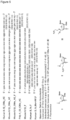
- base sequence shown in Figure 1 Partial sequence of human IL1 ⁇ (SEQ ID NO: 6)
- chemical modifications were synthesized according to the usual method.
- a nucleotide unit having a fluorine atom at the 2' position and an aminoethyl group at the 4' position was synthesized over its entire length according to the phosphoramidite method in accordance with JP 2019-10035 A .
- a 50-mer PolyA PolyA_50mer_Me_AE
- SEQ ID NO: 9 with the chemical modification shown in Figure 1 was also synthesized as a control.
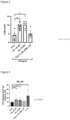
- RNA synthesized in Embodiment 1 and the 50-mer polA_50mer_Me_AE serving as a control were administered in a medium containing 786-O cells overexpressing ZC3H12D, and cell migration ability was measured by the average number of migrated cells.
- the concentration of RNA was 100 ng/mL. Results are shown in Figure 2 .
- Figure 3 shows the signal intensity obtained from INF ⁇ by DAPI staining. As shown in Figure 3 , both of the two types of chemically modified RNA produced significantly more INF ⁇ compared to when neither was added.
- Figure 4 shows the number of INF ⁇ positive NK cells per total NK cells. As shown in Figure 4 , the two chemically modified types of RNA exhibited high INF ⁇ -producing cell counts.
- RNA of the present disclosure although partially chemically modified, had migration activating ability and INF ⁇ -inducing activating ability.
- RNA Human IL1 ⁇ _OME_AE, MouseIL1 ⁇ _OMe_AE, MouseIL1 ⁇ _OMe_AE_F, MouseIL1 ⁇ _F, Human IL1 ⁇ _OME_AP, Human IL1 ⁇ _OME_AP_F, Human IL1 ⁇ _F
- Figure 5 partial sequence of human IL1 ⁇ (SEQ ID NO: 10), partial mouse IL1 ⁇ sequence (SEQ ID NO: 11)
- SEQ ID NO: 10 partial mouse IL1 ⁇ sequence
- a nucleotide unit having a fluorine atom at the 2' position and an aminoethyl group at the 4' position was synthesized over its entire length using the phosphoramidite method in accordance with JP 2019-10035 A .
- a nucleotide unit having a methoxy group at the 2' position and an aminopropyl group at the 5' position was synthesized over its entire length using the phosphoramidite method in accordance with WO 2019/088179 A1 .
- a 50-mer PolyA (PolyA_50_OMe_AE) (SEQ ID NO: 9) with chemical modifications shown in Figure 5 was also synthesized as a control.
- MouseIL1 ⁇ _OMe_AE_F, MouseIL1 ⁇ _F, Human IL1 ⁇ _OME_AP_F and Human IL1 ⁇ _F were labeled with fluorescein at the 5' end.
- RNA having, at each end, a nucleotide unit (2'-F-4'-AE) with a fluorine atom at the 2' position and an aminoethyl group at the 4' position and having all other nucleotide units contain a methoxy group at the 2' position (2'-OMe), was evaluated for nuclease (RNase) resistance in the serum of carcinoma-bearing mice.
- RNase nuclease
- Carcinoma-bearing mice were produced by injecting 1 ⁇ 10 6 E0771 cells/mouse into the mammary glands of 8- to 12-week-old C57BL/6 mice.
- Carcinoma-bearing mouse serum was obtained by intracardiac blood collection from mice that had formed a mass of approximately 1 cm or less in the mammary gland one week after injection of E0771 cells.
- RNA For nuclease resistance, 300 pmol of each RNA was dissolved in 37.5 ⁇ L of OPTI-MEM, from which 1.1 ⁇ L was aliquoted, and 15 ⁇ L of loading buffer (10 m MEDTA, 90% formamide) was added to obtain 0 min samples. Next, 4 ⁇ L (10%) of carcinoma-bearing mouse serum or 4 ⁇ L (10% and 20%) and 9.1 ⁇ L (20%) of bovine serum were added and the samples incubated at 37°C. After 5 minutes, 1 hour, 3 hours, 6 hours, 12 hours, 24 hours, and 48 hours, the reaction was stopped by adding 2 ⁇ L of the reaction solution to 10 ⁇ L of loading solution dispensed beforehand into separate sampling tubes.
- loading buffer 10 m MEDTA, 90% formamide
- the reaction solution was electrophoresed with 20% denaturing polyacrylamide gel (PAGE) (500V, 20mA) and analyzed using Image analyzer LAS-4000 (Fujifilm Corporation). The results are shown in FIG. 6 and FIG. 7 .
- PAGE denaturing polyacrylamide gel
- FIG. 7 the amount of RNA (%) after 5 min to 48 hrs is shown relative to the amount of RNA at 0 min based on the electrophoresis results.
- Denaturing PAGE was prepared using the following method. First, 40% acrylamide (19:1) solution (20 ml), urea (16.8 g), and 10 ⁇ TBE buffer (4 ml) were added, the contents were dissolved, and H 2 O was added to make 40 ml. Finally, APS (27.5 mg) was added and dissolved, TEMED (20 ⁇ L) was added. The resulting solution was shaken, poured between two glass plates fixed with a spacer in between, and allowed to stand for at least 1 hour to solidify. Note that 1 ⁇ TBE buffer was used as the buffer for electrophoresis.
- RNA with one nucleotide unit (2'-F-4'-AE) at each end and the rest being nucleotide unit (2'-OMe) remained at 80% RNA content even after 48 hours in serum.
- all nucleotide units were natural nucleotide units
- all of the RNA had usually disappeared after 5 minutes.
- RNA with one nucleotide unit ((2'-OMe-5'-AP) at each end and the rest being nucleotide unit (2'-OMe) remained at almost 100% RNA content even after 48 hours in 20% serum.
- all nucleotide units were natural nucleotide units, all of the RNA had usually disappeared after 5 minutes.
- Human IL1 ⁇ _OME_AE induced a 2.3-fold higher level of INF ⁇ than IFN ⁇ without addition. This was comparable to the positive control. Meanwhile, when PolyA_50_OMe_AE was used, IFN ⁇ was induced only to the same extent as without addition.
- Human IL1 ⁇ _OME_AE with one (2'-F-4'-AE) each at both ends contributes to the increased production of INF ⁇ by human NK cells.
- Human IL1 ⁇ _OME_AE induced a 2.5-fold higher level of killed cells than without addition. This was comparable to the positive control. Meanwhile, when PolyA_50_OMe_AE was used, the level of killed cells was similar to the level without addition.
- RNA Human IL1 ⁇ _OME_AE synthesized in Embodiment 4 and PolyA_50_OMe_AE serving as a control were evaluated for their antimetastatic activity.
- Each RNA Human IL1 ⁇ _OME_AE and PolyA_50_OMe_AE, 1 ⁇ g each
- PBS serving as a negative control were injected every few days via the tail vein of mice that were carcinoma-bearing with E0771 breast cancer cells.
- tumor cells E0771 breast cancer cells
- PKH-26 Sigma-Aldrich
Landscapes
- Health & Medical Sciences (AREA)
- Life Sciences & Earth Sciences (AREA)
- Chemical & Material Sciences (AREA)
- Engineering & Computer Science (AREA)
- Genetics & Genomics (AREA)
- General Health & Medical Sciences (AREA)
- Organic Chemistry (AREA)
- Molecular Biology (AREA)
- Biomedical Technology (AREA)
- Veterinary Medicine (AREA)
- Public Health (AREA)
- Animal Behavior & Ethology (AREA)
- Medicinal Chemistry (AREA)
- Pharmacology & Pharmacy (AREA)
- Bioinformatics & Cheminformatics (AREA)
- Biotechnology (AREA)
- Zoology (AREA)
- Wood Science & Technology (AREA)
- General Engineering & Computer Science (AREA)
- Nuclear Medicine, Radiotherapy & Molecular Imaging (AREA)
- Biochemistry (AREA)
- Immunology (AREA)
- Chemical Kinetics & Catalysis (AREA)
- General Chemical & Material Sciences (AREA)
- Epidemiology (AREA)
- Microbiology (AREA)
- Plant Pathology (AREA)
- Biophysics (AREA)
- Physics & Mathematics (AREA)
- Oncology (AREA)
- Pharmaceuticals Containing Other Organic And Inorganic Compounds (AREA)
Applications Claiming Priority (2)
| Application Number | Priority Date | Filing Date | Title |
|---|---|---|---|
| JP2022081120 | 2022-05-17 | ||
| PCT/JP2023/018498 WO2023224080A1 (ja) | 2022-05-17 | 2023-05-17 | Rnaを含有する抗腫瘍剤及びその利用 |
Publications (1)
| Publication Number | Publication Date |
|---|---|
| EP4527417A1 true EP4527417A1 (de) | 2025-03-26 |
Family
ID=88835668
Family Applications (1)
| Application Number | Title | Priority Date | Filing Date |
|---|---|---|---|
| EP23807681.4A Pending EP4527417A1 (de) | 2022-05-17 | 2023-05-17 | Antitumormittel mit rna und verwendung davon |
Country Status (8)
| Country | Link |
|---|---|
| EP (1) | EP4527417A1 (de) |
| JP (1) | JP7628238B2 (de) |
| KR (1) | KR20250025781A (de) |
| CN (1) | CN119562816A (de) |
| AU (1) | AU2023270783A1 (de) |
| CA (1) | CA3254343A1 (de) |
| MX (1) | MX2024014198A (de) |
| WO (1) | WO2023224080A1 (de) |
Family Cites Families (5)
| Publication number | Priority date | Publication date | Assignee | Title |
|---|---|---|---|---|
| EP3556764A4 (de) | 2016-12-16 | 2021-01-06 | Gifu University | Nukleosidderivat und verwendung dafür |
| JP7231147B2 (ja) | 2017-06-29 | 2023-03-01 | 国立大学法人東海国立大学機構 | Rna導入試薬及びその利用 |
| WO2019088179A1 (ja) | 2017-10-31 | 2019-05-09 | ヤマサ醤油株式会社 | ヌクレオシド誘導体及びその利用 |
| JP2021195364A (ja) * | 2020-06-16 | 2021-12-27 | 国立大学法人信州大学 | Rnaを含有する抗腫瘍剤、免疫細胞の活性化方法、腫瘍細胞の転移の抑制方法、免疫賦活剤、抗腫瘍剤の抗腫瘍効果の増強剤、及び医薬組成物 |
| JP2023088734A (ja) * | 2021-12-15 | 2023-06-27 | 国立大学法人信州大学 | Rnaを含有する抗腫瘍剤、免疫細胞の活性化方法、腫瘍細胞の転移の抑制方法、免疫賦活剤、抗腫瘍剤の抗腫瘍効果の増強剤、及び医薬組成物 |
-
2023
- 2023-05-17 EP EP23807681.4A patent/EP4527417A1/de active Pending
- 2023-05-17 KR KR1020247041859A patent/KR20250025781A/ko active Pending
- 2023-05-17 JP JP2024505121A patent/JP7628238B2/ja active Active
- 2023-05-17 WO PCT/JP2023/018498 patent/WO2023224080A1/ja not_active Ceased
- 2023-05-17 AU AU2023270783A patent/AU2023270783A1/en active Pending
- 2023-05-17 CA CA3254343A patent/CA3254343A1/en active Pending
- 2023-05-17 CN CN202380044562.3A patent/CN119562816A/zh active Pending
-
2024
- 2024-11-15 MX MX2024014198A patent/MX2024014198A/es unknown
Also Published As
| Publication number | Publication date |
|---|---|
| JP7628238B2 (ja) | 2025-02-10 |
| MX2024014198A (es) | 2025-03-07 |
| JPWO2023224080A1 (de) | 2023-11-23 |
| KR20250025781A (ko) | 2025-02-24 |
| CA3254343A1 (en) | 2025-07-03 |
| CN119562816A (zh) | 2025-03-04 |
| WO2023224080A1 (ja) | 2023-11-23 |
| AU2023270783A1 (en) | 2025-01-09 |
Similar Documents
| Publication | Publication Date | Title |
|---|---|---|
| RU2648950C2 (ru) | Модифицированные нуклеозиды, нуклеотиды и нуклеиновые кислоты и их применение | |
| JP6414886B2 (ja) | 抗癌治療に用いられる長鎖非コードrna | |
| TW201842921A (zh) | 治療性rna | |
| RS63430B1 (sr) | Ribonukleinske kiseline koje sadrže n1-metil-pseudouracile i njihove primene | |
| WO2013078199A2 (en) | Methods for enhanced in vivo delivery of synthetic, modified rnas | |
| WO2010001909A1 (ja) | 2本鎖ポリヌクレオチド | |
| KR20230027235A (ko) | Il-2 콘쥬게이트 및 항-egfr 항체를 사용한 면역 종양학 병용 요법 | |
| CN116554357A (zh) | 一种双特异性嵌合抗原受体(car)及其在制备抗肿瘤药物中的应用 | |
| EP4527417A1 (de) | Antitumormittel mit rna und verwendung davon | |
| JP2023088734A (ja) | Rnaを含有する抗腫瘍剤、免疫細胞の活性化方法、腫瘍細胞の転移の抑制方法、免疫賦活剤、抗腫瘍剤の抗腫瘍効果の増強剤、及び医薬組成物 | |
| KR101168726B1 (ko) | 암 치료용 약학 조성물 | |
| EP3532638A2 (de) | Targeting von microrna-101-3p in der krebstherapie | |
| CN113286601A (zh) | Foxp3表达的调节剂 | |
| WO2025105500A1 (ja) | Rnaを含有する細胞活性化剤及びその利用 | |
| US20240229032A1 (en) | Multitargeting RNA Immunotherapy Compositions | |
| KR20250107981A (ko) | 변형된 올리고뉴클레오타이드 | |
| KR102832420B1 (ko) | 인공 합성 mRNA 및 그 이용 | |
| HK1231403A1 (en) | Nucleic acid capable of inhibiting expression of beta2gpi | |
| JP2025509502A (ja) | Stat3標的化オリゴヌクレオチドおよびpd-l1阻害剤の組み合わせ | |
| RU2843654C1 (ru) | Иммуноонкологическая комбинированная терапия с применением конъюгатов на основе il-2 и антител к egfr | |
| US20250228895A1 (en) | Compounds to inhibit ythdf2, t helper cells lacking expression of ythdf2, and methods to treat cancer | |
| KR101078849B1 (ko) | 14-3-3감마 안타고니스트를 포함하는 항종양 조성물 | |
| JP2013039036A (ja) | HIF−2αの発現を抑制する核酸 | |
| JP2024028895A (ja) | オリゴヌクレオチド分子及び腫瘍治療におけるその応用 | |
| EP4137156A1 (de) | Prophylaktikum und therapeutikum |
Legal Events
| Date | Code | Title | Description |
|---|---|---|---|
| STAA | Information on the status of an ep patent application or granted ep patent |
Free format text: STATUS: THE INTERNATIONAL PUBLICATION HAS BEEN MADE |
|
| PUAI | Public reference made under article 153(3) epc to a published international application that has entered the european phase |
Free format text: ORIGINAL CODE: 0009012 |
|
| STAA | Information on the status of an ep patent application or granted ep patent |
Free format text: STATUS: REQUEST FOR EXAMINATION WAS MADE |
|
| 17P | Request for examination filed |
Effective date: 20241217 |
|
| AK | Designated contracting states |
Kind code of ref document: A1 Designated state(s): AL AT BE BG CH CY CZ DE DK EE ES FI FR GB GR HR HU IE IS IT LI LT LU LV MC ME MK MT NL NO PL PT RO RS SE SI SK SM TR |
|
| DAV | Request for validation of the european patent (deleted) | ||
| DAX | Request for extension of the european patent (deleted) |