EP4512401A1 - Arzneimittel zur behandlung oder prävention von krebs - Google Patents
Arzneimittel zur behandlung oder prävention von krebs Download PDFInfo
- Publication number
- EP4512401A1 EP4512401A1 EP23791907.1A EP23791907A EP4512401A1 EP 4512401 A1 EP4512401 A1 EP 4512401A1 EP 23791907 A EP23791907 A EP 23791907A EP 4512401 A1 EP4512401 A1 EP 4512401A1
- Authority
- EP
- European Patent Office
- Prior art keywords
- compound
- salt
- solvate
- inhibitor
- drug
- Prior art date
- Legal status (The legal status is an assumption and is not a legal conclusion. Google has not performed a legal analysis and makes no representation as to the accuracy of the status listed.)
- Pending
Links
Images








Classifications
-
- A—HUMAN NECESSITIES
- A61—MEDICAL OR VETERINARY SCIENCE; HYGIENE
- A61K—PREPARATIONS FOR MEDICAL, DENTAL OR TOILETRY PURPOSES
- A61K31/00—Medicinal preparations containing organic active ingredients
- A61K31/33—Heterocyclic compounds
- A61K31/395—Heterocyclic compounds having nitrogen as a ring hetero atom, e.g. guanethidine or rifamycins
- A61K31/435—Heterocyclic compounds having nitrogen as a ring hetero atom, e.g. guanethidine or rifamycins having six-membered rings with one nitrogen as the only ring hetero atom
- A61K31/44—Non condensed pyridines; Hydrogenated derivatives thereof
-
- A—HUMAN NECESSITIES
- A61—MEDICAL OR VETERINARY SCIENCE; HYGIENE
- A61K—PREPARATIONS FOR MEDICAL, DENTAL OR TOILETRY PURPOSES
- A61K31/00—Medicinal preparations containing organic active ingredients
- A61K31/33—Heterocyclic compounds
- A61K31/395—Heterocyclic compounds having nitrogen as a ring hetero atom, e.g. guanethidine or rifamycins
- A61K31/495—Heterocyclic compounds having nitrogen as a ring hetero atom, e.g. guanethidine or rifamycins having six-membered rings with two or more nitrogen atoms as the only ring heteroatoms, e.g. piperazine or tetrazines
- A61K31/4965—Non-condensed pyrazines
- A61K31/497—Non-condensed pyrazines containing further heterocyclic rings
-
- A—HUMAN NECESSITIES
- A61—MEDICAL OR VETERINARY SCIENCE; HYGIENE
- A61K—PREPARATIONS FOR MEDICAL, DENTAL OR TOILETRY PURPOSES
- A61K31/00—Medicinal preparations containing organic active ingredients
- A61K31/33—Heterocyclic compounds
- A61K31/395—Heterocyclic compounds having nitrogen as a ring hetero atom, e.g. guanethidine or rifamycins
- A61K31/495—Heterocyclic compounds having nitrogen as a ring hetero atom, e.g. guanethidine or rifamycins having six-membered rings with two or more nitrogen atoms as the only ring heteroatoms, e.g. piperazine or tetrazines
- A61K31/4985—Pyrazines or piperazines ortho- or peri-condensed with heterocyclic ring systems
-
- A—HUMAN NECESSITIES
- A61—MEDICAL OR VETERINARY SCIENCE; HYGIENE
- A61K—PREPARATIONS FOR MEDICAL, DENTAL OR TOILETRY PURPOSES
- A61K31/00—Medicinal preparations containing organic active ingredients
- A61K31/33—Heterocyclic compounds
- A61K31/395—Heterocyclic compounds having nitrogen as a ring hetero atom, e.g. guanethidine or rifamycins
- A61K31/495—Heterocyclic compounds having nitrogen as a ring hetero atom, e.g. guanethidine or rifamycins having six-membered rings with two or more nitrogen atoms as the only ring heteroatoms, e.g. piperazine or tetrazines
- A61K31/505—Pyrimidines; Hydrogenated pyrimidines, e.g. trimethoprim
- A61K31/519—Pyrimidines; Hydrogenated pyrimidines, e.g. trimethoprim ortho- or peri-condensed with heterocyclic rings
-
- A—HUMAN NECESSITIES
- A61—MEDICAL OR VETERINARY SCIENCE; HYGIENE
- A61K—PREPARATIONS FOR MEDICAL, DENTAL OR TOILETRY PURPOSES
- A61K31/00—Medicinal preparations containing organic active ingredients
- A61K31/66—Phosphorus compounds
- A61K31/665—Phosphorus compounds having oxygen as a ring hetero atom, e.g. fosfomycin
-
- A—HUMAN NECESSITIES
- A61—MEDICAL OR VETERINARY SCIENCE; HYGIENE
- A61K—PREPARATIONS FOR MEDICAL, DENTAL OR TOILETRY PURPOSES
- A61K45/00—Medicinal preparations containing active ingredients not provided for in groups A61K31/00 - A61K41/00
- A61K45/06—Mixtures of active ingredients without chemical characterisation, e.g. antiphlogistics and cardiaca
-
- A—HUMAN NECESSITIES
- A61—MEDICAL OR VETERINARY SCIENCE; HYGIENE
- A61P—SPECIFIC THERAPEUTIC ACTIVITY OF CHEMICAL COMPOUNDS OR MEDICINAL PREPARATIONS
- A61P35/00—Antineoplastic agents
-
- A—HUMAN NECESSITIES
- A61—MEDICAL OR VETERINARY SCIENCE; HYGIENE
- A61P—SPECIFIC THERAPEUTIC ACTIVITY OF CHEMICAL COMPOUNDS OR MEDICINAL PREPARATIONS
- A61P35/00—Antineoplastic agents
- A61P35/02—Antineoplastic agents specific for leukemia
-
- A—HUMAN NECESSITIES
- A61—MEDICAL OR VETERINARY SCIENCE; HYGIENE
- A61P—SPECIFIC THERAPEUTIC ACTIVITY OF CHEMICAL COMPOUNDS OR MEDICINAL PREPARATIONS
- A61P43/00—Drugs for specific purposes, not provided for in groups A61P1/00-A61P41/00
-
- C—CHEMISTRY; METALLURGY
- C07—ORGANIC CHEMISTRY
- C07K—PEPTIDES
- C07K16/00—Immunoglobulins [IGs], e.g. monoclonal or polyclonal antibodies
- C07K16/18—Immunoglobulins [IGs], e.g. monoclonal or polyclonal antibodies against material from animals or humans
- C07K16/22—Immunoglobulins [IGs], e.g. monoclonal or polyclonal antibodies against material from animals or humans against growth factors ; against growth regulators
-
- C—CHEMISTRY; METALLURGY
- C07—ORGANIC CHEMISTRY
- C07K—PEPTIDES
- C07K16/00—Immunoglobulins [IGs], e.g. monoclonal or polyclonal antibodies
- C07K16/18—Immunoglobulins [IGs], e.g. monoclonal or polyclonal antibodies against material from animals or humans
- C07K16/28—Immunoglobulins [IGs], e.g. monoclonal or polyclonal antibodies against material from animals or humans against receptors, cell surface antigens or cell surface determinants
- C07K16/2803—Immunoglobulins [IGs], e.g. monoclonal or polyclonal antibodies against material from animals or humans against receptors, cell surface antigens or cell surface determinants against the immunoglobulin superfamily
- C07K16/2827—Immunoglobulins [IGs], e.g. monoclonal or polyclonal antibodies against material from animals or humans against receptors, cell surface antigens or cell surface determinants against the immunoglobulin superfamily against B7 molecules, e.g. CD80, CD86
-
- A—HUMAN NECESSITIES
- A61—MEDICAL OR VETERINARY SCIENCE; HYGIENE
- A61K—PREPARATIONS FOR MEDICAL, DENTAL OR TOILETRY PURPOSES
- A61K39/00—Medicinal preparations containing antigens or antibodies
- A61K2039/505—Medicinal preparations containing antigens or antibodies comprising antibodies
Definitions
- the present invention relates to a drug for treating or preventing cancer.
- Cancers are diseases that cause uncontrolled proliferation of cells due to gene abnormality.
- Methods for medically treating cancers comprise chemotherapy, and various anticancer agents are used.
- many molecular-targeted agents which act specifically on molecules specifically expressed in certain cancer cells or molecules overexpressed in cancer cells have been developed as anticancer agents.
- antibody drugs such as cetuximab, bevacizumab, and panitumumab (Patent Literature 1)
- small-molecule drugs such as gefitinib, erlotinib, and afatinib
- Patent Literature 2 arylamide derivatives having antitumor activity
- Patent Literature 3 arylamide derivatives having antitumor activity
- Non Patent Literature 1 S.I. Ou, et al., "A12 The SHP2 Inhibitor RMC-4630 in Patients with KRAS-Mutant Non-Small Cell Lung Cancer: Preliminary Evaluation of a First-in-Man Phase 1 Clinical Trial", Journal of Thoracic Oncology Volume 15, Issue 2, Supplement, February 2020, P. S15-S16
- an object of the present invention is to provide a drug that exerts excellent effect on the treatment or prevention of a cancer.
- the present invention encompasses the following [1] to [130].
- the present invention provides a drug that exerts excellent effects on the treatment or prevention of a cancer.
- the present invention is not limited by the embodiments given below.
- the drug for treatment or prevention and the method for treatment or prevention of the present invention may be administered or applied to a human.
- the term “to” which indicates a range comprises values of the upper and lower limits described.
- the term “A to B” means the range of A or more and B or less.
- the term “approximately”, when used in combination with a numerical value means the range of +10% and -10% of the numerical value.
- the term “and/or” comprises every combination in which the terms "and” and “or” are appropriately combined.
- the term "A, B, and/or C” comprises the following seven variations: (i) A, (ii) B, (iii) C, (iv) A and B, (v) A and C, (vi) B and C, and (vii) A, B, and C.
- a "solvate thereof” means a solvate of the compound 1, a solvate of one of the molecular-targeted agents, a solvate of the salt of the compound 1, or a solvate of the salt of one of the molecular-targeted agents.
- One embodiment of the present invention provides a drug for treating or preventing cancer, the drug comprising a compound 1, a salt thereof or a solvate thereof and being used in combination with a molecular-targeted agent.
- the molecular-targeted agent is a MAPK/ERK pathway inhibitor. More preferably, the molecular-targeted agent is one selected from the group consisting of a KRAS inhibitor, a SHP2 inhibitor, a VEGF inhibitor and a PD-1 axis binding antagonist.
- Another embodiment of the present invention provides a drug for treating or preventing cancer, the drug comprising a molecular-targeted agent and being used in combination with a compound 1, a salt thereof or a solvate thereof.
- the molecular-targeted agent is a MAPK/ERK pathway inhibitor. More preferably, the molecular-targeted agent is one selected from the group consisting of a KRAS inhibitor, a SHP2 inhibitor, a VEGF inhibitor and a PD-1 axis binding antagonist.
- One embodiment of the present invention is a drug for treating or preventing cancer, the drug comprising a compound 1, a salt thereof or a solvate thereof and being used in combination with a MAPK/ERK pathway inhibitor.
- Another embodiment of the present invention is a drug for treating or preventing cancer, the drug comprising a MAPK/ERK pathway inhibitor and being used in combination with a compound 1, a salt thereof or a solvate thereof.
- One embodiment of the present invention is a drug for treating or preventing cancer, the drug comprising a compound 1, a salt thereof or a solvate thereof and being used in combination with a KRAS inhibitor.
- Another embodiment of the present invention is a drug for treating or preventing cancer, the drug comprising a KRAS inhibitor and being used in combination with a compound 1, a salt thereof or a solvate thereof.
- One embodiment of the present invention is a drug for treating or preventing cancer, the drug comprising a compound 1, a salt thereof or a solvate thereof and being used in combination with a SHP2 inhibitor.
- Another embodiment of the present invention is a drug for treating or preventing cancer, the drug comprising a SHP2 inhibitor and being used in combination with a compound 1, a salt thereof or a solvate thereof.
- the SHP2 inhibitor can be at least one member selected from the group consisting of RMC-4550, TNO155, SHP099, NSC-87877, RMC-4630, GDC-1971, a salt thereof, and a solvate thereof, and can be at least one member selected from the group consisting of RMC-4550, TNO155, GDC-1971, a salt thereof, and a solvate thereof.
- the SHP2 inhibitor is at least one member selected from the group consisting of RMC-4550, TNO155, GDC-1971, a salt thereof, and a solvate thereof, and more preferably, the SHP2 inhibitor is GDC-1971, a salt thereof or a solvate thereof.
- One embodiment of the present invention is a drug for treating or preventing cancer, the drug comprising a compound 1, a salt thereof or a solvate thereof and being used in combination with a VEGF inhibitor.
- Another embodiment of the present invention is a drug for treating or preventing cancer, the drug comprising a VEGF inhibitor and being used in combination with a compound 1, a salt thereof or a solvate thereof.
- the VEGF inhibitor can be at least one member selected from the group consisting of sorafenib, pazopanib, sunitinib, axitinib, regorafenib, a salt thereof, and a solvate thereof, and an anti-VEGF antibody, can be an anti-VEGF antibody, and can be bevacizumab, ramucirumab, or aflibercept.
- the VEGF inhibitor is the anti-VEGF antibody, and more preferably, the VEGF inhibitor is bevacizumab.
- Another embodiment of the present invention is a drug for treating or preventing cancer, the drug comprising a PD-1 axis binding antagonist and being used in combination with a compound 1, a salt thereof or a solvate thereof.
- the PD-1 axis binding antagonist can be at least one member selected from the group consisting of a PD-1 binding antagonist, a PD-L1 binding antagonist and a PD-L2 binding antagonist.
- the PD-1 binding antagonist can be an anti-PD-1 antibody, and can be at least one member selected from the group consisting of MDX-1106 (nivolumab), MK-3475 (pembrolizumab, lambrolizumab), CT-011 (pidilizumab), PDR001, REGN2810, BGBA317, SHR-1210, AMP-514 (MEDI0680) and AMP-224.
- the PD-L1 binding antagonist can be a small molecule, can be a small molecule having a molecular weight of 2000 g/mol or less, can be INCB086550, a salt thereof or a solvate thereof, can be an anti-PD-L1 antibody, and can be at least one member selected from the group consisting of YW243.55.S70, atezolizumab, MPDL3280A, MDX-1105, avelumab, and MEDI4736 (durvalumab).
- the PD-L2 binding antagonist can be an anti-PD-L2 antibody, and can be immunoadhesin.
- the PD-1 axis binding antagonist is a PD-1 binding antagonist or a PD-L1 binding antagonist, and more preferably, the PD-1 axis binding antagonist is a PD-L1 binding antagonist.
- the PD-1 binding antagonist is an anti-PD-1 antibody, and more preferably, the PD-1 binding antagonist is MDX-1106 (nivolumab) or MK-3475 (pembrolizumab).
- the PD-L1 binding antagonist is an anti-PD-L1 antibody, and more preferably, the PD-L1 binding antagonist is atezolizumab.
- One embodiment of the present invention is a drug for treating or preventing cancer, the drug comprising a compound 1, a salt thereof or a solvate thereof and being used in combination with a KRAS-G12C selective inhibitor.
- Another embodiment of the present invention is a drug for treating or preventing cancer, the drug comprising a KRAS-G12C selective inhibitor and being used in combination with a compound 1, a salt thereof or a solvate thereof.
- the KRAS-G12C selective inhibitor can be at least one member selected from the group consisting of sotorasib, adagrasib, a salt thereof, and a solvate thereof, can be sotorasib or a salt thereof or a solvate thereof, and can be adagrasib or a salt thereof or a solvate thereof.
- the KRAS-G12C selective inhibitor is at least one member selected from the group consisting of sotorasib, adagrasib, a salt thereof, and a solvate thereof.
- the compound 1, the salt thereof or the solvate thereof and the molecular-targeted agent can be provided as a kit.
- a further alternative embodiment of the present invention may provide a kit comprising: a formulation containing a compound 1, a salt thereof or a solvate thereof; and a molecular-targeted agent.
- the drug may be provided as a kit.
- Another embodiment of the of the present invention can be a kit comprising the drug.
- the "use in combination” means that two or more ingredients are used in combination.
- the use in combination of the compound 1, the salt thereof or the solvate thereof (hereinafter, also referred to as the "first ingredient”) and the molecular-targeted agent (hereinafter, also referred to as the "second ingredient”) comprises an "aspect in which the first ingredient and the second ingredient are administered as a single formulation comprising these ingredients" (i.e., an aspect in which the first ingredient and the second ingredient are used in combination as a combination drug) and an “aspect in which the first ingredient and the second ingredient are administered as different formulations concurrently or separately".
- the formulation containing the first ingredient may be administered first, or the formulation containing the second ingredient may be administered first.
- the latter aspect can be any of an “aspect in which the first ingredient and the second ingredient are separately formulated and the formulations are concurrently administered through the same administration route", an “aspect in which the first ingredient and the second ingredient are separately formulated and the formulations are separately administered in a staggered manner through the same administration route", an “aspect in which the first ingredient and the second ingredient are separately formulated and the formulations are concurrently administered through different administration routes (administered from different sites of the same patient)", and an “aspect in which the first ingredient and the second ingredient are separately formulated and the formulations are separately administered in a staggered manner through different administration routes".
- both the formulations may be mixed immediately before administration.
- the term “separately” means that a certain formulation is administered before or after administration of another formulation.
- the "use in combination” may be regarded as a use method of allowing one ingredient to exist in the body of a patient in a state where another ingredient exists in the body of the patient.
- the first ingredient and the second ingredient are administered such that these ingredients exist concurrently in the body, for example, blood, of a patient.
- a certain drug is administered to a patient concurrently with another drug or within 48 hours after administration of another drug.
- the compound 1 is 2-(4-cyclopropyl-2-fluoro-anilino)-3,4-difluoro-5-[[3-fluoro-2-(methylsulfamoylamino)-4-pyridyl]methyl]benzamide ( CAS No: 2677856-11-8 ).
- the first ingredient may be the compound 1, a salt of the compound 1, a solvate of the salt of the compound 1, or a solvate of the compound 1.
- Examples of the salt of the compound 1 comprise pharmaceutically acceptable salts and can specifically comprise: salts with inorganic acids such as hydrochloric acid, hydrobromic acid, sulfuric acid, nitric acid, and phosphoric acid; salts with organic acids such as acetic acid, succinic acid, fumaric acid, maleic acid, tartaric acid, citric acid, lactic acid, stearic acid, benzoic acid, methanesulfonic acid, ethanesulfonic acid, and p-toluenesulfonic acid; salts with alkali metals such as sodium and potassium; salts with alkaline earth metals such as calcium and magnesium; ammonium salt; and salts with amino acids such as arginine.
- inorganic acids such as hydrochloric acid, hydrobromic acid, sulfuric acid, nitric acid, and phosphoric acid
- salts with organic acids such as acetic acid, succinic acid, fumaric acid, maleic acid, tartaric acid, cit
- solvates are not particularly limited as long as the compound 1 forms a single molecular population together with a solvent, and is a solvate formed by a solvent which is acceptable for ingestion concomitantly with administration of a drug.
- Examples thereof can include not only solvates with a single solvent such as hydrate, alcoholic hydrate (ethanol hydrate, methanol hydrate, 1-propanol hydrate, 2-propanol hydrate, and the like), dimethyl sulfoxide, but also those obtained by forming solvates by a plurality of solvents with respect to 1 molecules of the compound 1, or those obtained by forming solvates by a plurality of kinds of solvents with respect to 1 molecules of the compound 1. If the solvent is water, the solvate is called hydrate. These solvates are produced, for example, by contacting the compound 1 with a solvent, and these solvates of salts are produced, for example, by contacting a salt of the compound 1 with a solvent.
- a single solvent such as hydrate, alcoholic hydrate (ethanol hydrate, methanol hydrate, 1-propanol hydrate, 2-propanol hydrate, and the like), dimethyl sulfoxide, but also those obtained by forming solvates by a plurality of solvents
- the salt of the compound 1 and the solvate of the compound 1 or the salt of the compound 1 are all active as well as the compound 1 (free form).
- the salt of the compound 1 is preferably sodium salt.
- the compound 1 is capable of forming, for example, sodium salt represented by the formula (2) given below.
- the molecular-targeted agent mentioned later can also be in the form of a salt exemplified as the salt of the compound 1 or a solvate.
- the salt or the solvate of the molecular-targeted agent can be obtained by a production method exemplified as the method for producing the salt or the solvate of the compound 1.
- the first ingredient may have crystal polymorphs and may be a single material of any crystal form or any mixture of crystal forms.
- the first ingredient also comprises an amorphous material.
- the dose of the first ingredient is preferably 0.0001 to 50 mg per kg of the body weight of a recipient per day (0.0001 to 50 mg/kg/day), more preferably 0.001 to 2 mg/kg/day, further preferably 0.002 to 0.2 mg/kg/day.
- the frequency of administration of the first ingredient can be, for example, once a day, twice a day, or three times a day and is more preferably once a day.
- the first ingredient can be produced in accordance with, for example, a method described in International Publication No. WO 2021/149776 .
- the "molecular-targeted agent” means an agent that has antitumor effects and specifically inhibits a particular protein.
- the molecular-targeted agent does not comprise the compound 1, the salt thereof or the solvate of the compound or the salt.
- the molecular-targeted agent comprise a MAPK/ERK pathway inhibitor, which is applicable to a drug for treating or preventing cancer.
- MAPK/ERK- pathway inhibitor refers to an inhibitor of targets that involve MAPK/ERK signals, including inhibitors of growth factors and their receptors, and kinase inhibitors.
- the MAPK/ERK- pathway inhibitor may include an EGFR inhibitor, a VEGF inhibitor, a SHP2 inhibitor, a KRAS inhibitor, a NRAS inhibitor, a HRAS inhibitor, a KRAS-GTP inhibitor, a NRAS-GTP inhibitor, a HRAS-GTP inhibitor, a KRAS-G12C selective inhibitor, an ERK inhibitor, an AKT inhibitor, and a MEK inhibitor.
- the molecular-targeted agent can be at least one member selected from the group consisting of a KRAS inhibitor, a SHP2 inhibitor, a VEGF inhibitor and a PD-1 axis binding antagonist, and may be a KRAS inhibitor, a SHP2 inhibitor, a VEGF inhibitor or a PD-1 axis binding antagonist.
- the KRAS inhibitor can be a KRAS-G12C selective inhibitor.
- the molecular-targeted agent can be at least one member selected from the group consisting of a KRAS-G12C selective inhibitor, a SHP2 inhibitor, a VEGF inhibitor and a PD-1 axis binding antagonist, and may be a KRAS-G12C selective inhibitor, a SHP2 inhibitor, a VEGF inhibitor or a PD-1 axis binding antagonist.
- the molecular-targeted agent is a KRAS-G12C selective inhibitor.
- the KRAS-G12C selective inhibitor can be at least one member selected from the group consisting of sotorasib, adagrasib, a salt thereof, and a solvate thereof, can be sotorasib or a salt thereof or a solvate thereof, and can be adagrasib or a salt thereof or a solvate thereof.
- the KRAS-G12C selective inhibitor is at least one member selected from the group consisting of sotorasib, adagrasib, a salt thereof, and a solvate thereof.
- the molecular-targeted agent is a SHP2 inhibitor.
- the SHP2 inhibitor can be at least one member selected from the group consisting of RMC-4550, TNO155, SHP099, NSC-87877, RMC-4630, GDC-1971, a salt thereof, and a solvate thereof, and can be at least one member selected from the group consisting of RMC-4550, TNO155, GDC-1971, a salt thereof, and a solvate thereof.
- the SHP2 inhibitor is at least one member selected from the group consisting of RMC-4550, TNO155, GDC-1971, a salt thereof, and a solvate thereof, and more preferably, the SHP2 inhibitor is GDC-1971, salt thereof or solvate thereof.
- the VEGF inhibitor can be at least one member selected from the group consisting of sorafenib, pazopanib, sunitinib, axitinib, regorafenib, a salt thereof, and a solvate thereof, and an anti-VEGF antibody, can be an anti-VEGF antibody, and can be bevacizumab, ramucirumab, or aflibercept.
- the VEGF inhibitor is the anti-VEGF antibody, and more preferably, the VEGF inhibitor is bevacizumab.
- the PD-1 axis binding antagonist is a PD-1 binding antagonist or a PD-L1 binding antagonist, and more preferably, the PD-1 axis binding antagonist is a PD-L1 binding antagonist.
- the PD-1 binding antagonist is an anti-PD-1 antibody, and more preferably, the PD-1 binding antagonist is MDX-1106 (nivolumab) or MK-3475 (pembrolizumab).
- the PD-L1 binding antagonist is an anti-PD-L1 antibody, and more preferably, the PD-L1 binding antagonist is atezolizumab.
- the molecular-targeted agent may be obtained from a commercial supplier or may be produced in accordance with a method known in the art.
- Sotorasib (CAS No: 2296729-00-3 ; 4-((S)-4-acryloyl-2-methylpiperazin-1-yl)-6-fluoro-7-(2-fluoro-6-hydroxyphenyl)-1-(2-isopropyl-4-methylpyridin-3-yl)pyrido[2,3-d]pyrimidin-2(1H)-one) is a compound represented by the formula (3) given below. Sotorasib is used as AMG510 or Lumakras.
- Adagrasib ( CAS No: 2326521-71-3 ; MRTX849 or 2-((S)-4-(7-(8-chloronaphthalen-1-yl)-2-(((S)-1-methylpyrrolidin-2-yl)methoxy)-5,6,7,8-tetrahydropyrido[3,4-d]pyrimidin-4-yl)-1-(2-fluoroacryloyl)piperazin-2-yl)acetonitrile) is a compound represented by the following formula (4).
- RMC-4550 ( CAS No: 2172651-73-7 ; 3-[(3S,4S)-4-amino-3-methyl-2-oxa-8-azaspiro[4.5]dec-8-yl]-6-(2,3-dichlorophenyl)-5-methyl-2-pyrazinemethanol) is a compound represented by the following formula (5).
- TNO155 ( CAS No: 1801765-04-7 ; (3S,4S)-8-(6-amino-5-((2-amino-3-chloropyridin-4-yl)thio)pyrazin-2-yl)-3-methyl-2-oxa-8-azaspiro[4.5]decan-4-amine) is a compound represented by the following formula (6).
- SHP099 ( CAS No: 1801747-42-1 ; 6-(4-amino-4-methyl-1-piperidinyl)-3-(2,3-dichlorophenyl)-2-pyrazinamine) is a compound represented by the following formula (7).
- NSC-87877 ( CAS No: 56990-57-9 ; 8-hydroxy-7-[2-(6-sulfo-2-naphthalenyl)diazenyl]-5-quinolinesulfonic acid) is a compound represented by the following formula (8).
- RMC-4630 is a compound described in Non Patent Literature 1.
- Sorafenib (CAS No: 284461-73-0 ; 4-[4-[[4-chloro-3-(trifluoromethyl)phenyl]carbamoylamino]phenoxy]-N-methyl-pyridine-2-carboxamide) is a compound represented by the formula (9) given below. Sorafenib is used as sorafenib tosylate or Nexavar.
- Pazopanib (CAS No: 444731-52-6 ; 5-[[4-[(2,3-dimethylindazol-6-yl)-methyl-amino]pyrimidin-2-yl]amino]-2-methyl-benzenesulfonamide) is a compound represented by the formula (10) given below. Pazopanib is used as pazopanib hydrochloride or Votrient.
- Sunitinib ( CAS No: 557795-19-4 ; N-[2-(diethylamino)ethyl]-5-[(Z)-(5-fluoro-2-oxo-indolin-3-ylidene)methyl]-2,4-dimethyl-1H-pyrrole-3-carboxamide) is a compound represented by the formula (11) given below. Sunitinib is used as sunitinib malate or Sutent.
- Axitinib ( CAS No: 319460-85-0 ; N-methyl-2-[[3-[(E)-2-(2-pyridyl)vinyl]-1H-indazol-6-yl]sulfanyl]benzamide) is a compound represented by the formula (12) given below. Axitinib is used as Inlyta.
- Regorafenib ( CAS No: 755037-03-7 ; 4-[4-[[4-chloro-3-(trifluoromethyl)phenyl]carbamoylamino]-3-fluoro-phenoxy]-N-methyl-pyridine-2-carboxamide) is a compound represented by the formula (13) given below. Regorafenib is used as regorafenib hydrate or Stivarga.
- Bevacizumab is an antibody designated as bevacizumab under Japanese Accepted Names for Pharmaceuticals (abbreviated as JAN), represented by CAS Registry No. 216974-75-3 or INN name bevacizumab.
- Bevacizumab is also a recombinant humanized monoclonal antibody and consists of complementarity determining regions of a mouse anti-human vascular endothelial growth factor (VEGF) monoclonal antibody, human framework regions and human IgG1 constant regions.
- VEGF vascular endothelial growth factor
- Bevacizumab is produced by Chinese hamster ovary cells.
- Bevacizumab is a glycoprotein (molecular weight: approximately 149,000) composed of two H chains ( ⁇ 1 chains) each consisting of 453 amino acid residues, and two L chains ( ⁇ chains) each consisting of 214 amino acid residues. "Bevacizumab” also comprises biosimilars of bevacizumab.
- GDC-1971 (CAS No: 2377352-49-1 ; (R)-1'-(3-(3,4-dihydro-1,5-naphtyridin-1(2H)-yl)-1H-pyrazolo[3,4-b]pyradin-6-yl)-3H-spiro[benzofuran-2,4'-piperidin]-3-amine) is a compound represented by the following formula (14).
- the dose of the molecular-targeted agent is preferably 0.005 to 300 mg per kg of the body weight of a recipient per day (0.005 to 300 mg/kg/day), more preferably 0.01 to 250 mg/kg/day, further preferably 0.02 to 200 mg/kg/day.
- the frequency of administration of the molecular-targeted agent can be, for example, once or more a week and can be twice a week.
- the doses of the first ingredient and the second ingredient are preferably 0.0001 to 50 mg/kg/day of the first ingredient and 0.005 to 300 mg/kg/day of the second ingredient, more preferably 0.001 to 2 mg/kg/day of the first ingredient and 0.01 to 250 mg/kg/day of the second ingredient, further preferably 0.002 to 0.2 mg/kg/day of the first ingredient and 0.02 to 200 mg/kg/day of the second ingredient (the term "/kg" means per kg of the body weight of a recipient).
- the dosage and frequency of administration can be adjusted accordingly while monitoring blood drug level parameters such as AUCs and Cmax and the patient's status. Appropriate dosages and frequencies of administration can also be referred to, for example, the package inserts of the molecular-targeted agents.
- examples of the administration method comprise administration through an oral, rectal, parenteral (intravenous, intramuscular, subcutaneous, or transdermal absorption), intracisternal, intravaginal, intraperitoneal, intravesical, or local (injection, drop infusion, powders, ointments, gels or creams) route, and inhalation (oral or nasal spray).
- examples of the dosage form therefor comprise tablets, capsules, granules, powders, pills, aqueous and nonaqueous oral solutions and suspensions, and parenteral solutions filled in containers adapted to segmentation into individual doses.
- the dosage form may be adapted to various administration methods comprising controlled-release formulations, such as subcutaneous transplantation.
- the administration methods are equally applicable to the first and second ingredients.
- the first and second ingredients can be used as a drug and may be administered in a formulation or as a combination drug.
- the first ingredient can be administered by, for example, any of the administration methods described above, and the second ingredient can be administered by, for example, the same or different administration method as or from that of the first ingredient.
- the interval of administration between the first ingredient and the second ingredient can be, for example, a 0-day to 14-day interval, a 0-day to 10-day interval, or a 0-day to 7-day interval.
- the interval of administration can be determined by using, for example, AUC, Cmax, Tmax, elimination half-life, or the health condition of a subject as an index.
- the first ingredient and the second ingredient can be administered orally (tablets, capsules, etc.) and through drop infusion, respectively.
- the first ingredient and the second ingredient can both be administered orally (tablets, capsules, etc.).
- the first ingredient and the second ingredient can be administered through drop infusion and orally (tablets, capsules, etc.), respectively.
- the first ingredient and the second ingredient can both be administered through drop infusion.
- the first ingredient and the second ingredient can be administered at an arbitrary interval such as twice a day, once a day, once a week, or once every two weeks. More specifically, the first ingredient and the second ingredient can both be administered once a day. In this case, these ingredients can be administered before a meal, between meals, or after a meal.
- the term "before a meal”, “between meals”, or “after a meal” can be before, between, or after any of breakfast, lunch, dinner, late-night meal, and between-meal eating.
- the interval of administration between the first ingredient and the second ingredient is within 24 hours, it may mean that both the ingredients are administered once a day.
- the first ingredient and the second ingredient may be administered twice a day and once a day, respectively, administered once a day and once a day, respectively, administered once a day and twice a day, respectively, administered once a day and once every two days, respectively, administered once a day and once every three days, respectively, administered once a day and once every seven days, respectively, or administered twice a day and once every seven days, respectively.
- the interval of administration of the second ingredient may be increased or decreased, and only the interval of administration of the first ingredient may be increased or decreased based on AUC, Cmax, Tmax, elimination half-life of the compound 1 and/or the molecular-targeted agent, or health status of a subject.
- the administration of the second ingredient may be started on the start day of administration of the first ingredient, or the start day of administration of the first ingredient and the start day of administration of the second ingredient may be different.
- an administration period one course involves 7 days, and the total number of courses can be set to one or more courses and may be two or more courses.
- the respective courses may be continuously performed, or a drug holiday may be established. A drug holiday may be established during a course. If necessary, during courses, only the first ingredient may be continuously administered with cessation of the second ingredient, while the second ingredient may be continuously administered with cessation of only the first ingredient.
- the first ingredient and the second ingredient may be contained in the same tablet, capsule, or the like.
- a pharmaceutical formulation can be prepared by introducing a pharmaceutically acceptable carrier into an active ingredient exemplified by the compound 1, a salt thereof or a solvate thereof, or a molecular-targeted agent of the present invention and formulating it in a known manner.
- Excipients, binders, lubricants, colorants, flavoring agents, and, if necessary, stabilizers, emulsifiers, absorption promoters, surfactants, pH adjusters, preservatives, antioxidants, and the like which are usually used for formulation, can be used, and generally, components used as raw materials for pharmaceutical formulations can be blended and formulated by a conventional method.
- an active ingredient used in a drug can be processed into an optimum shape or property, that is, a dosage form, according to the method of use and the purpose of use by a known method.
- dosage forms include, but are not limited to, liquid pharmaceutical formulations (liquid formulations) such as injectables, suspensions, emulsions, and eye drops, and solid pharmaceutical formulations (solid formulations) such as tablets, powder, fine granules, granules, coated tablets, capsules, dry syrups, lozenges, and suppositories.
- liquid pharmaceutical formulations liquid formulations
- solid formulations solid formulations
- formulations comprising an active ingredient exemplified by the compound 1, a salt thereof or a solvate thereof, or a molecular-targeted agent can be used as drugs of the present invention, respectively.
- the drug for treatment or prevention of the present invention may be used by mixing any or both of the first ingredient and the second ingredient with a pharmaceutically acceptable additive.
- a pharmaceutically acceptable additive Those skilled in the art can appropriately select a well-known additive as the pharmaceutically acceptable additive and appropriately use a plurality of additives, if necessary.
- the additive is appropriately selected depending on an oral agent or an injection and may be, for example, a mixture of water, ethanol, physiological saline, liquid paraffin, a surfactant, and sucrose or may be the resulting mixture filled in a capsule.
- Cancer can be classified as either solid cancers or blood cancers. Both types are composed of abnormal cells that multiply uncontrollably. Solid cancers create a single mass or many masses, whereas blood cancers circulate throughout the body via the bloodstream. Examples of the cancer comprise solid cancer and blood cancer.
- the cancer can be, for example, at least one member selected from the group consisting of lung cancer, esophageal cancer, stomach cancer, colorectal cancer, uterine cancer, ovarian cancer, pancreatic cancer, bladder cancer, thyroid gland cancer, skin cancer, head and neck cancer, leukemia, malignant lymphoma and multiple myeloma.
- the cancer is at least one member selected from the group consisting of lung cancer, ovarian cancer, colorectal cancer, and pancreatic cancer.
- the cancer can be a cancer related to abnormality in RAS gene or abnormality in MAPK/ERK pathway.
- the abnormality in MAPK/ERK pathway comprise abnormal activation of the MAPK/ERK pathway and comprise abnormal activation of the MAPK/ERK pathway due to the amplification of a protein present in the MAPK/ERK pathway, abnormal activation of the MAPK/ERK pathway due to mutation in a gene encoding a protein present in the MAPK/ERK pathway, and abnormal activation of the MAPK/ERK pathway due to abnormality in RAF gene.
- Abnormality refers to a state in which various chromosomes, genes, proteins, and signaling cascades in a cell are distant from normal work and control, usually triggered by these constitutive activations.
- Abnormal activation refers to the state in which various chromosomes, genes, proteins, and signal cascades in cells are more activated than in normal cells, for example, mutations of genes can be one of the causes ( Cancer Metastasis Rev, 2013, 32, 147-162 ), and cellular activation can be measured by, for example, LC/MS-MS-based assay to directly and quantitatively determine engagement of mutant in a cellular setting ( Cancer Discov., 2016, 6, 316-329 ).
- Amplification of a protein refers to the synthesis and amplification of proteins in living cells, such as the amplification of proteins involved in a MAPK/ERK pathway (e.g., KRAS, NRAS, HRAS, KRAS-GTP, NRAS-GTP, HRAS-GTP, ERK, AKT, MEK, pERK, pAKT, and pMEK).
- Amplification of the proteins can be confirmed by measuring the protein by Western blotting, immunohistochemical staining (IHC) or other methods and comparing it with the protein in normal cells ( Nat. Rev. Drug Discov. 19, 533-552 (2020 )., Molecular Cytogenetics, 2015, 8: 103 ).
- Gene mutation means that a particular base in a nucleotide sequence is different from the base in the corresponding wild-type nucleotide sequence.
- the "treatment of a cancer” means decrease in the number of cancer cells in an individual, the suppression of proliferation of cancer cells, decrease in tumor volume, decrease in tumor weight, the suppression of metastasis of cancer cells, or improvement in various symptoms caused by the cancer.
- the "prevention of a cancer” according to the present invention means the prevention of increase in the number of cancer cells ascribable to the re-proliferation of cancer cells whose number has been decreased, the prevention of re-proliferation of cancer cells whose proliferation has been suppressed, or the prevention of re-increase in decreased volume or weight of tumor.
- the present invention is not limited by the contents thereof. All compounds and reagents were obtained from commercial suppliers or synthesized by use of methods known in the art. In the present Examples, each molecular-targeted agent is also referred to as a combined-use compound.
- the "sodium salt of the compound 1" is a compound represented by the formula (2). In Figure 17 , the "sodium salt of the compound 1" is abbreviated as "compound 1".
- Compound 1 (2-(4-cyclopropyl-2-fluoro-anilino)-3,4-difluoro-5-[[3-fluoro-2-(methylsulfamoylamino)-4-pyridyl]methyl]benzamide) and sodium salt thereof were produced in accordance with the methods described in International Publication No. WO 2021/149776 .
- the molecular-targeted agents (sotorasib, adagrasib, TNO155, RMC-4550, GDC-1971 and bevacizumab) were supplied from commercial suppliers or manufacturers.
- the anti-PD-L1 antibody used was prepared by changing constant regions of a commercially available anti-PD-L1 antibody (BioXCell, clone: 10F.9G2) to mouse ones.
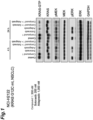
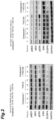
- Single-agent treatment with the compound 1, sotorasib, adagrasib, TNO155 or GDC-1971, combined treatment with the compound 1 and sotorasib, combined treatment with the compound 1 and adagrasib, combined treatment with the compound 1 and TNO155, and combined treatment with the compound 1 and GDC-1971 were evaluated for their influence on human cancer cells. More specifically, the influence of the single-agent treatment or the combined treatment mentioned above on the phosphorylation of MEK and ERK and on the binding between KRAS and GTP within human cancer cells was evaluated by Western blot.
- the human cancer cells used were KRAS mutation-positive human lung cancer cell lines NCI-H2122 (KRAS-G12C mutation), NCI-H1373 (KRAS-G12C mutation), NCI-H441 (KRAS-G12V mutation) and HPAC (KRAS-G12D) (all, ATCC). These cells were inoculated to a three-dimensional culture plate PrimeSurface (Sumitomo Bakelite Co., Ltd.) containing a medium. The media used are shown in Table 2. The plate inoculated with the cells was cultured at 37°C in a 5% carbon dioxide incubator for 24 hours.
- the plate thus subjected to single-agent treatment or combined treatment was cultured at 37°C in a 5% carbon dioxide incubator. After a lapse of 4 hours, 24 hours or 72 hours, the cells were recovered. The recovered cells were lysed with Cell Lysis Buffer (Cell Signaling Technology, Inc.) containing protease and phosphatase inhibitors (Thermo Fisher Scientific Inc.) to obtain a protein solution.
- Cell Lysis Buffer Cell Signaling Technology, Inc.
- protease and phosphatase inhibitors Thermo Fisher Scientific Inc.
- RAS-GTP an activated form of RAS
- SDS-PAGE was carried out using the obtained RAS-GTP concentrated solution and the protein solution, and migrated proteins were transferred to a PVDF membrane using Trans-Blot Turbo Transfer System (Bio-Rad Laboratories, Inc.). After blocking, the PVDF membrane was reacted with a primary antibody and a secondary antibody in this order. The chemiluminescence of protein bands was caused with Chemi-lumi One Super (Nacalai Tesque, Inc.). The bands were detected with ChemiDoc Touch Imaging System (Bio-Rad Laboratories, Inc.).
- Table 1 shows the primary antibody (reacted overnight at 4°C) and the secondary antibody (reacted at room temperature for 45 minutes to 60 minutes) used, and the dilution ratio of each antibody.
- Figures 1 , 2 and 3 show results of Western blotting performed to evaluate RAS signal inhibitory activity.
- KRAS-GTP depicts KRAS bound with GTP.
- Figure 1 revealed inhibited pMEK and pERK after 4 hours and 24 hours from single-agent treatment with the compound 1.
- a KRAS mutation-positive human cancer cell line NCI-H2122, NCI-H358, MIA PaCa-2 (all, ATCC), NCI-H1373, NCI-H23, NCI-H1944, A-427, HPAC (all, ATCC), HCC-1171 (KCLB) or GP2d (ECACC) described in Table 2 was inoculated to the wells supplemented with dimethyl sulfoxide alone (dimethyl sulfoxide treatment well), or the wells supplemented with the combined-use compound and/or the compound 1 (compound treatment well).
- the plate inoculated with the cancer cells was cultured at 37°C in a 5% carbon dioxide incubator.
- the cell proliferation inhibitory activity was plotted against the concentrations of the combined-use compound (here, sotorasib or adagrasib) or the compound 1 added (not shown) to calculate a concentration at which the combined-use compound or the compound 1 exhibited 80% cell proliferation inhibitory activity (IC 80 ).
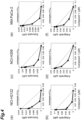
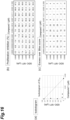
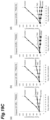
- Figures 4(a) to 4(f) are isobolograms showing results of evaluating cell proliferation inhibitory activity using the cell line NCI-H2122.
- Figures 4(c) and 4(d) are isobolograms showing results of evaluating cell proliferation inhibitory activity using the cell line NCI-H358.
- Figures 4(e) and 4(f) are isobolograms showing results of evaluating cell proliferation inhibitory activity using the cell line MIA PaCa-2.
- sotorasib was used as the combined-use compound in the treatment.
- adagrasib was used as the combined-use compound in the treatment.
- the abscissa of each graph depicts the final concentration ( ⁇ mol/L) of the compound 1, and the ordinate thereof depicts the final concentration ( ⁇ mol/L) of sotorasib or adagrasib.
- the broken lines in Figures 4(a) to 4(f) depict all combinations of the concentrations of the compound 1 and the concentrations of sotorasib or adagrasib in which the interaction between the compound 1 and sotorasib or adagrasib was additive.
- IC 80 of sotorasib or adagrasib was plotted against the concentrations of the compound 1 in the graphs. When these plots were positioned below the broken lines of the isobolograms, the combination of the compound 1 and sotorasib or adagrasib was confirmed to have synergistic effects.
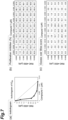
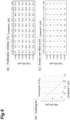
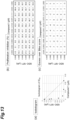
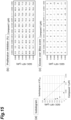
- a concentration at which the combined-use compound (here, TNO155, RMC-4550, or GDC-1971) or the compound 1 exhibited 50% cell proliferation inhibitory activity (IC 50 ) was calculated.
- IC 50 was also analyzed with isobolograms in the same manner as in IC 80 .
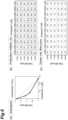
- the analysis results using isobolograms are shown in Figures 5(a) to 16(a) .
- Each drawing of Figure 5 shows results of treating the cell line NCI-H2122 using TNO155 as the combined-use compound.
- Each drawing of Figure 6 shows results of treating the cell line NCI-H358 using TNO155 as the combined-use compound.
- Each drawing of Figure 7 shows results of treating the cell line NCI-H2122 using RMC-4550 as the combined-use compound.
- Each drawing of Figure 8 shows results of treating the cell line NCI-H358 using RMC-4550 as the combined-use compound.
- Each drawing of Figure 9 shows results of treating the cell line NCI-H1373 using TNO155 as the combined-use compound.
- Each drawing of Figure 10 shows results of treating the cell line HCC-1171 using TNO155 as the combined-use compound.
- Each drawing of Figure 11 shows results of treating the cell line NCI-H23 using TNO155 as the combined-use compound.
- Each drawing of Figure 12 shows results of treating the cell line NCI-H1373 using GDC-1971 as the combined-use compound.
- Each drawing of Figure 13 shows results of treating the cell line A-427 using GDC-1971 as the combined-use compound.
- Each drawing of Figure 14 shows results of treating the cell line NCI-H1944 using GDC-1971 as the combined-use compound.
- Each drawing of Figure 15 shows results of treating the cell line GP2d using GDC-1971 as the combined-use compound.
- Each drawing of Figure 16 shows results of treating the cell line HPAC using GDC-1971 as the combined-use compound.
- Figures 5(a) to 16(a) revealed that use in combination of the compound 1 and the combined-use compound exhibits synergistic proliferation inhibitory effects because the plots (solid lines and/or dots) were positioned below the broken lines.
- E Bliss a Bliss index (E Bliss ) was calculated according to the expression (2) given below.
- E A represents cell proliferation inhibitory activity (%) when the compound 1 was used at certain concentration C in single-agent treatment.
- E B represents cell proliferation inhibitory activity (%) when the combined-use compound was used at certain concentration C in single-agent treatment.
- E Bliss is a calculated value (theoretical value) at which use in combination of the compound 1 and the combined-use compound exhibits additive effects.
- E Bliss E A + E B ⁇ E A ⁇ E B / 100
- EOB excess over Bliss score
- EOB is shown in Figures 5(c) to 16(c) . Many combinations of concentrations exhibited positive EOB as a whole, indicating that use in combination of the compound 1 and the combined-use compound has synergistic proliferation inhibitory effects.
- the single-agent administration of the sodium salt of the compound 1, sotorasib, or adagrasib, and the combined administration of the sodium salt of the compound 1 and each of these molecular-targeted agents (combined-use compounds) were evaluated for their in vivo antitumor activity and relative body weight change.
- This evaluation employed xenograft mice in which a KRAS-G12C mutation-positive human cancer cell line MIA PaCa-2 or NCI-H2122 (both, ATCC) was transplanted.
- the MIA PaCa-2-transplanted models received the single-agent administration or combined administration of the sodium salt of the compound 1 and sotorasib.
- the sodium salt of the compound 1 and/or sotorasib was orally administered once a day for 14 days.
- the sodium salt of the compound 1 was dissolved in 10% DMSO/10% Cremophor EL/15% HP- ⁇ -CD (2-hydroxypropyl- ⁇ -cyclodextrin)/15% polyethylene glycol-400/50% injectable distilled water (solvent A) for administration.
- Sotorasib was dissolved in 1% HPMC (hydroxypropyl methyl cellulose)/1% Tween 80/98% injectable distilled water (solvent B) for administration.
- the sodium salt of the compound 1 and the solvent B were administered at 0.25 mg/kg and 20 ml/kg, respectively, to the single-agent administration group of the sodium salt of the compound 1.
- Sotorasib and the solvent A were administered at 10 mg/kg and 20 ml/kg, respectively, to the single-agent administration group of sotorasib.
- the sodium salt of the compound 1 and sotorasib were administered at 0.25 mg/kg and 10 mg/kg, respectively, to the combined administration group of the sodium salt of the compound 1 and sotorasib.
- the solvent A and the solvent B were administered at 20 ml/kg and 20 ml/kg, respectively, to a control group.
- the sodium salt of the compound 1, sotorasib, the solvent A, and/or the solvent B was orally administered once a day for 14 days. After the completion of the administration period, an observation period of 22 days was established.
- the NCI-H2122-transplanted models received the single-agent administration or combined administration of the sodium salt of the compound 1 and adagrasib.
- the sodium salt of the compound 1 and/or adagrasib was orally administered once a day for 21 days.
- the sodium salt of the compound 1 was dissolved in the solvent A for administration.
- Adagrasib was dissolved in 50 mM citrate buffer (pH 5.0)/10%HP- ⁇ -CD (2-hydroxypropyl- ⁇ -cyclodextrin) prepared with injectable distilled water (solvent C) for administration.
- the sodium salt of the compound 1 and the solvent C were administered at 0.25 mg/kg or 0.75 mg/kg and 20 ml/kg, respectively, to the single-agent administration group of the sodium salt of the compound 1.
- Adagrasib and the solvent A were administered at 100 mg/kg and 10 ml/kg, respectively, to the single-agent administration group of adagrasib.
- the sodium salt of the compound 1 and adagrasib were administered at 0.25 mg/kg or 0.75 mg/kg and 100 mg/kg, respectively, to the combined administration group of the sodium salt of the compound 1 and adagrasib.
- the solvent A and the solvent C were administered at 10 ml/kg and 20 ml/kg, respectively, to a control group.
- the sodium salt of the compound 1, adagrasib, the solvent A, and/or the solvent C was orally administered once a day for 21 days.
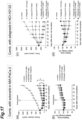
- Figures 17(a) and 17(c) revealed that the single-agent administration group of the sodium salt of the compound 1, the single-agent administration group of sotorasib or adagrasib, and the combined administration group of the sodium salt of the compound 1 and sotorasib or adagrasib compared with the control group suppressed increase in tumor volume.
- the combined administration group compared with the single-agent administration group had a larger degree of suppression of increase in tumor volume, indicating that use in combination of the sodium salt of the compound 1 and sotorasib or adagrasib potentiates in vivo antitumor activity.
- Figures 17(b) and 17(d) show relative body weight change in the mice based on the body weights on the start day of administration of the sodium salt of the compound 1, the combined-use compound, the solvent A, the solvent B and/or the solvent C.
- the ordinates of Figures 17(b) and 17(d) depict the relative body weight change (%), and the abscissas thereof depict the number of days after cell transplantation.
- no marked decrease in body weight was found in the single-agent administration group and the combined administration group.
- Figure 17(d) it was confirmed that decrease in body weight was alleviated in the combined administration group compared with the single-agent administration group.
- the NCI-H441-transplanted models and the OV56-transplanted models received the single-agent administration or combined administration of the sodium salt of the compound 1 and bevacizumab.
- the sodium salt of the compound 1 was dissolved in the solvent A for administration.
- Bevacizumab was diluted with physiological saline for administration.
- the sodium salt of the compound 1 was administered at 0.0625 mg/kg to the single-agent administration group of the sodium salt of the compound 1.
- Bevacizumab was administered at 2.5 mg/kg to the single-agent administration group of bevacizumab.
- the sodium salt of the compound 1 and bevacizumab were administered at 0.0625 mg/kg and 2.5 mg/kg, respectively, to the combined administration group of the sodium salt of the compound 1 and bevacizumab.
- the solvent A was administered at 20 ml/kg to a control group.
- the sodium salt of the compound 1 and the solvent A were orally administered once a day for 10 days.
- Bevacizumab was administered by intraperitoneal injection at a frequency of twice a week.
- the sodium salt of the compound 1 and physiological saline were administered at 0.25 mg/kg and 10 ml/kg, respectively, to the single-agent administration group of the sodium salt of the compound 1.
- Bevacizumab and the solvent A were administered at 2.5 mg/kg and 20 ml/kg, respectively, to the single-agent administration group of bevacizumab.
- the sodium salt of the compound 1 and bevacizumab were administered at 0.25 mg/kg and 2.5 mg/kg, respectively, to the combined administration group of the sodium salt of the compound 1 and bevacizumab.
- the solvent A and physiological saline were administered at 20 ml/kg and 10 ml/kg, respectively, to a control group.
- the sodium salt of the compound 1 and the solvent A were orally administered once a day for 10 days.
- Bevacizumab and physiological saline were administered by intraperitoneal injection at a frequency of twice a week.
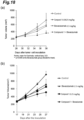
- Figures 18(a) and 18(b) show the results of evaluating in vivo antitumor activity.
- Figure 18(a) shows the experimental results obtained using the cell line NCI-H441
- Figure 18(b) shows the experimental results obtained using the cell line OV56.
- the ordinates of Figures 18(a) and 18(b) depict the tumor volumes (mm 3 ), and the abscissas thereof depict the number of days after cell transplantation.
- Figures 18(a) and 18(b) revealed that the single-agent administration group of the sodium salt of the compound 1, the single-agent administration group of bevacizumab, and the combined administration group of the sodium salt of the compound 1 and bevacizumab compared with the control group suppressed increase in tumor volume.
- the combined administration group compared with the single-agent administration group had a larger degree of suppression of increase in tumor volume, indicating that use in combination of the sodium salt of the compound 1 and bevacizumab potentiates in vivo antitumor activity.
- mice Use in combination of the sodium salt of the compound 1 and TNO155 was evaluated for its in vivo antitumor activity using nude mice in which any of KRAS mutation-positive human cancer cell lines NCI-H1373, NCI-H358 and NCI-H441 (all, ATCC) was transplanted.
- the NCI-H1373 cells, the NCI-H358 cells, and the NCI-H441 cells were subcutaneously transplanted at 5 ⁇ 10 6 , 1 ⁇ 10 7 , and 5 ⁇ 10 6 , respectively, per mouse to the mice.
- the NCI-H1373-, NCI-H358- or NCI-H441-transplanted models received the single-agent administration or combined administration of the sodium salt of the compound 1 and TNO155.
- the sodium salt of the compound 1 was dissolved in solvent A for administration.
- TNO155 was diluted with 0.5% Tween 80 and 0.5% methyl cellulose prepared with injectable distilled water (solvent D) for administration.
- the sodium salt of the compound 1 and the solvent D were administered at 0.25 mg/kg and 10 ml/kg, respectively, to the single-agent administration group of the sodium salt of the compound 1.
- TNO155 and 10% DMSO and 5% Cremophor EL prepared with injectable distilled water (solvent E) were administered at 10 mg/kg and 10 ml/kg, respectively, to the single-agent administration group of TNO155.
- the sodium salt of the compound 1 and TNO155 were administered at 0.25 mg/kg and 10 mg/kg, respectively, to the combined administration group of the sodium salt of the compound 1 and TNO155.
- the solvent E and the solvent D were administered at 10 ml/kg and 10 ml/kg, respectively, to a control group.
- the sodium salt of the compound 1 and the solvent E were orally administered once a day for 30 days.
- TNO155 and the solvent D were orally administered twice a day for 30 days.
- the sodium salt of the compound 1 and the solvent D were administered at 0.25 mg/kg and 10 ml/kg, respectively, to the single-agent administration group of the sodium salt of the compound 1.
- TNO155 and the solvent A were administered at 5 mg/kg and 10 ml/kg, respectively, to the single-agent administration group of TNO155.
- the sodium salt of the compound 1 and TNO155 were administered at 0.25 mg/kg and 5 mg/kg, respectively, to the combined administration group of the sodium salt of the compound 1 and TNO155.
- the solvent A and the solvent D were administered at 10 ml/kg and 10 ml/kg, respectively, to a control group.
- the sodium salt of the compound 1 and the solvent A were orally administered once a day for 21 days.
- TNO155 and the solvent D were orally administered twice a day for 21 days.
- the sodium salt of the compound 1 and the solvent D were administered at 0.125 mg/kg or 0.25 mg/kg and 10 ml/kg, respectively, to the single-agent administration group of the sodium salt of the compound 1.
- TNO155 and the solvent A were administered at 5 mg/kg or 10 mg/kg and 10 ml/kg, respectively, to the single-agent administration group of TNO155.
- the sodium salt of the compound 1 and TNO155 were administered at 0.125 mg/kg or 0.25 mg/kg and 5 mg/kg or 10 mg/kg, respectively, to the combined administration group of the sodium salt of the compound 1 and TNO155.
- the solvent A and the solvent D were administered at 10 ml/kg and 10 ml/kg, respectively, to a control group.
- the sodium salt of the compound 1 and the solvent A were orally administered once a day for 13 days.
- TNO155 and the solvent D were orally administered twice a day for 13 days.
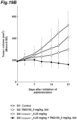
- Figures 19A , 19B , and 19C show the experimental results obtained using the cell line NCI-H441.
- Figure 19C(a) shows the experimental results obtained using the sodium salt of the compound 1 at a dose of 0.125 mg/kg and TNO155 at a dose of 5 mg/kg
- Figure 19C(b) shows the experimental results obtained using the sodium salt of the compound 1 at a dose of 0.125 mg/kg and TNO155 at a dose of 10 mg/kg
- Figure 19C(c) shows the experimental results obtained using the sodium salt of the compound 1 at a dose of 0.25 mg/kg and TNO155 at a dose of 5 mg/kg
- Figure 19C(d) shows the experimental results obtained using the sodium salt of the compound 1 at a dose of 0.25 mg/kg and TNO155 at a dose of 10 mg/kg.
- Figures 19A , 19B , and 19C revealed that the single-agent administration group of the sodium salt of the compound 1, the single-agent administration group of TNO155, and the combined administration group of the sodium salt of the compound 1 and TNO155 compared with the control group suppressed increase in tumor volume.
- the combined administration group compared with the single-agent administration group had a larger degree of suppression of increase in tumor volume, indicating that use in combination of the sodium salt of the compound 1 and TNO155 potentiates in vivo antitumor activity.
- the CT26- or mLU6054-transplanted models received the single-agent administration or combined administration of the sodium salt of the compound 1 and the anti-PD-L1 antibody.
- the sodium salt of the compound 1 was dissolved in solvent E for administration.
- the anti-PD-L1 antibody was diluted with PBS for administration.
- the sodium salt of the compound 1 and PBS were administered at 1 mg/kg and 10 ml/kg, respectively, to the single-agent administration group of the sodium salt of the compound 1.
- the anti-PD-L1 antibody and the solvent E were administered at 10 mg/kg and 20 ml/kg, respectively, to the single-agent administration group of the anti-PD-L1 antibody.
- the sodium salt of the compound 1 and the anti-PD-L1 antibody were administered at 1 mg/kg and 10 mg/kg, respectively, to the combined administration group of the sodium salt of the compound 1 and the anti-PD-L1 antibody.
- the solvent E and PBS were administered at 20 ml/kg and 10 ml/kg, respectively, to a control group.
- the sodium salt of the compound 1 and the solvent E were orally administered once a day for 21 days.
- the anti-PD-L1 antibody and PBS were administered by intravenous injection twice a week for 21 days.
- FIG. 20(a) shows the experimental results obtained using CT26
- Figure 20(b) show the experimental results obtained using mLU6054.
- the ordinates of Figures 20(a) and 20(b) depict the tumor volumes (mm 3 ), and the abscissas thereof depict the number of days after the start of administration.
- Figures 20(a) and 20(b) revealed that the single-agent administration group of the sodium salt of the compound 1, the single-agent administration group of the anti-PD-L1 antibody, and the combined administration group of the sodium salt of the compound 1 and the anti-PD-L1 antibody compared with the control group suppressed increase in tumor volume.
- the combined administration group compared with the single-agent administration group had a larger degree of suppression of increase in tumor volume, indicating that use in combination of the sodium salt of the compound 1 and the anti-PD-L1 antibody potentiates in vivo antitumor activity.
Landscapes
- Health & Medical Sciences (AREA)
- Chemical & Material Sciences (AREA)
- General Health & Medical Sciences (AREA)
- Life Sciences & Earth Sciences (AREA)
- Medicinal Chemistry (AREA)
- Public Health (AREA)
- Veterinary Medicine (AREA)
- Pharmacology & Pharmacy (AREA)
- Animal Behavior & Ethology (AREA)
- Epidemiology (AREA)
- Organic Chemistry (AREA)
- Immunology (AREA)
- Nuclear Medicine, Radiotherapy & Molecular Imaging (AREA)
- General Chemical & Material Sciences (AREA)
- Chemical Kinetics & Catalysis (AREA)
- Genetics & Genomics (AREA)
- Proteomics, Peptides & Aminoacids (AREA)
- Molecular Biology (AREA)
- Biophysics (AREA)
- Biochemistry (AREA)
- Hematology (AREA)
- Oncology (AREA)
- Engineering & Computer Science (AREA)
- Bioinformatics & Cheminformatics (AREA)
- Medicines That Contain Protein Lipid Enzymes And Other Medicines (AREA)
- Medicines Containing Antibodies Or Antigens For Use As Internal Diagnostic Agents (AREA)
- Pharmaceuticals Containing Other Organic And Inorganic Compounds (AREA)
- Hydrogenated Pyridines (AREA)
Applications Claiming Priority (3)
| Application Number | Priority Date | Filing Date | Title |
|---|---|---|---|
| JP2022069320 | 2022-04-20 | ||
| EP22207829 | 2022-11-16 | ||
| PCT/JP2023/015683 WO2023204259A1 (ja) | 2022-04-20 | 2023-04-19 | がんの治療又は予防用医薬 |
Publications (2)
| Publication Number | Publication Date |
|---|---|
| EP4512401A1 true EP4512401A1 (de) | 2025-02-26 |
| EP4512401A4 EP4512401A4 (de) | 2026-01-28 |
Family
ID=88419939
Family Applications (1)
| Application Number | Title | Priority Date | Filing Date |
|---|---|---|---|
| EP23791907.1A Pending EP4512401A4 (de) | 2022-04-20 | 2023-04-19 | Arzneimittel zur behandlung oder prävention von krebs |
Country Status (6)
| Country | Link |
|---|---|
| US (1) | US20250262194A1 (de) |
| EP (1) | EP4512401A4 (de) |
| JP (1) | JP7565132B2 (de) |
| CN (1) | CN119031911A (de) |
| TW (1) | TW202404586A (de) |
| WO (1) | WO2023204259A1 (de) |
Families Citing this family (1)
| Publication number | Priority date | Publication date | Assignee | Title |
|---|---|---|---|---|
| WO2025146040A1 (zh) * | 2024-01-01 | 2025-07-10 | 华健未来(成都)科技股份有限公司 | 芳香酰肼类衍生物及其医药用途 |
Family Cites Families (9)
| Publication number | Priority date | Publication date | Assignee | Title |
|---|---|---|---|---|
| LT3042669T (lt) | 2013-09-06 | 2023-06-26 | Taiho Pharmaceutical Co., Ltd. | Priešvėžinis agentas ir stipriklis su priešvėžiniu poveikiu |
| JP7377679B2 (ja) * | 2018-11-19 | 2023-11-10 | アムジエン・インコーポレーテツド | がん治療のためのkrasg12c阻害剤及び1種以上の薬学的に活性な追加の薬剤を含む併用療法 |
| JP2021063014A (ja) | 2019-10-10 | 2021-04-22 | 国立大学法人 東京大学 | 白血病治療薬 |
| US20240139193A1 (en) * | 2019-10-15 | 2024-05-02 | Amgen Inc. | Combination therapy of kras inhibitor and shp2 inhibitor for treatment of cancers |
| AR121078A1 (es) * | 2020-01-22 | 2022-04-13 | Chugai Pharmaceutical Co Ltd | Derivados de arilamida con actividad antitumoral |
| WO2021154929A1 (en) * | 2020-01-31 | 2021-08-05 | Verastem, Inc. | Combination therapy for treating abnormal cell growth |
| JPWO2022018875A1 (de) * | 2020-07-22 | 2022-01-27 | ||
| CN115803024B (zh) * | 2020-07-22 | 2025-01-10 | 中外制药株式会社 | 包含芳基酰胺衍生物的组合物 |
| IL307964A (en) * | 2021-06-09 | 2023-12-01 | Chugai Pharmaceutical Co Ltd | Combined treatment for cancer |
-
2023
- 2023-04-19 JP JP2024505170A patent/JP7565132B2/ja active Active
- 2023-04-19 CN CN202380034317.4A patent/CN119031911A/zh active Pending
- 2023-04-19 US US18/857,507 patent/US20250262194A1/en active Pending
- 2023-04-19 WO PCT/JP2023/015683 patent/WO2023204259A1/ja not_active Ceased
- 2023-04-19 EP EP23791907.1A patent/EP4512401A4/de active Pending
- 2023-04-20 TW TW112114697A patent/TW202404586A/zh unknown
Also Published As
| Publication number | Publication date |
|---|---|
| JP7565132B2 (ja) | 2024-10-10 |
| JPWO2023204259A1 (de) | 2023-10-26 |
| TW202404586A (zh) | 2024-02-01 |
| EP4512401A4 (de) | 2026-01-28 |
| WO2023204259A1 (ja) | 2023-10-26 |
| CN119031911A (zh) | 2024-11-26 |
| US20250262194A1 (en) | 2025-08-21 |
Similar Documents
| Publication | Publication Date | Title |
|---|---|---|
| US20250161315A1 (en) | Combinations of anti-her2 antibody-drug conjugate and chemotherapeutic agents, and methods of use | |
| EP2858666B1 (de) | Mutante selektivität und kombinationen einer phosphoinositid-3-kinaseinhibitorverbindung sowie chemotherapeutika zur behandlung von krebs | |
| KR20220148847A (ko) | 다브라페닙, erk 억제제, 및 shp2 억제제를 포함하는 삼중 약학적 조합물 | |
| US20240016781A1 (en) | Treatment of kras mutant cancers | |
| TW202342047A (zh) | 使用經取代之嘧啶-4(3h)-酮及索托拉西布(sotorasib)之組合療法 | |
| EP4512401A1 (de) | Arzneimittel zur behandlung oder prävention von krebs | |
| HK40112852A (zh) | 癌的治疗或预防用药物 | |
| CN117098537A (zh) | 用于癌症治疗的联合疗法 | |
| HK40012625A (en) | Combinations of an anti-her2 antibody-drug conjugate and chemotherapeutic agents, and methods of use | |
| HK40103380A (zh) | 用於癌症治疗的联合疗法 | |
| HK1189352B (en) | Combinations of an anti-her2 antibody-drug conjugate and docetaxel | |
| HK1189354B (en) | Combinations of an anti-her2 antibody-drug conjugate and pertuzumab |
Legal Events
| Date | Code | Title | Description |
|---|---|---|---|
| STAA | Information on the status of an ep patent application or granted ep patent |
Free format text: STATUS: THE INTERNATIONAL PUBLICATION HAS BEEN MADE |
|
| PUAI | Public reference made under article 153(3) epc to a published international application that has entered the european phase |
Free format text: ORIGINAL CODE: 0009012 |
|
| STAA | Information on the status of an ep patent application or granted ep patent |
Free format text: STATUS: REQUEST FOR EXAMINATION WAS MADE |
|
| 17P | Request for examination filed |
Effective date: 20241113 |
|
| AK | Designated contracting states |
Kind code of ref document: A1 Designated state(s): AL AT BE BG CH CY CZ DE DK EE ES FI FR GB GR HR HU IE IS IT LI LT LU LV MC ME MK MT NL NO PL PT RO RS SE SI SK SM TR |
|
| DAV | Request for validation of the european patent (deleted) | ||
| DAX | Request for extension of the european patent (deleted) | ||
| A4 | Supplementary search report drawn up and despatched |
Effective date: 20260108 |
|
| RIC1 | Information provided on ipc code assigned before grant |
Ipc: A61K 31/44 20060101AFI20251223BHEP Ipc: A61K 45/06 20060101ALI20251223BHEP Ipc: A61K 31/519 20060101ALI20251223BHEP Ipc: A61K 39/395 20060101ALI20251223BHEP Ipc: A61P 35/00 20060101ALI20251223BHEP Ipc: A61K 31/497 20060101ALI20251223BHEP Ipc: A61K 31/665 20060101ALI20251223BHEP Ipc: A61P 35/02 20060101ALI20251223BHEP Ipc: A61P 43/00 20060101ALI20251223BHEP |