EP4495243A1 - Neuartiges verfahren zur herstellung von exosom mit zielnukleinsäure als nukleinsäuremedizin - Google Patents
Neuartiges verfahren zur herstellung von exosom mit zielnukleinsäure als nukleinsäuremedizin Download PDFInfo
- Publication number
- EP4495243A1 EP4495243A1 EP23770705.4A EP23770705A EP4495243A1 EP 4495243 A1 EP4495243 A1 EP 4495243A1 EP 23770705 A EP23770705 A EP 23770705A EP 4495243 A1 EP4495243 A1 EP 4495243A1
- Authority
- EP
- European Patent Office
- Prior art keywords
- nucleic acid
- exosomes
- acid sequence
- target nucleic
- cells
- Prior art date
- Legal status (The legal status is an assumption and is not a legal conclusion. Google has not performed a legal analysis and makes no representation as to the accuracy of the status listed.)
- Pending
Links
Images






Classifications
-
- C—CHEMISTRY; METALLURGY
- C12—BIOCHEMISTRY; BEER; SPIRITS; WINE; VINEGAR; MICROBIOLOGY; ENZYMOLOGY; MUTATION OR GENETIC ENGINEERING
- C12N—MICROORGANISMS OR ENZYMES; COMPOSITIONS THEREOF; PROPAGATING, PRESERVING, OR MAINTAINING MICROORGANISMS; MUTATION OR GENETIC ENGINEERING; CULTURE MEDIA
- C12N15/00—Mutation or genetic engineering; DNA or RNA concerning genetic engineering, vectors, e.g. plasmids, or their isolation, preparation or purification; Use of hosts therefor
- C12N15/09—Recombinant DNA-technology
- C12N15/87—Introduction of foreign genetic material using processes not otherwise provided for, e.g. co-transformation
- C12N15/88—Introduction of foreign genetic material using processes not otherwise provided for, e.g. co-transformation using microencapsulation, e.g. using amphiphile liposome vesicle
-
- C—CHEMISTRY; METALLURGY
- C12—BIOCHEMISTRY; BEER; SPIRITS; WINE; VINEGAR; MICROBIOLOGY; ENZYMOLOGY; MUTATION OR GENETIC ENGINEERING
- C12N—MICROORGANISMS OR ENZYMES; COMPOSITIONS THEREOF; PROPAGATING, PRESERVING, OR MAINTAINING MICROORGANISMS; MUTATION OR GENETIC ENGINEERING; CULTURE MEDIA
- C12N15/00—Mutation or genetic engineering; DNA or RNA concerning genetic engineering, vectors, e.g. plasmids, or their isolation, preparation or purification; Use of hosts therefor
- C12N15/09—Recombinant DNA-technology
- C12N15/63—Introduction of foreign genetic material using vectors; Vectors; Use of hosts therefor; Regulation of expression
- C12N15/79—Vectors or expression systems specially adapted for eukaryotic hosts
- C12N15/85—Vectors or expression systems specially adapted for eukaryotic hosts for animal cells
-
- C—CHEMISTRY; METALLURGY
- C12—BIOCHEMISTRY; BEER; SPIRITS; WINE; VINEGAR; MICROBIOLOGY; ENZYMOLOGY; MUTATION OR GENETIC ENGINEERING
- C12N—MICROORGANISMS OR ENZYMES; COMPOSITIONS THEREOF; PROPAGATING, PRESERVING, OR MAINTAINING MICROORGANISMS; MUTATION OR GENETIC ENGINEERING; CULTURE MEDIA
- C12N15/00—Mutation or genetic engineering; DNA or RNA concerning genetic engineering, vectors, e.g. plasmids, or their isolation, preparation or purification; Use of hosts therefor
- C12N15/09—Recombinant DNA-technology
- C12N15/63—Introduction of foreign genetic material using vectors; Vectors; Use of hosts therefor; Regulation of expression
- C12N15/79—Vectors or expression systems specially adapted for eukaryotic hosts
- C12N15/85—Vectors or expression systems specially adapted for eukaryotic hosts for animal cells
- C12N15/86—Viral vectors
-
- A—HUMAN NECESSITIES
- A61—MEDICAL OR VETERINARY SCIENCE; HYGIENE
- A61K—PREPARATIONS FOR MEDICAL, DENTAL OR TOILETRY PURPOSES
- A61K9/00—Medicinal preparations characterised by special physical form
- A61K9/48—Preparations in capsules, e.g. of gelatin, of chocolate
- A61K9/50—Microcapsules having a gas, liquid or semi-solid filling; Solid microparticles or pellets surrounded by a distinct coating layer, e.g. coated microspheres, coated drug crystals
- A61K9/5005—Wall or coating material
- A61K9/5063—Compounds of unknown constitution, e.g. material from plants or animals
- A61K9/5068—Cell membranes or bacterial membranes enclosing drugs
-
- C—CHEMISTRY; METALLURGY
- C12—BIOCHEMISTRY; BEER; SPIRITS; WINE; VINEGAR; MICROBIOLOGY; ENZYMOLOGY; MUTATION OR GENETIC ENGINEERING
- C12N—MICROORGANISMS OR ENZYMES; COMPOSITIONS THEREOF; PROPAGATING, PRESERVING, OR MAINTAINING MICROORGANISMS; MUTATION OR GENETIC ENGINEERING; CULTURE MEDIA
- C12N2800/00—Nucleic acids vectors
- C12N2800/10—Plasmid DNA
- C12N2800/106—Plasmid DNA for vertebrates
- C12N2800/107—Plasmid DNA for vertebrates for mammalian
-
- C—CHEMISTRY; METALLURGY
- C12—BIOCHEMISTRY; BEER; SPIRITS; WINE; VINEGAR; MICROBIOLOGY; ENZYMOLOGY; MUTATION OR GENETIC ENGINEERING
- C12N—MICROORGANISMS OR ENZYMES; COMPOSITIONS THEREOF; PROPAGATING, PRESERVING, OR MAINTAINING MICROORGANISMS; MUTATION OR GENETIC ENGINEERING; CULTURE MEDIA
- C12N2810/00—Vectors comprising a targeting moiety
- C12N2810/10—Vectors comprising a non-peptidic targeting moiety
Definitions
- the present invention relates to a novel method for producing exosomes as nucleic acid medicines loaded with a target nucleic acid.
- DDS Drug Delivery System
- Nucleic acids have very high potential for medical applications, and in particular, gene regulation, which has been difficult to target with conventional low-molecular compounds and proteins, can be achieved with high specificity by directly targeting gene sequences. A therapeutic effect is expected.
- Nucleic acid medicines are currently being developed around the world, and while the number of seeds available is vast, the reality is that, as mentioned above, the development of DDS that delivers nucleic acids to target cells is lagging behind.
- exosomes are granules that are naturally secreted from various cells and are covered with a lipid membrane that is the same as the cell membrane, and contain substances derived from the cytoplasm.
- the internal substances covered by the lipid membrane are not only protected from metabolic enzymes, but also can freely pass through tissues and cell membranes.
- exosomes are able to transport substances to distant cells, making them ideal for intracellular DDS of pharmaceuticals.
- the purpose of the present invention is to provide a novel DDS technique for delivering a desired nucleic acid to a target tissue and a target cell. Specifically, the purpose of the present invention is to provide a novel method for producing exosomes on which a desired nucleic acid is mounted, a vector and a vector system used in the method, and a pharmaceutical composition comprising exosomes produced by the method.
- the exosome is not only the protein or RNA of the cytoplasm reported to the exosome but also the DNA, and the exosomes of the cancer patient include a large amount of DNA.
- the nucleic acid sequence of DNA contained in exosomes secreted by cancer stem cells was analyzed, it was found that a new signal nucleic acid sequence having no report was inserted into the non-coding region.
- a cytoplasm DNA is examined, they have been detected that do not have this special nucleic acid sequence.
- DNA contained in exosomes was considered to be selectively taken into exosomes by having this nucleic acid sequence at most having this special nucleic acid sequence.
- a novel DDS technique for delivering a desired nucleic acid to a target tissue and a target cell can be provided. That is, the gist of the present invention is as follows.
- a target nucleic acid can be cloned in an upstream region of a non-coding region into which a signal nucleic acid sequence (ELS) represented by SEQ ID NO: 1 is inserted, and the target nucleic acid can be introduced into an exosome produced by the cell by transfecting the nucleic acid to the host cell.
- ELS signal nucleic acid sequence
- a specific nucleic acid can be efficiently taken into exosomes in a host cell, and exosomes on which a desired nucleic acid is mounted can be freely prepared. Exosomes obtained by the present invention may be suitably used as a new DDS technique for delivering a desired nucleic acid to a target tissue and a target cell.
- the exosomes are granules covered with a lipid membrane of the same quality as a cell membrane naturally secreted from various cells, and are excellent in safety and stability in the body because a membrane protein that realizes immune tolerance is expressed.
- the administered DDS body needs to exceed the Brain Blood Barrier (BBB), but the exosomes are covered with the same lipid membrane as the cell membrane, so that BBB can be efficiently passed, and there is no restriction on the target organ of the existing DDS.
- BBB Brain Blood Barrier
- the present invention provides a step of preparing a recombinant host cell by introducing a polynucleotide comprising a nucleic acid sequence of a target nucleic acid and a signal nucleic acid sequence represented by SEQ ID NO: 1 into a host cell, and a step of preparing a recombinant host cell.
- the present invention relates to a method for producing exosomes containing a target nucleic acid, which comprises the steps of culturing, producing and secreting exosomes containing the target nucleic acid.
- the present invention also relates to a polynucleotide comprising a nucleic acid sequence of a target nucleic acid and a signal nucleic acid sequence represented by SEQ ID NO: 1.
- the present invention also relates to a vector having a polynucleotide comprising a nucleic acid sequence of a target nucleic acid and a signal nucleic acid sequence represented by SEQ ID NO: 1.
- the present invention also relates to an expression vector system that allows cloning of a target nucleic acid with a signal nucleic acid sequence represented by SEQ ID NO: 1 inserted therein.
- the present invention also relates to a recombinant host cell into which a polynucleotide containing a nucleic acid sequence of a target nucleic acid and a signal nucleic acid sequence represented by SEQ ID NO: 1 has been introduced, and this recombinant host cell has a nucleic acid sequence of a target nucleic acid. It is suitably used for producing exosomes containing.
- the present invention also relates to an exosome having a polynucleotide comprising a nucleic acid sequence of a target nucleic acid and a signal nucleic acid sequence represented by SEQ ID NO: 1.
- the present invention provides a step of preparing a recombinant host cell by introducing a polynucleotide comprising a nucleic acid sequence of a target nucleic acid and a signal nucleic acid sequence represented by SEQ ID NO: 1 into a host cell, and a step of preparing a recombinant host cell.
- the present invention also relates to exosomes produced by a method for producing exosomes containing a target nucleic acid, which comprises the steps of culturing, producing and secreting exosomes containing the target nucleic acid.
- the present invention provides a step of preparing a recombinant host cell by introducing a polynucleotide comprising a nucleic acid sequence of a target nucleic acid and a signal nucleic acid sequence represented by SEQ ID NO: 1 into a host cell, and a step of preparing a recombinant host cell. It also relates to a pharmaceutical composition containing exosomes produced by a method for producing exosomes containing a target nucleic acid, which comprises the steps of culturing, producing and secreting exosomes containing the target nucleic acid.
- the present invention is a method for loading exosomes with a target nucleic acid, in which a polynucleotide containing the nucleic acid sequence of the target nucleic acid and a signal nucleic acid sequence represented by SEQ ID NO: 1 is introduced into a host cell, and then assembled into a host cell.
- the present invention also relates to a method for loading exosomes with a target nucleic acid, which comprises the steps of preparing a recombinant host cell, and culturing the recombinant host cell to produce and secrete an exosome containing the target nucleic acid.
- the present invention further relates to a method for producing exosomes that combines the above-described method of loading a target nucleic acid onto an exosome and a method of expressing a specific membrane protein that serves as a targeting moiety on the surface of the exosome.
- polynucleotide is used interchangeably with “nucleic acid,” “gene,” or “nucleic acid molecule,” and refers to a polymer of nucleotides, in either single-stranded or double-stranded form. refers to a series of nucleotides, deoxyribonucleotides or ribonucleotides, and includes, unless otherwise specified, known analogs of natural nucleotides that hybridize to nucleic acids in a manner similar to naturally occurring nucleotides.
- nucleic acid sequence is used interchangeably with “nucleotide sequence” or “base sequence” and is denoted as a sequence of deoxyribonucleotides (abbreviated as A, G, C and T).
- a polynucleotide comprising a signal nucleic acid sequence represented by SEQ ID NO: 1 refers to a polynucleotide comprising a sequence represented by each deoxynucleotide A, G, C and/or T of SEQ ID NO: 1. means.
- vector refers to a construct capable of delivering, preferably expressing, one or more genes or sequences of interest within a host cell.
- the term "foreign gene” refers to a structural gene introduced by a transformation operation, etc., rather than a structural gene originally possessed by the host (a structural gene contained in the chromosome of the natural host before transformation). means. Even if the host naturally possesses a gene, a gene introduced by a transformation operation or the like is a foreign gene in the present invention.
- Exosomes contain lipids and proteins derived from cell membranes on their surface, and the inside contains nucleic acids and proteins such as mRNA, miRNA, and DNA, and contains information derived from the released cell. It is known that these biological information molecules consisting of nucleic acids and proteins function in cells that have taken up exosomes, and it has been revealed that intercellular communication occurs through the exchange of nucleic acids and proteins via exosomes. Therefore, it is thought that exosomes can be used for disease prevention and treatment.
- One embodiment of the present invention is a method for producing exosomes containing a target nucleic acid.
- the method for producing exosomes of the present invention involves introducing a polynucleotide containing the nucleic acid sequence of the target nucleic acid and a signal nucleic acid sequence represented by SEQ ID NO: 1 into a host cell, and culturing the recombinant host cell. (hereinafter simply referred to as "recombinant host cell preparation step”), and a step of culturing the recombinant host cells to produce and secrete exosomes containing the target nucleic acid (hereinafter simply referred to as "exosome preparation step"). production/secretion process).
- a target nucleic acid can be efficiently incorporated into exosomes within a host cell, and exosomes incorporating a desired nucleic acid can be freely prepared.
- Exosomes obtained by the method of the present invention can be suitably used as a new DDS technology to deliver desired nucleic acids to target cells.
- the signal nucleic acid sequence refers to the sequence represented by SEQ ID NO: 1, and since the presence of this sequence allows the target nucleic acid to be efficiently incorporated into exosomes, the Exosome Localization Signal Also called (ELS).
- a polynucleotide containing the nucleic acid sequence of the target nucleic acid and a signal nucleic acid sequence (ELS) represented by SEQ ID NO: 1 is introduced into a host cell, and a recombinant host cell is prepared.
- ELS signal nucleic acid sequence
- This is a step of preparing cells.
- a polynucleotide containing the nucleic acid sequence of the target nucleic acid and the nucleic acid sequence with ELS inserted into the non-coding region is introduced into a host cell, the nucleic acid is selectively taken up into exosomes within the host cell, and the nucleic acid is taken up. Exosomes are produced and secreted into the culture medium.
- the position where the ELS is inserted is not particularly limited as long as it is within the non-coding region, but it is preferably within the 3'UTR downstream of the nucleic acid of interest.
- the polynucleotide used in this step contains the nucleic acid sequence of the target nucleic acid and the signal nucleic acid sequence represented by SEQ ID NO: 1, and the signal nucleic acid sequence represented by SEQ ID NO: 1 is located within the non-coding region. It is preferable to be located at . Furthermore, the polynucleotide includes a nucleic acid sequence of a target nucleic acid and a signal nucleic acid sequence represented by SEQ ID NO: 1, and the signal nucleic acid sequence represented by SEQ ID NO: 1 is located in the downstream 3'UTR of the nucleic acid. More preferably, it is a polynucleotide located within. Note that the non-coding region may be a non-coding region of any gene.
- the signal nucleic acid sequence (ELS) represented by SEQ ID NO: 1 is a sequence found as a specific 22-bp sequence that is frequently included in DNA in exosomes secreted by cancer stem cells, and is a sequence that is found to be a specific 22-bp sequence that is frequently included in DNA in exosomes secreted by cancer stem cells.
- the signal nucleic acid sequence (ELS) represented by SEQ ID NO: 1 one or more (for example, 1 to 7, 1 to 6, 1 to 5, 1 to 4, 1 Even if a polynucleotide has a deletion, substitution, insertion, and/or addition of up to 3 nucleotides, 1 to 2 nucleotides, 1 nucleotide, etc., when it is introduced into a vector and transformed into a host cell, the host cell Any polynucleotide that can selectively incorporate a target nucleic acid into exosomes within cells is included within the scope of the present invention. Furthermore, combinations of two or more of these deletions, substitutions, insertions, and additions may be included at the same time.
- Preferred polynucleotides in the present invention also include polynucleotides capable of hybridizing to its complementary sequence of SEQ ID NO: 1 under stringent hybridization conditions, for example.
- stringent conditions may be any of low stringency conditions, medium stringency conditions, and high stringency conditions.
- Low stringency conditions are, for example, 5x SSC, 5x Denhardt's solution, 0.5% SDS, 50% formamide, and 32°C.
- intermediate stringent conditions are, for example, 5x SSC, 5x Denhardt's solution, 0.5% SDS, 50% formamide, and 42°C.
- Highly stringent conditions are, for example, 5x SSC, 5x Denhardt's solution, 0.5% SDS, 50% formamide, and 50°C. Under these conditions, it can be expected that DNA with higher homology can be obtained more efficiently as the temperature is raised.
- factors that can affect the stringency of hybridization such as temperature, probe concentration, probe length, ionic strength, time, and salt concentration, and those skilled in the art can appropriately select these factors. It is possible to achieve similar stringency with
- polynucleotide containing the nucleic acid sequence of the target nucleic acid and the signal nucleic acid sequence (ELS) represented by SEQ ID NO: 1" preferably further includes an operably linked promoter sequence. It may also include known sequences such as enhancer sequences, Kozak sequences, appropriate polyadenylation signal sequences, etc. that assist in translation for , and is used for transcription of mRNA to protein, translation to protein and the like.
- nucleic acid in “target nucleic acid” is DNA.
- target nucleic acid refers to a nucleic acid that is desired to be incorporated into exosomes, and may be a nucleic acid derived from a foreign gene or an artificially designed nucleic acid, and is not particularly limited.
- target nucleic acids include templates for making mRNA that generally performs protein expression, and DNAs that function to regulate the expression and/or activity of specific genes and proteins and the like (such as antisense DNA or the like) and RNA (antisense RNA, RNA interference (RNAi) molecules such as siRNA, miRNA, and shRNA, ribozymes), and gene cassettes that serve as templates for creating CRISPR/Cas, and the like.
- RNA RNA interference
- siRNA siRNA
- miRNA miRNA
- shRNA RNA interference
- ribozymes RNA interference molecules
- gene cassettes that serve as templates for creating CRISPR/Cas, and the like.
- RNA This allows large amounts of RNA to be produced in vivo, making it more effective than direct delivery of RNA.
- Medical applications include DNA vaccines, delivery of normal genes for enzymes that do not function due to mutations in genetic diseases, and delivery of genes to stem cells to control cell differentiation (e.g., Hath 1/Atoh1 to inner ear cells).
- Nurr1 induces differentiation into dopaminergic neurons
- LXh8 induces differentiation into cholinergic neurons, etc. from stem cells).
- exosomes incorporating these nucleic acids can be effectively used as nucleic acid medicines for the prevention and/or treatment of various diseases such as cancer and viral infections including COVID-19.
- the method of introducing "the polynucleotide containing the nucleic acid sequence of the target nucleic acid and the signal nucleic acid sequence (ELS) represented by SEQ ID NO: 1" into host cells is not particularly limited, and examples include viruses, plasmids, artificial chromosomes, etc. Techniques such as lipofection, liposomes, microinjection, etc. can be used. Among these, it is preferable to use vectors from the viewpoint of excellent introduction efficiency and secretion efficiency of exosomes from host cells after introduction, and the vectors are not particularly limited as long as they can efficiently deliver nucleic acids to host cells..
- Such vectors include, for example, lentivirus vectors, adeno-associated virus vectors, adenovirus vectors, herpesvirus vectors (e.g., herpes simplex virus vectors), poxvirus vectors, baculovirus vectors, papillomavirus vectors, papovavirus vectors.
- viral vectors such as vectors (eg, SV40); plasmid vectors; phagemid vectors; cosmid vectors; bacteriophages such as lambda phage and M13 phage.
- lentivirus vectors for the purpose of permanently expressing a gene, lentivirus vectors, adeno-associated virus vectors, and adenovirus vectors are preferred, lentivirus vectors and adeno-associated virus vectors are more preferred, and lentivirus vectors are even more preferred.
- lentivirus vectors and adeno-associated virus vectors are more preferred, and lentivirus vectors are even more preferred.
- the above-mentioned vector can contain control sequences such as a promoter, an enhancer, a ribosome binding sequence, a terminator, and a polyadenylation site so that the gene of interest can be expressed.
- drug resistance genes e.g. kanamycin resistance gene, ampicillin resistance gene, puromycin resistance gene, etc.
- selection marker sequences such as thymidine kinase gene, diphtheria toxin gene, mCherry (red fluorescent protein), green fluorescent protein, etc. (GFP), ⁇ -glucuronidase (GUS), and a reporter gene sequence such as FLAG.
- the host cell into which "the polynucleotide containing the nucleic acid sequence of the target nucleic acid and the signal nucleic acid sequence (ELS) represented by SEQ ID NO: 1" is introduced is not particularly limited as long as it is a cell that produces and secretes exosomes.
- Various cells such as natural cells or artificially established cells commonly used in the technical field of the present invention can be used, such as animal cells, insect cells, plant cells, bacteria, yeast, and the like.
- the type of host cell is preferably selected depending on the intended use of the obtained exosome, and in the case of medical use, it is selected depending on the target species.
- the host cells are preferably mammalian cells, more preferably human cells.
- the host cells are preferably cells of the same species as the livestock, pets, etc.
- tissue stem cells such as mesenchymal stem cells, neural stem cells, hematopoietic stem cells, bone marrow stem cells, skeletal muscle stem cells, and dental pulp stem cells
- skin cells fibroblasts, etc.
- kidney cells Tissue-derived cells such as hepatocytes, cardiomyocytes, pancreatic cells, osteocytes, chondrocytes, adipocytes
- epithelial cells endothelial cells, iPS cells, etc.
- mesenchymal stem cells are stem cells, umbilical cord-derived mesenchymal stem cells, bone marrow-derived mesenchymal stem cells, etc.), neural stem cells, fibroblasts, kidney cells (fetal kidney cells, etc.), and the like.
- the present invention may further include a method in which the above-described method for producing exosomes containing a target nucleic acid is combined with a method for expressing a specific membrane protein or the like that will serve as a targeting moiety on the surface of the exosome.
- a method for expressing a specific membrane protein or the like that will serve as a targeting moiety on the surface of the exosome.
- the specific membrane protein that serves as the targeting portion is not particularly limited, and a membrane protein that specifically binds to the tissue or cell to which the desired nucleic acid is to be delivered can be appropriately selected.
- a membrane protein that specifically binds to the tissue or cell to which the desired nucleic acid is to be delivered can be appropriately selected.
- it is a ligand/receptor that specifically binds to a receptor/ligand expressed on the surface of a target cell.
- the targeting moiety is selected to target a specific tissue type (e.g., muscle, brain, liver, kidney, heart, lungs, eye, etc.) or to target a diseased tissue such as a tumor. can do.
- Methods for expressing a specific membrane protein that will serve as a targeting moiety on the surface of exosomes can be any method conventionally known to those skilled in the art, and are not particularly limited, but examples include the following methods.
- a polynucleotide construct for expressing a particular membrane protein is introduced into a host cell.
- Any suitable method can be used to introduce the polynucleotide construct into the host cell.
- techniques such as using vectors such as viruses, plasmids, and artificial chromosomes, lipofection, liposomes, and microinjection can be used.
- vectors from the viewpoint of excellent introduction efficiency, and the vectors are not particularly limited as long as they can efficiently deliver membrane protein genes to host cells.
- Such vectors include, for example, lentivirus vectors, adeno-associated virus vectors, adenovirus vectors, herpesvirus vectors (e.g., herpes simplex virus vectors), poxvirus vectors, baculovirus vectors, papillomavirus vectors, papovavirus vectors.
- viral vectors such as vectors (eg, SV40); plasmid vectors; phagemid vectors; cosmid vectors; bacteriophages such as lambda phage and M13 phage.
- lentivirus vectors for the purpose of permanently expressing membrane protein genes, lentivirus vectors, adeno-associated virus vectors, and adenovirus vectors are preferred, lentivirus vectors and adeno-associated virus vectors are more preferred, and lentivirus vectors are preferred. More preferred.
- lentivirus vectors and adeno-associated virus vectors are more preferred, and lentivirus vectors are preferred. More preferred.
- plasmid vector when the purpose is to transiently express a membrane protein gene, it is preferable to use a plasmid vector.
- the polynucleotide construct includes a suitable promoter sequence so that the encoded membrane protein is expressed in the host cell.
- a signal peptide sequence is also included so that the protein is incorporated into the membrane of the endoplasmic reticulum when produced. Membrane proteins are then transported to the exosomal/lysosomal compartment before being incorporated into exosomes.
- the signal sequence is typically the signal peptide sequence of an exosome transmembrane protein.
- a commercially available kit or the like may be used to express a specific protein or the like that will serve as a targeting moiety on the surface of the exosome.
- XStamp registered trademark
- SBI System Biosciences can be used.
- XStamp ® by cloning a gene encoding a target protein into this vector and transfecting it into a host cell, it is possible to express various proteins on the surface of exosomes produced by that cell.. That is, by fusing a specific protein to the C1C2 domain of MFG-E8, which is a protein localized on the surface of exosomes, the above-mentioned specific protein can be displayed on the surface of exosomes.
- the recombinant host cells obtained in the above step are cultured to produce and secrete exosomes containing the target nucleic acid.
- the above step is combined with a method of expressing a specific membrane protein that will serve as a targeting moiety on the surface of the exosome, in this step, the recombinant host cells obtained in the above step are cultured, and the target Exosomes containing nucleic acids and expressing specific membrane proteins are produced and secreted.
- the method for culturing recombinant host cells is not particularly limited as long as it is suitable for each cell, and methods conventionally known to those skilled in the art can be used.
- the recombinant host cell is a mammalian cell
- the recombination is performed at a temperature of 30° C. to 37° C. in an environment of 2% to 7% CO2 and 5% to 21% O2.
- the period during which the recombinant host cell releases the target exosome is about 1 to 4 days after introduction of the nucleic acid, so the culture period should be adjusted accordingly. and collect the culture supernatant.
- the nucleic acid is expressed in a recombinant host cell, the cells are passaged, expanded, etc. depending on the state of the cells, and the culture supernatant is collected.
- the medium used for cell culture is not particularly limited and can be selected from those conventionally known to those skilled in the art for each type of cell. From the viewpoint of using exosomes derived from the culture supernatant for humans, etc., a serum-free medium that does not contain animal serum is preferable. In addition, when the extracellular vesicles derived from the culture supernatant are used for purposes other than administration to humans, the culture medium may contain animal-derived serum.
- the serum-free medium is not particularly limited as long as it does not contain animal serum.
- a known basic medium containing additives other than animal serum can be used.
- the composition of the basic medium can be appropriately selected depending on the type of cells to be cultured.
- Minimum Essential Medium such as Eagle's Medium, Dulbecco's Modified Eagle's Medium (DMEM), Minimum Essential Medium ⁇ (MEM- ⁇ ), Mesenchymal Stem Cell Basal Medium (MSCBM), Ham's F-12 and F -10 medium, DMEM/F12 medium, Williams medium E, RPMI-1640 medium, MCDB medium, 199 medium, Fisher medium, Iscove's modified Dulbecco's medium (IMDM), McCoy's modified medium, and the like.
- MEM Minimum Essential Medium
- DMEM Dulbecco's Modified Eagle's Medium
- MSCBM Mesenchymal Stem Cell Basal Medium
- DMEM/F12 medium Williams medium E
- RPMI-1640 medium RPMI-1640 medium
- additives added to the basic medium include amino acids, inorganic salts, vitamins, and other additives such as carbon sources and antibiotics.
- concentration of these additives used is not particularly limited, and they can be used at commonly used concentrations.
- the method for producing exosomes containing nucleic acids may further include an "exosome purification step" in addition to the above steps.
- the exosomes produced and secreted by the cells in the above exosome production/secretion step can be recovered from the culture medium by any appropriate method.
- Exosomes can be purified using methods conventionally known to those skilled in the art.
- the exosome purification method employed in this step is not limited, but includes, for example, the following method.
- Preparations of exosomes can be prepared from the cell culture or supernatant obtained in the above steps by centrifugation, filtration, or a combination of these methods.
- large particles can be pelleted and removed by low-speed centrifugation (less than 20,000 x g), followed by pelleting exosomes by high-speed centrifugation (100,000 x g or more), and filtered using a filter with a pore size of about 0.22 ⁇ m, for example.
- Purification can be performed by size filtration using a filtrate, density gradient centrifugation, or a combination of these methods.
- One embodiment of the present invention is a polynucleotide comprising a nucleic acid sequence of a target nucleic acid and a signal nucleic acid sequence represented by SEQ ID NO: 1.
- a recombinant host cell is prepared by introducing the polynucleotide of the present invention into a host cell, the nucleic acid is selectively incorporated into exosomes within the host cell, and the exosome incorporating the nucleic acid is secreted into the culture medium.
- the polynucleotide of the present invention is a construct in which a signal nucleic acid sequence (ELS) represented by SEQ ID NO: 1 is inserted into a non-coding region, and when introduced into a host cell, the nucleic acid is It is selectively incorporated into exosomes, and exosomes containing the nucleic acid are produced.
- ELS signal nucleic acid sequence
- the position where the ELS is inserted is not particularly limited as long as it is within the non-coding region, but it is preferably within the 3'UTR on the downstream side of the nucleic acid.
- the polynucleotide of the present invention comprises a nucleic acid sequence of a target nucleic acid and a signal nucleic acid sequence represented by SEQ ID NO: 1, wherein the signal nucleic acid sequence represented by SEQ ID NO: 1 is located within a non-coding region.
- the polynucleotide of the present invention includes a nucleic acid sequence of a target nucleic acid and a signal nucleic acid sequence represented by SEQ ID NO: 1, and the signal nucleic acid sequence represented by SEQ ID NO: 1 is located downstream of the nucleic acid. More preferably, it is a polynucleotide located within the 'UTR.
- the signal nucleic acid sequence (ELS) represented by SEQ ID NO: 1 one or more (for example, 1 to 7, 1 to 6, 1 to 5, 1 to 4, 1 Even if a polynucleotide has a deletion, substitution, insertion, and/or addition of up to 3 nucleotides, 1 to 2 nucleotides, 1 nucleotide, etc., when it is introduced into a vector and transformed into a host cell, the host cell Any polynucleotide that can selectively incorporate a target nucleic acid into exosomes within cells is included within the scope of the present invention. Furthermore, combinations of two or more of these deletions, substitutions, insertions, and additions may be included at the same time.
- Preferred polynucleotides in the present invention also include polynucleotides capable of hybridizing to its complementary sequence of SEQ ID NO: 1 under stringent hybridization conditions, for example.
- stringent conditions are as described above.
- the polynucleotide of the present invention preferably further includes an operably linked promoter sequence, and includes known promoter sequences such as enhancer sequences, Kozak sequences, and appropriate polyadenylation signal sequences that assist in transcription of mRNA, translation into proteins, etc. May contain arrays.
- One embodiment of the present invention is a vector having a polynucleotide containing a nucleic acid sequence of a target nucleic acid and a signal nucleic acid sequence represented by SEQ ID NO: 1.
- Another embodiment of the present invention is an expression vector system that allows cloning in which a signal nucleic acid sequence represented by SEQ ID NO: 1 is inserted into a target nucleic acid.
- the vector of the present invention is a vector used to introduce a polynucleotide containing a nucleic acid sequence of a target nucleic acid and a signal nucleic acid sequence represented by SEQ ID NO: 1 into a host cell.
- the vector of the present invention comprises a nucleic acid sequence of a target nucleic acid and a signal nucleic acid sequence represented by SEQ ID NO: 1, and the signal nucleic acid sequence represented by SEQ ID NO: 1 is located within a non-coding region of a polynucleotide. It is preferable that the vector has the following.
- the vector of the present invention includes a nucleic acid sequence of a target nucleic acid and a signal nucleic acid sequence represented by SEQ ID NO: 1, and the signal nucleic acid sequence represented by SEQ ID NO: 1 is located downstream of the nucleic acid at the 3' More preferred are vectors with polynucleotides located within the UTR.
- vectors such as viruses, plasmids, and artificial chromosomes. More specifically, lentiviral vectors, adeno-associated viral vectors, adenoviral vectors, herpesvirus vectors (e.g., herpes simplex virus vectors), poxvirus vectors, baculovirus vectors, papillomavirus vectors, papovavirus vectors (e.g., Viral vectors such as SV40; plasmid vectors; phagemid vectors; cosmid vectors; bacteriophages such as lambda phage and M13 phage.
- lentiviral vectors such as viruses, plasmids, and artificial chromosomes. More specifically, lentiviral vectors, adeno-associated viral vectors, adenoviral vectors, herpesvirus vectors (e.g., herpes simplex virus vectors), poxvirus vectors, baculovirus vectors, papillomavirus vectors,
- lentivirus vectors when used for the purpose of permanently expressing a gene, lentivirus vectors, adeno-associated virus vectors, and adenovirus vectors are preferred, lentivirus vectors and adeno-associated virus vectors are more preferred, and lentivirus vectors are preferred. is even more preferable. Furthermore, when used for the purpose of transient gene expression, plasmid vectors are preferred.
- the above vector can contain control sequences such as a promoter, enhancer, ribosome binding sequence, terminator, polyadenylation site, etc. so that the target nucleic acid can be expressed.
- control sequences such as a promoter, enhancer, ribosome binding sequence, terminator, polyadenylation site, etc.
- drug resistance genes e.g. kanamycin resistance gene, ampicillin resistance gene, puromycin resistance gene, etc.
- selection marker sequences such as thymidine kinase gene, diphtheria toxin gene, mCherry (red fluorescent protein), green fluorescent protein, etc. (GFP), ⁇ -glucuronidase (GUS), and a reporter gene sequence such as FLAG.
- the desired nucleic acid to be loaded into exosomes can be introduced into a vector pre-equipped with a cloning site upstream of the non-coding region into which ELS has been inserted, resulting in a ready-to-use system.
- a vector pre-equipped with a cloning site upstream of the non-coding region into which ELS has been inserted resulting in a ready-to-use system.
- the target nucleic acid is a PCR product
- a T vector or a cloning site combined with TOPO isomerase and for other cases, a multi-cloning site is provided upstream of the non-coding region into which ELS has been inserted.
- Clone into a vector. By introducing this vector into host cells, exosomes containing the target nucleic acid can be produced and secreted within the host cells.
- RNA and protein from the desired nucleic acid in target cells.
- a cassette containing the U6 or H1 promoter it is also possible to create short RNAs such as shRNA.
- An expression vector system that allows cloning in which a target nucleic acid is inserted in tandem is also an embodiment of the present invention.
- One embodiment of the present invention is a recombinant host cell into which a polynucleotide containing a nucleic acid sequence of a target nucleic acid and a signal nucleic acid sequence represented by SEQ ID NO: 1 is introduced. This recombinant host cell is used to secrete exosomes containing the target nucleic acid.
- a polynucleotide containing a nucleic acid sequence of a target nucleic acid, a signal nucleic acid sequence represented by SEQ ID NO: 1, and a polynucleotide encoding a specific membrane protein serving as a targeting moiety is introduced. and recombinant host cells. This recombinant host cell is used to secrete exosomes containing the desired nucleic acid and expressing a specific membrane protein on the surface that serves as a targeting moiety.
- the explanation of the recombinant host cell preparation process in the above section of the method for producing exosomes containing the target nucleic acid can be applied as is.
- One embodiment of the present invention is an exosome having a polynucleotide containing a nucleic acid sequence of a target nucleic acid and a signal nucleic acid sequence represented by SEQ ID NO: 1.
- the exosomes of the present invention can also be referred to as exosomes produced by the method for producing exosomes of the present invention described above.
- One embodiment of the present invention comprises a polynucleotide comprising a nucleic acid sequence of a target nucleic acid and a signal nucleic acid sequence represented by SEQ ID NO: 1, and expresses a specific membrane protein serving as a targeting portion on the membrane surface.
- exosomes are exosomes.
- the exosomes of the present invention can also be referred to as exosomes produced by the method for producing exosomes of the present invention described above.
- a polynucleotide containing the nucleic acid sequence of the target nucleic acid and the signal nucleic acid sequence represented by SEQ ID NO: 1 into a host cell to prepare a recombinant host cell, and culturing this recombinant host cell,
- the exosome of the present invention containing the target nucleic acid can be produced and secreted from a recombinant host cell.
- a recombinant host cell preparation into which a polynucleotide containing the nucleic acid sequence of the target nucleic acid, a signal nucleic acid sequence represented by SEQ ID NO: 1, and a polynucleotide encoding a specific membrane protein serving as a targeting moiety is introduced.
- the exosome of the present invention containing the target nucleic acid and expressing a specific membrane protein serving as a targeting portion on the membrane surface can be produced and secreted from the recombinant host cell. I can do it.
- the exosomes of the present invention can be suitably used for novel DDS technology to deliver desired nucleic acids to target cells.
- Exosomes are granules that are naturally secreted from various cells and covered with a lipid membrane with the same quality as cell membranes, and because they express membrane proteins that achieve immune tolerance, they are safe and stable in the body. Are better.
- the administered DDS body needs to exceed the Brain Blood Barrier (BBB), but exosomes are covered with a lipid membrane that is the same as the cell membrane, so they cannot effectively cross the BBB.
- BBB Brain Blood Barrier
- the exosomes of the present disclosure are considered to have an advantage in that they can control their uptake into specific tissues and cells by expressing membrane proteins that interact with cells and are expressed in the membrane.
- One embodiment of the present invention is a pharmaceutical composition containing the exosome of the present invention described above. Since the exosomes of the present invention can be loaded with desired nucleic acids, by using exosomes incorporating specific nucleic acids that are effective in treating various diseases, pharmaceutical compositions containing the exosomes can be used to treat various diseases. Suitably used for treatment. Furthermore, the pharmaceutical composition containing exosomes obtained by the present invention can be suitably used as a new DDS technique for delivering a desired nucleic acid to a target tissue or target cell. Regarding the specific content and manufacturing method of the exosome of the present invention, the explanation in the above section of the manufacturing method of an exosome containing a target nucleic acid can be applied as is.
- Exosomes are granules covered with a lipid membrane that is the same as the cell membrane that is naturally secreted from various cells, and they also express membrane proteins that achieve immune tolerance, so they are safe and stable in the body. Excellent. Furthermore, in the case of drugs that act on cells in the brain, the administered DDS body needs to exceed the Brain Blood Barrier (BBB), but exosomes are covered with a lipid membrane that is the same as the cell membrane, so they cannot effectively cross the BBB. There are no restrictions on target organs that exist in existing DDS. Furthermore, by expressing membrane proteins that interact with cells, exosomes incorporating the desired nucleic acids of the present invention are considered to have the advantage of being able to control their uptake into specific tissues and cells. It will be done.
- BBB Brain Blood Barrier
- compositions of the invention may be administered by any suitable route of administration, including parenteral, intramuscular, intracerebral, intravascular (e.g. intravenous), intracardiac, intraventricular, intraperitoneal, subcutaneous, intranasal or transdermal administration. It can be formulated for use.
- Compositions for parenteral administration may include sterile aqueous solutions that may contain buffers, diluents and other suitable additives.
- Constructs of the invention may include in addition to the exosomes, such as pharmaceutically acceptable carriers, thickeners, diluents, buffers, preservatives, and other pharmaceutically acceptable carriers or excipients. It may be formulated into a pharmaceutical composition.
- the pharmaceutically acceptable carrier is a pharmaceutically acceptable solvent, suspending agent, or any other pharmacologically inert vehicle for delivering exosomes to a subject.
- Typical pharmaceutically acceptable carriers include pregelatinized corn starch, polyvinylpyrrolidone, binders such as hydroxypropyl methylcellulose; lactose and other sugars, microcrystalline cellulose, pectin, gelatin, calcium sulfate, Fillers such as ethyl cellulose, polyacrylate, calcium hydrogen phosphate; magnesium stearate, talc, silica, colloidal silicon dioxide, stearic acid, metal stearate, hydrogenated vegetable oil, corn starch, polyethylene glycol, sodium benzoate, sodium acetate lubricants such as; disintegrants such as starch and sodium starch glycolate; wetting agents such as sodium lauryl sulfate.
- the pharmaceutical composition of the present invention may further contain other additive components to the extent that the effects of the present invention are not impaired.
- it may contain other pharmacologically active substances or may contain additional substances useful in physically preparing the various dosage forms of the pharmaceutical compositions of the invention, such as dyes, flavoring agents, preservatives, etc. It may also contain agents, antioxidants, opacifiers, thickeners, stabilizers, and the like.
- the dosage of the pharmaceutical composition of the present invention is not particularly limited, and an appropriate dosage can be selected depending on various conditions such as the type of disease, age and symptoms of the patient, route of administration, purpose of treatment, and the presence or absence of concomitant drugs. It is possible to do so.
- One embodiment of the present invention is a method for preventing and/or treating a disease, which is characterized by administering the exosome of the present invention described above. Since the exosomes of the present invention can be loaded with desired nucleic acids, administration of exosomes incorporating specific nucleic acids that are effective in treating various diseases is effective for the prevention and/or treatment of various diseases. It is. In addition, regarding the specific content and manufacturing method of the exosome of the present invention, the explanation in the section of the above-mentioned method for manufacturing an exosome containing a target nucleic acid can be applied as is.
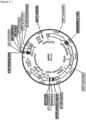
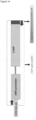
- the vector was constructed in order to confirm the action of the Exosome Localization Signal (ELS) (SEQ ID NO: 1) composed of the DNA sequence consisting of 22 bp found by the present inventors. That is, a GFP expression cassette (pPJ4) with a 3'UTR containing ELS downstream of the GFP/Neo fusion protein gene initially expressed by the CMV promoter, and an equivalent GFP expression with a 3'UTR without ELS as a control.
- a cassette (pPJ3) was constructed ( Figure 1 ).
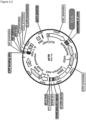
- the above GFP expression cassette was inserted downstream of the UbC promoter on a lentiviral vector in the opposite direction to its transcription direction, and a construct containing ELS (pPJ5) and a construct containing no ELS (pPJ6) were constructed ( Figure 2- 1 , Figure 2-2 ). The specific content of the test is explained below.
- the vectors used in this test are as follows.
- the E. coli strains used are as follows.
- pRP[Exp]-EGFP/Neo-CMV) ⁇ Tag/hNANOG[NM_024865.2] ⁇ was cut with Hincll and Xbal, and a band of approximately 2.1 kb containing the CMV promoter and EGFP/Neo fusion gene was cut out, and It was cloned into pUC19 cut with Xbal, and the ligation product was used to transform Escherichia coli.
- Clones 1 to 4 recovered therefrom were confirmed using restriction enzymes, and since clones 1, 2, and 4 were considered to be the desired constructs, clone 2 was further confirmed ( FIG. 4 ). As a result, clone 2 was considered to be the desired construct, and thus clone 2 was used as pPJ1 in subsequent tests.
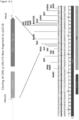
- PCR was performed using primers that can amplify the 3'UTR part of NANOGP8, and after cutting with EcoRI and BamHI, a DNA band of about 300 bp was cut out, and cloned into pPJ1, which was also cut with EcoRI and BamHI, and the ligation product was used to transform E. coli.
- clone 1 was considered to be the desired construct for both Clone7A and Clone7B ( Fig. 5 ).
- Clone 1 derived from Clone7A and clone 1 derived from Clone7B were sequenced using the M13-M4 primer to confirm whether the correct 3'UTR region was cloned downstream of the EGFP/Neo gene. As a result, it was confirmed that clone 1 derived from Clone7A and Clone7B had the expected 3'UTR sequence inserted. Therefore, a plasmid containing the Clone7A-derived 3'UTR (without ELS) was used as pPJ3, and a plasmid containing the Clone7B-derived 3'UTR (with ELS) was used as pPJ4 in subsequent tests.
- the lentiviral vector used this time already had EGFP downstream of the UbC promoter, so in order to remove this EGFP, it was cut with Agel and Nhel and then cut with Klenow fragment. After blunting, self-ligation was performed, and E. coli was transformed using this.
- the obtained clone was confirmed with restriction enzymes, and clone 2, which was the expected construct, was designated pPJ2 ( Fig. 6 ).
- the GFP expression cassette portions contained in the above plasmids pPJ3 and pPJ4 were cut with Hincll and EcoRl, and cloned into pPJ2, which had been similarly cut with Hincll and EcoRI, to obtain respective clones.
- the GFP expression cassette was inserted downstream of the UbC promoter in the opposite direction.
- a vector having a construct not containing ELS was designated pPJ5
- a vector having a construct containing ELS was designated pPJ6, as shown in FIG 7 .
- Human Embryonic Kidney cells 293 (HEK293 cells) were transfected, and exosomes released into the culture supernatant were compared.
- pPJ5 a lentiviral vector containing the Clone7A-derived 3'UTR (without ELS) constructed above, or pPJ6, a lentiviral vector containing the Clone7B-derived 3'UTR (with ELS) was introduced into HEK293 cells. Lentiviral particles produced by transfection were transduced into human mesenchymal stem cells (human MSCs), and GFP DNA in exosomes was compared.
- pPJ3 or pPJ4 was transfected into HEK293 cells cultured in a 24-well plate using Lipofectamine (Lipofectamine Stem Transfection Reagent (Thermo Fisher, STEM0003)).
- pPJ1 was used as a control for creating a standard curve for qPCR.
- the amount of plasmid used in each transfection was 500 ng/sample, and the amount of lipofectamine was 2 ⁇ L/sample.
- All culture supernatants were collected 30 and 48 hours after transfection or transduction.
- the collected culture supernatant was centrifuged at 200xg for 5 minutes to collect the supernatant, and further centrifuged at 10,000xg for 10 minutes to collect the supernatant.
- 3 ⁇ L of 7.5 M NaCl and 300 ⁇ L of 20% PEG were added to 150 ⁇ L of the supernatant, stirred, and then stored in a refrigerator overnight. Thereafter, the mixture was centrifuged at 10,000 ⁇ g and 4° C. for 60 minutes, and the obtained exosome pellet was dissolved in 150 ⁇ L of sterile water (exosome isolation solution). After treating this exosome isolation solution at 100° C. for 10 minutes, DNA was collected using NucleoSpin Gel and PCR Cleanup (Takara Bio, U0609) and dissolved in 15 ⁇ L of sterile water.
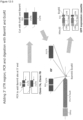
- the target regions for PCR are outside the GFP expression cassette (Region 800) and inside the GFP expression cassette (Region 4000).
- the primer set of SEQ ID NO: 6 and SEQ ID NO: 7 was used. The results are shown in Table 1 and FIG. 8 below.
- pLP1, pLP2, and pLP/VSVG were introduced into 293FT cells, and lentiviral particles secreted over a certain period of time were transferred to polyethylene It was concentrated and recovered by glycol precipitation and centrifugation. Thereafter, the obtained lentiviral particles are processed into hMSCs to obtain hMSCs (rhMSCs) in which the lentiviral vector has been integrated into the genome. The rhMSCs are cultured for 48 hours, and exosomes are secreted into the culture medium. After recovery, the GFP expression cassette contained therein was quantified. The results are shown in Table 2 and FIG. 11 .
- Figures 12-1 to 12-4 schematically show the flow of the vector construction described above.
- Test date Cells Plasmid Culture time after insertion qPCR target Amount present 2024.10.13 HEK293 pPJ3 (without ELS) 48 h Region 800 30 pg pPJ4 (with ELS) 201 pg pPJ3 (without ELS) Region 4000 50 pg pPJ4 (with ELS) 275 pg 2022.02.21 HEK293 pPJ3 (without ELS) 30 h Region 800 311 pg pPJ4 (with ELS) 903 pg pPJ3 (without ELS) Region 4000 284 pg pPJ4 (with ELS) 849 pg
- cells transfected with pPJ4 containing ELS produced approximately 5 to 7 times more exosomes containing the transfected construct compared to cells transfected with pPJ3 without ELS. It was confirmed that a large amount was released. In other words, by introducing into cells a construct in which the ELS discovered by the present inventors is added to the tip of the desired DNA, it becomes possible to release exosomes incorporating the desired DNA into the culture supernatant. Ta.
- a target nucleic acid is cloned into the upstream region of a non-coding region into which ELS has been inserted, and then transfected into a host cell, thereby transfecting exosomes produced by the cell.
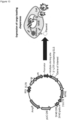
- a possible mechanism based on the results obtained so far is schematically shown in FIG. 13 . That is, it is thought that RNA produced in host cells using the introduced vector as a template is reverse transcribed in the cytoplasm to become DNA, which is then transported to exosomes. This can be inferred from the fact that the gene sequence in exosomes is not necessarily a genome sequence, but an mRNA sequence after splicing.
- HEK293 cells cultured in a 24-well plate were transfected with the above expression vector using Lipofectamine 2000.
- the amount of plasmid used in each transfection was 500 ng/sample, and the amount of lipofectamine was 2 ⁇ L/sample.
- the extent to which the EGFP gene was contained in the obtained exosomes was confirmed by PCR.
- the primer set of SEQ ID NO: 8 and SEQ ID NO: 9 was used for PCR. The results are shown in FIG. 15 .
- HEK293 cells transfected with a gene cassette containing ELS were found to produce more exosomes containing GFP-DNA than HEK293 cells transfected with a gene cassette not containing ELS.
- HEK293 cells were treated with the exosomes containing EGFP-DNA obtained above for 24 hours, and GFP expression in HEK293 cells was confirmed using a fluorescence microscope.
- HEK293 cells treated in the same manner as above with exosomes not containing EGFP-DNA were used. The observation results with a fluorescence microscope are shown in FIG. As shown in FIG. 16 , in HEK293 cells treated with exosomes containing EGFP-DNA, it was confirmed that EGFP protein was expressed within the cells.
- a target nucleic acid is cloned into the upstream region of a non-coding region into which ELS has been inserted, and transfected into a host cell, thereby injecting the target nucleic acid into exosomes produced by the cell. It has been shown that it is not only possible to introduce exosomes, but also to incorporate the exosomes obtained by this method into target cells, and also to express the target protein in the target cells.
- test results using HEK293 cells are disclosed here, similar results have been obtained using cells other than HEK293 cells.
- nucleic acids can be efficiently incorporated into exosomes in human cells (mesenchymal stem cells, human fetal kidney cells, etc.), and exosomes containing desired nucleic acids can be freely prepared.
- Exosomes obtained according to the present disclosure can be suitably used for novel DDS technology to deliver desired nucleic acids to target cells.
- Exosomes are granules that are naturally secreted from various cells and covered with a lipid membrane with the same quality as cell membranes, and because they express membrane proteins that achieve immune tolerance, they are safe and stable in the body. Are better.
- the administered DDS body needs to exceed the Brain Blood Barrier (BBB), but exosomes are covered with a lipid membrane that is the same as the cell membrane, so they cannot effectively cross the BBB.
- BBB Brain Blood Barrier
- target organs that exist in existing DDS.
- the exosomes of the present disclosure are considered to have an advantage in that they can control their uptake into specific tissues and cells by expressing membrane proteins that interact with cells.
Landscapes
- Health & Medical Sciences (AREA)
- Genetics & Genomics (AREA)
- Life Sciences & Earth Sciences (AREA)
- Engineering & Computer Science (AREA)
- Zoology (AREA)
- Bioinformatics & Cheminformatics (AREA)
- Biomedical Technology (AREA)
- Organic Chemistry (AREA)
- Biotechnology (AREA)
- General Engineering & Computer Science (AREA)
- Chemical & Material Sciences (AREA)
- Wood Science & Technology (AREA)
- Microbiology (AREA)
- Physics & Mathematics (AREA)
- Plant Pathology (AREA)
- Molecular Biology (AREA)
- Biochemistry (AREA)
- General Health & Medical Sciences (AREA)
- Biophysics (AREA)
- Virology (AREA)
- Micro-Organisms Or Cultivation Processes Thereof (AREA)
Applications Claiming Priority (2)
| Application Number | Priority Date | Filing Date | Title |
|---|---|---|---|
| JP2022040244 | 2022-03-15 | ||
| PCT/JP2023/009529 WO2023176750A1 (ja) | 2022-03-15 | 2023-03-13 | 目的とする核酸を搭載した、核酸医薬品としてのエクソソームの新規製造方法 |
Publications (1)
| Publication Number | Publication Date |
|---|---|
| EP4495243A1 true EP4495243A1 (de) | 2025-01-22 |
Family
ID=88023693
Family Applications (1)
| Application Number | Title | Priority Date | Filing Date |
|---|---|---|---|
| EP23770705.4A Pending EP4495243A1 (de) | 2022-03-15 | 2023-03-13 | Neuartiges verfahren zur herstellung von exosom mit zielnukleinsäure als nukleinsäuremedizin |
Country Status (3)
| Country | Link |
|---|---|
| EP (1) | EP4495243A1 (de) |
| JP (1) | JPWO2023176750A1 (de) |
| WO (1) | WO2023176750A1 (de) |
Family Cites Families (3)
| Publication number | Priority date | Publication date | Assignee | Title |
|---|---|---|---|---|
| GB201121070D0 (en) | 2011-12-07 | 2012-01-18 | Isis Innovation | composition for delivery of biotherapeutics |
| JP6448826B1 (ja) | 2018-01-17 | 2019-01-09 | 国立大学法人東京工業大学 | エクソソームの製造方法及びその製造方法によって得られるエクソソーム |
| US11193174B2 (en) * | 2018-06-28 | 2021-12-07 | University Of Central Florida Research Foundation, Inc. | Exosomal NANOG DNA as a diagnostic cancer marker |
-
2023
- 2023-03-13 EP EP23770705.4A patent/EP4495243A1/de active Pending
- 2023-03-13 WO PCT/JP2023/009529 patent/WO2023176750A1/ja not_active Ceased
- 2023-03-13 JP JP2024508138A patent/JPWO2023176750A1/ja active Pending
Also Published As
| Publication number | Publication date |
|---|---|
| JPWO2023176750A1 (de) | 2023-09-21 |
| WO2023176750A1 (ja) | 2023-09-21 |
Similar Documents
| Publication | Publication Date | Title |
|---|---|---|
| US20240417706A1 (en) | Systems and methods for the treatment of hemoglobinopathies | |
| JP6666391B2 (ja) | 化学修飾mRNA | |
| JP7065036B2 (ja) | メチルマロニルCoAムターゼをコードするポリヌクレオチド | |
| US20220257794A1 (en) | Circular rnas for cellular therapy | |
| JP2020022513A (ja) | C/EBPα小分子活性化RNA組成物 | |
| JP7233375B2 (ja) | リソソーム障害を治療する方法 | |
| EP3679140B1 (de) | Stabilisierte cebpa-sarna-zusammensetzungen und verfahren zur verwendung | |
| US20200407752A1 (en) | Microvesicle and method for producing the same | |
| US20180320200A1 (en) | Phagemid Vector | |
| CA3184474A1 (en) | Phenylalanine hydroxylase variants and uses thereof | |
| WO2019183246A1 (en) | Compositions and methods of fas inhibition | |
| CN118056014B (zh) | 单碱基编辑修复hba2基因突变的方法及其应用 | |
| US11045498B2 (en) | Nonviral minicircle vector carrying SOX gene and construction method therefor | |
| CN113544279A (zh) | 包含芳基硫酸酯酶a的重组载体及其在用于治疗异染性脑白质营养不良的干细胞治疗中的用途 | |
| EP4495243A1 (de) | Neuartiges verfahren zur herstellung von exosom mit zielnukleinsäure als nukleinsäuremedizin | |
| JP2021522278A (ja) | ライソゾーム病を改善するための、レンチウイルスベクターが形質導入されたt−rapa細胞の使用 | |
| US20240123034A1 (en) | Mrnas encoding granulocyte-macrophage colony stimulating factor for treating parkinson's disease | |
| CN105585637A (zh) | 基于il-12稳定膜表达的肿瘤治疗剂及其制法和用途 | |
| WO2022093884A1 (en) | Compositions and methods for the treatment of cancer using next generation engineered t cell therapy | |
| US11091774B2 (en) | Non-silencing selectable marker genes and methods of use | |
| DE10206325A1 (de) | Ummantelter Mikroorganismus | |
| CN120608053A (zh) | 靶向肿瘤相关巨噬细胞irg1的小干扰rna及其用途 | |
| KR20250173518A (ko) | 트랜스포사제 폴리뉴클레오티드 및 그의 용도 | |
| Satyanarayana | Gene therapy | |
| WO2025247180A1 (zh) | 用于制备含较少非目的序列的环状rna的载体和方法 |
Legal Events
| Date | Code | Title | Description |
|---|---|---|---|
| STAA | Information on the status of an ep patent application or granted ep patent |
Free format text: STATUS: THE INTERNATIONAL PUBLICATION HAS BEEN MADE |
|
| PUAI | Public reference made under article 153(3) epc to a published international application that has entered the european phase |
Free format text: ORIGINAL CODE: 0009012 |
|
| STAA | Information on the status of an ep patent application or granted ep patent |
Free format text: STATUS: REQUEST FOR EXAMINATION WAS MADE |
|
| 17P | Request for examination filed |
Effective date: 20241015 |
|
| AK | Designated contracting states |
Kind code of ref document: A1 Designated state(s): AL AT BE BG CH CY CZ DE DK EE ES FI FR GB GR HR HU IE IS IT LI LT LU LV MC ME MK MT NL NO PL PT RO RS SE SI SK SM TR |
|
| DAV | Request for validation of the european patent (deleted) | ||
| DAX | Request for extension of the european patent (deleted) |