EP4488292A1 - Therapeutic agent for neurodegenerative disorder - Google Patents
Therapeutic agent for neurodegenerative disorder Download PDFInfo
- Publication number
- EP4488292A1 EP4488292A1 EP23760185.1A EP23760185A EP4488292A1 EP 4488292 A1 EP4488292 A1 EP 4488292A1 EP 23760185 A EP23760185 A EP 23760185A EP 4488292 A1 EP4488292 A1 EP 4488292A1
- Authority
- EP
- European Patent Office
- Prior art keywords
- amino acid
- seq
- acid sequence
- homology
- cdr
- Prior art date
- Legal status (The legal status is an assumption and is not a legal conclusion. Google has not performed a legal analysis and makes no representation as to the accuracy of the status listed.)
- Pending
Links
Images





Classifications
-
- C—CHEMISTRY; METALLURGY
- C07—ORGANIC CHEMISTRY
- C07K—PEPTIDES
- C07K16/00—Immunoglobulins [IG], e.g. monoclonal or polyclonal antibodies
- C07K16/18—Immunoglobulins [IG], e.g. monoclonal or polyclonal antibodies against material from animals or humans
- C07K16/28—Immunoglobulins [IG], e.g. monoclonal or polyclonal antibodies against material from animals or humans against receptors, cell surface antigens or cell surface determinants
- C07K16/30—Immunoglobulins [IG], e.g. monoclonal or polyclonal antibodies against material from animals or humans against receptors, cell surface antigens or cell surface determinants from tumour cells
-
- A—HUMAN NECESSITIES
- A61—MEDICAL OR VETERINARY SCIENCE; HYGIENE
- A61K—PREPARATIONS FOR MEDICAL, DENTAL OR TOILETRY PURPOSES
- A61K31/00—Medicinal preparations containing organic active ingredients
- A61K31/70—Carbohydrates; Sugars; Derivatives thereof
- A61K31/7088—Compounds having three or more nucleosides or nucleotides
- A61K31/713—Double-stranded nucleic acids or oligonucleotides
-
- C—CHEMISTRY; METALLURGY
- C07—ORGANIC CHEMISTRY
- C07K—PEPTIDES
- C07K14/00—Peptides having more than 20 amino acids; Gastrins; Somatostatins; Melanotropins; Derivatives thereof
- C07K14/435—Peptides having more than 20 amino acids; Gastrins; Somatostatins; Melanotropins; Derivatives thereof from animals; from humans
- C07K14/705—Receptors; Cell surface antigens; Cell surface determinants
-
- A—HUMAN NECESSITIES
- A61—MEDICAL OR VETERINARY SCIENCE; HYGIENE
- A61K—PREPARATIONS FOR MEDICAL, DENTAL OR TOILETRY PURPOSES
- A61K35/00—Medicinal preparations containing materials or reaction products thereof with undetermined constitution
- A61K35/12—Materials from mammals; Compositions comprising non-specified tissues or cells; Compositions comprising non-embryonic stem cells; Genetically modified cells
-
- A—HUMAN NECESSITIES
- A61—MEDICAL OR VETERINARY SCIENCE; HYGIENE
- A61K—PREPARATIONS FOR MEDICAL, DENTAL OR TOILETRY PURPOSES
- A61K38/00—Medicinal preparations containing peptides
- A61K38/02—Peptides of undefined number of amino acids; Derivatives thereof
-
- A—HUMAN NECESSITIES
- A61—MEDICAL OR VETERINARY SCIENCE; HYGIENE
- A61K—PREPARATIONS FOR MEDICAL, DENTAL OR TOILETRY PURPOSES
- A61K39/00—Medicinal preparations containing antigens or antibodies
- A61K39/0005—Vertebrate antigens
- A61K39/0007—Nervous system antigens; Prions
-
- A—HUMAN NECESSITIES
- A61—MEDICAL OR VETERINARY SCIENCE; HYGIENE
- A61K—PREPARATIONS FOR MEDICAL, DENTAL OR TOILETRY PURPOSES
- A61K39/00—Medicinal preparations containing antigens or antibodies
- A61K39/395—Antibodies; Immunoglobulins; Immune serum, e.g. antilymphocytic serum
-
- A—HUMAN NECESSITIES
- A61—MEDICAL OR VETERINARY SCIENCE; HYGIENE
- A61K—PREPARATIONS FOR MEDICAL, DENTAL OR TOILETRY PURPOSES
- A61K45/00—Medicinal preparations containing active ingredients not provided for in groups A61K31/00 - A61K41/00
-
- A—HUMAN NECESSITIES
- A61—MEDICAL OR VETERINARY SCIENCE; HYGIENE
- A61K—PREPARATIONS FOR MEDICAL, DENTAL OR TOILETRY PURPOSES
- A61K45/00—Medicinal preparations containing active ingredients not provided for in groups A61K31/00 - A61K41/00
- A61K45/06—Mixtures of active ingredients without chemical characterisation, e.g. antiphlogistics and cardiaca
-
- A—HUMAN NECESSITIES
- A61—MEDICAL OR VETERINARY SCIENCE; HYGIENE
- A61K—PREPARATIONS FOR MEDICAL, DENTAL OR TOILETRY PURPOSES
- A61K48/00—Medicinal preparations containing genetic material which is inserted into cells of the living body to treat genetic diseases; Gene therapy
-
- A—HUMAN NECESSITIES
- A61—MEDICAL OR VETERINARY SCIENCE; HYGIENE
- A61P—SPECIFIC THERAPEUTIC ACTIVITY OF CHEMICAL COMPOUNDS OR MEDICINAL PREPARATIONS
- A61P25/00—Drugs for disorders of the nervous system
-
- A—HUMAN NECESSITIES
- A61—MEDICAL OR VETERINARY SCIENCE; HYGIENE
- A61P—SPECIFIC THERAPEUTIC ACTIVITY OF CHEMICAL COMPOUNDS OR MEDICINAL PREPARATIONS
- A61P25/00—Drugs for disorders of the nervous system
- A61P25/28—Drugs for disorders of the nervous system for treating neurodegenerative disorders of the central nervous system, e.g. nootropic agents, cognition enhancers, drugs for treating Alzheimer's disease or other forms of dementia
-
- A—HUMAN NECESSITIES
- A61—MEDICAL OR VETERINARY SCIENCE; HYGIENE
- A61P—SPECIFIC THERAPEUTIC ACTIVITY OF CHEMICAL COMPOUNDS OR MEDICINAL PREPARATIONS
- A61P37/00—Drugs for immunological or allergic disorders
- A61P37/02—Immunomodulators
- A61P37/04—Immunostimulants
-
- A—HUMAN NECESSITIES
- A61—MEDICAL OR VETERINARY SCIENCE; HYGIENE
- A61P—SPECIFIC THERAPEUTIC ACTIVITY OF CHEMICAL COMPOUNDS OR MEDICINAL PREPARATIONS
- A61P43/00—Drugs for specific purposes, not provided for in groups A61P1/00-A61P41/00
-
- C—CHEMISTRY; METALLURGY
- C07—ORGANIC CHEMISTRY
- C07K—PEPTIDES
- C07K16/00—Immunoglobulins [IG], e.g. monoclonal or polyclonal antibodies
-
- C—CHEMISTRY; METALLURGY
- C07—ORGANIC CHEMISTRY
- C07K—PEPTIDES
- C07K16/00—Immunoglobulins [IG], e.g. monoclonal or polyclonal antibodies
- C07K16/18—Immunoglobulins [IG], e.g. monoclonal or polyclonal antibodies against material from animals or humans
- C07K16/28—Immunoglobulins [IG], e.g. monoclonal or polyclonal antibodies against material from animals or humans against receptors, cell surface antigens or cell surface determinants
-
- C—CHEMISTRY; METALLURGY
- C07—ORGANIC CHEMISTRY
- C07K—PEPTIDES
- C07K16/00—Immunoglobulins [IG], e.g. monoclonal or polyclonal antibodies
- C07K16/46—Hybrid immunoglobulins
-
- C—CHEMISTRY; METALLURGY
- C12—BIOCHEMISTRY; BEER; SPIRITS; WINE; VINEGAR; MICROBIOLOGY; ENZYMOLOGY; MUTATION OR GENETIC ENGINEERING
- C12N—MICROORGANISMS OR ENZYMES; COMPOSITIONS THEREOF; PROPAGATING, PRESERVING, OR MAINTAINING MICROORGANISMS; MUTATION OR GENETIC ENGINEERING; CULTURE MEDIA
- C12N15/00—Mutation or genetic engineering; DNA or RNA concerning genetic engineering, vectors, e.g. plasmids, or their isolation, preparation or purification; Use of hosts therefor
- C12N15/09—Recombinant DNA-technology
- C12N15/63—Introduction of foreign genetic material using vectors; Vectors; Use of hosts therefor; Regulation of expression
-
- C—CHEMISTRY; METALLURGY
- C12—BIOCHEMISTRY; BEER; SPIRITS; WINE; VINEGAR; MICROBIOLOGY; ENZYMOLOGY; MUTATION OR GENETIC ENGINEERING
- C12N—MICROORGANISMS OR ENZYMES; COMPOSITIONS THEREOF; PROPAGATING, PRESERVING, OR MAINTAINING MICROORGANISMS; MUTATION OR GENETIC ENGINEERING; CULTURE MEDIA
- C12N15/00—Mutation or genetic engineering; DNA or RNA concerning genetic engineering, vectors, e.g. plasmids, or their isolation, preparation or purification; Use of hosts therefor
- C12N15/09—Recombinant DNA-technology
- C12N15/63—Introduction of foreign genetic material using vectors; Vectors; Use of hosts therefor; Regulation of expression
- C12N15/74—Vectors or expression systems specially adapted for prokaryotic hosts other than E. coli, e.g. Lactobacillus, Micromonospora
-
- C—CHEMISTRY; METALLURGY
- C12—BIOCHEMISTRY; BEER; SPIRITS; WINE; VINEGAR; MICROBIOLOGY; ENZYMOLOGY; MUTATION OR GENETIC ENGINEERING
- C12N—MICROORGANISMS OR ENZYMES; COMPOSITIONS THEREOF; PROPAGATING, PRESERVING, OR MAINTAINING MICROORGANISMS; MUTATION OR GENETIC ENGINEERING; CULTURE MEDIA
- C12N15/00—Mutation or genetic engineering; DNA or RNA concerning genetic engineering, vectors, e.g. plasmids, or their isolation, preparation or purification; Use of hosts therefor
- C12N15/09—Recombinant DNA-technology
- C12N15/63—Introduction of foreign genetic material using vectors; Vectors; Use of hosts therefor; Regulation of expression
- C12N15/79—Vectors or expression systems specially adapted for eukaryotic hosts
- C12N15/80—Vectors or expression systems specially adapted for eukaryotic hosts for fungi
-
- C—CHEMISTRY; METALLURGY
- C12—BIOCHEMISTRY; BEER; SPIRITS; WINE; VINEGAR; MICROBIOLOGY; ENZYMOLOGY; MUTATION OR GENETIC ENGINEERING
- C12N—MICROORGANISMS OR ENZYMES; COMPOSITIONS THEREOF; PROPAGATING, PRESERVING, OR MAINTAINING MICROORGANISMS; MUTATION OR GENETIC ENGINEERING; CULTURE MEDIA
- C12N15/00—Mutation or genetic engineering; DNA or RNA concerning genetic engineering, vectors, e.g. plasmids, or their isolation, preparation or purification; Use of hosts therefor
- C12N15/09—Recombinant DNA-technology
- C12N15/63—Introduction of foreign genetic material using vectors; Vectors; Use of hosts therefor; Regulation of expression
- C12N15/79—Vectors or expression systems specially adapted for eukaryotic hosts
- C12N15/80—Vectors or expression systems specially adapted for eukaryotic hosts for fungi
- C12N15/81—Vectors or expression systems specially adapted for eukaryotic hosts for fungi for yeasts
-
- C—CHEMISTRY; METALLURGY
- C12—BIOCHEMISTRY; BEER; SPIRITS; WINE; VINEGAR; MICROBIOLOGY; ENZYMOLOGY; MUTATION OR GENETIC ENGINEERING
- C12N—MICROORGANISMS OR ENZYMES; COMPOSITIONS THEREOF; PROPAGATING, PRESERVING, OR MAINTAINING MICROORGANISMS; MUTATION OR GENETIC ENGINEERING; CULTURE MEDIA
- C12N5/00—Undifferentiated human, animal or plant cells, e.g. cell lines; Tissues; Cultivation or maintenance thereof; Culture media therefor
- C12N5/10—Cells modified by introduction of foreign genetic material
-
- C—CHEMISTRY; METALLURGY
- C12—BIOCHEMISTRY; BEER; SPIRITS; WINE; VINEGAR; MICROBIOLOGY; ENZYMOLOGY; MUTATION OR GENETIC ENGINEERING
- C12N—MICROORGANISMS OR ENZYMES; COMPOSITIONS THEREOF; PROPAGATING, PRESERVING, OR MAINTAINING MICROORGANISMS; MUTATION OR GENETIC ENGINEERING; CULTURE MEDIA
- C12N5/00—Undifferentiated human, animal or plant cells, e.g. cell lines; Tissues; Cultivation or maintenance thereof; Culture media therefor
- C12N5/10—Cells modified by introduction of foreign genetic material
- C12N5/12—Fused cells, e.g. hybridomas
- C12N5/16—Animal cells
-
- A—HUMAN NECESSITIES
- A61—MEDICAL OR VETERINARY SCIENCE; HYGIENE
- A61K—PREPARATIONS FOR MEDICAL, DENTAL OR TOILETRY PURPOSES
- A61K39/00—Medicinal preparations containing antigens or antibodies
- A61K2039/505—Medicinal preparations containing antigens or antibodies comprising antibodies
-
- A—HUMAN NECESSITIES
- A61—MEDICAL OR VETERINARY SCIENCE; HYGIENE
- A61K—PREPARATIONS FOR MEDICAL, DENTAL OR TOILETRY PURPOSES
- A61K35/00—Medicinal preparations containing materials or reaction products thereof with undetermined constitution
-
- C—CHEMISTRY; METALLURGY
- C07—ORGANIC CHEMISTRY
- C07K—PEPTIDES
- C07K2317/00—Immunoglobulins specific features
- C07K2317/20—Immunoglobulins specific features characterized by taxonomic origin
- C07K2317/24—Immunoglobulins specific features characterized by taxonomic origin containing regions, domains or residues from different species, e.g. chimeric, humanized or veneered
-
- C—CHEMISTRY; METALLURGY
- C07—ORGANIC CHEMISTRY
- C07K—PEPTIDES
- C07K2317/00—Immunoglobulins specific features
- C07K2317/30—Immunoglobulins specific features characterized by aspects of specificity or valency
- C07K2317/33—Crossreactivity, e.g. for species or epitope, or lack of said crossreactivity
-
- C—CHEMISTRY; METALLURGY
- C07—ORGANIC CHEMISTRY
- C07K—PEPTIDES
- C07K2317/00—Immunoglobulins specific features
- C07K2317/30—Immunoglobulins specific features characterized by aspects of specificity or valency
- C07K2317/34—Identification of a linear epitope shorter than 20 amino acid residues or of a conformational epitope defined by amino acid residues
-
- C—CHEMISTRY; METALLURGY
- C07—ORGANIC CHEMISTRY
- C07K—PEPTIDES
- C07K2317/00—Immunoglobulins specific features
- C07K2317/50—Immunoglobulins specific features characterized by immunoglobulin fragments
- C07K2317/56—Immunoglobulins specific features characterized by immunoglobulin fragments variable (Fv) region, i.e. VH and/or VL
- C07K2317/565—Complementarity determining region [CDR]
-
- C—CHEMISTRY; METALLURGY
- C07—ORGANIC CHEMISTRY
- C07K—PEPTIDES
- C07K2317/00—Immunoglobulins specific features
- C07K2317/70—Immunoglobulins specific features characterized by effect upon binding to a cell or to an antigen
- C07K2317/76—Antagonist effect on antigen, e.g. neutralization or inhibition of binding
-
- C—CHEMISTRY; METALLURGY
- C07—ORGANIC CHEMISTRY
- C07K—PEPTIDES
- C07K2317/00—Immunoglobulins specific features
- C07K2317/90—Immunoglobulins specific features characterized by (pharmaco)kinetic aspects or by stability of the immunoglobulin
- C07K2317/92—Affinity (KD), association rate (Ka), dissociation rate (Kd) or EC50 value
Definitions
- the present invention relates to an anti-gpNMB antibody that has the functions of decreasing the number of mal-functional microglia in a subject and/or removing amyloid ⁇ oligomers in a subject and/or increasing the number of synapses in a subject and/or restoring cognitive functions, and a pharmaceutical drug comprising an ingredient that has such functions.
- Neurodegenerative diseases are progressive neurological disorders in which the accumulation of toxic proteins (proteins that cannot be degraded intracellularly due to multimerization or aggregate formation caused by structural changes) in nerve cells results in impaired neurotransmission and intracellular clearance functions of nerve cells, as well as nerve cell death, leading to cognitive decline, memory impairment, mental impairment, and motor function impairment.
- Neurodegenerative diseases have no fundamental therapies, and drugs that alleviate the symptoms associated with the diseases are used. Most of these "neurodegenerative diseases” are "central nervous system degenerative diseases.”
- tauopathies dementias in which Tau accumulates and causes neurodegeneration
- tauopathies dementias in which Tau accumulates and causes neurodegeneration
- FTLD-Tau frontotemporal lobar degeneration
- FDD frontotemporal dementia
- PART primary age-related tauopathy
- CTE chronic traumatic encephalopathy
- PDP progressive supranuclear paralysis
- GTT cerebral cortex basal ganglia degeneration
- AGD argyrophilic grain dementia
- ARTAG age-related Tau astroglial tauopathy
- FBD familial British dementia
- FDD familial Danish dementia
- FTDP17 multisystem tauopathy with dementia
- MSTD neurofibrillary tangle dementia
- DNTC neurofibrillary tangle with calcinosis
- WMT-GGI white matter tauopathy with globular glial inclusion
- WMT-GGI white matter tauopathy with globular glial inclusion
- Alzheimer's disease Alzheimer's disease (Alzheimer-type dementia)
- Dementia is recognized as a major problem in the global aging population. According to a study conducted by Alzheimer's Disease International, the number of patients worldwide with dementia is projected to increase to approximately 76 million by 2030 and then to 139 million by 2050.
- Alzheimer's disease https://www.who.int/news-room/fact-sheets/detail/dementia.
- senile plaques amyloid deposition
- neurofibrillary changes tau accumulation
- Non-Patent Literature 1 Anti-A ⁇ antibodies that eliminate amyloid deposition
- Non-Patent Literature 2 drugs targeting A ⁇ oligomers
- Non-Patent Literature 3 received conditional approval from the FDA in 2021.
- these drugs against amyloid are reported to exhibit only limited efficacies and also involve high risks of side effects.
- Non-Patent Literature 4 Tau, another component of neurofibrillary tangles, is also attracting attention as a drug discovery target, as recent brain imaging analysis has confirmed a correlation between Tau accumulation and clinical symptoms and disease progression. Clinical trials of anti-Tau antibodies against various epitopes are currently underway (Non-Patent Literature 4).
- Non-Patent Literature 5 Other techniques to efficiently transfer antibodies into the brain for the treatment of Alzheimer's disease includes antibodies against membrane proteins expressed in the blood-brain barrier (BBB), such as transferrin receptors, or antibodies that can efficiently pass through the BBB by adding peptides with affinity to the constant region or by introducing amino acid mutations (Non-Patent Literature 5).
- BBB blood-brain barrier
- Microglia belong to the glial cell family, which also includes astrocytes and oligodendrocytes. However, unlike astrocytes and oligodendrocytes, microglia originate from progenitor cells that develop in the embryonic yolk sac. Microglia are macrophage-like cells in the brain and are thought to act as immunocompetent cells in the central nervous system, for example, to remove toxic proteins such as amyloid- ⁇ and aggregated Tau in the brain. It has also been reported that microglia can act in a neuroprotective or reparative manner in the event of neurological disorders. Furthermore, microglia have been shown to play an important role in the maintenance of neural networks, such as synaptic pruning.
- microglia release inflammatory cytokines and induce inflammation in the brain.
- Recent advances in genetic analysis technology have led to reports of the existence of various microglial subtypes, and the relationship of each microglial subtype to diseases is an issue for future research.
- Non-Patent Literature 6 With regard to the relationship between microglia and Alzheimer's pathology, it was reported that degenerated microglia are associated with tau accumulation in immunohistochemistry using Alzheimer's disease patient brains (Non-Patent Literature 6). There is also a report which identified a subtype of dysfunctional microglia in Alzheimer's disease by immunohistology (single cell histology) (Non-Patent Literature 7). However, it is unclear how dysfunctional microglia modify diseases. In addition, although dysfunctional microglia are generally identified by their morphology, some researchers refer to dysfunctional microglia-like microglia as "degenerating microglia" or “aging microglia” (Non-Patent Literature 8), and the meaning of these terms have not been necessarily settled.
- TSPO translocator protein
- TSPO-PET Prositron Emission
- Non-Patent Literature 11 research on the specificity of these TSPO-PET ligands for activated microglia is still in its infancy (Non-Patent Literature 11), and no common view has yet been reached.
- Non-Patent Literature 12 GWAS (Genome Wide Association Study) analysis of Alzheimer's disease (Non-Patent Literature 12) revealed that many disease-related genes are expressed in microglia. Therefore, research and development of therapeutic agents for Alzheimer's disease targeting microglia is underway. For example, humans with a loss of function (LOF) gene mutation (R47H), which causes loss of function of TREM2, are at increased risk of developing Alzheimer's disease (Non-Patent Literature 13).
- LEF loss of function
- Non-Patent Literature 14 anti-TREM2 agonist antibodies
- Non-Patent Literature 15 anti-CD33 inhibitory antibodies
- NCT04592874 anti-CD33 inhibitory antibodies
- NCT03822208 anti-Sema4D antibodies
- NCT04381468 anti-Sema4D antibodies
- microglial subtypes include DAM (Disease Associated Microglia, Non-Patent Literature 17), ARM (Activated Response Microglia, Non-Patent Literature 18), and MGnD (microglial neurodegenerative phenotype, Non-Patent Literature 19).
- DAM Disease Associated Microglia
- ARM Activated Response Microglia
- MGnD microglial neurodegenerative phenotype
- gpNMB Glycoprotein nonmetastatic melanoma protein B
- Osteoactivin DC-HIL
- Non-Patent Literature 20 is a single transmembrane glycoprotein and has as many as 12 glycosylation sites in humans.
- gpNMB is normally expressed in intracellular organelles (endoplasmic reticulum, lysosomes, Golgi apparatus, melanosomes), etc. (Non-Patent Literature 21).
- gpNMB has also been reported to be expressed on the plasma membrane when overexpressed (Non-Patent Literature 22).
- Non-Patent Literature 23 It has also been reported that gpNMB is expressed in cancer cells (Non-Patent Literature 23), and that KLD (kringle-like domain) is important for cell growth and that intracellular ITIM motifs induce signaling (Non-Patent Literature 24).
- gpNMB has a region homologous to the CAF (Core Amyloid Fragment) region of the family protein PMEL (Premelanosome Protein) (Non-Patent Literature 25) (hereinafter referred to as the amyloid core domain) and PKD (Polycystic Kidney Disease homologous) domain.
- the PKD domain has a ⁇ -sandwich structure formed by a ⁇ -sheet consisting of three strands and a ⁇ -sheet consisting of four strands that fold together. It was named the PKD domain because it is a characteristic structure possessed by polycystin-1, the gene responsible for polycystic kidney disease (Non-Patent Literature 26).
- Non-Patent Literature 27 is important for the function of phagosomes and lysosomes (Non-Patent Literature 27), as it has been reported that lysosome function is impaired in gpNMB-deficient mice (Non-Patent Literature 28). Abnormalities of the iris and the development of glaucoma have been reported in mice lacking gpNMB (Non-Patent Literature 29), and humans lacking gpNMB have been reported to have cutaneous amyloidosis (Non-Patent Literature 30).
- Non-Patent Literature 31 It is known that gpNMB is cleaved by membrane proteases such as ADAM10 and released as soluble gpNMB (Non-Patent Literature 31), and soluble gpNMB has been reported to be involved in neuroprotection (Non-Patent Literature 32), anti-inflammation (Non-Patent Literature 21) and cell proliferation (Non-Patent Literature 33).
- Non-Patent Literature 34 neural function was improved in transgenic mice overexpressing soluble gpNMB (extracellular region gpNMB) (Non-Patent Literature 34), and cognitive function was increased in an Alzheimer's disease model mouse (APP/PS1) when autophagy was enhanced by using lentiviral vectors to express gpNMB (Non-Patent Literature 35).
- APP/PS1 Alzheimer's disease model mouse
- Non-Patent Literature 37 it has been reported that administration of a polyclonal antibody against mouse gpNMB in a high-fat diet-loaded mouse model improved obesity and insulin resistance by inhibiting soluble gpNMB produced by the liver (Non-Patent Literature 37).
- Glembatumumab (Patent Literature 2), an anti-human gpNMB-specific human antibody, is known as an anti-gpNMB antibody.
- Glembatumumab Vedotin a conjugate of Glembatumumab and an anticancer drug, advanced to Phase II trials as a potential cancer drug, but its development was discontinued.
- Another anti-gpNMB antibody that binds to gpNMB expressed on the surface of cancer cells and treats cancer with immunotoxins has also been disclosed (Patent Literature 3).
- Patent Literature 38 There is also a report on the acquisition of another anti-human gpNMB-specific antibody, which describes diagnostic and therapeutic applications against human-derived cancer cells.
- Non-Patent Literature 39 Anti-rat gpNMB-specific antibodies specific for activated rat microglia have also been reported. It has also been reported that anti-mouse DC-HIL specific antibodies put signals into the cells (Non-Patent Literature 40).
- Non-Patent Literature 41 With regard to gpNMB expression in Alzheimer's disease (AD), immunohistochemistry and RNA expression analysis and cerebrospinal fluid concentrations have been reported. Regarding immunohistochemistry, accumulation of gpNMB-expressing microglia in ApoE-positive A ⁇ plaques was reported in the brains of AD patients (Non-Patent Literature 41).
- RNA expression scRNAseq analysis of AppNL-G-F mice showed that microglia subtypes were classified into Activated Response Microglia (ARM), which are tissue repair genes such as gpNMB, etc., and increased TREM2 production and decreased CD33 production have been reported (Non-Patent Literature 18).
- ARM Activated Response Microglia
- gpNMB expression is upregulated in MGnD in 5XFAD, a mouse model of Alzheimer's disease, suggesting that it may have a neuroprotective role (Non-Patent Literature 19).
- Non-Patent Literature 42 scRNAseq analysis of Alzheimer's disease model mice showed the expression of gpNMB in mal-functional microglia.
- snRNAseq single-nucleus RNA sequencing
- Non-Patent Literature 44 The association of type 1 microglia with Alzheimer's disease and the possible two-fold function of gpNMBs have also been reported (Non-Patent Literature 44). However, many microglial subtypes are known to exist, as shown in Non-Patent Literature 18 and Non-Patent Literature 43.
- Non-Patent Literature 44 It has been reported that gpNMB is involved in autophagy function, reduces A ⁇ deposition in AD model mice (APP-PS1), and improves cognitive function as demonstrated by Morris water maze test.
- Non-Patent Literature 19 indicates that the concentrations are increased in AD, while others (Non-Patent Literature 45) indicate that there is no relationship.
- Non-Patent Literature 46 Various mouse models of Alzheimer's disease have been developed and are currently used in research (Non-Patent Literature 46).
- One representative model mouse is the 5XFAD mouse (Non-Patent Literature 47), which produces A ⁇ oligomers, which are considered the most toxic form of amyloid- ⁇ , and also accumulates A ⁇ oligomers in neurons.
- the APPosk mouse (Non-Patent Literature 48) is another model mouse that accumulates A ⁇ oligomers in neurons, like the 5XFAD model mouse, and has been reported to improve pathology, restore synapse number, and improve cognitive function after intranasal administration of rifampicin (Non-Patent Literature 49).
- Tg2576 is a Tg mouse that overexpresses the Swedish mutant (KM670/671NL) somatic gene of the APP (Amyloid precursor protein, isoform 695) gene.
- Tg2576 is a model mouse for AD that has been reported to exhibit amyloid plaques (senile plaques in the brain of Alzheimer's disease patients) at about 9 months of age (Non-Patent Literature 50), and is used for general purpose studies of amyloid pathology.
- Non-Patent Literature 51 is considered a model mouse with pathology similar to human Alzheimer's disease in that it exhibits phosphorylation and accumulation of wild-type Tau without mutations.
- evaluation is performed in a state that does not lead to neuronal cell death, and therefore, evaluation of neural functions is carried out by analysis of the number of synapses using synaptophysin staining.
- Non-Patent Literature 53 Non-Patent Literature 54, and Non-Patent Literature 55
- quantification of synaptophysin protein by synaptophysin staining or other means can be used to assess recovery of neurological functions.
- gpNMB is one of the genes expressed in mal-functional microglia that are involved in autophagosome and lysosome function
- gpNMB-high microglia are involved in the pathogenesis of the disease or not, or even whether they are pathogenic or protective.
- gpNMBs expressed in disease-associated microglia act in a neuroprotective manner and that they are expressed in mal-functional microglia, as described above, there have been no reports of anti-gpNMB monoclonal antibodies that bind with high affinity under physiological conditions in vivo, which can be administered to animal models of diseases to evaluate their efficacy. Furthermore, there have been no report that a high-affinity anti-gpNMB monoclonal antibodies, which can act in the brain, was administered to a mouse model of Alzheimer's disease to analyze its effects.
- gpNMB is a glycoprotein rich in glycans, with 12 sites of glycosylation in humans. Therefore, it is not easy to create monoclonal antibodies that can recognize gpNMBs expressed on cells, and as mentioned above, the clinical trials conducted so far were those for glembatumumab vedotin, a conjugate of glembatumumab and an anticancer drug, have only been conducted for cancer types that highly express gpNMBs (melanoma, breast cancer, etc.). Because glenvatumumab is a human gpNMB-specific antibody, it was not possible to evaluate its effect on endogenous gpNMB in mouse or rat disease models.
- Non-Patent Literature 38 improvement of atherosclerosis and insulin resistance and prolongation of survival in accelerated aging model mice by removal of senescent cells with mouse gpNMB specific vaccine peptide.
- Non-Patent Literature 56 rendering the attempt to obtain antibodies that recognize the conformation in vivo very challenging.
- the present invention has been made in view of the above issues, and an objective of the present invention is to provide a means to specifically regulate mal-functional microglia, and also to provide a pharmaceutical drug based on a new mechanism of action using such means.
- the present inventors had confirmed the presence of microglia with intracellular accumulation of A ⁇ , Tau, or ⁇ -synuclein in mouse models of Alzheimer's disease and Parkinson's disease.
- Non-Patent Literature 57 There has also been a report of a method for scoring the level of degeneration (dysfunction) based on the ramified structure Non-Patent Literature 57), where these microglia had a reduced ramified structure in morphology and were evaluated as degenerated. In addition, accumulation of Lipofuscin, which is observed in senescent cells, was also observed. These findings suggest that these microglia are mal-functional microglia that are unable to degrade aggregation proteins. It has been proposed that such mal-functional microglia accumulating aggregate proteins lose their neuroprotective effects and phagocytosis, leading to neurodegenerative pathologies (Non-Patent Literature 58 and Non-Patent Literature 59).
- mal-functional microglia are gpNMB-positive, i.e., cells that are double-stained by immunohistochemistry with anti-gpNMB and anti-Iba1 antibodies.
- gpNMB-positive cells with intracellular A ⁇ accumulation were anti-gpNMB and anti-Iba1 antibody-positive cells, i.e., gpNMB-high expressing microglia.
- the term "mal-functional microglia" herein refers to a cell that is double-stained by immunohistochemistry with anti-gpNMB and anti-Iba1 antibodies.
- mal-functional microglia refers to microglia that have at least one of the following characteristics.
- the first characteristic (1) can be confirmed by the fact that a variety of aggregate proteins are known to be subject to phagocytosis, which vary by disease, e.g., A ⁇ , tau, alpha-synuclein, Lipofuscin, L-Ferritin, TDP43, SOD, polyglutamate proteins, and their accumulation is observed in the microglia (Non-Patent Literature 60 and Non-Patent Literature 61).
- this characteristic can be identified by staining with Iba1, a marker for microglia, as well as by detection with antibodies against aggregating proteins (e.g., anti-A ⁇ or anti-tau antibodies) or by autofluorescence (lipofuscin).
- the second characteristic (2) can be confirmed by the detection of the cytokines concerned (Non-Patent Literature 62 and Non-Patent Literature 63).
- the third characteristic (3) can be confirmed by immunohistochemical staining (Non-Patent Literature 64) and morphological observation using electron microscopy (Non-Patent Literature 65) (Non-Patent Literature 66).
- normal microglia refers to microglia that do not have any of the aforementioned characteristics of mal-functional microglia and are working to maintain homeostasis in the body.
- anti-gpNMB antibodies that specifically binds to at least one site in a region from a PMEL-CAF-like domain to a PKD domain of human gpNMB, and have found that these antibodies have unexpected functions, e.g., the effects of decreasing the number of mal-functional microglia in a subject and/or removing amyloid ⁇ oligomers in a subject and/or increasing the number of synapses in a subject and/or restoring cognitive functions, and can be used for a variety of applications based on these functions, e.g., for treating or preventing neurodegenerative disease in a subject.
- the present inventors have also found that using any means to reduce the number of dysfunctional microglia, such as antibodies makes it possible to achieve unexpected effects, e.g., the effects of decreasing the number of mal-functional microglia in a subject and/or removing amyloid ⁇ oligomers in a subject and/or increasing the number of synapses in a subject and/or restoring cognitive functions, and even the unexpected effect of treating or preventing various neurodegenerative diseases. Based on these findings, the inventors have completed the following inventions.
- aspects of the present invention include the following.
- pharmaceutical drug used herein is to be interpreted as encompassing both the concepts of "therapeutic agent” and “prophylactic agent,” unless it is inconsistent with the context.
- the anti-gpNMB antibodies of the present invention can exhibit extremely unexpected effects, e.g., the effects of decreasing the number of mal-functional microglia in a subject and/or removing amyloid ⁇ oligomers in a subject and/or increasing the number of synapses in a subject and/or restoring cognitive functions, by specifically binding to at least one site in a region from a PMEL-CAF-like domain to a PKD domain of human gpNMB.
- the use of such anti-gpNMB antibodies will also provide pharmaceutical drugs for treating or preventing various neurodegenerative diseases based on new mechanisms of action.
- An embodiment of the present invention relates to an anti-gpNMB antibody or its fragment or a derivative thereof which binds specifically to at least one site in a region from a PMEL-CAF-like (PMEL core amyloid fragment-like) domain to a PKD domain of human gpNMB (glycoprotein nonmetastatic melanoma protein B) (hereinafter also referred to as "the anti-gpNMB antibody of the present invention” or “the antibody of the present invention”).
- At least one site in a region from a PMEL-CAF-like domain to a PKD domain of gpNMB refers to at least one site in a region with, e.g., the amino acid residues at positions 172 to 319 in human gpNMB having the amino acid sequence defined in SEQ ID NO 209.
- antibody herein refers to a glycoprotein containing at least two heavy (H) chains and two light (E) chains interconnected through disulfide bonds.
- Each heavy chain contains a heavy chain variable region (abbreviated as VH) and a heavy chain constant region, and the heavy chain constant region contains three domains, CH1, CH2 and CH3.
- Each light chain contains a light chain variable region (abbreviated as VL) and a light chain constant region.
- the light chain constant region contains one domain, CL.
- the light chain constant region has two chains called a ⁇ chain and a ⁇ chain.
- the heavy chain constant region has a ⁇ chain, a ⁇ chain, an ⁇ chain, a ⁇ chain, and an ⁇ chain, and has isotypes of antibodies called IgG, IgM, IgA, IgD and IgE, respectively, depending on the difference in the heavy chain.
- the VH and VL regions are further divided into four regions (FR-1, FR-2, FR-3, FR-4) having higher preservability called framework regions (FR) and three regions (CDR-1, CDR-2, CDR-3) called complementarity determining regions (CDR).
- the VH region comprises three CDRs and four FRs, in detail, a sequence of FR-1, CDR-1 (CDR-H1), FR-2, CDR-2 (CDR-H2), FR-3, CDR-3 (CDR-H3), and FR4 from the amino terminal to the carboxy terminal.
- the VL region comprises three CDRs and four FRs, in detail, a sequence of FR-1, CDR-1 (CDR-L1), FR-2, CDR-2 (CDR-L2), FR-3, CDR-3 (CDR-L3), and FR4 from the amino terminal to the carboxy terminal.
- the variable regions of the heavy and light chains contain binding domains that interact with an antigen.
- the antibody of the present invention may be a fragment (e.g., an antigen-binding fragment) and/or a derivative of an antibody, as long as it has the activity to bind specifically to at least one site in a region from a PMEL-CAF-like domain to a PKD domain of gpNMB.
- fragments of antibodies include F (ab') 2, Fab, and Fv.
- Examples of derivatives of antibodies include an antibody in which an amino acid mutation is artificially incorporated in the constant region, an antibody in which the domain configuration of the constant region is modified, an antibody in the form having two or more Fc fragments per molecule, an antibody composed of only a heavy chain or only a light chain, a sugar chain modified antibody, a bispecific antibody, an antibody conjugate combined with an antibody or a fragment compound of an antibody or a protein other than antibodies, an antibody enzyme, a nanobody, a tandem scFv fragment, a bispecific tandem scFv fragment, a diabody, and a VHH body.
- the term "antibody” simply includes a fragment and/or a derivative of an antibody unless otherwise specified.
- the antibody of the present invention may be either a monoclonal antibody or a polyclonal antibody, but may preferably be a monoclonal antibody.
- monoclonal antibody classically refers to an antibody molecule obtained from a clone derived from a single antibody producing cell, and is a single type of antibody molecule containing a combination of VH and VL each consisting of a specific amino acid sequence. It is possible to obtain from a monoclonal antibody a nucleic acid molecule having a gene sequence encoding the amino acids of each of the proteins constituting the antibody, and it is also possible to produce the antibody using such nucleic acid molecules using genetic engineering methods.
- a human monoclonal antibody can be also produced with a transgenic animal into which a human antibody gene has been introduced to be sensitized with an antigen.
- phage libraries expressing antigen-binding regions of human antibodies or portions thereof human antibody phage display
- those skilled in the art can use such information to produce human antibodies as appropriate (see, e.g., the review by Taketo Tanaka et al., in Keio J. Med., (2011), 60:37-46 ).
- Those skilled in the art can also design antibodies to be administered to non-human animals using the amino acid sequence information of CDRs and variable regions as appropriate, using a technique similar to the humanization technique.
- the specificity of an antibody herein means that the antibody exhibits a high antigen-antibody reaction to a specific antigen.
- Those skilled in the art can determine the antigen-antibody reaction by appropriately selecting a binding measurement method in a solid phase or liquid phase system. Examples of such methods include, although not limited to, enzyme-linked immunosorbent assay (ELISA), enzyme immunoassay (EIA), surface plasmon resonance (SPR), fluorescence resonance energy transfer (FRET), and luminescence resonance energy transfer (LRET).
- ELISA enzyme-linked immunosorbent assay
- EIA enzyme immunoassay
- SPR surface plasmon resonance
- FRET fluorescence resonance energy transfer
- LRET luminescence resonance energy transfer
- the antibody and/or the antigen may be labeled with, e.g., an enzyme, a fluorescent substance, a luminescent substance, or a radioisotope, and then the antigen-antibody reaction may be detected by a method suitable for the physical and/or chemical properties of the labeled substance.
- an enzyme e.g., an enzyme, a fluorescent substance, a luminescent substance, or a radioisotope
- the antigen-antibody reaction may be detected by a method suitable for the physical and/or chemical properties of the labeled substance.
- the antibody of the present invention specifically binds to at least one site in a region from a PMEL-CAF-like domain to a PKD domain of gpNMB.
- gpNMB glycoprotein nonmetastatic melanoma protein B; also referred to as Osteoactivin or DC-HIL
- gpNMB glycoprotein nonmetastatic melanoma protein B
- Osteoactivin or DC-HIL refers to the single transmembrane glycoprotein mentioned above.
- the amino acid sequence of the total length protein of human gpNMB (isotype a) is shown in SEQ ID NO 209, and the nucleic acid sequence of a gene encoding the protein is shown in SEQ ID NO 210.
- the amino acid sequence of the total length protein of mouse gpNMB is shown in SEQ ID NO 211, and the nucleic acid sequence of a gene encoding the protein is shown in SEQ ID NO 212.
- the amino acid sequence of the total length protein of rat gpNMB is shown in SEQ ID NO 213, and the nucleic acid sequence of a gene encoding the protein is shown in SEQ ID NO 214.
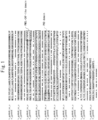
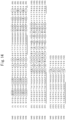
- the alignment of the amino acid sequences of human gpNMB (isotype a) and mouse gpNMB is shown in Figure 1 .
- the PKD (Polycystic Kidney Disease homology) domain of gpNMB is a domain containing a beta sheet consisting of three strands and a beta sheet consisting of four strands folded together to form a beta sandwich structure. It was named the PKD domain because it is a characteristic structure possessed by polycystin-1 (polycystin-1), the gene responsible for polycystic kidney disease (Non-Patent Literature 26).
- the region containing the amino acid residues at positions 256 to 319 corresponds to the PKD domain.
- the PKD domain may preferably be a region containing the amino acid residues at positions 256 to 316, more preferably a region containing positions 257 to 316, still more preferably a region containing 268 to 316, even more preferably a region containing 270 to 316, particularly preferably a region containing 282 to 316, especially preferably a region containing 287 to 316.
- the PKD domain may preferably be a region containing the amino acid residues at positions 257 to 319, more preferably a region containing positions 257 to 316, still more preferably a region containing positions 257 to 301.
- the PMEL-CAF-like (PMEL Core Amyloid Fragment-like) domain of gpNMB is a region that is homologous to a CAF region in PMEL of a protein of the same family as described above, which is a region that induces the formation of amyloid-like aggregates in a PMEL protein.
- the PMEL-CAF-like domain of gpNMB is considered to prevent aggregation formation by having many N-type glycan binding sites in the neighboring PKD region (Non-Patent Literature 67).
- region from a PMEL-CAF-like domain to a PKD domain of gpNMB refers to a region containing not only the PMEL-CAF-like domain and the PKD domain defined above, but also a region intervening between the PMEL-CAF-like domain and the PKD domain.
- the region containing the amino acid residues at positions 172 to 319 corresponds to a region from a PMEL-CAF-like domain to a PKD domain.
- the antibody of the present invention may have the ability to specifically bind to at least one site in a region from a PMEL-CAF-like domain to a PKD domain of gpNMB of any vertebrate.
- the antibody of the present invention may preferably have the ability to specifically bind to at least one site in a region from a PMEL-CAF-like domain to a PKD domain of at least the human gpNMB defined in SEQ ID NO 209.
- the antibody of the present invention may more preferably have the ability to specifically bind to at least one site in a region from the PMEL-CAF-like domain to the PKD domain of the mouse gpNMB defined in SEQ ID NO 211, in addition to at least one site in a region from a PMEL-CAF-like domain to a PKD domain of human gpNMB.
- an antibody "specifically" binds to gpNMB herein refers to the binding ability of the antibody to gpNMB with a binding strength of 10-fold or more, preferably 100-fold or more, more preferably 1000-fold or more, compared to the binding ability of the antibody to proteins other than gpNMB (e.g. albumin).
- the "region from the PMEL-CAF-like domain to the PKD domain” herein refers to a region including the PMEL-CAF-like domain, the PKD domain, and the region intervening between the PMEL-CAF-like domain and the PKD domain.
- the epitope in the region to which the antibody binds is not particularly limited.
- the antibody of the present invention may preferably have the ability to specifically bind to at least one site or more in a region from the PMEL-CAF-like domain to the PKD domain, and may more preferably have the specifically ability to bind to one or more sites selected from a site containing amino acid residue(s) K257 and/or D258 of the PKD domain, a site containing amino acid residue(s) H268 and/or D269 of the PKD domain, a site containing an amino acid residue K282 of the PKD domain, a site containing amino acid residue(s) D287 and/or H301 of the PKD domain, a site containing an amino acid residue K316 of the PKD domain, a site containing an amino acid residue K186 of the PMEL-CAF-like domain, a site containing amino acid residue(s) R214 and/or R215 of the PMEL-CAF-like domain, and a site containing amino acid residue(s) H216 and/or R218 of
- the antibody of the present invention may preferably have the ability to specifically bind to at least either or both of a site containing amino acid residue(s) D287 and/or H301 of the PKD domain and a site containing amino acid residue(s) R214 and/or R215 of the PMEL-CAF-like domain of the human gpNMB defined in SEQ ID NO 209, and in addition to these sites, it may more preferably have the ability to also specifically bind to one or more sites selected from a site containing amino acid residue(s) K257 and/or D258, a site containing amino acid residue(s) H268 and/or D269, a site containing an amino acid residue K282, a site containing an amino acid residue K316, K186 a region containing an amino acid residue, and a site containing amino acid residue(s) H216 and/or R218 of human gpNMB.
- the binding strength of the antibody of the present invention to the region from the PMEL-CAF-like domain to the PKD domain of gpNMB is not particularly limited. However, as measured by antigen ELISA using recombinant gpNMB and/or cell ELISA using gpNMB-expressing cells, the antibody of the present invention may preferably have a 50% effective concentration (EC 50 ) to the region from the PMEL-CAF-like domain to the PKD domain of gpNMB of typically 1 ⁇ 10 -7 M or lower, or 1 ⁇ 10 -8 M or lower, or 1 ⁇ 10 -9 M or lower.
- EC 50 50% effective concentration
- the "50% effective concentration" (EC 50 ) of an antibody herein refers to the concentration of the antibody that exhibits 50% of the maximum binding affinity with which that antibody binds to the antigen.
- Specific conditions for measuring EC 50 by antigen ELISA using recombinant gpNMBs and/or cell ELISA using gpNMB-expressing cells include those employed in the Examples described below.
- the antibody of the present invention may preferably have various activities explained below.
- the antibody of the present invention may preferably have the activity to bind to microglia. It has been reported that gpNMB is expressed in mail-functional microglia that have become mal-functional in their ability to degrade toxic or unwanted proteins under stress (Non-Patent Literature 43). The antibody of the present invention may preferably have the activity to bind to at least one site in a region from the PMEL-CAF-like domain to the PKD domain of gpNMB expressed on the plasma membrane of such mal-functional microglia.
- the antibody of the present invention may also preferably have various activities against microglia. Specifically, the antibody of the present invention may preferably have at least one or more of:
- the relationship between the aforementioned activities of the antibody of the present invention i.e., (a) the activity to reduce or remove mal-functional microglia, (b) the activity to promote normal microglia's functions to phagocytize mal-functional microglia or the activity to normalize the mal-function of mal-functional microglia, and (c) the activity to enhance the effects of normal microglia in the vicinity of mal-functional microglia, is unknown.
- the relationship is inferred as follows.
- binding of the anti-gpNMB antibody to mal-functional microglia may have them recognized by normal microglia with phagocytic activity, which phagocytize and remove the mal-functional microglia to create a space, in which normal microglia proliferate to promote normalization of the brain environment, thereby inducing removal of toxic proteins from neurons and restoration of the number of synapses.
- the anti-gpNMB antibody may promote phagocytic activation or proliferation of microglia and enhance phagocytosis of mal-functional microglia to promote normalization of the brain environment, thereby inducing removal of toxic proteins from neurons and restoration of the number of synapses.
- the antibody of the present invention may also preferably have the activity to improve or restore the brain environment or neuronal functions.
- the antibody of the present invention may preferably have at least either or both of:
- the antibody of the present invention may also preferably have (z) the activity to treat or prevent neurodegenerative diseases. Specifically, the antibody of the present invention may preferably have the activity to treat or prevent central neurodegenerative diseases. Specifically, the antibody of the present invention the antibody of the present invention may preferably have the activity to treat or prevent central neurodegenerative diseases explained below.
- neurodegenerative diseases classified as neurodegenerative diseases can be divided into tauopathy and other neurodegenerative diseases. Specific examples of each categories are as follows.
- tauopathy dementias in which tau accumulates and causes neurodegeneration
- FTLD-Tau frontotemporal lobar degeneration
- FD frontotemporal dementia
- PART primary age-related tauopathy
- CTE chronic traumatic encephalopathy
- PGP progressive supranuclea palsy
- GTT cerebral cortex basal ganglia degeneration
- PGP progressive supranuclea palsy
- GTT cerebral cortex basal ganglia degeneration
- PGP progressive supranuclea palsy
- GTT globular glial tauopathy
- AGD argyrophilic grain dementia
- ARTAG aging-related tau astrogliopathy
- FDD familial British dementia
- FDD familial Danish dementia
- FTDP17 multisystem tauopathy with dementia
- MSTD dementia of the neurofibrillary tangle type
- DNTC diffuse neurofibrillary tangles with calcification
- WMT-GGI white matter tauopathy with globular glial inclusions
- neurodegenerative diseases other than tauopathy include Parkinson's disease ( ⁇ Syn accumulation), Huntington's disease (mutant huntingtin accumulation), spinal cord cerebellum degeneration (polyglutamic acid protein accumulation), hereditary spinocerebellar ataxia (polyglutamic acid protein accumulation), spinobulbar muscular atrophy (polyglutamic acid protein accumulation), Lewy body dementia ( ⁇ Syn accumulation), Creutzfeldt-Jakob disease (abnormal prion protein accumulation), amyotrophic lateral sclerosis (ALS) (SOD or TDP43 accumulation), and frontotemporal lobar degeneration (FTLD-TDP, FTLD-FUS:TDP43, or FUS accumulation).
- Parkinson's disease ⁇ Syn accumulation
- Huntington's disease mutant huntingtin accumulation
- spinal cord cerebellum degeneration polyglutamic acid protein accumulation
- hereditary spinocerebellar ataxia polyglutamic acid protein accumulation
- spinobulbar muscular atrophy polyglutamic acid protein accumulation
- the present inventors analyzed the effect of the antibodies of the present invention by administering antibodies according to an embodiment of the present invention to senile Alzheimer's disease (AD) model mice, and evaluating their brain sections by immunohistochemistry.
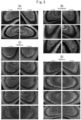
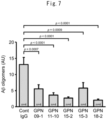
- the results showed that administration of their antibodies reduced gpNMB-positive microglia in the brains of AD model mice. More surprisingly, it was found that A ⁇ oligomers, the most toxic form of amyloid- ⁇ in the brains of AD model mice, were removed from neurons. Even more surprisingly, it was found that administration of the antibodies restored the number of neuronal synapses in the brains of AD model mice to normal levels. Still more surprisingly, it was found that administration of the antibodies restored cognitive function in the Morris water maze test using the present inventors' newly constructed APP/Tau-Tg (AD model mice).
- the antibody of the present invention may exert the aforementioned various activities either in vivo or ex vivo, or both in vivo and ex vivo. Either in vivo or ex vivo, the subjects in which the aforementioned various activities are exhibited is not limited, but the antibody of the present invention may preferably exert the aforementioned various activities at least in vertebrates, more preferably at least in mammals, especially in humans or non-human animals.
- the amino acid sequence of the antibody of the present invention is not particularly limited, as long as it has the ability to specifically bind to at least one site in a region from a PMEL-CAF-like domain to a PKD domain of gpNMB.
- the antibody of the present invention may preferably have a specific amino acid sequence as each CDR sequence.
- the "identity" of amino acid sequences herein refers to the ratio of matching amino acid residues
- the "homology” of amino acid sequences herein refers to the ratio of matching or similar amino acid residues.
- the homology and identity of amino acid sequences can be determined by, e.g., BLAST method (default conditions of NCBI's PBLAST). It is also clear that when the phrase "a homology of 80% or more" is used, for example, it includes “an identity of 80% or more.”
- similar amino acid residues herein refers to amino acid residues having side chains with similar chemical characteristics (e.g., charge or hydrophobicity). Similar amino acid residues include, for example, the following combinations.
- substitutions can be made regardless of similarity if the corresponding variants exist with reference to the germline sequence.
- Germline-referenced variants include substitutions, deletions, or additions. Substitutions include cases where amino acid residues after substitution are presumed to affect the direction of the side chain such as proline (Pro or P) and glycine (Gly or G).
- An embodiment of the antibody of the present invention relates to antibodies an antibody containing a heavy chain variable region having any of the combination of the CDR-H1 to -H3 sequences specified in (1) to (12) below.
- An embodiment of the antibody of the present invention relates to antibodies an antibody containing a light chain variable region having any of the combination of the CDR-L1 to - L3 sequences specified in (1) to (12) below.
- An embodiment of the antibody of the present invention relates to an antibody having a heavy chain variable region having any of the combinations of the CDR-H1 to H3 sequences described above and a light chain variable region having any of the combinations of the CDR-L1 to L3 sequences described above.
- An embodiment of the antibody of the present invention relates to an antibody having any of the following amino acid sequences (a) to (c) as the sequence of the heavy chain variable region.
- An embodiment of the antibody of the present invention relates to an antibody having any of the following amino acid sequences (a) to (c) as the sequence of the light chain variable region.
- An embodiment of the antibody of the present invention relates to an antibody having any of the heavy chain variable region sequences described above and any of the light chain variable region sequences described above.
- the CDR-H1, CDR-H2, CDR-H3, CDR-L1, CDR-L2, and CDR-L3 sequences in the antibody can be identified by the Kabat method (NIH Publication, (1991) No. 91-3242) or the Chothia method (J. Mol. Biol., (1997), 273). These methods are within the technical common knowledge for those skilled in the art, and are also outlined in, e.g., the Dr. Andrew C.R. Martin's Group Internet home page (http://www.bioinf.org.uk/abs/). The CDRs described herein are indicated as Kabat's CDRs.
- Framework sequences of each of the heavy chain variable region and the light chain variable region of the immunoglobulin as the antibody of the present invention may preferably be framework sequences in each class of vertebrate immunoglobulin and, more preferably, framework sequences in each class of immunoglobulin of human or a non-human animal such as mouse or rat.
- a person skilled in the art would be able to design the anti-gpNMB-specific antibody of the present invention by combining the amino acid sequence of each of the CDRs and/or each of the heavy and light chain variable regions described above with the amino acid sequence of each of the framework regions and/or each of the heavy and light chain constant regions of an antibody derived from human or non-human animals including mouse or rat, as appropriate.
- a humanized anti-gpNMB-specific antibody can be designed by using the amino acid sequence of each of the framework regions and/or each of the heavy and light chain constant regions of a human antibody.
- amino acid sequence of each of the framework regions and/or each of the heavy and light chain constant regions of such a humanized antibody can be selected from, e.g., each class of human IgG, IgA, IgM, IgE, and IgD, and their variants.
- the antibody of the present invention may preferably be an antibody of the IgG class or its variant, more preferably of the human IgG class or its variant, of the human IgG4 subclass or its variant, or the human IgG1 subclass or its variant.
- the stabilized IgG4 constant region contains a proline at position 241 in the hinge region, according to Kabat's system. This position corresponds to position 228 of the hinge region according to the EU numbering scheme ( Proc. Natl. Acad. Sci. USA, (1969), 63[1]:78-85 ), Sequences of proteins of immunological interest (Washington DC United States Department of Health and Human Services, 2001 and NIH Publication, (1991), No. 91-3242).
- This residue is generally serine in human IgG4, but its stabilization can be induced by substituting the serine with proline.
- the N297A mutation can be incorporated into the constant region of IgG1 to suppress its ability to bind to the Fc receptor and/or anchor complement as much as possible.
- An embodiment of the present invention relates to an antibody that binds to at least one site in a region from a PMEL-CAF-like domain to a PKD domain of gpNMB competitively wih the binding of the antibody of the present invention to the same site.
- Such a competitively binding antibody is also included in the scope of the present invention.
- the term "competitive binding” herein refers to phenomenon where when at least two monoclonal antibodies coexist with an antigen, the binding of one antibody to the antigen is inhibited by the binding of the other antibody to the antigen.
- Competitive binding ability between two monoclonal antibodies can generally be measured by using a fixed amount (concentration) of a first monoclonal antibody, adding varying amounts (concentrations) of a second monoclonal antibody thereto, and measuring the amount (concentration) of the second monoclonal antibody added that decreases the binding of the fixed amount of the first monoclonal antibody to the antigen.
- the degree of inhibition can be expressed in terms of IC 50 or Ki.
- a monoclonal antibody that competitively binds to the antibody of the present invention may refer to, e.g., an antibody whose IC 50 measured in terms of competitive antigen-antibody binding to at least one site in a region from a PMEL-CAF-like domain to a PKD domain of gpNMB using 10 nM of the antibody of the invention is usually 1000nM or lower, particularly 100nM or lower, more particularly 10nM or lower.
- Competitive binding ability can be measured by, e.g., labelling the antibody with an enzyme, fluorescent substance, luminescent substance, radioisotope, etc., and carrying out detection using a measurement method suitable for the physical and/or chemical properties of the labeled substance, or by using a biosensor based on, e.g., surface plasmon resonance (SPR) and bio-layer interferometry (BLI).
- SPR surface plasmon resonance
- BLI bio-layer interferometry
- the antibody according to the present invention can be obtained using techniques known to those skilled in the art.
- the antibody according to the present invention may be either a polyclonal antibody or a monoclonal antibody ( Nature, (1983), 305(5934): 537-40 ).
- a polyclonal antibody according to the present invention can be produced, e.g., by preparing a human gpNMB protein having the amino acid sequence defined in SEQ ID NO 209 or a gpNMB partial peptide having a part of the amino acid sequence (e.g., a peptide containing a PKD domain with the amino acid residues 256 to 319) as an antigen, or preparing an antigen-expressing polynucleotide which encodes the amino acid sequence of such a human gpNMB protein or gpNMB partial peptide, administering the antigen or antigen-expressing polynucleotide to a mammal intramuscularly or subcutaneously to express the antigen in the animal body and
- a monoclonal antibody according to the present invention can be produced, e.g., by administering the human gpNMB protein or the gpNMB partial peptide or the antigen-expressing polynucleotide encoding the human gpNMB protein or gpNMB partial peptide mentioned above to a mammal to thereby sensitize the animal, collecting immune cells from the mammal and fusing them with myeloma cells to produce hybridomas, cloning each hybridoma, and recovering the antibody produced by a culture of the cloned hybridoma.
- Monoclonal antibodies obtained by this method include, although not limited to, the following.
- the host cells may be selected from eukaryotic cells, such as mammalian, insect, yeast, or plant cells, or from bacterial cells.
- the transformed host cells are then cultured under appropriate conditions for producing the anti-gpNMB-specific antibody of the present invention. If necessary, the anti-gpNMB-specific antibody of the present invention produced may be isolated from the host cells. The various methods used in these procedures are all well known to those skilled in the art.
- a person skilled in the art can also produce antibody chimeric proteins, small molecule antibodies, scaffolded antibodies, etc., using known techniques, by genetic modification of genes encoding heavy and/or light chains of immunoglobulins to introduce desired traits or by using structural information of variable regions or CDR regions of heavy and/or light chains of immunoglobulins.
- a person skilled in the art can also make any modifications to the structure of the constant regions or to the glycosylation sites of the antibody using techniques well known to those skilled in the art in order to improve the performance of the antibody or to avoid any side effects.
- the anti-gpNMB-specific antibody of the present invention may preferably be used as an active ingredient of a pharmaceutical composition. Accordingly, an embodiment of the present invention relates to a pharmaceutical composition containing the anti-gpNMB-specific antibody of the present invention as an active ingredient (hereinafter also collectively referred to as "the first pharmaceutical composition of the present invention").
- the anti-gpNMB-specific antibody of the present invention may be expected to express one or more of the activities specified in (a) to (c) and (w) to (z) below when administered to a subject such as human. Therefore, the first pharmaceutical composition of the present invention may preferably be a pharmaceutical composition intended for one or more of the activities specified in (a) to (c) and (w) to (z) below.
- the anti-gpNMB-specific antibody of the present invention is estimated to exhibit one or more of the activities specified in (w) to (z) above as a result of exhibiting one or more of the activities specified in (a) to (c) above. Therefore, when the anti-gpNMB-specific antibody of the present invention is an antibody that expresses one or more of the activities specified in (a) to (c) above, the first pharmaceutical composition of the present invention may preferably be a pharmaceutical composition intended for one or more of the activities specified in (w) to (z) above. Preferable among the activities specified in (a) to (c) above is the activity specified in (a) above.
- an embodiment of the present invention relates to a pharmaceutical composition intended for one or more of the activities specified in (w) to (z) above, containing an agent that has one or more of the activities specified in (a) to (c) above (which may be, e.g., a small molecule compound or a macromolecular drug such as an antibody) as an active ingredient (hereinafter also collectively referred to as "the second pharmaceutical composition of the present invention").
- an agent that has one or more of the activities specified in (a) to (c) above which may be, e.g., a small molecule compound or a macromolecular drug such as an antibody
- the second pharmaceutical composition of the present invention Preferable among the activities specified in (a) to (c) above is the activity specified in (a) above.
- the details of the first pharmaceutical composition of the present invention and the second pharmaceutical composition of the present invention are, without limitation, as follows.
- the pharmaceutical composition of the present invention may be formulated in the form of a pharmaceutical composition containing, in addition to the active ingredient (the anti-gpNMB-specific antibody of the present invention in the case of the first pharmaceutical composition of the present invention, or an agent that has one or more of the activities specified in (a) to (c) above in the case of the second pharmaceutical composition of the present invention), a pharmaceutically acceptable carrier and/or other additive.
- a pharmaceutically acceptable carrier and/or other additive may be carried out using, e.g., the methods described in University of the Sciences in Philadelphia, "Remington: The Science and Practice of Pharmacy, 20th EDITION", Lippincott Williams & Wilkins, (2000 ).
- One form of such a therapeutic or prophylactic agent is a liquid or lyophilized form prepared by dissolving, suspending, or emulsifying the ingredients in a sterile aqueous or oily solution.
- solvents or dissolving solutions as aqueous media include distilled water for injection and saline.
- osmotics e.g., D-glucose, D-sorbitol, D-mannitol, sodium chloride, etc.
- suitable dissolution aids such as alcohols (e.g., ethanol), poly alcohols (e.g., propylene glycol, polyethylene glycol), nonionic surfactants (e.g., polysorbate 80, polyoxyethylene hardened castor oil 50), etc.
- alcohols e.g., ethanol
- poly alcohols e.g., propylene glycol, polyethylene glycol
- nonionic surfactants e.g., polysorbate 80, polyoxyethylene hardened castor oil 50
- Oil-based liquids may also be used as solvents or dissolving solutions. Examples of such oily liquids include sesame oil and soybean oil. Benzyl benzoate, benzyl alcohol, etc., may also be used as a dissolution aid.
- additives may be used as appropriate.
- additives include: buffers (e.g., phosphate buffer and acetate buffer), soothing agents (e.g., benzalkonium chloride and procaine hydrochloride), stabilizers (e.g., human serum albumin and polyethylene glycol), preservatives (e.g., ascorbic acid, erythorbic acid, and their salts), colorants (e.g., copper chlorophyll, ⁇ -carotene, red #2, and blue #1), antiseptics (e.g., paraoxybenzoate, phenol, benzethonium chloride, and benzalkonium chloride), thickeners (e.g., hydroxy propyl cellulose, carboxyl methyl cellulose, and their salts), stabilizing agents (e.g., human serum albumin, mannitol, and sorbitol), and deodorants (e.g., menthol and citrus flavoring).
- buffers e.g.,
- Solid dosage forms such as dispersions, tablets, granules, capsules, pills, suppositories, and lozenges.
- Solid dosage forms administered in the form of oral preparations may contain additives such as excipients (e.g., crystalline cellulose, lactose, and starch), lubricants (e.g., magnesium stearate and talc), binding agents (e.g., hydroxypropyl cellulose, hydroxypropyl methylcellulose, and macrogol), and disintegrants (e.g., starch and calcium carboxymethylcellulose).
- excipients e.g., crystalline cellulose, lactose, and starch
- lubricants e.g., magnesium stearate and talc
- binding agents e.g., hydroxypropyl cellulose, hydroxypropyl methylcellulose, and macrogol
- disintegrants e.g., starch and calcium carboxymethylcellulose.
- additives such as preservatives (e.g., benzyl alcohol, chlorobutanol, methyl paraoxibenzoate, propyl paraoxibenzoate, etc.), antioxidants, colorants, and sweetening agents can be used as needed.
- preservatives e.g., benzyl alcohol, chlorobutanol, methyl paraoxibenzoate, propyl paraoxibenzoate, etc.
- antioxidants e.g., benzyl alcohol, chlorobutanol, methyl paraoxibenzoate, propyl paraoxibenzoate, etc.
- This type of formulation may contain adhesives, adhesion enhancers, viscosity agents, and viscosity enhancers (e.g., mucin, canten, gelatin, pectin, carrageenan, sodium alginate, locust bean gum, xanthan gum, tragacanth gum, gum arabic, chitosan, pullulan, waxy starch, sucralfate, cellulose, and their derivatives) are contained as additives mainly to provide absorption and retention on the mucosa. gum arabic, chitosan, pullulan, waxy starches, sucralfate, cellulose, and their derivatives).
- the form of the therapeutic or prophylactic agent to be provided to the living body and the solvent and additives used therein are not limited to these, and can be selected by a person skilled in the art as appropriate.
- the pharmaceutical composition of the present invention may contain, in addition to the active ingredient (the anti-gpNMB-specific antibody of the present invention in the case of the first pharmaceutical composition of the present invention, or an agent that has one or more of the activities specified in (a) to (c) above in the case of the second pharmaceutical composition of the present invention), another known drug (active ingredient).
- active ingredient the anti-gpNMB-specific antibody of the present invention in the case of the first pharmaceutical composition of the present invention, or an agent that has one or more of the activities specified in (a) to (c) above in the case of the second pharmaceutical composition of the present invention
- other known drugs (active ingredients) include, although not limited to, various therapeutic drugs for central neurological diseases, therapeutic drugs for neurodegenerative diseases, nerve function recovery drugs, and therapeutic drugs for Alzheimer's disease.
- anti-Tau antibodies include anti-Tau antibodies, anti-amyloid ⁇ antibodies, anti-CD33 antibodies, anti-semaphorin 4D antibodies, anti-TNF ⁇ antibodies, anti-sortilin antibodies, anti-galactose-specific-lectin (galectin) 3 antibodies, and anti-TREM2 (Triggering receptor expressed on myeloid cells 2) antibodies. They may be used singly or in combination of any two or more.
- the pharmaceutical composition of the present invention may also be combined with another known drug in the form of a kit.
- examples of other drugs (active ingredients) that can be combined with the anti-gpNMB-specific antibody of the present invention include the known drugs (active ingredients) described above for combination drugs.
- the dose of the drugs other than the anti-gpNMB-specific antibody used in the form of the combination drug or kit can be determined based on doses normally used for treatment, but can be increased or decreased depending on the circumstances.
- compositions of the present invention may be administered parenterally for the purpose of improving symptoms.
- parenteral administration it can be administered as, e.g., an intranasal formulation, and liquid, turbid, or solid formulations can be selected.
- Another parenteral dosage form may be an injectable form, which may be administered by subcutaneous, intravenous, intravenous, intramuscular, intracerebroventricular, or intraperitoneal injection.
- Other parenteral formulations include those for transmucosal administration other than suppositories, sublingual, transdermal, and other than nasal administration.
- the antibody can be locally administered intravascularly as contained in or applied to a stent or intravascular occlusive agent. In some cases, it is also possible to administer the antibody in the form of DNA or RNA encoding the antibody, or in the form of cells or commensal bacteria producing the antibody.
- the dosage of the pharmaceutical composition of the present invention varies depending on the age, sex, weight, symptoms, therapeutic effect, method of administration, treatment time, or type of active ingredient contained in the pharmaceutical composition, etc. of the patient, but may usually be from 0.1 mg to 1 g, preferably from 0.5 mg to 300 mg, of the active ingredient per adult per dose. It may be administered once every week to every four weeks or once every month to every six months. However, the dosage and frequency of administration may vary depending on various conditions, and a lower dosage and/or frequency of administration than the aforementioned dosage and/or frequency may be sufficient, or a higher dosage and/or frequency of administration than the aforementioned dosage and/or frequency may be necessary.
- the therapeutic or prophylactic agent according to the present invention can be effective in a short period of administration or can be administered for a long period of time by reducing side effects.
- the anti-gpNMB-specific antibody of the present invention may be expected to express one or more of the activities specified in (a) to (c) and (w) to (z) below when administered to a subject such as human.
- the subject of the present invention may include the following embodiments.
- an embodiment of the present invention relates to a method for achieving one or more of the activities specified in (a) to (c) and (w) to (z) above in a subject, comprising administering an effective amount of the anti-gpNMB-specific antibody of the present invention to a subject in need thereof.
- the anti-gpNMB-specific antibody of the present invention is an antibody expressing one or more of the activities specified in (a) to (c) above
- the method may preferably be intended to achieve one or more of the activities in (w) to (z) above in the subject. Other details are as explained above.
- Preferable among the activities specified in (a) to (c) above is the activity specified in (a) above.
- An embodiment of the present invention relates to a method for achieving one or more of the activities in (w) to (z) above in a subject, comprising administering an effective amount of an agent that has one or more of the activities specified in (a) to (c) above (which may be, e.g., a small molecule compound or a macromolecular drug such as an antibody) to a subject in need thereof.
- an agent that has one or more of the activities specified in (a) to (c) above (which may be, e.g., a small molecule compound or a macromolecular drug such as an antibody) to a subject in need thereof.
- an agent that has one or more of the activities specified in (a) to (c) above (which may be, e.g., a small molecule compound or a macromolecular drug such as an antibody) to a subject in need thereof.
- Preferable among the activities specified in (a) to (c) above is the activity specified in (a) above.
- An embodiment of the present invention relates to the anti-gpNMB-specific antibody of the present invention for use in achieving one or more of the activities specified in (a) to (c) and (w) to (z) above in a subject.
- the anti-gpNMB-specific antibody of the present invention is an antibody expressing one or more of the activities specified in (a) to (c) above
- the antibody may preferably be for use in achieving one or more of the activities in (w) to (z) above in the subject.
- Other details are as explained above.
- Preferable among the activities specified in (a) to (c) above is the activity specified in (a) above.
- An embodiment of the present invention relates to an agent that has one or more of the activities specified in (a) to (c) above (which may be, e.g., a small molecule compound or a macromolecular drug such as an antibody) for use in achieving one or more of the activities in (w) to (z) above in a subject. Other details are as explained above. Preferable among the activities specified in (a) to (c) above is the activity specified in (a) above.
- An embodiment of the present invention relates to the use of the anti-gpNMB-specific antibody of the present invention in the manufacture of a medicament for achieving one or more of the activities specified in (a) to (c) and (w) to (z) above in a subject.
- the anti-gpNMB-specific antibody of the present invention is an antibody expressing one or more of the activities specified in (a) to (c) above
- the medicament may preferably be for use in achieving one or more of the activities in (w) to (z) above in the subject.
- Other details are as explained above.
- Preferable among the activities specified in (a) to (c) above is the activity specified in (a) above.
- An embodiment of the present invention relates to the use of an agent that has one or more of the activities specified in (a) to (c) above (which may be, e.g., a small molecule compound or a macromolecular drug such as an antibody) in the manufacture of a medicament for achieving one or more of the activities in (w) to (z) above in a subject. Other details are as explained above. Preferable among the activities specified in (a) to (c) above is the activity specified in (a) above.
- Recombinant soluble human or mouse gpNMB was diluted by PBS to 2 ⁇ g/mL, added to a 96-well plate (Nunc, MaxiSorp) at 50 ⁇ L/well, and allowed to stand overnight at 4°C. The 96-well plate was blocked with 3% BSA/PBS and used for ELISA as recombinant soluble gpNMB-fixed 96-well plate.
- Hybridoma culture supernatant containing an anti-gpNMB antibody or 3% BSA/PBS solution was added at 30 ⁇ L/well to the above recombinant soluble gpNMB-fixed 96-well plate and allowed to react for 1 hour at room temperature. After washing with washing buffer (TBS-T: Tris Buffered Saline, 0.025% Tween 20), anti-mouse IgG antibody-ALP conjugate (SBA, 1050 -04), diluted 1000-fold in 3% BSA/PBS, was added at 30 ⁇ L/well and allowed to react for 1 hour at room temperature.
- PNPP p-nitrophenyl phosphate
- the gpNMB-expressing cells were seeded into a polylysine-coated 96-well plate and allowed to adhere, and the culture supernatant was removed. The cells were then fixed with a 10% formalin-containing solution for 10 minutes at room temperature, and the supernatant was removed. The cells were then blocked with 3% BSA/PBS solution, and stored under refrigeration.
- Mouse or rat monoclonal antibodies can be produced by the hybridoma method described in, e.g., Koehler et al., Nature, (1975), 256:495-497 .
- Anti-gpNMB antibodies were produced by inducing immunity in mice or rats using nucleic acids, proteins, or peptides containing the full length or part of the amino acid sequence (SEQ ID NO 209) or the nucleic acid sequence (SEQ ID NO 210) of human gpNMB (isotype a), or the amino acid sequence (SEQ ID NO 211) or the nucleic acid sequence (SEQ ID NO 212) of mouse gpNMB, and collecting lymphocyte cells from the mice or rats with elevated antibody titer. All animal experiments were performed according to institutional regulations.
- Hybridoma generation by fusion of lymphocyte cells from mice or rats with mouse myeloma cell lines was performed using standard hybridoma techniques.
- Hybridomas were selected using so-called HAT medium, which contains hypoxanthine, aminopterin, and thymidine.
- FIG. 1 An amino acid sequence alignment of human gpNMB (isotype a) (SEQ ID NO 209) and mouse gpNMB (SEQ ID NO 211) is shown in Figure 1 , in which the region at amino acid residues 256 to 319 is shown with dotted lines as an example of the PKD domain, and the region at amino acid residues 172 to 246 is shown with solid lines as an example of the PMEL-CAF-like domain.
- the resulting hybridoma cultures were subjected to antigen ELISA with fixed recombinant human soluble gpNMB (SEQ ID NO 221) or mouse soluble gpNMB (SEQ ID NO 223) or cell-based ELISA with cells expressing proteins containing human gpNMB (SEQ ID NO 209) to evaluate binding ability, and the wells containing positive hybridomas were selected. Hybridomas in these wells were single-cloned by limiting dilution. The single-cloned positive hybridomas were cultured, and monoclonal antibodies were purified from the culture media using Protein A column (Ab-Capture, ProteNova) to obtain multiple anti-gpNMB antibodies.
- Protein A column Ab-Capture, ProteNova
- RNA derived from the hybridoma producing the antibody was subjected to the SMARTer (TM) RACE method to thereby obtain gene fragments of the heavy and light chains of the antibody, including the start and end codons, and their nucleotide sequences were determined.
- the 1st strand cDNA was synthesized with the SMARTer (registered trademark) RACE 5'/3' Kit (634859, Clontech) using total RNA from the hybridoma as a template, and the cDNA was amplified by PCR reaction.
- PCR reactions were performed using primers for the universal sequence provided in the kit and primers specific for each of the heavy and light chains of the antibody.
- the resulting PCR products were used as 5'RACE PCR products for TA cloning.
- the 5' RACE PCR products were electrophoresed, and cDNA fragments having desired molecular weights were purified using the QIAEX II Gel Extraction Kit (20021, Qiagen).
- the purified cDNA fragments were subjected to reaction using TaKaRa-Taq (R001A, Takara) at 72°C for 5 minutes to add adenine at the 3' end.
- the cDNA fragments were then cloned into the pMD20-T vector (hereafter referred to as MD20 vector) using the Mighty TA-cloning Kit (6028, Takara) according to the attached protocol.
- MD20 vector in which the target cDNA fragments were cloned was transformed into E.
- GPN05-1, GPN06-1, GPN07-1, GPN09-1, GPN11-10, GPN15-2, GPN15-3, GPN18-1, GPN18-2, GPN18-4, GPN18-5, GPN18-6, GPN18-7, and 1-5E are shown in Tables 1-1 to 1-5, along with the Sequence Identification Nos. of the amino acid sequences and nucleotide sequences of their heavy chain and light chain variable regions (hereinafter also referred to as VH and VL, respectively) and the complementarity determining regions included therein (hereinafter also referred to as CDR-H1 to H3 and CDR-L1 to L3, respectively), as determined by the methods explained above.
- mice or rat microglia were collected by shaking the adherent cells for 1 hour to collect detached cells.
- the collected mouse or rat microglia were suspended in 20% FBS/DMEM-GlutaMax, seeded into 96-well plates at 2 ⁇ 10 4 cell /well, cultured in a CO 2 incubator at 37°C for 1 to 2 days for attachment, fixed with Mild form, and then blocked with 3% BSA/PBS to prepare a cell ELISA plate.
- a diluent of the anti-gpNMB antibody (3% BSA/PBS solution) was added at 30 ⁇ L/well, and allowed to react for 1 hour at room temperature. Then, after washing with washing buffer, an antibody that specifically reacts with mouse IgG, i.e., either anti-mouse IgG antibody-HRP conjugate (MBL, Code No. 330) at 50 ⁇ L/well or an anti-mouse IgG antibody-ALP conjugate (SBA (SBA, Code No. 1050-04) at 30 ⁇ L/well, was added and allowed to react for 1 hour at room temperature.
- MBL anti-mouse IgG antibody-HRP conjugate
- SBA anti-mouse IgG antibody-ALP conjugate
- Substrate for HRP (ELISA-Star TM peroxidase chemiluminescent substrate, FUJIFILM Wako Pure Chemicals Corporation) was added at 100 ⁇ L/well, and the luminescence intensity was immediately measured for 1 to 10 seconds, and the value of luminescence intensity obtained was evaluated as binding activity.
- substrate for ALP (PNPP) was added at 100 ⁇ L/well and reacted at room temperature for 1 hour, and the absorbance at 405 to 550 nm was measured and evaluated as binding activity. The results confirmed the binding activity of the anti-gpNMB antibodies to mouse and rat microglia.
- an N-terminal deletion variant (hgpNMB_d07_76-498) and C-terminal deletion variants (hgpNMB_d03_1-251, hgpNMB_d04_1-321, hgpNMB_d05_1-375, hgpNMB_d06_1-418, hgpNMB_d13_1-412, hgpNMB_d14_1-406, hgpNMB_d15_1-400, hgpNMB_d16_1-394, hgpNMB_d17_1-388, hgpNMB_d18_1-382, and hgpNMB_d19_1-234) of the human g
- Each purified gpNMB protein was obtained by constructing a transient animal cell expression vector into which each gpNMB gene had been inserted, and having it expressed in a medium using the Expi293 Expression System (A14635, Thermo Fisher Scientific). The expressed protein was then purified based on affinity with Ni-NTA agarose (143-09763, FUJIFILM Wako) using a histidine tag added to the C-terminus to thereby obtain the purified protein.
- Table 2 N-terminal or C-terminal deletion variants of human gpNMB extracellular domain Variant No.
- a diluent of the anti-gpNMB antibody (3% BSA/PBS solution) was added at 50 ⁇ L/well, and allowed to react for 1 hour at room temperature. Then, after washing with washing buffer, an antibody that specifically reacts with mouse IgG, anti-mouse IgG antibody-ALP conjugate (SBA, 1050-04), was added at 50 ⁇ L/well and allowed to react for 1 hour at room temperature.
- Substrate (PNPP) was added at 100 ⁇ L/well and allowed to react for 1 hour at room temperature, and the absorbance at 405 to 550 nm was measured and evaluated as binding activity.
- Example 1 To determine the epitope of each anti-gpNMB antibody obtained in Example 1 in the human gpNMB protein, the following experiment was performed.
- a C-terminal deletion variant (hgpNMB_d19_1-234) and point mutants (hgpNMB_d22_K245A, hgpNMB_d23_D252A, hgpNMB_d24_E253A, hgpNMB_d25_D264A, hgpNMB_d26_H272A, hgpNMB_d28_H297A, hgpNMB_d30_H376A, hgpNMBd31_D247A_R248A, hgpNMB_d34_D287A, hgpNMB_d35_H301A, hgpNMB_d36_R331A_K334A, hgpNMB_d37_K344A_D347A, hgpNMB_d38_D356A, hgpNMB_d39_E360A, hgpNMB_
- Each purified gpNMB protein was obtained by constructing a transient animal cell expression vector into which each gpNMB gene had been inserted, and having it expressed in a medium using the Expi293 Expression System (A14635, Thermo Fisher Scientific). The expressed protein was then purified based on affinity with Ni-NTA agarose (143-09763, FUJIFILM Wako) using a histidine tag added to the C-terminus to thereby obtain the purified protein.
- the C-terminal deletion variant and the point mutants of human gpNMB extracellular domain are summarized in Table 3. [Table 3] Table 3: C-terminal deletion variants and point mutants of human gpNMB extracellular domain Variant No.
- hgpNMB_d19_1-234 C-terminal deletion variant consisting of 1 to 234 of hgpNMB hgpNMB_d22_K245A K245A point mutant of hgpNMB hgpNMB_d23_D252A D252A point mutant of hgpNMB hgpNMB_d24_E253A E253A point mutant of hgpNMB hgpNMB_d25_D264A D264A point mutant of hgpNMB hgpNMB_d26_H272A H272A point mutant of hgpNMB hgpNMB_d28_H297A H297A point mutant of hgpNMB hgpNMB_d30_H376A H376A point mutant of hgpNMB hgpNMBd31_D247A_R248A D247A and R248A point mutant of hgpN
- alanine point mutants of human gpNMB extracellular domain were subjected to antigen ELISA analysis using the same procedure explained in Example 4 to evaluate the binding ability of each anti-gpNMB antibody. Specifically, each of the C-terminal deletion variant and the alanine point mutants of human gpNMB extracellular domain shown in Table 2 above was added to a 96-well plate for ELISA at a concentration of 17 nmol/L at 100 ⁇ L/well and allowed to stand at room temperature for 90 minutes. The antigen ELISA plate was then blocked with 3% BSA/PBS to obtain an antigen ELISA plate.
- a diluent of the anti-gpNMB antibody (3% BSA/PBS solution) was added at 50 ⁇ L/well and allowed to react for 1 hour at room temperature. Then, after washing with washing buffer, an antibody that specifically reacts with mouse IgG, i.e., an anti-mouse IgG antibody-ALP conjugate (SBA, 1050-04), was added at 50 ⁇ L/well and allowed to react for 1 hour at room temperature.
- Substrate (PNPP) was added at 100 ⁇ L/well and reacted at room temperature for 1 hour, and the absorbance at 405 to 550 nm was calculated and evaluated as binding activity.
- anti-gpNMB antibodies that were bound to a C-terminal deletion mutant of the human gpNMB extracellular domain were subjected to analysis for binding ability to alanine point mutants of N-terminal human gpNMB extracellular domain using antigen ELISA in a similar manner.
- a C-terminal deletion variant (hgpNMB_d19_1-234) and point mutants (hgpNMB d19_1-234, hgpNMB d43_1-234 R77A, hgpNMB d44_1-234 D85A, hgpNMB_d45_1-234_R104A, hgpNMB_d47_1-234_E117A,K118A, hgpNMB_d48_1-234 R121A,E123A, hgpNMB d49_1-234 D129A, hgpNMB d50_1-234 E140A,D141A, hgpNMB_d51_1-234_D143A,E145A, hgpNMB_d52_1-234_H152A,H153A, hgpNMB_d53_1 -234_D158A,K160A, hgpNMB_d54_1 -234_H164A,H165A,
- Each purified gpNMB protein was obtained by constructing a transient animal cell expression vector into which each gpNMB gene had been inserted, and having it expressed in a medium using the Expi293 Expression System (A14635, Thermo Fisher Scientific). The expressed protein was then purified based on affinity with Ni-NTA agarose (143-09763, FUJIFILM Wako) using a histidine tag added to the C-terminus to thereby obtain the purified protein.
- the C-terminal deletion variant and the point mutants of human gpNMB extracellular domain are summarized in Table 5. [Table 5] Table 5: C-terminal deletion variant and point mutants of human gpNMB extracellular domain Variant No.
- alanine point mutants of human gpNMB extracellular domain were subjected to antigen ELISA analysis using the same procedure explained in Example 4 to evaluate the binding ability of each anti-gpNMB antibody. Specifically, each of the C-terminal deletion variant and the alanine point mutants of human gpNMB extracellular domain shown in Table 5 above was added to a 96-well plate for ELISA at a concentration of 17 nmol/L at 100 ⁇ L/well and allowed to stand at room temperature for 90 minutes. The antigen ELISA plate was then blocked with 3% BSA/PBS to obtain an antigen ELISA plate.
- a diluent of the anti-gpNMB antibody (3% BSA/PBS solution) was added at 50 ⁇ L/well and allowed to react for 1 hour at room temperature. Then, after washing with washing buffer, an antibody that specifically reacts with mouse IgG, i.e., an anti-mouse IgG antibody-ALP conjugate (SBA, 1050-04), was added at 50 ⁇ L/well and allowed to react for 1 hour at room temperature.
- Substrate (PNPP) was added at 100 ⁇ L/well and reacted at room temperature for 1 hour, and the absorbance at 405 to 550 nm was calculated and evaluated as binding activity.
- each anti-gpNMB antibody was determined by considering the stability of the purified gpNMB mutant and the mutation sites that affected the binding.
- Antibody clone 1-5E is an anti-gpNMB antibody obtained by immunization with the vaccine peptide identified in a previous report (Non-Patent Literature 36), and the epitope recognized by this antibody is "RRGDGRWKD" at amino acid residues 63 to 71 at the N-terminus.
- Plasmids were prepared by adding a gene sequence encoding a signal sequence to the 5' end of each of a gene sequence encoding the H chain and a gene sequence encoding the L chain of the anti-gpNMB antibody obtained in Example 2, and inserting each of the gene sequences into the animal cell expression vector pcDNA3.4.
- the prepared plasmids were then transiently expressed using the ExpiCHO Expression System (A29133, Thermo Fisher Scientific) such that the antibodies were secreted into the medium.
- the culture supernatant was then collected and purified using a Protein A column (Ab-Capture, Protenova) and a gel filtration column (Superdex 200 Increase, Cytiva).
- SPR surface plasmon resonance
- the BIACORE T200 system was used as the measurement system.
- An anti-His tag monoclonal antibody was fixed at around 5000 RU in all flow cells of the sensor chip CM5 (BR-1005-30, Cytiva) with the Amine Coupling Kit (BR-1000-50, GE) and His Capture Kit (28 -9950-56, Cytiva).
- the running buffer used was HBS-EP+ (BR-1006-69, Cytiva).
- Recombinant human gpNMB-FLAG-His (SEQ ID NO 221) or recombinant mouse gpNMB-FLAG-His (SEQ ID NO 223) was captured in the measurement system and used as the ligand.
- Each anti-gpNMB antibody clone was used at a concentration of 100 nmol/L as an analyte.
- Shiga toxin 2 (Shiga toxin 2) antibody (11E10) or control mouse IgG1 (leinco: Pro# M1411) was used as an analyte negative control.
- the temperature of the measurement system was set at 25°C.
- recombinant human gpNMB-FLAG-His was reacted with the anti-His monoclonal antibody in the flow cell (2) so as to achieve 100 RU or lower
- recombinant mouse gpNMB-FLAG-His was reacted with the anti-His monoclonal antibody in the flow cell (4) so as to achieve 100 RU or lower.
- the flow rate was set to 20 ⁇ L/min, and 10 nmol/L of purified mouse IgG2a, ⁇ , Isotype Ctrl, Clone: MG2a-53 (401502, BioLegend, hereinafter ctrl IgG2a) was reacted for 1 min, and HBS-EP+ was flowed for at least 10 minutes.
- the analyte was diluted with HBS-EP+ (100 nmol/L) and reacted with all flow cells for 600 seconds each to obtain a binding curve, and then reacted with HBS-EP+ for 600 seconds to obtain a dissociation curve.
- regeneration buffer 1 (0.2% SDS), regeneration buffer 2 (100 mmol/L Tris-HCl (pH 8.5), 1 mol/L NaCl, 15 mmol/L MgCl 2 ), and regeneration buffer 3 (10 mmol/L glycine -HCl (pH 1.5)) were reacted for 1 minute each to remove and wash gpNMB-FLAG-His in the measurement system.
- Biacore T200 Evaluation software (ver. 2.0) was used to analyze the data with the 1:1 Binding Model, and the binding rate value (Ass: 1/Ms), binding stability value (Diss: 1/s) and equilibrium dissociation value (Diss/Ass: M) were quantified as ordinal numbers.
- Table 7 Results of SPR interaction analysis of each anti-gpNMB antibody clone against human gpNMB and mouse gpNMB - 1 Antibody clone Human gpNMB Mouse gpNMB Sample Recognized domain Ass.
- Example 2 Two of the anti-gpNMB antibody clones obtained in Example 1, GPN05-1 and GPN06-1, were subjected to measurement for concentration-dependent binding properties (binding and dissociation kinetics) to gpNMB by surface plasmon resonance (SPR) for investigation. Specifically, the same conditions as in Example 7(1) were used except for the conditions described below.
- SPR surface plasmon resonance
- the sensor chip CM3 (BR-1005-36, Cytiva) was used, and anti-gpNMB antibody clones GPN05-1 and GPN06-1 were used as analytes at various concentrations each.
- the measurement conditions were determined in accordance with the single-cycle kinetics method.
- the analyte at each concentration was reacted for 450 seconds to obtain a binding curve, and HBS-EP+ was reacted for 600 seconds to obtain a dissociation curve.
- regeneration buffer 1 (0.2% SDS), regeneration buffer 2 (100 mmol/L Tris-HCl (pH 8.5), 1 mol/L NaCl, 15 mmol/L MgCl 2 ), and regeneration buffer 3 (10 mmol/L glycine -HCl (pH 1.5)) were reacted for 1 minute each to remove and wash gpNMB-FLAG-His in the measurement system.
- Biacore T200 Evaluation software (ver. 2.0) was used to analyze the data with the 1:1 Binding Model, and the binding rate value (Ass: 1/Ms), binding stability value (Diss: 1/s) and equilibrium dissociation value (Diss/Ass: M) were calculated. The results are shown in Table 8.
- Table 8 Results of SPR interaction analysis of each anti-gpNMB antibody clone against human gpNMB and mouse gpNMB - 2 Ligand Clone ka (1/Ms) kd (1/s) KD (M) Human gpNMB GPN05-1 9.69E+04 3.55E-05 3.66E-10 GPN06-1 5.19E+05 2.53E-04 4.88E-10 Mouse gpNMB GPN05-1 3.61E+04 3.07E-04 8.50E-09 GPN06-1 1.74E+05 8.79E-04 5.05E-09
- APPosk mice aged 21 to 25 months were reflux-fixed, brains were excised, and 5- ⁇ m-thick paraffin sections were prepared. After deparaffinization, the brain sections were boiled in citrate buffer (pH 6) for 30 minutes to activate the antigen, and then double-stained with commercially available anti-gpNMB polyclonal antibody AF2330 (2 ⁇ g/mL) + FITC-donkey anti-goat IgG antibody (Jackson Lab) and Iba1 antibody (WAKO, 5 ⁇ g/mL) + Rhodamine-donkey anti-rabbit IgG antibody (Jackson Lab). After treatment with lipofuscin quencher TrueBlackplus (Biotium) for 10 minutes at room temperature, the sections were encapsulated with DAPI-containing encapsulant (Vector).
- the results showed that the brain sections from the APPosk mice aged 21 to 25 months included cells stained with the anti-gpNMB antibody (AF2330, R&D) among Iba1-positive microglia, and that almost all gpNMB-positive cells were Iba1-positive microglia. The results also showed that the microglia that underwent morphological changes were gpNMB-positive microglia. These findings confirm that gpNMB-positive microglia appear in the Alzheimer's disease model mice (APPosk mice).
- mice aged 19 to 20 months were divided into two groups (two males and three females in each group), and each group was intraperitoneally injected with a different anti-gpNMB antibody clone obtained in Example 1 (GPN05-1 or GPN06-1) once a week for a total of five times (1 mg/400 ⁇ L in PBS each time).
- mice were reflux-fixed, brains were excised, and 5- ⁇ m-thick paraffin sections were prepared.
- the brain sections were boiled in citrate buffer (pH 6) for 30 minutes to activate the antigen, and then double-stained with anti-mouse gpNMB goat polyclonal antibody (R&D systems, #AF2330, 2 ⁇ g/mL) + FITC-donkey anti-goat IgG antibody (Jackson Lab) and Iba1 antibody (WAKO, 5 ⁇ g/mL) + Rhodamine-donkey anti-rabbit IgG antibody (Jackson Lab). After treatment with lipofuscin quencher TrueBlackplus (Biotium) for 10 minutes at room temperature, the sections were encapsulated with DAPI-containing encapsulant (Vector).
- DAPI-containing encapsulant Vector
- FIG. 2(A) shows the control
- Figure 2(B) shows the GPN05-1-treated group
- Figure 2(C) shows the GPN06-1-treated group.
- mice had numerous gpNMB-positive microglia (Iba1-positive) detected with the anti-mouse gpNMB goat polyclonal antibody in the hippocampus (CA2-CA3), entorhinal cortex (Ent) and dentate gyrus (DG).
- gpNMB-positive microglia were reduced in the GPN05-1-treated group, and were almost absent in the GPN06-1-treated group.
- mice aged 19 to 20 months were divided into two groups (two males and three females in each group), and each group was intraperitoneally administered a different anti-gpNMB antibody obtained in Example 1 (GPN05-1 or GPN06-1) once a week for a total of five times (1 mg/400 ⁇ L in PBS each time).
- a different anti-gpNMB antibody obtained in Example 1 GPN05-1 or GPN06-1
- mice were reflux-fixed, brains were excised, and 5- ⁇ m-thick paraffin sections were prepared.
- Example 111 Restoration of synapses by administration of anti-gpNMB antibodies (GPN05-1 and GPN06-1) to Alzheimer's disease model mice:
- mice aged 19 to 20 months were divided into two groups (two males and three females in each group), and each group was intraperitoneally administered a different anti-gpNMB antibody obtained in Example 1 (GPN05-1 or GPN06-1) once a week for a total of five times (1 mg/400 ⁇ L in PBS each time).
- the mice were reflux-fixed, brains were excised, and 5- ⁇ m-thick paraffin sections were prepared. After deparaffinization, the brain sections were boiled in citrate buffer (pH 6) for 30 minutes, and stained with synaptophysin antibody SVP-38 (Sigma, 200x dilution) + FITC-goat anti-mouse IgG antibody (Jackson Lab).
- Non-Tg mice Brain sections from 20-month-old non-transgenic (Non-Tg) mice (2 mice) as Control 1 and brain sections from APPosk mice aged 21 to 25 months (3 mice) as Control 2 were stained in the same manner. The resulting immunostained photographs are shown in Figure 5.
- Figure 5(A) shows the Control 1 group (Non-Tg mice)
- Figure 5(B) shows the Control 2 group (APPosk mice)
- Figure 5(C) shows the GPN05-1-treated group
- Figure 5(D) shows the GPN06-1-treated group.
- mice aged 19-20 months were divided into 6 groups (4 mice in each group), and each group was intraperitoneally administered a different anti-gpNMB antibody obtained in Example 1 (GPN09-1, GPN11-10, GPN15-2, GPN15-3, or GPN18-2) or control antibody 11E10 (anti-Shiga toxin mouse monoclonal antibody), once weekly for a total of 5 times (1 mg/400 ⁇ L in PBS for each dose).
- a different anti-gpNMB antibody obtained in Example 1 (GPN09-1, GPN11-10, GPN15-2, GPN15-3, or GPN18-2) or control antibody 11E10 (anti-Shiga toxin mouse monoclonal antibody)
- the brain sections were boiled in hydrochloric acid (pH 2) for 10 minutes, and stained with A ⁇ oligomeric antibody 11A1 (IBL, 1 ⁇ g/mL) + Biotin-horse anti-mouse IgG antibody (Vector) + ABC elite (Vector) + DAB.
- a ⁇ oligomeric antibody 11A1 IBL, 1 ⁇ g/mL
- Biotin-horse anti-mouse IgG antibody Vector
- ABC elite Vector
- Figure 6(A) shows the Control antibody 11E10-treated group
- Figure 6(B) shows the GPN09-1-treated group
- Figure 6(C) shows the GPN11-10-treated group
- Figure 6(D) shows the GPN15-2-treated group
- Figure 6(E) shows the GPN15-3-treated group
- Figure 6(F) shows the GPN18 -2 treated group.
- FIG. 8(A) and Figure 8(B) show the control (Non-Tg mice) group and the GPN18-2-treated group, respectively. The results show that the number of synapses in the hippocampus of the GPN18-2-treated APPosk mice was restored to the Non-Tg level.
- Example 12-2 Evaluation of drug efficacy of anti-gpNMB antibodies (GPN18-2, GPN06-1, GPN18-5, 1-5E, and anti-BTV mouse monoclonal antibody) in Alzheimer's disease model mice (removal of A ⁇ oligomers)
- mice aged 18 to 20 months were divided into 5 groups (5 mice per group), and each group was treated with a different anti-gpNMB antibody obtained in Example 1 (GPN18-2, GPN06-1, GPN18-5, or 1 -5E) or a control antibody (anti-BTV mouse monoclonal antibody, Leinco Technologies, Inc.) intraperitoneally once a week for a total of five times (1 mg/400 ⁇ L in PBS for each dose).
- the brain sections were boiled in hydrochloric acid (pH 2) for 10 minutes and stained with A ⁇ oligomeric antibody 11A1 (IBL, 1 ⁇ g/mL) + Biotin-horse anti-mouse IgG antibody (Vector) + ABC elite (Vector) + DAB.
- a ⁇ oligomeric antibody 11A1 IBL, 1 ⁇ g/mL
- Biotin-horse anti-mouse IgG antibody Vector
- ABC elite Vector
- Figure 9(A) shows the Control antibody-treated group
- Figure 9(B) shows the GPN18-2-treated group
- Figure 9(C) shows the GPN06-1-treated group
- Figure 9(D) shows the GPN18-5-treated group
- Figure 9(E) shows the 1-SE-treated group.
- Tg2576/Tau264 mice (APP/Tau-Tg) was produced by crossing Tg2576 mice (Swedish mutant APP transgenic mice), which exhibit amyloid plaques, with Tau264 mice, which expresses human tau (wild type).
- Pathological analysis in 9-month-old APP/Tau-Tg showed amyloid plaque formation as detected by an anti-A ⁇ antibody and accumulation of phosphorylated tau as detected by an AT8 antibody. Appearance of gpNMB-positive microglia was also confirmed by an anti-gpNMB antibody (R & D, goat polyclonal antibody) and an Iba1 antibody, which detects microglia.
- the Alzheimer's disease model mice APP/Tau-Tg aged 14 months described in Reference Example were used for analyzing the cognitive function-improving effect of the anti-gpNMB antibody by Morris water maze test. 14-month-old Non-Tg mice (wild-type mice) born of the same mothers were used as controls for comparison.
- a 15 cm high transparent platform was sunk 20 cm from the wall (30 cm from the center).
- the pool was divided into four quadrants, including the area where the platform was sunk, and mice were randomly placed only in one of the three quadrants without the platform.
- Each trial was limited to 60 seconds and was conducted at a rate of 5 trials/day, with an interval of approximately 5 minutes between trials.
- the escape time to reach the platform was recorded as data. Mice that did not escape within 60 seconds were guided to the platform by an operator, and the escape time was recorded as 60 seconds. Mice on the platform were removed from the pool after 10 seconds, and allowed to act freely and dry their bodies until the next trial. The average seconds of escape time for five trials was used for the daily mouse performance. Trials were conducted for four days.
- the acquisition test was finished when the performance of the control group (Non-Tg) stabilized, and a probe test was conducted the next day.
- *Probe test The day after the final day of the acquisition test, the platform was removed from the pool, and a 60-second free swim of each mouse was captured by video camera. The time that the free-swimming mouse spent swimming in the target quadrant of the four quadrants was measured and expressed as a percentage of the 60-second period. The same analysis was performed for swimming up to 30 seconds after entry into the pool.
- the results of the Acquisition test are shown in the graph in Figure 11 .
- the analysis showed that the control antibody group to APP/Tau-Tg had a significantly longer Escape Latency in the Morris water maze test compared to Non-Tg (wild type).
- the APP/Tau-Tg group that received anti-gpNMB antibody GPN06-1 or GPN18-2 showed a statistically significant reduction in the time to reach the hidden platform.
- the time to reach the hidden platform was the same as that in the medium-treated group.
- the results of the probe test are shown in the graph in Figure 12 .
- the results of the probe test were similar to those of the acquisition test. Specifically, in the APP/Tau-Tg group treated with the control antibody, the mice spent statistically significantly less time swimming around the quadrant where the hidden platform was present. The mice in the groups treated with GPN06-1 or GPN18-2 spent statistically significantly more time swimming around the quadrant where the hidden platform was located than the control antibody-treated group.
- the amino acid sequence of the anti-gpNMB antibody GPN06-1 was analyzed for identifying its CDR regions, in view of IMGT ( Lefranc, M.-P., Pommié, C., Ruiz, M., Giudicelli, V, Foulquier, E., Truong, L., Thouvenin-Contet, V. and Lefranc, G. "IMGT unique numbering for immunoglobulin and T cell receptor variable domains and Ig superfamily V-like domains". Dev. Comp. Immunol., 27, 55-77 (2003 ) PMID: 12477501 LIGM:268.) and Kabat numbering. Combined IMGT/Kabat method was used to keep the CDR loop structure optimal.
- the human germline gene that most closely approximated the amino acid sequence of the mouse heavy chain variable region (VH0) was IGHV1-46*01.
- BLAST search was used to select 200 candidate human IgG sequences with high homology to VH0.
- four framework sequences were finally selected in terms of framework homology, retention of key amino acids in the framework, and loop structure. These were subjected to CDR grafting to thereby obtain humanized mutant sequences VH1, VH2, VH3, and VH4.
- a sequence designed via CDR-grafting of IGHV1-46*01 as a framework was designated as humanized mutant sequence VH5.
- Table 9 Identity and homology of humanized mutation sequence VH1 to VH5 to mouse sequence VH0 Amino acid sequence identity Amino acid sequence homology VH1 86.9% 92.6% VH2 86.9% 94.3% VH3 88.5% 93.4% VH4 85.2% 92.6% VH5 88.5% 93.4%
- the human germline gene that most closely approximated the amino acid sequence of the mouse light chain variable region (VL0) was IGKV1-9*01.
- BLAST search was used to select 200 candidate human IgG sequences with high homology to VL0.
- four framework sequences were finally selected in terms of framework homology, retention of key amino acids in the framework, and loop structure. These were subjected to CDR grafting to thereby obtain humanized mutant sequences VL1, VL2, VL3, and VL4.
- a sequence designed via CDR-grafting of IGHV1-9*01 as a framework was designated as humanized mutant sequence VL5.
- Table 10 Identity and homology of humanized mutation sequence VL1 to VL5 to mouse sequence VL0 Amino acid sequence identity Amino acid sequence homology VL1 83.0% 92.5% VL2 82.1% 90.6% VL3 82.1% 91.5% VL4 83.0% 93.4% VL5 84.9% 93.4%
- the five humanized heavy chain sequences and the five humanized light chain sequences derived from the anti-gpNMB antibody GPN06-1 designed in Example 14 were combined to prepare twenty-five humanized antibodies. These humanized antibodies were evaluated for binding by antigen ELISA to select humanized antibodies whose binding activity was similar to that of human chimeric antibodies.
- a gene sequence encoding a signal sequence was added to the 5' end of each of the gene sequences encoding the H chains and the L chains of the humanized anti-gpNMB antibodies designed in Example 14, and the resulting sequence was inserted into the animal cell expression vector pcDNA3.4 to form a plasmid, which was transiently expressed using the ExpiCHO Expression System (A29133, Thermo Fisher Scientific) to secrete antibodies into the medium. The culture supernatant was then collected and purified using a Protein A column (Ab-Capture, Protenova) and a gel filtration column (Superdex 200 Increase, Cytiva).
- Antigen ELISA was performed by adding each of serially-diluted solutions of the purified humanized antibody to a plate fixed with recombinant human soluble gpNMB (sequence no. 221). The results are shown in Table 11. The results showed that H1L1, H1L2, H2L1, H2L2, H3L1, H3L2, H4L1, H5L2, H5L4, and H5L5 had similar levels of binding ability (i.e., EC 50 values were within 3-fold compared to chimeric antibody HOLO).
- H1L1, H1L2, H1L4, H2L1, H2L2, H3L1, H3L2, H4L1, and H5L2 were compared in terms of the binding properties (binding and dissociation kinetics) to human gpNMB by means of surface plasmon resonance (SPR).
- SPR surface plasmon resonance
- the humanized GPN06 antibody variants H0L0, H1L1, H1L2, H1L4, H2L1, H2L2, H3L1, H3L2, H4L1, and H5L2 were used as analytes. Each analyte at each concentration was reacted for 600 seconds to obtain a binding curve, and HBS-EP+ was reacted for 1200 seconds to obtain a dissociation curve.
- regeneration buffer 1 (0.2% SDS), regeneration buffer 2 (100 mmol/L Tris-HCl (pH 8.5), 1 mol/L NaCl, 15 mmol/L MgCl 2 ) and regeneration buffer 3 (10 mmol/L glycine -HCl (pH 1.5)) were reacted for 1 minute each to remove and wash gpNMB-FLAG-His in the measurement system.
- the dissociation rate constant (ka, 1/Ms), binding rate constant (kd, 1/s), and dissociation constant (kd, M) were calculated using BIACORE T200 Evaluation software (ver 2.0) with a Model of 1:1 Binding. The results are shown in Table 12.
- Table 12 Results of SPR kinetics analysis of each anti-gpNMB antibody clone against human gpNMB Clone ka (1/Ms) kd (1/s) KD (M) H0L0 7.89E+05 2.09E-04 2.65E-10 H1L1 9.16E+05 5.67E-04 6.20E-10 H1L2 3.24E+06 8.08E-04 2.49E-10 H1L4 4.98E+05 2.13E-04 4.28E-10 H2L1 4.79E+05 3.30E-04 6.89E-10 H2L2 5.06E+05 3.54E-04 7.00E-10 H3L1 3.51E+06 1.54E-03 4.38E-10 H3L2 9.83E+05 6.36E-04 6.46E-10 H4L1 7.29E+05 4.15E-04 5.70E-10 H5L2 6.02E+05 3.54E-04 5.87E-10
- Each amino acid in the CDR regions of humanized anti-gpNMB antibody H1L1 produced in Example 15 was substituted with alanine to produce forty-eight CDR substitution mutants of humanized anti-gpNMB antibody H1L1.
- the binding of these alanine-substituted antibodies to recombinant human soluble gpNMB (SEQ ID NO 221) was evaluated by antigen ELISA to determine which amino acids in the CDR regions are critical for binding.
- the CDR substitution mutants of the humanized anti-gpNMB antibody H1L1 and their binding activity results are shown in Tables 13, 14-1 and 14-2 below.
- Table 13 Evaluation results of binding activity of alanine substitutions in the light chain CDR regions Alanine substitution position Amino acid before substitution EC 50 (M) Relative binding activity H1L1 - - 1.98E-09 1.00 CDR-L1 27 S 1.56E-09 0.99 28 S 1.27E-09 1.18 29 I 2.30E-08 0.27 30 S 8.63E-09 0.58 31 Y 1.49E-08 0.36 CDR-L2 49 S 7.00E-10 0.79 50 T 3.19E-09 0.30 51 S 9.27E-10 0.82 88 H 1.47E-07 0.08 89 Q 2.75E-08 0.06 90 W 1.22E-07 0.13 91 N 1.84E-09 0.58 CDR-L3 92 S 1.86E-09 0.19 93 Y 2.53E-08 0.00 94 P 2.64E-08 0.05 95 C 3.15E-09 0.45 96 T 1.03E-09 0.83 [Table 14-1] Table 14-1: Evaluation results of binding activity of alanine substitutions in
- the present invention provides an anti-gpNMB antibody that can remove mal-functional microglia and/or removing amyloid ⁇ oligomers, which are toxic proteins, and/or restore the number of synapses and/or restore cognitive functions, by specifically binding to mammalian microglia expressing gpNMB. Therefore, the present invention can be used for, e.g., the treatment, prevention, or diagnosis of neurodegenerative diseases associated with microglia, such as Alzheimer's disease.
Landscapes
- Health & Medical Sciences (AREA)
- Life Sciences & Earth Sciences (AREA)
- Chemical & Material Sciences (AREA)
- Organic Chemistry (AREA)
- Engineering & Computer Science (AREA)
- General Health & Medical Sciences (AREA)
- Genetics & Genomics (AREA)
- Medicinal Chemistry (AREA)
- Bioinformatics & Cheminformatics (AREA)
- Biomedical Technology (AREA)
- Immunology (AREA)
- Public Health (AREA)
- Animal Behavior & Ethology (AREA)
- Veterinary Medicine (AREA)
- Pharmacology & Pharmacy (AREA)
- Biochemistry (AREA)
- Zoology (AREA)
- Molecular Biology (AREA)
- Biotechnology (AREA)
- Neurosurgery (AREA)
- Neurology (AREA)
- Biophysics (AREA)
- Wood Science & Technology (AREA)
- Chemical Kinetics & Catalysis (AREA)
- Nuclear Medicine, Radiotherapy & Molecular Imaging (AREA)
- General Chemical & Material Sciences (AREA)
- General Engineering & Computer Science (AREA)
- Proteomics, Peptides & Aminoacids (AREA)
- Epidemiology (AREA)
- Microbiology (AREA)
- Cell Biology (AREA)
- Mycology (AREA)
- Hospice & Palliative Care (AREA)
- Psychiatry (AREA)
- Plant Pathology (AREA)
- Physics & Mathematics (AREA)
- Gastroenterology & Hepatology (AREA)
- Toxicology (AREA)
- Developmental Biology & Embryology (AREA)
- Virology (AREA)
Applications Claiming Priority (3)
| Application Number | Priority Date | Filing Date | Title |
|---|---|---|---|
| JP2022029825 | 2022-02-28 | ||
| JP2022075095 | 2022-04-28 | ||
| PCT/JP2023/007143 WO2023163187A1 (ja) | 2022-02-28 | 2023-02-27 | 神経変性疾患の治療剤 |
Publications (2)
| Publication Number | Publication Date |
|---|---|
| EP4488292A1 true EP4488292A1 (en) | 2025-01-08 |
| EP4488292A9 EP4488292A9 (en) | 2025-06-18 |
Family
ID=87766263
Family Applications (1)
| Application Number | Title | Priority Date | Filing Date |
|---|---|---|---|
| EP23760185.1A Pending EP4488292A1 (en) | 2022-02-28 | 2023-02-27 | Therapeutic agent for neurodegenerative disorder |
Country Status (12)
| Country | Link |
|---|---|
| US (1) | US20250171557A1 (https=) |
| EP (1) | EP4488292A1 (https=) |
| JP (1) | JPWO2023163187A1 (https=) |
| KR (1) | KR20240139072A (https=) |
| AR (1) | AR128627A1 (https=) |
| AU (1) | AU2023226313A1 (https=) |
| CA (1) | CA3244753A1 (https=) |
| CO (1) | CO2024010819A2 (https=) |
| IL (1) | IL314246A (https=) |
| MX (1) | MX2024010163A (https=) |
| TW (1) | TW202400643A (https=) |
| WO (1) | WO2023163187A1 (https=) |
Families Citing this family (5)
| Publication number | Priority date | Publication date | Assignee | Title |
|---|---|---|---|---|
| CN111201030B (zh) | 2017-07-25 | 2024-11-01 | 真和制药有限公司 | 通过阻断tim-3和其配体的相互作用治疗癌症 |
| WO2020160156A2 (en) | 2019-01-30 | 2020-08-06 | Immutics, Inc. | Anti-gal3 antibodies and uses thereof |
| EP4157338A4 (en) | 2020-05-26 | 2024-11-13 | TrueBinding, Inc. | METHOD FOR TREATING INFLAMMATORY DISEASES BY GALECTIN-3 BLOCKING |
| KR20260047599A (ko) * | 2023-08-30 | 2026-04-08 | 데이진 화-마 가부시키가이샤 | 신경 변성 질환의 치료제 |
| WO2025166040A1 (en) * | 2024-01-31 | 2025-08-07 | Alector Llc | Multi-specific binding proteins that bind to gpnmb and a blood brain barrier target and methods of use thereof |
Family Cites Families (6)
| Publication number | Priority date | Publication date | Assignee | Title |
|---|---|---|---|---|
| JPS6334496U (https=) | 1986-08-21 | 1988-03-05 | ||
| US6812002B2 (en) * | 2000-08-30 | 2004-11-02 | Pfizer Inc. | Osteoactivin protein and nucleic acids encoding the same, compositions and methods of stimulating bone differentiation |
| DE602005022928D1 (de) | 2004-11-30 | 2010-09-23 | Abgenix Inc | Antikörper gegen gpnmb und ihre verwendungen |
| EP1954720A1 (en) | 2005-10-31 | 2008-08-13 | The Government of the United States of America, as represented by the Secretary of Health and Human Services, National Institutes of Health | Antibodies and immunotoxins that target human glycoprotein nmb |
| KR102106821B1 (ko) * | 2018-04-27 | 2020-05-06 | 재단법인대구경북과학기술원 | 이브루티닙을 유효성분으로 포함하는 퇴행성 뇌질환의 예방 또는 치료용 약학적 조성물 |
| EP3991743A4 (en) | 2019-07-29 | 2023-08-23 | Juntendo Educational Foundation | IMMUNE INDUCTOR AND PHARMACEUTICAL COMPOSITION FOR THE PREVENTION OR TREATMENT OF AGE-RELATED DISEASES |
-
2023
- 2023-02-24 TW TW112107020A patent/TW202400643A/zh unknown
- 2023-02-27 KR KR1020247028285A patent/KR20240139072A/ko active Pending
- 2023-02-27 AU AU2023226313A patent/AU2023226313A1/en active Pending
- 2023-02-27 EP EP23760185.1A patent/EP4488292A1/en active Pending
- 2023-02-27 MX MX2024010163A patent/MX2024010163A/es unknown
- 2023-02-27 CA CA3244753A patent/CA3244753A1/en active Pending
- 2023-02-27 WO PCT/JP2023/007143 patent/WO2023163187A1/ja not_active Ceased
- 2023-02-27 JP JP2024503297A patent/JPWO2023163187A1/ja active Pending
- 2023-02-27 IL IL314246A patent/IL314246A/en unknown
- 2023-02-27 AR ARP230100469A patent/AR128627A1/es unknown
- 2023-02-27 US US18/841,947 patent/US20250171557A1/en active Pending
-
2024
- 2024-08-08 CO CONC2024/0010819A patent/CO2024010819A2/es unknown
Also Published As
| Publication number | Publication date |
|---|---|
| EP4488292A9 (en) | 2025-06-18 |
| CA3244753A1 (en) | 2025-06-13 |
| CO2024010819A2 (es) | 2024-08-20 |
| AU2023226313A1 (en) | 2024-08-01 |
| TW202400643A (zh) | 2024-01-01 |
| US20250171557A1 (en) | 2025-05-29 |
| MX2024010163A (es) | 2024-08-27 |
| WO2023163187A1 (ja) | 2023-08-31 |
| IL314246A (en) | 2024-09-01 |
| AR128627A1 (es) | 2024-05-29 |
| JPWO2023163187A1 (https=) | 2023-08-31 |
| KR20240139072A (ko) | 2024-09-20 |
Similar Documents
| Publication | Publication Date | Title |
|---|---|---|
| EP4488292A1 (en) | Therapeutic agent for neurodegenerative disorder | |
| US20220340646A1 (en) | Therapeutic agent or prophylactic agent for dementia | |
| EP3083681B1 (en) | Antibody-based therapy of transthyretin (ttr) amyloidosis and human-derived antibodies therefor | |
| RU2766209C2 (ru) | Антитела к age и способы их применения | |
| RS63513B1 (sr) | Anti-transtiretin antitela | |
| US20140127225A1 (en) | Compositions and methods for treating diseases of protein aggregation involving ic3b deposition | |
| CN116348487A (zh) | 抗淀粉样β抗体 | |
| CN116249717A (zh) | 识别分拣蛋白的抗体 | |
| KR20260047576A (ko) | gp130 항원 결합 항체 | |
| US20250270301A1 (en) | Tau binding molecules | |
| HK40120105A (en) | Therapeutic agent for neurodegenerative disorder | |
| AU2024332186A1 (en) | Therapeutic agent for neurodegenerative diseases | |
| CN118804929A (zh) | 神经变性疾病的治疗剂 | |
| HK40113703A (zh) | 神经变性疾病的治疗剂 | |
| AU2024332046A1 (en) | PHARMACEUTICAL AND ANTI-gpNMB ANTIBODY FOR REMOVING DISEASE-ASSOCIATED CELLS | |
| JP2026504818A (ja) | 抗アミロイドβプロトフィブリル/オリゴマー抗体およびその使用 | |
| KR20250116724A (ko) | 항-헌팅틴 항체 | |
| HK40031828A (en) | Therapeutic agent or prophylactic agent for dementia | |
| HK40031828B (en) | Therapeutic agent or prophylactic agent for dementia |
Legal Events
| Date | Code | Title | Description |
|---|---|---|---|
| STAA | Information on the status of an ep patent application or granted ep patent |
Free format text: STATUS: THE INTERNATIONAL PUBLICATION HAS BEEN MADE |
|
| PUAI | Public reference made under article 153(3) epc to a published international application that has entered the european phase |
Free format text: ORIGINAL CODE: 0009012 |
|
| STAA | Information on the status of an ep patent application or granted ep patent |
Free format text: STATUS: REQUEST FOR EXAMINATION WAS MADE |
|
| 17P | Request for examination filed |
Effective date: 20240909 |
|
| AK | Designated contracting states |
Kind code of ref document: A1 Designated state(s): AL AT BE BG CH CY CZ DE DK EE ES FI FR GB GR HR HU IE IS IT LI LT LU LV MC ME MK MT NL NO PL PT RO RS SE SI SK SM TR |
|
| DAV | Request for validation of the european patent (deleted) | ||
| DAX | Request for extension of the european patent (deleted) | ||
| REG | Reference to a national code |
Ref country code: HK Ref legal event code: DE Ref document number: 40120105 Country of ref document: HK |