EP4484949A2 - Zusammensetzungen und verfahren zur änderung der elektrischen impedanz zu einem elektrischen wechselfeld - Google Patents
Zusammensetzungen und verfahren zur änderung der elektrischen impedanz zu einem elektrischen wechselfeld Download PDFInfo
- Publication number
- EP4484949A2 EP4484949A2 EP24194041.0A EP24194041A EP4484949A2 EP 4484949 A2 EP4484949 A2 EP 4484949A2 EP 24194041 A EP24194041 A EP 24194041A EP 4484949 A2 EP4484949 A2 EP 4484949A2
- Authority
- EP
- European Patent Office
- Prior art keywords
- target site
- nanoparticle
- subject
- electric field
- tumor
- Prior art date
- Legal status (The legal status is an assumption and is not a legal conclusion. Google has not performed a legal analysis and makes no representation as to the accuracy of the status listed.)
- Pending
Links
Images





Classifications
-
- A—HUMAN NECESSITIES
- A61—MEDICAL OR VETERINARY SCIENCE; HYGIENE
- A61N—ELECTROTHERAPY; MAGNETOTHERAPY; RADIATION THERAPY; ULTRASOUND THERAPY
- A61N1/00—Electrotherapy; Circuits therefor
- A61N1/40—Applying electric fields by inductive or capacitive coupling ; Applying radio-frequency signals
-
- A—HUMAN NECESSITIES
- A61—MEDICAL OR VETERINARY SCIENCE; HYGIENE
- A61K—PREPARATIONS FOR MEDICAL, DENTAL OR TOILETRY PURPOSES
- A61K9/00—Medicinal preparations characterised by special physical form
- A61K9/48—Preparations in capsules, e.g. of gelatin, of chocolate
- A61K9/50—Microcapsules having a gas, liquid or semi-solid filling; Solid microparticles or pellets surrounded by a distinct coating layer, e.g. coated microspheres, coated drug crystals
- A61K9/51—Nanocapsules; Nanoparticles
-
- A—HUMAN NECESSITIES
- A61—MEDICAL OR VETERINARY SCIENCE; HYGIENE
- A61N—ELECTROTHERAPY; MAGNETOTHERAPY; RADIATION THERAPY; ULTRASOUND THERAPY
- A61N1/00—Electrotherapy; Circuits therefor
- A61N1/18—Applying electric currents by contact electrodes
- A61N1/32—Applying electric currents by contact electrodes alternating or intermittent currents
- A61N1/325—Applying electric currents by contact electrodes alternating or intermittent currents for iontophoresis, i.e. transfer of media in ionic state by an electromotoric force into the body
-
- A—HUMAN NECESSITIES
- A61—MEDICAL OR VETERINARY SCIENCE; HYGIENE
- A61N—ELECTROTHERAPY; MAGNETOTHERAPY; RADIATION THERAPY; ULTRASOUND THERAPY
- A61N1/00—Electrotherapy; Circuits therefor
- A61N1/18—Applying electric currents by contact electrodes
- A61N1/32—Applying electric currents by contact electrodes alternating or intermittent currents
- A61N1/36—Applying electric currents by contact electrodes alternating or intermittent currents for stimulation
- A61N1/36002—Cancer treatment, e.g. tumour
-
- A—HUMAN NECESSITIES
- A61—MEDICAL OR VETERINARY SCIENCE; HYGIENE
- A61N—ELECTROTHERAPY; MAGNETOTHERAPY; RADIATION THERAPY; ULTRASOUND THERAPY
- A61N1/00—Electrotherapy; Circuits therefor
- A61N1/40—Applying electric fields by inductive or capacitive coupling ; Applying radio-frequency signals
- A61N1/403—Applying electric fields by inductive or capacitive coupling ; Applying radio-frequency signals for thermotherapy, e.g. hyperthermia
- A61N1/406—Applying electric fields by inductive or capacitive coupling ; Applying radio-frequency signals for thermotherapy, e.g. hyperthermia using implantable thermoseeds or injected particles for localized hyperthermia
-
- A—HUMAN NECESSITIES
- A61—MEDICAL OR VETERINARY SCIENCE; HYGIENE
- A61P—SPECIFIC THERAPEUTIC ACTIVITY OF CHEMICAL COMPOUNDS OR MEDICINAL PREPARATIONS
- A61P35/00—Antineoplastic agents
-
- G—PHYSICS
- G06—COMPUTING OR CALCULATING; COUNTING
- G06T—IMAGE DATA PROCESSING OR GENERATION, IN GENERAL
- G06T7/00—Image analysis
- G06T7/0002—Inspection of images, e.g. flaw detection
- G06T7/0012—Biomedical image inspection
-
- A—HUMAN NECESSITIES
- A61—MEDICAL OR VETERINARY SCIENCE; HYGIENE
- A61N—ELECTROTHERAPY; MAGNETOTHERAPY; RADIATION THERAPY; ULTRASOUND THERAPY
- A61N1/00—Electrotherapy; Circuits therefor
- A61N1/18—Applying electric currents by contact electrodes
- A61N1/32—Applying electric currents by contact electrodes alternating or intermittent currents
- A61N1/327—Applying electric currents by contact electrodes alternating or intermittent currents for enhancing the absorption properties of tissue, e.g. by electroporation
-
- B—PERFORMING OPERATIONS; TRANSPORTING
- B82—NANOTECHNOLOGY
- B82Y—SPECIFIC USES OR APPLICATIONS OF NANOSTRUCTURES; MEASUREMENT OR ANALYSIS OF NANOSTRUCTURES; MANUFACTURE OR TREATMENT OF NANOSTRUCTURES
- B82Y5/00—Nanobiotechnology or nanomedicine, e.g. protein engineering or drug delivery
-
- G—PHYSICS
- G06—COMPUTING OR CALCULATING; COUNTING
- G06T—IMAGE DATA PROCESSING OR GENERATION, IN GENERAL
- G06T2207/00—Indexing scheme for image analysis or image enhancement
- G06T2207/30—Subject of image; Context of image processing
- G06T2207/30004—Biomedical image processing
- G06T2207/30096—Tumor; Lesion
Definitions
- Tumor Treating Fields are typically low intensity (e.g., 1-3 V/cm) alternating electric fields within the intermediate frequency range (100-300 kHz). TTFs through can deliver alternating electric fields through non-invasive transducer arrays across the anatomical region of a tumor. TTFs have been established as an anti-mitotic cancer treatment modality because they interfere with proper micro-tubule assembly during metaphase and eventually destroy the cells during telophase, cytokinesis, or subsequent interphase. TTFields have been shown to not affect the viability of non-dividing normal cells, nerves, and muscles because of their low intensity.
- TTField therapy is an approved mono-treatment for recurrent glioblastoma, and an approved combination therapy with chemotherapy for newly diagnosed glioblastoma and unresectable malignant pleural mesothelioma patients. These electric fields are induced non-invasively by transducer arrays (i.e., arrays of electrodes) placed directly on the patient's scalp. TTFields also appear to be beneficial for treating tumors in other parts of the body.
- Disclosed are methods of altering the electric impedance to an alternating electric field in a site adjacent to a target site of a subject comprising introducing a non-conductive nanoparticle to a site adjacent to the target site in the subject; and applying an alternating electric field to the site adjacent to the target site of the subject, wherein the electric impedance in the site of the subject to the alternating current is altered.
- Disclosed are methods of increasing the efficacy of an alternating electric field in a target site of a subject comprising: introducing a non-conductive nanoparticle to a site adjacent to the target site in the subject; introducing a conductive nanoparticle to a target site in the subject; applying an alternating electric field to the target site and the site adjacent to the target site of the subject, wherein the efficacy of the alternating electric field in the target site of the subject is increased.
- Disclosed are methods of increasing the efficacy of an alternating electric field in a target site of a subject comprising: introducing a non-conductive nanoparticle to a site adjacent to the target site in the subject; applying an alternating electric field to the site adjacent to the target site or to the target site of the subject, wherein the efficacy of the alternating electric field in the target site of the subject is increased.
- Disclosed are methods of increasing the efficacy of an alternating electric field in a target site of a subject comprising introducing a nanoparticle to a target site in the subject; applying an alternating electric field to the target site of the subject, wherein the efficacy of the alternating electric field in the target site of the subject is increased.
- Disclosed are methods of increasing the efficacy of an alternating electric field in a target site of a subject comprising introducing a non-conductive nanoparticle to a non-target site adjacent to the target site in the subject; applying an alternating electric field to the target site of the subject, wherein the efficacy of the alternating electric field in the target site of the subject is increased.
- Disclosed are methods for improving transport of a nanoparticle across a cell membrane of a cell the method comprising applying an alternating electric field to the cell for a period of time, wherein application of the alternating electric field increases permeability of the cell membrane; and introducing the nanoparticle to the cell, wherein the increased permeability of the cell membrane enables the nanoparticle to cross the cell membrane.
- Disclosed are methods for reducing the viability of cancer cells comprising: applying a first alternating electric field at a first frequency to the cancer cells for a first period of time, wherein application of the first alternating electric field at the first frequency to the cancer cells for the first period of time increases permeability of cell membranes of the cancer cells; introducing a nanoparticle to the cancer cells, wherein the increased permeability of the cell membranes enables the nanoparticle to cross the cell membranes; and applying a second alternating electric field at a second frequency to the cancer cells for a second period of time, wherein the second frequency is different from the first frequency, and wherein the second alternating electric field at the second frequency reduces viability of the cancer cells.
- each of the combinations A-E, A-F, B-D, B-E, B-F, C-D, C-E, and C-F are specifically contemplated and should be considered disclosed from disclosure of A, B, and C; D, E, and F; and the example combination A-D.
- any subset or combination of these is also specifically contemplated and disclosed.
- the sub-group of A-E, B-F, and C-E are specifically contemplated and should be considered disclosed from disclosure of A, B, and C; D, E, and F; and the example combination A-D.
- This concept applies to all aspects of this application including, but not limited to, steps in methods of making and using the disclosed compositions.
- steps in methods of making and using the disclosed compositions are if there are a variety of additional steps that can be performed it is understood that each of these additional steps can be performed with any specific embodiment or combination of embodiments of the disclosed methods, and that each such combination is specifically contemplated and should be considered disclosed.
- a "target site” is a specific site or location within or present on a subject or patient.
- a "target site” can refer to, but is not limited to a cell, population of cells, organ, tissue, tumor, or cancer cell.
- organs include, but are not limited to, lung, brain, pancreas, abdominal organs (e.g. stomach, intestine), ovary, breast, uterus, prostate, bladder, liver, colon, or kidney.
- a cell or population of cells include, but are not limited to, lung cells, brain cells, pancreatic cells, abdominal cells, ovarian cells, liver cells, colon cells, or kidney cells.
- a "target site” can be a tumor target site.
- a "tumor target site” is a site or location within or present on a subject or patient that comprises or is adjacent to one or more cancer cells, previously comprised one or more tumor cells, or is suspected of comprising one or more tumor cells.
- a tumor target site can refer to a site or location within or present on a subject or patient that is prone to metastases.
- a target site or tumor target site can refer to a site or location of a resection of a primary tumor within or present on a subject or patient.
- a target site or tumor target site can refer to a site or location adjacent to a resection of a primary tumor within or present on a subject or patient.
- an "alternating electric field” or “alternating electric fields” refers to a very-low-intensity, directional, intermediate-frequency alternating electrical fields delivered to a subject, a sample obtained from a subject or to a specific location within a subject or patient (e.g. a target site or a tumor target site).
- the alternating electrical field can be in a single direction or multiple directional.
- TTFields can be delivered through two pairs of transducer arrays that generate perpendicular fields within the treated tumor.
- a TTField delivery system a TTField delivery system
- one pair of electrodes is located to the left and right (LR) of the tumor, and the other pair of electrodes is located anterior and posterior (AP) to the tumor. Cycling the field between these two directions (i.e., LR and AP) ensures that a maximal range of cell orientations is targeted.
- TTFields have been established as an anti-mitotic cancer treatment modality because they interfere with proper micro-tubule assembly during metaphase and eventually destroy the cells during telophase, cytokinesis, or subsequent interphase.
- TTFields target solid tumors and is described in U.S. Pat. No. 7,565,205 , which is incorporated herein by reference in its entirety for its teaching of TTFields.
- Array placement optimization may be performed by "rule of thumb” (e.g., placing the arrays on the scalp as close to the tumor as possible), measurements describing the geometry of the patient's head, tumor dimensions, and/or tumor location. Measurements used as input may be derived from imaging data.
- Imaging data is intended to include any type of visual data, such as for example, single-photon emission computed tomography (SPECT) image data, x-ray computed tomography (x-ray CT) data, magnetic resonance imaging (MRI) data, positron emission tomography (PET) data, data that can be captured by an optical instrument (e.g., a photographic camera, a charge-coupled device (CCD) camera, an infrared camera, etc.), and the like.
- image data may include 3D data obtained from or generated by a 3D scanner (e.g., point cloud data).
- the nanoparticles can be incorporated into a scaffold prior to introducing the nanoparticles to the subject.
- the nanoparticles can be loaded onto or within a scaffold prior to or after introducing the scaffold to a subject.
- a scaffold could be surgically provided to a subject and subsequently one or more of the nanoparticles described herein could be administered to the subject under conditions that allow for the nanoparticles to incorporate into the scaffold.
- nanoparticles could be incorporated into a scaffold outside of a subject and then the nanoparticle loaded scaffold could be surgically provided to a subject.
- the altered electric impedance in the target site or tumor target site of the subject to the alternating current results in an increased anti mitotic effect of the alternating electric field in the target site.
- the increased anti mitotic effect can refer to interference with proper micro-tubule assembly during metaphase which can eventually destroy the cells (e.g. cancer cells) present in or at the target site during telophase, cytokinesis, or subsequent interphase.
- the current density and/or power loss density in the target site or tumor target site of the subject to the alternating current is altered.
- the second alternating electric field is a tumor-treating field.
- the cells are cancer cells.
- the cancer cells are glioblastoma cells, uterine sarcoma cells, breast adenocarcinoma cells, pancreatic cancer cells, non-small cell lung cancer, hepatocellular, gastric cancer cells, or brain cancer cells.
- the cancer cells comprise glioblastoma cells, the first frequency is between 250 kHz and 350 kHz, and the second frequency is between 150 kHz and 250 kHz.
- the methods can further comprise administering to the subject an anticancer drug, a cytotoxic drug, pain-management drug, pseudomonas exotoxin A, a non-radioactive isotope (e.g. boron-10 for boron neutron capture therapy), a photosensitizer (e.g. photofrin, foscan, 5-aminolevulinic acid, Mono-L-aspartyl chlorin e6, pthalocyanines, Meta-tetra(hydroxyphenyl)porphyrins,texaphyrins, Tin ethyl etipurpurin), or applying or exposing the subject to an electronic system for influencing cellular functions.
- an anticancer drug e.g. boron-10 for boron neutron capture therapy
- a photosensitizer e.g. photofrin, foscan, 5-aminolevulinic acid, Mono-L-aspartyl chlorin e6, pthalocyanines, Meta-
- Disclosed herein are methods of increasing the efficacy of an alternating electric field in a target site of a subject comprising: introducing a non-conductive nanoparticle to a site adjacent to the target site in the subject; introducing a conductive nanoparticle to a target site in the subject; applying an alternating electric field to the target site and the site adjacent to the target site of the subject, wherein the efficacy of the alternating electric field in the target site of the subject is increased.
- Disclosed herein are methods of increasing the efficacy of an alternating electric field in a target site of a subject comprising: introducing a non-conductive nanoparticle to a site adjacent to the target site in the subject; introducing a conductive nanoparticle to a target site in the subject; applying an alternating electric field to the target site and the site adjacent to the target site of the subject, wherein the efficacy of the alternating electric field in the target site of the subject is increased, wherein the impedance in the target site is lowered.
- Disclosed herein are methods of increasing the efficacy of an alternating electric field in a target site of a subject comprising: introducing a non-conductive nanoparticle to a site adjacent to the target site in the subject; introducing a conductive nanoparticle to a target site in the subject; applying an alternating electric field to the target site and the site adjacent to the target site of the subject, wherein the efficacy of the alternating electric field in the target site of the subject is increased, wherein the target site is a tumor target site.
- Disclosed herein are methods of increasing the efficacy of an alternating electric field in a target site of a subject comprising: introducing a non-conductive nanoparticle to a site adjacent to the target site in the subject; applying an alternating electric field to the site adjacent to the target site or to the target site of the subject, wherein the efficacy of the alternating electric field in the target site of the subject is increased, wherein the impedance in the non-target site adjacent to the target site is increased and/or wherein the conductivity in the non-target site adjacent to the target site is decreased.
- Disclosed herein are methods of increasing the efficacy of an alternating electric field in a target site of a subject comprising: introducing a non-conductive nanoparticle to a site adjacent to the target site in the subject; applying an alternating electric field to the site adjacent to the target site or to the target site of the subject, wherein the efficacy of the alternating electric field in the target site of the subject is increased, wherein the impedance in the target site is lowered and/or wherein the conductivity in the target site is increased.
- Disclosed herein are methods of increasing the efficacy of an alternating electric field in a target site of a subject comprising: introducing a non-conductive nanoparticle to a site adjacent to the target site in the subject; applying an alternating electric field to the site adjacent to the target site or to the target site of the subject, wherein the efficacy of the alternating electric field in the target site of the subject is increased, wherein the magnitude of the current density of the alternating electric field is decreased in the non-target site adjacent to the target site.
- Disclosed herein are methods of increasing the efficacy of an alternating electric field in a target site of a subject comprising: introducing a non-conductive nanoparticle to a site adjacent to the target site in the subject; applying an alternating electric field to the site adjacent to the target site or to the target site of the subject, wherein the efficacy of the alternating electric field in the target site of the subject is increased, further comprising introducing a conductive nanoparticle to the target site in in the subject.
- the impedance in the target site is lowered.
- Disclosed herein are methods of increasing the efficacy of an alternating electric field in a target site of a subject comprising: introducing a non-conductive nanoparticle to a site adjacent to the target site in the subject; applying an alternating electric field to the site adjacent to the target site or to the target site of the subject, wherein the efficacy of the alternating electric field in the target site of the subject is increased, wherein the alternating electric field is a tumor-treating field.
- the method comprising: introducing a non-conductive nanoparticle to a site adjacent to the target site in the subject; applying an alternating electric field to the site adjacent to the target site or to the target site of the subject, wherein the efficacy of the alternating electric field in the target site of the subject is increased, wherein the target site is a tumor target site.
- the increased efficacy of the alternating electric field in the target site results in an increased mitotic effect of the alternating electric field in the target site.
- the nanoparticle is introduced into the tumor.
- the nanoparticle is introduced into the tumor via injection post primary tumor resection.
- the nanoparticle is introduced into the tumor via intratumor injection (e.g. computed tomography-guided, during surgery or biopsy).
- a non-conductive nanoparticle to a site adjacent to the target site in the subject; applying an alternating electric field to the site adjacent to the target site or to the target site of the subject, wherein the nanoparticle is introduced intratumorally, intracranially, intraventricularly, intrathecally, epidurally, intradurally, intravascularly, intravenously (targeted or non-targeted), intraarterially, intramuscularly, subcutaneously, intraperitoneally, orally, intranasally, via intratumor injection (e.g. computed tomography-guided, during surgery or biopsy) or via inhalation.
- intratumor injection e.g. computed tomography-guided, during surgery or biopsy
- Disclosed herein are methods of increasing the efficacy of an alternating electric field in a target site of a subject comprising: introducing a non-conductive nanoparticle to a site adjacent to the target site in the subject; applying an alternating electric field to the site adjacent to the target site or to the target site of the subject, wherein the nanoparticle is introduced to the subject in a targeted or non-targeted manner.
- Disclosed herein are methods of increasing the efficacy of an alternating electric field in a target site of a subject comprising: introducing a non-conductive nanoparticle to a site adjacent to the target site in the subject; applying an alternating electric field to the site adjacent to the target site or to the target site of the subject, wherein the nanoparticle is introduced at about 0.001 to 0.01, 0.01 to 0.1, 0.1 to 0.5, 0.5 to 5, 5 to 10, 10 to 20, 20 to 50, 50 to 100, 100 to 200, 200 to 300, 300 to 400, 400 to 500, 500 to 600, 600 to 700, 700 to 800, 800 to 900, or 900 to 1000 ng per mm 3 tumor.
- Disclosed herein are methods of increasing the efficacy of an alternating electric field in a target site of a subject comprising: introducing a non-conductive nanoparticle to a site adjacent to the target site in the subject; applying an alternating electric field to the site adjacent to the target site or to the target site of the subject, wherein the nanoparticle is introduced at about 0.001 to 0.01, 0.01 to 0.1, 0.1 to 0.5, 0.5 to 5, 5 to 10, 10 to 20, 20 to 50, 50 to 100, 100 to 200, 200 to 300, 300 to 400, 400 to 500, 500 to 600, 600 to 700, 700 to 800, 800 to 900, or 900 to 1000 ⁇ g.
- Disclosed herein are methods of increasing the efficacy of an alternating electric field in a target site of a subject comprising: introducing a non-conductive nanoparticle to a site adjacent to the target site in the subject; applying an alternating electric field to the site adjacent to the target site or to the target site of the subject, wherein the nanoparticle is introduced once, twice, three or more times.
- a non-conductive nanoparticle to a site adjacent to the target site in the subject; applying an alternating electric field to the site adjacent to the target site or to the target site of the subject, wherein the conductive nanoparticle comprises or consists of carbon gold, ferrous iron, selenium, silver, copper, platinum, iron oxide, graphene, iron dextran, superparamagnetic iron oxide, boron-doped detonation nanodiamonds, or a combination thereof.
- the conductive nanoparticle comprises an alloy selected from Au/Ag, Au/Cu, Au/Ag/Cu, Au/Pt, Au/Fe, Au/Cu or Au/Fe/Cu.
- Disclosed herein are methods of increasing the efficacy of an alternating electric field in a target site of a subject comprising: introducing a non-conductive nanoparticle to a site adjacent to the target site in the subject; applying an alternating electric field to the site adjacent to the target site or to the target site of the subject, wherein the size of the nanoparticle is between 0.5 nm and 100 nm.
- Disclosed herein are methods of increasing the efficacy of an alternating electric field in a target site of a subject comprising: introducing a non-conductive nanoparticle to a site adjacent to the target site in the subject; applying an alternating electric field to the site adjacent to the target site or to the target site of the subject, wherein the size of the nanoparticle is between 0.5 nm and 2.5 nm.
- Disclosed herein are methods of increasing the efficacy of an alternating electric field in a target site of a subject comprising: introducing a non-conductive nanoparticle to a site adjacent to the target site in the subject; applying an alternating electric field to the site adjacent to the target site or to the target site of the subject, wherein the size of the nanoparticle is between 100 nm and 200 nm,
- the method comprising: introducing a non-conductive nanoparticle to a site adjacent to the target site in the subject; applying an alternating electric field to the site adjacent to the target site or to the target site of the subject, wherein the nanoparticle has a three-dimensional shape.
- the nanoparticle is a nanocube, nanotube, NanoBipyramid, NanoPlate, NanoCluster, Nanochaine, NanoStar, NanoShuttle, NanoHollow, dendrimer, nanorod, nanoshell, nanocage, nanosphere, nanofiber, or nanowire, or a combination thereof.
- the nanoparticle is mesoporous or nonporous.
- the nanoparticle is coated with a polysaccharides, poly amino acid, or synthetic polymer.
- the nanoparticle is incorporated into a scaffold prior to introducing the nanoparticle to the subject.
- the nanoparticles are loaded onto or within a scaffold.
- the nanoparticle is provided in a pharmaceutical composition.
- the pharmaceutical composition further comprises a chemotherapeutic agent.
- the nanoparticle is conjugated to one or more ligands.
- the one or more ligands are be conjugated to the nanoparticle via a linker.
- the linker comprises a thiol group, a C2 to C12 alkyl group, a C2 to C12 glycol group or a peptide.
- the linker comprises a thiol group represented by the general formula HO-(CH)n,-S-S- (CH2)m-OH wherein n and m are independently between 1 and 5.
- the one or more ligands are a small molecule, nucleic acid, carbohydrate, lipid, peptide, antibody, antibody fragment, or a therapeutic agent. In some aspects, the one or more ligands are an anticancer drug or a cytotoxic drug.
- Disclosed are methods of increasing the efficacy of an alternating electric field in a target site of a subject comprising introducing a nanoparticle to a target site in the subject; applying an alternating electric field to the target site of the subject, wherein the efficacy of the alternating electric field in the target site of the subject is increased.
- Disclosed are methods of increasing the efficacy of an alternating electric field in a tumor target site of a subject comprising introducing a nanoparticle to a tumor target site in the subject; applying an alternating electric field to the tumor target site of the subject, wherein the efficacy of the alternating electric field in the tumor target site of the subject is increased.
- Disclosed are methods of increasing the efficacy of an alternating electric field in a tumor target site of a subject comprising introducing a nanoparticle to a tumor target site in the subject; applying an alternating electric field to the tumor target site of the subject, wherein the efficacy of the alternating electric field in the tumor target site of the subject is increased, wherein the tumor target site is adjacent to one or more cancer cells, previously comprised one or more tumor cells, or is suspected of comprising one or more tumor cells.
- Disclosed are methods of increasing the efficacy of an alternating electric field in a target site of a subject comprising introducing a nanoparticle to a target site in the subject; applying an alternating electric field to the target site of the subject, wherein the efficacy of the alternating electric field in the target site of the subject is increased, wherein the magnitude of the current density of the alternating electric field is increased in the target site.
- Disclosed are methods of increasing the efficacy of an alternating electric field in a tumor target site of a subject comprising introducing a nanoparticle to a tumor target site in the subject; applying an alternating electric field to the tumor target site of the subject, wherein the efficacy of the alternating electric field in the tumor target site of the subject is increased, wherein the magnitude of the current density of the alternating electric field is increased in the tumor target site.
- Disclosed are methods of increasing the efficacy of an alternating electric field in a tumor target site of a subject comprising introducing a nanoparticle to a tumor target site in the subject; applying an alternating electric field to the tumor target site of the subject, wherein the efficacy of the alternating electric field in the tumor target site of the subject is increased, wherein the magnitude of the current density of the alternating electric field is increased in the tumor target site, wherein the tumor target site is adjacent to one or more cancer cells, previously comprised one or more tumor cells, or is suspected of comprising one or more tumor cells.
- Disclosed are methods of increasing the efficacy of an alternating electric field in a target site of a subject comprising introducing a nanoparticle to a target site in the subject; applying an alternating electric field to the target site of the subject, wherein the efficacy of the alternating electric field in the target site of the subject is increased and further comprising introducing a non-conductive nanoparticle to a non-target site adjacent to the target site in the subject.
- the target site is a tumor target site.
- the tumor target site is adjacent to one or more cancer cells, previously comprised one or more tumor cells, or is suspected of comprising one or more tumor cells
- Disclosed are methods of increasing the efficacy of an alternating electric field in a target site of a subject comprising introducing a non-conductive nanoparticle to a site adjacent to a target site in the subject; applying an alternating electric field to the target site of the subject, wherein the efficacy of the alternating electric field in the target site.of the subject is increased.
- the target site is a tumor target site.
- the tumor target site is adjacent to one or more cancer cells, previously comprised one or more tumor cells, or is suspected of comprising one or more tumor cells.
- the nanoparticle is a conductive nanoparticle.
- a conductive nanoparticle can increase conductivity and lower impedance in the target site or tumor target site.
- the impedance in the target site or tumor target site is lowered and/or the conductivity in the target site or tumor target site is increased.
- the nanoparticle is a non-conductive nanoparticle. In some aspects, the non-conductive nanoparticle is not a ferroelectric nanoparticle.
- a non-conductive nanoparticle can decrease conductivity and increase impedance in the target site or tumor target site. Thus, in some aspects of the disclosed methods, the impedance in the target site or tumor target site is increased and/or the conductivity in the target site or tumor target site is decreased. In some aspects, the impedance in a site adjacent to the in the target site or tumor target site is increased and/or the conductivity in the site adjacent to the target site or tumor target site is decreased.
- any of the nanoparticles disclosed herein can be used in the methods of increasing the efficacy of an alternating electric field in the target site or tumor target site of a subject disclosed herein.
- the alternating electric field is a tumor-treating field as disclosed herein.
- the alternating electric fields can be applied for a variety of different intervals ranging from 0.5 hours to 72 hours. In some aspects, a different duration can be used (e.g., between 0.5 hours and 14 days). In some aspects, application of the alternating electric fields can be repeated periodically. For example, the alternating electric fields can be applied every day for a two hour duration.
- the disclosed methods further comprise introducing a second nanoparticle to a site adjacent to the cancer cells in the subject.
- the site can be any site adjacent to the cancer cells that do not contain cancer cells.
- the second nanoparticle is a non-conductive nanoparticle.
- the non-conductive nanoparticle is not a ferroelectric nanoparticle.
- a non-conductive nanoparticle can decrease conductivity and increase impedance in or at the site adjacent to the cancer cells.
- the impedance in the site adjacent to the cancer cell is increased and/or the conductivity in the site adjacent to the cancer cell is decreased.
- TTFields Tumor treating fields
- field intensity [1].
- a recent study [2] showed that TTFields intensity in tumor region correspond with outcome in newly diagnosed glioblastoma patients.
- TTFields intensity was calculated utilizing computational simulations of patient-specific head models of 317 patients treated with TTFields (at 200 kHz). The dielectric properties assigned to the models in these simulations were based on values from the literature [3-4] and the metric for TTFields intensity was defined as the minimal power density out of the two values originated from each pair of transducer arrays used to deliver TTFields to the patient head (named LMiPD).
- nano-Titanium dioxide nano-Titanium dioxide
- EIT Electrical Impedance Tomography
- PEG Polyethylene glycol
- TTFields would be applicable for other tumor types including breast, lung, pancreatic, and ovarian cancers.
- Early clinical trials have shown that only TTFields treatment for GBM patients was not significantly better than conventional chemotherapy.
- recent preclinical studies suggest that combination therapy of TTFields with conventional treatments including chemotherapy, immunotherapy, and radiotherapy are more effective than TTFields monotherapy in GBM.
- TTFields are more effective than TTFields monotherapy in GBM.
- Ferroelectric nanomaterials have emerged as promising tools for enhancing electric stimulation of cells and tissues.
- barium titanate nanoparticles BTNPs
- BTNPs barium titanate nanoparticles
- BTNPs have high dielectric constants and suitable piezoelectric characteristics with high biocompatibility.
- BTNPs could be used in a wide range of applications in nanomedicine, including non-linear imaging purposes, drug delivery, tissue engineering, and bio-stimulation.
- BTNPs promote higher internalisation of doxorubicin in human neuroblastoma cells and BTNPs with polyethylenimine have been shown to improve cellular uptake for cell imaging and DNA delivery.
- BTNPs were taken up by TTFields stimulation and these promoted antitumor action of TTFields by enhancing cell cycle-related apoptosis in breast cancer cells. Therefore, this study shows a TTField-responsive sensitiser, BTNPs, in breast cancer cells.
- BTNPs may be taken up by TTFields stimulation and these promoted antitumor action of TTFields by enhancing cell cycle-related apoptosis in other cancer cell types.
- BTNPs Since dielectric permittivity of BTNPs can be maximized depending on its size, two different sizes of FBS (fetal bovine serum) coated BTNPs were prepared (100 nm and 200 nm).
- FBS fetal bovine serum
- the SEM images of 100 nm and 200 nm BTNPs showed typical round shape and homogeneous size of the nanoparticles ( FIG. 3A and 3B ).
- the hydrodynamic radius of 100 nm and 200 nm BTNPs were 110 ⁇ 35 nm and 224 ⁇ 63 nm and the Zeta potentials of 100 nm and 200 nm BTNPs were -14.1 ⁇ 10.4 mV and -14.5 ⁇ 12.8 mV, respectively ( FIG.
- the clonogenic assay showed that treatment with 100 nm and 200 nm BTNPs up to a concentration of 100 ⁇ g/ml did not affect colony formation in MCF-7 and BT-549 cells ( FIGS. 4C-F ). Taken together, these results indicate that BTNPs exhibit cytocompatibility with non-cytotoxic effects in breast cancer cells.
- TTFields efficacy was tested in three breast cancer cell lines, MCF-7, MDA-MB-231, and BT-549.
- MCF-7 cells were the most resistant to TTFields ( FIG. 5A ), which is consistent with previous reports.
- FIGS. 5B-D the combinatorial effect of BTNPs and TTFields was examined in MCF-7 cells.
- Cell viability and clonogenic assays showed that treatment with 100 nm and 200 nm BTNPs enhanced the antitumor action of TTFields in TTField-resistant MCF-7 cells ( FIGS. 5B-D ).
- 200 nm BTNPs were more potent than the 100 nm ones ( FIGS.
- TTField-treated and BTNP/TTField-treated cells were similar between the control and TTField-treated MCF-7 and BT-549 cells ( FIG. 6A and FIG. 6B , left panels). Cell size and granularity increased in BTNP/TTField-treated MCF-7 and BT-549 cells ( FIG. 6A and FIG. 6B , middle and right panels).
- methylene blue staining showed the cytosolic accumulation of BTNPs in response to TTFields in MCF-7 and BT-549 cells ( FIG. 6C and FIG. 6D ).
- TEM transmission electron microscopy
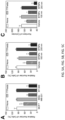
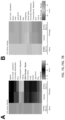
- TTFields/BTNPs combination approach a NanoString nCounterTM Pan-Cancer pathway analysis containing probes targeting 700 transcripts related to 13 types of cancer pathways was carried out in MCF-7 cells exposed to TTFields and treated without or with 200 nm BTNPs for 48 hrs. MCF-7 cells treated with BTNPs with no exposure to TTFields was also included as a control. The gene expression patterns were similar between control and BTNPs-treated MCF-7 cells, while TTFields treatment induced dramatic changes in 9 different types of cancer pathways ( FIG. 7A ).
- BTNPs had non-cytotoxic effects in breast cancer cells and enhanced the antitumor activity of TTField-resistant breast cancer cells in response to TTFields. Further, it was found that TTFields triggered the accumulation of BTNPs, which promoted the cell cycle-related apoptosis pathway. These data show that biocompatible nanomaterials such as BTNPs can be used as a TTField-responsive sensitizer in cancer cells.
- BTNPs had non-cytotoxic effects even at high concentrations (100 ⁇ g/ml) in breast cancer cells, indicating that these are biocompatible. Consistent with these results, other reports have shown that treatment with BTNPs have minimal adverse effects, as evident from several assays including metabolic activity, viability/cytotoxicity, early apoptosis, and reactive oxygen species (ROS) generation in multiple types of cells such as human neuroblastoma SH-SY5Y cells, HeLa cells, and rat mesenchymal stem cells. The results also show that treatment with only BTNPs did not significantly alter the 13 types of major cancer pathways and cell cycle regulatory proteins ( FIG. 7 ). BTNPs and its coated composites could be used as a biocompatible sensitizer for TTFields.
- ROS reactive oxygen species
- TTFields efficacy is dependent on cell doubling time in various cancer cell lines.
- MCF-7 cells were more resistant to TTFields than MDA-MB-231 and BT-549 cells, despite the similar cell doubling time between MCF-7 and MDA-MB-231 cells.
- the data shows that BTNPs sensitized the TTField-resistant MCF-7 breast cancer cells in response to TTFields, indicating that the TTField-responsive sensitizers such as BTNPs could enhance the efficacy of TTFields in TTField-resistant cancer cells.
- chemotherapeutic agents or radiotherapy enhance the efficacy of TTFields in various cancer cells.
- BTNPs were accumulated into the cytoplasm of breast cancer cells in response to TTFields.
- Nanoparticles (NPs) internalization into cells is known to be dependent on particle size and its zeta potential.
- NPs under 200 nm can be engulfed by cancer cells through clathrin-dependent pathway or macro-pinocytosis pathway.
- specific inhibitors for these pathways such as chlorpromazine, amiloride, and cytochalasin D, did not modulate the accumulation of BTNPs in cytoplasm in response to TTFields, indicating that BTNP accumulation in cytoplasm is not mediated by clathrin-dependent pathway or macro-pinocytosis pathway.
- the data herein evidences that increased membrane permeability by TTFields can induce BTNP accumulation in cytoplasm of cancer cells.
- TTFields combined with BTNPs significantly modulated the cell cycle-apoptosis pathways over other related pathways. Since cells with mitotic defects undergo mitotic catastrophe or G1-arrest senescence, the data shows that TTFields combined with BTNPs could induce mitotic catastrophe and G1-arrest senescence by modulating cell cycle-apoptosis pathway, as evident by the decrease in G1 cell cycle regulators including CDK4/6, p-RB, and E2F1 in the BTNPs/TTField-treated cells.
- BTNPs characterized by their high biocompatibility and ferroelectric properties, acts as a TTField-responsive sensitizer to breast cancer cells by modulating cell cycle-apoptosis pathway ( FIG. 9 ). Therefore, electric field responsive nanomaterials, such as BTNPs, can be used as a TTField-responsive sensitizer to enhance the therapeutic efficacy of TTFields in cancer cells.
- All media types were supplemented with 10% fetal bovine serum (FBS, Corning, NY, USA) and 1% penicillin/streptomycin (Sigma-Aldrich, MO, USA). All cell lines were maintained in a humidified 5% CO2 incubator at 37 °C.
- FBS fetal bovine serum
- penicillin/streptomycin Sigma-Aldrich, MO, USA. All cell lines were maintained in a humidified 5% CO2 incubator at 37 °C.
- TTFields application MCF-7 (1.5 ⁇ 10 4 ) and BT-549 (1 ⁇ 10 4 ) cells were seeded on 18 mm glass coverslips (Marienfeld-Superior, Mediline, Lauda-Königshofen, Germany) or 22 mm plastic coverslips (Thermo Fisher Scientific, MA, USA) for 24 hrs and those coverslips were transferred to ceramic inovitro dishes (NovoCure, Haifa, Israel) using autoclaved forceps.
- inovitro system NovoCure, Haifa, Israel
- BTNPs Barium titanate nanoparticles (100 nm, 200 nm) were purchased from US Research Nanomaterials Inc. (TX, USA) and used without further purification. BTNPs were dispersed in ethanol and sonicated to mitigate aggregation. In addition, 5% FBS was added to coat the surface of BTNPs with a protein corona, before addition to cells. The nanostructures and morphologies of prepared BTNPs were examined by field emission scanning electron microscopy (FE-SEM) with a Sirion-400 (FEI, OR, USA) and TEM with a JEM-2100F (JEOL, Japan). The zeta-potential of FBS coated BTNPs were measured by dynamic light scattering in a Zetasizer Nano ZS (Malvern Instruments Ltd., UK).
- FE-SEM field emission scanning electron microscopy
- Sirion-400 FEI, OR, USA
- JEM-2100F JEM-2100F
- Cell viability assays were performed using WST-8 reagent (Cyto X; LPS solution, Daejeon). MCF-7 cells (0.5 ⁇ 10 4 ) were seeded on a 96-well plate and treated with media containing increasing concentrations of BTNPs or ethanol as a vehicle control. After 72 hrs, WST-8 reagent (10 ⁇ l) was added to each well and the plate incubated for 2 hrs at 37 °C. Subsequently, the absorbance was measured at 450 nm using a VersaMax Microplate Reader (Molecular Devices, CA, USA).
- Clonogenic assay The clonogenic assay was performed as described previously. MCF-7 or BT-549 cells (500 in number) were seeded on a 22 mm plastic coverslip in a 6-well plate for 24 hrs. Using autoclaved forceps, the coverslips were transferred to ceramic inovitro dishes and incubated with inovitro TTFields generators for 72 hrs. After TTFields treatment, the coverslips were transferred to a 6-well plate and incubated at 37 °C. After 7 days, colonies were fixed and stained with 1% crystal violet (Sigma-Aldrich) and 40% methanol solution, and the number of colonies counted.
- crystal violet Sigma-Aldrich
- Cell cycle analysis was performed. Briefly, the cells treated with conditions described above were trypsinised, washed twice in PBS, and fixed with ice-cold 70% ethanol. Fixed cells were incubated with PI (50 ⁇ g/ml) and RNase (100 ⁇ g/ml) at 37 °C for 30 min and then analyzed with a BD AccuriTM C6 flow cytometer (BD Biosciences, CA, USA).
- Methylene blue staining Cells were fixed with 4% paraformaldehyde, and then stained with 0.1% methylene blue (Sigma-Aldrich, MO, USA) dissolved in Dulbecco's phosphate-buffered saline (DPBS) for 5 min. After washing several times with DPBS, the slides were mounted in glycerol and images obtained using an LSM 710 confocal microscope (Carl Zeiss Inc., Germany).
- TEM imaging TTFields treated MCF-7 cells with and without BTNP treatment were detached and fixed in 2.5% glutaraldehyde (Sigma-Aldrich, MO, USA) and 0.1 M phosphate buffer (pH 7.3) at 4 °C overnight. After this fixation, the cells were treated with 1% osmium tetroxide and 1.5% potassium ferrocyanide in 0.1 M phosphate buffer (pH 7.3) for 1 h at 4 °C in dark. Subsequently, these were embedded in Epon 812 (Sigma-Aldrich, MO, USA) after dehydration in a treatment cycle of ethanol and propylene oxide. The polymer reaction was carried out by using pure resin at 70 °C for two days.
- Ultrathin samples were obtained with an UltraCut-UCT ultramicrotome (Leica, Austria) and collected on 150 mesh copper grids. After staining with 2% uranyl acetate for 10 min and lead citrate for 5 min, the samples were examined at 120 kV in a Tecnai G2 Spirit Twin TEM setup.
- RNA isolation and NanoString analysis Total RNA was isolated using QIAzol reagents (Qiagen, Hilden, Germany) from treated cells. Following the procedures provided by the nCounter XT CodeSet Gene Expression Assays (NanoString Technologies, WA, USA), 100 ng of RNA was used to hybridize with probes.
- Western blot analysis Western blotting was performed as described previously. Briefly, proteins were separated by SDS-polyacrylamide gel electrophoresis, transferred to a nitrocellulose membrane, and detected using specific antibodies. The following antibodies were used: rabbit polyclonal anti-CDK4, rabbit monoclonal CDK6, rabbit monoclonal phospho-RB, rabbit polyclonal RB (Santa Cruz Biotechnology, CA, USA); mouse monoclonal p21, mouse monoclonal E2F1, mouse monoclonal MDM2, mouse polyclonal anti- ⁇ -actin (Santa Cruz Biotechnology, CA, USA), and mouse monoclonal p53 (Merck, NJ, USA). Blots were developed using peroxide-conjugated secondary antibody and visualized with an enhanced chemiluminescence detection system (Amersham Life Science, Buckinghamshire, UK).
Landscapes
- Health & Medical Sciences (AREA)
- Engineering & Computer Science (AREA)
- Life Sciences & Earth Sciences (AREA)
- General Health & Medical Sciences (AREA)
- Nuclear Medicine, Radiotherapy & Molecular Imaging (AREA)
- Radiology & Medical Imaging (AREA)
- Animal Behavior & Ethology (AREA)
- Public Health (AREA)
- Veterinary Medicine (AREA)
- Biomedical Technology (AREA)
- Oncology (AREA)
- Hospice & Palliative Care (AREA)
- Biophysics (AREA)
- Physics & Mathematics (AREA)
- Chemical & Material Sciences (AREA)
- Medical Informatics (AREA)
- Theoretical Computer Science (AREA)
- General Physics & Mathematics (AREA)
- Computer Vision & Pattern Recognition (AREA)
- Quality & Reliability (AREA)
- Medicinal Chemistry (AREA)
- Pharmacology & Pharmacy (AREA)
- Bioinformatics & Cheminformatics (AREA)
- Epidemiology (AREA)
- Chemical Kinetics & Catalysis (AREA)
- Optics & Photonics (AREA)
- Nanotechnology (AREA)
- Organic Chemistry (AREA)
- General Chemical & Material Sciences (AREA)
- Pharmaceuticals Containing Other Organic And Inorganic Compounds (AREA)
- Medicinal Preparation (AREA)
- Medicines That Contain Protein Lipid Enzymes And Other Medicines (AREA)
- Electrotherapy Devices (AREA)
- Control Of Eletrric Generators (AREA)
- Central Heating Systems (AREA)
- Cookers (AREA)
Applications Claiming Priority (3)
| Application Number | Priority Date | Filing Date | Title |
|---|---|---|---|
| US201962946798P | 2019-12-11 | 2019-12-11 | |
| EP20830298.4A EP4072657B1 (de) | 2019-12-11 | 2020-11-30 | Einsatz von leitfähigen nanopartikeln in verbindung mit tumorbehandelnden elektrischen wechselfeldern und entsprechender kit |
| PCT/IB2020/001002 WO2021116753A1 (en) | 2019-12-11 | 2020-11-30 | Methods of altering the electric impedance to an alternating electric field |
Related Parent Applications (1)
| Application Number | Title | Priority Date | Filing Date |
|---|---|---|---|
| EP20830298.4A Division EP4072657B1 (de) | 2019-12-11 | 2020-11-30 | Einsatz von leitfähigen nanopartikeln in verbindung mit tumorbehandelnden elektrischen wechselfeldern und entsprechender kit |
Publications (2)
| Publication Number | Publication Date |
|---|---|
| EP4484949A2 true EP4484949A2 (de) | 2025-01-01 |
| EP4484949A3 EP4484949A3 (de) | 2025-03-19 |
Family
ID=74104122
Family Applications (2)
| Application Number | Title | Priority Date | Filing Date |
|---|---|---|---|
| EP24194041.0A Pending EP4484949A3 (de) | 2019-12-11 | 2020-11-30 | Zusammensetzungen und verfahren zur änderung der elektrischen impedanz zu einem elektrischen wechselfeld |
| EP20830298.4A Active EP4072657B1 (de) | 2019-12-11 | 2020-11-30 | Einsatz von leitfähigen nanopartikeln in verbindung mit tumorbehandelnden elektrischen wechselfeldern und entsprechender kit |
Family Applications After (1)
| Application Number | Title | Priority Date | Filing Date |
|---|---|---|---|
| EP20830298.4A Active EP4072657B1 (de) | 2019-12-11 | 2020-11-30 | Einsatz von leitfähigen nanopartikeln in verbindung mit tumorbehandelnden elektrischen wechselfeldern und entsprechender kit |
Country Status (8)
| Country | Link |
|---|---|
| US (2) | US11833362B2 (de) |
| EP (2) | EP4484949A3 (de) |
| JP (1) | JP7787072B2 (de) |
| KR (1) | KR20220114011A (de) |
| CN (1) | CN114845770A (de) |
| CA (1) | CA3163260A1 (de) |
| IL (1) | IL293417B1 (de) |
| WO (1) | WO2021116753A1 (de) |
Families Citing this family (5)
| Publication number | Priority date | Publication date | Assignee | Title |
|---|---|---|---|---|
| US12377265B2 (en) * | 2021-06-30 | 2025-08-05 | Novocure Gmbh | Nonconductive field guide for resection cavity, and systems and methods of using same |
| US12005253B2 (en) | 2021-06-30 | 2024-06-11 | Novocure Gmbh | Compositions and methods for increasing cancer cell sensitivity to alternating electric fields |
| WO2023275648A1 (en) * | 2021-06-30 | 2023-01-05 | Novocure Gmbh | Compositions and methods for using alternating electric fields to disrupt lipid capsules |
| CN117580614A (zh) * | 2021-06-30 | 2024-02-20 | 诺沃库勒有限责任公司 | 用于增加癌细胞对交变电场的敏感性的组合物和方法 |
| US20230001194A1 (en) * | 2021-06-30 | 2023-01-05 | Novocure Gmbh | Methods and compositions for increasing circulation during treatment with alternating electric fields |
Citations (2)
| Publication number | Priority date | Publication date | Assignee | Title |
|---|---|---|---|---|
| US7565205B2 (en) | 2000-02-17 | 2009-07-21 | Standen Ltd. | Treating a tumor or the like with electric fields at different orientations |
| US8977365B2 (en) | 2007-03-27 | 2015-03-10 | Therabionic, Llc | Electronic system for influencing cellular functions in a warm-blooded mammalian subject |
Family Cites Families (15)
| Publication number | Priority date | Publication date | Assignee | Title |
|---|---|---|---|---|
| WO2005092286A2 (en) * | 2004-03-29 | 2005-10-06 | The University Of Houston System | Metallic nano-particles and discrete polymer-coated nano-particles |
| EP2965782B1 (de) * | 2006-06-19 | 2017-08-09 | Highland Instruments, Inc. | Vorrichtung zur stimulation von biologischem gewebe |
| US8892200B2 (en) * | 2006-06-19 | 2014-11-18 | Highland Instruments, Inc. | Systems and methods for stimulating tissue using focused energy |
| ES2320837B1 (es) | 2007-07-26 | 2010-03-04 | Consejo Superior De Investigaciones Cientificas | Dispositivo de hipertermia y su utilizacion con nanoparticulas. |
| GB0820309D0 (en) * | 2008-11-06 | 2008-12-17 | Middlesex University Higher Ed | Detection of cancer |
| WO2010118387A1 (en) * | 2009-04-09 | 2010-10-14 | Virginia Tech Intellectual Properties, Inc. | Integration of very short electric pulses for minimally to noninvasive electroporation |
| GB201006841D0 (en) * | 2010-04-26 | 2010-06-09 | Thomsen Lars | Method, device and system for targetted cell lysis |
| EP2911736A4 (de) * | 2012-10-25 | 2016-06-15 | Oncosec Medical Inc | Elektroporationsvorrichtung |
| KR101478896B1 (ko) * | 2013-02-28 | 2015-01-08 | 부산대학교 산학협력단 | 항암제 처리된 암세포 검출용 바이오센서 및 이의 제조방법 |
| CA2995984A1 (en) * | 2015-08-20 | 2017-02-23 | Robert E. Sandstrom | Method of attacking target cells via electroportation |
| US10585094B2 (en) * | 2016-09-01 | 2020-03-10 | The Governors Of The University Of Alberta | Devices and methods for nanoparticle enhanced impedance-based molecular sensing |
| MX2017010319A (es) * | 2017-08-10 | 2019-02-12 | Cesar Antonio Gonzalez Diaz | Biosensor de celulas tumorales circulantes basado en mediciones de espectroscopia de bioimpedancia electrica asisitida con nanoparticulas magneticas. |
| US20190117973A1 (en) * | 2017-10-23 | 2019-04-25 | Cardiac Pacemakers, Inc. | Electric field cancer therapy devices with feedback mechanisms and diagnostics |
| CN112543661A (zh) * | 2017-11-17 | 2021-03-23 | 艾伯维公司 | 治疗胶质母细胞瘤的方法 |
| WO2020069569A1 (en) * | 2018-10-02 | 2020-04-09 | WearOptimo Pty Ltd | Actuator system |
-
2020
- 2020-11-30 CN CN202080085637.9A patent/CN114845770A/zh active Pending
- 2020-11-30 KR KR1020227023581A patent/KR20220114011A/ko active Pending
- 2020-11-30 WO PCT/IB2020/001002 patent/WO2021116753A1/en not_active Ceased
- 2020-11-30 IL IL293417A patent/IL293417B1/en unknown
- 2020-11-30 EP EP24194041.0A patent/EP4484949A3/de active Pending
- 2020-11-30 JP JP2022535662A patent/JP7787072B2/ja active Active
- 2020-11-30 CA CA3163260A patent/CA3163260A1/en active Pending
- 2020-11-30 EP EP20830298.4A patent/EP4072657B1/de active Active
- 2020-11-30 US US17/106,531 patent/US11833362B2/en active Active
-
2023
- 2023-12-01 US US18/526,789 patent/US12397167B2/en active Active
Patent Citations (2)
| Publication number | Priority date | Publication date | Assignee | Title |
|---|---|---|---|---|
| US7565205B2 (en) | 2000-02-17 | 2009-07-21 | Standen Ltd. | Treating a tumor or the like with electric fields at different orientations |
| US8977365B2 (en) | 2007-03-27 | 2015-03-10 | Therabionic, Llc | Electronic system for influencing cellular functions in a warm-blooded mammalian subject |
Non-Patent Citations (10)
| Title |
|---|
| "Remington: The Science and Practice of Pharmacy", 1995, MACK PUBLISHING COMPANY |
| HERSHKOVICH HSBOMZON ZWENGER CURMAN NCHAUDHRY AGARCIA-CARRACEDO DKIRSON EDWEINBERG UWASSERMANN YPALTI Y.: "First steps to creating a platform for high throughput simulation of TTFields", CONF PROC IEEE ENG MED BIOL SOC., vol. 2016, August 2016 (2016-08-01), pages 2357 - 2360, XP032979649, DOI: 10.1109/EMBC.2016.7591203 |
| JAMILPANAH, P.PAHLAVANZADEH, H.KHERADMAND, A.: "Thermal conductivity, viscosity, and electrical conductivity of iron oxide with a cloud fractal structure", HEAT MASS TRANSFER, vol. 53, 2017, pages 1343, Retrieved from the Internet <URL:https://doi.org/10.1007/s00231-016-1891-5> |
| KIRSON, E. D.DBALY, V.TOVARYS, F.VYMAZAL, J.SOUSTIEL, J. F.ITZHAKI, A.MORDECHOVICH, D.STEINBERG-SHAPIRA, S.GURVICH, Z.SCHNEIDERMAN: "Alternating electric fields arrest cell proliferation in animal tumor models and human brain tumors", PROCEEDINGS OF THE NATIONAL ACADEMY OF SCIENCES OF THE UNITED STATES OF AMERICA, vol. 104, no. 24, 2007, pages 10152 - 7, XP002730220, DOI: 10.1073/pnas.0702916104 |
| L. ARMITASARI ET AL.: "Effect of Polyethylene Glycol (PEG-4000) on Dielectric Properties of Mn0.5Zn0.5Fe204 Nanoparticles", 2018 IOP CONF. SER.: MATER. SCI., vol. 367, pages 012035 |
| LIU R1JIN CSONG FLIU J.: "Nanoparticle-enhanced electrical impedance detection and its potential significance in image tomography", INT J NANOMEDICINE., vol. 8, 3 January 2013 (2013-01-03), pages 33 - 8 |
| M BALLOZ BOMZONN URMANG LAVY-SHAHAFS A TOMS: "PO1.113 Increasing TTFields dose to the tumor bed improves overall survival in newly diagnosed glioblastoma patients", NEURO-ONCOLOGY, vol. 20, 19 September 2018 (2018-09-19), pages 257, Retrieved from the Internet <URL:https://doi.org/10.1093/neuonc/noy139.155> |
| N URMANS LEVYA FRENKELA NAVEHH S HERSHKOVICHE KIRSONC WENGERG LAVY-SHAHAFD MANZURO YESHARIM: "P04.57 Creating patient-specific computational head models for the study of tissue-electric field interactions using deformable templates", NEURO-ONCOLOGY, vol. 20, 19 September 2018 (2018-09-19), pages 292, Retrieved from the Internet <URL:https://doi.org/10.1093/neuonc/noy139.291> |
| OSTOVARI MRIAHI ALAMZABIHZADEHGHARIBVANDHOSEINI-GHAHFAROKHI: "The Effect of Gold Nanoparticles on Electrical Impedance of Tissue on Low Frequency Ranges", J BIOMED PHYS ENG., vol. 8, no. 3, 1 September 2018 (2018-09-01), pages 241 - 250 |
| WENGER CSALVADOR RBASSER PJMIRANDA PC.: "The electric field distribution in the brain during TTFields therapy and its dependence on tissue dielectric properties and anatomy: a computational study", PHYS MED BIOL., vol. 60, no. 18, 2015, pages 7339 - 57, XP020288169, DOI: 10.1088/0031-9155/60/18/7339 |
Also Published As
| Publication number | Publication date |
|---|---|
| EP4484949A3 (de) | 2025-03-19 |
| EP4072657A1 (de) | 2022-10-19 |
| US11833362B2 (en) | 2023-12-05 |
| WO2021116753A1 (en) | 2021-06-17 |
| KR20220114011A (ko) | 2022-08-17 |
| IL293417B1 (en) | 2026-04-01 |
| IL293417A (en) | 2022-07-01 |
| US20240207629A1 (en) | 2024-06-27 |
| EP4072657B1 (de) | 2024-08-14 |
| JP2023505578A (ja) | 2023-02-09 |
| US20210178173A1 (en) | 2021-06-17 |
| EP4072657C0 (de) | 2024-08-14 |
| CN114845770A (zh) | 2022-08-02 |
| JP7787072B2 (ja) | 2025-12-16 |
| CA3163260A1 (en) | 2021-06-17 |
| US12397167B2 (en) | 2025-08-26 |
Similar Documents
| Publication | Publication Date | Title |
|---|---|---|
| US12397167B2 (en) | Compositions and methods of altering the electric impedance to an alternating electric field | |
| Xue et al. | Trojan Horse nanotheranostics with dual transformability and multifunctionality for highly effective cancer treatment | |
| US20240399146A1 (en) | Compositions And Methods Of Altering The Electric Impedance To An Alternating Electric Field | |
| Michiue et al. | Self-assembling A6K peptide nanotubes as a mercaptoundecahydrododecaborate (BSH) delivery system for boron neutron capture therapy (BNCT) | |
| Khot et al. | Innovative drug delivery strategies for targeting glioblastoma: overcoming the challenges of the tumor microenvironment | |
| Gu et al. | Tumor microenvironment multiple responsive nanoparticles for targeted delivery of doxorubicin and CpG against triple-negative breast cancer | |
| Huo et al. | Density functional theory-guided drug loading strategy for sensitized tumor-homing thermotherapy | |
| Ficai et al. | Nanostructures for cancer therapy | |
| EP4072656B1 (de) | Zusammensetzungen zur bildgebung einer krebs- bzw. tumorzelle | |
| HK40122383A (en) | Compositions and methods of altering the electric impedance to an alternating electric field | |
| HK40081051B (en) | Use of conductive nanoparticles along with tumor-treating alternating electric fields, and corresponding kit | |
| HK40081051A (en) | Use of conductive nanoparticles along with tumor-treating alternating electric fields, and corresponding kit | |
| Basit et al. | Nanomedicine: promises and challenges | |
| HK40081053B (en) | Compositions and methods of altering the electric impedance to an alternating electric field | |
| HK40081053A (en) | Compositions and methods of altering the electric impedance to an alternating electric field | |
| CN113548656B (zh) | 一种具有抗癌生物活性的碳点及制备方法 | |
| WO2023275648A1 (en) | Compositions and methods for using alternating electric fields to disrupt lipid capsules | |
| Yuan | Chenxia HU1 |
Legal Events
| Date | Code | Title | Description |
|---|---|---|---|
| PUAI | Public reference made under article 153(3) epc to a published international application that has entered the european phase |
Free format text: ORIGINAL CODE: 0009012 |
|
| STAA | Information on the status of an ep patent application or granted ep patent |
Free format text: STATUS: THE APPLICATION HAS BEEN PUBLISHED |
|
| AC | Divisional application: reference to earlier application |
Ref document number: 4072657 Country of ref document: EP Kind code of ref document: P |
|
| AK | Designated contracting states |
Kind code of ref document: A2 Designated state(s): AL AT BE BG CH CY CZ DE DK EE ES FI FR GB GR HR HU IE IS IT LI LT LU LV MC MK MT NL NO PL PT RO RS SE SI SK SM TR |
|
| REG | Reference to a national code |
Ref country code: DE Ref legal event code: R079 Free format text: PREVIOUS MAIN CLASS: G01N0033000000 Ipc: A61N0001320000 |
|
| PUAL | Search report despatched |
Free format text: ORIGINAL CODE: 0009013 |
|
| AK | Designated contracting states |
Kind code of ref document: A3 Designated state(s): AL AT BE BG CH CY CZ DE DK EE ES FI FR GB GR HR HU IE IS IT LI LT LU LV MC MK MT NL NO PL PT RO RS SE SI SK SM TR |
|
| RIC1 | Information provided on ipc code assigned before grant |
Ipc: A61N 1/36 20060101ALI20250210BHEP Ipc: G01N 33/00 20060101ALI20250210BHEP Ipc: A61N 1/40 20060101ALI20250210BHEP Ipc: A61N 1/32 20060101AFI20250210BHEP |
|
| RAP3 | Party data changed (applicant data changed or rights of an application transferred) |
Owner name: NOVOCURE GMBH |
|
| STAA | Information on the status of an ep patent application or granted ep patent |
Free format text: STATUS: REQUEST FOR EXAMINATION WAS MADE |
|
| REG | Reference to a national code |
Ref country code: HK Ref legal event code: DE Ref document number: 40122383 Country of ref document: HK |
|
| 17P | Request for examination filed |
Effective date: 20250918 |
|
| GRAP | Despatch of communication of intention to grant a patent |
Free format text: ORIGINAL CODE: EPIDOSNIGR1 |
|
| STAA | Information on the status of an ep patent application or granted ep patent |
Free format text: STATUS: GRANT OF PATENT IS INTENDED |
|
| RIC1 | Information provided on ipc code assigned before grant |
Ipc: A61N 1/32 20060101AFI20251126BHEP Ipc: A61N 1/40 20060101ALI20251126BHEP Ipc: G01N 33/00 20060101ALI20251126BHEP Ipc: A61N 1/36 20060101ALI20251126BHEP |
|
| INTG | Intention to grant announced |
Effective date: 20251216 |
|
| GRAJ | Information related to disapproval of communication of intention to grant by the applicant or resumption of examination proceedings by the epo deleted |
Free format text: ORIGINAL CODE: EPIDOSDIGR1 |
|
| STAA | Information on the status of an ep patent application or granted ep patent |
Free format text: STATUS: REQUEST FOR EXAMINATION WAS MADE |
|
| GRAP | Despatch of communication of intention to grant a patent |
Free format text: ORIGINAL CODE: EPIDOSNIGR1 |
|
| STAA | Information on the status of an ep patent application or granted ep patent |
Free format text: STATUS: GRANT OF PATENT IS INTENDED |
|
| INTC | Intention to grant announced (deleted) |