EP4473980A2 - Markierte hemmer des prostataspezifischen membranantigens (psma), ihre verwendung als kontrastmittel und pharmazeutische mittel zur behandlung von psma-exprimierenden krebsarten - Google Patents
Markierte hemmer des prostataspezifischen membranantigens (psma), ihre verwendung als kontrastmittel und pharmazeutische mittel zur behandlung von psma-exprimierenden krebsarten Download PDFInfo
- Publication number
- EP4473980A2 EP4473980A2 EP24206722.1A EP24206722A EP4473980A2 EP 4473980 A2 EP4473980 A2 EP 4473980A2 EP 24206722 A EP24206722 A EP 24206722A EP 4473980 A2 EP4473980 A2 EP 4473980A2
- Authority
- EP
- European Patent Office
- Prior art keywords
- compound
- psma
- group
- complex
- tumor
- Prior art date
- Legal status (The legal status is an assumption and is not a legal conclusion. Google has not performed a legal analysis and makes no representation as to the accuracy of the status listed.)
- Pending
Links
Images


















Classifications
-
- A—HUMAN NECESSITIES
- A61—MEDICAL OR VETERINARY SCIENCE; HYGIENE
- A61K—PREPARATIONS FOR MEDICAL, DENTAL OR TOILETRY PURPOSES
- A61K51/00—Preparations containing radioactive substances for use in therapy or testing in vivo
- A61K51/02—Preparations containing radioactive substances for use in therapy or testing in vivo characterised by the carrier, i.e. characterised by the agent or material covalently linked or complexing the radioactive nucleus
- A61K51/04—Organic compounds
- A61K51/0404—Lipids, e.g. triglycerides; Polycationic carriers
- A61K51/0406—Amines, polyamines, e.g. spermine, spermidine, amino acids, (bis)guanidines
-
- A—HUMAN NECESSITIES
- A61—MEDICAL OR VETERINARY SCIENCE; HYGIENE
- A61K—PREPARATIONS FOR MEDICAL, DENTAL OR TOILETRY PURPOSES
- A61K51/00—Preparations containing radioactive substances for use in therapy or testing in vivo
- A61K51/02—Preparations containing radioactive substances for use in therapy or testing in vivo characterised by the carrier, i.e. characterised by the agent or material covalently linked or complexing the radioactive nucleus
- A61K51/04—Organic compounds
- A61K51/0402—Organic compounds carboxylic acid carriers, fatty acids
-
- A—HUMAN NECESSITIES
- A61—MEDICAL OR VETERINARY SCIENCE; HYGIENE
- A61K—PREPARATIONS FOR MEDICAL, DENTAL OR TOILETRY PURPOSES
- A61K51/00—Preparations containing radioactive substances for use in therapy or testing in vivo
- A61K51/02—Preparations containing radioactive substances for use in therapy or testing in vivo characterised by the carrier, i.e. characterised by the agent or material covalently linked or complexing the radioactive nucleus
- A61K51/04—Organic compounds
- A61K51/0497—Organic compounds conjugates with a carrier being an organic compounds
-
- A—HUMAN NECESSITIES
- A61—MEDICAL OR VETERINARY SCIENCE; HYGIENE
- A61P—SPECIFIC THERAPEUTIC ACTIVITY OF CHEMICAL COMPOUNDS OR MEDICINAL PREPARATIONS
- A61P13/00—Drugs for disorders of the urinary system
- A61P13/08—Drugs for disorders of the urinary system of the prostate
-
- A—HUMAN NECESSITIES
- A61—MEDICAL OR VETERINARY SCIENCE; HYGIENE
- A61P—SPECIFIC THERAPEUTIC ACTIVITY OF CHEMICAL COMPOUNDS OR MEDICINAL PREPARATIONS
- A61P35/00—Antineoplastic agents
-
- A—HUMAN NECESSITIES
- A61—MEDICAL OR VETERINARY SCIENCE; HYGIENE
- A61P—SPECIFIC THERAPEUTIC ACTIVITY OF CHEMICAL COMPOUNDS OR MEDICINAL PREPARATIONS
- A61P35/00—Antineoplastic agents
- A61P35/04—Antineoplastic agents specific for metastasis
-
- C—CHEMISTRY; METALLURGY
- C07—ORGANIC CHEMISTRY
- C07D—HETEROCYCLIC COMPOUNDS
- C07D257/00—Heterocyclic compounds containing rings having four nitrogen atoms as the only ring hetero atoms
- C07D257/02—Heterocyclic compounds containing rings having four nitrogen atoms as the only ring hetero atoms not condensed with other rings
Definitions
- the present invention generally relates to the field of radiopharmaceuticals and their use in nuclear medicine as tracers, imaging agents and for the treatment of various disease states of PSMA-expressing cancers, especially prostate cancer, and metastases thereof.
- Prostate cancer is the leading cancer in the US and European population. At least 1-2 million men in the western hemisphere suffer from prostate cancer and it is estimated that the disease will strike one in six men between the ages of 55 and 85. There are more than 300,000 new cases of prostate cancer diagnosed each year in USA. The mortality from the disease is second only to lung cancer.
- imaging methods with high resolution of the anatomy such as computed tomography (CT), magnetic resonance (MR) imaging and ultrasound, predominate for clinical imaging of prostate cancer.
- An estimated annual $ 2 billion is currently spent worldwide on surgical, radiation, drug therapy and minimally invasive treatments.
- CT computed tomography
- MR magnetic resonance
- PCa imaging agents include radiolabeled choline analogs [ 18 F]fluorodihydrotestosterone ([ 18 F]FDHT), anti-1-amino-3-[ 18 F]fluorocycIobutyl-1-carboxylic acid (anti[ 18 F]F-FACBC, [ 11 C]acetate and 1-(2-deoxy-2-[ 18 F]fluoro-E-arabinofuranosyl)-5-methyluracil (-[ 18 F]FMAU)( Scher, B.; et al. Eur J Nucl Med Mol Imaging 2007, 34, 45-53 ; Rinnab, L; et al.
- tumors may express unique proteins associated with their malignant phenotype or may over-express normal constituent proteins in greater number than normal cells.
- the expression of distinct proteins on the surface of tumor cells offers the opportunity to diagnose and characterize disease by probing the phenotypic identity and biochemical composition and activity of the tumor.
- Radioactive molecules that selectively bind to specific tumor cell surface proteins provide an attractive route for imaging and treating tumors under non-invasive conditions.
- a promising new series of low molecular weight imaging agents targets the prostate-specific membrane antigen (PSMA) ( Mease R.C. et al. Clin Cancer Res. 2008, 14, 3036-3043 ; Foss, C.A.; et al.
- PSMA prostate-specific membrane antigen
- PSMA is a trans-membrane, 750 amino acid type II glycoprotein that has abundant and restricted expression on the surface of PCa, particularly in androgen-independent, advanced and metastatic disease ( Schulke, N.; et al. Proc Natl Acad Sci U S A 2003, 100, 12590-12595 ). The latter is important since almost all PCa become androgen independent over the time. PSMA possesses the criteria of a promising target for therapy ( Schulke, N.; et al. Proc. Natl. Acad. Sci. USA 2003, 100, 12590-12595 ). The PSMA gene is located on the short arm of chromosome 11 and functions both as a folate hydrolase and neuropeptidase.
- GCPII glutamate carboxypeptidase II
- brain PSMA glutamate carboxypeptidase II
- NAAG N-acetylaspartylglutamate
- NAA N-acetylaspartate
- the radio-immunoconjugate of the anti-PSMA monoclonal antibody (mAb) 7E11, known as the PROSTASCINT ® scan, is currently being used to diagnose prostate cancer metastasis and recurrence.
- this agent tends to produce images that are challenging to interpret ( Lange, P.H. PROSTASCINT scan for staging prostate cancer. Urology 2001 , 57, 402-406 ; Haseman, M.K.; et al. Cancer Biother Radiopharm 2000, 15, 131-140 ; Rosenthal, S.A.; et al. Tech Urol 2001 , 7, 27-37 ).
- monoclonal antibodies have been developed that bind to the extracellular domain of PSMA and have been radiolabeled and shown to accumulate in PSMA-positive prostate tumor models in animals.
- diagnosis and tumor detection using monoclonal antibodies has been limited by the low permeability of the monoclonal antibody in solid tumors.
- radionuclides are known to be useful for radio-imaging or cancer radiotherapy, including 111 In, 90 Y, 68 Ga, 177 Lu, 99m Tc, 123 I and 131 I. Recently it has been shown that some compounds containing a glutamate-urea-glutamate (GUG) or a glutamate-urea-lysine (GUL) recognition element linked to a radionuclide-ligand conjugate exhibit high affinity for PSMA.
- GUIG glutamate-urea-glutamate
- GUL glutamate-urea-lysine
- These compounds comprise a motif specifically binding to cell membranes of cancerous cells, wherein said motif comprises a prostate-specific membrane antigen (PSMA), that is the above mentioned glutamate-urea-lysine motif.
- PSMA prostate-specific membrane antigen
- the preferred molecules described in WO 2015/055318 further comprise a linker which binds via an amide bond to a carboxylic acid group of DOTA as chelator.
- alpha-emitting 213 Bi-DOTATOC can overcome resistance against beta-emitting 90 Y/ 177 Lu-DOTATOC
- Kratochwil C, Giesel FL, Bruchertseifer F, et al. 213Bi-DOTATOC receptor-targeted alpha-radionuclide therapy induces remission in neuroendocrine tumors refractory to beta radiation: a first-in-human experience. Eur J Nucl Med Mol Imaging. 2014 Nov; 41(11):2106-19 ].
- the interest in alpha-emitter based radionuclide therapy increases.
- the overall object of the present invention is to develop improved ligands that interact with PSMA and carry appropriate radionuclides which provide advantageous options for the detection, treatment and management of PSMA-expressing cancers, in particular prostate cancer.
- the present invention relates to a compound of formula (1) or a pharmaceutically acceptable salt or solvate thereof, wherein Y 3 is O or S, wherein s, t, u and w are, independently of each other, 0 or 1, wherein i is an integer of from 1 to 3, wherein j is an integer of from 3 to 5, and wherein Z 1 , Z 2 and Z 3 are independently of each other, selected from the group consisting of -CO 2 H, -SO 2 H, -SO 3 H, -OSO 3 H, and -OPO 3 H 2 , R 1 is -CH 3 or H, preferably H, X is selected from the group consisting of, optionally substituted, alkylaryl, aryl, alkylheteroaryl and heteroaryl, Y 1 and Y 2 are, independently of each other, selected from the group consisting of, optionally substituted, aryl, alkylaryl, cycloalkyl, heterocycloalkyl, heteroaryl and alkyl
- the present invention relates to a complex comprising
- the present invention relates to a pharmaceutical composition
- a pharmaceutical composition comprising a compound, as described above or below, or a complex, as described above or below.
- the present invention relates to a compound, as described above or below, or a complex, as described above or below, or a pharmaceutical composition, as described above or below, for use in treating, ameliorating or preventing PSMA expressing cancers and/or metastases thereof, especially prostate cancer and/or metastases thereof.
- the present invention relates to a compound, as described above or below, or a complex, as described above or below, or a pharmaceutical composition, as described above or below, for use in diagnostics.
- the present invention relates to a compound, as described above or below, or a complex, as described above or below, or a pharmaceutical composition, as described above or below, for use in the diagnosis of cancer, in particular of PSMA expressing tumors and/or metastases thereof.
- PSMA expressing cancers and/or metastases thereof as used within the meaning of the present invention relates to any cancer whose cancerous cells express Prostate Specific Membrane Antigen (PSMA) and the respective metastases thereof.
- cancers (or cancer cells) that may be treated according to the invention are selected among prostate cancer, conventional renal cell cancers, cancers of the transitional cells of the bladder, testicular-embryonal cancers, neuroendocrine cancers, colon cancers, brain tumors and breast cancers.
- said PSMA expressing cancer is prostate cancer or breast cancer, in particular prostate cancer.
- the compound or the compound comprised in the complex of the present invention has the following structure:
- the compound or the compound comprised in the complex may be in the form of an anion, or a salt of the compound of formula (1).
- the invention thus also relates to salt, in particular a pharmaceutically acceptable salt, of the compound of general formula (1) or the compound comprised in the complex.
- the invention also relates to solvates of these compounds, including the salts as well as the active metabolites thereof and, where appropriate, the tautomers thereof including prodrug formulations.
- a “pharmaceutically acceptable salt” is a pharmaceutically acceptable, organic or inorganic acid or base salt of a compound of the invention.
- Representative pharmaceutically acceptable salts include, e.g., alkali metal salts, alkali earth metal salts, ammonium salts, water-soluble and water-insoluble salts, such as the acetate, carbonate, chloride, gluconate, glutamate, lactate, laurate, malate or tartrate.
- the term “prodrug” refers to a precursor of a drug that is a compound which upon administration to a patient must undergo chemical conversion by metabolic processes before becoming an active pharmacological agent.
- Illustrative prodrugs of compounds in accordance with formula (1) are esters and amides, preferably alkyl esters of fatty acid esters.
- Prodrug formulations here comprise all substances which are formed by simple transformation including hydrolysis, oxidation or reduction either enzymatically, metabolically or in any other way.
- a suitable prodrug contains e.g. a substance of general formula (1) bound via an enzymatically cleavable linker (e.g. carbamate, phosphate, N-glycoside or a disulfide group) to a dissolution-improving substance (e.g. tetraethylene glycol, saccharides, formic acids or glucuronic acid, etc.).
- a prodrug of a compound according to the invention can be applied to a patient, and this prodrug can be transformed into a substance of general formula (1) so as to obtain the desired pharmacological effect.
- Some compounds of formula (1) may be encompassed in form of stereoisomeric mixtures, such as racemic mixtures and/or mixtures of cis/trans isomers, or as single enantiomers, diastereomers and/or a specific cis/trans isomer, including all possible mixtures thereof.
- all chiral C-atoms shall have D- and/or L-configuration; also combinations within one compound shall be possible, i.e. some of the chiral C-atoms may be D- and others may be L-configuration. Most preferably, amino acid residues present in the compound have L-configuration.
- the obtained compounds can be optionally separated by known methods (e.g. Allinger, N.L. und Elliel E.L. in “Topics in Stereochemistry” Vol. 6, Wiley Interscience, 1971 ) in their enantiomers and/or diasteromers.
- One possible method of enantiomeric separation is the use of chromatography.
- Compound (1) comprises an urea building block (1A).
- Z 1 , Z 2 and Z 3 are , independently of each other, selected from the group consisting of CO 2 H, - SO 2 H, -SO 3 H, -OSO 3 H, and -OPO 3 H 2,, more preferably, at least one of, more preferably all of, Z 1 , Z 2 and Z 3 are -CO 2 H.
- building block (1A) may be present in any stereoisomeric form, preferably, however, (1A) has the structure (1Aa):
- the compound of the invention and the compound comprised in the complex of the invention has the structure
- Integer i and integer j are as described above.
- the present invention also relates to a compound of formula (1), preferably (1a), and to the compound comprised in the complex of the invention, wherein i is 2.
- the present invention also relates to a compound of formula (1), preferably (1a), and to the compound comprised in the complex of the invention, wherein j is 4.
- R 1 is preferably H.
- the urea building block (1Aa) thus most preferably has the structure (1Aa_1)
- the compound of formula (1) comprises the building block (1B)
- X preferably comprises a residue selected from the group consisting of naphtyl, phenyl, biphenyl, indolyl and benzothiazolyl.
- X is a naphtyl, alkyl-naphtyl, phenyl, benzyl, biphenyl, alkyl-biphenyl, indolyl, alkyl-indolyl, benzothiazolyl or alkyl-benzothiazolyl group.
- naphtyl, phenyl, biphenyl, indolyl and benzothiazolyl encompass groups which are further substituted by one or more suitable substituents.
- substituted as used in this context of the present invention preferably refers to groups being substituted in any position by one or more substituents, preferably by 1, 2, 3, 4, 5 or 6 substituents, more preferably by 1, 2, or 3 substituents. If two or more substituents are present, each substituent may be the same or may be different from the at least one other substituent. Preferably, the groups are unsubstituted.
- alkyl relates to non-branched alkyl residues and branched alkyl residues.
- the term also encompasses alkyl groups which are further substituted by one or more suitable substituents.
- substituted alkyl as used in this context of the present invention preferably refers to alkyl groups being substituted in any position by one or more substituents, preferably by 1, 2, 3, 4, 5 or 6 substituents, more preferably by 1, 2, or 3 substituents.
- the residue X is selected from the group consisting of , wherein these groups may be suitably substituted. Perferably, these groups are not substituted.
- the compound of formula (1) comprises the building block (1C)
- Y' is selected from the group consisting of aryl, alkylaryl, cycloalkyl, heterocycloalkyl, heteroaryl and alkylheteroaryl.
- aryl means optionally substituted aryl groups, i.e. in particular optionally substituted, 5- and 6-membered aromatic rings, and substituted or unsubstituted polycyclic aromatic groups (aryl groups), for example tricyclic or bicyclic aryl groups.
- aryl groups substituted or unsubstituted polycyclic aromatic groups
- aryl groups for example tricyclic or bicyclic aryl groups.
- phenyl groups or naphthyl groups may be mentioned as examples.
- Polycyclic aromatic groups can also contain non-aromatic rings.
- heteroaryl means means optionally substituted hetroaryl groups, i.e. in particular optionally substituted, 5- and 6-membered aromatic rings, and substituted or unsubstituted polycyclic aromatic groups, for example tricyclic or bicyclic aryl groups, containing one or more, for example 1 to 4, such as 1, 2, 3, or 4, heteroatoms in the ring system. If more than one heteroatom is present in the ring system, the at least two heteroatoms that are present can be identical or different. Suitable heteroaryl groups are known to the skilled person.
- heteroaryl residues may be mentioned, as non limiting examples: benzodioxolyl, pyrrolyl, furanyl, thiophenyl, thiazolyl, isothiaozolyl, imidazolyl, triazolyl, tetrazolyl, pyrazolyl, oxazolyl, isoxazolyl, pyridinyl, pyrazinyl, pyridazinyl, benzoxazolyl, benzodioxazolyl, benzothiazolyl, benzoimidazolyl, benzothiophenyl, methylenedioxyphenylyl, napthridinyl, quinolinyl, isoqunilyinyl, indolyl, benzofuranyl, purinyl, benzofuranyl, deazapurinyl, pyridazinyl and indolizinyl.
- alkylaryl or “alkylheteroaryl” as used within the meaning of the present invention, refers to a group wherein the aryl group or heteroaryl is linked via an alkyl group to the respective rest of the building block.
- alkylaryl in this case refers to the group -Alkyl-Aryl and “alkylheteroaryl” refers to the group -Alkyl-Heteroalkyl.
- Y1 the aryl group or heteroaryl is linked via an alkyl group to the carbonylgroup, i.e.
- alkylaryl in this case refers to the group -Alkyl-Aryl- and “alkylheteroaryl to the group -Alkyl-Heteroalkyl-.
- the aryl group or heteroaryl is linked via an alkyl group to the NH group, .e. thus “alkylaryl” in this case refers to the group -Alkyl-Aryl- and “alkylheteroaryl to the group -Alkyl-Heteroalkyl-.
- cycloalkyl means, in the context of the invention, optionally substituted, cyclic alkyl residues, wherein they can be monocyclic or polycyclic groups.
- Optionally substituted cyclohexyl may be mentioned as a preferred example of a cycloalkyl residue.
- heterocycloalkyl means optionally substituted, cyclic alkyl residues, which have at least one heteroatom, such as O, N or S in the ring, wherein they can be monocyclic or polycyclic groups.
- substituted cycloalkyl residue or "cycloheteroalkyl”, as used in the context of the present invention, mean cycloalkyl residues or cycloheteroalkyl residues, in which at least one H has been replaced with a suitable substituent.
- Y' is a cycloalkyl or heterocycloalkyl group, more preferably a cycloalkyl group, more preferably
- this structure includes any possible stereoisomers, such as cis/trans isomers.
- the group is present as the trans isomer.
- Y 3 is preferably O or S.
- the compounds of the invention are to be used as radio-imaging agents or radio-pharmaceuticals different radionuclides are complexed to the chelator.
- Illustrative radionuclides include, for example, 89 Zr, 44 Sc, 111 In, 90 Y, 66 Ga, 67 Ga, 68 Ga, 177 Lu, 99m Tc, 60 Cu, 61 Cu, 62 Cu, 64 Cu, 66 Cu, 67 Cu, 149 Tb, 152 Tb, 153 Sm, 155 Tb, 161 Tb, 153 Gd, 155 Gd, 157 Gd, 213 Bi, 225 Ac, 230 U, 223 Ra, 165 Er, radionuclides of Fe (such as 52 Fe and 59 Fe) and radionuclides of Pb (such as 203 Pb and 212 Pb, 211 Pb, 213 Pb, 214 Pb, 209 Pb, 198 Pb, 197 Pb).
- Fe such as 52 Fe and 59 Fe
- Pb such as 203 Pb and 212 Pb, 211 Pb, 213 Pb, 214 Pb, 209 Pb, 198 Pb,
- the radionuclide is selected from the group consisting of 111 In, 90 Y, 68 Ga, 177 Lu, 153 Gd, 155 Gd, 213 Bi, 225 Ac, 60 Cu, 61 Cu, 62 Cu, 64 Cu, 66 Cu, 67 Cu, radionuclides of Fe (such as 52 Fe and 59 Fe) and radionuclides of Pb (such as 203 Pb and 212 Pb, 211 Pb, 213 Pb, 214 Pb, 209 Pb, 198 Pb, 197 Pb).
- the radionuclides of Pb are more preferably 203 Pb and 212 Pb.
- the radionuclides of Cu are more preferably 64 Cu and 67 Cu.
- the complexes of the compounds according of the invention may contain one or more radionuclides, preferably one radionuclide.
- These radionuclides are preferably suitable for use as radio-imaging agents or as therapeutics for the treatment of proliferating cells, for example, PSMA expressing cancer cells, in particular PSMA-expressing prostate cancer cells. According to the present invention they are called "metal complexes" or "radiopharmaceuticals”.
- Preferred imaging methods are positron emission tomography (PET) or single photon emission computed tomography (SPECT).
- PET positron emission tomography
- SPECT single photon emission computed tomography
- u and w are 1. According to this embodiment, the compound of the invention thus has the following structure.
- Y 3 is most preferably S.
- the compound of the invention has more preferably the following structure.
- Y 2 is selected from the group consisting of aryl, alkylaryl, cycloalkyl, heterocycloalkyl, heteroaryl and alkylheteroaryl. More preferably, Y 2 is an aryl group, more preferably, Y 2 comprises an, optionally substituted, phenyl ring, and even more preferably Y 2 is wherein R 6 , R 7 , R 8 and R 9 are, independently of each other, H or alkyl, alkenyl, alkinyl, alkyloxy, alkanoyloxy, aryl, heteroaryl, halogen, hydroxyl, mercapto, nitrile, amine, or in each case optionally substituted alkyl, alkenyl, alkinyl, alkyloxy, alkylthio, alkanoyloxy, cycloalkyl, benzyloxy or aryl, most preferably R 6 , R 7 , R 8 and R 9 are, independently of each other,
- the compound of the invention has preferably the following structure.
- the interactions with PSMA may be optimized.
- improved tumor-to-non-target tissue accumulation and tissue values can be reached and an improved distribution pattern in the non-target tissues can be obtained.
- the chelators applied in accordance with this invention allow the stable conjugation of radionuclides that can not be used to target PSMA expressing tumors with the actually known tracers.
- the chelator is selected from the group consisting of (Ia), (Ib) and (Ic).
- integer r is preferably 0. More preferably, A is a chelator selected from the group consisting of and
- the present invention also relates to a compound, as described above and below, as well as to a complex comprising said compound, the compound having the following structure. more preferably having the following structure: wherein A is a chelator selected from the group consisting of and
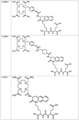
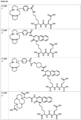
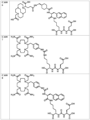
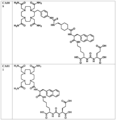
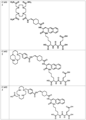
- Preferred compounds according to this embodiment have a structure selected from the group consisting of CA007, CA008*, CA009*, CA029* and CA030* (see Table 1A), wherein the compounds CA007, CA008* and CA009* are even more preferred. It is to be understood that if a stereocenter in the respective shown structure in Table 1A is not specified, this shall mean that all respective stereoisomers shall be encompassed, in isolated form as well in form of a mixture of the respective stereoisomers. Thus, the compounds CA008*, CA009*, CA029* and CA030* may be present as single stereoisomers or as mixture of stereoisomers.
- the compound have a structure selected from the group consisting of CA007, CA008, CA009, CA029 and CA030 (see Table 1B), wherein the compounds CA007, CA008 and CA009 are particularly preferred.
- u is 0 and w is 1.
- the compound of the invention thus has the following structure.
- A has the structure (Ia) or the structure (Ib).
- Y 2 is selected from the group consisting of aryl, alkylaryl, cycloalkyl, heterocycloalkyl, heteroaryl and alkylheteroaryl. More preferably, Y 2 is an aryl or heteroaryl group, more preferably, Y 2 comprises an, optionally substituted, phenyl ring, and even more preferably Y 2 is wherein R 6 , R 7 , R 8 and R 9 are, independently of each other H or alkyl, most preferably H.
- the present invention also relates to a compound, as described above and below, as well as to a complex comprising said compound, the compound having the following structure: wherein A has the structure (Ia) or the structure (Ib). More preferably, in this case, Y 3 is O.
- A has the structure (Ia) or the structure (Ib). More preferably, in this case, Y 3 is O.
- A is selected from the group consisting of and most preferably A is
- Preferred compounds according to this embodiment have a structure selected from the group consisting of CA001, CA002*, CA003*, CA005*, CA006*, CA007, CA008*, CA009*, CA023*, CA025*, CA026*, CA027, CA028* and CA029* (The structures of these compounds are depicted in Table 1A).
- the compound has a structure selected from the group consisting of CA007, CA008* and CA009* (The structures of these compounds are depicted in Table 1A). It is to be understood that if a stereocenter in the respective shown structure in Table 1A is not specified, this shall mean that all respective stereoisomers shall be encompassed, in isolated form as well in form of a mixture of the respective stereoisomers.
- the compounds CA002*, CA003*, CA005*, CA006*, CA008*, CA009*, CA023*, CA025*, CA026*, CA027, CA028* and CA029* may be present as single stereoisomers or as mixture of stereoisomers.
- the compound have a structure selected from the group consisting of CA001, CA002, CA003, CA005, CA006, CA007, CA008, CA009, CA023, CA025, CA026, CA027, CA028 and CA029 (The structures of these compounds are depicted in Table 1B), with compounds CA007, CA008 and CA009 being particularly preferred.
- A is selected from the group consisting of
- the compounds of the invention comprising these chelator building blocks form stable complexes with radionuclides of lead and/or copper and have advantageous tumor targeting properties.
- the novel compounds provide the possibility to fine tune the pharmacokinetic profile in accordance with the respective radionuclide applied. Furthermore, the compounds allow the stable labelling with specific radionuclides.
- A is preferably selected from the group consisting of .
- the present invention also relates to a compound, as described above or below, or a complex, as described above or below, wherein A is and wherein the radionuclide is a radionuclide of copper, more preferably 64 Cu and/or 67 Cu.
- the following copper binding compounds should be mentioned CA001, CA002*, CA003*, CA005*, CA006*, CA022*, CA023*, CA024*, CA025* and CA026* (the structures of these compounds are depicted in Table 1A).1). More preferred examples are CA001, CA002, CA003, CA005, CA006, CA022, CA023, CA024, CA025 and CA026 (see Table 1B). It is to be understood that if a stereocenter in the respective shown structure in Table 1A is not specified, this shall mean that all respective stereoisomers shall be encompassed, in isolated form as well in form of a mixture of the respective stereoisomers.
- the compounds CA002*, CA003*, CA005*, CA006*, CA022*, CA023*, CA024*, CA025* and CA026* may be present as single stereoisomers or as mixture of stereoisomers.
- the compounds are selected from the group consisting of CA003*, CA006*, CA022* and CA023* (the respective chemical structures are depicted in Table 1A).), preferably of the group CA003, CA006, CA022 and CA023 (see Table 1B)
- the compound is CA003* (see Table 1A).), though preferably CA003 (see Table 1B)
- A is preferably selected from the group consisting of
- the present invention also relates to a compound, as described above or below, or a complex, as described above or below, wherein A is and wherein the radionuclide is a radionuclide of lead, more preferably 203 Pb or 212 Pb.
- the following lead binding compounds the following compounds should be mentioned CA007, CA008, CA009, CA010, CA011 and CA012 (the structures of these compounds are depicted in Table 1A), preferably CA007, CA008*, CA009*, CA010*, CA011* and CA012*. More preferably, the compound is CA009* or CA012*, most preferably CA009 or CA012.
- the present invention relates to a compound or a complex, as described above, wherein the compound has the structure CA009* or CA012 (Table A1) more preferably CA009 or CA012 (see Table 1B.), and wherein the radionuclide is preferably a radionuclide of lead, more preferably 203 Pb or 212 Pb.
- the 203 Pb-labeled compounds showed high rates of specific internalization in the PSMA positive cell line.
- the present invention also relates to a pharmaceutical composition
- a pharmaceutical composition comprising a compound, as described above or below, or a complex, as described above or below. It is to be understood that the pharmaceutical compositions comprise therapeutically effective amounts of the compound and/or the complex, respectively.
- the composition may further comprise at least one organic or inorganic solid or liquid and/or at least one pharmaceutically acceptable carrier.
- phrases "pharmaceutically acceptable” is employed herein to refer to those compounds, material, compositions, and/or dosage forms which are, within the scope of sound medical judgment, suitable for use in contact with the tissues of a patient without excessive toxicity, irritation, allergic response, or other problem or complication, commensurate with a reasonable benefit/risk ratio.
- a "patient” includes an animal, such as a human, monkey, cow, horse, cat or dog.
- the animal can be a mammal such as a non-primate and a primate (e.g., monkey and human).
- a patient is a human being.
- the compound of formula (1) or the pharmaceutical composition thereof may be administered orally or via a parenteral route, usually injection or infusion.
- a “parenteral administration route” means modes of administration other than enteral and topical administration, usually by injection, and includes, without limitation, intravenous, intramusclular, intraarterial, intrathecal, intracapsular, intraorbital, intracardiac, intradermal, intraperitoneal, transtracheal, subcutaneous, subcuticular, intraarticluare, subcapsular, subarachnoid, intraspinal and intrasternal injection and infusion.
- the dosage (referring to the amount of carrier molecule) of the compounds according to the invention is determined by the physician on the basis of the patient-specific parameters, such as age, weight, sex, severity of the disease, etc.
- the dosage depends on the mode of application: in general, the compounds used for molecular imaging purposes are applied in tracer amounts - i.e. by using a total dose of 1 to 100 nmol per patient the preferred dose being 5 to 20 nmol per patient.
- endoradiotherapy higher doses are required to achieve the radiation quantity absorbed dose (gray) numbers required to cause a therapeutic effect.
- the doses preferably range from 0.1 nmol/kg to 10 nmol/kg body weight, preferably from 0.2 to 5 nmol/kg body weight and most preferably from 0.5 to 2 nmol/kg body weight.
- the medicament is suitably formulated, e.g. in the form of solutions or suspensions, simple tablets or dragees, hard or soft gelatine capsules, suppositories, ovules, preparations for injection, which are prepared according to common galenic methods.
- the compounds according to the invention can be formulated, where appropriate, together with further active substances and with excipients and carriers common in pharmaceutical compositions, e.g. - depending on the preparation to be produced - talcum, gum arabic, lactose, starch, magnesium stearate, cocoa butter, aqueous and non-aqueous carriers, fatty bodies of animal or vegetable origin, paraffin derivatives, glycols (in particular polyethylene glycol), various plasticizers, dispersants or emulsifiers, pharmaceutically compatible gases (e.g. air, oxygen, carbon dioxide, etc.), preservatives.
- excipients and carriers common in pharmaceutical compositions, e.g. - depending on the preparation to be produced - talcum, gum arabic, lactose, starch, magnesium stearate, cocoa butter, aqueous and non-aqueous carriers, fatty bodies of animal or vegetable origin, paraffin derivatives, glycols (in particular polyethylene glycol), various plasticizers, dispersants or
- additives such as sodium chloride solution, ethanol, sorbitol, glycerine, olive oil, almond oil, propylene glycol or ethylene glycol, can be used.
- solutions for infusion or injection are preferably aqueous solutions or suspensions, it being possible to produce them prior to use, e.g. from lyophilized preparations which contain the active substance as such or together with a carrier, such as mannitol, lactose, glucose, albumin and the like.
- a carrier such as mannitol, lactose, glucose, albumin and the like.
- the readymade solutions are sterilized and, where appropriate, mixed with excipients, e.g. with preservatives, stabilizers, emulsifiers, solubilizers, buffers and/or salts for regulating the osmotic pressure.
- the sterilization can be obtained by sterile filtration using filters having a small pore size according to which the composition can be lyophilized, where appropriate.
- effective amount or “therapeutically-effective amount” as used herein means that amount of a compound, material, or composition comprising a compound of the invention, or other active ingredient which is effective for producing some desired therapeutic effect in at least a subpopulation of cells in a patient at a reasonable benefit/risk ratio applicable to any medical treatment.
- a therapeutically effective amount with respect to a compound of the invention means that amount of therapeutic agent alone, or in combination with other therapies, that provides a therapeutic benefit in the treatment of prevention of a disease. Used in connection with a compound of the invention, the term can encompass an amount that improves overall therapy, reduces or avoids symptoms or causes of disease, or enhances the therapeutic efficacy of or synergies with another therapeutic agent.
- the present invention also relates to a compound, as described above or below, or a complex, as described above or below, or a pharmaceutical composition, as described for use in treating, ameliorating or preventing a cell proliferative disease or disorder, in particular prostate cancer and/or metastases thereof.
- the present invention also relates to a compound, as described above or below, or a complex, as described above or below, or a pharmaceutical composition, for use in diagnostics.
- the present invention also relates to as described above or below, or a complex, as described above or below, or a pharmaceutical composition, for use in the diagnosis of cancer, in particular of prostate cancer and/or metastases thereof.
- treating or “treatment” is intended to encompass also diagnosis, prophylaxis, prevention, therapy and cure.
- prevent refers to the prevention of the onset, recurrence, or spread of the disease in a patient resulting from the administration of a prophylactic or therapeutic agent.
- Suitable pharmaceutical compositions may contain a radio imaging agent, or a radiotherapeutic agent that has a radionuclide either as an element, i.e. radioactive iodine, or a radioactive metal chelate complex of the compound of formula (la) and/or (lb) in an amount sufficient for imaging, together with a pharmaceutically acceptable radiological vehicle.
- a radio imaging agent or a radiotherapeutic agent that has a radionuclide either as an element, i.e. radioactive iodine, or a radioactive metal chelate complex of the compound of formula (la) and/or (lb) in an amount sufficient for imaging, together with a pharmaceutically acceptable radiological vehicle.
- the radiological vehicle should be suitable for injection or aspiration, such as human serum albumin; aqueous buffer solutions, e.g., tris(hydromethyl)-aminomethane (and its salts), phosphate, citrate, bicarbonate, etc; sterile water physiological saline; and balanced ionic solutions containing chloride and or dicarbonate salts or normal blood plasma cautions such as calcium potassium, sodium and magnesium.
- aqueous buffer solutions e.g., tris(hydromethyl)-aminomethane (and its salts), phosphate, citrate, bicarbonate, etc
- sterile water physiological saline sterile water physiological saline
- balanced ionic solutions containing chloride and or dicarbonate salts or normal blood plasma cautions such as calcium potassium, sodium and magnesium.
- the concentration of the imaging agent or the therapeutic agent in the radiological vehicle should be sufficient to provide satisfactory imaging.
- the dosage ranges from 0.1 to 300 millicuries this broad range is caused by the fact that alpha emitting isotopes exert very strong cytotoxic effects and are therefore applied in low doses such as 0.135 mCi 225 Ac per therapy cycle in case of actinium labeled PSMA-617.
- beta-emitting radioisotopes such as 177 Lu doses of up to 216 mCi are typically applied in one therapy cycle.
- the actual dose administered to a patient for imaging or therapeutic purposes is determined by the physician administering treatment.
- the imaging agent or therapeutic agent should be administered so as to remain in the patient for about 1 hour to 10 days, although both longer and shorter time periods are acceptable. Therefore, convenient ampoules containing 1 to 10 mL of aqueous solution may be prepared.
- Imaging may be carried out in the normal manner, for example by injecting a sufficient amount of the imaging composition to provide adequate imaging and then scanning with a suitable imaging or scanning machine, such as a tomograph or gamma camera.
- a method of imaging a region in a patient includes the steps of: (i) administering to a patient a diagnostically effective amount of a compound complexed with a radionuclide; exposing a region of the patient to the scanning device; and (ii) obtaining an image of the region of the patient.
- the region imaged is the head or thorax.
- the compounds and complexes of formula l(a) and/or (lb) target the PSMA protein.
- a method of imaging tissue such as spleen tissue, kidney tissue, or PSMA-expressing tumor tissue is provided including contacting the tissue with a complex synthesized by contacting a radionuclide and a formula (la) and/or formula (lb) compound.
- the amount of the compound of the present invention, or a formulation comprising a complex of the compound, or its salt, solvate, stereoisomer, or tautomer that is administered to a patient depends on several physiological factors. These factors are known by the physician, including the nature of imaging to be carried out, tissue to be targeted for imaging or therapy and the body weight and medical history of the patient to be imaged or treated using a radiopharmaceutical.
- the invention provides a method for treating a patient by administering to a patient a therapeutically effective amount of a complex, as described above, to treat a patient suffering from a cell proliferative disease or disorder.
- the cell proliferative disease or disorder to be treated or imaged using a compound, pharmaceutical composition or radiopharmaceutical in accordance with this invention is a cancer, for example, prostate cancer and/or prostate cancer metastasis in e.g. lung, liver, kidney, bones, brain, spinal cord, bladder, etc.
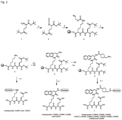
- the PSMA-binding motif was prepared by solid-phase synthesis on a 2-chlorotrityl resin (2CT-resin), as previously described by Eder et al. ( Eder M, Shufer M, Bauder-Wiist U, et al. 68Ga-complex lipophilicity and the targeting property of a urea-based PSMA inhibitor for PET imaging. Bioconjug Chem. 2012;23:688-697 ) and Bene ⁇ ová et al. ( Benesova M, Shufer M, Bauder-Wüst U, et al.
- the resin was filtered off and the allyloxycarbonyl-protecting group was cleaved to obtain (4).
- the respective chelator was coupled to this intermediate.
- the PSMA coupled to the chelator was cleaved from the resin.
- the coupling of Fmoc-2-naphthylalanine was proceeded to obtain (5).
- the respective chelator was coupled to this intermediate.
- the PSMA coupled to the chelator was cleaved from the resin.
- trans -4-(Fmoc-aminomethyl) cyclohexanecarboxylic acid was coupled to obtain (6), the compound to which the respective chelator was coupled to obtain compounds CA003, CA006, CA009, CA012, CA022, CA023, CA024, CA025, CA026, CA028, CA029, and CA030.
- the PSMA coupled to the chelator was cleaved from the resin.
- the structures were confirmed by HPLC and MS-LC.
- the substances were isolated by preparative HPLC using water-acetonitrile gradients containing trifluoroacetic acid. For this, the compounds were purified using a gradient of 20 - 50% of acetonitrile in water over 15 min.
- the purified compounds were analyzed by analytical HPLC (0-100%) acetonitrile in water containing trifluoroacetic acid over 5 min, Monolith RP HPLC column 100 ⁇ 3 mm and LC/MS. The product fractions were pooled and lyophilized.
- CPTA 4-[(1,4,8,11-tetraazacyclotetradec-1-yl)methyl]benzoic acid] and 10 equivalents of DIPEA in 500 ⁇ l of DMF.
- the compound was purified and the final product was analyzed by HPLC as described above (see section I.).
- PSMA Ligands for Alpha Therapy with Lead-Isotopes ( 203 Pb/ 212 Pb)
- C4-2 cell line a subline of the LNCaP (lymph node carcinoma of the prostate) cell line (CRL-33 14; American Type Culture Collection).
- C4-2 cells were cultivated in RPMI 1640 (PAN Biotech) medium supplemented with 10% fetal calf serum and stable glutamine (PAN Biotech). Cells were grown at 37 °C and incubated with humidified air equilibrated with 5% CO 2 .
- a MultiScreen HTS -DV filter plate was incubated at room temperature with 100 ⁇ l PBS containing 1% BSA per well for 30 min. After removal of the PBSBSA solution 1 ⁇ 10 5 C4-2 cells were added Opti-MEM to each well.
- the inhibitory potency of the synthesized compounds was determined using 0.75 nM of 68 Ga-labeled PSMA-HBED-CC dimer ( 68 Ga-PSMA-10) ( Shufer M, Bauder-Wiist U, Leotta K, et al. A dimerized urea-based inhibitor of the prostate-specific membrane antigen for 68Ga-PET imaging of prostate cancer. EJNMMI research. 2012;2:23-23 . ) as a standard.
- All non-labeled compounds were dissolved in Opti-MEM at a volume of 300 ⁇ l with the following concentrations: 0, 0.5, 1, 2.5, 5, 10, 25, 50, 100, 500, 1000 and 5000 nM. Subsequently, 3 ⁇ l of the radiolabeled compound was added. 50 ⁇ l of this mixture was taken to obtain a 0.75 nM concentration of the radiolabeled ligand. After 45 min incubation at 37 °C, the cells were washed twice with PBS on a multiscreen vacuum manifold (Millipore, Billerica, MA) and the cell-bound radioactivity was measured with a gamma counter (Packard Cobra II, GMI, Minnesota, USA).
- the inhibitory potency was determined using 68 Ga-labeled PSMA-HBED-CC dimer (i.e. PSMA-11) as reference.
- the Ki was calculated using a nonlinear regression algorithm (Graph Pad Prism 5.01 software). The experiments were performed in quadruplicate.
- the plates were either incubated for 45 min in a water bath at 37 °C or on ice at 4 °C. Subsequently, the cells were washed 3 times with 1 mL of ice-cold PBS and incubated with 0.5 ml glycine (50 mM in HCl pH 2.8) for 5 min. After an additional washing step with 1 mL of ice-cold PBS, the cells were lysed with 0.5 ml of 0.3 M NaOH, collected and the radioactivity was measured with a gamma-counter for 1 min. The specific cellular uptake was determined as percentage of initially added radioactivity bound to 10 6 cells (%IA/10 6 cells) by subtraction of the respective uptake under blocking conditions. All experiments were performed in triplicate.
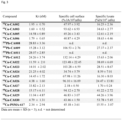
- the results of the K i determination for e.g. the Ga-labeled ligands revealed e.g., nanomolar binding affinities of the synthesized ligands to PSMA.
- the results of the K i determination for e.g. the Ga-labeled ligands revealed e.g., nanomolar binding affinities of the synthesized ligands to PSMA.
- the results of the K i determination for e.g. the Ga-labeled ligands revealed e.g., nanomolar binding affinities of the synthesized ligands to PSMA.
- Figure 3 among all new compounds CA030 showed particularly advantageous properties.
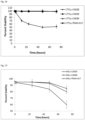
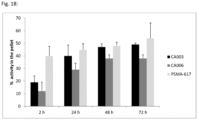
- the stability of the radiolabeled compounds was determined by incubation in 300 ⁇ l of human serum at 37 °C after 1 h, 2 h, 3 h, 6 h, 24 h, 48 h and 72 hours.
- the serum was precipitated by addition of 2 parts acetonitrile. Subsequently, the samples were vortexed and centrifuged for 5 min at 13,000 rpm (2 times) and the supernatant was analyzed by radio-HPLC (0-100% MeCN in 5 min, Monolith column).
- CA011 and CA012 showed a particularly advantageous stability and were stable for at least 72 h.
- the serum stability was determined by iTLC and HPLC analysis. 50 ⁇ L (20 MBq) of the labeled ligands was added to 200 ⁇ L of human serum (H4522; Sigma-Aldrich, Germany) and incubated at 37 °C for different time-points (0, 2 h, 24 h, 48 h and 72 h). 0.5 ⁇ 5 cm strips of iTLC-SG-glass microfiber chromatography paper (Folsom, California USA) were used.
- mice Male nude mice (Balb/c nu/nu mice) (19-23 g) were obtained from Charles River at 4-5 weeks of age and kept under specific-pathogen-free condition for 1 week prior to the study. The mice were housed with a 12-hour/12-hour light/dark cycle and had free access to water and food. The mice were anesthetized with 2% sevoflurane and inoculated subcutaneously on the right trunk with 5 ⁇ 10 7 C4-2 cells in 50% Matrigel in Opti-MEM I (1 ⁇ ) medium. Organ distribution studies were performed, when the size of the tumor was approximately 1 cm 3 .
- mice were anesthetized with 2% sevoflurane.
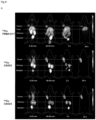
- 0.1 nmol (1.0 MBq) of the 203 Pb-ligand was injected into the tail vein.
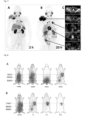
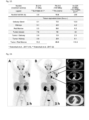
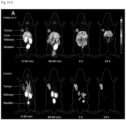
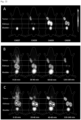
- Serial planar scans were performed using a Gamma Imager SCT (Biospace Lab, Paris, France) with a parallel collimator (35 mm/1.8 mm/0.2 mm) after 10 min, 1 h, 4 h, 24 h. and 72 h.
- compound CA012 was chosen for biodistribution studies. Experiments were performed in triplicate.
- the stability of 64 Cu-labeled CA003 in vivo was determined by ITLC and HPLC.
- the blood sample was centrifuged for 10 min at 13,000 rpm. Subsequently, the pellet and supernatant were separated and the relative activity was determined.
- ITLC was performed in order to assess the stability of the radiolabeled compound in the blood as described above. Furthermore, an aliquot of the supernatant was analyzed by radio-HPLC (0-100% ACN in 5 min, Monolith column), with a flow rate of 2 mL/min after addition an equal volume of ACN and removal of the proteins by centrifugation
- the samples were centrifuged for 10 min at 13,000 rpm (4 °C). Subsequently, the pellet and supernatant were separated and the relative activity was measured. The results are expressed as percent. Additionally, an aliquot of supernatant was prepared for HPLC measurement by precipitation of the proteins with ACN as described above. The sample was analyzed by radio-HPLC (0-100% ACN in 5 min, Monolith column), with a flow rate of 2 mL/min. Fractions were collected every ten seconds over the whole course of the chromatography and the relative activity of the samples was measured in a gamma-counter to reconstruct a chromatogram.
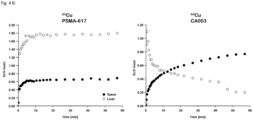
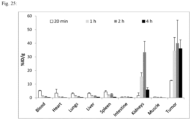
- 64 Cu-CA003 demonstrated longer blood circulation (2.3), higher kidney (5.7) uptake and lower liver accumulation (1.0) than 64 Cu-chloride ( Figure 28 ).
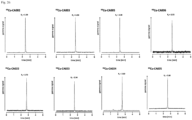
- the integrity of the 64 Cu-CA003 was proven by radio HPLC chromatograms of tissue extracts of kidney, blood and liver ( Figure 19 ).
- the chromatogram for 64 Cu-CA003 showed different retention time of the tracer than free copper, 64 Cu-chloride ( Figure 20 ).
- CA003, and CA023, were chosen for a biodistribution analysis using the C4-2 tumor bearing mice. Experiments were performed in triplicate. 0.025 nmol of the 64 Cu-labeled compound (1 MBq per mouse in approximately 100 ⁇ L of 0.9% saline) was administered by tail vein injection. At the time points: 10 min, 1 h, 4 h, 24 h and 72 h the organs were dissected and weighed and the activity was measured using a ⁇ -counter (Packard Cobra Auto-gamma). The percentage of the injected dose per gram (% ID/g) was calculated. (See Fig, 6A, 6B )
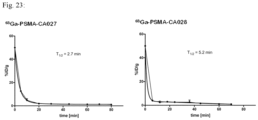
- the volumes-of-interest were obtained by manual delineation of the appropriate whole tissue (heart, kidneys, bladder, tumor - with an approximate volume of 100-500 ⁇ l) - or parts of the tissue liver and muscle.
- the images were reconstructed based on the procedure: OSEM 3D/SP MAP with 16 subsets, 2 iterations and an image x-y size: 256, image z size: 161.
- the data were not modified with a post processing filter.
- the software used to analyze images and TACs was Inveon TM Acquisition Workplace (IAW) from Siemens IRW 4.1.
Landscapes
- Health & Medical Sciences (AREA)
- Life Sciences & Earth Sciences (AREA)
- Chemical & Material Sciences (AREA)
- Animal Behavior & Ethology (AREA)
- Medicinal Chemistry (AREA)
- Pharmacology & Pharmacy (AREA)
- General Health & Medical Sciences (AREA)
- Public Health (AREA)
- Veterinary Medicine (AREA)
- Physics & Mathematics (AREA)
- Optics & Photonics (AREA)
- Epidemiology (AREA)
- Proteomics, Peptides & Aminoacids (AREA)
- Organic Chemistry (AREA)
- Molecular Biology (AREA)
- Biophysics (AREA)
- Chemical Kinetics & Catalysis (AREA)
- Nuclear Medicine, Radiotherapy & Molecular Imaging (AREA)
- General Chemical & Material Sciences (AREA)
- Urology & Nephrology (AREA)
- Bioinformatics & Cheminformatics (AREA)
- Engineering & Computer Science (AREA)
- Oncology (AREA)
- Medicines Containing Antibodies Or Antigens For Use As Internal Diagnostic Agents (AREA)
- Medicines That Contain Protein Lipid Enzymes And Other Medicines (AREA)
- Pharmaceuticals Containing Other Organic And Inorganic Compounds (AREA)
- Medicinal Preparation (AREA)
- Measuring Or Testing Involving Enzymes Or Micro-Organisms (AREA)
- Nitrogen Condensed Heterocyclic Rings (AREA)
- Peptides Or Proteins (AREA)
Applications Claiming Priority (3)
| Application Number | Priority Date | Filing Date | Title |
|---|---|---|---|
| EP18197704 | 2018-09-28 | ||
| EP19773468.4A EP3856261A1 (de) | 2018-09-28 | 2019-09-27 | Markierte inhibitoren des prostataspezifischen membranantigens (psma), deren verwendung als kontrastmittel und pharmazeutika zur behandlung von psma-exprimierenden krebsen |
| PCT/EP2019/076267 WO2020065045A1 (en) | 2018-09-28 | 2019-09-27 | Labeled inhibitors of prostate specific membrane antigen (psma), their use as imaging agents and pharmaceutical agents for the treatment of psma-expressing cancers |
Related Parent Applications (1)
| Application Number | Title | Priority Date | Filing Date |
|---|---|---|---|
| EP19773468.4A Division EP3856261A1 (de) | 2018-09-28 | 2019-09-27 | Markierte inhibitoren des prostataspezifischen membranantigens (psma), deren verwendung als kontrastmittel und pharmazeutika zur behandlung von psma-exprimierenden krebsen |
Publications (2)
| Publication Number | Publication Date |
|---|---|
| EP4473980A2 true EP4473980A2 (de) | 2024-12-11 |
| EP4473980A3 EP4473980A3 (de) | 2025-05-14 |
Family
ID=63713709
Family Applications (2)
| Application Number | Title | Priority Date | Filing Date |
|---|---|---|---|
| EP19773468.4A Pending EP3856261A1 (de) | 2018-09-28 | 2019-09-27 | Markierte inhibitoren des prostataspezifischen membranantigens (psma), deren verwendung als kontrastmittel und pharmazeutika zur behandlung von psma-exprimierenden krebsen |
| EP24206722.1A Pending EP4473980A3 (de) | 2018-09-28 | 2019-09-27 | Markierte hemmer des prostataspezifischen membranantigens (psma), ihre verwendung als kontrastmittel und pharmazeutische mittel zur behandlung von psma-exprimierenden krebsarten |
Family Applications Before (1)
| Application Number | Title | Priority Date | Filing Date |
|---|---|---|---|
| EP19773468.4A Pending EP3856261A1 (de) | 2018-09-28 | 2019-09-27 | Markierte inhibitoren des prostataspezifischen membranantigens (psma), deren verwendung als kontrastmittel und pharmazeutika zur behandlung von psma-exprimierenden krebsen |
Country Status (6)
| Country | Link |
|---|---|
| US (2) | US20210393809A1 (de) |
| EP (2) | EP3856261A1 (de) |
| JP (3) | JP7500551B2 (de) |
| CN (2) | CN121534209A (de) |
| BR (1) | BR112021005931A2 (de) |
| WO (1) | WO2020065045A1 (de) |
Families Citing this family (20)
| Publication number | Priority date | Publication date | Assignee | Title |
|---|---|---|---|---|
| US20200297877A1 (en) | 2017-12-13 | 2020-09-24 | Sciencons AS | Complex comprising a psma-targeting compound linked to a lead or thorium radionuclide |
| EP3856261A1 (de) * | 2018-09-28 | 2021-08-04 | Universität Heidelberg | Markierte inhibitoren des prostataspezifischen membranantigens (psma), deren verwendung als kontrastmittel und pharmazeutika zur behandlung von psma-exprimierenden krebsen |
| AU2020257786B2 (en) | 2019-04-17 | 2025-10-23 | Provincial Health Services Authority | Novel radiolabelled compounds for diagnosis or treatment of prostate-specific membrane antigen-expressing cancer |
| BR112021025810A2 (pt) | 2019-06-21 | 2022-05-10 | Provincial Health Services Authority | Compostos radiomarcados direcionando o antígeno de membrana específico da próstata |
| CN112898270B (zh) * | 2021-01-22 | 2023-03-21 | 周彤 | 一种诊疗一体的psma抑制剂、化合物及其制备方法与用途 |
| CN112851637B (zh) * | 2021-01-22 | 2022-11-18 | 北京瑞达福明科技有限公司 | 一种psma抑制剂、化合物及其制备方法与用途 |
| CA3212963A1 (en) * | 2021-04-23 | 2022-10-27 | Reinier HERNANDEZ | Psma-targeting ligands with optimal properties for imaging and therapy |
| CN113354707A (zh) * | 2021-06-07 | 2021-09-07 | 苏州思萃同位素技术研究所有限公司 | 一种针对前列腺癌的三功能诊疗一体化药物前体的合成方法及其产品 |
| TW202313000A (zh) * | 2021-09-01 | 2023-04-01 | 大陸商天津恆瑞醫藥有限公司 | 前列腺特異性膜抗原的抑制劑及其醫藥用途 |
| CN118852043A (zh) * | 2021-09-03 | 2024-10-29 | 晶核生物医药科技(南京)有限公司 | 一种肽脲素衍生物、含其的药物组合物及其应用 |
| CN115806529A (zh) * | 2021-09-15 | 2023-03-17 | 威智医药有限公司 | Psma结合剂及其用途 |
| WO2023139203A1 (en) * | 2022-01-21 | 2023-07-27 | Sciencons AS | Complexes for cancer treatment and imaging |
| US20250108139A1 (en) * | 2022-01-30 | 2025-04-03 | Bivision Pharmaceuticals, Inc | Peptide urea derivative, pharmaceutical composition containing peptide urea derivative, and application of peptide urea derivative |
| CA3258344A1 (en) | 2022-06-07 | 2023-12-14 | Actinium Pharmaceuticals, Inc. | CHELETARIANS AND BIFUNCTIONAL CONJUGATES |
| EP4577526A1 (de) * | 2022-08-22 | 2025-07-02 | Abdera Therapeutics Inc. | Vhh-antikörperkonjugate |
| WO2024169037A1 (zh) * | 2023-02-16 | 2024-08-22 | 无锡诺宇医药科技有限公司 | Psma靶向放射性药物及其合成和应用 |
| CN116217505B (zh) * | 2023-03-17 | 2024-10-01 | 南京医科大学 | 用于诊断或治疗表达前列腺特异性膜抗原癌症的新型标记靶向剂 |
| US20250213705A1 (en) | 2023-08-23 | 2025-07-03 | Bright Peak Therapeutics Ag | Psma targeting ligands and methods of use |
| WO2025189134A1 (en) * | 2024-03-08 | 2025-09-12 | ARTBIO, Inc. | Methods for treating prostate cancer with radiopharmaceuticals |
| WO2026024644A1 (en) | 2024-07-23 | 2026-01-29 | Abdera Therapeutics Inc. | 5t4 binding polypeptides and uses thereof |
Citations (2)
| Publication number | Priority date | Publication date | Assignee | Title |
|---|---|---|---|---|
| WO2013022797A1 (en) | 2011-08-05 | 2013-02-14 | Molecular Insight Pharmaceuticals | Radiolabeled prostate specific membrane antigen inhibitors |
| WO2015055318A1 (en) | 2013-10-18 | 2015-04-23 | Deutsches Krebsforschungszentrum | Labeled inhibitors of prostate specific membrane antigen (psma), their use as imaging agents and pharmaceutical agents for the treatment of prostate cancer |
Family Cites Families (6)
| Publication number | Priority date | Publication date | Assignee | Title |
|---|---|---|---|---|
| WO2016163727A2 (ko) * | 2015-04-07 | 2016-10-13 | 경북대학교 산학협력단 | 황화수소 검출용 방사성 프로브 |
| CN106660943B (zh) * | 2014-05-06 | 2020-03-17 | 约翰霍普金斯大学 | 用于psma靶向的成像和放射疗法的金属/放射性金属标记的psma抑制物 |
| KR101639599B1 (ko) * | 2015-11-09 | 2016-07-14 | 서울대학교산학협력단 | 펩타이드 싸이오우레아 유도체, 이를 포함하는 방사성 동위원소 표지 화합물 및 이를 유효 성분으로 함유하는 전립선암 치료 또는 진단용 약학적 조성물 |
| RS65188B1 (sr) * | 2016-03-22 | 2024-03-29 | Univ Johns Hopkins | Sredstva sa visokim afinitetom za ciljano dejstvo na membranski antigen specifičan za prostatu za endoradioterapiju kancera prostate |
| US20200297877A1 (en) * | 2017-12-13 | 2020-09-24 | Sciencons AS | Complex comprising a psma-targeting compound linked to a lead or thorium radionuclide |
| EP3856261A1 (de) * | 2018-09-28 | 2021-08-04 | Universität Heidelberg | Markierte inhibitoren des prostataspezifischen membranantigens (psma), deren verwendung als kontrastmittel und pharmazeutika zur behandlung von psma-exprimierenden krebsen |
-
2019
- 2019-09-27 EP EP19773468.4A patent/EP3856261A1/de active Pending
- 2019-09-27 CN CN202511531141.0A patent/CN121534209A/zh active Pending
- 2019-09-27 CN CN201980064198.0A patent/CN112770785A/zh active Pending
- 2019-09-27 WO PCT/EP2019/076267 patent/WO2020065045A1/en not_active Ceased
- 2019-09-27 BR BR112021005931-8A patent/BR112021005931A2/pt unknown
- 2019-09-27 EP EP24206722.1A patent/EP4473980A3/de active Pending
- 2019-09-27 JP JP2021517042A patent/JP7500551B2/ja active Active
- 2019-09-27 US US17/279,914 patent/US20210393809A1/en active Pending
-
2024
- 2024-04-05 JP JP2024061255A patent/JP2024099559A/ja active Pending
- 2024-10-21 US US18/921,856 patent/US20250057993A1/en active Pending
-
2025
- 2025-10-14 JP JP2025173017A patent/JP2026027253A/ja active Pending
Patent Citations (2)
| Publication number | Priority date | Publication date | Assignee | Title |
|---|---|---|---|---|
| WO2013022797A1 (en) | 2011-08-05 | 2013-02-14 | Molecular Insight Pharmaceuticals | Radiolabeled prostate specific membrane antigen inhibitors |
| WO2015055318A1 (en) | 2013-10-18 | 2015-04-23 | Deutsches Krebsforschungszentrum | Labeled inhibitors of prostate specific membrane antigen (psma), their use as imaging agents and pharmaceutical agents for the treatment of prostate cancer |
Non-Patent Citations (38)
| Title |
|---|
| AFSHAR-OROMIEH AHETZHEIM HKRATOCHWIL C ET AL.: "The Theranostic PSMA Ligand PSMA-617 in the Diagnosis of Prostate Cancer by PET/CT: Biodistribution in Humans, Radiation Dosimetry, and First Evaluation of Tumor Lesions", J NUCL MED., vol. 56, 2015, pages 1697 - 1705, XP055815168, DOI: 10.2967/jnumed.115.161299 |
| AFSHAR-OROMIEH AHETZHEIM HKRATOCHWIL C ET AL.: "The Theranostic PSMA Ligand PSMA-617 in the Diagnosis of Prostate Cancer by PET/CT: Biodistribution in Humans, Radiation Dosimetry, and First Evaluation of Tumor Lesions", J NUCLMED., vol. 56, 2015, pages 1697 - 1705, XP055815168, DOI: 10.2967/jnumed.115.161299 |
| ALLINGER, N.L.ELLIEL E.L.: "Topics in Stereochemistry", vol. 6, 1971, WILEY INTERSCIENCE |
| BENESOVA MSCHÄFER MBAUDER-WIIST U ET AL.: "Preclinical Evaluation of a Tailor-Made DOTA-Conjugated PSMA Inhibitor with Optimized Linker Moiety for Imaging and Endoradiotherapy of Prostate Cancer", J NUCL MED., vol. 56, 2015, pages 914 - 920, XP055289291, DOI: 10.2967/jnumed.114.147413 |
| BOSWELL CAREGINO CABAIDOO KE ET AL.: "Synthesis of a cross-bridged cyclam derivative for peptide conjugation and Cu radiolabeling", BIOCONJUG CHEM., vol. 19, 2008, pages 1476 - 1484, XP055072662, DOI: 10.1021/bc800039e |
| CUI CHANYU MHATORI A ET AL.: "Synthesis and evaluation of [(64)Cu]PSMA-617 targeted for prostate-specific membrane antigen in prostate cancer", AM J NUCL MED MOL IMAGING., vol. 7, 2017, pages 40 - 52 |
| DE SILVA RAJAIN SLEARS KA ET AL.: "Copper-64 radiolabeling and biological evaluation of bifunctional chelators for radiopharmaceutical development", NUCL MED BIOL., vol. 39, 2012, pages 1099 - 1104 |
| EDER MSCHAFER MBAUDER-WIIST U ET AL.: "Ga-complex lipophilicity and the targeting property of a urea-based PSMA inhibitor for PET imaging", BIOCONJUG CHEM., vol. 23, 2012, pages 688 - 697, XP055043532, DOI: 10.1021/bc200279b |
| FEINENDEGEN LEMCCLURE JJ.: "Meeting report: alpha-emitters for medical therapy-workshop of the United States Department of Energy, Denver, Colorado", RADIAT RES., vol. 148, 30 May 1996 (1996-05-30), pages 195 - 201 |
| FOSS, C.A. ET AL., CLIN CANCER, vol. 11, 2005, pages 4022 - 4028 |
| HASEMAN, M.K. ET AL., CANCER BIOTHER RADIOPHARM, vol. 15, 2000, pages 131 - 140 |
| KRATOCHWIL CGIESEL FLBRUCHERTSEIFER F ET AL.: "Bi-DOTA TOC receptor-targeted alpha-radionuclide therapy induces remission in neuroendocrine tumors refractory to beta radiation: a first-in-human experience", EUR J NUCL MED MOL IMAGING., vol. 41, no. 11, November 2014 (2014-11-01), pages 2106 - 19 |
| LANGE, P.H.: "PROSTASCINT scan for staging prostate cancer", UROLOGY, vol. 57, 2001, pages 402 - 406 |
| LARSON, S. M. ET AL., J NUCL MED, vol. 45, 2004, pages 366 - 373 |
| LEWIS MRWANG MAXWORTHY DB ET AL.: "In vivo evaluation of pretargeted Cu for tumor imaging and therapy", J NUCL MED., vol. 44, 2003, pages 1284 - 1292, XP002721538 |
| MEASE R.C. ET AL., CLIN CANCER RES., vol. 14, 2008, pages 3036 - 3043 |
| NAN, F. ET AL., J MED CHEM, vol. 43, 2000, pages 772 - 774 |
| POMPER, M.G. ET AL., MOL IMAGING, vol. 1, 2002, pages 96 - 101 |
| RESKE, S.N., J NUCL MED, vol. 47, 2006, pages 1249 - 1254 |
| RINNAB, L ET AL., BJU INT, vol. 100, 2007, pages 786,793 - 1420 |
| ROSENTHAL, S.A. ET AL., TECH UROL, vol. 7, 2001, pages 27 - 37 |
| RUBINI GNICOLETTI ARUBINI DASABELLA AN: "Radiometabolic treatment of bone-metastasizing cancer: from Re to Ra", CANCER BIOTHER RADIOPHARM, vol. 29, 2014, pages 1 - 11 |
| SCHAFER MBAUDER-WIIST ULEOTTA K ET AL.: "A dimerized urea-based inhibitor of the prostate-specific membrane antigen for Ga-PET imaging of prostate cancer", EJNMMI RESEARCH, vol. 2, 2012, pages 23 - 23 |
| SCHER, B. ET AL., EUR J NUCL MED MOL IMAGING, vol. 34, 2007, pages 45 - 53 |
| SCHULKE, N. ET AL., PROC NATL ACAD SCI U S A, vol. 100, 2003, pages 12590 - 12595 |
| SCHULKE, N. ET AL., PROC. NATL. ACAD. SCI. U S A, vol. 100, 2003, pages 12590 - 12595 |
| SCHUSTER, D.M. ET AL., J NUCL MED, vol. 48, 2007, pages 1436 - 1441 |
| SGOUROS GROESKE JCMCDEVITT MR ET AL.: "MIRD pamphlet no. 22 (abridged): radiobiology and dosimetry of alpha-particle emitters for targeted radionuclide therapy", J NUCL MED., vol. 51, 2010, pages 311 - 28 |
| SGOUROS, G.: "Bone Marrow Dosimetry for Radioimmunotherapy: Theoretical Considerations", J NUCL MED, vol. 34, 1993, pages 689 - 694 |
| SHEN, S.MEREDITH, R.F.DUAN, J.MACEY, D.J.KHAZAELI, M.B.ROBERT, F.LOBUGLIO, A.F.: "Improved Prediction of Myelotoxicity Using a Patient-Specific Imaging Dose Estimate for Non-Marrow-Targeting 90Y-Antibody Therapy", J NUCL MED, vol. 43, 2002, pages 1245 - 1253, XP002630086 |
| STABIN, M. G.KONIJNENBERG, M.: "Re-evaluation of Absorbed Fractions for Photons and Electrons in Small Spheres", J NUCL MED, vol. 41, 2000, pages 149 - 160 |
| STABIN, M. G.SPARKS, R.B.CROWE, E.: "OLINDA/EXM: the second-generation personal computer software for internal dose assessment in nuclear medicine", J NUCL MED, vol. 46, no. 6, 2005, pages 1023 - 1027 |
| STUDER MKADAN, T.A.: "One-step synthesis of mono-N-substituted azamacrocycles with a carboxylic group in the side-chain and their complexes with Cu2+ and Ni", HELVETICA, vol. 69, 1986, pages 2081 - 2086 |
| TASCH, J. ET AL., CRIT REV IMMUNOL, vol. 21, 2001, pages 249 - 261 |
| WADAS TJPANDYA DNSOLINGAPURAM SAI KKMINTZ A.: "Molecular targeted alpha-particle therapy for oncologic applications", AJR AM J ROENTGENOL., vol. 203, 2014, pages 253 - 260, XP055234086, DOI: 10.2214/AJR.14.12554 |
| WADAS TJWONG EHWEISMAN GRANDERSON CJ: "Copper chelation chemistry and its role in copper radiopharmaceuticals", CURR PHARM DES., vol. 13, 2007, pages 3 - 16, XP055237353, DOI: 10.2174/138161207779313768 |
| ZHOU, J. ET AL., NAT REV DRUG DISCOV, vol. 4, 2005, pages 015 - 1026 |
| ZOPHEL, K.KOTZERKE, J., EUR J NUCL MED MOL IMAGING, vol. 31, 2004, pages 756 - 759 |
Also Published As
| Publication number | Publication date |
|---|---|
| CN121534209A (zh) | 2026-02-17 |
| JP7500551B2 (ja) | 2024-06-17 |
| JP2026027253A (ja) | 2026-02-18 |
| EP3856261A1 (de) | 2021-08-04 |
| WO2020065045A1 (en) | 2020-04-02 |
| JP2022502422A (ja) | 2022-01-11 |
| CN112770785A (zh) | 2021-05-07 |
| US20210393809A1 (en) | 2021-12-23 |
| BR112021005931A2 (pt) | 2021-06-29 |
| EP4473980A3 (de) | 2025-05-14 |
| JP2024099559A (ja) | 2024-07-25 |
| US20250057993A1 (en) | 2025-02-20 |
Similar Documents
| Publication | Publication Date | Title |
|---|---|---|
| US20250057993A1 (en) | Labeled inhibitors of prostate specific membrane antigen (psma), their use as imaging agents and pharmaceutical agents for the treatment of psma-expressing cancers | |
| JP7393485B2 (ja) | 前立腺特異的膜抗原(psma)の標識インヒビター、前立腺癌の治療のための画像化剤および薬剤としてのその使用 | |
| ES2953196T3 (es) | Radiotrazador de modo dual de unión a PSMA y terapéutico | |
| EP3375787B1 (de) | Peptidthioharnstoffderivat, radioisotopenmarkierte verbindung damit und pharmazeutische zusammensetzung damit als wirkstoff zur behandlung oder diagnose von prostatakrebs | |
| HK40120870A (en) | Labeled inhibitors of prostate specific membrane antigen (psma), their use as imaging agents and pharmaceutical agents for the treatment of psma-expressing cancers | |
| Kim et al. | Evaluation of PSMA target diagnostic PET tracers for therapeutic monitoring of [177Lu] ludotadipep of prostate cancer: Screening of PSMA target efficiency and biodistribution using [18F] DCFPyL and [68Ga] PSMA-11 | |
| US12486294B2 (en) | Radioisotope labeled compound for imaging or treatment of prostate cancer | |
| Dos Santos | Development of inhibitors of the prostate specific membrane antigen (PSMA) for imaging and endoradiotherapy | |
| KR20250011145A (ko) | 개선된 신장 청소율을 갖는 전립선-특이적 막 항원(psma) 리간드 | |
| HK40080502A (en) | Labeled inhibitors of prostate specific membrane antigen (psma), their use as imaging agents and pharmaceutical agents for the treatment of prostate cancer | |
| HK40110189A (en) | Labeled inhibitors of prostate specific membrane antigen (psma), their use as imaging agents and pharmaceutical agents for the treatment of prostate cancer | |
| HK40010018A (en) | Labeled inhibitors of prostate specific membrane antigen (psma), their use as imaging agents and pharmaceutical agents for the treatment of prostate cancer | |
| HK40006280A (en) | Labeled inhibitors of prostate specific membrane antigen (psma), their use as imaging agents and pharmaceutical agents for the treatment of prostate cancer | |
| HK40001785A (en) | Labeled inhibitors of prostate specific membrane antigen (psma), their use as imaging agents and pharmaceutical agents for the treatment of prostate cancer |
Legal Events
| Date | Code | Title | Description |
|---|---|---|---|
| PUAI | Public reference made under article 153(3) epc to a published international application that has entered the european phase |
Free format text: ORIGINAL CODE: 0009012 |
|
| STAA | Information on the status of an ep patent application or granted ep patent |
Free format text: STATUS: THE APPLICATION HAS BEEN PUBLISHED |
|
| AC | Divisional application: reference to earlier application |
Ref document number: 3856261 Country of ref document: EP Kind code of ref document: P |
|
| AK | Designated contracting states |
Kind code of ref document: A2 Designated state(s): AL AT BE BG CH CY CZ DE DK EE ES FI FR GB GR HR HU IE IS IT LI LT LU LV MC MK MT NL NO PL PT RO RS SE SI SK SM TR |
|
| RIC1 | Information provided on ipc code assigned before grant |
Ipc: A61K 51/04 20060101AFI20250115BHEP |
|
| PUAL | Search report despatched |
Free format text: ORIGINAL CODE: 0009013 |
|
| AK | Designated contracting states |
Kind code of ref document: A3 Designated state(s): AL AT BE BG CH CY CZ DE DK EE ES FI FR GB GR HR HU IE IS IT LI LT LU LV MC MK MT NL NO PL PT RO RS SE SI SK SM TR |
|
| RIC1 | Information provided on ipc code assigned before grant |
Ipc: A61K 51/04 20060101AFI20250408BHEP |
|
| REG | Reference to a national code |
Ref country code: HK Ref legal event code: DE Ref document number: 40120870 Country of ref document: HK |
|
| STAA | Information on the status of an ep patent application or granted ep patent |
Free format text: STATUS: REQUEST FOR EXAMINATION WAS MADE |
|
| 17P | Request for examination filed |
Effective date: 20251113 |