EP4467647A1 - Recombinant type iii humanized collagen ¿1, expression vector thereof and use thereof - Google Patents
Recombinant type iii humanized collagen ¿1, expression vector thereof and use thereof Download PDFInfo
- Publication number
- EP4467647A1 EP4467647A1 EP23908690.3A EP23908690A EP4467647A1 EP 4467647 A1 EP4467647 A1 EP 4467647A1 EP 23908690 A EP23908690 A EP 23908690A EP 4467647 A1 EP4467647 A1 EP 4467647A1
- Authority
- EP
- European Patent Office
- Prior art keywords
- iii
- rhcol
- expression vector
- gfp
- fusion protein
- Prior art date
- Legal status (The legal status is an assumption and is not a legal conclusion. Google has not performed a legal analysis and makes no representation as to the accuracy of the status listed.)
- Pending
Links
Images

Classifications
-
- C—CHEMISTRY; METALLURGY
- C07—ORGANIC CHEMISTRY
- C07K—PEPTIDES
- C07K14/00—Peptides having more than 20 amino acids; Gastrins; Somatostatins; Melanotropins; Derivatives thereof
- C07K14/435—Peptides having more than 20 amino acids; Gastrins; Somatostatins; Melanotropins; Derivatives thereof from animals; from humans
- C07K14/78—Connective tissue peptides, e.g. collagen, elastin, laminin, fibronectin, vitronectin or cold insoluble globulin [CIG]
-
- A—HUMAN NECESSITIES
- A61—MEDICAL OR VETERINARY SCIENCE; HYGIENE
- A61K—PREPARATIONS FOR MEDICAL, DENTAL OR TOILETRY PURPOSES
- A61K8/00—Cosmetics or similar toiletry preparations
- A61K8/18—Cosmetics or similar toiletry preparations characterised by the composition
- A61K8/30—Cosmetics or similar toiletry preparations characterised by the composition containing organic compounds
- A61K8/64—Proteins; Peptides; Derivatives or degradation products thereof
- A61K8/65—Collagen; Gelatin; Keratin; Derivatives or degradation products thereof
-
- A—HUMAN NECESSITIES
- A61—MEDICAL OR VETERINARY SCIENCE; HYGIENE
- A61Q—SPECIFIC USE OF COSMETICS OR SIMILAR TOILETRY PREPARATIONS
- A61Q19/00—Preparations for care of the skin
-
- A—HUMAN NECESSITIES
- A61—MEDICAL OR VETERINARY SCIENCE; HYGIENE
- A61Q—SPECIFIC USE OF COSMETICS OR SIMILAR TOILETRY PREPARATIONS
- A61Q19/00—Preparations for care of the skin
- A61Q19/08—Anti-ageing preparations
-
- C—CHEMISTRY; METALLURGY
- C12—BIOCHEMISTRY; BEER; SPIRITS; WINE; VINEGAR; MICROBIOLOGY; ENZYMOLOGY; MUTATION OR GENETIC ENGINEERING
- C12M—APPARATUS FOR ENZYMOLOGY OR MICROBIOLOGY; APPARATUS FOR CULTURING MICROORGANISMS FOR PRODUCING BIOMASS, FOR GROWING CELLS OR FOR OBTAINING FERMENTATION OR METABOLIC PRODUCTS, i.e. BIOREACTORS OR FERMENTERS
- C12M21/00—Bioreactors or fermenters specially adapted for specific uses
- C12M21/02—Photobioreactors
-
- C—CHEMISTRY; METALLURGY
- C12—BIOCHEMISTRY; BEER; SPIRITS; WINE; VINEGAR; MICROBIOLOGY; ENZYMOLOGY; MUTATION OR GENETIC ENGINEERING
- C12N—MICROORGANISMS OR ENZYMES; COMPOSITIONS THEREOF; PROPAGATING, PRESERVING, OR MAINTAINING MICROORGANISMS; MUTATION OR GENETIC ENGINEERING; CULTURE MEDIA
- C12N15/00—Mutation or genetic engineering; DNA or RNA concerning genetic engineering, vectors, e.g. plasmids, or their isolation, preparation or purification; Use of hosts therefor
- C12N15/09—Recombinant DNA-technology
- C12N15/63—Introduction of foreign genetic material using vectors; Vectors; Use of hosts therefor; Regulation of expression
- C12N15/79—Vectors or expression systems specially adapted for eukaryotic hosts
- C12N15/85—Vectors or expression systems specially adapted for eukaryotic hosts for animal cells
-
- C—CHEMISTRY; METALLURGY
- C12—BIOCHEMISTRY; BEER; SPIRITS; WINE; VINEGAR; MICROBIOLOGY; ENZYMOLOGY; MUTATION OR GENETIC ENGINEERING
- C12N—MICROORGANISMS OR ENZYMES; COMPOSITIONS THEREOF; PROPAGATING, PRESERVING, OR MAINTAINING MICROORGANISMS; MUTATION OR GENETIC ENGINEERING; CULTURE MEDIA
- C12N5/00—Undifferentiated human, animal or plant cells, e.g. cell lines; Tissues; Cultivation or maintenance thereof; Culture media therefor
- C12N5/0018—Culture media for cell or tissue culture
- C12N5/0037—Serum-free medium, which may still contain naturally-sourced components
-
- C—CHEMISTRY; METALLURGY
- C12—BIOCHEMISTRY; BEER; SPIRITS; WINE; VINEGAR; MICROBIOLOGY; ENZYMOLOGY; MUTATION OR GENETIC ENGINEERING
- C12N—MICROORGANISMS OR ENZYMES; COMPOSITIONS THEREOF; PROPAGATING, PRESERVING, OR MAINTAINING MICROORGANISMS; MUTATION OR GENETIC ENGINEERING; CULTURE MEDIA
- C12N5/00—Undifferentiated human, animal or plant cells, e.g. cell lines; Tissues; Cultivation or maintenance thereof; Culture media therefor
- C12N5/0068—General culture methods using substrates
-
- C—CHEMISTRY; METALLURGY
- C12—BIOCHEMISTRY; BEER; SPIRITS; WINE; VINEGAR; MICROBIOLOGY; ENZYMOLOGY; MUTATION OR GENETIC ENGINEERING
- C12N—MICROORGANISMS OR ENZYMES; COMPOSITIONS THEREOF; PROPAGATING, PRESERVING, OR MAINTAINING MICROORGANISMS; MUTATION OR GENETIC ENGINEERING; CULTURE MEDIA
- C12N5/00—Undifferentiated human, animal or plant cells, e.g. cell lines; Tissues; Cultivation or maintenance thereof; Culture media therefor
- C12N5/06—Animal cells or tissues; Human cells or tissues
- C12N5/0602—Vertebrate cells
- C12N5/0684—Cells of the urinary tract or kidneys
- C12N5/0686—Kidney cells
-
- A—HUMAN NECESSITIES
- A61—MEDICAL OR VETERINARY SCIENCE; HYGIENE
- A61K—PREPARATIONS FOR MEDICAL, DENTAL OR TOILETRY PURPOSES
- A61K38/00—Medicinal preparations containing peptides
-
- C—CHEMISTRY; METALLURGY
- C07—ORGANIC CHEMISTRY
- C07K—PEPTIDES
- C07K2319/00—Fusion polypeptide
-
- C—CHEMISTRY; METALLURGY
- C07—ORGANIC CHEMISTRY
- C07K—PEPTIDES
- C07K2319/00—Fusion polypeptide
- C07K2319/01—Fusion polypeptide containing a localisation/targetting motif
- C07K2319/02—Fusion polypeptide containing a localisation/targetting motif containing a signal sequence
-
- C—CHEMISTRY; METALLURGY
- C07—ORGANIC CHEMISTRY
- C07K—PEPTIDES
- C07K2319/00—Fusion polypeptide
- C07K2319/50—Fusion polypeptide containing protease site
-
- C—CHEMISTRY; METALLURGY
- C07—ORGANIC CHEMISTRY
- C07K—PEPTIDES
- C07K2319/00—Fusion polypeptide
- C07K2319/60—Fusion polypeptide containing spectroscopic/fluorescent detection, e.g. green fluorescent protein [GFP]
-
- C—CHEMISTRY; METALLURGY
- C12—BIOCHEMISTRY; BEER; SPIRITS; WINE; VINEGAR; MICROBIOLOGY; ENZYMOLOGY; MUTATION OR GENETIC ENGINEERING
- C12N—MICROORGANISMS OR ENZYMES; COMPOSITIONS THEREOF; PROPAGATING, PRESERVING, OR MAINTAINING MICROORGANISMS; MUTATION OR GENETIC ENGINEERING; CULTURE MEDIA
- C12N2500/00—Specific components of cell culture medium
- C12N2500/02—Atmosphere, e.g. low oxygen conditions
-
- C—CHEMISTRY; METALLURGY
- C12—BIOCHEMISTRY; BEER; SPIRITS; WINE; VINEGAR; MICROBIOLOGY; ENZYMOLOGY; MUTATION OR GENETIC ENGINEERING
- C12N—MICROORGANISMS OR ENZYMES; COMPOSITIONS THEREOF; PROPAGATING, PRESERVING, OR MAINTAINING MICROORGANISMS; MUTATION OR GENETIC ENGINEERING; CULTURE MEDIA
- C12N2523/00—Culture process characterised by temperature
-
- C—CHEMISTRY; METALLURGY
- C12—BIOCHEMISTRY; BEER; SPIRITS; WINE; VINEGAR; MICROBIOLOGY; ENZYMOLOGY; MUTATION OR GENETIC ENGINEERING
- C12N—MICROORGANISMS OR ENZYMES; COMPOSITIONS THEREOF; PROPAGATING, PRESERVING, OR MAINTAINING MICROORGANISMS; MUTATION OR GENETIC ENGINEERING; CULTURE MEDIA
- C12N2527/00—Culture process characterised by the use of mechanical forces, e.g. strain, vibration
-
- C—CHEMISTRY; METALLURGY
- C12—BIOCHEMISTRY; BEER; SPIRITS; WINE; VINEGAR; MICROBIOLOGY; ENZYMOLOGY; MUTATION OR GENETIC ENGINEERING
- C12N—MICROORGANISMS OR ENZYMES; COMPOSITIONS THEREOF; PROPAGATING, PRESERVING, OR MAINTAINING MICROORGANISMS; MUTATION OR GENETIC ENGINEERING; CULTURE MEDIA
- C12N2533/00—Supports or coatings for cell culture, characterised by material
- C12N2533/50—Proteins
- C12N2533/54—Collagen; Gelatin
-
- C—CHEMISTRY; METALLURGY
- C12—BIOCHEMISTRY; BEER; SPIRITS; WINE; VINEGAR; MICROBIOLOGY; ENZYMOLOGY; MUTATION OR GENETIC ENGINEERING
- C12N—MICROORGANISMS OR ENZYMES; COMPOSITIONS THEREOF; PROPAGATING, PRESERVING, OR MAINTAINING MICROORGANISMS; MUTATION OR GENETIC ENGINEERING; CULTURE MEDIA
- C12N2800/00—Nucleic acids vectors
- C12N2800/10—Plasmid DNA
- C12N2800/106—Plasmid DNA for vertebrates
- C12N2800/107—Plasmid DNA for vertebrates for mammalian
-
- C—CHEMISTRY; METALLURGY
- C12—BIOCHEMISTRY; BEER; SPIRITS; WINE; VINEGAR; MICROBIOLOGY; ENZYMOLOGY; MUTATION OR GENETIC ENGINEERING
- C12N—MICROORGANISMS OR ENZYMES; COMPOSITIONS THEREOF; PROPAGATING, PRESERVING, OR MAINTAINING MICROORGANISMS; MUTATION OR GENETIC ENGINEERING; CULTURE MEDIA
- C12N2800/00—Nucleic acids vectors
- C12N2800/22—Vectors comprising a coding region that has been codon optimised for expression in a respective host
-
- Y—GENERAL TAGGING OF NEW TECHNOLOGICAL DEVELOPMENTS; GENERAL TAGGING OF CROSS-SECTIONAL TECHNOLOGIES SPANNING OVER SEVERAL SECTIONS OF THE IPC; TECHNICAL SUBJECTS COVERED BY FORMER USPC CROSS-REFERENCE ART COLLECTIONS [XRACs] AND DIGESTS
- Y02—TECHNOLOGIES OR APPLICATIONS FOR MITIGATION OR ADAPTATION AGAINST CLIMATE CHANGE
- Y02A—TECHNOLOGIES FOR ADAPTATION TO CLIMATE CHANGE
- Y02A50/00—TECHNOLOGIES FOR ADAPTATION TO CLIMATE CHANGE in human health protection, e.g. against extreme weather
- Y02A50/30—Against vector-borne diseases, e.g. mosquito-borne, fly-borne, tick-borne or waterborne diseases whose impact is exacerbated by climate change
Definitions
- the present disclosure belongs to the technical field of bioengineering and specifically relates to a recombinant humanized collagen type III alpha-1 (rhCol III a 1) , and an expression vector and use thereof.
- Collagen as one of the most abundant proteins in mammals, accounts for 25% to 30% of total protein mass and is the main structural protein in the extracellular matrix found in various human connective tissues. Collagen participates in the composition of many human organ tissues, such as skin, cornea, neural retina, bones, and muscles. Collagen type III is one of the most abundant fibrillar collagens as well as a homotrimer formed by three ⁇ 1(III) chains (Col3 a 1). Collagen type III in the skin gradually decreases with age, with a proportion from the fetal stage to the adult stage decreasing by 8% to 11%. Since being secreted by fibroblasts and other mesenchymal cell types, collagen type III becomes a major player in various inflammation-related pathologies.
- Collagen type III is involved in lung injury, viral and non-viral liver disease, renal fibrosis, hernia, and vascular diseases.
- Collagen type III and collagen type I are the major components of the interstitial matrix, and mutations in the collagen type III are associated with congenital connective tissue hypoplasia syndrome (also known as Ehlers-Danlos syndrome), vascular defects, and aortic aneurysms and aneurysms.
- congenital connective tissue hypoplasia syndrome also known as Ehlers-Danlos syndrome
- vascular defects also known as Ehlers-Danlos syndrome
- aortic aneurysms and aneurysms In addition to its wide application in the field of skin care, collagen type III also has many exploratory studies that are expected to expand its cutting-edge applications. For example, biosynthetic corneas made from humanized collagen type III are optically clear and can replace donor therapy or genetically modified pig treatments without the need for immunosuppressive drugs.
- the humanized collagen type III can complete heart valve artificial synthesis and endometrial perfusion repair. Adding collagen type III to a tumor microenvironment can promote tumor cells to enter and maintain a dormant state, thus inhibiting tumor proliferation. Therefore, collagen type III shows a huge potential application market.
- the collagen currently used in industry is mainly extracted from the skin or bones of pigs and cattle through acid, alkali, or enzymatic methods, or from the skin of deep-sea fish.
- the technology for extracting collagen from animal tissues is mature, there are problems such as immunogenicity and limited sources, making it difficult to meet the huge market demand.
- the generation of recombinant collagen through genetic engineering has become the most promising method to solve the problem of limited collagen sources.
- recombinant collagen has a short production cycle and low cost, is suitable for large-scale production, and can avoid problems such as animal protein immunogenicity and animal-derived diseases. Therefore, the preparation of recombinant collagen, especially recombinant humanized collagen, is currently a hot topic in collagen production research.
- Full-length collagen has a large molecular weight (not less than 100 kDa) and exhibits a variety of protein post-translational modifications, such as proline and lysine hydroxylation as well as glycosylation.
- the domestic production of recombinant collagen type III uses an Escherichia coli expression system or a yeast expression system, and both of the expression systems have the advantage of large-scale expression.
- collagen obtained by the Escherichia coli expression system is mostly truncated, fragmented, or artificially modified based on the collagen sequence characteristics, and is quite different from the real collagen type III in the human body.
- protein post-translational modification in yeast is different from that in the human body, recombinant collagen obtained by the yeast expression system is quite different from humanized collagen.
- an objective of the present disclosure is to provide rhCol III a 1, where the rhCol III a 1 is fused with a green fluorescent protein (GFP) and has a desirable activity in promoting cell migration and a great application potential.
- GFP green fluorescent protein
- the objective of the present disclosure is also to provide an expression vector of the rhCol III a 1, where sequence on positions 154 to 1,221 of a humanized collagen ⁇ chain is ligated to an optimized vector pcDNA3.1 to construct the expression vector capable of expressing the rhCol III a 1.
- the objective of the present disclosure is also to provide an expression method of the rhCol III a 1, where an rhCol III a 1 chain is expressed in a human embryonic kidney cell Expi293F, and a fusion expression plasmid is used to increase a protein expression level to realize the expression of a full-length segment of the rhCol III a 1.
- the present disclosure provides the following technical solutions.
- the present disclosure provides an rhCol III a 1, where rhCol III a 1 has the nucleotide sequence set forth in SEQ ID NO: 1.
- the present disclosure further provides an expression vector for rhCol III a 1, including the nucleotide sequence set forth in SEQ ID NO: 1, a gene sequence of a secretion signal peptide, a gene sequence of a GFP, and a DNA of a tobacco etch virus (TEV) protease digestion sequence.
- an expression vector for rhCol III a including the nucleotide sequence set forth in SEQ ID NO: 1, a gene sequence of a secretion signal peptide, a gene sequence of a GFP, and a DNA of a tobacco etch virus (TEV) protease digestion sequence.
- TSV tobacco etch virus
- a preparation method of the expression vector includes the following steps: subjecting the nucleotide sequence set forth in SEQ ID NO: 1, the gene sequence of the secretion signal peptide, the gene sequence of the GFP, and the DNA of the TEV protease digestion sequence to codon optimization, and inserting a resulting synthesized gene between Nhe I and Xho I digestion sites of a plasmid pcDNA3.1 to obtain the expression vector, denoted as pcDNA3.1-GFP-CAL3 a 1.
- the present disclosure further provides an expression method for rhCol III a 1 fusion protein, including transfecting the expression vector into a human embryonic kidney cell Expi293F to allow expression.
- a culture method of the human embryonic kidney cell Expi293F includes the following steps: subjecting the human embryonic kidney cell Expi293F to pre-suspension culture in a serum-free medium on a shaker at 37 °C and 110 rpm with a humidity of 80% under 7% carbon dioxide.
- the transfecting is conducted when a resulting cultured human embryonic kidney cell Expi293F reaches a cell density of (2.5-3.0) ⁇ 10 6 cells/mL and a cell viability of greater than 95%.
- the present disclosure further provides an rhCol III a 1 fusion protein expressed by the expression method, where the rhCol III a 1 fusion protein has an amino acid sequence set forth in SEQ ID NO: 3.
- the present disclosure further provides the use of rhCol III a 1 or the rhCol III a 1 fusion protein in the preparation of a product for promoting a cell migration activity.
- the present disclosure further provides the use of rhCol III a 1 or the rhCol III a 1 fusion protein in the preparation of a product for skin repair.
- a gene sequence on positions 154 to 1,221 of a humanized collagen ⁇ chain is selected and ligated to a vector pcDNA3.1, the secretion signal peptide and GFP are added to the N-terminus of a target protein to optimize the expression vector.
- a resulting optimized expression vector is transfected into a human embryonic kidney cell Expi293F, and then rhCol III a 1 is secreted to form a fusion protein with a soluble GFP.
- the fusion protein of the GFP and rhCol III has an activity of promoting the migration of a 1 BALB/c 3T3 cells.
- the present disclosure provides rhCol III a 1, where rhCol III a 1 has the nucleotide sequence set forth in SEQ ID NO: 1.
- the nucleotide sequence of rhCol III a 1 is subjected to codon optimization and then synthesized by Sangon Biotech Co., Ltd.
- the present disclosure further provides an expression vector of rhCol III a 1, including the nucleotide sequence set forth in SEQ ID NO: 1, a gene sequence of a secretion signal peptide, a gene sequence of a GFP, and a DNA of a tobacco etch virus (TEV) protease digestion sequence.
- TSV tobacco etch virus
- a preparation method of the expression vector includes the following steps: subjecting the gene sequence of the secretion signal peptide, the gene sequence of the GFP, and the DNA of the TEV protease digestion sequence to codon optimization, and inserting a resulting synthesized gene between Nhe I and BamH I digestion sites of a plasmid pcDNA3.1 to obtain an expression vector, denoted as pcDNA3.1-GFP; where the gene sequence of the secretion signal peptide, the gene sequence of the GFP, and the DNA of the TEV protease digestion sequence has a synthetic gene set forth in SEQ ID NO: 2.
- the gene sequence SEQ ID NO: 1 of rhCol III a 1 is inserted between BamH I and Xho I digestion sites of the pcDNA3.1-GFP vector to obtain the expression vector capable of expressing a fusion protein of the GFP and rhCol III a 1, denoted as pcDNA3.1-GFP-CAL3 a 1.
- the expression vector pcDNA3.1-GFP is synthesized by Sangon Biotech Co., Ltd. Expression of the GFP by a GFP gene can increase the expression level of the target protein.
- the expressed TEV protease can recognize eight amino acid sequences. After being cleaved by the TEV protease, the GFP is released to obtain a GFP-free rhCol III a 1.
- the secretion signal peptide is an ⁇ -mannosidase signal peptide; the secretion signal peptide is synthesized by the company from the secretion signal peptide of ⁇ -mannosidase in Trypanosoma cruzi. Fusion of the secretion signal peptide in a plasmid of the pcDNA3.1 vector can help the recombinant protein expressed by the target gene to be secreted into a cell medium, thereby increasing the expression level of the recombinant protein.
- the secretion signal peptide can be cleaved by a signal peptidase after completion of expression.
- the present disclosure further provides an expression method for rhCol III a 1 fusion protein, including transfecting the expression vector into a human embryonic kidney cell Expi293F to allow expression.
- the human embryonic kidney cell Expi293F is derived from Thermo: a 14528.
- the transfecting is conducted using a plasmid transfection kit derived from Beyotime: C0518.
- a culture method of the human embryonic kidney cell Expi293F includes the following steps: subjecting the human embryonic kidney cell Expi293F to pre-suspension culture in a serum-free medium on a shaker at 37 °C and 110 rpm with a humidity of 80% under 7% carbon dioxide.
- the serum-free medium is derived from Genetimes ExCell Bio: HE000-N012.
- the transfecting is conducted when a resulting cultured human embryonic kidney cell Expi293F reaches a cell density of (2.5-3.0) ⁇ 10 6 cells/mL and a cell viability of greater than 95%.
- the present disclosure further provides an rhCol III a 1 fusion protein expressed by the expression method, where the rhCol III a 1 fusion protein has an amino acid sequence set forth in SEQ ID NO: 3.
- the present disclosure further provides the use of rhCol III a 1 or the rhCol III a 1 fusion protein in the preparation of a product for promoting a cell migration activity.
- rhCol III a 1 is subjected to cell migration activity assay. Assay results have shown that a 100 ⁇ g/mL recombinant collagen experimental group (scratch recovery rate 49%) shows significant activity in promoting the cell migration compared with a control group (scratch recovery rate 14%) after 6 h of action. After 12 hours of action, the experimental group showed a scratch recovery rate of 96%, which is much higher than the percentage of 38% in the control group.
- the GFP-fused rhCol III a 1 expressed in the present disclosure has a desirable activity in promoting cell migration and exhibits a huge application potential, and exhibits a huge application potential in the preparation of a product that promotes cell migration activity.
- the present disclosure further provides the use of rhCol III a 1 or the rhCol III a 1 fusion protein in the preparation of a product for skin repair.
- Sangon Biotech Co., Ltd. was entrusted to synthesize a gene sequence of a secretion signal peptide of ⁇ -mannosidase from Trypanosoma cruzi, a gene sequence of a GFP protein, and a DNA of a TEV protease digestion sequence, which were subjected to codon optimization, and a resulting synthesized gene was inserted between Nhe I and BamH I digestion sites of a plasmid pcDNA3.1 to obtain a GFP expression vector, denoted as pcDNA3.1-GFP.
- Sangon Biotech Co., Ltd. was entrusted to synthesize a gene sequence of a secretion signal peptide of ⁇ -mannosidase from Trypanosoma cruzi, a gene sequence of a GFP protein, and a DNA of a TEV protease digestion sequence, which were subjected to codon optimization, and a resulting synthesized gene was inserted between Nhe I and BamH I
- the plasmid expression vector was transformed into E. coli DH5 ⁇ , inoculated into an LB broth (each liter of the broth included 10 g peptone, 5 g yeast powder, and 10 g NaCl), incubated at 37 °C, 200 rpm for 2 hours, coated on an LB solid medium plate (0.1 mg/mL ampicillin), incubated upside down in an incubator at 37 °C for 12 hours, and a single colony was selected and added into 50 mL of LB broth (0.1 mg/mL ampicillin) to allow incubation at 37 °C and 200 rpm for 12 hours.
- the plasmid was extracted with a plasmid bulk extraction kit (Beyotime: D0025-3), and a concentration of the expression vector was detected with a Nanodrop instrument.
- the expression vector could be stored at 4 °C for one month and was recommended to be used within a week.
- the Expi293F cells were subjected to pre-suspension culture in a serum-free medium on a shaker at 37 °C and 110 rpm with a humidity of 80% under 7% carbon dioxide.
- the plasmid transfecting was conducted when the cell density reached (2.5-3.0) ⁇ 10 6 cells/mL and a cell viability of greater than 95%.
- the transfection of the Expi293F cells was conducted with a plasmid transfection kit (taking 40 mL as an example): 80 ⁇ L of transfection reagent was added into 1 mL of cell medium, and mixed gently to obtain a solution A; 40 ⁇ g of plasmid extracted in Example 1 was added into 1 mL of cell medium, and mixed gently to obtain a solution B. The solution B was gently mixed with the solution A and allowed to stand for 15 min. The mixture of A and B was added to 40 mL of Expi293F cells obtained by the suspension culture, and the culture was continued for 6 days to 7 days, cell viability was checked every day, and the cells were collected when the cell viability was not more than 50%.
- the resulting cell suspension was centrifuged at 11,000 rpm for 10 min at 4 °C, an obtained supernatant was incubated with a well-balanced 5 mL nickel column (Thermo Fisher: 88221), eluted by gravity, the nickel column was washed with 50 mL of PBS solution containing 10 mM imidazole, gradient-eluted with PBS solutions containing 30 mM, 50 mM, 100 mM, 200 mM, and 300 mM imidazole separately, and the protein was detected by SDS-PAGE; obtained PBS elutions containing the target protein with high purity were combined, and the imidazole was removed by an ultrafiltration tube (Millipore, UFC9010), as shown in FIG.
- FIG. 2 there was basically no collagen expression in the absence of GFP (left side).
- the GFP-fused expression vector had obvious bands when being expressed, a relatively pure fusion protein of the GFP and rhCol III a 1 was obtained after purification on the nickel column.
- the results showed that the rhCol III a 1 fusion protein obtained in the present disclosure had an expression level higher than that of the non-fusion protein.
- the cells were streaked with a sterile tip using a ruler, and washed 3 times with PBS to remove the streaked cells; a DMEM medium (containing 1-2% FBS) was added to set up a control group (only adding PBS solution) and experimental groups with three concentrations of rhCol III a 1 fusion protein (purified target protein in Example 2) of 5 ⁇ g/mL, 10 ⁇ g/mL, and 100 ⁇ g/mL, and the cells were returned to the incubator. Sampling and taking photos were conducted at 0 h, 6 h, 12 h, and 24 h. Three photos were taken for each experiment, and scratch areas were analyzed and calculated using software ImageJ to obtain the scratch recovery rate at different times.
- a DMEM medium containing 1-2% FBS
- FIG. 5 showed the data of three independent experiments (mean ⁇ standard deviation), t-test, where P ⁇ 0.05 was * (statistically significant difference), P ⁇ 0.01 was **, and P ⁇ 0.001 was ***.
- a 100 ⁇ g/mL recombinant collagen experimental group (scratch recovery rate 49%) showed significant activity in promoting the cell migration compared with a control group (scratch recovery rate 14%) after 6 hours of action. After 12 hours of action, the experimental group (100 ⁇ g/mL) showed a scratch recovery rate of 96%, which was much higher than the percentage of 38% in the control group.
- control group only adding PBS solution
- 15 ⁇ g/mL rhCol III a 1 fusion protein the purified target protein in Example 2
- 15 ⁇ g/mL rhCol III a 1 were set up.
- the fusion protein obtained in the present disclosure had comparable activity to the non-fusion protein after the excision of GFP ( FIG. 4 ).
Landscapes
- Health & Medical Sciences (AREA)
- Life Sciences & Earth Sciences (AREA)
- Engineering & Computer Science (AREA)
- Genetics & Genomics (AREA)
- Chemical & Material Sciences (AREA)
- Organic Chemistry (AREA)
- Zoology (AREA)
- Biomedical Technology (AREA)
- Biotechnology (AREA)
- Bioinformatics & Cheminformatics (AREA)
- Wood Science & Technology (AREA)
- General Health & Medical Sciences (AREA)
- Biochemistry (AREA)
- General Engineering & Computer Science (AREA)
- Microbiology (AREA)
- Molecular Biology (AREA)
- Biophysics (AREA)
- Cell Biology (AREA)
- Plant Pathology (AREA)
- Physics & Mathematics (AREA)
- Proteomics, Peptides & Aminoacids (AREA)
- Medicinal Chemistry (AREA)
- Gastroenterology & Hepatology (AREA)
- Toxicology (AREA)
- Veterinary Medicine (AREA)
- Public Health (AREA)
- Animal Behavior & Ethology (AREA)
- Urology & Nephrology (AREA)
- Dermatology (AREA)
- Sustainable Development (AREA)
- Gerontology & Geriatric Medicine (AREA)
- Epidemiology (AREA)
- Birds (AREA)
- Micro-Organisms Or Cultivation Processes Thereof (AREA)
- Peptides Or Proteins (AREA)
- Preparation Of Compounds By Using Micro-Organisms (AREA)
Abstract
Description
- The present disclosure belongs to the technical field of bioengineering and specifically relates to a recombinant humanized collagen type III alpha-1 (rhCol III a1), and an expression vector and use thereof.
- Collagen, as one of the most abundant proteins in mammals, accounts for 25% to 30% of total protein mass and is the main structural protein in the extracellular matrix found in various human connective tissues. Collagen participates in the composition of many human organ tissues, such as skin, cornea, neural retina, bones, and muscles. Collagen type III is one of the most abundant fibrillar collagens as well as a homotrimer formed by three α1(III) chains (Col3a1). Collagen type III in the skin gradually decreases with age, with a proportion from the fetal stage to the adult stage decreasing by 8% to 11%. Since being secreted by fibroblasts and other mesenchymal cell types, collagen type III becomes a major player in various inflammation-related pathologies. Collagen type III is involved in lung injury, viral and non-viral liver disease, renal fibrosis, hernia, and vascular diseases. Collagen type III and collagen type I are the major components of the interstitial matrix, and mutations in the collagen type III are associated with congenital connective tissue hypoplasia syndrome (also known as Ehlers-Danlos syndrome), vascular defects, and aortic aneurysms and aneurysms. In addition to its wide application in the field of skin care, collagen type III also has many exploratory studies that are expected to expand its cutting-edge applications. For example, biosynthetic corneas made from humanized collagen type III are optically clear and can replace donor therapy or genetically modified pig treatments without the need for immunosuppressive drugs. The humanized collagen type III can complete heart valve artificial synthesis and endometrial perfusion repair. Adding collagen type III to a tumor microenvironment can promote tumor cells to enter and maintain a dormant state, thus inhibiting tumor proliferation. Therefore, collagen type III shows a huge potential application market.
- The collagen currently used in industry is mainly extracted from the skin or bones of pigs and cattle through acid, alkali, or enzymatic methods, or from the skin of deep-sea fish. Although the technology for extracting collagen from animal tissues is mature, there are problems such as immunogenicity and limited sources, making it difficult to meet the huge market demand. With the large-scale application of genetic engineering, the generation of recombinant collagen through genetic engineering has become the most promising method to solve the problem of limited collagen sources. Compared with animal-derived collagen, recombinant collagen has a short production cycle and low cost, is suitable for large-scale production, and can avoid problems such as animal protein immunogenicity and animal-derived diseases. Therefore, the preparation of recombinant collagen, especially recombinant humanized collagen, is currently a hot topic in collagen production research.
- Full-length collagen has a large molecular weight (not less than 100 kDa) and exhibits a variety of protein post-translational modifications, such as proline and lysine hydroxylation as well as glycosylation. Currently, the domestic production of recombinant collagen type III uses an Escherichia coli expression system or a yeast expression system, and both of the expression systems have the advantage of large-scale expression. However, collagen obtained by the Escherichia coli expression system is mostly truncated, fragmented, or artificially modified based on the collagen sequence characteristics, and is quite different from the real collagen type III in the human body. Meanwhile, since protein post-translational modification in yeast is different from that in the human body, recombinant collagen obtained by the yeast expression system is quite different from humanized collagen.
- In view of this, an objective of the present disclosure is to provide rhCol III a1, where the rhCol III a1 is fused with a green fluorescent protein (GFP) and has a desirable activity in promoting cell migration and a great application potential.
- The objective of the present disclosure is also to provide an expression vector of the rhCol III a1, where sequence on positions 154 to 1,221 of a humanized collagen α chain is ligated to an optimized vector pcDNA3.1 to construct the expression vector capable of expressing the rhCol III a1.
- The objective of the present disclosure is also to provide an expression method of the rhCol III a1, where an rhCol III a1 chain is expressed in a human embryonic kidney cell Expi293F, and a fusion expression plasmid is used to increase a protein expression level to realize the expression of a full-length segment of the rhCol III a1.
- To achieve the above objective, the present disclosure provides the following technical solutions.
- The present disclosure provides an rhCol III a1, where rhCol III a1 has the nucleotide sequence set forth in SEQ ID NO: 1.
- The present disclosure further provides an expression vector for rhCol III a1, including the nucleotide sequence set forth in SEQ ID NO: 1, a gene sequence of a secretion signal peptide, a gene sequence of a GFP, and a DNA of a tobacco etch virus (TEV) protease digestion sequence.
- Preferably, a preparation method of the expression vector includes the following steps: subjecting the nucleotide sequence set forth in SEQ ID NO: 1, the gene sequence of the secretion signal peptide, the gene sequence of the GFP, and the DNA of the TEV protease digestion sequence to codon optimization, and inserting a resulting synthesized gene between Nhe I and Xho I digestion sites of a plasmid pcDNA3.1 to obtain the expression vector, denoted as pcDNA3.1-GFP-CAL3a1.
- More preferably, the secretion signal peptide is an α-mannosidase signal peptide.
- The present disclosure further provides an expression method for rhCol III a1 fusion protein, including transfecting the expression vector into a human embryonic kidney cell Expi293F to allow expression.
- Preferably, a culture method of the human embryonic kidney cell Expi293F includes the following steps: subjecting the human embryonic kidney cell Expi293F to pre-suspension culture in a serum-free medium on a shaker at 37 °C and 110 rpm with a humidity of 80% under 7% carbon dioxide.
- Preferably, the transfecting is conducted when a resulting cultured human embryonic kidney cell Expi293F reaches a cell density of (2.5-3.0) ×106 cells/mL and a cell viability of greater than 95%.
- The present disclosure further provides an rhCol III a1 fusion protein expressed by the expression method, where the rhCol III a1 fusion protein has an amino acid sequence set forth in SEQ ID NO: 3.
- The present disclosure further provides the use of rhCol III a1 or the rhCol III a1 fusion protein in the preparation of a product for promoting a cell migration activity.
- The present disclosure further provides the use of rhCol III a1 or the rhCol III a1 fusion protein in the preparation of a product for skin repair.
- Compared with the prior art, the present disclosure has the following beneficial effects:
- In the present disclosure, a gene sequence on positions 154 to 1,221 of a humanized collagen α chain is selected and ligated to a vector pcDNA3.1, the secretion signal peptide and GFP are added to the N-terminus of a target protein to optimize the expression vector. A resulting optimized expression vector is transfected into a human embryonic kidney cell Expi293F, and then rhCol III a1 is secreted to form a fusion protein with a soluble GFP. The fusion protein of the GFP and rhCol III has an activity of promoting the migration of a1 BALB/c 3T3 cells. Tests have shown that a 100 µg/mL recombinant collagen experimental group (scratch recovery rate 49%) shows significant activity in promoting the cell migration compared with a control group (scratch recovery rate 14%) after 6 hours of action. After 12 hours of action, the experimental group (100 µg/mL) shows a scratch recovery rate of 96%, which is much higher than the percentage of 38% in the control group. Activity studies have shown that the GFP-fused rhCol III a1 expressed in the present disclosure has desirable activity in promoting cell migration and exhibits a huge application potential.
-
-
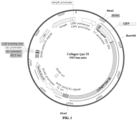
FIG. 1 shows a map of the expression vector of rhCol III a1-fused GFP; -
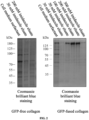
FIG. 2 shows an SDS-PAGE electrophoresis pattern of the rhCol III a1-fused GFP; -
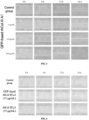
FIG. 3 shows experimental results of the rhCol III a1-fused GFP in promoting cell migration; -
FIG. 4 shows the experimental results of rhCol III a1 and the rhCol III a1-fused GFP in promoting cell migration; and -
FIG. 5 shows a statistical graph of the scratch recovery rate of the rhCol III a1-fused GFP in promoting cell migration. - The present disclosure provides rhCol III a1, where rhCol III a1 has the nucleotide sequence set forth in SEQ ID NO: 1. In the present disclosure, the nucleotide sequence of rhCol III a1 is subjected to codon optimization and then synthesized by Sangon Biotech Co., Ltd.
- The present disclosure further provides an expression vector of rhCol III a1, including the nucleotide sequence set forth in SEQ ID NO: 1, a gene sequence of a secretion signal peptide, a gene sequence of a GFP, and a DNA of a tobacco etch virus (TEV) protease digestion sequence.
- In the present disclosure, a preparation method of the expression vector includes the following steps: subjecting the gene sequence of the secretion signal peptide, the gene sequence of the GFP, and the DNA of the TEV protease digestion sequence to codon optimization, and inserting a resulting synthesized gene between Nhe I and BamH I digestion sites of a plasmid pcDNA3.1 to obtain an expression vector, denoted as pcDNA3.1-GFP; where the gene sequence of the secretion signal peptide, the gene sequence of the GFP, and the DNA of the TEV protease digestion sequence has a synthetic gene set forth in SEQ ID NO: 2. The gene sequence SEQ ID NO: 1 of rhCol III a1 is inserted between BamH I and Xho I digestion sites of the pcDNA3.1-GFP vector to obtain the expression vector capable of expressing a fusion protein of the GFP and rhCol III a1, denoted as pcDNA3.1-GFP-CAL3a1. The expression vector pcDNA3.1-GFP is synthesized by Sangon Biotech Co., Ltd. Expression of the GFP by a GFP gene can increase the expression level of the target protein. For the DNA of the TEV protease digestion sequence, the expressed TEV protease can recognize eight amino acid sequences. After being cleaved by the TEV protease, the GFP is released to obtain a GFP-free rhCol III a1.
- In the present disclosure, the secretion signal peptide is an α-mannosidase signal peptide; the secretion signal peptide is synthesized by the company from the secretion signal peptide of α-mannosidase in Trypanosoma cruzi. Fusion of the secretion signal peptide in a plasmid of the pcDNA3.1 vector can help the recombinant protein expressed by the target gene to be secreted into a cell medium, thereby increasing the expression level of the recombinant protein. The secretion signal peptide can be cleaved by a signal peptidase after completion of expression.
- The present disclosure further provides an expression method for rhCol III a1 fusion protein, including transfecting the expression vector into a human embryonic kidney cell Expi293F to allow expression. The human embryonic kidney cell Expi293F is derived from Thermo: a14528. The transfecting is conducted using a plasmid transfection kit derived from Beyotime: C0518.
- In the present disclosure, a culture method of the human embryonic kidney cell Expi293F includes the following steps: subjecting the human embryonic kidney cell Expi293F to pre-suspension culture in a serum-free medium on a shaker at 37 °C and 110 rpm with a humidity of 80% under 7% carbon dioxide. The serum-free medium is derived from Genetimes ExCell Bio: HE000-N012.
- In the present disclosure, the transfecting is conducted when a resulting cultured human embryonic kidney cell Expi293F reaches a cell density of (2.5-3.0) ×106 cells/mL and a cell viability of greater than 95%.
- The present disclosure further provides an rhCol III a1 fusion protein expressed by the expression method, where the rhCol III a1 fusion protein has an amino acid sequence set forth in SEQ ID NO: 3.
- The present disclosure further provides the use of rhCol III a1 or the rhCol III a1 fusion protein in the preparation of a product for promoting a cell migration activity. In the present disclosure, rhCol III a1 is subjected to cell migration activity assay. Assay results have shown that a 100 µg/mL recombinant collagen experimental group (scratch recovery rate 49%) shows significant activity in promoting the cell migration compared with a control group (scratch recovery rate 14%) after 6 h of action. After 12 hours of action, the experimental group showed a scratch recovery rate of 96%, which is much higher than the percentage of 38% in the control group. The GFP-fused rhCol III a1 expressed in the present disclosure has a desirable activity in promoting cell migration and exhibits a huge application potential, and exhibits a huge application potential in the preparation of a product that promotes cell migration activity.
- The present disclosure further provides the use of rhCol III a1 or the rhCol III a1 fusion protein in the preparation of a product for skin repair.
- The technical solutions provided by the present disclosure will be described in detail below with reference to the examples, but they should not be construed as limiting the claimed scope of the present disclosure.
- Sangon Biotech Co., Ltd. was entrusted to synthesize a gene sequence of a secretion signal peptide of α-mannosidase from Trypanosoma cruzi, a gene sequence of a GFP protein, and a DNA of a TEV protease digestion sequence, which were subjected to codon optimization, and a resulting synthesized gene was inserted between Nhe I and BamH I digestion sites of a plasmid pcDNA3.1 to obtain a GFP expression vector, denoted as pcDNA3.1-GFP. Sangon Biotech Co., Ltd. was entrusted to synthesize a DNA corresponding to an amino acid sequence (SEQ ID NO: 1) at positions 154 to 1,221 of a humanized collagen type III α1 chain, which was subjected to codon optimization, and a resulting synthesized gene was inserted between BamH I and Xho I digestion sites of the vector pcDNA3.1-GFP, and an expression vector capable of expressing a fusion protein of the GFP and rhCol III a1 was obtained, denoted as pcDNA3.1-GFP-CAL3a1 (
FIG. 1 ). - The plasmid expression vector was transformed into E. coli DH5α, inoculated into an LB broth (each liter of the broth included 10 g peptone, 5 g yeast powder, and 10 g NaCl), incubated at 37 °C, 200 rpm for 2 hours, coated on an LB solid medium plate (0.1 mg/mL ampicillin), incubated upside down in an incubator at 37 °C for 12 hours, and a single colony was selected and added into 50 mL of LB broth (0.1 mg/mL ampicillin) to allow incubation at 37 °C and 200 rpm for 12 hours. The plasmid was extracted with a plasmid bulk extraction kit (Beyotime: D0025-3), and a concentration of the expression vector was detected with a Nanodrop instrument. The expression vector could be stored at 4 °C for one month and was recommended to be used within a week.
- The Expi293F cells were subjected to pre-suspension culture in a serum-free medium on a shaker at 37 °C and 110 rpm with a humidity of 80% under 7% carbon dioxide. The plasmid transfecting was conducted when the cell density reached (2.5-3.0) ×106 cells/mL and a cell viability of greater than 95%. The transfection of the Expi293F cells was conducted with a plasmid transfection kit (taking 40 mL as an example): 80 µL of transfection reagent was added into 1 mL of cell medium, and mixed gently to obtain a solution A; 40 µg of plasmid extracted in Example 1 was added into 1 mL of cell medium, and mixed gently to obtain a solution B. The solution B was gently mixed with the solution A and allowed to stand for 15 min. The mixture of A and B was added to 40 mL of Expi293F cells obtained by the suspension culture, and the culture was continued for 6 days to 7 days, cell viability was checked every day, and the cells were collected when the cell viability was not more than 50%.
- The resulting cell suspension was centrifuged at 11,000 rpm for 10 min at 4 °C, an obtained supernatant was incubated with a well-balanced 5 mL nickel column (Thermo Fisher: 88221), eluted by gravity, the nickel column was washed with 50 mL of PBS solution containing 10 mM imidazole, gradient-eluted with PBS solutions containing 30 mM, 50 mM, 100 mM, 200 mM, and 300 mM imidazole separately, and the protein was detected by SDS-PAGE; obtained PBS elutions containing the target protein with high purity were combined, and the imidazole was removed by an ultrafiltration tube (Millipore, UFC9010), as shown in
FIG. 2 . As shown inFIG. 2 , there was basically no collagen expression in the absence of GFP (left side). The GFP-fused expression vector had obvious bands when being expressed, a relatively pure fusion protein of the GFP and rhCol III a1 was obtained after purification on the nickel column. The results showed that the rhCol III a1 fusion protein obtained in the present disclosure had an expression level higher than that of the non-fusion protein. - On the back of a 6-well plate, horizontal lines were evenly drawn with a marker using a ruler, where one horizontal line was drawn every 0.5 cm to 1cm, and 5 horizontal lines were drawn for each well. About 5*105 BALB/c 3T3 cells were added to each well and cultured overnight to make the cells adhere to the wall. The next day, the cells were streaked with a sterile tip using a ruler, and washed 3 times with PBS to remove the streaked cells; a DMEM medium (containing 1-2% FBS) was added to set up a control group (only adding PBS solution) and experimental groups with three concentrations of rhCol III a1 fusion protein (purified target protein in Example 2) of 5 µg/mL, 10 µg/mL, and 100 µg/mL, and the cells were returned to the incubator. Sampling and taking photos were conducted at 0 h, 6 h, 12 h, and 24 h. Three photos were taken for each experiment, and scratch areas were analyzed and calculated using software ImageJ to obtain the scratch recovery rate at different times. Recovery rate % = (scratch area at time 0 - scratch area at a corresponding time) / scratch area at time 0 * 100.
FIG. 5 showed the data of three independent experiments (mean ± standard deviation), t-test, where P<0.05 was * (statistically significant difference), P<0.01 was **, and P<0.001 was ***. - As shown in
FIG. 5 , a 100 µg/mL recombinant collagen experimental group (scratch recovery rate 49%) showed significant activity in promoting the cell migration compared with a control group (scratch recovery rate 14%) after 6 hours of action. After 12 hours of action, the experimental group (100 µg/mL) showed a scratch recovery rate of 96%, which was much higher than the percentage of 38% in the control group. - According to the experimental steps of this example, the control group (only adding PBS solution), 15 µg/mL rhCol III a1 fusion protein (the purified target protein in Example 2), and 15 µg/mL rhCol III a1 were set up.
- The fusion protein obtained in the present disclosure had comparable activity to the non-fusion protein after the excision of GFP (
FIG. 4 ). - The above are merely preferred implementations of the present application. It should be noted that a person of ordinary skill in the art may further make several improvements and modifications without departing from the principle of the present application, but such improvements and modifications should be deemed as falling within the protection scope of the present application.
Claims (12)
- A recombinant humanized collagen type III alpha-1 (rhCol III a1), wherein rhCol III a1 has the nucleotide sequence set forth in SEQ ID NO: 1.
- An expression vector of rhCol III a1, comprising the nucleotide sequence set forth in SEQ ID NO: 1 according to claim 1, a gene sequence of a secretion signal peptide, a gene sequence of a green fluorescent protein (GFP), and DNA of a tobacco etch virus (TEV) protease digestion sequence.
- The expression vector according to claim 2, wherein a preparation method of the expression vector comprises the following steps: subjecting the nucleotide sequence set forth in SEQ ID NO: 1, the gene sequence of the secretion signal peptide, the gene sequence of the GFP, and the DNA of the TEV protease digestion sequence to codon optimization, and inserting a resulting synthesized gene between Nhe I and Xho I digestion sites of a plasmid pcDNA3.1 to obtain the expression vector, denoted as pcDNA3.1-GFP-CAL3a1.
- The expression vector according to claim 3, wherein the gene sequence of the secretion signal peptide, the gene sequence of the GFP, and the DNA of the TEV protease digestion sequence have a synthetic gene set forth in SEQ ID NO: 2.
- The expression vector according to claim 3, wherein the secretion signal peptide is an α-mannosidase signal peptide.
- The expression vector according to claim 3, wherein the α-mannosidase signal peptide is derived from Trypanosoma cruzi.
- A method of expressing rhCol III a1 fusion protein, comprising transfecting the expression vector according to any one of claims 2 to 6 into a human embryonic kidney cell Expi293F to allow expression.
- The method according to claim 7, wherein a culture method for the human embryonic kidney cell Expi293F comprises the following steps: subjecting the human embryonic kidney cell Expi293F to pre-suspension culture in a serum-free medium on a shaker at 37 °C and 110 rpm with a humidity of 80% under 7% carbon dioxide.
- The method according to claim 7, wherein the transfecting is conducted when a resulting cultured human embryonic kidney cell Expi293F reaches a cell density of (2.5-3.0)×106 cells/mL and a cell viability of greater than 95%.
- An rhCol III a1 fusion protein expressed by the expression method according to any one of claims 7 to 9, wherein the rhCol III a1 fusion protein has the amino acid sequence set forth in SEQ ID NO: 3.
- Use of the rhCol III a1 according to claim 1 or the rhCol III a1 fusion protein according to claim 10 in preparation of a product for promoting cell migration activity.
- Use of the rhCol III a1 according to claim 1 or the rhCol III a1 fusion protein according to claim 10 in preparation of a product for skin -repair.
Applications Claiming Priority (2)
| Application Number | Priority Date | Filing Date | Title |
|---|---|---|---|
| CN202310368832.8A CN116218864B (en) | 2023-04-10 | 2023-04-10 | Recombinant III type humanized collagen alpha 1 and expression vector and application thereof |
| PCT/CN2023/141727 WO2024212592A1 (en) | 2023-04-10 | 2023-12-26 | RECOMBINANT TYPE III HUMANIZED COLLAGEN α1, EXPRESSION VECTOR THEREOF AND USE THEREOF |
Publications (2)
| Publication Number | Publication Date |
|---|---|
| EP4467647A1 true EP4467647A1 (en) | 2024-11-27 |
| EP4467647A4 EP4467647A4 (en) | 2025-08-13 |
Family
ID=86584495
Family Applications (1)
| Application Number | Title | Priority Date | Filing Date |
|---|---|---|---|
| EP23908690.3A Pending EP4467647A4 (en) | 2023-04-10 | 2023-12-26 | Recombinant humanized collagen type III alpha-1 and expression vector and use thereof |
Country Status (4)
| Country | Link |
|---|---|
| US (1) | US12570723B2 (en) |
| EP (1) | EP4467647A4 (en) |
| CN (1) | CN116218864B (en) |
| WO (1) | WO2024212592A1 (en) |
Families Citing this family (10)
| Publication number | Priority date | Publication date | Assignee | Title |
|---|---|---|---|---|
| CN116333094B (en) * | 2023-02-04 | 2024-03-29 | 山东多美康生物医药有限公司 | A recombinant humanized type I collagen α1 and its expression vector and application |
| CN116218864B (en) | 2023-04-10 | 2024-01-09 | 山东多美康生物医药有限公司 | Recombinant III type humanized collagen alpha 1 and expression vector and application thereof |
| CN116813749B (en) * | 2023-06-13 | 2024-01-30 | 广州启点生物科技有限公司 | Recombinant humanized III type collagen and preparation method and application thereof |
| CN116808276B (en) * | 2023-07-03 | 2025-12-26 | 南开大学 | A method for preparing a recombinant ternary fusion protein dressing with epidermal cell activation function |
| CN116925240A (en) * | 2023-08-09 | 2023-10-24 | 山东多美康生物医药有限公司 | A kind of recombinant collagen and its expression method and application |
| CN117700528B (en) * | 2023-11-20 | 2024-11-22 | 深圳粒影生物科技有限公司 | Recombinant human type III collagen and its preparation method and application |
| CN117467024A (en) * | 2023-12-27 | 2024-01-30 | 山东多美康生物医药有限公司 | Fusion tag recombinant collagen and expression and application thereof |
| CN118373903B (en) * | 2024-05-21 | 2025-02-18 | 浙江诸暨聚源生物技术有限公司 | High-activity recombinant humanized type I collagen truncate, preparation method and application |
| CN120037359B (en) * | 2025-01-16 | 2025-10-28 | 山西锦波生物医药股份有限公司 | Application of recombinant humanized type III collagen and composition containing same in eyes |
| CN120383670A (en) * | 2025-06-30 | 2025-07-29 | 苏氏保滋堂(吉林)生物科技有限公司 | Recombinant human type III collagen and its expression system and application |
Family Cites Families (26)
| Publication number | Priority date | Publication date | Assignee | Title |
|---|---|---|---|---|
| AU3056697A (en) * | 1996-04-12 | 1997-11-07 | Academy Of Finland | Synthesis of human procollagens and collagens in recombinant dna systems |
| US20060258560A1 (en) * | 2002-09-30 | 2006-11-16 | Chunlin Yang | Dry tissue sealant compositions |
| RU2008139428A (en) * | 2006-03-06 | 2010-05-20 | Хьюмэджин, Инк. (Us) | METHOD FOR PRODUCING RECOMBINANT THROMBIN AND HUMAN FIBRINOGEN |
| US20080081353A1 (en) * | 2006-09-29 | 2008-04-03 | Universite Laval | Production of recombinant human collagen |
| CN101182355B (en) | 2007-10-22 | 2010-09-08 | 中国人民解放军海军医学研究所 | Antimicrobial peptide citropin1.18 fusion protein |
| EP2337797A2 (en) * | 2008-08-22 | 2011-06-29 | Fibrogen, Inc. | Method for producing double-crosslinked collagen |
| US9714274B2 (en) * | 2012-03-23 | 2017-07-25 | Suzhou Kunpeng Biotech Co., Ltd. | Fusion proteins of superfolder green fluorescent protein and use thereof |
| CN103725622A (en) | 2013-12-19 | 2014-04-16 | 西安巨子生物基因技术股份有限公司 | Transgenic pichia pastoris gene engineering bacteria and construction method and application thereof |
| CN103725623A (en) * | 2013-12-19 | 2014-04-16 | 西安巨子生物基因技术股份有限公司 | Pichia pastoris engineering bacteria of secretory expression human III type alpha chain collagen and construction method and application thereof |
| KR102388828B1 (en) | 2016-03-16 | 2022-04-21 | 시나타 세라퓨틱스 엘티디 | Colony forming medium and its use |
| KR102040982B1 (en) * | 2017-05-29 | 2019-11-06 | 바이오위더스 주식회사 | Mass production technology of recombinant botulinum toxin protein |
| US11180541B2 (en) * | 2017-09-28 | 2021-11-23 | Geltor, Inc. | Recombinant collagen and elastin molecules and uses thereof |
| JP7303551B2 (en) * | 2017-11-14 | 2023-07-05 | 国立大学法人 筑波大学 | Modified collagen protein and uses thereof |
| CN107857812A (en) * | 2017-11-17 | 2018-03-30 | 杭州惠博士生物科技有限公司 | A kind of preparation method of same human-like collagen amino acid, gene order and Argine Monohydrochloride |
| MX2020011257A (en) * | 2018-04-27 | 2021-01-15 | Krystal Biotech Inc | Recombinant nucleic acids encoding cosmetic protein(s) for aesthetic applications. |
| CN109988243A (en) | 2019-01-29 | 2019-07-09 | 江苏悦智生物医药有限公司 | III collagen type α of recombination human source, 1 chain and its application |
| EP4093761A4 (en) * | 2020-01-24 | 2024-04-17 | Geltor, Inc. | ANIMAL-FREE DIETARY COLLAGEN |
| DE102020205703A1 (en) * | 2020-05-06 | 2021-11-11 | Gelita Ag | Expression of collagen peptide components in prokaryotic systems |
| WO2021258650A1 (en) * | 2020-06-24 | 2021-12-30 | 广州暨南大学医药生物技术研究开发中心有限公司 | Method for preparing recombinant human extracellular matrix structural protein |
| CN113185604B (en) * | 2021-05-13 | 2021-12-14 | 江苏创健医疗科技有限公司 | A kind of recombinant human type XVII collagen, preparation method and application |
| CN115558612A (en) * | 2021-07-01 | 2023-01-03 | 华北制药集团新药研究开发有限责任公司 | Recombinant full-length type Ⅲ humanized collagen yeast engineering strain and construction method |
| CN114195884B (en) * | 2021-10-27 | 2024-03-29 | 禾美生物科技(浙江)有限公司 | Recombinant human collagen and preparation method thereof |
| CN115785280B (en) * | 2021-12-16 | 2025-01-28 | 江苏江山聚源生物技术有限公司 | Recombinant human fibronectin and its expression method in Pichia pastoris |
| CN114957449A (en) * | 2022-02-24 | 2022-08-30 | 吉林省国大生物工程有限公司 | Preparation method of recombinant human type III collagen |
| CN116333094B (en) | 2023-02-04 | 2024-03-29 | 山东多美康生物医药有限公司 | A recombinant humanized type I collagen α1 and its expression vector and application |
| CN116218864B (en) | 2023-04-10 | 2024-01-09 | 山东多美康生物医药有限公司 | Recombinant III type humanized collagen alpha 1 and expression vector and application thereof |
-
2023
- 2023-04-10 CN CN202310368832.8A patent/CN116218864B/en active Active
- 2023-12-26 EP EP23908690.3A patent/EP4467647A4/en active Pending
- 2023-12-26 US US18/834,531 patent/US12570723B2/en active Active
- 2023-12-26 WO PCT/CN2023/141727 patent/WO2024212592A1/en not_active Ceased
Also Published As
| Publication number | Publication date |
|---|---|
| US12570723B2 (en) | 2026-03-10 |
| CN116218864A (en) | 2023-06-06 |
| US20250257119A1 (en) | 2025-08-14 |
| CN116218864B (en) | 2024-01-09 |
| WO2024212592A1 (en) | 2024-10-17 |
| EP4467647A4 (en) | 2025-08-13 |
Similar Documents
| Publication | Publication Date | Title |
|---|---|---|
| US20250257119A1 (en) | Recombinant Humanized Collagen Type III Alpha-1, and Expression Vector and Use Thereof | |
| CN116333094B (en) | A recombinant humanized type I collagen α1 and its expression vector and application | |
| CN114805551B (en) | Recombinant type III collagen and preparation method thereof | |
| US20250051422A1 (en) | Recombinant collagen, expression method and use thereof | |
| WO2021083072A1 (en) | Human collagen 17-type polypeptide, production method therefor and use thereof | |
| US20240115763A1 (en) | A recombinant collagen protein and its use in cartilage repair matrix | |
| CN115558612A (en) | Recombinant full-length type Ⅲ humanized collagen yeast engineering strain and construction method | |
| CN116836263B (en) | Recombinant human-derived type iii collagen and pichia pastoris recombinant expression system thereof | |
| CN118324899A (en) | Recombinant XVII type humanized collagen, preparation method and application thereof | |
| CN118546240A (en) | Recombinant human fibronectin and preparation method and application thereof | |
| US20260083883A1 (en) | Recombinant human type iii collagen for promoting angiogenesis, and preparation method and application method thereof | |
| KR20250004940A (en) | Biosynthetic-based manufacturing method of human structural materials | |
| CA2183438A1 (en) | Method for preparing clonogenic fibroblasts, method for gene transfection of fibroblasts and gene-transfected fibroblasts so obtained | |
| CN118834285A (en) | Recombinant human-like collagen polypeptide with human Col III source stable fragment, preparation method and application thereof | |
| CN114958912A (en) | A kind of HEK293 cell transient expression transfection reagent and transient expression system transfection method | |
| CN112851791B (en) | Novel FGF analogue for resisting metabolic disorder and application thereof | |
| ES2356641T3 (en) | SACCHAROMYCES CEREVISIAE TRANSFORMED AND METHOD FOR THE MASS PRODUCTION OF PROTEIN LK8 USING THE SAME. | |
| JPH01211488A (en) | External growth factor-undependent cellular strain | |
| CN106337043A (en) | Human trypsin mutant with high stability | |
| CN120118178B (en) | Recombinant collagen and application thereof in preventing or treating viral infection | |
| CN121896179A (en) | Human embryonic stem cell skin organoid construction method based on high-expression recombinant human COL3A1 protein and application thereof | |
| CN121494961A (en) | Recombinant humanized type XXI collagen, its production methods and applications | |
| CN121896180A (en) | Skin organoid construction method of human embryonic stem cells based on high-expression recombinant human fibronectin and application thereof | |
| CN121698992A (en) | Recombinant XVII type collagen and preparation method and application thereof | |
| CN121824733A (en) | Recombinant humanized type XVIII collagen, its production methods and applications |
Legal Events
| Date | Code | Title | Description |
|---|---|---|---|
| STAA | Information on the status of an ep patent application or granted ep patent |
Free format text: STATUS: UNKNOWN |
|
| STAA | Information on the status of an ep patent application or granted ep patent |
Free format text: STATUS: THE INTERNATIONAL PUBLICATION HAS BEEN MADE |
|
| PUAI | Public reference made under article 153(3) epc to a published international application that has entered the european phase |
Free format text: ORIGINAL CODE: 0009012 |
|
| STAA | Information on the status of an ep patent application or granted ep patent |
Free format text: STATUS: REQUEST FOR EXAMINATION WAS MADE |
|
| 17P | Request for examination filed |
Effective date: 20240702 |
|
| AK | Designated contracting states |
Kind code of ref document: A1 Designated state(s): AL AT BE BG CH CY CZ DE DK EE ES FI FR GB GR HR HU IE IS IT LI LT LU LV MC ME MK MT NL NO PL PT RO RS SE SI SK SM TR |
|
| A4 | Supplementary search report drawn up and despatched |
Effective date: 20250710 |
|
| RIC1 | Information provided on ipc code assigned before grant |
Ipc: C12N 15/12 20060101AFI20250704BHEP Ipc: C12N 15/85 20060101ALI20250704BHEP Ipc: C12N 15/64 20060101ALI20250704BHEP Ipc: C12N 15/62 20060101ALI20250704BHEP Ipc: C07K 19/00 20060101ALI20250704BHEP Ipc: A61Q 19/00 20060101ALI20250704BHEP Ipc: A61K 8/65 20060101ALI20250704BHEP Ipc: A61K 38/16 20060101ALI20250704BHEP Ipc: A61Q 19/08 20060101ALI20250704BHEP Ipc: C07K 14/78 20060101ALI20250704BHEP |
|
| STAA | Information on the status of an ep patent application or granted ep patent |
Free format text: STATUS: EXAMINATION IS IN PROGRESS |
|
| 17Q | First examination report despatched |
Effective date: 20251222 |
|
| DAV | Request for validation of the european patent (deleted) | ||
| DAX | Request for extension of the european patent (deleted) |