EP4461301A1 - Verfahren zur herstellung von manipulierten blutplättchen - Google Patents
Verfahren zur herstellung von manipulierten blutplättchen Download PDFInfo
- Publication number
- EP4461301A1 EP4461301A1 EP23171968.3A EP23171968A EP4461301A1 EP 4461301 A1 EP4461301 A1 EP 4461301A1 EP 23171968 A EP23171968 A EP 23171968A EP 4461301 A1 EP4461301 A1 EP 4461301A1
- Authority
- EP
- European Patent Office
- Prior art keywords
- therapeutic
- platelets
- sequence
- receptor protein
- megakaryocytes
- Prior art date
- Legal status (The legal status is an assumption and is not a legal conclusion. Google has not performed a legal analysis and makes no representation as to the accuracy of the status listed.)
- Withdrawn
Links
Images



Classifications
-
- C—CHEMISTRY; METALLURGY
- C12—BIOCHEMISTRY; BEER; SPIRITS; WINE; VINEGAR; MICROBIOLOGY; ENZYMOLOGY; MUTATION OR GENETIC ENGINEERING
- C12N—MICROORGANISMS OR ENZYMES; COMPOSITIONS THEREOF; PROPAGATING, PRESERVING, OR MAINTAINING MICROORGANISMS; MUTATION OR GENETIC ENGINEERING; CULTURE MEDIA
- C12N5/00—Undifferentiated human, animal or plant cells, e.g. cell lines; Tissues; Cultivation or maintenance thereof; Culture media therefor
- C12N5/06—Animal cells or tissues; Human cells or tissues
- C12N5/0602—Vertebrate cells
- C12N5/0634—Cells from the blood or the immune system
- C12N5/0644—Platelets; Megakaryocytes
-
- A—HUMAN NECESSITIES
- A61—MEDICAL OR VETERINARY SCIENCE; HYGIENE
- A61K—PREPARATIONS FOR MEDICAL, DENTAL OR TOILETRY PURPOSES
- A61K35/00—Medicinal preparations containing materials or reaction products thereof with undetermined constitution
- A61K35/12—Materials from mammals; Compositions comprising non-specified tissues or cells; Compositions comprising non-embryonic stem cells; Genetically modified cells
- A61K35/14—Blood; Artificial blood
- A61K35/19—Platelets; Megacaryocytes
-
- A—HUMAN NECESSITIES
- A61—MEDICAL OR VETERINARY SCIENCE; HYGIENE
- A61K—PREPARATIONS FOR MEDICAL, DENTAL OR TOILETRY PURPOSES
- A61K40/00—Cellular immunotherapy
- A61K40/10—Cellular immunotherapy characterised by the cell type used
-
- A—HUMAN NECESSITIES
- A61—MEDICAL OR VETERINARY SCIENCE; HYGIENE
- A61K—PREPARATIONS FOR MEDICAL, DENTAL OR TOILETRY PURPOSES
- A61K40/00—Cellular immunotherapy
- A61K40/30—Cellular immunotherapy characterised by the recombinant expression of specific molecules in the cells of the immune system
- A61K40/31—Chimeric antigen receptors [CAR]
-
- A—HUMAN NECESSITIES
- A61—MEDICAL OR VETERINARY SCIENCE; HYGIENE
- A61K—PREPARATIONS FOR MEDICAL, DENTAL OR TOILETRY PURPOSES
- A61K40/00—Cellular immunotherapy
- A61K40/40—Cellular immunotherapy characterised by antigens that are targeted or presented by cells of the immune system
- A61K40/41—Vertebrate antigens
- A61K40/42—Cancer antigens
- A61K40/4202—Receptors, cell surface antigens or cell surface determinants
- A61K40/421—Immunoglobulin superfamily
- A61K40/4211—CD19 or B4
-
- C—CHEMISTRY; METALLURGY
- C12—BIOCHEMISTRY; BEER; SPIRITS; WINE; VINEGAR; MICROBIOLOGY; ENZYMOLOGY; MUTATION OR GENETIC ENGINEERING
- C12N—MICROORGANISMS OR ENZYMES; COMPOSITIONS THEREOF; PROPAGATING, PRESERVING, OR MAINTAINING MICROORGANISMS; MUTATION OR GENETIC ENGINEERING; CULTURE MEDIA
- C12N15/00—Mutation or genetic engineering; DNA or RNA concerning genetic engineering, vectors, e.g. plasmids, or their isolation, preparation or purification; Use of hosts therefor
- C12N15/09—Recombinant DNA-technology
- C12N15/11—DNA or RNA fragments; Modified forms thereof; Non-coding nucleic acids having a biological activity
- C12N15/113—Non-coding nucleic acids modulating the expression of genes, e.g. antisense oligonucleotides; Antisense DNA or RNA; Triplex- forming oligonucleotides; Catalytic nucleic acids, e.g. ribozymes; Nucleic acids used in co-suppression or gene silencing
-
- C—CHEMISTRY; METALLURGY
- C12—BIOCHEMISTRY; BEER; SPIRITS; WINE; VINEGAR; MICROBIOLOGY; ENZYMOLOGY; MUTATION OR GENETIC ENGINEERING
- C12N—MICROORGANISMS OR ENZYMES; COMPOSITIONS THEREOF; PROPAGATING, PRESERVING, OR MAINTAINING MICROORGANISMS; MUTATION OR GENETIC ENGINEERING; CULTURE MEDIA
- C12N2510/00—Genetically modified cells
-
- C—CHEMISTRY; METALLURGY
- C12—BIOCHEMISTRY; BEER; SPIRITS; WINE; VINEGAR; MICROBIOLOGY; ENZYMOLOGY; MUTATION OR GENETIC ENGINEERING
- C12N—MICROORGANISMS OR ENZYMES; COMPOSITIONS THEREOF; PROPAGATING, PRESERVING, OR MAINTAINING MICROORGANISMS; MUTATION OR GENETIC ENGINEERING; CULTURE MEDIA
- C12N2740/00—Reverse transcribing RNA viruses
- C12N2740/00011—Details
- C12N2740/10011—Retroviridae
- C12N2740/16011—Human Immunodeficiency Virus, HIV
- C12N2740/16041—Use of virus, viral particle or viral elements as a vector
- C12N2740/16043—Use of virus, viral particle or viral elements as a vector viral genome or elements thereof as genetic vector
Definitions
- the present invention relates to a method for producing engineered platelets.
- the present invention relates to the use of a pharmaceutical preparation comprising engineered platelets or the use of engineered platelets in a method for the treatment of a disease.
- the present invention relates to the use of a pharmaceutical preparation comprising engineered platelets or the use of engineered platelets in a method for the treatment of cancer, acute inflammation, chronic inflammation, bleeding and/or coagulation disorders, liver disease.
- compositions also referred to as therapeutic compounds or therapeutic products
- ASO antisense oligonucleotides
- new drug modalities such as small interfering RNA (siRNA) and microRNA (miRNA), gene-editing guide RNA (gRNA) have been recently shown to potentially be used to treat many pathological conditions, but still face the challenge of delivery. This is also true for other classes of therapeutics, such as monoclonal antibodies (mAbs).
- mAbs monoclonal antibodies
- New drug delivery systems such as lipid nanoparticles or exosomes, suffer from the same problems, intrinsic toxicity, systemic distribution, and manufacturing challenges. Therefore, safe drug delivery is still a challenge, and with the emergence of new drug modalities and new classes of targets, safe tissue-specific delivery is a must.
- Platelets small, nucleated cells that circulate in the blood and are involved in hemostasis, have been proposed as vehicles for delivering therapeutics to the site of interest in disease.
- platelets deliver their cargo, contained in cellular granules, only when activated.
- Platelets contain three major types of granules, alpha-granules, dense granules, and lysosomes. Each granule contains distinct cargo, with different biogenesis.
- platelets can also generate microparticles upon strong activation (Burnier et al., 2009). These microparticles are or comprise exosomes and ectosomes, and differ by their cargo and mechanism of formation. Altogether, platelets naturally possess the full machinery to be activated at very specific sites and moments, such as during inflammation or bleeding, and can immediately deliver their cargo.
- platelets to deliver therapeutics is elegant and allows for a controlled release of therapeutics. Indeed, this approach, so far, requires a passive loading of the therapeutics inside or at the surface of platelets. This requires the development of specific cell culture media and process to induce or force loading, jeopardizing the quality of both the loaded therapeutic and the platelets.
- the cargo may also then be loaded into a cellular compartment that will not be released upon platelet activation.
- WO2020/006539A1 discloses methods for preparing drug-loaded platelets, wherein platelets are treated with a drug and with a loading buffer. This means, that platelets are passively loaded.
- the invention is based on the basic idea that megakaryocytes (MKs) (e.g. immortalized MKs), progenitors of megakaryocytes (e.g. immortalized progenitors of megakaryocytes), or CD34-expressing HSPC (e.g. immortalized CD34-expressing HSPC), are engineered to express at least one therapeutic sequence and/or therapeutic product.
- Engineered cells can be then differentiated into mature MKs and manipulated to generate platelets.
- the resulting platelets express the respective at least one therapeutic product and can be further used for therapeutic approaches, e.g. as or in pharmaceutical compositions. In other words, passive loading of the therapeutic compound inside or at the surface of mature platelets is avoided.
- the method is therefore simple (compared to loading platelets) and allows the production of correspondingly engineered plates on a large scale, at comparatively low cost.
- engineered platelets After infusion into patients, respective engineered platelets will circulate in blood, in a resting state, tightly controlled by plasmatic and cellular components of blood vessels. Inside circulating engineered platelets, the at least one therapeutic product encoded by the therapeutic sequence is shielded from inhibition or degradation. Only after arrest at a specific platelet activation site, such as bleeding, injury, cancer, or inflammation, platelets will be activated, and release their cargo, including the at last one therapeutic product.
- engineered platelets produced by the method according to the invention can be regarded as pathological process-targeted therapeutic product delivery vehicles.
- the expression cassette can comprise a promoter, or regulatory sequence. It can be a promoter for high level of expression, such as spleen focus-forming virus (SFFV), or with low level of expression, or with a regulated level of expression, or with a megakaryocytic-lineage specific promoter.
- SFFV spleen focus-forming virus
- the expression cassette can be referred to as therapeutic product expression cassette.
- multiple viruses can be used to express multiple therapeutic products.
- the therapeutic sequence can encode for at least one of messenger RNA (mRNA), small interfering RNA (siRNA), short hairpin RNA (shRNA) or micro RNA (miRNA).
- mRNA messenger RNA
- siRNA small interfering RNA
- shRNA short hairpin RNA
- miRNA micro RNA
- ShRNA is an artificial molecule with a tight hairpin turn that can be used to silence target gene expression via RNA interference.
- SiRNA is a class of double-stranded RNA at first non-coding RNA molecules, typically 20-24 (normally 21) base pairs in length, similar to miRNA, and operating within the RNA interference (RNAi) pathway. It interferes with the expression of specific genes with complementary nucleotide sequences by degrading mRNA after transcription, preventing translation.
- RNAi RNA interference
- a microRNA is a small single-stranded non-coding RNA molecule (containing about 22 nucleotides) found in plants, animals and some viruses, that functions in RNA silencing and post-transcriptional regulation of gene expression.
- MiRNAs function via base-pairing with complementary sequences within mRNA molecules. As a result, these mRNA molecules are silenced, by one or more of the following processes: (1) cleavage of the mRNA strand into two pieces, (2) destabilization of the mRNA through shortening of its poly(A) tail, and (3) less efficient translation of the mRNA into proteins by ribosomes.
- the engineered platelets obtained by the method can allow silencing a gene of interest (via miRNA, siRNA, shRNA) in a cell targeted.
- mRNA is a single-stranded molecule of RNA that corresponds to the genetic sequence of a gene, and is read by a ribosome in the process of synthesizing a protein.
- mRNA can encode for e.g. an antibody, a cytokine, a receptor protein, or chimeric receptor protein, etc.
- the engineered platelets obtained by the method can provide an antibody and/or cytokine for a desired reaction.
- the therapeutic sequence can be single.
- the sequence for the therapeutic compound appears only once.
- the therapeutic sequence can be tandem for multiplexing. This means, that copies of sequences lie adjacent to each other in the same orientation (direct tandem repeats) or in the opposite direction to each other (inverted tandem repeats).
- the therapeutic product expression cassette can be a DNA sequence.
- the therapeutic product can be a miRNA and/or siRNA against podoplanin (PDPN).
- PDPN podoplanin
- platelets releasing miRNA and/or siRNA against PDPN can be produced with the method according to the present invention, to decrease the expression of PDPN in tissue or organs, e.g. cancer tissue.
- miRNA that can target PDPN are miR-29b and miR-125a (Cortez et al., 2010) (mature sequences are GCUGGUUUCAUAUGGUGGUUUAGA (SEQ ID NO: 1) and UCCCUGAGACCCUUUAACCUGUGA (SEQ ID NO: 2), respectively).
- the coding human sequence (5'-3', stemloop-forming precursor RNAs) for miR-29b is CUUCAGGAAGCUGGUUUCAUAUGGUGGUUUAGAUUUAAAUAGUGAUUGUCUAGCACC AUUUGAAAUCAGUGUUCUUGGGGG (SEQ ID NO: 4), and for miR-125a is UGCCAGUCUCUAGGUCCCUGAGACCCUUUAACCUGUGAGGACAUCCAGGGUCACAG GUGAGGUUCUUGGGAGCCUGGCGUCUGGCC (SEQ ID NO: 5), (source: https://www.mirbase.org/).
- siRNA sequence 21-nt
- ACAAAACGGUGUCAUUUGCAC SEQ ID NO: 3
- PDPN is a mucin-type protein with a mass of 36- to 43-kDa, also known as gp38, T1 ⁇ , D2-40, Glycoprotein 36, or Aggrus. It is relatively well conserved between species, with homologues in humans, mice, rats, dogs and hamsters. This gene encodes a type-I, integral membrane, heavily O-glycosylated glycoprotein with diverse distribution in human tissues. The physiological function of this protein may be related to its mucin-type character. This protein has been found to have functions in lung alveolar cells, kidney podocytes, and lymphatic endothelial cells. More recently, this protein has been found in neural tissue in both mouse and human samples.
- PDPN In lymphatic endothelial cells, experimentation has indicated that PDPN plays a role in proper formation of linkages between the cardiovascular system and the lymphatic systems, typically causing fatty liver disease in these mice. Although the exact function is unknown in many tissues, PDPN is generally receptive to detection via immunofluorescent staining and has been shown to co-localize with the protein nestin, a type VI intermediate filament protein expressed almost primarily in neural tissues.
- PDPN has been studied extensively in the cancer field. It is a specific lymphatic vessel marker, and since lymphangiogenesis levels are correlated with poor prognosis in cancer patients, it can be used as a diagnostic marker. It is often upregulated in certain types of cancer, including several types of squamous cell carcinomas, malignant mesothelioma and brain tumors. Moreover, it can be upregulated by cancer-associated fibroblasts (CAFs) in the tumor stroma, where it has been associated with poor prognosis (Shindo et al., 2013). In squamous cell carcinomas, PDPN is believed to play a key role in the cancer cell invasiveness by controlling invadopodia, and thus mediating efficient extracellular matrix degradation (Martin-Villar et al., 2015).
- CAFs cancer-associated fibroblasts
- PDPN is overexpressed in tumor cells and surrounding tissues.
- Megakaryocytes, or progenitor of megakaryocytes, or stem cells, in particular CD34-expressing HSPC can be transduced with a vector (e.g. virus, e.g. lentivirus) comprising an expression cassette (and/or therapeutic sequence), to express anti-PDPN miRNA and/or siRNA.
- a vector e.g. virus, e.g. lentivirus
- an expression cassette and/or therapeutic sequence
- Platelets naturally express C-type lectin domain family 1 member B (CLEC-2), the receptor for PDPN.
- CLEC-2 C-type lectin domain family 1 member B
- Engineered platelets are therefore naturally activated in tissue overexpressing PDPN, such as in PDPN-positive cancer.
- PDPN overexpression in cancer usually leads to increased metastasis and prothrombotic events.
- engineered platelets will liberate miRNA and/or siRNA against PDPN in the vicinity of tumors, possibly via microparticles.
- SiRNA or miRNA will be engulfed or endocytosed by surrounding cells, and their PDPN expression will be downregulated. Localized downregulation can decrease tumor progression and metastasis.
- the expression cassette, delivered by the DNA-based vector can further (or alternatively) comprise at least one coding sequence for a receptor protein, e.g. a cell or tissue or organ specific receptor protein, wherein the platelets express the receptor protein (in particular the targeting moiety).
- the DNA-based vector can further comprise at least one coding sequence for a receptor protein, e.g. a cell or tissue or organ specific receptor protein, wherein the platelets express the receptor protein. This will allow platelets, expressing the receptor protein, to be activated when the ligand is present in the surrounding platelet environment, for precise activation of platelets at a site of interest.
- the present invention also provides a solution to generate platelets capable of targeting specific cells and/ or tissues and/or organs that are not the natural place of platelets activation.
- the receptor protein can be a non-modified receptor protein (in particular a non-modified cellular receptor protein), a receptor protein complex (in particular a cellular receptor complex), a chimeric receptor protein (in particular a cellular chimeric receptor protein), or a chimeric receptor protein containing a gain-of-function mutation.
- a receptor complex is composed of at least one core receptor protein and receptor-associated proteins, which have profound effects on the overall receptor structure, function and localization.
- a chimeric receptor can be defined as a special receptor created in the laboratory that is designed to bind to certain proteins on cancer cells.
- HSPC in particular immortalized HSPC, or progenitors of megakaryocytes (MKs), in particular immortalized progenitors of megakaryocytes (MKs), or MKs, in particular immortalized MKs can be additionally or alternatively engineered to express at least one targeting moiety. Only after arrest at a specific site, such as bleeding, injury, cancer, or inflammation, or at a site expressing the ligand of the transgenic receptor expressed by engineered platelets, platelets will be activated, and release their cargo, including the at least one therapeutic compound.
- the invention therefore can lead to a tissue-targeted therapeutic compound delivery method and can be considered a multispecific drug.
- Platelets can be activated by multiple, redundant pathways; therefore, a chimeric receptor can increase the specificity of the activation, being part of the surface activation matrix. Overall, only a net intra-platelet signaling in favor of activation will trigger full activation and microparticle release, decreasing the risk of unspecific release of cargo. In other words, the method can allow the production of platelets expressing a tissue-specific receptor that will facilitate platelet arrest at site of interest, and trigger or potentiate cargo release.
- the coding sequence for the receptor protein can comprise mRNA.
- the at least one coding sequence for the receptor protein can encode for, but not limited to, a single-chain variable fragment (scFv) protein, a receptor ligand, a full receptor protein or an extracellular protein domain of a receptor, a nanobody, a designed ankyrin repeat proteins (DARPins), or adapter chimeric antigen receptor (adCAR), together with a transmembrane domain or anchoring region such as a GPI-anchor.
- This essential or minimal protein coding sequence can be further extended to code for cytoplasmic signaling domains, in order to initiate signaling and platelet activation. It can be achieved by expressing a chimeric receptor, as follows: the extracellular domain contains the tissue specific moiety (e.g.
- scFv scFv, or DARPin
- a transmembrane domain a transmembrane domain
- CLEC-2 intracellular domain Upon binding to the target of the receptor and its dimerization due to clustering, followed by CLEC-2 phosphorylation by platelet Syk tyrosine kinase, signaling pathway will activate platelets allowing precise activation of platelets at a site of interest.
- a gain-of-function mutation can be introduced in the coding sequence.
- targeting moiety that can be expressed at the surface of engineered platelets is a scFv targeting PDPN, to increase homing of therapeutic platelets to the tumor environment, where CLEC-2 will lead to platelet activation and release of therapeutics.
- Another example is to take advantage of the overexpression of transferrin receptor by tumor cells (Gatter et al., 1983). Therefore, expressing transferrin, or more elegantly a scFv binding to transferrin on engineered platelets will also improve homing of platelets to the tumor environment.
- the same strategy can be used by targeting the folate receptor (FR), also expressed in many cancers (Sudimack & Lee, 2000).
- FR folate receptor
- mAb monoclonal antibodies
- cancer cells such as EGFR (e.g. panitumumab) could be used, by generating scFv from the Fab domain of the mAbs using current molecular biology methods.
- An adCAR is a chimeric receptor binding specifically to another targeting protein (or targeting module), such as a monoclonal Antibody (mAb).
- mAb monoclonal Antibody
- a therapeutic mAb is conjugated to a biotin or another epitope tag (to form a linker-label epitope (LLE)).
- Therapeutic mAb is dosed or infused according to its pharmacokinetic and distribution parameters.
- engineered platelets expressing an adCAR will be infused. Platelets will then have a specific homing behavior, towards tissues expressing the target of the mAb. Upon arrest and full activation, platelet will release their therapeutic cargo.
- the coding sequence could encode for a radio-sensitizer, to increase sensitivity of platelet-targeted tissue for radiotherapy.
- a radio-sensitizer to increase sensitivity of platelet-targeted tissue for radiotherapy.
- some miRNA such as miR-621, targeting SETDB1 in hepatocellular carcinoma, can act as radiosensitizer (Shao et al., 2019).
- a short siRNA against S100A4 enhances the radiosensitivity of human adenocarcinomic epithelial cells (Qi et al., 2016).
- the platelets can be produced for therapeutic use.
- the invention further relates to the use of a pharmaceutical preparation comprising engineered platelets expressing at least one therapeutic sequence and/or at least one coding sequence for a receptor protein, such as e.g. a cell or tissue or organ specific receptor protein, in a method for the treatment of a disease.
- the pharmaceutical preparation could comprise engineered platelets expressing siRNA and/or miRNA and/or shRNA against PDPN.
- engineered platelets will be activated in tissue overexpressing PDPN, such as in many cancers, since platelets express CLEC-2, the receptor of PDPN.
- platelets could liberate miRNA or siRNA against PDPN in the vicinity by microparticles (exosomes and ectosomes).
- the pharmaceutical preparation could comprise engineered platelets expressing at least one coding sequence for a receptor protein.
- the protein could be a scFv derived from a tissue-targeting mAb.
- the invention further relates to the use of a pharmaceutical preparation comprising engineered platelets expressing at least one therapeutic sequence and/or at least one coding sequence for a receptor protein, such as e.g. a cell or tissue or organ specific receptor protein, in a method for the treatment of at least one of cancer, acute inflammation, chronic inflammation, bleeding, coagulation, liver disease. It is known that platelets are normally and/or naturally activated in these disease conditions. Also, the invention relates to the use of engineered platelets expressing at least one therapeutic sequence and/or at least one coding sequence for a receptor protein such as e.g. a cell or tissue or organ specific receptor protein, in a method for the treatment of a disease.
- a pharmaceutical preparation comprising engineered platelets expressing at least one therapeutic sequence and/or at least one coding sequence for a receptor protein, such as e.g. a cell or tissue or organ specific receptor protein, in a method for the treatment of a disease.
- the engineered platelets express siRNA and/or miRNA and/or shRNA against PDPN.
- engineered platelets can be activated in tissue overexpressing PDPN, because platelets express CLEC-2, a PDPN receptor.
- platelets can liberate miRNA or siRNA against PDPN in the vicinity by microparticles (exosomes and ectosomes). These microparticles can be engulfed by surrounding cells, and their PDPN expression can be downregulated. Localized downregulation of PDPN can for instance decrease tumor progression and metastasis (in particular, platelets will only be activated where PDPN is highly expressed, because in healthy tissue the balance towards platelets inhibition is favorable).
- the pharmaceutical preparation can comprise engineered platelets expressing at least one coding sequence for a receptor protein.
- the receptor protein could be a scFv derived from a tissue-targeting mAb, or a scFv with signaling intracellular domain (CAR or adCAR).
- the invention relates to the use of engineered platelets expressing at least one therapeutic sequence and/or at least one coding sequence for a receptor protein, such as e.g. a cell or tissue or organ specific receptor protein, in a method for the treatment of at least one of cancer, acute inflammation, chronic inflammation, bleeding, coagulation, liver disease.
- a receptor protein such as e.g. a cell or tissue or organ specific receptor protein
- the invention relates to a pharmaceutical preparation comprising engineered platelets expressing at least one a therapeutic sequence and/or at least one coding sequence for a receptor protein, such as e.g. a cell or tissue or organ specific receptor protein, for use in medicine.
- a receptor protein such as e.g. a cell or tissue or organ specific receptor protein
- the invention relates to a pharmaceutical preparation comprising engineered platelets expressing at least one therapeutic sequence and/or at least one coding sequence for a receptor protein, such as e.g. a cell or tissue or organ specific receptor protein, for use in a method for the treatment of at least one of cancer, acute inflammation, chronic inflammation, bleeding, coagulation, liver disease.
- a receptor protein such as e.g. a cell or tissue or organ specific receptor protein
- the invention relates to an engineered platelet expressing at least one therapeutic coding sequence and/or at least one coding sequence for a receptor protein, such as e.g. a cell or tissue or organ specific receptor protein, for use in medicine.
- a receptor protein such as e.g. a cell or tissue or organ specific receptor protein
- the invention relates to an engineered platelet expressing at least one therapeutic sequence and/or at least one coding sequence for a receptor protein, such as e.g. a cell or tissue or organ specific receptor protein, for use in a method for the treatment of at least one of cancer, acute inflammation, chronic inflammation, bleeding, coagulation, liver disease.
- a receptor protein such as e.g. a cell or tissue or organ specific receptor protein
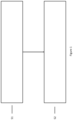
- Fig. 1 shows a diagram of the method for producing engineered platelets according to the present invention.
- the method comprises two steps. However, the method could also comprise more than two steps.
- a therapeutic sequence is transduced into progenitors of megakaryocytes, CD34-expressing HSPC, immature megakaryocytes or megakaryocytes, using a DNA-based vector, the therapeutic sequence encoding at least one therapeutic product.
- a lentivirus is used to transduce an expression cassette into the cells.
- the expression cassette comprises a promoter.
- a coding sequences for the therapeutic compound is added.
- the expression cassette is transduced into immature megakaryocytes.
- megakaryocytes or any progenitors of megakaryocytes could be transduced.
- the expression cassette comprises a therapeutic sequence.
- the expression cassette comprises more than one therapeutic sequence.
- the transduced CD34-expressing HSPC are differentiated into immature megakaryocytes, then maturation of megakaryocytes is induced and finally platelets are generated from mature megakaryocytes.
- platelets can be generated from transduced mature megakaryocytes derived from transduced (immature) megakaryocytes or from transduced progenitors of megakaryocytes (in particular after differentiation into megakaryocytes and/or maturation of megakaryocytes).
- the platelets express the at least one therapeutic product.
- the platelets contain the at least one therapeutic product.
- the method could comprise more steps.
- the therapeutic sequence comprises a sequence encoding for siRNA.
- the therapeutic sequence could comprise a sequence encoding for shRNA (cf. Fig. 9 ) and/or miRNA (cf. Fig. 7 ) and/or mRNA.
- the therapeutic sequence is single.
- the therapeutic sequence is in tandem for multiplexing.
- the therapeutic product is a siRNA against podoplanin.
- the therapeutic product could be a miRNA against podoplanin.
- the DNA-based vector can further comprise at least one coding sequence for a receptor protein, e.g. a cell or tissue or organ specific receptor, wherein the platelets express the receptor protein.
- a receptor protein e.g. a cell or tissue or organ specific receptor
- the receptor protein can be a receptor complex protein.
- the receptor protein could be a non-modified receptor protein or a chimeric receptor protein, or a chimeric receptor protein containing a gain-of-function mutation.
- the coding sequence for the receptor protein can comprise mRNA.
- the receptor could be specific for a cell type, a tissue or an organ.
- the at least one coding sequence for the receptor protein can encode for a scFv.
- the coding sequence also can encode for a scFv together with a signaling intracellular domain.
- the coding sequence could only encode for a single-chain variable fragment (scFv), a ligand, a receptor, a nanobody, designed ankyrin repeat proteins (DARPins), a chimeric antigen receptor and/or an adapter chimeric antigen receptor (adCAR), in particular together with a transmembrane domain or anchoring region such as a GPI-anchor.
- scFv single-chain variable fragment
- DARPins ankyrin repeat proteins
- adCAR adapter chimeric antigen receptor
- the platelets can be produced for therapeutic use.
- a pharmaceutical preparation comprising engineered platelets obtained by a method according to Fig. 1 , expressing at least one therapeutic sequence and/or at least one coding sequence for a protein of a receptor, e.g. a cell or tissue or organ specific receptor can be used in a method for the treatment of a disease.
- a protein of a receptor e.g. a cell or tissue or organ specific receptor
- a pharmaceutical preparation comprising engineered platelets obtained by a method according to Fig. 1 , expressing at least one therapeutic sequence and/or at least one coding sequence for a protein of a receptor, e.g. a cell or tissue or organ specific receptor can be used in a method for the treatment of at least one of cancer, acute inflammation, chronic inflammation, bleeding, coagulation, liver disease.
- a protein of a receptor e.g. a cell or tissue or organ specific receptor
- engineered platelets obtained by a method according to Fig. 1 , expressing at least one therapeutic sequence and/or at least one coding sequence for a receptor protein, e.g. a cell or tissue or organ specific receptor protein, can be used in a method for the treatment of a disease.
- a receptor protein e.g. a cell or tissue or organ specific receptor protein
- engineered platelets obtained by a method according to Fig. 1 , expressing at least one therapeutic sequence and/or at least one coding sequence for a receptor protein, e.g. a cell or tissue or organ specific receptor protein, can be used in a method for the treatment of at least one of cancer, acute inflammation, chronic inflammation, bleeding, coagulation, liver disease.
- a receptor protein e.g. a cell or tissue or organ specific receptor protein
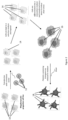
- Fig. 2 illustrates an example of the method according to the present invention for producing engineered platelets.
- Megakaryocytic progenitor cells 10 are first transduced with lentiviral particles 12 to express therapeutic compounds (e.g. miRNA against PDPN).
- therapeutic compounds e.g. miRNA against PDPN.
- a lentiviral particle i.e. a lentiviral transfer plasmid is illustrated in Fig. 5 .
- the lentiviral particles 12 transduce an expression cassette comprising a therapeutic sequence (e.g. a sequence encoding for miR PDPN).
- a therapeutic sequence e.g. a sequence encoding for miR PDPN
- the therapeutic sequence in this example is a sequence encoding for anti-PDPN miRNA.
- mature megakaryocytes 16 are releasing platelets 18 containing the exogenous therapeutic compound, encoded by the therapeutic sequence.
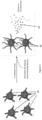
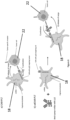
- Fig. 3 illustrates the release of microparticles from platelets.
- platelets are activated by environmental factors, such as cytokines, thrombin and/or collagen, and release the content of their granules, as well as microparticles 20.
- Platelets 18 produced by the method according to the present invention express at least one therapeutic sequence and thus, microparticles 20 released from these platelets 18 comprise the respective therapeutic product.
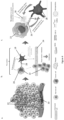
- Fig. 4 shows a schematic view of engineered platelets releasing a therapeutic compound at a site of interest.
- Cancer cells 22 in tumors release metastatic cells 22 in the blood stream 30. Further, cancer cells 22 or metastatic cells 22 overexpress PDPN 26.
- Platelets 18 naturally express C-type lectin domain family 1 member B (CLEC-2) 28, the receptor for PDPN 26.
- CLEC-2 C-type lectin domain family 1 member B
- platelets 18 are engineered to also express miRNA against PDPN (anti PDPN miRNA).
- Platelets 18 are activated by metastatic cancer cells 22 in the blood stream 30, by the PDPN-CLEC-2 pathway, releasing microparticles 20 comprising chemokines, cytokines, and factors leading to increased endothelial cell 24 permeability, invasion of cancer cells 22 into tissue, and proliferation.
- Engineered activated platelets 18 also liberate miRNA (alternatively or additionally siRNA) against PDPN in the vicinity of tumors via microparticles 20.
- microparticles 20 will be engulfed by surrounding cancer or metastatic cells 22, and their PDPN expression will be downregulated. Localized PDPN downregulation can decrease tumor progression and metastasis.
- exogenous therapeutics here anti-PDPN miRNA
- the therapeutic is an anti-PDPN as represented here, it will create a virtuous circle, with less platelet 18 activation and decreased tumor growth.
- Fig. 5 shows an example of a lentiviral transfer plasmid with an expression cassette comprising a therapeutic coding sequence.
- the therapeutic coding sequence encodes for PDPN.
- the plasmid is showing the spleen focus-forming virus (SFFV) promotor (pSFFV), less susceptible to epigenetic silencing, driving the expression of a transgene, here a miRNA.
- SFFV spleen focus-forming virus
- pSFFV spleen focus-forming virus promotor
- the transfer plasmid further comprises the following segments/sequences: cPPT/CTS segment (short for central polypurine tract/chain termination sequence): this sequence helps to increase the efficiency of transduction.
- the cPPT/CTS segment comprises 118 base pairs.
- RRE Rev response element
- Rev Rev response element
- HIV-1 cp HIV-1 packaging signal required for the packaging of viral RNA into virus.
- 3'LTR ( ⁇ U3) (short for 3' long terminal repeat that deletes the U3 region): A truncated version of the HIV-1 3' long terminal repeat that deletes the U3 region. This leads to the self-inactivation of the promoter activity of the 5' LTR upon viral vector integration into the host genome (due to the fact that 3' LTR is copied onto 5' LTR during viral integration).
- the polyadenylation signal contained in 3' LTR- ⁇ U3 serves to terminate all upstream transcripts produced both during viral packaging and after viral integration into the host genome.
- 5' LTR (short for 5' long terminal repeat): A deleted version of the HIV-1 5' long terminal repeat.
- 5' LTR and 3' LTR are essentially identical in sequence. They reside on two ends of the viral genome and point in the same direction. Upon viral integration, the 3' LTR sequence is copied onto the 5' LTR.
- the LTRs carry both promoter and polyadenylation function, such that in wildtype virus, the 5' LTR acts as a promoter to drive the transcription of the viral genome, while the 3' LTR acts as a polyadenylation signal to terminate the upstream transcript.
- 5' LTR- ⁇ U3 is deleted for a region that is required for the LTR's promoter activity normally facilitated by the viral transcription factor Tat. This does not affect the production of viral RNA during packaging because the promoter function is supplemented by the CMV promoter engineered upstream of ⁇ 5' LTR.
- CMV promoter/enhancer (short for cytomegalovirus major immediate-early (CMV) promotor/enhancer): enables production of viral RNA during packaging to compensate for the partially deleted 5' LTR.
- RrnG Transcription terminator from the E. coli ribosomal RNA rrnG operon.
- AmpR short for ampicillin resistance: Nucleotide sequence for the ampicillin resistance gene. It allows the plasmid to be maintained by ampicillin selection in E. coli.
- Ori short for origin of replication: particular sequence in the vector at which replication is initiated.
- SV40 ori short for Simian Virus 40 origin for replication
- WPRE Woodchuck Hepatitis Virus Posttranscriptional Regulatory Element
- 3' miR flanking region a region of DNA that is adjacent to the 3' end of the therapeutic coding sequence (here miR, a sequence encoding for microRNA against PDPN), allows formation of functional pre-miRNA.
- 5' miR flanking region a region of DNA that is adjacent to the 5' end of the therapeutic coding sequence (here miR, a sequence encoding for microRNA against PDPN), allows formation of functional pre-miRNA.
- Chimeric intron sequence to significantly increase transgene expression.
- miR sequence for expressing miRNA; therapeutic sequence of the pre-miRNA (could alternatively be e.g. sequence for expressing siRNA).
- Coding human sequence (5'-3', stem loop-forming precursor RNAs) for miR-29b is CUUCAGGAAGCUGGUUUCAUAUGGUGGUUUAGAUUUAAAUAGUGAUUGUCUAGCACC AUUUGAAAUCAGUGUUCUUGGGGG (SEQ ID NO: 4)
- miR-125a is UGCCAGUCUCUAGGUCCCUGAGACCCUUUAACCUGUGAGGACAUCCAGGGUCACAG GUGAGGUUCUUGGGAGCCUGGCGUCUGGCC (SEQ ID NO: 5), (source: https://www.mirbase.org/).
- Fig. 6 shows engineered platelets 18 expressing a chimeric antigen receptor (CAR) ( Fig. 6a ) or an adapter chimeric antigen receptor (adCAR), ( Fig. 6b ) activated by cancer cells 22, directly (CAR), or indirectly (adCAR).
- CAR chimeric antigen receptor
- adCAR adapter chimeric antigen receptor
- the therapeutic strategy using adCAR requires an antibody specific for a target, together with a moiety specific for the adCAR.
- Fig. 7 shows expression and biological activity of a transgenic miRNA sequence in megakaryocytes.
- miRNA sequences targeting human beta-2-microglobulin (miR-B2M-1, i.e. SEQ ID NO: 6, i.e.
- IMDM Iscove's Modified Dulbecco's Medium
- SCF stem cell factor
- IL-3 interleukin-3
- TPO thrombopoietin receptor agonist peptide
- MEG-01 a megakaryocyte cell line
- lentiviral vectors containing miR-B2M-1 were transduced with lentiviral vectors containing miR-B2M-1.
- B2M low a population expressing a low level of B2M
- cf. Fig. 7b residual expression of 6% compared to control, measured by flow cytometry, using antibody clone 2M2 (official name beta-2-microglobulin, also known as IMD43) (from BioLegend)
- IMD43 antibody clone 2M2 (official name beta-2-microglobulin, also known as IMD43)
- platelets can be generated from the transduced megakaryocytes, the platelets showing low expression of B2M.
- Fig. 8 shows an example of chimeric antigen receptor (CAR) expression on megakaryocytes.
- Human CD34 + cells have been transduced with a lentiviral vector to express a CAR protein (CD19-scFv/CD28/CD3zeta, expression plasmid for the lentiviral vector shown in Fig. 8a ).
- Fig. 8b shows the expression of a CAR capable to bind CD19.
- platelets can be generated from the megakaryocytes derived from the transduced CD34 + cells, the platelets showing expression of a CAR capable to bind to CD19.
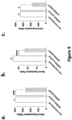
- Fig 9 shows an example of shRNA expressed in platelets and megakaryocytes after transduction of CD34 + cells.
- Human CD34 + cells have been transduced with a lentiviral vector to express a shRNA targeting enhanced green fluorescent protein (EGFP) (shRNA-EGFP) (GPP Web Portal - Clone Details, n.d.).
- EGFP enhanced green fluorescent protein
Landscapes
- Health & Medical Sciences (AREA)
- Life Sciences & Earth Sciences (AREA)
- Engineering & Computer Science (AREA)
- Biomedical Technology (AREA)
- General Health & Medical Sciences (AREA)
- Genetics & Genomics (AREA)
- Chemical & Material Sciences (AREA)
- Zoology (AREA)
- Biotechnology (AREA)
- Veterinary Medicine (AREA)
- Public Health (AREA)
- Hematology (AREA)
- Epidemiology (AREA)
- Animal Behavior & Ethology (AREA)
- Organic Chemistry (AREA)
- Wood Science & Technology (AREA)
- Bioinformatics & Cheminformatics (AREA)
- General Engineering & Computer Science (AREA)
- Immunology (AREA)
- Cell Biology (AREA)
- Biochemistry (AREA)
- Microbiology (AREA)
- Molecular Biology (AREA)
- Developmental Biology & Embryology (AREA)
- Virology (AREA)
- Pharmacology & Pharmacy (AREA)
- Medicinal Chemistry (AREA)
- Physics & Mathematics (AREA)
- Biophysics (AREA)
- Plant Pathology (AREA)
- Medicines That Contain Protein Lipid Enzymes And Other Medicines (AREA)
- Pharmaceuticals Containing Other Organic And Inorganic Compounds (AREA)
- Micro-Organisms Or Cultivation Processes Thereof (AREA)
- Preparation Of Compounds By Using Micro-Organisms (AREA)
Priority Applications (6)
| Application Number | Priority Date | Filing Date | Title |
|---|---|---|---|
| EP23171968.3A EP4461301A1 (de) | 2023-05-07 | 2023-05-07 | Verfahren zur herstellung von manipulierten blutplättchen |
| DE23171968.3T DE23171968T1 (de) | 2023-05-07 | 2023-05-07 | Verfahren zur herstellung von manipulierten blutplättchen |
| PCT/EP2024/062458 WO2024231345A1 (en) | 2023-05-07 | 2024-05-06 | Method for producing therapeutic rna platelet vehicles |
| CN202480030822.6A CN121079093A (zh) | 2023-05-07 | 2024-05-06 | 治疗性rna血小板载体的制备方法 |
| KR1020257040695A KR20260008778A (ko) | 2023-05-07 | 2024-05-06 | 치료용 rna 혈소판 비히클을 제조하는 방법 |
| EP24728016.7A EP4709397A1 (de) | 2023-05-07 | 2024-05-06 | Verfahren zur herstellung von therapeutischen rna-plättchenvehikeln |
Applications Claiming Priority (1)
| Application Number | Priority Date | Filing Date | Title |
|---|---|---|---|
| EP23171968.3A EP4461301A1 (de) | 2023-05-07 | 2023-05-07 | Verfahren zur herstellung von manipulierten blutplättchen |
Publications (1)
| Publication Number | Publication Date |
|---|---|
| EP4461301A1 true EP4461301A1 (de) | 2024-11-13 |
Family
ID=86330555
Family Applications (2)
| Application Number | Title | Priority Date | Filing Date |
|---|---|---|---|
| EP23171968.3A Withdrawn EP4461301A1 (de) | 2023-05-07 | 2023-05-07 | Verfahren zur herstellung von manipulierten blutplättchen |
| EP24728016.7A Pending EP4709397A1 (de) | 2023-05-07 | 2024-05-06 | Verfahren zur herstellung von therapeutischen rna-plättchenvehikeln |
Family Applications After (1)
| Application Number | Title | Priority Date | Filing Date |
|---|---|---|---|
| EP24728016.7A Pending EP4709397A1 (de) | 2023-05-07 | 2024-05-06 | Verfahren zur herstellung von therapeutischen rna-plättchenvehikeln |
Country Status (5)
| Country | Link |
|---|---|
| EP (2) | EP4461301A1 (de) |
| KR (1) | KR20260008778A (de) |
| CN (1) | CN121079093A (de) |
| DE (1) | DE23171968T1 (de) |
| WO (1) | WO2024231345A1 (de) |
Citations (4)
| Publication number | Priority date | Publication date | Assignee | Title |
|---|---|---|---|---|
| WO2020006539A1 (en) | 2018-06-29 | 2020-01-02 | Platelet Biogenesis, Inc. | Compositions for drug delivery and methods of use thereof |
| WO2021231990A1 (en) * | 2020-05-15 | 2021-11-18 | Platelet Biogenesis, Inc. | Improved methods and production of novel platelets |
| EP4026898A1 (de) * | 2019-12-17 | 2022-07-13 | JPV01 Ltd | Gentechnisch hergestellte plättchen zur gezielten abgabe eines therapeutischen wirkstoffs |
| US20220348938A1 (en) * | 2019-10-01 | 2022-11-03 | University Of Utah Research Foundation | Methods of engineering platelets for targeting circulating tumor cells |
Family Cites Families (1)
| Publication number | Priority date | Publication date | Assignee | Title |
|---|---|---|---|---|
| WO2021195496A2 (en) * | 2020-03-27 | 2021-09-30 | Platelet Biogenesis, Inc. | Novel anucleated cells and uses thereof |
-
2023
- 2023-05-07 EP EP23171968.3A patent/EP4461301A1/de not_active Withdrawn
- 2023-05-07 DE DE23171968.3T patent/DE23171968T1/de active Pending
-
2024
- 2024-05-06 CN CN202480030822.6A patent/CN121079093A/zh active Pending
- 2024-05-06 WO PCT/EP2024/062458 patent/WO2024231345A1/en not_active Ceased
- 2024-05-06 KR KR1020257040695A patent/KR20260008778A/ko active Pending
- 2024-05-06 EP EP24728016.7A patent/EP4709397A1/de active Pending
Patent Citations (4)
| Publication number | Priority date | Publication date | Assignee | Title |
|---|---|---|---|---|
| WO2020006539A1 (en) | 2018-06-29 | 2020-01-02 | Platelet Biogenesis, Inc. | Compositions for drug delivery and methods of use thereof |
| US20220348938A1 (en) * | 2019-10-01 | 2022-11-03 | University Of Utah Research Foundation | Methods of engineering platelets for targeting circulating tumor cells |
| EP4026898A1 (de) * | 2019-12-17 | 2022-07-13 | JPV01 Ltd | Gentechnisch hergestellte plättchen zur gezielten abgabe eines therapeutischen wirkstoffs |
| WO2021231990A1 (en) * | 2020-05-15 | 2021-11-18 | Platelet Biogenesis, Inc. | Improved methods and production of novel platelets |
Non-Patent Citations (13)
| Title |
|---|
| BURNIER, L.FONTANA, P.KWAK, B. R.ANNE, A. S.: "Cell-derived microparticles in haemostasis and vascular medicine", THROMBOSIS AND HAEMOSTASIS, vol. 101, no. 3, 2009, pages 439 - 451, Retrieved from the Internet <URL:https://doi.org/10.1160ΓΓH08-08-0521> |
| CORTEZ, M. A., NICOLOSO, M. S., SHIMIZU, M., ROSSI, S., GOPISETTY, G., MOLINA, J. R., CARLOTTI, C., TIRAPELLI, D., NEDER, L., BRAS: "miR-29b and miR-125a Regulate Podoplanin and Suppress Invasion in Glioblastoma HHS Public Access", GENES CHROMOSOMES CANCER, vol. 49, no. 11, 2010, pages 981 - 990, Retrieved from the Internet <URL:https://doi.org/10.1002/gcc.20808> |
| CWIRLA, S. E., BALASUBRAMANIAN, P., DUFFIN, D. J., WAGSTROM, C. R., GATES, C. M., SINGER, S. C., DAVIS, A. M., TANSIK, R. L., MATT: "Peptide Agonist of the Thrombopoietin Receptor as Potent as the Natural Cytokine", SCIENCE,, vol. 276, no. 5319, 1997, pages 1696 - 1699, XP008136351, Retrieved from the Internet <URL:https://doi.org/10.1126/SCIENCE.276.5319.1696> DOI: 10.1126/science.276.5319.1696 |
| GATTER, K. C.BROWN, G.STROWBRIDGE, I.WOOLSTON, R. E.MASON, D. Y.: "Transferrin receptors in human tissues: their distribution and possible clinical relevance", JOURNAL OF, vol. 36, no. 5, 1983, pages 539 - 545, XP055132942, Retrieved from the Internet <URL:https://doi.org/10.1136/JCP.36.5.539> DOI: 10.1136/jcp.36.5.539 |
| MARIA ANGELICA CORTEZ ET AL: "miR-29b and miR-125a regulate podoplanin and suppress invasion in glioblastoma", GENES CHROMOSOMES & CANCER, JOHN WILEY & SONS, INC, US, vol. 49, no. 11, 27 July 2010 (2010-07-27), pages 981 - 990, XP071950610, ISSN: 1045-2257, DOI: 10.1002/GCC.20808 * |
| MARTIN-VILLAR, E., BORDA-D'AGUA, B., CARRASCO-RAMIREZ, P., RENART, J., PARSONS, M., QUINTANILLA, M., JONES, G. E.: "Podoplanin mediates ECM degradation by squamous carcinoma cells through control of invadopodia stability", ONCOGENE, vol. 34, no. 34, 2015, pages 4531, Retrieved from the Internet <URL:https://doi.org/10.1038/ONC.2014.388> |
| N. L., MAHUVAKAR, V. R., ANDERSEN, M. R., LAO, K. Q., LIVAK, K. J., GUEGLER, K. J.: "Real-time quantification of microRNAs by stem-loop RT-PCR", NUCLEIC ACIDS, vol. 33, no. 20, 2005, pages e179 - e179, Retrieved from the Internet <URL:https://doi.org/10.1093/NAR/GNI178> |
| NAITO, Y., YOSHIMURA, J., MORISHITA, S., UI-TEI, K.: "SiDirect 2.0: Updated software for designing functional siRNA with reduced seed-dependent off-target effect", BIOINFORMATICS, vol. 10, no. 1, 2009, pages 1 - 8, XP021061917, Retrieved from the Internet <URL:https://doi.org/10.1186/1471-2105-10-392/FIGURES/4> DOI: 10.1186/1471-2105-10-392 |
| QI, R.QIAO, T.ZHUANG, X.: "Small interfering RNA targeting S100A4 sensitizes non-small-cell lung cancer cells (A549) to radiation treatment", ONCOTARGETS AND, vol. 9, 2016, pages 3753 - 3762, Retrieved from the Internet <URL:https://doi.org/10.2147/OTT.S106557> |
| SHAO, Y.SONG, X.JIANG, W.CHEN, Y.NING, Z.GU, W.JIANG, J.: "MicroRNA-621 Acts as a Tumor Radiosensitizer by Directly Targeting SETDB1 in Hepatocellular Carcinoma", MOLECULAR THERAPY, vol. 27, no. 2, 2019, pages 355 - 364, Retrieved from the Internet <URL:https://doi.org/10.1016/J.YMTHE.2018.11.005/ATTACHMENT/7E78EAC7-AA28-409F-8203-FC103D3BD426/MMC1.PDF> |
| SHINDO, K., AISHIMA, S., OHUCHIDA, K., FUJIWARA, K., FUJINO, M., MIZUUCHI, Y., HATTORI, M., MIZUMOTO, K., TANAKA, M., ODA, Y.: "Podoplanin expression in cancer-associated fibroblasts enhances tumor progression of invasive ductal carcinoma of the pancreas", MOLECULAR CANCER, vol. 12, no. 1, 2013, pages 1 - 16, XP021175945, Retrieved from the Internet <URL:https://doi.org/10.1186/1476-4598-12-168/FIGURES/7> DOI: 10.1186/1476-4598-12-168 |
| STALKER, T. J.NEWMAN, D. K.MA, P.WANNEMACHER, K. M.BRASS, L. F.: "Platelet Signaling", HANDBOOK OF EXPERIMENTAL PHARMACOLOGY, vol. 210, 2012, pages 59 - 85, Retrieved from the Internet <URL:https://doi.org/10.1007/978-3-642-29423-5_3> |
| SUDIMACK, J.LEE, R. J.: "Targeted drug delivery via the folate receptor", ADVANCED DRUG DELIVERY REVIEWS,, vol. 41, no. 2, 2000, pages 147 - 162, XP000990851, Retrieved from the Internet <URL:https://doi.org/10.1016/S0169-409X(99)00062-9> DOI: 10.1016/S0169-409X(99)00062-9 |
Also Published As
| Publication number | Publication date |
|---|---|
| WO2024231345A1 (en) | 2024-11-14 |
| CN121079093A (zh) | 2025-12-05 |
| KR20260008778A (ko) | 2026-01-16 |
| EP4709397A1 (de) | 2026-03-18 |
| DE23171968T1 (de) | 2025-01-23 |
Similar Documents
| Publication | Publication Date | Title |
|---|---|---|
| CA2690730C (en) | Reversible sirna-based silencing of mutant and endogenous wild-type huntingtin gene and its application for the treatment of huntington's disease | |
| Mäkinen et al. | Stable RNA interference: comparison of U6 and H1 promoters in endothelial cells and in mouse brain | |
| US20040096843A1 (en) | Methods for producing interfering RNA molecules in mammalian cells and therapeutic uses for such molecules | |
| TWI533894B (zh) | 以表現pdx-1之神經內分泌腫瘤中pdx-1致癌基因爲標的之新穎治療性rna干擾技術 | |
| WO2015164818A1 (en) | Multiple targeted rnai for the treatment of cancers | |
| JP2005534696A (ja) | 干渉性rnaの導入によるターゲット遺伝子発現のイン・ビボでのダウンレギュレーション方法 | |
| Zhou et al. | RNA interference and potential applications | |
| JP2010502230A (ja) | Sirnaおよび製造方法 | |
| WO2010006239A2 (en) | Regulation of apoptosis by neural specific splice variants of ig20 | |
| Feng et al. | A multifunctional lentiviral-based gene knockdown with concurrent rescue that controls for off-target effects of RNAi | |
| Li et al. | Specific killing of Ph+ chronic myeloid leukemia cells by a lentiviral vector-delivered anti-bcr/abl small hairpin RNA | |
| EP3134528A1 (de) | Mehrfach angezielte rnai zur krebsbehandlung | |
| Xu et al. | Myc-mediated circular RNA circMcph1/miR-370-3p/Irak2 axis is a progressive regulator in hepatic fibrosis | |
| Kwak et al. | A T7 autogene-based hybrid mRNA/DNA system for long-term shRNA expression in cytoplasm without inefficient nuclear entry | |
| EP4461301A1 (de) | Verfahren zur herstellung von manipulierten blutplättchen | |
| JP2007530431A (ja) | 膵臓癌を治療するための組成物および方法 | |
| AU2004256322B2 (en) | siRNA expression system | |
| Seraj et al. | Cytoplasmic expression of EGFR shRNA using a modified T7 autogene-based hybrid mRNA/DNA system induces long-term EGFR silencing and prolongs antitumor effects | |
| JP2006500017A (ja) | RNA発現のためのアデノウイルスのVA1PolIII発現システム | |
| JP7153033B2 (ja) | 真核生物におけるrna分子の細胞型特異的な翻訳に関する系及び方法 | |
| CN101821410B (zh) | 印迹位点调节物兄弟(boris)的基因沉默 | |
| Spirin et al. | Modulation of activated oncogene c-kit expression with RNA-interference | |
| Schiffelers et al. | siRNA-mediated inhibition of angiogenesis | |
| JP2011188849A (ja) | 抗腫瘍効果を有するmiR−7発現プラスミド | |
| US20090060889A1 (en) | Ii-RNAi involved Ii suppression in cancer immunotherapy |
Legal Events
| Date | Code | Title | Description |
|---|---|---|---|
| PUAI | Public reference made under article 153(3) epc to a published international application that has entered the european phase |
Free format text: ORIGINAL CODE: 0009012 |
|
| STAA | Information on the status of an ep patent application or granted ep patent |
Free format text: STATUS: THE APPLICATION HAS BEEN PUBLISHED |
|
| AK | Designated contracting states |
Kind code of ref document: A1 Designated state(s): AL AT BE BG CH CY CZ DE DK EE ES FI FR GB GR HR HU IE IS IT LI LT LU LV MC ME MK MT NL NO PL PT RO RS SE SI SK SM TR |
|
| REG | Reference to a national code |
Ref country code: AT Ref legal event code: EECC Ref document number: AT T Effective date: 20250115 |
|
| REG | Reference to a national code |
Ref country code: DE Ref legal event code: R210 |
|
| STAA | Information on the status of an ep patent application or granted ep patent |
Free format text: STATUS: THE APPLICATION IS DEEMED TO BE WITHDRAWN |
|
| 18D | Application deemed to be withdrawn |
Effective date: 20250514 |