EP4417702A2 - Verfahren und system zur vorhersage der kopplungswahrscheinlichkeiten von g-protein-gekoppelten rezeptoren mit g-proteinen - Google Patents
Verfahren und system zur vorhersage der kopplungswahrscheinlichkeiten von g-protein-gekoppelten rezeptoren mit g-proteinen Download PDFInfo
- Publication number
- EP4417702A2 EP4417702A2 EP24179023.7A EP24179023A EP4417702A2 EP 4417702 A2 EP4417702 A2 EP 4417702A2 EP 24179023 A EP24179023 A EP 24179023A EP 4417702 A2 EP4417702 A2 EP 4417702A2
- Authority
- EP
- European Patent Office
- Prior art keywords
- protein
- gpcr
- coupling
- amino acid
- data
- Prior art date
- Legal status (The legal status is an assumption and is not a legal conclusion. Google has not performed a legal analysis and makes no representation as to the accuracy of the status listed.)
- Pending
Links
Images






Classifications
-
- G—PHYSICS
- G16—INFORMATION AND COMMUNICATION TECHNOLOGY [ICT] SPECIALLY ADAPTED FOR SPECIFIC APPLICATION FIELDS
- G16B—BIOINFORMATICS, i.e. INFORMATION AND COMMUNICATION TECHNOLOGY [ICT] SPECIALLY ADAPTED FOR GENETIC OR PROTEIN-RELATED DATA PROCESSING IN COMPUTATIONAL MOLECULAR BIOLOGY
- G16B15/00—ICT specially adapted for analysing two-dimensional [2D] or three-dimensional [3D] molecular structures, e.g. structural or functional relations or structure alignment
- G16B15/30—Drug targeting using structural data; Docking or binding prediction
-
- C—CHEMISTRY; METALLURGY
- C07—ORGANIC CHEMISTRY
- C07K—PEPTIDES
- C07K14/00—Peptides having more than 20 amino acids; Gastrins; Somatostatins; Melanotropins; Derivatives thereof
- C07K14/435—Peptides having more than 20 amino acids; Gastrins; Somatostatins; Melanotropins; Derivatives thereof from animals; from humans
- C07K14/705—Receptors; Cell surface antigens; Cell surface determinants
-
- C—CHEMISTRY; METALLURGY
- C12—BIOCHEMISTRY; BEER; SPIRITS; WINE; VINEGAR; MICROBIOLOGY; ENZYMOLOGY; MUTATION OR GENETIC ENGINEERING
- C12N—MICROORGANISMS OR ENZYMES; COMPOSITIONS THEREOF; PROPAGATING, PRESERVING, OR MAINTAINING MICROORGANISMS; MUTATION OR GENETIC ENGINEERING; CULTURE MEDIA
- C12N9/00—Enzymes; Proenzymes; Compositions thereof; Processes for preparing, activating, inhibiting, separating or purifying enzymes
- C12N9/10—Transferases (2.)
- C12N9/12—Transferases (2.) transferring phosphorus containing groups, e.g. kinases (2.7)
-
- C—CHEMISTRY; METALLURGY
- C12—BIOCHEMISTRY; BEER; SPIRITS; WINE; VINEGAR; MICROBIOLOGY; ENZYMOLOGY; MUTATION OR GENETIC ENGINEERING
- C12N—MICROORGANISMS OR ENZYMES; COMPOSITIONS THEREOF; PROPAGATING, PRESERVING, OR MAINTAINING MICROORGANISMS; MUTATION OR GENETIC ENGINEERING; CULTURE MEDIA
- C12N9/00—Enzymes; Proenzymes; Compositions thereof; Processes for preparing, activating, inhibiting, separating or purifying enzymes
- C12N9/14—Hydrolases (3)
-
- C—CHEMISTRY; METALLURGY
- C12—BIOCHEMISTRY; BEER; SPIRITS; WINE; VINEGAR; MICROBIOLOGY; ENZYMOLOGY; MUTATION OR GENETIC ENGINEERING
- C12N—MICROORGANISMS OR ENZYMES; COMPOSITIONS THEREOF; PROPAGATING, PRESERVING, OR MAINTAINING MICROORGANISMS; MUTATION OR GENETIC ENGINEERING; CULTURE MEDIA
- C12N9/00—Enzymes; Proenzymes; Compositions thereof; Processes for preparing, activating, inhibiting, separating or purifying enzymes
- C12N9/14—Hydrolases (3)
- C12N9/16—Hydrolases (3) acting on ester bonds (3.1)
-
- C—CHEMISTRY; METALLURGY
- C12—BIOCHEMISTRY; BEER; SPIRITS; WINE; VINEGAR; MICROBIOLOGY; ENZYMOLOGY; MUTATION OR GENETIC ENGINEERING
- C12Q—MEASURING OR TESTING PROCESSES INVOLVING ENZYMES, NUCLEIC ACIDS OR MICROORGANISMS; COMPOSITIONS OR TEST PAPERS THEREFOR; PROCESSES OF PREPARING SUCH COMPOSITIONS; CONDITION-RESPONSIVE CONTROL IN MICROBIOLOGICAL OR ENZYMOLOGICAL PROCESSES
- C12Q1/00—Measuring or testing processes involving enzymes, nucleic acids or microorganisms; Compositions therefor; Processes of preparing such compositions
- C12Q1/66—Measuring or testing processes involving enzymes, nucleic acids or microorganisms; Compositions therefor; Processes of preparing such compositions involving luciferase
-
- C—CHEMISTRY; METALLURGY
- C12—BIOCHEMISTRY; BEER; SPIRITS; WINE; VINEGAR; MICROBIOLOGY; ENZYMOLOGY; MUTATION OR GENETIC ENGINEERING
- C12Y—ENZYMES
- C12Y207/00—Transferases transferring phosphorus-containing groups (2.7)
- C12Y207/11—Protein-serine/threonine kinases (2.7.11)
- C12Y207/11001—Non-specific serine/threonine protein kinase (2.7.11.1), i.e. casein kinase or checkpoint kinase
-
- C—CHEMISTRY; METALLURGY
- C12—BIOCHEMISTRY; BEER; SPIRITS; WINE; VINEGAR; MICROBIOLOGY; ENZYMOLOGY; MUTATION OR GENETIC ENGINEERING
- C12Y—ENZYMES
- C12Y207/00—Transferases transferring phosphorus-containing groups (2.7)
- C12Y207/11—Protein-serine/threonine kinases (2.7.11)
- C12Y207/11013—Protein kinase C (2.7.11.13)
-
- C—CHEMISTRY; METALLURGY
- C12—BIOCHEMISTRY; BEER; SPIRITS; WINE; VINEGAR; MICROBIOLOGY; ENZYMOLOGY; MUTATION OR GENETIC ENGINEERING
- C12Y—ENZYMES
- C12Y301/00—Hydrolases acting on ester bonds (3.1)
- C12Y301/04—Phosphoric diester hydrolases (3.1.4)
- C12Y301/04011—Phosphoinositide phospholipase C (3.1.4.11)
-
- C—CHEMISTRY; METALLURGY
- C12—BIOCHEMISTRY; BEER; SPIRITS; WINE; VINEGAR; MICROBIOLOGY; ENZYMOLOGY; MUTATION OR GENETIC ENGINEERING
- C12Y—ENZYMES
- C12Y306/00—Hydrolases acting on acid anhydrides (3.6)
- C12Y306/05—Hydrolases acting on acid anhydrides (3.6) acting on GTP; involved in cellular and subcellular movement (3.6.5)
- C12Y306/05002—Small monomeric GTPase (3.6.5.2)
-
- G—PHYSICS
- G16—INFORMATION AND COMMUNICATION TECHNOLOGY [ICT] SPECIALLY ADAPTED FOR SPECIFIC APPLICATION FIELDS
- G16B—BIOINFORMATICS, i.e. INFORMATION AND COMMUNICATION TECHNOLOGY [ICT] SPECIALLY ADAPTED FOR GENETIC OR PROTEIN-RELATED DATA PROCESSING IN COMPUTATIONAL MOLECULAR BIOLOGY
- G16B40/00—ICT specially adapted for biostatistics; ICT specially adapted for bioinformatics-related machine learning or data mining, e.g. knowledge discovery or pattern finding
- G16B40/20—Supervised data analysis
-
- G—PHYSICS
- G01—MEASURING; TESTING
- G01N—INVESTIGATING OR ANALYSING MATERIALS BY DETERMINING THEIR CHEMICAL OR PHYSICAL PROPERTIES
- G01N33/00—Investigating or analysing materials by specific methods not covered by groups G01N1/00 - G01N31/00
- G01N33/48—Biological material, e.g. blood, urine; Haemocytometers
- G01N33/50—Chemical analysis of biological material, e.g. blood, urine; Testing involving biospecific ligand binding methods; Immunological testing
- G01N33/53—Immunoassay; Biospecific binding assay; Materials therefor
- G01N33/566—Immunoassay; Biospecific binding assay; Materials therefor using specific carrier or receptor proteins as ligand binding reagents where possible specific carrier or receptor proteins are classified with their target compounds
Definitions
- the present invention relates to a computer-implemented method for determining a probability of coupling or no coupling between a G-protein and a G-protein coupled receptor (GPCR), a computer-implemented method for designing a G-protein coupled receptor (GPCR) with a predetermined G-protein coupling profile, a computational data processing system configured to carry out aforementioned methods, use of the aforementioned methods invention, Designer Receptor Exclusively Activated by Designer Drugs (DREADD), a method for determining coupling or no coupling between G-protein and G-protein coupled receptor (GPCR) mediated by a GPCR ligand in a cell and assessed by respective chimeric amino acid sequences.
- GPCR G-protein coupled receptor
- GPCRs G-protein coupled receptors
- GPCRs G-protein coupled receptors
- Ligand binding induces conformational changes in GPCRs that then lead to intracellular binding by particular heterotrimeric G-protein complexes, each consisting of G ⁇ , G ⁇ and G ⁇ subunits, where distinct G ⁇ subunits specify both GPCR interactions and the transduction of particular downstream signaling events (Wettschureck and Offermanns, 2005).
- the human genome encodes 16 G ⁇ genes that are grouped into four subfamilies G ⁇ s , G ⁇ i/o , G ⁇ q/11 and G ⁇ 12/13 , that capture broad properties of downstream signaling (e.g., adenylate cyclase activation by G ⁇ s ) (Wettschureck and Offermanns, 2005).
- G ⁇ s adenylate cyclase activation by G ⁇ s
- G ⁇ s adenylate cyclase activation by G ⁇ s
- each of the hundreds of mammalian GPCRs couple with more than one G-protein giving each a distinct coupling profile (Harding et al., 2018), or signature, which evokes a unique cellular response. Determining these GPCR profiles is critical to understanding their biology and pharmacology.
- this G-protein coupling information is limited to binary (primary coupling and not stated) or tertiary (primary, secondary couplings and not stated) scoring and fails to provide quantitative data sufficient to achieve successful bioinformatic analyses including GPCR residues involving G-protein coupling selectivity.
- GPCR signalling provides an improved method for determining a coupling probability between a G-protein and a G-protein coupled receptor (GPCR), an improved method for designing a G-protein coupled receptor (GPCR) with a predetermined G-protein coupling profile, and an alternative method for determining dissociation of a G ⁇ subunit from G ⁇ subunits of a G-protein in view of GPCR ligand induced interaction.
- GPCR G-protein coupled receptor
- a first aspect of the invention relates to a computer-implemented method for determining a probability of coupling or no coupling between a G-protein and a G-protein coupled receptor (GPCR).
- the first aspect of the invention acts as a predictor for GPCR / G-protein couplings or no couplings. Therefore, the inventive method of the first aspect is synonymously referred to as (inventive) predictor, if not otherwise stated.
- the inventive predictor can be used for a host of biological and pharmaceutical applications.
- the inventive predictor is improved over the prior art predictor of Sgourakis et al., 2005b; Yabuki et al., 2005, as it can - in addition to predicting the GPCR/G-protein coupling probability - also predict the no coupling propability.
- the inventive predictor shows an increased sensitivity of predicting the GPCR/G-protein coupling, in particular GPCR/G-protein coupling selectivity.
- the method / predictor of the first inventive aspect comprises or consists of the following steps: Method step A:
- acid sequence data and/or three dimensional (3D) structural data preferably acid sequence data and optionally three dimensional (3D) structural data of the one or more G-proteins and GPCRs according to i) and ii) are grouped into coupled and uncoupled G-protein / GPCR complexes.
- the amino acid sequence data and/or 3D structural data of the G-protein is provided for at least part of one or more of G-protein sub-families G s , G i/o , G q/11 , and G 12/13 , preferably at least part of the ⁇ subunit of one or more of G-protein sub-families G s , G i/o , G q/11 , and G 12/13 .
- the amino acid sequence data and/or 3D structural data of the GPCR is preferably at least provided for part of the amino acid sequence data and/or 3D structural data of Class A GPCRs, more preferably wherein the part of the Class A GPCRs comprises or consists of at least part of the amino acid sequence data and/or 3D structural data of
- the above amino acid sequence data and/or 3D structural data of the seven transmembrane bundle (7TM) or extra 7TM of GPCRs are relevant for interactions with the G-protein.
- the amino acid sequence data and/or three dimensional (3D) structural data for of step a) comprises i) at least for one given G-protein data set a set of data of two or more respective coupling GPCRs and/or two or more respective uncoupling GPCRs and/or ii) at least for one given GPCR data set a set of data of two or more respective coupling G-proteins and/or two or more respective uncoupling G-proteins.
- the preferred embodiment provides not only primary, but also secondary, tertiary etc. coupling G-protein / GPCR data. Such data provision increases the sensitivity of the inventive predictor.
- Method step B b. Statistically aligning the amino acid sequence and/or the 3D structural data of the G-protein with the GPCR of the respective coupled or uncoupled G-protein / GPCR complex provided in step a) in order to determine one or more amino acid residues and/or one or more structural composition features found to be statistically significantly associated with a coupled G-protein / GPCR complex or with an uncoupled G-protein / GPCR complex, and statistically assigning a coupling or uncoupling probability to the determined amino acid residues and/or structural composition features.
- the significantly aligned one or more amino acid residues and/or one or more structural composition features are grouped into coupled or uncoupled G-protein / GPCR complex groups.
- amino acid residues and/or structural composition features are statistically significantly associated with a coupled G-protein / GPCR complex or with an uncoupled G-protein / GPCR complex
- amino acid residues and/or structural composition features not statistically significantly associated with a coupled G-protein / GPCR complex or with an uncoupled G-protein / GPCR complex are in general not used for statistically assigning the coupling or uncoupling probability.
- the assignment of the coupling or uncoupling probability in generaly depends on the p-value; a p-value of greater or equal 0.5 assigns a coupling probability and a p-value of less than 0.5 assigns a uncoupling probability for the respectively determined amino acid residues and/or structural composition features.
- the statistical alignment and assignment of coupling or uncoupling probability according to step b) uses a Hidden Markov Model (HMM) profile, which in particular allows more sequences to be significantly identified.
- HMM Hidden Markov Model
- Method step C c. Training a machine learning classifier using the coupling or uncoupling probabilities assigned to the one or more amino acid residues and/or one or more structural composition features of step b) in order to create a predictor for determining a probability of coupling or no coupling between a G-protein and a G-protein coupled receptor (GPCR).
- GPCR G-protein coupled receptor
- the assigned coupling or uncoupling probabilities of method step b) are classified in step c) by comparing the probabilities in relation to each other.
- a logistic regression is used in the machine learning prediction of step c).
- the training step c) comprises a step of comparing the statistical alignment and probability of coupling or uncoupling and assigning weight for coupling or uncoupling to the respective significant coupling and/or uncoupling amino acid residues and/or structural composition features, more preferably in relation with a respective coupled or uncoupled G-protein / GPCR complex.
- Method step D d. Providing an amino acid sequence and/or 3D structural data of a query GPCR and applying the trained machine learning predictor of step c) in order to determine a probability that the query GPCR couples or uncouples to a predetermined G-protein.
- method step D relates to input data for the machine learning predictor of step c) comprising a query GPCR (synonym: GPCR of interest) and predicting in relation to the classification of probabilities a G-protein / GPCR profile, which means that the query GPCR couples or uncouples with a certain probability to the predetermined G-proteins.
- GPCR synonym: GPCR of interest
- Method step E e. Providing an amino acid sequence and/or 3D structural data of a query G-protein and applying the trained machine learning predictor of step c) in order to determine a probability that the query G-protein couples or uncouples to a predetermined GPCR.
- the inventive method relates to input data for the machine learning predictor of step c) comprising a query G-protein (synonym: G-protein of interest) and predicting in relation to the classification of probabilities a G-protein / GPCR profile, which means that the query GPCR couples or uncouples with a certain probability to the predetermined GPCR.
- a query G-protein synonym: G-protein of interest
- inventive predictor can comprise - in case it is reasonable for a person skilled in the art - any possible feature combination of the different inventive embodiments including preferred and alternative features.
- embodiments of the inventive predictor can comprise - in case it is reasonable for a person skilled in the art - any possible feature combination with singular or combined features of embodiments disclosed in the detailed description, the experimental section, sequence listing and / or figures.
- a computer-implemented method for designing a G-protein coupled receptor (GPCR) with a predetermined G-protein coupling profile is provided.
- the second aspect of the invention acts as a designer for GPCR / G-protein couplings or no couplings. Therefore, the inventive method of the second aspect is synonymously referred to as (inventive) designer, if not otherwise stated.
- the inventive designer can be used for a host of biological and pharmaceutical applications.
- the inventive designer is improved over the prior art predictor of Sgourakis et al., 2005b; Yabuki et al., 2005, as it can optimize the designed GPCR sequence in view of a predetermined G-protein / GPCR coupling profile and, thus, shows an increased sensitivity of designing a GPCR having a predetermined G-protein / GPCR coupling profile.
- the method / designer of the second inventive aspect comprises or consists of the method steps a) to d) already disussed with respect to embodiments of the first aspect of the present invention, namely the predictor. All inventive embodiments including preferred features and feature combinations disclosed with respect to the first aspect of the present invention are also applicable to embodiments and preferred embodiments of the second aspect of the invention, namely the designer.
- the method / designer of the second inventive aspect method setp d) further comprises designing a GPCR with a predetermined G-protein coupling profile by amending the amino acid sequence and/or the 3D structural data of the query GPCR in order to optimize the probability that the GPCR couples to the predetermined G-protein and optionally to optimize the probability to not couple to other G-proteins.
- the amino acid sequence and / or a 3D structural feature data of the query GPCR is optimized for a predetermined GPCR / G-protein coupling profile using the machine learning classifier of step c).
- the query GPCR is optimized for a predetermined GPCR / G-protein coupling profile of G-protein subfamilies in order to increase the sensitivity.
- the inventive designer is used to design a Designer Receptor Exclusively Activated by Designer Drugs (DREADD).
- DEADD Designer Receptor Exclusively Activated by Designer Drugs
- the designer of the second aspect of the present invention can comprise - in case it is reasonable for a person skilled in the art - any possible feature combination of the different inventive embodiments.
- a computational data processing system comprising data processing system having one or more processors coupled to a memory, having inputting and having outputting means.
- the data processing system of the third inventive aspect is configured to
- the inventive system can at least in part be installed on a local server or on a webserver, in particular a cloud based webserver.
- An end user may use this inventive system via a suitable browser or software application to be downloadable on an end user device or another device connectable to the end user device.
- inventive data communication system can comprise - in case it is reasonable for a person skilled in the art - any possible feature combination of the different inventive embodiments including preferred and alternative features of the inventive predictor and inventive designer of the first and second inventive aspects, respectively.
- inventive embodiments can comprise - in case it is reasonable for a person skilled in the art - any possible feature combination with singular or combined features of embodiments disclosed in the detailed description, the experimental section, sequence listing and / or figures.
- the inventive predictor, the inventive designer and/or the inventive data processing system can be used together with one or more further data sets relating to the same or other GPCR signaling pathways selected from the group consisting of genomic sequencing, transcriptomics, proteomics, and/or metabolomics in quantification of GPCR downstream signaling in normal and/or pathological conditions.
- the use of the fourth aspect of the present invention can comprise - in case it is reasonable for a person skilled in the art - any possible feature combination of the different inventive embodiments including preferred and alternative features of the inventive predictor, the inventive designer and the inventive data processing sytem of the first, second and third inventive aspects, respectively.
- the inventive embodiments can comprise - in case it is reasonable for a person skilled in the art - any possible feature combination with singular or combined features of embodiments disclosed in the detailed description, the experimental section, sequence listing and / or figures.
- a Designer Receptor Exclusively Activated by Designer Drugs is provided, wherein the DREADD is a G-protein coupled receptor (GPCR), obtainable by the inventive designer method according to the second aspect of the present invention.
- GPCR G-protein coupled receptor
- Such a designed DREADD is in particular relevant, as it can be designed for optimized G-protein sub-familiy coupling profile, preferably comprising a G 12 - specific / GPCR coupling profile.
- the DREADD is a G 12 - specific GPCR responding to a ligand and comprises or consists of an amino acid sequence according to SEQ ID Nos: 2, 3, or 4 or an amino acid sequence having at least 90, 91, 92, 93, 94, 95, 96, 97, 98, 99 % sequence identity to SEQ ID Nos: 2, 3, or 4.
- inventive DREADDs may be used also in other aspects of the present invention, such as in assays used for biologic and pharmaceutical developments, in particular the inventive assays as set out below in the sixth aspect of the present invention.
- the inventive DREADDs are in particular preferred when profiling a G 12 coupling to a GPCR.
- the DREADD of the fifth aspect of the present invention can comprise - in case it is reasonable for a person skilled in the art - any possible feature combination of the different inventive embodiments including preferred and alternative features of the inventive predictor, the inventive designer and the inventive data processing sytem of the first, second and third inventive aspects, respectively.
- the inventive embodiments can comprise - in case it is reasonable for a person skilled in the art - any possible feature combination with singular or combined features of embodiments disclosed in the detailed description, the experimental section, sequence listing and / or figures.
- a method for determining coupling or no coupling between G-protein and G-protein coupled receptor (GPCR) mediated by a GPCR ligand in a cell is provided.
- GPCR G-protein and G-protein coupled receptor
- a cell or membrane based assay for determining a G-protein / GPCR coupling profile is provided. Therefore, the inventive method of the sixth aspect may synonymously be referred to as inventive assays.
- the inventive assay is characterized in that it uses a split luciferase complement system (NanoBiT).
- NanoBiT a pair of large fragment of split luciferase (LgBiT) sequences and small fragment of split luciferase (SmBiT) sequences along with a 15-amino acid linker
- LgBiT large fragment of split luciferase
- SmBiT small fragment of split luciferase
- the inventors generated LgBiT- or SmBiT-fused chimeric proteins as set out in more detail below and showed that these engineered chimeric proteins are useful for analyzing G protein activation in cells (and also in membrane preparation) and thereby determining coupling or no coupling between G-protein and G-protein coupled receptor (GPCR).
- GPCR G-protein coupled receptor
- the inventive cell assay comprises or consists of the following assay method steps: Assay Method Step A:
- Ras homolog gene family, member A a Ras homolog gene family, member A (RhoA) GTPase activation cell assay comprising chimeric RhoA GTPase and a chimeric PKC-related serine/threonine-protein kinase N1 (PKN1), wherein the chimeric RhoA GTPase is expressed in the cell comprising a large fragment of split luciferase (LgBiT), preferably fused with a flexible linker amino acid sequence to the N-terminal region of the chimeric RhoA GTPase, and wherein the PKN1 is expressed in the cell comprising a small fragment of the split luciferase (SmBiT), preferably fused with a flexible linker amino acid sequence to the N-terminal region.
- RhoA Ras homolog gene family, member A
- RhoA GTPase activation cell assay is in particular advantageous when determining the G 12/13 G-protein subunit with GPCR.
- the chimeric RhoA GTPase and/or chimeric PKN1 comprise or consist of the following sequences:
- IP3 accumulation cell assay comprising a chimeric inositole triphosphate receptor (IP3R), wherein the chimeric IP3R is expressed in the cell comprising a large fragment of split luciferase (LgBiT), preferably fused with a flexible linker amino acid sequence to the N-terminal region of the IP3R and comprising a small fragment of the split luciferase (SmBiT) spaced from the LgBiT, preferably fused with a flexible linker amino acid sequence to the C-terminal region of the IP3R.
- LgBiT split luciferase
- SmBiT split luciferase
- the chimeric IP3R preferably IP3R2 comprises or consists of the following sequence:
- the Gq-PLC ⁇ interaction assay is in particular advantageous when determining the Gq/11 G-protein subunit with GPCR.
- the chimeric G ⁇ q subunit and/or chimeric PLC ⁇ comprise or consist of the following sequences:
- the cells comprised in the respective assays of method steps a), b) or c) are loaded with a suitable amount of luciferase.
- the luciferase substrate is coelenterazine (CTZ) or a comparable luciferase substrate.
- the associated chimeric G-protein subunits of the inventive G-protein dissociation assay form a bioluminescence active construct in presence of a luciferase substrate.
- the dissociated chimeric RoA GTPase and chimeric PKN1 of the inventive RhoA GTPase activation assay are bioluminescence inactive in presence of a luciferase substrate.
- the chimeric IP3R of the inventive IP3 accumulation cell assay (Assay Method Step C) is as such bioluminescence inactive in presence of a luciferase substrate.
- the associated chimeric G ⁇ q subunit and the chimeric PLC ⁇ protein of the inventive Gq-PLC ⁇ interaction assay form a bioluminescence active construct.
- Step F f. Contacting the cell of step e) with a ligand of the GPCR.
- the cells of the inventive assays are incubated with a suitable ligand for each assay in order to activate the signaling pathway of the respective GPCR.
- a suitable GPCR ligand binds to the GPCR of the inventive G-protein dissociation assay
- coupling of the GPCR with the G ⁇ subunit of the chimeric G-protein is mediated and dissociation of the G ⁇ subunit from G ⁇ subunits of the chimeric G-protein is initiated.
- dissociation of the G ⁇ subunit from G ⁇ subunits of the chimeric G-protein guanosine diphosphate (GDP) is released from the G ⁇ subunit and guanosine triphosphate (GTP) is bound to the G ⁇ subunit.
- GDP guanosine diphosphate
- GTP guanosine triphosphate
- the dissociated chimeric G-protein is bioluminescence inactive (see also Fig. S3A).
- RhoGTPase nucleotide exchange factors RhoGEFs
- RhoGEFs RhoGTPase nucleotide exchange factors
- GDP is released from the chimeric RhoA GTPase and GTP is bound thereto.
- This exchange facilitates the coupling of the chimeric RhoA GTPase and the chimeric PKN1.
- the LgBiT and SmBiT form a bioluminescent active construct (see also Fig. S5A).
- a suitable GPCR ligand binds to the GPCR of an IP3R activation cell assay
- 1-phosphatidylinositol-4,5-bisphosphate phosphodiesterase beta PLC ⁇
- PLC ⁇ 1-phosphatidylinositol-4,5-bisphosphate phosphodiesterase beta
- a chimeric G ⁇ subunit from the G ⁇ q family interacts with the chimeric 1-phosphatidylinositol-4,5-bisphosphate phosphodiesterase beta (PLC ⁇ ).
- PLC ⁇ 1-phosphatidylinositol-4,5-bisphosphate phosphodiesterase beta
- SmBiT and LgBiT fragments associate to form a bioluminescence active construct (see also Fig. S8P).
- Step G g. Measuring a bioluminescence signal of the cell of step f) and optionally the cell of step e).
- the biolouminescence signal is measured in step f) of the inventive assays, wherein the bioluminescence signal corresponds to the formation of associated LgBiT and SmBiT fragments.
- the background fluorescence in step e) is additionally measured.
- reference fluorescence data may be provided in order to carry out step h).
- Step H h. determining coupling or no coupling between G-protein and G-protein coupled receptor (GPCR) as a function of the measured bioluminescence signal in step f).
- GPCR G-protein coupled receptor
- a threshold value may be used.
- the bioluminescence signal measured in step f) may be compared to an external reference signal value.
- inventive cell assays can comprise - in case it is reasonable for a person skilled in the art - any possible feature combination of the different inventive embodiments including preferred and alternative features.
- the embodiments of the inventive cell assays can comprise - in case it is reasonable for a person skilled in the art - any possible feature combination with singular or combined features of embodiments disclosed in the detailed description, the experimental section, sequence listing and / or figures.
- an amino acid sequence for determining coupling or no coupling between G-protein and G-protein coupled receptor (GPCR) mediated by a GPCR ligand in a cell based assay is provided, characterized in that the amino acid sequence is selected from
- TGF ⁇ shedding assay ( Figure 1A ), which they showed previously to be a robust, high-throughput means to measure accumulated GPCR signals (Inoue et al., 2012). In the assay, they detect ADAM17-induced ectodomain shedding of alkaline phosphatase-fused TGF ⁇ (AP-TGF ⁇ ) and subsequent release into conditioned media.
- AP-TGF ⁇ alkaline phosphatase-fused TGF ⁇
- G q/11 - or G 12/13 -coupled receptors induce this process (Inoue et al., 2012), which they first tested using a panel of HEK293 cells lacking one or both of the G q/11 and the G 12/13 subfamilies (hereafter denoted as ⁇ G q , ⁇ G 12 and ⁇ G q / ⁇ G 12 ; Figure 1A ) (Devost et al., 2017; Schrage et al., 2015).
- TGF ⁇ shedding responses remained in ⁇ G q and ⁇ G 12 cells.
- TGF ⁇ shedding responses were completely abolished in ⁇ G q / ⁇ G 12 cells nor could G s - or G i/o -coupled receptors induce TGF ⁇ shedding responses.
- siRNA-mediated knockdown experiments in the parental HEK293 cells confirmed involvement of G q/11 and G 12/13 in the TGF ⁇ shedding response ( Figure S1). Thus, this is clear evidence that the TGF ⁇ shedding assay selectively measures G q/11 and/or G 12/13 signaling.
- teh inventors compared surface expression levels of epitope-tagged GPCRs among parental, ⁇ G q , ⁇ G 12 and G q / ⁇ G 12 cells using a flow cytometry. All tested GPCRs (FLAG-ADRB1, FLAG-HRH1 and FLAG-DRD1) were equally expressed in the parental as well as the G-protein-KO cells ( Figure S2A).
- the inventors exploited the above assay system, and the previously identified importance of the G ⁇ subunit C-terminus, to develop the inventive TGF ⁇ shedding assay to assess binding of G-proteins to any GPCR of interest (query GPCR). Specifically, they constructed chimeric G ⁇ subunits where the native 6-amino acid C-termini of members from the G ⁇ q/11 and the G ⁇ 12/13 families were substituted with those from other human G ⁇ subunits ( Figures 1C and S2A-C and SEQ ID No. 58 to 92) and expressed them together with a test GPCR in the signaling-silenced ⁇ G q / ⁇ G 12 cells ( Figure 1C ). The resulting downstream signals measured by the TGF ⁇ shedding assay should thus reflect the true binding events between any GPCR and its G-protein counterparts ( Figure 1D ).
- G ⁇ q backbone was the most efficacious in inducing TGF ⁇ shedding response (%AP-TGF ⁇ release response) for both receptors ( Figures S2D-E); they thus chose this backbone for all subsequent experiments.
- the inventors generated chimeric G ⁇ q subunits for each of the 11 unique C-terminal hexapeptides, which cover all of the 16 human G ⁇ subunits ( Figures 1C , S2A-C; C-terminal 6-amino acids are identical for G ⁇ i1 , G ⁇ i2 , G ⁇ t1 , G ⁇ t2 and G ⁇ t3 ; and for G ⁇ q and G ⁇ 11 ), and one negative control lacking the tail (G ⁇ q ⁇ C).
- the 11 G ⁇ q chimeras were equally expressed in ⁇ G q / ⁇ G 12 cells ( Figure S2F).
- Transfected cells were harvested and seeded in a 96-well plate and stimulated with or without titrated concentrations of a GPCR ligand (typically, 12 points in total).
- AP-TGF ⁇ release signals over titrated concentrations were fitted with a sigmoidal concentration-response curve, from which EC 50 and E max (an amplitude of ligand-induced response) values were obtained.
- E max /EC 50 value was normalized by the maximum E max /EC 50 value among the 11 G ⁇ chimeras (e.g., G ⁇ q C-terminus for TBXA2R; Figure 1D ).
- the inventors made an additional inventive assay in which dissociation of the G ⁇ subunit from the G ⁇ subunits, a critical process of G-protein activation, is measured via a luciferase complementation system.
- Bioluminescence Resonance Energy Transfer (BRET) between a Renilla luciferase-inserted G ⁇ subunit and a GFP10-fused G ⁇ or G ⁇ subunit was previously developed to measure G ⁇ -G ⁇ dissociation (Gales et al., 2005).
- BRET Bioluminescence Resonance Energy Transfer
- a Renilla luciferase-inserted G ⁇ subunit and a GFP10-fused G ⁇ or G ⁇ subunit was previously developed to measure G ⁇ -G ⁇ dissociation (Gales et al., 2005).
- they replaced the BRET pair with a split luciferase (NanoLuc Binary Technology; NanoBiT) (Dixon et al., 2016).
- the inventors profiled coupling across 148 human GPCRs ( Figure 2 ), which represent -80% of liganded Class A GPCRs. Whenever possible, they used endogenous ligands; when ligands were unstable (e.g., thromboxane A2 for TBXA2R) and/or endogenous ligands were not yet identified, they chose available synthetic ligands (U-46619 for TBXA2R and MDL29951 for GPR17).
- the inventors compared coupling data from the inventive chimeric G-protein-based assay with that of GtoPdb. For each of the four G-protein subfamilies, they defined positive coupling if any member of the subfamily scored LogRAi ⁇ -1 and negative coupling if all of the members scored LogRAi ⁇ -1 ( Figures 3A-B ).
- the assay also showed other broad similarities to GtoPdb, including G i/o being the most common, and G 12/13 the least ( Figures 3C-D ). They also recapitulated that the majority of receptors coupled to only one G-protein, which does not change greatly with altered LogRAi thresholds (Figure S4C), though as expected there is greater coupling promiscuity at lower values.
- both GtoPdb and the inventors data suggests G i/o subunits to be the most specific, always displaying the highest fraction of exclusively bound receptors, with G 12/13 being the most promiscuous ( Figures 3C , S4B, D).
- GtoPdb poorly annotated receptors
- P2RY10 and P2RY12 GPCRs protease-activated receptors and P2Y receptors
- P2RY10 and P2RY12 GPCRs protease-activated receptors and P2Y receptors
- P2RY10 displays specificity for both G i/o and G 12/13 subfamily members
- the inventors find P2RY12 to be specific for G i/o .
- GPR132 recently emerged as a mediator of breast carcinoma metastasis (Chen et al., 2017), shows a previously unreported coupling promiscuity.
- RhoA pulldown assay showed that CP-55940 (CP; likely via CNR1, but not CNR2; Figure S5E) and Ang II induced activation of RhoA (Figure S5F). Together, these data demonstrate that the G 12/13 -coupled receptors identified by the chimeric G-protein-based assay induce RhoA activation in overexpressed HEK293 cells and/or endogenously expressed cell lines.
- the inventors used a statistical model to identify sequence features associated with each of the eleven couplings determined above (all details given in section EXPERIMENTAL MODEL AND SUBJECT DETAILS). Briefly, the inventors used sequence alignments for each coupling group to define residues and more general compositional features (e.g. C-terminal or IC3 length, charge distributions, etc.) found to be statistically associated to coupling for each G-protein. These were used to train and test a machine learning (Logistic regression) predictor ( Figure 4A ) and identify the features most predictive for each G-protein.
- the inventive predictor performs better than another available coupling prediction approach (PredCouple) (Sgourakis et al., 2005a) in predicting known couplings not used during training for all coupling groups, but particularly for G 12/13 , which is expected since few data were available to train such predictors previously ( Figure 4B ). Note that same predictor trained only with known couplings from GtoPdb (Harding et al., 2018) performed worse ( Figure 4B ) as might be expected. Using a stricter LogRAi cutoff to define coupling groups, led to a general decrease in performance during the testing phase, except for G i/o ( Figures S7A-C).
- P2RY8 is readily predicted to be coupled to G 12/13 , being consistent with a report of mutual exclusive mutations in lymphomas between the P2RY8 and the GNA13 genes, which implies a putative functional link (Muppidi et al., 2014).
- the inventive model identified different combinations of sequence features important for each coupling group ( Figure 5 ). After training, different weights are assigned to each feature in the logistic function to achieve optimal prediction performances, thus highlighting the most relevant determinants for each coupling ( Figure 5 ; see section EXPERIMENTAL MODEL AND SUBJECT DETAILS).
- Significant features are more abundant at the cytosolic side of the receptor ( Figures 6A, B ) including many at the known G-protein binding interface (e.g. TM3, TM5, TM6 and ICL3), but also within the core of the structure, mainly contributing to a contact network and could thus mediate specific conformational differences required to accommodate a particular G-protein ( Figure 6 ).
- DREADDs are engineered receptors that permit spatial and temporal control of G-protein signaling in vivo, being thus of great use in studying and manipulating signaling (Urban and Roth, 2015; Wess et al., 2013).
- DREADDs derived from the muscarinic acetylcholine (ACh) receptors are widely used in combination with clozapine-N-oxide (CNO), a synthetic, biologically inert ligand.
- CNO clozapine-N-oxide
- DREADDs coupling to G s , G i/o and G q/11 have been developed (Armbruster et al., 2007; Guettier et al., 2009), but there is no yet a G 12/13 -coupled DREADD available, which the inventors sought to design using their inventive predictor.
- M3D-G s involved a strategy of substituting both ICL2 and ICL3 of the G q/11 -coupled M3D with those of G s -coupled ⁇ 1AR (Guettier et al., 2009).
- a major feature contributing to G 12/13 coupling was ICL3, followed by the C-terminal tail ( Figures 5C and 6B ).
- the inventors thus explored whether these features would be sufficient to induce such signaling in M3D.
- the inventors first predicted the probability of G 12 coupling for M3D chimeras containing ICL3 swapped from all other GPCRs alone or in combination with C-terminal stretches ( Figures 7 and S7F).
- the inventors selected the top 10 predictions of each chimera type (13 GPCRs in total by excluding overlaps and selecting representative constructs when multiple members from one GPCR were predicted) leading to 26 constructs ( Figure 7A ).
- the inventors functionally screened G 12 -coupling activity of the M3D-based chimeras using two assays. In the first, the chimera construct was expressed together with the AP-TGF ⁇ reporter (SEG ID No. 93 to 96) in ⁇ G q HEK293 cells, in which G 12 signaling is selectively detectable ( Figure 7B ).
- the inventors measured TGF ⁇ shedding response upon CNO or ACh stimulation.
- chimeras with the GPR183-derived ICL3 substitution M3D-GPR183/ICL3
- the GPR132-derived ICL3 substitution M3D-GPR132/ICL3
- ACh did not induce detectable G 12 signaling in any of the tested constructs ( Figure 7B ).
- the chimera construct was expressed together with NanoBiT-G 12 in the parental HEK293 cells and stimulated with CNO.
- NanoBiT-G 12 screening identified four constructs (M3D-GPR183/ICL3, M3D-GPR132/ICL3, M3D-P2RY10/ICL3 and M3D-NMBR/ICL3) significantly (P ⁇ 0.05) coupled to G 12 and not to G o ( Figure 7C ).
- One construct M3D-LTB4R2/ICL3 induced both G 12 and G o coupling with a higher G o dissociation signal.
- double swapped ICL3/C-terminus chimeras showed negligible G 12 signaling, which was in part attributable to lower surface expression of these constructs ( Figure 7D ).
- the inventors then evaluated selectivity of G-protein coupling for the two candidate constructs using the NanoBiT-G-protein dissociation assay with titrated CNO concentrations. As controls, the inventors compared with previously established muscarinic DREADDs (M3D, M4D and M3D-G s ) (Armbruster et al., 2007; Guettier et al., 2009). They tested representative NanoBiT-G-proteins (G s , G o , G q and G 12 ) from the four subfamilies.
- the NanoBiT-G-protein assay correctly measured primary coupling of the three established DREADDs (M3D, M4D and M3D-G s for G q , G o and G s , respectively; Figure 7E ).
- None of the DREADD constructs induced significant NanoBiT-G 13 dissociation ( Figure 7E ).
- the EC 50 values of CNO for each primary-coupling G-protein were in a subnanomolar range (0.1-1 ⁇ M) for all of the DREADDs ( Figure 7F ).
- the constructs M3D-GPR183/ICL3 and M3D-GPR132/ICL3 are new G 12 -selective DREADDs.
- the extensive dataset provided according to the present invention greatly expands known GPCR/G-protein couplings and provides better resolution by considering all 11 specific human G-proteins rather than subfamilies.
- inventive assays, resource and accompanying predictor available at gpcr.russelllab.org
- inventive TGF ⁇ shedding assay applied to AGTR1
- inventive TGF ⁇ shedding assay demonstrates the promise to develop sub-G-protein biased ligands (i.e. discriminating one G-protein signaling from another), which have recently attracted attention because of their potentials for therapeutic-signal-targeted medicine with reduced on-target side effects (Violin et al., 2014).
- the extensive dataset provides the first coupling information for many receptors (e.g. protease-activated or P2Y receptors), shows differences in G-proteins in the same family (e.g. prostanoid receptors) and, in particular, identifies dozens of receptors coupled to the previously understudied G 12/13 (Rho signaling).
- receptors e.g. protease-activated or P2Y receptors
- P2Y receptors e.g. protease-activated or P2Y receptors
- the G 12/13 subfamily remains challenging to study owing to lack of well-established methods for assessing signaling.
- the inventive TGF ⁇ shedding assay combined with ⁇ G q cells is an excellent platform for selective measurement of G 12/13 signaling with high robustness and throughput, and in the future will enable precise characterization of receptors and their ligands.
- Other assays developed in this invention (the chimeric G-protein-based TGF ⁇ shedding assay, the NanoBiT-G-protein dissociation assay and the NanoBiT-RhoA sensor) will also be useful for cross-validating results.
- G 12/13 signaling is also implicated in immune processes and various diseases (Herroeder et al., 2009; Suzuki et al., 2009), including receptors S1PR2 and P2RY8 in B cell lymphoma (Muppidi et al., 2014; O'Hayre et al., 2016).
- Agonists for G 12/13 -coupled receptors in lymphocytes can attenuate immune responses and antagonists could potentially boost them, both of which offer attractive possibilities for future therapies.
- a list of the expanded members of G 12/13 -coupled receptors identified here will provide a basis for such drug development.
- G 12/13 -coupled GPCRs e.g., CNR1, FFAR1, GHSR, GPR35, HRH2, HTR2C
- CNR1, FFAR1, GHSR, GPR35, HRH2, HTR2C are already targets for agonists approved as therapeutics (Hauser et al., 2017), suggesting additional possibilities for drug repurposing.
- Transgenic mice expressing the inventors' new G 12 -coupled DREADD could help to explore G 12 signaling and ultimately develop such therapies.
- the inventors also find a general tendency for TM5, ICL3 and TM6 insertions in G i/o -coupled, and deletions in G s -coupled receptors, which broadly agrees with the notion that the bulkier side-chains of the G s G-protein C-terminus can only be accommodated by larger and more flexible crevices found in G s -specific receptors ( Figure 7A ).
- ICL3 contains features for G 12/13 coupling, the importance of which is verified by the successful generation of ICL3-swapped DREADDs.
- G 12/13 is the receptor class where the inventors predict the smallest number of significant features overlapping with G-protein interface residues ( Figures 5A and 6C ) and the greatest fraction of features outside the 7TM bundle, particularly in ICL3 ( Figure 6A ). Since the ICL3 is typically disordered (i.e. lacks a pre-defined structure), it is possible that the fewer specific couplings observed for G 12/13 receptors ( Figure 3C ) are a consequence of the lack of well-defined contact points in the receptor structure.
- G protein/GPCR complex structures show limited, but nevertheless G-protein class specific, interactions between ICL3 and flanking amino acid residues (i.e. TM5/ICL3 for G s and ICL3/TM6 for G i/o complexes; Figure 5A ), the inventors speculate that G 12/13 receptors might also engage in ICL3 and Helix 5 in the G ⁇ subunit-specific interactions that are likely different from G s or G i/o (or that an ICL3-Helix 5 interaction occurs during an intermediate state).
- the present invention has demonstrated the power of integrating a new, powerful assay with systematic data analysis to provide new insights in molecular mechanism.
- the inventors devised both biological and computational tools that will advance understanding of how cells respond to extracellular signals. Integrating the inventive resources with other datasets, such as genomic sequencing, transcriptomics, proteomics, metabolomics, and/or by considering other members of GPCRs mediated pathways, will provide new means to quantify downstream signaling in normal and pathological conditions, and provide considerable possibilities for new therapies and personalized medicine.
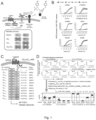
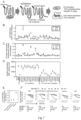
- Figure 1 relates to a Chimeric G-protein-based TGF ⁇ shedding assay to probe interaction between an active GPCR and a C-terminal tail of a G ⁇ subunit.
- Fig. 1(A) discloses a schematic description of the mechanism of the TGF ⁇ shedding assay.
- G q/11 - and/or G 12/13 -coupled receptors induce activation of a membrane-bound metalloprotease ADAM17, which is endogenously expressed in HEK293 cells, and subsequent ectodomain shedding of the alkaline phosphatase-fused TGF ⁇ (AP-TGF ⁇ ) construct.
- AP-TGF ⁇ release into conditioned media is quantified through a colorimetric reaction.
- Parental HEK293 cells and cells devoid of the G ⁇ q/11 subunits ( ⁇ G q ), the G ⁇ 12/13 subunits ( ⁇ G 12 ) or the G ⁇ q/11/12/13 subunits ( ⁇ G q / ⁇ G 12 ) were used in the TGF ⁇ shedding assay.
- Fig. 1 (B) discloses graphs of blunted TGF ⁇ shedding response in the HEK293 cells devoid of the G q/11 and the G 12/13 subfamilies.
- GPCRs known to couple with G 12/13 LPAR6 and PTGER3
- G q/11 CHRM1 and HRH1
- GLR2 and GHSR were examined for ligand-induced TGF ⁇ shedding responses in the parental HEK293 cells or the indicated G-protein-deficient cells.
- Symbols and error bars represent mean and SEM, respectively, of 3-6 independent experiments with each performed in triplicate.
- Fig. 1 (C) discloses a schematic description of the chimeric G-protein-based TGF ⁇ shedding assay in ⁇ G q / ⁇ G 12 cells.
- a test GPCR is expressed together with one of 11 chimeric G ⁇ subunits harboring C-terminal 6-amino acid substitution in ⁇ G q / ⁇ G 12 cells and restoration of ligand-induced AP-TGF ⁇ release response is measured.
- Fig. 1 (D) discloses representative data for the chimeric G-protein-based assay.
- TBXA2R was expressed with one of the 11 G ⁇ q constructs or the G ⁇ q ( ⁇ C) and treated with titrated concentration of a ligand (U-46619).
- AP-TGF ⁇ release responses were fitted to a sigmoidal concentration-response curve (upper panels).
- G-protein coupling is scored as logarithmic values of relative intrinsic activity (RAi), which is defined as an E max /EC 50 value normalized by the highest value. Symbol size is proportional to E max , which reflects fitting quality.
- RAi relative intrinsic activity
- a concentration-response curve that failed to converge or has an E max value of less than 3% AP-TGF ⁇ release, or a RAi value of less than 0.01 were defined as LogRAi value of -2.
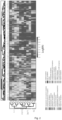
- Figure 2 relates to signatures of G-protein coupling determined by the chimeric G-protein-based assay and discloses a heatmap of the LogRAi values for the 148 receptors of the chimeric G-protein-based assay.
- Receptors (columns) and G-proteins (rows) are rearranged according to the dendrogram of the full linkage clustering of the distance matrix calculated from the coupling profiles.
- Receptor gene symbols are colored according to family membership as reported in GtoPdb. Heatmap was generated through the scipy library (https://www.scipy.org/).
- Figure 3 relates to a comparison between dataset of the chimeric G-protein-based assay and GtoPdb and validation of G 12/13 signaling for the newly characterized GPCRs.
- Fig. 3 (A) discloses a schematic classification of the LogRAi scores and its comparison with GtoPdb.
- An example heatmap of LogRAi scores for the eight prostanoid receptors is shown, with a LogRAi cutoff of -1 to binary-classify the data into coupled (Y) or uncoupled classes.
- G-protein coupling from GtoPdb (subfamily levels) is overlaid.
- Fig. 3 (B) discloses a schematic combined binary coupling/non-coupling data for each of the four G-protein subfamilies.
- Fig. 3 (C) discloses Venn diagrams with the numbers of receptors coupled to each G-protein subfamily in the chimeric G-protein-based assay (LogRAi ⁇ -1).
- Fig. 3 (D) discloses Venn diagrams of receptor couplings to the four G-protein families according to the chimeric G-protein-based assay (LogRAi ⁇ -1) and GtoPdb.
- Fig. 3 (E) discloses GPCRs that were identified as being coupled with G 12/13 by the chimeric G-protein-based assay were examined for their ability to engage and activate native, endogenous G 12/13 in HEK293 cells.
- GPCR was expressed in the parental, ⁇ G q , ⁇ G 12 and ⁇ G q / ⁇ G 12 cells with the AP-TGF ⁇ reporter construct, but not with a chimeric G ⁇ subunit, and its ligand-induced response was assessed. Note that in all of the tested GPCRs, AP-TGF ⁇ release response occurred in ⁇ G q cells, but was completely silenced in ⁇ G q / ⁇ G 12 cells, showing induction of G 12/13 -dependent signaling. Symbols and error bars represent mean and SEM, respectively, of 3-6 independent experiments with each performed in triplicate.
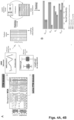
- Figure 4 relates to the development of G-protein coupling predictor.
- Fig. 4 (A) discloses a schematic workflow of the procedure: features are extracted from sub-alignments of coupled and uncoupled receptors to a particular G-protein; features are used to generate a training matrix which is employed to train a logistic regression model through a 5-fold cross validation procedure.
- Fig. 4 (B) discloses a schematic overview on the final model tested on reported couplings not previously seen during training and compared to PredCouple.
- Fig. 4 (C) discloses highly confident predicted couplings (coupling probability > 0.9) for 61 Class A GPCRs lacking information about transduction from both GtoPdb or the chimeric G-protein-based TGF ⁇ shedding assay (black) vs. receptors with experimental coupling information (gray).
- Figure 5 relates to featured residues in GPCRs involved in G-protein coupling selectivity.
- Fig. 5 (A) discloses a schematic overview on a comparison of significant coupling features weights for the 11 G-proteins (bottom), interface contacts of 6 available GPCR-G-protein complexes (central) and 7TM domain position conservation (top).
- On the bottom panel are all the features (columns) that are found to be statistically significant (P ⁇ 0.05) for at least one coupling group (rows).
- Each cell is colored based on coefficient of the given feature in the decision function of the corresponding coupling group (i.e. weight), with negative and positive values colored red and green respectively.
- Coupling features at 7TM domain with significantly different amino acid distributions are characterized by two values, representing the weights of the bitscores obtained from the coupled (top sub-cell) and not coupled (bottom sub-cell) HMMs for each G-protein. Insertions (i.e. positions present only in the coupled subset) or deletions (i.e. positions present only in the uncoupled subset) are indicated with a gray "+” and "-”. Black/grey boxes in the center show contacts mediated by the last 6 a.a. of ⁇ 5 C-term (black) and contacts mediated by other positions of G ⁇ subunit (grey). Top bars shows conservation profiles for PFAM 7tm_1 positions obtained by calculating the information content from HMM positions bit scores (Wheeler et al., 2014).
- Fig. 5 (B) discloses a schematic overview of the 7TM topology indicating the regions contributing to the features.
- Fig. 5 (C) discloses a schematic overview on significant coupling feature weights for the 11 G-proteins (same color codes as in A) of extra-7TM features of ICL3 and C-term, including length and amino-acid composition.
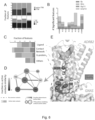
- Figure 6 relates to functional analysis of residues linked to coupling selectivity.
- Fig. 6 (A) discloses in the upper panel a distribution of coupling feature fractions for intra- and extra- 7TM portions.
- the formers comprise the 7TM helical bundle only, while the latters the N- and C-terminals, ECLs and ICLs;
- Fig. 6 (A) discloses in the lower panel a distribution of the coupling feature fractions within transmembrane sectors (i.e. extracellular-EC, transmembrane -TM, intracellular-IC).
- Extra- and intra-cellular portions are defined by ECL and ICL regions plus 5 helical positions preceding and following them.
- Fig. 6 (B) diascloses a distribution of the fractions of coupling significant features outside of the 7TM bundle.
- Fig. 6 (C) discloses a distribution of coupling feature fractions (relative to the total number of positions of the same class) within functional sites (i.e. mediating either ligand/G-protein binding or intra-molecular contacts).
- Fig. 6 (D) discloses a graph representing intra-molecular contacts within 7TM helices. Each helix is represented by a node, whose diameter is proportional to the number of helix positions mediating contacts in the contact network derived from active-like structures and whose color (red scale) is proportional to the number of significant coupling features present in the corresponding region.
- Edges represent contacts between 7TM helices, where width is proportional to the number of contacts in the active-like contact network, while color scale (gray) is proportional to the similarity degree (calculated as a Jaccard index) between contacts mediated in the active- and inactive-like contact networks.
- Fig. 6 (E) discloses a three dimensional schematic view of the ADRB2-GNAS complex (PDB: 3SN6) (Rasmussen et al., 2011) with side chains of coupling features at G-protein-binding sites depicted as red surfaces.
- a representative coupling feature at intra-molecular contacts sites i.e. position 3.40 is depicted as a red sphere mediating one of the shortest paths linking the ligand and G-protein binding pockets (wheat sticks and spheres).
- the ligand and GNAS (G ⁇ s) are depicted as cyan and pale-yellow surfaces, respectively.
- Figure 7 relates to generation of G 12 -coupled designer GPCRs.
- Fig. 7 (A) discloses a schematic view of generating and assessing ICL3- or ICL3/C-terminus-swapped constructs from G q/11 -coupled M3D. Based on the predictor scoring (Figure S7F), the inventors selected 13 GPCRs and made 26 constructs.
- FIGS 7 discloses screening graphs of M3D-derived chimeric constructs.
- CNO clozapine N-oxide
- ACh acetylcholine
- Activation of G 12 and Go was measured by the NanoBiT-G-protein dissociation assay with 10 ⁇ M CNO (C).
- G ⁇ 12 -Lg or G ⁇ o -Lg was co-expressed with Sm-G ⁇ t1. Changes in decreased luminescent signals are inversely plotted in the y-axis. (C).
- M3D-derived chimeric constructs were assessed by a flow cytometry using an anti-FLAG epitope-antibody, followed by a fluorescently labeled secondary antibody (D). Symbols and error bars represent mean and SEM, respectively, of 4-8 independent experiments with each performed in duplicate or triplicate. *, P ⁇ 0.05; **, P ⁇ 0.01; ***, P ⁇ 0.001 (two-way ANOVA, followed by Sidak's multiple comparison tests).
- Fig. 7 (E) disclose graphs on lack of G 13 activation by the new DREADD constructs. Dissociation signals of the NanoBiT-G 13 protein were assessed by using 10 ⁇ M CNO (M3D-GPR183/ICL3 and M3D-GPR132/ICL3) and 1 ⁇ M U-46619 (TBXA2R). Symbols and error bars represent mean and SEM, respectively, of 3-11 independent experiments with each performed in duplicate.
- Fig. 7 (F) dislose graphs on concentration-response curves for G-protein activation by DREADD constructs.
- Previously established DREADDs G q/11 -coupled M3D, G i/o -coupled M4D and G s -coupled M3D-G s
- the newly generated DREADDs M3D-GPR183/ICL3 and M3D-GPR132/ICL3
- G s , G i1 , G q and G 13 representative members
- Symbols and error bars represent mean and SEM, respectively, of 3-12 independent experiments with each performed in duplicate.
- parameters for the most efficaciously coupled G-protein are shown in bottom of the panel.
- Figure 8 relates to point mutation to enhance G-protein-coupling selectivity.
- G-protein activation by M3D-GPR183/ICL3 (WT) and a single amino-acid substitution at the position 1.57 with valine (1.57V) was measured by the NanoBiT-G-protein dissociation assay.
- G ⁇ 12 -Lg or G ⁇ o -Lg was co-expressed with Sm-G ⁇ t1 . Changes in decreased luminescent signals are inversely plotted in the y-axis. Note that in the 1.57V construct G o activation was decreased while G 12 activation was unchaged.
- point mutations may additionally be present at Y(3.33)C and A(5.46)G, which refer to amino acid positions 149 (Y) and 239 (A), respectively, in the original human M3 receptor (Gene symbol CHRM3, disclosed in PNAS 2007, Pubmed ID 17360345 ).
- position numbers based on inventive DREADD constructs they will be positions 159 (Y) and 249 (A).
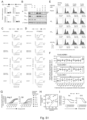
- Figure S1 relates to validation of the TGF ⁇ shedding assay.
- HEK293A cells Male origin; Thermo Fisher Scientific
- G-protein-deficient HEK293 cells were maintained in Dulbecco's Modified Eagle Medium (DMEM 2, Nissui Pharmaceutical) supplemented with 10% fetal bovine serum (Gibco ® , Thermo Fisher Scientific) and penicillin-streptomycin-glutamine (complete DMEM).
- DMEM Dulbecco's Modified Eagle Medium
- Gibco ® fetal bovine serum
- penicillin-streptomycin-glutamine complete DMEM
- ⁇ Gq HEK293 cells in which null mutations were introduced into the GNAQ and the GNA11 genes by a CR!SPR-Cas9 system (Schrage et al., 2015) and thus their functional products are lacking, the ⁇ G 12 HEK293 cells (lacking functional products of the GNA12 and the GNA13 genes), the ⁇ G q / ⁇ G 12 HEK293 cells (lacking those of the GNAQ, the GNA11, GNA12 and the GNA13 genes) (Devost et al., 2017) and the ⁇ Gs HEK293 cells (lacking those of the GNAS and the GNAL genes) (Stallaert et al., 2017) were described previously. The cells were regularly tested for mycoplasma contamination using a MycoAlert Mycoplasma Detection Kit (Lonza).
- HEK293 cells were seeded in a 6-well culture plate at cell density of 2 ⁇ 10 5 cells ml -1 in 2 ml of the complete DMEM and cultured for one day in a humidified 37°C incubator with 5% CO 2 . Seeding density for the ⁇ G 12 cells and the ⁇ G q / ⁇ G 12 cells were increased to 2.5 ⁇ 10 5 cells ml -1 owing to slower growth of the cells than the parent HEK293 cells and the ⁇ G q cells.
- a transfection mixture was prepared by mixing plasmid solution diluted in 250 ⁇ l of Opti-MEM (Life Technologies) and Lipofectamine ® 2000 solution (2.5 ⁇ l) in 250 ⁇ l of Opti-MEM.
- Opti-MEM Life Technologies
- PEI transfection a transfection solution was mixed by combining plasmid solution diluted in 100 ⁇ l of Opti-MEM and 4 ⁇ l of 1 mg ml -1 PEI solution in 100 ⁇ l of Opti-MEM. Both Lipofectamine ® 2000 and the PE! transfection gave almost identical transfection efficiency in the inventors' culture condition. The transfected cells were further incubated for one day before subjected to an assay as described below.
- MDA-MB-231 cells female origin
- PC-3 cells male origin
- RPMI 1640 Nasui Pharmaceutical
- MDA-MB-231 cells and PC-3 cells were seeded in a 10-cm culture dish at cell density of 2 ⁇ 10 5 cells ml -1 in 10 ml of the media and cultured for one day in the incubator.
- Transfection was performed by using 20 ⁇ L of Lipofectamine ® 2000 transfection reagent. The transfected cells were incubated for one day before subjected to the NanoBiT-RhoA assay as described below.
- HN12 cells female origin
- Cal27 cells male origin
- FBS FBS
- GPCRs and human G ⁇ subunits were used in this study. An open reading frame of each full-length GPCR was cloned into pCAGGS expression plasmid (a kind gift from Dr. Jun-ichi Miyazaki at Osaka University, Japan) or pcDNA3.1 expression plasmid. Except when otherwise specified, GPCR sequences were devoid of epitope tags.
- the GPCRs examined for this study (148 GPCRs) originated from a previous GPCR library (109 GPCRs) (Inoue et al., 2012) and an extended list of GPCR families (39 GPCRs). In their library, the inventors covered all of the members for selected GPCR families.
- GPCRs AGTR2, GPBAR1, GPER, GPR18, HTR5A, MC2R, NPBWR2 and PTGDR2
- Codon-optimized AP-TGF ⁇ cloned into the pCAGGS plasmid was used in this study.
- Amino acid sequences for the AP-TGF ⁇ construct are listed in SEQ ID Nos. 93 - 96 and the amino acid sequences for the chimeric-G-proteins are listed in 58 to 92.
- M3D and M4D were generated by introducing the two mutations (Y 3.33 C and A 5.46 G), which alter ligand specificity from ACh to CNO, in human CHRM3 (corresponding to Y149C and A239G) and CHRM4 (Y113C and A203G), respectively, by using an NEBuilder HiFi DNA Assembly system (New England Biolabs) and cloned into the pcDNA3.1 vector with N-terminal FLAG-epitope (DYKDDDDK) tag.
- ICL3-substituted M3D chimeras were constructed by the NEBuilder system with PCR-amplified fragments using synthesized oligonucleotides encoding swapped ICL3 sequences. Dual ICL3- and C-terminally-substituted M3D chimeras were generated by assembling PCR-amplified fragments with synthesized oligonucleotides for C-terminal sequences. The substituted ICL3 and C-terminus correspond to residues 778-1455 and 1633-1770 of the CHRM3 ORF.
- a coding sequence for M3D-G s (Guettier et al., 2009) was human codon-optimized and gene-synthesized by Genscript and inserted into pcDNA3.1 with the N-terminal FLAG-epitope tag. Throughout the study, the inventors used the same N-terminally FLAG-tagged DREADD constructs for functional assays and expression analysis. Amino acid sequences used for suitable DREADDs are shown in SEQ ID Nos. 1 to 4 and 52 to 54.
- NanoBiT-G-proteins see SEQ ID Nos. 5 to 48
- the large fragment (LgBiT) of the NanoBiT luciferase See SEQ ID. No. 49
- a coding sequence for the G ⁇ -Lg was human codon-optimized and gene-synthesized by Genscript and inserted into pcDNA3.1 plasmid.
- To construct a coding sequence for the Sm-G ⁇ and the Sm-G ⁇ oligonucleotides encoding the N-terminal SmBiT-linker (Fasmac) and PCR-amplified fragment of full-length G ⁇ (G ⁇ 1 , G ⁇ 3 or G ⁇ 5 ) or G ⁇ (G ⁇ 2 or Gy t1 ) were assembled by using the NEBuilder system and cloned into the pCAGGS vector. Coding sequences for untagged G ⁇ 1 and G ⁇ 2 were inserted into pcDNA3.1 vector. Coding sequences for RIC8A and RIC8B (isoform 2) were cloned into pCAGGS vector.
- the inventors replaced firefly luciferase fragments of previously described RhoA constructs (Leng et al., 2013) with the NanoBiT fragments.
- LgBiT and SmBiT were N-terminally fused to human RhoA (residues 2-193) and the GTPase-binding domain (GBD) of human PKN1 (residues 13-112), a RhoA effector, respectively, with the 15-amino acid linker.
- a coding sequence for RhoA and PKN1-GBD was human codon-optimized and gene-synthesized by Genscript and inserted into the pCAGGS plasmid by following a similar method as described in the NanoBiT-G-protein construction.
- Amino acid sequences for the NanoBiT-RhoA constructs (Lg-RhoA and Sm-PKN1) are listed in SEQ ID Nos. 55 and 56.
- the inventors exchanged firefly luciferase fragments of a previously described IP 3 construct (Ataei et al., 2013) with the NanoBiT fragments.
- LgBiT and SmBiT were fused to N-terminus and C-terminus, respectively, of IP 3 -binding core domain (IBC) of human type 2 IP 3 receptor (Gene symbol ITPR2; residues 225-604), flanked by the 15-amino acid linker.
- IBC IP 3 -binding core domain
- a coding sequence for ITPR2-IBC was human codon-optimized and gene-synthesized by Genscript, and inserted into the pCAGGS plasmid by following an above-described method.
- An amino acid sequence for the NanoBiT-IP 3 sensor (Lg-IP3R2-Sm) is listed in SEQ ID No. 57.
- the TGF ⁇ shedding assay was performed as described previously (Inoue et al., 2012) with minor modifications. Plasmid transfection was performed in a 6-well plate with a mixture of 500 ng AP-TGF ⁇ -encoding plasmid, 200 ng GPCR-encoding plasmid with or without 100 ng G ⁇ -encoding plasmid (per well, hereafter). After 1-day culture, the transfected cells were harvested by trypsinization, pelleted by centrifugation at 190g for 5 min and washed once with Hank's Balanced Salt Solution (HBSS) containing 5 mM HEPES (pH 7.4).
- HBSS Hank's Balanced Salt Solution
- the cells were resuspended in 6 ml of the HEPES-containing HBSS.
- the cell suspension was seeded in a 96-well culture plate (cell plate) at a volume of 90 ⁇ l (per well hereafter) and incubated for 30 min in a 5% CO 2 incubator at 37°C.
- the cells were treated with a GPCR ligand (10X, diluted in HBSS containing 5 mM HEPES (pH 7.4) and 0.01% (w/v) bovine serum albumin (BSA, fatty acid-free and protease-free grade; Serva)). After spinning the cell plates, conditioned media (80 ⁇ l) was transferred to an empty 96-well plate (conditioned media (CM) plate). AP reaction solution (10 mM p-nitrophenylphosphate (p-NPP), 120 mM Tris-HCl (pH 9.5), 40 mM NaCl, and 10 mM MgCl 2 ) was dispensed into the cell plates and the CM plates (80 ⁇ l).
- GPCR ligand 10X, diluted in HBSS containing 5 mM HEPES (pH 7.4) and 0.01% (w/v) bovine serum albumin (BSA, fatty acid-free and protease-free grade; Serva)
- BSA bo
- the inventors used a factor known as the relative intrinsic activity (RAi) (Ehlert et al., 1999) to calculate scores for G-protein coupling. For each sigmoidal curve of chimeric G ⁇ -expressed condition, the inventors divided a maximal response ( E max ) by a potency (ECso) and normalized an E max /EC 50 value to a maximum value among 11 chimeric G ⁇ curves. The resulting dimensionless, relative E max /EC 50 (defined as RAi) parameter was then log (base 10) transformed to give Log RAi values used to quantify coupling. To minimize the occurrence of outliers arising from experimental variations especially for weak AP-TGF ⁇ release signal, the inventors set two thresholds.
- RAi relative intrinsic activity
- RAi value of 0.01 As a second threshold, RAi value smaller than 0.01 was set as 0.01.
- Plasmid transfection was performed in a 6-well plate with a mixture of 100 ng G ⁇ -Lg-encoding plasmid, 500 ng Sm-G ⁇ -encoding plasmid, 500 ng untagged G ⁇ 2 -encoding plasmid, 200 ng GPCR-encoding plasmid with or without 100 ng RIC8-encoding plasmid (per well, hereafter).
- G ⁇ s -Lg, Sm-G ⁇ 1 , G ⁇ 2 and RIC8B for NanoBiT-G s G ⁇ i1 -Lg, Sm-G ⁇ 5 and G ⁇ 2 for NanoBiT-G i1 ; G ⁇ i2 -Lg, Sm-G ⁇ 3 and G ⁇ 2 for NanoBiT-G i2 ; G ⁇ i3 -Lg, Sm-G ⁇ 3 and G ⁇ 2 for NanoBiT-G i3 ; G ⁇ o -Lg, Sm-G ⁇ 1 and G ⁇ 2 for NanoBiT-G o ; G ⁇ q -Lg, Sm-G ⁇ 1 , G ⁇ 2 and RIC8A for NanoBiT-G q ; G ⁇ 12 -Lg, Sm-G ⁇ 1 , G ⁇ 2 and RIC8A for NanoBiT-G 12 ; G ⁇ 13 -
- the transfected cells were harvested with 1 mL of 0.53 mM EDTA-containing Dulbecco's PBS (D-PBS), followed by addition of 2 mL the HEPES-containing HBSS.
- D-PBS Dulbecco's PBS
- the cells were pelleted by centrifugation at 190g for 5 min and resuspended in 2 mL of the 0.01% BSA- and 5 mM HEPES (pH 7.4)-containing HBSS (assay buffer).
- the cell suspension was seeded in a 96-well culture white plate (Greiner Bio-One) at a volume of 80 ⁇ l (per well hereafter) and loaded with 20 ⁇ l of 50 ⁇ M) coelenterazine (Carbosynth) solution diluted in the assay buffer. After 2-h incubation with coelenterazine at room temperature, background luminescent signals were measured using a luminescent microplate reader (SpectraMax L, Molecular Devices). The inventors note that incubation time with coelenterazine can be shortened, but an effect of baseline drift should be taken into account (Fig. S6C-E). Test compound (6X, diluted in the assay buffer) was manually added to the cells (20 ⁇ l).
- Luminescent signals were measured 3-5 min after ligand addition and divided by the initial count. The ligand-induced signal ratio was normalized to that treated with vehicle. The consequent fold-change values were fitted to a four-parameter sigmoidal concentration-response described above.
- Plasmid transfection in HEK293 cells was performed by using a mixture of 100 ng Lg-RhoA plasmid, 500 ng Sm-PKN1 plasmid and 200 ng GPCR plasmid (per well in a 6-well plate).
- For transfection in MDA-MB-231 cells and PC-3 cells 1.5 ⁇ g Lg-RhoA plasmid and 7.5 ⁇ g of Sm-PKN1 plasmid were used (per 10-cm dish).
- the transfected cells were harvested, seeded in a white 96-well plate and loaded with 10 ⁇ M) CTZ in the same manner described in the NanoBiT-G-protein dissociation assay. After measuring an initial luminescent signal, test compounds were added to the cells. Then, 3-5 min later, luminescent signals were measured and fold-change values were plotted as described above.
- Plasmid transfection was performed by using a mixture of 1 ⁇ g Lg-IP3R2-Sm plasmid and 200 ng GPCR plasmid (per well in a 6-well plate). The transfected cells were harvested, seeded in a white 96-well plate and loaded with 10 ⁇ M) CTZ in the same manner described in the NanoBiT-G-protein dissociation assay. After measuring an initial luminescent signal, test compounds were added to the cells. Then, 5-10 min later, luminescent signals were measured and fold-change values were plotted as described above.
- Plasmid transfection was performed by using a mixture of 100 ng G ⁇ -Lg-encoding plasmid, 500 ng Sm-PLC ⁇ -encoding plasmid, 500 ng untagged G ⁇ 1 -encoding plasmid, 500 ng untagged G ⁇ 2 -encoding plasmid, 200 ng GPCR-encoding plasmid and 100 ng RIC8A-encoding plasmid (per well in a 6-well plate, hereafter).
- the transfected cells were harvested, seeded in a white 96-well plate and loaded with 10 ⁇ M) CTZ in the same manner described in the inventive NanoBiT-G-protein dissociation assay. After measuring an initial luminescent signal, test compounds were added to the cells. Then, 5-10 min later, luminescent signals were measured and fold-change values were plotted as described above.
- Stealth siRNA duplexes against mRNA encoding G ⁇ q , G ⁇ 11 , G ⁇ 12 , G ⁇ 13 and TACE (gene symbols, GNAQ, GNA11, GNA12, GNA13 and ADAM17, respectively) and Stealth negative control were purchased from Life Technologies.
- Target sequences and manufacturer's catalog numbers are as follows: GNAQ (#1), 5'-GGAGAGAGUGGCAAGAGUACGUUUA-3', GNAQHSS104236; GNAQ (#2), 5'-CCCUUUGACUUACAAAGUGUCAUUU-3', GNAQHSS104237; GNA11 (#1), 5'-CCGGCAUCAUCGAGUACCCUUUCGA-3', GNA11HSS178464; GNA11 (#2), 5'-GCAUCAGUACGUCAGUGCCAUCAAG-3', GNA11HSS104213; GNA12 (#1), 5'-CCAAGGGAAUUGUGGAGCAUGACUU-3', GNA12-HSS178466; GNA12 (#2), 5'-CCAUCGUCAACAACAAGCUCUUCUU-3', GNA12MSS204749; GNA13 (#1), 5'-CAGAAGCCCUUAUACCACCACUUCA-3', GNA
- HEK293 cells were seeded in a 6-well culture plate at cell density of 1 ⁇ 10 5 cells ml -1 in 2 ml of the complete DMEM and incubated for 1 day. Transfection of siRNA transfection was performed by using Lipofectamine ® RNAiMAX (Thermo Fisher Scientific) according to the manufacturer instructions (final siRNA concentration of 10 nM and 2 ⁇ L (per well in a 6-well plate) of Lipofectamine ® RNAiMAX). After 1-day incubation, media were replaced and transfection of plasmids encoding AP-TGF ⁇ and GPCR was performed as described above. The resulting cells were subjected to the TGF ⁇ shedding assay.
- Total RNA from siRNA-transfected HEK293 cells was prepared using a GenElute Mammalian Total RNA Miniprep Kit (Sigma-Aldrich). Total RNA was reverse-transcribed using High-Capacity cDNA RT Kits (Applied Biosystems) according to manufacturer instructions. Real-time quantitative PCRs were performed with SYBR Premix Ex Taq (Takara Bio) and monitored by ABI Prism 7300 (Applied Biosystems). Standard plasmids ranging from 10 2 -10 8 copies per well were used to quantify the absolute number of transcripts of cDNA samples. The numbers of transcripts were normalized to the number of GAPDH in the same sample and expressed as relative values to that in control siRNA-transfected cells.
- the parental HEK293 cells and a panel of the G-protein-KO HEK293 cells ( ⁇ G q , ⁇ G 12 and ⁇ G q / ⁇ G 12 cells) in growth phase were harvested and approximately 1 ⁇ 10 6 cells were lysed in 500 ⁇ L of SDS-PAGE sample buffer (62.5 mM Tris-HCl (pH 6.8), 50 mM dithiothreitol, 2% SDS, 10% glycerol and 4 M urea) containing 1 mM EDTA and 1 mM phenylmethylsulfonyl fluoride.
- SDS-PAGE sample buffer 62.5 mM Tris-HCl (pH 6.8), 50 mM dithiothreitol, 2% SDS, 10% glycerol and 4 M urea
- Cell lysates were homogenized with a hand-held ultrasonic homogenizer (Microtech) and proteins were denatured at 95°C for 5 min. The lysates were loaded and separated on a 12.5% polyacrylamide SDS-gel. After electrophoresis, the gel was blotted to a nitrocellulose membrane. The blotted membrane was blocked with 5% skim milk-containing blotting buffer (10 mM Tris-HCl (pH 7.4), 190 mM NaCl and 0.05% Tween 20), immunoblot with primary (1 ⁇ g ml -1 ) and secondary antibodies (1:2000 dilution).
- 5% skim milk-containing blotting buffer (10 mM Tris-HCl (pH 7.4), 190 mM NaCl and 0.05% Tween 20), immunoblot with primary (1 ⁇ g ml -1 ) and secondary antibodies (1:2000 dilution).
- the inventors note that by using cell lysates overexpressing G ⁇ subunits, the anti-Ga q antibody and the anti-G ⁇ 13 antibody were validated to be specific, but the anti-G ⁇ 11 antibody reacted with both G ⁇ q and G ⁇ 11 (data not shown), and thus the inventors labeled immuno-reactive bands as G ⁇ q/11 .
- Secondary antibodies were conjugated with horseradish peroxidase (HRP) and were anti-goat IgG antibody (American Qualex, A201PS), anti-mouse IgG (GE Healthcare, NA9310) and anti-rabbit IgG (GE Healthcare, NA9340).
- Membrane were soaked with a commercial chemiluminescent reagent (ImmunoStar ® Zeta, FujiFilm Wako Pure Chemicals) or in-house reagent (100 mM Tris-HCl (pH 8.5), 50 mg ml -1 Luminol Sodium Salt HG (FujiFilm Wako Pure Chemicals), 0.2 mM p-Coumaric acid and 0.03% (v/v) of H 2 O 2 ). and a chemiluminescence image was acquired with a LAS-4000 (FujiFilm) and analyzed with Multi Gauge ver. 3.0 (FujiFilm).
- a commercial chemiluminescent reagent ImmunoStar ® Zeta, FujiFilm Wako Pure Chemicals
- in-house reagent 100 mM Tris-HCl (pH 8.5), 50 mg ml -1 Luminol Sodium Salt HG (FujiFil
- Plasmid transfection was performed in a 12-well plate with volumes of 500 ng plasmid encoding N-terminally FLAG epitope-tagged GPCR with or without 250 ng G ⁇ -encoding plasmid.
- the transfected cells were harvested by adding 300 ⁇ l of 0.53 mM EDTA-containing D-PBS, followed by 300 ⁇ l of 5 mM HEPES (pH 7.4)-containing Hank's Balanced Salt Solution (HBSS).
- the cell suspension was dispensed in a 96-well V-bottom plate (200 ⁇ l per well, two wells per sample). After centrifugation at 700g for 1 min, the cells were washed once with D-PBS and pelleted.
- Cell pellets were suspended in 2% goat serum- and 2 mM EDTA-containing D-PBS (blocking buffer; 100 ⁇ l per well) and incubated for 30 min on ice. After centrifugation at 700g for 1 min, the cells were stained with anti-FLAG epitope tag monoclonal antibody (Clone 1E6, FujiFilm Wako Pure Chemicals; 10 ⁇ g ml -1 in the blocking buffer; 50 ⁇ l per well) for 30 min on ice.
- blocking buffer 100 ⁇ l per well
- Plasmid transfection was performed in a 6-well plate with a mixture of 1 ⁇ g Glo-22F cAMP biosensor-encoding pCAGGS plasmid (gene synthesized with codon optimization by Genscript), 200 ng AVPR2-encoding plasmid and 100 ng of G ⁇ s -Lg-encoding plasmid or native G ⁇ s -encoding plasmid. After 1-day incubation, the transfected cells were harvested with 0.53 mM EDTA-containing D-PBS, centrifuged at 190g for 5 min and suspended in 0.01% BSA- and 5 mM HEPES (pH 7.4)-containing HBSS (vehicle; 0.6 ml per well).
- the cells were seeded in a half-area white 96-well plate (Greiner Bio-one; 30 ⁇ L per well) and loaded with D-luciferin potassium solution (10 ⁇ L of 8 mM solution per well; FujiFilm Wako Pure Chemical, Japan). After 2 h incubation in the dark at room temperature, the plate was read for its initial luminescent count (integration time of 1 s per well; Spectramax L, Molecular Devices, Japan). The cells were treated with vehicle, arginine vasopressin (Peptide Institutes, Japan) or 10 ⁇ M) forskolin (FujiFilm Wako Pure Chemical, Japan) (10 ⁇ L of 5X solution per well).
- ⁇ G s cells were transfected with a mixture of 1 ⁇ g Glo-22F plasmid, 200 ng GPCR plasmid and 100 ng chimeric G ⁇ s plasmid containing the backbone of human G ⁇ s subunit (short isoform, residues 1-374) and a substitution of C-terminal 6-amino acids.
- the transfected cells were harvested, seeded in the half-area 96-well plate, loaded with D-luciferin and stimulated with a GPCR ligand in the same manner as described above. Scores of G-protein coupling (RAi values) values were calculated as described in the TGF ⁇ shedding assay section.
- HN12 cells and Cal27 cells were cultured to 50% confluency, and then serum starved overnight.
- cells were treated with 5 ⁇ M) LPA, 1 ⁇ M) Ang II, or 10 ⁇ M) CP-55940 for 5 min.
- Active RhoA levels were measured using the RhoA Pull-Down Activation Assay Biochem Kit (bead pull-down format; Cytoskeleton) following the manufacturer instruction using a modified lysis buffer (50 mM Tris-HCl (pH 7.2), 500 mM NaCl, 10 mM MgCl 2 , 0.1% SDS, 1% NP-40).
- Plasmid transfection was performed in the parental, ⁇ Gq and ⁇ G12 HEK293 cells by using 5 ⁇ g GPCR plasmid (AGTR1 or EDNRA; 5 ⁇ g per 10-cm culture dish). After one-day incubation, the transfected cells were harvested with trypsinization. After centrifugation, the cells were suspended in serum-free DMEM at a cell concentration of 5 ⁇ 10 5 cells ml -1 , and 40 ⁇ l (per well hereafter) of the cell suspension seeded in a half-area, clear-bottom black plate. The cells were further incubated in the incubator for one day.
- a Ca 2+ indicator FLIPR Calcium 5 Assay Kit, Molecular Devices
- the cell plate was placed in a fluorescence microplate reader (FlexStation 3, Molecular Devices). Fluorescent signal was measured with automated pipetting of test ligands (20 ⁇ L of 5X compounds). Fluorescent signals from 40 to 55 sec after ligand addition were averaged and normalized to an initial count and expressed as a relative value to vehicle treatment.
- TPR True Positive Rate
- TNR True Negative Rate
- the inventors defined positives as GtoPdb couplings reported in at least 3 references, and negatives as the couplings that were never reported for these more studied receptors.
- the inventors first generated a multiple sequence alignments (MSAs) of the 144 Class A GPCR sequences using HMMalign from the HMMer package (Eddy, 1998), using the 7tm_1 Pfam (Finn et al., 2016) Hidden Markov Model (HMM).
- HMM Hidden Markov Model
- the inventors subdivided the pool of receptor sequences into positively and negatively coupled to a given G-protein using the optimal LogRAi cutoff as a lower and upper bound. These sub-alignments were used to build corresponding HMM profiles through hmmbuild (http://www.hmmer.org/), leading to 22 models (coupled vs. uncoupled for 11 G-proteins).
- the inventors also included length and amino acid composition of the N- and C-termini (N-term and C-term) and the extra- and intra-cellular loops (ECLs and ICLs). For every G-protein, only statistically significant (p-value ⁇ 0.05; Wilcoxon's rank-sum test) features were considered.
- the inventors employed the Ballesteros/Weinstein scheme (Weinstein, 1995), using the consensus secondary structure from the 7tm_1 HMM model to number residues within helices in a consecutive way. Most conserved positions within each helix were defined according to GPCRDB (http://www.gpcrdb.org) (Isberg et al., 2017). The inventors adjusted the B/W numberings for TM6, which they started at position 6.25 (domain position 200) instead of 6.31 (domain position 206), according to visual inspections of recent G protein-GPCRs complexes. If a position lies on an extra-7TM region (e.g. ECLs or ICLs), the inventors use the corresponding label plus the corresponding Pfam domain consecutive numbering in parenthesis.
- ECLs or ICLs extra-7TM region
- Log-reg classifier available from the scikit-learn package (http://scikit-learn.org) (Pedregosa F, 2011)
- the possible outcomes in log-reg are modeled using a logistic function, with L1 or L2 based regularization.
- L2 penalized form of log-reg The target value is expected to be a linear combination of the given features. This property of log-reg can also be exploited to study the weights of its features.
- X denotes a vector of feature variables
- w ⁇ R ⁇ n the weight vector
- c ⁇ R ⁇ n the intercept
- C is inverse of regularization strength (positive float)
- y takes values in ⁇ -1, 1 ⁇ at trial i and n is the number of trials conducted.
- the inventors used the liblinear method as the optimization algorithm as shown to be optimal for relatively small datasets (https://www.csie.ntu.edu.tw/ ⁇ cjlin/liblinear/).
- two-bit scores (derived from the positive and negative HMMs for a given G-protein) are returned for the corresponding amino acid found at a given position in the input GPCR sequence ( Figure 4A ).
- the single bit score derived from the respective HMM, was returned. If for any GPCR, no amino acid was present at the given position, it was assigned the highest bit scores from the both models, implying the least conserved scores.
- Feature scaling aids not only in converging the algorithm faster but also helps in assessing the feature relevance (Dou et al., 2012).
- a grid search was performed over a stratified 5-fold cross validation (CV) to select the best value of C (inverse of the regularization strength) over a range of [1e-02, 1e05].
- CV stratified 5-fold cross validation
- the training matrix is divided randomly into 5 equal sub-matrices, preserving the ratio of positive (coupling) and negative (non-coupling) GPCRs. During each fold, one of the sub matrix is treated as the validation set and the remaining four as the training set.
- MCC Cellular Cost, Cost, Profit
- ACC Cost, Profit
- PRE Cost, Profit
- REC Cost, Profit
- SPE Receiver Operating Curve
- the number of positive (coupling) GPCRs were either more (eg: in GNAl1/3) or less (eg: in GNAS) than the number of negative (non-coupling) GPCRs.
- the parameter class_weight was set to balanced in the log-reg classifier function. By default, all the classes have same weight. However, by setting the class_weight as balanced, the values of the column with classes (coupling/uncoupling) are used to automatically adjust the weights inversely proportional to their frequencies in the training matrix. To ensure minimal variance due to random division of the training matrix during the cross validation, the aforementioned experiment was repeated ten times for every G-protein group and the standard deviation was recorded.
- the feature weights were extracted as described elsewhere (Dou et al., 2012) from the trained models and are critical to understand the relative importance of different features ( Figure 4 ).
- the inventors performed a randomization test (Sgourakis et al., 2005b). For every G-protein, the original labels of the training matrix were replaced with randomly determined labels, while preserving the ratio of number of positive (coupling) and negative (non-coupling) GPCRs. Performance using the randomization training set was lower than that of actual training set, implying that the inventors' strategy is insensitive to the data training set.
- both GtoPdb and Pred Couple provide coupling information at the G-protein family level
- the inventors combined the performance of individual G-protein predictors based on their families to compare the performance of the inventive method of the first inventive apsect with Pred-Couple. For example: if a given GPCR was predicted to couple to at least one of the G-proteins of a family, it was annotated as coupling to that G-protein family.
- the combinations of the inventive predictors at the family level outperformed Pred-Couple over the test set.
- the individual G-protein predictors' and their combined (G-protein family level) performance over the Test set at different LogRAi cutoffs are reported in Figures S7A and S7C, respectively.
- the inventors identifyd functional positions as those mediating inter- and intramolecular contacts, i.e. whenever at least one pair of atoms, from either a residue-residue or residue-ligand interface, was found spatially closer than 5 ⁇ .
- the inventors analysed 246 3D structures, representing 51 members of the GPCR Class A (PFAM: 7tm_1) family using PDB-Swissprot-PFAM correspondences available from SIFT (as of July 2018) (Velankar et al., 2013).
- GPCR-ligand contact sites To define GPCR-ligand contact sites, the inventors restricted their analysis only to GPCR putative ligands as defined in GtoPd (Harding et al., 2018). The inventors performed similarity searches between GtoPdb and PDB ligands using topological fingerprints from RDKit (http://www.rdkit.org/) generated from SMILES descriptors and the inventors considered only the best matching GtoPdb ligand for a given PDB component. All the protein residues mediating contacts were mapped to protein sequence position using alignments between Uniprot canonical sequences and corresponding PDB generated through Blast (Altschul et al., 1990).
- the inventors considered contacts mediated by the equivalent residues from different structures only once, thus avoiding overcounting due to PDB redundancy.
- the inventors then mapped the amino acids found in contact with putative ligands on the PFAM multiple sequence alignments (MSA).
- MSA PFAM multiple sequence alignments
- the inventors Based on available GPCR-G-protein complexes (PDB ID: 3SN6, 5G53, 6D9H, 6GDG, 6DDE, 6DDF, 6CMO and 6D9H) the inventors similarly identified the residues forming the receptor-G-protein interaction interface by using a distance cutoff of 6.5 ⁇ to define atom-pairs forming inter-residue contacts.
- the inventors also inspected the network of intramolecular contacts using the same thresholds as above and they similarly mapped the identified positions on Class A 7TM MSA. They then defined a consensus contact network by considering the sequence positions (nodes) found in contact (edges) in at least 50% of the analyzed sequences. They performed network analysis through igraph (Csardi and T., 2006), defining as hub nodes having a degree of at least 4.
- the inventors generated functional state consensus networks by grouping available structures using ligand classification from GtoPdb (i.e. agonist or antagonist/inverse agonist) or functional classification directly available from the protein databank (i.e. active or inactive), thus defining active-like (i.e. agonist-bound/active) or inactive-like (i.e. antagonist-bound/inactive) states. Structures where this classification was not possible were discarded.
- the inventors calculated the shortest paths connecting positions forming the consensus ligand and G-protein binding interfaces within active- and inactive-like networks through the Dijkstra algorithm (Dijkstra, 1959) from igraph.
- Active-state specific shortest paths were defined as those characterized by having either endpoints, or intermediate connectivity residues, exclusive to active-like state contact network.
- the inventors started from the available DREADD coupled with G q/11 (M3D) and G i/o (M4D) (Armbruster et al., 2007). They generated chimeric sequences by swapping on these backbones the ICL3 and C-term sequence stretches derived from each receptor of the chimeric G-protein-based assay panel (148 GPCRs). The inventors first aligned the receptor sequences, including M3D and M4D, to the PFAM 7tm_1 HMM model.
- ICL3 as the MSA region comprised within HMM positions 173-205, and the C-term as the MSA portion starting after 7tm_1 HMM end (i.e. position 268). They then created hM3D and hM4D chimeras by exchanging their ICL3 and C-term sequences with the corresponding sequences from each receptor testing in the chimeric G-protein-based TGF ⁇ shedding assay. They generated 296 chimeric sequences by swapping the ICL3 alone or in combination with the C-termini.
- the inventors selected the top 10 chimeric sequences for experimental validation.
- the Python code used for the predictor is available on GitHub (https://github.com/raimondifranc/gpcr coupling_predictor)
Landscapes
- Chemical & Material Sciences (AREA)
- Health & Medical Sciences (AREA)
- Life Sciences & Earth Sciences (AREA)
- Organic Chemistry (AREA)
- Engineering & Computer Science (AREA)
- Zoology (AREA)
- Bioinformatics & Cheminformatics (AREA)
- Genetics & Genomics (AREA)
- Wood Science & Technology (AREA)
- General Health & Medical Sciences (AREA)
- Biochemistry (AREA)
- General Engineering & Computer Science (AREA)
- Molecular Biology (AREA)
- Medicinal Chemistry (AREA)
- Biotechnology (AREA)
- Microbiology (AREA)
- Biomedical Technology (AREA)
- Biophysics (AREA)
- Physics & Mathematics (AREA)
- Proteomics, Peptides & Aminoacids (AREA)
- Immunology (AREA)
- Spectroscopy & Molecular Physics (AREA)
- Medical Informatics (AREA)
- Gastroenterology & Hepatology (AREA)
- Toxicology (AREA)
- Cell Biology (AREA)
- Theoretical Computer Science (AREA)
- Evolutionary Biology (AREA)
- Data Mining & Analysis (AREA)
- Bioinformatics & Computational Biology (AREA)
- Databases & Information Systems (AREA)
- Evolutionary Computation (AREA)
- Public Health (AREA)
- Software Systems (AREA)
- Epidemiology (AREA)
- Computer Vision & Pattern Recognition (AREA)
- Bioethics (AREA)
- Artificial Intelligence (AREA)
- Analytical Chemistry (AREA)
- Pharmacology & Pharmacy (AREA)
Applications Claiming Priority (3)
| Application Number | Priority Date | Filing Date | Title |
|---|---|---|---|
| EP19177387.8A EP3745404B1 (de) | 2019-05-29 | 2019-05-29 | Verfahren und system zur vorhersage der kopplungseigenschaften von g-protein-gekoppelten rezeptoren mit g-proteinen |
| PCT/EP2020/064937 WO2020239967A1 (en) | 2019-05-29 | 2020-05-29 | Method and system for predicting coupling probabilities of g-protein coupled receptors with g-proteins |
| EP20735272.5A EP3976639A1 (de) | 2019-05-29 | 2020-05-29 | Verfahren und system zur vorhersage der kopplungseigenschaften von g-protein-gekoppelten rezeptoren mit g-proteinen |
Related Parent Applications (1)
| Application Number | Title | Priority Date | Filing Date |
|---|---|---|---|
| EP20735272.5A Division EP3976639A1 (de) | 2019-05-29 | 2020-05-29 | Verfahren und system zur vorhersage der kopplungseigenschaften von g-protein-gekoppelten rezeptoren mit g-proteinen |
Publications (2)
| Publication Number | Publication Date |
|---|---|
| EP4417702A2 true EP4417702A2 (de) | 2024-08-21 |
| EP4417702A3 EP4417702A3 (de) | 2025-01-22 |
Family
ID=66676434
Family Applications (3)
| Application Number | Title | Priority Date | Filing Date |
|---|---|---|---|
| EP19177387.8A Active EP3745404B1 (de) | 2019-05-29 | 2019-05-29 | Verfahren und system zur vorhersage der kopplungseigenschaften von g-protein-gekoppelten rezeptoren mit g-proteinen |
| EP20735272.5A Withdrawn EP3976639A1 (de) | 2019-05-29 | 2020-05-29 | Verfahren und system zur vorhersage der kopplungseigenschaften von g-protein-gekoppelten rezeptoren mit g-proteinen |
| EP24179023.7A Pending EP4417702A3 (de) | 2019-05-29 | 2020-05-29 | Verfahren und system zur vorhersage der kopplungswahrscheinlichkeiten von g-protein-gekoppelten rezeptoren mit g-proteinen |
Family Applications Before (2)
| Application Number | Title | Priority Date | Filing Date |
|---|---|---|---|
| EP19177387.8A Active EP3745404B1 (de) | 2019-05-29 | 2019-05-29 | Verfahren und system zur vorhersage der kopplungseigenschaften von g-protein-gekoppelten rezeptoren mit g-proteinen |
| EP20735272.5A Withdrawn EP3976639A1 (de) | 2019-05-29 | 2020-05-29 | Verfahren und system zur vorhersage der kopplungseigenschaften von g-protein-gekoppelten rezeptoren mit g-proteinen |
Country Status (2)
| Country | Link |
|---|---|
| EP (3) | EP3745404B1 (de) |
| WO (1) | WO2020239967A1 (de) |
Families Citing this family (4)
| Publication number | Priority date | Publication date | Assignee | Title |
|---|---|---|---|---|
| EP4448562A4 (de) | 2021-12-15 | 2025-12-10 | Univ Columbia | Regulierung von immunantworten durch selektive neuronale aktivierung |
| CN114220480B (zh) * | 2022-02-17 | 2022-05-10 | 武汉宏韧生物医药股份有限公司 | 一种药物成分分析方法及系统 |
| WO2023159144A2 (en) * | 2022-02-17 | 2023-08-24 | The Regents Of The University Of Michigan | G-protein coupled receptor assay |
| CN116631495B (zh) * | 2023-07-26 | 2023-11-21 | 香港中文大学(深圳) | 激动剂分子对gpcr激活能力的预测方法及其系统 |
Family Cites Families (4)
| Publication number | Priority date | Publication date | Assignee | Title |
|---|---|---|---|---|
| US20060008831A1 (en) * | 2004-07-09 | 2006-01-12 | Sreekumar Kodangattil R | Methods and systems for predicting protein-ligand coupling specificities |
| US20100120627A1 (en) * | 2006-08-02 | 2010-05-13 | Abdelmajid Belouchi | Genemap of the human genes associated with psoriasis |
| EP2220245B1 (de) * | 2007-10-17 | 2015-04-22 | The Board of Trustees of The Leland Stanford Junior University | Verfahren und zusammensetzung zur kristallisation g-protein-gekoppelter rezeptoren |
| EP3604498A1 (de) * | 2014-04-11 | 2020-02-05 | Université catholique de Louvain | Transgene schweineinselzellen und verwendung davon zur behandlung von diabetes |
-
2019
- 2019-05-29 EP EP19177387.8A patent/EP3745404B1/de active Active
-
2020
- 2020-05-29 WO PCT/EP2020/064937 patent/WO2020239967A1/en not_active Ceased
- 2020-05-29 EP EP20735272.5A patent/EP3976639A1/de not_active Withdrawn
- 2020-05-29 EP EP24179023.7A patent/EP4417702A3/de active Pending
Non-Patent Citations (55)
| Title |
|---|
| ALTSCHUL, S.F.GISH, W.MILLER, W.MYERS, E.W.LIPMAN, D.J.: "Basic local alignment search tool", J MOL BIOL, vol. 215, 1990, pages 403 - 410, XP002949123, DOI: 10.1006/jmbi.1990.9999 |
| ARMBRUSTER, B.N.LI, X.PAUSCH, M.H.HERLITZE, S.ROTH, B.L.: "Evolving the lock to fit the key to create a family of G protein-coupled receptors potently activated by an inert ligand", PROC NATL ACAD SCI U S A, vol. 104, 2007, pages 5163 - 5168, XP055185711, DOI: 10.1073/pnas.0700293104 |
| ATAEI, F.TORKZADEH-MAHANI, M.HOSSEINKHANI, S.: "A novel luminescent biosensor for rapid monitoring of IP3 by split-luciferase complementary assay", BIOSENS BIOELECTRON, vol. 41, 2013, pages 642 - 648 |
| CAPPER, M.J.WACKER, D.: "How the ubiquitous GPCR receptor family selectively activates signalling pathways", NATURE, vol. 558, 2018, pages 529 - 530, XP036535405, DOI: 10.1038/d41586-018-05503-4 |
| CHEN, P.ZUO, H.XIONG, H.KOLAR, M.J.CHU, Q.SAGHATELIAN, A.SIEGWART, D.J.WAN, Y.: "Gpr132 sensing of lactate mediates tumor-macrophage interplay to promote breast cancer metastasis", PROC NATL ACAD SCI U S A, vol. 114, 2017, pages 580 - 585, XP055977251, DOI: 10.1073/pnas.1614035114 |
| CSARDI, G.T., N.: "The igraph software package for complex network research", INTERJOURNAL COMPLEX SYSTEMS, 2006 |
| DENKER, B.M.SCHMIDT, C.J.NEER, E.J.: "Promotion of the GTP-liganded state of the Go alpha protein by deletion of the C terminus", J BIOL CHEM, vol. 267, 1992, pages 9998 - 10002 |
| DEVOST, D.SLENO, R.PETRIN, DZHANG, A.SHINJO, Y.OKDE, R.AOKI, J.INOUE, A.HEBERT, T.E.: "Conformational Profiling of the AT1 Angiotensin II Receptor Reflects Biased Agonism, G Protein Coupling, and Cellular Context", J BIOL CHEM, vol. 292, 2017, pages 5443 - 5456 |
| DIJKSTRA, E.: "A note on two problems in connexion with graphs", NUMERISCHE MATHEMATIK, vol. 1, 1959, pages 269 - 271, XP055336619, DOI: 10.1007/BF01386390 |
| DIXON, A.S.SCHWINN, M.K.HALL, M.P.ZIMMERMAN, K.OTTO, P.LUBBEN, T.H.BUTLER, B.L.BINKOWSKI, B.F.MACHLEIDT, T.KIRKLAND, T.A. ET AL.: "NanoLuc Complementation Reporter Optimized for Accurate Measurement of Protein Interactions in Cells", ACS CHEMICAL BIOLOGY, vol. 11, 2016, pages 400 - 408, XP055715353, DOI: 10.1021/acschembio.5b00753 |
| DORSAM, R.T.KUNAPULI, S.P.: "Central role of the P2Y12 receptor in platelet activation", J CLIN INVEST, vol. 113, 2004, pages 340 - 345 |
| DOU, Y.WANG, J.YANG, J.ZHANG, C.: "L1pred: a sequence-based prediction tool for catalytic residues in enzymes with the L1-logreg classifier", PLOS ONE, vol. 7, 2012, pages 35666 |
| EDDY, S.R.: "Profile hidden Markov models", BIOINFORMATICS, vol. 14, 1998, pages 755 - 763, XP002261185 |
| EHLERT, F.J.GRIFFIN, M.T.SAWYER, G.W.BAILON, R.: "A simple method for estimation of agonist activity at receptor subtypes: comparison of native and cloned M3 muscarinic receptors in guinea pig ileum and transfected cells", J PHARMACOL EXP THER, vol. 289, 1999, pages 981 - 992 |
| FINN, R.D.COGGILL, PEBERHARDT, R.Y.EDDY, S.R.MISTRY, J.MITCHELL, A.L.POTTER, S.CPUNTA, M.QURESHI, M.SANGRADOR-VEGAS, A. ET AL.: "The Pfam protein families database: towards a more sustainable future", NUCLEIC ACIDS RES, vol. 44, 2016, pages 279 - 285 |
| FLOCK, T.RAVARANI, C.N.J.SUN, D.VENKATAKRISHNAN, A.J.KAYIKCI, M.TATE, C.G.VEPRINTSEV, D.B.BABU, M.M.: "Universal allosteric mechanism for Galpha activation by GPCRs", NATURE, vol. 524, 2015, pages 173 - 179, XP055371482, DOI: 10.1038/nature14663 |
| GALES, C.REBOIS, R.V.HOGUE, M.TRIEU, P.BREIT, A.HEBERT, T.E.BOUVIER, M.: "Real-time monitoring of receptor and G-protein interactions in living cells", NAT METHODS, vol. 2, 2005, pages 177 - 184, XP008054525, DOI: 10.1038/nmeth743 |
| GUETTIER, J.MGAUTAM, D.SCARSELLI, M.RUIZ DE AZUA, I.LI, J.H.ROSEMOND, E.MA, X.GONZALEZ, F.JARMBRUSTER, B.N.LU, H. ET AL.: "A chemical-genetic approach to study G protein regulation of beta cell function in vivo", PROC NATL ACAD SCI U S A, vol. 106, 2009, pages 19197 - 19202, XP055713566, DOI: 10.1073/pnas.0906593106 |
| HARDING, S.D.SHARMAN, J.L.FACCENDA, E.SOUTHAN, C.PAWSON, A.J.IRELAND, S.GRAY, A.J.G.BRUCE, L.ALEXANDER, S.P.H.ANDERTON, S. ET AL.: "The IUPHAR/BPS Guide to PHARMACOLOGY in 2018: updates and expansion to encompass the new guide to IMMUNOPHARMACOLOGY", NUCLEIC ACIDS RES, vol. 46, 2018, pages 1091 - 1106 |
| HAUSER, A.S.ATTWOOD, M.M.RASK-ANDERSEN, M.SCHIOTH, H.B.GLORIAM, D.E.: "Trends in GPCR drug discovery: new agents, targets and indications", NAT REV DRUG DISCOV, vol. 16, 2017, pages 829 - 842 |
| HAUSER, A.S.CHAVALI, S.MASUHO, I.JAHN, L.J.MARTEMYANOV, K.A.GLORIAM, D.E.BABU, M.M.: "Pharmacogenomics of GPCR Drug Targets", CELL, vol. 172, 2018, pages 41 - 54 |
| HERROEDER, S.REICHARDT, P.SASSMANN, A.ZIMMERMANN, B.JAENEKE, D.HOECKNER, J.HOLLMANN, M.W.FISCHER, K.D.VOGT, S.GROSSE, R. ET AL.: "Guanine nucleotide-binding proteins of the G12 family shape immune functions by controlling CD4+ T cell adhesiveness and motility", IMMUNITY, vol. 30, pages 708 - 720 |
| HORN, F.VAN DER WENDEN, E.M.OLIVEIRA, L.AP, I.J.VRIEND, G.: "Receptors coupling to G proteins: is there a signal behind the sequence?", PROTEINS, vol. 41, 2000, pages 448 - 459, XP001027212, DOI: 10.1002/1097-0134(20001201)41:4<448::AID-PROT30>3.0.CO;2-C |
| INOUE, A.ISHIGURO, J.KITAMURA, H.ARIMA, N.OKUTANI, M.SHUTO, A.HIGASHIYAMA, S.OHWADA, T.ARAI, H.MAKIDE, K. ET AL.: "TGFalpha shedding assay: an accurate and versatile method for detecting GPCR activation", NAT METHODS, vol. 9, 2012, pages 1021 - 1029, XP055220986, DOI: 10.1038/nmeth.2172 |
| INSEL, P.A.OSTROM, R.S.: "Forskolin as a tool for examining adenylyl cyclase expression, regulation, and G protein signaling", CELL MOL NEUROBIOL, vol. 23, 2003, pages 305 - 314 |
| ISBERG, V.MORDALSKI, S.MUNK, C.RATAJ, K.HARPSOE, K.HAUSER, A.S.VROLING, B.BOJARSKI, A.J.VRIEND, G.GLORIAM, D.E.: "GPCRdb: an information system for G protein-coupled receptors", NUCLEIC ACIDS RES, vol. 45, 2017, pages 2936 |
| KIHARA, Y.MACEYKA, M.SPIEGEL, S.CHUN, J.: "Lysophospholipid receptor nomenclature review: IUPHAR Review 8", BR J PHARMACOL, vol. 171, 2014, pages 3575 - 3594, XP071102525, DOI: 10.1111/bph.12678 |
| LENG, W.PANG, X.XIA, H.LI, M.CHEN, L.TANG, Q.YUAN, D.LI, R.LI, L.GAO, F. ET AL.: "Novel split-luciferase-based genetically encoded biosensors for noninvasive visualization of Rho GTPases", PLOS ONE, vol. 8, 2013, pages 62230 |
| MARTIN, D.ABBA, M.C.MOLINOLO, A.AVITALE-CROSS, L.WANG, Z.ZAIDA, M.DELIC, N.C.SAMUELS, Y.LYONS, J.G.GUTKIND, J.S.: "The head and neck cancer cell oncogenome: a platform for the development of precision molecular therapies", ONCOTARGET, vol. 5, 2014, pages 8906 - 8923 |
| MUPPIDI, J.R.SCHMITZ, R.GREEN, J.A.XIAO, WLARSEN, A.B.BRAUN, S.E.AN, J., XU, Y., ROSENWALD, A., OTT, G. ET AL.: "Loss of signalling via Galpha13 in germinal centre B-cell-derived lymphoma", NATURE, vol. 516, 2014, pages 254 - 258 |
| O'HAYRE, M.INOUE, A.KUFAREVA, IWANG, Z.MIKELIS, C.M.DRUMMOND, R.A.AVINO, S.FINKEL, K.KALIM, K.W.DIPASQUALE, G. ET AL.: "Inactivating mutations in GNA13 and RHOA in Burkitt's lymphoma and diffuse large B-cell lymphoma: a tumor suppressor function for the Galpha13/RhoA axis in B cells", ONCOGENE, vol. 35, 2016, pages 3771 - 3780, XP037750616, DOI: 10.1038/onc.2015.442 |
| PATEL, Y.M.LORDKIPANIDZE, M.LOWE, G.C.NISAR, S.P.GARNER, K.STOCKLEY, J.DALY, M.E.MITCHELL, M.WATSON, S.P.AUSTIN, S.K. ET AL.: "A novel mutation in the P2Y12 receptor and a function-reducing polymorphism in protease-activated receptor 1 in a patient with chronic bleeding", J THROMB HAEMOST, vol. 12, 2014, pages 716 - 725 |
| PEDREGOSA F, V.G.GRAMFORT AMICHEL VTHIRION BGRISEL OBLONDEL MPRETTENHOFER PWEISS RDUBOURG VVANDERPLAS J: "Scikit-learn: Machine Learning in Python", J MACHINE LEARNING RES, vol. 12, 2011, pages 2825 - 2830 |
| RASMUSSEN, S.G.DEVREE, B.T.ZOU, Y.KRUSE, A.C.CHUNG, K.Y.KOBILKA, T.S.THIAN, F.S.CHAE, P.S.PARDON, E.CALINSKI, D. ET AL.: "Crystal structure of the beta2 adrenergic receptor-Gs protein complex", NATURE, vol. 477, 2011, pages 549 - 555, XP055508255, DOI: 10.1038/nature10361 |
| RODRIGUEZ, G.J.YAO, R.LICHTARGE, O.WENSEL, T.G.: "Evolution-guided discovery and recoding of allosteric pathway specificity determinants in psychoactive bioamine receptors", PROC NATL ACAD SCI U S A, vol. 107, 2010, pages 7787 - 7792 |
| SAULIERE, A.BELLOT, M.PARIS, H.DENIS, C.FINANA, F.HANSEN, J.T.ALTIE, M.F.SEGUELAS, M.H.PATHAK, A.HANSEN, J.L. ET AL.: "Deciphering biased-agonism complexity reveals a new active AT1 receptor entity", NAT CHEM BIOL, vol. 8, 2012, pages 622 - 630, XP055325278, DOI: 10.1038/nchembio.961 |
| SCHRAGE, R.SCHMITZ, A.L.GAFFAL, E.ANNALA, S.KEHRAUS, S.WENZEL, D.BULLESBACH, K.M.BALD, T.INOUE, A.SHINJO, Y. ET AL.: "The experimental power of FR900359 to study Gq-regulated biological processes", NAT COMMUN, vol. 6, 2015, pages 10156 |
| SGOURAKIS, N.G.BAGOS, P.G.PAPASAIKAS, P.K.HAMODRAKAS, S.J.: "A method for the prediction of GPCRs coupling specificity to G-proteins using refined profile Hidden Markov Models.", BMC BIOINFORMATICS, vol. 6, 2005, pages 104, XP021000693, DOI: 10.1186/1471-2105-6-104 |
| SGOURAKIS, N.G.BAGOS, P.GHAMODRAKAS, S.J.: "Prediction of the coupling specificity of GPCRs to four families of G-proteins using hidden Markov models and artificial neural networks", BIOINFORMATICS, vol. 21, 2005, pages 4101 - 4106, XP055646961, DOI: 10.1093/bioinformatics/bti679 |
| SIEVERS, F.WILM, A.DINEEN, D.GIBSON, T.J.KARPLUS, K.LI, W.LOPEZ, RMCWILLIAM, H.REMMERT, M.SODING, J. ET AL.: "Fast, scalable generation of high-quality protein multiple sequence alignments using Clustal Omega", MOL SYST BIOL, vol. 7, 2011, pages 539 |
| STALLAERT, W.VAN DER WESTHUIZEN, E.T.SCHONEGGE, A.M.PLOUFFE, B.HOGUE, M.LUKASHOVA, V.INOUE, A.ISHIDA, S.AOKI, J.LE GOUILL, C. ET A: "Purinergic Receptor Transactivation by the beta2-Adrenergic Receptor Increases Intracellular Ca2+ in Nonexcitable Cells", MOL PHARMACOL, vol. 91, 2017, pages 533 - 544 |
| SUGIMOTO, Y.NARUMIYA, S.: "Prostaglandin E receptors", J BIOL CHEM, vol. 282, 2007, pages 11613 - 11617, XP002579966, DOI: 10.1074/JBC.R600038200 |
| SUZUKI, N.HAJICEK, N.KOZASA, T.: "Regulation and physiological functions of G12/13-mediated signaling pathways", NEUROSIGNALS, vol. 17, 2009, pages 55 - 70 |
| THOMSEN, W.FRAZER, J.UNETT, D.: "Functional assays for screening GPCR targets", CURRENT OPINION IN BIOTECHNOLOGY, vol. 16, 2005, pages 655 - 665 |
| URBAN, D.J.ROTH, B.L.: "DREADDs (designer receptors exclusively activated by designer drugs): chemogenetic tools with therapeutic utility", ANNU REV PHARMACOL TOXICOL, vol. 55, 2015, pages 399 - 417, XP055619255, DOI: 10.1146/annurev-pharmtox-010814-124803 |
| VELANKAR, S., DANA, J.M., JACOBSEN, J., VAN GINKEL, G., GANE, P.J., LUO, J. OLDFIELD, T.J., O'DONOVAN, C., MARTIN, M.J., AND KLEYW: "Structure Integration with Function, Taxonomy and Sequences resource", NUCLEIC ACIDS RES, vol. 41, pages 483 - 489 |
| VIOLIN, J.D.CROMBIE, A.L.SOERGEL, D.G.LARK, M.W.: "Biased ligands at G-protein-coupled receptors: promise and progress", TRENDS PHARMACOL SCI, vol. 35, 2014, pages 308 - 316 |
| WATERHOUSE, A.M., PROCTER, J.B., MARTIN, D.M., CLAMP, M., AND BARTON, G.J.: "Jalview Version 2--a multiple sequence alignment editor and analysis workbench", BIOINFORMATICS, vol. 25, 2009, pages 1189 - 1191 |
| WEINSTEIN, J.B.A.H.: "Integrated methods for the construction of three-dimensional models and computational probing of structure-function relations in G protein-coupled receptors", METHODS NEUROSCI, vol. 25, 1995, pages 366 - 428, XP009139377, DOI: 10.1016/S1043-9471(05)80049-7 |
| WESS, J.NAKAJIMA, K.JAIN, S.: "Novel designer receptors to probe GPCR signaling and physiology", TRENDS PHARMACOL SCI, vol. 34, 2013, pages 385 - 392, XP055372782, DOI: 10.1016/j.tips.2013.04.006 |
| WETTSCHURECK, NOFFERMANNS, S: "Mammalian G proteins and their cell type specific functions", PHYSIOL REV, vol. 85, 2005, pages 1159 - 1204 |
| WHEELER, T.J.CLEMENTS, J.FINN, R.D.: "Skylign: a tool for creating informative, interactive logos representing sequence alignments and profile hidden Markov models", BMC BIOINFORMATICS, vol. 15, 2014, pages 7, XP021171931, DOI: 10.1186/1471-2105-15-7 |
| WONG, S.K.: "G protein selectivity is regulated by multiple intracellular regions of GPCRs.", NEUROSIGNALS, vol. 12, 2003, pages 1 - 12, XP008062650, DOI: 10.1159/000068914 |
| WOODWARD, D.F.JONES, R.L.NARUMIYA, S.: "International Union of Basic and Clinical Pharmacology. LXXXIII: Classification of Prostanoid Receptors, Updating 15 Years of Progress", PHARMACOL REV, vol. 63, 2011, pages 471 - 538, XP002699352, DOI: 10.1124/pr.110.003517 |
| YABUKI, Y.MURAMATSU, T.HIROKAWA, T.MUKAI, H.SUWA, M.: "GRIFFIN: a system for predicting GPCR-G-protein coupling selectivity using a support vector machine and a hidden Markov model", NUCLEIC ACIDS RES, vol. 33, 2005, pages 148 - 153 |
Also Published As
| Publication number | Publication date |
|---|---|
| EP3745404C0 (de) | 2024-04-03 |
| EP3745404B1 (de) | 2024-04-03 |
| US20220220185A1 (en) | 2022-07-14 |
| WO2020239967A1 (en) | 2020-12-03 |
| EP4417702A3 (de) | 2025-01-22 |
| EP3976639A1 (de) | 2022-04-06 |
| EP3745404A1 (de) | 2020-12-02 |
Similar Documents
| Publication | Publication Date | Title |
|---|---|---|
| Inoue et al. | Illuminating G-protein-coupling selectivity of GPCRs | |
| Masuho et al. | Rules and mechanisms governing G protein coupling selectivity of GPCRs | |
| Hauser et al. | Common coupling map advances GPCR-G protein selectivity | |
| Pandey et al. | Intrinsic bias at non-canonical, β-arrestin-coupled seven transmembrane receptors | |
| EP4417702A2 (de) | Verfahren und system zur vorhersage der kopplungswahrscheinlichkeiten von g-protein-gekoppelten rezeptoren mit g-proteinen | |
| Tripathi et al. | Defining the condensate landscape of fusion oncoproteins | |
| Jiang et al. | Molecular profiling of activated olfactory neurons identifies odorant receptors for odors in vivo | |
| Devost et al. | Conformational profiling of the AT1 angiotensin II receptor reflects biased agonism, G protein coupling, and cellular context | |
| Riobo et al. | Receptors coupled to heterotrimeric G proteins of the G12 family | |
| Inoue et al. | TGFα shedding assay: an accurate and versatile method for detecting GPCR activation | |
| Stallaert et al. | Impedance responses reveal β2-adrenergic receptor signaling pluridimensionality and allow classification of ligands with distinct signaling profiles | |
| JP5822309B2 (ja) | 統合プロテオーム解析用データ群の生成方法ならびに同生成方法にて生成した統合プロテオーム解析用データ群を用いる統合プロテオーム解析方法、およびそれを用いた原因物質同定方法 | |
| Eiger et al. | Phosphorylation barcodes direct biased chemokine signaling at CXCR3 | |
| Galinski et al. | Multiplexed profiling of GPCR activities by combining split TEV assays and EXT-based barcoded readouts | |
| Ono et al. | Generation of Gαi knock-out HEK293 cells illuminates Gαi-coupling diversity of GPCRs | |
| Young et al. | Human multisubunit E3 ubiquitin ligase required for heterotrimeric G-protein β-subunit ubiquitination and downstream signaling | |
| Frenster et al. | PTK7 is a positive allosteric modulator of GPR133 signaling in glioblastoma | |
| Brown et al. | Phosphorylation sites of the gastric inhibitory polypeptide receptor (GIPR) revealed by trapped-ion-mobility spectrometry coupled to time-of-flight mass spectrometry (TIMS-TOF MS) | |
| Liu et al. | Structural mass spectrometry captures residue-resolved comprehensive conformational rearrangements of a G protein-coupled receptor | |
| Schiemer et al. | Gα13 switch region 2 relieves talin autoinhibition to activate αIIbβ3 integrin | |
| US12612442B2 (en) | G12-specific designer receptor exclusively activated by designer drugs | |
| Roy et al. | Phosphorylation of Gαi shapes canonical Gα (i) βγ/GPCR signaling | |
| Drube et al. | GRK2/3/5/6 knockout: The impact of individual GRKs on arrestin-binding and GPCR regulation | |
| Wang et al. | C-terminus of OX2R significantly affects downstream signaling pathways | |
| Kotliar et al. | Expanding the GPCR-RAMP interactome |
Legal Events
| Date | Code | Title | Description |
|---|---|---|---|
| PUAI | Public reference made under article 153(3) epc to a published international application that has entered the european phase |
Free format text: ORIGINAL CODE: 0009012 |
|
| STAA | Information on the status of an ep patent application or granted ep patent |
Free format text: STATUS: REQUEST FOR EXAMINATION WAS MADE |
|
| 17P | Request for examination filed |
Effective date: 20240530 |
|
| AC | Divisional application: reference to earlier application |
Ref document number: 3976639 Country of ref document: EP Kind code of ref document: P |
|
| AK | Designated contracting states |
Kind code of ref document: A2 Designated state(s): AL AT BE BG CH CY CZ DE DK EE ES FI FR GB GR HR HU IE IS IT LI LT LU LV MC MK MT NL NO PL PT RO RS SE SI SK SM TR |
|
| REG | Reference to a national code |
Ref country code: DE Ref legal event code: R079 Free format text: PREVIOUS MAIN CLASS: C12Q0001660000 Ipc: G16B0015300000 |
|
| PUAL | Search report despatched |
Free format text: ORIGINAL CODE: 0009013 |
|
| AK | Designated contracting states |
Kind code of ref document: A3 Designated state(s): AL AT BE BG CH CY CZ DE DK EE ES FI FR GB GR HR HU IE IS IT LI LT LU LV MC MK MT NL NO PL PT RO RS SE SI SK SM TR |
|
| RIC1 | Information provided on ipc code assigned before grant |
Ipc: G01N 33/566 20060101ALI20241216BHEP Ipc: G16B 40/20 20190101ALI20241216BHEP Ipc: G16B 15/30 20190101AFI20241216BHEP |