EP4414026A2 - Antikoagulierende proteine und deren verwendung zur behandlung von erkrankungen im zusammenhang mit der aktivierung von neutrophilen - Google Patents
Antikoagulierende proteine und deren verwendung zur behandlung von erkrankungen im zusammenhang mit der aktivierung von neutrophilen Download PDFInfo
- Publication number
- EP4414026A2 EP4414026A2 EP24175271.6A EP24175271A EP4414026A2 EP 4414026 A2 EP4414026 A2 EP 4414026A2 EP 24175271 A EP24175271 A EP 24175271A EP 4414026 A2 EP4414026 A2 EP 4414026A2
- Authority
- EP
- European Patent Office
- Prior art keywords
- polypeptide
- protein
- cpi
- thrombosis
- activation
- Prior art date
- Legal status (The legal status is an assumption and is not a legal conclusion. Google has not performed a legal analysis and makes no representation as to the accuracy of the status listed.)
- Withdrawn
Links
Images





Classifications
-
- C—CHEMISTRY; METALLURGY
- C07—ORGANIC CHEMISTRY
- C07K—PEPTIDES
- C07K14/00—Peptides having more than 20 amino acids; Gastrins; Somatostatins; Melanotropins; Derivatives thereof
- C07K14/435—Peptides having more than 20 amino acids; Gastrins; Somatostatins; Melanotropins; Derivatives thereof from animals; from humans
-
- C—CHEMISTRY; METALLURGY
- C07—ORGANIC CHEMISTRY
- C07K—PEPTIDES
- C07K14/00—Peptides having more than 20 amino acids; Gastrins; Somatostatins; Melanotropins; Derivatives thereof
- C07K14/435—Peptides having more than 20 amino acids; Gastrins; Somatostatins; Melanotropins; Derivatives thereof from animals; from humans
- C07K14/43504—Peptides having more than 20 amino acids; Gastrins; Somatostatins; Melanotropins; Derivatives thereof from animals; from humans from invertebrates
- C07K14/43513—Peptides having more than 20 amino acids; Gastrins; Somatostatins; Melanotropins; Derivatives thereof from animals; from humans from invertebrates from arachnidae
- C07K14/43527—Peptides having more than 20 amino acids; Gastrins; Somatostatins; Melanotropins; Derivatives thereof from animals; from humans from invertebrates from arachnidae from ticks
-
- A—HUMAN NECESSITIES
- A61—MEDICAL OR VETERINARY SCIENCE; HYGIENE
- A61K—PREPARATIONS FOR MEDICAL, DENTAL OR TOILETRY PURPOSES
- A61K38/00—Medicinal preparations containing peptides
-
- A—HUMAN NECESSITIES
- A61—MEDICAL OR VETERINARY SCIENCE; HYGIENE
- A61K—PREPARATIONS FOR MEDICAL, DENTAL OR TOILETRY PURPOSES
- A61K38/00—Medicinal preparations containing peptides
- A61K38/16—Peptides having more than 20 amino acids; Gastrins; Somatostatins; Melanotropins; Derivatives thereof
- A61K38/17—Peptides having more than 20 amino acids; Gastrins; Somatostatins; Melanotropins; Derivatives thereof from animals; from humans
- A61K38/1767—Peptides having more than 20 amino acids; Gastrins; Somatostatins; Melanotropins; Derivatives thereof from animals; from humans from invertebrates
-
- A—HUMAN NECESSITIES
- A61—MEDICAL OR VETERINARY SCIENCE; HYGIENE
- A61K—PREPARATIONS FOR MEDICAL, DENTAL OR TOILETRY PURPOSES
- A61K38/00—Medicinal preparations containing peptides
- A61K38/16—Peptides having more than 20 amino acids; Gastrins; Somatostatins; Melanotropins; Derivatives thereof
- A61K38/55—Protease inhibitors
- A61K38/57—Protease inhibitors from animals; from humans
-
- A—HUMAN NECESSITIES
- A61—MEDICAL OR VETERINARY SCIENCE; HYGIENE
- A61P—SPECIFIC THERAPEUTIC ACTIVITY OF CHEMICAL COMPOUNDS OR MEDICINAL PREPARATIONS
- A61P35/00—Antineoplastic agents
-
- A—HUMAN NECESSITIES
- A61—MEDICAL OR VETERINARY SCIENCE; HYGIENE
- A61P—SPECIFIC THERAPEUTIC ACTIVITY OF CHEMICAL COMPOUNDS OR MEDICINAL PREPARATIONS
- A61P7/00—Drugs for disorders of the blood or the extracellular fluid
- A61P7/02—Antithrombotic agents; Anticoagulants; Platelet aggregation inhibitors
Definitions
- the present invention relates to proteins and polypeptides comprising an Ixodes ricinus salivary gland polypeptide, and their use for treating and/or preventing diseases and conditions associated with the activation of neutrophils.
- Hemostasis is a vital function that stops bleeding and protects the integrity of blood circulation on both molecular and macroscopic levels. Hemostasis includes a coagulation cascade traditionally divided into two converting enzymatic cascades that are triggered either by blood-borne components of the vascular system (the intrinsic pathway) or by exposure of blood to a damaged vessel wall (the extrinsic pathway).
- the intrinsic pathway and the contact phase (also referred to as the plasma kallikrein-kinin system), is initiated by contact phase proteins including the zymogens Factor XII (FXII), Factor XI (FXI) and prekallikrein (pKK or PK), as well as the cofactor high molecular weight kininogen (HK).
- Factor XII undergoes autoactivation when bound to negatively charged surfaces, generating activated Factor XII (FXIIa or ⁇ FXIIa) by a conformation change.
- ⁇ FXIIa then converts PK into activated plasma kallikrein (KK or PKa).
- PKa Once small amounts of PKa are formed, they catalyze the conversion of surface-bound Factor XII into ⁇ FXIIa leading to strong positive feedback on the system. During this process, the activation of Factor XII leads to a succession of proteolysis steps leading to the production of a series of different active enzymes (XIa, IXa, VIIIa, Xa) which ultimately leads to activation of pro-thrombin in thrombin and formation of fibrin.
- active enzymes XIa, IXa, VIIIa, Xa
- the extrinsic coagulation pathway or Tissue Factor (TF) pathway, consists of a number of serine proteases, cofactors, calcium, and cell membrane components.
- the extrinsic coagulation pathway is activated by TF, also called platelet Tissue Factor, Factor III, thromboplastin, or CD142, which is expressed in the subendothelial layer.
- TF also called platelet Tissue Factor, Factor III, thromboplastin, or CD142, which is expressed in the subendothelial layer.
- the extrinsic coagulation pathway is thus triggered by the binding of TF produced by exposed subendothelial cells to plasma Factor VII.
- the resulting complex initiates the coagulation cascade, converts Factor X into Factor Xa which ultimately leads to thrombin generation.
- Thrombin activates platelets and converts fibrinogen into fibrin.
- Both platelets and fibrin are essential elements of the hemostatic plug that is responsible for sealing the vascular breach.
- the extrinsic pathway is proposed to be the primary activator of the coagulation protease cascade in vivo. Subsequently, propagation of the thrombus involves recruitment of additional platelets and amplification of the coagulation cascade.
- TF is expressed by monocytes, neutrophils, endothelial cells, and platelets, which results in an elevation of the levels of circulating TF-positive microparticles. Therefore, the extrinsic coagulation pathway, besides activation of coagulation factors, also involves cells. Importantly, platelets play a critical role in the amplification of the coagulation cascade by providing a thrombogenic surface.
- NETs neutrophil extracellular traps
- neutrophils The active role of neutrophils in in vivo experimental thrombosis and inflammation-driven thrombotic diseases has been demonstrated.
- neutrophil binding to the injured endothelium was the initial step in the continuum of events that results in thrombus formation in a model of laser-induced endothelial injury.
- the critical role of neutrophils was reinforced by the observation that these cells were the main source of TF, which was required for thrombus formation.
- anticoagulant treatment has been dominated by two classes of agents: heparins and antivitamins K.
- Heparins accelerate the inhibitory action of antithrombin on some activated coagulation factors (specifically thrombin and Factors IXa and Xa) by indirect inhibition of these factors and are only active when administered parenterally.
- Antivitamins K prevent the final synthesis of four coagulation factors (prothrombin and Factors VII, IX and X). Both classes of agents inhibit the extrinsic pathway of coagulation.
- the therapeutic window of these agents is narrow, requiring careful monitoring of patients. Indeed, these agents require careful laboratory testing in order to guarantee sufficient antithrombotic effectiveness while avoiding the risk of hemorrhage.
- Ixodes ricinus salivary gland polypeptides were thus found to be specific inhibitors of the intrinsic coagulation pathway.
- Ir-CPI was reported to prolong the activated Partial Thromboplastin Time (aPTT), showing interference with the intrinsic pathway, while having no effect on the Prothrombin Time (PT), the Thrombin Time (TT), and the dilute Russell's Viper Venom time (dRVVT), three tests triggering blood coagulation with activators of the extrinsic or common pathway.
- aPTT Partial Thromboplastin Time
- PT Prothrombin Time
- TT Thrombin Time
- dRVVT dilute Russell's Viper Venom time
- Ir-CPI was reported to be quite inactive in a thrombin generation assay in which thrombin generation was induced by low concentration of TF (5 pM) (extrinsic pathway activator).
- thrombin can activate FXI of the intrinsic pathway in order to create a feedback-loop involving thrombin, FXI(a), FIX(a), FX(a) and (pro)thrombin, that sustains the extrinsic pathway (Keularts, Zivelin et al. 2001).
- the molecule was shown to inhibit activation of Factor XI and PK by Factor XIIa and of Factor XII by Factor XIa but was totally inactive on other targets of the coagulation pathways especially thrombin and Factor Xa which are the targets of the currently available parenteral and/or oral anticoagulant and antithrombotic drugs. Results previously disclosed were obtained in in vitro assays only involving factors of the coagulation pathways and, therefore, could not suggest an activity on cells involved in the extrinsic coagulation pathway.
- Ir-CPI is expected to have a larger therapeutic window regarding the risk of bleeding which constitutes the main side effect of current parenteral anticoagulants.
- the Applicant demonstrated that the molecule does not increase bleeding in an experimental model in rodents at pharmacological therapeutic active dose (Decrem, Rath et al., 2009).
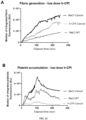
- Ixodes ricinus salivary gland polypeptides unexpectedly inhibit the recruitment of polymorphonuclear neutrophils (PMNs) and platelets at the sites of lesion in an experimental mouse arteriolar laser injury model reported to be strictly dependent of TF and independent of FXII (Darbousset et al., 2012).
- PMNs polymorphonuclear neutrophils
- platelets at the sites of lesion in an experimental mouse arteriolar laser injury model reported to be strictly dependent of TF and independent of FXII (Darbousset et al., 2012).
- Ixodes ricinus salivary gland polypeptides inhibit the activation of PMNs and the formation of neutrophil extracellular traps (also called NETosis).
- Ir-CPI inhibits the recruitment and activation of neutrophils at the site of lesion and thus plays a role in the recruitment and activation of cells involved when the extrinsic coagulation pathway is activated.
- Ixodes ricinus salivary gland polypeptides are useful for the treatment and/or the prevention of diseases and conditions associated with the activation of the extrinsic coagulation pathway, such as, for example, thrombosis, and for the treatment and/or the prevention of inflammatory diseases with thrombotic tendency and thromboinflammation.
- Ir-CPI polypeptides The discovery of these new features in the mechanism of action of Ir-CPI polypeptides makes of these molecule original compounds not only capable of inhibiting the intrinsic pathway but also capable to act on coagulation and/or thrombotic process involving TF but via a totally different mechanism that the inhibitors of thrombin and/or of Factors Xa.
- the present invention thus relates to anticoagulant proteins comprising an Ixodes ricinus salivary gland polypeptide, and their use for treating and/or preventing diseases and conditions associated with the activation of neutrophils and/or NETosis.
- the present invention relates to a protein or polypeptide comprising a polypeptide that has at least 75 % sequence identity with the amino acid sequence SEQ ID NO: 1 for use for inhibiting platelet recruitment, neutrophil recruitment, neutrophil activation and/or neutrophil extracellular trap formation (NETosis).
- NETosis neutrophil extracellular trap formation
- inhibiting platelet recruitment, neutrophil recruitment, neutrophil activation and/or NETosis treats and/or prevents a disease or condition associated with platelet recruitment, neutrophil recruitment, neutrophil activation and/or NETosis.
- said disease or condition associated with platelet recruitment, neutrophil recruitment, neutrophil activation and/or NETosis is selected from the group comprising venous thrombosis, arterial thrombosis, thromboinflammation, and cardiovascular diseases. In one embodiment, said disease or condition associated with platelet recruitment, neutrophil recruitment, neutrophil activation and/or NETosis is thromboinflammation.
- said thromboinflammation is selected from the group comprising atherosclerosis, plaque rupture, devices-induced thromboinflammation, thrombosis induced by catheterism and/or stent positioning procedures, thrombosis induced by extracorporeal circulation, thrombus formation following cerebral injuries, coronary artery disease, acute myocardial infraction, cancer-associated thrombosis, metastasis-associated thrombosis, stroke-associated thrombosis, Behçet's disease (BD), antineutrophil cytoplasmic antibody-associated (ANCA) vasculitides, Takayasu arteritis, rheumatoid arthritis, systemic lupus erythematosus, antiphospholipid syndrome, familial Mediterranean fever, thromboangiitis obliterans (TAO), sepsis, inflammatory bowel diseases, heparin-induced thrombocytopenia, immunothrombosis, thrombosis associated with preeclam
- said thromboinflammation is thrombosis induced by catheterism and/or stent positioning procedures at the site of local vascular stenosis.
- said thromboinflammation is blood-contacting medical devices-induced thromboinflammation.
- said thromboinflammation is thrombosis and/or coagulation associated to the extracorporeal circulation.
- the invention also relates to a pharmaceutical composition
- a pharmaceutical composition comprising a protein or polypeptide comprising a polypeptide that has at least 75 % sequence identity with the amino acid sequence SEQ ID NO: 1 and at least one pharmaceutically acceptable excipient for use in inhibiting platelet recruitment, neutrophil recruitment, neutrophil activation and/or NETosis, and/or for treating and/or preventing a disease or condition associated with platelet recruitment, neutrophil recruitment, neutrophil activation and/or NETosis.
- the invention also relates to a medicament comprising a protein or polypeptide comprising a polypeptide that has at least 75 % sequence identity with the amino acid sequence SEQ ID NO: 1 for use in inhibiting platelet recruitment, neutrophil recruitment, neutrophil activation and/or NETosis, and/or for treating and/or preventing a disease or condition associated with platelet recruitment, neutrophil recruitment, neutrophil activation and/or NETosis.
- Another object of the present invention is a medical device coated with an isolated polypeptide that has at least 75 % sequence identity with the amino acid sequence SEQ ID NO: 1 for use in inhibiting platelet recruitment, neutrophil recruitment, neutrophil activation and/or NETosis, and/or for treating and/or preventing a disease or condition associated with platelet recruitment, neutrophil recruitment, neutrophil activation and/or NETosis.
- Still another object of the present invention is a kit comprising a protein or polypeptide comprising an isolated polypeptide that has at least 75 % sequence identity with the amino acid sequence SEQ ID NO: 1 for use in inhibiting platelet recruitment, neutrophil recruitment, neutrophil activation and/or NETosis, and/or for treating and/or preventing a disease or condition associated with platelet recruitment, neutrophil recruitment, neutrophil activation and/or NETosis.
- the present invention further relates to a protein or polypeptide comprising a polypeptide that has at least 75% sequence identity with the amino acid sequence SEQ ID NO: 1 for use for inhibiting the extrinsic coagulation pathway in a subject in need thereof, wherein inhibiting the extrinsic coagulation pathway includes inhibiting platelet recruitment, neutrophil recruitment, neutrophil activation and/or neutrophil extracellular trap formation (NETosis).
- inhibiting the extrinsic coagulation pathway includes inhibiting platelet recruitment, neutrophil recruitment, neutrophil activation and/or neutrophil extracellular trap formation (NETosis).
- the present invention also relates to a method for inhibiting the extrinsic coagulation pathway in a subject in need thereof, said method comprising administering to the subject a protein or polypeptide comprising an isolated polypeptide that has at least 75% sequence identity with the amino acid sequence SEQ ID NO: 1.
- said inhibition of the extrinsic coagulation pathway treats and/or prevents a disease or condition associated with the activation of the extrinsic coagulation pathway. In one embodiment, said inhibition of the extrinsic coagulation pathway treats and/or prevents thrombosis associated with the activation of the extrinsic coagulation pathway. In one embodiment, said inhibition of the extrinsic coagulation pathway treats and/or prevents venous thrombosis. In one embodiment, said inhibition of the extrinsic coagulation pathway treats and/or prevents arterial thrombosis. In one embodiment, said inhibition of the extrinsic coagulation pathway treats and/or prevents cancer-associated thrombosis.
- said inhibition of the extrinsic coagulation pathway treats and/or prevents stroke-associated thrombosis. In one embodiment, said inhibition of the extrinsic pathway treats and/or prevents inflammatory diseases with thrombotic tendency. In one embodiment, said inhibition of the extrinsic pathway treats and/or prevents thromboinflammation.
- the present invention also relates to a pharmaceutical composition
- a pharmaceutical composition comprising a protein or polypeptide comprising a polypeptide that has at least 75% sequence identity with the amino acid sequence SEQ ID NO: 1 and at least one pharmaceutically acceptable excipient for use for inhibiting the extrinsic coagulation pathway in a subject in need thereof as described hereinabove.
- the present invention also relates to a medicament comprising a protein or polypeptide comprising a polypeptide that has at least 75% sequence identity with the amino acid sequence SEQ ID NO: 1 for use for inhibiting the extrinsic coagulation pathway in a subject in need thereof as described hereinabove.
- the present invention also relates to a kit comprising a protein or polypeptide comprising a polypeptide that has at least 75% sequence identity with the amino acid sequence SEQ ID NO: 1 for use for inhibiting the extrinsic coagulation pathway in a subject in need thereof as described hereinabove.
- the present invention also relates to a medical device coated with an isolated polypeptide that has at least 75% sequence identity with the amino acid sequence SEQ ID NO: 1 for use for inhibiting the extrinsic coagulation pathway in a subject in need thereof as described hereinabove.
- amino acid substitution refers to the replacement in a polypeptide of one amino acid with another amino acid.
- an amino acid is replaced with another amino acid having similar structural and/or chemical properties, e.g., conservative amino acid replacements.
- Constant amino acid substitution may be made on the basis of similarity in polarity, charge, solubility, hydrophobicity, hydrophilicity, and/or the amphipathic nature of the residues involved.
- nonpolar (hydrophobic) amino acids include alanine, leucine, isoleucine, valine, proline, phenylalanine, tryptophan, and methionine; polar neutral amino acids include glycine, serine, threonine, cysteine, tyrosine, asparagine, and glutamine; positively charged (basic) amino acids include arginine, lysine, and histidine; negatively charged (acidic) amino acids include aspartic acid and glutamic acid.
- Non-conservative substitutions will entail exchanging a member of one of these classes for another class.
- amino acid substitutions can also result in replacing one amino acid with another amino acid having different structural and/or chemical properties, for example, replacing an amino acid from one group (e.g ., polar) with another amino acid from a different group (e.g ., basic).
- Amino acid substitutions can be generated using genetic or chemical methods well known in the art. Genetic methods may include site-directed mutagenesis, PCR, gene synthesis and the like. It is contemplated that methods of altering the side chain group of an amino acid by methods other than genetic engineering, such as chemical modification, may also be useful.
- identity refers to a measure of the identity of nucleotide sequences or amino acid sequences. In general, the sequences are aligned so that the highest order match is obtained. "Identity" per se has an art-recognized meaning and can be calculated using published techniques.
- identity is well known to skilled artisans ( Carillo and Lipton, SIAM J Applied Math, 1998, 48:1073 ). Methods commonly employed to determine identity or similarity between two sequences include, but are not limited to, those disclosed in Guide to Huge Computers, Martin J. Bishop, ed., Academic Press, San Diego, 1994 ; and Carillo and Lipton, SIAM J Applied Math, 1998, 48:1073 . Methods to determine identity and similarity are codified in computer programs.
- Preferred computer program methods to determine identity and similarity between two sequences include, but are not limited to, GCG program package ( Devereux et al., J Molec Biol, 1990, 215:403 ). Most preferably, the program used to determine identity levels was the GAP program, as was used in the Examples below.
- a polynucleotide having a nucleotide sequence having at least, for example, 95% "identity" to a reference nucleotide sequence is intended that the nucleotide sequence of the polynucleotide is identical to the reference sequence except that the polynucleotide sequence may include an average up to five point-mutations per each 100 nucleotides of the reference nucleotide sequence.
- a polynucleotide having a nucleotide sequence at least 95% identical to a reference nucleotide sequence up to 5% of the nucleotides in the reference sequence may be deleted or substituted with another nucleotide, or a number of nucleotides up to 5% of the total nucleotides in the reference sequence may be inserted into the reference sequence.
- These mutations of the reference sequence may occur at the 5' or 3' terminal positions of the reference nucleotide sequence or anywhere between those terminal positions, interspersed either individually among nucleotides in the reference sequence or in one or more contiguous groups within the reference sequence.
- peptide linker also called “spacer peptide” refers to a peptide used to link 2 peptides or polypeptides together.
- a peptide linker of the invention comprises from 3 to 50 amino acids.
- Peptide linkers are known in the art or are described herein.
- pharmaceutically acceptable excipient refers to an excipient that does not produce an adverse, allergic or other untoward reaction when administered to an animal, preferably a human. It includes any and all solvents, dispersion media, coatings, antibacterial and antifungal agents, isotonic and absorption delaying agents and the like.
- a pharmaceutically acceptable carrier or excipient refers to a non-toxic solid, semi-solid or liquid filler, diluent, encapsulating material or formulation auxiliary of any type.
- preparations should meet sterility, pyrogenicity, general safety and purity standards as required by FDA Office of Biologics standards.
- polynucleotide refers to any polyribonucleotide or polydeoxyribonucleotide, which may be unmodified RNA or DNA or modified RNA or DNA.
- Polynucleotides include, without limitation single-and double-stranded DNA, DNA that is a mixture of single- and double-stranded regions, single- and double- stranded RNA, and RNA that is a mixture of single- and double-stranded regions, hybrid molecules comprising DNA and RNA that may be single-stranded or, more typically, double-stranded or a mixture of single- and double-stranded regions.
- Polynucleotide refers to triple-stranded regions comprising RNA or DNA or both RNA and DNA.
- the term Polynucleotide also includes DNAs or RNAs containing one or more modified bases and DNAs or RNAs with backbones modified for stability or for other reasons.
- Modified bases include, for example, tritylated bases and unusual bases such as inosine.
- a variety of modifications has been made to DNA and RNA; thus, “Polynucleotide” embraces chemically, enzymatically or metabolically modified forms of polynucleotides as typically found in nature, as well as the chemical forms of DNA and RNA characteristic of viruses and cells.
- Polynucleotide also embraces relatively short polynucleotides, often referred to as oligonucleotides.
- polypeptide refers to any peptide or protein comprising two or more amino acids joined to each other by peptide bonds or modified peptide bonds, i.e., peptide isosteres.
- Polypeptide refers to both short chains, commonly referred to as peptides, oligopeptides or oligomers, and to longer chains, generally referred to as proteins. Polypeptides may contain amino acids other than the 20 gene-encoded amino acids.
- protein refers to a sequence of more than 100 amino acids and/or to a multimeric entity.
- the proteins of the invention are not limited to a specific length of the product.
- polypeptide or protein does not refer to or exclude post-expression modifications of the protein, for example, glycosylation, acetylation, phosphorylation and the like, as well as other modifications known in the art, both naturally occurring and non-naturally occurring. Such modifications are well described in basic texts and in more detailed monographs, as well as in a voluminous research literature. Modifications can occur anywhere in a polypeptide or protein, including the peptide backbone, the amino acid side-chains and the amino or carboxyl termini.
- polypeptides or proteins may be branched as a result of ubiquitination, and they may be cyclic, with or without branching. Cyclic, branched and branched cyclic polypeptides or proteins may result from posttranslational natural processes or may be made by synthetic methods.
- Modifications include acetylation, acylation, ADP-ribosylation, amidation, covalent attachment of flavin, covalent attachment of a hem moiety, covalent attachment of a nucleotide or nucleotide derivative, covalent attachment of a lipid or lipid derivative, covalent attachment of phosphotidylinositol, cross-linking, cyclization, disulfide bond formation, demethylation, formation of covalent cross-linkings, formation of cystine, formation of pyroglutamate, formylation, gamma-carboxylation, glycosylation, GPI anchor formation, hydroxylation, iodination, methylation, myristoylation, oxidation, proteolytic processing, phosphorylation, prenylation, racemization, selenoylation, sulfation, transfer-RNA mediated addition of amino of amino acids to proteins such as arginylation, and ubiquitination.
- a protein may be an entire protein, or a subsequence thereof.
- isolated protein or polypeptide is one that has been identified and separated and/or recovered from a component of its natural environment.
- the isolated protein or polypeptide will be purified
- Isolated protein or polypeptide includes the protein in situ within recombinant cells since at least one component of the protein's or polypeptide's natural environment will not be present. Ordinarily, however, isolated protein or polypeptide will be prepared by at least one purification step.
- fusion protein refers to a molecule comprising two or more proteins or fragments thereof linked by a covalent bond via their individual peptide backbones, most preferably generated through genetic expression of a polynucleotide molecule encoding those proteins.
- the polypeptides forming the fusion protein are typically linked C-terminus to N-terminus, although they can also be linked C-terminus to C-terminus, N-terminus to N-terminus, or N-terminus to C-terminus.
- the polypeptides of the fusion proteins may be fused in any order.
- fused refers to components that are linked by peptide bonds, either directly or through one or more peptide linkers.
- native Ir-CPI refers to naturally occurring Ir-CPI, as opposed to a " modified Ir-CPI ", which has been modified from a naturally occurring Ir-CPI, e.g., to alter one or more of its properties such as stability.
- a modified Ir-CPI polypeptide may for example comprise modifications in the amino acid sequence, e.g ., amino acid substitutions, deletions or insertions.
- subject refers to a mammal, preferably a human. In one embodiment, the subject is a man. In another embodiment, the subject is a woman. In one embodiment, a subject may be a "patient", i.e ., a warm-blooded animal, more preferably a human, who/which is awaiting the receipt of, or is receiving medical care or was/is/will be the object of a medical procedure, or is monitored for the development of the disease or condition. In one embodiment, the subject is an adult (for example a subject above the age of 18). In another embodiment, the subject is a child (for example a subject below the age of 18).
- therapeutically effective amount means the level or amount of agent that is aimed at, without causing significant negative or adverse side effects to the target, (1) delaying or preventing disease or condition associated to the recruitment of neutrophils, the activation of neutrophils or to the activation of the extrinsic coagulation pathway; (2) slowing down or stopping the progression, aggravation, or deterioration of one or more symptoms of disease or condition associated to the recruitment of neutrophils, the activation of neutrophils or to the activation of the extrinsic coagulation pathway; (3) bringing about ameliorations of the symptoms of disease or condition associated to the recruitment of neutrophils, the activation of neutrophils or to the activation of the extrinsic coagulation pathway; (4) reducing the severity or incidence of disease or condition associated to the recruitment of neutrophils, the activation of neutrophils or to the activation of the extrinsic coagulation pathway; or (5) preventing disease or condition associated to the recruitment of neutrophils, the activation of neutrophils or to the
- a therapeutically effective amount is administered prior to the onset of disease or condition associated to the recruitment of neutrophils, the activation of neutrophils or to the activation of the extrinsic coagulation pathway, for a prophylactic or preventive action.
- treating or " treatment” or “ alleviation” refers to both therapeutic treatment and prophylactic or preventative measures; wherein the object is to prevent or slow down (lessen) the disease or condition associated to the recruitment of neutrophils, the activation of neutrophils or to the extrinsic coagulation pathway.
- Those in need of treatment include those already affected with the disease or condition associated to the recruitment of neutrophils, the activation of neutrophils or to the extrinsic coagulation pathway as well as those prone to have the disease or condition associated to the recruitment of neutrophils, the activation of neutrophils or to the extrinsic coagulation pathway or those in whom the disease or condition associated to the recruitment of neutrophils, the activation of neutrophils or to the extrinsic coagulation pathway is to be prevented.
- a subject or mammal is successfully "treated" for an infection if, after receiving a therapeutic amount of a protein or polypeptide according to the methods of the present invention, the patient shows observable and/or measurable reduction in or absence of one or more of the following: reduction in the number of pathogenic cells; reduction in the percent of total cells that are pathogenic; and/or relief to some extent, one or more of the symptoms associated with the disease or condition associated to the recruitment of neutrophils, the activation of neutrophils or to the extrinsic coagulation pathway; reduced morbidity and mortality, and improvement in quality of life issues.
- the above parameters for assessing successful treatment and improvement in the disease or condition associated to the recruitment of neutrophils, the activation of neutrophils or to the extrinsic coagulation pathway are readily measurable by routine procedures familiar to a physician.
- variant refers to a polynucleotide or polypeptide that differs from a reference polynucleotide or polypeptide respectively, but retains essential properties.
- a typical variant of a polynucleotide differs in nucleotide sequence from another, reference polynucleotide. Changes in the nucleotide sequence of the variant may or may not alter the amino acid sequence of a polypeptide encoded by the reference polynucleotide. Nucleotide changes may result in amino acid substitutions, additions, deletions, fusions and truncations in the polypeptide encoded by the reference sequence, as discussed below.
- a typical variant of a polypeptide differs in amino acid sequence from another, reference polypeptide.
- a variant and reference polypeptide may differ in amino acid sequence by one or more substitutions (preferably conservative), additions, deletions in any combination.
- a substituted or inserted amino acid residue may or may not be one encoded by the genetic code.
- a variant of a polynucleotide or polypeptide may be a naturally occurring such as an allelic variant, or it may be a variant that is not known to occur naturally.
- Non-naturally occurring variants of polynucleotides and polypeptides may be made by mutagenesis techniques or by direct synthesis. Variants should retain one or more of the biological activities of the reference polypeptide.
- the present invention thus relates to a protein or polypeptide comprising an Ixodes ricinus salivary gland polypeptide or a fragment or a variant thereof, and its use for inhibiting the extrinsic coagulation pathway and thereby for treating and/or preventing diseases and conditions associated to the extrinsic coagulation pathway, in particular treating and/or preventing thrombus associated to the activation of the extrinsic coagulation pathway.
- the invention relates to a protein or polypeptide comprising an Ixodes ricinus salivary gland polypeptide or a fragment or a variant thereof, and its use for inhibiting the cellular part of the extrinsic coagulation pathway.
- the terms "cellular part of the extrinsic coagulation pathway" means the platelet recruitment, activation of neutrophils and/or recruitment of neutrophils and/or NETs formation. Therefore, in one embodiment, inhibiting the cellular part of the extrinsic coagulation pathway consists of inhibiting the platelet recruitment, activation of neutrophils and/or recruitment of neutrophils and/or NETs formation.
- inhibiting the extrinsic coagulation pathway includes inhibiting platelet recruitment, neutrophil recruitment, neutrophil activation and/or NETosis. Therefore, in one embodiment, the invention relates to the use of a protein or polypeptide comprising an Ixodes ricinus salivary gland polypeptide or a fragment or a variant thereof, and its use for inhibiting platelet recruitment, neutrophil recruitment, neutrophil activation and/or NETosis. The invention also relates to the protein or polypeptide according to the invention for treating and/or preventing diseases and conditions associated to the platelet recruitment, the activation of neutrophils, the recruitment of neutrophils and/or NETosis.
- inhibiting the extrinsic coagulation pathway in particular inhibiting the cellular part of the extrinsic coagulation pathway, consists of inhibiting platelet recruitment, neutrophil recruitment, neutrophil activation and/or NETosis.
- the invention relates to the use of a protein or polypeptide comprising an Ixodes ricinus salivary gland polypeptide or a fragment or a variant thereof for inhibiting the extrinsic coagulation pathway, preferably the cellular part of the extrinsic coagulation pathway, or for inhibiting platelet recruitment, neutrophil recruitment, neutrophil activation and/or NETosis.
- inhibiting the extrinsic coagulation pathway in particular inhibiting the cellular part of the extrinsic coagulation pathway, does not include inhibiting tissue factors specific of the extrinsic coagulation pathway, such as Tissue Factor. In one embodiment, inhibiting the extrinsic coagulation pathway, in particular inhibiting the cellular part of the extrinsic coagulation pathway, does not include inhibiting coagulation factors specific of the extrinsic coagulation pathway.
- the protein or polypeptide of the invention is an isolated protein or polypeptide.
- the Ixodes ricinus salivary gland polypeptide of the invention is Ir-CPI ( Ixodes ricinus Contact Phase Inhibitor).
- Ir-CPI Ixodes ricinus Contact Phase Inhibitor
- Ir-CPI may also be called IrCPI.
- the Ir-CPI polypeptide of the invention has an amino sequence comprising or consisting in the sequence SEQ ID NO: 1.
- the Ir-CPI polypeptide of the invention is encoded by the cDNA corresponding to the amino acid sequence SEQ ID NO: 1.
- the amino acid sequence of the Ir-CPI polypeptide of the invention is at least 75% identical to SEQ ID NO: 1, preferably at least 80%, 85%, 90%, 95%, 96%, 97%, 98%, 99% or 100% identical.
- fragments of the Ir-CPI polypeptide are also included in the present invention.
- fragment means a polypeptide having an amino acid sequence that is the same as part, but not all, of the amino acid sequence of the aforementioned Ir-CPI polypeptide.
- fragments may be "free-standing” or comprised within a larger polypeptide of which they form a part or region, most preferably as a single continuous region.
- Representative examples of polypeptide fragments of the invention include, for example, fragments from about amino acid number 1-20, 21-40, 41-60, 61-80, 81-100, and 101 to the end of the polypeptide.
- about includes the particularly recited ranges larger or smaller by several, 5, 4, 3, 2 or 1 amino acid at either extreme or at both extremes.
- Preferred fragments include, but are not limited to, truncation polypeptides having the amino acid sequence of the Ir-CPI polypeptide, except for deletion of a continuous series of residues that includes the amino terminus, or a continuous series of residues that includes the carboxyl terminus and/or transmembrane region or deletion of two continuous series of residues, one including the amino terminus and one including the carboxyl terminus.
- fragments characterized by structural or functional attributes such as fragments that comprise alpha-helix and alpha-helix forming regions, beta-sheet and beta-sheet forming regions, turn and turn-forming regions, coil and coil-forming regions, hydrophilic regions, hydrophobic regions, alpha amphipathic regions, beta amphipathic regions, flexible regions, surface-forming regions, substrate binding region, and high antigenic index regions.
- Other preferred fragments are biologically active fragments.
- Biologically active fragments are those that mediate Ir-CPI polypeptide activity, including those with a similar activity or an improved activity, or with a decreased undesirable activity.
- all of these polypeptide fragments retain parts of the biological activity of the Ir-CPI polypeptide.
- variants of the Ir-CPI polypeptide are also included in the present invention.
- Preferred variants are those that vary from the Ir-CPI polypeptide by conservative amino acid substitutions, i.e ., those that substitute a residue with another of like characteristics. Typical such substitutions are among Ala, Val, Leu and Ile; among Ser and Thr; among the acidic residues Asp and Glu; among Asn and Gln; and among the basic residues Lys and Arg; or aromatic residues Phe and Tyr.
- Particularly preferred are variants in which several, 5-10, 1-5, or 1-2 amino acids are substituted, deleted, or added in any combination.
- Most preferred variants are naturally occurring allelic variants of the Ir-CPI polypeptide present in Ixodes ricinus salivary glands.
- the Ir-CPI polypeptide of the invention has an amino sequence comprising a mutation leading to the replacement of Asparagine in a position corresponding to position 54 in the amino acid sequence of SEQ ID NO: 1 by Glutamine in order to prevent N-glycosylation. In one embodiment, the Ir-CPI polypeptide of the invention has an amino sequence comprising or consisting in the sequence of SEQ ID NO: 2.
- the amino acid sequence of the Ir-CPI polypeptide of the invention is at least 75% identical to SEQ ID NO: 2, preferably at least 80%, 85%, 90%, 95%, 96%, 97%, 98%, 99% or 100% identical.
- the Ir-CPI polypeptide of the invention can be prepared in any suitable manner.
- Example of peptides prepared according to a suitable manner include, without being limited to, isolated naturally occurring polypeptides, recombinantly produced polypeptides, synthetically produced polypeptides, or polypeptides produced by a combination of these methods. Means for preparing such polypeptides are well understood in the art.
- the protein of the invention is a fusion protein comprising Ir-CPI.
- fusion protein refers to a fusion of the Ir-CPI polypeptide as described hereinabove and at least one other polypeptide.
- the Ir-CPI polypeptide is linked to at least one other polypeptide in such a manner as to produce a single protein which retains the biological activity of Ir-CPI.
- the polypeptides of the fusion protein are linked C-terminus to N-terminus. In another embodiment, the components of the fusion protein are linked C-terminus to C-terminus. In another embodiment, the components of the fusion protein are linked N-terminus to N-terminus. In another embodiment, the components of the fusion protein are linked N-terminus to C-terminus.
- polypeptides of the fusion protein may be fused in any order.
- polypeptides are disposed in a single, contiguous polypeptide chain.
- the fusion protein of the invention further comprises at least one peptide linker.
- the polypeptides of the fusion protein of the invention are linked to each other through one or more peptide linkers.
- Ir-CPI-fusion proteins or “fusion proteins” indiscriminately refers to fusion proteins without a linker sequence added or with a linker sequence added.
- the linker peptide provides a greater physical separation between the two moieties and thus maximizes the availability of the Ixodes ricinus salivary gland polypeptide.
- the linker peptide may consist of amino acids such that it is flexible or more rigid.
- the peptide linker of the invention comprises from 1 to 60 amino acids, preferably from 2 to 50 amino acids, more preferably from 4 to 40 amino acids. In one embodiment, the peptide linker of the invention comprises from 5 to 50 amino acids, from 10 to 50 amino acids, from 15 to 50 amino acids, or from 20 to 50 amino acids. In another embodiment, the peptide linker of the invention comprises from 6 to 20 amino acids, from 8 to 20 amino acids, or from 10 to 20 amino acids. In another embodiment, the peptide linker of the invention comprises from 2 to 10 amino acids, from 5 to 20 amino acids, from 10 to 30 amino acids, or from 15 to 40 amino acids.
- the peptide linker of the invention is not an in vivo cleavable linker. In one embodiment, the peptide linker of the invention is an in vivo cleavable linker.
- Fusion proteins of the invention may be obtained, for example, by solid-state peptide synthesis (e.g ., Merrifield solid phase synthesis) or recombinant production. For recombinant production one or more polynucleotide encoding the fusion protein (fragment), e.g ., as described hereinabove, is isolated and inserted into one or more vectors for further cloning and/or expression in a host cell. Such polynucleotide may be readily isolated and sequenced using conventional procedures.
- the expression vector can be part of a plasmid, virus, or may be a nucleic acid fragment.
- the expression vector includes an expression cassette into which the polynucleotide encoding the fusion protein (fragment) (i.e. , the coding region) is cloned in operable association with a promoter and/or other transcription or translation control elements.
- a "coding region" is a portion of nucleic acid which consists of codons translated into amino acids.
- a "stop codon" (TAG, TGA, or TAA) is not translated into an amino acid, it may be considered to be part of a coding region, if present, but any flanking sequences, for example promoters, ribosome binding sites, transcriptional terminators, introns, 5' and 3' untranslated regions, and the like, are not part of a coding region.
- Two or more coding regions can be present in a single polynucleotide construct, e.g ., on a single vector, or in separate polynucleotide constructs, e.g ., on separate (different) vectors.
- any vector may contain a single coding region, or may comprise two or more coding regions, e.g ., a vector of the present invention may encode one or more polypeptides, which are post- or co-translationally separated into the final proteins via proteolytic cleavage.
- a vector, polynucleotide, or nucleic acid of the invention may encode heterologous coding regions, either fused or unfused to a polynucleotide encoding the fusion protein (fragment) of the invention, or variant or derivative thereof.
- Heterologous coding regions include without limitation specialized elements or motifs, such as a secretory signal peptide or a heterologous functional domain.
- An operable association is when a coding region for a gene product, e.g ., a polypeptide, is associated with one or more regulatory sequences in such a way as to place expression of the gene product under the influence or control of the regulatory sequence(s).
- Two DNA fragments (such as a polypeptide coding region and a promoter associated therewith) are "operably associated” if induction of promoter function results in the transcription of mRNA encoding the desired gene product and if the nature of the linkage between the two DNA fragments does not interfere with the ability of the expression regulatory sequences to direct the expression of the gene product or interfere with the ability of the DNA template to be transcribed.
- a promoter region would be operably associated with a nucleic acid encoding a polypeptide if the promoter was capable of effecting transcription of that nucleic acid.
- the promoter may be a cell-specific promoter that directs substantial transcription of the DNA only in predetermined cells.
- Other transcription control elements besides a promoter, for example enhancers, operators, repressors, and transcription termination signals, can be operably associated with the polynucleotide to direct cell-specific transcription. Suitable promoters and other transcription control regions are disclosed herein. A variety of transcription control regions are known to those skilled in the art.
- transcription control regions which function in vertebrate cells, such as, but not limited to, promoter and enhancer segments from cytomegaloviruses (e.g ., the immediate early promoter, in conjunction with intron-A), simian virus 40 (e.g ., the early promoter), and retroviruses (such as, e.g ., Rous sarcoma virus).
- Other transcription control regions include those derived from vertebrate genes such as actin, heat shock protein, bovine growth hormone and rabbit a-globin, as well as other sequences capable of controlling gene expression in eukaryotic cells.
- tissue-specific promoters and enhancers as well as inducible promoters (e.g ., promoters inducible tetracyclins).
- inducible promoters e.g ., promoters inducible tetracyclins
- translation control elements include, but are not limited to ribosome binding sites, translation initiation and termination codons, and elements derived from viral systems (particularly an internal ribosome entry site, or IRES, also referred to as a CITE sequence).
- the expression cassette may also include other features such as an origin of replication, and/or chromosome integration elements such as retroviral long terminal repeats (LTRs), or adeno-associated viral (AAV) inverted terminal repeats (TTRs).
- LTRs retroviral long terminal repeats
- AAV adeno-associated viral inverted terminal repeats
- Fusion proteins prepared as described herein may be purified by art-known techniques such as high-performance liquid chromatography, ion exchange chromatography, gel electrophoresis, affinity chromatography, size exclusion chromatography, and the like.
- the actual conditions used to purify a particular protein will depend, in part, on factors such as net charge, hydrophobicity, hydrophilicity etc., and will be apparent to those having skill in the art.
- affinity chromatography purification an antibody, ligand, receptor or antigen can be used to which the fusion protein binds.
- the purity of the fusion protein can be determined by any of a variety of well-known analytical methods including gel electrophoresis, high pressure liquid chromatography, and the like.
- the invention also relates to a polynucleotide or nucleic acid encoding a protein or polypeptide comprising an Ir-CPI polypeptide, a fragment or variant thereof as described hereinabove, and its use for inhibiting the extrinsic coagulation pathway, preferably for inhibiting the cellular part of the extrinsic coagulation pathway, or for inhibiting the recruitment of platelet, the recruitment of neutrophils, the activation of neutrophils and/or the NETosis, and thereby for treating and/or preventing diseases and conditions associated to the extrinsic coagulation pathway or to the recruitment of platelet, the recruitment of neutrophils, the activation of neutrophils and/or the NETosis.
- the polynucleotide or nucleic acid of the invention has a nucleotide sequence comprising or consisting in the sequence SEQ ID NO: 3 or in a sequence with at least 70%, 75%, 80%, 85%, 90%, 95%, 96%, 97%, 98%, 99% or 100% identity with SEQ ID NO: 3.
- polynucleotide encoding the polypeptide of the invention has the nucleotide sequence as set forth in SEQ ID NO: 3.
- the polynucleotides encoding the fusion proteins of the invention may be expressed as a single polynucleotide that encodes the entire fusion protein or as multiple ( e.g ., two or more) polynucleotides that are co-expressed. Polypeptides encoded by polynucleotides that are co-expressed may associate through, e.g ., disulfide bonds or other means, to form a functional fusion protein.
- the polynucleotide or nucleic acid is DNA.
- the polynucleotide or nucleic acid is RNA, for example, in the form of messenger RNA (mRNA).
- mRNA messenger RNA
- RNA of the present invention may be single stranded or double stranded.
- Another object of the present invention is a vector comprising one or more polynucleotides encoding a protein or polypeptide of the invention, and its use for inhibiting the extrinsic coagulation pathway, preferably for inhibiting the cellular part of the extrinsic coagulation pathway, or for inhibiting the recruitment of platelet, the recruitment of neutrophils, the activation of neutrophils and/or the NETosis, and thereby for treating and/or preventing diseases and conditions associated to the extrinsic coagulation pathway or to the recruitment of platelet, the recruitment of neutrophils, the activation of neutrophils and/or the NETosis.
- the vector of the invention is an expression vector.
- the invention also relates to a composition
- a composition comprising a protein or polypeptide, a polynucleotide or nucleic acid, or a vector as described hereinabove.
- the present invention further relates to a pharmaceutical composition
- a pharmaceutical composition comprising a protein or polypeptide, a polynucleotide or nucleic acid, or a vector of the invention, and at least one pharmaceutically acceptable excipient.
- compositions include, but are not limited to, ion exchangers, alumina, aluminum stearate, lecithin, serum proteins, such as human serum albumin, buffer substances such as phosphates, glycine, sorbic acid, potassium sorbate, partial glyceride mixtures of saturated vegetable fatty acids, water, salts or electrolytes, such as protamine sulfate, disodium hydrogen phosphate, potassium hydrogen phosphate, sodium chloride, zinc salts, colloidal silica, magnesium trisilicate, polyvinyl pyrrolidone, cellulose-based substances (for example sodium carboxymethylcellulose), polyethylene glycol, polyacrylates, waxes, polyethylene- polyoxypropylene- block polymers, polyethylene glycol and wool fat.
- ion exchangers alumina, aluminum stearate, lecithin
- serum proteins such as human serum albumin
- buffer substances such as phosphates, glycine, sorbic acid, potassium sorbate, partial
- Another object of the invention is a medicament comprising a protein or polypeptide, a polynucleotide or nucleic acid, a vector, a composition, or a pharmaceutical composition as described hereinabove.
- the pharmaceutical composition or the medicament of the invention comprises a therapeutically effective amount of the protein or polypeptide, the polynucleotide or nucleic acid, or of the vector as described hereinabove.
- a further object of the present invention is a medical device coated by a protein or polypeptide as described hereinabove.
- Another object of the present invention is the use of a protein or polypeptide as described hereinabove for coating a medical device. Still another object of the present invention is a protein or polypeptide as described hereinabove for coating a medical device.
- the present invention also relates to a medical device coated with a protein or polypeptide as described hereinabove.
- Examples of medical devices that may be coated by the protein or polypeptide of the invention include, but are not limited to, coronary stent, artificial heart, artificial heart valve, central venous line, cardioplegia delivery system, dilators, tunneling devices, stent grafts cannulae, catheters, extracorporeal circulation systems including but not limited to extracorporeal membrane oxygenation systems, (auto)transfusion systems, arterial filters, hemodialysis systems, plasmapheresis systems; medical device used for collection of blood outside the body; and/or accessories for any one of said devices including but not limited to tubing, cannulae, centrifugal pump, valve, port, and/or diverter, arterial stents for stenosis and aneurysm, and left ventricular assist devices.
- coronary stent artificial heart, artificial heart valve, central venous line, cardioplegia delivery system, dilators, tunneling devices, stent grafts cannulae, catheters, extracorporeal circulation
- the invention relates to the use of a protein or polypeptide, a polynucleotide or nucleic acid, a vector, a composition, a pharmaceutical composition, a medicament or a coated medical device of the invention for inhibiting the extrinsic coagulation pathway, preferably for inhibiting the cellular part of the extrinsic coagulation pathway, more preferably for treating thrombotic diseases associated with the extrinsic coagulation pathway.
- inhibiting the extrinsic coagulation pathway includes inhibiting platelet recruitment, neutrophil recruitment, neutrophil activation and/or NETosis.
- an Ir-CPI polypeptide according to the invention inhibits platelet recruitment, neutrophil recruitment, neutrophil activation and NETosis, thereby inhibiting thrombosis associated with the extrinsic coagulation pathway.
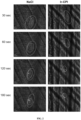
- an Ir-CPI polypeptide revealed to be surprisingly protective in an experimental animal model of laser injury of the cremaster muscle arterioles wherein the extrinsic coagulation pathway is known to be the key factor leading to the thrombotic event (Darbousset et al., 2012).
- Ir-CPI inhibits not only the production of fibrin but also the recruitment of platelets at the site of the lesion.
- the Ir-CPI polypeptide was also active when the laser injury was applied on tumor-bearing mice in a model that is mainly dependent on Tissue Factor expressed by cancer cell-derived microparticles (Thomas et al., 2009).
- NETs neurotrophil extracellular traps
- Ir-CPI inhibits thrombus formation following activation of the extrinsic coagulation pathway not through the inhibition of coagulation factors specific of this pathway, such as Tissue Factor, but through the inhibition of platelet recruitment, neutrophil recruitment, neutrophil activation and/or NET formation.
- an Ir-CPI polypeptide can be used in therapeutic indications aimed at preventing and/or treating thrombotic events in diseases and conditions wherein thrombosis and/or coagulation depends on the platelet recruitment, neutrophil recruitment, neutrophil activation and/or NET formation.
- Ir-CPI can be used in therapeutic indications aimed at preventing and/or treating thrombotic events in diseases and conditions associated with the activation of the extrinsic coagulation pathway.
- the invention relates to the use of a protein or polypeptide, a polynucleotide or nucleic acid, a vector, a composition, a pharmaceutical composition, a medicament or a coated medical device of the invention for treating and/or preventing diseases and conditions associated with the recruitment of platelet, activation of neutrophils, recruitment of neutrophils and/or NET formation in a subject in need thereof.
- treating and/or preventing diseases and conditions associated with the recruitment of platelets, activation of neutrophils, recruitment of neutrophils and/or NET formation in a subject in need thereof consists of treating and/or preventing diseases and conditions associated with the activation of the extrinsic coagulation pathway.
- the invention relates to the use of a protein or polypeptide, a polynucleotide or nucleic acid, a vector, a composition, a pharmaceutical composition, a medicament or a coated medical device of the invention for treating and/or preventing diseases and conditions associated with the activation of the extrinsic coagulation pathway in a subject in need thereof, preferably thrombosis associated with the extrinsic coagulation pathway.
- the diseases and conditions associated with the activation of the extrinsic coagulation pathway are selected from the group comprising or consisting of thrombosis (including venous and arterial thrombosis), inflammatory diseases with thrombotic tendency, thromboinflammation (including devices-induced thromboinflammation), diseases and conditions associated to cardiac surgical interventions, cardiovascular diseases, cancer and metastasis.
- inflammatory diseases with thrombotic tendency include the inflammatory diseases with thrombotic tendency.
- inflammatory diseases with thrombotic tendency may be replaced by "thrombotic complications in inflammatory diseases”.
- the invention relates to the use of a protein or polypeptide, a polynucleotide or nucleic acid, a vector, a composition, a pharmaceutical composition, a medicament or a coated medical device of the invention for treating and/or preventing thrombosis associated with the activation of the extrinsic coagulation pathway in a subject in need thereof.
- thrombosis associated with the activation of the extrinsic coagulation pathway is selected from the group comprising or consisting of venous thrombosis, cancer-associated thrombosis and stroke-associated thrombosis.
- the invention relates to the use of a protein or polypeptide, a polynucleotide or nucleic acid, a vector, a composition, a pharmaceutical composition, a medicament or a coated medical device of the invention for treating and/or preventing venous thrombosis.
- the invention relates to the use of a protein or polypeptide, a polynucleotide or nucleic acid, a vector, a composition, a pharmaceutical composition, a medicament or a coated medical device of the invention for treating and/or preventing cancer-associated thrombosis.
- the invention relates to the use of a protein or polypeptide, a polynucleotide or nucleic acid, a vector, a composition, a pharmaceutical composition, a medicament or a coated medical device of the invention for treating and/or preventing stroke-associated thrombosis.
- the invention relates to the use of a protein, a polynucleotide or nucleic acid, a vector, a composition, a pharmaceutical composition, a medicament or a coated medical device of the invention for treating and/or preventing inflammatory diseases with thrombotic tendency in a subject in need thereof.
- the invention relates to the use of a protein, a polynucleotide or nucleic acid, a vector, a composition, a pharmaceutical composition, a medicament or a coated medical device of the invention for treating and/or preventing thrombosis associated with inflammatory disease or thromboinflammation in a subject in need thereof.
- the invention relates to the use of a protein, a polynucleotide or nucleic acid, a vector, a composition, a pharmaceutical composition, a medicament or a coated medical device of the invention for treating and/or preventing an inflammatory disease with thrombotic tendency or a thromboinflammation selected from the group comprising or consisting of cancer-associated thrombosis, metastasis-associated thrombosis, stroke-associated thrombosis, Behçet's disease (BD), antineutrophil cytoplasmic antibody-associated (ANCA) vasculitides, Takayasu arteritis, rheumatoid arthritis, systemic lupus erythematosus, antiphospholipid syndrome, familial Mediterranean fever, thromboangiitis obliterans (TAO), sepsis, inflammatory bowel diseases, atherosclerosis and plaque rupture, coronary artery disease, acute myocardial infraction, thrombus formation following cerebral injuries
- said thromboinflammation is selected from the group comprising or consisting of thrombosis induced by catheterism and/or stent positioning procedures at the site of local vascular stenosis, atherosclerosis, plaque rupture, coronary artery disease, devices-induced thromboinflammation.
- devices-induced thromboinflammation includes blood-contacting medical devices-induced thromboinflammation.
- said thromboinflammation is selected from the group comprising or consisting of cancer-associated thrombosis, metastasis-associated thrombosis, and stroke-associated thrombosis.
- Blood contacting medical devices-induced thromboinflammations include, but are not limited to, inflammations induced by catheterism (such as, for example, percutaneous transluminal angioplasty) and/or stent positioning procedures at the site of local vascular stenosis, considering the risk of atherosclerotic plaque rupture and subsequent risk of re-thrombosis and catheter thrombosis after such interventions; and extracorporeal circulation.
- the invention relates to the use of a protein or polypeptide, a polynucleotide or nucleic acid, a vector, a composition, a pharmaceutical composition, a medicament or a coated medical device of the invention for treating and/or preventing devices-induced thromboinflammation in a subject in need thereof.
- the invention relates to the use of a protein or polypeptide, a polynucleotide or nucleic acid, a vector, a composition, a pharmaceutical composition, a medicament or a coated medical device of the invention for treating and/or preventing thrombosis induced by catheterism (such as, for example, percutaneous transluminal angioplasty) and/or stent positioning procedures at the site of local vascular stenosis; and/or extracorporeal circulation in a subject in need thereof.
- catheterism such as, for example, percutaneous transluminal angioplasty
- stent positioning procedures at the site of local vascular stenosis
- extracorporeal circulation in a subject in need thereof.
- thrombosis and/or coagulation associated to the extracorporeal circulation done within the context of a cardiac surgical intervention (e.g ., coronary artery bypass graft surgery (CABG), open heart surgery).
- CABG coronary artery bypass graft surgery
- the invention relates to the use of a protein, a polynucleotide or nucleic acid, a vector, a composition, a pharmaceutical composition, a medicament or a coated medical device of the invention for treating and/or preventing thrombosis and/or coagulation associated to the extracorporeal circulation done within the context of a cardiac surgical intervention in a subject in need thereof.
- Diseases and conditions associated with the activation of the extrinsic coagulation pathway include cancer, and in particular, cancer-associated thrombosis.
- microparticles containing Tissue Factor and NETosis have also been involved in thrombogenesis associated to cancer (Thomas et al., 2009; Demers et al., 2012; Mauracher et al., 2018).
- the invention relates to the use of a protein or polypeptide, a polynucleotide or nucleic acid, a vector, a composition, a pharmaceutical composition, a medicament or a coated medical device of the invention for treating and/or preventing cancer and/or metastasis in a subject in need thereof.
- cancers and/or metastasis are associated with the extrinsic coagulation pathway. In one embodiment, cancers and/or metastasis are associated with thrombosis. In a particular embodiment, the cancers and/or metastasis are associated with thrombosis associated with the extrinsic coagulation pathway.
- the invention relates to the use of a protein or polypeptide, a polynucleotide or nucleic acid, a vector, a composition, a pharmaceutical composition, a medicament or a coated medical device of the invention for treating and/or preventing cancer- and/or metastasis-associated thrombosis in a subject in need thereof.
- the invention relates to the use of a protein or polypeptide, a polynucleotide or nucleic acid, a vector, a composition, a pharmaceutical composition, a medicament or a coated medical device of the invention for treating and/or preventing stroke-associated thrombosis in a subject in need thereof.
- the present invention also relates to a method of inhibiting platelet recruitment, neutrophil recruitment, neutrophil activation and/or NETosis in a subject in need thereof, comprising administering to said subject a therapeutically effective amount of a protein or polypeptide, polynucleotide or nucleic acid, vector, pharmaceutical composition, or medicament or coated medical device of the invention.
- the present invention further relates to a method of treating and/or preventing a disease or condition associated with platelet recruitment, neutrophil recruitment, neutrophil activation and/or NETosis in a subject in need thereof, comprising administering to said subject a therapeutically effective amount of a protein or polypeptide, polynucleotide or nucleic acid, vector, pharmaceutical composition, or medicament or coated medical device of the invention.
- the method of the invention is for treating and/or preventing the diseases and conditions associated with the activation of the extrinsic coagulation pathway selected from the group comprising or consisting of venous thrombosis, arterial thrombosis, thromboinflammation, cardiovascular diseases, cancer and metastasis.
- the present invention also relates to a method of inhibiting the extrinsic coagulation pathway, preferably the cellular part of the extrinsic pathway, or for inhibiting the recruitment of platelet, the recruitment of neutrophils, the activation of neutrophils and/or the NETosis, in a subject in need thereof, comprising administering to said subject a therapeutically effective amount of a protein or polypeptide, polynucleotide or nucleic acid, vector, pharmaceutical composition, or medicament or coated medical device of the invention.
- the present invention further relates to a method of treating and/or preventing a disease or condition associated with the recruitment of platelet, the recruitment of neutrophils, the activation of neutrophils and/or the NETosis in a subject in need thereof, comprising administering to said subject a therapeutically effective amount of a protein or polypeptide, polynucleotide or nucleic acid, vector, pharmaceutical composition, or medicament or coated medical device of the invention.
- the present invention further relates to a method of treating and/or preventing a disease or condition associated with the extrinsic coagulation pathway in a subject in need thereof, comprising administering to said subject a therapeutically effective amount of a protein or polypeptide, polynucleotide or nucleic acid, vector, pharmaceutical composition, or medicament or coated medical device of the invention.
- the method of the invention is for treating and/or preventing the diseases and conditions associated with the activation of the extrinsic coagulation pathway, or with the recruitment of platelet, the recruitment of neutrophils, the activation of neutrophils and/or the NETosis, selected from the group comprising or consisting of thrombosis, inflammatory diseases with thrombotic tendency, devices-induced thromboinflammation, diseases and conditions associated to cardiac surgical interventions, and cancer and metastasis.
- Another object of the invention is a method of treating and/or preventing inflammatory diseases with thrombotic tendency or thromboinflammation, in particular inflammatory disease associated thrombosis or thrombosis associated to an inflammatory disease, in a subject in need thereof, comprising administering to said subject a therapeutically effective amount of a protein or polypeptide, polynucleotide or nucleic acid, vector, pharmaceutical composition, or medicament or coated medical device of the invention.
- the method of the invention is for treating and/or preventing a disease or condition selected from the group comprising or consisting of inflammatory disease associated thrombosis, thrombosis associated to an inflammatory disease, cancer-associated thrombosis, metastasis-associated thrombosis, stroke-associated thrombosis, Behçet's disease (BD), antineutrophil cytoplasmic antibody-associated (ANCA) vasculitides, Takayasu arteritis, rheumatoid arthritis, systemic lupus erythematosus, antiphospholipid syndrome, familial Mediterranean fever, thromboangiitis obliterans (TAO), sepsis, inflammatory bowel diseases, atherosclerosis and plaque rupture, coronary artery disease, acute myocardial infraction, thrombus formation following cerebral injuries, blood-contacting medical devices-induced thromboinflammation, thrombosis induced by catheterism and/or stent positioning procedures at the site of
- Another object of the invention is a method of treating and/or preventing thrombosis in all catheterism (such as, for example, percutaneous transluminal angioplasty) and/or stent positioning procedures at the site of local vascular stenosis in a subject in need thereof, comprising administering to said subject a therapeutically effective amount of a protein or polypeptide, polynucleotide or nucleic acid, vector, pharmaceutical composition, or medicament or coated medical device of the invention.
- Another object of the invention is a method of treating and/or preventing thrombosis and/or coagulation associated to the extracorporeal circulation done within the context of a cardiac surgical intervention in a subject in need thereof, comprising administering to said subject a therapeutically effective amount of a protein or polypeptide, polynucleotide or nucleic acid, vector, pharmaceutical composition, or medicament or coated medical device of the invention.
- Another object of the invention is a method of treating and/or cancer and/or metastasis, in particular cancer-associated thrombosis, in a subject in need thereof, comprising administering to said subject a therapeutically effective amount of a protein or polypeptide, polynucleotide or nucleic acid, vector, pharmaceutical composition, or medicament or coated medical device of the invention.
- the subject is susceptible to form thrombus, in particular thrombus associated with the extrinsic coagulation pathway. In one embodiment, the subject is at risk of developing thrombus, in particular thrombus associated with the extrinsic coagulation pathway. In another embodiment, the subject suffers or have suffered from thrombus, in particular thrombus associated with the extrinsic coagulation pathway.
- risks of developing thrombus include, but are not limited to the presence of an inflammatory diseases with thrombotic tendency, the presence of atherosclerotic lesions requiring an intervention aimed at facilitating local blood flow at the level of a vascular stenosis, the implementation of extracorporeal circulation, the Coronary Artery Bypass Grafting (CABG) associated with a Cardiopulmonary bypass, and the presence of cancer.
- CABG Coronary Artery Bypass Grafting
- Extracorporeal circulation may in fact mediate thrombin generation by activation of the extrinsic pathway through the exposure of blood to air and TF in the wound and then the recirculation of this blood via cardiotomy suction used to reduce blood loss.
- the subject is susceptible to develop cancer and/or metastasis. In one embodiment, the subject is at risk of developing cancer and/or metastasis. In one embodiment, the subject suffers or have suffered from a cancer and/or metastasis.
- the subject recently underwent a surgery.
- “recently” it is meant in one embodiment within 1 day, 2 days, 3 days, 4 days, 5 days, 6 days or more. In another embodiment, the term “recently” means within 2 hours, 4 hours, 6 hours, 12 hours, 18 hours or 24 hours.
- the subject is planned undergo a surgery.
- is planned to it is meant in one embodiment within 2 hours, 4 hours, 6 hours, 12 hours, 18 hours or 24 hours.
- the term “is planned to” means within 1 day, 2 days, 3 days, 4 days, 5 days, 6 days or more.
- the subject was not previously treated for thrombus. In another embodiment, the subject previously received one, two or more other treatments for thrombus.
- treatment encompasses prophylactic and therapeutic treatments.
- the subject of the invention is elderly.
- the term “elderly” means that the subject is at least 50 years old, at least 55, 60, 65, 70, 75, 80, 85 or 90 years old.
- the subject is a man. In another embodiment, the subject is a woman.
- the total daily usage of the protein of the invention, polynucleotide, vector, composition, pharmaceutical composition, medicament will be decided by the attending physician within the scope of sound medical judgment.
- the specific therapeutically effective dose level for any particular patient will depend upon a variety of factors including the disorder being treated and the severity of the disorder; activity of the specific agent employed; the specific composition employed, the age, body weight, general health, sex and diet of the patient; the time of administration, route of administration, and rate of excretion of the specific agent employed; the duration of the treatment; drugs used in combination or coincidental with the specific agent employed; and like factors well known in the medical arts.
- the daily dosage of the products may be varied over a wide range from about 10 to about 10000 mg per adult per day, preferably 100 to about 5000, more preferably from about 200 to about 2000 mg per adult per day.
- the compositions contain 10, 50, 100, 250, 500, 1000 and 2,000 mg of the active ingredient for the symptomatic adjustment of the dosage to the patient to be treated.
- a medicament typically contains from about 10 to about 10000 mg of the active ingredient, preferably 5 to about 5000, more preferably from about 10 to about 2000 mg of the active ingredient.
- An effective amount of the drug is ordinarily supplied at a dosage level from 0.01 mg/kg to about 100 mg/kg of body weight per day, preferably from about 0.05 mg/kg to 40 mg/kg of body weight per day, more preferably from about 0.1 mg/kg to 20 mg/kg of body weight per day, more preferably from about 0.2 mg/kg to 1 mg/kg of body weight per day.
- composition, pharmaceutical composition, medicament of the invention will be formulated for administration to the subject.
- the composition, pharmaceutical composition, medicament of the present invention may be administered orally, parenterally, topically, by inhalation spray, rectally, nasally, buccally, vaginally or via an implanted reservoir.
- administration used herein includes subcutaneous, intravenous, intramuscular, intraocular, intra-articular, intra-synovial, intrasternal, intrathecal, intrahepatic, intralesional and intracranial injection or infusion techniques.
- composition, pharmaceutical composition, medicament of the invention is in a form adapted for topical administration.
- forms adapted for topical administration include, but are not limited to, liquid, paste or solid compositions, and more particularly in form of aqueous solutions, drops, eye drops, ophthalmic solutions, dispersions, sprays, microcapsules, micro- or nanoparticles, polymeric patch, or controlled-release patch.
- the composition, pharmaceutical composition, or medicament of the invention comprises one or more pharmaceutical acceptable carrier for a formulation adapted for topical administration.
- the composition, pharmaceutical composition, or medicament of the invention is in a form adapted for injection, such as, for example, for intraocular, intramuscular, subcutaneous, intradermal, transdermal or intravenous injection or infusion.
- forms adapted for injection include, but are not limited to, solutions, such as, for example, sterile aqueous solutions, dispersions, emulsions, suspensions, solid forms suitable for using to prepare solutions or suspensions upon the addition of a liquid prior to use, such as, for example, powder, liposomal forms and the like.
- Sterile injectable forms of the composition, pharmaceutical composition, medicament of this invention may be aqueous or an oleaginous suspension. These suspensions may be formulated according to techniques known in the art using suitable dispersing or wetting agents and suspending agents.
- the sterile injectable preparation may also be a sterile injectable solution or suspension in a non-toxic parenterally acceptable diluent or solvent.
- acceptable vehicles and solvents that may be employed are water, Ringer's solution and isotonic sodium chloride solution.
- sterile, fixed oils are conventionally employed as a solvent or suspending medium. For this purpose, any bland fixed oil may be employed including synthetic mono- or diglycerides.
- Fatty acids such as oleic acid and its glyceride derivatives are useful in the preparation of injectables, as are natural pharmaceutically acceptable oils, such as olive oil or castor oil, especially in their polyoxyethylated versions.
- oils such as olive oil or castor oil
- These oil solutions or suspensions may also contain a long-chain alcohol diluent or dispersant, such as carboxymethyl cellulose or similar dispersing agents that are commonly used in the formulation of pharmaceutically acceptable dosage forms including emulsions and suspensions.
- a long-chain alcohol diluent or dispersant such as carboxymethyl cellulose or similar dispersing agents that are commonly used in the formulation of pharmaceutically acceptable dosage forms including emulsions and suspensions.
- surfactants such as Tweens, Spans and other emulsifying agents or bioavailability enhancers which are commonly used in the manufacture of pharmaceutically acceptable solid, liquid, or other dosage forms may also be used for the purposes of formulation.
- composition, pharmaceutical composition, or medicament of the invention is in a form adapted for intraocular administration.
- the composition, pharmaceutical composition, or medicament of the invention is administered to the subject in need thereof at least once a day.
- the composition, pharmaceutical composition, or medicament of the invention may be administered once a day, twice a day, or three times a day.
- the composition, pharmaceutical composition, or medicament of the invention is administered to the subject in need thereof once a day.
- the composition, pharmaceutical composition, or medicament of the invention is administered to the subject in need thereof at least once a week.
- the composition, pharmaceutical composition, or medicament of the invention may be administered once a week, twice a week, three times a week, four times a week or up to seven times a week.
- composition, pharmaceutical composition, or medicament of the invention is administered to the subject in need thereof once a month, two times a month, every two months, every two or three months, two times a year or once a year.
- the composition, pharmaceutical composition, or medicament of the invention is administered to the subject in need thereof before being exposed to a risk to develop thrombus.
- the term "before” means at least a week before the exposure.
- the term “before” means five days, four days, three days, two days or one day before the exposure.
- the term “before” means 24 hours, 18 hours, 15 hours, 12 hours, 6 hours, 4 hours, 2 hours or 1 hour before the exposure.
- the term “before” means less than one hour before the exposure, such as 45 minutes, 30 minutes, 15 minutes, 10 minutes, 5 minutes before the exposure or at the moment of the exposure.
- the composition, pharmaceutical composition, or medicament of the invention may be administered to the subject 24 hours, 12 hours, 6 hours or 1 hour before a prolonged travel, or at the beginning of the prolonged travel.
- the composition, pharmaceutical composition, or medicament of the invention is administered to the subject in need thereof after being exposed to a risk to develop thrombus.
- the term “after” means 5 minutes, 10 minutes, 15 minutes, 30 minutes, or 45 minutes after the exposure.
- the term “after” means 1 hour, 2, 4, 6, 12, 15, 18 or 14 hours after the exposure.
- the term “after” means 1 day, 2, 3, 4 or five days after the exposure.
- the term “after” means a week or more after the exposure.
- the composition, pharmaceutical composition, or medicament of the invention may be administered to the subject immediately after a prolonged travel, 1 hour, 2 hours, 6 hours, or 12 hours after the prolonged travel.
- the coated medical device coated with the protein of the invention is formulated for administration to the subject.
- the coated medical device coated with the protein of the present invention may be administered parenterally or topically, or may implanted.
- the coated medical device coated with the protein of the invention is implanted in the cardiac or circulatory system.
- the present invention also relates to a kit comprising a protein or polypeptide, polynucleotide or nucleic acid, vector, composition, pharmaceutical composition, or medicament or coated medical device according to the invention.
- the kit of the invention further comprises means to administer the protein or polypeptide, polynucleotide or nucleic acid, vector, composition, pharmaceutical composition, medicament or coated medical device to a subject in need thereof.
- the kit of the invention further comprises instructions for the administration of the protein or polypeptide, polynucleotide or nucleic acid, vector, composition, pharmaceutical composition, medicament or coated medical device to said subject.
- the kit of the invention is used for inhibiting the extrinsic coagulation pathway, in particular the cellular part of the extrinsic coagulation pathway, or for inhibiting the recruitment of platelet, the recruitment of neutrophils, the activation of neutrophils and/or the NETosis.
- the kit of the invention is used for treating and/or preventing diseases and conditions associated to the activation of the extrinsic coagulation pathway.
- the kit of the invention is used for treating and/or preventing thrombosis associated with the extrinsic coagulation pathway, preferably cancer-associated thrombosis.
- the kit of the invention is used for preventing formation and/or thrombus growth of thrombosis associated with the extrinsic coagulation pathway. In one embodiment, the kit of the invention is used for treating and/or preventing cancer and/or metastasis.
- Example 1 Model involving the activation of the extrinsic coagulation pathway
- Ir-CPI was freshly prepared on the testing day by dissolution in NaCl 0.9 % to reach the concentration of 50 mg/mL (corresponding to the maximal concentration to reach to avoid solubility issues).
- NaCl 0.9 % was used as a control.
- mice Male mice (C57BL/6JRj) purchased from Janvier LABS were used for this study (5 to 8 weeks old).
- mice were anesthetized with intraperitoneal injection of ketamine (125 mg/kg), xylazine (12.5 mg/kg) and atropine (0.25 mg/kg) and were maintained at 37°C on a thermo-controlled rodent blanket.
- a tracheal tube was inserted into the trachea to facilitate breathing.
- a canula was inserted into a jugular vein for administration of pentobarbital. Pentobarbital (12 mg/kg) was administered in the jugular vein every 20-30 minutes to maintain the mice under anesthesia throughout the handling.
- the same jugular vein canula was used for the administration of the antibodies and the enzymatic substrate coupled to a fluorochrome that is necessary to follow the development of the thrombus (detection of fibrin and/or platelets and/or neutrophils and/or neutrophil elastase activity).
- a canula was also inserted in the second contralateral jugular vein for administration of the vehicle or the test item (Ir-CPI or NaCl).
- the testicle and surrounding cremaster muscle were exteriorized onto an intravital microscopy tray.
- the cremaster muscle was continuously perfused with thermo-controlled (37°C) and aerated (95 % N 2 , 5 % CO 2 ) bicarbonate-buffered saline solution throughout the experiment.
- Microvessel data were obtained using an Olympus AX61WI microscope with a 60 ⁇ 0.9-numerical aperture water immersion objective.
- the digital wide-field fluorescence microscopy system has previously been described (Falati et al., 2002).
- Digital images were captured with a Cooke Sensicam CCD camera in 640 ⁇ 480 format.
- Vessel wall injury was induced with a Micropoint Laser System (Photonics Instruments) focused through the microscope objective, parfocal with the focal plane and aimed at the vessel wall, as previously described (Dubois et al., 2006). Typically, 1 or 2 pulses were required to induce vessel wall injury.
- a Micropoint Laser System Photonics Instruments
- 1 or 2 pulses were required to induce vessel wall injury.
- thrombi Multiple thrombi were studied in a single mouse, with new thrombi formed upstream of earlier thrombi to avoid any contribution from thrombi generated earlier in the animal under study.
- Laser-beam injuries were done at various time after the start of test-item administration (+ 5 min up to about 150 min after bolus administration of Ir-CPI or NaCl (control)).
- mice were euthanized with an overdose of pentobarbital (120 mg/kg).
- the quantification of circulating Ir-CPI in the plasma samples was assessed by ELISA at Eurofins, ADME Bioanalyses (Vergèze, France).
- a sandwich immuno-assay was carried out using two anti-Ir-CPI antibodies.
- the capture monoclonal antibody (Ir-CPI3) was coated to microtitration plates (Nunc, ThermoFischer Scientific, USA) at 1 ⁇ g/mL overnight at 4°C in PBS (Hyclone, USA). Wells were blocked with PBS BSA 2 % (Sigma-Aldrich, USA) at room temperature (RT) for 1h and were then washed. Samples were added into the wells and incubated for 2h at RT.
- biotinylated detection antibody L39-biotin
- PBS BSA 1 % Sigma-Aldrich, USA
- streptavidin-HRP streptavidin-HRP
- TMB SureBlue KPL, REF
- H 2 SO 4 1N VWR, USA
- the goal of the present study was to assess the antithrombotic efficacy of Ir-CPI in an experimental model of thrombosis in mice, wherein thrombosis was induced by a local injury of a cremaster muscle arteriole with a laser beam.
- This experimental model of thrombosis is thought to involve the activation of the extrinsic coagulation pathway leading to Tissue Factor-mediated thrombin generation (Dubois et al., 2007; Darbousset et al., 2012).
- Platelet accumulation and fibrin generation on the injured vessel walls were monitored using the following fluorescently labeled antibodies: DyLight649-labeled anti-GPIb antibody and Alexa Fluor 488-conjugated anti-fibrin antibody, respectively.
- the kinetics of fibrin generation were measured during 90 min after vessel wall laser injury in control and Ir-CPI-treated mice. At every time point measured (0, 15, 30, 45, 75 and 90 min), the median of integrated fibrin fluorescence intensity was lower in Ir-CPI-treated mice than in control mice ( Figure 3 and Figure 4 ).
- PMNs polymorphonuclear neutrophils
- Ir-CPI is unexpectedly active in an experimental model that is known to involve the activation of the extrinsic coagulation pathway.
- Ir-CPI exerts antithrombotic effects that are not necessarily associated to its known targets (i.e. Factors XIa and XIIa).
- Ir-CPI inhibits at the site of lesion not only the formation of fibrin but also the accumulation of platelets, and even the earlier appearance of PMNs known to play an important role in the activation of the extrinsic coagulation system as they are the main source of TF required for thrombus formation at the site of laser injury (Darbousset, Thomas et al. 2012).
- Example 2 In vitro platelet aggregation assay
- Washed platelets were resuspended in the Tyrode/BSA 0.2 %/apyrase/PGI 2 solution and centrifuged at 900g for 13 min. Platelets were resuspended in a Tyrode/BSA 0.2 % solution at a concentration of 3.10 8 platelets/mL. Platelets were kept at 37°C for 30 min in a solution containing 4 ⁇ M of calcium and 6 ⁇ M of magnesium. Next, platelets were incubated at 37°C under agitation for 5 to 10 minutes in an aggregometer APACT 4004 with ADP (adenosine diphosphate), TRAP (Thrombin Receptor-Activating Peptide) and/or Ir-CPI.
- ADP adenosine diphosphate
- TRAP Thrombin Receptor-Activating Peptide
- Washed platelets were first either incubated with ADP (adenosine diphosphate), an activator of platelets that does not induce platelet aggregation, or with TRAP (Thrombin Receptor Activating Peptide), an activator of platelet aggregation.
- ADP adenosine diphosphate
- TRAP Thrombin Receptor Activating Peptide
- ADP did not induce platelet aggregation (max aggregation: 6.9 %) while TRAP activated platelet aggregation (max aggregation: 58.6 to 59.5 %).
- Example 1 The results of Example 1 showed that Ir-CPI inhibits platelet accumulation in vivo. However, Ir-CPI does not inhibit platelet aggregation in an in vitro platelet aggregation assay. Taken together, these results suggest that Ir-CPI may act on another target than platelets, involved in thrombus formation.
- PMNs polymorphonuclear neutrophils
- Example 1 show that Ir-CPI decreased PMN recruitment to the injured vessel wall. A reduction of neutrophil elastase activity was also detected under treatment with Ir-CPI. However, this reduction of elastase activity might result from the reduction in the number of neutrophils that have been recruited at the site of the lesion.
- Example 3 Model of cancer-associated thrombosis
- Ir-CPI was freshly prepared on the testing day by dissolution in NaCl 0.9 % to reach the concentration of 50 mg/mL (corresponding to the maximal concentration to reach to avoid solubility issues).
- NaCl 0.9 % was used as a control.
- mice Male mice (C57BL/6JRj) purchased from Janvier LABS were used for this study (5 weeks old).
- Ir-CPI was administered as indicated hereinabove (see Example 1) and as summarized in Table 3 below.
- Murine Panc02 cells (mouse pancreatic ductal adenocarcinoma cell line) were cultured to a 80 % confluence in RPMI-1640 medium (Life Technologies) supplemented with 10 % FCS (PAA), 1000 U/mL penicillin (Life Technologies), 100 ⁇ g/mL streptomycin (Life Technologies) and 0.1 % fungizone (Life Technologies) at 37°C in a humidified atmosphere with 5 % CO 2 .
- FCS 10 % FCS
- penicillin Life Technologies
- streptomycin 100 ⁇ g/mL streptomycin
- 0.1 fungizone (Life Technologies) at 37°C in a humidified atmosphere with 5 % CO 2 .
- mice Five-week-old C57BL/6 mice were injected subcutaneously in the right flank with a tumor cell suspension (10 6 cells in 100 ⁇ L of PBS). When the tumor became palpable (0.2 cm), measurements in two dimensions were performed with a caliper, and the volume of each tumor was calculated according to the formula for the volume of an ellipsoid: ⁇ /6 ⁇ a(b) 2 , where a is the largest diameter and b the smallest diameter of the tumor.
- Vessel wall injury was induced with a Micropoint Laser System (Photonics Instruments) as described hereinabove (see Example 1).
- Tail bleeding time assessment under NaCl or Ir-CPI treatment was performed as previously described (Mezouar et al., 2015) on anesthetized wild-type (i.e. cancer-free) or cancer-bearing mice. Briefly, a 1- to 3-mm portion of the distal tail was removed from mice; the tail was immersed in isotonic saline (37°C), and the time to complete cessation of blood flow recorded. The bleeding time was monitored for a maximum of 10 min.
- pancreatic cancer-bearing mice ectopic model. Indeed, it was demonstrated that pancreatic cancer cells produce Tissue Factor (TF)-bearing microparticles (MP) playing a key role in thrombus formation in vivo (Thomas et al., 2009; Mezouar et al., 2015). Two doses (high dose and low dose) of Ir-CPI were tested in this model.
- TF Tissue Factor
- MP microparticles
- mice In the mouse model of the study, cancer was induced by subcutaneous injection of mouse pancreatic (Panc02) cancer cells.
- Tumor-bearing mice were randomly divided into two groups (control and Ir-CPI). 22 days after the implantation of the Panc02 cells, mice from both groups received an injection of vehicle (NaCl (control)) or test-item (Ir-CPI) and were submitted to laser injuries of the cremaster muscle microcirculation for thrombus induction.
- Tumor-bearing mice were attributed to the Ir-CPI-treated group (Ir-CPI cancer) or to the control group (NaCl cancer). Moreover, cancer-free mice treated with NaCl (NaCl cancer-free) were also used as negative control. All mice were submitted to laser injuries in arterioles of the cremaster muscle to trigger thrombosis. Ir-CPI treated mice received either a low or a high dose of the investigative product.
- Platelet accumulation and fibrin generation on the injured vessel walls were monitored using the following fluorescently labeled antibodies: DyLight649-labeled anti-GPIb antibody and Alexa Fluor 488-conjugated anti-fibrin antibody, respectively.
- NaCl cancer mice presented a prothrombotic state as assessed by the high accumulation of platelets and high amount of fibrin generation at the sites of injuries when compared to the NaCl cancer-free mice. Indeed, the integrated fluorescence intensity of platelet and fibrin labeling (area under curve) was significantly higher in control cancer mice when compared to control WT mice (*p ⁇ 0.05). In the control cancer and control WT mice, the median of integrated fibrin fluorescence was 59 172 AU and 23 005 AU at T 278 sec, respectively ( Figure 9 and Figure 10 ).
- Tail bleeding time was significantly reduced (***p ⁇ 0.001) in mice developing a tumor (e.g. median time for NaCl treated-mice that received Panc02 cancer cells was 75 sec) in comparison with mice that did not (e.g. median time for wild-type ( i.e. cancer-free) NaCl treated-mice was 147 sec) ( Figure 14 ).
- No significant effect of Ir-CPI treatment was observed on the tail bleeding time in cancer-free and in cancer-bearing mice, as compared to NaCl-treated mice ( Figure 14 ).
- the pathogenesis of the prothrombotic state in cancer is associated with the generation of a local and systemic hypercoagulable/thrombotic state that confers a growth advantage to tumor cells. It was demonstrated that pancreatic cancer cells produce tissue factor (TF)-bearing microparticles (MP) playing a key role in thrombus formation in vivo (Thomas et al., 2009; Mezouar et al., 2015). PMNs in mice with cancer have increased propensity to form neutrophil extracellular traps (NETs) - web-like structures formed by externalized chromatin and secreted proteases; a process called NETosis (Leal et al., 2017). Moreover, extracellular chromatin released through NET formation was demonstrated to be a cause for cancer-associated thrombosis (Demers et al., 2012; Mauracher et al., 2018).
- NETs neutrophil extracellular traps
- Example 3 show that Ir-CPI inhibits the prothrombotic state linked to cancer in the mouse model of laser injury. Indeed, in mice bearing an ectopic pancreatic tumor, Ir-CPI decreases significantly platelet accumulation and fibrin formation at the sites of laser injury. Importantly, in cancer-free and cancer-bearing mice, Ir-CPI has no effect on the tail bleeding time, showing that it does not impair hemostasis.
- Neutrophils were isolated from the bone marrow of femurs of mice (C57BL/6) as previously described (Hu 2012) using FR-1-coupled magnetic beads (anti-Ly6G Microbead Kit, Miltenyi Biotec).
- NET formation was assessed by immunofluorescence (fluorescent microscope from Leica) after fixation of neutrophils with 4 % PAF (paraformaldehyde) and fluorescent labelling of citrullinated histones (H3 antibody) and nuclei (Hoechst). Processing and analysis of images was performed using the FIJI software.
- NETs neutrophil extracellular traps
- extracellular chromatin released through NET formation was demonstrated to be a cause for cancer-associated thrombosis (Demers et al., 2012; Mauracher et al., 2018).
- PMNs primed with TNF ⁇ and activated with PAF were used. These PMNs presented an increased percentage of NETosis when compared to untreated PMNs (*** p ⁇ 0.001), which validated the model ( Figure 15 ).
- Neutrophils were isolated from the bone marrow of femurs of mice (C57BL/6) as previously described (Hu 2012), using FR-1-coupled magnetic beads (anti-Ly6G Microbead Kit, Miltenyi Biotec). For activation with TFN ⁇ , cells were harvested, centrifugated and incubated during 30 min with or without 2 ng/mL of TNF ⁇ in Hanks solution (Gibco). Next, neutrophils were incubated with Ir-CPI (0.65 or 2 ⁇ M) in Hanks solution (1h at 37°C).
- ATP For activation with ATP, cells were harvested, centrifugated and incubated with ATP 10 ⁇ M and Ir-CPI (0.65 or 2 ⁇ M) in Hanks solution (1h at 37°C). After washing of cells, expression of CD11b, activated CDllb or Ly6G was assessed by flow cytometry (Beckman Coulter Gallios). Antibodies used for neutrophil identification and activation analyses were IRR IgG1-FITC (irrelevant antibody), anti-CD45-APC, anti-Ly6G-PE and anti-CD11b-FITC or Alexa Fluor 647 anti-activated CD11b-. Analysis of results was performed using the Kaluza software (Beckman Coulter).
- ATP was shown to contribute to neutrophil activation leading to their adhesion at the site of laser-induced endothelial injury, a necessary step leading to the generation of fibrin, and subsequent platelet-dependent thrombus formation (Darbousset, Delierneux et al. 2014).
- TNF ⁇ another activator of neutrophils (Futosi, Fodor et al. 2013), was tested in this example.
- Neutrophils isolated from bone marrow of femurs of mice were submitted to different in vitro experimental conditions (untreated control, priming with TNF ⁇ and/or incubation with Ir-CPI) to assess the effect of Ir-CPI on their activation status.
- the activation status was assessed by analyzing the percentage of CDllb expression at the surface of neutrophils ( Figure 16 ).
- neutrophils primed with TNF ⁇ presented an increased expression of CDllb when compared to untreated neutrophils. Strikingly, neutrophils primed with TNF ⁇ and incubated with Ir-CPI (2 ⁇ M) displayed a significant reduction of the CDllb expressed at their cell surface (* p ⁇ 0.05).
- Neutrophils isolated from bone marrow of femurs of mice were submitted to different in vitro experimental conditions (untreated control or incubation with Ir-CPI, and with or without ATP) to assess the effect of Ir-CPI on their activation status.
- the activation status was assessed by analyzing the percentage of CD11b, activated CDllb and Ly6G expressions at the surface of neutrophils ( Figure 17 ) .
- Ir-CPI inhibits the thrombus formation following activation of the extrinsic coagulation pathway not through the inhibition of tissue factors specific of this pathway, such as Tissue Factor, but through the inhibition of neutrophil recruitment, activation and NETs formation. These events are the initial steps resulting in the activation of the extrinsic coagulation system and subsequent thrombus formation following laser endothelial injury.
- Ir-CPI a coagulation contact phase inhibitor from the tick Ixodes ricinus, inhibits thrombus formation without impairing hemostasis. J Exp Med. 206(11):2381-2395 .
Landscapes
- Health & Medical Sciences (AREA)
- Life Sciences & Earth Sciences (AREA)
- Chemical & Material Sciences (AREA)
- General Health & Medical Sciences (AREA)
- Medicinal Chemistry (AREA)
- Organic Chemistry (AREA)
- Animal Behavior & Ethology (AREA)
- Public Health (AREA)
- Veterinary Medicine (AREA)
- Pharmacology & Pharmacy (AREA)
- Engineering & Computer Science (AREA)
- Bioinformatics & Cheminformatics (AREA)
- Proteomics, Peptides & Aminoacids (AREA)
- Zoology (AREA)
- Gastroenterology & Hepatology (AREA)
- Nuclear Medicine, Radiotherapy & Molecular Imaging (AREA)
- General Chemical & Material Sciences (AREA)
- Chemical Kinetics & Catalysis (AREA)
- Epidemiology (AREA)
- Diabetes (AREA)
- Hematology (AREA)
- Immunology (AREA)
- Molecular Biology (AREA)
- Biochemistry (AREA)
- Biophysics (AREA)
- Genetics & Genomics (AREA)
- Toxicology (AREA)
- Insects & Arthropods (AREA)
- Tropical Medicine & Parasitology (AREA)
- Medicines That Contain Protein Lipid Enzymes And Other Medicines (AREA)
- Peptides Or Proteins (AREA)
- Biomedical Technology (AREA)
- Vascular Medicine (AREA)
- Heart & Thoracic Surgery (AREA)
- Surgery (AREA)
- Dermatology (AREA)
- Oral & Maxillofacial Surgery (AREA)
- Transplantation (AREA)
- Cardiology (AREA)
- Urology & Nephrology (AREA)
Applications Claiming Priority (4)
| Application Number | Priority Date | Filing Date | Title |
|---|---|---|---|
| US201862624997P | 2018-02-01 | 2018-02-01 | |
| EP18186061 | 2018-07-27 | ||
| EP19702096.9A EP3746469B1 (de) | 2018-02-01 | 2019-02-01 | Antikoagulierende proteine und deren verwendung zur behandlung von erkrankungen im zusammenhang mit der aktivierung von neutrophilen |
| PCT/EP2019/052542 WO2019149906A1 (en) | 2018-02-01 | 2019-02-01 | Anticoagulant proteins and their use for treating diseases associated with the activation of neutrophils |
Related Parent Applications (2)
| Application Number | Title | Priority Date | Filing Date |
|---|---|---|---|
| EP19702096.9A Division EP3746469B1 (de) | 2018-02-01 | 2019-02-01 | Antikoagulierende proteine und deren verwendung zur behandlung von erkrankungen im zusammenhang mit der aktivierung von neutrophilen |
| EP19702096.9A Division-Into EP3746469B1 (de) | 2018-02-01 | 2019-02-01 | Antikoagulierende proteine und deren verwendung zur behandlung von erkrankungen im zusammenhang mit der aktivierung von neutrophilen |
Publications (2)
| Publication Number | Publication Date |
|---|---|
| EP4414026A2 true EP4414026A2 (de) | 2024-08-14 |
| EP4414026A3 EP4414026A3 (de) | 2024-11-20 |
Family
ID=65237055
Family Applications (2)
| Application Number | Title | Priority Date | Filing Date |
|---|---|---|---|
| EP24175271.6A Withdrawn EP4414026A3 (de) | 2018-02-01 | 2019-02-01 | Antikoagulierende proteine und deren verwendung zur behandlung von erkrankungen im zusammenhang mit der aktivierung von neutrophilen |
| EP19702096.9A Active EP3746469B1 (de) | 2018-02-01 | 2019-02-01 | Antikoagulierende proteine und deren verwendung zur behandlung von erkrankungen im zusammenhang mit der aktivierung von neutrophilen |
Family Applications After (1)
| Application Number | Title | Priority Date | Filing Date |
|---|---|---|---|
| EP19702096.9A Active EP3746469B1 (de) | 2018-02-01 | 2019-02-01 | Antikoagulierende proteine und deren verwendung zur behandlung von erkrankungen im zusammenhang mit der aktivierung von neutrophilen |
Country Status (17)
| Country | Link |
|---|---|
| US (1) | US20200360473A1 (de) |
| EP (2) | EP4414026A3 (de) |
| JP (2) | JP2021525221A (de) |
| KR (2) | KR20260036603A (de) |
| CN (2) | CN118178612A (de) |
| AU (1) | AU2019216455B2 (de) |
| BR (1) | BR112020015561A2 (de) |
| CA (1) | CA3089358A1 (de) |
| DK (1) | DK3746469T3 (de) |
| ES (1) | ES2994110T3 (de) |
| FI (1) | FI3746469T3 (de) |
| IL (1) | IL276138A (de) |
| MX (1) | MX2020008146A (de) |
| PL (1) | PL3746469T3 (de) |
| SG (1) | SG11202006707RA (de) |
| WO (1) | WO2019149906A1 (de) |
| ZA (1) | ZA202004151B (de) |
Families Citing this family (4)
| Publication number | Priority date | Publication date | Assignee | Title |
|---|---|---|---|---|
| DK3746469T3 (da) * | 2018-02-01 | 2024-08-19 | Bioxodes | Antikoagulerende proteiner og deres anvendelse til behandling af sygdomme associeret med aktiveringen af neutrofiler |
| EP3774877A1 (de) | 2018-03-28 | 2021-02-17 | Bioxodes | Antikoagulierende fusionsproteine und verwendungen davon |
| WO2023222871A1 (en) * | 2022-05-20 | 2023-11-23 | Bioxodes | Ixodes ricinus salivary gland polypeptide for preventing and treating brain inflammation |
| CN120943940B (zh) * | 2025-10-17 | 2026-05-12 | 鄂尔多斯市中心医院(内蒙古自治区超声影像研究所) | 一种基于蜱源抗凝蛋白Qinghaienin的抗凝涂层及其制备方法 |
Citations (2)
| Publication number | Priority date | Publication date | Assignee | Title |
|---|---|---|---|---|
| EP1892297A2 (de) | 1999-06-09 | 2008-02-27 | Henogen S.A. | Identifizierung und molekulare Charakterisierung von in den Speicheldrüsen von Zecken exprimierten Proteinen |
| EP2123670A1 (de) | 2008-05-22 | 2009-11-25 | Universite Libre De Bruxelles | Koagulationshemmendes Polypeptid |
Family Cites Families (4)
| Publication number | Priority date | Publication date | Assignee | Title |
|---|---|---|---|---|
| CN1634986A (zh) * | 2004-11-18 | 2005-07-06 | 复旦大学 | 一种新型Kunin型多肽及其制备方法 |
| US20160046728A1 (en) * | 2007-10-31 | 2016-02-18 | Bioxodes Sa | Identification and molecular characterisation of proteins, expressed in the ixodes ricinus salivary glands |
| WO2015001352A1 (en) * | 2013-07-03 | 2015-01-08 | The University Court Of The University Of Edinburgh | Novel regenerative therapy |
| DK3746469T3 (da) * | 2018-02-01 | 2024-08-19 | Bioxodes | Antikoagulerende proteiner og deres anvendelse til behandling af sygdomme associeret med aktiveringen af neutrofiler |
-
2019
- 2019-02-01 DK DK19702096.9T patent/DK3746469T3/da active
- 2019-02-01 CA CA3089358A patent/CA3089358A1/en active Pending
- 2019-02-01 EP EP24175271.6A patent/EP4414026A3/de not_active Withdrawn
- 2019-02-01 PL PL19702096.9T patent/PL3746469T3/pl unknown
- 2019-02-01 KR KR1020267006046A patent/KR20260036603A/ko active Pending
- 2019-02-01 WO PCT/EP2019/052542 patent/WO2019149906A1/en not_active Ceased
- 2019-02-01 BR BR112020015561-6A patent/BR112020015561A2/pt unknown
- 2019-02-01 SG SG11202006707RA patent/SG11202006707RA/en unknown
- 2019-02-01 JP JP2020542238A patent/JP2021525221A/ja active Pending
- 2019-02-01 KR KR1020207022331A patent/KR20200116098A/ko not_active Ceased
- 2019-02-01 EP EP19702096.9A patent/EP3746469B1/de active Active
- 2019-02-01 MX MX2020008146A patent/MX2020008146A/es unknown
- 2019-02-01 CN CN202410278300.XA patent/CN118178612A/zh active Pending
- 2019-02-01 FI FIEP19702096.9T patent/FI3746469T3/fi active
- 2019-02-01 ES ES19702096T patent/ES2994110T3/es active Active
- 2019-02-01 CN CN201980011396.0A patent/CN111936512A/zh active Pending
- 2019-02-01 US US16/966,747 patent/US20200360473A1/en not_active Abandoned
- 2019-02-01 AU AU2019216455A patent/AU2019216455B2/en active Active
-
2020
- 2020-07-07 ZA ZA2020/04151A patent/ZA202004151B/en unknown
- 2020-07-19 IL IL276138A patent/IL276138A/en unknown
-
2023
- 2023-12-07 JP JP2023207263A patent/JP7814057B2/ja active Active
Patent Citations (2)
| Publication number | Priority date | Publication date | Assignee | Title |
|---|---|---|---|---|
| EP1892297A2 (de) | 1999-06-09 | 2008-02-27 | Henogen S.A. | Identifizierung und molekulare Charakterisierung von in den Speicheldrüsen von Zecken exprimierten Proteinen |
| EP2123670A1 (de) | 2008-05-22 | 2009-11-25 | Universite Libre De Bruxelles | Koagulationshemmendes Polypeptid |
Non-Patent Citations (28)
Also Published As
| Publication number | Publication date |
|---|---|
| ES2994110T3 (en) | 2025-01-17 |
| EP4414026A3 (de) | 2024-11-20 |
| FI3746469T3 (fi) | 2024-08-12 |
| JP2024028915A (ja) | 2024-03-05 |
| JP7814057B2 (ja) | 2026-02-16 |
| KR20200116098A (ko) | 2020-10-08 |
| US20200360473A1 (en) | 2020-11-19 |
| SG11202006707RA (en) | 2020-08-28 |
| BR112020015561A2 (pt) | 2020-12-29 |
| MX2020008146A (es) | 2020-09-18 |
| KR20260036603A (ko) | 2026-03-17 |
| AU2019216455B2 (en) | 2022-03-03 |
| PL3746469T3 (pl) | 2024-11-18 |
| EP3746469B1 (de) | 2024-07-10 |
| CA3089358A1 (en) | 2019-08-08 |
| WO2019149906A1 (en) | 2019-08-08 |
| CN111936512A (zh) | 2020-11-13 |
| RU2020129592A (ru) | 2022-03-01 |
| DK3746469T3 (da) | 2024-08-19 |
| AU2019216455A1 (en) | 2020-07-30 |
| ZA202004151B (en) | 2024-11-27 |
| CN118178612A (zh) | 2024-06-14 |
| IL276138A (en) | 2020-09-30 |
| JP2021525221A (ja) | 2021-09-24 |
| EP3746469A1 (de) | 2020-12-09 |
Similar Documents
| Publication | Publication Date | Title |
|---|---|---|
| JP7814057B2 (ja) | 好中球の活性化に関連する疾患を処置するための抗凝固性タンパク質およびそれらの使用 | |
| Stark et al. | Disulfide HMGB1 derived from platelets coordinates venous thrombosis in mice | |
| JP5351078B2 (ja) | 炎症反応を阻害又は増強するための組成物及び方法 | |
| US20240124534A1 (en) | Anticoagulant fusion proteins and uses thereof | |
| US7635680B2 (en) | Attenuation of reperfusion injury | |
| US20050222030A1 (en) | Modified annexin proteins and methods for preventing thrombosis | |
| Boles et al. | Role of tissue factor in thrombosis in antiphospholipid antibody syndrome | |
| JP2011504371A (ja) | 抗第xi因子モノクローナル抗体およびその使用方法 | |
| AU2007272804A1 (en) | Attenuation of reperfusion injury | |
| KR20150110460A (ko) | 골수세포-1 상에 발현되는 촉발 수용체(trem-1) trem-유사 전사체 1(tlt-1)로부터 유도되는 억제 펩타이드 및 그의 용도 | |
| JP2009514553A (ja) | 修飾アネキシンタンパク質および臓器移植における該タンパク質の使用法 | |
| JP2012254992A (ja) | 修飾アネキシンタンパク質および血栓症を防止するための方法 | |
| US20090291086A1 (en) | Compositions and Methods for Treating Cerebral Thrombosis and Global Cerebral Ischemia | |
| US20250295734A1 (en) | Anticoagulant proteins and their use for treating diseases associated with the activation of neutrophils | |
| RU2815577C2 (ru) | Белок, фармацевтическая композиция, лекарственное средство, устройство, набор | |
| JP2009525268A (ja) | 幹細胞動員を調節するための手段および方法 | |
| JP2025533185A (ja) | 軟部組織への投与のための第ix因子バリアントポリペプチド | |
| HK40108468A (zh) | 抗凝蛋白质及其治疗与中性粒细胞活化相关的疾病的用途 | |
| TWI485157B (zh) | 用於抑制血小板凝集之胜肽化合物 | |
| JP2010013355A (ja) | 心筋障害抑制剤 |
Legal Events
| Date | Code | Title | Description |
|---|---|---|---|
| PUAI | Public reference made under article 153(3) epc to a published international application that has entered the european phase |
Free format text: ORIGINAL CODE: 0009012 |
|
| STAA | Information on the status of an ep patent application or granted ep patent |
Free format text: STATUS: THE APPLICATION HAS BEEN PUBLISHED |
|
| AC | Divisional application: reference to earlier application |
Ref document number: 3746469 Country of ref document: EP Kind code of ref document: P |
|
| AK | Designated contracting states |
Kind code of ref document: A2 Designated state(s): AL AT BE BG CH CY CZ DE DK EE ES FI FR GB GR HR HU IE IS IT LI LT LU LV MC MK MT NL NO PL PT RO RS SE SI SK SM TR |
|
| P01 | Opt-out of the competence of the unified patent court (upc) registered |
Free format text: CASE NUMBER: APP_47093/2024 Effective date: 20240814 |
|
| REG | Reference to a national code |
Ref country code: DE Ref legal event code: R079 Free format text: PREVIOUS MAIN CLASS: A61P0007020000 Ipc: C07K0014810000 |
|
| PUAL | Search report despatched |
Free format text: ORIGINAL CODE: 0009013 |
|
| AK | Designated contracting states |
Kind code of ref document: A3 Designated state(s): AL AT BE BG CH CY CZ DE DK EE ES FI FR GB GR HR HU IE IS IT LI LT LU LV MC MK MT NL NO PL PT RO RS SE SI SK SM TR |
|
| RIC1 | Information provided on ipc code assigned before grant |
Ipc: A61P 7/02 20060101ALI20241014BHEP Ipc: C07K 14/435 20060101ALI20241014BHEP Ipc: A61K 38/57 20060101ALI20241014BHEP Ipc: C07K 14/81 20060101AFI20241014BHEP |
|
| STAA | Information on the status of an ep patent application or granted ep patent |
Free format text: STATUS: THE APPLICATION IS DEEMED TO BE WITHDRAWN |
|
| 18D | Application deemed to be withdrawn |
Effective date: 20250521 |