EP4406547A1 - Antidepressions- und antianxiolytische anwendung von polypeptid und komplex - Google Patents
Antidepressions- und antianxiolytische anwendung von polypeptid und komplex Download PDFInfo
- Publication number
- EP4406547A1 EP4406547A1 EP22871715.3A EP22871715A EP4406547A1 EP 4406547 A1 EP4406547 A1 EP 4406547A1 EP 22871715 A EP22871715 A EP 22871715A EP 4406547 A1 EP4406547 A1 EP 4406547A1
- Authority
- EP
- European Patent Office
- Prior art keywords
- polypeptide
- ht2ar
- tat
- mice
- 5ht2ar
- Prior art date
- Legal status (The legal status is an assumption and is not a legal conclusion. Google has not performed a legal analysis and makes no representation as to the accuracy of the status listed.)
- Pending
Links
Images



Classifications
-
- C—CHEMISTRY; METALLURGY
- C07—ORGANIC CHEMISTRY
- C07K—PEPTIDES
- C07K14/00—Peptides having more than 20 amino acids; Gastrins; Somatostatins; Melanotropins; Derivatives thereof
- C07K14/435—Peptides having more than 20 amino acids; Gastrins; Somatostatins; Melanotropins; Derivatives thereof from animals; from humans
- C07K14/705—Receptors; Cell surface antigens; Cell surface determinants
- C07K14/70571—Receptors; Cell surface antigens; Cell surface determinants for neuromediators, e.g. serotonin receptor, dopamine receptor
-
- A—HUMAN NECESSITIES
- A61—MEDICAL OR VETERINARY SCIENCE; HYGIENE
- A61K—PREPARATIONS FOR MEDICAL, DENTAL OR TOILETRY PURPOSES
- A61K38/00—Medicinal preparations containing peptides
- A61K38/16—Peptides having more than 20 amino acids; Gastrins; Somatostatins; Melanotropins; Derivatives thereof
- A61K38/17—Peptides having more than 20 amino acids; Gastrins; Somatostatins; Melanotropins; Derivatives thereof from animals; from humans
- A61K38/177—Receptors; Cell surface antigens; Cell surface determinants
- A61K38/1787—Receptors; Cell surface antigens; Cell surface determinants for neuromediators, e.g. serotonin receptor, dopamine receptor
-
- A—HUMAN NECESSITIES
- A61—MEDICAL OR VETERINARY SCIENCE; HYGIENE
- A61K—PREPARATIONS FOR MEDICAL, DENTAL OR TOILETRY PURPOSES
- A61K47/00—Medicinal preparations characterised by the non-active ingredients used, e.g. carriers or inert additives; Targeting or modifying agents chemically bound to the active ingredient
- A61K47/50—Medicinal preparations characterised by the non-active ingredients used, e.g. carriers or inert additives; Targeting or modifying agents chemically bound to the active ingredient the non-active ingredient being chemically bound to the active ingredient, e.g. polymer-drug conjugates
- A61K47/51—Medicinal preparations characterised by the non-active ingredients used, e.g. carriers or inert additives; Targeting or modifying agents chemically bound to the active ingredient the non-active ingredient being chemically bound to the active ingredient, e.g. polymer-drug conjugates the non-active ingredient being a modifying agent
- A61K47/62—Medicinal preparations characterised by the non-active ingredients used, e.g. carriers or inert additives; Targeting or modifying agents chemically bound to the active ingredient the non-active ingredient being chemically bound to the active ingredient, e.g. polymer-drug conjugates the non-active ingredient being a modifying agent the modifying agent being a protein, peptide or polyamino acid
- A61K47/64—Drug-peptide, drug-protein or drug-polyamino acid conjugates, i.e. the modifying agent being a peptide, protein or polyamino acid which is covalently bonded or complexed to a therapeutically active agent
-
- A—HUMAN NECESSITIES
- A61—MEDICAL OR VETERINARY SCIENCE; HYGIENE
- A61K—PREPARATIONS FOR MEDICAL, DENTAL OR TOILETRY PURPOSES
- A61K47/00—Medicinal preparations characterised by the non-active ingredients used, e.g. carriers or inert additives; Targeting or modifying agents chemically bound to the active ingredient
- A61K47/50—Medicinal preparations characterised by the non-active ingredients used, e.g. carriers or inert additives; Targeting or modifying agents chemically bound to the active ingredient the non-active ingredient being chemically bound to the active ingredient, e.g. polymer-drug conjugates
- A61K47/51—Medicinal preparations characterised by the non-active ingredients used, e.g. carriers or inert additives; Targeting or modifying agents chemically bound to the active ingredient the non-active ingredient being chemically bound to the active ingredient, e.g. polymer-drug conjugates the non-active ingredient being a modifying agent
- A61K47/68—Medicinal preparations characterised by the non-active ingredients used, e.g. carriers or inert additives; Targeting or modifying agents chemically bound to the active ingredient the non-active ingredient being chemically bound to the active ingredient, e.g. polymer-drug conjugates the non-active ingredient being a modifying agent the modifying agent being an antibody, an immunoglobulin or a fragment thereof, e.g. an Fc-fragment
- A61K47/6801—Drug-antibody or immunoglobulin conjugates defined by the pharmacologically or therapeutically active agent
- A61K47/6803—Drugs conjugated to an antibody or immunoglobulin, e.g. cisplatin-antibody conjugates
- A61K47/6811—Drugs conjugated to an antibody or immunoglobulin, e.g. cisplatin-antibody conjugates the drug being a protein or peptide, e.g. transferrin or bleomycin
-
- A—HUMAN NECESSITIES
- A61—MEDICAL OR VETERINARY SCIENCE; HYGIENE
- A61P—SPECIFIC THERAPEUTIC ACTIVITY OF CHEMICAL COMPOUNDS OR MEDICINAL PREPARATIONS
- A61P25/00—Drugs for disorders of the nervous system
- A61P25/22—Anxiolytics
-
- A—HUMAN NECESSITIES
- A61—MEDICAL OR VETERINARY SCIENCE; HYGIENE
- A61P—SPECIFIC THERAPEUTIC ACTIVITY OF CHEMICAL COMPOUNDS OR MEDICINAL PREPARATIONS
- A61P25/00—Drugs for disorders of the nervous system
- A61P25/24—Antidepressants
-
- C—CHEMISTRY; METALLURGY
- C07—ORGANIC CHEMISTRY
- C07K—PEPTIDES
- C07K14/00—Peptides having more than 20 amino acids; Gastrins; Somatostatins; Melanotropins; Derivatives thereof
- C07K14/435—Peptides having more than 20 amino acids; Gastrins; Somatostatins; Melanotropins; Derivatives thereof from animals; from humans
- C07K14/705—Receptors; Cell surface antigens; Cell surface determinants
- C07K14/72—Receptors; Cell surface antigens; Cell surface determinants for hormones
- C07K14/723—G protein coupled receptor, e.g. TSHR-thyrotropin-receptor, LH/hCG receptor, FSH receptor
Definitions
- the invention relates to the field of anti-depression and anti-anxiety, in particular to the use of a polypeptide in anti-depression and anti-anxiety.
- Depression is a mental disorder disease caused by various reasons, with a low mood as its main clinical symptom. It has the characteristics of high morbidity, high disability rate, high suicide rate and the like. The pathogenesis of depression has not been fully clarified, and most of the antidepressants commonly used in clinical practice are developed based on the "monoamine neurotransmitter hypothesis". This hypothesis suggests that the occurrence of depression is related to the deficiency of monoamine neurotransmitters such as Dopamine (DA), 5-hydroxytryptamine (5-HT) and norepinephrine (NA) in the brain, and that antidepressants block the reuptake of monoamine neurotransmitters by inhibiting the function of 5-HT and NA transporters, and increase their concentration in synaptic space, thereby improving depression symptoms.
- DA Dopamine
- 5-HT 5-hydroxytryptamine
- NA norepinephrine
- antidepressants commonly used in clinical practice are divided into the following categories, namely, the first generation of antidepressants: monoamine oxidase inhibitors (MAOI) and tricyclic antidepressants; the second generation of antidepressants: selective serotonin reuptake inhibitor (SSRI); the third generation of antidepressants: dual reuptake inhibitors of 5-hydroxytryptamine and norepinephrine, norepinephrine reuptake inhibitors (SNRI), norepinephrine-related and serotoninergic antidepressants, etc.
- MAOI monoamine oxidase inhibitors
- SSRI selective serotonin reuptake inhibitor
- SNRI norepinephrine reuptake inhibitors
- norepinephrine-related and serotoninergic antidepressants etc.
- the inventors have carried out a large number of studies based on the molecular changes of the depression model, and discovered a new mechanism for the pathogenesis of depression, thereby completing the present invention.
- 5-HT receptors are a group of G protein-coupled receptors and ligand-gated ion channels that appear at the center of the central nervous system as well as around the peripheral nervous system.
- 5HT receptors can be divided into seven subfamilies: 5-HT1, 5-HT2, 5-HT3, 5-HT4, 5-HT5, 5-HT6 and 5-HT7.
- 5-HT2 receptor has three subtypes: A, B and C, namely, 5-HT2A, 5-HT2B and 5-HT2C receptor proteins.
- the 5-HT2A receptor (5-HT2AR) as an excitatory 5-HT receptor, is widely expressed in mammalian brain.
- DA receptor is a kind of receptor located in an organism which acts by means of its corresponding membrane receptor. DA receptors can be divided into five types: D1, D2, D3, D4 and D5. D1 receptor (D1R) is widely expressed in brain.
- 5-HT2AR in addition to its individual form, also regulates neurotransmitters through a complex, such as 5-HT1AR/5-HT2AR and 5-HT2AR/oxytocin receptor (OXTR).
- 5-HT2AR can form protein complex with D1R in vivo, much less reports revealing the relevance between 5-HT2AR/D1R complex and depression.
- the present inventors unexpectedly discovered that 5-HT2AR, via its carboxyl terminal, forms a protein complex with D1R, and this complex has depressive pathogenicity. Subsequently, through further research, it was found that a polypeptide can reduce the interaction between 5-HT2AR/D1R and thus alleviate depressive and anxiety symptoms.
- the present invention provides a polypeptide having an amino acid sequence as set forth in SEQ ID NO: 1 (SKDNSDGVNEKVSCV). Also provided is the use of the polypeptide of the present invention in the preparation of a medicament for treating and/or preventing depression or anxiety disorder.
- the length of the polypeptide of the present invention may be 15 to 90aa, in particular 15 to 50aa, 15 to 30aa, 15 to 20aa.
- the polypeptide of the present invention may be derived from 5-HT2AR.
- the 5-HT2AR from which the polypeptide is derived can be queried from a biological information database (such as Genbank, EMI, DDBJ, etc.), based on which the polypeptide derived from the 5-HT2AR can be confirmed.
- a biological information database such as Genbank, EMI, DDBJ, etc.
- the polypeptide in addition to containing the sequence as set forth in SEQ ID NO: 1 (i.e., positions 457 to 471 of the amino acid sequence in NP_001365853), the polypeptide may further include one or more amino acid residues in the N-terminal direction.
- polypeptide of the present invention consists of positions 442 to 471 of the amino acid sequence corresponding to NP_001365853.
- polypeptide of the present invention consists of positions 385 to 471 of the amino acid sequence corresponding to NP_001365853.
- 5-HT2AR is derived from primate.
- 5-HT2AR is derived from human.
- treat refers to causing a desired or beneficial effect in a patient, which may include reducing the frequency or severity of one or more symptoms of a disease, or hindering or inhibiting further development of a disease, illness or disorder.
- prevent means avoiding or delaying the onset of a disease or avoiding the onset of its clinical or subclinical symptoms.
- the polypeptide of the present invention has a function of anti-depression through a new mechanism (5-HT2AR/D1R complex) in depression pathology, which has the characteristics of quick effect, good activity and little side effect, and has a good clinical development value.
- the polypeptide of the present invention can also achieve anti-anxiety effect.
- the polypeptide of the present invention disrupts the interaction of the 5-HT2AR/D1R complex, but does not significantly affect the expression of 5-HT2AR or D1R.
- the polypeptide of the present invention functions by specifically disrupting the interaction of the 5-HT2AR/D1R complex.
- the present invention provides a nucleic acid molecule encoding a polypeptide of the present invention.
- nucleic acid molecule of the present invention is used to produce the antigenic peptides of the present invention, and the sequence of the nucleic acid molecule can be appropriately adjusted by those skilled in the art according to the expression system employed.
- the nucleic acid molecule has a sequence as set forth in SEQ ID NO: 2.
- the present invention provides an expression vector comprising the nucleic acid molecule of the present invention. Also provided is the use of the expression vector of the present invention in the preparation of a medicament for treating and/or preventing depression or anxiety disorder.
- the nucleic acid sequence of the present invention can be inserted into an expression vector using a variety of known methods.
- the nucleic acid molecule can be inserted into an appropriate restriction endonuclease site.
- Standard techniques for cloning, isolation, amplification and purification, and enzymatic reactions involving a DNA ligase, DNA polymerase, restriction endonuclease and various separation techniques in the operation belong to techniques known and commonly used by those skilled in the art.
- the present invention provides a host cell comprising the nucleic acid molecule or the expression vector of the present invention. Also provided is the use of the host cell of the present invention in the preparation of a medicament for treating and/or preventing depression or anxiety disorder.
- the polypeptide of the present invention may be produced using expression vectors and host cells in a variety of expression systems such as prokaryotic and eukaryotic expression systems.
- the mammalian expression system is illustrated as an instance.
- the host cell may include COS-7 cell line of monkey kidney fibroblasts and other cell lines capable of expressing compatible vectors, such as C127, 3T3, CHO, Hela and BHK cell lines.
- a mammalian expression vector should comprise a replication origin, a suitable promoter and enhancer, and any necessary ribosome binding site, polyadenylation site, splicing donor and receptor site, transcription termination sequence, and 5' flanking non-transcriptional sequence.
- DNA sequences derived from, for example, SV40 splicing and polyadenylation sites can be used to provide a desired non-transcriptional genetic element.
- An expression vector may be introduced into a host cell by a variety of methods familiar to those skilled in the art, including but not limited to e.g. calcium phosphate transfection, DEAE-glucan mediated transfection or electroporation.
- the present invention provides a complex comprising the polypeptide of the present invention and a (transferring) carrier attached thereto for permeating the blood-brain barrier.
- the carrier used to permeate the blood-brain barrier may be one or more of HIV-1Tat protein, insulin, cationized albumin, monoclonal antibody against rat transferrin receptor (OX26), mouse-derived monoclonal antibody against human insulin receptor (HIRMAb), Penetratin, transduction domain of Tat protein, Pep-1 peptide, S4 13 -PV, Magainin 2 and Buforin 2.
- TAT transduction domain with an amino acid of YGRKKRRQRRR (as set forth in SEQ ID NO: 3), can transduce across the membrane into a cell.
- the polypeptide of the present invention can be attached to a carrier for permeating the blood-brain barrier by appropriate linking techniques.
- Exemplary linking techniques may be avidin-biotin techniques, polyethylene glycol (PEG)-based space arm techniques, fusion protein techniques and the like.
- PEG polyethylene glycol
- the polypeptide of the present invention can be directly linked to the transduction domain of Tat protein by fusion protein techniques.
- the polypeptide of the present invention can also be linked to a carrier for permeating the blood-brain barrier using a linker.
- linkers may be flexible linkers with glycine, such as G, GSG, GSGGSG, GSGGSGG, GSGGSGGG, GGGGSGGG, GGGGS and SGG, etc.
- the present invention provides a method of treating depression in a subject suffering from depression or being at risk of depression, the method including: administering an effective amount of the polypeptide or complex of the present invention to the subject.
- the polypeptide or complex reduces the 5-HT2AR/D1R interaction, thereby treating depression in the subject.
- the present invention provides a method of treating anxiety disorder in a subject suffering from anxiety disorder or being at risk of anxiety disorder, the method including: administering an effective amount of the polypeptide or complex of the present invention to the subject.
- the polypeptide or complex reduces the 5-HT2AR/D1R interaction, thereby treating anxiety disorder in the subject.
- an effective amount refers to an amount of an active agent sufficient to induce a desired biological result.
- the result may be a reduction in the signs, symptoms or causes of a disease, or any other desired change of a biological system.
- therapeutically effective amount is used herein to mean any amount of a formulation that causes a substantial improvement in the condition of the disease when repeatedly administered to the affected area over a period of time. This amount will vary depending on the condition being treated, the stage of progression of the condition, and the type and concentration of the formulation used. Those skilled in the art can determine the appropriate amount by routine experiments.
- Subject refers to a vertebrate, preferably a mammal, more preferably a human. Mammals include, but are not limited to, rats, monkeys, humans, farm animals, and pets. Tissues and cells of a biological entity and the descendants thereof which are obtained or cultured in vitro are also included.
- the present invention provides the polypeptide or the complex of the present invention, which is used as a drug.
- being used as a drug means being used to treat or prevent depression or anxiety disorder.
- mice Unless otherwise noted, the experimental animals used in the Examples were adult C57BL/6J male mice (12-14 weeks) raised at 18-22°C with 12 hours of illumination/12 hours of darkness. Free access to food and tap water throughout the process.
- Co-immunoprecipitation was performed using protein samples (100-500 ⁇ g protein) from mouse hippocampus tissue. Precipitation was performed using a mouse antibody against 5-HT2AR (SantaCruz Biotechnology, sc-166775) and 25 ⁇ l protein A/G plus agarose bead slurry (santaCruz Biotechnology, sc-2001).
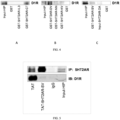
- anti-5-HT2AR antibody can precipitate with D1R but not D2R, which indicates that 5-HT2AR can form a complex with D1R but not D2R in vivo.
- CRS chronic restraint stress
- CMS chronic mild stress
- CSDS chronic social defeat stress
- CMS mouse model Mice were subjected to various pressures, including: restraint (4 hours), cage tilt (45 times, 12 hours each), light-dark cycle reversal (once), flash (12 hours) and dirty cage (2 times, 14 hours each). The program lasted for six weeks. Control mice were not subjected to corresponding pressure.
- mice were exposed to different CD1 aggressive mice (target mice) for 10 min per day for 10 days. After exposure for 10 min, experimental mice were separated by a plastic separator with holes. In addition, experimental mice were exposed to chronic pressure for 24 hours through a separator placed in the middle of the cage. A similar procedure (non-social stress) was used for the control mice, but with the same breed of mice instead of aggressive mice.
- the 5-HT2AR full-length cDNA clone (Genbank Accession No.: NM_001378924) was first amplified to obtain cDNA fragments of the CT region of 5-HT2AR (K385-V471) and the third intracellular loop (IL3) region of 5-HT2AR (F255-V324). These fragments were subcloned to the BamH1/EcoR1 or BamH1/Xho1 site of a pGEX-4T-3 plasmid (YouBio no: VT1255). The initial methionine residue and termination codon were incorporated as appropriate.
- the GST fusion protein containing the third intracellular loop (IL3) of 5-HT2AR (GST-5HT2AR-IL3) and the GST fusion protein containing the CT region of 5-HT2AR (GST-5HT2AR-CT) were expressed from E. coli BL21 viable cells (AlpalifeBio, no: KTSM104L) and purified from bacterial lysate solution. Wherein the specific positions of the coding sequences of IL3 region and CT region on 5-HT2AR are shown in FIG. 3 .
- the CT region of 5-HT2AR can pulldown D1R.
- CT region KV (K385-V411) region of 5-HT2AR, NN (N412-N441) region of 5-HT2AR and DV (D442-V471) region of 5-HT2AR.
- KV K385-V411
- NN N412-N441 region of 5-HT2AR
- DV D442-V471 region of 5-HT2AR.
- the specific positions of these regions on 5-HT2AR are shown in FIG. 3 .
- a pulldown analysis was performed using a GST fusion protein containing a KV region of 5-HT2AR (GST-5HT2AR-KV), a GST fusion protein containing a NN region of 5-HT2AR (GST-5HT2AR-NN), and a GST fusion protein containing a DV region of 5-HT2AR (GST-5HT2AR-DV), and the results of Western blot were shown in FIG. 4 B .
- the DV region of 5-HT2AR can pulldown D1R.
- DV region into DA (D442-A456) region of 5-HT2AR and SV (D442-V471) region of 5-HT2AR. The specific positions of these regions on 5-HT2AR are shown in FIG. 3 .
- a pulldown analysis was performed using a GST fusion protein containing a DA region of 5-HT2AR (GST-5HT2AR-DA), and a GST fusion protein containing a SV region of 5-HT2AR (GST-5HT2AR-SV), and the results of Western blot were shown in FIG. 4 C .
- 5HT2AR-SV polypeptide S457-V471
- S457-V471 has an affinity to D1R from mouse hippocampus tissue, indicating that 5-HT2AR can interact with D1R via carboxyl tail.
- the C terminal of SV region (S457-V471) of 5-HT2AR was fused with the N terminal of transduction domain of HIV-1-type Tat protein (as shown in SEQ ID NO: 3, hereinafter referred to as TAT) to obtain a fusion protein which can permeate the blood-brain barrier, named TAT-5HT2AR-SV
- TAT-5HT2AR-SV a fusion protein which can permeate the blood-brain barrier
- the DV region (D442-V471) of 5-HT2AR was fused with TAT to obtain TAT-5HT2AR-DV
- the CT region (K385-V471) of 5-HT2AR was fused with TAT to obtain TAT-5HT2AR-CT.
- mice were treated with TAT-5HT2AR-SV, TAT-5HT2AR-DV and TAT-5HT2AR-CT, and mice treated with TAT only were used as control (all treated by single intraperitoneal administration, 3nmol/g). 1 hour after the treatment, the mice used were analyzed according to the co-immunoprecipitation method in Example 1, and the results are shown in FIG. 5 .
- 5HT2AR-SV successfully destroyed the interaction of 5HT2AR/D1R in mouse hippocampus tissue.
- TAT-5HT2AR-DV and TAT-5HT2AR-CT also successfully destroyed the interaction of 5-HT2AR/D1R, and did not cause a significant change in the expression of 5-HT2AR and D1R.
- mice treated with TAT-5HT2AR-SV, TAT-5HT2AR-DV, TAT-5HT2AR-CT all treated by single intraperitoneal administration, 3nmol/g were subjected to open field test (OFT), forced swimming test (FST), and tail suspension test (TST) 1 hour after treatment, with mice treated with TAT only as a control.
- OFT open field test
- FST forced swimming test
- TST tail suspension test
- Example 6 Evaluation of anti-depression ability of the polypeptide using a drug evaluation model
- CRS, CMS and CSDS mouse models were constructed according to the method described in Example 2, respectively; 1 hour after construction, mouse models were treated with10 ⁇ M TAT-5HT2AR-SV, TAT-5HT2AR-DV, TAT-5HT2AR-CT or TAT respectively (all treated by single intraperitoneal administration, 3nmol/g); then FST and TST were performed on CRS, and FST, TST and sucrose preference test (SPT) were performed on CMS and CSDS mice respectively.
- SPT sucrose preference test
- SPT consumption of sucrose consumption of water and sucrose ⁇ 100 %
- mice treated with TAT-5HT2AR-SV significantly reduced the increase of stress-induced quiescent time (A to C, FST and TST) and significantly enhanced sucrose preference (A to C, SPT) compared with mice treated with TAT.
- the results of the TAT-5HT2AR-DV treated group and TAT-5HT2AR-CT treated group were similar to those of the TAT5HT2AR-SV treated group.
- Example 6 The treated CRS, CMS and CSDS mice of Example 6 (TAT-5HT2AR-SV, TAT-5HT2AR-DV, TAT-5HT2AR-CT and TAT) were analyzed according to the co-immunoprecipitation method of Example 1, and the Western blot results were shown in FIG. 9 , respectively.
- TAT-5HT2AR-SV treated group significantly reduced the interaction between 5-HT2AR and D1R in hippocampus tissue of stressed mice compared with TAT treated group ( FIG. 9 A to C ).
- the hippocampus tissue of treated CRS mice was directly analyzed by Western blot to investigate the expression levels of D1R and 5-HT2AR, and the results are shown in FIG. 10 .
- the levels of D1R and 5-HT2AR did not vary significantly between TAT-5HT2A-SV and TAT treated groups, indicating that the polypeptide of the present invention has a specificity for the coupling of D1R and 5-HT2AR.
- TAT-5HT2AR-DV CRS, CMS and CSDS mice treated with TAT-5HT2AR-DV or TAT-5HT2AR-CT were tested respectively.
- the results showed that TAT-5HT2AR-DV group and TAT-5HT2AR-CT group significantly reduced the interaction between 5-HT2AR and D1R in hippocampus tissue of stressed mice, but did not cause a significant change in D1R and 5-HT2AR levels.
- mice treated with TAT-5HT2AR-SV, TAT-5HT2AR-DV, TAT-5HT2AR-CT all treated by single intraperitoneal administration, 3nmol/g
- OFT open field test
- EPM elevated plus maze test
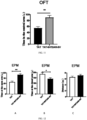
- TAT-5HT2A-SR polypeptide could significantly increase the residence time of mice in the central region; similarly, TAT-5HT2AR-DV polypeptide and TAT-5HT2AR-CT also significantly increased the residence time in the central region of mice (P ⁇ 0.01), indicating that they effectively reduced anxiety mood.
- TAT-5HT2A-SR polypeptide significantly increased residence time at the open arm (A) and decreased residence time at the closed arm (B), but did not affect the total movement ability of mice (C); similarly, TAT-5HT2AR-DV polypeptide and TAT-5HT2AR-CT significantly increased residence time at the open arm (P ⁇ 0.01) and decreased residence time at the closed arm (P ⁇ 0.05), but did not affect the total movement ability of mice. It is shown that the polypeptide of the present invention effectively reduced anxiety mood.
Landscapes
- Health & Medical Sciences (AREA)
- Life Sciences & Earth Sciences (AREA)
- Engineering & Computer Science (AREA)
- Bioinformatics & Cheminformatics (AREA)
- Chemical & Material Sciences (AREA)
- Medicinal Chemistry (AREA)
- General Health & Medical Sciences (AREA)
- Public Health (AREA)
- Veterinary Medicine (AREA)
- Pharmacology & Pharmacy (AREA)
- Animal Behavior & Ethology (AREA)
- Organic Chemistry (AREA)
- Biomedical Technology (AREA)
- Neurology (AREA)
- Proteomics, Peptides & Aminoacids (AREA)
- Immunology (AREA)
- Epidemiology (AREA)
- Molecular Biology (AREA)
- Chemical Kinetics & Catalysis (AREA)
- General Chemical & Material Sciences (AREA)
- Neurosurgery (AREA)
- Nuclear Medicine, Radiotherapy & Molecular Imaging (AREA)
- Zoology (AREA)
- Gastroenterology & Hepatology (AREA)
- Cell Biology (AREA)
- Pain & Pain Management (AREA)
- Psychiatry (AREA)
- Toxicology (AREA)
- Biochemistry (AREA)
- Biophysics (AREA)
- Genetics & Genomics (AREA)
- Endocrinology (AREA)
- Medicines That Contain Protein Lipid Enzymes And Other Medicines (AREA)
- Peptides Or Proteins (AREA)
- Micro-Organisms Or Cultivation Processes Thereof (AREA)
- Medicinal Preparation (AREA)
Applications Claiming Priority (2)
| Application Number | Priority Date | Filing Date | Title |
|---|---|---|---|
| CN202111128332.4A CN113855784B (zh) | 2021-09-26 | 2021-09-26 | 多肽的抗抑郁、抗焦虑用途及复合体 |
| PCT/CN2022/113892 WO2023045662A1 (zh) | 2021-09-26 | 2022-08-22 | 多肽的抗抑郁、抗焦虑用途及复合体 |
Publications (2)
| Publication Number | Publication Date |
|---|---|
| EP4406547A1 true EP4406547A1 (de) | 2024-07-31 |
| EP4406547A4 EP4406547A4 (de) | 2025-10-08 |
Family
ID=78994512
Family Applications (1)
| Application Number | Title | Priority Date | Filing Date |
|---|---|---|---|
| EP22871715.3A Pending EP4406547A4 (de) | 2021-09-26 | 2022-08-22 | Antidepressions- und antianxiolytische anwendung von polypeptid und komplex |
Country Status (6)
| Country | Link |
|---|---|
| US (1) | US20240390459A1 (de) |
| EP (1) | EP4406547A4 (de) |
| JP (1) | JP2024535104A (de) |
| KR (1) | KR20240058153A (de) |
| CN (1) | CN113855784B (de) |
| WO (1) | WO2023045662A1 (de) |
Families Citing this family (2)
| Publication number | Priority date | Publication date | Assignee | Title |
|---|---|---|---|---|
| CN113855784B (zh) * | 2021-09-26 | 2025-04-15 | 深圳辰扬生物科技有限公司 | 多肽的抗抑郁、抗焦虑用途及复合体 |
| CN114767832B (zh) * | 2022-04-21 | 2025-05-16 | 深圳辰扬生物科技有限公司 | 多肽及其用途 |
Family Cites Families (14)
| Publication number | Priority date | Publication date | Assignee | Title |
|---|---|---|---|---|
| US20050070577A1 (en) * | 2003-07-03 | 2005-03-31 | Pfizer Inc. | Compositions containing a serotonin selective reuptake inhibitor and a 5-HT2A receptor antagonist |
| PT1558582E (pt) * | 2003-07-22 | 2006-05-31 | Arena Pharm Inc | Derivados de diaril- e aril-heteroaril-ureia como moduladores do receptor de serotonina 5-ht2a uteis para a profilaxia e tratamento de desordens relacionadas com o mesmo |
| EP1843762A1 (de) * | 2005-01-19 | 2007-10-17 | Arena Pharmaceuticals, Inc. | Diaryl- und arylheteroaryl-harnstoff-derivate als modulatoren des 5-ht2a-serotoninrezeptors zur prophylaxe oder behandlung progressiver multifokaler leukoencephalopathie |
| US8252740B2 (en) * | 2006-01-27 | 2012-08-28 | The University Of Mississippi Medical Center | Thermally-targeted delivery of medicaments including doxorubicin |
| CN1920033A (zh) * | 2006-03-29 | 2007-02-28 | 山东中医药大学 | 猕猴5羟色胺2a受体的部分基因及其应用 |
| US10583138B2 (en) * | 2012-07-12 | 2020-03-10 | Glytech, Llc | Composition and method for treatment of depression and psychosis in humans |
| US20120321609A1 (en) * | 2011-04-11 | 2012-12-20 | Stephen Ferguson | Method of treating psychological disorders |
| KR102366644B1 (ko) * | 2014-05-30 | 2022-02-22 | 상하이 헨리우스 바이오테크, 인크. | 항-표피 성장 인자 수용체 (egfr) 항체 |
| US10562946B2 (en) * | 2014-06-20 | 2020-02-18 | Genentech, Inc. | Chagasin-based scaffold compositions, methods, and uses |
| EP3831844B1 (de) * | 2015-06-26 | 2024-03-13 | Prindex S.r.l. | Diagnose und therapie von multipler sklerose |
| AU2018284335A1 (en) * | 2017-06-12 | 2020-01-30 | Glytech Llc. | Treatment of depression with NMDA antagonists and D2/5HT2A or selective 5HT2A antagonists |
| CN108992661B (zh) * | 2018-09-18 | 2019-09-20 | 北京大学深圳研究生院 | 一种多肽在制备静脉、腹腔或鼻腔给药药物中的应用 |
| CN109106942B (zh) * | 2018-09-18 | 2019-11-22 | 深圳瑞健生物科技有限公司 | 一种可通过血脑屏障的多肽在制备药物中的应用 |
| CN113855784B (zh) * | 2021-09-26 | 2025-04-15 | 深圳辰扬生物科技有限公司 | 多肽的抗抑郁、抗焦虑用途及复合体 |
-
2021
- 2021-09-26 CN CN202111128332.4A patent/CN113855784B/zh active Active
-
2022
- 2022-08-22 JP JP2024518969A patent/JP2024535104A/ja active Pending
- 2022-08-22 WO PCT/CN2022/113892 patent/WO2023045662A1/zh not_active Ceased
- 2022-08-22 KR KR1020247011564A patent/KR20240058153A/ko active Pending
- 2022-08-22 EP EP22871715.3A patent/EP4406547A4/de active Pending
- 2022-08-22 US US18/695,187 patent/US20240390459A1/en active Pending
Also Published As
| Publication number | Publication date |
|---|---|
| US20240390459A1 (en) | 2024-11-28 |
| WO2023045662A1 (zh) | 2023-03-30 |
| CN113855784A (zh) | 2021-12-31 |
| CN113855784B (zh) | 2025-04-15 |
| KR20240058153A (ko) | 2024-05-03 |
| JP2024535104A (ja) | 2024-09-26 |
| EP4406547A4 (de) | 2025-10-08 |
Similar Documents
| Publication | Publication Date | Title |
|---|---|---|
| JP7663513B2 (ja) | 調節された合成遺伝子発現システム | |
| EP4406547A1 (de) | Antidepressions- und antianxiolytische anwendung von polypeptid und komplex | |
| JP7169267B2 (ja) | 重症筋無力症を診断および治療するためのペプチドおよびその使用 | |
| US8779093B2 (en) | Neuronal viability factor and use thereof | |
| US8101564B2 (en) | Methods for regulating osteoclast differentiation and bone resorption using LRRc17 | |
| EP1015473A1 (de) | Klonierung und expression von beta-app-c100 rezeptor (c100-r) | |
| WO1997018230A9 (en) | Cloning and expression of beta app-c100 receptor (c100-r) | |
| WO2023202663A1 (zh) | 多肽及其用途 | |
| US20200230207A1 (en) | Treatment of bone growth disorders | |
| CA2496234A1 (en) | Salt-inducible kinases 2 and use thereof | |
| Remez et al. | The progressive rod–cone degeneration (PRCD) protein is secreted through the conventional ER/Golgi-dependent pathway | |
| JPH07505524A (ja) | Ifn受容体認識因子,そのタンパク質配列および使用方法 | |
| CN119161448B (zh) | 一种mdga2靶向多肽及其应用 | |
| WO2026056131A1 (en) | Use of trpm7 activator in preparation of therapeutic product for treating alzheimer's disease | |
| US20240034765A1 (en) | Scg2 neuropeptides and uses thereof | |
| HK40121458A (en) | Polypeptide and use thereof | |
| Klitchyk | Cell Death Signaling Mediated by Dependence Receptors EphA4 and EphB3 Following Induced Stress | |
| Levy | Exploring the role of Leucine Rich Repeat Kinase 2 within the innate immune system | |
| Popiolek | Characterization of the D-amino acid oxidase interactome | |
| Lubinus | The inositol 5′-phosphatase SHIP binds to immunoreceptor signaling motifs and responds to high affinity IgE receptor aggregation | |
| Justice-Bitner | An investigation of mu-opioid receptor interacting proteins within the mu-opioid receptor signaling complex | |
| AU5086699A (en) | Methods for inhibiting tef-3 activity |
Legal Events
| Date | Code | Title | Description |
|---|---|---|---|
| STAA | Information on the status of an ep patent application or granted ep patent |
Free format text: STATUS: THE INTERNATIONAL PUBLICATION HAS BEEN MADE |
|
| PUAI | Public reference made under article 153(3) epc to a published international application that has entered the european phase |
Free format text: ORIGINAL CODE: 0009012 |
|
| STAA | Information on the status of an ep patent application or granted ep patent |
Free format text: STATUS: REQUEST FOR EXAMINATION WAS MADE |
|
| 17P | Request for examination filed |
Effective date: 20240424 |
|
| AK | Designated contracting states |
Kind code of ref document: A1 Designated state(s): AL AT BE BG CH CY CZ DE DK EE ES FI FR GB GR HR HU IE IS IT LI LT LU LV MC MK MT NL NO PL PT RO RS SE SI SK SM TR |
|
| DAV | Request for validation of the european patent (deleted) | ||
| DAX | Request for extension of the european patent (deleted) | ||
| A4 | Supplementary search report drawn up and despatched |
Effective date: 20250910 |
|
| RIC1 | Information provided on ipc code assigned before grant |
Ipc: A61K 38/17 20060101AFI20250904BHEP Ipc: A61K 47/64 20170101ALI20250904BHEP Ipc: A61K 47/68 20170101ALI20250904BHEP Ipc: C07K 14/705 20060101ALI20250904BHEP Ipc: C12N 15/63 20060101ALI20250904BHEP Ipc: A61P 25/22 20060101ALI20250904BHEP Ipc: A61P 25/24 20060101ALI20250904BHEP |