EP4406537A1 - Langkettige verbindung und verwendung davon - Google Patents
Langkettige verbindung und verwendung davon Download PDFInfo
- Publication number
- EP4406537A1 EP4406537A1 EP22872030.6A EP22872030A EP4406537A1 EP 4406537 A1 EP4406537 A1 EP 4406537A1 EP 22872030 A EP22872030 A EP 22872030A EP 4406537 A1 EP4406537 A1 EP 4406537A1
- Authority
- EP
- European Patent Office
- Prior art keywords
- compound
- cycloalkyl
- cycloalkenyl
- group
- mmol
- Prior art date
- Legal status (The legal status is an assumption and is not a legal conclusion. Google has not performed a legal analysis and makes no representation as to the accuracy of the status listed.)
- Pending
Links
Images

Classifications
-
- A—HUMAN NECESSITIES
- A61—MEDICAL OR VETERINARY SCIENCE; HYGIENE
- A61P—SPECIFIC THERAPEUTIC ACTIVITY OF CHEMICAL COMPOUNDS OR MEDICINAL PREPARATIONS
- A61P3/00—Drugs for disorders of the metabolism
-
- A—HUMAN NECESSITIES
- A61—MEDICAL OR VETERINARY SCIENCE; HYGIENE
- A61K—PREPARATIONS FOR MEDICAL, DENTAL OR TOILETRY PURPOSES
- A61K31/00—Medicinal preparations containing organic active ingredients
- A61K31/70—Carbohydrates; Sugars; Derivatives thereof
- A61K31/7042—Compounds having saccharide radicals and heterocyclic rings
- A61K31/7052—Compounds having saccharide radicals and heterocyclic rings having nitrogen as a ring hetero atom, e.g. nucleosides, nucleotides
- A61K31/706—Compounds having saccharide radicals and heterocyclic rings having nitrogen as a ring hetero atom, e.g. nucleosides, nucleotides containing six-membered rings with nitrogen as a ring hetero atom
- A61K31/7064—Compounds having saccharide radicals and heterocyclic rings having nitrogen as a ring hetero atom, e.g. nucleosides, nucleotides containing six-membered rings with nitrogen as a ring hetero atom containing condensed or non-condensed pyrimidines
- A61K31/7076—Compounds having saccharide radicals and heterocyclic rings having nitrogen as a ring hetero atom, e.g. nucleosides, nucleotides containing six-membered rings with nitrogen as a ring hetero atom containing condensed or non-condensed pyrimidines containing purines, e.g. adenosine, adenylic acid
-
- A—HUMAN NECESSITIES
- A61—MEDICAL OR VETERINARY SCIENCE; HYGIENE
- A61K—PREPARATIONS FOR MEDICAL, DENTAL OR TOILETRY PURPOSES
- A61K31/00—Medicinal preparations containing organic active ingredients
- A61K31/185—Acids; Anhydrides, halides or salts thereof, e.g. sulfur acids, imidic, hydrazonic or hydroximic acids
- A61K31/19—Carboxylic acids, e.g. valproic acid
- A61K31/194—Carboxylic acids, e.g. valproic acid having two or more carboxyl groups, e.g. succinic, maleic or phthalic acid
-
- A—HUMAN NECESSITIES
- A61—MEDICAL OR VETERINARY SCIENCE; HYGIENE
- A61K—PREPARATIONS FOR MEDICAL, DENTAL OR TOILETRY PURPOSES
- A61K31/00—Medicinal preparations containing organic active ingredients
- A61K31/185—Acids; Anhydrides, halides or salts thereof, e.g. sulfur acids, imidic, hydrazonic or hydroximic acids
- A61K31/19—Carboxylic acids, e.g. valproic acid
- A61K31/20—Carboxylic acids, e.g. valproic acid having a carboxyl group bound to a chain of seven or more carbon atoms, e.g. stearic, palmitic, arachidic acids
- A61K31/201—Carboxylic acids, e.g. valproic acid having a carboxyl group bound to a chain of seven or more carbon atoms, e.g. stearic, palmitic, arachidic acids having one or two double bonds, e.g. oleic, linoleic acids
-
- A—HUMAN NECESSITIES
- A61—MEDICAL OR VETERINARY SCIENCE; HYGIENE
- A61K—PREPARATIONS FOR MEDICAL, DENTAL OR TOILETRY PURPOSES
- A61K31/00—Medicinal preparations containing organic active ingredients
- A61K31/70—Carbohydrates; Sugars; Derivatives thereof
- A61K31/7028—Compounds having saccharide radicals attached to non-saccharide compounds by glycosidic linkages
-
- A—HUMAN NECESSITIES
- A61—MEDICAL OR VETERINARY SCIENCE; HYGIENE
- A61P—SPECIFIC THERAPEUTIC ACTIVITY OF CHEMICAL COMPOUNDS OR MEDICINAL PREPARATIONS
- A61P1/00—Drugs for disorders of the alimentary tract or the digestive system
- A61P1/16—Drugs for disorders of the alimentary tract or the digestive system for liver or gallbladder disorders, e.g. hepatoprotective agents, cholagogues, litholytics
-
- A—HUMAN NECESSITIES
- A61—MEDICAL OR VETERINARY SCIENCE; HYGIENE
- A61P—SPECIFIC THERAPEUTIC ACTIVITY OF CHEMICAL COMPOUNDS OR MEDICINAL PREPARATIONS
- A61P3/00—Drugs for disorders of the metabolism
- A61P3/06—Antihyperlipidemics
-
- A—HUMAN NECESSITIES
- A61—MEDICAL OR VETERINARY SCIENCE; HYGIENE
- A61P—SPECIFIC THERAPEUTIC ACTIVITY OF CHEMICAL COMPOUNDS OR MEDICINAL PREPARATIONS
- A61P9/00—Drugs for disorders of the cardiovascular system
- A61P9/10—Drugs for disorders of the cardiovascular system for treating ischaemic or atherosclerotic diseases, e.g. antianginal drugs, coronary vasodilators, drugs for myocardial infarction, retinopathy, cerebrovascula insufficiency, renal arteriosclerosis
-
- C—CHEMISTRY; METALLURGY
- C07—ORGANIC CHEMISTRY
- C07C—ACYCLIC OR CARBOCYCLIC COMPOUNDS
- C07C55/00—Saturated compounds having more than one carboxyl group bound to acyclic carbon atoms
- C07C55/26—Saturated compounds having more than one carboxyl group bound to acyclic carbon atoms containing rings other than aromatic rings
- C07C55/28—Saturated compounds having more than one carboxyl group bound to acyclic carbon atoms containing rings other than aromatic rings monocyclic
-
- C—CHEMISTRY; METALLURGY
- C07—ORGANIC CHEMISTRY
- C07C—ACYCLIC OR CARBOCYCLIC COMPOUNDS
- C07C57/00—Unsaturated compounds having carboxyl groups bound to acyclic carbon atoms
- C07C57/02—Unsaturated compounds having carboxyl groups bound to acyclic carbon atoms with only carbon-to-carbon double bonds as unsaturation
- C07C57/13—Dicarboxylic acids
-
- C—CHEMISTRY; METALLURGY
- C07—ORGANIC CHEMISTRY
- C07C—ACYCLIC OR CARBOCYCLIC COMPOUNDS
- C07C2601/00—Systems containing only non-condensed rings
- C07C2601/02—Systems containing only non-condensed rings with a three-membered ring
Definitions
- the present invention relates to a new class of long-chain fatty acid ACLY inhibitors, a pharmaceutically acceptable salt, pharmaceutically acceptable ester, crystalline hydrate, solvate thereof or mixtures thereof, a pharmaceutical composition containing such inhibitors, and use in the preparation of therapeutic drugs for metabolic diseases such as hypercholesterolemia, non-alcoholic steatohepatitis (NASH), liver fibrosis and the like.
- metabolic diseases such as hypercholesterolemia, non-alcoholic steatohepatitis (NASH), liver fibrosis and the like.
- Acetyl-CoA produced by the mitochondrial tricarboxylic acid cycle is a source substrate for the de novo synthesis of endogenous cholesterol and triglycerides.
- Acetyl-CoA generated by the tricarboxylic acid cycle usually cannot directly pass through the mitochondrial membrane to enter the cytoplasm.
- citric acid is generated in the mitochondria through the catalysis of citrate synthase; citric acid enters the cytoplasm through the mitochondrial membrane with the help of the tricarboxylic acid transporter, and then cleaved into acetyl-CoA and oxaloacetate by ATP-dependent citrate lyase (adenosine triphosphate citrate lyase, ACLY) distributed in the endoplasmic reticulum.
- ATP-dependent citrate lyase adenosine triphosphate citrate lyase, ACLY
- oxaloacetate uses NADH to generate malic acid, which further generates pyruvate with the help of NAPDH.
- acetyl-CoA can be used as a substrate to directly participate in the de novo synthesis of triglycerides and cholesterol.
- Various metabolic diseases such as non-alcoholic steatohepatitis (NASH), hypercholesterolemia, and atherosclerosis are related to abnormally elevated levels of hepatic lipid synthesis. Therefore, inhibiting the activity of ACLY can significantly reduce de novo lipid synthesis of hepatocyte lipids, and ACLY inhibitors can be used to prepare therapeutic drugs for metabolic diseases.
- NASH non-alcoholic steatohepatitis
- ACLY inhibitors can be used to prepare therapeutic drugs for metabolic diseases.
- Bempedoic acid (ETC-1002) is the first globally marketed small molecule inhibitor of ACLY and is mainly used for the treatment of statin-intolerant heterozygous familial hypercholesterolemia. Moreover, benzenesulfonamides and other ACLY inhibitors have also been verified to have lipid-lowering pharmacological activity at the cellular level and preclinical animal level.
- ACLY inhibitors need to be investigated for the treatment of metabolic diseases such as hypercholesterolaemia, non-alcoholic steatohepatitis (NASH) and liver fibrosis.
- metabolic diseases such as hypercholesterolaemia, non-alcoholic steatohepatitis (NASH) and liver fibrosis.
- the object of the present invention is to provide a use of long-chain compounds for the treatment of cholesterolemia, non-alcoholic steatohepatitis (NASH), liver fibrosis, atherosclerosis and other diseases.
- NASH non-alcoholic steatohepatitis
- liver fibrosis liver fibrosis
- atherosclerosis other diseases.
- the first aspect of the present invention provides a use of a compound represented by general formula (I), or a deuterated compound, stereoisomer, enantiomer, diastereomer, racemate or pharmaceutically acceptable salt thereof or mixtures of two or more compounds of the compounds represented by general formula (I) for the preparation of a medicament for the treatment of metabolic diseases; or for the preparation of a medicament for the treatment of atherosclerosis,
- - - - represents a double bond, and the configuration of the double bond is cis or trans.
- the compound has a structure represented by general formula II:
- the compound has a structure represented by general formula III:
- R 1 and R 2 are each independently H, methyl, ethyl, deuterated methyl, deuterated ethyl, deuterated propyl or propyl, preferably R 1 and R 2 are H or R 1 and R 2 are methyl; or R 1 and R 2 , together with their adjacent carbon atoms, form a C3-C6 cycloalkyl, C3-C5 cycloalkyl or C3-C4 cycloalkyl.
- R 3 and R 4 are each independently H, methyl, ethyl, deuterated methyl, deuterated ethyl, deuterated propyl or propyl, preferably R 3 and R 4 are H or R 3 and R 4 are methyl; or R 3 and R 4 , together with their adjacent carbon atom, form a C3-C6 cycloalkyl, C3-C5 cycloalkyl or C3-C4 cycloalkyl.
- R 5 and R 6 are each independently H, methyl, ethyl, deuterated methyl, deuterated ethyl, deuterated propyl or propyl, preferably R 5 and R 6 are H or R 5 and R 6 are methyl; or R 5 and R 6 , together with their adjacent carbon atom, form a C3-C6 cycloalkyl, C3-C5 cycloalkyl or C3-C4 cycloalkyl.
- Y 1 and Y 2 are each independently -COOH, -COCoA or - COOR 7 ; wherein R 7 is methyl, ethyl or CoA is as follows:
- the compound is selected from the following group:
- the compound is also selected from the following group:
- the metabolic disease is selected from the group consisting of hypercholesterolemia, non-alcoholic steatohepatitis (NASH), and liver fibrosis.
- the atherosclerosis is caused by hypercholesterolemia.
- the second aspect of the present invention provides a compound represented by general formula (I), or a deuterated compound, stereoisomer, enantiomer, diastereomer, racemate or pharmaceutically acceptable salt thereof or a mixture of two or more compounds of the compound represented by general formula (I),
- the compound has a structure represented by general formula II, III or IV: wherein p is 0, 1, 2 or 3.
- R 1 , R 2 , R 3 , R 4 , R 5 and R 6 are each independently H, C1-C4 alkyl, deuterated C1-C4 alkyl, C2-C4 alkenyl, C2-C4 alkynyl , C3-C7 cycloalkyl, C3-C7 cycloalkenyl, phenyl or benzyl;
- the compound is selected from the following group:
- the compound is also selected from the following group:
- the third aspect of the present invention provides a pharmaceutical composition, comprising the compound according to the first aspect, or the deuterated compound, stereoisomer, enantiomer, diastereomer, racemate or pharmaceutically acceptable salt thereof or a mixture of two or more compounds in the compound represented by general formula (I); and a pharmaceutically acceptable salt.
- the dosage form of the pharmaceutical composition according to the present invention can be varied, including but not limited to: a tablet, capsule, granule, syrup, solution, suspension or aerosol.
- the fourth aspect of the present invention provides a method for treating metabolic diseases, comprising administering to a subject in need the compound according to the second aspect, or the deuterated compound, stereoisomer, enantiomer, diastereomer, racemate or pharmaceutically acceptable salt thereof or a mixture of two or more compounds in the compound represented by general formula (I) or the pharmaceutical composition according to the third aspect.
- the metabolic disease is selected from the group consisting of hypercholesterolemia, non-alcoholic steatohepatitis (NASH), and liver fibrosis.
- the fifth aspect of the present invention provides a method for treating atherosclerosis, comprising administering to a subject in need the compound according to the second aspect, or the deuterated compound, stereoisomer, enantiomer, diastereomer, racemate or pharmaceutically acceptable salt thereof or a mixture of two or more compounds in the compound represented by general formula (I) or the pharmaceutical composition according to the third aspect.
- the atherosclerosis is caused by hypercholesterolemia.
- Chinese Patent Application No. 201610105067 ( CN107118098 ) discloses a type of fatty acid compound, preparation method and use thereof. This type of compound has the activity of activating APMK and has the ability to inhibit glucose output of mouse primary liver cells, and can be used to prepare a medicament for treating obesity or diabetes.
- this series of compounds disclosed in the present invention have good ACLY inhibitory activity, can inhibit the de novo synthesis of triglycerides and cholesterol in primary hepatocytes, and significantly improve hyperlipidemia in golden hamsters and spontaneous elderly rhesus monkeys.
- Outstanding therapeutic effects have been shown in both NASH models of rodent and non-human primate.
- this class of compounds has significant therapeutic effects on metabolic diseases represented by hypercholesterolemia and non-alcoholic steatohepatitis, and can be used to develop therapeutic drugs for metabolic diseases such as hypercholesterolemia and non-alcoholic steatohepatitis.
- the inventor of the present application found that the compound of the present application has ACLY inhibitory activity.
- This type of compound can inhibit the de novo synthesis of lipids in primary hepatocytes and has shown therapeutic effects on various animal models of metabolic diseases. It can be further developed into a therapeutic drug for metabolic diseases such as hypercholesterolemia and non-alcoholic steatohepatitis, and can also be used to treat atherosclerosis. On this basis, the present invention was completed.
- C 1 -C 6 means there are 1, 2, 3 or 4 carbon atoms.
- C 3 -C 7 means there are 3, 4, 5, 6 or 7 carbon atoms, and so on.
- alkyl refers to a saturated linear or branched hydrocarbon moiety.
- C1-C4 alkyl refers to a linear or branched alkyl having 1 to 4 carbon atoms, including, but not limited to, methyl, ethyl, n-propyl, isopropyl, n-butyl, isobutyl, sec-butyl, and tert-butyl.
- alkenyl refers to a linear or branched hydrocarbon moiety containing at least one double bond.
- C2-C4 alkenyl refers to a linear or branched hydrocarbon group having 2 to 4 carbon atoms and containing one double bond, including, but not limited to, vinyl, propenyl, butenyl, and isobutenyl.
- alkynyl refers to a linear or branched alkynyl containing one triple bond, including, but not limited to, ethynyl, propynyl, butynyl, isobutynyl, etc.
- cycloalkyl refers to a saturated cyclic hydrocarbon moiety.
- C3-C7 cycloalkyl refers to a cyclic alkyl group having 3 to 7 carbon atoms in the ring, including, but not limited to, cyclopropyl, cyclobutyl, cyclopentyl, cyclohexyl, etc.
- cycloalkenyl refers to a cyclic hydrocarbon moiety containing at least one double bond.
- C3-C7 cycloalkenyl refers to a cyclic alkenyl having 3 to 7 carbon atoms in the ring, including, but not limited to, cyclopropenyl, cyclobutenyl, cyclopentenyl, cyclohexenyl, and the like.
- the pharmaceutically acceptable salt of the present invention may be a salt formed by an anion and a positively charged group on the compound of formula I.
- Suitable anions are chloride ion, bromine ion, iodine ion, sulfate, nitrate, phosphate, citrate, methanesulfonate, trifluoroacetate, acetate, malate, tosylate, tartrate, fumarate, glutamate, glucuronate, lactate, glutarate or maleate.
- the salt can be formed from a cation with negatively charged group on compounds of formula I. Suitable cations include sodium, potassium, magnesium, calcium and ammonium ions, such as tetramethylammonium ion.
- Compound A13 Solvent systems on Zorbax-SB C18column, 4.6*50mm, 3.5 ⁇ : Gradient, A:10mM NH 4 COOH in H 2 O, B: CH 3 OH, 0 min: 50% A and 50% B; 0-30 min: A 50% ⁇ 0%, B 50% ⁇ 100%, 0.5mL/min.
- the ACLY-catalyzed citric acid cleavage process requires the consumption of one molecule of ATP to activate citric acid.
- the inventors utilized an ADP-Glo assay kit to detect the amount of ATP converted to ADP in response to the catalytic activity of ACLY. After the establishment of the activity measurement system and optimization of the reaction conditions, the inventors evaluated the ACLY inhibitory activity of the obtained novel ACLY small molecule inhibitors.
- ACLY is responsible for the cleavage of mitochondria-derived citric acid to generate acetyl coenzyme A, which serves as a key raw material for cellular lipid synthesis, and inhibition of ACLY activity significantly reduces the de novo synthesis of lipids (triglycerides and cholesterol).
- lipids triglycerides and cholesterol.
- the inventors isolated primary mouse hepatocytes and evaluated the ability of the de novo synthesis of lipids using [1,2- 14 C]-sodium acetate as a substrate tracer, while compound ETC-1002 was used as a positive control.
- mice liver was lavaged by calcium-free perfusate, then digested using collagenase and mouse primary hepatocytes were obtained by density gradient centrifugation, and were inoculated in 6-well plates at a density of 3 ⁇ 10 5 /ml (0.2% gelatin was coated before inoculating). After inoculating, the cells were cultured and adhered for 6 h. The medium was changed to serum-free LG-DMEM (containing 2x double antibody) and starved the cells overnight.
- LG-DMEM containing 2x double antibody
- Isotope tracing the next day, the medium was switched to serum-free LG-DMEM containing 10 nM insulin and the corresponding concentration of compounds (1950 ⁇ L, 4 replicate wells per group); 0.1 ⁇ Ci of [1,2- 14 C]-acetate serum-free medium was added to each well, and the plates were then incubated for 4 h in the incubator.
- Lipid saponification Add 1.6 mL of ice PBS to each well for washing 3 times, shake the plate to dry and add 600 ⁇ L of 0.5 M KOH to each well to lysis for 1 h. Pipette 480 ⁇ L into a glass test tube with 400 ⁇ L of 20% KOH (methanol was used as solvent), shake and mix well, and then place it in a water bath at 95 °C to saponify for 3 h. The remaining lysate was used for the determination of the concentration of proteins.
- Isotope participation quantification 1700 ⁇ L of scintillation solution was added to each tube and read.
- Test protocol In order to further investigate the dependence of the inhibitory effect of the series of compounds on de novo lipid synthesis on ACLY, the inventors chose ACLY knockdown primary hepatocytes for further evaluation of de novo lipid synthesis, while compound ETC-1002 was used as a positive control. Specifically, the experimental protocol was as above, and 0.1 ⁇ Ci/well [ 14 C]-citric acid was used for tracing.
- Example 3 Efficacy of compounds A3 and A4 in ameliorating hypercholesterolemia
- the hyperlipidemia model of golden hamster is recognized as one of the ideal animal models for studying hyperlipidemia drug therapy (pharmacodynamic evaluation).
- the high-fat and high-cholesterol diet-induced hyperlipidemia model of golden hamster was utilized for preliminary pharmacodynamic evaluation.
- the specific protocol was as follows. 56 golden hamsters, males, were modeled on high-fat and high-cholesterol diet (Research diet, item number C11953) for two weeks, and 8 golden hamsters were reserved as blank control group.
- the compounds in each group were configured with saline (0.9% NaCl) and administered at a frequency of 1 time/day for a 7-day dosing cycle.
- Hypercholesterolemia is an important trigger for the development of atherosclerosis.
- Compound A3 has significant improvement on hyperlipidemia and hypercholesterolemia, the inventors further found that Compound A3 can significantly slow down the occurrence of atherosclerosis in ApoE -/- mice.
- Indicator test The body weight and food intake of ApoE -/- mice were closely monitored during the administration period. After 24 weeks of compound administration in each group, the aortic vessels of mice were stripped and Sudan IV staining of aortic plaques was performed, and the plaque area was counted with Image-Pro Plus software.
- Example 4 Evaluation of the efficacy of compound A3 in improving diet-induced non-alcoholic steatohepatitis
- NASH non-alcoholic steatohepatitis
- the inhibition of de novo synthesis of hepatic stellate cell can effectively reduce the activation of hepatic stellate cells (HSC).
- HSC hepatic stellate cells
- Indicator test The body weight and feeding changes of ob / ob mice and blank control mice were closely monitored during the administration period. After 10 weeks of administration, the livers of each group were taken and tested for NASH indicators (HE staining, Sirius red staining, immunohistochemistry for inflammatory signals, etc.).
- NASH indicators HE staining, Sirius red staining, immunohistochemistry for inflammatory signals, etc.
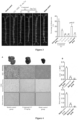
- mice showed whitening and granulomatous sensation due to excessive lipid accumulation, which was significantly reversed by compound A3 administration (A in Fig. 4 ); furthermore, the inventors subjected the livers to pathological analysis: compared with the model control group, H&E staining study revealed that liver steatosis and ballooning were significantly reduced in the group with compound A3 administration (steatohepatitis, A in Fig. 4 ); macrophage CD68 staining study found that hepatic inflammatory cell infiltration was significantly reduced in the compound A3 administration group (inflammation, A in Fig. 4 , B in Fig.
- the inventors further evaluated the therapeutic effect of Compound A3 on non-alcoholic steatohepatitis in crab-eating monkeys by long-term administration of Compound A3 in a non-human primate model.
- the drug (20 mg/kg) was administered at a frequency of 1 time/day for 14 weeks while feeding a high-fat, high-sugar, high-cholesterol diet for 14 weeks.
- Indicator tests The body weights and food intake of the crab-eating monkeys were closely monitored during the administration period. After 14 weeks of compound administration, liver puncture was performed for pathologic analysis of NASH indicators.
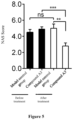
- results The results of liver puncture showed that long-term administration of compound A3 could significantly reduce the accumulation of hepatic lipids and the occurrence of inflammation and fibrosis in crab-eating monkeys, and the activity score of non-alcoholic steatohepatopathy (NAS) was significantly reduced after the administration of compound A3 ( Figure 5 ).
- NAS non-alcoholic steatohepatopathy
- Table 4 Oral pharmacokinetic parameters of compound A3 and control ETC-1002 Subjects/parameters Tmax (h) Cmax ( ⁇ g/mL) AUC 0-t (h* ⁇ g/mL) AUC 0- ⁇ (h* ⁇ g/mL) MRT 0- ⁇ (h) t 1/2 (h) Compound A3 0.25 13.4 63.7 74.2 8.01 5.65 ETC-1002 0.25 3.81 14.4 15.6 6.81 4.45
- the series of compounds in the presentinvention have good ACLY inhibitory activity and have shown good therapeutic effects in various metabolic disease pharmacodynamic models, which can be further developed as therapeutic agents for metabolic diseases such as hypercholesterolemia, non-alcoholic steatohepatitis and so on.
Landscapes
- Health & Medical Sciences (AREA)
- Chemical & Material Sciences (AREA)
- Life Sciences & Earth Sciences (AREA)
- General Health & Medical Sciences (AREA)
- Veterinary Medicine (AREA)
- Pharmacology & Pharmacy (AREA)
- Medicinal Chemistry (AREA)
- Animal Behavior & Ethology (AREA)
- Public Health (AREA)
- Organic Chemistry (AREA)
- Engineering & Computer Science (AREA)
- Bioinformatics & Cheminformatics (AREA)
- General Chemical & Material Sciences (AREA)
- Epidemiology (AREA)
- Nuclear Medicine, Radiotherapy & Molecular Imaging (AREA)
- Chemical Kinetics & Catalysis (AREA)
- Molecular Biology (AREA)
- Hematology (AREA)
- Obesity (AREA)
- Diabetes (AREA)
- Urology & Nephrology (AREA)
- Vascular Medicine (AREA)
- Cardiology (AREA)
- Heart & Thoracic Surgery (AREA)
- Gastroenterology & Hepatology (AREA)
- Pharmaceuticals Containing Other Organic And Inorganic Compounds (AREA)
- Organic Low-Molecular-Weight Compounds And Preparation Thereof (AREA)
- Saccharide Compounds (AREA)
- Acyclic And Carbocyclic Compounds In Medicinal Compositions (AREA)
Applications Claiming Priority (2)
| Application Number | Priority Date | Filing Date | Title |
|---|---|---|---|
| CN202111116447.1A CN115887435A (zh) | 2021-09-23 | 2021-09-23 | 长链类化合物及其用途 |
| PCT/CN2022/120315 WO2023045985A1 (zh) | 2021-09-23 | 2022-09-21 | 长链类化合物及其用途 |
Publications (2)
| Publication Number | Publication Date |
|---|---|
| EP4406537A1 true EP4406537A1 (de) | 2024-07-31 |
| EP4406537A4 EP4406537A4 (de) | 2025-12-03 |
Family
ID=85720070
Family Applications (1)
| Application Number | Title | Priority Date | Filing Date |
|---|---|---|---|
| EP22872030.6A Pending EP4406537A4 (de) | 2021-09-23 | 2022-09-21 | Langkettige verbindung und verwendung davon |
Country Status (5)
| Country | Link |
|---|---|
| US (1) | US20250144127A1 (de) |
| EP (1) | EP4406537A4 (de) |
| JP (1) | JP2024536860A (de) |
| CN (1) | CN115887435A (de) |
| WO (1) | WO2023045985A1 (de) |
Families Citing this family (2)
| Publication number | Priority date | Publication date | Assignee | Title |
|---|---|---|---|---|
| CN115894220A (zh) * | 2021-09-23 | 2023-04-04 | 中国科学院上海药物研究所 | 一类作用于acly的长链类化合物、其制备方法及其用途 |
| CN116746550A (zh) * | 2023-08-08 | 2023-09-15 | 厦门大学附属翔安医院 | 一种构建小鼠非酒精性脂肪性肝炎模型的方法 |
Family Cites Families (7)
| Publication number | Priority date | Publication date | Assignee | Title |
|---|---|---|---|---|
| IL64542A0 (en) * | 1981-12-15 | 1982-03-31 | Yissum Res Dev Co | Long-chain alpha,omega-dicarboxylic acids and derivatives thereof and pharmaceutical compositions containing them |
| DE3423166A1 (de) * | 1984-06-22 | 1986-01-02 | Epis S.A., Zug | Alpha-, omega-dicarbonsaeuren, verfahren zu ihrer herstellung und arzneimittel, die diese verbindungen enthalten |
| DE4436578A1 (de) * | 1994-10-13 | 1996-04-18 | Boehringer Mannheim Gmbh | Neue alpha,alpha,alpha',alpha'-Tetrachlordicarbonsäuren, Verfahren zu ihrer Herstellung und diese enthaltende Arzneimittel |
| IL181577A0 (en) * | 2007-02-26 | 2007-07-04 | Jacob Bar Tana | Combination therapy composition and methods for the treatment of cardiovascular disorders and immune-related disorders |
| CN107118098B (zh) * | 2016-02-25 | 2020-07-14 | 中国科学院上海药物研究所 | 一类脂肪酸类化合物、其制备方法及其用途 |
| WO2019179494A1 (zh) * | 2018-03-23 | 2019-09-26 | 深圳市塔吉瑞生物医药有限公司 | 取代的十五烷二酸化合物及药物组合物及其用途 |
| MX2022000570A (es) * | 2019-07-26 | 2022-03-11 | Espervita Therapeutics Inc | Acidos mono- y dicarboxilicos hidrocarbonados de cadena larga funcionalizados y su uso para la prevencion o el tratamiento de enfermedad. |
-
2021
- 2021-09-23 CN CN202111116447.1A patent/CN115887435A/zh active Pending
-
2022
- 2022-09-21 US US18/694,947 patent/US20250144127A1/en active Pending
- 2022-09-21 JP JP2024518781A patent/JP2024536860A/ja active Pending
- 2022-09-21 WO PCT/CN2022/120315 patent/WO2023045985A1/zh not_active Ceased
- 2022-09-21 EP EP22872030.6A patent/EP4406537A4/de active Pending
Also Published As
| Publication number | Publication date |
|---|---|
| WO2023045985A1 (zh) | 2023-03-30 |
| EP4406537A4 (de) | 2025-12-03 |
| CN115887435A (zh) | 2023-04-04 |
| JP2024536860A (ja) | 2024-10-08 |
| US20250144127A1 (en) | 2025-05-08 |
Similar Documents
| Publication | Publication Date | Title |
|---|---|---|
| AU2021218228B2 (en) | Oxysterols and methods of use thereof | |
| EP3750887B1 (de) | Biarylderivate und ihre pharmazeutische anwendung zur behandlung von pd-1/pd-l1-signalweg-vermittelten erkrankungen | |
| EP4406537A1 (de) | Langkettige verbindung und verwendung davon | |
| AU2017200927A1 (en) | Methods for inhibiting muscle atrophy | |
| BR112013026466A2 (pt) | derivados de ácido 3-fenilpropiônico ramificados e o seu uso | |
| TW201436790A (zh) | 經氘取代之反丁烯二酸酯衍生物類 | |
| EA020310B1 (ru) | Модуляторы рецептора tgr5 и их применение | |
| Xie et al. | Development of the novel ACLY inhibitor 326E as a promising treatment for hypercholesterolemia | |
| EP3480207A1 (de) | Orphan-nuklearrezeptor-nur77-ligand und anwendung davon | |
| Jimbo et al. | Development of a new inhibitor of glucosylceramide synthase | |
| JP2023523051A (ja) | 脂質代謝関連疾患の予防又は治療用化合物 | |
| EP3365351B1 (de) | Hydroxamat triterpenderivate | |
| TW202237073A (zh) | 官能化長鏈烴單羧酸及二羧酸及其衍生物以及其於預防或治療疾病之用途 | |
| WO2022133034A1 (en) | Methods of treating disorders associated with castor | |
| CN102858748B (zh) | 阿尔茨海默病的治疗剂或预防剂 | |
| US20250312355A1 (en) | Dhcr24 inhibitory compounds | |
| CA3149938A1 (en) | Androstane derivatives with activity as pure or predominantly pure stimulators of serca2a for the treatment of heart failure | |
| KR20120057716A (ko) | Ampk를 활성화시키는 화합물을 함유하는 약학조성물 | |
| WO2024097897A1 (en) | Lxr modulators with bicyclic core moiety for treating dyslipidemias | |
| TW202340207A (zh) | Klf2誘導劑及其使用方法 | |
| Yang et al. | Discovery of novel tridentate alkenyl diacid derivatives as potent ATP citrate lyase inhibitors for the treatment of hepatocellular carcinoma | |
| JP2017514898A (ja) | 心血管疾患の治療のためのn−(2−アミノ−5−フルオロ−2−メチルペンチル)−8−[(2,6−ジフルオロベンジル)オキシ]−2−メチルイミダゾ[1,2−a]ピリジン−3−カルボキサミドの、並びにジ−及びトリフルオロ誘導体のエナンチオマー | |
| WO2025223509A1 (zh) | 一类作用于acly的双烯基长链类化合物及其制备方法和用途 | |
| HK40053565B (en) | Oxysterols and methods of use thereof | |
| Bourbon | Development of potential Niemann-Pick type C therapeutics and the synthesis of caged nicotinamide and cholesterol to gain a better understanding of cholesterol biosynthesis and trafficking |
Legal Events
| Date | Code | Title | Description |
|---|---|---|---|
| STAA | Information on the status of an ep patent application or granted ep patent |
Free format text: STATUS: THE INTERNATIONAL PUBLICATION HAS BEEN MADE |
|
| PUAI | Public reference made under article 153(3) epc to a published international application that has entered the european phase |
Free format text: ORIGINAL CODE: 0009012 |
|
| STAA | Information on the status of an ep patent application or granted ep patent |
Free format text: STATUS: REQUEST FOR EXAMINATION WAS MADE |
|
| 17P | Request for examination filed |
Effective date: 20240328 |
|
| AK | Designated contracting states |
Kind code of ref document: A1 Designated state(s): AL AT BE BG CH CY CZ DE DK EE ES FI FR GB GR HR HU IE IS IT LI LT LU LV MC MK MT NL NO PL PT RO RS SE SI SK SM TR |
|
| DAV | Request for validation of the european patent (deleted) | ||
| DAX | Request for extension of the european patent (deleted) | ||
| RIC1 | Information provided on ipc code assigned before grant |
Ipc: A61K 31/201 20060101AFI20250805BHEP Ipc: A61K 31/194 20060101ALI20250805BHEP Ipc: C07C 55/21 20060101ALI20250805BHEP Ipc: C07C 55/28 20060101ALI20250805BHEP Ipc: C07C 57/13 20060101ALI20250805BHEP Ipc: A61P 3/06 20060101ALI20250805BHEP Ipc: A61P 3/00 20060101ALI20250805BHEP Ipc: A61P 9/10 20060101ALI20250805BHEP Ipc: A61K 31/7028 20060101ALI20250805BHEP |
|
| A4 | Supplementary search report drawn up and despatched |
Effective date: 20251103 |
|
| RIC1 | Information provided on ipc code assigned before grant |
Ipc: A61K 31/201 20060101AFI20251028BHEP Ipc: A61K 31/194 20060101ALI20251028BHEP Ipc: C07C 55/21 20060101ALI20251028BHEP Ipc: C07C 55/28 20060101ALI20251028BHEP Ipc: C07C 57/13 20060101ALI20251028BHEP Ipc: A61P 3/06 20060101ALI20251028BHEP Ipc: A61P 3/00 20060101ALI20251028BHEP Ipc: A61P 9/10 20060101ALI20251028BHEP Ipc: A61K 31/7028 20060101ALI20251028BHEP |