EP4403565A1 - Wasserlösliches allopregnanolonderivat und herstellungsverfahren dafür und verwendung davon - Google Patents
Wasserlösliches allopregnanolonderivat und herstellungsverfahren dafür und verwendung davon Download PDFInfo
- Publication number
- EP4403565A1 EP4403565A1 EP22869220.8A EP22869220A EP4403565A1 EP 4403565 A1 EP4403565 A1 EP 4403565A1 EP 22869220 A EP22869220 A EP 22869220A EP 4403565 A1 EP4403565 A1 EP 4403565A1
- Authority
- EP
- European Patent Office
- Prior art keywords
- compound
- depression
- formula
- allopregnanolone
- present disclosure
- Prior art date
- Legal status (The legal status is an assumption and is not a legal conclusion. Google has not performed a legal analysis and makes no representation as to the accuracy of the status listed.)
- Granted
Links
Images
Classifications
-
- C—CHEMISTRY; METALLURGY
- C07—ORGANIC CHEMISTRY
- C07J—STEROIDS
- C07J41/00—Normal steroids containing one or more nitrogen atoms not belonging to a hetero ring
- C07J41/0033—Normal steroids containing one or more nitrogen atoms not belonging to a hetero ring not covered by C07J41/0005
- C07J41/005—Normal steroids containing one or more nitrogen atoms not belonging to a hetero ring not covered by C07J41/0005 the 17-beta position being substituted by an uninterrupted chain of only two carbon atoms, e.g. pregnane derivatives
-
- C—CHEMISTRY; METALLURGY
- C07—ORGANIC CHEMISTRY
- C07J—STEROIDS
- C07J41/00—Normal steroids containing one or more nitrogen atoms not belonging to a hetero ring
- C07J41/0033—Normal steroids containing one or more nitrogen atoms not belonging to a hetero ring not covered by C07J41/0005
- C07J41/0088—Normal steroids containing one or more nitrogen atoms not belonging to a hetero ring not covered by C07J41/0005 containing unsubstituted amino radicals
-
- A—HUMAN NECESSITIES
- A61—MEDICAL OR VETERINARY SCIENCE; HYGIENE
- A61K—PREPARATIONS FOR MEDICAL, DENTAL OR TOILETRY PURPOSES
- A61K31/00—Medicinal preparations containing organic active ingredients
- A61K31/56—Compounds containing cyclopenta[a]hydrophenanthrene ring systems; Derivatives thereof, e.g. steroids
- A61K31/57—Compounds containing cyclopenta[a]hydrophenanthrene ring systems; Derivatives thereof, e.g. steroids substituted in position 17 beta by a chain of two carbon atoms, e.g. pregnane or progesterone
-
- A—HUMAN NECESSITIES
- A61—MEDICAL OR VETERINARY SCIENCE; HYGIENE
- A61P—SPECIFIC THERAPEUTIC ACTIVITY OF CHEMICAL COMPOUNDS OR MEDICINAL PREPARATIONS
- A61P25/00—Drugs for disorders of the nervous system
-
- A—HUMAN NECESSITIES
- A61—MEDICAL OR VETERINARY SCIENCE; HYGIENE
- A61P—SPECIFIC THERAPEUTIC ACTIVITY OF CHEMICAL COMPOUNDS OR MEDICINAL PREPARATIONS
- A61P25/00—Drugs for disorders of the nervous system
- A61P25/08—Antiepileptics; Anticonvulsants
-
- A—HUMAN NECESSITIES
- A61—MEDICAL OR VETERINARY SCIENCE; HYGIENE
- A61P—SPECIFIC THERAPEUTIC ACTIVITY OF CHEMICAL COMPOUNDS OR MEDICINAL PREPARATIONS
- A61P25/00—Drugs for disorders of the nervous system
- A61P25/20—Hypnotics; Sedatives
-
- A—HUMAN NECESSITIES
- A61—MEDICAL OR VETERINARY SCIENCE; HYGIENE
- A61P—SPECIFIC THERAPEUTIC ACTIVITY OF CHEMICAL COMPOUNDS OR MEDICINAL PREPARATIONS
- A61P25/00—Drugs for disorders of the nervous system
- A61P25/24—Antidepressants
-
- A—HUMAN NECESSITIES
- A61—MEDICAL OR VETERINARY SCIENCE; HYGIENE
- A61P—SPECIFIC THERAPEUTIC ACTIVITY OF CHEMICAL COMPOUNDS OR MEDICINAL PREPARATIONS
- A61P25/00—Drugs for disorders of the nervous system
- A61P25/28—Drugs for disorders of the nervous system for treating neurodegenerative disorders of the central nervous system, e.g. nootropic agents, cognition enhancers, drugs for treating Alzheimer's disease or other forms of dementia
-
- C—CHEMISTRY; METALLURGY
- C07—ORGANIC CHEMISTRY
- C07B—GENERAL METHODS OF ORGANIC CHEMISTRY; APPARATUS THEREFOR
- C07B59/00—Introduction of isotopes of elements into organic compounds ; Labelled organic compounds per se
- C07B59/007—Steroids
-
- C—CHEMISTRY; METALLURGY
- C07—ORGANIC CHEMISTRY
- C07J—STEROIDS
- C07J7/00—Normal steroids containing carbon, hydrogen, halogen or oxygen substituted in position 17 beta by a chain of two carbon atoms
- C07J7/0005—Normal steroids containing carbon, hydrogen, halogen or oxygen substituted in position 17 beta by a chain of two carbon atoms not substituted in position 21
- C07J7/001—Normal steroids containing carbon, hydrogen, halogen or oxygen substituted in position 17 beta by a chain of two carbon atoms not substituted in position 21 substituted in position 20 by a keto group
- C07J7/0015—Normal steroids containing carbon, hydrogen, halogen or oxygen substituted in position 17 beta by a chain of two carbon atoms not substituted in position 21 substituted in position 20 by a keto group not substituted in position 17 alfa
- C07J7/002—Normal steroids containing carbon, hydrogen, halogen or oxygen substituted in position 17 beta by a chain of two carbon atoms not substituted in position 21 substituted in position 20 by a keto group not substituted in position 17 alfa not substituted in position 16
-
- Y—GENERAL TAGGING OF NEW TECHNOLOGICAL DEVELOPMENTS; GENERAL TAGGING OF CROSS-SECTIONAL TECHNOLOGIES SPANNING OVER SEVERAL SECTIONS OF THE IPC; TECHNICAL SUBJECTS COVERED BY FORMER USPC CROSS-REFERENCE ART COLLECTIONS [XRACs] AND DIGESTS
- Y02—TECHNOLOGIES OR APPLICATIONS FOR MITIGATION OR ADAPTATION AGAINST CLIMATE CHANGE
- Y02P—CLIMATE CHANGE MITIGATION TECHNOLOGIES IN THE PRODUCTION OR PROCESSING OF GOODS
- Y02P20/00—Technologies relating to chemical industry
- Y02P20/50—Improvements relating to the production of bulk chemicals
- Y02P20/55—Design of synthesis routes, e.g. reducing the use of auxiliary or protecting groups
Definitions
- the present disclosure relates to the field of pharmaceuticals, and particularly relates to a water-soluble allopregnanolone derivative suitable for oral administration, a preparation method therefor and use thereof, and a pharmaceutical composition comprising same and use thereof in the prevention or treatment of central nervous system diseases, sedation and hypnosis, the treatment of Alzheimer's disease, the treatment of epilepsy or the treatment of depression, particularly postpartum depression.
- Neuroactive steroids are steroids active in nervous tissue and play an important regulatory role in humans. Neurosteroids mainly include progesterone, pregnenolone and the progesterone metabolite pregnanolone and the like. Neuroactive steroids play an important physiological role in humans, and impaired synthesis of these steroids in the body can lead to different neurological ( CN 104736158 A ) or psychiatric diseases ( Expert Opin Ther Targets. 2014;18(6):679-90 ).
- pregnanolones are generally considered to include the following compounds: pregnanolone, allopregnanolone, epipregnanolone, and epiallopregnanolone (see Table 1).
- Table 1 The names of pregnanolones Generic name IUPAC name Pregnanolone 3 ⁇ -OH-5 ⁇ -pregnan-20-one Allopregnanolone 3 ⁇ -OH-5 ⁇ -pregnan-20-one Epipregnanolone 3 ⁇ -OH-5 ⁇ -pregnan-20-one Epiallopregnanolone 3 ⁇ -OH-5 ⁇ -pregnan-20-one Tetrahydrodeoxycorticosterone 3 ⁇ -OH-5 ⁇ -pregnan-21-ol-20-one Allotetrahydrodeoxycorticosterone 3 ⁇ -OH-5 ⁇ -pregnan-21-ol-20-one
- the patent document CN1300219A discloses that different pregnanolones have different mechanisms of action in the regulation of the central nervous system and have different physiological effects on the central nervous system.
- Allopregnanolone (3 ⁇ -OH-5 ⁇ -pregnan-20-one) is an important GABAA ( ⁇ -aminobutyric acid A) receptor and has the effect of combating epilepsy, helping with sleep, combating migraine and combating anxiety.
- Epiallopregnanolone (3 ⁇ -OH-5 ⁇ -pregnan-20-one) can block and antagonize the action of allopregnanolone, and properly control and terminate anesthesia caused by allopregnanolone and the like.
- Allopregnanolone (3 ⁇ -OH-5 ⁇ -pregnan-20-one) has been a research hotspot in recent years. It was noted as early as 1986 that allopregnanolone is a positive modulator of the GABAA receptor. Allopregnanolone may bind primarily to ⁇ and ⁇ subunits of the GABAA receptor, increasing the opening frequency of the chloride ion channel on the receptor, decreasing nervous excitability, and thereby producing calming and anti-anxiety effects.
- progesterone and its metabolites vary in different phases of the menstrual cycle.
- PMS premenstrual syndrome
- people may repeatedly experience some symptoms such as stress, anxiety and migraine before menstruation, and these symptoms will disappear after the menstrual cycle ( Dalton, K., Premenstrual Syndrome and Progesterone Therapy, Second Edition, Chicago Yearbook, Chicago (1984 )).
- Postpartum depression is also associated with abnormal levels of progesterone and its metabolites.
- concentration of allopregnanolone in the plasma of healthy pregnant women increases as pregnancy progresses, and decreases dramatically after delivery.
- the existing allopregnanolone has low water solubility and poor oral bioavailability. It has a plasma half-life of about 45 minutes in the human body and can be rapidly metabolized, which is not conducive to making it into oral preparations.
- the patent document CN104736158A discloses a method for formulating allopregnanolone with cyclodextrin to form a composition and administering it by intravenous infusion to treat epilepsy or persistent epilepsy.
- the proportion of cyclodextrin is 1-30%, its plasma concentration is 50-2300 nM, and the treatment process is as long as 24 hours or more.
- cyclodextrin is a polymer compound and has some nephrotoxicity ( Study on the Safety of the Medicinal Supramolecular Materials Cyclodextrin Derivatives, China Materials Science Technology and Equipment, 2009, Issue No. 5, pp.
- the allopregnanolone injectable liquid is a sterile, transparent, colorless, preservative-free preparation for intravenous injection in which allopregnanolone and sulfobutylether- ⁇ -cyclodextrin sodium are made to form a clathrate to improve the solubility of allopregnanolone.
- the allopregnanolone injectable liquid is administered intravenously to produce stable, physiological concentrations of allopregnanolone for therapeutic effect.
- the method of infusing the allopregnanolone injectable liquid is as follows: 0-4 hours: infusion at a dose of 30 ⁇ g/kg/h; 4-24 hours: increasing the dose to 60 ⁇ g/kg/h; 24-52 hours: increasing the dose to 90 ⁇ g/kg/h (for patients unable to tolerate 90 ⁇ g/kg/h, a dose of 60 ⁇ g/kg/h could be considered); 52-56 hours: decreasing the dose to 60 ⁇ g/kg/h; 56-60 hours: decreasing the dose to 30 ⁇ g/kg/h.
- An object of the present disclosure is to provide an allopregnanolone derivative that is suitable for oral administration, has high bioavailability, acts fast, and can maintain a stable physiological concentration in vivo for a long time.
- Another object of the present disclosure is to provide a composition comprising the allopregnanolone derivative and use of the allopregnanolone derivative described above for manufacturing a medicament for treating diseases caused by abnormality in the central nervous system.
- the present disclosure provides a compound of general formula I, a racemate thereof, a stereoisomer thereof, a tautomer thereof, a solvate thereof, a polymorph thereof or a pharmaceutically acceptable salt thereof: wherein:
- the compound of formula I contains one to eight deuterium atoms, or the compound of formula I contains one to seven deuterium atoms, or the compound of formula I contains one to six deuterium atoms; particularly, the compound of formula I contains at least one, two, three, four, five, six, seven or eight deuterium atoms.
- R 2 is D.
- R 2 is D, and R 1 and R 3 are CH 3 .
- R 2 is D
- R 1 and R 3 are CD 3 .
- the deuteration ratio for each D is at least 3500 times (52.5%), preferably at least 4000 times (60%), preferably at least 4500 times (67.5%), more preferably at least 5000 times (75%), more preferably at least 5500 times (82.5%), more preferably at least 6000 times (90%), more preferably at least 6333.3 times (95%), further preferably at least 6466.7 times (97%), further preferably at least 6566.7 times (98.5%), further preferably at least 6600 times (99%), and further preferably at least 6633.3 times (99.5%).
- any atom not designated as deuterium is present at its natural isotopic abundance.
- the compound of formula I is a compound represented by formula Ia or formula Ib: wherein R 1 , R 2 , R 3 and R 4 have the definitions as described above.
- examples of the compound represented by formula I are as follows:
- the compounds of the present disclosure may be present in tautomeric forms, the present disclosure includes all tautomeric forms.
- the compounds of the present disclosure may be present in stereoisomeric forms (enantiomers or diastereoisomers).
- the present disclosure includes enantiomers or diastereoisomers and their respective mixtures.
- Stereoisomerically homogeneous components can be separated in a known manner from such mixtures of enantiomers and/or diastereoisomers.
- the present disclosure further provides a preparation method for the compound represented by formula I described above, comprising the following steps:
- the present disclosure further provides a pharmaceutical composition, comprising at least one of the compound represented by formula I, the racemate thereof, the stereoisomer thereof, the tautomer thereof, the solvate thereof, the polymorph thereof or the pharmaceutically acceptable salt thereof.
- the pharmaceutical composition further comprises one or more pharmaceutically acceptable auxiliary materials.
- the pharmaceutical composition is for oral administration; the pharmaceutical composition may be a tablet, a pill, a lozenge, a dragee, a capsule, or the like.
- the pharmaceutical composition of the present disclosure may be manufactured by methods well known in the art, such as conventional methods of mixing, granulation, manufacturing sugar-coated pills, and the like.
- solid oral compositions may be prepared by a conventional method such as mixing, filling or tableting.
- it may be obtained by the following method: mixing the active compound with a solid auxiliary material, optionally grinding the resulting mixture, adding other suitable auxiliary materials if desired, and processing the mixture into granules as the cores of tablets or dragees.
- Suitable auxiliary materials include, but are not limited to, adhesives, diluents, disintegrants, lubricants, glidants, sweeteners, flavoring agents, etc.
- the present disclosure provides use of the compound of formula I, the racemate thereof, the stereoisomer thereof, the tautomer thereof, the solvate thereof, the polymorph thereof or the pharmaceutically acceptable salt thereof of the present disclosure, or the pharmaceutical composition of the present disclosure, for manufacturing a medicament for preventing or treating central nervous system diseases, for sedation and hypnosis, for treating Alzheimer's disease, for treating epilepsy, or for treating depression, particularly postpartum depression.
- the present disclosure provides a method for preventing or treating central nervous system diseases, sedation and hypnosis, treating Alzheimer's disease, treating epilepsy or treating depression, particularly postpartum depression, comprising administering to an individual in need thereof a prophylactically or therapeutically effective amount of the compound of formula I, the racemate thereof, the stereoisomer thereof, the tautomer thereof, the solvate thereof, the polymorph thereof or the pharmaceutically acceptable salt thereof of the present disclosure, or the pharmaceutical composition of the present disclosure.
- the central nervous system diseases are, for example, traumatic brain injury, essential tremor, epilepsy (including refractory persistent epilepsy, rare genetic epilepsy (e.g., Dravet syndrome and Rett syndrome), depression (including postpartum depression), and Alzheimer's disease.
- epilepsy including refractory persistent epilepsy, rare genetic epilepsy (e.g., Dravet syndrome and Rett syndrome), depression (including postpartum depression), and Alzheimer's disease.
- the central nervous system diseases are selected from, for example, essential tremor, epilepsy, clinical depression, postnatal or postpartum depression, atypical depression, psychotic major depression, catatonic depression, seasonal affective disorder, dysthymia, double depression, depressive personality disorder, recurrent transient depression, minor depressive disorder, bipolar disorder or manic depressive disorder, post-traumatic stress disorder, depression caused by chronic medical conditions, treatment-resistant depression, refractory depression, suicidal tendency, suicidal ideations or suicidal behaviors.
- the daily dose is from 0.01 to 200 mg/kg body weight.
- the dosing regimen may be adjusted to provide the optimum desired response. For example, a single oral dose may be administered, several separate doses may be administered over time, or the dose may be proportionally decreased or increased as indicated by the exigencies of the treatment situation. It is noted that dose values may vary with the type and severity of the condition to be alleviated, and may include single or multiple doses. It is further understood that for any particular individual, the specific dosage regimen will be adjusted over time according to the individual need and the professional judgment of the person administering the composition or supervising the administration of the composition.
- preventing or treating means administering a compound or preparation described herein to prevent, relieve or eliminate a disease or one or more symptoms associated with the disease, and includes:
- deuteration ratio refers to the ratio of the amount of isotope that labels synthesis to the amount of naturally occurring isotope. Unless otherwise stated, when a position in a structure is defined as H, i.e., hydrogen (H-1), that position contains only the naturally occurring amount of isotope. When a position in the structure is defined as D, i.e., deuterium (H-2), that position contains an amount of isotope that is at least 3340 times greater (i.e., at least 50.1% deuterium isotope) than the naturally occurring amount of isotope (0.015%).
- terapéuticaally effective amount refers to an amount of the compound of the present disclosure that (i) treats or prevents a specified disease, condition, or disorder, (ii) reduces, relieves, or eliminates one or more symptoms of the specified disease, condition, or disorder, or (iii) prevents or delays the onset of one or more symptoms of the specified disease, condition, or disorder described herein.
- the amount of the compound of the present disclosure that constitutes a "therapeutically effective amount” varies depending on the compound, the disease state and its severity, the route of administration, and the age of the mammal to be treated, but may be routinely determined by those skilled in the art in view of their own knowledge and this disclosure.
- pharmaceutically acceptable refers to those compounds, materials, compositions, and/or dosage forms that are, within the scope of sound medical judgment, suitable for use in contact with the tissues of human beings and animals without excessive toxicity, irritation, allergic response, or other problems or complications, and commensurate with a reasonable benefit/risk ratio.
- the pharmaceutically acceptable salt of the compound of the present disclosure includes salts thereof that are formed with pharmaceutically acceptable acids and salts thereof that are formed with pharmaceutically acceptable bases.
- pharmaceutically acceptable acids refers to, for example, hydrochloric acid, hydrobromic acid, sulfuric acid, nitric acid, phosphoric acid, carbonic acid, formic acid, acetic acid, acetoacetic acid, trifluoroacetic acid, propionic acid, pyruvic acid, butyric acid, caproic acid, heptanoic acid, undecanoic acid, lauric acid, stearic acid, palmitic acid, oxalic acid, methanesulfonic acid, trifluoromethanesulfonic acid, ethanedisulfonic acid, isethionic acid, 1,5-naphthalenedisulfonic acid, 2-naphthalenesulfonic acid, camphorsulfonic acid, sulfamic acid, lactic acid, benzenesulfonic acid, p-toluenesulfonic acid, malonic acid, succinic acid, glutaric acid, a
- pharmaceutically acceptable bases refers to, for example, inorganic bases (alkali metal hydroxides or alkaline earth metal hydroxides, etc.) or organic bases (e.g., amines (primary, secondary or tertiary), etc.).
- suitable salts include, but are not limited to, organic salts obtained from amino acids, ammonia, primary amines, secondary amines, tertiary amines, and cyclic amines (e.g., diethylamine salts, piperidine salts, morpholine salts, piperazine salts, choline salts, meglumine salts, tromethamine salts, etc.), and inorganic salts obtained from sodium, calcium, potassium, magnesium, manganese, iron, copper, zinc, aluminum, and lithium.
- organic salts obtained from amino acids, ammonia, primary amines, secondary amines, tertiary amines, and cyclic amines (e.g., diethylamine salts, piperidine salts, morpholine salts, piperazine salts, choline salts, meglumine salts, tromethamine salts, etc.
- inorganic salts obtained from sodium, calcium, potassium, magnesium, manganese, iron,
- solvate refers to a complex formed by coordination of the compound of the present disclosure in the solid or liquid state with solvent molecules. Hydrate is a particular form of solvate in which coordination occurs with water.
- pharmaceutical composition refers to a mixture consisting of one or more of the compounds of the present disclosure or salts thereof and pharmaceutically acceptable auxiliary materials.
- the purpose of the pharmaceutical composition is to facilitate the administration of the compound of the present disclosure to an organism.
- auxiliary materials refers to those auxiliary materials which do not have a significant irritating effect on organisms and do not impair the bioactivity and performance of the active compound.
- Suitable auxiliary materials are well known to those skilled in the art, for example, carbohydrates, waxes, water-soluble and/or water-expandable polymers, hydrophilic or hydrophobic materials, gelatin, oils, solvents, water, and the like.
- the pharmaceutical composition of the present disclosure may be prepared by combining the compound of the present disclosure with suitable pharmaceutically acceptable auxiliary materials.
- the pharmaceutical composition may be formulated by mixing the active compound with pharmaceutically acceptable auxiliary materials well known in the art. These auxiliary materials enable the compound of the present disclosure to be formulated as tablets, pills, lozenges, dragees, capsules and the like, for oral administration to patients.
- “individual” includes humans or non-human animals.
- Exemplary human individuals include human individuals with a disease (e.g., a disease described herein), which are referred to as patients, or normal individuals.
- non-human animals include all vertebrates, such as non-mammals (e.g., birds, amphibians, reptiles) and mammals, such as non-human primates, livestock and/or domesticated animals (e.g., sheep, dogs, cats, cows, pigs, etc.).
- the present disclosure provides an allopregnanolone derivative represented by formula I.
- an allopregnanolone derivative suitable for oral administration is obtained, and the derivative has good physical/chemical stability. It can release the active drug in vivo, thereby exerting pharmacological effects.
- the allopregnanolone derivative of the present disclosure can be stably metabolized and has good oral bioavailability and small toxic and side effects. It can quickly take effect after being orally administered and maintain a stable physiological concentration of allopregnanolone in vivo for a long time. It can be prepared into proper oral preparations, thereby improving the safety of medication and patient compliance and facilitating administration.
- the intermediate compounds of the present disclosure can be prepared by a variety of synthetic methods well known to those skilled in the art, including the specific embodiments listed below, embodiments formed by combinations thereof with other chemical synthetic methods, and equivalent substitutions thereof known to those skilled in the art. Preferred embodiments include but are not limited to the examples of the present disclosure.
- aq for aqueous solution
- DMSO dimethylsulfoxide
- EtOAc for ethyl acetate
- EtOH for ethanol
- TFA trifluoroacetic acid
- i-PrOH for isopropanol
- ECS extracellular solution
- ICS for intracellular solution
- MI001 for allopregnanolone.
- Step 1 MI001 (50.0 g, 157.0 mmol, 1.0 eq), Boc-L-Val-OH (tert-butoxycarbonyl L-valine) (40.9 g, 188.2 mmol), 4-dimethylaminopyridine (1.9 g, 15.5 mmol) and dichloromethane (500 mL) were added to a 1000 mL three-necked round-bottom reaction flask and stirred. The reaction system was cooled to -5 to 10 °C under nitrogen atmosphere. A solution of dicyclohexylcarbodiimide (38.9 g, 188.5 mmol) in dichloromethane (80 mL) was added dropwise, and the mixture was reacted at that temperature for 3 hours.
- Step 2 The product of step 1 (78 g, 150.6 mmol, 1.0 eq) and dichloromethane (320 mL) were added to a 1000 mL three-necked round-bottom reaction flask. Under nitrogen atmosphere, the system was magnetically stirred and cooled to 0-10 °C. Trifluoroacetic acid (171.8 g, 1506 mmol) was added dropwise and quickly. Then the mixture was reacted at 15-25 °C for 3 hours, and the reaction was stopped. The reaction liquid was poured into a solution of sodium bicarbonate (164.5 g, 1958 mmol) in water (780 mL) to quench the reaction.
- sodium bicarbonate (164.5 g, 1958 mmol
- Step 3 0.5 g of the product described above was taken, and isopropanol (0.5 mL) and isopropyl acetate (7.5 mL) were added. After complete dissolution at room temperature, a hydrochloric acid-ethyl acetate solution (0.6 mL, 2.0 M hydrochloric acid-ethyl acetate) was added dropwise. The mixture was cooled to 5-10 °C, and a large amount of solid precipitated. The mixture was subjected to suction filtration, and the filter cake was dried to give a product (0.36 g, 66.5% yield, 99.90% HPLC purity).
- the resulting compound 1 (1.59 g, 3.8 mmol) was dissolved in ethyl acetate (20 mL) and isopropanol (1.3 mL), and a HCl-ethyl acetate solution (2.4 M, 1.6 mL, 3.8 mmol) was added dropwise. The mixture was stirred at 20 °C for 1 hour and filtered. The filter cake was washed with ethyl acetate (20 mL). The mixture was dried at 40 °C under oil pump vacuum (P ⁇ -0.09 MPa) for 4 hours to give a white solid (1.18 g, 68% yield).
- Boc-L-Val-OH-d6 (2 g, 8.95 mmol), dichloromethane (30 g), MI001 (2.85 g, 8.95 mmol) and 4-dimethylaminopyridine (0.11 g, 0.90 mmol) were added to a 100 mL three-necked flask. The mixture was stirred and cooled to -5 °C to 5 °C. A solution of dicyclohexylcarbodiimide (2.1 g, 10 mmol) in dichloromethane (7.5 g) was added dropwise. After 3 hours of reaction at 15-25 °C, TLC monitoring showed the reaction was complete. The reaction liquid was washed with water, stirred and separated.
- the product 2a obtained from the previous step was dissolved in dichloromethane (16 mL), and trifluoroacetic acid (10.7 g) was added. After 3-4 hours of stirring at 15-25 °C, TLC monitoring showed the starting material had been completely consumed.
- the reaction liquid was added to an aqueous sodium bicarbonate solution (40 mL), and the pH was adjusted to 7-8.
- Dichloromethane (10 mL) was added, and after liquid separation, the organic phase was collected.
- the aqueous phase was extracted with dichloromethane (20 mL) once.
- the organic phases were combined, washed with water (5 mL ⁇ 3), dried over anhydrous sodium sulfate, and then concentrated to give a solid.
- the solid was triturated with acetonitrile (8 mL), and the triturate was filtered to give 1.2 g of compound 2.
- the product intermediate 3a obtained from the previous step was dissolved in dichloromethane (8 g), and trifluoroacetic acid (4.5 g) was added. After 3-4 hours of stirring at 15-25 °C, TLC monitoring showed the starting material had been completely consumed.
- the reaction liquid was added to an aqueous sodium bicarbonate solution (20 mL), and the pH was adjusted to 7-8.
- Dichloromethane (5 mL) was added, and after liquid separation, the organic phase was collected.
- the aqueous phase was extracted with dichloromethane (10 mL) once.
- the organic phases were combined, washed with water (5 mL ⁇ 3), dried over anhydrous sodium sulfate, and then concentrated to give a solid.
- the solid was triturated with acetonitrile (4 mL), and the triturate was filtered to give 0.6 g of free base.
- the product compound 3 as described above (0.5 g) was taken, and isopropanol (0.5 mL) and isopropyl acetate (7.5 mL) were added. After the compound was dissolved at room temperature, a HCl-ethyl acetate solution (0.6 mL, a 2.0 M HCl-ethyl acetate solution) was added dropwise. The mixture was cooled to 5-10 °C, and a large amount of solid precipitated. The mixture was subjected to suction filtration, and the filter cake was dried to give a product (0.36 g, 66.5% yield, 99.70% HPLC purity).
- Preparation of an external standard solution 50 mg of a compound to be tested was precisely weighed out, added to a 10 mL volumetric flask, and dissolved in a proper amount of purified water by ultrasonication. The solution was diluted to volume and mixed well to give an external standard solution with a concentration of 5.0 mg/mL.
- Preparation of a solution to be tested 1.0 g of a compound to be tested was precisely weighed out and dissolved in 20 mL of purified water. The solution was stirred for dissolution for 24 h at 25 °C and centrifuged. The supernatant was taken and filtered through a 0.45 ⁇ m filter membrane, and the filtrate was collected. 1 mL of the filtrate described above was precisely measured out and added to a 5 mL measuring flask. Purified water was added to dilute the filtrate to volume, and the solution was mixed well to give a solution to be tested.
- the manual patch clamp method was used to measure the effect of the compounds on hERG potassium channel current stably expressed in Chinese hamster ovary cells.
- the inhibition of the drugs on the cardiac hERG potassium channel is the main cause of prolonged cardiac muscle repolarization.
- experimental compounds compound 1 prepared by the method of the present disclosure, and comparative compound 1
- dimethylsulfoxide Sigma-Aldrich (Shanghai) Trading Co., Ltd.
- cisapride positive control, commercially available
- the Chinese hamster ovary (CHO) cell line CHO-hERG cells (Sophion Bioscience).
- CHO-hERG cells in the exponential growth phase were collected and resuspended in ECS (extracellular solution) for later use.
- the cells were seeded in a cell recording chamber, and the chamber was placed on the stage of an inverted microscope. One of the cells in the tank was randomly selected for testing.
- the perfusion system was fixed onto the stage of the inverted microscope, and the cell was perfused continuously with ECS.
- a recording microelectrode for the manual patch clamp assay was prepared using a capillary glass tube filled with intracellular solution.
- an electrode was prepared using a borosilicate glass tube (GC150TF-10, Harvard Apparatus Co. UK). The resistance of the electrode, when filled with ICS, was between 2 and 5 M ⁇ .
- the clamping voltage was -80 mV.
- the cell was depolarized to +60 mV, and the potential was maintained for 850 ms to open the hERG channel.
- the voltage was then set to -50 mV and maintained for 1275 ms, generating a bounce current, also known as a tail current.
- the peak value of the tail current was measured and used for analysis.
- the voltage was brought back to the clamping voltage (-80 mV).
- the peak value of the tail current was monitored until 3 or more scanning curves were stabilized, and then perfusion was performed with the test sample/positive control working solution to be tested until the inhibitory effect of the test sample/positive control working solution on the peak value of the hERG current reached a stable state.
- the hERG current was recorded under the whole cell patch clamp technology at room temperature.
- the output signal of the patch clamp amplifier underwent a digital-to-analog conversion and 2.9 KHz low-pass filtering.
- Data were collected and recorded by Patchmaster Pro software and processed using Origin 8E software, and hERG IC 50 values were calculated.
- Table 3 The experimental results are shown in Table 3 below: Table 3.
- the hERG activity of the compounds Name of sample hERG IC 50 value Compound 1 1.93 ⁇ M Comparative compound 1 0.77 ⁇ M Cisapride ⁇ 0.10 ⁇ M
- the inhibition of the cardiac hERG potassium channel by the drugs is the main cause of prolonged cardiac muscle repolarization.
- the half maximal inhibitory concentration (IC 50 ) value of compound 1 against hERG is 1.93 ⁇ M.
- Compound 1 of the present disclosure has lower inhibitory activity against hERG and smaller toxic and side effects on the heart than comparative compound 1.
- Test example 3 Metabolic Study
- the metabolic stability of the example compound and the rate of production of the active substance allopregnanolone were judged in vitro (human liver microsome incubation system).
- mice human liver microsomes (Corning Inc., cat No. 452117); testosterone (Jiuding Chemicals Co., Ltd.); propafenone (Anpel Inc.); diclofenac, tolbutamide, acetonitrile, and DMSO from Sigma Co., Ltd.; NADPH (reduced coenzyme II) from Chem-Impex International Inc.; 0.1 M pH 7.4 PBS (phosphate-buffered saline, made in-house); other reagents were all analytically pure.
- liquid chromatography-mass spectrometry system (LC/MS/MS, Shimadzu LC 30-AD, MS API 4000); the chromatographic column was ACQUITY UPLC BEH C18 column (1.7 ⁇ m 2.1 ⁇ 50 mm Column, Part No. 186002350); the mobile phase was acetonitrile-water-formic acid (50:50:0.1); the flow rate was 0.7 mL/min; the injection volume was 5 ⁇ L; the column temperature was room temperature.
- An electrospray ionization (ESI) source was adopted with a spray voltage of 4.8 KV; the capillary temperature (TEM) was 300 °C; the sheath gas was N 2 , and the flow rate was 10 psi; the auxiliary gas was N 2 , and the flow rate was 1 psi; the collision-induced dissociation (CID) gas was Ar, and the pressure was 1.5 mTorr.
- the mass spectrometry scan mode was mass spectrometry multiple reaction monitoring (MRM), and the positive ion mode was used for detection.
- the internal standard was an acetonitrile solution containing 0.2 ⁇ g/mL tolbutamide; the lowest limit of quantification was 5 ng/mL, and the correlation coefficient was >0.99.
- In vitro metabolic study method The detection system was verified with testosterone, propafenone or diclofenac as a reference. Through an in vitro assay with the human liver microsome incubation system with allopregnanolone (compound MI001) and comparative compound 1 as references, the rate of reduction in the concentration of the example compound and the rate of MI001 generation were observed, and the in vitro metabolic stability of each example compound and the ability to maintain the MI001 concentration in liver microsomes were evaluated.
- composition of the incubation system Component Concentration Liver microsome 0.5 mg of protein/mL Test Compound 1 ⁇ M/10 ⁇ M Control Compound 1 ⁇ M MgCl 2 1 mM Acetonitrile 0.99% DMSO 0.01% MgCl 2 1 mM Table 5.
- concentrations ( ⁇ M) of the compounds to be tested and MI001 measured at various time points Compound No.
- the detection system was proved to be normal through the metabolism of testosterone, propafenone or diclofenac; the results for the comparative compound 1 and the example compound show that the compound of the present disclosure has good metabolic stability in human liver microsomes; the concentration of allopregnanolone resulting from the metabolism of the example compound in the liver microsome system rapidly reached a stable level, while comparative compound 1 had been unable to achieve a stable level.
- Test example 4 Pharmacokinetic Study
- mice Male SD rats (weighing 180-220 g, purchased from Beijing Vital River Laboratory Animal Technology Co., Ltd., production license No. SCXK(Beijing)2016-0006), experimental compounds (prepared according to the methods of the examples of the present disclosure), and purified water (made in-house).
- mice Male SD rats were randomly grouped (3 rats per group), given ad libitum access to water during the assay, fasted for 12 or more hours before administration, and given food 4 hours after administration. These groups of SD rats were intragastrically administered, by mouth, solutions of the experimental compounds in 5% aqueous tween at a dose of 20 mg/kg (calculated based on allopregnanolone).
- Blood samples were collected into K2EDTA anticoagulation tubes at 0 min before administration and at 5 min, 15 min, 30 min, 1 h, 2 h, 3 h, 4 h, 6 h, 8 h and 12 h after administration, and then were temporarily placed on ice before centrifugation.
- the blood was centrifuged within 60 min of being collected to isolate plasma (centrifuged at 8000 rpm at 2-8 °C for 5 min). After the centrifugation, the plasma was transferred to a 96-well plate or centrifuge tubes, transported in a box with ice, and stored at ⁇ -15 °C before LC-MS/MS analysis.
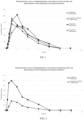
- the drug concentration in the plasma of SD rats was measured by LC-MS/MS bioanalysis, and the plasma concentration-time data were analyzed using WinNonlinTM (Version 8.3, Certara, USA) and a noncompartmental model to evaluate the pharmacokinetic (PK) profiles of the compounds in SD rats. The data are shown in Table 6, and the pharmacokinetic curves are shown in FIG. 1 .
- the inventors of the present disclosure have found through stability experiments with liver microsomes of different species that: the metabolism of the compounds of the present disclosure in the liver microsomes of different species is substantially similar, and the metabolic behavior in liver microsomes of beagle dogs is closest to that in liver microsomes of humans.
- the purpose of this experiment was to study single oral administration of solutions of the compounds of the present disclosure to beagle dogs, to detect the active ingredient allopregnanolone in plasma, and to evaluate their pharmacokinetic (PK) profiles in beagle dogs.
- PK pharmacokinetic
- mice male beagle dogs (weighing 6-15kg, purchased from Beijing Vital River Laboratory Animal Technology Co., Ltd.), experimental compounds (prepared according to the methods of the examples of the present disclosure), and purified water (made in-house).
- Experimental method Male beagle dogs were randomly grouped (3 rats per group), given ad libitum access to water during the assay, fasted for 12 or more hours before administration, and given food 4 hours after administration. These groups of beagle dogs were intragastrically administered, by mouth, solutions of the experimental compounds in 5% aqueous tween at a dose of 10 mg/kg (calculated based on allopregnanolone).
- Blood samples were collected into K2EDTA anticoagulation tubes at 0 min before administration and at 5 min, 15 min, 30 min, 1 h, 2 h, 3 h, 4 h, 6 h, 8 h and 12 h after administration, and then were temporarily placed on ice before centrifugation.
- the blood was centrifuged within 30 min of being collected to isolate plasma (centrifuged at 3200 rpm at 2-8 °C for 10 min). After the centrifugation, the plasma was transferred to a 96-well plate or centrifuge tubes, transported in a box with ice, and stored at ⁇ -60 °C before LC-MS/MS analysis.
- the drug concentration in the plasma of beagle dogs was measured by LC-MS/MS bioanalysis, and the plasma concentration-time data were analyzed using WinNonlin (Version 6.3 or later) and a noncompartmental model to evaluate the pharmacokinetic (PK) profiles of the compounds in beagle dogs. The data are shown in Table 7, and the pharmacokinetic curves are shown in FIG. 2 .
- the above results show that the compound of the present disclosure has significantly improved pharmacokinetic properties; particularly, the AUC and Cmax were significantly improved after the compound of the present disclosure was administrated.
- the compound of the present disclosure is suitable for oral administration and can greatly overcome the defect that administration of allopregnanolone preparations for intravenous administration is time-consuming and needs to be continuously monitored by healthcare workers, thus greatly improving patient compliance and facilitating administration by healthcare workers.
Landscapes
- Health & Medical Sciences (AREA)
- Chemical & Material Sciences (AREA)
- Organic Chemistry (AREA)
- General Health & Medical Sciences (AREA)
- Veterinary Medicine (AREA)
- Medicinal Chemistry (AREA)
- Pharmacology & Pharmacy (AREA)
- Life Sciences & Earth Sciences (AREA)
- Animal Behavior & Ethology (AREA)
- Public Health (AREA)
- Bioinformatics & Cheminformatics (AREA)
- Neurosurgery (AREA)
- Engineering & Computer Science (AREA)
- Biomedical Technology (AREA)
- Neurology (AREA)
- General Chemical & Material Sciences (AREA)
- Chemical Kinetics & Catalysis (AREA)
- Nuclear Medicine, Radiotherapy & Molecular Imaging (AREA)
- Psychiatry (AREA)
- Pain & Pain Management (AREA)
- Epidemiology (AREA)
- Hospice & Palliative Care (AREA)
- Anesthesiology (AREA)
- Pharmaceuticals Containing Other Organic And Inorganic Compounds (AREA)
- Steroid Compounds (AREA)
Applications Claiming Priority (2)
| Application Number | Priority Date | Filing Date | Title |
|---|---|---|---|
| CN202111084187 | 2021-09-14 | ||
| PCT/CN2022/118549 WO2023040851A1 (zh) | 2021-09-14 | 2022-09-13 | 一种水溶性别孕烷醇酮衍生物及其制备方法和用途 |
Publications (3)
| Publication Number | Publication Date |
|---|---|
| EP4403565A1 true EP4403565A1 (de) | 2024-07-24 |
| EP4403565A4 EP4403565A4 (de) | 2025-02-19 |
| EP4403565B1 EP4403565B1 (de) | 2026-04-29 |
Family
ID=85482568
Family Applications (1)
| Application Number | Title | Priority Date | Filing Date |
|---|---|---|---|
| EP22869220.8A Active EP4403565B1 (de) | 2021-09-14 | 2022-09-13 | Wasserlösliches allopregnanolonderivat und herstellungsverfahren dafür und verwendung davon |
Country Status (6)
| Country | Link |
|---|---|
| US (1) | US20240383942A1 (de) |
| EP (1) | EP4403565B1 (de) |
| JP (1) | JP7750582B2 (de) |
| KR (1) | KR20240050372A (de) |
| CN (1) | CN115806579B (de) |
| WO (1) | WO2023040851A1 (de) |
Families Citing this family (2)
| Publication number | Priority date | Publication date | Assignee | Title |
|---|---|---|---|---|
| KR20250139393A (ko) * | 2023-03-10 | 2025-09-23 | 난징 미노바 파마슈티컬 컴퍼니, 리미티드 | 알로프레그나놀론 유도체의 염 형태, 다형체 및 그 제조방법과 용도 |
| CN119745892A (zh) | 2023-09-27 | 2025-04-04 | 南京迈诺威医药科技有限公司 | 含有别孕烷醇酮衍生物的药物组合物及其用途 |
Family Cites Families (9)
| Publication number | Priority date | Publication date | Assignee | Title |
|---|---|---|---|---|
| CN1270718C (zh) | 1998-03-11 | 2006-08-23 | 托布乔恩·贝克斯托罗姆 | 表别孕烷醇酮在制备治疗甾族化合物诱导的疾病的药物中的应用 |
| AU2009219230A1 (en) * | 2008-02-26 | 2009-09-03 | Emory University | Steroid analogues for neuroprotection |
| WO2010088409A2 (en) * | 2009-01-30 | 2010-08-05 | Emory University | Methods of neuroprotection using neuroprotective steroids and a vitamin d |
| WO2011120044A1 (en) * | 2010-03-26 | 2011-09-29 | Duke University | Conjugated neuroactive steroid compositions and methods of use |
| SG10201606063RA (en) | 2012-01-23 | 2016-09-29 | Sage Therapeutics Inc | Neuroactive steroid formulations and methods of treating cns disorders |
| EP3347006B1 (de) * | 2015-03-20 | 2022-07-27 | GABA Therapeutics Inc. | Deuterierte analoga von etifoxin, deren derivate und verwendungen davon |
| CN108148106A (zh) * | 2016-12-05 | 2018-06-12 | 江苏恩华络康药物研发有限公司 | 一类水溶性别孕烯醇酮衍生物及其用途 |
| CN108517001A (zh) | 2018-05-17 | 2018-09-11 | 江苏恩华络康药物研发有限公司 | 水溶性别孕烯醇酮衍生物及其用途 |
| CN112341511A (zh) * | 2019-08-09 | 2021-02-09 | 南京诺瑞特医药科技有限公司 | 3-羟基-5-孕烷-20-酮衍生物及其用途 |
-
2022
- 2022-09-13 KR KR1020247008611A patent/KR20240050372A/ko active Pending
- 2022-09-13 CN CN202211112060.3A patent/CN115806579B/zh active Active
- 2022-09-13 US US18/691,871 patent/US20240383942A1/en active Pending
- 2022-09-13 EP EP22869220.8A patent/EP4403565B1/de active Active
- 2022-09-13 WO PCT/CN2022/118549 patent/WO2023040851A1/zh not_active Ceased
- 2022-09-13 JP JP2024539907A patent/JP7750582B2/ja active Active
Also Published As
| Publication number | Publication date |
|---|---|
| EP4403565A4 (de) | 2025-02-19 |
| WO2023040851A1 (zh) | 2023-03-23 |
| KR20240050372A (ko) | 2024-04-18 |
| CN115806579A (zh) | 2023-03-17 |
| JP2024535126A (ja) | 2024-09-26 |
| EP4403565B1 (de) | 2026-04-29 |
| US20240383942A1 (en) | 2024-11-21 |
| CN115806579B (zh) | 2025-10-24 |
| JP7750582B2 (ja) | 2025-10-07 |
Similar Documents
| Publication | Publication Date | Title |
|---|---|---|
| DE69628353T2 (de) | Benzopyran enthaltende Verbindungen und deren Prodrugformen | |
| EP4011898B1 (de) | 2-hydroxy-5-pregnan-20-on-derivate und verwendung davon | |
| WO2018096504A1 (en) | Cbd prodrugs, compositions, and methods of administering cbd and cbd prodrugs | |
| EP4403565B1 (de) | Wasserlösliches allopregnanolonderivat und herstellungsverfahren dafür und verwendung davon | |
| EP3724195B1 (de) | Substituierte tetrahydropyran-dihydrothienopyrimidine und ihre verwendung als phosphodiesterase-inhibitoren | |
| KR102931436B1 (ko) | 유기 화합물 | |
| EP3822252A1 (de) | Zusammensetzung eines kondensierten tricyclischen gamma-aminosäure-derivats und herstellung davon | |
| KR20200003791A (ko) | 듀테트라베나진의 유사체, 이의 제조 및 용도 | |
| EP4606798A1 (de) | Benzoisothiazolverbindung sowie pharmazeutische zusammensetzung und verwendung davon | |
| JP2022501425A (ja) | エダラボン前駆体薬物化合物及びその退行性神経疾患または運動神経疾患の治療または改善のための医薬用途 | |
| CN114728920B (zh) | 一种沃替西汀前药及其应用 | |
| US20220000814A1 (en) | Methods for treatment of prader-willi syndrome | |
| EP4678647A1 (de) | Salzform und polykristalline form eines allopregnanolonderivats, herstellungsverfahren dafür und verwendung davon | |
| CA3217789A1 (en) | Fatty acid amide hydrolase (faah) cleavable prodrugs of thyromimetics and combination with peripherally restricted faah inhibitors | |
| RU2809023C2 (ru) | Органические соединения | |
| US20090005395A1 (en) | Sildenafil n-oxide as prodrug | |
| AU2008267274A1 (en) | Sildenafil N-oxide as prodrug | |
| AU2008267273A1 (en) | N-oxides of venlafaxine and O-desmethylvenlafaxine as prodrugs | |
| US7696383B2 (en) | N-oxides of venlafaxine and o-desmethylvenlafaxine as prodrugs | |
| TW202608850A (zh) | 降冰片烷衍生物及其藥物用途 | |
| JP2000507562A (ja) | ジメチル―置換シクロヘキサンジエン誘導体 | |
| HK40041147B (en) | Substituted tetrahydropyran dihydrothienopyrimidines and their use as phosphodiesterase inhibitors | |
| HK40041147A (en) | Substituted tetrahydropyran dihydrothienopyrimidines and their use as phosphodiesterase inhibitors |
Legal Events
| Date | Code | Title | Description |
|---|---|---|---|
| STAA | Information on the status of an ep patent application or granted ep patent |
Free format text: STATUS: THE INTERNATIONAL PUBLICATION HAS BEEN MADE |
|
| PUAI | Public reference made under article 153(3) epc to a published international application that has entered the european phase |
Free format text: ORIGINAL CODE: 0009012 |
|
| STAA | Information on the status of an ep patent application or granted ep patent |
Free format text: STATUS: REQUEST FOR EXAMINATION WAS MADE |
|
| 17P | Request for examination filed |
Effective date: 20240319 |
|
| AK | Designated contracting states |
Kind code of ref document: A1 Designated state(s): AL AT BE BG CH CY CZ DE DK EE ES FI FR GB GR HR HU IE IS IT LI LT LU LV MC MK MT NL NO PL PT RO RS SE SI SK SM TR |
|
| DAV | Request for validation of the european patent (deleted) | ||
| DAX | Request for extension of the european patent (deleted) | ||
| STAA | Information on the status of an ep patent application or granted ep patent |
Free format text: STATUS: EXAMINATION IS IN PROGRESS |
|
| A4 | Supplementary search report drawn up and despatched |
Effective date: 20250122 |
|
| RIC1 | Information provided on ipc code assigned before grant |
Ipc: A61K 31/57 20060101ALI20250116BHEP Ipc: A61P 25/28 20060101ALI20250116BHEP Ipc: A61P 25/24 20060101ALI20250116BHEP Ipc: A61P 25/20 20060101ALI20250116BHEP Ipc: A61P 25/08 20060101ALI20250116BHEP Ipc: A61P 25/00 20060101ALI20250116BHEP Ipc: C07J 41/00 20060101AFI20250116BHEP |
|
| 17Q | First examination report despatched |
Effective date: 20250203 |
|
| GRAP | Despatch of communication of intention to grant a patent |
Free format text: ORIGINAL CODE: EPIDOSNIGR1 |
|
| STAA | Information on the status of an ep patent application or granted ep patent |
Free format text: STATUS: GRANT OF PATENT IS INTENDED |
|
| INTG | Intention to grant announced |
Effective date: 20251127 |
|
| GRAS | Grant fee paid |
Free format text: ORIGINAL CODE: EPIDOSNIGR3 |
|
| GRAJ | Information related to disapproval of communication of intention to grant by the applicant or resumption of examination proceedings by the epo deleted |
Free format text: ORIGINAL CODE: EPIDOSDIGR1 |
|
| GRAL | Information related to payment of fee for publishing/printing deleted |
Free format text: ORIGINAL CODE: EPIDOSDIGR3 |
|
| STAA | Information on the status of an ep patent application or granted ep patent |
Free format text: STATUS: EXAMINATION IS IN PROGRESS |
|
| INTC | Intention to grant announced (deleted) | ||
| GRAP | Despatch of communication of intention to grant a patent |
Free format text: ORIGINAL CODE: EPIDOSNIGR1 |
|
| STAA | Information on the status of an ep patent application or granted ep patent |
Free format text: STATUS: GRANT OF PATENT IS INTENDED |
|
| GRAA | (expected) grant |
Free format text: ORIGINAL CODE: 0009210 |
|
| STAA | Information on the status of an ep patent application or granted ep patent |
Free format text: STATUS: THE PATENT HAS BEEN GRANTED |
|
| INTG | Intention to grant announced |
Effective date: 20260319 |