EP4362575A1 - Verfahren und vorrichtung zur implementierung einer paging-ursachenanzeige - Google Patents
Verfahren und vorrichtung zur implementierung einer paging-ursachenanzeige Download PDFInfo
- Publication number
- EP4362575A1 EP4362575A1 EP21947490.5A EP21947490A EP4362575A1 EP 4362575 A1 EP4362575 A1 EP 4362575A1 EP 21947490 A EP21947490 A EP 21947490A EP 4362575 A1 EP4362575 A1 EP 4362575A1
- Authority
- EP
- European Patent Office
- Prior art keywords
- indication
- terminal device
- indication message
- network device
- paging cause
- Prior art date
- Legal status (The legal status is an assumption and is not a legal conclusion. Google has not performed a legal analysis and makes no representation as to the accuracy of the status listed.)
- Pending
Links
Images



Classifications
-
- H—ELECTRICITY
- H04—ELECTRIC COMMUNICATION TECHNIQUE
- H04W—WIRELESS COMMUNICATION NETWORKS
- H04W68/00—User notification, e.g. alerting and paging, for incoming communication, change of service or the like
- H04W68/005—Transmission of information for alerting of incoming communication
-
- H—ELECTRICITY
- H04—ELECTRIC COMMUNICATION TECHNIQUE
- H04W—WIRELESS COMMUNICATION NETWORKS
- H04W68/00—User notification, e.g. alerting and paging, for incoming communication, change of service or the like
- H04W68/02—Arrangements for increasing efficiency of notification or paging channel
-
- H—ELECTRICITY
- H04—ELECTRIC COMMUNICATION TECHNIQUE
- H04W—WIRELESS COMMUNICATION NETWORKS
- H04W60/00—Affiliation to network, e.g. registration; Terminating affiliation with the network, e.g. de-registration
- H04W60/04—Affiliation to network, e.g. registration; Terminating affiliation with the network, e.g. de-registration using triggered events
-
- H—ELECTRICITY
- H04—ELECTRIC COMMUNICATION TECHNIQUE
- H04W—WIRELESS COMMUNICATION NETWORKS
- H04W8/00—Network data management
- H04W8/22—Processing or transfer of terminal data, e.g. status or physical capabilities
- H04W8/24—Transfer of terminal data
Definitions
- the disclosure relates to a field of communication technologies, in particular to a method for realizing a paging cause indication and an apparatus thereof.
- a terminal device may have a plurality of Global Systems for Mobile Communications (GSMs) at the same time.
- GSMs Global Systems for Mobile Communications
- the terminal device needs to decide whether to respond to the paging.
- Embodiments of the disclosure provide a method and an apparatus for realizing a paging cause indication, which may be applied in a communication system to realize an indication of a paging cause, thereby avoiding the waste of paging resources and improving the paging efficiency.
- embodiments of the disclosure provide a method for realizing a paging cause indication, performed by a terminal device.
- the method includes: sending a first indication message to a core network device, in which the first indication message is configured to indicate whether the terminal device supports a paging cause indication.
- the method further includes: receiving a paging cause, in which the paging cause is sent by an access network device after determining, based on the first indication message, that the terminal device supports the paging cause indication.
- the method further includes: receiving a second indication message sent by the core network device, in which the second indication message is configured to indicate whether the core network device supports the paging cause indication.
- the second indication message is sent by the core network device after determining, based on the first indication message, that the terminal device supports the paging cause indication.
- receiving the second indication message sent by the core network device includes:
- the method further includes: sending a third indication message to the core network device in response to the terminal device no longer supporting the paging cause indication, in which the third indication message is configured to indicate that the terminal device no longer supports the paging cause indication.
- the method further includes:
- determining, based on the network type of the network accessed by the terminal device, the target procedure for sending the indication message to the core network device includes:
- reporting, based on the target procedure, the indication message to the core network device includes: reporting the indication message to the core network device through a registration request signaling, in response to the network being the NR network and the target procedure being the registration procedure, the RAM procedure or the MRU procedure.
- reporting, based on the target procedure, the indication message to the core network device includes:
- reporting, based on the target procedure, the indication message to the core network device includes: reporting the third indication message to the core network device through a registration request signaling, in response to the network being the NR network and the target procedure being the registration procedure, the RAM procedure or the MRU procedure.
- reporting, based on the target procedure, the indication message to the core network device includes:
- the paging cause indication may be realized, thereby avoiding the waste of paging resources and improving the paging efficiency.
- embodiments of the disclosure provide another method for realizing paging cause indication, performed by a core network device.
- the method includes: determining that a terminal device supports the paging cause indication and sending target indication information to an access network device, in which the target indication information is configured to indicate that the terminal device supports the paging cause indication.
- the method before determining that the terminal device supports the paging cause indication and sending the target indication information to the access network device, the method further includes: receiving a first indication message sent by the terminal device, in which the first indication message is configured to indicate whether the terminal device supports the paging cause indication.
- the method further includes: sending a second indication message to the terminal device and/or the access network device, in which the second indication message is configured to indicate whether the core network device supports the paging cause indication.
- the method further includes: determining that the core network device supports the paging cause indication, or determining that both the terminal device and the core network device support the paging cause indication.
- sending the second indication message to the access network device includes:
- sending the target indication information to the access network device includes: sending a context configuration-related request of the terminal device to the access network device through a X2 interface or a NG interface, in which the context configuration-related request carries the target indication information.
- sending the second indication message to the access network device includes: determining, based on a network type of a network accessed by the terminal device, a target interface for sending the second indication message, and sending the second indication message to the access network device through the target interface.
- determining, based on the network type of the network accessed by the terminal device, the target interface for sending the second indication message and sending the second indication message to the access network device through the target interface includes:
- the method further includes: receiving a third indication message sent by the terminal device, in which the third indication message is configured to indicate that the terminal device no longer supports the paging cause indication.
- the paging cause indication may be realized, thereby avoiding the waste of paging resources and improving the paging efficiency.
- embodiments of the disclosure provide another method for realizing a paging cause indication, performed by an access network device.
- the method includes:
- sending the paging cause to the terminal device includes: determining a radio resource control (RRC) status of the terminal device, and sending the paging cause to the terminal device based on the RRC status.
- RRC radio resource control
- sending the paging cause to the terminal device based on the RRC status includes:
- the method further includes:
- the method further includes: receiving a second indication message sent by the core network device, in which the second indication message is configured to indicate whether the core network device supports the paging cause indication.
- the paging cause indication may be realized, thereby avoiding the waste of paging resources and improving the paging efficiency.
- embodiments of the disclosure provide a communication apparatus.
- the apparatus is able to implement part or all of the functions of the terminal device in the method described in the first aspect.
- the apparatus may have functions mentioned in some or all of embodiments of the disclosure, or may have a function mentioned in any single embodiment of the disclosure.
- the functions can be implemented by hardware, or can be implemented by executing corresponding software using the hardware.
- the hardware or software includes one or more units or modules corresponding to the above functions.
- embodiments of the disclosure provide a communication apparatus.
- the apparatus is able to implement part or all of the functions of the core network device in the method described in the second aspect.
- the apparatus may have functions mentioned in some or all of embodiments of the disclosure, or may have a function mentioned in any single embodiment of the disclosure.
- the functions can be implemented by hardware, or can be implemented by executing corresponding software using the hardware.
- the hardware or software includes one or more units or modules corresponding to the above functions.
- embodiments of the disclosure provide a communication apparatus.
- the apparatus is able to implement part or all of the functions of the access network device in the method described in the third aspect.
- the apparatus may have functions mentioned in some or all of embodiments of the disclosure, or may have a function mentioned in any single embodiment of the disclosure.
- the functions can be implemented by hardware, or can be implemented by executing corresponding software using the hardware.
- the hardware or software includes one or more units or modules corresponding to the above functions.
- the apparatus includes: a transceiver module and a processing module.
- the processing module is configured to support the apparatus to perform corresponding functions in the above method.
- the transceiver module is configured to support communication between the apparatus and other devices.
- the apparatus may further include a storage module coupled to the transceiver module and the processing module, which is configured to store necessary computer programs and data for the communication apparatus.
- the processing module may be a processor.
- the transceiver module may be a transceiver or a communication interface.
- the storage module may be a memory.
- inventions of the disclosure provide a communication device.
- the communication device includes: a processor.
- the processor calls a computer program stored in a memory, the method described in the first aspect above is implemented.
- inventions of the disclosure provide a communication device.
- the communication device includes: a processor.
- the processor calls a computer program stored in a memory, the method described in the second aspect above is implemented.
- inventions of the disclosure provide a communication device.
- the communication device includes: a processor.
- the processor calls a computer program stored in a memory, the method described in the third aspect above is implemented.
- inventions of the disclosure provide a communication device.
- the communication device includes: a processor and a memory having a computer program stored thereon.
- the processor executes the computer program stored in the memory, the communication device is caused to implement the method described in the first aspect above.
- inventions of the disclosure provide a communication device.
- the communication device includes: a processor and a memory having a computer program stored thereon.
- the processor executes the computer program stored in the memory, the communication device is caused to implement the method described in the second aspect above.
- inventions of the disclosure provide a communication device.
- the communication device includes: a processor and a memory having a computer program stored thereon.
- the processor executes the computer program stored in the memory, the communication device is caused to implement the method described in the third aspect above.
- embodiments of the disclosure provide a computer-readable storage medium for storing instructions used by the above-mentioned terminal device. When the instructions are executed, the terminal device is caused to implement the method described in the first aspect.
- embodiments of the disclosure provide a readable storage medium for storing instructions used by the above-mentioned network device. When the instructions are executed, the network device is caused to implement the method described in the second aspect.
- embodiments of the disclosure provide a readable storage medium for storing instructions used by the above-mentioned network device. When the instructions are executed, the network device is caused to implement the method described in the third aspect.
- embodiments of the disclosure provide a computer program product including a computer program.
- the computer program When the computer program is running on a computer, the computer is caused to implement the method of the first aspect.
- embodiments of the disclosure provide a computer program product including a computer program.
- the computer program When the computer program is running on a computer, the computer is caused to implement the method of the second aspect.
- embodiments of the disclosure provide a computer program product including a computer program.
- the computer program When the computer program is running on a computer, the computer is caused to implement the method of the third aspect.
- embodiments of the disclosure provide a chip system.
- the chip system includes at least one processor and an interface, for supporting the terminal device in realizing the functions involved in the first aspect, e.g., determining or processing at least one of data and information involved in the method described above.
- the chip system further includes a memory for storing a necessary computer program and data for the terminal device.
- the chip system may consist of chips or may include chips and other discrete devices.
- embodiments of the disclosure provide a chip system.
- the chip system includes at least one processor and an interface, for supporting the network device in realizing the functions involved in the second aspect, e.g., determining or processing at least one of data and information involved in the method described above.
- the chip system further includes a memory for storing a necessary computer program and data for the network device.
- the chip system may consist of chips or may include chips and other discrete devices.
- embodiments of the disclosure provide a chip system.
- the chip system includes at least one processor and an interface, for supporting the network device in realizing the functions involved in the third aspect, e.g., determining or processing at least one of data and information involved in the method described above.
- the chip system further includes a memory for storing a necessary computer program and data for the network device.
- the chip system may consist of chips or may include chips and other discrete devices.
- embodiments of the disclosure provide a computer program.
- the computer program is running by a computer, the computer is caused to implement the method of the first aspect.
- embodiments of the disclosure provide a computer program.
- the computer program is running by a computer, the computer is caused to implement the method of the second aspect.
- embodiments of the disclosure provide a computer program.
- the computer program is running by a computer, the computer is caused to implement the method of the third aspect.
- the NR network is a global 5th Generation (5G) mobile communication technology standard based on Orthogonal Frequency Division Multiplexing (OFDM) technology and a NR design, which is a very important cellular mobile technology foundation for the next generation of the 5G.
- 5G technology will achieve the characteristics of ultra-low latency and high reliability.
- NR involves a new OFDM-based wireless standard.
- OFDM refers to a digital multi-carrier modulation method. This standard was adopted by the 3rd Generation Partnership Project (3GPP), and the term NR has thereafter been used and became another name for 5G.
- the UMTS not only defines a radio interface, but also a complete technology standard of The 3rd Generation (3G) Mobile Communications.
- E-UTRAN Evolution UMTS Terrestrial Radio Access Network
- the access network portion is called UMTS Terrestrial Radio Access Network (UTRAN).
- UTRAN UMTS Terrestrial Radio Access Network
- E-UTRAN is a mobile communication radio network in LTE.
- the TAU refers to applying the corresponding location area concept to the systems of User Equipment (UE), E-UTRAN and Evolved Packet Core (EPC).
- the location area is called TA.
- the EPC manages its registered TAs, and the UE also changes the registration information in the EPC when its TAs change.
- TAU can inform the EPC of the available UEs.
- FIG. 1 is a structural diagram illustrating a communication system according to an embodiment of the disclosure.
- the communication system may include, but is not limited to, a network device and a terminal device.
- the number and form of devices shown in FIG. 1 are only for examples and do not constitute a limitation on embodiments of the disclosure, and two or more network devices and two or more terminal devices may be included in practical applications.
- the communication system shown in FIG. 1 includes, for example, a network device 11 and a terminal device 12.
- embodiments of the disclosure can be used in various communication systems, such as, a LTE system, a 5G mobile communication system, a 5G NR system, or other future new mobile communication systems.
- side link in embodiments of the disclosure may also be referred to as sidelink or direct link.
- the network device 11 in embodiments of the disclosure is an entity on a network side for transmitting or receiving signals.
- the network device 11 may be an access network device.
- the access network device may be an evolved NodeB (eNB), a transmission reception point (TRP), a next generation NodeB (gNB) in a NR system, a base station in other future mobile communication systems, or an access node in a wireless fidelity (WiFi) system.
- the network device 11 may be a core network device.
- the core network device may be a device in communication with an access network device.
- the core network device may be a 5G core network device, such as an Access and Mobility Management Function (AMF), or an EPC device, for example, Mobility Management Entity (MME).
- AMF Access and Mobility Management Function
- MME Mobility Management Entity
- the network device may be composed of a central unit (CU) and a distributed unit (DU).
- the CU may also be called a control unit.
- the use of CU-DU structure allows a protocol layer of the network device, such as a base station, to be split, some functions of the protocol layer are placed in the CU for centralized control, and some or all of the remaining functions of the protocol layer are distributed in the DU, which is intensively controlled by the CU.
- the terminal device 12 in embodiments of the disclosure is an entity on a user side for receiving or transmitting signals, such as a cellular phone.
- the terminal device may also be referred to as a terminal, a UE, a mobile station (MS), a mobile terminal (MT), and the like.
- the terminal device can be a vehicle with communication functions, a smart vehicle, a mobile phone, a wearable device, a Pad, a computer with wireless transceiver functions, a virtual reality (VR) terminal device, an augmented reality (AR) terminal device, a wireless terminal device in industrial control, a wireless terminal device in self-driving, a wireless terminal device in remote medical surgery, a wireless terminal device in smart grid, a wireless terminal device in transportation safety, a wireless terminal device in smart city, a wireless terminal device in smart home, etc.
- the specific technology and specific device form adopted by the terminal device are not limited in embodiments of the disclosure.
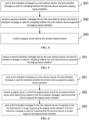
- FIG. 2 is a flowchart illustrating a method for realizing a paging cause indication according to an embodiment of the disclosure. As illustrated in FIG. 2 , the method is performed by a terminal device. The method includes but is not limited to the following.
- a first indication message is sent to a core network device, in which the first indication message is used for indicating whether the terminal device supports a paging cause indication.
- the first indication message is used for indicating whether the terminal device supports the paging cause indication.
- the terminal device supports the paging cause indication.
- the terminal device does not support the paging cause indication.
- the system authority of the terminal device does not support the paging cause indication, or the user configures that the terminal device does not support the paging cause indication.
- the signaling used by the terminal device for sending the first indication message is different depending on different supporting conditions for the paging cause indication.
- the core network device may be a core network device that supports 4G/5G.
- Different types of communication networks correspond to different core network devices.
- the core network device may be an AMF
- the core network device may be an Evolution Universal Mobile Telecommunications System (UMTS) Terrestrial Radio Access Network (E-UTRAN)
- the core network device may be a Mobility Management Entity (MME).
- MME Mobility Management Entity
- the first indication message is sent to the core network device, in which the first indication message is used for indicating whether the terminal device supports the paging cause indication, and further a paging cause sent by the access network device is received.
- the indication of the paging cause may be realized, thereby avoiding the waste of paging resources and improving the paging efficiency.
- FIG. 3 is a flowchart illustrating a method for realizing a paging cause indication according to an embodiment of the disclosure. As illustrated in FIG. 3 , the method is performed by a terminal device. The method includes but is not limited to the following.
- a first indication message is sent to a core network device, in which the first indication message is used for indicating whether the terminal device supports the paging cause indication.
- step S31 can be referred to the relevant contents of above embodiments and will not be repeated here.
- a paging cause sent by an access network device is received.
- the access network device may send the paging cause to the terminal device after the access network device determines that the terminal device supports the paging cause indication.
- the terminal device may receive the paging cause sent by the access network device.
- the terminal device may send the first indication message to the core network device.
- the first indication message is used for determining whether the terminal device supports the paging cause indication.
- the first indication message indicates that the terminal device does not support the paging cause indication, and the access network device is unable to realize, based on the paging cause, the indication of the paging cause to the terminal device.
- the indication of the paging cause may be realized. That is, the access network device may send the paging cause to the terminal device when the terminal device supports the paging cause indication, thereby realizing the indication of the paging cause.
- the first indication message is sent to the core network device, in which the first indication message is used for indicating whether the terminal device supports the paging cause indication, and further the paging cause sent by the access network device is received.
- the indication of the paging cause may be realized, thereby avoiding the waste of paging resources and improving the paging efficiency.
- FIG. 4 is a flowchart illustrating a method for realizing a paging cause indication according to an embodiment of the disclosure. The method is performed by a terminal device. As illustrated in FIG. 4 , the method includes the following.
- a first indication message is sent to a core network device, in which the first indication message is used for indicating whether the terminal device supports the paging cause indication.
- step S41 can be referred to the relevant contents of above embodiments and will not be repeated here.
- a second indication message sent by the core network device is received, in which the second indication message is used for indicating whether the core network device supports the paging cause indication.
- the second indication message is sent by the core network device after determining, based on the first indication message, that the terminal device supports the paging cause indication.
- the core network device determines whether the core network device supports the paging cause indication after determining that the terminal device supports the paging cause indication. That is, the core network device sends, to the terminal device, an indication message for indicating whether the core network device supports the paging cause indication.
- the terminal device when the network accessed by the terminal is different, the signaling used to receive the second indication message is different. In some implementations, the terminal device receives the second indication message through a registration accept signaling in response to the network accessed by the terminal device being a NR network. In some implementations, the terminal device receives the second indication message through an attach accept signaling or a tracking area update (TAU) accept signaling in response to the network accessed by the terminal device being an E-UTRAN.
- TAU tracking area update
- a paging cause sent by the access network device is received.
- step S43 can be referred to the relevant contents of above embodiments and will not be repeated here.
- the second indication message sent by the core network device is received, in which the second indication message is used for indicating whether the core network device supports the paging cause indication and the second indication message is sent by the core network device after determining, based on the first indication message, that the terminal device supports the paging cause indication.
- the indication of the paging cause can be realized, thereby avoiding the waste of paging resources and improving the paging efficiency.
- FIG. 5 is a flowchart illustrating a method for realizing a paging cause indication according to an embodiment of the disclosure. As illustrated in FIG. 5 , the method is performed by a terminal device. The method includes but is not limited to the following.
- a second indication message sent by the core network device is received, in which the second indication message is used for indicating whether the core network device supports the paging cause indication.
- the second indication message is sent by the core network device after determining, based on the first indication message, that the terminal device supports the paging cause indication.
- the core network devices determines whether the core network devices supports the paging cause indication after determining that the terminal device supports the paging cause indication. That is, the core network device sends, to the terminal device, an indication message for indicating whether the core network device supports the paging cause indication.
- the terminal device when the network accessed by the terminal is different, the signaling used to receive the second indication message is different. In some implementations, the terminal device receives the second indication message through a registration accept signaling in response to the network accessed by the terminal device being a NR network. In some implementations, the terminal device receives the second indication message through an attach accept signaling or a TAU accept signaling in response to the network accessed by the terminal device being an E-UTRAN.
- the indication of the paging cause may be realized, thereby avoiding the waste of paging resources and improving the paging efficiency.
- FIG. 6 is a flowchart illustrating a method for realizing a paging cause indication according to an embodiment of the disclosure. The method is performed by a terminal device. As illustrated in FIG. 6 , the method includes the following.
- a first indication message is sent to a core network device, in which the first indication message is used for indicating whether the terminal device supports the paging cause indication.
- a paging cause sent by an access network device is received, in which the paging cause is sent by an access network device after determining, based on the first indication message, that the terminal device supports the paging cause indication.
- steps S61-S62 can be referred to the relevant contents of above embodiments and will not be repeated here.
- a third indication message is sent to the core network device in response to the terminal device no longer supporting the paging cause indication, in which the third indication message is used for indicating that the terminal device no longer supports the paging cause indication.
- the first indication message may be used for determining whether the terminal device supports the paging cause indication. In some implementations, the first indication message indicates that the terminal device does not support the paging cause indication, so that it is unable to realize the indication of the paging cause based on the paging cause.
- the terminal device sends the third indication message to the core network device, in which the third indication message is used for indicating that the terminal device no longer supports the paging cause indication.
- the signaling used for reporting the first indication message to the core network device may be determined based on the network type of the network accessed by the terminal device.
- the third indication message is sent to the core network device in response to the terminal device no longer supporting the paging cause indication, in which the third indication message is used for indicating that the terminal device no longer supports the paging cause indication.
- the indication of the paging cause may be realized, thereby avoiding the waste of paging resources and improving the paging efficiency.
- FIG. 7 is a flowchart illustrating a method for realizing a paging cause indication according to an embodiment of the disclosure. The method is performed by a terminal device. As illustrated in FIG. 7 , the method includes the following.
- a target procedure for sending an indication message to the core network device is determined based on a network type of the network accessed by the terminal device.
- the signaling for reporting the indication message to the core network device is different depending on the network type of the network accessed by the terminal device.
- the target procedure for sending the indication message to the core network device the determination, based on the target procedure, of a corresponding signaling to report the indication message to the core network device is facilitated.
- the target procedure is one of: a registration procedure, a registration area management (RAM) procedure or a mobile registration update (MRU) procedure in response to the network accessed by the terminal device being the NR network.
- a registration procedure a registration area management (RAM) procedure or a mobile registration update (MRU) procedure in response to the network accessed by the terminal device being the NR network.
- MRU mobile registration update
- the target procedure is one of: an attach procedure or a TAU procedure in response to the network accessed by the terminal device being the E-UTRAN.
- the indication message is reported to the core network device based on the target procedure, in which the indication message is the first indication message or the third indication message.
- the indication message is reported to the core network device through a registration request signaling in response to the accessed network being the NR network and the target procedure being the registration procedure, the RAM procedure or the MRU procedure.
- the method includes the following.
- the first indication message is sent to the core network device through an attach request signaling in response to the accessed network being the E-UTRAN and the target procedure being the attach procedure.
- the first indication message is reported to the core network device through a TAU request signaling in response to the accessed network being the E-UTRAN and the target procedure being the TAU procedure.
- the terminal device may receive the paging cause sent by the access network device when paging the terminal device.
- the method includes the following.
- the third indication message is reported to the core network device through a registration request signaling in response to the accessed network being the NR network and the target procedure being the registration procedure, the RAM procedure or the MRU procedure.
- the third indication message is reported to the core network device through an attach request signaling in response to the accessed network being the E-UTRAN and the target procedure being the attach procedure.
- the third indication message is reported to the core network device through a TAU request signaling in response to the accessed network being the E-UTRAN and the target procedure being the TAU procedure.
- the target procedure for sending the indication message to the core network device is determined based on the network type of the network accessed by the terminal device.
- the indication message is reported to the core network device based on the target procedure, in which the indication message is the first indication message or the third indication message.
- FIG. 8 is a flowchart illustrating a method for realizing to indicate a paging cause according to an embodiment of the disclosure. The method is performed by a core network device. As illustrated in FIG. 8 , the method includes the following.
- step S81 it is determined that a terminal device supports a paging cause indication and target indication information is sent to an access network device, in which the target indication information is used for indicating that the terminal device supports the paging cause indication.
- the core network device sends the target indication information to the access network device, in which the target indication information is used for indicating whether the terminal device supports the paging cause indication.
- the access network device sends the paging cause to the terminal device when the terminal device is paged.
- the terminal device With the method for realizing the paging cause indication according to embodiments of the disclosure, it is determined that the terminal device supports the paging cause indication and the target indication information is sent to the access network device.
- the indication of the paging cause can be realized, thereby avoiding the waste of paging resources and improving the paging efficiency.
- FIG. 9 is a flowchart illustrating a method for realizing a paging cause indication according to an embodiment of the disclosure. The method is performed by a core network device. As illustrated in FIG. 9 , the method includes the following.
- a first indication message sent by the terminal device is received, in which the first indication message is used for indicating whether the terminal device supports the paging cause indication.
- the terminal device supports the paging cause indication. In some implementations, the terminal device does not support the paging cause indication. For example, the system authority of the terminal device does not support the paging cause indication, or the user configures that the terminal device does not support the paging cause indication.
- the signaling used by the terminal device to send the first indication message is different depending on different supporting conditions for the paging cause indication.
- step S92 it is determined that the terminal device supports the paging cause indication and target indication information is sent to an access network device.
- step S92 can be referred to the relevant contents of above embodiments and will not be repeated here.
- the first indication message sent by the terminal device is received, in which the first indication message is used for indicating whether the terminal device supports the paging cause indication.
- the indication of the paging cause may be realized, thereby avoiding the waste of paging resources and improving the paging efficiency.
- FIG. 10 is a flowchart illustrating a method for realizing a paging cause indication according to an embodiment of the disclosure. The method is performed by a core network device. As illustrated in FIG. 10 , the method includes the following.
- a first indication message sent by the terminal device is received, in which the first indication message is used for indicating whether the terminal device supports the paging cause indication.
- step S101 can be referred to the relevant contents of above embodiments and will not be repeated here.
- a second indication message is sent to the terminal device and/or the access network device, in which the second indication message is used for indicating whether the core network device supports the paging cause indication.
- the second indication message before sending the second indication message to the terminal device and/or the access network device, is sent to the terminal device when the core network device supports the paging cause indication. In some examples, the second indication message is sent to the terminal device when both the terminal device and the core network device support the paging cause indication.
- the core network device may send the second indication message to the terminal device through a registration accept signaling in response to the network accessed by the terminal device being a NR network.
- the core network device may send the second indication message to the terminal device through an attach accept signaling or a TAU accept signaling in response to the network accessed by the terminal device being an E-UTRAN.
- the second indication message is sent to the access network device. In some examples, when both the terminal device and the core network device support the paging cause indication, the second indication message is sent to the access network device.
- the second indication message is sent to the access network device and the terminal device. In some examples, when both the terminal device and the core network device support the paging cause indication, the second indication message is sent to the terminal device and the access network device.
- the method includes: sending the second indication message to each access network device connected to the core network device; or sending the second indication message to each access network device within a range of a tracking area (TA) or registration area (RA) where the terminal device is located; or sending the second indication message to an access network device accessed by the terminal device.
- TA tracking area
- RA registration area
- a target interface for sending the second indication message is determined based on the network type of the network accessed by the terminal device, and the second indication message is sent to the access network device through the target interface.
- the target interface is determined as a NG interface in response to the accessed network being the NR network, and the first core network update configuration information is sent to the access network device through the NG interface.
- the first core network update configuration information carries the second indication message.
- the first core network update configuration message includes an AMF configuration update information (CONFIGURATION UPDATE) or NG setup response information (SETUP RESPONSE).
- the target interface is determined as a S1 interface in response to the accessed network being the E-UTRAN, and the second core network update configuration information is sent to the access network device through the S1 interface.
- the second core network update configuration information carries the second indication message.
- the second core network update configuration information includes MME configuration update information (CONFIGURATION UPDATE) or S1 setup response information (SETUP RESPONSE).
- step S103 it is determined that the terminal device supports the paging cause indication and the target indication information is sent to an access network device.
- step S103 can be referred to the relevant contents of above embodiments and will not be repeated here.
- the indication of the paging cause may be realized, thereby avoiding the waste of paging resources and improving the paging efficiency.
- FIG. 11 is a flowchart illustrating a method for realizing a paging cause indication according to an embodiment of the disclosure. The method is performed by a core network device. As illustrated in FIG. 11 , the method includes but is not limited to the following.
- a second indication message is sent to the terminal device and/or the access network device, in which the second indication message is used for indicating whether the core network device supports the paging cause indication.
- the second indication message is sent to the terminal device when the core network device supports the paging cause indication. In some examples, when both the terminal device and the core network device support the paging cause indication, the second indication message is sent to the terminal device.
- the second indication message is sent to the access network device when the core network device supports the paging cause indication. In some examples, when both the terminal device and the core network device support the paging cause indication, the second indication message is sent to the access network device.
- the second indication message is sent to the access network device and the terminal device. In some examples, when both the terminal device and the core network device support the paging cause indication, the second indication message is sent to the access network device and the terminal device.
- the method includes: sending the second indication message to each access network device connected to the core network device; or sending the second indication message to each access network device within a range of TA or RA where the terminal device is located; or sending the second indication message to an access network device accessed by the terminal device.
- the target interface for sending the second indication message is determined based on the network type of the network accessed by the terminal device, and the second indication message is sent to the access network device through the target interface. Specific implementations can be referred to the relevant contents of above embodiments and will not be repeated herein.
- FIG. 12 is a flowchart illustrating a method for realizing a paging cause indication according to an embodiment of the disclosure. The method is performed by a core network device. As illustrated in FIG. 12 , the method includes the following.
- a context configuration-related request of the terminal device is sent to the access network device through an X2 interface or a NG interface, in which the context configuration-related request carries the target indication information.
- the core network device may send a specific configuration request of the terminal device to the access network device through the X2 interface or the NG interface, and send the target indication information to the access network device based on the specific configuration request.
- the target indication information may indicate to the access network device whether the terminal device supports the paging cause indication.
- the specific configuration request of the terminal device may be a context configuration-related request of the terminal device.
- the context configuration-related request of the terminal device carries the target indication information.
- the context configuration-related request of the terminal device may include: an initial context setup request of the terminal device (INITIAL CONTEXT SETUP REQUEST) and/or a context modification request of the terminal device (UE CONTEXT MODIFICATION REQUEST).
- the network accessed by the terminal device is the NR network
- the core network device is the AMF
- the access network device is the NG-RAN node.
- the AMF sends the INITIAL CONTEXT SETUP REQUEST to the NG-RAN node through the X2 interface or the NG interface.
- the INITIAL CONTEXT SETUP REQUEST carries the target indication information.
- the NG-RAN node may feed an INITIAL CONTEXT SETUP RESPONSE back to the AMF after receiving the INITIAL CONTEXT SETUP REQUEST.
- FIG. 13 for example, the network accessed by the terminal device is the NR network
- the core network device is the AMF
- the access network device is the NG-RAN node.
- the AMF sends the INITIAL CONTEXT SETUP REQUEST to the NG-RAN node through the X2 interface or the NG interface.
- the INITIAL CONTEXT SETUP REQUEST
- the network accessed by the terminal device is the NR network
- the core network device is the AMF
- the access network device is the NG-RAN node.
- the AMF sends a UE CONTEXT MODIFICATION REQUEST to the NG-RAN node through the X2 interface or the NG interface.
- the UE CONTEXT MODIFICATION REQUEST carries the target indication information.
- the NG-RAN node may feed the UE CONTEXT MODIFICATION RESPONSE back to the AMF after receiving the UE CONTEXT MODIFICATION REQUEST.
- the core network device when the user modifies the system setup so that the terminal device no longer supports the paging cause indication, receives the third indication message sent by the terminal device.
- the third indication message is used for indicating that the terminal device no longer supports the paging cause indication.
- the process of sending the third indication message from the terminal device to the core network device can be referred to the relevant contents of above embodiments and will not be repeated herein.
- the indication of the paging cause may be realized, thereby avoiding the waste of paging resources and improving the paging efficiency.
- FIG. 15 is a flowchart illustrating a method for realizing a paging cause indication according to an embodiment of the disclosure. The method is performed by an access network device. As illustrated in FIG. 15 , the method includes the following.
- step S151 target indication information sent by a core network device is received, in which the target indication information is used for indicating whether a terminal device supports a paging cause indication.
- the core network device may send a specific configuration request of the terminal device to the access network device through an X2 interface or a NG interface, and send the target indication information to the access network device based on the specific configuration request.
- the target indication information may indicate to the access network device whether the terminal device supports the paging cause indication.
- the specific configuration request of the terminal device may be a context configuration-related request of the terminal device.
- the context configuration-related request of the terminal device carries the target indication information.
- the context configuration-related request of the terminal device may include: an initial context setup request of the terminal device (INITIAL CONTEXT SETUP REQUEST) and/or a context modification request of the terminal device (UE CONTEXT MODIFICATION REQUEST).
- the access network device receives, through the X2 interface or the NG interface, the context configuration-related request of the terminal device sent by the core network device, and the context configuration-related request of the terminal device carries the target indication information.
- a paging cause is sent to the terminal device in response to paging the terminal device and the target indication information indicating that the terminal device supports the paging cause indication.
- the access network device may train the terminal device.
- the access network device may send the paging cause to the terminal device.
- the paging cause may include voice service, download service, video service, or the like.
- the access network device determines, based on the target indication information, that the terminal device that is paged supports the paging cause indication, and then the terminal device sends the paging cause.
- the indication of the paging cause may be realized, thereby avoiding the waste of paging resources and improving the paging efficiency.
- the access network device when sending the paging cause to the terminal device, the access network device also needs to determine a radio resource control (RRC) status of the terminal device and sends, based on the RRC status, the paging cause to the terminal device.
- RRC radio resource control
- the access network device sends the paging cause in a radio access network (RAN) paging message in response to the RRC status of the terminal device being a RRC inactive status.
- RAN radio access network
- the access network device sends the paging cause in a paging message in response to the RRC status of the terminal device being a RRC idle status.
- the core network device may send the second indication message to the terminal device and/or the access network device.
- the second indication message is used for indicating whether the core network device supports the paging cause indication.
- the access network device may receive the second indication message sent by the core network device.
- the target interface through which the core network device sends the second indication message to the access network device may be different.
- the target interface may be a NG interface or a S1 interface.
- the target interface is the NG interface when the network accessed by the terminal device is a NR network" and the core network device sends the first core network update configuration information to the access network device through the NG interface.
- the first core network update configuration information carries the second indication message. That is, the access network receives the first core network update configuration information through the NG interface and obtains the second indication message from the first core network update configuration information.
- the first core network update configuration information includes AMF configuration update information (CONFIGURATION UPDATE) or NG setup response information (SETUP RESPONSE).
- the target interface is the S1 interface when the network accessed by the terminal device is an E-UTRAN
- the core network device sends the second core network update configuration information to the access network device through the S1 interface.
- the second core network update configuration information carries the second indication message. That is, the access network receives the second core network update configuration information through the S1 interface and obtains the second indication message from the second core network update configuration information.
- the second core network update configuration information includes MME configuration update information (CONFIGURATION UPDATE) or S1 setup response information (SETUP RESPONSE).
- the access network device receives the target indication information, stores the target indication information in the context of the terminal device.
- the access network device obtains the target indication information from the context of the terminal device by querying.
- the target indication information obtained indicates that the terminal device supports the paging cause indication
- the paging cause is sent to the terminal device.
- FIG. 16 is a flowchart illustrating a method for realizing a paging cause indication according to an embodiment of the disclosure. As illustrated in FIG. 16 , the method includes the following.
- a terminal device sends a first indication message to a core network device, in which the first indication message is configured to indicate whetherthe terminal device supports the paging cause indication.
- the core network device sends the target indication information to an access network device, in which the target indication information is used for indicating whether the terminal device supports the paging cause indication.
- the access network device sends a paging cause to the terminal device, in which the paging cause is sent by the access network device after determining, based on the target indication information, that the terminal device supports the paging cause indication.
- step S161, step S162, and step S163 can be referred to the relevant contents of above embodiments and will not be repeated here.
- the indication of the paging cause may be realized, thereby avoiding the waste of paging resources and improving the paging efficiency.
- FIG. 17 is a flowchart illustrating a method for realizing a paging cause indication according to an embodiment of the disclosure. As illustrated in FIG. 17 , the method includes the following.
- a core network device sends a second indication message to a terminal device.
- the core network device sends a second indication message to an access network device.
- step S171 and step S172 can be referred to the relevant contents of above embodiments and will not be repeated here.
- the indication of the paging cause may be realized, thereby avoiding the waste of paging resources and improving the paging efficiency.
- the methods according to embodiments of the disclosure are described from the perspectives of the terminal device, the core network device and the access network device, respectively.
- the terminal device, the core network device and the access network device may include a hardware structure, a software module, and realize each of the above functions in the form of hardware structure, software module, or a combination of hardware structure and software module.
- a certain function of the above functions may be performed in the form of hardware structure, software module, or a combination of hardware structure and software module.
- FIG. 18 is a schematic diagram illustrating a communication apparatus 180 according to an embodiment of the disclosure.
- the communication apparatus 180 illustrated in FIG. 18 may include a transceiver module 1801.
- the transceiver module 1801 may include a transmitting module and/or a receiving module.
- the transmitting module is configured to perform a transmitting function
- the receiving module is configured to perform a receiving function, so that the transceiver module 1801 can perform the transmitting function and/or the receiving function.
- the communication apparatus 180 may be a terminal device (such as the terminal device in above method embodiments), a device in the terminal device, or a device that can be used in combination with the terminal device.
- the communication apparatus 180 may be a core network device, a device in the core network device, or a device that can be used in combination with the core network device.
- the communication apparatus 180 may be an access network device, a device in the access network device, or a device that can be used in combination with the access network device.
- the communication apparatus 180 is a terminal device (e.g., the terminal device in above method embodiments).
- the transceiver module 1801 is configured to: send a first indication message to a core network device, in which the first indication message is used for indicating whether a terminal device supports the paging cause indication.
- the transceiver module 1801 is further configured to: receive a paging cause, in which the paging cause is sent by an access network device after determining, based on the first indication message, that the terminal device supports the paging cause indication.
- the transceiver module 1801 is further configured to: receive a second indication message sent by the core network device, in which the second indication message is used for indicating whether the core network device supports the paging cause indication.
- the second indication message is sent by the core network device after determining, based on the first indication message, that the terminal device supports the paging cause indication.
- the transceiver module 1801 is further configured to: receive the second indication message through a registration accept signaling in response to a network accessed by the terminal device being a NR network; or receive the second indication message through an attach accept signaling or a TAU accept signaling in response to the network accessed by the terminal device being an E-UTRAN.
- the transceiver module 1801 is further configured to: send a third indication message to the core network device in response to the terminal device no longer supporting the paging cause indication, in which the third indication message is used for indicating that the terminal device no longer supports the paging cause indication.
- the transceiver module 1801 is further configured to: determine, based on a network type of the network accessed by the terminal device, a target procedure for sending an indication message to the core network device; and report the indication message to the core network device based on the target procedure, in which the indication message is the first indication message or the third indication message.
- the transceiver module 1801 is further configured to: determine that the target procedure is one of: a registration procedure, a RAM procedure or a MRU procedure in response to the network accessed by the terminal device being the NR network; or determine that the target procedure is one of: an attach procedure or a TAU procedure in response to the network accessed by the terminal device being the E-UTRAN.
- the transceiver module 1801 is further configured to: report the indication message to the core network device through a registration request signaling in response to the accessed network being the NR network and the target procedure being the registration procedure, the RAM procedure or the MRU procedure.
- the transceiver module 1801 is further configured to: report the first indication message to the core network device through an attach request signaling in response to the accessed network being the E-UTRAN and the target procedure being the attach procedure; or report the first indication message to the core network device through a TAU request signaling in response to the accessed network being the E-UTRAN and the target procedure being the TAU procedure.
- the transceiver module 1801 is further configured to: report the third indication message to the core network device through a registration request signaling in response to the accessed network being the NR network and the target procedure being the registration procedure, the RAM procedure or the MRU procedure.
- the transceiver module 1801 is further configured to: report the third indication message to the core network device through an attach request signaling in response to the accessed network being the E-UTRAN and the target procedure being the attach procedure; or report the third indication message to the core network device through a TAU request signaling in response to the accessed network being the E-UTRAN and the target procedure being the TAU procedure.
- the communication apparatus 180 is a core network device (e.g., the core network device mentioned in above method embodiments).
- the transceiver module 1801 is configured to: determine that a terminal device supports the paging cause indication and send target indication information to an access network device, in which the target indication information is used for indicating that the terminal device supports the paging cause indication.
- the transceiver module 1801 is further configured to: receive a first indication message sent by the terminal device, in which the first indication message is used for indicating whether the terminal device supports the paging cause indication.
- the transceiver module 1801 is further configured to: send a second indication message to the terminal device and/or the access network device, in which the second indication message is used for indicating whether the core network device supports the paging cause indication.
- the transceiver module 1801 is further configured to: determine that the core network device supports the paging cause indication; or determine that both the terminal device and the core network device support the paging cause indication.
- the transceiver module 1801 is further configured to: send the second indication message to each access network device connected to the core network device; or
- the transceiver module 1801 is further configured to: send a context configuration-related request of the terminal device to the access network device through an X2 interface or a NG interface, in which the context configuration-related request carries the target indication information.
- the transceiver module 1801 is further configured to: determine, based on a network type of a network accessed by the terminal device, a target interface for sending the second indication message, and send the second indication message to the access network device through the target interface.
- the transceiver module 1801 is further configured to: determine that the target interface is a NG interface in response to the accessed network being a NR network, and send first core network update configuration information to the access network device through the NG interface, in which the first core network update configuration information carries the second indication message; or
- the target interface is a S1 interface in response to the accessed network being an E-UTRAN, and send second core network update configuration information to the access network device through the S1 interface, in which the second core network update configuration information carries the second indication message.
- the transceiver module 1801 is further configured to: receive a third indication message sent by the terminal device, in which the third indication message is used for indicating that the terminal device no longer supports the paging cause indication.
- the communication apparatus 180 is an access network device (e.g., the access network device mentioned in above method embodiments).
- the transceiver module 1801 is configured to: receive target indication information sent by a core network device, in which the target indication information is used for indicating whether a terminal device supports the paging cause indication; and send a paging cause to the terminal device in response to paging the terminal device and the target indication information indicating that the terminal device supports the paging cause indication.
- the transceiver module 1801 is further configured to: determine a RRC status of the terminal device, and send the paging cause to the terminal device based on the RRC status.
- the transceiver module 1801 is further configured to: send the paging cause in a RAN paging message in response to the RRC status being a RRC inactive status; or send the paging cause in a paging message in response to the RRC status being a RRC idle status.
- the transceiver module 1801 is further configured to: store the target indication information in a context of the terminal device; and query the target indication information from the context in response to paging the terminal device.
- the transceiver module 1801 is further configured to: receive a second indication message sent by the core network device, in which the second indication message is used for indicating whether the core network device supports the paging cause indication.
- the indication of the paging cause may be realized, thereby avoiding the waste of paging resources and improving the paging efficiency.
- FIG. 19 is a schematic diagram illustrating a communication device 190 according to an embodiment of the disclosure.
- the communication device 190 may be a network device or a terminal device (e.g., the terminal device mentioned in above method embodiments), or may be a chip, a chip system or a processor that supports the network device to realize the above-described methods, or may be a chip, a chip system or a processor that supports the terminal device to realize the above-described methods.
- the device may be used to realize the methods described in above method embodiments with reference to the description of above-described method embodiments.
- the communication device 190 may include one or more processors 1901.
- the processor 1901 may be a general purpose processor or a dedicated processor, such as, a baseband processor and a central processor.
- the baseband processor is used for processing communication protocols and communication data.
- the central processor is used for controlling the communication device (e.g., a base station, a baseband chip, a terminal device, a terminal device chip, a DU, or a CU), executing computer programs, and processing data of the computer programs.
- the communication device 190 may include one or more memories 1902 on which computer programs 1904 may be stored.
- the processor 1901 executes the computer programs 1904 to cause the communication device 190 to perform the methods described in the above method embodiments.
- the memory 1902 may also store data.
- the communication device 190 and the memory 1902 may be provided separately or may be integrated together.
- the communication device 190 may also include a transceiver 1905 and an antenna 1906.
- the transceiver 1905 may be referred to as a transceiver unit, a transceiver machine, or a transceiver circuit, for realizing a transceiver function.
- the transceiver 1905 may include a receiver and a transmitter.
- the receiver may be referred to as a receiving machine or a receiving circuit, for realizing the receiving function.
- the transmitter may be referred to as a transmitter machine or a transmitting circuit, for realizing the transmitting function.
- the communication device 190 may also include one or more interface circuits 1907.
- the interface circuits 1907 are used to receive code instructions and transmit them to the processor 1901.
- the code instructions runs on the processor 1901 to cause the communication device 190 to perform the method described in the method embodiments.
- the communication device 190 is a terminal device (e.g., the terminal device in the above method embodiments).
- the transceiver 1905 is used to perform step S21 in FIG. 2 , steps S31 and S32 in FIG. 3 , steps S41, S42 and S43 in FIG. 4 , step S51 in FIG. 5 , steps S61, S62 and S63 in FIG. 6 , and step S71 in FIG. 7 .
- the communication device 190 is a network device.
- the transceiver 1905 is used to perform step S81 in FIG. 8 , step S91 and step S92 in FIG. 9 , step S101, step S102 and step S103 in FIG. 10 , step S111 in FIG. 11 , and step S121 in FIG. 12 .
- the transceiver 1905 is used to perform step S151 and step S152 in FIG. 15 , step S161, step S162 and step S163 in FIG. 16 , and step S171 and step S172 in FIG. 17 .
- the processor 1901 may include a transceiver for implementing the receiving and sending functions.
- the transceiver may be, for example, a transceiver circuit, an interface, or an interface circuit.
- the transceiver circuit, the interface, or the interface circuit for implementing the receiving and sending functions may be separated or may be integrated together.
- the transceiver circuit, the interface, or the interface circuit described above may be used for reading and writing code/data, or may be used for signal transmission or delivery.
- the processor 1901 may store a computer program 1903.
- the communication device 190 is caused to perform the methods described in the method embodiments above.
- the computer program 1903 may be solidified in the processor 1901, and in such case the processor 1901 may be implemented by hardware.
- the communication device 190 may include circuits.
- the circuits may implement the sending, receiving or communicating function in the preceding method embodiments.
- the processor and the transceiver described in this disclosure may be implemented on integrated circuits (ICs), analog ICs, radio frequency integrated circuits (RFICs), mixed signal ICs, application specific integrated circuits (ASICs), printed circuit boards (PCBs), and electronic devices.
- ICs integrated circuits
- RFICs radio frequency integrated circuits
- ASICs application specific integrated circuits
- PCBs printed circuit boards
- the processor and the transceiver can also be produced using various IC process technologies, such as complementary metal oxide semiconductor (CMOS), nMetal-oxide-semiconductor (NMOS), positive channel metal oxide semiconductor (PMOS), bipolar junction transistor (BJT), bipolar CMOS (BiCMOS), silicon-germanium (SiGe), gallium arsenide (GaAs) and so on.
- CMOS complementary metal oxide semiconductor
- NMOS nMetal-oxide-semiconductor
- PMOS positive channel metal oxide semiconductor
- BJT bipolar junction transistor
- BiCMOS bipolar CMOS
- SiGe silicon-germanium
- GaAs gallium arsenide
- the communication device in the description of above embodiments may be a network device or a terminal device (e.g., the terminal device in the preceding method embodiments), but the scope of the communication device described in the disclosure is not limited thereto, and the structure of the communication device may not be limited by FIG. 14 .
- the communication device may be a stand-alone device or may be part of a larger device.
- the described communication device may be:
- the case where the communication device may be a chip or a chip system is described with reference to the schematic structure of the chip shown in FIG. 20 .
- the chip shown in FIG. 20 includes a processor 2001 and an interface 2002. There may be one or more processors 2001, and there may be multiple interfaces 2002.
- the interface 2002 is used for performing step S21 in FIG. 2 , step S31 and step S32 in FIG. 3 , step S41, step S42 and step S43 in FIG. 4 , step S51 in FIG. 5 , step S61, step S62 and step S63 in FIG. 6 , and step S71 in FIG. 7 .
- the interface 2002 is used to perform step S81 in FIG. 8 , step S91 and step S92 in FIG. 9 , step S101, step S102 and step S103 in FIG. 10 , step S111 in FIG. 11 , and step S121 in FIG. 12 .
- the interface 2002 is used to perform step S151 and step S152 of FIG. 15 , step S161, step S162 and step S163 of FIG. 16 , and step S171, and step S172 of FIG. 17 .
- the chip further includes a memory 2003 used to store necessary computer programs and data.
- Embodiments of the disclosure also provide a system for realizing a paging cause indication.
- the system includes a communication device acting as a terminal device (e.g., the terminal device in the preceding method embodiments) and a communication device acting as a network device in the aforementioned embodiment of FIG. 18 .
- it includes a communication device acting as a terminal device (e.g., the terminal device in the preceding method embodiments) and a communication device acting as a network device in the aforementioned embodiment of FIG. 19 .
- the disclosure also provides a readable storage medium having instructions stored thereon. When the instructions are executed by a computer, the function of any of the method embodiments described above is implemented.
- the disclosure also provides a computer program product.
- the computer program product is executed by a computer, the function of any of the method embodiments described above is implemented.
- Above embodiments may be implemented in whole or in part by software, hardware, firmware, or any combination thereof.
- above embodiments may be implemented, in whole or in part, in the form of a computer program product.
- the computer program product includes one or more computer programs. When loading and executing the computer program on the computer, all or part of processes or functions described in embodiments of the disclosure is implemented.
- the computer may be a general-purpose computer, a dedicated computer, a computer network, or other programmable devices.
- the computer program may be stored in a computer-readable storage medium or transmitted from one computer-readable storage medium to another computer-readable storage medium.
- the computer program may be transmitted from one web site, computer, server, or data center to another web site, computer, server, or data center, in a wired manner (e.g., using coaxial cables, fiber optics, or digital subscriber lines (DSLs) or wireless manner (e.g., using infrared wave, wireless wave, or microwave).
- the computer-readable storage medium may be any usable medium to which the computer is capable to access or a data storage device such as a server integrated by one or more usable mediums and a data center.
- the usable medium may be a magnetic medium (e.g., a floppy disk, a hard disk, and a tape), an optical medium (e.g., a high-density digital video disc (DVD)), or a semiconductor medium (e.g., a solid state disk (SSD)).
- a magnetic medium e.g., a floppy disk, a hard disk, and a tape
- an optical medium e.g., a high-density digital video disc (DVD)
- DVD high-density digital video disc
- SSD solid state disk
- the term “at least one” in the disclosure may also be described as one or more, and the term “multiple” may be two, three, four, or more, which is not limited in the disclosure.
- “first”, “second”, and “third”, and “A”, “B”, “C” and “D” are used to distinguish different technical features of the type, the technical features described using the “first”, “second”, and “third”, and “A”, “B”, “C” and “D” do not indicate any order of precedence or magnitude.
- the correspondences shown in the tables in this disclosure may be configured or may be predefined.
- the values of information in the tables are merely examples and may be configured to other values, which are not limited by the disclosure.
- the correspondences illustrated in certain rows in the tables in this disclosure may not be configured.
- the above tables may be adjusted appropriately, such as splitting, combining, and the like.
- the names of the parameters shown in the titles of the above tables may be other names that can be understood by the communication device, and the values or representations of the parameters may be other values or representations that can be understood by the communication device.
- Each of the above tables may also be implemented with other data structures, such as, arrays, queues, containers, stacks, linear tables, pointers, chained lists, trees, graphs, structures, classes, heaps, and Hash tables.
- predefine in this disclosure may be understood as define, define in advance, store, pre-store, pre-negotiate, pre-configure, solidify, or pre-fire.
Landscapes
- Engineering & Computer Science (AREA)
- Computer Networks & Wireless Communication (AREA)
- Signal Processing (AREA)
- Mobile Radio Communication Systems (AREA)
Applications Claiming Priority (1)
| Application Number | Priority Date | Filing Date | Title |
|---|---|---|---|
| PCT/CN2021/103310 WO2023272535A1 (zh) | 2021-06-29 | 2021-06-29 | 一种实现寻呼原因指示的方法及其装置 |
Publications (2)
| Publication Number | Publication Date |
|---|---|
| EP4362575A1 true EP4362575A1 (de) | 2024-05-01 |
| EP4362575A4 EP4362575A4 (de) | 2025-04-02 |
Family
ID=78391339
Family Applications (1)
| Application Number | Title | Priority Date | Filing Date |
|---|---|---|---|
| EP21947490.5A Pending EP4362575A4 (de) | 2021-06-29 | 2021-06-29 | Verfahren und vorrichtung zur implementierung einer paging-ursachenanzeige |
Country Status (4)
| Country | Link |
|---|---|
| US (1) | US20240340850A1 (de) |
| EP (1) | EP4362575A4 (de) |
| CN (1) | CN113632551B (de) |
| WO (1) | WO2023272535A1 (de) |
Families Citing this family (1)
| Publication number | Priority date | Publication date | Assignee | Title |
|---|---|---|---|---|
| US20240188041A1 (en) * | 2021-04-01 | 2024-06-06 | Beijing Xiaomi Mobile Software Co., Ltd. | Paging cause processing method and apparatus, communication device, and storage medium |
Family Cites Families (8)
| Publication number | Priority date | Publication date | Assignee | Title |
|---|---|---|---|---|
| CA3132854C (en) * | 2019-03-11 | 2023-10-31 | Ofinno, Llc | Wireless device paging by a wireless network |
| CN111836219A (zh) * | 2019-08-12 | 2020-10-27 | 维沃移动通信有限公司 | 一种消息传输方法和通信设备 |
| US11252787B2 (en) * | 2019-10-03 | 2022-02-15 | Apple Inc. | System enablers for multi-SIM devices |
| US20220330202A1 (en) * | 2019-10-04 | 2022-10-13 | Samsung Electronics Co., Ltd. | Method and system for providing paging cause to musim user equipment |
| CN114828203A (zh) * | 2021-01-18 | 2022-07-29 | 维沃移动通信有限公司 | 信息处理的方法、装置、设备及可读存储介质 |
| WO2022205072A1 (en) * | 2021-03-31 | 2022-10-06 | Apple Inc. | Multi-sim ue capability indications and band conflict resolution |
| CN115175312A (zh) * | 2021-04-01 | 2022-10-11 | 维沃移动通信有限公司 | 寻呼方法、装置、终端及网络侧设备 |
| KR20240004663A (ko) * | 2021-04-27 | 2024-01-11 | 삼성전자주식회사 | 착신 메시지의 서비스를 결정하는 방법 및 시스템 |
-
2021
- 2021-06-29 WO PCT/CN2021/103310 patent/WO2023272535A1/zh not_active Ceased
- 2021-06-29 US US18/574,455 patent/US20240340850A1/en active Pending
- 2021-06-29 EP EP21947490.5A patent/EP4362575A4/de active Pending
- 2021-06-29 CN CN202180001867.7A patent/CN113632551B/zh active Active
Also Published As
| Publication number | Publication date |
|---|---|
| CN113632551A (zh) | 2021-11-09 |
| US20240340850A1 (en) | 2024-10-10 |
| CN113632551B (zh) | 2023-10-03 |
| EP4362575A4 (de) | 2025-04-02 |
| WO2023272535A1 (zh) | 2023-01-05 |
Similar Documents
| Publication | Publication Date | Title |
|---|---|---|
| EP4518201A1 (de) | Verfahren und vorrichtung zur bestimmung des konfigurationsanzeigezustands | |
| EP4376483A1 (de) | Verfahren und vorrichtung zur messmeldung einer relaisendgerätevorrichtung | |
| EP4518202A1 (de) | Verfahren zur bestimmung des anzeigestatus einer übertragungskonfiguration und vorrichtung | |
| US20250274915A1 (en) | Methods and apparatuses for data transmission | |
| CN114208239B (zh) | 一种新空口和新空口侧行链路切换的方法及装置 | |
| EP4383881A1 (de) | Verfahren und vorrichtung zur messung der funkressourcenverwaltung | |
| US20260046009A1 (en) | Sidelink (sl) beam configuration method and apparatus, device and storage medium | |
| EP4391676A1 (de) | Verfahren und vorrichtung zur ausrichtung von downlink-steuerungsinformationen | |
| EP4362575A1 (de) | Verfahren und vorrichtung zur implementierung einer paging-ursachenanzeige | |
| EP4694218A1 (de) | Verfahren und vorrichtung zur bestimmung von satellitenabdeckungsinformationen | |
| EP4472308A1 (de) | Funkrufauslöseverfahren und -vorrichtung | |
| US20240405948A1 (en) | Method and apparatus for reporting multi-carrier aggregation capability | |
| EP4593487A1 (de) | Informationsmeldeverfahren und vorrichtung | |
| EP4408061A1 (de) | Messlückenplanungsverfahren und vorrichtung dafür | |
| US20240179754A1 (en) | Method and apparatus for configuring physical random access channel (prach) | |
| WO2024036519A1 (zh) | 一种侧行链路pdcp复用的激活方法及装置 | |
| EP4362564A1 (de) | Verfahren und vorrichtung zur anpassung der timing-beziehung | |
| EP4597938A1 (de) | Migrationsverfahren und -vorrichtung | |
| EP4496374A1 (de) | Verfahren zur anzeige der anforderungsverbesserung zur funkressourcenverwaltung (rrm) und vorrichtungen dafür | |
| US20250373315A1 (en) | Information determination method, apparatus and device, and storage medium | |
| US20250261058A1 (en) | Configuration method for mobility management, and apparatus | |
| EP4539581A1 (de) | Zugangssteuerungsverfahren und -vorrichtung | |
| EP4518428A1 (de) | Verfahren zur zellstatuskonfiguration und vorrichtung dafür | |
| EP4447535A1 (de) | Verfahren und vorrichtung zur messlückenkonfiguration | |
| EP4564751A1 (de) | Verfahren und vorrichtung zur kanalschätzung |
Legal Events
| Date | Code | Title | Description |
|---|---|---|---|
| STAA | Information on the status of an ep patent application or granted ep patent |
Free format text: STATUS: THE INTERNATIONAL PUBLICATION HAS BEEN MADE |
|
| PUAI | Public reference made under article 153(3) epc to a published international application that has entered the european phase |
Free format text: ORIGINAL CODE: 0009012 |
|
| STAA | Information on the status of an ep patent application or granted ep patent |
Free format text: STATUS: REQUEST FOR EXAMINATION WAS MADE |
|
| 17P | Request for examination filed |
Effective date: 20240123 |
|
| AK | Designated contracting states |
Kind code of ref document: A1 Designated state(s): AL AT BE BG CH CY CZ DE DK EE ES FI FR GB GR HR HU IE IS IT LI LT LU LV MC MK MT NL NO PL PT RO RS SE SI SK SM TR |
|
| DAV | Request for validation of the european patent (deleted) | ||
| DAX | Request for extension of the european patent (deleted) | ||
| REG | Reference to a national code |
Ref country code: DE Ref legal event code: R079 Free format text: PREVIOUS MAIN CLASS: H04W0068020000 Ipc: H04W0068000000 |
|
| A4 | Supplementary search report drawn up and despatched |
Effective date: 20250228 |
|
| RIC1 | Information provided on ipc code assigned before grant |
Ipc: H04W 68/02 20090101ALI20250224BHEP Ipc: H04W 68/00 20090101AFI20250224BHEP |