EP4361305A1 - Austenitic stainless steel and method for manufacturing same - Google Patents
Austenitic stainless steel and method for manufacturing same Download PDFInfo
- Publication number
- EP4361305A1 EP4361305A1 EP22858593.1A EP22858593A EP4361305A1 EP 4361305 A1 EP4361305 A1 EP 4361305A1 EP 22858593 A EP22858593 A EP 22858593A EP 4361305 A1 EP4361305 A1 EP 4361305A1
- Authority
- EP
- European Patent Office
- Prior art keywords
- stainless steel
- austenitic stainless
- grain size
- present disclosure
- less
- Prior art date
- Legal status (The legal status is an assumption and is not a legal conclusion. Google has not performed a legal analysis and makes no representation as to the accuracy of the status listed.)
- Pending
Links
Images




Classifications
-
- C—CHEMISTRY; METALLURGY
- C21—METALLURGY OF IRON
- C21D—MODIFYING THE PHYSICAL STRUCTURE OF FERROUS METALS; GENERAL DEVICES FOR HEAT TREATMENT OF FERROUS OR NON-FERROUS METALS OR ALLOYS; MAKING METAL MALLEABLE, e.g. BY DECARBURISATION OR TEMPERING
- C21D9/00—Heat treatment, e.g. annealing, hardening, quenching or tempering, adapted for particular articles; Furnaces therefor
- C21D9/46—Heat treatment, e.g. annealing, hardening, quenching or tempering, adapted for particular articles; Furnaces therefor for sheet metals
-
- C—CHEMISTRY; METALLURGY
- C21—METALLURGY OF IRON
- C21D—MODIFYING THE PHYSICAL STRUCTURE OF FERROUS METALS; GENERAL DEVICES FOR HEAT TREATMENT OF FERROUS OR NON-FERROUS METALS OR ALLOYS; MAKING METAL MALLEABLE, e.g. BY DECARBURISATION OR TEMPERING
- C21D1/00—General methods or devices for heat treatment, e.g. annealing, hardening, quenching or tempering
- C21D1/26—Methods of annealing
-
- C—CHEMISTRY; METALLURGY
- C21—METALLURGY OF IRON
- C21D—MODIFYING THE PHYSICAL STRUCTURE OF FERROUS METALS; GENERAL DEVICES FOR HEAT TREATMENT OF FERROUS OR NON-FERROUS METALS OR ALLOYS; MAKING METAL MALLEABLE, e.g. BY DECARBURISATION OR TEMPERING
- C21D6/00—Heat treatment of ferrous alloys
- C21D6/004—Heat treatment of ferrous alloys containing Cr and Ni
-
- C—CHEMISTRY; METALLURGY
- C21—METALLURGY OF IRON
- C21D—MODIFYING THE PHYSICAL STRUCTURE OF FERROUS METALS; GENERAL DEVICES FOR HEAT TREATMENT OF FERROUS OR NON-FERROUS METALS OR ALLOYS; MAKING METAL MALLEABLE, e.g. BY DECARBURISATION OR TEMPERING
- C21D6/00—Heat treatment of ferrous alloys
- C21D6/005—Heat treatment of ferrous alloys containing Mn
-
- C—CHEMISTRY; METALLURGY
- C21—METALLURGY OF IRON
- C21D—MODIFYING THE PHYSICAL STRUCTURE OF FERROUS METALS; GENERAL DEVICES FOR HEAT TREATMENT OF FERROUS OR NON-FERROUS METALS OR ALLOYS; MAKING METAL MALLEABLE, e.g. BY DECARBURISATION OR TEMPERING
- C21D6/00—Heat treatment of ferrous alloys
- C21D6/008—Heat treatment of ferrous alloys containing Si
-
- C—CHEMISTRY; METALLURGY
- C21—METALLURGY OF IRON
- C21D—MODIFYING THE PHYSICAL STRUCTURE OF FERROUS METALS; GENERAL DEVICES FOR HEAT TREATMENT OF FERROUS OR NON-FERROUS METALS OR ALLOYS; MAKING METAL MALLEABLE, e.g. BY DECARBURISATION OR TEMPERING
- C21D8/00—Modifying the physical properties of ferrous metals or ferrous alloys by deformation combined with, or followed by, heat treatment
- C21D8/02—Modifying the physical properties of ferrous metals or ferrous alloys by deformation combined with, or followed by, heat treatment during manufacturing of plates or strips
-
- C—CHEMISTRY; METALLURGY
- C21—METALLURGY OF IRON
- C21D—MODIFYING THE PHYSICAL STRUCTURE OF FERROUS METALS; GENERAL DEVICES FOR HEAT TREATMENT OF FERROUS OR NON-FERROUS METALS OR ALLOYS; MAKING METAL MALLEABLE, e.g. BY DECARBURISATION OR TEMPERING
- C21D8/00—Modifying the physical properties of ferrous metals or ferrous alloys by deformation combined with, or followed by, heat treatment
- C21D8/02—Modifying the physical properties of ferrous metals or ferrous alloys by deformation combined with, or followed by, heat treatment during manufacturing of plates or strips
- C21D8/0221—Modifying the physical properties of ferrous metals or ferrous alloys by deformation combined with, or followed by, heat treatment during manufacturing of plates or strips characterised by the working steps
- C21D8/0226—Hot rolling
-
- C—CHEMISTRY; METALLURGY
- C21—METALLURGY OF IRON
- C21D—MODIFYING THE PHYSICAL STRUCTURE OF FERROUS METALS; GENERAL DEVICES FOR HEAT TREATMENT OF FERROUS OR NON-FERROUS METALS OR ALLOYS; MAKING METAL MALLEABLE, e.g. BY DECARBURISATION OR TEMPERING
- C21D8/00—Modifying the physical properties of ferrous metals or ferrous alloys by deformation combined with, or followed by, heat treatment
- C21D8/02—Modifying the physical properties of ferrous metals or ferrous alloys by deformation combined with, or followed by, heat treatment during manufacturing of plates or strips
- C21D8/0221—Modifying the physical properties of ferrous metals or ferrous alloys by deformation combined with, or followed by, heat treatment during manufacturing of plates or strips characterised by the working steps
- C21D8/0236—Cold rolling
-
- C—CHEMISTRY; METALLURGY
- C21—METALLURGY OF IRON
- C21D—MODIFYING THE PHYSICAL STRUCTURE OF FERROUS METALS; GENERAL DEVICES FOR HEAT TREATMENT OF FERROUS OR NON-FERROUS METALS OR ALLOYS; MAKING METAL MALLEABLE, e.g. BY DECARBURISATION OR TEMPERING
- C21D8/00—Modifying the physical properties of ferrous metals or ferrous alloys by deformation combined with, or followed by, heat treatment
- C21D8/02—Modifying the physical properties of ferrous metals or ferrous alloys by deformation combined with, or followed by, heat treatment during manufacturing of plates or strips
- C21D8/0247—Modifying the physical properties of ferrous metals or ferrous alloys by deformation combined with, or followed by, heat treatment during manufacturing of plates or strips characterised by the heat treatment
-
- C—CHEMISTRY; METALLURGY
- C21—METALLURGY OF IRON
- C21D—MODIFYING THE PHYSICAL STRUCTURE OF FERROUS METALS; GENERAL DEVICES FOR HEAT TREATMENT OF FERROUS OR NON-FERROUS METALS OR ALLOYS; MAKING METAL MALLEABLE, e.g. BY DECARBURISATION OR TEMPERING
- C21D8/00—Modifying the physical properties of ferrous metals or ferrous alloys by deformation combined with, or followed by, heat treatment
- C21D8/02—Modifying the physical properties of ferrous metals or ferrous alloys by deformation combined with, or followed by, heat treatment during manufacturing of plates or strips
- C21D8/0247—Modifying the physical properties of ferrous metals or ferrous alloys by deformation combined with, or followed by, heat treatment during manufacturing of plates or strips characterised by the heat treatment
- C21D8/0263—Modifying the physical properties of ferrous metals or ferrous alloys by deformation combined with, or followed by, heat treatment during manufacturing of plates or strips characterised by the heat treatment following hot rolling
-
- C—CHEMISTRY; METALLURGY
- C21—METALLURGY OF IRON
- C21D—MODIFYING THE PHYSICAL STRUCTURE OF FERROUS METALS; GENERAL DEVICES FOR HEAT TREATMENT OF FERROUS OR NON-FERROUS METALS OR ALLOYS; MAKING METAL MALLEABLE, e.g. BY DECARBURISATION OR TEMPERING
- C21D8/00—Modifying the physical properties of ferrous metals or ferrous alloys by deformation combined with, or followed by, heat treatment
- C21D8/02—Modifying the physical properties of ferrous metals or ferrous alloys by deformation combined with, or followed by, heat treatment during manufacturing of plates or strips
- C21D8/0247—Modifying the physical properties of ferrous metals or ferrous alloys by deformation combined with, or followed by, heat treatment during manufacturing of plates or strips characterised by the heat treatment
- C21D8/0273—Final recrystallisation annealing
-
- C—CHEMISTRY; METALLURGY
- C21—METALLURGY OF IRON
- C21D—MODIFYING THE PHYSICAL STRUCTURE OF FERROUS METALS; GENERAL DEVICES FOR HEAT TREATMENT OF FERROUS OR NON-FERROUS METALS OR ALLOYS; MAKING METAL MALLEABLE, e.g. BY DECARBURISATION OR TEMPERING
- C21D8/00—Modifying the physical properties of ferrous metals or ferrous alloys by deformation combined with, or followed by, heat treatment
- C21D8/02—Modifying the physical properties of ferrous metals or ferrous alloys by deformation combined with, or followed by, heat treatment during manufacturing of plates or strips
- C21D8/0278—Modifying the physical properties of ferrous metals or ferrous alloys by deformation combined with, or followed by, heat treatment during manufacturing of plates or strips involving a particular surface treatment
-
- C—CHEMISTRY; METALLURGY
- C22—METALLURGY; FERROUS OR NON-FERROUS ALLOYS; TREATMENT OF ALLOYS OR NON-FERROUS METALS
- C22C—ALLOYS
- C22C38/00—Ferrous alloys, e.g. steel alloys
- C22C38/001—Ferrous alloys, e.g. steel alloys containing N
-
- C—CHEMISTRY; METALLURGY
- C22—METALLURGY; FERROUS OR NON-FERROUS ALLOYS; TREATMENT OF ALLOYS OR NON-FERROUS METALS
- C22C—ALLOYS
- C22C38/00—Ferrous alloys, e.g. steel alloys
- C22C38/02—Ferrous alloys, e.g. steel alloys containing silicon
-
- C—CHEMISTRY; METALLURGY
- C22—METALLURGY; FERROUS OR NON-FERROUS ALLOYS; TREATMENT OF ALLOYS OR NON-FERROUS METALS
- C22C—ALLOYS
- C22C38/00—Ferrous alloys, e.g. steel alloys
- C22C38/04—Ferrous alloys, e.g. steel alloys containing manganese
-
- C—CHEMISTRY; METALLURGY
- C22—METALLURGY; FERROUS OR NON-FERROUS ALLOYS; TREATMENT OF ALLOYS OR NON-FERROUS METALS
- C22C—ALLOYS
- C22C38/00—Ferrous alloys, e.g. steel alloys
- C22C38/18—Ferrous alloys, e.g. steel alloys containing chromium
- C22C38/40—Ferrous alloys, e.g. steel alloys containing chromium with nickel
- C22C38/42—Ferrous alloys, e.g. steel alloys containing chromium with nickel with copper
-
- C—CHEMISTRY; METALLURGY
- C22—METALLURGY; FERROUS OR NON-FERROUS ALLOYS; TREATMENT OF ALLOYS OR NON-FERROUS METALS
- C22C—ALLOYS
- C22C38/00—Ferrous alloys, e.g. steel alloys
- C22C38/18—Ferrous alloys, e.g. steel alloys containing chromium
- C22C38/40—Ferrous alloys, e.g. steel alloys containing chromium with nickel
- C22C38/44—Ferrous alloys, e.g. steel alloys containing chromium with nickel with molybdenum or tungsten
-
- C—CHEMISTRY; METALLURGY
- C22—METALLURGY; FERROUS OR NON-FERROUS ALLOYS; TREATMENT OF ALLOYS OR NON-FERROUS METALS
- C22C—ALLOYS
- C22C38/00—Ferrous alloys, e.g. steel alloys
- C22C38/18—Ferrous alloys, e.g. steel alloys containing chromium
- C22C38/40—Ferrous alloys, e.g. steel alloys containing chromium with nickel
- C22C38/58—Ferrous alloys, e.g. steel alloys containing chromium with nickel with more than 1.5% by weight of manganese
-
- C—CHEMISTRY; METALLURGY
- C23—COATING METALLIC MATERIAL; COATING MATERIAL WITH METALLIC MATERIAL; CHEMICAL SURFACE TREATMENT; DIFFUSION TREATMENT OF METALLIC MATERIAL; COATING BY VACUUM EVAPORATION, BY SPUTTERING, BY ION IMPLANTATION OR BY CHEMICAL VAPOUR DEPOSITION, IN GENERAL; INHIBITING CORROSION OF METALLIC MATERIAL OR INCRUSTATION IN GENERAL
- C23G—CLEANING OR DE-GREASING OF METALLIC MATERIAL BY CHEMICAL METHODS OTHER THAN ELECTROLYSIS
- C23G1/00—Cleaning or pickling metallic material with solutions or molten salts
- C23G1/02—Cleaning or pickling metallic material with solutions or molten salts with acid solutions
-
- C—CHEMISTRY; METALLURGY
- C23—COATING METALLIC MATERIAL; COATING MATERIAL WITH METALLIC MATERIAL; CHEMICAL SURFACE TREATMENT; DIFFUSION TREATMENT OF METALLIC MATERIAL; COATING BY VACUUM EVAPORATION, BY SPUTTERING, BY ION IMPLANTATION OR BY CHEMICAL VAPOUR DEPOSITION, IN GENERAL; INHIBITING CORROSION OF METALLIC MATERIAL OR INCRUSTATION IN GENERAL
- C23G—CLEANING OR DE-GREASING OF METALLIC MATERIAL BY CHEMICAL METHODS OTHER THAN ELECTROLYSIS
- C23G1/00—Cleaning or pickling metallic material with solutions or molten salts
- C23G1/02—Cleaning or pickling metallic material with solutions or molten salts with acid solutions
- C23G1/08—Iron or steel
-
- C—CHEMISTRY; METALLURGY
- C21—METALLURGY OF IRON
- C21D—MODIFYING THE PHYSICAL STRUCTURE OF FERROUS METALS; GENERAL DEVICES FOR HEAT TREATMENT OF FERROUS OR NON-FERROUS METALS OR ALLOYS; MAKING METAL MALLEABLE, e.g. BY DECARBURISATION OR TEMPERING
- C21D2211/00—Microstructure comprising significant phases
- C21D2211/001—Austenite
Definitions
- the present disclosure relates to an austenitic stainless steel and a method for manufacturing the same, and more particularly, to ultra-fine grain 304 series and 301 series austenitic stainless steels with high strength and high ductility and methods for manufacturing the same.
- a skin pass rolling process is generally applied to obtain a yield strength higher than that of these commercially-available 300 series stainless steels, but a problem of increasing manufacturing costs is caused thereby.
- a 301 series 1/4H crude material requires a yield strength of 500 MPa or more, a tensile strength of 850 MPa or more, and an elongation of 25% or more, and accordingly, the present disclosure provides a method for manufacturing a ultra-fine grain 300 series stainless steel having high yield strength, high tensile strength, and excellent elongation without performing a skin pass rolling.
- UFG ultra-fine grain
- SR stress relief
- Japanese Patent Application Laid-open Publication No. 2020-50940 discloses a nuclear power component manufactured by heat treatment performed for a long time over 48 hours in a temperature range of 600 to 700°C to control an average grain size to 10 ⁇ m or less. According to the disclosed Japanese Patent Application Laid-open publication, productivity deteriorates in the case of being implemented in a real production line and manufacturing costs increase due to heat treatment performed for a long time.
- Ultra-fine grains are realized in 300 series stainless steels generally by transforming an austenite phase into a martensite phase by cold rolling, and performing annealing at a low temperature.
- a method of manufacturing ultra-fine grain 300 series stainless steels capable of realizing high strength-high ductility by controlling an austenitic stability parameter (ASP) value calculated by 551-462(C+N)-9.2Si-8.1Mn-13.7Cr-29(Ni+Cu)-18.5Mo, by controlling a [100*N]/[Ni+Cu] value, controlling a cold rolling reduction ratio after hot rolling, annealing, and acid pickling a slab, controlling an annealing temperature after cold rolling, and controlling, a grain size, a fraction of crystal grains with a grain size of 5 ⁇ m or more.
- ASP austenitic stability parameter
- an austenitic stainless steel includes, in percent by weight (wt%), 0.005 to 0.03% of C, 0.1 to 1% of Si, 0.1 to 2% of Mn, 0.01 to 0.4 of Cu, 0.01 to 0.2 of Mo, 6 to 9% of Ni, 16 to 19% of Cr, 0.01 to 0.2% of N, and the balance of Fe and inevitable impurities, an austenitic stability parameter (ASP) value calculated by 551-462(C+N)-9.2Si-8.1Mn-13.7Cr-29(Ni+Cu)-18.5Mo is from 30 to 60, a [100*N]/[Ni+Cu] value is 1.4 or more, an average grain size is less than 5 ⁇ m, and a fraction (%) of grains with a grain size of 5 ⁇ m or more is less than 10%.
- ASP austenitic stability parameter
- a method for manufacturing an austenitic stainless steel includes: preparing a slab by casting an austenitic stainless steel including, in percent by weight (wt%), 0.005 to 0.03% of C, 0.1 to 1% of Si, 0.1 to 2% of Mn, 0.01 to 0.4 of Cu, 0.01 to 0.2 of Mo, 6 to 9% of Ni, 16 to 19% of Cr, 0.01 to 0.2% of N, and the balance of Fe and inevitable impurities, wherein an austenitic stability parameter (ASP) value calculated by 551-462(C+N)-9.2Si-8.1Mn-13.7Cr-29(Ni+Cu)-18.5Mo is from 30 to 60, a [100*N]/[Ni+Cu] value is 1.4 or more, an average grain size is less than 5 ⁇ m, and a fraction (%) of grains with a grain size of 5 ⁇ m or more is less than 10%; hot rolling, annealing, and acid pickling the slab, and cold
- the present disclosure may provide a method for manufacturing a 300 series ultra-fine grain product capable of replacing a 301 series 1/4H crude material by satisfying requirements of 301 series 1/4H crude materials having a thickness of 0.4 to 2.0 mm, (i.e., a yield strength of 500 MPa or more, a tensile strength of 850 MPa or more, and an elongation of 25% or more).
- An austenitic stainless steel includes, in percent by weight (wt%), 0.005 to 0.03% of C, 0.1 to 1% of Si, 0.1 to 2% of Mn, 0.01 to 0.4 of Cu, 0.01 to 0.2 of Mo, 6 to 9% of Ni, 16 to 19% of Cr, 0.01 to 0.2% of N, and the balance of Fe and inevitable impurities, wherein an austenitic stability parameter (ASP) value calculated by 551-462(C+N)-9.2Si-8.1Mn-13.7Cr-29(Ni+Cu)-18.5Mo is from 30 to 60, a [100*N]/[Ni+Cu] value is 1.4 or more, an average grain size is less than 5 ⁇ m, and a fraction (%) of grains with a grain size of 5 ⁇ m or more is less than 10%.
- ASP austenitic stability parameter
- An austenitic stainless steel includes, in percent by weight (wt%), 0.005 to 0.03% of C, 0.1 to 1% of Si, 0.1 to 2% of Mn, 0.01 to 0.4 of Cu, 0.01 to 0.2 of Mo, 6 to 9% of Ni, 16 to 19% of Cr, 0.01 to 0.2% of N, and the balance of Fe and inevitable impurities, wherein an austenitic stability parameter (ASP) value calculated by 551-462(C+N)-9.2Si-8.1Mn-13.7Cr-29(Ni+Cu)-18.5Mo is from 30 to 60, a [100*N]/[Ni+Cu] value is 1.4 or more, an average grain size is less than 5 ⁇ m, and a fraction (%) of grains with a grain size of 5 ⁇ m or more is less than 10%.
- ASP austenitic stability parameter
- the content of carbon (C) is from 0.005 to 0.03 wt%.
- C is an austenite phase-stabilizing element.
- C is added in an amount of 0.005 wt% or more.
- the C content is controlled to 0.03 wt% or less in the present disclosure.
- the content of silicon (Si) is from 0.1 to 1 wt%.
- Si is an element added as a deoxidizer during a steel-making process and has an effect on improving corrosion resistance of a steel by forming an Si oxide in a passivated layer in the case of performing a bright annealing process.
- Si is added in an amount of 0.1 wt% or more in the present disclosure.
- the Si content is controlled to 1.0 wt% or less in the present disclosure.
- the content of manganese (Mn) is from 0.1 to 2.0 wt%.
- Mn is an austenite phase-stabilizing element.
- Mn is added in an amount of 0.1 wt% or more in the present disclosure.
- the Mn content is controlled to 2.0 wt% or less in the present disclosure.
- the content of nickel (Ni) is from 6.0 to 9.0 wt%.
- Ni as an austenite phase-stabilizing element, has an effect on softening a steel material.
- Ni is added in an amount of 6.0 wt% or more in the present disclosure.
- the Ni content is controlled to 9.0 wt% or less in the present disclosure.
- the content of chromium (Cr) is from 16.0 to 19.0 wt%.
- Cr is a major element for improving corrosion resistance of a stainless steel.
- Cr is added in an amount of 16.0 wt% or more in the present disclosure.
- the Cr content is controlled to 19.0 wt% or less in the present disclosure.
- the content of nitrogen (N) is from 0.01 to 0.2 wt%.
- N is an austenite phase-stabilizing element and improves strength of a steel material.
- N may be added in an amount of 0.01% or more.
- the N content is controlled to 0.2 wt% or less in the present disclosure.
- the content of copper (Cu) is from 0.01 to 0.4 wt%.
- Cu is an austenite phase-stabilizing element and may be added in an amount of 0.01% or more. However, since an excess of Cu causes problems of deteriorating corrosion resistance of a steel material and increasing costs, the Cu content is controlled to 0.4 wt% or less in the present disclosure.
- the content of molybdenum (Mo) is from 0.01 to 0.2 wt%.
- Mo having an effect on improving corrosion resistance and workability may be added in an amount of 0.01% or more. However, since an excess of Mo causes a problem of increasing costs, the Mo content is controlled to 0.2 wt% or less in the present disclosure.
- the remaining component of the composition of the present disclosure is iron (Fe).
- the composition may include unintended impurities inevitably incorporated from raw materials or surrounding environments, and thus addition of other alloying elements is not excluded. These impurities are known to any person skilled in the art of manufacturing and details thereof are not specifically mentioned in the present disclosure.
- the austenitic stability parameter (ASP) value is calculated by 551-462(C+N)-9.2Si-8.1Mn-13.7Cr-29(Ni+Cu)-18.5Mo and satisfies a range of 30 to 60.
- ASP value is out of the range described above, elongation desired to obtain in the present disclosure is not satisfied due to excessive transformation induced plasticity (TRIP) deformation of a material (due to excessive work hardening).
- the [100*N]/[Ni+Cu] value is 1.4 or more.
- yield strength desired to obtain in the present disclosure is not satisfied due to a low amount of solute nitrogen contributing to yield strength.
- the microstructure has an average grain size less than 5 ⁇ m and a fraction of grains with a grain size of 5 ⁇ m or more is less than 10%. When they are out of these ranges, yield strength and tensile strength desired to obtain in the present disclosure may not be satisfied.
- the austenitic stainless steel may have a tensile strength of 850 MPa or more.
- the austenitic stainless steel may have a yield strength of 500 MPa or more.
- the austenitic stainless steel may have an elongation of 25% or more.
- a method for manufacturing an austenitic stainless steel includes: preparing a slab by casting an austenitic stainless steel including, in percent by weight (wt%), 0.005 to 0.03% of C, 0.1 to 1% of Si, 0.1 to 2% of Mn, 0.01 to 0.4 of Cu, 0.01 to 0.2 of Mo, 6 to 9% of Ni, 16 to 19% of Cr, 0.01 to 0.2% of N, and the balance of Fe and inevitable impurities, wherein an austenitic stability parameter (ASP) value calculated by 551-462(C+N)-9.2Si-8.1Mn-13.7Cr-29(Ni+Cu)-18.5Mo is from 30 to 60, a [100*N]/[Ni+Cu] value is 1.4 or more, an average grain size is less than 5 ⁇ m, and a fraction (%) of grains with a grain size of 5 ⁇ m or more is less than 10%; hot rolling, annealing, and acid pickling the slab, and cold-rolling a resultant steel
- the average grain size is not less than 5 ⁇ m and the fraction of grains with a grain size of 5 ⁇ m or more is not less than 10%, and thus the yield strength and tensile strength desired to obtain in the present disclosure are not satisfied.
- the average grain size is not less than 5 ⁇ m and the fraction of grains with a grain size of 5 ⁇ m or more is not less than 10%, and thus the yield strength desired to obtain in the present disclosure is not satisfied.
- Table 1 shows carbon, silicon, manganese, nickel, chromium, copper, and nitrogen contents of austenitic stainless steels of examples and comparative examples and also shows austenitic stability parameter (ASP) values, [100*N]/[Ni+Cu] values, cold rolling rates (%), and cold annealing temperatures (°C) [within 5 minutes of annealing time] thereof as main parameters.
- ASP austenitic stability parameter
- Slabs produced by a casting process according to an embodiment of the present disclosure were hot rolled and annealed, cold rolled at room temperature, and col annealed to prepare coils. Some of the steels were vacuum dissolved in a Lab to prepare ingot and some were subjected to an electric furnacecasting process to prepare slabs.
- the austenitic stability parameter (ASP) values calculated by 551-462(C+N)-9.2Si-8.1Mn-13.7Cr-29(Ni+Cu)-18.5Mo were within the range of 30 to 60, the [100*N]/[Ni+Cu] values were not less than 1.4, the cold rolling rates (%) were not less than 60%, and the cold annealing temperatures (°C) satisfied the range of 800 to 850.
- the austenitic stability parameter (ASP) values were out of the range of 30 to 60, the [100*N]/[Ni+Cu] values were less than 1.4, the cold rolling rates (%) were less than 60%, or the cold annealing temperatures (°C) were out of the range of 800 to 850.
- Table 2 shows average grain sizes, fractions of grains with a grain size of 5 ⁇ m or more obtained by analyzing transverse direction (TD) surfaces of thickness central regions of final cold-rolled products and yield strength, tensile strength, and elongation of JIS13B tensile test samples obtained by a room temperature tensile test.
- TD transverse direction
- Comparative Example 1 Because the cold annealing temperature of Comparative Example 1 was out of the range of the present disclosure, the average grain size was greater than 5 ⁇ m and the fraction of crystal grains with a grain size of 5 ⁇ m or more was greater than 10%, so that the yield strength and tensile strength desired to obtain in the present disclosure were not satisfied. Because the ASP values of Comparative Examples 2, 3, and 4 were out of the range disclosed in the present disclosure, TRIP deformation of the material did not easily occur during the tensile test (work hardening did not easily occur), so that the tensile strength desired to obtain in the present disclosure was not satisfied.
- the average grain size was greater than 5 ⁇ m and the fraction of the crystal grains with a grain size of 5 ⁇ m or more was greater than 10%, so that the yield strength and tensile strength desired to obtain in the present disclosure were not satisfied. Because the cold rolling reduction ratios (%) of Comparative Examples 10 and 11 were out of range disclosed in the present disclosure, the average grain size was greater than 5 ⁇ m and the fraction of the crystal grains with a grain size of 5 ⁇ m or more was greater than 10%, so that the yield strength desired to obtain in the present disclosure was not satisfied.
- FIGS. 5 to 8 are graphs showing stress-strain curves of the examples and comparative examples.
- FIG. 5 is a graph of Example 1
- FIG. 6 is a graph of Comparative Example 1
- FIG. 7 is a graph of Comparative Example 2
- FIG. 8 is a graph of Comparative Example 5.
- the austenitic stainless steel according to an embodiment of the present disclosure may satisfy both high strength and high elongation compared to the comparative examples because a relative change in the stress was not significantly great.
- the requirements of 301 series 1/4H crude materials with a thickness of 0.4 to 2.0 mm, i.e., a yield strength of 500 MPa or more, a tensile strength of 850 MPa or more, and an elongation of 25% or more
- a yield strength of 500 MPa or more, a tensile strength of 850 MPa or more, and an elongation of 25% or more were satisfied, and thus a ultra-fine grain stainless steel capable of replacing 301 series 1/4H materials may be provided. Therefore, industrial applicability of the present disclosure was verified.
Landscapes
- Chemical & Material Sciences (AREA)
- Engineering & Computer Science (AREA)
- Materials Engineering (AREA)
- Mechanical Engineering (AREA)
- Metallurgy (AREA)
- Organic Chemistry (AREA)
- Thermal Sciences (AREA)
- Crystallography & Structural Chemistry (AREA)
- Physics & Mathematics (AREA)
- Chemical Kinetics & Catalysis (AREA)
- General Chemical & Material Sciences (AREA)
- Heat Treatment Of Sheet Steel (AREA)
- Heat Treatment Of Steel (AREA)
Abstract
Description
- The present disclosure relates to an austenitic stainless steel and a method for manufacturing the same, and more particularly, to ultra-fine grain 304 series and 301 series austenitic stainless steels with high strength and high ductility and methods for manufacturing the same.
- Because commercially-available 304 series and 301 series austenitic stainless steels have low yield strengths (200 to 350 MPa), there are limits to apply these stainless steels to structural materials that require high strength. A skin pass rolling process is generally applied to obtain a yield strength higher than that of these commercially-available 300 series stainless steels, but a problem of increasing manufacturing costs is caused thereby. A 301
series 1/4H crude material requires a yield strength of 500 MPa or more, a tensile strength of 850 MPa or more, and an elongation of 25% or more, and accordingly, the present disclosure provides a method for manufacturing a ultra-finegrain 300 series stainless steel having high yield strength, high tensile strength, and excellent elongation without performing a skin pass rolling. - An ultra-fine grain (UFG) material has excellent strength-elongation balance, fatigue resistance, and etching processibility. International Patent Application Publication No.
WO0216/043125 provides a method for manufacturing a 300 series stainless steel for a laser metal mask for photoetching having a small curvature even after half etching by performing stress relief (SR) heat treatment twice after skin pass rolling a cold annealed material. However, the disclosed method does not include technical details on structural components having a thickness of 0.4 to 2 mm as a manufacturing technique to adjust etching properties and curvature after etching. - In addition,
Japanese Patent Application Laid-open Publication No. 2020-50940 - To solve the problems as described above, provided is a method for manufacturing 304 series and 301 series ultra-fine grain austenitic stainless steels having high strength and high ductility for replacing crude materials (particularly, 301 1/4H) such as materials for outer panels of vehicles and components of construction and vehicles.
- Specifically, because materials having a thickness of 0.4 to 2.0 mm are widely applied to structural components, attempts have been made to solve technical problems by focusing on low-cost component design and low-cost manufacturing technology to have high strength and high ductility within the thickness range. Ultra-fine grains are realized in 300 series stainless steels generally by transforming an austenite phase into a martensite phase by cold rolling, and performing annealing at a low temperature. However, even after a material including ultra-fine grains is obtained, it is difficult for the material to simultaneously obtain excellent yield strength, tensile strength, and elongation. Standards for 304 series and 301 series require different Ni contents and different Cr contents, a transformation amount of martensite phase by cold processing varies according to an austenitic stability parameter (ASP) value, transformation induced plasticity (TRIP) deformation behaviors of a tensile test vary, and tensile curve characteristics significantly vary. Therefore, in the present disclosure, provided is a method of manufacturing
ultra-fine grain 300 series stainless steels capable of realizing high strength-high ductility by controlling an austenitic stability parameter (ASP) value calculated by 551-462(C+N)-9.2Si-8.1Mn-13.7Cr-29(Ni+Cu)-18.5Mo, by controlling a [100*N]/[Ni+Cu] value, controlling a cold rolling reduction ratio after hot rolling, annealing, and acid pickling a slab, controlling an annealing temperature after cold rolling, and controlling, a grain size, a fraction of crystal grains with a grain size of 5 µm or more. - In accordance with an aspect of the present disclosure, an austenitic stainless steel according to an embodiment of the present disclosure includes, in percent by weight (wt%), 0.005 to 0.03% of C, 0.1 to 1% of Si, 0.1 to 2% of Mn, 0.01 to 0.4 of Cu, 0.01 to 0.2 of Mo, 6 to 9% of Ni, 16 to 19% of Cr, 0.01 to 0.2% of N, and the balance of Fe and inevitable impurities, an austenitic stability parameter (ASP) value calculated by 551-462(C+N)-9.2Si-8.1Mn-13.7Cr-29(Ni+Cu)-18.5Mo is from 30 to 60, a [100*N]/[Ni+Cu] value is 1.4 or more, an average grain size is less than 5 µm, and a fraction (%) of grains with a grain size of 5 µm or more is less than 10%.
- In accordance with an aspect of the present disclosure, a method for manufacturing an austenitic stainless steel includes: preparing a slab by casting an austenitic stainless steel including, in percent by weight (wt%), 0.005 to 0.03% of C, 0.1 to 1% of Si, 0.1 to 2% of Mn, 0.01 to 0.4 of Cu, 0.01 to 0.2 of Mo, 6 to 9% of Ni, 16 to 19% of Cr, 0.01 to 0.2% of N, and the balance of Fe and inevitable impurities, wherein an austenitic stability parameter (ASP) value calculated by 551-462(C+N)-9.2Si-8.1Mn-13.7Cr-29(Ni+Cu)-18.5Mo is from 30 to 60, a [100*N]/[Ni+Cu] value is 1.4 or more, an average grain size is less than 5 µm, and a fraction (%) of grains with a grain size of 5 µm or more is less than 10%; hot rolling, annealing, and acid pickling the slab, and cold-rolling a resultant steel sheet with a cold rolling reduction ratio of 60% or more; and annealing the steel sheet in a temperature range of 800 to 850°C.
- The present disclosure may provide a method for manufacturing a 300 series ultra-fine grain product capable of replacing a 301
series 1/4H crude material by satisfying requirements of 301series 1/4H crude materials having a thickness of 0.4 to 2.0 mm, (i.e., a yield strength of 500 MPa or more, a tensile strength of 850 MPa or more, and an elongation of 25% or more). -
-
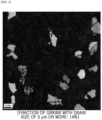
FIG. 1 is an image of a transverse direction (TD) surface of a thickness central region of a final cold-rolled product of Example 1 analyzed by electron back scatter diffraction (EBSD), in which crystal grains with a grain size of 5 µm or more are expressed in gray and a fraction thereof is shown. -
FIG. 2 is an image of a transverse direction (TD) surface of a thickness central region of a final cold-rolled product of Example 3 analyzed by electron back scatter diffraction (EBSD), in which crystal grains with a grain size of 5 µm or more are expressed in gray and a fraction thereof is shown. -
FIG. 3 is an image of a transverse direction (TD) surface of a thickness central region of a final cold-rolled product of Comparative Example 1 analyzed by electron back scatter diffraction (EBSD), in which crystal grains with a grain size of 5 µm or more are expressed in gray and a fraction thereof is shown. -
FIG. 4 is an image of a transverse direction (TD) surface of a thickness central region of a final cold-rolled product of Comparative Example 2 analyzed by electron back scatter diffraction (EBSD), in which crystal grains with a grain size of 5 µm or more are expressed in gray and a fraction thereof is shown. -
FIG. 5 is a graph showing a stress-strain curve of Example 1. -
FIG. 6 is a graph showing a stress-strain curve of Comparative Example 1. -
FIG. 7 is a graph showing a stress-strain curve of Comparative Example 2. -
FIG. 8 is a graph showing a stress-strain curve of Comparative Example 5. - An austenitic stainless steel according to an embodiment of the present disclosure includes, in percent by weight (wt%), 0.005 to 0.03% of C, 0.1 to 1% of Si, 0.1 to 2% of Mn, 0.01 to 0.4 of Cu, 0.01 to 0.2 of Mo, 6 to 9% of Ni, 16 to 19% of Cr, 0.01 to 0.2% of N, and the balance of Fe and inevitable impurities, wherein an austenitic stability parameter (ASP) value calculated by 551-462(C+N)-9.2Si-8.1Mn-13.7Cr-29(Ni+Cu)-18.5Mo is from 30 to 60, a [100*N]/[Ni+Cu] value is 1.4 or more, an average grain size is less than 5 µm, and a fraction (%) of grains with a grain size of 5 µm or more is less than 10%.
- Hereinafter, preferred embodiments of the present disclosure will now be described. However, the present disclosure may be embodied in many different forms and should not be construed as being limited to the embodiments set forth herein. Rather, these embodiments are provided so that this disclosure will be thorough and complete, and will fully convey the scope of the disclosure to those skilled in the art.
- The terms used herein are merely used to describe particular embodiments. Thus, an expression used in the singular encompasses the expression of the plural, unless it has a clearly different meaning in the context. It is to be understood that the terms such as "including" or "having" are intended to indicate the existence of features, regions, integers, processes, operations, elements, and/or components disclosed in the specification, and are not intended to preclude the possibility that one or more other features, regions, integers, processes, operations, elements, and/or components thereof may exist or may be added. In this regard, unless otherwise defined, technical terms or scientific terms used herein have meanings that are obvious to one of ordinary skill in the. Terms defined in dictionaries generally used should be construed to have meanings matching with contextual meanings in the related art and are not to be construed as an ideal or excessively formal meaning unless otherwise defined herein.
- An austenitic stainless steel according to an embodiment of the present disclosure includes, in percent by weight (wt%), 0.005 to 0.03% of C, 0.1 to 1% of Si, 0.1 to 2% of Mn, 0.01 to 0.4 of Cu, 0.01 to 0.2 of Mo, 6 to 9% of Ni, 16 to 19% of Cr, 0.01 to 0.2% of N, and the balance of Fe and inevitable impurities, wherein an austenitic stability parameter (ASP) value calculated by 551-462(C+N)-9.2Si-8.1Mn-13.7Cr-29(Ni+Cu)-18.5Mo is from 30 to 60, a [100*N]/[Ni+Cu] value is 1.4 or more, an average grain size is less than 5 µm, and a fraction (%) of grains with a grain size of 5 µm or more is less than 10%.
- The content of carbon (C) is from 0.005 to 0.03 wt%.
- C is an austenite phase-stabilizing element. In consideration thereof, C is added in an amount of 0.005 wt% or more. However, because an excess of C causes a problem of forming a chromium carbide during low-temperature annealing to deteriorate grain boundary corrosion resistance, the C content is controlled to 0.03 wt% or less in the present disclosure.
- The content of silicon (Si) is from 0.1 to 1 wt%.
- Si is an element added as a deoxidizer during a steel-making process and has an effect on improving corrosion resistance of a steel by forming an Si oxide in a passivated layer in the case of performing a bright annealing process. In consideration thereof, Si is added in an amount of 0.1 wt% or more in the present disclosure. However, since an excess of Si causes a problem of deteriorating ductility, the Si content is controlled to 1.0 wt% or less in the present disclosure.
- The content of manganese (Mn) is from 0.1 to 2.0 wt%.
- Mn is an austenite phase-stabilizing element. In consideration thereof, Mn is added in an amount of 0.1 wt% or more in the present disclosure. However, since an excess of Mn causes a problem of deteriorating corrosion resistance, the Mn content is controlled to 2.0 wt% or less in the present disclosure.
- The content of nickel (Ni) is from 6.0 to 9.0 wt%.
- Ni, as an austenite phase-stabilizing element, has an effect on softening a steel material. In consideration thereof, Ni is added in an amount of 6.0 wt% or more in the present disclosure. However, since an excess of Ni causes a problem of increasing costs, the Ni content is controlled to 9.0 wt% or less in the present disclosure.
- The content of chromium (Cr) is from 16.0 to 19.0 wt%.
- Cr is a major element for improving corrosion resistance of a stainless steel. In consideration thereof, Cr is added in an amount of 16.0 wt% or more in the present disclosure. However, since an excess of Cr causes problems of hardening a steel material and suppressing strain-induced martensite transformation during cold rolling, the Cr content is controlled to 19.0 wt% or less in the present disclosure.
- The content of nitrogen (N) is from 0.01 to 0.2 wt%.
- N is an austenite phase-stabilizing element and improves strength of a steel material. In consideration thereof, N may be added in an amount of 0.01% or more. However, since an excess of N causes problems of hardening a steel material and deteriorating hot workability, the N content is controlled to 0.2 wt% or less in the present disclosure.
- The content of copper (Cu) is from 0.01 to 0.4 wt%.
- Cu is an austenite phase-stabilizing element and may be added in an amount of 0.01% or more. However, since an excess of Cu causes problems of deteriorating corrosion resistance of a steel material and increasing costs, the Cu content is controlled to 0.4 wt% or less in the present disclosure.
- The content of molybdenum (Mo) is from 0.01 to 0.2 wt%.
- Mo having an effect on improving corrosion resistance and workability may be added in an amount of 0.01% or more. However, since an excess of Mo causes a problem of increasing costs, the Mo content is controlled to 0.2 wt% or less in the present disclosure.
- The remaining component of the composition of the present disclosure is iron (Fe). However, the composition may include unintended impurities inevitably incorporated from raw materials or surrounding environments, and thus addition of other alloying elements is not excluded. These impurities are known to any person skilled in the art of manufacturing and details thereof are not specifically mentioned in the present disclosure.
- In the present disclosure, the austenitic stability parameter (ASP) value is calculated by 551-462(C+N)-9.2Si-8.1Mn-13.7Cr-29(Ni+Cu)-18.5Mo and satisfies a range of 30 to 60. When the ASP value is out of the range described above, elongation desired to obtain in the present disclosure is not satisfied due to excessive transformation induced plasticity (TRIP) deformation of a material (due to excessive work hardening).
- According to the present disclosure, the [100*N]/[Ni+Cu] value is 1.4 or more. When the value is less than 1.4, yield strength desired to obtain in the present disclosure is not satisfied due to a low amount of solute nitrogen contributing to yield strength.
- The microstructure has an average grain size less than 5 µm and a fraction of grains with a grain size of 5 µm or more is less than 10%. When they are out of these ranges, yield strength and tensile strength desired to obtain in the present disclosure may not be satisfied.
- In addition, in an embodiment of the present disclosure, the austenitic stainless steel may have a tensile strength of 850 MPa or more.
- In addition, in an embodiment of the present disclosure, the austenitic stainless steel may have a yield strength of 500 MPa or more.
- In addition, in an embodiment of the present disclosure, the austenitic stainless steel may have an elongation of 25% or more.
- A method for manufacturing an austenitic stainless steel according to another embodiment includes: preparing a slab by casting an austenitic stainless steel including, in percent by weight (wt%), 0.005 to 0.03% of C, 0.1 to 1% of Si, 0.1 to 2% of Mn, 0.01 to 0.4 of Cu, 0.01 to 0.2 of Mo, 6 to 9% of Ni, 16 to 19% of Cr, 0.01 to 0.2% of N, and the balance of Fe and inevitable impurities, wherein an austenitic stability parameter (ASP) value calculated by 551-462(C+N)-9.2Si-8.1Mn-13.7Cr-29(Ni+Cu)-18.5Mo is from 30 to 60, a [100*N]/[Ni+Cu] value is 1.4 or more, an average grain size is less than 5 µm, and a fraction (%) of grains with a grain size of 5 µm or more is less than 10%; hot rolling, annealing, and acid pickling the slab, and cold-rolling a resultant steel sheet with a cold rolling reduction ratio of 60% or more; and annealing the steel sheet in a temperature range of 800 to 850°C.
- When a cold annealing temperature is out of the range of the present disclosure, the average grain size is not less than 5 µm and the fraction of grains with a grain size of 5 µm or more is not less than 10%, and thus the yield strength and tensile strength desired to obtain in the present disclosure are not satisfied.
- When the cold rolling reduction ratio (%) is less than 60%, the average grain size is not less than 5 µm and the fraction of grains with a grain size of 5 µm or more is not less than 10%, and thus the yield strength desired to obtain in the present disclosure is not satisfied.
- Table 1 shows carbon, silicon, manganese, nickel, chromium, copper, and nitrogen contents of austenitic stainless steels of examples and comparative examples and also shows austenitic stability parameter (ASP) values, [100*N]/[Ni+Cu] values, cold rolling rates (%), and cold annealing temperatures (°C) [within 5 minutes of annealing time] thereof as main parameters.
- Slabs produced by a casting process according to an embodiment of the present disclosure were hot rolled and annealed, cold rolled at room temperature, and col annealed to prepare coils. Some of the steels were vacuum dissolved in a Lab to prepare ingot and some were subjected to an electric furnacecasting process to prepare slabs. In Examples 1 to 6, the austenitic stability parameter (ASP) values calculated by 551-462(C+N)-9.2Si-8.1Mn-13.7Cr-29(Ni+Cu)-18.5Mo were within the range of 30 to 60, the [100*N]/[Ni+Cu] values were not less than 1.4, the cold rolling rates (%) were not less than 60%, and the cold annealing temperatures (°C) satisfied the range of 800 to 850. In Comparative Examples 1 to 11, the austenitic stability parameter (ASP) values were out of the range of 30 to 60, the [100*N]/[Ni+Cu] values were less than 1.4, the cold rolling rates (%) were less than 60%, or the cold annealing temperatures (°C) were out of the range of 800 to 850.
Table 1 Composition of alloying elements (wt%) ASP [100 *N]/ [Ni+ Cu] Cold rolling rate (%) Cold annealing temperatur e (°C), (within 5 min of annealing time) C Si Mn Cr Ni Cu Mo N Example 1 0.025 0.39 1.24 17.2 6.6 0.34 0.07 0.111 36.3 1.6 67.0 800 Example 2 0.025 0.39 1.24 17.2 6.6 0.34 0.07 0.111 36.3 1.6 67.0 825 Example 3 0.025 0.39 1.24 17.2 6.6 0.34 0.07 0.111 36.3 1.6 67.0 850 Example 4 0.021 0.41 1.35 17.1 6.5 0.25 0.03 0.121 40.1 1.8 65.0 800 Example 5 0.027 0.28 1.72 17.1 6.6 0.11 0.01 0.101 46.3 1.5 65.0 800 Example 6 0.021 0.25 0.95 17.2 6.7 0.21 0.03 0.111 43.4 1.6 65.0 800 Comparative Example 1 0.025 0.39 1.24 17.2 6.6 0.34 0.07 0.111 36.3 1.6 67.0 1100 Comparative Example 2 0.022 0.41 1.31 17.4 6.7 0.38 0.08 0.117 27.2 1.7 67.0 800 Comparative Example 3 0.022 0.41 1.31 17.4 6.7 0.38 0.08 0.117 27.2 1.7 67.0 825 Comparative Example 4 0.022 0.41 1.31 17.4 6.7 0.38 0.08 0.117 27.2 1.7 67.0 850 Comparative Example 5 0.02 0.31 0.98 17.1 6.2 0.21 0.03 0.100 64.1 1.6 67.0 800 Comparative Example 6 0.02 0.12 0.50 17.1 6.2 0.22 0.04 0.100 69.2 1.6 67.0 850 Comparative Example 7 0.027 0.28 1.72 17.1 6.9 0.1 0.01 0.072 51.3 1.0 65.0 800 Comparative Example 8 0.04 0.28 1.72 17.1 8.1 0.1 0.01 0.040 25.3 0.5 65.0 800 Comparative Example 9 0.04 0.28 1.72 18.1 8.1 0.1 0.01 0.040 11.6 0.5 65.0 800 Comparative Example 10 0.027 0.28 1.72 17.1 6.6 0.11 0.01 0.101 46.3 1.5 45.0 800 Comparative Example 11 0.021 0.25 0.95 17.2 6.7 0.21 0.03 0.111 43.4 1.6 45.0 800 - Table 2 shows average grain sizes, fractions of grains with a grain size of 5 µm or more obtained by analyzing transverse direction (TD) surfaces of thickness central regions of final cold-rolled products and yield strength, tensile strength, and elongation of JIS13B tensile test samples obtained by a room temperature tensile test.
Table 2 Category Average grain size Fraction of grains with grain size of 5 µm or more (%) Yield strength (MPa) Tensile strength (MPa) Elongation (%) Example 1 2.7 0 629 892 36.8 Example 2 3.2 2 570 864 39.2 Example 3 4.1 7 526 854 40.8 Example 4 2.5 0 635 895 35.2 Example 5 2.2 0 631 902 31.5 Example 6 2.7 0 629 899 33.4 Comparative Example 1 28.5 85 299 818 39.3 Comparative Example 2 4.7 14 571 839 43.6 Comparative Example 3 5.1 17 533 825 45.1 Comparative Example 4 5.6 21 515 816 45.9 Comparative Example 5 2.5 0 628 904 24.9 Comparative Example 6 2.2 0 632 908 23.2 Comparative Example 7 2.5 0 485 852 30.3 Comparative Example 8 5.3 18 473 755 41.2 Comparative Example 9 7.2 32 425 736 45.2 Comparative Example 10 5.7 15 497 891 33.4 Comparative Example 11 6.2 21 492 884 33.5 - In Examples 1 to 6, it was confirmed that the average grain sizes were less than 5 µm, the fractions of crystal grains with a grain size of 5 µm or more were less than 10%, the austenitic stability parameter (ASP) values satisfied the range of 30 to 60, the [100*N]/[Ni+Cu] values of 1.4 or more were satisfied, and finally, requirements of 301
series 1/4H crude materials (yield strength of 500 MPa or more, tensile strength of 850 MPa or more, and elongation of 25% or more) were satisfied. - Because the cold annealing temperature of Comparative Example 1 was out of the range of the present disclosure, the average grain size was greater than 5 µm and the fraction of crystal grains with a grain size of 5 µm or more was greater than 10%, so that the yield strength and tensile strength desired to obtain in the present disclosure were not satisfied. Because the ASP values of Comparative Examples 2, 3, and 4 were out of the range disclosed in the present disclosure, TRIP deformation of the material did not easily occur during the tensile test (work hardening did not easily occur), so that the tensile strength desired to obtain in the present disclosure was not satisfied.
- Because the ASP values of Comparative Examples 5 and 6 were out of the range of the present disclosure, TRIP deformation of the materials excessively occurred (work hardening excessively occurred), so that the elongation desired to obtain in the present disclosure was not satisfied. Because the [100*N]/[Ni+Cu] value of Comparative Example 7 was out of the range of the present disclosure, the amount of solute nitrogen contributing to the yield strength was too small, so that the yield strength desired to obtain in the present disclosure was not satisfied. Because the ASP values and [100*N]/[Ni+Cu] values of Comparative Examples 8 and 9 were out of range of the present disclosure, the average grain size was greater than 5 µm and the fraction of the crystal grains with a grain size of 5 µm or more was greater than 10%, so that the yield strength and tensile strength desired to obtain in the present disclosure were not satisfied. Because the cold rolling reduction ratios (%) of Comparative Examples 10 and 11 were out of range disclosed in the present disclosure, the average grain size was greater than 5 µm and the fraction of the crystal grains with a grain size of 5 µm or more was greater than 10%, so that the yield strength desired to obtain in the present disclosure was not satisfied.
- Referring to
FIG. 1 , as a result of analyzing a transverse direction (TD) surface of a thickness central region of a final cold-rolled product of Example 1 by electron back scatter diffraction (EBSD), it was confirmed that the fraction of crystal grains with a grain size of 5 µm or more was 0%. - Referring to
FIG. 2 , as a result of analyzing a transverse direction (TD) surface of a thickness central region of a final cold-rolled product of Example 3 by electron back scatter diffraction (EBSD), it was confirmed that the fraction of crystal grains with a grain size of 5 µm or more was 7%. - Referring to
FIG. 3 , as a result of analyzing a transverse direction (TD) surface of a thickness central region of a final cold-rolled product of Comparative Example 1 by electron back scatter diffraction (EBSD), it was confirmed that the fraction of crystal grains with a grain size of 5 µm or more was 85%. - Referring to
FIG. 4 , as a result of analyzing a transverse direction (TD) surface of a thickness central region of a final cold-rolled product of Comparative Example 2 by electron back scatter diffraction (EBSD), it was confirmed that the fraction of crystal grains with a grain size of 5 µm or more was 14%. -
FIGS. 5 to 8 are graphs showing stress-strain curves of the examples and comparative examples.FIG. 5 is a graph of Example 1,FIG. 6 is a graph of Comparative Example 1,FIG. 7 is a graph of Comparative Example 2, andFIG. 8 is a graph of Comparative Example 5. Upon comparison ofFIGS. 5 to 8 , it was confirmed that the austenitic stainless steel according to an embodiment of the present disclosure may satisfy both high strength and high elongation compared to the comparative examples because a relative change in the stress was not significantly great. - While the present disclosure has been particularly described with reference to exemplary embodiments, it should be understood by those of skilled in the art that various changes in form and details may be made without departing from the spirit and scope of the present disclosure.
- According to the present disclosure, the requirements of 301
series 1/4H crude materials with a thickness of 0.4 to 2.0 mm, (i.e., a yield strength of 500 MPa or more, a tensile strength of 850 MPa or more, and an elongation of 25% or more) were satisfied, and thus a ultra-fine grain stainless steel capable of replacing 301series 1/4H materials may be provided. Therefore, industrial applicability of the present disclosure was verified.
Claims (8)
- An austenitic stainless steel comprising, in percent by weight (wt%), 0.005 to 0.03% of C, 0.1 to 1% of Si, 0.1 to 2% of Mn, 0.01 to 0.4 of Cu, 0.01 to 0.2 of Mo, 6 to 9% of Ni, 16 to 19% of Cr, 0.01 to 0.2% of N, and the balance of Fe and inevitable impurities,wherein an austenitic stability parameter (ASP) value calculated by 551-462(C+N)-9.2Si-8.1Mn-13.7Cr-29(Ni+Cu)-18.5Mo is from 30 to 60,a [100*N]/[Ni+Cu] value is 1.4 or more,an average grain size is less than 5 µm, and a fraction (%) of grains with a grain size of 5 µm or more is less than 10%.
- The austenitic stainless steel according to claim 1, wherein the austenitic stainless steel has a tensile strength of 850 MPa or more.
- The austenitic stainless steel according to claim 1, wherein the austenitic stainless steel has a yield strength of 500 MPa or more.
- The austenitic stainless steel according to claim 1, wherein the austenitic stainless steel has an elongation of 25% or more.
- A method for manufacturing an austenitic stainless steel, the method comprising:preparing a slab by casting an austenitic stainless steel including, in percent by weight (wt%), 0.005 to 0.03% of C, 0.1 to 1% of Si, 0.1 to 2% of Mn, 0.01 to 0.4 of Cu, 0.01 to 0.2 of Mo, 6 to 9% of Ni, 16 to 19% of Cr, 0.01 to 0.2% of N, and the balance of Fe and inevitable impurities,wherein an austenitic stability parameter (ASP) value calculated by 551-462(C+N)-9.2Si-8.1Mn-13.7Cr-29(Ni+Cu)-18.5Mo is from 30 to 60, a [100*N]/[Ni+Cu] value is 1.4 or more, an average grain size is less than 5 µm, and a fraction (%) of grains with a grain size of 5 µm or more is less than 10%;hot rolling, annealing, and acid pickling the slab, and cold-rolling a resultant steel sheet with a cold rolling reduction ratio of 60% or more; andannealing the steel sheet in a temperature range of 800 to 850°C.
- The method according to claim 5, wherein the austenitic stainless steel has a tensile strength of 850 MPa or more.
- The method according to claim 5, wherein the austenitic stainless steel has a yield strength of 500 MPa or more.
- The method according to claim 5, wherein the austenitic stainless steel has an elongation of 25% or more.
Applications Claiming Priority (2)
| Application Number | Priority Date | Filing Date | Title |
|---|---|---|---|
| KR1020210108635A KR20230026705A (en) | 2021-08-18 | 2021-08-18 | Austenitic stainless steel and manufacturing method thereof |
| PCT/KR2022/008906 WO2023022351A1 (en) | 2021-08-18 | 2022-06-23 | Austenitic stainless steel and method for manufacturing same |
Publications (2)
| Publication Number | Publication Date |
|---|---|
| EP4361305A1 true EP4361305A1 (en) | 2024-05-01 |
| EP4361305A4 EP4361305A4 (en) | 2024-10-09 |
Family
ID=85240636
Family Applications (1)
| Application Number | Title | Priority Date | Filing Date |
|---|---|---|---|
| EP22858593.1A Pending EP4361305A4 (en) | 2021-08-18 | 2022-06-23 | AUSTENITIC STAINLESS STEEL AND ITS MANUFACTURING PROCESS |
Country Status (6)
| Country | Link |
|---|---|
| US (1) | US20240336989A1 (en) |
| EP (1) | EP4361305A4 (en) |
| JP (1) | JP2024529999A (en) |
| KR (1) | KR20230026705A (en) |
| CN (1) | CN117813413A (en) |
| WO (1) | WO2023022351A1 (en) |
Families Citing this family (2)
| Publication number | Priority date | Publication date | Assignee | Title |
|---|---|---|---|---|
| CN116497279B (en) * | 2023-04-28 | 2023-10-10 | 无锡市曙光高强度紧固件有限公司 | High-strength high-wear-resistance stud and preparation process thereof |
| CN118326282B (en) * | 2024-06-13 | 2024-08-13 | 浦项(张家港)不锈钢股份有限公司 | Austenitic stainless steel plate belt and manufacturing method thereof |
Family Cites Families (19)
| Publication number | Priority date | Publication date | Assignee | Title |
|---|---|---|---|---|
| JPS6053726B2 (en) * | 1981-07-31 | 1985-11-27 | 新日本製鐵株式会社 | Method for manufacturing austenitic stainless steel sheets and steel strips |
| JP3534886B2 (en) * | 1995-03-24 | 2004-06-07 | 日新製鋼株式会社 | Austenitic stainless steel sheet excellent in pocket wave resistance and method for producing the same |
| JP3877590B2 (en) * | 2001-12-25 | 2007-02-07 | 日新製鋼株式会社 | Highly elastic metastable austenitic stainless steel sheet and its manufacturing method |
| JP4406293B2 (en) * | 2003-01-21 | 2010-01-27 | 日鉱金属株式会社 | High strength austenitic stainless steel strip with excellent fatigue properties |
| JP4285303B2 (en) * | 2004-03-31 | 2009-06-24 | 住友金属工業株式会社 | Continuously variable transmission belt and stainless cold-rolled steel sheet therefor |
| WO2008013305A1 (en) * | 2006-07-28 | 2008-01-31 | Sumitomo Metal Industries, Ltd. | Stainless steel sheet for parts and process for manufacturing the same |
| KR20160005795A (en) * | 2011-03-01 | 2016-01-15 | 신닛테츠스미킨 카부시키카이샤 | Metal plate for laser processing and method for producing stainless steel plate for laser processing |
| WO2014030607A1 (en) * | 2012-08-20 | 2014-02-27 | 新日鐵住金株式会社 | Stainless steel sheet and method for producing same |
| KR101707345B1 (en) * | 2012-09-04 | 2017-02-15 | 신닛테츠스미킨 카부시키카이샤 | Stainless steel sheet for precision machining and method for producing same |
| WO2016043125A1 (en) | 2014-09-17 | 2016-03-24 | 新日鐵住金株式会社 | Austenitic stainless steel plate |
| JP5920555B1 (en) * | 2014-09-25 | 2016-05-18 | 新日鐵住金株式会社 | Austenitic stainless steel sheet and manufacturing method thereof |
| JP6628561B2 (en) * | 2015-11-09 | 2020-01-08 | 日鉄ステンレス株式会社 | Stainless steel sheet for structural member excellent in workability and method for producing the same |
| CN111094611A (en) * | 2017-09-13 | 2020-05-01 | 神钢特殊钢管株式会社 | Austenitic stainless steel and method for producing same |
| JP2020050940A (en) | 2018-09-28 | 2020-04-02 | 国立研究開発法人日本原子力研究開発機構 | Method for producing austenitic fine-grained stainless steel |
| CN112789362B (en) * | 2018-10-04 | 2022-08-16 | 日本制铁株式会社 | Austenitic stainless steel sheet and method for producing same |
| KR102169457B1 (en) * | 2018-12-18 | 2020-10-23 | 주식회사 포스코 | High-strength stainless steel |
| KR102711663B1 (en) * | 2019-10-17 | 2024-10-02 | 닛폰세이테츠 가부시키가이샤 | Austenitic stainless steel sheet |
| KR102326262B1 (en) * | 2019-12-18 | 2021-11-15 | 주식회사 포스코 | High yield ratio high strength austenitic stainless steel |
| KR102448735B1 (en) * | 2020-09-03 | 2022-09-30 | 주식회사 포스코 | Austenitic stainless steel and manufacturing method thereof |
-
2021
- 2021-08-18 KR KR1020210108635A patent/KR20230026705A/en active Pending
-
2022
- 2022-06-23 CN CN202280055970.4A patent/CN117813413A/en active Pending
- 2022-06-23 US US18/580,943 patent/US20240336989A1/en active Pending
- 2022-06-23 EP EP22858593.1A patent/EP4361305A4/en active Pending
- 2022-06-23 JP JP2024506270A patent/JP2024529999A/en active Pending
- 2022-06-23 WO PCT/KR2022/008906 patent/WO2023022351A1/en not_active Ceased
Also Published As
| Publication number | Publication date |
|---|---|
| CN117813413A (en) | 2024-04-02 |
| KR20230026705A (en) | 2023-02-27 |
| EP4361305A4 (en) | 2024-10-09 |
| US20240336989A1 (en) | 2024-10-10 |
| JP2024529999A (en) | 2024-08-14 |
| WO2023022351A1 (en) | 2023-02-23 |
Similar Documents
| Publication | Publication Date | Title |
|---|---|---|
| EP4177369A1 (en) | Austenitic stainless steel and manufacturing method thereof | |
| EP3450586B1 (en) | Ultrahigh-strength and high-ductility steel sheet having excellent yield ratio and manufacturing method therefor | |
| EP4265784A1 (en) | Martensitic stainless steel with improved strength and corrosion resistance, and manufacturing method therefor | |
| KR101606946B1 (en) | High-strength stainless steel material and process for production of the same | |
| US20240336989A1 (en) | Austenitic stainless steel and method for manufacturing same | |
| EP3559295B1 (en) | An object comprising a duplex stainless steel and the use thereof | |
| EP4036268A1 (en) | Austenitic stainless steel having increased yield ratio and manufacturing method thereof | |
| EP3978643A2 (en) | Austenitic stainless steel having improved strength, and method for manufacturing same | |
| JP2018003139A (en) | Stainless steel | |
| EP4177368A1 (en) | Austenitic stainless steel with improved deep drawability | |
| EP4481081A1 (en) | Austenitic stainless steel | |
| JP7787209B2 (en) | Austenitic stainless steel sheet and method for manufacturing the same | |
| EP4134466A1 (en) | High-strength austenitic stainless steel with excellent productivity and cost reduction effect and method for producing same | |
| EP4431631A1 (en) | Austenitic stainless steel and manufacturing method therefor | |
| JP7727222B2 (en) | Austenitic stainless steel and method for producing austenitic stainless steel | |
| EP4343013A1 (en) | Austenitic stainless steel and manufacturing method thereof | |
| EP4442851A1 (en) | Ultra-high strength cold-rolled steel sheet having excellent elongation and manufacturing method thereof | |
| EP4257719A1 (en) | Ferritic stainless steel with improved grain boundary erosion, and manufacturing method thereof | |
| JP2022047341A (en) | Martensitic stainless steel sheet and method for producing martensitic stainless steel sheet | |
| EP4397781A1 (en) | Hot-rolled ferritic stainless steel sheet having excellent formability and method for manufacturing same | |
| JP2012201924A (en) | Stainless steel sheet and method for producing the same | |
| EP4589040A1 (en) | Stainless steel and manufacturing method therefor, and stainless steel product and manufacturing method therefor | |
| EP4509633A1 (en) | Austenite stainless steel and manufacturing method therefor | |
| EP4403663A1 (en) | Ferritic stainless steel and manufacturing method therefor | |
| KR20150074694A (en) | Ferritic stainless steel with excellent hot workability and method of manufacturing the same |
Legal Events
| Date | Code | Title | Description |
|---|---|---|---|
| STAA | Information on the status of an ep patent application or granted ep patent |
Free format text: STATUS: THE INTERNATIONAL PUBLICATION HAS BEEN MADE |
|
| PUAI | Public reference made under article 153(3) epc to a published international application that has entered the european phase |
Free format text: ORIGINAL CODE: 0009012 |
|
| STAA | Information on the status of an ep patent application or granted ep patent |
Free format text: STATUS: REQUEST FOR EXAMINATION WAS MADE |
|
| 17P | Request for examination filed |
Effective date: 20240123 |
|
| AK | Designated contracting states |
Kind code of ref document: A1 Designated state(s): AL AT BE BG CH CY CZ DE DK EE ES FI FR GB GR HR HU IE IS IT LI LT LU LV MC MK MT NL NO PL PT RO RS SE SI SK SM TR |
|
| REG | Reference to a national code |
Ref country code: DE Ref legal event code: R079 Free format text: PREVIOUS MAIN CLASS: C22C0038580000 Ipc: C22C0038420000 |
|
| A4 | Supplementary search report drawn up and despatched |
Effective date: 20240906 |
|
| RIC1 | Information provided on ipc code assigned before grant |
Ipc: C21D 1/26 20060101ALI20240902BHEP Ipc: C21D 6/00 20060101ALI20240902BHEP Ipc: C21D 8/02 20060101ALI20240902BHEP Ipc: C21D 9/46 20060101ALI20240902BHEP Ipc: C22C 38/58 20060101ALI20240902BHEP Ipc: C22C 38/00 20060101ALI20240902BHEP Ipc: C22C 38/02 20060101ALI20240902BHEP Ipc: C22C 38/04 20060101ALI20240902BHEP Ipc: C22C 38/44 20060101ALI20240902BHEP Ipc: C22C 38/42 20060101AFI20240902BHEP |
|
| DAV | Request for validation of the european patent (deleted) | ||
| DAX | Request for extension of the european patent (deleted) |