EP4350056A2 - Codage genetique de modification chimique post-traductionnelle pour bibliotheques presentees sur phage - Google Patents
Codage genetique de modification chimique post-traductionnelle pour bibliotheques presentees sur phage Download PDFInfo
- Publication number
- EP4350056A2 EP4350056A2 EP24157340.1A EP24157340A EP4350056A2 EP 4350056 A2 EP4350056 A2 EP 4350056A2 EP 24157340 A EP24157340 A EP 24157340A EP 4350056 A2 EP4350056 A2 EP 4350056A2
- Authority
- EP
- European Patent Office
- Prior art keywords
- library
- peptide
- libraries
- phage
- genetically
- Prior art date
- Legal status (The legal status is an assumption and is not a legal conclusion. Google has not performed a legal analysis and makes no representation as to the accuracy of the status listed.)
- Pending
Links
Images








Classifications
-
- C—CHEMISTRY; METALLURGY
- C12—BIOCHEMISTRY; BEER; SPIRITS; WINE; VINEGAR; MICROBIOLOGY; ENZYMOLOGY; MUTATION OR GENETIC ENGINEERING
- C12N—MICROORGANISMS OR ENZYMES; COMPOSITIONS THEREOF; PROPAGATING, PRESERVING, OR MAINTAINING MICROORGANISMS; MUTATION OR GENETIC ENGINEERING; CULTURE MEDIA
- C12N15/00—Mutation or genetic engineering; DNA or RNA concerning genetic engineering, vectors, e.g. plasmids, or their isolation, preparation or purification; Use of hosts therefor
- C12N15/09—Recombinant DNA-technology
- C12N15/10—Processes for the isolation, preparation or purification of DNA or RNA
- C12N15/1034—Isolating an individual clone by screening libraries
- C12N15/1082—Preparation or screening gene libraries by chromosomal integration of polynucleotide sequences, HR-, site-specific-recombination, transposons, viral vectors
-
- C—CHEMISTRY; METALLURGY
- C12—BIOCHEMISTRY; BEER; SPIRITS; WINE; VINEGAR; MICROBIOLOGY; ENZYMOLOGY; MUTATION OR GENETIC ENGINEERING
- C12N—MICROORGANISMS OR ENZYMES; COMPOSITIONS THEREOF; PROPAGATING, PRESERVING, OR MAINTAINING MICROORGANISMS; MUTATION OR GENETIC ENGINEERING; CULTURE MEDIA
- C12N15/00—Mutation or genetic engineering; DNA or RNA concerning genetic engineering, vectors, e.g. plasmids, or their isolation, preparation or purification; Use of hosts therefor
- C12N15/09—Recombinant DNA-technology
- C12N15/10—Processes for the isolation, preparation or purification of DNA or RNA
- C12N15/102—Mutagenizing nucleic acids
-
- C—CHEMISTRY; METALLURGY
- C12—BIOCHEMISTRY; BEER; SPIRITS; WINE; VINEGAR; MICROBIOLOGY; ENZYMOLOGY; MUTATION OR GENETIC ENGINEERING
- C12N—MICROORGANISMS OR ENZYMES; COMPOSITIONS THEREOF; PROPAGATING, PRESERVING, OR MAINTAINING MICROORGANISMS; MUTATION OR GENETIC ENGINEERING; CULTURE MEDIA
- C12N15/00—Mutation or genetic engineering; DNA or RNA concerning genetic engineering, vectors, e.g. plasmids, or their isolation, preparation or purification; Use of hosts therefor
- C12N15/09—Recombinant DNA-technology
- C12N15/10—Processes for the isolation, preparation or purification of DNA or RNA
- C12N15/1034—Isolating an individual clone by screening libraries
- C12N15/1037—Screening libraries presented on the surface of microorganisms, e.g. phage display, E. coli display
-
- C—CHEMISTRY; METALLURGY
- C12—BIOCHEMISTRY; BEER; SPIRITS; WINE; VINEGAR; MICROBIOLOGY; ENZYMOLOGY; MUTATION OR GENETIC ENGINEERING
- C12N—MICROORGANISMS OR ENZYMES; COMPOSITIONS THEREOF; PROPAGATING, PRESERVING, OR MAINTAINING MICROORGANISMS; MUTATION OR GENETIC ENGINEERING; CULTURE MEDIA
- C12N15/00—Mutation or genetic engineering; DNA or RNA concerning genetic engineering, vectors, e.g. plasmids, or their isolation, preparation or purification; Use of hosts therefor
- C12N15/09—Recombinant DNA-technology
- C12N15/10—Processes for the isolation, preparation or purification of DNA or RNA
- C12N15/1034—Isolating an individual clone by screening libraries
- C12N15/1065—Preparation or screening of tagged libraries, e.g. tagged microorganisms by STM-mutagenesis, tagged polynucleotides, gene tags
-
- C—CHEMISTRY; METALLURGY
- C40—COMBINATORIAL TECHNOLOGY
- C40B—COMBINATORIAL CHEMISTRY; LIBRARIES, e.g. CHEMICAL LIBRARIES
- C40B40/00—Libraries per se, e.g. arrays, mixtures
- C40B40/02—Libraries contained in or displayed by microorganisms, e.g. bacteria or animal cells; Libraries contained in or displayed by vectors, e.g. plasmids; Libraries containing only microorganisms or vectors
-
- C—CHEMISTRY; METALLURGY
- C40—COMBINATORIAL TECHNOLOGY
- C40B—COMBINATORIAL CHEMISTRY; LIBRARIES, e.g. CHEMICAL LIBRARIES
- C40B40/00—Libraries per se, e.g. arrays, mixtures
- C40B40/04—Libraries containing only organic compounds
- C40B40/06—Libraries containing nucleotides or polynucleotides, or derivatives thereof
- C40B40/08—Libraries containing RNA or DNA which encodes proteins, e.g. gene libraries
-
- C—CHEMISTRY; METALLURGY
- C40—COMBINATORIAL TECHNOLOGY
- C40B—COMBINATORIAL CHEMISTRY; LIBRARIES, e.g. CHEMICAL LIBRARIES
- C40B40/00—Libraries per se, e.g. arrays, mixtures
- C40B40/04—Libraries containing only organic compounds
- C40B40/10—Libraries containing peptides or polypeptides, or derivatives thereof
-
- C—CHEMISTRY; METALLURGY
- C40—COMBINATORIAL TECHNOLOGY
- C40B—COMBINATORIAL CHEMISTRY; LIBRARIES, e.g. CHEMICAL LIBRARIES
- C40B50/00—Methods of creating libraries, e.g. combinatorial synthesis
- C40B50/06—Biochemical methods, e.g. using enzymes or whole viable microorganisms
-
- G—PHYSICS
- G01—MEASURING; TESTING
- G01N—INVESTIGATING OR ANALYSING MATERIALS BY DETERMINING THEIR CHEMICAL OR PHYSICAL PROPERTIES
- G01N2500/00—Screening for compounds of potential therapeutic value
- G01N2500/20—Screening for compounds of potential therapeutic value cell-free systems
Definitions
- the present application pertains to the field of recombinant protein technology. More particularly, the present application describes a method for genetic encoding of chemical modifications in genetically-encoded libraries of chemically -modified peptides.
- the generation of libraries of small molecules and selection of those molecules that bind uniquely to a target of interest is important for drug discovery.
- the production of genetically-encoded libraries, in which each library member is linked to an information template, such as DNA or RNA, makes it possible to process large chemical libraries without separating individual library members into individual solutions and reaction vessels.
- Phage display is one example of a genetically-encoded library. (Scott et al, 1990). Phage display is a well known technique used in the analysis, display and production of protein antigens, especially human proteins of interest. Phage display is a process during which the phage, a bacterial virus, is made to expose or "display" different peptides or proteins including human antibodies on its surface. Through genetic engineering, peptides or proteins of interest are attached individually to a phage cell surface protein molecule (usually Gene III protein, g3p). In such a phage population (phage library), each phage carries a gene for a different peptide or protein - g3p fusion and exposes it on its surface.
- a phage cell surface protein molecule usually Gene III protein, g3p
- phages that "display" binders to specific target molecules of interest can be identified and isolated.
- binders can include interaction partners of a protein to determine new functions or mechanisms of function of that protein, peptides that recognize and bind to antigens (for use in diagnosis and therapeutic targeting, for example), and proteins involved in protein-DNA interactions (for example, novel transcription factors).
- the phage display technique can be very useful in discovery and development of pharmaceutical and/or diagnostic products.
- phage display the entire phage binds and can be eluted from an immobilized target molecule. Since the phage remains infective it can inject its DNA into bacterial cells and is amplified.
- the main limitation of phage display is the occurrence of non-specific adsorption of phages during the binding stage, which necessitates enrichment over several rounds and individually tailored washing and elution conditions.
- Phage display methods are usually restricted to the production of libraries, which can be encoded by direct DNA-RNA-protein information transfer. These methods are typically limited to linear sequences of peptides, made of only 20 natural amino acids.
- RNA and ribosome display are other techniques known in the art that permit display of naturally -made peptides on information templates.
- the amplification of libraries of peptides attached to RNA requires an in vitro translation system to generate or reamplify the library.
- the generation and use of such translation systems can be expensive and time consuming.
- the use of self-replicating species such as phage, yeast, or bacteria simplifies amplification of libraries because each library member is amplified "spontaneously", when given the appropriate resources. For example, for phage displayed libraries, adding one phage to a simple culture broth with bacteria can produce an arbitrarily large population of phage for a very low cost.
- Another example of small-molecule display technology is through the use of encoded display of molecules derived from peptides via enzymatic or chemical post-translational modifications (cPTM).
- cPTM chemical post-translational modifications
- these methods use organic synthesis on the peptides to make peptide derivatives.
- the display of peptide-derived molecules is generally simpler because it builds on readily-available genetically-encoded peptide libraries.
- cPTM of mRNA- or phage-displayed peptides can have similar advantages as mRNA/phage display while allowing the selection of ligands that cannot be encoded by conventional ribosomal synthesis.
- Selection of cPTM-libraries is a rapidly growing method that has been used by lead discovery academic research groups, start-up companies (Peptidream, Ra Pharma, Bicycle therapeutics) and large pharmaceutical companies (e.g., Pfizer 5 ).
- the display of cPTM-peptides facilitates developing a class of drugs that combines the advantages of "small-molecule" and "biological"-classes of drugs. Due to their small size, peptide-derivatives can have tissue permeability akin to that of small molecules, while genetic selection allows for rapid discovery and optimization of these molecules.
- An object of the present invention is to provide a method for genetic encoding of chemical modifications in genetically-encoded libraries of chemically-modified peptides.
- a method of synthesizing a genetically-encoded chemical modification of a peptide library comprising: inserting, into multiple independent vectors in a substrate, a first set of gene sequences encoding one or more substantially similar peptide linkers; inserting, into each vector, a second set of gene sequences encoding a variable set of peptides; expressing and amplifying the first and second sets of gene sequences such that a translation product comprising the substantially similar linkers and variable peptides is synthesized; modifying the set of variable peptides by a modification; and combining the set of modified variable peptides to produce a library in which the modification is encoded genetically.
- the first set of gene sequences encodes peptide sequences comprising chemically-similar or identical amino acids, but are encoded by different nucleotide codons.
- the second set of gene sequences comprises a random genetic library that encodes a random peptide library of different chemical compositions.
- the second set of gene sequences comprises a focused genetic library that encodes a focused sub-set of peptide sequences of different chemical compositions, such as those generated by random mutagenesis, for example.
- the second set of gene sequences may encode a chemical structure of a molecule, such as a small molecule including a carbohydrate, biotin, sulphonamide, and other small molecules that have known biological activity.
- the small molecules used for chemical modification or cross-linkers encoded by silent barcoding are diastereomers or enantiomers.
- the modification can be a chemical or enzymatic modification of the set of peptides.
- the chemical modification is an introduction of a different small molecule in any location of the displayed peptide using a site-specific chemical conjugation technique.
- the chemical modification for example, can result in the formation of oxime at the N-terminal serine, alkylation of cysteine, or any suitable method to modify a peptide or protein in a specific location.
- the reaction may include those that insert one or more linkers, one or more cross-linkers or one or more chemical "staples" to convert a peptide into a macrocycle with one of more bridges.
- the second set of gene sequence may encode a chemical structure of the linker, cross linker or chemical staple.
- the substrate can be a phage, mRNA, ribosome, bacteria, yeast or any other genetic display technology known in the art.
- a method of selecting a genetically-encoded chemical modification of a peptide library comprising: inserting, into multiple independent vectors in a substrate, a first set of gene sequences encoding one or more substantially similar peptide linkers; inserting, into each vector, a second set of gene sequences encoding a variable set of peptides; separately expressing the first and second gene sequences on the substrate such that one or more peptide libraries are synthesized; modifying each of the one or more peptide libraries separately; pooling the modified peptide libraries together to produce a library in which chemical modification is encoded genetically; and screening the chemically-modified peptide library to select a peptide with a desired chemical modification.
- a method of identifying a drug target comprising: preparing a genetically-encoded chemically modified peptide library as described herein and screening the library with a molecule to identify chemically modified peptides by sequencing of the sequence encoding the peptide linker and the sequence encoding the variable peptide.
- a method of synthesizing a genetically-encoded chemical modification of a peptide library comprising: inserting, into multiple independent vectors in a substrate, a redundant set of gene sequences encoding a peptide linker, such that gene sequences produce identical or closely related peptide sequences ("linkers") upon translation; inserting, into each vector, a second set of gene sequences encoding a genetically diverse insert, such that a diverse set of peptides ("library”), is expressed upon translation; expressing and amplifying the first and second gene sequences such that a translation product comprises non-variable linker and variable peptide library is synthesized; and modifying each peptide library by a distinct modification and combining multiple modified libraries to produce a library in which chemical modification is encoded genetically.
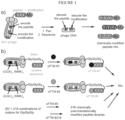
- the present application relates to producing a series of genetic sequences that introduce identical transcriptional products. This is referred to herein as a "silent barcode". Large numbers of such sequences can be created due to the redundancy of the genetic code and the trinucleotide encoding of amino acids.
- glycine Gly
- GGT GGT
- GGC GGG
- GGA trinucleotide encoding of amino acids.
- a (Gly)n sequence can be encoded by 4n codon combinations, where n is the number of amino acids in the sequence.
- the present application uses chemical modification of phage libraries that are identical in their chemical composition but can be distinguished by genetic sequencing due to the presence of the "silent barcode”.
- the location of the "silent barcode” can vary, it is convenient to position it in the proximity of the variable genetic region that encodes a peptide library. This proximity facilitates subsequent identification by sequencing.
- Silent barcoding is particularly practical for the encoding of a small number of modifications ( ⁇ 100). This is particularly advantageous for the selection of modified peptides. For example, there are 20-50 known structurally-diverse natural PTMs on proteins. This handful of PTMs greatly increases the structural and functional diversity of proteins in higher organisms. Similarly in a display of cPMT-peptides, every modification converts billion of linear peptides to billion of cyclic or bicyclic variants or modified variants. Changing the nature of the linker allows selecting different variants form the parent peptide space (Chen et al., 2014).
- the present application provides a method for genetically encoding chemical modifications of a phage-displayed peptide library.
- this can be achieved by assigning the identity of modifications in translationally "silent barcodes".
- GGG Gly-Gly-Gly
- Silent barcodes can be introduced at any location within the phage, including translationally active and silent regions, auxiliary proteins not used in phage assembly or sequences excised from phage proteins (e.g. leader). However, in certain embodiments, it is typical to position silent barcodes within close proximity to the variable region to allow for simultaneous characterization of these two regions by DNA sequencing.
- phage displaying the peptide sequence Ser-X-X-X-X-Gly-Gly-Gly were produced, where X is any amino acid and both Ser and Gly-Gly-Gly serve as the hidden barcode (HB) moiety.
- HB hidden barcode
- N is any nucleotide
- K is G or T
- NNK is a common combination of nucleotides uses to encode a random amino acid.
- Panning of libraries with multiplexed silent barcodes is limited to a single round of panning; however, analysis by deep-sequencing makes it possible to identify productive ligands even from a single round of panning. It is known in the art that the efficiency of one round of panning with deep sequencing can be matched to the efficiency of a multi-round screen with canonical Sanger sequencing.
- Rink Amide AM resin 200 mg, 0.91 mmol/g, 0.18 mmol was weighed into a Poly-Prep ® chromatography column. The column was set up on a vacuum manifold. The manifold was equipped with a three-way stopcock that allows draining of the solvent by vacuum filtration and agitation of the resin by nitrogen bubbling (Kim et al., 2011). CH2Cl2 (3 mL) was added to the dried resin for swelling. After 15 min, the solvent was drained by vacuum aspiration. The resin was washed with DMF (3 mL) and the protective Fmoc group was cleaved with 20% (v/v) piperidine in DMF (3 mL) for 1 min.
- the combined cleavage mixture was added dropwise to ice cold diethyl ether (20 mL) in a 50 mL centrifuge tube. The mixture was incubated on ice for 30 min then centrifuged for 5 min at 3000 rpm. Supernatant was decanted and the precipitates were resuspended in cold diethyl ether (10 mL). The centrifugation and washing steps were repeated 2 times. The precipitates were air-dried and then left under vacuum overnight. Typical yield: 50-150 mg.
- the fractions containing target peptides were identified using mass spectrometry either by MALDITOF of ESI LCMS. MeCN was removed by evaporation under reduced pressure. The aqueous solution was lyophilized to yield the peptide as white powder (20-32 mg). All peptides were used for synthesis of peptide conjugates and characterization performed after the synthesis of the conjugate.
- HPLC purification was carried out as described above for crude peptide to yield the product as a white fluffy powder (40-70% isolated yield) after lyophilization.
- the purity of the product was determined with an analytical C18-HPLC system (flow rate: 1 mL/min) using a gradient of solvent A (MQ water, 0.1% (v/v) TFA) and solvent B (MeCN, 0.1% (v/v) TFA) as shown below.
- Time (min) Eluent B (%) 0 2 2 2 16 40 17 100 19 100 20 2
- each library was annealed with 3 molar equivalents of a short primer with the sequence 5' -C ATGCCCGGGTACCTTTCTATTCTC-3' and extended by 15U Klenow fragment (#EP0051, Thermo Scientific) in 1x of the provided reaction buffer and 50 ⁇ M dNTPs.
- the double-stranded library was purified by standard ethanol precipitation and resuspended in DNase-free water or TE buffer.
- the libraries were treated with KpnI and EagI FastDigest restriction enzymes (#FD0524 and #FD0334, Thermo Scientific) according to manufacturer recommendations and purified by 2% EGel ® SizeSelect TM gel (Life Technologies).
- M13KE bacteriophage double-stranded DNA (dsDNA) was isolated from a single phage clone originating from the Ph.D.-12 phage display library (New England BioLabs) using the GeneJET Plasmid Miniprep Kit (Life Technologies) and similarly treated with KpnI and EagI FastDigest restriction enzymes, according to manufacturer instructions. The resulting DNA was purified by 0.7% agarose gel purification followed by gel extraction by GeneJET Gel Extraction Kit (Thermo Fisher Scientific, Waltham, MA, USA). A 1:30 molar ratio of cut M13KE vector and library duplex was ligated by 400 U of T4 DNA ligase (New England BioLabs) at 16 °C overnight.
- dsDNA M13KE bacteriophage double-stranded DNA
- Ligated DNA was purified by ethanol precipitation and re-suspended in DNase-free H2O and transformed using the Gene Pulser Xcell TM Electroporation System, 2 mm GenePulser/MicroPulser Electroporation Cuvettes (all from BioRad) with the settings 2500 V/400 Ohm/46 ⁇ F and commercially available F(+) TGI electrocompetent cells and recovery media (Lucigen, Middleton, WI, USA). Transformed cells were allowed to recover in the provided recovery media for 15 min at 37 °C, 225 amplification for 4.5 hours. Phage were collected by PEG/NaCl precipitation from supernatant of culture, titered, and stored in MOPS buffer, pH 7.4.
- Oxidized phage library was then modified with an equivalent volume of hydroxylamine conjugate (4-(aminooxymethyl)benzenesulfonamide, 2-(aminooxy)ethyl ⁇ -D-mannopyranoside, or aminooxybiotin, 2 mM solution in 200 mM anilinium acetate buffer, pH 4.7).
- the reaction mixtures were incubated for 1 h at RT, followed by dialysis against MOPS buffer to remove excess reagents (4 °C, 1 mM, pH 7.3, three buffer changes over 18 h, 10K MW cut-off).
- the panning protocol was adapted from Ng et al. with minor modifications.
- Targets Designated wells of a flat bottom 96-well Costar plate were coated with 100 of 10 ⁇ g/mL streptavidin, concanavalin A, bovine carbonic anhydrase II or BSA in MOPS buffer (20 mM, pH 7.4). Each target was coated in triplicate wells. The plate was sealed and incubated overnight at 4 °C.
- the plate was then blocked for 1 h with a blocking solution (2% w/v BSA, 20 mM MOPS, pH 7.4) and washed using a 405 TM Touch Microplate Washer (BioTek) as follows: 300 ⁇ L of wash buffer (0.1% w/v Tween-20, 20 mM MOPS, pH 7.4) followed by a 5 s shake and 30 s soak, repeated for a total of 10 cycles.
- a blocking solution 2% w/v BSA, 20 mM MOPS, pH 7.4
- 405 TM Touch Microplate Washer BioTek
- the mixed modified library (MIX) or individual libraries (B1-B4) were diluted to approximately 10 9 PFU/mL in binding buffer (2% w/v BSA, 0.2% w/v Tween-20, 20 mM MOPS, pH 7.4) and distributed at 100 ⁇ L, per well, at ⁇ 1 x 10 8 PFU/well concentration. After incubation for 1 h at RT, the plate was washed again using the same washing protocol. Bound phage was detached from the plates by elution buffer (0.2 M glycine-HCl, pH 2.2, 0.1% w/v BSA) for 9 minutes; the eluted solution was neutralized with 1 M Tris-HCl, pH 9.1. The eluted phage solution was quantified by plaque forming assay. Titer of panning with individually-modified libraries were used to validate the presence of specific modifiers on these libraries (see Figure 4 ).
- ssDNA Single-stranded DNA
- the XXXX in the primer sequence denotes four-nucleotide-long barcodes used to trace multiple samples in one Illumina sequencing experiment.
- the temperature cycling protocol was as follows: 95 °C for 30 s, followed by 25 cycles of 95 °C for 10 s, 60.5 °C for 15 s and 72 °C for 30 s, and then a final extension at 72 °C for 5 min before holding at 4 °C.
- the resulting dsDNA with Illumina compatible adapters was sequenced using the Illumina HiSeq platform (The Donnelly Sequencing Centre at The Donnelley Centre for Cellular and Biomolecular Research, University of Toronto) and analyzed as described in the subsequent section (Analysis of the Deep-sequencing Data).
- Equation 1.3 describes specific example of calculation of one ratio for sequence SA-WYKL (SA is sulphonamide encoded by silent barcode). Note that all total number of sequences are in thousands of reads (i.e., 486 corresponds to 486,000 reads).
- Example 1 A specific implementation of peptide libraries with silent barcodes.
- the M13KE vector which is used in popular commercially-available Ph.D.-7 or Ph.D.-12 libraries, was used as the foundation for the present design. However, other phage/phagemid vectors and other display platforms may be used.
- Figure 2 shows specific examples of silent barcodes introduced in the regions adjacent to random tetra- amino acid library.
- N is any nucleotide, K is G or T; N K is a common combination of nucleotides uses to encode a random amino acid.
- Example 2 Validation of the barcode system with a model selection assay using well-defined ligand-target pairs.
- This example describes the modification of four barcoded phage libraries produced in Example 1 by three ligands that recognize three specific proteins.
- Ligand 1 is biotin that recognizes streptavidin (target 1).
- Ligand 2 is sulfonamide that recognizes carbonic anhydrase.
- Ligand 3 is mannose that recognizes concanavaline A (target 3).
- Modification 4 is the absence of any modification (i.e. non-modified peptide libraries).
- Target 4 (BSA-coated well) was introduced, such that it is not specifically recognized by any modifications.
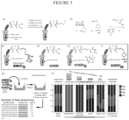
- Figure 3 illustrates a model selection assay of phage libraries with genetically encoded chemical modifications.
- library phage were conjugated to compounds ( Figure 3b ) through NaIO 4 oxidation of N-terminal serine and a short quenching step with GSH, followed by oxime ligation of the compound.
- Figure 3c-f show exemplary chemical modifications: HB1-Mannose ( Figure 3c ), HB2-no modification ( Figure 3d ), HB3-biotin ( Figure 3e ), and HB4-streptavidin ( Figure 3f).
- Figure 3g illustrates a mixed library containing equal ratios of each modified library incubated with immobilized streptavidin, carbonic anhydrase, ConA or an uncoated well, followed by a rinsing step and acid elution. Eluted phage were amplified and processed for single-stranded phage DNA isolation and sequencing by Illumina.
- Figure 3h uses stacked-bar representation to show the relative abundance of the barcodes in phage libraries. Prior to selection, the library contained ⁇ 25:25:25:25 ratio of four barcodes.
- the ratio is ⁇ 1:97:1:1, with barcode #2 dominating the population while selection on carbonic anhydrase yields ratio 97:1:1:1 with barcode #1 dominating the population.
- Barcodes #1 and #2 encode populations with biotin and sulfonamide respectively. Selection on unrelated target that should not be recognized by any modification, such as selection against blank, BSA-coated plate, does not yield enrichment of any barcode or this enrichment is not reproducible from experiment to experiment. Finally, the barcoded phage library is stable and its composition is not changed when the library is allowed to amplify without any selection.
- Figure 4 illustrates the confirmation of the presence of chemical modifiers: Biotin, Sulfonamide, D-Mannose, and unmodified on phage displayed libraries by measuring the input and output titers in panning of these phage libraries on the following four targets- streptavidin, bovine carbonic anhydrase II, concanavalin A, or BSA ("blank”)- coated on 96-well plates.
- Biotin and sulphonamide modified libraries enrich significantly in the wells coated by the cognate targets (streptavidin and carbonic anhydrase). Enrichment of mannose-modified libraries on ConA was modest, similarly to what was observed previously (Ng, S., 2015).
- Figure 3h illustrates that deep sequencing of the selected libraries 1, 2, 3, and 4 confirmed significant abundance of phage with "matched" modification. For example, when panning on carbonic anhydrase, 95% of the selected phage library members carried a silent barcode that indicated presence of sulfonamide.
- Figure 5 provides (A) a plot of ratio vs. p-value ("volcano plot") in a selection of barcoded libraries against BCA and streptavidin; ligands with R>3 and p ⁇ 0.05 were enriched in panning on BCA; those with R ⁇ 0.3 and p ⁇ 0.05 were enriched in panning on streptavidin. Equations below show calculation of ratios R from normalized fractions of each sequence. Two enriched sets have different chemical modifications- sulfonamide (SA) for BCA and biotin (Bio) for streptavidin- and different sequence motifs.
- Figure 5 provides copy numbers and ratios for selected sequences.
- Figure 5 demonstrates that panning of the library with multiple modifications enriched not only specific modifiers but also specific peptide sequences.
- SA-modified peptides were identified as sequences that were significantly enriched (p ⁇ 0.05) in panning on BCA when compared to panning on an unrelated target (BSA, Streptavidin or ConA, Figure 3A ).
- BSA unrelated target
- Streptavidin Streptavidin
- ConA unrelated target
- Figure 3A we screened for and discarded fast-growing "parasite sequences" (Matochko, et al, 2014) that emerged from amplified library phage without panning.
- the analysis can be illustrated as a volcano plot ( Figure 4 compares selection against BCA to selection against streptavidin; additional volcano plots are in Figure 6 ).
- Figure 6 illustrates specific DNA sequences, peptides and sequence motifs identified in panning of the same mixed-modification library (from Figure 3 or Figure 5 ) on carbonic anhydrase (A) and strepatvatidine (B). Numbers represent normalized copy numbers of sequence in each panning experiment. "Blank” refers to well-coated with no target. "Naive” refers to the library before selection and “Amplified” refers to the library amplified without any selection. “Ratio” represents a ratio of average copy number values.
- sequence copy number (abundance) in the library is illustrated, as measured by Illumina sequencing, in 12 different phage populations. Three of them, described in the first three columns, originate from panning on sulfonamide (SA), three from panning on blank, BSA-coated well, three samples represent the naive (unselected) library and the last three represent library that was amplified without any selection. Deep sequencing revealed peptide motifs in the variable peptide region, which suggested that there are peptide sequences that synergize with chemical modification to provide increased affinity towards the target. By comparing the abundances in CA-selected samples with abundances in other experiments, sequences were identified that are preferentially enriched in selection against CA.
- CA peptides modified peptides that carry GGAGGAGGA barcode, which indicates that all peptides were modified by sulfonamide (SA). Furthermore, it is observed that only specific peptides sequences modified with SA are reproducibly selected whereas the other peptides modified by SA are not. Specifically, W-rich peptide sequences are selected for SA-modified libraries panned on carbonic anhydrase. The nature of the peptide sequence changes when the barcode and the target changes. For example, H-P-rich motifs are more preferentially selected on biotin-modified peptides selected against streptavidin.
- Figure 7 shows a volcano analysis of the copy number of peptides identified after panning and deep-sequencing of the mixed-modified libraries (MIX) against Bovine Carbonic Anhydrase (BCA) and four additional controls.
- MIX mixed-modified libraries
- BCA Bovine Carbonic Anhydrase
- A MIX panned on BCA compared to MIX on ConA
- B MIX panned on BCA compared to MIX on Streptavidin
- C MIX panned on BCA compared to MIX on BSA
- D MIX panned on BCA compared to MIX-library amplified without any panning.
- Normalized ratios (R) for each experiment were calculated as described above. P-values were calculated using normalized reads and one-tailed, unequal variance Student t-test. Blue lines define the thresholds used for selection: p ⁇ 0.05 and R>3. All sequences that satisfy these criteria display sulfonamide barcodes.
- Figure 8 shows an example of binding of peptide-sulfonamide (left) and carboxy-sulfonamide (right) and to carbonic anhydrase. Binding constants are 1.6 uM and 30 nM respectively demonstrating 30-fold benefit for attaching the peptide moiety to sulfonamide.
- Figure 9 provides additional replicates of raw ITC data of sulfonamide-peptide (SA-XXX) binding to carbonic anhydrase.
- Raw data obtained for 30 injections of ligands (20-95 ⁇ M) into a solution of carbonic anhydrase (2.5-12 ⁇ M) at 4-min intervals and 30 °C is shown.
- the integrated curve showed experimental points in microcalories per second and the best fit (-) to the single binding site model.
- the assay confirms that peptides selected in the screen, such as SA- WIVP, have strong affinity as low as 5 nanomolar, which is significantly (30-fold) stronger than the affinity of the control peptide SA-GGGG (150 nanomolar).
- Figure 10 shows analytical data for sulfonamide-modified peptides.
- Figure 10A is SA-WYKL;
- Figure 10B is SA-WQQQ;
- Figure IOC is SA-WIVP;
- Figure 10D is SA-WNTK;
- Figure 10E is SA-YQYS;
- Figure 10F is SA-WTSG;
- Figure 10G is SA-WTWL;
- Figure 10H is SA-WTYW;
- Figure 10I is SA-FVVR;
- Figure 10J is SA-TRPA;
- Figure 10K is SA-WPAR;
- Figure 10L is SA-YQYR;
- Figure 10M is SA-GGGG.
- Example 3 Validation of the barcode system with a selection assay using structurally-related ligands (monosaccharides that differ by one atom or one chiral center)
- This example describes the modification of six barcoded phage libraries produced in Example 1 by six structurally related ligands: Glucose, galactose, rhamnose, xylose, mannose short-linker and mannose long-linker.
- Figure 11 shows a selection assay of phage libraries with six genetically encoded carbohydrates introduces by chemical conjugation.
- Figure 11A illustrates library phage that were conjugated to compounds through NaIO4 oxidation of N-terminal serine and a short quenching step with GSH, followed by oxime ligation of the compound.
- Glucose (1), galactose (2), rhamnose (3), xylose (4), mannose short-linker (5) and mannose long-linker (6) derivatives used for modification of the libraries.
- the figure shows a model panning assay, a mixed library containing defined ratios of each modified library was incubated with immobilized galectin 3, followed by a washing step and acid elution.
- Eluted phage were amplified and processed for a second round of selection where all barcoded libraries were uniformly decorated with galactose derivative. Single-stranded phage DNA was isolated for Illumina sequencing at round 1 and round 2.
- Figure 11B shows an analysis of sequencing data. Phage eluted from galectin3 coated wells showed a pronounced binding preference for the corresponding protein target. Relative ratios of eluted phage correspond to the relative binding affinity of the modification for the target protein.
- Figure 12 illustrates an evaluation of activity of hits identified from genetically-encoded libraries of glycopeptides against Galactose-3.
- the assay measures that inhibitory constant (denoted as Effective concentrations of half-maximal response or EC50) of compounds in the inhibition of the interaction between soluble HRP-Lactose and surface-immobilized Galectin-3.
- the Galactose modified glycopeptide Gal-PAPT had the strongest inhibition activity EC50: 0.014 mM, which is significantly lower than EC50 os any of the controls.
- Conjugate Rha-IWVR was 400 times more potent inhibitor for Galectin-3 binding of HRP-Lac conjugate, than the control MeGal and 10 times better than Lactose control. This activity was in the same order of the LNT, which was reported that binds to Galectin-3 with a Kd of 97 nanomolars.
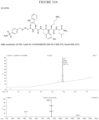
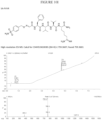
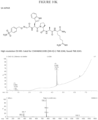
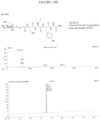
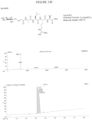
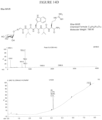
- Figure 14 shows chemical structures and characterization of glycan-peptide conjugates:
- Figure 14A is Rha-IWVR,
- Figure 14B is Xyl-ALRV,
- Figure 14C is Glu-SIYG,
- Figure 14D is Gal-PAPT.
Landscapes
- Life Sciences & Earth Sciences (AREA)
- Chemical & Material Sciences (AREA)
- Health & Medical Sciences (AREA)
- Organic Chemistry (AREA)
- Genetics & Genomics (AREA)
- Engineering & Computer Science (AREA)
- Molecular Biology (AREA)
- Bioinformatics & Cheminformatics (AREA)
- Wood Science & Technology (AREA)
- Biotechnology (AREA)
- General Engineering & Computer Science (AREA)
- Biomedical Technology (AREA)
- Zoology (AREA)
- Biochemistry (AREA)
- General Health & Medical Sciences (AREA)
- Microbiology (AREA)
- Plant Pathology (AREA)
- Crystallography & Structural Chemistry (AREA)
- Physics & Mathematics (AREA)
- Biophysics (AREA)
- Chemical Kinetics & Catalysis (AREA)
- General Chemical & Material Sciences (AREA)
- Medicinal Chemistry (AREA)
- Virology (AREA)
- Bioinformatics & Computational Biology (AREA)
- Peptides Or Proteins (AREA)
- Measuring Or Testing Involving Enzymes Or Micro-Organisms (AREA)
- Micro-Organisms Or Cultivation Processes Thereof (AREA)
Applications Claiming Priority (3)
| Application Number | Priority Date | Filing Date | Title |
|---|---|---|---|
| US201462067183P | 2014-10-22 | 2014-10-22 | |
| EP15853468.5A EP3209819B1 (fr) | 2014-10-22 | 2015-10-22 | Codage génétique d'une modification chimique post-traductionnelle pour banques de peptides exposés sur phages |
| PCT/CA2015/051077 WO2016061695A1 (fr) | 2014-10-22 | 2015-10-22 | Codage génétique d'une modification chimique post-traductionnelle pour banques de peptides exposés sur phages |
Related Parent Applications (1)
| Application Number | Title | Priority Date | Filing Date |
|---|---|---|---|
| EP15853468.5A Division EP3209819B1 (fr) | 2014-10-22 | 2015-10-22 | Codage génétique d'une modification chimique post-traductionnelle pour banques de peptides exposés sur phages |
Publications (2)
| Publication Number | Publication Date |
|---|---|
| EP4350056A2 true EP4350056A2 (fr) | 2024-04-10 |
| EP4350056A3 EP4350056A3 (fr) | 2024-06-26 |
Family
ID=55759999
Family Applications (2)
| Application Number | Title | Priority Date | Filing Date |
|---|---|---|---|
| EP15853468.5A Active EP3209819B1 (fr) | 2014-10-22 | 2015-10-22 | Codage génétique d'une modification chimique post-traductionnelle pour banques de peptides exposés sur phages |
| EP24157340.1A Pending EP4350056A3 (fr) | 2014-10-22 | 2015-10-22 | Codage genetique de modification chimique post-traductionnelle pour bibliotheques presentees sur phage |
Family Applications Before (1)
| Application Number | Title | Priority Date | Filing Date |
|---|---|---|---|
| EP15853468.5A Active EP3209819B1 (fr) | 2014-10-22 | 2015-10-22 | Codage génétique d'une modification chimique post-traductionnelle pour banques de peptides exposés sur phages |
Country Status (7)
| Country | Link |
|---|---|
| US (1) | US10724034B2 (fr) |
| EP (2) | EP3209819B1 (fr) |
| JP (1) | JP6715831B2 (fr) |
| AU (1) | AU2015336857B2 (fr) |
| CA (1) | CA2965380A1 (fr) |
| DK (1) | DK3209819T3 (fr) |
| WO (1) | WO2016061695A1 (fr) |
Families Citing this family (7)
| Publication number | Priority date | Publication date | Assignee | Title |
|---|---|---|---|---|
| GB2563105B (en) | 2016-11-16 | 2022-10-19 | Catalog Tech Inc | Nucleic acid-based data storage |
| CA3051714A1 (fr) | 2017-01-31 | 2018-08-09 | The Governors Of The University Of Alberta | Presentation de molecules sur des nanosupports genetiquement codes silencieusement pour determiner des interactions moleculaires synergiques |
| AU2019236289B2 (en) * | 2018-03-16 | 2024-12-05 | Catalog Technologies, Inc. | Chemical methods for nucleic acid-based data storage |
| SG11202100721SA (en) | 2018-07-23 | 2021-02-25 | Univ Alberta | Genetically-encoded bicyclic peptide libraries |
| AU2019315604B2 (en) | 2018-08-03 | 2025-04-17 | Catolog Technologies, Inc | Systems and methods for storing and reading nucleic acid-based data with error protection |
| CA3120393A1 (fr) | 2018-11-28 | 2020-06-04 | The Governors Of The University Of Alberta | Banques peptidiques macrocycliques genetiquement codes portant un pharmacophore |
| US11421222B2 (en) | 2019-06-18 | 2022-08-23 | Eligo Bioscience | Bacterial delivery vehicles comprising tracer nucleic acid sequences |
Citations (3)
| Publication number | Priority date | Publication date | Assignee | Title |
|---|---|---|---|---|
| US20090137424A1 (en) | 2005-10-12 | 2009-05-28 | The Scripps Research Institute | Selective Posttranslational Modification of Phage-Displayed Polypeptides |
| US20100317547A1 (en) | 2008-02-05 | 2010-12-16 | Medical Research Council | Methods and compositions |
| US20130050083A1 (en) | 2011-08-24 | 2013-02-28 | Pixart Imaging Inc. | Human interface device |
Family Cites Families (4)
| Publication number | Priority date | Publication date | Assignee | Title |
|---|---|---|---|---|
| UA93922C2 (ru) * | 2009-03-20 | 2011-03-25 | Михаил Викторович Разуменко | Способ получения пептидов, которые специфически распознают клетки определенного типа, и предназначены для терапевтических целей |
| US20130196867A1 (en) * | 2011-12-16 | 2013-08-01 | The University Of North Carolina At Chapel Hill | Combinatorial post-translationally-modified histone peptides, arrays thereof, and methods of using the same |
| JP2015508638A (ja) * | 2012-02-03 | 2015-03-23 | ザ ガバナーズ オブ ザ ユニバーシティ オブ アルバータ | ファージディスプレイを用いてペプチド誘導体ライブラリーを定量化するための方法 |
| WO2013184930A2 (fr) * | 2012-06-06 | 2013-12-12 | Trustees Of Princeton University | Assignation d'un code-barres à de l'adn pour des bibliothèques de mononucléosomes et de réseaux de chromatine pour établir le profil des « lecteurs », des « écrivains », des « effaceurs » et des « modulateurs » de chromatine |
-
2015
- 2015-10-22 US US15/520,958 patent/US10724034B2/en active Active
- 2015-10-22 AU AU2015336857A patent/AU2015336857B2/en active Active
- 2015-10-22 EP EP15853468.5A patent/EP3209819B1/fr active Active
- 2015-10-22 CA CA2965380A patent/CA2965380A1/fr active Pending
- 2015-10-22 DK DK15853468.5T patent/DK3209819T3/da active
- 2015-10-22 EP EP24157340.1A patent/EP4350056A3/fr active Pending
- 2015-10-22 JP JP2017522188A patent/JP6715831B2/ja active Active
- 2015-10-22 WO PCT/CA2015/051077 patent/WO2016061695A1/fr not_active Ceased
Patent Citations (3)
| Publication number | Priority date | Publication date | Assignee | Title |
|---|---|---|---|---|
| US20090137424A1 (en) | 2005-10-12 | 2009-05-28 | The Scripps Research Institute | Selective Posttranslational Modification of Phage-Displayed Polypeptides |
| US20100317547A1 (en) | 2008-02-05 | 2010-12-16 | Medical Research Council | Methods and compositions |
| US20130050083A1 (en) | 2011-08-24 | 2013-02-28 | Pixart Imaging Inc. | Human interface device |
Non-Patent Citations (22)
| Title |
|---|
| BRENNER, S.LERNER, R. A, PNAS, vol. 89, 1992, pages 5381 |
| CHEN, S.BERTOLDO, D.ANGELINI, APOJER, F.HEINIS, C, ANGEWANDTE CHEMIE-INTERNATIONAL EDITION, vol. 53, 2014, pages 1602 |
| CHILKOTI, ATAN, P. H.STAYTON, P. S., PROC. NATL. ACAD. SCI. U.S.A., vol. 92, 1995, pages 1754 - 1758 |
| EL-HAWIET, AKITOVA, E. NKLASSEN, J. S, BIOCHEMISTRY, vol. 51, 2012, pages 4244 - 4253 |
| GREEN, N. M, METHODS ENZYMOL., vol. 184, 1990, pages 51 - 67 |
| GUILLON, RPAGNIEZ, F.GIRAUD, F.CREPIN, D.PICOT, CLE BORGNE, M.MONO, F.DUFLOS, M.LOGE, CLE PAPE, P, CHEMMEDCHEM, vol. 6, 2011, pages 816 - 825 |
| HEINIS, CRUTHERFORD, TFREUND, SWINTER, G, NATURE CHEMICAL BIOLOGY, vol. 5, 2009, pages 502 |
| JAFARI, M. RDENG, L.KITOV, P. I.; NG, S.MATOCHKO, W. LTJHUNG, K. FZEBEROFF, A.ELIAS, AKLASSEN, J. SDERDA, R, ACS CHEM BIOL, vol. 9, 2014, pages 443 |
| JOSEPHSON, K.HARTMAN, M. C. T.SZOSTAK, J. W., JACS, vol. 127, 2005, pages 11727 |
| KAWAKAMI, T.ISHIZAWA, T.FUJINO, T.REID, P. CSUGA, H.MURAKAMI, H, ACS CHEMICAL BIOLOGY, vol. 8, 2013, pages 1205 |
| KIM, Y. W.GROSSMANN, T. N.VERDINE, G. L, NATURE PROTOCOLS, vol. 6, 2011, pages 761 - 771 |
| KITOV, P. I.VINALS, D. F.NG, S.TJHUNG, K. F.DERDA, R, J. AM. CHEM. SOC., vol. 136, 2014, pages 8149 - 8152 |
| KITOVA, E. N.EL-HAWIET, A.SCHNIER, P. DKLASSEN, J. S, J. AM. SOC. MASS. SPECTROM., vol. 23, 2012, pages 431 - 441 |
| MATOCHKO, W. L.CHU, K.JIN, B.LEE, S. W.WHITESIDES, G. MDERDA, R, METHODS, vol. 58, 2012, pages 47 |
| MATOCHKO, W. L.CORY LI, S.TANG, S. K.DERDA, R., NUCLEIC ACIDS RES., vol. 42, 2014, pages 1784 - 1798 |
| NG, S.JAFARI, M. R.MATOCHKO, W. L.DERDA, R, ACS CHEM BIOL, vol. 7, 2012, pages 1482 - 1487 |
| NG, S.LIN, E.KITOV, P. ITJHUNG, K. FGERLITS, O. O.DENG, L.KASPER, B.SOOD, APASCHAL, B. M; ZHANG, P., J. AM. CHEM. SOC., vol. 137, 2015, pages 5248 - 5251 |
| SANTOSO, B.LAM, SMURRAY, B. W.CHEN, G, BIOORGANIC & MEDICINAL CHEMISTRY LETTERS, vol. 23, 2013, pages 5680 |
| SCHLIPPE, Y. V. G.HARTMAN, M. C. T.JOSEPHSON, K.SZOSTAK, J. W, JACS, vol. 134, 2012, pages 10469 |
| SCOTT, J. KSMITH, G. P, SCIENCE, vol. 249, 1990, pages 386 |
| SUN, J.KITOVA, E. N.WANG, W.KLASSEN, J. S, ANAL. CHEM., vol. 78, 2006, pages 3010 - 3018 |
| WANG, W.KITOVA, E. NKLASSEN, J. S, ANAL. CHEM., vol. 75, 2003, pages 4945 - 4955 |
Also Published As
| Publication number | Publication date |
|---|---|
| US20170355982A1 (en) | 2017-12-14 |
| AU2015336857B2 (en) | 2020-04-09 |
| JP2017535260A (ja) | 2017-11-30 |
| DK3209819T3 (da) | 2024-05-21 |
| US10724034B2 (en) | 2020-07-28 |
| AU2015336857A1 (en) | 2017-06-01 |
| JP6715831B2 (ja) | 2020-07-01 |
| WO2016061695A1 (fr) | 2016-04-28 |
| EP3209819B1 (fr) | 2024-02-14 |
| EP4350056A3 (fr) | 2024-06-26 |
| CA2965380A1 (fr) | 2016-04-28 |
| EP3209819A4 (fr) | 2018-05-16 |
| EP3209819A1 (fr) | 2017-08-30 |
Similar Documents
| Publication | Publication Date | Title |
|---|---|---|
| EP3209819B1 (fr) | Codage génétique d'une modification chimique post-traductionnelle pour banques de peptides exposés sur phages | |
| JP6075658B2 (ja) | 方法及び組成物 | |
| Dockerill et al. | DNA‐encoded libraries: towards harnessing their full power with Darwinian evolution | |
| EP2284270A2 (fr) | Procédé d'identification et d'isolation des polypeptides de liaison à partir des bibliothèques combinatoires de protéines dotées d'une structure d'échafaudage des domaines par exemple de la lectine de type C | |
| EP2952582A1 (fr) | Procédé d'affichage flexible | |
| Hayashi et al. | Generating a mirror-image monobody targeting MCP-1 via TRAP display and chemical protein synthesis | |
| KR102264642B1 (ko) | 단백질 스크리닝 및 검출 방법 | |
| Naumann et al. | Engineering an affinity tag for genetically encoded cyclic peptides | |
| Wang et al. | Large-scale transcriptome mining enables macrocyclic diversification and improved bioactivity of the stephanotic acid scaffold | |
| CN109312324A (zh) | 核糖体展示复合体及其制造方法 | |
| JP2020502493A5 (fr) | ||
| US9783800B2 (en) | Method for producing peptides having azole-derived skeleton | |
| Ekanayake et al. | Genetically encoded fragment-based discovery (GE-FBD) from phage-displayed macrocyclic libraries with genetically-encoded unnatural pharmacophores | |
| Oppewal | Better Drugs by Evolution: Selection of natural product-like macrocyclic peptides by phage display | |
| Fleming | Biochemical Methods for Preparation and Study of Peptide Natural Product Libraries | |
| Anitha et al. | Cyclic peptides targeting the SARS-CoV-2 programmed ribosomal frameshifting RNA from a multiplexed phage display library | |
| WO2025230420A1 (fr) | Moyens, procédés et kits pour la cyclisation de peptides avec des échafaudages bifonctionnels | |
| Serrano et al. | Cyclic Peptides as Chemical Probes | |
| Villequey | New methods for developing (bi) cyclic peptides by phage display | |
| Ferrer Vinals | Genetically Encoded Fragment-Based Discovery of Inhibitors for Galectin-3 | |
| WO2025216210A1 (fr) | Spécification d'une molécule d'acide nucléique à l'aide d'une molécule d'identification | |
| JPWO2012161227A1 (ja) | 核酸構築物、核酸−蛋白質複合体、及びその利用 | |
| Lean | Genome Mining for novel lasso peptides from Actinobacteria isolated from diverse Australian environments | |
| Oppewal et al. | A phage-compatible strategy to access macrocyclic peptides featuring asymmetric molecular scaffolds as cyclization units | |
| WO2024243425A2 (fr) | Nouvelles banques de phages de peptides bicycliques |
Legal Events
| Date | Code | Title | Description |
|---|---|---|---|
| PUAI | Public reference made under article 153(3) epc to a published international application that has entered the european phase |
Free format text: ORIGINAL CODE: 0009012 |
|
| STAA | Information on the status of an ep patent application or granted ep patent |
Free format text: STATUS: THE APPLICATION HAS BEEN PUBLISHED |
|
| AC | Divisional application: reference to earlier application |
Ref document number: 3209819 Country of ref document: EP Kind code of ref document: P |
|
| AK | Designated contracting states |
Kind code of ref document: A2 Designated state(s): AL AT BE BG CH CY CZ DE DK EE ES FI FR GB GR HR HU IE IS IT LI LT LU LV MC MK MT NL NO PL PT RO RS SE SI SK SM TR |
|
| RIN1 | Information on inventor provided before grant (corrected) |
Inventor name: VINALS, DANIEL FERRER Inventor name: TJHUNG, KATRINA FELICIA Inventor name: NG, SIMON Inventor name: KITOV, PAVEL Inventor name: DERDA, RATMIR |
|
| REG | Reference to a national code |
Ref country code: DE Ref legal event code: R079 Free format text: PREVIOUS MAIN CLASS: C40B0040100000 Ipc: C12N0015100000 |
|
| PUAL | Search report despatched |
Free format text: ORIGINAL CODE: 0009013 |
|
| RAP1 | Party data changed (applicant data changed or rights of an application transferred) |
Owner name: 48HOUR DISCOVERY INC. |
|
| AK | Designated contracting states |
Kind code of ref document: A3 Designated state(s): AL AT BE BG CH CY CZ DE DK EE ES FI FR GB GR HR HU IE IS IT LI LT LU LV MC MK MT NL NO PL PT RO RS SE SI SK SM TR |
|
| RIC1 | Information provided on ipc code assigned before grant |
Ipc: C40B 40/08 20060101ALI20240523BHEP Ipc: C40B 40/10 20060101ALI20240523BHEP Ipc: C40B 40/02 20060101ALI20240523BHEP Ipc: C12N 15/10 20060101AFI20240523BHEP |
|
| STAA | Information on the status of an ep patent application or granted ep patent |
Free format text: STATUS: REQUEST FOR EXAMINATION WAS MADE |
|
| 17P | Request for examination filed |
Effective date: 20241220 |