EP4331746B1 - Variable density lattice metal having vibration damping characteristics, additive manufacturing method therefor and use thereof - Google Patents
Variable density lattice metal having vibration damping characteristics, additive manufacturing method therefor and use thereof Download PDFInfo
- Publication number
- EP4331746B1 EP4331746B1 EP22883012.1A EP22883012A EP4331746B1 EP 4331746 B1 EP4331746 B1 EP 4331746B1 EP 22883012 A EP22883012 A EP 22883012A EP 4331746 B1 EP4331746 B1 EP 4331746B1
- Authority
- EP
- European Patent Office
- Prior art keywords
- lattice metal
- variable density
- pore
- metal
- density lattice
- Prior art date
- Legal status (The legal status is an assumption and is not a legal conclusion. Google has not performed a legal analysis and makes no representation as to the accuracy of the status listed.)
- Active
Links
Images


Classifications
-
- C—CHEMISTRY; METALLURGY
- C21—METALLURGY OF IRON
- C21D—MODIFYING THE PHYSICAL STRUCTURE OF FERROUS METALS; GENERAL DEVICES FOR HEAT TREATMENT OF FERROUS OR NON-FERROUS METALS OR ALLOYS; MAKING METAL MALLEABLE, e.g. BY DECARBURISATION OR TEMPERING
- C21D6/00—Heat treatment of ferrous alloys
- C21D6/004—Heat treatment of ferrous alloys containing Cr and Ni
-
- B—PERFORMING OPERATIONS; TRANSPORTING
- B22—CASTING; POWDER METALLURGY
- B22F—WORKING METALLIC POWDER; MANUFACTURE OF ARTICLES FROM METALLIC POWDER; MAKING METALLIC POWDER; APPARATUS OR DEVICES SPECIALLY ADAPTED FOR METALLIC POWDER
- B22F10/00—Additive manufacturing of workpieces or articles from metallic powder
- B22F10/20—Direct sintering or melting
- B22F10/28—Powder bed fusion, e.g. selective laser melting [SLM] or electron beam melting [EBM]
-
- B—PERFORMING OPERATIONS; TRANSPORTING
- B22—CASTING; POWDER METALLURGY
- B22F—WORKING METALLIC POWDER; MANUFACTURE OF ARTICLES FROM METALLIC POWDER; MAKING METALLIC POWDER; APPARATUS OR DEVICES SPECIALLY ADAPTED FOR METALLIC POWDER
- B22F10/00—Additive manufacturing of workpieces or articles from metallic powder
- B22F10/30—Process control
- B22F10/36—Process control of energy beam parameters
- B22F10/366—Scanning parameters, e.g. hatch distance or scanning strategy
-
- B—PERFORMING OPERATIONS; TRANSPORTING
- B22—CASTING; POWDER METALLURGY
- B22F—WORKING METALLIC POWDER; MANUFACTURE OF ARTICLES FROM METALLIC POWDER; MAKING METALLIC POWDER; APPARATUS OR DEVICES SPECIALLY ADAPTED FOR METALLIC POWDER
- B22F10/00—Additive manufacturing of workpieces or articles from metallic powder
- B22F10/60—Treatment of workpieces or articles after build-up
- B22F10/64—Treatment of workpieces or articles after build-up by thermal means
-
- B—PERFORMING OPERATIONS; TRANSPORTING
- B22—CASTING; POWDER METALLURGY
- B22F—WORKING METALLIC POWDER; MANUFACTURE OF ARTICLES FROM METALLIC POWDER; MAKING METALLIC POWDER; APPARATUS OR DEVICES SPECIALLY ADAPTED FOR METALLIC POWDER
- B22F3/00—Manufacture of workpieces or articles from metallic powder characterised by the manner of compacting or sintering; Apparatus specially adapted therefor ; Presses and furnaces
- B22F3/10—Sintering only
- B22F3/11—Making porous workpieces or articles
- B22F3/1103—Making porous workpieces or articles with particular physical characteristics
- B22F3/1109—Inhomogenous pore distribution
-
- B—PERFORMING OPERATIONS; TRANSPORTING
- B22—CASTING; POWDER METALLURGY
- B22F—WORKING METALLIC POWDER; MANUFACTURE OF ARTICLES FROM METALLIC POWDER; MAKING METALLIC POWDER; APPARATUS OR DEVICES SPECIALLY ADAPTED FOR METALLIC POWDER
- B22F3/00—Manufacture of workpieces or articles from metallic powder characterised by the manner of compacting or sintering; Apparatus specially adapted therefor ; Presses and furnaces
- B22F3/10—Sintering only
- B22F3/11—Making porous workpieces or articles
- B22F3/1103—Making porous workpieces or articles with particular physical characteristics
- B22F3/1115—Making porous workpieces or articles with particular physical characteristics comprising complex forms, e.g. honeycombs
-
- B—PERFORMING OPERATIONS; TRANSPORTING
- B22—CASTING; POWDER METALLURGY
- B22F—WORKING METALLIC POWDER; MANUFACTURE OF ARTICLES FROM METALLIC POWDER; MAKING METALLIC POWDER; APPARATUS OR DEVICES SPECIALLY ADAPTED FOR METALLIC POWDER
- B22F5/00—Manufacture of workpieces or articles from metallic powder characterised by the special shape of the product
- B22F5/10—Manufacture of workpieces or articles from metallic powder characterised by the special shape of the product of articles with cavities or holes, not otherwise provided for in the preceding subgroups
-
- B—PERFORMING OPERATIONS; TRANSPORTING
- B33—ADDITIVE MANUFACTURING TECHNOLOGY
- B33Y—ADDITIVE MANUFACTURING, i.e. MANUFACTURING OF THREE-DIMENSIONAL [3D] OBJECTS BY ADDITIVE DEPOSITION, ADDITIVE AGGLOMERATION OR ADDITIVE LAYERING, e.g. BY 3D PRINTING, STEREOLITHOGRAPHY OR SELECTIVE LASER SINTERING
- B33Y10/00—Processes of additive manufacturing
-
- B—PERFORMING OPERATIONS; TRANSPORTING
- B33—ADDITIVE MANUFACTURING TECHNOLOGY
- B33Y—ADDITIVE MANUFACTURING, i.e. MANUFACTURING OF THREE-DIMENSIONAL [3D] OBJECTS BY ADDITIVE DEPOSITION, ADDITIVE AGGLOMERATION OR ADDITIVE LAYERING, e.g. BY 3D PRINTING, STEREOLITHOGRAPHY OR SELECTIVE LASER SINTERING
- B33Y40/00—Auxiliary operations or equipment, e.g. for material handling
- B33Y40/20—Post-treatment, e.g. curing, coating or polishing
-
- B—PERFORMING OPERATIONS; TRANSPORTING
- B33—ADDITIVE MANUFACTURING TECHNOLOGY
- B33Y—ADDITIVE MANUFACTURING, i.e. MANUFACTURING OF THREE-DIMENSIONAL [3D] OBJECTS BY ADDITIVE DEPOSITION, ADDITIVE AGGLOMERATION OR ADDITIVE LAYERING, e.g. BY 3D PRINTING, STEREOLITHOGRAPHY OR SELECTIVE LASER SINTERING
- B33Y50/00—Data acquisition or data processing for additive manufacturing
- B33Y50/02—Data acquisition or data processing for additive manufacturing for controlling or regulating additive manufacturing processes
-
- B—PERFORMING OPERATIONS; TRANSPORTING
- B33—ADDITIVE MANUFACTURING TECHNOLOGY
- B33Y—ADDITIVE MANUFACTURING, i.e. MANUFACTURING OF THREE-DIMENSIONAL [3D] OBJECTS BY ADDITIVE DEPOSITION, ADDITIVE AGGLOMERATION OR ADDITIVE LAYERING, e.g. BY 3D PRINTING, STEREOLITHOGRAPHY OR SELECTIVE LASER SINTERING
- B33Y80/00—Products made by additive manufacturing
-
- C—CHEMISTRY; METALLURGY
- C22—METALLURGY; FERROUS OR NON-FERROUS ALLOYS; TREATMENT OF ALLOYS OR NON-FERROUS METALS
- C22C—ALLOYS
- C22C1/00—Making non-ferrous alloys
- C22C1/04—Making non-ferrous alloys by powder metallurgy
- C22C1/0433—Nickel- or cobalt-based alloys
-
- C—CHEMISTRY; METALLURGY
- C22—METALLURGY; FERROUS OR NON-FERROUS ALLOYS; TREATMENT OF ALLOYS OR NON-FERROUS METALS
- C22C—ALLOYS
- C22C33/00—Making ferrous alloys
- C22C33/02—Making ferrous alloys by powder metallurgy
-
- C—CHEMISTRY; METALLURGY
- C22—METALLURGY; FERROUS OR NON-FERROUS ALLOYS; TREATMENT OF ALLOYS OR NON-FERROUS METALS
- C22F—CHANGING THE PHYSICAL STRUCTURE OF NON-FERROUS METALS AND NON-FERROUS ALLOYS
- C22F1/00—Changing the physical structure of non-ferrous metals or alloys by heat treatment or by hot or cold working
- C22F1/10—Changing the physical structure of non-ferrous metals or alloys by heat treatment or by hot or cold working of nickel or cobalt or alloys based thereon
-
- G—PHYSICS
- G06—COMPUTING OR CALCULATING; COUNTING
- G06F—ELECTRIC DIGITAL DATA PROCESSING
- G06F30/00—Computer-aided design [CAD]
- G06F30/10—Geometric CAD
- G06F30/17—Mechanical parametric or variational design
-
- G—PHYSICS
- G06—COMPUTING OR CALCULATING; COUNTING
- G06F—ELECTRIC DIGITAL DATA PROCESSING
- G06F30/00—Computer-aided design [CAD]
- G06F30/20—Design optimisation, verification or simulation
- G06F30/23—Design optimisation, verification or simulation using finite element methods [FEM] or finite difference methods [FDM]
-
- F—MECHANICAL ENGINEERING; LIGHTING; HEATING; WEAPONS; BLASTING
- F16—ENGINEERING ELEMENTS AND UNITS; GENERAL MEASURES FOR PRODUCING AND MAINTAINING EFFECTIVE FUNCTIONING OF MACHINES OR INSTALLATIONS; THERMAL INSULATION IN GENERAL
- F16F—SPRINGS; SHOCK-ABSORBERS; MEANS FOR DAMPING VIBRATION
- F16F2224/00—Materials; Material properties
- F16F2224/02—Materials; Material properties solids
- F16F2224/0225—Cellular, e.g. microcellular foam
-
- F—MECHANICAL ENGINEERING; LIGHTING; HEATING; WEAPONS; BLASTING
- F16—ENGINEERING ELEMENTS AND UNITS; GENERAL MEASURES FOR PRODUCING AND MAINTAINING EFFECTIVE FUNCTIONING OF MACHINES OR INSTALLATIONS; THERMAL INSULATION IN GENERAL
- F16F—SPRINGS; SHOCK-ABSORBERS; MEANS FOR DAMPING VIBRATION
- F16F2228/00—Functional characteristics, e.g. variability, frequency-dependence
- F16F2228/001—Specific functional characteristics in numerical form or in the form of equations
-
- F—MECHANICAL ENGINEERING; LIGHTING; HEATING; WEAPONS; BLASTING
- F16—ENGINEERING ELEMENTS AND UNITS; GENERAL MEASURES FOR PRODUCING AND MAINTAINING EFFECTIVE FUNCTIONING OF MACHINES OR INSTALLATIONS; THERMAL INSULATION IN GENERAL
- F16F—SPRINGS; SHOCK-ABSORBERS; MEANS FOR DAMPING VIBRATION
- F16F2228/00—Functional characteristics, e.g. variability, frequency-dependence
- F16F2228/001—Specific functional characteristics in numerical form or in the form of equations
- F16F2228/005—Material properties, e.g. moduli
- F16F2228/007—Material properties, e.g. moduli of solids, e.g. hardness
-
- F—MECHANICAL ENGINEERING; LIGHTING; HEATING; WEAPONS; BLASTING
- F16—ENGINEERING ELEMENTS AND UNITS; GENERAL MEASURES FOR PRODUCING AND MAINTAINING EFFECTIVE FUNCTIONING OF MACHINES OR INSTALLATIONS; THERMAL INSULATION IN GENERAL
- F16F—SPRINGS; SHOCK-ABSORBERS; MEANS FOR DAMPING VIBRATION
- F16F7/00—Vibration-dampers; Shock-absorbers
-
- G—PHYSICS
- G06—COMPUTING OR CALCULATING; COUNTING
- G06F—ELECTRIC DIGITAL DATA PROCESSING
- G06F2119/00—Details relating to the type or aim of the analysis or the optimisation
- G06F2119/08—Thermal analysis or thermal optimisation
-
- G—PHYSICS
- G06—COMPUTING OR CALCULATING; COUNTING
- G06F—ELECTRIC DIGITAL DATA PROCESSING
- G06F2119/00—Details relating to the type or aim of the analysis or the optimisation
- G06F2119/14—Force analysis or force optimisation, e.g. static or dynamic forces
-
- Y—GENERAL TAGGING OF NEW TECHNOLOGICAL DEVELOPMENTS; GENERAL TAGGING OF CROSS-SECTIONAL TECHNOLOGIES SPANNING OVER SEVERAL SECTIONS OF THE IPC; TECHNICAL SUBJECTS COVERED BY FORMER USPC CROSS-REFERENCE ART COLLECTIONS [XRACs] AND DIGESTS
- Y02—TECHNOLOGIES OR APPLICATIONS FOR MITIGATION OR ADAPTATION AGAINST CLIMATE CHANGE
- Y02P—CLIMATE CHANGE MITIGATION TECHNOLOGIES IN THE PRODUCTION OR PROCESSING OF GOODS
- Y02P10/00—Technologies related to metal processing
- Y02P10/25—Process efficiency
Definitions
- the present invention relates to the technical field of additive manufacturing of lattice metals, and more particularly, to a variable density lattice metal having vibration damping characteristics, an additive manufacturing method therefor, and use thereof.
- the functional structure with vibration reduction is to transform the mechanical energy of vibration into other forms of energy under the action of external excitation through the structural design and the damping performance of the material itself, to achieve the purpose of reducing vibration and noise.
- Common damping materials include polymer damping materials, high-damping metal materials and porous metals.
- Polymer damping materials have been used in the fields of aerospace and ship vibration and noise reduction to some extent, but the natural disadvantages of easy aging and low stiffness make it difficult to guarantee the long-term effective performance, which has become a huge obstacle and technical bottleneck that restricts their further application and development.
- High-damping metal materials and porous metals based on metal materials have obvious advantages in mechanical properties, anti-aging properties, and corrosion resistance, showing broad application prospects and scientific value.
- Porous metals are mainly divided into metal foam and lattice metals.
- the lattice metal has the advantages of the free design of pore structure, free adjustment of porosity, and the use of existing high-damping metal materials as the base material.
- There is a large region for innovation of the lattice metal but the current design of some lattice metals mainly focuses on the mechanical properties, and has not yet involved the design of variable density lattice metal pore structure based on the improvement of vibration damping performance.
- the forming process of using selective laser melting of the additively manufacturing lattice metal has the outstanding characteristics of small cross-section discontinuous scanning, which is easy to cause defects such as cracks on the surface of pore struts of the lattice metal, and the surface quality of lattice metal is poor, so that it seriously affects the actual service performance of the lattice metals.
- variable density lattice metal is driven, the variable density lattice metal is designed by a modal strain energy method, and the variable density lattice metal is prepared by a selective laser melting additive manufacturing process, and no relevant reports have been found about that.
- US 2006/147332 A1 discloses a method of producing a three-dimensional porous tissue in-growth structure.
- the method includes the steps of depositing a first layer of metal powder and scanning the first layer of metal powder with a laser beam to form a portion of a plurality of predetermined unit cells. Depositing at least one additional layer of metal powder onto a previous layer and repeating the step of scanning a laser beam for at least one of the additional layers in order to continuing forming the predetermined unit cells.
- the method further includes continuing the depositing and scanning steps to form a medical implant.
- US 2022/142783 A1 discloses an implant for in-vivo implantation which comprises an assembly of two or more constructive elements which are movable relative to each other.
- Each constructive element is partly or completely porous and comprises a porous part with a matrix of open cells.
- a first matrix of the first element comprises a first overlapping part with a form-closed connection to a second overlapping part of a second matrix of the second of the constructive elements through which the first overlapping part extends.
- the overlapping parts are movable relative to each other to change a combined shape of the overlapping parts.
- US 2021/045880 A1 discloses a method for manufacturing an implant includes pre-selecting a designed porous microstructure having a lattice composed of cells, including selecting one or more predetermined cell topologies, selecting a predetermined porosity, cell strut thickness and packing factor of the lattice, and selecting an arrangement of the cells within the lattice to have a periodic and/or aperiodic arrangement. Additive manufacturing is used to form the designed porous lattice microstructure in at least a region of at least an external surface of the implant.
- US 2014/363481 A1 discloses a methodology integrating multiscale analysis and design optimization to design a novel bone replacement implant made of a functionally graded cellular material that meets fatigue requirements imposed by cyclic loadings.
- the pore microarchitecture described by interconnectivity, porosity, pore size as well as pore topology, is optimally designed for tissue regeneration and mechanical strength. The method can contribute to the development of a new generation of bone replacement implants with a graded cellular microstructure.
- US 2019/137972 A1 discloses exemplified methods and systems facilitate manufacturing of a new class of mechanical, loading-bearing components having optimized stress/strain three-dimensional meta-structure structures as finite-element-based 3D volumetric mesh structures.
- the resulting three-dimensional meta-structure structures provide high strength, ultra-light connectivity, with programmable interlinkage properties (e.g., density/porosity of linkages).
- the object is achieved by the features of the respective independent claims. Further embodiments are defined by the respective dependent claims.
- This embodiment is to design and prepare a variable density lattice metal with a porosity of 40% and having vibration damping properties.
- the tetradecahedron structure is used as the cell structure of the lattice metal, as shown in FIG. 1 .
- the modal shape of the structure is calculated by finite element software, and the settlement results are post-processed to extract the modal strain.
- the modal strain energy point cloud diagram is constructed by using the MATLAB software, as shown in FIG. 4 .
- the continuous gradient change of lattice metal pore strut diameter is driven by a strain energy field function.
- the diameter of lattice metal pore strut is the largest in the area with large modal strain energy, which is set to be 2 mm, and the diameter of lattice metal pore strut is the smallest in the area with small modal strain energy, which is set to be 0.5mm, the diameter of the metal pore strut of the variable density lattice changes continuously in the range of 0.5-2mm, the step size of the gradient change is 0.08mm, and the cell size is 5mm.
- the above mentioned modal strain energy method is used to drive the design of variable density lattice metal cells, and expand in space to from the variable density lattice metal.
- variable density lattice metal having vibration damping characteristics is prepared by selective laser melting additive manufacturing process, including the following steps:
- variable density lattice metal prepared in this embodiment under vibration excitation conditions is shown in FIG. 8 . It can be seen that the vibration response signal decays rapidly in the variable density lattice metal, which has good vibration damping characteristics. At the same time, the variable density lattice metal in this embodiment has both a smooth compressive stress-strain curve and an obvious plastic yield platform. The compressive stress-strain curve is shown in FIG. 9 , and the yield platform stress is about 23 MPa.
- This experiment is a comparative example of Example 1; in the process of designing and preparing the variable density lattice metal with a porosity of 40% with vibration damping characteristics, the change position of the pore strut diameter and the connection position of the pore strut of the variable density lattice metal is not smoothed, and the scanning strategy adopts the linear scanning method. Its structural design and other preparation process parameters are completely consistent with Embodiment 1, and the specific preparation steps are as follows:
- variable-density lattice metal prepared in this comparative example is relatively large, and there are many microcracks on the surface of the pore strut; the compressive stress-strain curve is jagged, and there is no obvious plastic yield platform.
- This embodiment is to design and prepare a variable density lattice metal with a porosity of 60% and having vibration damping characteristics.
- the combined structure of dodecahedron and tetradecahedron is used as the cell structure of lattice metal, as shown in FIG. 2 .
- the modal shape of the structure is calculated by the finite element software, and the calculation results are post-processed to extract the modal strain.
- the modal strain energy point cloud diagram is constructed by using MATLAB software, and the continuous gradient change of the lattice metal pore-strut diameter is driven by the strain energy field function.
- the pore strut diameter of the lattice metal in the area with large modal strain energy is the largest, which is set to be 3mm; the pore strut diameter of the lattice metal in the area with small modal strain energy is the smallest, which is set to be 1mm, and the pore strut diameter of variable density lattice metal is continuously changed in the range of 1-3mm, the step size of the gradient change is 0.1mm, and the cell size is 7mm.
- the above mentioned modal strain energy method is used to drive the design of variable density lattice metal, and expand in space to form the variable density lattice metal.
- variable density lattice metal having vibration damping characteristics is prepared by the selective laser melting additive manufacturing process, including the following steps:
- This embodiment is to design and prepare a variable density lattice metal with a porosity of 90% and having vibration damping characteristics.
- the truncated octahedral structure is used as the cell structure of the lattice metal, as shown in FIG. 3 .
- the modal shape of the structure is calculated by the finite element software, and the calculation results are post-processed to extract the modal strain.
- the modal strain energy point cloud diagram is constructed by using MATLAB software, and the continuous gradient change of the pore strut diameter of the lattice metal pore is driven by the strain energy field function.
- the pore strut diameter of the lattice metal in the area with large modal strain energy is the largest, which is set to be 5mm, and the pore strut diameter of the lattice metal in the area with small modal strain energy is the smallest, which is set to be 1mm, and the pore strut diameter of the variable density lattice metal is continuously changed in the range of 1 to 5mm, the step size of the gradient change is 0.2mm, and the cell size is 10mm.
- the above-mentioned modal strain energy method is used to drive the design of the variable density lattice metal, and expand in space to form the variable density lattice metal.
- variable density lattice metal having vibration damping characteristics is prepared by the selective laser melting additive manufacturing process, including the following steps:
- variable density lattice metal of this embodiment has vibration damping characteristics, and simultaneously has a smooth compressive stress-strain curve and an obvious plastic yield platform, and the yield platform stress is 5MPa.
Landscapes
- Engineering & Computer Science (AREA)
- Chemical & Material Sciences (AREA)
- Materials Engineering (AREA)
- Manufacturing & Machinery (AREA)
- Physics & Mathematics (AREA)
- Mechanical Engineering (AREA)
- Metallurgy (AREA)
- Organic Chemistry (AREA)
- Theoretical Computer Science (AREA)
- Geometry (AREA)
- Thermal Sciences (AREA)
- General Physics & Mathematics (AREA)
- Evolutionary Computation (AREA)
- Computer Hardware Design (AREA)
- General Engineering & Computer Science (AREA)
- Crystallography & Structural Chemistry (AREA)
- Plasma & Fusion (AREA)
- Automation & Control Theory (AREA)
- Computational Mathematics (AREA)
- Mathematical Analysis (AREA)
- Mathematical Optimization (AREA)
- Pure & Applied Mathematics (AREA)
- Vibration Dampers (AREA)
- Powder Metallurgy (AREA)
- Micromachines (AREA)
Description
- The present invention relates to the technical field of additive manufacturing of lattice metals, and more particularly, to a variable density lattice metal having vibration damping characteristics, an additive manufacturing method therefor, and use thereof.
- In recent years, the development of national defense and civil industry has a very urgent demand for vibration and noise reduction technology. For example, the vibration of the ship structure will not only cause fatigue damage to the hull structure, but also reduce the comfort and safety of passengers. For military submarines, excessive noise will seriously affect their stealth effect, thereby increasing their risk of exposure and reducing their combat effectiveness. During the long-term use of the aircraft, vibrations will cause problems such as cracks in the rudder and the tail cover, which will seriously affect the reliability of the flight performance and the service life of the aircraft. During a high-speed flight, the aerospace vehicle is easy to damage the empennage due to the resonance phenomenon, causing its flight direction to change, causing serious consequences of damage to the aerospace vehicle. Nowadays, vibration and noise reduction has become a key technical bottleneck restricting the high performance service of high-end equipment in the fields of ships, aerospace and other fields.
- The functional structure with vibration reduction is to transform the mechanical energy of vibration into other forms of energy under the action of external excitation through the structural design and the damping performance of the material itself, to achieve the purpose of reducing vibration and noise. Common damping materials include polymer damping materials, high-damping metal materials and porous metals. Polymer damping materials have been used in the fields of aerospace and ship vibration and noise reduction to some extent, but the natural disadvantages of easy aging and low stiffness make it difficult to guarantee the long-term effective performance, which has become a huge obstacle and technical bottleneck that restricts their further application and development. High-damping metal materials and porous metals based on metal materials have obvious advantages in mechanical properties, anti-aging properties, and corrosion resistance, showing broad application prospects and scientific value.
- Porous metals are mainly divided into metal foam and lattice metals. The lattice metal has the advantages of the free design of pore structure, free adjustment of porosity, and the use of existing high-damping metal materials as the base material. There is a large region for innovation of the lattice metal, but the current design of some lattice metals mainly focuses on the mechanical properties, and has not yet involved the design of variable density lattice metal pore structure based on the improvement of vibration damping performance. On the other hand, the forming process of using selective laser melting of the additively manufacturing lattice metal has the outstanding characteristics of small cross-section discontinuous scanning, which is easy to cause defects such as cracks on the surface of pore struts of the lattice metal, and the surface quality of lattice metal is poor, so that it seriously affects the actual service performance of the lattice metals.
- Therefore, based on the improvement of vibration damping performance, the structure design of variable density lattice metal is driven, the variable density lattice metal is designed by a modal strain energy method, and the variable density lattice metal is prepared by a selective laser melting additive manufacturing process, and no relevant reports have been found about that.
-
US 2006/147332 A1 discloses a method of producing a three-dimensional porous tissue in-growth structure. The method includes the steps of depositing a first layer of metal powder and scanning the first layer of metal powder with a laser beam to form a portion of a plurality of predetermined unit cells. Depositing at least one additional layer of metal powder onto a previous layer and repeating the step of scanning a laser beam for at least one of the additional layers in order to continuing forming the predetermined unit cells. The method further includes continuing the depositing and scanning steps to form a medical implant. -
US 2022/142783 A1 discloses an implant for in-vivo implantation which comprises an assembly of two or more constructive elements which are movable relative to each other. Each constructive element is partly or completely porous and comprises a porous part with a matrix of open cells. A first matrix of the first element comprises a first overlapping part with a form-closed connection to a second overlapping part of a second matrix of the second of the constructive elements through which the first overlapping part extends. The overlapping parts are movable relative to each other to change a combined shape of the overlapping parts. -
US 2021/045880 A1 discloses a method for manufacturing an implant includes pre-selecting a designed porous microstructure having a lattice composed of cells, including selecting one or more predetermined cell topologies, selecting a predetermined porosity, cell strut thickness and packing factor of the lattice, and selecting an arrangement of the cells within the lattice to have a periodic and/or aperiodic arrangement. Additive manufacturing is used to form the designed porous lattice microstructure in at least a region of at least an external surface of the implant. -
US 2014/363481 A1 discloses a methodology integrating multiscale analysis and design optimization to design a novel bone replacement implant made of a functionally graded cellular material that meets fatigue requirements imposed by cyclic loadings. The pore microarchitecture, described by interconnectivity, porosity, pore size as well as pore topology, is optimally designed for tissue regeneration and mechanical strength. The method can contribute to the development of a new generation of bone replacement implants with a graded cellular microstructure. - "Damping behaviours of steel-based Kelvin lattice structures fabricated by indirect additive manufacture combining investment casting" (YANPENG WEI ET AL, Smart Materials and Structures, IOP Publishing, 23 March 2020) discloses damping properties of lattice metal with Kelvin structure were studied by simulation and experiment, and it was prepared by indirect additive manufacturing combined with precision casting.
-
US 2019/137972 A1 discloses exemplified methods and systems facilitate manufacturing of a new class of mechanical, loading-bearing components having optimized stress/strain three-dimensional meta-structure structures as finite-element-based 3D volumetric mesh structures. The resulting three-dimensional meta-structure structures provide high strength, ultra-light connectivity, with programmable interlinkage properties (e.g., density/porosity of linkages). - "Full compression response of FG-based scaffolds with varying porosity via an effective numerical scheme" (FAN ZEFENG ET AL, International Journal of Mechanical Sciences, Pergamon Press, Oxford, GB, vol. 223, 20 April 2022) discloses a full compression response of fiber-based scaffolds with different porosity based on effective numerical format. In this paper, the gradient scaffolds (bone-gyro and sheet-gyro) of gyro-based three-period minimal surface (TPMS) with different porosity in axial and radial directions were prepared by selective laser melting technology, using Ti-6Al-4V powder as raw material.
- It is an object of the present invention to provide an advantageous variable density lattice metal having vibration damping characteristics, an additive manufacturing method therefor, and a use thereof. The object is achieved by the features of the respective independent claims. Further embodiments are defined by the respective dependent claims.
- The advantage of the present invention and beneficial effects are as follows.
- 1. In view of the urgent need for vibration damping metals for vibration transmission path components of a high-end equipment such as ships, aerospace equipment, and rail transportation equipment, the present invention is based on the pore structure design of the improving driving lattice metal of the vibration damping performance, and adopts the modal strain energy method to design the variable density lattice metal, wherein the variable density lattice metal has vibration damping characteristics.
- 2. Because there are transitions and connections between different pore strut diameters in the variable density lattice metal, the gradient change of different pore strut diameters has a certain step size, and steps and sharp corners must appear at the interface of the connection. The invention adopts the smoothing treatment parameters suitable for the variable density lattice metal to ensure the high-precision forming of the variable density lattice metal.
- 3. Due to the outstanding characteristics of small-section discontinuous scanning of the variable density lattice metal in the forming process of the selective laser melting additive manufacturing process, cracks and other defects are prone to appear on the surface of pore struts, and the surface roughness is relatively large. Further enlargement of the defects after layer-by-layer amplification will greatly affect the actual service performance of the variable density lattice metal. The present invention adopts the circular scanning strategy and related process parameters, which can avoid the above problems and ensure the high-quality forming of the variable density lattice metal.
- 4. The variable density lattice metal of the present invention fully utilizes the advantages of free design of lattice metal pore structure, and simultaneously adopts three kinds of pore structures, i.e. tetradecahedron structure, combined structure of dodecahedron and tetradecahedron, or truncated octahedron structure, as the cell structure of lattice metal, combined with the selective laser melting additive manufacturing process suitable for the variable density lattice metal, the variable density lattice metal with both vibration damping characteristics and mechanical properties is prepared, and the function of lattice metal structural integration design and fabrication is realized.
- 5. The variable density lattice metal of the present invention can be applied to vibration transmission path components, vibration damping components, and vibration isolation components of high-end equipment such as aerospace equipment, ships, and rail transportation equipment, which broadens the application range of the lattice metal.
- In order to illustrate the technical solutions of the embodiments of the present invention more clearly, the accompanying drawings used in the embodiments will be briefly introduced below. It should be understood that the following drawings only show some embodiments of the present invention.
-
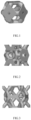
FIG. 1 is a schematic diagram of a design model of lattice metal cells having vibration damping characteristics in Embodiment 1. -
FIG. 2 is a schematic diagram of a design model of lattice metal cells having vibration damping characteristics in Embodiment 2. -
FIG. 3 is a schematic diagram of a design model of lattice metal cells having vibration damping characteristics in Embodiment 3. -
FIG. 4 is a point cloud diagram of the modal strain energy of a variable density lattice metal having vibration damping characteristics. -
FIG. 5 is a schematic diagram of the variable density lattice metal having vibration damping characteristics in Embodiment 1. -
FIG. 6 is a schematic diagram of the variable density lattice metal having vibration damping characteristics in Embodiment 2. -
FIG. 7 is a schematic diagram of the variable density lattice metal having vibration damping characteristics in Embodiment 3. -
FIG. 8 is a free attenuation diagram of the variable density lattice metal having vibration damping characteristics which is prepared in Embodiment 1. -
FIG. 9 is a compressive stress-strain curve of the variable density lattice metal having vibration damping characteristics which is prepared in Embodiment 1. - The preparation method of the present invention will be described in detail below in conjunction with the accompanying drawings, and the examples given are only used to explain the present invention and are not intended to limit the scope of the present invention.
- This embodiment is to design and prepare a variable density lattice metal with a porosity of 40% and having vibration damping properties.
- The tetradecahedron structure is used as the cell structure of the lattice metal, as shown in
FIG. 1 . The modal shape of the structure is calculated by finite element software, and the settlement results are post-processed to extract the modal strain. The modal strain energy point cloud diagram is constructed by using the MATLAB software, as shown inFIG. 4 . The continuous gradient change of lattice metal pore strut diameter is driven by a strain energy field function. The diameter of lattice metal pore strut is the largest in the area with large modal strain energy, which is set to be 2 mm, and the diameter of lattice metal pore strut is the smallest in the area with small modal strain energy, which is set to be 0.5mm, the diameter of the metal pore strut of the variable density lattice changes continuously in the range of 0.5-2mm, the step size of the gradient change is 0.08mm, and the cell size is 5mm. The above mentioned modal strain energy method is used to drive the design of variable density lattice metal cells, and expand in space to from the variable density lattice metal. - The variable density lattice metal having vibration damping characteristics is prepared by selective laser melting additive manufacturing process, including the following steps:
- step 1:using a three-dimensional design software to design a process adaptability of a pore structure of the lattice metal according to the characteristics of the selective laser melting additive manufacturing process, performing smoothing treatment on the change position of the pore strut diameter and the connection position of the pore strut of the variable density lattice metal, wherein the smoothing treatment parameters are: smoothing radius is 0.1 mm, smoothing times is 2 times, and finally establishing a three-dimensional model of the variable density lattice metal;
- step 2: slicing the three-dimensional model of the variable density lattice metal established in step 1 by using a slicing software, wherein the scanning strategy is a circular scanning strategy, centering on the diameter of the plane of the pore strut of the slice of the variable density lattice metal, and gradually extending the scanning outward in a concentric circle, wherein the scanning interval is set to be 30 µm, wherein regarding the process parameters of the selective laser melting additive manufacturing process, the scanning power is 60W, the scanning speed is 100mm/s, and the layer thickness is 20µm, wherein under the protection of inert gas, processing the base material into the variable density lattice metal having vibration damping characteristics by adopting the above-mentioned scanning strategy and process parameters, wherein the matrix material of the variable density lattice metal is GH4169 superalloy powder, and the particle size of the powder is 15-53 µm; and
- step 3: performing heat treatment on the variable density lattice metal obtained in step 2, wherein the process is as follows: heat preservation at 960°C for 1 hour, water cooling; then heat preservation at 720°C for 8 hours; finally, furnace cooling to 620°C at a cooling rate of 50°C/h, the heat preservation time is 8 hours, and then air cooling; and obtaining the lattice metal having vibration damping characteristics is shown in
FIG. 5 . - The free attenuation curve of the variable density lattice metal prepared in this embodiment under vibration excitation conditions is shown in
FIG. 8 . It can be seen that the vibration response signal decays rapidly in the variable density lattice metal, which has good vibration damping characteristics. At the same time, the variable density lattice metal in this embodiment has both a smooth compressive stress-strain curve and an obvious plastic yield platform. The compressive stress-strain curve is shown inFIG. 9 , and the yield platform stress is about 23 MPa. - This experiment is a comparative example of Example 1; in the process of designing and preparing the variable density lattice metal with a porosity of 40% with vibration damping characteristics, the change position of the pore strut diameter and the connection position of the pore strut of the variable density lattice metal is not smoothed, and the scanning strategy adopts the linear scanning method. Its structural design and other preparation process parameters are completely consistent with Embodiment 1, and the specific preparation steps are as follows:
- step 1: using the three-dimensional design software to design the process adaptability of the pore structure of the lattice metal according to the characteristics of the selective laser melting additive manufacturing process, no smoothing on the change position of the pore strut diameter and the connection position of the pore strut of the variable density lattice metal, and building a three-dimensional model of the variable density lattice metal;
- step 2: using the slicing software to slice the three-dimensional model of the variable density lattice metal established in step 1, wherein the scanning strategy is a linear scanning strategy, and the scanning interval is set to be 30 µm, wherein regarding the process parameters of the selective laser melting additive manufacturing process, the scanning power is 60 W, the scanning speed is 100 mm/s, and the layer thickness is 20 µm, wherein using the above mentioned scanning strategy and process parameters, the base material is processed into a variable density lattice metal under an inert gas protection environment, wherein the matrix material of the variable density lattice metal is GH4169 superalloy powder, and the particle size of the powder is 15-53 µm; and
- step 3: performing heat treatment on the variable density lattice metal obtained in step 2, wherein the process is as follows: heat preservation at 960°C for 1 hour, water cooling; then heat preservation at 720°C for 8 hours, finally, furnace cooling to 620 °C at a cooling rate of 50°C/h, heat preservation time is 8 hours, air cooling.
- The surface roughness of the variable-density lattice metal prepared in this comparative example is relatively large, and there are many microcracks on the surface of the pore strut; the compressive stress-strain curve is jagged, and there is no obvious plastic yield platform.
- This embodiment is to design and prepare a variable density lattice metal with a porosity of 60% and having vibration damping characteristics.
- The combined structure of dodecahedron and tetradecahedron is used as the cell structure of lattice metal, as shown in
FIG. 2 . The modal shape of the structure is calculated by the finite element software, and the calculation results are post-processed to extract the modal strain. The modal strain energy point cloud diagram is constructed by using MATLAB software, and the continuous gradient change of the lattice metal pore-strut diameter is driven by the strain energy field function. The pore strut diameter of the lattice metal in the area with large modal strain energy is the largest, which is set to be 3mm; the pore strut diameter of the lattice metal in the area with small modal strain energy is the smallest, which is set to be 1mm, and the pore strut diameter of variable density lattice metal is continuously changed in the range of 1-3mm, the step size of the gradient change is 0.1mm, and the cell size is 7mm. The above mentioned modal strain energy method is used to drive the design of variable density lattice metal, and expand in space to form the variable density lattice metal. - The variable density lattice metal having vibration damping characteristics is prepared by the selective laser melting additive manufacturing process, including the following steps:
- step 1: according to the characteristics of the selective laser melting additive manufacturing process, using the three-dimensional design software to design the process adaptability of the pore structure of the lattice metal having vibration damping characteristics, performing smoothing treatment on the change position of the pore strut diameter and the connection position of the pore strut of the variable density lattice metal, wherein the smoothing treatment parameters are: smoothing radius is 0.3mm, smoothing times is 3 times, and finally establishing a three-dimensional model of variable density lattice metal;
- step 2: using the slicing software to slice the three-dimensional model of the variable density lattice metal having vibration damping characteristics established in step 1,wherein the scanning strategy is a circular scanning strategy, which is centered on the diameter of the pore strut plane of the slice of the variable density lattice metal, and gradually expands the scanning outward in a concentric circle, with a scanning interval of 60 µm, wherein regarding the process parameters of the selective laser melting additive manufacturing process, the scanning power is 150W, the scanning speed is 800mm/s, the layer thickness is 30µm, wherein using the above mentioned scanning strategy and process parameters, the base material is processed into a variable density lattice metal having vibration damping characteristics under an inert gas protection environment, wherein the matrix material of the variable density lattice metal is 304 stainless steel powder, and the particle size of the powder is 15-53 µm; and
- step 3: performing solid solution treatment on the variable density lattice metal obtained in Step 2, the treatment temperature is 1100° C, and the treatment time is 3 hours, and obtaining the lattice metal having vibration damping characteristics is shown in
FIG. 6 . The variable density lattice metal in this embodiment has vibration damping characteristics, and simultaneously has a smooth compressive stress-strain curve and an obvious plastic yield platform, and the yield platform stress is 10 MPa. - This embodiment is to design and prepare a variable density lattice metal with a porosity of 90% and having vibration damping characteristics.
- The truncated octahedral structure is used as the cell structure of the lattice metal, as shown in
FIG. 3 . The modal shape of the structure is calculated by the finite element software, and the calculation results are post-processed to extract the modal strain. The modal strain energy point cloud diagram is constructed by using MATLAB software, and the continuous gradient change of the pore strut diameter of the lattice metal pore is driven by the strain energy field function. The pore strut diameter of the lattice metal in the area with large modal strain energy is the largest, which is set to be 5mm, and the pore strut diameter of the lattice metal in the area with small modal strain energy is the smallest, which is set to be 1mm, and the pore strut diameter of the variable density lattice metal is continuously changed in the range of 1 to 5mm, the step size of the gradient change is 0.2mm, and the cell size is 10mm. The above-mentioned modal strain energy method is used to drive the design of the variable density lattice metal, and expand in space to form the variable density lattice metal. - The variable density lattice metal having vibration damping characteristics is prepared by the selective laser melting additive manufacturing process, including the following steps:
- step 1: according to the characteristics of the selective laser melting additive manufacturing process, using the three-dimensional design software to design the process adaptability of the pore structure of the lattice metal having vibration damping characteristics, performing smoothing treatment on the change position of the pore strut diameter and the connection position of the pore strut of the variable density lattice metal, wherein the smoothing treatment parameters are: smoothing radius is 0.5mm, smoothing times is 3 times, and finally establishing a three-dimensional model of variable density lattice metal;
- step 2: using the slicing software to slice the three-dimensional model of the variable density lattice metal having vibration damping characteristics established in step 1, wherein the scanning strategy is a circular scanning strategy, which is centered on the diameter of the plane of the pore strut of slice of the variable density lattice metal and gradually expands the scanning outward in the form of concentric circles, with a scanning interval of 110 µm, wherein regarding the process parameters of the selective laser melting additive manufacturing process, the scanning power is 220W, the scanning speed is 2000mm/s, and the layer thickness is 50µm, wherein under the protection of inert gas, processing the base material into a variable density lattice metal having vibration damping characteristics by adopting the above mentioned scanning strategy and process parameters, wherein the matrix material of the variable density lattice metal is 304 stainless steel powder, and the particle size of the powder is 15-53 µm; and
- step 3: performing solid solution treatment on the variable density lattice metal obtained in Step 2, the treatment temperature is 800° C, and the treatment time is 15 hours, and obtaining the lattice metal with damping properties is shown in
FIG.7 . - The variable density lattice metal of this embodiment has vibration damping characteristics, and simultaneously has a smooth compressive stress-strain curve and an obvious plastic yield platform, and the yield platform stress is 5MPa.
- The above-mentioned embodiments are only to illustrate the technical concept and characteristics of the present invention, and the purpose is to enable those skilled in the art to understand the content of the present invention and implement it accordingly, and not to limit the protection scope of the present invention.
Claims (6)
- A variable density lattice metal having vibration damping characteristics, characterized in that each of the cells of the lattice metal has a tetradecahedron structure, a combination structure of a dodecahedron and a tetradecahedron, or a truncated octahedron structure, and the cells are expanded to form the lattice metal;wherein the lattice metal is based on a modal strain energy method to drive the design of pore strut diameters, and the overall structural density shows a non-homogeneous continuous gradient change, wherein the modal strain energy method is used to calculate a modal shape of the structure through a finite element software, a modal strain is extracted and a modal strain energy point cloud diagram is constructed, a continuous gradient change of the pore strut diameters of the lattice metal is driven through a strain energy field function, and the value of the pore strut diameters of the lattice metal in an area with large modal strain energy is larger than in an area of small strain energy, wherein the gradient change of the pore strut diameters of the variable-density lattice metal is not in a single direction;wherein the variable density lattice metal is prepared by a selective laser melting additive manufacturing process;wherein the porosity of the lattice metal is 40% to 90%, the pore strut diameters change continuously in the range of 0.5mm to 5mm, the step size of the continuous gradient change of the pore strut diameters of the lattice metal is 0.08-0.2 mm, and the cell size of the lattice metal is 5 to 10mm.
- The variable density lattice metal having vibration damping characteristics according to claim 1, characterized in that the compressive mechanical property of the variable density lattice metal has a smooth stress-strain curve and an obvious plastic yield platform, and the stress range of the plastic yield platform is 5-23 MPa.
- A manufacturing method of the variable density lattice metal having vibration damping characteristics according to claim 1, characterized in that the manufacturing method comprises the following steps:step 1: using a three-dimensional design software to carry out a process adaptability design of the pore structure of the variable density lattice metal, smoothing a change position of the pore strut diameter and a connection position of the pore strut of the variable density lattice metal, and establishing a 3D model of the variable density lattice metal, wherein the parameters of the smoothing treatment are: the smoothing radius is 0.1-0.5 mm, and the smoothing times are 2-3 times;step 2: using a slicing software to slice the 3D model of the variable density lattice metal established in step 1, based on the characteristics of small-section discontinuous scanning in the lattice metal forming process, setting the scanning strategy and process parameters, and processing a matrix material into a variable density lattice metal under the protection of inert gas, wherein the scanning strategy is a circular scanning strategy, centering on a diameter of the plane of the pore strut of the slice of the lattice metal, and gradually extending the scanning outward in the form of concentric circles, wherein the scanning interval is 30-110 µm, and the scanning power is 60-220W, the scanning speed is 100-2000mm/s, and the layer thickness is 20-50µm; andstep 3: heat-treating the variable density lattice metal obtained in step 2.
- The manufacturing method according to claim 3, characterized in that the matrix material is GH4169 superalloy powder or 304 stainless steel powder, and the particle size of the powder is 15-53 µm.
- The manufacturing method according to claim 3, characterized in that in step 3, when the matrix material is GH4169 superalloy powder, the heat treatment process is as follows: first, heat preservation at 960°C for 1 hour, and water cooling, then heat preservation at 720°C for 8 hours, and finally furnace cooling to 620°C at a cooling rate of 50°C/h, heat preservation for 8 hours, and air cooling; when the matrix material is 304 stainless steel, the heat treatment process is solution treatment, the treatment temperature is 800-1100° C, and the treatment time is 3-15 hours.
- Use of the variable density lattice metal having vibration damping characteristics prepared by the manufacturing method according to claim 3 in a vibration transmission path component, a vibration damping component or a vibration isolation component of a ship, an aerospace equipment, and a rail transportation equipment.
Applications Claiming Priority (2)
| Application Number | Priority Date | Filing Date | Title |
|---|---|---|---|
| CN202211277283.5A CN115958203B (en) | 2022-10-19 | 2022-10-19 | Variable density lattice metal with vibration reduction characteristic |
| PCT/CN2022/131912 WO2023066408A2 (en) | 2022-10-19 | 2022-11-15 | Variable density lattice metal having vibration damping characteristics and additive manufacturing method therefor |
Publications (4)
| Publication Number | Publication Date |
|---|---|
| EP4331746A2 EP4331746A2 (en) | 2024-03-06 |
| EP4331746A4 EP4331746A4 (en) | 2024-11-27 |
| EP4331746C0 EP4331746C0 (en) | 2025-06-11 |
| EP4331746B1 true EP4331746B1 (en) | 2025-06-11 |
Family
ID=85886951
Family Applications (1)
| Application Number | Title | Priority Date | Filing Date |
|---|---|---|---|
| EP22883012.1A Active EP4331746B1 (en) | 2022-10-19 | 2022-11-15 | Variable density lattice metal having vibration damping characteristics, additive manufacturing method therefor and use thereof |
Country Status (3)
| Country | Link |
|---|---|
| EP (1) | EP4331746B1 (en) |
| CN (1) | CN115958203B (en) |
| WO (1) | WO2023066408A2 (en) |
Families Citing this family (8)
| Publication number | Priority date | Publication date | Assignee | Title |
|---|---|---|---|---|
| CN116774429A (en) * | 2023-07-13 | 2023-09-19 | 同济大学 | Design method for additive manufacturing lattice light structure reflecting mirror with multi-working condition constraint |
| CN116882104B (en) * | 2023-09-07 | 2023-11-17 | 北京精雕科技集团有限公司 | Machine tool weak link identification method and device, electronic equipment and storage medium |
| CN117183318A (en) * | 2023-10-11 | 2023-12-08 | 西北工业大学 | A magic formula metamaterial system with adjustable mechanical properties of each unit |
| CN117340275A (en) * | 2023-12-04 | 2024-01-05 | 烟台核电智能技术研究院有限公司 | Dot matrix filling material, additive manufacturing method and application thereof |
| CN118951023B (en) * | 2024-09-02 | 2025-03-28 | 中南大学 | A preparation method of a porous alloy screw structure manufactured by additive manufacturing and a porous alloy screw structure thereof |
| CN119532364B (en) * | 2024-10-18 | 2026-03-10 | 哈尔滨工业大学 | Hollow metal lattice viscoelastic structure realized by viscous fluid in cavity and preparation method thereof |
| CN120072146B (en) * | 2025-02-12 | 2025-11-25 | 南昌航空大学 | A lightweight method for laser selective melting forming of gradient lattice structures in titanium alloys |
| CN120509066B (en) * | 2025-07-21 | 2025-10-28 | 中国人民解放军国防科技大学 | Engine passive thermal protection metal nozzle structure and method |
Family Cites Families (21)
| Publication number | Priority date | Publication date | Assignee | Title |
|---|---|---|---|---|
| US20060147332A1 (en) * | 2004-12-30 | 2006-07-06 | Howmedica Osteonics Corp. | Laser-produced porous structure |
| DE60300277T2 (en) * | 2002-11-08 | 2006-01-12 | Howmedica Osteonics Corp. | Laser generated porous surface |
| EP3501458B1 (en) * | 2011-12-23 | 2020-09-23 | The Royal Institution for the Advancement of Learning/McGill University | Bone replacement implants with mechanically biocompatible cellular material |
| US10842634B2 (en) * | 2014-05-02 | 2020-11-24 | The Royal Institution For The Advancement Of Learning/Mcgill University | Structural porous biomaterial and implant formed of same |
| CN104252564A (en) * | 2014-09-18 | 2014-12-31 | 重庆大学 | Damping optimization design method, for constraining damping drum, based on modal strain energy method |
| CN105543747B (en) * | 2015-12-21 | 2017-11-21 | 西北工业大学 | A kind of preparation method for the increasing material manufacturing nickel base superalloy for remaining with Laves phases |
| US10639719B2 (en) * | 2016-09-28 | 2020-05-05 | General Electric Company | Grain boundary engineering for additive manufacturing |
| US10915675B2 (en) * | 2017-05-12 | 2021-02-09 | Dassault Systemes Simulia Corp. | Structural optimization of additively manufactured parts accounting for manufacturing-induced states |
| US10585420B2 (en) * | 2017-11-06 | 2020-03-10 | Abemis LLC | Method and system to generate three-dimensional meta-structure model of a workpiece |
| CN108197399A (en) * | 2018-01-11 | 2018-06-22 | 武汉大学 | Relative density and the controllable nanoporous medium modeling method and system of rib diameter size |
| NL2021874B1 (en) * | 2018-10-25 | 2020-05-13 | Am Solutions Holding B V | Implants, assemblies and methods of manufacturing such implants or assemblies |
| US10635088B1 (en) * | 2018-11-09 | 2020-04-28 | Autodesk, Inc. | Hollow topology generation with lattices for computer aided design and manufacturing |
| CN109766656B (en) * | 2019-01-25 | 2021-03-09 | 北京航空航天大学 | A Gradient Lattice Structure Design Method Based on Topology Optimization |
| CN112355277B (en) * | 2019-10-29 | 2022-02-08 | 沈阳铸造研究所有限公司 | High-melting-point Kelvin structure lattice metal and preparation method and application thereof |
| US12164846B2 (en) * | 2019-12-10 | 2024-12-10 | Dassault Systemes Americas Corp. | Geometrical dimensionality control in optimization |
| CN110929358B (en) * | 2020-01-21 | 2020-05-08 | 中国人民解放军国防科技大学 | Design method and material of parameterized functional gradient cubic lattice structure |
| CN111451505A (en) * | 2020-05-15 | 2020-07-28 | 中国航发北京航空材料研究院 | Selective laser melting preparation process of variable density gradient material with metal lattice structure |
| CN111570793A (en) * | 2020-05-15 | 2020-08-25 | 中国航发北京航空材料研究院 | Preparation method of laser selective melting of porous structure variable density gradient metal materials |
| CN112008081B (en) * | 2020-10-21 | 2021-02-19 | 沈阳铸造研究所有限公司 | A preparation method of high melting point Kelvin structure lattice metal based on laser additive manufacturing |
| CN112765856B (en) * | 2021-01-22 | 2021-10-19 | 三峡大学 | A Hybrid Level Set Method for Topology Optimization of Functionally Gradient Porous Structures |
| CN115090903B (en) * | 2022-05-11 | 2023-04-21 | 华南理工大学 | Medical implant based on molecular sieve functional element and preparation method thereof |
-
2022
- 2022-10-19 CN CN202211277283.5A patent/CN115958203B/en active Active
- 2022-11-15 EP EP22883012.1A patent/EP4331746B1/en active Active
- 2022-11-15 WO PCT/CN2022/131912 patent/WO2023066408A2/en not_active Ceased
Also Published As
| Publication number | Publication date |
|---|---|
| EP4331746A4 (en) | 2024-11-27 |
| WO2023066408A2 (en) | 2023-04-27 |
| WO2023066408A3 (en) | 2023-06-15 |
| CN115958203A (en) | 2023-04-14 |
| EP4331746C0 (en) | 2025-06-11 |
| EP4331746A2 (en) | 2024-03-06 |
| CN115958203B (en) | 2023-06-20 |
Similar Documents
| Publication | Publication Date | Title |
|---|---|---|
| EP4331746A2 (en) | Variable density lattice metal having vibration damping characteristics and additive manufacturing method therefor | |
| Hussein et al. | Advanced lattice support structures for metal additive manufacturing | |
| Song et al. | Dynamic mechanical behavior of additively manufactured bio-inspired metallic lattice structure subjected to high strain rate impact loading | |
| Song et al. | Experimental study on the crashworthiness of bio-inspired aluminum foam-filled tubes under axial compression loading | |
| CN112008081B (en) | A preparation method of high melting point Kelvin structure lattice metal based on laser additive manufacturing | |
| CN107931609B (en) | A kind of preparation method of TiAl alloy turbine blade | |
| CN110589031B (en) | Spiral bionic impact-resistant structure and preparation method thereof | |
| US20120213659A1 (en) | Method and device for producing a component of a turbomachine | |
| CN106466494B (en) | A kind of porous material and preparation method | |
| CN112475319B (en) | 4D forming method and product of nickel-titanium alloy component with fast response to deformation recovery | |
| CN102994804B (en) | A kind of method preparing high fatigue property porous Ti-6Al-4V block materials | |
| CN115870516B (en) | A 3D lattice superstructure based on additive manufacturing and its application | |
| CN112008082A (en) | Method for preparing hollow fan blade powder by hot isostatic pressing near-net-shape forming | |
| CN119018339A (en) | Bionic vibration reduction, drag reduction and anti-icing wing skin and preparation method thereof | |
| CN115161508A (en) | Preparation method of designable metal/ceramic two-phase three-dimensional communication protective material and product thereof | |
| CN110238403B (en) | Composite material of lightweight sandwich structure and preparation method thereof | |
| EP3434452B1 (en) | Curved plate production by additive layer manufacture | |
| Peng et al. | Investigation on effect of pillar size on the comprehensive properties of Ti6Al4V lattice fabricated by selective laser melting | |
| CN107138727A (en) | A kind of sector with dot matrix cooling structure obturages block preparation method | |
| CN117841471A (en) | A polyurethane-filled micro-perforated sandwich sound-absorbing load-bearing structure and a preparation method thereof | |
| CN117340270B (en) | A quantitative method for controlling the microstructure of aerospace titanium alloys torsional fatigue properties | |
| CN109080050A (en) | A kind of noise elimination noise reduction covering layer material and preparation method thereof | |
| CN111085683B (en) | Manufacturing method of annular special-shaped component | |
| CN112380696A (en) | Turbine air cooling blade design method based on additive manufacturing process | |
| CN114309653A (en) | 3D printing railway fastener damping elastic strip and manufacturing method thereof |
Legal Events
| Date | Code | Title | Description |
|---|---|---|---|
| STAA | Information on the status of an ep patent application or granted ep patent |
Free format text: STATUS: THE INTERNATIONAL PUBLICATION HAS BEEN MADE |
|
| PUAI | Public reference made under article 153(3) epc to a published international application that has entered the european phase |
Free format text: ORIGINAL CODE: 0009012 |
|
| STAA | Information on the status of an ep patent application or granted ep patent |
Free format text: STATUS: REQUEST FOR EXAMINATION WAS MADE |
|
| 17P | Request for examination filed |
Effective date: 20231128 |
|
| AK | Designated contracting states |
Kind code of ref document: A2 Designated state(s): AL AT BE BG CH CY CZ DE DK EE ES FI FR GB GR HR HU IE IS IT LI LT LU LV MC ME MK MT NL NO PL PT RO RS SE SI SK SM TR |
|
| REG | Reference to a national code |
Ref country code: DE Ref legal event code: R079 Free format text: PREVIOUS MAIN CLASS: B22F0003105000 Ipc: B22F0003110000 Ref document number: 602022015935 Country of ref document: DE |
|
| A4 | Supplementary search report drawn up and despatched |
Effective date: 20241025 |
|
| RIC1 | Information provided on ipc code assigned before grant |
Ipc: G06F 119/14 20200101ALN20241022BHEP Ipc: G06F 119/08 20200101ALN20241022BHEP Ipc: F16F 7/00 20060101ALN20241022BHEP Ipc: G06F 30/23 20200101ALI20241022BHEP Ipc: G06F 30/17 20200101ALI20241022BHEP Ipc: C22F 1/10 20060101ALI20241022BHEP Ipc: C22C 33/02 20060101ALI20241022BHEP Ipc: C22C 1/04 20230101ALI20241022BHEP Ipc: C21D 6/00 20060101ALI20241022BHEP Ipc: B33Y 80/00 20150101ALI20241022BHEP Ipc: B33Y 50/02 20150101ALI20241022BHEP Ipc: B33Y 40/20 20200101ALI20241022BHEP Ipc: B33Y 10/00 20150101ALI20241022BHEP Ipc: B22F 10/64 20210101ALI20241022BHEP Ipc: B22F 10/366 20210101ALI20241022BHEP Ipc: B22F 10/28 20210101ALI20241022BHEP Ipc: B22F 5/10 20060101ALI20241022BHEP Ipc: B22F 3/11 20060101AFI20241022BHEP |
|
| GRAP | Despatch of communication of intention to grant a patent |
Free format text: ORIGINAL CODE: EPIDOSNIGR1 |
|
| STAA | Information on the status of an ep patent application or granted ep patent |
Free format text: STATUS: GRANT OF PATENT IS INTENDED |
|
| RIC1 | Information provided on ipc code assigned before grant |
Ipc: G06F 119/14 20200101ALN20250318BHEP Ipc: G06F 119/08 20200101ALN20250318BHEP Ipc: F16F 7/00 20060101ALN20250318BHEP Ipc: G06F 30/23 20200101ALI20250318BHEP Ipc: G06F 30/17 20200101ALI20250318BHEP Ipc: C22F 1/10 20060101ALI20250318BHEP Ipc: C22C 33/02 20060101ALI20250318BHEP Ipc: C22C 1/04 20230101ALI20250318BHEP Ipc: C21D 6/00 20060101ALI20250318BHEP Ipc: B33Y 80/00 20150101ALI20250318BHEP Ipc: B33Y 50/02 20150101ALI20250318BHEP Ipc: B33Y 40/20 20200101ALI20250318BHEP Ipc: B33Y 10/00 20150101ALI20250318BHEP Ipc: B22F 10/64 20210101ALI20250318BHEP Ipc: B22F 10/366 20210101ALI20250318BHEP Ipc: B22F 10/28 20210101ALI20250318BHEP Ipc: B22F 5/10 20060101ALI20250318BHEP Ipc: B22F 3/11 20060101AFI20250318BHEP |
|
| GRAS | Grant fee paid |
Free format text: ORIGINAL CODE: EPIDOSNIGR3 |
|
| INTG | Intention to grant announced |
Effective date: 20250404 |
|
| GRAA | (expected) grant |
Free format text: ORIGINAL CODE: 0009210 |
|
| STAA | Information on the status of an ep patent application or granted ep patent |
Free format text: STATUS: THE PATENT HAS BEEN GRANTED |
|
| REG | Reference to a national code |
Ref country code: DE Ref legal event code: R081 Ref document number: 602022015935 Country of ref document: DE Owner name: SHENYANG RESEARCH INSTITUTE OF FOUNDRY CO., LT, CN Free format text: FORMER OWNER: SHENYANG RESEARCH INSTITUTE OF FOUNDRY CO., LTD., SHENYANG, LIAONING, CN |
|
| AK | Designated contracting states |
Kind code of ref document: B1 Designated state(s): AL AT BE BG CH CY CZ DE DK EE ES FI FR GB GR HR HU IE IS IT LI LT LU LV MC ME MK MT NL NO PL PT RO RS SE SI SK SM TR |
|
| DAV | Request for validation of the european patent (deleted) | ||
| DAX | Request for extension of the european patent (deleted) | ||
| REG | Reference to a national code |
Ref country code: GB Ref legal event code: FG4D |
|
| REG | Reference to a national code |
Ref country code: CH Ref legal event code: EP |
|
| REG | Reference to a national code |
Ref country code: IE Ref legal event code: FG4D |
|
| REG | Reference to a national code |
Ref country code: DE Ref legal event code: R096 Ref document number: 602022015935 Country of ref document: DE |
|
| U01 | Request for unitary effect filed |
Effective date: 20250616 |
|
| U07 | Unitary effect registered |
Designated state(s): AT BE BG DE DK EE FI FR IT LT LU LV MT NL PT RO SE SI Effective date: 20250626 |
|
| PG25 | Lapsed in a contracting state [announced via postgrant information from national office to epo] |
Ref country code: ES Free format text: LAPSE BECAUSE OF FAILURE TO SUBMIT A TRANSLATION OF THE DESCRIPTION OR TO PAY THE FEE WITHIN THE PRESCRIBED TIME-LIMIT Effective date: 20250611 |
|
| PG25 | Lapsed in a contracting state [announced via postgrant information from national office to epo] |
Ref country code: GR Free format text: LAPSE BECAUSE OF FAILURE TO SUBMIT A TRANSLATION OF THE DESCRIPTION OR TO PAY THE FEE WITHIN THE PRESCRIBED TIME-LIMIT Effective date: 20250912 Ref country code: NO Free format text: LAPSE BECAUSE OF FAILURE TO SUBMIT A TRANSLATION OF THE DESCRIPTION OR TO PAY THE FEE WITHIN THE PRESCRIBED TIME-LIMIT Effective date: 20250911 |
|
| PG25 | Lapsed in a contracting state [announced via postgrant information from national office to epo] |
Ref country code: HR Free format text: LAPSE BECAUSE OF FAILURE TO SUBMIT A TRANSLATION OF THE DESCRIPTION OR TO PAY THE FEE WITHIN THE PRESCRIBED TIME-LIMIT Effective date: 20250611 |
|
| PG25 | Lapsed in a contracting state [announced via postgrant information from national office to epo] |
Ref country code: RS Free format text: LAPSE BECAUSE OF FAILURE TO SUBMIT A TRANSLATION OF THE DESCRIPTION OR TO PAY THE FEE WITHIN THE PRESCRIBED TIME-LIMIT Effective date: 20250911 |
|
| U20 | Renewal fee for the european patent with unitary effect paid |
Year of fee payment: 4 Effective date: 20251017 |
|
| PG25 | Lapsed in a contracting state [announced via postgrant information from national office to epo] |
Ref country code: IS Free format text: LAPSE BECAUSE OF FAILURE TO SUBMIT A TRANSLATION OF THE DESCRIPTION OR TO PAY THE FEE WITHIN THE PRESCRIBED TIME-LIMIT Effective date: 20251011 |
|
| PG25 | Lapsed in a contracting state [announced via postgrant information from national office to epo] |
Ref country code: SM Free format text: LAPSE BECAUSE OF FAILURE TO SUBMIT A TRANSLATION OF THE DESCRIPTION OR TO PAY THE FEE WITHIN THE PRESCRIBED TIME-LIMIT Effective date: 20250611 |
|
| PG25 | Lapsed in a contracting state [announced via postgrant information from national office to epo] |
Ref country code: CZ Free format text: LAPSE BECAUSE OF FAILURE TO SUBMIT A TRANSLATION OF THE DESCRIPTION OR TO PAY THE FEE WITHIN THE PRESCRIBED TIME-LIMIT Effective date: 20250611 |
|
| PG25 | Lapsed in a contracting state [announced via postgrant information from national office to epo] |
Ref country code: PL Free format text: LAPSE BECAUSE OF FAILURE TO SUBMIT A TRANSLATION OF THE DESCRIPTION OR TO PAY THE FEE WITHIN THE PRESCRIBED TIME-LIMIT Effective date: 20250611 |
|
| PG25 | Lapsed in a contracting state [announced via postgrant information from national office to epo] |
Ref country code: SK Free format text: LAPSE BECAUSE OF FAILURE TO SUBMIT A TRANSLATION OF THE DESCRIPTION OR TO PAY THE FEE WITHIN THE PRESCRIBED TIME-LIMIT Effective date: 20250611 |
|
| PLBE | No opposition filed within time limit |
Free format text: ORIGINAL CODE: 0009261 |
|
| STAA | Information on the status of an ep patent application or granted ep patent |
Free format text: STATUS: NO OPPOSITION FILED WITHIN TIME LIMIT |
|
| REG | Reference to a national code |
Ref country code: CH Ref legal event code: L10 Free format text: ST27 STATUS EVENT CODE: U-0-0-L10-L00 (AS PROVIDED BY THE NATIONAL OFFICE) Effective date: 20260423 |