EP4317085A1 - Waste water volume reduction process - Google Patents
Waste water volume reduction process Download PDFInfo
- Publication number
- EP4317085A1 EP4317085A1 EP22780679.1A EP22780679A EP4317085A1 EP 4317085 A1 EP4317085 A1 EP 4317085A1 EP 22780679 A EP22780679 A EP 22780679A EP 4317085 A1 EP4317085 A1 EP 4317085A1
- Authority
- EP
- European Patent Office
- Prior art keywords
- water
- removed liquid
- flocs
- liquid
- precipitated product
- Prior art date
- Legal status (The legal status is an assumption and is not a legal conclusion. Google has not performed a legal analysis and makes no representation as to the accuracy of the status listed.)
- Pending
Links
Images


Classifications
-
- B—PERFORMING OPERATIONS; TRANSPORTING
- B01—PHYSICAL OR CHEMICAL PROCESSES OR APPARATUS IN GENERAL
- B01D—SEPARATION
- B01D61/00—Processes of separation using semi-permeable membranes, e.g. dialysis, osmosis or ultrafiltration; Apparatus, accessories or auxiliary operations specially adapted therefor
- B01D61/02—Reverse osmosis; Hyperfiltration ; Nanofiltration
- B01D61/025—Reverse osmosis; Hyperfiltration
-
- B—PERFORMING OPERATIONS; TRANSPORTING
- B01—PHYSICAL OR CHEMICAL PROCESSES OR APPARATUS IN GENERAL
- B01D—SEPARATION
- B01D61/00—Processes of separation using semi-permeable membranes, e.g. dialysis, osmosis or ultrafiltration; Apparatus, accessories or auxiliary operations specially adapted therefor
- B01D61/02—Reverse osmosis; Hyperfiltration ; Nanofiltration
- B01D61/04—Feed pretreatment
-
- C—CHEMISTRY; METALLURGY
- C02—TREATMENT OF WATER, WASTE WATER, SEWAGE, OR SLUDGE
- C02F—TREATMENT OF WATER, WASTE WATER, SEWAGE, OR SLUDGE
- C02F9/00—Multistage treatment of water, waste water or sewage
-
- B—PERFORMING OPERATIONS; TRANSPORTING
- B01—PHYSICAL OR CHEMICAL PROCESSES OR APPARATUS IN GENERAL
- B01D—SEPARATION
- B01D2311/00—Details relating to membrane separation process operations and control
- B01D2311/04—Specific process operations in the feed stream; Feed pretreatment
-
- B—PERFORMING OPERATIONS; TRANSPORTING
- B01—PHYSICAL OR CHEMICAL PROCESSES OR APPARATUS IN GENERAL
- B01D—SEPARATION
- B01D2311/00—Details relating to membrane separation process operations and control
- B01D2311/18—Details relating to membrane separation process operations and control pH control
-
- B—PERFORMING OPERATIONS; TRANSPORTING
- B01—PHYSICAL OR CHEMICAL PROCESSES OR APPARATUS IN GENERAL
- B01D—SEPARATION
- B01D2311/00—Details relating to membrane separation process operations and control
- B01D2311/26—Further operations combined with membrane separation processes
- B01D2311/2642—Aggregation, sedimentation, flocculation, precipitation or coagulation
-
- B—PERFORMING OPERATIONS; TRANSPORTING
- B01—PHYSICAL OR CHEMICAL PROCESSES OR APPARATUS IN GENERAL
- B01D—SEPARATION
- B01D2311/00—Details relating to membrane separation process operations and control
- B01D2311/26—Further operations combined with membrane separation processes
- B01D2311/2643—Crystallisation
-
- C—CHEMISTRY; METALLURGY
- C02—TREATMENT OF WATER, WASTE WATER, SEWAGE, OR SLUDGE
- C02F—TREATMENT OF WATER, WASTE WATER, SEWAGE, OR SLUDGE
- C02F1/00—Treatment of water, waste water, or sewage
- C02F1/02—Treatment of water, waste water, or sewage by heating
- C02F1/04—Treatment of water, waste water, or sewage by heating by distillation or evaporation
-
- C—CHEMISTRY; METALLURGY
- C02—TREATMENT OF WATER, WASTE WATER, SEWAGE, OR SLUDGE
- C02F—TREATMENT OF WATER, WASTE WATER, SEWAGE, OR SLUDGE
- C02F1/00—Treatment of water, waste water, or sewage
- C02F1/44—Treatment of water, waste water, or sewage by dialysis, osmosis or reverse osmosis
- C02F1/441—Treatment of water, waste water, or sewage by dialysis, osmosis or reverse osmosis by reverse osmosis
-
- C—CHEMISTRY; METALLURGY
- C02—TREATMENT OF WATER, WASTE WATER, SEWAGE, OR SLUDGE
- C02F—TREATMENT OF WATER, WASTE WATER, SEWAGE, OR SLUDGE
- C02F1/00—Treatment of water, waste water, or sewage
- C02F1/44—Treatment of water, waste water, or sewage by dialysis, osmosis or reverse osmosis
- C02F1/444—Treatment of water, waste water, or sewage by dialysis, osmosis or reverse osmosis by ultrafiltration or microfiltration
-
- C—CHEMISTRY; METALLURGY
- C02—TREATMENT OF WATER, WASTE WATER, SEWAGE, OR SLUDGE
- C02F—TREATMENT OF WATER, WASTE WATER, SEWAGE, OR SLUDGE
- C02F1/00—Treatment of water, waste water, or sewage
- C02F1/52—Treatment of water, waste water, or sewage by flocculation or precipitation of suspended impurities
- C02F1/5236—Treatment of water, waste water, or sewage by flocculation or precipitation of suspended impurities using inorganic agents
- C02F1/5245—Treatment of water, waste water, or sewage by flocculation or precipitation of suspended impurities using inorganic agents using basic salts, e.g. of aluminium and iron
-
- C—CHEMISTRY; METALLURGY
- C02—TREATMENT OF WATER, WASTE WATER, SEWAGE, OR SLUDGE
- C02F—TREATMENT OF WATER, WASTE WATER, SEWAGE, OR SLUDGE
- C02F1/00—Treatment of water, waste water, or sewage
- C02F1/52—Treatment of water, waste water, or sewage by flocculation or precipitation of suspended impurities
- C02F1/54—Treatment of water, waste water, or sewage by flocculation or precipitation of suspended impurities using organic material
- C02F1/56—Macromolecular compounds
-
- C—CHEMISTRY; METALLURGY
- C02—TREATMENT OF WATER, WASTE WATER, SEWAGE, OR SLUDGE
- C02F—TREATMENT OF WATER, WASTE WATER, SEWAGE, OR SLUDGE
- C02F1/00—Treatment of water, waste water, or sewage
- C02F1/66—Treatment of water, waste water, or sewage by neutralisation; pH adjustment
-
- C—CHEMISTRY; METALLURGY
- C02—TREATMENT OF WATER, WASTE WATER, SEWAGE, OR SLUDGE
- C02F—TREATMENT OF WATER, WASTE WATER, SEWAGE, OR SLUDGE
- C02F1/00—Treatment of water, waste water, or sewage
- C02F2001/007—Processes including a sedimentation step
-
- C—CHEMISTRY; METALLURGY
- C02—TREATMENT OF WATER, WASTE WATER, SEWAGE, OR SLUDGE
- C02F—TREATMENT OF WATER, WASTE WATER, SEWAGE, OR SLUDGE
- C02F1/00—Treatment of water, waste water, or sewage
- C02F1/52—Treatment of water, waste water, or sewage by flocculation or precipitation of suspended impurities
- C02F2001/5218—Crystallization
-
- C—CHEMISTRY; METALLURGY
- C02—TREATMENT OF WATER, WASTE WATER, SEWAGE, OR SLUDGE
- C02F—TREATMENT OF WATER, WASTE WATER, SEWAGE, OR SLUDGE
- C02F2103/00—Nature of the water, waste water, sewage or sludge to be treated
- C02F2103/18—Nature of the water, waste water, sewage or sludge to be treated from the purification of gaseous effluents
-
- C—CHEMISTRY; METALLURGY
- C02—TREATMENT OF WATER, WASTE WATER, SEWAGE, OR SLUDGE
- C02F—TREATMENT OF WATER, WASTE WATER, SEWAGE, OR SLUDGE
- C02F2303/00—Specific treatment goals
- C02F2303/16—Regeneration of sorbents, filters
-
- C—CHEMISTRY; METALLURGY
- C02—TREATMENT OF WATER, WASTE WATER, SEWAGE, OR SLUDGE
- C02F—TREATMENT OF WATER, WASTE WATER, SEWAGE, OR SLUDGE
- C02F2303/00—Specific treatment goals
- C02F2303/22—Eliminating or preventing deposits, scale removal, scale prevention
Definitions
- the present invention relates to an apparatus and method for treating high hardness water containing calcium and magnesium, such as a waste water discharged from wet desulphurization. Specifically, the present invention relates to an apparatus and method for treating high hardness water using reverse osmosis membrane, which can reduce operating costs, by effective flocculation sedimentation or the like which can be performed even if an amount of chemical added is small and preventing scale and fouling in the reverse osmosis membrane which reduces a replacement frequency of the reverse osmosis membrane.
- High hardness water such as a waste water discharged from flue gas desulfurization equipment (hereinafter referred to as "desulfurization waste water”) contains various elements and must be treated so that the levels are below environmental regulation values of the elements.
- a method for the treatment known is a method comprising concentrating a desulfurization waste water using a reverse osmosis membrane to obtain a concentrated water and evaporating the concentrated water to dryness to recover solids. This method requires a large amount of thermal energy for the evaporation.
- chemicals such as alkaline agents, coagulants, scale preventives, fouling inhibitors or the like are added (Patent Document 1, etc.). Addition of such chemicals will increase the operating costs.
- Patent Document 2 describes a water treatment method for dividing a raw water containing calcium ions and sulfate ions into a treated water and a concentrated water using a permeable membrane device, characterized in that the water treatment method comprises : returning the concentrated water to a raw water tank through a crystallization reaction tank and a sedimentation tank; adding, in the crystallization reaction tank, calcium sulfate seed crystals to a concentrated liquid to crystallize calcium ions and sulfate ions in the concentrated liquid into calcium sulfate crystals; precipitating, in the sedimentation tank, the calcium sulfate crystals in the concentrated water sent from the crystallization reaction tank; returning the supernatant to the raw water tank; collecting a part of the calcium sulfate crystals precipitated in the sedimentation tank as the calcium sulfate seed crystals in the crystallization reaction tank; and discharging the remainder of the calcium sulfate crystals precipitated in the sedimentation tank out of the system.
- Patent document 3 discloses a water treatment method for removing calcium from raw water, comprising : a reaction step for obtaining a reaction solution containing calcium carbonate and no coagulant from a raw water; a membrane separation step for separating the reaction solution into a permeated liquid and a concentrated liquid by a filtration membrane; and a concentrated liquid discharge step for discharging a part of the concentrated liquid out of the system, wherein, in the reaction step, at least part of the concentrated liquid obtained in the membrane separation step is circulated to be mixed with the reaction solution, the reaction solution is adjusted to alkalinity, and a minimum particle size of the calcium carbonate in the reaction solution is controlled so as to be larger than an average pore size of the filtration membrane.
- An object of the present invention is to provide an apparatus and method involving treatment of high hardness water using reverse osmosis membrane, which can reduce operating costs, by effective flocculation sedimentation or the like which can be performed even if an amount of chemicals added is small and preventing scale and fouling in the reverse osmosis membrane which reduces a replacement frequency of the reverse osmosis membrane.
- the treatment apparatus and treatment method in the present invention can reduce operating costs, by effective flocculation sedimentation or the like which can be performed even if an amount of chemicals added is small and preventing scale and fouling in the reverse osmosis membrane which reduces a replacement frequency of the reverse osmosis membrane.
- the method for treating high hardness water in the present invention comprises a pH adjustment step, a crystallization step, a first flocculation sedimentation step, and a membrane separation step, and optionally a second flocculation separation step.
- the high hardness water treatment apparatus in the present invention comprises a pH adjustment device, a crystallization device, a first flocculation sedimentation device and a reverse osmosis membrane device, and, if necessary, a second flocculation sedimentation device.
- flow paths are respectively provided between the devices so that a liquid to be treated flows in the order corresponding to the pH adjustment device, the crystallization device, the first flocculation sedimentation device, the second flocculation sedimentation device as necessary, and the reverse osmosis membrane device. Further, a flow path is provided for supplying part or all of a concentrated water from the reverse osmosis membrane device to the crystallization device. A flow path is optionally provided for supplying the remainder of the concentrated water to an evaporation to dryness device.
- the high hardness water containing calcium and magnesium can be desulfurization waste water, seawater, cooling tower blow effluent, landfill leachate, groundwater, or mine waste water. From the viewpoint of a treatment amount, the present invention is preferably applied to desulfurization waste water.
- the high hardness water applied to the present invention has a water hardness of usually not less than 60 mg/l, preferably not less than 180 mg/l, more preferably not less than 357 mg/l, still more preferably not less than 1000 mg/l, and even more preferably not less than 3000 mg/l, most preferably not less than 5000 mg/l.
- the water hardness is obtained by converting a calcium amount and a magnesium amount into a calcium carbonate (CaCO 3 ) amount, and can be calculated by the following formula.
- Water Hardness mg / l calcium amount mg / l ⁇ 2.5 + magnesium amount mg / l ⁇ 4.1
- Flue gas desulfurization is performed by passing flue gas through a wet flue gas desulfurization device.
- Typical examples of a method for wet flue gas desulfurization can include lime-gypsum method, magnesium hydroxide method, soda method and the others.
- the wet flue gas desulfurization device used in the present invention comprises a gas absorbing device 15 capable of contacting flue gas with a water slurry containing limestone (CaCO 3 ), slaked lime (Ca(OH) 2 ), quicklime (CaO) or the like and further comprises a device 26 for separating and removing gypsum.
- the gas absorbing device can be a packed tower, a wet wall tower, a spray tower, or the like.
- gypsum calcium sulfate
- the gypsum is separated and removed from a gypsum slurry (an aqueous slurry containing calcium) discharged from the gas absorbing device with the device for separating and removing gypsum.
- a gypsum removed colature an aqueous solution containing calcium is discharged by the separation and removal of the gypsum.
- the pH adjustment step (I) is composed of adding an alkali metal hydroxide or water-soluble alkaline earth metal hydroxide A to a high hardness water to obtain a precipitated product S1 and removing the precipitated product S1.
- the pH adjustment device configured to facilitate the pH adjustment step comprises a reaction tank 1, a solid-liquid separation device (for example, a sedimentation tank 2), a flow path for supplying an alkali metal hydroxide or water-soluble alkaline earth metal hydroxide A to the reaction tank 1, a flow path for supplying a high hardness water to the reaction tank 1, a flow path for transferring a liquid from the reaction tank 1 to the solid-liquid separation device, and a flow path for discharging a liquid from the solid-liquid separation device.
- the flow path for transferring the liquid from the reaction tank 1 to the solid-liquid separation device can be omitted.
- alkali metal hydroxide to be used in the pH adjustment step can include sodium hydroxide, potassium hydroxide or the like. Among these, sodium hydroxide is preferred.
- water-soluble alkaline earth metal hydroxide to be used in the pH adjustment step can include calcium hydroxide, strontium hydroxide or the like.
- the alkali metal hydroxide or water-soluble alkaline earth metal hydroxide A can be added in the form of powder, granules, flakes, or an aqueous solution.
- alkali metal hydroxide or water-soluble alkaline earth metal hydroxide is carried out in such an amount that the high hardness water will have a pH of 9.5 to 11.5.
- the addition of the alkali metal hydroxide or water-soluble alkaline earth metal hydroxide mainly causes magnesium contained in the high hardness water to be precipitated as magnesium hydroxide. Furthermore, precipitation of Si, Al or the like contained in the high hardness water is induced. As a temperature of the solution is higher, the solubility of magnesium hydroxide is lower to make them easier to precipitate. On the other hand, when the temperature of the solution is high, convection tends to occur due to the influence of the surrounding environment, and the efficiency of gravity solid-liquid separation may decrease.
- the precipitated product is removed by the solid-liquid separation device.
- the solid-liquid separation device mentioned can be decantation equipment (overflow type decantation equipment, skimming type decantation equipment, etc.), filter cloth bag, screw press, roller press, rotary drum screen, belt screen, vibration screen, multi-plate wave filter, vacuum dewatering equipment, pressure dewatering equipment, belt press, cyclone-type solid-liquid separator (liquid cyclone), centrifugal concentration dehydrator, multi-disk dehydrator, or the like.
- a part of the precipitated product removed may be returned to the reaction tank 1 for use as seed crystal.
- the addition of seed crystal can increase a size of the precipitated product to facilitate the solid-liquid separation.
- a slurry of the precipitated product S1 obtained by the solid-liquid separation can be subjected to evaporation to dryness together with the concentrated water.
- the liquid from which the precipitated product have been removed contains a large amount of calcium compounds that could not be removed in the pH adjustment step. In addition, it may contain compounds that are highly soluble under high pH.
- the crystallization step (II) part of the concentrated water described later, an inorganic acid H, and optionally a seed gypsum I are added to the liquid from which the precipitated product has been removed to obtain a crystallized product S2, and the crystallized product S2 is removed from the liquid.
- the concentrated water contains calcium ions and sulfate ions in supersaturation state.
- gypsum calcium sulfate
- seed gypsum particularly at the initial stage of the operation.
- the crystallization device for facilitate progress of the crystallization step comprises a reaction tank 3, a solid-liquid separation device (for example, a sedimentation tank 4), a flow path for supplying the inorganic acid to the reaction tank 3, a flow path for supplying the liquid from which the precipitated product has been removed to the reaction tank 3, a flow path for supplying the concentrated water C to the reaction tank 3, a flow path for transferring the liquid from the reaction tank 3 to the solid-liquid separation device, and a flow path for discharging the liquid from the solid-liquid separation device.
- a flow path for transferring the liquid from the reaction tank 3 to the solid-liquid separation device can be omitted.
- Examples of the inorganic acids to be used in the crystallization step (II) can include hydrochloric acid, nitric acid, sulfuric acid, phosphoric acid or the like. Among these, hydrochloric acid is preferred.
- the inorganic acid H can be added in the form of aqueous solution.
- the concentrated water contains a high concentration of calcium. The concentrated water preferably contains calcium in a supersaturation state.
- the inorganic acid and the concentrated water are added in such amounts that a pH of the liquid does not fall less than 2.5.
- the addition of the inorganic acid and the concentrated water is carried out in such amounts that the pH of the liquid is within the range having the upper limit being the pH of the liquid obtained in the pH adjustment step and the lower limit being 2.5.
- a crystallized product S2 containing calcium sulfate as a main component is precipitated.
- a crystallized product is removed by a solid-liquid separation device.
- the solid-liquid separation device mentioned can be the same devices as described above. A part of the crystallized product removed may be returned to the reaction tank 3 as seed crystal.
- an iron-based flocculant G may be added to the liquid from which the precipitated product has been removed.
- the iron-based flocculant can include ferric chloride, polyferric sulfate, polysilica iron or the like. Among these, ferric chloride is preferred.
- the iron-based flocculant can be added in the form of powder, granules, flakes, dispersion or aqueous solution. The addition of the iron-based flocculant may facilitate the crystallization.
- the first flocculation sedimentation device for facilitating progress of the first flocculation sedimentation step comprises a reaction tank 5, a solid-liquid separation device (for example, a sedimentation tank 6), a flow path for supplying the iron-based flocculant to the reaction tank 5, a flow path for supplying the liquid from which the crystalized product has been removed to the reaction tank 5, a flow path for transferring the liquid from the reaction tank 5 to the solid-liquid separation device and a flow path for discharging the liquid from the solid-liquid separation device.
- the flow path for transferring the liquid from the reaction tank 5 to the solid-liquid separation device can be omitted.
- the solid-liquid separation device for example, sedimentation tank 6 provided in the first flocculation sedimentation device may be omitted.
- iron-based flocculant to be used in the first flocculation sedimentation step (III) can include ferric chloride, polyferric sulfate, polysilica iron or the like. Among these, ferric chloride is preferred.
- the iron-based flocculant F can be added in the form of powder, granules, flakes, dispersion or aqueous solution.
- the iron-based flocculant is added in such amounts that a pH of the liquid becomes 2.5 to 4.5. This causes the fine particles to be flocculated and form the first flocs.
- the first flocs are removed by a solid-liquid separation device. As the solid-liquid separation device, mentioned can be the same devices as described above. A part of the removed first flocs may be returned to the reaction tank 5 for use as seed crystals.
- an inorganic acid may be added to the liquid from which the crystallized product has been removed.
- the inorganic acid can include hydrochloric acid, nitric acid, sulfuric acid, and phosphoric acid. Among these, hydrochloric acid is preferred. The addition of the inorganic acid may facilitate the flocculation.
- a polymer coagulant G may be added to the liquid from which the crystalized product has been removed.
- the polymer coagulant can include an anionic polymer coagulant, a nonionic polymer coagulant, a cationic polymer coagulant, or an amphoteric polymer coagulant.
- the polymer coagulant G can be added in the form of powder, granules, flakes, dispersion or aqueous solution. The addition of the polymer coagulant may facilitate coarsening of the first flocs.
- the liquid from which the first flocs have been removed can be sent to the membrane separation step (V) as the raw water.
- the liquid from which the first flocs have been removed may contain compounds that are highly soluble under low pH.
- fine particles that could not be removed in the first flocculation sedimentation step may be floating. In such cases, a second flocculation sedimentation step (IV) may be performed.
- an alkali metal hydroxide or water-soluble alkaline earth metal hydroxide N is added to the liquid from which the first flocs have been removed to obtain second flocs S4 and the second flocs S4 are removed.
- the second flocculation sedimentation device for facilitating progress of the second flocculation sedimentation step comprises a reaction tank 7 and a solid-liquid separation device (eg, sedimentation tank 8), a flow path for feeding the alkali metal hydroxide or water-soluble alkaline earth metal hydroxide N to the reaction tank 7, a flow path for feeding the liquid from which the first flocs have been removed to the reaction tank 7, and a flow path for transferring a liquid from the reaction tank 7 to the solid-liquid separation device, and a flow path for discharging a liquid from the solid-liquid separation device.
- the flow path for transferring the liquid from the reaction tank to the solid-liquid separation device can be omitted.
- Examples of the alkali metal hydroxide to be used in the second flocculation sedimentation step (IV) can include sodium hydroxide, potassium hydroxide or the like. Among these, sodium hydroxide is preferred.
- Examples of the water-soluble alkaline earth metal hydroxide to be used in the second flocculation sedimentation step (IV) can include calcium hydroxide, strontium hydroxide or the like. Among these, calcium hydroxide is preferred.
- the alkali metal hydroxide or water-soluble alkaline earth metal hydroxide N can be added in the form of powder, granules, flakes, or an aqueous solution.
- Addition of the alkali metal hydroxide or water-soluble alkaline earth metal hydroxide is carried out in such amount that a pH of the liquid becomes 4.5 to 6.5. This causes the fine particles to be flocculated and to form the second flocs.
- the second flocs are removed by the solid-liquid separation device.
- the solid-liquid separation device mentioned can be the same device as described above. A part of the removed second flocs may be returned to the reaction tank 7 as seed crystals.
- filtration using a multi-layer filtration membrane, an ultrafiltration membrane, filter sand 9, or the like may be performed for the solid-liquid separation (turbidity removal). This may suppress fouling of the reverse osmosis membrane.
- Backwash can be carried out when the filtration becomes inefficient.
- a waste water from the backwash may be solid-liquid separated in a sedimentation tank as necessary, and the supernatant water can be sent to the first flocculation sedimentation step.
- the slurry containing solids S5 obtained by the backwash can be evaporated to dryness together with the concentrated water.
- the liquid from which the second flocs have been removed can be sent to the membrane separation step (V) as the raw water.
- a membrane separation step (V) is performed.
- a raw water (the liquid from which the first flocs have been removed or liquid from which the second flocs have been removed) is subjected to a separation treatment by reverse osmosis membrane 11 to divide into a permeated water P and a concentrated water C.
- a reverse osmosis membrane device to facilitate progress of the membrane separation step comprises a reverse osmosis membrane 11, a raw water pressure device or a permeated water suction device, a flow path for supplying the raw water to the reverse osmosis membrane, a flow path for discharging the concentrated water from the reverse osmosis membrane, and a flow path for discharging the permeated water from the reverse osmosis membrane.
- the temperature of the liquid is adjusted to preferably not less than 0 °C and not more than 85 °C, more preferably not less than 0 °C and not more than 45 °C, and still more preferably not less than 5 °C and not more than 35 °C, during the separation treatment by the reverse osmosis membrane.
- a temperature control device such as coolers, cooling towers 10, or heaters may be provided for adjusting the temperature of the liquid.
- an installation location of the temperature control device is not particularly limited, for example, it may be between the second flocculation sedimentation device and the reverse osmosis membrane device.
- the reverse osmosis membrane can include a membrane made of cellulose acetate, a membrane made of aromatic polyamide, a membrane made of polyvinyl alcohol, a membrane made of polysulfone or the others.
- the reverse osmosis membrane is not limited by its configuration, and examples thereof can include a hollow fiber membrane, a spiral membrane, a tubular membrane, or the like.
- the reverse osmosis membrane is preferably built into a membrane module.
- a case-housing type module comprises a membrane element stored in a casing, and the membrane element comprising a reverse osmosis membrane, a support body for the membrane and a channel member, and the reverse osmosis membrane, the support body and the channel member are integrated.
- the case-housing type module mentioned can be a pleat type module, a spiral type module, a monolith type module, a tube type module, a hollow fiber type module or the like.
- Reverse osmosis membrane is impermeable to cations such as calcium ion (Ca 2+ ), sodium ion (Na + ), potassium ion (K + ), or iron ion (Fe 3+ ) ; anions such as sulfate ions (SO 4 2- ), or chloride ion (Cl - ), and lead (Pb), mercury (Hg), cadmium (Cd), arsenic (As), and the like.
- the water permeated through the reverse osmosis membrane is one from which almost all contaminants contained in high hardness water have been removed.
- the permeated water can be subjected to sterilization treatment, final filtering, ion exchange treatment, or the like, as necessary, to make water conform to desired water quality standard.
- the permeated water can be reused in wet flue gas desulfurization or the like.
- the concentrated water has a concentration ratio of preferably 1.1 to 3.0, more preferably 1.15 to 2.0, still more preferably 1.2 to 1.6. Part or all of the concentrated water is used in the crystallization step as described above. The remainder of the concentrated water can be evaporated to dryness together with the slurries S1 and S5 to form a dry solid D.
- a known evaporation to dryness device such as evaporator/dryer 12 can be employed. Evaporated water can be condensed and reused in wet flue gas desulfurization. Valuable components can be separated and collected from the dry solid as needed, and the residue can be disposed of.
- the high hardness water treatment apparatus shown in FIG. 3 comprises cooling tower 10, pH adjustment reaction tank 1, sedimentation tank 2, crystallization reaction tank 3, sedimentation tank 4, first flocculation sedimentation reaction tank 5, second flocculation sedimentation reaction tank 7, filtration device 9, reverse osmosis membrane 11 and evaporator/dryer 12. These were plumbed so that a liquid to be treated was flows in this order.
- a pipe was installed to supply a part of concentrated water C obtained by separation by the reverse osmosis membrane 11 to the crystallization reaction tank 3.
- a pipe was installed to supply a slurry of precipitated product S1 and a slurry of solids S5 together with the concentrated water C to the evaporator/dryer 12.
- a pipe for supplying an alkali metal hydroxide or water-soluble alkaline earth metal hydroxide A was installed in the pH adjustment reaction tank 1.
- a pipe for supplying an inorganic acid H and seed gypsum I was installed in the crystallization reaction tank 3.
- a pipe for supplying an inorganic acid H and iron-based coagulant F was installed in the first flocculation sedimentation reaction tank 5.
- a pipe for supplying an alkali metal hydroxide or water-soluble alkaline earth metal hydroxide N was installed in the second flocculation sedimentation reaction tank 7.
- a pH of the liquid in the pH adjustment reaction tank 1 was controlled to about 10
- a pH of the liquid in the first flocculation sedimentation reaction tank 5 was controlled to about 4
- a pH of the liquid in the second flocculation sedimentation reaction tank 7 was controlled to about 5.
- the pH controls were able to be carried out by measuring the pH and adjusting the flow rate of chemicals.
- the filtration device was equipped with a pipe for supplying backwash water R, a slurry discharged during backwashing was sent to the sedimentation tank 13 to be subjected to solid-liquid separation. Piping was provided to supply the supernatant water to the first flocculation sedimentation reaction tank 5.
- the high hardness water treatment apparatus shown in FIG. 4 was the same as the high hardness water treatment apparatus shown in FIG. 3 except that there was no piping for sending the remainder of the concentrated water C obtained by the separation by the reverse osmosis membrane 11 to the evaporator/dryer 12, a pipe was installed for supplying all of the concentrated water C to the crystallization reaction tank 3, and a pipe was installed to extract a part of the raw water from the pipe between the filtration device 9 and the reverse osmosis membrane 11 and send it to the evaporator/dryer 12.
- the high hardness water treatment device shown in FIG. 4 since the slurry of the precipitated product S1 was diluted with the raw water, the risk of scale in the pipe for sending from the reverse osmosis membrane 11 to the evaporator/dryer 12 can be reduced.
- the high hardness water treatment apparatus shown in FIG. 5 was the same as the high hardness water treatment apparatus shown in FIG. 3 except that a pipe for supplying a scale preventive was installed between the filtration device 9 and the reverse osmosis membrane 11.
- the scale preventive mentioned can be citric acid.
- a pH of the liquid in the pH adjustment reaction tank 1 was controlled to about 10
- a pH of the liquid in the crystallization reaction tank 3 was controlled to about 4
- a pH of the liquid in the first flocculation sedimentation reaction tank 5 was controlled to about 4
- a pH of the liquid in the second flocculation sedimentation reaction tank 7 was controlled to about 5. Even if the concentration ratio of the reverse osmosis membrane was increased, the formation of scale was suppressed.
- Scale preventive generally becomes protonated in a low pH environment reducing the scale preventive effect.
- gypsum crystallization proceeds without being hindered by the scale preventive, and the supersaturation state of gypsum can be quickly dissolved.
- the high hardness water treatment apparatus shown in FIG. 6 was the same as the high hardness water treatment apparatus shown in FIG. 4 except that a pipe for supplying an iron-based flocculant was installed in the crystallization reaction tank 3.
- Scale preventive may inhibit crystallization.
- Supplying the scale preventive to the reverse osmosis membrane and supplying the iron-based flocculant to the crystallization reaction tank 3 were able to effect both of crystallization due to dissolution of gypsum supersaturation in the crystallization reaction tank 3 and prevention of scale due to concentrating of the raw water in the reverse osmosis membrane.
- the effect of the present embodiment is great for operation when the scale preventive is supplied in a large amount in order to increase the concentration ratio in the reverse osmosis membrane.
Landscapes
- Chemical & Material Sciences (AREA)
- Engineering & Computer Science (AREA)
- Water Supply & Treatment (AREA)
- Nanotechnology (AREA)
- Chemical Kinetics & Catalysis (AREA)
- Hydrology & Water Resources (AREA)
- Life Sciences & Earth Sciences (AREA)
- Environmental & Geological Engineering (AREA)
- Organic Chemistry (AREA)
- Separation Using Semi-Permeable Membranes (AREA)
- Removal Of Specific Substances (AREA)
- Separation Of Suspended Particles By Flocculating Agents (AREA)
- Solid-Sorbent Or Filter-Aiding Compositions (AREA)
Abstract
Description
- The present invention relates to an apparatus and method for treating high hardness water containing calcium and magnesium, such as a waste water discharged from wet desulphurization. Specifically, the present invention relates to an apparatus and method for treating high hardness water using reverse osmosis membrane, which can reduce operating costs, by effective flocculation sedimentation or the like which can be performed even if an amount of chemical added is small and preventing scale and fouling in the reverse osmosis membrane which reduces a replacement frequency of the reverse osmosis membrane.
- High hardness water such as a waste water discharged from flue gas desulfurization equipment (hereinafter referred to as "desulfurization waste water") contains various elements and must be treated so that the levels are below environmental regulation values of the elements. As a method for the treatment, known is a method comprising concentrating a desulfurization waste water using a reverse osmosis membrane to obtain a concentrated water and evaporating the concentrated water to dryness to recover solids. This method requires a large amount of thermal energy for the evaporation. Also, in order to prevent the reverse osmosis membrane from scale and fouling, chemicals such as alkaline agents, coagulants, scale preventives, fouling inhibitors or the like are added (
Patent Document 1, etc.). Addition of such chemicals will increase the operating costs. - In order to reduce the amount of chemicals added, a technique has been proposed in which a part of the concentrated water obtained by the reverse osmosis membrane is returned to the crystallization reaction tank or the coagulation sedimentation tank to facilitate crystallization or coagulation sedimentation.
- For example,
Patent Document 2 describes a water treatment method for dividing a raw water containing calcium ions and sulfate ions into a treated water and a concentrated water using a permeable membrane device, characterized in that the water treatment method comprises : returning the concentrated water to a raw water tank through a crystallization reaction tank and a sedimentation tank; adding, in the crystallization reaction tank, calcium sulfate seed crystals to a concentrated liquid to crystallize calcium ions and sulfate ions in the concentrated liquid into calcium sulfate crystals; precipitating, in the sedimentation tank, the calcium sulfate crystals in the concentrated water sent from the crystallization reaction tank; returning the supernatant to the raw water tank; collecting a part of the calcium sulfate crystals precipitated in the sedimentation tank as the calcium sulfate seed crystals in the crystallization reaction tank; and discharging the remainder of the calcium sulfate crystals precipitated in the sedimentation tank out of the system. -
Patent document 3 discloses a water treatment method for removing calcium from raw water, comprising : a reaction step for obtaining a reaction solution containing calcium carbonate and no coagulant from a raw water; a membrane separation step for separating the reaction solution into a permeated liquid and a concentrated liquid by a filtration membrane; and a concentrated liquid discharge step for discharging a part of the concentrated liquid out of the system, wherein, in the reaction step, at least part of the concentrated liquid obtained in the membrane separation step is circulated to be mixed with the reaction solution, the reaction solution is adjusted to alkalinity, and a minimum particle size of the calcium carbonate in the reaction solution is controlled so as to be larger than an average pore size of the filtration membrane. -
- Patent Document 1 :
JP S51-93789 A - Patent Document 2 :
JP 2011-200788 A JP 5303501 B - Patent Document 3 :
JP 2017-136570 A - An object of the present invention is to provide an apparatus and method involving treatment of high hardness water using reverse osmosis membrane, which can reduce operating costs, by effective flocculation sedimentation or the like which can be performed even if an amount of chemicals added is small and preventing scale and fouling in the reverse osmosis membrane which reduces a replacement frequency of the reverse osmosis membrane.
- In order to solve the above problems, the present invention including the following embodiments has been completed.
- [1] A method for treatment of high hardness water, comprising :
- subjecting a raw water to a separation treatment using a reverse osmosis membrane to divide the raw water into a permeated water and a concentrated water,
- adding an alkali metal hydroxide or water-soluble alkaline earth metal hydroxide to a high hardness water containing calcium and magnesium so that pH of the high hardness water is 9.5 to 11.5 to obtain a precipitated product and removing the precipitated product to obtain a precipitated product removed liquid,
- adding an inorganic acid and part or all of the concentrated water to the precipitated product removed liquid so that pH of the precipitated product removed liquid is not less than 2.5 to obtain a crystallized product and removing the crystallized product to obtain a crystallized product removed liquid, and
- adding an iron-based flocculant to the crystallized product removed liquid so that pH of the crystallized product removed liquid is 2.5 to 4.5 to obtain first flocs and removing the first flocs to obtain the raw water.
- [2] A method for treatment of high hardness water, comprising :
- subjecting a raw water to a separation treatment using a reverse osmosis membrane to divide the raw water into a permeated water and a concentrated water,
- adding an alkali metal hydroxide or water-soluble alkaline earth metal hydroxide to a high hardness water containing calcium and magnesium so that pH of the high hardness water is 9.5 to 11.5 to obtain a precipitated product and removing the precipitated product to obtain a precipitated product removed liquid,
- adding an inorganic acid and part or all of the concentrated water to the precipitated product removed liquid so that pH of the precipitated product removed liquid is not less than 2.5 to obtain a crystallized product and removing the crystallized product to obtain a crystallized product removed liquid, and
- adding an iron-based flocculant to the crystallized product removed liquid so that pH of the crystallized product removed liquid is 2.5 to 4.5 to obtain first flocs and removing the first flocs to obtain a first flocs removed liquid,
- adding an alkali metal hydroxide or water-soluble alkaline earth metal hydroxide to the first flocs removed liquid so that pH of the first flocs removed liquid is 4.5 to 6.5 to obtain second flocs and removing the second flocs to obtain the raw water.
- [3] The method according to [1] or [2], further comprising adding a seed gypsum to the precipitated product removed liquid.
- [4] An apparatus for treating high hardness water, comprising :
- a reverse osmosis membrane device,
- a pH adjustment device,
- a crystallization device, and
- a first flocculation sedimentation device, wherein
- the reverse osmosis membrane device is equipped with a reverse osmosis membrane to facilitate separation of a raw water into a permeated water and a concentrated water,
- the pH adjustment device is equipped with a feature configured for adding an alkali metal hydroxide or water-soluble alkaline earth metal hydroxide to a high hardness water containing calcium and magnesium so that pH of the high hardness water is 9.5 to 11.5 to obtain a precipitated product and facilitating removal of the precipitated product to obtain a precipitated product removed liquid,
- the crystallization device is equipped with a feature configured for adding an inorganic acid and part or all of the concentrated water to the precipitated product removed liquid so that pH of the precipitated product removed liquid is not less than 2.5 to obtain a crystallized product and facilitating removal of the crystallized product to obtain a crystallized product removed liquid, and
- the first flocculation sedimentation device is equipped with a feature configured for adding an iron-based flocculant to the crystallized product removed liquid so that pH pf the crystallized product removed liquid is 2.5 to 4.5 to obtain first flocs and facilitating removal of the first flocs to obtain a first flocs removed liquid; and
- the apparatus further comprises a supplying feature, wherein the supplying feature is configured to feed the first flocs removed liquid as the raw water to the reverse osmosis membrane device.
- [5] An apparatus for treating high hardness water, comprising :
- a reverse osmosis membrane device,
- a pH adjustment device,
- a crystallization device,
- a first flocculation sedimentation device, and
- a second flocculation sedimentation device, wherein
- the reverse osmosis membrane device is equipped with a reverse osmosis membrane to facilitate separation of a raw water into a permeated water and a concentrated water,
- the pH adjustment device is equipped with a feature configured for adding an alkali metal hydroxide or water-soluble alkaline earth metal hydroxide to a high hardness water containing calcium and magnesium so that pH of the high hardness water is 9.5 to 11.5 to obtain a precipitated product and facilitating removal of the precipitated product to obtain a precipitated product removed liquid,
- the crystallization device is equipped with a feature configured for adding an inorganic acid and part or all of the concentrated water to the precipitated product removed liquid so that pH of the precipitated product removed liquid is not less than 2.5 to obtain a crystallized product and facilitating removal of the crystallized product to obtain a crystallized product removed liquid, and
- the first flocculation sedimentation device is equipped with a feature configured for adding an iron-based flocculant to the crystallized product removed liquid so that pH of the crystallized product removed liquid is 2.5 to 4.5 to obtain first flocs and facilitating removal of the first flocs to obtain a first flocs removed liquid,
- the second flocculation sedimentation device is equipped with a feature configured for adding an alkali metal hydroxide or water-soluble alkaline earth metal hydroxide to the first flocs removed liquid so that pH of the crystallized product removed liquid is 4.5 to 6.5 to obtain second flocs and facilitating removal of the second flocs to obtain a second flocs removed liquid,
- the apparatus further comprises a supplying feature, wherein the supplying feature is configured to feed the second flocs removed liquid as the raw water to the reverse osmosis membrane device.
- [6] The apparatus according to [4] or [5], further comprising a feature for adding a scale preventive to the raw water.
- [7] The apparatus according to any one of [4] to [6], wherein the crystallization device is further equipped with a feature for adding an iron-based flocculant to the precipitated product removed liquid.
- [8] The apparatus according to any one of [4] to [7], wherein the crystallization device is further equipped with a feature for adding a seed gypsum to the precipitated product removed liquid.
- The treatment apparatus and treatment method in the present invention, can reduce operating costs, by effective flocculation sedimentation or the like which can be performed even if an amount of chemicals added is small and preventing scale and fouling in the reverse osmosis membrane which reduces a replacement frequency of the reverse osmosis membrane.
-
- [
FIG. 1 ] is a diagram showing an example of a wet desulfurization device. - [
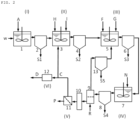
Fig. 2 ] is a diagram showing an example of the high hardness water treatment apparatus of the present invention. - [
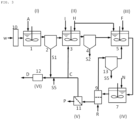
Fig. 3 ] is a diagram showing another example of the high hardness water treatment apparatus of the present invention. - [
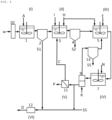
Fig. 4 ] is a diagram showing another example of the high hardness water treatment apparatus of the present invention. - [
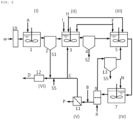
Fig. 5 ] is a diagram showing another example of the high hardness water treatment apparatus of the present invention. - [
Fig. 6 ] is a diagram showing another example of the high hardness water treatment apparatus of the present invention. - The method for treating high hardness water in the present invention comprises a pH adjustment step, a crystallization step, a first flocculation sedimentation step, and a membrane separation step, and optionally a second flocculation separation step. The high hardness water treatment apparatus in the present invention comprises a pH adjustment device, a crystallization device, a first flocculation sedimentation device and a reverse osmosis membrane device, and, if necessary, a second flocculation sedimentation device.
- In the high hardness water treatment apparatus in the present invention, flow paths are respectively provided between the devices so that a liquid to be treated flows in the order corresponding to the pH adjustment device, the crystallization device, the first flocculation sedimentation device, the second flocculation sedimentation device as necessary, and the reverse osmosis membrane device. Further, a flow path is provided for supplying part or all of a concentrated water from the reverse osmosis membrane device to the crystallization device. A flow path is optionally provided for supplying the remainder of the concentrated water to an evaporation to dryness device.
- As the high hardness water containing calcium and magnesium, mentioned can be desulfurization waste water, seawater, cooling tower blow effluent, landfill leachate, groundwater, or mine waste water. From the viewpoint of a treatment amount, the present invention is preferably applied to desulfurization waste water. The high hardness water applied to the present invention has a water hardness of usually not less than 60 mg/l, preferably not less than 180 mg/l, more preferably not less than 357 mg/l, still more preferably not less than 1000 mg/l, and even more preferably not less than 3000 mg/l, most preferably not less than 5000 mg/l. The water hardness is obtained by converting a calcium amount and a magnesium amount into a calcium carbonate (CaCO3) amount, and can be calculated by the following formula.

- Flue gas desulfurization is performed by passing flue gas through a wet flue gas desulfurization device. Typical examples of a method for wet flue gas desulfurization can include lime-gypsum method, magnesium hydroxide method, soda method and the others. The wet flue gas desulfurization device used in the present invention comprises a
gas absorbing device 15 capable of contacting flue gas with a water slurry containing limestone (CaCO3), slaked lime (Ca(OH)2), quicklime (CaO) or the like and further comprises adevice 26 for separating and removing gypsum. The gas absorbing device can be a packed tower, a wet wall tower, a spray tower, or the like. With the gas absorbing device, sulfur oxides in the flue gas react with limestone, slaked lime or quicklime in the water slurry to generate calcium sulfite, which is oxidized to obtain calcium sulfate (gypsum). The gypsum is separated and removed from a gypsum slurry (an aqueous slurry containing calcium) discharged from the gas absorbing device with the device for separating and removing gypsum. A gypsum removed colature (an aqueous solution containing calcium) is discharged by the separation and removal of the gypsum. - Calcium, magnesium, silica, etc. contained in high hardness water such as desulfurization waste water solidify to produce scale. In addition, in desulfurization device, etc., cyclic usage or the like of water often leads to high COD and high BOD of high hardness water. Therefore, fouling is likely to occur in the reverse osmosis membrane.
- The pH adjustment step (I) is composed of adding an alkali metal hydroxide or water-soluble alkaline earth metal hydroxide A to a high hardness water to obtain a precipitated product S1 and removing the precipitated product S1. The pH adjustment device configured to facilitate the pH adjustment step comprises a
reaction tank 1, a solid-liquid separation device (for example, a sedimentation tank 2), a flow path for supplying an alkali metal hydroxide or water-soluble alkaline earth metal hydroxide A to thereaction tank 1, a flow path for supplying a high hardness water to thereaction tank 1, a flow path for transferring a liquid from thereaction tank 1 to the solid-liquid separation device, and a flow path for discharging a liquid from the solid-liquid separation device. In the device in which thereaction tank 1 and the solid-liquid separation device are integrated, the flow path for transferring the liquid from thereaction tank 1 to the solid-liquid separation device can be omitted. - Examples of the alkali metal hydroxide to be used in the pH adjustment step can include sodium hydroxide, potassium hydroxide or the like. Among these, sodium hydroxide is preferred. Examples of the water-soluble alkaline earth metal hydroxide to be used in the pH adjustment step can include calcium hydroxide, strontium hydroxide or the like.
- Among these, calcium hydroxide is preferred. The alkali metal hydroxide or water-soluble alkaline earth metal hydroxide A can be added in the form of powder, granules, flakes, or an aqueous solution.
- The addition of the alkali metal hydroxide or water-soluble alkaline earth metal hydroxide is carried out in such an amount that the high hardness water will have a pH of 9.5 to 11.5.
- The addition of the alkali metal hydroxide or water-soluble alkaline earth metal hydroxide mainly causes magnesium contained in the high hardness water to be precipitated as magnesium hydroxide. Furthermore, precipitation of Si, Al or the like contained in the high hardness water is induced. As a temperature of the solution is higher, the solubility of magnesium hydroxide is lower to make them easier to precipitate. On the other hand, when the temperature of the solution is high, convection tends to occur due to the influence of the surrounding environment, and the efficiency of gravity solid-liquid separation may decrease.
- The precipitated product is removed by the solid-liquid separation device. As the solid-liquid separation device, mentioned can be decantation equipment (overflow type decantation equipment, skimming type decantation equipment, etc.), filter cloth bag, screw press, roller press, rotary drum screen, belt screen, vibration screen, multi-plate wave filter, vacuum dewatering equipment, pressure dewatering equipment, belt press, cyclone-type solid-liquid separator (liquid cyclone), centrifugal concentration dehydrator, multi-disk dehydrator, or the like. A part of the precipitated product removed may be returned to the
reaction tank 1 for use as seed crystal. The addition of seed crystal can increase a size of the precipitated product to facilitate the solid-liquid separation. A slurry of the precipitated product S1 obtained by the solid-liquid separation can be subjected to evaporation to dryness together with the concentrated water. - The liquid from which the precipitated product have been removed contains a large amount of calcium compounds that could not be removed in the pH adjustment step. In addition, it may contain compounds that are highly soluble under high pH.
- In the crystallization step (II), part of the concentrated water described later, an inorganic acid H, and optionally a seed gypsum I are added to the liquid from which the precipitated product has been removed to obtain a crystallized product S2, and the crystallized product S2 is removed from the liquid. The concentrated water contains calcium ions and sulfate ions in supersaturation state. In the crystallization step (II), gypsum (calcium sulfate) is precipitated from the concentrated water in supersaturation state. In order to facilitate the precipitation of gypsum, it is preferable to add seed gypsum, particularly at the initial stage of the operation. Also, as the seed gypsum, it is possible to use gypsum (25) produced in wet flue gas desulfurization device. The crystallization device for facilitate progress of the crystallization step comprises a
reaction tank 3, a solid-liquid separation device (for example, a sedimentation tank 4), a flow path for supplying the inorganic acid to thereaction tank 3, a flow path for supplying the liquid from which the precipitated product has been removed to thereaction tank 3, a flow path for supplying the concentrated water C to thereaction tank 3, a flow path for transferring the liquid from thereaction tank 3 to the solid-liquid separation device, and a flow path for discharging the liquid from the solid-liquid separation device. In the device in which thereaction tank 3 and the solid-liquid separation device are integrated, a flow path for transferring the liquid from thereaction tank 3 to the solid-liquid separation device can be omitted. - Examples of the inorganic acids to be used in the crystallization step (II) can include hydrochloric acid, nitric acid, sulfuric acid, phosphoric acid or the like. Among these, hydrochloric acid is preferred. The inorganic acid H can be added in the form of aqueous solution. On the other hand, the concentrated water contains a high concentration of calcium. The concentrated water preferably contains calcium in a supersaturation state.
- The inorganic acid and the concentrated water are added in such amounts that a pH of the liquid does not fall less than 2.5. In other word, the addition of the inorganic acid and the concentrated water is carried out in such amounts that the pH of the liquid is within the range having the upper limit being the pH of the liquid obtained in the pH adjustment step and the lower limit being 2.5. As a result, a crystallized product S2 containing calcium sulfate as a main component is precipitated. A crystallized product is removed by a solid-liquid separation device. As the solid-liquid separation device, mentioned can be the same devices as described above. A part of the crystallized product removed may be returned to the
reaction tank 3 as seed crystal. - In the crystallization step, if necessary, an iron-based flocculant G may be added to the liquid from which the precipitated product has been removed. Examples of the iron-based flocculant can include ferric chloride, polyferric sulfate, polysilica iron or the like. Among these, ferric chloride is preferred. The iron-based flocculant can be added in the form of powder, granules, flakes, dispersion or aqueous solution. The addition of the iron-based flocculant may facilitate the crystallization.
- In the first flocculation sedimentation step (III), an iron-based flocculant F is added to the liquid from which the crystalized product has been removed to obtain first flocs S3, and the first flocs S3 are removed. The first flocculation sedimentation device for facilitating progress of the first flocculation sedimentation step comprises a
reaction tank 5, a solid-liquid separation device (for example, a sedimentation tank 6), a flow path for supplying the iron-based flocculant to thereaction tank 5, a flow path for supplying the liquid from which the crystalized product has been removed to thereaction tank 5, a flow path for transferring the liquid from thereaction tank 5 to the solid-liquid separation device and a flow path for discharging the liquid from the solid-liquid separation device. In the device in which thereaction tank 5 and the solid-liquid separation device are integrated, the flow path for transferring the liquid from thereaction tank 5 to the solid-liquid separation device can be omitted. In addition, since the first flocs formed in the first flocculation sedimentation step (III) can be removed together with the second flocs by the solid-liquid separation device in the following second flocculation sedimentation step, the solid-liquid separation device (for example, sedimentation tank 6) provided in the first flocculation sedimentation device may be omitted. - Examples of the iron-based flocculant to be used in the first flocculation sedimentation step (III) can include ferric chloride, polyferric sulfate, polysilica iron or the like. Among these, ferric chloride is preferred. The iron-based flocculant F can be added in the form of powder, granules, flakes, dispersion or aqueous solution.
- The iron-based flocculant is added in such amounts that a pH of the liquid becomes 2.5 to 4.5. This causes the fine particles to be flocculated and form the first flocs. The first flocs are removed by a solid-liquid separation device. As the solid-liquid separation device, mentioned can be the same devices as described above. A part of the removed first flocs may be returned to the
reaction tank 5 for use as seed crystals. - In the first flocculation sedimentation step, if necessary, an inorganic acid may be added to the liquid from which the crystallized product has been removed. Examples of the inorganic acid can include hydrochloric acid, nitric acid, sulfuric acid, and phosphoric acid. Among these, hydrochloric acid is preferred. The addition of the inorganic acid may facilitate the flocculation.
- In the first flocculation sedimentation step, as needed, a polymer coagulant G may be added to the liquid from which the crystalized product has been removed. Examples of the polymer coagulant can include an anionic polymer coagulant, a nonionic polymer coagulant, a cationic polymer coagulant, or an amphoteric polymer coagulant. The polymer coagulant G can be added in the form of powder, granules, flakes, dispersion or aqueous solution. The addition of the polymer coagulant may facilitate coarsening of the first flocs. The liquid from which the first flocs have been removed can be sent to the membrane separation step (V) as the raw water.
- The liquid from which the first flocs have been removed may contain compounds that are highly soluble under low pH. In addition, fine particles that could not be removed in the first flocculation sedimentation step may be floating. In such cases, a second flocculation sedimentation step (IV) may be performed.
- In the second flocculation sedimentation step (IV), an alkali metal hydroxide or water-soluble alkaline earth metal hydroxide N is added to the liquid from which the first flocs have been removed to obtain second flocs S4 and the second flocs S4 are removed. The second flocculation sedimentation device for facilitating progress of the second flocculation sedimentation step comprises a
reaction tank 7 and a solid-liquid separation device (eg, sedimentation tank 8), a flow path for feeding the alkali metal hydroxide or water-soluble alkaline earth metal hydroxide N to thereaction tank 7, a flow path for feeding the liquid from which the first flocs have been removed to thereaction tank 7, and a flow path for transferring a liquid from thereaction tank 7 to the solid-liquid separation device, and a flow path for discharging a liquid from the solid-liquid separation device. In the device in which thereaction tank 7 and the solid-liquid separation device are integrated, the flow path for transferring the liquid from the reaction tank to the solid-liquid separation device can be omitted. - Examples of the alkali metal hydroxide to be used in the second flocculation sedimentation step (IV) can include sodium hydroxide, potassium hydroxide or the like. Among these, sodium hydroxide is preferred. Examples of the water-soluble alkaline earth metal hydroxide to be used in the second flocculation sedimentation step (IV) can include calcium hydroxide, strontium hydroxide or the like. Among these, calcium hydroxide is preferred. The alkali metal hydroxide or water-soluble alkaline earth metal hydroxide N can be added in the form of powder, granules, flakes, or an aqueous solution.
- Addition of the alkali metal hydroxide or water-soluble alkaline earth metal hydroxide is carried out in such amount that a pH of the liquid becomes 4.5 to 6.5. This causes the fine particles to be flocculated and to form the second flocs. The second flocs are removed by the solid-liquid separation device. As the solid-liquid separation device, mentioned can be the same device as described above. A part of the removed second flocs may be returned to the
reaction tank 7 as seed crystals. - In the present invention, in order to remove the second flocs, instead of or in conjunction with the solid-liquid separation device (e.g., sedimentation tank 8) in the second flocculation sedimentation step, filtration using a multi-layer filtration membrane, an ultrafiltration membrane, filter
sand 9, or the like may be performed for the solid-liquid separation (turbidity removal). This may suppress fouling of the reverse osmosis membrane. Backwash can be carried out when the filtration becomes inefficient. A waste water from the backwash may be solid-liquid separated in a sedimentation tank as necessary, and the supernatant water can be sent to the first flocculation sedimentation step. The slurry containing solids S5 obtained by the backwash can be evaporated to dryness together with the concentrated water. The liquid from which the second flocs have been removed can be sent to the membrane separation step (V) as the raw water. - Then, a membrane separation step (V) is performed. In the membrane separation step, a raw water (the liquid from which the first flocs have been removed or liquid from which the second flocs have been removed) is subjected to a separation treatment by
reverse osmosis membrane 11 to divide into a permeated water P and a concentrated water C. A reverse osmosis membrane device to facilitate progress of the membrane separation step, comprises areverse osmosis membrane 11, a raw water pressure device or a permeated water suction device, a flow path for supplying the raw water to the reverse osmosis membrane, a flow path for discharging the concentrated water from the reverse osmosis membrane, and a flow path for discharging the permeated water from the reverse osmosis membrane. - As the water temperature decreases, an amount of the permeated water through the reverse osmosis membrane decreases and a differential pressure required to obtain the same amount of the permeated water increases. Conversely, as the water temperature increases, the amount of the permeated water through the reverse osmosis membrane increases and a rejection ratio of salts decreases. Therefore, the temperature of the liquid is adjusted to preferably not less than 0 °C and not more than 85 °C, more preferably not less than 0 °C and not more than 45 °C, and still more preferably not less than 5 °C and not more than 35 °C, during the separation treatment by the reverse osmosis membrane. A temperature control device such as coolers, cooling
towers 10, or heaters may be provided for adjusting the temperature of the liquid. Although an installation location of the temperature control device is not particularly limited, for example, it may be between the second flocculation sedimentation device and the reverse osmosis membrane device. - Examples of the reverse osmosis membrane can include a membrane made of cellulose acetate, a membrane made of aromatic polyamide, a membrane made of polyvinyl alcohol, a membrane made of polysulfone or the others. The reverse osmosis membrane is not limited by its configuration, and examples thereof can include a hollow fiber membrane, a spiral membrane, a tubular membrane, or the like.
- The reverse osmosis membrane is preferably built into a membrane module. A case-housing type module comprises a membrane element stored in a casing, and the membrane element comprising a reverse osmosis membrane, a support body for the membrane and a channel member, and the reverse osmosis membrane, the support body and the channel member are integrated. As the case-housing type module, mentioned can be a pleat type module, a spiral type module, a monolith type module, a tube type module, a hollow fiber type module or the like.
- Reverse osmosis membrane is impermeable to cations such as calcium ion (Ca2+), sodium ion (Na+), potassium ion (K+), or iron ion (Fe3+) ; anions such as sulfate ions (SO4 2-), or chloride ion (Cl-), and lead (Pb), mercury (Hg), cadmium (Cd), arsenic (As), and the like. The water permeated through the reverse osmosis membrane (permeated water) is one from which almost all contaminants contained in high hardness water have been removed. The permeated water can be subjected to sterilization treatment, final filtering, ion exchange treatment, or the like, as necessary, to make water conform to desired water quality standard. The permeated water can be reused in wet flue gas desulfurization or the like.
- The concentrated water has a concentration ratio of preferably 1.1 to 3.0, more preferably 1.15 to 2.0, still more preferably 1.2 to 1.6. Part or all of the concentrated water is used in the crystallization step as described above. The remainder of the concentrated water can be evaporated to dryness together with the slurries S1 and S5 to form a dry solid D. For the evaporation to dryness process, a known evaporation to dryness device such as evaporator/
dryer 12 can be employed. Evaporated water can be condensed and reused in wet flue gas desulfurization. Valuable components can be separated and collected from the dry solid as needed, and the residue can be disposed of. The concentration ratio is a ratio of a mass of calcium contained per unit mass of the concentrated water to a mass of calcium contained per unit mass of the raw water, and is calculated by the following formula. Concentration ratio = (mass of calcium contained per unit mass of concentrated water) / (mass of calcium contained per unit mass of raw water) - The high hardness water treatment apparatus shown in
FIG. 3 , comprises coolingtower 10, pHadjustment reaction tank 1,sedimentation tank 2,crystallization reaction tank 3,sedimentation tank 4, first flocculationsedimentation reaction tank 5, second flocculationsedimentation reaction tank 7,filtration device 9,reverse osmosis membrane 11 and evaporator/dryer 12. These were plumbed so that a liquid to be treated was flows in this order. A pipe was installed to supply a part of concentrated water C obtained by separation by thereverse osmosis membrane 11 to thecrystallization reaction tank 3. A pipe was installed to supply a slurry of precipitated product S1 and a slurry of solids S5 together with the concentrated water C to the evaporator/dryer 12. A pipe for supplying an alkali metal hydroxide or water-soluble alkaline earth metal hydroxide A was installed in the pHadjustment reaction tank 1. A pipe for supplying an inorganic acid H and seed gypsum I was installed in thecrystallization reaction tank 3. A pipe for supplying an inorganic acid H and iron-based coagulant F was installed in the first flocculationsedimentation reaction tank 5. A pipe for supplying an alkali metal hydroxide or water-soluble alkaline earth metal hydroxide N was installed in the second flocculationsedimentation reaction tank 7. A pH of the liquid in the pHadjustment reaction tank 1 was controlled to about 10, a pH of the liquid in the first flocculationsedimentation reaction tank 5 was controlled to about 4, a pH of the liquid in the second flocculationsedimentation reaction tank 7 was controlled to about 5. The pH controls were able to be carried out by measuring the pH and adjusting the flow rate of chemicals. The filtration device was equipped with a pipe for supplying backwash water R, a slurry discharged during backwashing was sent to thesedimentation tank 13 to be subjected to solid-liquid separation. Piping was provided to supply the supernatant water to the first flocculationsedimentation reaction tank 5. - The high hardness water treatment apparatus shown in
FIG. 4 , was the same as the high hardness water treatment apparatus shown inFIG. 3 except that there was no piping for sending the remainder of the concentrated water C obtained by the separation by thereverse osmosis membrane 11 to the evaporator/dryer 12, a pipe was installed for supplying all of the concentrated water C to thecrystallization reaction tank 3, and a pipe was installed to extract a part of the raw water from the pipe between thefiltration device 9 and thereverse osmosis membrane 11 and send it to the evaporator/dryer 12. In the high hardness water treatment device shown inFIG. 4 , since the slurry of the precipitated product S1 was diluted with the raw water, the risk of scale in the pipe for sending from thereverse osmosis membrane 11 to the evaporator/dryer 12 can be reduced. - The high hardness water treatment apparatus shown in
FIG. 5 was the same as the high hardness water treatment apparatus shown inFIG. 3 except that a pipe for supplying a scale preventive was installed between thefiltration device 9 and thereverse osmosis membrane 11. As the scale preventive, mentioned can be citric acid. A pH of the liquid in the pHadjustment reaction tank 1 was controlled to about 10, a pH of the liquid in thecrystallization reaction tank 3 was controlled to about 4, a pH of the liquid in the first flocculationsedimentation reaction tank 5 was controlled to about 4, and a pH of the liquid in the second flocculationsedimentation reaction tank 7 was controlled to about 5. Even if the concentration ratio of the reverse osmosis membrane was increased, the formation of scale was suppressed. Scale preventive generally becomes protonated in a low pH environment reducing the scale preventive effect. By lowering the pH of the liquid in thecrystallization reaction tank 3, gypsum crystallization proceeds without being hindered by the scale preventive, and the supersaturation state of gypsum can be quickly dissolved. - The high hardness water treatment apparatus shown in
FIG. 6 was the same as the high hardness water treatment apparatus shown inFIG. 4 except that a pipe for supplying an iron-based flocculant was installed in thecrystallization reaction tank 3. Scale preventive may inhibit crystallization. Supplying the scale preventive to the reverse osmosis membrane and supplying the iron-based flocculant to thecrystallization reaction tank 3 were able to effect both of crystallization due to dissolution of gypsum supersaturation in thecrystallization reaction tank 3 and prevention of scale due to concentrating of the raw water in the reverse osmosis membrane. In particular, the effect of the present embodiment is great for operation when the scale preventive is supplied in a large amount in order to increase the concentration ratio in the reverse osmosis membrane. - In the high hardness water treatment apparatus in the present invention, as long as it does not go against a spirit of the present invention, the structure, shape, arrangement, or the others can be changed, and members, mechanisms, or the like used in the prior art can be added. It can be understood that embodiments with such modifications or additions belong to the technical scope of the present invention.
-
- (I) pH adjustment device
- (II) crystallization device
- (III) first flocculation sedimentation device
- (IV) second flocculation sedimentation device
- (V) reverse osmosis membrane device
- (VI) evaporation to dryness device
- 1 : Reaction tank for pH adjustment
- 2 : Sedimentation tank for pH adjustment
- 3 : Reaction tank for crystallization
- 4 : Sedimentation tank for crystallization
- 5 : Reaction tank for first flocculation sedimentation
- 6 : Sedimentation tank for first flocculation sedimentation
- 7 : Reaction tank for second flocculation sedimentation
- 8 : Sedimentation tank for second flocculation sedimentation
- 9 : filtration device
- 10 : cooling tower
- 11 : reverse osmosis membrane
- 12 : evaporator/dryer
- 15 : Wet flue gas desulfurization equipment main unit (gas absorption equipment)
- 16 : chimney
- 17 : gas flue (flow path for feeding combustion exhaust gas)
- 18 : apparatus for treating water having a high water hardness
- 25 : gypsum
- 26 : Gypsum separator (dehydrator)
- 27 : Gypsum dewatering filtrate tank
- 28 : Desulfurization waste water tank
- 29 : Calcium carbonate slurry preparation tank
- W : High hardness water
- A : alkali metal hydroxide or water-soluble alkaline earth metal hydroxide
- H : inorganic acid
- I : seed gypsum
- F : iron-based flocculant
- G : polymer coagulant
- N : alkali metal hydroxide or water-soluble alkaline earth metal hydroxide
- P : permeated water
- C : Concentrated water
- D : dry solid
- R : backwash water
- S1 : precipitated product
- S2 : crystalized product
- S3 : first flocs
- S4 : second flocs
- S5 : backwashed solid
- B : scale preventive
Claims (8)
- A method for treatment of high hardness water, comprising :subjecting a raw water to a separation treatment using a reverse osmosis membrane to divide the raw water into a permeated water and a concentrated water,adding an alkali metal hydroxide or water-soluble alkaline earth metal hydroxide to a high hardness water containing calcium and magnesium so that pH of the high hardness water is 9.5 to 11.5 to obtain a precipitated product and removing the precipitated product to obtain a precipitated product removed liquid,adding an inorganic acid and part or all of the concentrated water to the precipitated product removed liquid so that pH of the precipitated product removed liquid is not less than 2.5 to obtain a crystallized product and removing the crystallized product to obtain a crystallized product removed liquid, andadding an iron-based flocculant to the crystallized product removed liquid so that pH of the crystallized product removed liquid is 2.5 to 4.5 to obtain first flocs and removing the first flocs to obtain the raw water.
- A method for treatment of high hardness water, comprising :subjecting a raw water to a separation treatment using a reverse osmosis membrane to divide the raw water into a permeated water and a concentrated water,adding an alkali metal hydroxide or water-soluble alkaline earth metal hydroxide to a high hardness water containing calcium and magnesium so that pH of the high hardness water is 9.5 to 11.5 to obtain a precipitated product and removing the precipitated product to obtain a precipitated product removed liquid,adding an inorganic acid and part or all of the concentrated water to the precipitated product removed liquid so that pH of the precipitated product removed liquid is not less than 2.5 to obtain a crystallized product and removing the crystallized product to obtain a crystallized product removed liquid, andadding an iron-based flocculant to the crystallized product removed liquid so that pH of the crystallized product removed liquid is 2.5 to 4.5 to obtain first flocs and removing the first flocs to obtain a first flocs removed liquid,adding an alkali metal hydroxide or water-soluble alkaline earth metal hydroxide to the first flocs removed liquid so that pH of the first flocs removed liquid is 4.5 to 6.5 to obtain second flocs and removing the second flocs to obtain the raw water.
- The method according to claim 1 or 2, further comprising adding a seed gypsum to the precipitated product removed liquid.
- An apparatus for treating high hardness water, comprising :a reverse osmosis membrane device,a pH adjustment device,a crystallization device, anda first flocculation sedimentation device, whereinthe reverse osmosis membrane device is equipped with a reverse osmosis membrane to facilitate separation of a raw water into a permeated water and a concentrated water,the pH adjustment device is equipped with a feature configured for adding an alkali metal hydroxide or water-soluble alkaline earth metal hydroxide to a high hardness water containing calcium and magnesium so that pH of the high hardness water is 9.5 to 11.5 to obtain a precipitated product and facilitating removal of the precipitated product to obtain a precipitated product removed liquid,the crystallization device is equipped with a feature configured for adding an inorganic acid and part or all of the concentrated water to the precipitated product removed liquid so that pH of the precipitated product removed liquid is not less than 2.5 to obtain a crystallized product and facilitating removal of the crystallized product to obtain a crystallized product removed liquid, andthe first flocculation sedimentation device is equipped with a feature configured for adding an iron-based flocculant to the crystallized product removed liquid so that pH of the crystallized product removed liquid is 2.5 to 4.5 to obtain first flocs and facilitating removal of the first flocs to obtain a first flocs removed liquid; andthe apparatus further comprises a supplying feature, wherein the supplying feature is configured to feed the first flocs removed liquid as the raw water to the reverse osmosis membrane device.
- An apparatus for treating high hardness water, comprising :a reverse osmosis membrane device,a pH adjustment device,a crystallization device,a first flocculation sedimentation device, anda second flocculation sedimentation device, whereinthe reverse osmosis membrane device is equipped with a reverse osmosis membrane to facilitate separation of a raw water into a permeated water and a concentrated water,the pH adjustment device is equipped with a feature configured for adding an alkali metal hydroxide or water-soluble alkaline earth metal hydroxide to a high hardness water containing calcium and magnesium so that pH of the high hardness water is 9.5 to 11.5 to obtain a precipitated product and facilitating removal of the precipitated product to obtain a precipitated product removed liquid,the crystallization device is equipped with a feature configured for adding an inorganic acid and part or all of the concentrated water to the precipitated product removed liquid so that pH of the precipitated product removed liquid is not less than 2.5 to obtain a crystallized product and facilitating removal of the crystallized product to obtain a crystallized product removed liquid, andthe first flocculation sedimentation device is equipped with a feature configured for adding an iron-based flocculant to the crystallized product removed liquid so that pH of the crystallized product removed liquid is 2.5 to 4.5 to obtain first flocs and facilitating removal of the first flocs to obtain a first flocs removed liquid,the second flocculation sedimentation device is equipped with a feature configured for adding an alkali metal hydroxide or water-soluble alkaline earth metal hydroxide to the first flocs removed liquid so that pH of the crystallized product removed liquid is 4.5 to 6.5 to obtain second flocs and facilitating removal of the second flocs to obtain a second flocs removed liquid,the apparatus further comprises a supplying feature, wherein the supplying feature is configured to feed the second flocs removed liquid as the raw water to the reverse osmosis membrane device.
- The apparatus according to claim 4 or 5, further comprising a feature for adding a scale preventive to the raw water.
- The apparatus according to any one of claims 4 to 6, wherein the crystallization device is further equipped with a feature for adding an iron-based flocculant to the precipitated product removed liquid.
- The apparatus according to any one of claims 4 to 7, wherein the crystallization device is further equipped with a feature for adding a seed gypsum to the precipitated product removed liquid.
Applications Claiming Priority (2)
| Application Number | Priority Date | Filing Date | Title |
|---|---|---|---|
| JP2021057910A JP7723490B2 (en) | 2021-03-30 | 2021-03-30 | Method and apparatus for treating high-hardness water |
| PCT/JP2022/014810 WO2022210468A1 (en) | 2021-03-30 | 2022-03-28 | Waste water volume reduction process |
Publications (2)
| Publication Number | Publication Date |
|---|---|
| EP4317085A1 true EP4317085A1 (en) | 2024-02-07 |
| EP4317085A4 EP4317085A4 (en) | 2025-01-22 |
Family
ID=83459084
Family Applications (1)
| Application Number | Title | Priority Date | Filing Date |
|---|---|---|---|
| EP22780679.1A Pending EP4317085A4 (en) | 2021-03-30 | 2022-03-28 | WASTEWATER VOLUME REDUCTION PROCESS |
Country Status (4)
| Country | Link |
|---|---|
| EP (1) | EP4317085A4 (en) |
| JP (1) | JP7723490B2 (en) |
| TW (1) | TWI807741B (en) |
| WO (1) | WO2022210468A1 (en) |
Families Citing this family (1)
| Publication number | Priority date | Publication date | Assignee | Title |
|---|---|---|---|---|
| CN120569352A (en) * | 2023-01-12 | 2025-08-29 | 栗田工业株式会社 | Method and apparatus for treating wastewater using reverse osmosis membrane |
Family Cites Families (11)
| Publication number | Priority date | Publication date | Assignee | Title |
|---|---|---|---|---|
| JPS5193789A (en) | 1975-02-14 | 1976-08-17 | HAIEKISHORIHOHO | |
| JPH10137540A (en) * | 1996-11-13 | 1998-05-26 | Mitsui Mining Co Ltd | Wastewater treatment method from flue gas desulfurization equipment |
| JP2003170174A (en) * | 2001-12-05 | 2003-06-17 | Kurita Water Ind Ltd | Coagulation filtration method and coagulation filtration device |
| WO2007102884A2 (en) * | 2005-10-24 | 2007-09-13 | Pureline Treatment Systems, Llc | Chlorine dioxide-based water treatment system for on-board ship applications |
| JP5303501B2 (en) | 2010-03-25 | 2013-10-02 | 株式会社神鋼環境ソリューション | Water treatment method and water treatment apparatus |
| US20150068982A1 (en) * | 2013-04-25 | 2015-03-12 | Mitsubishi Heavy Industries, Ltd. | Water treatment process and water treatment system |
| JP6298296B2 (en) * | 2014-01-08 | 2018-03-20 | 三菱重工業株式会社 | Water treatment system and method |
| JP6812108B2 (en) * | 2016-02-05 | 2021-01-13 | 旭化成株式会社 | Water treatment method and water treatment system |
| CN105565573B (en) * | 2016-02-05 | 2019-01-25 | 大唐环境产业集团股份有限公司 | The device and method of desulfurization wastewater zero discharge treatment |
| CN105923822B (en) * | 2016-05-31 | 2019-06-14 | 江苏京源环保股份有限公司 | Desulfurization wastewater divides mud, divides salt technique of zero discharge |
| CN110902923A (en) * | 2019-12-04 | 2020-03-24 | 安徽普朗膜技术有限公司 | Treatment and recovery system for high-salinity wastewater in coal chemical industry |
-
2021
- 2021-03-30 JP JP2021057910A patent/JP7723490B2/en active Active
-
2022
- 2022-03-28 EP EP22780679.1A patent/EP4317085A4/en active Pending
- 2022-03-28 WO PCT/JP2022/014810 patent/WO2022210468A1/en not_active Ceased
- 2022-03-30 TW TW111112156A patent/TWI807741B/en active
Also Published As
| Publication number | Publication date |
|---|---|
| WO2022210468A1 (en) | 2022-10-06 |
| EP4317085A4 (en) | 2025-01-22 |
| JP2022154735A (en) | 2022-10-13 |
| JP7723490B2 (en) | 2025-08-14 |
| TWI807741B (en) | 2023-07-01 |
| TW202248144A (en) | 2022-12-16 |
Similar Documents
| Publication | Publication Date | Title |
|---|---|---|
| CA2707011C (en) | Method for removing silica from evaporator concentrate | |
| US9085477B2 (en) | Process for reducing the sulfate concentration in a wastewater stream | |
| JP6298296B2 (en) | Water treatment system and method | |
| EP3260423A1 (en) | Water treatment system and method | |
| CN101891330B (en) | Power plant wastewater treatment system and method | |
| EP3393968B1 (en) | Process for producing a phosphorus product from wastewater | |
| CN105246834B (en) | Water treatment system and method | |
| CN113800690A (en) | Power plant desulfurization wastewater zero-discharge treatment process and system based on electrodialysis technology | |
| PL206144B1 (en) | Method for treatment of sludge from waterworks and wastewater treament plants | |
| CN107001087A (en) | The method of the supersaturated effluent of processing calcium carbonate in the presence of precipitated products phosphonic acids/phosphonate is suppressed | |
| JP2000015269A (en) | Treatment method for fluorine-containing water | |
| JPH10137540A (en) | Wastewater treatment method from flue gas desulfurization equipment | |
| TWI807741B (en) | Drainage water volume reduction process | |
| EP4317084A1 (en) | High-performance pretreatment system for desulfurized wastewater for reverse osmosis membrane | |
| JP2002346573A (en) | Treatment of flue gas desulfurization wastewater | |
| US20160167999A1 (en) | Method for treating sulfate-, chloride, mercury- and selenium-containing waste water | |
| KR102937609B1 (en) | EXTRACTING METHOD FOR KCl OF WASTE INCINERATING DUST AND EXTRACTING APPARATUS USNIG THE SAME | |
| JPH11207146A (en) | Method for recovering gypsum from flue gas desulfurization wastewater | |
| CN115340234A (en) | Wastewater treatment method, treatment system and application | |
| EP3519360A1 (en) | Process for silica removal from sodium bicarbonate production wastewater | |
| JP6888798B2 (en) | Boron removal method and boron removal device | |
| WO2021131141A1 (en) | Calcium fluoride collecting device and calcium fluoride collecting method | |
| KR102967962B1 (en) | Recycling method for dust of waste incinerating and recycling system usnig the same | |
| JP2008075139A (en) | Cement kiln combustion gas extraction dust treatment method | |
| JP2000176241A (en) | Treatment of fluoride ions in waste water in stack gas desulfurization |
Legal Events
| Date | Code | Title | Description |
|---|---|---|---|
| STAA | Information on the status of an ep patent application or granted ep patent |
Free format text: STATUS: THE INTERNATIONAL PUBLICATION HAS BEEN MADE |
|
| PUAI | Public reference made under article 153(3) epc to a published international application that has entered the european phase |
Free format text: ORIGINAL CODE: 0009012 |
|
| STAA | Information on the status of an ep patent application or granted ep patent |
Free format text: STATUS: REQUEST FOR EXAMINATION WAS MADE |
|
| 17P | Request for examination filed |
Effective date: 20231030 |
|
| AK | Designated contracting states |
Kind code of ref document: A1 Designated state(s): AL AT BE BG CH CY CZ DE DK EE ES FI FR GB GR HR HU IE IS IT LI LT LU LV MC MK MT NL NO PL PT RO RS SE SI SK SM TR |
|
| DAV | Request for validation of the european patent (deleted) | ||
| DAX | Request for extension of the european patent (deleted) | ||
| REG | Reference to a national code |
Ref country code: DE Ref legal event code: R079 Free format text: PREVIOUS MAIN CLASS: C02F0001440000 Ipc: B01D0061020000 |
|
| A4 | Supplementary search report drawn up and despatched |
Effective date: 20241219 |
|
| RIC1 | Information provided on ipc code assigned before grant |
Ipc: C02F 1/04 20230101ALN20241216BHEP Ipc: C02F 103/18 20060101ALN20241216BHEP Ipc: C02F 1/56 20230101ALN20241216BHEP Ipc: C02F 1/52 20230101ALN20241216BHEP Ipc: C02F 1/66 20230101ALN20241216BHEP Ipc: C02F 1/44 20230101ALN20241216BHEP Ipc: C02F 9/00 20230101ALI20241216BHEP Ipc: B01D 61/04 20060101ALI20241216BHEP Ipc: B01D 61/02 20060101AFI20241216BHEP |
|
| GRAP | Despatch of communication of intention to grant a patent |
Free format text: ORIGINAL CODE: EPIDOSNIGR1 |
|
| STAA | Information on the status of an ep patent application or granted ep patent |
Free format text: STATUS: GRANT OF PATENT IS INTENDED |
|
| RIC1 | Information provided on ipc code assigned before grant |
Ipc: B01D 61/02 20060101AFI20251211BHEP Ipc: B01D 61/04 20060101ALI20251211BHEP Ipc: C02F 9/00 20230101ALI20251211BHEP Ipc: C02F 1/44 20230101ALN20251211BHEP Ipc: C02F 1/66 20230101ALN20251211BHEP Ipc: C02F 1/52 20230101ALN20251211BHEP Ipc: C02F 1/56 20230101ALN20251211BHEP Ipc: C02F 103/18 20060101ALN20251211BHEP Ipc: C02F 1/04 20230101ALN20251211BHEP |
|
| RIC1 | Information provided on ipc code assigned before grant |
Ipc: B01D 61/02 20060101AFI20251218BHEP Ipc: B01D 61/04 20060101ALI20251218BHEP Ipc: C02F 9/00 20230101ALI20251218BHEP Ipc: C02F 1/44 20230101ALN20251218BHEP Ipc: C02F 1/66 20230101ALN20251218BHEP Ipc: C02F 1/52 20230101ALN20251218BHEP Ipc: C02F 1/56 20230101ALN20251218BHEP Ipc: C02F 103/18 20060101ALN20251218BHEP Ipc: C02F 1/04 20230101ALN20251218BHEP |
|
| INTG | Intention to grant announced |
Effective date: 20260107 |
|
| P01 | Opt-out of the competence of the unified patent court (upc) registered |
Free format text: CASE NUMBER: UPC_APP_0009647_4317085/2026 Effective date: 20260311 |
|
| GRAS | Grant fee paid |
Free format text: ORIGINAL CODE: EPIDOSNIGR3 |
|
| GRAA | (expected) grant |
Free format text: ORIGINAL CODE: 0009210 |
|
| STAA | Information on the status of an ep patent application or granted ep patent |
Free format text: STATUS: THE PATENT HAS BEEN GRANTED |