EP4313058B1 - Composition comprising roginolisib and dosage regime for treating cancer or an inflammatory or autoimmune disease - Google Patents
Composition comprising roginolisib and dosage regime for treating cancer or an inflammatory or autoimmune disease Download PDFInfo
- Publication number
- EP4313058B1 EP4313058B1 EP22719266.3A EP22719266A EP4313058B1 EP 4313058 B1 EP4313058 B1 EP 4313058B1 EP 22719266 A EP22719266 A EP 22719266A EP 4313058 B1 EP4313058 B1 EP 4313058B1
- Authority
- EP
- European Patent Office
- Prior art keywords
- compound
- cancer
- salt
- treatment
- dose
- Prior art date
- Legal status (The legal status is an assumption and is not a legal conclusion. Google has not performed a legal analysis and makes no representation as to the accuracy of the status listed.)
- Active
Links
Images


Classifications
-
- A—HUMAN NECESSITIES
- A61—MEDICAL OR VETERINARY SCIENCE; HYGIENE
- A61K—PREPARATIONS FOR MEDICAL, DENTAL OR TOILETRY PURPOSES
- A61K31/00—Medicinal preparations containing organic active ingredients
- A61K31/33—Heterocyclic compounds
- A61K31/395—Heterocyclic compounds having nitrogen as a ring hetero atom, e.g. guanethidine or rifamycins
- A61K31/535—Heterocyclic compounds having nitrogen as a ring hetero atom, e.g. guanethidine or rifamycins having six-membered rings with at least one nitrogen and one oxygen as the ring hetero atoms, e.g. 1,2-oxazines
- A61K31/5375—1,4-Oxazines, e.g. morpholine
- A61K31/5377—1,4-Oxazines, e.g. morpholine not condensed and containing further heterocyclic rings, e.g. timolol
-
- A—HUMAN NECESSITIES
- A61—MEDICAL OR VETERINARY SCIENCE; HYGIENE
- A61K—PREPARATIONS FOR MEDICAL, DENTAL OR TOILETRY PURPOSES
- A61K9/00—Medicinal preparations characterised by special physical form
- A61K9/20—Pills, tablets, discs, rods
- A61K9/2004—Excipients; Inactive ingredients
- A61K9/2013—Organic compounds, e.g. phospholipids, fats
-
- A—HUMAN NECESSITIES
- A61—MEDICAL OR VETERINARY SCIENCE; HYGIENE
- A61K—PREPARATIONS FOR MEDICAL, DENTAL OR TOILETRY PURPOSES
- A61K9/00—Medicinal preparations characterised by special physical form
- A61K9/20—Pills, tablets, discs, rods
- A61K9/2004—Excipients; Inactive ingredients
- A61K9/2013—Organic compounds, e.g. phospholipids, fats
- A61K9/2018—Sugars, or sugar alcohols, e.g. lactose, mannitol; Derivatives thereof, e.g. polysorbates
-
- A—HUMAN NECESSITIES
- A61—MEDICAL OR VETERINARY SCIENCE; HYGIENE
- A61K—PREPARATIONS FOR MEDICAL, DENTAL OR TOILETRY PURPOSES
- A61K9/00—Medicinal preparations characterised by special physical form
- A61K9/20—Pills, tablets, discs, rods
- A61K9/2004—Excipients; Inactive ingredients
- A61K9/2022—Organic macromolecular compounds
- A61K9/205—Polysaccharides, e.g. alginate, gums; Cyclodextrin
- A61K9/2054—Cellulose; Cellulose derivatives, e.g. hydroxypropyl methylcellulose
-
- A—HUMAN NECESSITIES
- A61—MEDICAL OR VETERINARY SCIENCE; HYGIENE
- A61K—PREPARATIONS FOR MEDICAL, DENTAL OR TOILETRY PURPOSES
- A61K9/00—Medicinal preparations characterised by special physical form
- A61K9/48—Preparations in capsules, e.g. of gelatin, of chocolate
- A61K9/4841—Filling excipients; Inactive ingredients
- A61K9/485—Inorganic compounds
-
- A—HUMAN NECESSITIES
- A61—MEDICAL OR VETERINARY SCIENCE; HYGIENE
- A61K—PREPARATIONS FOR MEDICAL, DENTAL OR TOILETRY PURPOSES
- A61K9/00—Medicinal preparations characterised by special physical form
- A61K9/48—Preparations in capsules, e.g. of gelatin, of chocolate
- A61K9/4841—Filling excipients; Inactive ingredients
- A61K9/4858—Organic compounds
-
- A—HUMAN NECESSITIES
- A61—MEDICAL OR VETERINARY SCIENCE; HYGIENE
- A61K—PREPARATIONS FOR MEDICAL, DENTAL OR TOILETRY PURPOSES
- A61K9/00—Medicinal preparations characterised by special physical form
- A61K9/48—Preparations in capsules, e.g. of gelatin, of chocolate
- A61K9/4841—Filling excipients; Inactive ingredients
- A61K9/4866—Organic macromolecular compounds
-
- A—HUMAN NECESSITIES
- A61—MEDICAL OR VETERINARY SCIENCE; HYGIENE
- A61P—SPECIFIC THERAPEUTIC ACTIVITY OF CHEMICAL COMPOUNDS OR MEDICINAL PREPARATIONS
- A61P29/00—Non-central analgesic, antipyretic or antiinflammatory agents, e.g. antirheumatic agents; Non-steroidal antiinflammatory drugs [NSAID]
-
- A—HUMAN NECESSITIES
- A61—MEDICAL OR VETERINARY SCIENCE; HYGIENE
- A61P—SPECIFIC THERAPEUTIC ACTIVITY OF CHEMICAL COMPOUNDS OR MEDICINAL PREPARATIONS
- A61P35/00—Antineoplastic agents
-
- A—HUMAN NECESSITIES
- A61—MEDICAL OR VETERINARY SCIENCE; HYGIENE
- A61P—SPECIFIC THERAPEUTIC ACTIVITY OF CHEMICAL COMPOUNDS OR MEDICINAL PREPARATIONS
- A61P35/00—Antineoplastic agents
- A61P35/02—Antineoplastic agents specific for leukemia
-
- A—HUMAN NECESSITIES
- A61—MEDICAL OR VETERINARY SCIENCE; HYGIENE
- A61P—SPECIFIC THERAPEUTIC ACTIVITY OF CHEMICAL COMPOUNDS OR MEDICINAL PREPARATIONS
- A61P35/00—Antineoplastic agents
- A61P35/04—Antineoplastic agents specific for metastasis
Definitions
- the present invention relates to treatment of a disease or condition in which signalling through the PI3K ⁇ pathway is pathologically implicated with a PI3K ⁇ inhibitor, such diseases or conditions being selected from cancer and multiple inflammatory and autoimmune diseases.
- PI3Ks belong to a family of lipid signalling kinases that phosphorylate phosphoinositides at the D3 position of the inositol ring. Pl3Ks are divided into 3 classes (Class I, II, and III) according to their structure, regulation and substrate specificity.
- Class I Pl3Ks which include PI3K ⁇ , PI3K ⁇ , PI3K ⁇ , and PI3K ⁇ are lipid kinases that catalyse the phosphorylation of phosphatidylinositol-4,5-bisphosphate, giving rise to phosphatidylinositol-3,4,5-trisphosphate (PIP3).
- PIP3 functions as a second messenger that controls a number of cellular processes, including growth, survival, adhesion, and migration.
- PI3K isoforms exist as heterodimers, composed of a catalytic subunit (p110) and a tightly associated regulatory subunit that controls expression, activation, and subcellular localization.
- PI3K ⁇ , PI3K ⁇ , and PI3K ⁇ associate with a regulatory subunit known as p85 and are activated by growth factors and cytokines through a tyrosine kinase-dependent mechanism (Jimenez, Hernandez et al. 2002);
- PI3K ⁇ associates with 2 regulatory subunits (p101 and p84) and its activation is driven by the activation of G-protein-coupled receptors (Brock, Schaefer et al. 2003).
- PI3K ⁇ and PI3K ⁇ are ubiquitously expressed. In contrast, PI3K ⁇ and PI3K ⁇ are predominantly expressed in leukocytes (Vanhaesebroeck, Ali et al. 2005).
- PI3K pathway is frequently activated in a variety of solid tumours and haematological malignancies, making PI3K an attractive therapeutic target in oncology. This has led to a considerable interest in the field for developing inhibitors targeting this pathway (Buchanan 2019). Although many PI3K inhibitors have reached different stages of clinical development, very few PI3K inhibitors have been approved for clinical use. While these agents are effective clinically, their use is associated with a number of serious class-related as well as drug-specific adverse effects. Some of these are thought to be immune-mediated and include cutaneous reactions, severe diarrhoea with or without colitis, hepatotoxicity and pneumonitis. PI3K inhibitors also induce various metabolic abnormalities such as hyperglycaemia and hypertriglyceridaemia.
- PI3K ⁇ inhibitors are associated with serious dermatological, myelosuppressive, metabolic, gastrointestinal and respiratory adverse effects (Curigliano 2019). Unlike p110 ⁇ and p110 ⁇ , which are ubiquitously expressed, p110 ⁇ is mainly expressed in leukocytes (such as T and B cells) and therefore PI3K ⁇ inhibitors have been used to target relapsed or refractory lymphoma including, but not limited to, CLL, mantle cell lymphoma and non-Hodgkin lymphoma (Buchanan 2019).
- PI3K ⁇ isoform-specific inhibitors are also noted for hematologic toxicities including anaemia, thrombocytopenia, leucocytosis, haemolysis and neutropenia. Inhibition of PI3K ⁇ leads to activation of the immune response, which is believed to also account for some of the adverse reactions to these agents, for example the PI3K ⁇ selective idelalisib. Idelalisib-induced colitis, hepatitis and pneumonitis are believed to be immune-mediated effects and higher incidences of idelalisib-induced diarrhoea, pneumonitis and raised hepatic transaminases are observed in immunocompetent patients.
- idelalisib includes a detailed black box warning concerning its potential for "Fatal and Serious toxicities: Hepatic, severe diarrhoea, colitis, pneumonitis, infections and intestinal perforations". Therefore, the safety of currently approved PI3K inhibitors, especially when given for a prolonged time, has been under intense scrutiny.
- AEs Adverse events
- PI3K ⁇ inhibitors Adverse events experienced by patients treated with PI3K ⁇ inhibitors are clinically significant, potentially limiting their use (Phillips 2020).
- AEs Adverse events
- target or class-specific toxicities associated with PI3K ⁇ inhibitors are hepatotoxicity, diarrhoea/colitis, respiratory infections, and haematological toxicities.
- Haematological toxicities such as neutropenias are often noted in trial outcomes as common laboratory abnormalities. Hepatoxicities are most often assessed by liver transaminase elevations in blood and graded in relation to their severity (grade 1 being minimal while grade 5 is often lethal). Grade 3 alanine aminotransferase (ALT) and aspartate aminotransferase (AST) levels commonly observed with PI3K ⁇ inhibitors often lead to dose interruption or modification and, less frequent, to treatment discontinuation. Diarrhoea or colitis is reported in up to one third of patients treated with PI3K ⁇ inhibitors and typically require treatment with anti-diarrhetic- or anti-inflammatory drugs. Respiratory infections are observed in up to 20% of patients receiving idelalisib and typically patients on PI3K ⁇ inhibitors are given anti-infective prophylaxis.
- PI3K modulators that inhibit specific PI3K isoforms, in particular PI3K ⁇ , with high selectivity over other isoforms and that at the same time have favourable safety profiles (in particular with regard to elevated liver enzymes, diarrhoea and neutropenia).
- PI3K modulators that inhibit specific PI3K isoforms, in particular PI3K ⁇ , with high selectivity over other isoforms and that at the same time have favourable safety profiles (in particular with regard to elevated liver enzymes, diarrhoea and neutropenia).
- WO2011/058149 describes Tricyclic Pyrazol Amine Derivatives which are PI3K inhibitors and their use for treating autoimmune diseases, inflammatory disorders, multiple sclerosis and other diseases like cancers.
- the invention provides a compound of Formula I or a pharmaceutically acceptable salt thereof, for use in a method of treatment of cancer, or an inflammatory or autoimmune disease, the method comprising administration of the compound of Formula I in dose of between 36 mg and 72 mg of the compound per day.
- the dose is about 36 mg per day. In another embodiment, preferably the dose is about 72 mg per day.
- the pharmaceutically acceptable salt is preferably the hemifumarate. That is, the compound is provided as a salt of Formula la.
- the invention provides a salt of Formula la for use in a method of treatment of cancer, or an inflammatory or autoimmune disease, the method comprising administration of the salt of Formula la in a dose of between 40 mg and 80 mg of the salt per day.
- the dose is about 40 mg per day. In another embodiment, preferably the dose is about 80 mg per day.
- the dose may be administered in a once daily regimen. That is, the daily dose may be taken in one or more dosage units in a single sitting. Accordingly, in some embodiments the administration is once daily. This may be referred to as QD (quaque die).
- QD quadque die
- the administration is oral. This may be referred to as P.O. (per os).
- the dose of the salt of Formula la may be 40-80 mg, preferably about 40 mg, P.O. QD. In other embodiments the dose of the salt of Formula la may be 40-80 mg, preferably about 80 mg, P.O. QD.
- the administration may comprise two solid dosage units, each dosage unit comprising 20 mg of a salt of Formula la. In another example the administration may comprise four solid dosage units, each dosage unit comprising 20 mg of a salt of Formula la.
- one solid dosage unit per administration is used.
- the administration may comprise one solid dosage unit comprising 40 mg of a salt of formula la.
- the administration may comprise one solid dosage unit comprising 80 mg of a salt of formula la.
- the salt of Formula la is formulated in a pharmaceutical composition comprising microcrystalline cellulose, mannitol, croscarmellose sodium and magnesium stearate.
- the pharmaceutical composition is provided in shell capsule.
- the methods disclosed herein are directed to the treatment of a disease or condition in which signalling through the PI3K ⁇ pathway is pathologically implicated (such as but not limited to an imbalance of the immune cell responses or expression in tumour cells).
- diseases or conditions include inflammatory diseases, autoimmune diseases and cancer.
- the method is a method of treatment of cancer.
- the cancer is selected from skin cancer, eye cancer, endometrial cancer, ovarian cancer, bladder cancer, gastric cancer, lung cancer, breast cancer, pancreatic cancer, myelofibrosis, leukaemia, lymphoma, multiple myeloma (including Morbus Waldenström), brain cancer, mesothelioma, head and neck cancer, prostate cancer, liver cancer, kidney cancer and colorectal cancer.
- the cancer may be melanoma, lymphoma, myelofibrosis, non-small cell lung cancer or mesothelioma.
- melanoma is advanced or metastatic melanoma or ocular/uveal melanoma.
- Advanced or metastatic melanoma may be histologically confirmed, unresectable Stage III or IV melanoma.
- the cancer is B cell lymphoma.
- the cancer is T cell lymphoma.
- the cancer is melanoma.
- the cancer is uveal melanoma.
- the inflammatory or autoimmune disease may be activated PI3K ⁇ syndrome (APDS), allergic diseases, asthma, chronic obstructive pulmonary disease (COPD), inflammatory bowel disease, Crohn's disease, psoriasis, rheumatoid arthritis (RA), multiple sclerosis (MS), primary Sjögren's syndrome, pemphigus vulgaris, autoimmune haemolytic anaemia, systemic lupus erythematosus (SLE), lupus nephritis, membranous nephropathy, glomerulonephritis, diabetic nephropathy, vasculitis, and idiopathic thrombocytopenia purpura (ITP).
- APDS PI3K ⁇ syndrome
- COPD chronic obstructive pulmonary disease
- COPD chronic obstructive pulmonary disease
- RA chronic obstructive pulmonary disease
- RA rheumatoid arthritis
- MS multiple
- the treatment does not result in any clinically significant treatment-related alanine aminotransferase (ALT) or aspartate aminotransferase (AST) elevation in patients.
- ALT alanine aminotransferase
- AST aspartate aminotransferase
- the treatment does not result in treatment-related grade 3 diarrhoea or colitis.
- the treatment does not result in any clinically significant treatment-related neutropenia in patients.
- the treatment results in longer time on treatment in the absence of serious adverse effects.
- Solid dosage forms suitable for use in these methods include tablets and hard- or soft-shell capsules.
- the invention includes the combination of the aspects and preferred features described except where such a combination is clearly impermissible or expressly avoided.
- Compound 1 is example 339 in WO2011/058149 . Its structure is according to Formula I:
- the above Compound 1 may be referred to as 6-Fluoro-3-(morpholin-4-ylcarbonyl)-1-[4-(morpholin-4-ylmethyl)phenyl]-1,4-dihydrothiochromeno[4,3-c]pyrazole 5,5-dioxide.
- the structural formula shown above may be described as [6-fluoro-1-(4-morpholin-4-yl-methylphenyl)-5,5-dioxo-4,5-dihydro-1H-5 ⁇ 6-thiochromeno[4,3-C]pyrazol-3-yl]-morpholin-4-yl-methanone.
- Compound 1 can be prepared and characterized as described in published patent application WO 2011/058149 A1 (see compound 339 on p. 69; the preparation on p. 303-307; and the characterization on p. 481 with p. 414-418).
- Haselmayer et al. describe a five-step preparation procedure for the compound (Haselmayer, 2014). This procedure starts with reaction of 8-fluoro-2,3-dihydro-4Hthiochromen-4-one with diethyl oxalate in the presence of sodium ethoxide. The intermediate is cyclized with 4-(4-hydrazinylbenzyl)morpholine to form a pyrazole ring.
- the thioether is then oxidized to the corresponding sulfone by reaction with meta-chloroperbenzoic acid, followed by saponification of the ethyl ester into the corresponding acid and subsequent coupling with morpholine to yield the compound of formula I.
- Compound 1 may be provided as a pharmaceutically acceptable salt. Suitable pharmaceutically acceptable salts are known in the art. Some pharmaceutically acceptable salts of Compound 1 are described in WO2014/121901 .
- Compound 1 is provided as an anhydrous hemifumarate salt (formula illustrated). Its synthesis and characterisation are described in WO2014/121901 (page 4). It is referred to as solid form A1. A hemifumarate hydrate (H1) has also been identified. The anhydrous hemifumarate salt used is crystalline and has a powder X-ray peak list as described in WO2014/121901 . It will be appreciated that the findings of the invention are not limited to use of this solid form, although it is preferred.
- Haselmayer et al. also describe the characterisation of the compound as highly selective PI3K ⁇ inhibitor.
- the favourable in vitro and in vivo properties of Compound 1 are further described by Johnson et al. ( Johnson, Z. et al., AACR 2020, poster 666 ).
- Compound 1 is suitably provided as a hemifumarate as described above.
- Compound 1 is provided in a pharmaceutical composition formulated for oral administration.
- the pharmaceutical composition may be provided in a capsule or may be provided in a tablet. In some cases, it is provided in a tablet, for example, as a coated or non-coated tablet produced by compression of a powdered or granulated composition. In other cases, it is provided in a capsule, for example, as a powdered or granulated composition within a hard- or soft-shell capsule, for example, a hydroxymethyl cellulose (HPMC) capsule. In other words, an oral dosage form is preferred.
- HPMC hydroxymethyl cellulose
- the formulation suitably comprises one or more pharmaceutically acceptable fillers, disintegrants, glidants, and/or lubricants.
- the oral dosage form may comprise 5 mg of Compound 1, provided as the hemifumarate. In some cases, the oral dosage form may comprise 20 mg of Compound 1, provided as the hemifumarate. Both oral dosage forms have been made as described in Table 1. It will be appreciated that, for the doses of the method, a comparatively low dosage burden (number of capsules or tablets) is placed on patients, especially when 20 mg solid dosage forms are used. This is advantageous for patient compliance.
- Table 1 Ingredient Function Quantity per capsule (mg) 5 mg 20 mg Compound 1 hemifumarate Active substance 5.00* 20.00* Microcrystalline cellulose Filler 24.34 97.35 Mannitol Filler 24.34 97.35 Croscarmellose sodium Disintegrant 2.26 9.04 Silica, colloidal hydrated Glidant 0.28 1.13 Magnesium stearate (vegetable origin) Lubricant 0.28 1.13 Hydroxypropyl methyl cellulose (HPMC) capsule, size 5 (5 ⁇ 11mm), white Capsule shell 1 NA Hydroxypropyl methyl cellulose (HPMC) capsule, size 1 (6x19mm), white Capsule shell NA 1 Total capsule fill weight 56.50 226.00 *Corrected for purity (according to Certificate of Analysis).
- the oral dosage form may also comprise 40 mg of Compound 1, provided as the hemifumarate.
- the oral dosage form may also comprise 80 mg of Compound 1, provided as the hemifumarate. Both oral dosage forms can be made similarly to the dosage forms described Table 1. It will be appreciated that, for the doses of the method, the lowest dosage burden (number of capsules or tablets) is placed on patients, when a single solid dosage form is used. This is most advantageous for patient compliance.
- the invention further relates to a pharmaceutical composition
- a pharmaceutical composition comprising Compound 1, preferably provided as the hemifumarate salt, formulated for oral administration.
- An exemplary formulation includes Compound 1 hemifumarate, microcrystalline cellulose, mannitol, croscarmellose sodium and magnesium stearate.
- the formulation may be provided in a solid dosage form, for example as tablet or powder or granulated composition encapsulated in a shell capsule. It will be appreciated that a single tablet can accommodate a higher dose of Compound 1 hemifumarate than a single capsule. Therefore, tablets are preferred for higher dose units. Tablets may be coated to improve taste or swallowing.
- the amount of Compound 1 hemifumarate may be 5 mg to 20 mg, for example 5 mg or 20 mg. In another embodiment the amount of compound 1 may be 5 mg to 80 mg, for example 5 mg, 20 mg, 40 mg or 80 mg.
- the invention provides a solid dosage unit comprising a pharmaceutical composition comprising 5 mg of Compound 1 hemifumarate. Accordingly, in some embodiments the invention provides a solid dosage unit comprising a pharmaceutical composition comprising 20 mg of Compound 1 hemifumarate. Accordingly, in some embodiments the invention provides a solid dosage unit comprising a pharmaceutical composition comprising 40 mg of Compound 1 hemifumarate. Accordingly, in some embodiments the invention provides a solid dosage unit comprising a pharmaceutical composition comprising 80 mg of Compound 1 hemifumarate.
- the invention provides a tablet comprising a pharmaceutical composition comprising 40 mg of Compound 1 hemifumarate. Accordingly, in some embodiments the invention provides a tablet comprising a pharmaceutical composition comprising 80 mg of Compound 1 hemifumarate. It will be appreciated that the pharmaceutical composition of the tablet can be similar to that of the capsule or can be optimised for tableting.
- Compound 1 has a favourable safety profile in humans, in particular with regard to hepatotoxicity, diarrhoea/colitis, respiratory infections, and hematologic toxicities. Moreover, treatment of patients with Compound 1 does not lead to elevated liver enzymes, diarrhoea and neutropenia. Thus, a PI3K inhibitor with specificity for the isoform ⁇ and favourable safety characteristics in patients can be provided.
- Further advantageous properties of methods of treatment using Compound 1 may include one or more of higher efficacy, longer treatment duration, less dose reductions or interruptions or discontinuations.
- patients in this case patients with melanoma, uveal melanoma and mesothelioma; hence, this is anticipated to be applicable to all human subjects
- Compound 1 can be treated with Compound 1 with fewer adverse effects than would be expected for treatment regimens using a PI3K inhibitor. This may make treatment suitable for long term prescription without dose reduction or interruption.
- Compound 1 is administered as the hemifumarate salt. Accordingly, in some cases Compound 1 is administered as the hemifumarate salt.
- the invention is not so limited, and other solid forms (for example, other pharmaceutically acceptable salts) are envisaged.
- the weight equivalent of Compound 1 as a free base in a 40 mg dose is calculated at about 36 mg (that is, about 90% of the weight of Compound 1 hemifumarate corresponds to the free base, with the remaining about 10% of the weight corresponding to the salt former acid.
- the weight equivalent of Compound 1 as a free base in a 80 mg dose is calculated at about 72 mg (that is, about 90% of the weight of Compound 1 hemifumarate corresponds to the free base, with the remaining about 10% of the weight corresponding to the salt former acid.
- the invention therefore relates to a method of treatment of cancer, or an inflammatory or autoimmune disease (i.e., a disease or condition in which signalling through the PI3K ⁇ pathway is pathologically implicated in patients), the method comprising administration of Compound 1 in an amount of between 36 mg and 72 mg per day. In some cases, the amount is about 36 mg per day. In some cases, the amount is about 72 mg per day.
- the invention relates to a method of treatment of cancer, or an inflammatory or autoimmune disease (i.e., a disease or condition in which signalling through the PI3K ⁇ pathway is pathologically implicated in patients), the method comprising administration of Compound 1 as the hemifumarate in an amount of between 40 mg and 80 mg per day. In some cases, the amount is about 40 mg per day. In some cases, the amount is about 80 mg per day.
- Inhibition of the PI3K ⁇ pathway in patients can be demonstrated by measuring the pharmacodynamic activity (PD) of Compound 1 in blood samples.
- a specific PD marker for PI3K ⁇ inhibition in blood is CD63 expression on basophils.
- Treatment of patients with Compound 1 as the hemifumarate salt results in a dose dependent reduction of the percentage CD63 positive basophils in blood samples of patients comparable to that reported for other PI3K ⁇ inhibitors (for example idelalisib).
- the percentage of CD63 positive basophils is low in all samples measured confirming effective inhibition of the PI3K ⁇ pathway during the course of treatment.
- the percentage of CD63 positive basophils is also low in all samples measured confirming effective inhibition of the PI3K ⁇ pathway during the course of treatment.
- certain preferred embodiments relate to a dose of 40 mg of a salt of Formula la, or a dose of 36 mg of a compound of Formula I.
- the dose may be 60 mg of a salt of Formula la, or a dose of 54 mg of a compound of Formula I.
- the dose may be 80 mg of a salt of Formula la, or a dose of 72 mg of a compound of Formula I, which may be preferred in some embodiments.
- the inventors have found a once daily dose effective and well-tolerated. Once daily dosing offers advantages when compared to some known and used PI3K inhibitors (for example, idelasib is prescribed as a twice daily 150 mg dose unless dosage reduction due to adverse effects is required).
- a once daily dose improves patient experience and may improve patient compliance. Patients with, especially advanced, cancers often experience a considerable pill burden and may have difficulty swallowing. Accordingly, in the methods of the invention the dose may be taken once daily. In other words, the dose is not divided and spaced throughout the day. It may be taken as in a single dosage unit (for example, a single tablet or capsule), or in multiple dosage forms (for example, as two or more tablets or capsules).
- the method comprises administering one or more solid dosage units.
- the daily dose is 40 mg and the method comprises administering two 20 mg solid dosage units (that is, a solid dosage unit comprising 20 mg of Compound 1 as the hemifumarate) or, more preferably, one 40 mg solid dosage unit.
- the daily dose may be 60 mg and administration may comprise three solid dosage units, each dosage unit comprising 20 mg of a salt of Formula la. In another example, the daily dose may be 80 mg and the administration may comprise four solid dosage units, each dosage unit comprising 20 mg of a salt of Formula la. In another embodiment the administration may comprise two dosage units comprising 40 mg of a salt of Formula la or, more preferably, one dosage units comprising 80 mg of a salt of Formula la.
- Compound 1 has a surprisingly good safety profile in humans, observing that treatment may result in less treatment-related grade 3 alanine aminotransferase (ALT) or aspartate aminotransferase (AST) elevation than would be expected for an inhibitor of this class.
- ALT alanine aminotransferase
- AST aspartate aminotransferase
- treatment of patients with Compound 1 does not result in treatment-related grade 3 alanine aminotransferase (ALT) or aspartate aminotransferase (AST) elevation in more than 5% of patients. More preferably treatment of patients with Compound 1 does not result in treatment-related grade 3 alanine aminotransferase (ALT) or aspartate aminotransferase (AST) elevation in more than 1% of patients. Most preferably, treatment of patients with Compound 1 does not result in any clinically significant treatment-related alanine aminotransferase (ALT) or aspartate aminotransferase (AST) elevation in patients.
- the inventors have further identified from initial trials that treatment with Compound 1 results in fewer adverse effects than is expected for inhibitors of this class. In particular, less common occurrence of serious diarrhoea and/or colitis is expected. This is most surprising especially for the 80 mg dose as at this dose level almost complete inhibition of PI3K ⁇ activity can be expected.
- treatment of patients with Compound 1 does not result in treatment-related grade 3 diarrhoea or colitis in more than 5% of patients. More preferably treatment of patients with Compound 1 does not result in treatment-related grade 3 diarrhoea or colitis in more than 1% of patients. Most preferably, treatment of patients with Compound 1 does not result in any clinically significant treatment-related diarrhoea or colitis in patients.
- treatment of patients with Compound 1 does not result in treatment-related grade 3 neutropenia in more than 5% of patients. More preferably treatment of patients with Compound 1 does not result in treatment-related grade 3 neutropenia in more than 1% of patients. Most preferably, treatment of patients with Compound 1 does not result in any clinically significant treatment-related neutropenia in patients.
- Compound 1 offers treatment regimens that may be suitable for long term use without interruption. Accordingly, it is envisaged that patients may be prescribed a treatment regimen for a duration of months. In some cases, the treatment is prescribed for at least 1 month. In some cases, the treatment is prescribed for at least 2 months. In some cases, the treatment is prescribed for at least 3 months. In some cases, the treatment is prescribed for at least 4 months. In some cases, the treatment is prescribed for at least 5 months. In some cases, the treatment is prescribed for at least 6 months. In some cases, the treatment is prescribed for at least 1 year.
- the treatment duration is at least 1 month without interruption. In some cases, the treatment duration is at least 2 months without interruption. In some cases, the treatment duration is at least 3 months without interruption. In some cases, the treatment duration is at least 4 months without interruption. In some cases, the treatment duration is at least 5 months without interruption. In some cases, the treatment duration is at least 6 months without interruption. In some cases, the treatment duration is at least 1 year without interruption.
- the treatment is administered in 28 day cycles.
- the treatment duration can be multiple 28 day cycles without interruption. In some cases, the treatment duration is at least 1 year in 28 day cycles without interruption.
- the methods of the invention may be particularly useful in the treatment of certain patient groups, for example elderly and/or frail patients who are not presently eligible to receive PI3K ⁇ inhibitors because of their poor tolerability.
- the patient is 50 years old or older, for example 55 years old or older, for example 60 years old or older, for example 65 years old or older, for example 70 years old or older, for example 75 years old or older, for example 80 years old or older.
- the patient is or would be considered by a physician unsuitable for treatment with idelalisib and/or other PI3K ⁇ inhibitors.
- the patient is a patient who has been previously diagnosed as suffering from a gastrointestinal disorder, for example colitis or chronic diarrhoea.
- Compound 1 is a PI3K ⁇ inhibitor. It is recognised in the art that the PI3K pathway is frequently activated in a variety of diseases. Accordingly, the methods of the present invention are directed to the treatment of diseases, that involve, preferably are causally linked to, activation of the PI3K pathway (compared to the state in a healthy individual), said diseases being one of an inflammatory disease, autoimmune disease or cancer.
- the methods of the present invention may therefore relate to treatment of a disease or disorder characterised by upregulation of the PI3K pathway.
- the methods of the present invention may therefore relate to treatment of a disease or disorder by modulation of PI3K pathway in a patient.
- the inflammatory or autoimmune disease may be activated PI3K ⁇ syndrome (APDS), allergic diseases, asthma, chronic obstructive pulmonary disease (COPD), inflammatory bowel disease, Crohn's disease, psoriasis, rheumatoid arthritis (RA), multiple sclerosis (MS), primary Sjögren's syndrome, pemphigus vulgaris, autoimmune haemolytic anaemia, systemic lupus erythematosus (SLE), lupus nephritis, membranous nephropathy, glomerulonephritis, diabetic nephropathy, vasculitis, and idiopathic thrombocytopenia purpura (ITP).
- APDS PI3K ⁇ syndrome
- COPD chronic obstructive pulmonary disease
- COPD chronic obstructive pulmonary disease
- RA chronic obstructive pulmonary disease
- RA rheumatoid arthritis
- MS multiple
- the PI3K pathway is frequently activated in solid tumours and haematological malignancies.
- the methods of the present invention are directed towards the treatment of cancer.
- the cancer may be a solid tumour or a haematological malignancy.
- the cancer is selected from skin cancer, eye cancer, endometrial cancer, ovarian cancer, bladder cancer, gastric cancer, lung cancer, breast cancer, pancreatic cancer, myelofibrosis, leukaemia, lymphoma, multiple myeloma (including Morbus Waldenström), brain cancer, mesothelioma, head and neck cancer, prostate cancer, liver cancer, kidney cancer and colorectal cancer.
- the cancer is melanoma, lymphoma, myelofibrosis, non-small cell lung cancer or mesothelioma.
- the melanoma is selected from advanced or metastatic melanoma or ocular/uveal melanoma. Advanced or metastatic melanoma may be histologically confirmed, unresectable Stage III or IV melanoma. In some embodiments the melanoma is uveal melanoma.
- the lymphoma is selected from B cell lymphoma or T cell lymphoma.
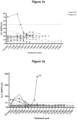
- the hepatotoxicity of Compound 1 in patients was determined by measuring the levels ALT in blood samples of patients treated with Compound 1 hemifumarate.
- the initial dose groups were 10, 20 and 40 mg once daily, taken as an oral formulation as described here, and data for these dose groups is depicted in Figure 1a .
- a further dose group was 80 mg once daily, taken as an oral formulation as described here, and data for all dose groups including 80 mg once daily is depicted in Figure 1b .
- This also shows further cycles of treatments for the 10, 20 and 40 mg once daily dose groups.
- the x axis shows the timepoint of sample collection with "Cx" meaning the x cycle of 28 days and "Dy" meaning the y day within the 28 day cycle. Accordingly C1D1 corresponds to day 1 of treatment, C1D8 corresponds to day 8 of treatment, etc and C2D1 corresponds to day 29 of treatment, C3D1 corresponds to day 57 of treatment, etc, each of a continuous treatment period.
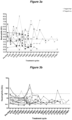
- the hepatotoxicity of Compound 1 in patients was determined by measuring the levels AST in blood samples of patients treated with Compound 1.
- the initial dose groups were 10, 20 and 40 mg once daily, taken as an oral formulation as described here, and data for these dose groups is depicted in Figure 2a .
- a further dose group was 80 mg once daily, taken as an oral formulation as described here, and data for all dose groups including 80 mg once daily is depicted in Figure 2b . This also shows further cycles of treatments for the 10, 20 and 40 mg once daily dose groups.
- treatment of patients with Compound 1 did not result in any clinically significant treatment-related AST elevation above the normal range. Even more surprising, treatment with Compound 1 resulted in a decrease of AST levels in one patient that had elevated AST levels before treatment with compound 1. Even more surprising, treatment with Compound 1 resulted in a decrease of AST levels in three patients that had elevated AST levels at cycle 1 day 1 before treatment with compound 1. In one other patient AST levels increased during treatment with Compound 1, however this increase was related to a growing tumour lesion in the liver.
- AEs related to treatment reported for patients treated with Compound 1 by the treating physician are mild and of grade 1 except for one occasion of uveitis grade 2.
- treatment of patients with Compound 1 did not result in the typical toxicities observed for other PI3K ⁇ inhibitors such as diarrhoea/colitis and (respiratory) infections.
- diarrhoea/colitis and (respiratory) infections There was only one case of suspected diarrhoea but this case was mild (grade 1) and of short duration (2 days) and thus could also be related to an incidence of food poisoning.
- colitis or (respiratory) infections There were no cases of colitis or (respiratory) infections.
- the heamatological toxicity of Compound 1 in patients was determined by measuring the neutrophil counts in blood samples of patients treated with Compound 1.
- the initial dose groups were 10, 20 and 40 mg once daily, taken as an oral formulation as described here, and data for these dose groups is depicted in Figure 3a .
- a further dose group was 80 mg once daily, taken as an oral formulation as described here, and data for all dose groups including 80 mg once daily is depicted in Figure 3b . This also shows further cycles of treatments for the 10, 20 and 40 mg once daily dose groups.
- the pharmacodynamic (PD) activity of Compound 1 in patients was determined by measuring the percentage of CD63 positive basophils in blood samples of patients treated with Compound 1 after ex vivo stimulation with anti-IgE using the basophil activation test (BAT). See Figure 4a and Figure 4b .
- Degranulation of basophils following crosslinking of Fc ⁇ R1 receptor has been shown to be PI3K ⁇ -dependent (Ali 2008) and the activity of PI3K ⁇ inhibitors on basophil degranulation can be measured by the inhibition of ex vivo IgE-mediated CD63 expression (Lannutti 2011).
- Compound 1 shows a dose dependent reduction of CD63 positive basophils in blood samples of patients comparable to that reported for idelalisib (Horak 2016).
Landscapes
- Health & Medical Sciences (AREA)
- Life Sciences & Earth Sciences (AREA)
- Chemical & Material Sciences (AREA)
- Animal Behavior & Ethology (AREA)
- Pharmacology & Pharmacy (AREA)
- General Health & Medical Sciences (AREA)
- Public Health (AREA)
- Veterinary Medicine (AREA)
- Medicinal Chemistry (AREA)
- Epidemiology (AREA)
- General Chemical & Material Sciences (AREA)
- Organic Chemistry (AREA)
- Nuclear Medicine, Radiotherapy & Molecular Imaging (AREA)
- Chemical Kinetics & Catalysis (AREA)
- Oncology (AREA)
- Molecular Biology (AREA)
- Biophysics (AREA)
- Inorganic Chemistry (AREA)
- Pain & Pain Management (AREA)
- Rheumatology (AREA)
- Hematology (AREA)
- Pharmaceuticals Containing Other Organic And Inorganic Compounds (AREA)
- Acyclic And Carbocyclic Compounds In Medicinal Compositions (AREA)
- Heterocyclic Carbon Compounds Containing A Hetero Ring Having Oxygen Or Sulfur (AREA)
- Medicinal Preparation (AREA)
- Pyrane Compounds (AREA)
Priority Applications (3)
| Application Number | Priority Date | Filing Date | Title |
|---|---|---|---|
| HRP20250516TT HRP20250516T1 (hr) | 2021-03-29 | 2022-03-29 | Pripravak koji sadrži roginolisib i režim za doziranje u liječenju raka ili upalne ili autoimune bolesti |
| SI202230137T SI4313058T1 (sl) | 2021-03-29 | 2022-03-29 | Sestavek, ki obsega roginolisib in odmerni režim za zdravljenje raka ali vnetne ali avtoimunske bolezni |
| RS20250390A RS66754B1 (sr) | 2021-03-29 | 2022-03-29 | Sastav koji sadrži roginolisib i dozni režim za tretman raka ili inflamatorne ili autoimune bolesti |
Applications Claiming Priority (3)
| Application Number | Priority Date | Filing Date | Title |
|---|---|---|---|
| GBGB2104416.9A GB202104416D0 (en) | 2021-03-29 | 2021-03-29 | Treatment reginmens |
| GBGB2117511.2A GB202117511D0 (en) | 2021-12-03 | 2021-12-03 | Treatment regimens |
| PCT/EP2022/058283 WO2022207646A1 (en) | 2021-03-29 | 2022-03-29 | A pi3k-delta inhibitor for use in treatment regimens |
Publications (2)
| Publication Number | Publication Date |
|---|---|
| EP4313058A1 EP4313058A1 (en) | 2024-02-07 |
| EP4313058B1 true EP4313058B1 (en) | 2025-03-05 |
Family
ID=81388915
Family Applications (1)
| Application Number | Title | Priority Date | Filing Date |
|---|---|---|---|
| EP22719266.3A Active EP4313058B1 (en) | 2021-03-29 | 2022-03-29 | Composition comprising roginolisib and dosage regime for treating cancer or an inflammatory or autoimmune disease |
Country Status (17)
| Country | Link |
|---|---|
| US (1) | US12605389B2 (https=) |
| EP (1) | EP4313058B1 (https=) |
| JP (1) | JP7839803B2 (https=) |
| AU (1) | AU2022251843B2 (https=) |
| CA (1) | CA3212731A1 (https=) |
| DK (1) | DK4313058T3 (https=) |
| ES (1) | ES3031295T3 (https=) |
| FI (1) | FI4313058T3 (https=) |
| HR (1) | HRP20250516T1 (https=) |
| HU (1) | HUE071610T2 (https=) |
| LT (1) | LT4313058T (https=) |
| MX (1) | MX2023011442A (https=) |
| PL (1) | PL4313058T3 (https=) |
| PT (1) | PT4313058T (https=) |
| RS (1) | RS66754B1 (https=) |
| SI (1) | SI4313058T1 (https=) |
| WO (1) | WO2022207646A1 (https=) |
Families Citing this family (2)
| Publication number | Priority date | Publication date | Assignee | Title |
|---|---|---|---|---|
| JP2026510567A (ja) * | 2023-03-03 | 2026-04-08 | アイオンクチュラ・ソシエテ・アノニム | 血液悪性腫瘍の治療におけるロギノリシブ及びbcl-2阻害剤の組み合わせ |
| AU2024231699A1 (en) * | 2023-03-03 | 2025-09-11 | Ionctura Sa | Combination of roginolisib and hdac inhibitor in the treatment of haematological malignancy |
Family Cites Families (5)
| Publication number | Priority date | Publication date | Assignee | Title |
|---|---|---|---|---|
| EA201290305A1 (ru) | 2009-11-13 | 2012-12-28 | Мерк Сероно С.А. | Производные трициклического пиразоламина |
| WO2014121901A1 (en) | 2013-02-07 | 2014-08-14 | Merck Patent Gmbh | Polymorphic forms |
| US9986723B2 (en) | 2014-10-22 | 2018-06-05 | The Board Of Regents Of The University Of Texas System | Screen and use of therapeutics for pancreatic ductal adenocarcinoma |
| GB201502020D0 (en) | 2015-02-06 | 2015-03-25 | Cancer Rec Tech Ltd | Autotaxin inhibitory compounds |
| EP3610264A1 (en) | 2017-04-13 | 2020-02-19 | INSERM (Institut National de la Santé et de la Recherche Médicale) | Methods for the diagnosis and treatment of pancreatic ductal adenocarcinoma |
-
2022
- 2022-03-29 WO PCT/EP2022/058283 patent/WO2022207646A1/en not_active Ceased
- 2022-03-29 CA CA3212731A patent/CA3212731A1/en active Pending
- 2022-03-29 AU AU2022251843A patent/AU2022251843B2/en active Active
- 2022-03-29 MX MX2023011442A patent/MX2023011442A/es unknown
- 2022-03-29 HR HRP20250516TT patent/HRP20250516T1/hr unknown
- 2022-03-29 PT PT227192663T patent/PT4313058T/pt unknown
- 2022-03-29 EP EP22719266.3A patent/EP4313058B1/en active Active
- 2022-03-29 DK DK22719266.3T patent/DK4313058T3/da active
- 2022-03-29 HU HUE22719266A patent/HUE071610T2/hu unknown
- 2022-03-29 SI SI202230137T patent/SI4313058T1/sl unknown
- 2022-03-29 FI FIEP22719266.3T patent/FI4313058T3/fi active
- 2022-03-29 PL PL22719266.3T patent/PL4313058T3/pl unknown
- 2022-03-29 LT LTEPPCT/EP2022/058283T patent/LT4313058T/lt unknown
- 2022-03-29 ES ES22719266T patent/ES3031295T3/es active Active
- 2022-03-29 JP JP2023560623A patent/JP7839803B2/ja active Active
- 2022-03-29 US US18/271,196 patent/US12605389B2/en active Active
- 2022-03-29 RS RS20250390A patent/RS66754B1/sr unknown
Non-Patent Citations (1)
| Title |
|---|
| MOSELE F ET AL: "Results 92P Detection of PIK3CA mutation by circulating DNA during chemotherapy: A tool to identify hard-to-treat metastatic breast cancers", 9 November 2019 (2019-11-09), XP055941646, [retrieved on 20220712], DOI: 10.1093/annonc/mdz413 * |
Also Published As
| Publication number | Publication date |
|---|---|
| PT4313058T (pt) | 2025-06-02 |
| AU2022251843A1 (en) | 2023-10-05 |
| LT4313058T (lt) | 2025-05-26 |
| US20240058351A1 (en) | 2024-02-22 |
| RS66754B1 (sr) | 2025-05-30 |
| WO2022207646A1 (en) | 2022-10-06 |
| JP2024518685A (ja) | 2024-05-02 |
| US12605389B2 (en) | 2026-04-21 |
| PL4313058T3 (pl) | 2025-06-23 |
| AU2022251843B2 (en) | 2026-04-09 |
| HUE071610T2 (hu) | 2025-09-28 |
| EP4313058A1 (en) | 2024-02-07 |
| ES3031295T3 (en) | 2025-07-07 |
| CA3212731A1 (en) | 2022-10-06 |
| SI4313058T1 (sl) | 2025-07-31 |
| FI4313058T3 (fi) | 2025-04-30 |
| MX2023011442A (es) | 2023-10-18 |
| JP7839803B2 (ja) | 2026-04-02 |
| HRP20250516T1 (hr) | 2025-06-20 |
| DK4313058T3 (da) | 2025-05-12 |
Similar Documents
| Publication | Publication Date | Title |
|---|---|---|
| TWI910423B (zh) | 用於治療細胞介素相關之病症之jak1路徑抑制劑 | |
| US9364476B2 (en) | Methods of treating a Bruton's Tyrosine Kinase disease or disorder | |
| WO2019040706A1 (en) | COMPOSITIONS AND METHODS FOR TREATING VITILIGO | |
| US10391092B2 (en) | Methods for treating cancer using dihydropyrazino-pyrazine compound combination therapy | |
| CN102647987A (zh) | 使用pi3k抑制剂治疗肝脏障碍 | |
| EP3695839A1 (en) | Therapeutic agent for solid cancers, which contains axl inhibitor as active ingredient | |
| EP2527344A1 (en) | Pyridin-2(1H)-one derivatives useful as medicaments for the treatment of myeloproliferative disorders, transplant rejection, immune-mediated and inflammatory diseases | |
| EP4313058B1 (en) | Composition comprising roginolisib and dosage regime for treating cancer or an inflammatory or autoimmune disease | |
| KR20140072028A (ko) | Pi3k- 및 mek-억제제의 상승작용적 조합물 | |
| TW201526894A (zh) | 藉二氫吡并吡治療癌症 | |
| WO2014081712A2 (en) | Methods of treating a disease or disorder associated with bruton's tyrosine kinase | |
| US20140142129A1 (en) | Methods of treating a disease or disorder associated with bruton's tyrosine kinase | |
| US20170224670A1 (en) | Drug Combination to Treat Melanoma | |
| TW202021591A (zh) | B細胞惡性腫瘤之治療 | |
| US20140142128A1 (en) | Methods of treating a disease or disorder associated with bruton's tyrosine kinase | |
| US20140140991A1 (en) | Methods of treating a disease or disorder associated with bruton's tyrosine kinase | |
| WO2025036478A1 (zh) | 一种哌嗪衍生物的药物制剂、其制备方法及其用途 | |
| EP3125935B1 (en) | Combinations of cancer therapeutics | |
| CN120676939A (zh) | Pi3k抑制剂及其制备和使用方法 | |
| CN117042778A (zh) | 用于治疗方案的PI3K-δ抑制剂 | |
| KR20180112066A (ko) | 피롤로-융합된 6-원의 헤테로시클릭 화합물을 포함하는 약학적 조성물 | |
| AU2012321091B2 (en) | Methods of treating a Bruton's Tyrosine Kinase disease or disorder | |
| EP4243819A1 (en) | Kinase inhibitor combinations for cancer treatment | |
| WO2019079747A1 (en) | INHIBITORS OF RET9 AND VEGFR2 |
Legal Events
| Date | Code | Title | Description |
|---|---|---|---|
| REG | Reference to a national code |
Ref country code: HR Ref legal event code: TUEP Ref document number: P20250516T Country of ref document: HR |
|
| STAA | Information on the status of an ep patent application or granted ep patent |
Free format text: STATUS: UNKNOWN |
|
| STAA | Information on the status of an ep patent application or granted ep patent |
Free format text: STATUS: THE INTERNATIONAL PUBLICATION HAS BEEN MADE |
|
| PUAI | Public reference made under article 153(3) epc to a published international application that has entered the european phase |
Free format text: ORIGINAL CODE: 0009012 |
|
| STAA | Information on the status of an ep patent application or granted ep patent |
Free format text: STATUS: REQUEST FOR EXAMINATION WAS MADE |
|
| 17P | Request for examination filed |
Effective date: 20231027 |
|
| AK | Designated contracting states |
Kind code of ref document: A1 Designated state(s): AL AT BE BG CH CY CZ DE DK EE ES FI FR GB GR HR HU IE IS IT LI LT LU LV MC MK MT NL NO PL PT RO RS SE SI SK SM TR |
|
| DAV | Request for validation of the european patent (deleted) | ||
| DAX | Request for extension of the european patent (deleted) | ||
| STAA | Information on the status of an ep patent application or granted ep patent |
Free format text: STATUS: EXAMINATION IS IN PROGRESS |
|
| 17Q | First examination report despatched |
Effective date: 20241004 |
|
| GRAP | Despatch of communication of intention to grant a patent |
Free format text: ORIGINAL CODE: EPIDOSNIGR1 |
|
| STAA | Information on the status of an ep patent application or granted ep patent |
Free format text: STATUS: GRANT OF PATENT IS INTENDED |
|
| RIC1 | Information provided on ipc code assigned before grant |
Ipc: A61K 9/48 20060101ALI20241023BHEP Ipc: A61K 9/20 20060101ALI20241023BHEP Ipc: A61P 35/04 20060101ALI20241023BHEP Ipc: A61P 35/02 20060101ALI20241023BHEP Ipc: A61P 35/00 20060101ALI20241023BHEP Ipc: A61P 29/00 20060101ALI20241023BHEP Ipc: A61K 31/5377 20060101AFI20241023BHEP |
|
| INTG | Intention to grant announced |
Effective date: 20241121 |
|
| GRAS | Grant fee paid |
Free format text: ORIGINAL CODE: EPIDOSNIGR3 |
|
| GRAA | (expected) grant |
Free format text: ORIGINAL CODE: 0009210 |
|
| STAA | Information on the status of an ep patent application or granted ep patent |
Free format text: STATUS: THE PATENT HAS BEEN GRANTED |
|
| AK | Designated contracting states |
Kind code of ref document: B1 Designated state(s): AL AT BE BG CH CY CZ DE DK EE ES FI FR GB GR HR HU IE IS IT LI LT LU LV MC MK MT NL NO PL PT RO RS SE SI SK SM TR |
|
| REG | Reference to a national code |
Ref country code: GB Ref legal event code: FG4D |
|
| REG | Reference to a national code |
Ref country code: CH Ref legal event code: EP |
|
| REG | Reference to a national code |
Ref country code: IE Ref legal event code: FG4D |
|
| REG | Reference to a national code |
Ref country code: DE Ref legal event code: R096 Ref document number: 602022011459 Country of ref document: DE |
|
| REG | Reference to a national code |
Ref country code: FI Ref legal event code: FGE |
|
| REG | Reference to a national code |
Ref country code: NL Ref legal event code: FP |
|
| REG | Reference to a national code |
Ref country code: DK Ref legal event code: T3 Effective date: 20250506 |
|
| REG | Reference to a national code |
Ref country code: SE Ref legal event code: TRGR |
|
| REG | Reference to a national code |
Ref country code: PT Ref legal event code: SC4A Ref document number: 4313058 Country of ref document: PT Date of ref document: 20250602 Kind code of ref document: T Free format text: AVAILABILITY OF NATIONAL TRANSLATION Effective date: 20250526 |
|
| REG | Reference to a national code |
Ref country code: HR Ref legal event code: ODRP Ref document number: P20250516T Country of ref document: HR Payment date: 20250428 Year of fee payment: 4 |
|
| REG | Reference to a national code |
Ref country code: HR Ref legal event code: T1PR Ref document number: P20250516 Country of ref document: HR |
|
| REG | Reference to a national code |
Ref country code: ES Ref legal event code: FG2A Ref document number: 3031295 Country of ref document: ES Kind code of ref document: T3 Effective date: 20250707 |
|
| PGFP | Annual fee paid to national office [announced via postgrant information from national office to epo] |
Ref country code: ES Payment date: 20250410 Year of fee payment: 4 |
|
| PGFP | Annual fee paid to national office [announced via postgrant information from national office to epo] |
Ref country code: AL Payment date: 20250509 Year of fee payment: 4 |
|
| REG | Reference to a national code |
Ref country code: SK Ref legal event code: T3 Ref document number: E 46421 Country of ref document: SK |
|
| PGFP | Annual fee paid to national office [announced via postgrant information from national office to epo] |
Ref country code: HU Payment date: 20250430 Year of fee payment: 4 |
|
| PGFP | Annual fee paid to national office [announced via postgrant information from national office to epo] |
Ref country code: BG Payment date: 20250408 Year of fee payment: 4 |
|
| PGFP | Annual fee paid to national office [announced via postgrant information from national office to epo] |
Ref country code: CH Payment date: 20250425 Year of fee payment: 4 |
|
| PGFP | Annual fee paid to national office [announced via postgrant information from national office to epo] |
Ref country code: SI Payment date: 20250410 Year of fee payment: 4 |
|
| REG | Reference to a national code |
Ref country code: GR Ref legal event code: EP Ref document number: 20250401010 Country of ref document: GR Effective date: 20250613 |
|
| P01 | Opt-out of the competence of the unified patent court (upc) registered |
Free format text: CASE NUMBER: UPC_APP_1371_4313058/2025 Effective date: 20250729 |
|
| REG | Reference to a national code |
Ref country code: EE Ref legal event code: FG4A Ref document number: E025104 Country of ref document: EE Effective date: 20250513 |
|
| REG | Reference to a national code |
Ref country code: HU Ref legal event code: AG4A Ref document number: E071610 Country of ref document: HU |
|
| PG25 | Lapsed in a contracting state [announced via postgrant information from national office to epo] |
Ref country code: SM Free format text: LAPSE BECAUSE OF FAILURE TO SUBMIT A TRANSLATION OF THE DESCRIPTION OR TO PAY THE FEE WITHIN THE PRESCRIBED TIME-LIMIT Effective date: 20250305 |
|
| PGFP | Annual fee paid to national office [announced via postgrant information from national office to epo] |
Ref country code: MK Payment date: 20250428 Year of fee payment: 4 |
|
| REG | Reference to a national code |
Ref country code: DE Ref legal event code: R097 Ref document number: 602022011459 Country of ref document: DE |
|
| PG25 | Lapsed in a contracting state [announced via postgrant information from national office to epo] |
Ref country code: MC Free format text: LAPSE BECAUSE OF FAILURE TO SUBMIT A TRANSLATION OF THE DESCRIPTION OR TO PAY THE FEE WITHIN THE PRESCRIBED TIME-LIMIT Effective date: 20250305 |
|
| PLBE | No opposition filed within time limit |
Free format text: ORIGINAL CODE: 0009261 |
|
| STAA | Information on the status of an ep patent application or granted ep patent |
Free format text: STATUS: NO OPPOSITION FILED WITHIN TIME LIMIT |
|
| REG | Reference to a national code |
Ref country code: CH Ref legal event code: L10 Free format text: ST27 STATUS EVENT CODE: U-0-0-L10-L00 (AS PROVIDED BY THE NATIONAL OFFICE) Effective date: 20260114 |
|
| 26N | No opposition filed |
Effective date: 20251208 |
|
| REG | Reference to a national code |
Ref country code: CH Ref legal event code: U11 Free format text: ST27 STATUS EVENT CODE: U-0-0-U10-U11 (AS PROVIDED BY THE NATIONAL OFFICE) Effective date: 20260401 |
|
| PGFP | Annual fee paid to national office [announced via postgrant information from national office to epo] |
Ref country code: SE Payment date: 20260319 Year of fee payment: 5 |
|
| PGFP | Annual fee paid to national office [announced via postgrant information from national office to epo] |
Ref country code: LT Payment date: 20260306 Year of fee payment: 5 Ref country code: GB Payment date: 20260317 Year of fee payment: 5 |
|
| REG | Reference to a national code |
Ref country code: HR Ref legal event code: ODRP Ref document number: P20250516 Country of ref document: HR Payment date: 20260309 Year of fee payment: 5 |
|
| PGFP | Annual fee paid to national office [announced via postgrant information from national office to epo] |
Ref country code: NO Payment date: 20260324 Year of fee payment: 5 Ref country code: DK Payment date: 20260319 Year of fee payment: 5 Ref country code: IE Payment date: 20260318 Year of fee payment: 5 Ref country code: DE Payment date: 20260317 Year of fee payment: 5 |
|
| PGFP | Annual fee paid to national office [announced via postgrant information from national office to epo] |
Ref country code: HR Payment date: 20260309 Year of fee payment: 5 Ref country code: AT Payment date: 20260301 Year of fee payment: 5 |
|
| PGFP | Annual fee paid to national office [announced via postgrant information from national office to epo] |
Ref country code: FI Payment date: 20260325 Year of fee payment: 5 Ref country code: RO Payment date: 20260313 Year of fee payment: 5 Ref country code: LU Payment date: 20260325 Year of fee payment: 5 Ref country code: BE Payment date: 20260325 Year of fee payment: 5 Ref country code: IT Payment date: 20260319 Year of fee payment: 5 |
|
| PGFP | Annual fee paid to national office [announced via postgrant information from national office to epo] |
Ref country code: NL Payment date: 20260319 Year of fee payment: 5 |
|
| PGFP | Annual fee paid to national office [announced via postgrant information from national office to epo] |
Ref country code: RS Payment date: 20260306 Year of fee payment: 5 |
|
| PGFP | Annual fee paid to national office [announced via postgrant information from national office to epo] |
Ref country code: IS Payment date: 20260309 Year of fee payment: 5 Ref country code: FR Payment date: 20260319 Year of fee payment: 5 |
|
| PGFP | Annual fee paid to national office [announced via postgrant information from national office to epo] |
Ref country code: TR Payment date: 20260312 Year of fee payment: 5 |
|
| PGFP | Annual fee paid to national office [announced via postgrant information from national office to epo] |
Ref country code: PT Payment date: 20260306 Year of fee payment: 5 Ref country code: CZ Payment date: 20260306 Year of fee payment: 5 |
|
| PGFP | Annual fee paid to national office [announced via postgrant information from national office to epo] |
Ref country code: PL Payment date: 20260311 Year of fee payment: 5 Ref country code: GR Payment date: 20260306 Year of fee payment: 5 Ref country code: CY Payment date: 20260309 Year of fee payment: 5 Ref country code: MT Payment date: 20260306 Year of fee payment: 5 |
|
| PGFP | Annual fee paid to national office [announced via postgrant information from national office to epo] |
Ref country code: LV Payment date: 20260306 Year of fee payment: 5 Ref country code: EE Payment date: 20260309 Year of fee payment: 5 Ref country code: SK Payment date: 20260312 Year of fee payment: 5 |