EP4290932B1 - Cell access control method and apparatus, device, and storage medium - Google Patents
Cell access control method and apparatus, device, and storage medium Download PDFInfo
- Publication number
- EP4290932B1 EP4290932B1 EP21940246.8A EP21940246A EP4290932B1 EP 4290932 B1 EP4290932 B1 EP 4290932B1 EP 21940246 A EP21940246 A EP 21940246A EP 4290932 B1 EP4290932 B1 EP 4290932B1
- Authority
- EP
- European Patent Office
- Prior art keywords
- access
- terminal
- information
- cell
- terminal device
- Prior art date
- Legal status (The legal status is an assumption and is not a legal conclusion. Google has not performed a legal analysis and makes no representation as to the accuracy of the status listed.)
- Active
Links
Images


Classifications
-
- H—ELECTRICITY
- H04—ELECTRIC COMMUNICATION TECHNIQUE
- H04W—WIRELESS COMMUNICATION NETWORKS
- H04W48/00—Access restriction; Network selection; Access point selection
- H04W48/08—Access restriction or access information delivery, e.g. discovery data delivery
- H04W48/10—Access restriction or access information delivery, e.g. discovery data delivery using broadcasted information
-
- H—ELECTRICITY
- H04—ELECTRIC COMMUNICATION TECHNIQUE
- H04W—WIRELESS COMMUNICATION NETWORKS
- H04W48/00—Access restriction; Network selection; Access point selection
- H04W48/02—Access restriction performed under specific conditions
-
- H—ELECTRICITY
- H04—ELECTRIC COMMUNICATION TECHNIQUE
- H04W—WIRELESS COMMUNICATION NETWORKS
- H04W48/00—Access restriction; Network selection; Access point selection
- H04W48/08—Access restriction or access information delivery, e.g. discovery data delivery
-
- H—ELECTRICITY
- H04—ELECTRIC COMMUNICATION TECHNIQUE
- H04W—WIRELESS COMMUNICATION NETWORKS
- H04W48/00—Access restriction; Network selection; Access point selection
- H04W48/20—Selecting an access point
Definitions
- Embodiments of the present disclosure relate to the technical field of communications, and more particularly, to methods for cell access control, a terminal device and a network device.
- NTN Non-Terrestrial Network
- NR 5G New Radio
- the document EP 4178268A1 provides an access control method.
- the access control method is applied to a first network node and includes the following.
- a target access control parameter is acquired according to a terminal type to which the first network node belongs.
- Access control information is determined according to the target access control parameter, where the access control information includes access allowed or access forbidden.
- ERICSSON "Remaining details on Random access for NTN", 3GPP DRAFT, R2-1915567, vol. RAN WG2, 7 November 2019, XP051815978 , proposals that the TA in RAR needs to be able to adjust for overestimation of the timing advance.
- the embodiments of the present disclosure provide methods for cell access control, a terminal device and a network device.
- the technical solutions are as follows.
- An aspect of the embodiments of the present disclosure provides a method for cell access control according to claim 1, and further detailed in the dependent claims referring back to this claim.
- An aspect of the embodiments of the present disclosure provides a method for cell access control according to claim 8, and further detailed in the dependent claims referring back to this claim.
- An aspect of the embodiments of the present disclosure provides a terminal device according to claim 13.
- An aspect of the embodiments of the present disclosure provides a network device according to claim 14, and further detailed in the dependent claims referring back to this claim.
- the network device provides the first information to the terminal device, the first information determines each of at least two terminal types is allowed to access a cell corresponding to the network device or barred from accessing the cell corresponding to the network device, and the terminal device accesses or does not access the cell corresponding to the network device based on the first information, thereby realizing the cell access control for different types of terminals respectively, controlling the access of various types of terminals more flexibly and utilizing network resources better.
- the network architectures and service scenarios in the embodiments of the present disclosure are described for purpose of more clearly illustrating the technical solutions of the embodiments of the present disclosure and do not constitute limitations to the technical solutions according to the embodiments of the present disclosure.
- a person of ordinary skill in the art may know that, with the evolution of the network architecture and the emergence of new service scenarios, the technical solutions according to the embodiments of the present disclosure is also applicable to similar technical problems.
- the satellite communications have many unique advantages.
- the satellite communications are not limited by the user region.
- general land communications cannot cover areas where the communication device cannot be set up, such as oceans, mountains, deserts or the like, or areas where communication coverage is not provided due to sparse population.
- the satellite communications because a satellite can cover a large area of the ground and the satellite can make orbital movements around the earth, theoretically every corner of the earth can be covered by the satellite communications.
- the satellite communications have great social value.
- the satellite communications can be covered at a lower cost in remote mountainous areas, and poor and backward countries or regions, thus enabling people in these regions to enjoy the advanced voice communications and the mobile Internet technology, which is conducive to reducing the digital divide with the developed areas and promoting the development of these regions.
- the satellite communications have a long distance, and the communication cost does not increase significantly as the communication distance increases.
- the satellite communications have high stability and are not subject to natural disasters.
- the communication satellites are classified based on different orbital altitudes as Low-Earth Orbit (LEO) satellites, Medium-Earth Orbit (MEO) satellites, Geostationary Earth Orbit (GEO) satellites, High Elliptical Orbit (HEO) satellites, etc.
- LEO Low-Earth Orbit
- MEO Medium-Earth Orbit
- GEO Geostationary Earth Orbit
- HEO High Elliptical Orbit
- An altitude range of the LEO satellite is 500 km ⁇ 1500 km, a corresponding orbital period is about 1.5 hours ⁇ 2 hours.
- a signal propagation delay of single-hop communication between users is generally less than 20 milliseconds, and a maximum satellite visual time is 20 minutes.
- a signal propagation distance is short and a link loss is low, which requires low transmission power of the user terminal.
- the GEO satellite has an orbital altitude of 35786km, and a rotation period of 24 hours around the Earth.
- a signal propagation delay of single-hop communication between users is generally 250 milliseconds.
- the satellites use multiple beams to cover the ground, one satellite may form tens or even hundreds of beams to cover the ground; and one satellite beam may cover a ground area with a diameter of tens to hundreds of kilometers.
- the communication satellite in the satellite network architecture is a transparent payload satellite.
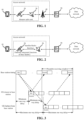
- the satellite network architecture includes a terminal device 10, a satellite 20, an NTN gateway 30, an access network device 40 and a core network device 50.
- a downlink signal is sent from the core network device 50 to the access network device 40, the access network device 40 sends the downlink signal to the NTN gateway 30, the NTN gateway 30 forwards the downlink signal to the satellite 20, and then the satellite 20 forwards the downlink signal to the terminal device 10.
- the communication satellite in the satellite network architecture is a regenerative payload satellite.
- the satellite network architecture includes a terminal device 10, a satellite 20, an NTN gateway 30 and a core network device 50.
- the terminal device 10 in the embodiments of the present disclosure may include various handheld devices having wireless communication functions, vehicle-mounted devices, wearable devices, computing devices or other processing devices connected to a wireless modem, as well as various forms of User Equipment (UE), Mobile Station (MS), terminal devices and the like.
- UE User Equipment
- MS Mobile Station
- terminal device 10 in the embodiments of the present disclosure each of the above devices is collectively referred to as a terminal device.
- UE is used in some places to represent the "terminal device”.
- the "network device” may be the access network device (such as, the base station) or the satellite.
- LTE Long Term Evolution
- 5G NR 5th Generation
- 5G NR 5th Generation NR
- the first action of UE in the initial access stage, after obtaining time-frequency domain synchronization, is to read Master Information Block (MIB).
- MIB includes the following two parameters related to cell selection and reselection:
- the access identity represents the identity characteristics of the UE itself.
- the standardized access identities in NR are 0-15, where 3 ⁇ 10 are undefined parts.
- the access category represents services attributes of calls initiated by UE, where 0-7 are standardized access categories, 32-63 are access categories defined by operators, and others are undefined access categories.
- Radio Access Network broadcasts access control information related to the access category and the access identity, and UE Access Stratum (AS) performs an Access Class Barrring (ACB) check based on the broadcast access control information and the access category and the access identity provided by AS/Non Access Stratum (NAS).
- RAN Radio Access Network
- AS UE Access Stratum
- ABB Access Class Barrring
- UAC parameters are configured for each access category and for each Public Land Mobile Network (PLMN).
- PLMN Public Land Mobile Network
- each UAC-BarringlnfoSet includes the following parameters:
- Each access category is associated with a UAC-BarringlnfoSet and there are 64 access categories in total (where the access category 0 does not need to be configured).
- Each PLMN is associated with a UAC-BarringPerCatList for each PLMN configuration. If it is not configured for each piece of PLMN information, the above configuration is applicable to all PLMNs.
- uac-AccessCategory1-SelectionAssistancelnfo is configured to assist in determining whether the ACB check is used for the access category 1.
- the operations that the UE performs the UAC checking are as follows.
- operation S2 is performed based on the UAC configuration information judgment.
- paging triggering For events triggered by the AS, which include paging triggering and RAN-based Notification Area Update (RNAU) triggering (the interaction of information between the NAS and the AS belongs to a UE implementation behavior).
- RAN-based Notification Area Update triggering
- one idea is to ensure that the time interval between adjacent ROs in the time domain is not less than the length of the RACH receiving window when configuring RACH resources in the network.
- the disadvantage of this method is that the RACH capacity will be reduced.
- the UE itself may estimate the TA and send the preamble using the estimated TA. Since the UE has adjusted its uplink timing before sending the preamble, for the UE with TA pre-compensation capability, the network does not actually need to use the extended RACH receiving window to receive the preambles. Therefore, for the terminal device with TA pre-compensation capability, since there is no need to use an extended RACH receiving window for preamble reception, there is no restriction on the time interval between adjacent ROs, thereby improving the RACH capacity to a certain extent.
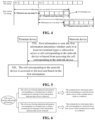
- FIG. 5 a flowchart of a method for cell access control according to an embodiment of the present disclosure is illustrated.
- the method may be applied to the network architecture illustrated in FIG. 1 or FIG. 2 .
- the method may include the following operations 510-520.
- a network device sends first information, and the first information determines whether each of at least two terminal types is allowed to access a cell corresponding to the network device or barred from accessing the cell corresponding to the network device.
- a terminal device receives the first information from the network device.
- the terminal device accesses or does not access the cell corresponding to the network device based on the first information.
- the at least two terminal types include a first terminal type and a second terminal type, the first terminal type and the second terminal type are two different terminal types, and the first information determines whether the cell corresponding to the network device allows or bars access of a terminal device having the first terminal type, and also determines whether the cell corresponding to the network device allows or bars access of a terminal device having the second terminal type.
- the terminal device may determine whether the cell corresponding to the network device allows or bars access of the terminal device based on the first information and the terminal type to which the terminal device belongs. Optionally, if the terminal device determines that the cell corresponding to the network device allows access of the terminal device, the terminal device accesses the cell corresponding to the network device at an appropriate time; if that the terminal device determines that the cell corresponding to the network device bars access of the terminal device, the terminal device does not access the cell corresponding to the network device.
- the terminal type is determined based on the capabilities of the terminal devices, i.e. the terminal devices may be classified based on the different capabilities of the different terminal devices.
- the terminal type is determined based on a TA pre-compensation capability.
- the terminal type is further determined based on a positioning capability.
- the TA pre-compensation capability refers to a capability of the terminal device to perform TA pre-compensation by itself using the positioning capability in combination with the ephemeris information of the satellite and/or common TA information broadcast by the system information.
- the terminal device can estimate a TA corresponding to a service link between the terminal device and the satellite, obtain a first TA by combining information such as a common TA broadcast by the network, and use the first TA to perform TA compensation for sending the msg1, in which the msg1 is a message for sending the preamble during the random access process.
- the positioning capability refers to a capability of a terminal device to obtain its own position information, such as, Global Navigation Satellite System (GNSS) capability.
- GNSS Global Navigation Satellite System
- the at least two terminal types include the first terminal type and the second terminal type.
- the first terminal type has the TA pre-compensation capability, and the second terminal type does not have the TA pre-compensation capability.
- the first terminal type has the positioning capability, and the second terminal type does not have the positioning capability.
- the first terminal type has the TA pre-compensation capability and the positioning capability, and the second terminal type does not have the TA pre-compensation capability and/or the positioning capability.
- the first information includes one of: cell access barring indication information, random access resource configuration information, and UAC configuration information. Reference is made to the following embodiments for an introductory description of the above information.
- the first information is carried in system information.
- the network device transmits the system information, where the system information includes the first information.
- the terminal device receives the system information from the network device, where the system information includes the first information.
- the network device broadcasts the system information, where the system information includes the first information.
- the original cell access barring indication information in the MIB may be reused for use by the second terminal type, i.e., it is determined whether the cell corresponding to the network device allows or bars access of the terminal device corresponding to the second terminal type based on the cell access barring indication information in the MIB, and new cell access barring indication information is added to the MIB (such as, the remaining 1bit reserved field in the MIB is used for the newly added cell access barring indication information) for use by the first terminal type, i.e., it is determined whether the cell corresponding to the network device allows or bars access of the terminal device corresponding to the first terminal type based on the newly added cell access barring indication information in the MIB.
- new cell access barring indication information is added to the MIB (such as, the remaining 1bit reserved field in the MIB is used for the newly added cell access barring indication information) for use by the first terminal type, i.e., it is determined whether the cell corresponding to the network device allows or bars access of the terminal device corresponding to the first terminal type
- the first information is entirely included in one System Information Block (SIB).
- SIB may be SIB 1, SIB 2 or other SIBs, which is not limited in the present disclosure.
- unused bits in the SIB are used for indicating cell access barring indication information corresponding to the at least two terminal types (e.g. including the first terminal type and the second terminal type), respectively.
- the first information includes cell access barring indication information for indicating whether access is allowed or barred.
- the cell access barring indication information may be the cellBarred information for indicating that residence in the cell corresponding to the network device is allowed or barred.
- the target terminal type in the at least two terminal types (the target terminal type may be any one of the at least two terminal types), responsive to that the cell access barring indication information corresponding to the target terminal type is the first indication information, it is indicated that the cell corresponding to the network device allows access of the target terminal type (i.e., the terminal device belonging to the target terminal type), for example, it is indicated that the cell corresponding to the network device allows residence of the target terminal type (i.e., the terminal device belonging to the target terminal type).
- the terminal device determines that the cell corresponding to the network device allows access of the terminal device (such as, residence); or, if the cell access barring indication information corresponding to the first terminal type in the first information indicates that access is barred, and the cell access barring indication information corresponding to the second terminal type in the first information indicates that access is allowed, then the terminal device determines that the cell corresponding to the network device allows access of the terminal device (such as, residence); or, if the cell access barring indication information corresponding to the first terminal type in the first information indicates that access is barred, and the cell access barring indication information corresponding to the second terminal type in the first information indicates that access is barred, then the terminal device determines that the cell corresponding to the network device bars access of the terminal device (such as, residence); or, if the cell access barring indication information corresponding to the first terminal type in the first information indicates that access is barred, and the cell access barring indication information corresponding to the second terminal type in the first information indicates that access is barred, then the terminal device determines that the cell
- the terminal device belongs the first terminal type (i.e., the terminal device has the TA pre-compensation capability)
- the terminal device determines that the cell corresponding to the network device allows access of the terminal device (such as, residence); or, if the cell access barring indication information corresponding to the first terminal type in the first information indicates access is barred, and the cell access barring indication information corresponding to the second terminal type in the first information indicates access is barred, then the terminal device determines that the cell corresponding to the network device bars access of the terminal device (such as, residence).
- the terminal device belongs to the first terminal type
- the terminal device if the cell corresponding to the network device allows access of the first terminal type, then the terminal device performs random access using random access resources configured for the first terminal type.
- the terminal device if the cell corresponding to the network device bars access of the first terminal type and allows access of the second terminal type, then the terminal device performs random access using random access resources configured for the second terminal type.
- the terminal device belongs to the second terminal type (i.e., the terminal device does not have the TA pre-compensation capability)
- the terminal device determines that the cell corresponding to the network device allows access of the terminal device (such as, residence); or, if the cell access barring indication information corresponding to the second terminal type in the first information indicates that access is barred, then the terminal device determines that the cell corresponding to the network device bars access of the terminal device (such as, residence).
- the terminal device belongs to the second terminal type, if the cell corresponding to the network device allows access of the second terminal type, then the terminal device performs random access using random access resources configured for the second terminal type.
- the terminal device determines whether to allow selection or reselection of an intra-frequency cell corresponding to the network device for access based on the intra-frequency reselection indication information corresponding to a terminal type to which the terminal device belongs.
- the intra-frequency cells refer to cells with the same frequency.
- the intra-frequency reselection indication information may be intraFreqReselection indicating whether the terminal device is allowed to select or reselect to the next best cell on the current frequency if the current cell is the best cell on the current frequency and the terminal device is not allowed to reside therein.
- the first information also includes the intra-frequency reselection indication information respectively corresponding to the at least two terminal types.
- the first information includes, in addition to the cell access barring instruction information corresponding to the first terminal type and the cell access barring instruction information corresponding to the second terminal type, the intra-frequency reselection instruction information corresponding to the first terminal type and the intra-frequency reselection instruction information corresponding to the second terminal type.
- the corresponding cell access barring indication information for different terminal types are respectively configured, and the cell access barring indication information indicates whether the access is allowed or barred, thus realizing the cell access control for different terminal types respectively.
- the terminal device when the terminal device belongs to the first terminal type (i.e., the terminal device has the TA pre-compensation capability), the terminal device preferentially determines whether the cell corresponding to the network device allows access of the terminal devices based on the cell access barring indication information corresponding to the first terminal type. Further, in response to determining that the cell corresponding to the network device bars access of the first terminal type, the terminal device further determines whether the cell corresponding to the network device allows access of the terminal device based on the cell access barring indication information corresponding to the second terminal type.
- the first information includes random access resource configuration information for indicating whether access is allowed or bared.
- the target terminal type in the at least two terminal types (the target terminal type may be any one of the at least two terminal types), responsive to that the first information includes the random access resource configuration information corresponding to the target terminal type, it is indicated that the cell corresponding to the network device allows access of the target terminal type; or, responsive to that the first information excludes the random access resource configuration information corresponding to the target terminal type, it is indicated that the cell corresponding to the network device bars access of the target terminal type.
- the terminal device determines whether the cell corresponding to the network device allows or bars access of the terminal device based on whether the first information includes random access resource configuration information corresponding to a terminal type to which the terminal device belongs. For example, as illustrated in FIG. 8 , if the first information includes random access resource configuration information corresponding to a terminal type to which the terminal device belongs, the terminal device determines that the cell corresponding to the network device allows access of the terminal device; or, if the first information excludes random access resource configuration information corresponding to a terminal type to which the terminal device belongs, the terminal device determines that the cell corresponding to the network device bars access of the terminal device.
- the terminal device determines that the cell corresponding to the network device allows access of the terminal device if the terminal device belongs to the first terminal type, and the terminal device determines that the cell corresponding to the network device bars access of the terminal device if the terminal device belongs to the second terminal type.
- the terminal device determines that the cell corresponding to the network device allows access of the terminal device; or, if the first information excludes the random access resource configuration information corresponding to the first terminal type, and the first information includes the random access resource configuration information corresponding to the second terminal type, then the terminal device determines that the cell corresponding to the network device allows access of the terminal device; or, if the first information excludes the random access resource configuration information corresponding to the first terminal type, and the first information excludes the random access resource configuration information corresponding to the second terminal type, then the terminal device determines that the cell corresponding to the network device bars access of the terminal device.
- the terminal device belongs to the first terminal type (i.e., the terminal device has the TA pre-compensation capability)
- the terminal device determines that the cell corresponding to the network device allows access of the terminal device; or, if the first information excludes the random access resource configuration information corresponding to the first terminal type, and the first information excludes the random access resource configuration information corresponding to the second terminal type, then the terminal device determines that the cell corresponding to the network device bars access of the terminal device.
- the terminal device belongs to the first terminal type
- the terminal device if the cell corresponding to the network device allows access of the first terminal type, then the terminal device performs random access using random access resources configured for the first terminal type.
- the terminal device performs random access using random access resources configured for the second terminal type.
- the terminal device belongs to the second terminal type (i.e., the terminal device does not have the TA pre-compensation capability)
- the terminal device determines that the cell corresponding to the network device allows access of the terminal device; or, if the first information excludes the random access resource configuration information corresponding to the second terminal type, then the terminal device determines that the cell corresponding to the network device bars access of the terminal device.
- the terminal device belongs to the second terminal type, if the cell corresponding to the network device allows access of the second terminal type, then the terminal device performs random access using random access resources configured for the second terminal type.
- the corresponding random access resource configuration information is configured or not configured for different terminal types respectively, and the random access resource configuration information indicates whether access is allowed or barred, thereby realizing cell access control for different terminal types respectively.
- the terminal device preferentially determines whether the cell corresponding to the network device allows access of the terminal device based on whether the first information includes the random access resource configuration information corresponding to the first terminal type. Further, in response to determining that the cell corresponding to the network device bars access of the first terminal type, the terminal device further determines whether the cell corresponding to the network device allows access of the terminal device based on whether the first information includes the random access resource configuration information corresponding to the second terminal type.
- the terminal device is guaranteed to access the network using the TA pre-compensation capability to ensure RACH capacity, and access may be performed without using the TA pre-compensation capability when the network is congested, which increases the chance of access success, thus improving the access success rate.
- the first information includes UAC configuration information for performing a UAC checking to determine whether access is allowed or barred. Reference is made to the above description for the process of the UAC checking, which will not be repeated here.
- the UAC configuration information includes at least one of: a UAC-BarringlnfoSetlndex corresponding to each access category, a uac-BarringFactor corresponding to each access category, a uac-BarringTime corresponding to each access category, and a uac-BarringForAccessldentity corresponding to each access category.
- a UAC-BarringlnfoSetlndex corresponding to each access category
- a uac-BarringFactor corresponding to each access category
- a uac-BarringTime corresponding to each access category
- a uac-BarringForAccessldentity corresponding to each access category.
- the target terminal type in the at least two terminal types (the target terminal type may be any one of the at least two terminal types), responsive to that a UAC checking performed based on UAC configuration information corresponding to the target terminal type passes, it is determined that the cell corresponding to the network device allows access of the target terminal type; or, responsive to that a UAC checking performed based on UAC configuration information corresponding to the target terminal type fails, it is determined that the cell corresponding to the network device bars access of the target terminal type.
- the terminal device when the first information includes the UAC configuration information, performs the UAC checking based on the UAC configuration information corresponding to a terminal type to which the terminal device belongs, and determines whether the cell corresponding to the network device allows or bars access of the terminal device based on the UAC checking result. For example, as illustrated in FIG. 10 , the terminal device performs the UAC checking based on the UAC configuration information corresponding to the terminal type to which the terminal device belongs in the first information; the terminal device determines that the cell corresponding to the network device allows access of the terminal device in response to the UAC checking passing, or the terminal device determines that the cell corresponding to the network device bars access of the terminal device in response to the UAC checking failing.
- the terminal device performs the UAC checking based on the UAC configuration information corresponding to the first terminal type, determines that the cell corresponding to the network device allows access of the terminal device in response to the UAC checking passing, and determines that the cell corresponding to the network device bars access of the terminal device in response to the UAC checking failing; if the terminal device belongs to the second terminal type, then the terminal device performs the UAC checking based on the UAC configuration information corresponding to the second terminal type, and determines that the cell corresponding to the network device allows access of the terminal device in response to the UAC checking passing, and determines that the cell corresponding to the network device bars access of the terminal device in response to the UAC checking failing.
- the terminal device determines that the cell corresponding to the network device allows access of the terminal device; or, if the UAC checking performed based on the UAC configuration information corresponding to the first terminal type in the first information fails, and the UAC checking performed based on the UAC configuration information corresponding to the second terminal type in the first information passes, then the terminal device determines that the cell corresponding to the network device allows access of the terminal device; or, if the UAC checking performed based on the UAC configuration information corresponding to the first terminal type in the first information fails, and the UAC checking performed based on the UAC configuration information corresponding to the second terminal type in the first information fails, then the terminal device determines that the cell corresponding to the network device bars access of the terminal device.
- the terminal device belongs to the first terminal type (i.e., the terminal device has the TA pre-compensation capability)
- the terminal device determines that the cell corresponding to the network device allows access of the terminal device; or, if the UAC checking performed based on the UAC configuration information corresponding to the first terminal type in the first information fails, and the UAC checking performed based on the UAC configuration information corresponding to the second terminal type in the first information fails, then the terminal device determines that the cell corresponding to the network device bars access of the terminal device.
- the terminal device belongs to the first terminal type
- the terminal device if the cell corresponding to the network device allows access of the first terminal type, then the terminal device performs random access using random access resources configured for the first terminal type. If the cell corresponding to the network device bars access of the first terminal type and allows access of the second terminal type, then the terminal device performs random access using random access resources configured for the second terminal type.
- the terminal device when the terminal device belongs to the second terminal type (i.e., the terminal device does not have the TA pre-compensation capability), the terminal device performs the UAC checking based on the UAC configuration information corresponding to the second terminal type in the first information, determines that the cell corresponding to the network device allows access of the terminal device in response to the UAC checking passing, and determines that the cell corresponding to the network device bars access of the terminal device in response to the UAC checking failing.
- the terminal device belongs to the second terminal type, if the cell corresponding to the network device allows access of the second terminal type, then the terminal device performs random access using random access resources configured for the second terminal type.
- respective UAC configuration information is configured for different terminal types, and the UAC checking is performed based on the UAC configuration information to determine whether access is allowed or barred, thereby realizing cell access control for different terminal types respectively.
- the terminal device when the terminal device belongs to the first terminal type (i.e., the terminal device has the TA pre-compensation capability), the terminal device preferentially determines whether the cell corresponding to the network device allows access of the terminal device based on the UAC configuration information corresponding to the first terminal type. Further, in response to determining that the cell corresponding to the network device bars access of the first terminal type, the terminal device further determines whether the cell corresponding to the network device allows access of the terminal device based on the UAC configuration information corresponding to the second terminal type.
- the terminal device is guaranteed to access the network using the TA pre-compensation capability to ensure RACH capacity, and access may be performed without using the TA pre-compensation capability when the network is congested, which increases the chance of access success, thus improving the access success rate.
- the operations performed by the terminal device may be individually realized as the method for cell access control on the terminal device side
- the operations performed by the network device may be individually realized as the method for cell access control on the network device side.
- FIG. 12 a block diagram of a device for cell access control according to an embodiment of the present disclosure is illustrated.
- the device has functions of realizing the above method examples, these functions may be realized by hardware or by executing corresponding software by the hardware.
- the device may be the terminal device described above, or may be disposed in the terminal device.
- the device 1200 may include a receiving module 1210 and an access module 1220.
- the receiving module 1210 is configured to receive first information from a network device, and the first information determines whether each of at least two terminal types is allowed to access a cell corresponding to the network device or barred from accessing the cell corresponding to the network device.
- the access module 1220 is configured to access or not access the cell based on the first information.
- the first information includes cell access barring indication information for indicating whether access is allowed or barred.
- the device 1200 further includes a determining module 1230.
- the determining module 1230 is configured to determine that the cell allows access of the terminal device if the cell access barring indication information corresponding to a terminal type to which the terminal device belongs in the first information indicates that access is allowed; or the determining module 1230 is configured to determine that the cell bars access of the terminal device if the cell access barring indication information corresponding to a terminal type to which the terminal device belongs in the first information indicates that access is barred.
- the determining module 1230 is configured to determine that the cell allows access of the terminal device if the cell access barring indication information corresponding to the first terminal type in the first information indicates that access is allowed, and/or the cell access barring indication information corresponding to a second terminal type in the first information indicates that access is allowed; or, the determining module 1230 is configured to determine that the cell bars access of the terminal device if the cell access barring indication information corresponding to the first terminal type in the first information indicates that access is barred, and the cell access barring indication information corresponding to a second terminal type in the first information indicates that access is barred.
- the first information includes random access resource configuration information for indicating whether access is allowed or barred.
- the device 1200 further includes the determining module 1230.
- the determining module 1230 is configured to determine that the cell allows access of the terminal device if the first information includes the random access resource configuration information corresponding to a terminal type to which the terminal device belongs; or, the determining module 1230 is configured to determine that the cell bars access of the terminal device if the first information excludes the random access resource configuration information corresponding to a terminal type to which the terminal device belongs,.
- the determining module 1230 is configured to determine that the cell allows access of the terminal device if the first information includes the random access resource configuration information corresponding to the first terminal type and/or the random access resource configuration information corresponding to a second terminal type,; or the determining module 1230 is configured to determine that the cell bars access of the terminal device if the first information excludes the random access resource configuration information corresponding to the first terminal type and the random access resource configuration information corresponding to a second terminal type,.
- the first information includes UAC configuration information for the terminal device to perform a UAC checking to determine whether the access is allowed or barred.
- the device 1200 further includes the determining module 1230.
- the determining module 1230 is configured to perform the UAC checking based on UAC configuration information corresponding to a terminal type to which the terminal device belongs in the first information,; determine that the cell allows access of the terminal device if the UAC checking passes, or determine that the cell bars access of the terminal device if the UAC checking fails.
- the terminal type is determined based on at least one of: a TA pre-compensation capability or a positioning capability.
- the at least two terminal types include the first terminal type and the second terminal type.
- the first terminal type has a TA pre-compensation capability and the second terminal type does not have a TA pre-compensation capability.
- the first terminal type has a positioning capability and the second terminal type does not have a positioning capability.
- the first terminal type has a TA pre-compensation capability and a positioning capability, and the second terminal type does not have a TA pre-compensation capability and/or a positioning capability.
- the device 1200 further includes the determining module 1230.
- the determining module 1230 is further configured to determine, based on intra-frequency reselection indication information corresponding to a terminal type to which the terminal device belongs, whether to allow selection or reselection of an intra-frequency cell of the cell corresponding to the network device for access.
- the receiving module 1210 is configured to receive system information from the network device, and the system information includes the first information.
- the first information is entirely included in one MIB; or the first information is entirely included in one SIB; or the first information is dispersed in one MIB and at least one SIB; or the first information is dispersed in multiple SIBs.
- FIG. 13 a block diagram of a device for cell access control according to another embodiment of the present disclosure is illustrated.
- the device has functions of realizing the above method examples, these functions may be realized by hardware or by executing corresponding software by the hardware.
- the device may be the network device described above, or may be disposed in the network device.
- the device 1300 may include a sending module 1310.
- the sending module 1310 is configured to send first information, and the first information determines whether each of at least two terminal types is allowed to access a cell corresponding to the network device or barred from accessing the cell corresponding to the network device.
- the first information includes cell access barring indication information for indicating whether access is allowed or barred.
- the terminal device determines that the cell allows access of the terminal device; or if the cell access barring indication information corresponding to a terminal type to which a terminal device belongs in the first information indicates that access is barred, then the terminal device determines that the cell bars access of the terminal device.
- the terminal device determines that the cell allows access of the terminal device; or if the cell access barring indication information corresponding to the first terminal type in the first information indicates that access is barred, and the cell access barring indication information corresponding to a second terminal type in the first information indicates that access is barred, then the terminal device determines that the cell bars access of the terminal device.
- the first information includes random access resource configuration information for indicating whether access is allowed or barred.
- the terminal device determines that the cell allows access of the terminal device; or if the first information excludes random access resource configuration information corresponding to a terminal type to which a terminal device belongs, then the terminal device determines that the cell bars access of the terminal device.
- the terminal device determines that the cell allows access of the terminal device; or if the first information does not include the random access resource configuration information corresponding to the first terminal type and the random access resource configuration information corresponding to the second terminal type, then the terminal device determines that the cell bars access of the terminal device.
- the first information includes UAC configuration information for performing a UAC checking to determine whether access is allowed or barred.
- a terminal device performs the UAC checking based on UAC configuration information corresponding to a terminal type to which the terminal device belongs in the first information; if the UAC checking passes, the terminal device determines that the cell allows access of the terminal device, or if the UAC checking fails, the terminal device determines that the cell bars access of the terminal device.
- the terminal device determines that the cell allows access of the terminal device; or if a UAC checking performed based on UAC configuration information corresponding to the first terminal type in the first information fails, and a UAC checking performed based on UAC configuration information corresponding to the second terminal type in the first information fails, then the terminal device determines that the cell bars access of the terminal device.
- the terminal type is determined based on at least one of: a timing advance TA pre-compensation capability or a positioning capability.
- the at least two terminal types include the first terminal type and the second terminal type.
- the first terminal type has a TA pre-compensation capability and the second terminal type does not have a TA pre-compensation capability.
- the first terminal type has a positioning capability and the second terminal type does not have a positioning capability.
- the first terminal type has a TA pre-compensation capability and a positioning capability, and the second terminal type does not have a TA pre-compensation capability and/or a positioning capability.
- the terminal device determines, based on intra-frequency reselection indication information corresponding to a terminal type to which the terminal device belongs, whether to allow selection or reselection of an intra-frequency cell of the cell corresponding to the network device for access.
- the sending module 1310 is configured to send system information, and the system information includes the first information.
- the first information is entirely included in one MIB; or the first information is entirely included in one SIB; or the first information is dispersed in one MIB and at least one SIB; or the first information is dispersed in multiple SIBs.
- the terminal device 140 may be used to perform the method for cell access control described above.
- the terminal device 140 may include a processor 141, a receiver 142, a transmitter 143, a memory 144 and a bus 145.
- the processor 141 includes one or more processing cores, and the processor 141 performs various functional applications and processes information by executing software programs and modules.
- the receiver 142 and the transmitter 143 may be implemented as a transceiver 146, which may be a communication chip.
- the memory 144 is connected to the processor 141 by means of the bus 145.
- the memory 144 may be used to store a computer program, and the processor 141 is used to execute the computer program to implement the various operations performed by the terminal device in the method embodiments mentioned above.
- the memory 144 may be implemented by any type of volatile or non-volatile storage devices or any combination thereof.
- the volatile or non-volatile storage devices include, but are not limited to: Random Access Memory (RAM), Read-Only Memory (ROM), Erasable Programmable Read-Only Memory (EPROM), Electrically Erasable Programmable Read-Only Memory (EEPROM), flash memory or other solid-state storage technology, Compact Disc Read-Only Memory (CD-ROM), Digital Video Disc (DVD) or other optical storage, cassette, magnetic tape, magnetic disk storage or other magnetic storage devices.
- the transceiver 146 is configured to receive first information from a network device, and the first information determines whether each of at least two terminal types is allowed to access a cell corresponding to the network device or barred from accessing the cell corresponding to the network device.
- the processor 141 is configured to access or not access the cell based on the first information.
- the network device 150 may be used to perform the method for cell access control described above.
- the network device 150 may include a processor 151, a receiver 152, a transmitter 153, a memory 154 and a bus 155.
- the processor 151 includes one or more processing cores, and the processor 151 performs various functional applications and processing information by executing software programs and modules.
- the receiver 152 and the transmitter 153 may be implemented as a transceiver 156, which may be a communication chip.
- the memory 154 may be used to store a computer program, and processor 151 is used to execute the computer program to implement the various operations performed by the network device in the method embodiments mentioned above.
- the memory 154 may be implemented by any type of volatile or non-volatile storage devices or any combination thereof.
- the volatile or non-volatile storage devices include, but are not limited to: RAM and ROM, EPROM, EEPROM, flash memory or other solid-state storage technology, CD-ROM, DVD or other optical storage, cassette, magnetic tape, magnetic disk storage or other magnetic storage devices.
- the transceiver 156 is configured to send first information, and the first information determines whether each of at least two terminal types is allowed to access a cell corresponding to the network device or barred from accessing the cell corresponding to the network device.
- a computer-readable storage medium having stored a computer program is also provided not according to the claimed claims.
- the computer program is executed by the processor of the terminal device, to implement the method for cell access control at the terminal device side.
- a computer-readable storage medium having stored a computer program is also provided not according to the claimed claims.
- the computer program is executed by the processor of the network device, to implement the method for cell access control at the network device side.
- the computer-readable storage medium may include ROM, RAM, Solid State Drives (SSDs), optical disk or the like.
- the random access memory may include Resistive Random Access Memory (ReRAM) and Dynamic Random Access Memory (DRAM).
- a chip is also provided not according to the claimed claims.
- the chip includes programmable logic circuits and/or program instructions, the chip is configured to, when run on the terminal device, implement the method for cell access control at the terminal device side.
- a chip is also provided not according to the claimed claims.
- the chip includes programmable logic circuits and/or program instructions, the chip is configured to, when run on the network device, implement the method for cell access control at the network device side.
- a computer program product or computer program is also provided not according to the claimed claims.
- the computer program product or computer program includes computer instructions stored in a computer-readable storage medium.
- a processor of the terminal device reads and executes the computer instructions from the computer-readable storage medium to implement the method for cell access control at the terminal device side.
- a computer program product or computer program is also provided not according to the claimed claims.
- the computer program product or computer program includes computer instructions stored in a computer-readable storage medium.
- a processor of the network device reads and executes the computer instructions from the computer-readable storage medium to implement the method for cell access control at the network device side.
- indication may be a direct indication, may also be an indirect indication and may also be a representation of an association relationship.
- A indicates B, which may represent that A directly indicates B (for example, B may be obtained by A); which may also represent that A indirectly indicates B (for example, A indicates C, and B may be obtained by C); and which may also represent that there is an association relationship between A and B.
- correspondence may represent that there is a direct or indirect correspondence relationship between the two, may also represent that there is an association relationship between the two, may also be a relationship between indicating and being indicated, configuring and being configured, and so on.
- a and/or B may represent three conditions: i.e., independent existence of A, existence of both A and B, and independent existence of B.
- the character "/" usually represents that previous and next associated objects form an "or" relationship.
- the numbering of the operations described in the present disclosure only illustrates a possible sequence of execution between the operations, and in some other embodiments, the above operations may also not be performed out of the sequence of numbering, such as, two operations with different numbering are performed simultaneously, or two operations with different numbering are performed in the reverse sequence to the illustration, which is not limited by the embodiments of the present disclosure.
- the functions described in the embodiments of the present disclosure may be implemented in hardware, software, firmware or any combination thereof. When implemented in software, these functions may be stored in a computer-readable medium or transmitted as one or more instructions or codes on the computer-readable medium.
- the computer-readable medium includes a computer storage medium and a communication medium, where the communication medium includes any medium that facilitates the transmission of a computer program from one place to another.
- the storage medium may be any available medium accessible to a general purpose or dedicated computer.
Landscapes
- Engineering & Computer Science (AREA)
- Computer Security & Cryptography (AREA)
- Computer Networks & Wireless Communication (AREA)
- Signal Processing (AREA)
- Mobile Radio Communication Systems (AREA)
Applications Claiming Priority (1)
| Application Number | Priority Date | Filing Date | Title |
|---|---|---|---|
| PCT/CN2021/095330 WO2022241793A1 (zh) | 2021-05-21 | 2021-05-21 | 小区接入控制方法、装置、设备及存储介质 |
Publications (3)
| Publication Number | Publication Date |
|---|---|
| EP4290932A1 EP4290932A1 (en) | 2023-12-13 |
| EP4290932A4 EP4290932A4 (en) | 2024-04-17 |
| EP4290932B1 true EP4290932B1 (en) | 2025-06-25 |
Family
ID=84140127
Family Applications (1)
| Application Number | Title | Priority Date | Filing Date |
|---|---|---|---|
| EP21940246.8A Active EP4290932B1 (en) | 2021-05-21 | 2021-05-21 | Cell access control method and apparatus, device, and storage medium |
Country Status (6)
| Country | Link |
|---|---|
| US (1) | US12069561B2 (pl) |
| EP (1) | EP4290932B1 (pl) |
| CN (1) | CN117280763A (pl) |
| ES (1) | ES3036991T3 (pl) |
| PL (1) | PL4290932T3 (pl) |
| WO (1) | WO2022241793A1 (pl) |
Families Citing this family (5)
| Publication number | Priority date | Publication date | Assignee | Title |
|---|---|---|---|---|
| CN118714628A (zh) * | 2023-03-27 | 2024-09-27 | 华为技术有限公司 | 网络接入方法、装置及系统 |
| CN118785315A (zh) * | 2023-04-07 | 2024-10-15 | 华为技术有限公司 | 一种接入方法及装置 |
| WO2025024959A1 (zh) * | 2023-07-28 | 2025-02-06 | Oppo广东移动通信有限公司 | 通信方法、装置、设备、芯片、存储介质、产品及程序 |
| CN120456178A (zh) * | 2024-02-07 | 2025-08-08 | 华为技术有限公司 | 一种通信方法及通信装置 |
| CN120711483A (zh) * | 2024-03-25 | 2025-09-26 | 大唐移动通信设备有限公司 | 接入控制的方法、ue、网络设备及计算机可读存储介质 |
Family Cites Families (10)
| Publication number | Priority date | Publication date | Assignee | Title |
|---|---|---|---|---|
| JP5536617B2 (ja) * | 2010-11-12 | 2014-07-02 | 株式会社Nttドコモ | 移動通信システム及び移動端末 |
| US20140146804A1 (en) * | 2011-06-27 | 2014-05-29 | Lg Electronics Inc. | Method and device for offering database access in wireless communication system |
| WO2014010919A1 (en) * | 2012-07-10 | 2014-01-16 | Lg Electronics Inc. | Method and apparatus for performing access class barring in wireless communication system |
| WO2016126847A1 (en) * | 2015-02-06 | 2016-08-11 | Apple Inc. | Method and apparatus for location determination with wlan/wpan/sensor support |
| CN113647161B (zh) * | 2019-04-01 | 2024-11-26 | 苹果公司 | 用于nr定位的测量和过程 |
| WO2021102889A1 (zh) * | 2019-11-29 | 2021-06-03 | Oppo广东移动通信有限公司 | 随机接入方法、装置、网络设备、终端和存储介质 |
| EP4093111A4 (en) * | 2020-01-22 | 2023-01-11 | Guangdong Oppo Mobile Telecommunications Corp., Ltd. | METHOD AND APPARATUS FOR CONFIGURING RANDOM ACCESS RESOURCES, DEVICE AND STORAGE MEDIA |
| WO2021230726A1 (ko) * | 2020-05-15 | 2021-11-18 | 엘지전자 주식회사 | 무선 통신을 위한 신호 송수신 방법 및 이를 위한 장치 |
| CN120529390A (zh) * | 2020-07-03 | 2025-08-22 | 中兴通讯股份有限公司 | 接入控制方法、第一网络节点、第二网络节点及存储介质 |
| WO2022126556A1 (zh) * | 2020-12-17 | 2022-06-23 | 北京小米移动软件有限公司 | 一种接入控制方法、接入控制装置及存储介质 |
-
2021
- 2021-05-21 PL PL21940246.8T patent/PL4290932T3/pl unknown
- 2021-05-21 CN CN202180097858.2A patent/CN117280763A/zh active Pending
- 2021-05-21 ES ES21940246T patent/ES3036991T3/es active Active
- 2021-05-21 EP EP21940246.8A patent/EP4290932B1/en active Active
- 2021-05-21 WO PCT/CN2021/095330 patent/WO2022241793A1/zh not_active Ceased
-
2023
- 2023-09-14 US US18/368,187 patent/US12069561B2/en active Active
Also Published As
| Publication number | Publication date |
|---|---|
| US20240007930A1 (en) | 2024-01-04 |
| PL4290932T3 (pl) | 2025-10-06 |
| US12069561B2 (en) | 2024-08-20 |
| EP4290932A1 (en) | 2023-12-13 |
| EP4290932A4 (en) | 2024-04-17 |
| CN117280763A (zh) | 2023-12-22 |
| WO2022241793A1 (zh) | 2022-11-24 |
| ES3036991T3 (en) | 2025-09-26 |
Similar Documents
| Publication | Publication Date | Title |
|---|---|---|
| EP4290932B1 (en) | Cell access control method and apparatus, device, and storage medium | |
| EP4284068B1 (en) | Cell access control method and terminal device | |
| US20250067877A1 (en) | Method and device for processing global navigation satellite system validity | |
| CN113615245B (zh) | 切换控制方法、装置、设备及存储介质 | |
| US12185273B2 (en) | Method and apparatus for information transmission, device, and storage medium | |
| CN115699890B (zh) | 网络选择方法、装置、设备及存储介质 | |
| US20240031960A1 (en) | Synchronization method and apparatus, and terminal device, and network device | |
| US20230345399A1 (en) | Method and apparatus for broadcasting public information, and device and medium | |
| EP4598064A1 (en) | Position measurement method, timer maintenance method, and device | |
| US20240155692A1 (en) | Communication method, terminal device and network device | |
| US12513640B2 (en) | Method for timing advance reporting in NTN, method for timing advance receiving in NTN, and device | |
| US20250374328A1 (en) | Random access method and apparatus, device, and storage medium | |
| US20240224274A1 (en) | Sr triggering method and random access method and apparatuses, device and storage medium | |
| EP4132186B1 (en) | Physical channel monitoring method and terminal device | |
| WO2022155976A1 (zh) | 初始接入方法、终端设备和网络设备 | |
| WO2023230844A1 (zh) | 小区参数的配置方法、装置、设备及存储介质 | |
| CN116897553A (zh) | 覆盖增强等级的确定方法、配置方法、装置及存储介质 | |
| WO2022116099A1 (zh) | 随机接入的触发控制方法、装置、设备及存储介质 | |
| RU2839000C2 (ru) | Способ и устройство для обработки достоверности фиксации глобальной навигационной спутниковой системы | |
| EP4651615A1 (en) | Uplink message sending method and apparatus, device and storage medium | |
| WO2022021308A1 (zh) | 带宽检查方法、装置、计算机设备及存储介质 | |
| CN121002923A (zh) | 一种传输控制方法、装置、通信设备及存储介质 | |
| WO2023137643A1 (zh) | 重复传输请求方法、装置、设备、系统、芯片及存储介质 | |
| CN118202694A (zh) | 优化切换过程的控制方法、装置、设备及存储介质 |
Legal Events
| Date | Code | Title | Description |
|---|---|---|---|
| STAA | Information on the status of an ep patent application or granted ep patent |
Free format text: STATUS: THE INTERNATIONAL PUBLICATION HAS BEEN MADE |
|
| PUAI | Public reference made under article 153(3) epc to a published international application that has entered the european phase |
Free format text: ORIGINAL CODE: 0009012 |
|
| STAA | Information on the status of an ep patent application or granted ep patent |
Free format text: STATUS: REQUEST FOR EXAMINATION WAS MADE |
|
| 17P | Request for examination filed |
Effective date: 20230908 |
|
| AK | Designated contracting states |
Kind code of ref document: A1 Designated state(s): AL AT BE BG CH CY CZ DE DK EE ES FI FR GB GR HR HU IE IS IT LI LT LU LV MC MK MT NL NO PL PT RO RS SE SI SK SM TR |
|
| A4 | Supplementary search report drawn up and despatched |
Effective date: 20240318 |
|
| RIC1 | Information provided on ipc code assigned before grant |
Ipc: H04W 48/08 20090101ALN20240312BHEP Ipc: H04W 48/20 20090101ALN20240312BHEP Ipc: H04W 48/10 20090101AFI20240312BHEP |
|
| DAV | Request for validation of the european patent (deleted) | ||
| DAX | Request for extension of the european patent (deleted) | ||
| GRAP | Despatch of communication of intention to grant a patent |
Free format text: ORIGINAL CODE: EPIDOSNIGR1 |
|
| STAA | Information on the status of an ep patent application or granted ep patent |
Free format text: STATUS: GRANT OF PATENT IS INTENDED |
|
| RIC1 | Information provided on ipc code assigned before grant |
Ipc: H04W 48/08 20090101ALN20250107BHEP Ipc: H04W 48/20 20090101ALN20250107BHEP Ipc: H04W 48/10 20090101AFI20250107BHEP |
|
| RIC1 | Information provided on ipc code assigned before grant |
Ipc: H04W 48/08 20090101ALN20250123BHEP Ipc: H04W 48/20 20090101ALN20250123BHEP Ipc: H04W 48/10 20090101AFI20250123BHEP |
|
| INTG | Intention to grant announced |
Effective date: 20250207 |
|
| GRAS | Grant fee paid |
Free format text: ORIGINAL CODE: EPIDOSNIGR3 |
|
| GRAA | (expected) grant |
Free format text: ORIGINAL CODE: 0009210 |
|
| STAA | Information on the status of an ep patent application or granted ep patent |
Free format text: STATUS: THE PATENT HAS BEEN GRANTED |
|
| AK | Designated contracting states |
Kind code of ref document: B1 Designated state(s): AL AT BE BG CH CY CZ DE DK EE ES FI FR GB GR HR HU IE IS IT LI LT LU LV MC MK MT NL NO PL PT RO RS SE SI SK SM TR |
|
| REG | Reference to a national code |
Ref country code: GB Ref legal event code: FG4D |
|
| REG | Reference to a national code |
Ref country code: CH Ref legal event code: EP |
|
| REG | Reference to a national code |
Ref country code: CH Ref legal event code: EP |
|
| REG | Reference to a national code |
Ref country code: IE Ref legal event code: FG4D |
|
| REG | Reference to a national code |
Ref country code: DE Ref legal event code: R096 Ref document number: 602021033120 Country of ref document: DE |
|
| REG | Reference to a national code |
Ref country code: NL Ref legal event code: FP |
|
| REG | Reference to a national code |
Ref country code: ES Ref legal event code: FG2A Ref document number: 3036991 Country of ref document: ES Kind code of ref document: T3 Effective date: 20250926 |
|
| P01 | Opt-out of the competence of the unified patent court (upc) registered |
Free format text: CASE NUMBER: UPC_APP_5172_4290932/2025 Effective date: 20250829 |
|
| PG25 | Lapsed in a contracting state [announced via postgrant information from national office to epo] |
Ref country code: FI Free format text: LAPSE BECAUSE OF FAILURE TO SUBMIT A TRANSLATION OF THE DESCRIPTION OR TO PAY THE FEE WITHIN THE PRESCRIBED TIME-LIMIT Effective date: 20250625 |
|
| REG | Reference to a national code |
Ref country code: LT Ref legal event code: MG9D |
|
| PG25 | Lapsed in a contracting state [announced via postgrant information from national office to epo] |
Ref country code: NO Free format text: LAPSE BECAUSE OF FAILURE TO SUBMIT A TRANSLATION OF THE DESCRIPTION OR TO PAY THE FEE WITHIN THE PRESCRIBED TIME-LIMIT Effective date: 20250925 Ref country code: GR Free format text: LAPSE BECAUSE OF FAILURE TO SUBMIT A TRANSLATION OF THE DESCRIPTION OR TO PAY THE FEE WITHIN THE PRESCRIBED TIME-LIMIT Effective date: 20250926 |
|
| PG25 | Lapsed in a contracting state [announced via postgrant information from national office to epo] |
Ref country code: BG Free format text: LAPSE BECAUSE OF FAILURE TO SUBMIT A TRANSLATION OF THE DESCRIPTION OR TO PAY THE FEE WITHIN THE PRESCRIBED TIME-LIMIT Effective date: 20250625 |
|
| PG25 | Lapsed in a contracting state [announced via postgrant information from national office to epo] |
Ref country code: HR Free format text: LAPSE BECAUSE OF FAILURE TO SUBMIT A TRANSLATION OF THE DESCRIPTION OR TO PAY THE FEE WITHIN THE PRESCRIBED TIME-LIMIT Effective date: 20250625 |
|
| PG25 | Lapsed in a contracting state [announced via postgrant information from national office to epo] |
Ref country code: RS Free format text: LAPSE BECAUSE OF FAILURE TO SUBMIT A TRANSLATION OF THE DESCRIPTION OR TO PAY THE FEE WITHIN THE PRESCRIBED TIME-LIMIT Effective date: 20250925 |
|
| PG25 | Lapsed in a contracting state [announced via postgrant information from national office to epo] |
Ref country code: LV Free format text: LAPSE BECAUSE OF FAILURE TO SUBMIT A TRANSLATION OF THE DESCRIPTION OR TO PAY THE FEE WITHIN THE PRESCRIBED TIME-LIMIT Effective date: 20250625 |
|
| PG25 | Lapsed in a contracting state [announced via postgrant information from national office to epo] |
Ref country code: PT Free format text: LAPSE BECAUSE OF FAILURE TO SUBMIT A TRANSLATION OF THE DESCRIPTION OR TO PAY THE FEE WITHIN THE PRESCRIBED TIME-LIMIT Effective date: 20251027 |
|
| REG | Reference to a national code |
Ref country code: AT Ref legal event code: MK05 Ref document number: 1807957 Country of ref document: AT Kind code of ref document: T Effective date: 20250625 |
|
| PG25 | Lapsed in a contracting state [announced via postgrant information from national office to epo] |
Ref country code: IS Free format text: LAPSE BECAUSE OF FAILURE TO SUBMIT A TRANSLATION OF THE DESCRIPTION OR TO PAY THE FEE WITHIN THE PRESCRIBED TIME-LIMIT Effective date: 20251025 |
|
| PG25 | Lapsed in a contracting state [announced via postgrant information from national office to epo] |
Ref country code: AT Free format text: LAPSE BECAUSE OF FAILURE TO SUBMIT A TRANSLATION OF THE DESCRIPTION OR TO PAY THE FEE WITHIN THE PRESCRIBED TIME-LIMIT Effective date: 20250625 Ref country code: SM Free format text: LAPSE BECAUSE OF FAILURE TO SUBMIT A TRANSLATION OF THE DESCRIPTION OR TO PAY THE FEE WITHIN THE PRESCRIBED TIME-LIMIT Effective date: 20250625 |
|
| PG25 | Lapsed in a contracting state [announced via postgrant information from national office to epo] |
Ref country code: CZ Free format text: LAPSE BECAUSE OF FAILURE TO SUBMIT A TRANSLATION OF THE DESCRIPTION OR TO PAY THE FEE WITHIN THE PRESCRIBED TIME-LIMIT Effective date: 20250625 |
|
| PG25 | Lapsed in a contracting state [announced via postgrant information from national office to epo] |
Ref country code: EE Free format text: LAPSE BECAUSE OF FAILURE TO SUBMIT A TRANSLATION OF THE DESCRIPTION OR TO PAY THE FEE WITHIN THE PRESCRIBED TIME-LIMIT Effective date: 20250625 |
|
| PG25 | Lapsed in a contracting state [announced via postgrant information from national office to epo] |
Ref country code: SK Free format text: LAPSE BECAUSE OF FAILURE TO SUBMIT A TRANSLATION OF THE DESCRIPTION OR TO PAY THE FEE WITHIN THE PRESCRIBED TIME-LIMIT Effective date: 20250625 |