EP4288033B1 - Polymersome associated adjuvant for use in stimulating an immune response - Google Patents
Polymersome associated adjuvant for use in stimulating an immune response Download PDFInfo
- Publication number
- EP4288033B1 EP4288033B1 EP22705744.5A EP22705744A EP4288033B1 EP 4288033 B1 EP4288033 B1 EP 4288033B1 EP 22705744 A EP22705744 A EP 22705744A EP 4288033 B1 EP4288033 B1 EP 4288033B1
- Authority
- EP
- European Patent Office
- Prior art keywords
- polymersomes
- adjuvant
- cpg
- encapsulated
- populations
- Prior art date
- Legal status (The legal status is an assumption and is not a legal conclusion. Google has not performed a legal analysis and makes no representation as to the accuracy of the status listed.)
- Active
Links
Images














Classifications
-
- A—HUMAN NECESSITIES
- A61—MEDICAL OR VETERINARY SCIENCE; HYGIENE
- A61K—PREPARATIONS FOR MEDICAL, DENTAL OR TOILETRY PURPOSES
- A61K9/00—Medicinal preparations characterised by special physical form
- A61K9/10—Dispersions; Emulsions
- A61K9/127—Synthetic bilayered vehicles, e.g. liposomes or liposomes with cholesterol as the only non-phosphatidyl surfactant
- A61K9/1271—Non-conventional liposomes, e.g. PEGylated liposomes or liposomes coated or grafted with polymers
- A61K9/1273—Polymersomes; Liposomes with polymerisable or polymerised bilayer-forming substances
-
- A—HUMAN NECESSITIES
- A61—MEDICAL OR VETERINARY SCIENCE; HYGIENE
- A61K—PREPARATIONS FOR MEDICAL, DENTAL OR TOILETRY PURPOSES
- A61K39/00—Medicinal preparations containing antigens or antibodies
- A61K39/0005—Vertebrate antigens
- A61K39/0011—Cancer antigens
-
- A—HUMAN NECESSITIES
- A61—MEDICAL OR VETERINARY SCIENCE; HYGIENE
- A61K—PREPARATIONS FOR MEDICAL, DENTAL OR TOILETRY PURPOSES
- A61K39/00—Medicinal preparations containing antigens or antibodies
- A61K39/0005—Vertebrate antigens
- A61K39/0011—Cancer antigens
- A61K39/001154—Enzymes
- A61K39/001156—Tyrosinase and tyrosinase related proteinases [TRP-1 or TRP-2]
-
- A—HUMAN NECESSITIES
- A61—MEDICAL OR VETERINARY SCIENCE; HYGIENE
- A61K—PREPARATIONS FOR MEDICAL, DENTAL OR TOILETRY PURPOSES
- A61K39/00—Medicinal preparations containing antigens or antibodies
- A61K39/12—Viral antigens
-
- A—HUMAN NECESSITIES
- A61—MEDICAL OR VETERINARY SCIENCE; HYGIENE
- A61K—PREPARATIONS FOR MEDICAL, DENTAL OR TOILETRY PURPOSES
- A61K39/00—Medicinal preparations containing antigens or antibodies
- A61K39/39—Medicinal preparations containing antigens or antibodies characterised by the immunostimulating additives, e.g. chemical adjuvants
-
- A—HUMAN NECESSITIES
- A61—MEDICAL OR VETERINARY SCIENCE; HYGIENE
- A61K—PREPARATIONS FOR MEDICAL, DENTAL OR TOILETRY PURPOSES
- A61K47/00—Medicinal preparations characterised by the non-active ingredients used, e.g. carriers or inert additives; Targeting or modifying agents chemically bound to the active ingredient
- A61K47/30—Macromolecular organic or inorganic compounds, e.g. inorganic polyphosphates
- A61K47/34—Macromolecular compounds obtained otherwise than by reactions only involving carbon-to-carbon unsaturated bonds, e.g. polyesters, polyamino acids, polysiloxanes, polyphosphazines, copolymers of polyalkylene glycol or poloxamers
-
- A—HUMAN NECESSITIES
- A61—MEDICAL OR VETERINARY SCIENCE; HYGIENE
- A61P—SPECIFIC THERAPEUTIC ACTIVITY OF CHEMICAL COMPOUNDS OR MEDICINAL PREPARATIONS
- A61P31/00—Antiinfectives, i.e. antibiotics, antiseptics, chemotherapeutics
- A61P31/12—Antivirals
- A61P31/14—Antivirals for RNA viruses
-
- A—HUMAN NECESSITIES
- A61—MEDICAL OR VETERINARY SCIENCE; HYGIENE
- A61P—SPECIFIC THERAPEUTIC ACTIVITY OF CHEMICAL COMPOUNDS OR MEDICINAL PREPARATIONS
- A61P31/00—Antiinfectives, i.e. antibiotics, antiseptics, chemotherapeutics
- A61P31/12—Antivirals
- A61P31/14—Antivirals for RNA viruses
- A61P31/16—Antivirals for RNA viruses for influenza or rhinoviruses
-
- A—HUMAN NECESSITIES
- A61—MEDICAL OR VETERINARY SCIENCE; HYGIENE
- A61P—SPECIFIC THERAPEUTIC ACTIVITY OF CHEMICAL COMPOUNDS OR MEDICINAL PREPARATIONS
- A61P37/00—Drugs for immunological or allergic disorders
- A61P37/02—Immunomodulators
- A61P37/04—Immunostimulants
-
- A—HUMAN NECESSITIES
- A61—MEDICAL OR VETERINARY SCIENCE; HYGIENE
- A61K—PREPARATIONS FOR MEDICAL, DENTAL OR TOILETRY PURPOSES
- A61K39/00—Medicinal preparations containing antigens or antibodies
- A61K2039/555—Medicinal preparations containing antigens or antibodies characterised by a specific combination antigen/adjuvant
- A61K2039/55511—Organic adjuvants
- A61K2039/55555—Liposomes; Vesicles, e.g. nanoparticles; Spheres, e.g. nanospheres; Polymers
-
- A—HUMAN NECESSITIES
- A61—MEDICAL OR VETERINARY SCIENCE; HYGIENE
- A61K—PREPARATIONS FOR MEDICAL, DENTAL OR TOILETRY PURPOSES
- A61K39/00—Medicinal preparations containing antigens or antibodies
- A61K2039/555—Medicinal preparations containing antigens or antibodies characterised by a specific combination antigen/adjuvant
- A61K2039/55511—Organic adjuvants
- A61K2039/55561—CpG containing adjuvants; Oligonucleotide containing adjuvants
-
- A—HUMAN NECESSITIES
- A61—MEDICAL OR VETERINARY SCIENCE; HYGIENE
- A61K—PREPARATIONS FOR MEDICAL, DENTAL OR TOILETRY PURPOSES
- A61K39/00—Medicinal preparations containing antigens or antibodies
- A61K2039/555—Medicinal preparations containing antigens or antibodies characterised by a specific combination antigen/adjuvant
- A61K2039/55511—Organic adjuvants
- A61K2039/55566—Emulsions, e.g. Freund's adjuvant, MF59
-
- A—HUMAN NECESSITIES
- A61—MEDICAL OR VETERINARY SCIENCE; HYGIENE
- A61K—PREPARATIONS FOR MEDICAL, DENTAL OR TOILETRY PURPOSES
- A61K39/00—Medicinal preparations containing antigens or antibodies
- A61K2039/57—Medicinal preparations containing antigens or antibodies characterised by the type of response, e.g. Th1, Th2
- A61K2039/575—Medicinal preparations containing antigens or antibodies characterised by the type of response, e.g. Th1, Th2 humoral response
-
- A—HUMAN NECESSITIES
- A61—MEDICAL OR VETERINARY SCIENCE; HYGIENE
- A61K—PREPARATIONS FOR MEDICAL, DENTAL OR TOILETRY PURPOSES
- A61K39/00—Medicinal preparations containing antigens or antibodies
- A61K2039/58—Medicinal preparations containing antigens or antibodies raising an immune response against a target which is not the antigen used for immunisation
- A61K2039/585—Medicinal preparations containing antigens or antibodies raising an immune response against a target which is not the antigen used for immunisation wherein the target is cancer
-
- A—HUMAN NECESSITIES
- A61—MEDICAL OR VETERINARY SCIENCE; HYGIENE
- A61K—PREPARATIONS FOR MEDICAL, DENTAL OR TOILETRY PURPOSES
- A61K39/00—Medicinal preparations containing antigens or antibodies
- A61K2039/80—Vaccine for a specifically defined cancer
- A61K2039/82—Colon
-
- C—CHEMISTRY; METALLURGY
- C12—BIOCHEMISTRY; BEER; SPIRITS; WINE; VINEGAR; MICROBIOLOGY; ENZYMOLOGY; MUTATION OR GENETIC ENGINEERING
- C12N—MICROORGANISMS OR ENZYMES; COMPOSITIONS THEREOF; PROPAGATING, PRESERVING, OR MAINTAINING MICROORGANISMS; MUTATION OR GENETIC ENGINEERING; CULTURE MEDIA
- C12N2760/00—MICROORGANISMS OR ENZYMES; COMPOSITIONS THEREOF; PROPAGATING, PRESERVING, OR MAINTAINING MICROORGANISMS; MUTATION OR GENETIC ENGINEERING; CULTURE MEDIA ssRNA viruses negative-sense
- C12N2760/00011—Details
- C12N2760/16011—Orthomyxoviridae
- C12N2760/16111—Influenzavirus A, i.e. influenza A virus
- C12N2760/16134—Use of virus or viral component as vaccine, e.g. live-attenuated or inactivated virus, VLP, viral protein
-
- C—CHEMISTRY; METALLURGY
- C12—BIOCHEMISTRY; BEER; SPIRITS; WINE; VINEGAR; MICROBIOLOGY; ENZYMOLOGY; MUTATION OR GENETIC ENGINEERING
- C12N—MICROORGANISMS OR ENZYMES; COMPOSITIONS THEREOF; PROPAGATING, PRESERVING, OR MAINTAINING MICROORGANISMS; MUTATION OR GENETIC ENGINEERING; CULTURE MEDIA
- C12N2770/00—MICROORGANISMS OR ENZYMES; COMPOSITIONS THEREOF; PROPAGATING, PRESERVING, OR MAINTAINING MICROORGANISMS; MUTATION OR GENETIC ENGINEERING; CULTURE MEDIA ssRNA viruses positive-sense
- C12N2770/00011—Details
- C12N2770/20011—Coronaviridae
- C12N2770/20034—Use of virus or viral component as vaccine, e.g. live-attenuated or inactivated virus, VLP, viral protein
Definitions
- the present invention relates to eliciting an immune response in a subject by sole administration of an adjuvant, wherein the adjuvant is associated with one or more populations of polymersomes.
- membrane proteins form a class of antigens that produce a low response level, which in turn means that large amounts of membrane proteins are required to generate or elicit an immune response to the desired level.
- Membrane proteins are notoriously difficult to synthesize and are insoluble in water without the presence of a detergent. This makes it expensive and difficult to obtain membrane proteins in sufficient quantity for immunization.
- membrane proteins require proper folding to function correctly.
- the immunogenicity of correctly folded native membrane proteins is typically much better than that of their solubilized forms, which may not be folded in a physiologically relevant manner.
- adjuvants may be used to boost the immunogenicity of such solubilized antigens, it is an inefficient method that does not provide too much of an advantage (e.g., WO2014/077781A1 ).
- transfected cells and lipid-based systems have been used to present membrane protein antigens to increase the chances of isolating antibodies that may be efficient in vivo, these systems are often unstable (e.g., oxidation sensitive), tedious and costly.
- the current state of the art for such membrane protein antigens is to use inactive virus-like particles for immunization.
- vaccines are the most efficient way to prevent diseases, mainly infectious diseases [e.g., Liu et al., 2016].
- most of the licensed vaccines are made of either live or killed viruses.
- a humoral response an antibody mediated response
- safety of such vaccines remains a concern.
- scientific advances have helped to overcome such issues by engineering vaccine vectors that are non-replicating recombinant viruses.
- protein based antigens or sub-unit antigens are explored as safer alternatives.
- protein based vaccines typically illicit poor immune (both humoral and cellular response).
- To improve immunogenic properties of antigens several approaches have been used.
- Liposomes are unilamellar self-assembling structures made of lipids and, cationic liposomes are more attractive and promising as delivery vehicles because of their efficient uptake by Antigen Presenting Cells (APCs) [e.g., Maji et al., 2016].
- APCs Antigen Presenting Cells
- immunomodulators such as Monophosphoryl Lipid A (MPL), CpG oligodeoxynucleotide, that are toll-like receptor (TLR) agonists which stimulate immune cells through receptors.
- MPL Monophosphoryl Lipid A
- CpG oligodeoxynucleotide that are toll-like receptor (TLR) agonists which stimulate immune cells through receptors.
- polymersomes offer as a stable alternative for liposomes and they have been used to integrate membrane proteins to elicit immune response [e.g., Quer et al., 2011, WO2014/077781A1 ].
- Protein antigens were also encapsulated in a chemically altered membrane of the polymersome (however oxidation-sensitive membranes) to release antigens and the adjuvants to dendritic cells [e.g., Stano et al., 2013].
- the present invention relates to an adjuvant associated with one or more populations of polymersomes for use in a method of eliciting an immune response in a subject by sole administration of said adjuvant, wherein said sole administration is an administration characterized in that no antigen is administered to said subject in combination (e.g., co-administered) with said adjuvant (e.g., either simultaneously or at a different time).
- the present invention further relates to an adjuvant for use in eliciting an immune response in a subject, wherein the use comprising sole administration of said adjuvant, wherein said adjuvant is associated with one or more populations of polymersomes.
- the present application satisfies the demand by provision of two separate populations of polymersomes that, when administered, improve the immunogenic properties of antigens, methods for production of such two populations of polymersomes and compositions comprising such two populations of polymersomes, described herein below, characterized in the claims and illustrated by the appended Examples and Figures.
- the present invention relates to compositions for use in a method of eliciting an immune response (e.g., innate immune response) in a subject by sole administration of one or more adjuvants, wherein said one or more adjuvants are associated with one or more populations of polymersomes.
- an immune response e.g., innate immune response
- sole administration of one or more adjuvants may be characterized in that no antigen (e.g., capable of eliciting an immune response, e.g., antibody-mediated immune response) is administered in combination (e.g., co-administered) with the one or more adjuvants associated with one or more populations of polymersomes. Sole administration can thus be characterized in that no antigen is administered to the subject either simultaneously (at the same time) or at a different time.
- one or more adjuvants of the present invention are encapsulated in polymersomes of the present invention.
- the adjuvant of the present invention is selected from the group consisting of: CpG oligodeoxynucleotides (or CpG ODN, e.g., any suitable CpG ODN described herein), or components derived from bacterial and mycobacterial cell wall and proteins.
- the present invention is based on the surprising finding that two separate populations of polymersomes, wherein the first population of polymersomes is associated with only antigen and the second population of polymersomes is associated with only adjuvant, when administered together, improve the immune response to the antigen, thereby providing either immunization or a curative effect, for example, to an infectious disease or cancer (cf.
- Example 7 shows that administration of a first polymersome population having encapsulated antigen together with a separate second polymersome population having encapsulated CpG (adjuvant) produce an immune response in mice for which both the tumor load and T-cell infiltration correlates
- Example 9 showing that administration of an immunogenic tumor neoantigen Trp2 peptide encapsulated in a first population of polymersomes together with a CpG oligonucleotide (adjuvant) encapsulated in a second (separate) population showed a much stronger anti-tumor response compared to, for example, free Trp2 peptide
- Example 19 showing the highest immune response against the spike protein of the Sars-CoV-2 virus when the spike protein of Sars-CoV-2 is encapsulated in a first population of polymersomes and a CpG oligonucleotide (adjuvant) is encapsulated in a second (s
- the finding that such two separate populations of polymersomes result in an improved immune response has the added advantage that is allows to produce the two populations of polymersomes separately/independently from each other.
- This in turn simplifies, for example, GMP production of a respective vaccine or therapeutic composition since the first population of polymersomes, which for example, comprises an antigen encapsulated in the polymersomes or conjugated to the surface of the polymersomes, can be produced under standardized GMP conditions, while the second population of polymersomes, which, for example, comprises an adjuvant encapsulated in the polymersomes or conjugated to the surface of the polymersomes, can also be produced under standardized conditions.
- the antigen can be associated with the first population of polymersomes by any possible interaction of the antigen with the first population of polymersomes.
- the antigen may be encapsulated within the first population of polymersomes as described in co-pending PCT application PCT/EP2019/051853, filed 25 January 2019 .
- the antigen may be integrated into the circumferential membrane of the polymersomes of the first population of polymersomes as described in International Application WO2014/077781 .
- the antigen is conjugated to the exterior surface of the polymersomes of the first polymersome population via a covalent bond as described in co-pending European patent application 18193946.3, filed 12 September 2018 .
- non-covalent bonds include electrostatic interactions such as salt-bridges between positively and negatively charged residues that are present on surface of the polymersome or the surface of the antigen.
- a salt bridge can be formed between a positively charged amino group (NH 2 group) and a negatively charged carboxylate group (COOH).
- a further illustrative example of such a non-covalent interaction between the first polymersome population and the antigen are binding pair between streptavidin and biotin, avidin and biotin, streptavidin and a streptavidin binding peptide, or avidin and an avidin binding peptide.
- polymersomes with biotin groups located on their surface can be prepared as described in Broz et al "Cell targeting by a generic receptor-targeted polymer nanocontainer platform" Journal of Controlled Release. 2005;102(2):475-488 and can be reacted with an antigen that is conjugated to streptavidin or avidin.
- Non-covalent biotin-streptavidin conjugates of polymersomes with antigens can also prepared as described by Egli et al, "Functionalization of Block Copolymer Vesicle Surfaces Polymers” 2011, 3(1), 252-280 .
- an antigen associated with a first population of polymersomes does not mean that only one particular antigen is associated with the first population of polymersomes but also includes that more than one, for example, two or more antigens can be associated with the first population of polymersomes.
- two or more immunogenic peptides can be associates with a first population of polymersomes of the present invention. It is also possible that one or more immunogenic peptides and respective nucleic acid molecules encoding these peptides are associated with a first population of polymersomes as used herein.
- an antigen associated with a first population of polymersomes also means that two or more first populations of polymersomes, each of which carries a different antigen can be used in the present invention. For example, it is possible to use two different antigenic peptides and associate each of them with a separate first polymersome population of the invention.
- the adjuvant can be associated with the second population of polymersomes by also any possible interaction, in the same manner as the association of the antigen with the first population of polymersomes can occur.
- the adjuvant may be encapsulated within the first population of polymersomes as described in co-pending PCT application PCT/EP2019/051853, filed 25 January 2019 .
- the adjuvant may be integrated into the circumferential membrane of the polymersomes of the first population of polymersomes as described in International Application WO2014/077781 .
- Illustrative examples of adjuvants that can be incorporated/integrated into the circumferential membrane of polymersomes (of the second polymersome population) include synthetic monophosphoryl lipid A (cf.
- DDA dimethyldioctadecylammonium
- the second polymersome population may comprise an encapsulated adjuvant such as a CpG oligonucleotide and an adjuvant that is integrated into the circumferential membrane of the polymersomes such as monophosphoryl lipid A or DOTAP (in accordance with the above disclosure the second polymersome population is however free of antigen, meaning it does not contain any antigen).
- an encapsulated adjuvant such as a CpG oligonucleotide
- an adjuvant that is integrated into the circumferential membrane of the polymersomes such as monophosphoryl lipid A or DOTAP (in accordance with the above disclosure the second polymersome population is however free of antigen, meaning it does not contain any antigen).
- the adjuvant is conjugated to the exterior surface of the polymersomes of the first polymersome population via a covalent bond as described in co-pending European patent application 18193946.3 filed 12 September 2018 .
- the conjugation of the adjuvant to the exterior surface of the polymersome may also tale place via a non-covalent bond such as a biotin-streptavidin interaction.
- CpG oligonucleotides such as the class B CpG oligodeoxynucleotide CpG ODN1826 (5'-tccatgacgttcctgacgtt-3', SEQ ID NO: 18) is available in biotinylated form and can thus be readily reacted with a biotinylated polymersome that is "decorated” with streptavidin as described in Broz et al "Journal of Controlled Release. 2005; supra .
- the second polymersome population may carry more than one (kind of) adjuvants, for example, a CpG oligonucleotide covalently or non-covalently conjugated to the exterior surface of the polymersomes and a further adjuvant such as monophosphoryl lipid A or DOTAP integrated into the circumferential membrane of the polymersomes.
- a CpG oligonucleotide covalently or non-covalently conjugated to the exterior surface of the polymersomes and a further adjuvant such as monophosphoryl lipid A or DOTAP integrated into the circumferential membrane of the polymersomes.
- the same adjuvant may be associated with the second polymersome population in different ways, for example, a CpG oligonucleotide can be encapsulated into the polymersomes and at the same time covalently or non-covalently conjugated to the exterior surface of the polymersome. By so doing, a higher amount of adjuvant can be provided for administration, if
- any kind of first polymersome population can be used for administration with any kind of second polymersome population, regardless of how the antigen and the adjuvant is associated with the first and second polymersome population.
- the first population of polymersomes may have the antigen encapsulated within the polymersomes and also the second population of polymersomes may have the adjuvant encapsulated within the polymersomes.
- the first population of polymersomes may have the antigen conjugated to the exterior surface of the polymersomes by a covalent or a non-covalent bond while also the second population of polymersomes has the adjuvant conjugated to the exterior surface of the polymersomes by a covalent or a non-covalent bond.
- the first population of polymersomes may have the antigen integrated into the circumferential membrane of the polymersomes and the second population of polymersomes may also have the adjuvants integrated into the circumferential membrane of the polymers.
- the first population of polymersomes may have the antigen encapsulated within the polymersomes while the second population of polymersomes may have a) the adjuvant conjugated to the exterior surface of the polymersomes by a covalent or non-covalent bond or b) may also have the adjuvant integrated into the circumferential membrane of the polymersome.
- the first population of polymersomes may have the antigen conjugated to the exterior surface of the polymersomes by a covalent bond and the second population of polymersomes may have the adjuvant encapsulated within the polymersomes.
- the first population of polymersomes and the second population of polymersomes can be administered to a subject either simultaneously (i.e. at the same time) or at a different time.
- the two populations of polymersomes may be administered together (i.e. by co-administration).
- the two populations of polymersomes are combined or mixed together prior to administration and are thus present in the same composition, for example, a pharmaceutically acceptable carrier (such as a physiological buffer or a solid formulation suitable for oral administration).
- a pharmaceutically acceptable carrier such as a physiological buffer or a solid formulation suitable for oral administration.
- the two populations of polymersomes are of course not combined with each other prior to administration, and for example may be administered via two or more separate injections.
- the two populations of polymersomes can be administered to a chosen subject in any way that is known for eliciting an immune response in a subject and that is suitable for administering the polymersome population to the given subject.
- oral administration for example, and formulate a composition containing the two polymersome populations of the invention as food additive.
- intradermal administration by means of an injection gun or jet injector may be used for farm animals.
- both invasive and non-invasive administration can be used.
- Suitable administration routes for both human and non-human animals include but are not limited to oral administration, intranasal administration, administration to a mucosal surface, inhalation, intradermal administration, intraperitoneal administration, subcutaneous administration, intravenous administration or intramuscular administration.
- the covalent bond can be any suitable covalent bond capable of conjugating an antigen (e.g., the antigen of the present invention) or an adjuvant to the exterior surface of the polymersome of the present invention.
- Conjugating reactions producing covalent bonds of the present invention are well known in the art (e.g., NHS-EDC conjugations, reductive amination conjugations, sulfhydryl conjugations, "click” and “photo-click” conjugations, pyrazoline conjugations etc.).
- Non-limiting examples of such covalent bonds and methods of producing thereof are listed below herein.
- the covalent bond via which the antigen or adjuvant of the present invention is conjugated to the exterior surface of the polymersome of the present invention comprises: i) an amide moiety (e.g., as described in the Examples section herein); and/or ii) a secondary amine moiety (e.g., as described in the Examples section herein); and/or iii) a 1,2,3-triazole moiety (e.g., as described in van Dongen et al., 2008, Macromol.
- said 1,2,3-triazole moiety is a 1,4-disubstituted[1,2,3]triazole moiety or a 1,5-disubstituted[1,2,3]triazole moiety (e.g., as described in Boren et al., 2008); and/or iv) pyrazoline moiety (e.g., as described in de Hoog et al., Polym. Chem., 2012,3, 302-306 ) and/or an ether moiety.
- the present invention relates to NHS-EDC conjugation (i.e., conjugation based on N-hydroxysuccinimide (NHS), and 1-Ethyl-3-(3-dimethylaminopropyl)-carbodiimide (EDC)) is one of the exemplary alternative ways of conjugating antigens to polymersomes of the present invention.
- NHS-EDC conjugation i.e., conjugation based on N-hydroxysuccinimide (NHS), and 1-Ethyl-3-(3-dimethylaminopropyl)-carbodiimide (EDC)
- NHS-EDC conjugation i.e., conjugation based on N-hydroxysuccinimide (NHS), and 1-Ethyl-3-(3-dimethylaminopropyl)-carbodiimide (EDC)
- carboxylic acid groups react with EDC producing an intermediate O-acylisourea that is then reacts with primary amines to form an amide moiety
- the present invention relates to a reductive amination conjugation, which is another exemplary alternative way of conjugating antigens or adjuvants to polymersomes of the present invention.
- a reductive amination conjugation which is another exemplary alternative way of conjugating antigens or adjuvants to polymersomes of the present invention.
- an aldehyde-containing compound is conjugated to amine-containing compound to form a Schiff-base intermediate that in turn undergoes reduction to form a stable secondary amine moiety.
- the present invention relates to a sulfhydryl conjugation, which is another exemplary alternative way of conjugating an antigen or adjuvant to polymersomes of the present invention.
- sulfhydryl (-SH) containing compound e.g., present in side chains of cysteine
- sulfhydryl-reactive chemical group e.g., maleimide
- the present invention relates to a so-called “click” reaction (also known as “azide-alkyne cycloaddition”) on polymersome surface (e.g., described by van Dongen et al., 2008, supra), which is another exemplary alternative way of conjugating antigens to polymersomes of the present invention.
- a 1,2,3-triazole moiety is produced in that an aqueous solution of azido-functionalised antigens (e.g., a polypeptide) is added to a dispersion of polymersomes, followed by an addition of a premixed aqueous solutions of Cu(II)SO 4 ⁇ 5H 2 O with sodium ascorbate and bathophenanthroline ligand to the resulting dispersion of polymersomes and then left at 4°C for 60 hours, followed by filtering of said dispersion with a 100 nm cutoff and centrifuging to dryness.
- azido-functionalised antigens e.g., a polypeptide
- the present invention relates to a photo-induced generation of the nitrile imine intermediate (e.g., generated from bisaryl-tetrazoles) and its cycloaddition to alkenes (a so-called photo-induced cycloaddition or "photo-click" reaction, e.g., described by de Hoog et al., 2011, supra), which is another exemplary alternative way of conjugating antigens to polymersomes of the present invention.
- a photo-induced generation of the nitrile imine intermediate e.g., generated from bisaryl-tetrazoles
- alkenes a so-called photo-induced cycloaddition or "photo-click" reaction
- ABA block copolymer is methacrylate (MA) terminated or hydroxyl terminated with tetrazole by the photo-induced generation of the nitrile imine intermediate producing ABA polymersomes containing MA-ABA and hydroxyl terminated ABA copolymer, followed by reacting said polymersomes with tetrazole-containing antigen (HRP) under UV-irradiation to produce a pyrazoline moiety.
- MA methacrylate
- HRP tetrazole-containing antigen
- the covalent bond that conjugates the antigen or the adjuvant to the exterior surface of the polymersome can either be formed between an atom/group of a molecule such an amphiphilic polymer that is part of (present in) of the circumferential membrane of the polymersome.
- the covalent bond between the antigen or the antigen and the exterior surface of the polymer is formed via a linker moiety that is attached to a molecule that that is part of (present in) of the circumferential membrane of the polymersome.
- the linker moiety may have a length of several hundreds or even more main chain atoms, for example, if a moiety such as polyethylenglycol (PEG) that is commonly used for conjugation (covalent coupling) of polypeptides with a molecule of interest.
- PEG polyethylenglycol
- DSPE distearoylphosphatidylethanolamine
- DSPE-PEG polyethylene glycol
- the DSPE-PEG(3000) linker moiety used in the Example section has about 65 ethylene oxide (CH 2 -CH 2 -O)-subunit and thus about 325 main chain atom in the PEG part alone and a total length of about 408 main chain atoms.
- the linker moiety may comprise 1 to about 550 main chain atoms, 1 to about 500 main chain atoms, 1 to about 450 main chain atoms, 1 to about 350 main chain atoms, 1 to about 300 main chain atoms, 1 to about 250 main chain atoms, 1 to about 200 main chain atoms, 1 to about 150 main chain atoms, 1 to about 100 main chain atoms, 1 to about 50 main chain atoms, 1 to about 30 main chain atoms, 1 to about 20 main chain atoms, 1 to about 15 main chain atoms, or 1 to about 12 main chain atoms, or 1 to about 10 main chain atoms, wherein the main chain atoms are carbon atoms that are optionally replaced by one or more heteroatoms selected from the group consisting of N, O, P and S.
- the linker moiety may be a peptidic linker or a straight or branched hydrocarbon-based linker.
- the linker moiety may also be or a co polymer with a different block length.
- the linker moiety used in the present invention may comprise a membrane anchoring domain which integrates the linker moiety into the membrane of the polymersome.
- a membrane anchoring domain may comprise a lipid such as a phospholipid or a glycolipid.
- the glycolipid used in membrane anchoring domain may comprise glycophosphatidylinositol (GPI) which has been widely used a membrane anchoring domain (see, for example, International Patent Applications WO 2009/127537 and WO 2014/057128 ).
- the phospholipid used in the linker of the present invention may be phosphosphingolipid or a glycerophospholipid.
- the phosphosphingolipid may comprise as a membrane anchoring domain distearoylphosphatidylethanolamine [DSPE] conjugate to polyethylene glycol (PEG) (DSPE-PEG).
- DSPE-PEG polyethylene glycol
- the DSPE-PEG may comprise any suitable number of ethylene oxide, for example, from 2 to about 500 ethylene oxide units.
- Illustrative examples include DSPE-PEG(1000), DSPE-PEG(2000) or DSPE-PEG(3000) to name only a few.
- the phospholipid may comprise cholesterol as membrane anchoring domain.
- Cholesterol-based membrane anchoring domains are, for instance, described in Achalkumar et al, "Cholesterol-based anchors and tethers for phospholipid bilayers and for model biological membranes", Soft Matter, 2010, 6, 6036-6051 .
- polymersome can be used in the present invention, as long as the polymersome is able to function as a carrier for the associated antigen or adjuvant.
- the polymersome can for example, be an oxidation-sensitive polymersome as described by Stano et al. "Tunable T cell immunity towards a protein antigen using polymersomes vs. solid-core nanoparticles, Biomaterials 34 (2013): 4339-4346 " or in US patent 8,323,696 of Hubbel.
- the polymersomes may also be insensitive to oxidation.
- polymersomes are vesicles with a polymeric membrane, which are typically, but not necessarily, formed from the self-assembly of dilute solutions of one or more amphiphilic block copolymers, which can be of different types such as diblock and triblock (A-B-A or A-B-C).
- Polymersomes of the present invention may also be formed of tetra-block or penta-block copolymers.
- a polymersome of the invention can be formed from either one kind pf block copolymers or from two or more kinds of block copolymers, meaning a polymersome can also be formed from a mixtures of polymersomes and thus can contain two or more block copolymers.
- the polymersome of the present invention is oxidation-stable.
- the antigen may be one or more of the following: i) a polypeptide; ii) a carbohydrate; iii) a polynucleotide (e.g., said polynucleotide is not an antisense oligonucleotide, preferably said polynucleotide is a DNA or messenger RNA (mRNA) molecule) or a combination of i) and/or ii) and/or iii).
- mRNA messenger RNA
- the present invention relates to polymersomes capable of eliciting a CD8(+) T cell-mediated immune response.
- the present invention relates to polymersomes capable of targeting of lymph node-resident macrophages and/or B cells.
- exemplary non-limiting targeting mechanisms envisaged by the present invention include: i) delivery of encapsulated antigens (e.g., polypeptides, etc.) to dendritic cells (DCs) for T cell activation (CD4 and/or CD8).
- DCs dendritic cells
- CD8 and/or CD8 T cell activation
- Another one is: ii) delivery of whole folded antigens (e.g., proteins, etc.) that will be route to DC and will also trigger a titer (B cells).
- the present invention relates to polymersomes encapsulating an antigen selected from a group consisting of: i) a self-antigen, ii) a non-self antigen, iii) a non-self immunogen and iv) a self-immunogen. Accordingly, the products and methods of the present invention are suitable for uses in settings (e.g., clinical settings) of induced tolerance, e.g., when targeting an autoimmune disease.
- the polymersomes of the present invention can also have co-encapsulated (i.e. encapsulated in addition to the antigen) one or more adjuvants.
- adjuvants include synthetic oligodeoxynucleotides (ODNs) containing unmethylated CpG motifs which can trigger cells that express Toll-like receptor 9 (including human plasmacytoid dendritic cells and B cells) to mount an innate immune response characterized by the production of Th1 and proinflammatory cytokines, cytokines such as Interleukin-1, Interleukin-2 or Interleukin-12, keyhole limpet hemocyanin (KLH), serum albumin, bovine thyroglobulin, or soybean trypsin inhibitor, too name only a few illustrative examples.
- ODNs synthetic oligodeoxynucleotides
- CpG motifs unmethylated CpG motifs which can trigger cells that express Toll-like receptor 9 (including human plasmacytoid dendritic cells
- the polymersomes of the present invention can be of any size as long as the polymersomes are able to elicit an immune response.
- the polymersomes may have a diameter of greater than 70nm.
- the diameter of the polymersomes may range from about 100nm to about 1 ⁇ m, or from about 100nm to about 750nm, or from about 100nm to about 500nm.
- the diameter of the polymersome may further range from about 125 nm to about 175 nm or, from about 125nm to about 250 nm, from about 140 nm to about 240 nm, from about 150 nm to about 235 nm, from about 170nm to about 230nm, or from about 220nm to about 180nm, or from about 190nm to about 210nm.
- the diameter of the polymersomes may, for example, about 200nm; about 205 nm or about 210nm. When used as a (first and second) population to elicit an immune response, the population of polymersomes is typically a monodisperse population.
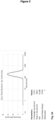
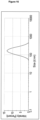
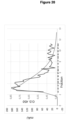
- the mean diameter of the used population of polymersomes is typically above 70nm, or above 120 nm, or above 125nm, or above 130nm, or above 140 nm, or above 150 nm, or above 160nm, or for above 170 nm, or above 180 nm, or above 190 nm (cf. also Fig. 2 in this respect).
- the mean diameter of the population of polymersomes may, for example, also in range of the individual polymersomes mentioned above, meaning the mean diameter of the population of polymersomes may be in the range of 100nm to about 1 ⁇ m, or in the range of about 100nm to about 750nm, or in the range of about 100nm to about 500nm, or in the range from about 125 nm to about 250 nm, from about 140 nm to about 240 nm, from about 150 nm to about 235 nm, from about 170nm to about 230nm, or from about 220nm to about 180nm, or from about 190nm to about 210nm.
- the mean diameter of the population of polymersomes may, for example, also be about 200nm; about 205 nm or about 210nm.
- the diameter can, for example, be determined by a dynamic light scattering (DLS) instrument using Z-average (d, nm), a preferred DLS parameter.
- Z-average size is the intensity weighted harmonic mean particle diameter (cf. Examples 1 and 2).
- a collection/population of polymersomes should have a mean diameter of less than 70 nm to be able to elicit immune response.
- the present invention relates to compositions of the present invention suitable for intradermal, intraperitoneal, subcutaneous, intravenous, or intramuscular injection, or non-invasive administration of an antigen of the present invention, for example, oral administration or inhaled administration or nasal administration.
- the composition may include a polymersome (e.g., carrier) of the present invention having a membrane (e.g., circumferential membrane) of an amphiphilic polymer.
- the composition further includes a soluble (e.g., solubilized) antigen encapsulated by the membrane of the amphiphilic polymer of the polymersome.
- the compositions of the present invention may be used for therapeutic purposes (for example, treatment of a subject suffering from a disease or for preventing from suffering from a disease, for example, by means of vaccination) or be used in antibody discovery, vaccine discovery, or targeted delivery.
- polymersomes of the present invention have hydroxyl groups on their surface. In some further aspects, polymersomes of the present invention do not have hydroxyl groups on their surface.
- the term “encapsulated” means enclosed by a membrane (e.g., membrane of the polymersome of the present invention, e.g., embodied inside the lumen of said polymersome). With reference to an antigen the term “encapsulated” further means that said antigen is neither integrated into- nor covalently bound to- nor conjugated to said membrane (e.g., of a polymersome of the present invention). With reference to compartmentalization of the vesicular structure of polymersome as described herein the term “encapsulated” means that the inner vesicle is completely contained inside the outer vesicle and is surrounded by the vesicular membrane of the outer vesicle. The confined space surrounded by the vesicular membrane of the outer vesicle forms one compartment. The confined space surrounded by the vesicular membrane of the inner vesicle forms another compartment.
- sole administration may refer to a kind of administration characterized in that no antigen is administered in combination (e.g., co-administered) with one or more adjuvants of the present invention (e.g., either simultaneously or at a different time point (e.g., prior and/or post).
- sole administration of one or more adjuvants of the present invention elicits an innate immune response, e.g., comprising production and/or secretion of interleukin-6 (IL-6).
- IL-6 interleukin-6
- adjuvant may refer to a compound or substance capable of inducing, enhancing or improving an immune response with or without an antigen.
- adjuvants of the present invention further include immunostimulants capable of inducing the immune response (e.g., innate immune response) without an antigen.
- exemplary adjuvants of the present invention include but are not limited to compound or substance capable of inducing, enhancing or improving an immune response in the presence of an antigen.
- innate immune response may refer to an immune response characterized by the production of Th1 and proinflammatory cytokines, cytokines such as Interleukin-1, Interleukin-2, Interleukin-6 or Interleukin-12, keyhole limpet hemocyanin (KLH), serum albumin, bovine thyroglobulin, or soybean trypsin inhibitor, too name only a few illustrative examples.
- cytokines such as Interleukin-1, Interleukin-2, Interleukin-6 or Interleukin-12
- KLH keyhole limpet hemocyanin
- serum albumin serum albumin
- bovine thyroglobulin or soybean trypsin inhibitor
- antigen means any substance that may be specifically bound by components of the immune system. Only antigens that are capable of eliciting (or evoking or inducing) an immune response are considered immunogenic and are called "immunogens". Exemplary non-limiting antigens are polypeptides derived from a soluble portion of proteins, hydrophobic polypeptides rendered soluble for encapsulation as well as aggregated polypeptides that are soluble as aggregates. The antigen may originate from within the body (“self-antigen”) or from the external environment (“non-self”).
- Membrane proteins form a class of antigens that typically produce a low immune response level.
- soluble (e.g., solubilized) membrane proteins (MPs) and membrane-associated peptides (MAPs) and fragments (i.e., portions) thereof are encapsulated by a polymersome, which may allow them to be folded in a physiologically relevant manner.
- MPs solubilized membrane proteins
- MAPs membrane-associated peptides
- fragments i.e., portions
- the antigens mentioned herein are encapsulated by a polymersome, which may allow them to be folded in a physiologically relevant manner.
- This greatly boosts the immunogenicity of such antigens so that when compared to free antigens, a smaller amount of the corresponding antigen can be used to produce the same level of the immune response.
- the larger size of the polymersomes allows them to be detected by the immune system more easily.
- B16 peptide refers to any neoantigen polypeptide derived from the spontaneous C57BL/6-derived B16 melanoma model (e.g., melanoma B16-F10 mouse model). Non-limiting examples thereof include the peptides of SEQ ID NO: 9, 10 and 11.
- MC38 peptide refers to any neoantigen polypeptide derived from the colon cancer MC38 mouse model. Non-limiting examples thereof include the peptides of SEQ ID NO: 1, 2 and 3.
- HA Influenza hemagglutinin
- H1 a glycoprotein found on the surface of influenza viruses. HA has at least 18 different antigens, which are all within the scope of the present invention. These subtypes are named H1 through H18.
- Non-limiting examples of “Influenza hemagglutinin (HA)” subtype H1 include the polypeptides of SEQ ID NOs: 5, 6, 7 and 8.
- HA hemagglutinin
- HA hemagglutinin
- Non-limiting examples of “Swine Influenza hemagglutinin (HA)” include subtype H1 of SEQ ID NO: 6.
- coronavirus refers to a virus of the subfamily Coronaviridae, which is a family of enveloped, positive-sense, single stranded RNA viruses. Coronaviruses may cause diseases in mammals and birds. There are four genera within this subfamily, Alphacoronavirus, Betacoronavirus, Gammacoronavirus, and Deltacoronavirus. In humans, coronaviruses may cause respiratory tract infections that can be mild, and others that can be lethal, such as SARS, MERS, and COVID-19. Human pathogenic coronaviruses commonly belong to the genera of Alphacoronaviruses or Betacoronaviruses. Viruses that belong to genus Alphacoronavirus are e.g.
- TGEV transmissible gastroenteritis virus
- FCoV Feline coronavirus
- FEPV Feline infectious peritonitis virus
- CoV Canine coronavirus
- HCV human-pathogenic coronaviruses Human coronavirus 229E (HCoV-229E) and Human coronavirus NL63 (HCoV-NL63).
- TGEV transmissible gastroenteritis virus
- FCoV Feline coronavirus
- FEPV Feline infectious peritonitis virus
- CoV Canine coronavirus
- HCV human-pathogenic coronaviruses Human coronavirus 229E
- HoV-NL63 Human coronavirus NL63
- subgennera Sarbecovirus and Merbecovirus are most relevant in the context of the present disclosure, which include the species SARS-CoV-1, SARS-CoV-2, and MERS-CoV.
- SPIKE protein relates to a glycoprotein that is present on the surface of a viral capsid or viral envelope. SPIKE proteins bind to certain receptors on the host cell and are thus important for both host specificity and viral infectivity.
- PEDv S Protein refers to SPIKE glycoprotein present on the surface of Porcine epidemic diarrhea virus (PEDV), which is a family of coronavirus in pigs.
- PEDv S Protein as may be used in the present invention include the entire soluble fragment consisting of the S1 and S2 region having the amino acid sequence of SEQ ID NO: 12, the soluble fragment of the S1 region of SEQ ID NO: 13, or the soluble fragment of the S2 region of SEQ ID NO: 14, of the Porcine Epidemic Diarrhea virus (PEDv) Spike protein (S Protein) (UniProtKB Accession number: V5TA78).
- polymersomes of the present invention may have encapsulated one or more different soluble fragments of the Spike protein, for example, the S1 region, the S2 region and/or the entire S1 and S2 region.
- a polymersomes of the invention has encapsulated therein one type of soluble fragments (for example, only the S1 region), two different types of soluble fragments (for example, the S1 and S2 region), three different types of soluble fragments (the S1 region, the S2 region and the entire soluble fragment of S1 and S2 of SEQ ID NO: 12 (amino acid residues 19 to 1327)) or even four different types of fragments (for example, the S1 region, the S2 region, the entire soluble fragment of S1 and S2 of SEQ ID NO: 12 (amino acid residues 19 to 1327) and as fourth type, the above- mentioned fragment that contains part of the S1 and part of the S2, say for example, amino acids 500 to 939 of the Spike protein sequence).
- a polymersome of the present invention having encapsulated one or more different soluble fragments of the Spike protein are used in one preferred embodiment as oral vaccine against the Porcine Epidemic
- MERS-CoV S Protein or “MERS-CoV SPIKE Protein” refers to SPIKE glycoprotein present on the surface of Middle East respiratory syndrome-related coronavirus (MERS-CoV), which is a human-pathogenic coronavirus.
- MERS-CoV Spike protein of the disclosure has the sequence set forth in UniProtKB Accession number: K0BRG7 version 40 of 26 February 2020 (GenBank Accession No. AFS88936, version AFS88936.1) or SEQ ID NO: 42.
- a non-limiting example of soluble "MERS-CoV S Protein” as may be used in the present invention includes the entire soluble fragment of the S1 and S2 region of the the MERS-CoV Spike protein (S Protein), which may correspond to positions 1 to 1297 of the MERS-CoV Spike protein or has the amino acid sequence set forth in SEQ ID NO: 43.
- a non-limiting example of soluble "MERS-CoV S Protein” as may be used in the present invention also includes the S1 region, which corresponds to positions 18 to 725 of the MERS-CoV Spike protein (S Protein) or has the amino acid sequence of SEQ ID NO: 44.
- a non-limiting example of soluble "MERS-CoV S Protein” as may be used in the present invention also includes the soluble fragment of the S2 region, which may correspond to positions 726 to 1296 of the MERS-CoV Spike protein (S Protein) or has the amino acid sequence of SEQ ID NO: 45. It is of course also possible to use shorter fragments of the entire soluble fragment of the S1 and the S2 region or of either of the S1 or S2 regions alone, for example a fragment may include a Receptor Binding Domain (RBD), which corresponds to positions 377-588 of the MERS-CoV Spike protein or has the amino acid sequence of SEQ ID NO: 46.
- RBD Receptor Binding Domain
- a polymersome of the present invention may have encapsulated one or more different soluble fragments of the Spike protein, for example, the S1 region, the S2 region or the soluble fragment thereof, the entire soluble fragment of the S1 and S2 regions, and/or an RBD.
- a polymersomes of the invention has encapsulated therein one type of soluble fragments (for example, only the entire soluble fragment of the S1 and S2 regions), two different types of soluble fragments (for example, the entire soluble fragment of the S1 and S2 regions and either S1 region or soluble fragment of the S2 region), three different types of soluble fragments (the S1 region, a soluble fragment of the S2 region and the entire soluble fragment of S1 and S2 of SEQ ID NO: 42 (amino acid residues 1 to 1297) or even four different types of fragments (for example, the S1 region, a soluble fragment of the S2 region, the entire soluble fragment of S1 and S2 of SEQ ID NO: 42 (amino acid residues 1 to 1297) and as fourth type, an the RBD).
- one type of soluble fragments for example, only the entire soluble fragment of the S1 and S2 regions
- two different types of soluble fragments for example, the entire soluble fragment of the S1 and
- a polymersome of the invention has encapsulated therein a soluble fragment that comprises, essentially consists of, or consists of the S1 region corresponding to amino acid residues 18 to 725 of the full-length MERS-CoV SPIKE Protein.
- a polymersome of the invention has encapsulated therein a soluble fragment that comprises, essentially consists of, or consists of the soluble fragment of the S2 region corresponding to amino acid residues 726 to 1296 of the full length MERS-CoV SPIKE Protein.
- a polymersome of the invention has encapsulated therein a soluble fragment that comprises, essentially consists of, or consists of the S1 and the S2 region corresponding to amino acid residues 1 to 1297 of the full length MERS-CoV SPIKE Protein.
- a polymersome of the invention has encapsulated therein a fragment that comprises, essentially consists of, or consists of the S1 and the S2 region corresponding to amino acid residues 1 to 1327 of the full length MERS-CoV SPIKE Protein.
- N terminal and/or C terminal endpoints of the fragment may vary to a limited extent, such as up to 25 amino acid positions, such as up to 20 amino acid positions, such as up to 15 amino acid positions, up to 10 amino acid positions, up to 5 amino acid positions, up to 4 amino acid positions, up to 3 amino acid positions, up to 2 amino acid positions, or up to 1 amino acid position.
- a fragment that essentially consists of amino acids 726 to 1296 of the full length MERS-CoV SPIKE Protein may consists of positions 716 to 1296, 736 to 1296, 726 to 1286, or 726 to 1306, 716 to 1286, 736 to 1286, 736 to 1306, or 716 to 1306 of the full length MERS-CoV SPIKE Protein.
- a MERS-CoV Spike protein of the disclosure may also comprise variants of the sequences mentioned above, which include natural variants of other isolates of the MERS-CoV as well as artificial modification, which can be introduced into the sequence of the MERS-CoV S Protein.
- mutations can be introduced to change the formation of the expressed protein.
- the furin cleavage site located from position 754 to 757 of SEQ ID NO: 42 may be mutated. Reduction in post expression cleavage may be achieved by reducing the basic nature of this amino acid sequence.
- the residues Arginine 754 and/or 757 may be mutated to less basic amino acids, such as Glycine (position numbering corresponding to the amino acid sequence set forth in SEQ ID NO: 42), or other less basic amino acids.
- a furin cleavage site having the native sequence of RSVR (SEQ ID NO: 58) may thus be mutated to the sequence of GSVG (SEQ ID NO: 59).
- Further modifications may include the addition of a trimerization domain, preferably to the C-terminus of the protein, which may help increasing the native fold of the S1 and/or S2 domains.
- trimerization domains can include a foldon domain (e.g.
- a soluble fragment of a S fragment of the disclosure may comprise, essentially consists of or consists of a sequence that has at least about 95%, at least about 96%, at least about 97%, at least about 98%, or at least about 99% sequence identity to a sequence selected from the group consisting of SEQ ID NO: 43-46.
- a polymersome of the present disclosure may have encapsulated one or more nucleic acids, such as mRNA, self-amplifying mRNA, DNA encoding one or more MERS-CoV Spike protein or a soluble fragment thereof according to the disclosure.
- nucleic acids such as mRNA, self-amplifying mRNA, DNA encoding one or more MERS-CoV Spike protein or a soluble fragment thereof according to the disclosure.
- a polymersome of the present invention having encapsulated one or more different soluble fragments of the MERS-CoV Spike protein and/or nucleic acids encoding the same or a full-length MERS-CoV Spike protein are used in one preferred embodiment as vaccine against a human disease, in particular an infection by a human-pathogenic coronavirus, in particular Middle East respiratory syndrome (MERS).
- MERS Middle East respiratory syndrome
- a polymersome of the present invention having encapsulated one or more different soluble fragments of the MERS-CoV Spike protein and/or nucleic acids encoding the same or a full-length MERS-CoV Spike protein may be used in the treatment, including prevention, of fever, cough, expectoration, shortness of breath, pneumonia, and/or acute respiratory distress syndrome (ARDS).
- ARDS acute respiratory distress syndrome
- the polymersome having encapsulated one or more different soluble fragments of the MERS-CoV Spike protein and/or nucleic acids encoding the same or a full-length MERS-CoV Spike protein is administered intramuscularly. In one preferred embodiment, the polymersome having encapsulated one or more different soluble fragments of the MERS-CoV Spike protein and/or nucleic acids encoding the same or a full-length MERS-CoV Spike protein is administered intranasally.
- the polymersome having encapsulated one or more different soluble fragments of the MERS-CoV Spike protein and/or nucleic acids encoding the same or a full-length MERS-CoV Spike protein is administered by inhalation.
- SARS-CoV-2 S Protein or “SARS-CoV-2 SPIKE Protein” refers to SPIKE glycoprotein present on the surface of severe acute respiratory syndrome coronavirus 2 (SARS-CoV-2), which is a human-pathogenic coronavirus.
- SARS-CoV-2 Spike protein of the disclosure has the sequence set forth in UniProtKB Accession number: P0DTC2 version 1 of 22 April 2020 (GenBank Accession Number MN908947, version MN908947.3) or SEQ ID NO: 19.
- a non-limiting example of soluble "SARS-CoV-2 S Protein” as may be used in the present invention includes the entire soluble fragment consisting of the S1 and S2 region of the the SARS-CoV-2 Spike protein (S Protein), which corresponds to positions 16 to 1213 or 14 to 1204 or 19 to 1204 of the SARS-CoV-2 Spike protein or has the amino acid sequence set forth in SEQ ID NO: 34 or SEQ ID NO: 35 or SEQ ID NO: 65.
- a non-limiting example of soluble "SARS-CoV-2 S Protein” as may be used in the present invention also includes the S1 region, which corresponds to positions 16 to 685 of the SARS-CoV-2 Spike protein (S Protein) or has the amino acid sequence of SEQ ID NO: 37.
- a shorter fragment of S2 region may comprise, essentially consist, or consist of amino acids corresponding to positions 686 to 1204 of SEQ ID NO: 19.
- a soluble fragment of a Spike protein may comprise, essentially consist, or consist of amino acids corresponding to positions 646 to 1204 of SEQ ID NO: 19.
- a soluble fragment of a Spike protein may comprise, essentially consist or consist of the sequence set forth in any one of SEQ ID NO: 34-36 and 65.
- a polymersomes of the invention has encapsulated therein one type of soluble fragments (for example, only the S1 region or a fragment thereof), two different types of soluble fragments (for example, the S1 and S2 region or fragments of the S1 and/or the S2 region), three different types of soluble fragments (the S1 region or fragment thereof, the S2 region or fragment thereof and the entire soluble fragment of S1 and S2 of SEQ ID NO: 19 or even four different types of fragments (for example, the S1 region or fragment thereof, the S2 region or fragment thereof, the entire soluble fragment of S1 and S2 of SEQ ID NO: 19 or a fragment thereof comprising parts of the S1 region and parts of the S2 region, and as fourth type, the above- mentioned fragment that contains part of the S1 and part of the S2, say for example, amino acids 14 to 1204 of the Spike protein sequence).
- one type of soluble fragments for example, only the S1 region or a fragment thereof
- two different types of soluble fragments
- mutations can be introduced to change the formation of the expressed protein.
- the furin cleavage site located from positions 679 to 685 of SEQ ID NO: 19 may be mutated. Reduction in post expression cleavage may be achieved by reducing the basic nature of this amino acid sequence.
- the residues Pro 681, Arg 682, and/or Arg 683 may be mutated to less basic amino acids, such as Pro 681 -> Asn, Arg 682 -> Gln, and/or Arg 683 -> Ser (position numbering corresponding to the amino acid sequence set forth in SEQ ID NO: 19), or other less basic amino acids.
- variants having at least about 95%, at least about 96%, at least about 97%, at least about 98%, or at least about 99% sequence identity to a soluble fragment of a spike protein of the disclosure, in particular a soluble fragment of a SARS CoV-2 S protein of the disclosure.
- a soluble fragment of a S fragment of the disclosure may comprise, essentially consists of or consists of a sequence that has at least about 95%, at least about 96%, at least about 97%, at least about 98%, or at least about 99% sequence identity to a sequence selected from the group consisting of: a sequence corresponding to positions 16 to 1213, 16 to 685, 686 to 1213, 686 to 1204, 646 to 1204, or 14 to 1204 of SEQ ID NO: 19 (the SARS-CoV-2 Spike protein).
- a polymersome of the invention has encapsulated therein a soluble fragment that comprises, essentially consists of, or consists of the S1 region corresponding to amino acid residues 16 to 685 of the full length SARS-CoV-2 SPIKE Protein set forth in SEQ ID NO: 19 or has the amino acid sequence of SEQ ID NO: 37.
- a polymersome of the invention has encapsulated therein a soluble fragment that comprises, essentially consists of, or consists of the S2 region corresponding to amino acid residues 686 to 1213 of the full length SARS-CoV-2 SPIKE Protein set forth in SEQ ID NO: 19 or has the amino acid sequence of SEQ ID NO: 38.
- a polymersome of the invention has encapsulated therein a soluble fragment that comprises, essentially consists of, or consists of the S1 and the S2 region corresponding to amino acid residues 16 to 1213 of the full length SARS-CoV-2 SPIKE Protein set forth in SEQ ID NO: 19 or has the amino acid sequence of SEQ ID NO: 34.
- a polymersome of the invention has encapsulated therein a soluble fragment that comprises, essentially consists of, or consists of amino acids corresponding to amino acid residues 686 to 1204 of the full length SARS-CoV-2 SPIKE Protein set forth in SEQ ID NO: 19.
- a polymersome of the invention has encapsulated therein a soluble fragment that comprises, essentially consists of, or consists of amino acids corresponding to amino acid residues 19 to 1204 of the full length SARS-CoV-2 SPIKE Protein set forth in SEQ ID NO: 19 or has the amino acid sequence of SEQ ID NO: 65.
- a polymersome of the invention has encapsulated therein a soluble fragment that comprises, essentially consists of, or consists of a sequence that has at least about 95%, at least about 96%, at least about 97%, at least about 98%, or at least about 99% sequence identity to a sequence selected from the group consisting of: a sequence corresponding to positions 16 to 1213, 16 to 685, 686 to 1213, 686 to 1204, 646 to 1204, 14 to 1204, or 19 to 1204 of SEQ ID NO: 19 (the SARS-CoV-2 Spike protein).
- a polymersome of the invention has encapsulated therein a soluble fragment that comprises, essentially consists of, or consists of a sequence that has at least about 95%, at least about 96%, at least about 97%, at least about 98%, or at least about 99% sequence identity to a sequence selected from the group consisting of: SEQ ID NO: 36, 40 and/or 65.
- N terminal and/or C terminal endpoints of the fragment may vary to a limited extent, such as up to 25 amino acid positions, such as up to 20 amino acid positions, such as up to 15 amino acid positions, up to 10 amino acid positions, up to 5 amino acid positions, up to 4 amino acid positions, up to 3 amino acid positions, up to 2 amino acid positions, or up to 1 amino acid position.
- a fragment that essentially consists of amino acids 646 to 1204 of the full length SARS-CoV-2 SPIKE Protein may consists of positions 641 to 1204, 651 to 1204, 646 to 1209, or 646 to 1199, 641 to 1209, or 651 to 1199 of the full length SARS-CoV-2 SPIKE Protein.
- a polymersome of the present disclosure may have encapsulated one or more nucleic acids, such as mRNA, self-amplifying mRNA, DNA encoding one or more SARS-CoV-2 Spike protein or a soluble fragment thereof according to the disclosure.
- nucleic acids such as mRNA, self-amplifying mRNA, DNA encoding one or more SARS-CoV-2 Spike protein or a soluble fragment thereof according to the disclosure.
- a polymersome of the present invention having encapsulated one or more different soluble fragments of the SARS-CoV-2 Spike protein and/or nucleic acids encoding the same are used in one preferred embodiment as vaccine against a human disease, in particular an infection by a human-pathogenic coronavirus, Coronavirus disease 2019 (COVID-19).
- a polymersome of the present invention having encapsulated one or more different soluble fragments of the SARS-CoV-2 Spike protein and/or nucleic acids encoding the same may be used in the treatment, including prevention, of fever, cough, shortness of breath, pneumonia, organ failure, acute respiratory distress syndrome (ARDS), fatigue, muscle pain, diarrhea, sore throat, loss of smell and/or abdominal pain.
- ARDS acute respiratory distress syndrome
- the polymersome having encapsulated one or more different soluble fragments of the SARS-CoV-2 Spike protein and/or nucleic acids encoding the same or a full-length SARS-CoV-2 Spike protein is administered intramuscularly. In one preferred embodiment, the polymersome having encapsulated one or more different soluble fragments of the SARS-CoV-2 Spike protein and/or nucleic acids encoding the same or a full-length SARS-CoV-2 Spike protein is administered intranasally.
- the polymersome having encapsulated one or more different soluble fragments of the SARS-CoV-2 Spike protein and/or nucleic acids encoding the same or a full-length SARS-CoV-2 Spike protein is administered by inhalation.
- SARS-CoV-1 S Protein or “SARS-CoV-1 Spike protein” refers to Spike glycoprotein present on the surface of Severe acute respiratory syndrome coronavirus (SARS-CoV or SARS-CoV-1), which is a human-pathogenic coronavirus.
- SARS-CoV-1 Spike protein of the disclosure has the sequence set forth in UniProtKB Accession number: P59594 version 134 of 11 December 2019 or SEQ ID NO: 48.
- a non-limiting example of soluble "SARS-CoV-1 S Protein” as may be used in the present invention includes the entire soluble fragment of the S1 and S2 region of the the SARS-CoV-1 Spike protein (S Protein), which may correspond to positions 14 to 1195 of the SARS-CoV-1 Spike protein or has the amino acid sequence set forth in SEQ ID NO: 48.
- a non-limiting example of soluble "SARS-CoV-1 S Protein” as may be used in the present invention also includes the S1 region, which corresponds to positions 14 to 667 of the SARS-CoV-1 Spike protein (S Protein) or has the amino acid sequence of SEQ ID NO: 49.
- a non-limiting example of soluble "SARS-CoV-1 S Protein” as may be used in the present invention also includes the soluble fragment of the S2 region, which may correspond to positions 668 to 1198 of the SARS-CoV-1 Spike protein (S Protein) or has the amino acid sequence of SEQ ID NO: 50. It is of course also possible to use shorter fragments of the entire soluble fragment of the S1 and the S2 region or of either of the S1 or S2 regions alone, for example a fragment may include a Receptor Binding Domain (RBD), which corresponds to positions 306-527 of the SARS-CoV-1 Spike protein or has the amino acid sequence of SEQ ID NO: 51.
- RBD Receptor Binding Domain
- a polymersome of the present invention may have encapsulated one or more different soluble fragments of the Spike protein, for example, the S1 region, the S2 region or the soluble fragment thereof, the entire soluble fragment of the S1 and S2 regions, and/or an RBD.
- a polymersomes of the invention has encapsulated therein one type of soluble fragments (for example, only the entire soluble fragment of the S1 and S2 regions), two different types of soluble fragments (for example, the entire soluble fragment of the S1 and S2 regions and either S1 region or a soluble fragment of the S2 region), three different types of soluble fragments (the S1 region, a soluble fragment of the S2 region and the entire soluble fragment of S1 and S2 of SEQ ID NO: 47 (amino acid residues 14 to 1195)) or even four different types of fragments (for example, the S1 region, a soluble fragment of the S2 region, the entire soluble fragment of S1 and S2 of SEQ ID NO: 47 (amino acid residues 14 to 1195) and as fourth type, an RBD).
- one type of soluble fragments for example, only the entire soluble fragment of the S1 and S2 regions
- two different types of soluble fragments for example, the entire soluble fragment of the S
- a polymersome of the invention has encapsulated therein a soluble fragment that comprises, essentially consists of, or consists of the S1 region corresponding to amino acid residues 14 to 667 of the full-length SARS-CoV-1 Spike protein.
- a polymersome of the invention has encapsulated therein a soluble fragment that comprises, essentially consists of, or consists of the soluble fragment of the S2 region corresponding to amino acid residues 668 to 1195 of the full length SARS-CoV-1 Spike protein.
- a polymersome of the invention has encapsulated therein a soluble fragment that comprises, essentially consists of, or consists of the S1 and the S2 region corresponding to amino acid residues 14 to 1195 of the full length SARS-CoV-1 Spike protein.
- a polymersome of the invention has encapsulated therein a fragment that comprises, essentially consists of, or consists of the S1 and the S2 region corresponding to amino acid residues 14 to 1255 of the full length SARS-CoV-1 Spike protein.
- N terminal and/or C terminal endpoints of the fragment may vary to a limited extent, such as up to 25 amino acid positions, such as up to 20 amino acid positions, such as up to 15 amino acid positions, up to 10 amino acid positions, up to 5 amino acid positions, up to 4 amino acid positions, up to 3 amino acid positions, up to 2 amino acid positions, or up to 1 amino acid position.
- a SARS-CoV-1 Spike protein of the disclosure may also comprise variants of the sequences mentioned above, which include natural variants of other isolates of SARS-CoV-1 as well as artificial modification(s), which can be introduced into the sequence of the SARS-CoV-1 S Protein.
- mutations can be introduced to change the formation of the expressed protein.
- the furin cleavage site located from position 761 to 767 of SEQ ID NO: 47 may be mutated. Reduction in post expression cleavage may be achieved by reducing the basic nature of this amino acid sequence.
- residues Arg 764 and/or Arg 767 may be mutated to less basic amino acids, such as Gly (position numbering corresponding to the amino acid sequence set forth in SEQ ID NO: 47), or other less basic amino acids.
- a furin cleavage site having the native sequence of EQDRNTR (SEQ ID NO: 60) may thus be mutated to the sequence of EQDGNTG (SEQ ID NO: 61).
- Further modifications may include the addition of a trimerization domain, preferably to the C- terminus of the protein, which may help increasing the native fold of the S1 and/or S2 domains.
- trimerization domains can include a foldon domain (e.g.
- a soluble fragment of a spike protein of the present disclosure also includes highly identical variants of particular sequences of soluble fragments of a spike protein that are explicitly or implicitly disclosed herein.
- a soluble fragment of a S fragment of the disclosure may comprise, essentially consists of or consists of a sequence that has at least about 95%, at least about 96%, at least about 97%, at least about 98%, or at least about 99% sequence identity to a sequence selected from the group consisting of SEQ ID NO: 48-51.
- a polymersome of the present disclosure may have encapsulated one or more nucleic acids, such as mRNA, self-amplifying mRNA, DNA encoding one or more SARS-CoV-1 Spike protein or a soluble fragment thereof according to the disclosure.
- nucleic acids such as mRNA, self-amplifying mRNA, DNA encoding one or more SARS-CoV-1 Spike protein or a soluble fragment thereof according to the disclosure.
- a polymersome of the present invention having encapsulated one or more different soluble fragments of the SARS-CoV-1 Spike protein and/or nucleic acids encoding the same or a full-length SARS-CoV-1 Spike protein are used in one preferred embodiment as vaccine against a human disease, in particular an infection by a human-pathogenic coronavirus, in particular Severe acute respiratory syndrome (SARS).
- SARS Severe acute respiratory syndrome
- a polymersome of the present invention having encapsulated one or more different soluble fragments of the SARS-CoV-1 Spike protein and/or nucleic acids encoding the same or a full-length SARS-CoV-1 Spike protein may be used in the treatment, including prevention, of fever, muscle pain, lethargy, cough, sore throat, shortness of breath, pneumonia, and/or acute respiratory distress syndrome (ARDS).
- ARDS acute respiratory distress syndrome
- the polymersome having encapsulated one or more different soluble fragments of the SARS-CoV-1 Spike protein and/or nucleic acids encoding the same or a full-length SARS-CoV-1 Spike protein is administered intramuscularly. In one preferred embodiment, the polymersome having encapsulated one or more different soluble fragments of the SARS-CoV-1 Spike protein and/or nucleic acids encoding the same or a full-length SARS-CoV-1 Spike protein is administered intranasally.
- the polymersome having encapsulated one or more different soluble fragments of the SARS-CoV-1 Spike protein and/or nucleic acids encoding the same or a full-length SARS-CoV-1 Spike protein is administered by inhalation.
- the term "oxidation-stable” refers to a measure of polymersomes (or the corresponding polymers or membranes) resistance to oxidation, for example, using the method described by Scott et al., 2012, In this method a polymersome with an encapsulated antigen is incubated in a 0.5% solution of hydrogen peroxide and the amount of free (released) antigen can be quantified with UV/fluorescence HPLC. Polymersomes which release a substantial or all of the encapsulated antigen under these oxidizing conditions are considered to be oxidation sensitive.
- PPS poly(propylene sulfide)
- PPS poly(propylene sulfide)
- PPS can serve as a reference to determine whether a polymer of interest and the respective polymersome of interest is oxidation-sensitive or oxidation stable, If, for example, the same or a higher amount of antigen, or about 90% or more of the amount, or about 80% or more, or about 70% or more, or about 60 % or more is released from polymersomes of interest as it is from a PPS polymersome that has encapsulated therein the same antigen, then the polymersome is considered oxidation sensitive.
- PPS-bl-PEG polymersomes e.g., made from poly(propylene sulfide) (PPS) and poly(ethylene glycol) (PEG) as components as described in Stano et al, are not oxidation-stable polymersomes within the meaning of the present invention.
- PPS30-PEG17 polymersomes are not oxidation-stable polymersomes within the meaning of the present invention.
- Other non-limiting examples of measuring oxidation stability include measurement of stability in the presence of serum components (e.g., mammalian serum, e.g., human serum components) or stability inside an endosome, for example.
- reduction-stable refers to a measure of polymersome resistance to reduction in a reducing environment.
- polypeptide is equally used herein with the term “protein”. Proteins (including fragments thereof, preferably biologically active fragments, and peptides, usually having less than 30 amino acids) comprise one or more amino acids coupled to each other via a covalent peptide bond (resulting in a chain of amino acids).
- polypeptide as used herein describes a group of molecules, which, for example, consist of more than 30 amino acids. Polypeptides may further form multimers such as dimers, trimers and higher oligomers, i.e. consisting of more than one polypeptide molecule. Polypeptide molecules forming such dimers, trimers etc. may be identical or non-identical.
- antisense oligonucleotide refers to a nucleic acid polymer, at least a portion of which is complementary to a nucleic acid which is present in a normal cell or in an affected cell.
- exemplary "antisense oligonucleotide” include antisense RNA, siRNA, RNAi.
- cellular immune response refers to an immune response that does not involve antibodies, but rather involves the activation of phagocytes, antigen-specific cytotoxic T-lymphocytes, and the release of various cytokines in response to an antigen.
- lymph node-resident macrophages refers to macrophages, which are large white blood cell that is an integral part of our immune system that use the process of phagocytosis to engulf particles and then digest them, present in lymph nodes that are small, bean-shaped glands throughout the body.
- an “antibody” when used herein is a protein comprising one or more polypeptides (comprising one or more binding domains, preferably antigen binding domains) substantially or partially encoded by immunoglobulin genes or fragments of immunoglobulin genes.
- immunoglobulin Ig
- the recognized immunoglobulin genes include the kappa, lambda, alpha, gamma, delta, epsilon and mu constant region genes, as well as myriad immunoglobulin variable region genes.
- An antibody relating to the present invention is also envisaged which has an IgE constant domain or portion thereof that is bound by the Fc epsilon receptor I.
- An IgM antibody consists of 5 of the basic heterotetramer unit along with an additional polypeptide called a J chain, and contains 10 antigen binding sites, while IgA antibodies comprise from 2-5 of the basic 4-chain units which can polymerize to form polyvalent assemblages in combination with the J chain. In the case of IgGs, the 4-chain unit is generally about 150,000 daltons.
- Each light chain includes an N-terminal variable (V) domain (VL) and a constant (C) domain (CL).
- Each heavy chain includes an N-terminal V domain (VH), three or four C domains (CHs), and a hinge region.
- VH N-terminal V domain
- CHs C domains
- the constant domains are not involved directly in binding an antibody to an antigen, but can exhibit various effector functions, such as participation of the antibody dependent cellular cytotoxicity (ADCC). If an antibody should exert ADCC, it is preferably of the IgG1 subtype, while the IgG4 subtype would not have the capability to exertADCC.
- antibody as employed in the invention also relates to derivatives of the antibodies (including fragments) described herein.
- a “derivative" of an antibody comprises an amino acid sequence which has been altered by the introduction of amino acid residue substitutions, deletions or additions.
- a derivative encompasses antibodies which have been modified by a covalent attachment of a molecule of any type to the antibody or protein. Examples of such molecules include sugars, PEG, hydroxyl-, ethoxy-, carboxy- or amine-groups but are not limited to these. In effect the covalent modifications of the antibodies lead to the glycosylation, pegylation, acetylation, phosphorylation, amidation, without being limited to these.
- the antibody relating to the present invention is preferably an "isolated” antibody.
- isolated when used to describe antibodies disclosed herein, means an antibody that has been identified, separated and/or recovered from a component of its production environment. Preferably, the isolated antibody is free of association with all other components from its production environment. Contaminant components of its production environment, such as that resulting from recombinant transfected cells, are materials that would typically interfere with diagnostic or therapeutic uses for the polypeptide, and may include enzymes, hormones, and other proteinaceous or non-proteinaceous solutes.
- the term "essentially non-antigenic” means that the block copolymer or amphiphilic polymer of the present invention does not bind specifically with a group of certain products that have adaptive immunity (e.g., T cell receptors or antibodies), i.e., in comparison to an encapsulated antigen the block copolymer or amphiphilic polymer shows binding of less than 30%, preferably 20%, more preferably 10%, particularly preferably less than 9, 8, 7, 6 or 5%.
- binding is considered specific when the binding affinity is higher than 10 -6 M.
- binding is considered specific when binding affinity is about 10 -11 to 10 -8 M (KD), preferably of about 10 -11 to 10 -9 M. If necessary, nonspecific binding can be reduced without substantially affecting specific binding by varying the binding conditions.
- amino acid typically refers to an amino acid having its art recognized definition such as an amino acid selected from the group consisting of: alanine (Ala or A); arginine (Arg or R); asparagine (Asn or N); aspartic acid (Asp or D); cysteine (Cys or C); glutamine (Gln or Q); glutamic acid (Glu or E); glycine (Gly or G); histidine (His or H); isoleucine (He or I): leucine (Leu or L); lysine (Lys or K); methionine (Met or M); phenylalanine (Phe or F); pro line (Pro or P); serine (Ser or S); threonine (Thr or T); tryptophan (Trp or W); tyrosine (Tyr or Y); and valine (Val or V), although modified, synthetic, or rare amino acids may be used as desired.
- alanine Al or A
- arginine
- amino acids can be grouped as having a nonpolar side chain (e.g., Ala, Cys, He, Leu, Met, Phe, Pro, Val); a negatively charged side chain (e.g., Asp, Glu); a positively charged sidechain (e.g., Arg, His, Lys); or an uncharged polar side chain (e.g., Asn, Cys, Gln, Gly, His, Met, Phe, Ser, Thr, Trp, and Tyr).
- a nonpolar side chain e.g., Ala, Cys, He, Leu, Met, Phe, Pro, Val
- a negatively charged side chain e.g., Asp, Glu
- a positively charged sidechain e.g., Arg, His, Lys
- an uncharged polar side chain e.g., Asn, Cys, Gln, Gly, His, Met, Phe, Ser, Thr, Trp, and Tyr.
- Human effector cells are leukocytes which express one or more FcRs and perform effector functions. Preferably, the cells express at least FcyRm and perform ADCC effector function. Examples of human leukocytes which mediate ADCC include peripheral blood mononuclear cells (PBMC), natural killer (NK) cells, monocytes, cytotoxic T cells and neutrophils.
- PBMC peripheral blood mononuclear cells
- NK natural killer
- monocytes cytotoxic T cells
- neutrophils cytotoxic T cells and neutrophils.
- the effector cells may be isolated from a native source, e.g., blood.
- immunizing refers to the step or steps of administering one or more antigens to a human non-human animal so that antibodies can be raised in the animal.
- the non-human animal is preferably immunized at least two, more preferably three times with said polypeptide (antigen), optionally in admixture with an adjuvant.
- An "adjuvant” is a nonspecific stimulant of the immune response.
- the adjuvant may be in the form of a composition comprising either or both of the following components: (a) a substance designed to form a deposit protecting the antigen (s) from rapid catabolism (e.g. mineral oil, alum, aluminium hydroxide, liposome or surfactant (e.g. pluronic polyol) and (b) a substance that nonspecifically stimulates the immune response of the immunized host animal (e.g. by increasing lymphokine levels therein).
- a substance designed to form a deposit protecting the antigen (s) from rapid catabolism e.g. mineral oil, alum, aluminium hydroxide, liposome or surfactant (e.g. pluronic polyol)
- cancer refers a broad group of diseases characterized by the uncontrolled growth of abnormal cells in the body. Unregulated cell division may result in the formation of malignant tumors or cells that invade neighboring tissues and may metastasize to distant parts of the body through the lymphatic system or bloodstream.
- prostate adenocarcinoma thyroid cancer
- neuroblastoma pancreatic cancer
- glioblastoma glioblastoma multiforme
- cervical cancer stomach cancer
- bladder cancer hepatoma
- breast cancer colon carcinoma
- head and neck cancer gastric cancer
- gastric cancer germ cell tumor
- pediatric sarcoma sinonasal natural killer
- melanoma e.g., metastatic malignant melanoma, such as cutaneous or intraocular malignant melanoma
- bone cancer skin cancer, uterine cancer, cancer of the anal region, testicular cancer, carcinoma of the fallopian tubes, carcinoma of the endometrium, carcinoma of the cervix, carcinoma of the vagina, carcinoma of the vulva, cancer of the esophagus, cancer of the small intestine, cancer of the endocrine system, cancer of the parathyroid gland, cancer of the adrenal gland, sarcoma of soft tissue, cancer of the urethra
- the methods described herein may also be used for treatment of metastatic cancers, refractory cancers (e.g., cancers refractory to previous immunotherapy, e.g., with a blocking CTLA-4 or PD-1 or PD-L1 antibody), and recurrent cancers.
- refractory cancers e.g., cancers refractory to previous immunotherapy, e.g., with a blocking CTLA-4 or PD-1 or PD-L1 antibody
- recurrent cancers e.g., metastatic cancers, refractory cancers (e.g., cancers refractory to previous immunotherapy, e.g., with a blocking CTLA-4 or PD-1 or PD-L1 antibody)
- subject is intended to include living organisms. Examples of subjects include mammals, e.g., humans, dogs, cows, horses, pigs, sheep, goats, cats, mice, rabbits, rats, and transgenic non-human animals.
- the subject (animal) can however be a non-mammalian animal such as a bird or a fish.
- the subject is a human, while in other some other preferred embodiments, the subject might be a farm animal, wherein the farm animal can be either a mammal or a non-mammalian animal. Examples of such non-mammalian animals are birds (e.g.
- polymersomes of the present invention are used for the vaccination or immunization of the above-mentioned farm animals, both mammalian farm animals and non-mammalian farm animals (a bird, a fish, a crustacean) against virus infections (cf. the Example section in this regard). Accordingly, in such cases, polymersomes of the invention may have encapsulated therein soluble viral full length proteins or soluble fragments of viral full-length proteins.
- polymersomes or compositions comprising polymersomes of the invention may be administered orally to the respective subject (cf. also the Example Section) dissolved only in a suitable (pharmaceutically acceptable) buffer such as phosphate-buffered saline (PBS) or 0.9 % saline solution (an isotonic solution of 0.90% w/v of NaCl, with an osmolality of 308 mOsm/L).
- PBS phosphate-buffered saline
- 0.9 % saline solution an isotonic solution of 0.90% w/v of NaCl, with an osmolality of 308 mOsm/L.
- the polymersomes may further be mixed with adjuvants. If administered orally, the adjuvant may help protecting the polymersomes against the acidic environment in the stomach.
- Such adjuvants may be water-miscible or capable of forming a water-oil emulsion, such as oil in water emulsion or water in oil emulsion.
- Illustrative examples of such an adjuvant are an oil in water emulsion, a water in oil emulsion, monophosphoryl lipid A, and/or trehalose dicorynomycolate, wherein the oil preferably comprises, essentially consists of or consists of mineral oil, simethicone, Span 80, squalene, and combinations thereof.
- monophosphoryl lipid A e.g.
- trehalose dicorynomycolate or a mixture thereof, which may be in form of an oil (such as squalene) in water emulsion.
- Said emulsion may comprise an emulsifier (such as polysorbate, such as polysorbate 80).
- the polymersomes can be modified, for example, by a coating with natural polymers or can be formulated in particles of natural polymers such as alginate or chitosan or of synthetic polymers such as as poly(d,l-lactide-co-glycolide) (PLG), poly(d,I-lactic-coglycolic acid)(PLGA), poly(g-glutamicacid) (g-PGA) [31,32] or poly(ethylene glycol) (PEG).
- PEG poly(ethylene glycol)
- These particles can either be particles in the micrometer range (“macrobeads") or nanoparticles, or nanoparticles incorporated into macobeads all of which are well known in the art. See, for example.
- the polymersomes that are used for vaccination have encapsulated therein a viral antigen that comprises a soluble portion of Influenza hemagglutinin, Swine Influenza hemagglutinin, Foot and Mouth Disease (FMD) virus protein such as the VP1, VP2 or VP3 coat protein (the VP1 coat protein contains the main antigenic determinants of the FMD virion, and hence changes in its sequence should be responsible for the high antigenic variability of the virus), Ovalbumin (OVA), a SPIKE protein, such as the Porcine epidemic diarrhea (PED) virus SPIKE protein, a SPIKE protein of a human-pathogenic coronavirus, such as MERS-CoV SPIKE protein, SARS-CoV-2 SPIKE protein, or SARS-CoV-1 SPIKE protein.
- a viral antigen that comprises a soluble portion of Influenza hemagglutinin, Swine Influenza hemagglutinin, Foot and Mouth Disease (FMD) virus protein such as
- the viral disease can affect any animal including birds and mammals, wherein a mammal can also be a human.
- FMD Foot and Mouth Disease
- an effective dose or "effective dosage” is defined as an amount sufficient to achieve or at least partially achieve the desired effect.
- therapeutically effective dose is defined as an amount sufficient to cure or at least partially arrest the disease and its complications in a patient already suffering from the disease. Amounts effective for this use will depend upon the severity of the infection and the general state of the subject's own immune system.
- patient includes human and other mammalian subjects that receive either prophylactic or therapeutic treatment.
- the appropriate dosage, or therapeutically effective amount, of the antibody or antigen binding portion thereof will depend on the condition to be treated, the severity of the condition, prior therapy, and the patient's clinical history and response to the therapeutic agent.
- the proper dose can be adjusted according to the judgment of the attending physician such that it can be administered to the patient one time or over a series of administrations.
- the pharmaceutical composition can be administered as a sole therapeutic or in combination with additional therapies as needed.
- the lyophilized material is first reconstituted in an appropriate liquid prior to administration.
- the lyophilized material may be reconstituted in, e.g., bacteriostatic water for injection (BWFI), physiological saline, phosphate buffered saline (PBS), or the same formulation the protein had been in prior to lyophilization.
- BWFI bacteriostatic water for injection
- PBS phosphate buffered saline
- compositions for injection may be presented in unit dosage form, e.g., in ampoules or in multi-dose containers, with an added preservative.
- a number of recent drug delivery approaches have been developed and the pharmaceutical compositions of the present invention are suitable for administration using these new methods, e. g., Inject-ease, Genject, injector pens such as Genen, and needleless devices such as MediJector and BioJector.
- the present pharmaceutical composition can also be adapted for yet to be discovered administration methods. See also Langer, 1990, Science, 249: 1527-1533 .
- the pharmaceutical composition may be prepared for intranasal or inhaled administration, e.g. local administration to the respiratory tract and/or the lung.
- Means and devides for inhaled administration of a substance are known to the skilled person and are for example disclosed in WO 94/017784A and Elphick et al. (2015) Expert Opin Drug Deliv, 12, 1375-87 .
- Such means and devices include nebulizers, metered dose inhalers, powder inhalers, and nasal sprays.
- Other means and devices suitable for directing inhaled administration of a drug or vaccine are also known in the art.
- a preferred route of local administration to the respiratory tract and/or the lung is via aerosol inhalation.
- Nebulizers are useful in producing aerosols from solutions, while metered dose inhalers, dry powder inhalers, etc. are effective in generating small particle aerosols.
- the pharmaceutical composition may thus be formulated in form of an aerosol (mixture), a spray, a mist, or a powder.
- a nebulizer is a drug delivery device used to administer medication in the form of a mist inhaled into the lungs.
- Different types of nebulizers are known to the skilled person and include jet nebulizers, ultrasonic wave nebulizers, vibrating mesh technology, and soft mist inhalers.
- Some nebulizers provide a continuous flow of nebulized solution, i.e. they will provide continuous nebulization over a long period of time, regardless of whether the subject inhales from it or not, while others are breath-actuated, i.e. the subject only gets some dose when they inhale from it.
- a vaccine of the present invention in particular a vaccine for a human-pathogenic coronavirus infection, such as MERS, COVID-19, or SARS, may be, confectioned for the use in a nebulizer, comprised in a nebulizer or administered by using a nebulizer.
- a human-pathogenic coronavirus infection such as MERS, COVID-19, or SARS
- a metered-dose inhaler is a device that delivers a specific amount of medication to the lungs, in the form of a short burst of liquid aerosolized medicine.
- a metered-dose inhaler commonly consists of three major components; a canister which comprises the formulation to be administered, a metering valve, which allows a metered quantity of the formulation to be dispensed with each actuation, and an actuator (or mouthpiece) which allows the patient to operate the device and directs the liquid aerosol into the patient's lungs.
- a vaccine of the present invention in particular a vaccine for a human-pathogenic coronavirus infection, such as MERS, COVID-19, or SARS, may be, confectioned for the use in a MDI, comprised in a MDI, in particular a canister for an MDI, or administered by using a MDI.
- a human-pathogenic coronavirus infection such as MERS, COVID-19, or SARS
- a dry-powder inhaler is a device that delivers medication to the lungs in the form of a dry powder. Dry powder inhalers are an alternative to the aerosol-based inhalers, such as metered-dose inhalers. The medication is commonly held either in a capsule for manual loading or a proprietary blister pack located inside the inhaler.
- a vaccine of the present invention in particular a vaccine for a human-pathogenic coronavirus infection, such as MERS, COVID-19, or SARS, may be, confectioned for the use in a DPI, comprised in a DPI, in particular a capsule or a blister pack for an MDI, or administered by using a MDI.
- a nasal spray can be used for nasal administration, by which a drug is insufflated through the nose.
- a vaccine of the present invention in particular a vaccine for a human-pathogenic coronavirus infection, such as MERS, COVID-19, or SARS may be, confectioned as a nasal spray, comprised in a nasal spray bottle, or administered as a nasal spray.
- the pharmaceutical composition can also be formulated as a depot preparation.
- Such long acting formulations may be administered by implantation (for example subcutaneously, into the ligament or tendon, subsynovially or intramuscularly), by subsynovial injection or by intramuscular injection.
- the formulations may be modified with suitable polymeric or hydrophobic materials (for example as a emulsion in an acceptable oil) or ion exchange resins, or as sparingly soluble derivatives, for example, as a sparingly soluble salt.
- compositions may also be in a variety of conventional depot forms employed for administration to provide reactive compositions.
- conventional depot forms employed for administration to provide reactive compositions.
- These include, for example, solid, semi-solid and liquid dosage forms, such as liquid solutions or suspensions, slurries, gels, creams, balms, emulsions, lotions, powders, sprays, foams, pastes, ointments, salves, balms and drops.
- compositions may, if desired, be presented in a vial, pack or dispenser device which may contain one or more unit dosage forms containing the active ingredient.
- the dispenser device can comprise a syringe having a single dose of the liquid formulation ready for injection.
- the syringe can be accompanied by instructions for administration.
- the pharmaceutical composition may further comprise additional pharmaceutically acceptable components.
- Other pharmaceutically acceptable carriers, excipients, or stabilizers, such as those described in Remington's Pharmaceutical Sciences 16th edition, Osol, A. Ed. (1980 ) may also be included in a protein formulation described herein, provided that they do not adversely affect the desired characteristics of the formulation.
- pharmaceutically acceptable carrier means any and all solvents, dispersion media, coatings, antibacterial and antifungal agents, isotonic and absorption delaying agents, compatible with pharmaceutical administration. The use of such media and agents for pharmaceutically active substances is well known in the art.
- Acceptable carriers, excipients, or stabilizers are nontoxic to recipients at the dosages and concentrations employed and include: additional buffering agents; preservatives; co-solvents; antioxidants, including ascorbic acid and methionine; chelating agents such as EDTA; metal complexes (e.g., Zn-protein complexes); biodegradable polymers, such as polyesters; salt-forming counterions, such as sodium, polyhydric sugar alcohols; amino acids, such as alanine, glycine, asparagine, 2-phenylalanine, , and threonine; sugars or sugar alcohols, such as lactitol, stachyose, mannose, sorbose, xylose, ribose, ribitol, myoinisitose, myoinisitol, galactose, galactitol, glycerol, cyclitols (e.g., inositol), poly
- treatment refers to both therapeutic treatment and prophylactic or preventative measures.
- Treatment includes the application or administration of the formulation to the body, an isolated tissue, or cell from a patient who has a disease/disorder, a symptom of a disease/disorder, or a predisposition toward a disease/disorder, with the purpose to cure, heal, alleviate, relieve, alter, remedy, ameliorate, improve, or affect the disease, the symptom of the disease, or the predisposition toward the disease.
- treating and “treatment” refers to administering to a subject a therapeutically effective amount of a pharmaceutical composition according to the invention.
- a “therapeutically effective amount” refers to an amount of the pharmaceutical composition or the antibody which is sufficient to treat or ameliorate a disease or disorder, to delay the onset of a disease or to provide any therapeutic benefit in the treatment or management of a disease.
- prophylaxis refers to the use of an agent for the prevention of the onset of a disease or disorder.
- a “prophylactically effective amount” defines an amount of the active component or pharmaceutical agent sufficient to prevent the onset or recurrence of a disease.
- disorders and “disease” are used interchangeably to refer to a condition in a subject.
- cancer is used interchangeably with the term “tumor”.
- Class A e.g., PS-PO (phosphorothioated-phosphodiester) backbone; also known as Type D
- Class B e.g., PS (phosphorothioated) backbone
- Class C e.g., PS (phosphorothioated) backbone
- CpG-A ODNs are usually characterized by a PO (phosphodiester) central CpG-containing palindromic motif and a PS-modified (i.e., phosphorothioated-modified) 3' poly-G string
- CpG-B ODNs contain a full PS backbone with one or more CpG dinucleotides.
- CpG-C ODNs combine features of both classes A and B CpG oligonucleotides.
- Exemplary CpG ODNs of the present invention are further depicted in Figure 31 herein (derived and modified from https://www.invivogen.com/cpg-odns-classes ).
- Preferred CpG-A ODNs of the present invention are capable of predominantly inducing IFN- ⁇ production from plasmacytoid dendritic cells (pDCs) over stimulating TLR9-dependent NF- ⁇ B signalling and pro-inflammatory cytokine (e.g. IL-6) production.
- Preferred CpG-B ODNs of the present invention are capable of predominantly activating B cells and TLR9-dependent NF- ⁇ B signalling over stimulating IFN- ⁇ secretion.
- Preferred CpG-C ODNs of the present invention are capable of: (i) predominantly inducing IFN- ⁇ production from plasmacytoid dendritic cells (pDCs) over stimulating TLR9-dependent NF- ⁇ B signalling and pro-inflammatory cytokine (e.g. IL-6) production; and (ii) predominantly activating B cells and TLR9-dependent NF- ⁇ B signalling over stimulating IFN- ⁇ secretion.
- the kit will typically comprise the container described above and one or more other containers comprising materials desirable from a commercial and user standpoint, including buffers, diluents, filters, needles, syringes, and package inserts with instructions for use.
- liposome refers to a spherical vesicle having at least one lipid bilayer.
- endosome refers to a membrane-bound compartment (i.e., a vacuole) inside eukaryotic cells to which materials ingested by endocytosis are delivered.
- late-endosome refers to a pre-lysosomal endocytic organelle differentiated from early endosomes by lower lumenal pH and different protein composition. Late endosomes are more spherical than early endosomes and are mostly juxtanuclear, being concentrated near the microtubule organizing center.
- T helper cells also called TH cells or “effector CD4(+) T cells” refers to T lymphocytes that assist other white blood cells in immunologic processes, including maturation of B cells into plasma cells and memory B cells, and activation of cytotoxic T cells and macrophages. These cells are also known as “CD4(+) T cells” because they express the CD4 glycoprotein on their surfaces. Helper T cells become activated when they are presented with e.g., peptide antigens, by MHC class II molecules, which are expressed on the surface of antigen-presenting cells (APCs).
- APCs antigen-presenting cells
- self-antigen refers to any molecule or chemical group of an organism which acts as an antigen in inducing antibody formation in another organism but to which the healthy immune system of the parent organism is tolerant.
- % identity refers to the percentage of identical amino acid residues at the corresponding position within the sequence when comparing two amino acid sequences with an optimal sequence alignment as exemplified by the ClustalW or X techniques as available from www.clustal.org, or equivalent techniques. Accordingly, both sequences (reference sequence and sequence of interest) are aligned, identical amino acid residues between both sequences are identified and the total number of identical amino acids is divided by the total number of amino acids (amino acid length). The result of this division is a percent value, i.e. percent identity value/degree.
- An immunization method of the present invention can be carried out using a either a full length soluble encapsulated antigen (e.g., protein) or fragment of the protein in a synthetic environment that allows its proper folding, and therefore the probability of isolating antibodies capable of detecting corresponding antigens (e.g., a membrane protein) in vivo would be higher.
- the immunization and antibody generation can be carried out without any prior knowledge of the membrane protein structure, which may otherwise be necessary when using a peptide-based immunization approach.
- the method of the present invention allows for a rapid and cost-effective production of membrane protein encapsulated in an oxidation-stable membrane environment.
- the present invention relates to a method for eliciting an immune response to an antigen (e.g., an immunogen) in a subject.
- the method may include administering to the subject a composition including a polymersome of the present invention having a membrane (e.g., circumferential) of an amphiphilic polymer.
- the composition further includes a soluble antigen encapsulated by the membrane of the amphiphilic polymer of the polymersome of the present invention.
- the immunogen may be a membrane-associated protein.
- the polymersome of the present invention comprises a lipid polymer.
- the administration may be carried out in any suitable fashion, for example, by oral administration, topical administration, local administration to the respiratory tract, local administration to the lung, inhaled administration, intranasal administration, or injection.
- the frequency of the administration may be determined and adjusted by a person skilled in the art, dependent on the level of response desired.
- weekly or bi-weekly administration e.g. orally or by injection
- the immune response can be measured by quantifying the blood concentration level of antibodies (TS) in the mammalian animal against the initial amount of antigen encapsulated by the polymersome of the present invention (cf., the Example Section).
- the structure of the polymersomes may include amphiphilic block copolymers self-assembled into a vesicular format and encapsulating various antigens (e.g., soluble proteins, etc.), that are encapsulated by methods of solvent re-hydration, direct dispersion or by spontaneous self-assembly (e.g., Example 1 as described herein).
- various antigens e.g., soluble proteins, etc.
- soluble antigen means an antigen capable of being dissolved or liquefied.
- soluble antigen may consist of amino acids of the extracellular and/or intracellular region of a membrane protein. It can, however also comprise amino acids from the extracellular and/or intracellular region of a membrane protein and further one or more amino acids belonging to the transmembrane region of the membrane protein, as long as the antigen is still capable of being dissolved or liquefied.
- the soluble fragment of the MERS-CoV Spike protein of SEQ ID NO: 43 is a soluble antigen within the meaning of the present disclosure, while it comprises one amino acid (position 1297), which belongs to the transmembrane region. It is however envisioned that a soluble antigen preferably lacks at least a portion of a transmembrane region or the entire transmembrane region.
- soluble antigen includes antigens that were "solubilized", i.e., rendered soluble or more soluble, especially in water, by the action of a detergent or other agent.
- Exemplary non-limiting soluble antigens of the present invention include: polypeptides derived from a non-soluble portion of proteins, hydrophobic polypeptides rendered soluble for encapsulation as well as aggregated polypeptides that are soluble as aggregates.
- the antigens (e.g., membrane proteins) of the present invention are solubilized with the aid of detergents, surfactants, temperature change or pH change.
- the vesicular structure provided by the amphiphilic block copolymers allows the antigens (e.g., membrane protein) to be folded in a physiologically correct and functional manner, allowing the immune system of the target mammalian animal to detect said antigens, thereby producing a strong immune response.
- the injection of the composition of the present invention may include intraperitoneal, subcutaneous, or intravenous, intramuscular injection, or non-invasive administration. In some other aspects, the injection of the composition of the present invention may include intradermal injection.
- the immune response level may be further heightened or boosted by including an adjuvant in the composition including the polymersome of the present invention.
- the adjuvant may be encapsulated adjuvant or non-encapsulated adjuvant.
- the adjuvant may be in mixture with a polymersome or combination of the invention.
- the adjuvant may be soluble in water or may be in form of a water-oil emulsion. In such aspects, the polymersome and the adjuvant can be administered simultaneously to the subject.
- a block copolymer or an amphiphilic polymer of the polymersome of the present invention is neither immunostimulant nor adjuvant.
- a block copolymer or an amphiphilic polymer of the polymersome of the present invention is immunostimulant and/or adjuvant.
- a polymersome of the present invention is immunogenic.
- a polymersome of the present invention is non-immunogenic.
- the adjuvant may be administered separately from the administration of the composition of the present invention including the polymersome of the present invention.
- the adjuvant may be administered before, simultaneously, or after the administration of the composition including the polymersome encapsulating an antigen of the present invention.
- the adjuvant may be injected to the subject after injecting the composition including the polymersome encapsulating an antigen of the present invention.
- the adjuvant can be encapsulated together with the antigen in the polymersomes.
- the respective antigen and CpG oligodeoxynucleotide for example, CpG ODN1826: 5'-tccatgacgttcctgacgtt-3', SEQ ID NO: 18 or CpG ODN 2007: 5'- TCGTCGTTGTCGTTTTGTCGTT -3', SEQ ID NO: 63
- the amphiphilic polymer that is used for encapsulation of the antigen can be different from the amphiphilic polymersome that is used for encapsulation of the adjuvant.
- the antigen may be encapsulated in BD21 polymersomes while the adjuvant may be encapsulated in PDMS 12 -PEO 46 or PDMS 47 PEO 36 polymersomes.
- the adjuvant may be an antigen of bacterial, viral, or fungi origin.
- the adjuvant may be a nucleic acid such as CpG oligodeoxynucleotides (also known as "CpG ODN” or herein also referred to as "CpG”), CpG molecules are natural oligonucleotides from bacteria that contain unmethylated CpG dinucleotides, in particular sequence contexts (CpG motifs).
- CpG motifs are present at a 20-fold greater frequency in bacterial DNA compared to mammalian DNA.
- CpG ODNs are recognized by Toll-like receptor 9 (TLR9) leading to strong immunostimulatory effects. and are widely commercially available.
- CpG ODN examples include ODN 2006, a 24mer having the sequence TCGTCGTTTTGTCGTTTTGTCGTT (SEQ ID NO: 62, commercially available from Miltenyi Biotech under catalogue number 130-100-106), ODN 2007, a 22mer having the sequence 5'- TCGTCGTTGTCGTTTTGTCGTT -3' (SEQ ID NO: 63), ODN 1826 mentioned earlier, a 20mer having the sequence 5'-TCCATGACGTTCCTGACGTT-3' (SEQ ID NO: 18), or ODN 2216, a 20mer having the sequence 5'-GGGGGACGA:TCGTCGGGGGG-3' (SEQ ID NO: 64), with the latter three all being available from InvivoGen.
- ODN 2006 a 24mer having the sequence TCGTCGTTTTGTCGTTTTGTCGTT (SEQ ID NO: 62, commercially available from Miltenyi Biotech under catalogue number 130-100-106)
- phosphodiester bonds Being natural DNA molecules, the bases are linked together through a phosphodiester bond (PO 4 ). This bond however is susceptible to degradation from nucleases.
- the half-life of nature CpG molecules in the body is extremely short.
- phosphodiester bonds may be replaced with phosphorothioate bonds by changing one of the oxygen atom to a sulphur atom. This substitution prevents degradation by nucleases and extends the half-life of modified CpG.
- the CpG molecules ODN 2006, ODN 2007 or ODN 1826 are offered with a complete phosphorothioate backbone form to render them nuclease resistant.
- components derived from bacterial and mycobacterial cell wall such as components present in Sigma Adjuvant System or Freund's adjuvants, or a protein such as Keyhole limpet hemocyanin (KLH) are further illustrative examples of adjuvants that can be also used in the present invention.
- suitable adjuvants include Sigma Adjuvant System (SAS) or simethicone or alpha-tocopherol.
- SAS Sigma Adjuvant System
- simethicone or alpha-tocopherol Other antigen-adjuvant pairs are also suitable for use in the methods of the present invention.
- adjuvant as used herein is not limited to a pharmacological or immunological agent that modifies the effect of other agents (as, for example the adjuvants described above do) but means "any substance that stimulates the actions of the immune system".
- a checkpoint inhibitor that stimulates the actions of the immune system is also encompassed within the meaning of the term adjuvant as used herein.
- PD-L1 that is present on a cell surface binds to PD1 on an immune cell surface, which inhibits immune cell activity.
- antibodies that bind to either PD-1 or PD-L1 and block the interaction of PD1 with PD-L1 are "such positive checkpoint inhibitor" since they may allow T-cells to attack the tumor.
- the membrane proteins of fragments (or portions) thereof may be presented prior to encapsulation, or encapsulated simultaneously with the production of the protein through a cell-free expression system.
- the cell-free expression system may be an in vitro transcription and translation system.
- An antigen or fragment (or portion) thereof of the disclosure may be produced in vivo.
- the antigen or fragment (or portion) thereof can for example be produced in a bacterial or eukaryotic host organism and then isolated from this host organism or its culture. It is also possible to produce antigen or fragment (or portion) thereof in vitro, for example by use of an in vitro translation system.
- a preferred expression system is the Baculovirus expression system. The utilization of the Baculovirus protein expression system is often overlooked as it is seen as being slow and expensive. However, one of the major advantages of the Baculovirus system is that the cell lines can be produced and maintained independent of the virus.
- Baculovirus system produces antigens with novel glycosylation profiles compared to mammalian systems that have been shown to enhance the immune response. For example, both the full soluble (S1-S2) domains of the spike proteins for SARS-CoV-1 and MERS-CoV can been expressed in Sf9 cells. These proteins once immunised into Balb/c mice and show high virus neutralisation titres whether given alone, with alum of Matrix M1 adjuvants and this neutralisation may last for at least 45 days.
- the antigen of the disclosure is thus preferably produced using a eukaryotic host cell, preferably an insect cell, such as a Sf9 cell, or preferably using a Baculovirus expression system.
- the amphiphilic polymer may be a polyether block selected from the group consisting of an oligo(oxyethylene) block, a poly(oxyethylene) block, an oligo(oxypropylene) block, a poly(oxypropylene) block, an oligo(oxybutylene) block and a poly(oxybutylene) block.
- blocks that may be included in the polymer include, but are not limited to, poly(acrylic acid), poly(methyl acrylate), polystyrene, poly(butadiene), poly(2-methyloxazoline), poly(dimethyl siloxane), poly(e-caprolactone), poly(propylene sulphide), poly(N-isopropylacrylamide), poly(2-vinylpyridine), poly(2-(diethylamino)ethyl methacrylate), poly(2-diisopropylamino)ethylmethacrylate), poly(2-methacryloyloxy)ethylphosphorylcholine, poly (isoprene), poly (isobutylene), poly (ethylene-co-butylene) and poly(lactic acid).
- amphiphilic polymer examples include, but are not limited to, poly(ethyl ethylene)-b-poly(ethylene oxide) (PEE-b-PEO), poly(butadiene)-b-poly(ethylene oxide) (PBD-b-PEO), poly(styrene)-b-poly(acrylic acid) (PS-PAA), poly (dimethylsiloxane)-poly(ethylene oxide (herein called PDMS-PEO) also known as poly(dimethylsiloxane-b-ethylene oxide), poly(dimethyl siloxane)-poly(acrylic acid) (PDMS-PAA), poly(2-methyloxazo1ine)-b-poly(dimethylsiloxane)-b-poly(2-methyloxazoline) (PMOXA-bPDMS-bPMOXA) including for example, triblock copolymers such as PMOXA 20 -PDMS 54 -PMOXA 20 (ABA) employed by
- a block copolymer can be further specified by the average block length of the respective blocks included in a copolymer.
- PB M PEO N indicates the presence of polybutadiene blocks (PB) with a length of M and polyethyleneoxide (PEO) blocks with a length of N.
- M and N are independently selected integers, which may for example be selected in the range from about 6 to about 60.
- PB 35 PEQ 18 indicates the presence of polybutadiene blocks with an average length of 35 and of polyethyleneoxide blocks with an average length of 18.
- the PB-PEO diblock copolymer comprises 5-50 blocks PB and 5-50 blocks PEO.
- PB 10 PEO 24 indicates the presence of polybutadiene blocks with an average length of 10 and of polyethyleneoxide blocks with an average length of 24.
- suitable PB-PEO diblock copolymers include the diblock copolymers PBD 21 -PEO 14 (that is also commercially available) and [PBD] 21 -[PEO] 12 , (cf,, WO2014/077781A1 and Nallani et al., 2011),
- E 0 B p indicates the presence of ethylene oxide blocks (E) with a length of 0 and butadiene blocks (B) with a length of P.
- O and P are independently selected integers, e.g. in the range from about 10 to about 120.
- E 16 E 22 indicates the presence of ethylene oxide blocks with an average length of 16 and of butadiene blocks with an average length of 22.
- poly(dimethylsiloxane-b-ethyleneoxide) (PDMS-PEO)
- PDMS-PEO poly(dimethylsiloxane-b-ethyleneoxide)
- both linear and comb-type PDMS-PEO can be used herein (cf. Gaspard et al, "Mechanical Characterization of Hybrid Vesicles Based on Linear Poly(Dimethylsiloxane-b-Ethylene Oxide) and Poly(Butadiene-b-Ethylene Oxide) Block Copolymers" Sensors 2016, 16(3), 390 which describes polymersomes formed from PDMS-PEO).
- linear PDMS-PEO such as PDMS 12 -PEO 46 , or PDMS 47 PEO 36 are commercially available from Polymer Source Inc., Dorval (Montreal) Quebec, Canada.
- the PDMS-PEO block copolymer may comprise 5-100 blocks PDMS and 5-100 blocks PEO, 6-100 blocks PDMS and 6-100 blocks PEO, 5-100 blocks PDMS and 5-60 blocks PEO, or 5-60 blocks PDMS and 5-60 blocks PEO.
- the present invention relates in one aspect to the composition for use in a method of eliciting an immune response in a subject, comprising administering to the subject a polymersome formed from PDMS-PEO carrying an antigen.
- the antigen can be associated/physically linked with the PDMS-PEO polymersome in any suitable way.
- the PDMS-PEO polymersome may have a soluble antigen encapsulated therein as described in the present invention.
- the polymersome may have an antigen integrated/incorporated into the circumferential membrane of the polymersome as described in WO2014/077781A1 .
- antigen is a membrane protein that is integrated with its (one or more) transmembrane domain into the circumferential membrane of the PDMS-PEO-polymersome.
- the integration can be achieved as described in WO2014/077781A1 or Nallani et al, "Proteopolymersomes: in vitro production of a membrane protein in polymersome membranes", Biointerphases, 1 December 2011, page 153 .
- the antigen is encapsulated in the PDMS-PEO polymersome, it may be a soluble antigen selected from the group consisting of a polypeptide, a carbohydrate, a polynucleotide and combinations thereof. Also disclosed, but not claimed, is a method for production of such encapsulated antigens in a polymersome formed from PDMS-PEO as well as to polymersomes produced by said method.
- compositions comprising PDMS-PEO polymersomes carrying an antigen.
- the antigen can be associated/physically linked with the PDMS-PEO polymersome in any suitable way.
- the PDMS-PEO polymersome may have a soluble antigen encapsulated therein.
- the polymersome may have an antigen integrated/incorporated into the circumferential membrane of the polymersome as described in WO2014/077781A1 .
- the present invention also relates to vaccines comprising such PDMS-PEO polymersomes carrying an antigen, methods of eliciting an immune response or methods for treatment, amelioration, prophylaxis or diagnostics of cancers, autoimmune or infectious diseases, such methods comprising providing PDMS-PEO polymersomes carrying an antigen to subject in need thereof.
- a PDMS-PEO polymersomes carrying (or transporting) an antigen in a manner suitable for eliciting an immune response.
- the antigen can either be encapsulated in the PDMS-PEO polymersome or, for example, incorporated into the circumferential membrane of the polymersome as described in WO2014/077781A1 .
- the PDMS-PAA may be PDMS M -PAA N which indicates the presence of poly(dimethyl siloxane) (PDMS) blocks with a length of M and poly(acrylic acid) (PAA) blocks with a length of N.
- M and N are independently selected integers, which may for example be selected in the range from about 5 to about 100 and represent the average length of the blocks.
- the PDMS-PAA preferably comprises 5-100 blocks PDMS and 5-100 blocks PAA.
- the PDMS-PAA comprises 5-50, preferably 10-40 blocks of PDMS and/or 5-30, preferably 5-25, preferably 5-20 blocks of PAA.
- the PDMS-PAA is preferably selected from the group consisting of PDMS 30 -PAA 14 , PDMS 15 -PAA 7 , or PDMS 34 -PAA 16 .
- the polymersome of the present invention may contain one or more compartments (or otherwise termed "multicompartments). Compartmentalization of the vesicular structure of polymersome allows for the coexistence of complex reaction pathways in living cell and helps to provide a spatial and temporal separation of many activities inside a cell. Accordingly, more than one type of antigens may be encapsulated by the polymersome. The different antigens may have the same or different isoforms. Each compartment may also be formed of a same or a different amphiphilic polymer. In various aspects, two or more different antigens are integrated into the circumferential membrane of the amphiphilic polymer. Each compartment may encapsulate at least one of peptide, protein, and nucleic acid. The peptide, protein, polynucleotide or carbohydrate may be immunogenic.
- the polymersomes may also be free-standing or immobilized on a surface, such as those described in WO 2010/1123462 .
- the compartments may comprise an outer block copolymer vesicle and at least one inner block copolymer vesicle, wherein the at least one inner block copolymer vesicle is encapsulated inside the outer block copolymer vesicle.
- each of the block copolymer of the outer vesicle and the inner vesicle includes a polyether block such as a poly(oxyethylene) block, a poly(oxypropylene) block, and a poly(oxybutylene) block.
- blocks-that may be included in the copolymer include, but are not limited to, poly(acrylic acid), poly(methyl acrylate), polystyrene, poly(butadiene), poly(2-methyloxazoline), poly(dimethyl siloxane), poly(L-isocyanoalanine(2-thiophen-3-yl-ethyl)amide), poly(e-caprolactone), poly(propylene sulphide), poly(N-isopropylacrylamide), poly(2-vinylpyridine), poly(2-(diethylamino)ethyl methacrylate), poly(2-(diisopropylamino)ethylmethacrylate), poly(2-(methacryloyloxy)ethylphosphorylcholine) and poly(lactic acid).
- Suitable outer vesicles and inner vesicles include, but are not limited to, poly(ethyl ethylene)-b-poly(ethylene oxide) (PEE-b-PEO), poly(butadiene)-b-poly( ethylene oxide) (PBD-b-PEO), poly(styrene)-b-poly(acrylic acid) (PS-b-PAA), poly(ethylene oxide)-poly(caprolactone) (PEO-b-PCL), poly(ethylene oxide)-poly(lactic acid) (PEO-b-PLA), poly(isoprene)-poly(ethylene oxide) (PI-b-PEO), poly(2-vinylpyridine)-poly(ethylene oxide) (P2VP-b-PEO), poly(ethylene oxide)-poly(N-isopropylacrylamide) (PEO-b-PNIPAm), poly(ethylene glycol)-poly(propylene sulfide) (PEG-b-PPS), poly(
- a block copolymer can be further specified by the average number of the respective blocks included in a copolymer.
- PS M -PIAT N indicates the presence of polystyrene blocks (PS) with M repeating units and poly(L-isocyanoalanine(2-thiophen-3-yl-ethyl)amide) (PIAT) blocks with N repeating units.
- PS and N are independently selected integers, which may for example be selected in the range from about 5 to about 95.
- PS 40 -PIAT 50 indicates the presence of PS blocks with an average of 40 repeating units and of PIAT blocks with an average of 50 repeating units.
- the polymersome of the disclosure includes a lipid, which is preferably in mixture with the block copolymer or amphiphilic polymer.
- the content of the lipid is typically low as compared to the amount of block copolymer or amphiphilic polymer.
- the lipid will be up to about 50%, up to about 45%, up to about 40%, up to about 35%, up to about 30%, up to about 20%, up to about 15%, up to about 10%, up to about 5%, up to about 2%, up to about 1%, up to 0.5%, up to about 0.2%, up to about 0.1% of the components that form the polymersome membrane (percentages are given by weight). Addition of a lipid may enhance encapsulation efficiency.
- the lipid may be a synthetic lipid, a natural lipid, a lipid mixture, or a combination of synthetic and natural lipids.
- a lipid are phospholipids, such as a phosphatidylcholine, such as POPC, lecithin, cephalin, or phosphatidylinositol, or lipid mixture comprising phospholipids such as soy phospholipids such as asolectin.
- a lipid include cholesterol, cholesterol sulfate, 1,2-Dioleoyl-3-trimethylammonium propane (DOTAP).
- DOTAP 1,2-Dioleoyl-3-trimethylammonium propane
- the lipid is preferably non-antigenic.
- the polymersome of the disclosure includes less than about 20%, less than about 15%, less than about 10%, less than about 5%, less than about 2%, less than about 1%, less than about 0.5%, less than about 0.2%, less than about 0.1% or is essentially free of a saponin (percentages are given by weight).
- a method for production of an encapsulated antigen in polymersome comprising: i) dissolving an amphiphilic polymer of the present invention in chloroform, preferably said amphiphilic polymer is polybutadiene-polyethylene oxide (BD); ii) drying said dissolved amphiphilic polymer to form a polymer film; iii) adding a solubilized antigen to said dried amphiphilic polymer film from step ii), wherein said antigen is selected from the group consisting of:
- the invention relates to a composition for use in a method of eliciting an immune response in a subject by sole administration of one or more adjuvants, wherein said one or more adjuvants are associated with one or more populations of polymersomes.
- sole administration is an administration characterized in that no antigen is administered to said subject in combination with said one or more adjuvants.
- sole administration of the present invention is one or more of the following: (i) a prophylactic sole administration (e.g., for anti-viral and/or immunomodulatory prophylaxis); (ii) a therapeutic sole administration (e.g., for anti-viral and/or immunomodulatory treatment); (iii) a sole administration for reducing stress level in a subject (e.g. reducing stress level during shipping, transportation of cattle and/or mixing of cattle with other animals; (iv) any combination of (i)-(iii).
- a prophylactic sole administration e.g., for anti-viral and/or immunomodulatory prophylaxis
- a therapeutic sole administration e.g., for anti-viral and/or immunomodulatory treatment
- a sole administration for reducing stress level in a subject e.g. reducing stress level during shipping, transportation of cattle and/or mixing of cattle with other animals
- one or more adjuvants of the present invention are independently associated with the same or different populations of polymersomes of the present invention.
- one or more adjuvants of the present invention are independently associated with said one or more populations of polymersomes by one or more of the following means: (i) encapsulating said one or more adjuvants within said one or more populations of polymersomes; (ii) integrating and/or embedding said one or more adjuvants into the circumferential membranes of said one or more populations of polymersomes; (iii) conjugating said one or more adjuvants to the exterior surfaces of said one or more populations of polymersomes via covalent bonds; (iv) conjugating said one or more adjuvants to the exterior surfaces of said one or more populations of polymersomes via a non-covalent bond; and/or (v) any combination of (i)-(iv).
- one or more adjuvants are independently selected from the group consisting of: (i) CpG oligodeoxynucleotides as described herein (or CpG ODN), (ii) non-antigenic components derived from bacterial and mycobacterial cell walls and proteins.
- polymersomes are oxidation-stable polymersomes.
- an immune response comprises stimulating production and/or secretion of one or more cytokines, preferably said immune response is an innate immune response.
- the immune response comprises stimulating production and/or secretion of one or more cytokines comprising stimulating production and/or secretion of interleukin-6 (IL-6), preferably said production and/or secretion of interleukin-6 (IL-6) is predominant over production and/or secretion of interleukin-12 (IL-12), further preferably said production and/or secretion of interleukin-6 (IL-6) is free from production and/or secretion of interleukin-12 (IL-12).
- IL-6 interleukin-6
- IL-6 interleukin-6
- IL-6 interleukin-6
- the route of said sole administration is selected from the group consisting of: oral administration, intranasal administration, administration to a mucosal surface, inhalation, intradermal administration, intraperitoneal administration, subcutaneous administration, intravenous administration and intramuscular administration.
- subject is selected from the group consisting of: (i) a mammalian animal, preferably said mammalian animal is a human, cat, dog, cattle, goat, sheep, cow or pig; and (ii) a non-mammalian animal.
- compositions for use in a method of the present invention is a method of treatment and/or prophylactic method against a disease selected from the group consisting of: cancer (e.g., sarcoma, fibrosarcoma), Atopic Dermatitis, African swine fever, Avian influenza, Bovine spongiform encephalopathy, Brucellosis, Cattle Fever Tick, Chronic wasting disease, Classical swine fever, Contagious equine metritis, Equine herpesvirus, Equine infectious anemia, Equine piroplasmosis, Equine viral arteritis, Foot and mouth disease, Johnes disease, Mycoplasma ovipneumoniae, Porcine Epidemic Diarrhea Virus, Pseudorabies, Rabbit Hemorrhagic Disease Virus, Schmallenberg Virus, Scrapie, Spring viremia carp, Influenza A virus in swine, Tuberculosis, Vesicular s
- cancer
- Example 1 Encapsulation of Ovalbumin, adjuvants, peptides, soluble HA, PEDv SPIKE protein and eGFP DNA in polymersomes
- a 100 mg/ml stock of Polybutadiene-Polyethylene oxide (herein referred to as "BD21") is dissolved in chloroform. 100 ⁇ L of the 100 mg/ml BD21 stock is then deposited into a borosilicate (12x75 mm) culture tube and slowly dried under a stream of nitrogen gas to form a thin polymer film. The film was further dried under vacuum for 6 hours in a desiccator. A 1 mL solution of 1-5 mg/ml solubilized Ovalbumin (OVA) protein in 1x PBS buffer was then added to the culture tube. The mixture was stirred at 600 rpm, 4 °C for at least 18 hours to rehydrate the film and to allow the formation of polymer vesicles.
- OVA Ovalbumin
- the turbid suspension was extruded through a 200-nm pore size Whatman Nucleopore membrane with an extruder (Avanti 1 mL liposome extruder, 21 strokes) to obtain monodisperse vesicles [e.g., Fu et al., 2011, Lim. S.K, et al., 2017].
- the protein containing BD21 polymer vesicles were purified from the non-encapsulated proteins by dialyzing the mixture against 1 L of 1x PBS using a dialysis membrane (300kDa MWCO, cellulose ester membrane).
- the final vesicle mixture was analysed for non-encapsulated protein using size-exclusion chromatography. Fractions of the vesicle peak from SEC were used to quantify the amount of protein encapsulation via SDS-PAGE. Vesicle size and mono-dispersity was characterized by dynamic light scattering instrument (Malvern, United Kingdom) (100x dilution with 1x PBS). For quantification of OVA encapsulated in polymersomes, samples were pre-treated with 20% DMSO followed by sample buffer, after which they were loaded on to the SDS-PAGE analysis.
- peptides encapsulation (exemplified by MC 38 neo-antigen peptides of SEQ ID NO: 1, 2 and 3), a similar protocol was followed. Peptides concentration was 0.5-0.3 mg/ml dissolved in PBS for encapsulation. After dialysis, an amount of encapsulated peptides was determined using Phenylalanine fluorescence (ex 270nm/ em 310nm) using a Cary Eclipse Spectrophotometer (Agilent). Encapsulation of all 3 peptides was performed individually and concentration was determined to be 20-30ug/ml for all peptides. An equivalent volume of each of 3 encapsulated peptides was mixed together just before injection into mice.
- Trp2 Concentration of encapsulated Trp2 was determined by HPLC and the final concentration of Trp2 is 160 ⁇ g/ml.
- Non-encapsulated proteins were removed by dialysis with PBS. After dialysis, amount of each polymersome sample encapsulated proteins was determined by densitometry. The concentration of proteins after encapsulation was determined to be around 1 ⁇ g/ml for each of these polymersome formulations.
- Polymersomes were encapsulated either with soluble SPIKE protein (SEQ 12) or S1 region of SPIKE protein (SEQ 13) and S2 region of SPIKE protein (SEQ 14). 100-200 ⁇ l of polymersomes (either only with soluble SPIKE protein or with mixture of polymersomes with S1 and S2 region of SPIKE proteins) were injected in mice and 1 ml of such polymersomes was orally administered to pigs.
- block co-polymers such as poly(butadiene)-poly(ethyleneoxide) (BD21), poly(butadiene)-poly(ethyleneoxide) modified with functional groups (e.g., NH 2 , COOH) at the end of poly (ethylene oxide) chain (BD21-NH 2 ), mixture of block copolymers and lipids such as PLA-PEG/POPC, PLA-PEG/Asolectin, Dimethylaminoethane-carbamoyl (DC)-Cholesterol, 1,2-dioleoyl-3-trimethylammonium-propane (DOTAP) were dissolved in chloroform and transferred to a glass tube and slowly dried under a stream of nitrogen gas to form a thin film.
- functional groups e.g., NH 2 , COOH
- lipids such as PLA-PEG/POPC, PLA-PEG/Asolectin, Dimethylaminoethane-carbamoyl (DC)-Choleste
- the film was further dried under vacuum for 6 hours in a desiccator. 1 ⁇ g of eGFP DNA was added to the film and rehydrated overnight. Afterwards, the samples were extruded with 0.2 um polycarbonate filter and dialyzed in HEPES Buffer.
- HEK293T cells were seeded with a density of 50,000 cells/well into a 48-well plate.
- the Lipofectamine 2000 transfection 1,000 ⁇ L of Opti-MEM I (Invitrogen), 2 ⁇ L of Lipofectamine 2000 (Invitrogen), and 1 ⁇ g of SF-GFP PC DNA (or polymersomes formulation containing 1 ⁇ g of SF-GFP PC DNA) were mixed.
- the transfection complexes were formed during 20 min incubation at RT.
- the lipofectamine complex was added to the cells and incubated for 24 hr to 72 hr at 37C and 5% CO2.
- C57bl/6 mice were immunized using free OVA with or without Sigma Adjuvant System (SAS) and OVA encapsulated ACMs (polymersomes) by doing a prime and a boost 21 days later. All immunizations were performed with a final amount of OVA: 5-10ug OVA/ injection/ mouse. Final bleeds were collected 42 days after prime. ELISA was then performed to assess titers: OVA was coated onto MaxiSorp plates (1ug/ml) overnight. Plates were blocked using 3% BSA in PBS for 1h at RT. All sera were diluted at 1:100 and incubated on plates for 1h at RT.
- SAS Sigma Adjuvant System
- ACMs polymersomes
- Peptides were: Reps1 P45A (SEQ ID NO: 1), Adpgk R304M (SEQ ID NO: 2) and Dpagt1 V213L (SEQ ID NO: 3) and were obtained from Genscript. 200 ul of peptides and peptides in ACMs were immunized subcutaneously on day 4, 11 and 18. The concentration of peptides in ACMs was determined to be 20-30 ⁇ g/ml, whereas for peptides alone 10 ⁇ g per injection per mice was used. The anti-PD1 antibody was injected intraperitoneally on day 5, 8, 12, 15, 19 and 22 at 5mg/kg dosage.
- ACM-ODN conjugation strategy using SH-ODN and Polymer-Maleimide (Polymer-MAL): The disulfide precursor to 5' sulfhydryl ISS CpG-ODN or 3' sulfhydryl ISS CpG-ODN was treated with 700 mM tris-(2-carboxyethyl) phosphine (TCEP) solution was made in HBSE (140 mM NaCl buffered with 10 mM HEPES containing 1 mM EDTA) pH 7, and used at a five molar excess to reduce disulfide-ODN at 40°C for 2 h.
- TCEP tris-(2-carboxyethyl) phosphine
- Residual TCEP was removed using a PD-10 desalting column (GE Healthcare) and eluted in HBSE pH 6.5. Reduced SH-ODN was used immediately or stored at -80°C until use.
- Polymer-MAL was prepared beforehand using amine function polymer and NHS-PEG-MAL linker group. ACM-ODN complex can be prepared either pre-conjugating ODN to polymer then form ACM or conjugation of ODN on pre-formed ACM.
- HBSE buffer pH 7 at 40 °C for 4 hr in dark or via water-in-oil emulsion (HBSE buffer: ether, 2:1 ratio) at 40 °C for 4 hr in dark.
- HBSE buffer ether, 2:1 ratio
- Dry ODN-polymer was used to form ACM upon mixing with a non-functional polymer.
- ACM-MAL was prepared using 10-20% function Polymer-MAL with 80-90% non-functional polymer via thin-film rehydration technique, rehydrated in HBSE buffer, pH 7.
- Reduced SH-ODN was conjugated with pre-formed ACM-MAL in HBSE buffer, pH 7 at 40 °C for 4 hr. Unconjugated SH-ODN was removed from ACM-ODN conjugates by Sepharose CL-4B size-exclusion chromatography or via dialysis.
- ACM-ODN conjugation strategy using NH2-ODN and Polymer- N-hydroxysuccinimidyl ester (Polymer-NHS): The amine functional 5' CpG-ODN or 3' CpG-ODN was conjugated with N-hydroxysuccinimidyl ester functionalized polymer (polymer-NHS). Polymer-NHS was prepared beforehand from hydroxyl function polymer and N,N'-Disuccinimidyl carbonate in presence of DMAP under dry acetone/dioxane mixture.
- ACM-ODN complex can be prepared either pre-conjugating ODN to polymer then form ACM or conjugation of ODN on pre-formed ACM.
- ACM-CHO was prepared using 30-40% functional Polymer-CHO with 60-70% non-functional polymer via thin-film rehydration technique, rehydrated in 10 mM borate buffer, pH 8.2.
- NH2-ODN was added to pre-formed ACM-CHO in borate buffer, pH 8.2 and react overnight at room temperature for form imine bond. Further imine bond reduced to a stable amine bond upon NaCNBH 4 treatment at 4 °C overnight.
- Unconjugated NH2-ODN and free NaCNBH 4 were removed from ACM-ODN conjugates by Sepharose CL-4B size-exclusion chromatography or via dialysis.
- Ovalbumin Ovalbumin
- the solution was extruded with 200 nm Whatman membrane at 25°C for 21 times.
- the solution was transferred to dialysis bag (MWCO (weight cut-off): 300 KD) and dialyzed in NaHCO 3 buffer (10 mM, 0.9% NaCl, pH 6.5) (2 x 500 mL and 1 x 1L; first two dialysis were done for 3 hours each and the last one for 16 hours).
- MWCO weight cut-off
- NaHCO 3 buffer 10 mM, 0.9% NaCl, pH 6.5
- Vesicle size and mono-dispersity was characterized by dynamic light scattering Instrument (Malvern, United Kingdom) (100x dilution with 1x PBS).
- OVA (0.5 mg) was dissolved in 200 ⁇ L of NaHCO 3 buffer (10 mM, 0.9% NaCl, pH 6.5) to which was added 2.5 mg of TCEP-HCl (dissolved in 100 ⁇ L of same NaHCO 3 buffer) and incubated for 20 minutes. pH of the reaction was adjusted from ⁇ 2.0 to 6-7 using 1N NaOH solution ( ⁇ 10 ⁇ L). 350 ⁇ L of polymersomes (10 mg/mL of BD/DSPE-PEG(3000)-Maleimide 5% in 10 Mm NaHCO 3 , 0.9% NaCl buffer, pH 7.0) was then added to the protein mix and pH of the reaction was adjusted again to pH 7.0 (if pH of reaction was not 7).
- reaction was incubated at 24°C for 3 hours away from light.
- the reaction solution ( ⁇ 660 ⁇ L) was transferred to dialysis bag (MWCO: 1000 KD) and dialyzed in NaHCO 3 buffer (10 mM, 0.9% NaCl, pH 7.0) (3 x 1L; first two dialysis were done for 3 hours each and the last one for 16 hours).
- 100 ⁇ L of dialyzed solution was purified through SEC chromatography and collected in 96-well plate. The corresponding ACM peak fractions were combined and lyophilized for quantification by SDS-PAGE.
- OVA was also encapsulated in BD 2 , alone.
- a film was produced as above using 100 ⁇ l of a 100mg/ml BD 21 stock dissolved in CHCl 3 . Rehydration was then performed by adding 1 mL solution of 0.5 mg/ml solubilized OVA protein in 1X PBS buffer. The mixture was stirred at 600 rpm, 4°C for at least 18 hours to allow the formation of polymer vesicles, extruded and dialyzed as above.
- modified BD 21 -CHO (colourless viscous oil) was dissolved in 0.5 mL of CHCl 3 in 25 mL of single-neck RBF and slowly evaporated the solvent under reduced pressure using Rotavap at 35°C for 10 minutes to get wide spread thin-film.
- the film was dried under vacuum in desiccator for 6 hours.
- the film was rehydrated in 400 ⁇ l of borate buffer (borate 10 mM, 150 mM NaCl, pH 7.5) for 30 minutes before adding 0.5 mg of HA (150 ⁇ l of HA was prepared by pre-equilibrating it in borate buffer by dialysis). Reaction was stirred at 25°C for 16 hours.
- HA was also encapsulated in BD 21 alone.
- a film was produced as above using 100 ⁇ l of a 100mg/ml BD 21 stock dissolved in CHCl 3 . Rehydration was then performed by adding 1 mL solution containing 20 ⁇ g of HA protein in 1x PBS buffer. The mixture was stirred at 600 rpm, 4°C for at least 18 hours to allow the formation of polymer vesicles, extruded and dialyzed as above.
- the gel was either stained by sliver staining (OVA) or used for a membrane transfer and immunoblotting with rabbit polyclonal antibody (HA).
- OVA sliver staining
- HA rabbit polyclonal antibody
- 25ul of all SEC fractions was coated into a Maxisorp 384-well plate overnight at 4°C.
- rabbit polyclonal anti-HA antibody was used as primary antibody followed by HRP (horseradish peroxidase) coupled anti-rabbit as secondary.
- HRP horseradish peroxidase
- mice C57bl/6 mice were immunized with different OVA formulations: PBS (negative control), free OVA with or without Sigma Adjuvant System (SAS), OVA encapsulated ACMs or OVA conjugated ACMs.
- Balb/c mice were immunized with different HA formulations: PBS (negative control), free HA, HA encapsulated ACMs or HA conjugated ACMs. Both trials were performed by doing a prime and a boost 21 days later. All immunizations were performed with a same final amount of antigen within each trial: 5-10 ⁇ g OVA/ injection/ mouse or 100-200ng HA/ injection/ mouse. Final bleeds were collected 42 days after prime.
- ELISA was then performed to assess titers: OVA or HA were coated onto MaxiSorp plates (1 ⁇ g/ml in carbonate buffer) overnight. Plates were blocked using 3% BSA in PBS for 1h at RT. All sera were diluted at 1:100 and incubated on plates for 1h at RT. After 3 washes with PBS + 0.05% Tween 20, secondary antibody anti-mouse IgG HRP coupled was incubated at 1:10,000 dilution for 1h, RT (room temperature). After 3 washes with PBS/ Tween 20 buffer, TMB substrate was added and reaction was stopped using 1M HCl. Optical densities were quantified at 450 nm.
- Polymersomes also called ACMs (artificial cell membranes) prepared with 5% DSPE-PEG(3000)-Maleimide were used to couple OVA through available cysteines. At least one cysteine has been shown to be accessible to solvent (Tatsumi et al., 1997). Coupling conditions were achieved in pH-controlled environment.
- Example 12 BD 21 -CHO polymersomes coupling to HA
- BD 21 polymer was modified as described in the methods and the aldehyde modification percentage was estimated to be around 30-40% by NMR.
- the aldehyde moiety added to the BD 21 will react with the primary amines of HA's lysine and arginine residues. After overnight coupling followed by extensive dialysis, the resulting vesicles were characterized.
- Example 13 Immunizations and sera tittering
- C57bl/6 mice were immunized with the following formulations: a negative control (PBS), free OVA with or without Sigma Adjuvant System (SAS), BD 21 encapsulated OVA and BD 21 conjugated OVA. All immunizations had a same amount of 4 ⁇ g of OVA per injection and per mouse. 21 days after the boost, sera were collected for tittering by ELISA.
- PBS negative control
- SAS Sigma Adjuvant System
- mice were immunized with the following formulations: a negative control (PBS), free HA, BD 2 , encapsulated HA and BD 21 conjugated HA. Since some residual free HA was observable in the HA conjugated polymersome sample even after extensive dialysis, pooled fractions of SEC were used for immunizations. All immunizations had a same amount of 100-200ng of HA per injection and per mouse.
- PBS negative control
- free HA free HA
- BD 2 BD 2
- encapsulated HA encapsulated HA
- BD 21 conjugated HA BD 21 conjugated HA. Since some residual free HA was observable in the HA conjugated polymersome sample even after extensive dialysis, pooled fractions of SEC were used for immunizations. All immunizations had a same amount of 100-200ng of HA per injection and per mouse.
- OVA encapsulated polymersomes were purified by dialysis and size exclusion column (SEC) to remove the non-encapsulated proteins and analysed by dynamic light scattering. As shown in Figs. 2A , Figs. 3 and 4 , an elution profile of OVA encapsulated polymersomes from SEC and a monodisperse population was observed.
- SEC dialysis and size exclusion column
- Dynamic light scattering (DLS) data is presented in Fig. 2B for various of different polymersomes having encapsulated therein OVA, PEDv SPIKE protein or eGFP DNA. They are all measuring a mean diameter of 120 nm- 180 nm using Z-average (d, nm), a preferred DLS parameter. Z-average size is the intensity weighted harmonic mean particle diameter, the values are in good agreement with earlier data [Fu et al., 2011, Lim. S.K, et al., 2017] of polymersomes.
- eGFP DNA encapsulated polymersomes were transfected with HEK293T cells and after transfection, the uptake of ACM polymersomes were measured by fluorescence plate reader at Ex 530 nm and Em 560 nm and the transfection efficiency was measured by the GFP fluorescence (Ex 485 nm, Em 520 nm).
- Fig.5 it is clear that polymersomes with DNA are able to penetrate into the cells and releasing the DNA to express the DNA to protein, all the polymersome formulations are taken up the cells and are able to release the DNA, whereas the ratio of the polymersomes release versus the protein expression correlates well with its stability and biodegradability ( Fig. 5A ).
- Non-biodegradable polymersomes such as BD21 aretaken up in smaller amount and the expression levels were lower comparing to the biodegradable polymersomes. Similar results were observed from the fluorescence images of cells as well ( Fig.5B & Fig.5C ).
- OVA encapsulated polymersomes were immunized in C57bl/ 6 mice by doing a prime and a boost 21 days later. Final bleeds were used for performing the ELISA. As shown in Fig. 6 , it is clear that OVA encapsulated polymersomes is the only formulation able to trigger a titer in comparison to free OVA, OVA with adjuvants or control samples (PBS alone). The reason why OVA with SAS did not produce a titer may be due to the small amount of OVA used in the trial (around 5ug per injection). Hence ACM encapsulated OVA was able to trigger a B cell response toward OVA in the form of an IgG serum titer specific for Ovalbumin.
- mice 4 days after inoculation with MC-38 cell lines, mice were immunized with either free peptides, ACM encapsulated peptides (polymersomes) with and without anti-PD1 antibody treatment as described in the section Materials and Methods herein. As shown in Fig. 8 , immunization with encapsulated peptides was able to trigger an inhibitory effect in tumour development compared to free peptides. This effect was dramatically potentiated whenever anti-PD1 antibody injections were added.
- virus neutralization occurs only for the sera from the mice immunized with ACM vaccine (i.e., ACM encapsulated PED Spike protein) while no neutralization was observed for the sera from the mice vaccinated with killed virus.
- ACM vaccine i.e., ACM encapsulated PED Spike protein
- different polymersomes e.g., BD21, PDMS 46 -PEO 37 (marked in Figure 10 only as "PDMS”), PDMS 46 -PEO 37 /DSPE-PEG, PLA-PEG/Asolectin lipids
- mice immunized with PBS sample does not show any virus neutralization, whereas all other polymersome formulation shows varying degree of virus neutralization.
- weaned pigs were orally vaccinated with ACM encapsulated PED SPIKE protein (after a prime on day 1 and a boost on day 14, an increase in specific IgA antibodies against the virus was observed from the faecal swabs collected and measured via ELISA (see Fig. 11 ).
- mice were treated as given in Example 8.
- CpG was used as an adjuvant in groups except the PBS control.
- Subcutaneous immunization of soluble OVA as well as ACM-OVA were able to delay the appearance of tumor compared to PBS control group although both groups did not improve the overall mice survival.
- mice were treated with different ACM formulations in B16F10 tumor model in which tumorigenicity relies on endogenously expressed tumor peptide antigens. Therefore the peptide of SEQ ID NO: 9 that has already been described to be immunogenic in this model (tyrosinase related protein-2, Trp2) was chosen as an antigen for immunization.
- 10 5 B16F10 cells were first inoculated into C57BI/6 mice and followed by the immunizations with the following different formulations: 1. PBS, 2. free Trp2 co-administered with CpG (figure legend "Free Trp2 + CpG"), 3.
- mice treated with ACM encapsulated Trp2 co-administered with CpG and mice treated with ACM encapsulated Trp2 co-administered with separate ACM encapsulated CpG showed a much stronger tumor response. This correlates well with CD8 tumor cells on day 17 in blood ( Fig. 15B ) and CD8 T cells infiltration in tumors ( Fig. 15C ).
- Figure 16 shows the Dynamic Light Scattering (DLS) profile from OVA coupled polymersomes which is matching standard features of these exemplary polymersomes of the invention (average (mean) size of the population/collection of polymersomes: 152nm; pdi: 0.229).
- DLS Dynamic Light Scattering
- DLS showed a slightly smaller size (average size: 104 nm) and acceptable pdi (pdi: 0.191) ( Fig. 18 ).
- mice were immunized with the following formulations: a negative control (PBS), free HA, BD 2 , encapsulated HA and BD 21 conjugated HA. Since some residual free HA was observable in the HA conjugated polymersome sample even after extensive dialysis, pooled fractions of SEC were used for immunizations. All immunizations had a same amount of 100-200ng of HA per injection and per mouse. As shown in Figure 22 , free HA was not able to elicit an IgG response which was expected given the low amount of HA injected. Conjugated HA was able to trigger a slightly higher response than encapsulated HA in this case. By adding a second population of polymersomes associated with an adjuvant as illustrated in Examples 7 to 9 (for adjuvant encapsulation) or Example 10 (for adjuvant conjugation) the responses should be even higher.
- PBS negative control
- free HA was observable in the HA conjugated polymersome sample even
- Example 14 Immunization of guinea pigs with PEDv spike protein encapsulated polymersomes by different routes of administration
- mice C57bl/6 mice were immunized using encapsulated ACM-MERS-CoV and control ACMs by doing a prime and a boost 21 days later. Final bleeds were collected 42 days after prime.
- ELISA was then performed to assess titers: MERS-CoV was coated onto Maxisorp plates (1ug/ml) overnight. Plates were blocked using 3%BSA for 1h at RT. All sera were diluted at 1:100 and incubated on plates for 1h at RT.
- the animals were boosted with a second dose after 21 days. Sera was collected from the final bleed and was used for ELISA. Moreover, these sera were tested for their ability to neutralise the PEDV strain USA/Colorado/2013 (CO/13) through a conventional virus neutralisation ( Fig. 27 ).
- Example 17 Expression and purification of SPIKE Protein SARS-CoV-2 using Baculovirus expressions system
- Soluble fragments of the SARS-CoV-2 spike proteins were expressed using the baculovirus system and purified from the media using traditional Ni-NTA affinity purification.
- a thin film of 10 mg BD21 polymer was formed in a 10 ml round bottom flask and exhaustively dried. 1 ml of the protein solution was added to the round bottom flask and spun on a rotary evaporator at 150 rpm for 4 hours. The sample was removed from the flask and extruded through a 400 nm filter followed by a 200 nm filter. The extruded sample containing ACM-proteins and free protein was then separated using size exclusion chromatography.
- Example 18 Immunization of mice with different domains of the SARS-CoV-2 spike protein
- ACM having encapsulated S1-S2 region (SEQ ID NO: 36) with or without adjuvant were employed.
- ACM encapsulated SPIKE protein was mixed with 1:1 ratio of Sigma Adjuvant System (an oil in water emulsion consists of 0.5 mg Monophosphoryl Lipid A (detoxified endotoxin) from Salmonella Minnesota and 0.5 mg synthetic Trehalose Dicorynomycolate in 2% oil (squalene)-Tween 80-water.
- Sigma Adjuvant System an oil in water emulsion consists of 0.5 mg Monophosphoryl Lipid A (detoxified endotoxin) from Salmonella Minnesota and 0.5 mg synthetic Trehalose Dicorynomycolate in 2% oil (squalene)-Tween 80-water.
- ACM having encapsulated S1-S2 region (SEQ ID NO: 36) with or without adjuvant were compared with ACM having encapsulated S2 region (SEQ ID NO: 40) with adjuvant and
- mice were immunized using encapsulated ACM-SARS-CoV2 and control ACMs by doing a prime and a boost 21 days later. Final bleeds were collected 35 days after prime ( Fig. 23 B ). ELISA was then performed to assess IgG antibody titers against SARS-CoV-2. Fig.
- 23C shows the IgG titres measured in Balb/c mice at day 35 that were immunized with the following formulations: BD21 polymersome encapsulated soluble S1 and S2 segments with co-administered adjuvant (Group 1), BD21 polymersome encapsulated soluble S1 and S2 segments (Group 2), BD21 polymersome encapsulated soluble S2 segment co-administered with adjuvant (Group 3), and PBS as negative control (Group 4).
- SARS-CoV-2 neutralizing antibodies will be assessed using plaque reduction neutralization assay (PRNT).
- PRNT plaque reduction neutralization assay
- mice were immunized using encapsulated ACM-SARS-CoV2 and control ACMs by doing a prime and a boost 14 days later. Final bleeds were collected 56 days after prime. ELISA was then performed to assess antibody titers against SARS-CoV-2.
- SARS-CoV-2 neutralizing antibodies will be assessed using plaque reduction neutralization assay (PRNT).
- PRNT plaque reduction neutralization assay
- BALF Bronchoalveolar Lavage fluid
- BALF will be used to measure secretory IgA and neutralization antibodies.
- SARS-CoV-2 pseudovirus will be incubated with serially diluted sera or BALFs.
- Example 19 Immunization of mice with ACM-encapsulated SARS-CoV-2 spike protein and ACM-encapsulated CpG adjuvant
- BD21 encapsulated SARS-CoV-2 spike protein with or without the use of CpG adjuvant was tested as vaccine.
- the full length soluble SARS-CoV-2 spike protein (SEQ ID NO: 65) which was produced as in the baculovirus/insect cell system was used.
- the protein was purified from the media using a combination of tangential flow filtration and Ion exchange chromatography.
- the following formulations were prepared: i) free recombinant spike protein (SEQ ID NO: 65, "fSpike); ii) BD21 polymersome-encapsulated spike protein ("ACM-Spike”); iii) a mixture of free spike protein and free CpG adjuvant ("fSpike fCpG); iv) a mixture of BD21 polymersome-encapsulated spike protein and BD21 polymersome-encapsulated CpG (ACM-Spike ACM-CpG).
- Fig. 24B shows that further improvement in terms of the magnitude as well as uniformity of the antibody response was achieved via co-administration of polymersome encapsulated spike protein (as a first population of polymersomes), and polymersome encapsulated CpG (adjuvant as a second population of polymersomes).
- IL-6 production detected only in free CpG- or ACM-CpG-treated splenocytes (C57BL/6); ACM alone did not trigger IL-6 hence suggesting it lacked adjuvant property.
- C57BL/6 splenocytes did not seem to release IL-12 after stimulation.
- Example 21 ACM encapsulation enhanced the biological function of CpG and ACM-CpG exhibited superior adjuvant activity compared to free CpG
- Class B CpG binds endosomal Toll-like receptor 9 (TLR9) to induce several immunological effects, including activation of dendritic cells (DCs), production of pro-inflammatory cytokines and B cell differentiation and antibody secretion. These attributes make class B CpG valuable as a vaccine adjuvant.
- DCs dendritic cells
- cDCs classical dendritic cells
- mice injected with empty ACM polymersomes did not upregulate CD86 or CD80 activation marker on cDC1 ( Fig. 29a, c ) or cDC2 ( Fig. 29b, d ), when compared against PBS controls, indicating the non-immunogenic nature of ACM polymersomes.
- administration of ACM-CpG significantly upregulated CD86 and CD80 on cDC2 ( Fig. 29b, d ) and cDC1 ( Fig.
- Example 22 ACM-CpG induced broader cytokine profile than free CpG
- TLR9 activation by CpG depends on the class of the agonist.
- Class A CpG possesses a multimeric structure that enables signalling through the IRF7 pathway, which results in production of IFN ⁇ alongside IL-6.
- Class B CpG which include murine CpG 1826 and human CpG 7909, is monomeric and signals via the NF ⁇ B pathway instead to produce IL-6 but not IFN ⁇ . Nevertheless, CpG-B may be restructured through aggregation within ACM polymersomes to resemble CpG-A, thereby gaining the properties of both.
- peripheral blood mononuclear cells from six healthy donors were stimulated with free CpG-A, free CpG-B (7909) or ACM-CpG-B at increasing concentration (0.62, 1.25, 2.5 and 5 ⁇ M).
- Levels of IL-6 and IFN ⁇ secreted into culture supernatant was measured by ELISA.
- IL-6 was detected at low to moderate quantities in all donors after incubating with CpG-A or CpG-B, with levels quickly saturating at around 1.25 ⁇ M CpG ( Fig. 30a, b ). Between free and ACM-CpG-B, similar dose-response profiles were observed ( Fig. 30b, c ).
- Example 23 Evaluating therapeutic and metaphylactic properties of CpG 2007 (SEQ ID NO: 74: 5'-tcgtcgttgtcgttttgtcgttt-3') encapsulated in polymersomes of the present invention consisting of BD21 (85 mole %) and DOTAP (15 mole %) (hereafter "ACM CpG”) in treatment and prophylaxis of Feline upper respiratory infection (URI).
- Feline upper respiratory infection is the common term for a respiratory infection caused by one or more viral or bacterial agents. Synonyms for this condition include feline infectious respiratory disease and feline upper respiratory disease complex (URD). The infection may be caused by one or more viral and bacterial agents capable of causing disease in cats.
- the most common viruses that cause upper respiratory infections in cats are feline herpesvirus type-1 (also known as feline viral rhinotracheitis or FVR) and feline calicivirus (FCV), while the most common bacteria that cause upper respiratory infections in cats are Bordetella bronchiseptica ( B. bronchiseptica ) and Chlamydophila felis ( C. felis ) (see for example at https://vcahospitals.com/know-your-pet/feline-upper-respiratory-infection).
- CpG 2007 is a di-oligonucleotide which when it binds to TLR-9 triggers the production of several cytokines, among which interleukin-6 (IL-6), IL-12 and tumour-necrosis factor (TNF). TLR-9 activation also stimulates the dendritic cells and NK response. This allows triggering a strong non-specific immune response against various pathogens.
- IL-6 interleukin-6
- TNF tumour-necrosis factor
- ACM-CpG's showed positive results when assessed in large animals (here cats) for respiratory disease in feedlots and, more recently, in dogs and cats by one veterinary clinic during FeURTD outbreaks in kittens and respiratory disease complex in cats. Preliminary findings showed a strong reduction of mortality and clinical signs via stimulation of an immune response.
- the main aim of this study was to evaluate the curative (therapeutic) and metaphylactic (prevention of disease in probable infected subjects) properties of ACM CpG in clinical feline upper respiratory tract disease (FeURTD) in kittens under 16 weeks of age.
- FeURTD remains a common clinical entity leading to high morbidity and mortality in cat shelters of mainly unvaccinated kittens.
- Morbidity during a FeURTD outbreak may approach 100% in a cat shelter during an outbreak among recent kittens taken in as well as in outbreak situations in breeding cattery settings.
- ACM-CpG's efficacy has recently been assessed in dogs and cats by one veterinary clinic during FeURTD outbreaks in kittens and respiratory disease complex in cats. Preliminary findings show a strong reduction of mortality and clinical signs.
- ACM CpG is capable of ameliorating severity of clinical FeURTD in kittens already infected and manifesting clinical disease.
- ACM CpG is capable of reducing mortality by means of euthanazia (henceforth termed euthanasia rate).
- ACM CpG is capable of reducing morbidity of FeURTD in-contact kittens (metaphylaxis).
- Results from this preliminary study provide indications of whether ACM CpG has a strong potential of amelioration of disease (FeURTD) and reduction in mortality. Results from this study provide indications of whether ACM CpG has a strong potential of reduction in morbidity to FeURTD in outbreak situations.
- ACM CpG either reduces severity of clinical disease of in-contact kittens or prevents clinical disease altogether (metaphylaxis).
- Kittens that appear to suffer from advanced FeURTD (have a FeURTD score of above 12) were euthanized and not be admitted to the trial. Likewise, kittens that were FeLV or FIV positive were euthanised. Kittens that are FPL positive or become FPL positive were respectively excluded or eliminated from the trial. These exclusions were considered permissible because it allows for the objective evaluation of the efficacy of ACM CpG in the absence of co-morbidities in adjunct to FeURTD.
- Kittens from the breeder were identified with a transponder whereas the kittens from the welfare were identified with name tag.
- Group 1 Clinically affected FeURTD cases
- ACM CpG was administered to all kittens at the dose of 0.5 ml that contained 50 ⁇ g CpG 2007 (meaning the single dose per cat was 50 ⁇ g per 4 kg cat translating to a single dosis of about 12.5 ⁇ g/kg) injected subcutaneously once daily for 5 consecutive days commencing upon inclusion in study.
- Each clinically affected kitten (group 1) was also treated using 12 mg/kg zithromycin PO for 5 days and meloxicam PO for 2 days.
- Kittens that displayed weak or no appetite were forcefed twice daily and food solids and water be available at all time. No fluid therapy was administered.
- ACM CpG was administered to all kittens at the dose of 0.5 ml that contained 50 ⁇ g CpG 2007 (meaning the single dose per cat was 50 ⁇ g per 4 kg cat translating to a dosis of about 12.5 ⁇ g/kg) injected subcutaneously once daily for 5 consecutive days commencing upon inclusion in study. Kittens in group 2 that happened to fall ill were not reassigned to another group and were not treated using antibiotics or nutritional support. They were exclusively treated with ACM CpG.
- MS Office excel Data analyses and simple statistics will be performed using MS Office excel to calculate morbidities, euthanasia rates, influence of duration of stay, staging of disease severity and others.
- This historic data was available in electronic format or on hard copy and was included and used as indirect controls.
- ACM CpG administered for 5 consecutive days at the dose of 0.5 ml contained 50 ⁇ g CpG 2007 (meaning the single dose per cat was 50 ⁇ g per 4 kg cat translating to a dosis of about 12.5 ⁇ g/kg) vastly reduced the mortality and hospital stay for kittens affected with in clinical FeURTD and vastly reduced morbidity for kittens in contact with FeURTD.
- a single dose of 30 ⁇ g CpG per cat produced similar results (data not shown).
- an examplary single dose i.e. solo administration
- about 30-50 ⁇ g CpG administered in the form of ACM CpG per 4 kg cats translating to an illustrative exemplary dosage from about 7.5 to about 12.5 ⁇ g CpG in the form of ACM CpG per kg produced a significant immune response comprising therapeutic and prophylactic modality against highly infection agents (e.g., bacteria and/or viruses, e.g., Calcici virus and/or FHV (Feline herpesvirus)).
- highly infection agents e.g., bacteria and/or viruses, e.g., Calcici virus and/or FHV (Feline herpesvirus)
- Example 24 Dog study (carried out with polymersomes consisting of BD21 (85 mole %) and DOTAP (15 mole %) (hereafter "ACM CpG”), dosage and CpG (SEQ ID NO: 74) are exactly the same as in the cats Example 23 herein)
- an examplary single dose i.e., solo administration as described herein
- about 12.5 ⁇ g CpG (SEQ ID NO: 74) per kg administered in the form of ACM CpG produced a significant immune response comprising at least a therapeutic modality against highly infection disease agent (e.g., Canine Parvo viral infection) in dogs, especially when treated early in the outbreak.
- highly infection disease agent e.g., Canine Parvo viral infection
Landscapes
- Health & Medical Sciences (AREA)
- Life Sciences & Earth Sciences (AREA)
- Chemical & Material Sciences (AREA)
- Immunology (AREA)
- Pharmacology & Pharmacy (AREA)
- Animal Behavior & Ethology (AREA)
- General Health & Medical Sciences (AREA)
- Public Health (AREA)
- Veterinary Medicine (AREA)
- Medicinal Chemistry (AREA)
- Epidemiology (AREA)
- Microbiology (AREA)
- Mycology (AREA)
- Chemical Kinetics & Catalysis (AREA)
- General Chemical & Material Sciences (AREA)
- Virology (AREA)
- Oncology (AREA)
- Organic Chemistry (AREA)
- Nuclear Medicine, Radiotherapy & Molecular Imaging (AREA)
- Bioinformatics & Cheminformatics (AREA)
- Engineering & Computer Science (AREA)
- Molecular Biology (AREA)
- Communicable Diseases (AREA)
- Proteomics, Peptides & Aminoacids (AREA)
- Inorganic Chemistry (AREA)
- Pulmonology (AREA)
- Dispersion Chemistry (AREA)
- Medicines Containing Antibodies Or Antigens For Use As Internal Diagnostic Agents (AREA)
- Pharmaceuticals Containing Other Organic And Inorganic Compounds (AREA)
- Medicinal Preparation (AREA)
- Medicines That Contain Protein Lipid Enzymes And Other Medicines (AREA)
- Peptides Or Proteins (AREA)
Applications Claiming Priority (2)
| Application Number | Priority Date | Filing Date | Title |
|---|---|---|---|
| EP21154745 | 2021-02-02 | ||
| PCT/EP2022/052508 WO2022167497A1 (en) | 2021-02-02 | 2022-02-02 | Sole use of polymersome associated adjuvant for stimulating an immune response |
Publications (3)
| Publication Number | Publication Date |
|---|---|
| EP4288033A1 EP4288033A1 (en) | 2023-12-13 |
| EP4288033B1 true EP4288033B1 (en) | 2025-06-25 |
| EP4288033C0 EP4288033C0 (en) | 2025-06-25 |
Family
ID=74666418
Family Applications (1)
| Application Number | Title | Priority Date | Filing Date |
|---|---|---|---|
| EP22705744.5A Active EP4288033B1 (en) | 2021-02-02 | 2022-02-02 | Polymersome associated adjuvant for use in stimulating an immune response |
Country Status (7)
| Country | Link |
|---|---|
| US (1) | US20240108720A1 (cg-RX-API-DMAC10.html) |
| EP (1) | EP4288033B1 (cg-RX-API-DMAC10.html) |
| JP (1) | JP2024505964A (cg-RX-API-DMAC10.html) |
| CN (1) | CN117597109A (cg-RX-API-DMAC10.html) |
| AU (1) | AU2022216818A1 (cg-RX-API-DMAC10.html) |
| CA (1) | CA3204785A1 (cg-RX-API-DMAC10.html) |
| WO (1) | WO2022167497A1 (cg-RX-API-DMAC10.html) |
Families Citing this family (1)
| Publication number | Priority date | Publication date | Assignee | Title |
|---|---|---|---|---|
| CN111450060A (zh) * | 2012-11-19 | 2020-07-28 | 新加坡科技研究局 | 用于引发对免疫原的免疫响应的方法 |
Family Cites Families (16)
| Publication number | Priority date | Publication date | Assignee | Title |
|---|---|---|---|---|
| US5354934A (en) | 1993-02-04 | 1994-10-11 | Amgen Inc. | Pulmonary administration of erythropoietin |
| US6835394B1 (en) * | 1999-12-14 | 2004-12-28 | The Trustees Of The University Of Pennsylvania | Polymersomes and related encapsulating membranes |
| US20030119774A1 (en) * | 2001-09-25 | 2003-06-26 | Marianna Foldvari | Compositions and methods for stimulating an immune response |
| WO2009127537A1 (en) | 2008-04-17 | 2009-10-22 | GÜNZBURG, Walter | Post release modification of viral envelopes |
| US8323696B2 (en) | 2008-08-29 | 2012-12-04 | Ecole Polytechnique Federale De Lausanne | Nanoparticles for immunotherapy |
| US8277812B2 (en) * | 2008-10-12 | 2012-10-02 | Massachusetts Institute Of Technology | Immunonanotherapeutics that provide IgG humoral response without T-cell antigen |
| US10364350B2 (en) | 2009-04-20 | 2019-07-30 | Agency For Science, Technology And Research | Vesicular system and uses thereof |
| WO2012018306A1 (en) | 2010-08-05 | 2012-02-09 | Agency For Science, Technology And Research | A multicompartmentalized vesicular structure and a method for forming the same |
| CA3170184A1 (en) | 2012-03-12 | 2013-09-19 | Advanced Bioadjuvants, Llc | Adjuvant and vaccine compositions |
| US20150233800A1 (en) | 2012-10-11 | 2015-08-20 | Vin-De-Bona Trading Company Pte Ltd | Method of painting microvesicles |
| CN111450060A (zh) * | 2012-11-19 | 2020-07-28 | 新加坡科技研究局 | 用于引发对免疫原的免疫响应的方法 |
| EP2898894A1 (en) | 2014-01-27 | 2015-07-29 | LTS LOHMANN Therapie-Systeme AG | Nano-in-micro particles for intradermal delivery |
| WO2016154432A1 (en) | 2015-03-24 | 2016-09-29 | VaxLiant, LLC | Adjuvant compositions and related methods |
| US10940201B2 (en) * | 2015-09-30 | 2021-03-09 | Shionogi & Co., Ltd. | Nucleic acid derivative having immunostimulatory activity |
| JP7542257B2 (ja) * | 2018-01-25 | 2024-08-30 | エイシーエム バイオラブズ プライベート リミテッド | 可溶化された封入抗原を含むポリマーソーム、ならびにその作製および使用方法 |
| CA3143533A1 (en) * | 2019-08-01 | 2021-02-04 | Madhavan Nallani | A method of eliciting an immune response by administering a population of polymersomes having an associated antigen together with a population of polymersomes having an associated adjuvant as well as compositions comprising the two populations of polymersome |
-
2022
- 2022-02-02 CA CA3204785A patent/CA3204785A1/en active Pending
- 2022-02-02 EP EP22705744.5A patent/EP4288033B1/en active Active
- 2022-02-02 US US18/264,046 patent/US20240108720A1/en active Pending
- 2022-02-02 WO PCT/EP2022/052508 patent/WO2022167497A1/en not_active Ceased
- 2022-02-02 JP JP2023546426A patent/JP2024505964A/ja active Pending
- 2022-02-02 CN CN202280026339.1A patent/CN117597109A/zh active Pending
- 2022-02-02 AU AU2022216818A patent/AU2022216818A1/en active Pending
Also Published As
| Publication number | Publication date |
|---|---|
| EP4288033A1 (en) | 2023-12-13 |
| CA3204785A1 (en) | 2022-08-11 |
| AU2022216818A9 (en) | 2024-05-16 |
| JP2024505964A (ja) | 2024-02-08 |
| AU2022216818A1 (en) | 2023-07-27 |
| CN117597109A (zh) | 2024-02-23 |
| US20240108720A1 (en) | 2024-04-04 |
| WO2022167497A1 (en) | 2022-08-11 |
| EP4288033C0 (en) | 2025-06-25 |
Similar Documents
| Publication | Publication Date | Title |
|---|---|---|
| CN114502191B (zh) | 通过施用具有关联的抗原的聚合物囊泡群和具有关联的佐剂的聚合物囊泡群来引发免疫应答的方法以及包含这两种聚合物囊泡群的组合物 | |
| US20250186346A1 (en) | Polymersomes comprising a soluble encapsulated antigen as well as methods of making and uses thereof | |
| CN103747797B (zh) | 脂质体制剂 | |
| EA023397B1 (ru) | Комбинированные вакцины с синтетическими наноносителями | |
| US20220387461A1 (en) | Cancer vaccine | |
| CA3214934A1 (en) | Polymersomes comprising a soluble encapsulated polynucleotide and an ionizable lipid as well as methods of making and uses thereof | |
| US20230398207A1 (en) | Modulating th1/th2 immune response by administering two populations of polymersomes having an associated antigen and an associated adjuvant | |
| US20230256082A1 (en) | Vaccine against human-pathogenic coronaviruses | |
| US20240108720A1 (en) | Sole use of polymersome associated adjuvant for stimulating an immune response | |
| WO2015153883A1 (en) | Vaccination using plant virus particles linked to her2 antigens | |
| CN117677401A (zh) | 在预防或治疗呼吸道病毒感染的方法中使用的格瑞弗森 | |
| Kiong et al. | Development of Multilayer Nanoparticles for the Delivery of Peptide-Based Subunit Vaccine against Group A Streptococcus. Pharmaceutics 2022, 14, 2151 |
Legal Events
| Date | Code | Title | Description |
|---|---|---|---|
| STAA | Information on the status of an ep patent application or granted ep patent |
Free format text: STATUS: UNKNOWN |
|
| STAA | Information on the status of an ep patent application or granted ep patent |
Free format text: STATUS: THE INTERNATIONAL PUBLICATION HAS BEEN MADE |
|
| PUAI | Public reference made under article 153(3) epc to a published international application that has entered the european phase |
Free format text: ORIGINAL CODE: 0009012 |
|
| STAA | Information on the status of an ep patent application or granted ep patent |
Free format text: STATUS: REQUEST FOR EXAMINATION WAS MADE |
|
| 17P | Request for examination filed |
Effective date: 20230902 |
|
| AK | Designated contracting states |
Kind code of ref document: A1 Designated state(s): AL AT BE BG CH CY CZ DE DK EE ES FI FR GB GR HR HU IE IS IT LI LT LU LV MC MK MT NL NO PL PT RO RS SE SI SK SM TR |
|
| DAV | Request for validation of the european patent (deleted) | ||
| DAX | Request for extension of the european patent (deleted) | ||
| GRAP | Despatch of communication of intention to grant a patent |
Free format text: ORIGINAL CODE: EPIDOSNIGR1 |
|
| STAA | Information on the status of an ep patent application or granted ep patent |
Free format text: STATUS: GRANT OF PATENT IS INTENDED |
|
| RIC1 | Information provided on ipc code assigned before grant |
Ipc: A61P 31/16 20060101ALI20240808BHEP Ipc: A61P 31/14 20060101ALI20240808BHEP Ipc: A61K 39/12 20060101ALI20240808BHEP Ipc: A61K 39/00 20060101ALI20240808BHEP Ipc: A61P 37/04 20060101ALI20240808BHEP Ipc: A61K 39/39 20060101ALI20240808BHEP Ipc: A61K 9/127 20060101AFI20240808BHEP |
|
| INTG | Intention to grant announced |
Effective date: 20240826 |
|
| GRAJ | Information related to disapproval of communication of intention to grant by the applicant or resumption of examination proceedings by the epo deleted |
Free format text: ORIGINAL CODE: EPIDOSDIGR1 |
|
| STAA | Information on the status of an ep patent application or granted ep patent |
Free format text: STATUS: REQUEST FOR EXAMINATION WAS MADE |
|
| GRAP | Despatch of communication of intention to grant a patent |
Free format text: ORIGINAL CODE: EPIDOSNIGR1 |
|
| STAA | Information on the status of an ep patent application or granted ep patent |
Free format text: STATUS: GRANT OF PATENT IS INTENDED |
|
| INTC | Intention to grant announced (deleted) | ||
| INTG | Intention to grant announced |
Effective date: 20250120 |
|
| RAP3 | Party data changed (applicant data changed or rights of an application transferred) |
Owner name: ACM BIOLABS PTE LTD |
|
| RIN1 | Information on inventor provided before grant (corrected) |
Inventor name: MARTIN, LIAM THOMAS Inventor name: KHAN, AMIT KUMAR Inventor name: CORNELL, THOMAS ANDREW Inventor name: LAM, JIAN HANG Inventor name: NALLANI, MADHAVAN |
|
| GRAS | Grant fee paid |
Free format text: ORIGINAL CODE: EPIDOSNIGR3 |
|
| GRAA | (expected) grant |
Free format text: ORIGINAL CODE: 0009210 |
|
| STAA | Information on the status of an ep patent application or granted ep patent |
Free format text: STATUS: THE PATENT HAS BEEN GRANTED |
|
| AK | Designated contracting states |
Kind code of ref document: B1 Designated state(s): AL AT BE BG CH CY CZ DE DK EE ES FI FR GB GR HR HU IE IS IT LI LT LU LV MC MK MT NL NO PL PT RO RS SE SI SK SM TR |
|
| REG | Reference to a national code |
Ref country code: GB Ref legal event code: FG4D |
|
| REG | Reference to a national code |
Ref country code: CH Ref legal event code: EP |
|
| REG | Reference to a national code |
Ref country code: CH Ref legal event code: EP |
|
| REG | Reference to a national code |
Ref country code: IE Ref legal event code: FG4D |
|
| REG | Reference to a national code |
Ref country code: DE Ref legal event code: R096 Ref document number: 602022016419 Country of ref document: DE |
|
| U01 | Request for unitary effect filed |
Effective date: 20250725 |
|
| U07 | Unitary effect registered |
Designated state(s): AT BE BG DE DK EE FI FR IT LT LU LV MT NL PT RO SE SI Effective date: 20250730 |
|
| PG25 | Lapsed in a contracting state [announced via postgrant information from national office to epo] |
Ref country code: NO Free format text: LAPSE BECAUSE OF FAILURE TO SUBMIT A TRANSLATION OF THE DESCRIPTION OR TO PAY THE FEE WITHIN THE PRESCRIBED TIME-LIMIT Effective date: 20250925 Ref country code: GR Free format text: LAPSE BECAUSE OF FAILURE TO SUBMIT A TRANSLATION OF THE DESCRIPTION OR TO PAY THE FEE WITHIN THE PRESCRIBED TIME-LIMIT Effective date: 20250926 |
|
| PG25 | Lapsed in a contracting state [announced via postgrant information from national office to epo] |
Ref country code: HR Free format text: LAPSE BECAUSE OF FAILURE TO SUBMIT A TRANSLATION OF THE DESCRIPTION OR TO PAY THE FEE WITHIN THE PRESCRIBED TIME-LIMIT Effective date: 20250625 |
|
| PG25 | Lapsed in a contracting state [announced via postgrant information from national office to epo] |
Ref country code: RS Free format text: LAPSE BECAUSE OF FAILURE TO SUBMIT A TRANSLATION OF THE DESCRIPTION OR TO PAY THE FEE WITHIN THE PRESCRIBED TIME-LIMIT Effective date: 20250925 |
|
| PG25 | Lapsed in a contracting state [announced via postgrant information from national office to epo] |
Ref country code: IS Free format text: LAPSE BECAUSE OF FAILURE TO SUBMIT A TRANSLATION OF THE DESCRIPTION OR TO PAY THE FEE WITHIN THE PRESCRIBED TIME-LIMIT Effective date: 20251025 |
|
| PG25 | Lapsed in a contracting state [announced via postgrant information from national office to epo] |
Ref country code: SM Free format text: LAPSE BECAUSE OF FAILURE TO SUBMIT A TRANSLATION OF THE DESCRIPTION OR TO PAY THE FEE WITHIN THE PRESCRIBED TIME-LIMIT Effective date: 20250625 |
|
| PG25 | Lapsed in a contracting state [announced via postgrant information from national office to epo] |
Ref country code: CZ Free format text: LAPSE BECAUSE OF FAILURE TO SUBMIT A TRANSLATION OF THE DESCRIPTION OR TO PAY THE FEE WITHIN THE PRESCRIBED TIME-LIMIT Effective date: 20250625 |
|
| PG25 | Lapsed in a contracting state [announced via postgrant information from national office to epo] |
Ref country code: PL Free format text: LAPSE BECAUSE OF FAILURE TO SUBMIT A TRANSLATION OF THE DESCRIPTION OR TO PAY THE FEE WITHIN THE PRESCRIBED TIME-LIMIT Effective date: 20250625 |
|
| PG25 | Lapsed in a contracting state [announced via postgrant information from national office to epo] |
Ref country code: SK Free format text: LAPSE BECAUSE OF FAILURE TO SUBMIT A TRANSLATION OF THE DESCRIPTION OR TO PAY THE FEE WITHIN THE PRESCRIBED TIME-LIMIT Effective date: 20250625 |
|
| PG25 | Lapsed in a contracting state [announced via postgrant information from national office to epo] |
Ref country code: ES Free format text: LAPSE BECAUSE OF FAILURE TO SUBMIT A TRANSLATION OF THE DESCRIPTION OR TO PAY THE FEE WITHIN THE PRESCRIBED TIME-LIMIT Effective date: 20250625 |
|
| REG | Reference to a national code |
Ref country code: CH Ref legal event code: U11 Free format text: ST27 STATUS EVENT CODE: U-0-0-U10-U11 (AS PROVIDED BY THE NATIONAL OFFICE) Effective date: 20260301 |
|
| U20 | Renewal fee for the european patent with unitary effect paid |
Year of fee payment: 5 Effective date: 20260225 |
|
| PGFP | Annual fee paid to national office [announced via postgrant information from national office to epo] |
Ref country code: GB Payment date: 20260220 Year of fee payment: 5 |
|
| PGFP | Annual fee paid to national office [announced via postgrant information from national office to epo] |
Ref country code: IE Payment date: 20260218 Year of fee payment: 5 |
|
| PGFP | Annual fee paid to national office [announced via postgrant information from national office to epo] |
Ref country code: CH Payment date: 20260301 Year of fee payment: 5 |
|
| PLBE | No opposition filed within time limit |
Free format text: ORIGINAL CODE: 0009261 |
|
| STAA | Information on the status of an ep patent application or granted ep patent |
Free format text: STATUS: NO OPPOSITION FILED WITHIN TIME LIMIT |
|
| REG | Reference to a national code |
Ref country code: CH Ref legal event code: L10 Free format text: ST27 STATUS EVENT CODE: U-0-0-L10-L00 (AS PROVIDED BY THE NATIONAL OFFICE) Effective date: 20260507 |
|
| 26N | No opposition filed |
Effective date: 20260326 |