EP4284356B1 - Compounds for use in the treatment of attention deficit hyperactivity disorder - Google Patents
Compounds for use in the treatment of attention deficit hyperactivity disorder Download PDFInfo
- Publication number
- EP4284356B1 EP4284356B1 EP22708379.7A EP22708379A EP4284356B1 EP 4284356 B1 EP4284356 B1 EP 4284356B1 EP 22708379 A EP22708379 A EP 22708379A EP 4284356 B1 EP4284356 B1 EP 4284356B1
- Authority
- EP
- European Patent Office
- Prior art keywords
- compound
- adhd
- use according
- formula
- administered
- Prior art date
- Legal status (The legal status is an assumption and is not a legal conclusion. Google has not performed a legal analysis and makes no representation as to the accuracy of the status listed.)
- Active
Links
Images


Classifications
-
- A—HUMAN NECESSITIES
- A61—MEDICAL OR VETERINARY SCIENCE; HYGIENE
- A61K—PREPARATIONS FOR MEDICAL, DENTAL OR TOILETRY PURPOSES
- A61K31/00—Medicinal preparations containing organic active ingredients
- A61K31/21—Esters, e.g. nitroglycerine, selenocyanates
- A61K31/215—Esters, e.g. nitroglycerine, selenocyanates of carboxylic acids
- A61K31/216—Esters, e.g. nitroglycerine, selenocyanates of carboxylic acids of acids having aromatic rings, e.g. benactizyne, clofibrate
-
- A—HUMAN NECESSITIES
- A61—MEDICAL OR VETERINARY SCIENCE; HYGIENE
- A61K—PREPARATIONS FOR MEDICAL, DENTAL OR TOILETRY PURPOSES
- A61K31/00—Medicinal preparations containing organic active ingredients
- A61K31/33—Heterocyclic compounds
- A61K31/395—Heterocyclic compounds having nitrogen as a ring hetero atom, e.g. guanethidine or rifamycins
- A61K31/435—Heterocyclic compounds having nitrogen as a ring hetero atom, e.g. guanethidine or rifamycins having six-membered rings with one nitrogen as the only ring hetero atom
- A61K31/44—Non condensed pyridines; Hydrogenated derivatives thereof
- A61K31/4422—1,4-Dihydropyridines, e.g. nifedipine, nicardipine
-
- A—HUMAN NECESSITIES
- A61—MEDICAL OR VETERINARY SCIENCE; HYGIENE
- A61K—PREPARATIONS FOR MEDICAL, DENTAL OR TOILETRY PURPOSES
- A61K31/00—Medicinal preparations containing organic active ingredients
- A61K31/33—Heterocyclic compounds
- A61K31/395—Heterocyclic compounds having nitrogen as a ring hetero atom, e.g. guanethidine or rifamycins
- A61K31/495—Heterocyclic compounds having nitrogen as a ring hetero atom, e.g. guanethidine or rifamycins having six-membered rings with two or more nitrogen atoms as the only ring heteroatoms, e.g. piperazine or tetrazines
- A61K31/498—Pyrazines or piperazines ortho- and peri-condensed with carbocyclic ring systems, e.g. quinoxaline, phenazine
-
- A—HUMAN NECESSITIES
- A61—MEDICAL OR VETERINARY SCIENCE; HYGIENE
- A61K—PREPARATIONS FOR MEDICAL, DENTAL OR TOILETRY PURPOSES
- A61K31/00—Medicinal preparations containing organic active ingredients
- A61K31/33—Heterocyclic compounds
- A61K31/395—Heterocyclic compounds having nitrogen as a ring hetero atom, e.g. guanethidine or rifamycins
- A61K31/495—Heterocyclic compounds having nitrogen as a ring hetero atom, e.g. guanethidine or rifamycins having six-membered rings with two or more nitrogen atoms as the only ring heteroatoms, e.g. piperazine or tetrazines
- A61K31/505—Pyrimidines; Hydrogenated pyrimidines, e.g. trimethoprim
- A61K31/517—Pyrimidines; Hydrogenated pyrimidines, e.g. trimethoprim ortho- or peri-condensed with carbocyclic ring systems, e.g. quinazoline, perimidine
-
- A—HUMAN NECESSITIES
- A61—MEDICAL OR VETERINARY SCIENCE; HYGIENE
- A61P—SPECIFIC THERAPEUTIC ACTIVITY OF CHEMICAL COMPOUNDS OR MEDICINAL PREPARATIONS
- A61P25/00—Drugs for disorders of the nervous system
Definitions
- the present invention relates to the treatment and/or prophylaxis of Attention Deficit/Hyperactivity Disorder (ADHD).
- the present invention also relates to dosage regimens and kits that find utility in the treatment and/or prophylaxis of ADHD.
- ADHD Attention Deficit/Hyperactivity Disorder
- Established treatments for ADHD include pharmacological treatments such as stimulants (for example, methylphenidate, dexamphetamine and lisdexamfetamine), norepinephrine reuptake inhibitors (for example, atomoxetine) and ⁇ 2-adrenergic agonists (for example, guanfacine and clonidine).
- Treatment of ADHD may also include the use of non-pharmacological therapies either as a monotherapy or in combination with pharmacological treatments. Examples of non-pharmacological treatments that may benefit patients with ADHD include cognitive behavioural therapy (CBT), dietary treatments (for example, supplementary fatty acids and the exclusion of artificial food colour), and exercise programs.
- CBT cognitive behavioural therapy
- dietary treatments for example, supplementary fatty acids and the exclusion of artificial food colour
- KR 2014-0135676 discloses the T-type calcium channel blockers useful for the treatment of ADHD: ethosuximide, mibefradil, tetramethrin, SUN-N8075, eponidipine, Y3+, La3+, Ce3+ or Nd3+.
- the present invention provides a compound according to formula (II) or a pharmaceutically acceptable salt or solvate thereof; for use in the treatment or prophylaxis of Attention Deficit/Hyperactivity Disorder (ADHD).
- ADHD Attention Deficit/Hyperactivity Disorder
- the present invention further provides the compound of formula (II) for use in a method for the treatment and/or prophylaxis of ADHD, comprising a step of administering a dose of the compound of formula (I), (II) or (III) to a patient known to have, suspected of having, or at risk of developing ADHD.
- the present inventors have found that in a zebrafish ( Danio rerio ) model of ADHD, the compound of formula (II) was surprisingly effective at reducing ADHD symptoms such as hyperactivity and motor impulsivity in Lphn3.1 knock-out zebrafish larvae.
- the present invention further provides a kit comprising the compound according to formula (II) and one or more further pharmacological interventions, instructions for a dietetic intervention and/or instructions for a psychological intervention.
- the kit of the present invention finds use in the treatment or prophylaxis of ADHD.
- the inventors of the present invention have found that the compound according to formula (II) is surprisingly effective for the treatment or prophylaxis of ADHD.
- amlodipine compound according to formula (II)
- the ADHD model used by the present inventors uses zebrafish carrying a homozygous knock-out of the Latrophilin 3 ( lphn.3.1 ) gene. Mutations in the corresponding lphn.3.1 gene in humans (i.e.
- LPHN3 LPHN3 have been strongly implicated as a risk factor for ADHD in humans ( Arcos-Burgos et al, 2010, Mol Psychiatry 15, 1053-1066 , and Lange et al., Prog Neuropsychopharmacol Biol Psychiatry, 2018, 84(A), 181-189 ).
- the function of the lphn.3.1 gene in zebrafish has been found to correlate with the function observed in humans.
- ADHD-like behavioural phenotypes such as hyperactivity and motor impulsivity, are observed in zebrafish larvae carrying a homozygous knock-out of the lphn3.1 gene.
- the present inventors have also identified, using the zebrafish model of ADHD, amlodipine, a dihydropyridine calcium channel blocker typically used to treat high blood pressure and angina, as being surprisingly effective at reducing ADHD behaviours such as hyperactivity and motor impulsivity.
- the present invention provides the compound of formula (II) (amlodipine).. or a pharmaceutically acceptable salt or solvate thereof, for use in the treatment or prophylaxis of ADHD.
- the compound of formula (II) may be prepared using methods known to those skilled in the art of organic chemistry.
- Pharmaceutical preparations of the compound of formula (II) suitable for use in the present invention are available from commercial sources.
- pharmaceutical preparations of the compound of formula (II) are marketed under the name ISTIN ® , and generic pharmaceutical preparations of the compound of formula (II) are also available.
- the compounds of formula (II) include all enantiomers thereof, unless stated otherwise. Also for the avoidance of doubt, in this document, it is intended that the compounds of formula (II) include compounds that differ by immaterial structural variations, and therefore expected to display similar properties to amlodipine in the ADHD model described herein.
- the compound of formula (II) may form salts or solvates.
- Salts of the compound of formula (II) which are suitable for use in the present invention are those wherein a counterion is pharmaceutically acceptable.
- the use of salts having non-pharmaceutically acceptable counter-ions are within the scope of the present invention, for example, for use as intermediates in the preparation of the compound of formula (II) and their pharmaceutically acceptable salts, and physiologically functional derivatives.
- Suitable salts for use according to the invention include those formed with organic or inorganic acids.
- suitable salts formed with acids for use according to the invention include those formed with mineral acids, strong organic carboxylic acids, such as alkanecarboxylic acids of 1 to 4 carbon atoms which are unsubstituted or substituted, for example, by halogen, such as saturated or unsaturated dicarboxylic acids, such as hydroxycarboxylic acids, such as amino acids, or with organic sulfonic acids, such as (C 1 -C 4 )-alkyl- or aryl-sulfonic acids which are unsubstituted or substituted, for example by halogen.
- mineral acids such as alkanecarboxylic acids of 1 to 4 carbon atoms which are unsubstituted or substituted, for example, by halogen, such as saturated or unsaturated dicarboxylic acids, such as hydroxycarboxylic acids, such as amino acids, or with organic sulfonic acids, such as (C 1 -C 4 )-alkyl- or aryl-sulfonic
- Pharmaceutically acceptable acid addition salts include those formed from hydrochloric, hydrobromic, sulphuric, nitric, citric, tartaric, acetic, phosphoric, lactic, pyruvic, acetic, trifluoroacetic, succinic, perchloric, fumaric, maleic, glycolic, lactic, salicylic, oxalic, oxaloacetic, methanesulfonic, ethanesulfonic, p-toluenesulfonic, formic, benzoic, malonic, naphthalene-2-sulfonic, benzenesulfonic, isethionic, ascorbic, malic, phthalic, aspartic, and glutamic acids, lysine and arginine.
- Suitable cations which may be present in salts include alkali metal cations, especially sodium, potassium and calcium, and ammonium or amino cations.
- solvates are described in Water-Insoluble Drug Formulation, 2nd ed R. Lui CRC Press, page 553 and Byrn et al Pharm Res 12(7), 1995, 945-954 .
- the compound of formula (II) may be in the form of a solvate.
- Solvates of the compound of formula (II) which are suitable for use as a medicament according to the invention are those wherein the associated solvent is pharmaceutically acceptable.
- a hydrate is a pharmaceutically acceptable solvate.
- a compound which, upon administration to the recipient, is capable of being converted into the compound of formula (II) or an active metabolite or residue thereof, is known as a "prodrug".
- the compound of formula (II) may be provided in the form of a prodrug.
- a prodrug may, for example, be converted within the body, e.g. by hydrolysis in the blood, into its active form that has medical effects.
- Pharmaceutical acceptable prodrugs are described in T. Higuchi and V. Stella, Prodrugs as Novel Delivery Systems, Vol. 14 of the A. C. S. Symposium Series (1976 ); " Design of Prodrugs” ed. H. Bundgaard, Elsevier, 1985 ; and in Edward B. Roche, ed., Bioreversible Carriers in Drug Design, American Pharmaceutical Association and Pergamon Press, 1987 .
- compositions of the present invention comprise the compound of formula (II) and one or more pharmaceutically acceptable excipients.
- compositions include those suitable for oral, parenteral (including subcutaneous, intradermal, intraosseous infusion, intramuscular, intravascular (bolus or infusion), and intramedullary), intraperitoneal, transmucosal, transdermal, rectal and topical (including dermal, buccal, sublingual and intraocular) administration, although the most suitable route may depend upon the characteristics of the subject under treatment, for example the species, age, weight, sex, medical conditions, the particular type of ADHD (for example, "impulsive type/hyperactive type”, “inattentive type” and “combined type” ADHD) and its severity, and other relevant medical and physical factors.
- parenteral including subcutaneous, intradermal, intraosseous infusion, intramuscular, intravascular (bolus or infusion), and intramedullary
- intraperitoneal including transmucosal
- transdermal rectal
- topical including dermal, buccal, sublingual and intraocular administration
- Formulations for parenteral administration include aqueous and non-aqueous sterile injection solutions which may contain anti-oxidants, buffers, bacteriostats and solutes which render the formulation isotonic with the blood of the intended recipient; and aqueous and non-aqueous sterile suspensions which may include suspending agents and thickening agents.
- the formulations may be presented in unit-dose or multi-dose containers, for example sealed ampoules and vials, and may be stored in a freeze-dried (lyophilised) condition requiring only the addition of the sterile liquid carrier, for example saline or water-for-injection, immediately prior to use.
- compositions for parenteral administration include injectable solutions or suspensions which can contain, for example, suitable non-toxic, parenterally acceptable diluents or solvents, such as mannitol, 1,3-butanediol, water, Ringer's solution, an isotonic sodium chloride solution, or other suitable dispersing or wetting and suspending agents, including synthetic mono- or diglycerides, and fatty acids, including oleic acid, or Cremaphor.
- suitable non-toxic, parenterally acceptable diluents or solvents such as mannitol, 1,3-butanediol, water, Ringer's solution, an isotonic sodium chloride solution, or other suitable dispersing or wetting and suspending agents, including synthetic mono- or diglycerides, and fatty acids, including oleic acid, or Cremaphor.
- compositions for nasal, aerosol or inhalation administration include solutions in saline, which can contain, for example, benzyl alcohol or other suitable preservatives, absorption promoters to enhance bioavailability, and/or other solubilizing or dispersing agents such as those known in the art.
- Formulations for rectal administration may be presented as a suppository with carriers such as cocoa butter, synthetic glyceride esters or polyethylene glycol. Such carriers are typically solid at ordinary temperatures, but liquefy and/or dissolve in the rectal cavity to release the drug.
- Formulations for topical administration in the mouth include lozenges comprising the active ingredient in a flavoured basis such as sucrose and acacia or tragacanth, and pastilles comprising the active ingredient in a basis such as gelatin and glycerine or sucrose and acacia.
- exemplary compositions for topical administration include a topical carrier such as Plastibase (mineral oil gelled with polyethylene).
- compositions suitable for oral administration may be presented as discrete units such as capsules, cachets or tablets each containing a predetermined amount of the active ingredient; as a powder or granules; as a solution or a suspension in an aqueous liquid or a non-aqueous liquid; or as an oil-in-water liquid emulsion or a water-in-oil liquid emulsion.
- the compound of formula (II) may also be presented as a bolus, electuary or paste.
- the pharmaceutical compositions may optionally be present in a form that provides slow or controlled release of the compound of formula (II) once administered to a subject.
- Preferred unit dosage compositions are those containing an exploratory dose or therapeutic dose, or an appropriate fraction thereof, of the compound of formula (II).
- a composition for use according to the present invention consists essentially of the compound of formula (II) and at least one pharmaceutically acceptable excipient.
- An exemplary composition comprising the compound of formula (II) for use according to the present invention comprises one or more of the following pharmaceutically acceptable carriers: calcium hydrogen phosphate, microcrystalline cellulose, sodium starch glycolate, magnesium stearate, sodium acid citrate, sodium croscarmellose, crospovidone, anhydrous calcium hydrogen phosphate, anhydrous colloidal silica.
- a further exemplary composition comprising the compound of formula (II) for use according to the present invention is a tablet comprising: sodium starch glycolate, anhydrous calcium hydrogen phosphate, microcrystalline cellulose, magnesium stearate.
- a further exemplary composition comprising the compound of formula (II) for use according to the present invention is an oral solution comprising: methyl parahydroxybenzoate, propylene glycol, anhydrous disodium phosphate, sodium dihydrogen phosphate dihydrate, purified water, glycerol, maltitol liquid.
- compositions for use in this invention may include other agents conventional in the art having regard to the type of composition in question.
- compositions for use according to the invention may comprise one or more further therapeutic agents.
- further therapeutic agents that may be present in a composition for use according to the present invention include, but are not limited to, methylphenidate, amphetamine (for example dexamphetamine), lisdexamfetamine, atomoxetine, viloxazine, clonidine, and guanfacine.
- one or more further therapeutic agents is a stimulant, such as amphetamine, methylphenidate and lisdexamfetamine.
- ADHD Attention Deficit/Hyperactivity Disorder
- the present inventors have found that the compound of formula (II) and pharmaceutical compositions thereof, is particularly effective at reducing the symptoms of ADHD in a subject known or suspected of having ADHD, or delaying the onset of, or preventing ADHD in a subject known or suspected of being at risk of developing ADHD.
- the compound of formula (II)or a pharmaceutical composition thereof, for use according to the present invention may be administered to a subject known or suspected of having ADHD, or known or suspected of being at risk of developing ADHD.
- the subject may be a human subject, for example a human patient.
- the human subject may be a child (e.g. under the age of about 10 years old), an adolescent (e.g. between the ages of about 10 to 19 years old) or may be an adult (e.g. over the age of about 18 to 21 years old).
- the subject known or suspected of having ADHD may have ADHD that is characterised by impulsive and hyperactive behaviours without impaired levels of attention (i.e. "impulsive type/hyperactive type” ADHD). Or, the subject known or suspected of having ADHD may have ADHD that is characterised by impaired levels of attention without hyperactivity or impulsivity (i.e. "inattentive type” ADHD). Or, the subject known or suspected of having ADHD may have ADHD that is characterised by a combination of reduced levels of attention with hyperactivity and impulsivity behaviours (i.e. "combined type” ADHD).
- a subject known or suspected of being at risk of developing ADHD may be one who has a known or suspected genetic predisposition for developing ADHD, for example, the subject may have a mutation in the Latrophilin 3 ( LPHN3 ) gene.
- LPHN3 Latrophilin 3
- Examples of further genetic mutations implicated in ADHD have been reported (see, for example, Faraone and Larsson, Molecular Psychiatry, 2019, 24, 562-575 , which is incorporated herein by reference), and include, for example, mutations in one or more of the following genes: the serotonin transporter ( 5HTT ) gene, the dopamine transporter ( DAT1 ) gene, the D4 dopamine receptor ( DRD4 ) gene, the D5 dopamine receptor ( DRD5 ) gene, the serotonin 1B receptor gene ( HTRIB ) and the Synaptosomal-Associated Protein (SNAP25) gene.
- 5HTT serotonin transporter
- DAT1 dopamine transporter
- a subject known or suspected of being at risk of developing ADHD may be one who has been exposed to one or more potential environmental risk factors associated with ADHD, such as maternal pre-pregnancy obesity, pre-eclampsia, hypertension, acetaminophen exposure, and smoking during pregnancy; and childhood atopic diseases.
- the subject known or suspected of having ADHD, or known or suspected of being at risk of developing ADHD may also have signs or symptoms of other conditions such as depression, anxiety disorder, oppositional defiant disorder (ODD), conduct disorder, sleeps problems (for example, sleep-onset insomnia), autism spectrum disorder (ASD), bipolar disorder, epilepsy, Tourette's syndrome and/or leaning difficulties such as dyslexia.
- the subject is one who meets the diagnostic criteria for ADHD set out in the Diagnostic and Statistical Manual of Mental Disorders (DSM) or International Classification of Diseases (ICD). Additionally, the subject known or suspected of having ADHD, or known or suspected of being at risk of developing ADHD, may also suffer from a substance abuse disorder, for example addiction and/or abuse of stimulants such as amphetamine.
- DSM Diagnostic and Statistical Manual of Mental Disorders
- ICD International Classification of Diseases
- substance abuse disorder for example addiction and/or abuse of stimulants such as amphetamine.
- the compound of formula (II) or compositions thereof, for use according to the invention may be administered to a subject for whom one or more established stimulant-based ADHD treatments (for example, methylphenidate, dexamphetamine, and lisdexamfetamine) are deemed to be unsuitable due to the subject being at risk, having a history of, or currently suffering from, a substance abuse disorder.
- one or more established stimulant-based ADHD treatments for example, methylphenidate, dexamphetamine, and lisdexamfetamine
- the present inventors have shown using a zebrafish model of ADHD that the compound of formula (II) is surprisingly effective at reducing hyperactivity and motor impulsivity.
- the efficacy of the compound of formula (II) at reducing hyperactivity and motor impulsivity in the zebrafish model of ADHD makes the compound of formula (II) an especially attractive treatment for ADHD that is characterised by hyperactivity and/or impulsivity behaviours (i.e. "impulsive type/hyperactive type" ADHD or "combined type” ADHD).
- the compound of formula (II) or a pharmaceutical composition thereof, for use according to the present invention may be administered to a subject known or suspected of having ADHD that is characterised by impulsive and hyperactive behaviours without impaired levels of attention (i.e. "impulsive type/hyperactive type” ADHD), or ADHD that is characterised by a combination of reduced levels of attention with hyperactivity and impulsivity behaviours (i.e. "combined type” ADHD).
- the compound of formula (II) or compositions thereof, for use according to the invention may be administered to a subject for whom one or more established ADHD treatments (for example, methylphenidate, dexamphetamine, lisdexamfetamine, atomoxetine, viloxazine, guanfacine and clonidine) have been ineffective at reducing one or more of the symptoms of ADHD and/or induced intolerable adverse effects.
- established ADHD treatments for example, methylphenidate, dexamphetamine, lisdexamfetamine, atomoxetine, viloxazine, guanfacine and clonidine
- adverse effects known or suspected of being caused by established ADHD treatments include impaired sleep, lack of appetite, increased blood pressure, stunted growth, disruption of circadian rhythm and neurotoxicity.
- the compound of formula (II) and compositions thereof, as described herein finds utility in a method of treating or preventing ADHD, wherein said method comprises a step of administering the compound of formula (II) or a composition thereof, to a patient known or suspected of having ADHD, or known or suspected of being at risk of developing ADHD.
- the amount of the compound of formula (II) which is required to achieve a therapeutic effect will vary with the particular route of administration and the characteristics of the subject under treatment, for example the species, age, weight, sex, medical conditions, the particular type of ADHD (for example "impulsive type/hyperactive type", “inattentive type” and “combined type” ADHD) and its severity, and other relevant medical and physical factors.
- An ordinarily skilled physician can readily determine and administer an effective amount of the compound of formula (II) required for treatment or prophylaxis of ADHD
- the compound of formula (II) may be administered daily (including several times daily), every second or third day, weekly, every second, third or fourth week or even as a single dose depending on the subject and the characteristics of the ADHD to be treated.
- the compound of formula (II) (excluding the mass of any counterion or solvent) may be administered in an amount of about 0.1 mg to 10 mg per administration.
- at least 0.1 mg, at least 0.5 mg, at least 1 mg, at least 5 mg, at least 2 mg, at least 2.5 mg, at least 3 mg, at least 4 mg, at least 5 mg, at least 6 mg, at least 7 mg, at least 8 mg, at least 9 mg, at least 10 mg may be administered to a subject.
- the compound of formula (II) is administered as a single daily dose of about 1 mg, 1.5 mg, 2 mg, 2.5 mg, 3 mg, 3.5 mg, 4 mg, 4.5 mg, 5 mg or 10 mg (excluding the mass of any counterion or solvent).
- the compound of formula (II) is administered as a dose of about 1 mg, 1.5 mg, 2 mg, 2.5 mg, 3 mg, 3.5 mg, 4 mg, 4.5 mg or 5 mg (excluding the mass of any counterion or solvent), two, three or four times a day.
- a daily dose of 5 mg per day may be administered as two separate doses of 2.5 mg, wherein, for example, the first dose is administered in the morning and the second dose is administered in the evening (for example, after 6 p.m.).
- a daily dose of 10 mg per day may be administered as two separate doses, wherein, for example, a first dose of 5 mg is administered in the morning and the second dose of 5 mg is administered in the evening.
- the compound of formula (II) is administered as a composition.
- the composition is a pharmaceutical composition for use according to the present invention.
- the compound of formula (II) may be used as the sole active ingredient in the present invention, it is also possible for it to be used in combination with one or more further therapeutic interventions, and the use of such combinations provides one embodiment of the present invention.
- further therapeutic interventions include pharmacological interventions, dietetic interventions and psychological intervention.
- Further pharmacological interventions may be therapeutic agents useful in the treatment or prophylaxis of ADHD, or other pharmaceutically active materials. Such agents are known in the art. Examples of further therapeutic agents for use in the present invention include those described herein. Typically, the further therapeutic agent is a stimulant, such as amphetamine, methylphenidate and lisdexamfetamine. Examples of suitable dietetic interventions include, for example, supplementary fatty acids and the exclusion of artificial food colour from the diet. Examples of suitable psychological interventions include, for example, cognitive behavioural therapy (CBT).
- CBT cognitive behavioural therapy
- the one or more further therapeutic interventions may be used simultaneously, sequentially or separately with/from the administration of the compound of formula (II).
- the individual components of such combinations can be administered separately at different times during the course of therapy or concurrently in divided or single combination forms.
- An ordinarily skilled physician can readily determine and administer the effective amount of one or more therapeutic interventions required to have the desired therapeutic effect.
- Preferred unit dosage compositions for use according to the invention are those containing an effective dose, or an appropriate fraction thereof, of the compound of formula (II).
- the release of the compound of formula (II) from certain composition may also be sustained, for example, if the composition contains suitable controlled-release excipients.
- the present invention provides a kit comprising the compound of formula (II) one or more pharmaceutically acceptable excipients, and optionally one or more further therapeutic agents that are useful in the treatment or prophylaxis of ADHD.
- further therapeutic agents include those described herein as being suitable for use in the present invention, and being optionally present in a pharmaceutical composition of the invention as a further therapeutic agent.
- Kits of the present inventions may also contain instructions for a dietetic intervention and/or instructions for a psychological intervention suitable for ADHD.
- the kits may include instructions for a nutrition plan suitable for the subject receiving treatment and/or the kit may comprise instructions/guidance for cognitive behavioural therapy (CBT).
- CBT cognitive behavioural therapy
- Kits of the present invention find use in the treatment and prophylaxis of ADHD.
- the compound of formula (II) present in a kit according to the present invention is in a form and quantity suitable for use according to the present invention. Suitable pharmaceutical compositions and formulations are described herein. The skilled person can readily determine a quantity of the compound of formula (II) suitable for including in a kit of the invention, and for use according to the invention.
- Active metabolites of the compound of formula (II) may be used in the treatment or prophylaxis of Attention Deficit/Hyperactivity Disorder (ADHD).
- ADHD Attention Deficit/Hyperactivity Disorder
- the compound may be isolated from cells treated with the compound of formula (II) or may be prepared using standard organic chemistry techniques.
- the compound for use according to the present invention is an active metabolite of a compound of formula the compound may be used in the form of a composition and/or as medicaments in the same manner as described herein for the compound of formula (II).
- Danio rerio is gaining popularity in biological psychiatry. Their rich behavioral repertoire, the availability of well-established behavioral and automated behavioral assays, make zebrafish a useful model of various human brain disorders. The neuronal pathways involved in brain physiology are highly conserved, including all major neurotransmitter systems and high genetic homology. Gene editing technology allows precise modelling of human disorders.
- the lphn3.1 knock-out model of ADHD described herein robustly exhibits the hallmarks of human ADHD, that is: hyperactivity, hypersensitivity to known dopamine agonists, and rescue of the phenotype following administration of known anti ADHD compounds.
- Zebrafish larvae carrying a knock-out of the Latrophilin3 ( Lphn3.1 ) gene were generated by CRISPR-Cas9. Zebrafish were kept in a 14:10 light: dark cycle in 3 or 10 L multi tank constant flow system (Aquatic Habitats, Apopka, FL, USA). For behavioral analysis a total number of 881, 6 days-post fertilization (dpf) embryos carrying a homozygous knock-out of the Lphn3.1 gene were used in the study.
- dpf days-post fertilization
- larvae were placed in individual wells of 96-microwell plates (Nunc, Roskilde, Denmark) in system water.
- the microwell plates were relocated to a custom-built activity monitoring system fitted with 24 infrared cameras (Ikegami, ICD-49E; Ikegami Tsushinki Co, Japan) which was thermo-regulated at 28,5°C, blocked from daylight and illuminated from below with white (255 lx; light-phase) and infrared light (0 lx; dark-phase).
- Larvae behavior was tracked in two dimensions at 5 Hz.
- Larvae were left to acclimatize in the activity monitoring system for 24 hours prior to recording. Exclusion criterion was based on the percentage of samples during a recording where a larva was not tracked. The threshold was set at 10%, thus a larva that was tracked ⁇ 90% of the total recording time was excluded from the study.
- Example 1 Efficacy of aceclofenac, (reference compound not encompassed by the invention), amlodipine or doxazosin (reference compound not encompassed by the invention), compared to atomoxetine (reference compound not encompassed by the invention), in the zebrafish model of ADHD Zebrafish larvae with a homozygous knock-out of the Lphn3.1 gene (herein referred to as "Lphn3.1 HOM”) and zebrafish larvae with a wild-type Lphn3.1 gene (herein referred to as "Lphn3.1 WT”) were exposed to the on-the-market ADHD drug atomoxetine hydrochloride (tomoxetine hydrochloride), aceclofenac (Prestwick, 67400 Illkirch, France), amlodipine (Prestwick, 67400 Illkirch, France), doxazosin (Prestwick, 67400 Illkirch, France), or a vehicle control before behavioral
- Drug preparation was performed on the day of recording. Drugs were diluted from stock solution using distilled water (Invitrogen, Paisley, PA4 9RF, UK). Three different concentration of each drug were used, 1 ⁇ M, 10 ⁇ M and 30 ⁇ M. Additionally, 0.03% DMSO (Sigma-Aldrich, St. Louis, USA) solution was prepared for the vehicle control group. Drugs and vehicle control were added into the microwells on the day of recording, between 11.30 a.m. and 12.30 p.m. Data was obtained using EthoVision XT (Version 11.5.2016, Noldus) and exported to Microsoft Excel for analysis. Statistical analysis was performed using IBM SPSS Statistics for Windows, version 26 (IBM corp., Armonk, N.Y., USA).
- Figures were produced using Microsoft Excel and GraphPad Prism Software (Version 5.01, GraphPad Software Inc.). Data are presented as mean ⁇ standard error of the mean (s.e.m). For analysis of Lphn 3.1 naive (i.e. untreated larvae that do not receive a test compound or a vehicle control) and DMSO larvae (i.e. larvae receiving only the DMSO vehicle control), statistical differences were evaluated using two-way ANOVA. For analysis of Lphn 3.1 larvae treated with aceclofenac statistical differences were evaluated using one-way ANOVA with Dunnett two-sided post hoc analysis. P ⁇ 0.05 was considered statistically significant.
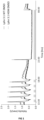
- Lphn3.1 HOM larvae Following 24 hours of recording it was evident that the Lphn3.1 HOM larvae display a notable hyperactive phenotype. Higher peak velocities following lights-off (which results in a stereotypical short, increase in activity for zebrafish), as well as higher overall average velocity during the lights-on periods, were observed for Lphn3.1 HOM larvae ( Figure 1 ).
- Figure 1 the activity of the Lphn3.1 HOM larvae is shown in the upper line and the activity of the Lphn3.1 WT larvae is shown in the lower line. The overall activity pattern of the larvae suggested that any period could be selected for statistical analysis.
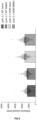
- Atomoxetine, aceclofenac, amlodipine, and doxazosin were each found to increase velocity in wild-type larvae.
- the effects of aceclofenac, amlodipine and doxazosin were compared to optimal dose of atomoxetine (see Figure 3 , 4 and 5 , respectively).
Landscapes
- Health & Medical Sciences (AREA)
- Chemical & Material Sciences (AREA)
- Medicinal Chemistry (AREA)
- Pharmacology & Pharmacy (AREA)
- Life Sciences & Earth Sciences (AREA)
- Animal Behavior & Ethology (AREA)
- General Health & Medical Sciences (AREA)
- Public Health (AREA)
- Veterinary Medicine (AREA)
- Epidemiology (AREA)
- Biomedical Technology (AREA)
- Nuclear Medicine, Radiotherapy & Molecular Imaging (AREA)
- Engineering & Computer Science (AREA)
- Neurology (AREA)
- Neurosurgery (AREA)
- Chemical Kinetics & Catalysis (AREA)
- General Chemical & Material Sciences (AREA)
- Bioinformatics & Cheminformatics (AREA)
- Organic Chemistry (AREA)
- Emergency Medicine (AREA)
- Pharmaceuticals Containing Other Organic And Inorganic Compounds (AREA)
- Acyclic And Carbocyclic Compounds In Medicinal Compositions (AREA)
- Organic Low-Molecular-Weight Compounds And Preparation Thereof (AREA)
- Heterocyclic Carbon Compounds Containing A Hetero Ring Having Nitrogen And Oxygen As The Only Ring Hetero Atoms (AREA)
- Plural Heterocyclic Compounds (AREA)
Priority Applications (3)
| Application Number | Priority Date | Filing Date | Title |
|---|---|---|---|
| RS20250624A RS66934B1 (sr) | 2021-01-29 | 2022-01-28 | Jedinjenja za upotrebu u lečenju poremećaja pažnje sa hiperaktivnošću |
| SM20250238T SMT202500238T1 (it) | 2021-01-29 | 2022-01-28 | Composti per l’uso nel trattamento di disturbo da iperattività e deficit di attenzione |
| HRP20250747TT HRP20250747T1 (hr) | 2021-01-29 | 2022-01-28 | Spojevi namijenjeni upotrebi u liječenju poremećaja hiperaktivnosti i nedostatka pažnje |
Applications Claiming Priority (4)
| Application Number | Priority Date | Filing Date | Title |
|---|---|---|---|
| GBGB2101292.7A GB202101292D0 (en) | 2021-01-29 | 2021-01-29 | Novel treatments |
| GBGB2101291.9A GB202101291D0 (en) | 2021-01-29 | 2021-01-29 | Novel treatments |
| GBGB2101296.8A GB202101296D0 (en) | 2021-01-29 | 2021-01-29 | Novel treatments |
| PCT/EP2022/052142 WO2022162199A2 (en) | 2021-01-29 | 2022-01-28 | Novel treatments |
Publications (3)
| Publication Number | Publication Date |
|---|---|
| EP4284356A2 EP4284356A2 (en) | 2023-12-06 |
| EP4284356B1 true EP4284356B1 (en) | 2025-04-02 |
| EP4284356C0 EP4284356C0 (en) | 2025-04-02 |
Family
ID=80682355
Family Applications (1)
| Application Number | Title | Priority Date | Filing Date |
|---|---|---|---|
| EP22708379.7A Active EP4284356B1 (en) | 2021-01-29 | 2022-01-28 | Compounds for use in the treatment of attention deficit hyperactivity disorder |
Country Status (12)
| Country | Link |
|---|---|
| US (1) | US20240130995A1 (https=) |
| EP (1) | EP4284356B1 (https=) |
| JP (1) | JP2024508372A (https=) |
| AU (1) | AU2022215118A1 (https=) |
| CA (1) | CA3206935A1 (https=) |
| ES (1) | ES3038949T3 (https=) |
| HR (1) | HRP20250747T1 (https=) |
| HU (1) | HUE071725T2 (https=) |
| PL (1) | PL4284356T3 (https=) |
| RS (1) | RS66934B1 (https=) |
| SM (1) | SMT202500238T1 (https=) |
| WO (1) | WO2022162199A2 (https=) |
Families Citing this family (1)
| Publication number | Priority date | Publication date | Assignee | Title |
|---|---|---|---|---|
| WO2025093748A1 (en) * | 2023-11-03 | 2025-05-08 | 3Z Pharmaceuticals | Use of a calcium channel blocker in the treatment of adhd |
Citations (2)
| Publication number | Priority date | Publication date | Assignee | Title |
|---|---|---|---|---|
| US20080226715A1 (en) * | 2007-03-16 | 2008-09-18 | Albert Cha | Therapeutic compositions and methods |
| KR20140135676A (ko) * | 2014-10-02 | 2014-11-26 | 한국과학기술원 | 주의력 결핍 과잉 행동 모델 마우스, 상기 모델 마우스를 이용한 집중력 장애 질병 예방 및 완화 효과 검증 방법, 및 비특이적 t―타입 칼슘 억제제를 함유하는 집중력 장애 질병 예방 및 치료용 조성물 |
Family Cites Families (9)
| Publication number | Priority date | Publication date | Assignee | Title |
|---|---|---|---|---|
| EP1030672A1 (en) * | 1997-11-19 | 2000-08-30 | Merck & Co., Inc. | Method for treating attention deficit disorder |
| US20040002500A1 (en) * | 2002-06-28 | 2004-01-01 | Fabre Kramer Pharmaceutical, Inc. | Methods for treating attention deficit disorder |
| CA2546395A1 (en) * | 2003-11-21 | 2005-06-09 | Memory Pharmaceutical Corporation | Compositions and methods of treatment using l-type calcium channel blockers and cholinesterase inhibitors |
| EP1609783A1 (en) * | 2004-06-17 | 2005-12-28 | Neuropharma S.A.U. | Marine compounds with calcium channel blocking properties for Alzheimer's disease treatment |
| WO2011100659A2 (en) * | 2010-02-12 | 2011-08-18 | Kitov Pharmaceutical Ltd. | Ameliorating drug-induced elevations in blood pressure by adjunctive use of antihypertensive drugs |
| PL2895507T3 (pl) * | 2012-09-11 | 2019-04-30 | Inst Catalana De Recerca I Estudis Avancats | Sposób diagnostyczny do wykrywania choroby autoimmunologicznej oraz przedmioty z nim związane |
| WO2014133329A1 (ko) * | 2013-02-27 | 2014-09-04 | 에스케이케미칼 주식회사 | 관절염 치료용 복합 제제 |
| JP2021500416A (ja) * | 2017-10-27 | 2021-01-07 | エステベ ファーマスーティカルズ,ソシエダッド アノニマ | 疼痛及び疼痛関連状態を治療するための新規アルコキシアミノ誘導体 |
| WO2020120606A1 (en) * | 2018-12-12 | 2020-06-18 | Esteve Pharmaceuticals, S.A. | New pyrrolidine-2-carboxylic acid derivatives for treating pain and pain related conditions |
-
2022
- 2022-01-28 SM SM20250238T patent/SMT202500238T1/it unknown
- 2022-01-28 RS RS20250624A patent/RS66934B1/sr unknown
- 2022-01-28 JP JP2023546027A patent/JP2024508372A/ja active Pending
- 2022-01-28 HU HUE22708379A patent/HUE071725T2/hu unknown
- 2022-01-28 AU AU2022215118A patent/AU2022215118A1/en active Pending
- 2022-01-28 CA CA3206935A patent/CA3206935A1/en active Pending
- 2022-01-28 WO PCT/EP2022/052142 patent/WO2022162199A2/en not_active Ceased
- 2022-01-28 US US18/274,945 patent/US20240130995A1/en active Pending
- 2022-01-28 PL PL22708379.7T patent/PL4284356T3/pl unknown
- 2022-01-28 ES ES22708379T patent/ES3038949T3/es active Active
- 2022-01-28 EP EP22708379.7A patent/EP4284356B1/en active Active
- 2022-01-28 HR HRP20250747TT patent/HRP20250747T1/hr unknown
Patent Citations (2)
| Publication number | Priority date | Publication date | Assignee | Title |
|---|---|---|---|---|
| US20080226715A1 (en) * | 2007-03-16 | 2008-09-18 | Albert Cha | Therapeutic compositions and methods |
| KR20140135676A (ko) * | 2014-10-02 | 2014-11-26 | 한국과학기술원 | 주의력 결핍 과잉 행동 모델 마우스, 상기 모델 마우스를 이용한 집중력 장애 질병 예방 및 완화 효과 검증 방법, 및 비특이적 t―타입 칼슘 억제제를 함유하는 집중력 장애 질병 예방 및 치료용 조성물 |
Non-Patent Citations (4)
| Title |
|---|
| BLOOD PRESSURE, vol. 21, no. Suppl. 1, July 2012 (2012-07-01), pages 3 - 10, ISSN: 0803-7051(print), DOI: 10.3109/08037051.2012.690615 * |
| DATABASE BIOSIS [online] BIOSCIENCES INFORMATION SERVICE, PHILADELPHIA, PA, US; July 2012 (2012-07-01), TOAL COREY B ET AL: "Long-acting dihydropyridine calcium-channel blockers and sympathetic nervous system activity in hypertension: A literature review comparing amlodipine and nifedipine GITS", Database accession no. PREV201200565844 * |
| DATABASE MEDLINE [online] US NATIONAL LIBRARY OF MEDICINE (NLM), BETHESDA, MD, US; April 1997 (1997-04-01), HIEBLE J P ET AL: "Recent advances in the identification of alpha1- and alpha2-adrenoceptor subtypes: therapeutic implications.", Database accession no. NLM15989605 * |
| HIEBLE J P ET AL: "Recent advances in the identification of alpha1- and alpha2-adrenoceptor subtypes: therapeutic implications.", EXPERT OPINION ON INVESTIGATIONAL DRUGS APR 1997, vol. 6, no. 4, April 1997 (1997-04-01), pages 367 - 387, ISSN: 1744-7658 * |
Also Published As
| Publication number | Publication date |
|---|---|
| CA3206935A1 (en) | 2022-08-04 |
| SMT202500238T1 (it) | 2025-07-22 |
| PL4284356T3 (pl) | 2025-07-28 |
| JP2024508372A (ja) | 2024-02-27 |
| WO2022162199A2 (en) | 2022-08-04 |
| EP4284356A2 (en) | 2023-12-06 |
| HUE071725T2 (hu) | 2025-09-28 |
| HRP20250747T1 (hr) | 2025-08-15 |
| AU2022215118A1 (en) | 2023-08-17 |
| AU2022215118A9 (en) | 2024-05-16 |
| EP4284356C0 (en) | 2025-04-02 |
| RS66934B1 (sr) | 2025-07-31 |
| US20240130995A1 (en) | 2024-04-25 |
| WO2022162199A3 (en) | 2022-09-15 |
| ES3038949T3 (en) | 2025-10-16 |
Similar Documents
| Publication | Publication Date | Title |
|---|---|---|
| JP5921539B2 (ja) | 下肢静止不能症候群を治療する方法 | |
| JP5836280B2 (ja) | 注意欠陥/多動性障害(adhd)の治療方法 | |
| JP5901528B2 (ja) | 線維筋痛症候群の治療方法 | |
| JP5024635B2 (ja) | 睡眠覚醒障害の治療 | |
| US20170304351A1 (en) | Combination therapy for the treatment of depression and other non-infectious diseases | |
| JP2024530007A (ja) | 精神活性医薬品ならびに精神医学的および神経学的な病態および障害の治療のためのそれらの使用 | |
| EP4284356B1 (en) | Compounds for use in the treatment of attention deficit hyperactivity disorder | |
| MX2008000249A (es) | Combinaciones de eszopiclona y o-desmetilvenlafaxina y metodos de tratamiento de menopausia y trastornos del estado de animo, ansiedad y cognitivos. | |
| US9271995B2 (en) | Agent for ameliorating brain hypofunction | |
| US20240002369A1 (en) | Novel treatments of attention deficit/hyperactivity disorder | |
| HK40101538B (en) | Compounds for use in the treatment of attention deficit hyperactivity disorder | |
| HK40101538A (en) | Compounds for use in the treatment of attention deficit hyperactivity disorder | |
| WO2023084054A1 (en) | Treatment of adhd using selective binders of the 11-imidazoline receptor | |
| WO2025093748A1 (en) | Use of a calcium channel blocker in the treatment of adhd | |
| JP2024522632A (ja) | 自閉症スペクトラム障害(asd)を治療する方法 | |
| JP2025510790A (ja) | 精神活性医薬品ならびに精神医学的および神経学的な病態および障害の治療のためのそれらの用途 | |
| CN116981460A (zh) | 注意力缺陷/多动障碍的新颖治疗 | |
| TW200819123A (en) | Methods of treatment using alpha-2-delta-1 selective compounds | |
| JP6466792B2 (ja) | 注意欠陥/多動性障害(adhd)の治療方法 | |
| CN117120046A (zh) | 用于治疗注意力缺陷多动障碍的化合物 | |
| CN117957003A (zh) | 治疗神经退行性疾病的方法 | |
| US20180042919A1 (en) | PARP Inhibitors for the Treatment of Major Depressive Disorder and Related Conditions | |
| HK1119078A (en) | Combinations of eszopiclone and o-desmethylvenlafaxine, and methods of treatment of menopause and mood, anxiety, and cognitive disorders |
Legal Events
| Date | Code | Title | Description |
|---|---|---|---|
| REG | Reference to a national code |
Ref country code: HR Ref legal event code: TUEP Ref document number: P20250747T Country of ref document: HR |
|
| STAA | Information on the status of an ep patent application or granted ep patent |
Free format text: STATUS: UNKNOWN |
|
| STAA | Information on the status of an ep patent application or granted ep patent |
Free format text: STATUS: THE INTERNATIONAL PUBLICATION HAS BEEN MADE |
|
| PUAI | Public reference made under article 153(3) epc to a published international application that has entered the european phase |
Free format text: ORIGINAL CODE: 0009012 |
|
| STAA | Information on the status of an ep patent application or granted ep patent |
Free format text: STATUS: REQUEST FOR EXAMINATION WAS MADE |
|
| 17P | Request for examination filed |
Effective date: 20230829 |
|
| AK | Designated contracting states |
Kind code of ref document: A2 Designated state(s): AL AT BE BG CH CY CZ DE DK EE ES FI FR GB GR HR HU IE IS IT LI LT LU LV MC MK MT NL NO PL PT RO RS SE SI SK SM TR |
|
| DAV | Request for validation of the european patent (deleted) | ||
| DAX | Request for extension of the european patent (deleted) | ||
| REG | Reference to a national code |
Ref country code: HK Ref legal event code: DE Ref document number: 40101538 Country of ref document: HK |
|
| STAA | Information on the status of an ep patent application or granted ep patent |
Free format text: STATUS: EXAMINATION IS IN PROGRESS |
|
| 17Q | First examination report despatched |
Effective date: 20240703 |
|
| GRAP | Despatch of communication of intention to grant a patent |
Free format text: ORIGINAL CODE: EPIDOSNIGR1 |
|
| STAA | Information on the status of an ep patent application or granted ep patent |
Free format text: STATUS: GRANT OF PATENT IS INTENDED |
|
| INTG | Intention to grant announced |
Effective date: 20241217 |
|
| GRAS | Grant fee paid |
Free format text: ORIGINAL CODE: EPIDOSNIGR3 |
|
| GRAA | (expected) grant |
Free format text: ORIGINAL CODE: 0009210 |
|
| STAA | Information on the status of an ep patent application or granted ep patent |
Free format text: STATUS: THE PATENT HAS BEEN GRANTED |
|
| AK | Designated contracting states |
Kind code of ref document: B1 Designated state(s): AL AT BE BG CH CY CZ DE DK EE ES FI FR GB GR HR HU IE IS IT LI LT LU LV MC MK MT NL NO PL PT RO RS SE SI SK SM TR |
|
| REG | Reference to a national code |
Ref country code: GB Ref legal event code: FG4D |
|
| REG | Reference to a national code |
Ref country code: CH Ref legal event code: EP |
|
| REG | Reference to a national code |
Ref country code: IE Ref legal event code: FG4D |
|
| REG | Reference to a national code |
Ref country code: DE Ref legal event code: R096 Ref document number: 602022012571 Country of ref document: DE |
|
| U01 | Request for unitary effect filed |
Effective date: 20250425 |
|
| U07 | Unitary effect registered |
Designated state(s): AT BE BG DE DK EE FI FR IT LT LU LV MT NL PT RO SE SI Effective date: 20250506 |
|
| REG | Reference to a national code |
Ref country code: SK Ref legal event code: T3 Ref document number: E 46614 Country of ref document: SK |
|
| REG | Reference to a national code |
Ref country code: HR Ref legal event code: T1PR Ref document number: P20250747 Country of ref document: HR |
|
| REG | Reference to a national code |
Ref country code: GR Ref legal event code: EP Ref document number: 20250401332 Country of ref document: GR Effective date: 20250808 |
|
| REG | Reference to a national code |
Ref country code: HU Ref legal event code: AG4A Ref document number: E071725 Country of ref document: HU |
|
| REG | Reference to a national code |
Ref country code: ES Ref legal event code: FG2A Ref document number: 3038949 Country of ref document: ES Kind code of ref document: T3 Effective date: 20251016 |
|
| PLBE | No opposition filed within time limit |
Free format text: ORIGINAL CODE: 0009261 |
|
| STAA | Information on the status of an ep patent application or granted ep patent |
Free format text: STATUS: NO OPPOSITION FILED WITHIN TIME LIMIT |
|
| REG | Reference to a national code |
Ref country code: CH Ref legal event code: L10 Free format text: ST27 STATUS EVENT CODE: U-0-0-L10-L00 (AS PROVIDED BY THE NATIONAL OFFICE) Effective date: 20260211 |
|
| 26N | No opposition filed |
Effective date: 20260105 |