EP4260850A1 - Pharmaceutical composition comprising pterosin compound and derivative thereof as active ingredient for prevention or treatment of pka-related disease - Google Patents
Pharmaceutical composition comprising pterosin compound and derivative thereof as active ingredient for prevention or treatment of pka-related disease Download PDFInfo
- Publication number
- EP4260850A1 EP4260850A1 EP21907063.8A EP21907063A EP4260850A1 EP 4260850 A1 EP4260850 A1 EP 4260850A1 EP 21907063 A EP21907063 A EP 21907063A EP 4260850 A1 EP4260850 A1 EP 4260850A1
- Authority
- EP
- European Patent Office
- Prior art keywords
- pterosin
- alcohol
- compound defined
- pharmaceutical composition
- alkyl
- Prior art date
- Legal status (The legal status is an assumption and is not a legal conclusion. Google has not performed a legal analysis and makes no representation as to the accuracy of the status listed.)
- Pending
Links
Images




Classifications
-
- A—HUMAN NECESSITIES
- A61—MEDICAL OR VETERINARY SCIENCE; HYGIENE
- A61K—PREPARATIONS FOR MEDICAL, DENTAL OR TOILETRY PURPOSES
- A61K31/00—Medicinal preparations containing organic active ingredients
- A61K31/12—Ketones
- A61K31/122—Ketones having the oxygen directly attached to a ring, e.g. quinones, vitamin K1, anthralin
-
- A—HUMAN NECESSITIES
- A23—FOODS OR FOODSTUFFS; TREATMENT THEREOF, NOT COVERED BY OTHER CLASSES
- A23L—FOODS, FOODSTUFFS OR NON-ALCOHOLIC BEVERAGES, NOT OTHERWISE PROVIDED FOR; PREPARATION OR TREATMENT THEREOF
- A23L33/00—Modifying nutritive qualities of foods; Dietetic products; Preparation or treatment thereof
- A23L33/10—Modifying nutritive qualities of foods; Dietetic products; Preparation or treatment thereof using additives
-
- A—HUMAN NECESSITIES
- A61—MEDICAL OR VETERINARY SCIENCE; HYGIENE
- A61K—PREPARATIONS FOR MEDICAL, DENTAL OR TOILETRY PURPOSES
- A61K31/00—Medicinal preparations containing organic active ingredients
- A61K31/70—Carbohydrates; Sugars; Derivatives thereof
- A61K31/7028—Compounds having saccharide radicals attached to non-saccharide compounds by glycosidic linkages
- A61K31/7034—Compounds having saccharide radicals attached to non-saccharide compounds by glycosidic linkages attached to a carbocyclic compound, e.g. phloridzin
- A61K31/704—Compounds having saccharide radicals attached to non-saccharide compounds by glycosidic linkages attached to a carbocyclic compound, e.g. phloridzin attached to a condensed carbocyclic ring system, e.g. sennosides, thiocolchicosides, escin, daunorubicin
-
- A—HUMAN NECESSITIES
- A61—MEDICAL OR VETERINARY SCIENCE; HYGIENE
- A61K—PREPARATIONS FOR MEDICAL, DENTAL OR TOILETRY PURPOSES
- A61K36/00—Medicinal preparations of undetermined constitution containing material from algae, lichens, fungi or plants, or derivatives thereof, e.g. traditional herbal medicines
- A61K36/11—Pteridophyta or Filicophyta (ferns)
-
- A—HUMAN NECESSITIES
- A61—MEDICAL OR VETERINARY SCIENCE; HYGIENE
- A61P—SPECIFIC THERAPEUTIC ACTIVITY OF CHEMICAL COMPOUNDS OR MEDICINAL PREPARATIONS
- A61P25/00—Drugs for disorders of the nervous system
-
- A—HUMAN NECESSITIES
- A23—FOODS OR FOODSTUFFS; TREATMENT THEREOF, NOT COVERED BY OTHER CLASSES
- A23V—INDEXING SCHEME RELATING TO FOODS, FOODSTUFFS OR NON-ALCOHOLIC BEVERAGES AND LACTIC OR PROPIONIC ACID BACTERIA USED IN FOODSTUFFS OR FOOD PREPARATION
- A23V2002/00—Food compositions, function of food ingredients or processes for food or foodstuffs
-
- A—HUMAN NECESSITIES
- A23—FOODS OR FOODSTUFFS; TREATMENT THEREOF, NOT COVERED BY OTHER CLASSES
- A23V—INDEXING SCHEME RELATING TO FOODS, FOODSTUFFS OR NON-ALCOHOLIC BEVERAGES AND LACTIC OR PROPIONIC ACID BACTERIA USED IN FOODSTUFFS OR FOOD PREPARATION
- A23V2200/00—Function of food ingredients
- A23V2200/30—Foods, ingredients or supplements having a functional effect on health
- A23V2200/322—Foods, ingredients or supplements having a functional effect on health having an effect on the health of the nervous system or on mental function
-
- A—HUMAN NECESSITIES
- A23—FOODS OR FOODSTUFFS; TREATMENT THEREOF, NOT COVERED BY OTHER CLASSES
- A23V—INDEXING SCHEME RELATING TO FOODS, FOODSTUFFS OR NON-ALCOHOLIC BEVERAGES AND LACTIC OR PROPIONIC ACID BACTERIA USED IN FOODSTUFFS OR FOOD PREPARATION
- A23V2250/00—Food ingredients
- A23V2250/30—Other Organic compounds
Definitions
- the present invention relates to a composition for preventing or treating diseases related to protein kinase A (PKA, cAMP-dependent protein kinase) comprising a pterosin compound and derivatives thereof as an active ingredient and, more specifically, to a composition for preventing or treating neuropsychiatric diseases comprising a pterosin compound defined by formula 1 or derivatives thereof as an active ingredient.
- PKA protein kinase A
- cAMP-dependent protein kinase a composition for preventing or treating neuropsychiatric diseases comprising a pterosin compound defined by formula 1 or derivatives thereof as an active ingredient.
- Depression is a mood disorder that causes persistent feelings of sadness and loss of interest. It is estimated that more than 50% of patients with depression do not experience an adequate treatment response to known administered medications. As noted in an open-label study of medication treatment of depression, in most cases, 2 weeks or more of medication is required before significant improvement is observed ( Rush et al, Am. J. Psychiatry 2006, 163: 1905 ). Since there is still no single effective treatment for depression and other related diseases, research thereon is ongoing.
- protein kinase A (PKA, cAMP-dependent protein kinase) is a phosphorylation enzyme that covalently binds phosphate to a protein, and PKA is characterized in regulating its activity according to fluctuations in intracellular cAMP levels.
- PKA protein kinase A
- this enzyme acts as the final effector of various hormones that work through the cAMP signaling pathway.
- PKA is essentially involved in all cellular responses due to the ultimate cAMP secondary transport system.
- PKA acts as a heterotetramer composed of two catalytic subunits with enzyme activities and two regulatory subunits having the function of regulating the activities.
- the catalytic subunits comprise the active functional area of the enzyme and also comprise an ATP binding domain, and a domain binding to the regulatory subunit. Regulatory subunits bind to each other in opposite directions to form homodimers, which have two cAMP-binding domains, a catalytic subunit-binding domain, and an 'autoinhibition' domain that can inhibit the catalytic domain. Thus, the activities of the catalytic subunits can be regulated. These regulatory subunits may also have other biological activities besides their role in regulating the catalytic subunits.
- PKA plays a role in fat cells, muscle cells comprising cardiomyocytes, hepatocytes, kidney cells, and nerve cells. The activities of the enzyme have different functions depending on the type of a cell.
- cAMP response element-binding protein as a major intracellular transcription factor binds to a specific DNA sequence called cAMP response elements (CRE) to increase or decrease the expression of subgenes.
- CRE cAMP response elements
- CREB was first reported in 1987 as a cAMP-responsive transcription factor regulating the somatostatin gene.
- ATP which is the chemical energy of the cell, may be converted into cyclic AMP (cAMP) by adenylyl cyclase present in the membrane to regulate the activities of major proteins in the cell.
- CREB is mainly activated by Protein kinase A (PKA) activated by increase in cAMP intracellular concentration caused by external stimuli, and increases or inhibits the expression of genes related to intracellular nutrient supply and growth, physiological rhythm, spatial perception and memory.
- PKA Protein kinase A
- PKA-CREB signaling is known to play an important role in neurodevelopment, synaptic and neuroplasticity, and neuroprotection, and it has been reported in many studies that PKA-CREB signaling is closely related to the treatment of various neuropsychiatric diseases such as depression.
- Patent Document 0001 Korean Patent No. 10-2085358
- the inventors of the present invention investigated the effects of a pterosin compound and derivatives thereof in bracken extract on a living body and confirmed that the pterosin compound and derivatives thereof could exhibit preventive or therapeutic effects on various neuropsychiatric diseases by activating the PKA-CREB signaling pathway, and have completed the present invention.
- an object of the present invention is to provide a pharmaceutical composition for the prevention or treatment of neuropsychiatric diseases, comprising a compound defined by the following formula 1, an isomer thereof, derivatives thereof, or a pharmaceutically acceptable salt thereof as an active ingredient.
- an object of the present invention is to provide a pharmaceutical composition for the prevention or treatment of neuropsychiatric diseases, consisting of a compound defined by the following formula 1, an isomer thereof, derivatives thereof, or a pharmaceutically acceptable salt thereof.
- an object of the present invention is to provide a pharmaceutical composition for the prevention or treatment of neuropsychiatric diseases, essentially consisting of a compound defined by the following formula 1, an isomer thereof, derivatives thereof, or a pharmaceutically acceptable salt thereof.
- R1, R2, R3 and R4 each independently are H, OH, or an alkyl or alcohol having 1 to 4 carbon atoms
- R5 and R6 each independently are H, OH, alkyl, alkenyl, alkynyl, alcohol, carboxyl, ether, cycloalkyl, heterocycloalkyl or glucose.
- Another object of the present invention is to provide a food composition for the prevention or improvement of neuropsychiatric diseases, comprising a compound defined by the following formula 1, an isomer thereof, derivatives thereof, or a pharmaceutically acceptable salt thereof as an active ingredient.
- Another object of the present invention is to provide a food composition for the prevention or improvement of neuropsychiatric diseases, consisting of a compound defined by the following formula 1, an isomer thereof, derivatives thereof, or a pharmaceutically acceptable salt thereof.
- another object of the present invention is to provide a food composition for the prevention or improvement of neuropsychiatric diseases, essentially consisting of a compound defined by the following formula 1, an isomer thereof, derivatives thereof, or a pharmaceutically acceptable salt thereof.
- R1, R2, R3 and R4 each independently are H, OH, or an alkyl or alcohol having 1 to 4 carbon atoms
- R5 and R6 each independently are H, OH, alkyl, alkenyl, alkynyl, alcohol, carboxyl, ether, cycloalkyl, heterocycloalkyl or glucose.
- Another object of the present invention is to provide a use of a compound defined by the above-described formula 1, an isomer thereof, derivatives thereof, or a pharmaceutically acceptable salt thereof for preparing an agent for use in the treatment of neuropsychiatric diseases.
- Another object of the present invention is to provide a method for treating neuropsychiatric diseases, comprising administering an effective amount of a composition comprising the compound defined by the above-described formula 1, an isomer thereof, or a pharmaceutically acceptable salt thereof to a subject in need thereof.
- the present invention provides a pharmaceutical composition for the prevention or treatment of neuropsychiatric diseases, comprising a compound defined by the following formula 1, an isomer thereof, derivatives thereof, or a pharmaceutically acceptable salt thereof as an active ingredient.
- the present invention provides a pharmaceutical composition for the prevention or treatment of neuropsychiatric diseases, consisting of a compound defined by the following formula 1, an isomer thereof, derivatives thereof, or a pharmaceutically acceptable salt thereof.
- the present invention provides a pharmaceutical composition for the prevention or treatment of neuropsychiatric diseases, essentially consisting of a compound defined by the following formula 1, an isomer thereof, derivatives thereof, or a pharmaceutically acceptable salt thereof.
- R1, R2, R3 and R4 each independently are H, OH, or an alkyl or alcohol having 1 to 4 carbon atoms
- R5 and R6 each independently are H, OH, alkyl, alkenyl, alkynyl, alcohol, carboxyl, ether, cycloalkyl, heterocycloalkyl or glucose.
- the present invention provides a food composition for the prevention or improvement of neuropsychiatric diseases, comprising a compound defined by the following formula 1, an isomer thereof, derivatives thereof, or a pharmaceutically acceptable salt thereof as an active ingredient.
- the present invention provides a food composition for the prevention or improvement of neuropsychiatric diseases, consisting of a compound defined by the following formula 1, an isomer thereof, derivatives thereof, or a pharmaceutically acceptable salt thereof.
- the present invention provides a food composition for the prevention or improvement of neuropsychiatric diseases, essentially consisting of a compound defined by the following formula 1, an isomer thereof, derivatives thereof, or a pharmaceutically acceptable salt thereof.
- R1, R2, R3 and R4 each independently are H, OH, or an alkyl or alcohol having 1 to 4 carbon atoms
- R5 and R6 each independently are H, OH, alkyl, alkenyl, alkynyl, alcohol, carboxyl, ether, cycloalkyl, heterocycloalkyl or glucose.
- the present invention provides a use of a compound defined by the above-described formula 1, an isomer thereof, derivatives thereof, or a pharmaceutically acceptable salt thereof for preparing an agent for use in the treatment of neuropsychiatric diseases.
- the present invention provides a method for treating neuropsychiatric diseases, comprising administering an effective amount of a composition comprising the compound defined by the above-described formula 1, an isomer thereof, or a pharmaceutically acceptable salt thereof to a subject in need thereof.
- the present invention provides a pharmaceutical composition for the prevention or treatment of neuropsychiatric diseases, comprising a compound defined by the following formula 1, an isomer thereof, derivatives thereof, or a pharmaceutically acceptable salt thereof as an active ingredient: wherein R1, R2, R3 and R4 each independently are H, OH, or an alkyl or alcohol having 1 to 4 carbon atoms; R5 and R6 each independently are H, OH, alkyl, alkenyl, alkynyl, alcohol, carboxyl, ether, cycloalkyl, heterocycloalkyl or glucose.
- alkyl is used to describe a group or part of a group comprising a straight-chain or branched-chain alkyl group containing 1 to 4 carbon atoms. Representative examples of such group comprise methyl, ethyl, propyl, isopropyl, n-butyl, isobutyl and tertbutyl.
- alkenyl is a straight-chain or branched monovalent or divalent hydrocarbon having 2 to 10 carbon atoms (e.g., C2-C10) and having one or more double bonds .
- alkenyl comprise ethenyl, propenyl, prophenylene, allyl and 1,4-butadienyl, but the present invention is not limited thereto.
- alkynyl is a straight-chain or branched monovalent or divalent hydrocarbon having 2 to 10 carbon atoms (e.g., C2-C10) and having one or more triple bonds .
- alkynyl comprise ethynyl, ethynylene, 1-propynyl, 1- and 2-butynyl and 1-methyl-2-butynyl, but the present invention is not limited thereto.
- alcohol is used to describe a straight-chain or branched-chain alcohol or alkoxy group having 1 to 4 carbon atoms. Such group comprises methanol, ethanol, propanol, butanol and their alkoxy groups. Examples of alkoxy groups comprise methoxy, ethoxy, isopropoxy, tert-butoxy.
- alcohol having 1 to 4 carbon atoms used in the present invention may be interpreted the same as "hydroxyalkyl having 1 to 4 carbon atoms.”
- At least one of R1 to R4 in the above-described formula 1 may be OH or an alcohol having 1 to 4 carbon atoms.
- any one of R1 to R4 in the above-described formula 1 may be OH or an alcohol having 1 to 4 carbon atoms, and R6 may be hydrogen.
- R3 and/or R4 in the above-described formula 1 may be OH.
- R3 may be OH, and R4 may be hydrogen.
- the 'compound defined by formula 1' of the present invention is a sesquiterpenoid present in bracken and may be a pterosin compound purified from bracken extract.
- the pterosin compound in the present invention may be pterosin A, pterosin B, pterosin C, pterosin D, pterosin J, pterosin M, pterosin N, pterosin P, pterosin S, pterosin Z, pteroside A, pteroside A2, pteroside B, pteroside C, pteroside D, pteroside N, pteroside P, pteroside Z, or sulfated pterosin C, and may preferably be A, pterosin C, pterosin D, protesin N, or an isomer thereof, but the present invention is not limited
- the compound defined by the above-described formula 1 in the present invention may be a pterosin compound containing a hydroxy (-OH) residue in R3 and/or R4, specifically pterosin A, C, and D or an isomer thereof.
- the compound defined by the above-described formula 1 in the present invention may be pterosin C, D or an isomer thereof in which R3 and/or R4 are hydroxy (-OH).
- the pterosin compound of the present invention may have a non-aromatic double bond and one or more asymmetric centers, which may occur as racemates and mixtures of racemates, single enantiomers, individual diastereomers, mixtures of diastereomers and cis- or trans-isomers, and may comprise all such isomeric forms.
- the compound defined by the above-described formula 1 and derivatives thereof according to the present invention may be separated from nature or prepared by chemical synthesis of novel compounds known in the art.
- the compound defined by the above-described formula 1 and derivatives thereof of the present invention may be separated and purified from natural plants . That is, they may be obtained from plants or part of plants by using conventional methods for extracting and separating substances.
- the stem, root or leaf may be appropriately dried and macerated or only dried and extracted by using an appropriate organic solvent to obtain a desired extract, and the desired extract may be purified by using a purification method known to those skilled in the art to which the present invention belongs.
- the compound defined by the above-described formula 1 and derivatives thereof of the present invention may be separated and purified from bracken.
- the bracken may be, for example, Dennstaedtiaceae and Pteridaceae.
- Specific examples of such plant comprise Dennstaedtia scandens, Histiopteris incisa, Microlepia speluncae, Pteridium aquilinum var. Pteridium aquilinum var. latiusculum, Pteridium revolutum, Hypolepis punctata, Ceratopteris thalictroides, Pteris pauriea fauriei, Pteris dimidiata and Pteris ensiformi. These plants are distributed worldwide and may be found especially in Wulai Township, Taipei County and Mountain Datun, Taipei City, but the present invention is not limited thereto.
- step (a) the entire bracken plant or its dry body may be used, and the dried body of bracken may be pulverized with a grinder to increase the extraction efficiency.
- a drying method all of drying in the sun, drying in the shade, hot air drying, freeze drying and natural drying may be used.
- hot air drying and freeze drying may be used.
- the organic solvent having 1 to 4 carbon atoms used in the extraction of bracken may be methanol, ethanol, propanol, isopropanol, butanol, acetone, ether, chloroform, ethyl acetate, methylene chloride, hexane, cyclohexane, dichloromethane or petroleum ether.
- bracken was extracted by using water.
- step (b) the extract obtained in step (a) is fractionated, and distribution extraction is performed by using ethyl-acetate.
- the ethyl-acetate fraction obtained in step (b) is separated by gradient chromatography.
- column chromatography and high-performance liquid chromatography (HPLC) filled with various synthetic resins such as silica gel and activated alumina may be used alone or in combination.
- the ethyl-acetate fraction is applied to a silica gel column, and the composition of the elution solvent is adjusted to gradually increase the polarity, thereby obtaining various fractions.
- Concentration gradient silica gel chromatography may be performed to adjust the composition of the elution solvent to gradually increase the polarity for a fraction having activities among the fractions obtained in the above-described process.
- the method for extracting and separating and purifying the compound is not necessarily limited to the above-described methods.
- step (c) the ethyl-acetate fraction obtained in step (b) is separated and purified by concentration gradient chromatography.
- HPLC high-performance liquid chromatography
- synthetic resins such as silica gel and activated alumina
- novel compounds may be separated and purified by using high performance liquid chromatography.
- Non-naturally occurring pterosin compounds may be converted from naturally occurring compounds (see, e.g., [ Banerji er al, Tetrahedron Letters, 1974, 15, 1369 , Hayashi et al., Tetrahedron Letters, 1991, 33, 2509 , and McMorris et al., J.Org. Chem., 1992, 57, 6876 ]) or newly synthesized by methods well known in the art.
- bracken after 200 to 500 g of bracken was extracted with hot water, added with ethyl acetate (EA), mixed well and dried. The ethyl acetate extract was then dissolved in DMSO, diluted with water, and divided into 7 fractions by using column chromatography. The divided fractions were analyzed by HPLC to extract the compounds of the present invention (see Example 1).
- EA ethyl acetate
- the neuropsychiatric disease is a disease related to PKA and CREB signal transduction
- specific examples of the disease of the present invention may be any one or more selected from the group consisting of Huntington's disease, cerebral palsy, autism, attention deficit hyperactivity disorders (ADHD), paraplegia, depression, drug addiction, Rubinstein Taybi syndrome, insomnia, delayed sleep syndrome and advanced sleep phase syndrome, but the present invention is not limited thereto.
- CREB dysfunction is associated with major depressive disorders (see [ Belmaker, R. H.; Agam, Galila (2008) . "Major depressive disorder.” New England Journal of Medicine. 358 (1): 55-68. doi:10.1056/nejmra073096. PMID 18172175 ]).
- Depressed mice with overexpression of CREB in the dentate gyrus behaved similarly to mice treated with antidepressants (see [ Blendy, J. A. (2006).
- Entrainment of the mammalian circadian clock is established through light induction of PER.
- Light excites melanopsin-containing photosensitive retinal ganglion cells that send signals to the suprachiasmatic nucleus (SCN) via the retinal hypothalamus (RHT).
- RHT signals the release of glutamate received by NMDA receptors in the SCN, resulting in calcium influx into the SCN.
- Calcium induces the activities of Ca 2+ /calmodulin-dependent protein kinase, resulting in activation of PKA, PKC and CK2.
- Such kinases then phosphorylate CREB in a circadian manner further regulating downstream gene expression.
- Phosphorylated CREB recognizes cAMP response elements and acts as a transcription factor for Per1 and Per2 as two genes regulating the mammalian circadian clock. Such induction of the PER protein may accompany the circadian clock into the light-dark cycle and inhibit its own transcription through a transcription-translational feedback loop that may either advance or delay the circadian clock.
- mutant mice lacking the Ser142 phosphorylation site failed to induce the clock regulatory gene mPer1 in response to light pulses. Moreover, such mutant mice had difficulty accommodating light-dark cycles (see [ Gau, Daniel; Lemberger, Thomas; von Gall, Charlotte; Kretz, Oliver; Le Minh, Nguyet; Gass, Peter; Schmid, Wolfgang; Schibler, Ueli; Korf, Horst W. (11 April 2002). "Phosphorylation of CREB Ser142 Regulates Light-Induced Phase Shifts of the Circadian Clock.” Neuron. 34 (2): 245-253. doi:10.1016/S0896-6273(02)00656-6. PMID 11970866 ]).
- the compound defined by the above-described formula 1 of the present invention comprises derivatives thereof, which comprise all pterosin derivatives derived from bracken.
- the compound comprises all pterosin derivatives by deletion, insertion, non-conservative or conservative substitution of chemical groups, or combinations thereof, as long as the compound has a PKA activating function by comprising wild type pterosin derivatives.
- a derivative of pterosin refers to a chemical derivative that differs from the wild type in terms of one or more chemical groups. Insertion is usually performed with contiguous sequences of about 1 to 20 atoms, but larger insertion may be possible. Deletion is usually performed with about 1 to 30 atoms, but larger deletion may also be possible, for example, in some cases, one of the side chains may be deleted.
- Such derivatives may be prepared by chemical synthesis methods known in the art. Chemical group exchanges in chemical derivatives that do not entirely alter the activities of the molecule are known in the art. The most commonly occurring exchange is that between chemical groups.
- the compound defined by the above-identified formula 1 in some cases, may be modified by phosphorylation, sulfation, acrylation, glycosylation, methylation, farnesylation and the like.
- the derivative of the compound defined by the above-described formula 1 is a functional equivalent that exhibits the same biological activities as the natural compound, but may be a derivative whose properties are modified to maximize efficacy and minimize side effects, if necessary.
- it is a compound in which the structural stability of the compound to heat, pH, etc. increases, the absorption rate in the body increases, or the physiological activities increase by mutation and modification of the side chain.
- Derivatives of the compound defined by the above-described formula 1 may be obtained by extraction and purification from natural sources comprising bracken by methods well known in the art.
- the derivatives since the structural formula of pterosin is known, the derivatives may be obtained by chemical synthesis. When prepared by chemical synthesis, the derivatives may be obtained by using a compound synthesis method widely known in the art.
- the types and chemical structures of the compounds purified from bracken extract were identified by using nuclear magnetic resonance (NMR) (see Example 2).
- the term "pharmaceutically acceptable salt” refers to a salt that is not toxic to cells or human beings exposed to the composition, and has a safety and efficacy profile suitable for administration to human beings.
- the salt may be used in the form of either a pharmaceutically acceptable basic salt or acid salt.
- the basic salt may be used in the form of either an organic base salt or an inorganic base salt and selected from the group consisting of sodium salt, potassium salt, calcium salt, lithium salt, magnesium salt, cesium salt, aminium salt, ammonium salt, triethylaminium salt and pyridinium salt.
- an acid addition salt formed by a free acid is useful.
- Inorganic acids and organic acids may be used as free acids.
- Inorganic acids may comprise hydrochloric acid, hydrobromic acid, sulfuric acid, sulfurous acid, phosphoric acid, double phosphoric acid, and nitric acid.
- Organic acids may comprise citric acid, acetic acid, maleic acid, malic acid, fumaric acid, glucoic acid, methanesulfonic acid, benzenesulfonic acid, camphorsulfonic acid, oxalic acid, malonic acid, glutaric acid, acetic acid, glycolic acid, succinic acid, tartaric acid, 4-toluenesulfonic acid, galacturonic acid, embonic acid, glutamic acid, citric acid, aspartic acid, stearic acid, etc.
- the present invention is not limited thereto, and all salts formed by using various inorganic acids and organic acids commonly used in the art may be contained.
- the compound defined by the above-described formula 1 may comprise, in addition to the above-described salt, all salts, hydrates, solvates, derivatives and the like that may be prepared by conventional methods.
- the addition salt may be prepared by a conventional method, and by dissolving in a water-miscible organic solvent such as acetone, methanol, ethanol, and acetonitrile, and adding an excessive amount of an organic base or adding an aqueous solution of an inorganic base, followed by precipitation or crystallization.
- the solvent or excess base may be evaporated from the mixture and then dried, or the precipitated salt may be suction filtered, to prepare an addition salt.
- the pharmaceutical composition according to the present invention may comprise the compound defined by the above-described formula 1, an isomer thereof, derivatives thereof, or a pharmaceutically acceptable salt thereof alone or be formulated in a suitable form together with a pharmaceutically acceptable carrier, or further comprise excipients or diluents.
- a pharmaceutically acceptable carrier or further comprise excipients or diluents.
- the term 'pharmaceutically acceptable' refers to a non-toxic composition that is physiologically acceptable and does not cause an allergic reaction such as a gastrointestinal disorder, dizziness and a similar reaction, when administered to human beings.
- a pharmaceutically acceptable carrier may further comprise, for example, a carrier for oral administration or a carrier for parenteral administration.
- the carrier for oral administration may comprise lactose, starch, cellulose derivatives, magnesium stearate, stearic acid and the like.
- various drug delivery materials used for oral administration of peptide preparations may be contained therein.
- the carrier for parenteral administration may comprise water, suitable oil, saline, aqueous glucose and glycol, and the like, and may further comprise a stabilizer and a preservative. Suitable stabilizers are antioxidants such as sodium bisulfite, sodium sulfite and ascorbic acid.
- Suitable preservatives are benzalkonium chloride, methyl- or propyl-paraben and chlorobutanol.
- the pharmaceutical composition of the present invention may further comprise, in addition to the above-described components, a lubricant, a wetting agent, a sweetening agent, a flavoring agent, an emulsifier, a suspending agent and the like. Reference may be made to other pharmaceutically acceptable carriers and agents known in the art.
- composition of the present invention may be administered to mammals comprising human beings by any method.
- it may be administered orally or parenterally.
- Parenteral methods of administration may comprise intravenous, intramuscular, intraarterial, intramedullary, intrathecal, intracardiac, transdermal, subcutaneous, intraperitoneal, intranasal, enteral, topical, sublingual or rectal administration, but the present invention is not limited thereto.
- composition of the present invention may be formulated into a preparation for oral administration or parenteral administration according to the administration route described above.
- composition of the present invention may be formulated into powders, granules, tablets, pills, sugarcoated tablets, capsules, solutions, gels, syrups, slurries, suspensions, etc. by a method known in the art.
- preparations for oral use may be obtained by combining the active ingredient with a solid excipient, milling same, adding suitable auxiliaries thereto, and processing same into a mixture of granules to obtain tablets or sugarcoated tablets.
- excipients may comprise sugars (e.g., lactose, dextrose, sucrose, sorbitol, mannitol, xylitol, erythritol and maltitol), starches (e.g., corn starch, wheat starch, rice starch and potato starch), celluloses (e.g., cellulose, methyl cellulose, sodium carboxymethylcellulose and hydroxypropyl methyl-cellulose) and fillers (e.g., gelatin and polyvinylpyrrolidone).
- cross-linked polyvinylpyrrolidone, agar, alginic acid or sodium alginate may be added as a disintegrant, if desired.
- the pharmaceutical composition of the present invention may further comprise an anticoagulant, a lubricant, a wetting agent, a flavoring agent, an emulsifier and a preservative.
- the preparation for parenteral administration may be formulated in the form of injections, creams, lotions, external ointments, oils, moisturizers, gels, aerosols and nasal inhalants by a method known in the art. Such formulations are described in prescriptions generally known to all pharmaceutical chemists.
- the total effective amount of the composition of the present invention may be administered to the patient in a single dose or by a fractionated treatment protocol in which multiple doses are administered over a long period of time.
- the content of the active ingredient contained in the pharmaceutical composition of the present invention may vary depending on the severity of a disease.
- the preferred total dose of the pharmaceutical composition of the present invention may be about 0.01 ⁇ g to 10,000 mg, most preferably 0.1 ⁇ g to 500 mg per kg of patient body weight per day.
- the effective dosage of the pharmaceutical composition for the patient is determined in consideration of various factors comprising, as well as the formulation method, administration route and number of treatments, the patient's age, weight, health condition, gender, severity of disease, diet and excretion rate.
- the pharmaceutical composition according to the present invention is not particularly limited in terms of its formulation, administration route and administration method, as long as it exhibits the effects of the present invention.
- the present invention provides a food composition for the prevention or improvement of neuropsychiatric diseases, comprising a compound defined by the following formula 1, an isomer thereof, derivatives thereof, or a pharmaceutically acceptable salt thereof as an active ingredient.
- R1, R2, R3 and R4 each independently are H, OH, or an alkyl or alcohol having 1 to 4 carbon atoms
- R5 and R6 each independently are H, OH, alkyl, alkenyl, alkynyl, alcohol, carboxyl, ether, cycloalkyl, heterocycloalkyl or glucose.
- the food composition comprising the compound defined by the above-described formula 1 according to the present invention comprises all forms such as functional food, nutritional supplement, health food and food additives.
- the above-described types may be prepared in various forms according to conventional methods known in the art.
- the food composition itself of the present invention may be prepared in the form of tea, juice or drink to be consumed, or consumed by granulation, encapsulation or powdering.
- the food composition of the present invention may be prepared in the form of a composition by mixing same with known substances or active ingredients known to have effects of reducing body fat, improving cholesterol and lowering a blood pressure.
- functional foods may be prepared by adding the food composition of the present invention to beverages (e.g., alcoholic beverages), fruits and their processed foods (e.g., canned fruit, bottled fruit, jam and marmalade), fish, meat, and their processed foods (e.g., ham, sausage and corned beef), breads and noodles (e.g., udon, buckwheat noodles, ramen, spaghetti and macaroni), fruit juice, various drinks, cookies, taffy, dairy products (e.g., butter and cheese), edible vegetable oil, margarine, vegetable protein, retort food, frozen food and various seasonings (e.g., soybean paste, soy sauce and sauce).
- beverages e.g., alcoholic beverages
- fruits and their processed foods e.g., canned fruit, bottled fruit, jam and marmalade
- fish, meat, and their processed foods e.g., ham, sausage and corned beef
- breads and noodles e.g., udon, buckwhe
- the preferable content of the composition for food according to the present invention is preferably 0.01 to 50% by weight based on the total weight of the finally prepared food, but the present invention is not limited thereto.
- the food composition of the present invention in the form of a food additive, the food composition may be prepared and used in the form of a powder or concentrate.
- the food composition of the present invention may comprise various flavoring agents or natural carbohydrates as additional components like conventional beverages.
- the carbohydrates comprise monosaccharides such as glucose and fructose, disaccharides such as maltose and sucrose, polysaccharides such as dextrins and cyclodextrins, and a sugar alcohol such as xylitol, sorbitol and erythritol.
- sweeteners comprise natural sweeteners such as thaumatin and stevia extract, and synthetic sweeteners such as saccharin and aspartame.
- the ratio of the natural carbohydrate may be generally about 0.01 to 0.04g, preferably about 0.02 to 0.03g per 100mL of the composition of the present invention, but the present invention is not limited thereto.
- NIH3T3 cells as normal cells, and B16F10 cells as cancer cells were cultured in a 96-well plate, and Compounds 2 to 11 were then added to the cell medium, cultured and treated with MTT, and the optical density was measured at 550 nm with a microplate reader.
- LD50 values were calculated based on the measured results. As a result, it was found that the LD50 value of each compound was high in cancer cells and normal cells. As such, it was confirmed that each compound had low cytotoxicity (see Example 3).
- the present invention provides a use of a compound defined by the following formula 1, an isomer thereof, or a pharmaceutically acceptable salt thereof for preparing a preparation for the treatment of neuropsychiatric diseases: wherein R1, R2, R3 and R4 each independently are H, OH, or an alkyl or alcohol having 1 to 4 carbon atoms; R5 and R6 each independently are H, OH, alkyl, alkenyl, alkynyl, alcohol, carboxyl, ether, cycloalkyl, heterocycloalkyl or glucose.
- the present invention provides a method for treating neuropsychiatric diseases, comprising administering an effective amount of a composition comprising the compound defined by the following formula 1, an isomer thereof, or a pharmaceutically acceptable salt thereof to a subject in need thereof: wherein R1, R2, R3 and R4 each independently are H, OH, or an alkyl or alcohol having 1 to 4 carbon atoms; R5 and R6 each independently are H, OH, alkyl, alkenyl, alkynyl, alcohol, carboxyl, ether, cycloalkyl, heterocycloalkyl or glucose.
- the 'effective amount' of the present invention refers to an amount that exhibits an effect of improving, treating, preventing, detecting, diagnosing, or suppressing or reducing a neuropsychiatric disease when administered to a subject
- the 'subject' refers to an animal, preferably may be mammals, especially animals comprising human beings, and may be cells, tissues, organs, etc. derived from animals.
- the subject may be a patient in need of the effect.
- the 'treatment' of the present invention comprehensively refers to improving a neuropsychiatric disease or symptoms of a neuropsychiatric disease, which may comprise curing, substantially preventing, or improving the condition of a neuropsychiatric disease, and alleviating, curing or preventing one or most of the symptoms resulting from the disease, but the present invention is not limited thereto.
- composition or method As used herein, the term “comprising” is used in the same sense as “including” or “characterized by.” The composition or method according to the present invention does not exclude additional components or method steps not specifically mentioned. In addition, the term “consisting of” refers to excluding additional elements, steps or components not separately described. The term “essentially consisting of” means that, in addition to the described materials or steps, materials or steps that do not substantially affect the basic characteristics thereof may be contained in the scope of a composition or method.
- the composition comprising the compound provided by the present invention, an isomer thereof or a pharmaceutically acceptable salt thereof as an active ingredient exhibits the effect of activating PKA and CREB and, thus, may be used to develop a therapeutic agent of the diseases selected from the group consisting of Huntington's disease, cerebral palsy, autism, attention deficit hyperactivity disorder (ADHD), paraplegia, depression, drug addiction, Rubinstein Taybi syndrome, insomnia, delayed sleep syndrome and advanced sleep phase syndrome, or a food for improving the treatment of the diseases.
- ADHD attention deficit hyperactivity disorder
- paraplegia depression
- drug addiction Rubinstein Taybi syndrome
- insomnia delayed sleep syndrome and advanced sleep phase syndrome
- a food for improving the treatment of the diseases or a food for improving the treatment of the diseases.
- NIH3T3 cells as a mouse fibroblast cell line
- B16F10 cells as a mouse melanoma cell line
- FBS fetal bovine serum
- MTT solution (5 mg/ml) was added to each well at a concentration of 10 ⁇ g/well and incubated at 37°C for 4 hours. 100 ⁇ l of DMSO was added to each well, and the supernatant was removed. After incubation for 10 minutes, optical density was measured at 550 nm by using a Microplate Reader (Molecular Devices, Spectra Max, USA). An optical density is an index representing the number of surviving cells and is calculated by the formula below, and reproducibility was confirmed through three experiments.
- Cell proliferation rate % OD 550 sample / OD 550 control ⁇ 100
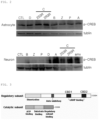
- Membranes were incubated overnight at 4 °C with primary antibodies followed by HRP-conjugated goat anti-rabbit IgG (1:5,000; Pierce; Carlsbad, CA, USA).
- the used primary antibodies were actin (sigma; 1:1000), p-CREB (Cell signaling; 1:1000), tubulin (Cell signaling; 1:1000), p-PKA (Cell signaling; 1:1000), p -trk (Cell signaling; 1:1000) and BDNF (Abcam; 1:1000). All membranes were visualized by using a UVP Autochemi Darkroom Imaging System (Utra-Violet Products Ltd. UK) and Immobilon Crescendo Western HRP Substrate or Luminata Forte Western HRP Substrate (Millipore, USA).
- Example 1 Purification of a pterosin compound and derivatives thereof
- the bracken hot-water extract was extracted by using ethyl acetate and separated into 7 fractions, and pterosin compounds were separated from each fraction by using HPLC.
- EA ethyl acetate
- the EA extract was dissolved in a minimum amount of DMSO and then diluted by using water. At this time, the dilution factor was diluted to 70% of the original volume of the hot water extract, assuming a yield of approximately 70%.
- the EA extract was divided into 7 fractions under the conditions of chloroform (CHCl 3 ) and methanol by using silica gel column chromatography. Then, each fraction was analyzed by Prep-HPLC, and Compounds 2 to 11 could be extracted from fractions 2, 4, 5, 6, and 7. The process of extracting each compound is shown in FIG. 1 .
- Example 1 In order to identify each compound purified in Example 1, a single compound was separated from the EA fraction, and the type and chemical structure of the compound was then identified by the nuclear magnetic resonance (NMR) method described in the experimental method. The structure and name of each compound identified in the bracken extract are shown in Table 1 below, and specific NMR analysis results are shown in Table 2 below. [Table 1] The name of the compounds No.
- mouse embryo fibroblast cell-line (NIH3T3) as a normal cell and Mouse melanoma cell-line (B16F10) as a cancer cell were cultured in a 96-well plate, and each compound was added to the cell medium at each concentration and cultured for 48 hours, MTT was then administered, and the optical density was measured at 550 nm by using a microplate reader.
- the optical density is an index representing the number of surviving cells and calculated by the following formula, and reproducibility was confirmed through three experiments.
- Cell proliferation rate % OD 550 sample / OD 550 control ⁇ 100
- the LD50 (Lethal Dose 50) value was calculated based on the change in cell proliferation rate.
- the LD50 value of Compound 6 in cancer cells was the lowest at 522 ⁇ 25 ⁇ M
- the LD50 value of Compound 2 in normal cells was 3,110 ⁇ 130 ⁇ M
- the LD50 value of Compound 3 in normal cells was 553 ⁇ 37 ⁇ M
- the LD50 value of Compound 3 in cancer cells was found to be 618 ⁇ 71 ⁇ M.
- the LD50 values of other compounds in normal cells and cancer cells were found to be greater than 5000 ⁇ M.
- Example 5 Western blot for measuring a CREB phosphorylation level
- pterosin derivatives having a -OH group as a side chain at the bottom of the pentagonal ring of pterosin, such as pterosin A, C and D in neurons significantly increased phosphodiesterase (PDE) at 10 ⁇ M to levels above the hosphodiesterase (PDE) inhibitor amx as a positive control.
- PDE phosphodiesterase
- pterosin derivatives such as pterosin B, P and Z, which do not have a -OH group in the side chain at the bottom of the pentagonal ring of pterosin, did not increase CREB phosphorylation at all at 10 ⁇ M.
- both pterosin derivatives such as pterosin A, C and D, which have -OH groups in the side chains at the bottom of the pentagonal ring of pterosin, and pterosin derivatives free of -OH group in the side chain at the bottom of the pentagonal ring of pterosin such as pterosin B, P and Z had no effect on CREB phosphorylation.
- the length of nerve cells treated with pterosin D was significantly longer than that of the control group, confirming that the effect of promoting nerve cell proliferation and differentiation appeared.
- Example 8 Evaluation of blood-brain barrier permeability
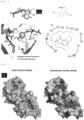
- the blood-brain barrier permeability of Pterosin D one of the compounds showing the most excellent activities in the above-described examples, was evaluated according to the method below. Progesterone was used as a positive control and ranitidine was used as a negative control:
- the composition for preventing or treating diseases comprising the pterosin compound and derivatives thereof as an active ingredient exhibits provided by the present invention has the effect of activating PKA and CREB and, thus, can be used for development of a therapeutic agent for depression, drug addiction, Rubinstein Taybi syndrome, insomnia, delayed sleep syndrome, advanced sleep phase syndrome, cerebral palsy, autism, attention deficit hyperactivity disorder (ADHD) and paraplegia, or food for improving the diseases. Therefore, the industrial applicability of the composition of the present invention is very excellent.
Landscapes
- Health & Medical Sciences (AREA)
- Life Sciences & Earth Sciences (AREA)
- Chemical & Material Sciences (AREA)
- Medicinal Chemistry (AREA)
- Veterinary Medicine (AREA)
- Public Health (AREA)
- General Health & Medical Sciences (AREA)
- Animal Behavior & Ethology (AREA)
- Pharmacology & Pharmacy (AREA)
- Epidemiology (AREA)
- Engineering & Computer Science (AREA)
- Natural Medicines & Medicinal Plants (AREA)
- Mycology (AREA)
- Chemical Kinetics & Catalysis (AREA)
- Botany (AREA)
- Nuclear Medicine, Radiotherapy & Molecular Imaging (AREA)
- General Chemical & Material Sciences (AREA)
- Neurosurgery (AREA)
- Neurology (AREA)
- Biomedical Technology (AREA)
- Alternative & Traditional Medicine (AREA)
- Biotechnology (AREA)
- Organic Chemistry (AREA)
- Medical Informatics (AREA)
- Microbiology (AREA)
- Bioinformatics & Cheminformatics (AREA)
- Molecular Biology (AREA)
- Nutrition Science (AREA)
- Food Science & Technology (AREA)
- Polymers & Plastics (AREA)
- Acyclic And Carbocyclic Compounds In Medicinal Compositions (AREA)
Abstract
Description
- The present application claims priority to
Korean Patent Application No. 2020-0174821 filed on December 14, 2020 - The present invention relates to a composition for preventing or treating diseases related to protein kinase A (PKA, cAMP-dependent protein kinase) comprising a pterosin compound and derivatives thereof as an active ingredient and, more specifically, to a composition for preventing or treating neuropsychiatric diseases comprising a pterosin compound defined by
formula 1 or derivatives thereof as an active ingredient. - Depression is a mood disorder that causes persistent feelings of sadness and loss of interest. It is estimated that more than 50% of patients with depression do not experience an adequate treatment response to known administered medications. As noted in an open-label study of medication treatment of depression, in most cases, 2 weeks or more of medication is required before significant improvement is observed (Rush et al, Am. J. Psychiatry 2006, 163: 1905). Since there is still no single effective treatment for depression and other related diseases, research thereon is ongoing.
- Meanwhile, the use of psychotropic narcotic analgesic drugs and psychotropic drugs such as sleeping pills and anesthetics, and, among them, addictive drugs such as alcohol and heroin is increasing, and drug addiction is being recognized as a serious social problem. In order to treat this, drug addiction antidote has been actively developed. However, there are various problems such as high cost and side effects, and the effect is not remarkable.
- On the other hand, protein kinase A (PKA, cAMP-dependent protein kinase) is a phosphorylation enzyme that covalently binds phosphate to a protein, and PKA is characterized in regulating its activity according to fluctuations in intracellular cAMP levels. Thus, this enzyme acts as the final effector of various hormones that work through the cAMP signaling pathway. In other words, PKA is essentially involved in all cellular responses due to the ultimate cAMP secondary transport system. PKA acts as a heterotetramer composed of two catalytic subunits with enzyme activities and two regulatory subunits having the function of regulating the activities. The catalytic subunits comprise the active functional area of the enzyme and also comprise an ATP binding domain, and a domain binding to the regulatory subunit. Regulatory subunits bind to each other in opposite directions to form homodimers, which have two cAMP-binding domains, a catalytic subunit-binding domain, and an 'autoinhibition' domain that can inhibit the catalytic domain. Thus, the activities of the catalytic subunits can be regulated. These regulatory subunits may also have other biological activities besides their role in regulating the catalytic subunits. PKA plays a role in fat cells, muscle cells comprising cardiomyocytes, hepatocytes, kidney cells, and nerve cells. The activities of the enzyme have different functions depending on the type of a cell.
- cAMP response element-binding protein (CREB) as a major intracellular transcription factor binds to a specific DNA sequence called cAMP response elements (CRE) to increase or decrease the expression of subgenes. CREB was first reported in 1987 as a cAMP-responsive transcription factor regulating the somatostatin gene. ATP, which is the chemical energy of the cell, may be converted into cyclic AMP (cAMP) by adenylyl cyclase present in the membrane to regulate the activities of major proteins in the cell. CREB is mainly activated by Protein kinase A (PKA) activated by increase in cAMP intracellular concentration caused by external stimuli, and increases or inhibits the expression of genes related to intracellular nutrient supply and growth, physiological rhythm, spatial perception and memory.
- PKA-CREB signaling is known to play an important role in neurodevelopment, synaptic and neuroplasticity, and neuroprotection, and it has been reported in many studies that PKA-CREB signaling is closely related to the treatment of various neuropsychiatric diseases such as depression.
- (Patent Document 0001)
Korean Patent No. 10-2085358 - Accordingly, the inventors of the present invention investigated the effects of a pterosin compound and derivatives thereof in bracken extract on a living body and confirmed that the pterosin compound and derivatives thereof could exhibit preventive or therapeutic effects on various neuropsychiatric diseases by activating the PKA-CREB signaling pathway, and have completed the present invention.
- Accordingly, an object of the present invention is to provide a pharmaceutical composition for the prevention or treatment of neuropsychiatric diseases, comprising a compound defined by the following
formula 1, an isomer thereof, derivatives thereof, or a pharmaceutically acceptable salt thereof as an active ingredient. - In addition, an object of the present invention is to provide a pharmaceutical composition for the prevention or treatment of neuropsychiatric diseases, consisting of a compound defined by the following
formula 1, an isomer thereof, derivatives thereof, or a pharmaceutically acceptable salt thereof. - In addition, an object of the present invention is to provide a pharmaceutical composition for the prevention or treatment of neuropsychiatric diseases, essentially consisting of a compound defined by the following
formula 1, an isomer thereof, derivatives thereof, or a pharmaceutically acceptable salt thereof.
R1, R2, R3 and R4 each independently are H, OH, or an alkyl or alcohol having 1 to 4 carbon atoms; R5 and R6 each independently are H, OH, alkyl, alkenyl, alkynyl, alcohol, carboxyl, ether, cycloalkyl, heterocycloalkyl or glucose. - Another object of the present invention is to provide a food composition for the prevention or improvement of neuropsychiatric diseases, comprising a compound defined by the following
formula 1, an isomer thereof, derivatives thereof, or a pharmaceutically acceptable salt thereof as an active ingredient. - Another object of the present invention is to provide a food composition for the prevention or improvement of neuropsychiatric diseases, consisting of a compound defined by the following
formula 1, an isomer thereof, derivatives thereof, or a pharmaceutically acceptable salt thereof. - In addition, another object of the present invention is to provide a food composition for the prevention or improvement of neuropsychiatric diseases, essentially consisting of a compound defined by the following
formula 1, an isomer thereof, derivatives thereof, or a pharmaceutically acceptable salt thereof.
R1, R2, R3 and R4 each independently are H, OH, or an alkyl or alcohol having 1 to 4 carbon atoms; R5 and R6 each independently are H, OH, alkyl, alkenyl, alkynyl, alcohol, carboxyl, ether, cycloalkyl, heterocycloalkyl or glucose. - Another object of the present invention is to provide a use of a compound defined by the above-described
formula 1, an isomer thereof, derivatives thereof, or a pharmaceutically acceptable salt thereof for preparing an agent for use in the treatment of neuropsychiatric diseases. - Another object of the present invention is to provide a method for treating neuropsychiatric diseases, comprising administering an effective amount of a composition comprising the compound defined by the above-described
formula 1, an isomer thereof, or a pharmaceutically acceptable salt thereof to a subject in need thereof. - In order to achieve the above-described object of the present invention, the present invention provides a pharmaceutical composition for the prevention or treatment of neuropsychiatric diseases, comprising a compound defined by the following
formula 1, an isomer thereof, derivatives thereof, or a pharmaceutically acceptable salt thereof as an active ingredient. - In addition, the present invention provides a pharmaceutical composition for the prevention or treatment of neuropsychiatric diseases, consisting of a compound defined by the following
formula 1, an isomer thereof, derivatives thereof, or a pharmaceutically acceptable salt thereof. - In addition, the present invention provides a pharmaceutical composition for the prevention or treatment of neuropsychiatric diseases, essentially consisting of a compound defined by the following
formula 1, an isomer thereof, derivatives thereof, or a pharmaceutically acceptable salt thereof.
R1, R2, R3 and R4 each independently are H, OH, or an alkyl or alcohol having 1 to 4 carbon atoms; R5 and R6 each independently are H, OH, alkyl, alkenyl, alkynyl, alcohol, carboxyl, ether, cycloalkyl, heterocycloalkyl or glucose. - In order to achieve another object of the present invention, the present invention provides a food composition for the prevention or improvement of neuropsychiatric diseases, comprising a compound defined by the following
formula 1, an isomer thereof, derivatives thereof, or a pharmaceutically acceptable salt thereof as an active ingredient. - In addition, the present invention provides a food composition for the prevention or improvement of neuropsychiatric diseases, consisting of a compound defined by the following
formula 1, an isomer thereof, derivatives thereof, or a pharmaceutically acceptable salt thereof. - In addition, the present invention provides a food composition for the prevention or improvement of neuropsychiatric diseases, essentially consisting of a compound defined by the following
formula 1, an isomer thereof, derivatives thereof, or a pharmaceutically acceptable salt thereof.
R1, R2, R3 and R4 each independently are H, OH, or an alkyl or alcohol having 1 to 4 carbon atoms; R5 and R6 each independently are H, OH, alkyl, alkenyl, alkynyl, alcohol, carboxyl, ether, cycloalkyl, heterocycloalkyl or glucose. - In order to achieve another object of the present invention, the present invention provides a use of a compound defined by the above-described
formula 1, an isomer thereof, derivatives thereof, or a pharmaceutically acceptable salt thereof for preparing an agent for use in the treatment of neuropsychiatric diseases. - In order to achieve another object of the present invention, the present invention provides a method for treating neuropsychiatric diseases, comprising administering an effective amount of a composition comprising the compound defined by the above-described
formula 1, an isomer thereof, or a pharmaceutically acceptable salt thereof to a subject in need thereof. - Hereinafter, the present invention will be described in detail.
- The present invention provides a pharmaceutical composition for the prevention or treatment of neuropsychiatric diseases, comprising a compound defined by the following
formula 1, an isomer thereof, derivatives thereof, or a pharmaceutically acceptable salt thereof as an active ingredient:
R1, R2, R3 and R4 each independently are H, OH, or an alkyl or alcohol having 1 to 4 carbon atoms; R5 and R6 each independently are H, OH, alkyl, alkenyl, alkynyl, alcohol, carboxyl, ether, cycloalkyl, heterocycloalkyl or glucose. - As used herein, the term "alkyl" is used to describe a group or part of a group comprising a straight-chain or branched-chain alkyl group containing 1 to 4 carbon atoms. Representative examples of such group comprise methyl, ethyl, propyl, isopropyl, n-butyl, isobutyl and tertbutyl.
- As used herein, the term "alkenyl" is a straight-chain or branched monovalent or divalent hydrocarbon having 2 to 10 carbon atoms (e.g., C2-C10) and having one or more double bonds . Examples of alkenyl comprise ethenyl, propenyl, prophenylene, allyl and 1,4-butadienyl, but the present invention is not limited thereto.
- As used herein, the term "alkynyl" is a straight-chain or branched monovalent or divalent hydrocarbon having 2 to 10 carbon atoms (e.g., C2-C10) and having one or more triple bonds . Examples of alkynyl comprise ethynyl, ethynylene, 1-propynyl, 1- and 2-butynyl and 1-methyl-2-butynyl, but the present invention is not limited thereto.
- As used herein, the term "alcohol" is used to describe a straight-chain or branched-chain alcohol or alkoxy group having 1 to 4 carbon atoms. Such group comprises methanol, ethanol, propanol, butanol and their alkoxy groups. Examples of alkoxy groups comprise methoxy, ethoxy, isopropoxy, tert-butoxy. The term "alcohol having 1 to 4 carbon atoms" used in the present invention may be interpreted the same as "hydroxyalkyl having 1 to 4 carbon atoms."
- In one aspect of the present invention, at least one of R1 to R4 in the above-described
formula 1 may be OH or an alcohol having 1 to 4 carbon atoms. - In another aspect of the present invention, any one of R1 to R4 in the above-described
formula 1 may be OH or an alcohol having 1 to 4 carbon atoms, and R6 may be hydrogen. - In a preferred aspect of the present invention, R3 and/or R4 in the above-described
formula 1 may be OH. - In another preferred aspect of the present invention, R3 may be OH, and R4 may be hydrogen.
- The 'compound defined by formula 1' of the present invention is a sesquiterpenoid present in bracken and may be a pterosin compound purified from bracken extract. In addition, the pterosin compound in the present invention may be pterosin A, pterosin B, pterosin C, pterosin D, pterosin J, pterosin M, pterosin N, pterosin P, pterosin S, pterosin Z, pteroside A, pteroside A2, pteroside B, pteroside C, pteroside D, pteroside N, pteroside P, pteroside Z, or sulfated pterosin C, and may preferably be A, pterosin C, pterosin D, protesin N, or an isomer thereof, but the present invention is not limited thereto.
- Preferably, the compound defined by the above-described
formula 1 in the present invention may be a pterosin compound containing a hydroxy (-OH) residue in R3 and/or R4, specifically pterosin A, C, and D or an isomer thereof. - Most preferably, the compound defined by the above-described
formula 1 in the present invention may be pterosin C, D or an isomer thereof in which R3 and/or R4 are hydroxy (-OH). - In addition, the pterosin compound of the present invention may have a non-aromatic double bond and one or more asymmetric centers, which may occur as racemates and mixtures of racemates, single enantiomers, individual diastereomers, mixtures of diastereomers and cis- or trans-isomers, and may comprise all such isomeric forms.
- The compound defined by the above-described
formula 1 and derivatives thereof according to the present invention may be separated from nature or prepared by chemical synthesis of novel compounds known in the art. Preferably, the compound defined by the above-describedformula 1 and derivatives thereof of the present invention may be separated and purified from natural plants . That is, they may be obtained from plants or part of plants by using conventional methods for extracting and separating substances. The stem, root or leaf may be appropriately dried and macerated or only dried and extracted by using an appropriate organic solvent to obtain a desired extract, and the desired extract may be purified by using a purification method known to those skilled in the art to which the present invention belongs. Preferably, the compound defined by the above-describedformula 1 and derivatives thereof of the present invention may be separated and purified from bracken. - The bracken may be, for example, Dennstaedtiaceae and Pteridaceae. Specific examples of such plant comprise Dennstaedtia scandens, Histiopteris incisa, Microlepia speluncae, Pteridium aquilinum var. Pteridium aquilinum var. latiusculum, Pteridium revolutum, Hypolepis punctata, Ceratopteris thalictroides, Pteris pauriea fauriei, Pteris dimidiata and Pteris ensiformi. These plants are distributed worldwide and may be found especially in Wulai Township, Taipei County and Mountain Datun, Taipei City, but the present invention is not limited thereto.
- The compound defined by the above-described formula I and derivatives thereof may be separated and purified by a method comprising the following steps:
- (a) extracting bracken by using water or an organic solvent having 1 to 4 carbon atoms;
- (b) fractionating the extract obtained in step (a) by using ethyl-acetate; and
- (c) separating and purifying the ethyl-acetate fraction obtained in step (b) by concentration gradient chromatography.
- In step (a), the entire bracken plant or its dry body may be used, and the dried body of bracken may be pulverized with a grinder to increase the extraction efficiency. As a drying method, all of drying in the sun, drying in the shade, hot air drying, freeze drying and natural drying may be used. Preferably, hot air drying and freeze drying may be used.
- The organic solvent having 1 to 4 carbon atoms used in the extraction of bracken may be methanol, ethanol, propanol, isopropanol, butanol, acetone, ether, chloroform, ethyl acetate, methylene chloride, hexane, cyclohexane, dichloromethane or petroleum ether. In one embodiment of the present invention, bracken was extracted by using water.
- In step (b), the extract obtained in step (a) is fractionated, and distribution extraction is performed by using ethyl-acetate. The ethyl-acetate fraction obtained in step (b) is separated by gradient chromatography. As the chromatography, column chromatography and high-performance liquid chromatography (HPLC) filled with various synthetic resins such as silica gel and activated alumina may be used alone or in combination. Preferably, among the fractions obtained in step (b), the ethyl-acetate fraction is applied to a silica gel column, and the composition of the elution solvent is adjusted to gradually increase the polarity, thereby obtaining various fractions. Concentration gradient silica gel chromatography may be performed to adjust the composition of the elution solvent to gradually increase the polarity for a fraction having activities among the fractions obtained in the above-described process. However, the method for extracting and separating and purifying the compound is not necessarily limited to the above-described methods.
- In step (c), the ethyl-acetate fraction obtained in step (b) is separated and purified by concentration gradient chromatography.
- As the chromatography, column chromatography and high-performance liquid chromatography (HPLC) filled with various synthetic resins such as silica gel and activated alumina may be used alone or in combination. Preferably, novel compounds may be separated and purified by using high performance liquid chromatography.
- The methods used to separate such compounds are well known in the art (see, e.g., [Takahashi et al, Phytother. Res, 2004, 18, 573, Sheridan et al, Planta Med., 1999, 65, 271, Nagao et al., Mutation Research, 1989, 215, 173, Murakami et al., Chem. Pharm. Bull, 1976, 24, 2241, and Kuraishi et al., Chem. Pharm. Bull, 1985, 33, 2305J). These compounds may also be prepared by chemical synthesis. Non-naturally occurring pterosin compounds may be converted from naturally occurring compounds (see, e.g., [Banerji er al, Tetrahedron Letters, 1974, 15, 1369, Hayashi et al., Tetrahedron Letters, 1991, 33, 2509, and McMorris et al., J.Org. Chem., 1992, 57, 6876]) or newly synthesized by methods well known in the art.
- Synthetic chemical conversion and protecting group methods (protection and deprotection) useful for synthesizing the compound defined by the above-described
formula 1 are known in the art (see, e.g., [R. Larock, Comprehensive Organic Transformations, VCH Publishers (1989) ; T. W. Greene and P. G. M. Wuts, Protective Groups in Organic Synthesis, 3rd Ed., John Wiley and Sons (1999); L. Fieser and M. Fieser, Fieser and Fieser's Reagents for Organic Synthesis, John Wileyand Sons (1994); and L. Paquette, ed., Encyclopedia of Reagents for Organic Synthesis, John Wiley and Sons (1995) and subsequent editions thereof]). - In one embodiment of the present invention, after 200 to 500 g of bracken was extracted with hot water, added with ethyl acetate (EA), mixed well and dried. The ethyl acetate extract was then dissolved in DMSO, diluted with water, and divided into 7 fractions by using column chromatography. The divided fractions were analyzed by HPLC to extract the compounds of the present invention (see Example 1).
- In the present invention, the neuropsychiatric disease is a disease related to PKA and CREB signal transduction, and specific examples of the disease of the present invention may be any one or more selected from the group consisting of Huntington's disease, cerebral palsy, autism, attention deficit hyperactivity disorders (ADHD), paraplegia, depression, drug addiction, Rubinstein Taybi syndrome, insomnia, delayed sleep syndrome and advanced sleep phase syndrome, but the present invention is not limited thereto.
- As described below, it is known through various references that PKA and CREB activation have preventive or therapeutic effects on the neuropsychiatric diseases described above.
- Abnormalities in a protein interacting with the KID domain of CREB, a CREB-binding protein (CBP), are associated with Rubinstein-Taybi syndrome, and several lines of evidence suggest that CREB dysfunction is associated with major depressive disorders (see [Belmaker, R. H.; Agam, Galila (2008) . "Major depressive disorder." New England Journal of Medicine. 358 (1): 55-68. doi:10.1056/nejmra073096. PMID 18172175]). Depressed mice with overexpression of CREB in the dentate gyrus behaved similarly to mice treated with antidepressants (see [Blendy, J. A. (2006). "The role of CREB in depression and antidepressant treatment." Biol Psychiatry. 59 (12): 1144-50. doi:10.1016/j.biopsych.2005.11.003. PMID 164577821). Postmortem examinations showed that the cortex of patients with untreated major depressive disorders contained reduced levels of CREB, as compared to both healthy controls and patients treated with antidepressants. The function of CREB may be regulated through a signaling pathway resulting from the binding of serotonin and noradrenaline to postsynaptic G-protein-coupled receptors. Dysfunction of such neurotransmitters is also associated with major depressive disorders. In addition, it is known that cerebral palsy, attention deficit hyperactivity disorder, and paraplegia may be improved by PKA and CREB activation.
- Entrainment of the mammalian circadian clock is established through light induction of PER. Light excites melanopsin-containing photosensitive retinal ganglion cells that send signals to the suprachiasmatic nucleus (SCN) via the retinal hypothalamus (RHT). RHT signals the release of glutamate received by NMDA receptors in the SCN, resulting in calcium influx into the SCN. Calcium induces the activities of Ca2+/calmodulin-dependent protein kinase, resulting in activation of PKA, PKC and CK2. Such kinases then phosphorylate CREB in a circadian manner further regulating downstream gene expression. Phosphorylated CREB recognizes cAMP response elements and acts as a transcription factor for Per1 and Per2 as two genes regulating the mammalian circadian clock. Such induction of the PER protein may accompany the circadian clock into the light-dark cycle and inhibit its own transcription through a transcription-translational feedback loop that may either advance or delay the circadian clock.
- In addition, light pulses inducing phase changes during the night in vivo correlate with CREB phosphorylation in the SCN (see [Ginty, D. D.; Kornhauser, J. M.; Thompson, M. A.; Bading, H.; Mayo, K. E.; Takahashi, J. S.; Greenberg, M. E. (9 April 1993). "Regulation of CREB phosphorylation in the suprachiasmatic nucleus by light and a circadian clock." Science. 260 (5105): 238-241. Bibcode:1993Sci...260..238G. doi:10.1126/science.8097062. ISSN 0036-8075. PMID 8097062]). Experiments by Gunther Schutz in 2002 showed that mutant mice lacking the Ser142 phosphorylation site failed to induce the clock regulatory gene mPer1 in response to light pulses. Moreover, such mutant mice had difficulty accommodating light-dark cycles (see [Gau, Daniel; Lemberger, Thomas; von Gall, Charlotte; Kretz, Oliver; Le Minh, Nguyet; Gass, Peter; Schmid, Wolfgang; Schibler, Ueli; Korf, Horst W. (11 April 2002). "Phosphorylation of CREB Ser142 Regulates Light-Induced Phase Shifts of the Circadian Clock." Neuron. 34 (2): 245-253. doi:10.1016/S0896-6273(02)00656-6. PMID 11970866]).
- The compound defined by the above-described
formula 1 of the present invention comprises derivatives thereof, which comprise all pterosin derivatives derived from bracken. The compound comprises all pterosin derivatives by deletion, insertion, non-conservative or conservative substitution of chemical groups, or combinations thereof, as long as the compound has a PKA activating function by comprising wild type pterosin derivatives. - A derivative of pterosin refers to a chemical derivative that differs from the wild type in terms of one or more chemical groups. Insertion is usually performed with contiguous sequences of about 1 to 20 atoms, but larger insertion may be possible. Deletion is usually performed with about 1 to 30 atoms, but larger deletion may also be possible, for example, in some cases, one of the side chains may be deleted. Such derivatives may be prepared by chemical synthesis methods known in the art. Chemical group exchanges in chemical derivatives that do not entirely alter the activities of the molecule are known in the art. The most commonly occurring exchange is that between chemical groups.
- In addition, the compound defined by the above-identified
formula 1, in some cases, may be modified by phosphorylation, sulfation, acrylation, glycosylation, methylation, farnesylation and the like. - In the present invention, the derivative of the compound defined by the above-described
formula 1 is a functional equivalent that exhibits the same biological activities as the natural compound, but may be a derivative whose properties are modified to maximize efficacy and minimize side effects, if necessary. Preferably, it is a compound in which the structural stability of the compound to heat, pH, etc. increases, the absorption rate in the body increases, or the physiological activities increase by mutation and modification of the side chain. - Derivatives of the compound defined by the above-described
formula 1 may be obtained by extraction and purification from natural sources comprising bracken by methods well known in the art. Alternatively, since the structural formula of pterosin is known, the derivatives may be obtained by chemical synthesis. When prepared by chemical synthesis, the derivatives may be obtained by using a compound synthesis method widely known in the art. - In another embodiment of the present invention, the types and chemical structures of the compounds purified from bracken extract were identified by using nuclear magnetic resonance (NMR) (see Example 2).
- In the present specification, the term "pharmaceutically acceptable salt" refers to a salt that is not toxic to cells or human beings exposed to the composition, and has a safety and efficacy profile suitable for administration to human beings.
- The salt may be used in the form of either a pharmaceutically acceptable basic salt or acid salt. The basic salt may be used in the form of either an organic base salt or an inorganic base salt and selected from the group consisting of sodium salt, potassium salt, calcium salt, lithium salt, magnesium salt, cesium salt, aminium salt, ammonium salt, triethylaminium salt and pyridinium salt.
- As an acid salt, an acid addition salt formed by a free acid is useful. Inorganic acids and organic acids may be used as free acids. Inorganic acids may comprise hydrochloric acid, hydrobromic acid, sulfuric acid, sulfurous acid, phosphoric acid, double phosphoric acid, and nitric acid. Organic acids may comprise citric acid, acetic acid, maleic acid, malic acid, fumaric acid, glucoic acid, methanesulfonic acid, benzenesulfonic acid, camphorsulfonic acid, oxalic acid, malonic acid, glutaric acid, acetic acid, glycolic acid, succinic acid, tartaric acid, 4-toluenesulfonic acid, galacturonic acid, embonic acid, glutamic acid, citric acid, aspartic acid, stearic acid, etc. However, the present invention is not limited thereto, and all salts formed by using various inorganic acids and organic acids commonly used in the art may be contained.
- In addition, the compound defined by the above-described
formula 1 may comprise, in addition to the above-described salt, all salts, hydrates, solvates, derivatives and the like that may be prepared by conventional methods. The addition salt may be prepared by a conventional method, and by dissolving in a water-miscible organic solvent such as acetone, methanol, ethanol, and acetonitrile, and adding an excessive amount of an organic base or adding an aqueous solution of an inorganic base, followed by precipitation or crystallization. Alternatively, the solvent or excess base may be evaporated from the mixture and then dried, or the precipitated salt may be suction filtered, to prepare an addition salt. - The pharmaceutical composition according to the present invention may comprise the compound defined by the above-described
formula 1, an isomer thereof, derivatives thereof, or a pharmaceutically acceptable salt thereof alone or be formulated in a suitable form together with a pharmaceutically acceptable carrier, or further comprise excipients or diluents. In the above, the term 'pharmaceutically acceptable' refers to a non-toxic composition that is physiologically acceptable and does not cause an allergic reaction such as a gastrointestinal disorder, dizziness and a similar reaction, when administered to human beings. - A pharmaceutically acceptable carrier may further comprise, for example, a carrier for oral administration or a carrier for parenteral administration. The carrier for oral administration may comprise lactose, starch, cellulose derivatives, magnesium stearate, stearic acid and the like. In addition, various drug delivery materials used for oral administration of peptide preparations may be contained therein. In addition, the carrier for parenteral administration may comprise water, suitable oil, saline, aqueous glucose and glycol, and the like, and may further comprise a stabilizer and a preservative. Suitable stabilizers are antioxidants such as sodium bisulfite, sodium sulfite and ascorbic acid. Suitable preservatives are benzalkonium chloride, methyl- or propyl-paraben and chlorobutanol. The pharmaceutical composition of the present invention may further comprise, in addition to the above-described components, a lubricant, a wetting agent, a sweetening agent, a flavoring agent, an emulsifier, a suspending agent and the like. Reference may be made to other pharmaceutically acceptable carriers and agents known in the art.
- The composition of the present invention may be administered to mammals comprising human beings by any method. For example, it may be administered orally or parenterally. Parenteral methods of administration may comprise intravenous, intramuscular, intraarterial, intramedullary, intrathecal, intracardiac, transdermal, subcutaneous, intraperitoneal, intranasal, enteral, topical, sublingual or rectal administration, but the present invention is not limited thereto.
- The pharmaceutical composition of the present invention may be formulated into a preparation for oral administration or parenteral administration according to the administration route described above.
- In the case of preparations for oral administration, the composition of the present invention may be formulated into powders, granules, tablets, pills, sugarcoated tablets, capsules, solutions, gels, syrups, slurries, suspensions, etc. by a method known in the art. For example, preparations for oral use may be obtained by combining the active ingredient with a solid excipient, milling same, adding suitable auxiliaries thereto, and processing same into a mixture of granules to obtain tablets or sugarcoated tablets. Examples of suitable excipients may comprise sugars (e.g., lactose, dextrose, sucrose, sorbitol, mannitol, xylitol, erythritol and maltitol), starches (e.g., corn starch, wheat starch, rice starch and potato starch), celluloses (e.g., cellulose, methyl cellulose, sodium carboxymethylcellulose and hydroxypropyl methyl-cellulose) and fillers (e.g., gelatin and polyvinylpyrrolidone). In addition, cross-linked polyvinylpyrrolidone, agar, alginic acid or sodium alginate may be added as a disintegrant, if desired. Furthermore, the pharmaceutical composition of the present invention may further comprise an anticoagulant, a lubricant, a wetting agent, a flavoring agent, an emulsifier and a preservative.
- The preparation for parenteral administration may be formulated in the form of injections, creams, lotions, external ointments, oils, moisturizers, gels, aerosols and nasal inhalants by a method known in the art. Such formulations are described in prescriptions generally known to all pharmaceutical chemists.
- The total effective amount of the composition of the present invention may be administered to the patient in a single dose or by a fractionated treatment protocol in which multiple doses are administered over a long period of time. The content of the active ingredient contained in the pharmaceutical composition of the present invention may vary depending on the severity of a disease. Preferably, the preferred total dose of the pharmaceutical composition of the present invention may be about 0.01 µg to 10,000 mg, most preferably 0.1 µg to 500 mg per kg of patient body weight per day. However, the effective dosage of the pharmaceutical composition for the patient is determined in consideration of various factors comprising, as well as the formulation method, administration route and number of treatments, the patient's age, weight, health condition, gender, severity of disease, diet and excretion rate. Therefore, considering them, those skilled in the art will be able to determine an appropriate effective dosage of the composition of the present invention. The pharmaceutical composition according to the present invention is not particularly limited in terms of its formulation, administration route and administration method, as long as it exhibits the effects of the present invention.
- The present invention provides a food composition for the prevention or improvement of neuropsychiatric diseases, comprising a compound defined by the following
formula 1, an isomer thereof, derivatives thereof, or a pharmaceutically acceptable salt thereof as an active ingredient.

R1, R2, R3 and R4 each independently are H, OH, or an alkyl or alcohol having 1 to 4 carbon atoms; R5 and R6 each independently are H, OH, alkyl, alkenyl, alkynyl, alcohol, carboxyl, ether, cycloalkyl, heterocycloalkyl or glucose. - The compound defined by the above-described
formula 1 and the disease are as described above. - The food composition comprising the compound defined by the above-described
formula 1 according to the present invention comprises all forms such as functional food, nutritional supplement, health food and food additives. The above-described types may be prepared in various forms according to conventional methods known in the art. - For example, as a health food, the food composition itself of the present invention may be prepared in the form of tea, juice or drink to be consumed, or consumed by granulation, encapsulation or powdering. In addition, the food composition of the present invention may be prepared in the form of a composition by mixing same with known substances or active ingredients known to have effects of reducing body fat, improving cholesterol and lowering a blood pressure.
- In addition, functional foods may be prepared by adding the food composition of the present invention to beverages (e.g., alcoholic beverages), fruits and their processed foods (e.g., canned fruit, bottled fruit, jam and marmalade), fish, meat, and their processed foods (e.g., ham, sausage and corned beef), breads and noodles (e.g., udon, buckwheat noodles, ramen, spaghetti and macaroni), fruit juice, various drinks, cookies, taffy, dairy products (e.g., butter and cheese), edible vegetable oil, margarine, vegetable protein, retort food, frozen food and various seasonings (e.g., soybean paste, soy sauce and sauce).
- The preferable content of the composition for food according to the present invention is preferably 0.01 to 50% by weight based on the total weight of the finally prepared food, but the present invention is not limited thereto. In order to use the food composition of the present invention in the form of a food additive, the food composition may be prepared and used in the form of a powder or concentrate.
- In addition, the food composition of the present invention may comprise various flavoring agents or natural carbohydrates as additional components like conventional beverages. The carbohydrates comprise monosaccharides such as glucose and fructose, disaccharides such as maltose and sucrose, polysaccharides such as dextrins and cyclodextrins, and a sugar alcohol such as xylitol, sorbitol and erythritol. Examples of sweeteners comprise natural sweeteners such as thaumatin and stevia extract, and synthetic sweeteners such as saccharin and aspartame. The ratio of the natural carbohydrate may be generally about 0.01 to 0.04g, preferably about 0.02 to 0.03g per 100mL of the composition of the present invention, but the present invention is not limited thereto.
- Definitions of terms for the excipients, binders, disintegrants, lubricants, corrigents, flavoring agents, etc. of the present invention are described in the references known in the art, and comprise those having the same or similar functions.
- In another embodiment of the present invention, NIH3T3 cells as normal cells, and B16F10 cells as cancer cells were cultured in a 96-well plate, and
Compounds 2 to 11 were then added to the cell medium, cultured and treated with MTT, and the optical density was measured at 550 nm with a microplate reader. LD50 values were calculated based on the measured results. As a result, it was found that the LD50 value of each compound was high in cancer cells and normal cells. As such, it was confirmed that each compound had low cytotoxicity (see Example 3). - In addition, the present invention provides a use of a compound defined by the following
formula 1, an isomer thereof, or a pharmaceutically acceptable salt thereof for preparing a preparation for the treatment of neuropsychiatric diseases:
R1, R2, R3 and R4 each independently are H, OH, or an alkyl or alcohol having 1 to 4 carbon atoms; R5 and R6 each independently are H, OH, alkyl, alkenyl, alkynyl, alcohol, carboxyl, ether, cycloalkyl, heterocycloalkyl or glucose. - In addition, the present invention provides a method for treating neuropsychiatric diseases, comprising administering an effective amount of a composition comprising the compound defined by the following
formula 1, an isomer thereof, or a pharmaceutically acceptable salt thereof to a subject in need thereof:
R1, R2, R3 and R4 each independently are H, OH, or an alkyl or alcohol having 1 to 4 carbon atoms; R5 and R6 each independently are H, OH, alkyl, alkenyl, alkynyl, alcohol, carboxyl, ether, cycloalkyl, heterocycloalkyl or glucose. - The 'effective amount' of the present invention refers to an amount that exhibits an effect of improving, treating, preventing, detecting, diagnosing, or suppressing or reducing a neuropsychiatric disease when administered to a subject, and the 'subject' refers to an animal, preferably may be mammals, especially animals comprising human beings, and may be cells, tissues, organs, etc. derived from animals. The subject may be a patient in need of the effect.
- The 'treatment' of the present invention comprehensively refers to improving a neuropsychiatric disease or symptoms of a neuropsychiatric disease, which may comprise curing, substantially preventing, or improving the condition of a neuropsychiatric disease, and alleviating, curing or preventing one or most of the symptoms resulting from the disease, but the present invention is not limited thereto.
- As used herein, the term "comprising" is used in the same sense as "including" or "characterized by." The composition or method according to the present invention does not exclude additional components or method steps not specifically mentioned. In addition, the term "consisting of" refers to excluding additional elements, steps or components not separately described. The term "essentially consisting of" means that, in addition to the described materials or steps, materials or steps that do not substantially affect the basic characteristics thereof may be contained in the scope of a composition or method.
- As described above, the composition comprising the compound provided by the present invention, an isomer thereof or a pharmaceutically acceptable salt thereof as an active ingredient exhibits the effect of activating PKA and CREB and, thus, may be used to develop a therapeutic agent of the diseases selected from the group consisting of Huntington's disease, cerebral palsy, autism, attention deficit hyperactivity disorder (ADHD), paraplegia, depression, drug addiction, Rubinstein Taybi syndrome, insomnia, delayed sleep syndrome and advanced sleep phase syndrome, or a food for improving the treatment of the diseases.
-
-
FIG. 1 is a diagram illustrating a process of separating and purifying a pterosin compound and derivatives thereof. -
FIG. 2 shows the results of confirming the effect of pterosin compounds and derivatives thereof on CREB phosphorylation in neurons and astrocytes, which are connective tissue cells of the brain. -
FIG. 3 shows the regulatory subunit and the catalytic subunit of PKA. -
FIG. 4 shows the 3D structure of the regulatory subunit of PKA. -
FIG. 5 shows a binding model between pterosin A and CBD1. -
FIG. 6 shows a binding model between pterosin A and CBD2. -
FIG. 7 shows surface models of pterosin A, CBD1 and CBD2. -
FIG. 8 shows the results of confirming the effects of pterosin A, C, D, and B on CREB, brain-derived neurotrophic factor (BDNF), and trk phosphorylation in neurons through Western blotting. -
FIGS. 9 and10 are the results of observing electrophysiological changes after treating a mouse brain tissue with a pterosin compound. -
FIG. 11 is a graph showing the quantification and observation of the effects of promoting proliferation, differentiation and regeneration of nerve cells (Neuron) after treatment with pterosin D under a microscope. - Hereinafter, the present invention will be described in detail by the following embodiments.
- However, the following embodiments are only for illustrating the present invention, and the present invention is not limited thereto.
- 1 H NMR and 13 C NMR spectra were measured by using deuterium chloroform (CDCl3) and dimethyl sulfoxide (DMSO-d 6) with 1 H NMR at 400 MHz and 13 C NMR at 100 MHz on a JEOL JUM ECP-400 spectrometer (Jeol, Tokyo, Japan).
- Column chromatography was performed with silica gel (70-230 mesh; Merk, Darmstadt, Germany), RP-18 (40-63 mm; Merk) and Sephadex LH-20 (20-100 mm; Sigma, St. Louis, MO, USA). Thin layer chromatography (TLC) was performed by being pre-coated with
Kiesel gel 60 F254 plates (0.25 mm; Merck) and 25 RP-18 F 254s plates (5 -10 cm, Merk). Spray reagent was 50% H2SO4. All chemicals and solvents used in column chromatography were of reagent grade and were purchased and used as received. - NIH3T3 cells, as a mouse fibroblast cell line, and B16F10 cells, as a mouse melanoma cell line, were dispensed into a 96 well plate at 2×10³ cells/well, and cultured in DMEM supplemented with 10% fetal bovine serum (FBS) at 5% CO2 and 37°C. Compounds (pterosin A, pterosin B, pterosin C, pterosin D, pterosin P, pterosin Z, pteroside A, pteroside B and pteroside Z) were treated at different concentrations and then cultured for 48 hours. Thereafter, MTT solution (5 mg/ml) was added to each well at a concentration of 10 µg/well and incubated at 37°C for 4 hours. 100 µl of DMSO was added to each well, and the supernatant was removed. After incubation for 10 minutes, optical density was measured at 550 nm by using a Microplate Reader (Molecular Devices, Spectra Max, USA). An optical density is an index representing the number of surviving cells and is calculated by the formula below, and reproducibility was confirmed through three experiments.

- Western blot analysis was performed by using the following method. Cells were lysed in RIPA buffer (20 mM Tris-Cl pH 7.4, 1 mM EDTA, 150 mM NaCl, 1% Triton X-100, 1 mM EGTA, 1 µM Na3VO4, 2.5 mM sodium pyrophosphate, 1 µM phenylmethylsulfonyl fluoride, 1 ug/ml leupeptin). The protein concentration was calculated by using BCA Protein Assay Reagent (BioRad, Hercules, CA, USA). Protein samples were separated by SDS-PAGE and transferred to polyvinylidene difluoride (PVDF) membranes (Millipore, Bedford, MA, USA). Membranes were incubated overnight at 4 °C with primary antibodies followed by HRP-conjugated goat anti-rabbit IgG (1:5,000; Pierce; Carlsbad, CA, USA). The used primary antibodies were actin (sigma; 1:1000), p-CREB (Cell signaling; 1:1000), tubulin (Cell signaling; 1:1000), p-PKA (Cell signaling; 1:1000), p -trk (Cell signaling; 1:1000) and BDNF (Abcam; 1:1000). All membranes were visualized by using a UVP Autochemi Darkroom Imaging System (Utra-Violet Products Ltd. UK) and Immobilon Crescendo Western HRP Substrate or Luminata Forte Western HRP Substrate (Millipore, USA).
-
- 1. The brain of a 4-month-old mouse was placed on an ice-cold dissection buffer, and a 300 µm-thick sagittal hippocampal slice was prepared by using a vibratome (dissection buffer: contents in mM: sucrose, 25 NaHCO3, 5 KCl, 1.25 NaH2PO4, 0.5 CaCl2, 3.5 MgSO4, 10 D-glucose, 1.25 L-ascorbic acid and 2 Na-pyruvate bubbled with 95% O2/5% CO2).
- 2. Slices were recovered at 32°C for 1 hour in normal ACSF (ACSF: mM: 125 NaCl, 2.5 KCl, 1.25 NaH2PO4, 25 NaHCO3, 10 glucose, 2.5 CaCl2 and 1.3 MgCl2 oxygen in 95% O2/5% CO2).
- 3. During recording, the slices were moved to a chamber submerged in ACSF at 28°C, and ACSF saturated with 95% O2/5% CO2 was continuously perfused (2ml/min). A Micropipette for stimulation and recording was fabricated by using boron acid glass capillaries (Harvard Instruments) and a micropipette electrode puller.
- 4. For input/output, paired-pulse ratio, and long-term potentiation (LTP) experiments, an ACSF-filled pipette (resistance: 1 MS2) was used to test the hippocampus. A field excitatory post-synaptic potential (fEPSP) was measured in the CA1 region. The fEPSP signal was amplified by using Multiclamp 700B (Molecular Devices) and digitized by using Digidata 1440A (Molecular Devices). The Schaffer collateral pathway was stimulated with a pipette filled with ACSF (0.3-0.5 MS2) every 20 seconds (LTP) or 15 seconds (input/output, paired-pulse ratio) .
- 5. After a stable baseline signal was acquired to induce LTP, theta-burst stimulation (40 trains of pulse, each train is composed with 4 stimulus in 100 Hz; 40 trains are divided by 4 burst, each containing 10 trains with Electrical stimulation of 1 sec inter-burst-interval; Within the 10 trains, there were 170 ms time inter-train-interval) was applied thereto. The pair-pulse ratio was measured after giving the pair stimulation at intervals of 25, 50, 75, 100, 200, and 300 ms .
- 6. To analyze the pharmacological effects of drug A (pterosin A) /C (pterosin C) /X (Drug X, amx, a phosphodiesterase (PDE) inhibitor) on synaptic properties, each drug was dissolved in DMSO at a stock concentration of 1000 times, and applied so that the concentrations in ACSF were 10 µM (X) and 1 µM (A/C), respectively. The same volume of DMSO as the experimental drug was applied as a control drug.
- The bracken hot-water extract was extracted by using ethyl acetate and separated into 7 fractions, and pterosin compounds were separated from each fraction by using HPLC.
- Specifically, 200 to 250 g of bracken collected in Gapyeong-gun, Gyeonggi-do, was washed, put in a steaming container (OSK-2002, Dr. Red Ginseng, Well sosanaTM, Daewoong Pharmaceutical), added with 1.5 L of water, steamed for 24 hours, and then additionally added with 3.5 L of water and aged for 72 hours, and the refrigerated mixture was used as a hot water extract.
- After adding an equal volume of ethyl acetate (EA) to the hot water extract and mixing well, the EA layer was dried with a rotary evaporator and used as an EA extract.
- The EA extract was dissolved in a minimum amount of DMSO and then diluted by using water. At this time, the dilution factor was diluted to 70% of the original volume of the hot water extract, assuming a yield of approximately 70%.
- The EA extract was divided into 7 fractions under the conditions of chloroform (CHCl3) and methanol by using silica gel column chromatography. Then, each fraction was analyzed by Prep-HPLC, and
Compounds 2 to 11 could be extracted fromfractions FIG. 1 . - In order to identify each compound purified in Example 1, a single compound was separated from the EA fraction, and the type and chemical structure of the compound was then identified by the nuclear magnetic resonance (NMR) method described in the experimental method. The structure and name of each compound identified in the bracken extract are shown in Table 1 below, and specific NMR analysis results are shown in Table 2 below.
[Table 1] The name of the compounds No. Structure Name 2 
(2R)-pterosin B 3 
pterosin Z 4 
(2S)-pterosin P 5 
(3R)-pterosin D 6 
(2S)-pterosin A 7 
(2R,3R)-pterosin C 8 
(2S,3R)-pterosin C 9 
(2R)-pteroside B 10 
pteroside Z 11 
(2S)-pteroside A 12 
pteroside N [Table 2] 13C-NMR Data (CD3OD, 175 MHz) a of Compounds 2 to 11 2 b 3 4 5 6 7 8 9 10 11 1 210.6 s c 212.3 s 212.8 s 211.8 s 213.0 s 210.5 s 207.8 s 212.7 s 214.7 s 2130 s 2 42.5 d 45.6 s 44.1 d 52.6 s 52.8 s 49.8 d 54.9 d 43.9 d 46.8 s 52.8 s 3 33.8 t 44.7 t 35.1 t 77.7 d 37.7 t 70.4 d 76.0 d 34.9 t 42.7 t 37.6 t 4 125.7 d 125.9d 124.5 d 126.3 d 127.1 d 126.9 d 125.8 d 127.0 d 127.1 d 127.1 d 5 144.5 s 144.4 s 148.6 s 146.5 s 146.3 s 146.4 s 146.4 s 146.4 s 146.6 s 146.5 s 6 134.9 s 134.8 s 135.9 s 138.5 s 136.5 s 138.7 s 138.4 s 136.4 s 136.5 s 136.3 s 7 137.8 s 138.4 s 139.1 s 138.6 s 138.9 s 138.2 s 138.0 s 139.0 s 139.4 s 139.1 s 8 132.0 s 131.1s 134.0 s 131.3s 133.3 s 132.4 s 132.6 s 133.0 s 132.0 s 133.2 s 9 152.6s 151.4s 154.6 s 153.9s 154.2 s 155.3 s 154.7 s 154.6 s 153.2 s 154.3 s 10 25.6 q 20.9 q 21.4 q 26.0 q 21.4 q 11 16.6q 25.6 q 170 q 23.6 q 68.4 t 10.9 q 13.4 q 17.0 q 26.0 q 68.4 q 12 21.3q 21.4q 63.7 t 21.6q 21.5 q 21.5 q 21.6 q 21.5 q 21.5 q 21.5 q 13 31.9 t 31.8 t 32.1 t 33.2 t 33.0 t 33.2 t 33.2 t 30.2 t 30.2 t 30.2 t 14 61.4t 61.7t 62.2 t 61.8t 61.9 t 61.8 t 61.81 69.3 t 69.3 t 69.3 t 15 13.7 q 13.7 q 13.8 q 14.3q 14.1 q 14.2 q 14.2 q 14.0 q 14.0 q 14.1 q 1' 104.6 d 104.6 d 104.6 d 2' 75.3 d 75.3 d 75.3 d 3' 78.3 d 78.3 d 78.3 d 4' 71.7 d 71.7 d 71.7 d 5' 78.1 d 78.1 d 78.1 d 6' 62.8 t 62.8 t 62.8 t a Assignments were aided by a combination of COSY, HSQC, and HMBC experiments. b Measured in CDCl3. c Carbon multiplicity. - In order to confirm that
Compounds 2 to 11 of Example 2 exhibit toxic effects on cells, the following experiment was conducted. - As described in the experimental method, mouse embryo fibroblast cell-line (NIH3T3) as a normal cell and Mouse melanoma cell-line (B16F10) as a cancer cell were cultured in a 96-well plate, and each compound was added to the cell medium at each concentration and cultured for 48 hours, MTT was then administered, and the optical density was measured at 550 nm by using a microplate reader. The optical density is an index representing the number of surviving cells and calculated by the following formula, and reproducibility was confirmed through three experiments.

- Then, the LD50 (Lethal Dose 50) value was calculated based on the change in cell proliferation rate.
- As a result, as shown in Table 3, the LD50 value of
Compound 6 in cancer cells was the lowest at 522±25µM, the LD50 value ofCompound 2 in normal cells was 3,110±130µM, and the LD50 value ofCompound 3 in normal cells was 553±37 µM, the LD50 value ofCompound 3 in cancer cells was found to be 618±71 µM. Except for this, the LD50 values of other compounds in normal cells and cancer cells were found to be greater than 5000 µM. - Therefore, it was confirmed that
Compound 3 has weak cytotoxicity,Compound 6 has weak cytotoxicity only in cancer cells, and Compounds 2, 4, 5, 7 to 11 have little cytotoxicity in normal cells and cancer cells.[Table 3] Cytotoxic effect of pterosin compounds Compounds LD50 (µM) Normal cell Cancer cell NIH3T3 B16F10 Compound 2 (Pterosin B) 3,1101130 >5,000 Compound 3 (Pterosin Z) 553137 618171 Compound 4 (Pterosin P) >5,000 >5,000 Compound 5 (Pterosin D) >5,000 >5,000 Compound 6 (Pterosin A) >5,000 522125 Compound 7 (Pterosin C trans) >5,000 >5,000 Compound 8 (Pterosin C cis) >5,000 >5,000 Compound 9 (Pterosin B) >5,000 >5,000 Compound 10 (Pterosin Z) >5,000 >5,000 Compound 11 (Pterosin A) >5,000 >5,000 Compound 12 (Pterosin N) >5,000 >5,000 - Experiments were carried out to predict PKA binding models of pterosin compounds or derivatives thereof.
- For the experiment, Schrodingr's MAESTRO software was used, and the binding between the protein and the drug (pterosin A) was measured by using the Ligand docking and induced fit docking methods. The cAMP binding domains (CBDs) of the PKA regulatory subunit were two sites (i.e., CBD1 and CBD2) and binding to each of them were measured (see
Fig. 3 ), and, as a result, docking scores at CBD1 and CDB2 were measured by -8.307 and -9.808, respectively, thereby confirming that protein-drug binding was very stable (see Table 4).[Table 4] Docking Score cAMP (2S)-Pterosin A Etc. CBD1 -9.031 -8.307 The lower the docking score, the more stable the protein-drug binding. CBD2 -8.376 -9.808 Docking score <-9: Excellent Docking score -8 to -7: Very good - As shown in
FIG. 2 , pterosin derivatives having a -OH group as a side chain at the bottom of the pentagonal ring of pterosin, such as pterosin A, C and D in neurons, significantly increased phosphodiesterase (PDE) at 10µM to levels above the hosphodiesterase (PDE) inhibitor amx as a positive control. - On the other hand, pterosin derivatives such as pterosin B, P and Z, which do not have a -OH group in the side chain at the bottom of the pentagonal ring of pterosin, did not increase CREB phosphorylation at all at 10 µM.
- In astrocytes, which are connective tissue cells of the brain, both pterosin derivatives such as pterosin A, C and D, which have -OH groups in the side chains at the bottom of the pentagonal ring of pterosin, and pterosin derivatives free of -OH group in the side chain at the bottom of the pentagonal ring of pterosin such as pterosin B, P and Z had no effect on CREB phosphorylation.
- Next, the effects of pterosin A, C, D and B on CREB, BDNF and trk phosphorylation in neurons were confirmed by Western blotting.
- As a result, as shown in
FIG. 8 , when comparing pterosin derivatives having a -OH group in the side chain at the bottom of the pentagonal ring with pterosin B free of -OH group in the side chain, Pterosin A, C and D statistically significantly increased the phosphorylation of CREB through PKA activation. Accordingly, it was confirmed that the derivatives having a -OH group increase BDNF, which is a brain-derived neurotrophic factor that acts as one of the most important targets in cognitive disorders such that pterosin activates the PKA-CREB-BDNF signaling pathway, thereby showing efficacy in alleviating learning and memory disorders. - Referring to the results of electrophysiological experiments in hippocampal slices, there was no particular change in normal synaptic transmission by the treatment of the test substance (
FIG. 9 ). However, it was confirmed that hippocampus mossy fiber-CA1 LTP, a brain tissue responsible for long-term memory, was enhanced by pterosin compound treatment, and such effect was particularly strong with pterosin C and D (FIG. 10 ). - The abilities of pterosin compounds to promote nerve cell proliferation, differentiation and regeneration were evaluated.
- As shown in
FIG. 11 , the length of nerve cells treated with pterosin D was significantly longer than that of the control group, confirming that the effect of promoting nerve cell proliferation and differentiation appeared. - The blood-brain barrier permeability of Pterosin D, one of the compounds showing the most excellent activities in the above-described examples, was evaluated according to the method below. Progesterone was used as a positive control and ranitidine was used as a negative control:
- (1) A donor buffer at pH 7.4 was dispensed to a deep well plate and mixed with a test substance.
- (2) The donor buffer was dispensed into a U.V plate by 150ul per well, and the optical density was measured: blank value.
- (3) The mixture was dispensed in the deep well plate into the U.V plate by 150ul per well, and then the optical density was measured: blank value.
- (4) 200ul of the mixture in step 1) was dispensed into the donor plate of the Stirwell PAMPA sandwich.
- (5) The membrane of the acceptor plate of the Stirwell PAMPA sandwich was coated with 5 ul of BBB-1-lipid.
- (6) A brain sink buffer was dispensed into each well on the acceptor plate by 200 ul.
- (7) The acceptor plate and donor plate were combined and incubated at 25°C for 4 hours.
- (8) After 4 hours of incubation, the acceptor plate and donor plate were separated, and 150 µl each was transferred to a UV plate, and the optical density was measured.
- Permeability evaluation criteria are shown in Table 5 below:
[Table 5] Permeability (BBB permeability) CNS +/- (spreadability to CNS) Pe (10-6cm/sec) BCS code Pe (10-6 cm/sec) BCS code >0.4 High >10 CNS+ <0.4 Low <10 CNS- - The results of evaluating the BBB permeability of Pterosin D and the control group are shown in Table 6 below:
[Table 6] Name pH Pe (10-6cm/sec) BCS code 1st 2nd 3rd Average SD Progesterone (50 µM) 7.4 29.28 28.45 23.77 28.84 0.42 High (CNS+) Ranitidine (50 µM) 7.4 0 0 0 0 - Low (CNS-) Pterosin D (12.5 µM) 7.4 19.74 20.20 22.73 20.89 1.61 High (CNS+) - Pe : Effective permeability coefficients - As described above, the composition for preventing or treating diseases comprising the pterosin compound and derivatives thereof as an active ingredient exhibits provided by the present invention has the effect of activating PKA and CREB and, thus, can be used for development of a therapeutic agent for depression, drug addiction, Rubinstein Taybi syndrome, insomnia, delayed sleep syndrome, advanced sleep phase syndrome, cerebral palsy, autism, attention deficit hyperactivity disorder (ADHD) and paraplegia, or food for improving the diseases. Therefore, the industrial applicability of the composition of the present invention is very excellent.
Claims (15)
- A pharmaceutical composition for the prevention or treatment of neuropsychiatric diseases, comprising a compound defined by the following formula 1, an isomer thereof, or a pharmaceutically acceptable salt thereof as an active ingredient:

R1, R2, R3 and R4 each independently are H, OH, or an alkyl or alcohol having 1 to 4 carbon atoms; R5 and R6 each independently are H, OH, alkyl, alkenyl, alkynyl, alcohol, carboxyl, ether, cycloalkyl, heterocycloalkyl or glucose. - The pharmaceutical composition of claim 1, wherein at least one of R1 to R4 is OH or an alcohol having 1 to 4 carbon atoms.
- The pharmaceutical composition of claim 1, wherein any one of R1 to R4 is OH or an alcohol having 1 to 4 carbon atoms, and R6 is hydrogen.
- The pharmaceutical composition of claim 1, wherein the compound defined by formula 1 is selected from the group consisting of pterosin A, pterosin C, pterosin D and pterosin N.
- The pharmaceutical composition of claim 1, wherein the compound defined by formula 1 activates Protein kinase A (PKA) .
- The pharmaceutical composition of claim 1, wherein the compound defined by formula 1 increases CREB phosphorylation.
- The pharmaceutical composition of claim 1, wherein the compound defined by formula 1 is extracted from bracken.
- The pharmaceutical composition of claim 1, wherein the neuropsychiatric diseases are selected from the group consisting of Huntington's disease, cerebral palsy, autism, attention deficit hyperactivity disorders (ADHD), paraplegia, depression, drug addiction, Rubinstein Taybi syndrome, insomnia, delayed sleep syndrome and advanced sleep phase syndrome.
- A food composition for the prevention or improvement of neuropsychiatric diseases, comprising a compound defined by the following formula 1, an isomer thereof, or a pharmaceutically acceptable salt thereof as an active ingredient:

R1, R2, R3 and R4 each independently are H, OH, or an alkyl or alcohol having 1 to 4 carbon atoms; R5 and R6 each independently are H, OH, alkyl, alkenyl, alkynyl, alcohol, carboxyl, ether, cycloalkyl, heterocycloalkyl or glucose. - Use of a compound defined by the following formula 1, an isomer thereof or a pharmaceutically acceptable salt thereof for preparing a preparation for use in the treatment of neuropsychiatric diseases:

R1, R2, R3 and R4 each independently are H, OH, or an alkyl or alcohol having 1 to 4 carbon atoms; R5 and R6 each independently are H, OH, alkyl, alkenyl, alkynyl, alcohol, carboxyl, ether, cycloalkyl, heterocycloalkyl or glucose. - The use of claim 10, wherein the compound defined by formula 1 is extracted from bracken.
- The use of claim 10, wherein the neuropsychiatric diseases are selected from the group consisting of Huntington's disease, cerebral palsy, autism, attention deficit hyperactivity disorders (ADHD), paraplegia, depression, drug addiction, Rubinstein Taybi syndrome, insomnia, delayed sleep syndrome and advanced sleep phase syndrome.
- A method for treating neuropsychiatric diseases, comprising administering an effective amount of a composition comprising the compound defined by the following formula 1, an isomer thereof or a pharmaceutically acceptable salt thereof to a subject in need thereof:

R1, R2, R3 and R4 each independently are H, OH, or an alkyl or alcohol having 1 to 4 carbon atoms; R5 and R6 each independently are H, OH, alkyl, alkenyl, alkynyl, alcohol, carboxyl, ether, cycloalkyl, heterocycloalkyl or glucose. - The method of claim 13, wherein the compound defined by formula 1 is extracted from bracken.
- The method of claim 13, wherein the neuropsychiatric diseases are selected from the group consisting of Huntington's disease, cerebral palsy, autism, attention deficit hyperactivity disorders (ADHD), paraplegia, depression, drug addiction, Rubinstein Taybi syndrome, insomnia, delayed sleep syndrome and advanced sleep phase syndrome.
Applications Claiming Priority (2)
| Application Number | Priority Date | Filing Date | Title |
|---|---|---|---|
| KR20200174821 | 2020-12-14 | ||
| PCT/KR2021/018989 WO2022131759A1 (en) | 2020-12-14 | 2021-12-14 | Pharmaceutical composition comprising pterosin compound and derivative thereof as active ingredient for prevention or treatment of pka-related disease |
Publications (2)
| Publication Number | Publication Date |
|---|---|
| EP4260850A1 true EP4260850A1 (en) | 2023-10-18 |
| EP4260850A4 EP4260850A4 (en) | 2024-10-16 |
Family
ID=82057868
Family Applications (1)
| Application Number | Title | Priority Date | Filing Date |
|---|---|---|---|
| EP21907063.8A Pending EP4260850A4 (en) | 2020-12-14 | 2021-12-14 | PHARMACEUTICAL COMPOSITION CONTAINING PTEOSINE COMPOUND AND DERIVATIVE THEREOF AS ACTIVE INGREDIENT FOR THE PREVENTION OR TREATMENT OF PKA-RELATED DISEASES |
Country Status (4)
| Country | Link |
|---|---|
| EP (1) | EP4260850A4 (en) |
| KR (1) | KR102767836B1 (en) |
| CN (1) | CN117241792A (en) |
| WO (1) | WO2022131759A1 (en) |
Family Cites Families (3)
| Publication number | Priority date | Publication date | Assignee | Title |
|---|---|---|---|---|
| CN102333528B (en) * | 2009-01-26 | 2013-12-18 | 台北医学大学 | Use of fernin compounds for treating diabetes and obesity |
| US20220257532A1 (en) * | 2017-06-16 | 2022-08-18 | Korpharm Co., Ltd. | Compositions containing pterosin compound and derivatives thereof active ingredients for prevention or treatment of degenerative brain diseases |
| KR102085358B1 (en) * | 2017-06-21 | 2020-03-05 | 고려대학교 산학협력단 | Composition for preventing or treating neurodegenerative diseases comprising pterosin compounds or derivative thereof |
-
2021
- 2021-12-14 KR KR1020210178557A patent/KR102767836B1/en active Active
- 2021-12-14 WO PCT/KR2021/018989 patent/WO2022131759A1/en not_active Ceased
- 2021-12-14 CN CN202180093224.XA patent/CN117241792A/en active Pending
- 2021-12-14 EP EP21907063.8A patent/EP4260850A4/en active Pending
Also Published As
| Publication number | Publication date |
|---|---|
| CN117241792A (en) | 2023-12-15 |
| KR20220085033A (en) | 2022-06-21 |
| KR102767836B1 (en) | 2025-02-14 |
| EP4260850A4 (en) | 2024-10-16 |
| WO2022131759A1 (en) | 2022-06-23 |
Similar Documents
| Publication | Publication Date | Title |
|---|---|---|
| TWI451846B (en) | Quercetin-containing composition | |
| KR102410619B1 (en) | A composition comprising the isolated compound 1 from an extract of alder tree for treating and preventing skeleton muscle-related disorder | |
| EP3613419A1 (en) | Pharmaceutical composition containing indirubin derivative as active ingredient | |
| US20140050805A1 (en) | Composition, glucose metabolism-improving agent, and method for improving glucose metabolism | |
| KR102309947B1 (en) | Composition for improving muscle function, comprising grub extract | |
| KR102022279B1 (en) | A composition comprising an extract of Angelica keiskei for treating and preventing muscle-related disorder | |
| EP3639817A1 (en) | Compositions containing pterosin compound and derivatives thereof active ingredients for prevention or treatment of degenerative brain diseases | |
| KR20210090543A (en) | Composition for muscle diseases, preventing or treating Sarcopenia comprising silver skin of coffee extract or fractions thereof or compounds isolated from therefrom | |
| KR102600350B1 (en) | Composition comprising lisuride compound for treating fragile x syndrome or related developmental disorders | |
| WO2013172436A1 (en) | Novel glycosylated compound of crocin, method for producing same, and use for same | |
| KR102002260B1 (en) | A composition comprising the compounds isolated from an extract of Allium sativum L. for treating and preventing muscle-related disorder | |
| KR102767836B1 (en) | Composition for preventing or treating PKA-related diseases comprising pterosin compounds or derivative thereof | |
| KR20120047345A (en) | A composition for preventing or treating diseases mediated by il-6 comprising a compound for inhibiting il-6 activity or pharmaceutically acceptable salts thereof as an active ingredient | |
| KR102132126B1 (en) | A composition comprising 4-hydroxyderricin or xanthoangelol isolated from an extract of Angelica keiskei for treating and preventing cachexia or sarcopenia | |
| KR102313070B1 (en) | Diels-Alder type adducts isolated from the root bark of Morus alba Linn targeting human monoamine oxidases and dopamine receptors for treating neurodegenerative diseases | |
| KR102040119B1 (en) | A composition comprising the isolated compounds from an extract of Angelica keiskei for treating and preventing muscle-related disorder | |
| JP2008266215A (en) | Post-ischemic angiogenesis promoter and blood flow improving agent | |
| KR102588274B1 (en) | Pharmaceutical composition for preventing or treating epilepsy or seizure-related diseases comprising D-limonene as an active ingredient | |
| KR100696963B1 (en) | Composition for protecting brain cells and treating stroke containing ugonin derivatives | |
| KR20200129596A (en) | Composition for Preventing or Treating of Degenerative Brain Disease Comprising Extract of Zanthoxylum piperitum Fruit | |
| KR102415692B1 (en) | Composition for preventing, improving and treating developmental disability by controlling synapse imbalance | |
| JP2023124847A (en) | sleep aid | |
| KR20230142369A (en) | Composition for preventing or treating neurodegenerative disease containing piperine metabolite | |
| JP6570052B2 (en) | Circadian rhythm improving agent | |
| KR20130091604A (en) | Anti-inflammatory compositions comprising cynandione a |
Legal Events
| Date | Code | Title | Description |
|---|---|---|---|
| STAA | Information on the status of an ep patent application or granted ep patent |
Free format text: STATUS: THE INTERNATIONAL PUBLICATION HAS BEEN MADE |
|
| PUAI | Public reference made under article 153(3) epc to a published international application that has entered the european phase |
Free format text: ORIGINAL CODE: 0009012 |
|
| STAA | Information on the status of an ep patent application or granted ep patent |
Free format text: STATUS: REQUEST FOR EXAMINATION WAS MADE |
|
| 17P | Request for examination filed |
Effective date: 20230613 |
|
| AK | Designated contracting states |
Kind code of ref document: A1 Designated state(s): AL AT BE BG CH CY CZ DE DK EE ES FI FR GB GR HR HU IE IS IT LI LT LU LV MC MK MT NL NO PL PT RO RS SE SI SK SM TR |
|
| DAV | Request for validation of the european patent (deleted) | ||
| DAX | Request for extension of the european patent (deleted) | ||
| A4 | Supplementary search report drawn up and despatched |
Effective date: 20240913 |
|
| RIC1 | Information provided on ipc code assigned before grant |
Ipc: A23L 33/10 20160101ALI20240909BHEP Ipc: A61K 36/11 20060101ALI20240909BHEP Ipc: A61P 25/00 20060101ALI20240909BHEP Ipc: A61K 31/704 20060101ALI20240909BHEP Ipc: A61K 31/122 20060101AFI20240909BHEP |
|
| STAA | Information on the status of an ep patent application or granted ep patent |
Free format text: STATUS: EXAMINATION IS IN PROGRESS |
|
| 17Q | First examination report despatched |
Effective date: 20260107 |