EP4249663B1 - Steuerungsverfahren für intelligentes heimsystem - Google Patents
Steuerungsverfahren für intelligentes heimsystem Download PDFInfo
- Publication number
- EP4249663B1 EP4249663B1 EP21874605.5A EP21874605A EP4249663B1 EP 4249663 B1 EP4249663 B1 EP 4249663B1 EP 21874605 A EP21874605 A EP 21874605A EP 4249663 B1 EP4249663 B1 EP 4249663B1
- Authority
- EP
- European Patent Office
- Prior art keywords
- detergent
- washing
- treatment apparatus
- clothing treatment
- control method
- Prior art date
- Legal status (The legal status is an assumption and is not a legal conclusion. Google has not performed a legal analysis and makes no representation as to the accuracy of the status listed.)
- Active
Links
Images


Classifications
-
- D—TEXTILES; PAPER
- D06—TREATMENT OF TEXTILES OR THE LIKE; LAUNDERING; FLEXIBLE MATERIALS NOT OTHERWISE PROVIDED FOR
- D06F—LAUNDERING, DRYING, IRONING, PRESSING OR FOLDING TEXTILE ARTICLES
- D06F33/00—Control of operations performed in washing machines or washer-dryers
- D06F33/30—Control of washing machines characterised by the purpose or target of the control
- D06F33/32—Control of operational steps, e.g. optimisation or improvement of operational steps depending on the condition of the laundry
-
- D—TEXTILES; PAPER
- D06—TREATMENT OF TEXTILES OR THE LIKE; LAUNDERING; FLEXIBLE MATERIALS NOT OTHERWISE PROVIDED FOR
- D06F—LAUNDERING, DRYING, IRONING, PRESSING OR FOLDING TEXTILE ARTICLES
- D06F33/00—Control of operations performed in washing machines or washer-dryers
- D06F33/30—Control of washing machines characterised by the purpose or target of the control
- D06F33/32—Control of operational steps, e.g. optimisation or improvement of operational steps depending on the condition of the laundry
- D06F33/37—Control of operational steps, e.g. optimisation or improvement of operational steps depending on the condition of the laundry of metering of detergents or additives
-
- D—TEXTILES; PAPER
- D06—TREATMENT OF TEXTILES OR THE LIKE; LAUNDERING; FLEXIBLE MATERIALS NOT OTHERWISE PROVIDED FOR
- D06F—LAUNDERING, DRYING, IRONING, PRESSING OR FOLDING TEXTILE ARTICLES
- D06F34/00—Details of control systems for washing machines, washer-dryers or laundry dryers
- D06F34/14—Arrangements for detecting or measuring specific parameters
- D06F34/22—Condition of the washing liquid, e.g. turbidity
-
- G—PHYSICS
- G05—CONTROLLING; REGULATING
- G05B—CONTROL OR REGULATING SYSTEMS IN GENERAL; FUNCTIONAL ELEMENTS OF SUCH SYSTEMS; MONITORING OR TESTING ARRANGEMENTS FOR SUCH SYSTEMS OR ELEMENTS
- G05B15/00—Systems controlled by a computer
- G05B15/02—Systems controlled by a computer electric
-
- G—PHYSICS
- G06—COMPUTING OR CALCULATING; COUNTING
- G06Q—INFORMATION AND COMMUNICATION TECHNOLOGY [ICT] SPECIALLY ADAPTED FOR ADMINISTRATIVE, COMMERCIAL, FINANCIAL, MANAGERIAL OR SUPERVISORY PURPOSES; SYSTEMS OR METHODS SPECIALLY ADAPTED FOR ADMINISTRATIVE, COMMERCIAL, FINANCIAL, MANAGERIAL OR SUPERVISORY PURPOSES, NOT OTHERWISE PROVIDED FOR
- G06Q50/00—Information and communication technology [ICT] specially adapted for implementation of business processes of specific business sectors, e.g. utilities or tourism
- G06Q50/06—Energy or water supply
-
- D—TEXTILES; PAPER
- D06—TREATMENT OF TEXTILES OR THE LIKE; LAUNDERING; FLEXIBLE MATERIALS NOT OTHERWISE PROVIDED FOR
- D06F—LAUNDERING, DRYING, IRONING, PRESSING OR FOLDING TEXTILE ARTICLES
- D06F2103/00—Parameters monitored or detected for the control of domestic laundry washing machines, washer-dryers or laundry dryers
-
- D—TEXTILES; PAPER
- D06—TREATMENT OF TEXTILES OR THE LIKE; LAUNDERING; FLEXIBLE MATERIALS NOT OTHERWISE PROVIDED FOR
- D06F—LAUNDERING, DRYING, IRONING, PRESSING OR FOLDING TEXTILE ARTICLES
- D06F2103/00—Parameters monitored or detected for the control of domestic laundry washing machines, washer-dryers or laundry dryers
- D06F2103/14—Supply, recirculation or draining of washing liquid
-
- D—TEXTILES; PAPER
- D06—TREATMENT OF TEXTILES OR THE LIKE; LAUNDERING; FLEXIBLE MATERIALS NOT OTHERWISE PROVIDED FOR
- D06F—LAUNDERING, DRYING, IRONING, PRESSING OR FOLDING TEXTILE ARTICLES
- D06F2103/00—Parameters monitored or detected for the control of domestic laundry washing machines, washer-dryers or laundry dryers
- D06F2103/18—Washing liquid level
-
- D—TEXTILES; PAPER
- D06—TREATMENT OF TEXTILES OR THE LIKE; LAUNDERING; FLEXIBLE MATERIALS NOT OTHERWISE PROVIDED FOR
- D06F—LAUNDERING, DRYING, IRONING, PRESSING OR FOLDING TEXTILE ARTICLES
- D06F2103/00—Parameters monitored or detected for the control of domestic laundry washing machines, washer-dryers or laundry dryers
- D06F2103/20—Washing liquid condition, e.g. turbidity
- D06F2103/22—Content of detergent or additives
-
- D—TEXTILES; PAPER
- D06—TREATMENT OF TEXTILES OR THE LIKE; LAUNDERING; FLEXIBLE MATERIALS NOT OTHERWISE PROVIDED FOR
- D06F—LAUNDERING, DRYING, IRONING, PRESSING OR FOLDING TEXTILE ARTICLES
- D06F2103/00—Parameters monitored or detected for the control of domestic laundry washing machines, washer-dryers or laundry dryers
- D06F2103/38—Time, e.g. duration
-
- D—TEXTILES; PAPER
- D06—TREATMENT OF TEXTILES OR THE LIKE; LAUNDERING; FLEXIBLE MATERIALS NOT OTHERWISE PROVIDED FOR
- D06F—LAUNDERING, DRYING, IRONING, PRESSING OR FOLDING TEXTILE ARTICLES
- D06F2103/00—Parameters monitored or detected for the control of domestic laundry washing machines, washer-dryers or laundry dryers
- D06F2103/44—Current or voltage
-
- D—TEXTILES; PAPER
- D06—TREATMENT OF TEXTILES OR THE LIKE; LAUNDERING; FLEXIBLE MATERIALS NOT OTHERWISE PROVIDED FOR
- D06F—LAUNDERING, DRYING, IRONING, PRESSING OR FOLDING TEXTILE ARTICLES
- D06F2105/00—Systems or parameters controlled or affected by the control systems of washing machines, washer-dryers or laundry dryers
- D06F2105/54—Changing between normal operation mode and special operation modes, e.g. service mode, component cleaning mode or stand-by mode
-
- D—TEXTILES; PAPER
- D06—TREATMENT OF TEXTILES OR THE LIKE; LAUNDERING; FLEXIBLE MATERIALS NOT OTHERWISE PROVIDED FOR
- D06F—LAUNDERING, DRYING, IRONING, PRESSING OR FOLDING TEXTILE ARTICLES
- D06F2105/00—Systems or parameters controlled or affected by the control systems of washing machines, washer-dryers or laundry dryers
- D06F2105/58—Indications or alarms to the control system or to the user
-
- D—TEXTILES; PAPER
- D06—TREATMENT OF TEXTILES OR THE LIKE; LAUNDERING; FLEXIBLE MATERIALS NOT OTHERWISE PROVIDED FOR
- D06F—LAUNDERING, DRYING, IRONING, PRESSING OR FOLDING TEXTILE ARTICLES
- D06F2105/00—Systems or parameters controlled or affected by the control systems of washing machines, washer-dryers or laundry dryers
- D06F2105/58—Indications or alarms to the control system or to the user
- D06F2105/60—Audible signals
-
- D—TEXTILES; PAPER
- D06—TREATMENT OF TEXTILES OR THE LIKE; LAUNDERING; FLEXIBLE MATERIALS NOT OTHERWISE PROVIDED FOR
- D06F—LAUNDERING, DRYING, IRONING, PRESSING OR FOLDING TEXTILE ARTICLES
- D06F33/00—Control of operations performed in washing machines or washer-dryers
- D06F33/30—Control of washing machines characterised by the purpose or target of the control
- D06F33/46—Control of the energy or water consumption
-
- D—TEXTILES; PAPER
- D06—TREATMENT OF TEXTILES OR THE LIKE; LAUNDERING; FLEXIBLE MATERIALS NOT OTHERWISE PROVIDED FOR
- D06F—LAUNDERING, DRYING, IRONING, PRESSING OR FOLDING TEXTILE ARTICLES
- D06F33/00—Control of operations performed in washing machines or washer-dryers
- D06F33/30—Control of washing machines characterised by the purpose or target of the control
- D06F33/47—Responding to irregular working conditions, e.g. malfunctioning of pumps
-
- D—TEXTILES; PAPER
- D06—TREATMENT OF TEXTILES OR THE LIKE; LAUNDERING; FLEXIBLE MATERIALS NOT OTHERWISE PROVIDED FOR
- D06F—LAUNDERING, DRYING, IRONING, PRESSING OR FOLDING TEXTILE ARTICLES
- D06F39/00—Details of washing machines not specific to a single type of machines covered by groups D06F9/00 - D06F27/00
- D06F39/02—Devices for adding soap or other washing agents
-
- G—PHYSICS
- G05—CONTROLLING; REGULATING
- G05B—CONTROL OR REGULATING SYSTEMS IN GENERAL; FUNCTIONAL ELEMENTS OF SUCH SYSTEMS; MONITORING OR TESTING ARRANGEMENTS FOR SUCH SYSTEMS OR ELEMENTS
- G05B2219/00—Program-control systems
- G05B2219/20—Pc systems
- G05B2219/26—Pc applications
- G05B2219/2642—Domotique, domestic, home control, automation, smart house
Definitions
- the present invention belongs to the technical field of smart home, and specifically provides a control method for a smart home system.
- clothing treatment apparatuses such as pulsator washing machines, drum washing machines and washing-drying integrated machines have already become essential home appliances for each and every family.
- the clothing treatment apparatuses are used by people to wash and dry clothing, shoes and other objects, which can quickly and efficiently wash and dry clothing, shoes and other objects, meet people's fast-paced living requirements, and provide more conveniences for people's lives.
- IoT clothing treatment apparatuses As the scientific and technological level continuously develops and becomes mature, the clothing treatment apparatuses are gradually developing toward the direction of the Internet of Things (IoT) rapidly, and IoT clothing treatment apparatuses that are more intelligent and convenient are gradually entering the market. IoT clothing treatment apparatuses can interact and communicate with cloud servers through wireless networks, and the cloud servers can analyze through big data and control IoT clothing treatment apparatuses to perform corresponding operations more intelligently and reasonably.
- the clothing treatment apparatuses used in most homes are still non-IoT clothing treatment apparatuses, and users are not able to experience the convenience brought by IoT washing machines.
- EP 3 327 192 A1 discloses a retrofit auxiliary device for distributing cleaning resources to a household cleaning appliance.
- the step of "determining operation information of the clothing treatment apparatus based on the electricity consumption parameters" specifically includes: determining a water inflow duration of a washing stage of the clothing treatment apparatus based on the electricity consumption parameters; and the step of "determining a detergent consumption amount of the clothing treatment apparatus based on the operation information” specifically includes: determining the detergent consumption amount based on the water inflow duration.
- control method further includes: obtaining a total detergent capacity of the clothing treatment apparatus; in which the total detergent capacity is predetermined.
- the total detergent capacity is predetermined based on a model of the clothing treatment apparatus, or the total detergent capacity is input in advance.
- the step of "calculating a detergent remaining amount of the clothing treatment apparatus based on the detergent consumption amount” specifically includes: calculating the detergent remaining amount based on the total detergent capacity and the detergent consumption amount of the clothing treatment apparatus, and the step of "selectively prompting that the detergent is insufficient through a reminder device based on a calculation result" specifically includes: comparing the detergent remaining amount with a warning value; and prompting that the detergent is insufficient through the reminder device if the detergent remaining amount is smaller than the warning value.
- control method further includes: determining a fouling coefficient of the clothing treatment apparatus based on the operation information; and selectively prompting cleaning of the clothing treatment apparatus through the reminder device based on the fouling coefficient.
- the step of "selectively prompting cleaning of the clothing treatment apparatus through the reminder device based on the fouling coefficient" specifically includes: selectively prompting cleaning of the clothing treatment apparatus through the reminder device, if the fouling coefficient is larger than a preset value.
- the electricity consumption parameter is an electricity consumption power.
- the reminder device is a buzzer, a voice broadcasting device and a display screen that are arranged on the smart socket, or a smart terminal communicatively connected with the smart socket.
- the smart home system includes a smart socket and a clothing treatment apparatus, and the clothing treatment apparatus is electrically connected with the smart socket;
- the control method includes: detecting electricity consumption parameters of the clothing treatment apparatus through the smart socket; determining operation information of the clothing treatment apparatus based on the electricity consumption parameters; determining a detergent consumption amount of the clothing treatment apparatus based on the operation information; calculating a detergent remaining amount of the clothing treatment apparatus based on the detergent consumption amount; and selectively prompting that the detergent is insufficient through a reminder device based on a calculation result.
- the electricity consumption parameters of the clothing treatment apparatus are detected through the smart socket electrically connected with the clothing treatment apparatus, the operation information of the clothing treatment apparatus is determined based on the electricity consumption parameters, the detergent consumption amount of the clothing treatment apparatus is determined based on the operation information of the clothing treatment apparatus, the detergent remaining amount of the clothing treatment apparatus is calculated based on the detergent consumption amount, and it is selectively prompted that the detergent is insufficient through the reminder device based on the calculated detergent remaining amount, so that users can find that the detergent is insufficient and replenish it in a timely manner, thus avoiding a situation in which users use the clothing treatment apparatus to wash the clothing without finding that the detergent remaining amount is insufficient so that the clothing cannot be washed clean, and optimizing the use experience for users.
- users do not need to replace the existing non-IoT clothing treatment apparatuses with IoT clothing treatment apparatuses, and can experience the convenience brought by the Internet of Things (IoT) on the basis of the existing non-IoT clothing treatment apparatuses, thus reducing use cost.
- IoT Internet of Things
- control method for the smart home system is explained in the present disclosure in connection with a washing machine, the technical solutions of the present disclosure are not limited to this.
- the control method for the smart home system of the present disclosure is obviously also applicable to clothing treatment apparatuses such as washing-drying integrated machines and shoe washers.
- connection may be a fixed connection, or may also be a detachable connection, or an integral connection; it may be a mechanical connection, or an electrical connection; it may be a direct connection, or an indirect connection implemented through an intermediate medium, or it may be internal communication between two elements.
- connection may be a fixed connection, or may also be a detachable connection, or an integral connection; it may be a mechanical connection, or an electrical connection; it may be a direct connection, or an indirect connection implemented through an intermediate medium, or it may be internal communication between two elements.
- first and second are only used for descriptive purposes, and should not be interpreted as indicating or implying relative importance.
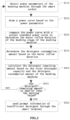
- FIG. 1 is a flowchart of the control method for the smart home system of the present disclosure.
- the present disclosure provides a control method for a smart home system; the smart home system includes a smart socket and a clothing treatment apparatus, and the clothing treatment apparatus is electrically connected with the smart socket.
- the control method for the smart home system mainly includes the following steps:
- the smart home system includes a server, which may be a cloud server or a background server.
- the smart socket includes a storage module, a detection module, and a sending module.
- the server is communicatively connected with the sending module and a smart terminal which serves as the reminder device, respectively, such as by means of a wide area network, a local area network, WiFi, "WiFi + router accessed by Internet", Bluetooth, ZIGBEE, NFC, GPRS, and other communication means.
- the smart terminal may be a mobile device, a computer, an on-vehicle device built into floating cars, and the like, or any combination thereof.
- the mobile device may include a mobile phone, a tablet, a smart home device, a wearable device, a smart mobile device, a virtual reality device and the like, or any combination thereof.
- the storage module of the smart socket pre stores the detergent consumption amount and the total detergent capacity of a single-time washing of clothing of the clothing treatment apparatus.
- the detection module is configured to detect the electricity consumption parameters of the clothing treatment apparatus in real time, such as electricity consumption current and electricity consumption power.
- the sending module is configured to send the detected electricity consumption parameters, and the detergent consumption amount and the total detergent capacity of a single-time washing of clothing of the clothing treatment apparatus stored in the storage module, to the server.
- the server determines whether the clothing treatment apparatus has performed a washing operation based on a result of comparison between the electricity consumption current or the electricity consumption power with a current threshold or a power threshold, thereby calculating the times of washing of the clothing treatment apparatus.
- the current detergent consumption amount is obtained by multiplying the detergent consumption amount of a single-time washing of clothing with the times of washing, and the detergent consumption amount is subtracted from the total detergent capacity to obtain the detergent remaining amount, which is then compared with a warning value. If the detergent remaining amount is smaller than the warning value, the server will send an instruction to the smart terminal. After receiving the instruction, the smart terminal will display prompt information of insufficient detergent to the user in the form of voice, text or image, so that the user can find that the detergent is insufficient and supplement it in a timely manner, thus optimizing the user experience for users.
- the reminder device can also be a buzzer, a voice broadcasting device, a display screen, an indicator light and the like that are arranged on the smart socket.
- the server sends an instruction to the smart socket, so that the buzzer, the voice broadcasting device, the display screen, the indicator light and the like send prompt information in a corresponding manner.
- the smart home system may not include a server; instead, a smart chip serving as a processor is arranged on the smart socket.
- the smart chip is communicatively connected with the sending module and the smart terminal which serves as the reminder device, and the smart chip replaces the server to perform its corresponding operations.
- step S200 specifically includes determining a water inflow duration of a washing stage of the clothing treatment apparatus based on the electricity consumption parameters
- step S300 specifically includes determining the detergent consumption amount based on the water inflow duration. Due to the different amount of clothing at each time of washing, for some clothing treatment apparatuses that are smarter, the amount of clothing to be washed can be determined by weighing, and corresponding amounts of washing water and detergent are injected according to the amount of clothing to be washed. The amount of detergent consumed at each time of washing will also vary.
- the water inflow duration of the washing stage of the clothing treatment apparatus is determined, and a water inflow amount is determined based on the water inflow duration; further, the detergent consumption amount at each time of washing is determined based on a correspondence between the water inflow amount and a dispensed amount of detergent.
- the detergent consumption amount obtained by adding up the detergent consumption amount at each time of washing is more accurate, so that a more accurate detergent remaining amount can be obtained. Therefore, it can be judged accurately that the detergent is insufficient and prompt information of insufficient detergent can be sent.
- FIG. 2 is a specific step diagram of the control method for the smart home system in the first embodiment of the present disclosure.
- control method for the smart home system includes the following steps: S110: detecting power parameters of the washing machine through the smart socket.
- the detection module of the smart socket includes a power meter which is configured to detect the power parameters of the washing machine in real time, and the sending module sends the power parameters of the washing machine to the server. It can be understood that the detection module of the smart socket may also include a voltage sensor and a current sensor, which can detect a real-time voltage and a real-time current of the washing machine in real time, so that a real-time power can be obtained by calculating the product of the real-time voltage and the real-time current.
- the server draws a power curve in which the power changes over time based on the received power parameters of the washing machine.
- S220 comparing the power curve with a preset standard power curve to determine the water inflow duration of the washing stage of the washing machine.
- the server compares the drawn power curve with the preset standard power curve. When a certain segment of the drawn power curve matches a certain segment of the preset standard power curve, it is determined that the washing machine was performing a corresponding operation during that time period, such as water inflow operation, washing operation, heating operation, rinsing operation, or draining operation, etc., so that the water inflow duration of the washing stage is determined through comparison.
- the server determines the water inflow amount based on the water inflow duration.
- the corresponding water inflow amount can be determined by looking up a mapping relationship table between the water inflow duration and the water inflow amount.
- the corresponding water inflow amount can be obtained by multiplying the water inflow duration with a first preset coefficient, and the weight of clothing can be determined based on the water inflow amount.
- the corresponding weight of clothing can be determined by looking up a mapping relationship table between the water inflow amount and the weight of clothing, or the weight of clothing can be calculated according to the water inflow amount based on a functional relationship between the water inflow amount and the weight of clothing.
- the detergent consumption amount is determined based on the weight of clothing.
- the corresponding detergent consumption amount can be determined by looking up a mapping relationship table between the detergent consumption amount and the weight of clothing, and the detergent consumption amount can be obtained by adding up the detergent consumption amount at each time of washing.
- S410 calculating the detergent remaining amount based on the total detergent capacity and the detergent consumption amount of the washing machine.
- the server sends an instruction of inputting the total detergent capacity to the smart terminal.
- the smart terminal displays prompt information of inputting the total detergent capacity to the user.
- the user inputs the total detergent capacity information of the washing machine into the smart terminal, and the smart terminal sends the total detergent capacity information of the washing machine to the server.
- the server calculates the current detergent remaining amount based on the total detergent capacity information and the detergent consumption amount. It can be understood that in another feasible embodiment, it is also possible that the total detergent capacities of various models of washing machines are stored in the server.
- the server sends an instruction of inputting model information of the washing machine to the smart terminal, and the smart terminal prompts the user to output the model information of the washing machine.
- the model information of the washing machine is input into the smart terminal, the smart terminal sends the model information of the washing machine to the server, and the server determines the total detergent capacity of the washing machine based on the obtained model information of the washing machine.
- step S510 judging whether the detergent remaining amount is smaller than the warning value; if yes, proceeding to step S520; and if not, returning to step S110.
- the server compares the detergent remaining amount with the warning value. If the detergent remaining amount is smaller than the warning value, the server will send an instruction of promoting that the detergent is insufficient to the smart terminal. If the detergent remaining amount is not smaller than the warning value, the server will not send an instruction of promoting that the detergent is insufficient to the smart terminal.
- S520 sending prompt information of insufficient detergent through the smart terminal.
- the smart terminal displays the prompt information of insufficient detergent in one or more of the forms of text, voice, chart and the like based on the received instruction of prompting that the detergent is insufficient.
- the power parameters of the washing machine are detected through the smart socket, the power curve is drawn based on the power parameters, the power curve is compared with the preset standard power curve to determine the water inflow duration of the washing stage of the washing machine, the water inflow amount is determined based on the water inflow duration, the weight of clothing is determined based on the water inflow amount, the detergent consumption amount is determined based on the weight of clothing, and then the detergent remaining amount is calculated based on the total detergent capacity and the detergent consumption amount of the washing machine, so that the overall detergent consumption amount and the detergent remaining amount can be obtained more accurately, and the prompt information of insufficient detergent can be sent accurately.
- determining the water inflow duration of the washing stage of the washing machine by drawing the power curve based on the power parameters and comparing the power curve with the preset standard power curve is only a specific embodiment. Those skilled in the art can also adjust it according to the actual situation. For example, in another feasible embodiment, it is judged whether the power parameters are within a preset range; a water inflow valve is opened during the water inflow process, and the electricity consumption power of the washing machine remains basically constant. A difference between this power and the power at the time of the washing operation, spinning operation and draining operation of the washing machine is large. By judging whether the electricity consumption power is within the preset power range, it is judged whether the washing machine is in the water inflow stage, and the water inflow duration in this water inflow stage is calculated.
- determining the water inflow duration of the washing stage of the washing machine by comparing the power curve with the preset standard power curve, determining the water inflow amount based on the water inflow duration, determining the weight of clothing based on the water inflow amount and determining the detergent consumption amount based on the weight of clothing is also a specific embodiment.
- the power curve is compared with the preset standard power curve to determine a drainage duration of the washing stage of the washing machine, the amount of washing water is determined based on the drainage duration, the weight of clothing is determined based on the amount of washing water, and the detergent consumption amount is determined based on the weight of clothing.
- the detection module in the smart socket includes a current sensor, which is configured to detect a real-time current of the washing machine.
- the server draws a current curve in which the current changes over time based on the current parameter, compares the current curve with a preset standard current curve to determine the water inflow duration of the washing stage of the washing machine, determines the water inflow amount based on the water inflow duration, determines the weight of clothing based on the water inflow amount, determines the detergent consumption amount based on the weight of clothing, calculates the detergent remaining amount based on the total detergent capacity and the detergent consumption amount of the washing machine, and compares the detergent remaining amount with a warning value. If the detergent remaining amount is smaller than the warning value, the server will send an instruction of prompting that the detergent is insufficient to the smart terminal, and the smart terminal will send prompt information of insufficient detergent to the user.
- the usage habits and frequency of washing the clothing are also different for different users, and a cleaning cycle of the washing machine will also vary. Users cannot accurately judge when the washing machine needs to be cleaned. Washing the clothing when the washing machine is dirty and needs to be cleaned will seriously affect the washing effect of the clothing.
- the control method for the smart home system of the present disclosure can also send a cleaning prompt when the washing machine reaches a certain degree of fouling.
- FIG. 3 is a specific step diagram of the control method for the smart home system in the second embodiment of the present disclosure.
- control method for the smart home system in the second embodiment further includes the following steps after step S210:
- Step S230 comparing the power curve with the preset standard power curve to determine the washing duration of each time and the heating temperature of each time of the washing machine, and determining an interval time between two consecutive times of washing based on the power curve.
- the server compares the drawn power curve with the preset standard power curve. When a certain segment of the drawn power curve matches a certain segment of the preset standard power curve, it is determined that the washing machine was performing a water inflow operation, a washing operation, a heating operation, a rinsing operation, or a draining operation and the like during that time period. Based on the power curve, an execution duration of the corresponding operation is determined, so as to obtain the washing duration and heating duration of each time.
- the washing machines are usually provided with multiple levels of heating temperatures, and different heating powers and heating durations are used for different levels of heating temperatures, such as those shown in Table 1 below: Table 1 heating temperature (°C) heating power (W) heating duration (min) 30 1600 2 60 1700 4 90 2000 8
- the server can obtain the corresponding heating temperature based on the correspondence among the stored heating temperature, heating power and heating duration, as well as the determined heating power and heating duration.
- the server determines a start time point and an end time point of each time of washing based on the power curve, and determines the interval time between two consecutive times of washing based on the start time point of each time of washing and the end time point of the previous time of washing.
- Step S610 determining a corresponding washing duration influence coefficient A i , heating temperature influence coefficient B i , and influence coefficient C i of the interval time between two consecutive times of washing based on the washing duration of each time, the heating temperature of each time and the interval time between two consecutive times of washing.
- a mapping relationship table between the washing duration and the washing duration influence coefficient, a mapping relationship table between the heating temperature and the heating temperature influence coefficient, and a mapping relationship table between the interval time between two consecutive times of washing and the influence coefficient of the interval time between two consecutive times of washing are stored in the server.
- the degree of fouling on the washing machine is positively correlated with the washing duration.
- the washing duration influence coefficient corresponding to the washing duration of (0, 20] minutes can be set as 0.5
- the washing duration influence coefficient corresponding to the washing duration of (20, 40] minutes can be set as 0.7
- the washing duration influence coefficient corresponding to the washing duration of (40, 60] minutes can be set as 0.9.
- the washing water has an influence on the ability of the detergent to remove bacteria and scale at different temperatures.
- the heating temperature coefficient corresponding to the heating temperature of (0, 10]°C can be set as 0.9
- the heating temperature coefficient corresponding to the heating temperature of (10, 20]°C can be set as 0.85
- the heating temperature coefficient corresponding to the heating temperature of (20, 30]°C can be set as 0.65
- the heating temperature coefficient corresponding to the heating temperature of (30, 40]°C can be set as 0.45
- the heating temperature coefficient corresponding to the heating temperature of (40, 50]°C can be set as 0.55
- the heating temperature coefficient corresponding to the heating temperature of (50, 60]°C can be set as 0.65
- the heating temperature coefficient corresponding to the heating temperature of (60, 70]°C can be set as 0.8
- the heating temperature coefficient corresponding to the heating temperature of (70, 80]°C can be set as 0.9.
- the influence coefficient of the interval time between two consecutive times of washing corresponding to the interval time of (0, 2] hours between two consecutive times of washing can be set as 0.3
- the influence coefficient of the interval time between two consecutive times of washing corresponding to the interval time of (2, 6] hours between two consecutive times of washing can be set as 0.5
- the influence coefficient of the interval time between two consecutive times of washing corresponding to the interval time of (6, 10] hours between two consecutive times of washing can be set as 0.8
- the influence coefficient of the interval time between two consecutive times of washing corresponding to the interval time of (10, + ⁇ ] hours between two consecutive times of washing can be set as 1.
- determining the corresponding washing duration influence coefficient, heating temperature influence coefficient and influence coefficient of the interval time between two consecutive times of washing based on the washing duration of each time, the heating temperature of each time, the interval time between two consecutive times of washing and the corresponding mapping relationship tables is only a specific arrangement.
- Those skilled in this art can also use a change curve of the washing duration influence coefficient and the washing duration, a change curve of the heating temperature influence coefficient and the heating temperature, and a change curve of the influence coefficient of the interval time between two consecutive times of washing and the interval time between two consecutive times of washing to obtain the corresponding influence coefficients through interpolation.
- the corresponding influence coefficients can also be calculated by using the corresponding fitting formula.
- Step S630 judging whether the fouling coefficient S is larger than a preset value of 50; if yes, proceeding to step S640; and if not, returning to step S110.
- the server compares the fouling coefficient S with the preset value of 50. If the fouling coefficient S is larger than the preset value of 50, a cleaning prompt instruction will be sent to the smart terminal. Otherwise, no cleaning prompt instruction will be sent to the smart terminal.
- Step S640 sending cleaning prompt information through the smart terminal.
- the smart terminal displays the cleaning prompt information in one or more of the forms of text, voice, chart and the like based on the received cleaning prompt instruction.
- users receive the cleaning prompt information through the mobile terminal, they can clean the washing machine by themselves or contact after-sales personnel for professional cleaning.
- the electricity consumption parameters of the washing machine are detected through the smart socket, the operation information of the washing machine is judged based on the electricity consumption parameters, and it is further judged whether cleaning is required based on the operation information of the washing machine, so that cleaning prompt information can be sent when the washing machine needs to be cleaned.
- This enables users to know in a timely manner that the washing machine needs to be cleaned, so that users can clean the washing machine by themselves or contact after-sales personnel for professional cleaning of the washing machine, which solves the problem that existing non-IoT washing machines are not able to remind users to timely clean the washing machine, and optimizes the user experience for users.
- the electricity consumption parameters of the clothing treatment apparatus are detected through the smart socket electrically connected with the clothing treatment apparatus, the operation information of the clothing treatment apparatus is determined based on the electricity consumption parameters, the detergent consumption amount of the clothing treatment apparatus is determined based on the operation information of the clothing treatment apparatus, the detergent remaining amount of the clothing treatment apparatus is calculated based on the detergent consumption amount, and it is selectively prompted that the detergent is insufficient through the reminder device based on the calculated detergent remaining amount, so that users can find that the detergent is insufficient and replenish it in a timely manner, thus avoiding a situation in which users use the clothing treatment apparatus to wash the clothing without finding that the detergent remaining amount is insufficient so that the clothing cannot be washed clean, and optimizing the use experience for users.
- the electricity consumption parameters of the washing machine are detected through the smart socket, the operation information of the washing machine is judged based on the electricity consumption parameters, and it is further judged whether cleaning is required based on the operation information of the washing machine, so that cleaning prompt information can be sent when the washing machine needs to be cleaned.
- This enables users to know in a timely manner that the washing machine needs to be cleaned, so that users can clean the washing machine by themselves or contact after-sales personnel for professional cleaning of the washing machine, which solves the problem that existing non-IoT washing machines are not able to remind users to timely clean the washing machine, and optimizes the user experience for users.
- users do not need to replace the existing non-IoT clothing treatment apparatuses with IoT clothing treatment apparatuses, and can experience the convenience brought by the Internet of Things (IoT) on the basis of the existing non-IoT clothing treatment apparatuses, thus reducing use cost.
- IoT Internet of Things
Landscapes
- Engineering & Computer Science (AREA)
- Textile Engineering (AREA)
- Business, Economics & Management (AREA)
- Physics & Mathematics (AREA)
- General Physics & Mathematics (AREA)
- Health & Medical Sciences (AREA)
- Economics (AREA)
- General Engineering & Computer Science (AREA)
- Automation & Control Theory (AREA)
- Water Supply & Treatment (AREA)
- Public Health (AREA)
- General Health & Medical Sciences (AREA)
- Human Resources & Organizations (AREA)
- Marketing (AREA)
- Primary Health Care (AREA)
- Strategic Management (AREA)
- Tourism & Hospitality (AREA)
- General Business, Economics & Management (AREA)
- Theoretical Computer Science (AREA)
- Control Of Washing Machine And Dryer (AREA)
Claims (10)
- Steuerverfahren für ein Smart-Home-System, wobei das Smart-Home-System eine intelligente Steckdose und eine Kleidungsbehandlungsvorrichtung umfasst und die Kleidungsbehandlungsvorrichtung elektrisch mit der intelligenten Steckdose verbunden ist; wobei das Steuerverfahren Folgendes umfasst:Erfassen von Stromverbrauchsparametern der Kleidungsbehandlungsvorrichtung durch die intelligente Steckdose (S100);Bestimmen von Betriebsinformationen der Kleidungsbehandlungsvorrichtung basierend auf den Stromverbrauchsparametern (S200);Bestimmen einer Waschmittelverbrauchsmenge der Kleidungsbehandlungsvorrichtung basierend auf den Betriebsinformationen (S300);Berechnen einer Waschmittelrestmenge der Kleidungsbehandlungsvorrichtung basierend auf der Waschmittelverbrauchsmenge (S400); undselektives Auffordern, dass das Waschmittel nicht ausreicht, durch eine Erinnerungsvorrichtung basierend auf einem Berechnungsergebnis (S500).
- Steuerverfahren nach Anspruch 1, wobei der Schritt "Bestimmen von Betriebsinformationen der Kleidungsbehandlungsvorrichtung basierend auf den Stromverbrauchsparametern" Folgendes umfasst:Bestimmen einer Wasserzuflussdauer einer Waschstufe der Kleidungsbehandlungsvorrichtung basierend auf den Stromverbrauchsparametern;der Schritt "Bestimmen einer Waschmittelverbrauchsmenge der Kleidungsbehandlungsvorrichtung basierend auf den Betriebsinformationen" insbesondere Folgendes umfasst:
Bestimmen der Waschmittelverbrauchsmenge basierend auf der Wasserzuflussdauer. - Steuerverfahren nach Anspruch 1, ferner umfassend:Erhalten einer Gesamtwaschmittelkapazität der Kleidungsbehandlungsvorrichtung;wobei die Gesamtwaschmittelkapazität vorbestimmt ist.
- Steuerverfahren nach Anspruch 3, wobei die Gesamtwaschmittelkapazität basierend auf einem Modell der Kleidungsbehandlungsvorrichtung vorbestimmt ist oder die Gesamtwaschmittelkapazität im Voraus eingegeben wird.
- Steuerverfahren nach Anspruch 3 oder 4, wobei der Schritt des "Berechnens einer Waschmittelrestmenge der Kleidungsbehandlungsvorrichtung basierend auf der Waschmittelverbrauchsmenge" insbesondere Folgendes umfasst:Berechnen der Waschmittelrestmenge basierend auf der Gesamtwaschmittelkapazität und der Waschmittelverbrauchsmenge der Kleidungsbehandlungsvorrichtung;der Schritt des "selektiven Aufforderns, dass das Waschmittel nicht ausreicht, durch eine Erinnerungsvorrichtung basierend auf einem Berechnungsergebnis" insbesondere Folgendes umfasst:Vergleichen der Waschmittelrestmenge mit einem Warnwert; undAuffordern, dass das Waschmittel nicht ausreicht, durch die Erinnerungsvorrichtung, wenn die Waschmittelrestmenge kleiner als der Warnwert ist.
- Steuerverfahren nach Anspruch 1, ferner umfassend:Bestimmen eines Verschmutzungskoeffizienten der Kleidungsbehandlungsvorrichtung basierend auf den Betriebsinformationen; undselektives Auffordern einer Reinigung der Kleidungsbehandlungsvorrichtung durch die Erinnerungsvorrichtung basierend auf dem Verschmutzungskoeffizienten.
- Steuerverfahren nach Anspruch 6, wobei der Schritt "Bestimmen von Betriebsinformationen der Kleidungsbehandlungsvorrichtung basierend auf den Stromverbrauchsparametern" Folgendes umfasst:Bestimmen einer Waschdauer jedes Mal, einer Heiztemperatur jedes Mal und einer Intervallzeit zwischen zwei aufeinanderfolgenden Waschvorgängen der Kleidungsbehandlungsvorrichtung basierend auf den Stromverbrauchsparametern;der Schritt "Bestimmen eines Verschmutzungskoeffizienten der Kleidungsbehandlungsvorrichtung basierend auf den Betriebsinformationen" insbesondere Folgendes umfasst:Bestimmen eines entsprechenden Waschdauer-Einflusskoeffizienten Ai , eines Heiztemperatur-Einflusskoeffizienten Bi und eines Einflusskoeffizienten Ci der Intervallzeit zwischen zwei aufeinanderfolgenden Waschzeiten basierend auf der Waschdauer jedes Mal, der Heiztemperatur jedes Mal und der Intervallzeit zwischen zwei aufeinanderfolgenden Waschzeiten; undBerechnen des Verschmutzungskoeffizienten S gemäß der folgenden Formel:
 wobei Ai der Waschdauer-Einflusskoeffizient für die i-te Waschzeit ist, Bi der Heiztemperatur-Einflusskoeffizient für die i-te Waschzeit ist und Ci der Einflusskoeffizient der Intervallzeit zwischen der i-ten Waschzeit und der vorstehenden Waschzeit ist.
 - Steuerverfahren nach Anspruch 6, wobei der Schritt des "selektiven Aufforderns einer Reinigung der Kleidungsbehandlungsvorrichtung durch die Erinnerungsvorrichtung basierend auf dem Verschmutzungskoeffizienten" insbesondere Folgendes umfasst:
selektives Auffordern einer Reinigung der Bekleidungsbehandlungsvorrichtung durch die Erinnerungsvorrichtung, wenn der Verschmutzungskoeffizient größer als ein voreingestellter Wert ist. - Steuerverfahren nach Anspruch 1, wobei der Stromverbrauchsparameter eine Stromverbrauchsleistung ist.
- Steuerverfahren nach Anspruch 1, wobei die Erinnerungsvorrichtung ein Summer, eine Sprachübertragungsvorrichtung und ein Anzeigebildschirm ist, die an der intelligenten Steckdose angeordnet sind, oder ein intelligentes Endgerät, das kommunikativ mit der intelligenten Steckdose verbunden ist.
Applications Claiming Priority (2)
| Application Number | Priority Date | Filing Date | Title |
|---|---|---|---|
| CN202011302965.8A CN114517380B (zh) | 2020-11-19 | 2020-11-19 | 智能家居系统的控制方法 |
| PCT/CN2021/126753 WO2022068951A1 (zh) | 2020-11-19 | 2021-10-27 | 智能家居系统的控制方法 |
Publications (4)
| Publication Number | Publication Date |
|---|---|
| EP4249663A1 EP4249663A1 (de) | 2023-09-27 |
| EP4249663A4 EP4249663A4 (de) | 2024-04-17 |
| EP4249663B1 true EP4249663B1 (de) | 2025-01-29 |
| EP4249663C0 EP4249663C0 (de) | 2025-01-29 |
Family
ID=80949703
Family Applications (1)
| Application Number | Title | Priority Date | Filing Date |
|---|---|---|---|
| EP21874605.5A Active EP4249663B1 (de) | 2020-11-19 | 2021-10-27 | Steuerungsverfahren für intelligentes heimsystem |
Country Status (4)
| Country | Link |
|---|---|
| US (1) | US12410545B2 (de) |
| EP (1) | EP4249663B1 (de) |
| CN (1) | CN114517380B (de) |
| WO (1) | WO2022068951A1 (de) |
Families Citing this family (1)
| Publication number | Priority date | Publication date | Assignee | Title |
|---|---|---|---|---|
| US12421640B2 (en) | 2023-12-05 | 2025-09-23 | Haier Us Appliance Solutions, Inc. | Commercial laundry appliance system and method of tracking additive usage |
Family Cites Families (13)
| Publication number | Priority date | Publication date | Assignee | Title |
|---|---|---|---|---|
| KR100624795B1 (ko) * | 2004-09-14 | 2006-09-18 | 엘지전자 주식회사 | 권장 세제량 표시 기능을 갖는 세탁기의 제어 방법 |
| EP1744248A1 (de) * | 2005-07-11 | 2007-01-17 | WRAP S.p.A. | Vorrichtung zur Überwachung eines Haushaltsgeräts |
| RU2439225C1 (ru) * | 2010-06-18 | 2012-01-10 | Василий Борисович Шахматов | Способ обработки, закладки и хранения загрязненной посуды или белья, управления и бытовая машина для его реализации |
| KR102114860B1 (ko) * | 2013-09-04 | 2020-05-25 | 엘지전자 주식회사 | 가전기기, 가전기기 시스템 및 그 제어 방법 |
| CN105320044B (zh) * | 2014-07-01 | 2019-04-05 | 青岛海尔洗衣机有限公司 | 一种家电及洗衣机运行状态监测方法、智能插座及洗衣机 |
| US10456008B2 (en) * | 2016-11-29 | 2019-10-29 | Whirlpool Corporation | Learning dispensing system for water inlet hose |
| CN108536026A (zh) * | 2018-03-29 | 2018-09-14 | 苏州中科先进技术研究院有限公司 | 一种智能家居设备用电控制方法和系统 |
| CN110904610B (zh) * | 2018-09-13 | 2023-03-17 | 青岛海尔洗衣机有限公司 | 一种家庭衣物处理剂管理系统的控制方法 |
| EP3736370B1 (de) * | 2019-05-07 | 2024-06-05 | The Procter & Gamble Company | Verfahren zur behandlung von geweben mit selektiver dosierung von agitationsempfindlichen inhaltsstoffen |
| CN110376429B (zh) * | 2019-06-06 | 2021-08-24 | 国网浙江省电力有限公司 | 一种识别家用电器使用状态的方法 |
| CN211446297U (zh) * | 2019-11-30 | 2020-09-08 | 青岛淼宸智能科技有限公司 | 一种外置于洗衣机的通用洗涤剂自动投放装置 |
| CN111338262B (zh) * | 2020-03-20 | 2021-11-19 | 湖南科技大学 | 基于arm的家用电器运行状态非侵入式检测装置及方法 |
| CN111926526A (zh) * | 2020-09-09 | 2020-11-13 | 黎文超 | 一种基于互联网的智能洗衣机及其控制系统 |
-
2020
- 2020-11-19 CN CN202011302965.8A patent/CN114517380B/zh active Active
-
2021
- 2021-10-27 EP EP21874605.5A patent/EP4249663B1/de active Active
- 2021-10-27 WO PCT/CN2021/126753 patent/WO2022068951A1/zh not_active Ceased
- 2021-10-27 US US18/253,657 patent/US12410545B2/en active Active
Also Published As
| Publication number | Publication date |
|---|---|
| US12410545B2 (en) | 2025-09-09 |
| CN114517380B (zh) | 2024-12-13 |
| WO2022068951A1 (zh) | 2022-04-07 |
| CN114517380A (zh) | 2022-05-20 |
| EP4249663A4 (de) | 2024-04-17 |
| EP4249663A1 (de) | 2023-09-27 |
| US20240003073A1 (en) | 2024-01-04 |
| EP4249663C0 (de) | 2025-01-29 |
Similar Documents
| Publication | Publication Date | Title |
|---|---|---|
| CN109208258A (zh) | 一种洗涤剂类型检测方法、洗涤剂用量控制方法及洗衣机 | |
| CN107034617B (zh) | 洗衣机耗电量监测方法、洗衣机及洗衣机系统 | |
| CN107130389B (zh) | 洗衣机的控制方法及洗衣机 | |
| CN110699917B (zh) | 衣物洗涤设备、用于其的洗涤剂投放控制方法及装置 | |
| CN110067109B (zh) | 一种洗衣机耗电量的确定方法、装置、存储介质及洗衣机 | |
| CN110512394A (zh) | 洗衣机识别洗涤物材质的方法及洗衣机 | |
| CN112095289A (zh) | 一种洗衣机控制方法 | |
| EP4249663B1 (de) | Steuerungsverfahren für intelligentes heimsystem | |
| CN106868780A (zh) | 一种洗衣装置的洗衣控制方法及系统 | |
| CN108294709B (zh) | 用于洗碗机的智能控制方法及装置 | |
| CN110359221A (zh) | 一种洗衣机中洗涤剂用量确定方法及洗衣机 | |
| CN108060548A (zh) | 一种基于大数据的洗衣机系统及洗衣控制方法 | |
| CN110067110B (zh) | 洗涤剂投放量的确定方法、装置、存储介质及洗衣机 | |
| CN111802987A (zh) | 一种洗碗机换水方法、装置、电子设备和存储介质 | |
| CN109208232A (zh) | 一种准确控制洗涤剂用量的方法及洗衣机 | |
| CN113529339B (zh) | 一种洗衣设备的控制方法及洗衣设备 | |
| CN112790693A (zh) | 一种洗碗机的控制方法及洗碗机 | |
| CN112899979B (zh) | 洗衣机的洗衣液控制方法、装置、洗衣机及存储介质 | |
| CN120738888B (zh) | 洗衣机中洗涤剂的投放方法及装置、洗衣机 | |
| CN114481545A (zh) | 洗衣机内筒清洁方法、装置、设备及智能洗衣机 | |
| CN118792845A (zh) | 一种洗涤控制方法及洗涤设备 | |
| CN110569319A (zh) | 一种洗涤设备水质地图的生成方法及水质地图的控制方法 | |
| CN109208263A (zh) | 一种洗涤剂用量的准确控制方法及洗衣机 | |
| CN110501922A (zh) | 一种洗涤设备水质地图的生成方法及控制方法 | |
| JP2024112392A (ja) | 水洗水交換時期予測方法、装置、およびシステム |
Legal Events
| Date | Code | Title | Description |
|---|---|---|---|
| STAA | Information on the status of an ep patent application or granted ep patent |
Free format text: STATUS: THE INTERNATIONAL PUBLICATION HAS BEEN MADE |
|
| PUAI | Public reference made under article 153(3) epc to a published international application that has entered the european phase |
Free format text: ORIGINAL CODE: 0009012 |
|
| STAA | Information on the status of an ep patent application or granted ep patent |
Free format text: STATUS: REQUEST FOR EXAMINATION WAS MADE |
|
| 17P | Request for examination filed |
Effective date: 20230619 |
|
| AK | Designated contracting states |
Kind code of ref document: A1 Designated state(s): AL AT BE BG CH CY CZ DE DK EE ES FI FR GB GR HR HU IE IS IT LI LT LU LV MC MK MT NL NO PL PT RO RS SE SI SK SM TR |
|
| DAV | Request for validation of the european patent (deleted) | ||
| DAX | Request for extension of the european patent (deleted) | ||
| REG | Reference to a national code |
Ref country code: DE Ref legal event code: R079 Free format text: PREVIOUS MAIN CLASS: D06F0034050000 Ipc: D06F0033370000 Ref country code: DE Ref legal event code: R079 Ref document number: 602021025675 Country of ref document: DE Free format text: PREVIOUS MAIN CLASS: D06F0034050000 Ipc: D06F0033370000 |
|
| A4 | Supplementary search report drawn up and despatched |
Effective date: 20240320 |
|
| RIC1 | Information provided on ipc code assigned before grant |
Ipc: D06F 33/46 20200101ALN20240314BHEP Ipc: D06F 33/47 20200101ALN20240314BHEP Ipc: G05B 15/02 20060101ALN20240314BHEP Ipc: D06F 39/02 20060101ALN20240314BHEP Ipc: G06Q 50/06 20120101ALN20240314BHEP Ipc: D06F 33/37 20200101AFI20240314BHEP |
|
| GRAP | Despatch of communication of intention to grant a patent |
Free format text: ORIGINAL CODE: EPIDOSNIGR1 |
|
| STAA | Information on the status of an ep patent application or granted ep patent |
Free format text: STATUS: GRANT OF PATENT IS INTENDED |
|
| RIC1 | Information provided on ipc code assigned before grant |
Ipc: D06F 33/46 20200101ALN20241001BHEP Ipc: D06F 33/47 20200101ALN20241001BHEP Ipc: G05B 15/02 20060101ALN20241001BHEP Ipc: D06F 39/02 20060101ALN20241001BHEP Ipc: G06Q 50/06 20120101ALN20241001BHEP Ipc: D06F 33/37 20200101AFI20241001BHEP |
|
| RIC1 | Information provided on ipc code assigned before grant |
Ipc: D06F 33/46 20200101ALN20241010BHEP Ipc: D06F 33/47 20200101ALN20241010BHEP Ipc: G05B 15/02 20060101ALN20241010BHEP Ipc: D06F 39/02 20060101ALN20241010BHEP Ipc: G06Q 50/06 20120101ALN20241010BHEP Ipc: D06F 33/37 20200101AFI20241010BHEP |
|
| INTG | Intention to grant announced |
Effective date: 20241022 |
|
| GRAS | Grant fee paid |
Free format text: ORIGINAL CODE: EPIDOSNIGR3 |
|
| GRAA | (expected) grant |
Free format text: ORIGINAL CODE: 0009210 |
|
| STAA | Information on the status of an ep patent application or granted ep patent |
Free format text: STATUS: THE PATENT HAS BEEN GRANTED |
|
| AK | Designated contracting states |
Kind code of ref document: B1 Designated state(s): AL AT BE BG CH CY CZ DE DK EE ES FI FR GB GR HR HU IE IS IT LI LT LU LV MC MK MT NL NO PL PT RO RS SE SI SK SM TR |
|
| REG | Reference to a national code |
Ref country code: GB Ref legal event code: FG4D |
|
| REG | Reference to a national code |
Ref country code: CH Ref legal event code: EP |
|
| REG | Reference to a national code |
Ref country code: DE Ref legal event code: R096 Ref document number: 602021025675 Country of ref document: DE |
|
| REG | Reference to a national code |
Ref country code: IE Ref legal event code: FG4D |
|
| U01 | Request for unitary effect filed |
Effective date: 20250227 |
|
| U07 | Unitary effect registered |
Designated state(s): AT BE BG DE DK EE FI FR IT LT LU LV MT NL PT RO SE SI Effective date: 20250305 |
|
| PG25 | Lapsed in a contracting state [announced via postgrant information from national office to epo] |
Ref country code: RS Free format text: LAPSE BECAUSE OF FAILURE TO SUBMIT A TRANSLATION OF THE DESCRIPTION OR TO PAY THE FEE WITHIN THE PRESCRIBED TIME-LIMIT Effective date: 20250429 |
|
| PG25 | Lapsed in a contracting state [announced via postgrant information from national office to epo] |
Ref country code: PL Free format text: LAPSE BECAUSE OF FAILURE TO SUBMIT A TRANSLATION OF THE DESCRIPTION OR TO PAY THE FEE WITHIN THE PRESCRIBED TIME-LIMIT Effective date: 20250129 |
|
| PG25 | Lapsed in a contracting state [announced via postgrant information from national office to epo] |
Ref country code: ES Free format text: LAPSE BECAUSE OF FAILURE TO SUBMIT A TRANSLATION OF THE DESCRIPTION OR TO PAY THE FEE WITHIN THE PRESCRIBED TIME-LIMIT Effective date: 20250129 |
|
| PG25 | Lapsed in a contracting state [announced via postgrant information from national office to epo] |
Ref country code: IS Free format text: LAPSE BECAUSE OF FAILURE TO SUBMIT A TRANSLATION OF THE DESCRIPTION OR TO PAY THE FEE WITHIN THE PRESCRIBED TIME-LIMIT Effective date: 20250529 Ref country code: NO Free format text: LAPSE BECAUSE OF FAILURE TO SUBMIT A TRANSLATION OF THE DESCRIPTION OR TO PAY THE FEE WITHIN THE PRESCRIBED TIME-LIMIT Effective date: 20250429 |
|
| PG25 | Lapsed in a contracting state [announced via postgrant information from national office to epo] |
Ref country code: HR Free format text: LAPSE BECAUSE OF FAILURE TO SUBMIT A TRANSLATION OF THE DESCRIPTION OR TO PAY THE FEE WITHIN THE PRESCRIBED TIME-LIMIT Effective date: 20250129 |
|
| PG25 | Lapsed in a contracting state [announced via postgrant information from national office to epo] |
Ref country code: GR Free format text: LAPSE BECAUSE OF FAILURE TO SUBMIT A TRANSLATION OF THE DESCRIPTION OR TO PAY THE FEE WITHIN THE PRESCRIBED TIME-LIMIT Effective date: 20250430 |
|
| PG25 | Lapsed in a contracting state [announced via postgrant information from national office to epo] |
Ref country code: SM Free format text: LAPSE BECAUSE OF FAILURE TO SUBMIT A TRANSLATION OF THE DESCRIPTION OR TO PAY THE FEE WITHIN THE PRESCRIBED TIME-LIMIT Effective date: 20250129 |
|
| PG25 | Lapsed in a contracting state [announced via postgrant information from national office to epo] |
Ref country code: CZ Free format text: LAPSE BECAUSE OF FAILURE TO SUBMIT A TRANSLATION OF THE DESCRIPTION OR TO PAY THE FEE WITHIN THE PRESCRIBED TIME-LIMIT Effective date: 20250129 |
|
| PG25 | Lapsed in a contracting state [announced via postgrant information from national office to epo] |
Ref country code: SK Free format text: LAPSE BECAUSE OF FAILURE TO SUBMIT A TRANSLATION OF THE DESCRIPTION OR TO PAY THE FEE WITHIN THE PRESCRIBED TIME-LIMIT Effective date: 20250129 |
|
| U20 | Renewal fee for the european patent with unitary effect paid |
Year of fee payment: 5 Effective date: 20250926 |
|
| PLBE | No opposition filed within time limit |
Free format text: ORIGINAL CODE: 0009261 |
|
| STAA | Information on the status of an ep patent application or granted ep patent |
Free format text: STATUS: NO OPPOSITION FILED WITHIN TIME LIMIT |
|
| 26N | No opposition filed |
Effective date: 20251030 |