EP4248282B1 - Konfiguration von einem gebäude - Google Patents
Konfiguration von einem gebäude Download PDFInfo
- Publication number
- EP4248282B1 EP4248282B1 EP21735201.2A EP21735201A EP4248282B1 EP 4248282 B1 EP4248282 B1 EP 4248282B1 EP 21735201 A EP21735201 A EP 21735201A EP 4248282 B1 EP4248282 B1 EP 4248282B1
- Authority
- EP
- European Patent Office
- Prior art keywords
- data
- relationship
- configuration
- site
- rules
- Prior art date
- Legal status (The legal status is an assumption and is not a legal conclusion. Google has not performed a legal analysis and makes no representation as to the accuracy of the status listed.)
- Active
Links
Images

Classifications
-
- G—PHYSICS
- G05—CONTROLLING; REGULATING
- G05B—CONTROL OR REGULATING SYSTEMS IN GENERAL; FUNCTIONAL ELEMENTS OF SUCH SYSTEMS; MONITORING OR TESTING ARRANGEMENTS FOR SUCH SYSTEMS OR ELEMENTS
- G05B15/00—Systems controlled by a computer
- G05B15/02—Systems controlled by a computer electric
-
- G—PHYSICS
- G05—CONTROLLING; REGULATING
- G05B—CONTROL OR REGULATING SYSTEMS IN GENERAL; FUNCTIONAL ELEMENTS OF SUCH SYSTEMS; MONITORING OR TESTING ARRANGEMENTS FOR SUCH SYSTEMS OR ELEMENTS
- G05B19/00—Program-control systems
- G05B19/02—Program-control systems electric
-
- H—ELECTRICITY
- H04—ELECTRIC COMMUNICATION TECHNIQUE
- H04L—TRANSMISSION OF DIGITAL INFORMATION, e.g. TELEGRAPHIC COMMUNICATION
- H04L41/00—Arrangements for maintenance, administration or management of data switching networks, e.g. of packet switching networks
- H04L41/08—Configuration management of networks or network elements
- H04L41/0803—Configuration setting
- H04L41/0806—Configuration setting for initial configuration or provisioning, e.g. plug-and-play
-
- G—PHYSICS
- G05—CONTROLLING; REGULATING
- G05B—CONTROL OR REGULATING SYSTEMS IN GENERAL; FUNCTIONAL ELEMENTS OF SUCH SYSTEMS; MONITORING OR TESTING ARRANGEMENTS FOR SUCH SYSTEMS OR ELEMENTS
- G05B2219/00—Program-control systems
- G05B2219/20—Pc systems
- G05B2219/26—Pc applications
- G05B2219/2642—Domotique, domestic, home control, automation, smart house
Definitions
- the present disclosure pertains to a configuration of a building having a plurality of devices such as controllers, radiators, compressors, evaporators, valves, etc.
- the configuration process accommodates dependencies between these devices. More specifically, the configuration of a commercial and/or residential and/or industrial site alleviates design and commissioning of such a site.
- Commercial and/or residential and/or industrial sites typically comprise a plurality of appliances such as fans and/or heating fans and/or cooling fans and/or heating coils and/or cooling coils and/or compressors and/or evaporators and/or window blinds and/or radiators and/or chilled beams, etc.
- Commercial and/or residential and/or industrial sites also comprise a plurality of sensors such as temperature sensors, moisture sensors, luminosity sensors, sensors for volatile organic compounds, sensors for carbon dioxide etc. Readings are recorded from such sensors and those readings impact on the control of the building.
- a reading recorded from a temperature sensor can, by way of example, be relevant for an amount of cooling provided by a chilled beam inside a space.
- a reading recorded from a luminosity sensor can determine the position of window blinds.
- a site and/or a building typically comprises a plurality of controllers.
- the controllers link sensors such as temperature sensors or luminosity sensors to appliances and/or field devices such as chilled beams or window blinds. Not every controller is, however, compatible with every type of sensor. Likewise, a controller for controlling window blinds may not be suitable to control chilled beams.
- a floor plan is established at the design stage and/or at the commissioning stage of a site.
- the floor plan establishes dependencies between appliances, sensors, and controllers. Creation of a floor plan involves specialist knowledge and numerous hours. The specialist needs to know whether certain devices can be linked to certain sensors. A controller can be required to link a device to a sensor. Also, the link between the appliance and the sensor can necessitate a special type of controller. Eventually, the floor plan will describe the complex relationships between a plethora of appliances and/or sensors and/or controllers of a commercial and/or residential and/or industrial building.
- EP3439235A1 A European patent application EP3439235A1 was filed by ABB SCHWEIZ AG, CH on 4 August 2017 . The application was published on 6 February 2019. EP3439235A1 deals with configuring and operating a system with building automation devices.
- EP3439235A1 pertains to a method of configuring building automation devices.
- the building automation devices form a technical system of a building and perform functions related to the building.
- Configuration according to EP3439235A1 relies on three data structures.
- the first of these data structures is at a device agnostic level while the second data structure is at a device specific level.
- the first data structure specifies inter-device communication in a way that is not technology specific.
- the device-agnostic level generally defines communication in terms of system functions.
- functions can, by way of example, turn on and off lights.
- the second data structure specifies inter-device communication during operation in a way that is specific for the devices in the building.
- Device-specific communication can, by way of example, involve parameters c1 to c9 that are specific to building-related functions of devices such as lighting devices.
- EP3439235A1 deals with mapping signals at the device-agnostic level to signals at the device-specific level. Configuration settings are then determined that specify how devices communicate. Those configuration settings are transmitted to and applied by the respective building devices.
- US2019/005438A1 discloses a user interface for generating installation details.
- the user interface involves constraints of virtual devices as well as selectors to apply requirements of such interfaces.
- a control interface is constructed that accounts for details of an installation.
- the instant disclosure introduces configuration of devices in a building, wherein the appliances and/or sensors and/or controllers are paired based on a (semantic) ontology description.
- the configuration based on a (semantic) ontology description mitigates issues due to complexity of floor plans of large buildings.
- the instant disclosure deals with a method and a controller for configuring a site such as a building.
- Devices are selected from sensor devices, appliances and controller devices.
- Descriptor data are produced for such devices.
- the descriptor data can, by way of non-limiting examples, comprise data about protocols to be used by such devices and/or about addresses to be configured.
- the descriptor data can also provide data and/or information about the extent to which such devices can be controlled.
- the descriptor data can further provide data and/or information about control modes.
- Suitable controllers are selected based on relationships between the sensor devices and the appliance devices. These relationships
- An ontology database is employed to derive such relationships from the descriptor data associated with the devices.
- the present disclosure alleviates configuration and commissioning of sites since an ontology database determines relationships between devices to be configured.
- the ontology database is applied to descriptors of devices and determines whether and how two devices can connect. It follows that relationships and/or links between devices can, at least, be preselected based on the ontology database.
- An ontology database can be employed in full or in part to perform configuration and/or commissioning. That is, a set of rules such as semantic json or xml rules can be applied in full or in part to device descriptors to determine and/or suggest relationships between devices.
- a device descriptor is selected from a device database for a given device.
- the device database can, by way of non-limiting example, be a list of devices, the list specifying ports and/or addresses and/or control modes to be employed.
- the relationships and/or the links are additionally determined using a building information model of a site.
- the building information model can also be a building information model of a commercial and/or industrial and/or residential building. It is envisaged that the building information model and the ontology database determine the relationships and/or the links between the devices. It is also envisaged that an application of the building information model to an ontology database results in an extended ontology database. The extended ontology database can then be leveraged in full or in part to perform configuration and/or commissioning.
- Configuration and/or commissioning can thereafter be used by the sensor devices and/or appliances and/or control devices in operation.
- configuration data are advantageously transmitted to the devices using a digital bus and a digital protocol.
- the configuration data are applied to these devices and either by a configuration controller and/or by the devices themselves.
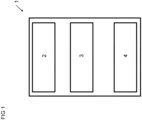
- FIG 1 illustrates a device list 1.
- the device list 1 comprises at least one list of appliances 2 and/or at least one list of sensors 3 and/or at least one list of controllers 4.
- the at least one list of appliances and/or field devices 2 can include at least one of
- the at least one list of sensors 3 can include at least one of
- the at least one list of sensors 3 can comprise at least one nonconventional sensor such as a temperature sensor installed inside a smoke detector.
- the primary purpose of the smoke detector is not to sense temperature.
- a smoke detector can deliver data indicative of smoke along with data indicative of temperature.
- a television apparatus can provide an infrared sensor.
- the primary purpose of a television apparatus is not to sense infrared light.
- a television apparatus such as a smart television apparatus can deliver data indicative of television signals along with data indicative of infrared light.
- the infrared sensor installed inside a television apparatus thus becomes a nonconventional sensor.
- At least one list of controllers 4 can also be part of the device list 1.
- the at least one list of controllers 4 can comprise
- the controller is or comprises an inexpensive, low-power system on a chip microcontroller having integrated wireless connectivity.
- the chip microcontroller has a memory not exceeding one mebibyte.
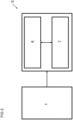
- the device list 1 is read and processed by a configuration controller 5 as indicated in FIG 2 .
- the configuration controller 5 advantageously comprises an arithmetic logic unit 6.
- the configuration controller 5 advantageously also comprises a memory 7 such as a non-volatile memory.
- the arithmetic logic unit 6 ideally is in operative communication with the memory 7.
- the configuration controller 5 reads the device list 1 and stores a copy thereof in its memory 7. To that end, the configuration controller 5 has write access to the memory 7.
- the configuration controller 5 can preferably also read data such as data indicative of the above lists 1 - 4 from the memory 7.
- a connection between the configuration controller 5 and a medium storing the device list 1 can be bidirectional.
- a bidirectional connection affords flexibility.
- a connection between the configuration controller 5 and the medium storing the device list 1 can also be unidirectional. More specifically, the connection between the configuration controller 5 and the medium storing the device list 1 can be directed from the device list 1 to the configuration controller 5.
- a unidirectional connection reduces complexity.
- the memory 7 stores data indicative of a building information model (BIM).
- BIM building information model
- the building information model can, by way of non-limiting example, be a building information model of the site and/or a building information model of the building.
- the building information can, by way of non-limiting example, be a building information model of the commercial and/or residential and/or industrial building.
- the configuration controller 5 and/or the arithmetic logic unit 6 can read the data indicative of a building information model from the memory 7. It is also envisaged that the controller 5 reads the data indicative of a building information model from an external computer-readable medium.
- FIG 3 shows a memory 7 storing a device list 1 and/or data indicative of a building information model 8 and/or data indicative of an ontology database 9.
- the ontology database provides a set of rules such as a set of semantic rules. These rules describe relationships between the various devices of a commercial and/or residential and/or industrial building.
- the ontology database 9 can advantageously be stored in an extensible markup language (.xml) format and/or in a javascript object notation (.json) format.
- the configuration controller 5 and/or the arithmetic logic unit 6 can read the data indicative of an ontology database 9 from the memory 7. It is also envisaged that the controller 5 can read the data indicative of an ontology database 9 from an external computer-readable medium.
- the configuration controller 5 and/or the arithmetic logic unit 6 can preferably apply one or more of the rules of the ontology database 9 to devices on the device list 1.
- the configuration controller 5 and/or the arithmetic logic unit 6 can conflate rules provided by the ontology database 9 and the building information model 8. The configuration controller 5 and/or the arithmetic logic unit 6 can then apply such conflated rules to one or more devices on the device list 7.
- the ontology database 9 preferably comprises an electronic database comprising data that are systematically or methodically arranged and can be individually accessed.
- the ontology database 9 ideally is an electronic database comprising data that are systematically or methodically arranged and can be individually accessed.
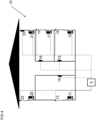
- the configuration as previously determined can be applied to various devices 11 - 23 within a building 10.
- the configuration controller 5 needs to connect to the various devices 11 - 23.
- a connection between the configuration controller 5 and the devices 11 - 23 can be bidirectional.
- a bidirectional connection affords flexibility.
- a connection between the configuration controller 5 and the medium storing the devices 11 - 23 can also be unidirectional. More specifically, the connection between the configuration controller 5 and the devices 11 - 23 can be directed from the configuration controller 5 to one of the devices 11 - 23.
- the configuration controller 5 connects to each device 11 - 23 via such a unidirectional connection.
- a unidirectional connection reduces complexity.
- any steps of a method according to the present disclosure can be embodied in hardware and/or in a software module executed by a processor and/or in a software module executed by a processor inside a container using operating system level virtualisation and/or in a cloud computing arrangement, or in a combination thereof.
- the software may include a firmware and/or a hardware driver run by the operating system and/or or an application program.
- the disclosure also relates to a computer program product for performing the operations presented herein. If implemented in software, the functions described may be stored as one or more instructions on a computer-readable medium.
- RAM random access memory
- ROM read only memory
- flash memory and/or EPROM memory and/or EEPROM memory and/or registers and/or a hard disk and/or a removable disk and/or other optical disks and/or or any available media that can be accessed by a computer or any other IT equipment and appliance.
- the instant disclosure deals with a method of configuring a site, the site comprising a plurality of devices (11 - 23), the plurality of devices (11 - 23) comprising a plurality of site controllers and a plurality of sensors and a plurality of appliances, the method comprising the steps of:
- the present disclosure also deals with a method of configuring a site, the site comprising a plurality of devices (11 - 23), the plurality of devices (11 - 23) comprising a plurality of site controllers and a plurality of sensors and a plurality of appliances, the method comprising the steps of:
- the method of configuring a site advantageously is a method of configuring a plurality of devices (11 - 23) of a site.
- the first descriptor data preferably describes one or more intrinsic properties of the first device (11 - 23).
- the one or more intrinsic properties can, by way of example, comprise at least one of:
- the first descriptor data advantageously describes one or more technical properties of the first device (11 - 23).
- the one or more technical properties can, by way of example, comprise at least one of:
- the second descriptor data preferably describes one or more intrinsic properties of the second device (11 - 23).
- the one or more intrinsic properties can, by way of example, comprise at least one of:
- the second descriptor data advantageously describes one or more technical properties of the second device (11 - 23).
- the one or more technical properties can, by way of example, comprise at least one of:
- the instant disclosure also deals with any of the aforementioned methods, the method comprising the step of: loading a device database, the device database comprising descriptor data for the plurality of appliances and for the plurality of sensors.
- the present disclosure further deals with any of the aforementioned methods, the method comprising the step of: loading a device database, the device database comprising descriptor data for the plurality of appliances and for the plurality of sensors and for the plurality of site controllers.
- the site is a building (10) such as a commercial and/or residential and/or industrial building.
- the site comprises a building (10) such as a commercial and/or residential and/or industrial building.
- the ontology database preferably comprises a set of semantic rules applicable to the first device (11 - 23) and to the second first device (11 - 23).
- the ontology database ideally comprises a set of semantic rules specifically applicable to the first device (11 - 23) and to the second first device (11 - 23). It is envisaged that the ontology database comprises a set of semantic rules applicable to the third device (11 - 23). It is still envisaged that the ontology database comprises a set of semantic rules specifically applicable to the third device (11 - 23).
- the ontology database comprises a plurality of semantic rules and that the relationship data are produced by applying at least one of the semantic rules of the set of semantic rules of the ontology database to the first descriptor data and to the second descriptor data.
- the instant disclosure also deals with any of the aforementioned methods, the method comprising the step of: loading an ontology database comprising a set of semantic rules applicable to the first device (11 - 23) and to the second device (11 - 23).
- the present disclosure further deals with any of the aforementioned methods, the method comprising the step of: loading an ontology database comprising a set of rules specifically applicable to the first device (11 - 23) and to the second device (11 - 23).
- the instant disclosure still deals with any of the aforementioned methods, the method comprising the step of: loading an ontology database comprising a set of semantic rules specifically applicable to the first device (11 - 23) and to the second device (11 - 23).
- the instant disclosure also deals with any of the aforementioned methods, the method comprising the step of: loading an ontology database comprising a set of semantic rules applicable to the first descriptor data and to the second descriptor data.
- the present disclosure further deals with any of the aforementioned methods, the method comprising the step of: loading an ontology database comprising a set of rules specifically applicable to the first descriptor data and to the second descriptor data.
- the instant disclosure still deals with any of the aforementioned methods, the method comprising the step of: loading an ontology database comprising a set of semantic rules specifically applicable to the first descriptor data and to the second descriptor data.
- the set of rules of the ontology database comprises two or more rules.
- the set of rules of the ontology database advantageously comprises three or more rules.
- the set of rules of the ontology database ideally comprises four or more rules.
- the set of rules of the ontology database comprises two or more semantic rules.
- the set of rules of the ontology database advantageously comprises three or more semantic rules.
- the set of rules of the ontology database ideally comprises four or more semantic rules.
- the present disclosure yet further deals with any of the methods described herein, the method comprising the step of: loading an ontology database comprising a set of rules.
- the instant disclosure also deals with any of the methods described herein, the method comprising the step of: loading an ontology database comprising a set of semantic rules.
- the present disclosure further deals with any of the methods described herein, the method comprising the step of: transmitting the first set of configuration data to the first device (11 - 23) using a digital communication bus.
- the instant disclosure still further deals with any of the methods described herein, the method comprising the step of: transmitting the second set of configuration data to the second device (11 - 23) using a digital communication bus.
- the present disclosure yet further deals with any of the methods described herein, the method comprising the step of: transmitting the third set of configuration data to the third device (11 - 23) using a digital communication bus.
- the digital communication bus is a wireless, digital communication bus. It is also envisaged that the digital communication bus comprises a wireless, digital communication bus. In an alternate embodiment, the digital communication bus is a hardwired, digital communication bus. It is also envisaged that the digital communication bus comprises a hardwired, digital communication bus.
- a wireless communication bus affords flexibility since no devices (11 - 23) need be plugged in.
- a hardwired communication bus can enable parallel transmissions of data and of power.
- the instant disclosure also deals with any of the methods described herein, the method comprising the step of: transmitting the first set of configuration data to the first device (11 - 23) using a digital communication protocol.
- the present disclosure further deals with any of the methods described herein, the method comprising the step of: transmitting the second set of configuration data to the second device (11 - 23) using a digital communication protocol.
- the instant disclosure still deals with any of the methods described herein, the method comprising the step of: transmitting the third set of configuration data to the third device (11 - 23) using a digital communication protocol.
- the digital communication protocol is a connectionless, digital communication protocol. It is also envisaged that the digital communication protocol comprises a connectionless, digital communication protocol. In an alternate embodiment, the digital communication protocol is a connection-oriented, digital communication protocol. It is also envisaged that the digital communication protocol comprises a connection-oriented, digital communication protocol. Connectionless protocols confer advantages in terms of fast transmission rates. Connection-oriented protocols afford reliable communication.
- the relationship data are advantageously indicative of a relationship between the first device (11 - 23) and/or the second device (11 - 23) and/or the third device (11 - 23).
- the relationship data are advantageously indicative of a technical relationship between the first device (11 - 23) and/or the second device (11 - 23) and/or the third device (11 - 23).
- the technical between the first device (11 - 23) and/or the second device (11 - 23) and/or the third device (11 - 23) can, by way of example, indicate technical compatibility between the first device (11 - 23) and/or the second device (11 - 23) and/or the third device (11 - 23).
- the technical between the first device (11 - 23) and/or the second device (11 - 23) and/or the third device (11 - 23) can, by way of another example, also indicate technical incompatibility between the first device (11 - 23) and/or the second device (11 - 23) and/or the third device (11 - 23).
- the relationship data can, by way of non-limiting examples, indicate compatible ports of the first device (11 - 23) and of the second device (11 - 23) and/or compatible ports of the second device (11 - 23) and of the third device (11 - 23) and/or compatible ports of the third device (11 - 23) and of the first device (11 - 23).
- the relationship data can also, by way of non-limiting examples, indicate common communication protocols of the first device (11 - 23) and of the second device (11 - 23) and/or common communication protocols of the second device (11 - 23) and of the third device (11 - 23) and/or common communication protocols of the third device (11 - 23) and of the first device (11 - 23).
- the present disclosure also deals with any of the methods described herein, the method comprising the step of: producing the first set of configuration data based on the relationship data and based on the first descriptor data.
- the instant disclosure further deals with any of the methods described herein, the method comprising the step of: producing the first set of configuration data based on the relationship between the first device (11 - 23) and/or the second device (11 - 23) as indicated by the relationship data and based on the first descriptor data.
- the instant disclosure further deals with any of the methods described herein, the method comprising the step of: producing the second set of configuration data based on the relationship data and based on the second descriptor data.
- the method comprising the step of: producing the first set of configuration data based on the based on the relationship between the first device (11 - 23) and/or the second device (11 - 23) as indicated by the relationship data and based on the first descriptor data and based on the second descriptor data.
- the third descriptor data preferably describes one or more intrinsic properties of the third device (11 - 23).
- the one or more intrinsic properties can, by way of example, comprise at least one of:
- the third descriptor data advantageously describes one or more technical properties of the third device (11 - 23).
- the one or more technical properties can, by way of example, comprise at least one of:
- the present disclosure also deals with any of the methods described herein, the method comprising the step of: producing the first set of configuration data based on the relationship data and based on the first descriptor data and based on the second descriptor data.
- the instant disclosure still deals with any of the methods described herein, the method comprising the step of: producing the second set of configuration data based on the relationship data and based on the first descriptor data and based on the second descriptor data.
- the present disclosure also deals with any of the methods described herein, the method comprising the step of: using the device database to produce the first descriptor data for the first device (11 - 23).
- the instant disclosure yet further deals with any of the methods described herein, the method comprising the step of: using the device database to produce the second descriptor data for the second device (11 - 23).
- the present disclosure also deals with any of the methods described herein, the method comprising the step of: using the device database to produce third descriptor data for the third device (11 - 23).
- the present disclosure also deals with any of the methods described herein and involving third descriptor data, the method comprising the step of: using the device database to produce the third descriptor data for the third device (11 - 23).
- the instant disclosure further deals with any of the methods described herein, the method comprising the step of: using the device database to select the first descriptor data for the first device (11 - 23) from the device database.
- the present disclosure still further deals with any of the methods described herein, the method comprising the step of: using the device database to select the second descriptor data for the second device (11 - 23) from the device database.
- the method comprising the step of: using the device database to select third descriptor data for the third device (11 - 23) from the device database.
- the present disclosure also deals with any of the methods described herein and involving third descriptor data, the method comprising the step of: using the device database to select the third descriptor data for the third device (11 - 23) from the device database.
- the device database preferably comprises an electronic database comprising data that are systematically or methodically arranged and can be individually accessed.
- the device database advantageously is an electronic database comprising data that are systematically or methodically arranged and can be individually accessed.
- the device database comprises an electronic database comprising device data that are systematically or methodically arranged and can be individually accessed.
- the device database is an electronic database comprising device data that are systematically or methodically arranged and can be individually accessed.
- the present disclosure also deals with any of the methods described herein, the method comprising the step of: producing the relationship data by applying two or more of the rules of the set of rules of the ontology database to the first descriptor data and to the second descriptor data.
- the instant disclosure further deals with any of the methods described herein, the method comprising the step of: producing the relationship data indicative of a relationship between the first device (11 - 23) and the second device (11 - 23) by applying two or more of the rules of the set of rules of the ontology database to the first descriptor data and to the second descriptor data.
- the instant disclosure further deals with any of the methods described herein, the method comprising the step of: producing the relationship data by applying all the rules of the set of rules of the ontology database to the first descriptor data and to the second descriptor data.
- the present disclosure still deals with any of the methods described herein, the method comprising the step of: producing the relationship data by applying the full set of rules of the ontology database to the first descriptor data and to the second descriptor data.
- the instant disclosure further deals with any of the methods described herein and involving an ontology database comprising a set of semantic rules, the method comprising the step of: producing the relationship data by applying two or more of the semantic rules of the set of semantic rules of the ontology database to the first descriptor data and to the second descriptor data.
- the present disclosure still further deals with any of the methods described herein and involving an ontology database comprising a set of semantic rules, the method comprising the step of: producing the relationship data by applying all the semantic rules of the set of semantic rules of the ontology database to the first descriptor data and to the second descriptor data.
- the instant disclosure yet further deals with any of the methods described herein and involving an ontology database comprising a set of semantic rules, the method comprising the step of: producing the relationship data by applying the full set of semantic rules of the ontology database to the first descriptor data and to the second descriptor data.
- the data indicative of a building information model (8) of the site preferably follow at least one of the standards:
- the instant disclosure still deals with any of the methods described herein and involving an ontology database comprising a set of semantic rules, the method comprising the steps of:
- the present disclosure further deals with any of the methods described herein and involving an ontology database comprising a set of semantic rules, the method comprising the steps of:
- the instant disclosure still further deals with any of the methods described herein and involving an ontology database comprising a set of semantic rules, the method comprising the steps of:
- the present disclosure yet further deals with any of the methods described herein and involving an ontology database comprising a set of semantic rules, the method comprising the steps of:
- the building information model of the site preferably is a building information model of a building (10).
- the building information model of the site advantageously is a building information model of a commercial and/or residential and/or industrial building.
- the set of rules of the extended ontology database comprises two or more rules.
- the set of rules of the extended ontology database advantageously comprises three or more rules.
- the set of rules of the extended ontology database ideally comprises four or more rules.
- the set of rules of the extended ontology database comprises two or more semantic rules.
- the set of rules of the extended ontology database advantageously comprises three or more semantic rules.
- the set of rules of the extended ontology database ideally comprises four or more semantic rules.
- the extended ontology database preferably comprises an electronic database comprising data that are systematically or methodically arranged and can be individually accessed.
- the extended ontology database ideally is an electronic database comprising data that are systematically or methodically arranged and can be individually accessed.
- the instant disclosure still deals with any of the methods described herein and involving an ontology database comprising a set of semantic rules, the method comprising the steps of:
- the present disclosure yet further deals with any of the methods described herein and involving an ontology database comprising a set of semantic rules, the method comprising the steps of:
- the instant disclosure also deals with any of the methods described herein and involving an ontology database comprising a set of semantic rules, the method comprising the steps of:
- the present disclosure further deals with any of the methods described herein and involving an ontology database comprising a set of semantic rules, the method comprising the steps of:
- the site comprising a configuration controller (5) having a memory (7) storing the data indicative of the ontology database (9), the method comprising the steps of:
- the present disclosure also deals with any of the methods described herein and involving a configuration controller (5), the method comprising the step of: the configuration controller (5) producing the relationship data by applying two or more rules of the set of rules of the ontology database to the first descriptor data and to the second descriptor data.
- the instant disclosure further deals with any of the methods described herein and involving a configuration controller (5), the method comprising the step of: the configuration controller (5) producing the relationship data by applying all the rules of the set of rules of the ontology database to the first descriptor data and to the second descriptor data.
- the present disclosure still further deals with any of the methods described herein and involving a configuration controller (5), the method comprising the step of: the configuration controller (5) producing the relationship data by applying the full set of rules of the ontology database to the first descriptor data and to the second descriptor data.
- the instant disclosure still deals with any of the methods described herein and involving a configuration controller (5) and involving an ontology database comprising a set of semantic rules, the method comprising the step of: the configuration controller (5) producing the relationship data by applying two or more semantic rules of the set of semantic rules of the ontology database to the first descriptor data and to the second descriptor data.
- the present disclosure yet further deals with any of the methods described herein and involving a configuration controller (5) and involving an ontology database comprising a set of semantic rules, the method comprising the step of: the configuration controller (5) producing the relationship data by applying all the semantic rules of the set of semantic rules of the ontology database to the first descriptor data and to the second descriptor data.
- the instant disclosure also deals with any of the methods described herein and involving a configuration controller (5) and involving an ontology database comprising a set of semantic rules, the method comprising the step of: the configuration controller (5) producing the relationship data by applying the full set of semantic rules of the ontology database to the first descriptor data and to the second descriptor data.
- the instant disclosure deals with any of the methods described herein involving a configuration controller (5), wherein a memory (7) stores data indicative of the building information model (8), the method comprising the steps of:
- the present disclosure further deals with any of the methods described herein involving a configuration controller (5), wherein a memory (7) stores data indicative of the building information model (8), the method comprising the steps of:
- the instant disclosure still further deals with any of the methods described herein involving a configuration controller (5), wherein a memory (7) stores data indicative of the building information model (8), the method comprising the steps of:
- the present disclosure also deals with any of the methods described herein involving a configuration controller (5), wherein a memory (7) stores data indicative of the building information model (8), the method comprising the steps of:
- a memory (7) stores data indicative of the building information model (8) and the method involves an ontology database comprising a set of semantic rules and the method involves a configuration controller (5), the method comprising the steps of:
- a memory (7) stores data indicative of the building information model (8) and the method involves an ontology database comprising a set of semantic rules and the method involves a configuration controller (5), the method comprising the steps of:
- a memory (7) stores data indicative of the building information model (8) and the method involves an ontology database comprising a set of semantic rules and the method involves a configuration controller (5), the method comprising the steps of:
- a memory (7) stores data indicative of the building information model (8) and the method involves an ontology database comprising a set of semantic rules and the method involves a configuration controller (5), the method comprising the steps of:
- the instant disclosure yet further deals with an application of any of the methods described herein to configure a building (10) such as a commercial and/or residential and/or industrial building.
- the present disclosure also deals with a configuration controller (5) for a site, the site comprising a plurality of devices (11 - 23), the plurality of devices (11 - 23) comprising a plurality of site controllers and a plurality of sensors and a plurality of appliances, the configuration controller (5) being configured to:
- the present disclosure further deals with a configuration controller (5) for a site, the site comprising a plurality of devices (11 - 23), the plurality of devices (11 - 23) comprising a plurality of site controllers and a plurality of sensors and a plurality of appliances, the configuration controller (5) being configured to:
- the instant disclosure also deals with any of the aforementioned configuration controllers (5), the configuration controller being configured to: load an ontology database comprising a set of semantic rules applicable to the first device (11 - 23) and to the second device (11 - 23).
- the present disclosure further deals with any of the aforementioned configuration controllers (5), the configuration controller being configured to: load an ontology database comprising a set of rules specifically applicable to the first device (11 - 23) and to the second device (11 - 23).
- the instant disclosure still deals with any of the aforementioned configuration controllers (5), the configuration controller being configured to: load an ontology database comprising a set of semantic rules specifically applicable to the first device (11 - 23) and to the second device (11 - 23).
- the instant disclosure also deals with any of the aforementioned configuration controllers (5), the configuration controller being configured to: load an ontology database comprising a set of semantic rules applicable to the first descriptor data and to the second descriptor data.
- the present disclosure further deals with any of the aforementioned configuration controllers (5), the configuration controller being configured to: load an ontology database comprising a set of rules specifically applicable to the first descriptor data and to the second descriptor data.
- the instant disclosure still deals with any of the aforementioned configuration controllers (5), the configuration controller being configured to: load an ontology database comprising a set of semantic rules specifically applicable to the first descriptor data and to the second descriptor data.
- the present disclosure also deals with a use of any of the configuration controllers (5) described herein to configure a building (10) such as a commercial and/or residential and/or industrial building.
- the configuration controller (5) advantageously comprises a memory (7) storing data indicative of an ontology database (9), the configuration controller (5) being configured to: load data indicative of the ontology database (9) from the memory (7).
- the configuration controller (5) advantageously comprises a memory (7) storing data indicative of the building information model (8) of the site, the configuration controller (5) being configured to: load the data indicative of the building information model (8) of the site from the memory (7).
- the configuration controller (5) advantageously comprises a microcontroller and/or a microprocessor.
- a site controller preferably comprises a microcontroller and/or a microprocessor.
- the configuration controller (5) for the site advantageously is a configuration controller (5) for a plurality of devices (11 - 23) of a site.
- the instant disclosure also deals with any of the aforementioned configuration controllers (5), the configuration controller (5) being configured to: load a device database, the device database comprising descriptor data for the plurality of appliances and for the plurality of sensors.
- the present disclosure further deals with any of the aforementioned configuration controllers (5), the configuration controller (5) being configured to: load a device database, the device database comprising descriptor data for the plurality of appliances and for the plurality of sensors and for the plurality of site controllers.
- the instant disclosure still deals with any of the aforementioned configuration controllers (5), the configuration controller (5) being configured to:
- the present disclosure also deals with a computer program product comprising instructions which, when the program is executed by a configuration controller (5) as described herein, cause the configuration controller (5) to carry out the steps of any of the methods described herein.
- the instant disclosure further deals with a computer program product comprising instructions which, when the program is executed by a processor such as a general-purpose processor, cause the processor to carry out the steps of any of the methods described herein.
- a processor such as a general-purpose processor
- the instant disclosure further deals with a computer-readable storage medium comprising instructions which, when the program is executed by a configuration controller (5) as described herein, cause the configuration controller (5) to carry out the steps of any of the methods described herein.
- the present disclosure still deals with a computer-readable storage medium comprising instructions which, when the program is executed by a processor such as a general-purpose processor, cause the processor to carry out the steps of any of the methods described herein.
- the aforementioned computer-readable storage media are advantageously tangible.
- the aforementioned computer-readable storage media ideally advantageously non-transitory.
Landscapes
- Engineering & Computer Science (AREA)
- Computer Networks & Wireless Communication (AREA)
- Signal Processing (AREA)
- Physics & Mathematics (AREA)
- General Physics & Mathematics (AREA)
- Automation & Control Theory (AREA)
- General Engineering & Computer Science (AREA)
- Selective Calling Equipment (AREA)
Claims (15)
- Verfahren zum Konfigurieren eines Standorts, der mehrere Geräte (11 - 23) umfasst, wobei die mehreren Geräte (11 - 23) mehrere Standortsteuereinheiten und mehrere Sensoren und mehrere Geräte umfassen, wobei das Verfahren folgende Schritte umfasst:Auswählen eines ersten Gerätes (11 - 23) unter den mehreren Geräten und/oder den mehreren Sensoren,Laden einer Gerätedatenbank, die Deskriptordaten für die mehreren Geräte und/oder die mehreren Sensoren umfasst,Benutzen der Gerätedatenbank zum Erzeugen erster Deskriptordaten für das erste Gerät (11 - 23), wobei die ersten Deskriptordaten eine oder mehrere technische Eigenschaften des ersten Gerätes (11 - 23) beschreiben,Auswählen eines zweiten Gerätes (11 - 23) unter den mehreren Geräten und/oder den mehreren Sensoren,Benutzen der Gerätedatenbank zum Erzeugen zweiter Deskriptordaten für das zweite Gerät (11 - 23), wobei die zweiten Deskriptordaten eine oder mehrere technische Eigenschaften des zweiten Gerätes (11 - 23) beschreiben,Laden einer Ontologiedatenbank, die einen Satz Regeln umfasst, welche auf das erste Gerät (11 - 23) und das zweite Gerät (11 - 23) anwendbar sind, wobei die Ontologiedatenbank Beziehungen zwischen zu konfigurierenden Geräten festlegt,Erzeugen von Beziehungsdaten, die eine technische Beziehung zwischen des ersten Gerätes (11 - 23) und des zweiten Gerätes (11 - 23) angeben, durch Anwenden mindestens einer der Regeln des Satzes Regeln aus der Ontologiedatenbank auf die ersten und die zweiten Deskriptordaten,Auswählen eines dritten Gerätes (11 - 23) unter den mehreren Standortsteuereinheiten auf der Grundlage der von den Beziehungsdaten angegebenen technischen Beziehung zwischen des ersten Gerätes (11 - 23) und/oder des zweiten Gerätes (11 - 23),Erzeugen eines ersten Satzes Konfigurationsdaten auf der Grundlage der von den Beziehungsdaten angegebenen Beziehung zwischen des ersten Gerätes (11 - 23) und/oder des zweiten Gerätes (11 - 23),Erzeugen eines zweiten Satzes Konfigurationsdaten auf der Grundlage der von den Beziehungsdaten angegebenen Beziehung zwischen des ersten Gerätes (11 - 23) und/oder des zweiten Gerätes (11 - 23),Erzeugen eines dritten Satzes Konfigurationsdaten auf der Grundlage der von den Beziehungsdaten angegebenen Beziehung zwischen des ersten Gerätes (11 - 23) und/oder des zweiten Gerätes (11 - 23),Übertragen des ersten Satzes Konfigurationsdaten zum ersten Gerät (11 - 23),Übertragen des zweiten Satzes Konfigurationsdaten zum zweiten Gerät (11 - 23),Übertragen des dritten Satzes Konfigurationsdaten zum dritten Gerät (11 - 23),Anwenden des ersten Satzes Konfigurationsdaten auf das erste Gerät (11 - 23),Anwenden des zweiten Satzes Konfigurationsdaten auf das zweite Gerät (11 - 23) undAnwenden des dritten Satzes Konfigurationsdaten auf das dritte Gerät (11 - 23).
- Das Verfahren nach Anspruch 1, das folgende Schritte umfasst:Auswählen des ersten Gerätes (11 - 23) unter den mehreren Geräten,Erzeugen eines ersten Satzes Gerätekonfigurationsdaten auf der Grundlage der von den Beziehungsdaten angegebenen Beziehung zwischen des ersten Gerätes (11 - 23) und/oder des zweiten Gerätes (11 - 23),Übertragen des ersten Satzes Gerätekonfigurationsdaten zum ersten Gerät (11 - 23) undAnwenden des ersten Satzes Gerätekonfigurationsdaten auf das erste Gerät (11 - 23), wobei das erste Gerät (11 - 23) danach bei ihrem Betrieb den ersten Satz Gerätekonfigurationsdaten benutzt.
- Das Verfahren nach einem der Ansprüche 1 bis 2, das folgende Schritte umfasst:Auswählen des zweiten Gerätes (11 - 23) unter den mehreren Sensoren,Erzeugen eines zweiten Satzes Sensorkonfigurationsdaten auf der Grundlage der von den Beziehungsdaten angegebenen Beziehung zwischen des ersten Gerätes (11 - 23) und/oder des zweiten Gerätes (11 - 23),Übertragen des zweiten Satzes Sensorkonfigurationsdaten zum zweiten Gerät (11 - 23) undAnwenden des zweiten Satzes Sensorkonfigurationsdaten auf das zweite Gerät (11 - 23), wobei das zweite Gerät (11 - 23) danach bei ihrem Betrieb den zweiten Satz Sensorkonfigurationsdaten benutzt.
- Das Verfahren nach einem der Ansprüche 1 bis 3, das folgenden Schritt umfasst:
Erzeugen des ersten Satzes Konfigurationsdaten auf der Grundlage der von den Beziehungsdaten angegebenen und auf den ersten Deskriptordaten basierenden Beziehung zwischen des ersten Gerätes (11 - 23) und/oder des zweiten Gerätes (11 - 23) . - Das Verfahren nach einem der Ansprüche 1 bis 4, das folgenden Schritt umfasst:
Erzeugen des ersten Satzes Konfigurationsdaten auf der Grundlage der von den Beziehungsdaten angegebenen und auf den ersten und den zweiten Deskriptordaten basierenden Beziehung zwischen des ersten Gerätes (11 - 23) und/oder des zweiten Gerätes (11 - 23). - Das Verfahren nach einem der Ansprüche 1 bis 5, das folgenden Schritt umfasst:
Benutzen der Gerätedatenbank zum Erzeugen der ersten Deskriptordaten für das erste Gerät (11 - 23). - Das Verfahren nach einem der Ansprüche 1 bis 6, das folgenden Schritt umfasst:
Erzeugen der Beziehungsdaten, die eine Beziehung zwischen des ersten Gerätes (11 - 23) und des zweiten Gerätes (11 - 23) angeben, durch Anwenden von zwei oder mehr Regeln aus dem Satz Regeln in der Ontologiedatenbank auf die ersten und die zweiten Deskriptordaten. - Das Verfahren nach einem der Ansprüche 1 bis 7, das folgende Schritte umfasst:Laden von Daten, die ein Gebäudedatenmodell (8) für den Standort angeben,Erzeugen des Gebäudedatenmodells für den Standort aus den das Gebäudedatenmodell (8) für den Standort angebenden Daten undErzeugen der Beziehungsdaten, die eine Beziehung zwischen des ersten Gerätes (11 - 23) und des zweiten Gerätes (11 - 23) angeben, durch Anwenden des Gebäudedatenmodells für den Standort und mindestens einer der Regeln aus dem Satz Regeln in der Ontologiedatenbank auf die ersten und die zweiten Deskriptordaten.
- Das Verfahren nach einem der Ansprüche 1 bis 8, das folgende Schritte umfasst:Laden von Daten, die ein Gebäudedatenmodell (8) für den Standort angeben,Erzeugen des Gebäudedatenmodells für den Standort aus den das Gebäudedatenmodell (8) für den Standort angebenden Daten,Erzeugen einer erweiterten Ontologiedatenbank, die einen Satz Regeln umfasst, durch Zusammenlegen der Ontologiedatenbank und des Gebäudedatenmodells für den Standort undErzeugen der Beziehungsdaten, die eine Beziehung zwischen des ersten Gerätes (11 - 23) und des zweiten Gerätes (11 - 23) angeben, durch Anwenden mindestens einer der Regeln aus dem Satz Regeln in der erweiterten Ontologiedatenbank auf die ersten und die zweiten Deskriptordaten.
- Das Verfahren nach einem der Ansprüche 1 bis 9, wobei der Standort eine Konfigurationssteuereinheit (5) mit einem Speicher (7) umfasst, der die die Ontologiedatenbank (9) angebenden Daten speichert, wobei das Verfahren folgende Schritte umfasst:Auswählen des ersten Gerätes (11 - 23) unter den mehreren Geräten und/oder den mehreren Sensoren durch die Konfigurationssteuereinheit (5),Erzeugen der ersten Deskriptordaten für das erste Gerät (11 - 23) durch die Konfigurationssteuereinheit (5),Auswählen des zweiten Gerätes (11 - 23) unter den mehreren Geräten und/oder den mehreren Sensoren durch die Konfigurationssteuereinheit (5),Erzeugen der zweiten Deskriptordaten für das zweite Gerät (11 - 23) durch die Konfigurationssteuereinheit (5),Laden von Daten, die die Ontologiedatenbank (9) angeben, durch die Konfigurationssteuereinheit (5) aus dem Speicher (7),Erzeugen der Beziehungsdaten durch Anwenden mindestens einer der Regeln aus dem Satz Regeln in der Ontologiedatenbank auf die ersten und die zweiten Deskriptordaten durch die Konfigurationssteuereinheit (5),Auswählen des dritten Gerätes (11 - 23) unter den mehreren Standortsteuereinheiten auf der Grundlage der Beziehungsdaten durch die Konfigurationssteuereinheit (5),Erzeugen des dritten Satzes Konfigurationsdaten auf der Grundlage der Beziehungsdaten durch die Konfigurationssteuereinheit (5),Übertragen des dritten Satzes Konfigurationsdaten zum dritten Gerät (11 - 23) unter Verwendung eines Digitalkommunikationsbusses und eines Digitalkommunikationsprotokolls durch die Konfigurationssteuereinheit (5), undAnwenden des dritten Satzes Konfigurationsdaten durch das dritte Gerät (11 - 23), wobei das dritte Gerät (11 - 23) danach bei ihrem Betrieb den dritten Satz Konfigurationsdaten benutzt.
- Das Verfahren nach Anspruch 10, wobei der Speicher (7) Daten speichert, die das Gebäudedatenmodell (8) für den Standort angeben, wobei das Verfahren folgende Schritte umfasst:Laden der Daten, die das Gebäudedatenmodell (8) für den Standort angeben, durch die Konfigurationssteuereinheit (5) aus dem Speicher (7),Erzeugen des Gebäudedatenmodells für den Standort aus den das Gebäudedatenmodell (8) für den Standort angebenden Daten durch die Konfigurationssteuereinheit (5) undErzeugen der Beziehungsdaten, die eine Beziehung zwischen des ersten Gerätes (11 - 23) und des zweiten Gerätes (11 - 23) angeben, durch Anwenden des Gebäudedatenmodells für den Standort und mindestens einer der Regeln aus dem Satz Regeln in der Ontologiedatenbank auf die ersten und die zweiten Deskriptordaten durch die Konfigurationssteuereinheit (5).
- Das Verfahren nach einem der Ansprüche 1 bis 11, das folgende Schritte umfasst:Ableiten eines Satzes proportionaler und integraler Parameter aus dem dritten Satz Konfigurationsdaten durch das dritte Gerät (11 - 23) unddanach Benutzen des Satzes proportionaler und integraler Parameter durch das dritte Gerät (11 - 23) zum Steuern und Regeln am Standort.
- Konfigurationssteuereinheit (5) für einen Standort, der mehrere Geräte (11 - 23) umfasst, wobei die mehreren Geräte (11 - 23) mehrere Standortsteuereinheiten und mehrere Sensoren und mehrere Geräte umfassen, wobei die Konfigurationssteuereinheit (5) so konfiguriert ist, dass sie:unter den mehreren Geräten und/oder den mehreren Sensoren ein erstes Gerät (11 - 23) auswählt,eine Gerätedatenbank lädt, die Deskriptordaten für die mehreren Geräte und/oder die mehreren Sensoren umfasst,die Gerätedatenbank zum Erzeugen erster Deskriptordaten für das erste Gerät (11 - 23) benutzt, wobei die ersten Deskriptordaten eine oder mehrere technische Eigenschaften des ersten Gerätes (11 - 23) beschreiben,unter den mehreren Geräten und/oder den mehreren Sensoren ein zweites Gerät (11 - 23) auswählt,die Gerätedatenbank zum Erzeugen zweiter Deskriptordaten für das zweite Gerät (11 - 23) benutzt, wobei die zweiten Deskriptordaten eine oder mehrere technische Eigenschaften des zweiten Gerätes (11 - 23) beschreiben,eine Ontologiedatenbank lädt, die einen Satz Regeln umfasst, welche auf das erste Gerät (11 - 23) und das zweite Gerät (11 - 23) anwendbar sind, wobei die Ontologiedatenbank Beziehungen zwischen zu konfigurierenden Geräten festlegt,durch Anwenden mindestens einer der Regeln aus dem Satz Regeln in der Ontologiedatenbank auf die ersten und die zweiten Deskriptordaten Beziehungsdaten erzeugt, die eine technische Beziehung zwischen des ersten Gerätes (11 - 23) und des zweiten Gerätes (11 - 23) angeben,auf der Grundlage der von den Beziehungsdaten angegebenen technischen Beziehung zwischen des ersten Gerätes (11 - 23) und/oder des zweiten Gerätes (11 - 23) ein drittes Gerät (11 - 23) unter den mehreren Standortsteuereinheiten auswählt,auf der Grundlage der von den Beziehungsdaten angegebenen Beziehung zwischen des ersten Gerätes (11 - 23) und/oder des zweiten Gerätes (11 - 23) einen ersten Satz Konfigurationsdaten erzeugt,auf der Grundlage der von den Beziehungsdaten angegebenen Beziehung zwischen des ersten Gerätes (11 - 23) und/oder des zweiten Gerätes (11 - 23) einen zweiten Satz Konfigurationsdaten erzeugt,auf der Grundlage der von den Beziehungsdaten angegebenen Beziehung zwischen des ersten Gerätes (11 - 23) und/oder des zweiten Gerätes (11 - 23) einen dritten Satz Konfigurationsdaten erzeugt,den ersten Satz Konfigurationsdaten zum ersten Gerät (11 - 23) überträgt,den zweiten Satz Konfigurationsdaten zum zweiten Gerät (11 - 23) überträgt,den dritten Satz Konfigurationsdaten zum dritten Gerät (11 - 23) überträgt,den ersten Satz Konfigurationsdaten auf das erste Gerät (11 - 23) anwendet,den zweiten Satz Konfigurationsdaten auf das zweite Gerät (11 - 23) anwendet undden dritten Satz Konfigurationsdaten auf das dritte Gerät (11 - 23) anwendet.
- Computerprogramm mit Anweisungen, die, wenn das Programm von der Konfigurationssteuereinheit (5) nach Anspruch 13 ausgeführt wird, die Konfigurationssteuereinheit (5) dazu veranlassen, die Schritte eines der Verfahren nach Anspruch 1 bis 12 durchzuführen.
- Computerlesbares Medium mit Anweisungen, die, wenn sie von der Konfigurationssteuereinheit (5) nach Anspruch 13 ausgeführt werden, die Konfigurationssteuereinheit (5) dazu veranlassen, die Schritte eines der Verfahren nach Anspruch 1 bis 12 durchzuführen.
Applications Claiming Priority (2)
| Application Number | Priority Date | Filing Date | Title |
|---|---|---|---|
| EP20208305 | 2020-11-18 | ||
| PCT/EP2021/066347 WO2022106073A1 (en) | 2020-11-18 | 2021-06-17 | Configuration of a building |
Publications (2)
| Publication Number | Publication Date |
|---|---|
| EP4248282A1 EP4248282A1 (de) | 2023-09-27 |
| EP4248282B1 true EP4248282B1 (de) | 2024-10-09 |
Family
ID=73475956
Family Applications (1)
| Application Number | Title | Priority Date | Filing Date |
|---|---|---|---|
| EP21735201.2A Active EP4248282B1 (de) | 2020-11-18 | 2021-06-17 | Konfiguration von einem gebäude |
Country Status (4)
| Country | Link |
|---|---|
| US (1) | US20230421435A1 (de) |
| EP (1) | EP4248282B1 (de) |
| CN (1) | CN116710856B (de) |
| WO (1) | WO2022106073A1 (de) |
Family Cites Families (14)
| Publication number | Priority date | Publication date | Assignee | Title |
|---|---|---|---|---|
| US20060058923A1 (en) * | 2004-09-10 | 2006-03-16 | Kruk James L | Building control system configurator |
| ES2869875T3 (es) * | 2011-10-03 | 2021-10-26 | Siemens Schweiz Ag | Estructura y comportamiento de un sistema de automatización de edificios |
| DK2831680T3 (en) * | 2012-03-28 | 2018-10-01 | Siemens Schweiz Ag | SYSTEM AND PROCEDURE FOR GROUPING BUILDING AUTOMATION OBJECTS FOR GROUP COMMUNICATION IN A BUILDING AUTOMATION SYSTEM |
| CN104702651A (zh) * | 2013-12-10 | 2015-06-10 | 中国科学院沈阳自动化研究所 | 一种基于语义的物联网体系架构模型 |
| US9813489B1 (en) * | 2014-05-13 | 2017-11-07 | Senseware, Inc. | System, method and apparatus for enabling a shared infrastructure |
| CN106716269B (zh) | 2014-09-29 | 2020-11-10 | 飞利浦灯具控股公司 | 用于管理环境条件的系统和方法 |
| WO2016154303A1 (en) * | 2015-03-24 | 2016-09-29 | Carrier Corporation | Integrated system for sales, installation, and maintenance of building systems |
| US10049088B1 (en) * | 2016-05-26 | 2018-08-14 | Kirio Inc. | Automated configuration system for complex system requiring exhaustive custom programming |
| EP3439235B1 (de) | 2017-08-04 | 2019-12-04 | ABB Schweiz AG | Konfiguration und betrieb eines systems mit gebäudeautomationsvorrichtungen |
| US10895855B2 (en) * | 2018-09-21 | 2021-01-19 | Microsoft Technology Licensing, Llc | Controlling devices using a rich representation of their environment |
| US20200159173A1 (en) * | 2018-11-19 | 2020-05-21 | Johnson Controls Technology Company | Building system with semantic modeling based custom logic generation |
| US11768977B2 (en) * | 2019-01-10 | 2023-09-26 | Johnson Controls Tyco IP Holdings LLP | Systems and methods for installing and wiring building equipment |
| US12063274B2 (en) * | 2020-10-30 | 2024-08-13 | Tyco Fire & Security Gmbh | Self-configuring building management system |
| WO2023204793A1 (en) * | 2022-04-18 | 2023-10-26 | Rakuten Mobile, Inc. | System and method for auto-commissioning of network device |
-
2021
- 2021-06-17 EP EP21735201.2A patent/EP4248282B1/de active Active
- 2021-06-17 US US18/253,018 patent/US20230421435A1/en active Pending
- 2021-06-17 CN CN202180091087.6A patent/CN116710856B/zh active Active
- 2021-06-17 WO PCT/EP2021/066347 patent/WO2022106073A1/en not_active Ceased
Also Published As
| Publication number | Publication date |
|---|---|
| WO2022106073A1 (en) | 2022-05-27 |
| US20230421435A1 (en) | 2023-12-28 |
| EP4248282A1 (de) | 2023-09-27 |
| CN116710856A (zh) | 2023-09-05 |
| CN116710856B (zh) | 2026-07-14 |
Similar Documents
| Publication | Publication Date | Title |
|---|---|---|
| CN103034182B (zh) | 使建筑物或包括许多建筑物的校园自动化的装置 | |
| CN101652978B (zh) | 使用逻辑地址的联网控制系统 | |
| US20150168933A1 (en) | System and method for configuring a schedule | |
| TWI470970B (zh) | 開放式監控系統及其操作方法 | |
| US6957110B2 (en) | Method and apparatus for automatically generating a SCADA system | |
| KR20160073299A (ko) | 디바이스를 제어하는 제어 방법 및 장치 | |
| US20140135952A1 (en) | Home network system | |
| US9398097B2 (en) | Method for servicing a field device | |
| WO2022087517A1 (en) | System and method for controlling devices | |
| CN113950601B (zh) | 设备管理系统 | |
| US20130114582A1 (en) | Wireless mesh network device protocol translation | |
| KR101963615B1 (ko) | 제어장치 및 그를 포함하는 공기조화기 시스템 | |
| US20230421435A1 (en) | Configuration and Commission of a Building | |
| US9934680B2 (en) | Managing the control of an electrical device controllable by infrared control signals | |
| JP4732979B2 (ja) | 無線制御システム | |
| CN108571452B (zh) | 用于转速可调的离心泵组件的配置方法和配置辅助系统 | |
| KR102091639B1 (ko) | 빌딩자동제어시스템 및 그 제어방법 | |
| KR20220129872A (ko) | 네트워크 상의 가전기기의 범용 제어 방법 및 시스템 | |
| CN106052046B (zh) | 一种中央空调冷站自动控制系统 | |
| US11754308B1 (en) | Apparatus and method for fresh air cooling of a residence or building utilizing a thermostat | |
| WO2023148302A1 (en) | A method of communication between a remote computer and heating, ventilating and air conditioning hvac devices | |
| CN205860360U (zh) | 一种中央空调冷站自动控制系统 | |
| US12015501B2 (en) | Methods of coordinating operations of multiple domestic appliances | |
| KR102859030B1 (ko) | 증강 현실을 통한 빌딩의 설비에 대한 관제 시스템 | |
| US20060282642A1 (en) | PC-connectivity for on-chip memory |
Legal Events
| Date | Code | Title | Description |
|---|---|---|---|
| STAA | Information on the status of an ep patent application or granted ep patent |
Free format text: STATUS: UNKNOWN |
|
| STAA | Information on the status of an ep patent application or granted ep patent |
Free format text: STATUS: THE INTERNATIONAL PUBLICATION HAS BEEN MADE |
|
| PUAI | Public reference made under article 153(3) epc to a published international application that has entered the european phase |
Free format text: ORIGINAL CODE: 0009012 |
|
| STAA | Information on the status of an ep patent application or granted ep patent |
Free format text: STATUS: REQUEST FOR EXAMINATION WAS MADE |
|
| 17P | Request for examination filed |
Effective date: 20230428 |
|
| AK | Designated contracting states |
Kind code of ref document: A1 Designated state(s): AL AT BE BG CH CY CZ DE DK EE ES FI FR GB GR HR HU IE IS IT LI LT LU LV MC MK MT NL NO PL PT RO RS SE SI SK SM TR |
|
| DAV | Request for validation of the european patent (deleted) | ||
| DAX | Request for extension of the european patent (deleted) | ||
| GRAP | Despatch of communication of intention to grant a patent |
Free format text: ORIGINAL CODE: EPIDOSNIGR1 |
|
| STAA | Information on the status of an ep patent application or granted ep patent |
Free format text: STATUS: GRANT OF PATENT IS INTENDED |
|
| RIC1 | Information provided on ipc code assigned before grant |
Ipc: H04L 41/0806 20220101ALI20240607BHEP Ipc: G05B 15/02 20060101AFI20240607BHEP |
|
| INTG | Intention to grant announced |
Effective date: 20240717 |
|
| GRAJ | Information related to disapproval of communication of intention to grant by the applicant or resumption of examination proceedings by the epo deleted |
Free format text: ORIGINAL CODE: EPIDOSDIGR1 |
|
| GRAS | Grant fee paid |
Free format text: ORIGINAL CODE: EPIDOSNIGR3 |
|
| GRAA | (expected) grant |
Free format text: ORIGINAL CODE: 0009210 |
|
| STAA | Information on the status of an ep patent application or granted ep patent |
Free format text: STATUS: THE PATENT HAS BEEN GRANTED |
|
| AK | Designated contracting states |
Kind code of ref document: B1 Designated state(s): AL AT BE BG CH CY CZ DE DK EE ES FI FR GB GR HR HU IE IS IT LI LT LU LV MC MK MT NL NO PL PT RO RS SE SI SK SM TR |
|
| INTG | Intention to grant announced |
Effective date: 20240717 |
|
| REG | Reference to a national code |
Ref country code: CH Ref legal event code: EP |
|
| REG | Reference to a national code |
Ref country code: DE Ref legal event code: R096 Ref document number: 602021019974 Country of ref document: DE |
|
| REG | Reference to a national code |
Ref country code: IE Ref legal event code: FG4D |
|
| P01 | Opt-out of the competence of the unified patent court (upc) registered |
Free format text: CASE NUMBER: APP_55900/2024 Effective date: 20241011 |
|
| REG | Reference to a national code |
Ref country code: NL Ref legal event code: FP |
|
| REG | Reference to a national code |
Ref country code: LT Ref legal event code: MG9D |
|
| REG | Reference to a national code |
Ref country code: SE Ref legal event code: TRGR |
|
| PG25 | Lapsed in a contracting state [announced via postgrant information from national office to epo] |
Ref country code: HR Free format text: LAPSE BECAUSE OF FAILURE TO SUBMIT A TRANSLATION OF THE DESCRIPTION OR TO PAY THE FEE WITHIN THE PRESCRIBED TIME-LIMIT Effective date: 20241009 Ref country code: PT Free format text: LAPSE BECAUSE OF FAILURE TO SUBMIT A TRANSLATION OF THE DESCRIPTION OR TO PAY THE FEE WITHIN THE PRESCRIBED TIME-LIMIT Effective date: 20250210 Ref country code: IS Free format text: LAPSE BECAUSE OF FAILURE TO SUBMIT A TRANSLATION OF THE DESCRIPTION OR TO PAY THE FEE WITHIN THE PRESCRIBED TIME-LIMIT Effective date: 20250209 |
|
| PG25 | Lapsed in a contracting state [announced via postgrant information from national office to epo] |
Ref country code: FI Free format text: LAPSE BECAUSE OF FAILURE TO SUBMIT A TRANSLATION OF THE DESCRIPTION OR TO PAY THE FEE WITHIN THE PRESCRIBED TIME-LIMIT Effective date: 20241009 |
|
| PG25 | Lapsed in a contracting state [announced via postgrant information from national office to epo] |
Ref country code: BG Free format text: LAPSE BECAUSE OF FAILURE TO SUBMIT A TRANSLATION OF THE DESCRIPTION OR TO PAY THE FEE WITHIN THE PRESCRIBED TIME-LIMIT Effective date: 20241009 |
|
| PG25 | Lapsed in a contracting state [announced via postgrant information from national office to epo] |
Ref country code: ES Free format text: LAPSE BECAUSE OF FAILURE TO SUBMIT A TRANSLATION OF THE DESCRIPTION OR TO PAY THE FEE WITHIN THE PRESCRIBED TIME-LIMIT Effective date: 20241009 |
|
| PG25 | Lapsed in a contracting state [announced via postgrant information from national office to epo] |
Ref country code: NO Free format text: LAPSE BECAUSE OF FAILURE TO SUBMIT A TRANSLATION OF THE DESCRIPTION OR TO PAY THE FEE WITHIN THE PRESCRIBED TIME-LIMIT Effective date: 20250109 |
|
| PG25 | Lapsed in a contracting state [announced via postgrant information from national office to epo] |
Ref country code: LV Free format text: LAPSE BECAUSE OF FAILURE TO SUBMIT A TRANSLATION OF THE DESCRIPTION OR TO PAY THE FEE WITHIN THE PRESCRIBED TIME-LIMIT Effective date: 20241009 Ref country code: GR Free format text: LAPSE BECAUSE OF FAILURE TO SUBMIT A TRANSLATION OF THE DESCRIPTION OR TO PAY THE FEE WITHIN THE PRESCRIBED TIME-LIMIT Effective date: 20250110 |
|
| PG25 | Lapsed in a contracting state [announced via postgrant information from national office to epo] |
Ref country code: PL Free format text: LAPSE BECAUSE OF FAILURE TO SUBMIT A TRANSLATION OF THE DESCRIPTION OR TO PAY THE FEE WITHIN THE PRESCRIBED TIME-LIMIT Effective date: 20241009 |
|
| PG25 | Lapsed in a contracting state [announced via postgrant information from national office to epo] |
Ref country code: RS Free format text: LAPSE BECAUSE OF FAILURE TO SUBMIT A TRANSLATION OF THE DESCRIPTION OR TO PAY THE FEE WITHIN THE PRESCRIBED TIME-LIMIT Effective date: 20250109 |
|
| PG25 | Lapsed in a contracting state [announced via postgrant information from national office to epo] |
Ref country code: SM Free format text: LAPSE BECAUSE OF FAILURE TO SUBMIT A TRANSLATION OF THE DESCRIPTION OR TO PAY THE FEE WITHIN THE PRESCRIBED TIME-LIMIT Effective date: 20241009 |
|
| PG25 | Lapsed in a contracting state [announced via postgrant information from national office to epo] |
Ref country code: DK Free format text: LAPSE BECAUSE OF FAILURE TO SUBMIT A TRANSLATION OF THE DESCRIPTION OR TO PAY THE FEE WITHIN THE PRESCRIBED TIME-LIMIT Effective date: 20241009 |
|
| REG | Reference to a national code |
Ref country code: DE Ref legal event code: R097 Ref document number: 602021019974 Country of ref document: DE |
|
| PGFP | Annual fee paid to national office [announced via postgrant information from national office to epo] |
Ref country code: NL Payment date: 20250610 Year of fee payment: 5 |
|
| PG25 | Lapsed in a contracting state [announced via postgrant information from national office to epo] |
Ref country code: EE Free format text: LAPSE BECAUSE OF FAILURE TO SUBMIT A TRANSLATION OF THE DESCRIPTION OR TO PAY THE FEE WITHIN THE PRESCRIBED TIME-LIMIT Effective date: 20241009 |
|
| PG25 | Lapsed in a contracting state [announced via postgrant information from national office to epo] |
Ref country code: RO Free format text: LAPSE BECAUSE OF FAILURE TO SUBMIT A TRANSLATION OF THE DESCRIPTION OR TO PAY THE FEE WITHIN THE PRESCRIBED TIME-LIMIT Effective date: 20241009 |
|
| PGFP | Annual fee paid to national office [announced via postgrant information from national office to epo] |
Ref country code: AT Payment date: 20250721 Year of fee payment: 5 |
|
| PG25 | Lapsed in a contracting state [announced via postgrant information from national office to epo] |
Ref country code: SK Free format text: LAPSE BECAUSE OF FAILURE TO SUBMIT A TRANSLATION OF THE DESCRIPTION OR TO PAY THE FEE WITHIN THE PRESCRIBED TIME-LIMIT Effective date: 20241009 |
|
| PG25 | Lapsed in a contracting state [announced via postgrant information from national office to epo] |
Ref country code: CZ Free format text: LAPSE BECAUSE OF FAILURE TO SUBMIT A TRANSLATION OF THE DESCRIPTION OR TO PAY THE FEE WITHIN THE PRESCRIBED TIME-LIMIT Effective date: 20241009 |
|
| PGFP | Annual fee paid to national office [announced via postgrant information from national office to epo] |
Ref country code: SE Payment date: 20250605 Year of fee payment: 5 |
|
| PLBE | No opposition filed within time limit |
Free format text: ORIGINAL CODE: 0009261 |
|
| STAA | Information on the status of an ep patent application or granted ep patent |
Free format text: STATUS: NO OPPOSITION FILED WITHIN TIME LIMIT |
|
| 26N | No opposition filed |
Effective date: 20250710 |
|
| PGFP | Annual fee paid to national office [announced via postgrant information from national office to epo] |
Ref country code: DE Payment date: 20250820 Year of fee payment: 5 |
|
| PGFP | Annual fee paid to national office [announced via postgrant information from national office to epo] |
Ref country code: IT Payment date: 20250625 Year of fee payment: 5 |
|
| PGFP | Annual fee paid to national office [announced via postgrant information from national office to epo] |
Ref country code: GB Payment date: 20250710 Year of fee payment: 5 |
|
| PGFP | Annual fee paid to national office [announced via postgrant information from national office to epo] |
Ref country code: CH Payment date: 20250903 Year of fee payment: 5 |
|
| PG25 | Lapsed in a contracting state [announced via postgrant information from national office to epo] |
Ref country code: MC Free format text: LAPSE BECAUSE OF FAILURE TO SUBMIT A TRANSLATION OF THE DESCRIPTION OR TO PAY THE FEE WITHIN THE PRESCRIBED TIME-LIMIT Effective date: 20241009 |
|
| REG | Reference to a national code |
Ref country code: AT Ref legal event code: UEP Ref document number: 1731243 Country of ref document: AT Kind code of ref document: T Effective date: 20241009 |
|
| PG25 | Lapsed in a contracting state [announced via postgrant information from national office to epo] |
Ref country code: LU Free format text: LAPSE BECAUSE OF NON-PAYMENT OF DUE FEES Effective date: 20250617 |
|
| REG | Reference to a national code |
Ref country code: BE Ref legal event code: MM Effective date: 20250630 |
|
| PG25 | Lapsed in a contracting state [announced via postgrant information from national office to epo] |
Ref country code: IE Free format text: LAPSE BECAUSE OF NON-PAYMENT OF DUE FEES Effective date: 20250617 |
|
| PG25 | Lapsed in a contracting state [announced via postgrant information from national office to epo] |
Ref country code: BE Free format text: LAPSE BECAUSE OF NON-PAYMENT OF DUE FEES Effective date: 20250630 |
|
| PG25 | Lapsed in a contracting state [announced via postgrant information from national office to epo] |
Ref country code: LT Free format text: LAPSE BECAUSE OF FAILURE TO SUBMIT A TRANSLATION OF THE DESCRIPTION OR TO PAY THE FEE WITHIN THE PRESCRIBED TIME-LIMIT Effective date: 20241009 |
|
| PGFP | Annual fee paid to national office [announced via postgrant information from national office to epo] |
Ref country code: FR Payment date: 20260616 Year of fee payment: 6 |
|
| PG25 | Lapsed in a contracting state [announced via postgrant information from national office to epo] |
Ref country code: CY Free format text: LAPSE BECAUSE OF FAILURE TO SUBMIT A TRANSLATION OF THE DESCRIPTION OR TO PAY THE FEE WITHIN THE PRESCRIBED TIME-LIMIT Effective date: 20241009 |