EP4236142A2 - Spucch-übertragungsverfahren, endgerät und basisstation - Google Patents
Spucch-übertragungsverfahren, endgerät und basisstation Download PDFInfo
- Publication number
- EP4236142A2 EP4236142A2 EP23175245.2A EP23175245A EP4236142A2 EP 4236142 A2 EP4236142 A2 EP 4236142A2 EP 23175245 A EP23175245 A EP 23175245A EP 4236142 A2 EP4236142 A2 EP 4236142A2
- Authority
- EP
- European Patent Office
- Prior art keywords
- modulation symbol
- base sequence
- cyclic shift
- sequence
- fdma
- Prior art date
- Legal status (The legal status is an assumption and is not a legal conclusion. Google has not performed a legal analysis and makes no representation as to the accuracy of the status listed.)
- Pending
Links
- 230000005540 biological transmission Effects 0.000 title claims abstract description 356
- 238000000034 method Methods 0.000 title claims abstract description 76
- 125000004122 cyclic group Chemical group 0.000 claims abstract description 570
- 101000741965 Homo sapiens Inactive tyrosine-protein kinase PRAG1 Proteins 0.000 claims abstract 30
- 102100038659 Inactive tyrosine-protein kinase PRAG1 Human genes 0.000 claims abstract 30
- 238000013507 mapping Methods 0.000 claims description 138
- 230000007480 spreading Effects 0.000 claims description 41
- 230000004913 activation Effects 0.000 claims description 16
- 230000003213 activating effect Effects 0.000 claims description 6
- 230000000694 effects Effects 0.000 description 3
- 230000006870 function Effects 0.000 description 3
- 238000010295 mobile communication Methods 0.000 description 3
- 208000037918 transfusion-transmitted disease Diseases 0.000 description 3
- 230000001419 dependent effect Effects 0.000 description 2
- 208000008487 fibromuscular dysplasia Diseases 0.000 description 2
- PCHJSUWPFVWCPO-UHFFFAOYSA-N gold Chemical group [Au] PCHJSUWPFVWCPO-UHFFFAOYSA-N 0.000 description 2
- 230000010363 phase shift Effects 0.000 description 2
- 230000011664 signaling Effects 0.000 description 2
- 238000004891 communication Methods 0.000 description 1
- 238000005516 engineering process Methods 0.000 description 1
- 230000007774 longterm Effects 0.000 description 1
- 230000007246 mechanism Effects 0.000 description 1
Images






Classifications
-
- H—ELECTRICITY
- H04—ELECTRIC COMMUNICATION TECHNIQUE
- H04W—WIRELESS COMMUNICATION NETWORKS
- H04W72/00—Local resource management
- H04W72/20—Control channels or signalling for resource management
- H04W72/21—Control channels or signalling for resource management in the uplink direction of a wireless link, i.e. towards the network
-
- H—ELECTRICITY
- H04—ELECTRIC COMMUNICATION TECHNIQUE
- H04W—WIRELESS COMMUNICATION NETWORKS
- H04W72/00—Local resource management
- H04W72/20—Control channels or signalling for resource management
- H04W72/23—Control channels or signalling for resource management in the downlink direction of a wireless link, i.e. towards a terminal
-
- H—ELECTRICITY
- H04—ELECTRIC COMMUNICATION TECHNIQUE
- H04L—TRANSMISSION OF DIGITAL INFORMATION, e.g. TELEGRAPHIC COMMUNICATION
- H04L1/00—Arrangements for detecting or preventing errors in the information received
- H04L1/12—Arrangements for detecting or preventing errors in the information received by using return channel
- H04L1/16—Arrangements for detecting or preventing errors in the information received by using return channel in which the return channel carries supervisory signals, e.g. repetition request signals
- H04L1/18—Automatic repetition systems, e.g. Van Duuren systems
- H04L1/1829—Arrangements specially adapted for the receiver end
- H04L1/1861—Physical mapping arrangements
-
- H—ELECTRICITY
- H04—ELECTRIC COMMUNICATION TECHNIQUE
- H04L—TRANSMISSION OF DIGITAL INFORMATION, e.g. TELEGRAPHIC COMMUNICATION
- H04L1/00—Arrangements for detecting or preventing errors in the information received
- H04L1/12—Arrangements for detecting or preventing errors in the information received by using return channel
- H04L1/16—Arrangements for detecting or preventing errors in the information received by using return channel in which the return channel carries supervisory signals, e.g. repetition request signals
- H04L1/18—Automatic repetition systems, e.g. Van Duuren systems
- H04L1/1829—Arrangements specially adapted for the receiver end
- H04L1/1864—ARQ related signaling
-
- H—ELECTRICITY
- H04—ELECTRIC COMMUNICATION TECHNIQUE
- H04L—TRANSMISSION OF DIGITAL INFORMATION, e.g. TELEGRAPHIC COMMUNICATION
- H04L27/00—Modulated-carrier systems
- H04L27/26—Systems using multi-frequency codes
- H04L27/2601—Multicarrier modulation systems
- H04L27/2602—Signal structure
-
- H—ELECTRICITY
- H04—ELECTRIC COMMUNICATION TECHNIQUE
- H04L—TRANSMISSION OF DIGITAL INFORMATION, e.g. TELEGRAPHIC COMMUNICATION
- H04L27/00—Modulated-carrier systems
- H04L27/26—Systems using multi-frequency codes
- H04L27/2601—Multicarrier modulation systems
- H04L27/2602—Signal structure
- H04L27/2605—Symbol extensions, e.g. Zero Tail, Unique Word [UW]
- H04L27/2607—Cyclic extensions
-
- H—ELECTRICITY
- H04—ELECTRIC COMMUNICATION TECHNIQUE
- H04L—TRANSMISSION OF DIGITAL INFORMATION, e.g. TELEGRAPHIC COMMUNICATION
- H04L27/00—Modulated-carrier systems
- H04L27/26—Systems using multi-frequency codes
- H04L27/2601—Multicarrier modulation systems
- H04L27/2626—Arrangements specific to the transmitter only
- H04L27/2627—Modulators
- H04L27/2634—Inverse fast Fourier transform [IFFT] or inverse discrete Fourier transform [IDFT] modulators in combination with other circuits for modulation
- H04L27/2636—Inverse fast Fourier transform [IFFT] or inverse discrete Fourier transform [IDFT] modulators in combination with other circuits for modulation with FFT or DFT modulators, e.g. standard single-carrier frequency-division multiple access [SC-FDMA] transmitter or DFT spread orthogonal frequency division multiplexing [DFT-SOFDM]
-
- H—ELECTRICITY
- H04—ELECTRIC COMMUNICATION TECHNIQUE
- H04L—TRANSMISSION OF DIGITAL INFORMATION, e.g. TELEGRAPHIC COMMUNICATION
- H04L5/00—Arrangements affording multiple use of the transmission path
- H04L5/0001—Arrangements for dividing the transmission path
- H04L5/0003—Two-dimensional division
- H04L5/0005—Time-frequency
- H04L5/0007—Time-frequency the frequencies being orthogonal, e.g. OFDM(A) or DMT
-
- H—ELECTRICITY
- H04—ELECTRIC COMMUNICATION TECHNIQUE
- H04L—TRANSMISSION OF DIGITAL INFORMATION, e.g. TELEGRAPHIC COMMUNICATION
- H04L5/00—Arrangements affording multiple use of the transmission path
- H04L5/003—Arrangements for allocating sub-channels of the transmission path
- H04L5/0053—Allocation of signalling, i.e. of overhead other than pilot signals
-
- H—ELECTRICITY
- H04—ELECTRIC COMMUNICATION TECHNIQUE
- H04L—TRANSMISSION OF DIGITAL INFORMATION, e.g. TELEGRAPHIC COMMUNICATION
- H04L5/00—Arrangements affording multiple use of the transmission path
- H04L5/003—Arrangements for allocating sub-channels of the transmission path
- H04L5/0053—Allocation of signalling, i.e. of overhead other than pilot signals
- H04L5/0055—Physical resource allocation for ACK/NACK
-
- H—ELECTRICITY
- H04—ELECTRIC COMMUNICATION TECHNIQUE
- H04W—WIRELESS COMMUNICATION NETWORKS
- H04W72/00—Local resource management
- H04W72/04—Wireless resource allocation
- H04W72/044—Wireless resource allocation based on the type of the allocated resource
- H04W72/0446—Resources in time domain, e.g. slots or frames
-
- H—ELECTRICITY
- H04—ELECTRIC COMMUNICATION TECHNIQUE
- H04W—WIRELESS COMMUNICATION NETWORKS
- H04W72/00—Local resource management
- H04W72/04—Wireless resource allocation
- H04W72/044—Wireless resource allocation based on the type of the allocated resource
- H04W72/0453—Resources in frequency domain, e.g. a carrier in FDMA
-
- H—ELECTRICITY
- H04—ELECTRIC COMMUNICATION TECHNIQUE
- H04W—WIRELESS COMMUNICATION NETWORKS
- H04W72/00—Local resource management
- H04W72/04—Wireless resource allocation
- H04W72/11—Semi-persistent scheduling
Definitions
- the present disclosure relates to the field of communication technology, in particular to Physical Uplink Control Channel (PUCCH) transmission methods, a User Equipment (UE), and a base station.
- PUCCH Physical Uplink Control Channel
- UE User Equipment
- TTI Transmission Time Interval
- FIG. 15 shows a frame structure type 1 (FS1) adopted by a conventional Long Term Evolution (LTE) Frequency Division Duplexing (FDD) system.
- LTE Long Term Evolution
- FDD Frequency Division Duplexing
- a radio frame having a length of 10ms includes 10 subframes each having a length of 1ms.
- Each subframe includes two time slots each having a length of 0.5ms, and a length of the TTI for the transmission of uplink and downlink data is 1ms.
- FIG. 16 shows a frame structure type 2 (FS2) adopted by a conventional LTE Time Division Duplexing (TDD) system.
- LTE TDD Time Division Duplexing
- each radio frame having a length of 10ms includes two half-frames each having a length of 5ms.
- Each half-frame includes 5 subframes each having a length of 1ms.
- Each special subframe includes a Downlink Pilot Time Slot (DwPTS), a Guard Period (GP) and an Uplink Pilot Time Slot (UpPTS).
- DwPTS Downlink Pilot Time Slot
- GP Guard Period
- UpPTS Uplink Pilot Time Slot
- Each half-frame includes at least one downlink subframe, at least one uplink subframe, and at most one special subframe.
- the channel transmission is defined on a subframe basis, so there is no scheme for the transmission of the sPUCCH.
- the scope of the present invention is determined only by the scope of the appended claims. More precisely, in one aspect, the present disclosure provides a PUCCH transmission method according to claim 1 and further detailed in the dependent claims referring back to this claim.
- the present disclosure provides a LTE according to claim 8.
- the present disclosure provides another PUCCH transmission method according claim 9 and further detailed in the dependent claims referring back to this claim.
- the present disclosure provides a base station according to claim 16.
- a frame structure defined in a conventional LTE mechanism includes a plurality of short TTIs each having a length smaller than 1ms.
- a shortened Physical Uplink Shared Channel (sPUSCH) and an sPUCCH are supported for uplink transmission.
- the sPUCCH may at least carry ACK/NACK feedback information for downlink transmission within the short TTIs.
- Each TTI may include 2, 3, 4 or 7 Orthogonal Frequency Division Multiplexing (OFDM) or SC-FDMA symbols.
- OFDM Orthogonal Frequency Division Multiplexing
- SC-FDMA symbols Orthogonal Frequency Division Multiplexing
- the quantity of the symbols may be of any other value not greater than 14 or a time-domain length may not be greater than 1ms.
- An object of the present disclosure is to provide an sPUCCH transmission method and a LTE, so as to notify a cyclic shift value for the transmission of the sPUCCH in accordance with a downlink control channel corresponding to downlink data, thereby to transmit the sPUCCH.
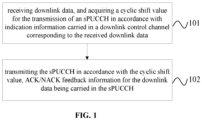
- the present disclosure provides in some embodiments an sPUCCH transmission method, which includes the following steps.
- Step 101 receiving downlink data, and acquiring a cyclic shift value for the transmission of an sPUCCH in accordance with indication information carried in a downlink control channel corresponding to the received downlink data.
- the cyclic shift value for the transmission of the sPUCCH may be notified through the indication information carried in the downlink control channel corresponding to the downlink data, e.g., through an indicator in Downlink (DL) grant (a downlink control channel in a Downlink Control Information (DCI) format).
- DL Downlink
- DCI Downlink Control Information
- Step 102 transmitting the sPUCCH in accordance with the cyclic shift value, ACK/NACK feedback information for the downlink data being carried in the sPUCCH.
- the sPUCCH may be transmitted in accordance with the acquired cyclic shift value, and the ACK/NACK feedback information for the downlink data may be carried in the sPUCCH.
- the sPUCCH may be transmitted in accordance with the cyclic shift value notified through the downlink control channel corresponding to the downlink data. As a result, it is able to transmit the sPUCCH as compared with a conventional LTE system where the channel transmission is defined on a subframe basis.
- Step 101 may include: Step 1011 of receiving an sPDSCH with a corresponding downlink control channel or a downlink control channel indicating that a short downlink SPS resource release, and acquiring the cyclic shift value for the transmission of the sPUCCH in accordance with the indication information carried in the downlink control channel; or Step 1012 of receiving an sPDSCH without the corresponding downlink control channel, and acquiring the cyclic shift value for the transmission of the sPUCCH in accordance with the indication information carried in the downlink control channel indicating that the short downlink SPS resource activation.
- the downlink control channel for notifying the cyclic shift value for the transmission of the sPUCCH may include the downlink control channel with the corresponding dynamic sPDSCH, the downlink control channel indicating that the short downlink SPS resource activation (i.e., the downlink control channel is adopted for activating the transmission of an SPS sPDSCH), and the downlink control channel indicating that the short downlink SPS resource release.
- the downlink control channel for notifying the cyclic shift value for the transmission of the sPUCCH may further include a downlink control channel with a corresponding dynamic PDSCH, a downlink control channel indicating that a downlink SPS resource activation, and a downlink control channel indicating that a downlink SPS resource release.
- the downlink control channel in the embodiments of the present disclosure may be a downlink control channel transmitted within a conventional TTI, e.g., a legacy Physical Downlink Control Channel (PDCCH)/Enhanced Physical Downlink Control Channel (EPDCCH), or a downlink control channel transmitted within a TTI having a length smaller than 1ms, i.e., a shortened Physical Downlink Control Channel (sPDCCH).
- a conventional TTI e.g., a legacy Physical Downlink Control Channel (PDCCH)/Enhanced Physical Downlink Control Channel (EPDCCH)
- a downlink control channel transmitted within a TTI having a length smaller than 1ms i.e., a shortened Physical Downlink Control Channel (sPDCCH).
- sPDCCH shortened Physical Downlink Control Channel
- Step 102 may include: Step 1021 of generating a base sequence, and performing a cyclic shift operation on the base sequence in accordance with the cyclic shift value; Step 1022 of modulating the ACK/NACK feedback information so as to acquire a modulation symbol; and Step 1023 of acquiring a modulation symbol sequence in accordance with the modulation symbol and the cyclically-shifted base sequence, and mapping the modulation symbol sequence to time-domain and frequency-domain resources of the sPUCCH for transmission.
- the UE may generate the base sequence, perform the cyclic shift operation on the base sequence in accordance with the cyclic shift value, acquire the frequency-spread modulation symbol sequence in accordance with the modulation symbol acquired after modulating the ACK/NACK feedback information and the cyclically-shifted base sequence, and map the modulation symbol sequence to the corresponding time-domain and frequency-domain resources, so as to transmit the sPUCCH.
- the base sequence may be a CAZAC sequence which may be generated from a gold sequence or a Zadoff-Chu (ZC) sequence.
- ZC Zadoff-Chu
- Step 102 may include: generating the base sequence, and performing the cyclic shift operation on the base sequence in accordance with the cyclic shift value, so as to acquire the cyclically-shifted base sequence corresponding to the SC-FDMA symbol; multiplying the modulation symbol with the cyclically-shifted base sequence, so as to acquire the modulation symbol sequence; and mapping the modulation symbol sequence to the SC-FDMA symbol occupied by the sPUCCH for transmission.
- SC-FDMA symbol may be occupied by the sPUCCH.
- the transmission of the sPUCCH will be described hereinafter when a plurality of SC-FDMA symbols is occupied by the sPUCCH for the transmission of the ACK/NACK feedback information.
- Step 1021 may be implemented in one of the following two modes.
- Mode 1 applying a same cyclic shift value to each SC-FDMA symbol.
- the UE may generate the base sequence, and perform the cyclic shift operation on the base sequence in accordance with the cyclic shift value, so as to acquire the cyclically-shifted base sequence corresponding to each SC-FDMA symbol.
- Mode 2 applying different cyclic shift values to different SC-FDMA symbols, and determining the cyclic shift value corresponding to each SC-FDMA symbol in accordance with the acquired cyclic shift value, or when the acquired cyclic shift value includes a plurality of values, determining one value of the acquired a plurality of cyclic shift values as the cyclic shift value corresponding to each SC-FDMA symbol.
- the cyclic shift value corresponding to each SC-FDMA symbol may be determined in accordance with the acquired cyclic shift values.
- the cyclic shift value corresponding to each SC-FDMA symbol may be determined through a function about the acquired cyclic shift value and a serial number of each SC-FDMA symbol.
- a cyclic shift value corresponding to a first SC-FDMA symbol may be just the acquired cyclic shift value, and for the remaining SC-FDMA symbols, a cyclic shift value corresponding to each SC-FMDA symbol is a cyclic shift value corresponding to a previous SC-FDMA symbol plus a value "A", and the value "A" represents a step value pre-agreed or notified in the downlink control channel.
- the same cyclic shift value may be applied to each SC-FDMA symbol, or different cyclic shift values may be applied to different SC-FDMA symbols.
- Step 1023 may include: carrying same ACK/NACK feedback information in each SC-FDMA symbol; or carrying different ACK/NACK feedback information in different SC-FDMA symbols.
- the same ACK/NACK feedback information may be carried in each SC-FDMA symbol (at this time, when a plurality of frequency-domain scheduling resource elements are occupied by the sPUCCH in a frequency domain, the ACK/NACK feedback information transmitted on the frequency-domain scheduling resource elements may be the same or different, but a same ACK/NACK feedback information sequence may be transmitted on the different SC-FDMA symbols, e.g., an ACK/NACK modulation symbol 1 may be transmitted on a first frequency-domain scheduling resource element for each SC-FDMA symbol, and an ACK/NACK modulation symbol 2 may be transmitted on a second frequency-domain scheduling resource element for each SC-FDMA symbol; at this time, it may also be deemed that the same ACK/NACK feedback information is carried in each SC-FDMA symbol), or different ACK/NACK feedback information may be carried in different SC-FDMA symbols
- Step 1021 may include generating the base sequence, and performing the cyclic shift operation on the base sequence in accordance with the cyclic shift value, so as to acquire the cyclically-shifted base sequence as the cyclically-shifted base sequence corresponding to each SC-FDMA symbol.
- Step 1023 may include: multiplying the modulation symbol with the cyclically-shifted base sequence so as to acquire the modulation symbol sequence carried in one SC-FDMA symbol; and duplicating the modulation symbol sequence carried in the one SC-FDMA symbol into a plurality of modulation symbol sequences and mapping the duplicated modulation symbol sequences to the SC-FDMA symbols respectively for transmission.
- the UE may multiply the modulation symbol acquired after modulating the ACK/NACK feedback information with the cyclically-shifted base sequence so as to acquire the frequency-spread modulation symbol sequence, and map the same modulation symbol sequence to the SC-FDMA symbols for transmission (i.e., the same modulation symbol sequence may be transmitted on each SC-FDMA symbol).
- Step 1021 may include generating the base sequence, and performing the cyclic shift operation on the base sequence in accordance with the cyclic shift value, so as to acquire the cyclically-shifted base sequence as the cyclically-shifted base sequence corresponding to each SC-FDMA symbol.
- the LTE may multiply the i th SC-FDMA symbol acquired through modulating the ACK/NACK feedback information with the cyclically-shifted base sequence so as to acquire an i th frequency-spread modulation symbol sequence, and map the i th frequency-spread modulation symbol sequence to the i th SC-FDMA symbol occupied by the sPUCCH for transmission.
- Step 1021 may include generating the base sequence, and performing the cyclic shift operation on the base sequence in accordance with the cyclic shift value corresponding to each SC-FDMA symbol, so as to acquire the cyclically-shifted base sequence corresponding to the SC-FDMA symbol respectively.
- Step 1023 may include: multiplying the modulation symbol with the cyclically-shifted base sequence corresponding to each SC-FDMA symbol, so as to acquire the modulation symbol sequence corresponding to each SC-FDMA symbol respectively; and mapping the modulation symbol sequence corresponding to each SC-FDMA symbol to a corresponding one of the SC-FDMA symbols for transmission.
- the UE may multiply the modulation symbol acquired through modulating the ACK/NACK feedback information with the cyclically-shifted base sequence corresponding to the i th SC-FDMA symbol so as to acquire the modulation symbol sequence corresponding to the i th SC-FDMA symbol, and map the modulation symbol sequence corresponding to the i th SC-FDMA symbol to the i th SC-FDMA symbol for transmission.
- Step 1021 may include generating the base sequence, and performing the cyclic shift operation on the base sequence in accordance with the cyclic shift value corresponding to each SC-FDMA symbol, so as to acquire the cyclically-shifted base sequence corresponding to each SC-FDMA symbol respectively.
- the UE may multiply the modulation symbol carried in the i th SC-FDMA symbol with the cyclically-shifted base sequence corresponding to the i th SC-FDMA symbol so as to acquire the modulation symbol sequence corresponding to the i th SC-FDMA symbol, and map the modulation symbol sequence corresponding to the i th SC-FDMA symbol to the i th SC-FDMA symbol for transmission.
- Step 1023 may include acquiring the modulation symbol sequence in accordance with the modulation symbol, the cyclically-shifted base sequence and a time-domain orthogonal spreading sequence, and mapping the modulation symbol sequence to the time-domain and frequency-domain resources of the sPUCCH for transmission.
- the time-domain orthogonal spreading sequence may be pre-agreed, configured through high-layer signaling, or notified through the downlink control channel.
- the UE may generate the base sequence, perform the cyclic shift operation on the base sequence in accordance with the corresponding cyclic shift value (the same cyclic shift value or different cyclic shift values may be applied to the SC-FDMA symbols), multiply the modulation symbol acquired through modulating the ACK/NACK feedback information with the cyclically-shifted base sequence to acquire the frequency-spread modulation symbol sequence, multiply the modulation symbol sequence with the orthogonal spreading sequence having a length of A (A represents the quantity of the SC-FDMA symbols occupied by the sPUCCH), and map the resultant A orthogonally-spread modulation symbol sequences to the A SC-FDMA symbols respectively for transmission.
- A represents the quantity of the SC-FDMA symbols occupied by the sPUCCH
- Step 1021 may include generating the base sequence, and performing a cyclic shift operation on the base sequence in accordance with the cyclic shift value, so as to acquire the cyclically-shifted base sequence as the cyclically-shifted base sequence corresponding to each SC-FDMA symbol.
- Step 1023 may include: multiplying the modulation symbol with the cyclically-shifted base sequence, so as to acquire a modulation symbol sequence; multiplying the modulation symbol sequence with a time-domain orthogonal spreading sequence acquired in advance, so as to acquire a plurality of columns of orthogonally-spread modulation symbol sequences, wherein a length of the time-domain orthogonal spreading sequence is equal to the quantity of the SC-FDMA symbols occupied by the sPUCCH; and mapping the plurality of orthogonally-spread modulation symbol sequences to the plurality of SC-FDMA symbols for transmission.
- the UE may generate the base sequence, perform the cyclic shift operation on the base sequence in accordance with the cyclic shift value, multiply the modulation symbol acquired through modulating the ACK/NACK feedback information with the cyclically-shifted base sequence so as to acquire the frequency-spread modulation symbol sequence, multiply the modulation symbol sequence with the time-domain orthogonal spreading sequence having a length of A (A represents the quantity of the SC-FDMA symbols occupied by the sPUCCH), and map the A orthogonally-spread modulation symbol sequences to the A SC-FDMA symbols respectively for transmission.
- A represents the quantity of the SC-FDMA symbols occupied by the sPUCCH
- Step 1021 may include generating the base sequence, and performing the cyclic shift operation on the base sequence in accordance with the cyclic shift value corresponding to each SC-FDMA symbol, so as to acquire the cyclically-shifted base sequence corresponding to each SC-FDMA symbol respectively.
- the time-domain orthogonal spreading sequence has a length of A and includes the number A of orthogonal coefficients, and each orthogonal coefficient corresponds to one SC-FDMA symbol
- the modulation symbol may be multiplied with the cyclically-shifted base sequence corresponding to the i th SC-FDMA symbol and then multiplied with the orthogonal coefficient corresponding to the i th SC-FDMA symbol so as to acquire the modulation symbol sequence, and then the modulation symbol sequence may be mapped to the i th SC-FDMA symbol for transmission.
- Step 1021 may include generating the base sequence in accordance with a length of the frequency-domain scheduling resource element, and performing the cyclic shift operation on the base sequence in accordance with the cyclic shift value.
- Step 1023 may include: multiplying the modulation symbol with the cyclically-shifted base sequence so as to acquire the modulation symbol sequence; and mapping the modulation symbol sequence to the frequency-domain scheduling resource element occupied by the sPUCCH for transmission.
- the length of the frequency-domain scheduling resource element may be defined in accordance with the practical need.
- one Resource Block (RB) or more than one RB may be defined as one frequency-domain scheduling resource element.
- the frequency-domain scheduling resource element may be any other resource, but shall not be limited to the RB.
- more than one frequency-domain scheduling resource element may be occupied by the sPUCCH.
- the transmission of the sPUCCH will be described hereinafter when more than one frequency-domain scheduling resource element is occupied by the sPUCCH.
- Step 1021 may include generating the base sequence in accordance with the length of each frequency-domain scheduling resource element, and performing the cyclic shift operation on the base sequence in accordance with the cyclic shift value.
- the UE may generate the base sequence having a length of N1 (N1 represents the length of one frequency-domain scheduling resource element), and then perform the cyclic shift operation on the base sequence having the length of N1 in accordance with the corresponding cyclic shift value (the same cyclic shift value may be applied to each SC-FDMA symbol or different cyclic shift values may be applied to the SC-FDMA symbols).
- Step 1023 may include: carrying same ACK/NACK feedback information on each frequency-domain scheduling resource element; or carrying different ACK/NACK feedback information on different frequency-domain scheduling resource elements.
- the same ACK/NACK feedback information may be carried in each frequency-domain scheduling resource element, or different ACK/NACK feedback information may be carried in different frequency-domain scheduling resource elements.
- Step 1023 may include: multiplying the modulation symbol with the cyclically-shifted base sequence so as to acquire a modulation symbol sequence corresponding to one frequency-domain scheduling resource element; and duplicating the modulation symbol sequence corresponding to the one frequency-domain scheduling resource element into a plurality of modulation symbol sequences, and mapping the plurality of modulation symbol sequences to the frequency-domain scheduling resource elements occupied by the sPUCCH respectively for transmission.
- the LTE may multiply the modulation symbol acquired through modulating the ACK/NACK feedback information with the cyclically-shifted base sequence so as to acquire the frequency-spread modulation symbol sequence having a length of N1, and map the modulation symbol sequence having the length of N1 to each frequency-domain scheduling resource element for transmission (i.e., the same modulation symbol sequence may be transmitted on each frequency-domain scheduling resource element).
- Step 1023 may include: multiplying one of the modulation symbols carried in each frequency-domain scheduling resource element with the cyclically-shifted base sequence so as to acquire the modulation symbol sequence corresponding to each frequency-domain scheduling resource element respectively; and mapping the modulation symbol sequence corresponding to each frequency-domain scheduling resource element to the corresponding frequency-domain scheduling resource element for transmission.
- Step 1021 may include generating the base sequence in accordance with a total length of the frequency-domain scheduling resource elements, and performing the cyclic shift operation on the base sequence in accordance with the cyclic shift value.
- the UE may generate the base sequence having a length of N2 (N2 represents the total length of the plurality of frequency-domain scheduling resource elements), and perform the cyclic shift operation on the base sequence having the length of N2 in accordance with the corresponding cyclic shift value (the same cyclic shift value may be applied to each SC-FDMA symbol or different cyclic shift values may be applied to the SC-FDMA symbols).
- Step 1023 may include: multiplying the modulation symbol with the cyclically-shifted base sequence, so as to acquire the modulation symbol sequence, and mapping the modulation symbol sequence to the plurality of frequency-domain scheduling resource elements occupied by the sPUCCH for transmission.
- the LTE may multiply the modulation symbol acquired through modulating the ACK/NACK feedback information with the cyclically-shifted base sequence so as to acquire the frequency-spread modulation symbol sequence having the length of N2, and map the modulation symbol sequence to the plurality of frequency-domain scheduling resource elements (i.e., the same ACK/NACK feedback information is carried in each frequency-domain scheduling resource element).
- the method where at least one frequency-domain scheduling resource element is occupied by the sPUCCH in the frequency domain may be combined with the method where at least one SC-FDMA symbol is occupied by the sPUCCH in a time domain for the transmission of the ACK/NACK feedback information.
- the sPUCCH may be transmitted in accordance with the cyclic shift value notified through the downlink control channel corresponding to the downlink data, e.g., through the DL grant, so as to flexibly control different UEs to transmit the sPUCCH through the same resource in a multiplexing manner, thereby to provide a scheme for the transmission of the sPUCCH as compared with the conventional LTE system where the channel transmission is defined on a subframe basis.
- the sPUCCH has a length including 2 SC-FDMA symbols, and merely one piece of ACK/NACK feedback information transmitted within a downlink short TTI is carried in one sPUCCH.
- the LTE may receive, within a downlink subframe or a downlink short TTI, the sPDSCH with the corresponding downlink control channel or the downlink control channel indicating that the short downlink SPS resource release, and acquire the cyclic shift value for the transmission of the sPUCCH carrying the ACK/NACK feedback information in accordance with the indication information in the downlink control channel in a DCI format.
- the same cyclic shift value may be applied to each SC-FDMA symbol, i.e., the cyclic shift value indicated by the downlink control channel.
- the LTE may generate 1-bit or 2-bit ACK/NACK feedback information for the sPDSCH or the downlink control channel indicating that the short downlink SPS resource release (when the sPDSCH is transmitted in a multi-codeword manner and no spatial combination is adopted, the ACK/NACK feedback information may include 2 bits, and otherwise, it may include 1 bit), and modulate the ACK/NACK feedback information through Quadrature Phase Shift Keying (QPSK) so as to acquire one modulation symbol.
- QPSK Quadrature Phase Shift Keying
- a Demodulation Reference Signal (DMRS) for the sPUCCH may not be included in the two SC-FDMA symbols, or the channel estimation may be performed on the sPUCCH in accordance with the sequence itself rather than the additional DMRS.
- DMRS Demodulation Reference Signal
- the sPUCCH may be transmitted in the following modes.
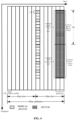
- Mode 1-1 + Mode 4-1 the UE may generate a base sequence having a length of 12 subcarriers (corresponding to 1 RB), perform the cyclic shift operation on the base sequence in accordance with the above-mentioned cyclic shift value, multiply the modulation symbol with the cyclically-shifted base sequence so as to acquire a frequency-spread modulation symbol sequence A having a length of 12 subcarriers, duplicate the modulation symbol sequence into two modulation symbol sequences, and map the modulation symbol sequences to each RB for one SC-FDMA symbol.
- the above procedure may be repeated for each SC-FDMA symbol.
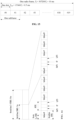
- the same modulation symbol sequence A may be transmitted in each SC-FDMA symbol and in different RBs for each SC-FDMA symbol, as shown in FIG. 2 .
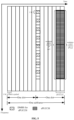
- Mode 1 -1 + Mode 5 the UE may generate a base sequence having a length of 24 subcarriers (corresponding to 2 RBs), perform the cyclic shift operation on the base sequence in accordance with the above-mentioned cyclic shift value, multiply the modulation symbol with the cyclically-shifted base sequence so as to acquire a frequency-spread modulation symbol sequence B having a length of 24 subcarriers, and map the modulation symbol sequence B to two RBs for one SC-FDMA symbol.
- the above procedure may be repeated for each SC-FDMA symbol.
- the same modulation symbol sequence B may be transmitted in each SC-FDMA symbol, as shown in FIG. 3 .
- the sPUCCH may be transmitted in the following mode.
- the LTE may generate a base sequence having a length of 12 subcarriers (corresponding to 1 RB), perform the cyclic shift operation on the base sequence in accordance with the above-mentioned cyclic shift value, multiply the modulation symbol with the cyclically-shifted base sequence so as to acquire a frequency-spread modulation symbol sequence A having a length of 12 subcarriers, duplicate the modulation symbol sequence A having the length of 12 subcarriers into two modulation symbol sequences, and map the modulation symbol sequences to the SC-FDMA symbols respectively.
- the modulation symbol sequence may be transmitted on one RB, as shown in FIG. 2 .
- a time-domain orthogonal spreading operation may also be performed on the SC-FDMA symbols.
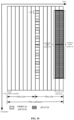
- the modulation symbol sequence A may be multiplied with an orthogonal sequence [oc1,oc2] having a length of 2 subcarriers, so s to acquire two modulation symbol sequences A ⁇ oc 1 and A ⁇ oc 2 each having a length of 12 subcarriers.
- the two modulation symbol sequences may each be mapped to each RB of the corresponding one of the two SC-FDMA symbols for transmission.
- the two modulation symbol sequences each having a length of 12 subcarriers acquired after the time-domain orthogonal spreading operation may be transmitted on the same RB of the two SC-FDMA symbols, and the same content may be transmitted on the two RBs of each SC-FDMA symbol, as shown in FIG. 4 .
- the sPUCCH may be transmitted on the RB as shown in FIG. 4 .
- the modulation symbol sequence B may be multiplied with the orthogonal sequence [oc1,oc2] having a length of 2 subcarriers, so as to acquire two modulation symbol sequences B ⁇ oc 1 and B ⁇ oc 2 each having a length of 24 subcarriers.
- the two modulation symbol sequences may be mapped to the two RBs of the two SC-FDMA symbols, i.e., the two modulation symbol sequences each having a length of 24 subcarriers acquired through the time-domain orthogonal spreading operation may be transmitted on the two RBs of the two SC-FDMA symbols, as shown in FIG. 5 .
- the DMRS for the sPUCCH may be included in the two SC-FDMA symbols, e.g., a first SC-FDMA symbol may be the DMRS, and merely a second SC-FDMA symbol maybe adopted for carrying the ACK/NACK feedback information.
- the sPUCCH may be transmitted in the following modes.
- Mode 1-1 + Mode 4-1 the UE may generate a base sequence having a length of 12 subcarriers (corresponding to 1 RB), perform the cyclic shift operation on the base sequence in accordance with the above-mentioned cyclic shift value, multiply the modulation symbol with the cyclically-shifted base sequence so as to acquire a frequency-spread modulation symbol sequence A having a length of 12 subcarriers, duplicate the modulation symbol sequence into two modulation symbol sequences, and map the modulation symbol sequences to the RBs for the SC-FDMA symbol carrying the ACK/NACK feedback information, as shown in FIG. 6 .
- Mode 1 -1 + Mode 5 the UE may generate a base sequence having a length of 24 subcarriers (corresponding to 2 RBs), perform the cyclic shift operation on the base sequence in accordance with the above-mentioned cyclic shift value, multiply the modulation symbol with the cyclically-shifted base sequence so as to acquire a frequency-spread modulation symbol sequence B having a length of 24 subcarriers, and map the modulation symbol sequence B to two RBs for the SC-FDMA symbol carrying the ACK/NACK feedback information.
- the same modulation symbol sequence B may be transmitted in each SC-FDMA symbol, as shown in FIG. 7 .
- the sPUCCH may be transmitted in the following mode.
- the LTE may generate a base sequence having a length of 12 subcarriers (corresponding to 1 RB), perform the cyclic shift operation on the base sequence in accordance with the above-mentioned cyclic shift value, multiply the modulation symbol with the cyclically-shifted base sequence so as to acquire a frequency-spread modulation symbol sequence A having a length of 12 subcarriers, and map the modulation symbol sequence A to the SC-FDMA symbol carrying the ACK/NACK feedback information for transmission.
- the modulation symbol sequence may be transmitted on one RB, as shown in FIG. 6 .
- FIG. 1 Another application scenario for the embodiment in FIG. 1 will be provided hereinafter.
- the sPUCCH has a length including 2 SC-FDMA symbols, and a plurality of pieces of ACK/NACK feedback information each transmitted within a downlink short TTI are carried in one sPUCCH.
- the LTE may receive, within a downlink subframe or a downlink short TTI, the sPDSCH with the corresponding downlink control channel or the downlink control channel indicating that the short downlink SPS resource release, and acquire the cyclic shift value for the transmission of the sPUCCH carrying the ACK/NACK feedback information in accordance with the indication information in the downlink control channel in a DCI format.
- the cyclic shift values indicated by the downlink control channel for the ACK/NACK feedback information in the same sPUCCH are the same.
- the same cyclic shift value may be applied to each SC-FDMA symbol, i.e., the cyclic shift value indicated by the downlink control channel.
- the LTE may generate K-bit ACK/NACK feedback information for the sPDSCH transmitted in a current sPUCCH or the downlink control channel indicating that the short downlink SPS resource release (when the ACK/NACK feedback information for two sPDSCHs is transmitted in the same sPUCCH and each sPDSCH is transmitted in a two-codeword manner, each sPDSCH may correspond to 2-bit ACK/NACK feedback information, and there may exist totally 4-bit ACK/NACK feedback information; when the ACK/NACK feedback information for four sPDSCHs or four downlink control channels indicating that the downlink SPS resource release is transmitted within the same sPUCCH, each sPDSCH is transmitted in a single-codeword manner or a multi-codeword manner and the spatial combination is adopted, each sPDSCH or downlink control channel indicating that the downlink SPS resource release may corresponding to 1-bit ACK/NACK feedback information, and there may exist totally 4-bit ACK/NACK feedback information), and modulate the ACK
- the DMRS for the sPUCCH may not be included in the two SC-FDMA symbols, or the channel estimation may be performed on the sPUCCH in accordance with the sequence itself rather than the additional DMRS.
- the sPUCCH may be transmitted in the following modes.
- Mode 1-2 + Mode 4-1 the UE may generate a base sequence having a length of 12 subcarriers (corresponding to 1 RB), perform the cyclic shift operation on the base sequence in accordance with the above-mentioned cyclic shift value, multiply a modulation symbol 1 of the two modulation symbols with the cyclically-shifted base sequence so as to acquire a frequency-spread modulation symbol sequence A1 having a length of 12 subcarriers, duplicate the modulation symbol sequence into two modulation symbol sequences, map the modulation symbol sequences to the RBs for the first SC-FDMA symbol respectively for transmission, multiply a modulation symbol 2 of the two modulation symbols with the cyclically-shifted base sequence so as to acquire a frequency-spread modulation symbol sequence A2 having a length of 12 subcarriers, duplicate the modulation symbol sequence into two modulation symbol sequences, map the modulation symbol sequences to the RBs for the second SC-FDMA symbol respectively for transmission.
- the same modulation symbol sequence may be transmitted on the different modulation symbol
- Mode 1-1 + Mode 4-2 the UE may generate a base sequence having a length of 12 subcarriers (corresponding to 1 RB), perform the cyclic shift operation on the base sequence in accordance with the above-mentioned cyclic shift value, multiply the modulation symbol 1 of the two modulation symbols with the cyclically-shifted base sequence so as to acquire the frequency-spread modulation symbol sequence A1 having a length of 12 subcarriers, duplicate the modulation symbol sequence into two modulation symbol sequences, map the modulation symbol sequences to the RBs at a same position of the two SC-FDMA symbols respectively for transmission, multiply the modulation symbol 2 of the two modulation symbols with the cyclically-shifted base sequence so as to acquire the frequency-spread modulation symbol sequence A2 having a length of 12 subcarriers, duplicate the modulation symbol sequence into two modulation symbol sequences, map the modulation symbol sequences to the RBs at a same position of the two SC-FDMA symbols respectively for transmission.
- different modulation symbol sequences may be used
- the LTE may generate a base sequence having a length of 24 subcarriers (corresponding to 2 RBs), perform the cyclic shift operation on the base sequence in accordance with the above-mentioned cyclic shift value, multiply the modulation symbol 1 of the two modulation symbols with the cyclically-shifted base sequence so as to acquire a frequency-spread modulation symbol sequence B1 having a length of 24 subcarriers, map the modulation symbol sequence to the two RBs for the first SC-FDMA symbol, multiply the modulation symbol 2 of the two modulation symbols with the cyclically-shifted base sequence so as to acquire a frequency-spread modulation symbol sequence B2 having a length of 24 subcarriers, map the modulation symbol sequence to the two RBs for the second SC-FDMA symbol for transmission.
- the same modulation symbol sequence may be transmitted on each SC-FDMA symbol, as shown in FIG. 10 .
- the sPUCCH may be transmitted in the following mode.
- the LTE may generate a base sequence having a length of 12 subcarriers (corresponding to 1 RB), perform the cyclic shift operation on the base sequence in accordance with the above-mentioned cyclic shift value, multiply the modulation symbol 1 of the two modulation symbols with the cyclically-shifted base sequence so as to acquire the frequency-spread modulation symbol sequence A1 having a length of 12 subcarriers, map the modulation symbol sequence to the RB for the first SC-FDMA symbol for transmission, multiply the modulation symbol 2 of the two modulation symbols with the cyclically-shifted base sequence so as to acquire the frequency-spread modulation symbol sequence A2 having a length of 12 subcarriers, and map the modulation symbol sequence to the RB for the second SC-FDMA symbol for transmission.
- different modulation symbol sequences may be transmitted on different SC-FDMA symbols, similar to the circumstance as shown in FIG. 8 where the modulation symbol sequence is transmitted on one RB.
- the DMRS for the sPUCCH may be included in the two SC-FDMA symbols, e.g., the first SC-FDMA symbol may be the DMRS, and merely the second SC-FDMA symbol maybe adopted for carrying the ACK/NACK feedback information.
- the sPUCCH may be transmitted in the following mode.
- Mode 1-1 + Mode 4-2 the UE may generate a base sequence having a length of 12 subcarriers (corresponding to 1 RB), perform the cyclic shift operation on the base sequence in accordance with the above-mentioned cyclic shift value, multiply the modulation symbol 1 of the two modulation symbols with the cyclically-shifted base sequence so as to acquire the frequency-spread modulation symbol sequence A1 having a length of 12 subcarriers, map the modulation symbol sequence to the first RB for the SC-FDMA symbol carrying the ACK/NACK feedback information for transmission, multiply the modulation symbol 2 of the two modulation symbols with the cyclically-shifted base sequence so as to acquire the frequency-spread modulation symbol sequence A2 having a length of 12 subcarriers, and map the modulation symbol sequence to the second RB for the SC-FDMA symbol carrying the ACK/NACK feedback information for transmission.
- the above procedure may be repeated for each SC-FDMA symbol. In other words, different modulation symbols sequences may be transmitted on different RBs for the
- the cyclic shift values corresponding to the SC-FDMA symbols may also be different from each other.
- the cyclic shift value corresponding to each SC-FDMA symbol may be determined in accordance with the cyclic shift value notified through the downlink control channel using a pre-agreed formula.
- a cyclic shift value corresponding to the first SC-FDMA symbol is determined as a1 and a cyclic shift value corresponding to the second SC-FDMA symbol is determined as a2
- the cyclic shift operation and the other operations may be performed on the base sequence in accordance with the corresponding cyclic shift value, and then the resultant modulation symbol sequence may be mapped to the corresponding SC-FDMA symbol.
- a same pilot signal i.e., the DMRS
- the DRMS for the uplink transmission.
- the other DRMS may also be applied, with a same effect.
- the present disclosure further provides in some embodiments a UE which, as shown in FIG. 12 , includes: a reception module 1201 configured to receive downlink data, and acquire a cyclic shift value for the transmission of an sPUCCH in accordance with indication information carried in a downlink control channel corresponding to the received downlink data; and a transmission module 1202 configured to transmit the sPUCCH in accordance with the cyclic shift value, ACK/NACK feedback information for the downlink data being carried in the sPUCCH.
- a reception module 1201 configured to receive downlink data, and acquire a cyclic shift value for the transmission of an sPUCCH in accordance with indication information carried in a downlink control channel corresponding to the received downlink data
- a transmission module 1202 configured to transmit the sPUCCH in accordance with the cyclic shift value, ACK/NACK feedback information for the downlink data being carried in the sPUCCH.
- the sPUCCH may be transmitted in accordance with the cyclic shift value notified through the downlink control channel corresponding to the downlink data. As a result, it is able to transmit the sPUCCH as compared with the conventional LTE system where the channel transmission is defined on a subframe basis.
- the reception module 1201 may include: a first reception sub-module configured to receive an sPDSCH with a corresponding downlink control channel or a downlink control channel indicating that a short downlink SPS resource release, and acquiring the cyclic shift value for the transmission of the sPUCCH in accordance with the indication information carried in the downlink control channel; or a second reception sub-module configured to receive an sPDSCH without the corresponding downlink control channel, and acquiring the cyclic shift value for the transmission of the sPUCCH in accordance with the indication information carried in the downlink control channel indicating that the short downlink SPS resource activation.
- the transmission module 1202 may include: a cyclic shift sub-module configured to generate a base sequence, and perform a cyclic shift operation on the base sequence in accordance with the cyclic shift value; a modulation sub-module configured to modulate the ACK/NACK feedback information so as to acquire a modulation symbol; and a transmission sub-module configured to acquire a modulation symbol sequence in accordance with the modulation symbol and the cyclically-shifted base sequence, and map the modulation symbol sequence to time-domain and frequency-domain resources of the sPUCCH for transmission.
- the cyclic shift sub-module when a plurality of SC-FDMA symbols is occupied by the sPUCCH for transmitting the ACK/NACK feedback information, is further configured to: apply a same cyclic shift value to each SC-FDMA symbol; or apply different cyclic shift values to different SC-FDMA symbols, and determine the cyclic shift value corresponding to each SC-FDMA symbol in accordance with the acquired cyclic shift value, or when the acquired cyclic shift value includes a plurality of values, determine one value of the acquired a plurality of cyclic shift values as the cyclic shift value corresponding to each SC-FDMA symbol.
- the transmission sub-module is further configured to: carry same ACK/NACK feedback information in each SC-FDMA symbol; or carry different ACK/NACK feedback information in different SC-FDMA symbols.
- the cyclic shift sub-module when the same cyclic shift value is applied to each SC-FDMA symbol and the same ACK/NACK feedback information is carried in each SC-FDMA symbol, the cyclic shift sub-module includes a first cyclic shift unit configured to generate the base sequence, and perform the cyclic shift operation on the base sequence in accordance with the cyclic shift value, so as to acquire the cyclically-shifted base sequence as the cyclically-shifted base sequence corresponding to each SC-FDMA symbol.
- the transmission sub-module includes a first transmission unit configured to: multiply the modulation symbol with the cyclically-shifted base sequence so as to acquire the modulation symbol sequence carried in one SC-FDMA symbol; and duplicate the modulation symbol sequence carried in the one SC-FDMA symbol into a plurality of modulation symbol sequences and map the duplicated modulation symbol sequences to the SC-FDMA symbols respectively for transmission.
- the cyclic shift sub-module includes a second cyclic shift unit configured to generate the base sequence, and perform the cyclic shift operation on the base sequence in accordance with the cyclic shift value, so as to acquire the cyclically-shifted base sequence as the cyclically-shifted base sequence corresponding to each SC-FDMA symbol.
- the cyclic shift sub-module When different cyclic shift values are applied to different SC-FDMA symbols and the same ACK/NACK feedback information is carried in each SC-FDMA symbol, the cyclic shift sub-module includes a third cyclic shift unit configured to generate the base sequence, and perform the cyclic shift operation on the base sequence in accordance with the cyclic shift value corresponding to each SC-FDMA symbol, so as to acquire the cyclically-shifted base sequence corresponding to the SC-FDMA symbol respectively.
- the transmission sub-module includes a third transmission unit configured to: multiply the modulation symbol with the cyclically-shifted base sequence corresponding to each SC-FDMA symbol, so as to acquire the modulation symbol sequence corresponding to each SC-FDMA symbol respectively; and map the modulation symbol sequence corresponding to each SC-FDMA symbol to a corresponding one of the SC-FDMA symbols for transmission.
- the cyclic shift sub-module includes a fourth cyclic shift unit configured to generate the base sequence, and perform the cyclic shift operation on the base sequence in accordance with the cyclic shift value corresponding to each SC-FDMA symbol, so as to acquire the cyclically-shifted base sequence corresponding to each SC-FDMA symbol respectively.
- a time-domain orthogonal spreading operation may be performed on the SC-FDMA symbols.
- the transmission sub-module is further configured to acquire the modulation symbol sequence in accordance with the modulation symbol, the cyclically-shifted base sequence and a time-domain orthogonal spreading sequence, and map the modulation symbol sequence to the time-domain and frequency-domain resources of the sPUCCH for transmission.
- the cyclic shift sub-module when the same cyclic shift value is applied for each SC-FDMA symbol, includes a fifth cyclic shift unit configured to generate the base sequence, and perform a cyclic shift operation on the base sequence in accordance with the cyclic shift value, so as to acquire the cyclically-shifted base sequence as the cyclically-shifted base sequence corresponding to each SC-FDMA symbol.
- a fifth cyclic shift unit configured to generate the base sequence, and perform a cyclic shift operation on the base sequence in accordance with the cyclic shift value, so as to acquire the cyclically-shifted base sequence as the cyclically-shifted base sequence corresponding to each SC-FDMA symbol.
- the transmission sub-module includes a fifth transmission unit configured to: multiply the modulation symbol with the cyclically-shifted base sequence, so as to acquire a modulation symbol sequence; multiply the modulation symbol sequence with a time-domain orthogonal spreading sequence acquired in advance, so as to acquire a plurality of orthogonally-spread modulation symbol sequences, a length of the time-domain orthogonal spreading sequence being equal to the quantity of the SC-FDMA symbols occupied by the sPUCCH; and map the plurality of orthogonally-spread modulation symbol sequences to the plurality of SC-FDMA symbols for transmission.
- the cyclic shift sub-module includes a sixth cyclic shift unit configured to generate the base sequence, and perform the cyclic shift operation on the base sequence in accordance with the cyclic shift value corresponding to each SC-FDMA symbol, so as to acquire the cyclically-shifted base sequence corresponding to each SC-FDMA symbol respectively.
- the cyclic shift sub-module when a plurality of frequency-domain scheduling resource elements is occupied by the sPUCCH, includes a seventh cyclic shift unit configured to generate the base sequence in accordance with a length of each frequency-domain scheduling resource element, and perform the cyclic shift operation on the base sequence in accordance with the cyclic shift value.
- the transmission sub-module is further configured to: carry same ACK/NACK feedback information on each frequency-domain scheduling resource element; or carry different ACK/NACK feedback information on different frequency-domain scheduling resource elements.
- the transmission sub-module when the same ACK/NACK feedback information is carried in each frequency-domain scheduling resource element, includes a seventh transmission unit configured to: multiply the modulation symbol with the cyclically-shifted base sequence so as to acquire a modulation symbol sequence corresponding to one frequency-domain scheduling resource element; and duplicate the modulation symbol sequence corresponding to the one frequency-domain scheduling resource element into a plurality of modulation symbol sequences, and map the plurality of modulation symbol sequences to the frequency-domain scheduling resource elements occupied by the sPUCCH respectively for transmission.
- the transmission sub-module includes an eighth transmission unit configured to: multiply one of the modulation symbols carried in each frequency-domain scheduling resource element with the cyclically-shifted base sequence, so as to acquire the modulation symbol sequence corresponding to each frequency-domain scheduling resource element respectively; and map the modulation symbol sequence corresponding to each frequency-domain scheduling resource element to the corresponding frequency-domain scheduling resource element for transmission.
- the cyclic shift sub-module when a plurality of frequency-domain scheduling resource elements is occupied by the sPUCCH, includes an eighth cyclic shift unit configured to generate the base sequence in accordance with a total length of the frequency-domain scheduling resource elements, and perform the cyclic shift operation on the base sequence in accordance with the cyclic shift value.
- the transmission sub-module includes a ninth transmission unit configured to: multiply the modulation symbol with the cyclically-shifted base sequence so as to acquire the modulation symbol sequence, and map the modulation symbol sequence to the plurality of frequency-domain scheduling resource elements occupied by the sPUCCH for transmission.
- the base sequence may be a CAZAC sequence.
- the sPUCCH may be transmitted in accordance with the cyclic shift value notified through the downlink control channel corresponding to the downlink data. As a result, it is able to transmit the sPUCCH as compared with the conventional LTE system where the channel transmission is defined on a subframe basis.
- the UE may be a mobile electronic device, e.g., a mobile phone or a flat-panel computer.
- the present disclosure further provides in some embodiments an sPUCCH transmission method which, as shown in FIG. 13 , includes the following steps.
- Step 1301 transmitting downlink data, and carrying indication information in a downlink control channel corresponding to the downlink data, the indication information being adopted by a LTE for acquiring a cyclic shift value for the transmission of an sPUCCH.
- the LTE may be notified of the cyclic shift value for the transmission of the sPUCCH through the indication information carried in the downlink control channel corresponding to the downlink data, e.g., through an indicator in Downlink (DL) grant (a downlink control channel in a Downlink Control Information (DCI) format).
- DL Downlink
- DCI Downlink Control Information
- Step 1302 receiving the sPUCCH and acquiring ACK/NACK feedback information for the downlink data in the sPUCCH, the sPUCCH being transmitted by the UE in accordance with the cyclic shift value.
- the LTE may transmit the sPUCCH in accordance with the acquired cyclic shift value, and the ACK/NACK feedback information for the downlink data may be carried in the sPUCCH.
- the sPUCCH may be transmitted in accordance with the cyclic shift value notified through the downlink control channel corresponding to the downlink data. As a result, it is able to transmit the sPUCCH as compared with a conventional LTE system where the channel transmission is defined on a subframe basis.
- Step 1301 may include: Step 13011 of transmitting an sPDSCH with a corresponding downlink control channel or a downlink control channel indicating that a short downlink SPS resource release, and carrying the indication information in the downlink control channel; or Step 13012 of transmitting an sPDSCH without the corresponding downlink control channel, and carrying the indication information in the downlink control channel indicating that the short downlink SPS resource activation.
- the downlink control channel for notifying the cyclic shift value for the transmission of the sPUCCH may include the downlink control channel with the corresponding dynamic sPDSCH, the downlink control channel indicating that the short downlink SPS resource activation (i.e., the downlink control channel is adopted for activating the transmission of an SPS sPDSCH), and the downlink control channel indicating that the short downlink SPS resource release.
- the downlink control channel for notifying the cyclic shift value for the transmission of the sPUCCH may further include a downlink control channel with a corresponding dynamic PDSCH, a downlink control channel indicating that a downlink SPS resource activation, and a downlink control channel indicating that a downlink SPS resource release.
- the downlink control channel in the embodiments of the present disclosure may be a downlink control channel transmitted within a conventional TTI, e.g., a legacy PDCCHEPDCCH, or a downlink control channel transmitted within a TTI having a length smaller than 1ms, i.e., an sPDCCH.
- a conventional TTI e.g., a legacy PDCCHEPDCCH
- a downlink control channel transmitted within a TTI having a length smaller than 1ms i.e., an sPDCCH.
- Step 1302 may include determining the sPUCCH transmitted by the UE through: Step 13021 of generating a base sequence, and performing a cyclic shift operation on the base sequence in accordance with the cyclic shift value; Step 13022 of modulating the ACK/NACK feedback information so as to acquire a modulation symbol; and Step 13023 of acquiring a modulation symbol sequence in accordance with the modulation symbol and the cyclically-shifted base sequence, and mapping the modulation symbol sequence to time-domain and frequency-domain resources of the sPUCCH for transmission.
- the base sequence may be a CAZAC sequence
- the CAZAC sequence may be generated from a gold sequence or a ZC sequence.
- Step 13021 may include: Mode 1 of applying a same cyclic shift value to each SC-FDMA symbol; or Mode 2 of applying different cyclic shift values to different SC-FDMA symbols, and determining the cyclic shift value corresponding to each SC-FDMA symbol in accordance with the acquired cyclic shift value, or when the acquired cyclic shift value includes a plurality of values, determining one value of the acquired a plurality of cyclic shift values as the cyclic shift value corresponding to each SC-FDMA symbol.
- the cyclic shift value corresponding to each SC-FDMA symbol may be determined in accordance with the acquired cyclic shift values.
- the cyclic shift value corresponding to each SC-FDMA symbol may be determined through a function about the acquired cyclic shift value and a serial number of each SC-FDMA symbol.
- a cyclic shift value corresponding to a first SC-FDMA symbol may be just the acquired cyclic shift value, and for the remaining SC-FDMA symbols, a cyclic shift value corresponding to each SC-FMDA symbol is a cyclic shift value corresponding to a previous SC-FDMA symbol plus a, and a represents a step value pre-agreed or notified in the downlink control channel.
- the same cyclic shift value may be applied to each SC-FDMA symbol, or different cyclic shift values may be applied to the SC-FDMA symbols.
- Step 13023 may include: carrying same ACK/NACK feedback information in each SC-FDMA symbol; or carrying different ACK/NACK feedback information in different SC-FDMA symbols.
- the same ACK/NACK feedback information may be carried in each SC-FDMA symbol (at this time, when a plurality of frequency-domain scheduling resource elements are occupied by the sPUCCH in a frequency domain, the ACK/NACK feedback information transmitted on the frequency-domain scheduling resource elements may be the same or different, but a same ACK/NACK feedback information sequence may be transmitted on the different SC-FDMA symbols, e.g., an ACK/NACK modulation symbol 1 may be transmitted on a first frequency-domain scheduling resource element for each SC-FDMA symbol, and an ACK/NACK modulation symbol 2 may be transmitted on a second frequency-domain scheduling resource element for each SC-FDMA symbol; at this time, it may also be deemed that the same ACK/NACK feedback information is carried in each SC-FDMA symbol), or different ACK/NACK feedback information may be carried in the SC-FDMA symbols
- Mode 1-1 when the same cyclic shift value is applied to each SC-FDMA symbol and the same ACK/NACK feedback information is carried in each SC-FDMA symbol, the sPUCCH may be transmitted by the UE through: generating the base sequence, and performing the cyclic shift operation on the base sequence in accordance with the cyclic shift value, so as to acquire the cyclically-shifted base sequence as the cyclically-shifted base sequence corresponding to each SC-FDMA symbol; multiplying the modulation symbol with the cyclically-shifted base sequence so as to acquire the modulation symbol sequence carried in one SC-FDMA symbol; and duplicating the modulation symbol sequence carried in the one SC-FDMA symbol into a plurality of modulation symbol sequences and mapping the duplicated modulation symbol sequences to the SC-FDMA symbols respectively for transmission.
- the LTE may multiply the modulation symbol acquired after modulating the ACK/NACK feedback information with the cyclically-shifted base sequence so as to acquire the frequency-spread modulation symbol sequence, and map the same modulation symbol sequence to the SC-FDMA symbols for transmission (i.e., the same modulation symbol sequence may be transmitted on each SC-FDMA symbol).
- the LTE may multiply the i th SC-FDMA symbol acquired through modulating the ACK/NACK feedback information with the cyclically-shifted base sequence so as to acquire an i th frequency-spread modulation symbol sequence, and map the i th frequency-spread modulation symbol sequence to the i th SC-FDMA symbol occupied by the sPUCCH for transmission.
- the sPUCCH may be transmitted by the UE through: generating the base sequence, and performing the cyclic shift operation on the base sequence in accordance with the cyclic shift value corresponding to each SC-FDMA symbol, so as to acquire the cyclically-shifted base sequence corresponding to the SC-FDMA symbol; multiplying the modulation symbol with the cyclically-shifted base sequence corresponding to each SC-FDMA symbol, so as to acquire the modulation symbol sequence corresponding to each SC-FDMA symbol respectively; and mapping the modulation symbol sequence corresponding to each SC-FDMA symbol to a corresponding one of the SC-FDMA symbols for transmission.
- the UE may multiply the modulation symbol acquired through modulating the ACK/NACK feedback information with the cyclically-shifted base sequence corresponding to the i th SC-FDMA symbol so as to acquire the modulation symbol sequence corresponding to the i th SC-FDMA symbol, and map the modulation symbol sequence corresponding to the i th SC-FDMA symbol to the i th SC-FDMA symbol for transmission.
- the UE may multiply the modulation symbol carried in the i th SC-FDMA symbol with the cyclically-shifted base sequence corresponding to the i th SC-FDMA symbol so as to acquire the modulation symbol sequence corresponding to the i th SC-FDMA symbol, and map the modulation symbol sequence corresponding to the i th SC-FDMA symbol to the i th SC-FDMA symbol for transmission.
- Step 13023 may include acquiring the modulation symbol sequence in accordance with the modulation symbol, the cyclically-shifted base sequence and a time-domain orthogonal spreading sequence, and mapping the modulation symbol sequence to the frequency-domain resources of the sPUCCH for transmission.
- the time-domain orthogonal spreading sequence may be pre-agreed, configured through high-layer signaling, or notified through the downlink control channel.
- the UE may generate the base sequence, perform the cyclic shift operation on the base sequence in accordance with the corresponding cyclic shift value (the same cyclic shift value or different cyclic shift values may be applied to the SC-FDMA symbols), multiply the modulation symbol acquired through modulating the ACK/NACK feedback information with the cyclically-shifted base sequence to acquire the frequency-spread modulation symbol sequence, multiply the modulation symbol sequence with the orthogonal spreading sequence having a length of A (A represents the quantity of the SC-FDMA symbols occupied by the sPUCCH), and map the resultant A orthogonally-spread modulation symbol sequences to the A SC-FDMA symbols respectively for transmission.
- A represents the quantity of the SC-FDMA symbols occupied by the sPUCCH
- the sPUCCH may be transmitted by the UE through: generating the base sequence, and performing a cyclic shift operation on the base sequence in accordance with the cyclic shift value, so as to acquire the cyclically-shifted base sequence as the cyclically-shifted base sequence corresponding to each SC-FDMA symbol; multiplying the modulation symbol with the cyclically-shifted base sequence so as to acquire a modulation symbol sequence; multiplying the modulation symbol sequence with a time-domain orthogonal spreading sequence acquired in advance, so as to acquire a plurality of columns of orthogonally-spread modulation symbol sequences, a length of the time-domain orthogonal spreading sequence being equal to the quantity of the SC-FDMA symbols occupied by the sPUCCH; and mapping the plurality of orthogonally-spread modulation symbol sequences to the plurality of SC-FDMA symbols for transmission.
- the UE may generate the base sequence, perform the cyclic shift operation on the base sequence in accordance with the cyclic shift value, multiply the modulation symbol acquired through modulating the ACK/NACK feedback information with the cyclically-shifted base sequence so as to acquire the frequency-spread modulation symbol sequence, multiply the modulation symbol sequence with the time-domain orthogonal spreading sequence having a length of A (A represents the quantity of the SC-FDMA symbols occupied by the sPUCCH), and map the A orthogonally-spread modulation symbol sequences to the A SC-FDMA symbols respectively for transmission.
- A represents the quantity of the SC-FDMA symbols occupied by the sPUCCH
- the time-domain orthogonal spreading sequence has a length of A and includes A orthogonal coefficients, and each orthogonal coefficient corresponds to one SC-FDMA symbol
- the modulation symbol may be multiplied with the cyclically-shifted base sequence corresponding to the i th SC-FDMA symbol and then multiplied with the orthogonal coefficient corresponding to the i th SC-FDMA symbol so as to acquire the modulation symbol sequence, and then the modulation symbol sequence may be mapped to the i th SC-FDMA symbol for transmission.
- the base sequence when a plurality of frequency-domain scheduling resource elements is occupied by the sPUCCH, the base sequence may be generated by the LTE through generating the base sequence in accordance with a length of each frequency-domain scheduling resource element, and performing the cyclic shift operation on the base sequence in accordance with the cyclic shift value.
- the UE may generate the base sequence having a length of N1 (N1 represents the length of one frequency-domain scheduling resource element), and then perform the cyclic shift operation on the base sequence having the length of N1 in accordance with the corresponding cyclic shift value (the same cyclic shift value may be applied to each SC-FDMA symbol or different cyclic shift values may be applied to the SC-FDMA symbols).
- the sPUCCH when the base sequence is generated in accordance with the length of one frequency-domain scheduling resource element, the sPUCCH may be transmitted by the UE through: carrying same ACK/NACK feedback information on each frequency-domain scheduling resource element; or carrying different ACK/NACK feedback information on each frequency-domain scheduling resource element.
- the same ACK/NACK feedback information may be carried in each frequency-domain scheduling resource element, or different ACK/NACK feedback information may be carried in different frequency-domain scheduling resource elements.
- Mode 4-1 when the same ACK/NACK feedback information is carried in each frequency-domain scheduling resource element, the sPUCCH may be transmitted by the UE through: multiplying the modulation symbol with the cyclically-shifted base sequence so as to acquire a modulation symbol sequence corresponding to one frequency-domain scheduling resource element; and duplicating the modulation symbol sequence corresponding to the one frequency-domain scheduling resource element into a plurality of modulation symbol sequences, and mapping the plurality of modulation symbol sequences to the frequency-domain scheduling resource elements occupied by the sPUCCH respectively for transmission.
- the LTE may multiply the modulation symbol acquired through modulating the ACK/NACK feedback information with the cyclically-shifted base sequence so as to acquire the frequency-spread modulation symbol sequence having a length of N1, and map the modulation symbol sequence having the length of N1 to each frequency-domain scheduling resource element for transmission (i.e., the same modulation symbol sequence may be transmitted on each frequency-domain scheduling resource element).
- Mode 4-2 when different ACK/NACK feedback information is carried in different frequency-domain scheduling resource elements, the sPUCCH may be transmitted by the UE through: multiplying one of the modulation symbols carried in each frequency-domain scheduling resource element with the cyclically-shifted base sequence, so as to acquire the modulation symbol sequence corresponding to each frequency-domain scheduling resource element respectively; and mapping the modulation symbol sequence corresponding to each frequency-domain scheduling resource element to the corresponding frequency-domain scheduling resource element for transmission.
- Mode 5 when a plurality of frequency-domain scheduling resource elements is occupied by the sPUCCH, the base sequence may be generated by the UE and the sPUCCH may be transmitted by the LTE through: generating the base sequence in accordance with a total length of the frequency-domain scheduling resource elements, and performing the cyclic shift operation on the base sequence in accordance with the cyclic shift value; multiplying the modulation symbol with the cyclically-shifted base sequence so as to acquire the modulation symbol sequence; and mapping the modulation symbol sequence to the plurality of frequency-domain scheduling resource elements occupied by the sPUCCH for transmission.
- the UE may generate the base sequence having a length of N2 (N2 represents the total length of the plurality of frequency-domain scheduling resource elements), and perform the cyclic shift operation on the base sequence having the length of N2 in accordance with the corresponding cyclic shift value (the same cyclic shift value may be applied to each SC-FDMA symbol or different cyclic shift values may be applied to the SC-FDMA symbols).
- the UE may multiply the modulation symbol acquired through modulating the ACK/NACK feedback information with the cyclically-shifted base sequence so as to acquire the frequency-spread modulation symbol sequence having the length of N2, and map the modulation symbol sequence to the plurality of frequency-domain scheduling resource elements (i.e., the same ACK/NACK feedback information is carried in each frequency-domain scheduling resource element).
- the method where at least one frequency-domain scheduling resource element is occupied by the sPUCCH in the frequency domain may be combined with the method where at least one SC-FDMA symbol is occupied by the sPUCCH in a time domain for the transmission of the ACK/NACK feedback information.
- the sPUCCH may be transmitted in accordance with the cyclic shift value notified through the downlink control channel corresponding to the downlink data, e.g., through the DL grant, so as to flexibly control different LTEs to transmit the sPUCCH through the same resource in a multiplexing manner, thereby to provide a scheme for the transmission of the sPUCCH as compared with the conventional LTE system where the channel transmission is defined on a subframe basis.
- the present disclosure further provides in some embodiments a base station which, as shown in FIG. 14 , includes: a transmission module 1401 configured to transmit downlink data, and carry indication information in a downlink control channel corresponding to the downlink data, the indication information being adopted by a UE for acquiring a cyclic shift value for the transmission of an sPUCCH; and an acquisition module 1402 configured to receive the sPUCCH and acquire ACK/NACK feedback information for the downlink data in the sPUCCH, the sPUCCH being transmitted by the UE in accordance with the cyclic shift value.
- a transmission module 1401 configured to transmit downlink data, and carry indication information in a downlink control channel corresponding to the downlink data, the indication information being adopted by a UE for acquiring a cyclic shift value for the transmission of an sPUCCH
- an acquisition module 1402 configured to receive the sPUCCH and acquire ACK/NACK feedback information for the downlink data in the sPUCCH, the sPU
- the sPUCCH may be transmitted in accordance with the cyclic shift value notified through the downlink control channel corresponding to the downlink data, e.g., through the DL grant, so as to flexibly control different LTEs to transmit the sPUCCH through the same resource in a multiplexing manner, thereby to provide a scheme for the transmission of the sPUCCH as compared with the conventional LTE system where the channel transmission is defined on a subframe basis.
- the transmission module 1401 may include: a first transmission sub-module configured to transmit an sPDSCH with a corresponding downlink control channel or a downlink control channel indicating that a short downlink SPS resource release, and carry the indication information in the downlink control channel; or a second transmission sub-module configured to transmit an sPDSCH without the corresponding downlink control channel, and carry the indication information in the downlink control channel indicating that the short downlink SPS resource activation.
- the acquisition module 1402 may include a determination sub-module configured to determine the sPUCCH transmitted by the LTE through: generating a base sequence, and performing a cyclic shift operation on the base sequence in accordance with the cyclic shift value; modulating the ACK/NACK feedback information so as to acquire a modulation symbol; and acquiring a modulation symbol sequence in accordance with the modulation symbol and the cyclically-shifted base sequence, and mapping the modulation symbol sequence to time-domain and frequency-domain resources of the sPUCCH for transmission.
- a determination sub-module configured to determine the sPUCCH transmitted by the LTE through: generating a base sequence, and performing a cyclic shift operation on the base sequence in accordance with the cyclic shift value; modulating the ACK/NACK feedback information so as to acquire a modulation symbol; and acquiring a modulation symbol sequence in accordance with the modulation symbol and the cyclically-shifted base sequence, and mapping the modulation symbol sequence to time-domain and frequency-domain resources of
- the generating the base sequence and performing the cyclic shift operation on the base sequence in accordance with the cyclic shift value includes: applying a same cyclic shift value to each SC-FDMA symbol; or applying different cyclic shift values to different SC-FDMA symbols, and determining the cyclic shift value corresponding to each SC-FDMA symbol in accordance with the acquired cyclic shift value, or when the acquired cyclic shift value includes a plurality of values, determining one value of the acquired a plurality of cyclic shift values as the cyclic shift value corresponding to each SC-FDMA symbol.
- the acquiring the modulation symbol sequence in accordance with the modulation symbol and the cyclically-shifted base sequence and mapping the modulation symbol sequence to the time-domain and frequency-domain resources in the sPUCCH for transmission includes: carrying same ACK/NACK feedback information in each SC-FDMA symbol; or carrying different ACK/NACK feedback information in different SC-FDMA symbols.
- the generating the base sequence and performing the cyclic shift operation on the base sequence in accordance with the cyclic shift value includes generating the base sequence, and performing the cyclic shift operation on the base sequence in accordance with the cyclic shift value, so as to acquire the cyclically-shifted base sequence as the cyclically-shifted base sequence corresponding to each SC-FDMA symbol.
- the acquiring the modulation symbol sequence in accordance with the modulation symbol and the cyclically-shifted base sequence and mapping the modulation symbol sequence to the time-domain and frequency-domain resources in the sPUCCH for transmission includes: multiplying the modulation symbol with the cyclically-shifted base sequence so as to acquire the modulation symbol sequence carried in one SC-FDMA symbol; and duplicating the modulation symbol sequence carried in the one SC-FDMA symbol into a plurality of modulation symbol sequences and mapping the duplicated modulation symbol sequences to the SC-FDMA symbols respectively for transmission.
- the generating the base sequence and performing the cyclic shift operation on the base sequence in accordance with the cyclic shift value includes generating the base sequence, and performing the cyclic shift operation on the base sequence in accordance with the cyclic shift value, so as to acquire the cyclically-shifted base sequence as the cyclically-shifted base sequence corresponding to each SC-FDMA symbol.
- the generating the base sequence and performing the cyclic shift operation on the base sequence in accordance with the cyclic shift value includes generating the base sequence, and performing the cyclic shift operation on the base sequence in accordance with the cyclic shift value corresponding to each SC-FDMA symbol, so as to acquire the cyclically-shifted base sequence corresponding to the SC-FDMA symbol respectively.
- the acquiring the modulation symbol sequence in accordance with the modulation symbol and the cyclically-shifted base sequence and mapping the modulation symbol sequence to the time-domain and frequency-domain resources in the sPUCCH for transmission includes: multiplying the modulation symbol with the cyclically-shifted base sequence corresponding to each SC-FDMA symbol, so as to acquire the modulation symbol sequence corresponding to each SC-FDMA symbol respectively; and mapping the modulation symbol sequence corresponding to each SC-FDMA symbol to a corresponding one of the SC-FDMA symbols for transmission.
- the generating the base sequence and performing the cyclic shift operation on the base sequence in accordance with the cyclic shift value includes generating the base sequence, and performing the cyclic shift operation on the base sequence in accordance with the cyclic shift value corresponding to each SC-FDMA symbol, so as to acquire the cyclically-shifted base sequence corresponding to each SC-FDMA symbol respectively.
- the acquiring the modulation symbol sequence in accordance with the modulation symbol and the cyclically-shifted base sequence and mapping the modulation symbol sequence to the time-domain and frequency-domain resources in the sPUCCH for transmission includes acquiring the modulation symbol sequence in accordance with the modulation symbol, the cyclically-shifted base sequence and a time-domain orthogonal spreading sequence, and mapping the modulation symbol sequence to the frequency-domain resources of the sPUCCH for transmission.
- the generating the base sequence and performing the cyclic shift operation on the base sequence in accordance with the cyclic shift value includes generating the base sequence, and performing a cyclic shift operation on the base sequence in accordance with the cyclic shift value, so as to acquire the cyclically-shifted base sequence as the cyclically-shifted base sequence corresponding to each SC-FDMA symbol.
- the acquiring the modulation symbol sequence in accordance with the modulation symbol and the cyclically-shifted base sequence and mapping the modulation symbol sequence to the time-domain and frequency-domain resources in the sPUCCH for transmission includes: multiplying the modulation symbol with the cyclically-shifted base sequence so as to acquire a modulation symbol sequence; multiplying the modulation symbol sequence with a time-domain orthogonal spreading sequence acquired in advance, so as to acquire a plurality of orthogonally-spread modulation symbol sequences, a length of the time-domain orthogonal spreading sequence being equal to the quantity of the SC-FDMA symbols occupied by the sPUCCH; and mapping the plurality of orthogonally-spread modulation symbol sequences to the plurality of SC-FDMA symbols for transmission.
- the generating the base sequence and performing the cyclic shift operation on the base sequence in accordance with the cyclic shift value includes generating the base sequence, and performing the cyclic shift operation on the base sequence in accordance with the cyclic shift value corresponding to each SC-FDMA symbol, so as to acquire the cyclically-shifted base sequence corresponding to each SC-FDMA symbol respectively.
- the generating the base sequence and performing the cyclic shift operation on the base sequence in accordance with the cyclic shift value includes generating the base sequence in accordance with a length of each frequency-domain scheduling resource element, and performing the cyclic shift operation on the base sequence in accordance with the cyclic shift value.
- the acquiring the modulation symbol sequence in accordance with the modulation symbol and the cyclically-shifted base sequence and mapping the modulation symbol sequence to the time-domain and frequency-domain resources in the sPUCCH for transmission includes: carrying same ACK/NACK feedback information on each frequency-domain scheduling resource element; or carrying different ACK/NACK feedback information on different frequency-domain scheduling resource elements.
- the acquiring the modulation symbol sequence in accordance with the modulation symbol and the cyclically-shifted base sequence and mapping the modulation symbol sequence to the time-domain and frequency-domain resources in the sPUCCH for transmission includes: multiplying the modulation symbol with the cyclically-shifted base sequence so as to acquire a modulation symbol sequence corresponding to one frequency-domain scheduling resource element; and duplicating the modulation symbol sequence corresponding to the one frequency-domain scheduling resource element into a plurality of modulation symbol sequences, and mapping the plurality of modulation symbol sequences to the frequency-domain scheduling resource elements occupied by the sPUCCH respectively for transmission.
- the acquiring the modulation symbol sequence in accordance with the modulation symbol and the cyclically-shifted base sequence and mapping the modulation symbol sequence to the time-domain and frequency-domain resources in the sPUCCH for transmission includes: multiplying one of the modulation symbols carried in each frequency-domain scheduling resource element with the cyclically-shifted base sequence, so as to acquire the modulation symbol sequence corresponding to each frequency-domain scheduling resource element respectively; and mapping the modulation symbol sequence corresponding to each frequency-domain scheduling resource element to the corresponding frequency-domain scheduling resource element for transmission.
- the generating the base sequence and performing the cyclic shift operation on the base sequence in accordance with the cyclic shift value includes generating the base sequence in accordance with a total length of the frequency-domain scheduling resource elements, and performing the cyclic shift operation on the base sequence in accordance with the cyclic shift value.
- the acquiring the modulation symbol sequence in accordance with the modulation symbol and the cyclically-shifted base sequence and mapping the modulation symbol sequence to the time-domain and frequency-domain resources in the sPUCCH for transmission includes: multiplying the modulation symbol with the cyclically-shifted base sequence so as to acquire the modulation symbol sequence; and mapping the modulation symbol sequence to the plurality of frequency-domain scheduling resource elements occupied by the sPUCCH for transmission.
- the base sequence may be a CAZAC sequence.
- the sPUCCH may be transmitted in accordance with the cyclic shift value notified through the downlink control channel corresponding to the downlink data, e.g., through the DL grant, so as to flexibly control different LTEs to transmit the sPUCCH through the same resource in a multiplexing manner, thereby to provide a scheme for the transmission of the sPUCCH as compared with the conventional LTE system where the channel transmission is defined on a subframe basis.
- the implementation of the base station may refer to the implementation of the above-mentioned sPUCCH transmission method, with the same technical effect.
- serial numbers of the steps shall not be used to define the order of the steps, and instead, the order of the steps shall be determined in accordance with their functions and internal logics.
Landscapes
- Engineering & Computer Science (AREA)
- Signal Processing (AREA)
- Computer Networks & Wireless Communication (AREA)
- Physics & Mathematics (AREA)
- Discrete Mathematics (AREA)
- General Physics & Mathematics (AREA)
- Mathematical Physics (AREA)
- Mobile Radio Communication Systems (AREA)
- Detection And Prevention Of Errors In Transmission (AREA)
Applications Claiming Priority (3)
| Application Number | Priority Date | Filing Date | Title |
|---|---|---|---|
| CN201610654088.8A CN107734652B (zh) | 2016-08-10 | 2016-08-10 | 一种sPUCCH传输的方法、终端及基站 |
| PCT/CN2017/086055 WO2018028273A1 (zh) | 2016-08-10 | 2017-05-26 | 一种sPUCCH传输的方法、终端及基站 |
| EP17838405.3A EP3500005B1 (de) | 2016-08-10 | 2017-05-26 | Spucch-übertragungsverfahren, endgerät und basisstation |
Related Parent Applications (2)
| Application Number | Title | Priority Date | Filing Date |
|---|---|---|---|
| EP17838405.3A Division-Into EP3500005B1 (de) | 2016-08-10 | 2017-05-26 | Spucch-übertragungsverfahren, endgerät und basisstation |
| EP17838405.3A Division EP3500005B1 (de) | 2016-08-10 | 2017-05-26 | Spucch-übertragungsverfahren, endgerät und basisstation |
Publications (2)
| Publication Number | Publication Date |
|---|---|
| EP4236142A2 true EP4236142A2 (de) | 2023-08-30 |
| EP4236142A3 EP4236142A3 (de) | 2023-10-11 |
Family
ID=61161459
Family Applications (2)
| Application Number | Title | Priority Date | Filing Date |
|---|---|---|---|
| EP17838405.3A Active EP3500005B1 (de) | 2016-08-10 | 2017-05-26 | Spucch-übertragungsverfahren, endgerät und basisstation |
| EP23175245.2A Pending EP4236142A3 (de) | 2016-08-10 | 2017-05-26 | Spucch-übertragungsverfahren, endgerät und basisstation |
Family Applications Before (1)
| Application Number | Title | Priority Date | Filing Date |
|---|---|---|---|
| EP17838405.3A Active EP3500005B1 (de) | 2016-08-10 | 2017-05-26 | Spucch-übertragungsverfahren, endgerät und basisstation |
Country Status (6)
| Country | Link |
|---|---|
| US (1) | US11218349B2 (de) |
| EP (2) | EP3500005B1 (de) |
| JP (2) | JP7123033B2 (de) |
| KR (1) | KR102294941B1 (de) |
| CN (1) | CN107734652B (de) |
| WO (1) | WO2018028273A1 (de) |
Families Citing this family (10)
| Publication number | Priority date | Publication date | Assignee | Title |
|---|---|---|---|---|
| KR102120856B1 (ko) * | 2016-09-09 | 2020-06-10 | 주식회사 케이티 | 짧은 전송 시간 간격의 프레임 구조에서 상향링크 제어 채널을 송수신하는 방법 및 그 장치 |
| WO2018170924A1 (zh) * | 2017-03-24 | 2018-09-27 | 华为技术有限公司 | 资源调度方法、终端设备及网络设备 |
| EP3667971B1 (de) * | 2017-08-10 | 2022-10-05 | LG Electronics Inc. | Verfahren zum senden und empfangen eines uplink-steuerkanals und vorrichtung dafür |
| CN110798889B (zh) * | 2018-08-02 | 2022-05-10 | 华为技术有限公司 | 一种通信方法及装置 |
| WO2020215222A1 (zh) * | 2019-04-23 | 2020-10-29 | 北京小米移动软件有限公司 | 反馈信息的发送、接收方法、装置及介质 |
| CN111835466B (zh) * | 2019-08-09 | 2021-06-22 | 维沃移动通信有限公司 | 传输反馈信息的方法及装置 |
| WO2022006732A1 (en) * | 2020-07-07 | 2022-01-13 | Zte Corporation | Cyclic shift based mapping schemes for uplink control transmissions |
| WO2022036566A1 (zh) * | 2020-08-18 | 2022-02-24 | Oppo广东移动通信有限公司 | 控制信道的传输方法、终端、网络设备和存储介质 |
| CN117859308A (zh) * | 2021-08-24 | 2024-04-09 | 华为技术有限公司 | 单载波通信中的频率分集 |
| US12414106B2 (en) * | 2023-06-21 | 2025-09-09 | Qualcomm Incorporated | Sidelink PSCCH timing estimation |
Family Cites Families (16)
| Publication number | Priority date | Publication date | Assignee | Title |
|---|---|---|---|---|
| US8644397B2 (en) | 2008-09-23 | 2014-02-04 | Qualcomm Incorporated | Efficient multiplexing of reference signal and data in a wireless communication system |
| CN102934404B (zh) | 2010-05-04 | 2015-12-16 | Lg电子株式会社 | 用于在无线通信系统中发送参考信号的方法和装置 |
| KR101165643B1 (ko) | 2010-12-20 | 2012-07-17 | 엘지전자 주식회사 | Ack/nack 전송방법 및 사용자기기와, ack/nack 수신방법 및 기지국 |
| WO2012108720A2 (ko) | 2011-02-10 | 2012-08-16 | 엘지전자 주식회사 | 무선통신 시스템에서 수신확인 전송 방법 및 장치 |
| CN102075313B (zh) | 2011-03-04 | 2013-03-27 | 电信科学技术研究院 | 一种ack/nack反馈比特的处理方法和设备 |
| CN102170338B (zh) | 2011-04-29 | 2013-09-25 | 电信科学技术研究院 | Ack/nack反馈信息的传输方法和设备 |
| CN103384188B (zh) | 2012-05-04 | 2017-03-01 | 电信科学技术研究院 | 载波聚合反馈方法、装置及系统 |
| CN103384183B (zh) | 2012-05-04 | 2016-12-14 | 电信科学技术研究院 | 一种上行控制信息传输方法及装置 |
| CN104620516B (zh) | 2012-09-09 | 2018-05-15 | Lg 电子株式会社 | 发射和接收数据的方法和设备 |
| WO2014084566A1 (ko) * | 2012-11-29 | 2014-06-05 | 엘지전자 주식회사 | 무선 통신 시스템에서 수신확인응답 전송 방법 및 장치 |
| CN104811281B (zh) | 2014-01-23 | 2018-05-25 | 电信科学技术研究院 | 反馈方法、终端设备以及基站 |
| WO2016119446A1 (zh) * | 2015-01-27 | 2016-08-04 | 中兴通讯股份有限公司 | 一种实现上行控制信息的传输方法及装置 |
| US10455600B2 (en) * | 2015-04-08 | 2019-10-22 | Lg Electronics Inc. | Method for transmitting and receiving data in wireless communication system and apparatus for the same |
| WO2017018759A1 (ko) * | 2015-07-24 | 2017-02-02 | 엘지전자 주식회사 | 하향링크 신호 수신 방법 및 사용자기기와, 하향링크 신호 전송 방법 및 기지국 |
| US10368348B2 (en) * | 2015-11-18 | 2019-07-30 | Qualcomm Incorporated | Physical control channel signaling on a shared communication medium |
| US20170223695A1 (en) * | 2016-02-03 | 2017-08-03 | Lg Electronics Inc. | Method and apparatus for transmitting an uplink channel in a wireless communication system |
-
2016
- 2016-08-10 CN CN201610654088.8A patent/CN107734652B/zh active Active
-
2017
- 2017-05-26 KR KR1020197006632A patent/KR102294941B1/ko active Active
- 2017-05-26 US US16/323,774 patent/US11218349B2/en active Active
- 2017-05-26 EP EP17838405.3A patent/EP3500005B1/de active Active
- 2017-05-26 EP EP23175245.2A patent/EP4236142A3/de active Pending
- 2017-05-26 JP JP2019506100A patent/JP7123033B2/ja active Active
- 2017-05-26 WO PCT/CN2017/086055 patent/WO2018028273A1/zh not_active Ceased
-
2021
- 2021-07-07 JP JP2021112644A patent/JP7256236B2/ja active Active
Also Published As
| Publication number | Publication date |
|---|---|
| JP7123033B2 (ja) | 2022-08-22 |
| EP3500005A4 (de) | 2019-11-13 |
| JP2019528609A (ja) | 2019-10-10 |
| EP3500005B1 (de) | 2023-07-05 |
| CN107734652A (zh) | 2018-02-23 |
| EP4236142A3 (de) | 2023-10-11 |
| US11218349B2 (en) | 2022-01-04 |
| WO2018028273A1 (zh) | 2018-02-15 |
| US20190173703A1 (en) | 2019-06-06 |
| EP3500005A1 (de) | 2019-06-19 |
| JP2021168496A (ja) | 2021-10-21 |
| CN107734652B (zh) | 2020-01-21 |
| KR102294941B1 (ko) | 2021-08-26 |
| JP7256236B2 (ja) | 2023-04-11 |
| KR20190037307A (ko) | 2019-04-05 |
Similar Documents
| Publication | Publication Date | Title |
|---|---|---|
| US11218349B2 (en) | Shortened physical uplink control channel transmission methhod, user equipment and base station | |
| US11432191B2 (en) | Hybrid automatic repeat request acknowledge resource allocation for enhanced physical downlink control channel | |
| US8184579B2 (en) | ACK/NAK repetition schemes in wireless networks | |
| US8774156B2 (en) | ACKNAK and CQI channel mapping schemes in wireless networks | |
| CN101931456B (zh) | 一种移动通信系统中测量参考信号的发送方法 | |
| US8170126B2 (en) | Reference signal structure for OFDM based transmissions | |
| JP6272969B2 (ja) | 無線通信システムにおいて受信確認応答送信方法及び装置 | |
| US8755806B2 (en) | Transmission of feedback information on PUSCH in wireless networks | |
| US20080200196A1 (en) | Transmission of prioritized information in the proximity of reference signals | |
| CN105898872A (zh) | 一种上行传输方法及装置 | |
| WO2013015628A2 (en) | Method for generating sequence in wireless communication system | |
| TW200922195A (en) | Coding and multiplexing of control information in a wireless communication system | |
| KR20150090058A (ko) | 무선 통신 시스템에서 수신확인응답 전송 방법 및 장치 | |
| KR20140131915A (ko) | 무선 통신 시스템에서 상향링크 신호 송신 방법 및 장치 | |
| JP2017506848A (ja) | 無線通信システムにおけるharq−ack伝送方法及び装置 | |
| CN101262322B (zh) | 时分双工系统中上下行比例信息的发送方法和装置 | |
| KR101710209B1 (ko) | 무선 통신 시스템에서 상향링크 제어 신호 전송 방법 및 장치 | |
| EP3713134B1 (de) | Pucch-übertragungsverfahren, endgerät und netzwerkseitige vorrichtung | |
| CN106982466A (zh) | 传输时间间隔tti的确定方法及装置 |
Legal Events
| Date | Code | Title | Description |
|---|---|---|---|
| PUAI | Public reference made under article 153(3) epc to a published international application that has entered the european phase |
Free format text: ORIGINAL CODE: 0009012 |
|
| STAA | Information on the status of an ep patent application or granted ep patent |
Free format text: STATUS: REQUEST FOR EXAMINATION WAS MADE |
|
| 17P | Request for examination filed |
Effective date: 20230525 |
|
| AC | Divisional application: reference to earlier application |
Ref document number: 3500005 Country of ref document: EP Kind code of ref document: P |
|
| AK | Designated contracting states |
Kind code of ref document: A2 Designated state(s): AL AT BE BG CH CY CZ DE DK EE ES FI FR GB GR HR HU IE IS IT LI LT LU LV MC MK MT NL NO PL PT RO RS SE SI SK SM TR |
|
| REG | Reference to a national code |
Ref country code: DE Ref legal event code: R079 Free format text: PREVIOUS MAIN CLASS: H04L0001180000 Ipc: H04W0072040000 |
|
| PUAL | Search report despatched |
Free format text: ORIGINAL CODE: 0009013 |
|
| AK | Designated contracting states |
Kind code of ref document: A3 Designated state(s): AL AT BE BG CH CY CZ DE DK EE ES FI FR GB GR HR HU IE IS IT LI LT LU LV MC MK MT NL NO PL PT RO RS SE SI SK SM TR |
|
| RIC1 | Information provided on ipc code assigned before grant |
Ipc: H04L 1/18 20230101ALI20230904BHEP Ipc: H04W 72/04 20230101AFI20230904BHEP |