EP4206232B1 - Heteropolyoligosaccharid und anwendung davon zur verbesserung der resistenz gegen pflanzenkrankheiten - Google Patents
Heteropolyoligosaccharid und anwendung davon zur verbesserung der resistenz gegen pflanzenkrankheiten Download PDFInfo
- Publication number
- EP4206232B1 EP4206232B1 EP21902667.1A EP21902667A EP4206232B1 EP 4206232 B1 EP4206232 B1 EP 4206232B1 EP 21902667 A EP21902667 A EP 21902667A EP 4206232 B1 EP4206232 B1 EP 4206232B1
- Authority
- EP
- European Patent Office
- Prior art keywords
- oligosaccharide
- heteropoly
- disease resistance
- infection
- leaves
- Prior art date
- Legal status (The legal status is an assumption and is not a legal conclusion. Google has not performed a legal analysis and makes no representation as to the accuracy of the status listed.)
- Active
Links
Images



Classifications
-
- C—CHEMISTRY; METALLURGY
- C08—ORGANIC MACROMOLECULAR COMPOUNDS; THEIR PREPARATION OR CHEMICAL WORKING-UP; COMPOSITIONS BASED THEREON
- C08B—POLYSACCHARIDES; DERIVATIVES THEREOF
- C08B37/00—Preparation of polysaccharides not provided for in groups C08B1/00 - C08B35/00; Derivatives thereof
- C08B37/006—Heteroglycans, i.e. polysaccharides having more than one sugar residue in the main chain in either alternating or less regular sequence; Gellans; Succinoglycans; Arabinogalactans; Tragacanth or gum tragacanth or traganth from Astragalus; Gum Karaya from Sterculia urens; Gum Ghatti from Anogeissus latifolia; Derivatives thereof
-
- A—HUMAN NECESSITIES
- A01—AGRICULTURE; FORESTRY; ANIMAL HUSBANDRY; HUNTING; TRAPPING; FISHING
- A01P—BIOCIDAL, PEST REPELLANT, PEST ATTRACTANT OR PLANT GROWTH REGULATORY ACTIVITY OF CHEMICAL COMPOUNDS OR PREPARATIONS
- A01P21/00—Plant growth regulators
-
- A—HUMAN NECESSITIES
- A01—AGRICULTURE; FORESTRY; ANIMAL HUSBANDRY; HUNTING; TRAPPING; FISHING
- A01N—PRESERVATION OF BODIES OF HUMANS OR ANIMALS OR PLANTS OR PARTS THEREOF; BIOCIDES, e.g. AS DISINFECTANTS, AS PESTICIDES OR AS HERBICIDES; PEST REPELLANTS OR ATTRACTANTS; PLANT GROWTH REGULATORS
- A01N43/00—Biocides, pest repellants or attractants, or plant growth regulators containing heterocyclic compounds
- A01N43/02—Biocides, pest repellants or attractants, or plant growth regulators containing heterocyclic compounds having rings with one or more oxygen or sulfur atoms as the only ring hetero atoms
- A01N43/04—Biocides, pest repellants or attractants, or plant growth regulators containing heterocyclic compounds having rings with one or more oxygen or sulfur atoms as the only ring hetero atoms with one hetero atom
- A01N43/14—Biocides, pest repellants or attractants, or plant growth regulators containing heterocyclic compounds having rings with one or more oxygen or sulfur atoms as the only ring hetero atoms with one hetero atom six-membered rings
- A01N43/16—Biocides, pest repellants or attractants, or plant growth regulators containing heterocyclic compounds having rings with one or more oxygen or sulfur atoms as the only ring hetero atoms with one hetero atom six-membered rings with oxygen as the ring hetero atom
-
- A—HUMAN NECESSITIES
- A01—AGRICULTURE; FORESTRY; ANIMAL HUSBANDRY; HUNTING; TRAPPING; FISHING
- A01N—PRESERVATION OF BODIES OF HUMANS OR ANIMALS OR PLANTS OR PARTS THEREOF; BIOCIDES, e.g. AS DISINFECTANTS, AS PESTICIDES OR AS HERBICIDES; PEST REPELLANTS OR ATTRACTANTS; PLANT GROWTH REGULATORS
- A01N43/00—Biocides, pest repellants or attractants, or plant growth regulators containing heterocyclic compounds
- A01N43/90—Biocides, pest repellants or attractants, or plant growth regulators containing heterocyclic compounds having two or more relevant hetero rings, condensed among themselves or with a common carbocyclic ring system
-
- C—CHEMISTRY; METALLURGY
- C08—ORGANIC MACROMOLECULAR COMPOUNDS; THEIR PREPARATION OR CHEMICAL WORKING-UP; COMPOSITIONS BASED THEREON
- C08B—POLYSACCHARIDES; DERIVATIVES THEREOF
- C08B37/00—Preparation of polysaccharides not provided for in groups C08B1/00 - C08B35/00; Derivatives thereof
- C08B37/0003—General processes for their isolation or fractionation, e.g. purification or extraction from biomass
-
- C—CHEMISTRY; METALLURGY
- C08—ORGANIC MACROMOLECULAR COMPOUNDS; THEIR PREPARATION OR CHEMICAL WORKING-UP; COMPOSITIONS BASED THEREON
- C08B—POLYSACCHARIDES; DERIVATIVES THEREOF
- C08B37/00—Preparation of polysaccharides not provided for in groups C08B1/00 - C08B35/00; Derivatives thereof
- C08B37/0006—Homoglycans, i.e. polysaccharides having a main chain consisting of one single sugar, e.g. colominic acid
-
- C—CHEMISTRY; METALLURGY
- C08—ORGANIC MACROMOLECULAR COMPOUNDS; THEIR PREPARATION OR CHEMICAL WORKING-UP; COMPOSITIONS BASED THEREON
- C08B—POLYSACCHARIDES; DERIVATIVES THEREOF
- C08B37/00—Preparation of polysaccharides not provided for in groups C08B1/00 - C08B35/00; Derivatives thereof
- C08B37/0006—Homoglycans, i.e. polysaccharides having a main chain consisting of one single sugar, e.g. colominic acid
- C08B37/0009—Homoglycans, i.e. polysaccharides having a main chain consisting of one single sugar, e.g. colominic acid alpha-D-Glucans, e.g. polydextrose, alternan, glycogen; (alpha-1,4)(alpha-1,6)-D-Glucans; (alpha-1,3)(alpha-1,4)-D-Glucans, e.g. isolichenan or nigeran; (alpha-1,4)-D-Glucans; (alpha-1,3)-D-Glucans, e.g. pseudonigeran; Derivatives thereof
- C08B37/0021—Dextran, i.e. (alpha-1,4)-D-glucan; Derivatives thereof, e.g. Sephadex, i.e. crosslinked dextran
-
- C—CHEMISTRY; METALLURGY
- C12—BIOCHEMISTRY; BEER; SPIRITS; WINE; VINEGAR; MICROBIOLOGY; ENZYMOLOGY; MUTATION OR GENETIC ENGINEERING
- C12N—MICROORGANISMS OR ENZYMES; COMPOSITIONS THEREOF; PROPAGATING, PRESERVING, OR MAINTAINING MICROORGANISMS; MUTATION OR GENETIC ENGINEERING; CULTURE MEDIA
- C12N1/00—Microorganisms; Compositions thereof; Processes of propagating, maintaining or preserving microorganisms or compositions thereof; Processes of preparing or isolating a composition containing a microorganism; Culture media therefor
- C12N1/20—Bacteria; Culture media therefor
-
- C—CHEMISTRY; METALLURGY
- C12—BIOCHEMISTRY; BEER; SPIRITS; WINE; VINEGAR; MICROBIOLOGY; ENZYMOLOGY; MUTATION OR GENETIC ENGINEERING
- C12N—MICROORGANISMS OR ENZYMES; COMPOSITIONS THEREOF; PROPAGATING, PRESERVING, OR MAINTAINING MICROORGANISMS; MUTATION OR GENETIC ENGINEERING; CULTURE MEDIA
- C12N9/00—Enzymes; Proenzymes; Compositions thereof; Processes for preparing, activating, inhibiting, separating or purifying enzymes
- C12N9/14—Hydrolases (3)
- C12N9/24—Hydrolases (3) acting on glycosyl compounds (3.2)
- C12N9/2402—Hydrolases (3) acting on glycosyl compounds (3.2) hydrolysing O- and S- glycosyl compounds (3.2.1)
- C12N9/2405—Glucanases
-
- C—CHEMISTRY; METALLURGY
- C12—BIOCHEMISTRY; BEER; SPIRITS; WINE; VINEGAR; MICROBIOLOGY; ENZYMOLOGY; MUTATION OR GENETIC ENGINEERING
- C12N—MICROORGANISMS OR ENZYMES; COMPOSITIONS THEREOF; PROPAGATING, PRESERVING, OR MAINTAINING MICROORGANISMS; MUTATION OR GENETIC ENGINEERING; CULTURE MEDIA
- C12N9/00—Enzymes; Proenzymes; Compositions thereof; Processes for preparing, activating, inhibiting, separating or purifying enzymes
- C12N9/14—Hydrolases (3)
- C12N9/24—Hydrolases (3) acting on glycosyl compounds (3.2)
- C12N9/2402—Hydrolases (3) acting on glycosyl compounds (3.2) hydrolysing O- and S- glycosyl compounds (3.2.1)
- C12N9/2405—Glucanases
- C12N9/2434—Glucanases acting on beta-1,4-glucosidic bonds
- C12N9/244—Endo-1,3(4)-beta-glucanase (3.2.1.6)
-
- C—CHEMISTRY; METALLURGY
- C12—BIOCHEMISTRY; BEER; SPIRITS; WINE; VINEGAR; MICROBIOLOGY; ENZYMOLOGY; MUTATION OR GENETIC ENGINEERING
- C12P—FERMENTATION OR ENZYME-USING PROCESSES TO SYNTHESISE A DESIRED CHEMICAL COMPOUND OR COMPOSITION OR TO SEPARATE OPTICAL ISOMERS FROM A RACEMIC MIXTURE
- C12P19/00—Preparation of compounds containing saccharide radicals
- C12P19/04—Polysaccharides, i.e. compounds containing more than five saccharide radicals attached to each other by glycosidic bonds
-
- C—CHEMISTRY; METALLURGY
- C12—BIOCHEMISTRY; BEER; SPIRITS; WINE; VINEGAR; MICROBIOLOGY; ENZYMOLOGY; MUTATION OR GENETIC ENGINEERING
- C12P—FERMENTATION OR ENZYME-USING PROCESSES TO SYNTHESISE A DESIRED CHEMICAL COMPOUND OR COMPOSITION OR TO SEPARATE OPTICAL ISOMERS FROM A RACEMIC MIXTURE
- C12P19/00—Preparation of compounds containing saccharide radicals
- C12P19/14—Preparation of compounds containing saccharide radicals produced by the action of a carbohydrase (EC 3.2.x), e.g. by alpha-amylase, e.g. by cellulase, hemicellulase
-
- C—CHEMISTRY; METALLURGY
- C12—BIOCHEMISTRY; BEER; SPIRITS; WINE; VINEGAR; MICROBIOLOGY; ENZYMOLOGY; MUTATION OR GENETIC ENGINEERING
- C12Y—ENZYMES
- C12Y302/00—Hydrolases acting on glycosyl compounds, i.e. glycosylases (3.2)
- C12Y302/01—Glycosidases, i.e. enzymes hydrolysing O- and S-glycosyl compounds (3.2.1)
-
- C—CHEMISTRY; METALLURGY
- C12—BIOCHEMISTRY; BEER; SPIRITS; WINE; VINEGAR; MICROBIOLOGY; ENZYMOLOGY; MUTATION OR GENETIC ENGINEERING
- C12R—INDEXING SCHEME ASSOCIATED WITH SUBCLASSES C12C - C12Q, RELATING TO MICROORGANISMS
- C12R2001/00—Microorganisms ; Processes using microorganisms
- C12R2001/01—Bacteria or Actinomycetales ; using bacteria or Actinomycetales
-
- C—CHEMISTRY; METALLURGY
- C12—BIOCHEMISTRY; BEER; SPIRITS; WINE; VINEGAR; MICROBIOLOGY; ENZYMOLOGY; MUTATION OR GENETIC ENGINEERING
- C12R—INDEXING SCHEME ASSOCIATED WITH SUBCLASSES C12C - C12Q, RELATING TO MICROORGANISMS
- C12R2001/00—Microorganisms ; Processes using microorganisms
- C12R2001/01—Bacteria or Actinomycetales ; using bacteria or Actinomycetales
- C12R2001/41—Rhizobium
Definitions
- the present invention relates to an application of a heteropoly oligosaccharide in improving disease resistance of a plant.
- Plant resistance inducers can stimulate immune systems of plants to resist, prevent and treat diseases.
- plants secrete ⁇ -1,3 glucanase, chitosanase and chitinase to directly hydrolyze cell walls of pathogenic bacteria and inhibit their growth; on the other hand, pathogenic bacteria secrete polygalacturonase and pectinase to degrade cell walls of plants.
- Oligosaccharide fragments produced through the mutual hydrolyses can stimulate plants to produce pathogenesis-related proteins, phytoalexins, etc., thereby enhancing plant disease resistance. This is the basic principle of oligosaccharides as plant disease resistance inducers.
- oligosaccharides play a role of elicitors generally in the following manner.
- Mutual recognition of oligosaccharides and receptors on cell membranes causes changes in receptor conformation and produces transmembrane signals; through a series of signal transduction, amplification and integration, expression of defense genes is regulated, secondary metabolites are accumulated, and plants are induced to produce autoimmune resistance to infection of pathogenic substances.
- Oligosaccharide elicitors are derived from natural products and have the following functional characteristics according to the current research. (1) They are ecologically-friendly. (2) They are effective against pathogenic bacteria that are ineffectively prevented and treated by conventional methods, especially those resistant to chemical pesticides. (3) They act on plants rather than directly on pathogenic organisms, which avoids adverse effects on non-pathogenic organisms. (4) They protect plants from various biotic stresses of microorganisms, insects, nematodes, etc. (5) They can be combined with other prevention and treatment methods acting in different ways to expand the scope of prevention and treatment. (6) They activate various genes for systemic resistance, some of which may protect plants from high and low temperatures, drought and ultraviolet stresses.
- Oligosaccharide elicitors that have been extensively studied in recent years mainly include the following types.
- Chitosan oligosaccharides oligosaccharide products with a degree of polymerization (DP) between 2 and 20 obtained through the degradation of chitosan by means of a special biological enzyme technology; can induce plant disease resistance, elicit immunity against and kill various fungi, bacteria and viruses; have favorable prevention and treatment effects on cotton verticillium wilt, rice blast, tomato late blight and other diseases; and can be developed into biological pesticides, growth regulators, fertilizers, etc.
- DP degree of polymerization
- Chitin oligosaccharides degradation products of chitin, are recognized as a general term of saccharides composed of 2-10 N-acetylglucosamines linked by glycosidic bonds, and have a good inhibitory effect on various pathogenic bacteria in plants, such as those causing wheat sharp eyespot and tobacco black shank.
- Glucooligosaccharides a series of oligosaccharide elicitors that people studied at first and knew systematically; can effectively induce the synthesis and accumulation of phytoalexins; serve as early informational molecules that are of great significance for plants in: the resistance to diseases and infection, molecular signal regulation, growth and development, morphogenesis, adaptation to the environment and other aspects; and have favorable prevention and treatment effects on wheat powdery mildew, potato late blight, etc.
- Oligogalacturonic acids oligosaccharides composed of 2-20 galacturonic acids linked by ⁇ -1,4-glycosidic bonds, derived from pectic polysaccharides and widely distributed in primary cell walls and intercellular layers of roots, stems, leaves and fruits of higher plants; play a role in softening and adhesion of cell tissues; and have favorable prevention and treatment effects on pepper virus and apple mosaic virus diseases.
- Low-DP ⁇ -1,3-glucooligosaccharides prepared from laminarin have been proved to have a favorable disease prevention effect on various plants, and relevant products have been marketed.
- oligosaccharides produced from laminarin have a low DP and are not uniform due to limitations of sources of raw materials and the hydrolysis process, making it difficult to give full play to their functions. Therefore, there is an urgent need to find an ideal alternative raw material to efficiently prepare oligosaccharides with a high DP and a uniform structure, and to explore the plant induction mechanism of new oligosaccharides.
- YANG YUNXIA ET AL "Anti-tumor activity and immunogenicity of a succinoglycan ridin", CARBOHYDRATE POLYMERS, APPLIED SCIENCE PUBLISHERS, LTD BARKING, GB, vol. 255, doi:10.1016/J.CARBPOL.2020.117370, ISSN 0144-8617, (20201112), (20201112), XP086440893 describes antitumor effects of riclin being a succinoglycan.
- CHOULY ET AL "NMR studies of succinoglycan repeating-unit octasaccharides from Rhizobium meliloti and Agrobacterium radiobacter", INTERNATIONAL JOURNAL OF BIOLOGICAL MACROMOLECULES, ELSEVIER BV, NL, (19950101), vol. 17, no. 6, doi:10.1016/0141-8130(96)81846-0, ISSN 0141-8130, pages 357 - 363 , XP005295703 describes 1 H and 13 C-nuclear magnetic resonance assignments for determination of locations of the O-succinyl and O-acetyl substituents. CHENG R.
- FU RENJIE ET AL "Transcriptomic and metabolomic profiling revealed the role of succinoglycan Ridin octaose in eliciting the defense response of Solanum tuberosum", APPLIED MICROBIOLOGY AND BIOTECHNOLOGY, SPRINGER BERLIN HEIDELBERG, BERLIN/HEIDELBERG, vol. 105, no.
- XP037582744 describes a homogeneous octaose which was depolymerized from the succinoglycan Riclin and was investigated as a novel elicitor to activate the immune system of potato (Solanum tuberosum L.).
- the present invention aims to provide an application of a heteropoly oligosaccharide in improving disease resistance of a plant.
- the heteropoly oligosaccharide contains seven D-glucose residues and one D-galactose residue, and the structure thereof is represented as follows: R 1 is H or a monomolecular pyruvate group, and R 2 is H or a monomolecular succinyl group.
- the heteropoly oligosaccharide of the present invention is prepared through enzymolysis of an exopolysaccharide Riclin under an action of ⁇ -glucanase, the exopolysaccharide Riclin being produced from Agrobacterium sp. ZCC3656 (CCTCC No.: M 2018797). Details are given below:
- exopolysaccharide Riclin produced from Agrobacterium sp. ZCC3656 (CCTCC No.: M 2018797) is dissolved in an aqueous solution, ⁇ -glucanase is added to obtain a mixture. The mixture is placed in a thermostatic water bath at 60°C for reaction and vibrated until the exopolysaccharide Riclin is enzymolyzed completely.
- a solution obtained from the enzymolysis in step (1) is centrifuged to remove insoluble impurities and obtain a supernatant.
- a mixed solvent of chloroform and n-butanol at a volume ratio of 4:1 is added to the supernatant to remove proteins from the supernatant.
- the solution is vibrated vigorously and left to stand for stratification, the aqueous phase is taken and centrifuged to remove the protein layer, and the supernatant is retained. These steps are repeated several times until the protein layer is removed completely. Finally, 95% ethanol is added to precipitate a heteropoly oligosaccharide.
- the Agrobacterium sp. ZCC3656 has been disclosed in CN 111 286 466 A .
- the plants include but are not limited to crops and other plants, such as tobacco, wheat, tomato, potato, apple, strawberry, paddy, and soybean.
- the plant disease resistance is the resistance to pathogenic bacteria infection in plants, including but not limited to the disease resistance to mosaic virus infection, disease resistance to Fusarium graminearum infection, disease resistance to Cladosporium fulvum infection, disease resistance to Phytophthora infestans infection, disease resistance to Marssonina mali infection and disease resistance to Pseudomonas solanacearum infection.
- the present disclosure also provides a plant disease resistance inducer with an active ingredient containing the heteropoly oligosaccharide not falling under the scope of protection.
- a concentration of the heteropoly oligosaccharide is 5-5,000 mg/L, and preferably 50-200 mg/L.
- the heteropoly oligosaccharide of the present disclosure applied to crops and various other plants as a plant disease resistance inducer can significantly improve plant disease resistance, specifically as follows. 1) When acting on tobacco leaves, it can obviously increase the concentration of hydrogen peroxide in tobacco leaves as the dose increases; 2) When acting on lower epidermal cells of wheat leaves, it can obviously induce the release of hydrogen peroxide from cells of wheat leaves as the fluorescence intensity increases; 3) When acting on tomato leaves, it can obviously improve activities of glucanase, chitinase and phenylalanine ammonia lyase continuously as the dose increases and the induction time prolongs; 4) When acting on potato leaves infected with Phytophthora infestans patches, it can obviously reduce the damage of pathogenic bacteria to plants, and alleviate and even eliminate pathogenic bacteria infection.
- the present invention has the following advantages:
- Agrobacterium sp. ZCC3656 used in the following embodiments has been disclosed in CN 111 286 466 A .
- Example 1 Screening and purification of heteropoly oligosaccharide.
- Agrobacterium sp. ZCC3656 was inoculated into an Htm (containing 1 g of sodium dihydrogen phosphate, 0.07 g of anhydrous calcium chloride, 0.2 g of magnesium chloride, 0.0125 g of ferrous sulfate, 3 g of potassium nitrate, 0.003 g of manganese sulfate, 0.0075 g of zinc chloride, 1,000 mL of water and 20 g of sucrose, with a pH value of 7.0-7.2) liquid medium, and cultured in a shaker at 28°C and 250 rpm for 48 h; a 2-fold volume of industrial ethanol (95% ethanol) was added to the fermentation broth, and white filamentous polysaccharide precipitate was observed; the precipitate was collected through centrifugation at 6,000 ⁇ g and dried in a vacuum drying oven at 60°C for 8 h, and the solid polysaccharide was pulverized with a grinder to obtain a crude polysaccharide.
- the polysaccharide was weighed and dissolved in an aqueous solution, ⁇ -glucanase was added, the mixture was uniformly mixed and allowed for reaction in a thermostatic water bath at 60°C, and vibrated 1 h later until the polysaccharide solution became not viscous any more.
- the enzymolyzed solution was centrifuged at 9,000 rpm for 30 min to remove insoluble impurities. Proteins were removed from the centrifuged supernatant by a Sevage method, i.e., by adding a 1/4 volume of a chloroform-n-butanol (4:1) mixture, the solution was vibrated vigorously for 30 min and left to stand for stratification, the aqueous phase was centrifuged at 7,000 rpm for 10 min to remove the protein layer, and the supernatant was transferred to a clean container. These operations were repeated several times until there was no protein layer. Finally, a 3-fold volume of 95% ethanol was added to precipitate a heteropoly oligosaccharide, and the heteropoly oligosaccharide precipitate was dried in the vacuum drying oven at 50°C.
- a Sevage method i.e., by adding a 1/4 volume of a chloroform-n-butanol (4:1) mixture, the solution was vibrated vigorously for
- Example 2 Application of heteropoly oligosaccharide in improving tobacco mosaic disease resistance
- the test tobacco variety was Nicotiana X sanderae.
- the laboratory culture was conducted at a constant temperature of 30°C for 12 h of lightness and 12 h of darkness, and the soil was kept moist.
- the test was divided into six groups: a control group sprayed with water, and groups sprayed with the heteropoly oligosaccharide at different concentrations (5 mg/L, 25 mg/L, 50 mg/L, 100 mg/L and 250 mg/L, respectively).
- the leaves were collected within 15 min after spraying to determine relevant signaling molecules.
- the test tobacco variety was Nicotiana X sanderae.
- the outdoor culture was conducted, and the soil was kept moist.
- the test was divided into five groups: a control group sprayed with water, and groups sprayed with the heteropoly oligosaccharide at different concentrations (50 mg/L, 100 mg/L, 200 mg/L and 500 mg/L, respectively).
- a tobacco mosaic virus was evenly sprayed on surfaces of tobacco leaves two days after the heteropoly oligosaccharide was sprayed, and the leaves were observed for infection. After the tobacco mosaic virus was sprayed, infection conditions of tobacco leaves were recorded every other week for three consecutive weeks. The results are shown in Table 1.
- the concentration of hydrogen peroxide in tobacco leaves obviously increased after the heteropoly oligosaccharide was sprayed.
- the concentration of hydrogen peroxide increased linearly and dependently as the concentration of the heteropoly oligosaccharide increased.
- the heteropoly oligosaccharide can obviously improve the resistance of tobacco to mosaic virus, enhance prevention and treatment effects on tobacco against the virus, and reduce the infection rate of tobacco leaves.
- the heteropoly oligosaccharide can be a potential biological pesticide for improving plant disease resistance.
- Example 3 Application of heteropoly oligosaccharide in improving wheat scab resistance
- test wheat variety was Miannong No. 6.
- the laboratory culture was conducted at a constant temperature of 25°C for 12 h of lightness and 12 h of darkness, and the soil was kept moist.
- the test was divided into three groups: a blank control group (i.e., using water as a control), a low-concentration heteropoly oligosaccharide group (with a final oligosaccharide concentration of 50 mg/L), and a high-concentration heteropoly oligosaccharide group (with a final oligosaccharide concentration of 500 mg/L).
- a blank control group i.e., using water as a control
- a low-concentration heteropoly oligosaccharide group with a final oligosaccharide concentration of 50 mg/L
- a high-concentration heteropoly oligosaccharide group with a final oligosaccharide concentration of 500 mg/L.
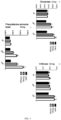
- H 2 DCF-DA was prepared into a 1 mmol/L stock solution by DMSO, lower epidermis was carefully torn from plant leaves and incubated in a citric acid buffer with a pH value of 5.6 for 4 h, then the citric acid buffer was replaced, H 2 DCF-DA was added until the final concentration reached 10 ⁇ mol/L, and incubation was conducted under horizontal shaking for 30 min; upon completion of incubation, excess fluorescent dye was removed through 3 times of rinsing with the citric acid buffer; the lower epidermis of leaves was placed on a glass slide, and the fluorescence intensity was observed using a BP460-490 laser color filter within a light wavelength range of 460-490 nm. The results are shown in FIG. 2 .
- the test wheat variety was Miannong No. 6. The outdoor culture was conducted, and the soil was kept moist. The test was divided into five groups: a control group sprayed with water, and groups sprayed with the heteropoly oligosaccharide at different concentrations (50 mg/L, 100 mg/L, 200 mg/L and 500 mg/L, respectively).
- a Fusarium graminearum spore suspension was evenly sprayed on surfaces of wheat leaves two days after the heteropoly oligosaccharide was sprayed, and the leaves were observed for infection. Infection conditions of wheat leaves were recorded two weeks after the Fusarium graminearum spore suspension was sprayed. The results are shown in Table 2.
- Incidence number of diseased plants/number of investigated plants ⁇ 100%;
- Disease index ⁇ (number of diseased leaves at all levels ⁇ value of corresponding level)/(total number of investigated leaves ⁇ representative value of highest level) ⁇ 100;
- Control effect (disease index of control group - disease index of treatment group) / disease index of control group ⁇ 100%.
- the fluorescence intensity of hydrogen peroxide produced by stomatal cells was low when lower epidermal cells of wheat leaves were not induced by the heteropoly oligosaccharide, and the heteropoly oligosaccharide with a final concentration of 500 mg/L can obviously induce stomatal cells to produce a large amount of hydrogen peroxide.
- spraying the heteropoly oligosaccharide can improve the resistance of wheat to Fusarium graminearum spores. After the heteropoly oligosaccharide was sprayed, the control effect significantly increased and the incidence obviously decreased.
- the heteropoly oligosaccharide can be a potential biological pesticide for improving plant disease resistance.
- the test tomato variety was Huizhen No. 1.
- the laboratory culture was conducted at a constant temperature of 25°C for 12 h of lightness and 12 h of darkness, and the soil was kept moist.
- the test was divided into three groups: a blank control group (i.e., using water as a control), a low-concentration heteropoly oligosaccharide group (with a final oligosaccharide concentration of 50 mg/L), and a high-concentration heteropoly oligosaccharide group (with a final oligosaccharide concentration of 150 mg/L). Samples were taken 4 h, 24 h and 72 h after the heteropoly oligosaccharide was sprayed to determine activities of relevant proteases.
- the test tomato variety was Huizhen No. 1.
- the outdoor culture was conducted, and the soil was kept moist.
- the test was divided into five groups: a control group sprayed with water, and groups sprayed with the heteropoly oligosaccharide at different concentrations (50 mg/L, 100 mg/L, 200 mg/L and 500 mg/L, respectively).
- a Cladosporium fulvum spore suspension was evenly sprayed on surfaces of tomato leaves two days after the heteropoly oligosaccharide was sprayed, and the leaves were observed for infection. Infection conditions of tomato leaves were recorded two weeks after the Cladosporium fulvum spore suspension was sprayed. The results are shown in Table 3.
- the heteropoly oligosaccharide can be a potential biological pesticide for improving plant disease resistance.
- Example 5 Application of heteropoly oligosaccharide in improving potato Phytophthora disease resistance
- test potato variety was Fovorita.
- the laboratory culture was conducted at a constant temperature of 25°C for 12 h of lightness and 12 h of darkness, and the soil was kept moist.
- the test was divided into three groups: a blank control group (i.e., using water as a control), a low-concentration heteropoly oligosaccharide group (with a final oligosaccharide concentration of 50 mg/L), and a high-concentration heteropoly oligosaccharide group (with a final oligosaccharide concentration of 500 mg/L).
- a blank control group i.e., using water as a control
- a low-concentration heteropoly oligosaccharide group with a final oligosaccharide concentration of 50 mg/L
- a high-concentration heteropoly oligosaccharide group with a final oligosaccharide concentration of 500 mg/L.
- the test was divided into four groups: a blank control group (i.e., using water as a control), a low-concentration heteropoly oligosaccharide group (with a final oligosaccharide concentration of 50 mg/L), a medium-concentration heteropoly oligosaccharide group (with a final oligosaccharide concentration of 250 mg/L), and a high-concentration heteropoly oligosaccharide group (with a final oligosaccharide concentration of 500 mg/L).
- a blank control group i.e., using water as a control
- a low-concentration heteropoly oligosaccharide group with a final oligosaccharide concentration of 50 mg/L
- a medium-concentration heteropoly oligosaccharide group with a final oligosaccharide concentration of 250 mg/L
- a high-concentration heteropoly oligosaccharide group with a final oligosacc
- the test apple variety was Red Fuji. The outdoor culture was conducted, and the soil was kept moist. The test was performed during a lush growth of leaves and before apples were borne.
- the test was divided into three groups: a blank control group (i.e., using water as a control), a low-concentration heteropoly oligosaccharide group (with a final oligosaccharide concentration of 50 mg/L), and a high-concentration heteropoly oligosaccharide group (with a final oligosaccharide concentration of 500 mg/L).
- a Marssonina mali spore suspension was evenly sprayed on surfaces of apple tree leaves two days after the heteropoly oligosaccharide was sprayed, and the leaves were observed for infection. After the Marssonina mali spore suspension was sprayed, infection conditions of apple tree leaves were recorded every other week for three consecutive weeks. The results are shown in Table 5.
- Example 7 Application of heteropoly oligosaccharide in improving strawberry bacterial wilt resistance
- the test strawberry variety was Ningxin. The outdoor culture was conducted, and the soil was kept moist. The test was performed during a lush growth of leaves and before strawberries were borne.
- the test was divided into five groups: a control group sprayed with water, and groups sprayed with the heteropoly oligosaccharide at different concentrations (50 mg/L, 100 mg/L, 200 mg/L and 500 mg/L, respectively).
- a strawberry Pseudomonas solanacearum suspension was evenly sprayed on surfaces of strawberry leaves two days after the heteropoly oligosaccharide was sprayed, and the leaves were observed for infection. Infection conditions of strawberry leaves were recorded two weeks after the Pseudomonas solanacearum suspension was sprayed. The results are shown in Table 6.
Landscapes
- Life Sciences & Earth Sciences (AREA)
- Chemical & Material Sciences (AREA)
- Health & Medical Sciences (AREA)
- Engineering & Computer Science (AREA)
- Organic Chemistry (AREA)
- Zoology (AREA)
- Wood Science & Technology (AREA)
- General Health & Medical Sciences (AREA)
- Biochemistry (AREA)
- Bioinformatics & Cheminformatics (AREA)
- Genetics & Genomics (AREA)
- Chemical Kinetics & Catalysis (AREA)
- Medicinal Chemistry (AREA)
- Biotechnology (AREA)
- General Engineering & Computer Science (AREA)
- Molecular Biology (AREA)
- Microbiology (AREA)
- Polymers & Plastics (AREA)
- Materials Engineering (AREA)
- General Chemical & Material Sciences (AREA)
- Plant Pathology (AREA)
- Biomedical Technology (AREA)
- Environmental Sciences (AREA)
- Pest Control & Pesticides (AREA)
- Dentistry (AREA)
- Agronomy & Crop Science (AREA)
- Tropical Medicine & Parasitology (AREA)
- Virology (AREA)
- Sustainable Development (AREA)
- Botany (AREA)
- Agricultural Chemicals And Associated Chemicals (AREA)
Claims (4)
- Anwendung eines Heteropolyoligosaccharids zum Verbessern einer Krankheitsresistenz einer Pflanze, wobei das Heteropolyoligosaccharid sieben D-Glucose-Reste und einen D-Galactose-Rest umfasst, dadurch gekennzeichnet, dass eine Struktur des Heteropolyoligosaccharidmoleküls wie folgt dargestellt wird:

- Anwendung nach Anspruch 1, dadurch gekennzeichnet, dass die Pflanze Tabak, Weizen, Tomate, Kartoffel, Apfel, Erdbeere, Reis oder Sojabohne ist.
- Anwendung nach Anspruch 1, dadurch gekennzeichnet, dass die Krankheitsresistenz der Pflanze eine Resistenz gegen pathogene Bakterieninfektion der Pflanze ist.
- Anwendung nach Anspruch 1, dadurch gekennzeichnet, dass die Krankheitsresistenz der Pflanze eine Krankheitsresistenz gegen Mosaikvirusinfektion, Krankheitsresistenz gegen eine Infektion mit Fusarium graminearum, Krankheitsresistenz gegen eine Infektion mit Cladosporium fulvum, Krankheitsresistenz gegen eine Infektion mit Phytophthora infestans, Krankheitsresistenz gegen eine Infektion mit Marssonina mali oder Krankheitsresistenz gegen eine Infektion mit Pseudomonas solanacearum ist.
Applications Claiming Priority (2)
| Application Number | Priority Date | Filing Date | Title |
|---|---|---|---|
| CN202011427267.0A CN114605564B (zh) | 2020-12-09 | 2020-12-09 | 杂聚寡糖及其在提高植物抗病性中的应用 |
| PCT/CN2021/136586 WO2022121962A1 (zh) | 2020-12-09 | 2021-12-08 | 杂聚寡糖及其在提高植物抗病性中的应用 |
Publications (4)
| Publication Number | Publication Date |
|---|---|
| EP4206232A1 EP4206232A1 (de) | 2023-07-05 |
| EP4206232A4 EP4206232A4 (de) | 2024-03-06 |
| EP4206232C0 EP4206232C0 (de) | 2025-02-19 |
| EP4206232B1 true EP4206232B1 (de) | 2025-02-19 |
Family
ID=81856956
Family Applications (1)
| Application Number | Title | Priority Date | Filing Date |
|---|---|---|---|
| EP21902667.1A Active EP4206232B1 (de) | 2020-12-09 | 2021-12-08 | Heteropolyoligosaccharid und anwendung davon zur verbesserung der resistenz gegen pflanzenkrankheiten |
Country Status (4)
| Country | Link |
|---|---|
| US (1) | US20230303724A1 (de) |
| EP (1) | EP4206232B1 (de) |
| CN (1) | CN114605564B (de) |
| WO (1) | WO2022121962A1 (de) |
Families Citing this family (3)
| Publication number | Priority date | Publication date | Assignee | Title |
|---|---|---|---|---|
| CN116508761A (zh) * | 2023-05-06 | 2023-08-01 | 中国科学院微生物研究所 | 植物抗性诱导制剂及其应用 |
| CN117510281A (zh) * | 2023-11-03 | 2024-02-06 | 成都市四友生物科技有限公司 | 一种基于甲壳寡糖的有机肥及其制备方法 |
| CN121181732B (zh) * | 2025-11-11 | 2026-03-13 | 艾立斯特(合肥)生物科技有限公司 | 一种葡聚七糖的制备方法和应用 |
Family Cites Families (9)
| Publication number | Priority date | Publication date | Assignee | Title |
|---|---|---|---|---|
| CA1173771A (en) * | 1980-05-21 | 1984-09-04 | Roger E. Cripps | Fluid displacement with heteropolysaccharide solutions, and the microbial production of heteropolysaccharides |
| GB8811365D0 (en) * | 1988-05-13 | 1988-06-15 | Shell Int Research | Process for preparing heteropolysaccharide & microorganisms for use in such process |
| JPH0689041B2 (ja) * | 1988-09-06 | 1994-11-09 | 理化学研究所 | オリゴガラクチュロン酸の製造法 |
| FR2665168B1 (fr) * | 1990-07-30 | 1994-03-25 | Rhone Poulenc Chimie | Composition comportant un succinoglycane. |
| FR2934943B1 (fr) * | 2008-08-12 | 2011-06-17 | Algieplus | Utilisation d'apiogalacturonanes et de ses derives pour la stimulation des reactions de defense et de resistance des plantes contre le stress biotiques et abiotiques |
| CN102657169A (zh) * | 2012-05-07 | 2012-09-12 | 江苏瑞光生物科技有限公司 | 一种β-1,3葡聚寡糖植物抗病疫苗的使用方法 |
| CN105566510B (zh) * | 2015-12-18 | 2018-01-05 | 南京理工大学 | 一种葡寡糖及其制备方法和应用 |
| US20200245667A1 (en) * | 2017-09-13 | 2020-08-06 | Evolve Biosystems, Inc. | Oligosaccharide compositions and their use during transitional phases of the mammalian gut microbiome |
| CN111286466B (zh) * | 2018-12-07 | 2023-05-05 | 南京理工大学 | 土壤杆菌及其所产抗炎症反应胞外多糖 |
-
2020
- 2020-12-09 CN CN202011427267.0A patent/CN114605564B/zh active Active
-
2021
- 2021-12-08 WO PCT/CN2021/136586 patent/WO2022121962A1/zh not_active Ceased
- 2021-12-08 EP EP21902667.1A patent/EP4206232B1/de active Active
-
2023
- 2023-04-07 US US18/297,269 patent/US20230303724A1/en active Pending
Also Published As
| Publication number | Publication date |
|---|---|
| US20230303724A1 (en) | 2023-09-28 |
| EP4206232A4 (de) | 2024-03-06 |
| EP4206232C0 (de) | 2025-02-19 |
| WO2022121962A1 (zh) | 2022-06-16 |
| CN114605564B (zh) | 2023-02-10 |
| EP4206232A1 (de) | 2023-07-05 |
| CN114605564A (zh) | 2022-06-10 |
Similar Documents
| Publication | Publication Date | Title |
|---|---|---|
| EP4206232B1 (de) | Heteropolyoligosaccharid und anwendung davon zur verbesserung der resistenz gegen pflanzenkrankheiten | |
| Meng et al. | Effects of chitosan and oligochitosan on growth of two fungal pathogens and physiological properties in pear fruit | |
| Chirkov et al. | Effect of chitosan on systemic viral infection and some defense responses in potato plants | |
| Sudha et al. | Unraveling the tripartite interaction of volatile compounds of Streptomyces rochei with grain mold pathogens infecting sorghum | |
| Oliveira Jr et al. | Growth of phytopathogenic fungi in the presence of partially acetylated chitooligosaccharides | |
| Xu et al. | Revealing the underlying mechanisms mediated by endophytic actinobacteria to enhance the rhizobia-chickpea (Cicer arietinum L.) symbiosis | |
| Howell et al. | A study of the characteristics of “P” and “Q” strains of Trichoderma virens to account for differences in biological control efficacy against cotton seedling diseases | |
| Wu et al. | Allelopathic impact of artificially applied coumarin on Fusarium oxysporum f. sp. niveum | |
| Won et al. | Biological control of anthracnose fruit rot disease (Colletotrichum spp.) and fruit yield improvement of jujube (Zizyphus jujuba Miller var. inermis Rehder) using Bacillus velezensis CE 100 | |
| REgo et al. | Trichoderma spp. and Bacillus subtilis for control of Dactylonectria macrodidyma in grapevine | |
| CN112602717B (zh) | 一种防控稻瘟病菌的药物 | |
| DE60023846T2 (de) | Ein verfahren zur bekämpfung pilzlicher pathogene und dafür brauchbare mittel | |
| Deepak et al. | Cerebroside as an elicitor for induced resistance against the downy mildew pathogen in pearl millet | |
| CN109266559B (zh) | 一种哈茨木霉ltr-2的应用 | |
| Harris et al. | Antifungal activity of post-infectional metabolites from potato tubers | |
| Ziedan et al. | Application of yeasts as biocontrol agents for controlling foliar diseases on sugar beet plants | |
| Mahadevaswamy et al. | Rhizobial elicitor molecule signaling muskmelon defense against gummy stem blight disease involving innate immune response | |
| CN114703069A (zh) | 一种黑附球菌发酵产物、制备方法及其应用 | |
| Senthil et al. | Talc formulated fluorescent pseudomonads for sugarcane red rot suppression and enhanced yield under field conditions | |
| CN105566510B (zh) | 一种葡寡糖及其制备方法和应用 | |
| CN111676143A (zh) | 一种交链格孢(Alternaria alternata)在瓜列当生防中的应用 | |
| CN107296045A (zh) | 云芝糖肽用于抗病毒的新用途 | |
| Paz-Lago et al. | Tomato-Fusarium oxysporum interactions: II. Chitosan and MSB induced resistance against fol in young tomato plants | |
| CN107382857A (zh) | 化合物、该化合物的制备方法以及该化合物的应用和应用其的产品 | |
| Papitha et al. | Bioefficacy Evaluation of Serratia Marcescens Against Anthracnose (Colletotrichum Lindemuthianum (Sacc. and Magnus) Briosi and Cavara) Disease in Dolichos Bean |
Legal Events
| Date | Code | Title | Description |
|---|---|---|---|
| STAA | Information on the status of an ep patent application or granted ep patent |
Free format text: STATUS: THE INTERNATIONAL PUBLICATION HAS BEEN MADE |
|
| PUAI | Public reference made under article 153(3) epc to a published international application that has entered the european phase |
Free format text: ORIGINAL CODE: 0009012 |
|
| STAA | Information on the status of an ep patent application or granted ep patent |
Free format text: STATUS: REQUEST FOR EXAMINATION WAS MADE |
|
| 17P | Request for examination filed |
Effective date: 20230330 |
|
| AK | Designated contracting states |
Kind code of ref document: A1 Designated state(s): AL AT BE BG CH CY CZ DE DK EE ES FI FR GB GR HR HU IE IS IT LI LT LU LV MC MK MT NL NO PL PT RO RS SE SI SK SM TR |
|
| A4 | Supplementary search report drawn up and despatched |
Effective date: 20240207 |
|
| RIC1 | Information provided on ipc code assigned before grant |
Ipc: C12R 1/41 20060101ALI20240201BHEP Ipc: A01P 21/00 20060101ALI20240201BHEP Ipc: A01N 43/90 20060101ALI20240201BHEP Ipc: A01N 43/16 20060101ALI20240201BHEP Ipc: C12P 19/04 20060101ALI20240201BHEP Ipc: C12N 1/20 20060101ALI20240201BHEP Ipc: C12P 1/00 20060101ALI20240201BHEP Ipc: C12P 19/08 20060101ALI20240201BHEP Ipc: C08B 37/02 20060101AFI20240201BHEP |
|
| DAV | Request for validation of the european patent (deleted) | ||
| DAX | Request for extension of the european patent (deleted) | ||
| GRAP | Despatch of communication of intention to grant a patent |
Free format text: ORIGINAL CODE: EPIDOSNIGR1 |
|
| STAA | Information on the status of an ep patent application or granted ep patent |
Free format text: STATUS: GRANT OF PATENT IS INTENDED |
|
| INTG | Intention to grant announced |
Effective date: 20241024 |
|
| GRAS | Grant fee paid |
Free format text: ORIGINAL CODE: EPIDOSNIGR3 |
|
| GRAA | (expected) grant |
Free format text: ORIGINAL CODE: 0009210 |
|
| STAA | Information on the status of an ep patent application or granted ep patent |
Free format text: STATUS: THE PATENT HAS BEEN GRANTED |
|
| AK | Designated contracting states |
Kind code of ref document: B1 Designated state(s): AL AT BE BG CH CY CZ DE DK EE ES FI FR GB GR HR HU IE IS IT LI LT LU LV MC MK MT NL NO PL PT RO RS SE SI SK SM TR |
|
| REG | Reference to a national code |
Ref country code: GB Ref legal event code: FG4D |
|
| REG | Reference to a national code |
Ref country code: CH Ref legal event code: EP |
|
| REG | Reference to a national code |
Ref country code: IE Ref legal event code: FG4D |
|
| REG | Reference to a national code |
Ref country code: DE Ref legal event code: R096 Ref document number: 602021026574 Country of ref document: DE |
|
| U01 | Request for unitary effect filed |
Effective date: 20250314 |
|
| U07 | Unitary effect registered |
Designated state(s): AT BE BG DE DK EE FI FR IT LT LU LV MT NL PT RO SE SI Effective date: 20250321 |
|
| PG25 | Lapsed in a contracting state [announced via postgrant information from national office to epo] |
Ref country code: RS Free format text: LAPSE BECAUSE OF FAILURE TO SUBMIT A TRANSLATION OF THE DESCRIPTION OR TO PAY THE FEE WITHIN THE PRESCRIBED TIME-LIMIT Effective date: 20250519 |
|
| PG25 | Lapsed in a contracting state [announced via postgrant information from national office to epo] |
Ref country code: PL Free format text: LAPSE BECAUSE OF FAILURE TO SUBMIT A TRANSLATION OF THE DESCRIPTION OR TO PAY THE FEE WITHIN THE PRESCRIBED TIME-LIMIT Effective date: 20250219 |
|
| PG25 | Lapsed in a contracting state [announced via postgrant information from national office to epo] |
Ref country code: ES Free format text: LAPSE BECAUSE OF FAILURE TO SUBMIT A TRANSLATION OF THE DESCRIPTION OR TO PAY THE FEE WITHIN THE PRESCRIBED TIME-LIMIT Effective date: 20250219 |
|
| PG25 | Lapsed in a contracting state [announced via postgrant information from national office to epo] |
Ref country code: IS Free format text: LAPSE BECAUSE OF FAILURE TO SUBMIT A TRANSLATION OF THE DESCRIPTION OR TO PAY THE FEE WITHIN THE PRESCRIBED TIME-LIMIT Effective date: 20250619 Ref country code: NO Free format text: LAPSE BECAUSE OF FAILURE TO SUBMIT A TRANSLATION OF THE DESCRIPTION OR TO PAY THE FEE WITHIN THE PRESCRIBED TIME-LIMIT Effective date: 20250519 |
|
| PG25 | Lapsed in a contracting state [announced via postgrant information from national office to epo] |
Ref country code: HR Free format text: LAPSE BECAUSE OF FAILURE TO SUBMIT A TRANSLATION OF THE DESCRIPTION OR TO PAY THE FEE WITHIN THE PRESCRIBED TIME-LIMIT Effective date: 20250219 |
|
| PG25 | Lapsed in a contracting state [announced via postgrant information from national office to epo] |
Ref country code: GR Free format text: LAPSE BECAUSE OF FAILURE TO SUBMIT A TRANSLATION OF THE DESCRIPTION OR TO PAY THE FEE WITHIN THE PRESCRIBED TIME-LIMIT Effective date: 20250520 |
|
| PG25 | Lapsed in a contracting state [announced via postgrant information from national office to epo] |
Ref country code: SM Free format text: LAPSE BECAUSE OF FAILURE TO SUBMIT A TRANSLATION OF THE DESCRIPTION OR TO PAY THE FEE WITHIN THE PRESCRIBED TIME-LIMIT Effective date: 20250219 |
|
| PG25 | Lapsed in a contracting state [announced via postgrant information from national office to epo] |
Ref country code: CZ Free format text: LAPSE BECAUSE OF FAILURE TO SUBMIT A TRANSLATION OF THE DESCRIPTION OR TO PAY THE FEE WITHIN THE PRESCRIBED TIME-LIMIT Effective date: 20250219 |
|
| PG25 | Lapsed in a contracting state [announced via postgrant information from national office to epo] |
Ref country code: SK Free format text: LAPSE BECAUSE OF FAILURE TO SUBMIT A TRANSLATION OF THE DESCRIPTION OR TO PAY THE FEE WITHIN THE PRESCRIBED TIME-LIMIT Effective date: 20250219 |
|
| U20 | Renewal fee for the european patent with unitary effect paid |
Year of fee payment: 5 Effective date: 20251111 |
|
| PLBE | No opposition filed within time limit |
Free format text: ORIGINAL CODE: 0009261 |
|
| STAA | Information on the status of an ep patent application or granted ep patent |
Free format text: STATUS: NO OPPOSITION FILED WITHIN TIME LIMIT |
|
| PGFP | Annual fee paid to national office [announced via postgrant information from national office to epo] |
Ref country code: GB Payment date: 20251111 Year of fee payment: 5 |
|
| 26N | No opposition filed |
Effective date: 20251120 |