EP4182480B1 - Prognostic biomarkers for cancer - Google Patents
Prognostic biomarkers for cancer Download PDFInfo
- Publication number
- EP4182480B1 EP4182480B1 EP21739731.4A EP21739731A EP4182480B1 EP 4182480 B1 EP4182480 B1 EP 4182480B1 EP 21739731 A EP21739731 A EP 21739731A EP 4182480 B1 EP4182480 B1 EP 4182480B1
- Authority
- EP
- European Patent Office
- Prior art keywords
- modification
- mcm5s2u
- biomarker
- cancer
- activity
- Prior art date
- Legal status (The legal status is an assumption and is not a legal conclusion. Google has not performed a legal analysis and makes no representation as to the accuracy of the status listed.)
- Active
Links
Images







Classifications
-
- C—CHEMISTRY; METALLURGY
- C12—BIOCHEMISTRY; BEER; SPIRITS; WINE; VINEGAR; MICROBIOLOGY; ENZYMOLOGY; MUTATION OR GENETIC ENGINEERING
- C12Q—MEASURING OR TESTING PROCESSES INVOLVING ENZYMES, NUCLEIC ACIDS OR MICROORGANISMS; COMPOSITIONS OR TEST PAPERS THEREFOR; PROCESSES OF PREPARING SUCH COMPOSITIONS; CONDITION-RESPONSIVE CONTROL IN MICROBIOLOGICAL OR ENZYMOLOGICAL PROCESSES
- C12Q1/00—Measuring or testing processes involving enzymes, nucleic acids or microorganisms; Compositions therefor; Processes of preparing such compositions
- C12Q1/68—Measuring or testing processes involving enzymes, nucleic acids or microorganisms; Compositions therefor; Processes of preparing such compositions involving nucleic acids
- C12Q1/6876—Nucleic acid products used in the analysis of nucleic acids, e.g. primers or probes
- C12Q1/6883—Nucleic acid products used in the analysis of nucleic acids, e.g. primers or probes for diseases caused by alterations of genetic material
- C12Q1/6886—Nucleic acid products used in the analysis of nucleic acids, e.g. primers or probes for diseases caused by alterations of genetic material for cancer
-
- C—CHEMISTRY; METALLURGY
- C12—BIOCHEMISTRY; BEER; SPIRITS; WINE; VINEGAR; MICROBIOLOGY; ENZYMOLOGY; MUTATION OR GENETIC ENGINEERING
- C12Q—MEASURING OR TESTING PROCESSES INVOLVING ENZYMES, NUCLEIC ACIDS OR MICROORGANISMS; COMPOSITIONS OR TEST PAPERS THEREFOR; PROCESSES OF PREPARING SUCH COMPOSITIONS; CONDITION-RESPONSIVE CONTROL IN MICROBIOLOGICAL OR ENZYMOLOGICAL PROCESSES
- C12Q2600/00—Oligonucleotides characterized by their use
- C12Q2600/106—Pharmacogenomics, i.e. genetic variability in individual responses to drugs and drug metabolism
-
- C—CHEMISTRY; METALLURGY
- C12—BIOCHEMISTRY; BEER; SPIRITS; WINE; VINEGAR; MICROBIOLOGY; ENZYMOLOGY; MUTATION OR GENETIC ENGINEERING
- C12Q—MEASURING OR TESTING PROCESSES INVOLVING ENZYMES, NUCLEIC ACIDS OR MICROORGANISMS; COMPOSITIONS OR TEST PAPERS THEREFOR; PROCESSES OF PREPARING SUCH COMPOSITIONS; CONDITION-RESPONSIVE CONTROL IN MICROBIOLOGICAL OR ENZYMOLOGICAL PROCESSES
- C12Q2600/00—Oligonucleotides characterized by their use
- C12Q2600/118—Prognosis of disease development
-
- C—CHEMISTRY; METALLURGY
- C12—BIOCHEMISTRY; BEER; SPIRITS; WINE; VINEGAR; MICROBIOLOGY; ENZYMOLOGY; MUTATION OR GENETIC ENGINEERING
- C12Q—MEASURING OR TESTING PROCESSES INVOLVING ENZYMES, NUCLEIC ACIDS OR MICROORGANISMS; COMPOSITIONS OR TEST PAPERS THEREFOR; PROCESSES OF PREPARING SUCH COMPOSITIONS; CONDITION-RESPONSIVE CONTROL IN MICROBIOLOGICAL OR ENZYMOLOGICAL PROCESSES
- C12Q2600/00—Oligonucleotides characterized by their use
- C12Q2600/154—Methylation markers
-
- C—CHEMISTRY; METALLURGY
- C12—BIOCHEMISTRY; BEER; SPIRITS; WINE; VINEGAR; MICROBIOLOGY; ENZYMOLOGY; MUTATION OR GENETIC ENGINEERING
- C12Q—MEASURING OR TESTING PROCESSES INVOLVING ENZYMES, NUCLEIC ACIDS OR MICROORGANISMS; COMPOSITIONS OR TEST PAPERS THEREFOR; PROCESSES OF PREPARING SUCH COMPOSITIONS; CONDITION-RESPONSIVE CONTROL IN MICROBIOLOGICAL OR ENZYMOLOGICAL PROCESSES
- C12Q2600/00—Oligonucleotides characterized by their use
- C12Q2600/156—Polymorphic or mutational markers
-
- C—CHEMISTRY; METALLURGY
- C12—BIOCHEMISTRY; BEER; SPIRITS; WINE; VINEGAR; MICROBIOLOGY; ENZYMOLOGY; MUTATION OR GENETIC ENGINEERING
- C12Q—MEASURING OR TESTING PROCESSES INVOLVING ENZYMES, NUCLEIC ACIDS OR MICROORGANISMS; COMPOSITIONS OR TEST PAPERS THEREFOR; PROCESSES OF PREPARING SUCH COMPOSITIONS; CONDITION-RESPONSIVE CONTROL IN MICROBIOLOGICAL OR ENZYMOLOGICAL PROCESSES
- C12Q2600/00—Oligonucleotides characterized by their use
- C12Q2600/158—Expression markers
Definitions
- the present invention pertains to a new in-vitro method for the prognosis, diagnosis, stratification and/or monitoring of a therapy, of a disorder in a subject.
- the in-vitro method is based on the determination of the level of at least one first biomarker indicative and/or selective for the status and/or activity of the pathway regulating N6-methyladenosine (m6A) mRNA modification, and the determination of the level, mutation status, and/or activity of at least one second biomarker indicative and/or selective for the status and/or activity of the pathway regulating 5-methoxycarbonylmethyl-2-thiouridine (mcm5s2U)-tRNA modification as combined biomarkers.
- m6A N6-methyladenosine
- the new biomarkers of the invention allow to estimate a patient's prognosis, and to monitor therapy success of patients, in particular cancer patients, such as breast cancer patients.
- the biomarkers of the invention furthermore allow diagnosing and even stratifying of a disorder in a patient, in particular cancer, such as breast cancer.
- Breast cancer is the most frequent cancer among women, and the cause of the greatest number of cancer-related deaths among women. About 12% of U.S. women will develop invasive breast cancer over the course of her lifetime. Currently, breast cancer is impacting around 2.1 million women each year. In 2018, it is estimated that 627,000 women died from breast cancer, which is approximately 15% of all cancer deaths among women.
- Breast cancer may generally be divided into several main stages: early, locally advanced, locally recurrent and metastatic. The 5-year survival prognosis for early stage breast cancer is generally above 60%, and this number drops to between 40 and 60% for advanced breast cancer.
- endocrine therapy e.g. resection, autologous bone marrow transplantation
- radiation therapy e.g. anthracyclines, such as doxorubicin; alkylating agents, such as cyclophosphamide and mitomycin C; taxanes, such as paclitaxel and docetaxel; antimetabolites, such as capecitabine; microtubule inhibitors, such as the vinca alkaloid navelbine; endocrine therapy (e.g.
- anthracyclines such as doxorubicin
- alkylating agents such as cyclophosphamide and mitomycin C
- taxanes such as paclitaxel and docetaxel
- antimetabolites such as capecitabine
- microtubule inhibitors such as the vinca alkaloid navelbine
- endocrine therapy e.g.
- antiestrogens such as tamoxifen
- progestins such as medroxyprogesterone acetate and megastrol acetate
- aromatase inhibitors such as aminoglutethamide and letrozole
- biologics e.g. cytokines, immunotherapeutics, such as monoclonal antibodies
- Diagnostic options for breast cancer include microscopic analysis of a patient's sample - or biopsy - obtained from the affected area of the breast of the patient.
- the two most commonly used diagnostic approaches are physical examination of the breasts by a medical practitioner and mammography. When these examinations are inconclusive, usually a patient sample of the fluid in the lump is sent for microscopic analysis to help establish the diagnosis.
- Other options for biopsy include computer tomography (CT), magnet resonance imaging (MRI), an ultrasound examination and a core biopsy or vacuum-assisted breast biopsy, or an excisional biopsy, in which the entire breast lump is removed.
- CT computer tomography
- MRI magnet resonance imaging
- ultrasound examination and a core biopsy or vacuum-assisted breast biopsy
- excisional biopsy in which the entire breast lump is removed.
- hormone receptor estradien/progesterone receptor
- ER/PR hormone receptor positive and human epidermal growth factor receptor 2
- HER2 human epidermal growth factor receptor 2
- US20110097732A1 discloses a method for determining the prediction for survival of an individual having breast cancer by measuring the amount of Wrap53 in the nucleus of cells in samples derived from breast tissue, and/or measuring the amount of Wrap53 in the cytoplasm of cells in the samples derived from breast tissue, wherein both the nuclear levels, the cytoplasmic levels and/or the ratio between the nuclear and cytoplasmic levels of Wrap53 may be used alone or in combination in breast cancer prognosis.
- the disadvantage of this method is that tissue needs to be obtained from an open surgery, or prior to surgery from a fine needle biopsy or a core needle biopsy.
- RNA molecules Despite its widespread occurrence, the functions of the "epitranscriptomic" layer of gene regulation is not yet fully understood.
- the main function of mRNA is to template protein synthesis during translation on the ribosome.
- the genetic information is decoded by tRNAs via base-pairing of their anticodon loop and the mRNA codon.
- More than 200 different chemically modified nucleotides have been identified in a variety of RNA species including mRNA, tRNA, rRNA and ncRNA.
- This "epitranscriptome” alters the expression and/or function of the modified RNAs and thus represents a layer of gene regulation.
- the anticodon loop of tRNAs is a "hotspot" for RNA modifications and these have been implicated in gene expression control during stress.
- the modified mRNA nucleotide N6-methyladenosine is the most abundant modification in mRNA.
- m6A is co-transcriptionally deposited on nascent RNAs during their transcription by RNA polymerase II by the m6A methyltransferase complex (m6A-MTC), which consists of METTL3, METTL14, WTAP, VIRMA, RBM15 ZC3H13.
- m6A-MTC m6A methyltransferase complex
- m6A-MTC consists of METTL3, METTL14, WTAP, VIRMA, RBM15 ZC3H13.
- the DRACH motif appears once every ⁇ 57 nucleotides in mRNA, and its transcription generates a potential methylation site (DR A CH).
- Modification with m6A results in a decrease in mRNA half-life, i.e. an increased turnover of the modified mRNAs in cells.
- the m6A "reader" proteins YTHDF2 and YTHDF3 have been implicated in this process, but how degradation is triggered is unknown. Nevertheless, m6A-mediated decay was shown to be important to remodel cellular transcriptomes during cellular transitions like differentiation or stress adaptation. Accordingly, m6A is implicated in a variety of health conditions in which cellular homeostasis is perturbed, e.g. in cancer, viral infections or cardiac failure.
- m6A-mediated mRNA decay A major function of m6A-mediated mRNA decay is to remove pluripotency genes to facilitate the differentiation of stem cells [1,2].
- m6A was also shown to be involved in various cancers, including glioblastoma, acute myeloid leukemia, bladder cancer and hepatocellular carcinoma. Therefore, drugging the epitranscriptome by targeting m6A is a promising therapy for diseases, such as cancer. Drugs that target m6A biogenesis factors are currently being developed and first lead molecules exist, but it is unclear which patients will benefit most from these drugs.
- WO2019197024A1 is an application concerning subject matter generally related to the epitranscriptomic regulation of ribonucleic acid (RNA) methylation through small-molecule activators. It discloses an expression analysis of the activity level of METTL3/METTL14/ WTAP which affect m6A levels, and discloses the medical use of compounds affecting the activity of METTL3/METTL14/ WTAP to increase m6A levels.
- RNA ribonucleic acid
- WO2019183417A1 is an application that concerns methods and compositions for reducing drug resistance. It discloses a determination of m6A levels and provides compounds affecting m6A levels.
- WO2019178217A1 relates to methods and compositions for the treatment of cancers in a patient with a particular biomarker profile. Amongst others, it discloses an expression signature of m6A regulators for determining prognosis in human cancers.
- the objective of the present invention is to provide novel markers for use in the prognosis, diagnosis, and/or monitoring of a disease, condition or disorder in a subject, and for use in the development of novel therapeutics. Due to the continuing need for quick, but sensitive and specific cancer prognostic and diagnostic markers, the present invention seeks to provide a novel approach for a simple and minimal invasive but specific and sensitive test system for the prognosis, diagnosis, and/or monitoring of a disease, condition or disorder in a subject, such as cancer. Furthermore, the present invention seeks to provide diagnostic strategies that allow to directly monitor the ongoing treatment success of a therapy in the clinic, such as a cancer therapy, and to evaluate the prognosis for a cancer patient receiving the therapy.
- novel markers for use in the prognosis, diagnosis, and/or monitoring of a disease, condition or disorder in a subject, and for use in the development of novel therapeutics, which are based on analyzing the interdependency of the m6A system and an tRNA anticodon modification, namely 5-methoxycarbonylmethyl-2-thiouridine (mcm5s2U).
- the invention pertains to the use of a biomarker consisting of a N6-methyladenosine (m6A)-mRNA modification and a 5-methoxycarbonylmethyl-2-thiouridine (mem5s2U)-tRNA anticodon modification in an in-vitro method for the prognosis, diagnosis, stratification and/or monitoring of a disease, condition or disorder in a subject.
- a biomarker consisting of a N6-methyladenosine (m6A)-mRNA modification and a 5-methoxycarbonylmethyl-2-thiouridine (mem5s2U)-tRNA anticodon modification in an in-vitro method for the prognosis, diagnosis, stratification and/or monitoring of a disease, condition or disorder in a subject.
- the invention pertains to the use of a kit in an in-vitro method for the prognosis, diagnosis, and/or monitoring of a disease, condition or disorder in a subject as defined in the claims, the kit comprising means for quantifying the level, mutation status, and/or activity of the at least one m6A-mRNA modification biomarker indicative and/or selective for the status and/or activity of the pathway regulating m6A-mRNA modification in a cell, and/or for quantifying the level, mutation status, and/or activity of the at least one mcm5s2U-tRNA anticodon modification biomarker indicative and/or selective for the status and/or activity of the pathway regulating mcm5s2U-tRNA anticodon modification in a cell.
- the invention pertains to an in-vitro method for the prognosis, diagnosis, and/or monitoring of a disease, condition or disorder in a subject, comprising the steps of
- prognosis refers to a forecast as to the probable outcome of the disease as well as the prospect of recovery from the disease as indicated by the nature and symptoms of the case. Accordingly, a negative or poor prognosis is defined by a lower post-treatment survival term or survival rate. Conversely, a positive or good prognosis is defined by an elevated post-treatment survival term or survival rate. Usually prognosis is provided as the time of progression free survival (PFS) or overall survival (OS).
- PFS progression free survival
- OS overall survival
- Progression-free survival shall be defined as the length of time during and after the treatment of a disease, such as cancer, that a patient lives with the disease but the disease does not get worse, i.e. survival without progression of the disease.
- PFS shall further be defined as the time from random assignment, e.g. in a clinical trial, to disease progression or death from any cause. In a clinical trial, measuring the PFS is one way to see how well a new treatment works.
- the term "overall survival" (OS) as used in the context of this invention shall be defined as the duration of time from the date of diagnosis or commencement of a treatment of a particular disease that a patient is still alive. Thus, in a clinical trial the measure of overall survival would compare the number of patients who had died and the number who had not died.
- a “diagnosis” or the term “diagnostic” in the context of the present invention means identifying the presence or nature of a pathologic condition. Diagnostic methods differ in their sensitivity and specificity.
- the "sensitivity” of a diagnostic assay is the percentage of diseased individuals who test positive (percent of "true positives”). Diseased individuals not detected by the assay are “false negatives.” Subjects who are not diseased and who test negative in the assay, are termed “true negatives.”
- the “specificity” of a diagnostic assay is 1 minus the false positive rate, where the "false positive” rate is defined as the proportion of those without the disease who test positive. While a particular diagnostic method may not provide a definitive diagnosis of a condition, it suffices if the method provides a positive indication that aids in diagnosis.
- any disease, condition or disorder can be prognosed, diagnosed, and/or monitored, using the in-vitro methods of this invention.
- said disease, condition or disorder to be prognosed, diagnosed, and/or monitored is cancer, a viral disease, a cardiac disease, a neurodegenerative disease, a disease associated with oxidative stress, and/or other disease that shows a differential level, mutation status, and/or activity of the pathway regulating N6-methyladenosine (m6A) mRNA modification in a cell, and/or that show a differential level, mutation status, and/or activity of the pathway regulating 5-methoxycarbonylmethyl-2-thiouridine (mcm5s2U)-tRNA modification in a cell.
- m6A N6-methyladenosine
- mcm5s2U 5-methoxycarbonylmethyl-2-thiouridine
- the term “subject” or “patient” refers to any animal (e.g., a mammal), including, but not limited to, humans, non-human primates, rodents, and the like. Typically, the terms “subject” and “patient” are used interchangeably herein in reference to a human subject.
- the term “subject suspected of having cancer” refers to a subject that presents one or more symptoms indicative of a cancer (e.g., a noticeable lump or mass). A subject suspected of having cancer may also have one or more risk factors. A subject suspected of having cancer has generally not been tested for cancer.
- biological sample refers to a sample that was obtained and may be assayed for any one of the biomarkers as disclosed with the present invention, or their gene expression.
- the biological sample can include a biological fluid (e.g., blood, cerebrospinal fluid, urine, plasma, serum), tissue biopsy, and the like.
- the sample is a tissue sample, for example, tumor tissue, and may be fresh, frozen, or archival paraffin embedded tissue.
- Preferred samples for the purposes of the present invention are bodily fluids, in particular plasma samples.
- the biological sample is a sample of a subject comprising a tissue sample or a body liquid sample, such as a sample of a group of cells from a tumor, a tumor tissue, an RNA sample, a DNA sample, a blood sample, a serum sample, a plasma sample, a urine sample, a lymph fluid sample, a pleural fluid sample, or a brain liquor sample, preferably a sample of a group of cells from a tumor or a tumor tissue.
- a tissue sample or a body liquid sample such as a sample of a group of cells from a tumor, a tumor tissue, an RNA sample, a DNA sample, a blood sample, a serum sample, a plasma sample, a urine sample, a lymph fluid sample, a pleural fluid sample, or a brain liquor sample, preferably a sample of a group of cells from a tumor or a tumor tissue.
- determining the level of at least one first biomarker and at least one second biomarker in a sample, control or reference, as described herein shall refer to the quantification of the presence of said at least one first biomarker and said at least one second biomarker in the tested sample.
- concentration of the first and second biomarker in said samples may be directly quantified via measuring the amount of protein/polypeptide/polysaccharide as present in the tested sample.
- the amount of the first and second biomarker indirectly via assessing the gene expression of the encoding gene of the first and second biomarker, for example by quantification of the expressed mRNA encoding for the respective biomarker.
- How to determine the level of a particular biomarker is well known to the skilled artisan.
- the present invention shall not be restricted to any particular method for determining the level of a given biomarker, but shall encompass all means that allow for a quantification, or estimation, of the level of said first and second biomarker, either directly or indirectly.
- Level in the context of the present invention is therefore a parameter describing the absolute amount of a biomarker in a given sample, for example as absolute weight, volume, or molar amounts; or alternatively “level” pertains to the relative amounts, and preferably to the concentration of said biomarker in the tested sample, for example in mol/l, g/l, g/mol etc. In preferred embodiments the "level” refers to the concentration of the tested biomarkers in g/l.
- determining the mutation status of at least one first and at least one second biomarker in a sample, control or reference, as described herein shall refer to analyzing the presence or absence of a mutation, such as a germline mutation and/or somatic mutation, for example in a gene of the pathway regulating N6-methyladenosine (m6A) mRNA modification, or in a gene of the pathway regulating 5-methoxycarbonylmethyl-2-thiouridine (mcm5s2U)-tRNA modification. How to determine the mutation status of a particular biomarker is well known to the skilled artisan.
- the present invention shall not be restricted to any particular method for determining a mutation status of a given biomarker, but shall encompass all means that allow for determination of the mutation status of said biomarker, either directly or indirectly.
- the presence or absence of a mutation may, for example, be determined by isolating nucleic acids obtained from cells, amplifying the nucleic acids and determining the presence or absence of the mutation in the amplified nucleic acids.
- the presence or absence of the mutation is determined by allele-specific polymerase chain reaction (AS-PCR).
- AS-PCR allele-specific polymerase chain reaction
- genomic DNA from normal tissue, in particular healthy tissue, of the same individual is suitable as wild-type.
- This can be, for example, the preferred wild type with respect to the determination of a somatic mutation.
- a reference genome can also be used.
- a suitable reference genome includes the human genome version of the Genome Reference Consortium Genome Reference Consortium Human Build 38 patch release 2 (GRCh38.p2) as of July 16, 2015 .
- GRCh38.p2 Genome Reference Consortium Human Build 38 patch release 2
- a reference genome may be the preferred wild type for determining a germline mutation and/or somatic mutation.
- a method of "determining the mutation status" of at least one first and at least one second biomarker of this invention may comprise the steps of amplifying a DNA sample obtained from, e.g. a patient or reverse-transcripting an RNA sample obtained from the patient into a DNA, amplifying the DNA, and analyzing the amplified DNA to determine at least one sequence abnormality with respect to a gene involved in the pathway regulating N6-methyladenosine (m6A) mRNA modification, and/or involved in the pathway regulating 5-methoxycarbonylmethyl-2-thiouridine (mem5s2U)-tRNA modification. Determination of a mutation status can, for example, be done by Sanger Sequencing.
- the methods of this invention may involve determining a single nucleotide polymorphism (SNP) and/or analysis of a single nucleotide mutation (i.e. a nucleotide substitution, insertion, deletion).
- SNP single nucleotide polymorphism
- determining the activity of at least one biomarker in a sample, control or reference shall refer to, for example, analyzing the enzymatic activity of at least one of the biomarkers of this invention, e.g. by performing an enzymatic assay of an enzyme or protein involved in the pathway regulating a m6A-mRNA modification, and/or involved in the pathway regulating a mcm5s2U-tRNA modification.
- the term "determining the activity" of at least one biomarker shall further include analyzing the phosphorylation state of a of an enzyme or protein involved in the pathway regulating a m6A-mRNA modification, and/or involved in the pathway regulating a mcm5s2U-tRNA modification, wherein the activity of the enzyme or protein is dependent upon at least one of the phosphorylation states of an amino acid of the particular enzyme or protein.
- How to determine the activity of a particular biomarker and/or the phosphorylation of an enzyme and/or protein is well known to the skilled artisan, and may, in one particular embodiment, involve western blotting or ELISA.
- the present invention shall, however, not be restricted to any particular method for determining the activity of a given biomarker, but shall encompass all means that allow for determination of the activity of said biomarker, either directly or indirectly.
- the term "at least one" according to this invention shall include 1, 2, 3, 4, 5, 6, 7, 8, 9, 10, 11, 12, 13, 14, 15, 16, 17, 18, 19, 20, or any other number.
- the term determining the level, mutation status, and/or activity of "at least one" first biomarker according to this invention shall include determining 1, 2, 3, 4, 5, 6, 7, 8, 9, 10, 11, 12, 13, 14, 15, 16, 17, 18, 19, 20, or any other number of possible first biomarkers, i.e. biomarkers indicative and/or selective for the status and/or activity of the pathway regulating N6-methyladenosine (m6A) mRNA modification in a cell.
- m6A N6-methyladenosine
- determining the level, mutation status, and/or activity of "at least one" second biomarker according to this invention shall include determining 1, 2, 3, 4, 5, 6, 7, 8, 9, 10, 11, 12, 13, 14, 15, 16, 17, 18, 19, 20, or any other number of possible second biomarkers, i.e. biomarkers indicative and/or selective for the status and/or activity of the pathway regulating 5-methoxycarbonylmethyl-2-thiouridine (mcm5s2U)-tRNA modification in a cell.
- determining "at least one" of the phosphorylation states of an amino acid of a particular enzyme or protein according to this invention shall include determining 1, 2, 3, 4, 5, 6, 7, 8, 9, 10, 11, 12, 13, 14, 15, 16, 17, 18, 19, 20, or any other number of possibly phosphorylated amino acids of the particular enzyme or protein.
- a “biomarker” or “marker” in the context of the present invention refers to an organic biomolecule, particularly a polypeptide or polysaccharide, which is, for example, differentially present in a sample taken from patients having a certain condition as compared to a comparable sample taken from subjects who do not have said condition (e.g., negative diagnosis, normal or healthy subject).
- a marker can be a polypeptide or polysaccharide (having a particular apparent molecular weight) which is present at an elevated or decreased level in samples of metastatic breast cancer patients compared to samples of patients with a negative diagnosis, or non-metastatic breast cancer patients.
- “Increase” of the level of a biomarker in a sample compared to a control shall, in preferred embodiments, refer to a statistically significant increase in preferred aspects of the invention. In alternative embodiments of the invention, certain biomarkers as disclosed herein may also be significantly decreased in the event of a particular disease, condition or disorder in a subject.
- the analysis of a marker in step (b) and/or of a marker in step (c) of the in-vitro prognostic and/or in-vitro diagnostic method of the invention is characterized in that at least one of the tested markers has an apparent area under the curve (AUC) at 95% confidence interval (CI) of at least 60%, preferably at least 65% or more preferably at least 70%.
- AUC apparent area under the curve
- CI 95% confidence interval
- the biomarkers of the invention may be characterized by a sensitivity of at least 75%, preferably at least 80%, and a specificity of at least 40%, preferably at least 50%, more preferably at least 60%.
- This invention is based on the discovery that a mcm5s2U modified tRNA enhances the decoding of m6A-modified mRNA at the wobble position, thereby regulating gene expression and cell differentiation.
- the inventors thus discovered a mechanism by which m6A connects nuclear mRNA processing to tRNA decoding, which represents a novel approach for prognosis, diagnosis, and/or monitoring of a disease, condition or disorder in a subject, and for therapeutic intervention in diseases, where gene expression is dysregulated by means of the m6A/mcm5s2U axis.
- This system controls mRNA half-life in a translation-dependent manner and thus connects the exon-intron architecture of mRNAs to their turnover.
- the inventors further discovered that cells balance the expression of m6A and mcm5s2U biogenesis machineries and failure to do so is associated with diseases, such as cancer, suggesting that the m6A/mcm5s2U axis has evolved as an epitranscriptomic mechanism to regulate gene expression and control cell differentiation.
- diseases such as cancer
- biogenesis factors for m6A and mcm5s2U is highly correlated.
- CRISPR gene-dependency data shows that cancer cells that depend on m6A biogenesis factors also require mcm5s2U biogenesis factors and vice-versa.
- m6A-MTC m6A methyltransferase complex
- m6A-MTC m6A methyltransferase complex
- the m6A methyltransferase complex (m6A-MTC) comprises multiple protein components, such as METTL3, METTL14, WTAP, VIRMA, and RBM15 ZC3H13.
- the m6A reader proteins YTHDF1 (YTH1), YTHDF2 (YTH2) and YTHDF3 (YTH3) can be analyzed to determine the level, mutation status, and/or activity of at least one first biomarker indicative and/or selective for the status and/or activity of the pathway regulating N6-methyladenosine (m6A) mRNA modification in a cell.
- the m6A demethylases FTO and ALKBH5 can be analyzed to determine the level, mutation status, and/or activity of at least one first biomarker indicative and/or selective for the status and/or activity of the pathway regulating N6-methyladenosine (m6A) mRNA modification in a cell.
- any of the proteins of the m6A-MTC, the m6A reader proteins, and the m6A demethylases can be analyzed to determine the level, mutation status, and/or activity of at least one first biomarker indicative and/or selective for the status and/or activity of the pathway regulating N6-methyladenosine (m6A) mRNA modification in a cell.
- m6A N6-methyladenosine
- METTL3, METTL14, WTAP, VIRMA, RBM15, ZC3H13, YTHDF1, YTHDF2, YTHDF3, FTO, KIAA1429, CBLL1, RBM15, and/or ALKBH5 is analyzed to determine the level, mutation status, and/or activity of at least one first biomarker indicative and/or selective for the status and/or activity of the pathway regulating N6-methyladenosine (m6A) mRNA modification in a cell.
- m6A N6-methyladenosine
- the CTU1-CTU2 thiolase complex (i.e., CTU1, and/or CTU2) can be analyzed to determine the level, mutation status, and/or activity of at least one first biomarker indicative and/or selective for the status and/or activity of the pathway regulating N6-methyladenosine (m6A) mRNA modification in a cell.
- MOCS3, and URM1 which are upstream of CTU1 and 2 in the mem5sU biogenesis pathway, can also be analyzed to determine the level, mutation status, and/or activity of at least one first biomarker indicative and/or selective for the status and/or activity of the pathway regulating N6-methyladenosine (m6A) mRNA modification in a cell.
- mRNA or protein involved in the biogenesis factors for 5-methoxycarbonylmethyl-2-thiouridine (mcm5s2U)-tRNA a gene, mRNA or protein of the pathway regulating mcm5s2U-tRNA modification in a cell, preferably a gene, mRNA or protein such as ELP1/IKBKAP, ELP2, ELP3, ELP4, ELP5, ELP6, CTU1, CTU2, MOCS3, URM1, and/or ALKBH8 is analyzed.
- Said at least one first biomarker indicative and/or selective for the status and/or activity of the pathway regulating N6-methyladenosine (m6A) mRNA modification in a cell can further be a signature panel comprising at least two, three, four, five, six, seven, eight, nine, ten, eleven, twelve, thirteen, or fourteen of said first biomarker selected from a gene, mRNA or protein of the m6A methyltransferase complex (m6A-MTC), an m6A reader protein, and an m6A eraser protein, such as selected from METTL3, METTL14, WTAP, VIRMA, RBM15, ZC3H13, YTHDF1, YTHDF2, YTHDF3, FTO, KIAA1429, CBLL1, RBM15, and ALKBH5.
- m6A-MTC m6A methyltransferase complex
- an m6A eraser protein such as selected from METTL3, METTL14
- Said at least one second biomarker indicative and/or selective for the status and/or activity of the pathway regulating mcm5s2U-tRNA modification in a cell can further be a signature panel comprising at least two, three, four, five, six, seven, eight, nine, ten, or eleven of said second biomarker selected from a gene, mRNA or protein of the pathway regulating mcm5s2U-tRNA modification in a cell, such as selected from ELP1/IKBKAP, ELP2, ELP3, ELP4, ELP5, ELP6, CTU1, CTU2, MOCS3, URM1, and ALKBH8.
- Said at least one second biomarker indicative and/or selective for the status and/or activity of the pathway regulating mcm5s2U-tRNA modification in a cell can further be a signature panel comprising at least two, or three, or all four of said second biomarkers selected from a gene, mRNA or protein of CTU1, CTU2, MOCS3, and URM1.
- said panel comprising at least two, or three, or all four of said second biomarkers is selected from a combination of the biomarkers CTU1, and CTU2; CTU1, and MOCS3; CTU1, and URM1; CTU2, and MOCS3; CTU2, and URM1; MOCS3, and URM1; CTU1, CTU2, and MOCS3; CTU1, CTU2, and URM1; CTU1, MOCS3, and URM1; CTU2, MOCS3, and URM1; and CTU1, CTU2, MOCS3, and URM1.
- a particularly preferred embodiment relates to a panel comprising all four of the second biomarkes selected from a gene, mRNA or protein of CTU1, CTU2, MOCS3, and URM1.
- a preferred example consists of a panel of CTU1, CTU2, MOCS3, and URM1.
- a threshold value may be obtained by performing the assay method on samples obtained from a population of patients having, for example, a certain type of cancer, and from a second population of subjects that do not have cancer.
- a threshold value may be obtained by performing the assay method on samples obtained from a population of patients having, for example, an aggressive type of cancer associated with a reduced time of progression free survival (PFS) and/or overall survival (OS), and from a second population of subjects that do have a rather mild form of cancer associated with an increased time of progression free survival (PFS) and/or overall survival (OS).
- PFS progression free survival
- OS overall survival
- an increase or a decrease of a differential level, mutation status, and/or activity of said first and/or second biomarker may be indicative for a reduced time of progression free survival (PFS) and/or overall survival (OS). If decreased levels of the biomarker are associated with poor prognosis, then also a decrease of said biomarker in said sample may be indicative for a reduced time of progression free survival (PFS) and/or overall survival (OS).
- a population of patients may be followed for the time period of interest (e.g., six months following diagnosis or treatment, respectively), and then dividing the population into multiple groups, for example two groups: a first group of subjects that progresses to an endpoint (e.g., recurrence of disease, and/or death); and a second group of subjects that did not progress to the end point (e.g., no recurrence of disease, and/or no death).
- endpoints e.g., recurrence of disease, and/or death
- no recurrence of disease e.g., no recurrence of disease, and/or no death
- Other suitable endpoints include, but are not limited to, 5-year mortality rates or progression to metastatic disease.
- ROC Receiver Operating Characteristic curves
- a threshold is selected, above which (or below which, depending on how a marker changes with the disease) the test is considered to be “positive” and below which the test is considered to be “negative.”
- the area under the ROC curve (AUC) is a measure of the probability that the perceived measurement may allow correct identification of a condition.
- thresholds may be established by obtaining an earlier marker result from the same patient, to which later results may be compared.
- the individuals act as their own "control group.”
- markers that increase with disease severity or prognostic risk an increase over time in the same patient can indicate a worsening of disease or a failure of a treatment regimen, while a decrease over time can indicate remission of disease or success of a treatment regimen.
- thresholds or reference values may be determined. This can be the case in so-called “tertile,” “quartile,” or “quintile” analyses.
- the "disease” and “normal” groups (or “low risk” and “high risk”) groups can be considered together as a single population, and are divided into 3, 4, or 5 (or more) "bins” having equal numbers of individuals. The boundary between two of these "bins” may be considered “thresholds.”
- a risk (of a particular prognosis or diagnosis for example) can be assigned based on which "bin” a test subject falls into.
- said disease, condition or disorder to be prognosed, diagnosed, and/or monitored is cancer, a viral disease, a cardiac disease, a neurodegenerative disease, a disease associated with oxidative stress, and/or other disease that shows a differential level, mutation status, and/or activity of the pathway regulating N6-methyladenosine (m6A) mRNA modification in a cell, and/or that show a differential level, mutation status, and/or activity of the pathway regulating 5-methoxycarbonylmethyl-2-thiouridine (mcm5s2U)-tRNA modification in a cell.
- m6A N6-methyladenosine
- mcm5s2U 5-methoxycarbonylmethyl-2-thiouridine
- said cancer is selected from breast cancer, melanoma, glioblastoma, endometrial cancer, Acute Myeloid Leukemia (AML), lung cancer, bladder cancer, hepatocellular cancer, medulloblastoma, kidney cancer, liver cancer, head and neck cancer, prostate cancer, pancreatic cancer, stomach cancer, colon cancer, thyroid cancer, esophageal cancer, brain cancer, colorectal cancer, gastric cancer, cervical cancer, ovarian cancer, cancer of the urinary tract, renal cancer, carcinoma, and a tumor that shows a differential level, mutation status, and/or activity of the pathway regulating m6A-mRNA modification in a cell, and/or regulating mcm5s2U-tRNA modification in a cell.
- AML Acute Myeloid Leukemia
- colonal cancer includes the well-accepted medical definition that defines colorectal cancer as a medical condition characterized by cancer of cells of the intestinal tract below the small intestine (i.e., the large intestine (colon), including the cecum, ascending colon, transverse colon, descending colon, sigmoid colon, and rectum). Additionally, as used herein, the term “colorectal cancer” also further includes medical conditions, which are characterized by cancer of cells of the duodenum and small intestine (jejunum and ileum).
- gastric cancer or "stomach cancer” refer to cancers of the stomach.
- carcinomas such as but not limited to, adenocarcinomas, affecting the epithelial cells of the stomach.
- Stomach cancers may additionally include, for example, sarcomas affecting the connective tissue of the stomach and blastomas affecting the blast tissue of the stomach.
- pancreatic cancer shall encompass benign or malignant forms of pancreatic cancer, as well as any particular type of cancer arising from cells of the pancreas (e.g., duct cell carcinoma, acinar cell carcinoma, papillary carcinoma, adenosquamous carcinoma, undifferentiated carcinoma, mucinous carcinoma, giant cell carcinoma, mixed type pancreatic cancer, small cell carcinoma, cystadenocarcinoma, unclassified pancreatic cancers, pancreatoblastoma, and papillary-cystic neoplasm, and the like.).
- duct cell carcinoma acinar cell carcinoma
- papillary carcinoma adenosquamous carcinoma
- undifferentiated carcinoma mucinous carcinoma
- giant cell carcinoma giant cell carcinoma
- mixed type pancreatic cancer small cell carcinoma, cystadenocarcinoma, unclassified pancreatic cancers, pancreatoblastoma, and papillary-cystic neoplasm, and the like.
- the cancer is preferably a cancer of epithelial origin.
- Epithelial cancers are, for example, epithelial cancer of the ovary, colon, lung, rectum, breast, prostate, pancreas, esophagus, bladder, liver, uterus, or brain.
- the determined level, mutation status, and/or activity of said first and said second biomarker in steps (b) and (c) are compared with a reference sample or a reference value in step (d) of the in-vitro method.
- the reference sample or a reference value is a "cohort-intrinsic" reference value.
- the signatures of tumor samples are binned into ntiles (e.g. into quartiles). Then, the survival of different ntiles (e.g. quartiles) is compared.
- a further embodiment of the invention relates to the in-vitro method of this invention, wherein a reference sample or a reference value in step (d) of the in-vitro method corresponds to a sample obtained from a healthy individual or obtained from a tumor-adjacent tissue from a subject suffering from a tumor disease.
- a particularly preferred embodiment of the present invention pertains to an in-vitro method for the prognosis of a cancer patient, such as a breast cancer patient, comprising the steps of:
- the level of said at least one biomarker in said sample is determined by means of a nucleic acid detection method or an immunological detection method.
- nucleic acid detection methods are only applicable where an expressed protein is the biomarker.
- all means shall be comprised by the present invention which allow for a quantification of the expression, mutation status, and/or activity of such proteins. Therefore also promoter analysis, and procedures assessing the epigenetic status of a gene locus encoding a protein biomarker of the invention are comprised by the herein described invention.
- the presence or expression of enzymes regulating the metabolism of a protein may be assessed, which is indicative of the presence or level of said protein.
- Detection methods that are preferred in context of the herein described invention for determining the level, mutation status, and/or activity of said at least one first biomarker and of said at least second first biomarker in said sample shall include means of a detection method selected from the group consisting of mass spectrometry, mass spectrometry immunoassay (MSIA), antibody-based protein chips, 2-dimensional gel electrophoresis, stable isotope standard capture with anti-peptide antibodies (SISCAPA), high-performance liquid chromatography (HPLC), western blot, cytometry bead array (CBA), protein immuno-precipitation, radio immunoassay, ligand binding assay, and enzyme-linked immunosorbent assay (ELISA), preferably wherein said protein detection method is ELISA.
- Suitable alternative detection methods for determination of a biomarker of the invention are known to the skilled artisan.
- the detection method used for determining the level, mutation status, and/or activity of said at least one first biomarker and of said at least second first biomarker in said sample is selected from a detection method comprising mRNA analysis, DNA analysis, protein analysis, and/or a method for determining a single nucleotide polymorphism (SNP) in a target nucleic acid sequence, such as a polymorphic array comprising a set of single nucleotide polymorphisms (SNPs), for example, an Affymetrix GeneChip, polymerase chain reaction (PCR), real-time quantitative PCR (qPCR), nanoString nCounter, enzyme-linked immunosorbent assay (ELISA), mass spectrometry, mass spectrometry immunoassay (MSIA), antibody-based protein chips, 2-dimensional gel electrophoresis, stable isotope standard capture with anti-peptide antibodies (SISCAPA), high-performance liquid chromatography (HPLC), genetic testing, western blot, cytometry
- Yet another preferred embodiment of this invention relates to an in-vitro method, wherein a differential level, mutation status, and/or activity of said at least one first biomarker and/or said at least one second biomarker in the biological sample from said subject compared to said reference sample or reference value is indicative for a reduced time of progression free survival (PFS) and/or overall survival (OS) of the patient suffering from the disease, condition or disorder, and wherein said reference sample or reference value is a cohort-intrinsic reference sample or reference value, wherein the level, mutation status, and/or activity of said at least one first biomarker and/or said at least one second biomarker in the reference sample or reference value compared to the biological sample from said subject is indicative for an increased time of progression free survival (PFS) and/or overall survival (OS).
- PFS progression free survival
- OS overall survival
- a further preferred embodiment of this invention relates an in-vitro method, wherein a differential level, mutation status, and/or activity of said at least one first biomarker and/or said at least one second biomarker in the biological sample from said subject compared to said reference sample or reference value is indicative for the presence of cancer in said subject, preferably wherein said cancer is melanoma, glioblastoma, breast cancer, and/or endometrial cancer.
- An additionally preferred embodiment of this invention relates to an in-vitro method, wherein a differential ratio of (i) a level of at least one gene, mRNA or protein regulating an m6A-mRNA modification compared to (ii) a gene, mRNA or protein regulating a mcm5s2U-tRNA modification is indicative for a disease, condition or disorder.
- a relative level of the level, mutation status, and/or activity of at least one first biomarker indicative and/or selective for the status and/or activity of the pathway regulating m6A mRNA modification in a cell is determined by a method comprising the steps of:
- said at least one second biomarker (ii) as measured in (a) comprises a panel of CTU1, CTU2, MOCS3, and URM1, and/or said at least one second biomarker (ii) consists of a panel of CTU1, CTU2, MOCS3, and URM1.
- a further preferred embodiment of the present invention relates to the in-vitro method of this invention, wherein the differential level, mutation status, and/or activity of said first and/or second biomarker in the biological sample from said subject compared to said reference sample or reference value is indicative for any one of the following:
- the healthy control is a comparable sample of a healthy subject, or is a reference value derived therefrom, wherein the healthy subject is known not to suffer from a disease, condition or disorder associated with a differential level of m6A-modified mRNA and/or mcm5s2U-modified tRNA.
- the healthy control is derived from a "cohort-intrinsic" reference value.
- the signatures of tumor samples are binned into ntiles (e.g. into quartiles). Then, the different ntiles (e.g. quartiles) are compared.
- a healthy control is defined as the ntile of the cohort showing the least symptoms of the disease and/or showing the best survival rate.
- the time of progression free survival (PFS) and/or overall survival (OS) is reduced compared to a subject not showing such result, and/or (ii) such that the result is indicative for a higher level of m6A-modified mRNA and a lower level of mcm5s2U-modified tRNA, the time of progression free survival (PFS) and/or overall survival (OS) is prolonged compared to a subject not showing such result.
- a further preferred embodiment of the present invention relates to the in-vitro method of this invention, wherein if the determined differential level, mutation status, and/or activity of said first and/or second biomarker in the biological sample from said subject is such that the result is indicative for a disease, condition or disorder associated with a lower level of m6A-modified mRNA and a higher level of mcm5s2U-modified tRNA (see (d) in the method above), for a disease, condition or disorder associated with a lower level of m6A-modified mRNA and an unchanged/normal level of mcm5s2U-modified tRNA (see (e) in the method above), or for a disease, condition or disorder associated with an unchanged/normal level of m6A-modified mRNA and a higher level of mcm5s2U-modified tRNA (see (h) in the method above), said disease condition or disorder is a cancer disease selected from bladder cancer, breast cancer, esophagus
- An additionally preferred embodiment of this invention is characterized in that if the determined differential level, mutation status, and/or activity of said first and/or second biomarker in the biological sample from said subject is such that the result is indicative for a disease, condition or disorder associated with a higher level of m6A-modified mRNA and a lower level of mcm5s2U-modified tRNA (see (a) in the method above), for a disease, condition or disorder associated with a higher level of m6A-modified mRNA and an unchanged/normal level of mcm5s2U-modified tRNA (see (b) in the method above), or for a disease, condition or disorder associated with a unchanged/normal level of m6A-modified mRNA and a lower level of mcm5s2U-modified tRNA (see (g) in the method above), said disease condition or disorder is a cancer disease selected from kidney cancer, liver cancer, and stomach cancer.
- Yet another aspect of this invention relates to an in-vitro method of stratifying a patient for a disease, condition or disorder, said in-vitro method comprising, as a first step, identifying a differential level, mutation status, and/or activity of at least one first and/or at least one second biomarker in the biological sample from said patient compared to a reference sample or reference value, and, as a second step, deciding in favor of or against said treatment based on said differential level, mutation status, and/or activity, wherein said differential level, mutation status, and/or activity is identified by using a method comprising the steps of:
- stratification for the purposes of this invention shall refer to the advantage that the in-vitro method according to the invention renders decisions for the treatment and therapy of the patient possible, whether it is the hospitalization of the patient, the use, effect and/or dosage of one or more drugs, a therapeutic measure or the monitoring of a course of the disease and the course of therapy or etiology or classification of a disease, e.g., into a new or existing subtype or the differentiation of diseases and the patients thereof.
- stratification means in this context a classification of a breast cancer disease of an individual patient with regard of the metastatic status, or the presence or absence of circulating tumor cells.
- a condition, disorder, or disease, such as cancer is stratified by the mcm5s2U pathway status to predict sensitivity to perturbations of m6A biogenesis by m6A targeting compounds.
- a condition, disorder, or disease, such as cancer is stratified by analyzing the expression and/or mutation status of the mcm5s2U pathway to predict sensitivity to perturbations of m6A biogenesis by m6A targeting compounds.
- Yet another preferred embodiment relates to an in-vitro method of stratification of cancer patients into responders and non-responders to a therapy with m6A targeting compounds.
- Particularly preferred cancers to be stratified are AML and glioblastoma, since previous results show that AML and glioblastoma show variable responses to perturbation of the m6A pathway.
- the mcm5s2U pathway can be used to predict outcome of a therapy with m6A targeting compounds.
- the present invention can be used to predict the response of a patient to a treatment.
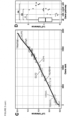
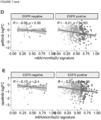
- the inventors observed that a high m 6 A/mcm 5 s 2 U signature correlates with increased sensitivity to EGFR-targeting tyrosine kinase inhibitors (TKIs) including lapatinib and gefitinib ( Figure 7 ).
- TKIs EGFR-targeting tyrosine kinase inhibitors
- Figure 7 the combined m6A/mcm5s2U signature serves as a biomarker for the sensitivity to EGFR inhibition.
- the combined m6A/mcm5s2U signature can be used as a biomarker to predict treatment success in a cancer patient.
- the cancer patient is treated with EGFR-targeting tyrosine kinase inhibitors (TKIs).
- TKIs tyrosine kinase inhibitors
- the present invention is not limited to predicting treatment success with EGFR-targeting TKIs.
- the combined m6A/mcm5s2U signature can be used as a biomarker to predict treatment success of a patient with any kind of treatment.
- the treatment whose success shall be predicted is targeting the epitranscriptome.
- An additionally preferred embodiment of this invention relates to the above-described in-vitro method of stratifying a patient for a treatment, wherein (i) said at least one first biomarker is selected from a gene, mRNA or protein of the m6A methyltransferase complex (m6A-MTC), an m6A reader protein, and an m6A eraser protein, and preferably is METTL3, METTL14, WTAP, VIRMA, RBM15, ZC3H13, YTHDF1, YTHDF2, YTHDF3, FTO, KIAA1429, CBLL1, RBM15, and/or ALKBH5s; and/or (ii) wherein said at least one second biomarker is selected from a gene, mRNA or protein of ELP1/IKBKAP, ELP2, ELP3, ELP4, ELP5, ELP6, CTU1, CTU2, MOCS3, URM1, and/or ALKBH8.
- m6A-MTC m6
- said at least one second biomarker (ii) comprises a panel of CTU1, CTU2, MOCS3, and URM1, and/or wherein said at least one second biomarker (ii) consists of a panel of CTU1, CTU2, MOCS3, and URM1.
- a further preferred embodiment of the present invention relates to the above in-vitro method of stratifying a patient for a treatment, wherein based on the differential level, mutation status, and/or activity of said first and/or second biomarker in the biological sample from said subject compared to said reference sample or value in (d), it is decided in favor of enhancing or inhibiting the level, mutation status, and/or activity of the pathway regulating N6-methyladenosine (m6A) mRNA modification, and/or enhancing or inhibiting the level, mutation status, and/or activity of the pathway regulating 5-methoxycarbonylmethyl-2-thiouridine (mem5s2U)-tRNA modification.
- m6A N6-methyladenosine
- One preferred embodiment of the invention pertains to the above described in-vitro method of stratifying a patient for a treatment, wherein said treatment is a treatment targeting an m6A-mRNA modification in a cell and/or an mcm5s2U-tRNA modification in a cell, preferably wherein said treatment inhibits or activates the m6A methyltransferase complex (m6A-MTC), an m6A reader protein, an m6A eraser protein, and/or the elongator complex.
- m6A-MTC m6A methyltransferase complex
- the differential level, mutation status, and/or activity of said first and/or second biomarker in the biological sample from said subject compared to said reference sample or value in (d) is at least 1%, preferably at least 5%, more preferably at least 10%, even more preferably at least 15%, and most preferably at least 20% higher or lower compared to said reference sample or reference value, it is decided in favor of said treatment.
- the object of the present invention is furthermore solved by an in-vitro method for evaluating the treatment success of a patient who received a treatment, the in-vitro method comprising the steps of:
- an in-vitro method for evaluating the treatment success of a patient who received a treatment wherein a decrease or an increase of at least 10%, preferably at least 20%, more preferably 25%, even more preferably 30%, and most preferably 35% to 45% of said level, mutation status, and/or activity of said first and/or second biomarker in the biological sample from said subject compared to said reference sample or reference value is an indication for the patient's response to said treatment.
- a further preferred embodiment of the present invention relates to the in-vitro method of this invention, wherein (i) said at least one first biomarker is selected from a gene, mRNA or protein of the m6A methyltransferase complex (m6A-MTC), an m6A reader protein, and an m6A eraser protein, and preferably is METTL3, METTL14, WTAP, VIRMA, RBM15, ZC3H13, YTHDF1, YTHDF2, YTHDF3, FTO, KIAA1429, CBLL1, RBM15, and/or ALKBH5s; and/or (ii) wherein said at least one second biomarker is selected from a gene, mRNA or protein of ELP1/IKBKAP, ELP2, ELP3, ELP4, ELP5, ELP6, CTU1, CTU2, MOCS3, URM1, and/or ALKBH8.
- m6A-MTC m6A methyltransferase complex
- the "reference" in the context of the here described aspect of the invention preferably corresponds to the level of said of at least one biomarker in a provided biological sample obtained from said patient before receiving said treatment.
- the reference corresponds to an untreated control.
- said reference corresponds to the ratio of the level, mutation status, and/or activity of said first biomarker to the level, mutation status, and/or activity of said second biomarker in a provided biological sample obtained from said patient before receiving said treatment.
- a further preferred embodiment of the present invention relates to the in-vitro method of this invention, wherein said treatment is a treatment targeting an m6A-mRNA modification in a cell and/or an mcm5s2U-tRNA modification in a cell, preferably wherein said treatment inhibits or activates the m6A methyltransferase complex (m6A-MTC), an m6A reader protein, an m6A eraser protein, and/or the elongator complex.
- m6A-MTC m6A methyltransferase complex
- said disease, condition or disorder is preferably treated by adjusting the level of mcm5s2U to m6A, i.e. the mcm5s2U to m6A ratio, characterized in that a mcm5s2U-modified tRNA enhances the decoding of m6A-modified mRNA, thereby regulating gene expression and cell differentiation.
- All methods of the herein described invention are in-vitro methods, preferably in- vitro methods that do not comprise any method steps performed at the human or animal body.
- a further preferred embodiment of the present invention relates to the in-vitro method of this invention, wherein said disease, condition or disorder is selected from cancer, a viral disease, a cardiac disease, a neurodegenerative disease, a disease associated with oxidative stress, and other diseases that show a differential level, mutation status, and/or activity of the pathway regulating N6-methyladenosine (m6A) mRNA modification in a cell, and/or that show a differential level, mutation status, and/or activity of the pathway regulating 5-methoxycarbonylmethyl-2-thiouridine (mem5s2U)-tRNA modification in a cell.
- m6A N6-methyladenosine
- mem5s2U 5-methoxycarbonylmethyl-2-thiouridine
- said cancer is selected from melanoma, glioblastoma, breast cancer, endometrial cancer, Acute Myeloid Leukemia (AML), lung cancer, bladder cancer, hepatocellular cancer, medulloblastoma, kidney cancer, liver cancer, head and neck cancer, prostate cancer, pancreatic cancer, stomach cancer, colon cancer, thyroid cancer, esophageal cancer, brain cancer, colorectal cancer, gastric cancer, cervical cancer, ovarian cancer, cancer of the urinary tract, renal cancer, carcinoma, and a tumor that shows a differential level, mutation status, and/or activity of the pathway regulating m6A-mRNA modification in a cell, and/or regulating mcm5s2U-tRNA modification in a cell, preferably wherein said cancer is melanoma, glioblastoma, breast cancer, endometrial cancer, Acute Myeloid Leukemia (AML), lung cancer, bladder cancer, hepatocellular cancer, med
- the invention pertains to the use of a kit in an in-vitro method for the prognosis, diagnosis, and/or monitoring of a disease, condition or disorder in a subject as defined the claims, the kit comprising means for quantifying the level, mutation status, and/or activity of the at least one m6A-mRNA modification biomarker indicative and/or selective for the status and/or activity of the pathway regulating m6A-mRNA modification in a cell, and/or for quantifying the level, mutation status, and/or activity of the at least one mcm5s2U-tRNA anticodon modification biomarker indicative and/or selective for the status and/or activity of the pathway regulating mcm5s2U-tRNA anticodon modification in a cell.
- a further preferred embodiment of the present invention relates to the kit of this invention, wherein (i) said at least one first biomarker is selected from a gene, mRNA or protein of the m6A methyltransferase complex (m6A-MTC), an m6A reader protein, and an m6A eraser protein, and preferably is METTL3, METTL14, WTAP, VIRMA, RBM15, ZC3H13, YTHDF1, YTHDF2, YTHDF3, FTO, KIAA1429, CBLL1, RBM15, and/or ALKBH5s; and/or (ii) wherein said at least one second biomarker is selected from a gene, mRNA or protein of ELP1/IKBKAP, ELP2, ELP3, ELP4, ELP5, ELP6, CTU1, CTU2, MOCS3, URM1, and/or ALKBH8.
- m6A-MTC m6A methyltransferase complex
- said at least one second biomarker (ii) comprises a panel of CTU1, CTU2, MOCS3, and URM1, and/or wherein said at least one second biomarker (ii) consists of a panel of CTU1, CTU2, MOCS3, and URM1.
- One preferred embodiment of the invention pertains to the above described kit, comprising one or more antibodies, derivatives, or antigenic fragments thereof, for the detection of (i) at least one of a protein of the m6A methyltransferase complex (m6A-MTC), an m6A reader protein, and an m6A eraser protein, preferably of METTL3, METTL14, WTAP, VIRMA, RBM15, ZC3H13, YTHDF1, YTHDF2, YTHDF3, FTO, KIAA1429, CBLL1, RBM15, and/or ALKBH5s; and/or comprising one or more antibodies, derivatives, or antigenic fragments thereof, for the detection of (ii) at least one of ELP1/IKBKAP, ELP2, ELP3, ELP4, ELP5, ELP6, CTU1, CTU2, MOCS3, URM1, and/or ALKBH8.
- m6A-MTC m6A methyltransferase complex
- kits of the invention may have many applications.
- the kits can be used to differentiate if a subject has a certain disease, condition or disorder, such as cancer, in particular breast cancer, such as metastatic breast cancer, or CTC positive breast cancer, or has a negative diagnosis, thus aiding a certain diagnosis.
- the kit can further comprise instructions for suitable operational parameters in the form of a label or a separate insert.
- the kit may have standard instructions informing a consumer how to wash the probe after a sample of plasma is contacted on the probe.
- kits comprises (a) an antibody that specifically binds to a marker; and (b) a detection reagent.
- a kit can be prepared from the materials described above, and the previous discussion regarding the materials (e.g., antibodies, detection reagents, immobilized supports, etc.) is fully applicable to this section and need not be repeated.
- the kit may optionally further comprise a standard or control information so that the test sample can be compared with the control information standard to determine if the test amount of a marker detected in a sample is a diagnostic amount consistent with a diagnosis of a disease, condition or disorder, such as cancer, preferably breast cancer.
- a standard or control information so that the test sample can be compared with the control information standard to determine if the test amount of a marker detected in a sample is a diagnostic amount consistent with a diagnosis of a disease, condition or disorder, such as cancer, preferably breast cancer.
- Such antibodies are known in the art and are commercially available.
- the term “comprising” is to be construed as encompassing both “including” and “consisting of”, both meanings being specifically intended, and hence individually disclosed embodiments in accordance with the present invention.
- “and/or” is to be taken as specific disclosure of each of the two specified features or components with or without the other.
- a and/or B is to be taken as specific disclosure of each of (i) A, (ii) B and (iii) A and B, just as if each is set out individually herein.
- the terms “about” and “approximately” denote an interval of accuracy that the person skilled in the art will understand to still ensure the technical effect of the feature in question.
- the term typically indicates deviation from the indicated numerical value by ⁇ 20%, ⁇ 15%, ⁇ 10%, and for example ⁇ 5%.
- the specific such deviation for a numerical value for a given technical effect will depend on the nature of the technical effect.
- a natural or biological technical effect may generally have a larger such deviation than one for a man-made or engineering technical effect.
- the specific such deviation for a numerical value for a given technical effect will depend on the nature of the technical effect.
- a natural or biological technical effect may generally have a larger such deviation than one for a man-made or engineering technical effect.
- the examples show:
- the inventors used transcriptional shutoff datasets, and calculated decay rates by linear regression of log-transformed expression data over time. Where available, the inventors used preprocessed expression values (table 1). Otherwise, raw sequencing data was used to determine expression by alignment and read counting or microarray data was obtained from GEO (see table 1). In case preprocessed data contained more than one measurement per gene (i.e. different isoforms of probes), the gene average was used. Because only relative decay rates were analyzed, spike-in normalization was omitted. For SLAM-Seq data analysis, published conversion rates (see table 1) were averaged per gene and decay rates.
- the inventors focused on analyzing the third position of codons, because m6A sites at the third codon position are more conserved between mouse and human. This position also has the highest DRACH methylation rate, and ribosome pauses are strongest.
- the third position of a codon is further special, as it tolerates non-Watson/Crick ("wobble") base pairing with the tRNA anticodon to enable the degeneracy of the genetic code. Intriguingly, modified nucleotides in the tRNA anticodon often modulate wobble decoding and can influence tRNA selection.
- a tRNA anticodon nucleotide modification that juxtaposes adenosines at the wobble position is mcm5s2U.
- the inventors generated HEK293 cell lines in which IKBKAP or CTU2 were knocked out using CRISPR to efficiently deplete mcm5s2U.
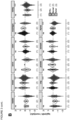
- the inventors then used ribosome profiling to determine A-site occupancies, classifying DRACH codons into m6A-modified and unmodified codons.
- Raw sequencing data was trimmed for the appropriate adapter with flexbar and aligned with STAR. Reads with a length of 28, 29 or 30 nt were used. Offsets of RPF 5'-ends to A-site codons were determined by analyzing RPF 5'-end coverage at start and stop codons and were found to be 15 nt for all datasets analyzed. Normalized A-site coverages were calculated for all nucleotides in the transcriptome.
- a z-score normalization of the raw counts was performed in a window of -60 nt to +60 nt surrounding the position of interest.
- codons the normalized A-site coverage at position 1 (i.e. of ribosomes translating it in-frame) was used.
- window coverage plots the average z-scores at each position are plotted.
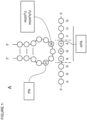
- the inventors discovered a mechanism by which m6A connects nuclear mRNA processing to tRNA decoding.
- the inventors found that the amount of m6A that is deposited in the protein coding sequence (CDS) of an mRNA correlates with the length of the exons in this region, and CDS m6A leads to the slow decoding of a subset of modified codons in vivo.
- CDS protein coding sequence
- CDS m6A leads to the slow decoding of a subset of modified codons in vivo.
- decoding can be facilitated by the tRNA anticodon modification 5-methoxycarbonylmethyl-2-thiouridine (mcm5s2U), thereby revealing an unanticipated link between the mRNA and tRNA epitranscriptomes.
- the m6A-mcm5s2U-system controls mRNA half-life in a translation-dependent manner and thus connects the exon-intron architecture of mRNAs to their turnover.
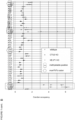
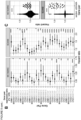
- the inventors analyzed 24 cancer types with mutations in at least one of the biogenesis pathway components of the m6A biogenesis pathway, the carboxymethylation (mcm 5 U) biogenesis pathway, and the thiolation (mcm5s2U) biogenesis pathway ( Fig. 2 ).
- the inventors further analyzed cross-pathway co-occurrence of mutations between m6A and mcm5s2U biogenesis factors in cancer type-specific plots and found a significant enrichment of mutations co-occurring between m6A and mcm5s2U pathway components ( Fig. 2 ), i.e. tumors with mutations in the m6A pathway tend to also have mutations in the mcm5s2U pathway and vice versa.
- m6A and mcm5s2U are key players in cancer.
- the inventors further compared somatic mutations to germline variants in components of the m6A biogenesis pathway, of the carboxymethylation (mcm 5 U) biogenesis pathway, and of the thiolation (mcm5s2U) biogenesis pathway ( Fig. 2 ), and found mcm5s2U is more tolerant to germline loss of function mutations than m6A. This might have an impact on cancer predisposition.
- Example 3 m6A and mcm5s2U biogenesis signatures differ in normal tissues and tumors
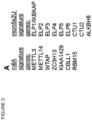
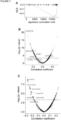
- the inventors used genes involved in the biogenesis of m6A and mcm5s2U to calculate expression signatures of m6A and mcm5s2U ( Fig. 3A ).
- a ratio of m6A/mcm5s2U was then used to analyze whether the m6A/mcm5s2U signature gene expression is balanced.
- the m6A/mcm5s2U signature expression balance differs between normal tissues, and tumors ( Fig. 3B ).
- m6A/mcm5s2U signature gene expression ratio can be used to group diseases, conditions or disorders into the following groups:
- the control is preferably a cohort-intrinsic reference sample.
- the inventors found that if the m6A/mcm5s2U signature gene expression ratio is such that the result is indicative for:
- a particularly preferred embodiment of this invention relates to the use of an mcm5S2U inhibitor in the treatment and/or prevention of bladder cancer, breast cancer, esophagus cancer, lung cancer, and thyroid cancer.
- said cancer to be treated is breast cancer.
- the inventors further found that if the m6A/mcm5s2U signature gene expression ratio is such that the result is indicative for
- the inventors discovered that cells balance the expression of m6A and mcm5s2U biogenesis machineries and failure to do so is associated with particular diseases, such as cancer, suggesting that the m6A/mcm5s2U axis has evolved as an epitranscriptomic mechanism to regulate gene expression and control cell differentiation.
- the expression of biogenesis factors for m6A and mcm5s2U is highly correlated.
- CRISPR gene-dependency data shows that cancer cells that depend on m6A biogenesis factors also require mcm5s2U biogenesis factors and vice-versa.
- Example 4 m6A and mcm5s2U expression signatures predict survival in melanoma and breast cancer cohorts
- the inventors found that if the m6A/mcm5s2U signature gene expression ratio is such that the result is indicative for a higher level of m6A-modified mRNA and a lower level of mcm5s2U-modified tRNA, the prognosis for said subject is higher than for a subject suffering from the same disease, condition or disorder and not showing such result.
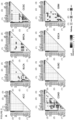
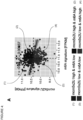
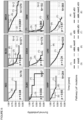
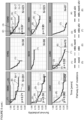
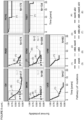
- the inventors further used different mcm5s2U ("s2U”)/m6A biogenesis factor gene pair expression ratios to predict overall survival in the METABRIC and SCANB breast cancer cohorts ( Fig. 5 ).
- hazard ratios of mcm5s2U ("s 2 U")/m6A gene pairs are significantly higher than those of 1000 randomly selected gene pairs ( Fig. 5C ).
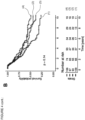
- the inventors used Kaplan-Meier survival curves to confirm the poor overall survival of patients with a shifted gene pair balance towards mcm5s2U biogenesis factors in the METABRIC cohort ( Fig. 6A ) and SCANB cohort ( Fig. 6B ).
- the expression ratios of mcm5s2U (“s 2 U”)/m6A biogenesis factor gene pairs were categorized into high (more mcm5s2U) and low (more m6A).
- Example 5 A combined m 6 A and mcm 5 s 2 U signature predicts specific cancer cell line vulnerabilities
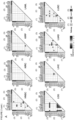
- EGFR is one of the top gene dependencies that correlate with a high m 6 A/mcm 5 s 2 U signature ( Fig. 7B ).
- Receptor tyrosine kinases of the EGFR/ErbB family are frequently overexpressed in tumors and targeted by several FDA-approved tyrosine kinase inhibitors (TKIs) including lapatinib and gefitinib.
- m 6 A/mcm 5 s 2 U signature Fig. 7C
- a high m 6 A/mcm 5 s 2 U signature correlates with increased sensitivity to lapatinib and gefitinib in EGFR-positive cells.
- Cell lines in the lowest signature quartile are as insensitive to EGFR inhibitors as EGFR-negative cells.
- the combined m6A/mcm5s2U signature serves as a biomarker for the sensitivity of cancer cells to EGFR inhibition.
- Example 6 Tumor somatic mutations in m6A and mcm5s2U biogenesis pathways are not associated with significantly different overall survival
- the inventors analyzed whether tumor somatic mutations in m6A and mcm5s2U biogenesis pathways are associated with different overall survival in TCGA cancer cohorts.
- the results show that tumor somatic mutations in m6A and mcm5s2U biogenesis pathways are not associated with significantly different overall survival in general ( Fig. 8 ). While for some cancers, significant differences in survival (e.g. breast cancer [BRCA]) are detected, this is based on very few mutant cases.
- BRCA breast cancer
Landscapes
- Chemical & Material Sciences (AREA)
- Life Sciences & Earth Sciences (AREA)
- Health & Medical Sciences (AREA)
- Organic Chemistry (AREA)
- Proteomics, Peptides & Aminoacids (AREA)
- Engineering & Computer Science (AREA)
- Immunology (AREA)
- Pathology (AREA)
- Analytical Chemistry (AREA)
- Zoology (AREA)
- Genetics & Genomics (AREA)
- Wood Science & Technology (AREA)
- Physics & Mathematics (AREA)
- Biotechnology (AREA)
- Microbiology (AREA)
- Molecular Biology (AREA)
- Hospice & Palliative Care (AREA)
- Biophysics (AREA)
- Oncology (AREA)
- Biochemistry (AREA)
- Bioinformatics & Cheminformatics (AREA)
- General Engineering & Computer Science (AREA)
- General Health & Medical Sciences (AREA)
- Measuring Or Testing Involving Enzymes Or Micro-Organisms (AREA)
- Investigating Or Analysing Biological Materials (AREA)
Applications Claiming Priority (2)
| Application Number | Priority Date | Filing Date | Title |
|---|---|---|---|
| EP20186398 | 2020-07-17 | ||
| PCT/EP2021/069952 WO2022013420A1 (en) | 2020-07-17 | 2021-07-16 | Prognostic biomarkers for cancer |
Publications (2)
| Publication Number | Publication Date |
|---|---|
| EP4182480A1 EP4182480A1 (en) | 2023-05-24 |
| EP4182480B1 true EP4182480B1 (en) | 2025-05-07 |
Family
ID=71670069
Family Applications (1)
| Application Number | Title | Priority Date | Filing Date |
|---|---|---|---|
| EP21739731.4A Active EP4182480B1 (en) | 2020-07-17 | 2021-07-16 | Prognostic biomarkers for cancer |
Country Status (7)
| Country | Link |
|---|---|
| US (1) | US20230340608A1 (enExample) |
| EP (1) | EP4182480B1 (enExample) |
| JP (1) | JP2023533873A (enExample) |
| CN (1) | CN116113712A (enExample) |
| AU (1) | AU2021309571A1 (enExample) |
| CA (1) | CA3186353A1 (enExample) |
| WO (1) | WO2022013420A1 (enExample) |
Families Citing this family (5)
| Publication number | Priority date | Publication date | Assignee | Title |
|---|---|---|---|---|
| CN114438216B (zh) * | 2022-03-16 | 2022-09-16 | 上海市东方医院(同济大学附属东方医院) | m6A甲基转移酶WTAP在制备用于诊断直肠癌新辅助放疗抵抗标记物中的用途 |
| CN115176760B (zh) * | 2022-07-07 | 2023-11-17 | 电子科技大学 | 一种构建视网膜色素变性疾病模型的方法、应用及繁育方法 |
| WO2024039764A2 (en) * | 2022-08-17 | 2024-02-22 | Ohio State Innovation Foundation | Epitranscriptomic analysis of glioma |
| CN116287212B (zh) * | 2023-03-24 | 2025-02-11 | 苏州市立医院 | 一种不明原因反复胚胎种植失败疾病中的子宫内膜容受性标志物 |
| CN117969839A (zh) * | 2023-12-20 | 2024-05-03 | 上海交通大学医学院附属瑞金医院 | Gp1bb作为预测宫颈癌免疫治疗疗效的生物标志物的应用 |
Citations (2)
| Publication number | Priority date | Publication date | Assignee | Title |
|---|---|---|---|---|
| WO2018075947A1 (en) * | 2016-10-20 | 2018-04-26 | The Regents Of The University Of California | Methods and compositions for the treatment of rna viral infections |
| WO2021116477A1 (en) * | 2019-12-12 | 2021-06-17 | Chemestmed Ltd. | METHOD OF SUPPRESSING CANCER BY RNA m6A METHYLTRANSFERASE METTL16 INHIBITORS |
Family Cites Families (6)
| Publication number | Priority date | Publication date | Assignee | Title |
|---|---|---|---|---|
| AU2005289756B2 (en) | 2004-09-22 | 2011-10-13 | Tripath Imaging, Inc. | Methods and computer program products for analysis and optimization of marker candidates for cancer prognosis |
| EP2270510A1 (en) * | 2009-07-02 | 2011-01-05 | EMBL (European Molecular Biology Laboratory) | Diagnostic method for predicting the risk of cancer recurrence based on Histone macroH2A isoforms |
| US20110097732A1 (en) | 2009-10-26 | 2011-04-28 | Medinnova As | Novel biomarker for the prognosis of breast cancer |
| WO2019178217A1 (en) * | 2018-03-13 | 2019-09-19 | Baylor Research Institute | Methods and compositions for treating, diagnosing, and prognosing cancer |
| CA3094508A1 (en) * | 2018-03-22 | 2019-09-26 | Janssen Biopharma, Inc. | Modified oligonucleotides and methods of use |
| EP3589745A1 (en) * | 2018-04-11 | 2020-01-08 | Chemestmed Ltd. | A method of modulating the rna methylation |
-
2021
- 2021-07-16 US US18/016,601 patent/US20230340608A1/en active Pending
- 2021-07-16 CN CN202180062982.5A patent/CN116113712A/zh active Pending
- 2021-07-16 CA CA3186353A patent/CA3186353A1/en active Pending
- 2021-07-16 JP JP2023503145A patent/JP2023533873A/ja active Pending
- 2021-07-16 AU AU2021309571A patent/AU2021309571A1/en active Pending
- 2021-07-16 WO PCT/EP2021/069952 patent/WO2022013420A1/en not_active Ceased
- 2021-07-16 EP EP21739731.4A patent/EP4182480B1/en active Active
Patent Citations (2)
| Publication number | Priority date | Publication date | Assignee | Title |
|---|---|---|---|---|
| WO2018075947A1 (en) * | 2016-10-20 | 2018-04-26 | The Regents Of The University Of California | Methods and compositions for the treatment of rna viral infections |
| WO2021116477A1 (en) * | 2019-12-12 | 2021-06-17 | Chemestmed Ltd. | METHOD OF SUPPRESSING CANCER BY RNA m6A METHYLTRANSFERASE METTL16 INHIBITORS |
Non-Patent Citations (11)
| Title |
|---|
| BARBIERI ISAIA ET AL: "Role of RNA modifications in cancer", NATURE REVIEWS CANCER, NATURE PUB. GROUP, LONDON, vol. 20, no. 6, 16 April 2020 (2020-04-16), pages 303 - 322, XP037149667, ISSN: 1474-175X, [retrieved on 20200416], DOI: 10.1038/S41568-020-0253-2 * |
| DEDON PETER C ET AL: "Dysfunctional tRNA reprogramming and codon-biased translation in cancer", TRENDS IN MOLECULAR MEDICINE, ELSEVIER CURRENT TRENDS, GB, vol. 28, no. 11, 11 October 2022 (2022-10-11), pages 964 - 978, XP087218279, ISSN: 1471-4914, [retrieved on 20221011], DOI: 10.1016/J.MOLMED.2022.09.007 * |
| ESTEVE-PUIG ROSAURA ET AL: "Writers, readers and erasers of RNA modifications in cancer", CANCER LETTERS, NEW YORK, NY, US, vol. 474, 25 January 2020 (2020-01-25), pages 127 - 137, XP086030018, ISSN: 0304-3835, [retrieved on 20200125], DOI: 10.1016/J.CANLET.2020.01.021 * |
| FABBRI LUCILLA ET AL: "The plasticity of mRNA translation during cancer progression and therapy resistance", NATURE REVIEWS CANCER, NATURE PUB. GROUP, LONDON, vol. 21, no. 9, 2 August 2021 (2021-08-02), pages 558 - 577, XP037545744, ISSN: 1474-175X, [retrieved on 20210802], DOI: 10.1038/S41568-021-00380-Y * |
| JUNHONG CHOI ET AL: "N6-methyladenosine in mRNA disrupts tRNA selection and translation-elongation dynamics", NATURE STRUCTURAL & MOLECULAR BIOLOGY, vol. 23, no. 2, 11 January 2016 (2016-01-11), New York, pages 110 - 115, XP055756345, ISSN: 1545-9993, DOI: 10.1038/nsmb.3148 * |
| LEONARDI ANDREA ET AL: "Epitranscriptomic systems regulate the translation of reactive oxygen species detoxifying and disease linked selenoproteins", FREE RADICAL BIOLOGY & MEDICINE, ELSEVIER INC, US, vol. 143, 30 August 2019 (2019-08-30), pages 573 - 593, XP085901745, ISSN: 0891-5849, [retrieved on 20190830], DOI: 10.1016/J.FREERADBIOMED.2019.08.030 * |
| LI YUE ET AL: "Expression of Demethylase Genes,FTOandALKBH1, Is Associated with Prognosis of Gastric Cancer", DIGESTIVE DISEASES AND SCIENCES, SPRINGER NEW YORK LLC, US, vol. 64, no. 6, 14 January 2019 (2019-01-14), pages 1503 - 1513, XP036784551, ISSN: 0163-2116, [retrieved on 20190114], DOI: 10.1007/S10620-018-5452-2 * |
| NICKY JONKHOUT ET AL: "The RNA modification landscape in human disease", RNA, vol. 23, no. 12, 16 December 2017 (2017-12-16), US, pages 1754 - 1769, XP055516059, ISSN: 1355-8382, DOI: 10.1261/rna.063503.117 * |
| PAN TAO: "Modifications and functional genomics of human transfer RNA", CELL RESEARCH, SPRINGER SINGAPORE, SINGAPORE, vol. 28, no. 4, 20 February 2018 (2018-02-20), pages 395 - 404, XP036800629, ISSN: 1001-0602, [retrieved on 20180220], DOI: 10.1038/S41422-018-0013-Y * |
| R. JORDAN ONTIVEROS ET AL: "Coordination of mRNA and tRNA methylations by TRMT10A", PROCEEDINGS OF THE NATIONAL ACADEMY OF SCIENCES, vol. 117, no. 14, 25 March 2020 (2020-03-25), pages 7782 - 7791, XP055756672, ISSN: 0027-8424, DOI: 10.1073/pnas.1913448117 * |
| RAMOS JILLIAN ET AL: "The emerging impact of tRNA modifications in the brain and nervous system", BIOCHIMICA ET BIOPHYSICA ACTA. GENE REGULATORY MECHANISMS, vol. 1862, no. 3, pages 412 - 428, XP085616575, ISSN: 1874-9399, DOI: 10.1016/J.BBAGRM.2018.11.007 * |
Also Published As
| Publication number | Publication date |
|---|---|
| EP4182480A1 (en) | 2023-05-24 |
| JP2023533873A (ja) | 2023-08-04 |
| CA3186353A1 (en) | 2022-01-20 |
| US20230340608A1 (en) | 2023-10-26 |
| AU2021309571A1 (en) | 2023-03-16 |
| CN116113712A (zh) | 2023-05-12 |
| WO2022013420A1 (en) | 2022-01-20 |
Similar Documents
| Publication | Publication Date | Title |
|---|---|---|
| Li et al. | Somatic SF3B1 hotspot mutation in prolactinomas | |
| Mortensen et al. | Expression profiling of prostate cancer tissue delineates genes associated with recurrence after prostatectomy | |
| Filella et al. | Emerging biomarkers in the diagnosis of prostate cancer | |
| US20230340608A1 (en) | Prognostic biomarkers for cancer | |
| Thangaraj et al. | Molecular portrait of oral tongue squamous cell carcinoma shown by integrative meta-analysis of expression profiles with validations | |
| Yan et al. | Identification of CAV1 and DCN as potential predictive biomarkers for lung adenocarcinoma | |
| Kang et al. | Expression levels of FGFR3 as a prognostic marker for the progression of primary pT1 bladder cancer and its association with mutation status | |
| JP2020503850A (ja) | 腫瘍抑制foxo活性を酸化ストレスから区別する方法 | |
| CN106978480A (zh) | 用于癌症的分子诊断试验 | |
| WO2009158620A2 (en) | Signatures and determinants associated with metastasis methods of use thereof | |
| KR102170726B1 (ko) | 바이오마커의 선별 방법 및 이를 이용한 암의 진단을 위한 정보제공방법 | |
| CN104583422A (zh) | 标志物在诊断和治疗前列腺癌中的用途 | |
| CN104508143A (zh) | 用于急性髓细胞白血病的诊断、预后和治疗的方法和组合物 | |
| CN102549167A (zh) | 作为前列腺癌标志物的磷酸二酯酶4d7 | |
| Hall et al. | Hormone-replacement therapy influences gene expression profiles and is associated with breast-cancer prognosis: a cohort study | |
| JP2018525994A (ja) | ネオモルフィックsf3b1変異体に関連するスプライスバリアント | |
| US20210277479A1 (en) | Risk scores based on human phosphodiesterase 4 d variant 7 expression | |
| KR20180002882A (ko) | 유전자 발현 프로파일 및 유방암에 대한 이의 용도 | |
| JP2023533873A5 (enExample) | ||
| US20150024956A1 (en) | Methods for diagnosis and/or prognosis of gynecological cancer | |
| Jonsdottir et al. | Prognostic value of gene signatures and proliferation in lymph-node-negative breast cancer | |
| Navvabi et al. | Altered expression of MBNL family of alternative splicing factors in colorectal cancer | |
| Du et al. | Angiopoietin-2 gene polymorphisms are biomarkers for the development and progression of colorectal cancer in Han Chinese | |
| WO2021013891A1 (en) | Methods for diagnosing cancer | |
| Chang et al. | Optimization of a multigene biochip for detection of relapsed and early relapsed colorectal cancer |
Legal Events
| Date | Code | Title | Description |
|---|---|---|---|
| STAA | Information on the status of an ep patent application or granted ep patent |
Free format text: STATUS: UNKNOWN |
|
| STAA | Information on the status of an ep patent application or granted ep patent |
Free format text: STATUS: THE INTERNATIONAL PUBLICATION HAS BEEN MADE |
|
| PUAI | Public reference made under article 153(3) epc to a published international application that has entered the european phase |
Free format text: ORIGINAL CODE: 0009012 |
|
| STAA | Information on the status of an ep patent application or granted ep patent |
Free format text: STATUS: REQUEST FOR EXAMINATION WAS MADE |
|
| 17P | Request for examination filed |
Effective date: 20230217 |
|
| AK | Designated contracting states |
Kind code of ref document: A1 Designated state(s): AL AT BE BG CH CY CZ DE DK EE ES FI FR GB GR HR HU IE IS IT LI LT LU LV MC MK MT NL NO PL PT RO RS SE SI SK SM TR |
|
| DAV | Request for validation of the european patent (deleted) | ||
| DAX | Request for extension of the european patent (deleted) | ||
| STAA | Information on the status of an ep patent application or granted ep patent |
Free format text: STATUS: EXAMINATION IS IN PROGRESS |
|
| 17Q | First examination report despatched |
Effective date: 20240221 |
|
| GRAP | Despatch of communication of intention to grant a patent |
Free format text: ORIGINAL CODE: EPIDOSNIGR1 |
|
| STAA | Information on the status of an ep patent application or granted ep patent |
Free format text: STATUS: GRANT OF PATENT IS INTENDED |
|
| INTG | Intention to grant announced |
Effective date: 20241202 |
|
| GRAS | Grant fee paid |
Free format text: ORIGINAL CODE: EPIDOSNIGR3 |
|
| GRAA | (expected) grant |
Free format text: ORIGINAL CODE: 0009210 |
|
| STAA | Information on the status of an ep patent application or granted ep patent |
Free format text: STATUS: THE PATENT HAS BEEN GRANTED |
|
| AK | Designated contracting states |
Kind code of ref document: B1 Designated state(s): AL AT BE BG CH CY CZ DE DK EE ES FI FR GB GR HR HU IE IS IT LI LT LU LV MC MK MT NL NO PL PT RO RS SE SI SK SM TR |
|
| REG | Reference to a national code |
Ref country code: GB Ref legal event code: FG4D |
|
| REG | Reference to a national code |
Ref country code: CH Ref legal event code: EP |
|
| REG | Reference to a national code |
Ref country code: DE Ref legal event code: R096 Ref document number: 602021030449 Country of ref document: DE |
|
| REG | Reference to a national code |
Ref country code: IE Ref legal event code: FG4D |
|
| P01 | Opt-out of the competence of the unified patent court (upc) registered |
Free format text: CASE NUMBER: APP_21489/2025 Effective date: 20250506 |
|
| REG | Reference to a national code |
Ref country code: NL Ref legal event code: MP Effective date: 20250507 |
|
| PG25 | Lapsed in a contracting state [announced via postgrant information from national office to epo] |
Ref country code: PT Free format text: LAPSE BECAUSE OF FAILURE TO SUBMIT A TRANSLATION OF THE DESCRIPTION OR TO PAY THE FEE WITHIN THE PRESCRIBED TIME-LIMIT Effective date: 20250908 Ref country code: ES Free format text: LAPSE BECAUSE OF FAILURE TO SUBMIT A TRANSLATION OF THE DESCRIPTION OR TO PAY THE FEE WITHIN THE PRESCRIBED TIME-LIMIT Effective date: 20250507 Ref country code: FI Free format text: LAPSE BECAUSE OF FAILURE TO SUBMIT A TRANSLATION OF THE DESCRIPTION OR TO PAY THE FEE WITHIN THE PRESCRIBED TIME-LIMIT Effective date: 20250507 |
|
| PGFP | Annual fee paid to national office [announced via postgrant information from national office to epo] |
Ref country code: DE Payment date: 20250707 Year of fee payment: 5 |
|
| REG | Reference to a national code |
Ref country code: LT Ref legal event code: MG9D |
|
| PG25 | Lapsed in a contracting state [announced via postgrant information from national office to epo] |
Ref country code: NO Free format text: LAPSE BECAUSE OF FAILURE TO SUBMIT A TRANSLATION OF THE DESCRIPTION OR TO PAY THE FEE WITHIN THE PRESCRIBED TIME-LIMIT Effective date: 20250807 Ref country code: GR Free format text: LAPSE BECAUSE OF FAILURE TO SUBMIT A TRANSLATION OF THE DESCRIPTION OR TO PAY THE FEE WITHIN THE PRESCRIBED TIME-LIMIT Effective date: 20250808 |
|
| PG25 | Lapsed in a contracting state [announced via postgrant information from national office to epo] |
Ref country code: NL Free format text: LAPSE BECAUSE OF FAILURE TO SUBMIT A TRANSLATION OF THE DESCRIPTION OR TO PAY THE FEE WITHIN THE PRESCRIBED TIME-LIMIT Effective date: 20250507 Ref country code: PL Free format text: LAPSE BECAUSE OF FAILURE TO SUBMIT A TRANSLATION OF THE DESCRIPTION OR TO PAY THE FEE WITHIN THE PRESCRIBED TIME-LIMIT Effective date: 20250507 |
|
| REG | Reference to a national code |
Ref country code: AT Ref legal event code: MK05 Ref document number: 1792522 Country of ref document: AT Kind code of ref document: T Effective date: 20250507 |
|
| PG25 | Lapsed in a contracting state [announced via postgrant information from national office to epo] |
Ref country code: BG Free format text: LAPSE BECAUSE OF FAILURE TO SUBMIT A TRANSLATION OF THE DESCRIPTION OR TO PAY THE FEE WITHIN THE PRESCRIBED TIME-LIMIT Effective date: 20250507 |
|
| PGFP | Annual fee paid to national office [announced via postgrant information from national office to epo] |
Ref country code: GB Payment date: 20250724 Year of fee payment: 5 |
|
| PG25 | Lapsed in a contracting state [announced via postgrant information from national office to epo] |
Ref country code: HR Free format text: LAPSE BECAUSE OF FAILURE TO SUBMIT A TRANSLATION OF THE DESCRIPTION OR TO PAY THE FEE WITHIN THE PRESCRIBED TIME-LIMIT Effective date: 20250507 |
|
| PG25 | Lapsed in a contracting state [announced via postgrant information from national office to epo] |
Ref country code: AT Free format text: LAPSE BECAUSE OF FAILURE TO SUBMIT A TRANSLATION OF THE DESCRIPTION OR TO PAY THE FEE WITHIN THE PRESCRIBED TIME-LIMIT Effective date: 20250507 |
|
| PGFP | Annual fee paid to national office [announced via postgrant information from national office to epo] |
Ref country code: CH Payment date: 20250801 Year of fee payment: 5 |
|
| PG25 | Lapsed in a contracting state [announced via postgrant information from national office to epo] |
Ref country code: RS Free format text: LAPSE BECAUSE OF FAILURE TO SUBMIT A TRANSLATION OF THE DESCRIPTION OR TO PAY THE FEE WITHIN THE PRESCRIBED TIME-LIMIT Effective date: 20250807 |
|
| PG25 | Lapsed in a contracting state [announced via postgrant information from national office to epo] |
Ref country code: IS Free format text: LAPSE BECAUSE OF FAILURE TO SUBMIT A TRANSLATION OF THE DESCRIPTION OR TO PAY THE FEE WITHIN THE PRESCRIBED TIME-LIMIT Effective date: 20250907 |
|
| PG25 | Lapsed in a contracting state [announced via postgrant information from national office to epo] |
Ref country code: LV Free format text: LAPSE BECAUSE OF FAILURE TO SUBMIT A TRANSLATION OF THE DESCRIPTION OR TO PAY THE FEE WITHIN THE PRESCRIBED TIME-LIMIT Effective date: 20250507 |
|
| PG25 | Lapsed in a contracting state [announced via postgrant information from national office to epo] |
Ref country code: SM Free format text: LAPSE BECAUSE OF FAILURE TO SUBMIT A TRANSLATION OF THE DESCRIPTION OR TO PAY THE FEE WITHIN THE PRESCRIBED TIME-LIMIT Effective date: 20250507 Ref country code: DK Free format text: LAPSE BECAUSE OF FAILURE TO SUBMIT A TRANSLATION OF THE DESCRIPTION OR TO PAY THE FEE WITHIN THE PRESCRIBED TIME-LIMIT Effective date: 20250507 |
|
| PG25 | Lapsed in a contracting state [announced via postgrant information from national office to epo] |
Ref country code: CZ Free format text: LAPSE BECAUSE OF FAILURE TO SUBMIT A TRANSLATION OF THE DESCRIPTION OR TO PAY THE FEE WITHIN THE PRESCRIBED TIME-LIMIT Effective date: 20250507 |
|
| PG25 | Lapsed in a contracting state [announced via postgrant information from national office to epo] |
Ref country code: EE Free format text: LAPSE BECAUSE OF FAILURE TO SUBMIT A TRANSLATION OF THE DESCRIPTION OR TO PAY THE FEE WITHIN THE PRESCRIBED TIME-LIMIT Effective date: 20250507 |
|
| PG25 | Lapsed in a contracting state [announced via postgrant information from national office to epo] |
Ref country code: SK Free format text: LAPSE BECAUSE OF FAILURE TO SUBMIT A TRANSLATION OF THE DESCRIPTION OR TO PAY THE FEE WITHIN THE PRESCRIBED TIME-LIMIT Effective date: 20250507 |
|
| PG25 | Lapsed in a contracting state [announced via postgrant information from national office to epo] |
Ref country code: IT Free format text: LAPSE BECAUSE OF FAILURE TO SUBMIT A TRANSLATION OF THE DESCRIPTION OR TO PAY THE FEE WITHIN THE PRESCRIBED TIME-LIMIT Effective date: 20250507 |
|
| REG | Reference to a national code |
Ref country code: DE Ref legal event code: R097 Ref document number: 602021030449 Country of ref document: DE |
|
| PG25 | Lapsed in a contracting state [announced via postgrant information from national office to epo] |
Ref country code: RO Free format text: LAPSE BECAUSE OF FAILURE TO SUBMIT A TRANSLATION OF THE DESCRIPTION OR TO PAY THE FEE WITHIN THE PRESCRIBED TIME-LIMIT Effective date: 20250507 |
|
| PLBE | No opposition filed within time limit |
Free format text: ORIGINAL CODE: 0009261 |
|
| STAA | Information on the status of an ep patent application or granted ep patent |
Free format text: STATUS: NO OPPOSITION FILED WITHIN TIME LIMIT |
|
| PG25 | Lapsed in a contracting state [announced via postgrant information from national office to epo] |
Ref country code: LU Free format text: LAPSE BECAUSE OF NON-PAYMENT OF DUE FEES Effective date: 20250716 |
|
| REG | Reference to a national code |
Ref country code: CH Ref legal event code: L10 Free format text: ST27 STATUS EVENT CODE: U-0-0-L10-L00 (AS PROVIDED BY THE NATIONAL OFFICE) Effective date: 20260318 |
|
| REG | Reference to a national code |
Ref country code: BE Ref legal event code: MM Effective date: 20250731 |
|
| 26N | No opposition filed |
Effective date: 20260210 |
|
| PG25 | Lapsed in a contracting state [announced via postgrant information from national office to epo] |
Ref country code: BE Free format text: LAPSE BECAUSE OF NON-PAYMENT OF DUE FEES Effective date: 20250731 |
|
| PG25 | Lapsed in a contracting state [announced via postgrant information from national office to epo] |
Ref country code: LT Free format text: LAPSE BECAUSE OF FAILURE TO SUBMIT A TRANSLATION OF THE DESCRIPTION OR TO PAY THE FEE WITHIN THE PRESCRIBED TIME-LIMIT Effective date: 20250507 |
|
| PG25 | Lapsed in a contracting state [announced via postgrant information from national office to epo] |
Ref country code: IE Free format text: LAPSE BECAUSE OF NON-PAYMENT OF DUE FEES Effective date: 20250716 |
|
| PG25 | Lapsed in a contracting state [announced via postgrant information from national office to epo] |
Ref country code: MC Free format text: LAPSE BECAUSE OF FAILURE TO SUBMIT A TRANSLATION OF THE DESCRIPTION OR TO PAY THE FEE WITHIN THE PRESCRIBED TIME-LIMIT Effective date: 20250507 |
|
| REG | Reference to a national code |
Ref country code: CH Ref legal event code: U11 Free format text: ST27 STATUS EVENT CODE: U-0-0-U10-U11 (AS PROVIDED BY THE NATIONAL OFFICE) Effective date: 20260801 |
|
| PG25 | Lapsed in a contracting state [announced via postgrant information from national office to epo] |
Ref country code: CY Free format text: LAPSE BECAUSE OF FAILURE TO SUBMIT A TRANSLATION OF THE DESCRIPTION OR TO PAY THE FEE WITHIN THE PRESCRIBED TIME-LIMIT Effective date: 20250507 Ref country code: SE Free format text: LAPSE BECAUSE OF FAILURE TO SUBMIT A TRANSLATION OF THE DESCRIPTION OR TO PAY THE FEE WITHIN THE PRESCRIBED TIME-LIMIT Effective date: 20250507 |
|
| PGFP | Annual fee paid to national office [announced via postgrant information from national office to epo] |
Ref country code: FR Payment date: 20260722 Year of fee payment: 6 |
|
| PG25 | Lapsed in a contracting state [announced via postgrant information from national office to epo] |
Ref country code: TR Free format text: LAPSE BECAUSE OF FAILURE TO SUBMIT A TRANSLATION OF THE DESCRIPTION OR TO PAY THE FEE WITHIN THE PRESCRIBED TIME-LIMIT Effective date: 20250507 |