EP4174046B1 - Hard wear-resistant polished glazed ceramic tile and preparation method therefor - Google Patents
Hard wear-resistant polished glazed ceramic tile and preparation method therefor Download PDFInfo
- Publication number
- EP4174046B1 EP4174046B1 EP20942231.0A EP20942231A EP4174046B1 EP 4174046 B1 EP4174046 B1 EP 4174046B1 EP 20942231 A EP20942231 A EP 20942231A EP 4174046 B1 EP4174046 B1 EP 4174046B1
- Authority
- EP
- European Patent Office
- Prior art keywords
- weight
- percent
- glaze
- green brick
- preparation
- Prior art date
- Legal status (The legal status is an assumption and is not a legal conclusion. Google has not performed a legal analysis and makes no representation as to the accuracy of the status listed.)
- Active
Links
Images



Classifications
-
- C—CHEMISTRY; METALLURGY
- C04—CEMENTS; CONCRETE; ARTIFICIAL STONE; CERAMICS; REFRACTORIES
- C04B—LIME, MAGNESIA; SLAG; CEMENTS; COMPOSITIONS THEREOF, e.g. MORTARS, CONCRETE OR LIKE BUILDING MATERIALS; ARTIFICIAL STONE; CERAMICS; REFRACTORIES; TREATMENT OF NATURAL STONE
- C04B41/00—After-treatment of mortars, concrete, artificial stone or ceramics; Treatment of natural stone
- C04B41/45—Coating or impregnating, e.g. injection in masonry, partial coating of green or fired ceramics, organic coating compositions for adhering together two concrete elements
- C04B41/52—Multiple coating or impregnating multiple coating or impregnating with the same composition or with compositions only differing in the concentration of the constituents, is classified as single coating or impregnation
- C04B41/522—Multiple coatings, for one of the coatings of which at least one alternative is described
-
- C—CHEMISTRY; METALLURGY
- C04—CEMENTS; CONCRETE; ARTIFICIAL STONE; CERAMICS; REFRACTORIES
- C04B—LIME, MAGNESIA; SLAG; CEMENTS; COMPOSITIONS THEREOF, e.g. MORTARS, CONCRETE OR LIKE BUILDING MATERIALS; ARTIFICIAL STONE; CERAMICS; REFRACTORIES; TREATMENT OF NATURAL STONE
- C04B33/00—Clay-wares
- C04B33/32—Burning methods
- C04B33/34—Burning methods combined with glazing
-
- C—CHEMISTRY; METALLURGY
- C03—GLASS; MINERAL OR SLAG WOOL
- C03C—CHEMICAL COMPOSITION OF GLASSES, GLAZES OR VITREOUS ENAMELS; SURFACE TREATMENT OF GLASS; SURFACE TREATMENT OF FIBRES OR FILAMENTS MADE FROM GLASS, MINERALS OR SLAGS; JOINING GLASS TO GLASS OR OTHER MATERIALS
- C03C10/00—Devitrified glass ceramics, i.e. glass ceramics having a crystalline phase dispersed in a glassy phase and constituting at least 50% by weight of the total composition
- C03C10/0036—Devitrified glass ceramics, i.e. glass ceramics having a crystalline phase dispersed in a glassy phase and constituting at least 50% by weight of the total composition containing SiO2, Al2O3 and a divalent metal oxide as main constituents
-
- C—CHEMISTRY; METALLURGY
- C03—GLASS; MINERAL OR SLAG WOOL
- C03C—CHEMICAL COMPOSITION OF GLASSES, GLAZES OR VITREOUS ENAMELS; SURFACE TREATMENT OF GLASS; SURFACE TREATMENT OF FIBRES OR FILAMENTS MADE FROM GLASS, MINERALS OR SLAGS; JOINING GLASS TO GLASS OR OTHER MATERIALS
- C03C3/00—Glass compositions
- C03C3/04—Glass compositions containing silica
- C03C3/076—Glass compositions containing silica with 40% to 90% silica, by weight
- C03C3/083—Glass compositions containing silica with 40% to 90% silica, by weight containing aluminium oxide or an iron compound
- C03C3/085—Glass compositions containing silica with 40% to 90% silica, by weight containing aluminium oxide or an iron compound containing an oxide of a divalent metal
- C03C3/087—Glass compositions containing silica with 40% to 90% silica, by weight containing aluminium oxide or an iron compound containing an oxide of a divalent metal containing calcium oxide, e.g. common sheet or container glass
-
- C—CHEMISTRY; METALLURGY
- C03—GLASS; MINERAL OR SLAG WOOL
- C03C—CHEMICAL COMPOSITION OF GLASSES, GLAZES OR VITREOUS ENAMELS; SURFACE TREATMENT OF GLASS; SURFACE TREATMENT OF FIBRES OR FILAMENTS MADE FROM GLASS, MINERALS OR SLAGS; JOINING GLASS TO GLASS OR OTHER MATERIALS
- C03C8/00—Enamels; Glazes; Fusion seal compositions being frit compositions having non-frit additions
-
- C—CHEMISTRY; METALLURGY
- C03—GLASS; MINERAL OR SLAG WOOL
- C03C—CHEMICAL COMPOSITION OF GLASSES, GLAZES OR VITREOUS ENAMELS; SURFACE TREATMENT OF GLASS; SURFACE TREATMENT OF FIBRES OR FILAMENTS MADE FROM GLASS, MINERALS OR SLAGS; JOINING GLASS TO GLASS OR OTHER MATERIALS
- C03C8/00—Enamels; Glazes; Fusion seal compositions being frit compositions having non-frit additions
- C03C8/02—Frit compositions, i.e. in a powdered or comminuted form
- C03C8/04—Frit compositions, i.e. in a powdered or comminuted form containing zinc
-
- C—CHEMISTRY; METALLURGY
- C04—CEMENTS; CONCRETE; ARTIFICIAL STONE; CERAMICS; REFRACTORIES
- C04B—LIME, MAGNESIA; SLAG; CEMENTS; COMPOSITIONS THEREOF, e.g. MORTARS, CONCRETE OR LIKE BUILDING MATERIALS; ARTIFICIAL STONE; CERAMICS; REFRACTORIES; TREATMENT OF NATURAL STONE
- C04B33/00—Clay-wares
- C04B33/30—Drying methods
-
- C—CHEMISTRY; METALLURGY
- C04—CEMENTS; CONCRETE; ARTIFICIAL STONE; CERAMICS; REFRACTORIES
- C04B—LIME, MAGNESIA; SLAG; CEMENTS; COMPOSITIONS THEREOF, e.g. MORTARS, CONCRETE OR LIKE BUILDING MATERIALS; ARTIFICIAL STONE; CERAMICS; REFRACTORIES; TREATMENT OF NATURAL STONE
- C04B35/00—Shaped ceramic products characterised by their composition; Ceramics compositions; Processing powders of inorganic compounds preparatory to the manufacturing of ceramic products
- C04B35/01—Shaped ceramic products characterised by their composition; Ceramics compositions; Processing powders of inorganic compounds preparatory to the manufacturing of ceramic products based on oxide ceramics
- C04B35/14—Shaped ceramic products characterised by their composition; Ceramics compositions; Processing powders of inorganic compounds preparatory to the manufacturing of ceramic products based on oxide ceramics based on silica
-
- C—CHEMISTRY; METALLURGY
- C04—CEMENTS; CONCRETE; ARTIFICIAL STONE; CERAMICS; REFRACTORIES
- C04B—LIME, MAGNESIA; SLAG; CEMENTS; COMPOSITIONS THEREOF, e.g. MORTARS, CONCRETE OR LIKE BUILDING MATERIALS; ARTIFICIAL STONE; CERAMICS; REFRACTORIES; TREATMENT OF NATURAL STONE
- C04B41/00—After-treatment of mortars, concrete, artificial stone or ceramics; Treatment of natural stone
- C04B41/0072—Heat treatment
-
- C—CHEMISTRY; METALLURGY
- C04—CEMENTS; CONCRETE; ARTIFICIAL STONE; CERAMICS; REFRACTORIES
- C04B—LIME, MAGNESIA; SLAG; CEMENTS; COMPOSITIONS THEREOF, e.g. MORTARS, CONCRETE OR LIKE BUILDING MATERIALS; ARTIFICIAL STONE; CERAMICS; REFRACTORIES; TREATMENT OF NATURAL STONE
- C04B41/00—After-treatment of mortars, concrete, artificial stone or ceramics; Treatment of natural stone
- C04B41/009—After-treatment of mortars, concrete, artificial stone or ceramics; Treatment of natural stone characterised by the material treated
-
- C—CHEMISTRY; METALLURGY
- C04—CEMENTS; CONCRETE; ARTIFICIAL STONE; CERAMICS; REFRACTORIES
- C04B—LIME, MAGNESIA; SLAG; CEMENTS; COMPOSITIONS THEREOF, e.g. MORTARS, CONCRETE OR LIKE BUILDING MATERIALS; ARTIFICIAL STONE; CERAMICS; REFRACTORIES; TREATMENT OF NATURAL STONE
- C04B41/00—After-treatment of mortars, concrete, artificial stone or ceramics; Treatment of natural stone
- C04B41/45—Coating or impregnating, e.g. injection in masonry, partial coating of green or fired ceramics, organic coating compositions for adhering together two concrete elements
- C04B41/4505—Coating or impregnating, e.g. injection in masonry, partial coating of green or fired ceramics, organic coating compositions for adhering together two concrete elements characterised by the method of application
- C04B41/4535—Coating or impregnating, e.g. injection in masonry, partial coating of green or fired ceramics, organic coating compositions for adhering together two concrete elements characterised by the method of application applied as a solution, emulsion, dispersion or suspension
- C04B41/4543—Coating or impregnating, e.g. injection in masonry, partial coating of green or fired ceramics, organic coating compositions for adhering together two concrete elements characterised by the method of application applied as a solution, emulsion, dispersion or suspension by spraying, e.g. by atomising
-
- C—CHEMISTRY; METALLURGY
- C04—CEMENTS; CONCRETE; ARTIFICIAL STONE; CERAMICS; REFRACTORIES
- C04B—LIME, MAGNESIA; SLAG; CEMENTS; COMPOSITIONS THEREOF, e.g. MORTARS, CONCRETE OR LIKE BUILDING MATERIALS; ARTIFICIAL STONE; CERAMICS; REFRACTORIES; TREATMENT OF NATURAL STONE
- C04B41/00—After-treatment of mortars, concrete, artificial stone or ceramics; Treatment of natural stone
- C04B41/45—Coating or impregnating, e.g. injection in masonry, partial coating of green or fired ceramics, organic coating compositions for adhering together two concrete elements
- C04B41/4578—Coating or impregnating of green ceramics or unset concrete
-
- C—CHEMISTRY; METALLURGY
- C04—CEMENTS; CONCRETE; ARTIFICIAL STONE; CERAMICS; REFRACTORIES
- C04B—LIME, MAGNESIA; SLAG; CEMENTS; COMPOSITIONS THEREOF, e.g. MORTARS, CONCRETE OR LIKE BUILDING MATERIALS; ARTIFICIAL STONE; CERAMICS; REFRACTORIES; TREATMENT OF NATURAL STONE
- C04B41/00—After-treatment of mortars, concrete, artificial stone or ceramics; Treatment of natural stone
- C04B41/45—Coating or impregnating, e.g. injection in masonry, partial coating of green or fired ceramics, organic coating compositions for adhering together two concrete elements
- C04B41/50—Coating or impregnating, e.g. injection in masonry, partial coating of green or fired ceramics, organic coating compositions for adhering together two concrete elements with inorganic materials
- C04B41/5022—Coating or impregnating, e.g. injection in masonry, partial coating of green or fired ceramics, organic coating compositions for adhering together two concrete elements with inorganic materials with vitreous materials
-
- C—CHEMISTRY; METALLURGY
- C04—CEMENTS; CONCRETE; ARTIFICIAL STONE; CERAMICS; REFRACTORIES
- C04B—LIME, MAGNESIA; SLAG; CEMENTS; COMPOSITIONS THEREOF, e.g. MORTARS, CONCRETE OR LIKE BUILDING MATERIALS; ARTIFICIAL STONE; CERAMICS; REFRACTORIES; TREATMENT OF NATURAL STONE
- C04B41/00—After-treatment of mortars, concrete, artificial stone or ceramics; Treatment of natural stone
- C04B41/45—Coating or impregnating, e.g. injection in masonry, partial coating of green or fired ceramics, organic coating compositions for adhering together two concrete elements
- C04B41/50—Coating or impregnating, e.g. injection in masonry, partial coating of green or fired ceramics, organic coating compositions for adhering together two concrete elements with inorganic materials
- C04B41/5022—Coating or impregnating, e.g. injection in masonry, partial coating of green or fired ceramics, organic coating compositions for adhering together two concrete elements with inorganic materials with vitreous materials
- C04B41/5023—Glass-ceramics
-
- C—CHEMISTRY; METALLURGY
- C04—CEMENTS; CONCRETE; ARTIFICIAL STONE; CERAMICS; REFRACTORIES
- C04B—LIME, MAGNESIA; SLAG; CEMENTS; COMPOSITIONS THEREOF, e.g. MORTARS, CONCRETE OR LIKE BUILDING MATERIALS; ARTIFICIAL STONE; CERAMICS; REFRACTORIES; TREATMENT OF NATURAL STONE
- C04B41/00—After-treatment of mortars, concrete, artificial stone or ceramics; Treatment of natural stone
- C04B41/45—Coating or impregnating, e.g. injection in masonry, partial coating of green or fired ceramics, organic coating compositions for adhering together two concrete elements
- C04B41/50—Coating or impregnating, e.g. injection in masonry, partial coating of green or fired ceramics, organic coating compositions for adhering together two concrete elements with inorganic materials
- C04B41/5025—Coating or impregnating, e.g. injection in masonry, partial coating of green or fired ceramics, organic coating compositions for adhering together two concrete elements with inorganic materials with ceramic materials
- C04B41/5037—Clay, Kaolin
- C04B41/504—Engobes
-
- C—CHEMISTRY; METALLURGY
- C04—CEMENTS; CONCRETE; ARTIFICIAL STONE; CERAMICS; REFRACTORIES
- C04B—LIME, MAGNESIA; SLAG; CEMENTS; COMPOSITIONS THEREOF, e.g. MORTARS, CONCRETE OR LIKE BUILDING MATERIALS; ARTIFICIAL STONE; CERAMICS; REFRACTORIES; TREATMENT OF NATURAL STONE
- C04B41/00—After-treatment of mortars, concrete, artificial stone or ceramics; Treatment of natural stone
- C04B41/45—Coating or impregnating, e.g. injection in masonry, partial coating of green or fired ceramics, organic coating compositions for adhering together two concrete elements
- C04B41/52—Multiple coating or impregnating multiple coating or impregnating with the same composition or with compositions only differing in the concentration of the constituents, is classified as single coating or impregnation
-
- C—CHEMISTRY; METALLURGY
- C04—CEMENTS; CONCRETE; ARTIFICIAL STONE; CERAMICS; REFRACTORIES
- C04B—LIME, MAGNESIA; SLAG; CEMENTS; COMPOSITIONS THEREOF, e.g. MORTARS, CONCRETE OR LIKE BUILDING MATERIALS; ARTIFICIAL STONE; CERAMICS; REFRACTORIES; TREATMENT OF NATURAL STONE
- C04B41/00—After-treatment of mortars, concrete, artificial stone or ceramics; Treatment of natural stone
- C04B41/80—After-treatment of mortars, concrete, artificial stone or ceramics; Treatment of natural stone of only ceramics
- C04B41/81—Coating or impregnation
- C04B41/89—Coating or impregnation for obtaining at least two superposed coatings having different compositions
-
- E—FIXED CONSTRUCTIONS
- E04—BUILDING
- E04F—FINISHING WORK ON BUILDINGS, e.g. STAIRS, FLOORS
- E04F13/00—Coverings or linings, e.g. for walls or ceilings
- E04F13/07—Coverings or linings, e.g. for walls or ceilings composed of covering or lining elements; Sub-structures therefor; Fastening means therefor
- E04F13/08—Coverings or linings, e.g. for walls or ceilings composed of covering or lining elements; Sub-structures therefor; Fastening means therefor composed of a plurality of similar covering or lining elements
- E04F13/14—Coverings or linings, e.g. for walls or ceilings composed of covering or lining elements; Sub-structures therefor; Fastening means therefor composed of a plurality of similar covering or lining elements stone or stone-like materials, e.g. ceramics concrete; of glass or with an outer layer of stone or stone-like materials or glass
- E04F13/142—Coverings or linings, e.g. for walls or ceilings composed of covering or lining elements; Sub-structures therefor; Fastening means therefor composed of a plurality of similar covering or lining elements stone or stone-like materials, e.g. ceramics concrete; of glass or with an outer layer of stone or stone-like materials or glass with an outer layer of ceramics or clays
-
- C—CHEMISTRY; METALLURGY
- C03—GLASS; MINERAL OR SLAG WOOL
- C03C—CHEMICAL COMPOSITION OF GLASSES, GLAZES OR VITREOUS ENAMELS; SURFACE TREATMENT OF GLASS; SURFACE TREATMENT OF FIBRES OR FILAMENTS MADE FROM GLASS, MINERALS OR SLAGS; JOINING GLASS TO GLASS OR OTHER MATERIALS
- C03C2204/00—Glasses, glazes or enamels with special properties
-
- C—CHEMISTRY; METALLURGY
- C03—GLASS; MINERAL OR SLAG WOOL
- C03C—CHEMICAL COMPOSITION OF GLASSES, GLAZES OR VITREOUS ENAMELS; SURFACE TREATMENT OF GLASS; SURFACE TREATMENT OF FIBRES OR FILAMENTS MADE FROM GLASS, MINERALS OR SLAGS; JOINING GLASS TO GLASS OR OTHER MATERIALS
- C03C2209/00—Compositions specially applicable for the manufacture of vitreous glazes
- C03C2209/02—Compositions specially applicable for the manufacture of vitreous glazes to produce non-uniformly coloured glazes
-
- C—CHEMISTRY; METALLURGY
- C04—CEMENTS; CONCRETE; ARTIFICIAL STONE; CERAMICS; REFRACTORIES
- C04B—LIME, MAGNESIA; SLAG; CEMENTS; COMPOSITIONS THEREOF, e.g. MORTARS, CONCRETE OR LIKE BUILDING MATERIALS; ARTIFICIAL STONE; CERAMICS; REFRACTORIES; TREATMENT OF NATURAL STONE
- C04B2235/00—Aspects relating to ceramic starting mixtures or sintered ceramic products
- C04B2235/02—Composition of constituents of the starting material or of secondary phases of the final product
- C04B2235/30—Constituents and secondary phases not being of a fibrous nature
- C04B2235/32—Metal oxides, mixed metal oxides, or oxide-forming salts thereof, e.g. carbonates, nitrates, (oxy)hydroxides, chlorides
- C04B2235/3201—Alkali metal oxides or oxide-forming salts thereof
-
- C—CHEMISTRY; METALLURGY
- C04—CEMENTS; CONCRETE; ARTIFICIAL STONE; CERAMICS; REFRACTORIES
- C04B—LIME, MAGNESIA; SLAG; CEMENTS; COMPOSITIONS THEREOF, e.g. MORTARS, CONCRETE OR LIKE BUILDING MATERIALS; ARTIFICIAL STONE; CERAMICS; REFRACTORIES; TREATMENT OF NATURAL STONE
- C04B2235/00—Aspects relating to ceramic starting mixtures or sintered ceramic products
- C04B2235/02—Composition of constituents of the starting material or of secondary phases of the final product
- C04B2235/30—Constituents and secondary phases not being of a fibrous nature
- C04B2235/32—Metal oxides, mixed metal oxides, or oxide-forming salts thereof, e.g. carbonates, nitrates, (oxy)hydroxides, chlorides
- C04B2235/3205—Alkaline earth oxides or oxide forming salts thereof, e.g. beryllium oxide
- C04B2235/3206—Magnesium oxides or oxide-forming salts thereof
-
- C—CHEMISTRY; METALLURGY
- C04—CEMENTS; CONCRETE; ARTIFICIAL STONE; CERAMICS; REFRACTORIES
- C04B—LIME, MAGNESIA; SLAG; CEMENTS; COMPOSITIONS THEREOF, e.g. MORTARS, CONCRETE OR LIKE BUILDING MATERIALS; ARTIFICIAL STONE; CERAMICS; REFRACTORIES; TREATMENT OF NATURAL STONE
- C04B2235/00—Aspects relating to ceramic starting mixtures or sintered ceramic products
- C04B2235/02—Composition of constituents of the starting material or of secondary phases of the final product
- C04B2235/30—Constituents and secondary phases not being of a fibrous nature
- C04B2235/32—Metal oxides, mixed metal oxides, or oxide-forming salts thereof, e.g. carbonates, nitrates, (oxy)hydroxides, chlorides
- C04B2235/3205—Alkaline earth oxides or oxide forming salts thereof, e.g. beryllium oxide
- C04B2235/3208—Calcium oxide or oxide-forming salts thereof, e.g. lime
-
- C—CHEMISTRY; METALLURGY
- C04—CEMENTS; CONCRETE; ARTIFICIAL STONE; CERAMICS; REFRACTORIES
- C04B—LIME, MAGNESIA; SLAG; CEMENTS; COMPOSITIONS THEREOF, e.g. MORTARS, CONCRETE OR LIKE BUILDING MATERIALS; ARTIFICIAL STONE; CERAMICS; REFRACTORIES; TREATMENT OF NATURAL STONE
- C04B2235/00—Aspects relating to ceramic starting mixtures or sintered ceramic products
- C04B2235/02—Composition of constituents of the starting material or of secondary phases of the final product
- C04B2235/30—Constituents and secondary phases not being of a fibrous nature
- C04B2235/32—Metal oxides, mixed metal oxides, or oxide-forming salts thereof, e.g. carbonates, nitrates, (oxy)hydroxides, chlorides
- C04B2235/3217—Aluminum oxide or oxide forming salts thereof, e.g. bauxite, alpha-alumina
-
- C—CHEMISTRY; METALLURGY
- C04—CEMENTS; CONCRETE; ARTIFICIAL STONE; CERAMICS; REFRACTORIES
- C04B—LIME, MAGNESIA; SLAG; CEMENTS; COMPOSITIONS THEREOF, e.g. MORTARS, CONCRETE OR LIKE BUILDING MATERIALS; ARTIFICIAL STONE; CERAMICS; REFRACTORIES; TREATMENT OF NATURAL STONE
- C04B2235/00—Aspects relating to ceramic starting mixtures or sintered ceramic products
- C04B2235/02—Composition of constituents of the starting material or of secondary phases of the final product
- C04B2235/30—Constituents and secondary phases not being of a fibrous nature
- C04B2235/32—Metal oxides, mixed metal oxides, or oxide-forming salts thereof, e.g. carbonates, nitrates, (oxy)hydroxides, chlorides
- C04B2235/3231—Refractory metal oxides, their mixed metal oxides, or oxide-forming salts thereof
- C04B2235/3232—Titanium oxides or titanates, e.g. rutile or anatase
-
- C—CHEMISTRY; METALLURGY
- C04—CEMENTS; CONCRETE; ARTIFICIAL STONE; CERAMICS; REFRACTORIES
- C04B—LIME, MAGNESIA; SLAG; CEMENTS; COMPOSITIONS THEREOF, e.g. MORTARS, CONCRETE OR LIKE BUILDING MATERIALS; ARTIFICIAL STONE; CERAMICS; REFRACTORIES; TREATMENT OF NATURAL STONE
- C04B2235/00—Aspects relating to ceramic starting mixtures or sintered ceramic products
- C04B2235/02—Composition of constituents of the starting material or of secondary phases of the final product
- C04B2235/30—Constituents and secondary phases not being of a fibrous nature
- C04B2235/32—Metal oxides, mixed metal oxides, or oxide-forming salts thereof, e.g. carbonates, nitrates, (oxy)hydroxides, chlorides
- C04B2235/327—Iron group oxides, their mixed metal oxides, or oxide-forming salts thereof
- C04B2235/3272—Iron oxides or oxide forming salts thereof, e.g. hematite, magnetite
-
- C—CHEMISTRY; METALLURGY
- C04—CEMENTS; CONCRETE; ARTIFICIAL STONE; CERAMICS; REFRACTORIES
- C04B—LIME, MAGNESIA; SLAG; CEMENTS; COMPOSITIONS THEREOF, e.g. MORTARS, CONCRETE OR LIKE BUILDING MATERIALS; ARTIFICIAL STONE; CERAMICS; REFRACTORIES; TREATMENT OF NATURAL STONE
- C04B2235/00—Aspects relating to ceramic starting mixtures or sintered ceramic products
- C04B2235/65—Aspects relating to heat treatments of ceramic bodies such as green ceramics or pre-sintered ceramics, e.g. burning, sintering or melting processes
- C04B2235/656—Aspects relating to heat treatments of ceramic bodies such as green ceramics or pre-sintered ceramics, e.g. burning, sintering or melting processes characterised by specific heating conditions during heat treatment
- C04B2235/6567—Treatment time
Definitions
- the present invention relates to a hard wear-resistant polished glazed ceramic tile and a preparation method thereof, which belong to the field of ceramic tile manufacturing technology.
- Fully polished glaze series products are favored by consumers because of their rich pattern designs and simple and easy-to-operate processes, and therefore have replaced the market of conventional polished tiles in a large proportion.
- the scratches and degree of abrasion on the surface of fully polished glaze series products are more visible than those on the surface of polished tiles, and even some public places have to be redecorated due to excessive abrasion and defects of the glaze surface.
- fully polished glaze formulas of fully polished glaze ceramic tiles on the market mainly adopt a low-aluminum and high-potassium-and-sodium system.
- the amorphous phase content formed by a glaze layer formed by firing the polished glaze of such a formula system is high, while the content of crystalline substances with high hardness is low.
- the bond strengths of Na-O and K-O in the polished glaze of the high-potassium-and-sodium system are far lower than those of Ca-O and Mg-O. Therefore, in order to increase the hardness and abrasion resistance of the glaze surface, it is necessary to reduce the content of alkali metals and adopt part of alkaline-earth metals for replacement.
- the waterfall method is generally adopted as a glazing method for the aforementioned polished glaze.
- CN 107 586 096 A discloses a full throw crystallized glaze rustic brick and a preparation method thereof. What is known from CN 107 176 790 A are raw materials with high wear-resistant glaze and its preparation method. CN 207 483 619 U teaches a fully polished crystal glazed antique brick. CN 108 558 356 A refers to a fin microcrystalline soft light brick and a preparation method thereof.
- the present invention provides a hard wear-resistant polished glazed ceramic tile and a preparation method thereof, which achieves a good improvement in the abrasion resistance of fully polished glaze by adjusting the formula of fully polished glaze and the glazing method.
- the present invention provides a preparation method for a hard wear-resistant polished glazed ceramic tile according to claim 1.
- the phase composition of the fired fully polished glaze is 10 to 20 percent by weight of corundum, 20 to 30 percent by weight of hyalophane, 0.5 to 1.0 percent by weight of hematite, and 50 to 68 percent by weight of amorphous phase.
- the chemical composition of the ground coat includes 55 to 60 percent by weight of SiO 2 , 21 to 24 percent by weight of Al 2 O 3 , 0.16 to 0.46 percent by weight of Fe 2 O 3 , 0.15 to 0.25 percent by weight of TiO 2 , 0.1 to 0.3 percent by weight of CaO, 0.1 to 0.3 percent by weight of MgO, 4.0 to 5.0 percent by weight of K 2 O, 2.0 to 3.0 percent by weight of Na 2 O, 6.0 to 10.0 percent by weight of ZrO 2 , and 3.0 to 4.0 percent by weight of loss on ignition.
- the method of applying the ground coat is spray glazing.
- the specific weight of the ground coat is 1.40 g/cm 3 to 1.45 g/cm 3
- the amount of the ground coat applied is 400 g/m 2 to 550 g/m 2 .
- the highest firing temperature is 1,210°C to 1,230°C, and the firing period is 60 to 70 minutes, with the time of keeping the highest firing temperature of 1.210°C to 1.230°C being preferably 12 to 20 minutes.
- the drying duration is 1 to 1.5 hours, and the moisture content of the dried green brick is 0.3 to 0.5 percent by weight; in step (5), the drying temperature is 100°C to 150°C, and the moisture content of the dried green brick is controlled at less than 0.9 percent by weight.
- the present invention further provides the hard wear-resistant polished glazed ceramic tile obtained by the preparation method according to any of the above.
- the present invention achieves a good improvement in the abrasion resistance of fully polished glaze ceramic tiles by adjusting the formula of fully polished glaze and the glazing method.
- a preparation method for a hard wear-resistant polished glazed ceramic tile according to the present invention will be illustrated below with reference to FIG. 1 .
- Body powder is shaped to obtain a green brick.
- the body powder may be dry-pressed by a press to form the green brick.
- the composition of the body powder is not limited, and conventional ceramic tile body powder in the art may be adopted.
- the chemical composition of the body powder includes 60.0 to 70.0 percent by weight of SiO 2 , 19.0 to 25.0 percent by weight of Al 2 O 3 , 0.5 to 1.5 percent by weight of Fe 2 O 3 , 0.2 to 0.5 percent by weight of TiO 2 , 0.2 to 0.8 percent by weight of CaO, 0.3 to 0.8 percent by weight of MgO, 2.0 to 4.0 percent by weight of K 2 O, 1.50 to 3.5 percent by weight of Na 2 O, and 4.0 to 6.0 percent by weight of loss on ignition.
- the green brick is dried.
- the moisture content of the dried green brick is controlled at 0.3 to 0.5 percent by weight.
- the duration of the aforementioned drying may be 1 to 1.5 hours.
- a ground coat is applied on the surface of the dried green brick.
- the ground coat mainly plays the role of covering the base color and defects of the body, helping exhaust gas in polished glaze, and reducing pores after polishing.
- the chemical composition of the ground coat may include 55 to 60 percent by weight of SiO 2 , 21 to 24 percent by weight of Al 2 O 3 , 0.16 to 0.46 percent by weight of Fe 2 O 3 , 0.15 to 0.25 percent by weight of TiO 2 , 0.1 to 0.3 percent by weight of CaO, 0.1 to 0.3 percent by weight of MgO, 4.0 to 5.0 percent by weight of K 2 O, 2.0 to 3.0 percent by weight of Na 2 O, 6.0 to 10.0 percent by weight of ZrO 2 , and 3.0 to 4.0 percent by weight of loss on ignition.
- the method of applying the ground coat may be spray glazing.
- the specific weight of the ground coat may be 1.40 g/cm 3 to 1.45 g/cm 3
- the amount of the ground coat applied may be 400 g/m 2 to 550 g/m 2 .
- a pattern is inkjet-printed on the surface of the green brick having the ground coat.
- the color and design of the inkjet-printed pattern vary according to layout effects.
- An isolation glaze is applied on the surface of the green brick after inkjet printing.
- the purpose of applying the isolation glaze is to contribute to color development and the reduction of yellow edges of the product after polishing.
- the chemical composition of the isolation glaze includes 42 to 50 percent by weight of SiO 2 , 21 to 25 percent by weight of Al 2 O 3 , 0.16 to 0.46 percent by weight of Fe 2 O 3 , 0.10 to 0.20 percent by weight of TiO 2 , 10.0 to 12.0 percent by weight of CaO, 1.0 to 2.0 percent by weight of MgO, 0.5 to 1.5 percent by weight of K 2 O, 1.5 to 2.5 percent by weight of Na 2 O, 4.5 to 7.5 percent by weight of ZnO, 6.0 to 10.0 percent by weight of BaO, and 4.0 to 6.0 percent by weight of loss on ignition.
- the method of applying the isolation glaze may be silk-screen printing.
- Silk-screen printing can effectively control the amount of the isolation glaze applied and ensure the uniformity of glazing.
- the specific weight of the isolation glaze may be 1.25 g/cm 3 to 1.35 g/cm 3 .
- the amount of the isolation glaze applied may be 20 g/m 2 to 30 g/m 2 . If the amount of the isolation glaze applied is excessive, the abrasion resistance of fully polished glaze will be decreased to a certain degree. This is mainly because the isolation glaze is relatively low in temperature and contains relatively high sodium content, with the bond strength of Na-O being much lower than that of Mg-O.
- the objective of controlling the amount of the isolation glaze applied is achieved by using screen plates with different numbers of meshes for printing and adjusting the specific weight of the isolation glaze.
- silk-screen printing may use a 120-to-180-mesh screen plate.
- the melting temperature of the aforementioned isolation glaze is 1,150°C to 1,170°C, which can ensure the high hardness and abrasion resistance of the glaze surface and a good porosity of the glaze surface and prevent the phenomenon of yellow edges after polishing.
- the melting temperature of the isolation glaze is 10°C to 20°C lower than that of the fully polished glaze, which can improve the color development of the glaze surface, reduce pores after polishing, and prevent the pit defect of the fully polished glaze.
- a fully polished glaze is applied on the surface of the green brick having the isolation glaze.
- the chemical composition of the fully polished glaze includes 42 to 50 percent by weight of SiO 2 , 21 to 25 percent by weight of Al 2 O 3 , 0.16 to 0.46 percent by weight of Fe 2 O 3 , 0.10 to 0.20 percent by weight of TiO 2 , 8.5 to 10.5 percent by weight of CaO, 4.0 to 6.0 percent by weight of MgO, 0.5 to 1.5 percent by weight of K 2 O, 0.5 to 1.5 percent by weight of Na 2 O, 4.5 to 7.5 percent by weight of ZnO, 6.0 to 10.0 percent by weight of BaO, 0.5 to 2.0 percent by weight of ZrO 2 , and 4.0 to 6.0 percent by weight of loss on ignition.
- the black spots are corundum and the columnar and acicular crystals are hyalophane.
- the phase composition of the fired fully polished glaze is as follows: 10 to 20 percent by weight of corundum, 20 to 30 percent by weight of hyalophane, 0.5 to 1.0 percent by weight of hematite, and 50 to 68 percent by weight of amorphous phase.
- the composition of the aforementioned fully polished glaze may include 9.0 to 15.0 percent by weight of corundum, 8.0 to 13.0 percent by weight of quartz, 15.0 to 20.0 percent by weight of wollastonite, 5.0 to 10.0 percent by weight of calcined talc, 8 to 13 percent by weight of potash feldspar, 1.0 to 5.0 percent by weight of albite, 4 to 8 percent by weight of zinc oxide, 8.0 to 13.0 percent by weight of kaolin, 8.0 to 13.0 percent by weight of barium carbonate, 0.5 to 2.0 percent by weight of zirconia, and 10.0 to 15.0 percent by weight of cordierite.
- the contents of corundum and cordierite in the fully polished glaze formula are high and barium carbonate is added in the formula, more hyalophane crystals can be formed in the process of firing the fully polished glaze.
- the alkaline-earth metals, calcium and magnesium are used to replace part of potassium and sodium contents in the formula (this is mainly because the bond strengths of K-O and Na-O are much lower than those of Ca-O and Mg-O), which can effectively increase the hardness and abrasion resistance of the glaze surface.
- a small amount of zirconia (nucleating agent) is introduced to promote the formation of hyalophane crystals, so as to achieve the objective of high hardness and high abrasion resistance.
- the preparation method of the fully polished glaze may include weighing the aforementioned materials according to the contents in the formula, then grinding and sieving the materials with a 200-to-250-mesh standard sieve to obtain granular material, and ball-milling the granular material and water to obtain a glaze slurry.
- the weight ratio of the granular material to the water may be 100:50.
- the granular material is ball-milled until the fineness is 0.6 to 1.0 percent by weight of residue left on a 325-mesh standard sieve.
- the flow velocity of the aforementioned fully polished glaze may be 80 to 90 seconds.
- the glaze slurry is dried, powdered and sieved to obtain a fully polished glaze powder.
- the method of applying the fully polished glaze may be silk-screen printing.
- the waterfall method is not suitable for the present invention, mainly because the amount of glaze applied by the waterfall method is large, which causes the increase in the thickness of the glaze layer, deteriorates the transparency of the glaze surface, and makes it difficult to exhaust gas in the glaze layer, leading to the increase in the number of pores after polishing.
- the thickness of a fully polished glaze layer formed by the applied fully polished glaze may be 0.15 mm to 0.30 mm.
- the number of meshes of silk-screen printing may be 80 to 120.
- technological parameters of the application of the fully polished glaze may be as follows: a 100-mesh screen plate which has been thickened three times is adopted to perform printing once.
- the specific weight of the fully polished glaze may be 1.50 g/cm 3 to 1.70 g/cm 3 .
- the amount of the fully polished glaze applied may be 90 g/m 2 to 140 g/m 2 , which can ensure the hardness and abrasion resistance of the glaze surface as well as good transparency and color development.
- the waterfall method was adopted to apply the fully polished glaze, which resulted in a relatively thicker fully polished glaze and a relatively thinner body-glaze intermediate layer, leading to the decrease of the hardness and abrasion resistance of the glaze surface.
- the crystallization of the fully polished glaze layer mainly occurs in the middle and upper layers of the glaze surface and the interface with the ground coat. If the amount of the glaze applied is excessive, the thickness of the glaze layer will increase, the transparency of the glaze surface will become worse, and it will be difficult to exhaust gas in the glaze layer, leading to the increase of the number of pores after polishing. Therefore, correspondingly, a higher depth of polishing is required in order to achieve better transparency and mirror effect.
- the abrasion-resistant crystals in the middle and upper layers are polished off, exposing more amorphous phase, which leads to the decrease of the hardness and abrasion resistance of the glaze surface.
- the glazing method for fully polished glaze is adjusted, silk-screen printing can better control the amount and uniformity of the glaze applied. Moreover, the less the amount of the glaze applied, the thinner the glaze layer, the thicker the body-glaze intermediate layer, and the better the hardness and abrasion resistance of the glaze surface. In addition, the thin glaze layer is also conducive to the exhaustion of gas, reducing the pores after polishing, so the hardness and abrasion resistance of the glaze surface are increased.
- the green brick having the fully polished glaze is dried.
- the drying temperature may be 100°C to 150°C, and the moisture content after drying is controlled at less than 0.9 percent by weight.
- the dried body is fired.
- the highest firing temperature may be 1,210°C to 1,230°C, and the firing period may be 60 to 70 minutes. Since the Mohs hardness of corundum is 9 and the Mohs hardness of hyalophane is 6 to 6.5, if the glaze surface contains crystals with high hardness, the glaze surface will also show high Mohs hardness and abrasion resistance. Theoretically, the higher the content of crystals with high hardness, the better its hardness and abrasion resistance. In an appropriate range, the longer the firing period, the more favorable it is for crystallization.
- a long duration in a high-temperature zone can make the materials fully melt and react, and a long period in a cooling zone can ensure that more crystals are formed. Therefore, in order to promote crystallization, the present invention not only adjusts the formula and glazing method of the fully polished glaze, but also adjusts and controls a firing system to cooperate in the promotion of crystallization. The longer the firing period, the more sufficiently the oxides in the glaze melt, and the longer the cooling and temperature-keeping time, the more crystals are formed.
- the duration in the high-temperature zone in the firing system according to the present invention is about 12 to 20 minutes, such as 15 minutes.
- the temperature of this high-temperature zone is 1,210°C to 1,230°C.
- the fired ceramic tile is polished, ground at the edges and graded to obtain the fully polished glaze ceramic tile.
- the fully polished glaze ceramic tile prepared by the present invention has high hardness and good abrasion resistance.
- the Mohs hardness is up to 5.5 to 6, and in terms of abrasion resistance, light-colored products reach class 5 (12,000 revolutions). Since the abrasion resistance testing method is carried out according to GB/T 3810.6-2016 and abrasions are observed by naked eyes (relatively speaking, the abrasions on the glaze surface of dark tiles will be much more visible and easier to be observed), the abrasion resistance of light tiles is usually higher than that of dark tiles when judged.
- the fully polished glaze ceramic tile prepared in this example has high hardness (Mohs hardness: 5.5 to 6.0) and good abrasion resistance (class 5, 12,000 revolutions).
- phase composition of the fired fully polished glaze surface is as follows: 1 to 3 percent by weight of corundum, 3 to 5 percent by weight of hyalophane, 3 to 5 percent by weight of bytownite, 0.5 to 2 percent by weight of hematite, and 85 to 90 percent by weight of amorphous phase.
- the fully polished glaze ceramic tile prepared in Comparative Example 1 has a Mohs hardness of 4.5 and abrasion resistance of class 3 (2,100 revolutions). It can be known from the comparison between FIG. 4 and FIG. 6 that the crystals of the polished glaze surface in FIG. 6 are in disorder and the quantity of corundum is small, so the hardness and abrasion resistance are poor.
- the fully polished glaze ceramic tile prepared in Comparative Example 2 is poor in transparency of the glaze surface with a lot of pores, and has a Mohs hardness of 5.0 and abrasion resistance of class 4 (6,000 revolutions).
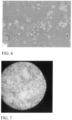
- the slightly poor hardness and abrasion resistance of the obtained ceramic tile indicate that the waterfall method is not suitable for the present invention, mainly because the amount of glaze applied by the waterfall method is large, which causes the increase of the thickness of the glaze layer, deteriorates the transparency of the glaze surface, and makes it difficult to exhaust gas in the glaze layer, leading to the increase of the number of pores after polishing, as shown in FIG. 7 .
Landscapes
- Chemical & Material Sciences (AREA)
- Engineering & Computer Science (AREA)
- Ceramic Engineering (AREA)
- Organic Chemistry (AREA)
- Materials Engineering (AREA)
- Structural Engineering (AREA)
- Life Sciences & Earth Sciences (AREA)
- Chemical Kinetics & Catalysis (AREA)
- General Chemical & Material Sciences (AREA)
- Geochemistry & Mineralogy (AREA)
- Dispersion Chemistry (AREA)
- Inorganic Chemistry (AREA)
- Architecture (AREA)
- Crystallography & Structural Chemistry (AREA)
- Physics & Mathematics (AREA)
- Thermal Sciences (AREA)
- Civil Engineering (AREA)
- Manufacturing & Machinery (AREA)
- Glass Compositions (AREA)
Description
- The present invention relates to a hard wear-resistant polished glazed ceramic tile and a preparation method thereof, which belong to the field of ceramic tile manufacturing technology.
- Fully polished glaze series products are favored by consumers because of their rich pattern designs and simple and easy-to-operate processes, and therefore have replaced the market of conventional polished tiles in a large proportion. However, with the increase of service time, the scratches and degree of abrasion on the surface of fully polished glaze series products are more visible than those on the surface of polished tiles, and even some public places have to be redecorated due to excessive abrasion and defects of the glaze surface. At present, fully polished glaze formulas of fully polished glaze ceramic tiles on the market mainly adopt a low-aluminum and high-potassium-and-sodium system. The amorphous phase content formed by a glaze layer formed by firing the polished glaze of such a formula system is high, while the content of crystalline substances with high hardness is low. In addition, the bond strengths of Na-O and K-O in the polished glaze of the high-potassium-and-sodium system are far lower than those of Ca-O and Mg-O. Therefore, in order to increase the hardness and abrasion resistance of the glaze surface, it is necessary to reduce the content of alkali metals and adopt part of alkaline-earth metals for replacement. At present, the waterfall method is generally adopted as a glazing method for the aforementioned polished glaze. The amount of glaze applied by the waterfall method is large, causing the glaze material cost to increase to a certain degree, and in addition, the increase of the depth of polishing will also decrease its hardness and abrasion resistance to a certain degree. In consideration of abrasion resistance, the proportions of fully polished glaze series products applied in construction and on the market have been reduced. Therefore, it is urgent to improve the abrasion resistance of fully polished glaze ceramic tiles, so as to expand the proportions of fully polished glaze ceramic tiles applied in construction and on the market.
CN 107 586 096 A discloses a full throw crystallized glaze rustic brick and a preparation method thereof. What is known fromCN 107 176 790 A are raw materials with high wear-resistant glaze and its preparation method.CN 207 483 619 U teaches a fully polished crystal glazed antique brick.CN 108 558 356 A refers to a fin microcrystalline soft light brick and a preparation method thereof. - Aiming at the aforementioned problem, the present invention provides a hard wear-resistant polished glazed ceramic tile and a preparation method thereof, which achieves a good improvement in the abrasion resistance of fully polished glaze by adjusting the formula of fully polished glaze and the glazing method.
- In a first aspect, the present invention provides a preparation method for a hard wear-resistant polished glazed ceramic tile according to claim 1.
- Particularly, the phase composition of the fired fully polished glaze is 10 to 20 percent by weight of corundum, 20 to 30 percent by weight of hyalophane, 0.5 to 1.0 percent by weight of hematite, and 50 to 68 percent by weight of amorphous phase.
- Preferably, the chemical composition of the ground coat includes 55 to 60 percent by weight of SiO2, 21 to 24 percent by weight of Al2O3, 0.16 to 0.46 percent by weight of Fe2O3, 0.15 to 0.25 percent by weight of TiO2, 0.1 to 0.3 percent by weight of CaO, 0.1 to 0.3 percent by weight of MgO, 4.0 to 5.0 percent by weight of K2O, 2.0 to 3.0 percent by weight of Na2O, 6.0 to 10.0 percent by weight of ZrO2, and 3.0 to 4.0 percent by weight of loss on ignition.
- Preferably, the method of applying the ground coat is spray glazing. Preferably, the specific weight of the ground coat is 1.40 g/cm3 to 1.45 g/cm3, and the amount of the ground coat applied is 400 g/m2 to 550 g/m2.
- Preferably, the highest firing temperature is 1,210°C to 1,230°C, and the firing period is 60 to 70 minutes, with the time of keeping the highest firing temperature of 1.210°C to 1.230°C being preferably 12 to 20 minutes.
- Preferably, in step (1), the drying duration is 1 to 1.5 hours, and the moisture content of the dried green brick is 0.3 to 0.5 percent by weight; in step (5), the drying temperature is 100°C to 150°C, and the moisture content of the dried green brick is controlled at less than 0.9 percent by weight.
- In a second aspect, the present invention further provides the hard wear-resistant polished glazed ceramic tile obtained by the preparation method according to any of the above.
- The present invention achieves a good improvement in the abrasion resistance of fully polished glaze ceramic tiles by adjusting the formula of fully polished glaze and the glazing method.
-
-
FIG. 1 is a flowchart of the preparation of a hard wear-resistant polished glazed ceramic tile according to an embodiment of the present invention; -
FIG. 2 is an effect picture of the surface of the hard wear-resistant polished glazed ceramic tile according to Example 1 of the present invention; -
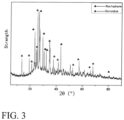
FIG. 3 is an X-ray diffraction (XRD) graph of the surface of the polished hard wear-resistant polished glazed ceramic tile according to Example 1 of the present invention; - A and B in
FIG. 4 are glaze crystal morphology images of the polished hard wear-resistant polished glazed ceramic tile according to Example 1 of the present invention under the different magnifications of an electron microscope. - A and B in
FIG. 5 are glaze crystal morphology images of the fully polished glaze surface of the polished hard wear-resistant polished glazed ceramic tile according to Example 1 of the present invention under the different magnifications of an optical microscope, and it can be seen that there are still a lot of crystals in the polished glaze surface, which provide high hardness and good abrasion resistance for the glaze surface; -
FIG. 6 is a crystal morphology image of a fully polished glaze ceramic tile of Comparative Example 1 under the electron microscope, and it can be seen that the crystals produced by this fully polished glaze formula are in disorder and that the total number of the crystals is small, so the hardness and abrasion resistance of the glaze surface are poor; -
FIG. 7 shows an effect picture of pores of a fully polished glaze ceramic tile of Comparative Example 2 under a manual magnifier (magnification: 100x), and it can be seen that the amount of glaze applied by the waterfall method is large, which causes the increase of the thickness of the glaze layer, deteriorates the transparency of the glaze surface, and makes it difficult to exhaust gas in the glaze layer, leading to a lot of pores after polishing; - A in
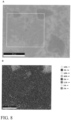
FIG. 8 is an energy spectrum analysis image of the fully polished glaze used in Example 1 of the present invention under the electron microscope, and B inFIG. 8 is a backscattered electron image and a result table of a component analysis test after sampling part of the area (corresponding position in A); and -
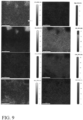
FIG. 9 is backscattered electron images of O, Mg, Al, Si, K, Ca, Ba, and Zn elements in the fully polished glaze used in Example 1 of the present invention. - The present invention will be further illustrated by the following embodiments, and it should be understood that the following embodiments are only used to illustrate the present invention rather than to limit it. Unless otherwise specified, each percentage refers to a percentage by weight.
- A preparation method for a hard wear-resistant polished glazed ceramic tile according to the present invention will be illustrated below with reference to
FIG. 1 . - Body powder is shaped to obtain a green brick. The body powder may be dry-pressed by a press to form the green brick. The composition of the body powder is not limited, and conventional ceramic tile body powder in the art may be adopted. For example, the chemical composition of the body powder includes 60.0 to 70.0 percent by weight of SiO2, 19.0 to 25.0 percent by weight of Al2O3, 0.5 to 1.5 percent by weight of Fe2O3, 0.2 to 0.5 percent by weight of TiO2, 0.2 to 0.8 percent by weight of CaO, 0.3 to 0.8 percent by weight of MgO, 2.0 to 4.0 percent by weight of K2O, 1.50 to 3.5 percent by weight of Na2O, and 4.0 to 6.0 percent by weight of loss on ignition.
- The green brick is dried. The moisture content of the dried green brick is controlled at 0.3 to 0.5 percent by weight. The duration of the aforementioned drying may be 1 to 1.5 hours.
- A ground coat is applied on the surface of the dried green brick. The ground coat mainly plays the role of covering the base color and defects of the body, helping exhaust gas in polished glaze, and reducing pores after polishing.
- In some embodiments, the chemical composition of the ground coat may include 55 to 60 percent by weight of SiO2, 21 to 24 percent by weight of Al2O3, 0.16 to 0.46 percent by weight of Fe2O3, 0.15 to 0.25 percent by weight of TiO2, 0.1 to 0.3 percent by weight of CaO, 0.1 to 0.3 percent by weight of MgO, 4.0 to 5.0 percent by weight of K2O, 2.0 to 3.0 percent by weight of Na2O, 6.0 to 10.0 percent by weight of ZrO2, and 3.0 to 4.0 percent by weight of loss on ignition.
- The method of applying the ground coat may be spray glazing. For example, the specific weight of the ground coat may be 1.40 g/cm3 to 1.45 g/cm3, and the amount of the ground coat applied may be 400 g/m2 to 550 g/m2.
- A pattern is inkjet-printed on the surface of the green brick having the ground coat. The color and design of the inkjet-printed pattern vary according to layout effects.
- An isolation glaze is applied on the surface of the green brick after inkjet printing. The purpose of applying the isolation glaze is to contribute to color development and the reduction of yellow edges of the product after polishing.
- The chemical composition of the isolation glaze includes 42 to 50 percent by weight of SiO2, 21 to 25 percent by weight of Al2O3, 0.16 to 0.46 percent by weight of Fe2O3, 0.10 to 0.20 percent by weight of TiO2, 10.0 to 12.0 percent by weight of CaO, 1.0 to 2.0 percent by weight of MgO, 0.5 to 1.5 percent by weight of K2O, 1.5 to 2.5 percent by weight of Na2O, 4.5 to 7.5 percent by weight of ZnO, 6.0 to 10.0 percent by weight of BaO, and 4.0 to 6.0 percent by weight of loss on ignition.
- The method of applying the isolation glaze may be silk-screen printing. Silk-screen printing can effectively control the amount of the isolation glaze applied and ensure the uniformity of glazing. The specific weight of the isolation glaze may be 1.25 g/cm3 to 1.35 g/cm3. The amount of the isolation glaze applied may be 20 g/m2 to 30 g/m2. If the amount of the isolation glaze applied is excessive, the abrasion resistance of fully polished glaze will be decreased to a certain degree. This is mainly because the isolation glaze is relatively low in temperature and contains relatively high sodium content, with the bond strength of Na-O being much lower than that of Mg-O. As a result, if the amount of the isolation glaze applied is excessive, it will react with the fully polished glaze to produce too much amorphous phase, reducing the abrasion resistance. According to the present invention, the objective of controlling the amount of the isolation glaze applied is achieved by using screen plates with different numbers of meshes for printing and adjusting the specific weight of the isolation glaze. In some embodiments, silk-screen printing may use a 120-to-180-mesh screen plate.
- The melting temperature of the aforementioned isolation glaze is 1,150°C to 1,170°C, which can ensure the high hardness and abrasion resistance of the glaze surface and a good porosity of the glaze surface and prevent the phenomenon of yellow edges after polishing. Preferably, the melting temperature of the isolation glaze is 10°C to 20°C lower than that of the fully polished glaze, which can improve the color development of the glaze surface, reduce pores after polishing, and prevent the pit defect of the fully polished glaze.
- A fully polished glaze is applied on the surface of the green brick having the isolation glaze. The chemical composition of the fully polished glaze includes 42 to 50 percent by weight of SiO2, 21 to 25 percent by weight of Al2O3, 0.16 to 0.46 percent by weight of Fe2O3, 0.10 to 0.20 percent by weight of TiO2, 8.5 to 10.5 percent by weight of CaO, 4.0 to 6.0 percent by weight of MgO, 0.5 to 1.5 percent by weight of K2O, 0.5 to 1.5 percent by weight of Na2O, 4.5 to 7.5 percent by weight of ZnO, 6.0 to 10.0 percent by weight of BaO, 0.5 to 2.0 percent by weight of ZrO2, and 4.0 to 6.0 percent by weight of loss on ignition.
- Through the combination of an electron microscope, energy spectrum analysis and X-ray diffraction (XRD) analysis (
FIG. 3 ,FIG. 4 ,FIG. 8 , andFIG. 9 ), it can be known that the black spots are corundum and the columnar and acicular crystals are hyalophane. In addition, according to an XRD quantitative analysis, the phase composition of the fired fully polished glaze is as follows: 10 to 20 percent by weight of corundum, 20 to 30 percent by weight of hyalophane, 0.5 to 1.0 percent by weight of hematite, and 50 to 68 percent by weight of amorphous phase. - According to an embodiment not according to the invention, the composition of the aforementioned fully polished glaze may include 9.0 to 15.0 percent by weight of corundum, 8.0 to 13.0 percent by weight of quartz, 15.0 to 20.0 percent by weight of wollastonite, 5.0 to 10.0 percent by weight of calcined talc, 8 to 13 percent by weight of potash feldspar, 1.0 to 5.0 percent by weight of albite, 4 to 8 percent by weight of zinc oxide, 8.0 to 13.0 percent by weight of kaolin, 8.0 to 13.0 percent by weight of barium carbonate, 0.5 to 2.0 percent by weight of zirconia, and 10.0 to 15.0 percent by weight of cordierite.
- Since the contents of corundum and cordierite in the fully polished glaze formula are high and barium carbonate is added in the formula, more hyalophane crystals can be formed in the process of firing the fully polished glaze. Moreover, the alkaline-earth metals, calcium and magnesium, are used to replace part of potassium and sodium contents in the formula (this is mainly because the bond strengths of K-O and Na-O are much lower than those of Ca-O and Mg-O), which can effectively increase the hardness and abrasion resistance of the glaze surface. In addition, a small amount of zirconia (nucleating agent) is introduced to promote the formation of hyalophane crystals, so as to achieve the objective of high hardness and high abrasion resistance.
- In some embodiments, the preparation method of the fully polished glaze may include weighing the aforementioned materials according to the contents in the formula, then grinding and sieving the materials with a 200-to-250-mesh standard sieve to obtain granular material, and ball-milling the granular material and water to obtain a glaze slurry. The weight ratio of the granular material to the water may be 100:50. The granular material is ball-milled until the fineness is 0.6 to 1.0 percent by weight of residue left on a 325-mesh standard sieve. The flow velocity of the aforementioned fully polished glaze may be 80 to 90 seconds. The glaze slurry is dried, powdered and sieved to obtain a fully polished glaze powder.
- The method of applying the fully polished glaze may be silk-screen printing. The waterfall method is not suitable for the present invention, mainly because the amount of glaze applied by the waterfall method is large, which causes the increase in the thickness of the glaze layer, deteriorates the transparency of the glaze surface, and makes it difficult to exhaust gas in the glaze layer, leading to the increase in the number of pores after polishing. The thickness of a fully polished glaze layer formed by the applied fully polished glaze may be 0.15 mm to 0.30 mm. The number of meshes of silk-screen printing may be 80 to 120. For example, technological parameters of the application of the fully polished glaze may be as follows: a 100-mesh screen plate which has been thickened three times is adopted to perform printing once.
- The specific weight of the fully polished glaze may be 1.50 g/cm3 to 1.70 g/cm3. The amount of the fully polished glaze applied may be 90 g/m2 to 140 g/m2, which can ensure the hardness and abrasion resistance of the glaze surface as well as good transparency and color development.
- Before adjustment, the waterfall method was adopted to apply the fully polished glaze, which resulted in a relatively thicker fully polished glaze and a relatively thinner body-glaze intermediate layer, leading to the decrease of the hardness and abrasion resistance of the glaze surface. This is mainly because the crystallization of the fully polished glaze layer mainly occurs in the middle and upper layers of the glaze surface and the interface with the ground coat. If the amount of the glaze applied is excessive, the thickness of the glaze layer will increase, the transparency of the glaze surface will become worse, and it will be difficult to exhaust gas in the glaze layer, leading to the increase of the number of pores after polishing. Therefore, correspondingly, a higher depth of polishing is required in order to achieve better transparency and mirror effect. With the increase of the depth of polishing, the abrasion-resistant crystals in the middle and upper layers are polished off, exposing more amorphous phase, which leads to the decrease of the hardness and abrasion resistance of the glaze surface.
- After the glazing method for fully polished glaze is adjusted, silk-screen printing can better control the amount and uniformity of the glaze applied. Moreover, the less the amount of the glaze applied, the thinner the glaze layer, the thicker the body-glaze intermediate layer, and the better the hardness and abrasion resistance of the glaze surface. In addition, the thin glaze layer is also conducive to the exhaustion of gas, reducing the pores after polishing, so the hardness and abrasion resistance of the glaze surface are increased.
- The green brick having the fully polished glaze is dried. The drying temperature may be 100°C to 150°C, and the moisture content after drying is controlled at less than 0.9 percent by weight. The dried body is fired. The highest firing temperature may be 1,210°C to 1,230°C, and the firing period may be 60 to 70 minutes. Since the Mohs hardness of corundum is 9 and the Mohs hardness of hyalophane is 6 to 6.5, if the glaze surface contains crystals with high hardness, the glaze surface will also show high Mohs hardness and abrasion resistance. Theoretically, the higher the content of crystals with high hardness, the better its hardness and abrasion resistance. In an appropriate range, the longer the firing period, the more favorable it is for crystallization. A long duration in a high-temperature zone can make the materials fully melt and react, and a long period in a cooling zone can ensure that more crystals are formed. Therefore, in order to promote crystallization, the present invention not only adjusts the formula and glazing method of the fully polished glaze, but also adjusts and controls a firing system to cooperate in the promotion of crystallization. The longer the firing period, the more sufficiently the oxides in the glaze melt, and the longer the cooling and temperature-keeping time, the more crystals are formed. In some embodiments, the duration in the high-temperature zone in the firing system according to the present invention is about 12 to 20 minutes, such as 15 minutes. The temperature of this high-temperature zone is 1,210°C to 1,230°C.
- The fired ceramic tile is polished, ground at the edges and graded to obtain the fully polished glaze ceramic tile.
- The fully polished glaze ceramic tile prepared by the present invention has high hardness and good abrasion resistance. The Mohs hardness is up to 5.5 to 6, and in terms of abrasion resistance, light-colored products reach class 5 (12,000 revolutions). Since the abrasion resistance testing method is carried out according to GB/T 3810.6-2016 and abrasions are observed by naked eyes (relatively speaking, the abrasions on the glaze surface of dark tiles will be much more visible and easier to be observed), the abrasion resistance of light tiles is usually higher than that of dark tiles when judged.
- An example will be taken to further illustrate the present invention in detail below. It should also be understood that the following example is only used to further illustrate the present invention rather than to limit the protection scope of the present invention.
- The specific technological parameters of the following example are merely one example in an appropriate range, that is, those skilled in the art can make choices within the appropriate range through the description herein, but the choices are not limited to the specific values of the following example.
-
- (1) A body powder was dry-pressed by a press;
- (2) the body powder was dried for 1 to 1.5 hours to form a green brick, and the moisture content of the dried green brick was 0.3 to 0.5 percent by weight;
- (3) a ground coat was sprayed on the surface of the dried green brick, the specific weight of the ground coat was 1.40 g/cm3 to 1.45 g/cm3, and the amount of the ground coat applied was 400 g/m2 to 550 g/m2;
- (4) a pattern was inkjet-printed on the surface of the green brick having the ground coat;
- (5) an isolation glaze was applied on the surface of the green brick having the inkjet-printed pattern by 140-mesh silk-screen printing, the specific weight of the isolation glaze was 1.30 g/cm3, and the amount of the isolation glaze applied was 20 g/m2 to 30 g/m2;
- (6) after the isolation glaze was printed, a fully polished glaze was printed by using a 100-mesh screen plate which has been thickened three times, the specific weight of the fully polished glaze was 1.56 g/cm3, the amount of the fully polished glaze applied was 100 g/m2, and the chemical composition of the fully polished glaze included 42 to 50 percent by weight of SiO2, 21 to 25 percent by weight of Al2O3, 0.16 to 0.46 percent by weight of Fe2O3, 0.10 to 0.20 percent by weight of TiO2, 8.5 to 10.5 percent by weight of CaO, 4.0 to 6.0 percent by weight of MgO, 0.5 to 1.5 percent by weight of K2O, 0.5 to 1.5 percent by weight of Na2O, 4.5 to 7.5 percent by weight of ZnO, 6.0 to 10.0 percent by weight of BaO, 0.5 to 2.0 percent by weight of ZrO2, and 4.0 to 6.0 percent by weight of loss on ignition;
- (7) the green brick having the printed fully polished glaze was dried at a drying temperature of 100°C to 150°C, so that the moisture content of the dried green brick was controlled at less than 0.9 percent by weight;
- (8) the dried green brick was fired at the highest firing temperature of 1,220°C for a firing period of 60 minutes; and
- (9) the obtained product was polished, ground at the edges and graded.
- The fully polished glaze ceramic tile prepared in this example has high hardness (Mohs hardness: 5.5 to 6.0) and good abrasion resistance (
class 5, 12,000 revolutions). -
- (1) A body powder was dry-pressed by a press;
- (2) the body powder was dried for 1 to 1.5 hours to form a green brick, and the moisture content of the dried green brick was 0.3 to 0.5 percent by weight;
- (3) a ground coat was sprayed on the surface of the dried green brick, the specific weight of the ground coat was 1.40 g/cm3 to 1.45 g/cm3, and the amount of the ground coat applied was 400 g/m2 to 550 g/m2;
- (4) a pattern was inkjet-printed on the surface of the green brick having the ground coat;
- (5) an isolation glaze was applied on the surface of the green brick having the inkjet-printed pattern by 140-mesh silk-screen printing, the specific weight of the isolation glaze was 1.30 g/cm3, and the amount of the isolation glaze applied was 20 g/m2 to 30 g/m2;
- (6) after the isolation glaze was printed, conventional fully polished glaze was applied by adopting the bell glazing method, the specific weight of the fully polished glaze was 1.80 g/cm3, the amount of the fully polished glaze applied was 450 g/m2 to 600 g/m2, and the chemical composition of the fully polished glaze included: 43.0 to 50.0 percent by weight of SiO2, 12.0 to 16.0 percent by weight of Al2O3, 0.1 to 0.5 percent by weight of Fe2O3, 0.1 to 0.3 percent by weight of TiO2, 7.0 to 9.0 percent by weight of CaO, 3.5 to 4.5 percent by weight of MgO, 3.5 to 4.5 percent by weight of K2O, 1.5 to 2.5 percent by weight of Na2O, 3.0 to 5.0 percent by weight of ZnO, 7.0 to 12.0 percent by weight of BaO, and 6.0 to 9.0 percent by weight of loss on ignition;
- (7) the green brick having the fully polished glaze was dried at a drying temperature of 100°C to 150°C, so that the moisture content of the dried green brick was controlled at less than 0.9 percent by weight;
- (8) the dried green brick was fired at the highest firing temperature of 1,220°C for a firing period of 60 minutes; and
- (9) the obtained product was polished, ground at the edges and graded.
- The phase composition of the fired fully polished glaze surface is as follows: 1 to 3 percent by weight of corundum, 3 to 5 percent by weight of hyalophane, 3 to 5 percent by weight of bytownite, 0.5 to 2 percent by weight of hematite, and 85 to 90 percent by weight of amorphous phase.
- The fully polished glaze ceramic tile prepared in Comparative Example 1 has a Mohs hardness of 4.5 and abrasion resistance of class 3 (2,100 revolutions). It can be known from the comparison between
FIG. 4 andFIG. 6 that the crystals of the polished glaze surface inFIG. 6 are in disorder and the quantity of corundum is small, so the hardness and abrasion resistance are poor. -
- (1) A body powder was dry-pressed by a press;
- (2) the body powder was dried for 1 to 1.5 hours to form a green brick, and the moisture content of the dried green brick was 0.3 to 0.5 percent by weight;
- (3) a ground coat was sprayed on the surface of the dried green brick, the specific weight of the ground coat was 1.40 g/cm3 to 1.45 g/cm3, and the amount of the ground coat applied was 400 g/m2 to 550 g/m2;
- (4) a pattern was inkjet-printed on the surface of the green brick having the ground coat;
- (5) an isolation glaze was applied on the surface of the green brick having the inkjet-printed pattern by 140-mesh silk-screen printing, the specific weight of the isolation glaze was 1.30 g/cm3, and the amount of the isolation glaze applied was 20 g/m2 to 30 g/m2;
- (6) after the isolation glaze was printed, fully polished glaze was applied by adopting the bell glazing method, the specific weight of the fully polished glaze was 1.80 g/cm3, the amount of the fully polished glaze applied was 450 g/m2 to 600 g/m2, and the chemical composition of the fully polished glaze included 42 to 50 percent by weight of SiO2, 21 to 25 percent by weight of Al2O3, 0.16 to 0.46 percent by weight of Fe2O3, 0.10 to 0.20 percent by weight of TiO2, 8.5 to 10.5 percent by weight of CaO, 4.0 to 6.0 percent by weight of MgO, 0.5 to 1.5 percent by weight of K2O, 0.5 to 1.5 percent by weight of Na2O, 4.5 to 7.5 percent by weight of ZnO, 6.0 to 10.0 percent by weight of BaO, 0.5 to 2.0 percent by weight of ZrO2, and 4.0 to 6.0 percent by weight of loss on ignition;
- (7) the green brick having the fully polished glaze was dried at a drying temperature of 100°C to 150°C, so that the moisture content of the dried green brick was controlled at less than 0.9 percent by weight;
- (8) the dried green brick was fired at the highest firing temperature of 1,220°C for a firing period of 60 minutes; and
- (9) the obtained product was polished, ground at the edges and graded.
- The fully polished glaze ceramic tile prepared in Comparative Example 2 is poor in transparency of the glaze surface with a lot of pores, and has a Mohs hardness of 5.0 and abrasion resistance of class 4 (6,000 revolutions). The slightly poor hardness and abrasion resistance of the obtained ceramic tile indicate that the waterfall method is not suitable for the present invention, mainly because the amount of glaze applied by the waterfall method is large, which causes the increase of the thickness of the glaze layer, deteriorates the transparency of the glaze surface, and makes it difficult to exhaust gas in the glaze layer, leading to the increase of the number of pores after polishing, as shown in
FIG. 7 .
Claims (7)
- A preparation method for a hard wear-resistant polished glazed ceramic tile, comprising the following steps:Step (1): pressing and then drying body powder to form a green brick;Step (2): applying a ground coat on the surface of the green brick;Step (3): inkjet-printing a pattern on the surface of the green brick having the ground coat, and applying an isolation glaze, the chemical composition of the isolation glaze comprising 42 to 50 percent by weight of SiO2, 21 to 25 percent by weight of Al2O3, 0.16 to 0.46 percent by weight of Fe2O3, 0.10 to 0.20 percent by weight of TiO2, 10.0 to 12.0 percent by weight of CaO, 1.0 to 2.0 percent by weight of MgO, 0.5 to 1.5 percent by weight of K2O, 1.5 to 2.5 percent by weight of Na2O, 4.5 to 7.5 percent by weight of ZnO, 6.0 to 10.0 percent by weight of BaO, and 4.0 to 6.0 percent by weight of loss on ignition;Step (4): applying a fully polished glaze on the surface of the green brick having the isolation glaze, the chemical composition of the fully polished glaze comprising 42 to 50 percent by weight of SiO2, 21 to 25 percent by weight of Al2O3, 0.16 to 0.46 percent by weight of Fe2O3, 0.10 to 0.20 percent by weight of TiO2, 8.5 to 10.5 percent by weight of CaO, 4.0 to 6.0 percent by weight of MgO, 0.5 to 1.5 percent by weight of K2O, 0.5 to 1.5 percent by weight of Na2O, 4.5 to 7.5 percent by weight of ZnO, 6.0 to 10.0 percent by weight of BaO, 0.5 to 2.0 percent by weight of ZrO2, and 4.0 to 6.0 percent by weight of loss on ignition; andStep (5): drying, firing, and polishing the green brick having the fully polished glaze to obtain a hard wear-resistant polished glazed ceramic tile,wherein the phase composition of the fired fully polished glaze is 10 to 20 percent by weight of corundum, 20 to 30 percent by weight of hyalophane, 0.5 to 1.0 percent by weight of hematite, and 50 to 68 percent by weight of amorphous phase.
- The preparation method of claim 1, wherein the chemical composition of the ground coat comprises 55 to 60 percent by weight of SiO2, 21 to 24 percent by weight of Al2O3, 0.16 to 0.46 percent by weight of Fe2O3, 0.15 to 0.25 percent by weight of TiO2, 0.1 to 0.3 percent by weight of CaO, 0.1 to 0.3 percent by weight of MgO, 4.0 to 5.0 percent by weight of K2O, 2.0 to 3.0 percent by weight of Na2O, 6.0 to 10.0 percent by weight of ZrO2, and 3.0 to 4.0 percent by weight of loss on ignition.
- The preparation method of claim 1, wherein the method of applying the ground coat is spray glazing, the specific weight of the ground coat is 1.40 g/cm3 to 1.45 g/cm3, and the amount of the ground coat applied is 400 g/m2 to 550 g/m2.
- The preparation method of claim 1, wherein the highest firing temperature is 1,210°C to 1,230°C, and the firing period is 60 to 70 minutes.
- The preparation method of claim 4, wherein the time of keeping the highest firing temperature of 1,210°C to 1,230°C is 12 to 20 minutes.
- The preparation method of claim 1, wherein in step (1), the drying duration is 1 to 1.5 hours, and the moisture content of the dried green brick is 0.3 to 0.5 percent by weight; in step (5), the drying temperature is 100°C to 150°C, and the moisture content of the dried green brick is controlled at less than 0.9 percent by weight.
- A hard wear-resistant polished glazed ceramic tile obtained by the preparation method of any of claims 1 to 6.
Applications Claiming Priority (2)
| Application Number | Priority Date | Filing Date | Title |
|---|---|---|---|
| CN202010587634.7A CN111470884B (en) | 2020-06-24 | 2020-06-24 | High-hardness high-wear-resistance full-glazed ceramic tile and preparation method thereof |
| PCT/CN2020/138894 WO2021258691A1 (en) | 2020-06-24 | 2020-12-24 | Hard wear-resistant polished glazed ceramic tile and preparation method therefor |
Publications (4)
| Publication Number | Publication Date |
|---|---|
| EP4174046A1 EP4174046A1 (en) | 2023-05-03 |
| EP4174046A4 EP4174046A4 (en) | 2024-07-24 |
| EP4174046B1 true EP4174046B1 (en) | 2025-05-07 |
| EP4174046C0 EP4174046C0 (en) | 2025-05-07 |
Family
ID=71765374
Family Applications (1)
| Application Number | Title | Priority Date | Filing Date |
|---|---|---|---|
| EP20942231.0A Active EP4174046B1 (en) | 2020-06-24 | 2020-12-24 | Hard wear-resistant polished glazed ceramic tile and preparation method therefor |
Country Status (5)
| Country | Link |
|---|---|
| US (1) | US12330998B2 (en) |
| EP (1) | EP4174046B1 (en) |
| JP (1) | JP7441970B2 (en) |
| CN (1) | CN111470884B (en) |
| WO (1) | WO2021258691A1 (en) |
Families Citing this family (30)
| Publication number | Priority date | Publication date | Assignee | Title |
|---|---|---|---|---|
| CN111470884B (en) | 2020-06-24 | 2020-12-11 | 蒙娜丽莎集团股份有限公司 | High-hardness high-wear-resistance full-glazed ceramic tile and preparation method thereof |
| CN112279512B (en) * | 2020-10-16 | 2022-07-01 | 蒙娜丽莎集团股份有限公司 | Wear-resistant full-polished magnesia-alumina spinel glaze as well as preparation method and application thereof |
| CN112592061B (en) * | 2020-12-30 | 2022-08-12 | 广西欧神诺陶瓷有限公司 | A kind of polished glaze, ceramic tile and preparation method |
| CN113321535A (en) * | 2021-06-28 | 2021-08-31 | 广东四通集团股份有限公司 | High-glaze-surface-hardness artistic glaze and preparation method thereof |
| CN113548798B (en) * | 2021-06-30 | 2023-08-11 | 蒙娜丽莎集团股份有限公司 | Ultra-flat-bottom glaze and application thereof in ceramic tiles |
| CN113582730A (en) * | 2021-07-27 | 2021-11-02 | 蒙娜丽莎集团股份有限公司 | Polished glaze with wax and fine texture and application of polished glaze in ceramic plate |
| CN113429130B (en) * | 2021-08-30 | 2021-11-30 | 佛山市大角鹿大理石瓷砖有限公司 | Flash super-wear-resistant diamond glaze, ceramic tile and preparation method thereof |
| CN113666774B (en) * | 2021-09-02 | 2023-04-04 | 江西新明珠建材有限公司 | Soft-light marble tile with mold effect and preparation method thereof |
| CN113800879B (en) * | 2021-09-10 | 2022-09-16 | 蒙娜丽莎集团股份有限公司 | Transparent stone ceramic plate and preparation method thereof |
| CN113968728B (en) * | 2021-09-27 | 2022-11-01 | 山东狮王陶瓷有限公司 | High-hardness super-wear-resistant fully-polished marble tile and preparation method thereof |
| CN113979785A (en) * | 2021-09-28 | 2022-01-28 | 蒙娜丽莎集团股份有限公司 | Glazed brick with metal texture and preparation method thereof |
| CN113968753A (en) * | 2021-10-21 | 2022-01-25 | 蒙娜丽莎集团股份有限公司 | Dark carving decoration dry grain full-polished ceramic tile and preparation method thereof |
| CN113977751A (en) * | 2021-10-21 | 2022-01-28 | 蒙娜丽莎集团股份有限公司 | Crystal outlining effect decorative ceramic rock plate and preparation method thereof |
| CN113979787B (en) * | 2021-11-05 | 2022-12-16 | 蒙娜丽莎集团股份有限公司 | High-wear-resistance pattern-penetrated polished porcelain tile and preparation method thereof |
| CN114426397B (en) * | 2022-01-10 | 2023-01-24 | 蒙娜丽莎集团股份有限公司 | Preparation method of snow-powder fritted glaze and ceramic tile with snow-powder effect |
| CN114621032B (en) * | 2022-05-14 | 2023-01-24 | 蒙娜丽莎集团股份有限公司 | Thinned full-glazed ceramic plate and preparation method thereof |
| CN114920457B (en) * | 2022-05-24 | 2023-08-04 | 广东家美陶瓷有限公司 | High white background glaze, wear-resistant transparent glaze, wear-resistant full-polished glazed ceramic tile and preparation method |
| CN115010367B (en) * | 2022-05-26 | 2023-12-08 | 蒙娜丽莎集团股份有限公司 | Low-temperature quick-firing full-polished crystal glaze, artistic rock plate containing full-polished crystal glaze and preparation method |
| CN114702336B (en) * | 2022-06-07 | 2022-10-28 | 蒙娜丽莎集团股份有限公司 | White polycrystalline dry-grain ceramic rock plate and preparation method thereof |
| CN114920586B (en) * | 2022-06-13 | 2023-06-02 | 清远市简一陶瓷有限公司 | Ceramic tile with three-dimensional decorative effect and preparation process thereof |
| CN114853346B (en) * | 2022-07-07 | 2022-11-11 | 新明珠集团股份有限公司 | Wear-resistant antifouling protective glaze, matt ceramic tile and preparation method thereof |
| CN115304276B (en) * | 2022-08-03 | 2023-12-26 | 东莞市唯美陶瓷工业园有限公司 | Composite glaze layer, ceramic plate and preparation method thereof |
| CN115385575B (en) * | 2022-08-26 | 2023-08-29 | 佛山市东鹏陶瓷有限公司 | Super wear-resistant polished glazed tile glaze and its preparation method, polished glazed tile and its preparation method |
| CN115557701B (en) * | 2022-09-19 | 2024-03-29 | 江西新明珠建材有限公司 | Glaze composition, skin glazed ceramic tile and preparation method thereof |
| CN115448755B (en) * | 2022-10-12 | 2023-03-07 | 佛山市东鹏陶瓷有限公司 | A wear-resistant glazed tile with good color development, strong transparency and high hardness |
| CN115650583A (en) * | 2022-10-27 | 2023-01-31 | 广东道氏陶瓷材料有限公司 | Preparation method of micro-stereoscopic wear-resistant ceramic tile |
| CN115745586B (en) * | 2022-11-14 | 2023-10-17 | 蒙娜丽莎集团股份有限公司 | Low-energy-consumption quick-firing blank, ceramic tile and preparation method thereof |
| CN115784715B (en) * | 2022-12-01 | 2023-11-14 | 佛山欧神诺陶瓷有限公司 | Porous light polished ceramic plate and preparation method and application thereof |
| CN118373709B (en) * | 2024-04-22 | 2026-04-03 | 广东简一(集团)陶瓷有限公司 | A method for preparing high-transparency and wear-resistant glazed bricks and the high-transparency and wear-resistant glazed bricks themselves. |
| CN118530054B (en) * | 2024-04-23 | 2026-03-31 | 佛山市东鹏陶瓷有限公司 | A textured ceramic tile with uniform color and its preparation method |
Family Cites Families (10)
| Publication number | Priority date | Publication date | Assignee | Title |
|---|---|---|---|---|
| JPH0667773B2 (en) * | 1987-08-10 | 1994-08-31 | 株式会社イナックス | Glaze for tiles |
| JP3211442B2 (en) * | 1992-12-24 | 2001-09-25 | 東陶機器株式会社 | Manufacturing method of ceramics |
| US6524703B1 (en) * | 2000-09-28 | 2003-02-25 | Caroline B. Court | Decorative vitreous beads and products and methods of making same |
| CN103467103B (en) * | 2013-08-28 | 2014-11-19 | 周予 | Production method of once-fired super-spar ceramic tile and ceramic tile |
| CN107176790A (en) * | 2017-05-22 | 2017-09-19 | 江苏拜富科技有限公司 | Raw material high abrasion throws glaze and preparation method thereof entirely |
| CN107586096B (en) * | 2017-09-11 | 2019-11-26 | 蒙娜丽莎集团股份有限公司 | It is a kind of to throw crystalline glaze Antique Imitation Tiles and preparation method thereof entirely |
| CN207483619U (en) * | 2017-09-11 | 2018-06-12 | 蒙娜丽莎集团股份有限公司 | A kind of full throwing crystalline glaze Antique Imitation Tiles |
| CN108558356B (en) * | 2018-06-29 | 2021-05-18 | 佛山石湾鹰牌陶瓷有限公司 | Thin microcrystal soft light brick and preparation method thereof |
| CN108640512A (en) * | 2018-08-20 | 2018-10-12 | 合肥汉甲陶瓷科技有限公司 | A kind of antibacterial abrasion-resistant clear glaze |
| CN111470884B (en) * | 2020-06-24 | 2020-12-11 | 蒙娜丽莎集团股份有限公司 | High-hardness high-wear-resistance full-glazed ceramic tile and preparation method thereof |
-
2020
- 2020-06-24 CN CN202010587634.7A patent/CN111470884B/en active Active
- 2020-12-24 US US18/001,048 patent/US12330998B2/en active Active
- 2020-12-24 EP EP20942231.0A patent/EP4174046B1/en active Active
- 2020-12-24 WO PCT/CN2020/138894 patent/WO2021258691A1/en not_active Ceased
- 2020-12-24 JP JP2022564844A patent/JP7441970B2/en active Active
Also Published As
| Publication number | Publication date |
|---|---|
| EP4174046A1 (en) | 2023-05-03 |
| CN111470884A (en) | 2020-07-31 |
| JP7441970B2 (en) | 2024-03-01 |
| US20230227374A1 (en) | 2023-07-20 |
| CN111470884B (en) | 2020-12-11 |
| JP2023522783A (en) | 2023-05-31 |
| US12330998B2 (en) | 2025-06-17 |
| EP4174046C0 (en) | 2025-05-07 |
| EP4174046A4 (en) | 2024-07-24 |
| WO2021258691A1 (en) | 2021-12-30 |
Similar Documents
| Publication | Publication Date | Title |
|---|---|---|
| US12330998B2 (en) | Hard wear-resistant polished glazed ceramic tile and preparation method thereof | |
| CN112279684B (en) | Magnesia-alumina spinel wear-resistant full-glazed ceramic tile and preparation method thereof | |
| CN111333328B (en) | High-wear-resistance glaze material with polished glaze and preparation method thereof | |
| CN110776256B (en) | White radial crystal flower dry grain glaze, light-transmitting ceramic tile and preparation method thereof | |
| CN112279512B (en) | Wear-resistant full-polished magnesia-alumina spinel glaze as well as preparation method and application thereof | |
| CN111548016B (en) | Matt protection glaze with glossiness of below 3 degrees for thin ceramic tile, thin ceramic tile and preparation method thereof | |
| CN105198217B (en) | It is a kind of to be used for throwing vitreous brick production entirely, beneficial to the ground-coat enamel of ceramic ink color development | |
| CN102329152A (en) | Complete polishing glaze archaizing brick overglaze and preparation method thereof | |
| CN114292131A (en) | Glazed tile with bright star effect on surface and preparation method thereof | |
| CN116177985B (en) | Archaized glazed tile and preparation method thereof | |
| CN110550958A (en) | Fine, soft and matte black brick and preparation method thereof | |
| CN115368167B (en) | Wear-resistant glazed brick and preparation method thereof | |
| CN115010367B (en) | Low-temperature quick-firing full-polished crystal glaze, artistic rock plate containing full-polished crystal glaze and preparation method | |
| CN112299718B (en) | Magnesium aluminate spinel wear-resistant printing glaze and preparation method and application thereof | |
| CN106810297B (en) | Production process of ceramic tile with high-brightness matte surface and precious metal luster | |
| CN115196944A (en) | Transparent opposite-grain through-body ceramic rock plate and preparation method thereof | |
| CN116023029A (en) | Preparation method of pearl dry particles, pearl glaze and pearl glazed tile | |
| CN120157520A (en) | Waxy anti-fouling matte antique brick and preparation method thereof | |
| CN118164675B (en) | Ceramic rock plate with fine slip glaze and fine slip skin and preparation method thereof | |
| CN118479733B (en) | A wear-resistant matte ceramic slab and its preparation method | |
| CN115959828B (en) | Double-crystal-flower colored crystal glaze, double-crystal-flower colored crystal glaze ceramic tile and preparation method thereof | |
| CN119661254A (en) | Pure flat wear-resistant jade ceramic tile and preparation method thereof | |
| CN117326887B (en) | Anti-slip protective glaze, anti-slip ceramic tile and preparation method thereof | |
| CN115947541A (en) | Cerium-tin-zinc series crystal glaze rich in color particles, ceramic tile and preparation method thereof | |
| CN113480178A (en) | Bright metal overglaze and application thereof in ceramic tiles |
Legal Events
| Date | Code | Title | Description |
|---|---|---|---|
| STAA | Information on the status of an ep patent application or granted ep patent |
Free format text: STATUS: THE INTERNATIONAL PUBLICATION HAS BEEN MADE |
|
| PUAI | Public reference made under article 153(3) epc to a published international application that has entered the european phase |
Free format text: ORIGINAL CODE: 0009012 |
|
| STAA | Information on the status of an ep patent application or granted ep patent |
Free format text: STATUS: REQUEST FOR EXAMINATION WAS MADE |
|
| 17P | Request for examination filed |
Effective date: 20221121 |
|
| AK | Designated contracting states |
Kind code of ref document: A1 Designated state(s): AL AT BE BG CH CY CZ DE DK EE ES FI FR GB GR HR HU IE IS IT LI LT LU LV MC MK MT NL NO PL PT RO RS SE SI SK SM TR |
|
| DAV | Request for validation of the european patent (deleted) | ||
| DAX | Request for extension of the european patent (deleted) | ||
| REG | Reference to a national code |
Ref country code: DE Free format text: PREVIOUS MAIN CLASS: C04B0041890000 Ipc: C04B0041000000 Ref country code: DE Ref legal event code: R079 Ref document number: 602020051116 Country of ref document: DE Free format text: PREVIOUS MAIN CLASS: C04B0041890000 Ipc: C04B0041000000 |
|
| A4 | Supplementary search report drawn up and despatched |
Effective date: 20240621 |
|
| RIC1 | Information provided on ipc code assigned before grant |
Ipc: C03C 8/04 20060101ALI20240617BHEP Ipc: C03C 3/087 20060101ALI20240617BHEP Ipc: C04B 33/34 20060101ALI20240617BHEP Ipc: C04B 33/30 20060101ALI20240617BHEP Ipc: C04B 41/89 20060101ALI20240617BHEP Ipc: C04B 41/52 20060101ALI20240617BHEP Ipc: C04B 41/00 20060101AFI20240617BHEP |
|
| GRAP | Despatch of communication of intention to grant a patent |
Free format text: ORIGINAL CODE: EPIDOSNIGR1 |
|
| STAA | Information on the status of an ep patent application or granted ep patent |
Free format text: STATUS: GRANT OF PATENT IS INTENDED |
|
| RIC1 | Information provided on ipc code assigned before grant |
Ipc: C03C 8/04 20060101ALI20250130BHEP Ipc: C03C 3/087 20060101ALI20250130BHEP Ipc: C04B 33/34 20060101ALI20250130BHEP Ipc: C04B 33/30 20060101ALI20250130BHEP Ipc: C04B 41/89 20060101ALI20250130BHEP Ipc: C04B 41/52 20060101ALI20250130BHEP Ipc: C04B 41/00 20060101AFI20250130BHEP |
|
| INTG | Intention to grant announced |
Effective date: 20250220 |
|
| GRAS | Grant fee paid |
Free format text: ORIGINAL CODE: EPIDOSNIGR3 |
|
| GRAA | (expected) grant |
Free format text: ORIGINAL CODE: 0009210 |
|
| STAA | Information on the status of an ep patent application or granted ep patent |
Free format text: STATUS: THE PATENT HAS BEEN GRANTED |
|
| AK | Designated contracting states |
Kind code of ref document: B1 Designated state(s): AL AT BE BG CH CY CZ DE DK EE ES FI FR GB GR HR HU IE IS IT LI LT LU LV MC MK MT NL NO PL PT RO RS SE SI SK SM TR |
|
| REG | Reference to a national code |
Ref country code: GB Ref legal event code: FG4D |
|
| REG | Reference to a national code |
Ref country code: CH Ref legal event code: EP |
|
| REG | Reference to a national code |
Ref country code: IE Ref legal event code: FG4D |
|
| U01 | Request for unitary effect filed |
Effective date: 20250507 |
|
| U07 | Unitary effect registered |
Designated state(s): AT BE BG DE DK EE FI FR IT LT LU LV MT NL PT RO SE SI Effective date: 20250513 |
|
| PG25 | Lapsed in a contracting state [announced via postgrant information from national office to epo] |
Ref country code: ES Free format text: LAPSE BECAUSE OF FAILURE TO SUBMIT A TRANSLATION OF THE DESCRIPTION OR TO PAY THE FEE WITHIN THE PRESCRIBED TIME-LIMIT Effective date: 20250507 |
|
| PG25 | Lapsed in a contracting state [announced via postgrant information from national office to epo] |
Ref country code: NO Free format text: LAPSE BECAUSE OF FAILURE TO SUBMIT A TRANSLATION OF THE DESCRIPTION OR TO PAY THE FEE WITHIN THE PRESCRIBED TIME-LIMIT Effective date: 20250807 Ref country code: GR Free format text: LAPSE BECAUSE OF FAILURE TO SUBMIT A TRANSLATION OF THE DESCRIPTION OR TO PAY THE FEE WITHIN THE PRESCRIBED TIME-LIMIT Effective date: 20250808 |
|
| PG25 | Lapsed in a contracting state [announced via postgrant information from national office to epo] |
Ref country code: PL Free format text: LAPSE BECAUSE OF FAILURE TO SUBMIT A TRANSLATION OF THE DESCRIPTION OR TO PAY THE FEE WITHIN THE PRESCRIBED TIME-LIMIT Effective date: 20250507 |
|
| PG25 | Lapsed in a contracting state [announced via postgrant information from national office to epo] |
Ref country code: HR Free format text: LAPSE BECAUSE OF FAILURE TO SUBMIT A TRANSLATION OF THE DESCRIPTION OR TO PAY THE FEE WITHIN THE PRESCRIBED TIME-LIMIT Effective date: 20250507 |
|
| PG25 | Lapsed in a contracting state [announced via postgrant information from national office to epo] |
Ref country code: RS Free format text: LAPSE BECAUSE OF FAILURE TO SUBMIT A TRANSLATION OF THE DESCRIPTION OR TO PAY THE FEE WITHIN THE PRESCRIBED TIME-LIMIT Effective date: 20250807 |
|
| PG25 | Lapsed in a contracting state [announced via postgrant information from national office to epo] |
Ref country code: IS Free format text: LAPSE BECAUSE OF FAILURE TO SUBMIT A TRANSLATION OF THE DESCRIPTION OR TO PAY THE FEE WITHIN THE PRESCRIBED TIME-LIMIT Effective date: 20250907 |
|
| PG25 | Lapsed in a contracting state [announced via postgrant information from national office to epo] |
Ref country code: SM Free format text: LAPSE BECAUSE OF FAILURE TO SUBMIT A TRANSLATION OF THE DESCRIPTION OR TO PAY THE FEE WITHIN THE PRESCRIBED TIME-LIMIT Effective date: 20250507 |
|
| U20 | Renewal fee for the european patent with unitary effect paid |
Year of fee payment: 6 Effective date: 20251205 |
|
| PG25 | Lapsed in a contracting state [announced via postgrant information from national office to epo] |
Ref country code: CZ Free format text: LAPSE BECAUSE OF FAILURE TO SUBMIT A TRANSLATION OF THE DESCRIPTION OR TO PAY THE FEE WITHIN THE PRESCRIBED TIME-LIMIT Effective date: 20250507 |
|
| PG25 | Lapsed in a contracting state [announced via postgrant information from national office to epo] |
Ref country code: SK Free format text: LAPSE BECAUSE OF FAILURE TO SUBMIT A TRANSLATION OF THE DESCRIPTION OR TO PAY THE FEE WITHIN THE PRESCRIBED TIME-LIMIT Effective date: 20250507 |
|
| PLBE | No opposition filed within time limit |
Free format text: ORIGINAL CODE: 0009261 |
|
| STAA | Information on the status of an ep patent application or granted ep patent |
Free format text: STATUS: NO OPPOSITION FILED WITHIN TIME LIMIT |
|
| REG | Reference to a national code |
Ref country code: CH Ref legal event code: L10 Free format text: ST27 STATUS EVENT CODE: U-0-0-L10-L00 (AS PROVIDED BY THE NATIONAL OFFICE) Effective date: 20260318 |
|
| 26N | No opposition filed |
Effective date: 20260210 |