EP4163394B1 - Verfahren zur bestimmung des zäh- und trockenfleischsyndroms (tdms) - Google Patents
Verfahren zur bestimmung des zäh- und trockenfleischsyndroms (tdms) Download PDFInfo
- Publication number
- EP4163394B1 EP4163394B1 EP22199908.9A EP22199908A EP4163394B1 EP 4163394 B1 EP4163394 B1 EP 4163394B1 EP 22199908 A EP22199908 A EP 22199908A EP 4163394 B1 EP4163394 B1 EP 4163394B1
- Authority
- EP
- European Patent Office
- Prior art keywords
- atp2a1
- mutation
- variant
- protein
- substitution
- Prior art date
- Legal status (The legal status is an assumption and is not a legal conclusion. Google has not performed a legal analysis and makes no representation as to the accuracy of the status listed.)
- Active
Links
Images

Classifications
-
- C—CHEMISTRY; METALLURGY
- C12—BIOCHEMISTRY; BEER; SPIRITS; WINE; VINEGAR; MICROBIOLOGY; ENZYMOLOGY; MUTATION OR GENETIC ENGINEERING
- C12Q—MEASURING OR TESTING PROCESSES INVOLVING ENZYMES, NUCLEIC ACIDS OR MICROORGANISMS; COMPOSITIONS OR TEST PAPERS THEREFOR; PROCESSES OF PREPARING SUCH COMPOSITIONS; CONDITION-RESPONSIVE CONTROL IN MICROBIOLOGICAL OR ENZYMOLOGICAL PROCESSES
- C12Q1/00—Measuring or testing processes involving enzymes, nucleic acids or microorganisms; Compositions therefor; Processes of preparing such compositions
- C12Q1/68—Measuring or testing processes involving enzymes, nucleic acids or microorganisms; Compositions therefor; Processes of preparing such compositions involving nucleic acids
- C12Q1/6876—Nucleic acid products used in the analysis of nucleic acids, e.g. primers or probes
- C12Q1/6883—Nucleic acid products used in the analysis of nucleic acids, e.g. primers or probes for diseases caused by alterations of genetic material
-
- C—CHEMISTRY; METALLURGY
- C12—BIOCHEMISTRY; BEER; SPIRITS; WINE; VINEGAR; MICROBIOLOGY; ENZYMOLOGY; MUTATION OR GENETIC ENGINEERING
- C12Q—MEASURING OR TESTING PROCESSES INVOLVING ENZYMES, NUCLEIC ACIDS OR MICROORGANISMS; COMPOSITIONS OR TEST PAPERS THEREFOR; PROCESSES OF PREPARING SUCH COMPOSITIONS; CONDITION-RESPONSIVE CONTROL IN MICROBIOLOGICAL OR ENZYMOLOGICAL PROCESSES
- C12Q2600/00—Oligonucleotides characterized by their use
- C12Q2600/124—Animal traits, i.e. production traits, including athletic performance or the like
-
- C—CHEMISTRY; METALLURGY
- C12—BIOCHEMISTRY; BEER; SPIRITS; WINE; VINEGAR; MICROBIOLOGY; ENZYMOLOGY; MUTATION OR GENETIC ENGINEERING
- C12Q—MEASURING OR TESTING PROCESSES INVOLVING ENZYMES, NUCLEIC ACIDS OR MICROORGANISMS; COMPOSITIONS OR TEST PAPERS THEREFOR; PROCESSES OF PREPARING SUCH COMPOSITIONS; CONDITION-RESPONSIVE CONTROL IN MICROBIOLOGICAL OR ENZYMOLOGICAL PROCESSES
- C12Q2600/00—Oligonucleotides characterized by their use
- C12Q2600/156—Polymorphic or mutational markers
Definitions
- This invention relates to methods for the detection of bovine that are affected by "Dry Meat Syndrome” (DMS) or “Tough and Dry Meat Syndrome” (TDMS), an inherited defect with autosomal, partially dominant inheritance.
- the present invention provides methods for determining whether a bovine is homozygous or heterozygous for mutations that cause DMS or DMTS by analyzing its genomic DNA or its RNA.
- the methods include obtaining a sample of material containing genomic DNA or RNA from the bovine, and genotyping or sequencing said nucleic acid for the presence of one or more hypomorphic mutations in the bovine ATPase Sarcoplasmic/Endoplasmic Reticulum Ca2+ Transporting 1 ( ATP2A1 ) gene such as the R143W mutation.
- ATP2A1 Sarcoplasmic/Endoplasmic Reticulum Ca2+ Transporting 1
- DNA testing is increasingly used in routine practice in animal breeding and production.
- DNA testing in livestock comes mainly in two forms: (i) genotyping animals at specific loci and for specific variants that have been shown to have a major effect on a trait of interest whether in homozygotes only (recessive inheritance) or also in heterozygotes (dominant inheritance, which can be partial if the phenotype of heterozygotes is less pronounced than that of homozygotes), and (ii) genotyping animals for thousands of variants scattered across the genome and use this information to compute Genomic Breeding Values (GBV) for traits of interest, i.e. Genomic Selection (GS).
- GBV Genomic Breeding Values
- the first approach mainly applies to genetic defects which are often determined by one or a small number of loci (monogenic or oligogenic inheritance).
- the second approach mainly applies to economically important traits (such as milk or meat yield) which are typically determined by a large number of loci (polygenic inheritance).
- the genetic determinism (sometimes referred to as "architecture") of economically important traits may involve one or a small number of loci/variants with major effect on the trait of interest, as well as many polygenes with individually very small effects on the trait of interest.
- Variations of GS allow to incorporate the information of these variants with large effects to compute GBV.
- An example of a locus/variant with a major effect on a polygenic economically important trait are the loss-of-function mutations in the myostatin gene that cause "double-muscling" in cattle.
- BG Body Weighteding Goal
- the GBV for individual traits can be combined in a GBV for the composite BG.
- Major gene effects on economically important traits with polygenic architecture can be incorporated when computing GBV for a BG.
- the economic impact of monogenic defects can be estimated and the genetic defect added as a separate trait to the BG with a weight that is based on its economic impact.
- DNA testing in livestock is at present mainly used to (i) identify and eliminate carriers of severe monogenetic defects including embryonic lethals, and (ii) determine the GBV for weighted combinations of polygenic economically important traits and select the animals with the highest “breeding worth”.
- locus/loci refers to a region/regions in the genome that encompass genetic variants that affect a trait of interest
- genetic variants refers to alternative sequences that coexist in a population at such a locus. Such genetic variants constitute "alleles" in the classical genetic sense. These alternative sequences may affect the function of genes located in their vicinity and thereby affect phenotypes or traits that depend on the function of the corresponding gene(s).
- Meat quality has been recognized as an important target for decades. It includes color, water holding capacity, tenderness, degree of marbling, and taste. Thus far, it has only seldomly been added to BG for at least two reasons. The first is that meat quality remains difficult and expensive to measure, and the second is that consumers have to be willing to pay premiums for higher quality meat while economic incentives have to propagate throughout the entire production chain. While meat quality traits are likely to essentially conform to a polygenic architecture, there exist at least two examples of genetic variants with major effect on meat quality in pigs.
- the first is a missense variant ( R615C ) in the ryanodine receptor gene ( RYR ) that codes for a calcium release channel in the sarcoplasmic reticulum (Fujii et al., 1991).
- Animals that are homozygous for this mutation suffer potentially lethal malignant hyperthermia upon use of volatile anesthetics or exposure to stress-full conditions (including transport to the slaughterhouse). Even if not succumbing to a crisis, the sensory and technological quality of the meat of affected animals is inferior and referred to as P(ale)-S(oft)-E(xudative) meat causing major economic loss.
- Heterozygous animals may show minor or intermediate forms of the PSE syndrome.
- the R615C RYR mutation originated from the Piétrain breed which is extensively used as sire line. It has been eliminated from most commercial pig population by "marker assisted selection” (MAS). The second is a dominant R200Q mutation in the PRKAG3 gene known as the "RN” mutation that is increasing glycogen content in the meat and negatively affects processing yield (Milan et al., 2000). It originates from the Hampshire breed, and has also been largely eliminated by MAS. Of interest, both mutations increase meat yield (including in heterozygotes) accounting for their - at some point - high frequencies in commercial pig populations.
- MAS marker assisted selection
- the technical problem underlying the present invention was to provide means and methods that allow for a selective and convenient diagnosis of DMS or TDMS in cattle.
- TDMS Tough and Dry Meat Syndrome
- TDMS can be diagnosed on the basis of the detection of one or more loss-of-function and/or hypomorphic ATP2A1 mutations, such as the R143W mutation.
- the present invention provides for the first time the identity of mutations causing DMS or TDMS in cattle.
- the term "and/or" when used in a list of two or more items means that any one of the listed items can be employed by itself or any combination of two or more of the listed items can be employed. For example, if a list is described as comprising group A, B, and/or C, the list can comprise A alone; B alone; C alone; A and B in combination; A and C in combination, B and C in combination; or A, B, and C in combination.
- the present invention relates to a method for determining whether a bovine is affected by or susceptible to Tough and Dry Meat Syndrome (TDMS), comprising determining the presence or absence of at least one genetic variant or mutation in the ATP2A1 gene in a nucleic acid from the bovine.
- TDMS Tough and Dry Meat Syndrome
- a particular embodiment is a method for determining the status of a bovine with regards to DMS by genotyping said bovine for DMS-causing ATP2A1 variants by analyzing its genomic DNA, the method comprising the steps of:
- a further particular embodiments is a method for determining the status of a bovine with regards to DMS by genotyping said bovine for the R143W DMS-causing ATP2A1 variant by analyzing its genomic DNA, the method comprising the steps of:
- a further particular embodiments is a method for determining the status of a bovine with regards to DMS by genotyping said bovine for one or more of the R559C, R164H, G211V, G286V and / or G284V A TP2A 1 variants by analyzing its genomic DNA, the method comprising the steps of:
- Another particular embodiment is a method for determining the status of a bovine with regards to DMS by genotyping said bovine for DMS-causing ATP2A1 variants by analyzing its genomic RNA, the method comprising the steps of:
- a further particular embodiments is a method for determining the status of a bovine with regards to DMS by genotyping said bovine for the R143W DMS-causing ATP2A1 variant by analyzing its genomic RNA, the method comprising the steps of:
- a further particular embodiments is a method for determining the status of a bovine with regards to DMS by genotyping said bovine for one or more of the R559C, R164H, G211V, G286V and / or G284V A TP2A 1 variants by analyzing its genomic RNA, the method comprising the steps of:
- the sample is selected from the group consisting of blood, sperm, hair roots, milk, body fluids and/or tissues including nucleated cells.
- the bovine is selected from the species bos taurus.
- the bovine is selected from the group consisting of Belgian Blue Cattle, Charolais, Roodbont, Piedmontese, Chianina or Romagnola.
- a further aspect relates to a method for marker assisted selection or genomic selection for meat quality using the method of the invention.
- DMS Dell Meat Syndrome
- TDMS Tough and Dry Meat Syndrome
- the terms refer to a condition in bovine characterized by an increased loss of fluid from the carcass (also referred to as “drip") during the cooling process (i.e. the period between slaughter and cutting) resulting in inferior meat quality.
- a bovine affected by TDMS may exhibit exudate at the surface of the m. semimembranosus, and a dry and tough feeling of the m. adductor femoris and inner parts of the m. glutaeobiceps and m. semimembranosus.
- the TDMS affected bovine may exhibit a dry and tough feeling of the m. quadriceps femoris, m. semitendinosus, m. longissimus dorsi, m. subscapularis and m. teres major.
- inferior meat quality means a significant worsening of one or more measurable meat quality traits below the mean of a given population.
- Meat quality traits which may be considered include but are not limited to the following: Color, e.g. as determined using the Commission Internationale de 1'Eclairage (CIE) L*a*b* scores for respectively lightness, redness and yellowness color of the meat.
- Texture e.g. as determined by TPA: higher hardness, gumminess, chewiness, shear force, and shorter sarcomere length are inferior.
- Moisture loss reduced EZ-drip, thawing and cooking loss are not inferior but result from the prior drip losses from the carcass.
- meat quality traits are examples of those generally accepted by those of skill in the art and techniques for measuring these meat quality traits are commonly known. Measurement of a meat quality trait may be e.g. on a sample of the m. glutaeobiceps.
- L*, a*, and b* refer to dimensions of a three-dimensional color space which is standardized to reflect how color is perceived by humans.
- the L* dimension corresponds to lightness (a value of zero being black, a value of 100 being white)
- the a* dimension corresponds to relative levels of green and red (a negative value being green, a positive value being red)
- the b* dimension corresponds to relative levels of blue and yellow (a negative value being blue, a positive value being yellow).
- TPA Texture Profile Analysis and is composed of one or more rheological parameters as described hereinafter.
- hardness as used herein is intended to mean the force required to obtain a deformation of a body.
- the firmness measurement unit may be expressed in Newtons.
- firmness and hardness can be used interchangeably.
- cohesiveness as used herein is intended to mean the strength of the internal bonds making up the body of the meat. It can be defined as the molecular force between particles within a body or substance that acts to unite them. Cohesiveness is a ratio of two firmness measurements and has therefore no units.
- springiness as used herein is intended to mean the rate at which deformed meat goes back to its original undeformed state after removal of the force.
- the springiness is the property of a substance that enables it to change its length, volume, or shape in direct response to a force affecting such a change and to recover its original form upon the removal of the force.
- the terms springiness and elasticity can be used interchangeably.
- adhesiveness as used herein is intended to mean the force necessary to overcome the attractive forces between the surface of a matter and the surface of another material with which it is in contact.
- the adhesiveness is the attractive molecular force that tends to hold together unlike bodies when they are in contact.
- the measurement unit of adhesiveness may be expressed in Newtons.
- gumminess is defined as the energy required to disintegrate meat. It is related to the primary parameters of firmness and cohesiveness. It may be expressed in Newtons.
- chewiness is defined herein as the energy required to masticate meat. It is related to the primary parameters of firmness, cohesiveness and springiness. It may be expressed in Newtons.
- nucleic acid typically refers to a polymer (preferably a linear polymer) of any length composed essentially of nucleoside units.
- a nucleoside unit commonly includes a heterocyclic base and a sugar group.
- Heterocyclic bases may include inter alia purine and pyrimidine bases such as adenine (A), guanine (G), cytosine (C), thymine (T) and uracil (U), which are widespread in naturally-occurring nucleic acids, other naturally-occurring bases (e.g., xanthine, inosine, hypoxanthine), as well as chemically or biochemically modified (e.g., methylated), non-natural or derivatised bases.
- A adenine
- G guanine
- C cytosine
- T thymine
- U uracil
- modified nucleobases include, without limitation, 5-substituted pyrimidines, 6-azapyrimidines and N-2, N-6 and O-6 substituted purines, including 2-aminopropyladenine, 5-propynyluracil and 5-propynylcytosine.
- 5-methylcytosine substitutions have been shown to increase nucleic acid duplex stability.
- Sugar groups may include inter alia pentose (pentofuranose) groups such as preferably ribose and/or 2-deoxyribose common in naturally-occurring nucleic acids, or arabinose, 2-deoxyarabinose, threose or hexose sugar groups, as well as modified or substituted sugar groups (such as, without limitation, 2'-O-alkylated, e.g., 2'-O-methylated or 2'-O-ethylated sugars such as ribose; 2'-O-alkyloxyalkylated, e.g., 2'-O-methoxyethylated sugars such as ribose; or 2'-O,4'-C-alkylene-linked, e.g., 2'-O,4'-C-methylene-linked or 2'-O,4'-C-ethylene-linked sugars such as ribose; 2'-fluoro-arabinose, etc
- Nucleoside units may be linked to one another by any one of numerous known inter-nucleoside linkages, including inter alia phosphodiester linkages common in naturally-occurring nucleic acids, and further modified phosphate- or phosphonate-based linkages such as phosphorothioate, alkyl phosphorothioate such as methyl phosphorothioate, phosphorodithioate, alkylphosphonate such as methylphosphonate, alkylphosphonothioate, phosphotriester such as alkylphosphotriester, phosphoramidate, phosphoropiperazidate, phosphoromorpholidate, bridged phosphoramidate, bridged methylene phosphonate, bridged phosphorothioate; and further siloxane, carbonate, sulfamate, carboalkoxy, acetamidate, carbamate such as 3'-N-carbamate, morpholino, borano, thioether, 3'-thi
- inter-nucleoside linkages may be phosphate-based linkages including modified phosphate-based linkages, such as more preferably phosphodiester, phosphorothioate or phosphorodithioate linkages or combinations thereof.
- nucleic acid also encompasses any other nucleobase containing polymers such as nucleic acid mimetics, including, without limitation, peptide nucleic acids (PNA), peptide nucleic acids with phosphate groups (PHONA), locked nucleic acids (LNA), morpholino phosphorodiamidate-backbone nucleic acids (PMO), cyclohexene nucleic acids (CeNA), tricyclo-DNA (tcDNA), and nucleic acids having backbone sections with alkyl linkers or amino linkers (see, e.g., Kurreck 2003 (Eur J Biochem 270: 1628-1644 )).
- Alkyl as used herein particularly encompasses lower hydrocarbon moieties, e.g., C 1 -C 4 linear or branched, saturated or unsaturated hydrocarbon, such as methyl, ethyl, ethenyl, propyl, 1-propenyl, 2-propenyl, and isopropyl.
- Nucleic acids as intended herein may include naturally occurring nucleosides, modified nucleosides or mixtures thereof.
- a modified nucleoside may include a modified heterocyclic base, a modified sugar moiety, a modified inter-nucleoside linkage or a combination thereof.
- the term "nucleic acid” further preferably encompasses DNA, RNA and DNA/RNA hybrid molecules, specifically including hnRNA, pre-mRNA, mRNA, cDNA, genomic DNA, amplification products, oligonucleotides, and synthetic (e.g., chemically synthesised) DNA, RNA or DNA/RNA hybrids.
- a nucleic acid can be naturally occurring, e.g., present in or isolated from nature, can be recombinant, i.e., produced by recombinant DNA technology, and/or can be, partly or entirely, chemically or biochemically synthesised.
- a "nucleic acid” can be double-stranded, partly double stranded, or single-stranded. Where single-stranded, the nucleic acid can be the sense strand or the antisense strand. In addition, nucleic acid can be circular or linear.
- nucleic acid in which the presence or absence of the at least one genetic variant or mutation in the ATP2A1 gene can be determined may particularly preferably refer to DNA, even more preferably to nuclear genomic DNA, or to RNA, in particular RNA transcribed from the ATP2A1 gene.
- the bovine ATPase sarcoplasmic/endoplasmic reticulum Ca2+ transporting 1 (ATP2A1 ) nucleotide sequence may be the sequence corresponding to GenBank Accession No. NM_001075767.1 (also defined herein as SEQ ID NO:1), corresponding to the ATP2A1 mRNA sequence, or a fragment thereof or a region of the bovine genome that comprises/encodes this mRNA sequence or a fragment thereof.
- the corresponding amino acid sequence may be the sequence corresponding to NCBI Accession No. NP_001069235.1 also defined herein as SEQ ID NO:2, and as depicted hereafter:
- Amino acid residues that may be substituted in bovines carrying at least one genetic variant or mutation in the ATP2A1 gene as described herein are underlined.
- the ATP2A1 protein of SEQ ID NO:2 may be denoted.
- a method for determining the genotype of a bovine for DMS-causing ATP2A1 variants by analyzing its genomic DNA comprising the steps of:
- bovine in accordance with the present invention encompasses all cattle or cattle breeds from the species Bos taurus.
- the bovine is selected from the group consisting of Belgian Blue Cattle, Charolais, Roodbont, Piedmontese, Chianina or Romagnola.
- sample refers to any material containing a nucleic acid, preferably nuclear DNA and/or RNA, from said bovine to be tested.
- biological sample to be used in the methods of the present invention is selected from the group consisting of blood, sperm, hair roots, milk, body fluids as well as tissues including nucleated cells.
- DNA extraction / isolation and purification methods are well-known in the art and can be applied in the present invention.
- Standard protocols for the isolation of genomic DNA are inter alia referred to in Sambrook, J., Russell, D.W., Molecular Cloning: A Laboratory Manual, the third edition, Cold Spring Harbor Laboratory Press, Cold Spring Harbor, New York, 1.31-1.38, 2001 and Sharma, R.C., et al., A rapid procedure for isolation of RNA-free genomic DNA from mammalian cells, BioTechniques, 14, 176-178, 1993 .
- the term "DMS-causing ATP2A1 variants” refers to R143W ATP2A1 mutation reported in BBC and Charolais. In another embodiment of the invention, it refers to the R559C ATP2A1 mutation reported in BBC, the R164H ATP2A1 mutation, the G211V ATP2A1 mutation, the G286V ATP2A1 mutation, the G284V ATP2A1 mutation, or the ATP2A1 mutation reported in Piemontese, or the ATP2A1 mutation reported in Romagnola, or the ATP2A1 mutation reported in Chianina, or the ATP2A1 mutation reported in Roodbont.
- a " R143W ATP2A1 variant or mutation” and the like refers to an ATP2A1 genetic variant or mutation leading to a R143W substitution in the ATP2A1 protein, in particular the ATP2A1 of SEQ ID NO:2.
- genotyping generally refers to a method for determining or identifying whether a particular nucleotide sequence (also referred to as a genetic marker) is present or absent at one or more particular positions within the genome of a subject.
- a nucleic acid such as DNA or RNA from the bovine.
- assaying for protein conformational or sequences changes which occur in the presence of an ATP2A1 genetic variant or mutation.
- the ATP2A1 genetic variant or mutation may or may not be the causative mutation but will be indicative of the presence of this change and one may assay for the genetic or protein bases for the phenotypic difference.
- genotyping said DNA for one or more DMS-causing ATP2A1 variants refers to a method for determining or identifying whether a particular nucleotide sequence is present in a DNA sample.
- PCR polymerase chain reaction
- RFLP allele-specific restriction enzymes
- direct sequencing or the oligonucleotide ligation assay (OLA), or pyrosequencing, or the invader assay, or minisequencing, or DHPLC-based techniques, or single strand conformational polymorphism (SSCP), or allele-specific PCR, or denaturating gradient gel electrophoresis (DGGE), temperature gradient gel electrophoresis (TGGE), chemical mismatch cleavage (DGGE), temperature gradient gel electrophoresis (TGGE), chemical mismatch cleavage (DGGE), temperature gradient gel electrophoresis (TGGE), chemical mismatch cleavage (DGGE), temperature gradient gel electrophoresis (TGGE), chemical mismatch cleavage (DGGE), temperature gradient gel electrophoresis (TGGE), chemical mismatch cleavage (DGGE), temperature gradient gel electrophoresis (TGGE), chemical mismatch cleavage (DGGE), temperature gradient gel electrophore
- microarray formats microchips
- beads
- the invention thus also relates to the use of primers or primer pairs, wherein the primers or primer pairs hybridize(s) under stringent conditions to the DNA corresponding to the bovine ATP2A1 gene, or to the complementary strand thereof.
- the primers of the invention have a length of at least 14 nucleotides such as 17 or 21 nucleotides.
- the nucleic acid such as the DNA may be sequenced for one or more DMS-causing ATP2A1 variants or mutations.
- DMS-causing ATP2A1 variants or mutations There are many methods known in the art for determining the sequence of a nucleic acid such as DNA in a sample, such as Sanger sequencing, and various approaches of massively parallel sequencing (next generation sequencing, NGS), and for identifying whether a given nucleic acid sample contains a particular nucleotide sequence. Any such technique known in the art may be used in performance of the methods of the present invention.
- the presence or absence of an ATP2A1 genetic variant or mutation in the ATP2A1 gene may be determined by sequencing at least a portion of the ATP2A1 gene, such as a portion of the AZP2A1 gene that spans the location of the ATP2A1 genetic variant or mutation.
- Many methods of sequencing genomic DNA are known in the art, and any such method can be used, see for example Sambrook et al. Molecular Cloning: A Laboratory Manual 2d ed. (1989 ).
- a genomic DNA fragment spanning the location of the ATP2A1 genetic variant or mutation of interest can be amplified using the polymerase chain reaction.
- the amplified region of DNA form can then be sequenced using any method known in the art, for example using an automatic nucleic acid sequencer.
- the detection of a given ATP 2AI genetic variant or mutation can then be performed using hybridization of probes or using PCR-based amplification methods as known to the skilled person.
- a method for determining the genotype of a bovine for DMS-causing ATP2A1 variants by analyzing its RNA comprising the steps of:
- RNA as referred to herein encompasses all types of RNA. Techniques well known in the art in order to allow for the isolation of total RNA, mitochondrial RNA, or messenger RNA. The person skilled in the art can select a suitable extraction method without further ado depending on the nature of the sample to be tested.
- RNA may be purified with RNeasy TM Mini Kit (Qiagen). The RNA will then be reversely transcribed to cDNA using, e.g. the SuperScript TM Choice System (Invitrogen).
- said at least one ATP2A1 genetic variant or mutation comprises a hypomorphic mutation in the ATP2A1 gene.
- a "hypomorphic" mutation refers to a mutation that causes a partial loss of gene function, i.e. a reduction in gene function e.g. through reduced (protein, RNA) expression or reduced functional performance, but preferably not a complete loss.
- the ATP2A1 genetic variant or mutation or DMS-causing ATP2A1 variant is a single nucleotide polymorphism (SNP) or a point mutation.
- SNP single nucleotide polymorphism
- a “single nucleotide polymorphism” or "SNP”, and "a point mutation” refer to a variation in the nucleotide sequence of a polynucleotide that differs from another polynucleotide by a single nucleotide difference.
- exchanging one A for one C, G or T in the entire sequence of polynucleotide constitutes a SNP or point mutation.
- a C may be exchanged for a T
- a G may be exchanged for an A and so on.
- the polynucleotide is most often DNA. If a point mutation is occurring frequently (e.g. frequency is higher than 1%) in a given population, it may be denoted a "SNP".
- the method further comprises determining whether the bovine is heterozygous, compound heterozygous, or homozygous for the at least one ATP2A1 genetic variant or mutation.
- homozygous or “homozygous polymorphism” is meant that the two alleles of a diploid cell or organism at a given locus are identical, that is, that they have the same nucleotide for nucleotide exchange at the same place in their sequences.
- heterozygous or “heterozygous polymorphism” is meant that the two alleles of a diploid cell or organism at a given locus are different, that is, that they have at least one different nucleotide exchanged for the same nucleotide at the same place in their sequences.
- compound heterozygous is meant herein that the two alleles of a diploid cell or organism at a given locus are different, that is, that they have two different nucleotides exchanged for the same nucleotide at the same place in their sequences.
- the heterozygous or homozygous presence of the at least one ATP2A1 genetic variant or mutation, or the DMS-causing ATP2A1 variant is indicative of the bovine having or being susceptible to TDMS.
- locus refers to the site of a gene on a chromosome. Pairs of genes, known as “alleles” control the hereditary trait produced by a gene locus. Each animal's particular combination of alleles is referred to as its "genotype”. Where both alleles are identical the individual is said to be homozygous for the trait controlled by that gene pair; where the alleles are different, the individual is said to be heterozygous for the trait.
- a further aspect is directed to a method for selecting a bovine animal for meat quality using a method described herein.
- a bovine is affected by or susceptible to Tough and Dry Meat Syndrome (TDMS) is more likely to yield meat of inferior meat quality.
- TDMS Tough and Dry Meat Syndrome
- the genetic markers as described herein have been shown to be associated with meat quality in younger bovines, both males and females.
- the present invention provides methods for screening bovines to identify those more likely to produce favorable meat quality, and/or those less likely to produce favorable meat quality to optimize breeding and selection techniques for the best meat quality.
- the heterozygous or homozygous presence of the at least one ATP2A1 genetic variant or mutation is indicative for the bovine animal to possess inferior meat quality. If a bovine tests positive for the at least one ATP2A1 genetic variant or mutation, such animal can be culled from the group and otherwise used. If the animal does not test positive for the at least one ATP2A1 genetic variant or mutation the animal can be considered for inclusion in the breeding program. Use of this genotype data can also be incorporated with the screening for multiple alleles for meat quality.
- Example 1 DMS is caused by the R143W mutation in the ATP2A1 gene
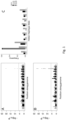
- the maximum 10 HS signal (p ⁇ 6.2 ⁇ 10 -23 ) overlapped with this variant, and was due to the enrichment in cases of a single haplotype that was in near-perfect linkage disequilibrium ( r 2 ⁇ 0.91) with the ATP2A1 R143W variant.
- the SERCA1 protein is a Ca 2+ ATPase that is embedded in the membrane of the sarcoplasmic reticulum of muscle fibers, pumping Ca 2+ ions from the sarcoplasm back into the reticulum thereby controlling muscle relaxation (Wuytack at al., 2002).
- Loss-of-function mutations in ATP2A1 cause autosomal recessive Brody myopathy in humans (Brody, 1969; Odermatt et al., 1996&2000; OMIM 601003), Congenital Muscular Dystonia I in Belgian Blue Cattle ( R559C ; Charlier et al., 2008; OMIA 001464-9913), and perinatal lethality from impaired diaphragm function in ATP2A1 knockout mice (Pan et al., 2003).
- Missense ATP2A1 variants have been associated with recessive myotonia of variable severity in at least four other beef cattle breeds (OMIA 001464-9913): Chianina (Drögemüller et al., 2008), Piedmontese (Grünberg et al., 2010), Romagnola (Murgiano et al., 2012), Roodbont (Grünberg et al., 2010; Dorotea et al. 2015).
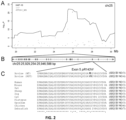
- the R143W mutation was located in ATP2A1 coding exon 5 and affected a highly conserved residue in the first cytoplasmic loop of SERCA1 (Wuytack at al., 2002) ( Fig. 2 ). Taken together our results demonstrate that 143W is a hypomorphic ATP2A1 variant that causes DMS.
- Samples of the m. glutaeobiceps were collected from 26 affected (5 x category 1; 9 x 1.5; 9 x 2; 3 x 2.5) and 21 non-affected animals and analyzed for standard meat quality traits (Table 1). Meat samples of affected cows had altered color (darker) and color stability, texture (higher hardness, gumminess, chewiness, and shear force), and moisture content (reduced EZ-drip, thawing and cooking loss; increased dry matter content). There was no effect on pH or protein solubility. Table 1: Meat quality of dry and normal m.
- the 'dry' feeling of the dry meat was confirmed with a significantly higher dry matter content (27.4% vs. 26.6%) and lower thaw and cooking losses (7.19% vs. 8.42% and 26.5% vs. 28.3%), despite the non-significant difference in drip loss (2.11% vs. 2.71%).
- the 'tough' feeling of the dry meat was confirmed by the significantly higher hardness (40.7N vs. 29.5N) and higher shear force values (55.7N vs. 37.7N). The difference in these texture properties could partially be explained by the significantly shorter sarcomere length of dry meat (1.40 ⁇ m vs.
- Example 3 Estimating the penetrance of DMS in R143W hetero- and homozygous cows.
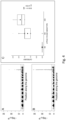
- the frequency of the R143W allele was 8.2% in the "hyper" controls (without a single homozygote W / W animal), while it was 55.1% in cases (without a single homozygote R/R animal).
- Knowing the causative mutation will allow for effective counter selection against the R143W variant. As heterozygotes may have a probability as high as ⁇ 40% to be affected, avoiding matings between carrier animals is not sufficient to control the condition. Animals carrying the R143W mutation should be identified e.g. by genotyping and progressively eliminated from the breeding stock.
- Example 6 DNA testing against loss-of-function or hypomorphic ATP2A1 mutations other than R143W
- ATP2A1 coding variants other than R143W have been reported in several cattle breeds and have been found to cause recessive Congenital Muscular Dystonia-I (CMD-1) in BBC and myotonia of variable severity in other cattle breeds (i.e. only homozygous animals are affected).
- Example 7 The R143W ATP2A1 mutation also affects meat quality in younger animals, both males and females.
Landscapes
- Chemical & Material Sciences (AREA)
- Life Sciences & Earth Sciences (AREA)
- Proteomics, Peptides & Aminoacids (AREA)
- Health & Medical Sciences (AREA)
- Organic Chemistry (AREA)
- Wood Science & Technology (AREA)
- Analytical Chemistry (AREA)
- Zoology (AREA)
- Genetics & Genomics (AREA)
- Engineering & Computer Science (AREA)
- Pathology (AREA)
- Immunology (AREA)
- Microbiology (AREA)
- Molecular Biology (AREA)
- Biotechnology (AREA)
- Biophysics (AREA)
- Physics & Mathematics (AREA)
- Biochemistry (AREA)
- Bioinformatics & Cheminformatics (AREA)
- General Engineering & Computer Science (AREA)
- General Health & Medical Sciences (AREA)
- Measuring Or Testing Involving Enzymes Or Micro-Organisms (AREA)
Claims (15)
- Verfahren zur Bestimmung, ob ein Rind von TDMS (Tough and Dry Meat Syndrome) betroffen oder dafür anfällig ist, umfassend Bestimmen des Vorliegens oder Fehlens wenigstens einer genetischen Variante oder Mutation im ATP2A1-Gen in einer Nukleinsäure von dem Rind.
- Verfahren nach Anspruch 1, wobei das Vorliegen oder Fehlen der wenigstens einen genetischen Variante oder Mutation von ATP2A1 durch Genotypisieren oder Sequenzieren wenigstens eines Teils des ATP2A1-Gens bestimmt wird.
- Verfahren nach Anspruch 1 oder 2, wobei die wenigstens eine genetische Variante oder Mutation von ATP2A1 eine hypomorphe Mutation im ATP2A1-Gen umfasst.
- Verfahren nach einem der Ansprüche 1 bis 3, wobei die wenigstens eine genetische Variante oder Mutation von ATP2A1 eine oder mehrere Varianten oder Mutationen umfasst, die ausgewählt sind aus der Gruppe bestehend aus: einer Variante oder Mutation, die zu einer Substitution an Position 143 des ATP2A1-Proteins führt, einer Variante oder Mutation, die zu einer Substitution an Position 559 des ATP2A1-Proteins führt, einer Variante oder Mutation, die zu einer Substitution an Position 164 des ATP2A1-Proteins führt, einer Variante oder Mutation, die zu einer Substitution an Position 211 des ATP2A1-Proteins führt, einer Variante oder Mutation, die zu einer Substitution an Position 286 des ATP2A1-Proteins führt und einer Variante oder Mutation, die zu einer Substitution an Position 284 des ATP2A1-Proteins führt.
- Verfahren nach einem der Ansprüche 1 bis 4, wobei die wenigstens eine genetische Variante oder Mutation von ATP2A1 eine oder mehrere Varianten oder Mutationen umfasst, die ausgewählt sind aus der Gruppe bestehend aus: einer Variante oder Mutation, die zu einer R143W-Substitution im ATP2A1-Protein führt, einer Variante oder Mutation, die zu einer R559C-Substitution im ATP2A1-Protein führt, einer Variante oder Mutation, die zu einer R164H-Substitution im ATP2A1-Protein führt, einer Variante oder Mutation, die zu einer G211V-Substitution im ATP2A1-Protein führt, einer Variante oder Mutation, die zu einer G286V-Substitution im ATP2A1-Protein führt und einer Variante oder Mutation, die zu einer G284V-Substitution im ATP2A1-Protein führt.
- Verfahren nach einem der Ansprüche 1 bis 5, wobei die wenigstens eine genetische Variante oder Mutation von ATP2A1 eine Variante oder Mutation, die zu einer Substitution an Position 143 des ATP2A1-Proteins führt, und/oder eine Variante oder Mutation, die zu einer Substitution an Position 559 des ATP2A1-Proteins führt, umfasst.
- Verfahren nach einem der Ansprüche 1 bis 6, wobei die wenigstens eine genetische Variante oder Mutation von ATP2A1 eine Variante oder Mutation, die zu einer R143W-Substitution im ATP2A1-Protein führt, und/oder eine Variante oder Mutation, die zu einer R559C-Substitution im ATP2A1-Protein führt, umfasst.
- Verfahren nach einem der Ansprüche 1 bis 7, wobei es sich bei der genetischen Variante oder Mutation von ATP2A1 um einen Einzelnukleotid-Polymorphismus (Single Nucleotide Polymorphism, SNP) oder eine Punktmutation handelt.
- Verfahren nach einem der Ansprüche 1 bis 8, ferner umfassend Bestimmen, ob das Rind heterozygot, komplex heterozygot oder homozygot für die wenigstens eine genetische Variante oder Mutation von ATP2A1 ist.
- Verfahren nach einem der Ansprüche 1 bis 9, wobei das heterozygote oder homozygote Vorliegen der wenigstens einen genetischen Variante oder Mutation von ATP2A1 anzeigt, dass bei dem Rind Dry Meat Syndrome vorliegt oder eine Anfälligkeit dafür besteht.
- Verfahren nach einem der Ansprüche 1 bis 10, wobei es sich bei der Nukleinsäure um DNA oder RNA handelt.
- Verfahren nach einem der Ansprüche 1 bis 11, wobei die Nukleinsäure aus einer Probe stammt, die aus der Gruppe bestehend aus Blut, Sperma, Haarwurzeln, Milch, Körperflüssigkeiten, kernhaltige Zellen enthaltenden Geweben und Kombinationen davon ausgewählt ist.
- Verfahren nach einem der Ansprüche 1 bis 12, wobei es sich bei dem Rind um Bos taurus handelt.
- Verfahren nach einem der Ansprüche 1 bis 13, wobei das Rind einer Rasse angehört, die aus der Gruppe bestehend aus Belgian Blue, Charolais, Roodbont, Piedmontese, Chianina und Romagnola ausgewählt ist.
- Verfahren zur Auswahl eines Rindes nach Fleischqualität unter Verwendung des Verfahrens nach einem der Ansprüche 1 bis 14.
Applications Claiming Priority (1)
| Application Number | Priority Date | Filing Date | Title |
|---|---|---|---|
| EP21201071 | 2021-10-05 |
Publications (2)
| Publication Number | Publication Date |
|---|---|
| EP4163394A1 EP4163394A1 (de) | 2023-04-12 |
| EP4163394B1 true EP4163394B1 (de) | 2024-11-20 |
Family
ID=78080203
Family Applications (1)
| Application Number | Title | Priority Date | Filing Date |
|---|---|---|---|
| EP22199908.9A Active EP4163394B1 (de) | 2021-10-05 | 2022-10-05 | Verfahren zur bestimmung des zäh- und trockenfleischsyndroms (tdms) |
Country Status (1)
| Country | Link |
|---|---|
| EP (1) | EP4163394B1 (de) |
-
2022
- 2022-10-05 EP EP22199908.9A patent/EP4163394B1/de active Active
Also Published As
| Publication number | Publication date |
|---|---|
| EP4163394A1 (de) | 2023-04-12 |
Similar Documents
| Publication | Publication Date | Title |
|---|---|---|
| US10774381B2 (en) | Genetic marker for determining meat quality traits of pigs and use thereof | |
| AU2009275988B2 (en) | A genetic marker test for Brachyspina and fertility in cattle | |
| KR102019997B1 (ko) | 돈육의 육질 예측용 조성물 및 이를 이용한 간이 신속한 돈육의 육질 예측 방법 | |
| US10626459B2 (en) | Methods and kits for the identification of animals having a greater potential for desirable characteristics, and for the early identification of fat deposits in bovines | |
| Matsumoto et al. | Leptin gene contributes to beef marbling standard, meat brightness, meat firmness, and beef fat standard of the Kumamoto sub‐breed of Japanese Brown cattle | |
| WO2011028134A9 (en) | Biological markers and uses therefor | |
| MXPA06009452A (es) | Polimorfismos del promotor de leptin y sus usos. | |
| EP4163394A1 (de) | Verfahren zur bestimmung des tz- und trockenfleischsyndroms (tdms) | |
| WO2009055805A2 (en) | Genetic markers and methods for improving swine genetics | |
| Shi et al. | Association analysis of CAPN1 gene variants with carcass and meat quality traits in Chinese native cattle | |
| Alcaraz-González et al. | Implementation of rhAmp SNP genotyping for the detection of the B3GALNT2 gene mutation associated with congenital hydrocephalus in Friesian horses in southern Sonora | |
| US20120122089A1 (en) | Gene Marker For Evaluating Genetic Potential For Marbling In Bovine Individual And Method For Evaluating Genetic Potential For Marbling Using The Same | |
| KR20140080888A (ko) | 한우 근내지방함량 연관 바이오마커를 이용한 한우 육질 진단 키트 및 이를 이용한 진단 방법 | |
| CA2832242C (en) | Detecting the brachyspina mutation | |
| AU2004257309B9 (en) | Improving production characteristics of cattle | |
| Thaloengsakdadech et al. | Single-Nucleotide Polymorphisms in Calpastatin (CAST) and Micro-Calpain (CAPN1) Genes Influencing Meat Tenderness in Crossbred Beef Cattle in Thailand | |
| CN119265315B (zh) | 一种snp分子标记组合在鸡冠长度辅助育种中的应用 | |
| KR102797109B1 (ko) | 돈육의 육질 판별용 조성물 및 이를 이용한 돈육의 육질 판별 방법 | |
| Rombouts et al. | A hypomorphic mutation in the ATP2A1 gene increases muscle mass yet compromises meat quality of Belgian Blue cattle | |
| KR102336624B1 (ko) | 돈육의 콜라겐 함량 예측용 마커 및 이의용도 | |
| Thaloengsakdadech et al. | Identification of Single Nucleotide Polymorphisms in Calpastatin (CAST) and Micro-Calpain (CAPN1) Genes Influencing Meat Tenderness in Crossbred Beef Cattle through Quantitative Polymerase Chain Reaction and High-Resolution Melting Analysis | |
| US20150344952A1 (en) | Dna markers for beef tenderness in cattle | |
| KR102194877B1 (ko) | Galm 유전자를 이용한 한우의 경제적 형질 예측 방법 | |
| Cánovas et al. | Pig HDL-binding protein (HDLBP) genotype is associated with intramuscular fat percentage | |
| US20130115596A1 (en) | Dna polymorphisms as molecular markers in cattle |
Legal Events
| Date | Code | Title | Description |
|---|---|---|---|
| PUAI | Public reference made under article 153(3) epc to a published international application that has entered the european phase |
Free format text: ORIGINAL CODE: 0009012 |
|
| STAA | Information on the status of an ep patent application or granted ep patent |
Free format text: STATUS: THE APPLICATION HAS BEEN PUBLISHED |
|
| AK | Designated contracting states |
Kind code of ref document: A1 Designated state(s): AL AT BE BG CH CY CZ DE DK EE ES FI FR GB GR HR HU IE IS IT LI LT LU LV MC ME MK MT NL NO PL PT RO RS SE SI SK SM TR |
|
| STAA | Information on the status of an ep patent application or granted ep patent |
Free format text: STATUS: REQUEST FOR EXAMINATION WAS MADE |
|
| 17P | Request for examination filed |
Effective date: 20231011 |
|
| RBV | Designated contracting states (corrected) |
Designated state(s): AL AT BE BG CH CY CZ DE DK EE ES FI FR GB GR HR HU IE IS IT LI LT LU LV MC ME MK MT NL NO PL PT RO RS SE SI SK SM TR |
|
| GRAP | Despatch of communication of intention to grant a patent |
Free format text: ORIGINAL CODE: EPIDOSNIGR1 |
|
| STAA | Information on the status of an ep patent application or granted ep patent |
Free format text: STATUS: GRANT OF PATENT IS INTENDED |
|
| RIC1 | Information provided on ipc code assigned before grant |
Ipc: C12Q 1/6883 20180101AFI20240209BHEP |
|
| INTG | Intention to grant announced |
Effective date: 20240228 |
|
| GRAS | Grant fee paid |
Free format text: ORIGINAL CODE: EPIDOSNIGR3 |
|
| P01 | Opt-out of the competence of the unified patent court (upc) registered |
Free format text: CASE NUMBER: APP_49997/2024 Effective date: 20240903 |
|
| GRAA | (expected) grant |
Free format text: ORIGINAL CODE: 0009210 |
|
| STAA | Information on the status of an ep patent application or granted ep patent |
Free format text: STATUS: THE PATENT HAS BEEN GRANTED |
|
| AK | Designated contracting states |
Kind code of ref document: B1 Designated state(s): AL AT BE BG CH CY CZ DE DK EE ES FI FR GB GR HR HU IE IS IT LI LT LU LV MC ME MK MT NL NO PL PT RO RS SE SI SK SM TR |
|
| REG | Reference to a national code |
Ref country code: GB Ref legal event code: FG4D |
|
| REG | Reference to a national code |
Ref country code: CH Ref legal event code: EP |
|
| REG | Reference to a national code |
Ref country code: DE Ref legal event code: R096 Ref document number: 602022007891 Country of ref document: DE |
|
| REG | Reference to a national code |
Ref country code: IE Ref legal event code: FG4D |
|
| REG | Reference to a national code |
Ref country code: NL Ref legal event code: FP |
|
| REG | Reference to a national code |
Ref country code: LT Ref legal event code: MG9D |
|
| PG25 | Lapsed in a contracting state [announced via postgrant information from national office to epo] |
Ref country code: PT Free format text: LAPSE BECAUSE OF FAILURE TO SUBMIT A TRANSLATION OF THE DESCRIPTION OR TO PAY THE FEE WITHIN THE PRESCRIBED TIME-LIMIT Effective date: 20250320 Ref country code: HR Free format text: LAPSE BECAUSE OF FAILURE TO SUBMIT A TRANSLATION OF THE DESCRIPTION OR TO PAY THE FEE WITHIN THE PRESCRIBED TIME-LIMIT Effective date: 20241120 Ref country code: IS Free format text: LAPSE BECAUSE OF FAILURE TO SUBMIT A TRANSLATION OF THE DESCRIPTION OR TO PAY THE FEE WITHIN THE PRESCRIBED TIME-LIMIT Effective date: 20250320 |
|
| PG25 | Lapsed in a contracting state [announced via postgrant information from national office to epo] |
Ref country code: FI Free format text: LAPSE BECAUSE OF FAILURE TO SUBMIT A TRANSLATION OF THE DESCRIPTION OR TO PAY THE FEE WITHIN THE PRESCRIBED TIME-LIMIT Effective date: 20241120 |
|
| REG | Reference to a national code |
Ref country code: AT Ref legal event code: MK05 Ref document number: 1743619 Country of ref document: AT Kind code of ref document: T Effective date: 20241120 |
|
| PG25 | Lapsed in a contracting state [announced via postgrant information from national office to epo] |
Ref country code: BG Free format text: LAPSE BECAUSE OF FAILURE TO SUBMIT A TRANSLATION OF THE DESCRIPTION OR TO PAY THE FEE WITHIN THE PRESCRIBED TIME-LIMIT Effective date: 20241120 |
|
| PG25 | Lapsed in a contracting state [announced via postgrant information from national office to epo] |
Ref country code: ES Free format text: LAPSE BECAUSE OF FAILURE TO SUBMIT A TRANSLATION OF THE DESCRIPTION OR TO PAY THE FEE WITHIN THE PRESCRIBED TIME-LIMIT Effective date: 20241120 |
|
| PG25 | Lapsed in a contracting state [announced via postgrant information from national office to epo] |
Ref country code: NO Free format text: LAPSE BECAUSE OF FAILURE TO SUBMIT A TRANSLATION OF THE DESCRIPTION OR TO PAY THE FEE WITHIN THE PRESCRIBED TIME-LIMIT Effective date: 20250220 |
|
| PG25 | Lapsed in a contracting state [announced via postgrant information from national office to epo] |
Ref country code: LV Free format text: LAPSE BECAUSE OF FAILURE TO SUBMIT A TRANSLATION OF THE DESCRIPTION OR TO PAY THE FEE WITHIN THE PRESCRIBED TIME-LIMIT Effective date: 20241120 Ref country code: GR Free format text: LAPSE BECAUSE OF FAILURE TO SUBMIT A TRANSLATION OF THE DESCRIPTION OR TO PAY THE FEE WITHIN THE PRESCRIBED TIME-LIMIT Effective date: 20250221 Ref country code: AT Free format text: LAPSE BECAUSE OF FAILURE TO SUBMIT A TRANSLATION OF THE DESCRIPTION OR TO PAY THE FEE WITHIN THE PRESCRIBED TIME-LIMIT Effective date: 20241120 |
|
| PG25 | Lapsed in a contracting state [announced via postgrant information from national office to epo] |
Ref country code: PL Free format text: LAPSE BECAUSE OF FAILURE TO SUBMIT A TRANSLATION OF THE DESCRIPTION OR TO PAY THE FEE WITHIN THE PRESCRIBED TIME-LIMIT Effective date: 20241120 |
|
| PG25 | Lapsed in a contracting state [announced via postgrant information from national office to epo] |
Ref country code: RS Free format text: LAPSE BECAUSE OF FAILURE TO SUBMIT A TRANSLATION OF THE DESCRIPTION OR TO PAY THE FEE WITHIN THE PRESCRIBED TIME-LIMIT Effective date: 20250220 |
|
| PG25 | Lapsed in a contracting state [announced via postgrant information from national office to epo] |
Ref country code: SM Free format text: LAPSE BECAUSE OF FAILURE TO SUBMIT A TRANSLATION OF THE DESCRIPTION OR TO PAY THE FEE WITHIN THE PRESCRIBED TIME-LIMIT Effective date: 20241120 |
|
| PG25 | Lapsed in a contracting state [announced via postgrant information from national office to epo] |
Ref country code: DK Free format text: LAPSE BECAUSE OF FAILURE TO SUBMIT A TRANSLATION OF THE DESCRIPTION OR TO PAY THE FEE WITHIN THE PRESCRIBED TIME-LIMIT Effective date: 20241120 |
|
| PG25 | Lapsed in a contracting state [announced via postgrant information from national office to epo] |
Ref country code: EE Free format text: LAPSE BECAUSE OF FAILURE TO SUBMIT A TRANSLATION OF THE DESCRIPTION OR TO PAY THE FEE WITHIN THE PRESCRIBED TIME-LIMIT Effective date: 20241120 |
|
| PG25 | Lapsed in a contracting state [announced via postgrant information from national office to epo] |
Ref country code: RO Free format text: LAPSE BECAUSE OF FAILURE TO SUBMIT A TRANSLATION OF THE DESCRIPTION OR TO PAY THE FEE WITHIN THE PRESCRIBED TIME-LIMIT Effective date: 20241120 |
|
| PG25 | Lapsed in a contracting state [announced via postgrant information from national office to epo] |
Ref country code: SK Free format text: LAPSE BECAUSE OF FAILURE TO SUBMIT A TRANSLATION OF THE DESCRIPTION OR TO PAY THE FEE WITHIN THE PRESCRIBED TIME-LIMIT Effective date: 20241120 |
|
| PG25 | Lapsed in a contracting state [announced via postgrant information from national office to epo] |
Ref country code: CZ Free format text: LAPSE BECAUSE OF FAILURE TO SUBMIT A TRANSLATION OF THE DESCRIPTION OR TO PAY THE FEE WITHIN THE PRESCRIBED TIME-LIMIT Effective date: 20241120 |
|
| PG25 | Lapsed in a contracting state [announced via postgrant information from national office to epo] |
Ref country code: IT Free format text: LAPSE BECAUSE OF FAILURE TO SUBMIT A TRANSLATION OF THE DESCRIPTION OR TO PAY THE FEE WITHIN THE PRESCRIBED TIME-LIMIT Effective date: 20241120 |
|
| REG | Reference to a national code |
Ref country code: DE Ref legal event code: R097 Ref document number: 602022007891 Country of ref document: DE |
|
| PG25 | Lapsed in a contracting state [announced via postgrant information from national office to epo] |
Ref country code: SE Free format text: LAPSE BECAUSE OF FAILURE TO SUBMIT A TRANSLATION OF THE DESCRIPTION OR TO PAY THE FEE WITHIN THE PRESCRIBED TIME-LIMIT Effective date: 20241120 |
|
| PLBE | No opposition filed within time limit |
Free format text: ORIGINAL CODE: 0009261 |
|
| STAA | Information on the status of an ep patent application or granted ep patent |
Free format text: STATUS: NO OPPOSITION FILED WITHIN TIME LIMIT |
|
| 26N | No opposition filed |
Effective date: 20250821 |