EP4154571B1 - Verfahren, system und vorrichtung zur gemeinsamen nutzung einer dynamischen frequenz in einem mobilkommunikationssystem - Google Patents
Verfahren, system und vorrichtung zur gemeinsamen nutzung einer dynamischen frequenz in einem mobilkommunikationssystem Download PDFInfo
- Publication number
- EP4154571B1 EP4154571B1 EP21842471.1A EP21842471A EP4154571B1 EP 4154571 B1 EP4154571 B1 EP 4154571B1 EP 21842471 A EP21842471 A EP 21842471A EP 4154571 B1 EP4154571 B1 EP 4154571B1
- Authority
- EP
- European Patent Office
- Prior art keywords
- frequency channel
- device cluster
- cluster
- disclosure
- frequency
- Prior art date
- Legal status (The legal status is an assumption and is not a legal conclusion. Google has not performed a legal analysis and makes no representation as to the accuracy of the status listed.)
- Active
Links
Images





Classifications
-
- H—ELECTRICITY
- H04—ELECTRIC COMMUNICATION TECHNIQUE
- H04W—WIRELESS COMMUNICATION NETWORKS
- H04W72/00—Local resource management
- H04W72/04—Wireless resource allocation
- H04W72/044—Wireless resource allocation based on the type of the allocated resource
- H04W72/0453—Resources in frequency domain, e.g. a carrier in FDMA
-
- H—ELECTRICITY
- H04—ELECTRIC COMMUNICATION TECHNIQUE
- H04W—WIRELESS COMMUNICATION NETWORKS
- H04W16/00—Network planning, e.g. coverage or traffic planning tools; Network deployment, e.g. resource partitioning or cells structures
- H04W16/02—Resource partitioning among network components, e.g. reuse partitioning
- H04W16/10—Dynamic resource partitioning
-
- H—ELECTRICITY
- H04—ELECTRIC COMMUNICATION TECHNIQUE
- H04W—WIRELESS COMMUNICATION NETWORKS
- H04W16/00—Network planning, e.g. coverage or traffic planning tools; Network deployment, e.g. resource partitioning or cells structures
- H04W16/14—Spectrum sharing arrangements between different networks
-
- H—ELECTRICITY
- H04—ELECTRIC COMMUNICATION TECHNIQUE
- H04W—WIRELESS COMMUNICATION NETWORKS
- H04W60/00—Affiliation to network, e.g. registration; Terminating affiliation with the network, e.g. de-registration
- H04W60/04—Affiliation to network, e.g. registration; Terminating affiliation with the network, e.g. de-registration using triggered events
-
- H—ELECTRICITY
- H04—ELECTRIC COMMUNICATION TECHNIQUE
- H04W—WIRELESS COMMUNICATION NETWORKS
- H04W72/00—Local resource management
- H04W72/12—Wireless traffic scheduling
- H04W72/121—Wireless traffic scheduling for groups of terminals or users
-
- H—ELECTRICITY
- H04—ELECTRIC COMMUNICATION TECHNIQUE
- H04W—WIRELESS COMMUNICATION NETWORKS
- H04W76/00—Connection management
- H04W76/20—Manipulation of established connections
- H04W76/25—Maintenance of established connections
Definitions
- the disclosure relates to a method, system, and apparatus for sharing a dynamic frequency in a frequency sharing system.
- 6G communication systems which are expected to be commercialized around 2030, will have a peak data rate of tera (1,000 giga)-level bits per second (bps) and a radio latency less than 100 microseconds ( ⁇ sec), and thus the speed will be 50 times as fast as 5G communication systems and have 1/10 the radio latency thereof.
- multi-antenna transmission technologies including radio frequency (RF) elements, antennas, novel waveforms having a better coverage than orthogonal frequency division multiplexing (OFDM), beamforming and massive multiple input multiple output (MIMO) technology, full dimensional MIMO (FD-MIMO) technology, array antennas, and large-scale antennas.
- RF radio frequency
- OFDM orthogonal frequency division multiplexing
- MIMO massive multiple input multiple output
- FD-MIMO full dimensional MIMO
- array antennas and large-scale antennas.
- OFDM orthogonal frequency division multiplexing
- FD-MIMO full dimensional MIMO
- OFDM orthogonal frequency division multiplexing
- FD-MIMO full dimensional MIMO
- array antennas and large-scale antennas.
- OFDM orthogonal frequency division multiplexing
- FD-MIMO full dimensional MIMO
- RIS reconfigurable intelligent surface
- 6G communication systems have employed technologies such as a full-duplex technology for enabling an uplink (UE transmission); a downlink (node B transmission) to simultaneously use the same frequency resource at the same time and a network technology for utilizing satellites, high-altitude platform stations (HAPS); an improved network structure for supporting mobile nodes B enabling network operation optimization and automation; a technology for using AI in wireless communication for improvement of overall network operation by considering AI from the initial phase of developing technologies for 6G and internalizing end-to-end AI support functions; and a next-generation distributed computing technology for overcoming UE computing ability limitations through reachable super-high-performance communication and computing resources (multi-access edge computing(MEC) and cloud computing) over the network.
- technologies such as a full-duplex technology for enabling an uplink (UE transmission); a downlink (node B transmission) to simultaneously use the same frequency resource at the same time and a network technology for utilizing satellites, high-altitude platform stations (HAPS); an improved network structure for supporting mobile nodes B enabling network operation optimization
- 6G communication systems It is expected that such research and development of 6G communication systems will bring the next hyper-connected experience to every corner of life. Particularly, it is expected that services such as truly immersive extended reality (XR), high-fidelity mobile hologram, and digital replica could be provided through 6G communication systems.
- XR truly immersive extended reality
- high-fidelity mobile hologram high-fidelity mobile hologram
- digital replica could be provided through 6G communication systems.
- a method, system, and apparatus for sharing a dynamic frequency in a frequency sharing system are provided.
- a method, performed by a network entity, of assigning a frequency channel includes: receiving a frequency channel assignment request from a first device; identifying a device cluster including the first device; and assigning, to the first device, at least one frequency channel included in a frequency channel set assigned to the device cluster including the first device.
- the device cluster may satisfy a certain condition and may be a set of a plurality of devices sharing at least one frequency channel included in the frequency channel set.
- a network entity for assigning a frequency channel includes: a transceiver; and a processor coupled to the transceiver and configured to: receive a frequency channel assignment request from a first device; identify a device cluster including the first device; and assign, to the first device, at least one frequency channel included in a frequency channel set assigned to a device cluster including the first device, wherein the device cluster may satisfy a certain condition and may be a set of a plurality of devices sharing at least one frequency channel included in the frequency channel set.
- various functions described below can be implemented or supported by one or more computer programs, each of which is formed from computer readable program code and embodied in a computer readable medium.
- application and “program” refer to one or more computer programs, software components, sets of instructions, procedures, functions, objects, classes, instances, related data, or a portion thereof adapted for implementation in a suitable computer readable program code.
- computer readable program code includes any type of computer code, including source code, object code, and executable code.
- computer readable medium includes any type of medium capable of being accessed by a computer, such as read only memory (ROM), random access memory (RAM), a hard disk drive, a compact disc (CD), a digital video disc (DVD), or any other type of memory.
- ROM read only memory
- RAM random access memory
- CD compact disc
- DVD digital video disc
- a "non-transitory” computer readable medium excludes wired, wireless, optical, or other communication links that transport transitory electrical or other signals.
- a non-transitory computer readable medium includes media where data can be permanently stored and media where data can be stored and later overwritten, such as a rewritable optical disc or an erasable memory device.
- FIGS. 1 through 15 discussed below, and the various embodiments used to describe the principles of the present disclosure in this patent document are by way of illustration only and should not be construed in any way to limit the scope of the disclosure. Those skilled in the art will understand that the principles of the present disclosure may be implemented in any suitably arranged system or device.
- the expression "at least one of a, b or c" indicates only a, only b, only c, both a and b, both a and c, both b and c, all of a, b, and c, or variations thereof.
- Examples of a terminal may include a user equipment (UE), a mobile station (MS), a cellular phone, a smartphone, a computer, a multimedia system capable of performing a communication function, or the like.
- UE user equipment
- MS mobile station
- cellular phone a smartphone
- smartphone a computer
- multimedia system capable of performing a communication function, or the like.
- a controller may also be referred to as a processor.
- a layer (or a layer apparatus) may also be referred to as an entity.
- the computer program instructions may also be loaded into a computer or another programmable data processing apparatus, and thus, instructions for operating the computer or the other programmable data processing apparatus by generating a computer-executed process when a series of operations are performed in the computer or the other programmable data processing apparatus may provide operations for performing the functions described in the flowchart block(s).
- each block may represent a portion of a module, segment, or code that includes one or more executable instructions for executing specified logical function(s).
- functions mentioned in blocks may occur out of order. For example, two blocks illustrated successively may actually be executed substantially concurrently, or the blocks may sometimes be performed in a reverse order according to the corresponding function.
- unit in the embodiments of the disclosure means a software component or hardware component such as a Field-Programmable Gate Array (FPGA) or an Application-Specific Integrated Circuit (ASIC), and performs a specific function.
- FPGA Field-Programmable Gate Array
- ASIC Application-Specific Integrated Circuit
- the term “unit” is not limited to software or hardware.
- the “unit” may be formed so as to be in an addressable storage medium, or may be formed so as to operate one or more processors.
- the term “unit” may refer to components such as software components, object-oriented software components, class components, and task components, and may include processes, functions, attributes, procedures, subroutines, segments of program code, drivers, firmware, micro codes, circuits, data, a database, data structures, tables, arrays, or variables.
- a function provided by the components and “units” may be associated with the smaller number of components and “units”, or may be divided into additional components and “units”. Furthermore, the components and “units” may be embodied to reproduce one or more central processing units (CPUs) in a device or security multimedia card. Also, in the embodiments of the disclosure, the "unit” may include at least one processor.
- CPUs central processing units
- the "unit” may include at least one processor.
- a physical channel and a signal may be used interchangeably with data or a control signal.
- a physical downlink shared channel (PDSCH) is a term referring to a physical channel where data is transmitted, but the PDSCH may also be used to refer to data.
- PDSCH physical downlink shared channel
- the expression "a physical channel is transmitted” may be equally interpreted as the expression "data or a signal is transmitted via a physical channel”.
- higher layer signaling denotes a method of transmitting a signal from a base station to a UE by using a downlink data channel of a physical layer or from a UE to a base station by using an uplink data channel of a physical layer.
- the higher layer signaling may be understood as radio resource control (RRC) signaling or a media access control (MAC) control element (CE).
- RRC radio resource control
- MAC media access control
- the disclosure uses terms and names defined by the 3 rd Generation Partnership Project Long-Term Evolution (3GPP LTE) standard, the Federal Communications Commission (FCC), and Wireless Innovation (Winn) Forum Spectrum Sharing Committee (SSC).
- 3GPP LTE 3rd Generation Partnership Project Long-Term Evolution
- FCC Federal Communications Commission
- Winn Wireless Innovation
- SC Wireless Innovation
- the disclosure is not limited by such terms and names, and may be equally applied to systems conforming to other standards.
- the disclosure may be applied to the 3GPP new radio (NR), i.e., the 5 th generation (5G) mobile communication standard.
- NR 3GPP new radio
- gNB next generation node B
- gNB next generation node B
- gNB next generation node B
- gNB next generation node B
- gNB next generation node B
- gNB next generation node B
- gNB next generation node B
- gNB next generation node B
- gNB next generation node B
- gNB next generation no
- a base station is an entity that assigns resources of a terminal, and may be at least one of a gNode B (gNB), an eNode B (eNB), a Node B (NB), a wireless access unit, a BS controller, or a node on a network.
- gNB gNode B
- eNB eNode B
- NB Node B
- Examples of a terminal may include user equipment (UE), a mobile station (MS), a cellular phone, a smartphone, a computer, and a multimedia system capable of performing a communication function.
- UE user equipment
- MS mobile station
- a cellular phone a smartphone
- a computer a multimedia system capable of performing a communication function.
- multimedia system capable of performing a communication function. The disclosure is not limited to the above examples.
- a specific spectrum (or frequency) resource is exclusively assigned for a specific service.
- a nation leases a specific spectrum resource to a specific mobile network operator, and the mobile network operator that has been assigned with a resource exclusively uses the resource to maintain a cellular network.
- a resource is wasted because a spectrum assigned for each mobile network operator is not sufficiently used except a spatiotemporal situation in which data traffic is very high. In this regard, a situation in which a dynamic frequency is shared between mobile network operators may be considered.
- a spectrum resource with a priority right for use is assigned to each mobile network operator, and the mobile network operator may grant another mobile network operator use of the spectrum resource when the use thereof is low.
- a system for sharing a dynamic frequency between mobile network operators may be a base technology for 6 th generation (6G) or 5G mobile communication capable of operating spectrum resources efficiently.
- CBRS citizen broadband radio service
- a sharing-based band is expected to increase in the future.
- a CBRS system includes three tiers having different priorities.
- An incumbent user that is a first tier is a user using an existing CBRS band for a radar, a satellite, or the like.
- the incumbent user may operate in the CBRS band regardless of a user of another tier and the user of the other tier does not affect an operation or performance of the incumbent user during the operation of the incumbent user.
- a primary access license (PAL) user that is a second tier is a user using the CBRS by obtaining a license in a range of 3.55 GHz to 3.65 GHz.
- the license denotes a right of one PAL to be assigned with a frequency channel having a bandwidth of 10 MHz in the range of 3.55 GHz to 3.65 GHz above.
- the frequency channel that may be assigned when obtaining the license is not limited to a 10 MHz frequency channel at a specific location.
- the frequency channel assigned by the CBRS system may be changed. For example, when the operation of the incumbent user is detected and there is a command of the CBRS system to stop an operation in a current frequency channel, the PAL user is obligated to stop an operation in the current frequency channel.
- the CBRS system may assign another frequency band to the PAL user.
- a mobile network operator is able to purchase a PAL in regional units called a county in the United States, wherein seven PALs are present in one county and one mobile network operator may obtain up to four PALs.
- a wireless communication technology to be used by the PAL user is not determined.
- the PAL user may design a network by using existing wireless communication technologies, such as LTE, NR, and wireless fidelity (Wi-Fi), while satisfying only the regulations (maximum transmit power and the like) specified in the CBRS system.
- a general authorized access (GAA) user that is a third tier may operate by being assigned with a frequency channel from the CBRS system in a range of 3.55 GHz to 3.70 GHz that is the CBRS band, without a license. Performance of the GAA user in the frequency channel assigned from the CBRS system is not guaranteed and the GAA user does not affect operations or performances of the incumbent user and PAL user, which are higher tiers. Like the PAL user, a wireless communication technology to be used by the GAA user is not determined. The GAA user may design a network by using existing wireless communication technologies, such as LTE, NR, and Wi-Fi, while satisfying only the regulations (maximum transmit power and the like) specified in the CBRS system.
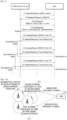
- FIG. 1 illustrates a diagram showing procedures performed between a spectrum access system (SAS) and a CBRS device (CBSD) via an interface, in a CBRS system.
- SAS spectrum access system
- CBSD CBRS device
- the SAS is an entity that manages a frequency channel in the CBRS system.
- the CBSD may be assigned with a frequency channel from the SAS and provide a network service.
- a concept of the CBSD is similar to that of a base station in a wireless communication system, and all base stations configuring a network of a PAL user or GAA user are referred to as CBSDs.
- the following procedures may be performed via the interface (SAS to CBSD interface) between the SAS and the CBSD.
- FIG. 2 illustrates a flow diagram of a message exchange procedure via an interface between an SAS and a CBSD in a CBRS system.
- FIG. 2 illustrates a general example in which the CBSD (or a domain proxy) is assigned with a frequency channel from the SAS and periodically performs a heartbeat procedure to continuously use the assigned frequency channel.
- the CBSD may identify communication with the SAS only through the heartbeat procedure of identifying whether the corresponding frequency channel is able to be continuously used.
- a method of periodically identifying the use of the specific frequency channel is a difference from an existing exclusive license-based cellular communication system.
- the CBRS system performs frequency channel assignment and identification processes through such grant and heartbeat procedures due to the following reasons.
- the SAS needs to request the CBSDs operating as a PAL or GAA user to stop operating in the frequency channel, but communication between the SAS and the CBSD may be impossible.
- the CBSD fails to receive a suitable HeartbeatResponse message from the SAS during the heartbeat procedure, and as a result, the corresponding frequency channel is emptied after the TransmitExpireTime has passed.
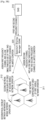
- FIG. 3A illustrates a diagram for describing a method by which an SAS assigns a frequency channel
- FIG. 3B illustrates a diagram for describing a frequency management method of a network entity, according to an embodiment of the disclosure.
- an existing CBRS system there may be a plurality of networks, for example, a first network 311 and a second network 312, geographically overlapping each other and managed by different mobile network operators in a region managed by an SAS 310.
- the SAS 310 independently assigns a frequency channel to each network, based on location information of CBSDs.
- frequency sharing (spectrum sharing)-based frequency channel assignment proposed in the disclosure is different from an existing frequency channel assignment method in that a network entity managing frequency channel sharing is assigned with a frequency channel set for the first network 311 and the second network 312 from the SAS 310, and controls each network regarding frequency channel assignment and frequency sharing.
- the network entity managing the frequency channel sharing may be referred to as a spectrum sharing manager (SSM) 320.
- SSM spectrum sharing manager
- an embodiment of the disclosure is not limited thereto, and when the network entity managing the frequency channel sharing is included in another network entity, the network entity managing the frequency channel sharing may be referred to by a name of the other network entity.
- the network entity managing the frequency channel sharing will be referred to as the SSM 320.
- the SSM 320 may assign CBSDs belonging to the first network 311 with a priority right for use of a first frequency channel, and an auxiliary right for use of a second frequency channel.
- the CBSDs belonging to the first network 311 may use the first frequency channel as a primary user (PU) and the second frequency channel as a secondary user (SU).
- the SSM 320 may configure CBSDs belonging to the second network 312 to use the first frequency channel as an SU and the second frequency channel as a PU.
- a channel usable by the CBSD as a PU will be referred to as a PU channel and a channel usable by the CBSD as an SU will be referred to as an SU channel.
- the CBSD may unlimitedly use the PU channel and receive a right to use the SU channel only when a CBSD using the SU channel as a PU channel does not use the SU channel.
- the CBSD may receive a right to use the SU channel only when utilization of the SU channel is equal to or less than a certain level.
- the CBSDs are able to use more frequency channels than an existing CBRS resource assignment method, and at least performance in the PU channel is guaranteed, and thus the frequency channel may be further efficiently used in the CBRS system.
- the frequency sharing-based frequency channel assignment proposed in the disclosure is not limited to the CBRS system.
- the frequency sharing-based frequency channel assignment proposed in the disclosure may be applied to a frequency band other than a CBRS band and a device other than a CBSD.
- a network entity managing a frequency channel in a frequency band other than the CBRS band may correspond to an SAS managing a frequency channel in the CBRS system.
- the SAS and the network entity managing a frequency channel will be collectively referred to as a frequency channel management entity.
- An SSM may operate by being assigned with a frequency channel set in units of clusters from a frequency channel management entity (for example, an SAS).
- the cluster may have a concept of grouping one or more devices.
- the cluster may include a plurality of devices or may include one device.
- the cluster may be defined as a set of a plurality of devices satisfying a certain condition.
- the cluster may be defined as a set of devices present in a certain region. In this case, when a new device appears in the certain region, the new device may be automatically included in the cluster.
- a set of a specific plurality of devices may be defined as a device cluster separately from whether the certain condition is satisfied.
- the cluster including one or more devices may be referred to as a device cluster, a device group, a device set, or the like, and will be referred to as a device cluster hereinbelow.
- the device cluster may be referred to as a CBSD cluster.
- the network entity managing the frequency channel sharing may request the frequency channel management entity to generate or update the device cluster, and generate or update the device cluster by receiving a response thereto from the frequency channel management entity.
- the device cluster may be configured via configuration information for the device cluster.
- the configuration information for the device cluster may include ID information of the device cluster, a condition (for example, a region, a device ID set, or the like) defining the device cluster, a frequency channel set assigned to the device cluster, maximum transmit power operable for each frequency channel, and information about a device included in the device cluster. Details about the generating or updating of the device cluster will be described with reference to FIGS. 7A through 8B .
- the SSM may manage how to assign frequency channels to devices from the frequency channel set.
- the frequency channel management entity may provide one device with a right to use a specific channel as a PU and another channel as an SU, like a PU and an SU described in FIG. 3 .
- the plurality of devices included in the device cluster may share at least one frequency channel included in the frequency channel set assigned to the device cluster, and thus the frequency channels may be efficiently used.
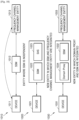
- FIG. 4 illustrates a flowchart of a process by which a network entity assigns a frequency channel to a device, according to an embodiment of the disclosure.
- an SSM i.e., the network entity managing frequency channel sharing
- the frequency channel assignment request of the first device may be performed in a same manner as requesting, by a device, channel assignment from a frequency channel management entity.
- the device When a frequency channel is assigned by a CBRS system, the device may be a CBSD device and the frequency channel management entity may be an SAS.
- the SSM may identify a device cluster including the first device that transmitted the frequency channel assignment request.
- the network entity may first identify whether the first device is includable in the existing device cluster being operated.
- the network entity may update the existing device cluster to include the first device or generate a new device cluster including the first device.
- the updated existing device cluster or generated new device cluster may be identified as the device cluster including the first device.
- a method of identifying the device cluster including the first device in operation 420 will be described in detail with reference to FIG. 5 .
- the SSM may assign, to the first device, at least one frequency channel included in the frequency channel set assigned to the device cluster including the first device.
- the SSM may identify the frequency channel set assigned to the device cluster including the first device, that is identified in operation 420.
- the network entity may assign, to the first device, at least one of frequency channels included in the identified frequency channel set.
- the SSM may assign, to the first device, at least one of the frequency channels included in the identified frequency channel set.
- the SSM may assign, to the first device, a plurality of frequency channels included in the identified frequency channel set.
- the SSM may assign, to the first device, a first frequency channel included in the identified frequency channel set.
- the SSM may assign, to the first device, the first frequency channel to be used as a PU (i.e., assign as a PU channel).
- the SSM may assign, to the first device, a second frequency channel to be used as an SU (i.e., assign as an SU channel).
- the first frequency channel may be a frequency channel assigned to a second device included in the device cluster including the first device to be used as an SU
- the second frequency channel may be a frequency channel assigned to the second device to be used as a PU.
- the SSM may receive the frequency channel assignment request from the device, identify the device cluster including the device, and assign the frequency channel included in the frequency channel set assigned to the device cluster such that the device shares the frequency channel with other devices included in the device cluster. Accordingly, frequency resources may be efficiently used.
- FIG. 5 illustrates a flowchart of a procedure by which a network entity identifies a device cluster including a device that requested frequency channel assignment, according to an embodiment of the disclosure. Operations of FIG. 5 are related to detailed procedures of operation 420 of FIG. 4 .
- an SSM i.e., the network entity managing frequency channel sharing
- an SSM may identify an existing device cluster (first device cluster) in which a first device is includable, from among at least one existing device cluster being operated by the SSM.
- the SSM may determine whether the first device satisfies a generation condition corresponding to each of the plurality of existing device clusters.
- the SSM may identify a device cluster generated based on a certain condition (for example, a certain region) satisfied by the first device, from among the plurality of existing device clusters.
- the SSM may determine whether the first device satisfies the certain condition.
- the SSM may determine whether the first device is located in a region defining the first device cluster.
- the SSM may identify the first device cluster as the device cluster in which the first device is includable.
- the SSM may determine one of the device clusters as the device cluster to include the first device.
- the existing device cluster in which the first device is includable may include not only a device cluster generated based on the certain condition satisfied by the first device, but also a device cluster capable of including the first device by updating the certain condition that is a basis of generation.
- the device cluster when the device cluster is defined in a certain region and the first device is located near the certain region, the device cluster may be a device cluster in which the first device is includable when the certain region is widened.
- the SSM may update the first device cluster to include the first device, in operation 520. Updating of a device cluster may be updating configuration of the device cluster to include a new device. For example, the network entity may update a frequency channel set assigned to the first device cluster to assign a frequency channel to the first device. Also, the SSM may update a certain condition (for example, a region, a device ID set, or the like) defining the first device cluster such as to include the first device.
- a certain condition for example, a region, a device ID set, or the like
- the SSM may determine whether a frequency channel (for example, a PU/SU channel) is assignable to the first device within the frequency channel set assigned to the first device cluster. When possible, the SSM may assign the first device with PU/ SU frequency channels by using the frequency channel set assigned to the first device cluster. When not possible, the SSM may request the frequency channel management entity to update the frequency channel set assigned to the first device cluster. When it is not possible to assign a frequency channel to the first device even by updating the frequency channel set assigned to the first device cluster, the SSM may generate a new device cluster including the first device in operation 530, without updating the first device cluster.
- a frequency channel for example, a PU/SU channel
- the SSM may transmit an update request for the first device cluster to the frequency channel management entity and update the first device cluster by receiving a response to the update request from the frequency channel management entity.
- the update request for the first device cluster may include update information for the first device cluster related to the first device, and the update information may include updated configuration information of the first device cluster (for example, update information of a frequency channel set, update information of a certain condition, or the like).
- the SSM may generate a new device cluster (second device cluster) including the first device, in operation 530.
- the SSM may transmit a generation request for the second device cluster to the frequency channel management entity, and generate the second device cluster by receiving a response to the generation request from the frequency channel management entity.
- the generation request for the second device cluster includes generation information of the second device cluster related to the first device, and the generation information may include configuration information of the second device cluster to be newly generated (for example, information about a frequency channel set to be assigned, information about a certain condition defining the second device cluster, or the like).
- the SSM may identify the first device cluster updated in operation 520 or the second device cluster generated in operation 530 as the device cluster including the first device, and assign the first device with at least one frequency channel included in the frequency channel set assigned to the identified device cluster.
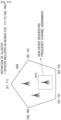
- FIGS. 6A and 6B illustrate examples of a device cluster, according to embodiments of the disclosure.
- the device cluster may be defined as devices included in a region generated by connecting a plurality of points.
- a method of accommodating the new device 610 without changing the region 600 of the current device cluster a method of generating a new device cluster for the new device 610 by reducing the region 600 of the current device cluster, and the like may be considered.
- information of the device cluster may be updated to include the new device 620 by expanding the region 600 of the device cluster to the nearby.
- PU/SU frequency channels need to be assigned to the device in a frequency channel set assigned to the device cluster, but when an additional frequency channel is required, an SSM may update the frequency channel set assigned to the device cluster by requesting a frequency channel management entity.
- FIGS. 7A and 7B illustrate flow diagrams showing examples of exchanging a device cluster generation message between a frequency channel management entity and an SSM, according to embodiments of the disclosure.
- the embodiments of FIGS. 7A and 7B are related to examples in which the SSM described in FIGS. 4 and 5 requests the frequency channel management entity to generate a device cluster.
- a device cluster is defined according to regions.
- the SSM may transmit, to the frequency channel management entity, configuration information of a device cluster to be generated, via a ClusterGenerationRequest message.
- the configuration information of the device cluster to be generated may include information about a region of the device cluster, a frequency channel set that is information about a desired frequency channel, and information about maximum transmit power available in the frequency channel.
- a device cluster is defined as a set of specific device IDs.
- the SSM may transmit, to the frequency channel management entity, configuration information of a device cluster to be generated, via a ClusterGenerationRequest message.
- the SSM may denote device IDs to be included in the device cluster to be generated, via the configuration information of the device cluster to be generated.
- Other pieces of message information are the same as those of FIG. 7A .
- the frequency channel management entity may transmit, to the SSM, a ClusterGenerationResponse message including identification information (cluster ID information) of the device cluster requested to be generated, in operations 720a and 720b.
- the frequency channel management entity may transmit, to the SSM, the ClusterGenerationResponse message including information for modifying a definition of the device cluster or a condition (for example, a region or a device ID set) for defining the device cluster, information for modifying the frequency channel set, information for modifying the maximum transmit power, and the like.
- the SSM may re-generate the ClusterGenerationRequest message by reflecting the pieces of information received from the frequency channel management entity, and request the frequency channel management entity to generate the device cluster again.
- a device cluster is defined according to regions.
- the SSM may transmit, to the frequency channel management entity, configuration information of a device cluster to be updated, via a ClusterUpdateRequest message.
- the configuration information of the device cluster to be updated may include update information about a region of the device cluster, a frequency channel set that is information about a desired frequency channel, and information about maximum transmit power available in the frequency channel.
- a device cluster is defined as a set of specific device IDs.
- the SSM may transmit, to the frequency channel management entity, configuration information of a device cluster to be updated, via the ClusterUpdateRequest message.
- the SSM may denote device IDs to be included in the device cluster to be updated, via the configuration information of the device cluster to be updated.
- Other pieces of message information are the same as those of FIG. 8A .
- FIG. 9A illustrates a flow diagram showing an example of transmitting, by an SSM, a message between devices in a device cluster, according to an embodiment of the disclosure.
- the devices in the device cluster may commonly use a same frequency channel via PU/SU frequency channel assignment described above. For example, a device (SU device) using a specific frequency channel as an SU may determine that a device (PU device) using the specific frequency channel as a PU is not using the specific frequency channel, and use the specific frequency channel.
- the SS information may include any information that helps other devices to smoothly share a frequency, such as a traffic condition, a resource usage pattern, or the like of a device transmitting the ClusterInfoSharing message.
- FIG. 9B illustrates a flow diagram showing an example of transmitting, by an SSM, a message between device clusters, according to an embodiment of the disclosure.
- the SSM may help different device clusters to exchange information. For example, for an SU device of a first device cluster to use a PU channel, a situation of an adjacent second device cluster may need to be considered. In this regard, maximum transmit power and the like for the SU device of the first device cluster to use the PU channel may be shared with the second device cluster.
- FIG. 10 illustrates a diagram showing examples of architectures 1010, 1020, and 1030 of SSMs 1012, 1022, and 1032, according to embodiments of the disclosure.
- An SSM may be present in any one of various architectures in a CBRS system.
- the SSM 1012 may be present as an independent network entity.
- a device 1011 may communicate with the SSM 1012 after direct communication with a frequency channel management entity 1013 during initial registration. Alternatively, the device 1011 may initially register in the frequency channel management entity 1013 via the SSM 1012.
- the SSM 1022 may be present in a form of being integrated with a frequency channel management entity 1023.
- Functions of the SSM 1022 according to an embodiment of the disclosure may be defined as functions in one network entity in which the frequency channel management entity 1023 and the SSM 1022 are integrated.
- the frequency channel management entity 1023 to which the SSM 1022 is integrated may assign a frequency channel to a device 1021, according to an embodiment of the disclosure.
- the SSM 1032 may be present by being integrated with a domain proxy 1034 communicating with a frequency channel management entity 1033, by grouping a plurality of devices 1031.
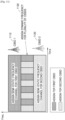
- FIG. 11 illustrates a diagram showing an example of dynamically assigning a frequency from a same frequency channel to a plurality of devices, according to an embodiment of the disclosure.
- a current CBRS system uses frequency resources by assigning a frequency channel to a CBSD via a grant procedure and then continuously extending a usage time of the frequency channel via a heartbeat procedure. When it is required to empty the frequency channel, the CBSD needs to start the grant procedure to receive a new resource. Due to delay and overhead occurring during these procedures, a current CBRS system may not be suitable for dynamic frequency channel operation, such as assigning a frequency channel that was assigned to a specific CBSD again to another CBSD.
- a specific frequency channel 1130 may be dynamically assigned to a first CBSD 1110 and a second CBSD 1120, according to time. As shown in FIG. 11 , when it is possible to dynamically assign the specific frequency channel 1130 to the plurality of CBSDs, i.e., the first and second CBSDs 1110 and 1120, frequency channel assignment may be variably performed depending on a traffic amount to be processed by the first and second CBSDs 1110 and 1120.
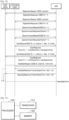
- FIG. 12 illustrates a flow diagram showing an example of a message exchange procedure between an SAS and a CBSD for dynamic frequency assignment, according to an embodiment of the disclosure.
- the SAS may determine locations of a first CBSD and a second CBSD via a registration procedure, and determine to assign a same frequency channel to both the first and second CBSDs.
- the SAS may specify both the first CBSD and the second CBSD to request grant for the same frequency channel, via a spectrum inquiry procedure between the SAS and the first and second CBSDs.
- the first CBSD and the second CBSD may successfully perform a grant procedure for the same frequency channel, and receive an update of the TransmitExpireTime that is a time for using a corresponding resource via a heartbeat procedure.
- the SAS may adjust actual transmissivity of the first and second CBSDs via a hold parameter.
- the first and second CBSDs may add current traffic situation information or the like to a HeartbeatRequest message.
- the SAS may adjust the transmissivity of each of the first and second CBSDs at intervals of a heartbeat procedure cycle.
- the SAS may further dynamically assign the transmission of each of the first and second CBSDs by using more types of information than the hold parameter.
- the SAS may add time scheduling information to a HeartbeatResponse message. For example, when T denotes a scheduling cycle and P denotes a heartbeat cycle, [P/T] scheduling units are present in one heartbeat cycle. Accordingly, the SAS may notify each CBSD whether a corresponding resource is available in each scheduling unit by using [P/T] bits, such as 110011 or 001100 (an example where 6 scheduling units are present). By using such a method, the SAS may dynamically assign a frequency to the first and second CBSDs in time units shorter than the heartbeat cycle.
- FIG. 13 illustrates a block diagram of a configuration of a device, according to an embodiment of the disclosure.
- the device may include a processor 1330, a transceiver 1310, and a memory 1320.
- the components of the device are not limited thereto.
- the device may include more or fewer components than those described above.
- the processor 1330, the transceiver 1310, and the memory 1320 may be implemented as a single chip.
- the device may include a CBSD.
- the processor 1330 may control a series of processes for the device to operate according to an embodiment of the disclosure.
- the processor 1330 may control the components of the device to perform a dynamic frequency sharing method according to an embodiment of the disclosure.
- There may be a plurality of processors 1330 and the processor 1330 may execute a program stored in the memory 1320 to perform transmission/reception operations of the device in a wireless communication system to which the dynamic frequency sharing method described above is applied.
- the transceiver 1310 may transmit or receive a signal to or from another network entity (for example, an SSM, a frequency channel management entity, or an SAS).
- the transmitted or received signal may include control information and data.
- the transceiver 1310 may include a RF transmitter for up-converting and amplifying a frequency of a transmitted signal, and a RF receiver for amplifying low-noise and down-converting a frequency of a received signal.
- the transceiver 1310 may receive and output, to the processor 1330, a signal through a wireless channel, and transmit a signal output from the processor 1330 through the wireless channel.
- the memory 1320 may store a program and data required for operations of the device. Also, the memory 1320 may store the control information or data included in the signal transmitted and received by the device.
- the memory 1320 may include a storage medium, such as read-only memory (ROM), random access memory (RAM), a hard disk, a CD-ROM, or a DVD, or a combination of storage media. There may be a plurality of memories 1320.
- the memory 1320 may store a program for performing the transmission/reception operations of the device in the wireless communication system to which the dynamic frequency sharing method according to an embodiment of the disclosure is applied.
- FIG. 14 illustrates a block diagram of a configuration of a network entity, according to an embodiment of the disclosure.
- the network entity may include a processor 1430, a transceiver 1410, and a memory 1420.
- the components of the network entity are not limited thereto.
- the network entity may include more or fewer components than those described above.
- the processor 1430, the transceiver 1410, and the memory 1420 may be implemented as a single chip.
- the network entity may be a network entity for managing frequency channel sharing.
- the network entity may be an SSM.
- the processor 1430 may control a series of processes such that the network entity operates as described above.
- the processor 1430 may control the components of the network entity to perform a dynamic frequency sharing method according to an embodiment of the disclosure.
- There may be a plurality of processors 1430 and the processor 1430 may execute a program stored in the memory 1420 to perform the dynamic frequency sharing method described above.
- the processor 1530 may control a series of processes such that the frequency channel management entity operates as described above.
- the processor 1530 may control the components of the frequency channel management entity to perform a dynamic frequency sharing method according to an embodiment of the disclosure.
- the transceiver 1510 may transmit or receive a signal to or from another network entity (for example, a CBSD or an SSM).
- the signal transmitted or received by the transceiver 1510 may include control information and data.
- the transceiver 1510 may include a RF transmitter for up-converting and amplifying a frequency of a transmitted signal, and a RF receiver for amplifying low-noise and down-converting a frequency of a received signal.
- the transceiver 1510 may receive and output, to the processor 1530, a signal through a wireless channel, and transmit a signal output from the processor 1530 through the wireless channel.
- the programs may be stored in random access memory (RAM), non-volatile memory including flash memory, read-only memory (ROM), electrically erasable programmable read-only memory (EEPROM), a magnetic disc storage device, compact disc-ROM (CD-ROM), a digital versatile disc (DVD), another type of optical storage device, or a magnetic cassette.
- RAM random access memory
- ROM read-only memory
- EEPROM electrically erasable programmable read-only memory
- CD-ROM compact disc-ROM
- DVD digital versatile disc
- the programs may be stored in a memory system including a combination of some or all of the above-mentioned memory devices.
- each memory device may be included by a plural number.
- the programs may also be stored in an attachable storage device that is accessible through a communication network such as the Internet, an intranet, a local area network (LAN), a wireless LAN (WLAN), or a storage area network (SAN), or a combination thereof.
- the storage device may be connected through an external port to an apparatus according to the embodiments of the disclosure.
- Another storage device on the communication network may also be connected to the apparatus performing the embodiments of the disclosure.
- the term 'computer program product' or 'computer-readable medium' is used to entirely refer to a medium such as a memory, a hard disk installed in a hard disk drive, or a signal.
- the 'computer program product' or 'computer-readable medium' is used to provide a transmitting or receiving method of a UE in a wireless communication system to which a carrier bundle according to an embodiment of the disclosure is applied.
- the present specification and drawings disclose exemplary embodiments of the disclosure, and although specific terms are used, these are merely used in a general sense to easily explain the technical contents of the disclosure and to help understanding of the disclosure, and not intended to limit the scope of the disclosure.
- the disclosure is based on a combined scenario of different systems, such as an LTE system and a 5G system, but may be generalized and applied to a carrier bundle operation in a same system (for example, a 5G system).
- the disclosure may be applied to a combined scenario with a 5G system and a 6G system that is to be introduced later. It will be apparent to one of ordinary skill in the art that other modifications based on the technical idea of the disclosure may be carried out in addition to the embodiments of the disclosure. Also, the embodiments of the disclosure may be combined with each other as required.
Landscapes
- Engineering & Computer Science (AREA)
- Computer Networks & Wireless Communication (AREA)
- Signal Processing (AREA)
- Mobile Radio Communication Systems (AREA)
Claims (11)
- Verfahren, das von einer Netzeinheit ausgeführt wird, um einen Frequenzkanal zuzuweisen, wobei das Verfahren Folgendes umfasst:Empfangen einer Frequenzkanalzuweisungsanforderung von einer ersten Vorrichtung;Identifizieren eines ersten Geräte-Clusters, in dem die erste Vorrichtung enthalten sein kann, aus mindestens einem Geräte-Cluster, der von der Netzeinheit betrieben wird, wobei der erste Geräte-Cluster basierend auf einer Bedingung erzeugt wird, die von der ersten Vorrichtung erfüllt wird;falls der erste Geräte-Cluster identifiziert wird, Aktualisieren des ersten Geräte-Clusters, um die erste Vorrichtung einzuschließen; undZuweisen mindestens eines Frequenzkanals, der in einem Frequenzkanalsatz enthalten ist, der dem ersten Geräte-Cluster zugewiesen ist, der die erste Vorrichtung enthält, zu der ersten Vorrichtung,wobei der erste Geräte-Cluster die Bedingung erfüllt und ein Satz aus einer Vielzahl von Vorrichtungen ist, die sich mindestens einen Frequenzkanal teilen, der in dem Frequenzkanalsatz enthalten ist, undwobei, falls der erste Geräte-Cluster nicht identifiziert wird, ein zweiter Cluster erzeugt wird, der die erste Vorrichtung enthält.
- Verfahren nach Anspruch 1, wobei der Satz der Vielzahl von Vorrichtungen ein Satz einer Vielzahl von Vorrichtungen ist, die in einem Bereich vorhanden sind, oder ein Satz einer Vielzahl von Bürgerbreitbandfunkdienst(CBRS)-Vorrichtungen, CBSDs, die einem Satz spezifischer Vorrichtungs-Kennungen, IDs, entsprechen.
- Verfahren nach Anspruch 1, wobei das Aktualisieren des ersten Geräte-Clusters Folgendes umfasst:Übertragen einer Aktualisierungsanforderung für den ersten Geräte-Cluster an eine Frequenzkanalverwaltungseinheit; undEmpfangen einer Antwort auf die Aktualisierungsanforderung von der Frequenzkanalverwaltungseinheit,wobei die Aktualisierungsanforderung Aktualisierungsinformationen über den ersten Geräte-Cluster in Bezug auf die erste Vorrichtung umfasst.
- Verfahren nach Anspruch 1, wobei das Erzeugen des zweiten Geräte-Clusters Folgendes umfasst:Übertragen einer Erzeugungsanforderung des zweiten Geräte-Clusters an eine Frequenzkanalverwaltungseinheit; undEmpfangen einer Antwort auf die Erzeugungsanforderung des zweiten Geräte-Clusters von der Frequenzkanalverwaltungseinheit,wobei die Erzeugungsanforderung Erzeugungsinformationen über den zweiten Geräte-Cluster in Bezug auf die erste Vorrichtung umfasst.
- Verfahren nach Anspruch 1, wobei das Zuweisen des mindestens einen Frequenzkanals zu der ersten Vorrichtung Folgendes umfasst:aus dem mindestens einen Frequenzkanal, der in dem Frequenzkanalsatz enthalten ist,Zuweisen eines ersten Frequenzkanals zu der ersten Vorrichtung, die als primärer Benutzer verwendet werden soll, undZuweisen eines zweiten Frequenzkanals zu der ersten Vorrichtung, die als sekundärer Benutzer verwendet werden soll.
- Verfahren nach Anspruch 5, wobeider erste Frequenzkanal ein Frequenzkanal ist, der einer zweiten Vorrichtung zugewiesen ist, die in dem Geräte-Cluster enthalten ist und als sekundärer Benutzer verwendet werden soll, undder zweite Frequenzkanal ein Frequenzkanal ist, der der zweiten Vorrichtung zugewiesen ist, die als primärer Benutzer verwendet werden soll.
- Netzeinheit zum Zuweisen eines Frequenzkanals, wobei die Netzeinheit Folgendes umfasst:einen Transceiver; undeinen Prozessor, der mit dem Transceiver gekoppelt und zu Folgendem konfiguriert ist:Empfangen einer Frequenzkanalzuweisungsanforderung von einer ersten Vorrichtung;Identifizieren eines ersten Geräte-Clusters, in dem die erste Vorrichtung enthalten sein kann, aus mindestens einem Geräte-Cluster, der von der Netzeinheit betrieben wird, wobei der erste Geräte-Cluster basierend auf einer Bedingung erzeugt wird, die von der ersten Vorrichtung erfüllt wird;falls der erste Geräte-Cluster identifiziert wird, Aktualisieren des ersten Geräte-Clusters, so dass er die erste Vorrichtung enthält; undZuweisen mindestens eines Frequenzkanals, der in einem Frequenzkanalsatz enthalten ist, der einem ersten Geräte-Cluster zugewiesen ist, der die erste Vorrichtung enthält, zu der ersten Vorrichtung,wobei der erste Geräte-Cluster die Bedingung erfüllt und ein Satz einer Vielzahl von Vorrichtungen ist, die sich mindestens einen Frequenzkanal teilen, der in dem Frequenzkanalsatz enthalten ist, undwobei, falls der erste Geräte-Cluster nicht identifiziert wird, ein zweiter Cluster erzeugt wird, der die erste Vorrichtung enthält.
- Netzeinheit nach Anspruch 7, wobei der Satz der Vielzahl von Vorrichtungen einen Satz einer Vielzahl von Vorrichtungen umfasst, die in einem Bereich vorhanden sind, oder einen Satz einer Vielzahl von Bürgerbreitbandfunkdienst(CBRS)-Vorrichtungen, CBSDs, die einem Satz spezifischer Vorrichtungs-Kennungen, IDs, entsprechen.
- Netzeinheit nach Anspruch 7, wobei der Prozessor ferner zu Folgendem konfiguriert ist:Übertragen einer Aktualisierungsanforderung für den ersten Geräte-Cluster an eine Frequenzkanalverwaltungseinheit; undEmpfangen einer Antwort auf die Aktualisierungsanforderung von der Frequenzkanalverwaltungseinheit,wobei die Aktualisierungsanforderung Aktualisierungsinformationen über den ersten Geräte-Cluster in Bezug auf die erste Vorrichtung umfasst.
- Netzeinheit nach Anspruch 7, wobei der Prozessor ferner zu Folgendem konfiguriert ist:Übertragen einer Erzeugungsanforderung des zweiten Geräte-Clusters an eine Frequenzkanalverwaltungseinheit; undEmpfangen einer Antwort auf die Erzeugungsanforderung des zweiten Geräte-Clusters von der Frequenzkanalverwaltungseinheit,wobei die Erzeugungsanforderung Erzeugungsinformationen über den zweiten Geräte-Cluster in Bezug auf die erste Vorrichtung umfasst.
- Netzeinheit nach Anspruch 7, wobei der Prozessor ferner zu Folgendem konfiguriert ist:aus dem mindestens einen Frequenzkanal, der in dem Frequenzkanalsatz enthalten ist,Zuweisen eines ersten Frequenzkanals zu der ersten Vorrichtung, die als primärer Benutzer verwendet werden soll, undZuweisen eines zweiten Frequenzkanals zu der ersten Vorrichtung, die als sekundärer Benutzer verwendet werden soll.
Applications Claiming Priority (2)
| Application Number | Priority Date | Filing Date | Title |
|---|---|---|---|
| KR1020200087651A KR102824984B1 (ko) | 2020-07-15 | 2020-07-15 | 무선 통신 시스템에서의 동적 주파수 공유 방법, 시스템 및 장치 |
| PCT/KR2021/008591 WO2022014936A1 (en) | 2020-07-15 | 2021-07-06 | Method, system, and apparatus for sharing dynamic frequency in mobile communication system |
Publications (3)
| Publication Number | Publication Date |
|---|---|
| EP4154571A1 EP4154571A1 (de) | 2023-03-29 |
| EP4154571A4 EP4154571A4 (de) | 2023-11-22 |
| EP4154571B1 true EP4154571B1 (de) | 2025-04-09 |
Family
ID=79293626
Family Applications (1)
| Application Number | Title | Priority Date | Filing Date |
|---|---|---|---|
| EP21842471.1A Active EP4154571B1 (de) | 2020-07-15 | 2021-07-06 | Verfahren, system und vorrichtung zur gemeinsamen nutzung einer dynamischen frequenz in einem mobilkommunikationssystem |
Country Status (4)
| Country | Link |
|---|---|
| US (1) | US12238528B2 (de) |
| EP (1) | EP4154571B1 (de) |
| KR (1) | KR102824984B1 (de) |
| WO (1) | WO2022014936A1 (de) |
Families Citing this family (2)
| Publication number | Priority date | Publication date | Assignee | Title |
|---|---|---|---|---|
| US11356499B1 (en) * | 2021-05-14 | 2022-06-07 | Charter Communications Operating, Llc | Universal domain proxy for SAS |
| KR20250070281A (ko) * | 2023-11-13 | 2025-05-20 | 삼성전자주식회사 | 관리 서버 및 그 제어 방법 |
Family Cites Families (14)
| Publication number | Priority date | Publication date | Assignee | Title |
|---|---|---|---|---|
| US9680626B2 (en) * | 2013-05-03 | 2017-06-13 | Qualcomm Incorporated | Methods and systems for frequency multiplexed communication in dense wireless environments |
| CN104202747A (zh) * | 2014-04-17 | 2014-12-10 | 中兴通讯股份有限公司 | 一种频谱管理的方法、设备和系统 |
| EP3742789B1 (de) * | 2015-05-29 | 2022-11-16 | Apple Inc. | Evolved node-b, steuergerät eines spektrumzugangssystems (sas) und verfahren zur kommunikation in gemeinsam genutztem spektrum |
| EP3449666A1 (de) | 2016-04-28 | 2019-03-06 | Nokia Solutions and Networks Oy | Verfahren, system und vorrichtung zur kanalevakuierung in einem drahtlosen netzwerk mit gemeinsamer spektrumsnutzung |
| DE112018003399T5 (de) * | 2017-07-01 | 2020-03-12 | Intel Corporation | Verfahren und vorrichtungen für fahrzeugfunkkommunikationen |
| KR102338376B1 (ko) * | 2017-09-13 | 2021-12-13 | 삼성전자주식회사 | 디바이스 그룹을 지정하기 위한 전자 장치 및 이의 제어 방법 |
| US11032717B2 (en) * | 2017-10-03 | 2021-06-08 | Samsung Electronics Co., Ltd. | Method and apparatus for improving coexistence performance by measurements in wireless communication systems |
| CN109996248A (zh) * | 2017-12-29 | 2019-07-09 | 索尼公司 | 用于无线通信的电子设备和方法以及计算机可读存储介质 |
| EP3525506B1 (de) | 2018-02-12 | 2022-03-16 | Intel Corporation | Techniken zur steuerung der spektrumsnutzung eines hierarchischen kommunikationssystems |
| WO2019199784A2 (en) | 2018-04-09 | 2019-10-17 | Nokia Solutions And Networks Oy | Spectrum access server (sas) for tiered access to shared spectrum in federal government and defense facilities |
| CN110418347A (zh) * | 2018-04-27 | 2019-11-05 | 索尼公司 | 用于无线通信的电子设备和方法、计算机可读存储介质 |
| US20200037321A1 (en) | 2018-07-27 | 2020-01-30 | T-Mobile Usa, Inc. | Dynamic Channel Selection for Citizens Broadband Radio Service |
| KR20200066961A (ko) * | 2018-12-03 | 2020-06-11 | 연세대학교 산학협력단 | 주파수 공동사용을 위한 중앙서버 아키텍처 및 주파수 접속 방법 |
| US11140559B2 (en) * | 2019-01-03 | 2021-10-05 | Samsung Electronics Co., Ltd. | Inter-network access management for shared spectrum systems |
-
2020
- 2020-07-15 KR KR1020200087651A patent/KR102824984B1/ko active Active
-
2021
- 2021-07-06 EP EP21842471.1A patent/EP4154571B1/de active Active
- 2021-07-06 WO PCT/KR2021/008591 patent/WO2022014936A1/en not_active Ceased
- 2021-07-13 US US17/374,765 patent/US12238528B2/en active Active
Also Published As
| Publication number | Publication date |
|---|---|
| US12238528B2 (en) | 2025-02-25 |
| US20220022049A1 (en) | 2022-01-20 |
| KR20220009217A (ko) | 2022-01-24 |
| EP4154571A4 (de) | 2023-11-22 |
| WO2022014936A1 (en) | 2022-01-20 |
| EP4154571A1 (de) | 2023-03-29 |
| KR102824984B1 (ko) | 2025-06-26 |
Similar Documents
| Publication | Publication Date | Title |
|---|---|---|
| US10278146B2 (en) | Coordination of signaling and resource allocation in a wireless network using radio access technology | |
| US10555363B2 (en) | Network connection method of terminal using virtual UE system | |
| US11622362B2 (en) | Parallel scheduler architecture | |
| JP2021520670A (ja) | ビーム選択優先度 | |
| CN118020347A (zh) | 用于在无线通信系统中管理小区禁止的方法和装置 | |
| EP4154571B1 (de) | Verfahren, system und vorrichtung zur gemeinsamen nutzung einer dynamischen frequenz in einem mobilkommunikationssystem | |
| US11510101B2 (en) | Device and method for operating network in wireless communication system | |
| US20160192225A1 (en) | Method and apparatus for transmitting channel information report message in cloud radio access network (c-ran) environment | |
| US12520192B2 (en) | Method and apparatus for scheduling air resource of virtual distributed unit in wireless communication system | |
| CN115226207A (zh) | 一种随机接入的方法、通信装置及通信系统 | |
| US20240072944A1 (en) | Method and device for configuring available harq process of logical channel | |
| KR20240046854A (ko) | 네트워크 슬라이스 서브넷 가능성 관리 방법 및 시스템 | |
| US20250374182A1 (en) | Method and apparatus for network power reduction mode operation in wireless communication system | |
| US20230142532A1 (en) | Method and device for supporting efficient network slicing in wireless communication system | |
| US20230141745A1 (en) | Method and device for supporting edge application server in wireless communication system supporting edge computing | |
| US20250324414A1 (en) | Method and apparatus for scheduling radio resources of virtual distributed unit in wireless communication system | |
| KR102039064B1 (ko) | 다중레벨 셀 구성을 통한 shf/ehf 대역 무선 전송 장치 및 방법 | |
| US20260019844A1 (en) | Method and apparatus for mobility in communication system | |
| EP4598234A1 (de) | Verfahren und vorrichtung zur signalverarbeitung in einem drahtloskommunikationssystem | |
| US20240292251A1 (en) | Apparatus and method for configuring cross-link interference resource in a full-duplex communication system | |
| KR20250024391A (ko) | 단말 어플리케이션 서비스를 지원하기 위한 장치 및 방법 | |
| KR20240102768A (ko) | 무선 통신 시스템에서 가상 분산 유닛의 무선 자원을 스케줄링하는 방법 및 장치 | |
| KR20250021951A (ko) | 에지 컴퓨팅 서비스를 위한 세션을 관리하는 방법 및 그 장치 | |
| KR20250053399A (ko) | 무선 통신 시스템에서 에너지에 기반한 무선 자원 관리 방법 및 장치 | |
| KR20250043984A (ko) | 무선 통신 시스템에서 네트워크 에너지 절감 방법 및 장치 |
Legal Events
| Date | Code | Title | Description |
|---|---|---|---|
| STAA | Information on the status of an ep patent application or granted ep patent |
Free format text: STATUS: THE INTERNATIONAL PUBLICATION HAS BEEN MADE |
|
| PUAI | Public reference made under article 153(3) epc to a published international application that has entered the european phase |
Free format text: ORIGINAL CODE: 0009012 |
|
| STAA | Information on the status of an ep patent application or granted ep patent |
Free format text: STATUS: REQUEST FOR EXAMINATION WAS MADE |
|
| 17P | Request for examination filed |
Effective date: 20221222 |
|
| AK | Designated contracting states |
Kind code of ref document: A1 Designated state(s): AL AT BE BG CH CY CZ DE DK EE ES FI FR GB GR HR HU IE IS IT LI LT LU LV MC MK MT NL NO PL PT RO RS SE SI SK SM TR |
|
| DAV | Request for validation of the european patent (deleted) | ||
| DAX | Request for extension of the european patent (deleted) | ||
| A4 | Supplementary search report drawn up and despatched |
Effective date: 20231024 |
|
| RIC1 | Information provided on ipc code assigned before grant |
Ipc: H04W 72/0453 20230101ALI20231018BHEP Ipc: H04W 72/12 20230101ALI20231018BHEP Ipc: H04W 16/10 20090101ALI20231018BHEP Ipc: H04W 16/14 20090101AFI20231018BHEP |
|
| GRAP | Despatch of communication of intention to grant a patent |
Free format text: ORIGINAL CODE: EPIDOSNIGR1 |
|
| STAA | Information on the status of an ep patent application or granted ep patent |
Free format text: STATUS: GRANT OF PATENT IS INTENDED |
|
| INTG | Intention to grant announced |
Effective date: 20241126 |
|
| GRAS | Grant fee paid |
Free format text: ORIGINAL CODE: EPIDOSNIGR3 |
|
| GRAA | (expected) grant |
Free format text: ORIGINAL CODE: 0009210 |
|
| STAA | Information on the status of an ep patent application or granted ep patent |
Free format text: STATUS: THE PATENT HAS BEEN GRANTED |
|
| AK | Designated contracting states |
Kind code of ref document: B1 Designated state(s): AL AT BE BG CH CY CZ DE DK EE ES FI FR GB GR HR HU IE IS IT LI LT LU LV MC MK MT NL NO PL PT RO RS SE SI SK SM TR |
|
| REG | Reference to a national code |
Ref country code: GB Ref legal event code: FG4D |
|
| REG | Reference to a national code |
Ref country code: CH Ref legal event code: EP |
|
| REG | Reference to a national code |
Ref country code: DE Ref legal event code: R096 Ref document number: 602021029040 Country of ref document: DE |
|
| REG | Reference to a national code |
Ref country code: IE Ref legal event code: FG4D |
|
| REG | Reference to a national code |
Ref country code: NL Ref legal event code: MP Effective date: 20250409 |
|
| PG25 | Lapsed in a contracting state [announced via postgrant information from national office to epo] |
Ref country code: NL Free format text: LAPSE BECAUSE OF FAILURE TO SUBMIT A TRANSLATION OF THE DESCRIPTION OR TO PAY THE FEE WITHIN THE PRESCRIBED TIME-LIMIT Effective date: 20250409 |
|
| REG | Reference to a national code |
Ref country code: AT Ref legal event code: MK05 Ref document number: 1784701 Country of ref document: AT Kind code of ref document: T Effective date: 20250409 |
|
| PG25 | Lapsed in a contracting state [announced via postgrant information from national office to epo] |
Ref country code: FI Free format text: LAPSE BECAUSE OF FAILURE TO SUBMIT A TRANSLATION OF THE DESCRIPTION OR TO PAY THE FEE WITHIN THE PRESCRIBED TIME-LIMIT Effective date: 20250409 Ref country code: PT Free format text: LAPSE BECAUSE OF FAILURE TO SUBMIT A TRANSLATION OF THE DESCRIPTION OR TO PAY THE FEE WITHIN THE PRESCRIBED TIME-LIMIT Effective date: 20250811 Ref country code: ES Free format text: LAPSE BECAUSE OF FAILURE TO SUBMIT A TRANSLATION OF THE DESCRIPTION OR TO PAY THE FEE WITHIN THE PRESCRIBED TIME-LIMIT Effective date: 20250409 |
|
| PGFP | Annual fee paid to national office [announced via postgrant information from national office to epo] |
Ref country code: DE Payment date: 20250624 Year of fee payment: 5 |
|
| REG | Reference to a national code |
Ref country code: LT Ref legal event code: MG9D |
|
| PG25 | Lapsed in a contracting state [announced via postgrant information from national office to epo] |
Ref country code: GR Free format text: LAPSE BECAUSE OF FAILURE TO SUBMIT A TRANSLATION OF THE DESCRIPTION OR TO PAY THE FEE WITHIN THE PRESCRIBED TIME-LIMIT Effective date: 20250710 Ref country code: NO Free format text: LAPSE BECAUSE OF FAILURE TO SUBMIT A TRANSLATION OF THE DESCRIPTION OR TO PAY THE FEE WITHIN THE PRESCRIBED TIME-LIMIT Effective date: 20250709 |
|
| PG25 | Lapsed in a contracting state [announced via postgrant information from national office to epo] |
Ref country code: PL Free format text: LAPSE BECAUSE OF FAILURE TO SUBMIT A TRANSLATION OF THE DESCRIPTION OR TO PAY THE FEE WITHIN THE PRESCRIBED TIME-LIMIT Effective date: 20250409 |
|
| PG25 | Lapsed in a contracting state [announced via postgrant information from national office to epo] |
Ref country code: BG Free format text: LAPSE BECAUSE OF FAILURE TO SUBMIT A TRANSLATION OF THE DESCRIPTION OR TO PAY THE FEE WITHIN THE PRESCRIBED TIME-LIMIT Effective date: 20250409 |
|
| PG25 | Lapsed in a contracting state [announced via postgrant information from national office to epo] |
Ref country code: HR Free format text: LAPSE BECAUSE OF FAILURE TO SUBMIT A TRANSLATION OF THE DESCRIPTION OR TO PAY THE FEE WITHIN THE PRESCRIBED TIME-LIMIT Effective date: 20250409 |
|
| PG25 | Lapsed in a contracting state [announced via postgrant information from national office to epo] |
Ref country code: AT Free format text: LAPSE BECAUSE OF FAILURE TO SUBMIT A TRANSLATION OF THE DESCRIPTION OR TO PAY THE FEE WITHIN THE PRESCRIBED TIME-LIMIT Effective date: 20250409 |
|
| PG25 | Lapsed in a contracting state [announced via postgrant information from national office to epo] |
Ref country code: RS Free format text: LAPSE BECAUSE OF FAILURE TO SUBMIT A TRANSLATION OF THE DESCRIPTION OR TO PAY THE FEE WITHIN THE PRESCRIBED TIME-LIMIT Effective date: 20250709 |
|
| PG25 | Lapsed in a contracting state [announced via postgrant information from national office to epo] |
Ref country code: IS Free format text: LAPSE BECAUSE OF FAILURE TO SUBMIT A TRANSLATION OF THE DESCRIPTION OR TO PAY THE FEE WITHIN THE PRESCRIBED TIME-LIMIT Effective date: 20250809 |
|
| PG25 | Lapsed in a contracting state [announced via postgrant information from national office to epo] |
Ref country code: LV Free format text: LAPSE BECAUSE OF FAILURE TO SUBMIT A TRANSLATION OF THE DESCRIPTION OR TO PAY THE FEE WITHIN THE PRESCRIBED TIME-LIMIT Effective date: 20250409 |
|
| REG | Reference to a national code |
Ref country code: DE Ref legal event code: R097 Ref document number: 602021029040 Country of ref document: DE |
|
| PG25 | Lapsed in a contracting state [announced via postgrant information from national office to epo] |
Ref country code: DK Free format text: LAPSE BECAUSE OF FAILURE TO SUBMIT A TRANSLATION OF THE DESCRIPTION OR TO PAY THE FEE WITHIN THE PRESCRIBED TIME-LIMIT Effective date: 20250409 Ref country code: SM Free format text: LAPSE BECAUSE OF FAILURE TO SUBMIT A TRANSLATION OF THE DESCRIPTION OR TO PAY THE FEE WITHIN THE PRESCRIBED TIME-LIMIT Effective date: 20250409 |
|
| PG25 | Lapsed in a contracting state [announced via postgrant information from national office to epo] |
Ref country code: CZ Free format text: LAPSE BECAUSE OF FAILURE TO SUBMIT A TRANSLATION OF THE DESCRIPTION OR TO PAY THE FEE WITHIN THE PRESCRIBED TIME-LIMIT Effective date: 20250409 |
|
| PG25 | Lapsed in a contracting state [announced via postgrant information from national office to epo] |
Ref country code: EE Free format text: LAPSE BECAUSE OF FAILURE TO SUBMIT A TRANSLATION OF THE DESCRIPTION OR TO PAY THE FEE WITHIN THE PRESCRIBED TIME-LIMIT Effective date: 20250409 |
|
| PG25 | Lapsed in a contracting state [announced via postgrant information from national office to epo] |
Ref country code: SK Free format text: LAPSE BECAUSE OF FAILURE TO SUBMIT A TRANSLATION OF THE DESCRIPTION OR TO PAY THE FEE WITHIN THE PRESCRIBED TIME-LIMIT Effective date: 20250409 |
|
| PG25 | Lapsed in a contracting state [announced via postgrant information from national office to epo] |
Ref country code: IT Free format text: LAPSE BECAUSE OF FAILURE TO SUBMIT A TRANSLATION OF THE DESCRIPTION OR TO PAY THE FEE WITHIN THE PRESCRIBED TIME-LIMIT Effective date: 20250409 |
|
| PG25 | Lapsed in a contracting state [announced via postgrant information from national office to epo] |
Ref country code: RO Free format text: LAPSE BECAUSE OF FAILURE TO SUBMIT A TRANSLATION OF THE DESCRIPTION OR TO PAY THE FEE WITHIN THE PRESCRIBED TIME-LIMIT Effective date: 20250409 |
|
| PLBE | No opposition filed within time limit |
Free format text: ORIGINAL CODE: 0009261 |
|
| STAA | Information on the status of an ep patent application or granted ep patent |
Free format text: STATUS: NO OPPOSITION FILED WITHIN TIME LIMIT |
|
| REG | Reference to a national code |
Ref country code: CH Ref legal event code: L10 Free format text: ST27 STATUS EVENT CODE: U-0-0-L10-L00 (AS PROVIDED BY THE NATIONAL OFFICE) Effective date: 20260218 |
|
| REG | Reference to a national code |
Ref country code: CH Ref legal event code: H13 Free format text: ST27 STATUS EVENT CODE: U-0-0-H10-H13 (AS PROVIDED BY THE NATIONAL OFFICE) Effective date: 20260224 |
|
| PG25 | Lapsed in a contracting state [announced via postgrant information from national office to epo] |
Ref country code: LU Free format text: LAPSE BECAUSE OF NON-PAYMENT OF DUE FEES Effective date: 20250706 |
|
| 26N | No opposition filed |
Effective date: 20260112 |
|
| GBPC | Gb: european patent ceased through non-payment of renewal fee |
Effective date: 20250709 |
|
| REG | Reference to a national code |
Ref country code: BE Ref legal event code: MM Effective date: 20250731 |
|
| PG25 | Lapsed in a contracting state [announced via postgrant information from national office to epo] |
Ref country code: GB Free format text: LAPSE BECAUSE OF NON-PAYMENT OF DUE FEES Effective date: 20250709 |
|
| PG25 | Lapsed in a contracting state [announced via postgrant information from national office to epo] |
Ref country code: BE Free format text: LAPSE BECAUSE OF NON-PAYMENT OF DUE FEES Effective date: 20250731 |
|
| PG25 | Lapsed in a contracting state [announced via postgrant information from national office to epo] |
Ref country code: FR Free format text: LAPSE BECAUSE OF NON-PAYMENT OF DUE FEES Effective date: 20250731 |
|
| PG25 | Lapsed in a contracting state [announced via postgrant information from national office to epo] |
Ref country code: CH Free format text: LAPSE BECAUSE OF NON-PAYMENT OF DUE FEES Effective date: 20250731 |