EP4153640B1 - Amphiphile karbohydratzusammensetzungen - Google Patents
Amphiphile karbohydratzusammensetzungen Download PDFInfo
- Publication number
- EP4153640B1 EP4153640B1 EP21733162.8A EP21733162A EP4153640B1 EP 4153640 B1 EP4153640 B1 EP 4153640B1 EP 21733162 A EP21733162 A EP 21733162A EP 4153640 B1 EP4153640 B1 EP 4153640B1
- Authority
- EP
- European Patent Office
- Prior art keywords
- mole
- unit
- substituted
- level
- group
- Prior art date
- Legal status (The legal status is an assumption and is not a legal conclusion. Google has not performed a legal analysis and makes no representation as to the accuracy of the status listed.)
- Active
Links
Images
Classifications
-
- C—CHEMISTRY; METALLURGY
- C08—ORGANIC MACROMOLECULAR COMPOUNDS; THEIR PREPARATION OR CHEMICAL WORKING-UP; COMPOSITIONS BASED THEREON
- C08B—POLYSACCHARIDES; DERIVATIVES THEREOF
- C08B37/00—Preparation of polysaccharides not provided for in groups C08B1/00 - C08B35/00; Derivatives thereof
- C08B37/0006—Homoglycans, i.e. polysaccharides having a main chain consisting of one single sugar, e.g. colominic acid
- C08B37/0024—Homoglycans, i.e. polysaccharides having a main chain consisting of one single sugar, e.g. colominic acid beta-D-Glucans; (beta-1,3)-D-Glucans, e.g. paramylon, coriolan, sclerotan, pachyman, callose, scleroglucan, schizophyllan, laminaran, lentinan or curdlan; (beta-1,6)-D-Glucans, e.g. pustulan; (beta-1,4)-D-Glucans; (beta-1,3)(beta-1,4)-D-Glucans, e.g. lichenan; Derivatives thereof
- C08B37/0027—2-Acetamido-2-deoxy-beta-glucans; Derivatives thereof
- C08B37/003—Chitin, i.e. 2-acetamido-2-deoxy-(beta-1,4)-D-glucan or N-acetyl-beta-1,4-D-glucosamine; Chitosan, i.e. deacetylated product of chitin or (beta-1,4)-D-glucosamine; Derivatives thereof
-
- A—HUMAN NECESSITIES
- A61—MEDICAL OR VETERINARY SCIENCE; HYGIENE
- A61K—PREPARATIONS FOR MEDICAL, DENTAL OR TOILETRY PURPOSES
- A61K31/00—Medicinal preparations containing organic active ingredients
- A61K31/33—Heterocyclic compounds
- A61K31/395—Heterocyclic compounds having nitrogen as a ring hetero atom, e.g. guanethidine or rifamycins
- A61K31/435—Heterocyclic compounds having nitrogen as a ring hetero atom, e.g. guanethidine or rifamycins having six-membered rings with one nitrogen as the only ring hetero atom
- A61K31/4353—Heterocyclic compounds having nitrogen as a ring hetero atom, e.g. guanethidine or rifamycins having six-membered rings with one nitrogen as the only ring hetero atom ortho- or peri-condensed with heterocyclic ring systems
- A61K31/436—Heterocyclic compounds having nitrogen as a ring hetero atom, e.g. guanethidine or rifamycins having six-membered rings with one nitrogen as the only ring hetero atom ortho- or peri-condensed with heterocyclic ring systems the heterocyclic ring system containing a six-membered ring having oxygen as a ring hetero atom, e.g. rapamycin
-
- A—HUMAN NECESSITIES
- A61—MEDICAL OR VETERINARY SCIENCE; HYGIENE
- A61K—PREPARATIONS FOR MEDICAL, DENTAL OR TOILETRY PURPOSES
- A61K31/00—Medicinal preparations containing organic active ingredients
- A61K31/70—Carbohydrates; Sugars; Derivatives thereof
- A61K31/715—Polysaccharides, i.e. having more than five saccharide radicals attached to each other by glycosidic linkages; Derivatives thereof, e.g. ethers, esters
- A61K31/716—Glucans
- A61K31/722—Chitin, chitosan
-
- A—HUMAN NECESSITIES
- A61—MEDICAL OR VETERINARY SCIENCE; HYGIENE
- A61K—PREPARATIONS FOR MEDICAL, DENTAL OR TOILETRY PURPOSES
- A61K38/00—Medicinal preparations containing peptides
- A61K38/04—Peptides having up to 20 amino acids in a fully defined sequence; Derivatives thereof
- A61K38/12—Cyclic peptides, e.g. bacitracins; Polymyxins; Gramicidins S, C; Tyrocidins A, B or C
- A61K38/13—Cyclosporins
-
- A—HUMAN NECESSITIES
- A61—MEDICAL OR VETERINARY SCIENCE; HYGIENE
- A61K—PREPARATIONS FOR MEDICAL, DENTAL OR TOILETRY PURPOSES
- A61K45/00—Medicinal preparations containing active ingredients not provided for in groups A61K31/00 - A61K41/00
- A61K45/06—Mixtures of active ingredients without chemical characterisation, e.g. antiphlogistics and cardiaca
-
- A—HUMAN NECESSITIES
- A61—MEDICAL OR VETERINARY SCIENCE; HYGIENE
- A61K—PREPARATIONS FOR MEDICAL, DENTAL OR TOILETRY PURPOSES
- A61K47/00—Medicinal preparations characterised by the non-active ingredients used, e.g. carriers or inert additives; Targeting or modifying agents chemically bound to the active ingredient
- A61K47/30—Macromolecular organic or inorganic compounds, e.g. inorganic polyphosphates
- A61K47/36—Polysaccharides; Derivatives thereof, e.g. gums, starch, alginate, dextrin, hyaluronic acid, chitosan, inulin, agar or pectin
-
- A—HUMAN NECESSITIES
- A61—MEDICAL OR VETERINARY SCIENCE; HYGIENE
- A61K—PREPARATIONS FOR MEDICAL, DENTAL OR TOILETRY PURPOSES
- A61K9/00—Medicinal preparations characterised by special physical form
- A61K9/48—Preparations in capsules, e.g. of gelatin, of chocolate
- A61K9/50—Microcapsules having a gas, liquid or semi-solid filling; Solid microparticles or pellets surrounded by a distinct coating layer, e.g. coated microspheres, coated drug crystals
- A61K9/5005—Wall or coating material
- A61K9/5021—Organic macromolecular compounds
- A61K9/5036—Polysaccharides, e.g. gums, alginate; Cyclodextrin
-
- A—HUMAN NECESSITIES
- A61—MEDICAL OR VETERINARY SCIENCE; HYGIENE
- A61P—SPECIFIC THERAPEUTIC ACTIVITY OF CHEMICAL COMPOUNDS OR MEDICINAL PREPARATIONS
- A61P19/00—Drugs for skeletal disorders
Definitions
- the present invention relates to acetylated amphiphilic carbohydrate compounds and their formulation with hydrophobic drugs.
- carbohydrate compounds are useful for formulating drugs, particularly hydrophobic drugs.
- WO2004/026912 discloses carbohydrate polymers with hydrophobic and hydrophilic pendant groups suitable for solubilising, for example, compounds with hydrophobic character.
- the carbohydrate polymers may have the following general formula:
- X can be any linear or branched, substituted or unsubstituted or cyclo form of an alkyl, alkenyl, aryl, amine, amide, alcohol or acyl group.
- the group X is a fatty acid derivative of, for example, palmitic acid. Smaller groups, such as acetamide, are not specifically disclosed.
- the value of m is from 0.01% to 10.00%.
- a more hydrophobic (higher level of acetylation) chitosan amphiphile would be expected to self assemble more readily and encapsulate higher levels of hydrophobic compounds, as hydrophobicity promotes self assembly and drug encapsulation ( Qu et al., "Carbohydrate-based micelle clusters which enhance hydrophobic drug bioavailability by up to 1 order of magnitude", Biomacromolecules 2006, 7, 3452-3459 ).
- hydrophobicity of other polymers also increases their ability to self assemble and both encapsulate and deliver hydrophobic compounds via the oral route ( Le et al., "Polymer hydrophobicity has a positive effect on the oral absorption of cyclosporine A from poly(ethylenimine) based nanomedicines", Pharmaceutical Nanotechnology, 2013, 1, 15 - 25 .)
- the relationship between hydrophobicity (as measured by aqueous solubility), and the level of acetylation of chitosan is complex. As such it is not possible to predict that a level of acetylation on a chitosan amphiphile will have a positive effect on the encapsulation efficiency of hydrophobic drugs.
- chitosan increases with increasing levels of deacetylation (-34% to -64%) and at about half deacetylation (-50% acetyl groups) chitosan is water soluble, due to the reduced crystallinity offered by the acetyl groups ( Lu et al., "Preparation of water-soluble chitosan", Journal of Applied Polymer Science 2004, 91, (6), 3497-3503 and Cho et al. "Preparation and solubility in acid and water of partially deacetylated chitins", Biomacromolecules 2000, 1, (4), 609-14 ).
- N-acetyl chitosans with an acetylation level of between 42-82% are water soluble ( Hirano et al., "Water-Soluble N-(n-Fatty acyl) chitosans.”, Macromolecular Bioscience 2003, 3, (10), 629-631 ).
- Acetylated sugar bearing chitosans (2 mg/ mL) with sugar levels of 5% are insoluble in water when acetylation levels range from 5 to 29% and at an acetylation level of 68%, but a sugar-bearing chitosan with a sugar level of 5% and acetylation level of 49% is water soluble ( Park et al. "Synthesis and characterization of sugar-bearing chitosan derivatives: aqueous solubility and biodegradability", Biomacromolecules 2003, 4, (4), 1087-91 ).
- N-acetyl-glycol chitosans with an acetylation range of 73 - 92% have been shown to be water soluble ( Cho et al., "Bioinspired tuning of glycol chitosan for 3D cell culture.” NPG Asia Materials 2016, 8, (9), e309-e309 ).
- the present invention provides an amphiphilic carbohydrate compound of average molecular weight 1-50 kDa of the following formula (I): wherein:
- a pharmaceutical composition comprising an amphiphilic carbohydrate compound according to the first aspect of the invention, a hydrophobic drug, and one or more pharmaceutically acceptable excipients.
- composition comprising an amphiphilic carbohydrate compound according to the first aspect of the invention and a hydrophobic drug, for use in therapy.
- an agrochemical composition comprising an amphiphilic carbohydrate compound according to the first aspect of the invention, an agrochemical agent and one or more agrochemically acceptable excipients.
- amphiphilic carbohydrate compound of average molecular weight 1-50 kDa according to the formula (I), or a salt thereof, which is reproduced again below for ease of reference:
- a + D + H + Q + T will be equal to 100%. It should also be understood that A, D, H, Q and T may form any arrangement in the amphiphilic carbohydrate compound. The arrangement may therefore be entirely random or as a block copolymer form such as ADHQADHQ etc.
- the present invention provides a method for maximising compound solubilisation by means of a varying acetylation level of a polymer.
- unit T is absent.
- the following preferred ranges apply whether unit T is present, or not.
- A is in the range 0.5% to 26 mole%, preferably in the range 0.5% to 20 mole%, preferably in the range 0.5% to 15 mole%, more preferably in the range 0.5% to 10 mole%, even more preferably in the range 0.5% to 5 mole% or 0.5 to 4 mole% or 0.5 to 3 mole%.
- A is in the range 2 to 20 mole%, preferably 2 to 15 mole%, more preferably in the range 2 to 10 mole%, even more preferably in the range 2 to 5 mole% or 2 to 4 mole%.
- A is in the range 1 to 20 mole%, preferably 1 to 15 mole%, more preferably in the range 1 to 10 mole%, even more preferably in the range 1 to 5 mole% or 2 to 5 mole%.
- D is in the range 2% to 94.5 mole%, preferably in the range 10% to 94.5 mole%, more preferably in the range 10% to 90 mole%, typically in the range 20 to 80 mole% or 50% to 75 mole%, more preferably in the range 55% to 75 mole%, even more preferably in the range 65% to 75 mole%.
- H is in the range 2% to 94.5 mole%, preferably in the range 2% to 90 mole%, more preferably in the range 5% to 80 mole%. In a further preferred embodiment, H is in the range 5% to 70 mole%, for instance 5% to 60 mole% or 5% to 50 mole%. In an alternative embodiment, H is in the range 10% to 30 mole%, more preferably in the range 10 to 20 mole% or 20% to 30 mole%.
- Q is in the range 1% to 90 mole%. It is preferably present in the range 2% to 50 mole%, for instance 5% to 30 mole%, 5% to 20 mole%, 5 to 15 mole% or 5 to 10 mole%.
- T is in the range 0% to 20 mole%, more preferably in the range 0% to 10 mole%, even more preferably in the range 0% to 5 mole%. In some embodiments, T is present in the range 0.5% to 20 mole% or 1% to 20 mole%, for instance, 1 to 10 mole% or 1 to 5 mole%.
- the amphiphilic carbohydrate may be accompanied by a salt.
- the salt can comprise a chloride, iodide, acetate or glucuronide salt.
- the molecular weight of the amphiphilic carbohydrate compound has a molecular weight in the range 1-50kDa. Molecular weight is preferably measured using Gel-permeation chromatography - multi-angle light scattering (GPC-MALLS).
- amphiphilic carbohydrate compound is capable of self-assembly into nanoparticles in aqueous media.
- R 1 , R 2 , R 3 , R 4 and R 10 are independently hydrogen or any linear, branched or cyclo form of an alkyl, alkenyl, alkynyl, aryl, acyl group, a sugar substituent selected from glucose, galactose, fructose, and muramic acid, or oligo polyoxa C 1 -C 3 alkylene units, optionally substituted with amine, amide or alcohol.
- these groups are independently selected from hydrogen, a substituted or unsubstituted alkyl group, a substituted or unsubstituted ether group, or a substituted or unsubstituted alkene group.
- R 1 , R 2 , R 3 , R 4 and R 10 may be C 1 -C 4 linear alkyl groups. Conveniently, R 1 , R 2 , R 3 , R 4 and R 10 may all be -CH 2 -CH 2 -OH.
- R 1 , R 2 , R 3 , R 4 and R 10 may be C 1 -C 4 linear glycol-based groups.
- R 1 , R 2 , R 3 , R 4 and R 10 are any of the following sugar substituents: glucose, galactose, fructose, and muramic acid.
- R 1 , R 2 , R 3 , R 4 and R 10 may be oligo polyoxa C 1 -C 3 alkylene units such as ethylene glycol oligomers.
- R 1 , R 2 , R 3 , R 4 and R 10 may be CH 2 OCH 2 CH 2 OH or CH 2 CH 2 OH.
- R 1 , R 2 , R 3 , R 4 and R 10 may be H.
- R 5 is a hydrophobic, substituted or unsubstituted, linear, branched or cyclo form of a C 4-30 alkyl, C 4-30 alkenyl, C 4-30 alkynyl, C 4-30 aryl, amine, C 4-30 amide, C 4-30 alcohol or C 3-30 acyl group.
- the group R 5 is preferably selected from a substituted or unsubstituted group which is an alkyl group such as a C 4-30 alkyl group, an alkenyl group such as a C 4-30 alkenyl group, an alkynyl group such as a C 4-30 alkynyl group, an aryl group such as a C 5-20 aryl group, a multicyclic hydrophobic group with more than one C 4- C 8 ring structure such as a sterol (e.g.
- a multicyclic hydrophobic group with more than one C 4 -C 8 heteroatom ring structure a polyoxa C 1 -C 4 alkylene group such as polyoxa butylene polymer, or a hydrophobic polymeric substituent such as a poly (lactic acid) group, a poly(lactide-co-glycolide) group or a poly(glycolic acid) group.
- the R 5 group may be linear, branched or cyclo groups.
- a particularly preferred class of R 5 substituents are linked to the chitosan monomer unit via an amide group (including the pendant NH in the formula), for example as represented by the formula CH 3 (CH 2 ) n CO-, where n is between 2 and 28.
- amide groups are produced by the coupling of carboxylic acids to the amine group of chitosan.
- R 6 , R 7 , and R 8 are independently any linear, branched, or cyclo forms of any alkyl, alkenyl, alkynyl, aryl or acyl group.
- R 6 , R 7 and R 8 are preferably independently selected from a substituted or unsubstituted alkyl group such as a C 1-10 alkyl group.
- R 6 , R 7 and/ or R 8 may be linear or branched.
- R 6 , R 7 and R 8 are independently selected from methyl, ethyl or propyl groups.
- R 6 , R 7 and R 8 form a quaternary ammonium group which is hydrophilic.
- Hydrophilic groups are groups which are well hydrated by water and associate on a molecular level with water.
- a further non-ionic hydrophilic group may replace NR 6 R 7 R 8 providing that R 6 , R 7 and R 8 are equal to CH 2 O-Y where Y is a hydrophilic substituent.
- both hydrophilic substituents on the carbohydrate polymer may be selected from mono and oligo hydroxy C 1 -C 6 alkyl, mono and oligo hydroxy substituted C 2 -C 6 acyl, C 1 -C 2 alkoxy alkyl optionally having one or more of the hydroxy groups substituted on the alkoxy or alkylene groups, oligo or poly-(oxa C 1 -C 2 alkylene), preferably polyethylene glycol comprising up to 120 ethylene oxide units (i.e.
- acyl group may contain alkyl, alkenyl or alkynyl groups.
- R 1 , R 2 , R 3 , R 4 and R 10 may also be hydrophilic.
- the R 9 group may be present or absent in the general formula.
- R 9 may be present or absent and, when present, is a substituted or unsubstituted alkyl group, a substituted or unsubstituted amine group or a substituted or unsubstituted amide group; When absent, it provides a quaternary ammonium functional group that is directly linked to the monomer unit of the chitosan backbone.
- R 9 group When the R 9 group is present it may be a unsubstituted or substituted alkyl group (e.g. a C 1-10 alkyl group) for example as represented by -(CH 2 ) n - wherein n is preferably 1 to 4.
- R 9 N + R 6 R 7 R 8 substituent is provided by coupling betaine (-OOC-CH 2 -N + -(CH 3 ) 3 ) to the amine substituent of the b unit providing an amide group such as in: -NH-CO-CH 2 -N + R 6 R 7 R 8 .
- R 11 is a substituted or unsubstituted alkyl group, a substituted or unsubstituted ether group or a substituted or unsubstituted alkene group or hydrogen.
- R 11 is selected from hydrogen and a substituted or unsubstituted alkyl group such as a C 1-10 alkyl group.
- R 11 may be linear or branched.
- R 11 is selected from methyl, ethyl or propyl groups. Alternatively, it is an OH-substituted alkyl group, preferably of formula CH 2 CH 2 OH.
- R 12 is a substituted or unsubstituted alkyl group, a substituted or unsubstituted ether group or a substituted or unsubstituted alkene group.
- R 12 is selected from substituted or unsubstituted alkyl group such as a C 1-10 alkyl group.
- R 12 may be linear or branched.
- R 12 is selected from methyl, ethyl or propyl groups. Alternatively, it is an OH-substituted alkyl group, preferably of formula CH 2 CH 2 OH.
- R 12 is a C 1-10 alkyl group.
- R 12 may be linear or branched.
- R 12 is selected from methyl, ethyl or propyl groups.
- R 13 is a substituted or unsubstituted alkyl group, a substituted or unsubstituted ether group or a substituted or unsubstituted alkene group or hydrogen.
- R 13 is selected from hydrogen and a substituted or unsubstituted alkyl group such as a C 1-10 alkyl group.
- R 13 may be linear or branched.
- R 13 is selected from methyl, ethyl or propyl groups. Alternatively, it is an OH-substituted alkyl group, preferably of formula CH 2 CH 2 OH. Most preferably R 13 is hydrogen.
- the total number of monomer units of A+D+H+Q+T may be about 10 to 100. Preferably the total number of monomer units of A+D+H+Q+T may be less than about 200.
- amphiphilic carbohydrate compound may also contain additional targeting groups such as peptides, antibodies and other ligands, for example, folate and transferrin ligands which may allow the polymer to target endogenous receptors and thus target its drug payload to such endogenous receptors at the site of pathology.
- additional targeting groups such as peptides, antibodies and other ligands, for example, folate and transferrin ligands which may allow the polymer to target endogenous receptors and thus target its drug payload to such endogenous receptors at the site of pathology.
- the amphiphilic carbohydrate compound is a partially deacetylated form of N-palmitoyl,N-monomethyl,N,N-dimethyl,N,N,N-trimethyl-6-O-glycolchitosan (GCPQ).
- GCPQ N-palmitoyl,N-monomethyl,N,N-dimethyl,N,N,N-trimethyl-6-O-glycolchitosan
- substituents described herein may be either unsubstituted or substituted with one or more additional substituents as is well known to those skilled in the art.
- substituents include halo; hydroxyl; ether (e.g., C 1 - 7 alkoxy); formyl; acyl (e.g.
- ring structure as used herein, pertains to a closed ring of from 3 to 10 covalently linked atoms, yet more preferably 3 to 8 covalently linked atoms, yet more preferably 5 to 6 covalently linked atoms.
- a ring may be an alicyclic ring, or aromatic ring.
- alicyclic ring as used herein, pertains to a ring which is not an aromatic ring.
- carrier ring refers to a ring wherein all of the ring atoms are carbon atoms.
- Carboaromatic ring as used herein, pertains to an aromatic ring wherein all of the ring atoms are carbon atoms.
- heterocyclic ring refers to a ring wherein at least one of the ring atoms is a multivalent ring heteroatom, for example, nitrogen, phosphorus, silicon, oxygen or sulphur, though more commonly nitrogen, oxygen, or sulphur.
- the heterocyclic ring has from 1 to 4 heteroatoms.
- the above rings may be part of a "multicyclic group”.
- a preferred compound of the invention has formula (II): wherein:
- a further preferred compound of the invention has formula (III): wherein:
- the carbohydrate polymer may be selected from a glycol chitosan.
- the carbohydrate polymer may be depolymerised with any of the following: an acid, a base, or enzyme.
- the acid used to depolymerise the carbohydrate polymer may be selected from any of the following: HCl, H 2 SO, HNO 3 or HF.
- the carbohydrate polymer may be depolymerised for a few days, for example, 48 hours, then isolated and subjected to further depolymerisation dependent on the average molecular weight of solubilising carbohydrate polymer required.
- the average molecular weight of carbohydrate polymer to be depolymerised is about 2 to 100 kD and is preferably about 5-50 kDa or 5-30 kDa.
- the first reactive compound which is used in varying equivalents to increase, decrease or maintain the level of acetylation is typically acetic anhydride.
- a degraded glycol chitosan is fully acetylated in a first reaction step and then partially deacetylated in a second reaction step to give the desired level of acetylation.
- the second reactive compound which forms the hydrophobic side-groups on the depolymerised carbohydrate polymer may be selected from any of the following: any type of fatty acid derivative of, for example, stearic acid, oleic acid, palmitic acid; organo halides such as alkyl, alkenyl, alkynyl, cyclic or non-aromatic halides, acyl chlorides, anhydrides, N-hydroxysuccinimide and other activated acyl compounds capable of being attacked on the Cl carbon by a compound capable of nucleophilic attack.
- nucleophilic attack is meant compounds which attack atoms with a low electron density.
- the acyl groups may also contain an alkyl, alkenyl or alkynyl group.
- the second reactive compound which increases, decreases or maintains the level of acetylation on the depolymerised glycol chitosan may be selected form any of the following: hexadecyl bromide, dodecyl bromide, myristic acid N-hydroxysuccinimide.
- the fatty acid derivative may be palmitic acid N-hydroxysuccinimide; palmitic acid benzotriazole carbonate; palmitaldehyde; palmitoyl chloride; and palmitic acid p-nitro phenyl carbonate.
- the third reactive compound may be an organo halide wherein the organo group may be selected from any linear or branch, substituted or unsubstituted, or cyclo form of any alkyl, alkenyl, alkynyl, aryl, amine, amide, alcohol or acyl group.
- the third reactive compound may be any linear or branched, substituted or unsubstituted, or cyclo form of the following alkyl, alkenyl, alkynyl, aryl, amine, amide, alcohol or acyl groups: C 1 -C 30 ; C 1 -C 12 ; C 1 -C 6 ; or C 1 .
- the organo group of the organo halides may be short chain linear alkyl groups.
- the organo group of the organo halides may be CH 3 .
- a pharmaceutical composition comprising an amphiphilic carbohydrate compound as discussed above, a hydrophobic drug and a pharmaceutically acceptable carrier.
- Pharmaceutically acceptable carriers are well known to those skilled in the art and include, but are not limited to, 0.1 M, or preferably 0.05 M phosphate buffer or 0.9% saline. Additionally, such pharmaceutically acceptable carriers may be aqueous or non-aqueous solutions, suspensions, and emulsions.
- non-aqueous solvents examples include propylene glycol, polyethylene glycol, vegetable oils such as olive oil, and injectable organic esters such as ethyl oleate.
- Aqueous carriers include water, alcoholic/aqueous solutions, emulsions or suspensions, including saline and buffered media.
- Parenteral vehicles include sodium chloride solution, Ringer's dextrose, dextrose and sodium chloride, lactated Ringer's or fixed oils.
- Preservatives and other additives may also be present, such as, for example, anti-microbial, anti-oxidants, chelating agents, inert gases and the like.
- the ratio of carbohydrate polymer to pharmaceutical acceptable carrier ranges from 0.05 wt. % to 10 wt. %.
- a hydrophobic drug is one which is poorly soluble in aqueous media, such as water.
- poorly soluble drugs is meant where one gram of a drug requires more than 10,000 ml of solvent (water) to be solubilised. Alternatively, this means a drug which has a solubility of less than 0.1mgmL -1 in water.
- the hydrophobic drug is typically encapsulated by the amphiphilic carbohydrate compound.
- the hydrophobic drug may be an analgesic, antibiotic, anticoagulant, antidepressant, anticarcinogen, anticarcinoma, anti-inflammatory, antihistamine, antiemetic, anxiolytic, anticonvulsive, antipsychotic, antiviral, antidiabetic, sedative, antihypertensive or a cardiovascular drug.
- the hydrophobic drug may act as a diuretic or antidiuretic, chronotrope, inotrope, decongestant, bronchodilator, anticholinergic, antithrombotic, antimicrobial or antifungal.
- the hydrophobic drug is preferably a steroid.
- Preferred drugs include prednisolone, oestradiol, testosterone, drugs with multicyclic ring structures and lacking polar groups such as paclitaxel and drugs such as etoposide.
- the hydrophobic drug is preferably a macrolide immunosuppressant drug.
- Macrolide drugs are of tremendous value as antimicrobial substances, particularly as antibacterial and antifungal substances, and as immunomodulatory substances. In this latter category they are particularly useful in the treatments of autoimmune disorders.
- autoimmune disorders can comprise rheumatoid arthritis, psoriasis, Crohn's disease, nephrotic syndrome, or autoimmune-derived dry eye syndrome.
- Preferred macrolide drugs include rapamycin (also known as sirolimus), cyclosporine A, tacrolimus, and everolimus, and the drug is preferably cyclosporine A (CSA), rapamycin or tacrolimus.
- CSA is a potent immunosuppressant that has shown potential applications in ophthalmology for the treatment of corneal graft rejection and various eye disorders including keratoconjunctivitis sicca and uveitis. Due to its poor water solubility, CSA is currently formulated as an ophthalmic emulsion (Restasis ® ), as discussed further above.
- Tacrolimus (TAC) is an immune suppressant that is used to treat allergic conjunctivitis and atopic dermatitis.
- Rapamycin (RAP) is an immune suppressant that is for example used to prevent transplant rejection or to coat coronary stents.
- compositions of the invention can be used to treat schizophrenia, obesity, pain and sleep disorders, psychiatric diseases, neurodegenerative conditions, brain cancers or infective diseases.
- composition of the invention can be used in the treatment of ophthalmic conditions, such as dry eye syndromes (DES) (also known as keratoconjunctivitis sicca (KCS)), vernal keratoconjunctivitis (VKC), eczema, atopic keratoconjunctivitis (AKC), Sjögren syndrome, post-operative refractive surgery, corneal transplant or contact lens intolerance.
- DES dry eye syndromes
- KCS vernal keratoconjunctivitis
- VKC vernal keratoconjunctivitis
- eczema atopic keratoconjunctivitis
- Sjögren syndrome post-operative refractive surgery
- corneal transplant or contact lens intolerance such as corneal transplant or contact lens intolerance.
- the compound cyclosporine A was solubilised at concentrations of 0.18 to 1.57 mg/mL by varying the acetylation level while maintaining other parameters of the polymer used for solubilisation.
- the compound tacrolimus was solubilised at concentrations of 0.07 to 1.58 mg/mL by varying the acetylation level while maintaining other parameters of the polymer used for solubilisation.
- the compound rapamycin was solubilised at concentrations of 0.01 to 1.34 mg/mL by varying the acetylation level while maintaining other parameters of the polymer used for solubilisation.
- the drug is preferably present at a concentration of less than 2% w/v and is preferably in the range 0.001-1% w/v.
- the ratio of amphiphilic carbohydrate compound to the drug may be 10 wt.%:5000 wt.%.
- the ratio of amphiphilic carbohydrate compound to drug to pharmaceutically acceptable carrier may be about 1 - 20 mg:1mg - 10 mg:1g.
- the pharmaceutical composition may be in the form of any of the following: tablets, suppositories, liquid capsule, powder form, or a form suitable for pulmonary or nasal delivery.
- typically used carriers include sucrose, lactose, mannitol, maltitol, dextran, corn starch, typical lubricants such as magnesium stearate, preservatives such as paraben, sorbin, anti-oxidants such as ascorbic acid, ⁇ -tocopheral, cysteine, disintegrators or binders.
- effective diluents include lactose and dry corn starch.
- a liquid for oral use includes syrup, suspension, solution and emulsion, which may contain a typical inert diluent used in this field, such as water, in addition, sweeteners or flavours may be contained.
- Suppositories may be prepared by admixing the compounds of the present invention with a suitable non-irritative excipient such as those that are solid at normal temperature but become liquid at the temperature in the intestine and melt in the rectum to release the active ingredient, such as cocoa butter and polyethylene glycols .
- the pharmaceutical composition may be formulated for administration by any route, for instance, oral, parenteral, nasal, by inhalation or topical. It is particularly suited for topical ocular administration.
- the dose can be determined on age, body weight, administration time, administration method, combination of drugs, the severity of the clinical condition or the actual condition for which a patient is undergoing therapy and other factors. While the daily doses may vary depending on the conditions and body weight of patients, the species or active ingredient, and administration route, in the case of oral use, the daily doses may be about 0.1mg - 2 g/person/day, preferably 0.5-100 mg/person/day.
- an agricultural composition comprising an amphiphilic carbohydrate compound according to the first aspect of the invention and an agrochemical agent together with agriculturally acceptable excipients.
- An agriculturally acceptable carrier may be solid, liquid or both.
- Solid carries are essentially: mineral earth such as silicas, silica gels, silicates, talc, kaolin, montmorillonite, attapulgite, pumice, sepiolite, bentonite, limestone, lime, chalk, bole, loess, clay, dolomite, diatomaceous earth, calcite, calcium sulphate, magnesium sulphate, magnesium oxide, sand, ground plastics, fertilizers such as ammonium sulphate, ammonium phosphate, ammonium nitrate, ureas, and crushed products of vegetable origin such as cereal meal, tree bark meal, wood meal and nutshell meal, cellulose powders, or other solid carriers.
- mineral earth such as silicas, silica gels, silicates, talc, kaolin, montmorillonite, attapulgite, pumice, sepiolite, bentonite, limestone, lime,
- An agrochemical agent in the context of the present invention is a chemical suitable for use for agricultural purposes, and may typically be an insecticide, herbicide, fungicide or nematicide.
- the agrochemical agent is preferably a fungicide.
- Rapamycin (RAP) was purchased from Cambridge Biosciences (Cambridge, UK).
- Tacrolimus (TAC) was purchased from Generon Ltd. (Slough, UK). All polymers were supplied by Nanomerics Ltd.
- dGC Degraded glycol chitosan
- acetic acid a concentration of 16.7 mg/mL and a number of molar equivalents (2, 4, 8, 10, 15, or 20) of acetic anhydride was added.
- the resulting product was then treated with 0.1 M KOH (30 mUg dGC), centrifuged (8000 g, 10 min, 4°C), washed twice with methanol (10 mUg dGC), dissolved in water (6 mL/g dGC), and freeze dried.
- dGC Degraded glycol chitosan
- Palmitoylation was carried out as previously described with minor changes. Briefly, dGC was dissolved in 3.7 % v/v triethylamine/DMSO to a concentration of 30 mg/mL, to this solution was added 0.25 molar equivalents palmitic acid N-hydroxysuccinimide, relative to the molar concentration of free amines (degree of deacetylation as determined by NMR), the reaction proceeded protected from light for 16 hours. The product was precipitated and washed with acetone.
- MTBE methyl tert-butyl. ether
- N-palmitoyl-N-acetyl-N-monomethyl-N, N-dimethyl-N, N, N-trimethyl-6-O-glycolchitosan was recovered as a freeze-dried powder.
- DA degree of acetylation
- GCPQ (7.5 mg) was dispersed in glycerol (3.1% w/v, 1 mL) with shaking for >2 hours. This dispersion was then used to rehydrate 2 mg cyclosporine which had previously been dissolved in methanol, aliquoted, and dried under nitrogen. The resulting solution was shaken for >2 hours, sonicated at amplitude 5 for 3 minutes, and refrigerated overnight. The supernatant was then collected, and the cyclosporine concentration determined by HPLC.
- TAC powder was dissolved in absolute ethanol (2 mg/mL, 1.5 mL). Polymers were dispersed in a 50:50% v/v Ethanol: Methanol mixture (10 mg/mL, 1 mL). Both preparations were mixed, and 0.4 mL of methanol added to each mixture to ensure full dissolution of all components. The organic solvent was then removed under vacuum until a thin, dry film was formed. The dry film was rehydrated with 1.5 mL of distilled water and mixed vigorously for 30 min to disperse the film in the solvent.
- the formulations were adjusted to a pH of 4.0-5.0 in a calibrated pH meter using 1.0 M NaOH, and then submitted to a simulated sterile filtration step using a 0.22 ⁇ m PES sterile filter. All formulations were then analysed for drug content using RP-HPLC (parameters in Table 1).
- RAP powder was dissolved in absolute ethanol (5 mg/mL, 0.4 mL). Polymers were dispersed in a 50: 50% v/v water: Methanol mixture (7.5 mg/mL, 0.5 mL). Both preparations were mixed, and 0.4 mL of methanol added to each mixture to ensure full dissolution of all components. All preparations were mixed and placed in a Savant Vacuum Evaporator at 45 °C and spun under vacuum for 5 h until a thin, dry film was formed. The dry film was rehydrated with 1 mL of distilled water and mixed vigorously for 30 min to disperse the film in the solvent.
- the mixture was subsequently sonicated using MSE Soniprep 150 sonicator at 30% of its maximum output for 3 minutes in an ice bath.
- the formulations were adjusted to a pH of 4.0-5.0 in a calibrated pH meter using 1.0 M NaOH, and then submitted to a simulated sterile filtration step using a 0.22 ⁇ m PES sterile filter. All formulations were then analysed for drug content using RP-HPLC (parameters in Table 2).
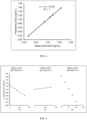
- the target DP and DQ was the same for every AGCPQ polymer, however these parameters varied as the degree of acetylation varied (Table 4).
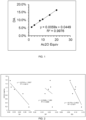
- the concentration of CsA [CsA] was plotted against the DA, DP, and DQ of the polymer being tested and showed a negative correlation with DA and no significant correlation with other properties of the polymer (Table 5), therefore the DA is shown to have a significant impact on encapsulation.
- Table 4 Properties of tested polymers and their CsA encapsulation levels.
- the concentration of tacrolimus [TAC] was plotted against the DA, DP, and DQ of the polymer being tested (Table 6). Table 6. Properties of polymers tested and resulting tacrolimus encapsulation Polymers DA (mole %) DP (mole%) DQ (mole%) [TAC] (mg/mL) (daGC)PQ 4.3 21.6 11.0 1.58 GCPQ 5.4 22.6 13.2 1.37 (aGC)PQ0 14.6 16.4 12.8 0.37 (aGC)PQ10 27.2 15.5 13.0 0.49 (aGC) PQ20 40.5 18.8 13.2 0.07
- rapamycin The concentration of rapamycin [RAP] was plotted against the DA, DP, and DQ of the polymer being tested (Table 7). Table 7. Properties of polymers tested and resulting rapamycin encapsulation Polymers DA (mole %) DP (mole%) DQ (mole%) [RAP] (mg/ mL) (daGC)PQ 4.3 21.6 11.0 1.34 GCPQ 5.4 22.6 13.2 0.45 (aGC)PQ0 14.6 16.4 12.8 0.21 (aGC)PQ10 27.2 15.5 13.0 0.23 (aGC)PQ20 40.5 18.8 13.2 0.01
Landscapes
- Health & Medical Sciences (AREA)
- Life Sciences & Earth Sciences (AREA)
- Chemical & Material Sciences (AREA)
- Medicinal Chemistry (AREA)
- General Health & Medical Sciences (AREA)
- Animal Behavior & Ethology (AREA)
- Public Health (AREA)
- Veterinary Medicine (AREA)
- Pharmacology & Pharmacy (AREA)
- Epidemiology (AREA)
- Engineering & Computer Science (AREA)
- Molecular Biology (AREA)
- Bioinformatics & Cheminformatics (AREA)
- Organic Chemistry (AREA)
- Chemical Kinetics & Catalysis (AREA)
- Proteomics, Peptides & Aminoacids (AREA)
- Biochemistry (AREA)
- Materials Engineering (AREA)
- Immunology (AREA)
- Polymers & Plastics (AREA)
- Gastroenterology & Hepatology (AREA)
- General Chemical & Material Sciences (AREA)
- Physical Education & Sports Medicine (AREA)
- Nuclear Medicine, Radiotherapy & Molecular Imaging (AREA)
- Inorganic Chemistry (AREA)
- Polysaccharides And Polysaccharide Derivatives (AREA)
- Pharmaceuticals Containing Other Organic And Inorganic Compounds (AREA)
- Medicines That Contain Protein Lipid Enzymes And Other Medicines (AREA)
- Medicinal Preparation (AREA)
Claims (15)
- Amphiphile Kohlenhydratverbindung mit einem mittleren Molekulargewicht von 1-50 kDa von Formel (I):
 der Gehalt an Einheit A liegt zwischen 0,5 % bis 30 Mol-%;der Gehalt an Einheit D liegt zwischen 1 % bis 95,5 Mol-%;der Gehalt an Einheit H liegt zwischen 5 % bis 50 Mol-%;der Gehalt an Einheit Q liegt zwischen 3 % bis 97,5 Mol-%;der Gehalt an Einheit T liegt zwischen 0 % bis 94,5 Mol-%;R1, R2, R3, R4 und R10 unabhängig voneinander Wasserstoff oder eine beliebige lineare, verzweigte oder cyclische Form einer Alkyl-, Alkenyl-, Alkinyl-, Aryl-, Acylgruppe, eines Zuckersubstituenten, ausgewählt aus Glucose, Galactose, Fructose und Muraminsäure, oder Oligo-Polyoxa-C1-C3 - Alkyleneinheiten, gegebenenfalls substituiert mit Amin, Amid oder Alkohol sind;R5 eine hydrophobe, substituierte oder unsubstituierte, lineare, verzweigte oder cyclische Form einer C4-30 -Alkyl-, C4-30 -Alkenyl-, C4-30 -Alkinyl-, C4-30 -Aryl-, Amin-, C4-30 - Amid-, C4-30 -Alkohol- oder C3-30 -Acylgruppe ist;R6, R7 und R8 unabhängig voneinander beliebige lineare, verzweigte oder cyclische Formen einer beliebigen Alkyl-, Alkenyl-, Alkinyl-, Aryl- oder Acylgruppe sind;R9 kann vorhanden oder nicht vorhanden sein und ist, falls vorhanden, eine substituierte oder unsubstituierte Alkylgruppe, eine substituierte oder unsubstituierte Amingruppe oder eine substituierte oder unsubstituierte Amidgruppe;R11 eine substituierte oder unsubstituierte Alkylgruppe, eine substituierte oder unsubstituierte Ethergruppe oder eine substituierte oder unsubstituierte Alkengruppe oder Wasserstoff ist; undR12 eine substituierte oder unsubstituierte Alkylgruppe, eine substituierte oder unsubstituierte Ethergruppe oder eine substituierte oder unsubstituierte Alkengruppe ist;R13 eine substituierte oder unsubstituierte Alkylgruppe, eine substituierte oder unsubstituierte Ethergruppe oder eine substituierte oder unsubstituierte Alkengruppe oder Wasserstoff ist;oder ein Salz davon.
 - Amphiphile Kohlenhydratverbindung nach Anspruch 1 mit der Formel:
 der Gehalt an acetylierter Einheit A liegt zwischen 0,5 % bis 30 %;der Gehalt an deacetylierter Einheit D liegt zwischen 1 % bis 95,5 %;der Gehalt an hydrophobierter Einheit H liegt zwischen 5 % bis 50 %;der Gehalt an quaternärer Amineinheit Q liegt zwischen 3 % bis 97,5 %;R1, R2, R3 und R4 unabhängig voneinander eine beliebige lineare, verzweigte oder cyclische Form einer Alkyl-, Alkenyl-, Alkinyl-, Aryl-, Acylgruppe, eines Zuckersubstituenten, ausgewählt aus Glucose, Galactose, Fructose und Muraminsäure, oder Oligo-Polyoxa-C1-C3 - Alkyleneinheiten, gegebenenfalls substituiert mit Amin, Amid oder Alkohol sind;R5 eine hydrophobe, substituierte oder unsubstituierte, lineare, verzweigte oder cyclische Form einer C4-30 -Alkyl-, C4-30 -Alkenyl-, C4-30 -Alkinyl-, C4-30 -Aryl-, Amin-, C4-30 - Amid-, C4-30 -Alkohol- oder C3-30 -Acylgruppe ist; undR6, R7 und R8 unabhängig voneinander beliebige lineare, verzweigte oder cyclische Formen einer beliebigen Alkyl-, Alkenyl-, Alkinyl-, Aryl- oder Acylgruppe sind;
oder ein Salz davon;wobei alle %s als Mol% angegeben sind. - Amphiphile Kohlenhydratverbindung nach Anspruch 1 mit der Formel:
 Einheiten a und g entsprechen Einheit D nach Anspruch 1;Einheiten b und d entsprechen Einheit H nach Anspruch 1;Einheit c entspricht Einheit Q nach Anspruch 1;Einheit e entspricht Einheit T nach Anspruch 1;Einheit f entspricht Einheit A nach Anspruch 1;der Anteil der Einheiten a+b+c+d+e+f+g = 1; unddie entsprechenden Werte von A, D, H, Q und T in die Bereiche fallen, die gemäß Anspruch 1 definiert sind;oder Salz davon.
 - Amphiphile Kohlenhydratverbindung nach Anspruch 1 oder 2, wobei die A-, D-, H-, Q- und T-Einheiten (falls vorhanden) eine beliebige Anordnung in dem Polymer bilden.
- Amphiphile Kohlenhydratverbindung nach einem der vorhergehenden Ansprüche, wobei der Gehalt an acetylierter Einheit A im Bereich von 0,5-26 Mol-% oder 0,5-20 Mol-%, vorzugsweise 0,5-15 Mol-%, 0,5-10 Mol-% oder 0,5-5 Mol-% liegt.
- Amphiphile Kohlenhydratverbindung nach einem der vorhergehenden Ansprüche, wobei der Gehalt an hydrophobierter Einheit H im Bereich von 10-30 Mol-% liegt.
- Amphiphile Kohlenhydratverbindung nach einem der vorhergehenden Ansprüche, wobei der Gehalt an quartärer Amineinheit Q im Bereich von 1-90 Mol-%, vorzugsweise 2-50 Mol-%, 5-30 Mol-%, 5-20 Mol-%, 5-15 Mol-% oder 5-10 Mol-% liegt.
- Amphiphile Kohlenhydratverbindung nach einem der vorhergehenden Ansprüche, wobei A im Bereich von 2 bis 30 Mol-% liegt; H im Bereich von 14 bis 24 Mol-% liegt; und Q im Bereich von 6 bis 14 Mol-% liegt; vorzugsweise wobei A im Bereich von 2 bis 11 Mol-% liegt; H im Bereich von 10 bis 24 Mol-% liegt; und Q im Bereich von 5 bis 10 Mol-% liegt.
- Amphiphile Kohlenhydratverbindung nach einem der vorhergehenden Ansprüche, die eine teilweise acetylierte Form von N-Palmitoyl, N-Monomethyl,N,N-Dimethyl,N,N,N-Trimethyl-6-O-glykolchitosan (GCPQ) ist.
- Pharmazeutische Zusammensetzung, umfassend eine amphiphile Kohlenhydratverbindung nach einem der Ansprüche 1-9, ein hydrophobes Arzneimittel und einen oder mehrere pharmazeutisch verträgliche Hilfsstoffe, gegebenenfallswobei das Medikament ein Analgetikum, Antibiotikum, Antikoagulans, Antidepressivum, Antikarzinogen, Antikarzinom, entzündungshemmend, Antihistaminikum, Antiemetikum, Anxiolytikum, Antikonvulsivum, Antipsychotikum, antiviral, Antidiabetikum, Sedativum, Antihypertensivum oder ein Herz-Kreislauf-Medikament ist, ferner optionalwobei das Arzneimittel ein Makrolid-Immunsuppressivum ist, wobei das Arzneimittel vorzugsweise Cyclosporin A, Tacrolimus oder Rapamycin ist.
- Pharmazeutische Zusammensetzung nach Anspruch 10, wobei die Wirkstoffkonzentration 0,01 % bis 0,2 % w/v beträgt.
- Zusammensetzung, umfassend ein hydrophobes Arzneimittel und eine amphiphile Kohlenhydratverbindung, wie in einem der Ansprüche 1 bis 9 definiert, zur Verwendung in der Therapie.
- Zusammensetzung zur Verwendung gemäß Anspruch 12 zur Verwendung bei der Behandlung von Autoimmunerkrankungen, vorzugsweise zur Verwendung bei der Behandlung von rheumatoider Arthritis, Psoriasis, Morbus Crohn, nephrotischem Syndrom, Syndromen des trockenen Auges (DES) (auch bekannt als Keratoconjunct ivitis sicca (KCS)), vernale Keratokonjunktivitis (VKC), Ekzem, atopische Keratokonjunktivitis (AKC), Sjögren-Syndrom, postoperative refraktive Chirurgie, Hornhauttransplantation oder Kontaktlinsenunverträglichkeit.
- Zusammensetzung zur Verwendung nach einem der Ansprüche 12-13 zur Verwendung in der Therapie durch okuläre Verabreichung oder durch orale Verabreichung.
- Verfahren zur Herstellung einer amphiphilen Kohlenhydratverbindung nach den Ansprüchen 1-9, wobei das Verfahren umfasst:Depolymerisation einer Kohlenhydratverbindung;Erhöhen, Verringern oder Aufrechterhalten des Acetylierungsniveaus;Umsetzen des Kohlenhydrats mit einer Verbindung, um eine hydrophobe Seitenkette hinzuzufügen; undUmsetzen des Kohlenhydrats mit einer Verbindung, um ein Amin zu quaternisieren.
Applications Claiming Priority (2)
| Application Number | Priority Date | Filing Date | Title |
|---|---|---|---|
| GBGB2007703.8A GB202007703D0 (en) | 2020-05-22 | 2020-05-22 | Amphiphilic carbohydrate compounds |
| PCT/GB2021/051246 WO2021234413A1 (en) | 2020-05-22 | 2021-05-21 | Amphiphilic carbohydrate compounds |
Publications (2)
| Publication Number | Publication Date |
|---|---|
| EP4153640A1 EP4153640A1 (de) | 2023-03-29 |
| EP4153640B1 true EP4153640B1 (de) | 2024-12-25 |
Family
ID=71406280
Family Applications (1)
| Application Number | Title | Priority Date | Filing Date |
|---|---|---|---|
| EP21733162.8A Active EP4153640B1 (de) | 2020-05-22 | 2021-05-21 | Amphiphile karbohydratzusammensetzungen |
Country Status (8)
| Country | Link |
|---|---|
| US (1) | US12606641B2 (de) |
| EP (1) | EP4153640B1 (de) |
| JP (2) | JP2023526945A (de) |
| KR (1) | KR20230029634A (de) |
| CN (1) | CN116133690A (de) |
| CA (1) | CA3183677A1 (de) |
| GB (1) | GB202007703D0 (de) |
| WO (1) | WO2021234413A1 (de) |
Families Citing this family (1)
| Publication number | Priority date | Publication date | Assignee | Title |
|---|---|---|---|---|
| WO2025010224A1 (en) * | 2023-07-03 | 2025-01-09 | Vipax Pharmaceuticals Inc. | Intranasal delivery |
Family Cites Families (11)
| Publication number | Priority date | Publication date | Assignee | Title |
|---|---|---|---|---|
| GB0221941D0 (en) * | 2002-09-20 | 2002-10-30 | Univ Strathclyde | Polysoaps |
| JP2004250543A (ja) * | 2003-02-19 | 2004-09-09 | Nippon Paint Co Ltd | キトサン誘導体の製造方法及びキトサン誘導体 |
| CN100577688C (zh) * | 2006-04-19 | 2010-01-06 | 中国科学院化学研究所 | 超支化壳聚糖或超支化乙二醇壳聚糖及其制备方法 |
| GB0615834D0 (en) | 2006-08-09 | 2006-09-20 | Univ Glasgow | Polymeric micellar clusters and their uses in formulating drugs |
| CN101293933B (zh) * | 2008-06-17 | 2011-05-04 | 浙江大学 | 聚乙二醇修饰壳寡糖脂肪酸嫁接物及制备方法和应用 |
| GB0903559D0 (en) | 2009-03-02 | 2009-04-08 | Univ London Pharmacy | Oral delivery of hydrophilic drugs to the brain |
| US20110206617A1 (en) | 2010-02-22 | 2011-08-25 | Krishnendu Roy | Modified polysaccharides for drug and contrast agent delivery |
| GB201011602D0 (en) * | 2010-07-09 | 2010-08-25 | Univ London Pharmacy | Delivery of hydrophilic peptides |
| AU2013209716B2 (en) * | 2012-01-20 | 2017-04-27 | Immunophotonics, Inc. | Chitosan-derived compositions |
| GB201319437D0 (en) * | 2013-11-04 | 2013-12-18 | Nanomerics Ltd | Delivery of drugs |
| GB201419540D0 (en) * | 2014-11-03 | 2014-12-17 | Nanomerics Ltd | Delivery of drugs |
-
2020
- 2020-05-22 GB GBGB2007703.8A patent/GB202007703D0/en not_active Ceased
-
2021
- 2021-05-21 KR KR1020227043822A patent/KR20230029634A/ko active Pending
- 2021-05-21 WO PCT/GB2021/051246 patent/WO2021234413A1/en not_active Ceased
- 2021-05-21 EP EP21733162.8A patent/EP4153640B1/de active Active
- 2021-05-21 CA CA3183677A patent/CA3183677A1/en active Pending
- 2021-05-21 US US17/926,772 patent/US12606641B2/en active Active
- 2021-05-21 JP JP2022571101A patent/JP2023526945A/ja active Pending
- 2021-05-21 CN CN202180060224.XA patent/CN116133690A/zh active Pending
-
2025
- 2025-11-07 JP JP2025188340A patent/JP2026031565A/ja active Pending
Also Published As
| Publication number | Publication date |
|---|---|
| KR20230029634A (ko) | 2023-03-03 |
| WO2021234413A1 (en) | 2021-11-25 |
| CA3183677A1 (en) | 2021-11-25 |
| JP2023526945A (ja) | 2023-06-26 |
| JP2026031565A (ja) | 2026-02-24 |
| US12606641B2 (en) | 2026-04-21 |
| GB202007703D0 (en) | 2020-07-08 |
| US20230220123A1 (en) | 2023-07-13 |
| CN116133690A (zh) | 2023-05-16 |
| EP4153640A1 (de) | 2023-03-29 |
Similar Documents
| Publication | Publication Date | Title |
|---|---|---|
| EP1792927B1 (de) | Neues blockcopolymer, micellenzubereitung und antikrebsmittel, das diese als wirkbestandteil enthält | |
| US8034795B2 (en) | Taxanes covalently bounded to hyaluronic acid or hyaluronic acid derivatives | |
| JP2026031565A (ja) | 両親媒性炭水化物化合物 | |
| US20210212938A1 (en) | Ocular delivery of drugs | |
| US20190125896A1 (en) | Anti-infective compositions comprising phytoglycogen nanoparticles | |
| CN113304278A (zh) | 喜树碱类高分子衍生物的药物制剂 | |
| US8491880B2 (en) | Pharmaceutical formulations of biodegradable biocompatible camptothecin-polymer conjugates | |
| HK40092710B (en) | Amphiphilic carbohydrate compounds | |
| HK40092710A (en) | Amphiphilic carbohydrate compounds | |
| CA3114056A1 (en) | Treatment of infections | |
| AU743204B2 (en) | Controlled release of ophthalmic compositions | |
| CN107921040A (zh) | 含有喜树碱类高分子衍生物的药物组合物 | |
| Szente | Synthesis, Complex Formation and Corneal Permeation of Cyclodextrin-Modified, Thiolated Poly (Aspartic Acid) as Self-Gelling Formulation of Dexamethasone | |
| NZ514568A (en) | Ophthalmic compositions comprising carboxylic acid polymer-cyclodextrin conjugate like PAA-CD (polyacrylic acid cyclodextrin) and active drug | |
| HK1235697B (en) | Ocular delivery of drugs | |
| HK1235697A1 (en) | Ocular delivery of drugs | |
| CN121449886A (zh) | 7-乙基-10-羟基喜树碱高分子聚合物自组装纳米粒及其制备方法和应用 | |
| HK1082753B (en) | Taxanes covalently bound to hyaluronic acid or hyaluronic acid derivatives |
Legal Events
| Date | Code | Title | Description |
|---|---|---|---|
| STAA | Information on the status of an ep patent application or granted ep patent |
Free format text: STATUS: UNKNOWN |
|
| STAA | Information on the status of an ep patent application or granted ep patent |
Free format text: STATUS: THE INTERNATIONAL PUBLICATION HAS BEEN MADE |
|
| PUAI | Public reference made under article 153(3) epc to a published international application that has entered the european phase |
Free format text: ORIGINAL CODE: 0009012 |
|
| STAA | Information on the status of an ep patent application or granted ep patent |
Free format text: STATUS: REQUEST FOR EXAMINATION WAS MADE |
|
| 17P | Request for examination filed |
Effective date: 20221209 |
|
| AK | Designated contracting states |
Kind code of ref document: A1 Designated state(s): AL AT BE BG CH CY CZ DE DK EE ES FI FR GB GR HR HU IE IS IT LI LT LU LV MC MK MT NL NO PL PT RO RS SE SI SK SM TR |
|
| DAV | Request for validation of the european patent (deleted) | ||
| DAX | Request for extension of the european patent (deleted) | ||
| REG | Reference to a national code |
Ref country code: HK Ref legal event code: DE Ref document number: 40092710 Country of ref document: HK |
|
| GRAP | Despatch of communication of intention to grant a patent |
Free format text: ORIGINAL CODE: EPIDOSNIGR1 |
|
| STAA | Information on the status of an ep patent application or granted ep patent |
Free format text: STATUS: GRANT OF PATENT IS INTENDED |
|
| INTG | Intention to grant announced |
Effective date: 20240731 |
|
| GRAS | Grant fee paid |
Free format text: ORIGINAL CODE: EPIDOSNIGR3 |
|
| GRAA | (expected) grant |
Free format text: ORIGINAL CODE: 0009210 |
|
| STAA | Information on the status of an ep patent application or granted ep patent |
Free format text: STATUS: THE PATENT HAS BEEN GRANTED |
|
| AK | Designated contracting states |
Kind code of ref document: B1 Designated state(s): AL AT BE BG CH CY CZ DE DK EE ES FI FR GB GR HR HU IE IS IT LI LT LU LV MC MK MT NL NO PL PT RO RS SE SI SK SM TR |
|
| REG | Reference to a national code |
Ref country code: GB Ref legal event code: FG4D |
|
| REG | Reference to a national code |
Ref country code: CH Ref legal event code: EP |
|
| REG | Reference to a national code |
Ref country code: DE Ref legal event code: R096 Ref document number: 602021023889 Country of ref document: DE |
|
| REG | Reference to a national code |
Ref country code: IE Ref legal event code: FG4D |
|
| P01 | Opt-out of the competence of the unified patent court (upc) registered |
Free format text: CASE NUMBER: APP_2861/2025 Effective date: 20250117 |
|
| REG | Reference to a national code |
Ref country code: LT Ref legal event code: MG9D |
|
| PG25 | Lapsed in a contracting state [announced via postgrant information from national office to epo] |
Ref country code: HR Free format text: LAPSE BECAUSE OF FAILURE TO SUBMIT A TRANSLATION OF THE DESCRIPTION OR TO PAY THE FEE WITHIN THE PRESCRIBED TIME-LIMIT Effective date: 20241225 |
|
| PG25 | Lapsed in a contracting state [announced via postgrant information from national office to epo] |
Ref country code: FI Free format text: LAPSE BECAUSE OF FAILURE TO SUBMIT A TRANSLATION OF THE DESCRIPTION OR TO PAY THE FEE WITHIN THE PRESCRIBED TIME-LIMIT Effective date: 20241225 |
|
| PG25 | Lapsed in a contracting state [announced via postgrant information from national office to epo] |
Ref country code: BG Free format text: LAPSE BECAUSE OF FAILURE TO SUBMIT A TRANSLATION OF THE DESCRIPTION OR TO PAY THE FEE WITHIN THE PRESCRIBED TIME-LIMIT Effective date: 20241225 |
|
| PG25 | Lapsed in a contracting state [announced via postgrant information from national office to epo] |
Ref country code: NO Free format text: LAPSE BECAUSE OF FAILURE TO SUBMIT A TRANSLATION OF THE DESCRIPTION OR TO PAY THE FEE WITHIN THE PRESCRIBED TIME-LIMIT Effective date: 20250325 |
|
| PG25 | Lapsed in a contracting state [announced via postgrant information from national office to epo] |
Ref country code: GR Free format text: LAPSE BECAUSE OF FAILURE TO SUBMIT A TRANSLATION OF THE DESCRIPTION OR TO PAY THE FEE WITHIN THE PRESCRIBED TIME-LIMIT Effective date: 20250326 Ref country code: LV Free format text: LAPSE BECAUSE OF FAILURE TO SUBMIT A TRANSLATION OF THE DESCRIPTION OR TO PAY THE FEE WITHIN THE PRESCRIBED TIME-LIMIT Effective date: 20241225 |
|
| PG25 | Lapsed in a contracting state [announced via postgrant information from national office to epo] |
Ref country code: RS Free format text: LAPSE BECAUSE OF FAILURE TO SUBMIT A TRANSLATION OF THE DESCRIPTION OR TO PAY THE FEE WITHIN THE PRESCRIBED TIME-LIMIT Effective date: 20250325 |
|
| REG | Reference to a national code |
Ref country code: NL Ref legal event code: MP Effective date: 20241225 |
|
| PG25 | Lapsed in a contracting state [announced via postgrant information from national office to epo] |
Ref country code: NL Free format text: LAPSE BECAUSE OF FAILURE TO SUBMIT A TRANSLATION OF THE DESCRIPTION OR TO PAY THE FEE WITHIN THE PRESCRIBED TIME-LIMIT Effective date: 20241225 |
|
| REG | Reference to a national code |
Ref country code: AT Ref legal event code: MK05 Ref document number: 1754103 Country of ref document: AT Kind code of ref document: T Effective date: 20241225 |
|
| PG25 | Lapsed in a contracting state [announced via postgrant information from national office to epo] |
Ref country code: SM Free format text: LAPSE BECAUSE OF FAILURE TO SUBMIT A TRANSLATION OF THE DESCRIPTION OR TO PAY THE FEE WITHIN THE PRESCRIBED TIME-LIMIT Effective date: 20241225 |
|
| PG25 | Lapsed in a contracting state [announced via postgrant information from national office to epo] |
Ref country code: PL Free format text: LAPSE BECAUSE OF FAILURE TO SUBMIT A TRANSLATION OF THE DESCRIPTION OR TO PAY THE FEE WITHIN THE PRESCRIBED TIME-LIMIT Effective date: 20241225 |
|
| PGFP | Annual fee paid to national office [announced via postgrant information from national office to epo] |
Ref country code: DE Payment date: 20250528 Year of fee payment: 5 |
|
| PG25 | Lapsed in a contracting state [announced via postgrant information from national office to epo] |
Ref country code: ES Free format text: LAPSE BECAUSE OF FAILURE TO SUBMIT A TRANSLATION OF THE DESCRIPTION OR TO PAY THE FEE WITHIN THE PRESCRIBED TIME-LIMIT Effective date: 20241225 |
|
| PGFP | Annual fee paid to national office [announced via postgrant information from national office to epo] |
Ref country code: GB Payment date: 20250520 Year of fee payment: 5 |
|
| PG25 | Lapsed in a contracting state [announced via postgrant information from national office to epo] |
Ref country code: IS Free format text: LAPSE BECAUSE OF FAILURE TO SUBMIT A TRANSLATION OF THE DESCRIPTION OR TO PAY THE FEE WITHIN THE PRESCRIBED TIME-LIMIT Effective date: 20250425 |
|
| PG25 | Lapsed in a contracting state [announced via postgrant information from national office to epo] |
Ref country code: PT Free format text: LAPSE BECAUSE OF FAILURE TO SUBMIT A TRANSLATION OF THE DESCRIPTION OR TO PAY THE FEE WITHIN THE PRESCRIBED TIME-LIMIT Effective date: 20250428 |
|
| PG25 | Lapsed in a contracting state [announced via postgrant information from national office to epo] |
Ref country code: EE Free format text: LAPSE BECAUSE OF FAILURE TO SUBMIT A TRANSLATION OF THE DESCRIPTION OR TO PAY THE FEE WITHIN THE PRESCRIBED TIME-LIMIT Effective date: 20241225 |
|
| PGFP | Annual fee paid to national office [announced via postgrant information from national office to epo] |
Ref country code: FR Payment date: 20250527 Year of fee payment: 5 |
|
| PG25 | Lapsed in a contracting state [announced via postgrant information from national office to epo] |
Ref country code: AT Free format text: LAPSE BECAUSE OF FAILURE TO SUBMIT A TRANSLATION OF THE DESCRIPTION OR TO PAY THE FEE WITHIN THE PRESCRIBED TIME-LIMIT Effective date: 20241225 Ref country code: RO Free format text: LAPSE BECAUSE OF FAILURE TO SUBMIT A TRANSLATION OF THE DESCRIPTION OR TO PAY THE FEE WITHIN THE PRESCRIBED TIME-LIMIT Effective date: 20241225 |
|
| PG25 | Lapsed in a contracting state [announced via postgrant information from national office to epo] |
Ref country code: SK Free format text: LAPSE BECAUSE OF FAILURE TO SUBMIT A TRANSLATION OF THE DESCRIPTION OR TO PAY THE FEE WITHIN THE PRESCRIBED TIME-LIMIT Effective date: 20241225 |
|
| PG25 | Lapsed in a contracting state [announced via postgrant information from national office to epo] |
Ref country code: CZ Free format text: LAPSE BECAUSE OF FAILURE TO SUBMIT A TRANSLATION OF THE DESCRIPTION OR TO PAY THE FEE WITHIN THE PRESCRIBED TIME-LIMIT Effective date: 20241225 |
|
| PG25 | Lapsed in a contracting state [announced via postgrant information from national office to epo] |
Ref country code: IT Free format text: LAPSE BECAUSE OF FAILURE TO SUBMIT A TRANSLATION OF THE DESCRIPTION OR TO PAY THE FEE WITHIN THE PRESCRIBED TIME-LIMIT Effective date: 20241225 |
|
| PG25 | Lapsed in a contracting state [announced via postgrant information from national office to epo] |
Ref country code: SE Free format text: LAPSE BECAUSE OF FAILURE TO SUBMIT A TRANSLATION OF THE DESCRIPTION OR TO PAY THE FEE WITHIN THE PRESCRIBED TIME-LIMIT Effective date: 20241225 |
|
| REG | Reference to a national code |
Ref country code: DE Ref legal event code: R097 Ref document number: 602021023889 Country of ref document: DE |
|
| PG25 | Lapsed in a contracting state [announced via postgrant information from national office to epo] |
Ref country code: DK Free format text: LAPSE BECAUSE OF FAILURE TO SUBMIT A TRANSLATION OF THE DESCRIPTION OR TO PAY THE FEE WITHIN THE PRESCRIBED TIME-LIMIT Effective date: 20241225 |
|
| PLBE | No opposition filed within time limit |
Free format text: ORIGINAL CODE: 0009261 |
|
| STAA | Information on the status of an ep patent application or granted ep patent |
Free format text: STATUS: NO OPPOSITION FILED WITHIN TIME LIMIT |
|
| REG | Reference to a national code |
Ref country code: CH Ref legal event code: L10 Free format text: ST27 STATUS EVENT CODE: U-0-0-L10-L00 (AS PROVIDED BY THE NATIONAL OFFICE) Effective date: 20251105 |
|
| 26N | No opposition filed |
Effective date: 20250926 |
|
| REG | Reference to a national code |
Ref country code: CH Ref legal event code: H13 Free format text: ST27 STATUS EVENT CODE: U-0-0-H10-H13 (AS PROVIDED BY THE NATIONAL OFFICE) Effective date: 20251223 |
|
| PG25 | Lapsed in a contracting state [announced via postgrant information from national office to epo] |
Ref country code: LU Free format text: LAPSE BECAUSE OF NON-PAYMENT OF DUE FEES Effective date: 20250521 |
|
| PG25 | Lapsed in a contracting state [announced via postgrant information from national office to epo] |
Ref country code: CH Free format text: LAPSE BECAUSE OF NON-PAYMENT OF DUE FEES Effective date: 20250531 |
|
| REG | Reference to a national code |
Ref country code: BE Ref legal event code: MM Effective date: 20250531 |
|
| PG25 | Lapsed in a contracting state [announced via postgrant information from national office to epo] |
Ref country code: MC Free format text: LAPSE BECAUSE OF FAILURE TO SUBMIT A TRANSLATION OF THE DESCRIPTION OR TO PAY THE FEE WITHIN THE PRESCRIBED TIME-LIMIT Effective date: 20241225 |
|
| PG25 | Lapsed in a contracting state [announced via postgrant information from national office to epo] |
Ref country code: IE Free format text: LAPSE BECAUSE OF NON-PAYMENT OF DUE FEES Effective date: 20250521 |
|
| PG25 | Lapsed in a contracting state [announced via postgrant information from national office to epo] |
Ref country code: BE Free format text: LAPSE BECAUSE OF NON-PAYMENT OF DUE FEES Effective date: 20250531 |