EP4135745B1 - Scd83 für wundheilung, haarwachstum und haut- und haarpflege - Google Patents
Scd83 für wundheilung, haarwachstum und haut- und haarpflege Download PDFInfo
- Publication number
- EP4135745B1 EP4135745B1 EP21717933.2A EP21717933A EP4135745B1 EP 4135745 B1 EP4135745 B1 EP 4135745B1 EP 21717933 A EP21717933 A EP 21717933A EP 4135745 B1 EP4135745 B1 EP 4135745B1
- Authority
- EP
- European Patent Office
- Prior art keywords
- scd83
- protein
- scd83 protein
- dimeric
- functional derivative
- Prior art date
- Legal status (The legal status is an assumption and is not a legal conclusion. Google has not performed a legal analysis and makes no representation as to the accuracy of the status listed.)
- Active
Links
Images






Classifications
-
- A—HUMAN NECESSITIES
- A61—MEDICAL OR VETERINARY SCIENCE; HYGIENE
- A61K—PREPARATIONS FOR MEDICAL, DENTAL OR TOILETRY PURPOSES
- A61K38/00—Medicinal preparations containing peptides
- A61K38/16—Peptides having more than 20 amino acids; Gastrins; Somatostatins; Melanotropins; Derivatives thereof
- A61K38/17—Peptides having more than 20 amino acids; Gastrins; Somatostatins; Melanotropins; Derivatives thereof from animals; from humans
-
- A—HUMAN NECESSITIES
- A61—MEDICAL OR VETERINARY SCIENCE; HYGIENE
- A61K—PREPARATIONS FOR MEDICAL, DENTAL OR TOILETRY PURPOSES
- A61K38/00—Medicinal preparations containing peptides
- A61K38/16—Peptides having more than 20 amino acids; Gastrins; Somatostatins; Melanotropins; Derivatives thereof
- A61K38/17—Peptides having more than 20 amino acids; Gastrins; Somatostatins; Melanotropins; Derivatives thereof from animals; from humans
- A61K38/177—Receptors; Cell surface antigens; Cell surface determinants
- A61K38/1774—Immunoglobulin superfamily (e.g. CD2, CD4, CD8, ICAM molecules, B7 molecules, Fc-receptors, MHC-molecules)
-
- A—HUMAN NECESSITIES
- A61—MEDICAL OR VETERINARY SCIENCE; HYGIENE
- A61K—PREPARATIONS FOR MEDICAL, DENTAL OR TOILETRY PURPOSES
- A61K8/00—Cosmetics or similar toiletry preparations
- A61K8/18—Cosmetics or similar toiletry preparations characterised by the composition
- A61K8/30—Cosmetics or similar toiletry preparations characterised by the composition containing organic compounds
- A61K8/64—Proteins; Peptides; Derivatives or degradation products thereof
-
- A—HUMAN NECESSITIES
- A61—MEDICAL OR VETERINARY SCIENCE; HYGIENE
- A61P—SPECIFIC THERAPEUTIC ACTIVITY OF CHEMICAL COMPOUNDS OR MEDICINAL PREPARATIONS
- A61P17/00—Drugs for dermatological disorders
- A61P17/02—Drugs for dermatological disorders for treating wounds, ulcers, burns, scars, keloids, or the like
-
- A—HUMAN NECESSITIES
- A61—MEDICAL OR VETERINARY SCIENCE; HYGIENE
- A61P—SPECIFIC THERAPEUTIC ACTIVITY OF CHEMICAL COMPOUNDS OR MEDICINAL PREPARATIONS
- A61P17/00—Drugs for dermatological disorders
- A61P17/14—Drugs for dermatological disorders for baldness or alopecia
-
- A—HUMAN NECESSITIES
- A61—MEDICAL OR VETERINARY SCIENCE; HYGIENE
- A61Q—SPECIFIC USE OF COSMETICS OR SIMILAR TOILETRY PREPARATIONS
- A61Q19/00—Preparations for care of the skin
-
- A—HUMAN NECESSITIES
- A61—MEDICAL OR VETERINARY SCIENCE; HYGIENE
- A61Q—SPECIFIC USE OF COSMETICS OR SIMILAR TOILETRY PREPARATIONS
- A61Q7/00—Preparations for affecting hair growth
Definitions
- sCD83 soluble forms of a member of the CD83 family of proteins
- sCD83 for use in wound closure of cutaneous wounds, including hard-to-heal wounds of elderly-, diabetic-, or patients under immunosuppressant medication.
- said sCD83 for use in therapeutic hair growth after physical stress/medication and/or disease, and cosmetic non-therapeutic methods for the acceleration of hair growth and for hair care comprising the topical application of said sCD83.
- Injuries are not just a painful event, but also disrupt the protective function of the skin-barrier and enhance the susceptibility to infections. Therefore a fast wound healing is crucial for maintaining the physical integrity of the skin.
- aging and health conditions are described to hamper the regenerative capacities of skin tissue, e.g. diabetes mellitus ( Swift, M.E. et al., J Invest Dermatol 117:1027-1035 (2001 ); Goodson, W.H.3rd and Hung, T.K., J Surg Res 22:221-227 (1977 )).
- Smoking and malnutrition contribute to wound healing complications ( Janis, J.E. and Harrison, B., Plast Reconstr Surg 133:199e-207e (2014 )).
- wound healing is negatively affected by the medication with immunosuppressive drugs and glucocorticoid steroids, used upon transplantations or the treatment of autoimmune disorders.
- radiation therapy leads to ineffective wound repair, thereby prolonging the phase of pain and susceptibility ( Guo, S. and Dipietro, L.A.., J Dent Res 89:219-229 (2010 )).
- enhanced wound healing is of major medical interests to avoid discomfort and post invasive complications.
- wound healing is a complex multifactorial event, which can be divided into four major phases: (I) hemostasis, (II) inflammation, (III) reepithelization and (IV) remodeling, which are characterized by distinct cell compositions and cytokine expression profiles ( Eming, S.A. et al., Sci Transl Med 6:265sr266 (2014 )).
- platelets Upon injury, platelets attenuate blood flow by coagulation and induce the inflammatory phase by the release of ⁇ -granules ( Zarbock, A. et al., Blood Rev 21:99-111 (2007 )).
- Neutrophils classically activated macrophages and lymphocytes are recruited to the site of lesion to sterilize the wound area and promote inflammation.
- Proinflammatory cytokines are the key regulators and dominate within the wound tissue, since the depletion of various proinflammatory cytokines (e.g. TNF ⁇ and IL-6) during wound healing result in an impaired resolution of cutaneous wounds ( Ritsu, M. et al., J Dermatology & Dermatologic Surgery 21:14-19 (2017 ); Lin, Z.Q. et al., J Leukoc Biol 73:713-721 (2003 )).
- AAM tissue-repair and/or tolerogenic alternatively activated macrophages
- VEGF vascular endothelial growth factor
- lymph-angiogenesis The secretion of VEGF induces and stabilizes both angiogenesis and lymph-angiogenesis to ensure a sufficient supply of nutrients and cellular compounds (e.g. keratinocytes and fibroblasts) to restore damaged tissue by enhanced migration and proliferation. Wound healing is completed when tissue integrity and function is restored within the remodeling phase.
- nutrients and cellular compounds e.g. keratinocytes and fibroblasts
- IBD inflammatory bowel diseases
- UC Ulcerative Colitis
- CD Crohn's Disease
- Intestinal wound healing involves various time-coordinated events that are initiated immediately upon mucosal injury. Within a few minutes after the injury, a necessary and crucial step for wound healing, the so-called epithelial restitution, occurs. This process stimulates the migration of intestinal epithelial cells (IECs) into the injured tissue and thus acts independently to processes of cell proliferation ( Neurath, M.F., Mucosal Immunol 7:6-19 (2014 )). Within the epithelial restitution process, various molecules such as the transforming growth factor ⁇ (TGF- ⁇ ), interleukin-1 beta (IL-1 ⁇ ), the epidermal growth factor (EGF), interferon gamma (IFN- ⁇ ) ( Dignass, A.U.
- TGF- ⁇ transforming growth factor ⁇
- IL-1 ⁇ interleukin-1 beta
- EGF epidermal growth factor
- IFN- ⁇ interferon gamma
- TLR Toll-like-receptor
- the CD83 molecule once just known as a maturation marker expressed on mature dendritic cells (DCs), has revealed promising immunomodulatory properties in the context of prevention and treatment of autoimmune disease and transplantation models ( Royzman, D. et al., Front Immunol 10:633 (2019 ); Zinser, E. et al., J Exp Med 200:345-351 (2004 ); Ge, W. et al., Transplantation 90:1145-1156 (2010 ); Lan, Z. et al., Transplantation 90:1286-1293 (2010 ); WO04/046182 ).
- sCD83 binds to the MD2-TLR4 complex and represents an interaction partner for sCD83 on PBMCs. This interaction, in the long run, inhibits the pro-inflammatory TLR-mediated signaling cascade and induces an alternative anti-inflammatory environment ( Horvatinovich, J.M. et al., J Immunol 198:2286-2301 (2017 )). Interestingly, upon sCD83 administration, IL-6 expression is strongly induced in monocytes, which as mentioned above is crucial for cutaneous wounds. Further Bock et al. demonstrated that the systemic, and therapeutically even more important, also the topical application of sCD83 enhances organ acceptance in high risk transplantation models in a Treg- an IDO-mediated mechanism ( Bock, F.
- WO2013/006505 in its Examples 1-9, also also describes the antiinflammatory effect of a Fc-CD83 fusion protein and of sCD83 proteins in the context of autoimmune diseases.
- soluble CD83 was reported to induce tolerogenic DCs that prevent e.g. cardiac allograft rejection, and the treatment of autoimmune diseases
- the aim of this study was to elucidate the therapeutic potential of sCD83 regarding wound healing using two mouse models. This included (i) the DSS-induced colitis model and (ii) studies on mechanically induced skin injuries.
- Effluvium can be divided into a variety of medical conditions and triggers, e.g. scarring alopecia, androgenetic alopecia, alopecia areata and a few more ( Phillips, T.G. et al., Am Fam Physician 96:371-378 (2017 )).
- methotrexate cause severe effluvium in a great number of patients ( Trueb, R.M., Skin Therapy Lett 15:5-7 (2010 ); Lukasik, A. et al., Pol Merkur Lekarski 46:77-79 (2019 )).
- finasteride prevents the formation of dihydrotestosterone, by selectively antagonizing the Steroid-5 ⁇ -Reduktase type 2 ( Finn, D.A. et al., CNS Drug Rev 12:53-76 (2006 )).
- dihydrotestosterone stimulates the hair growth of the facial and genital area, while promoting hair loss on the scalp in patients with genetically-determined sensitivity of the hair follicles ( Urysiak-Czubatka, I. et al., Postepy Dermatol Alergol 31:207-215 (2014 )).
- the reduction of dihydrotestosterone levels by finasteride slows the progression of male androgenetic alopecia along with a partial hair regrowth in two third of male patients ( Van Neste, D. et al., Br J Dermatol 143:804-810 (2000 )).
- finasteride-therapy is associated with severe side effects as erectile dysfunction, male infertility and gynecomastia ( Traish, A.M. et al., J Sex Med 8:872-884 (2011 ); Ramot, Y. et al., Int J Trichology 1:27-29 (2009 )).
- both medications minoxidil and finasteride
- wound healing both cutaneous and intestinal, is a highly delicate and multifactorial process, where slight changes may result in delayed wound closure, scar formation or fibrosis.
- wound healing can be divided into four major phases i.e. hemostasis, inflammation, reepithelization and remodeling, each characterized by a unique cell- and cytokine profile, respectively.
- medication e.g. corticosteroids or cytokine-inhibiting biologicals, such as anti-IL-6 and anti-TNF ⁇ antibody therapies, suppress the inflammatory response and adversely affect the progression of wound closure, thereby providing discomfort and enhanced vulnerability to infections.
- new and more effective therapeutic wound care strategies are mandatory.
- sCD83 soluble CD83
- IDO indoleamine-2,3-dioxygenase
- the cellular composition within the skin revealed an increased accumulation of B- and T cells in cutaneous wounds of sCD83-treated mice, which as reported, contribute to better cell survival and proliferation of e.g. fibroblasts, during reepithelization and remodeling phase.
- the data presented in the following provide the basis for future treatment options of e.g. hard-to-heal wounds of elderly-, diabetic-, or patients under immunosuppressant medication by application of sCD83.
- the data further provide the promotion of hair growth after physical stress and/or depilation by application of systemic sCD83, and also by its topical application.
- the invention thus provides:
- the CD83 protein is a sCD83 protein as disclosed in the WO 04/046182 referred to above, namely a sCD83 protein that consists of amino acid residues 20 to 144 of SEQ ID NO: 2, including derivatives of the sCD83 proteins having up to 10 amino acids attached to the C- or N-terminus of the sCD83 protein and/or proteins having up to 10 amino acids, preferably one to five amino acids, of the sCD83 substituted.
- such sCD83 proteins include sCD83 proteins having additional sequences attached to its C- or N-terminus, e.g. those carrying part of a transmembrane domain at their C-terminus or carrying at their N-terminus a short functional peptide (Gly-Ser-Pro-Gly) may be used.
- nucleic acids or vectors coding for these sCD83 proteins may be used for wound healing (not part of the present invention).
- DNA sequences comprising nucleotides 58 to 432, more preferably 58 to 435 of SEQ ID NO: 1 may be used.
- soluble form of the CD83 family of proteins is used here to define a proteinaceous molecule that has at least a portion of the extracellular domain of a member of the CD83 family of proteins but does not have an amino acid sequence that is capable of anchoring said molecule to the membrane of a cell in which it is expressed.
- the nucleic acid sequence encoding human CD83 protein as well as the amino acid sequence of CD83 are described in Zhou, L.J. et al. (1992) J. Immunol. 149(2):735-742 (Genbank accession number Z11697) and are provided in SEQ ID NO:1 and SEQ ID NO:2, respectively.
- the sCD83 may be derived from other members of the CD83 family of proteins, provided they differ in 10 amino acids or less from the human CD83 with amino acid residues 20 to 144 of SEQ ID NO:2.
- Such CD83 include the mouse HB15 protein that is encoded by the nucleic acid sequence of SEQ ID NO:3 and is represented by the amino acid sequence provided in SEQ ID NO:4, (Genbank accession number NM_009856 (Berchthold et al.)).
- nucleic acid comprising, for example, all or the extracellular portion of the human CD83 coding region or mouse HB15 coding region to various sources of nucleic acids (genomic DNA, cDNA, RNA) from other animals, preferably mammals, or from other tissues of the same organism.
- Hybridization refers to the binding between complementary nucleic acid sequences (e.g., sense/antisense, siRNA).
- T m melting temperature
- selective hybridization refers to hybridization under moderately stringent or highly stringent conditions, which can distinguish CD83 related nucleotide sequences from unrelated sequences.
- the conditions used in order to achieve a particular level of stringency will vary, depending on the nature of the nucleic acids being hybridized. For example, the length, degree of sequence complementarity, sequence composition (e.g., the GC v. AT content), and type (e.g., RNA v. DNA) of the hybridizing regions can be considered in selecting particular hybridization conditions. An additional consideration is whether one of the nucleic acids is immobilized, for example, on a filter.
- the stability of a nucleic acid hybrid decreases as the sodium ion decreases and the temperature of the hybridization reaction increases.
- An example of moderate stringency hybridization reaction is as follows: 2 x SSC/0.1 SDS at about 37 °C or 42 °C (hybridization conditions); 0.5 x SSC/0.1% SDS at about room temperature (low stringency wash conditions); 0.5 x SSC/0.1 % SDS at about 42 °C (moderate stringency wash conditions).
- high stringency hybridization conditions is as follows: 2 x SSC/0.1% SDS at about room temperature (hybridization conditions); 0.5 x SSC/0.1% SDS at about room temperature (low stringency wash conditions); 0.5 x SSC/0.1% SDS at about 42 °C (moderate stringency wash conditions); and 0.1 x SSC/0.1% SDS at about 65 °C (high stringency conditions).
- hybridization stringency can be determined, for example, by washing at a particular condition, e.g., at low stringency conditions or high stringency conditions, or by using each of the conditions, e.g., for 10-15 min each, in the order listed above, repeating any or all of the steps listed.
- Optimal conditions for selective hybridization will vary depending on the particular hybridization reaction involved, and can be determined empirically.
- the extracellular domain can be determined by comparison of the extracellular domain of known CD83 molecules with that of the cloned CD83 sequence.
- a soluble form of a given naturally occurring CD83 protein can then be expressed recombinantly using the techniques as described herein.
- a nucleic acid encoding a soluble form of CD83 can be produced, inserted into a vector and transformed into prokaryotic or eukaryotic host cells using well known techniques described herein and further known in the art ( Sambrook et al. Molecular Cloning: A Laboratory Manual, Cold Spring Harbor Laboratory, N.Y.,1989 ).
- constitutive promoters such as T7 and the like, as well as inducible promoters such as pi, of bacteriophage X, plac, ptrp, ptac (ptrp-lac hybrid promoter) may be used.
- constitutive promoters such as SV40, RSV, CMV including CMV-IE, and the like or inducible promoters derived from the genome of mammalian cells (e.g., metallothionein promoter) or from mammalian viruses (e.g., the mouse mammary tumor virus long terminal repeat; the adenovirus late promoter) may be used.
- Promoters produced by recombinant DNA or synthetic techniques may also be used to provide for transcription of the nucleic acid sequences of the invention.
- Mammalian expression systems which utilize recombinant viruses or viral elements to direct expression may be engineered.
- nucleic acid of interest may be ligated to an adenovirus transcription/translation control complex, e.g., the late promoter and tripartite leader sequence.
- an adenovirus transcription/translation control complex e.g., the late promoter and tripartite leader sequence.
- the vaccinia virus 7.5K promoter may be used.
- vectors based on bovine papilloma virus which have the ability to replicate, as extrachromosomal elements. Shortly after entry of an extrachromosomal vector into mouse cells, the vector replicates to about 100 to 200 copies per cell. Because transcription of the inserted cDNA does not require integration of the plasmid into the host's chromosome, a high level of expression occurs.
- These vectors can be used for stable expression by including a selectable marker in the plasmid, such as the neo gene, for example.
- the retroviral genome can be modified for use as a vector capable of introducing and directing the expression of the nucleic acid of interest in host cells. High level expression may also be achieved using inducible promoters, including, but not limited to, the metallothionein RA promoter and heat shock promoters.
- yeast a number of vectors containing constitutive or inducible promoters, e.g. pPIC9K, may be used.
- a constitutive yeast promoter such as ADH or LEU2 or an inducible promoter such as GAL may be used.
- vectors that facilitate integration of foreign nucleic acid sequences into a yeast chromosome, via homologous recombination for example, are known in the art and can be used.
- a nucleic acid of interest encoding a soluble form of a member of the CD83 family of proteins for use according to the present invention may be inserted into an expression vector for expression in vitro (e.g., using in vitro transcription/ translation assays or commercially available kits), or may be inserted into an expression vector that contains a promoter sequence which facilitates transcription and/or translation in either prokaryotes or eukaryotes (e.g., an insect cell) by transfer of an appropriate nucleic acid into a suitable cell.
- a cell into which a vector can be propagated and its nucleic acid transcribed, or encoded polypeptide expressed, is referred to herein as a "host cell".
- a nucleic acid of interest according to the present invention may be inserted into an expression vector for expression in vivo for somatic gene therapy.
- these vectors for example, retroviral vectors, Adenovirus vectors, Adeno-associated virus vectors, plasmid expression vectors
- the nucleic acids of the invention are expressed upon infection/introduction of the vector into specific cells such as immune cells, stem cells, endothelial cells, epithelial cells, fibroblasts as well as keratinocytes and others.
- Host cells include microorganisms such as bacteria, yeast, insect and mammalian organisms.
- bacteria transformed with recombinant bacteriophage nucleic acid, plasmid nucleic acid or cosmid nucleic acid expression vectors containing a nucleic acid of interest yeast transformed with recombinant yeast expression vectors containing a nucleic acid of interest
- plant cell systems infected with recombinant virus expression vectors e.g., cauliflower mosaic virus, CaMV; tobacco mosaic virus, TMV
- recombinant plasmid expression vectors e.g., Ti plasmid
- insect cell systems infected with recombinant virus expression vectors e.g., baculovirus
- animal cell systems infected with recombinant virus expression vectors e.g., retroviruses, adenovirus, vaccinia virus
- expression vectors which contain viral origins of replication for example, cells can be transformed with a nucleic acid of interest controlled by appropriate control elements (e.g., promoter/enhancer sequences, transcription terminators, polyadenylation sites).
- the expression vector also can contain a nucleic acid encoding a selectable or identifiable marker conferring resistance to a selective pressure thereby allowing cells having the vector to be identified, grown and expanded.
- the selectable marker can be on a second vector that is cotransfected into a host cell with a first vector containing an invention polynucleotide.
- a number of selection systems may be used, including, but not limited to the herpes simplex virus thymidine kinase gene, hypoxanthine-guanine phosphoribosyltransferase gene, and the adenine phosphoribosyltransferase genes can be employed in tk-, hgprt or aprt cells respectively.
- antimetabolite resistance can be used as the basis of selection for dhfr, which confers resistance to methotrexate; the gpt gene, which confers resistance to mycophenolic acid; the neomycin gene, which confers resistance to the aminoglycoside G-418; and the hygromycin gene, which confers resistance to hygromycin.
- trpB which allows cells to utilize indole in place of tryptophan
- hisD which allows cells to utilize histinol in place of histidine
- ODC ornithine decarboxylase
- a “transformed cell” is a cell into which (or a progeny of which) a DNA molecule has been introduced by means of recombinant DNA techniques.
- Transformation of a host cell with DNA may be carried out by conventional techniques known to those skilled in the art.
- methods of DNA transformation include, for example, calcium phosphate co-precipitates, conventional mechanical procedures such as microinjection, electroporation, insertion of a plasmid encased in liposomes, and viral vectors.
- Eukaryotic cells also can be cotransformed with DNA sequences encoding a nucleic acid of interest, and a second foreign DNA molecule encoding a selectable phenotype, such as those described herein.
- Another method is to use a eukaryotic viral vector, such as simian virus 40 (SV40) or bovine papilloma virus, to transiently infect or transform eukaryotic cells and express the protein.
- SV40 simian virus 40
- bovine papilloma virus bovine papilloma virus
- the soluble form of CD83 may be isolated and purified in accordance with conventional methods.
- lysate prepared from an expression host e.g., bacteria
- HPLC size-exclusion chromatography
- gel electrophoresis affinity chromatography
- Substantially pure proteins can also be obtained by chemical synthesis using a peptide synthesizer (e.g. Applied Biosystems, Inc., Foster City, CA; Model 430A or the like).
- the sCD83 protein for use in the aspect (1) of the present invention may be a dimeric or trimeric structure of the soluble form of CD83 as described in WO04/046182 and Heilingloh, C.S. et al., JMB J Mol Biol. 429(8):1227-1243 (2017 ), respectively.
- the dimeric or trimeric structure is a homodimer/- trimer.
- Dimerisation/trimerisation may be achieved through formation of one or more disulfide bonds between the cysteine residues present within the monomeric form of the soluble CD83 protein (which are present at aa 12, 27, 35, 100, 107, 129, 163 in SEQ ID NO:2), or by means of a bifunctional linker molecule (e.g. a diamine, a dicarboxylic acid compound or the like) connecting same or different functional moieties (e.g. carboxy groups, amino groups, hydroxy groups, mercapto groups) within the monomeric form of the soluble CD83 protein.
- a bifunctional linker molecule e.g. a diamine, a dicarboxylic acid compound or the like
- functional moieties e.g. carboxy groups, amino groups, hydroxy groups, mercapto groups
- the latter also includes the use of polypeptide linkers (e.g.
- a homodimer such as a homodimer comprising amino acid residues 20 to 144 of SEQ ID NO:2 or 1 to 130 of SEQ ID NO:8 connected via a disulfide bond between the fifth cysteine residue of the soluble CD83 (i. e., the cysteine residue corresponding to aa 129 in SEQ ID NO:2 and aa 114 in SEQ ID NO:8).
- the sCD83 protein for use in the present invention also include derivatives of soluble forms of members of the CD83 family of proteins according to the invention as mentioned above in which one or more amino acids has been added, deleted, substituted, inserted or inverted as long as these derivatives remain soluble as defined above and are capable of exhibiting a healing function. It also includes splice variants of the CD83 compounds mentioned hereinbefore.
- the soluble CD83 protein as defined hereinbefore has one or more amino acid residues derived from the neighboring intracellular domain at its C-terminus, preferably the soluble CD83 protein comprises amino acid residues 20 to 145 of SEQ ID NO:2; or has functional sequences attached to its N-terminus, preferably functional sequences of up to 10 amino acid residues, and most preferably carries at the N-terminus the additional amino acids Gly-Ser-Pro-Gly, or 6HIS.
- conservative substitutions include substitutions in which aliphatic amino acid residues such as Met, Ile, Val, Leu or Ala are substituted for one other.
- polar amino acid residues can be substituted for each other such as Lys and Arg, Glu and Asp or Gln and Asn.
- substitution muteins of the sCD83 protein for use in the invention are those, where the sCD83 protein is a monomer CD83 protein where one or more of the cysteine residues have been substituted by same or different short and/or polar amino acid residue(s) as described in WO04/046182 .
- the small and/or polar amino acid residues are selected from serine, alanine, glycine, valine, threonine, preferably is serine.
- one cysteine residue, more preferably the fifth cysteine residue has been replaced.
- the soluble CD83 protein comprises amino acid residues 20 to 144 of SEQ ID NO:2, where the cysteine residue at position 129 has been replaced by a serine residue, or amino acid residues 1 to 130 of SEQ ID NO:10.
- Such defined monomeric molecules possess particular importance for pharmaceutical application.
- derivatives of a CD83 protein also include derivatives in which one or more of the amino acids therein has an altered side chain.
- derivatized polypeptides include, for example, those comprising amino acids in which free amino groups form amine hydrochlorides, p-toluene sulfonyl groups, carobenzoxy groups; the free carboxy groups form salts, methyl and ethyl esters; free hydroxl groups that form 0-acyl or 0-alkyl derivatives as well as naturally occurring amino acid derivatives, for example, 4-hydroxyproline, for proline, 5-hydroxylysine for lysine, homoserine for serine, omithine for lysine.
- amino acid derivatives that can alter covalent bonding, for example, the disulfide linkage that forms between two cysteine residues that produces a cyclized polypeptide.
- An sCD83 protein or derivative thereof can have a native glycosylation pattern of a CD83 molecule or an altered glycosylation pattern or can be non-glycosylated as long as these molecules are soluble as defined above and are capable of exhibiting a wound healing function and/or promote hair regrowth.
- tThe sCD83 for use in the present invention consists of amino acids 20 to amino acids 144, more preferably amino acids 20 to 145, of the human CD83 protein as depicted in SEQ ID NO:2 or amino acids 1 to 130 of SEQ ID NO:8.
- the sCD83 for use in the present invention may consist of amino acids 22 to 135 of the mouse HB15 protein as depicted in SEQ ID NO:4.
- the sCD83 for use in the present invention may be a human sCD83 that consistsof amino acids 8 to 133 of the N6HIS-sCD83 protein as prepared according to Example 3 below and as depicted in SEQ ID NO:12.
- the nucleic acids for use in wound healing can be in the form of DNA (deoxyribonucleic acid) which contains the bases adenine, thymine, guanine and cytosine or RNA (ribonucleic acid) which contains the bases adenine, uracil, guanine and cytosine or mixtures of the two.
- DNA deoxyribonucleic acid
- RNA ribonucleic acid
- the portion of the coding region is preferably from nucleotide 58 to 432 of the sequence in SEQ ID NO:1.
- the portion of the coding region is from nucleotide 58 to 435 of the sequence in SEQ ID NO:1.
- the portion of the coding region is preferably from about nucleotide 76 to 418 of the sequence in SEQ ID NO:3.
- a nucleic acid that encodes a protein for use according to the invention may be inserted into a vector.
- vector refers to a plasmid, virus or other vehicle known in the art that can be manipulated by insertion or incorporation of a polynucleotide. Such vectors can be used for genetic manipulation (i.e., "cloning vectors") or can be used to transcribe or translate the inserted polynucleotide ("expression vectors").
- a vector generally contains at least an origin of replication for propagation in a cell and a promoter.
- Control elements including expression control elements as set forth herein, present within an expression vector are included to facilitate proper transcription and translation (e.g., splicing signal for introns, maintenance of the correct reading frame of the gene to permit in-frame translation of mRNA and, stop codons).
- control element is intended to include, at a minimum, one or more components whose presence can influence expression, and can also include additional components, for example, leader sequences and fusion partner sequences.
- the sCD83 protein for use in wound healing of aspect (1) of the invention also includes a "medical composition" with the sCD3 for use in wound healing.
- Such medical composition may comprise - apart from the sCD83 protein - pharmaceutically acceptable salts, buffers, carriers, excipients. It may also comprise one or more additional pharmaceutically active compounds.
- the sCD83 protein or the medical composition with said sCD83 for use in wound healing of aspect (1) of the invention comprises, but is not limited to, systemic administration of the sCD83 for accelerated wound closure of cutaneous wounds, including hard-to-heal wounds of elderly-, diabetic-, or patients under immunosuppressant or corticosteroidal medication. It also comprises topical administration, preferably in form of a gel-based sCD83 solution, for wound closure of skin lesions, including locally restricted wounds, chronic wounds (hard-to-heal wounds of elderly-, diabetic-, or patients under immunosuppressant or corticosteroidal medication) and transplantation induced wounds.
- the therapeutic hair growth comprises systemic or topical sCD83 applications after physical stress/medication, disease and/or depilation. Any of the sCD83 proteins as defined above may be used for the topical and systemic applications, for systemic applications.
- the "composition" for use in therapeutic hair growth may comprise - apart from the sCD83 protein, or derivative thereof, or nucleic acids coding therefore - pharmaceutically acceptable salts, buffers, carriers, excipients. It may also comprise one or more additional pharmaceutically active compounds.
- mice Female C57BL/6 mice (8-10 weeks old) were purchased from Charles River Laboratories (Sulzfeld) and maintained under pathogen free conditions according to the institutional and national guidelines for the care and use of laboratory animals.
- Biopsies were obtained as 8 mm punches (pfm medicals) around the former wound area on day 3, 6, 7 and 12, respectively and samples were either fixed in 4% paraformaldehyde (PFA) for histological analyses, snap frozen in liquid nitrogen for protein extraction or stored in RNAlater (Thermo Fisher Scientific) at -80 °C for subsequent RNA-analyses.
- PFA paraformaldehyde
- RNAlater Thermo Fisher Scientific
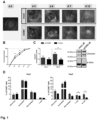
- dorsal hair was removed by depilation to ensure a uniform deposition of the hydrogel-stabilized sCD83 protein. On this purpose, mice were anesthetized, the eschar was removed and 50 ⁇ g sCD83-hydrogel were applied on a daily base.
- mice Female C57BL/6 mice, at an age of 8 to 10 weeks, were randomly divided into three groups: control-, PBS-, and sCD83 group. Each group was subdivided into a maximum of three more groups representing the different time points of analyses, i.e. day 9, day 16 and day 22. Symptoms were induced by giving tap water containing 3% DSS for 5 d. Additionally in the sCD83 groups, each mouse received an intraperitoneal (i.p.) injection of 100 ⁇ g sCD83/d for 6 d. Accordingly, in the PBS groups mice received i.p. injections of sterile 100 ⁇ l PBS/d.
- i.p. intraperitoneal
- Clinical monitoring included the daily measurement of body weight, after reaching the different time points of analyses, a high-resolution video endoscopic monitoring of the colitis activity in the anesthetized mice, and measurement of the colon length after veterinary euthanasia of the animals.
- Animals were dissected to use the mLNs and the colon for further analyses. Therefor an approximately 1 cm section of the distal colonic part, was fixed in 4% PFA for hematoxylin and eosin (HE) staining, and was assessed under a light microscope.
- HE hematoxylin and eosin
- a small piece of the ensuing colon segment as well as mLNs were snap frozen in RNALater solution using liquid nitrogen, and stored at -80 °C.
- Colitis severity was assessed using a miniature endoscope for high-resolution colon monitoring, as described before ( Becker, C. et al., Nat Protoc 1:2900-2904 (2006 ); Becker, C. et al., Gut 54:950-954 (2005 )) and the help of Dr. E. Martini (Department of Medicine 1, University Hospital Er Weg). Mice were analyzed regarding their stool consistency, translucency of the colon wall, vascularity, granularity, and fibrin deposit. The overall endoscopic severity score ranged from a minimum of 0 to a maximum of 15 and was determined by adding up the singly scores of the individual parameters, each ranking from 0 to 3. Control animals with an overall endoscopic score ranging between 0 and 3 were considered as healthy.
- sCD83 hydrogels were prepared by the addition of 4% (w/v) hydroxyethylcellulose (Natrosol ® 250 HX Pharm; Caelo) to sCD83 solutions. The hydroxyethylcellulose was dispersed on the surface of the aqueous SD83 solutions and allowed to gel overnight.
- the mock (PBS) samples were prepared identically.
- chemical penetration enhancers (CPE) could also be used.
- Biopsies of 8 mm were isolated on day 3 and 6, cut into small pieces using a surgical scalpel and transferred into a 1.5 ml tube containing 1 ml DMEM/F12 (Thermo Fisher Scientific), and mixed with Liberase TL (Sigma Aldrich) in a final concentration of 0.26 WU/ml.
- the samples wereincubated for 30 min at 37 °C and 700 rpm on a shaking incubator. Afterwards, the suspension was filtered through a 70 ⁇ m cell strainer using the back-site of a 5 ml syringe plunger.
- the strainer was flushed with 5 ml DMEM/F12 and the flow through was centrifuged for 5 min (300 g at 4 °C). After an additional washing step with 5 ml PBS (5 min, 300 g at 4 °C), the pellet was resuspended in 1 ml PBS, filtered through a 35 ⁇ m cell strainer and used for subsequent surface staining for flow cytometry.
- Protein isolation from skin tissue Proteins were isolated from murine skin biopsies, which were cut by a surgical scalpel into small pieces. Next, the skin tissue was transferred into innuSPEED lysis tubes W (Analytic Jena), treated with 40 mg/ml lysis buffer (10% glycerin, 2 mM EDTA, 137 mM NaCl, 50 mM Tris, 0.5% NP40, PMSF, NaF1M, Na 3 VO 4 ) and shredded using the SpeedMill PLUS (Analytic Jena), until the tissue was homogenized. Afterwards, lysates were centrifuged (16.000 g, 3 min, 4 °C) and transferred into 1.5 ml Eppendorf tubes. Upon a second centrifugation step (16.000 g, 20 min, 4 °C), supernatants were collected, and protein concentration was determined using BCA according to the manufacturer's instructions (Thermo Fisher Scientific).
- Flow cytometry Cell samples from skin biopsies were centrifuged for 3 min (500 g at 4 °C) and the cell pellet was resuspended in 50 ⁇ l PBS (supplemented with 1 mM EDTA), containing fluorescence-coupled antibodies against CD45 (PerCP (clone 30-F11)), CD3 (BV421(clone 17A2), CD11b (PE-Cy7 (clone M1/70), B220 (PE (clone RA3-6B2), F4/80 (FITC (clone BM8), Ly6C (APC-Cy7 (clone HK1.4), Ly6G (APC (clone 1A8) and LIVE/DEAD Fixable Aqua DEAD Cell stain (Thermo Fisher Scientific).
- RNA extraction, cDNA synthesis and qPCR analyses were collected and stored in RNA later (Thermo Fisher Scientific) at -80 °C.
- RNA isolation the samples were thawed gently on ice and homogenization was performed in 400 ⁇ l RLT buffer (supplemented with 1% ⁇ -mercaptoethanol), using innuSPEED Lysis Tube I and SpeedMill PLUS (both from AnalytikJena). After three homogenization steps, each 20 s with 5 min cooldown at -20 °C, the suspension was centrifuged for 3 min at 16.000 g and the supernatant was collected for RNA extraction using the RNeasy Plus Mini Kit (Qiagen), according to manufacturer's protocol.
- cDNA synthesis was performed according to the First Strand cDNA Synthesis Kit manual (Thermo Fisher). Ribosomal protein L4 was used as housekeeping gene. The reaction and quantification were performed using the CFX96 Touch (Bio-Rad). Nucleotide sequences of the murine primer pairs are provided in the following table.
- Histology For preparation of skin and colon tissue samples for histological analyses, skin biopsies were obtained as 8 mm punches (pfm medicals) around the former wound area on day 3, 6 and 7, respectively and samples were fixed in 4% paraformaldehyde (PFA) for histological analyses. Small colon samples were prepared by cutting approximately 0.5 cm of the distal part of the colon, then fixed in 4 % PFA at room temperature overnight, and washed in PBS. Afterwards, they underwent a dehydration process via increasing alcohol concentrations and a last acetone incubation step. Next, the colonic samples were embedded in paraffin and tissue sections were prepared by cutting 1 ⁇ m to 5 ⁇ m thick slices with the microtome, layed onto coated slides, dried and stored at RT for later staining procedures.
- PFA paraformaldehyde
- Histological staining procedure for tissue structures of the colon and skin samples using Mayer's hematoxylin and eosin was performed as follows: For the complete removal of paraffin, the sections were initially incubated at 60 °C overnight and afterwards washed in xylol (2 times for 2-5 min). Then, the sections underwent a rehydration process through decreasing alcohol concentrations and a final washing step.
- the sections were incubated in freshly filtered hematoxylin, followed by the incubation in eosin-g-solution (1 g eosin in 100 ml VE-water and 1 droplet of glacial acetic acid), to stain eosinophilic tissue structures. After each staining step, the sections were rinsed in running tap water, to remove excess dye. Finally, the sections were dehydrated, mounted in entellan (Merck), and harden overnight.
- eosin-g-solution 1 g eosin in 100 ml VE-water and 1 droplet of glacial acetic acid
- mice Female C57BL/6 mice (7 weeks old) were purchased from Charles River Laboratories (Sulzfeld) and maintained under pathogen free conditions according to the institutional and national guidelines for the care and use of laboratory animals.
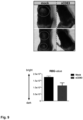
- sCD83 (7.5 ⁇ g) was topically administered dropwise thrice a day on 7 w old female C57BL/6 mice, over a period of 14 days. After day 14, mice were sacrificed by cervical dislocation and eyelids were removed and stored in 70% EtOH for the quantification of eyelash-numbers using a microscope.
- RNA extraction, cDNA synthesis and qPCR analyses were collected and stored in RNAlater (Thermo Fisher Scientific) at -80 °C.
- RNAlater Thermo Fisher Scientific
- cDNA synthesis was performed according to First Strand cDNA Synthesis Kit manual (Thermo Fisher Scientific). Ribosomal protein L4 was used as a housekeeping gene. The reaction and quantification was performed using a CFX96 Touch (Bio-Rad). Nucleotide sequences of the primer pairs are those provided in the respective section above.
- Multi-Epitope-Ligand-Cartography The histological MELC-technique has been applied as described before ( Eckhardt, J. et al., J Histochem Cytochem 61:125-133 (2013 )). Briefly, 6 mm skin biopsies were stored in Tissue-Tek ® O.C.T. (Sakura) at -80 °C. 5 ⁇ m slides were prepared using the Cryotome TM device and the fixation step was performed in acetone for 10 min at -20 °C. The sample was allowed to dry, before the residual tissue-tek ® was removed with 70% EtOH and the tissue sample was surrounded by a silicone ring and was washed in PBS.
- Staining procedure was performed using fluorescence-coupled antibodies against Foxp3 (PE), CD4 (PE), CD3e (FITC), CD45 (FITC) and Cytokeratine-14 (FITC).
- Propidium-iodide was used as LIVE-DEAD marker. Data were acquired using an inverted wide-field fluorescence microscope and evaluated using Image J software.
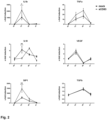
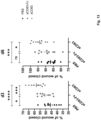
- RNA-analyses revealed a modulation of numerous wound-healing-related cytokines ( FIG 2 ).
- Proinflammatory cytokines such as IL-1 ⁇ and TNF ⁇ were strikingly increased in sCD83-treated mice within the inflammatory phase on day 3.
- VEGF was slightly upregulated on day 3.
- IL-10 expression peaked on day 6 in sCD83-treated mice, thereby accelerating the transition towards resolution of inflammation and the proliferation phase.
- SLPI secretory leukocyte protease inhibitor
- Topical sCD83 application also induces wound closure:
- Systemic drug administration may go along with several disadvantages when compared to a local - topical administration. On the one hand one cannot ensure the delivery of an intended drug concentration to the specific site of interest, thereby requiring an increased dose of medication.
- systemic drug administration can result in unexpected off-target effects, undesired cellular/ molecular interactions which subsequently could lead to adverse complications and unwanted side effects ( Wen, H. et al., AAPS J 17:1327-1340 (2015 )).
- sCD83 was stabilized in a hydroxyethyl cellulose hydrogel.
- Soluble CD83 accelerates recovery from DSS-induced colitis and fastens epithelial healing processes:
- sCD83 modulates acute intestinal inflammation and induces intestinal wound healing processes as they occur in IBD pathologies.
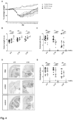
- Acute inflammation in the colonic intestine was established in 10-12 week old C57BL/6 mice by challenging them with 3 % DSS, supplemented in tap water, for a period of 5 days. Simultaneously, mice either received i.p. injected sCD83 or PBS for a period of 6 days. After the challenging phase, the recovery phase was initiated by replacing the DSS supplemented tap water with regular tap water. Additionally, a control group receiving neither DSS nor any other treatment regiments. Evaluating the average daily weight loss, it became evident that sCD83-treated animals showed a better regaining of weight during the recovery phase, from day 10 onwards, when compared to PBS-treated animals.
- mice receiving sCD83 reaches their initial weight by the end of the experiment, whereas the PBS group still showed a weight loss, compared to their initial weight ( Fig. 4 A ).
- different time points d 9, d 16, d 22
- Fig. 4 B better recovery from colitis symptoms, within the sCD83-treated mice, was obvious on a macroscopic level, since colon shortening was reduced.
- sCD83 boosts the inflammation phase of cutaneous wound healing:
- the modulatory potential of sCD83 in terms of autoimmune diseases and transplantation experiments has been reported by numerous groups.
- Administration of sCD83 ameliorates disease progression in murine autoimmune models e.g. EAE, SLE, IBD and AIA ( Royzman, D. et al., Front Immunol 10:633 (2019 ); Zinser, E. et al., J Exp Med 200:345-351 (2004 ); Eckhardt, J. et al., Mucosal Immunol 7:1006-1018 (2014 ); Starke, C. et al., Immunobiology 218:1411-1415 (2013 )).
- sCD83 has significantly improved graft survival in cornea-, cardiac-, renal-, and skin transplantation models ( Ge, W. et al., Transplantation 90:1145-1156 (2010 ); Xu, J.F. et al., Transpl Int 20:266-276 (2007 ); Lan, Z. et al., Transplantation 90:1278-1285 (2010 )).
- vimentin is an intermediate filament, mainly expressed in mesenchymal stem cells and thus enhances the reconstitution of wound area ( Walker, J.L. et al., Proc Natl Acad Sci U S A 107:13730-13735 (2010 )).
- vimentin provides crucial stimuli for fibroblast proliferation and the differentiation of keratinocytes; thereby further enhancing the healing capacities of cutaneous tissue in the course of reepithelization and remodeling ( Cheng, F. et al., Proc Natl Acad Sci U S A 113:E4320-4327 (2016 )).
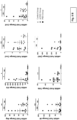
- IL-17A-expression was enhanced within the colonic tissue of sCD83-treated DSS-mice on day 9, indicating ameliorating effects of sCD83 via Th17-mediated immune responses.
- pathogenesis is based on excessive T cell activity and cytokine secretion ( McInnes, I.B. and Schett, G., N Engl J Med 365:2205-2219 (2011 )
- a temporary upregulation of proinflammatory mediators is crucial for proper wound closure ( Hubner, G. et al., Cytokine 8:548-556 (1996 )).
- wound healing is initiated by a strong local inflammation, which, as represented by increased levels of proinflammatory cytokines, is strikingly enhanced in sCD83-treated mice.
- IL-1 ⁇ and TNF ⁇ play a pivot role in the course of wound healing and their blockade, either by knockout or depletion results in an impaired inflammation phase and poor clearance of infectious agents ( Ritsu, M. et al., J Dermatology & Dermatologic Surgery 21:14-19 (2017 ); Ishida, Y. et al., J Immunol 176:5598-5606 (2006 )).
- SLPI knockout experiments revealed a drastically impaired wound closure due to impaired resolution of inflammation and wound chronification ( Ashcroft, G.S. et al., Nat Med 6:1147-1153 (2000 )).
- the major role of SLPI lies in the inhibition of elastase activity upon transition to the proliferation / remodeling phases, since excessive protease activity is associated with age-related complications of wound healing ( Herrick, S. et al., Lab Invest 77:281-288 (1997 )).
- topical administration of sCD83 potently improved cutaneous wound closure.
- a locally-restricted medication provides crucial advantages over the systemic administration, namely an optimal drug supply and a restricted risk of systemic side-effects.
- topical sCD83 uptake is ensured by the mechanical disruption of epithelial barriers and can therefore be proposed as a first aid wound care medication, which sterilizes the wound area by enhanced proinflammatory cytokine production, and subsequently increased frequencies of immune cells which accelerate would healing and tissue remodeling.
- sCD83 remained stable and active for at least 10 days at 4 °C, in the used hydrogel matrix and can therefore most likely be stored for long-term treatment. This will be evaluated in further studies.
- a balanced release of pro- and anti-inflammatory cytokines and mediators is the main source of regulating intestinal immune reactions against potentially noxious microbial components as well as innocuous commensal bacteria.
- Intensive research has shown that in IBD pathologies intestinal immune reactions become decontrolled upon activation by luminal antigens, which are able to cross an attenuated epithelial barrier. In return, this causes severe mucosal inflammation which goes along with continuous structural destruction of the epithelial tissue ( Zundler, S. et al., Gut 68:1688-1700 (2019 ); Strober, W. and Fuss, I.J., Gastroenterology 140:1756-1767 (2011 ).
- recent therapy goals of IBD have also focused on improving the healing process of the inflamed mucosa upon disruption.
- sCD83 also has a beneficial effect on the repair mechanisms of the intestinal epithelium, thereby favoring an accelerated recovery from colitis symptoms.
- a potential mechanistic effect of sCD83 may be the induction of an increased expression of inflammatory mediators at the initial recovery phase, which not only positively modulates the mucosal epithelium itself, but also the bacterial killing efficiency of phagocytic cell populations. In return, this provides a basis for a faster transition into following wound healing processes. Supporting our conclusion, analyses of colon and ileum samples of IBD patients showed that the inducible enzyme Cox2 is, besides its expression in cell types such as macrophages and fibroblasts during intestinal inflammation, also expressed by IECs, whereas it is not detectable in healthy patients ( Neurath, M., Nat Rev Gastroenterol Hepatol 14:688 (2017 )).
- sCD83 can support a quicker intestinal wound closure by mediating increased epithelial cell proliferation.
- studies have also shown that the cytokines IL-6 and IL-17A when tightly controlled are suggested to mediate tissue repair and protective mechanisms, as they boost epithelial cell proliferation and survival at certain recovery phases ( Neurath, M.F., Mucosal Immunol 7:6-19 (2014 ); Brockmann, L. et al., Int J Mol Sci 18 (2017 )).
- sCD83 is an interesting biological agent for the treatment of e.g. hard-to-heal wounds in the context of cutaneous and mucosal injuries and/ or individuals receiving immunosuppressive therapy, which is accompanied with delayed wound closure and an increased susceptibility to infections.
- the soluble CD83 molecule induces hair growth.
- an accelerated hair growth in sCD83-treated mice in four independent experimental settings was observed.
- Tregs regulatory T cells
- sCD83 represents a highly interesting biological agent to promote hair regrowth, e.g. in individuals suffering from age or disease related hair loss or patients treated with chemotherapy, which also results in pronounced baldness (effluvium).
- Yeast culture was incubated for additional 72 h/30 °C and 150 rpm with a daily supplementation of 1% methanol. Finally, the cell suspension was harvested by centrifugation (5.000xg; 10 min; 4 °C). The supernatant was filtered through 0.22 ⁇ m stericups for the subsequent purification of his-tagged proteins by highpressure liquid chromatography (HPLC) using HisPur TM Ni-NTA chromatography cartridges. A maximal volume of 150 ml supernatant was loaded at once onto a superloop column and transferred to the 5 ml HisPur TM Ni-NTA column at a flow rate of 5 ml/min (pressure must not exceed a maximal value of 0.3 MPa).
- HPLC highpressure liquid chromatography
- His-tagged sCD83 was retained within the HisPur TM Ni-NTA column, while other molecules passed the resin and proceeded with the flow-through. Afterwards, the HisPur TM Ni-NTA column was rinsed with 60 ml Equilibration Buffer. For sCD83 elution, elution buffer was used and the protein solution was collected in a clean syringe as soon as the OD has reached a value of 1.000 on the y-axis. The sCD83 solution was stored overnight at 4 °C. The next day, imidazole was removed by HiPrep desalting procedure. For this purpose, the protein solution was again loaded onto the superloop and transferred to the HiPrep column with a flow rate of 3 ml/min.
- the Start codon is provided by the pPIC9K-expression vector. More details about the expression vector and the processing of the sCD83 are provided in Fig. 12 .
Landscapes
- Health & Medical Sciences (AREA)
- Life Sciences & Earth Sciences (AREA)
- Veterinary Medicine (AREA)
- Animal Behavior & Ethology (AREA)
- General Health & Medical Sciences (AREA)
- Public Health (AREA)
- Medicinal Chemistry (AREA)
- Pharmacology & Pharmacy (AREA)
- Engineering & Computer Science (AREA)
- Bioinformatics & Cheminformatics (AREA)
- Chemical & Material Sciences (AREA)
- Dermatology (AREA)
- Epidemiology (AREA)
- Chemical Kinetics & Catalysis (AREA)
- General Chemical & Material Sciences (AREA)
- Nuclear Medicine, Radiotherapy & Molecular Imaging (AREA)
- Organic Chemistry (AREA)
- Gastroenterology & Hepatology (AREA)
- Zoology (AREA)
- Birds (AREA)
- Immunology (AREA)
- Proteomics, Peptides & Aminoacids (AREA)
- Cell Biology (AREA)
- Medicines That Contain Protein Lipid Enzymes And Other Medicines (AREA)
- Pharmaceuticals Containing Other Organic And Inorganic Compounds (AREA)
- Cosmetics (AREA)
- Peptides Or Proteins (AREA)
Claims (16)
- Lösliche Form eines Vertreters der CD83-Proteinfamilie, der aus der extrazellulären Domäne des CD83-Proteins mit den Aminosäureresten 20 bis 144 von SEQ ID Nr. 2 besteht (sCD83-Protein), eines funktionellen Derivats des sCD83-Proteins mit bis zu 10 Aminosäuren, die an den C- oder N-Terminus des sCD83-Proteins gebunden sind, und/oder bei dem bis zu 10 Aminosäuren des sCD83-Proteins substituiert sind, einer dimeren oder trimeren Form des sCD83-Proteins oder einer dimeren oder trimeren Form des funktionellen Derivats des sCD83-Proteins zur Verwendung beim Wundverschluss von Hautwunden.
- sCD83-Protein, funktionelles Derivat des sCD83-Proteins, dimere oder trimere Form des sCD83-Proteins oder dimere oder trimere Form des funktionellen Derivats des sCD83-Proteins zur Verwendung beim Wundverschluss von Hautwunden gemäß Anspruch 1, wobei das sCD83-Protein(i) aus den Aminosäureresten 20 bis 144 von SEQ ID Nr. 2 besteht; oder(ii) bis zu 10 Aminosäurereste aufweist, die von der benachbarten intrazellulären Domäne, die an seinen C-Terminus gebunden ist, abgeleitet sind, wobei vorzugsweise das lösliche CD83-Protein aus den Aminosäureresten 20 bis 145 von SEQ ID Nr. 2 besteht; oder(iii) funktionelle Sequenzen von bis zu 10 Aminosäureresten aufweist, die an seinen N-Terminus gebunden sind, und vorzugsweise das sCD83-Protein am N-Terminus die zusätzlichen Aminosäuren Gly-Ser-Pro-Gly oder Tyr-His-His-His-His-His-His trägt.
- sCD83-Protein, funktionelles Derivat des sCD83-Proteins, dimere oder trimere Form des sCD83-Proteins oder dimere oder trimere Form des funktionellen Derivats des sCD83-Proteins zur Verwendung beim Wundverschluss von Hautwunden gemäß Anspruch 1, wobei das sCD83-Protein ein Dimer oder Trimer ist, vorzugsweise ein Homodimer, das über einen oder mehrere der Cysteinreste der monomeren Form des sCD83-Proteins verbunden ist, am meisten bevorzugt das sCD83-Protein wie in Anspruch 2 definiert ist und/oder das Homodimer über den fünften Cysteinrest der monomeren Form des sCD83-Proteins verbunden ist.
- sCD83-Protein, funktionelles Derivat des sCD83-Proteins, dimere oder trimere Form des sCD83-Proteins oder dimere oder trimere Form des funktionellen Derivats des sCD83-Proteins zur Verwendung beim Wundverschluss von Hautwunden gemäß Anspruch 1, wobei das sCD83-Protein ein monomeres CD83-Protein ist, vorzugsweise ein monomeres CD83-Protein, bei dem einer oder mehrere der Cysteinreste durch gleiche oder verschiedene kleine und/oder polare Aminosäurereste, die aus Serin, Alanin und Glycin ausgewählt sind, substituiert sind, wobei am meisten bevorzugt(i) das sCD83-Protein wie in den Ansprüchen 2 oder 3 definiert ist; oder(ii) genau ein Cysteinrest, insbesondere der fünfte Cysteinrest, ersetzt ist; oder(iii) das sCD83-Protein aus den Aminosäureresten 20 bis 144 von SEQ ID Nr. 2 besteht, wobei der Cysteinrest auf Position 129 durch einen Serinrest ersetzt ist; oder(iv) das sCD83-Protein aus den Aminosäureresten 20 bis 144 von SEQ ID Nr. 2 besteht, wobei der Cysteinrest auf Position 129 durch einen Serinrest ersetzt ist und weiterhin am N-Terminus die zusätzlichen Aminosäuren Gly-Ser-Pro-Gly trägt.
- sCD83-Protein, funktionelles Derivat des sCD83-Proteins, dimere oder trimere Form des sCD83-Proteins oder dimere oder trimere Form des funktionellen Derivats des sCD83-Proteins zur Verwendung beim Wundverschluss von Hautwunden gemäß Anspruch 1, wobei das sCD83-Protein ein natives Glycosylierungsmuster aufweist oder nicht glycosyliert ist.
- sCD83-Protein, funktionelles Derivat des sCD83-Proteins, dimere oder trimere Form des sCD83-Proteins oder dimere oder trimere Form des funktionellen Derivats des sCD83-Proteins zur Verwendung beim Wundverschluss von Hautwunden gemäß einem der Ansprüche 1 bis 5, wobei die Wundheilung Folgendes umfasst:(a) die systemische Verabreichung des sCD83-Proteins, des funktionellen Derivats des sCD83-Proteins, der dimeren oder trimeren Form des sCD83-Proteins oder der dimeren oder trimeren Form des funktionellen Derivats des sCD83-Proteins zum beschleunigten Wundverschluss von Hautwunden; oder(b) die topische Verabreichung des sCD83-Proteins, des funktionellen Derivats des sCD83-Proteins, der dimeren oder trimeren Form des sCD83-Proteins oder der dimeren oder trimeren Form des funktionellen Derivats des sCD83-Proteins, vorzugsweise in Form einer sCD83-Lösung auf Gelbasis, zum Wundverschluss von Hautläsionen einschließlich lokal begrenzter Wunden und chronischer Wunden.
- Lösliche Form eines Vertreters der CD83-Proteinfamilie, der aus der extrazellulären Domäne des CD83-Proteins mit den Aminosäureresten 20 bis 144 von SEQ ID Nr. 2 besteht (sCD83-Protein), funktionelles Derivat mit bis zu 10 Aminosäuren, die an den C- oder N-Terminus des sCD83-Proteins gebunden sind, und/oder bei dem bis zu 10 Aminosäuren des sCD83-Proteins substituiert sind, dimere oder trimere Form des sCD83-Proteins oder dimere oder trimere Form des funktionellen Derivats des sCD83-Proteins zur Verwendung bei therapeutischem Haarwachstum nach physischem Stress/Medikation und/oder Krankheit.
- sCD83-Protein, funktionelles Derivat des sCD83-Proteins, dimere oder trimere Form des sCD83-Proteins oder dimere oder trimere Form des funktionellen Derivats des sCD83-Proteins zur Verwendung bei therapeutischem Haarwachstum gemäß Anspruch 7, wobei das sCD83-Protein(i) aus den Aminosäureresten 20 bis 144 von SEQ ID Nr. 2 besteht; oder(ii) bis zu 10 Aminosäurereste aufweist, die von der benachbarten intrazellulären Domäne, die an seinen C-Terminus gebunden ist, abgeleitet sind, wobei vorzugsweise das lösliche CD83-Protein aus den Aminosäureresten 20 bis 145 von SEQ ID Nr. 2 besteht; oder(iii) funktionelle Sequenzen von bis zu 10 Aminosäureresten aufweist, die an seinen N-Terminus gebunden sind, und vorzugsweise das sCD83-Protein am N-Terminus die zusätzlichen Aminosäuren Gly-Ser-Pro-Gly oder Tyr-His-His-His-His-His-His trägt.
- sCD83-Protein, funktionelles Derivat des sCD83-Proteins, dimere oder trimere Form des sCD83-Proteins oder dimere oder trimere Form des funktionellen Derivats des sCD83-Proteins zur Verwendung bei therapeutischem Haarwachstum gemäß Anspruch 7, wobei das sCD83-Protein ein Dimer oder Trimer ist, vorzugsweise ein Homodimer, das über einen oder mehrere der Cysteinreste der monomeren Form des sCD83-Proteins verbunden ist, am meisten bevorzugt das sCD83-Protein wie in Anspruch 8 definiert ist und/oder das Homodimer über den fünften Cysteinrest der monomeren Form des sCD83-Proteins verbunden ist.
- sCD83-Protein, funktionelles Derivat des sCD83-Proteins, dimere oder trimere Form des sCD83-Proteins oder dimere oder trimere Form des funktionellen Derivats des sCD83-Proteins zur Verwendung bei therapeutischem Haarwachstum gemäß Anspruch 7, wobei das sCD83-Protein ein monomeres CD83-Protein ist, vorzugsweise ein monomeres CD83-Protein, bei dem einer oder mehrere der Cysteinreste durch gleiche oder verschiedene kleine und/oder polare Aminosäurereste, die aus Serin, Alanin und Glycin ausgewählt sind, substituiert sind, wobei am meisten bevorzugt(i) das sCD83-Protein wie in den Ansprüchen 8 oder 9 definiert ist; oder(ii) genau ein Cysteinrest, insbesondere der fünfte Cysteinrest, ersetzt ist; oder(iii) das sCD83-Protein aus den Aminosäureresten 20 bis 144 von SEQ ID Nr. 2 besteht, wobei der Cysteinrest auf Position 129 durch einen Serinrest ersetzt ist; oder(iv) das sCD83-Protein aus den Aminosäureresten 20 bis 144 von SEQ ID Nr. 2 besteht, wobei der Cysteinrest auf Position 129 durch einen Serinrest ersetzt ist und weiterhin am N-Terminus die zusätzlichen Aminosäuren Gly-Ser-Pro-Gly trägt.
- sCD83-Protein, funktionelles Derivat des sCD83-Proteins, dimere oder trimere Form des sCD83-Proteins oder dimere oder trimere Form des funktionellen Derivats des sCD83-Proteins zur Verwendung bei therapeutischem Haarwachstum gemäß Anspruch 7, wobei das sCD83-Protein ein natives Glycosylierungsmuster aufweist oder nicht glycosyliert ist.
- sCD83-Protein, funktionelles Derivat des sCD83-Proteins, dimere oder trimere Form des sCD83-Proteins oder dimere oder trimere Form des funktionellen Derivats des sCD83-Proteins zur Verwendung bei therapeutischem Haarwachstum gemäß einem der Ansprüche 7 bis 11, wobei das therapeutische Haarwachstum die systemische oder topische sCD83-Anwendung nach physischem Stress/Medikation und/oder Krankheit umfasst.
- Zusammensetzung, umfassend eine lösliche Form eines Vertreters der CD83-Proteinfamilie, der aus der extrazellulären Domäne des CD83-Proteins mit den Aminosäureresten 20 bis 144 von SEQ ID Nr. 2 besteht (sCD83-Protein), funktionelles Derivat mit bis zu 10 Aminosäuren, die an den C- oder N-Terminus des sCD83-Proteins gebunden sind, und/oder bei dem bis zu 10 Aminosäuren des sCD83-Proteins substituiert sind, dimere oder trimere Form des sCD83-Proteins oder dimere oder trimere Form des funktionellen Derivats des sCD83-Proteins zur Verwendung bei therapeutischem Haarwachstum nach physischem Stress/Medikation und/oder Krankheit.
- Zusammensetzung zur Verwendung bei therapeutischem Haarwachstum gemäß Anspruch 13, wobei(i) das sCD83-Protein wie in den Ansprüchen 8 oder 11 definiert ist; und/oder(ii) das therapeutische Haarwachstum die systemische oder topische sCD83-Anwendung nach physischem Stress/Medikation und/oder Krankheit umfasst.
- Kosmetisches nichttherapeutisches Verfahren zur Beschleunigung des Haarwachstums und zur Haarpflege, wobei das Verfahren umfasst: die systemische oder topische Anwendung einer Zusammensetzung, die eine lösliche Form eines Vertreters der CD83-Proteinfamilie, der aus der extrazellulären Domäne des CD83-Proteins mit den Aminosäureresten 20 bis 144 von SEQ ID Nr. 2 besteht (sCD83-Protein), funktionelles Derivat mit bis zu 10 Aminosäuren, die an den C- oder N-Terminus des sCD83-Proteins gebunden sind, und/oder bei dem bis zu 10 Aminosäuren des sCD83-Proteins substituiert sind, dimere oder trimere Form des sCD83-Proteins oder dimere oder trimere Form des funktionellen Derivats des sCD83-Proteins umfasst, auf menschliche oder tierische Haut oder Haar.
- Kosmetisches nichttherapeutisches Verfahren gemäß Anspruch 15, wobei das sCD83-Protein wie in den Ansprüchen 8 bis 11 definiert ist.
Priority Applications (4)
| Application Number | Priority Date | Filing Date | Title |
|---|---|---|---|
| EP25168764.6A EP4591944A3 (de) | 2020-04-16 | 2021-04-16 | Scd83 für wundheilung, haarwachstum und haut- und haarpflege |
| SM20250330T SMT202500330T1 (it) | 2020-04-16 | 2021-04-16 | Scd83 per la guarigione delle ferite, la crescita dei capelli, e la cura della pelle e dei capelli |
| RS20250521A RS66881B1 (sr) | 2020-04-16 | 2021-04-16 | Scd83 za zaceljivanje rana, rast kose, i negu kože i kose |
| HRP20250640TT HRP20250640T1 (hr) | 2020-04-16 | 2021-04-16 | Scd83 za zacjeljivanje rana, rast kose, te njegu kože i kose |
Applications Claiming Priority (2)
| Application Number | Priority Date | Filing Date | Title |
|---|---|---|---|
| EP20169899.0A EP3895723A1 (de) | 2020-04-16 | 2020-04-16 | Scd83 für wundheilung, haarwachstum und haut- und haarpflege |
| PCT/EP2021/059923 WO2021209607A1 (en) | 2020-04-16 | 2021-04-16 | Scd83 for wound healing, hair growth, and skin and hair care |
Related Child Applications (1)
| Application Number | Title | Priority Date | Filing Date |
|---|---|---|---|
| EP25168764.6A Division EP4591944A3 (de) | 2020-04-16 | 2021-04-16 | Scd83 für wundheilung, haarwachstum und haut- und haarpflege |
Publications (3)
| Publication Number | Publication Date |
|---|---|
| EP4135745A1 EP4135745A1 (de) | 2023-02-22 |
| EP4135745C0 EP4135745C0 (de) | 2025-05-07 |
| EP4135745B1 true EP4135745B1 (de) | 2025-05-07 |
Family
ID=70294945
Family Applications (3)
| Application Number | Title | Priority Date | Filing Date |
|---|---|---|---|
| EP20169899.0A Withdrawn EP3895723A1 (de) | 2020-04-16 | 2020-04-16 | Scd83 für wundheilung, haarwachstum und haut- und haarpflege |
| EP25168764.6A Pending EP4591944A3 (de) | 2020-04-16 | 2021-04-16 | Scd83 für wundheilung, haarwachstum und haut- und haarpflege |
| EP21717933.2A Active EP4135745B1 (de) | 2020-04-16 | 2021-04-16 | Scd83 für wundheilung, haarwachstum und haut- und haarpflege |
Family Applications Before (2)
| Application Number | Title | Priority Date | Filing Date |
|---|---|---|---|
| EP20169899.0A Withdrawn EP3895723A1 (de) | 2020-04-16 | 2020-04-16 | Scd83 für wundheilung, haarwachstum und haut- und haarpflege |
| EP25168764.6A Pending EP4591944A3 (de) | 2020-04-16 | 2021-04-16 | Scd83 für wundheilung, haarwachstum und haut- und haarpflege |
Country Status (11)
| Country | Link |
|---|---|
| US (1) | US20230270820A1 (de) |
| EP (3) | EP3895723A1 (de) |
| JP (1) | JP2023522022A (de) |
| CA (1) | CA3175640A1 (de) |
| ES (1) | ES3028665T3 (de) |
| HR (1) | HRP20250640T1 (de) |
| HU (1) | HUE072389T2 (de) |
| PL (1) | PL4135745T3 (de) |
| RS (1) | RS66881B1 (de) |
| SM (1) | SMT202500330T1 (de) |
| WO (1) | WO2021209607A1 (de) |
Families Citing this family (1)
| Publication number | Priority date | Publication date | Assignee | Title |
|---|---|---|---|---|
| DE102024110866A1 (de) | 2024-04-18 | 2025-10-23 | Christian Arnold | Pharmazeutische Zusammensetzung zur Heilung einer Wunde |
Family Cites Families (3)
| Publication number | Priority date | Publication date | Assignee | Title |
|---|---|---|---|---|
| EP1422241A1 (de) * | 2002-11-19 | 2004-05-26 | Alexander Steinkasserer | Verwendung der löslichen Formen des CD83 und dafür kodierender Nukleinsäuren zur Behandlung oder Vorbeugung von Krankheiten |
| KR101679084B1 (ko) * | 2008-05-23 | 2016-11-24 | 아고스 쎄라퓨틱스, 인코포레이티드 | 신규 가용성 cd83 폴리펩티드, 제형 및 사용 방법 |
| JP2013040160A (ja) * | 2011-07-01 | 2013-02-28 | Genentech Inc | 自己免疫疾患を治療するための抗cd83アゴニスト抗体の使用 |
-
2020
- 2020-04-16 EP EP20169899.0A patent/EP3895723A1/de not_active Withdrawn
-
2021
- 2021-04-16 ES ES21717933T patent/ES3028665T3/es active Active
- 2021-04-16 SM SM20250330T patent/SMT202500330T1/it unknown
- 2021-04-16 US US17/996,366 patent/US20230270820A1/en active Pending
- 2021-04-16 PL PL21717933.2T patent/PL4135745T3/pl unknown
- 2021-04-16 JP JP2022562631A patent/JP2023522022A/ja active Pending
- 2021-04-16 HR HRP20250640TT patent/HRP20250640T1/hr unknown
- 2021-04-16 HU HUE21717933A patent/HUE072389T2/hu unknown
- 2021-04-16 EP EP25168764.6A patent/EP4591944A3/de active Pending
- 2021-04-16 WO PCT/EP2021/059923 patent/WO2021209607A1/en not_active Ceased
- 2021-04-16 CA CA3175640A patent/CA3175640A1/en active Pending
- 2021-04-16 RS RS20250521A patent/RS66881B1/sr unknown
- 2021-04-16 EP EP21717933.2A patent/EP4135745B1/de active Active
Also Published As
| Publication number | Publication date |
|---|---|
| EP4135745A1 (de) | 2023-02-22 |
| EP4591944A2 (de) | 2025-07-30 |
| EP3895723A1 (de) | 2021-10-20 |
| PL4135745T3 (pl) | 2025-09-15 |
| EP4135745C0 (de) | 2025-05-07 |
| SMT202500330T1 (it) | 2025-11-10 |
| RS66881B1 (sr) | 2025-07-31 |
| WO2021209607A1 (en) | 2021-10-21 |
| ES3028665T3 (en) | 2025-06-19 |
| EP4591944A3 (de) | 2025-10-01 |
| US20230270820A1 (en) | 2023-08-31 |
| HUE072389T2 (hu) | 2025-11-28 |
| JP2023522022A (ja) | 2023-05-26 |
| HRP20250640T1 (hr) | 2025-09-12 |
| CA3175640A1 (en) | 2021-10-21 |
Similar Documents
| Publication | Publication Date | Title |
|---|---|---|
| JP6661530B2 (ja) | インターロイキン−4受容体結合融合タンパク質及びその使用 | |
| KR20010006534A (ko) | Ⅱ형 tgf-베타 수용체/면역글로불린 불변 영역 융합 단백질 | |
| ES2398039T3 (es) | Uso de anticuerpos antagonistas anti-TGF-beta para tratar o prevenir la pérdida de función renal | |
| CN113194978B (zh) | 具有间充质干细胞的动员活性的肽 | |
| JPH09509825A (ja) | 骨細胞を刺激するための方法および組成物 | |
| EP3038635A2 (de) | Systeme, zusammensetzungen und verfahren zur transplantation und behandlung von erkrankungen | |
| US9351914B2 (en) | Methods for modulating hair growth using truncated laminin-511 | |
| JP2003534363A (ja) | トランスジェニック非ヒト動物由来ヒト血清アルブミン含有化粧組成物 | |
| JP7672636B2 (ja) | 間葉系幹細胞の動員活性を有するペプチド | |
| US20230270820A1 (en) | Scd83 for wound healing, hair growth, and skin and hair care | |
| US12006343B2 (en) | C4BP-based compounds for treating immunological diseases | |
| CZ305653B6 (cs) | Farmaceutický prostředek | |
| IL147123A (en) | Use of compositions containing at least one soluble form of G – HLA for the preparation of a medicinal product for the treatment of inflammatory pathologies of the skin | |
| HK40129498A (en) | Scd83 for wound healing, hair growth, and skin and hair care | |
| KR100613950B1 (ko) | 복합요법에서 케모킨 수용체 길항물질과 사이클로스포린 | |
| AU2001247825B2 (en) | Angiogenic onchocerca volvulus proteins and uses thereof | |
| US11524091B2 (en) | GILZ formulations for wound healing | |
| HUP0401323A2 (hu) | IL-18 inhibitorok alkalmazása túlérzékenységi rendellenességek esetén | |
| CN112402454A (zh) | 预激活间充质干细胞在治疗皮肤创伤的免疫生物学方面的应用 | |
| AU2001247825A1 (en) | Angiogenic onchocerca volvulus proteins and uses thereof | |
| Class et al. | Patent application title: Methods for Modulating Hair Growth Using Truncated Laminin-511 Inventors: M. Peter Marinkovich (Redwood City, CA, US) Jing Gao (Mountain View, CA, US) Xiaoyu Xu (Foster City, CA, US) Jayakumar Rajadas (Cupertino, CA, US) Jayakumar Rajadas (Cupertino, CA, US) | |
| Wang | Molecular and cell biology of pig skin: a model for wound healing | |
| Cruz | Altered gene expression of IL-1 Alpha, IL-1 Beta, and KGF-1 in early cutaneous wounds of restrained Mice |
Legal Events
| Date | Code | Title | Description |
|---|---|---|---|
| REG | Reference to a national code |
Ref country code: HR Ref legal event code: TUEP Ref document number: P20250640T Country of ref document: HR |
|
| STAA | Information on the status of an ep patent application or granted ep patent |
Free format text: STATUS: UNKNOWN |
|
| STAA | Information on the status of an ep patent application or granted ep patent |
Free format text: STATUS: THE INTERNATIONAL PUBLICATION HAS BEEN MADE |
|
| PUAI | Public reference made under article 153(3) epc to a published international application that has entered the european phase |
Free format text: ORIGINAL CODE: 0009012 |
|
| STAA | Information on the status of an ep patent application or granted ep patent |
Free format text: STATUS: REQUEST FOR EXAMINATION WAS MADE |
|
| 17P | Request for examination filed |
Effective date: 20221031 |
|
| AK | Designated contracting states |
Kind code of ref document: A1 Designated state(s): AL AT BE BG CH CY CZ DE DK EE ES FI FR GB GR HR HU IE IS IT LI LT LU LV MC MK MT NL NO PL PT RO RS SE SI SK SM TR |
|
| DAV | Request for validation of the european patent (deleted) | ||
| DAX | Request for extension of the european patent (deleted) | ||
| STAA | Information on the status of an ep patent application or granted ep patent |
Free format text: STATUS: EXAMINATION IS IN PROGRESS |
|
| 17Q | First examination report despatched |
Effective date: 20240301 |
|
| GRAP | Despatch of communication of intention to grant a patent |
Free format text: ORIGINAL CODE: EPIDOSNIGR1 |
|
| STAA | Information on the status of an ep patent application or granted ep patent |
Free format text: STATUS: GRANT OF PATENT IS INTENDED |
|
| INTG | Intention to grant announced |
Effective date: 20250219 |
|
| GRAS | Grant fee paid |
Free format text: ORIGINAL CODE: EPIDOSNIGR3 |
|
| GRAA | (expected) grant |
Free format text: ORIGINAL CODE: 0009210 |
|
| STAA | Information on the status of an ep patent application or granted ep patent |
Free format text: STATUS: THE PATENT HAS BEEN GRANTED |
|
| AK | Designated contracting states |
Kind code of ref document: B1 Designated state(s): AL AT BE BG CH CY CZ DE DK EE ES FI FR GB GR HR HU IE IS IT LI LT LU LV MC MK MT NL NO PL PT RO RS SE SI SK SM TR |
|
| REG | Reference to a national code |
Ref country code: GB Ref legal event code: FG4D |
|
| REG | Reference to a national code |
Ref country code: CH Ref legal event code: EP |
|
| REG | Reference to a national code |
Ref country code: IE Ref legal event code: FG4D |
|
| REG | Reference to a national code |
Ref country code: DE Ref legal event code: R096 Ref document number: 602021030427 Country of ref document: DE |
|
| REG | Reference to a national code |
Ref country code: ES Ref legal event code: FG2A Ref document number: 3028665 Country of ref document: ES Kind code of ref document: T3 Effective date: 20250619 |
|
| U01 | Request for unitary effect filed |
Effective date: 20250528 |
|
| U07 | Unitary effect registered |
Designated state(s): AT BE BG DE DK EE FI FR IT LT LU LV MT NL PT RO SE SI Effective date: 20250606 |
|
| REG | Reference to a national code |
Ref country code: GR Ref legal event code: EP Ref document number: 20250401419 Country of ref document: GR Effective date: 20250808 |
|
| REG | Reference to a national code |
Ref country code: HR Ref legal event code: T1PR Ref document number: P20250640 Country of ref document: HR |
|
| REG | Reference to a national code |
Ref country code: SK Ref legal event code: T3 Ref document number: E 46924 Country of ref document: SK |
|
| REG | Reference to a national code |
Ref country code: HU Ref legal event code: AG4A Ref document number: E072389 Country of ref document: HU |
|
| U1N | Appointed representative for the unitary patent procedure changed after the registration of the unitary effect |
Representative=s name: SCHIWECK WEINZIERL KOCHPATENTANWAELTE PARTNERSCHAFT MBB; DE |
|
| PLBE | No opposition filed within time limit |
Free format text: ORIGINAL CODE: 0009261 |
|
| STAA | Information on the status of an ep patent application or granted ep patent |
Free format text: STATUS: NO OPPOSITION FILED WITHIN TIME LIMIT |
|
| REG | Reference to a national code |
Ref country code: CH Ref legal event code: L10 Free format text: ST27 STATUS EVENT CODE: U-0-0-L10-L00 (AS PROVIDED BY THE NATIONAL OFFICE) Effective date: 20260318 |
|
| PGFP | Annual fee paid to national office [announced via postgrant information from national office to epo] |
Ref country code: SM Payment date: 20260327 Year of fee payment: 6 |
|
| 26N | No opposition filed |
Effective date: 20260210 |
|
| PGFP | Annual fee paid to national office [announced via postgrant information from national office to epo] |
Ref country code: PL Payment date: 20260326 Year of fee payment: 6 |
|
| REG | Reference to a national code |
Ref country code: CH Ref legal event code: U11 Free format text: ST27 STATUS EVENT CODE: U-0-0-U10-U11 (AS PROVIDED BY THE NATIONAL OFFICE) Effective date: 20260501 |
|
| REG | Reference to a national code |
Ref country code: HR Ref legal event code: ODRP Ref document number: P20250640 Country of ref document: HR Payment date: 20260402 Year of fee payment: 6 |