EP4127243B1 - Vorhersage der radiotherapiereaktion für prostatakrebspatient auf basis von immun-checkpoint-genen - Google Patents
Vorhersage der radiotherapiereaktion für prostatakrebspatient auf basis von immun-checkpoint-genen Download PDFInfo
- Publication number
- EP4127243B1 EP4127243B1 EP21711274.7A EP21711274A EP4127243B1 EP 4127243 B1 EP4127243 B1 EP 4127243B1 EP 21711274 A EP21711274 A EP 21711274A EP 4127243 B1 EP4127243 B1 EP 4127243B1
- Authority
- EP
- European Patent Office
- Prior art keywords
- prediction
- radiotherapy
- immune checkpoint
- prostate cancer
- subject
- Prior art date
- Legal status (The legal status is an assumption and is not a legal conclusion. Google has not performed a legal analysis and makes no representation as to the accuracy of the status listed.)
- Active
Links
Images






Classifications
-
- C—CHEMISTRY; METALLURGY
- C12—BIOCHEMISTRY; BEER; SPIRITS; WINE; VINEGAR; MICROBIOLOGY; ENZYMOLOGY; MUTATION OR GENETIC ENGINEERING
- C12Q—MEASURING OR TESTING PROCESSES INVOLVING ENZYMES, NUCLEIC ACIDS OR MICROORGANISMS; COMPOSITIONS OR TEST PAPERS THEREFOR; PROCESSES OF PREPARING SUCH COMPOSITIONS; CONDITION-RESPONSIVE CONTROL IN MICROBIOLOGICAL OR ENZYMOLOGICAL PROCESSES
- C12Q1/00—Measuring or testing processes involving enzymes, nucleic acids or microorganisms; Compositions therefor; Processes of preparing such compositions
- C12Q1/68—Measuring or testing processes involving enzymes, nucleic acids or microorganisms; Compositions therefor; Processes of preparing such compositions involving nucleic acids
- C12Q1/6876—Nucleic acid products used in the analysis of nucleic acids, e.g. primers or probes
- C12Q1/6883—Nucleic acid products used in the analysis of nucleic acids, e.g. primers or probes for diseases caused by alterations of genetic material
- C12Q1/6886—Nucleic acid products used in the analysis of nucleic acids, e.g. primers or probes for diseases caused by alterations of genetic material for cancer
-
- C—CHEMISTRY; METALLURGY
- C12—BIOCHEMISTRY; BEER; SPIRITS; WINE; VINEGAR; MICROBIOLOGY; ENZYMOLOGY; MUTATION OR GENETIC ENGINEERING
- C12Q—MEASURING OR TESTING PROCESSES INVOLVING ENZYMES, NUCLEIC ACIDS OR MICROORGANISMS; COMPOSITIONS OR TEST PAPERS THEREFOR; PROCESSES OF PREPARING SUCH COMPOSITIONS; CONDITION-RESPONSIVE CONTROL IN MICROBIOLOGICAL OR ENZYMOLOGICAL PROCESSES
- C12Q2600/00—Oligonucleotides characterized by their use
- C12Q2600/106—Pharmacogenomics, i.e. genetic variability in individual responses to drugs and drug metabolism
-
- C—CHEMISTRY; METALLURGY
- C12—BIOCHEMISTRY; BEER; SPIRITS; WINE; VINEGAR; MICROBIOLOGY; ENZYMOLOGY; MUTATION OR GENETIC ENGINEERING
- C12Q—MEASURING OR TESTING PROCESSES INVOLVING ENZYMES, NUCLEIC ACIDS OR MICROORGANISMS; COMPOSITIONS OR TEST PAPERS THEREFOR; PROCESSES OF PREPARING SUCH COMPOSITIONS; CONDITION-RESPONSIVE CONTROL IN MICROBIOLOGICAL OR ENZYMOLOGICAL PROCESSES
- C12Q2600/00—Oligonucleotides characterized by their use
- C12Q2600/158—Expression markers
Definitions
- the invention relates to a method of predicting a response of a prostate cancer subject to radiotherapy. Moreover, the invention relates to a diagnostic kit, to a use of the kit in a method of predicting a response of a prostate cancer subject to radiotherapy, to a use of a gene expression profile for each of two or more immune checkpoint genes in radiotherapy prediction for a prostate cancer subject, and to a corresponding computer program product.
- PCa Prostate Cancer
- RT radiation therapy
- PSA prostate cancer antigen
- An increase of the blood PSA level provides a biochemical surrogate measure for cancer recurrence or progression.
- bPFS biochemical progression-free survival
- the variation in reported biochemical progression-free survival (bPFS) is large (see Grimm P. et al., "Comparative analysis of prostate-specific antigen free survival outcomes for patients with low, intermediate and high risk prostate cancer treatment by radical therapy. Results from the Prostate Cancer Results Study Group", BJU Int, Suppl. 1, pages 22-29, 2012 ).
- the bPFS at 5 or even 10 years after radical RT may lie above 90%.
- the bPFS can drop to around 40% at 5 years, depending on the type of RT used (see Grimm P. et al., 2012, ibid).
- RT to eradicate remaining cancer cells in the prostate bed is one of the main treatment options to salvage survival after a PSA increase following RP.
- SRT salvage radiotherapy
- An improved prediction of effectiveness of RT for each patient, be it in the radical or the salvage setting, would improve therapy selection and potentially survival. This can be achieved by 1) optimizing RT for those patients where RT is predicted to be effective (e.g., by dose escalation or a different starting time) and 2) guiding patients where RT is predicted not to be effective to an alternative, potentially more effective form of treatment. Further, this would reduce suffering for those patients who would be spared ineffective therapy and would reduce costs spent on ineffective therapies.
- Metrics investigated for prediction of response before start of RT include the absolute value of the PSA concentration, its absolute value relative to the prostate volume, the absolute increase over a certain time and the doubling time. Other frequently considered factors are the Gleason score and the clinical tumour stage. For the SRT setting, additional factors are relevant, e.g., surgical margin status, time to recurrence after RP, pre-/peri-surgical PSA values and clinico-pathological parameters.
- the Affymetrix GeneChip Human Genome U133 Array Set HG-U133A includes over 1,000,000 unique oligonucleotide features covering more than 39,000 transcript variants, which in turn represent greater than 33,000 human genes.
- WO 2019/028285 A2 discloses methods, systems, and kits for the diagnosis, prognosis and the determination of cancer progression of prostate cancer in a subject.
- the disclosure relates to the use of immune cell-specific gene expression in determining prognosis and identifying individuals in need of treatment for prostate cancer who will be responsive to radiation therapy.
- a method of predicting a response of a prostate cancer subject to radiotherapy comprising:
- the overall immune microenvironment of the tumour is a mixture of the various immune cells present, the cytokines they produce and their interactions with tumour cells and with other cells in the tumour microenvironment (see Giraldo N.A. et al., 2019, ibid).
- RT While a therapy will be influenced by the immune components of the tumour microenvironment, RT itself extensively affects the make-up of these components (see Barker H.E. et al., "The tumor microenvironment after radiotherapy: Mechanisms of resistance or recurrence", Nat Rev Cancer, Vol. 15, No. 7, pages 409-425, 2015 ). Because suppressive cell types are comparably radiation-insensitive, their relative numbers will increase. Counteractively, the inflicted radiation damage activates cell survival pathways and stimulates the immune system, triggering inflammatory responses and immune cell recruitment. Whether the net effect will be tumour-promoting or tumour-suppressing is as yet uncertain, but its potential for enhancement of cancer immunotherapies is being investigated.
- the present invention is based on the idea that, since the status of the immune system and of the immune microenvironment have an impact on therapy effectiveness, the ability to identify markers predictive for this effect might help to be better able to predict overall RT response.
- Immune checkpoint molecules play a central role in the regulation of the immune response. Based on the interaction between and the combination of a receptor and a ligand, downstream signaling can be either stimulatory or inhibitory. Multiple checkpoint molecules are involved in the activation or suppression of T-cells in the TME, which in their turn play a role in for example clearing of tumour cells.
- tumour-specific antigens presented on the surface of tumour cells are crucial for tumour cell elimination. Once completed, this response must be dampened to prevent collateral damage to surrounding tissue. Immune checkpoints are crucial for self-tolerance, a way in which the immune system is prevented from attacking cells indiscriminately.
- T-cell activation may lead to promotion or inhibition of T-cell activation.
- a single T-cell expresses multiple receptors (and ligands) that can form an immune checkpoint with a ligand on another cell (TABLES 1a and 1b), and the balance of overall positive and negative downstream signals will dictate whether a T-cell will be inhibited in its tumour killing function or not.
- RT can modulate the anticancer immune response, including the abscopal effect, and it is recognized that presence and function of the infiltrate can be used to predict therapy outcome.
- Immune checkpoint inhibition therapy is already applied in several cancer types, and also for prostate cancer clinical relevance is under investigation. For example, although known as a bad marker for immune therapy response, protein expression of PDL1 has been correlated with high risk prostate cancer, and is also an independent biomarker in the prognosis of high-risk prostate cancer received ART after RP (see Li H.
- the identified immune checkpoint genes LAG3, LGALS9, TDO2, TMIGD2, and VTCN1 were identified as follows: A group of 538 prostate cancer patients were treated with RP and the prostate cancer tissue was stored. A number of these patients experienced biochemical recurrence and was treated with SRT. For 151 of these patients, the RNA expressed in the originally stored prostate cancer tissue was analysed using RNA sequencing. The mRNA expression of immune checkpoint related genes was compared for the 26 out of 151 patients that died due to prostate cancer, versus the 125 out of 151 patients who survived. For the five molecules LAG3, LGALS9, TDO2, TMIGD2, and VTCN1, the expression level was significantly different for the survivors, suggesting that they have value in the prediction of survival after SRT. Several of these five molecules were found to correlate with prostate cancer, be it in different settings, as described further below.
- LAG3 refers to the Lymphocyte-Activation gene 3 (Ensembl: ENSG00000089692), for example, to the sequence as defined in NCBI Reference Sequence NM_002286, specifically, to the nucleotide sequence as set forth in SEQ ID NO:1, which corresponds to the sequence of the above indicated NCBI Reference Sequence of the LAG3 transcript, and also relates to the corresponding amino acid sequence for example as set forth in SEQ ID NO:2, which corresponds to the protein sequence defined in NCBI Protein Accession Reference Sequence NP_002277 encoding the LAG3 polypeptide.
- LAG3 also comprises nucleotide sequences showing a high degree of homology to LAG3, e.g., nucleic acid sequences being at least 75%, 80%, 85%, 90%, 91%, 92%, 93%, 94%, 95%, 96%, 97%, 98% or 99% identical to the sequence as set forth in SEQ ID NO:1 or amino acid sequences being at least 75%, 80%, 85%, 90%, 91%, 92%, 93%, 94%, 95%, 96%, 97%, 98% or 99% identical to the sequence as set forth in SEQ ID NO:2 or nucleic acid sequences encoding amino acid sequences being at least 75%, 80%, 85%, 90%, 91%, 92%, 93%, 94%, 95%, 96%, 97%, 98% or 99% identical to the sequence as set forth in SEQ ID NO:2 or amino acid sequences being encoded by nucleic acid sequences being at least 75%, 80%, 85%, 90%, 91%, 92%
- LGALS9 refers to the Galectin-9 gene (Ensembl: ENSG00000168961), for example, to the sequence as defined in NCBI Reference Sequence NM_002308 or in NCBI Reference Sequence NM_009587 or in NCBI Reference Sequence NM_001330163, specifically, to the nucleotide sequences as set forth in SEQ ID NO:3 or in SEQ ID NON or in SEQ ID NO:5, which correspond to the sequences of the above indicated NCBI Reference Sequences of the LGALS9 transcript, and also relates to the corresponding amino acid sequences for example as set forth in SEQ ID NO:6 or in SEQ ID NO:7 or in SEQ ID NO:8, which correspond to the protein sequences defined in NCBI Protein Accession Reference Sequence NP_002299 and in NCBI Protein Accession Reference Sequence NP_033665 and in NCBI Protein Accession Reference Sequence NP_001317092 encoding the LGALS9 polypeptide.
- LGALS9 also comprises nucleotide sequences showing a high degree of homology to LGALS9, e.g., nucleic acid sequences being at least 75%, 80%, 85%, 90%, 91%, 92%, 93%, 94%, 95%, 96%, 97%, 98% or 99% identical to the sequence as set forth in SEQ ID NON or in SEQ ID NON or in SEQ ID NO:5 or amino acid sequences being at least 75%, 80%, 85%, 90%, 91%, 92%, 93%, 94%, 95%, 96%, 97%, 98% or 99% identical to the sequence as set forth in SEQ ID NO:6 or in SEQ ID NO:7 or in SEQ ID NO:8 or nucleic acid sequences encoding amino acid sequences being at least 75%, 80%, 85%, 90%, 91%, 92%, 93%, 94%, 95%, 96%, 97%, 98% or 99% identical to the sequence as set forth in SEQ ID NO:6 or in SEQ ID NO
- TDO2 refers to the Tryptophan 2,3-Dioxygenase gene (Ensembl: ENSG00000151790), for example, to the sequence as defined in NCBI Reference Sequence NM_005651, specifically, to the nucleotide sequence as set forth in SEQ ID NO:9, which corresponds to the sequence of the above indicated NCBI Reference Sequence of the TDO2 transcript, and also relates to the corresponding amino acid sequence for example as set forth in SEQ ID NO:10, which corresponds to the protein sequence defined in NCBI Protein Accession Reference Sequence NP_005642 encoding the TDO2 polypeptide.
- TDO2 also comprises nucleotide sequences showing a high degree of homology to TDO2, e.g., nucleic acid sequences being at least 75%, 80%, 85%, 90%, 91%, 92%, 93%, 94%, 95%, 96%, 97%, 98% or 99% identical to the sequence as set forth in SEQ ID NO:9 or amino acid sequences being at least 75%, 80%, 85%, 90%, 91%, 92%, 93%, 94%, 95%, 96%, 97%, 98% or 99% identical to the sequence as set forth in SEQ ID NO:10 or nucleic acid sequences encoding amino acid sequences being at least 75%, 80%, 85%, 90%, 91%, 92%, 93%, 94%, 95%, 96%, 97%, 98% or 99% identical to the sequence as set forth in SEQ ID NO:10 or amino acid sequences being encoded by nucleic acid sequences being at least 75%, 80%, 85%, 90%, 91%, 92%
- TMIGD2 refers to the Transmembrane and Immunoglobulin Domain Containing 2 gene (Ensembl: ENSG00000167664), for example, to the sequence as defined in NCBI Reference Sequence NM_144615 or in NCBI Reference Sequence NM_001169126 or in NCBI Reference Sequence NM_001308232, specifically, to the nucleotide sequences as set forth in SEQ ID NO:11 or in SEQ ID NO:12 or in SEQ ID NO:13, which correspond to the sequences of the above indicated NCBI Reference Sequences of the TMIGD2 transcript, and also relates to the corresponding amino acid sequences for example as set forth in SEQ ID NO:14 or in SEQ ID NO:15 or in SEQ ID NO:16, which correspond to the protein sequences defined in NCBI Protein Accession Reference Sequence NP_653216 and in NCBI Protein Accession Reference Sequence NP_001162597 and in NCBI Protein Accession Reference Sequence NP_001295161 encoding
- TMIGD2 also comprises nucleotide sequences showing a high degree of homology to TMIGD2, e.g., nucleic acid sequences being at least 75%, 80%, 85%, 90%, 91%, 92%, 93%, 94%, 95%, 96%, 97%, 98% or 99% identical to the sequence as set forth in SEQ ID NO:11 or in SEQ ID NO:12 or in SEQ ID NO:13 or amino acid sequences being at least 75%, 80%, 85%, 90%, 91%, 92%, 93%, 94%, 95%, 96%, 97%, 98% or 99% identical to the sequence as set forth in SEQ ID NO: 14 or in SEQ ID NO:15 or in SEQ ID NO:16 or nucleic acid sequences encoding amino acid sequences being at least 75%, 80%, 85%, 90%, 91%, 92%, 93%, 94%, 95%, 96%, 97%, 98% or 99% identical to the sequence as set forth in SEQ ID NO:14
- VTCN1 refers to the V-Set Domain Containing T Cell Activation Inhibitor 1 gene (Ensembl: ENSG00000134258), for example, to the sequence as defined in NCBI Reference Sequence NM_001253849 or in NCBI Reference Sequence NM_024626 or in NCBI Reference Sequence NM_001253850, specifically, to the nucleotide sequences as set forth in SEQ ID NO:17 or in SEQ ID NO:18 or in SEQ ID NO:19, which correspond to the sequences of the above indicated NCBI Reference Sequences of the VTCN1 transcript, and also relates to the corresponding amino acid sequences for example as set forth in SEQ ID NO:20 or in SEQ ID NO:21 or in SEQ ID NO:22, which correspond to the protein sequences defined in NCBI Protein Accession Reference Sequence NP_001240778 and in NCBI Protein Accession Reference Sequence NP_078902 and in NCBI Protein Accession Reference Sequence NP_001240779.1
- VTCN1 also comprises nucleotide sequences showing a high degree of homology to VTCN1, e.g., nucleic acid sequences being at least 75%, 80%, 85%, 90%, 91%, 92%, 93%, 94%, 95%, 96%, 97%, 98% or 99% identical to the sequence as set forth in SEQ ID NO:17 or in SEQ ID NO:18 or in SEQ ID NO:19 or amino acid sequences being at least 75%, 80%, 85%, 90%, 91%, 92%, 93%, 94%, 95%, 96%, 97%, 98% or 99% identical to the sequence as set forth in SEQ ID NO:20 or in SEQ ID NO:21 or in SEQ ID NO:22 or nucleic acid sequences encoding amino acid sequences being at least 75%, 80%, 85%, 90%, 91%, 92%, 93%, 94%, 95%, 96%, 97%, 98% or 99% identical to the sequence as set forth in SEQ ID NO:20 or
- biological sample or “sample obtained from a subject” refers to any biological material obtained via suitable methods known to the person skilled in the art from a subject, e.g., a prostate cancer patient.
- the biological sample used may be collected in a clinically acceptable manner, e.g., in a way that nucleic acids (in particular RNA) or proteins are preserved.
- the biological sample(s) may include body tissue and/or a fluid, such as, but not limited to, blood, sweat, saliva, and urine. Furthermore, the biological sample may contain a cell extract derived from or a cell population including an epithelial cell, such as a cancerous epithelial cell or an epithelial cell derived from tissue suspected to be cancerous.
- the biological sample may contain a cell population derived from a glandular tissue, e.g., the sample may be derived from the prostate of a male subject. Additionally, cells may be purified from obtained body tissues and fluids if necessary, and then used as the biological sample.
- the sample may be a tissue sample, a urine sample, a urine sediment sample, a blood sample, a saliva sample, a semen sample, a sample including circulating tumour cells, extracellular vesicles, a sample containing prostate secreted exosomes, or cell lines or cancer cell line.
- biopsy or resections samples may be obtained and/or used.
- samples may include cells or cell lysates.
- a sample may be contacted with ligands specific for the cell membrane or organelles of certain cell types, e.g., prostate cells, functionalized for example with magnetic particles.
- the material concentrated by the magnetic particles may subsequently be used for detection and analysis steps as described herein above or below.
- cells e.g., tumour cells
- cells may be enriched via filtration processes of fluid or liquid samples, e.g., blood, urine, etc.
- filtration processes may also be combined with enrichment steps based on ligand specific interactions as described herein above.
- prostate cancer refers to a cancer of the prostate gland in the male reproductive system, which occurs when cells of the prostate mutate and begin to multiply out of control.
- prostate cancer is linked to an elevated level of prostate-specific antigen (PSA).
- PSA prostate-specific antigen
- the term “prostate cancer” relates to a cancer showing PSA levels above 3.0.
- the term relates to cancer showing PSA levels above 2.0.
- PSA level refers to the concentration of PSA in the blood in ng/ml.
- non-progressive prostate cancer state means that a sample of an individual does not show parameter values indicating "biochemical recurrence” and/or “clinical recurrence” and/or “metastases” and/or “castration-resistant disease” and/or “prostate cancer or disease specific death”.
- progressive prostate cancer state means that a sample of an individual shows parameter values indicating "biochemical recurrence” and/or “clinical recurrence” and/or “metastases” and/or “castration-resistant disease” and/or “prostate cancer or disease specific death”.
- biochemical recurrence generally refers to recurrent biological values of increased PSA indicating the presence of prostate cancer cells in a sample. However, it is also possible to use other markers that can be used in the detection of the presence or that rise suspicion of such presence.
- tumour recurrence refers to the presence of clinical signs indicating the presence of tumour cells as measured, for example using in vivo imaging.
- metastases refers to the presence of metastatic disease in organs other than the prostate.
- ration-resistant disease refers to the presence of hormone-insensitive prostate cancer; i.e., a cancer in the prostate that does not any longer respond to androgen deprivation therapy (ADT).
- ADT androgen deprivation therapy
- prostate cancer specific death or disease specific death refers to death of a patient from his prostate cancer.
- the two or more immune checkpoint genes comprise three or more, preferably, all of the immune checkpoint genes.
- the determining of the prediction of the radiotherapy response comprises combining the gene expression profiles for two or more, for example, 2, 3, 4 or all, of the immune checkpoint genes with a regression function that had been derived from a population of prostate cancer subjects.
- Cox proportional-hazards regression allows analyzing the effect of several risk factors on time to a tested event like survival.
- the risk factors maybe dichotomous or discrete variables like a risk score or a clinical stage but may also be a continuous variable like a biomarker measurement or gene expression values.
- the probability of the endpoint e.g., death or disease recurrence
- the hazard is called the time to the endpoint.
- the prediction of the radiotherapy response is determined as follows: w 1 ⁇ LAG3 + w 2 ⁇ LGALS9 + w 3 ⁇ TDO2 + w 4 ⁇ TMIGD2 + w 5 ⁇ VTCN1 where w 1 to w 5 are weights and LAG3, LGALS9, TDO2, TMIGD22, and VTCN1 are the expression levels of the immune checkpoint genes.
- w 1 may be about 0.0 to 1.0, such as 0.5539
- w 2 may be about - 0.5 to 0.5, such as -0.1195
- w 3 may be about 1.0 to 2.0, such as 1.2637
- w 4 may be about 0.0 to 1.0, such as 0.2684
- w 5 may be about 0.0 to 1.0, such as 0.4617.
- the prediction of the radiotherapy response may also be classified or categorized into one of at least two risk groups, based on the value of the prediction of the radiotherapy response. For example, there may be two risk groups, or three risk groups, or four risk groups, or more than four predefined risk groups. Each risk group covers a respective range of (non-overlapping) values of the prediction of the radiotherapy response. For example, a risk group may indicate a probability of occurrence of a specific clinical event from 0 to ⁇ 0.1 or from 0.1 to ⁇ 0.25 or from 0.25 to ⁇ 0.5 or from 0.5 to 1.0 or the like.
- the determining of the prediction of the radiotherapy response is further based on one or more clinical parameters obtained from the subject.
- the one or more clinical parameters comprise one or more of: (i) a prostate-specific antigen (PSA) level; (ii) a pathologic Gleason score (pGS); iii) a clinical tumour stage; iv) a pathological Gleason grade group (pGGG); v) a pathological stage; vi) one or more pathological variables, for example, a status of surgical margins and/or a lymph node invasion and/or an extra-prostatic growth and/or a seminal vesicle invasion; vii) CAPRA-S; and viii) another clinical risk score.
- PSA prostate-specific antigen
- pGS pathologic Gleason score
- pGGG pathological Gleason grade group
- a pathological stage vi) one or more pathological variables, for example, a status of surgical margins and/or a lymph node invasion and/or an extra-prostatic growth and/or a seminal vesicle invasion
- the determining of the prediction of the radiotherapy response comprises combining the gene expression profiles for the two or more immune checkpoint genes and the one or more clinical parameters obtained from the subject with a regression function that had been derived from a population of prostate cancer subjects.
- the prediction of the radiotherapy response is determined as follows: w 6 ⁇ IC_model + w 7 ⁇ pGGG where w 6 and w 7 are weights, IC_model is the above-described regression model based on the expression profiles for the two or more, for example, 2, 3, 4 or all, of the immune checkpoint genes, and pGGG is the pathological Gleason grade group.
- w 6 may be about 0.0 to 1.0, such as 0.665
- w 7 may be about 0.5 to 1.5, such as 0.7983.
- the biological sample is obtained from the subject before the start of the radiotherapy.
- the gene expression profiles may be determined in the form of mRNA or protein in tissue of prostate cancer. Alternatively, if the immune checkpoint genes are present in a soluble form, the gene expression profiles may be determined in blood.
- the radiotherapy is radical radiotherapy or salvage radiotherapy.
- the prediction of the radiotherapy response is negative or positive for the effectiveness of the radiotherapy, wherein a therapy is recommended based on the prediction and, if the prediction is negative, the recommended therapy comprises one or more of: (i) radiotherapy provided earlier than is the standard; (ii) radiotherapy with an increased radiation dose; (iii) an adjuvant therapy, such as androgen deprivation therapy; and iv) an alternative therapy that is not a radiation therapy.
- the degree to which the prediction is negative may determine the degree to which the recommended therapy deviates from the standard form of radiotherapy.
- an apparatus for predicting a response of a prostate cancer subject to radiotherapy comprising:
- a computer program product comprising instructions which, when the program is executed by a computer, cause the computer to carry out a method comprising:
- a diagnostic kit comprising:
- the use as defined in claim 13 is in a method of predicting a response of a prostate cancer subject to radiotherapy.
- a use of a gene expression profile for each of two or more, for example, 2, 3, 4 or all, immune checkpoint genes selected from the group consisting of: LAG3, LGALS9, TDO2, TMIGD2, and VTCN1, in a method of predicting a response of a prostate cancer subject to radiotherapy comprising:
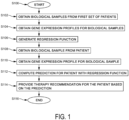
- Fig. 1 shows schematically and exemplarily a flowchart of an embodiment of a method of predicting a response of a prostate cancer subject to radiotherapy.
- the method begins at step S100.
- a biological sample is obtained from each of a first set of patients (subjects) diagnosed with prostate cancer.
- monitoring prostate cancer has been performed for these prostate cancer patients over a period of time, such as at least one year, or at least two years, or about five years, after obtaining the biological sample.
- a gene expression profile for each of two or more, for example, 2, 3, 4 or all, immune checkpoint genes selected from the group consisting of: LAG3, LGALS9, TDO2, TMIGD2, and VTCN1 is obtained for each of the biological samples obtained from the first set of patients, e.g., by performing RT-qPCR (real-time quantitative PCR) on RNA extracted from each biological sample.
- the exemplary gene expression profiles include an expression level (e.g., value) for each of the two or more immune checkpoint genes.
- a regression function for assigning a prediction of the radiotherapy response is determined based on the gene expression profiles for the two or more immune checkpoint genes, LAG3, LGALS9, TDO2, TMIGD2, and/or VTCN1, obtained for at least some of the biological samples obtained for the first set of patients and respective results obtained from the monitoring.
- the regression function is determined as specified in Eq. (1) above.
- a biological sample is obtained from a patient (subject or individual).
- the patient can be a new patient or one of the first set.
- a gene expression profile is obtained for each of the two or more, for example, 2, 3, 4 or all, immune checkpoint genes, e.g., by performing PCR on the biological sample.
- a prediction of the radiotherapy response based on the gene expression profiles for the two or more immune checkpoint genes is determined for the patient using the regression function. This will be described in more detail later in the description.
- a therapy recommendation may be provided, e.g., to the patient or his or her guardian, to a doctor, or to another healthcare worker, based on the prediction.
- the prediction may be categorized into one of a predefined set of risk groups, based on the value of the prediction.
- the prediction of the radiotherapy response may be negative or positive for the effectiveness of the radiotherapy. If the prediction is negative, the recommended therapy may comprise one or more of: (i) radiotherapy provided earlier than is the standard; (ii) radiotherapy with an increased radiation dose; (iii) an adjuvant therapy, such as androgen deprivation therapy; and iv) an alternative therapy that is not a radiation therapy.
- the method ends at S 116.
- the gene expression profiles at steps S 104 and S 110 are determined by detecting mRNA expression using two or more primers and/or probes and/or two or more sets thereof.
- steps S104 and S110 further comprise obtaining one or more clinical parameters from the first set of patients and the patient, respectively.
- the one or more clinical parameters may comprise one or more of: (i) a prostate-specific antigen (PSA) level; (ii) a pathologic Gleason score (pGS); iii) a clinical tumour stage; iv) a pathological Gleason grade group (pGGG); v) a pathological stage; vi) one or more pathological variables, for example, a status of surgical margins and/or a lymph node invasion and/or an extra-prostatic growth and/or a seminal vesicle invasion; vii) CAPRA-S; and viii) another clinical risk score.
- PSA prostate-specific antigen
- pGS pathologic Gleason score
- pGGG pathological Gleason grade group
- v pathological stage
- vi) one or more pathological variables for example, a status of surgical margins and/or a lymph no
- the regression function for assigning the prediction of the radiotherapy response that is determined in step S 106 is then further based on the one or more clinical parameters obtained from at least some of the first set of patients.
- the prediction of the radiotherapy response is then further based on the one or more clinical parameters, e.g., the pathological Gleason grade group (pGGG), obtained from the patient and is determined for the patient using the regression function.
- the pathological Gleason grade group e.g., the pathological Gleason grade group (pGGG)
- Immune checkpoint genes play a central role in the regulation of immune activity. Immune checkpoint genes may therefore provide information on the effectiveness of RT. However, which immune checkpoint genes may have predictive value in this application is extremely difficult to deduce from existing literature due to the many factors that influence the exact function of immune checkpoint genes.
- TABLES 1a and 1b Immune checkpoint related genes, expressed on T-Cells, included in analysis.
- the cell surface molecule Lymphocyte activation gene 3 (LAG3) has diverse biologic effects on T-cell function. It maintains tolerance to self and tumor antigens via direct effects on CD8+ T-cells (see Grosso J.F. et al., "LAG-3 regulates CD8+ T cell accumulation and effector function in murine self- and tumor-tolerance systems", J Clin Invest, Vol. 117, No. 11, pages 3383-3392, 2007 , but also on a multitude of other lymphocytes (see Long L. et al., "The promising immune checkpoint LAG-3: From tumor microenvironment to cancer immunotherapy", Genes Cancer, Vol. 9, No. 5-6, pages 176-189, 2018 ).
- Galectin-9 encoded by LGALS9
- Galectin-9 induces atypical ubiquitination leading to cell death in PC-3 prostate cancer cells (see Itoh A. et al., "Galectin-9 induces atypical ubiquitination leading to cell death in PC-3 prostate cancer cells", Glycobiology, Vol. 29, No. 1, pages 22-35, 2019 ).
- Another study in different cancer types also reported a suggested role for Gal-9 in suppressing metastasis (see Nobumoto A.
- IDO1 and TDO2 catalyse the production of the AhR agonist KYN.
- Activation of AhR by KYN contributes to the immunosuppressive tumour microenvironment and supports cancer immune escape (see Cheong J.E. and Sun L., “Targeting the IDO1/TDO2-KYN-AhR pathway for cancer immunotherapy - Challenges and opportunities", Trends Pharmacol Sci, Vol. 39, No. 3, pages 307-325, 2018 ).
- TDO2 expression has been found in multiple human cancers (see Pilotte L. et al., "Reversal of tumoral immune resistance by inhibition of tryptophan 2,3-dioxygenase", Proc Natl Acad Sci USA, Vol. 109, No.
- TDO2 was one of the genes identified with a higher expression in younger patients, and a role in inflammation-induced immune-suppression was suggested (see Ding Y. et al., "Gene expression differences in prostate cancers between young and old men", PLoS Genet, Vol. 12, No. 12, 2016 ).
- TMIGD2 is widely expressed on the plasma membrane of endothelial and epithelial cells and contributes to cell adhesion and migration (see Rahimi N. et al., "Identification of IGPR-1 as a novel adhesion molecule involved in angiogenesis", Molec Biol Cell, Vol. 23, No. 9, pages 1646-1656, 2012 ). It is also expressed on lymphocytes. HHLA2, which is constitutively expressed on monocytes and induced on B-cells, was identified to bind TMIGD2, and is able to inhibit proliferation and cytokine production of human CD4 and CD8 T-cells in the presence of TCR signaling.
- HHLA2/TMIGD2 was suggested as a new pathway of the B7/CD28 families representing a novel immunosuppressive mechanism within the tumor microenvironment and an attractive target for human cancer therapy (see Janakiram M. et al., "HHLA2 and TMIGD2: New immunotherapeutic targets of the B7 and CD28 families", Oncoimmunology, Vol. 4, No. 8, 2015 ).
- VTCN1 encodes a protein belonging to the B7 costimulatory protein family, which are present on the surface of antigen-presenting cells and interact with ligands bound to receptors on the surface of T-cells.
- the potential clinical significance of VTCN1 is supported by the high expression levels found in numerous tumour tissues, including prostate cancer, and correlation with adverse clinical and pathologic features (see Podojil J.R. and Miller S.D., "Potential targeting of B7-H4 for the treatment of cancer", Immunol Rev, Vol. 276, No. 1, pages 40-51, 2017 , and MacGregor H.L. and Ohashi P.S., "Molecular pathways: Evaluating the potential for B7-H4 as an immunoregulatory target", Clin Cancer Res, Vol. 23, No.
- VTCN1 may initiate dysfunction of tumour-infiltrating CD8+ T cells and may be targeted for cancer immunotherapy (see Li J. et al., "Co-inhibitory molecule B7 superfamily member 1 expressed by tumor-infiltrating myeloid cells induces dysfunction of anti-tumor CD8+ T cells", Immunity, Vol. 48, No. 4, pages 773-786, 2018 ).
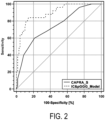
- Fig. 2 shows a ROC curve analysis of two predictive models.
- the Cox regression function of the two risk models was categorized into two sub-cohorts based on a cut-off (see description of figures below).
- the goal was to create patient classes by separating the classes with the mean risk score as calculated from the IC_model and IC&pGGG_model, respectively.
- the patient classes represent an increasing risk to experience the tested clinical endpoints of time to development of metastases ( Figs. 3 and 4 ) or time to prostate cancer specific death ( Figs. 5 and 6 ) since the start of salvage RT for the two created risk models (IC_model; IC&pGGG_model).
- Fig. 3 shows a Kaplan-Meier curve analysis of the IC_model.
- the clinical endpoint that was tested was the time to metastases (TTM) after the start of salvage radiation therapy (SRT) due to post-surgical disease recurrence.
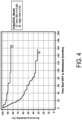
- Fig. 4 shows a Kaplan-Meier curve analysis of the IC&pGGG_model.
- the clinical endpoint that was tested was the time to metastases (TTM) after the start of salvage radiation therapy (SRT) due to post-surgical disease recurrence.
- the following supplementary lists indicate the number of patients at risk for the IC&pGGG_model classes analyzed, i.e., the patients at risk at any time interval +20 months after surgery are shown: Low risk: 78, 72, 70, 68, 62, 54, 50, 24, 3, 0; High risk: 57, 39, 33, 30, 22, 13, 13, 5, 0, 0.
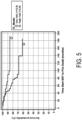
- Fig. 5 shows a Kaplan-Meier curve analysis of the IC_model.
- the clinical endpoint that was tested was the time to prostate cancer specific death (PCa Death) after the start of salvage radiation therapy (SRT) due to post-surgical disease recurrence.
- PCa Death prostate cancer specific death
- SRT salvage radiation therapy
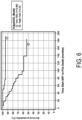
- Fig. 6 shows a Kaplan-Meier curve analysis of the IC&pGGG_model.
- the clinical endpoint that was tested was the time to prostate cancer specific death (PCa Death) after the start of salvage radiation therapy (SRT) due to post-surgical disease recurrence.
- PCa Death prostate cancer specific death
- SRT salvage radiation therapy
- the following supplementary lists indicate the number of patients at risk for the IC&pGGG_model classes analyzed, i.e., the patients at risk at any time interval +20 months after surgery are shown: Low risk: 84, 84, 78, 74, 66, 59, 52, 26, 4, 1, 0; High risk: 67, 61, 52, 40, 30, 18, 15, 9, 2, 2, 0.
- the Kaplan-Meier analysis as shown in Figs. 3 to 6 demonstrates the presence of different patient risk groups.
- the risk group of a patient is determined by the probability to suffer from the respective clinical endpoint (metastases, prostate cancer death) as calculated by the risk model IC_model or IC&pGGG _model.
- IC_model or IC&pGGG _model.
- SADT salvage androgen deprivation therapy
- Dose escalation of the applied RT and/or combination with chemotherapy might provide improved longitudinal outcomes, and can also be considered. This is definitely not the case for the patient group with a high risk to experience any of the relevant outcomes. In this patient group, escalation of intervention may be indicated.
- Options for escalation are early combination of SRT (considering higher dose regimens), SADT, and chemotherapy.
- Other options are alternative therapies like immunotherapies (e.g., Sipuleucil-T), especially since the risk is defined by expression of immune checkpoint molecules, or other experimental therapies.
- IC 2 gene regression models Variable 2.1 2.2 2.3 2.4 2.5 2.6 2.7 2.8 LAG3 0.2892 NA NA NA 0.3647 NA NA 0.3454 LGALS9 0.3237 0.3904 NA NA NA 0.2916 NA NA TDO2 NA 0.3727 0.231 NA 0.3595 NA 0.3327 NA TMIGD2 NA NA 0.466 0.5717 NA 0.5461 NA NA NA VTCN1 NA NA NA 0.1294 NA NA 0.201 0.1829 TABLE 5: Variables and weights for the 3 gene Cox regression models, i.e., the four immune checkpoint 3 gene models (IC_3.1_model to IC_3.4_model); NA - not available.
- the patient classes represent an increasing risk to experience the tested clinical endpoint of time to prostate cancer specific death since the start of salvage RT for the created risk models.
- Fig. 7 shows a Kaplan-Meier curve of the IC_2.1_model.
- the clinical endpoint that was tested was the time to prostate cancer specific death (PCa Death) after the start of salvage radiation therapy (SRT) due to post-surgical disease recurrence.
- PCa Death prostate cancer specific death
- SRT salvage radiation therapy
- the following supplementary lists indicate the number of patients at risk for the IC_2.1_model classes analyzed, i.e., the patients at risk at any time interval +20 months after surgery are shown: Low risk: 105, 92, 77, 63, 42, 22, 8, 5, 0; High risk: 80, 71, 54, 35, 18, 11, 7, 3, 0.
- Fig. 8 shows a Kaplan-Meier curve of the IC_2.2_model.
- the clinical endpoint that was tested was the time to prostate cancer specific death (PCa Death) after the start of salvage radiation therapy (SRT) due to post-surgical disease recurrence.
- PCa Death prostate cancer specific death
- SRT salvage radiation therapy
- Fig. 9 shows a Kaplan-Meier curve of the IC_2.3_model.
- the clinical endpoint that was tested was the time to prostate cancer specific death (PCa Death) after the start of salvage radiation therapy (SRT) due to post-surgical disease recurrence.
- PCa Death prostate cancer specific death
- SRT salvage radiation therapy
- Fig. 10 shows a Kaplan-Meier curve of the IC_2.4_model.
- the clinical endpoint that was tested was the time to prostate cancer specific death (PCa Death) after the start of salvage radiation therapy (SRT) due to post-surgical disease recurrence.
- PCa Death prostate cancer specific death
- SRT salvage radiation therapy
- the following supplementary lists indicate the number of patients at risk for the IC_2.4_model classes analyzed, i.e., the patients at risk at any time interval +20 months after surgery are shown: Low risk: 61, 53, 41, 33, 18, 8, 4, 2, 0; High risk: 124, 110, 90, 65, 42, 25, 11, 6, 0.
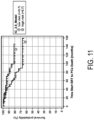
- Fig. 11 shows a Kaplan-Meier curve of the IC_2.5_model.
- the clinical endpoint that was tested was the time to prostate cancer specific death (PCa Death) after the start of salvage radiation therapy (SRT) due to post-surgical disease recurrence.
- PCa Death prostate cancer specific death
- SRT salvage radiation therapy
- the following supplementary lists indicate the number of patients at risk for the IC_2.5_model classes analyzed, i.e., the patients at risk at any time interval +20 months after surgery are shown: Low risk: 100, 90, 72, 55, 34, 17, 6, 3, 0; High risk: 85, 73, 59, 43, 26, 16, 9, 5, 0.
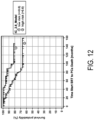
- Fig. 12 shows a Kaplan-Meier curve of the IC_2.6_model.
- the clinical endpoint that was tested was the time to prostate cancer specific death (PCa Death) after the start of salvage radiation therapy (SRT) due to post-surgical disease recurrence.
- PCa Death prostate cancer specific death
- SRT salvage radiation therapy
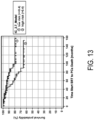
- Fig. 13 shows a Kaplan-Meier curve of the IC_2.7_model.
- the clinical endpoint that was tested was the time to prostate cancer specific death (PCa Death) after the start of salvage radiation therapy (SRT) due to post-surgical disease recurrence.
- PCa Death prostate cancer specific death
- SRT salvage radiation therapy
- Fig. 14 shows a Kaplan-Meier curve of the IC_2.8_model.
- the clinical endpoint that was tested was the time to prostate cancer specific death (PCa Death) after the start of salvage radiation therapy (SRT) due to post-surgical disease recurrence.
- PCa Death prostate cancer specific death
- SRT salvage radiation therapy
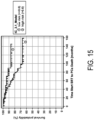
- Fig. 15 shows a Kaplan-Meier curve of the IC_3.1_model.
- the clinical endpoint that was tested was the time to prostate cancer specific death (PCa Death) after the start of salvage radiation therapy (SRT) due to post-surgical disease recurrence.
- PCa Death prostate cancer specific death
- SRT salvage radiation therapy
- the following supplementary lists indicate the number of patients at risk for the IC_3.1_model classes analyzed, i.e., the patients at risk at any time interval +20 months after surgery are shown: Low risk: 81, 73, 58, 45, 27, 13, 6, 3, 0; High risk: 104, 90, 73, 53, 33, 20, 9, 5, 0.
- Fig. 16 shows a Kaplan-Meier curve of the IC_3.2_model.
- the clinical endpoint that was tested was the time to prostate cancer specific death (PCa Death) after the start of salvage radiation therapy (SRT) due to post-surgical disease recurrence.
- PCa Death prostate cancer specific death
- SRT salvage radiation therapy
- Fig. 17 shows a Kaplan-Meier curve of the IC_3.3_model.
- the clinical endpoint that was tested was the time to prostate cancer specific death (PCa Death) after the start of salvage radiation therapy (SRT) due to post-surgical disease recurrence.
- PCa Death prostate cancer specific death
- SRT salvage radiation therapy
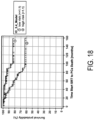
- Fig. 18 shows a Kaplan-Meier curve of the IC_3.4_model.
- the clinical endpoint that was tested was the time to prostate cancer specific death (PCa Death) after the start of salvage radiation therapy (SRT) due to post-surgical disease recurrence.
- PCa Death prostate cancer specific death
- SRT salvage radiation therapy
- Figs. 7 to 18 The Kaplan-Meier analysis as shown in Figs. 7 to 18 demonstrates that different patient risk groups can also be distinguished using risk models that are only based on a subset of the identified immune checkpoint genes, for example, two or three of the genes.
- the computer program product may comprise a non-transitory computer-readable recording medium on which a control program is recorded (stored), such as a disk, hard drive, or the like.
- a control program is recorded (stored)
- Common forms of non-transitory computer-readable media include, for example, floppy disks, flexible disks, hard disks, magnetic tape, or any other magnetic storage medium, CD-ROM, DVD, or any other optical medium, a RAM, a PROM, an EPROM, a FLASH-EPROM, or other memory chip or cartridge, or any other non-transitory medium from which a computer can read and use.
- the one or more steps of the method may be implemented in transitory media, such as a transmittable carrier wave in which the control program is embodied as a data signal using transmission media, such as acoustic or light waves, such as those generated during radio wave and infrared data communications, and the like.
- transitory media such as a transmittable carrier wave in which the control program is embodied as a data signal using transmission media, such as acoustic or light waves, such as those generated during radio wave and infrared data communications, and the like.
- the exemplary method may be implemented on one or more general purpose computers, special purpose computer(s), a programmed microprocessor or microcontroller and peripheral integrated circuit elements, an ASIC or other integrated circuit, a digital signal processor, a hardwired electronic or logic circuit such as a discrete element circuit, a programmable logic device such as a PLD, PLA, FPGA, Graphical card CPU (GPU), or PAL, or the like.
- any device capable of implementing a finite state machine that is in turn capable of implementing the flowchart shown in Fig. 1 , can be used to implement one or more steps of the method of risk stratification for therapy selection in a patient with prostate cancer is illustrated.
- the steps of the method may all be computer implemented, in some embodiments one or more of the steps may be at least partially performed manually.
- the computer program instructions may also be loaded onto a computer, other programmable data processing apparatus, or other devices to cause a series of operational steps to be performed on the computer, other programmable apparatus or other devices to produce a computer implemented process such that the instructions which execute on the computer or other programmable apparatus provide processes for implementing the functions/acts specified herein.
- the invention relates to a method of predicting a response of a prostate cancer subject to radiotherapy, comprising determining or receiving the result of a determination of a gene expression profile for each of two or more, for example, 2, 3, 4 or all, immune checkpoint genes selected from the group consisting of: LAG3, LGALS9, TDO2, TMIGD2, and VTCN1, said gene expression profiles being determined in a biological sample obtained from the subject, determining, preferably by a processor, the prediction of the radiotherapy response based on the gene expression profiles for the two or more immune checkpoint genes, and optionally, providing the prediction or a therapy recommendation based on the prediction to a medical caregiver or the subject.
- Immune checkpoint genes play a central role in the regulation of immune activity. The identified immune checkpoint genes were found to exhibit a significant correlation with outcome after RT, wherefore we expect that they will provide predictive value with regard to the effectiveness of radical RT and/or SRT.
Landscapes
- Chemical & Material Sciences (AREA)
- Life Sciences & Earth Sciences (AREA)
- Health & Medical Sciences (AREA)
- Organic Chemistry (AREA)
- Proteomics, Peptides & Aminoacids (AREA)
- Engineering & Computer Science (AREA)
- Immunology (AREA)
- Pathology (AREA)
- Analytical Chemistry (AREA)
- Zoology (AREA)
- Wood Science & Technology (AREA)
- Genetics & Genomics (AREA)
- Hospice & Palliative Care (AREA)
- Biochemistry (AREA)
- Microbiology (AREA)
- Molecular Biology (AREA)
- Biophysics (AREA)
- Physics & Mathematics (AREA)
- Oncology (AREA)
- Biotechnology (AREA)
- Bioinformatics & Cheminformatics (AREA)
- General Engineering & Computer Science (AREA)
- General Health & Medical Sciences (AREA)
- Measuring Or Testing Involving Enzymes Or Micro-Organisms (AREA)
- Apparatus Associated With Microorganisms And Enzymes (AREA)
- Medicines Containing Antibodies Or Antigens For Use As Internal Diagnostic Agents (AREA)
Claims (17)
- Ein Verfahren zur Vorhersage des Ansprechens eines Patienten mit Prostatakarzinom auf Strahlentherapie, umfassend:- Bestimmung eines Genexpressionsprofils für jedes von zwei oder mehr, z.B. 2, 3, 4 oder allen, Immuncheckpoint-Genen, ausgewählt aus der Gruppe bestehend aus: LAG3, LGALS9, TDO2, TMIGD2 und VTCN1, die besagten Genexpressionsprofile werden in einer biologischen Probe bestimmt, die vom Patienten gewonnen wird,- Bestimmung der Vorhersage der Ansprechens auf Strahlentherapie auf Grundlage der Genexpressionsprofile für die zwei oder mehr Immuncheckpoint-Gene und- wahlweise Bereitstellung der Prognose oder einer Therapieempfehlung auf Grundlage der Prognose an eine medizinische Betreuungsperson oder den Patienten.
- Ein Verfahren zur Vorhersage des Ansprechens eines Patienten mit Prostatakarzinom auf Strahlentherapie, umfassend:- Empfangen des Ergebnisses einer Bestimmung eines Genexpressionsprofils für jedes von zwei oder mehr, z.B. 2, 3, 4 oder allen, Immuncheckpoint-Genen, ausgewählt aus der Gruppe bestehend aus: LAG3, LGALS9, TDO2, TMIGD2 und VTCN1, die Genexpressionsprofile werden in einer biologischen Probe bestimmt, die vom Patienten gewonnen wird,- Bestimmung, durch einen Prozessor, der Vorhersage der Ansprechens auf Strahlentherapie auf der Grundlage der Genexpressionsprofile für die zwei oder mehr Immuncheckpoint-Gene und- wahlweise Bereitstellung der Prognose oder einer Therapieempfehlung auf der Grundlage der Prognose an eine medizinische Betreuungsperson oder den Patienten.
- Verfahren nach Anspruch 1, wobei die zwei oder mehr Immun-Checkpoint-Gene drei oder mehr, vorzugsweise alle Immun-Checkpoint-Gene umfassen.
- Verfahren nach einem der Ansprüche 1-3, wobei die Bestimmung der Vorhersage der Ansprechens auf Strahlentherapie die Kombination der Genexpressionsprofile für zwei oder mehr, z.B. 2, 3, 4 oder alle Immun-Checkpoint-Gene umfasst, mit einer Regressionsfunktion, die aus einer Population von Prostatakrebspatienten abgeleitet worden war.
- Verfahren nach einem der Ansprüche 1-4, wobei die Bestimmung der Vorhersage der Ansprechens auf Strahlentherapie weiter auf einem oder mehreren klinischen Parametern beruht, die von dem Patienten erhalten werden.
- Verfahren nach Anspruch 5, wobei die klinischen Parameter einen oder mehrere der folgenden umfassen: (i) Einen prostataspezifischen Antigen-(PSA-)Spiegel; (ii) einen pathologischen Gleason-Score (pGS); iii) ein klinisches Tumorstadium; iv) eine pathologische Gleason-Gradgruppe (pGGG); v) ein pathologisches Stadium; vi) eine oder mehrere pathologische Variablen, z.B. ein Status der chirurgischen Ränder und/oder einer Lymphknoteninvasion und/oder eines extraprostatischen Wachstums und/oder einer Samenblaseninvasion; vii) CAPRA-S und viii) ein anderer klinischer Risikoscore.
- Verfahren nach Anspruch 5 oder 6, wobei die Bestimmung der Vorhersage der Ansprechens auf Strahlentherapie die Kombination der Genexpressionsprofile für die zwei oder mehr Immun-Checkpoint-Gene umfasst und wo die ein oder mehrere klinischen Parameter, die vom Patienten erhalten wurden, mit einer Regressionsfunktion kombiniert werden, die aus einer Population von Prostatakrebspatienten abgeleitet wurde.
- Verfahren nach einem der Ansprüche 1 bis 7, wobei die biologische Probe vor Beginn der Strahlentherapie vom Patienten gewonnen wird.
- Verfahren nach einem der Ansprüche 1 bis 8, dadurch gekennzeichnet, dass die Strahlentherapie eine radikale Strahlentherapie oder eine erhaltende Strahlentherapie ist.
- Verfahren nach einem der Ansprüche 1 bis 9, wobei die Vorhersage der Ansprechens auf Strahlentherapie negativ oder positiv für die Wirksamkeit der Strahlentherapie ist, wobei eine Therapie auf der Grundlage der Vorhersage empfohlen wird und, wenn die Vorhersage negativ ist, die empfohlene Therapie eine oder mehrere der folgenden Optionen umfasst: (i) Strahlentherapie, die früher als gewöhnlich durchgeführt wird; (ii) Strahlentherapie mit einer erhöhten Strahlendosis; (iii) eine adjuvante Therapie, wie z.B. eine Androgendeprivationstherapie; und iv) eine alternative Therapie, bei der es sich nicht um eine Strahlentherapie handelt.
- Gerät zur Vorhersage des Ansprechens eines Patienten mit Prostatakarzinom auf Strahlentherapie, umfassend:- Eine Eingabe, die so angepasst ist, dass Daten empfangen werden, die auf ein Genexpressionsprofil für jedes von zwei oder mehr, z.B. 2, 3, 4 oder alle, hinweisen; Immuncheckpoint-Gene, ausgewählt aus der Gruppe bestehend aus LAG3, LGALS9, TDO2, TMIGD2 und VTCN1, die Genexpressionsprofile werden in einer biologischen Probe bestimmt, die vom Patienten gewonnen wird,- ein Prozessor, der die Vorhersage der Ansprechens auf Strahlentherapie auf Grundlage der Genexpressionsprofile für die zwei oder mehr Immuncheckpoint-Gene bestimmt, und- optional eine Bereitstellungseinheit, die auf Grundlage der Vorhersage für eine medizinische Betreuungsperson oder den Patienten die Vorhersage oder Therapieempfehlung liefert.
- Ein Computerprogrammprodukt, das Anweisungen enthält, die bei Ausführung des Programms durch einen Computer bewirken, dass der Computer ein Verfahren durchführt, das Folgendes umfasst:- Erhalten von Daten, die auf ein Genexpressionsprofil für jedes von zwei oder mehr, z.B. 2, 3, 4 oder allen, Immuncheckpoint-Genen hinweisen, ausgewählt aus der Gruppe bestehend aus: LAG3, LGALS9, TDO2, TMIGD2 und VTCN1, die Genexpressionsprofile werden in einer biologischen Probe bestimmt, die von einem Prostatakrebspatienten gewonnen wurde,- Bestimmung der Vorhersage der Ansprechens auf Strahlentherapie auf Grundlage der Genexpressionsprofile für die zwei oder mehr Immuncheckpoint-Gene und- wahlweise Bereitstellung der Prognose oder einer Therapieempfehlung auf der Grundlage der Prognose an eine medizinische Betreuungsperson oder den Patienten.
- Ein Diagnose-Kit, umfassend:- Mindestens zwei Primer und/oder Sonden zur Bestimmung des Genexpressionsprofils für jedes von zwei oder mehr, z.B. 2, 3, 4 oder alle, Immuncheckpoint-Gene, ausgewählt aus der Gruppe bestehend aus: LAG3, LGALS9, TDO2, TMIGD2 und VTCN1, in einer biologischen Probe, die vom Patienten gewonnen wurde, und- ein Gerät gemäß Anspruch 11 oder ein Computerprogrammprodukt gemäß Anspruch 12.
- Verwendung des Kits gemäß Anspruch 13.
- Verwendung des Kits gemäß Anspruch 14 in einem Verfahren zur Vorhersage des Ansprechens eines Patienten mit Prostatakarzinom auf Strahlentherapie.
- Ein Verfahren, das Folgendes umfasst:- Erhalten einer biologischen Probe von einem Prostatakrebspatienten,- Verwendung des Kits nach Anspruch 11 zur Bestimmung eines Genexpressionsprofils für jedes von zwei oder mehr, z.B. 2, 3, 4 oder allen, Immuncheckpoint-Genen, ausgewählt aus der Gruppe bestehend aus: LAG3, LGALS9, TDO2, TMIGD2 und VTCN1, in der biologischen Probe, die vom Patienten gewonnen wurde.
- Verwendung eines Genexpressionsprofils für jedes von zwei oder mehr, z.B. 2, 3, 4 oder allen, Immuncheckpoint-Genen, ausgewählt aus der Gruppe bestehend aus: LAG3, LGALS9, TDO2, TMIGD2 und VTCN1, in einem Verfahren zur Vorhersage des Ansprechens eines Patienten mit Prostatakarzinom auf Strahlentherapie, umfassend:- Bestimmung, durch einen Prozessor, der Vorhersage der Ansprechens auf Strahlentherapie auf Grundlage der Genexpressionsprofile für die zwei oder mehr Immuncheckpoint-Gene und- wahlweise Bereitstellung der Prognose oder einer Therapieempfehlung auf Grundlage der Prognose an eine medizinische Betreuungsperson oder den Patienten.
Applications Claiming Priority (3)
| Application Number | Priority Date | Filing Date | Title |
|---|---|---|---|
| EP20164809 | 2020-03-23 | ||
| EP20165097.5A EP3885454A1 (de) | 2020-03-24 | 2020-03-24 | Vorhersage der radiotherapiereaktion für prostatakrebspatient auf basis von immun-checkpoint-genen |
| PCT/EP2021/056582 WO2021190983A1 (en) | 2020-03-23 | 2021-03-16 | Prediction of radiotherapy response for prostate cancer subject based on immune checkpoint genes |
Publications (2)
| Publication Number | Publication Date |
|---|---|
| EP4127243A1 EP4127243A1 (de) | 2023-02-08 |
| EP4127243B1 true EP4127243B1 (de) | 2023-11-22 |
Family
ID=74870835
Family Applications (1)
| Application Number | Title | Priority Date | Filing Date |
|---|---|---|---|
| EP21711274.7A Active EP4127243B1 (de) | 2020-03-23 | 2021-03-16 | Vorhersage der radiotherapiereaktion für prostatakrebspatient auf basis von immun-checkpoint-genen |
Country Status (5)
| Country | Link |
|---|---|
| US (1) | US20230108284A1 (de) |
| EP (1) | EP4127243B1 (de) |
| JP (1) | JP2023518485A (de) |
| CN (1) | CN115667550A (de) |
| WO (1) | WO2021190983A1 (de) |
Citations (2)
| Publication number | Priority date | Publication date | Assignee | Title |
|---|---|---|---|---|
| CA3072061A1 (en) * | 2017-08-04 | 2019-02-07 | The Regents Of The University Of Michigan | Use of immune cell-specific gene expression for prognosis of prostate cancer and prediction of responsiveness to radiation therapy |
| US20190249258A1 (en) * | 2016-05-16 | 2019-08-15 | Dimo Dietrich | Method for assessing a prognosis and predicting the response of patients with malignant diseases to immunotherapy |
Family Cites Families (4)
| Publication number | Priority date | Publication date | Assignee | Title |
|---|---|---|---|---|
| EP3090066A4 (de) * | 2014-01-02 | 2017-08-30 | Memorial Sloan Kettering Cancer Center | Determinanten der krebsreaktion auf immuntherapie |
| GB201511546D0 (en) * | 2015-07-01 | 2015-08-12 | Immatics Biotechnologies Gmbh | Novel peptides and combination of peptides for use in immunotherapy against ovarian cancer and other cancers |
| EP3504348B1 (de) * | 2016-08-24 | 2022-12-14 | Decipher Biosciences, Inc. | Verwendung von genomischen signaturen zur vorhersage des ansprechens von patienten mit prostatakrebs auf postoperative strahlentherapie |
| CN109136371B (zh) * | 2018-07-25 | 2019-11-01 | 南京世和基因生物技术有限公司 | 一种放疗疗效和毒性反应相关基因组合、检测探针库以及检测试剂盒 |
-
2021
- 2021-03-16 EP EP21711274.7A patent/EP4127243B1/de active Active
- 2021-03-16 WO PCT/EP2021/056582 patent/WO2021190983A1/en not_active Ceased
- 2021-03-16 US US17/913,646 patent/US20230108284A1/en active Pending
- 2021-03-16 CN CN202180024009.4A patent/CN115667550A/zh active Pending
- 2021-03-16 JP JP2022557126A patent/JP2023518485A/ja active Pending
Patent Citations (2)
| Publication number | Priority date | Publication date | Assignee | Title |
|---|---|---|---|---|
| US20190249258A1 (en) * | 2016-05-16 | 2019-08-15 | Dimo Dietrich | Method for assessing a prognosis and predicting the response of patients with malignant diseases to immunotherapy |
| CA3072061A1 (en) * | 2017-08-04 | 2019-02-07 | The Regents Of The University Of Michigan | Use of immune cell-specific gene expression for prognosis of prostate cancer and prediction of responsiveness to radiation therapy |
Also Published As
| Publication number | Publication date |
|---|---|
| US20230108284A1 (en) | 2023-04-06 |
| CN115667550A (zh) | 2023-01-31 |
| JP2023518485A (ja) | 2023-05-01 |
| WO2021190983A1 (en) | 2021-09-30 |
| EP4127243A1 (de) | 2023-02-08 |
Similar Documents
| Publication | Publication Date | Title |
|---|---|---|
| US12247982B2 (en) | Markers selectively deregulated in tumor-infiltrating regulatory T cells | |
| US12152075B2 (en) | Treatment of renal cell carcinoma | |
| EP3875609A1 (de) | Vorhersage der radiotherapieantwort für prostatakrebspatient auf basis von t-zellen-rezeptorsignalisierungsgenen | |
| JP2022524216A (ja) | 持続的臨床効果のがんバイオマーカー | |
| US20230407402A1 (en) | Prediction of a response of a prostate cancer subject to therapy or personalization of therapy of a prostate cancer subject | |
| KR20240000473A (ko) | 암의 표적 치료법 | |
| JP2019529437A (ja) | 抗pd−l1抗体単独療法に対する固形腫瘍の奏効性を特徴付けるための組成物および方法 | |
| Raza et al. | Serum immune mediators as novel predictors of response to anti-PD-1/PD-L1 therapy in non-small cell lung cancer patients with high tissue-PD-L1 expression | |
| US20230313310A1 (en) | Prediction of radiotherapy response for prostate cancer subject based on interleukin genes | |
| WO2017103086A1 (en) | A method for predicting the response to checkpoint blockade cancer immunotherapy | |
| EP3885454A1 (de) | Vorhersage der radiotherapiereaktion für prostatakrebspatient auf basis von immun-checkpoint-genen | |
| EP4127243B1 (de) | Vorhersage der radiotherapiereaktion für prostatakrebspatient auf basis von immun-checkpoint-genen | |
| JP7838574B2 (ja) | 前立腺がんの放射線治療用線量の選択 | |
| JP2023518488A (ja) | ケモカイン遺伝子に基づく、前立腺がん対象者のための放射線治療応答の予測 | |
| Hassan et al. | Soluble CTLA-4 and high-risk genetic variants: A new frontier in pancreatic ductal adenocarcinoma (PDAC) biomarkers | |
| US20230105645A1 (en) | Method for improving the treatment with immune checkpoint blockade therapy | |
| Jain et al. | Role of biomarkers in assessing response to immune checkpoint inhibitors in cancer treatment | |
| Jin et al. | AHR Activation Drives Cancer Cell-Intrinsic MHC-II expression in Human Melanoma | |
| Dou et al. | Construction of a Novel T Cell Subtype with Immunotherapeutic Value in Bladder Cancer and a Neural Network-Based Prognostic Model |
Legal Events
| Date | Code | Title | Description |
|---|---|---|---|
| STAA | Information on the status of an ep patent application or granted ep patent |
Free format text: STATUS: UNKNOWN |
|
| STAA | Information on the status of an ep patent application or granted ep patent |
Free format text: STATUS: THE INTERNATIONAL PUBLICATION HAS BEEN MADE |
|
| PUAI | Public reference made under article 153(3) epc to a published international application that has entered the european phase |
Free format text: ORIGINAL CODE: 0009012 |
|
| STAA | Information on the status of an ep patent application or granted ep patent |
Free format text: STATUS: REQUEST FOR EXAMINATION WAS MADE |
|
| 17P | Request for examination filed |
Effective date: 20221024 |
|
| AK | Designated contracting states |
Kind code of ref document: A1 Designated state(s): AL AT BE BG CH CY CZ DE DK EE ES FI FR GB GR HR HU IE IS IT LI LT LU LV MC MK MT NL NO PL PT RO RS SE SI SK SM TR |
|
| GRAP | Despatch of communication of intention to grant a patent |
Free format text: ORIGINAL CODE: EPIDOSNIGR1 |
|
| STAA | Information on the status of an ep patent application or granted ep patent |
Free format text: STATUS: GRANT OF PATENT IS INTENDED |
|
| DAV | Request for validation of the european patent (deleted) | ||
| DAX | Request for extension of the european patent (deleted) | ||
| INTG | Intention to grant announced |
Effective date: 20230626 |
|
| GRAS | Grant fee paid |
Free format text: ORIGINAL CODE: EPIDOSNIGR3 |
|
| GRAA | (expected) grant |
Free format text: ORIGINAL CODE: 0009210 |
|
| STAA | Information on the status of an ep patent application or granted ep patent |
Free format text: STATUS: THE PATENT HAS BEEN GRANTED |
|
| AK | Designated contracting states |
Kind code of ref document: B1 Designated state(s): AL AT BE BG CH CY CZ DE DK EE ES FI FR GB GR HR HU IE IS IT LI LT LU LV MC MK MT NL NO PL PT RO RS SE SI SK SM TR |
|
| REG | Reference to a national code |
Ref country code: GB Ref legal event code: FG4D |
|
| REG | Reference to a national code |
Ref country code: CH Ref legal event code: EP |
|
| REG | Reference to a national code |
Ref country code: DE Ref legal event code: R096 Ref document number: 602021007086 Country of ref document: DE |
|
| REG | Reference to a national code |
Ref country code: IE Ref legal event code: FG4D |
|
| REG | Reference to a national code |
Ref country code: LT Ref legal event code: MG9D |
|
| REG | Reference to a national code |
Ref country code: NL Ref legal event code: MP Effective date: 20231122 |
|
| PG25 | Lapsed in a contracting state [announced via postgrant information from national office to epo] |
Ref country code: GR Free format text: LAPSE BECAUSE OF FAILURE TO SUBMIT A TRANSLATION OF THE DESCRIPTION OR TO PAY THE FEE WITHIN THE PRESCRIBED TIME-LIMIT Effective date: 20240223 |
|
| PG25 | Lapsed in a contracting state [announced via postgrant information from national office to epo] |
Ref country code: IS Free format text: LAPSE BECAUSE OF FAILURE TO SUBMIT A TRANSLATION OF THE DESCRIPTION OR TO PAY THE FEE WITHIN THE PRESCRIBED TIME-LIMIT Effective date: 20240322 |
|
| PG25 | Lapsed in a contracting state [announced via postgrant information from national office to epo] |
Ref country code: LT Free format text: LAPSE BECAUSE OF FAILURE TO SUBMIT A TRANSLATION OF THE DESCRIPTION OR TO PAY THE FEE WITHIN THE PRESCRIBED TIME-LIMIT Effective date: 20231122 |
|
| REG | Reference to a national code |
Ref country code: AT Ref legal event code: MK05 Ref document number: 1633900 Country of ref document: AT Kind code of ref document: T Effective date: 20231122 |
|
| PG25 | Lapsed in a contracting state [announced via postgrant information from national office to epo] |
Ref country code: NL Free format text: LAPSE BECAUSE OF FAILURE TO SUBMIT A TRANSLATION OF THE DESCRIPTION OR TO PAY THE FEE WITHIN THE PRESCRIBED TIME-LIMIT Effective date: 20231122 |
|
| PG25 | Lapsed in a contracting state [announced via postgrant information from national office to epo] |
Ref country code: AT Free format text: LAPSE BECAUSE OF FAILURE TO SUBMIT A TRANSLATION OF THE DESCRIPTION OR TO PAY THE FEE WITHIN THE PRESCRIBED TIME-LIMIT Effective date: 20231122 |
|
| PG25 | Lapsed in a contracting state [announced via postgrant information from national office to epo] |
Ref country code: ES Free format text: LAPSE BECAUSE OF FAILURE TO SUBMIT A TRANSLATION OF THE DESCRIPTION OR TO PAY THE FEE WITHIN THE PRESCRIBED TIME-LIMIT Effective date: 20231122 |
|
| PG25 | Lapsed in a contracting state [announced via postgrant information from national office to epo] |
Ref country code: NL Free format text: LAPSE BECAUSE OF FAILURE TO SUBMIT A TRANSLATION OF THE DESCRIPTION OR TO PAY THE FEE WITHIN THE PRESCRIBED TIME-LIMIT Effective date: 20231122 Ref country code: LT Free format text: LAPSE BECAUSE OF FAILURE TO SUBMIT A TRANSLATION OF THE DESCRIPTION OR TO PAY THE FEE WITHIN THE PRESCRIBED TIME-LIMIT Effective date: 20231122 Ref country code: IS Free format text: LAPSE BECAUSE OF FAILURE TO SUBMIT A TRANSLATION OF THE DESCRIPTION OR TO PAY THE FEE WITHIN THE PRESCRIBED TIME-LIMIT Effective date: 20240322 Ref country code: GR Free format text: LAPSE BECAUSE OF FAILURE TO SUBMIT A TRANSLATION OF THE DESCRIPTION OR TO PAY THE FEE WITHIN THE PRESCRIBED TIME-LIMIT Effective date: 20240223 Ref country code: ES Free format text: LAPSE BECAUSE OF FAILURE TO SUBMIT A TRANSLATION OF THE DESCRIPTION OR TO PAY THE FEE WITHIN THE PRESCRIBED TIME-LIMIT Effective date: 20231122 Ref country code: BG Free format text: LAPSE BECAUSE OF FAILURE TO SUBMIT A TRANSLATION OF THE DESCRIPTION OR TO PAY THE FEE WITHIN THE PRESCRIBED TIME-LIMIT Effective date: 20240222 Ref country code: AT Free format text: LAPSE BECAUSE OF FAILURE TO SUBMIT A TRANSLATION OF THE DESCRIPTION OR TO PAY THE FEE WITHIN THE PRESCRIBED TIME-LIMIT Effective date: 20231122 Ref country code: PT Free format text: LAPSE BECAUSE OF FAILURE TO SUBMIT A TRANSLATION OF THE DESCRIPTION OR TO PAY THE FEE WITHIN THE PRESCRIBED TIME-LIMIT Effective date: 20240322 |
|
| PG25 | Lapsed in a contracting state [announced via postgrant information from national office to epo] |
Ref country code: SE Free format text: LAPSE BECAUSE OF FAILURE TO SUBMIT A TRANSLATION OF THE DESCRIPTION OR TO PAY THE FEE WITHIN THE PRESCRIBED TIME-LIMIT Effective date: 20231122 Ref country code: RS Free format text: LAPSE BECAUSE OF FAILURE TO SUBMIT A TRANSLATION OF THE DESCRIPTION OR TO PAY THE FEE WITHIN THE PRESCRIBED TIME-LIMIT Effective date: 20231122 Ref country code: PL Free format text: LAPSE BECAUSE OF FAILURE TO SUBMIT A TRANSLATION OF THE DESCRIPTION OR TO PAY THE FEE WITHIN THE PRESCRIBED TIME-LIMIT Effective date: 20231122 Ref country code: NO Free format text: LAPSE BECAUSE OF FAILURE TO SUBMIT A TRANSLATION OF THE DESCRIPTION OR TO PAY THE FEE WITHIN THE PRESCRIBED TIME-LIMIT Effective date: 20240222 Ref country code: LV Free format text: LAPSE BECAUSE OF FAILURE TO SUBMIT A TRANSLATION OF THE DESCRIPTION OR TO PAY THE FEE WITHIN THE PRESCRIBED TIME-LIMIT Effective date: 20231122 Ref country code: HR Free format text: LAPSE BECAUSE OF FAILURE TO SUBMIT A TRANSLATION OF THE DESCRIPTION OR TO PAY THE FEE WITHIN THE PRESCRIBED TIME-LIMIT Effective date: 20231122 |
|
| PG25 | Lapsed in a contracting state [announced via postgrant information from national office to epo] |
Ref country code: DK Free format text: LAPSE BECAUSE OF FAILURE TO SUBMIT A TRANSLATION OF THE DESCRIPTION OR TO PAY THE FEE WITHIN THE PRESCRIBED TIME-LIMIT Effective date: 20231122 |
|
| PG25 | Lapsed in a contracting state [announced via postgrant information from national office to epo] |
Ref country code: CZ Free format text: LAPSE BECAUSE OF FAILURE TO SUBMIT A TRANSLATION OF THE DESCRIPTION OR TO PAY THE FEE WITHIN THE PRESCRIBED TIME-LIMIT Effective date: 20231122 |
|
| PG25 | Lapsed in a contracting state [announced via postgrant information from national office to epo] |
Ref country code: SK Free format text: LAPSE BECAUSE OF FAILURE TO SUBMIT A TRANSLATION OF THE DESCRIPTION OR TO PAY THE FEE WITHIN THE PRESCRIBED TIME-LIMIT Effective date: 20231122 |
|
| PG25 | Lapsed in a contracting state [announced via postgrant information from national office to epo] |
Ref country code: SM Free format text: LAPSE BECAUSE OF FAILURE TO SUBMIT A TRANSLATION OF THE DESCRIPTION OR TO PAY THE FEE WITHIN THE PRESCRIBED TIME-LIMIT Effective date: 20231122 Ref country code: SK Free format text: LAPSE BECAUSE OF FAILURE TO SUBMIT A TRANSLATION OF THE DESCRIPTION OR TO PAY THE FEE WITHIN THE PRESCRIBED TIME-LIMIT Effective date: 20231122 Ref country code: RO Free format text: LAPSE BECAUSE OF FAILURE TO SUBMIT A TRANSLATION OF THE DESCRIPTION OR TO PAY THE FEE WITHIN THE PRESCRIBED TIME-LIMIT Effective date: 20231122 Ref country code: IT Free format text: LAPSE BECAUSE OF FAILURE TO SUBMIT A TRANSLATION OF THE DESCRIPTION OR TO PAY THE FEE WITHIN THE PRESCRIBED TIME-LIMIT Effective date: 20231122 Ref country code: EE Free format text: LAPSE BECAUSE OF FAILURE TO SUBMIT A TRANSLATION OF THE DESCRIPTION OR TO PAY THE FEE WITHIN THE PRESCRIBED TIME-LIMIT Effective date: 20231122 Ref country code: DK Free format text: LAPSE BECAUSE OF FAILURE TO SUBMIT A TRANSLATION OF THE DESCRIPTION OR TO PAY THE FEE WITHIN THE PRESCRIBED TIME-LIMIT Effective date: 20231122 Ref country code: CZ Free format text: LAPSE BECAUSE OF FAILURE TO SUBMIT A TRANSLATION OF THE DESCRIPTION OR TO PAY THE FEE WITHIN THE PRESCRIBED TIME-LIMIT Effective date: 20231122 |
|
| REG | Reference to a national code |
Ref country code: DE Ref legal event code: R097 Ref document number: 602021007086 Country of ref document: DE |
|
| PLBE | No opposition filed within time limit |
Free format text: ORIGINAL CODE: 0009261 |
|
| STAA | Information on the status of an ep patent application or granted ep patent |
Free format text: STATUS: NO OPPOSITION FILED WITHIN TIME LIMIT |
|
| PG25 | Lapsed in a contracting state [announced via postgrant information from national office to epo] |
Ref country code: SI Free format text: LAPSE BECAUSE OF FAILURE TO SUBMIT A TRANSLATION OF THE DESCRIPTION OR TO PAY THE FEE WITHIN THE PRESCRIBED TIME-LIMIT Effective date: 20231122 |
|
| 26N | No opposition filed |
Effective date: 20240823 |
|
| PG25 | Lapsed in a contracting state [announced via postgrant information from national office to epo] |
Ref country code: SI Free format text: LAPSE BECAUSE OF FAILURE TO SUBMIT A TRANSLATION OF THE DESCRIPTION OR TO PAY THE FEE WITHIN THE PRESCRIBED TIME-LIMIT Effective date: 20231122 |
|
| REG | Reference to a national code |
Ref country code: CH Ref legal event code: PL |
|
| PG25 | Lapsed in a contracting state [announced via postgrant information from national office to epo] |
Ref country code: LU Free format text: LAPSE BECAUSE OF NON-PAYMENT OF DUE FEES Effective date: 20240316 |
|
| PG25 | Lapsed in a contracting state [announced via postgrant information from national office to epo] |
Ref country code: MC Free format text: LAPSE BECAUSE OF FAILURE TO SUBMIT A TRANSLATION OF THE DESCRIPTION OR TO PAY THE FEE WITHIN THE PRESCRIBED TIME-LIMIT Effective date: 20231122 |
|
| PG25 | Lapsed in a contracting state [announced via postgrant information from national office to epo] |
Ref country code: MC Free format text: LAPSE BECAUSE OF FAILURE TO SUBMIT A TRANSLATION OF THE DESCRIPTION OR TO PAY THE FEE WITHIN THE PRESCRIBED TIME-LIMIT Effective date: 20231122 Ref country code: LU Free format text: LAPSE BECAUSE OF NON-PAYMENT OF DUE FEES Effective date: 20240316 |
|
| REG | Reference to a national code |
Ref country code: BE Ref legal event code: MM Effective date: 20240331 |
|
| PG25 | Lapsed in a contracting state [announced via postgrant information from national office to epo] |
Ref country code: BE Free format text: LAPSE BECAUSE OF NON-PAYMENT OF DUE FEES Effective date: 20240331 |
|
| PG25 | Lapsed in a contracting state [announced via postgrant information from national office to epo] |
Ref country code: IE Free format text: LAPSE BECAUSE OF NON-PAYMENT OF DUE FEES Effective date: 20240316 |
|
| PG25 | Lapsed in a contracting state [announced via postgrant information from national office to epo] |
Ref country code: IE Free format text: LAPSE BECAUSE OF NON-PAYMENT OF DUE FEES Effective date: 20240316 Ref country code: BE Free format text: LAPSE BECAUSE OF NON-PAYMENT OF DUE FEES Effective date: 20240331 Ref country code: CH Free format text: LAPSE BECAUSE OF NON-PAYMENT OF DUE FEES Effective date: 20240331 |
|
| PGFP | Annual fee paid to national office [announced via postgrant information from national office to epo] |
Ref country code: DE Payment date: 20250327 Year of fee payment: 5 |
|
| PGFP | Annual fee paid to national office [announced via postgrant information from national office to epo] |
Ref country code: FR Payment date: 20250324 Year of fee payment: 5 |
|
| PGFP | Annual fee paid to national office [announced via postgrant information from national office to epo] |
Ref country code: GB Payment date: 20250325 Year of fee payment: 5 |
|
| PG25 | Lapsed in a contracting state [announced via postgrant information from national office to epo] |
Ref country code: CY Free format text: LAPSE BECAUSE OF FAILURE TO SUBMIT A TRANSLATION OF THE DESCRIPTION OR TO PAY THE FEE WITHIN THE PRESCRIBED TIME-LIMIT; INVALID AB INITIO Effective date: 20210316 |
|
| PG25 | Lapsed in a contracting state [announced via postgrant information from national office to epo] |
Ref country code: HU Free format text: LAPSE BECAUSE OF FAILURE TO SUBMIT A TRANSLATION OF THE DESCRIPTION OR TO PAY THE FEE WITHIN THE PRESCRIBED TIME-LIMIT; INVALID AB INITIO Effective date: 20210316 |
|
| PG25 | Lapsed in a contracting state [announced via postgrant information from national office to epo] |
Ref country code: FI Free format text: LAPSE BECAUSE OF FAILURE TO SUBMIT A TRANSLATION OF THE DESCRIPTION OR TO PAY THE FEE WITHIN THE PRESCRIBED TIME-LIMIT Effective date: 20231122 |
|
| PG25 | Lapsed in a contracting state [announced via postgrant information from national office to epo] |
Ref country code: TR Free format text: LAPSE BECAUSE OF FAILURE TO SUBMIT A TRANSLATION OF THE DESCRIPTION OR TO PAY THE FEE WITHIN THE PRESCRIBED TIME-LIMIT Effective date: 20231122 |