EP4112723B1 - Anti-kpc type carbapenemase hybridoma cell line, monoclonal antibody and application thereof - Google Patents
Anti-kpc type carbapenemase hybridoma cell line, monoclonal antibody and application thereof Download PDFInfo
- Publication number
- EP4112723B1 EP4112723B1 EP21870568.9A EP21870568A EP4112723B1 EP 4112723 B1 EP4112723 B1 EP 4112723B1 EP 21870568 A EP21870568 A EP 21870568A EP 4112723 B1 EP4112723 B1 EP 4112723B1
- Authority
- EP
- European Patent Office
- Prior art keywords
- seq
- antibody
- variable region
- chain variable
- kpc
- Prior art date
- Legal status (The legal status is an assumption and is not a legal conclusion. Google has not performed a legal analysis and makes no representation as to the accuracy of the status listed.)
- Active
Links
Images

Classifications
-
- C—CHEMISTRY; METALLURGY
- C07—ORGANIC CHEMISTRY
- C07K—PEPTIDES
- C07K16/00—Immunoglobulins [IG], e.g. monoclonal or polyclonal antibodies
- C07K16/12—Immunoglobulins [IG], e.g. monoclonal or polyclonal antibodies against material from bacteria
- C07K16/1203—Gram-negative bacteria
- C07K16/1228—Enterobacterales (O), e.g. Citrobacter (G), Serratia (G), Proteus (G), Providencia (G), Morganella (G) or Yersinia (G)
-
- C—CHEMISTRY; METALLURGY
- C07—ORGANIC CHEMISTRY
- C07K—PEPTIDES
- C07K16/00—Immunoglobulins [IG], e.g. monoclonal or polyclonal antibodies
- C07K16/40—Immunoglobulins [IG], e.g. monoclonal or polyclonal antibodies against enzymes
-
- G—PHYSICS
- G01—MEASURING; TESTING
- G01N—INVESTIGATING OR ANALYSING MATERIALS BY DETERMINING THEIR CHEMICAL OR PHYSICAL PROPERTIES
- G01N33/00—Investigating or analysing materials by specific methods not covered by groups G01N1/00 - G01N31/00
- G01N33/48—Biological material, e.g. blood, urine; Haemocytometers
- G01N33/50—Chemical analysis of biological material, e.g. blood, urine; Testing involving biospecific ligand binding methods; Immunological testing
- G01N33/53—Immunoassay; Biospecific binding assay; Materials therefor
- G01N33/573—Immunoassay; Biospecific binding assay; Materials therefor for enzymes or isoenzymes
-
- G—PHYSICS
- G01—MEASURING; TESTING
- G01N—INVESTIGATING OR ANALYSING MATERIALS BY DETERMINING THEIR CHEMICAL OR PHYSICAL PROPERTIES
- G01N33/00—Investigating or analysing materials by specific methods not covered by groups G01N1/00 - G01N31/00
- G01N33/48—Biological material, e.g. blood, urine; Haemocytometers
- G01N33/50—Chemical analysis of biological material, e.g. blood, urine; Testing involving biospecific ligand binding methods; Immunological testing
- G01N33/53—Immunoassay; Biospecific binding assay; Materials therefor
- G01N33/577—Immunoassay; Biospecific binding assay; Materials therefor involving monoclonal antibodies binding reaction mechanisms characterised by the use of monoclonal antibodies
-
- C—CHEMISTRY; METALLURGY
- C07—ORGANIC CHEMISTRY
- C07K—PEPTIDES
- C07K2317/00—Immunoglobulins specific features
- C07K2317/50—Immunoglobulins specific features characterized by immunoglobulin fragments
- C07K2317/56—Immunoglobulins specific features characterized by immunoglobulin fragments variable (Fv) region, i.e. VH and/or VL
-
- C—CHEMISTRY; METALLURGY
- C07—ORGANIC CHEMISTRY
- C07K—PEPTIDES
- C07K2317/00—Immunoglobulins specific features
- C07K2317/50—Immunoglobulins specific features characterized by immunoglobulin fragments
- C07K2317/56—Immunoglobulins specific features characterized by immunoglobulin fragments variable (Fv) region, i.e. VH and/or VL
- C07K2317/565—Complementarity determining region [CDR]
-
- G—PHYSICS
- G01—MEASURING; TESTING
- G01N—INVESTIGATING OR ANALYSING MATERIALS BY DETERMINING THEIR CHEMICAL OR PHYSICAL PROPERTIES
- G01N2333/00—Assays involving biological materials from specific organisms or of a specific nature
- G01N2333/90—Enzymes; Proenzymes
- G01N2333/914—Hydrolases (3)
- G01N2333/978—Hydrolases (3) acting on carbon to nitrogen bonds other than peptide bonds (3.5)
- G01N2333/986—Hydrolases (3) acting on carbon to nitrogen bonds other than peptide bonds (3.5) acting on amide bonds in cyclic amides (3.5.2), e.g. beta-lactamase (penicillinase, 3.5.2.6), creatinine amidohydrolase (creatininase, EC 3.5.2.10), N-methylhydantoinase (3.5.2.6)
-
- G—PHYSICS
- G01—MEASURING; TESTING
- G01N—INVESTIGATING OR ANALYSING MATERIALS BY DETERMINING THEIR CHEMICAL OR PHYSICAL PROPERTIES
- G01N2800/00—Detection or diagnosis of diseases
- G01N2800/26—Infectious diseases, e.g. generalised sepsis
Definitions
- Carbapenems are one of the most effective drugs for controlling clinical pathogen infections.
- CPOs Carbapenemase-producing organisms
- CRE carbapenem-resistant Enterobacteriaceae
- Enterobacteriaceae bacteria are important pathogens causing nosocomial infection and community-acquired infection.
- cephalosporins due to the wide application of cephalosporins, a proportion of strains producing extended spectrum beta-lactamases (ESBLs) and AmpC enzymes in Enterobacteriaceae has been on the rise significantly, and carbapenem antibacterial drugs are the drugs of choice for treating infections of such strains.
- EP 3 230 741 A1 discloses mAbs binding KPC-carbapenemase and their use for detecting carbapenemase.
- WO 2013/112696 A1 discloses pharmaceutical compositions having anti-serine carbapenemase antibodies having antibacterial anti-KPC activity which are capable of killing KPC-expressing strains. It does not disclose any information about the capability of the antibody to detect the antigen nor about the lower limit of detection of the presence of the antigen by using the antibody
- the present disclosure provides an anti-KPC-type carbapenemase hybridoma cell line, and a mAb and use thereof.
- the light chain variable region has an amino acid sequence shown in SEQ ID NO: 7
- the heavy chain variable region may have an amino acid sequence shown in SEQ ID NO: 9
- a nucleic acid including nucleotides encoding the anti-KPC-type carbapenemase antibody described above.
- the present disclosure also relates to a KPC-type carbapenemase-resistant hybridoma cell line named HD6.
- the KPC-type carbapenemase-resistant hybridoma cell line capable of stably secreting an anti-KPC-type carbapenemase antibody and a variable region sequence thereof provided by the present disclosure are obtained through mouse hybridoma mAb screening and reverse transcription-polymerase chain reaction (RT-PCR) to clone an Ig variable region gene, and the binding specificity of the antibody is identified by ELISA.
- RT-PCR reverse transcription-polymerase chain reaction
- the light chain variable region may have an amino acid sequence shown in SEQ ID NO: 7
- the heavy chain variable region may have an amino acid sequence shown in SEQ ID NO: 9;
- An antibody 1HD6 produced by the KPC-type carbapenemase-resistant hybridoma cell line includes a light chain variable region and a heavy chain variable region, where the light chain variable region includes CDR1 shown in SEQ ID NO: 11, CDR2 shown in SEQ ID NO: 12, and CDR3 shown in SEQ ID NO: 13; and
- the anti-KPC-type carbapenemase antibodies produced by the hybridoma cell line 1HG11 and the hybridoma cell line 1HD6 can be used to detect a KPC-type carbapenemase antigen.
- the anti-KPC-type carbapenemase mAb shows prominent performance in all aspects, and thus is suitable as an immunodiagnostic reagent for the preparation of an in vitro diagnostic kit, and the in vitro diagnostic kit may be a colloidal gold immunoassay kit, a chemiluminescence kit, a radioimmunoassay kit, an ELISA kit, or a fluoroimmunoassay kit.
- the anti-KPC-type carbapenemase antibody can be made into a microfluidic chip for detecting a KPC-type carbapenemase antigen.
- a KPC-type carbapenemase antigen first needs to be extracted to obtain a high-purity antigen, the antigen is used to stimulate an excellent immune response in mice, and then the hybridoma technique is used to screen an antibody with high affinity and specificity for the development of related in vitro diagnostic reagents.
- the two antibodies involved in this solution are especially suitable for preparing an immune colloidal gold test strip of a double-antibody sandwich method, where the antibody 1HG11 is used as a coating antibody and the antibody 1HD6 is used as a gold-labeled antibody.
- the prepared immune colloidal gold test strip of a double-antibody sandwich method is more sensitive.
- the antibody 1HG11 can be used as a gold-labeled antibody
- the antibody 1HD6 can be used as a coating antibody.
- the present disclosure is further described below through specific examples. Experimental methods for which operation steps are not specified are all conducted in accordance with the corresponding product instructions. The instruments, reagents, and consumables used in the examples can be purchased from commercial companies unless otherwise specified.
- a KPC-type gene sequence was searched and downloaded from National Center for Biotechnology Information (NCBI), subjected to gene synthesis, and ligated to a pet-28a vector, and then the vector plasmid pet-28a-KPC carrying the target gene was transformed into an expression host Rosseta (DE3).
- the host was cultivated until an OD value of a bacterial solution was of 0.4 to 0.6, then isopropylthio- ⁇ -galactoside (IPTG) was added at a final concentration of 1 mM for induction, and the host was further cultivated at 37°C for 3 hours.
- Resulting bacterial cells were collected by centrifugation, then resuspended by adding 30 mL of phosphate buffered saline (PBS) to every about 1 g of the bacterial cells, and then subjected to ultrasonication at a power of 400 W for about 30 min (ultrasonic time: 3 s, interval: 5 s); and after a bacterial solution was non-viscous and clear, the bacterial solution was centrifuged to remove bacterial debris, and a resulting supernatant was filtered through a 0.45 ⁇ m filter membrane and loaded on a nickel column packed and equilibrated with an equilibration buffer in advance.
- PBS phosphate buffered saline
- mice For an initial immunization, an appropriate amount of the KPC-type carbapenemase was taken and diluted with distilled water to 300 ⁇ L, then 300 ⁇ L of complete Freund's adjuvant (CFA) was added for thorough emulsification, and a resulting emulsion was subcutaneously injected into the mice (multi-point injection); two weeks later, the mice were subjected to a secondary immunization by intraperitoneal injection at the same dosage; two weeks later, the mice were subjected to an additional immunization by intraperitoneal injection; 7 days later, blood was collected from the tail of mice, and a serum titer of the mice was determined by ELISA.
- CFA complete Freund's adjuvant
Landscapes
- Health & Medical Sciences (AREA)
- Chemical & Material Sciences (AREA)
- Life Sciences & Earth Sciences (AREA)
- Immunology (AREA)
- Molecular Biology (AREA)
- Engineering & Computer Science (AREA)
- Urology & Nephrology (AREA)
- General Health & Medical Sciences (AREA)
- Hematology (AREA)
- Medicinal Chemistry (AREA)
- Biomedical Technology (AREA)
- Biochemistry (AREA)
- Organic Chemistry (AREA)
- Biotechnology (AREA)
- Physics & Mathematics (AREA)
- Cell Biology (AREA)
- Genetics & Genomics (AREA)
- Microbiology (AREA)
- Biophysics (AREA)
- Food Science & Technology (AREA)
- Proteomics, Peptides & Aminoacids (AREA)
- Analytical Chemistry (AREA)
- General Physics & Mathematics (AREA)
- Pathology (AREA)
- Chemical Kinetics & Catalysis (AREA)
- Peptides Or Proteins (AREA)
- Preparation Of Compounds By Using Micro-Organisms (AREA)
- Micro-Organisms Or Cultivation Processes Thereof (AREA)
Description
- The present disclosure belongs to the technical field of antibody preparation, and in particular to a KPC-type carbapenemase-resistant hybridoma cell line, and a monoclonal antibody (mAb) and use thereof.
- Carbapenems are one of the most effective drugs for controlling clinical pathogen infections. Carbapenemase-producing organisms (CPOs) and carbapenem-resistant Enterobacteriaceae (CRE) have become a global public health issue due to their broad-spectrum drug resistance, and related patients have very limited treatment options. Enterobacteriaceae bacteria are important pathogens causing nosocomial infection and community-acquired infection. In recent years, due to the wide application of cephalosporins, a proportion of strains producing extended spectrum beta-lactamases (ESBLs) and AmpC enzymes in Enterobacteriaceae has been on the rise significantly, and carbapenem antibacterial drugs are the drugs of choice for treating infections of such strains. However, with the large-scale clinical use of imipenem and meropenem, the number of CRE is also increasing year by year. Clinical studies have shown that CRE strains are resistant to a variety of antibacterial drugs, and thus the choice of clinical treatment drugs is obviously limited. In addition, infected patients are often accompanied by concurrent diseases, which brings great difficulties to clinical infection control and treatment.
- There are numerous methods for laboratory detection of carbapenemases. The methods mainly include modified Hodge test, Carba NP test, modified carbapenem inactivation method (mCIM), enzyme inhibitor enhancement test, immunogold labeling test, molecular biotechnology, and the like. The research and development of products for the rapid diagnosis of carbapenemase with independent intellectual property rights is of great significance for early typing of drug-resistant strains, guidance of drug use, and improvement of the medical and health level in China.
Boutal Herve et al., discloses a multiplex lateral flow immunoassay for the rapid identification of NDM-, KPC-, IMP- and VIM- type and OXA-48 like carbapenamase-producing Enterobacteriaceae. Its aim is to detect the presence of the 4 carbapenamase families with a sensitivity of 100% without any false negatives. However, it does not focus on the limit of detection of the presence of the carbapenamase and the minimum titer that can be detected. discloses mAbs binding KPC-carbapenemase and their use for detecting carbapenemase (BOUTAL HERVE; ET AL: "A multiplex lateral flow immunoassay for the rapid identification of NDM-, KPC-, IMP- and VIM-type and OXA-48-like carbapenemase-producing Enterobacteriaceae", JOURNAL OF ANTIMICROBIAL CHEMOTHERAPY, vol. 73, no. 4, 22 January 2018, pages 909-915).EP 3 230 741 A1 discloses mAbs binding KPC-carbapenemase and their use for detecting carbapenemase.WO 2013/112696 A1 discloses pharmaceutical compositions having anti-serine carbapenemase antibodies having antibacterial anti-KPC activity which are capable of killing KPC-expressing strains. It does not disclose any information about the capability of the antibody to detect the antigen nor about the lower limit of detection of the presence of the antigen by using the antibody - In order to solve the above technical problems, the present disclosure provides an anti-KPC-type carbapenemase hybridoma cell line, and a mAb and use thereof.
- The present disclosure adopts the following technical solutions:
- An anti-KPC-type carbapenemase antibody is provided, where the anti-KPC-type carbapenemase antibody is: an antibody 1HG11 including a light chain variable region and a heavy chain variable region, where the light chain variable region includes complementary-determining region 1 (CDR1) shown in SEQ ID NO: 1, CDR2 shown in SEQ ID NO: 2, and CDR3 shown in SEQ ID NO: 3; and the heavy chain variable region includes CDR1 shown in SEQ ID NO: 4, CDR2 shown in SEQ ID NO: 5, and CDR3 shown in SEQ ID NO: 6;
- SEQ ID NO: 1
KASQNVRSAVA (CDRL1) - SEQ ID NO: 2
LASNRHT (CDRL2) - SEQ ID NO: 3
LQHWNYPYT (CDRL3) - SEQ ID NO: 4
GFNIKDYYMH (CDRH1) - SEQ ID NO: 5
WIDPEHGDTEYAPKFQG (CDRH2) - SEQ ID NO: 6
YGNFWYFNV (CDRH3)
- SEQ ID NO: 1
- an antibody 1HD6 including a light chain variable region and a heavy chain variable region, wherein the light chain variable region includes CDR1 shown in SEQ ID NO: 11, CDR2 shown in SEQ ID NO: 12, and CDR3 shown in SEQ ID NO: 13; and the heavy chain variable region includes CDR1 shown in SEQ ID NO: 14, CDR2 shown in SEQ ID NO: 15, and CDR3 shown in SEQ ID NO: 16.
- SEQ ID NO: 11
SASSSVSYMY (CDRL1) - SEQ ID NO: 12
DTSKLAS (CDRL2) - SEQ ID NO: 13
QQWSTNPYT (CDRL3) - SEQ ID NO: 14
GYTFIDFEMH (CDRH1) - SEQ ID NO: 15
AIHPGRGGSAYNPKFKG (CDRH2) - SEQ ID NO: 16
SDYGSSFAY (CDRH3)
- SEQ ID NO: 11
- In the antibody 1HG11, the light chain variable region has an amino acid sequence shown in SEQ ID NO: 7, and the heavy chain variable region may have an amino acid sequence shown in SEQ ID NO: 9,
- SEQ ID NO: 7

- SEQ ID NO: 9
or,

in the antibody 1HD6, the light chain variable region may have an amino acid sequence shown in SEQ ID NO: 17, and the heavy chain variable region may have an amino acid sequence shown in SEQ ID NO: 19,- SEQ ID NO: 17

- SEQ ID NO: 19

- SEQ ID NO: 17
- A nucleic acid is provided, including nucleotides encoding the anti-KPC-type carbapenemase antibody described above.
- Preferably, a nucleotide sequence of the nucleic acid for encoding the light chain variable region of the antibody 1HG11 may be shown in SEQ ID NO: 8, and a nucleotide sequence of the nucleic acid for encoding the heavy chain variable region of the antibody 1HG11 may be shown in SEQ ID NO: 10,
- SEQ ID NO: 8

- SEQ ID NO: 10
or,

- a nucleotide sequence of the nucleic acid for encoding the light chain variable region of the antibody 1HD6 may be shown in SEQ ID NO: 18, and a nucleotide sequence of the nucleic acid for encoding the heavy chain variable region of the antibody 1HD6 may be shown in SEQ ID NO: 20,
- SEQ ID NO: 18

- SEQ ID NO: 20

- Use of the anti-KPC-type carbapenemase antibody described above in the preparation of a reagent for detecting a KPC-type carbapenemase antigen is provided.
- Preferably, the anti-KPC-type carbapenemase antibody may be used in an in vitro diagnostic kit or a microfluidic chip; and the in vitro diagnostic kit may be a colloidal gold immunoassay kit, a chemiluminescence kit, a radioimmunoassay kit, an enzyme-linked immunosorbent assay (ELISA) kit, or a fluoroimmunoassay kit.
- Preferably, an immune colloidal gold test strip of a double-antibody sandwich method may be prepared, where the antibody 1HG11 is used as a coating antibody and the antibody 1HD6 is used as a gold-labeled antibody; or the antibody 1HD6 is used as a coating antibody and the antibody 1HG11 is used as a gold-labeled antibody.
- The present disclosure has the following advantages and positive effects: An anti-KPC-type carbapenemase antibody is provided, and the anti-KPC-type carbapenemase mAb is subjected to systematic evaluation, including evaluation on antibody subtype and titer, and kit sensitivity, specificity, and stability. The anti-KPC-type carbapenemase mAb shows prominent performance in all aspects, and thus is suitable as an immunodiagnostic reagent for in vitro diagnosis of KPC carbapenemase, with a titer of more than 1:1,280,000. A prepared kit or microfluidic chip can be used for early typing of drug-resistant strains, guidance of drug use, and assistance of clinical infection control and treatment.
-
-
FIG. 1 is an electrophoretogram of the KPC-type carbapenemase protein; -
FIG. 2 is an electrophoretogram of the anti-KPC-type carbapenemase antibody protein; and -
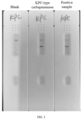
FIG. 3 shows a test result of the KPC-type carbapenemase on a test card of the colloidal gold method. - The embodiments of the present disclosure will be described below.
- The present disclosure relates to a KPC-type carbapenemase-resistant hybridoma cell line named 1HG11.
- The present disclosure also relates to a KPC-type carbapenemase-resistant hybridoma cell line named HD6.
- The KPC-type carbapenemase-resistant hybridoma cell line capable of stably secreting an anti-KPC-type carbapenemase antibody and a variable region sequence thereof provided by the present disclosure are obtained through mouse hybridoma mAb screening and reverse transcription-polymerase chain reaction (RT-PCR) to clone an Ig variable region gene, and the binding specificity of the antibody is identified by ELISA.
- An antibody 1HG11 produced by the KPC-type carbapenemase-resistant hybridoma cell line includes a light chain variable region and a heavy chain variable region, where the light chain variable region includes CDR1 shown in SEQ ID NO: 1, CDR2 shown in SEQ ID NO: 2, and CDR3 shown in SEQ ID NO: 3; and
- SEQ ID NO: 1
KASQNVRSAVA (CDRL1) - SEQ ID NO: 2
LASNRHT (CDRL2) - SEQ ID NO: 3
LQHWNYPYT (CDRL3) - the heavy chain variable region includes CDR1 shown in SEQ ID NO: 4, CDR2 shown in SEQ ID NO: 5, and CDR3 shown in SEQ ID NO: 6.
- SEQ ID NO: 4
GFNIKDYYMH (CDRH1) - SEQ ID NO: 5
WIDPEHGDTEYAPKFQG (CDRH2) - SEQ ID NO: 6
YGNFWYFNV (CDRH3) - In the antibody 1HG11, the light chain variable region may have an amino acid sequence shown in SEQ ID NO: 7, and the heavy chain variable region may have an amino acid sequence shown in SEQ ID NO: 9;
- SEQ ID NO: 7

- SEQ ID NO: 9

- a nucleotide sequence encoding the light chain variable region of the anti-KPC-type carbapenemase antibody may be shown in SEQ ID NO: 8; and
- SEQ ID NO: 8

- a nucleotide sequence encoding the heavy chain variable region of the anti-KPC-type carbapenemase antibody may be shown in SEQ ID NO: 10.
- SEQ ID NO: 10


- An antibody 1HD6 produced by the KPC-type carbapenemase-resistant hybridoma cell line includes a light chain variable region and a heavy chain variable region, where the light chain variable region includes CDR1 shown in SEQ ID NO: 11, CDR2 shown in SEQ ID NO: 12, and CDR3 shown in SEQ ID NO: 13; and
- SEQ ID NO: 11
SASSSVSYMY (CDRL1) - SEQ ID NO: 12
DTSKLAS (CDRL2) - SEQ ID NO: 13
QQWSTNPYT (CDRL3) - the heavy chain variable region includes CDR1 shown in SEQ ID NO: 14, CDR2 shown in SEQ ID NO: 15, and CDR3 shown in SEQ ID NO: 16.
- SEQ ID NO: 14
GYTFIDFEMH (CDRH1) - SEQ ID NO: 15
AIHPGRGGSAYNPKFKG (CDRH2) - SEQ ID NO: 16
SDYGSSFAY (CDRH3) - In the antibody 1HD6, the light chain variable region may have an amino acid sequence shown in SEQ ID NO: 17, and the heavy chain variable region may have an amino acid sequence shown in SEQ ID NO: 19;
- SEQ ID NO: 17

- SEQ ID NO: 19

- a nucleotide sequence encoding the light chain variable region of the anti-KPC-type carbapenemase antibody may be shown in SEQ ID NO: 18; and
- SEQ ID NO: 18

- a nucleotide sequence encoding the light chain variable region of the anti-KPC-type carbapenemase antibody may be shown in SEQ ID NO: 20; and
- SEQ ID NO: 20

- The anti-KPC-type carbapenemase antibodies produced by the hybridoma cell line 1HG11 and the hybridoma cell line 1HD6 can be used to detect a KPC-type carbapenemase antigen. The anti-KPC-type carbapenemase mAb shows prominent performance in all aspects, and thus is suitable as an immunodiagnostic reagent for the preparation of an in vitro diagnostic kit, and the in vitro diagnostic kit may be a colloidal gold immunoassay kit, a chemiluminescence kit, a radioimmunoassay kit, an ELISA kit, or a fluoroimmunoassay kit. Alternatively, the anti-KPC-type carbapenemase antibody can be made into a microfluidic chip for detecting a KPC-type carbapenemase antigen.
- To develop a KPC-type carbapenemase diagnostic reagent of the colloidal gold method, a KPC-type carbapenemase antigen first needs to be extracted to obtain a high-purity antigen, the antigen is used to stimulate an excellent immune response in mice, and then the hybridoma technique is used to screen an antibody with high affinity and specificity for the development of related in vitro diagnostic reagents. The two antibodies involved in this solution are especially suitable for preparing an immune colloidal gold test strip of a double-antibody sandwich method, where the antibody 1HG11 is used as a coating antibody and the antibody 1HD6 is used as a gold-labeled antibody. The prepared immune colloidal gold test strip of a double-antibody sandwich method is more sensitive. Moreover, the antibody 1HG11 can be used as a gold-labeled antibody, and the antibody 1HD6 can be used as a coating antibody. The present disclosure is further described below through specific examples. Experimental methods for which operation steps are not specified are all conducted in accordance with the corresponding product instructions. The instruments, reagents, and consumables used in the examples can be purchased from commercial companies unless otherwise specified.
- A KPC-type gene sequence was searched and downloaded from National Center for Biotechnology Information (NCBI), subjected to gene synthesis, and ligated to a pet-28a vector, and then the vector plasmid pet-28a-KPC carrying the target gene was transformed into an expression host Rosseta (DE3). The host was cultivated until an OD value of a bacterial solution was of 0.4 to 0.6, then isopropylthio-β-galactoside (IPTG) was added at a final concentration of 1 mM for induction, and the host was further cultivated at 37°C for 3 hours. Resulting bacterial cells were collected by centrifugation, then resuspended by adding 30 mL of phosphate buffered saline (PBS) to every about 1 g of the bacterial cells, and then subjected to ultrasonication at a power of 400 W for about 30 min (ultrasonic time: 3 s, interval: 5 s); and after a bacterial solution was non-viscous and clear, the bacterial solution was centrifuged to remove bacterial debris, and a resulting supernatant was filtered through a 0.45 µm filter membrane and loaded on a nickel column packed and equilibrated with an equilibration buffer in advance. After the loading was completed, gradient elution was conducted with imidazole eluents and washing liquids at concentrations of 20 mM, 50 mM, 100 mM, 150 mM, 250 mM, and 500 mM. When the imidazole concentration was 250 mM and 500 mM, a target protein with high purity could be obtained, and a molecular weight thereof was consistent with the expected 29.6 kD. A sodium dodecyl sulphate-polyacrylamide gel electrophoresis (SDS-PAGE) result was shown in
FIG. 1 . The protein was quantified by bicinchoninic acid (BCA) assay and then dispensed. - 6-week-old female Balb/c mice were immunized with the purified KPC-type carbapenemase to prepare an antibody, with a protein content of 0.1 mg/ml. The mice were divided into 2 groups according to the immunization dosage, with 5 mice in each group; according to an antigen content, a first group was immunized at an immunization dosage of 25 µg/mouse, and a second group was immunized at an immunization dosage of 50 µg/mouse. For an initial immunization, an appropriate amount of the KPC-type carbapenemase was taken and diluted with distilled water to 300 µL, then 300 µL of complete Freund's adjuvant (CFA) was added for thorough emulsification, and a resulting emulsion was subcutaneously injected into the mice (multi-point injection); two weeks later, the mice were subjected to a secondary immunization by intraperitoneal injection at the same dosage; two weeks later, the mice were subjected to an additional immunization by intraperitoneal injection; 7 days later, blood was collected from the tail of mice, and a serum titer of the mice was determined by ELISA. Specific steps were as follows: An ELISA plate was coated overnight at 4°C with the KPC-type carbapenemase of 0.2 µg/ml at 100 µL/well, spin-dried, and washed 3 times with phosphate-buffered saline with Tween 20 (PBST). 5% skimmed milk powder was added at 200 µL/well to block at 37°C for 2 hours. Blood was collected from the tail of the mice and then centrifuged at 3,000 rpm to obtain serum, and the serum was serially diluted from 1: 1,000 to 1:512,000 with PBS for later use. The plate was spin-dried and then washed 3 times with PBST, a primary antibody diluted with PBS at 1:1,000 was added at 100 µL/well, and the plate was incubated at 37°C for 1 hour. The plate was spin-dried and then washed 3 times with PBST, a goat anti-mouse secondary antibody diluted with PBS at 1:6,000 was added at 100 µL/well, and the plate was incubated at 37°C for 45 min. The plate was spin-dried and then washed 5 times with PBST, 3,3',5,5'-tetramethylbenzidine (TMB) was added at 100 µL/well, and the plate was incubated at 37°C to allow a chromogenic reaction for 10 min; the chromogenic reaction was stopped, and a value was read.
- Three days before fusion, mice were subjected to a booster immunization by intraperitoneal injection at the same dosage as the previous immunization, without an adjuvant. Feeder cells were prepared one day before fusion. A Balb/c mouse 6-8 weeks old was selected, and eyeballs of the mouse were removed to collect blood; then the mouse was sacrificed by cervical dislocation, disinfected in 75% alcohol for 5 min, and fixed on a tray; the abdominal skin was aseptically cut in a clean bench. 10 ml of an HAT selection medium was injected into the abdominal cavity of the mouse with a sterile syringe, the abdomen was slightly rubbed with an alcohol cotton ball, and the medium was drawn out. The medium was added to 40 ml of an HAT medium, and a resulting mixture was added to 4 96-well cell culture plates at 100 µL/well, and then cultivated in a 37°C and 5% CO2 incubator. One week before fusion, myeloma cells (Sp2/0 cells) were recovered, cultivated in a PRMI-1640 medium with 10% fetal bovine serum (FBS), and subcultivated in a 37°C and 5% CO2 incubator. Cells in a logarithmic growth phase were collected into a centrifuge tube, subjected to cell counting, and diluted to 107 cells/ml for later use. The Balb/c mice that had been subjected to the booster immunization 3 days prior were taken, eyeballs were removed to collect blood and prepare positive serum, and the mice were sacrificed by cervical dislocation and disinfected with 75% alcohol for 5 min; then a spleen was aseptically collected in a clean bench and washed several times in a sterile dish, and a connective tissue was stripped. The spleen was placed on a microporous copper mesh, a fresh RPMI-1640 medium was added, and the medium was first drawn with a syringe and injected from an end of the spleen to blow off spleen cells; after the process was repeated several times, an inner plug of the syringe was used to gently grind the remaining spleen until there was no obvious red tissue mass. A spleen cell suspension in a dish was gently pipetted up and down, then transferred to a 50 ml centrifuge tube, and centrifuged at 1,000 r/min for 5 min to collect spleen cells, and the spleen cells were counted for later use. The immunized mouse spleen cells and Sp2/0 cells were mixed at a cell number ratio of 10:1, added to a 50 ml centrifuge tube, and centrifuged at 1,000 r/min for 5 min, a resulting supernatant was discarded, and the two cells were thoroughly mixed by rubbing gently in the palm of hands. The centrifuge tube was placed in a 100 mL blue-cap bottle filled with 37°C hot water, and then 1 ml of preheated dimethyl sulfoxide (DMSO)/polyethylene glycol (PEG) was added dropwise to the fusion tube within 1 min, during which the DMSO/PEG was added slowly first and then quickly, and the centrifuge tube was gently swirled. Then an antibiotic-free and serum-free RPMI-1640 medium was immediately added to stop the reaction, during which 1 ml of the medium was added in the first minute, 2 ml of the medium was added in the second minute, 3 ml of the medium was added in the third minute, and 4 ml of the medium was added in the fourth minute. A resulting mixture was incubated in a 37°C water bath for 5 min and then centrifuged at 800 r/min for 5 min, and a resulting supernatant was discarded; a resulting precipitate was suspended with HAT, then thoroughly mixed with 40 ml of an HAT selection medium including 20% calf serum preheated at 37°C, and added to a 96-well cell plate with feeder cells at 100 µL/well, and the cell plate was incubated in a 37°C and 5% CO2 incubator. 7 days later, half of the medium in the cell plate was replaced with fresh HAT medium, and 10 days later, the medium was completely replaced with HT medium. Positive cells in the 96-well plate were subcloned by limiting dilution analysis (LDA): feeder cells were prepared first according to the above method, and hybridoma cells to be cloned were taken and counted, then diluted to 5 to 8 cells/ml with HT medium, added at 100 µL/well to a 96-well cell plate with the feeder cells (the cloning of each hybridoma cell line required a 96-well cell plate), and cultivated in a 37°C and 5% CO2 incubator; the number of clones in each cell well was counted and marked about 5 days later, the medium was replaced with fresh medium on day 7, and a test was conducted when cells covered 1/3 to 1/2 of the entire bottom surface of each well; after 2 to 3 times of cloning, all cell wells of the 96-well plate were positive, at which point the cells could be expanded, verified, and cryopreserved. Hybridoma cells verified as positive were expanded and cryopreserved. A specific process was as follows: vigorously-growing hybridoma cells in prominent conditions were gently blown off from a flask with antibiotic-free and serum-free 1640 and then centrifuged at 1,000 r/min for 5 min, and a resulting supernatant was discarded; a cryopreservation solution (with 40% RPMI-1640 medium, 50% FBS, and 10% DMSO) was added to make cells uniformly dispersed, and a resulting cell suspension was then dispensed into cell cryopreservation tubes; then the cryopreservation tubes were placed in a cryopreservation box, the cryopreservation box was placed in a -70°C freezer, and one day later, the cryopreservation tubes were transferred to liquid nitrogen and related records were made.
- 10 to 12-week-old female Balb/c mice were injected intraperitoneally with sterile liquid paraffin at 0.5 mL/mouse, and 7 days later, the mice were injected intraperitoneally with hybridoma cells in a logarithmic growth phase at 5 × 10⁶ cells/mouse. The mice were observed every day. About 7 to 10 days later, abdomens of the mice obviously bulged, at which point the lower abdominal skin was disinfected with a 75% alcohol cotton ball and then the abdominal cavity was punctured with a 16-gauge needle to collect an ascitic fluid. After an ascitic fluid was regenerated and accumulated, the ascitic fluid was collected once again. The collected ascitic fluid was centrifuged at 3,000 r/min for 10 min, and a resulting clear middle layer was collected, filtered with filter paper, dispensed, and stored at -70°C.
- The ascitic fluid was purified with a Protein-G column. Specific steps were as follows: 2 ml (n) of the ascitic fluid was taken and centrifuged at 10,000 g, and a resulting clear layer was collected and thoroughly mixed with 2 ml of a washing buffer (1:1) to obtain a sample; 20% ethanol was passed through the column, then the column was equilibrated with 8 mL of a washing liquid, and the sample was passed through the column at a flow rate of 8 seconds/drop; the sample was repeatedly loaded 3 times, and then the column was washed with 15 mL of a washing buffer at a flow rate of 8 S/drop; after the washing was completed, elution was conducted with 10 mL of an elution buffer, and after the elution was completed, a pH was adjusted to 7.4 with 1 M Tris PH = 9; then the concentration was conducted with a concentration column, and a resulting concentrate was subjected to dialysis overnight at 4°C with PBS in a 50 kd dialysis bag to obtain an antibody 1HG11 and an antibody 1HD6.
- According to the instructions of the SIGMA kit, the mAb subtype identification was conducted by capture-ELISA. Specific steps were as follows: an mAb subtype identification reagent was diluted at 1:1,000, added to an ELISA plate at 100 µL/well, and incubated at 37°C for 1 h; the plate was washed three times with PBST and pat-dried; the antibody was diluted at 1: 1,000 and added at 100 µL/well, and then the plate was incubated at 37°C for 1 h; the plate was washed three times with PBST and pat-dried; an HRP enzyme-labeled goat anti-mouse IgG secondary antibody was diluted at 1:6,000 and added at 100 µL/well, and then the plate was incubated at room temperature for 30 min; a chromogenic reaction was then conducted for 10 min to 20 min. A subtype reagent added in a well with an OD450 reading significantly higher than that of other wells indicated the subtype of the mAb. The antibody subtype of the antibodies 1HG11 and 1HD6 was IgG1.
- The antibody titer was determined after purification was conducted by indirect ELISA. Specific steps were as follows: KPC-type carbapenemase was diluted to 0.2 µg/mL and added to an ELISA plate at 100 µL/well to coat overnight at 4°C, where an uncoated control was set; the plate was spin-dried and then washed 3 times with PBST; 5% skimmed milk powder was added at 200 µL/well to block at 37°C for 2 h; the plate was spin-dried and then washed 3 times with PBST; the antibody (with a concentration of 1 mg/ml) was serially diluted from 1: 1,000 to obtain a total of 12 gradient concentrations, resulting antibody dilutions were each added to the plate at 100 µL/well, and the plate was incubated at 37°C for 1 hour, where an uncoated control was set; the plate was spin-dried and then washed 3 times with PBST, a goat anti-mouse secondary antibody diluted with PBS at 1:6,000 was added at 100 µL/well, and the plate was incubated at 37°C for 45 min; the plate was spin-dried and then washed 5 times with PBST, TMB was added at 100 µL/well, and the plate was incubated at 37°C to allow a chromogenic reaction for 10 min; the chromogenic reaction was stopped, and a value was read. After the purification, when the antibody was diluted to 1 mg/ml, a titer reached more than 1: 1,280,000.
- SDS-PAGE was used to identify the molecular weight and purity of the antibody. Gels were prepared, where a separation gel was 12% and a stacking gel was 5%; 20 µL of a sample and 20 µL of a buffer were thoroughly mixed and boiled for 3 min to obtain a sample solution; 20 µL of the sample solution was loaded in each well, and a prestained protein Marker control was set; electrophoresis was conducted at 80 V for 30 min and at 120 V for 2 h; after the electrophoresis was completed, a Coomassie brilliant blue (CBB) solution was added for staining; destaining was conducted by boiling in deionized water 3 times, with 5 min each time; a purified mAb was identified by SDS-PAGE, and resulting bands were clear, without impurity bands. As shown in
FIG. 2 , there were clear bands at 50 KDa and 25 KDa. - An Ig variable region gene was cloned by RT-PCR. Total RNA was extracted to synthesize single-stranded cDNA. Total RNA was extracted from the hybridoma cell lines 1HG11 and 1HD6 by the Trizol method (purchased from Invitrogen), and was reverse-transcribed into a cDNA library with M-MLV reverse transcriptase (purchased from Invitrogen).
- Upstream primer for a heavy chain framework region
- P1: 5'SAGGTGMAGCTKCASSARTCWGG3', as shown in SEQ ID NO: 21
- Downstream primer for a heavy chain variable region
- P2: 5'TGGGGSTGTYGTTTTGGCTGMRGAGACRGTGA3', as shown in SEQ ID NO: 22
- Upstream primer for a light chain leader peptide
- P3: 5'ATGGATTTTCAAGTGCAGATTTTCAG3', as shown in SEQ ID NO: 23
- Downstream primer for a light chain variable region
- P4: 5'GGATACAGTTGGTGCAGCATCAGCCCGTTT3', as shown in SEQ ID NO: 24
- A PCR system (50 µL) was prepared as follows:
- cDNA: 2 µL; upstream primer (10 µM): 2 µL; downstream primer (10 µM): 2 µL; dNTP mixture: 2 µL; pfu DNA polymerase (5 U/µL): 1 µL; 10 × pfu Buffer II: 5 µL; and ddH2O: making up to 50 µL.
- PCR conditions were as follows: pre-denaturation at 95°C for 5 min; repeating the following cycle 35 times: 95°C for 30 s, 58°C for 30 s, and 72°C for 1 min; and finally, extension at 72°C for 10 min.
- VL and VH fragments were separated and recovered by agarose gel electrophoresis. The recovered VL and VH fragments were ligated with a pMD19-T (sKPCle) vector (Takara), and a ligation system was as follows:
- VL PCR product/VH PCR product: each 70 ng; pMD19-T (sKPCle) vector: 1 µL; Solution I ligation reaction solution: 5 µL; and ddH2O: making up to 10 µL. The ligation was conducted overnight at 4°C.
- A ligation product was transformed into Escherichia coli (E. coli) DH5α competent cells, the competent cells were cultivated overnight at 37°C, single colonies were picked and cultivated at 37°C under shaking for 2 hours, and then a resulting bacterial solution was subjected to PCR identification. cDNA of a corresponding antibody was used as a positive control. A reaction system (25 µL) was prepared as follows:
bacterial solution: 1 µL; upstream primer (10 µM): 1 µL; downstream primer (10 µM): 1 µL; dNTP Mixture (each 2.5 Mm): 2 µL; Taq DNA polymerase (5 U/µL): 0.5 µL; 10 × Taq Buffer (Mg2+ plus): 2.5 µL; and water: making up to 25 µL. Reaction conditions were the same as above. - PCR-positive clones were selected for expansion, and a plasmid was extracted from the positive clones with a plasmid extraction kit (Takara) and sequenced. At least 5 clone samples were sequenced for each chain of each antibody until at least three samples had the same sequencing result. The heavy chain and light chain variable region sequences of the antibodies 1HG11 and 1HD6 were successfully cloned, which were consistent with the characteristics of typical antibody variable region sequences according to alignment.
- A KPC-type carbapenemase test card was prepared by a colloidal gold method, and an immune colloidal gold test strip of a double-antibody sandwich method was prepared as follows:
- step 1: a 0.1 M K2CO3 solution was added to a colloidal gold solution under stirring, a pH was adjusted, and the anti-KPC-type carbapenemase mAb 1HD6 was added; a resulting mixture was stirred, a 10% bovine serum albumin (BSA) solution and 2% PEG 20000 were added, and a resulting mixture was stirred and centrifuged at a low speed to obtain a supernatant; then the supernatant was centrifuged at a high speed to obtain a precipitate, and the precipitate was resuspended with colloidal gold to form a gold-labeled antibody;
- step 2: the gold-labeled antibody was sprayed on a sample pad, and then the glass fiber membrane was oven-dried to form a gold-labeled pad;
- step 3: a 1% thimerosal sodium solution was thoroughly mixed with the anti-KPC-type carbapenemase mAb 1HG11 to form a test line coating solution; then PBS and a 1% thimerosal sodium solution were added to the goat anti-mouse IgG, and a resulting mixture was thoroughly mixed to form a control line coating solution; the control line coating solution and the test line coating solution were streaked on a nitrocellulose (NC) membrane, and the NC membrane was oven-dried to obtain a coated membrane; and
- step 4: the coated membrane was attached to a backing card, the gold-labeled pad and absorbent paper were lapped on the coated membrane, and a resulting product was laminated and cut to obtain the KPC-type carbapenemase test card of the colloidal gold method.
- The KPC-type carbapenemase test card of the colloidal gold method prepared by the above method was taken, and a blank sample, KPC-type carbapenemase, and a KPC-type carbapenemase positive sample were each spotted on the test card. Results were shown in
FIG. 3 , where test results of the blank sample, the KPC-type carbapenemase, and the KPC-type carbapenemase positive sample were shown from left to right, respectively. It can be seen that the test result of the blank sample was negative, and the test results of the KPC-type carbapenemase and the KPC-type carbapenemase positive sample were all positive, indicating that the KPC-type carbapenemase test card of the colloidal gold method prepared by this solution can detect KPC-type carbapenemase and a corresponding positive sample. - The examples of the present disclosure are described above in detail, which are merely preferred examples of the present disclosure and cannot be construed as limiting the scope of implementation of the present disclosure.
Claims (6)
- An anti-KPC-type carbapenemase antibody, wherein the anti-KPC-type carbapenemase antibody is: an antibody 1HG11 comprising a light chain variable region and a heavy chain variable region, wherein the light chain variable region comprises complementary-determining region 1 (CDR1) shown in SEQ ID NO: 1, CDR2 shown in SEQ ID NO: 2, and CDR3 shown in SEQ ID NO: 3; and the heavy chain variable region comprises CDR1 shown in SEQ ID NO: 4, CDR2 shown in SEQ ID NO: 5, and CDR3 shown in SEQ ID NO: 6, the light chain variable region has an amino acid sequence shown in SEQ ID NO: 7, and the heavy chain variable region has an amino acid sequence shown in SEQ ID NO: 9;
or,
an antibody 1HD6 comprising a light chain variable region and a heavy chain variable region, wherein the light chain variable region comprises CDR1 shown in SEQ ID NO: 11, CDR2 shown in SEQ ID NO: 12, and CDR3 shown in SEQ ID NO: 13; and the heavy chain variable region comprises CDR1 shown in SEQ ID NO: 14, CDR2 shown in SEQ ID NO: 15, and CDR3 shown in SEQ ID NO: 16, the light chain variable region has an amino acid sequence shown in SEQ ID NO: 17, and the heavy chain variable region has an amino acid sequence shown in SEQ ID NO: 19. - A nucleic acid, comprising nucleotides encoding the anti-KPC-type carbapenemase antibody according to claim 1.
- The nucleic acid according to claim 2, wherein a nucleotide sequence of the nucleic acid for encoding the light chain variable region of the antibody 1HG11 is shown in SEQ ID NO: 8, and a nucleotide sequence of the nucleic acid for encoding the heavy chain variable region of the antibody 1HG11 is shown in SEQ ID NO: 10;
or,
a nucleotide sequence of the nucleic acid for encoding the light chain variable region of the antibody 1HD6 is shown in SEQ ID NO: 18, and a nucleotide sequence of the nucleic acid for encoding the heavy chain variable region of the antibody 1HD6 is shown in SEQ ID NO: 20. - Use of the anti-KPC-type carbapenemase antibody according to claim 1 in the preparation of a reagent for detecting a KPC-type carbapenemase antigen.
- The use of the anti-KPC-type carbapenemase antibody in the preparation of a reagent for detecting a KPC-type carbapenemase antigen according to claim 4, wherein the anti-KPC-type carbapenemase antibody is used in an in vitro diagnostic kit or a microfluidic chip; and the in vitro diagnostic kit is a colloidal gold immunoassay kit, a chemiluminescence kit, a radioimmunoassay kit, an enzyme-linked immunosorbent assay (ELISA) kit, or a fluoroimmunoassay kit.
- The use of the anti-KPC-type carbapenemase antibody in the preparation of a reagent for detecting a KPC-type carbapenemase antigen according to claim 4, wherein an immune colloidal gold test strip of a double-antibody sandwich method is prepared; wherein the antibody 1HG11 is used as a coating antibody and the antibody 1HD6 is used as a gold-labeled antibody, or
the antibody 1HD6 is used as a coating antibody and the antibody 1HG11 is used as a gold-labeled antibody.
Applications Claiming Priority (2)
| Application Number | Priority Date | Filing Date | Title |
|---|---|---|---|
| CN202110514080.2A CN112980804B (en) | 2021-05-12 | 2021-05-12 | KPC (Klebsiella pneumoniae Carbapenemase) resistant hybridoma cell strain, monoclonal antibody and application |
| PCT/CN2021/135406 WO2022237138A1 (en) | 2021-05-12 | 2021-12-03 | Anti-kpc type carbapenemase hybridoma cell line, monoclonal antibody and application thereof |
Publications (4)
| Publication Number | Publication Date |
|---|---|
| EP4112723A1 EP4112723A1 (en) | 2023-01-04 |
| EP4112723A4 EP4112723A4 (en) | 2023-03-08 |
| EP4112723B1 true EP4112723B1 (en) | 2024-07-03 |
| EP4112723C0 EP4112723C0 (en) | 2024-07-03 |
Family
ID=76337578
Family Applications (1)
| Application Number | Title | Priority Date | Filing Date |
|---|---|---|---|
| EP21870568.9A Active EP4112723B1 (en) | 2021-05-12 | 2021-12-03 | Anti-kpc type carbapenemase hybridoma cell line, monoclonal antibody and application thereof |
Country Status (3)
| Country | Link |
|---|---|
| EP (1) | EP4112723B1 (en) |
| CN (1) | CN112980804B (en) |
| WO (1) | WO2022237138A1 (en) |
Families Citing this family (7)
| Publication number | Priority date | Publication date | Assignee | Title |
|---|---|---|---|---|
| CN112500489B (en) * | 2021-02-07 | 2021-05-04 | 天津一瑞生物科技股份有限公司 | A kind of anti-OXA-23 type carbapenemase hybridoma cell line, monoclonal antibody and application |
| CN112980804B (en) * | 2021-05-12 | 2021-09-10 | 天津一瑞生物科技股份有限公司 | KPC (Klebsiella pneumoniae Carbapenemase) resistant hybridoma cell strain, monoclonal antibody and application |
| CN114317454B (en) * | 2022-03-01 | 2023-10-03 | 天津一瑞生物科技股份有限公司 | Mouse anti-OXA-48 type carbapenemase hybridoma cell strain, monoclonal antibody and application |
| CN114755420B (en) * | 2022-05-30 | 2023-02-03 | 广东聚诚生物技术有限公司 | Carbapenemase combined detection kit |
| CN115947856B (en) * | 2022-09-27 | 2026-01-30 | 丹娜(天津)生物科技股份有限公司 | Antibodies or antigen-binding fragments bound to KPC enzymes and their applications |
| CN119613557B (en) * | 2024-12-20 | 2025-07-29 | 江苏美克医学技术有限公司 | Antibody preparation capable of detecting polytype KPC and application of kit thereof |
| CN120699158B (en) * | 2025-08-15 | 2025-11-11 | 南昌大学第一附属医院 | Anti-KPC-2 carbapenemase nanobody Nb-KPC-2 and application thereof |
Family Cites Families (6)
| Publication number | Priority date | Publication date | Assignee | Title |
|---|---|---|---|---|
| US9169477B2 (en) * | 2012-01-27 | 2015-10-27 | Los Angeles Biomedical Research Institute At Harbor-Ucla Medical Center | Compositions and methods for immunization against bacteria expressing a carbapenemase |
| GB201503387D0 (en) * | 2015-02-27 | 2015-04-15 | ALERE TECHNOLOGIES GmbH | Anti-carbapenem antibodies and uses thereof |
| HRP20210037T1 (en) * | 2015-04-10 | 2021-04-30 | Coris Bioconcept Sprl | PROCEDURE AND DEVICE FOR DETECTION OF CARBAPENEMASE-PRODUCING ENTEROBACTERIA |
| CN112500489B (en) * | 2021-02-07 | 2021-05-04 | 天津一瑞生物科技股份有限公司 | A kind of anti-OXA-23 type carbapenemase hybridoma cell line, monoclonal antibody and application |
| CN112501131B (en) * | 2021-02-07 | 2021-05-04 | 天津一瑞生物科技股份有限公司 | anti-IMP (anti-IMP) carbapenemase hybridoma cell strain, monoclonal antibody and application |
| CN112980804B (en) * | 2021-05-12 | 2021-09-10 | 天津一瑞生物科技股份有限公司 | KPC (Klebsiella pneumoniae Carbapenemase) resistant hybridoma cell strain, monoclonal antibody and application |
-
2021
- 2021-05-12 CN CN202110514080.2A patent/CN112980804B/en active Active
- 2021-12-03 WO PCT/CN2021/135406 patent/WO2022237138A1/en not_active Ceased
- 2021-12-03 EP EP21870568.9A patent/EP4112723B1/en active Active
Also Published As
| Publication number | Publication date |
|---|---|
| EP4112723A4 (en) | 2023-03-08 |
| EP4112723A1 (en) | 2023-01-04 |
| WO2022237138A1 (en) | 2022-11-17 |
| EP4112723C0 (en) | 2024-07-03 |
| CN112980804B (en) | 2021-09-10 |
| CN112980804A (en) | 2021-06-18 |
Similar Documents
| Publication | Publication Date | Title |
|---|---|---|
| EP4063497B1 (en) | Anti-imp type carbapenemase hybridoma cell strain, monoclonal antibody and use | |
| EP4063498B1 (en) | Anti-oxa-23 type carbapenase hybridoma cell line, monoclonal antibody, and application | |
| EP4112722B1 (en) | Anti-vim carbapenemase hybridoma cell strain, monoclonal antibody, and application | |
| EP4112723A1 (en) | Anti-kpc type carbapenemase hybridoma cell line, monoclonal antibody and application thereof | |
| EP4170021B1 (en) | Mouse anti-mcr-1 protein hybridoma cell strain, monoclonal antibody, and application | |
| JP6127043B2 (en) | AGR2 blocking antibody and use thereof | |
| CN109438576B (en) | Preparation and application of an anti-human CD47 monoclonal antibody | |
| EP4261278B1 (en) | ANTI-NEW DELHI METALLO-BETA-LACTAMASE (NDM)-TYPE CARBAPENEMASE MOUSE HYBRIDOMA CELL LINE, MONOCLONAL ANTIBODY (mAb), AND APPLICATION THEREOF | |
| EP4265717B1 (en) | ANTI-MOBILIZED COLISTIN RESISTANCE (MCR)-1/MCR-2 PROTEIN MOUSE HYBRIDOMA CELL LINE, MONOCLONAL ANTIBODY (mAb) AND APPLICATION | |
| EP4261227A1 (en) | Mouse anti-oxa-48 carbapenemase hybridoma cell strain, monoclonal antibody and use | |
| CN114591434A (en) | Anti-Siglec15 antibody and preparation method and use thereof | |
| WO2020038404A1 (en) | Anti-human claudin 18.2 monoclonal antibody and application thereof | |
| CN106699884B (en) | Anti-human C-reactive protein antibody and application thereof | |
| CN114578066B (en) | Products and methods for detecting beta-amyloid | |
| CN104861068B (en) | Fully human anti-HER 3 antibody and application thereof in treating related diseases | |
| CN107607726B (en) | Human cystatin C colloidal gold quantitative detection card | |
| CN107383198B (en) | Anti-human CysC antibody and application thereof | |
| CN117362424A (en) | Helicobacter pylori resistant monoclonal antibody and application thereof | |
| CN106749659B (en) | Anti-human CRP antibody and application thereof | |
| CN109721655B (en) | Anti-human myoglobin antibody and application thereof in detection kit | |
| JP6793514B2 (en) | Antibodies that bind to novel thyroid cancer-related antigens and thyroid cancer diagnostic agents | |
| CN121064334B (en) | Heavy chain and light chain variable regions of ceftiofur monoclonal antibody and application thereof | |
| CN109021104B (en) | An antibody against human platelet-derived growth factor beta receptor and its application | |
| CN107556384B (en) | Anti-human cystatin C antibody and application thereof | |
| CN115894694A (en) | A monoclonal antibody FHY-001 for the treatment of nasopharyngeal carcinoma and its application |
Legal Events
| Date | Code | Title | Description |
|---|---|---|---|
| STAA | Information on the status of an ep patent application or granted ep patent |
Free format text: STATUS: UNKNOWN |
|
| STAA | Information on the status of an ep patent application or granted ep patent |
Free format text: STATUS: THE INTERNATIONAL PUBLICATION HAS BEEN MADE |
|
| PUAI | Public reference made under article 153(3) epc to a published international application that has entered the european phase |
Free format text: ORIGINAL CODE: 0009012 |
|
| STAA | Information on the status of an ep patent application or granted ep patent |
Free format text: STATUS: REQUEST FOR EXAMINATION WAS MADE |
|
| 17P | Request for examination filed |
Effective date: 20220331 |
|
| AK | Designated contracting states |
Kind code of ref document: A1 Designated state(s): AL AT BE BG CH CY CZ DE DK EE ES FI FR GB GR HR HU IE IS IT LI LT LU LV MC MK MT NL NO PL PT RO RS SE SI SK SM TR |
|
| A4 | Supplementary search report drawn up and despatched |
Effective date: 20230208 |
|
| RIC1 | Information provided on ipc code assigned before grant |
Ipc: C07K 16/12 20060101ALI20230202BHEP Ipc: G01N 33/577 20060101ALI20230202BHEP Ipc: G01N 33/573 20060101ALI20230202BHEP Ipc: C12N 15/13 20060101ALI20230202BHEP Ipc: C07K 16/40 20060101ALI20230202BHEP Ipc: C12N 5/20 20060101AFI20230202BHEP |
|
| STAA | Information on the status of an ep patent application or granted ep patent |
Free format text: STATUS: EXAMINATION IS IN PROGRESS |
|
| 17Q | First examination report despatched |
Effective date: 20230705 |
|
| GRAP | Despatch of communication of intention to grant a patent |
Free format text: ORIGINAL CODE: EPIDOSNIGR1 |
|
| STAA | Information on the status of an ep patent application or granted ep patent |
Free format text: STATUS: GRANT OF PATENT IS INTENDED |
|
| DAV | Request for validation of the european patent (deleted) | ||
| DAX | Request for extension of the european patent (deleted) | ||
| INTG | Intention to grant announced |
Effective date: 20231116 |
|
| GRAJ | Information related to disapproval of communication of intention to grant by the applicant or resumption of examination proceedings by the epo deleted |
Free format text: ORIGINAL CODE: EPIDOSDIGR1 |
|
| STAA | Information on the status of an ep patent application or granted ep patent |
Free format text: STATUS: EXAMINATION IS IN PROGRESS |
|
| GRAP | Despatch of communication of intention to grant a patent |
Free format text: ORIGINAL CODE: EPIDOSNIGR1 |
|
| INTC | Intention to grant announced (deleted) | ||
| STAA | Information on the status of an ep patent application or granted ep patent |
Free format text: STATUS: GRANT OF PATENT IS INTENDED |
|
| INTG | Intention to grant announced |
Effective date: 20240404 |
|
| GRAS | Grant fee paid |
Free format text: ORIGINAL CODE: EPIDOSNIGR3 |
|
| GRAA | (expected) grant |
Free format text: ORIGINAL CODE: 0009210 |
|
| STAA | Information on the status of an ep patent application or granted ep patent |
Free format text: STATUS: THE PATENT HAS BEEN GRANTED |
|
| AK | Designated contracting states |
Kind code of ref document: B1 Designated state(s): AL AT BE BG CH CY CZ DE DK EE ES FI FR GB GR HR HU IE IS IT LI LT LU LV MC MK MT NL NO PL PT RO RS SE SI SK SM TR |
|
| REG | Reference to a national code |
Ref country code: CH Ref legal event code: EP |
|
| REG | Reference to a national code |
Ref country code: DE Ref legal event code: R096 Ref document number: 602021015309 Country of ref document: DE |
|
| U01 | Request for unitary effect filed |
Effective date: 20240731 |
|
| U07 | Unitary effect registered |
Designated state(s): AT BE BG DE DK EE FI FR IT LT LU LV MT NL PT SE SI Effective date: 20240813 |
|
| PG25 | Lapsed in a contracting state [announced via postgrant information from national office to epo] |
Ref country code: NO Free format text: LAPSE BECAUSE OF FAILURE TO SUBMIT A TRANSLATION OF THE DESCRIPTION OR TO PAY THE FEE WITHIN THE PRESCRIBED TIME-LIMIT Effective date: 20241003 |
|
| PG25 | Lapsed in a contracting state [announced via postgrant information from national office to epo] |
Ref country code: GR Free format text: LAPSE BECAUSE OF FAILURE TO SUBMIT A TRANSLATION OF THE DESCRIPTION OR TO PAY THE FEE WITHIN THE PRESCRIBED TIME-LIMIT Effective date: 20241004 Ref country code: PL Free format text: LAPSE BECAUSE OF FAILURE TO SUBMIT A TRANSLATION OF THE DESCRIPTION OR TO PAY THE FEE WITHIN THE PRESCRIBED TIME-LIMIT Effective date: 20240703 |
|
| PG25 | Lapsed in a contracting state [announced via postgrant information from national office to epo] |
Ref country code: IS Free format text: LAPSE BECAUSE OF FAILURE TO SUBMIT A TRANSLATION OF THE DESCRIPTION OR TO PAY THE FEE WITHIN THE PRESCRIBED TIME-LIMIT Effective date: 20241103 |
|
| PG25 | Lapsed in a contracting state [announced via postgrant information from national office to epo] |
Ref country code: CZ Free format text: LAPSE BECAUSE OF FAILURE TO SUBMIT A TRANSLATION OF THE DESCRIPTION OR TO PAY THE FEE WITHIN THE PRESCRIBED TIME-LIMIT Effective date: 20240703 Ref country code: HR Free format text: LAPSE BECAUSE OF FAILURE TO SUBMIT A TRANSLATION OF THE DESCRIPTION OR TO PAY THE FEE WITHIN THE PRESCRIBED TIME-LIMIT Effective date: 20240703 |
|
| PG25 | Lapsed in a contracting state [announced via postgrant information from national office to epo] |
Ref country code: ES Free format text: LAPSE BECAUSE OF FAILURE TO SUBMIT A TRANSLATION OF THE DESCRIPTION OR TO PAY THE FEE WITHIN THE PRESCRIBED TIME-LIMIT Effective date: 20240703 Ref country code: RS Free format text: LAPSE BECAUSE OF FAILURE TO SUBMIT A TRANSLATION OF THE DESCRIPTION OR TO PAY THE FEE WITHIN THE PRESCRIBED TIME-LIMIT Effective date: 20241003 |
|
| PG25 | Lapsed in a contracting state [announced via postgrant information from national office to epo] |
Ref country code: RS Free format text: LAPSE BECAUSE OF FAILURE TO SUBMIT A TRANSLATION OF THE DESCRIPTION OR TO PAY THE FEE WITHIN THE PRESCRIBED TIME-LIMIT Effective date: 20241003 Ref country code: PL Free format text: LAPSE BECAUSE OF FAILURE TO SUBMIT A TRANSLATION OF THE DESCRIPTION OR TO PAY THE FEE WITHIN THE PRESCRIBED TIME-LIMIT Effective date: 20240703 Ref country code: NO Free format text: LAPSE BECAUSE OF FAILURE TO SUBMIT A TRANSLATION OF THE DESCRIPTION OR TO PAY THE FEE WITHIN THE PRESCRIBED TIME-LIMIT Effective date: 20241003 Ref country code: IS Free format text: LAPSE BECAUSE OF FAILURE TO SUBMIT A TRANSLATION OF THE DESCRIPTION OR TO PAY THE FEE WITHIN THE PRESCRIBED TIME-LIMIT Effective date: 20241103 Ref country code: HR Free format text: LAPSE BECAUSE OF FAILURE TO SUBMIT A TRANSLATION OF THE DESCRIPTION OR TO PAY THE FEE WITHIN THE PRESCRIBED TIME-LIMIT Effective date: 20240703 Ref country code: GR Free format text: LAPSE BECAUSE OF FAILURE TO SUBMIT A TRANSLATION OF THE DESCRIPTION OR TO PAY THE FEE WITHIN THE PRESCRIBED TIME-LIMIT Effective date: 20241004 Ref country code: ES Free format text: LAPSE BECAUSE OF FAILURE TO SUBMIT A TRANSLATION OF THE DESCRIPTION OR TO PAY THE FEE WITHIN THE PRESCRIBED TIME-LIMIT Effective date: 20240703 Ref country code: CZ Free format text: LAPSE BECAUSE OF FAILURE TO SUBMIT A TRANSLATION OF THE DESCRIPTION OR TO PAY THE FEE WITHIN THE PRESCRIBED TIME-LIMIT Effective date: 20240703 |
|
| U20 | Renewal fee for the european patent with unitary effect paid |
Year of fee payment: 4 Effective date: 20241227 |
|
| PG25 | Lapsed in a contracting state [announced via postgrant information from national office to epo] |
Ref country code: SM Free format text: LAPSE BECAUSE OF FAILURE TO SUBMIT A TRANSLATION OF THE DESCRIPTION OR TO PAY THE FEE WITHIN THE PRESCRIBED TIME-LIMIT Effective date: 20240703 |
|
| PG25 | Lapsed in a contracting state [announced via postgrant information from national office to epo] |
Ref country code: SK Free format text: LAPSE BECAUSE OF FAILURE TO SUBMIT A TRANSLATION OF THE DESCRIPTION OR TO PAY THE FEE WITHIN THE PRESCRIBED TIME-LIMIT Effective date: 20240703 |
|
| PLBE | No opposition filed within time limit |
Free format text: ORIGINAL CODE: 0009261 |
|
| STAA | Information on the status of an ep patent application or granted ep patent |
Free format text: STATUS: NO OPPOSITION FILED WITHIN TIME LIMIT |
|
| 26N | No opposition filed |
Effective date: 20250404 |
|
| PG25 | Lapsed in a contracting state [announced via postgrant information from national office to epo] |
Ref country code: MC Free format text: LAPSE BECAUSE OF FAILURE TO SUBMIT A TRANSLATION OF THE DESCRIPTION OR TO PAY THE FEE WITHIN THE PRESCRIBED TIME-LIMIT Effective date: 20240703 |
|
| REG | Reference to a national code |
Ref country code: CH Ref legal event code: PL |
|
| PG25 | Lapsed in a contracting state [announced via postgrant information from national office to epo] |
Ref country code: CH Free format text: LAPSE BECAUSE OF NON-PAYMENT OF DUE FEES Effective date: 20241231 |
|
| PG25 | Lapsed in a contracting state [announced via postgrant information from national office to epo] |
Ref country code: IE Free format text: LAPSE BECAUSE OF NON-PAYMENT OF DUE FEES Effective date: 20241203 |
|
| PG25 | Lapsed in a contracting state [announced via postgrant information from national office to epo] |
Ref country code: RO Free format text: LAPSE BECAUSE OF FAILURE TO SUBMIT A TRANSLATION OF THE DESCRIPTION OR TO PAY THE FEE WITHIN THE PRESCRIBED TIME-LIMIT Effective date: 20240703 |
|
| U20 | Renewal fee for the european patent with unitary effect paid |
Year of fee payment: 5 Effective date: 20251230 |
|
| PG25 | Lapsed in a contracting state [announced via postgrant information from national office to epo] |
Ref country code: CY Free format text: LAPSE BECAUSE OF FAILURE TO SUBMIT A TRANSLATION OF THE DESCRIPTION OR TO PAY THE FEE WITHIN THE PRESCRIBED TIME-LIMIT; INVALID AB INITIO Effective date: 20211203 |