EP4112129B1 - Ensemble comportant une structure et un réservoir fixé à la structure et contenant un fluide extincteur - Google Patents
Ensemble comportant une structure et un réservoir fixé à la structure et contenant un fluide extincteur Download PDFInfo
- Publication number
- EP4112129B1 EP4112129B1 EP22182116.8A EP22182116A EP4112129B1 EP 4112129 B1 EP4112129 B1 EP 4112129B1 EP 22182116 A EP22182116 A EP 22182116A EP 4112129 B1 EP4112129 B1 EP 4112129B1
- Authority
- EP
- European Patent Office
- Prior art keywords
- assembly
- chassis
- bearing
- bore
- plate
- Prior art date
- Legal status (The legal status is an assumption and is not a legal conclusion. Google has not performed a legal analysis and makes no representation as to the accuracy of the status listed.)
- Active
Links
Images



Classifications
-
- A—HUMAN NECESSITIES
- A61—MEDICAL OR VETERINARY SCIENCE; HYGIENE
- A61F—FILTERS IMPLANTABLE INTO BLOOD VESSELS; PROSTHESES; DEVICES PROVIDING PATENCY TO, OR PREVENTING COLLAPSING OF, TUBULAR STRUCTURES OF THE BODY, e.g. STENTS; ORTHOPAEDIC, NURSING OR CONTRACEPTIVE DEVICES; FOMENTATION; TREATMENT OR PROTECTION OF EYES OR EARS; BANDAGES, DRESSINGS OR ABSORBENT PADS; FIRST-AID KITS
- A61F13/00—Bandages or dressings; Absorbent pads
- A61F13/15—Absorbent pads, e.g. sanitary towels, swabs or tampons for external or internal application to the body; Supporting or fastening means therefor; Tampon applicators
- A61F13/56—Supporting or fastening means
- A61F13/58—Adhesive tab fastener elements
- A61F13/581—Tab fastener elements combining adhesive and mechanical fastening
-
- B—PERFORMING OPERATIONS; TRANSPORTING
- B64—AIRCRAFT; AVIATION; COSMONAUTICS
- B64D—EQUIPMENT FOR FITTING IN OR TO AIRCRAFT; FLIGHT SUITS; PARACHUTES; ARRANGEMENT OR MOUNTING OF POWER PLANTS OR PROPULSION TRANSMISSIONS IN AIRCRAFT
- B64D25/00—Emergency apparatus or devices, not otherwise provided for
-
- A—HUMAN NECESSITIES
- A62—LIFE-SAVING; FIRE-FIGHTING
- A62C—FIRE-FIGHTING
- A62C3/00—Fire prevention, containment or extinguishing specially adapted for particular objects or places
- A62C3/07—Fire prevention, containment or extinguishing specially adapted for particular objects or places in vehicles, e.g. in road vehicles
- A62C3/08—Fire prevention, containment or extinguishing specially adapted for particular objects or places in vehicles, e.g. in road vehicles in aircraft
-
- A—HUMAN NECESSITIES
- A62—LIFE-SAVING; FIRE-FIGHTING
- A62C—FIRE-FIGHTING
- A62C13/00—Portable extinguishers which are permanently pressurised or pressurised immediately before use
- A62C13/76—Details or accessories
- A62C13/78—Suspending or supporting devices
-
- A—HUMAN NECESSITIES
- A62—LIFE-SAVING; FIRE-FIGHTING
- A62C—FIRE-FIGHTING
- A62C35/00—Permanently-installed equipment
- A62C35/02—Permanently-installed equipment with containers for delivering the extinguishing substance
-
- B—PERFORMING OPERATIONS; TRANSPORTING
- B64—AIRCRAFT; AVIATION; COSMONAUTICS
- B64C—AEROPLANES; HELICOPTERS
- B64C7/00—Structures or fairings not otherwise provided for
- B64C7/02—Nacelles
-
- F—MECHANICAL ENGINEERING; LIGHTING; HEATING; WEAPONS; BLASTING
- F16—ENGINEERING ELEMENTS AND UNITS; GENERAL MEASURES FOR PRODUCING AND MAINTAINING EFFECTIVE FUNCTIONING OF MACHINES OR INSTALLATIONS; THERMAL INSULATION IN GENERAL
- F16B—DEVICES FOR FASTENING OR SECURING CONSTRUCTIONAL ELEMENTS OR MACHINE PARTS TOGETHER, e.g. NAILS, BOLTS, CIRCLIPS, CLAMPS, CLIPS OR WEDGES; JOINTS OR JOINTING
- F16B41/00—Measures against loss of bolts, nuts, or pins; Measures against unauthorised operation of bolts, nuts or pins
- F16B41/002—Measures against loss of bolts, nuts or pins
-
- A—HUMAN NECESSITIES
- A62—LIFE-SAVING; FIRE-FIGHTING
- A62C—FIRE-FIGHTING
- A62C35/00—Permanently-installed equipment
- A62C35/02—Permanently-installed equipment with containers for delivering the extinguishing substance
- A62C35/023—Permanently-installed equipment with containers for delivering the extinguishing substance the extinguishing material being expelled by compressed gas, taken from storage tanks, or by generating a pressure gas
-
- B—PERFORMING OPERATIONS; TRANSPORTING
- B64—AIRCRAFT; AVIATION; COSMONAUTICS
- B64D—EQUIPMENT FOR FITTING IN OR TO AIRCRAFT; FLIGHT SUITS; PARACHUTES; ARRANGEMENT OR MOUNTING OF POWER PLANTS OR PROPULSION TRANSMISSIONS IN AIRCRAFT
- B64D45/00—Aircraft indicators or protectors not otherwise provided for
- B64D2045/009—Fire detection or protection; Erosion protection, e.g. from airborne particles
-
- F—MECHANICAL ENGINEERING; LIGHTING; HEATING; WEAPONS; BLASTING
- F02—COMBUSTION ENGINES; HOT-GAS OR COMBUSTION-PRODUCT ENGINE PLANTS
- F02C—GAS-TURBINE PLANTS; AIR INTAKES FOR JET-PROPULSION PLANTS; CONTROLLING FUEL SUPPLY IN AIR-BREATHING JET-PROPULSION PLANTS
- F02C7/00—Features, components parts, details or accessories, not provided for in, or of interest apart form groups F02C1/00 - F02C6/00; Air intakes for jet-propulsion plants
- F02C7/24—Heat or noise insulation
- F02C7/25—Fire protection or prevention
-
- F—MECHANICAL ENGINEERING; LIGHTING; HEATING; WEAPONS; BLASTING
- F16—ENGINEERING ELEMENTS AND UNITS; GENERAL MEASURES FOR PRODUCING AND MAINTAINING EFFECTIVE FUNCTIONING OF MACHINES OR INSTALLATIONS; THERMAL INSULATION IN GENERAL
- F16B—DEVICES FOR FASTENING OR SECURING CONSTRUCTIONAL ELEMENTS OR MACHINE PARTS TOGETHER, e.g. NAILS, BOLTS, CIRCLIPS, CLAMPS, CLIPS OR WEDGES; JOINTS OR JOINTING
- F16B39/00—Locking of screws, bolts or nuts
- F16B39/22—Locking of screws, bolts or nuts in which the locking takes place during screwing down or tightening
- F16B39/24—Locking of screws, bolts or nuts in which the locking takes place during screwing down or tightening by means of washers, spring washers, or resilient plates that lock against the object
-
- F—MECHANICAL ENGINEERING; LIGHTING; HEATING; WEAPONS; BLASTING
- F16—ENGINEERING ELEMENTS AND UNITS; GENERAL MEASURES FOR PRODUCING AND MAINTAINING EFFECTIVE FUNCTIONING OF MACHINES OR INSTALLATIONS; THERMAL INSULATION IN GENERAL
- F16M—FRAMES, CASINGS OR BEDS OF ENGINES, MACHINES OR APPARATUS, NOT SPECIFIC TO ENGINES, MACHINES OR APPARATUS PROVIDED FOR ELSEWHERE; STANDS; SUPPORTS
- F16M11/00—Stands or trestles as supports for apparatus or articles placed thereon ; Stands for scientific apparatus such as gravitational force meters
- F16M11/02—Heads
- F16M11/04—Means for attachment of apparatus; Means allowing adjustment of the apparatus relatively to the stand
Definitions
- the present invention relates to an assembly comprising a structure and a tank containing an extinguishing fluid and fixed to the structure, as well as an aircraft comprising at least one such assembly.
- An aircraft conventionally comprises at least one nacelle inside which is arranged an engine, for example of the turbojet type.
- the nacelle and the engine are fixed to the structure of the aircraft by means of a mast fixed under the wing of the aircraft.
- the aircraft In order to prevent damage to the structure of the aircraft when the engine catches fire, the aircraft is equipped with a fire-fighting system which conventionally comprises two tanks. Currently the extinguishing fluid contained in the tanks is a product called “halon”.
- the tanks are conventionally mounted in a mast which holds the nacelle and the interior of such a mast is a relatively cluttered place.
- the increase in tanks does not facilitate their mounting inside the mast and it is therefore necessary to find an arrangement which allows easy mounting of each tank.
- An object of the present invention is to provide an assembly for an aircraft, where said assembly comprises a structure which is fixed to a structure of the aircraft and a tank containing an extinguishing fluid, and where the installation of the tank on the structure is facilitated.
- X is called the longitudinal direction of the turbojet which is parallel to the longitudinal axis of the aircraft
- Y is called the transverse direction which is horizontal when the aircraft is on the ground
- Z the vertical direction which is vertical when the aircraft is on the ground
- FIG. 1 shows an aircraft 10 which comprises a fuselage 11 on each side of which is fixed a wing 13 which carries an engine 14 such as for example a turbofan engine.
- the aircraft 10 also comprises a mast 12 which secures the engine 14 under the wing 13.
- the aircraft 10 comprises a fire-fighting system 100 which comprises at least one tank 102 and, for each tank 102, a discharge pipe 104 which extends between said tank 102 and the engine 14 supported by said mast 12.
- FIG. 2 shows an assembly 150 according to the invention which comprises a structure 152 and a tank 102 fixed to the structure 152.
- the assembly 150 is housed inside the mast 12 which is materialized here in phantom.
- the tank 102 is filled with an extinguishing fluid and is equipped with a discharge head which comprises a lid which closes the tank 102 and an explosive cartridge, and where the neck is fluidically connected to the discharge pipe 104 through the discharge head.
- an activation order is sent to the explosive cartridge so that the latter explodes to destroy the seal and thus release the extinguishing fluid which flows into the discharge pipe 104.
- there is a single assembly 150 but depending on the quantity of extinguishing fluid required, it is possible to set up several assemblies 150.
- the structure 152 is fixed inside the mast 12 by any suitable securing means such as for example bolts.
- the mast 12 has a wall pierced with a window 60 which alternately allows the introduction or removal of the tank 102, in particular when it is necessary to replace it.
- the introduction and removal of the tank 102 take place along an insertion direction T which passes through the window 60 and which is here parallel to the transverse direction Y.
- the reservoir 102 here takes the form of a sphere and it comprises two fixing lugs 602 and two support lugs 604 distinct from the fixing lugs 602.
- the reservoir 102 also comprises a stud 160 whose axis is parallel to the direction introductory t.
- the structure 152 comprises a frame 154 fixed inside the mast 12 to a structure of said mast 12, two supports 156 fixed to the frame 154 and a fitting system 158 also fixed to the frame 154 which comprises a bore 159 whose axis is parallel to the direction of introduction T and one opening of which is oriented towards the window 60.
- Each support 156 comprises a plate 162 fixed to the frame 154 and a guide 164 fixed to the plate 162.
- the two supports 156 are arranged on either side of the tank 102, here on either side of the vertical plane of symmetry of the tank 102.
- the reservoir 102 When the reservoir 102 is put in place, the latter passes through the window 60 and passes successively from a pre-assembly position to an assembly position.
- the tank 102 is thus movable in translation parallel to the direction of insertion T between the pre-assembly position and the assembly position when it is put in place and vice versa when it is withdrawn.
- FIG. 6 shows the pre-assembly position in which each fixing lug 602 and each support lug 604 rests on one of the plates 162 and each guide 164 provides guidance for the fixing lug 602 and the support lug 604 associated with said plate 162 transversely with respect to the direction of introduction T, that is to say here parallel to the longitudinal direction X.
- Support on all fours during pre-assembly makes it possible to ensure a stable position of the tank 102 and such guide allows to align the stud 160 and the opening of the bore 159 of the interlocking system 158, even without visibility for the technician ensuring the installation.
- each fixing lug 602 rests on the associated plate 162 and the stud 160 is introduced into the opening of the bore 159 of the interlocking system 158.
- the fixing of each fixing lug 602 to the plate 162 associated is carried out by any suitable fixing means such as bolts 606 for example. fixing lugs 602 and stud 160.
- the frame 154 comprises two parallel frames 166 and arranged here on either side of the plane of symmetry of the tank 102 and a crosspiece 168 which connects the two frames 166 together.
- Each tray 162 is fixed to one of the frames 166 and two trays, and the crosspiece 168 carries the interlocking system 158, that is to say the crosspiece 168 is opposite with respect to the window 60 .
- each plate 162 is fixed to the frame 154 by at least one damping system 170 which here are six in number per plate 162 and an example of which is shown in more detail in section on figure 5 .
- the first ring 176 is threaded onto the threaded rod by presenting the first shoulder 178 against the head of the screw 172
- the outer bearing 184 is threaded onto the threaded rod and fits onto the first ring 176
- the second ring 180 is threaded on the threaded rod by fitting under the outer bearing 184 and presenting the second shoulder 182 opposite the first shoulder 178 to bear against the frame 154, here the frame 166
- the threaded rod is introduced into a bore 186 of the frame 154, here of the frame 166
- the nut 174 is tightened on the threaded rod on the other side of the frame 154 with respect to the head.
- the shock absorber system 170 successively comprises the head of the screw 172, the first shoulder 178, the outer bearing 184 fitted onto the first ring 176 and the second ring 180, the second shoulder 182, the frame 154 and the nut 174.
- the outer bearing 184 is thus sandwiched between the first shoulder 178 and the second shoulder 182.
- the damper system 170 further comprises an inner bearing 188 which is threaded onto the threaded rod and onto which the two rings 176 and 180 fit, and a washer 190 which comes under the head to enlarge the contact surface with the first shoulder 178. The contact between the first shoulder 178 and the head then takes place through the washer 190.
- the lower bearing 188 makes it possible to limit the compression of the shoulders of the elastomer rings to a preset value, which is achieved when tightening the bolt to the rated torque. Since elastomers are known to creep under permanent load, this ring thus guarantees that the tightening is carried out on a stack of rigid parts and therefore the absence of subsequent loosening of the assembly.
Landscapes
- Health & Medical Sciences (AREA)
- Engineering & Computer Science (AREA)
- Public Health (AREA)
- Emergency Management (AREA)
- Business, Economics & Management (AREA)
- Mechanical Engineering (AREA)
- General Engineering & Computer Science (AREA)
- Aviation & Aerospace Engineering (AREA)
- Biomedical Technology (AREA)
- General Health & Medical Sciences (AREA)
- Animal Behavior & Ethology (AREA)
- Veterinary Medicine (AREA)
- Life Sciences & Earth Sciences (AREA)
- Vascular Medicine (AREA)
- Heart & Thoracic Surgery (AREA)
- Epidemiology (AREA)
- Vibration Prevention Devices (AREA)
- Supply Devices, Intensifiers, Converters, And Telemotors (AREA)
Description
- La présente invention concerne un ensemble comportant une structure et un réservoir contenant un fluide extincteur et fixé à la structure, ainsi qu'un aéronef comportant au moins un tel ensemble.
- Un aéronef comporte classiquement au moins une nacelle à l'intérieur de laquelle est disposé un moteur, par exemple du type turboréacteur. La nacelle et le moteur sont fixés à la structure de l'aéronef par l'intermédiaire d'un mât fixé sous l'aile de l'aéronef.
- Afin d'éviter l'endommagement de la structure de l'aéronef lorsque le moteur prend feu, l'aéronef est équipé d'un système anti-incendie qui comporte classiquement deux réservoirs. Actuellement le fluide extincteur contenu dans les réservoirs est un produit appelé « halon ».
- Pour des raisons de protection de l'environnement, de nouveaux produits vont progressivement remplacer le halon, mais pour obtenir le même résultat en termes de pouvoir d'extinction, il est nécessaire d'utiliser un volume plus important de ces nouveaux produits, ce qui entraîne également des réservoirs de plus grandes dimensions et une masse plus importante.
- Les réservoirs sont classiquement montés dans un mât qui maintient la nacelle et l'intérieur d'un tel mât est un endroit relativement encombré. L'accroissement des réservoirs ne facilite pas leur montage à l'intérieur du mât et il est donc nécessaire de trouver un arrangement qui permet un montage facilité de chaque réservoir.
- Un objet de la présente invention est de proposer un ensemble pour un aéronef, où ledit ensemble comporte une structure qui se fixe à une structure de l'aéronef et un réservoir contenant un fluide extincteur, et où l'installation du réservoir sur la structure est facilitée.
- À cet effet, est proposé un ensemble selon la revendication 1. La demande de brevet
FR3105177 - Un tel ensemble permet un retrait et une mise en place simples et rapides du réservoir.
- Les caractéristiques de l'invention mentionnées ci-dessus, ainsi que d'autres, apparaîtront plus clairement à la lecture de la description suivante d'un exemple de réalisation, ladite description étant faite en relation avec les dessins joints, parmi lesquels :
- la
figure 1 est une vue de côté d'un aéronef selon l'invention, - la
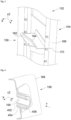
figure 2 est une vue en perspective d'un ensemble selon l'invention avec le réservoir, - la
figure 3 est une vue en perspective d'une partie d'une structure de l'ensemble selon l'invention avec le réservoir démonté, - la
figure 4 est une vue en perspective et en coupe de la structure de lafigure 2 par le plan IV, - la
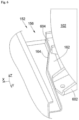
figure 5 est une vue en coupe d'un système amortisseur mis en oeuvre dans l'ensemble selon l'invention, - la
figure 6 est une vue en perspective d'une partie de l'ensemble selon l'invention dans une position de prémontage, et - la
figure 7 est une vue en perspective d'une partie de l'ensemble selon l'invention dans une position de montage. - Dans la description qui suit, les termes relatifs à une position sont pris en référence à un aéronef en position normale de vol, c'est-à-dire comme il est représenté sur la
figure 1 . - Dans la description qui suit, et par convention, on appelle X la direction longitudinale du turboréacteur qui est parallèle à l'axe longitudinal de l'aéronef, on appelle Y la direction transversale qui est horizontale lorsque l'aéronef est au sol, et Z la direction verticale qui est verticale lorsque l'aéronef est au sol, ces trois directions X, Y et Z étant orthogonales entre elles.
- La
figure 1 montre un aéronef 10 qui comporte un fuselage 11 de chaque côté duquel est fixée une aile 13 qui porte un moteur 14 comme par exemple un turboréacteur double flux. - Pour chaque moteur 14, l'aéronef 10 comporte également un mât 12 qui assure la fixation du moteur 14 sous l'aile 13.
- Pour chaque moteur 14, l'aéronef 10 comporte un système anti-incendie 100 qui comporte au moins un réservoir 102 et, pour chaque réservoir 102, une canalisation de décharge 104 qui s'étend entre ledit réservoir 102 et le moteur 14 soutenu par ledit mât 12.
- La
figure 2 montre un ensemble 150 selon l'invention qui comporte une structure 152 et un réservoir 102 fixé à la structure 152. L'ensemble 150 est logé à l'intérieur du mât 12 qui est matérialisé ici en traits mixtes. Classiquement, le réservoir 102 est rempli d'un fluide extincteur et est équipé d'une tête de décharge qui comporte un opercule qui ferme le réservoir 102 et une cartouche explosive, et où le goulot est fluidiquement connecté à la canalisation de décharge 104 à travers la tête de décharge. Lorsque cela est nécessaire, un ordre d'activation est envoyé à la cartouche explosive pour que celle-ci explose pour détruire l'opercule et ainsi libérer le fluide extincteur qui s'écoule dans la canalisation de décharge 104. Dans le mode de réalisation de l'invention présenté ici, il y a un seul ensemble 150, mais selon la quantité de fluide extincteur requis, il est possible de mettre en place plusieurs ensembles 150. - La structure 152 est fixée à l'intérieur du mât 12 par tous moyens de solidarisation appropriés comme par exemple des boulons. Le mât 12 présente une paroi percée d'une fenêtre 60 qui permet alternativement l'introduction ou le retrait du réservoir 102, en particulier lorsqu'il est nécessaire de le remplacer. L'introduction et le retrait du réservoir 102 s'effectuent selon une direction d'introduction T qui traverse la fenêtre 60 et qui est ici parallèle à la direction transversale Y.
- Les
figures 6 et7 montrent des détails de conception de l'invention et particulièrement du réservoir 102. - Le réservoir 102 prend ici la forme d'une sphère et il comporte deux pattes de fixation 602 et deux pattes d'appui 604 distinctes des pattes de fixation 602. Le réservoir 102 comporte également un plot 160 dont l'axe est parallèle à la direction d'introduction T.
- Il y a une patte de fixation 602 et une patte d'appui 604 de chaque côté du réservoir 102, et ici symétriquement par rapport à un plan de symétrie vertical du réservoir 102.
- Les
figures 3 et 4 montrent des détails de conception de l'invention et particulièrement de la structure 152. - La structure 152 comporte un châssis 154 fixé à l'intérieur du mât 12 à une structure dudit mât 12, deux supports 156 fixés au châssis 154 et un système d'emboîtement 158 également fixé au châssis 154 qui comporte un alésage 159 dont l'axe est parallèle à la direction d'introduction T et dont une ouverture est orientée vers la fenêtre 60.
- Chaque support 156 comporte un plateau 162 fixé au châssis 154 et un guide 164 fixé au plateau 162. Les deux supports 156 sont disposés de part et d'autre du réservoir 102, ici de part et d'autre du plan de symétrie vertical du réservoir 102.
- Lors de la mise en place du réservoir 102, celui-ci traverse la fenêtre 60 et il passe successivement d'une position de prémontage à une position de montage. Le réservoir 102 est ainsi mobile en translation parallèlement à la direction d'introduction T entre la position de prémontage et la position de montage lors de sa mise en place et inversement lors de son retrait.
- La
figure 6 montre la position de prémontage dans laquelle chaque patte de fixation 602 et chaque patte d'appui 604 reposent sur l'un des plateaux 162 et chaque guide 164 assure un guidage de la patte de fixation 602 et de la patte d'appui 604 associées audit plateau 162 transversalement par rapport à la direction d'introduction T, c'est-à-dire ici parallèlement à la direction longitudinale X. L'appui sur quatre pattes pendant le prémontage permet d'assurer une position stable du réservoir 102 et un tel guidage permet d'aligner le plot 160 et l'ouverture de l'alésage 159 du système d'emboîtement 158, même sans visibilité pour le technicien assurant la mise en place. - La
figure 7 montre la position de montage dans laquelle chaque patte de fixation 602 repose sur le plateau 162 associé et le plot 160 est introduit dans l'ouverture de l'alésage 159 du système d'emboîtement 158. La fixation de chaque patte de fixation 602 au plateau 162 associé est réalisée par tous moyens de fixation appropriés comme par exemple des boulons 606. Dans cette position de montage, les pattes d'appui 604 ne reposent plus sur les plateaux 162. Le réservoir 102 est alors fixé à la structure 152 par les deux pattes de fixation 602 et le plot 160. - Un tel arrangement facilite la mise en place du réservoir 102 même lorsque celui-ci est de grandes dimensions.
- Dans le mode de réalisation de l'invention présenté sur la
figure 2 , le châssis 154 comporte deux cadres 166 parallèles et disposés ici de part et d'autre du plan de symétrie du réservoir 102 et une traverse 168 qui relie les deux cadres 166 entre eux. - Chaque plateau 162 est fixé à l'un des cadres 166 et deux plateaux, et la traverse 168 porte le système d'emboîtement 158, c'est-à-dire que la traverse 168 est à l'opposé par rapport à la fenêtre 60.
- Pour limiter le transfert des vibrations environnantes au réservoir 102, chaque plateau 162 est fixé au châssis 154 par au moins un système amortisseur 170 qui sont ici au nombre de six par plateau 162 et dont un exemple est représenté de manière plus détaillée en coupe à la
figure 5 . - Le système amortisseur 170 comporte :
- une vis 172 avec une tête et une tige filetée dont l'axe est ici transversal par rapport à la direction d'introduction T,
- un écrou 174,
- une première bague 176 en élastomère qui présente un premier épaulement 178,
- une deuxième bague 180 en élastomère qui présente un deuxième épaulement 182,
- un palier extérieur 184 solidaire du plateau 162.
- La première bague 176 est enfilée sur la tige filetée en présentant le premier épaulement 178 contre la tête de la vis 172, le palier extérieur 184 est enfilé sur la tige filetée et s'emmanche sur la première bague 176, la deuxième bague 180 est enfilée sur la tige filetée en s'emmanchant sous le palier extérieur 184 et en présentant le deuxième épaulement 182 à l'opposé du premier épaulement 178 pour être en appui contre le châssis 154, ici le cadre 166, la tige filetée est introduite dans un alésage 186 du châssis 154, ici du cadre 166, et l'écrou 174 est serré sur la tige filetée de l'autre côté du châssis 154 par rapport à la tête.
- Après montage, le système d'amortisseur 170 comporte successivement la tête de la vis 172, le premier épaulement 178, le palier extérieur 184 emmanché sur la première bague 176 et la deuxième bague 180, le deuxième épaulement 182, le châssis 154 et l'écrou 174.
- Le palier extérieur 184 est ainsi pris en sandwich entre le premier épaulement 178 et le deuxième épaulement 182.
- Par la présence des deux bagues 176 et 180 qui entourent le palier extérieur 184, évitant le contact direct avec le châssis 154, les vibrations transmises au plateau 161 et donc au réservoir 102 sont très efficacement atténuées.
- En outre, l'utilisation d'un guide et de fixations en matière élastomère permet, grâce à la relative élasticité conférée aux interfaces, d'absorber les tolérances de fabrication et d'assemblage et ainsi de garantir en toutes circonstances la possibilité de monter l'ensemble sur la structure d'un mât.
- Dans le mode de réalisation de l'invention présenté ici, le système amortisseur 170 comporte en outre, un palier intérieur 188 qui est enfilé sur la tige filetée et sur lequel s'emmanche les deux bagues 176 et 180, et une rondelle 190 qui vient sous la tête pour agrandir la surface de contact avec le premier épaulement 178. Le contact entre le premier épaulement 178 et la tête s'effectue alors à travers la rondelle 190. Le palier inférieur 188 permet de limiter la compression des épaulements des bagues élastomères à une valeur prédéfinie, qui est réalisée lors du serrage au couple nominal du boulon. Les élastomères étant connus pour fluer sous charge permanente, cette bague garantit ainsi que le serrage est effectué sur un empilement de pièces rigides et donc l'absence de desserrage ultérieur de l'assemblage.
- Pour limiter le transfert des vibrations, le système d'emboîtement 158 comporte également des moyens d'amortissement. Le système d'emboîtement 158 comporte :
- un tube intérieur 402 dont l'alésage forme l'alésage 159 pour loger le plot 160, c'est-à-dire que l'axe du tube intérieur 402 est parallèle à la direction d'introduction T,
- un tube extérieur 404 coaxial avec ledit tube intérieur 402, disposé à l'extérieur dudit tube intérieur 402, et fixé au châssis 154, ici à la traverse 168, et
- un tube intermédiaire 406 en élastomère qui est fixé entre le tube intérieur 402 et le tube extérieur 404.
Claims (7)
- Ensemble (150) comportant :- une structure (152) comportant un châssis (154), deux supports (156) et un système d'emboîtement (158) fixé au châssis (154) et présentant un alésage (159) avec une ouverture et dont l'axe est parallèle à une direction d'introduction (T), où chaque support (156) comporte un plateau (162) fixé au châssis (154),- un réservoir (102) contenant un fluide extincteur, et comportant deux pattes de fixation (602), deux pattes d'appui (604) distinctes des pattes de fixation (602), et un plot (160) dont l'axe est parallèle à la direction d'introduction (T), et- des moyens de fixation (606),caractérisé en ce que chaque support (156) comprend un guide (164) solidaire du plateau (162), et en ce que le réservoir (102) est arrangé pour être mobile en translation parallèlement à la direction d'introduction (T) entre une position de prémontage dans laquelle chaque patte de fixation (602) et chaque patte d'appui (604) reposent sur l'un des plateaux (162) et chaque guide (164) assure un guidage de la patte de fixation (602) et de la patte d'appui (604) associées audit plateau (162) transversalement par rapport à la direction d'introduction (T) pour aligner le plot (160) et l'ouverture de l'alésage (159) du système d'emboîtement (158), et une position de montage dans laquelle chaque patte de fixation (602) repose sur le plateau (162) associé, le plot (160) est introduit dans l'ouverture de l'alésage (159) du système d'emboîtement (158), les pattes d'appui (604) ne reposent plus sur les plateaux (162), et les moyens de fixation assurent la fixation de chaque patte de fixation (602) au plateau (162) associé.
- Ensemble (150) selon la revendication 1, caractérisé en ce que chaque plateau (162) est fixé au châssis (154) par au moins un système amortisseur (170).
- Ensemble (150) selon la revendication 2, caractérisé en ce que chaque système amortisseur (170) comporte :- une vis (172) avec une tête et une tige filetée,- un écrou (174),- une première bague (176) en élastomère qui présente un premier épaulement (178),- une deuxième bague (180) en élastomère qui présente un deuxième épaulement (182),- un palier extérieur (184) solidaire du plateau (162),où la première bague (176) est enfilée sur la tige filetée en présentant le premier épaulement (178) contre la tête, le palier extérieur (184) est enfilé sur la tige filetée et s'emmanche sur la première bague (176), la deuxième bague (180) est enfilée sur la tige filetée en s'emmanchant sous le palier extérieur (184) et en présentant le deuxième épaulement (182) à l'opposé du premier épaulement (178) et en appui contre le châssis (154), la tige filetée est introduite dans un alésage (186) du châssis (154) et l'écrou (174) est serré sur la tige filetée de l'autre côté du châssis (154) par rapport à la tête.
- Ensemble (150) selon la revendication 3, caractérisé en ce que le système amortisseur (170) comporte un palier intérieur (188) enfilé sur la tige filetée et sur lequel s'emmanchent les deux bagues (176, 180).
- Ensemble (150) selon l'une des revendications 3 ou 4, caractérisé en ce que le système amortisseur (170) comporte une rondelle (190) sous la tête de la vis (172).
- Ensemble (150) selon l'une des revendications précédentes, caractérisé en ce que le système d'emboîtement (158) comporte :- un tube intérieur (402) dont l'alésage forme l'alésage (159) pour loger le plot (160),- un tube extérieur (404) coaxial avec ledit tube intérieur (402), disposé à l'extérieur dudit tube intérieur (402), et fixé au châssis (154), et- un tube intermédiaire (406) en élastomère qui est fixé entre le tube intérieur (402) et le tube extérieur (404).
- Aéronef (10) comportant un mât (12) dont une paroi présente une fenêtre (60), un ensemble (150) selon l'une des revendications précédentes, où le châssis (154) est fixé à l'intérieur du mât (12) et où l'ouverture de l'alésage (159) est orientée vers la fenêtre (60).
Applications Claiming Priority (1)
| Application Number | Priority Date | Filing Date | Title |
|---|---|---|---|
| FR2107205A FR3124793A1 (fr) | 2021-07-02 | 2021-07-02 | Ensemble comportant une structure et un réservoir fixé à la structure et contenant un fluide extincteur |
Publications (2)
| Publication Number | Publication Date |
|---|---|
| EP4112129A1 EP4112129A1 (fr) | 2023-01-04 |
| EP4112129B1 true EP4112129B1 (fr) | 2023-08-09 |
Family
ID=77180245
Family Applications (1)
| Application Number | Title | Priority Date | Filing Date |
|---|---|---|---|
| EP22182116.8A Active EP4112129B1 (fr) | 2021-07-02 | 2022-06-30 | Ensemble comportant une structure et un réservoir fixé à la structure et contenant un fluide extincteur |
Country Status (4)
| Country | Link |
|---|---|
| US (1) | US12364632B2 (fr) |
| EP (1) | EP4112129B1 (fr) |
| CN (1) | CN115554632A (fr) |
| FR (1) | FR3124793A1 (fr) |
Families Citing this family (4)
| Publication number | Priority date | Publication date | Assignee | Title |
|---|---|---|---|---|
| FR3139552A1 (fr) * | 2022-09-09 | 2024-03-15 | Airbus Operations (S.A.S.) | Mât d’aéronef équipé d’un système de guidage pour le montage ou démontage d’un réservoir et procédé de montage/démontage dudit réservoir |
| FR3146461A1 (fr) * | 2023-03-09 | 2024-09-13 | Airbus Operations | Ensemble pour un aéronef, ledit ensemble comportant un mat et un réservoir contenant un fluide extincteur |
| FR3148009A1 (fr) * | 2023-04-21 | 2024-10-25 | Airbus Operations | Ensemble pour un aéronef, ledit ensemble comportant un mat et un réservoir contenant un agent extincteur |
| FR3161667A1 (fr) * | 2024-04-30 | 2025-10-31 | Airbus Operations (S.A.S) | Dispositif de protection d’un réservoir à hydrogène d’un aéronef |
Family Cites Families (7)
| Publication number | Priority date | Publication date | Assignee | Title |
|---|---|---|---|---|
| FR2942969B1 (fr) * | 2009-03-10 | 2011-03-04 | Airbus France | Dispositif d'extinction d'incendies pour aeronef et procede de fixation |
| WO2017218011A1 (fr) * | 2016-06-17 | 2017-12-21 | Ametek Ameron, Llc | Système de protection de mesure d'incendie pour aéronef |
| ES3014390T3 (en) * | 2016-10-07 | 2025-04-22 | Airbus Operations Sl | Integrated apu built-in extinguishing bottle system |
| FR3099465B1 (fr) * | 2019-07-30 | 2022-12-02 | Airbus Operations Sas | Ensemble pour un aeronef, ledit ensemble comportant un mat et un reservoir contenant un fluide extincteur |
| CN210845048U (zh) * | 2019-08-21 | 2020-06-26 | 济南诺亚应急设备有限公司 | 一种车载全氟已酮灭火装置 |
| CN211584982U (zh) * | 2019-10-08 | 2020-09-29 | 江西洪都航空工业集团有限责任公司 | 一种固定翼飞机灭火瓶安装装置 |
| FR3105177B1 (fr) * | 2019-12-18 | 2022-01-07 | Airbus Operations Sas | Ensemble pour un aeronef, ledit ensemble comportant un mat et un reservoir contenant un fluide extincteur |
-
2021
- 2021-07-02 FR FR2107205A patent/FR3124793A1/fr not_active Ceased
-
2022
- 2022-06-30 CN CN202210760928.4A patent/CN115554632A/zh active Pending
- 2022-06-30 EP EP22182116.8A patent/EP4112129B1/fr active Active
- 2022-06-30 US US17/854,865 patent/US12364632B2/en active Active
Also Published As
| Publication number | Publication date |
|---|---|
| EP4112129A1 (fr) | 2023-01-04 |
| CN115554632A (zh) | 2023-01-03 |
| US20230000697A1 (en) | 2023-01-05 |
| US12364632B2 (en) | 2025-07-22 |
| FR3124793A1 (fr) | 2023-01-06 |
Similar Documents
| Publication | Publication Date | Title |
|---|---|---|
| EP4112129B1 (fr) | Ensemble comportant une structure et un réservoir fixé à la structure et contenant un fluide extincteur | |
| FR3040076A1 (fr) | Ensemble moteur pour aeronef comprenant une structure primaire de mat d'accrochage equipee d'une extension de caisson comprenant deux parties en forme globale d'arceau | |
| EP4187144B1 (fr) | Reservoir cryogenique ameliore pour aeronef et aeronef comprenant un tel reservoir | |
| EP0165095A1 (fr) | Support antivibratoire hydraulique | |
| EP0673038B1 (fr) | Dispositif de maintien d'un tube de guidage pour réacteur nucléaire | |
| CA2781013C (fr) | Carenage aerodynamique arriere d'un mat de liaison d'un moteur d'aeronef | |
| EP2707279B1 (fr) | Navire du type comportant au moins un puits de réception d'au moins un conteneur de lancement de missile | |
| EP2707623B1 (fr) | Système de support élastique à seuil de filtration de chocs, notamment pour la suspension de matériel à bord d'un navire | |
| EP2904613B1 (fr) | Emballage pour le transport et/ou l'entreposage de matieres radioactives, comprenant des moyens ameliores de fixation d'un capot amortisseur de chocs | |
| FR3073205A1 (fr) | Attache moteur d'un moteur d'aeronef | |
| FR3099465A1 (fr) | Ensemble pour un aeronef, ledit ensemble comportant un mat et un reservoir contenant un fluide extincteur | |
| FR3105177A1 (fr) | Ensemble pour un aeronef, ledit ensemble comportant un mat et un reservoir contenant un fluide extincteur | |
| EP2808595A1 (fr) | Réservoir et procédé pour sa fabrication | |
| EP4264063B1 (fr) | Assemblage pour une turbomachine | |
| WO2009147342A2 (fr) | Mat d'accrochage de moteur d'aeronef comprenant un caisson de section en forme de cercle ou d'ellipse | |
| EP4095399A1 (fr) | Ensemble de liaison de type double excentrique comprenant une bague en materiau deformable, pour une liaison entre deux structures d'un aeronef, et aeronef comprenant un tel ensemble | |
| EP3728039B1 (fr) | Dispositif de suspension | |
| FR2955311A1 (fr) | Dispositif d'accrochage d'un turbopropulseur, de preference sous une voilure d'aeronef | |
| FR3085359A1 (fr) | Dispositif de liaison localisee a separation commandee comprenant une couche de liaison multidirectionnelle | |
| FR3052362A1 (fr) | Dispositif de detection d'incendie | |
| FR3042901A1 (fr) | Dispositif de declenchement et d'insertion d'elements absorbants et/ou mitigateurs d'un reacteur nucleaire mettant en œuvre des elements flexibles et assemblage de combustible nucleaire comportant un tel dispositif | |
| EP4264062B1 (fr) | Assemblage pour une turbomachine | |
| EP1923543B1 (fr) | Dispositif de fixation de stator de turbine libre par double centrage et turbopropulseur doté d'un tel dispositif | |
| EP1431600A1 (fr) | Palier à roulement muni d'un "squeeze film" pour l'absorption de charge en cas de perte d'aube | |
| FR3158310A1 (fr) | Ensemble pour le renfort du fuselage d’un aéronef lors du retrait d’un panneau amovible |
Legal Events
| Date | Code | Title | Description |
|---|---|---|---|
| PUAI | Public reference made under article 153(3) epc to a published international application that has entered the european phase |
Free format text: ORIGINAL CODE: 0009012 |
|
| STAA | Information on the status of an ep patent application or granted ep patent |
Free format text: STATUS: REQUEST FOR EXAMINATION WAS MADE |
|
| 17P | Request for examination filed |
Effective date: 20220630 |
|
| AK | Designated contracting states |
Kind code of ref document: A1 Designated state(s): AL AT BE BG CH CY CZ DE DK EE ES FI FR GB GR HR HU IE IS IT LI LT LU LV MC MK MT NL NO PL PT RO RS SE SI SK SM TR |
|
| GRAP | Despatch of communication of intention to grant a patent |
Free format text: ORIGINAL CODE: EPIDOSNIGR1 |
|
| STAA | Information on the status of an ep patent application or granted ep patent |
Free format text: STATUS: GRANT OF PATENT IS INTENDED |
|
| RIC1 | Information provided on ipc code assigned before grant |
Ipc: B64D 45/00 20060101ALN20230419BHEP Ipc: A62C 35/02 20060101ALN20230419BHEP Ipc: F02C 7/25 20060101ALN20230419BHEP Ipc: B64D 25/00 20060101ALI20230419BHEP Ipc: B64C 7/02 20060101ALI20230419BHEP Ipc: A62C 3/08 20060101AFI20230419BHEP |
|
| INTG | Intention to grant announced |
Effective date: 20230519 |
|
| GRAS | Grant fee paid |
Free format text: ORIGINAL CODE: EPIDOSNIGR3 |
|
| GRAA | (expected) grant |
Free format text: ORIGINAL CODE: 0009210 |
|
| STAA | Information on the status of an ep patent application or granted ep patent |
Free format text: STATUS: THE PATENT HAS BEEN GRANTED |
|
| AK | Designated contracting states |
Kind code of ref document: B1 Designated state(s): AL AT BE BG CH CY CZ DE DK EE ES FI FR GB GR HR HU IE IS IT LI LT LU LV MC MK MT NL NO PL PT RO RS SE SI SK SM TR |
|
| RBV | Designated contracting states (corrected) |
Designated state(s): AL AT BE BG CH CY CZ DE DK EE ES FI FR GB GR HR HU IE IS IT LI LT LU LV MC MK MT NL NO PL PT RO RS SE SI SK SM TR |
|
| REG | Reference to a national code |
Ref country code: GB Ref legal event code: FG4D Free format text: NOT ENGLISH |
|
| REG | Reference to a national code |
Ref country code: CH Ref legal event code: EP |
|
| REG | Reference to a national code |
Ref country code: DE Ref legal event code: R096 Ref document number: 602022000312 Country of ref document: DE |
|
| REG | Reference to a national code |
Ref country code: IE Ref legal event code: FG4D Free format text: LANGUAGE OF EP DOCUMENT: FRENCH |
|
| REG | Reference to a national code |
Ref country code: LT Ref legal event code: MG9D |
|
| REG | Reference to a national code |
Ref country code: NL Ref legal event code: MP Effective date: 20230809 |
|
| REG | Reference to a national code |
Ref country code: AT Ref legal event code: MK05 Ref document number: 1596804 Country of ref document: AT Kind code of ref document: T Effective date: 20230809 |
|
| PG25 | Lapsed in a contracting state [announced via postgrant information from national office to epo] |
Ref country code: GR Free format text: LAPSE BECAUSE OF FAILURE TO SUBMIT A TRANSLATION OF THE DESCRIPTION OR TO PAY THE FEE WITHIN THE PRESCRIBED TIME-LIMIT Effective date: 20231110 |
|
| PG25 | Lapsed in a contracting state [announced via postgrant information from national office to epo] |
Ref country code: IS Free format text: LAPSE BECAUSE OF FAILURE TO SUBMIT A TRANSLATION OF THE DESCRIPTION OR TO PAY THE FEE WITHIN THE PRESCRIBED TIME-LIMIT Effective date: 20231209 |
|
| PG25 | Lapsed in a contracting state [announced via postgrant information from national office to epo] |
Ref country code: SE Free format text: LAPSE BECAUSE OF FAILURE TO SUBMIT A TRANSLATION OF THE DESCRIPTION OR TO PAY THE FEE WITHIN THE PRESCRIBED TIME-LIMIT Effective date: 20230809 Ref country code: RS Free format text: LAPSE BECAUSE OF FAILURE TO SUBMIT A TRANSLATION OF THE DESCRIPTION OR TO PAY THE FEE WITHIN THE PRESCRIBED TIME-LIMIT Effective date: 20230809 Ref country code: PT Free format text: LAPSE BECAUSE OF FAILURE TO SUBMIT A TRANSLATION OF THE DESCRIPTION OR TO PAY THE FEE WITHIN THE PRESCRIBED TIME-LIMIT Effective date: 20231211 Ref country code: NO Free format text: LAPSE BECAUSE OF FAILURE TO SUBMIT A TRANSLATION OF THE DESCRIPTION OR TO PAY THE FEE WITHIN THE PRESCRIBED TIME-LIMIT Effective date: 20231109 Ref country code: NL Free format text: LAPSE BECAUSE OF FAILURE TO SUBMIT A TRANSLATION OF THE DESCRIPTION OR TO PAY THE FEE WITHIN THE PRESCRIBED TIME-LIMIT Effective date: 20230809 Ref country code: LV Free format text: LAPSE BECAUSE OF FAILURE TO SUBMIT A TRANSLATION OF THE DESCRIPTION OR TO PAY THE FEE WITHIN THE PRESCRIBED TIME-LIMIT Effective date: 20230809 Ref country code: LT Free format text: LAPSE BECAUSE OF FAILURE TO SUBMIT A TRANSLATION OF THE DESCRIPTION OR TO PAY THE FEE WITHIN THE PRESCRIBED TIME-LIMIT Effective date: 20230809 Ref country code: IS Free format text: LAPSE BECAUSE OF FAILURE TO SUBMIT A TRANSLATION OF THE DESCRIPTION OR TO PAY THE FEE WITHIN THE PRESCRIBED TIME-LIMIT Effective date: 20231209 Ref country code: HR Free format text: LAPSE BECAUSE OF FAILURE TO SUBMIT A TRANSLATION OF THE DESCRIPTION OR TO PAY THE FEE WITHIN THE PRESCRIBED TIME-LIMIT Effective date: 20230809 Ref country code: GR Free format text: LAPSE BECAUSE OF FAILURE TO SUBMIT A TRANSLATION OF THE DESCRIPTION OR TO PAY THE FEE WITHIN THE PRESCRIBED TIME-LIMIT Effective date: 20231110 Ref country code: FI Free format text: LAPSE BECAUSE OF FAILURE TO SUBMIT A TRANSLATION OF THE DESCRIPTION OR TO PAY THE FEE WITHIN THE PRESCRIBED TIME-LIMIT Effective date: 20230809 Ref country code: AT Free format text: LAPSE BECAUSE OF FAILURE TO SUBMIT A TRANSLATION OF THE DESCRIPTION OR TO PAY THE FEE WITHIN THE PRESCRIBED TIME-LIMIT Effective date: 20230809 |
|
| PG25 | Lapsed in a contracting state [announced via postgrant information from national office to epo] |
Ref country code: PL Free format text: LAPSE BECAUSE OF FAILURE TO SUBMIT A TRANSLATION OF THE DESCRIPTION OR TO PAY THE FEE WITHIN THE PRESCRIBED TIME-LIMIT Effective date: 20230809 |
|
| PG25 | Lapsed in a contracting state [announced via postgrant information from national office to epo] |
Ref country code: ES Free format text: LAPSE BECAUSE OF FAILURE TO SUBMIT A TRANSLATION OF THE DESCRIPTION OR TO PAY THE FEE WITHIN THE PRESCRIBED TIME-LIMIT Effective date: 20230809 |
|
| PG25 | Lapsed in a contracting state [announced via postgrant information from national office to epo] |
Ref country code: SM Free format text: LAPSE BECAUSE OF FAILURE TO SUBMIT A TRANSLATION OF THE DESCRIPTION OR TO PAY THE FEE WITHIN THE PRESCRIBED TIME-LIMIT Effective date: 20230809 Ref country code: RO Free format text: LAPSE BECAUSE OF FAILURE TO SUBMIT A TRANSLATION OF THE DESCRIPTION OR TO PAY THE FEE WITHIN THE PRESCRIBED TIME-LIMIT Effective date: 20230809 Ref country code: ES Free format text: LAPSE BECAUSE OF FAILURE TO SUBMIT A TRANSLATION OF THE DESCRIPTION OR TO PAY THE FEE WITHIN THE PRESCRIBED TIME-LIMIT Effective date: 20230809 Ref country code: EE Free format text: LAPSE BECAUSE OF FAILURE TO SUBMIT A TRANSLATION OF THE DESCRIPTION OR TO PAY THE FEE WITHIN THE PRESCRIBED TIME-LIMIT Effective date: 20230809 Ref country code: DK Free format text: LAPSE BECAUSE OF FAILURE TO SUBMIT A TRANSLATION OF THE DESCRIPTION OR TO PAY THE FEE WITHIN THE PRESCRIBED TIME-LIMIT Effective date: 20230809 Ref country code: CZ Free format text: LAPSE BECAUSE OF FAILURE TO SUBMIT A TRANSLATION OF THE DESCRIPTION OR TO PAY THE FEE WITHIN THE PRESCRIBED TIME-LIMIT Effective date: 20230809 Ref country code: SK Free format text: LAPSE BECAUSE OF FAILURE TO SUBMIT A TRANSLATION OF THE DESCRIPTION OR TO PAY THE FEE WITHIN THE PRESCRIBED TIME-LIMIT Effective date: 20230809 |
|
| REG | Reference to a national code |
Ref country code: DE Ref legal event code: R097 Ref document number: 602022000312 Country of ref document: DE |
|
| PG25 | Lapsed in a contracting state [announced via postgrant information from national office to epo] |
Ref country code: IT Free format text: LAPSE BECAUSE OF FAILURE TO SUBMIT A TRANSLATION OF THE DESCRIPTION OR TO PAY THE FEE WITHIN THE PRESCRIBED TIME-LIMIT Effective date: 20230809 |
|
| PLBE | No opposition filed within time limit |
Free format text: ORIGINAL CODE: 0009261 |
|
| STAA | Information on the status of an ep patent application or granted ep patent |
Free format text: STATUS: NO OPPOSITION FILED WITHIN TIME LIMIT |
|
| 26N | No opposition filed |
Effective date: 20240513 |
|
| PG25 | Lapsed in a contracting state [announced via postgrant information from national office to epo] |
Ref country code: SI Free format text: LAPSE BECAUSE OF FAILURE TO SUBMIT A TRANSLATION OF THE DESCRIPTION OR TO PAY THE FEE WITHIN THE PRESCRIBED TIME-LIMIT Effective date: 20230809 |
|
| PG25 | Lapsed in a contracting state [announced via postgrant information from national office to epo] |
Ref country code: BG Free format text: LAPSE BECAUSE OF FAILURE TO SUBMIT A TRANSLATION OF THE DESCRIPTION OR TO PAY THE FEE WITHIN THE PRESCRIBED TIME-LIMIT Effective date: 20230809 |
|
| PG25 | Lapsed in a contracting state [announced via postgrant information from national office to epo] |
Ref country code: BG Free format text: LAPSE BECAUSE OF FAILURE TO SUBMIT A TRANSLATION OF THE DESCRIPTION OR TO PAY THE FEE WITHIN THE PRESCRIBED TIME-LIMIT Effective date: 20230809 |
|
| PG25 | Lapsed in a contracting state [announced via postgrant information from national office to epo] |
Ref country code: MC Free format text: LAPSE BECAUSE OF FAILURE TO SUBMIT A TRANSLATION OF THE DESCRIPTION OR TO PAY THE FEE WITHIN THE PRESCRIBED TIME-LIMIT Effective date: 20230809 |
|
| PG25 | Lapsed in a contracting state [announced via postgrant information from national office to epo] |
Ref country code: LU Free format text: LAPSE BECAUSE OF NON-PAYMENT OF DUE FEES Effective date: 20240630 |
|
| PG25 | Lapsed in a contracting state [announced via postgrant information from national office to epo] |
Ref country code: IE Free format text: LAPSE BECAUSE OF NON-PAYMENT OF DUE FEES Effective date: 20240630 |
|
| PG25 | Lapsed in a contracting state [announced via postgrant information from national office to epo] |
Ref country code: BE Free format text: LAPSE BECAUSE OF NON-PAYMENT OF DUE FEES Effective date: 20240630 |
|
| REG | Reference to a national code |
Ref country code: BE Ref legal event code: MM Effective date: 20240630 |
|
| PGFP | Annual fee paid to national office [announced via postgrant information from national office to epo] |
Ref country code: DE Payment date: 20250618 Year of fee payment: 4 |
|
| PGFP | Annual fee paid to national office [announced via postgrant information from national office to epo] |
Ref country code: FR Payment date: 20250627 Year of fee payment: 4 |
|
| PG25 | Lapsed in a contracting state [announced via postgrant information from national office to epo] |
Ref country code: CY Free format text: LAPSE BECAUSE OF FAILURE TO SUBMIT A TRANSLATION OF THE DESCRIPTION OR TO PAY THE FEE WITHIN THE PRESCRIBED TIME-LIMIT; INVALID AB INITIO Effective date: 20220630 |
|
| REG | Reference to a national code |
Ref country code: CH Ref legal event code: H13 Free format text: ST27 STATUS EVENT CODE: U-0-0-H10-H13 (AS PROVIDED BY THE NATIONAL OFFICE) Effective date: 20260127 |
|
| PG25 | Lapsed in a contracting state [announced via postgrant information from national office to epo] |
Ref country code: HU Free format text: LAPSE BECAUSE OF FAILURE TO SUBMIT A TRANSLATION OF THE DESCRIPTION OR TO PAY THE FEE WITHIN THE PRESCRIBED TIME-LIMIT; INVALID AB INITIO Effective date: 20220630 |
|
| PG25 | Lapsed in a contracting state [announced via postgrant information from national office to epo] |
Ref country code: CH Free format text: LAPSE BECAUSE OF NON-PAYMENT OF DUE FEES Effective date: 20250630 |