EP4089613A1 - Vorschlagssystem und vorschlagsverfahren - Google Patents
Vorschlagssystem und vorschlagsverfahren Download PDFInfo
- Publication number
- EP4089613A1 EP4089613A1 EP22171704.4A EP22171704A EP4089613A1 EP 4089613 A1 EP4089613 A1 EP 4089613A1 EP 22171704 A EP22171704 A EP 22171704A EP 4089613 A1 EP4089613 A1 EP 4089613A1
- Authority
- EP
- European Patent Office
- Prior art keywords
- vehicle
- auction
- information
- used vehicle
- price
- Prior art date
- Legal status (The legal status is an assumption and is not a legal conclusion. Google has not performed a legal analysis and makes no representation as to the accuracy of the status listed.)
- Pending
Links
Images






Classifications
-
- G—PHYSICS
- G06—COMPUTING OR CALCULATING; COUNTING
- G06Q—INFORMATION AND COMMUNICATION TECHNOLOGY [ICT] SPECIALLY ADAPTED FOR ADMINISTRATIVE, COMMERCIAL, FINANCIAL, MANAGERIAL OR SUPERVISORY PURPOSES; SYSTEMS OR METHODS SPECIALLY ADAPTED FOR ADMINISTRATIVE, COMMERCIAL, FINANCIAL, MANAGERIAL OR SUPERVISORY PURPOSES, NOT OTHERWISE PROVIDED FOR
- G06Q30/00—Commerce
- G06Q30/02—Marketing; Price estimation or determination; Fundraising
- G06Q30/0201—Market modelling; Market analysis; Collecting market data
-
- G—PHYSICS
- G06—COMPUTING OR CALCULATING; COUNTING
- G06Q—INFORMATION AND COMMUNICATION TECHNOLOGY [ICT] SPECIALLY ADAPTED FOR ADMINISTRATIVE, COMMERCIAL, FINANCIAL, MANAGERIAL OR SUPERVISORY PURPOSES; SYSTEMS OR METHODS SPECIALLY ADAPTED FOR ADMINISTRATIVE, COMMERCIAL, FINANCIAL, MANAGERIAL OR SUPERVISORY PURPOSES, NOT OTHERWISE PROVIDED FOR
- G06Q20/00—Payment architectures, schemes or protocols
- G06Q20/08—Payment architectures
- G06Q20/12—Payment architectures specially adapted for electronic shopping systems
- G06Q20/127—Shopping or accessing services according to a time-limitation
-
- G—PHYSICS
- G06—COMPUTING OR CALCULATING; COUNTING
- G06Q—INFORMATION AND COMMUNICATION TECHNOLOGY [ICT] SPECIALLY ADAPTED FOR ADMINISTRATIVE, COMMERCIAL, FINANCIAL, MANAGERIAL OR SUPERVISORY PURPOSES; SYSTEMS OR METHODS SPECIALLY ADAPTED FOR ADMINISTRATIVE, COMMERCIAL, FINANCIAL, MANAGERIAL OR SUPERVISORY PURPOSES, NOT OTHERWISE PROVIDED FOR
- G06Q30/00—Commerce
- G06Q30/02—Marketing; Price estimation or determination; Fundraising
- G06Q30/0201—Market modelling; Market analysis; Collecting market data
- G06Q30/0206—Price or cost determination based on market factors
-
- G—PHYSICS
- G06—COMPUTING OR CALCULATING; COUNTING
- G06Q—INFORMATION AND COMMUNICATION TECHNOLOGY [ICT] SPECIALLY ADAPTED FOR ADMINISTRATIVE, COMMERCIAL, FINANCIAL, MANAGERIAL OR SUPERVISORY PURPOSES; SYSTEMS OR METHODS SPECIALLY ADAPTED FOR ADMINISTRATIVE, COMMERCIAL, FINANCIAL, MANAGERIAL OR SUPERVISORY PURPOSES, NOT OTHERWISE PROVIDED FOR
- G06Q30/00—Commerce
- G06Q30/02—Marketing; Price estimation or determination; Fundraising
- G06Q30/0278—Product appraisal
-
- G—PHYSICS
- G06—COMPUTING OR CALCULATING; COUNTING
- G06Q—INFORMATION AND COMMUNICATION TECHNOLOGY [ICT] SPECIALLY ADAPTED FOR ADMINISTRATIVE, COMMERCIAL, FINANCIAL, MANAGERIAL OR SUPERVISORY PURPOSES; SYSTEMS OR METHODS SPECIALLY ADAPTED FOR ADMINISTRATIVE, COMMERCIAL, FINANCIAL, MANAGERIAL OR SUPERVISORY PURPOSES, NOT OTHERWISE PROVIDED FOR
- G06Q30/00—Commerce
- G06Q30/02—Marketing; Price estimation or determination; Fundraising
- G06Q30/0283—Price estimation or determination
-
- G—PHYSICS
- G06—COMPUTING OR CALCULATING; COUNTING
- G06Q—INFORMATION AND COMMUNICATION TECHNOLOGY [ICT] SPECIALLY ADAPTED FOR ADMINISTRATIVE, COMMERCIAL, FINANCIAL, MANAGERIAL OR SUPERVISORY PURPOSES; SYSTEMS OR METHODS SPECIALLY ADAPTED FOR ADMINISTRATIVE, COMMERCIAL, FINANCIAL, MANAGERIAL OR SUPERVISORY PURPOSES, NOT OTHERWISE PROVIDED FOR
- G06Q30/00—Commerce
- G06Q30/06—Buying, selling or leasing transactions
- G06Q30/0601—Electronic shopping [e-shopping]
- G06Q30/0611—Request for offers or quotes
-
- G—PHYSICS
- G06—COMPUTING OR CALCULATING; COUNTING
- G06Q—INFORMATION AND COMMUNICATION TECHNOLOGY [ICT] SPECIALLY ADAPTED FOR ADMINISTRATIVE, COMMERCIAL, FINANCIAL, MANAGERIAL OR SUPERVISORY PURPOSES; SYSTEMS OR METHODS SPECIALLY ADAPTED FOR ADMINISTRATIVE, COMMERCIAL, FINANCIAL, MANAGERIAL OR SUPERVISORY PURPOSES, NOT OTHERWISE PROVIDED FOR
- G06Q30/00—Commerce
- G06Q30/06—Buying, selling or leasing transactions
- G06Q30/0645—Rental transactions; Leasing transactions
-
- G—PHYSICS
- G06—COMPUTING OR CALCULATING; COUNTING
- G06Q—INFORMATION AND COMMUNICATION TECHNOLOGY [ICT] SPECIALLY ADAPTED FOR ADMINISTRATIVE, COMMERCIAL, FINANCIAL, MANAGERIAL OR SUPERVISORY PURPOSES; SYSTEMS OR METHODS SPECIALLY ADAPTED FOR ADMINISTRATIVE, COMMERCIAL, FINANCIAL, MANAGERIAL OR SUPERVISORY PURPOSES, NOT OTHERWISE PROVIDED FOR
- G06Q30/00—Commerce
- G06Q30/06—Buying, selling or leasing transactions
- G06Q30/08—Auctions
-
- G—PHYSICS
- G06—COMPUTING OR CALCULATING; COUNTING
- G06Q—INFORMATION AND COMMUNICATION TECHNOLOGY [ICT] SPECIALLY ADAPTED FOR ADMINISTRATIVE, COMMERCIAL, FINANCIAL, MANAGERIAL OR SUPERVISORY PURPOSES; SYSTEMS OR METHODS SPECIALLY ADAPTED FOR ADMINISTRATIVE, COMMERCIAL, FINANCIAL, MANAGERIAL OR SUPERVISORY PURPOSES, NOT OTHERWISE PROVIDED FOR
- G06Q50/00—Information and communication technology [ICT] specially adapted for implementation of business processes of specific business sectors, e.g. utilities or tourism
- G06Q50/40—Business processes related to the transportation industry
Definitions
- the present disclosure relates to a proposal system and a proposal method.
- a method of using a vehicle not only for an auction held by an auction operator and buying and sales by a retailer but also for a subscription service has recently attracted attention as vehicle business.
- a service provider provides a user with a vehicle that the user is entitled to use, and on the other hand, the service provider receives a flat-rate fee from the user, for example, every month.
- Many business operators have recently moved in the markets of such a vehicle subscription service.
- the present disclosure was made in view of problems as above, and an object thereof is to provide a system and a proposal method that propose a flat-rate fee to be paid by a user in a used vehicle subscription service.
- a new car subscription service in which a user is entitled to use a new car by periodically paying a first flat-rate fee and a used vehicle subscription service in which a user is entitled to use a used vehicle by periodically paying a second flat-rate fee are provided.
- a proposal system according to the present disclosure includes an obtaining unit that obtains information on the first flat-rate fee for a model and a model year identical to those of a used vehicle and a processor that calculates the second flat-rate fee to be lower than the first flat-rate fee.
- a new car subscription service in which a user is entitled to use a new car by periodically paying a first flat-rate fee and a used vehicle subscription service in which a user is entitled to use a used vehicle by periodically paying a second flat-rate fee are provided.
- a proposal method according to the present disclosure includes obtaining information on the first flat-rate fee for a model identical to a model of the used vehicle from a server in which information on the new car subscription service is stored and calculating the second flat-rate fee to be lower than the first flat-rate fee.
- the processor sets a difference between the second flat-rate fee and the first flat-rate fee to be smaller as an amount of decrease which is decrease of a residual value of the used vehicle with lapse of time is smaller.
- FIG. 1 A proposal system according to the present embodiment will be described with reference to Figs. 1 to 29 .
- Identical or substantially identical features of features shown in Figs. 1 to 29 have identical reference characters allotted and redundant description is not provided.
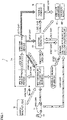
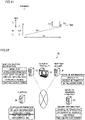
- Fig. 1 is a schematic diagram schematically showing a business network 1 for a new car and a used vehicle.
- business network 1 includes a vehicle manufacturer 10 of new cars 9, an owner 12 of a used vehicle 11, a new car dealer 13, a service provider 14, an auction operator 16, a retailer 17, a used car exporter 18A, an overseas buyer 18B, and a trading company 19.
- Vehicle manufacturer 10 manufactures new cars 9.
- New car dealer 13 runs new car sales business and used vehicle sales business. In the new car sales business, new car dealer 13 concludes, for example, an exclusive dealer contract with vehicle manufacturer 10, purchases new cars 9 from vehicle manufacturer 10, and sells new cars 9.
- new car dealer 13 accepts trade-in of used vehicle 11 owned by owner 12. Then, the new car dealer sells the used vehicle accepted as trade-in to an individual purchaser of the used vehicle or puts up the used vehicle for an auction held by auction operator 16. In addition, new car dealer 13 sells used cars to service provider 14.
- Service provider 14 runs new car subscription service business and used vehicle subscription service business.
- the new car subscription service is a service to provide to a user, a new car that the user is entitled to use during a contract period by periodically receiving a flat-rate fee from the user.
- the used vehicle subscription service is a service to provide to a user, a used vehicle that the user is entitled to use during a contract period by periodically receiving a flat-rate fee from the user.
- Service provider 14 purchases new cars from new car dealer 13 and uses them for the new car subscription service.
- Service provider 14 uses for the used vehicle subscription service, used vehicles purchased from new car dealer 13 and used vehicles that were used in the new car subscription service.
- service provider 14 sells used vehicles that were used in the subscription service to trading company 19 or to new car dealer 13, or puts them up for an auction held by auction operator 16.
- Auction operator 16 runs auction business between a selling member who sells a used vehicle and a bidding member who makes a bid for a used vehicle.
- the selling member include new car dealer, 13 service provider 14, and retailer 17.
- Examples of the bidding member include retailer 17, used car exporter 18A, and overseas buyer 18B.
- Retailer 17 runs used vehicle buying business and used vehicle sales business. In the buying business, retailer 17 procures used vehicles by buying used vehicle 11 from owner 12 or buying used vehicles at an auction held by auction operator 16.
- retailer 17 sells the procured used vehicle to an individual purchaser or puts the used vehicle up for an auction held by auction operator 16.
- Trading company 19 procures a used vehicle by buying a used vehicle at an auction held by auction operator 16 or by buying a used vehicle from service provider 14.
- Trading company 19 sells a used vehicle to used car exporter 18A or overseas buyer 18B.
- Fig. 2 is a schematic diagram schematically showing an auction system 28 of auction operator 16.
- Auction system 28 includes an inspection terminal 23, an auction terminal 24, a server 25, a seller terminal 26, and a bidding terminal 27.
- Seller terminal 26 is a terminal used by a selling member.
- the selling member enters input information D1 into seller terminal 26.
- Input information D1 includes vehicle information on a used vehicle to be put up for an auction, a knockdown price of the selling member, and information on the selling member.
- the knockdown price refers to a minimum contract price desired by the selling member.
- Seller terminal 26 transmits entered input information D1 to server 25.
- Inspection information D2 includes vehicle information of the used vehicle put up for the auction and a vehicle ID for identifying used vehicle 22.
- the vehicle information includes a model name, a model year, a vehicle record, and information on damage of used vehicle 22 put up for the auction.
- the vehicle information further includes also option information and grade information of used vehicle 22.
- the vehicle record includes repair record information, accident record information, information on a travel distance, and the like.
- Bidding terminal 27 is a terminal used by a bidding member.
- the bidding member can use bidding terminal 27 to view a list of cars put up for the auction on that day and vehicle information of each car put up for the auction. Then, the bidding member can use bidding terminal 27 to participate in the auction of used vehicles.
- the bidding member can specify a used vehicle that is being auctioned and raise a bid price.
- Bidding terminal 27 transmits bid information D3 to server 25.
- Bid information D3 includes a vehicle ID for identifying a used vehicle specified by the bidding member, information representing a bid price, and information identifying a bidding member who has made a bid.
- Auction terminal 24 obtains a knockdown price (minimum contract price) of the selling member who is participating in the auction and a bid price from server 25, and stops and closes the bid at a time point when the auctioned vehicle has fetched the knockdown price set by a seller or a highest value over the knockdown price.
- Auction terminal 24 transmits a contract price, a vehicle ID for identifying a used vehicle, and information identifying the bidding member who has made a successful bid to server 25.
- Fig. 3 is a schematic diagram schematically showing auction information.
- the vehicle information in the auction information includes a model name, a model year, a vehicle record, damage information, option information, and grade information of the vehicle.
- the bidding member who has made a successful bid for the used vehicle pays a final value fee and a closing fee to auction operator 16, and pays for the vehicle to the selling member via auction operator 16.
- the selling member who has put the used car up for the auction pays an insertion fee and a closing fee to auction operator 16 and receives the price for the vehicle via auction operator 16.
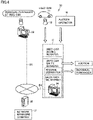
- Fig. 4 is a schematic diagram schematically showing a retail system 30 of retailer 17.
- Retailer 17 purchases a used vehicle from owner 12 of used vehicle 11 or at an auction.
- Retailer 17 sells the purchased used vehicle to an individual consumer at a distributor or to an individual consumer through the Internet, or puts the purchased used vehicle up for an auction held by auction operator 16.
- Retail system 30 is a system that introduces and advertises vehicles sold by retailer 17. Retail system 30 is operated and managed by a network managing company 31.
- Retail system 30 includes a server 32 and a retail terminal 34.
- Retail terminal 34 is a terminal used by retailer 17.
- Retailer 17 enters input information D4 into retail terminal 34 and retail terminal 34 transmits input information D4 to server 32.
- Input information D4 includes a photograph of a used vehicle listed on the web, a list price, and vehicle information of the used vehicle.
- the vehicle information includes a model name, a model year, option information, grade information, reconditioning record information, and travel distance information.
- Retailer 17 can change the list price of the used vehicle with the use of retail terminal 34.
- a user can access server 32 through a user's own terminal 33. Then, an individual consumer can view the photograph of the used vehicle listed on the web, a selling price, and the vehicle information.
- the user can identify a used vehicle in which the user is interested, enter user information, and make an inquiry about the used vehicle by using terminal 33. For example, the user can enter questions in an inquiry form shown on terminal 33.
- the user information includes a contact address and the like of the user.
- Terminal 33 transmits inquiry information D5 to server 32.
- Inquiry information D5 includes a vehicle ID indicating an identified used vehicle, inquiry information, and user information.
- Server 32 transmits inquiry information D5 to retail terminal 34.
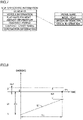
- Fig. 5 is a schematic diagram schematically showing inquiry information.
- the inquiry information includes vehicle information on a listed used vehicle, information representing the number of inquiries, information representing the list price, and information representing time and date of the inquiry.
- the vehicle information includes, for example, a model name, a model year, option information, grade information, reconditioning record information, travel distance information, and the like.
- information representing the number of inquiries and information representing time and date of inquiry are stored for each selling price.
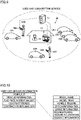
- Fig. 6 is a schematic diagram schematically showing a system 39 for providing a new car subscription service.
- Service provider 14 purchases a plurality of vehicles 40A to 40E from new car dealer 13.
- Vehicles 40A to 40E are new cars.
- Vehicles 40A to 40E include vehicles of a plurality of models.
- service provider 14 provides to a user 43A, vehicle 40A that user 43A is entitled to use during a contract period. Then, service provider 14 periodically receives a flat-rate fee from user 43A. For example, in this new car subscription service, user 43A does not have to pay a maintenance cost, a troubleshooting cost, an insurance cost, and various tax expenses in connection with vehicle 40A.
- user 43A is entitled to use vehicle 40A for a contract period (for example, three years) by paying the flat-rate fee to service provider 14 every month for the contract period.
- the flat-rate fee is determined, for example, based on the model.
- System 39 includes a business operator terminal 41, a server 42, and user terminals 45A and 45B.
- Business operator terminal 41 is a terminal used by a person in charge 44 of service provider 14.
- User terminals 45A and 45B are terminals used by respective users 43A and 43B, and they are, for example, smartphones.
- Business operator terminal 41 and user terminals 45A and 45B are connected to server 42 through the Internet.
- Person in charge 44 enters vehicle information of vehicles 40A to 40E into business operator terminal 41 and business operator terminal 41 transmits the entered vehicle information to server 42.
- user 43A when user 43A applies for use of vehicle 40A, the user uses user terminal 45A to access a web site on server 42.
- User 43A enters various types of information in an entry form shown on a screen of user terminal 45A. For example, user 43A enters selection of a shop, selection of a model, a grade, and an option of a vehicle to be used, selection of a contract period, and various types of information such as a name and a contact address of the user.
- User terminal 45A transmits the entered various types of information to server 42.
- Server 42 has the various types of information received from user terminal 45A stored in a storage and transmits the information to business operator terminal 41.
- Person in charge 44 conducts examination based on the received various types of information.
- Fig. 7 is a schematic diagram schematically showing new car service information.
- the new car service information is stored for each of vehicles 40A to 40E.
- the new car service information includes a vehicle ID, vehicle information, flat-rate payment amount information, a contract period, contract start timing, and contractor information.
- the vehicle ID is set for each of vehicles 40A to 40E.
- Vehicle information includes each model name, a model year, a vehicle record, option information, and grade information.
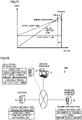
- Fig. 8 shows a graph schematically showing an earnings structure of the subscription service for vehicle 40A.
- the ordinate in the graph represents earnings and the abscissa represents time.
- the origin “0” in the graph represents timing of start of the contract.
- “P1” in the graph represents timing of end of the contract and
- “T1" represents the contract period.
- IC1 in the graph represents an initial cost paid by service provider 14 when it provides the subscription service using vehicle 40A.
- Initial cost IC1 includes, for example, a vehicle price of vehicle 40A, a voluntary insurance cost for vehicle 40A, an expected repair and maintenance cost, and various taxes.
- L1 in the graph represents a condition line schematically showing an earnings state. An initial value of condition line L1 is set to initial cost IC1. Since user 43A monthly pays the flat-rate fee to service provider 14, condition line L1 increases with lapse of time.
- RV1 in the graph represents a residual value of vehicle 40A at the time of contract expiration P1. Residual value RV1 represents a profit obtained when a vehicle is sold at an auction held by auction operator 16 or sold to retailer 17 at the time of contract expiration P1.
- E1 represents sales in the subscription service of vehicle 40A and it is a sum of a total amount of flat-rate fees paid by the user and residual value RV1.
- Sales E1 represents an amount determined in advance by service provider 14. In other words, residual value RV1 is expected in advance and a flat-rate fee FR1 for the new car subscription service is set such that sales E1 attains to a predetermined amount.
- Fig. 8 shows the earnings structure of the subscription service of vehicle 40A.
- initial cost IC1 an inclination of condition line L1
- residual value RV1 residual value
- Fig. 9 is a schematic diagram schematically showing a system 49 for providing a used vehicle subscription service.
- Service provider 14 procures used vehicles 50A to 50E.
- a vehicle used in the new car subscription service may be used as used vehicles 50A to 50E.
- a vehicle may be procured at an auction, or a used vehicle accepted as trade-in by new car dealer 13 may be purchased from new car dealer 13.
- a plurality of models are included in used vehicles 50A to 50E.
- Service provider 14 provides to a user 53A, used vehicle 50A that user 53A is entitled to use for a contract period. Then, service provider 14 periodically receives the flat-rate fee from user 53A. In the used vehicle subscription service, user 53A does not have to pay a maintenance cost, a troubleshooting cost, an insurance cost, and various tax expenses in connection with used vehicle 50A.
- System 49 includes a business operator terminal 51, a server 52, and user terminals 59A and 59B.
- Business operator terminal 51 is a terminal used by a person in charge 54.
- User terminals 59A and 59B are terminals used by respective users 53A and 53B, and they are, for example, smartphones.
- Business operator terminal 51 and user terminals 59A and 59B are configured to communicate with server 52 through the Internet.
- Server 52 is configured to communicate with server 42 shown in Fig. 6 .
- server 52 obtains various types of information on vehicle 40A from server 42.
- service provider 14 purchases a used vehicle from new car dealer 13 for the used vehicle subscription service
- person in charge 54 enters vehicle information of used vehicles 50A to 50E into business operator terminal 51.
- Business operator terminal 51 transmits entered vehicle information of used vehicles 50A to 50E to server 52.
- the server of new car dealer 13 and server 52 may be configured to communicate with each other. In this case, information on a purchased vehicle is obtained from the server of new car dealer 13.
- Fig. 10 is a schematic diagram schematically showing used vehicle service information.
- the used vehicle service information is stored for each of used vehicles 50A to 50E.
- the used vehicle service information includes a vehicle ID, vehicle information, flat-rate payment amount information, a contract period, and contractor information.
- the vehicle ID is set for each of vehicles 50A to 50E.
- the vehicle information includes each model name, a model year, vehicle record information, option information, grade information, and reconditioning record information.
- the vehicle record information includes accident information.
- Fig. 11 shows a graph schematically showing an earnings structure of the subscription service of used vehicle 50A.
- the ordinate in the graph represents earnings and the abscissa represents time.
- the origin “0” in the graph represents timing of start of the contract.
- “P2” in the graph represents timing of end of the contract and "T2" represents the contract period.
- IC2 in the graph represents an initial cost paid by service provider 14 when it provides the subscription service using used vehicle 50A.
- initial cost IC2 includes a cost for purchasing used vehicle 50A, a maintenance cost, a troubleshooting cost, a voluntary insurance cost, and various tax expenses.
- initial cost IC2 includes residual value RV1 shown in Fig. 8 , a voluntary insurance cost of used vehicle 50A, an expected repair cost, and various taxes.
- a purchase cost in purchasing used vehicle 50A from retailer 17 or the like includes a cost for purchase of used vehicle 50A by retailer 17, a profit amount of retailer 17, and a repair cost for repair of used vehicle 50A. Therefore, use for the used vehicle subscription service, of a vehicle used in the new car subscription service can be less in initial cost IC2.
- condition line L2 represents a condition line showing an earnings state when the subscription service using used vehicle 50A is provided.
- An initial value of condition line L2 is set to initial cost IC2.
- condition line L2 increases with lapse of time.
- a flat-rate fee FR2 in the used vehicle subscription service is lower than flat-rate fee FR1 in the new car subscription service. Therefore, condition line L2 is smaller in angle of inclination than condition line L1. A method of setting flat-rate fee FR2 will be described later.
- a residual value RV2 refers to a residual value of used vehicle 50A at the time of contract expiration P2. Residual value RV2 represents a profit obtained at the time when used vehicle 50A is sold to any one of auction operator 16, retailer 17, and new car dealer 13 at the time of contract expiration P2.
- Sales E2 represents sales in the subscription service of used vehicle 50A. Specifically, sales E2 is the sum of a total amount of flat-rate fees periodically paid by user 53A to service provider 14 and residual value RV2.
- Vehicle 40A that was used in the new car subscription service is defined as a "vehicle 40A1" for distinction from vehicle 40A which is a new car that has not been used in the used car subscription service.
- service provider 14 can select any of a method of obtaining residual value RV1 by selling vehicle 40A1 at an auction or at retail and a method of using vehicle 40A1 in the used vehicle subscription service using vehicle 40A1 as shown in Fig. 11 .
- Proposal system 60 is a system that proposes a method of using a used vehicle obtained by service provider 14, and proposes, when it proposes use of the used vehicle in the used vehicle subscription service, also a flat-rate fee in the service.
- Fig. 12 is a schematic diagram schematically showing proposal system 60.
- Proposal system 60 includes business operator terminal 51, a server 20, server 25, server 32, and server 42.
- Business operator terminal 51 is configured to communicate with server 25, server 32, and server 42.
- Server 20 is a server of new car dealer 13.
- New car dealer 13 runs also used vehicle trade-in business and used car sales business as described above.
- Trade-in information in acceptance of trade-in of a used vehicle is stored in server 20.
- the trade-in information includes a vehicle ID for identifying a vehicle, vehicle information, and a retail buying price.
- the vehicle information in the trade-in information includes a model name, a model year, option information, grade information, reconditioning information, and travel distance information.
- Business operator terminal 51 communicates with server 20, server 25, and server 32 through the Internet and the like.
- Business operator terminal 51 obtains the trade-in information from server 20.
- Business operator terminal 51 obtains auction information from server 25.
- Business operator terminal 51 obtains inquiry information from server 32 through the Internet.
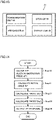
- Fig. 13 is a functional block diagram of business operator terminal 51.
- Business operator terminal 51 includes a communication unit 55, a storage 56, a processor 57, and an output unit 58.
- Communication unit 55 obtains auction information from server 25 through the Internet or the like, and obtains inquiry information from server 32.
- Communication unit 55 obtains new car service information from server 42.
- the obtained auction information, inquiry information, and new car service information are stored in storage 56.
- Processor 57 proposes a method of using a used vehicle obtained by service provider 14, and calculates, when it proposes use of the used vehicle for the used vehicle subscription service, also a flat-rate fee in the service.
- Output unit 58 refers to a display screen or the like on which a result of calculation by processor 57 is provided as output.
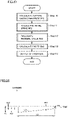
- Fig. 14 is a flowchart showing a flow until processor 57 proposes a method of using vehicle 40A1.
- Processor 57 calculates an auction knockdown price SP1 of vehicle 40A1 (Step 10). Processor 57 calculates a retail buying price RP1 of vehicle 40A1 (Step 11). Then, processor 57 calculates profit Be1 based on auction knockdown price SP1 and retail buying price RP1 (Step 12).
- Processor 57 calculates profit Be2 (Step 13). Then, processor 57 proposes a method of disposing of vehicle 40A1 based on profit Be1 and profit Be2 (Step 14).
- Fig. 15 is a flowchart of calculation of auction knockdown price SP1.
- Processor 57 extracts auction information of interest of a vehicle the same in model and model year as vehicle 40A1 from auction information obtained from server 25 (Step 20).
- the auction information includes the vehicle information, and the vehicle information includes model information and model year information.
- processor 57 extracts auction information of a vehicle the same in model and model year as vehicle 40A1.
- the vehicle information of vehicle 40A1 is stored in storage 56.
- a vehicle incorporating options incorporated in vehicle 40A1 may be extracted based on option information as information other than the model and the model year.
- processor 57 calculates auction knockdown price SP1 based on the extracted auction information (Step 21). In this Step 21, auction knockdown price SP1 at the time of contract expiration P1 is calculated.
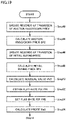
- Fig. 16 shows a graph showing an exemplary distribution of contract prices of a model the same as that of vehicle 40A1.
- the ordinate represents the number of successful bids and the abscissa represents a contract price.
- the total number of successful bids is denoted as N.
- a median contract price CP1 represents a median value of the contract prices.
- Processor 57 sets auction knockdown price SP such that successful bids at contract prices not lower than auction knockdown price SP occupy 80%-instances of the total extracted successful bids. Specifically, auction knockdown price SP is set such that 0.8 ⁇ N successful bids are at contract prices not lower than auction knockdown price SP.
- an auction knockdown price is set such that at least 0.75 ⁇ N and at most 0.85 ⁇ N successful bids are at contract prices not lower than auction knockdown price SP1. Then, depending on a model of vehicle 40A1, a value to be set as auction knockdown price SP is varied. For example, a value closer to 0.75 ⁇ N is set for a model larger in number (N) of successful bids (that is, auction knockdown price SP1 is higher). Thus, even when vehicle 40A1 is sold at an auction, higher possibility of unsuccessful bids can be suppressed, while setting of excessively low auction knockdown price SP can be suppressed.
- a method of calculating auction knockdown price SP1 is not limited to the example as above, and the auction knockdown price may be expected in various methods.
- processor 57 calculates retail buying price RP1 (Step 11).
- a method of calculating the retail buying price RP1 can directly be obtained because the trade-in information includes the retail buying price.
- retail buying prices of used vehicles the same in model, model year, and options as vehicle 40A1 are extracted from the trade-in information.
- an average value of the extracted retail buying prices is defined as retail buying price RP1.
- a method of calculating retail buying price RP1 based on inquiry information will now be described with reference to Fig. 17 and the like.
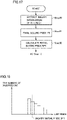
- Fig. 17 is a flowchart of calculation of retail buying price RP1.
- Step 11 retail buying price RP1 at the current time point (at the time of contract expiration P1) is calculated.
- Processor 57 extracts inquiry information of interest of a vehicle the same in model and model year as vehicle 40A1 from inquiry information obtained from server 32 (Step 30). Specifically, inquiry information obtained from server 32 includes vehicle information, and this vehicle information includes model information and model year information. Then, processor 57 extracts inquiry information of a vehicle the same in model and model year as vehicle 40A1. The vehicle information of vehicle 40A1 is stored in storage 56.
- Processor 57 calculates a final selling price FS based on the extracted inquiry information (Step 31).
- Fig. 18 shows a graph showing extracted inquiry information.
- the abscissa represents a list price on the web.
- the number of inquiries tends to be larger with decrease in list price.
- an inquiry initial price IP1 is set such that at least 75% and at most 85% of the number of inquiries M will be made at list prices not lower than inquiry initial price IP1.
- inquiry initial price IP1 is set such that 0.8 ⁇ M inquiries will be made at list prices not lower than that.
- the list price may be discounted, for example, before settlement of accounts of retailer 17.
- retailer 17 may set the list price without any consideration of its profit.
- inquiry initial price IP1 may be set to invite at least 75% and at most 85% of the number of inquiries M.
- inquiry initial price IP1 When inquiry initial price IP1 is set to invite less than 75% of the number of inquiries M, inquiry initial price IP1 is too high and final selling price FS or retail buying price RP1 which will be described later may not accurately be calculated. When inquiry initial price IP1 is set to invite more than 85% of the number of inquiries M, seasonal variation above may much be contained.
- network managing company 31 After inquiries are actually made, network managing company 31 is unable to know a specific purchase and sales price between retailer 17 and an individual purchaser. For example, even when retailer 17 makes a sales contract with an individual purchaser at a price discounted from the list price, network managing company 31 is unable to know such discount information.
- Final Selling Price FS Inquiry Initial Price IP1 ⁇ Coefficient K5
- Coefficient K5 is set to a value not smaller than 0.9 and not larger than 1.0, and it is set to a value closer to 1.0 as the number of inquiries M is larger.
- a model popular in a used market is also popular in a new car market, and the number of sold new cars is large. Consequently, there are a large number of cars of the popular model also on the used market, and the number of inquiries M is also large. Since an amount of discount for the popular model tends to be smaller, the coefficient is set to be closer to 1.0 as the number of inquiries M is larger.
- final selling price FS at which retailer 17 sells vehicle 40A1 is calculated.
- Final selling price FS refers to a price at which retailer 17 sells vehicle 40A1 to an individual consumer or the like, and it is different from a price at which retailer 17 buys vehicle 40A1. Then, retail buying price RP1 is calculated from final selling price FS.
- Processor 57 calculates retail buying price RP1 (Step 32).
- processor 57 calculates retail buying price RP1 based on final selling price FS.
- Retail buying price RP1 refers to a price at which retailer 17 buys vehicle 40A1.
- Final selling price FS includes retail buying price RP1 and a gross margin of retailer 17. For example, 6% to 14% of retail buying price RP1 (an amount at which retailer 17 sells the used vehicle to an individual purchaser) is calculated as a gross margin of retailer 17. Therefore, retail buying price RP1 and final selling price FS satisfy relation in an expression (4) below.
- Retail Buying Price RP1 ⁇ Coefficient K6 Final Selling Price FS
- Retail Buying Price RP1 Final Selling Price FS / Coefficient K6
- Coefficient K6 is set to a value not lower than 106% and not higher than 114%.
- the gross margin is set based on a model year or the like of vehicle 40A1, and it is set to be smaller as the model year is older.
- the gross margin is set to be smaller for vehicles on the market in larger number than that for vehicles on the market in smaller number. For example, as the number of inquiries M is larger, a larger gross margin is set. In other words, since a popular model sells well, the gross margin of retailer 17 is often set to be larger.
- Processor 57 thus calculates retail buying price RP1 at the time of contract expiration P1 of vehicle 40A1.
- retail buying price RP1 can be calculated also based on trade-in information and inquiry information
- an average value of the retail buying price calculated based on the trade-in information and the retail buying price calculated based on the inquiry information may be defined as retail buying price RP1.
- processor 57 calculates profit Be1 at the time of selling of vehicle 40A1 (Step 12). Specifically, a value between retail buying price RP1 and auction knockdown price SP1 is set as residual value RV1. For example, residual value RV1 is set to a value intermediate between retail buying price RP1 and auction knockdown price SP1. For example, when neither of inquiry information and trade-in information can be obtained, auction knockdown price SP1 is defined as residual value RV1.
- Residual value RV1 at the current time point (at the time of contract expiration P1) of vehicle 40A1, use of which ended in the new car subscription service, can thus be calculated.
- profit Be1 can be calculated by subtracting a cost from the sum of the total amount of flat-rate fees FR1 obtained from the user during contract period T1 and residual value RV1.
- the cost includes a vehicle price for vehicle 40A, a voluntary insurance cost of vehicle 40A that was actually incurred, a repair cost and a maintenance cost, and various taxes.
- processor 57 calculates profit Be2 expected to be obtained when vehicle 40A1 is used in the used vehicle subscription service.
- Fig. 19 is a flowchart of calculation of profit Be2.
- Processor 57 creates a history showing records over time of auction knockdown price SP (Step 42).
- processor 57 creates a history showing records over time of auction knockdown price SP for a vehicle the same in model and model year as vehicle 40A1. Without being limited only to the model and the model year alone, when vehicle 40A1 is equipped with options, auction information on a vehicle incorporating the options may be extracted and the history showing records over time of auction knockdown price SP may be created.
- Auction information includes time and date of a successful bid.
- the auction information is divided into pieces based on a bid period lasting for a prescribed period. Then, the auction knockdown price is calculated for each bid period.
- a method of calculating the auction knockdown price is the same as the method described with reference to Fig. 16 and the like.
- Fig. 20 shows a graph showing a history of records over time of auction knockdown price SP.
- the ordinate in the graph represents auction knockdown price SP.
- the abscissa represents time. It can be seen in this graph that auction knockdown price SP decreases with lapse of time.
- auction information is shown up to auction knockdown price SP until the current time point (at the time of contract expiration P1).
- processor 57 calculates an auction knockdown price SP2 at the time of contract expiration P2 (Step 44). For example, in Fig. 20 , by first-order approximation or quadrature approximation of auction knockdown price SP until contract expiration P1 at each time point, auction knockdown price SP2 at the time of contract expiration P2 is calculated. Various methods can be adopted as a method of calculating auction knockdown price SP2.
- Processor 57 thus predicts auction knockdown price SP2 after vehicle 40A1 is used in the used vehicle subscription service.
- Processor 57 creates a history showing transition over time of a retail buying price of a vehicle the same in model and model year as vehicle 40A1 (Step 46).
- Inquiry information includes information representing time and date of an inquiry.
- Processor 57 calculates retail buying price RP based on an inquiry price IP in each piece of inquiry information.
- Fig. 21 shows a graph showing transition over time of a retail buying price of a vehicle the same in model and model year as vehicle 40A1.
- the ordinate represents the retail buying price and the abscissa represents time. Since inquiry information until the current time point (contract expiration P1) is stored in storage 56, the graph until the time of contract expiration P1 is shown. A method of calculating the retail buying price based on inquiry information is the same as the calculation method with reference to Fig. 18 .
- Processor 57 calculates a retail buying price RP2 at the time of contract expiration P2 based on transition over time of the retail buying price (Step 48).
- retail buying price RP2 at the time of contract expiration P2 is calculated.
- the method of calculating retail buying price RP2 is not limited to the method above.
- processor 57 calculates residual value RV2 (Step 50). Specifically, residual value RV2 is set to a value between retail buying price RP2 and auction knockdown price SP2. For example, residual value RV2 is set to a value intermediate between retail buying price RP2 and auction knockdown price SP2.
- processor 57 obtains through communication unit (obtaining unit) 55, flat-rate fee FR1 in a case in which new cars identical in model and model year to vehicle 40A1 are used in the new car subscription service (Step 52).
- communication unit 55 obtains new car service information from server 42.
- This new car service information includes vehicle information, flat-rate payment amount information, a contract period, and contract start timing.
- Flat-rate fee FR1 is shown in the flat-rate payment amount information.
- flat-rate fee FR1 for contract period T1 the same as contract period T2 in using vehicle 40A1 in the used vehicle subscription service is extracted.
- processor 57 sets (calculates) a flat-rate fee to monthly be paid by a user in the case in which vehicle 40A1 is used in the used vehicle subscription service (Step 54).
- a flat-rate fee to be paid by a user when vehicle 40A is used in the new car subscription service is defined as flat-rate fee FR1
- a flat-rate fee to be paid by a user when vehicle 40A1 is used in the used vehicle subscription service is defined as flat-rate fee FR2.
- Flat-rate fee FR1 and flat-rate fee FR2 satisfy an expression (5) below.
- a coefficient A has a value larger than 0 and smaller than 1.
- Flat-rate fee FR1 is flat-rate fee FR1 set for the new car subscription service, for vehicle 40A the same in model and model year as vehicle 40A1 to be used in the used vehicle subscription service.
- flat-rate fee FR1 is flat-rate fee FR1 for vehicle 40A incorporating options the same as the options.
- Coefficient A not smaller than 0.4 and not larger than 0.7 is set. When coefficient A is larger than 0.7, a difference between flat-rate fee FR1 and flat-rate fee FR2 becomes smaller and a user is less likely to find a financial benefit in using the used vehicle subscription service.
- coefficient A smaller than 0.4 is set, service provider 14 is less likely to secure a profit even when the service provider sells vehicle 40A at the time of contract expiration P2.
- Coefficient A may be set, for example, based on a ratio between residual value RV1 at the current time point of vehicle 40A1 and residual value RV2 after contract period T2.
- coefficient A may be set as shown in an expression (6) below. Either higher one of auction knockdown price SP1 and retail buying price RP1 is selected as residual value RV1.
- profit Be2 is calculated (Step 56).
- initial cost IC2 is calculated from the sum of residual value RV1, the voluntary insurance cost of used vehicle 50A, a predicted repair cost, and various taxes.
- processor 57 provides output of a proposal for a method of using vehicle 40A1 (Step 14).
- Fig. 22 is a flowchart showing a flow for output of a proposal.
- Processor 57 determines whether or not there is an accident record based on the vehicle information of vehicle 40A1 (Step 60). When there is an accident record for vehicle 40A1, it is inappropriate as a vehicle for the used vehicle subscription service.
- processor 57 determines that there is an accident record for vehicle 40A1 (Yes in Step 60)
- processor 57 proposes to sell vehicle 40A1 at an auction (Step 62) because the vehicle can be sold earlier at an auction than at retail.
- a cost required for storing vehicle 40A1 can be reduced.
- processor 57 determines that there is no accident record for vehicle 40A1, it calculates a threshold value TH (Step 64). For example, a value calculated by subtracting a prescribed value K1 from profit Be1 at the current time point (contract expiration P1) is defined as threshold value TH.
- Prescribed value K1 is set based on an economic value of information obtained from a user during contract period T2. For example, information on problems and improvements in connection with the subscription service and trends of user's ideas can be obtained through inquiries and questionnaires from users during contract period T2. Such direct information from the users is a source of information for preparing a type of a vehicle or for preparing a vehicle incorporating specific options. Thus, combination of services and merchandises that service provider 14 has never thought of may be created based on information from the users.
- larger prescribed value K1 may be set as the number of vehicles sold on auction markets and retail markets is smaller. As the number of vehicles sold on the markets is smaller, there are fewer opportunities for obtaining information such as feedback from users about the vehicles, and there is possibility of obtaining valuable information.
- Processor 57 can obtain the number of vehicles sold on the auction markets and the retail markets from auction information and inquiry information.
- threshold value TH may be calculated by multiplying profit Be1 by a coefficient K2 not larger than 1 such as a coefficient not smaller than 0.6 and not larger than 0.95.
- coefficient K2 is set as the number of vehicles sold on the auction markets and the retail markets is smaller.
- Fig. 23 shows a model for calculation of a ratio of users who experienced troubles and quit using a service. In Fig. 23 , it is assumed that 20% of all users experienced troubles as a result of use of the subscription service.
- the model and the options of the vehicle provided in the subscription service and other service contents can be improved and users who quit using the subscription service can be reduced.
- Fig. 24 is a schematic diagram showing a model after service contents have been improved from a state of the model shown in Fig. 23 .
- the model shown in this Fig. 24 is, for example, a model in a state that opportunities of contact with users increased as a result of having the users use the used vehicle subscription service and furthermore various improvements in the subscription service were made based on contents of complaints from the users.
- Fig. 25 shows a graph schematically showing a break-even point or the like of the subscription service.
- a break-even point in the subscription service is located at a high position. Therefore, lowering in sales, for example, by 0.5% greatly reduces the profit.
- complaints from the users relate to the used vehicle subscription service, the complaints can be used also for improvement of the new car subscription service. Therefore, a line showing the sales shown in Fig. 25 represents the total of sales E1 in the subscription service using vehicle 40A and sales E2 in the used vehicle subscription service using vehicle 40A1.
- threshold value TH is set to satisfy an expression (7) below. E 1 + E 2 ⁇ 0.004 ⁇ threshold value TH ⁇ E 1 + E 2 ⁇ 0.006
- Threshold value TH can be expressed as in an expression (8) below by substituting (sales E1 + sales E2) in the expression above with profit Be1. Profit Be 1 ⁇ 0.6 ⁇ threshold value TH ⁇ profit Be1 ⁇ 0 .95
- threshold value TH is calculated by multiplying profit Be1 by coefficient K2 not larger than 1 such as a coefficient not smaller than 0.6 and not larger than 0.95.
- coefficient K2 is smaller than 0.6, the value of information from the users is excessively high.
- Threshold value TH may be calculated by multiplying profit Be1 by coefficient K2 not larger than 1 such as a coefficient not smaller than 0.6 and not larger than 0.95, or by multiplying profit Be1 by coefficient K2 not larger than 1 such as a coefficient not smaller than 0.7 and not larger than 0.9.
- processor 57 determines whether or not profit Be2 is larger than threshold value TH (Step 66). When profit Be2 is larger than threshold value TH, processor 57 proposes to use vehicle 40A1 in the used vehicle subscription service (Step 68), and when profit Be2 is equal to or smaller than threshold value TH, it proposes to sell vehicle 40A1 (Step 70).
- proposal system 60 proposes a method of using vehicle 40A1 in consideration of the economic value of information obtained from the users by using vehicle 40A1 in the used vehicle subscription service.
- processor 57 has output unit 58 provide an output including flat-rate fee FR2 calculated in Step 54.
- proposal system 60 also functions as a system that calculates flat-rate fee FR2. Residual value RV2 and the like at the time of contract expiration P2 may also be provided as output together.
- processor 57 proposes to sell used vehicle 50A at retail.
- processor 57 proposes to sell used vehicle 50A at an auction.
- a proposal system 60A according to a second embodiment will be described with reference to Fig. 26 and the like.
- Providing the subscription service again with the use of vehicles that were used in the used vehicle subscription service is referred to as a "used vehicle re-subscription service.”
- Used vehicle 50A that was used in the used vehicle subscription service is defined as a "used vehicle 50A1.”
- Proposal system 60A is a system that proposes a method of using used vehicle 50A1, and it proposes a method of using used vehicle 50A1 in consideration of an economic value of information obtained when used vehicle 50A1 is used in the used vehicle re-subscription service.
- Fig. 26 is a schematic diagram showing proposal system 60A.
- Proposal system 60A includes business operator terminal 51, server 52, server 25, and server 32.
- business operator terminal 51 is configured to communicate with server 52, server 25, and server 32.
- Business operator terminal 51 obtains used vehicle service information from server 52.
- Business operator terminal 51 obtains auction information from server 25 and obtains inquiry information from server 32.
- Fig. 27 is a flowchart showing a proposal flow in which proposal system 60A proposes a method of using used vehicle 50A1.
- Business operator terminal 51 calculates auction knockdown price SP2 based on the auction information (Step 110).
- the current time point corresponds to the time of contract expiration P2 at which the used vehicle subscription service expires. Therefore, business operator terminal 51 can obtain the auction information until contract expiration P2. Then, auction knockdown price SP2 can be calculated based on the auction information.
- Business operator terminal 51 calculates retail buying price RP2 (Step 111).
- Business operator terminal 51 can obtain retail information until contract expiration P2. Then, business operator terminal 51 calculates retail buying price RP2 at the current time point (contract expiration P2) based on the obtained retail information.
- Residual value RV2 is set to a value between auction knockdown price SP2 and retail buying price RP2.
- residual value RV2 is set to a value intermediate between auction knockdown price SP2 and retail buying price RP2.
- a profit Be3 in the used vehicle re-subscription service is calculated (Step 113).
- Fig. 28 shows a graph showing an earnings state when used vehicle 50A1 is used in the used vehicle re-subscription service.
- the ordinate in the graph represents earnings.
- the abscissa represents time.
- the current time point corresponds to the time of contract expiration P2 of the used vehicle re-subscription service.
- P3 represents timing of expiration of the contract of the used vehicle re-subscription service.
- T3 represents a contract period of the used vehicle re-subscription service.
- IC3 represents an initial cost. Initial cost IC3 is calculated from the sum of residual value RV2, the voluntary insurance cost of a used vehicle 50A2, a predicted repair cost, and various taxes.
- L3 represents an earnings state of the used vehicle re-subscription service. Since a flat-rate fee FR3 is periodically paid to service provider 14, a condition line L3 increases with lapse of time. A value smaller than flat-rate fee FR2 is set as flat-rate fee FR3. A residual value RV3 is a residual value of used vehicle 50A2 at the time of contract expiration P3. "E3” represents the sales in the used vehicle re-subscription service and can be calculated from flat-rate fee FR3, contract period T3, and residual value RV3. "Be3" represents a profit of service provider 14. Then, profit Be3 can be calculated from sales E3 and initial cost IC3.
- Fig. 29 is a flowchart showing a flow for output of a proposal.
- Processor 57 determines whether or not there is an accident record based on the vehicle information of used vehicle 50A1 (Step 160). When there is an accident record for used vehicle 50A1, it is inappropriate as a vehicle for the used vehicle re-subscription service.
- processor 57 determines that there is an accident record for used vehicle 50A1 (Yes in Step 160)
- processor 57 proposes to sell used vehicle 50A1 at an auction (Step 162) because the used vehicle can be sold earlier at an auction than at retail. Thus, cost required for storing used vehicle 50A1 can be reduced.
- processor 57 determines that there is no accident record for used vehicle 50A1, it calculates a threshold value TH1 (Step 164). For example, a value calculated by subtracting a prescribed value K11 from profit Be2 that can be finalized by selling used vehicle 50A1 at the current time point (contract expiration P2) is defined as threshold value TH1.
- Prescribed value K11 is set based on an economic value of information obtained from a user during contract period T3.
- a value smaller than "prescribed value K1" in the first embodiment is set as prescribed value K11.
- various types of information such as a hobby of a user can be obtained during contract period T3. Such information is valuable for providing a new service.
- Larger prescribed value K11 is set as contract period T3 is longer. This is because, as contract period T3 is longer, more information is obtained from the users.
- larger prescribed value K11 may be set as the number of vehicles sold on the auction markets and the retail markets is smaller. As the number of vehicles sold on the markets is smaller, there are fewer opportunities for obtaining information such as feedback from users about the vehicles, and there is possibility of obtaining valuable information.
- Processor 57 can obtain the number of vehicles sold on the auction markets and the retail markets from auction information and inquiry information.
- threshold value TH1 may be calculated by multiplying profit Be2 by a coefficient K12 not larger than 1 such as a coefficient not smaller than 0.6 and not larger than 0.95.
- coefficient K12 is set to be smaller as the number of vehicles sold on the auction markets and the retail markets is smaller.
- a value larger than coefficient K2 is set as coefficient K12.
- processor 57 determines whether or not profit Be3 is larger than threshold value TH1 (Step 166). When profit Be3 is larger than threshold value TH1, processor 57 proposes to use used vehicle 50A1 in the used vehicle subscription service (Step 168), and when profit Be3 is equal to or smaller than threshold value TH1, it proposes to sell used vehicle 50A1 (Step 170).
- proposal system 60A proposes the method of using used vehicle 50A1 in consideration of information obtained from users by using used vehicle 50A1 in the used vehicle re-subscription service.
- processor 57 proposes to sell used vehicle 50A at retail.
- auction knockdown price SP3 is higher than retail buying price RP3
- processor 57 proposes to sell used vehicle 50A at an auction.
- Functions of proposal system 60A may be incorporated in proposal system 60.
Landscapes
- Business, Economics & Management (AREA)
- Accounting & Taxation (AREA)
- Finance (AREA)
- Strategic Management (AREA)
- Development Economics (AREA)
- Engineering & Computer Science (AREA)
- Physics & Mathematics (AREA)
- General Physics & Mathematics (AREA)
- Theoretical Computer Science (AREA)
- General Business, Economics & Management (AREA)
- Economics (AREA)
- Marketing (AREA)
- Entrepreneurship & Innovation (AREA)
- Game Theory and Decision Science (AREA)
- Data Mining & Analysis (AREA)
- Health & Medical Sciences (AREA)
- General Health & Medical Sciences (AREA)
- Human Resources & Organizations (AREA)
- Primary Health Care (AREA)
- Tourism & Hospitality (AREA)
- Management, Administration, Business Operations System, And Electronic Commerce (AREA)
Applications Claiming Priority (1)
| Application Number | Priority Date | Filing Date | Title |
|---|---|---|---|
| JP2021081547A JP2022175282A (ja) | 2021-05-13 | 2021-05-13 | 提案システムおよび提案方法 |
Publications (1)
| Publication Number | Publication Date |
|---|---|
| EP4089613A1 true EP4089613A1 (de) | 2022-11-16 |
Family
ID=81580732
Family Applications (1)
| Application Number | Title | Priority Date | Filing Date |
|---|---|---|---|
| EP22171704.4A Pending EP4089613A1 (de) | 2021-05-13 | 2022-05-05 | Vorschlagssystem und vorschlagsverfahren |
Country Status (4)
| Country | Link |
|---|---|
| US (1) | US12141772B2 (de) |
| EP (1) | EP4089613A1 (de) |
| JP (1) | JP2022175282A (de) |
| CN (1) | CN115345643A (de) |
Families Citing this family (1)
| Publication number | Priority date | Publication date | Assignee | Title |
|---|---|---|---|---|
| JP7851555B1 (ja) | 2025-12-15 | 2026-04-27 | 株式会社Dynamo | 中古車を管理するための方法、プログラム、およびシステム |
Citations (6)
| Publication number | Priority date | Publication date | Assignee | Title |
|---|---|---|---|---|
| JP2007316894A (ja) * | 2006-05-25 | 2007-12-06 | Auc Service:Kk | 車両販売管理システム |
| JP2014523057A (ja) | 2011-07-28 | 2014-09-08 | トゥルーカー インコーポレイテッド | 中古車両価格設定データの分析、および提示のためのシステムおよび方法 |
| US20190172128A1 (en) * | 2015-02-20 | 2019-06-06 | On The Block, L.L.C | Comprehensive vehicle auction system |
| KR102237540B1 (ko) * | 2019-10-15 | 2021-04-07 | 주식회사 한상 | 상품 거래 중개 시스템 및 그 구동방법 |
| US20210118022A1 (en) * | 2019-10-17 | 2021-04-22 | TKO Auto LLC | Systems and methods for automated used car pricing |
| JP2021081547A (ja) | 2019-11-18 | 2021-05-27 | 京セラドキュメントソリューションズ株式会社 | 廃トナー回収装置および画像形成装置 |
Family Cites Families (5)
| Publication number | Priority date | Publication date | Assignee | Title |
|---|---|---|---|---|
| JP2003044698A (ja) | 2001-08-01 | 2003-02-14 | Tokyo Nissan Auto Sales Co Ltd | 中古車販売システム及びこのシステムを利用した中古車販売方法 |
| JP2003099519A (ja) * | 2001-09-20 | 2003-04-04 | Auc Service:Kk | 中古車輛の将来価格決定方法及び中古車輛販売装置とそれを利用する中古車輛販売方法 |
| JP2004094703A (ja) * | 2002-09-02 | 2004-03-25 | Sony Corp | 情報処理システムおよび方法、情報処理装置および方法、記録媒体、並びにプログラム |
| JP2009169701A (ja) * | 2008-01-16 | 2009-07-30 | Matsuo Motors:Kk | 提案型オートリースシステムおよび提案型オートリース処理プログラム |
| US10430814B2 (en) * | 2012-08-15 | 2019-10-01 | Alg, Inc. | System, method and computer program for improved forecasting residual values of a durable good over time |
-
2021
- 2021-05-13 JP JP2021081547A patent/JP2022175282A/ja active Pending
-
2022
- 2022-05-05 EP EP22171704.4A patent/EP4089613A1/de active Pending
- 2022-05-10 US US17/740,893 patent/US12141772B2/en active Active
- 2022-05-12 CN CN202210519695.9A patent/CN115345643A/zh active Pending
Patent Citations (6)
| Publication number | Priority date | Publication date | Assignee | Title |
|---|---|---|---|---|
| JP2007316894A (ja) * | 2006-05-25 | 2007-12-06 | Auc Service:Kk | 車両販売管理システム |
| JP2014523057A (ja) | 2011-07-28 | 2014-09-08 | トゥルーカー インコーポレイテッド | 中古車両価格設定データの分析、および提示のためのシステムおよび方法 |
| US20190172128A1 (en) * | 2015-02-20 | 2019-06-06 | On The Block, L.L.C | Comprehensive vehicle auction system |
| KR102237540B1 (ko) * | 2019-10-15 | 2021-04-07 | 주식회사 한상 | 상품 거래 중개 시스템 및 그 구동방법 |
| US20210118022A1 (en) * | 2019-10-17 | 2021-04-22 | TKO Auto LLC | Systems and methods for automated used car pricing |
| JP2021081547A (ja) | 2019-11-18 | 2021-05-27 | 京セラドキュメントソリューションズ株式会社 | 廃トナー回収装置および画像形成装置 |
Also Published As
| Publication number | Publication date |
|---|---|
| CN115345643A (zh) | 2022-11-15 |
| JP2022175282A (ja) | 2022-11-25 |
| US20220366390A1 (en) | 2022-11-17 |
| US12141772B2 (en) | 2024-11-12 |
Similar Documents
| Publication | Publication Date | Title |
|---|---|---|
| EP4089614A1 (de) | Vorschlagssystem und vorschlagsverfahren | |
| Woo et al. | Managing electricity procurement cost and risk by a local distribution company | |
| US7024383B1 (en) | Online sales risk management system | |
| US8078511B2 (en) | Method and system for foreign exchange price procurement and automated hedging | |
| US6691094B1 (en) | Bank loan trading system and method | |
| US20010034663A1 (en) | Electronic contract broker and contract market maker infrastructure | |
| US20060047598A1 (en) | System and method for web-based procurement | |
| US20010056395A1 (en) | Internet bargaining system | |
| US20120116943A1 (en) | System and Method for Processing Contracts for Conditional and Unconditional Forward Sales of Retail Goods | |
| US20080195432A1 (en) | Method and system for providing price protection for commodity purchasing through price protection contracts | |
| JP2003525480A (ja) | 取引のためのシステムおよび方法 | |
| CA3003562A1 (en) | Method and system for sealed bid auctions | |
| US7392215B1 (en) | Method of processing bids over a network | |
| US20050267833A1 (en) | Method and a system for complex price calculations in automated financial trading | |
| JP3699113B2 (ja) | 危機管理契約を成立させる方法 | |
| JP4397761B2 (ja) | 有価証券売買注文システムおよび有価証券売買注文処理方法、注文処理サーバ、並びにプログラム | |
| KR102175778B1 (ko) | 오픈 마켓의 상생 운영 시스템 및 그 방법 | |
| EP4089613A1 (de) | Vorschlagssystem und vorschlagsverfahren | |
| CA2599880A1 (en) | Electronic system for exchanging goods and services | |
| JP2002032587A (ja) | 与信機能を備えた匿名電子商取引システム及び方法 | |
| WO2001033461A1 (en) | Method for dynamic provision of credit information | |
| KR102174369B1 (ko) | 취등록세 없는 중고차 매물에 대한 정보를 제공하는 방법 및 시스템 | |
| EP1313044A1 (de) | Kontenbegleichungssystem | |
| KR100413375B1 (ko) | 구매확률표기방식의 공동구매방법 및 그 시스템 | |
| US20080147532A1 (en) | System and Methods for Transferring Tax Credits |
Legal Events
| Date | Code | Title | Description |
|---|---|---|---|
| PUAI | Public reference made under article 153(3) epc to a published international application that has entered the european phase |
Free format text: ORIGINAL CODE: 0009012 |
|
| STAA | Information on the status of an ep patent application or granted ep patent |
Free format text: STATUS: REQUEST FOR EXAMINATION WAS MADE |
|
| 17P | Request for examination filed |
Effective date: 20220505 |
|
| AK | Designated contracting states |
Kind code of ref document: A1 Designated state(s): AL AT BE BG CH CY CZ DE DK EE ES FI FR GB GR HR HU IE IS IT LI LT LU LV MC MK MT NL NO PL PT RO RS SE SI SK SM TR |
|
| RAP1 | Party data changed (applicant data changed or rights of an application transferred) |
Owner name: TOYOTA JIDOSHA KABUSHIKI KAISHA |
|
| STAA | Information on the status of an ep patent application or granted ep patent |
Free format text: STATUS: EXAMINATION IS IN PROGRESS |
|
| 17Q | First examination report despatched |
Effective date: 20260209 |