EP4082575A1 - Verfahren zum vorhersagen der empfindlichkeit von krebszellen gegenüber gpx4-hemmer - Google Patents
Verfahren zum vorhersagen der empfindlichkeit von krebszellen gegenüber gpx4-hemmer Download PDFInfo
- Publication number
- EP4082575A1 EP4082575A1 EP20906713.1A EP20906713A EP4082575A1 EP 4082575 A1 EP4082575 A1 EP 4082575A1 EP 20906713 A EP20906713 A EP 20906713A EP 4082575 A1 EP4082575 A1 EP 4082575A1
- Authority
- EP
- European Patent Office
- Prior art keywords
- swi
- cancer
- snf complex
- gpx4
- complex factor
- Prior art date
- Legal status (The legal status is an assumption and is not a legal conclusion. Google has not performed a legal analysis and makes no representation as to the accuracy of the status listed.)
- Pending
Links
Images




Classifications
-
- A—HUMAN NECESSITIES
- A61—MEDICAL OR VETERINARY SCIENCE; HYGIENE
- A61K—PREPARATIONS FOR MEDICAL, DENTAL OR TOILETRY PURPOSES
- A61K45/00—Medicinal preparations containing active ingredients not provided for in groups A61K31/00 - A61K41/00
-
- A—HUMAN NECESSITIES
- A61—MEDICAL OR VETERINARY SCIENCE; HYGIENE
- A61P—SPECIFIC THERAPEUTIC ACTIVITY OF CHEMICAL COMPOUNDS OR MEDICINAL PREPARATIONS
- A61P35/00—Antineoplastic agents
-
- G—PHYSICS
- G01—MEASURING; TESTING
- G01N—INVESTIGATING OR ANALYSING MATERIALS BY DETERMINING THEIR CHEMICAL OR PHYSICAL PROPERTIES
- G01N33/00—Investigating or analysing materials by specific methods not covered by groups G01N1/00 - G01N31/00
- G01N33/48—Biological material, e.g. blood, urine; Haemocytometers
- G01N33/50—Chemical analysis of biological material, e.g. blood, urine; Testing involving biospecific ligand binding methods; Immunological testing
- G01N33/53—Immunoassay; Biospecific binding assay; Materials therefor
- G01N33/575—Immunoassay; Biospecific binding assay; Materials therefor for cancer
- G01N33/5758—Immunoassay; Biospecific binding assay; Materials therefor for cancer involving compounds serving as markers for tumours, cancers or neoplasias, e.g. cellular determinants, receptors, heat shock/stress proteins, A-protein, oligosaccharides or metabolites
- G01N33/57585—Immunoassay; Biospecific binding assay; Materials therefor for cancer involving compounds serving as markers for tumours, cancers or neoplasias, e.g. cellular determinants, receptors, heat shock/stress proteins, A-protein, oligosaccharides or metabolites involving compounds identifiable in body fluids
-
- A—HUMAN NECESSITIES
- A61—MEDICAL OR VETERINARY SCIENCE; HYGIENE
- A61K—PREPARATIONS FOR MEDICAL, DENTAL OR TOILETRY PURPOSES
- A61K31/00—Medicinal preparations containing organic active ingredients
- A61K31/33—Heterocyclic compounds
- A61K31/395—Heterocyclic compounds having nitrogen as a ring hetero atom, e.g. guanethidine or rifamycins
- A61K31/435—Heterocyclic compounds having nitrogen as a ring hetero atom, e.g. guanethidine or rifamycins having six-membered rings with one nitrogen as the only ring hetero atom
- A61K31/4353—Heterocyclic compounds having nitrogen as a ring hetero atom, e.g. guanethidine or rifamycins having six-membered rings with one nitrogen as the only ring hetero atom ortho- or peri-condensed with heterocyclic ring systems
- A61K31/437—Heterocyclic compounds having nitrogen as a ring hetero atom, e.g. guanethidine or rifamycins having six-membered rings with one nitrogen as the only ring hetero atom ortho- or peri-condensed with heterocyclic ring systems the heterocyclic ring system containing a five-membered ring having nitrogen as a ring hetero atom, e.g. indolizine, beta-carboline
-
- A—HUMAN NECESSITIES
- A61—MEDICAL OR VETERINARY SCIENCE; HYGIENE
- A61K—PREPARATIONS FOR MEDICAL, DENTAL OR TOILETRY PURPOSES
- A61K31/00—Medicinal preparations containing organic active ingredients
- A61K31/33—Heterocyclic compounds
- A61K31/395—Heterocyclic compounds having nitrogen as a ring hetero atom, e.g. guanethidine or rifamycins
- A61K31/495—Heterocyclic compounds having nitrogen as a ring hetero atom, e.g. guanethidine or rifamycins having six-membered rings with two or more nitrogen atoms as the only ring heteroatoms, e.g. piperazine or tetrazines
- A61K31/496—Non-condensed piperazines containing further heterocyclic rings, e.g. rifampin, thiothixene or sparfloxacin
-
- A—HUMAN NECESSITIES
- A61—MEDICAL OR VETERINARY SCIENCE; HYGIENE
- A61P—SPECIFIC THERAPEUTIC ACTIVITY OF CHEMICAL COMPOUNDS OR MEDICINAL PREPARATIONS
- A61P43/00—Drugs for specific purposes, not provided for in groups A61P1/00-A61P41/00
-
- C—CHEMISTRY; METALLURGY
- C12—BIOCHEMISTRY; BEER; SPIRITS; WINE; VINEGAR; MICROBIOLOGY; ENZYMOLOGY; MUTATION OR GENETIC ENGINEERING
- C12N—MICROORGANISMS OR ENZYMES; COMPOSITIONS THEREOF; PROPAGATING, PRESERVING, OR MAINTAINING MICROORGANISMS; MUTATION OR GENETIC ENGINEERING; CULTURE MEDIA
- C12N15/00—Mutation or genetic engineering; DNA or RNA concerning genetic engineering, vectors, e.g. plasmids, or their isolation, preparation or purification; Use of hosts therefor
- C12N15/09—Recombinant DNA-technology
- C12N15/11—DNA or RNA fragments; Modified forms thereof; Non-coding nucleic acids having a biological activity
- C12N15/113—Non-coding nucleic acids modulating the expression of genes, e.g. antisense oligonucleotides; Antisense DNA or RNA; Triplex- forming oligonucleotides; Catalytic nucleic acids, e.g. ribozymes; Nucleic acids used in co-suppression or gene silencing
- C12N15/1137—Non-coding nucleic acids modulating the expression of genes, e.g. antisense oligonucleotides; Antisense DNA or RNA; Triplex- forming oligonucleotides; Catalytic nucleic acids, e.g. ribozymes; Nucleic acids used in co-suppression or gene silencing against enzymes
-
- C—CHEMISTRY; METALLURGY
- C12—BIOCHEMISTRY; BEER; SPIRITS; WINE; VINEGAR; MICROBIOLOGY; ENZYMOLOGY; MUTATION OR GENETIC ENGINEERING
- C12N—MICROORGANISMS OR ENZYMES; COMPOSITIONS THEREOF; PROPAGATING, PRESERVING, OR MAINTAINING MICROORGANISMS; MUTATION OR GENETIC ENGINEERING; CULTURE MEDIA
- C12N5/00—Undifferentiated human, animal or plant cells, e.g. cell lines; Tissues; Cultivation or maintenance thereof; Culture media therefor
- C12N5/06—Animal cells or tissues; Human cells or tissues
- C12N5/0602—Vertebrate cells
- C12N5/0693—Tumour cells; Cancer cells
-
- C—CHEMISTRY; METALLURGY
- C12—BIOCHEMISTRY; BEER; SPIRITS; WINE; VINEGAR; MICROBIOLOGY; ENZYMOLOGY; MUTATION OR GENETIC ENGINEERING
- C12N—MICROORGANISMS OR ENZYMES; COMPOSITIONS THEREOF; PROPAGATING, PRESERVING, OR MAINTAINING MICROORGANISMS; MUTATION OR GENETIC ENGINEERING; CULTURE MEDIA
- C12N9/00—Enzymes; Proenzymes; Compositions thereof; Processes for preparing, activating, inhibiting, separating or purifying enzymes
- C12N9/99—Enzyme inactivation by chemical treatment
-
- C—CHEMISTRY; METALLURGY
- C12—BIOCHEMISTRY; BEER; SPIRITS; WINE; VINEGAR; MICROBIOLOGY; ENZYMOLOGY; MUTATION OR GENETIC ENGINEERING
- C12Q—MEASURING OR TESTING PROCESSES INVOLVING ENZYMES, NUCLEIC ACIDS OR MICROORGANISMS; COMPOSITIONS OR TEST PAPERS THEREFOR; PROCESSES OF PREPARING SUCH COMPOSITIONS; CONDITION-RESPONSIVE CONTROL IN MICROBIOLOGICAL OR ENZYMOLOGICAL PROCESSES
- C12Q1/00—Measuring or testing processes involving enzymes, nucleic acids or microorganisms; Compositions therefor; Processes of preparing such compositions
- C12Q1/68—Measuring or testing processes involving enzymes, nucleic acids or microorganisms; Compositions therefor; Processes of preparing such compositions involving nucleic acids
- C12Q1/6876—Nucleic acid products used in the analysis of nucleic acids, e.g. primers or probes
- C12Q1/6883—Nucleic acid products used in the analysis of nucleic acids, e.g. primers or probes for diseases caused by alterations of genetic material
- C12Q1/6886—Nucleic acid products used in the analysis of nucleic acids, e.g. primers or probes for diseases caused by alterations of genetic material for cancer
-
- C—CHEMISTRY; METALLURGY
- C12—BIOCHEMISTRY; BEER; SPIRITS; WINE; VINEGAR; MICROBIOLOGY; ENZYMOLOGY; MUTATION OR GENETIC ENGINEERING
- C12Y—ENZYMES
- C12Y111/00—Oxidoreductases acting on a peroxide as acceptor (1.11)
- C12Y111/01—Peroxidases (1.11.1)
- C12Y111/01012—Phospholipid-hydroperoxide glutathione peroxidase (1.11.1.12)
-
- G—PHYSICS
- G01—MEASURING; TESTING
- G01N—INVESTIGATING OR ANALYSING MATERIALS BY DETERMINING THEIR CHEMICAL OR PHYSICAL PROPERTIES
- G01N33/00—Investigating or analysing materials by specific methods not covered by groups G01N1/00 - G01N31/00
- G01N33/48—Biological material, e.g. blood, urine; Haemocytometers
- G01N33/50—Chemical analysis of biological material, e.g. blood, urine; Testing involving biospecific ligand binding methods; Immunological testing
- G01N33/5005—Chemical analysis of biological material, e.g. blood, urine; Testing involving biospecific ligand binding methods; Immunological testing involving human or animal cells
- G01N33/5008—Chemical analysis of biological material, e.g. blood, urine; Testing involving biospecific ligand binding methods; Immunological testing involving human or animal cells for testing or evaluating the effect of chemical or biological compounds, e.g. drugs, cosmetics
- G01N33/5011—Chemical analysis of biological material, e.g. blood, urine; Testing involving biospecific ligand binding methods; Immunological testing involving human or animal cells for testing or evaluating the effect of chemical or biological compounds, e.g. drugs, cosmetics for testing antineoplastic activity
-
- G—PHYSICS
- G01—MEASURING; TESTING
- G01N—INVESTIGATING OR ANALYSING MATERIALS BY DETERMINING THEIR CHEMICAL OR PHYSICAL PROPERTIES
- G01N33/00—Investigating or analysing materials by specific methods not covered by groups G01N1/00 - G01N31/00
- G01N33/48—Biological material, e.g. blood, urine; Haemocytometers
- G01N33/50—Chemical analysis of biological material, e.g. blood, urine; Testing involving biospecific ligand binding methods; Immunological testing
- G01N33/5005—Chemical analysis of biological material, e.g. blood, urine; Testing involving biospecific ligand binding methods; Immunological testing involving human or animal cells
- G01N33/5008—Chemical analysis of biological material, e.g. blood, urine; Testing involving biospecific ligand binding methods; Immunological testing involving human or animal cells for testing or evaluating the effect of chemical or biological compounds, e.g. drugs, cosmetics
- G01N33/502—Chemical analysis of biological material, e.g. blood, urine; Testing involving biospecific ligand binding methods; Immunological testing involving human or animal cells for testing or evaluating the effect of chemical or biological compounds, e.g. drugs, cosmetics for testing non-proliferative effects
- G01N33/5023—Chemical analysis of biological material, e.g. blood, urine; Testing involving biospecific ligand binding methods; Immunological testing involving human or animal cells for testing or evaluating the effect of chemical or biological compounds, e.g. drugs, cosmetics for testing non-proliferative effects on expression patterns
-
- G—PHYSICS
- G01—MEASURING; TESTING
- G01N—INVESTIGATING OR ANALYSING MATERIALS BY DETERMINING THEIR CHEMICAL OR PHYSICAL PROPERTIES
- G01N33/00—Investigating or analysing materials by specific methods not covered by groups G01N1/00 - G01N31/00
- G01N33/48—Biological material, e.g. blood, urine; Haemocytometers
- G01N33/50—Chemical analysis of biological material, e.g. blood, urine; Testing involving biospecific ligand binding methods; Immunological testing
- G01N33/53—Immunoassay; Biospecific binding assay; Materials therefor
- G01N33/575—Immunoassay; Biospecific binding assay; Materials therefor for cancer
-
- G—PHYSICS
- G01—MEASURING; TESTING
- G01N—INVESTIGATING OR ANALYSING MATERIALS BY DETERMINING THEIR CHEMICAL OR PHYSICAL PROPERTIES
- G01N33/00—Investigating or analysing materials by specific methods not covered by groups G01N1/00 - G01N31/00
- G01N33/48—Biological material, e.g. blood, urine; Haemocytometers
- G01N33/50—Chemical analysis of biological material, e.g. blood, urine; Testing involving biospecific ligand binding methods; Immunological testing
- G01N33/68—Chemical analysis of biological material, e.g. blood, urine; Testing involving biospecific ligand binding methods; Immunological testing involving proteins, peptides or amino acids
- G01N33/6875—Nucleoproteins
-
- C—CHEMISTRY; METALLURGY
- C12—BIOCHEMISTRY; BEER; SPIRITS; WINE; VINEGAR; MICROBIOLOGY; ENZYMOLOGY; MUTATION OR GENETIC ENGINEERING
- C12N—MICROORGANISMS OR ENZYMES; COMPOSITIONS THEREOF; PROPAGATING, PRESERVING, OR MAINTAINING MICROORGANISMS; MUTATION OR GENETIC ENGINEERING; CULTURE MEDIA
- C12N2310/00—Structure or type of the nucleic acid
- C12N2310/10—Type of nucleic acid
- C12N2310/14—Type of nucleic acid interfering nucleic acids [NA]
-
- C—CHEMISTRY; METALLURGY
- C12—BIOCHEMISTRY; BEER; SPIRITS; WINE; VINEGAR; MICROBIOLOGY; ENZYMOLOGY; MUTATION OR GENETIC ENGINEERING
- C12Q—MEASURING OR TESTING PROCESSES INVOLVING ENZYMES, NUCLEIC ACIDS OR MICROORGANISMS; COMPOSITIONS OR TEST PAPERS THEREFOR; PROCESSES OF PREPARING SUCH COMPOSITIONS; CONDITION-RESPONSIVE CONTROL IN MICROBIOLOGICAL OR ENZYMOLOGICAL PROCESSES
- C12Q2600/00—Oligonucleotides characterized by their use
- C12Q2600/106—Pharmacogenomics, i.e. genetic variability in individual responses to drugs and drug metabolism
-
- C—CHEMISTRY; METALLURGY
- C12—BIOCHEMISTRY; BEER; SPIRITS; WINE; VINEGAR; MICROBIOLOGY; ENZYMOLOGY; MUTATION OR GENETIC ENGINEERING
- C12Q—MEASURING OR TESTING PROCESSES INVOLVING ENZYMES, NUCLEIC ACIDS OR MICROORGANISMS; COMPOSITIONS OR TEST PAPERS THEREFOR; PROCESSES OF PREPARING SUCH COMPOSITIONS; CONDITION-RESPONSIVE CONTROL IN MICROBIOLOGICAL OR ENZYMOLOGICAL PROCESSES
- C12Q2600/00—Oligonucleotides characterized by their use
- C12Q2600/158—Expression markers
-
- G—PHYSICS
- G01—MEASURING; TESTING
- G01N—INVESTIGATING OR ANALYSING MATERIALS BY DETERMINING THEIR CHEMICAL OR PHYSICAL PROPERTIES
- G01N2333/00—Assays involving biological materials from specific organisms or of a specific nature
- G01N2333/90—Enzymes; Proenzymes
- G01N2333/902—Oxidoreductases (1.)
- G01N2333/908—Oxidoreductases (1.) acting on hydrogen peroxide as acceptor (1.11)
-
- G—PHYSICS
- G01—MEASURING; TESTING
- G01N—INVESTIGATING OR ANALYSING MATERIALS BY DETERMINING THEIR CHEMICAL OR PHYSICAL PROPERTIES
- G01N2800/00—Detection or diagnosis of diseases
- G01N2800/52—Predicting or monitoring the response to treatment, e.g. for selection of therapy based on assay results in personalised medicine; Prognosis
Definitions
- the present invention relates to a method for predicting sensitivity of a cancer cell to a GPX4 inhibitor.
- the present invention also relates to a method for predicting sensitivity of a cancer patient to treatment with a GPX4 inhibitor, a method for selecting a cancer patient for cancer treatment with a GPX4 inhibitor, a method for suppressing growth of cancer cells, a method for treating cancer, a method for screening compounds to be used for cancer treatment, and a cancer therapeutic drug.
- Non Patent Literatures 1 to 3 etc. Treatment methods which target a cancer cell having such a gene mutation and are specific to the cancer cell are expected as treatment methods with high cancer selectivity and a high efficacy.
- gene mutations found in human cancer cells include not only the gain-of-function gene mutations but also the loss-of-function gene mutations.
- loss-of-function gene mutation it is difficult to discover a drug specific to the gene mutation, and a treatment strategy different from treatment targeting a cancer cell having a gain-of-function gene mutation is required.
- SWI/SNF complex is a chromatin remodeling factor including 12 to 15 subunits (complex factors).
- suppressed functions such as loss-of-function gene mutations and suppressed expression of SWI/SNF complex factors have been reported to be observed in many human cancers, and have been pointed as being involved in tumor development and advancement. Since these mutations are thought to suppress important functions of the SWI/SNF complex such as dissociation of DNA stored in nucleosome and recruiting of transcription factors and transcription modulating factors such as histone deacetylases in DNA, there may be an important relationship between such a suppressed function and cancer development and advancement, and studies have been conducted.
- Non Patent Literature 4 describes that in non-small cell lung cancer, deficiency of SMARCA4 which is a SWI/SNF complex factor is in a synthetic lethal relationship with a CDK 4/6 inhibitor, Non Patent Literature 5 describes that lung cancer deficient in SMARCA4 had increased sensitivity to an OXPHOS (mitochondrial oxidative phosphorylation) inhibitor, Non Patent Literature 6 describes that the mutation of a gene for SMARCA4 in non-small cell lung cancer had increased sensitivity to an Aurora kinase inhibitor, and Non Patent Literature 7 describes that the mutation of a gene for ARID1A which is likewise a SWI/SNF complex factor is in a synthetic lethal relationship with a GSH synthesis inhibitor.
- OXPHOS mitochondrial oxidative phosphorylation
- An object of the present invention is to develop a treatment strategy capable of specifically targeting a cancer cell having a suppressed function of a SWI/SNF complex. More specifically, the object of the present invention is to develop a treatment strategy specifically targeting a cancer cell having a suppressed function of a SWI/SNF complex factor detected.
- the present inventors have extensively conducted studies for solving the above-described problems, and resultantly found that when expression of GPX4 is suppressed or the function of GPX4 is inhibited in a cancer cell having a suppressed function of a SWI/SNF complex factor detected, growth of the cancer cells is markedly suppressed and/or cell death is induced, whereas such suppression of growth and/or cell death do not occur in a cell which does not have a suppressed function of a SWI/SNF complex factor.
- the present inventors have conducted exhaustive knockdown experiments on human cancer cell lines, to extensively investigate which drug suppressing a function of a protein leads to antitumor activity against a human cancer cell having a suppressed function of a SWI/SNF complex factor.
- GPX4 expression of GPX4 is suppressed in a cancer cell line having a deficiency type mutation in a gene for SMARCA4 that is a core component of a SWI/SNF complex and/or having no expressed SMARCA4 protein detected, cell death of the cancer cell is induced to markedly suppress cell growth.
- the present inventors have found that even when the activity of GPX4 is inhibited using a compound reported to inhibit the enzymatic activity of GPX4 (e.g. ML210 or RSL3), cell death of a cancer cell having a suppressed function of SMARCA4 is induced to markedly suppress cell growth as in the case where expression of GPX4 is suppressed.
- a compound reported to inhibit the enzymatic activity of GPX4 e.g. ML210 or RSL3
- cell death of a cancer cell having a suppressed function of SMARCA4 is induced to markedly suppress cell growth as in the case where expression of GPX4 is suppressed.
- GPX1 molecules belonging to a GPX family in a human
- eight types of molecules of GPX1, GPX2, GPX3, GPX4, GPX5, GPX6, GPX7 and GPX8 have been reported, and the present inventors have found that in particular, inhibition of GPX4, among the molecules, specifically exhibits antitumor activity against a cancer cell having a suppressed function of SMARCA4.
- SMARCA4 is a protein forming a SWI/SNF complex
- GPX4 may also be effective on a cell having a suppressed function of another protein forming a SWI/SNF complex.
- antitumor activity by suppression of expression and/or inhibition of activity of GPX4 has been evaluated using a cancer cell line having a suppressed function in other SWI/SNF complex factors in addition to SMARCA4 (e.g.
- GPX4 is an enzyme which consumes glutathione in cells to perform hydrolysis, it has been thought that inhibition of a group of other factors (proteins) involved in glutathione synthesis may exhibit antitumor activity against a cancer cell having a suppressed function of a SWI/SNF complex factor. However, it has been revealed that even when a group of other factors related to glutathione synthesis (e.g.
- GCLC gamma-glutamylcysteine synthetase
- GSS glutathione synthetase
- Glutamate-Cysteine Ligase Modifier Subunit GCLM
- Microsomal Glutathione S-Transferase 1 MGST1
- Microsomal Glutathione S-Transferase 3 MGST3
- Glutathione-Disulfide Reductase GSR
- G6PD glucose-6-phosphate dehydrogenase
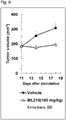
- the present inventors have demonstrated that in a tumor-bearing mouse into which a cancer cell having a suppressed function of SWI/SNF complex factor is transplanted, an increase in tumor volume is markedly suppressed by administration of a compound (GPX4 inhibitor) reported to inhibit enzymatic activity of GPX4, and inhibition of GPX4 reliably exhibits an antitumor effect even in vivo.
- GPX4 inhibitor a compound reported to inhibit enzymatic activity of GPX4
- treatment for inhibiting GPX4 is a promising approach for treatment targeting a cancer cell having a suppressed function of a SWI/SNF complex factor. It has also been revealed that in this treatment strategy, it is possible to select a cancer patient using a suppressed function of a SWI/SNF complex factor as an indicator, followed by administering a GPX4 inhibitor, so that efficient treatment based on companion diagnosis is possible.
- the present inventors have also found that screening of drugs useful for treatment of cancer having a suppressed function of a SWI/SNF complex factor can be performed on the basis of whether GPX4 is inhibited or not, leading to completion of the present invention.
- the present invention relates to a treatment method specifically targeting a cancer cell having a suppressed function of a SWI/SNF complex factor, and companion diagnosis for the treatment method. More specifically, the present invention provides the following.
- a suppressed function of a SWI/SNF complex factor e.g. gene mutation or a decrease in expression of protein in SWI/SNF complex factors typified by SMARCA4 and ARID1A
- companion diagnosis can be efficiently performed by detection of the presence or absence of such a suppressed function of the SWI/SNF complex factor.
- the present invention provides: a method for predicting sensitivity of a cancer cell to a GPX4 inhibitor, the method comprising:
- sensitivity to treatment with a GPX4 inhibitor can be predicted using a suppressed function of a SWI/SNF complex factor as an indicator. Accordingly, the present invention provides: a method for predicting sensitivity of a cancer patient to treatment with a GPX4 inhibitor, the method comprising:
- a patient having a suppressed function of a SWI/SNF complex factor detected in this way can be suitable for cancer treatment with a GPX4 inhibitor, and therefore using the suppressed function of a SWI/SNF complex factor as an indicator, a patient who benefits from cancer treatment with a GPX4 inhibitor and a patient who does not benefit from the cancer treatment can be discriminated from each other to perform efficient treatment.
- the present invention provides: a method for selecting a cancer patient for cancer treatment with GPX4 inhibitor, the method comprising:
- malignant neoplasms such as carcinomas (epithelial tumors), leukemia, malignant lymphomas, myelomas, sarcomas and carcinosarcomas
- cancer a cell forming the cancer
- the cancer containing a cancer cell in which the presence or absence of a suppressed function of a SWI/SNF complex factor can be detected is not particularly limited, and examples thereof include lung cancer, ovary cancer, uterus cancer, liver cancer, stomach cancer, esophagus cancer, bowel cancer, pancreas cancer, prostate cancer, bladder cancer and kidney cancer.
- the "cancer patient” may be not only a human affected with the cancer, but also a human possibly affected with the cancer.
- the cancer patient to be subjected to detection of a suppressed function of a SWI/SNF complex factor is not particularly limited, and may include all cancer patients.
- the "cancer patient-derived sample” for use in the present invention is not particularly limited as long as it is a biological sample allowing the presence or absence of suppressed function of a SWI/SNF complex factor to be detected, and a specimen material such as a cancer biopsy specimen material, blood, urine, body cavity fluid or tumor cell-derived circulating DNA (ctDNA).
- the cancer patient-derived sample may be a protein extract or a nucleic acid extract obtained from the specimen material (e.g. a mRNA extract, or a cDNA preparation or a cRNA preparation prepared from a mRNA extract).
- the "biological sample” includes cancer patient-derived samples and cancer cell culture-derived samples.
- the "GPX4 inhibitor” in the present invention means a composition containing at least one compound which inhibits GPX4 (glutathione peroxidase 4).
- the GPX4 inhibitor may be one including only the compounds or a combination thereof, or one further containing additive ingredients described below.
- the "compound which inhibits GPX4" in the present invention includes compounds which inhibit at least one of the activity of GPX4 and the expression of GPX4.
- GPX4 (herein, sometimes referred to as "GPX4 protein") targeted by the GPX4 inhibitor in the present invention is one of isozymes of glutathione peroxidase having peroxidase activity in which the peroxide structure of glutathione is oxidized and cleaved to be broken down into two hydroxy groups (eight types: GPX 1 to GPX 8 are currently known).
- GPXs other than GPX4 can reduce hydrogen peroxide and peroxidized fatty acids as substrates, whereas GPX4 is an enzyme which also has a function of directly reducing peroxidized phospholipid.
- a nucleotide sequence of human-derived typical DNA (cDNA) encoding GPX4 is set forth as SEQ ID NO: 1 (NCBI reference number: NM_002085.5), and a typical amino acid sequence of human-derived GPX4 protein is set forth as SEQ ID NO: 2 (NCBI reference number: NP_002076.2).
- SEQ ID NO: 1 NCBI reference number: NM_002085.5
- SEQ ID NO: 2 NCBI reference number: NP_002076.2
- Inhibition of the activity of GPX4 by the compound can be confirmed by, for example, adding phosphatidylcholine hydroperoxide, which is a substrate of GPX4, to a lysate of a cell treated with a test compound, and using reduction thereof as an indicator (e.g. Viswanathan et al., Nature.2017 July 27; 547 (7664): 453-457 , Dependency of a therapy-resistant state of cancer cells on a lipid peroxidase pathway, and Yang et al., Cell. 2014 January 16 156 (0): 317-331 , Regulation of Ferroptotic Cancer Cell Death by GPX4).
- phosphatidylcholine hydroperoxide which is a substrate of GPX4
- Inhibition of the activity of GPX4 by the compound can also be confirmed by, for example, treating a purified GPX4 preparation with a test compound, adding GSH and a peroxide which are substrates of GPX4, glutathione reductase and NADPH, and measuring activity by an enzyme recycling method (e.g. Shinome et al., Antioxid. Redox Signal.22 (4), 281-293 , Expression of Inactive Glutathione Peroxidase 4 Leads to Embryonic Lethality, and Inactivation of the Alox 15 Gene Does Not Rescue Such Knock-In Mice).
- an enzyme recycling method e.g. Shinome et al., Antioxid. Redox Signal.22 (4), 281-293 , Expression of Inactive Glutathione Peroxidase 4 Leads to Embryonic Lethality, and Inactivation of the Alox 15 Gene Does Not Rescue Such Knock-In Mice.
- Inhibition of the expression of GPX4 by the compound can be confirmed by, for example, detecting a decrease in expression of GPX4 in a cell treated with the test compound.
- Examples of the method for detecting a decrease in expression of GPX4 include a method in which normally, the expression level of GPX4 is detected at a transcriptional level or a translational level, and compared to a control (e.g. expression level of a cell which is not treated with the test compound) to confirm that the expression level is lower than the control.
- RNA or cDNA is prepared from a cell treated with the test compound.
- the method for extracting RNA from the cell is not particularly limited, and a known method can be appropriately selected and used. Examples thereof include extraction methods using phenol and a chaotropic salt (more specifically, extraction methods using a commercially available kit such as TRIzol (manufactured by Invitrogen Corporation) or ISOGEN (manufactured by Wako Pure Chemical Industries, Ltd.)), and methods using another commercially available kit (e.g.
- RNAPrep Total RNA Extraction Kit (manufactured by Beckman Coulter Inc.), RNeasy Mini (manufactured by QIAGEN N.V.) or RNA Extraction Kit (manufactured by Pharmacia Biotech, Inc.)).
- the reverse transcriptase used for preparation of cDNA from extracted RNA is not particularly limited, and examples thereof include reverse transcriptases derived from retroviruses such as RAV (Rous associated virus) and AMV (Avian myeloblastosis virus), and reverse transcriptases derived from mouse retroviruses such as MMLV (Moloney murine leukemia virus).
- an oligonucleotide primer or an oligonucleotide probe is used for an amplification reaction or a hybridization reaction, and an amplified product or a hybrid product thereof is detected.
- a method for example, a RT-PCR method, a Northern blot method, a dot blot method, a DNA array method, an in situ hybridization method, a RNase protection assay method, mRNA-seq or the like can be used.
- Those skilled in the art can design an oligonucleotide primer or an oligonucleotide probe suitable for each method in a conventional manner on the basis of a nucleotide sequence of cDNA encoding GPX4.
- a protein sample is prepared from a cell treated with the test compound. Subsequently, using an antibody specific to GPX4 protein, an antigen-antibody reaction is carried out, and GPX4 protein is detected.
- an antibody specific to GPX4 protein is added to the protein sample to carry out an antigen-antibody reaction, and binding of the antibody to GPX4 protein is detected.
- GPX4 protein can be directly detected, and when the sample is not labeled, a labeled molecule which recognizes the antibody (e.g.
- secondary antibody or protein A can be further applied to indirectly detect GPX4 protein using the label of the molecule.
- a method for example, an immunohistochemistry (immunostaining) method, a Western blotting method, an ELISA method, flow cytometry, imaging cytometry, radioimmunoassay, an immunoprecipitation method, or an analysis method using an antibody array can be used.
- an antibody used are not particularly limited, and a monoclonal antibody is preferable.
- An oligoclonal antibody (mixture of several antibodies or dozens of antibodies) or a polyclonal antibody can also be used as long as it is possible to detect GPX4 protein with sufficient specificity.
- Functional fractions of antibodies such as Fab, Fab', F(ab') 2 , Fv, scFv, sc(Fv) 2 , dsFv and diabodies, and multimers (e.g. dimers, trimers, tetramers and polymers) thereof can also be used.
- Such an anti-GPX4 protein antibody may be a marketed product.
- the GPX4 protein can also be detected by mass spectrometry (MS).
- MS mass spectrometry
- analysis by a mass spectrometer coupled with liquid chromatography (LC/MS) is sensitive, and therefore advantageous.
- Detection by mass spectrometry can be performed by, for example, labeling the protein sample with the protein, fractionating the labeled protein, subjecting the fractionated protein to mass analysis, and identifying GPX4 protein from the mass analysis value.
- an isotopic labeling reagent known in the art can be used, and an appropriate labeling reagent can be obtained as a marketed product.
- the fractionation can be performed by a method known in the art, and for example, a commercially available ionexchange column or the like can be used.
- the "compound which inhibits GPX4" in the present invention is not particularly limited, may be a known compound, or a compound identified by screening described later, and is preferably at least one selected from the group consisting of an organic or inorganic compound molecule, a polypeptide and a polynucleotide.
- the compound molecule examples include low-molecular compounds (molecular weight: less than 800) and middle-molecular compounds (molecular weight: 800 to 2,000).
- the polypeptide includes full-length polypeptides encoded by a gene, fractions thereof, synthesized polypeptides, cyclic polypeptides and glycopeptides.
- the polypeptide includes antibodies and antigen peptides, and the antibody may be a polyclonal antibody or a monoclonal antibody.
- the antibody includes complete antibodies, antibody fractions (e.g.
- polynucleotide examples include DNA, RNA and SiRNA, including full-length polynucleotides, fractions thereof and synthesized polynucleotides.
- the "GPX4 inhibitor" in the present invention can be used as various dosage forms such as tablets, pills, powders, granules, capsules and solutions depending on the properties thereof, may further contain pharmacologically acceptable additive ingredients such as sterilized water, physiological saline, vegetable oil, solvents, bases, emulsifiers, suspension agents, surfactants, stabilizers, flavoring agents, fragrances, excipients, vehicles, preservatives, binders, diluents, tonicity agents, soothing agents, extenders, disintegrants, buffering agents, coating agents, lubricants, colorants, sweeteners, viscous agents, taste and odor improvers and solubilizers depending on the dosage form, and can be produced by a known pharmaceutical method using these components.
- pharmacologically acceptable additive ingredients such as sterilized water, physiological saline, vegetable oil, solvents, bases, emulsifiers, suspension agents, surfactants, stabilizers, flavoring agents, fragrances, excipient
- the content of the compound which inhibits the GPX4 (the total content of the compounds if there are the two or more compounds) can be appropriately adjusted according to the dosage form or the use purpose of the GPX4 inhibitor.
- the "SWI/SNF complex” in the present invention which is one of chromatin modeling factors, is a complex having mainly a function of converting a chromatin structure by moving and removing nucleosome with the utilization of energy from ATP hydrolysis, and includes a plurality of subunits.
- the "SWI/SNF complex factor (herein, sometimes referred to as "SWI/SNF complex factor protein”)" in the present invention is a subunit forming the SWI/SNF complex, and examples thereof include SMARCA2 (herein, sometimes referred to as "SMARCA2 protein”; hereinafter, the same applies to subsequent factors), SMARCA4, ARID1A, ARID1B, ARID2, ACTL6A, ACTL6B, DPF1, DPF2, DPF3, SMARCB1, SMARCC1, SMARCC2, SMARCD1, SMARCD2, SMARCD3, SMARCE1, SS18, SS18L1, BCL7A, BCL7B, BCL7C, BCL11A, BCL11B, BRD7, BRD9, PBRM1 and PHF10.
- the SWI/SNF complex factor in which a suppressed function is detected may be one of the above-mentioned factors alone, or a combination of two or more of the above-mentioned factors.
- SMARCA2, SMARCA4, SMARCC1, SMARCC2, SMARCB1, ARID1A, ARID1B, SMARCD1, SMARCD2, SMARCD3, BCL11B, SMARCE1, PHF10, DPF1, DPF3, ACTL6A and ACTL6B are BAF complex factors forming the BAF complex
- SMARCA4, SMARCC1, SMARCC2, SMARCB1, ARID2, PBRM1, BRD7, BCL11B, SMARCE1, PHF10, DPF1, DPF3, ACTL6A and ACTL6B are PBAF complex factors forming the PBAF complex.
- the SWI/SNF complex factor according to the present invention is preferably at least one selected from the group consisting of SMARCA2, SMARCA4, ARID1A, ARID1B, ARID2 and BCL11B, more preferably at least one selected from the group consisting of BAF complex factors, still more preferably at least one selected from the group consisting of SMARCA2, SMARCA4, ARID1A, ARID1B and BCL11B, among the above-mentioned factors.
- Tables 1 to 3 show the sequence numbers of nucleotide sequences of human-derived typical DNAs (cDNAs) encoding the SWI/SNF complex factors, and the sequence numbers of typical amino acid sequences of the human-derived SWI/SNF complex factor proteins, but the sequence numbers are not limited thereto.
- Tables 1 to 3 also show names and reference IDs in NCBI RefSeq Database (National Center for Biotechnology Information Reference Sequence Database) for the SWI/SNF complex factors.
- the "suppressed function of a SWI/SNF complex factor” in the present invention includes a decrease in activity, including inactivation of a SWI/SNF complex containing the factor (having the factor as a constituent factor), and a decrease in expression of a SWI/SNF complex factor.
- the "decrease in activity of a SWI/SNF complex” means that the intrinsic activity of the SWI/SNF complex decreases, and normally means that the activity level is lower than a control (e.g. activity level in a healthy subject or a non-cancer tissue of the same patient).
- the "decrease in activity of a SWI/SNF complex” includes both inactivation and a decrease in activity of all or part of the SWI/SNF complex.
- the method for "direct detection of a decrease in activity of a SWI/SNF complex" in the present invention is not particularly limited, and a decrease in activity of a SWI/SNF complex can be confirmed by, for example, purifying a SWI/SNF complex from a biological sample by a method such as immunoprecipitation and measuring chromatin remodeling activity (e.g. Michael L. Phelan et al., Molecular Cell, Vol.3, p. 247-253, February, 1999 , Reconstitution of a Core Chromatin Remodeling Complex from SWI/SNF Subunits).
- chromatin remodeling activity e.g. Michael L. Phelan et al., Molecular Cell, Vol.3, p. 247-253, February, 1999 , Reconstitution of a Core Chromatin Remodeling Complex from SWI/SNF Subunits.
- the decrease in activity can also be confirmed by measuring ATPase activity.
- a SWI/SNF complex is purified from a biological sample by a method such as immunoprecipitation, and using a marketed product such as ADP-glo (manufactured by Promega Corporation), the amount of ATP consumed by the complex is detected.
- ADP-glo manufactured by Promega Corporation
- the decrease in activity of a SWI/SNF complex is typically caused by a loss-of-function mutation in a gene for a SWI/SNF complex factor forming the complex (DNA encoding a SWI/SNF complex factor).
- a mutation of a gene for a SWI/SNF complex factor can be detected as a decrease in activity of the SWI/SNF complex.
- the loss-of-function mutation can be caused by, for example, a missense mutation in a gene for a SWI/SNF complex factor, a nonsense mutation over the entire region, a frameshift mutation, total or partial deletion of a gene, or the like, but is not limited thereto as long as the activity of the SWI/SNF complex is decreased.
- Table 4 below shows examples of a mutation of a gene for a SWI/SNF complex factor in main cancer cells. Table 4 also shows examples of the presence or absence of a SWI/SNF complex factor in main cancer cells.
- a gene for a SWI/SNF complex factor which causes a decrease in activity of a SWI/SNF complex include, but are not limited to, ARID1A: p. Y551Lfs ⁇ 72 (Insertion-Frameshift) (COSMIC Legacy Mutation ID: COSM 51423).
- the method for "detection of a mutation of a gene for a SWI/SNF complex factor" in the present invention is not particularly limited, and examples thereof include the following method.
- the phrase "detecting a mutation” means that a mutation on genome DNA is detected in principle.
- the meaning also includes detection of the change of the transcription product or the translation product (i.e. indirect detection).
- the preferred aspect of the method of the present invention is a method for detecting a mutation by directly determining a nucleotide sequence of the region of a gene for a SWI/SNF complex factor in a cancer cell.
- the "region of a gene for a SWI/SNF complex factor” means a certain region on genome DNA which contains a gene for a SWI/SNF complex factor.
- the regions also each independently include, in addition to translated regions, untranslated regions such as an expression control region for the relevant gene (e.g. promotor region or enhancer region) and a 3'-end untranslated region for the relevant gene.
- a DNA sample is prepared from a biological sample.
- the DNA sample include genome DNA samples, and cDNA samples prepared by reverse transcription from RNA.
- the method for extracting genome DNA or RNA from a biological sample is not particularly limited, and a known method can be appropriately selected and used.
- Examples of the method for extracting genome DNA include a SDS phenol method (a method in which protein of a tissue stored in a urea-containing solution or ethanol is denatured with a proteinase (proteinase K), a surfactant (SDS) and phenol, and DNA is precipitated and extracted from the tissue with ethanol), and DNA extraction methods using Clean Columns (registered trademark, manufactured by NexTec Co., Ltd.), AquaPure (registered trademark, manufactured by Bio-Rad Laboratories, Inc.), ZR Plant/Seed DNA Kit (manufactured by Zymo Research), AquaGenomicSolution (registered trademark, manufactured by Mo Bi Tec GmbH), prepGEM (registered trademark, manufactured by ZyGEM LLC) and BuccalQuick (registered trademark, manufactured by TrimGen Corporation).
- SDS phenol method a method in which
- Examples of the method for extracting RNA from a biological sample and the method for preparing cDNA from the extracted RNA include methods similar to the above-mentioned method for detecting the expression level of GPX4 at a transcriptional level.
- DNA containing the region of a gene for a SWI/SNF complex factor is isolated, and the nucleotide sequence of the isolated DNA is determined.
- the isolation of DNA can be performed by PCR with genome DNA or RNA as a template, or the like using a pair of oligonucleotide primers designed to sandwich all or part of the region of a gene for a SWI/SNF complex factor.
- the determination of the nucleotide sequence of the isolated DNA can be performed by a method known to those skilled in the art, such as a Maxam-Gilbert method or a Sanger method.
- a next-generation sequencer which enables analysis such that nucleotide sequences of genes can be read rapidly and exhaustively, etc.
- the presence or absence of a mutation in the region of a gene for a SWI/SNF complex factor in a cancer cell of the biological sample can be determined.
- various methods capable of detecting a mutation can be used in addition to methods for directly determining the nucleotide sequence of DNA or cDNA.
- the detection of a mutation in the present invention can also be performed by the following method.
- a DNA or cDNA sample is prepared from a biological sample.
- an oligonucleotide probe is prepared which has a nucleotide sequence complementary to a nucleotide sequence containing a mutation site of the region of a gene for a SWI/SNF complex factor and is labeled with a reporter fluorescent dye and a quencher fluorescent dye.
- the oligonucleotide probe is hybridized to the DNA or cDNA sample, and the nucleotide sequence containing the mutation site of the region of a gene for a SWI/SNF complex factor is amplified using as a template the DNA or cDNA sample to which the oligonucleotide probe is hybridized. Fluorescence generated by the reporter fluorescent dye due to degradation of the oligonucleotide probe which is caused by the amplification is detected, and the detected fluorescence is then compared to a control. Examples of such a method include a double-dye probe method, so called a TaqMan (registered trademark) probe method.
- a DNA or cDNA sample is prepared from a biological sample. Subsequently, in a reaction system containing an intercalator which generated fluorescence when inserted between DNA double strands, a nucleotide sequence containing a mutation site of the region of a gene for a SWI/SNF complex factor is amplified using the DNA or cDNA sample as a template. The temperature of the reaction system is changed, a variation in intensity of fluorescence generated by the intercalator is detected, and the variation in intensity of the fluorescence with the detected change in temperature is compared to a control. Examples of such a method include a HRM (high resolution melting) analysis method.
- HRM high resolution melting
- a DNA or cDNA sample is prepared from a biological sample. Subsequently, DNA containing all or part of the region of a gene for a SWI/SNF complex factor is amplified. Further, the amplified DNA is cleaved by a restriction enzyme. Subsequently, DNA fragments are separated according to the sizes thereof. Subsequently, the size of the detected DNA fragment is compared to a control. Examples of such a method include methods utilizing restriction fragment length polymorphism (RFLP), and a PCR-RFLP method.
- RFLP restriction fragment length polymorphism
- a DNA or cDNA sample is prepared from a biological sample. Subsequently, DNA containing all or part of the region of a gene for a SWI/SNF complex factor is amplified. Further, the amplified DNA is dissociated into single-stranded DNA. Subsequently, the dissociated single-stranded DNA is separated on a non-denaturing gel. The mobility of the separated single-stranded DNA on the gel is compared to a control. Examples of such a method include a PCR-SSCP (single-strand conformation polymorphism) method.
- a DNA or cDNA sample is prepared from a biological sample.
- DNA containing all or part of the region of a gene for a SWI/SNF complex factor is amplified.
- the amplified DNA is separated on a gel in which the concentration of a DNA denaturant increases in steps.
- the mobility of the separated DNA on the gel is compared to a control. Examples of such a method include a denaturant gradient gel electrophoresis (DGGE) method.
- DGGE denaturant gradient gel electrophoresis
- a method using DNA prepared from a biological sample and containing a mutation site of the region of a gene for a SWI/SNF complex factor, and a substrate on which an oligonucleotide probe hybridized to the DNA is fixed examples include a DNA array method.
- a DNA or cDNA sample is prepared from a biological sample.
- An "oligonucleotide primer having a nucleotide sequence complementary to bases on the 3' side of the bases of all or part of the region of a gene for a SWI/SNF complex factor by one base and a nucleotide sequence on the 3' side thereof" is prepared.
- a dNTP primer elongation reaction is carried out using the primer.
- the primer elongation reaction product is applied to a mass analyzer to perform mass measurement.
- the gene type is determined from the result of the mass measurement.
- the determined gene type is compared to a control. Examples of such a method include a MALDI-TOF/MS method.
- a DNA or cDNA sample is prepared from a biological sample.
- an oligonucleotide probe consisting of 5'-"nucleotide sequence complementary to the bases of all or part of the region of a gene for a SWI/SNF complex factor and a nucleotide sequence on the 5' side thereof"-"nucleotide sequence which is not hybridized to bases on the 3' side of all or part of the region of a gene for a SWI/SNF complex factor by one base and a nucleotide sequence on the 3' side thereof"-3' (flap) is prepared.
- oligonucleotide probe having a nucleotide sequence complementary to the bases of all or part of the region of a gene for a SWI/SNF complex factor and a nucleotide sequence on the 3' side thereof is prepared. Subsequently, the two oligonucleotide probes are hybridized to the prepared DNA or cDNA sample. Subsequently, the hybridized DNA is cleaved by a single-stranded DNA cleavage enzyme to liberate the flap.
- the single-stranded DNA cleavage enzyme is not particularly limited, and examples thereof include cleavases.
- an oligonucleotide probe which has a sequence complementary to the flap and is labeled with reporter fluorescence and quencher fluorescence is hybridized to the flap. Subsequently, the intensity of generated fluorescence is measured. Subsequently, the measured fluorescence intensity is compared to a control. Examples of such a method include an Invader method.
- a DNA or cDNA sample is prepared from a biological sample.
- DNA containing all or part of the region of a gene for a SWI/SNF complex factor is amplified.
- the amplified DNA is dissociated into single-stranded DNA, and only one strand is separated from the dissociated single-stranded DNA.
- an elongation reaction is carried out base by base from near the bases of all or part of the region of a gene for a SWI/SNF complex factor, pyrophosphoric acid generated at this time is enzymatically caused to emit light, and the intensity of emission is measured.
- a DNA or cDNA sample is prepared from a biological sample.
- DNA containing all or part of the region of a gene for a SWI/SNF complex factor is amplified.
- an "oligonucleotide primer having a nucleotide sequence complementary to bases on the 3' side of the bases of all or part of the region of a gene for a SWI/SNF complex factor by one base and a nucleotide sequence on the 3' side thereof" is prepared.
- a single-base elongation reaction is carried out using the prepared primer in the presence of a fluorescently labeled nucleotide.
- the polarization degree of fluorescence is measured.
- a DNA or cDNA sample is prepared from a biological sample.
- DNA containing all or part of the region of a gene for a SWI/SNF complex factor is amplified.
- an "oligonucleotide primer having a nucleotide sequence complementary to bases on the 3' side of the bases of all or part of the region of a gene for a SWI/SNF complex factor by one base and a nucleotide sequence on the 3' side thereof" is prepared.
- a single-base elongation reaction is carried out using the prepared primer in the presence of a fluorescently labeled nucleotide.
- the type of base used for the single-base elongation reaction is determined.
- the sample prepared from the biological sample may be protein.
- a method using a molecule binding specifically to a site at which a change of amino acids occurs due to the mutation peptide mass fingerprinting method (PMF), a protein sequencer (Edman degradation method), or the like can be used.
- a protein sample is prepared from a biological sample.
- an antigen-antibody reaction is carried out using an antibody specific to SWI/SNF complex factor protein (anti-SWI/SNF complex factor protein antibody), and SWI/SNF complex factor protein is detected.
- an antibody specific to SWI/SNF complex factor protein anti-SWI/SNF complex factor protein antibody
- SWI/SNF complex factor protein is detected.
- a method similar to the above-mentioned method for detecting protein using an antibody in the method for detecting the expression level of GPX4 at a translational level can be adjusted to the SWI/SNF complex factor protein, and adopted as appropriate.
- This method also has an advantage that additional information such as a form or a distribution state of cancer cells in a tissue can also be obtained immunohistochemically.
- the type, the origin and the like of an antibody used are not particularly limited, and a monoclonal antibody is preferable.
- An oligoclonal antibody (mixture of several antibodies or dozens of antibodies) or a polyclonal antibody can also be used as long as it is possible to detect SWI/SNF complex factor protein with sufficient specificity.
- Functional fractions of antibodies such as Fab, Fab', F(ab') 2 , Fv, scFv, sc(Fv) 2 , dsFv and diabodies, and multimers (e.g. dimers, trimers, tetramers and polymers) thereof can also be used.
- the anti-SWI/SNF complex factor protein antibody may be a marketed product.
- the SWI/SNF complex factor protein can also be detected by mass spectrometry (MS).
- MS mass spectrometry
- analysis by a mass spectrometer coupled with liquid chromatography (LC/MS) is sensitive, and therefore advantageous.
- LC/MS liquid chromatography
- a method for detection by mass spectrometry a method similar to the above-mentioned method for detection by mass spectrometry in the method for detecting the expression level of GPX4 at a translational level can be adjusted to the SWI/SNF complex factor protein, and adopted as appropriate.
- the "decrease in expression of a SWI/SNF complex factor” normally means that the expression level is lower than a control (e.g. expression level in a healthy subject or a non-cancer tissue of the same patient).
- a control e.g. expression level in a healthy subject or a non-cancer tissue of the same patient.
- Examples of the method for detecting "a decrease in expression of a SWI/SNF complex factor” include a method in which the expression level of a SWI/SNF complex factor is detected at a transcriptional level or a translational level, and compared to the control.
- RNA or cDNA is prepared from a biological sample by the above-described method.
- an oligonucleotide primer or an oligonucleotide probe is used for an amplification reaction or a hybridization reaction, and an amplified product or a hybrid product thereof is detected.
- a method similar to the above-mentioned method for detecting the expression level of GPX4 at a transcriptional level can be adjusted to the SWI/SNF complex factor, and adopted as appropriate.
- a protein sample is prepared from a biological sample.
- an antigen-antibody reaction is carried out using an antibody specific to SWI/SNF complex factor protein, and SWI/SNF complex factor protein is detected.
- Such a method for detecting protein using an antibody is as described for the above-mentioned method for detecting SWI/SNF complex factor protein.
- the SWI/SNF complex factor protein can also be detected by mass spectrometry (MS).
- MS mass spectrometry
- a known method such as a method in which a change of a nucleotide sequence after treatment with bisulfite having an activity that converts methylated cytosine into uracil is directly detected by determination of the nucleotide sequence, or indirectly detected using a restriction endonuclease which can recognize (cleave) a nucleotide sequence before the bisulfite treatment and cannot recognize (cleave) a nucleotide sequence after the bisulfite treatment.
- the cancer cell can be predicted to have sensitivity to a GPX4 inhibitor, and if the biological sample is a cancer cell contained in a cancer patient-derived sample, a cancer patient having the mutation detected in the cancer cell can be predicted to have sensitivity to treatment with a GPX4 inhibitor, and the cancer patient can be selected for cancer treatment with a GPX4 inhibitor.
- the "sensitivity to a GPX4 inhibitor” and the “sensitivity to treatment with a GPX4 inhibitor” is an indicator of whether or not the GPX4 inhibitor can exhibit a therapeutic effect on a cancer cell.
- the sensitivity includes acceleration of death of cancer cells and suppression of growth of cancer cells by the GPX4 inhibitor.
- the prediction of sensitivity includes not only determination of the presence or absence of sensitivity, but also evaluation of whether sensitivity can be expected or not, etc., and evaluation of the degree of sensitivity when the sensitivity is present (e.g. evaluation of whether high sensitivity can be expected, moderate sensitivity can be expected, or the like). Therefore, a patient for cancer treatment may be selected in line with, for example, a level at which moderate sensitivity can be expected depending on the type and the degree of the suppressed function of a SWI/SNF complex factor.
- the patient can be excluded from subjects for cancer treatment with a GPX4 inhibitor. This enables improvement of the success ratio of the treatment.
- GPX4 which is targeted by a GPX4 inhibitor according to the present invention is not normally expressed, it may be impossible to effectively perform cancer treatment with a GPX4 inhibitor. Therefore, in the cancer cell sensitivity prediction method, the cancer patient sensitivity prediction method and the cancer patient selection method, detection of a mutation and a decrease in expression of a gene for GPX4 can also be taken as an indicator.
- a method for detecting a mutation of a gene for GPX4 As a method for detecting a mutation of a gene for GPX4, a method similar to the above-mentioned method for "detection of a gene for a SWI/SNF complex factor" can be adjusted to a mutation of a gene for GPX4, and adopted as appropriate.
- the method for detecting a decrease in expression of GPX4 is as described above.
- the present invention also provides: a method for suppressing growth of cancer cells having a suppressed function of a SWI/SNF complex factor detected, the method comprising the step of: contacting a GPX4 inhibitor with the cancer cell having the suppressed function of a SWI/SNF complex factor detected (herein, sometimes referred to as a "cancer cell growth inhibition method"); and a method for treating cancer, the method comprising the steps of:
- the detection of a suppressed function of a SWI/SNF complex factor and the GPX4 inhibitor are as described above.
- the suppression of growth of cancer cells includes acceleration of death of the cancer cells and suppression of growth of the cancer cells.
- the method for contacting a GPX4 inhibitor with a cancer cell is not particularly limited, and examples thereof include a method in which a GPX4 inhibitor is added to a culture medium for the cancer cell.
- the amount of the GPX4 inhibitor to be contacted with the cancer cell may be an amount effective for inhibiting GPX4 to suppress growth of cancer cells, and is appropriately selected according to the properties of a compound inhibiting GPX4, the type of cancer cell, and the like.
- the administration of the GPX4 inhibitor to a cancer patient may be oral administration or parenteral administration (e.g. intravenous administration, arterial administration or topical administration).
- the dosage of the GPX4 inhibitor administered to a cancer patient may be an amount effective for treating cancer by inhibiting GPX4, and cannot be determined definitely because it is appropriately selected according to the properties of a compound inhibiting GPX4, the age, the body weight, the symptom and the physical condition of a cancer patient, the advancement state of cancer, and the like.
- the daily dosage thereof is 0.001 to 100,000 mg, preferably 0.01 to 5,000 mg, in terms of the amount of the compound inhibiting GPX4.
- the frequency of administration of the GPX4 inhibitor to a cancer patient also cannot be determined definitely, and it is preferable that for example, the GPX4 inhibitor be administered once or in two to four divided doses daily, with the administration being repeated at appropriate intervals.
- the dosage and the frequency of administration can be appropriately increased or decreased if necessary at a physician's discretion.
- GPX4 is further inhibited in cancer cells having a suppressed function of a SWI/SNF complex factor in a cancer patient, so that the cancer can be treated by acceleration of death and/or suppression of growth of the cancer cells.
- the cancer to be treated is not particularly limited, and include at least one selected from the group consisting of lung cancer, ovary cancer, uterus cancer, liver cancer, stomach cancer, esophagus cancer, bowel cancer, pancreas cancer, prostate cancer, bladder cancer and kidney cancer, and among them, at least one selected from the group consisting of lung cancer, ovary cancer, liver cancer, stomach cancer and pancreas cancer is preferable.
- the present invention also provides a reagent for detecting the presence or absence of a suppressed function of a SWI/SNF complex factor in the above-described method, the reagent comprising as an active ingredient the molecule of at least one of:
- the oligonucleotide primer may be designed on the basis of nucleotide sequence information of genome DNA and cDNA for a SWI/SNF complex factor (e.g. Tables 1 to 3) so as to ensure that the primer is consistent with the above-mentioned method and an amplification region, and production of amplified products of genes other than a gene for a SWI/SNF complex factor is avoided as much as possible.
- a SWI/SNF complex factor e.g. Tables 1 to 3
- the oligonucleotide primer has a length of typically 15 to 50 bases, preferably 15 to 30 bases, and may have a larger or smaller length depending on a method and a purpose.
- the oligonucleotide probe may be designed on the basis of nucleotide sequence information of genome DNA and cDNA for a SWI/SNF complex factor (e.g. Tables 1 to 3) so as to ensure that the probe is consistent with the above-mentioned method and a hybridization region, and hybridization to genes other than a gene for a SWI/SNF complex factor is avoided as much as possible.
- a SWI/SNF complex factor e.g. Tables 1 to 3
- Those skilled in the art can design such an oligonucleotide probe by a conventional method.
- the oligonucleotide probe has a length of typically 15 to 200 bases, preferably 15 to 100 bases, still more preferably 15 to 50 bases, and may have a larger or smaller length depending on a method and a purpose.
- the oligonucleotide probe be appropriately labeled and used.
- the method for performing labeling include a method in which using T4 polynucleotidekinase, the 5'-end of the oligonucleotide is phosphorylated with 32P to perform labeling; and a method in which using a DNA polymerase such as Klenow enzyme, a substrate base labeled with an isotope such as 32P, a fluorescent dye, biotin or the like with a random hexamer oligonucleotide or the like as a primer is incorporated (random priming method).
- the oligonucleotide primer and the oligonucleotide probe can be prepared by, for example, a commercially available oligonucleotide synthesizing machine. It is also possible to prepare the oligonucleotide probe as a double-stranded DNA fragment obtained by restriction enzyme treatment or the like.
- the oligonucleotide primer and the oligonucleotide probe according to the present invention are not required to be composed only of a natural nucleotide (deoxyribonucleotide (DNA) or ribonucleotide (RNA)), and all or part thereof may be composed of a non-natural nucleotide.
- non-natural nucleotide examples include PNA (polyamide nucleic acid), LNA (registered trademark, locked nucleic acid), ENA (registered trademark, 2'-O,4'-C-ethylene-bridged nucleic acids), and complexes thereof.
- the antibody binding specifically to the SWI/SNF complex factor protein is a polyclonal antibody
- the antibody can be obtained by immunizing an immune animal with an antigen (e.g. SWI/SNF complex factor protein, a partial peptide thereof, or cells which express the protein or the peptide), and purifying antiserum of the animal by conventional means (e.g. salting-out, centrifugation, dialysis or column chromatography).
- the monoclonal antibody can be prepared by a hybridoma method or a recombinant DNA method.
- the hybridoma method include a Kohler&Milstein method ( Kohler&Milstein, Nature 1975; 256: 495 ).
- the antibody-producing cell used in a cell fusion step in this method is a spleen cell, a lymph node cell, a peripheral blood leukocyte or the like of an animal (e.g. mouse, rat, hamster, rabbit, monkey or goat) immunized with an antigen (e.g. SWI/SNF complex factor protein, a partial peptide thereof, or cells which express the protein or the peptide).
- an antigen e.g. SWI/SNF complex factor protein, a partial peptide thereof, or cells which express the protein or the peptide.
- any of various known cell lines can be used.
- the antibody-producing cell and the myeloma cell may be derived from different animal species as long as these cells can be fused with each other, and cells derived from the same animal species are preferable.
- the hybridoma is produced by, for example, cell fusion between a spleen cell obtained from a mouse immunized with an antigen and a mouse myeloma cell, and by subsequent screening, a hybridoma which produces a monoclonal antibody specific to SWI/SNF complex factor protein can be obtained.
- the monoclonal antibody to SWI/SNF complex factor protein can be obtained by culturing the hybridoma or from ascites fluid of a mammal given the hybridoma.
- the recombinant DNA method is a method in which DNA encoding the antibody is cloned from a hybridoma, a B cell or the like, and incorporated into an appropriate vector, and the vector is introduced into a host cell (e.g. mammal cell line, Bacillus coli, yeast cell, insect cell or plant cell) to produce an antibody according to the present invention as a recombinant antibody (e.g. P. J. Delves, Antibody Production: Essential Techniques, 1997 WILEY , P. Shepherd and C. Dean Monoclonal Antibodies, 2000 OXFORD UNIVERSITY PRESS , Vandamme AM et al., Eur. J. Biochem. 1990; 192: 767-775 ).
- a host cell e.g. mammal cell line, Bacillus coli, yeast cell, insect cell or plant cell
- a recombinant antibody e.g. P. J. Delves, Antibody Production: Essential Techniques, 1997 WILEY
- DNAs encoding a heavy chain or a light chain may be incorporated into different expression vectors to transform the host cell, or DNAs encoding a heavy chain and a light chain may be incorporated into a single expression vector to transform the host cell (e.g. WO 94/11523 ).
- the antibody can be obtained in a substantially pure and homogeneous form by culturing the host cell, separating the antibody from the inside of the host cell or the culture solution and purifying the antibody.
- a common method which is used for purification of a polypeptide can be used.
- a transgenic animal e.g. bovine, goat, sheep or pig
- a large amount of a monoclonal antibody derived from the antibody gene can be obtained from milk from the transgenic animal.
- the resulting anti-SWI/SNF complex factor protein antibody is directly labeled with an enzyme, a radioisotope, a fluorescent dye, an avidin-biotin system or the like and used.
- an indirect detection method is carried out in which the amount of an antibody bound to SWI/SNF complex factor protein is detected using a secondary antibody etc.
- the resulting anti-SWI/SNF complex factor protein antibody (primary antibody) is not required to be labeled, and for the detection, a labeled molecule which recognizes the antibody (e.g. secondary antibody or protein A) may be used.
- the reagent according to the present invention may comprise other ingredients acceptable for reagents, such as sterilized water, physiological saline, a buffering agent and a preservative if necessary in addition to the above-described molecule as an active ingredient.
- the present invention provides: a method for screening compounds to be used for treatment of cancer containing a cancer cell having a suppressed function of a SWI/SNF complex factor detected, the method comprising the step of: selecting a compound on the basis of whether GPX4 is inhibited or not (hereinafter, sometimes referred to as a "method for screening compounds).
- a cancer therapeutic drug comprising a compound which inhibits GPX4 as an active ingredient, the cancer therapeutic drug being a therapeutic drug for cancer containing a cancer cell having a suppressed function of a SWI/SNF complex factor detected.
- test compound applied to the method for screening compounds according to the present invention is not particularly limited, and examples thereof include at least one selected from the group consisting of the above-described compound molecules listed as compounds which inhibit GPX4, polypeptides and polynucleotides. More specific examples of the test compound include synthetic low-molecular compound libraries, expressed products of gene libraries, peptide libraries, siRNA, antibodies, bacteria releasing substances, extracts and culture supernatants of cells (microorganisms, plant cells and animal cells), purified or partially purified polypeptides, marine organisms, plant or animal-derived extracts, and random phage peptide display libraries.
- the test compound may be a derivative of a known GPX4 inhibitor.
- a test compound may be applied to the system for confirmation of inhibition of activity or expression of GPX4, followed by detecting subsequent GPX4 activity or expression.
- a control e.g. a case where the test compound is not added
- the compound identified by the method for screening compounds according to the present invention can be formed into a cancer therapeutic drug as a medicament by appropriately mixing the compound with any of the pharmacologically acceptable additive ingredients mentioned for the GPX inhibitor above, etc. and subjecting the resulting mixture to formulation by a known pharmaceutical method.
- the compound can be formed into a therapeutic drug which is effective for cancer containing a cancer cell having a suppressed function of a SWI/SNF complex factor and is used for treating a cancer patient having a suppressed function of a SWI/SNF complex factor detected, and/or administered to the patient.
- the original sourced for the cell lines are shown in Table 5.
- NCI-H23, NCI-H522, SBC-5, SK-HEP-1 and SNU-1327 are human cancer cell lines having a truncating mutation in a gene for SMARCA4, and NCI-H1703 is a human cancer cell line having a mutation at a splicing site of a gene for SMARCA4.
- NCI-H1703, NCI-H23, NCI-H522, SBC-5, SK-HEP-1 and NCI-H838 are human cancer cell lines in which expression of SMARCA4 protein is not detected in immunoblot analysis.
- NCI-H1703, NCI-H23, NCI-H522 and SBC-5 are human cancer cell lines in which SMARCA2 protein is not detected in immunoblot analysis.
- B1203L, OVISE and TOV-21G are human cancer cell lines having a truncating mutation in a gene for ARID1A
- B1203L is a human cancer cell line having a truncating mutation in a gene for ARID2
- OVISE is a human cancer cell line having a truncating mutation in a gene for ARID1B
- NCI-H838 is a human cancer cell line having a truncating mutation in a gene for BCL11B.
- NCI-H358, NCI-H2122, NCI-H2110, NCI-H1792, NCI-H1437, MOR, COV362 and MKN-45 are human cancer cell lines for which information about a loss-of-function mutation of a gene for a SWI/SNF complex factor and expression of protein has not been published.
- GPX4 ON-TARGETplus Individual siRNA (manufactured by Dharmacon, Inc.) was used.
- Lipofectamine RNAiMAX manufactured by Thermo Fisher Scientific, product code: 13778150
- Non-target siRNA ON-TARGET plus Non-targeting Control, Dharmacon, Inc. product code: D-001810-01, SEQ ID NO: 60
- PLK1 Dharmacon, Inc. product code: J-003290-09, SEQ ID NO: 59
- siRNA was dissolved using a 1 ⁇ siRNA buffer obtained by diluting a 5 ⁇ siRNA buffer (manufactured by Dharmacon: B-002000-UB-100) by 5 times with nuclease free water (AM 9932 manufactured by Ambion, Inc.).
- a 1 ⁇ siRNA buffer obtained by diluting a 5 ⁇ siRNA buffer (manufactured by Dharmacon: B-002000-UB-100) by 5 times with nuclease free water (AM 9932 manufactured by Ambion, Inc.).
- the cells were cultured for 7 days, and the intracellular ATP which is a marker for cell survival was then measured using Cell Titer-Glo 2.0 Cell Viability Assay (manufactured by Promega Corporation).
- the cell growth inhibition ratio in suppression of expression of GPX4 was calculated, where the value for the cells transfected with the negative control and cultured for 7 days and the value for the cells transfected with the positive control and cultured for 7 days were defined as 0% and 100%, respectively.
- Figure 1 shows cell growth inhibition ratios (CGI (%)) in suppression of expression of GPX4 by GPX4 siRNA #1 or #2 in the cell lines (lung cancer cell lines) of NCI-H1792, MOR, NCI-H2110, NCI-H522, NCI-H23 and SNU-1327.
- Figure 2 shows cell growth inhibition ratios (CGI (%)) in suppression of expression of GPX4 by GPX4 siRNA #2 and
- Figure 3 shows cell growth inhibition ratios (CGI (%)) in suppression of expression of GPX4 by GPX4 siRNA #3 in the cell lines (including lung cancer cell lines, ovary cancer cell lines, liver cancer cell lines and stomach cancer cell lines) shown in Table 4 and tested at a time different from that for Figure 1 .
- GPX4 inhibitor ML210 ( CAS No: 1360705-96-9 ) which is a low-molecular GPX4 inhibitor reported to be a compound inhibiting the enzymatic activity of GPX4: or RSL3 ( CAS No: 1219810-16-8 ): was used.
- GPX1 siRNA #1 and #2
- GPX2 siRNA #1 and #2
- GPX3 siRNA #1 and #2
- GPX4 siRNA #1 and #2
- GPX5 siRNA #1 and #2
- GPX6 siRNA #1 and #2
- GPX7 siRNA #1 and #2
- GPX8 siRNA #1 and #2
- the cells were cultured for 7 days, and the intracellular ATP which is a marker for cell survival was then measured using Cell Titer-Glo 2.0 Cell Viability Assay (manufactured by Promega Corporation).
- the cell growth inhibition ratio in suppression of expression of each GPX family protein was calculated, where the value for the cells transfected with the negative control and cultured for 7 days and the value for the cells transfected with the positive control and cultured for 7 days were defined as 0% and 100%, respectively.
- Figure 6 shows cell growth inhibition ratios (CGI (%)) in suppression of expression of GPX family proteins in the cell lines of NCI-H2110, NCI-H522 and NCI-H23.
- GPX4 siRNA (#1 and #2), GCLC siRNA (#1 and #2), GCLM siRNA (#1 and #2), GSS siRNA (#1 and #2), MGST1 siRNA (#1 and #2), MGST3 siRNA (#1 and #2), GSR siRNA (#1 and #2) and G6PD siRNA (#1 and #2) (all from Dharmacon, Inc.) shown in Table 6 below were used, respectively.
- the final concentration of each siRNA was 5 nM, and for transfection, Lipofectamine RNAiMAX (Thermo Fisher Scientific, product code: 13778150) was used.
- the cells were cultured for 7 days, and the intracellular ATP which is a marker for cell survival was then measured using Cell Titer-Glo 2.0 Cell Viability Assay (manufactured by Promega Corporation).
- the cell growth inhibition ratio in suppression of expression of each protein involved in glutathione synthesis was calculated, where the value for the cells transfected with the negative control and cultured for 7 days and the value for the cells transfected with the positive control and cultured for 7 days were defined as 0% and 100%, respectively.
- Figure 7 shows cell growth inhibition ratios (CGI (%)) in suppression of expression of proteins involved in glutathione synthesis in the cell lines of NCI-H2110, NCI-H522 and NCI-H23.
- Table 5 shows seeding densities of the cell lines in the tests and culture solutions and original sources for the cell lines.
- Table 6 shows sequence numbers showing the sequences of the siRNAs, and IDs (gene IDs) in the NCBI RefSeq database, reference IDs (NCBI reference IDs) and GI numbers for genes whose expression is suppressed by the siRNAs.
- the cells were cultured for 7 days, the intracellular ATP which is a marker for cell survival was then measured using Cell Titer-Glo 2.0 Cell Viability Assay (manufactured by Promega Corporation), and the cell survival rate was calculated, where the intracellular ATP level in each cancer cell line given only a solvent (dimethyl sulfoxide (DMSO) or water) for the compound and cultured for 7 days was defined as 100%.
- IC50 50% inhibition concentration ( ⁇ M) was calculated from a cell survival curve obtained from the concentration of each compound and the cell survival rate.
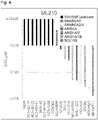
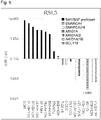
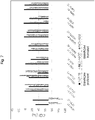
- Figure 8 shows IC50 ( ⁇ M) in the cell lines MOR, NCI-H 358, NCI-H23 and NCI-H522 when ML210, RSL3 or BSO is used.
- SK-HEP-1 was cultured in vitro, and collected using a solution at 2.5 g/L-tripsin/1 mmol-EDTA (manufactured by Nacalai tesque, product code: 35554-64) on the day of inoculation to the mice, and the cells were suspended at 2.5 E7 cells/mL in a solution of Matrigel (manufactured by Corning Incorporated, product name: 356234) diluted with the Hanks' Balanced Salt solution (manufactured by Sigma-Aldrich Co. LLC, product code: H 9269) (final concentration: 50%).
- Matrigel manufactured by Corning Incorporated, product name: 356234
- H 9269 Hanks' Balanced Salt solution
- 0.2 mL of the prepared cell suspension was transplanted into the groin of each of BALB/c-nu/nu mice (CAnN. Cg-Foxn 1 ⁇ nu>/CrlCrlj, Charles River, Inc.).
- mice SK-HEP-1 tumor-bearing mice
- a dosing liquid obtained by suspending ML210 at a predetermined concentration in a mixed liquid of 10% dimethyl sulfoxide (manufactured by Wako Company, product code: 043-07216), 10% Cremophor (manufactured by Sigma-Aldrich Co.
- the minor diameter and the major diameter of the tumor were measured using an electronic caliper (manufactured by Mitutoyo Corporation, product code: CD-15AX), and the volume of the tumor was calculated by the least square method.
- an electronic caliper manufactured by Mitutoyo Corporation, product code: CD-15AX
- the volume of the tumor was calculated by the least square method.
- Figure 9 shows a relationship between the volume of the tumor in the group of SK-HEP-1 tumor-bearing mice given ML210 (ML210) or the group of SK-HEP-1 tumor-bearing mice given the mixed liquid (Vehicle: without administration of ML210) (Tumor Volume) and the time after inoculation of SK-HEP-1 (Days after inoculation).
- cancer cell lines having a deficient mutation in a gene for SMARCA4 that is a SWI/SNF complex factor and/or having no SMARCA4 protein detected by immunoblot analysis cell growth was markedly inhibited to the extent that the cell growth inhibition ratio was 90% or more in the test for suppression of expression of GPX4 as shown in Figure 1 . Further, even in cancer cell lines having a deficient mutation in a gene for at least one of SWI/SNF complex factors in addition to SMARCA4 (e.g.
- GPX4 inhibitor When a GPX4 inhibitor was added to cancer cell lines having a deficient mutation in a gene for at least one of SWI/SNF complex factors (e.g. SMARCA4, SMARCA2, ARID1A, ARID1B, ARID2 and BCL11B) and/or having at least one of these factors whose expression was not detected by immunoblot analysis, cell growth was markedly inhibited as compared to cell lines having no suppressed function of a SWI/SNF complex factor in the test for inhibition of activity of GPX4 1 as shown in Figures 4 and 5 .
- SWI/SNF complex factors e.g. SMARCA4, SMARCA2, ARID1A, ARID1B, ARID2 and BCL11B
- the GPX4 inhibitor exhibited antitumor activity even in vivo against cancer (tumor) containing a cancer cell (cancer cell suppressing a function of SMARCA4) having a deficient mutation in a gene for SMARCA4 that is a SWI/SNF complex factor and/or having no SMARCA4 protein detected by immunoblot analysis.
- cancer tumor
- cancer cell cancer cell suppressing a function of SMARCA4
- an increase in volume of the tumor was suppressed as compared to the group given the vehicle, and marked antitumor activity was observed.
- the present invention it is possible to efficiently predict sensitivity to cancer treatment with a GPX4 inhibitor using a suppressed function of a SWI/SNF complex factor as an indicator.
- companion diagnosis can be efficiently performed by detection of the presence or absence of such a suppressed function of the SWI/SNF complex factor.
Landscapes
- Health & Medical Sciences (AREA)
- Life Sciences & Earth Sciences (AREA)
- Chemical & Material Sciences (AREA)
- Engineering & Computer Science (AREA)
- Biomedical Technology (AREA)
- Immunology (AREA)
- General Health & Medical Sciences (AREA)
- Molecular Biology (AREA)
- Organic Chemistry (AREA)
- Medicinal Chemistry (AREA)
- Bioinformatics & Cheminformatics (AREA)
- Hematology (AREA)
- Urology & Nephrology (AREA)
- Biotechnology (AREA)
- Biochemistry (AREA)
- Genetics & Genomics (AREA)
- Microbiology (AREA)
- Pathology (AREA)
- Analytical Chemistry (AREA)
- Wood Science & Technology (AREA)
- Zoology (AREA)
- Physics & Mathematics (AREA)
- Veterinary Medicine (AREA)
- Public Health (AREA)
- Pharmacology & Pharmacy (AREA)
- Animal Behavior & Ethology (AREA)
- Cell Biology (AREA)
- Proteomics, Peptides & Aminoacids (AREA)
- Food Science & Technology (AREA)
- General Physics & Mathematics (AREA)
- General Engineering & Computer Science (AREA)
- Epidemiology (AREA)
- General Chemical & Material Sciences (AREA)
- Tropical Medicine & Parasitology (AREA)
- Toxicology (AREA)
- Chemical Kinetics & Catalysis (AREA)
- Nuclear Medicine, Radiotherapy & Molecular Imaging (AREA)
- Biophysics (AREA)
- Oncology (AREA)
- Hospice & Palliative Care (AREA)
Applications Claiming Priority (2)
| Application Number | Priority Date | Filing Date | Title |
|---|---|---|---|
| JP2019236516 | 2019-12-26 | ||
| PCT/JP2020/048811 WO2021132592A1 (ja) | 2019-12-26 | 2020-12-25 | Gpx4阻害剤に対するがん細胞の感受性を予測する方法 |
Publications (2)
| Publication Number | Publication Date |
|---|---|
| EP4082575A1 true EP4082575A1 (de) | 2022-11-02 |
| EP4082575A4 EP4082575A4 (de) | 2024-01-31 |
Family
ID=76574718
Family Applications (1)
| Application Number | Title | Priority Date | Filing Date |
|---|---|---|---|
| EP20906713.1A Pending EP4082575A4 (de) | 2019-12-26 | 2020-12-25 | Verfahren zum vorhersagen der empfindlichkeit von krebszellen gegenüber gpx4-hemmer |
Country Status (5)
| Country | Link |
|---|---|
| US (2) | US12529701B2 (de) |
| EP (1) | EP4082575A4 (de) |
| JP (2) | JPWO2021132592A1 (de) |
| CN (1) | CN114555122A (de) |
| WO (1) | WO2021132592A1 (de) |
Families Citing this family (26)
| Publication number | Priority date | Publication date | Assignee | Title |
|---|---|---|---|---|
| US11541116B1 (en) | 2022-01-07 | 2023-01-03 | Kojin Therapeutics, Inc. | Methods and compositions for inducing ferroptosis in vivo |
| CN116004644A (zh) * | 2023-01-19 | 2023-04-25 | 南京中澳转化医学研究院有限公司 | Smarca4突变体及其在结直肠癌药物开发中的应用 |
| KR20260019479A (ko) | 2023-05-04 | 2026-02-10 | 레볼루션 메디슨즈, 인크. | Ras 관련 질환 또는 장애를 위한 병용 요법 |
| CN121889155A (zh) | 2023-08-07 | 2026-04-17 | 锐新医药公司 | 用于治疗ras蛋白相关疾病或病症的rmc-6291 |
| AU2024360465A1 (en) | 2023-10-12 | 2026-04-09 | Revolution Medicines, Inc. | Macrocyclic ras inhibitors |
| CN117625604A (zh) * | 2023-11-02 | 2024-03-01 | 江南大学 | 基因prdx5和gpx4在制备去势抵抗性前列腺癌的药物中的应用 |
| WO2025171296A1 (en) | 2024-02-09 | 2025-08-14 | Revolution Medicines, Inc. | Ras inhibitors |
| WO2025240847A1 (en) | 2024-05-17 | 2025-11-20 | Revolution Medicines, Inc. | Ras inhibitors |
| US20250375445A1 (en) | 2024-06-07 | 2025-12-11 | Revolution Medicines, Inc. | Methods of treating a ras protein-related disease or disorder |
| WO2025263619A1 (ja) * | 2024-06-20 | 2025-12-26 | 学校法人日本医科大学 | グルタチオン代謝関連酵素阻害剤に対するがんの感受性予測方法 |
| WO2025265060A1 (en) | 2024-06-21 | 2025-12-26 | Revolution Medicines, Inc. | Therapeutic compositions and methods for managing treatment-related effects |
| WO2026006747A1 (en) | 2024-06-28 | 2026-01-02 | Revolution Medicines, Inc. | Ras inhibitors |
| WO2026015790A1 (en) | 2024-07-12 | 2026-01-15 | Revolution Medicines, Inc. | Methods of treating a ras related disease or disorder |
| WO2026015796A1 (en) | 2024-07-12 | 2026-01-15 | Revolution Medicines, Inc. | Methods of treating a ras related disease or disorder |
| WO2026015801A1 (en) | 2024-07-12 | 2026-01-15 | Revolution Medicines, Inc. | Methods of treating a ras related disease or disorder |
| WO2026015825A1 (en) | 2024-07-12 | 2026-01-15 | Revolution Medicines, Inc. | Use of ras inhibitor for treating pancreatic cancer |
| WO2026050446A1 (en) | 2024-08-29 | 2026-03-05 | Revolution Medicines, Inc. | Ras inhibitors |
| WO2026072904A2 (en) | 2024-09-26 | 2026-04-02 | Revolution Medicines, Inc. | Compositions and methods for treating lung cancer |
| WO2026090116A2 (en) | 2024-10-21 | 2026-04-30 | Revolution Medicines, Inc. | Ras inhibitors |
| US20260108528A1 (en) | 2024-10-22 | 2026-04-23 | Revolution Medicines, Inc. | Methods of treating a ras protein-related disease or disorder |
| WO2026090245A1 (en) | 2024-10-22 | 2026-04-30 | Revolution Medicines, Inc. | Use of ras inhibitors for treating cancer |
| WO2026106912A1 (en) | 2024-11-12 | 2026-05-21 | Revolution Medicines, Inc. | Ras inhibitors |
| WO2026112260A1 (en) | 2024-11-21 | 2026-05-28 | Revolution Medicines, Inc. | Ras inhibitors |
| WO2026122764A2 (en) | 2024-12-06 | 2026-06-11 | Revolution Medicines, Inc. | Ras inhibitors |
| WO2026128688A2 (en) | 2024-12-13 | 2026-06-18 | Revolution Medicines, Inc. | Ras inhibitors |
| WO2026161839A1 (en) | 2025-01-27 | 2026-07-30 | Revolution Medicines, Inc. | Ras inhibitors |
Family Cites Families (3)
| Publication number | Priority date | Publication date | Assignee | Title |
|---|---|---|---|---|
| US5648267A (en) | 1992-11-13 | 1997-07-15 | Idec Pharmaceuticals Corporation | Impaired dominant selectable marker sequence and intronic insertion strategies for enhancement of expression of gene product and expression vector systems comprising same |
| WO2018218087A1 (en) * | 2017-05-24 | 2018-11-29 | K-Gen, Inc. | Methods of cancer treatment |
| US12213977B2 (en) * | 2017-06-28 | 2025-02-04 | The Regents Of The University Of California | Methods and compositions for treating melanoma |
-
2020
- 2020-12-25 US US17/785,484 patent/US12529701B2/en active Active
- 2020-12-25 CN CN202080071348.3A patent/CN114555122A/zh active Pending
- 2020-12-25 JP JP2021567688A patent/JPWO2021132592A1/ja active Pending
- 2020-12-25 WO PCT/JP2020/048811 patent/WO2021132592A1/ja not_active Ceased
- 2020-12-25 EP EP20906713.1A patent/EP4082575A4/de active Pending
-
2025
- 2025-08-20 JP JP2025136970A patent/JP2025164846A/ja active Pending
- 2025-12-11 US US19/415,883 patent/US20260098862A1/en active Pending
Also Published As
| Publication number | Publication date |
|---|---|
| US20260098862A1 (en) | 2026-04-09 |
| EP4082575A4 (de) | 2024-01-31 |
| JP2025164846A (ja) | 2025-10-30 |
| JPWO2021132592A1 (de) | 2021-07-01 |
| CN114555122A (zh) | 2022-05-27 |
| US20230204589A1 (en) | 2023-06-29 |
| WO2021132592A1 (ja) | 2021-07-01 |
| US12529701B2 (en) | 2026-01-20 |
Similar Documents
| Publication | Publication Date | Title |
|---|---|---|
| US20260098862A1 (en) | Method for predicting sensitivity of cancer cell to gpx4 inhibitor | |
| CA2500982A1 (en) | Method for diagnosing testicular seminomas | |
| JP2007506425A (ja) | 肝細胞癌を診断する方法 | |
| US20190203304A1 (en) | Method for predicting responsiveness to phosphatidylserine synthase 1 inhibitor | |
| US20120021945A1 (en) | Hypoxia-Inducible Protein 2 (HIG2), a Diagnostic Marker for Clear Cell Renal Cell Carcinoma | |
| US20210395834A1 (en) | Abca1 downregulation in prostate cancer | |
| CN101278059A (zh) | 诊断和治疗肾细胞癌的方法 | |
| JP2025100656A (ja) | ヘリカーゼ阻害剤に対するがん細胞の感受性を予測する方法 | |
| US20190105340A1 (en) | Methods and compositions for targeting vascular mimicry | |
| JP2013100286A (ja) | 乳癌および卵巣癌の治療薬、検出方法ならびに検出用キット | |
| KR20080005193A (ko) | 유방암 관련 znfn3a1 유전자 | |
| EP3121274B1 (de) | Verfahren zur vorhersage der reaktion auf eine krebsbehandlung mit p300-hemmender verbindung | |
| HK40066507A (en) | Method for predicting sensitivity of cancer cell to gpx4 inhibitor | |
| KR101370108B1 (ko) | 위암 진단용 마커로서 hdac2의 용도 | |
| KR101150410B1 (ko) | 간암 진단용 마커로서의 s100p의 용도 | |
| HK40067622A (en) | Method for predicting sensitivity of cancer cells to helicase inhibitor | |
| JP2012512642A (ja) | Trail誘導アポトーシスに関する遺伝子の同定方法およびその治療適用 |
Legal Events
| Date | Code | Title | Description |
|---|---|---|---|
| STAA | Information on the status of an ep patent application or granted ep patent |
Free format text: STATUS: THE INTERNATIONAL PUBLICATION HAS BEEN MADE |
|
| PUAI | Public reference made under article 153(3) epc to a published international application that has entered the european phase |
Free format text: ORIGINAL CODE: 0009012 |
|
| STAA | Information on the status of an ep patent application or granted ep patent |
Free format text: STATUS: REQUEST FOR EXAMINATION WAS MADE |
|
| 17P | Request for examination filed |
Effective date: 20220726 |
|
| AK | Designated contracting states |
Kind code of ref document: A1 Designated state(s): AL AT BE BG CH CY CZ DE DK EE ES FI FR GB GR HR HU IE IS IT LI LT LU LV MC MK MT NL NO PL PT RO RS SE SI SK SM TR |
|
| DAV | Request for validation of the european patent (deleted) | ||
| DAX | Request for extension of the european patent (deleted) | ||
| A4 | Supplementary search report drawn up and despatched |
Effective date: 20240105 |
|
| RIC1 | Information provided on ipc code assigned before grant |
Ipc: A61K 31/496 20060101ALI20231222BHEP Ipc: A61K 31/437 20060101ALI20231222BHEP Ipc: G01N 33/574 20060101ALI20231222BHEP Ipc: G01N 33/50 20060101ALI20231222BHEP Ipc: G01N 33/15 20060101ALI20231222BHEP Ipc: C12N 9/99 20060101ALI20231222BHEP Ipc: C12Q 1/68 20180101ALI20231222BHEP Ipc: C12Q 1/02 20060101ALI20231222BHEP Ipc: C12N 5/09 20100101ALI20231222BHEP Ipc: A61P 43/00 20060101ALI20231222BHEP Ipc: A61P 35/00 20060101ALI20231222BHEP Ipc: A61K 45/00 20060101AFI20231222BHEP |