EP4079158A1 - Plant disease control agent, and plant cultivation method - Google Patents
Plant disease control agent, and plant cultivation method Download PDFInfo
- Publication number
- EP4079158A1 EP4079158A1 EP20903492.5A EP20903492A EP4079158A1 EP 4079158 A1 EP4079158 A1 EP 4079158A1 EP 20903492 A EP20903492 A EP 20903492A EP 4079158 A1 EP4079158 A1 EP 4079158A1
- Authority
- EP
- European Patent Office
- Prior art keywords
- plant
- cyclo
- salt
- grapevine
- downy mildew
- Prior art date
- Legal status (The legal status is an assumption and is not a legal conclusion. Google has not performed a legal analysis and makes no representation as to the accuracy of the status listed.)
- Pending
Links
Images
Classifications
-
- A—HUMAN NECESSITIES
- A01—AGRICULTURE; FORESTRY; ANIMAL HUSBANDRY; HUNTING; TRAPPING; FISHING
- A01P—BIOCIDAL, PEST REPELLANT, PEST ATTRACTANT OR PLANT GROWTH REGULATORY ACTIVITY OF CHEMICAL COMPOUNDS OR PREPARATIONS
- A01P3/00—Fungicides
-
- A—HUMAN NECESSITIES
- A01—AGRICULTURE; FORESTRY; ANIMAL HUSBANDRY; HUNTING; TRAPPING; FISHING
- A01N—PRESERVATION OF BODIES OF HUMANS OR ANIMALS OR PLANTS OR PARTS THEREOF; BIOCIDES, e.g. AS DISINFECTANTS, AS PESTICIDES OR AS HERBICIDES; PEST REPELLANTS OR ATTRACTANTS; PLANT GROWTH REGULATORS
- A01N43/00—Biocides, pest repellants or attractants, or plant growth regulators containing heterocyclic compounds
- A01N43/48—Biocides, pest repellants or attractants, or plant growth regulators containing heterocyclic compounds having rings with two nitrogen atoms as the only ring hetero atoms
- A01N43/60—1,4-Diazines; Hydrogenated 1,4-diazines
-
- A—HUMAN NECESSITIES
- A01—AGRICULTURE; FORESTRY; ANIMAL HUSBANDRY; HUNTING; TRAPPING; FISHING
- A01N—PRESERVATION OF BODIES OF HUMANS OR ANIMALS OR PLANTS OR PARTS THEREOF; BIOCIDES, e.g. AS DISINFECTANTS, AS PESTICIDES OR AS HERBICIDES; PEST REPELLANTS OR ATTRACTANTS; PLANT GROWTH REGULATORS
- A01N43/00—Biocides, pest repellants or attractants, or plant growth regulators containing heterocyclic compounds
- A01N43/90—Biocides, pest repellants or attractants, or plant growth regulators containing heterocyclic compounds having two or more relevant hetero rings, condensed among themselves or with a common carbocyclic ring system
Definitions
- the present invention relates to a control agent for a plant disease caused by infection with a microbe belonging to Oomycetes, comprising a cyclic dipeptide as an active ingredient.
- the present invention also relates to a plant cultivation method comprising applying a cyclic dipeptide to a plant.
- Oomycetes Various microbes such as Oomycetes, viruses, bacteria, and fungi are known to infect plants, causing plant diseases. Among them, Oomycetes microbes are known to infect various plants such as vegetables, fruit trees, and flowering plants, causing plant diseases such as downy mildew, Phytophthora disease, and Pythium disease, which in turn bring about serious damage.
- Grapevine downy mildew is a disease resulting from the infection of grapevine with Plasmopara viticola.
- a copper agent called Bordeaux mixture is known as a traditional control agent for grapevine downy mildew.
- a problem of the Bordeaux mixture is the accumulation of copper in soil.
- Control agents containing a microbe itself or a component producible by the microbe as an active ingredient have been developed as highly environmentally safe control agents for plant diseases caused by Oomycetes.
- an object of one or more embodiments of the present invention is to provide a control agent for a plant disease caused by infection with Oomycetes, such downy mildew or Phytophthora disease.
- the present invention encompasses the following aspects.
- One or more selected from cyclo(L-leucyl-L-phenylalanyl) and a salt thereof have high activity of controlling a plant disease caused by infection with a microbe belonging to Oomycetes.
- One or more selected from cyclo(L-prolyl-L-valyl) and a salt thereof have high activity of controlling grapevine downy mildew.
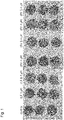
- Figure 1 shows photographs of leaf discs on 10 days after inoculation of a downy mildew fungus spore suspension free from a cyclic dipeptide (control), and a downy mildew fungus spore suspension containing a cyclic dipeptide at a concentration of 4 ⁇ M or 0.4 ⁇ M in Example 1.
- Cyclo(L-leucyl-L-phenylalanyl) is a kind of cyclic dipeptide represented by the following formula: Cyclo(L-leucyl-L-phenylalanyl) can also be referred to as cyclo(L-Leu-L-Phe) or cLF.
- Cyclo(L-prolyl-L-valyl) is a kind of cyclic dipeptide represented by the following formula: Cyclo(L-prolyl-L-valyl) can also be referred to as cyclo(L-Pro-L-Val) or cPV.
- the salt of cyclo(L-leucyl-L-phenylalanyl) or cyclo(L-prolyl-L-valyl) is not particularly limited as long as the salt is acceptable for agricultural purposes.
- Each of one or more active ingredients selected from one or more selected from cyclo(L-leucyl-L-phenylalanyl) and a salt thereof, and one or more selected from cyclo(L-prolyl-L-valyl) and a salt thereof (hereinafter, referred to as an "active ingredient") for use in one or more embodiments of the present invention may be chemically synthesized or may be derived from a natural product such as a microbe or a plant.
- Each active ingredient may be a synthetic product having high purity or a purified product from a natural product, and may be in a form such as a microbe itself, a homogenate of the microbe, an extract of the microbe, a partially purified product of the extract of the microbe, a plant itself, a homogenate of the plant, an extract of the plant, a partially purified product of the extract of the plant, or the like containing the active ingredient.
- the microbe or the plant containing the active ingredient may be a microbe or a plant originally having the ability to produce the active ingredient, or may be a microbe or a plant provided with the ability to produce the active ingredient by an approach such as a gene recombination technique.
- the active ingredient may be applied as a composition comprising one or more of the active ingredients described above in combination with an additional component to a plant.
- Examples of the additional component include other useful components beneficial to plants, and components necessary for formulation.
- Examples of other useful components beneficial to plants include other cyclic peptides and fertilizer components.
- Examples of the components necessary for formulation include carriers, liquid vehicles, spreading agents, surfactants, thickeners, and antioxidants.
- composition comprising the active ingredient may be a liquid composition or may be a solid composition.
- a method for producing the composition comprising one or more of the active ingredients described above is not particularly limited, and the composition can be produced by mixing components by an appropriate approach.
- the solid composition can be produced, if necessary, by operations such as pulverization, granulation, and drying, and the liquid composition can be produced, if necessary, by operations such as stirring and dispersion.
- composition comprising one or more of the active ingredients described above can be a composition suitable for application to the aboveground part, such as a leaf, a stem, a fruit, or a flower, or the rhizosphere of the target plant, and is preferably a composition suitable for application to the aboveground part, more preferably a composition in a form suitable for application to the leaf of the target plant.
- composition suitable for application to the leaf of the target plant comprising one or more of the active ingredients described above can be in an arbitrary form such as: a liquid composition that can be misted or spread directly to the leaf surface of the target plant; a liquid composition that is diluted with a solvent such as water, a water-soluble solvent (methanol, ethanol, etc.), or a mixed solvent of two or more thereof and then applied; a solid composition (e.g., a powder and granules) that is dissolved or dispersed in a solvent such as water, a water-soluble solvent (methanol, ethanol, etc.), or a mixed solvent of two or more thereof and then applied; a solid composition (e.g., a powder (dust)) that is sprayed directly to the leaf surface of the target plant; or a solid composition (e.g., a powder (dust)) that is diluted with a solid material such as clay, talc, or soil and then applied.
- the form of a solid composition is preferred in consideration of
- the content of cyclo(L-leucyl-L-phenylalanyl) and a salt thereof in the composition comprising one or more selected from cyclo(L-leucyl-L-phenylalanyl) and a salt thereof to be applied to the plant is not particularly limited, and the total amount of cyclo(L-leucyl-L-phenylalanyl) and a salt thereof based on the total amount of the composition is usually preferably 0.00001% by weight or more, 0.0001% by weight or more, 0.001% by weight or more, 0.002% by weight or more, 0.01% by weight or more, or 0.05% by weight or more in terms of the lower limit, and preferably 99% by weight or less or 50% by weight or less in terms of the upper limit.
- the content of cyclo(L-leucyl-L-phenylalanyl) and a salt thereof in the composition comprising one or more selected from cyclo(L-leucyl-L-phenylalanyl) and a salt thereof to be applied to the plant is not particularly limited, and the total amount of cyclo(L-leucyl-L-phenylalanyl) and a salt thereof based on the total amount of the composition is preferably 0.1 ⁇ M or more, 0.4 ⁇ M or more, 1 ⁇ M or more, 4 ⁇ M or more, or 40 ⁇ M or more in terms of the lower limit, and preferably 400 mM or less or 40 mM or less in terms of the upper limit.
- the content of cyclo(L-prolyl-L-valyl) and a salt thereof in the composition comprising one or more selected from cyclo(L-prolyl-L-valyl) and a salt thereof to be applied to the plant is not particularly limited, and the total amount of cyclo(L-prolyl-L-valyl) and a salt thereof based on the total amount of the composition is usually preferably 0.000001% by weight or more, 0.00001% by weight or more, 0.0001% by weight or more, 0.001% by weight or more, 0.002% by weight or more, 0.01% by weight or more, or 0.005% by weight or more in terms of the lower limit, and preferably 99% by weight or less or 50% by weight or less in terms of the upper limit.
- the content of cyclo(L-prolyl-L-valyl) and a salt thereof in the composition comprising one or more selected from cyclo(L-prolyl-L-valyl) and a salt thereof to be applied to the plant is not particularly limited, and the total amount of cyclo(L-prolyl-L-valyl) and a salt thereof based on the total amount of the composition is preferably 0.1 ⁇ M or more, 0.4 ⁇ M or more, 1 ⁇ M or more, 4 ⁇ M or more, or 10 ⁇ M or more, or 100 ⁇ M or more in terms of the lower limit, and preferably 400 mM or less or 40 mM or less in terms of the upper limit.
- One embodiment of the present invention relates to a control agent for a plant disease caused by infection with a microbe belonging to Oomycetes, comprising one or more selected from cyclo(L-leucyl-L-phenylalanyl) and a salt thereof as an active ingredient.
- examples of the microbe belonging to Oomycetes include downy mildew fungi and Phytophthora fungi.
- Pseudoperonospora cubensis which causes downy mildew in cucumber, melon, watermelon, and squash
- Peronospora brassicae which causes downy mildew in daikon radish, Chinese cabbage, cabbage, and turnip
- Peronospora destructor which causes downy mildew in onion and leek
- Peronospora spinaciae which causes downy mildew in spinach
- Peronospora chrisanthemi-coronarii which causes downy mildew in chop-suey greens
- Bremia lactucae which causes downy mildew in lettuce
- Plasmopara nivea which causes downy mildew in plants of the family Apiaceae.
- Peronospora pisi which causes downy mildew in pea
- Peronospora viciae which causes downy mildew in broad bean
- Peronospora schachtii which causes downy mildew in sugar beet
- Peronospora brassicae which causes downy mildew in rape
- Pseudoperonospora humuli which causes downy mildew in hop
- Peronospora tabacina which causes downy mildew in tobacco.
- Phytophthora infestans which causes in Phytophthora disease in tomato and potato
- Phytophthora capsici which is responsible for gray Phytophthora rot in tomato and cucumber and causes Phytophthora disease in capsicum, bell pepper, and squash
- Phytophthora nicotianae var. parasitica which causes in Phytophthora disease in melon, cucumber, strawberry, sesame, carnation, gerbera, and lilies
- the control agent comprising one or more selected from cyclo(L-leucyl-L-phenylalanyl) and a salt thereof as an active ingredient is particularly suitable for the control of, particularly preferably, downy mildew caused by infection with Plasmopara viticola in grapevine, and Phytophthora disease caused by infection with Phytophthora infestans in tomato or potato.
- Examples of the variety of the target grapevine can include, but are not particularly limited to, cabernet sauvignon, merlot, Tempranillo, pinot noir, Syrah, Muscat Bailey A, Kyoho, Pione, Delaware, clone 21, Crimson Seedless, Flame Seedless, and Red Globe.
- Another embodiment of the present invention relates to a control agent for grapevine downy mildew, comprising one or more selected from cyclo(L-prolyl-L-valyl) and a salt thereof as an active ingredient.
- the control agent according to this embodiment is suitable for the control of downy mildew caused by infection with Plasmopara viticola in grapevine.
- a further alternative embodiment of the present invention relates to a method for controlling a plant disease caused by infection with a microbe belonging to Oomycetes, comprising applying one or more selected from cyclo(L-leucyl-L-phenylalanyl) and a salt thereof to a plant.
- the plant to undergo application is a plant for which the control of any of the plant diseases described above is desired, and is preferably any of the plants described above.
- the one or more selected from cyclo(L-leucyl-L-phenylalanyl) and a salt thereof may be applied in the form of a composition comprising the members to the plant.
- the application of the components to the target plant may be application to the aboveground part, such as a leaf, a stem, a fruit, or a flower, of the target plant, may be application to rhizosphere, or may be a combination thereof.
- the amount of the one or more selected from cyclo(L-leucyl-L-phenylalanyl) and a salt thereof, applied to the plant can be appropriately adjusted according to the type of the plant or a conventional amount of a spray solution at the time of control.
- Examples of the amount of the members applied once can usually include 0.5 g/ha to 2000 g/ha, preferably 10 g/ha to 500 g/ha.
- the number of times of application of the one or more selected from cyclo(L-leucyl-L-phenylalanyl) and a salt thereof to grapevine may be one or two or more and is preferably two or more, for example, 2 to 10, particularly, 3 to 5.
- the step of glowing the plant after the application can be performed by a usual growth method such as growth in soil.
- a further alternative embodiment of the present invention relates to a method for controlling grapevine downy mildew, comprising applying one or more selected from cyclo(L-prolyl-L-valyl) and a salt thereof to grapevine.
- the one or more selected from cyclo(L-prolyl-L-valyl) and a salt thereof may be applied in the form of a composition comprising the same to grapevine.
- the application of the components to the target grapevine may be application to the aboveground part, such as a leaf, a stem, a fruit, or a flower, of the grapevine, may be application to rhizosphere, or may be a combination thereof.
- Application to the aboveground part is preferred, and application to a leaf is particularly preferred.
- the amount of the one or more selected from cyclo(L-prolyl-L-valyl) and a salt thereof, applied to grapevine can be appropriately adjusted according to the type of the plant or a conventional amount of a spray solution at the time of control and is not particularly limited.
- Examples of the amount of the members applied once can include 1 g/ha to 4000 g/ha, preferably 10 g/ha to 1000 g/ha.
- the number of times of application of the one or more selected from cyclo(L-prolyl-L-valyl) and a salt thereof to grapevine may be one or two or more and is preferably two or more, for example, 2 to 10, particularly, 3 to 5.
- the step of glowing the grapevine after the application can be performed by a usual growth method such as growth in soil.
- the leaves of grapevine (variety: Koshu) were collected between the 4th to 7th leaves from the shoot apex.
- the collected leaves were hollowed out using a cork borer having a diameter of 1.5 cm to prepare leaf discs.
- the prepared leaf discs were arranged with their backsides turned up in Petri dishes lined with wet paper towels.
- the spores of a grapevine downy mildew fungus Plasmopara viticola (subcultures of a strain separated from the grapevine farm field of the University of Yamanashi) cultured beforehand were gathered using an ink brush, and a spore suspension was prepared.
- the spore suspension was adjusted to 5 ⁇ 10 3 spores/ml in a counting chamber.
- the prepared spore suspension containing the cyclic dipeptide at each of the concentrations described above was inoculated to four locations (10 ⁇ l each) (the number of spores: approximately 50 spores/location) in each leaf disc.
- the inoculated leaf disc was cultured in an incubator set to 22°C under 16-hour light irradiation/8-hour dark conditions and taken out thereof on 10 days after inoculation.
- Each concentration of the aqueous cLF solution, the aqueous cPV solution or tap water (control) was provided in an amount of 10 ml, and 10 ⁇ l of Approach(TM) BI (MARUWA Biochemical Co., Ltd.) was added as a spreading agent to each solution.
- Each solution was misted to three seedlings and dried in air at 25°C for 4 hours.
- a grapevine downy mildew fungus Plasmopara viticola subcultures of a strain separated from the grapevine farm field of the University of Yamanashi
- spore suspension (1 ⁇ 10 4 spores/ml
- the seedlings thus inoculated were covered with semitransparent plastic bags in order to keep humidity.
- the seedlings were placed at 25°C for 16 hours in the dark and then grown at 25°C for 10 days under 16-hour light irradiation/8-hour dark conditions. After 10 days, the number of blotches and blotch areas of the grapevine downy mildew fungus were measured.
- the blotch areas were scored using the following index: 5 was given when the blotch areas were 1/2 or more of the leaf; 4 was given when the blotch areas were 1/3 or more and less than 1/2 of the leaf; 3 was given when the blotch areas were 1/4 or more and less than 1/3 of the leaf; 2 was given when the blotch areas were 1/8 or more and less than 1/4 of the leaf; 1 was given when the blotch areas were less than 1/8 of the leaf; and 0 was given when no blotch area was present. Evaluation was carried out targeting three seedlings (targeting five leaves per seedling) each for cLF, cPV, and the control, and an average value per leaf was calculated.
- the number of blotches per leaf was 24.9 for the control (tap water), whereas the number of blotches per leaf was 1.8 for the application of 40 ⁇ M cLF, 5.0 for the application of 4 ⁇ M cLF, 10.5 for the application of 0.4 ⁇ M cLF, 2.9 for the application of 147 ⁇ M cPV, and 3.1 for the application of 14.7 ⁇ M cPV.
- the evaluation score of the blotch areas was 3.5 for the control (tap water), whereas the score was 0.7 for the application of 40 ⁇ M cLF, 1.2 for the application of 4 ⁇ M cLF, 1.7 for the application of 0.4 ⁇ M cLF, 0.8 for the application of 147 ⁇ M cPV, and 0.6 for the application of 14.7 ⁇ M cPV.
- the seed potato planting of potato (variety: Dejima) was performed on March 27. Treatment sections were three rows of sections, each of which was 3.6 m 2 and involved 16 plants. Then, the plants were cultivated in a usual manner.
- the first spraying of a cyclic dipeptide was carried out on May 16 (initial stage of flowering).
- the spraying method was as follows: an aqueous cLF solution was provided at three types (100 ⁇ M, 40 ⁇ M, and 4 ⁇ M) of concentrations, while tap water was used as a control. 0.1% of Approach(TM) BI (MARUWA Biochemical Co., Ltd.) was added as a spreading agent to each concentration of the aqueous cLF solution or tap water (control). Each solution was sprayed at a ratio of 220 L per 10 ares using a mister.
- Approach(TM) BI MARUWA Biochemical Co., Ltd.
- the degree of onset of the disease was indicated in an evaluation score on the basis of the criteria defined below.
- the ratio of a diseased leaf was calculated according to the following expression: The number of diseased plants / The number of investigated plants
- Severity was calculated according to the following expression: 0 ⁇ The number of plants with a degree of onset of the disease being 0 + 1 ⁇ The number of plants with a degree of onset of the disease being 1 + 2 ⁇ The number of plants with a degree of onset of the disease being 2 + 3 ⁇ The number of plants with a degree of onset of the disease being 3 + 4 ⁇ The number of plants with a degree of onset of the disease being 4 / Total number of investigated plants ⁇ 4 ⁇ 100
- a control value was calculated according to the following expression: 100 ⁇ Severity of the treated group / Severity of the control group ⁇ 100
Landscapes
- Life Sciences & Earth Sciences (AREA)
- Plant Pathology (AREA)
- Pest Control & Pesticides (AREA)
- Environmental Sciences (AREA)
- Engineering & Computer Science (AREA)
- Wood Science & Technology (AREA)
- Zoology (AREA)
- Dentistry (AREA)
- Agronomy & Crop Science (AREA)
- Health & Medical Sciences (AREA)
- General Health & Medical Sciences (AREA)
- Microbiology (AREA)
- Mycology (AREA)
- General Chemical & Material Sciences (AREA)
- Chemical Kinetics & Catalysis (AREA)
- Chemical & Material Sciences (AREA)
- Agricultural Chemicals And Associated Chemicals (AREA)
- Peptides Or Proteins (AREA)
Abstract
Description
- The present invention relates to a control agent for a plant disease caused by infection with a microbe belonging to Oomycetes, comprising a cyclic dipeptide as an active ingredient.
- The present invention also relates to a plant cultivation method comprising applying a cyclic dipeptide to a plant.
- Various microbes such as Oomycetes, viruses, bacteria, and fungi are known to infect plants, causing plant diseases. Among them, Oomycetes microbes are known to infect various plants such as vegetables, fruit trees, and flowering plants, causing plant diseases such as downy mildew, Phytophthora disease, and Pythium disease, which in turn bring about serious damage.
- Grapevine downy mildew is a disease resulting from the infection of grapevine with Plasmopara viticola. A copper agent called Bordeaux mixture is known as a traditional control agent for grapevine downy mildew. However, a problem of the Bordeaux mixture is the accumulation of copper in soil.
- Control agents containing a microbe itself or a component producible by the microbe as an active ingredient have been developed as highly environmentally safe control agents for plant diseases caused by Oomycetes.
-
- Patent Literature 1 states that a form having a particular structure among 2,5-diketopiperazine derivatives (cyclic dipeptides) in which two molecules of amino acids are cyclically bound has a control effect on soft rot, damping-off, Phytophthora disease, fusarium wilt, leaf spot, mosaic disease, and the like in plants. Patent Literature 2 discloses 80 kinds of compounds as specific examples of 2,5-diketopiperazine derivatives (cyclic dipeptides).
- Patent Literature 3 discloses that cyclic peptide compounds produced by predetermined bacteria of the genus Bacillus are effective as fungicides.
- Patent Literature 4 discloses that cyclo(L-Phe-trans-4-hydroxy-L-Pro), cyclo(L-Leu-trans-4-hydroxy-L-Pro) and cyclo(L-Ala-trans-4-hydroxy-L-Pro) which are cyclic dipeptides produced by Alternaria alternata, a kind of a fungus, is effective for the control of a grapevine downy mildew fungus Plasmopara viticola.
- Non Patent Literature 1 discloses that cyclo(L-Pro-L-Val), cyclo(L-Pro-L-Phe) and cyclo(L-Pro-L-Tyr) which are cyclic dipeptides produced by Pseudomonas aeruginosa have auxin-like activity.
- Non Patent Literature 2 discloses that cyclo(L-Pro-L-Val), cyclo(L-Pro-L-Tyr) and cyclo(L-Pro-L-Phe) which are cyclic dipeptides produced by marine bacteria of the genus Bacillus have a control effect on Aspergillus niger.
- Non Patent Literature 3 discloses that cyclo(L-Pro-L-Leu), cyclo(D-Pro-L-Leu) and cyclo(D-Pro-L-Tyr) which are cyclic dipeptides produced by bacteria of the genus Bacillus have a control effect on Aspergillus flavus.
- Non Patent Literature 4 discloses that cyclo(L-Pro-L-Tyr) which is a cyclic dipeptide produced by a Bacillus KN07 strain has a control effect on E. coli and the like.
- Non Patent Literatures 5 and 6 disclose that cyclo(L-Pro-L-Tyr) which is a cyclic dipeptide produced by a Lysobacter capsici AZ78 strain has a control effect on a downy mildew fungus Plasmopara viticola in grapevine and a Phytophthora fungus Phytophthora infestans in potato and the like.
- Non Patent Literature 7 discloses that cyclo(Ala-Val), cyclo(Pro-Val), cyclo(Pro-Leu) and cyclo(Pro-Phe) which are cyclic dipeptides produced by a Bacillus amyloliquefaciens Q-426 strain have a control effect on Candida albicans.
-
- Patent Literature 1:
JP Patent Publication (Kokai) No. 2005-289943 A (2005 - Patent Literature 2:
JP Patent Publication (Kohyo) No. 2013-531688 A (2013 - Patent Literature 3:
JP Patent Publication (Kokai) No. 5-51397 A (1993 - Patent Literature 4: International Publication No.
WO2008/007251 -
- Non Patent Literature 1: PNAS 108, (17), 7253-7258 (2011)
- Non Patent Literature 2: Chem. Pharm. Bull. 59, (1), 106-108 (2011)
- Non Patent Literature 3: Journal of Applied Microbiology 113, 914-924 (2012)
- Non Patent Literature 4: Biosci. Biotechnol. Biochem., 77, (7), 1449-1454 (2013)
- Non Patent Literature 5: Chemistry of Heterocyclic compounds., 50, (2), 290-295 (2014)
- Non Patent Literature 6: Journal of Applied Microbiology 117, 1168-1180 (2014)
- Non Patent Literature 7: Annals of Biological Sciences 5, (1), 47-53 (2017)
- As described above, techniques of controlling plant diseases using microbes themselves or microbe-derived components such as cyclic dipeptides have heretofore been developed. However, any control agent for a plant disease caused by infection with Oomycetes, which can sufficiently meet market demand, has not yet been provided.
- Accordingly, an object of one or more embodiments of the present invention is to provide a control agent for a plant disease caused by infection with Oomycetes, such downy mildew or Phytophthora disease.
- The present invention encompasses the following aspects.
- (1) A control agent for a plant disease caused by infection with a microbe belonging to Oomycetes, comprising one or more selected from cyclo(L-leucyl-L-phenylalanyl) and a salt thereof as an active ingredient.
- (2) The plant disease control agent according to (1), wherein the plant disease is downy mildew or Phytophthora disease.
- (3) The plant disease control agent according to (2), wherein the plant disease is grapevine downy mildew.
- (4) The plant disease control agent according to any one of (1) to (3), wherein the microbe is Plasmopara viticola or Phytophthora infestans.
- (5) A control agent for grapevine downy mildew, comprising one or more selected from cyclo(L-prolyl-L-valyl) and a salt thereof as an active ingredient.
- (6) A method for controlling a plant disease caused by infection with a microbe belonging to Oomycetes, comprising
applying one or more selected from cyclo(L-leucyl-L-phenylalanyl) and a salt thereof to a plant. - (7) A method for controlling grapevine downy mildew, comprising
applying one or more selected from cyclo(L-prolyl-L-valyl) and a salt thereof to grapevine. - (8) A plant cultivation method comprising:
- applying one or more selected from cyclo(L-leucyl-L-phenylalanyl) and a salt thereof to a plant; and
- glowing the plant after the application.
- (9) A grapevine cultivation method comprising:
- applying one or more selected from cyclo(L-prolyl-L-valyl) and a salt thereof to grapevine; and
- glowing the grapevine after the application.
- (10) Use of one or more selected from cyclo(L-leucyl-L-phenylalanyl) and a salt thereof for controlling a plant disease caused by infection with a microbe belonging to Oomycetes in a plant.
- (11) The use according to (10), wherein the plant disease is downy mildew or Phytophthora disease.
- (12) The use according to (11), wherein the plant disease is grapevine downy mildew.
- (13) The use according to any one of (10) to (12), wherein the microbe is Plasmopara viticola or Phytophthora infestans.
- (14) Use of one or more selected from cyclo(L-prolyl-L-valyl) and a salt thereof for controlling grapevine downy mildew in grapevine.
- The present specification encompasses the contents disclosed in
Japanese Patent Application No. 2019-229588 - One or more selected from cyclo(L-leucyl-L-phenylalanyl) and a salt thereof have high activity of controlling a plant disease caused by infection with a microbe belonging to Oomycetes.
- One or more selected from cyclo(L-prolyl-L-valyl) and a salt thereof have high activity of controlling grapevine downy mildew.
- [
Figure 1] Figure 1 shows photographs of leaf discs on 10 days after inoculation of a downy mildew fungus spore suspension free from a cyclic dipeptide (control), and a downy mildew fungus spore suspension containing a cyclic dipeptide at a concentration of 4 µM or 0.4 µM in Example 1. - Cyclo(L-leucyl-L-phenylalanyl) is a kind of cyclic dipeptide represented by the following formula:

- Cyclo(L-prolyl-L-valyl) is a kind of cyclic dipeptide represented by the following formula:

- In one or more embodiments of the present invention, the salt of cyclo(L-leucyl-L-phenylalanyl) or cyclo(L-prolyl-L-valyl) is not particularly limited as long as the salt is acceptable for agricultural purposes.
- Each of one or more active ingredients selected from one or more selected from cyclo(L-leucyl-L-phenylalanyl) and a salt thereof, and one or more selected from cyclo(L-prolyl-L-valyl) and a salt thereof (hereinafter, referred to as an "active ingredient") for use in one or more embodiments of the present invention may be chemically synthesized or may be derived from a natural product such as a microbe or a plant. Each active ingredient may be a synthetic product having high purity or a purified product from a natural product, and may be in a form such as a microbe itself, a homogenate of the microbe, an extract of the microbe, a partially purified product of the extract of the microbe, a plant itself, a homogenate of the plant, an extract of the plant, a partially purified product of the extract of the plant, or the like containing the active ingredient. The microbe or the plant containing the active ingredient may be a microbe or a plant originally having the ability to produce the active ingredient, or may be a microbe or a plant provided with the ability to produce the active ingredient by an approach such as a gene recombination technique.
- The active ingredient may be applied as a composition comprising one or more of the active ingredients described above in combination with an additional component to a plant.
- Examples of the additional component include other useful components beneficial to plants, and components necessary for formulation. Examples of other useful components beneficial to plants include other cyclic peptides and fertilizer components. Examples of the components necessary for formulation include carriers, liquid vehicles, spreading agents, surfactants, thickeners, and antioxidants.
- The form of the composition comprising the active ingredient may be a liquid composition or may be a solid composition.
- A method for producing the composition comprising one or more of the active ingredients described above is not particularly limited, and the composition can be produced by mixing components by an appropriate approach. The solid composition can be produced, if necessary, by operations such as pulverization, granulation, and drying, and the liquid composition can be produced, if necessary, by operations such as stirring and dispersion.
- The composition comprising one or more of the active ingredients described above can be a composition suitable for application to the aboveground part, such as a leaf, a stem, a fruit, or a flower, or the rhizosphere of the target plant, and is preferably a composition suitable for application to the aboveground part, more preferably a composition in a form suitable for application to the leaf of the target plant. The composition suitable for application to the leaf of the target plant, comprising one or more of the active ingredients described above can be in an arbitrary form such as: a liquid composition that can be misted or spread directly to the leaf surface of the target plant; a liquid composition that is diluted with a solvent such as water, a water-soluble solvent (methanol, ethanol, etc.), or a mixed solvent of two or more thereof and then applied; a solid composition (e.g., a powder and granules) that is dissolved or dispersed in a solvent such as water, a water-soluble solvent (methanol, ethanol, etc.), or a mixed solvent of two or more thereof and then applied; a solid composition (e.g., a powder (dust)) that is sprayed directly to the leaf surface of the target plant; or a solid composition (e.g., a powder (dust)) that is diluted with a solid material such as clay, talc, or soil and then applied. The form of a solid composition is preferred in consideration of preservation stability.
- The content of cyclo(L-leucyl-L-phenylalanyl) and a salt thereof in the composition comprising one or more selected from cyclo(L-leucyl-L-phenylalanyl) and a salt thereof to be applied to the plant is not particularly limited, and the total amount of cyclo(L-leucyl-L-phenylalanyl) and a salt thereof based on the total amount of the composition is usually preferably 0.00001% by weight or more, 0.0001% by weight or more, 0.001% by weight or more, 0.002% by weight or more, 0.01% by weight or more, or 0.05% by weight or more in terms of the lower limit, and preferably 99% by weight or less or 50% by weight or less in terms of the upper limit.
- The content of cyclo(L-leucyl-L-phenylalanyl) and a salt thereof in the composition comprising one or more selected from cyclo(L-leucyl-L-phenylalanyl) and a salt thereof to be applied to the plant is not particularly limited, and the total amount of cyclo(L-leucyl-L-phenylalanyl) and a salt thereof based on the total amount of the composition is preferably 0.1 µM or more, 0.4 µM or more, 1 µM or more, 4 µM or more, or 40 µM or more in terms of the lower limit, and preferably 400 mM or less or 40 mM or less in terms of the upper limit.
- The content of cyclo(L-prolyl-L-valyl) and a salt thereof in the composition comprising one or more selected from cyclo(L-prolyl-L-valyl) and a salt thereof to be applied to the plant is not particularly limited, and the total amount of cyclo(L-prolyl-L-valyl) and a salt thereof based on the total amount of the composition is usually preferably 0.000001% by weight or more, 0.00001% by weight or more, 0.0001% by weight or more, 0.001% by weight or more, 0.002% by weight or more, 0.01% by weight or more, or 0.005% by weight or more in terms of the lower limit, and preferably 99% by weight or less or 50% by weight or less in terms of the upper limit.
- The content of cyclo(L-prolyl-L-valyl) and a salt thereof in the composition comprising one or more selected from cyclo(L-prolyl-L-valyl) and a salt thereof to be applied to the plant is not particularly limited, and the total amount of cyclo(L-prolyl-L-valyl) and a salt thereof based on the total amount of the composition is preferably 0.1 µM or more, 0.4 µM or more, 1 µM or more, 4 µM or more, or 10 µM or more, or 100 µM or more in terms of the lower limit, and preferably 400 mM or less or 40 mM or less in terms of the upper limit.
- One embodiment of the present invention relates to a control agent for a plant disease caused by infection with a microbe belonging to Oomycetes, comprising one or more selected from cyclo(L-leucyl-L-phenylalanyl) and a salt thereof as an active ingredient.
- In this context, examples of the microbe belonging to Oomycetes include downy mildew fungi and Phytophthora fungi.
- Specific combinations of the downy mildew fungi or the Phytophthora fungi and target plants infected therewith will be listed below.
- Pseudoperonospora cubensis which causes downy mildew in cucumber, melon, watermelon, and squash, Peronospora brassicae which causes downy mildew in daikon radish, Chinese cabbage, cabbage, and turnip, Peronospora destructor which causes downy mildew in onion and leek, Peronospora spinaciae which causes downy mildew in spinach, Peronospora chrisanthemi-coronarii which causes downy mildew in chop-suey greens, Bremia lactucae which causes downy mildew in lettuce, and Plasmopara nivea which causes downy mildew in plants of the family Apiaceae.
- Plasmopara viticola which causes downy mildew in grapevine.
- Peronospora pisi which causes downy mildew in pea, Peronospora viciae which causes downy mildew in broad bean, Peronospora schachtii which causes downy mildew in sugar beet, Peronospora brassicae which causes downy mildew in rape, Pseudoperonospora humuli which causes downy mildew in hop, and Peronospora tabacina which causes downy mildew in tobacco.
- Peronospora sparsa which causes downy mildew in rose, and Peronospora danica which causes downy mildew in chrysanthemum.
- Phytophthora infestans which causes in Phytophthora disease in tomato and potato, Phytophthora capsici which is responsible for gray Phytophthora rot in tomato and cucumber and causes Phytophthora disease in capsicum, bell pepper, and squash, Phytophthora nicotianae var. parasitica which causes in Phytophthora disease in melon, cucumber, strawberry, sesame, carnation, gerbera, and lilies, Phytophthora megasperma var. sojae which causes Phytophthora stem rot in soybean, Phytophthora vignae which causes Phytophthora stem rot in adzuki bean, Phytophthora nicotianae var. nicotianae which causes Phytophthora disease in broad bean, onion, and leek, Phytophthora cactorum which causes Phytophthora disease in chrysanthemum and tulip, Phytophthora drechsleri which causes Phytophthora disease in watermelon, Phytophthora melonis which causes Phytophthora disease in cucumber, and Phytophthora sp. which causes Phytophthora disease in spinach.
- The control agent comprising one or more selected from cyclo(L-leucyl-L-phenylalanyl) and a salt thereof as an active ingredient is particularly suitable for the control of, particularly preferably, downy mildew caused by infection with Plasmopara viticola in grapevine, and Phytophthora disease caused by infection with Phytophthora infestans in tomato or potato.
- Examples of the variety of the target grapevine can include, but are not particularly limited to, cabernet sauvignon, merlot, Tempranillo, pinot noir, Syrah, Muscat Bailey A, Kyoho, Pione, Delaware, clone 21, Crimson Seedless, Flame Seedless, and Red Globe.
- Another embodiment of the present invention relates to a control agent for grapevine downy mildew, comprising one or more selected from cyclo(L-prolyl-L-valyl) and a salt thereof as an active ingredient. The control agent according to this embodiment is suitable for the control of downy mildew caused by infection with Plasmopara viticola in grapevine.
- A further alternative embodiment of the present invention relates to a method for controlling a plant disease caused by infection with a microbe belonging to Oomycetes, comprising
applying one or more selected from cyclo(L-leucyl-L-phenylalanyl) and a salt thereof to a plant. - A further alternative embodiment of the present invention relates to a plant cultivation method comprising:
- applying one or more selected from cyclo(L-leucyl-L-phenylalanyl) and a salt thereof to a plant; and
- glowing the plant after the application.
- The plant to undergo application is a plant for which the control of any of the plant diseases described above is desired, and is preferably any of the plants described above.
- The one or more selected from cyclo(L-leucyl-L-phenylalanyl) and a salt thereof may be applied in the form of a composition comprising the members to the plant.
- The application of the components to the target plant may be application to the aboveground part, such as a leaf, a stem, a fruit, or a flower, of the target plant, may be application to rhizosphere, or may be a combination thereof.
- The amount of the one or more selected from cyclo(L-leucyl-L-phenylalanyl) and a salt thereof, applied to the plant can be appropriately adjusted according to the type of the plant or a conventional amount of a spray solution at the time of control. Examples of the amount of the members applied once can usually include 0.5 g/ha to 2000 g/ha, preferably 10 g/ha to 500 g/ha.
- The number of times of application of the one or more selected from cyclo(L-leucyl-L-phenylalanyl) and a salt thereof to grapevine may be one or two or more and is preferably two or more, for example, 2 to 10, particularly, 3 to 5.
- The step of glowing the plant after the application can be performed by a usual growth method such as growth in soil.
- A further alternative embodiment of the present invention relates to a method for controlling grapevine downy mildew, comprising
applying one or more selected from cyclo(L-prolyl-L-valyl) and a salt thereof to grapevine. - A further alternative embodiment of the present invention relates to a grapevine cultivation method comprising:
- applying one or more selected from cyclo(L-prolyl-L-valyl) and a salt thereof to grapevine; and
- glowing the grapevine after the application.
- The one or more selected from cyclo(L-prolyl-L-valyl) and a salt thereof may be applied in the form of a composition comprising the same to grapevine.
- The application of the components to the target grapevine may be application to the aboveground part, such as a leaf, a stem, a fruit, or a flower, of the grapevine, may be application to rhizosphere, or may be a combination thereof. Application to the aboveground part is preferred, and application to a leaf is particularly preferred.
- The amount of the one or more selected from cyclo(L-prolyl-L-valyl) and a salt thereof, applied to grapevine can be appropriately adjusted according to the type of the plant or a conventional amount of a spray solution at the time of control and is not particularly limited. Examples of the amount of the members applied once can include 1 g/ha to 4000 g/ha, preferably 10 g/ha to 1000 g/ha.
- The number of times of application of the one or more selected from cyclo(L-prolyl-L-valyl) and a salt thereof to grapevine may be one or two or more and is preferably two or more, for example, 2 to 10, particularly, 3 to 5.
- The step of glowing the grapevine after the application can be performed by a usual growth method such as growth in soil.
- In the experiments of Examples and Comparative Examples given below, cyclic dipeptides are abbreviated as follows.
- Cyclo(L-leucyl-L-phenylalanyl): cLF
- Cyclo(L-prolyl-L-valyl): cPV
- Cyclo(L-prolyl-L-tyrosyl): cPY
- The leaves of grapevine (variety: Koshu) were collected between the 4th to 7th leaves from the shoot apex. The collected leaves were hollowed out using a cork borer having a diameter of 1.5 cm to prepare leaf discs. The prepared leaf discs were arranged with their backsides turned up in Petri dishes lined with wet paper towels. The spores of a grapevine downy mildew fungus Plasmopara viticola (subcultures of a strain separated from the grapevine farm field of the University of Yamanashi) cultured beforehand were gathered using an ink brush, and a spore suspension was prepared. The spore suspension was adjusted to 5 × 10³ spores/ml in a counting chamber. Each cyclic dipeptide (cLF, cPV, or cPY) solution prepared at 10 times its final concentration (4 µM, 0.4 µM, or 0 µM) was diluted with the spore suspension to adjust the concentration of the cyclic dipeptide to the final concentration (4 µM, 0.4 µM, or 0 µM).
- The prepared spore suspension containing the cyclic dipeptide at each of the concentrations described above was inoculated to four locations (10 µl each) (the number of spores: approximately 50 spores/location) in each leaf disc. The inoculated leaf disc was cultured in an incubator set to 22°C under 16-hour light irradiation/8-hour dark conditions and taken out thereof on 10 days after inoculation. Blotch areas were scored using the following index: 5 was given when the blotch areas were 2/3 or more of the leaf disc; 4 was given when the blotch areas were 1/2 or more and less than 2/3 of the leaf disc; 3 was given when the blotch areas were 1/3 or more and less than 1/2 of the leaf disc; 2 was given when the blotch areas were 1/6 or more and less than 1/3 of the leaf disc; 1 was given when the blotch areas were less than 1/6 of the leaf disc; and 0 was given when no blotch area was present. Evaluation was carried out at N = 3 at each of the concentrations, and an average value was calculated.
- As a result, the score was 4.3 for the control (cyclic dipeptide concentration: 0 µM), whereas the score was cLF = 0, cPV = 0, and cPY = 1.3 at the cyclic dipeptide concentration of 4 µM, and cLF = 0.3, cPV = 0.7, and cPY = 2.0 at the cyclic dipeptide concentration of 0.4 µM.
Figure 1 shows a photograph of each leaf disc on 10 days after inoculation. - These results demonstrated that cLF and cPV exert an antimicrobial effect on downy mildew fungus at a lower concentration than that of cPY previously reported to have an antimicrobial effect on downy mildew fungus.
- Eighteen seedlings (pot cultivation) of grapevine (variety: Koshu) were provided and grown at 25°C under 16-hour light irradiation/8-hour dark conditions until five leaves emerged from the shoot apex. An aqueous cLF solution and cPV were provided at three types (40 µM, 4 µM, and 0.4 µM) and two types (147 µM and 14.7 µM), respectively, of concentrations, while tap water was used as a control. Each concentration of the aqueous cLF solution, the aqueous cPV solution or tap water (control) was provided in an amount of 10 ml, and 10 µl of Approach(TM) BI (MARUWA Biochemical Co., Ltd.) was added as a spreading agent to each solution. Each solution was misted to three seedlings and dried in air at 25°C for 4 hours. Then, a grapevine downy mildew fungus Plasmopara viticola (subcultures of a strain separated from the grapevine farm field of the University of Yamanashi) spore suspension (1 × 10⁴ spores/ml) provided beforehand was inoculated in an amount of 5 ml per seedling. The seedlings thus inoculated were covered with semitransparent plastic bags in order to keep humidity. The seedlings were placed at 25°C for 16 hours in the dark and then grown at 25°C for 10 days under 16-hour light irradiation/8-hour dark conditions. After 10 days, the number of blotches and blotch areas of the grapevine downy mildew fungus were measured. The blotch areas were scored using the following index: 5 was given when the blotch areas were 1/2 or more of the leaf; 4 was given when the blotch areas were 1/3 or more and less than 1/2 of the leaf; 3 was given when the blotch areas were 1/4 or more and less than 1/3 of the leaf; 2 was given when the blotch areas were 1/8 or more and less than 1/4 of the leaf; 1 was given when the blotch areas were less than 1/8 of the leaf; and 0 was given when no blotch area was present. Evaluation was carried out targeting three seedlings (targeting five leaves per seedling) each for cLF, cPV, and the control, and an average value per leaf was calculated.
- As a result, the number of blotches per leaf was 24.9 for the control (tap water), whereas the number of blotches per leaf was 1.8 for the application of 40 µM cLF, 5.0 for the application of 4 µM cLF, 10.5 for the application of 0.4 µM cLF, 2.9 for the application of 147 µM cPV, and 3.1 for the application of 14.7 µM cPV.
- The evaluation score of the blotch areas was 3.5 for the control (tap water), whereas the score was 0.7 for the application of 40 µM cLF, 1.2 for the application of 4 µM cLF, 1.7 for the application of 0.4 µM cLF, 0.8 for the application of 147 µM cPV, and 0.6 for the application of 14.7 µM cPV.
- These results demonstrated that cLF and cPV also exert an antimicrobial effect on downy mildew fungus in a seedling pot test which is more similar to the situation of an actual farm field.
- The seed potato planting of potato (variety: Dejima) was performed on March 27. Treatment sections were three rows of sections, each of which was 3.6 m2 and involved 16 plants. Then, the plants were cultivated in a usual manner. The first spraying of a cyclic dipeptide was carried out on May 16 (initial stage of flowering). The spraying method was as follows: an aqueous cLF solution was provided at three types (100 µM, 40 µM, and 4 µM) of concentrations, while tap water was used as a control. 0.1% of Approach(TM) BI (MARUWA Biochemical Co., Ltd.) was added as a spreading agent to each concentration of the aqueous cLF solution or tap water (control). Each solution was sprayed at a ratio of 220 L per 10 ares using a mister.
- After the first spraying, spraying was carried out by the same procedures as above on May 23, June 3, Jun 12, and Jun 21. Since the spontaneous occurrence of Phytophthora disease was slow, a potato Phytophthora fungus Phytophthora infestans spore suspension was inoculated by misting in an amount of 4 ml per plant on June 16. The first appearance of the Phytophthora fungus was confirmed on June 21. The disease was investigated on July 2.
- The degree of onset of the disease was indicated in an evaluation score on the basis of the criteria defined below.
- 0: No onset of the disease.
- 1: The onset of the disease was found in approximately 1/4 of the leaves.
- 2: The onset of the disease in almost 1/2 of the leaves and sometimes the firing of some leaves were confirmed.
- 3: The onset of the disease in most of leaves (approximately 3/4) and the firing of many leaves were confirmed.
- 4: The firing of most of leaves (3/4 or more) and sometimes the firing of stem parts were confirmed.
- The ratio of a diseased leaf was calculated according to the following expression: The number of diseased plants / The number of investigated plants
- Severity was calculated according to the following expression:

- A control value was calculated according to the following expression:

- The results of the disease investigation are shown in the table below.
[Table 1] Treatment The number of investigated plants Degree of onset of disease Ratio of diseased leaf (%) Severity Control value 0 1 2 3 4 cLF 100µM I 16 13 3 0 0 0 18.8 4.7 39.7 II 16 12 4 0 0 0 25 6.3 III 16 14 2 0 0 0 12.5 3.1 Average 18.8 4.7 cLF 40µM I 16 12 4 0 0 0 25 6.3 19.2 II 16 10 6 0 0 0 37.5 9.4 III 16 14 2 0 0 0 12.5 3.1 Average 25 6.3 cLF 4µM I 16 13 3 0 0 0 18.8 4.7 6.4 II 16 12 4 0 0 0 25 6.3 III 16 9 7 0 0 0 43.8 10.9 Average 29.2 7.3 Control I 16 9 7 0 0 0 43.8 10.9 II 16 10 6 0 0 0 37.5 9.4 III 16 14 2 0 0 0 12.5 3.1 Average 31.3 7.8 - All publications, patents and patent applications cited herein are incorporated herein by reference in their entirety.
Claims (9)
- A control agent for a plant disease caused by infection with a microbe belonging to Oomycetes, comprising one or more selected from cyclo(L-leucyl-L-phenylalanyl) and a salt thereof as an active ingredient.
- The plant disease control agent according to claim 1, wherein the plant disease is downy mildew or Phytophthora disease.
- The plant disease control agent according to claim 2, wherein the plant disease is grapevine downy mildew.
- The plant disease control agent according to any one of claims 1 to 3, wherein the microbe is Plasmopara viticola or Phytophthora infestans.
- A control agent for grapevine downy mildew, comprising one or more selected from cyclo(L-prolyl-L-valyl) and a salt thereof as an active ingredient.
- A method for controlling a plant disease caused by infection with a microbe belonging to Oomycetes, comprising
applying one or more selected from cyclo(L-leucyl-L-phenylalanyl) and a salt thereof to a plant. - A method for controlling grapevine downy mildew, comprising
applying one or more selected from cyclo(L-prolyl-L-valyl) and a salt thereof to grapevine. - A plant cultivation method comprising:applying one or more selected from cyclo(L-leucyl-L-phenylalanyl) and a salt thereof to a plant; andglowing the plant after the application.
- A grapevine cultivation method comprising:applying one or more selected from cyclo(L-prolyl-L-valyl) and a salt thereof to grapevine; andglowing the grapevine after the application.
Applications Claiming Priority (2)
| Application Number | Priority Date | Filing Date | Title |
|---|---|---|---|
| JP2019229588A JP7492823B2 (en) | 2019-12-19 | 2019-12-19 | Plant disease control agent and plant cultivation method |
| PCT/JP2020/047167 WO2021125272A1 (en) | 2019-12-19 | 2020-12-17 | Plant disease control agent, and plant cultivation method |
Publications (2)
| Publication Number | Publication Date |
|---|---|
| EP4079158A1 true EP4079158A1 (en) | 2022-10-26 |
| EP4079158A4 EP4079158A4 (en) | 2024-03-06 |
Family
ID=76430551
Family Applications (1)
| Application Number | Title | Priority Date | Filing Date |
|---|---|---|---|
| EP20903492.5A Pending EP4079158A4 (en) | 2019-12-19 | 2020-12-17 | PLANT DISEASE CONTROLS AND PLANT BREEDING METHODS |
Country Status (3)
| Country | Link |
|---|---|
| EP (1) | EP4079158A4 (en) |
| JP (1) | JP7492823B2 (en) |
| WO (1) | WO2021125272A1 (en) |
Families Citing this family (1)
| Publication number | Priority date | Publication date | Assignee | Title |
|---|---|---|---|---|
| WO2025192586A1 (en) * | 2024-03-15 | 2025-09-18 | 株式会社カネカ | Plant environmental stress tolerance enhancer |
Family Cites Families (6)
| Publication number | Priority date | Publication date | Assignee | Title |
|---|---|---|---|---|
| JPH0551397A (en) | 1991-08-26 | 1993-03-02 | Sumitomo Chem Co Ltd | Cyclic peptide based compound, its production and mildew proofing agent containing the same compound as active ingredient and cultured mixture |
| JP2005289943A (en) | 2004-04-05 | 2005-10-20 | Mitsui Chemicals Inc | Agent and method for controlling phytophthora rot and downy mildew by using pseudomonas fluorescens |
| ITRM20060315A1 (en) | 2006-06-16 | 2007-12-17 | Univ Degli Studi Udine | ANTIFUNGAL COMPOSITIONS CONTAINING THE ALTERNATIVE ALTERNATIVE ENDOFITA MUSHROOM AND OR ITS METABOLITES AS AN ANTAGONIST AGENTS OF PLASMOPARA VITICOLA |
| KR101278140B1 (en) | 2010-07-15 | 2013-06-27 | 공주대학교 산학협력단 | Agricultural agents containing 2,5-diketopiperazin derivatives as active ingredients |
| SG11201510062VA (en) * | 2013-06-10 | 2016-01-28 | Suntory Holdings Ltd | Plant extract containing diketopiperazine and method for producing same |
| WO2017034011A1 (en) * | 2015-08-27 | 2017-03-02 | アサヒグループホールディングス株式会社 | Beneficial intestinal bacteria proliferation agent |
-
2019
- 2019-12-19 JP JP2019229588A patent/JP7492823B2/en active Active
-
2020
- 2020-12-17 WO PCT/JP2020/047167 patent/WO2021125272A1/en not_active Ceased
- 2020-12-17 EP EP20903492.5A patent/EP4079158A4/en active Pending
Also Published As
| Publication number | Publication date |
|---|---|
| JP7492823B2 (en) | 2024-05-30 |
| JP2021095383A (en) | 2021-06-24 |
| EP4079158A4 (en) | 2024-03-06 |
| WO2021125272A1 (en) | 2021-06-24 |
Similar Documents
| Publication | Publication Date | Title |
|---|---|---|
| Bharathi et al. | Rhizobacteria-based bio-formulations for the management of fruit rot infection in chillies | |
| CN107205404B (en) | Compositions comprising recombinant Bacillus cells and other biocontrol agents | |
| HU231053B1 (en) | Copper-resistant, fengycin hyperproducing bacillus mojavensis strain for protection against plant pests, its use and compounds containing the same | |
| JP2017534579A (en) | Composition comprising recombinant Bacillus cells and bactericidal agent | |
| Dheepa et al. | Phenotypic and molecular characterization of chrysanthemum white rust pathogen Puccinia horiana (Henn) and the effect of liquid based formulation of Bacillus spp. for the management of chrysanthemum white rust under protected cultivation | |
| EP3282007B1 (en) | Aspergillus niger | |
| US11317631B2 (en) | Natamycin compositions and uses thereof | |
| JPH10109913A (en) | Agricultural and horticultural fungicide composition | |
| CN119997818A (en) | Means and methods for controlling plant pathogens and pests | |
| WO2009113648A1 (en) | Disease and insect controlling agent for agricultural/horticultural plants | |
| EP3197280B1 (en) | New bacterial strains of the species bacillus amyloliquefaciens and related applications | |
| WO2020262612A1 (en) | Plant disease control agent and plant disease control method | |
| KR100397796B1 (en) | Antifungal Biocontrol Agents and Use thereof | |
| EP4079158A1 (en) | Plant disease control agent, and plant cultivation method | |
| KR20050034000A (en) | Biocontrol of plant diseases using novel endophytic isolate of burkholderia vietnamensis mc1404 | |
| EP3003047B1 (en) | Microbial agriculture | |
| KR20180007244A (en) | Commposition for accelerating growth of plants using bacillus amyloliquefaciens and use thereof | |
| JP4956751B2 (en) | Plant disease control agent and plant disease control method | |
| JP2001206811A (en) | Plant disease controlling agent and plant epidemic- controlling method | |
| KR100479925B1 (en) | The antagonistic microorganism bacillus sp. big21003 and the preparation method of pelleted seed including thereof | |
| KR102659293B1 (en) | Stable composition for controlling pests comprising nanoparticles of calcium oxide and method for controlling pests by using the same | |
| JP2003277210A (en) | Plant disease controlling agent using genus bacillus bacterium and controlling method using the agent | |
| CN110358698B (en) | Application of Bacillus megaterium in enhancing plant resistance to drought stress | |
| KR20010015511A (en) | Bacillus subtillis GB-017 KFCC-11070 | |
| KR102768367B1 (en) | Composition for controlling plant diseases comprising a compound derived from microorganism and uses thereof |
Legal Events
| Date | Code | Title | Description |
|---|---|---|---|
| STAA | Information on the status of an ep patent application or granted ep patent |
Free format text: STATUS: THE INTERNATIONAL PUBLICATION HAS BEEN MADE |
|
| PUAI | Public reference made under article 153(3) epc to a published international application that has entered the european phase |
Free format text: ORIGINAL CODE: 0009012 |
|
| STAA | Information on the status of an ep patent application or granted ep patent |
Free format text: STATUS: REQUEST FOR EXAMINATION WAS MADE |
|
| 17P | Request for examination filed |
Effective date: 20220615 |
|
| AK | Designated contracting states |
Kind code of ref document: A1 Designated state(s): AL AT BE BG CH CY CZ DE DK EE ES FI FR GB GR HR HU IE IS IT LI LT LU LV MC MK MT NL NO PL PT RO RS SE SI SK SM TR |
|
| DAV | Request for validation of the european patent (deleted) | ||
| DAX | Request for extension of the european patent (deleted) | ||
| RIC1 | Information provided on ipc code assigned before grant |
Ipc: A01N 43/90 20060101ALI20231109BHEP Ipc: A01P 3/00 20060101ALI20231109BHEP Ipc: A01N 43/60 20060101AFI20231109BHEP |
|
| A4 | Supplementary search report drawn up and despatched |
Effective date: 20240206 |
|
| RIC1 | Information provided on ipc code assigned before grant |
Ipc: A01N 43/90 20060101ALI20240131BHEP Ipc: A01P 3/00 20060101ALI20240131BHEP Ipc: A01N 43/60 20060101AFI20240131BHEP |
|
| STAA | Information on the status of an ep patent application or granted ep patent |
Free format text: STATUS: EXAMINATION IS IN PROGRESS |
|
| 17Q | First examination report despatched |
Effective date: 20250725 |