EP4077709B1 - Verfahren zum messen der zellfreien dna in einem chirurgischen abflussfluid zur auswahl der adjuvanstherapie - Google Patents
Verfahren zum messen der zellfreien dna in einem chirurgischen abflussfluid zur auswahl der adjuvanstherapie Download PDFInfo
- Publication number
- EP4077709B1 EP4077709B1 EP20902209.4A EP20902209A EP4077709B1 EP 4077709 B1 EP4077709 B1 EP 4077709B1 EP 20902209 A EP20902209 A EP 20902209A EP 4077709 B1 EP4077709 B1 EP 4077709B1
- Authority
- EP
- European Patent Office
- Prior art keywords
- cancer cells
- tumor
- dna
- cancer
- genetic material
- Prior art date
- Legal status (The legal status is an assumption and is not a legal conclusion. Google has not performed a legal analysis and makes no representation as to the accuracy of the status listed.)
- Active
Links
Images







Classifications
-
- C—CHEMISTRY; METALLURGY
- C12—BIOCHEMISTRY; BEER; SPIRITS; WINE; VINEGAR; MICROBIOLOGY; ENZYMOLOGY; MUTATION OR GENETIC ENGINEERING
- C12Q—MEASURING OR TESTING PROCESSES INVOLVING ENZYMES, NUCLEIC ACIDS OR MICROORGANISMS; COMPOSITIONS OR TEST PAPERS THEREFOR; PROCESSES OF PREPARING SUCH COMPOSITIONS; CONDITION-RESPONSIVE CONTROL IN MICROBIOLOGICAL OR ENZYMOLOGICAL PROCESSES
- C12Q1/00—Measuring or testing processes involving enzymes, nucleic acids or microorganisms; Compositions therefor; Processes of preparing such compositions
- C12Q1/68—Measuring or testing processes involving enzymes, nucleic acids or microorganisms; Compositions therefor; Processes of preparing such compositions involving nucleic acids
- C12Q1/6876—Nucleic acid products used in the analysis of nucleic acids, e.g. primers or probes
- C12Q1/6883—Nucleic acid products used in the analysis of nucleic acids, e.g. primers or probes for diseases caused by alterations of genetic material
- C12Q1/6886—Nucleic acid products used in the analysis of nucleic acids, e.g. primers or probes for diseases caused by alterations of genetic material for cancer
-
- A—HUMAN NECESSITIES
- A61—MEDICAL OR VETERINARY SCIENCE; HYGIENE
- A61K—PREPARATIONS FOR MEDICAL, DENTAL OR TOILETRY PURPOSES
- A61K45/00—Medicinal preparations containing active ingredients not provided for in groups A61K31/00 - A61K41/00
- A61K45/06—Mixtures of active ingredients without chemical characterisation, e.g. antiphlogistics and cardiaca
-
- C—CHEMISTRY; METALLURGY
- C12—BIOCHEMISTRY; BEER; SPIRITS; WINE; VINEGAR; MICROBIOLOGY; ENZYMOLOGY; MUTATION OR GENETIC ENGINEERING
- C12Q—MEASURING OR TESTING PROCESSES INVOLVING ENZYMES, NUCLEIC ACIDS OR MICROORGANISMS; COMPOSITIONS OR TEST PAPERS THEREFOR; PROCESSES OF PREPARING SUCH COMPOSITIONS; CONDITION-RESPONSIVE CONTROL IN MICROBIOLOGICAL OR ENZYMOLOGICAL PROCESSES
- C12Q1/00—Measuring or testing processes involving enzymes, nucleic acids or microorganisms; Compositions therefor; Processes of preparing such compositions
- C12Q1/68—Measuring or testing processes involving enzymes, nucleic acids or microorganisms; Compositions therefor; Processes of preparing such compositions involving nucleic acids
- C12Q1/6806—Preparing nucleic acids for analysis, e.g. for polymerase chain reaction [PCR] assay
-
- C—CHEMISTRY; METALLURGY
- C12—BIOCHEMISTRY; BEER; SPIRITS; WINE; VINEGAR; MICROBIOLOGY; ENZYMOLOGY; MUTATION OR GENETIC ENGINEERING
- C12Q—MEASURING OR TESTING PROCESSES INVOLVING ENZYMES, NUCLEIC ACIDS OR MICROORGANISMS; COMPOSITIONS OR TEST PAPERS THEREFOR; PROCESSES OF PREPARING SUCH COMPOSITIONS; CONDITION-RESPONSIVE CONTROL IN MICROBIOLOGICAL OR ENZYMOLOGICAL PROCESSES
- C12Q1/00—Measuring or testing processes involving enzymes, nucleic acids or microorganisms; Compositions therefor; Processes of preparing such compositions
- C12Q1/68—Measuring or testing processes involving enzymes, nucleic acids or microorganisms; Compositions therefor; Processes of preparing such compositions involving nucleic acids
- C12Q1/6869—Methods for sequencing
-
- C—CHEMISTRY; METALLURGY
- C12—BIOCHEMISTRY; BEER; SPIRITS; WINE; VINEGAR; MICROBIOLOGY; ENZYMOLOGY; MUTATION OR GENETIC ENGINEERING
- C12Q—MEASURING OR TESTING PROCESSES INVOLVING ENZYMES, NUCLEIC ACIDS OR MICROORGANISMS; COMPOSITIONS OR TEST PAPERS THEREFOR; PROCESSES OF PREPARING SUCH COMPOSITIONS; CONDITION-RESPONSIVE CONTROL IN MICROBIOLOGICAL OR ENZYMOLOGICAL PROCESSES
- C12Q1/00—Measuring or testing processes involving enzymes, nucleic acids or microorganisms; Compositions therefor; Processes of preparing such compositions
- C12Q1/70—Measuring or testing processes involving enzymes, nucleic acids or microorganisms; Compositions therefor; Processes of preparing such compositions involving virus or bacteriophage
- C12Q1/701—Specific hybridization probes
- C12Q1/708—Specific hybridization probes for papilloma
-
- C—CHEMISTRY; METALLURGY
- C12—BIOCHEMISTRY; BEER; SPIRITS; WINE; VINEGAR; MICROBIOLOGY; ENZYMOLOGY; MUTATION OR GENETIC ENGINEERING
- C12Q—MEASURING OR TESTING PROCESSES INVOLVING ENZYMES, NUCLEIC ACIDS OR MICROORGANISMS; COMPOSITIONS OR TEST PAPERS THEREFOR; PROCESSES OF PREPARING SUCH COMPOSITIONS; CONDITION-RESPONSIVE CONTROL IN MICROBIOLOGICAL OR ENZYMOLOGICAL PROCESSES
- C12Q2600/00—Oligonucleotides characterized by their use
- C12Q2600/156—Polymorphic or mutational markers
Definitions
- the present disclosure generally relates to methods of diagnosing and treating high-risk cancers of the neck and throat.
- cfDNA cell-free DNA
- ctHPVDNA tumor-derived cell-free DNA
- the detection of plasma analytes is ill-suited for post-surgery monitoring for residual cancer at surgical sites given the characteristics of the circulatory system.
- the detection of cfDNA in plasma is relatively non-specific and does not provide the ability to determine whether the source of the ctDNA or cfDNA is the surgical site.
- the dilution of analytes within a patient's plasma volume results in relatively low concentrations of analytes in plasma samples, increasing the challenge of detection.
- the relatively long latency of the appearance of cfDNA in the plasma results in a lag between the release of ctDNA or cfDNA from the surgical site.
- WO2019/055835 discloses a method for detecting somatic single nucleotide variants (SNVs) from cell-free nucleic acid, such as deoxyribonucleic acid (cfDNA) and ribonucleic acid (cfRNA) for detection of minimal residual disease.
- SNVs somatic single nucleotide variants
- a method for detecting minimal residual disease in a subject following a cancer surgery includes obtaining a sample from the subject.
- the sample includes a surgical drainage.
- the method also includes isolating an amount of tumor-associated genetic material from the sample, sequencing the amount of tumor-associated genetic material to detect and quantify at least one tumor-associated mutation or variant in the amount of tumor-associated genetic material, and providing the at least one quantity of the at least one tumor-associated mutation or variant to a practitioner.
- the at least one tumor-associated mutation or variant is indicative of minimal residual disease in the subject.
- the amount of tumor-associated genetic material includes cell-free DNA, RNA, proteins, exosomes, and any combination thereof.
- isolating the amount of tumor-associated genetic material from the sample further includes filtering the sample, centrifuging the sample, contacting the sample with a chromatography medium, and any combination thereof.
- the method further includes selecting an additional treatment based on the quantity of the at least one tumor-associated mutation or variant.
- the additional treatment is selected from radiotherapy, chemotherapy, follow-up surgery, active surveillance with imaging, and any combination thereof.
- the tumor-associated genetic material is produced by a plurality of cancer cells.
- the plurality of cancer cells are selected from one of oropharyngeal cancer cells, lung cancer cells, breast cancer cells, melanoma cells, colon cancer cells, thyroid cancer cells, prostate cancer cells, ovarian cancer cells, testicular cancer cells, penile cancer cells, cervical cancer cells, anal cancer cells, brain cancer cells, liver cancer cells, pancreatic cancer cells, and testicular cancer cells.
- the cancer surgery is selected from a resectioning surgery, a dissection surgery, an excision surgery, and any combination thereof.
- obtaining the sample from the subject further includes capturing a surgical drainage from a drainage tube associated with the cancer surgery.
- obtaining the sample from the subject further includes capturing a surgical drainage from the drainage tube within about 24 hours of the cancer surgery.
- the tumor-associated genetic material includes cell-free HPV DNA (cfDNA) associated with oropharyngeal cancer cells.
- sequencing the amount of tumor-associated genetic material to detect and quantify at least one tumor-associated mutation or variant further includes subjecting the sample to a sequencing method selected from next generation DNA sequencing, next generation RNA sequencing, next generation protein sequencing, PCR, Western blot, and any combination thereof.
- sequencing the amount of tumor-associated genetic material to detect and quantify at least one tumor-associated mutation or variant in the amount of tumor-associated genetic material further comprises detecting and quantifying at least one HPV strain associated with HPV(+) oropharyngeal cancer comprising HPV16 DNA, HPV18 DNA, HPV31 DNA, HPV33 fragment, HPV35 fragment, HPV45 DNA, HPV52 DNA, HPV58 DNA, and any combination thereof.
- a method for selecting a post-operative treatment for a cancer patient in need includes obtaining a sample from the subject.
- the sample includes a surgical drainage.
- the method also includes isolating an amount of tumor-associated genetic material from the sample, sequencing the amount of tumor-associated genetic material to detect and quantify at least one tumor-associated mutation or variant in the amount of tumor-associated genetic material, providing the at least one quantity of the at least one tumor-associated mutation or variant to a practitioner, and selecting an additional treatment based on the quantity of the at least one tumor-associated mutation or variant.
- the at least one tumor-associated mutation or variant is indicative of minimal residual disease in the subject.
- the amount of tumor-associated genetic material includes cell-free DNA, RNA, proteins, exosomes, and any combination thereof. In some aspects, isolating the amount of tumor-associated genetic material from the sample further includes filtering the sample, centrifuging the sample, contacting the sample with a chromatography medium, and any combination thereof. In some aspects, the additional treatment is selected from radiotherapy, chemotherapy, follow-up surgery, active surveillance with imaging, and any combination thereof. In some aspects, the tumor-associated genetic material is produced by a plurality of cancer cells.
- the plurality of cancer cells are selected from one of oropharyngeal cancer cells, lung cancer cells, breast cancer cells, melanoma cells, colon cancer cells, thyroid cancer cells, prostate cancer cells, ovarian cancer cells, testicular cancer cells, penile cancer cells, cervical cancer cells, anal cancer cells, brain cancer cells, liver cancer cells, pancreatic cancer cells, and testicular cancer cells.
- the cancer surgery is selected from a resectioning surgery, a dissection surgery, an excision surgery, and any combination thereof.
- obtaining the sample from the subject further includes capturing a surgical drainage from a drainage tube associated with the cancer surgery.
- obtaining the sample from the subject further includes capturing a surgical drainage from the drainage tube within about 24 hours of the cancer surgery.
- the tumor-associated genetic material includes cell-free HPV DNA (cfDNA) associated with oropharyngeal cancer cells.
- sequencing the amount of tumor-associated genetic material to detect and quantify at least one tumor-associated mutation or variant further includes subjecting the sample to a sequencing method selected from next generation DNA sequencing, next generation RNA sequencing, next generation protein sequencing, PCR, Western blot, and any combination thereof.
- sequencing the amount of tumor-associated genetic material to detect and quantify at least one tumor-associated mutation or variant in the amount of tumor-associated genetic material further comprises detecting and quantifying at least one HPV strain associated with HPV(+) oropharyngeal cancer comprising HPV16 DNA, HPV18 DNA, HPV31 DNA, HPV33 fragment, HPV35 fragment, HPV45 DNA, HPV52 DNA, HPV58 DNA, and any combination thereof.
- HPV-positive cancers are associated with a much better prognosis (see FIGS. 6A, 6B, and 6C ).
- patients with low HPV16DNA levels are thought to have a higher likelihood of HPV integration, which is associated with poor outcome in HPV(+) cancers.
- HPV(+) cancers are treated either with transoral surgery or with definitive radiation therapy, and several national trials are focused on de-intensification of treatment in order to reduce side effects.
- no objective measures to define inclusion in treatment de-intensification are currently available.
- CTCs circulating tumor cells
- drain fluid samples collected after a surgical neck dissection treatment serve as a more proximal indicator of the post-surgical condition of oropharyngeal tissues, in particular with respect to HPV expression, relative to plasma samples.
- HPV DNA in drain fluid could serve as an adjunct objective measure to traditional histopathology and plasma-based cfDNA.
- HPV DNA is measured within samples from drain fluid collected following neck dissection surgery.
- the presence or absence of residual HPV DNA after surgery are be used as a more proximal liquid biomarker than corresponding plasma-detected HPV DNA, and could help guide the need for postoperative radiation therapy or chemotherapy in the setting of treatment de-intensification.
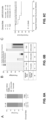
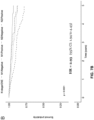
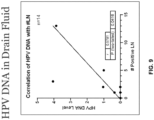
- Preliminary data demonstrates that HPV DNA levels in drain fluid measured through real-time PCR correlated with the number of positive lymph nodes in the neck (see FIG. 8A and FIG. 9 ) as well as with extracapsular extension of cancer in the lymph nodes (see FIG. 8B ). Additionally, patients undergoing neck dissection but who are found to have no pathologically-positive nodes show no detectable HPV in drain fluid. Further, patients undergoing bilateral neck dissection demonstrated different levels of HPV DNA within the samples obtained from each of the two post-surgical drain lines that were correlated with the nodal status of each side (see FIG. 10 ).
- HPV DNA detected within drain samples may be used to guide radiation and chemotherapy dose after surgery as a potential means of further de-intensifying treatment.
- detection of HPV DNA in the drain fluid may be used as a biomarker, wherein patients with detected HPV DNA in the drain fluid may be recommended for treatment de-intensifying.
- drain fluid as a liquid biopsy applies similar principles to those used to detect HPV cfDNA in plasma, but provides for a more proximal biomarker derived directly from the surgical bed.
- existing liquid biopsy tests such as NavDx TM used for the detection of circulating tumor DNA (ctDNA) may be modified for use in detected cfHPVDNA in drainage fluid samples.
- the concept of using surgery drain fluid as a proximal marker to determine prognosis or adjuvant therapy for cancers could be expanded to other cancer sites.
- HPV causes cervical, penile, and anal cancer.
- HPV drainage fluids collected after surgical interventions of other HPV-associated cancers may be analyzed to detect cfHPVDNA to aid in assessing patient prognosis and selected an appropriate treatment plan.
- the methods described above may be used to detect other non-HPV biomarkers associated with other cancer types within drainage fluid collected after surgical interventions.
- thyroglobulin a known biomarker for thyroid cancer
- a detection method such as ELISA and used to assess patient prognosis and/or select a treatment plan for thyroid cancer.
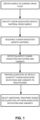
- FIG. 1 is a flow chart illustrating the steps of the disclosed method in one aspect.
- the method includes obtaining a surgical drainage sample from the subject.
- the surgical drainage sample is obtained using any known method including, but not limited to, capturing a surgical drainage tube associated with the cancer surgery.
- the sample may be obtained within about 24 hours of the completion of the surgery, providing the practitioner with timely information regarding tumor-related genetic material in the surgical drainage that may be used to select additional treatments.
- the cancer surgery includes any surgery directed at removing cancerous tissues or tumors from the subject including, but not limited to, resectioning surgery, dissection surgery, excision surgery, and any combination thereof.
- the method further includes isolating an amount of tumor-associated genetic material from the surgical drainage sample.
- the tumor-associated genetic material includes cell-free DNA, RNA, proteins, exosomes, and any combination thereof.
- the tumor-associated genetic material is produced or associated with a plurality of cancer cells.
- cancer cells include oropharyngeal cancer cells, lung cancer cells, breast cancer cells, melanoma cells, colon cancer cells, thyroid cancer cells, prostate cancer cells, ovarian cancer cells, testicular cancer cells, penile cancer cells, cervical cancer cells, anal cancer cells, brain cancer cells, liver cancer cells, pancreatic cancer cells, and testicular cancer cells.
- cancer cells include cells from a variety of cancer types including Acute Lymphoblastic Leukemia (ALL); Acute Myeloid Leukemia (AML); Adrenocortical Carcinoma; AIDS-Related Cancers; Kaposi Sarcoma (Soft Tissue Sarcoma); AIDS-Related Lymphoma (Lymphoma); Primary CNS Lymphoma (Lymphoma); Anal Cancer; Appendix Cancer; Gastrointestinal Carcinoid Tumors; Astrocytomas; Atypical Teratoid/Rhabdoid Tumor, Childhood, Central Nervous System (Brain Cancer); Basal Cell Carcinoma of the Skin; Bile Duct Cancer; Bladder Cancer; Bone Cancer (including Ewing Sarcoma and Osteosarcoma and Malignant Fibrous Histiocytoma); Brain Tumors; Breast Cancer; Bronchial Tumors; Burkitt Lymphoma; Carcinoid Tumor (Gastrointestinal); Childhood Carcinoid
- the tumor-associated genetic material may be isolated from the sample using any suitable method without limitation.
- suitable isolation methods include filtering the sample, centrifuging the sample, contacting the sample with a chromatography medium, and any combination thereof.
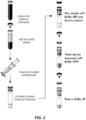
- FIG. 2 is a schematic illustration of a method of isolating the tumor-associated genetic material from the sample in one aspect.
- the surgical drainage is centrifuged and filtered.
- EDTA is added to the sample to inhibit nucleases in the sample.
- the sample with added EDTA is further centrifuged, and the supernatant is removed and retained.
- the supernatant may be used as is for detection and quantification of cell-free DNA, RNA, and proteins.
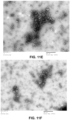
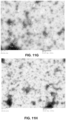
- exosomes may be isolated from the supernatant by contacting the supernatant with a chromatographic media followed by elution. In various aspects, the isolation of the tumor-associated genetic material using the method illustrated in FIG.
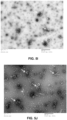
- FIG. 2 yields intact exosomes, as illustrated in FIG. 3A , FIGS. 5A-5J , and 11A-11J .
- other isolation methods such as ultracentrification may damage the exosomes, as illustrated in FIG. 3A .
- the method further includes sequencing the tumor-associated genetic material in the sample and detecting/quantifying tumor-associated mutations and/or variants.
- Any suitable method may be used to sequence, detect, and quantify the tumor-associated mutations and/or variants including, but not limited to, next generation DNA sequencing, next generation RNA sequencing, next generation protein sequencing, PCR, Western blot, and any combination thereof.
- a targeted sequence assay panel may be used.
- the method may further include providing the quantities of detected tumor-associated mutations and/or variants to a practitioner. Based on these detected quantities, the practitioner may make a determination of minimal residual disease in the patient, and/or select a follow-up treatment.
- suitable follow-up treatments include radiotherapy, chemotherapy, follow-up surgery, active surveillance with imaging, and any combination thereof.
- numbers expressing quantities of ingredients, properties such as molecular weight, reaction conditions, and so forth, used to describe and claim certain embodiments of the present disclosure are to be understood as being modified in some instances by the term "about.”
- the term “about” is used to indicate that a value includes the standard deviation of the mean for the device or method being employed to determine the value.
- the numerical parameters set forth in the written description and attached claims are approximations that can vary depending upon the desired properties sought to be obtained by a particular embodiment.
- the numerical parameters should be construed in light of the number of reported significant digits and by applying ordinary rounding techniques.
- the terms “a” and “an” and “the” and similar references used in the context of describing a particular embodiment (especially in the context of certain of the following claims) can be construed to cover both the singular and the plural, unless specifically noted otherwise.
- the term “or” as used herein, including the claims, is used to mean “and/or” unless explicitly indicated to refer to alternatives only or the alternatives are mutually exclusive.
Landscapes
- Chemical & Material Sciences (AREA)
- Health & Medical Sciences (AREA)
- Life Sciences & Earth Sciences (AREA)
- Organic Chemistry (AREA)
- Proteomics, Peptides & Aminoacids (AREA)
- Zoology (AREA)
- Immunology (AREA)
- Wood Science & Technology (AREA)
- Engineering & Computer Science (AREA)
- Analytical Chemistry (AREA)
- Genetics & Genomics (AREA)
- Pathology (AREA)
- General Health & Medical Sciences (AREA)
- Bioinformatics & Cheminformatics (AREA)
- General Engineering & Computer Science (AREA)
- Molecular Biology (AREA)
- Biotechnology (AREA)
- Biophysics (AREA)
- Microbiology (AREA)
- Biochemistry (AREA)
- Physics & Mathematics (AREA)
- Hospice & Palliative Care (AREA)
- Oncology (AREA)
- Virology (AREA)
- Medicinal Chemistry (AREA)
- Pharmacology & Pharmacy (AREA)
- Epidemiology (AREA)
- Animal Behavior & Ethology (AREA)
- Public Health (AREA)
- Veterinary Medicine (AREA)
- Measuring Or Testing Involving Enzymes Or Micro-Organisms (AREA)
- Investigating Or Analysing Biological Materials (AREA)
Claims (14)
- Verfahren zum Nachweisen minimaler Restkrankheit bei einem Patienten nach einer Krebsoperation, das Verfahren umfassend:a. Isolieren einer Menge tumorassoziierten genetischen Materials aus einer Probe, die eine chirurgische Drainage umfasst, die von dem Patienten gewonnen wurde; wobei die Menge an tumorassoziiertem genetischem Material zellfreie DNA, RNA, Proteine, Exosomen und jede Kombination davon umfasst;b. Sequenzieren der Menge tumorassoziierten genetischen Materials, um mindestens eine tumorassoziierte Mutation oder Variante in der Menge tumorassoziierten genetischen Materials nachzuweisen und zu quantifizieren; undc. Bereitstellen der mindestens einen Menge der mindestens einen tumorassoziierten Mutation oder Variante an einen Arzt, wobei die mindestens eine tumorassoziierte Mutation oder Variante auf eine minimale Restkrankheit in dem Patienten hinweist.
- Verfahren nach Anspruch 1, wobei das Isolieren der Menge an tumorassoziiertem genetischem Material aus der Probe ferner das Filtern der Probe, das Zentrifugieren der Probe, das Inkontaktbringen der Probe mit einem Chromatographiemedium und jede Kombination davon umfasst.
- Verfahren nach Anspruch 1 oder Anspruch 2, ferner umfassend das Auswählen einer zusätzlichen Behandlung auf der Grundlage der Menge der mindestens einen tumorassoziierten Mutation oder Variante, wobei die zusätzliche Behandlung vorzugsweise aus Strahlentherapie, Chemotherapie, Folgeoperation, aktiver Überwachung mit Bildgebung und einer beliebigen Kombination davon ausgewählt wird.
- Verfahren nach einem der vorhergehenden Ansprüche, wobei das tumorassoziierte genetische Material von einer Vielzahl von Krebszellen produziert wird, wobei die Vielzahl von Krebszellen vorzugsweise ausgewählt ist aus Oropharynxkarzinomzellen, Lungenkarzinomzellen, Brustkrebszellen, Melanomzellen, Kolonkarzinomzellen, Schilddrüsenkarzinomzellen, Prostatakarzinomzellen, Ovarialkarzinomzellen, Hodenkarzinomzellen, Peniskarzinomzellen, Zervixkarzinomzellen, Analkarzinomzellen, Hirntumorzellen, Leberkarzinomzellen, Pankreaskarzinomzellen und Hodenkarzinomzellen.
- Verfahren nach einem der vorhergehenden Ansprüche, wobei die Krebsoperation ausgewählt ist aus einer Resektionsoperation, einer Dissektionsoperation, einer Exzisionsoperation und einer beliebigen Kombination davon.
- Verfahren nach einem der vorhergehenden Ansprüche, wobei die Probe innerhalb von etwa 24 Stunden nach der Krebsoperation gewonnen wurde.
- Verfahren nach einem der vorhergehenden Ansprüche, wobei das tumorassoziierte genetische Material zellfreies HPV-DNA (cfDNA) umfasst, das mit oropharyngealen Krebszellen assoziiert ist, wobei das zellfreie HPV-DNA (cfDNA) vorzugsweise HPV16-DNA, HPV VI8-DNA, HPV31-DNA, HPV33-Fragment, HPV35-Fragment, HPV45-DNA, HPV52-DNA, HPV58-DNA und eine beliebige Kombination davon umfasst.
- Verfahren nach einem der vorhergehenden Ansprüche, wobei das Sequenzieren der Menge an tumorassoziiertem genetischem Material zum Nachweisen und Quantifizieren mindestens einer tumorassoziierten Mutation oder Variante ferner umfasst, dass die Probe einem Sequenzierungsverfahren unterzogen wird, das ausgewählt ist aus DNA-Sequenzierung der nächsten Generation, RNA-Sequenzierung der nächsten Generation, Proteinsequenzierung der nächsten Generation, PCR, Western Blot und einer beliebigen Kombination davon.
- Verfahren zum Auswählen einer postoperativen Behandlung für einen Krebspatienten, der dieser bedarf, das Verfahren umfassend:a. Isolieren einer Menge an tumorassoziiertem genetischem Material aus einer Probe, die eine chirurgische Drainage umfasst, wobei die Menge an tumorassoziiertem genetischem Material zellfreie DNA, RNA, Proteine, Exosomen und beliebige Kombinationen davon umfasst;b. Sequenzieren der Menge tumorassoziierten genetischen Materials, um mindestens eine tumorassoziierte Mutation oder Variante in der Menge tumorassoziierten genetischen Materials nachzuweisen und zu quantifizieren;c. Bereitstellen der mindestens einen Menge der mindestens einen tumorassoziierten Mutation oder Variante an einen Arzt, wobei die mindestens eine tumorassoziierte Mutation oder Variante auf eine minimale Restkrankheit in dem Patienten hinweist; undd. Auswählen einer zusätzlichen Behandlung auf der Grundlage der Menge der mindestens einen tumorassoziierten Mutation oder Variante, wobei die zusätzliche Behandlung vorzugsweise aus Strahlentherapie, Chemotherapie, Folgeoperation, aktiver Überwachung mit Bildgebung und einer beliebigen Kombination davon ausgewählt wird.
- Verfahren nach Anspruch 9, wobei das Isolieren der Menge an tumorassoziiertem genetischem Material aus der Probe ferner das Filtern der Probe, das Zentrifugieren der Probe, das Inkontaktbringen der Probe mit einem Chromatographiemedium und jede Kombination davon umfasst.
- Verfahren nach Anspruch 9 oder Anspruch 10, wobei das tumorassoziierte genetische Material von einer Vielzahl von Krebszellen produziert wird, wobei die Vielzahl von Krebszellen vorzugsweise ausgewählt ist aus Oropharynxkarzinomzellen, Lungenkarzinomzellen, Brustkrebszellen, Melanomzellen, Kolonkarzinomzellen, Schilddrüsenkarzinomzellen, Prostatakarzinomzellen, Ovarialkarzinomzellen, Hodenkarzinomzellen, Peniskarzinomzellen, Zervixkarzinomzellen, Analkarzinomzellen, Hirntumorzellen, Leberkarzinomzellen, Pankreaskarzinomzellen und Hodenkarzinomzellen.
- Verfahren nach einem der Ansprüche 9 bis 11, wobei das tumorassoziierte genetische Material zellfreie HPV-DNA (cfDNA) umfasst, die mit oropharyngealen Krebszellen assoziiert ist.
- Verfahren nach einem der Ansprüche 9-12, wobei das Sequenzieren der Menge an tumorassoziiertem genetischem Material zum Nachweisen und Quantifizieren mindestens einer tumorassoziierten Mutation oder Variante ferner umfasst, dass die Probe einem Sequenzierungsverfahren unterzogen wird, das ausgewählt ist aus DNA-Sequenzierung der nächsten Generation, RNA-Sequenzierung der nächsten Generation, Proteinsequenzierung der nächsten Generation, PCR, Western Blot und einer beliebigen Kombination davon.
- Verfahren nach einem der Ansprüche 9 bis 13, wobei das Sequenzieren der Menge an tumorassoziiertem genetischem Material zum Nachweisen und Quantifizieren mindestens einer tumorassoziierten Mutation oder Variante in der Menge an tumorassoziiertem genetischem Material ferner das Nachweisen und Quantifizieren mindestens eines HPV-Stamms umfasst, der mit HPV(+)-Oropharynxkarzinom assoziiert ist, umfassend HPV16-DNA, HPV18-DNA, HPV31-DNA, HPV33-Fragment, HPV35-Fragment, HPV45-DNA, HPV52-DNA, HPV58-DNA und beliebige Kombinationen davon.
Applications Claiming Priority (2)
| Application Number | Priority Date | Filing Date | Title |
|---|---|---|---|
| US201962948686P | 2019-12-16 | 2019-12-16 | |
| PCT/US2020/065446 WO2021127065A1 (en) | 2019-12-16 | 2020-12-17 | Method of measuring cell-free dna in surgical drain fluid to select adjuvant therapy |
Publications (3)
| Publication Number | Publication Date |
|---|---|
| EP4077709A1 EP4077709A1 (de) | 2022-10-26 |
| EP4077709A4 EP4077709A4 (de) | 2024-01-24 |
| EP4077709B1 true EP4077709B1 (de) | 2025-06-18 |
Family
ID=76478156
Family Applications (1)
| Application Number | Title | Priority Date | Filing Date |
|---|---|---|---|
| EP20902209.4A Active EP4077709B1 (de) | 2019-12-16 | 2020-12-17 | Verfahren zum messen der zellfreien dna in einem chirurgischen abflussfluid zur auswahl der adjuvanstherapie |
Country Status (3)
| Country | Link |
|---|---|
| US (1) | US20230026377A1 (de) |
| EP (1) | EP4077709B1 (de) |
| WO (1) | WO2021127065A1 (de) |
Families Citing this family (8)
| Publication number | Priority date | Publication date | Assignee | Title |
|---|---|---|---|---|
| WO2022256542A1 (en) * | 2021-06-02 | 2022-12-08 | Washington University | Systems and methods for multimodal analysis of surgical drain fluid using interchangeable and customizable nucleic acid based tests |
| WO2023044118A1 (en) * | 2021-09-20 | 2023-03-23 | Droplet Biosciences, Inc. | Methods for disease assessment using drain fluid |
| EP4405681A4 (de) * | 2021-09-20 | 2025-08-06 | Droplet Biosciences Inc | Abflussflüssigkeit für diagnosezwecke |
| US12152280B2 (en) | 2021-09-20 | 2024-11-26 | Droplet Biosciences, Inc. | Drain fluid for diagnostics |
| US20250146079A1 (en) * | 2022-02-14 | 2025-05-08 | Washington University | Methods for detecting surgical drain fluid exosomes and uses thereof |
| US12416626B2 (en) * | 2022-07-22 | 2025-09-16 | Droplet Biosciences, Inc. | Methods for evaluating candidate therapy efficacy based on changes in lymphatic fluid biomarkers |
| WO2024130189A1 (en) * | 2022-12-16 | 2024-06-20 | Droplet Biosciences, Inc. | Tumor proximal cell collection |
| US12157920B1 (en) * | 2023-11-15 | 2024-12-03 | Droplet Biosciences, Inc. | Methods for diagnosing and assessing disease using drain fluid |
Family Cites Families (4)
| Publication number | Priority date | Publication date | Assignee | Title |
|---|---|---|---|---|
| EP2558597A4 (de) * | 2010-04-15 | 2013-11-20 | Hadasit Med Res Service | Frühe erkennung und einstufung von kolorektalkarzinomen mithilfe einer tafel mit mikro-rnas |
| US9452228B2 (en) * | 2013-04-01 | 2016-09-27 | Immunomedics, Inc. | Antibodies reactive with an epitope located in the N-terminal region of MUC5AC comprising cysteine-rich subdomain 2 (Cys2) |
| WO2019055835A1 (en) * | 2017-09-15 | 2019-03-21 | The Regents Of The University Of California | DETECTION OF SOMATIC MONONUCLEOTIDE VARIANTS FROM ACELLULAR NUCLEIC ACID WITH APPLICATION TO MINIMUM RESIDUAL DISEASE SURVEILLANCE |
| WO2019133391A1 (en) * | 2017-12-20 | 2019-07-04 | Nantomics, Llc | Using cfrna for diagnosing minimal residual disease |
-
2020
- 2020-12-17 EP EP20902209.4A patent/EP4077709B1/de active Active
- 2020-12-17 US US17/786,473 patent/US20230026377A1/en active Pending
- 2020-12-17 WO PCT/US2020/065446 patent/WO2021127065A1/en not_active Ceased
Also Published As
| Publication number | Publication date |
|---|---|
| US20230026377A1 (en) | 2023-01-26 |
| WO2021127065A1 (en) | 2021-06-24 |
| EP4077709A4 (de) | 2024-01-24 |
| EP4077709A1 (de) | 2022-10-26 |
Similar Documents
| Publication | Publication Date | Title |
|---|---|---|
| EP4077709B1 (de) | Verfahren zum messen der zellfreien dna in einem chirurgischen abflussfluid zur auswahl der adjuvanstherapie | |
| McNally et al. | Biomarkers that differentiate benign prostatic hyperplasia from prostate cancer: A literature review | |
| Colas et al. | Molecular markers of endometrial carcinoma detected in uterine aspirates | |
| Elhanafi et al. | Comparison of endoscopic ultrasound tissue acquisition methods for genomic analysis of pancreatic cancer | |
| KR20170130441A (ko) | 암 진단용 바이오마커 패널 | |
| JP7336442B2 (ja) | Pde4d7発現及び術前臨床変数に基づく術前リスクの層別化 | |
| ES2893469T3 (es) | Puntuaciones de riesgo basadas en la expresión de la variante 7 de la fosfodiesterasa 4D humana | |
| Rajendra et al. | Survival rates for patients with Barrett high-grade dysplasia and esophageal adenocarcinoma with or without human papillomavirus infection | |
| JP2023538868A (ja) | Pde4d7相関遺伝子に基づく放射線療法に対する前立腺癌被験者の反応の予測 | |
| WO2019048588A1 (en) | PANEL OF PROTEIN BIOMARKERS AND MIXED AUTO-ANTIBODIES FOR THE DIAGNOSIS OF COLORECTAL CANCER | |
| Choi et al. | The Aberrant Expression of Biomarkers and Risk Prediction for Neoplastic Changes in Barrett’s Esophagus–Dysplasia | |
| Borsetto et al. | Surveillance of HPV-positive head and neck squamous cell carcinoma with circulating and salivary DNA biomarkers | |
| Yu et al. | Serum CEACAM1 level is associated with diagnosis and prognosis in patients with osteosarcoma | |
| EP4352267A1 (de) | Systeme und verfahren zur integrierten analyse von blut- und chirurgischen abflussflüssigkeitsbiomarkern | |
| Brahma et al. | Surgical perspective of T1799A BRAF mutation diagnostic value in papillary thyroid carcinoma | |
| JP7463357B2 (ja) | Pde4d7及びdhx9発現に基づく術前のリスク層別化 | |
| JP2016510986A (ja) | 前立腺がん及び他の障害用の診断及び予後予測バイオマーカー | |
| RU2547583C2 (ru) | Способ диагностики рака молочной железы | |
| CN110872624A (zh) | 一种结直肠癌标志物及其应用 | |
| JP6860148B2 (ja) | 治療法の有利性を予見する予見方法 | |
| RU2823255C1 (ru) | Способ прогнозирования рецидива рака щитовидной железы после радикального хирургического вмешательства | |
| JP7663987B2 (ja) | 非小細胞肺癌のモニタリング方法およびキット | |
| US20220389510A1 (en) | Systems and methods for multimodal analysis of surgical drain fluid using interchangeable and customizable nucleic acid based tests | |
| TWI498564B (zh) | 用以評估腫瘤增生、侵犯或轉移風險之生物標記及方法 | |
| Chen et al. | Analysis of GD2/GM2 synthase mRNA as a biomarker for small cell lung cancer |
Legal Events
| Date | Code | Title | Description |
|---|---|---|---|
| STAA | Information on the status of an ep patent application or granted ep patent |
Free format text: STATUS: THE INTERNATIONAL PUBLICATION HAS BEEN MADE |
|
| PUAI | Public reference made under article 153(3) epc to a published international application that has entered the european phase |
Free format text: ORIGINAL CODE: 0009012 |
|
| STAA | Information on the status of an ep patent application or granted ep patent |
Free format text: STATUS: REQUEST FOR EXAMINATION WAS MADE |
|
| 17P | Request for examination filed |
Effective date: 20220622 |
|
| AK | Designated contracting states |
Kind code of ref document: A1 Designated state(s): AL AT BE BG CH CY CZ DE DK EE ES FI FR GB GR HR HU IE IS IT LI LT LU LV MC MK MT NL NO PL PT RO RS SE SI SK SM TR |
|
| DAV | Request for validation of the european patent (deleted) | ||
| DAX | Request for extension of the european patent (deleted) | ||
| P01 | Opt-out of the competence of the unified patent court (upc) registered |
Effective date: 20230607 |
|
| A4 | Supplementary search report drawn up and despatched |
Effective date: 20240102 |
|
| RIC1 | Information provided on ipc code assigned before grant |
Ipc: A61K 49/04 20060101ALI20231219BHEP Ipc: A61K 33/00 20060101ALI20231219BHEP Ipc: A61K 33/24 20190101ALI20231219BHEP Ipc: A61B 17/20 20060101ALI20231219BHEP Ipc: G01N 33/53 20060101ALI20231219BHEP Ipc: A61B 46/23 20160101ALI20231219BHEP Ipc: G01N 33/566 20060101ALI20231219BHEP Ipc: G01N 1/18 20060101ALI20231219BHEP Ipc: G01N 33/574 20060101ALI20231219BHEP Ipc: C12Q 1/68 20180101AFI20231219BHEP |
|
| GRAP | Despatch of communication of intention to grant a patent |
Free format text: ORIGINAL CODE: EPIDOSNIGR1 |
|
| STAA | Information on the status of an ep patent application or granted ep patent |
Free format text: STATUS: GRANT OF PATENT IS INTENDED |
|
| INTG | Intention to grant announced |
Effective date: 20250109 |
|
| GRAS | Grant fee paid |
Free format text: ORIGINAL CODE: EPIDOSNIGR3 |
|
| GRAA | (expected) grant |
Free format text: ORIGINAL CODE: 0009210 |
|
| STAA | Information on the status of an ep patent application or granted ep patent |
Free format text: STATUS: THE PATENT HAS BEEN GRANTED |
|
| AK | Designated contracting states |
Kind code of ref document: B1 Designated state(s): AL AT BE BG CH CY CZ DE DK EE ES FI FR GB GR HR HU IE IS IT LI LT LU LV MC MK MT NL NO PL PT RO RS SE SI SK SM TR |
|
| REG | Reference to a national code |
Ref country code: GB Ref legal event code: FG4D |
|
| REG | Reference to a national code |
Ref country code: CH Ref legal event code: EP |
|
| REG | Reference to a national code |
Ref country code: DE Ref legal event code: R096 Ref document number: 602020053092 Country of ref document: DE |
|
| REG | Reference to a national code |
Ref country code: CH Ref legal event code: EP |
|
| REG | Reference to a national code |
Ref country code: IE Ref legal event code: FG4D |
|
| PG25 | Lapsed in a contracting state [announced via postgrant information from national office to epo] |
Ref country code: FI Free format text: LAPSE BECAUSE OF FAILURE TO SUBMIT A TRANSLATION OF THE DESCRIPTION OR TO PAY THE FEE WITHIN THE PRESCRIBED TIME-LIMIT Effective date: 20250618 |
|
| REG | Reference to a national code |
Ref country code: LT Ref legal event code: MG9D |
|
| PG25 | Lapsed in a contracting state [announced via postgrant information from national office to epo] |
Ref country code: GR Free format text: LAPSE BECAUSE OF FAILURE TO SUBMIT A TRANSLATION OF THE DESCRIPTION OR TO PAY THE FEE WITHIN THE PRESCRIBED TIME-LIMIT Effective date: 20250919 Ref country code: NO Free format text: LAPSE BECAUSE OF FAILURE TO SUBMIT A TRANSLATION OF THE DESCRIPTION OR TO PAY THE FEE WITHIN THE PRESCRIBED TIME-LIMIT Effective date: 20250918 |
|
| PG25 | Lapsed in a contracting state [announced via postgrant information from national office to epo] |
Ref country code: BG Free format text: LAPSE BECAUSE OF FAILURE TO SUBMIT A TRANSLATION OF THE DESCRIPTION OR TO PAY THE FEE WITHIN THE PRESCRIBED TIME-LIMIT Effective date: 20250618 |
|
| PG25 | Lapsed in a contracting state [announced via postgrant information from national office to epo] |
Ref country code: HR Free format text: LAPSE BECAUSE OF FAILURE TO SUBMIT A TRANSLATION OF THE DESCRIPTION OR TO PAY THE FEE WITHIN THE PRESCRIBED TIME-LIMIT Effective date: 20250618 |
|
| PG25 | Lapsed in a contracting state [announced via postgrant information from national office to epo] |
Ref country code: RS Free format text: LAPSE BECAUSE OF FAILURE TO SUBMIT A TRANSLATION OF THE DESCRIPTION OR TO PAY THE FEE WITHIN THE PRESCRIBED TIME-LIMIT Effective date: 20250918 |
|
| REG | Reference to a national code |
Ref country code: NL Ref legal event code: MP Effective date: 20250618 |
|
| PG25 | Lapsed in a contracting state [announced via postgrant information from national office to epo] |
Ref country code: LV Free format text: LAPSE BECAUSE OF FAILURE TO SUBMIT A TRANSLATION OF THE DESCRIPTION OR TO PAY THE FEE WITHIN THE PRESCRIBED TIME-LIMIT Effective date: 20250618 |
|
| PG25 | Lapsed in a contracting state [announced via postgrant information from national office to epo] |
Ref country code: NL Free format text: LAPSE BECAUSE OF FAILURE TO SUBMIT A TRANSLATION OF THE DESCRIPTION OR TO PAY THE FEE WITHIN THE PRESCRIBED TIME-LIMIT Effective date: 20250618 |