EP4035175B1 - Vorhersage der reaktion einer mikrobiota auf diätfasern - Google Patents
Vorhersage der reaktion einer mikrobiota auf diätfasern Download PDFInfo
- Publication number
- EP4035175B1 EP4035175B1 EP20772331.3A EP20772331A EP4035175B1 EP 4035175 B1 EP4035175 B1 EP 4035175B1 EP 20772331 A EP20772331 A EP 20772331A EP 4035175 B1 EP4035175 B1 EP 4035175B1
- Authority
- EP
- European Patent Office
- Prior art keywords
- microbiota
- specific
- subject
- production
- response
- Prior art date
- Legal status (The legal status is an assumption and is not a legal conclusion. Google has not performed a legal analysis and makes no representation as to the accuracy of the status listed.)
- Active
Links
Images



Classifications
-
- G—PHYSICS
- G16—INFORMATION AND COMMUNICATION TECHNOLOGY [ICT] SPECIALLY ADAPTED FOR SPECIFIC APPLICATION FIELDS
- G16B—BIOINFORMATICS, i.e. INFORMATION AND COMMUNICATION TECHNOLOGY [ICT] SPECIALLY ADAPTED FOR GENETIC OR PROTEIN-RELATED DATA PROCESSING IN COMPUTATIONAL MOLECULAR BIOLOGY
- G16B5/00—ICT specially adapted for modelling or simulations in systems biology, e.g. gene-regulatory networks, protein interaction networks or metabolic networks
-
- C—CHEMISTRY; METALLURGY
- C12—BIOCHEMISTRY; BEER; SPIRITS; WINE; VINEGAR; MICROBIOLOGY; ENZYMOLOGY; MUTATION OR GENETIC ENGINEERING
- C12Q—MEASURING OR TESTING PROCESSES INVOLVING ENZYMES, NUCLEIC ACIDS OR MICROORGANISMS; COMPOSITIONS OR TEST PAPERS THEREFOR; PROCESSES OF PREPARING SUCH COMPOSITIONS; CONDITION-RESPONSIVE CONTROL IN MICROBIOLOGICAL OR ENZYMOLOGICAL PROCESSES
- C12Q1/00—Measuring or testing processes involving enzymes, nucleic acids or microorganisms; Compositions therefor; Processes of preparing such compositions
- C12Q1/68—Measuring or testing processes involving enzymes, nucleic acids or microorganisms; Compositions therefor; Processes of preparing such compositions involving nucleic acids
- C12Q1/6876—Nucleic acid products used in the analysis of nucleic acids, e.g. primers or probes
- C12Q1/6888—Nucleic acid products used in the analysis of nucleic acids, e.g. primers or probes for detection or identification of organisms
- C12Q1/689—Nucleic acid products used in the analysis of nucleic acids, e.g. primers or probes for detection or identification of organisms for bacteria
-
- G—PHYSICS
- G16—INFORMATION AND COMMUNICATION TECHNOLOGY [ICT] SPECIALLY ADAPTED FOR SPECIFIC APPLICATION FIELDS
- G16B—BIOINFORMATICS, i.e. INFORMATION AND COMMUNICATION TECHNOLOGY [ICT] SPECIALLY ADAPTED FOR GENETIC OR PROTEIN-RELATED DATA PROCESSING IN COMPUTATIONAL MOLECULAR BIOLOGY
- G16B20/00—ICT specially adapted for functional genomics or proteomics, e.g. genotype-phenotype associations
-
- G—PHYSICS
- G16—INFORMATION AND COMMUNICATION TECHNOLOGY [ICT] SPECIALLY ADAPTED FOR SPECIFIC APPLICATION FIELDS
- G16B—BIOINFORMATICS, i.e. INFORMATION AND COMMUNICATION TECHNOLOGY [ICT] SPECIALLY ADAPTED FOR GENETIC OR PROTEIN-RELATED DATA PROCESSING IN COMPUTATIONAL MOLECULAR BIOLOGY
- G16B40/00—ICT specially adapted for biostatistics; ICT specially adapted for bioinformatics-related machine learning or data mining, e.g. knowledge discovery or pattern finding
- G16B40/20—Supervised data analysis
-
- G—PHYSICS
- G16—INFORMATION AND COMMUNICATION TECHNOLOGY [ICT] SPECIALLY ADAPTED FOR SPECIFIC APPLICATION FIELDS
- G16H—HEALTHCARE INFORMATICS, i.e. INFORMATION AND COMMUNICATION TECHNOLOGY [ICT] SPECIALLY ADAPTED FOR THE HANDLING OR PROCESSING OF MEDICAL OR HEALTHCARE DATA
- G16H10/00—ICT specially adapted for the handling or processing of patient-related medical or healthcare data
- G16H10/40—ICT specially adapted for the handling or processing of patient-related medical or healthcare data for data related to laboratory analysis, e.g. patient specimen analysis
-
- G—PHYSICS
- G16—INFORMATION AND COMMUNICATION TECHNOLOGY [ICT] SPECIALLY ADAPTED FOR SPECIFIC APPLICATION FIELDS
- G16H—HEALTHCARE INFORMATICS, i.e. INFORMATION AND COMMUNICATION TECHNOLOGY [ICT] SPECIALLY ADAPTED FOR THE HANDLING OR PROCESSING OF MEDICAL OR HEALTHCARE DATA
- G16H20/00—ICT specially adapted for therapies or health-improving plans, e.g. for handling prescriptions, for steering therapy or for monitoring patient compliance
- G16H20/60—ICT specially adapted for therapies or health-improving plans, e.g. for handling prescriptions, for steering therapy or for monitoring patient compliance relating to nutrition control, e.g. diets
-
- G—PHYSICS
- G16—INFORMATION AND COMMUNICATION TECHNOLOGY [ICT] SPECIALLY ADAPTED FOR SPECIFIC APPLICATION FIELDS
- G16H—HEALTHCARE INFORMATICS, i.e. INFORMATION AND COMMUNICATION TECHNOLOGY [ICT] SPECIALLY ADAPTED FOR THE HANDLING OR PROCESSING OF MEDICAL OR HEALTHCARE DATA
- G16H50/00—ICT specially adapted for medical diagnosis, medical simulation or medical data mining; ICT specially adapted for detecting, monitoring or modelling epidemics or pandemics
- G16H50/20—ICT specially adapted for medical diagnosis, medical simulation or medical data mining; ICT specially adapted for detecting, monitoring or modelling epidemics or pandemics for computer-aided diagnosis, e.g. based on medical expert systems
-
- G—PHYSICS
- G16—INFORMATION AND COMMUNICATION TECHNOLOGY [ICT] SPECIALLY ADAPTED FOR SPECIFIC APPLICATION FIELDS
- G16H—HEALTHCARE INFORMATICS, i.e. INFORMATION AND COMMUNICATION TECHNOLOGY [ICT] SPECIALLY ADAPTED FOR THE HANDLING OR PROCESSING OF MEDICAL OR HEALTHCARE DATA
- G16H50/00—ICT specially adapted for medical diagnosis, medical simulation or medical data mining; ICT specially adapted for detecting, monitoring or modelling epidemics or pandemics
- G16H50/70—ICT specially adapted for medical diagnosis, medical simulation or medical data mining; ICT specially adapted for detecting, monitoring or modelling epidemics or pandemics for mining of medical data, e.g. analysing previous cases of other patients
Definitions
- the invention relates to the human gut microbiota and its metabolic capabilities.
- a method evidencing the functional heterogeneity in the fermentation capabilities of the healthy human gut microbiota. More particularly, the invention provides a method for predicting a response to different dietary fibres based on the analysis and measuring of the fermentation or metabolic capabilities of a subject's gut microbiota as well as a computer software product and an apparatus for predicting a response of a subject to different dietary fibres.
- the symbiotic relationship between host and gut microbiota is intimately related to host diet.
- the majority of the caloric intake of ruminants is derived from the microbial fermentation of otherwise indigestible polysaccharides in their diet.
- fermentation of dietary fibers and other Microbiota Accessible Carbohydrates (MACs) only accounts for a fraction of total caloric intake, but the resulting metabolites also play other important physiological roles (Davie, 2003; Kuo, 2013).
- MACs Microbiota Accessible Carbohydrates
- SCFAs Short Chain Fatty Acids
- acetate, propionate and butyrate the major by-products of the microbial fermentation of dietary fibers in the gut exert a number of forces on the host's physiology.
- butyrate serves as the dominant energy source for colonocytes (Roediger, 1980), and is therefore critically important to maintaining a healthy gut
- increases in microbial acetate production and turnover have been shown to activate glucose-stimulated insulin secretion via a gut-brain axis mediated process, which can lead to insulin resistance and subsequent obesity, in addition to increasing a patient's risk of developing Type 2 diabetes (Perry et al., 2016).
- Propionate and butyrate in contrast, activate gluconeogenesis, which has beneficial effects to host metabolism and plasma glucose regulation (De Vadder et al., 2014; Zhao et al., 2018).
- increased production of butyrate has been causally related to improved insulin response after an oral glucose-tolerance test, whereas abnormalities in propionate production were linked to increased risk of Type-2 Diabetes (Sanna et al., 2019).
- HDAC histone deacetylase
- butyryl-CoA acetate-CoA transferase (Duncan et al., 2002), which exchanges an butyrate moiety for an acetate moiety and releases free butyrate.
- the pool of available acetate affects the production of both propionate and butyrate.
- Other products of bacterial fermentation can also serve as intermediates in SCFA production: lactate, in particular, can act as a substrate for further fermentation into acetate, propionate and butyrate.
- SCFA producing organisms may not be able to directly ferment a specific polysaccharide themselves; instead, they rely on the preliminary degradation of these dietary fibers into hexoses and pentoses by other bacteria encoding these carbohydrate active enzymes. This gives rise to a host of cooperative microbial networks that act in concert to produce the overall SCFA profile present in an individual's colon.
- the combination of dietary inputs (which dietary fibers, in which quantities) and the composition of an individual's microbiota together dictate what ratios and absolute quantities of SCFAs are produced in their gut, with potentially important effects on physiology. Since SCFAs have been implicated in a variety of different physiological and disease-related mechanisms, it is unique and promising target.
- WO 2019/046372 Al discloses compositions and methods for increasing butyrate production in a subject.
- this document provides compositions, probiotic compositions, and combinations thereof that promote butyrate production in a subject.
- a method of increasing butyrate levels in the intestine of a subject comprising: administering a carbohydrate source and at least one first bacteria selected from the group consisting of bacteria belonging to the taxons identified as Bifidobacterium spp. , Clostridium seq 176, sequence 100, and Ruminococcus bromii.
- This document describes formulations that boost butyrate production in a subject, regardless of their microbiota composition.
- it discloses administering a carbohydrate source and a bacterium together to reach the desired effect.
- Another object of the present invention is to provide a computer software product, comprising a computer-readable medium in which program instructions are stored, which instructions, when read by a data processor, cause the data processor to receive data collected from a subject's sample, and to execute the method according to the invention.
- a further object of the invention is to provide an apparatus for predicting a response of a subject to different dietary fibres, the apparatus comprising: a user interface configured to receive a subject's sample; a module for extracting microbiota-derived nucleic acids from said subject's sample and for quantifying and/or sequencing said nucleic acids; and a data processor having a computer-readable medium storing the computer software product of the invention.
- the terms "subject” or “patient” are well-recognized in the art, and, are used interchangeably herein to refer to a mammal, and, most preferably, a human. In some embodiments, the subject can be a normal subject. The term does not denote a particular age or sex. Thus, adult and newborn subjects, whether male or female, are intended to be covered.
- dietary fibre is well-recognized in the art, and is used interchangeably with “complex polysaccharides” or “complex carbohydrates” to refer to carbohydrates.
- Complex polysaccharides or other dietary fibre ingredients include inulins, fructo-oligosaccharide, resistant starch, lignin, tannin, cellulose, hemicelluloses (including xyloglucans, glucuronoxylans, arabinoglucuronoxylans, arabinoxylans, heteroxylans, mannans, and beta-glucans), psyllium, polydextrose, chitin, chitosan, pectins (including homogalacturonans/polygalacturonans, and rhamnogalacturonans I and II), arabinan, and konnyaku / konjac (glucomannan).
- Short Chain Fatty Acid is well-recognized in the art, and is used interchangeably herein to refer to formate, acetate, propionate, butyrate, valerate, iso-butyrate and iso-valerate.
- intermediate fermentation metabolites refer to intermediate biochemical entities in the process of fermenting complex polysaccharides and amino acids into Short Chain Fatty Acids. These include, but are not limited to oligosaccharides, monosacchrides (e.g. fructose, glucose, galacturonic acid), lactate, formate and succinate.
- genomic sequencing refers both to shotgun sequencing of DNA isolated from a complex ecosystem (e.g. stool), and to DNA sequencing of specific marker genes (e.g. 16S rRNA sequencing) from an ecosystem.
- RNA transcriptomic sequencing refers to sequencing of RNA transcripts from a complex ecosystem.
- metabolomics refers to measurement of one or more analytes from a sample using analytical chemistry techniques (e.g. mass spectrometry, which may or may not be coupled to a chromatographic or purification technique).
- analytical chemistry techniques e.g. mass spectrometry, which may or may not be coupled to a chromatographic or purification technique.
- the terms “prevent,” “control” and “treat” encompass the prevention of the development of a disease or a symptom, including but not limited to a subject who may have a predisposition of the disease or the symptom but has yet been diagnosed to have the disease or the symptom; the inhibition of the symptoms of a disease, namely, inhibition or retardation of the progression thereof; and the alleviation of the symptoms of a disease, namely, regression of the disease or the symptoms, or inversion of the progression of the symptoms.
- the software further comprises a set of algorithms for linking the data associated with the subject's microbiome to a certain medical condition, physical condition, or likely responsiveness to a certain therapy.
- the in vitro method of the invention allows the determination and quantification of the relative abundance of different bacterial nucleic acids which is performed by either DNA sequencing specific marker genes including 16S rRNA, shotgun metagenomics DNA sequencing, PCR or qPCR of specific genes, or method for nucleic acid quantification including capillary electrophoresis.
- the specific metabolites of interest comprise short chain fatty acids assessment consisting of short chain fatty acids propionate and butyrate.
- further specific metabolites of interest comprise acetate, lactate, formate, succinate, iso-butyrate, valerate and iso-valerate.
- the other enzymes responsible for the degradation of said different dietary fibres are selected from the group comprising bacterial, archaeal, or fungal organisms originated from the subject's gut microbiota.
- the collective ability of their microbiota to degrade specific fibres can come from the interplay of several organisms; for example, a certain enzyme from commensal fungi in the microbiota can degrade a fibre into its constituent oligosaccharides or monosaccharides (e.g. pectin into galacturonic acid), which are subsequently fermented by bacterial organisms into short chain fatty acids.
- the machine-learning algorithms comprise a supervised learning procedure. More preferably, the machine learning algorithms comprise at least one procedure selected from the group consisting of clustering, support vector machine, linear modeling, k-nearest neighbors' analysis, decision tree learning, ensemble learning procedure, neural networks, probabilistic model, graphical model, Bayesian network, and association rule learning.
- the different dietary fibres are complex polysaccharides or other dietary ingredients selected from the group comprising: inulins, fructo-oligosaccharide, resistant starch, lignin, tannin, cellulose, hemicelluloses (including xyloglucans, glucuronoxylans, arabinoglucuronoxylans, arabinoxylans, heteroxylans, mannans, and beta-glucans), psyllium, polydextrose, chitin, chitosan, pectins (including homogalacturonans/polygalacturonans, and rhamnogalacturonans I and II), arabinan, and konnyaku / konjac (glucomannan).
- the method for predicting a response to different dietary fibres is applied on subject's sample stool using a wipe and treating the wipe with a nucleic acid stabilization solution (e.g. ethanol, RNAlater, etc.). Once stabilized, the nucleic acids in the stool are stable at room temperature and can be mailed. The sample is also safe for shipping.
- a nucleic acid stabilization solution e.g. ethanol, RNAlater, etc.
- Mucosal layer sample can be collected by a biopsy during an endoscopic procedure, or as a fresh stool sample in the clinic.
- Microbiota-derived nucleic acids are extracted from the sample.
- the method determines and/or quantifies the relative abundance of different nucleic acid sequences from the stool or mucosa sample, either by DNA sequencing specific marker genes (e.g. 16S rRNA), shotgun metagenomic DNA sequencing, PCR or qPCR (quantitative PCR) of specific genes, or another method for nucleic acid quantification (e.g. capillary electrophoresis).
- DNA sequencing specific marker genes e.g. 16S rRNA
- shotgun metagenomic DNA sequencing e.g. 16S rRNA
- PCR or qPCR quantitative PCR
- DNA sequencing implies creation of a set of specific PCR primers for the key features namely the gene sequences specific to glycoside and/or polysaccharide hydrolases capable of hydrolyzing or cleaving complex polysaccharides of said different dietary fibres, as well as gene sequences specific to key enzymes from bacterial acetate, propionate and butyrate production pathways.
- method for quantifying the relative abundance of specific sequences using capillary electrophoresis can also be used as well as any other method known to the skilled person for of nucleic acid quantification that has sufficient resolution.
- the next step is to input these nucleic acid quantification or sequencing data into a software consisting of a statistical model or machine-learning algorithm that predicts the fermentation capabilities of the microbiota. More specifically, the software predicts the ability of the microbiota to produce specific metabolites by the microbiota from different dietary inputs. Key metabolites are the Short Chain Fatty acids propionate and butyrate. This model was trained on/developed from a database. Additional metabolites of interest include acetate, lactate, formate, succinate, iso-butyrate, valerate, and iso-valerate.
- the software or algorithm takes as input the relative abundance of specific nucleic acid sequences; Scores the microbiota's ability to produce specific metabolites by predicting either a production rate, or a relative measure of production capability (e.g. high VS low compared to a sampled population, z-score compared to a sampled population) of each metabolite in question in response to a specific set of dietary inputs.
- Specific dietary inputs include individual types of dietary fibres and complex polysaccharides. This is achieved using a statistical or machine learning model that acts on the inputed features.
- the model may instead return a single variable, namely a specific fermentation 'type' (where the continuum of different fermentation capabilities observed in the human population are discretized into specific types/phenotypes, e.g. Type 1, Type 2, Type 3, etc.).
- the model may compute a score from the relevant features using a weighted, linear or non-linear combination of input features and a hierarchical combination of one or more statistical classifiers or regressors.
- the above collected information is used in the method to stratify the user/patient to different treatment plans, which may include personalized dietary recommendations or other therapeutic strategies aiming to improve subject's microbiota's fermentation capabilities (e.g. treatment with prebiotics, probiotics, synbiotics (i.e. prebiotics + probiotics), or faecal microbiota transplantation).
- personalized dietary recommendations or other therapeutic strategies aiming to improve subject's microbiota's fermentation capabilities (e.g. treatment with prebiotics, probiotics, synbiotics (i.e. prebiotics + probiotics), or faecal microbiota transplantation).
- the method allows to identify the dietary inputs that result in the highest and lowest production of metabolites of interest by the microbiota and use these results to formulate personalized dietary/nutritional recommendations.
- This can be in the form of specific supplements containing the dietary inputs in question, or as general recommendations of different dietary ingredients such as specific fruits, vegetables, grains, etc. aiming to result in the production of specific metabolites.
- the latter general recommendations can be computed from look-up tables containing the quantities of each specific dietary input present in different ingredients.
- nucleic acid quantification data of the initial sample (which constitutes the information about the microbiota composition), and the sample microbiota's production capability of different metabolites in response to different spike-ins, in a database.
- the invention provides an in vitro method for predicting a response to different dietary fibres based on the analysis and measuring of the fermentation or metabolic capabilities of a subject's gut microbiota assessed by its short chain fatty acid (SCFA) production rate in response to said different dietary fibres, the method being applied to prior collected stabilized biological sample of said subject, the method comprising the steps of:
- the invention provides an in vitro method for predicting a response to different dietary fibres based on the analysis and measuring of the fermentation or metabolic capabilities of a subject's gut microbiota assessed by its short chain fatty acid (SCFA) production rate in response to said different dietary fibres, the method being applied to prior collected stabilized biological sample of said subject, the method comprising the steps of:
- the PCR kit further includes primers specific for sequences from the genes and metabolic pathways specific to key enzymes from bacterial acetate, propionate and butyrate production pathways, as well as enzymes responsible for the degradation of specific fibers.
- These latter enzymes can be bacterial, archaeal, or fungal, and thus can be drawn from any part of the gut microbiota.
- certain fungi can contain enzymes that can degrade dietary fiber, and therefore they also contribute to an individual's fermentation capability.
- pectinases can sometimes be found not only in bacteria but in fungi, and specifically degrade pectin into oligo- and monosaccharides that can further be fermented by the bacterial microbiota.
- fructanases that degrade fructans such as inulin are typically found in bacteria.
- the invention aims at determining the fermentation or metabolic capabilities of an individual's gut microbiota from for example stool nucleic acid sequencing (metagenomic DNA or metatranscriptomic RNA), as well as from analysis of stool metabolomics/metabolite profiles. It allows a user or patient or subject to quantify the ability of their gut microbiota to ferment different polysaccharides or dietary compounds to produce specific metabolites of physiological or clinical interest. Furthermore, the invention allows the user or patient to determine which polysaccharide(s) or dietary compound(s) could be consumed as a supplement in order to increase or decrease the production of specific metabolites by their gut microbiota.
- the invention constitutes both a diagnostic/prognostic and a framework for formulating personalised dietary strategies towards specific clinical outcomes.
- This framework includes pairing the diagnostic with specific dietary fibres or compounds (in powdered form, or integrated into a functional food).
- Physiological applications include minimising inflammation, increasing intestinal gluconeogenesis, or maximising any other health benefits that can be conferred by gut microbiota-derived metabolites generated through fermentation processes, including but not limited to Short Chain Fatty Acids (SCFAs).
- SCFAs Short Chain Fatty Acids
- Clinical applications include but are not limited to improving efficacy of cancer immunotherapy; decreasing intestinal inflammation in the context of Inflammatory Bowel Disease or similar ailments; decreasing systemic or local inflammation in the context of neurodegeneration, rheumatoid arthritis, depression or anxiety; improving metabolic health in the context of metabolic disease or obesity; and prevention of Type-2 diabetes. Additionally, an apparatus or device can be created that encompasses both the sequencing/nucleic acid detection/analytical chemistry capability, and the software for prediction of microbiota metabolic capabilities and formulation of resulting personalised dietary recommendations.
- the software that formulates these predictions consists of statistical and/or machine learning models trained on a database of experimental data consisting of experimental measurements from the stool microbiota of volunteers. More specifically, for each volunteer's microbiota, the database contains metagenomic DNA and/or metatranscriptomic RNA sequencing and/or metabolomics data of the raw stool, paired to experimental measurements obtained anaerobically from the live microbiota in the sample. These experimental measurements include, but are not necessarily limited to, the time-resolved measurement of SCFAs and intermediate fermentation metabolites produced over time in response to particularly chemical spike-ins.
- spike-ins refer to specific dietary fibres, complex polysaccharides or other dietary ingredients, but can also include drugs/medications in combination with the aforementioned chemicals.
- these spike-ins include a panel of dietary fibres that span the dominant categories of dietary fibres, including (but not limited to):
- This database can also take the form of specific bacterial strains (and accompanying marker gene sequences) and their experimentally measured metabolic capabilities.
- They may also include specific nucleic acid markers for specific bacterial strains known to harbour the enzymes mentioned above.
- the invention also allows to select from a list of dietary supplements the specific supplement that will maximize the production of a given SCFA or metabolite based on an individual's microbiota.
- the invention can be applied to a diagnostic tool or process in the context of treating disease, whether maximizing butyrate production in patients suffering from Inflammatory Bowel Disease, neurodegeneration, rheumatoid arthritis, depression or anxiety; maximizing butyrate and propionate production in obese, pre-diabetic/diabetic (type-2), or metabolic syndrome patients; or maximizing propionate production in patients undergoing cancer immunotherapy.
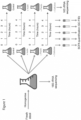
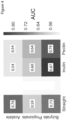
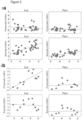
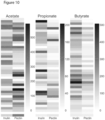
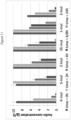
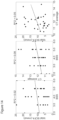
- Applicants have used an ex vivo setup to measure the inter-individual differences in gut microbial SCFA production in response to different dietary fiber inputs. Applicants have shown that there are significant differences in the MMPs of different individuals, i.e. differences in the capacity of their microbiota to ferment a given fiber substrate into a given SCFA. Moreover, Applicants showed that MMP could to a certain extent be predicted from stool microbiota community composition, to a greater extent than can raw stool SCFA content.
- Applicants' model also showed that increased colonic transit time results in significantly greater quantities of absorbed SCFAs while these remain at appreciable concentrations in the gut, or that there remains substrate to ferment.
- the microbiota was given a highly accessible, powdered form of inulin as a substrate.
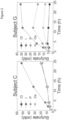
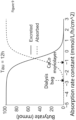
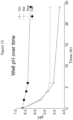
- the majority of inulin is fermented by the microbiota, within 24h or by the time of passage, respectively, Applicants' ex vivo measurements indicate that this process occurs on the order of 12-24h to occur in most participants at the considered input concentration (10g/L) ( Fig. 11 ).
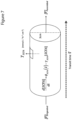
- stool SCFA is a function of the differential between the transit time ( ⁇ ) and the time to depletion of the fermentable substrate (t1). If ⁇ > t1, the stool SCFA concentration will mostly be a function of the time during which the stool was transiting but no further SCFAs were being produced (and luminal SCFAs were merely being absorbed). This is an important consideration that suggests that stool SCFA quantities may not be the relevant quantity of interest in the absence of knowledge of these other variables. Put differently, a lack of association between stool SCFA concentration and a clinical outcome variable is not necessarily indicative of a lack of involvement of microbial SCFAs in the disease process.
- Applicants' data indicate that a quantitative understanding of a patient's MMP can inform personalized dietary supplementation strategies that aim to increase the production and resulting absorption of specific SCFAs in a patient's gut. More broadly, they suggest a framework for modulating SCFA production in a patient through two separate but complimentary means: modification of dietary inputs as a function of their existing MMP, and modification of the underlying community composition of their microbiota towards a given MMP of interest.
- Fresh stool samples were collected and weighed before being transferred to anaerobic conditions, in which they were diluted in reduced PBS containing 0.1% L-Cysteine to a ratio of 1g/5ml. Samples were homogenized into a slurry before being aliquoted into 96-well plates. Samples of the unaltered slurry were taken for a baseline sample, after which inulin, pectin, and cellulose were added from stock solutions to final slurry concentrations of 10g/L, 5g/L and 20g/L, respectively. Concentrations of inulin and pectin were determined based on the maximum stock concentration we were able to obtain in which the dietary fiber was fully dissolved.
- Applicants used a Shimadzu GC-2014 gas chromatography (GC) configured with a packed column (Carboxen-1000, 5' x 1/8" (Supelco, Bellefonte PA)) held at 140°C, argon gas carrier fas, thermal conductivity and methanizer-flame ionization detectors. Subsamples of the headspace (0.20 cm3) at the laboratory temperature, ca. 23°C) from each serum bottle were taken via a gas-tight syringe and infected onto the column. Gas concentrations were determined by comparing the partial pressures of samples and standards with known concentrations.
- GC Shimadzu GC-2014 gas chromatography
- Chromatographic analysis was carried out using an Agilent 7890B system with a flame ionization detector (FID) (Agilent Technologies, Santa Clara, CA).
- a high resolution gas chromatography capillary column 30m x 0.25 mm coated with 0.25 ⁇ m film thickness was used (DB-FFAP) for the volatile acids (Agilent Technologies) and a high resolution gas chromatography capillary column 30m x 0.25 mm coated with 0.50 ⁇ m film thickness was used (DB-FFAP) for the nonvolatile acids.
- Nitrogen was used as the carrier gas.
- the oven temperature was 145°C and the FID and injection port was set to 225°C.
- the injected sample volume was 1 ⁇ L and the runtime for each analysis was 12 minutes.
- a non-volatile acid mix containing 10mM of pyruvic and lactic and 5mM of oxalacetic, oxalic, methy malonic, malonic, fumaric, and succinic was used (Supelco, 46985-U, Bellefonte, PA).
- a standard stock solution containing 50mM benzoic acid was prepared as an internal standard control for the nonvolatile acid extractions.
- the samples were kept frozen at -80°C until analysis. The samples were removed from the freezer and allowed to thaw. A sample of the raw fecal material was transferred to a 2mL tube, the weight of the fecal material was determined and 1.5 mL of HPLC water was added to each sample. The samples were vortexed for 5 minutes until the material was homogenized. The pH of raw fecal suspension and the thawed fecal slurry samples was adjusted to 2-3 with 50% sulfuric acid. The acidified samples were kept at room temperature and vortexed for 10 minutes. The samples were centrifuged for 10 minutes at 5000g. 1000uL of the clear supernatant was transferred into a glass tube with a PTFE faced rubber lined screw cap for further processing.
- 50uL of the internal standard 1% 2-methyl pentanoic acid solution
- 1ml of ethyl ether anhydrous were added to the volatile samples.
- the tubes were mixed end over end for 10 minutes and then centrifuged at 2000g for 1 minute.
- the upper ether layer was transferred to an Agilent sampling vial for analysis.
- 50uL of the internal standard 50mM benzoic acid solution
- 1mL boron trifluoride-methanol solution Sigma-Aldrich St.Louis, MO
- the MoBioPowersoil 96 kit (now Qiagen Cat No./Id: 12955-4) was used with minor modifications. All samples were thawed on ice and 250ul of the 5x dilution slurry fecal (from ex vivo assay) from each sample were transferred to the Mobio High Throughput PowerSoil bead plate (12955-4 BP) for sample loading steps. Applicants then proceed the protocol as per manufacturer's protocol on the same day.
- paired-end libraries were multiplexed into lanes (at maximum 200 individual samples pooled per lane) and sequenced with paired end 150 bases on each end on a Illumina MiSeq platform.
- BioPAL's inulin immunoassay kit BioPAL Worcester MA
- BioPAL Worcester MA BioPAL Worcester MA
- saliva samples came from ex vivo assay, they were already 5x dilution slurry faecal and needed to be centrifuged (10'000xg for 2 minutes) before passing the supernatant through a 0.2 ⁇ m syringe filter (Pall Corporation, Port Washington NY).
- stool samples came from in vivo diet study, they were thawed on ice, homogenized to a 5x dilution slurry fecal (in PBS buffer) before being spinned down and filtered similarly to the ex vivo samples.
- the fecal filtrates are stored at -80°C, always thawed and kept on ice while taken out of the refrigerator, and diluted to an appropriate dilution to be in the detection range of the ELISA Inulin kit.
- the ex vivo inulin conditions need to be diluted at least 1'000 folds while the ex vivo control or in vivo samples only need to be diluted at least 10 folds.
- the Gut monolayer was prepared as previously described by WLK Chen et al. (Chen et al., 2017b) Briefly Caco-2 or C2BBe1 along with HT29-MTX-E21 cells (Sigma) were seeded onto rat tail collagen I-(corning 354236) coated Transwell inserts (Corning 3460) in a 9:1 ratio (1 x 10⁵ cells/cm2) in 500 ⁇ l seeding medium. The top and bottom compartments of the Transwell Plate were fed with 500ul and 1.5ml of seeding medium. The medium was changed every 2-3 days. After 20 days of gut insert maturation, the cell monolayer was ready to use.
Landscapes
- Engineering & Computer Science (AREA)
- Health & Medical Sciences (AREA)
- Medical Informatics (AREA)
- Life Sciences & Earth Sciences (AREA)
- General Health & Medical Sciences (AREA)
- Public Health (AREA)
- Physics & Mathematics (AREA)
- Epidemiology (AREA)
- Data Mining & Analysis (AREA)
- Chemical & Material Sciences (AREA)
- Bioinformatics & Cheminformatics (AREA)
- Primary Health Care (AREA)
- Biophysics (AREA)
- Biotechnology (AREA)
- Databases & Information Systems (AREA)
- Biomedical Technology (AREA)
- Analytical Chemistry (AREA)
- Proteomics, Peptides & Aminoacids (AREA)
- Theoretical Computer Science (AREA)
- Spectroscopy & Molecular Physics (AREA)
- Evolutionary Biology (AREA)
- Bioinformatics & Computational Biology (AREA)
- Organic Chemistry (AREA)
- Molecular Biology (AREA)
- Pathology (AREA)
- Wood Science & Technology (AREA)
- Zoology (AREA)
- Evolutionary Computation (AREA)
- Nutrition Science (AREA)
- Artificial Intelligence (AREA)
- Bioethics (AREA)
- Computer Vision & Pattern Recognition (AREA)
- Software Systems (AREA)
- Genetics & Genomics (AREA)
- Biochemistry (AREA)
- Microbiology (AREA)
- Immunology (AREA)
- General Engineering & Computer Science (AREA)
- Physiology (AREA)
- Measuring Or Testing Involving Enzymes Or Micro-Organisms (AREA)
Claims (15)
- Verfahren zur Vorhersage einer Reaktion auf verschiedene Ballaststoffe aus Nukleinsäuresequenzen, wobei die Reaktion auf verschiedene Ballaststoffe basierend auf den Fermentations- oder Stoffwechselfähigkeiten der Darmmikrobiota eines Probanden definiert wird, die anhand ihrer Produktionsrate kurzkettiger Fettsäuren (SCFA) in Reaktion auf die verschiedenen Ballaststoffe beurteilt werden, und das Verfahren auf Häufigkeitsdaten spezifischer, aus der Mikrobiota stammender Nukleinsäuren angewendet wird, die aus einer zuvor gesammelten stabilisierten biologischen Probe des Probanden erhalten wurden, wobei das Verfahren die folgenden Schritte umfasst:- Isolieren und Extrahieren der spezifischen, aus der Mikrobiota stammenden Nukleinsäuren aus der stabilisierten biologischen Probe, wobei die spezifischen Sequenzen der spezifischen, aus der Mikrobiota stammenden Nukleinsäuren aus einer Trainingsdatenbank identifiziert werden, die Metagenomik-Sequenzierungsdaten der Mikrobiota von gesunden Probanden oder von Probanden, die an einer bestimmten Krankheit leiden, gepaart mit in vitro gemessenen Daten bezüglich der Produktionsraten von SCFAs und anderen Fermentationsmetaboliten aus verschiedenen Ballaststoffen in diesen Probanden enthält, wobei die SCFA und die anderen Fermentationsmetaboliten aus der Liste ausgewählt werden, die Propionat, Butyrat, Acetat, Lactat, Formiat, Succinat, Isobutyrat, Valerat und Isovalerat umfasst;- Bestimmen und Quantifizieren der relativen Häufigkeit der spezifischen, aus der Mikrobiota stammenden Nukleinsäuren aus der stabilisierten biologischen Probe, um einen ersten Input zu erzeugen, wobei die spezifischen, aus der Mikrobiota stammenden Nukleinsäuren aus Gensequenzen, die spezifisch für Glykosid- und/oder Polysaccharidhydrolasen sind, die in der Lage sind, komplexe Polysaccharide der verschiedenen Ballaststoffe zu hydrolysieren oder zu spalten, sowie Gensequenzen bestehen, die spezifisch für Schlüsselenzyme aus bakteriellen Acetat-, Propionat- und Butyrat-Produktionswegen und/oder Enzyme sind, die für den Abbau der verschiedenen Ballaststoffe verantwortlich sind;- Anwenden eines anhand der Trainingsdatenbank trainierten Algorithmus für maschinelles Lernen, um aus diesen spezifischen, aus der Mikrobiota stammenden Nukleinsäuresequenzen die Produktionsrate von SCFAs und anderen Fermentationsmetaboliten in Reaktion auf die Provokation mit verschiedenen Ballaststoffen vorherzusagen, um eine Reaktion auf die verschiedenen Ballaststoffe zu erhalten.
- Verfahren Anspruch 1, dadurch gekennzeichnet, dass die Trainingsdatenbank Daten umfasst, die gemäß einem vorbestimmten Satz von Klassifizierungsgruppen klassifiziert sind, wobei die Beurteilung der Fermentations- oder Stoffwechselfähigkeiten der Darmmikrobiota eines Probanden Klassifizieren des Probanden gemäß einem spezifischen Typ oder Phänotyp umfasst.
- Verfahren nach einem der Ansprüche 1-2, dadurch gekennzeichnet, dass der Algorithmus für maschinelles Lernen ferner einen Satz von Algorithmen zum Verknüpfen der mit dem Mikrobiom des Probanden assoziierten Daten mit einem bestimmten medizinischen Zustand, einem bestimmten körperlichen Zustand oder einer wahrscheinlichen Reaktion auf eine bestimmte Therapie umfasst.
- Verfahren nach einem der Ansprüche 1-3, ferner umfassend Schritte zum Einteilen des Probanden in verschiedene Behandlungspläne, einschließlich personalisierter Ernährungsempfehlungen oder anderer therapeutischer Strategien, die darauf abzielen, die Fermentationsfähigkeiten der Mikrobiota des Probanden zu verbessern, um das Mikrobiomprofil des Probanden zu erstellen.
- Verfahren nach Anspruch 4, wobei die personalisierten Ernährungsempfehlungen formuliert werden, indem die Ballaststoffzufuhren identifiziert werden, die zur höchsten und niedrigsten Produktion von Metaboliten von Interesse durch die Mikrobiota des Probanden führen, um ein Körperpflegeprodukt für den Probanden zu etablieren.
- Verfahren nach Anspruch 4, wobei die therapeutischen Strategien ein oder mehrere Präbiotika, ein oder mehrere Probiotika, ein oder mehrere Antibiotika oder ein anderes Arzneimittel zur therapeutischen Behandlung von Krankheiten oder Störungen mit metabolischer und/oder immunologischer und/oder entzündlicher Beteiligung umfassen.
- Verfahren nach Anspruch 4, wobei die verschiedenen Behandlungspläne eine Prädisposition für eine Krankheit oder Störung mit metabolischer und/oder immunologischer und/oder entzündlicher Beteiligung umfassen, die aus der Gruppe ausgewählt wird, die Fettleibigkeit, metabolisches Syndrom oder metabolische Krankheiten, Diabetes mellitus wie Typ-2-Diabetes, mit Insulinmangel verbundene Störungen, mit Insulinresistenz verbundene Störungen, Störungen der intestinalen Gluconeogenese, entzündliche Störungen, entzündliche Darmerkrankungen, systemische oder lokale Entzündungen im Zusammenhang mit Neurodegeneration, rheumatoide Arthritis, Depressionen oder Angststörungen, Nahrungsmittelunverträglichkeit, Durchfall, Verstopfung, Colitis und Enteritis, Allergien und Anwendungen in der Krebsimmuntherapie umfasst.
- Verfahren nach einem der vorhergehenden Ansprüche, wobei die biologische Probe des Probanden aus der Gruppe ausgewählt wird, die Folgendes umfasst: einen Rektalabstrich, eine Stuhlprobe, eine Biopsie oder eine Schleimhautprobe.
- Verfahren nach einem der vorhergehenden Ansprüche, wobei die Bestimmung und Quantifizierung der relativen Häufigkeit der spezifischen, aus der Mikrobiota stammenden Nukleinsäuren entweder durch DNA-Sequenzierung spezifischer Markergene, einschließlich 16S rRNA, Shotgun-Metagenomik-DNA-Sequenzierung, PCR oder qPCR spezifischer Gene oder ein beliebiges Verfahren zur Nukleinsäurequantifizierung, einschließlich Kapillarelektrophorese, erfolgt.
- Verfahren nach einem der vorhergehenden Ansprüche, wobei der Algorithmus für maschinelles Lernen eine Prozedur überwachten Lernens und optional mindestens eine Prozedur umfasst, die aus der Gruppe bestehend aus Clustering, Support Vector Machine, linearer Modellierung, K-Nearest-Neighbors-Analyse, Entscheidungsbaum-Lernen, Ensemble-Lernprozedur, neuronalen Netzwerken, probabilistischem Modell, grafischem Modell, Bayes-Netzwerk und Assoziationsregel-Lernen ausgewählt wird.
- Verfahren nach einem der vorhergehenden Ansprüche, wobei die verschiedenen Ballaststoffe komplexe Polysaccharide oder andere Nahrungsbestandteile sind, die ausgewählt werden aus der Gruppe bestehend aus Folgendem: Inulinen, Fructooligosacchariden, resistenter Stärke, Lignin, Tannin, Zellulose, Hemizellulosen (einschließlich Xyloglucanen, Glucuronoxylanen, Arabinoglucuronoxylanen, Arabinoxylanen, Heteroxylanen, Mannanen und Beta-Glucanen), Psyllium, Polydextrose, Chitin, Chitosan, Pektinen (einschließlich Homogalacturonanen/Polygalacturonanen und Rhamnogalacturonanen I und II), Arabinan und Konnyaku/Konjak (Glucomannan).
- Verfahren nach einem der vorhergehenden Ansprüche, wobei die anderen Enzyme, die für den Abbau der verschiedenen Ballaststoffe verantwortlich sind, aus der Gruppe ausgewählt werden, die bakterielle, archäale oder pilzliche Enzyme umfasst, die aus der Darmmikrobiota des Probanden stammen.
- Computersoftwareprodukt, umfassend ein computerlesbares Medium, in dem Anweisungen gespeichert sind, wobei die Anweisungen, wenn von einem Datenprozessor gelesen, den Datenprozessor veranlassen, Daten zu empfangen, die aus einer Probe eines Probanden gesammelt wurden, und das Verfahren nach einem der Ansprüche 1-12 durchzuführen.
- Vorrichtung zum Vorhersagen einer Reaktion eines Probanden auf verschiedene Ballaststoffe, wobei die Vorrichtung Folgendes umfasst: eine Benutzerschnittstelle, die zum Empfangen einer Probe eines Probanden ausgelegt ist; ein Modul zum Extrahieren spezifischer, aus der Mikrobiota stammender Nukleinsäuren aus der Probe des Probanden und zum Bestimmen und Quantifizieren der relativen Häufigkeit dieser spezifischen, aus der Mikrobiota stammenden Nukleinsäuren; und einen Datenprozessor mit einem computerlesbaren Medium, das das Computersoftwareprodukt nach Anspruch 13 speichert.
- Vorrichtung nach Anspruch 14, ferner umfassend ein PCR-Kit zur Sequenzierung und Quantifizierung der relativen Häufigkeit der spezifischen, aus Mikrobiota stammenden Nukleinsäuren, die aus einer Trainingsdatenbank identifiziert wurden, wobei das PCR-Kit Folgendes umfasst:a. Primer, die spezifisch für Nukleinsäuresequenzen sind, die aus der Trainingsdatenbank als diejenigen identifiziert wurden, die die Faserreaktion am besten vorhersagen; undb. optional Primer, die spezifisch für Sequenzen aus den Genen und Stoffwechselwegen sind, die spezifisch für Schlüsselenzyme aus bakteriellen Acetat-, Propionat- und Butyrat-Produktionswegen sind, sowie für andere Enzyme, die für den Abbau der verschiedenen Ballaststoffe verantwortlich sind.
Applications Claiming Priority (2)
| Application Number | Priority Date | Filing Date | Title |
|---|---|---|---|
| EP19198865 | 2019-09-23 | ||
| PCT/EP2020/076497 WO2021058523A1 (en) | 2019-09-23 | 2020-09-23 | Predicting the response of a microbiota to dietary fibres |
Publications (3)
| Publication Number | Publication Date |
|---|---|
| EP4035175A1 EP4035175A1 (de) | 2022-08-03 |
| EP4035175B1 true EP4035175B1 (de) | 2025-07-02 |
| EP4035175C0 EP4035175C0 (de) | 2025-07-02 |
Family
ID=68051661
Family Applications (1)
| Application Number | Title | Priority Date | Filing Date |
|---|---|---|---|
| EP20772331.3A Active EP4035175B1 (de) | 2019-09-23 | 2020-09-23 | Vorhersage der reaktion einer mikrobiota auf diätfasern |
Country Status (6)
| Country | Link |
|---|---|
| US (1) | US20220351803A1 (de) |
| EP (1) | EP4035175B1 (de) |
| CN (1) | CN114730632A (de) |
| AU (1) | AU2020352566B2 (de) |
| CA (1) | CA3150155A1 (de) |
| WO (1) | WO2021058523A1 (de) |
Families Citing this family (9)
| Publication number | Priority date | Publication date | Assignee | Title |
|---|---|---|---|---|
| WO2019033224A1 (zh) * | 2017-08-16 | 2019-02-21 | 极诺生技股份有限公司 | 建立肠道菌数据库的方法和相关检测系统 |
| WO2022232657A1 (en) * | 2021-04-29 | 2022-11-03 | Cybele Microbiome, Inc. | Analyzing genomics data and analytical data |
| WO2023056341A1 (en) * | 2021-09-29 | 2023-04-06 | The Regents Of The University Of California | Systems and methods for microbiome therapeutics |
| CN114038501B (zh) * | 2021-12-21 | 2022-05-27 | 广州金匙医学检验有限公司 | 一种基于机器学习的背景菌判定方法 |
| IT202200008705A1 (it) * | 2022-04-29 | 2023-10-29 | Wellmicro S R L | Metodo per determinare una funzionalita’ metabolica di una popolazione batterica e apparato per eseguire detto metodo |
| CN116355984B (zh) * | 2023-03-28 | 2024-09-10 | 西湖大学 | 用于评估宿主血糖稳态对高碳水化合物膳食模式响应敏感度的生物标志物及方法和用途 |
| CN117037914B (zh) * | 2023-07-25 | 2024-04-02 | 中科国康(浙江)生命科学有限公司 | 一种基于个体特征定向制备的肠道菌群的系统 |
| CN118471437B (zh) * | 2024-03-05 | 2025-06-24 | 江南大学 | 基于饮食-肠道菌群-疾病数据库的膳食推荐模型构建方法 |
| CN119097637B (zh) * | 2024-04-26 | 2025-04-15 | 云南农业大学 | 核桃膳食纤维在制备治疗帕金森病药物中的应用 |
Family Cites Families (5)
| Publication number | Priority date | Publication date | Assignee | Title |
|---|---|---|---|---|
| CN111768837A (zh) | 2014-04-28 | 2020-10-13 | 耶达研究及发展有限公司 | 用于预测对食物的反应的方法和装置 |
| CN106434905A (zh) * | 2016-09-07 | 2017-02-22 | 南京农业大学 | 一种评价膳食多酚肠道益生功能的方法 |
| ES2967947T3 (es) | 2016-12-06 | 2024-05-06 | Dsm Nutritional Products Llc | Polímeros de glicano y métodos relacionados de los mismos |
| US20180357375A1 (en) * | 2017-04-04 | 2018-12-13 | Whole Biome Inc. | Methods and compositions for determining metabolic maps |
| US11931386B2 (en) | 2017-08-31 | 2024-03-19 | The Regents Of The University Of Michigan | Compositions and methods for increasing butyrate production |
-
2020
- 2020-09-23 US US17/761,804 patent/US20220351803A1/en active Pending
- 2020-09-23 CN CN202080079309.8A patent/CN114730632A/zh active Pending
- 2020-09-23 AU AU2020352566A patent/AU2020352566B2/en active Active
- 2020-09-23 CA CA3150155A patent/CA3150155A1/en active Pending
- 2020-09-23 WO PCT/EP2020/076497 patent/WO2021058523A1/en not_active Ceased
- 2020-09-23 EP EP20772331.3A patent/EP4035175B1/de active Active
Also Published As
| Publication number | Publication date |
|---|---|
| CA3150155A1 (en) | 2021-04-01 |
| US20220351803A1 (en) | 2022-11-03 |
| AU2020352566B2 (en) | 2025-06-26 |
| WO2021058523A1 (en) | 2021-04-01 |
| AU2020352566A1 (en) | 2022-04-07 |
| CN114730632A (zh) | 2022-07-08 |
| EP4035175C0 (de) | 2025-07-02 |
| EP4035175A1 (de) | 2022-08-03 |
Similar Documents
| Publication | Publication Date | Title |
|---|---|---|
| EP4035175B1 (de) | Vorhersage der reaktion einer mikrobiota auf diätfasern | |
| Delannoy-Bruno et al. | Evaluating microbiome-directed fibre snacks in gnotobiotic mice and humans | |
| Nguyen et al. | Gut microbiota modulation with long-chain corn bran arabinoxylan in adults with overweight and obesity is linked to an individualized temporal increase in fecal propionate | |
| Carmody et al. | Cooking shapes the structure and function of the gut microbiome | |
| Daniel et al. | High-fat diet alters gut microbiota physiology in mice | |
| Loo et al. | Sugarcane polyphenol and fiber to affect production of short-chain fatty acids and microbiota composition using in vitro digestion and pig faecal fermentation model | |
| Zhao et al. | Exploring the possible link between the gut microbiome and fat deposition in pigs | |
| Lange et al. | Comparison of the effects of five dietary fibers on mucosal transcriptional profiles, and luminal microbiota composition and SCFA concentrations in murine colon | |
| Gurry et al. | Functional heterogeneity in the fermentation capabilities of the healthy human gut microbiota | |
| Chang et al. | Prevotella copri and microbiota members mediate the beneficial effects of a therapeutic food for malnutrition | |
| Yan et al. | Effect of debranching and differential ethanol precipitation on the formation and fermentation properties of maize starch–lipid complexes | |
| Kadyan et al. | Resistant starches from dietary pulses modulate the gut metabolome in association with microbiome in a humanized murine model of ageing | |
| Yin et al. | Response differences of gut microbiota in oligofructose and inulin are determined by the initial gut Bacteroides/Bifidobacterium ratios | |
| Marzorati et al. | Addition of acacia gum to a FOS/inulin blend improves its fermentation profile in the Simulator of the Human Intestinal Microbial Ecosystem (SHIME®) | |
| Firrman et al. | Metabolic analysis of regionally distinct gut microbial communities using an in vitro platform | |
| Chen et al. | Fructose corn syrup induces inflammatory injury and obesity by altering gut microbiota and gut microbiota-related arachidonic acid metabolism | |
| Lim et al. | A high amylose wheat diet improves gastrointestinal health parameters and gut microbiota in male and female mice | |
| Morales et al. | Characterization of microbial communities from gut microbiota of hypercholesterolemic and control subjects | |
| Pan et al. | Dynamics of the gut microbiota and faecal and serum metabolomes during pregnancy—a longitudinal study | |
| Wu et al. | Analysis of the biotransformation mechanism of soy isoflavones via equol-producing HMA mice model | |
| WO2017035191A1 (en) | Systems and methods for enriching a bacterial strain from a target bacterial system | |
| Chen et al. | Inulin reduces liver triacylglycerol by increasing lipid droplet lipolysis in fat-loaded mice | |
| Tan et al. | Fecal fermentation behaviors of Konjac glucomannan and its impacts on human gut microbiota | |
| Zhang et al. | Impact of pectin structural diversity on gut microbiota: A mechanistic exploration through in vitro fermentation | |
| Mok et al. | Preliminary characterization of gut mycobiome enterotypes reveals the correlation trends between host metabolic parameter and diet: A case study in the Thai Cohort |
Legal Events
| Date | Code | Title | Description |
|---|---|---|---|
| STAA | Information on the status of an ep patent application or granted ep patent |
Free format text: STATUS: UNKNOWN |
|
| STAA | Information on the status of an ep patent application or granted ep patent |
Free format text: STATUS: THE INTERNATIONAL PUBLICATION HAS BEEN MADE |
|
| PUAI | Public reference made under article 153(3) epc to a published international application that has entered the european phase |
Free format text: ORIGINAL CODE: 0009012 |
|
| STAA | Information on the status of an ep patent application or granted ep patent |
Free format text: STATUS: REQUEST FOR EXAMINATION WAS MADE |
|
| 17P | Request for examination filed |
Effective date: 20220420 |
|
| AK | Designated contracting states |
Kind code of ref document: A1 Designated state(s): AL AT BE BG CH CY CZ DE DK EE ES FI FR GB GR HR HU IE IS IT LI LT LU LV MC MK MT NL NO PL PT RO RS SE SI SK SM TR |
|
| DAV | Request for validation of the european patent (deleted) | ||
| DAX | Request for extension of the european patent (deleted) | ||
| REG | Reference to a national code |
Ref country code: HK Ref legal event code: DE Ref document number: 40078187 Country of ref document: HK |
|
| REG | Reference to a national code |
Ref country code: DE Ref legal event code: R079 Free format text: PREVIOUS MAIN CLASS: G16H0020600000 Ipc: G16H0050200000 Ref country code: DE Ref legal event code: R079 Ref document number: 602020053846 Country of ref document: DE Free format text: PREVIOUS MAIN CLASS: G16H0020600000 Ipc: G16H0050200000 |
|
| GRAP | Despatch of communication of intention to grant a patent |
Free format text: ORIGINAL CODE: EPIDOSNIGR1 |
|
| STAA | Information on the status of an ep patent application or granted ep patent |
Free format text: STATUS: GRANT OF PATENT IS INTENDED |
|
| RIC1 | Information provided on ipc code assigned before grant |
Ipc: G16B 40/20 20190101ALI20250122BHEP Ipc: G16B 20/00 20190101ALI20250122BHEP Ipc: G16H 50/70 20180101ALI20250122BHEP Ipc: G16H 20/60 20180101ALI20250122BHEP Ipc: G16H 50/20 20180101AFI20250122BHEP |
|
| INTG | Intention to grant announced |
Effective date: 20250203 |
|
| GRAS | Grant fee paid |
Free format text: ORIGINAL CODE: EPIDOSNIGR3 |
|
| GRAA | (expected) grant |
Free format text: ORIGINAL CODE: 0009210 |
|
| STAA | Information on the status of an ep patent application or granted ep patent |
Free format text: STATUS: THE PATENT HAS BEEN GRANTED |
|
| AK | Designated contracting states |
Kind code of ref document: B1 Designated state(s): AL AT BE BG CH CY CZ DE DK EE ES FI FR GB GR HR HU IE IS IT LI LT LU LV MC MK MT NL NO PL PT RO RS SE SI SK SM TR |
|
| REG | Reference to a national code |
Ref country code: GB Ref legal event code: FG4D |
|
| REG | Reference to a national code |
Ref country code: CH Ref legal event code: EP |
|
| REG | Reference to a national code |
Ref country code: DE Ref legal event code: R096 Ref document number: 602020053846 Country of ref document: DE |
|
| REG | Reference to a national code |
Ref country code: IE Ref legal event code: FG4D |
|
| U01 | Request for unitary effect filed |
Effective date: 20250731 |
|
| U07 | Unitary effect registered |
Designated state(s): AT BE BG DE DK EE FI FR IT LT LU LV MT NL PT RO SE SI Effective date: 20250808 |
|
| REG | Reference to a national code |
Ref country code: CH Ref legal event code: U11 Free format text: ST27 STATUS EVENT CODE: U-0-0-U10-U11 (AS PROVIDED BY THE NATIONAL OFFICE) Effective date: 20251001 |
|
| PGFP | Annual fee paid to national office [announced via postgrant information from national office to epo] |
Ref country code: NO Payment date: 20250917 Year of fee payment: 6 |
|
| PGFP | Annual fee paid to national office [announced via postgrant information from national office to epo] |
Ref country code: GB Payment date: 20250915 Year of fee payment: 6 |
|
| U20 | Renewal fee for the european patent with unitary effect paid |
Year of fee payment: 6 Effective date: 20250915 |