EP4013434B1 - Bakterium mit myo-inositol-zu-propionat-signalweg - Google Patents
Bakterium mit myo-inositol-zu-propionat-signalweg Download PDFInfo
- Publication number
- EP4013434B1 EP4013434B1 EP20764587.0A EP20764587A EP4013434B1 EP 4013434 B1 EP4013434 B1 EP 4013434B1 EP 20764587 A EP20764587 A EP 20764587A EP 4013434 B1 EP4013434 B1 EP 4013434B1
- Authority
- EP
- European Patent Office
- Prior art keywords
- bacterium
- seq
- sequence identity
- inositol
- gene encoding
- Prior art date
- Legal status (The legal status is an assumption and is not a legal conclusion. Google has not performed a legal analysis and makes no representation as to the accuracy of the status listed.)
- Active
Links
Images

Classifications
-
- C—CHEMISTRY; METALLURGY
- C12—BIOCHEMISTRY; BEER; SPIRITS; WINE; VINEGAR; MICROBIOLOGY; ENZYMOLOGY; MUTATION OR GENETIC ENGINEERING
- C12N—MICROORGANISMS OR ENZYMES; COMPOSITIONS THEREOF; PROPAGATING, PRESERVING, OR MAINTAINING MICROORGANISMS; MUTATION OR GENETIC ENGINEERING; CULTURE MEDIA
- C12N15/00—Mutation or genetic engineering; DNA or RNA concerning genetic engineering, vectors, e.g. plasmids, or their isolation, preparation or purification; Use of hosts therefor
- C12N15/09—Recombinant DNA-technology
- C12N15/11—DNA or RNA fragments; Modified forms thereof; Non-coding nucleic acids having a biological activity
- C12N15/52—Genes encoding for enzymes or proenzymes
-
- C—CHEMISTRY; METALLURGY
- C12—BIOCHEMISTRY; BEER; SPIRITS; WINE; VINEGAR; MICROBIOLOGY; ENZYMOLOGY; MUTATION OR GENETIC ENGINEERING
- C12Y—ENZYMES
- C12Y101/00—Oxidoreductases acting on the CH-OH group of donors (1.1)
- C12Y101/01—Oxidoreductases acting on the CH-OH group of donors (1.1) with NAD+ or NADP+ as acceptor (1.1.1)
- C12Y101/01018—Inositol 2-dehydrogenase (1.1.1.18)
-
- A—HUMAN NECESSITIES
- A23—FOODS OR FOODSTUFFS; TREATMENT THEREOF, NOT COVERED BY OTHER CLASSES
- A23C—DAIRY PRODUCTS, e.g. MILK, BUTTER OR CHEESE; MILK OR CHEESE SUBSTITUTES; PREPARATION THEREOF
- A23C9/00—Milk preparations; Milk powder or milk powder preparations
- A23C9/12—Fermented milk preparations; Treatment using microorganisms or enzymes
-
- A—HUMAN NECESSITIES
- A61—MEDICAL OR VETERINARY SCIENCE; HYGIENE
- A61K—PREPARATIONS FOR MEDICAL, DENTAL OR TOILETRY PURPOSES
- A61K31/00—Medicinal preparations containing organic active ingredients
- A61K31/045—Hydroxy compounds, e.g. alcohols; Salts thereof, e.g. alcoholates
- A61K31/047—Hydroxy compounds, e.g. alcohols; Salts thereof, e.g. alcoholates having two or more hydroxy groups, e.g. sorbitol
-
- A—HUMAN NECESSITIES
- A61—MEDICAL OR VETERINARY SCIENCE; HYGIENE
- A61K—PREPARATIONS FOR MEDICAL, DENTAL OR TOILETRY PURPOSES
- A61K35/00—Medicinal preparations containing materials or reaction products thereof with undetermined constitution
- A61K35/66—Microorganisms or materials therefrom
- A61K35/74—Bacteria
-
- A—HUMAN NECESSITIES
- A61—MEDICAL OR VETERINARY SCIENCE; HYGIENE
- A61K—PREPARATIONS FOR MEDICAL, DENTAL OR TOILETRY PURPOSES
- A61K35/00—Medicinal preparations containing materials or reaction products thereof with undetermined constitution
- A61K35/66—Microorganisms or materials therefrom
- A61K35/74—Bacteria
- A61K35/741—Probiotics
- A61K35/742—Spore-forming bacteria, e.g. Bacillus coagulans, Bacillus subtilis, clostridium or Lactobacillus sporogenes
-
- A—HUMAN NECESSITIES
- A61—MEDICAL OR VETERINARY SCIENCE; HYGIENE
- A61P—SPECIFIC THERAPEUTIC ACTIVITY OF CHEMICAL COMPOUNDS OR MEDICINAL PREPARATIONS
- A61P3/00—Drugs for disorders of the metabolism
- A61P3/06—Antihyperlipidemics
-
- A—HUMAN NECESSITIES
- A61—MEDICAL OR VETERINARY SCIENCE; HYGIENE
- A61P—SPECIFIC THERAPEUTIC ACTIVITY OF CHEMICAL COMPOUNDS OR MEDICINAL PREPARATIONS
- A61P3/00—Drugs for disorders of the metabolism
- A61P3/08—Drugs for disorders of the metabolism for glucose homeostasis
- A61P3/10—Drugs for disorders of the metabolism for glucose homeostasis for hyperglycaemia, e.g. antidiabetics
-
- A—HUMAN NECESSITIES
- A61—MEDICAL OR VETERINARY SCIENCE; HYGIENE
- A61P—SPECIFIC THERAPEUTIC ACTIVITY OF CHEMICAL COMPOUNDS OR MEDICINAL PREPARATIONS
- A61P5/00—Drugs for disorders of the endocrine system
- A61P5/48—Drugs for disorders of the endocrine system of the pancreatic hormones
- A61P5/50—Drugs for disorders of the endocrine system of the pancreatic hormones for increasing or potentiating the activity of insulin
-
- C—CHEMISTRY; METALLURGY
- C12—BIOCHEMISTRY; BEER; SPIRITS; WINE; VINEGAR; MICROBIOLOGY; ENZYMOLOGY; MUTATION OR GENETIC ENGINEERING
- C12N—MICROORGANISMS OR ENZYMES; COMPOSITIONS THEREOF; PROPAGATING, PRESERVING, OR MAINTAINING MICROORGANISMS; MUTATION OR GENETIC ENGINEERING; CULTURE MEDIA
- C12N1/00—Microorganisms; Compositions thereof; Processes of propagating, maintaining or preserving microorganisms or compositions thereof; Processes of preparing or isolating a composition containing a microorganism; Culture media therefor
- C12N1/20—Bacteria; Culture media therefor
- C12N1/205—Bacterial isolates
-
- C—CHEMISTRY; METALLURGY
- C12—BIOCHEMISTRY; BEER; SPIRITS; WINE; VINEGAR; MICROBIOLOGY; ENZYMOLOGY; MUTATION OR GENETIC ENGINEERING
- C12N—MICROORGANISMS OR ENZYMES; COMPOSITIONS THEREOF; PROPAGATING, PRESERVING, OR MAINTAINING MICROORGANISMS; MUTATION OR GENETIC ENGINEERING; CULTURE MEDIA
- C12N9/00—Enzymes; Proenzymes; Compositions thereof; Processes for preparing, activating, inhibiting, separating or purifying enzymes
- C12N9/0004—Oxidoreductases (1.)
- C12N9/0006—Oxidoreductases (1.) acting on CH-OH groups as donors (1.1)
-
- C—CHEMISTRY; METALLURGY
- C12—BIOCHEMISTRY; BEER; SPIRITS; WINE; VINEGAR; MICROBIOLOGY; ENZYMOLOGY; MUTATION OR GENETIC ENGINEERING
- C12N—MICROORGANISMS OR ENZYMES; COMPOSITIONS THEREOF; PROPAGATING, PRESERVING, OR MAINTAINING MICROORGANISMS; MUTATION OR GENETIC ENGINEERING; CULTURE MEDIA
- C12N9/00—Enzymes; Proenzymes; Compositions thereof; Processes for preparing, activating, inhibiting, separating or purifying enzymes
- C12N9/0004—Oxidoreductases (1.)
- C12N9/0008—Oxidoreductases (1.) acting on the aldehyde or oxo group of donors (1.2)
-
- C—CHEMISTRY; METALLURGY
- C12—BIOCHEMISTRY; BEER; SPIRITS; WINE; VINEGAR; MICROBIOLOGY; ENZYMOLOGY; MUTATION OR GENETIC ENGINEERING
- C12N—MICROORGANISMS OR ENZYMES; COMPOSITIONS THEREOF; PROPAGATING, PRESERVING, OR MAINTAINING MICROORGANISMS; MUTATION OR GENETIC ENGINEERING; CULTURE MEDIA
- C12N9/00—Enzymes; Proenzymes; Compositions thereof; Processes for preparing, activating, inhibiting, separating or purifying enzymes
- C12N9/0004—Oxidoreductases (1.)
- C12N9/001—Oxidoreductases (1.) acting on the CH-CH group of donors (1.3)
-
- C—CHEMISTRY; METALLURGY
- C12—BIOCHEMISTRY; BEER; SPIRITS; WINE; VINEGAR; MICROBIOLOGY; ENZYMOLOGY; MUTATION OR GENETIC ENGINEERING
- C12N—MICROORGANISMS OR ENZYMES; COMPOSITIONS THEREOF; PROPAGATING, PRESERVING, OR MAINTAINING MICROORGANISMS; MUTATION OR GENETIC ENGINEERING; CULTURE MEDIA
- C12N9/00—Enzymes; Proenzymes; Compositions thereof; Processes for preparing, activating, inhibiting, separating or purifying enzymes
- C12N9/10—Transferases (2.)
- C12N9/12—Transferases (2.) transferring phosphorus containing groups, e.g. kinases (2.7)
- C12N9/1205—Phosphotransferases with an alcohol group as acceptor (2.7.1), e.g. protein kinases
-
- C—CHEMISTRY; METALLURGY
- C12—BIOCHEMISTRY; BEER; SPIRITS; WINE; VINEGAR; MICROBIOLOGY; ENZYMOLOGY; MUTATION OR GENETIC ENGINEERING
- C12N—MICROORGANISMS OR ENZYMES; COMPOSITIONS THEREOF; PROPAGATING, PRESERVING, OR MAINTAINING MICROORGANISMS; MUTATION OR GENETIC ENGINEERING; CULTURE MEDIA
- C12N9/00—Enzymes; Proenzymes; Compositions thereof; Processes for preparing, activating, inhibiting, separating or purifying enzymes
- C12N9/10—Transferases (2.)
- C12N9/12—Transferases (2.) transferring phosphorus containing groups, e.g. kinases (2.7)
- C12N9/1217—Phosphotransferases with a carboxyl group as acceptor (2.7.2)
-
- C—CHEMISTRY; METALLURGY
- C12—BIOCHEMISTRY; BEER; SPIRITS; WINE; VINEGAR; MICROBIOLOGY; ENZYMOLOGY; MUTATION OR GENETIC ENGINEERING
- C12N—MICROORGANISMS OR ENZYMES; COMPOSITIONS THEREOF; PROPAGATING, PRESERVING, OR MAINTAINING MICROORGANISMS; MUTATION OR GENETIC ENGINEERING; CULTURE MEDIA
- C12N9/00—Enzymes; Proenzymes; Compositions thereof; Processes for preparing, activating, inhibiting, separating or purifying enzymes
- C12N9/10—Transferases (2.)
- C12N9/13—Transferases (2.) transferring sulfur containing groups (2.8)
-
- C—CHEMISTRY; METALLURGY
- C12—BIOCHEMISTRY; BEER; SPIRITS; WINE; VINEGAR; MICROBIOLOGY; ENZYMOLOGY; MUTATION OR GENETIC ENGINEERING
- C12N—MICROORGANISMS OR ENZYMES; COMPOSITIONS THEREOF; PROPAGATING, PRESERVING, OR MAINTAINING MICROORGANISMS; MUTATION OR GENETIC ENGINEERING; CULTURE MEDIA
- C12N9/00—Enzymes; Proenzymes; Compositions thereof; Processes for preparing, activating, inhibiting, separating or purifying enzymes
- C12N9/14—Hydrolases (3)
-
- C—CHEMISTRY; METALLURGY
- C12—BIOCHEMISTRY; BEER; SPIRITS; WINE; VINEGAR; MICROBIOLOGY; ENZYMOLOGY; MUTATION OR GENETIC ENGINEERING
- C12N—MICROORGANISMS OR ENZYMES; COMPOSITIONS THEREOF; PROPAGATING, PRESERVING, OR MAINTAINING MICROORGANISMS; MUTATION OR GENETIC ENGINEERING; CULTURE MEDIA
- C12N9/00—Enzymes; Proenzymes; Compositions thereof; Processes for preparing, activating, inhibiting, separating or purifying enzymes
- C12N9/88—Lyases (4.)
-
- C—CHEMISTRY; METALLURGY
- C12—BIOCHEMISTRY; BEER; SPIRITS; WINE; VINEGAR; MICROBIOLOGY; ENZYMOLOGY; MUTATION OR GENETIC ENGINEERING
- C12N—MICROORGANISMS OR ENZYMES; COMPOSITIONS THEREOF; PROPAGATING, PRESERVING, OR MAINTAINING MICROORGANISMS; MUTATION OR GENETIC ENGINEERING; CULTURE MEDIA
- C12N9/00—Enzymes; Proenzymes; Compositions thereof; Processes for preparing, activating, inhibiting, separating or purifying enzymes
- C12N9/90—Isomerases (5.)
-
- C—CHEMISTRY; METALLURGY
- C12—BIOCHEMISTRY; BEER; SPIRITS; WINE; VINEGAR; MICROBIOLOGY; ENZYMOLOGY; MUTATION OR GENETIC ENGINEERING
- C12P—FERMENTATION OR ENZYME-USING PROCESSES TO SYNTHESISE A DESIRED CHEMICAL COMPOUND OR COMPOSITION OR TO SEPARATE OPTICAL ISOMERS FROM A RACEMIC MIXTURE
- C12P7/00—Preparation of oxygen-containing organic compounds
- C12P7/40—Preparation of oxygen-containing organic compounds containing a carboxyl group including Peroxycarboxylic acids
- C12P7/52—Propionic acid; Butyric acids
-
- C—CHEMISTRY; METALLURGY
- C12—BIOCHEMISTRY; BEER; SPIRITS; WINE; VINEGAR; MICROBIOLOGY; ENZYMOLOGY; MUTATION OR GENETIC ENGINEERING
- C12Y—ENZYMES
- C12Y101/00—Oxidoreductases acting on the CH-OH group of donors (1.1)
- C12Y101/01—Oxidoreductases acting on the CH-OH group of donors (1.1) with NAD+ or NADP+ as acceptor (1.1.1)
- C12Y101/01001—Alcohol dehydrogenase (1.1.1.1)
-
- C—CHEMISTRY; METALLURGY
- C12—BIOCHEMISTRY; BEER; SPIRITS; WINE; VINEGAR; MICROBIOLOGY; ENZYMOLOGY; MUTATION OR GENETIC ENGINEERING
- C12Y—ENZYMES
- C12Y101/00—Oxidoreductases acting on the CH-OH group of donors (1.1)
- C12Y101/01—Oxidoreductases acting on the CH-OH group of donors (1.1) with NAD+ or NADP+ as acceptor (1.1.1)
- C12Y101/01027—L-Lactate dehydrogenase (1.1.1.27)
-
- C—CHEMISTRY; METALLURGY
- C12—BIOCHEMISTRY; BEER; SPIRITS; WINE; VINEGAR; MICROBIOLOGY; ENZYMOLOGY; MUTATION OR GENETIC ENGINEERING
- C12Y—ENZYMES
- C12Y102/00—Oxidoreductases acting on the aldehyde or oxo group of donors (1.2)
- C12Y102/01—Oxidoreductases acting on the aldehyde or oxo group of donors (1.2) with NAD+ or NADP+ as acceptor (1.2.1)
- C12Y102/0101—Acetaldehyde dehydrogenase (acetylating) (1.2.1.10)
-
- C—CHEMISTRY; METALLURGY
- C12—BIOCHEMISTRY; BEER; SPIRITS; WINE; VINEGAR; MICROBIOLOGY; ENZYMOLOGY; MUTATION OR GENETIC ENGINEERING
- C12Y—ENZYMES
- C12Y102/00—Oxidoreductases acting on the aldehyde or oxo group of donors (1.2)
- C12Y102/01—Oxidoreductases acting on the aldehyde or oxo group of donors (1.2) with NAD+ or NADP+ as acceptor (1.2.1)
- C12Y102/01012—Glyceraldehyde-3-phosphate dehydrogenase (phosphorylating) (1.2.1.12)
-
- C—CHEMISTRY; METALLURGY
- C12—BIOCHEMISTRY; BEER; SPIRITS; WINE; VINEGAR; MICROBIOLOGY; ENZYMOLOGY; MUTATION OR GENETIC ENGINEERING
- C12Y—ENZYMES
- C12Y102/00—Oxidoreductases acting on the aldehyde or oxo group of donors (1.2)
- C12Y102/07—Oxidoreductases acting on the aldehyde or oxo group of donors (1.2) with an iron-sulfur protein as acceptor (1.2.7)
-
- C—CHEMISTRY; METALLURGY
- C12—BIOCHEMISTRY; BEER; SPIRITS; WINE; VINEGAR; MICROBIOLOGY; ENZYMOLOGY; MUTATION OR GENETIC ENGINEERING
- C12Y—ENZYMES
- C12Y103/00—Oxidoreductases acting on the CH-CH group of donors (1.3)
- C12Y103/08—Oxidoreductases acting on the CH-CH group of donors (1.3) with flavin as acceptor (1.3.8)
- C12Y103/08001—Butyryl-CoA dehydrogenase (1.3.8.1), i.e. short chain acyl-CoA dehydrogenase
-
- C—CHEMISTRY; METALLURGY
- C12—BIOCHEMISTRY; BEER; SPIRITS; WINE; VINEGAR; MICROBIOLOGY; ENZYMOLOGY; MUTATION OR GENETIC ENGINEERING
- C12Y—ENZYMES
- C12Y207/00—Transferases transferring phosphorus-containing groups (2.7)
- C12Y207/01—Phosphotransferases with an alcohol group as acceptor (2.7.1)
- C12Y207/0104—Pyruvate kinase (2.7.1.40)
-
- C—CHEMISTRY; METALLURGY
- C12—BIOCHEMISTRY; BEER; SPIRITS; WINE; VINEGAR; MICROBIOLOGY; ENZYMOLOGY; MUTATION OR GENETIC ENGINEERING
- C12Y—ENZYMES
- C12Y207/00—Transferases transferring phosphorus-containing groups (2.7)
- C12Y207/01—Phosphotransferases with an alcohol group as acceptor (2.7.1)
- C12Y207/01092—5-Dehydro-2-deoxygluconokinase (2.7.1.92)
-
- C—CHEMISTRY; METALLURGY
- C12—BIOCHEMISTRY; BEER; SPIRITS; WINE; VINEGAR; MICROBIOLOGY; ENZYMOLOGY; MUTATION OR GENETIC ENGINEERING
- C12Y—ENZYMES
- C12Y207/00—Transferases transferring phosphorus-containing groups (2.7)
- C12Y207/02—Phosphotransferases with a carboxy group as acceptor (2.7.2)
- C12Y207/02003—Phosphoglycerate kinase (2.7.2.3)
-
- C—CHEMISTRY; METALLURGY
- C12—BIOCHEMISTRY; BEER; SPIRITS; WINE; VINEGAR; MICROBIOLOGY; ENZYMOLOGY; MUTATION OR GENETIC ENGINEERING
- C12Y—ENZYMES
- C12Y208/00—Transferases transferring sulfur-containing groups (2.8)
- C12Y208/03—CoA-transferases (2.8.3)
- C12Y208/03008—Acetate CoA-transferase (2.8.3.8)
-
- C—CHEMISTRY; METALLURGY
- C12—BIOCHEMISTRY; BEER; SPIRITS; WINE; VINEGAR; MICROBIOLOGY; ENZYMOLOGY; MUTATION OR GENETIC ENGINEERING
- C12Y—ENZYMES
- C12Y307/00—Hydrolases acting on carbon-carbon bonds (3.7)
- C12Y307/01—Hydrolases acting on carbon-carbon bonds (3.7) in ketonic substances (3.7.1)
-
- C—CHEMISTRY; METALLURGY
- C12—BIOCHEMISTRY; BEER; SPIRITS; WINE; VINEGAR; MICROBIOLOGY; ENZYMOLOGY; MUTATION OR GENETIC ENGINEERING
- C12Y—ENZYMES
- C12Y401/00—Carbon-carbon lyases (4.1)
- C12Y401/02—Aldehyde-lyases (4.1.2)
- C12Y401/02029—5-Dehydro-2-deoxyphosphogluconate aldolase (4.1.2.29)
-
- C—CHEMISTRY; METALLURGY
- C12—BIOCHEMISTRY; BEER; SPIRITS; WINE; VINEGAR; MICROBIOLOGY; ENZYMOLOGY; MUTATION OR GENETIC ENGINEERING
- C12Y—ENZYMES
- C12Y402/00—Carbon-oxygen lyases (4.2)
- C12Y402/01—Hydro-lyases (4.2.1)
- C12Y402/01011—Phosphopyruvate hydratase (4.2.1.11), i.e. enolase
-
- C—CHEMISTRY; METALLURGY
- C12—BIOCHEMISTRY; BEER; SPIRITS; WINE; VINEGAR; MICROBIOLOGY; ENZYMOLOGY; MUTATION OR GENETIC ENGINEERING
- C12Y—ENZYMES
- C12Y402/00—Carbon-oxygen lyases (4.2)
- C12Y402/01—Hydro-lyases (4.2.1)
- C12Y402/01044—Myo-inosose-2 dehydratase (4.2.1.44)
-
- C—CHEMISTRY; METALLURGY
- C12—BIOCHEMISTRY; BEER; SPIRITS; WINE; VINEGAR; MICROBIOLOGY; ENZYMOLOGY; MUTATION OR GENETIC ENGINEERING
- C12Y—ENZYMES
- C12Y402/00—Carbon-oxygen lyases (4.2)
- C12Y402/01—Hydro-lyases (4.2.1)
- C12Y402/01055—3-Hydroxybutyryl-CoA dehydratase (4.2.1.55)
-
- C—CHEMISTRY; METALLURGY
- C12—BIOCHEMISTRY; BEER; SPIRITS; WINE; VINEGAR; MICROBIOLOGY; ENZYMOLOGY; MUTATION OR GENETIC ENGINEERING
- C12Y—ENZYMES
- C12Y503/00—Intramolecular oxidoreductases (5.3)
- C12Y503/01—Intramolecular oxidoreductases (5.3) interconverting aldoses and ketoses (5.3.1)
-
- C—CHEMISTRY; METALLURGY
- C12—BIOCHEMISTRY; BEER; SPIRITS; WINE; VINEGAR; MICROBIOLOGY; ENZYMOLOGY; MUTATION OR GENETIC ENGINEERING
- C12Y—ENZYMES
- C12Y503/00—Intramolecular oxidoreductases (5.3)
- C12Y503/01—Intramolecular oxidoreductases (5.3) interconverting aldoses and ketoses (5.3.1)
- C12Y503/01001—Triose-phosphate isomerase (5.3.1.1)
-
- C—CHEMISTRY; METALLURGY
- C12—BIOCHEMISTRY; BEER; SPIRITS; WINE; VINEGAR; MICROBIOLOGY; ENZYMOLOGY; MUTATION OR GENETIC ENGINEERING
- C12Y—ENZYMES
- C12Y503/00—Intramolecular oxidoreductases (5.3)
- C12Y503/99—Other intramolecular oxidoreductases (5.3.99)
-
- C—CHEMISTRY; METALLURGY
- C12—BIOCHEMISTRY; BEER; SPIRITS; WINE; VINEGAR; MICROBIOLOGY; ENZYMOLOGY; MUTATION OR GENETIC ENGINEERING
- C12Y—ENZYMES
- C12Y504/00—Intramolecular transferases (5.4)
- C12Y504/02—Phosphotransferases (phosphomutases) (5.4.2)
- C12Y504/02001—Phosphoglycerate mutase (5.4.2.1)
-
- C—CHEMISTRY; METALLURGY
- C12—BIOCHEMISTRY; BEER; SPIRITS; WINE; VINEGAR; MICROBIOLOGY; ENZYMOLOGY; MUTATION OR GENETIC ENGINEERING
- C12R—INDEXING SCHEME ASSOCIATED WITH SUBCLASSES C12C - C12Q, RELATING TO MICROORGANISMS
- C12R2001/00—Microorganisms ; Processes using microorganisms
- C12R2001/01—Bacteria or Actinomycetales ; using bacteria or Actinomycetales
-
- C—CHEMISTRY; METALLURGY
- C12—BIOCHEMISTRY; BEER; SPIRITS; WINE; VINEGAR; MICROBIOLOGY; ENZYMOLOGY; MUTATION OR GENETIC ENGINEERING
- C12R—INDEXING SCHEME ASSOCIATED WITH SUBCLASSES C12C - C12Q, RELATING TO MICROORGANISMS
- C12R2001/00—Microorganisms ; Processes using microorganisms
- C12R2001/01—Bacteria or Actinomycetales ; using bacteria or Actinomycetales
- C12R2001/185—Escherichia
- C12R2001/19—Escherichia coli
Definitions
- the present invention relates to the field of preventing and/or treating metabolic diseases, such as metabolic syndrome and insulin resistance or insulin resistance-related conditions, including dyslipidemia and type 2 diabetes mellitus as well as insulin-resistance in endocrine diseases (e.g., obese subjects with type 1 diabetes mellitus, Cushing's disease or lipodystrophy syndromes).
- metabolic diseases such as metabolic syndrome and insulin resistance or insulin resistance-related conditions, including dyslipidemia and type 2 diabetes mellitus as well as insulin-resistance in endocrine diseases (e.g., obese subjects with type 1 diabetes mellitus, Cushing's disease or lipodystrophy syndromes).
- Insulin resistance is a medical condition wherein cells are resistant to the insulin, leading to a high blood sugar level.
- Patients with type 2 diabetes mellitus usually have passed through an earlier stage of insulin resistance, although this earlier stage often goes undiagnosed.
- Dietary myo-inositol can be derived from phospholipids or phytic acid (a plant component present in beans, seed and nuts), from which it is liberated by phytases. Moreover, the human body can produce myo-inositol from glucose.
- metabolic diseases in particular metabolic syndrome and insulin resistance or insulin resistance-related conditions, including dyslipidemia and type 2 diabetes mellitus as well as insulin-resistance in endocrine diseases (e.g., obese subjects with type 1 diabetes mellitus, Cushing's disease or lipodystrophy syndromes).
- myo-inositol can serve as carbon and energy source for a butyrogenic bacterium Anaerostipes rhamnosivorans that was isolated from stool of a healthy infant ( Bui et al 2014 International Journal of Systematic and Evolutionary Microbiology 64: 787-793 ).
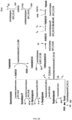
- This bacterium is able to ferment efficiently myo-inositol to propionic acid and a complete inositol fermentation pathway has been found in its closed genome, and which optionally can be introduced in any other bacterium. See Figure 2A and 2B .
- myo-inositol may have an indirect beneficial effect, and that it is the metabolic conversion of myo-inositol that is beneficial to the subject, rather than the myo-inositol itself.
- myo-inositol may have an indirect beneficial effect, and that it is the metabolic conversion of myo-inositol that is beneficial to the subject, rather than the myo-inositol itself.
- the production of butyrate and, notably, propionate by A. rhamnosivorans is certainly beneficial for the subject (see e.g. Hamer et al 2008 Pharmacology & Therapeutics 27: 104-119 ; Hosseini et al 2011 Nutrition Reviews 69: 245-258 ).
- the present inventors envisage supplementation of a subject with a bacterium according to the present disclosure, or alternatively both myo-inositol and a bacterium according to the present disclosure, to provide for a direct or synergistic effect leading to improved insulin resistance via in situ propionic acid and optionally butyric acid production.
- the present disclosure relates to a bacterium comprising a gene set encoding an inositol to propionic acid pathway that allows said bacterium to convert inositol to propionic acid or a salt or ester thereof, for use in preventing and/or treating metabolic syndrome, insulin resistance and/or insulin resistance related condition.
- the bacterium is capable of converting inositol into propionic acid or a derivative thereof via inositol metabolism and propionic acid synthesis.
- the inositol may be chiro-inositol or myo-inositol, preferably myo-inositol.
- the bacterium additionally is a butyric acid and/or butyrate-producing (butyrogenic) bacterium (i.e. also comprises a butyric acid / butyrate synthesis pathway gene set).
- the bacterium according to the present disclosure when administered to a human being or when ingested by a human being in an adequate amount, is able to survive and at least transiently colonize the GI tract of said human being.
- This colonization enables greater in situ production of propionic acid / propionate (and/or butyric acid / butyrate).
- Increased in situ production of propionic acid is believed to underlie the beneficial effects as taught herein, e.g.
- metabolic diseases such as metabolic syndrome and insulin resistance or insulin resistance-related complications, such as dyslipidemia and type 2 diabetes mellitus as well as insulin-resistance in endocrine diseases (e.g.,obese subjects with type 1 diabetes mellitus, Cushing's disease or lipodystrophy syndromes).
- endocrine diseases e.g.,obese subjects with type 1 diabetes mellitus, Cushing's disease or lipodystrophy syndromes.
- the present disclosure relates to a bacterium comprising a gene set encoding an inositol to propionic acid pathway that allows said bacterium to convert inositol to propionic acid or a salt or ester thereof, in particular but not necessarily under anaerobic conditions, such as wherein the bacterium and/or its medium is not in contact with gas comprising more than 1, 2, 3, 4, 5, 10 vol% oxygen.
- the bacterial strain is preferably, but not necessarily, an isolate, e.g. a human intestinal isolate.
- the inositol to propionic acid pathway gene set may comprise one or more (at least two or three, or all) of the genes encoding the proteins: myo-inositol 2-dehydrogenase, inosose dehydratase, epi-inositol hydrolase, 5-deoxy-glucuronate isomerase, 5-keto-2-deoxygluconokinase, 5-keto-2-deoxy-D-gluconate-6 phosphate aldolase, glyceraldehyde-3-phosphate keto-isomerase, glyceraldehyde-3-phosphate dehydrogenase, phosphoglycerate kinase, phosphoglycerate mutase, enolase, pyruvate kinase, pyruvate-flavodoxin oxidoreductase, 3-oxoacid CoA transferase.
- the inositol to propionic acid pathway gene set may comprise the gene encoding the protein inosose isomerase and/or another copy of the enzyme myo-inositol 2-dehydrogenase since it allows for conversion of D-chiro-inositol to scyllo-inosose.
- the bacterium according to the present disclosure may comprise a gene encoding lactate dehydrogenase, a gene encoding acetaldehyde dehydrogenase and/or a gene encoding alcohol dehydrogenase.
- the amount of (myo) inositol used to determine whether genes are upregulated or proteins are overexpressed in a bacterium as compared to when said bacterium is grown in absence of (myo) inositol may be in the range of from about 5 mM to about 100 mM, preferably from about 10 mM to about 50 mM, more preferably from about 15 mM to about 25 mM, and is most preferably about 20 mM.
- the bacterium according to the present disclosure may be an isolated intestinal bacterial strain, or strain derived therefrom, and/or may be an intestinal bacterium isolated from a human being, which naturally comprises an inositol to propionic acid pathway gene set as taught herein and which is capable of converting (myo and/or chiro) inositol to propionic acid or a derivative thereof.
- the bacterium according to the disclosure may be the bacterium Anaerostipes rhamnosivorans 1y2 deposited by Wageningen University on June 26, 2015 at the Centraalbureau voor Schimmelcultures (now named Westerdijk Fungal Biodiversity Institute) located at Uppsalalaan 8, 3584CT Utrecht, the Netherlands, assigned the deposit number CBS 140182. Also encompassed is any bacterial strain derived from the deposited bacterium.
- the bacterium according to the present disclosure may be a bacterium which has been transfected with the inositol to propionic acid pathway gene set as taught herein, and which is capable of converting (myo and/or chiro) inositol to propionic acid or a derivative thereof.
- the skilled person is well-acquainted with methods for transforming bacteria with a desired genetic construct (i.e. pathway gene set).
- the bacterium according to the present disclosure belongs to the phylum Firmicutes , preferably to the class Clostridia (and/or order Clostridiales), more preferably to the family Lachnospiraceae, more preferably to the genus Anaerostipes , even more preferably to the species Anaerostipes rhamnosivorans.
- the bacterium according to the present disclosure is not Anaerostipes hadrus.
- the use is for preventing and/or treating insulin resistance or insulin resistance related complication as taught herein.
- the Anaerostipes hadrus concerns type strain DSM3319 or 108065.
- the bacterium according to the present disclosure is Anaerostipes butyraticus , preferably type strain DSM22094.
- the inositol to propionic acid pathway gene set may comprise one or more of the genes encoding the proteins: myo-inositol 2-dehydrogenase, inosose dehydratase, epi-inositol hydrolase, 5-deoxy-glucuronate isomerase, 5-keto-2-deoxygluconokinase, 5-keto-2-deoxy-D-gluconate-6 phosphate aldolase, glyceraldehyde-3-phosphate keto-isomerase, glyceraldehyde-3-phosphate dehydrogenase, phosphoglycerate kinase, phosphoglycerate mutase, enolase, pyruvate kinase, pyruvate-flavodoxin oxidoreductase, 3-oxoacid CoA transferase, acyl-CoA dehydrogenase, enoyl-Co
- the inositol to propionic acid pathway gene set may comprise the gene encoding the protein inosose isomerase and/or another copy of the enzyme myo-inositol 2-dehydrogenase since each will allow for conversion of D-chiro-inositol to scyllo-inosose.
- the gene encoding myo-inositol 2-dehydrogenase may have at least 70, 80, 90, 95, 99, 100% sequence identity with SEQ ID NO:1. Additionally or alternatively the gene encoding myo-inositol 2-dehydrogenase may concern a myo-inositol 2-dehydrogenase that has at least 70, 80, 90, 95, 99, 100% sequence identity with SEQ ID NO:2. The function of the gene myo-inositol 2-dehydrogenase can be seen in the conversion of myo-inositol to scyllo-inosose.
- a further or alternative copy of the gene encoding myo-inositol 2-dehydrogenase may have at least 70, 80, 90, 95, 99, 100% sequence identity with SEQ ID NO:3. Additionally or alternatively, the further or alternative copy of the gene encoding myo-inositol 2-dehydrogenase may concern a myo-inositol 2-dehydrogenase that has at least 70, 80, 90, 95, 99, 100% sequence identity with SEQ ID NO:4. The function of this gene can be seen in a conversion from D-chiro-Inositol to 1-keto-D-chiro-Inositol.
- the gene encoding inosose dehydratase may have at least 70, 80, 90, 95, 99, 100% sequence identity with SEQ ID NO:5. Additionally or alternatively the gene encoding inosose dehydratase may concern an inosose dehydratase that has at least 70, 80, 90, 95, 99, 100% sequence identity with SEQ ID NO: 6.
- the function of the gene inosose dehydratase can be seen in the conversion of scyllo-inosose to 3,5/4-trihydroxycyclohexa-1,2-dione.
- the gene encoding epi-inositol hydrolase may have at least 70, 80, 90, 95, 99, 100% sequence identity with SEQ ID NO:7. Additionally or alternatively the gene encoding epi-inositol hydrolase may concern an epi-inositol hydrolase that has at least 70, 80, 90, 95, 99, 100% sequence identity with SEQ ID NO:8.
- the function of the gene epi-inositol hydrolase can be seen in the conversion of 3,5/4-trihydroxycyclohexa-1,2-dione to 5-deoxy-D-glucuronate.
- the gene encoding 5-deoxy-glucuronate isomerase may have at least 70, 80, 90, 95, 99, 100% sequence identity with SEQ ID NO:9. Additionally or alternatively the gene encoding 5-deoxy-glucuronate isomerase may concern a 5-deoxy-glucuronate isomerase that has at least 70, 80, 90, 95, 99, 100% sequence identity with SEQ ID NO:10. The function of the gene 5-deoxy-glucuronate isomerase can be seen in the conversion of 5-deoxy-D-glucuronate to 2-deoxy-5-keto-D-gluconate.
- the gene encoding 5-keto-2-deoxygluconokinase may have at least 70, 80, 90, 95, 99, 100% sequence identity with SEQ ID NO:11. Additionally or alternatively the gene encoding 5-keto-2-deoxygluconokinase may concern a 5-keto-2-deoxygluconokinase that has at least 70, 80, 90, 95, 99, 100% sequence identity with SEQ ID NO:12. The function of the gene 5-keto-2-deoxygluconokinase can be seen in the conversion of 2-deoxy-5-keto-D-gluconate to 2-deoxy-5-keto-D-gl uconate-6P.
- the gene encoding 5-keto-2-deoxy-D-gluconate-6 phosphate aldolase may have at least 70, 80, 90, 95, 99, 100% sequence identity with SEQ ID NO:13. Additionally or alternatively the gene encoding 5-keto-2-deoxy-D-gluconate-6 phosphate aldolase may concern a 5-keto-2-deoxy-D-gluconate-6 phosphate aldolase that has at least 70, 80, 90, 95, 99, 100% sequence identity with SEQ ID NO: 14.
- 5-keto-2-deoxy-D-gluconate-6 phosphate aldolase The function of the gene 5-keto-2-deoxy-D-gluconate-6 phosphate aldolase can be seen in the conversion of 2-deoxy-5-keto-D-gluconate-6P to 3-oxopropionate and glycerone phosphate.
- the gene encoding glyceraldehyde-3-phosphate keto-isomerase may have at least 70, 80, 90, 95, 99, 100% sequence identity with SEQ ID NO:15. Additionally or alternatively the gene encoding glyceraldehyde-3-phosphate keto-isomerase may concern a glyceraldehyde-3-phosphate keto-isomerase that has at least 70, 80, 90, 95, 99, 100% sequence identity with SEQ ID NO:16.
- the function of the gene glyceraldehyde-3-phosphate keto-isomerase can be seen in the conversion of glycerone phosphate to glyceraldehyde-3P.
- the gene encoding glyceraldehyde-3-phosphate dehydrogenase may have at least 70, 80, 90, 95, 99, 100% sequence identity with SEQ ID NO:17. Additionally or alternatively the gene encoding glyceraldehyde-3-phosphate dehydrogenase may concern a glyceraldehyde-3-phosphate dehydrogenase that has at least 70, 80, 90, 95, 99, 100% sequence identity with SEQ ID NO:18.
- the function of the gene glyceraldehyde-3-phosphate dehydrogenase can be seen in the conversion of glyceraldehyde-3P to 1,3-biphosphoglycerate.
- the gene encoding phosphoglycerate kinase may have at least 70, 80, 90, 95, 99, 100% sequence identity with SEQ ID NO:19. Additionally or alternatively the gene encoding phosphoglycerate kinase may concern a phosphoglycerate kinase that has at least 70, 80, 90, 95, 99, 100% sequence identity with SEQ ID NO:20. The function of the gene phosphoglycerate kinase can be seen in the conversion of 1,3-biphosphoglycerate to 3-phosphoglycerate.
- the gene encoding phosphoglycerate mutase may have at least 70, 80, 90, 95, 99, 100% sequence identity with SEQ ID NO:21. Additionally or alternatively the gene encoding phosphoglycerate mutase may concern a phosphoglycerate mutase that has at least 70, 80, 90, 95, 99, 100% sequence identity with SEQ ID NO:22. The function of the gene phosphoglycerate mutase can be seen in the conversion of 3-phosphoglycerate to 2-phosphoenolpyruvate.
- the gene encoding enolase may have at least 70, 80, 90, 95, 99, 100% sequence identity with SEQ ID NO:23. Additionally or alternatively the gene encoding enolase may concern a enolase that has at least 70, 80, 90, 95, 99, 100% sequence identity with SEQ ID NO:24.
- the function of the gene enolase can be seen in the conversion of 3-phosphoglycerate to 2-phosphoenolpyruvate.
- the gene encoding pyruvate kinase may have at least 70, 80, 90, 95, 99, 100% sequence identity with SEQ ID NO:47. Additionally or alternatively the gene encoding pyruvate kinase may concern a pyruvate kinase that has at least 70, 80, 90, 95, 99, 100% sequence identity with SEQ ID NO:48. The function of the gene pyruvate kinase can be seen in the conversion of phosphoenolpyruvate to pyruvate.
- the gene encoding pyruvate-flavodoxin oxidoreductase may have at least 70, 80, 90, 95, 99, 100% sequence identity with SEQ ID NO:25. Additionally or alternatively the gene encoding pyruvate-flavodoxin oxidoreductase may concern a pyruvate-flavodoxin oxidoreductase that has at least 70, 80, 90, 95, 99, 100% sequence identity with SEQ ID NO:26.
- the function of the gene pyruvate-flavodoxin oxidoreductase can be seen in the conversion of pyruvate to acetyl-CoA and CO 2 /formic acid.
- the gene encoding 3-oxoacid CoA transferase may have at least 70, 80, 90, 95, 99, 100% sequence identity with SEQ ID NO:27. Additionally or alternatively the gene encoding 3-oxoacid CoA transferase may concern a 3-oxoacid CoA transferase that has at least 70, 80, 90, 95, 99, 100% sequence identity with SEQ ID NO:28.
- the function of the gene 3-oxoacid CoA transferase can be seen in the conversion of 3-oxopropionate to 3-oxopropionyl-CoA and/or in the conversion of propionyl-CoA to propionate.
- the gene encoding acyl-CoA dehydrogenase may have at least 70, 80, 90, 95, 99, 100% sequence identity with SEQ ID NO:29. Additionally or alternatively the gene encoding acyl-CoA dehydrogenase may concern a acyl-CoA dehydrogenase that has at least 70, 80, 90, 95, 99, 100% sequence identity with SEQ ID NO:30.
- the function of the gene acyl-CoA dehydrogenase can be seen in the conversion of 3-oxopropionyl-CoA to 3-hydroxy propionyl-CoA.
- the gene encoding enoyl-CoA hydratase may have at least 70, 80, 90, 95, 99, 100% sequence identity with SEQ ID NO:31. Additionally or alternatively the gene encoding enoyl-CoA hydratase may concern a enoyl-CoA hydratase that has at least 70, 80, 90, 95, 99, 100% sequence identity with SEQ ID NO:32. The function of the gene enoyl-CoA hydratase can be seen in the conversion of 3-hydroxy propionyl-CoA to acryloyl-CoA.
- the gene encoding acryloyl-CoA dehydrogenase/Etf may have at least 70, 80, 90, 95, 99, 100% sequence identity with SEQ ID NO:33.
- a further (second) or alternative copy of the gene encoding acryloyl-CoA dehydrogenase/Etf may have at least 70, 80, 90, 95, 99, 100% sequence identity with SEQ ID NO:35.
- a further (third) or alternative copy of the gene encoding acryloyl-CoA dehydrogenase/Etf may have at least 70, 80, 90, 95, 99, 100% sequence identity with SEQ ID NO:37.
- the gene encoding acryloyl-CoA dehydrogenase/Etf may concern a acryloyl-CoA dehydrogenase/Etf that has at least 70, 80, 90, 95, 99, 100% sequence identity with SEQ ID NO:34.
- a further (second) or alternative copy of the gene encoding acryloyl-CoA dehydrogenase/Etf may concern a acryloyl-CoA dehydrogenase/Etf that has at least 70, 80, 90, 95, 99, 100% sequence identity with SEQ ID NO:36.
- a further (third) or alternative copy of the gene encoding acryloyl-CoA dehydrogenase/Etf may concern a acryloyl-CoA dehydrogenase/Etf that has at least 70, 80, 90, 95, 99, 100% sequence identity with SEQ ID NO:38.
- Acryloyl-CoA dehydrogenase/Eft can be a complex in which AR1Y2_1051 and AR1Y2_1052 are the alpha and beta subunit of a complex that function as the electron acceptor of the acryolyl-CoA dehydrogenase (AR1Y2_1050).
- the function of the gene acryloyl-CoA dehydrogenase/Etf can be seen in the conversion of acryloyl-CoA to propionyl-CoA.
- the gene encoding inosose isomerase may have at least 70, 80, 90, 95, 99, 100% sequence identity with SEQ ID NO:39. Additionally or alternatively the gene encoding inosose isomerase may concern a inosose isomerase that has at least 70, 80, 90, 95, 99, 100% sequence identity with SEQ ID NO:40. The function of this gene can be seen in a conversion from 1-keto-D-chiro-Inositol to scyllo-inosose.
- lactate dehydrogenase may have at least 70, 80, 90, 95, 99, 100% sequence identity with SEQ ID NO:41. Additionally or alternatively the gene lactate dehydrogenase may concern a lactate dehydrogenase that has at least 70, 80, 90, 95, 99, 100% sequence identity with SEQ ID NO:42. The function of the gene lactate dehydrogenase can be seen in the conversion of pyruvate to lactate.
- the gene encoding acetaldehyde dehydrogenase may have at least 70, 80, 90, 95, 99, 100% sequence identity with SEQ ID NO:43. Additionally or alternatively the gene acetaldehyde dehydrogenase may concern an acetaldehyde dehydrogenase that has at least 70, 80, 90, 95, 99, 100% sequence identity with SEQ ID NO:44. The function of the gene acetaldehyde dehydrogenase can be seen in the conversion of acetyl-CoA to acetaldehyde.
- the gene encoding alcohol dehydrogenase may have at least 70, 80, 90, 95, 99, 100% sequence identity with SEQ ID NO:45. Additionally or alternatively the gene alcohol dehydrogenase may concern an alcohol dehydrogenase that has at least 70, 80, 90, 95, 99, 100% sequence identity with SEQ ID NO:46.
- the function of the gene alcohol dehydrogenase can be seen in the conversion of acetaldehyde to ethanol.
- the bacterium according to the present disclosure does not comprise a gene encoding malonate-semialdehyde dehydrogenase (involved in the conversion of malonic semi-aldehyde to acetyl-CoA).
- the present disclosure further provides a composition comprising a bacterium according to the present disclosure and optionally a physiologically acceptable carrier.
- the physiologically acceptable carrier may be any carrier that is suitable for keeping the bacterium as taught herein viable until consumption by a subject (e.g. human or animal).
- acceptable carriers include any of well-known physiological or pharmaceutical carriers, buffers, and excipients. It will be appreciated that the choice for a suitable physiological or pharmaceutical carrier will depend upon the intended mode of administration of the composition as taught herein (e.g. oral) and the intended form of the composition (e.g. beverage, yogurt, powder, capsules, and the like). The skilled person knows how to select a physiological or pharmaceutical carrier, which is suitable for the compositions as taught herein.
- the composition as taught herein may be in the form of a food composition, feed composition, feed supplement composition, food supplement composition or pharmaceutical composition.
- the composition is preferably suitable for consumption by a human being.
- the composition is a food or food supplement composition.
- the food or food supplement composition may be selected from the group consisting of a liquid, liquid beverage (including dairy beverage and fermented beverage), yogurt, cheese, gel, gelatine, gelatine capsule, powder, paste, pressed tablet, and gel cap.
- the composition is a liquid, preferably a liquid beverage (e.g. dairy beverage).
- the food or food supplement composition may be a dairy product, preferably a fermented dairy product, preferably a yogurt or a yogurt drink.
- the composition as taught herein may be a probiotic composition.
- Such probiotic composition may comprise the (isolated) bacterium as taught herein, or a strain derived therefrom.
- the composition as taught herein further comprises one or more additional beneficial isolated intestinal bacterial strain.
- the one or more additional beneficial isolated intestinal bacterial strain may be any lactic acid bacterial strain selected from the genera Lactobacillus and/or Bifidobacterium and/or any butyrate-producing bacteria which produces butyrate via the acetyl-CoA pathway.
- the composition may be a symbiotic composition. It may be advantageous to add one or more prebiotic ingredients to the composition as taught herein, for example, to supplement the effects (e.g. production of propionic acid/propionate and/or butyric acid / butyrate or a derivative thereof) of the bacterium as taught herein.
- the one or more prebiotic ingredients may be any prebiotic ingredients, which are suitable to enhance the activity and/or stimulate the growth of the bacterium, or a strain derived therefrom, as taught herein.
- suitable prebiotic ingredients include fibres such as inulin, pectin, and resistant starch, as well as cellobiose, maltose, mannose, salicine, trehalose, amygdalin, arabinose, melibiose, sorbitol, rhamnose and/or xylose.
- the composition as taught herein comprises an (myo)inositol-rich source and/or (myo) inositol.
- a (myo)inositol rich source and/or (myo) inositol may be advantageous to add to the composition as taught herein to further promote the production of propionic acid/propionate and/or butyric acid / butyrate or a derivative thereof in the GI tract of a mammal (e.g. human being).
- the composition as taught herein may comprise one or more ingredients which are suitable for promoting survival and/or viability of the bacterium or strain derived therefrom as taught herein during storage and/or during exposure to bile and/or during passage through the GI tract of a mammal (e.g. a human being).
- suitable ingredients include an enteric coating, and controlled release agents allowing passage through the stomach.
- enteric coating e.g. a human being
- suitable ingredients for maintaining a bacterium as taught herein viable and functional i.e. able to carry out intended function(s).
- compositions as taught herein may further comprise one or more ingredients, which further enhance the nutritional value and/or the therapeutic value the compositions as taught herein.
- ingredients e.g. nutritional ingredients, veterinary or medicinal agents etc.
- proteins amino acids, enzymes, mineral salts, vitamins (e.g.
- thiamine HCl riboflavin
- pyridoxine HCl niacin
- inositol choline chloride
- calcium pantothenate biotin, folic acid, ascorbic acid, vitamin B12, p-aminobenzoic acid, vitamin A acetate, vitamin K, vitamin D, vitamin E, and the like
- sugars and complex carbohydrates e.g. water-soluble and water-insoluble monosaccharides, disaccharides, and polysaccharides
- medicinal compounds e.g. antibiotics
- antioxidants trace element ingredients
- the bacterium as taught herein may be incorporated into the composition in lyophilized form, microencapsulated form (reviewed by, for example, Solanki et al. BioMed Res. Int. 2013, Article ID 620719 ), or any other form preserving the activity and/or viability of the bacterial strain.
- the composition as taught herein may be a pharmaceutical composition.
- the pharmaceutical composition may be for use as a supplement.
- a pharmaceutical composition will usually comprise a pharmaceutical carrier, in addition to the bacterium taught herein.
- the carrier is preferably an inert carrier. The preferred form depends on the intended mode of administration and (therapeutic) application.
- a pharmaceutical carrier can be any compatible, nontoxic substance suitable to deliver the bacterium taught herein to the GI tract of a subject.
- sterile water, or inert solids may be used as a carrier, usually complemented with a pharmaceutically acceptable adjuvant, buffering agent, dispersing agent, and the like.
- a pharmaceutical composition as taught herein may be in liquid form, e.g.
- a cryoprotectant such as lactose, trehalose or glycogen can be employed.
- the bacterium taught herein can be administered in solid dosage forms, such as capsules, tablets, and powders, comprising lyophilized bacteria, or in liquid dosage forms, such as elixirs, syrups, and suspensions.
- the bacterium taught herein can be encapsulated in capsules such as gelatin capsules, together with inactive ingredients and powdered carriers, such as e.g. glucose, lactose, sucrose, mannitol, starch, cellulose or cellulose derivatives, magnesium stearate, stearic acid, sodium saccharin, talcum, magnesium carbonate and the like.
- inactive ingredients and powdered carriers such as e.g. glucose, lactose, sucrose, mannitol, starch, cellulose or cellulose derivatives, magnesium stearate, stearic acid, sodium saccharin, talcum, magnesium carbonate and the like.
- the bacterium as taught herein may be comprised in the composition as taught herein in an amount ranging from about 10 6 to about 10 15 colony forming units (CFU).
- CFU colony forming units
- the intestinal bacteria may be comprised in the composition in an amount of about 10 7 CFU to about 10 14 CFU, preferably about 10 8 CFU to about 10 13 CFU, preferably about 10 9 CFU to about 10 12 CFU, more preferably about 10 10 CFU to about 10 12 CFU.
- the present disclosure is concerned with a bacterium as taught herein or a composition as taught herein for use as a medicament, for use as a food or food supplement, or for use as a probiotic and/or symbiotic.
- the bacterium for use according to the present disclosure may be administered separately, sequentially or simultaneously with (myo) inositol, or with a (myo) inositol source (or a phospholipid or phytic acid source) which may be present in the same composition as the bacterium, or in a separate composition, for example comprising in the range of from about 5 mM to about 100 mM, preferably from about 10 mM to about 50 mM, more preferably from about 15 mM to about 25 mM, and is most preferably about 20 mM (myo)inositol, or for example comprising from about 1 mg to about 1000 mg, preferably from about 10 mg to about 500 mg, more preferably from about 15 mg to about 50 mg.
- the amount of inositol and/or administration frequency is chosen such to that between 0.1 and 100 grams is consumed per day, or between 0.5 and 10, or between 0.5 and 10, or between 0.1 and 5, all in grams per day.
- the present disclosure particularly pertains to the bacterium as taught herein or a composition as taught herein for use in maintaining, restoring and/or improving GI health in general, and/or for preventing and/or treating conditions or diseases such as obesity, metabolic diseases, such as metabolic syndrome and insulin resistance or insulin resistance-related complications, such as dyslipidemia and type 2 diabetes mellitus as well as insulin-resistance in endocrine diseases (e.g.,obese subjects with type 1 diabetes mellitus, Cushing's disease or lipodystrophy syndromes).
- conditions or diseases such as obesity, metabolic diseases, such as metabolic syndrome and insulin resistance or insulin resistance-related complications, such as dyslipidemia and type 2 diabetes mellitus as well as insulin-resistance in endocrine diseases (e.g.,obese subjects with type 1 diabetes mellitus, Cushing's disease or lipodystrophy syndromes).
- the present disclosure is also directed to a method for maintaining, restoring and/or improving GI health in general, and/or for preventing and/or treating conditions or diseases such as obesity, metabolic diseases, such as metabolic syndrome and insulin resistance or insulin resistance-related complications, such as dyslipidemia and type 2 diabetes mellitus as well as insulin-resistance in endocrine diseases (e.g.,obese subjects with type 1 diabetes mellitus, Cushing's disease or lipodystrophy syndromes) in a subject in need thereof, said method comprising the step of increasing the level of the bacterium as taught herein in said subject.
- conditions or diseases such as obesity, metabolic diseases, such as metabolic syndrome and insulin resistance or insulin resistance-related complications, such as dyslipidemia and type 2 diabetes mellitus as well as insulin-resistance in endocrine diseases (e.g.,obese subjects with type 1 diabetes mellitus, Cushing's disease or lipodystrophy syndromes) in a subject in need thereof, said method comprising the step
- the level of the bacterium as taught herein in said subject may be increased by administering an effective amount of said bacterium to said subject, and/or by administering an effective amount of a compound capable of increasing the level of said bacterium in (the GI tract of) said subject.
- the bacterium as taught herein may be administered concomitant with (myo)inositol or a (myo)inositol source (or a phospholipid or phytic acid source), such as fruits, beans, grains, and nuts.
- a (myo)inositol source or a phospholipid or phytic acid source
- the skilled person can, without undue burden, readily identify (myo)inositol-rich sources.
- the level of the bacterium as taught herein in the GI tract of a subject may be increased by administering an effective amount of the bacterium as taught herein, but preferably Anaerostipes rhamnosivorans 1y2 and/or a composition as taught herein comprising Anaerostipes rhamnosivorans 1y2, to said subject.
- the subject may be selected from the group consisting of human beings, non-human primates, mice, rats, dogs, cows, and pigs. In a preferred embodiment, the subject is a human.
- the disclosure also relates to a method for producing propionic acid, said method comprising the step of contacting the bacterium as taught herein with a suitable energy source, e.g. (myo)inositol and/or glucose/acetate, under conditions which allow the bacterium as taught herein to convert the energy source to propionic acid.
- a suitable energy source e.g. (myo)inositol and/or glucose/acetate
- the methods taught herein may be in vitro methods.
- probiotics' or 'probiotic products' as used herein refers to microorganisms such as intestinal bacteria, which - when administered or ingested in effective amounts - confer health benefits to the host (e.g. humans or mammals).
- probiotics should be alive or viable when administered to a subject so as to allow the probiotics to colonize the large intestine of the host.
- probiotics may also be dead when administered provided that substances produced by the probiotics still exert probiotic, beneficial effects on the host.
- Most probiotics or probiotic products are composed of lactic acid bacteria such as Lactobacilli or Bifidobacteria. The skilled person is well-acquainted with the field of probiotics and knows how to select lactic acid bacteria endowed with probiotic activity.
- 'prebiotics' or 'prebiotic products' generally refers to compounds that promote the growth and/or activity of GI microorganisms that contribute to the well-being of their host.
- Prebiotics or prebiotic products consist mainly of fermentable fibres or non-digestible carbohydrates. The fermentation of these fibres by probiotics promotes the production of beneficial end products, such as SCFAs, particularly butyrate.
- SCFAs beneficial end products
- 'symbiotics' or 'symbiotic products' as used herein generally refers to compositions and/or nutritional supplements combining probiotics and one or more compounds that promote the growth and/or activity of GI microorganisms, such as prebiotics, into one product.
- the symbiotic beneficially affects the host by improving the survival and colonization of the probiotic in the GI tract, by selectively stimulating the growth and/or by activating the metabolism of the probiotic, thus improving host welfare.
- the skilled person is well-acquainted with symbiotics and knows how to select ingredients that may be combined into a symbiotic.
- propionic acid' refers is a carboxylic acid with chemical formula CH 3 CH 2 CO 2 H.
- the term may include derivatives thereof, i.e. compounds derived from propionic acid and in particular salts and esters of propionic acid which are known as propionates or propanoates.
- propionate salts are ammonium propionate, calcium propionate, magnesium propionate, potassium propionate and sodium propionate.
- propionate ester is ethyl propionate.
- butyric acid' also known under the systematic name butanoic acid
- butanoic acid refers to a carboxylic acid with the structural formula CH 3 CH 2 CH 2 COOH.
- the term may include derivatives thereof, i.e. compounds derived from butyric acid and includes salts and esters of butyric acid, which are known as butyrate or butanoate.
- butyrate salts include sodium butyrate, calcium butyrate, magnesium butyrate, manganese butyrate, cobalt butyrate, barium butyrate, lithium butyrate, zinc butyrate, potassium butyrate, ferrous butyrate and the like.
- butyrate esters i.e. esters of butyric acid
- 'butyrate-producing bacterium' or 'butyric acid-producing bacterium' or 'butyrogenic bacterium' are used interchangeably herein and refer to a bacterium which is capable of producing butyric acid and/or butyrate and/or one or more derivatives thereof.
- acetyl-CoA pathway has been well-documented and is known to be particularly prevalent in intestinal bacteria belonging, for instance, to the genus Lachnospiraceae and Ruminococcaceae (which together may form up to 20% of total gut microbiota).
- butyric acid and/or butyrate and/or derivatives thereof may be formed by a single bacterial species via carbohydrate fermentation and/or by a group of microorganisms where metabolites from other organisms act as a substrate for butyrogenic bacteria.
- the conventional acetyl-CoA pathway involves a cascade of enzymes, including (among many others) two key enzymes referred to as butyryl-CoA transferase (But) and butyrate kinase (Buk).
- But butyryl-CoA transferase
- Buk butyrate kinase
- 'inositol to propionic acid (or propionate) pathway gene set' refers to a set of genes that encode proteins involved in the conversion of (myo) inositol into propionic acid (propionate) or a derivative thereof.
- the pathway gene set comprises genes encoding the proteins: myo-inositol 2-dehydrogenase, inosose dehydratase, epi-inositol hydrolase, 5-deoxy-glucuronate isomerase, 5-keto-2-deoxygluconokinase, 5-keto-2-deoxy-D-gluconate-6 phosphate aldolase, glyceraldehyde-3-phosphate keto-isomerase, glyceraldehyde-3-phosphate dehydrogenase, phosphoglycerate kinase, phosphoglycerate mutase, enolase, pyruvate kinase, pyruvate-flavodoxin oxidoreductase, 3-oxoacid CoA transferase.
- acyl-CoA dehydrogenase enoyl-CoA hydratase, acryloyl-CoA dehydrogenase/Etf and optionally inosose isomerase and/or a second copy of myo-inositol 2-dehydrogenase.
- 'beneficial intestinal bacteria species' as used herein refers to a bacterium species that inhabits (i.e. is innate) the mammalian (e.g. human) intestine and exerts beneficial effect(s) (e.g. protection against pathogenic bacteria species, production of butyric acid and/or butyrate and derivatives, etc.) on the GI, metabolic and other health of a mammal in which it resides.
- beneficial intestinal bacterial species include lactic acid bacteria from the genera Lactobacillus and Bifidobacterium.
- beneficial intestinal bacterial species include butyrate-producing bacterial species, which use the acetyl-CoA to produce butyric acid and/or butyrate and derivative thereof, such as the bacterial strains disclosed in US2014/0242654 , WO 2014/150094 or WO2013032328 A1 .
- Pathogenic bacterial species may refer to a bacterium that inhabits (i.e. is innate) the mammalian (e.g. human) intestine and exerts deleterious effect(s) (e.g. infection) on the GI health of a mammal in which it resides.
- a notorious non-limiting example of a pathogenic bacterial species is the toxin-producing Clostridium difficile.
- an effective amount of the bacterium as taught herein is an amount which is effectively useful for maintaining, restoring, and/or improving GI heath in a human being, for converting (myo)inositol into propionic acid/propionate or a derivative thereof and/or butyric acid/ butyrate or a derivative thereof and/or for preventing and/or treating conditions or diseases described herein, in a subject, preferably a human being.
- These conditions or diseases include, without limitation, obesity, metabolic diseases, such as metabolic syndrome and insulin resistance or insulin resistance-related complications, such as dyslipidemia and type 2 diabetes mellitus as well as insulin-resistance in endocrine diseases (e.g.,obese subjects with type 1 diabetes mellitus, Cushing's disease or lipodystrophy syndromes).
- the effective amount can be readily determined without undue experimentation by a person of ordinary skill in the art.
- the term 'a strain that derives therefrom' as used herein relates to strains obtained by using the deposited strain as taught herein as starting material.
- the strain that derives therefrom may be a mutant strain, which may be derived from a strain of the invention by means of, for instance, genetic engineering, radiation, UV light, chemical treatment.
- such derivative or mutant strain may be a strain derived from the deposited strain as taught herein that has been subjected to growth adaptation to particular conditions resulting in an additional benefit to the derivative strain, such as more rapid growth, better survival in the gut, enhanced inositol to propionate conversion, using methods that are well-known to the skilled person. It is preferred that the derivative or mutant is functionally equivalent to the deposited strain as taught herein.
- a preferred derivative or mutant as taught herein has substantially the same activity or function as the deposited strain as taught herein, i.e. has the ability to convert (myo)inositol to propionic acid/propionate and derivatives.
- the derivative or mutant advantageously provides substantially the same benefits to a mammal (e.g. humans or other mammals) administered with said derivative or mutant as would be the case upon administration of the deposited strain.
- the derivative or mutant strain may also be a spontaneous derivative or mutant strain having the same characteristics as described herein for the deposited strain.
- suitable for consumption' or ⁇ nutritionally acceptable refers to ingredients or substances, which are generally regarded as safe for human (as well as other mammals) consumption.
- metabolic syndrome is well-known by the skilled person. Within the present disclosure, the term encompasses all conditions diagnosed as "metabolic syndrome" by an (authorized) medical practitioner. For example, metabolic syndrome may be diagnosed if a patient has at least two, or at least three of the following traits:
- insulin resistance is well known by the skilled person. Within the present disclosure, the term encompasses all conditions diagnosed as "insulin resistance" by an (authorized) medical practitioner.
- insulin resistance may be diagnosed by the gold standard for determining and quantifying insulin resistance which is the "hyperinsulinemic euglycemic clamp" ( DeFronzo RA, Tobin JD, Andres R 1979). The American Journal of Physiology. 237 (3): E214-23 ). This method measures the amount of glucose necessary to compensate for an increased insulin level without causing hypoglycemia. The procedure may take about two hours and typically involves the following steps. Through a peripheral vein, insulin is infused at 10-120 mU per m 2 per minute.
- glucose 20% is infused to maintain blood sugar levels between 5 and 5.5 mmol/L.
- the rate of glucose infusion is determined by checking the blood sugar levels every five to ten minutes ( Muniyappa R, Lee S, Chen H, Quon MJ (January 2008). American Journal of Physiology. Endocrinology and Metabolism. 294 (1): E15-26 ). The rate of glucose infusion during the last thirty minutes of the test determines insulin sensitivity. If high levels (7.5 mg/min or higher) are required, the patient is insulin-sensitive. Low levels (4.0 mg/min or lower) indicate insulin resistance. Levels between 4.0 and 7.5 mg/min are not definitive, and suggest "impaired glucose tolerance," an early sign of insulin resistance.
- the homeostatic model assessment is a method used to determine and quantify insulin resistance, as it correlates reasonably with the golden standard. See e.g. Matthews DR, Hosker JP, Rudenski AS, Naylor BA, Treacher DF, Turner RC (1985). Diabetologia. 28 (7): 412-9. doi:10.1007/BF00280883. PMID 3899825 ; and/or A. S. Rudenski; D. R. Matthews; J. C. Levy; R. C. Turner (1991) Metabolism. 40 (9): 908-917 .
- a HOMA(-IR) score that deviates from a reference range can indicate insulin resistance.
- insulin resistance refers to peripheral insulin resistance and/or hepatic insulin resistance.
- the term 'insulin resistance-related conditions' (or complications) may refer to dyslipidemia. Alternatively or additionally, the term may refer to type 2 diabetes mellitus. Further, the term 'insulin resistance-related conditions' (or complications) may refer to insulin-resistance in endocrine disease (e.g.,obese subjects with type 1 diabetes mellitus, Cushing's disease or lipodystrophy syndromes).
- 'about' indicates a range of normal tolerance in the art, for example within 2 standard deviations of the mean.
- the term 'about' can be understood as encompassing values that deviate at most 10%, 9%, 8%, 7%, 6%, 5%, 4%, 3%, 2%, 1%, 0.5%, 0.1%, 0.05%, or 0.01% of the indicated value.
- references to an element by the indefinite article 'a' or 'an' does not exclude the possibility that more than one of the elements is present, unless the context clearly requires that there be one and only one of the elements.
- the indefinite article 'a' or 'an' thus usually means 'at least one'.
- 'to increase' and 'increased level' and the terms 'to decrease' and 'decreased level' refer to the ability to significantly increase or significantly decrease or to a significantly increased level or significantly decreased level.
- a level is increased or decreased when it is at least 5%, such as 10%, 15%, 20%, 25%, 30%, 35%, 40%, 45%, 50% higher or lower, respectively, than the corresponding level in a control or reference.
- a level in a sample may be increased or decreased when it is statistically significantly increased or decreased compared to a level in a control or reference.
- sequences disclosed in the description are preferred.
- sequences of the sequence listing may be used.
- myo-inositol can serve as carbon and energy source for a bacterium according to the present disclosure, e.g. Anaerostipes rhamnosivorans as previously isolated from stool of a healthy infant ( Bui et al 2014 International Journal of Systematic and Evolutionary Microbiology 64: 787-793 ).
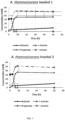
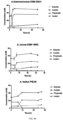
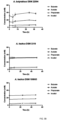
- Figure 1 shows that this bacterium is able to ferment efficiently myo-inositol to propionate. The experiment was performed twice.
- Anaerostipes rhamnosivorans was grown in 4 replicates in 100 ml bicarbonate-buffered medium containing 40 mM myo-inositol or containing 40 mM rhamnose as carbon and energy sources.
- Cells were collected in the exponential phase by centrifugation at 4700g at 4 °C for 20 min. Cell pellets were washed twice and suspended in 0.5 ml of 100 mM Tris-HCl (pH 8). Protein extraction and digestion were performed as described previously (Bui et al., 2015). After the digestion, the samples were kept at -20°C upon the analysis. The samples were analysed by injecting 4 ⁇ l sample over 0.10 * 250 mm ReproSil-Pur 120 C18-AQ 1.9 ⁇ m beads analytical column (prepared in-house) with an acetonitrile gradient at a flow of 0.5 ul/min with a Thermo EASY nanoLC1000.
- the gradient consisted of an increase from 9 to 34% acetonitrile in water with 1 ml/l formic acid in 50 minutes followed by a fast increase in the percentage acetonitrile to 80% (with 20% water and 1 ml/l formic acid in both the acetonitrile and the water) in 3 minutes as a column cleaning step.
- An electrospray potential of 3.5 kV was applied directly to the eluent via a stainless steel needle fitted into the waste line of the micro cross.
- Full scan positive mode FTMS spectra were measured between m/z 380 and 1400 on a Q-Exactive HFX (Thermo electron, San Jose, CA, USA) in the Orbitrap at high resolution (60000).
- MS and MSMS AGC targets were set to 3.10 6 , 50000 respectively or maximum ion injection times of 50 ms (MS) and 25 ms (MSMS) were used.
- HCD fragmented Isolation width 1.2 m/z, 24% normalized collision energy
- MSMS scans of the 25 most abundant 2-5+ charged peaks in the MS scan were recorded in data dependent mode (Threshold 1.2e5, 15 s exclusion duration for the selected m/z +/- 10 ppm).
- Anaerostipes rhamnosivorans database from NCBI was used together with a contaminants database that contains sequences of common contaminants like Trypsins (P00760, bovin and P00761, porcin) and human keratins (Keratin K22E (P35908), Keratin K1C9 (P35527), Keratin K2C1 (P04264) and Keratin K1Cl (P35527)).
- the "label-free quantification” as well as the "match between runs” options were enabled. De-amidated peptides were allowed to be used for protein quantification and all other quantification settings were kept default.
- myo-inositol supplementation can reduce insulin resistance.
- the mechanism through which this occurs is unknown.
- the present inventors envisaged that it is rather the metabolic conversion of myo-inositol that is beneficial to the host, rather than the myo-inositol itself. Hence, it is of interest to note that the production of butyrate and, notably, propionate, by A. rhamnosivorans is certainly beneficial for the patient ( Hamer et al 2008 Pharmacology & Therapeutics 27: 104-119 ; Hosseini et al 2011 Nutrition Reviews 69: 245-258 ).
- the supplementation of the patient with a bacterium according to the present disclosure e.g. A. rhamnisovorans or alternatively both myo-inositol and A. rhamnosivorans provides a direct or synergistic effect on improved insulin resistance via additional propionate and butyrate production.
- Treatment 1 6 weeks, twice daily empty supplement.
- Treatment 2 6 weeks, twice daily supplement with 10 8 living cells of a bacterium according to the present disclosure, i.e. A. rhamnisovorans.
- Treatment 3 6 weeks, twice daily supplement with 10 8 living cells of a bacterium according to the present disclosure, i.e. A. rhamnisovorans in combination with 10 mg myo-inositol.
- Another host bacterium i.e. Escherichia coli is transfected according to standard methods with a gene set according to the present invention and comprising myo-inositol 2-dehydrogenase, inosose dehydratase, epi-inositol hydrolase, 5-deoxy-glucuronate isomerase, 5-keto-2-deoxygluconokinase, 5-keto-2-deoxy-D-gluconate-6 phosphate aldolase, glyceraldehyde-3-phosphate ketol-isomerase, glyceraldehyde-3-phosphate dehydrogenase, phosphoglycerate kinase, phosphoglycerate mutase, enolase, pyruvate kinase, pyruvate-flavodoxin oxidoreductase, 3-oxoacid CoA transferase.
- acyl-CoA dehydrogenase enoyl-CoA hydratase, acryloyl-CoA dehydrogenase/Etf, and inosose isomerase. It is found that the host bacterium is capable of converting (myo)inositol to propionate under anaerobic conditions.
Landscapes
- Health & Medical Sciences (AREA)
- Chemical & Material Sciences (AREA)
- Life Sciences & Earth Sciences (AREA)
- Organic Chemistry (AREA)
- Engineering & Computer Science (AREA)
- Bioinformatics & Cheminformatics (AREA)
- Genetics & Genomics (AREA)
- Zoology (AREA)
- Wood Science & Technology (AREA)
- General Health & Medical Sciences (AREA)
- General Engineering & Computer Science (AREA)
- Biochemistry (AREA)
- Medicinal Chemistry (AREA)
- Microbiology (AREA)
- Biotechnology (AREA)
- Molecular Biology (AREA)
- Biomedical Technology (AREA)
- Diabetes (AREA)
- Veterinary Medicine (AREA)
- Public Health (AREA)
- Animal Behavior & Ethology (AREA)
- Pharmacology & Pharmacy (AREA)
- General Chemical & Material Sciences (AREA)
- Chemical Kinetics & Catalysis (AREA)
- Nuclear Medicine, Radiotherapy & Molecular Imaging (AREA)
- Mycology (AREA)
- Obesity (AREA)
- Hematology (AREA)
- Endocrinology (AREA)
- Epidemiology (AREA)
- Emergency Medicine (AREA)
- Tropical Medicine & Parasitology (AREA)
- Virology (AREA)
- Food Science & Technology (AREA)
- Polymers & Plastics (AREA)
- Physics & Mathematics (AREA)
- Biophysics (AREA)
- Plant Pathology (AREA)
- Micro-Organisms Or Cultivation Processes Thereof (AREA)
- Medicines Containing Material From Animals Or Micro-Organisms (AREA)
Claims (13)
- Bakterium, das einen Gensatz umfasst, der es dem Bakterium ermöglicht, Inositol in Propionsäure oder ein Salz oder einen Ester davon umzuwandeln, zur Verwendung bei der Prävention und/oder Behandlung des metabolischen Syndroms, der Insulinresistenz oder eines mit der Insulinresistenz zusammenhängenden Zustands, wobei der Gensatz umfasst:ein Gen, das für Myoinositol-2-dehydrogenase codiert und mindestens 70 % Sequenzidentität mit SEQ ID NO:1 und/oder SEQ ID NO:3 aufweist,ein Gen, das für Inososedehydratase codiert und mindestens 70 % Sequenzidentität mit SEQ ID NO: 5 aufweist,ein Gen, das für Epiinsitolhydrolase codiert und mindestens 70 % Sequenzidentität mit SEQ ID NO:7 aufweist,ein Gen, das für 5-Desoxyglucuronatisomerase codiert und mindestens 70 % Sequenzidentität mit SEQ ID NO:9 aufweist,ein Gen, das für 5-Keto-2-desoxygluconokinase codiert und mindestens 70 % Sequenzidentität mit SEQ ID NO:11 aufweist,ein Gen, das für 5-Keto-2-desoxy-D-gluconat-6-phosphataldolase codiert und mindestens 70 % Sequenzidentität mit SEQ ID NO:13 aufweist,ein Gen, das für Glyceraldehyd-3-phosphatketolisomerase codiert und mindestens 70% Sequenzidentität mit SEQ ID NO:15 aufweist,ein Gen, das für Glyceraldehyd-3-phosphatdehydrogenase codiert und mindestens 70 % Sequenzidentität mit SEQ ID NO:17 aufweist,ein Gen, das für Phosphoglyceratkinase codiert und mindestens 70 % Sequenzidentität mit SEQ ID NO:19 aufweist,ein Gen, das für Phosphoglyceratmutase codiert und mindestens 70 % Sequenzidentität mit SEQ ID NO:21 aufweist,ein Gen, das für Enolase codiert und mindestens 70 % Sequenzidentität mit SEQ ID NO:23 aufweist,ein Gen, das für Pyruvatkinase codiert und mindestens 70 % Sequenzidentität mit SEQ ID NO:47 aufweist,ein Gen, das für Pyruvatflavodoxinoxidoreduktase codiert und mindestens 70 % Sequenzidentität mit SEQ ID NO:25 aufweist,ein Gen, das für 3-Oxosäure-CoA-transferase codiert und mindestens 70 % Sequenzidentität mit SEQ ID NO:27 aufweist,ein Gen, das für Acyl-CoA-dehydrogenase codiert und mindestens 70 % Sequenzidentität mit SEQ ID NO:29 aufweist,ein Gen, das für Enoyl-CoA-Hydratase codiert und mindestens 70 % Sequenzidentität mit SEQ ID NO:31 aufweist,ein Gen, das für Acryloyl-CoA-Dehydrogenase/Etf codiert und mindestens 70 % Sequenzidentität mit SEQ ID NO:33, SEQ ID NO:35 und/oder SEQ ID NO:37 aufweist, undein Gen, das für Inososeisomerase codiert und mindestens 70 % Sequenzidentität mit SEQ ID NO:39 aufweist.
- Bakterium zur Verwendung nach Anspruch 1, wobei mindestens eines der Gene, die für die Proteine: Myoinositol-2-dehydrogenase, Inososedehydratase, Epiinositolhydrolase, 5-Desoxyglucuronatisomerase, 5-Keto-2-desoxygluconokinase, 5-Keto-2-desoxy-D-gluconat-6-phosphataldolase, Glyceraldehyd-3-phosphatketoisomerase, Glyceraldehyd-3-phosphatdehydrogenase, Phosphoglyceratkinase, Phosphoglyceratmutase, Enolase, Pyruvatkinase, Pyruvatflavodoxinoxidoreduktase, 3-Oxosäure-CoA-transferase. Acyl-CoA-dehydrogenase, Enoyl-CoA-hydratase, Acryloyl-CoA-dehydrogenase/Etf und Inososeisomerase codieren, überexprimiert wird, wenn das Bakterium in Anwesenheit von Inositol gezüchtet wird, verglichen mit dem Bakterium, das in Abwesenheit von Inositol gezüchtet wird.
- Bakterium zur Verwendung nach einem der vorhergehenden Ansprüche, wobei die Verwendung in der Prävention und/oder Behandlung von Insulinresistenz oder einem mit Insulinresistenz zusammenhängenden Zustand besteht.
- Bakterium zur Verwendung nach einem der vorhergehenden Ansprüche, wobei der mit der Insulinresistenz zusammenhängende Zustand ausgewählt ist aus Dyslipidämie, Diabetes mellitus Typ 2 und Insulinresistenz bei endokriner Erkrankung.
- Bakterium zur Verwendung nach einem der vorhergehenden Ansprüche, wobei das Bakterium ein menschliches Darmisolatbakterium ist.
- Bakterium zur Verwendung nach einem der vorhergehenden Ansprüche, wobei das Bakterium als CBS 140182 hinterlegt ist.
- Bakterium zur Verwendung nach einem der vorhergehenden Ansprüche, wobei das Bakterium in einer Zusammensetzung enthalten ist, die zudem einen physiologisch akzeptablen Träger umfasst.
- Bakterium zur Verwendung nach Anspruch 7, wobei die Zusammensetzung eine Lebensmittelzusammensetzung ist, vorzugsweise ein Milchprodukt, stärker bevorzugt ein fermentiertes Milchprodukt, vorzugsweise ein Joghurt oder ein Joghurtgetränk.
- Bakterium zur Verwendung nach Anspruch 7, wobei die Zusammensetzung eine pharmazeutische Zusammensetzung ist, vorzugsweise in fester Dosierungsform, vorzugsweise eine Kapsel, eine Tablette oder ein Pulver.
- Bakterium zur Verwendung nach einem der Ansprüche 7 bis 9, wobei das Bakterium in der Zusammensetzung in lyophilisierter oder mikroverkapselter Form vorliegt.
- Bakterium zur Verwendung nach einem der vorhergehenden Ansprüche, wobei das Bakterium in einer Menge im Bereich von 106 bis 1015 koloniebildenden Einheiten (colony forming units, CFU) vorhanden ist.
- Bakterium zur Verwendung nach einem der vorhergehenden Ansprüche, wobei das Bakterium getrennt, nacheinander oder gleichzeitig mit Inositol verabreicht wird.
- Bakterium zur Verwendung nach einem der vorhergehenden Ansprüche zur Verwendung als Probiotikum.
Applications Claiming Priority (3)
| Application Number | Priority Date | Filing Date | Title |
|---|---|---|---|
| NL2023645 | 2019-08-14 | ||
| NL2024569A NL2024569B1 (en) | 2019-12-24 | 2019-12-24 | Bacterium comprising myo-inositol to propionate pathway |
| PCT/EP2020/072925 WO2021028585A1 (en) | 2019-08-14 | 2020-08-14 | Bacterium comprising myo-inositol to propionate pathway |
Publications (3)
| Publication Number | Publication Date |
|---|---|
| EP4013434A1 EP4013434A1 (de) | 2022-06-22 |
| EP4013434C0 EP4013434C0 (de) | 2024-10-23 |
| EP4013434B1 true EP4013434B1 (de) | 2024-10-23 |
Family
ID=72292490
Family Applications (1)
| Application Number | Title | Priority Date | Filing Date |
|---|---|---|---|
| EP20764587.0A Active EP4013434B1 (de) | 2019-08-14 | 2020-08-14 | Bakterium mit myo-inositol-zu-propionat-signalweg |
Country Status (5)
| Country | Link |
|---|---|
| US (1) | US20220228105A1 (de) |
| EP (1) | EP4013434B1 (de) |
| JP (1) | JP2022544369A (de) |
| CN (1) | CN114502720A (de) |
| WO (1) | WO2021028585A1 (de) |
Families Citing this family (4)
| Publication number | Priority date | Publication date | Assignee | Title |
|---|---|---|---|---|
| WO2021206480A1 (en) * | 2020-04-08 | 2021-10-14 | Psomagen, Inc. | Composition and method for an antibiotic-inducing imbalance in microbiota |
| NL2028324B1 (en) | 2021-05-28 | 2022-12-12 | Caelus Pharmaceuticals B V | Insulin-sensitizing agent and butyrate-producing bacterium |
| EP4309662A1 (de) * | 2022-07-19 | 2024-01-24 | Enbiosis Biotechnology Limited | Inosit zu butyrat umwandelnde mikroorganismen |
| NL2036594B1 (en) * | 2023-12-20 | 2025-07-04 | Univ Wageningen | Bacterium comprising phytate-degradation pathway |
Family Cites Families (5)
| Publication number | Priority date | Publication date | Assignee | Title |
|---|---|---|---|---|
| KR101982491B1 (ko) | 2011-08-30 | 2019-05-27 | 아카데미쉬 메디쉬 센트륨 | 인슐린 저항 예방 및/또는 치료 방법 |
| ES2993669T3 (en) * | 2011-12-01 | 2025-01-03 | Univ Tokyo | Human-derived bacteria that induce proliferation or accumulation of regulatory t cells |
| US20140242654A1 (en) | 2013-02-26 | 2014-08-28 | Coskata, Inc. | Butyrate Producing Clostridium species, Clostridium pharus |
| WO2014150094A1 (en) | 2013-03-15 | 2014-09-25 | University Of Florida Research Foundation, Inc. | Butyrogenic bacteria as probiotics to treat clostridium difficile |
| EP3606325B1 (de) * | 2017-04-03 | 2024-09-04 | Gusto Global, LLC | Rationaler entwurf von biotherapeutika auf mikrobenbasis |
-
2020
- 2020-08-14 JP JP2022507480A patent/JP2022544369A/ja active Pending
- 2020-08-14 EP EP20764587.0A patent/EP4013434B1/de active Active
- 2020-08-14 CN CN202080057480.9A patent/CN114502720A/zh active Pending
- 2020-08-14 WO PCT/EP2020/072925 patent/WO2021028585A1/en not_active Ceased
- 2020-08-14 US US17/615,705 patent/US20220228105A1/en active Pending
Also Published As
| Publication number | Publication date |
|---|---|
| EP4013434C0 (de) | 2024-10-23 |
| WO2021028585A1 (en) | 2021-02-18 |
| EP4013434A1 (de) | 2022-06-22 |
| CN114502720A (zh) | 2022-05-13 |
| JP2022544369A (ja) | 2022-10-18 |
| US20220228105A1 (en) | 2022-07-21 |
Similar Documents
| Publication | Publication Date | Title |
|---|---|---|
| US11426436B2 (en) | Bacteria-comprising compositions and methods of using the same for treating and/or preventing gastrointestinal, metabolic and/or other diseases | |
| EP4013434B1 (de) | Bakterium mit myo-inositol-zu-propionat-signalweg | |
| CN109415683B (zh) | 新细菌物种 | |
| CN111587376A (zh) | 哺乳动物婴儿的代谢组学修正 | |
| RS57957B1 (sr) | Proizvodnja i upotreba bakterijskog histamina | |
| Chi et al. | Branched short-chain fatty acid-rich fermented protein food improves the growth and intestinal health by regulating gut microbiota and metabolites in young pigs | |
| WO2021133877A1 (en) | Control of histamine to promote health and control enterocolitis using probiotic compositions and/or histamine degrading enzymes | |
| US20240269197A1 (en) | Insulin-sensitizing agent and butyrate-producing bacterium | |
| EP4309662A1 (de) | Inosit zu butyrat umwandelnde mikroorganismen | |
| NL2024569B1 (en) | Bacterium comprising myo-inositol to propionate pathway | |
| NL2036594B1 (en) | Bacterium comprising phytate-degradation pathway | |
| HK40070242A (en) | Bacterium comprising myo-inositol to propionate pathway | |
| Niu et al. | From laboratory to industrial application: an comprehensive evaluation of antihyperglycemic function and consumption safety of Akkermansia muciniphila | |
| Agagündüz et al. | Novel Candidate Microorganisms for Fermentation Technology: From Potential Benefits to Safety Issues. Foods 2022, 11, 3074 | |
| EA044429B1 (ru) | Штамм akkermansia glycaniphilus, композиция, содержащая штамм, применение штамма и композиции, способ повышения уровня штамма akkermansia glycaniphilus в желудочно-кишечном тракте | |
| HK1231124A1 (en) | Intestinal bacteria butyribacter intestini and application thereof | |
| HK1231124A (en) | Intestinal bacteria butyribacter intestini and application thereof |
Legal Events
| Date | Code | Title | Description |
|---|---|---|---|
| STAA | Information on the status of an ep patent application or granted ep patent |
Free format text: STATUS: UNKNOWN |
|
| STAA | Information on the status of an ep patent application or granted ep patent |
Free format text: STATUS: THE INTERNATIONAL PUBLICATION HAS BEEN MADE |
|
| PUAI | Public reference made under article 153(3) epc to a published international application that has entered the european phase |
Free format text: ORIGINAL CODE: 0009012 |
|
| STAA | Information on the status of an ep patent application or granted ep patent |
Free format text: STATUS: REQUEST FOR EXAMINATION WAS MADE |
|
| 17P | Request for examination filed |
Effective date: 20220309 |
|
| AK | Designated contracting states |
Kind code of ref document: A1 Designated state(s): AL AT BE BG CH CY CZ DE DK EE ES FI FR GB GR HR HU IE IS IT LI LT LU LV MC MK MT NL NO PL PT RO RS SE SI SK SM TR |
|
| DAV | Request for validation of the european patent (deleted) | ||
| DAX | Request for extension of the european patent (deleted) | ||
| STAA | Information on the status of an ep patent application or granted ep patent |
Free format text: STATUS: EXAMINATION IS IN PROGRESS |
|
| 17Q | First examination report despatched |
Effective date: 20230915 |
|
| GRAP | Despatch of communication of intention to grant a patent |
Free format text: ORIGINAL CODE: EPIDOSNIGR1 |
|
| STAA | Information on the status of an ep patent application or granted ep patent |
Free format text: STATUS: GRANT OF PATENT IS INTENDED |
|
| INTG | Intention to grant announced |
Effective date: 20240605 |
|
| RIN1 | Information on inventor provided before grant (corrected) |
Inventor name: BUI, THI PHUONG NAM Inventor name: DE VOS, WILLEM MEINDERT |
|
| GRAS | Grant fee paid |
Free format text: ORIGINAL CODE: EPIDOSNIGR3 |
|
| GRAA | (expected) grant |
Free format text: ORIGINAL CODE: 0009210 |
|
| STAA | Information on the status of an ep patent application or granted ep patent |
Free format text: STATUS: THE PATENT HAS BEEN GRANTED |
|
| AK | Designated contracting states |
Kind code of ref document: B1 Designated state(s): AL AT BE BG CH CY CZ DE DK EE ES FI FR GB GR HR HU IE IS IT LI LT LU LV MC MK MT NL NO PL PT RO RS SE SI SK SM TR |
|
| REG | Reference to a national code |
Ref country code: GB Ref legal event code: FG4D |
|
| REG | Reference to a national code |
Ref country code: CH Ref legal event code: EP |
|
| REG | Reference to a national code |
Ref country code: DE Ref legal event code: R096 Ref document number: 602020039945 Country of ref document: DE |
|
| REG | Reference to a national code |
Ref country code: IE Ref legal event code: FG4D |
|
| U01 | Request for unitary effect filed |
Effective date: 20241112 |
|
| U07 | Unitary effect registered |
Designated state(s): AT BE BG DE DK EE FI FR IT LT LU LV MT NL PT RO SE SI Effective date: 20241121 |
|
| PG25 | Lapsed in a contracting state [announced via postgrant information from national office to epo] |
Ref country code: HR Free format text: LAPSE BECAUSE OF FAILURE TO SUBMIT A TRANSLATION OF THE DESCRIPTION OR TO PAY THE FEE WITHIN THE PRESCRIBED TIME-LIMIT Effective date: 20241023 Ref country code: IS Free format text: LAPSE BECAUSE OF FAILURE TO SUBMIT A TRANSLATION OF THE DESCRIPTION OR TO PAY THE FEE WITHIN THE PRESCRIBED TIME-LIMIT Effective date: 20250223 |
|
| PG25 | Lapsed in a contracting state [announced via postgrant information from national office to epo] |
Ref country code: ES Free format text: LAPSE BECAUSE OF FAILURE TO SUBMIT A TRANSLATION OF THE DESCRIPTION OR TO PAY THE FEE WITHIN THE PRESCRIBED TIME-LIMIT Effective date: 20241023 |
|
| PG25 | Lapsed in a contracting state [announced via postgrant information from national office to epo] |
Ref country code: NO Free format text: LAPSE BECAUSE OF FAILURE TO SUBMIT A TRANSLATION OF THE DESCRIPTION OR TO PAY THE FEE WITHIN THE PRESCRIBED TIME-LIMIT Effective date: 20250123 |
|
| PG25 | Lapsed in a contracting state [announced via postgrant information from national office to epo] |
Ref country code: GR Free format text: LAPSE BECAUSE OF FAILURE TO SUBMIT A TRANSLATION OF THE DESCRIPTION OR TO PAY THE FEE WITHIN THE PRESCRIBED TIME-LIMIT Effective date: 20250124 |
|
| PG25 | Lapsed in a contracting state [announced via postgrant information from national office to epo] |
Ref country code: PL Free format text: LAPSE BECAUSE OF FAILURE TO SUBMIT A TRANSLATION OF THE DESCRIPTION OR TO PAY THE FEE WITHIN THE PRESCRIBED TIME-LIMIT Effective date: 20241023 |
|
| PG25 | Lapsed in a contracting state [announced via postgrant information from national office to epo] |
Ref country code: RS Free format text: LAPSE BECAUSE OF FAILURE TO SUBMIT A TRANSLATION OF THE DESCRIPTION OR TO PAY THE FEE WITHIN THE PRESCRIBED TIME-LIMIT Effective date: 20250123 |
|
| PG25 | Lapsed in a contracting state [announced via postgrant information from national office to epo] |
Ref country code: SM Free format text: LAPSE BECAUSE OF FAILURE TO SUBMIT A TRANSLATION OF THE DESCRIPTION OR TO PAY THE FEE WITHIN THE PRESCRIBED TIME-LIMIT Effective date: 20241023 |
|
| PG25 | Lapsed in a contracting state [announced via postgrant information from national office to epo] |
Ref country code: SK Free format text: LAPSE BECAUSE OF FAILURE TO SUBMIT A TRANSLATION OF THE DESCRIPTION OR TO PAY THE FEE WITHIN THE PRESCRIBED TIME-LIMIT Effective date: 20241023 |
|
| PG25 | Lapsed in a contracting state [announced via postgrant information from national office to epo] |
Ref country code: CZ Free format text: LAPSE BECAUSE OF FAILURE TO SUBMIT A TRANSLATION OF THE DESCRIPTION OR TO PAY THE FEE WITHIN THE PRESCRIBED TIME-LIMIT Effective date: 20241023 |
|
| PLBE | No opposition filed within time limit |
Free format text: ORIGINAL CODE: 0009261 |
|
| STAA | Information on the status of an ep patent application or granted ep patent |
Free format text: STATUS: NO OPPOSITION FILED WITHIN TIME LIMIT |
|
| 26N | No opposition filed |
Effective date: 20250724 |
|
| U20 | Renewal fee for the european patent with unitary effect paid |
Year of fee payment: 6 Effective date: 20250826 |
|
| REG | Reference to a national code |
Ref country code: CH Ref legal event code: H13 Free format text: ST27 STATUS EVENT CODE: U-0-0-H10-H13 (AS PROVIDED BY THE NATIONAL OFFICE) Effective date: 20260324 |
|
| PG25 | Lapsed in a contracting state [announced via postgrant information from national office to epo] |
Ref country code: MC Free format text: LAPSE BECAUSE OF FAILURE TO SUBMIT A TRANSLATION OF THE DESCRIPTION OR TO PAY THE FEE WITHIN THE PRESCRIBED TIME-LIMIT Effective date: 20241023 |
|
| PG25 | Lapsed in a contracting state [announced via postgrant information from national office to epo] |
Ref country code: CH Free format text: LAPSE BECAUSE OF NON-PAYMENT OF DUE FEES Effective date: 20250831 |